Skip to content

Tag: Penguin

1984

1984 by George Orwell; design by WH Chong (Text Publishing)

The dystopia described in George Orwell’s nearly 70-year-old novel “1984” suddenly feels all too familiar. A world in which Big Brother (or maybe the National Security Agency) is always listening in, and high-tech devices can eavesdrop in people’s homes. (Hey, Alexa, what’s up?) A world of endless war, where fear and hate are drummed up against foreigners, and movies show boatloads of refugees dying at sea. A world in which the government insists that reality is not “something objective, external, existing in its own right” — but rather, “whatever the Party holds to be truth is truth.”

“1984” shot to No. 1 on Amazon’s best-seller list this week, after Kellyanne Conway, an adviser to President Trump, described demonstrable falsehoods told by the White House press secretary Sean Spicer — regarding the size of inaugural crowds — as “alternative facts.” It was a phrase chillingly reminiscent, for many readers, of the Ministry of Truth’s efforts in “1984” at “reality control.” To Big Brother and the Party, Orwell wrote, “the very existence of external reality was tacitly denied by their philosophy. The heresy of heresies was common sense.” Regardless of the facts, “Big Brother is omnipotent” and “the Party is infallible.”

Michiko Kakutani, New York Times

As Nineteen Eighty-Four is suddenly more relevant than ever, I thought I would share a few of the recent covers for Orwell’s classic novel…

1984 by George Orwell; design by David Pearson (Penguin Classics)
1984 by George Orwell; design by Gray318 (Penguin)

1984 by George Orwell; illustration Daniel Mitchell (Penguin Random House Spain)
1984 by George Orwell; illustration by Marion Deuchars (Penguin Modern Classics)
1984 by George Orwell; design by Shepard Fairey (Penguin)


Save

2 Comments

Stanislaw Lem Penguin Modern Classics

Mortal Engines design by Haley Warnham

A new Penguin Modern Classic edition of Mortal Engines by Polish science fiction writer Stanislaw Lem is available in the UK this week. Art directed by Jim Stoddart, this is the third of Lem’s books in the Penguin Modern Classics series featuring cover art by illustrator and designer by Haley Warnham.

You can read more about Warnham’s collages in an interview with illustrator on AIGA’s Eye on Design blog.

Star Diaries Mortal Engines design by Haley Warnham Cyberiad design by Haley Warnham

Comments closed

Paul Buckley Cover to Cover

Penguin Classics Cover to Cover

At Observer, Penguin creative director Paul Buckley, talks about his new book Classic Penguin: Cover to Cover. I particularly enjoyed this epic rant on designing covers for new books:

New books, this piece of writing, everything is riding on that new cover. Is the mood right? Does the imagery hint at what is going on in the text? Did you tell too much? Did you tell too little? Yes, it takes place in the winter, but we want it as a summer read, so try to avoid seasons; she would never dress like that, or maybe she would, but it makes an off-putting cover; I know everyone in the book dies – but that image is so depressing no one will buy it; is the author’s name prominent enough? The type has to be much, much larger. We understand the word has sixteen letters, make it larger. No, it can’t go sideways, people can’t read sideways. I know spines read sideways, that’s not the same. No, no it’s not, and no, this word cannot be broken. We realize the title is part of the problem, we know it’s confusing, we can’t change it. Ok, the type is too condensed; it’s ok if it goes smaller if we can get a nicer font. Have you tried it sideways? The author hates it sideways and is suggesting you try championing condensed 87, do you have that font? I don’t know who designed this, I think it was one of his students, he asked that we show it to “the art dept;” I know, I know, now I can at least say I did. It’s approved! Sales didn’t like the cover, we have to change it. Was it just one person? Bob, how many in sales disliked the cover? Oh, it was just Jim, he’s always out in left field, never mind, glad I asked. Or, yes it was just Sally, BUT she looooves this book. I know you did too, we all do, we still need a new cover by next Tuesday’s deadline. Huge chain “X” wont commit to this book with this cover, I know we all loved it maybe you can save it for something else, here are some suggestions from the buyer, at least they are trying to be helpful.

You can read my 2009 Q & A with Paul here, and my 2010 interview with Paul and Christopher Brand about their book Penguin 75 here.

1 Comment

New Penguin Essentials

Embers design Gray318

The latest additions to Penguin’s ‘Essentials’ series, released this month, have some rather splendid new covers, including Jon Gray‘s wonderful design for Embers by Sandor Márai, Julian House’s typographic design (with echoes of Robert Brownjohn) for The Spy Who Came in from the Cold, and David Foldvari‘s illustrated design for How Many Miles to Babylon by Jennifer Johnston.


You can see more of the new Penguin Essentials covers, and read about the design process, at Design Week.

Comments closed

Jason Booher Interviewed at The Perch

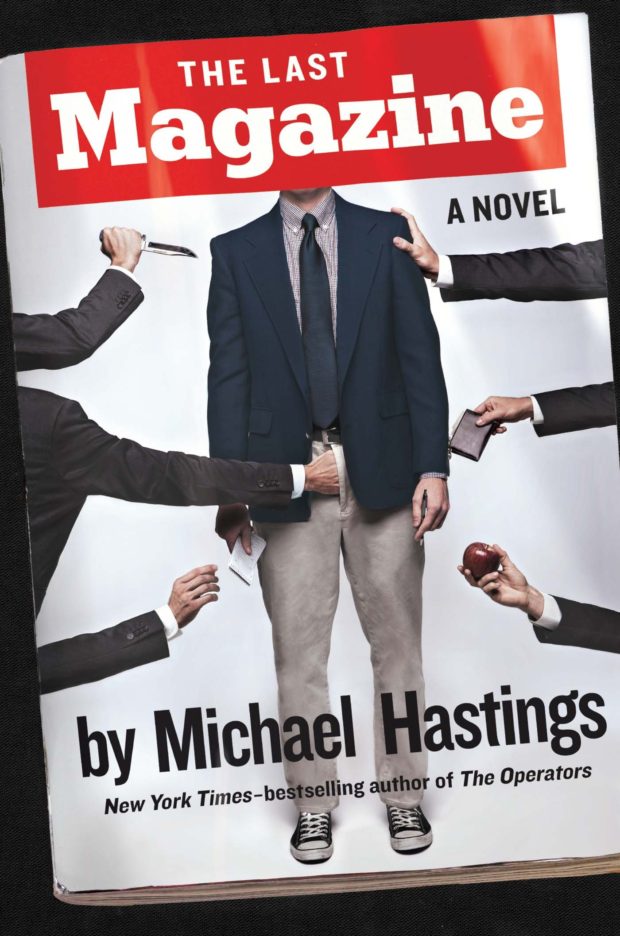
Last Magazine design Jason Booher

Jason Booher, designer and art director of Blue Rider Press and Plume, talks to Penguin Random House blog The Perch about the book cover design process:

A design can be thought of as a set of constraints or parameters. In book design, these consist of things like the conceptual literary content of the book, what makes the book unique in the context of other similar books or all books, how the author is (or is not) known, the expectations of the book from the point of view of the author/editor/sales force/readers, the context of book jacket in the contemporary moment, the context of book jackets in the last 10 (or even 20) years, visual pop culture. Or something that is obvious and not obvious is working with type is very difficult. And it perhaps the most specialized thing that graphic designers bring to that general problem solving into form.

Jason also describes how he approaches a book cover:

There’s a combination of reading the manuscript, and listening to the editor talk about the book. As an art director, I have to dip into almost all the of the books to see what they are like before deciding to whom to give each title. As a designer (if I’m working on that title’s jacket) it’s always different with every book. But as a general process I will read the book, and think and sketch, and sketch, and reread, work though a number of ideas, throw most of them out, stay with others, reread, take a walk (much harder when you are also the art director), try to come up with something new. Those are the first steps.

And how he works with other designers:

When I work with a freelancer (as well as with my in-house designers), I like to see what they come up with without any input from me. Not only are you more likely to get something special and surprising, something you couldn’t have thought of yourself (which is why art directors work with a variety of freelancers in addition to their in-house staff), but you are sending a signal of trust. If a designer knows what “kind” of design they are expected to deliver, they might not push very far or hard. But if they take ownership of being the first arbiters of what the package of the book might be, there is more of a chance for something brilliant. I’m just trying to maximize the talent I have working with me.

With my in house staff, it is similar but there might also be a concept that is floating that we will work with. Or occasionally I’ll work with one designer or my whole team to come up with  ideas together. That’s an exception though, and cover design is generally a sole enterprise in the initial stages. Then it becomes a collaboration when I see comps, and goes from there.

Read the whole interview here.

Comments closed

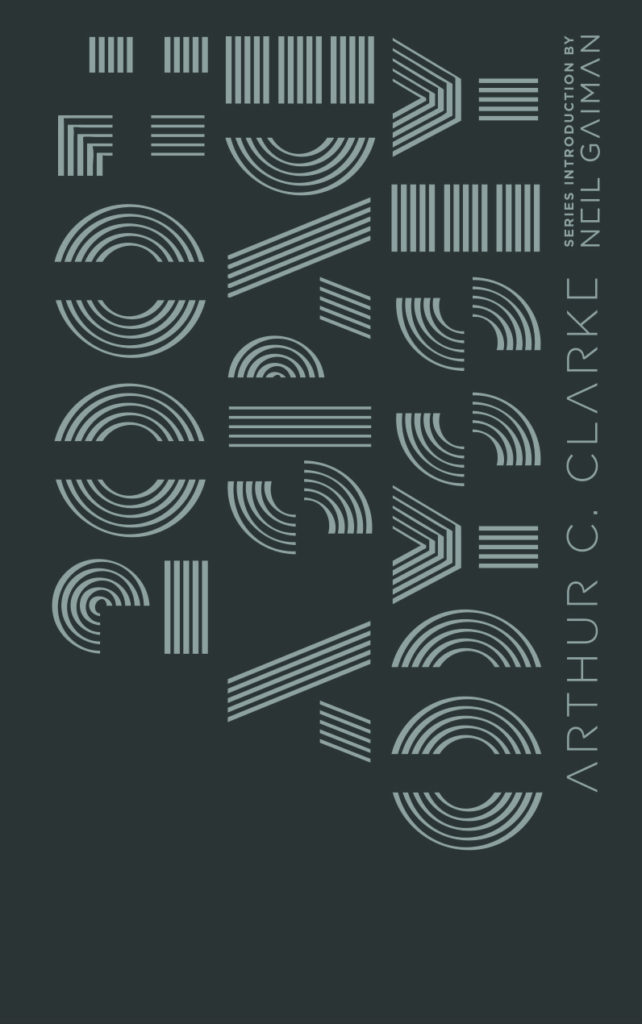
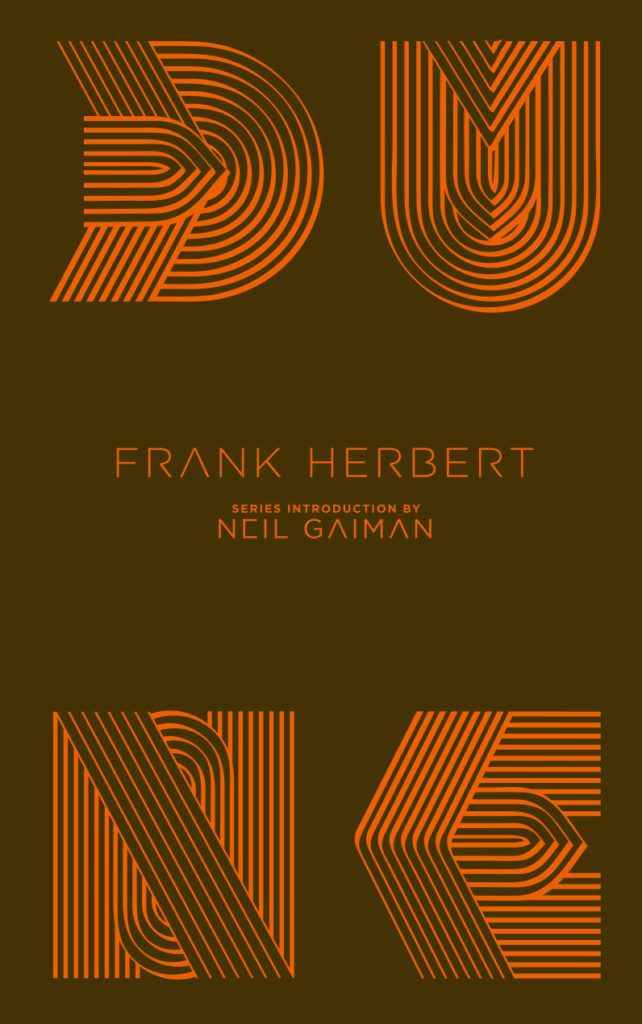
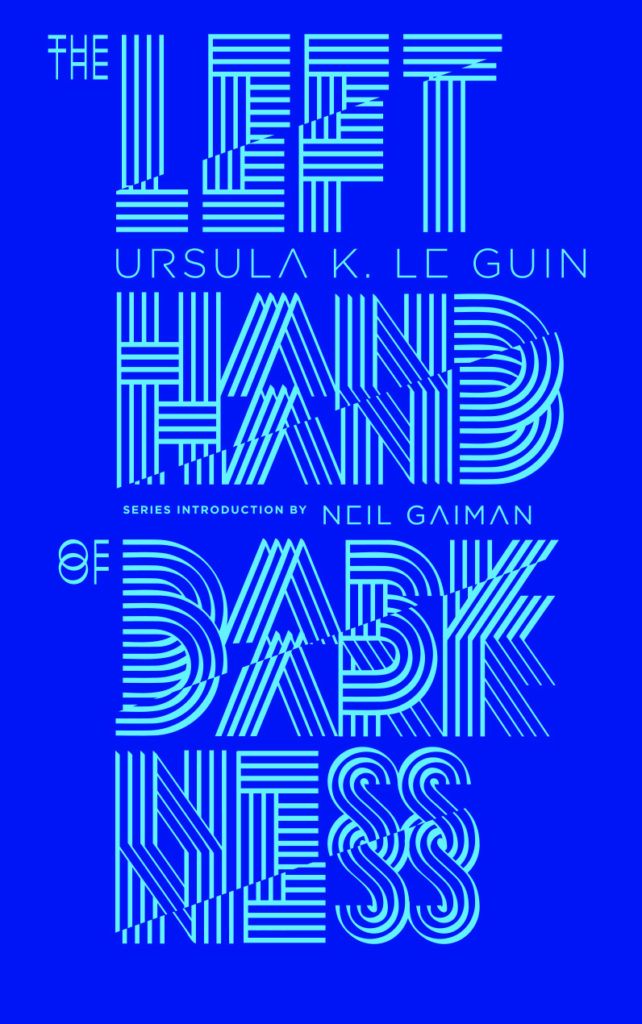
Penguin Galaxy Series design by Alex Trochut

2001 design Alex Trochut

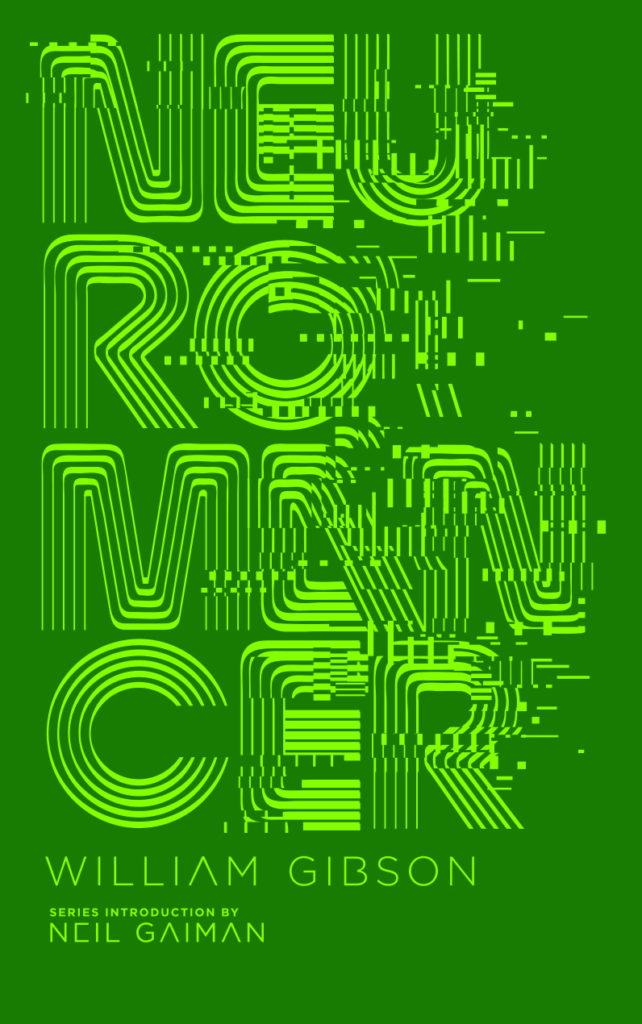
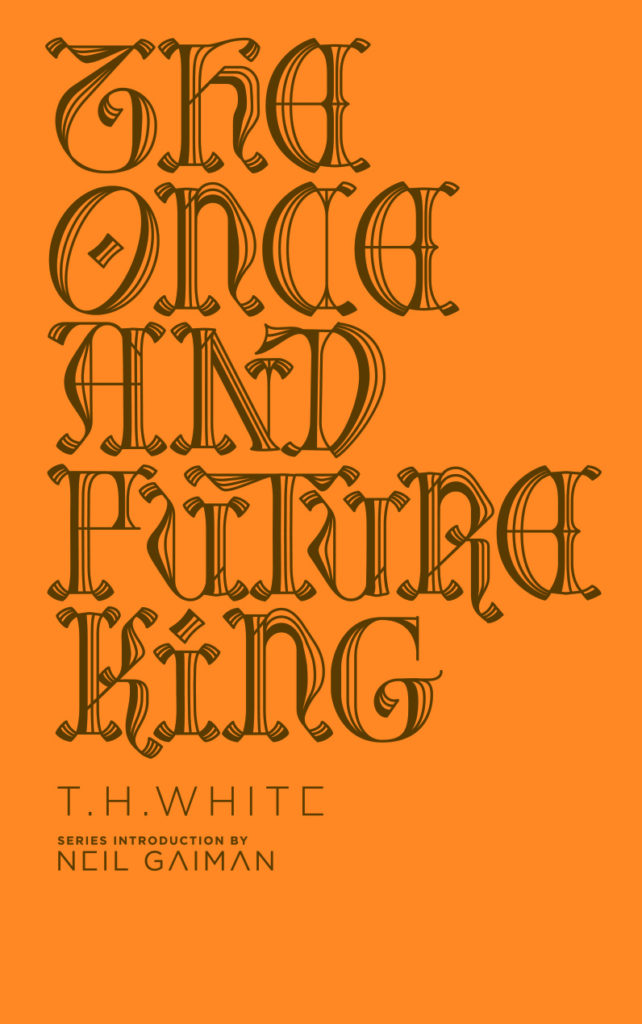
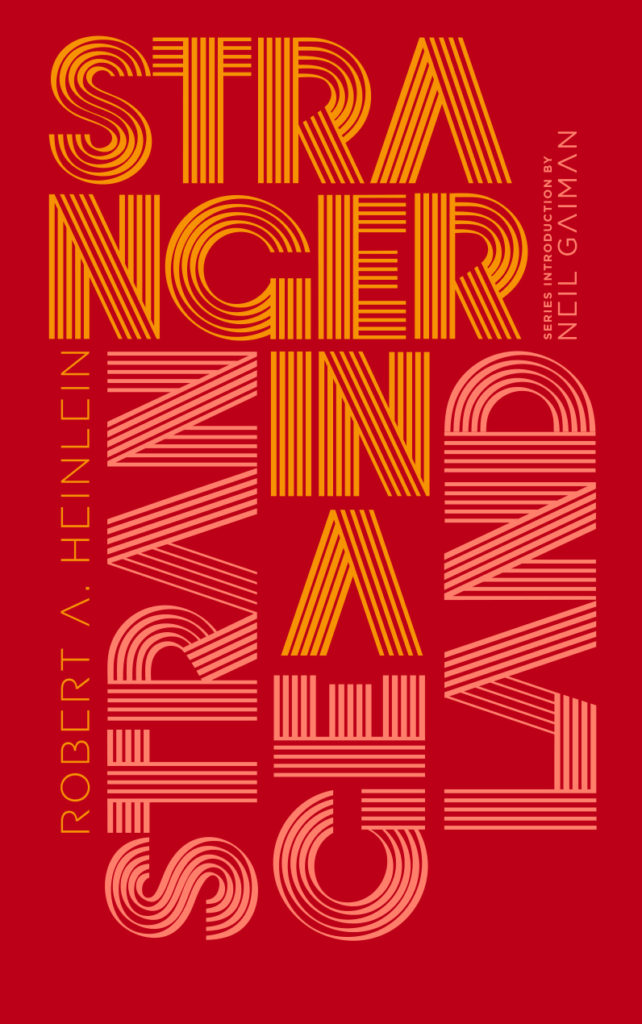
Following on from their horror classics series selected by Guillermo Del Toro, Penguin US is publishing six hardcover science fiction and fantasy classics this fall with introductions from Neil Gaiman, and (more importantly!) brilliant typographic covers by Brooklyn-based Spanish designer Alex Trochut. Available in October, the finished covers will be foil on uncoated paper over board.

dune design Alex Trochut Left Hand of Darkness design Alex Trochut neoromancer design Alex Trochut The Once and Future King design Alex Trochut Stranger in a Strange Land design Alex Trochut

Comments closed

Penguin Short Stories

Penguin book of the British Short Story Tom Gauld

Cor Blimey! Tom Gauld for The Guardian.

And, if you’re curious, the rather splendid covers for the actual two volumes of The Penguin Book of the British Short Story were designed by Matthew Young:

2 Comments
The Poster Boys on Penguin Design

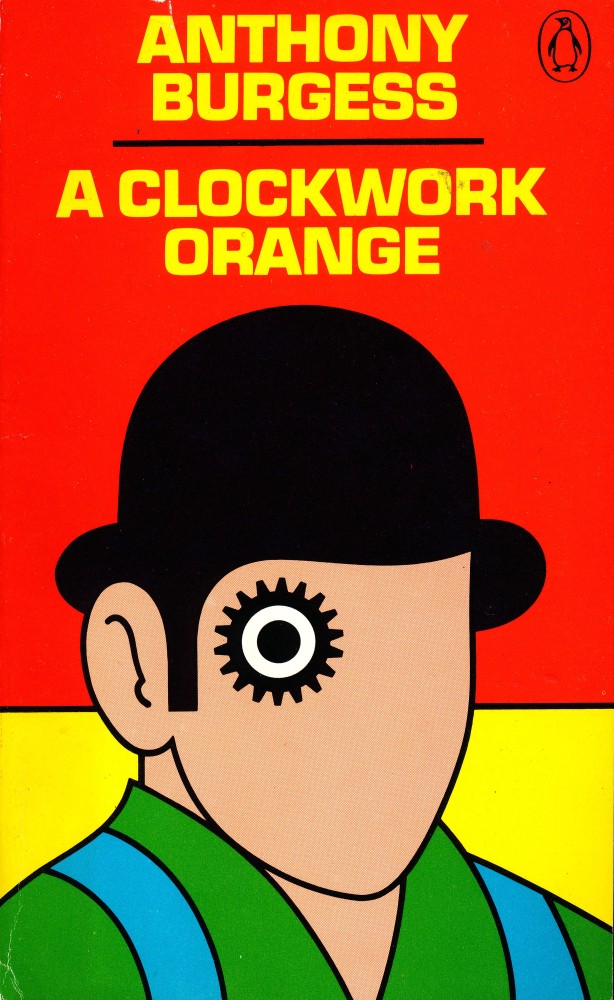
Clockwork Orange David Pelham

This month on the Poster Boys podcast, designers Brandon Schaefer and Sam Smith look back at 45 years of Penguin design history from the early years of the company under the direction of typographer Jan Tschichold to the work of art director David Pelham in the 1970s. Inspired by David Pelham’s famous design for the cover of A Clockwork Orange, Sam and Brandon also take a look at the artwork for Stanley Kubrick’s film adaptation of Anthony Burgess’s cult novel:

Poster Boys Episode 11: Penguin mp3

You can download the podcast from the Poster Boys website, or you can subscribe in iTunes.


Comments closed
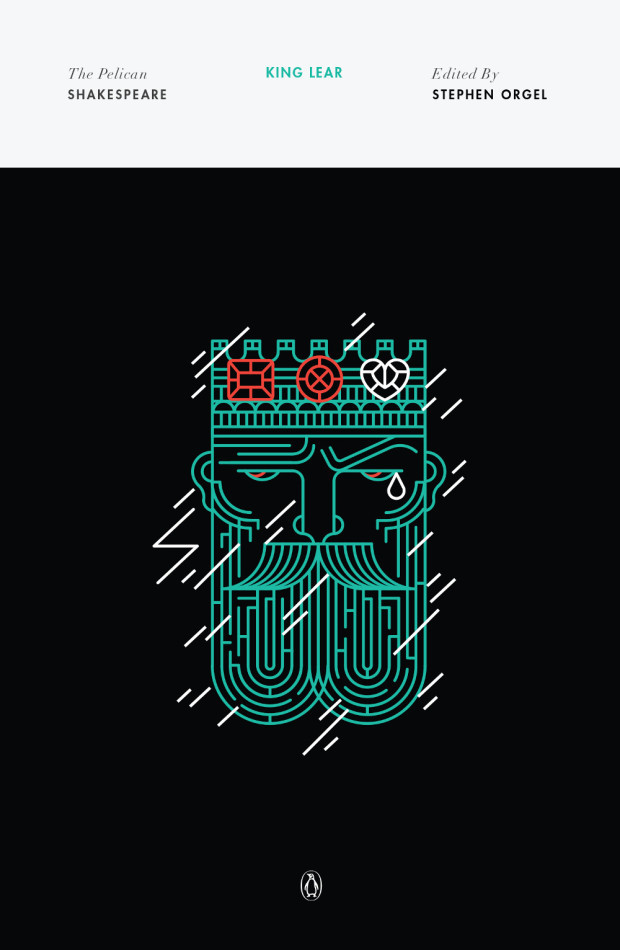
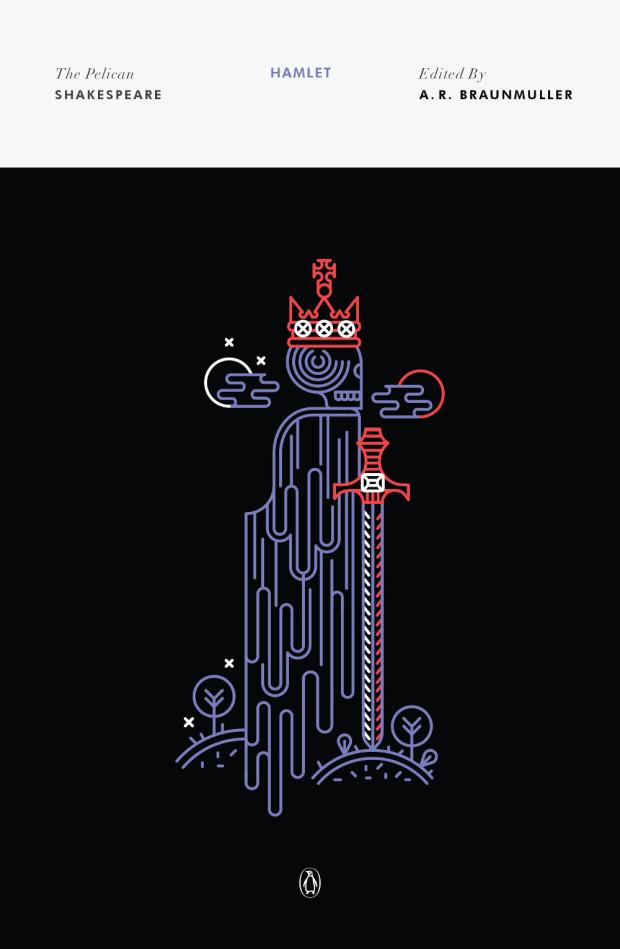
The Pelican Shakespeare Series Design by Manuja Waldia

9780143128557

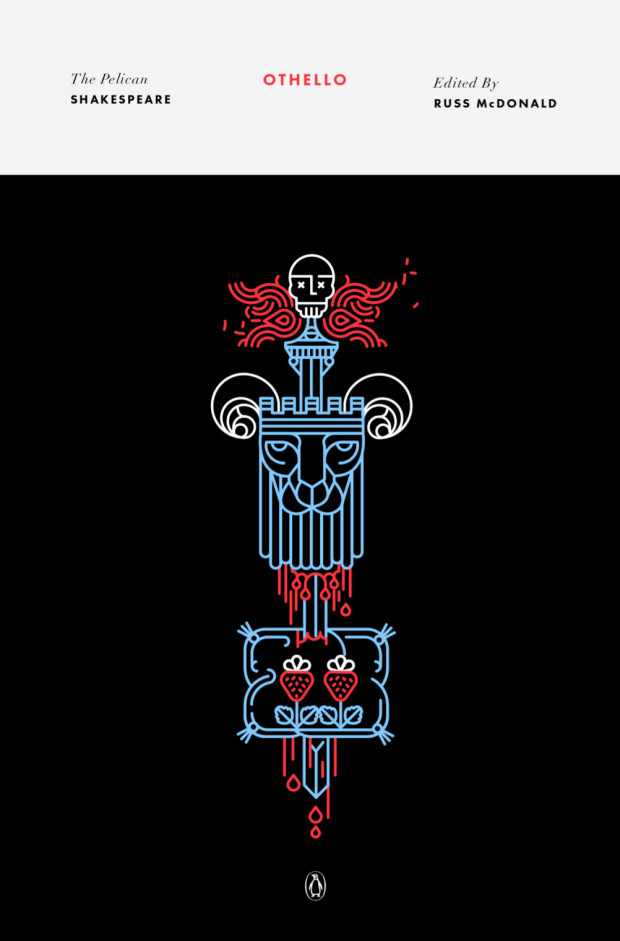
Continuing with the recent series design theme here on The Casual Optimist, creative director Paul Buckley let me know about new set of covers for the Pelican editions of Shakespeare. The covers were designed by newcomer Manuja Waldia, who studied Graphic Design at NIFT, New Delhi and the Milwaukee Institute of Art & Design. Waldia has been commissioned to design the entire series (which is a lot of book covers!), and as a Paul said, “she gives the last two male icon artists to do that (Milton Glaser and Riccardo Vecchio) a run for their money.”

9780143128540

Othello

4 Comments

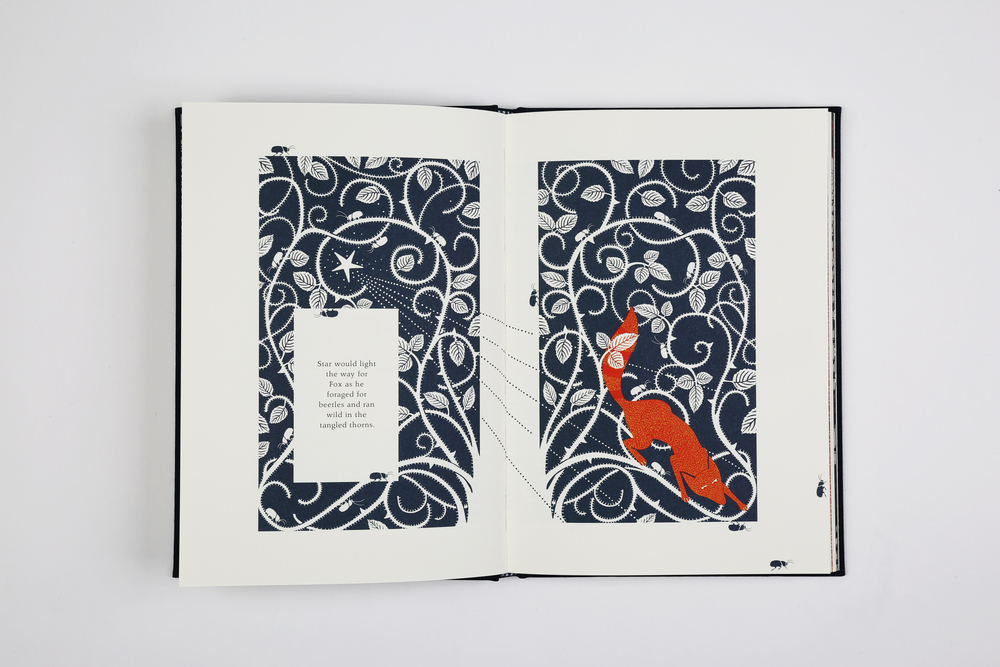
The Fox and the Star by Coralie Bickford-Smith

fox and the star

At the Penguin blog, the remarkable Coralie Bickford-Smith talks about The Fox and the Star, a new book she has written, illustrated and designed:

The inspiration comes from a place of personal experience that I wanted to document. It’s a life lesson that I found hard to learn; one of love, loss and the ability to adapt to the constant changes that are a part of life. On a visual level my inspiration came from my design heroes, William Blake and William Morris. My love of pattern and book design is evident in the illustrations.

It looks absolutely beautiful as you can see:

fox and the star int

And here’s Coralie talking about the project:

The Fox and the Star is available from Particular Books August 27.

Comments closed
Ladybird: Designed for Small, Tiny Hands

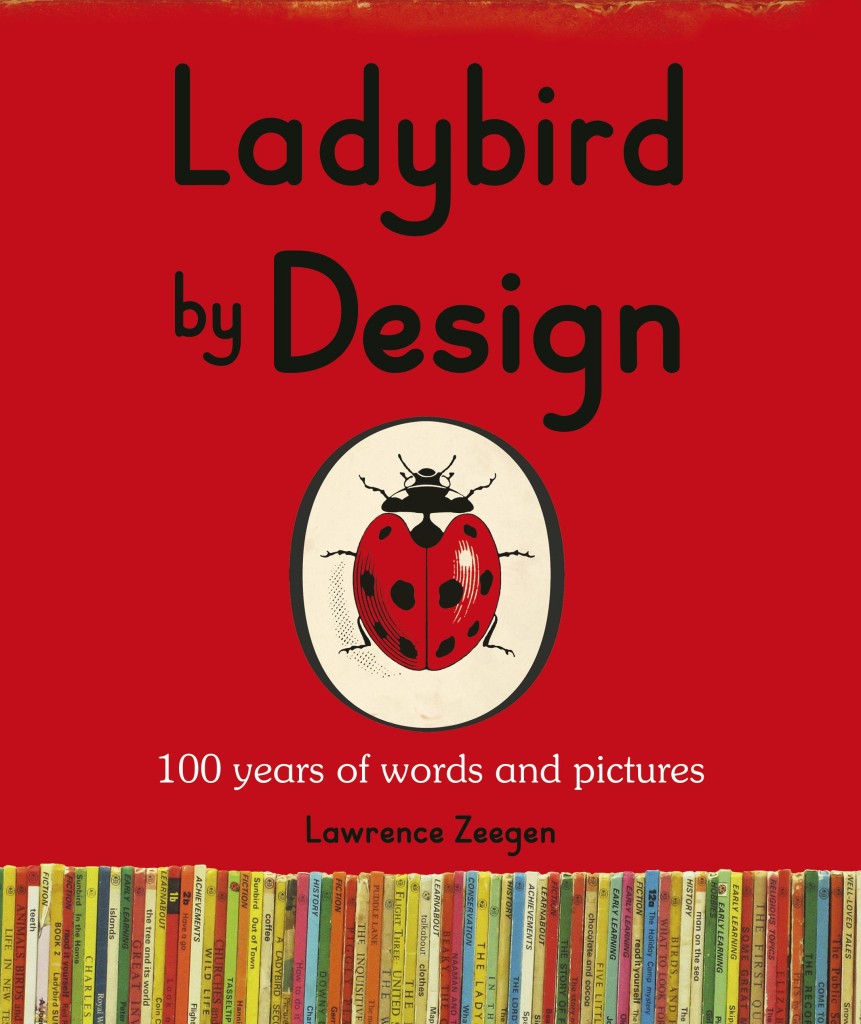
9780723293927

As previously mentioned, Ladybird By Design is an exhibition of over 200 of original book illustrations from the late 1950s to early 1970s currently on display at the De La Warr Pavilion in Bexhill on Sea.

In this short film, Lawrence Zeegen, curator of the exhibition and author of the accompanying book, and Jenny Pearce, daughter of former Ladybird editorial director Douglas Keen, talk about the history of Ladybird and what made the books so special:

Comments closed
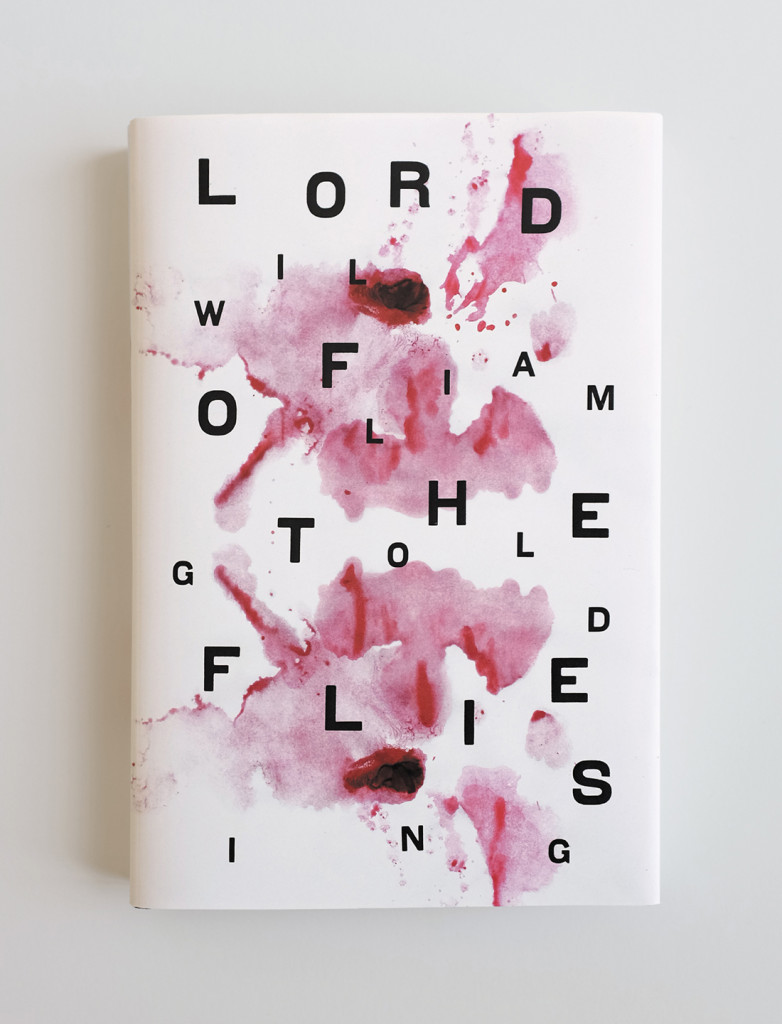
Jason Booher: “being a book cover designer is possibly the best job in the world.”

Booher_LotF

At the AIGA’s Eye on Design blog, Margaret Rhodes talks to Jason Booher, art director of Penguin imprint Blue Rider Press, about book cover design:

The key to creating stellar covers, according to Booher, is to first throw out the tired adage about not judging books by them. “Graphic design is really about selling things,” he says. Lest that sound soulless, the good news here is that Booher is selling other people’s creative ideas. And while every book is unique, Booher says he starts by reading the six or so manuscripts he gets per season, and then mentally digests them all. “You read it, you try and find the soul of the book, something that makes it special, and make it come alive,” he says.

Comments closed