Skip to content

Tag: new yorker

George Saunders Writing Education

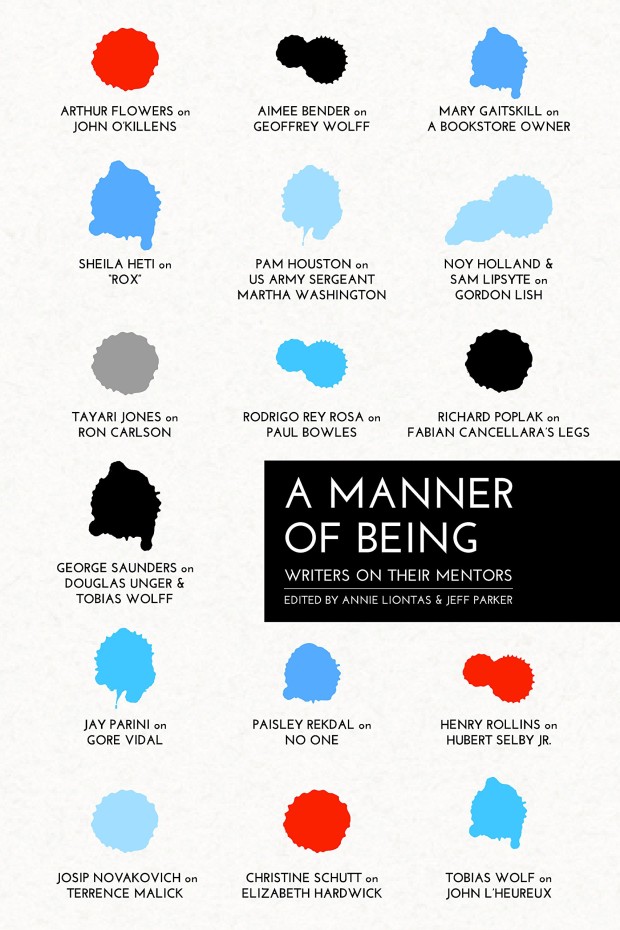
Manner of Being

The New Yorker has a lovely essay by George Saunders, excerpted from a new book called A Manner of Being: Writers on Their Mentors, on his education as a writer:

For me, a light goes on: we are supposed to be—are required to be—interesting. We’re not only allowed to think about audience, we’d better. What we’re doing in writing is not all that different from what we’ve been doing all our lives, i.e., using our personalities as a way of coping with life. Writing is about charm, about finding and accessing and honing ones’ particular charms. To say that “a light goes on” is not quite right—it’s more like: a fixture gets installed. Only many years later… will the light go on.

Comments closed

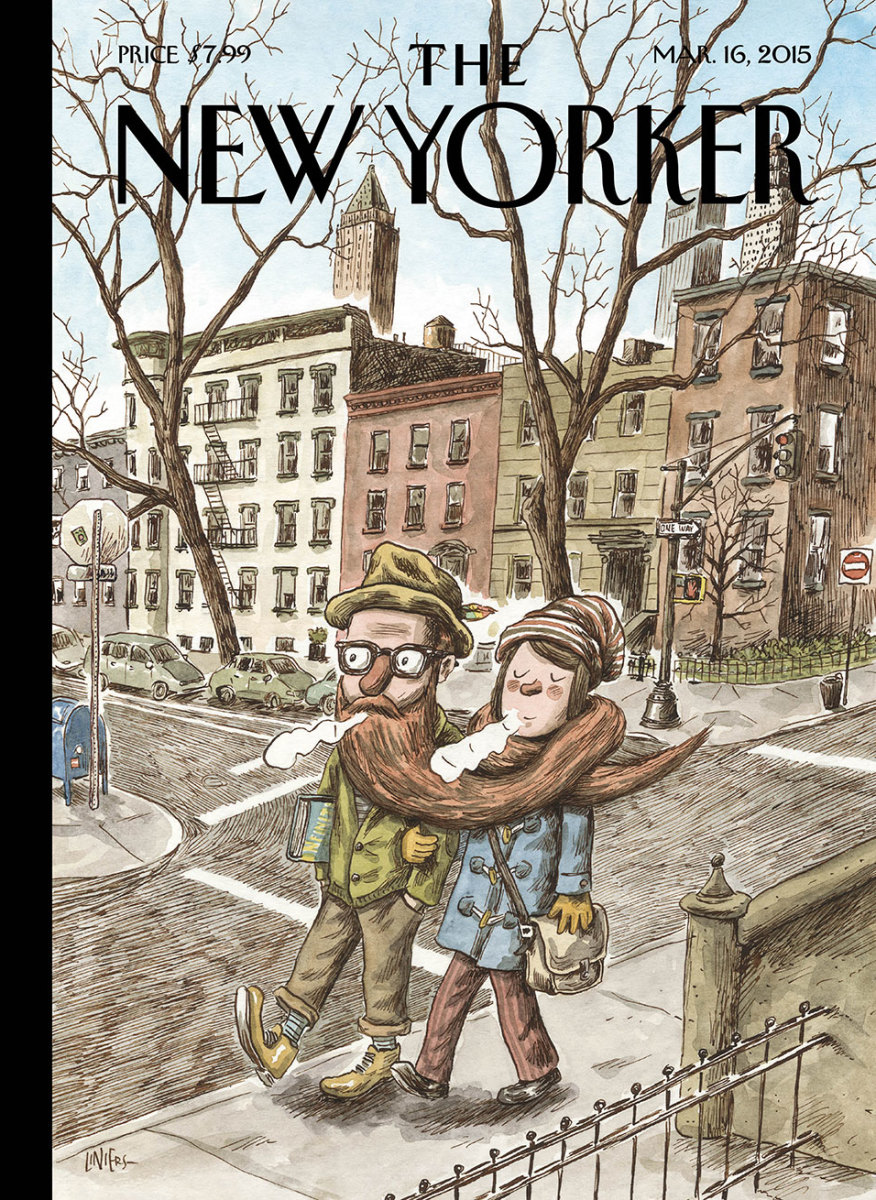
Liniers in New York

CoverStory-Hipster-Stole-Liniers-876-1200-06183144

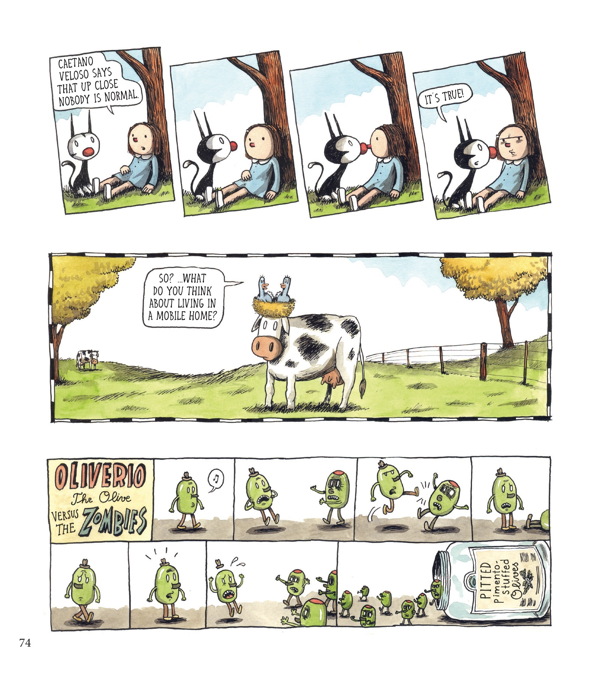
The New York Times profiles Argentinian cartoonist Ricardo Siri, better known as Liniers:

“When I started the comic everything was horrible,” Liniers, 41, said in a recent interview at his publisher’s office in SoHo at the start of an East Coast book tour. “The towers fell here,” he said, “and in Argentina there was a huge economic tailspin and we had five presidents in a week. So I wanted to create something optimistic as an act of resistance, like a positive revolution.”

In “Macanudo,” plotlines usually do not extend past the punch line, if one exists at all, and the characters and type of humor can change daily. Penguins, gnomes and an olive named Oliverio are only a handful of the creatures that float in and out of “Macanudo.”

“I like to surprise,” Liniers said. “When readers open up the paper, I don’t want them to know what to expect.”

35361-1

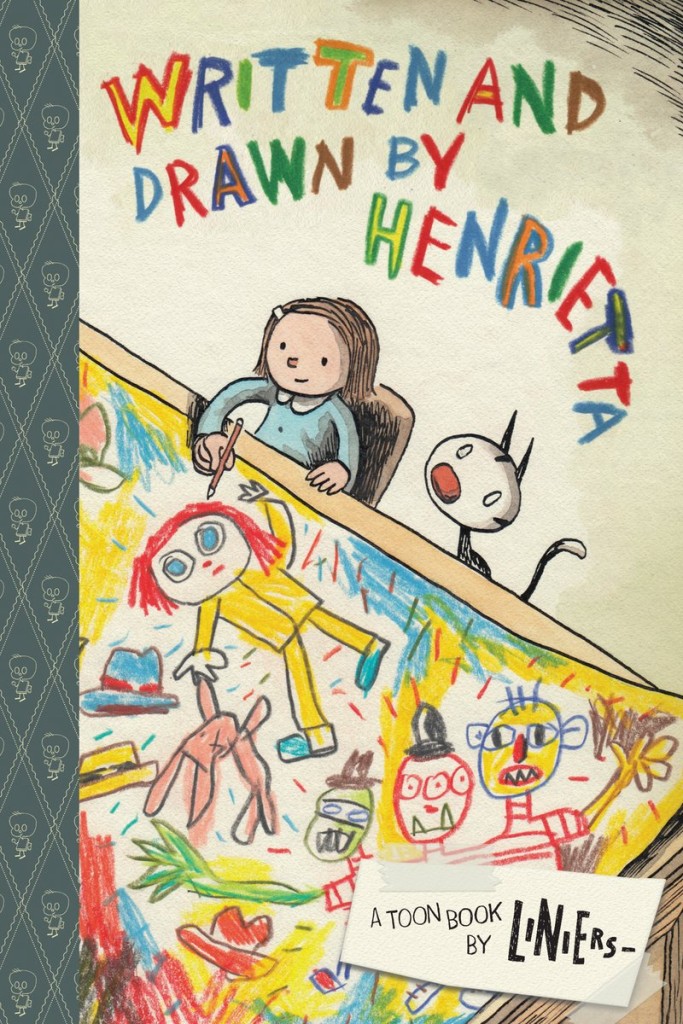
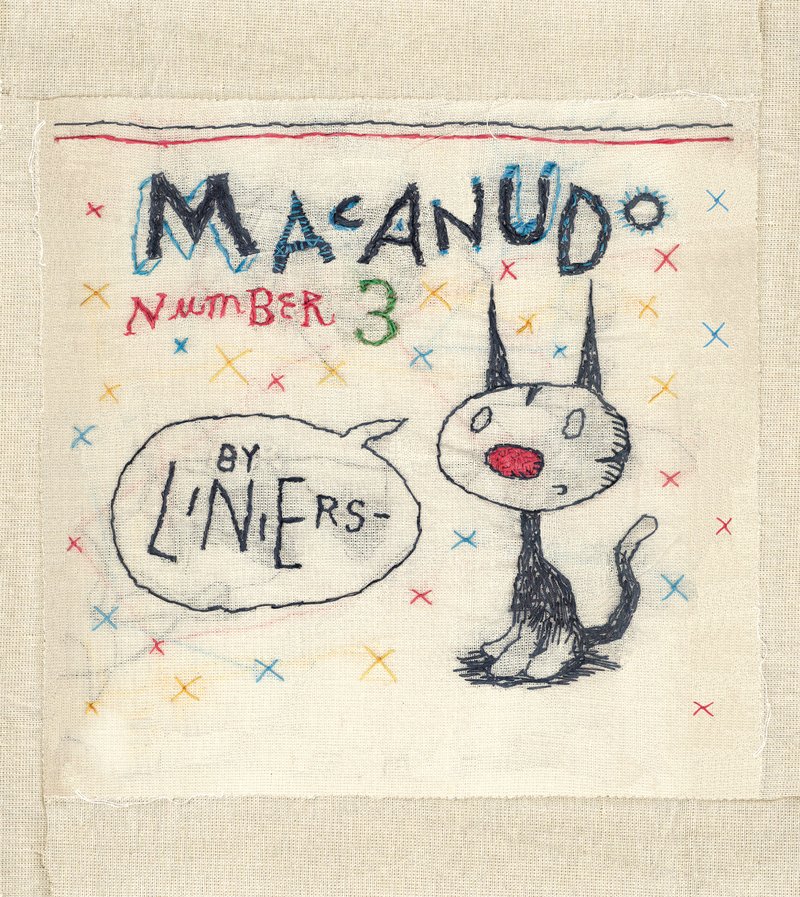
Liniers has two new books out this fall — Macanudo #3, a collection of his newspaper strips published by Enchanted Lion, and Written and Drawn by Henrietta, an original kid’s book published by TOON.

Comments closed

Metamorphosis

metamorphosis

Kaamran Hafeez for The New Yorker.

Comments closed

Recognition

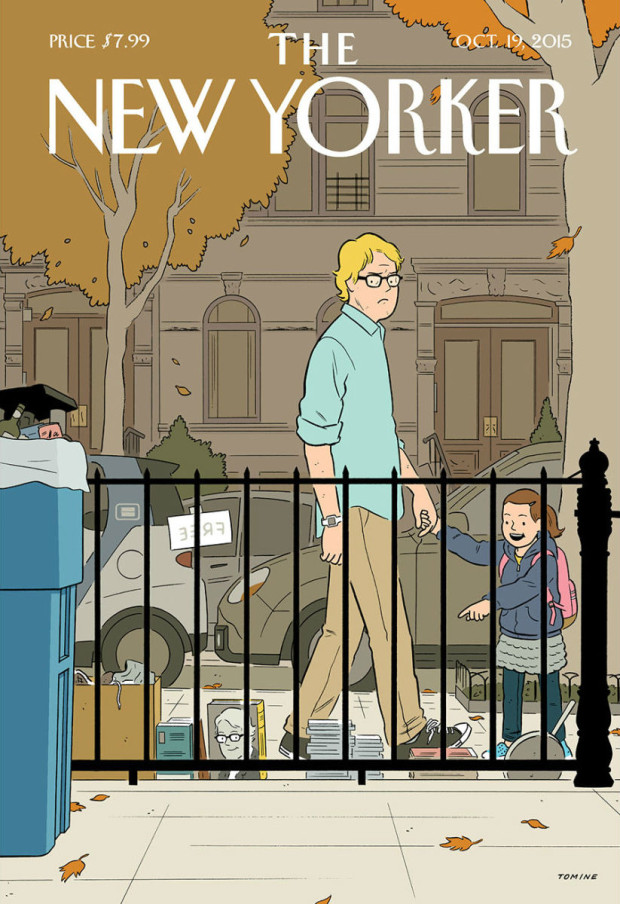
CoverStory-Tomine-Recognition

Adrian Tomine’s latest cover for The New Yorker. Adrian’s new book, Killing and Dying, is out now.

Comments closed

Hamlet vs. Amazon Prime

hamlet vs amazon roz chast

Roz Chast for The New Yorker.

Comments closed

Amazon: Pass This Letter To My Wife and Kids

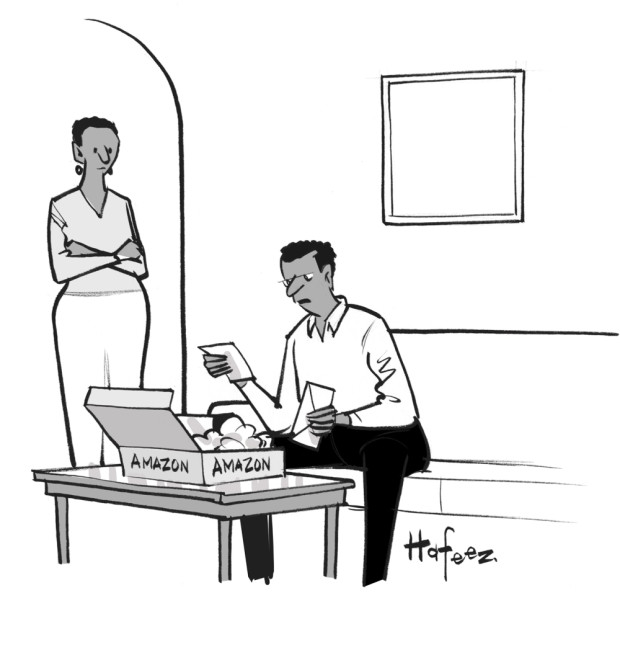
I wasn’t going to mention that New York Times article about Amazon. We already know the company treats its workers poorly (there are almost too many articles to link to at this point),1 it’s just that some people rather admire this kind of ruthlessness (or simply don’t care if they’re getting a good deal). Nevertheless, I did quite like this cartoon by Kaamran Hafeez for The New Yorker on the subject:

Amazon.con1_-1000
“It’s from Aaron, the Amazon employee who packed my headphones. He’s asked me to pass this letter on to his wife and kids.”

Comments closed

Françoise Mouly: No House Style

Sarah Shatz: Françoise Mouly

Sarah Shatz: Françoise Mouly

It’s Nice That has a great interview with the remarkable Françoise Mouly, co-founder of comics anthology Raw, editorial director of TOON Books, and, of course, art editor at The New Yorker:

“One of the things we had at Raw which I have tried to keep is not having a house style, it doesn’t all look alike. Raw really was the sum of its parts but you can’t say that Raw magazine was Joost Swarte or Charles Burns or Sue Coe.

“At The New Yorker when I came in there was a house style, a nice cat-on-the-windowsill type watercolour and you could look at the covers and see the common denominator. I have tried to never let it settle into, ‘Oh that’s a New Yorker cover’ except in the approach.”

Comments closed

Tom Gauld’s Suitcase

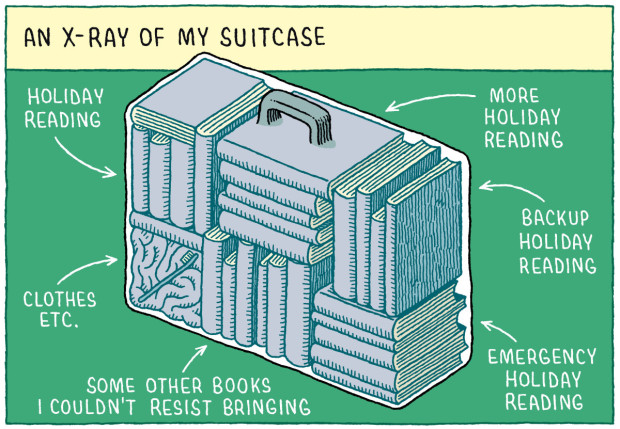
Gauld-Suitcase

Tom Gauld for The New Yorker.1

Comments closed

Saying Goodbye to a Secret Bookstore

Also at The New Yorker, Brian Patrick Eha writes about the closure of Brazenhead Books, Michael Seidenberg’s secret New York bookstore:

Michael Seidenberg’s one-of-a-kind bookshop, Brazenhead Books, closed last month. For seven years, it operated out of an apartment at 235 East Eighty-fourth Street. Of course no bookstore or other business had any business being there, in that rent-stabilized apartment, so it was, strictly speaking, illegal, and because it was illegal it had to be secret. The secret was known to a small number of discreet patrons and shared strictly by word of mouth. (At first, Michael saw customers by appointment only.) Inside, the windows were blacked out and covered with shelves. On bookcases, in every room, volumes of all sizes in serried ranks rose two deep from floor to ceiling. More were stacked on desks and tables and grew in unsteady columns from the floor. There was a stereo (covered in books), a few chairs, and a large desk in the front room (likewise all but submerged), on which Michael kept a half dozen or so bottles of wine and spirits, a tower of plastic cups, and a bucket of ice.

Walking in, you might find a handful of patrons lounging on chairs with drinks in their hands, or browsing amiably, making conversation, generally about books, but often ranging widely into art, politics, personal life stories, and the history of New York. In the same way that children imagine adults living in perfect freedom, enjoying all the cookies and television they want and staying up till all hours, Michael’s shop was what a bookish child might dream up as a fantasy home for himself, a place far from any responsibilities, where he would never run out of stories.

The good news is that Seidenberg plans to reopen the store elsewhere. Until then, you can watch this video about the old location.
Comments closed

Comma Queen: Mad Dash

The New Yorker‘s Mary Norris, author Between You & Me: Confessions of a Comma Queen, clarifies the difference between the hyphen (-), the en dash (–), and the em dash (—):

Comments closed

Joost Swarte’s “Summer Adventures”

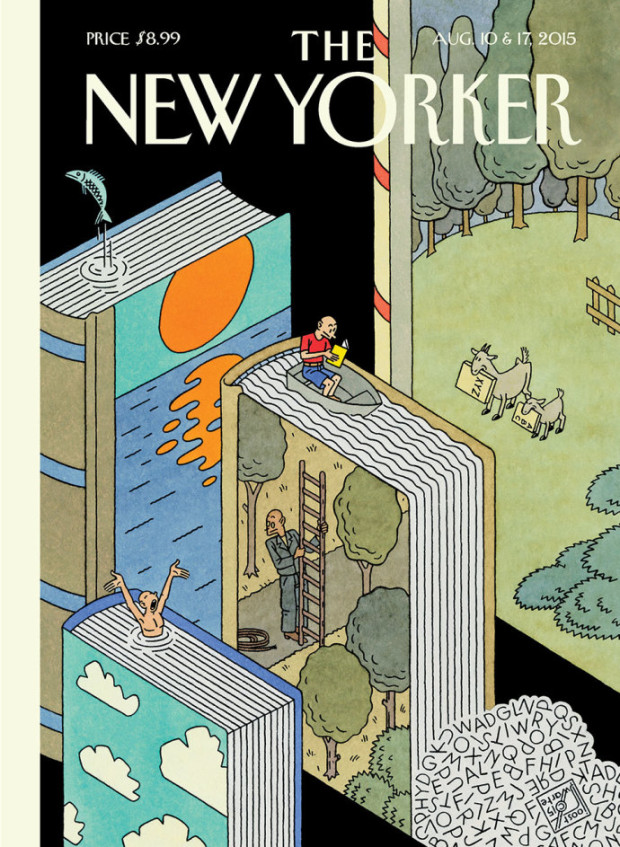
Joost-Swarte-Summer-Adventures

“Cartooning has an edge on all other media. You don’t need anything else such as canvas and paint, or camera and actors: the road to expression is only a sheet of paper and a pencil away.”

A new Joost Swarte cover for The New Yorker.

Comments closed

Keyboard Shortcuts for Novelists

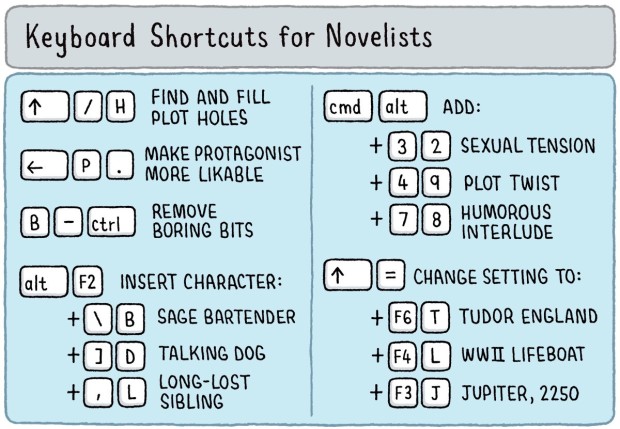
keyboard shortcuts for novelists Tom Gauld

Tom Gauld for The New Yorker.

Comments closed