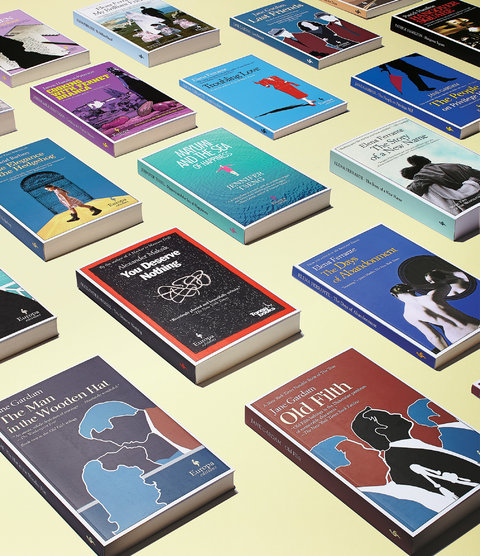
“From the beginning, it was our intention to be resolutely eclectic, and build our classics series as different voices build a fugue,” said Edwin Frank, the house’s editorial director. “We set out to do the whole mix of things that a curious person might be interested in, which would take you back and forth from fiction to certain kinds of history.”
New York Review Books was founded in 1999, when the mainstream American publishing houses were shifting their focus to big frontlist titles and paying less attention to their back catalogs, sometimes allowing the rights to books that weren’t selling well to lapse, and also cutting back on literature in translation.
“We were picking low-hanging fruit, only no one knew the fruit was out there, hanging from the branches,” Mr. Frank said.
Over the years, the publishing house has revived work by English-language authors including Henry Adams, Kingsley Amis, Edith Wharton and Angus Wilson. In translation, it has issued works by authors like Adolfo Bioy Casares, Cesare Pavese, Raymond Queneau, Robert Walser and Stefan Zweig.
The writer and critic Ian Buruma, a frequent contributor to The New York Review of Books, which was founded in 1963 and is published online and every two weeks in print, said the publishing arm fills an important niche.
“Because they are smaller and more nimble, they can do things that larger houses would be less inclined to do,” he said. “They pick up books that maybe 30 years ago, the big publishers would have done but now have to be careful about.”