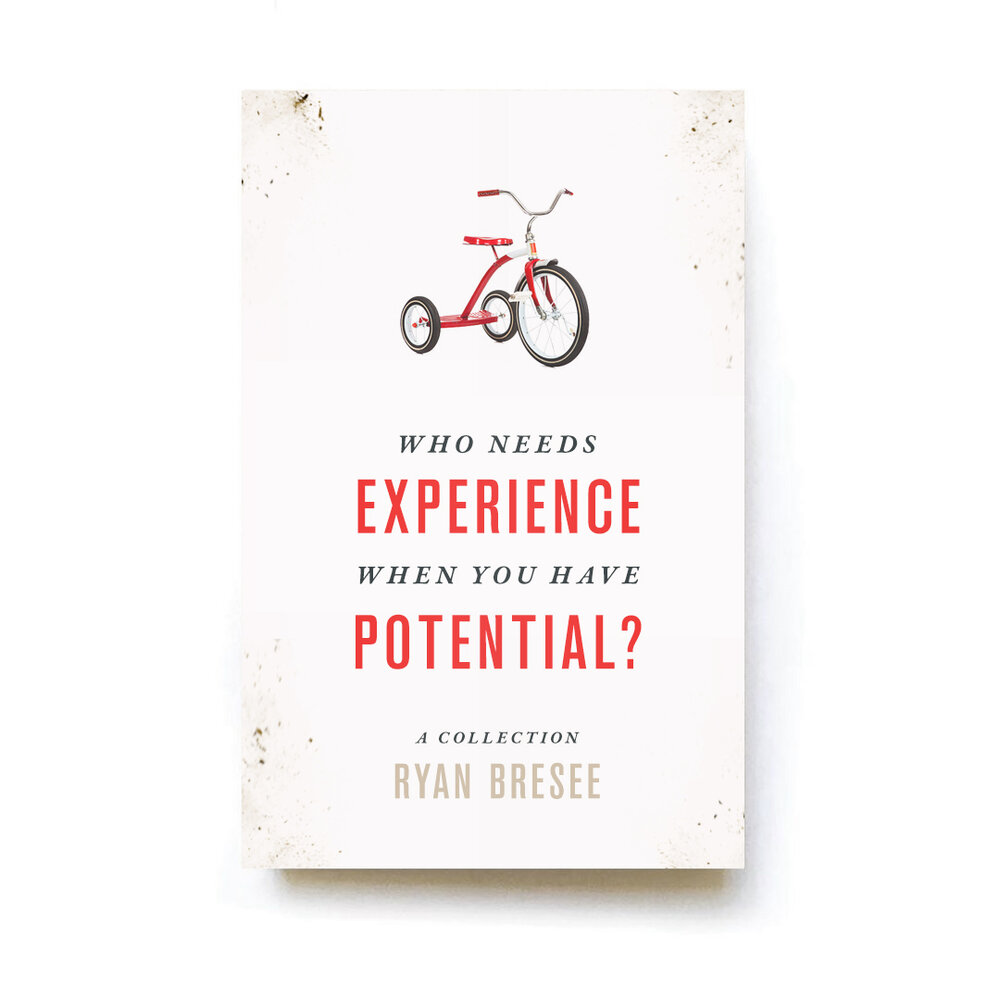
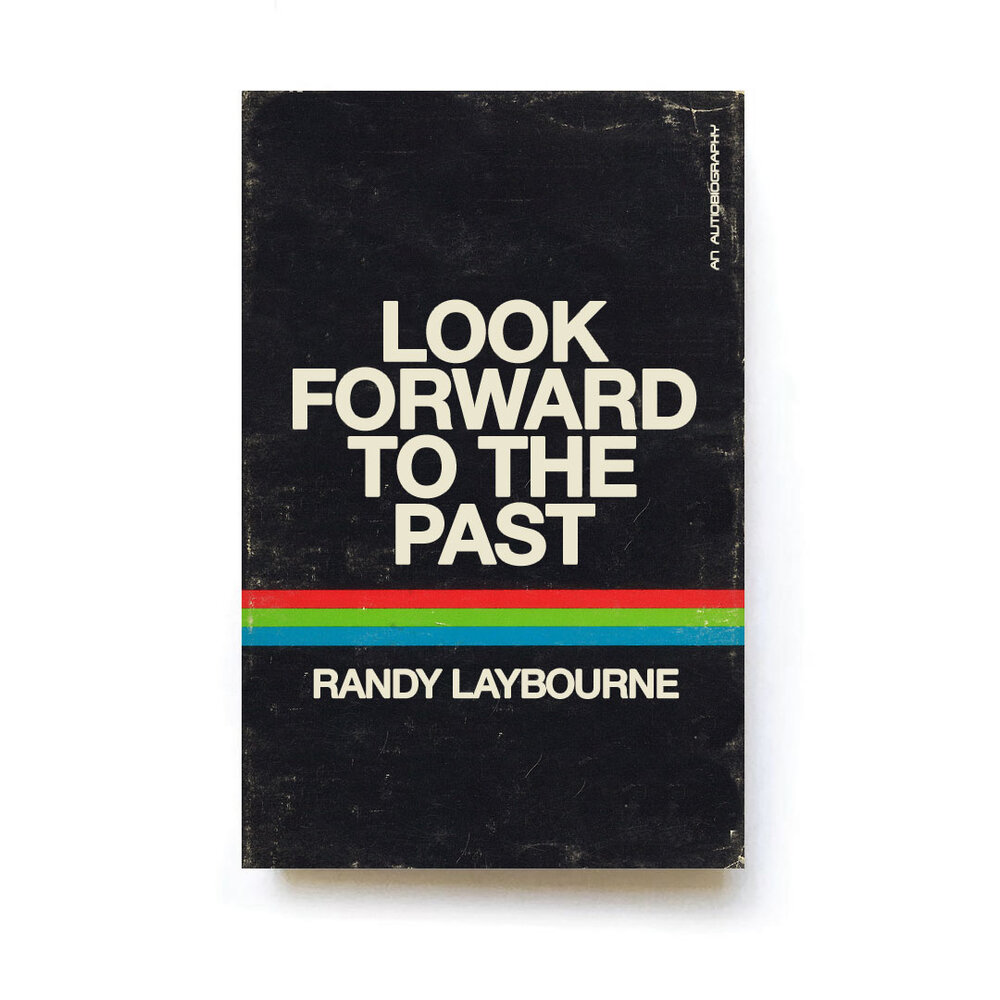
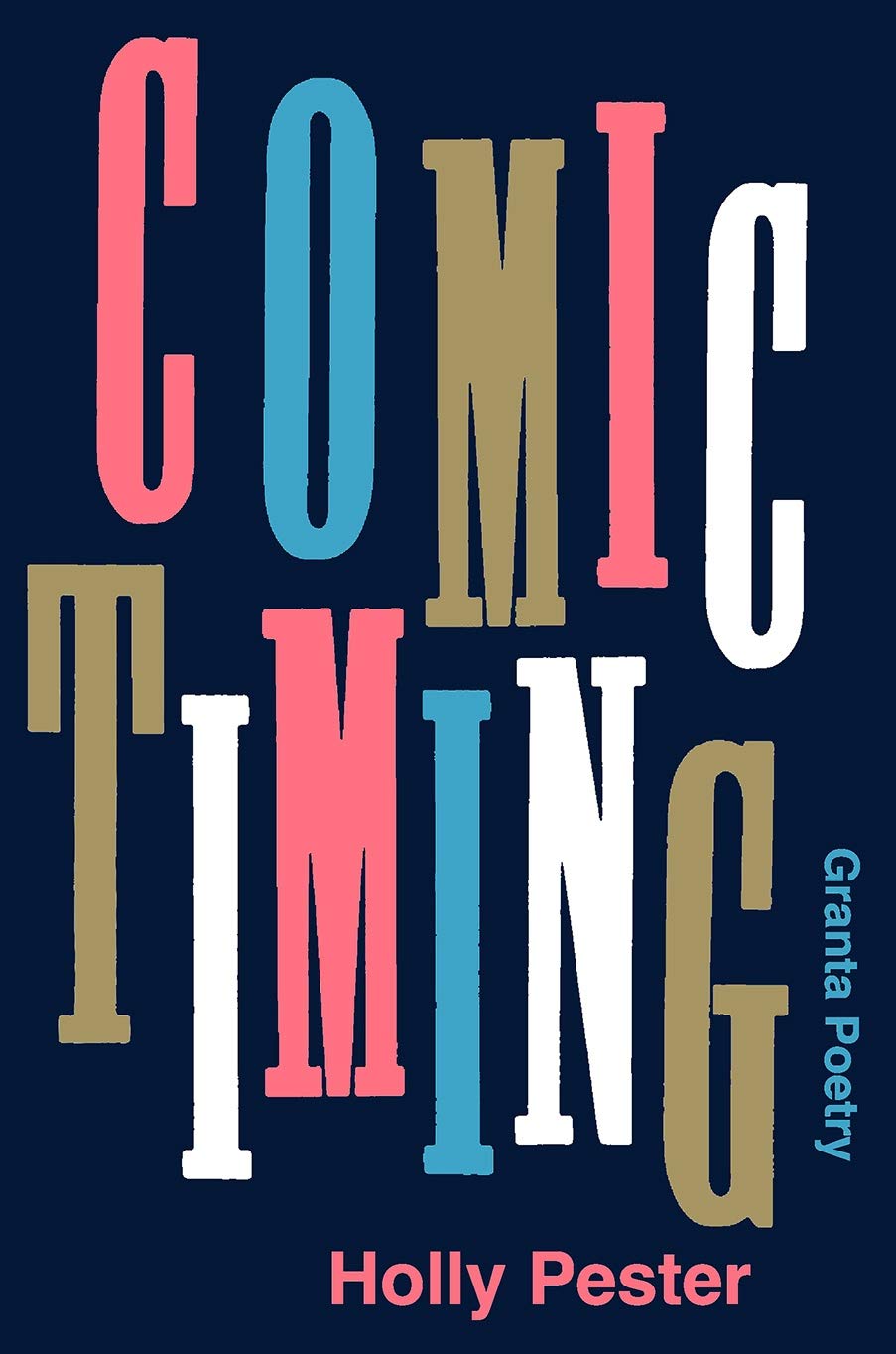
Irish designer Jack Smyth, whose work has featured here more than a few times, talked to Totally Dublin about his process for designing book covers:
The best briefs are the ones that give you everything you need but prescribe nothing, and are genuinely trying to achieve something new… When I’m working on fiction, tone is the thing that really interests me. I think trying to capture the tone of the author’s writing can be a really powerful way of communicating with the viewer and, as a result, I often try to avoid leaning too much specific imagery. Of course, this isn’t always the case, but I do always try to keep tone/the author’s voice as the main directive element. I think this is what makes or breaks a book for a reader, not necessarily the location, any element or makeup of characters… I try not to rely on figurative elements too much in the hope that I can draw people in in more subtle ways.
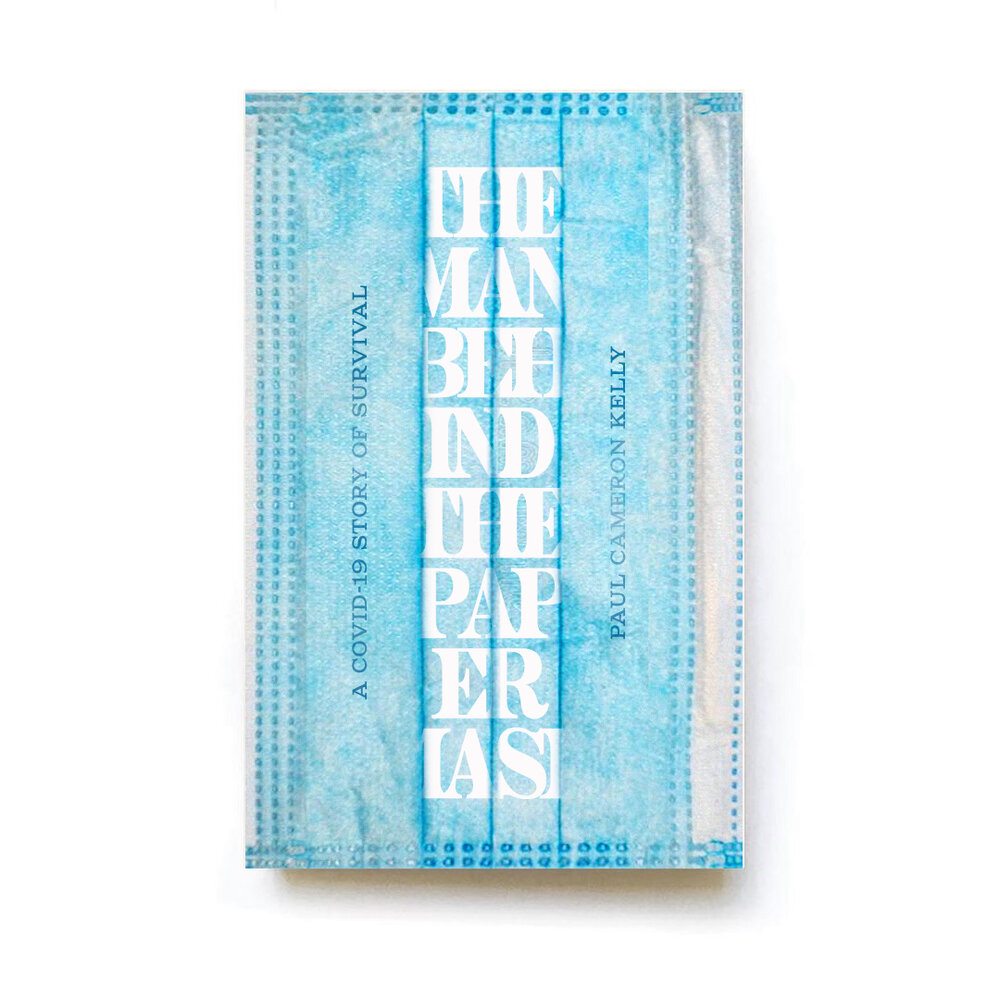
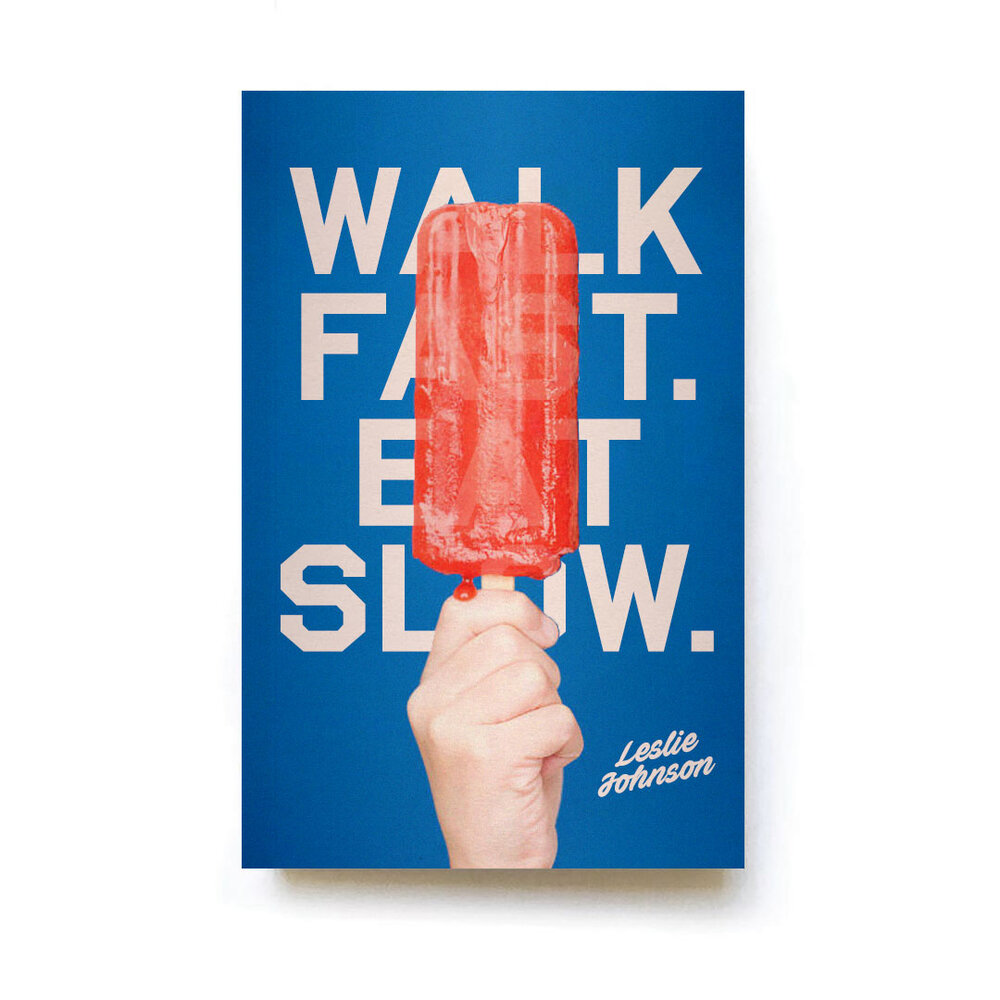
The cover is quite simple – it’s type and colours and textures, but hopefully it captures the tone of John’s voice and the character of the stories. I think these are my favourite types of covers, the ones where there’s almost no figurative elements, but they feel right.
Alana Pockros talked to designers and others in the publishing community about trends in book cover design for the AIGA blog Eye on Design:
The guiding principle of “like that book but different” cover design has existed for decades. In the 1960s, the late book designer Paul Bacon pioneered the “Big Book Look,” which we might associate with Philip Roth’s Portnoy’s Complaint or Joan Didion’s The White Album: type-driven covers with large author names and ample negative space that rely more on hue and font than imagery. Philip DiBello and Devin Washburn, founders of the design studio No Ideas, believe we’re currently seeing an evolution of the Big Book Look. “[There’s] a wave of similar covers that play with type intertwined with a key visual in a striking way,” they suggested. In The Look of the Book, Peter Mendelsund and David Alworth’s 2020 monograph, the authors call this mutative style “the interchangeable, big-type, colorful cover.” It’s a look Mendelsund and Alworth first noticed on the 2015 novel, Fates and Furies, and the style they see as the progenitor of the tired “it will work well as a thumbnail on Amazon” rationale.
It is always interesting to hear designers talk about how they view the process and why we get certain trends. But the post itself, entitled “The Endless Life Cycle of Book Cover Trends”, is a variation on the well-worn, trend-focused ‘why do book covers look the same?’ article that has appeared in various guises over the years. Pokros herself references a New York Times article from 1974(!) that explains that jackets must be identifiable on television, and a Vulture piece from 2019 that postulates that book covers are now being designed for Amazon and Instagram. You could also read this post on Eye on Design from 2019 about the ubiquity of stock images, or this The New Yorker piece on design by committee from 2013, or this story in The Atlantic from 2012 (it’s e-readers fault!) among others.
It’s not that they’re necessarily wrong. There are clearly trends and tropes in book cover design as there are in any other kind of design (and pointing them out is fun — I do it frequently!). And there are lots of designs that aren’t great. That’s true of everything. It’s just that on the whole, book covers (like movie posters) don’t all look the same. Not really. Sure, books in the same genre frequently do. Covers sharing similar traits helps readers identify what kind of books they are buying. It doesn’t mean they are B-A-D. Perhaps part of what gets people so twitchy about high-profile literary fiction covers looking familiar is that they don’t like to think of certain kinds of literary fiction as genres?
I don’t know… I’m one of the marketing people whose fault this usually is.
I guess if you really want to get into it, trends in book covers often reflect trends in publishing itself. When similar books intended to appeal to similar readers are published by similar people at similar imprints that are part of similar, very large publishing conglomerates, maybe the issue isn’t really that they have similar covers?
Anyway TL: DR, if you’re seeing a lot of covers that look the same maybe it says more about the kind of books we are exposed to in our daily lives than about the range of covers that are actually out there?
They look very different, but I was reminded of another sunset sky cover designed by Lauren from earlier this year. It’s interesting to see the (presumably) coincidental themes in a designers work.
I quite enjoy seeing contemporary painting being used on book covers. A couple of other recent examples that come to mind are Jennifer Carrow’s recent cover for Lorna Mott Comes Home with art by Barbara Hoogeweegen, and Stephen Brayda’s cover for last year’s The End of the Ocean by Maja Lunde with art by Scott Naismith (another sunset sky cover! I guess After the Sun could also be included in this trend broadly speaking. It is not quite the kind of painterly art I am thinking of though…).
I’m drawing lots of unnecessary comparisons today, but I was reminded of this Oliver Munday cover from a while back if only for the similar-ish colour combinations (I was going to say palette, but… ). It reminds me of something else too, I just can’t quite put my finger on it…
If I didn’t already know who the publisher was, I would not have been able to tell you if this was an American or British cover despite the subtitle and very American imagery. I don’t think it would like out of place on the Allen Lane list for example.
Tom Gauld’s first picture book for children, The Little Wooden Robot and the Log Princess, is out this month! According to the publisher blurb, the book is inspired by a bedtime story he made up for his daughters:
“I was trying to make a book inspired by three different sets of books: The books that I remember enjoying as a child, the books that I watched my daughters enjoying, and the books I enjoy now as an adult. I wanted the book to have its own quirky feeling but also to function like a classic bedtime story.”
Pure Flame by Michelle Orange; design by Na Kim (Farrar, Straus and Giroux / June 2021)
In the ongoing game of books I think look alike but actually don’t when you put them side by side, the cover of Pure Flame brought to mind Peter Mendelsund‘s design for Civil Wars by David Armitage from a few years ago. Of course they don’t really look anything alike, but that’s how this game works…
Civil Wars by David Armitage; design by Peter Mendelsund (Yale University Press / February 2017)
A read an ARC of A Shock earlier this month and thought it was extraordinary. A recent review in the Observer described it a collection voyeuristic vignettes, which I suppose is accurate. The book is made up of interconnected and intimate stories, often about loneliness and confinement of one kind or another (particularly resonant during the pandemic). They are prying and unsettling… stories about seeing and been seen (or not). But in a wider sense, A Shock is about the telling and retelling stories (myths even!), and the way that is revealed in the novel itself is what elevates it above and beyond the usual fare. Anyway… I liked it. It won’t be for everyone.
The cover of the US edition, available from New Directions next month, was designed by the one and only Mr. Keenan:
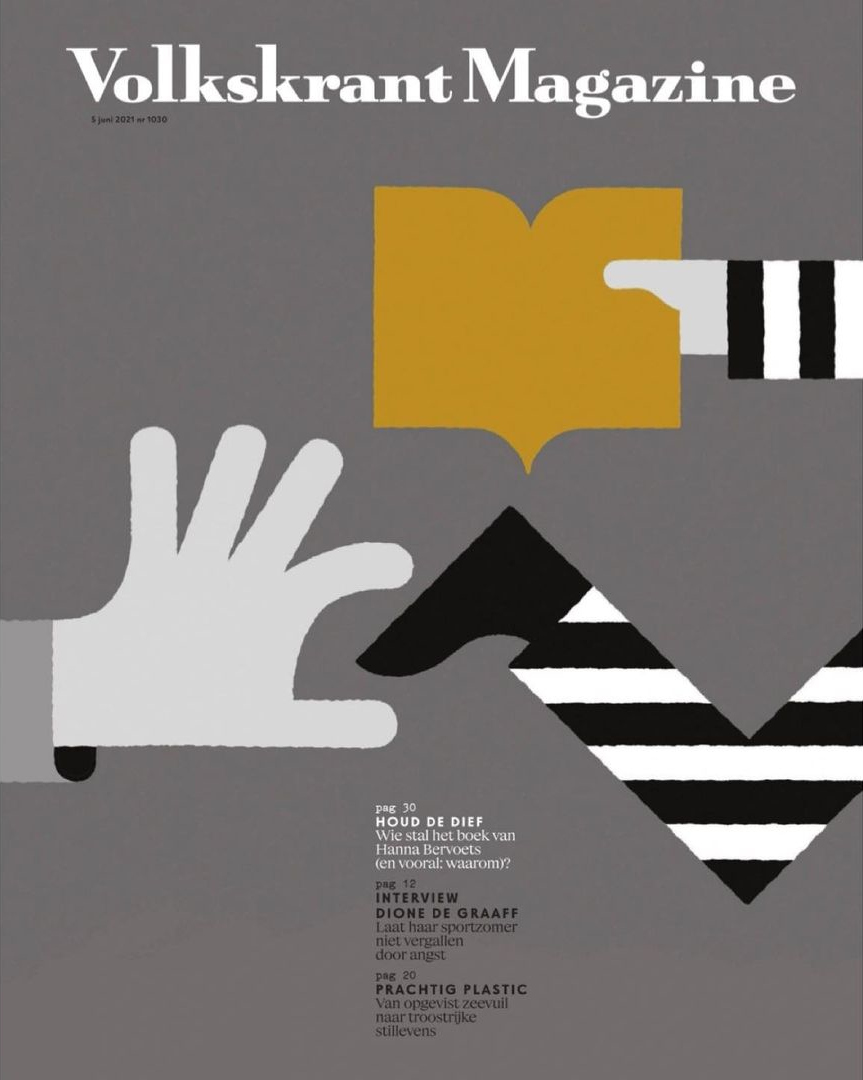
These illustrations by Gino Bud Hoiting for the cover story of the June 5 edition of Volkskrant Magazine about (if I’ve understood correctly!) an attempt to steal a writer’s manuscript are fabulous. The stripes bring Paul Rand to mind (via Cover Junkie).
The don’t look that similar side by side, by I was reminded of Will Staehle‘s 2018 cover for Circe by Madeline Miller, and the UK cover of the more recent Sistersong by Lucy Holland, designed by Melissa Four (I’m fairly sure I’ve seen an orange/red version of the Sistersong cover. Perhaps it was an ARC?).
Circe by Madeline Miller; design by Will Staehle (Little Brown & Co / April 2018)
When I first saw this cover I immediately thought there was some kind of link to Josef Albers ‘Homage a Square’ series, but nobody else seems to have mentioned it, so perhaps it is coincidental? Is that possible? I should probably pick up the book!
A bit of a bumper post this month with a ton great covers, lots of old friends, a couple of designers that are new to me, and maybe an early contender (or two) for the ‘best of the year’ list.
I haven’t posted enough of David’s covers lately. They are always fun. I was struggling to think what this one reminded me of. I’m wondering if it’s maybe Raymond Hawkey’s black and white cover designs for Len Deighton? Or something from Pelican / Penguin in the 1970s?
Come On Up by Jordi Nopca; design by Roman Muradov (Bellevue Literary Press / February 2021)
The cover of the UK edition, published this month by Bloomsbury, was designed by Greg Heinimann.
Rachel Willey’s design for Patricia Lockwood’s memoir Priestdaddy is still one of my favourite covers of recent years (hard to believe it is from 2017!).
O by Steven Carroll; design by Gray318 (HarperCollins Australia / February 2021)
What would you call this background colour? Light brown? Dark beige? Anyway, it seems to be a thing. We could probably include As You Were cover here too, although it doesn’t have the red-orange accent colour.
The Witch’s Heart by Genevieve Gornichec; design by Adam Auerbach (Ace Books / February 2021)