Skip to content

Tag: Typography

All Heart

With Valentine’s Day just around the corner, I thought I would share a few book covers that use hearts as part of their design…

all-about-love
All About Love by Lisa Appignanesi; design by Jamie Keenan (W. W. Norton / July 2011)
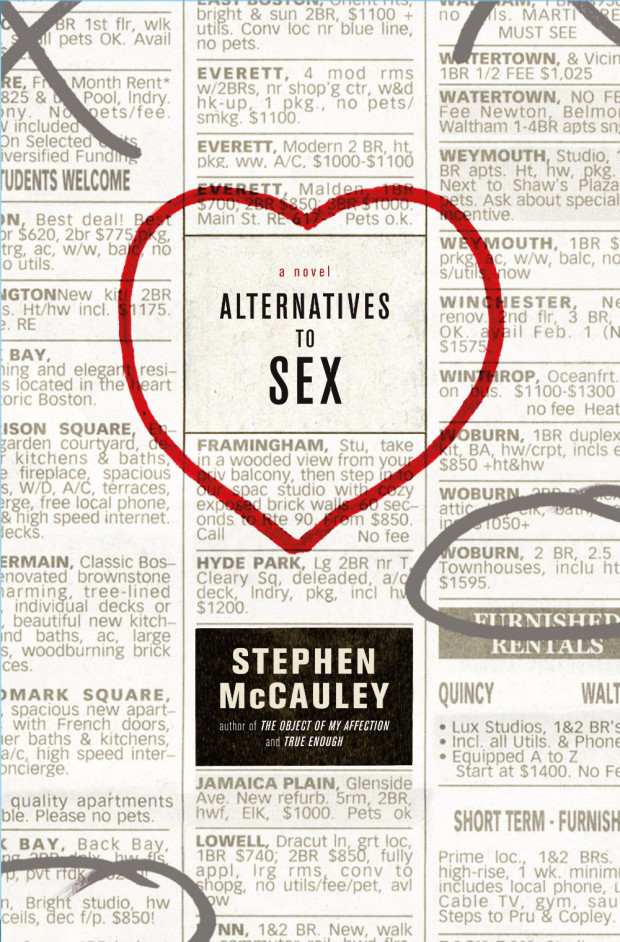
Alternatives to Sex
Alternatives to Sex by Stephen McCauley; design by David Ter-Avanesyan (Simon & Schuster / March 2006)

9780143122371
American Supernatural Tales edited by S. T. Joshi ; design by Paul Buckley (Penguin / October 2013)
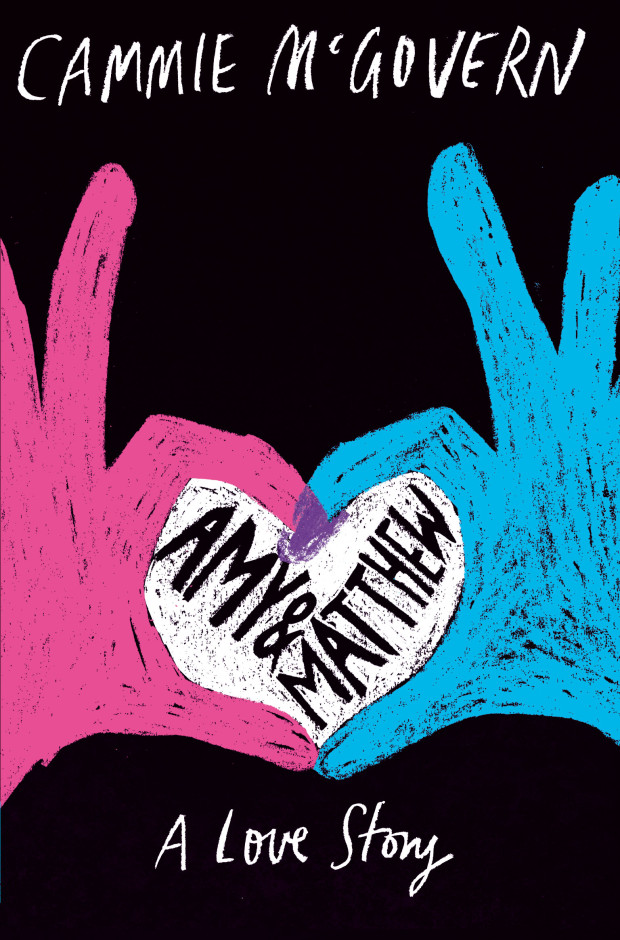
Amy-and-Matthew
Amy and Matthew by Cammie McGovern; design by Sharon King-Chai (Macmillan Children’s Books / March 2014)

9780143120209B
The Campus Trilogy by David Lodge; design by Heads of State (Penguin / October 2011)
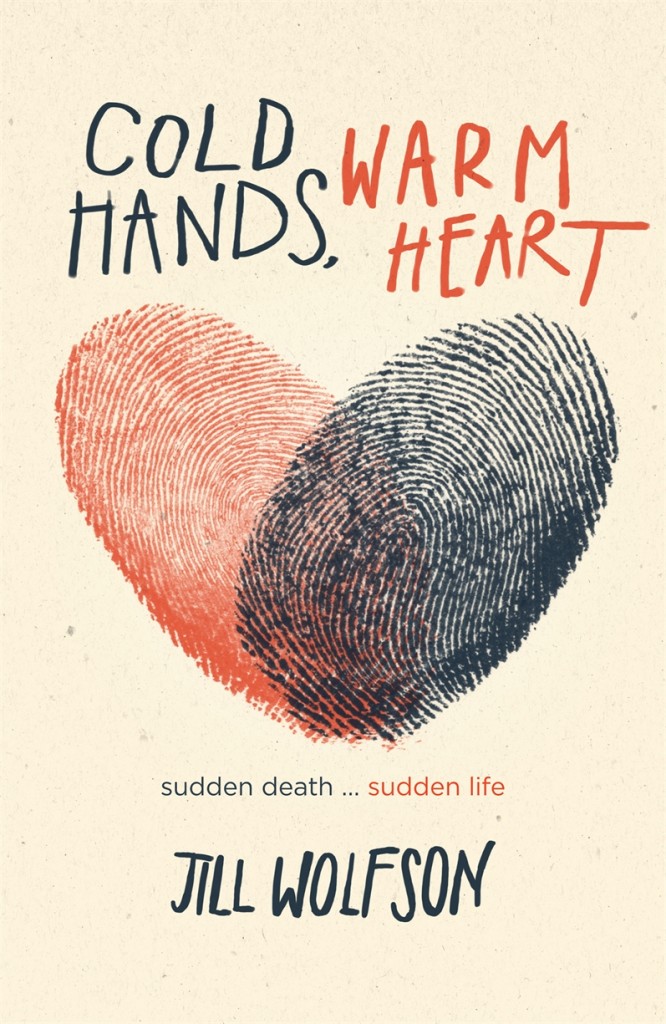
9781406325416
Cold Hands, Warm Heart by Jill Wolfson; design by Jack Noel (Walker Books / November 2011 )
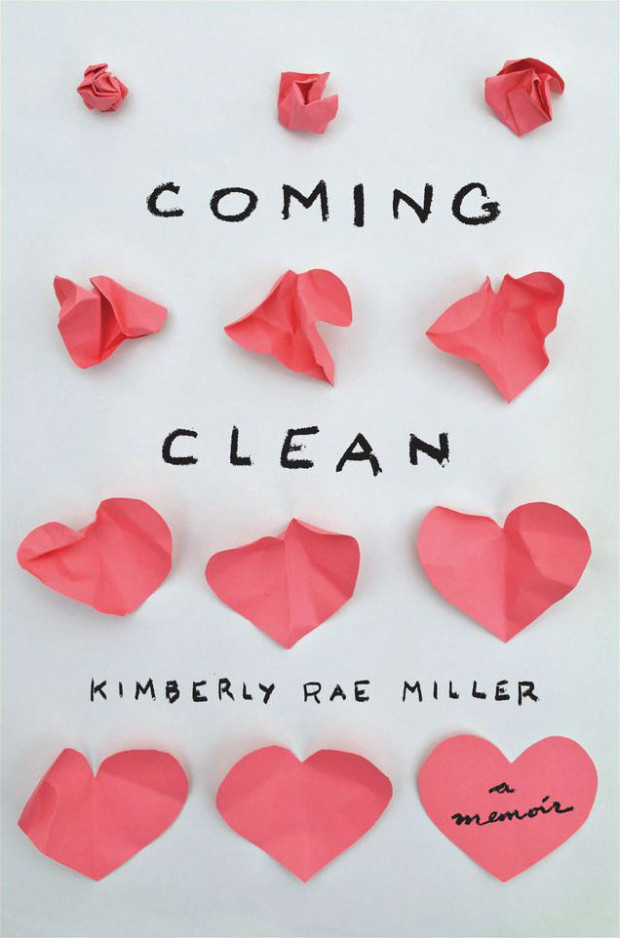
coming-clean
Coming Clean by Kimberly Rae Miller; design by Lynn Buckley (New Harvest / July 2013)
committed

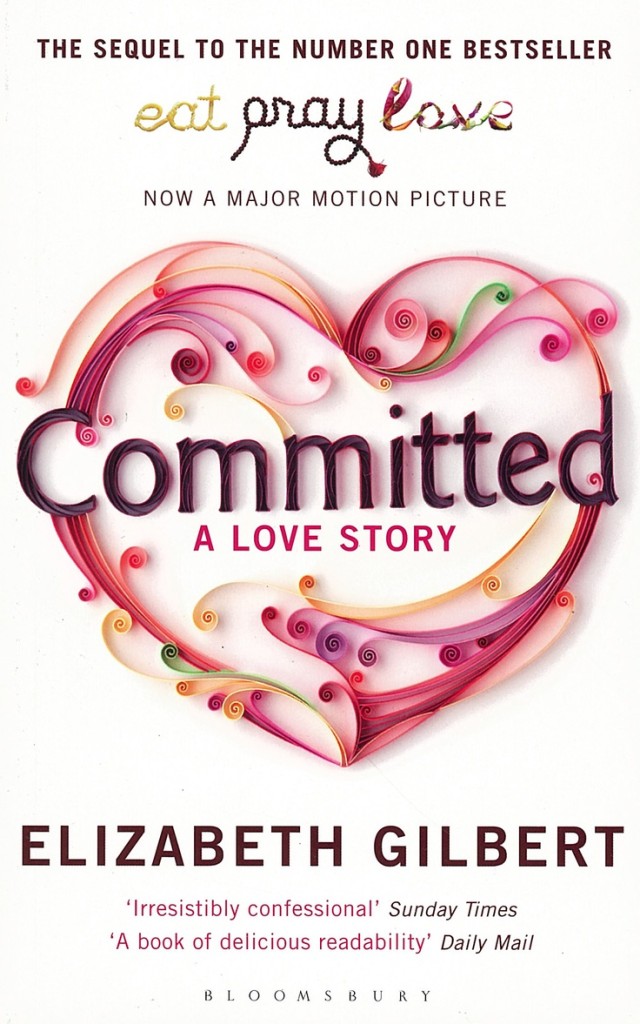
Committed by Elizabeth Gilbert; design by Helen Crawford-White; illustration by Illustration Yulia Brodskaya (Bloomsbury / January 2011)
don't-you-forget-about-me
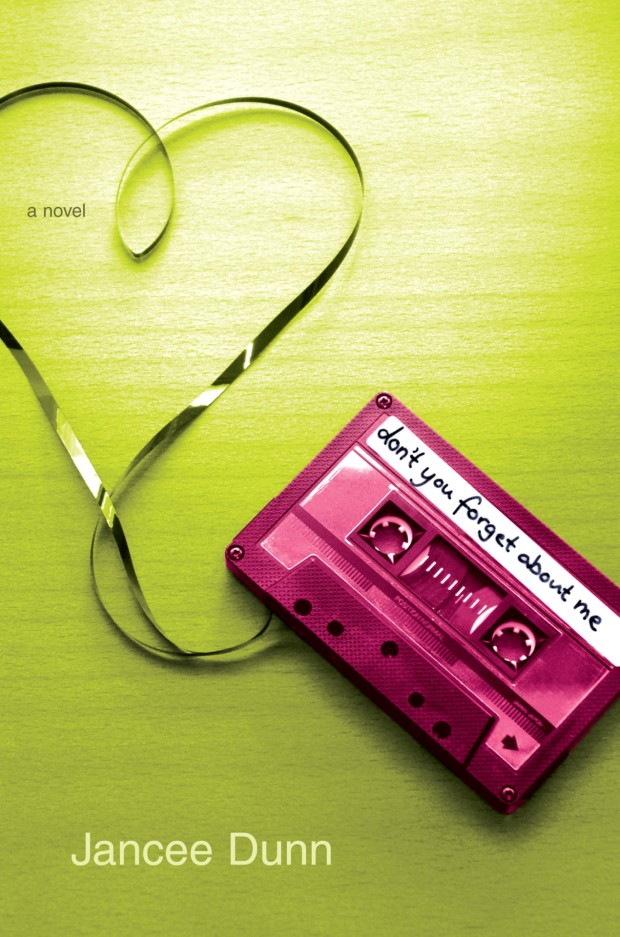
Don’t You Forget About Me by Jancee Dunn; design by Catherine Casalino (Villard Books / July 2008)
eat-my-heart-out
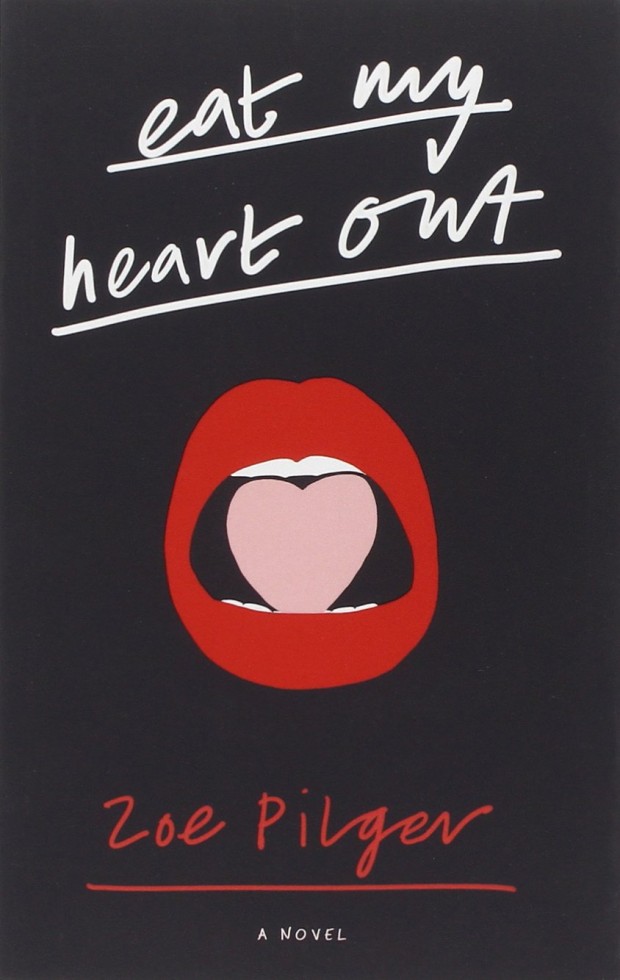
Eat My Heart Out by Zoe Pilger; design by Rose Stallard (Serpents Tail / January 2014)
9781555976712
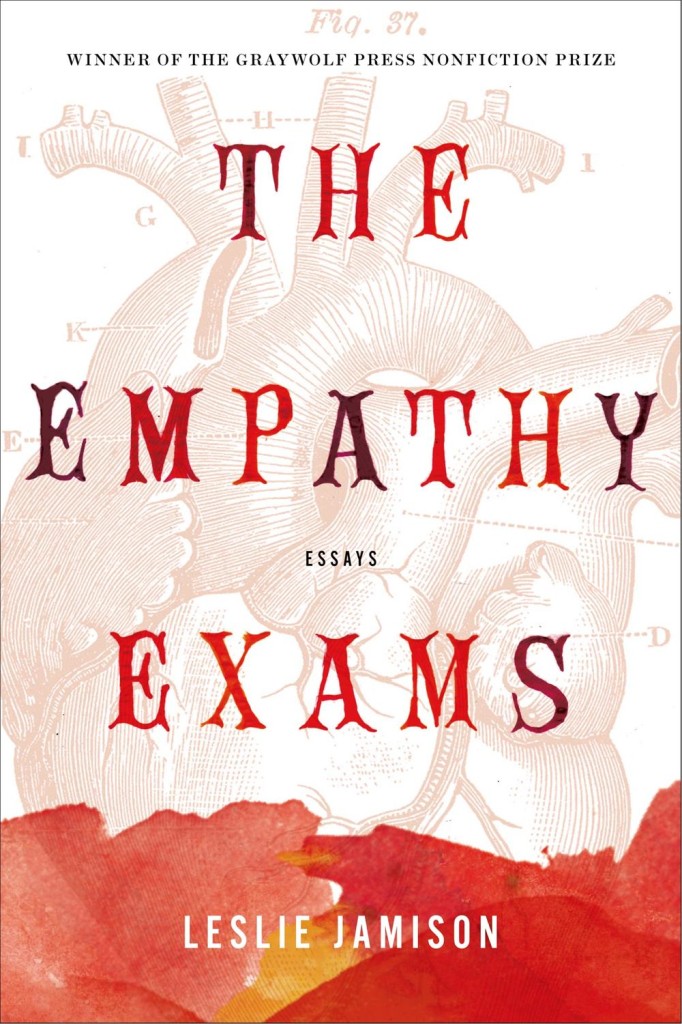
The Empathy Exams: Essays by Leslie Jamison; design by Kimberly Glyder (Graywolf / April 2014)

Untitled-10
Fraught Intimacies by Nathan Rambukkana; design by David Drummond (UBC Press / May 2015)
9780143119692_GirlsGuide_CV.indd
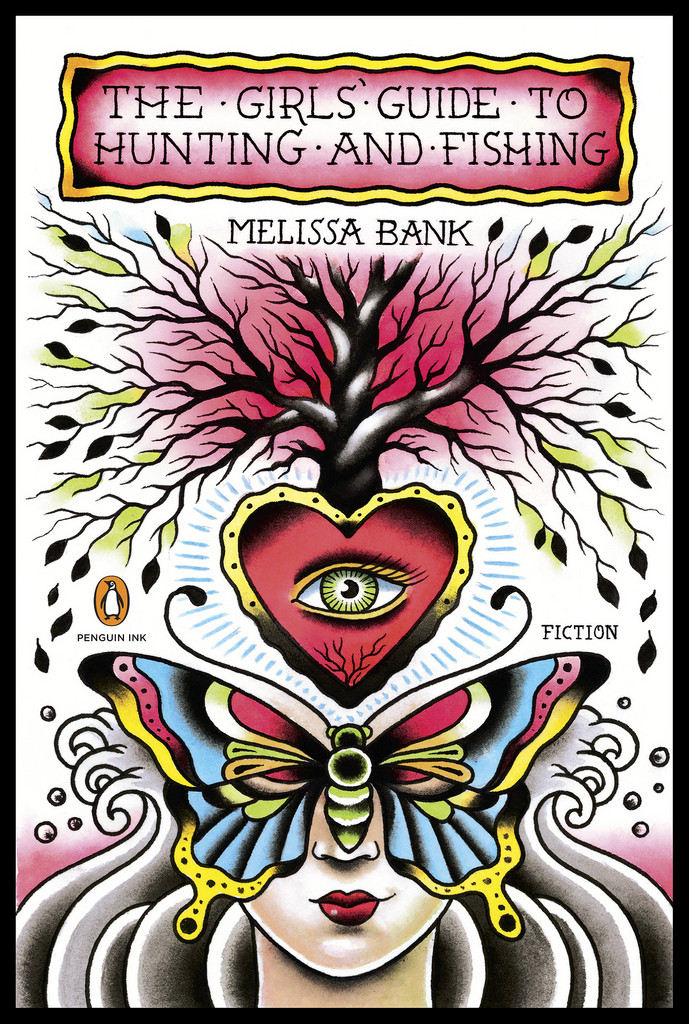
The Girls’ Guide to Hunting and Fishing by Melissa Bank; cover art by Lina Stigsson (Penguin / July 2011)
978144722397901
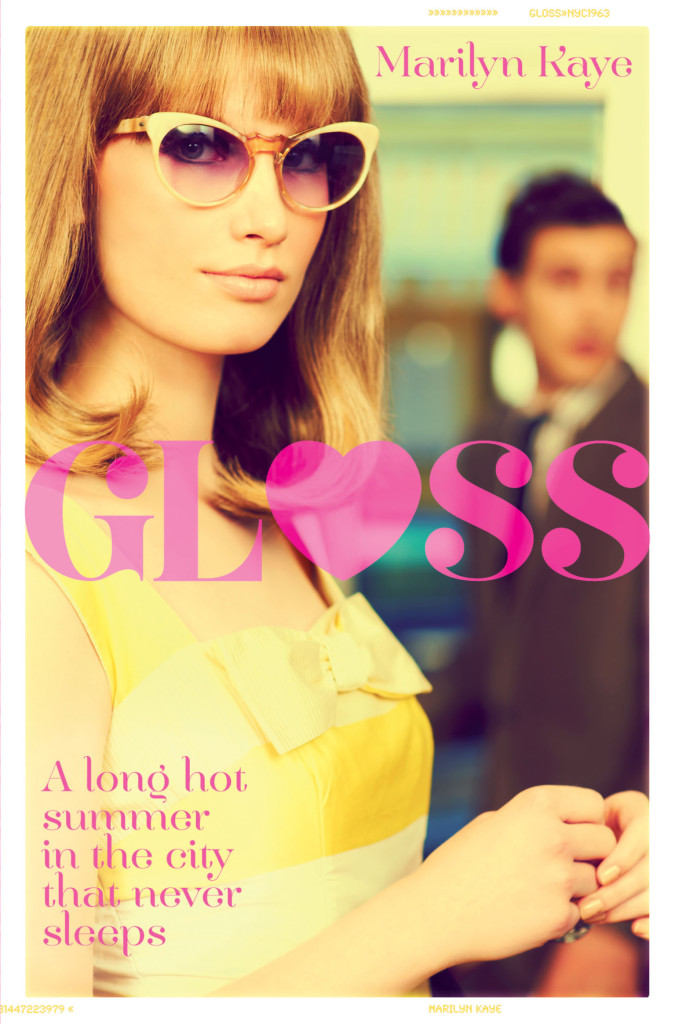
Gloss by Marilyn Kaye; design by Rachel Vale (Macmillan Children’s Books / June 2013 )
happy-are-the-happy-suzanne-dean
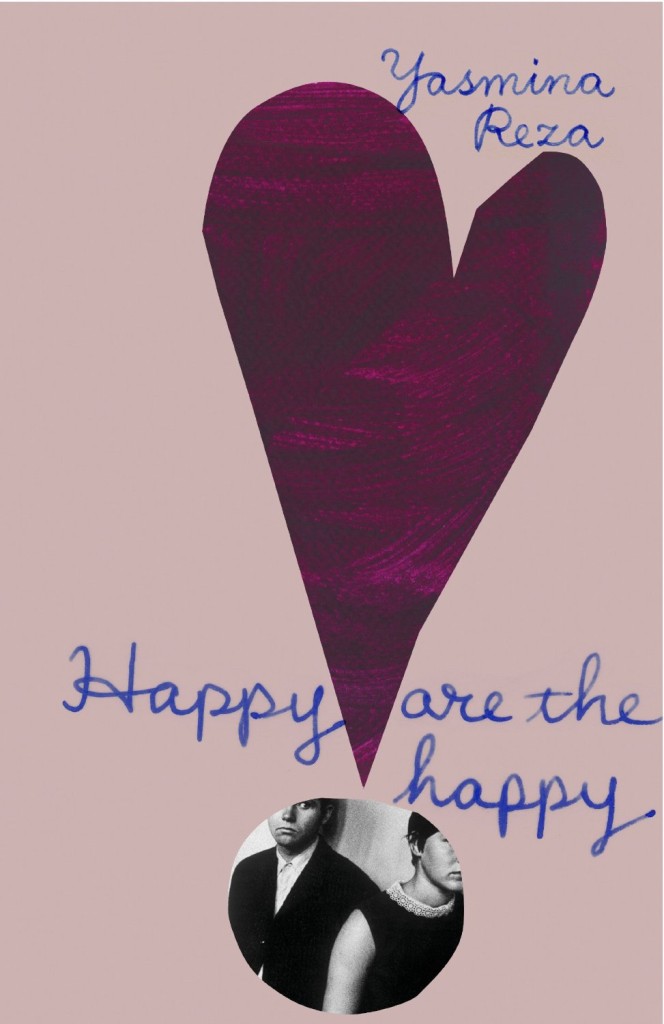
Happy are the Happy by Yesmina Reza; design by Suzanne Dean (Harvill Secker / July 2014)

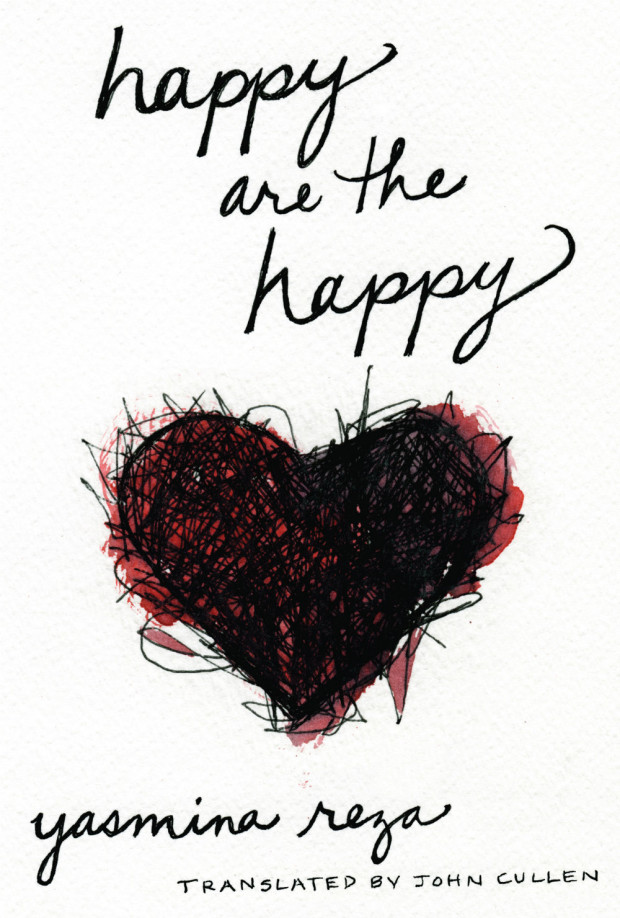
The recently released US edition of Happy are the Happy published by Other Press, and designed by Kathleen DiGrado, also features a heart on the cover (if you know who the designer is, please let me know):
Happy-Are-The-Happy-US

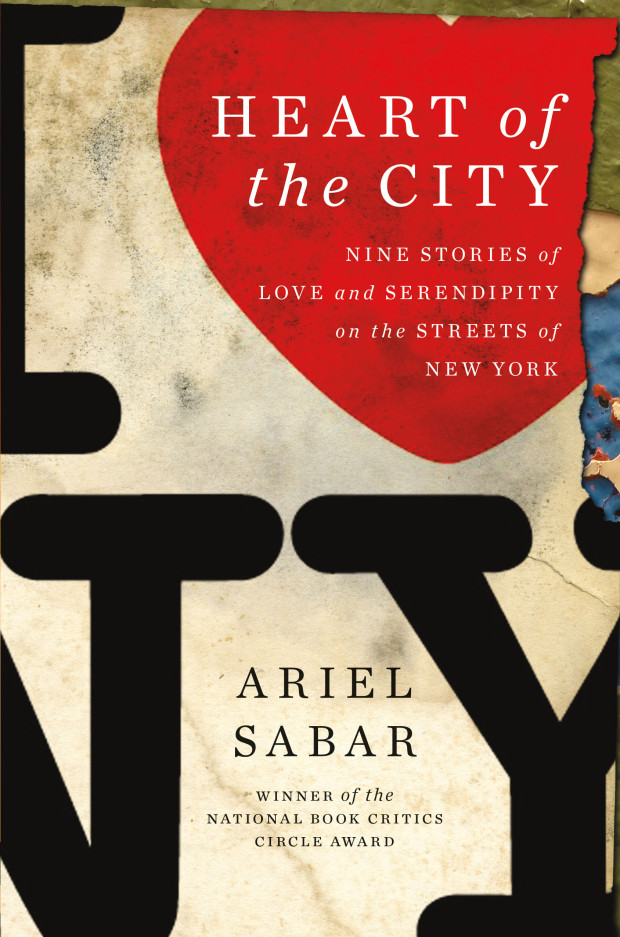
Heart of the City_Sabar_HSYee
Heart of the City by Ariel Sabar; design by Henry Sene Yee (Da Capo / January 2011)
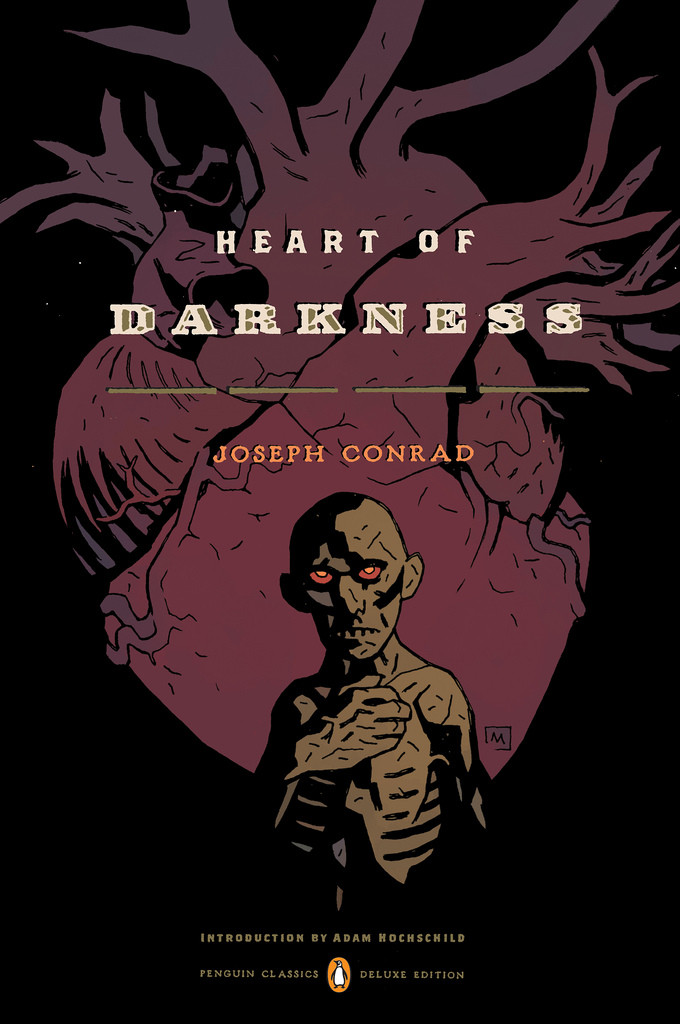
heart-of-darkness
Heart of Darkness by Joseph Conrad; design by Paul Buckley; art by Mike Mignola (Penguin / August 2012)
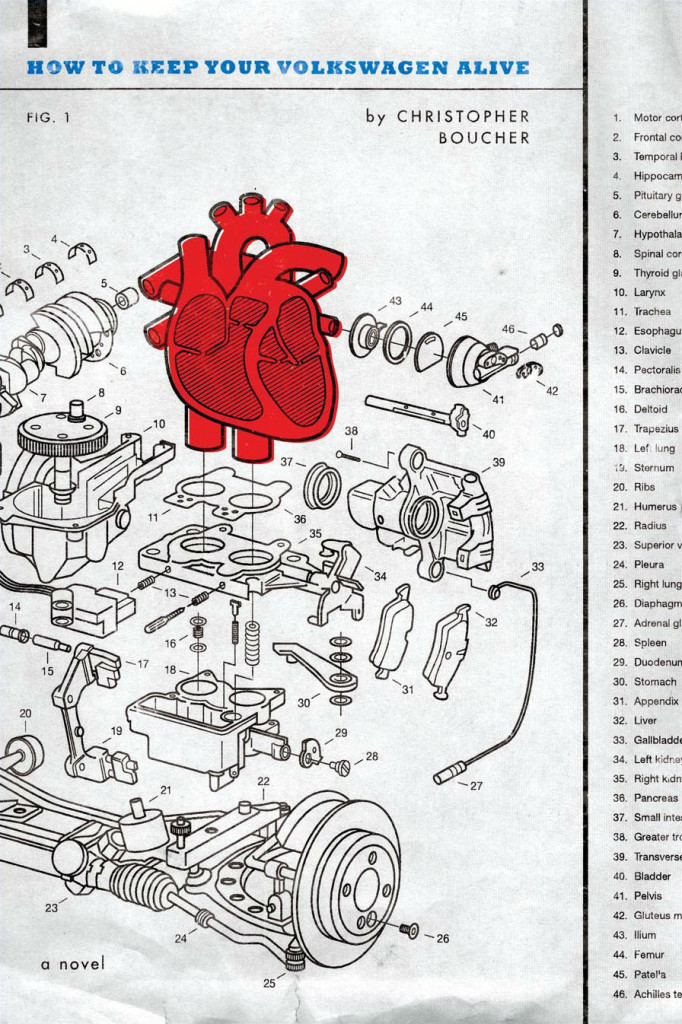
volkswagen
How to Keep Your Volkswagen Alive by Christopher Boucher; design by Christopher Brian King (Melville House / September 2011)
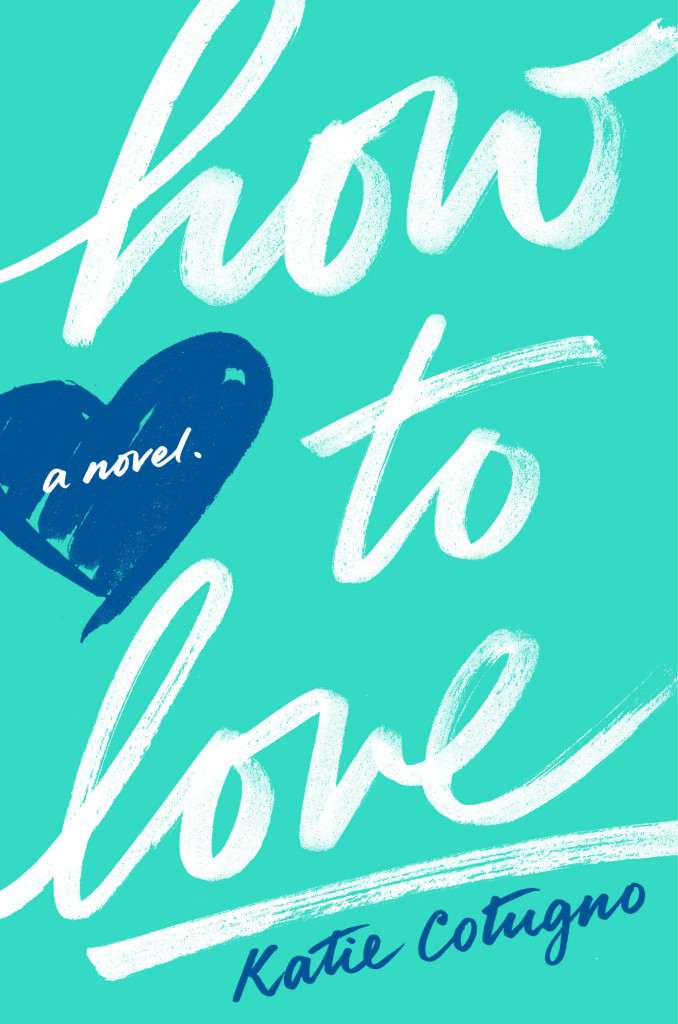
how-to-love
How to Love by Katie Cotugno; design by Alison Klapthor; cover art by Alison Carmichael (Balzer + Bray / October 2013)
hundred-hearts
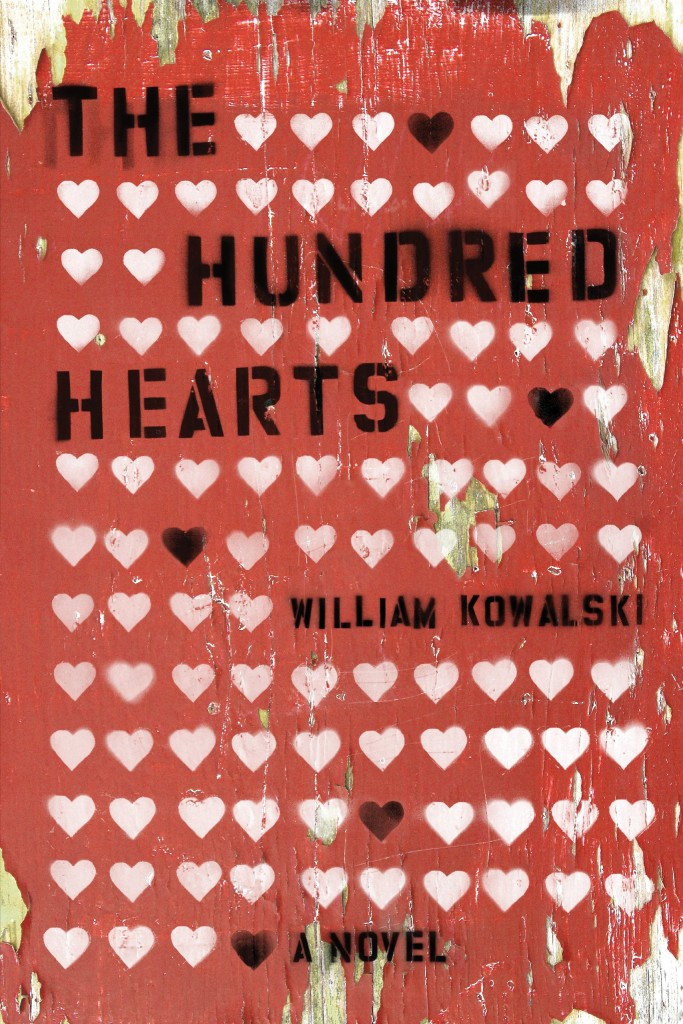
The Hundred Hearts by William Kowalski; design by Michel Vrana (Thomas Allen / May 2013)
9781940450261
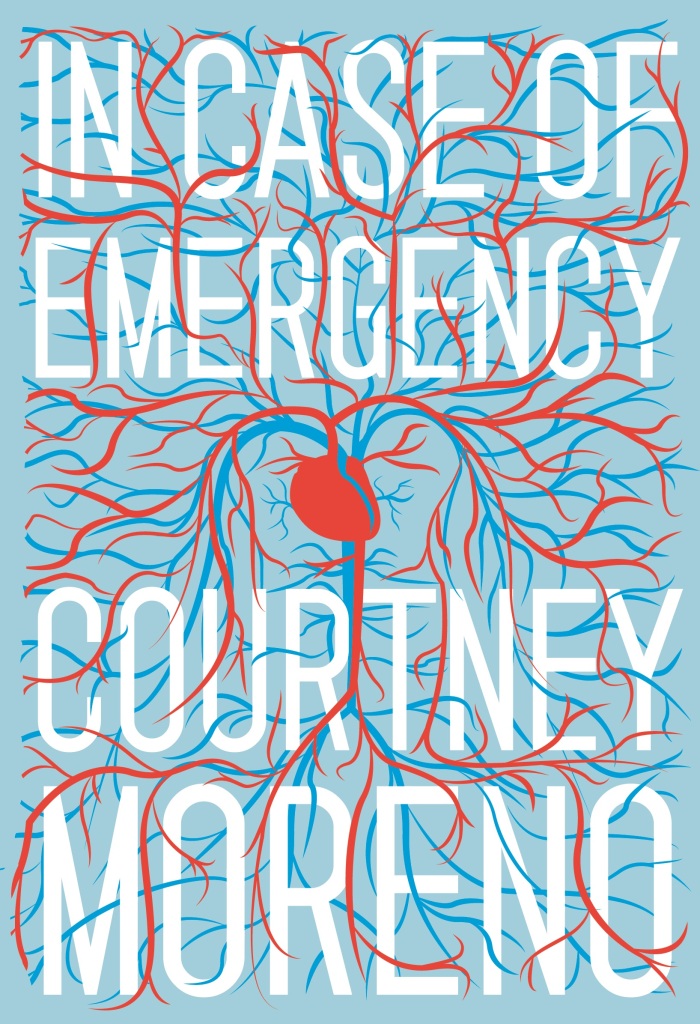
In Case of Emergency by Courtney Moreno; design by Sunra Thompson (McSweeney’s / September 2014)

in-case-we-die
In Case We Die by Danny Bland; design by Jacob Covey (Fantagraphics / September 2013)

9781250052896
Irritable Hearts: A PTSD Love Story by Mac McClelland; design by Keith Hayes (Flatiron Books / February 2014)

9780226018928
Learning to Love Form 1040 by Lawrence Zelenak; design by Isaac Tobin (University of Chicago Press / April 2013 )
lolita-bierut
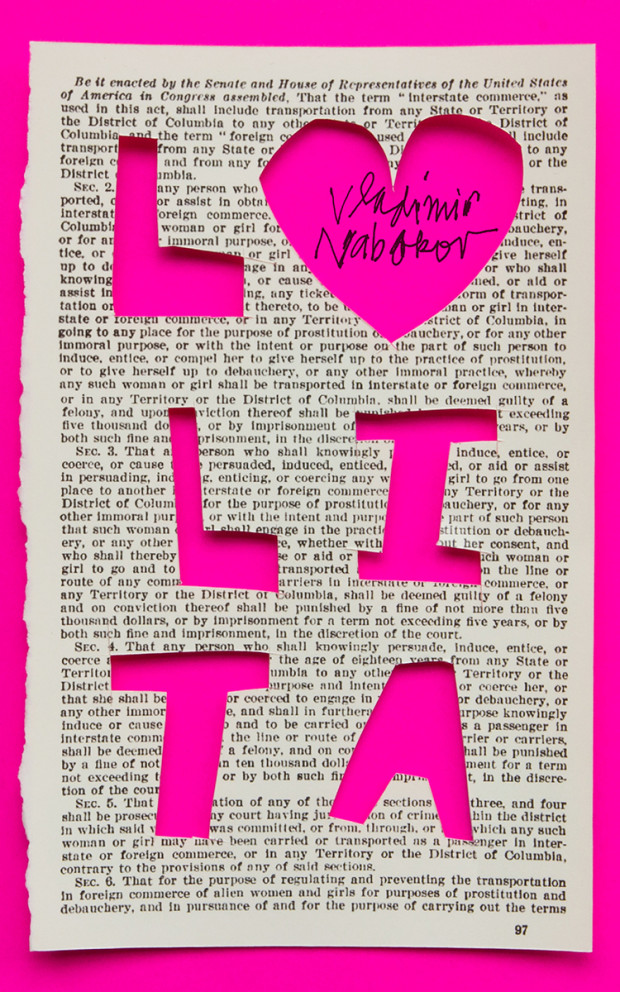
Lolita by Vladimir Nabokov; design by Michael Bierut (Lolita Book Cover Project / 2013)
love-poems
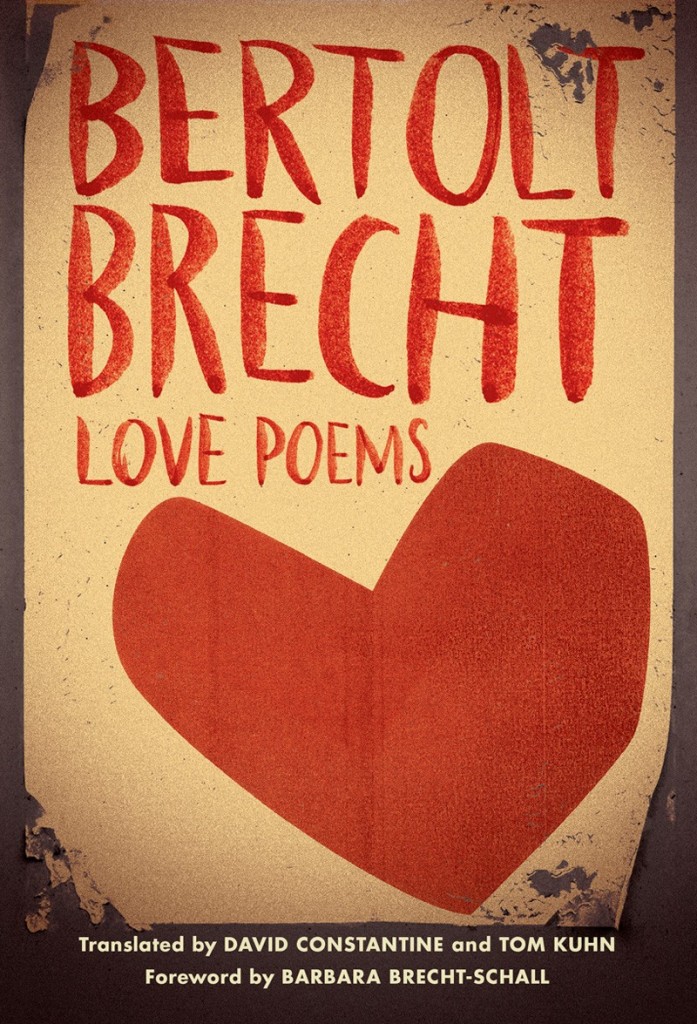
Love Poems by Bertolt Brecht; translated by David Constantine and Tom Kuhn; design by Jennifer Heuer (W. W. Norton / December 2014)
lovers-dictionary
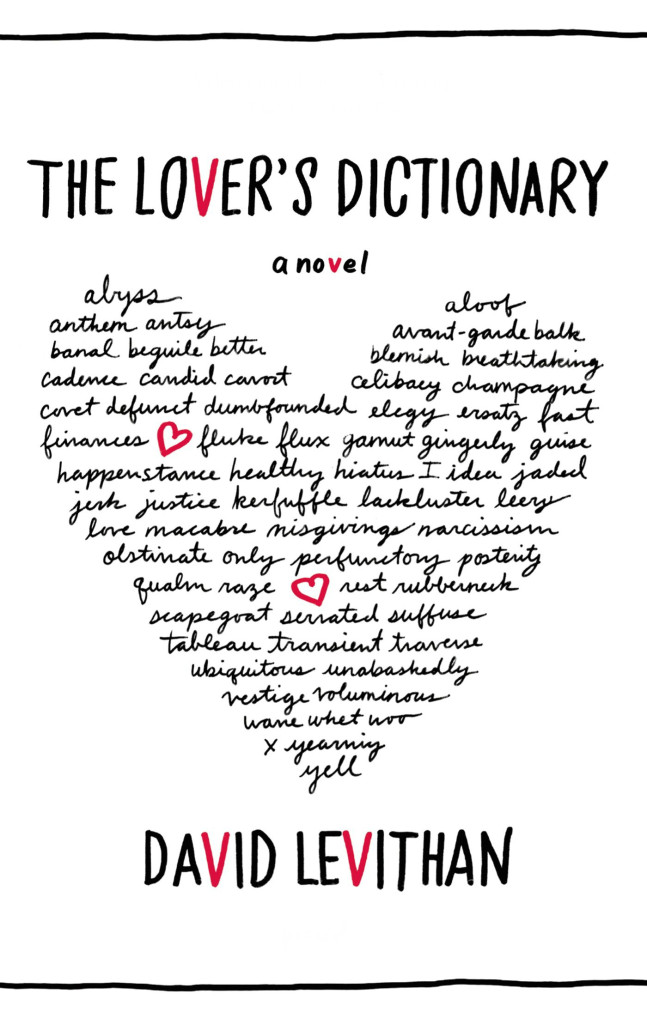
The Lover’s Dictionary by David Levithan; design by Jennifer Carrow (Farrar, Straus & Giroux / February 2011)
loves-winning-plays
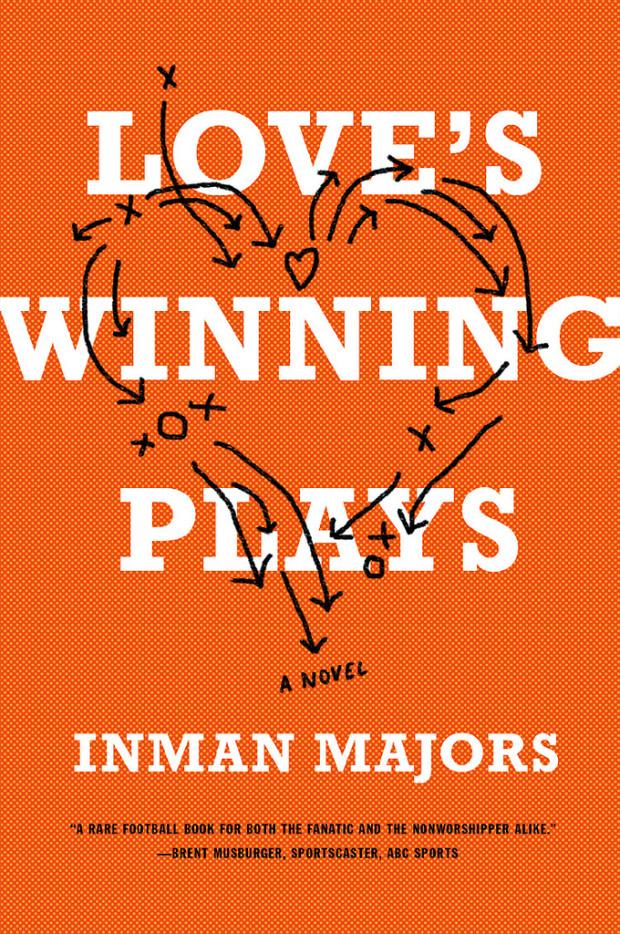
Love’s Winning Plays by Inman Majors; design by Eric White (W. W. Norton / July 2013)

man-who-touched-his-own-heart
The Man Who Touched His Own Heart by Rob Dunn; design by Ploy Siripant (Little, Brown & Co. / February 2015)
marriage-plot
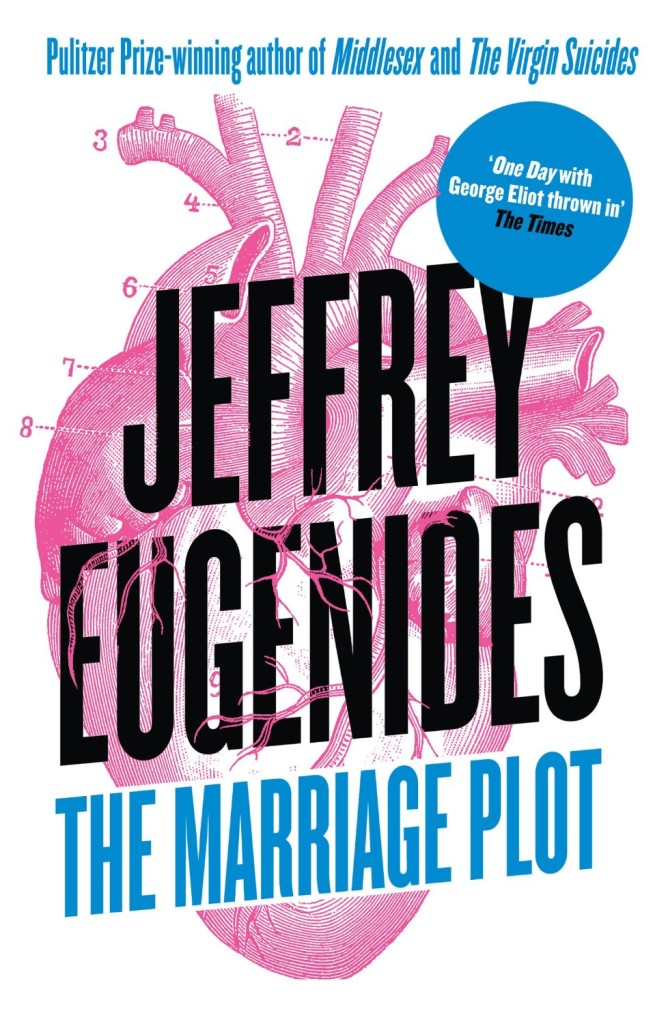
The Marriage Plot by Jeffrey Eugenides; design by Jo Walker (Fourth Estate / April 2012)
zusak
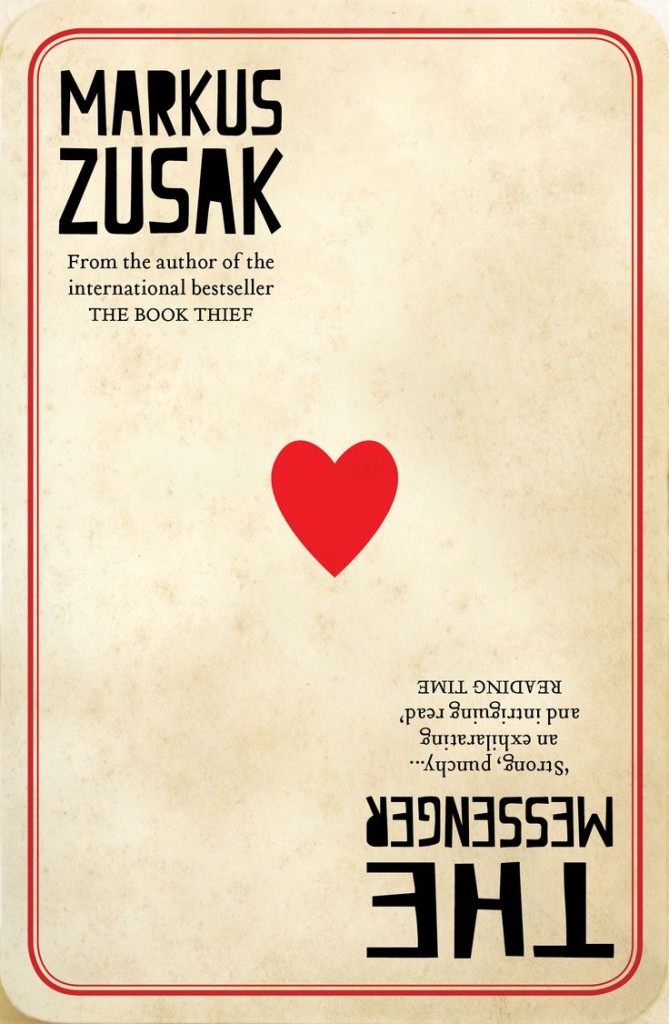
The Messenger by Markus Zusak; design by Sandy Cull / gogoGingko (Pan Macmillan / November 2013)
On-the-Noodle-Road
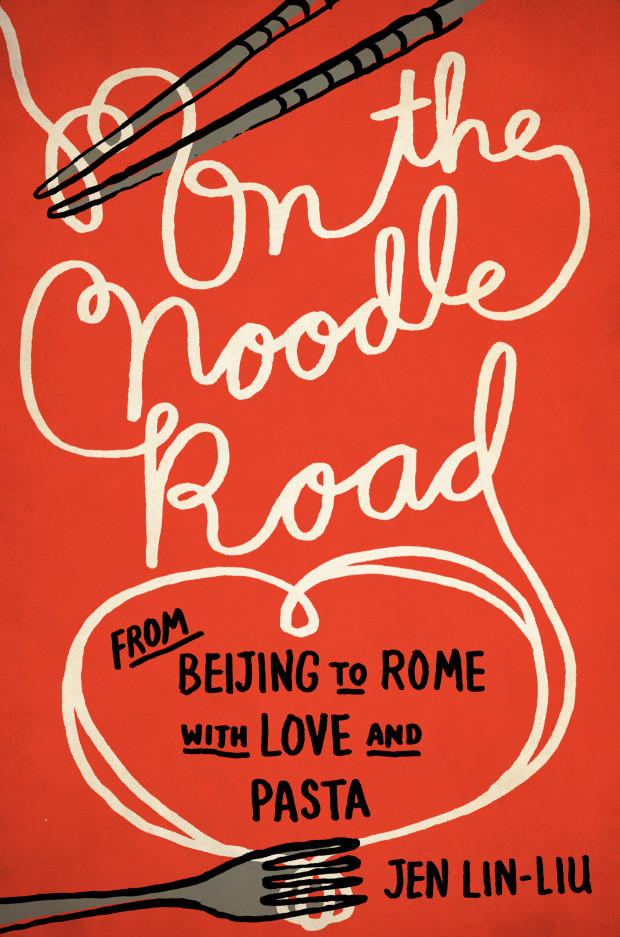
On the Noodle Road by Jen Lin-Liu; design by Lynn Buckley (Riverhead / July 2013)
ps-i-love-you
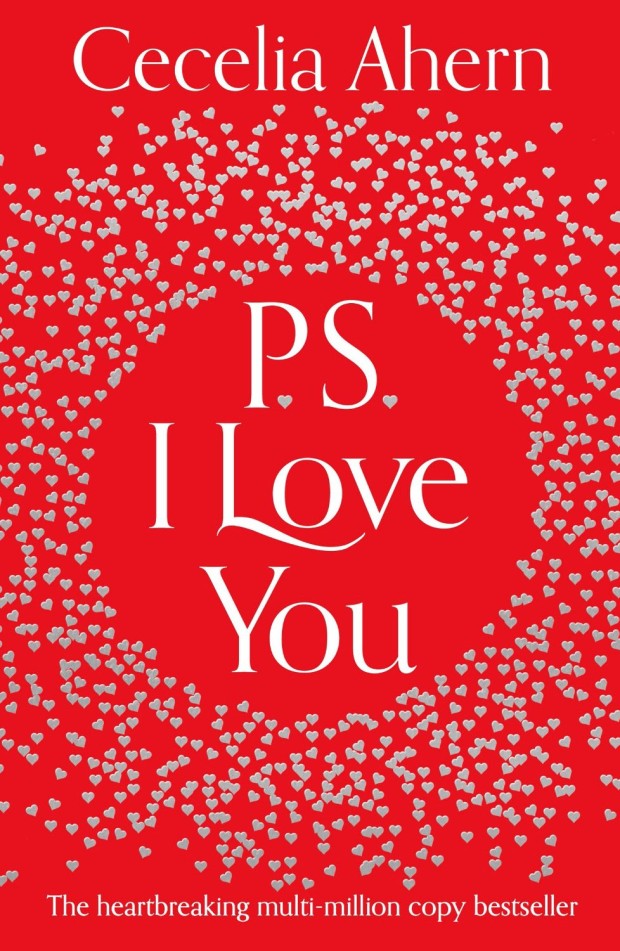
P. S. I Love You by Cecelia Ahern; design by Heike Schüssler (HarperCollins / January 2014)
teeth
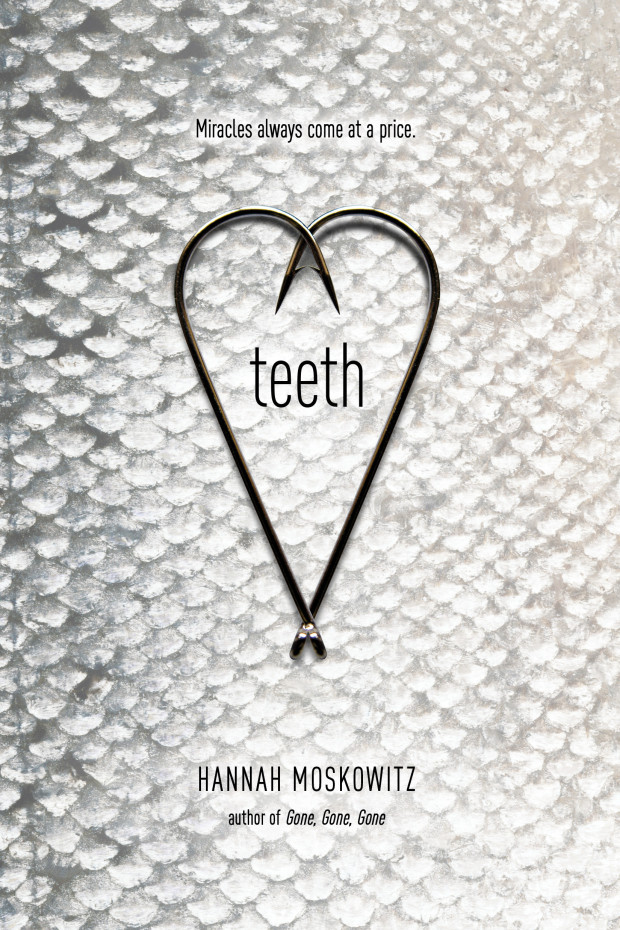
Teeth by Hannah Moskowitz; design by Angela Goddard (Simon & Schuster / January 2013)
things-we-know
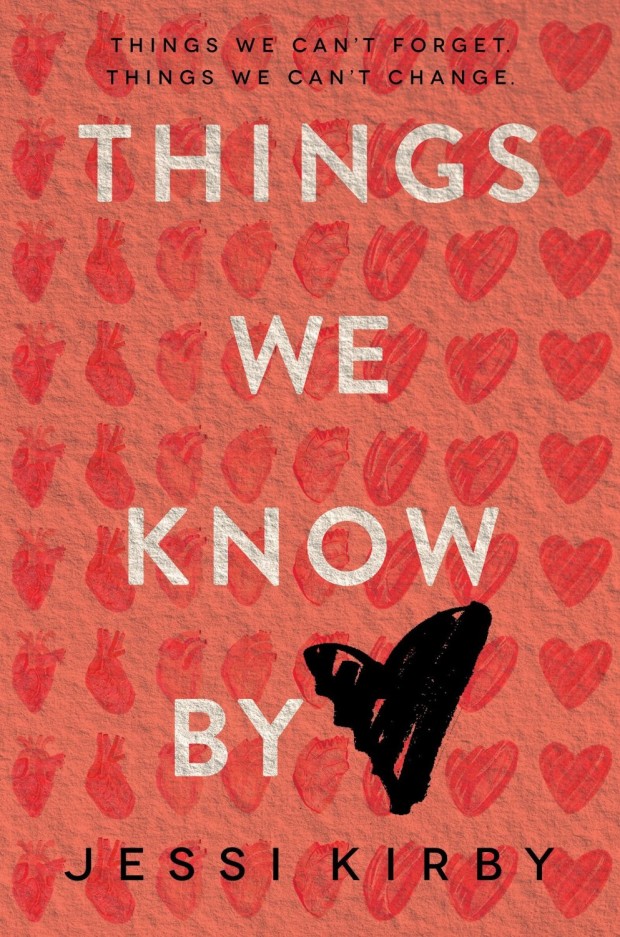
Things We Know by Heart by Jessi Kirby; design by Erin Fitzsimmons (HarperCollins / May 2015)
Doern art
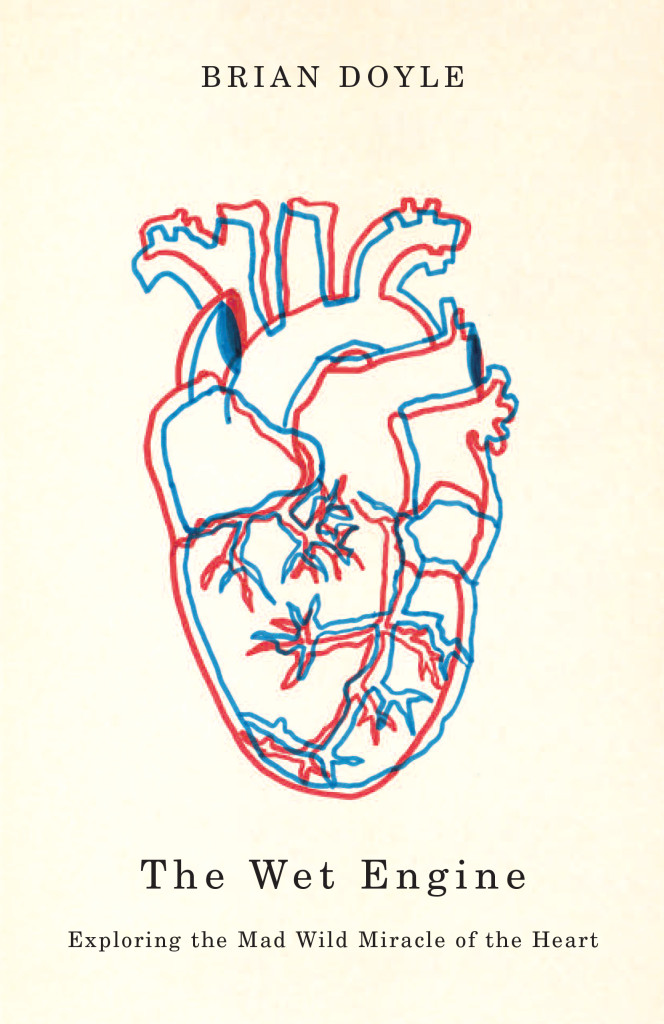
The Wet Engine by Brian Doyle; design by David Drummond (Oregon State University / May 2012)
with-or-without-you
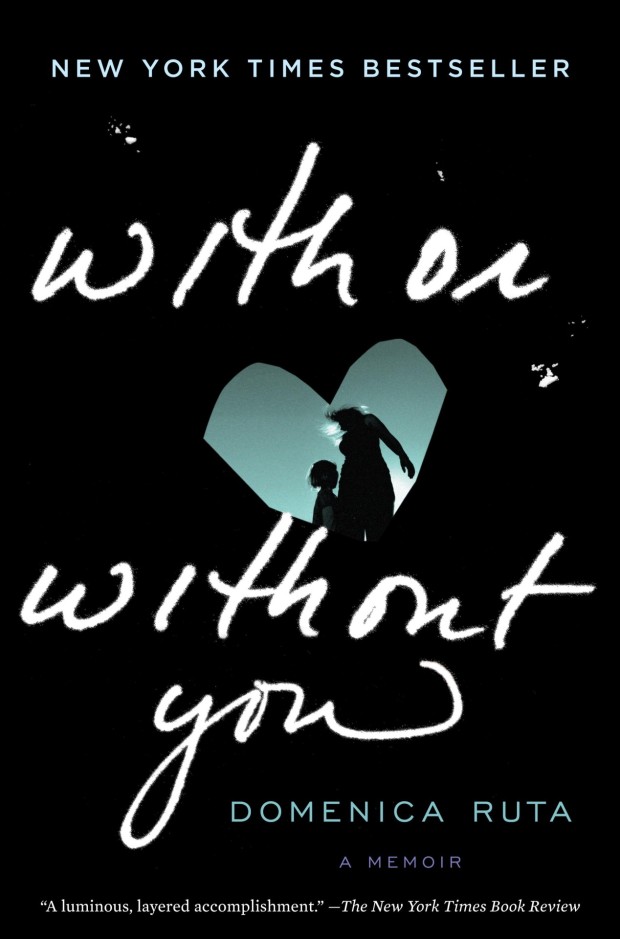
With or Without You by Domencia Ruta; design by Greg Mollica; lettering by Rebecca Siegel  (Spiegel & Grau / February 2013)
4 Comments

Lettres Libres

Brut_LL

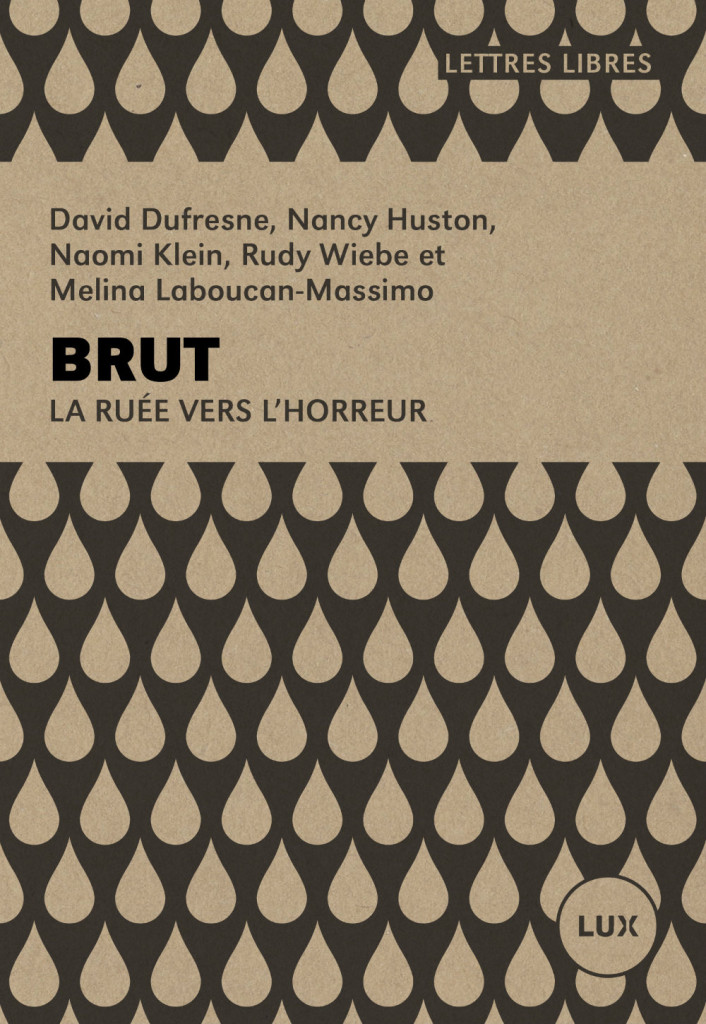
Canadian designer Catherine D’Amours kindly let me know about her work at Nouvelle Administration to redesign the ‘Lettres Libres’ series published by Montreal-based publisher Lux Éditeur, with the help of Jolin Masson, a freelancer for the team. Printed on craft paper, each cover has its own pattern based on the subject of the book.

I am also a big fan of Catherine’s work for Le Quartanier, another Montreal-based publisher. You can read more about her NOVA series here.

1 Comment

The Doves Type Revival

DovesBibleTidcombe720x400

I missed this wonderful story about the infamous lost typeface of English Arts and Crafts publisher Doves Press — unceremoniously “bequeathed” to the Thames by one of the co-founders of the press —  in The Economist last month:

Between August 1916 and January 1917 Cobden-Sanderson, a printer and bookbinder, dropped more than a tonne of metal printing type from the west side of the bridge. He made around 170 trips in all from his bindery beside the pub, a distance of about half a mile, and always after dusk. At the start he hurled whole pages of type into the river; later he threw it like bird seed from his pockets. Then he found a small wooden box with a sliding lid, for which he made a handle out of tape—perfect for sprinkling the pieces into the water, and not too suspicious to bystanders.

Those tiny metal slugs belonged to a font of type used exclusively by the Doves Press, a printer of fine books that Cobden-Sanderson had co-founded 16 years earlier. The type was not his to destroy, so he concealed his trips from his friends and family and dropped his packages only when passing traffic would drown out the splash. There were slip-ups, all the same. One evening he nearly struck a boatman, whose vessel shot out unexpectedly from under the bridge. Another night he threw two cases of type short of the water. They landed on the pier below, out of reach but in plain sight. After sleepless nights he determined to retrieve them by boat, but they eventually washed away. After that he was more careful.

Now, almost 100 years after the original metal type was lost, Doves has been revived as a digital typeface:

For three years [Richard Green] has been crafting a digital reproduction of the famous face—the first fully usable Doves font since the original metal pieces were swallowed by the Thames. In search of perfect curves and precise serifs, he reckons he has redrawn it at least 120 times. “I’m not really sure why I started. In the end it took over my life.”

Intrepid fans have occasionally tried to recover pieces of the type from the river, but no one has ever found any, so Mr Green had to beg and borrow Doves books as a reference. That sounds simple—yet the uneven printing that letterpress-lovers cherish made tracing the type impossible. Once ink hits paper, no single letter is reproduced identically. Guessing the shape of the metal that made the marks takes time and patience. Guess wrong, and the error is imperceptible at first; but lined up in text the letter looks awkward, the typeface distracting.

That painstaking process is similar to the technique Cobden-Sanderson and Walker used to create the Doves type, itself a confection of two earlier designs. Doves owes most to the type of Nicholas Jenson, a Venetian printer from the 15th century whose clear and elegant texts shunned the gothic blackletter favoured by print’s early pioneers. A few letters were added, and others redrawn. The arrow-straight descender of its lower case ‘y’ divides critics; purists lament the thick crossbar of the upper case ‘H’. Most people neither notice nor care. “No more graceful Roman letter has ever been cut and cast,” opined A.W. Pollard, a contemporary critic, in the Times. Simon Garfield, a modern writer, celebrates its rickety form, which looks “as if someone had broken into the press after hours and banged into the compositor’s plates.”

You can read more about the history of Doves and the digital revival at Typespec.

And apparently a small amount of the original metal type was recently salvaged from the Thames too. Amazing.

2 Comments

Student Editions by Ákos Polgárdi

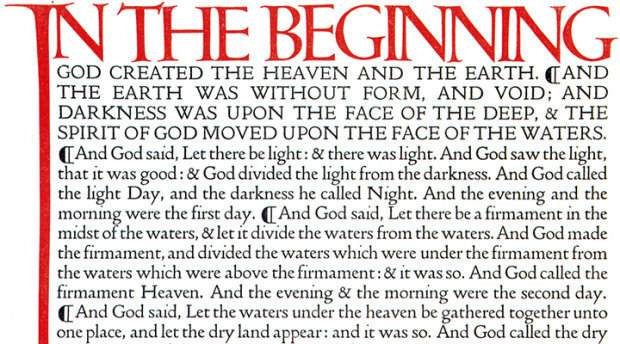
DK-Jokai-KEF

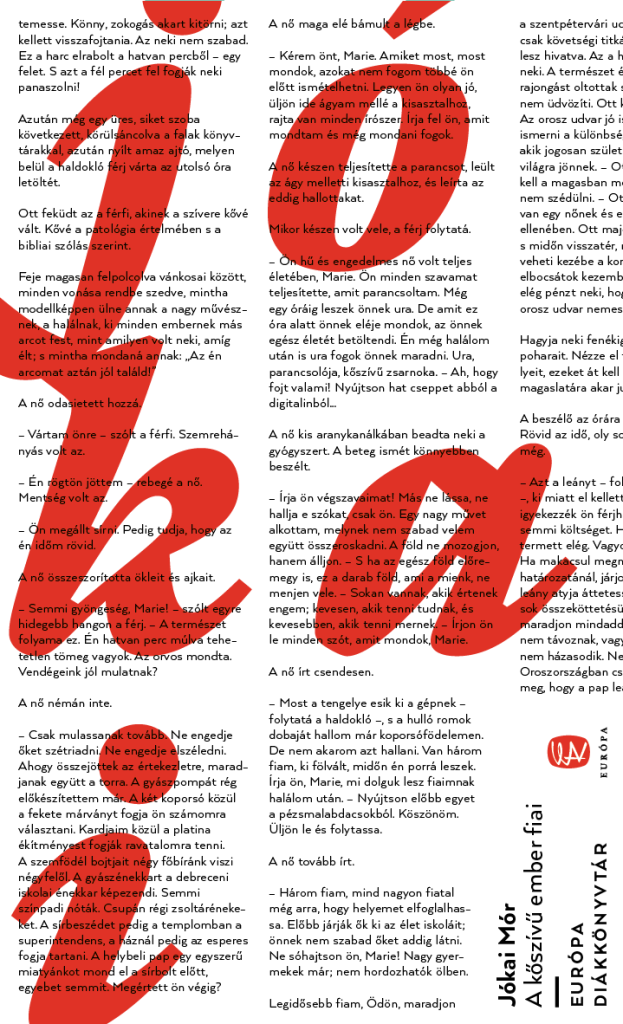
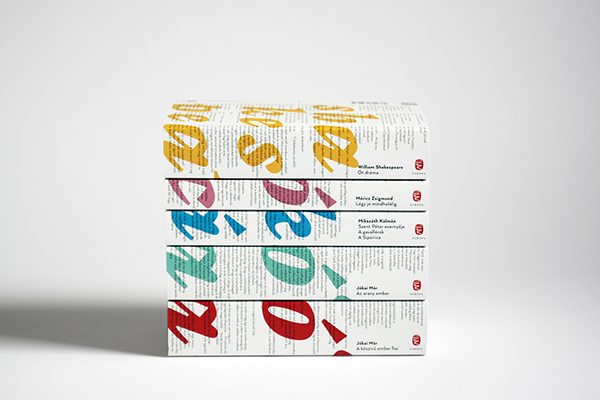
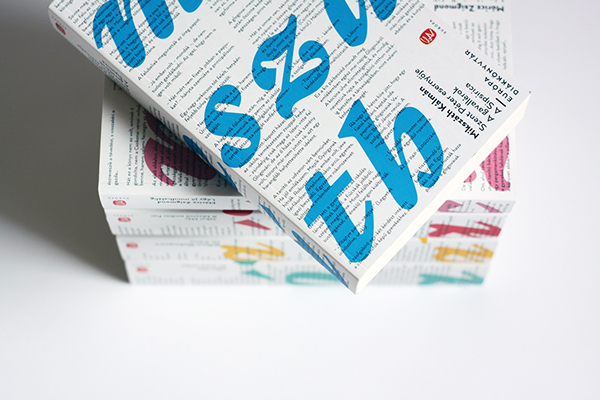
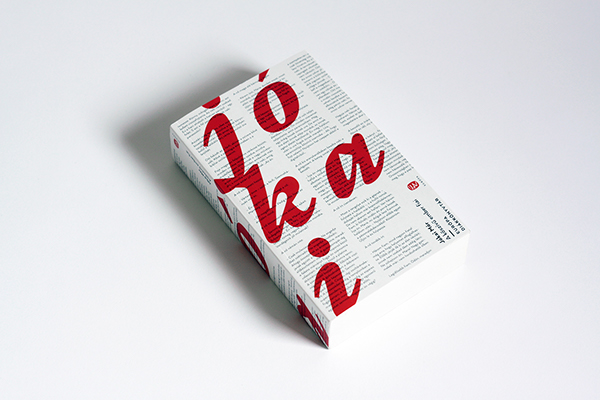
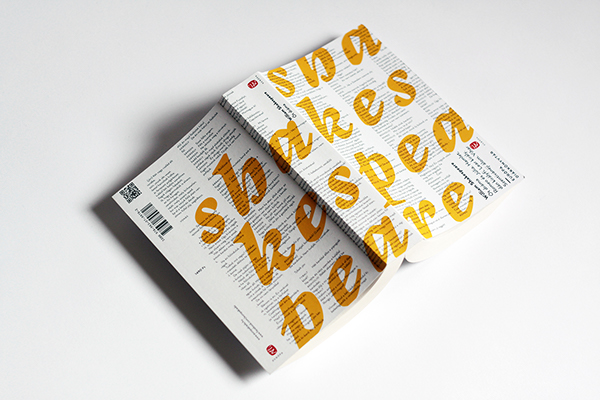
These rather fabulous typographic covers were designed by Ákos Polgárdi for Európa Könyvkiadó‘s Student Editions series. Works of classic literature from Hungary and around the world, each cover features text from the book as a background pattern.

student-editions-1 student-editions-2student-editions-4 student-editions-3

You can see more of Ákos’ book covers on his website.

Comments closed

Art of the Title: Dr. Strangelove or: How I Learned to Stop Worrying and Love the Bomb

strange_c2-0-800-0-0

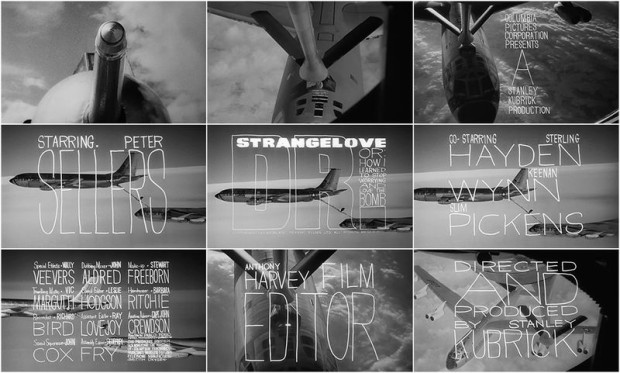
The wonderful Art of Title looks back at the title sequence for Stanley Kubrick’s Dr. Strangelove or: How I Learned to Stop Worrying and Love the Bomb designed by Pablo Ferro:

Pablo Ferro’s loose letterforms and slack compositions superimposed over aircraft footage represented a distinct departure from American title design of the time. Prior to 1966, the aesthetic of main titles was defined primarily by designers BinderBrownjohn, and Frankfurt and their symbolic geometry, clean typography, and bold graphic forms. The stage was set for Ferro’s strain of ambitious artistry. His lettering, variously squat, long, and lean, allows the footage to peek through, unobtrusive but utterly individual. It was all done by hand, with grease pencil on glass.

In an interview with Pablo Ferro himself, the designer discusses that distinctive lettering:

I tried to do the lettering like it’s usually done in films, but he said, “Pablo, I don’t know whether to look at the lettering or look at the plane. We have to see both at the same time.” I said to myself, oh boy, how could you do that? I remembered that I do my own lettering, just doodling around, thin and tall and things like that, and I thought I’d try that.

We did a test and it worked! Stanley filled the screen with my lettering. It was perfect! You could see the plane and you could see the lettering at the same time.

Coincidently, Vienna-based foundry FaceType actually released a typeface inspired by Ferro’s lettering called Strangelove Next a few years ago. I’m sure I’ve seen it on a couple of book covers.

Comments closed

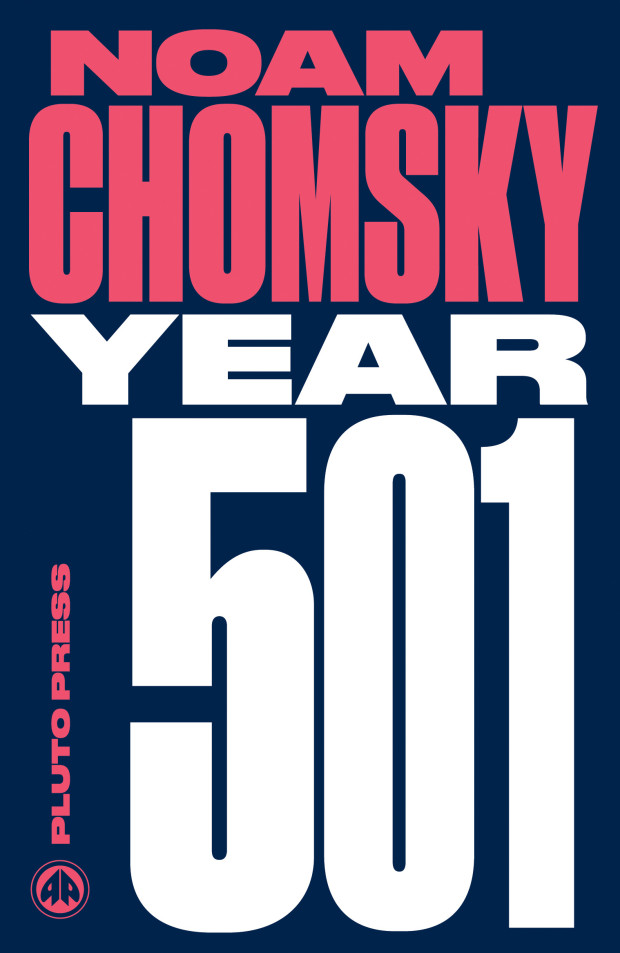
Noam Chomsky Series Design by David Pearson

Layout 1

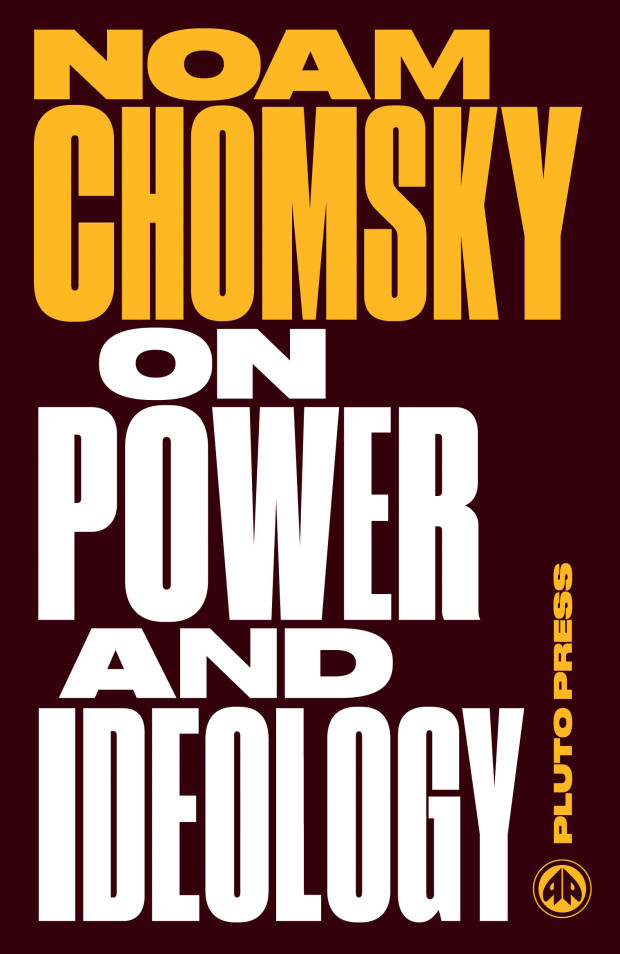
Designer David Pearson has created some rather nice typographic covers for the UK editions of Noam Chomsky available from UK publisher Pluto Press.

Layout 1

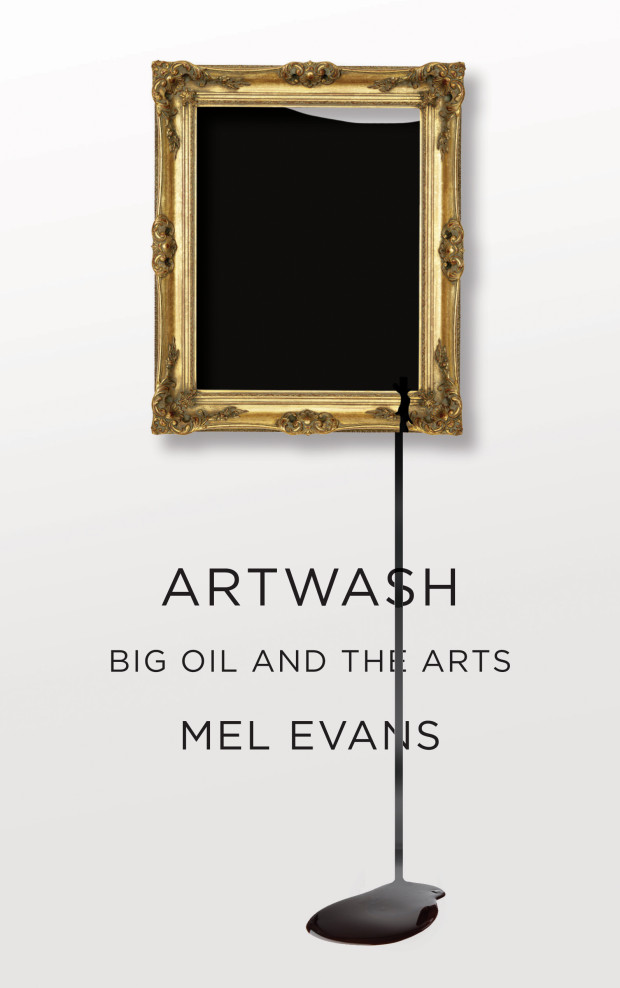
In addition to the talented Mr. Pearson, Pluto Press’s design manager Melanie Patrick kindly let me know that the publisher is currently working with designers such as David Drummond, David Gee, Jamie Keenan, Dan Mogford, and Jarrod Taylor. You can see some of the results on their new Tumblr Pluto Press Covers, including this slick (ba-dum ching!) cover for the forthcoming Artwash by Mel Evans, designed by Mr. Keenan:
artwashrgbhighres

Comments closed

Aaron Draplin on Logo Design

I doubt most of you don’t need advice on how to design a logo (or maybe you do? Who knows?), but Aaron Draplin enthusing about design is always fun. In this video for Lynda.com, Draplin talks about his design process for logos, and even manages to talk about a few of his favourite books along the way:

Comments closed

Portrait of a Letterpress Printer

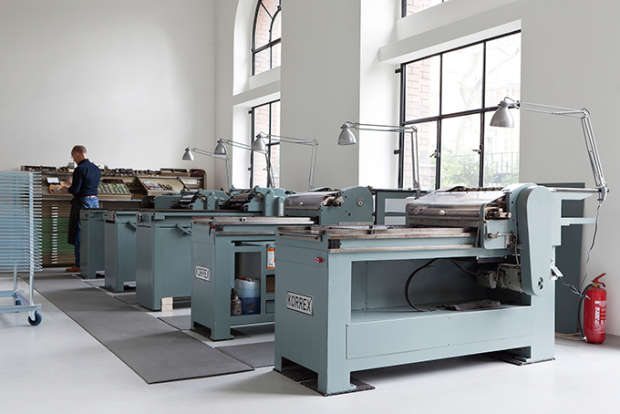
Portrait of a Letterpress Printer is a short documentary about William Amer, a letterpress printer and instructor based in Rockley NSW, Australia. I have serious shed envy…

Comments closed

Books Covers of Note January 2015

January’s selections include some of this month’s new releases plus a few stragglers from 2014 that were undeservedly overlooked last year:

against-the-country
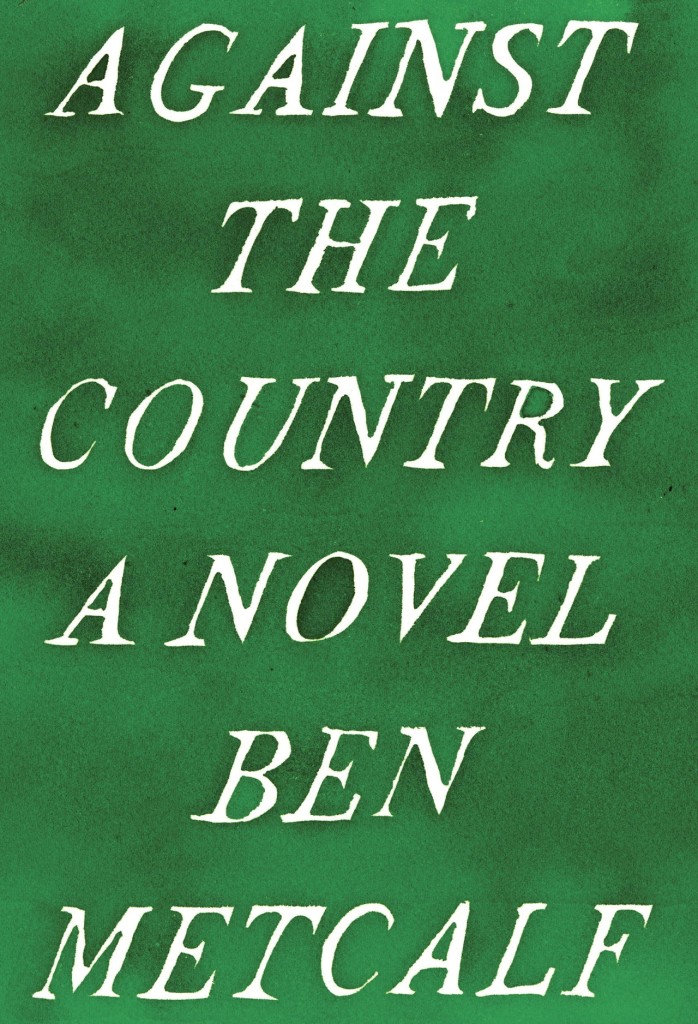
Against the Country by Ben Metcalf; design and illustration by Leanne Shapton (Random House / January 2015)

bad-character-novel
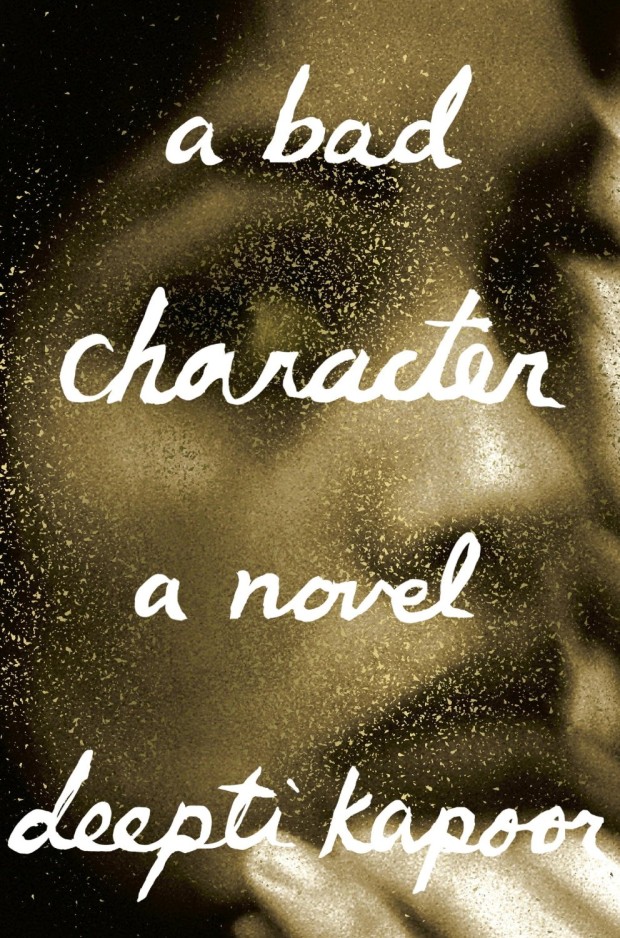
A Bad Character by Deepti Kapoor; design by Janet Hansen (Knopf / January 2015)

Brave New World
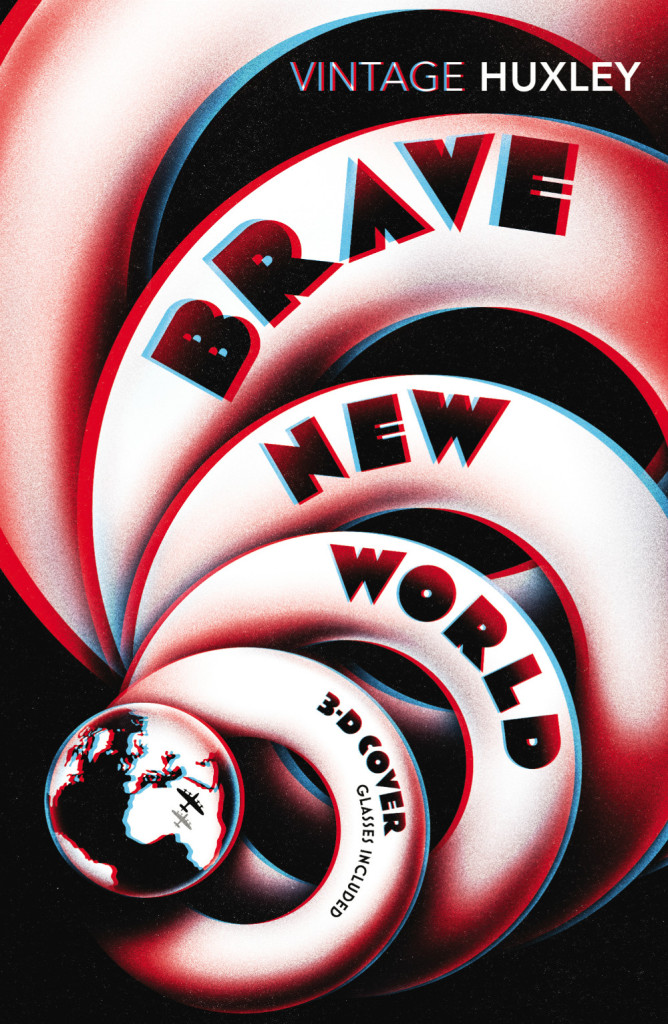
Brave New World by Aldous Huxley; design by Scot Bendall & Richard Carey / La Boca (Vintage / November 2014)

fifty-mice
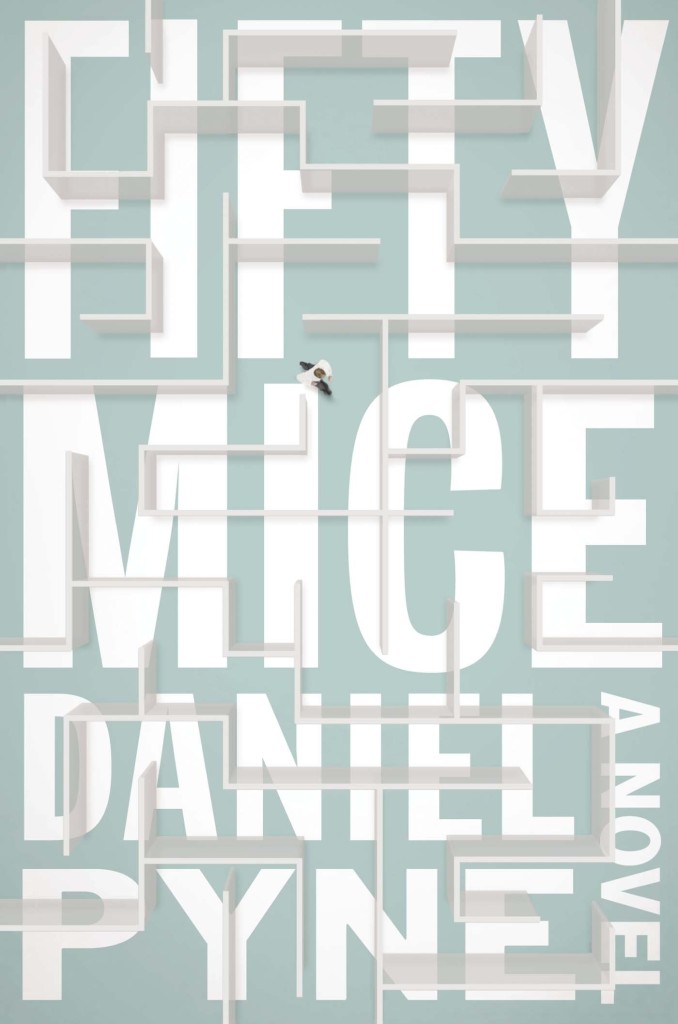
Fifty Mice by Daniel Pyne; design by Alex Merto (Blue Rider Press / December 2014)

first-bad-man
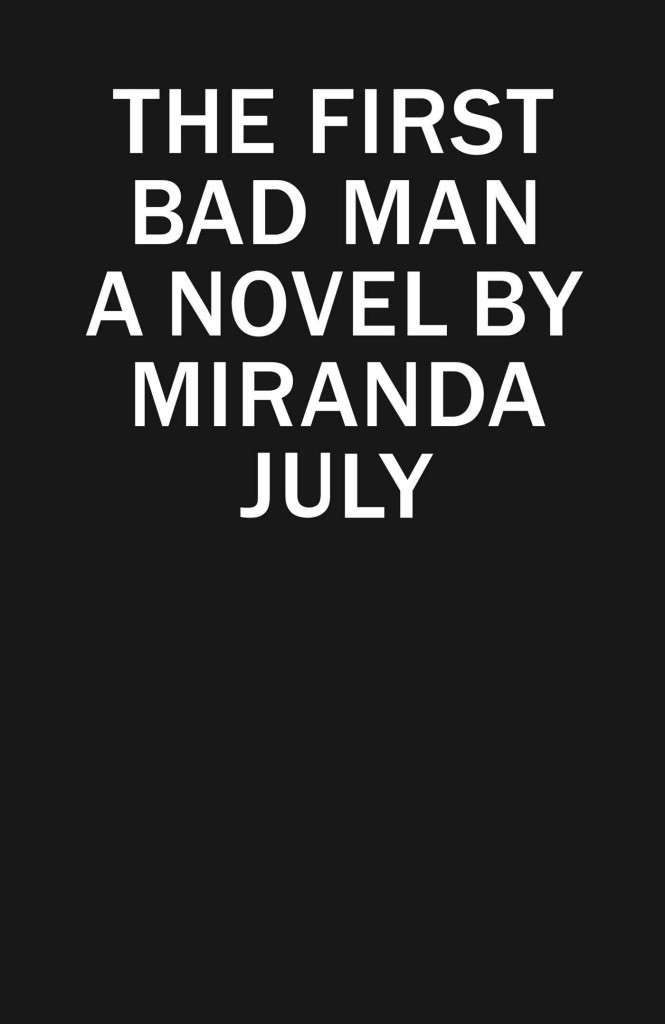
The First Bad Man by Miranda July; design by Mike Mills (Scribner / January 2015)

91bGUNqrbPL._SL1500_
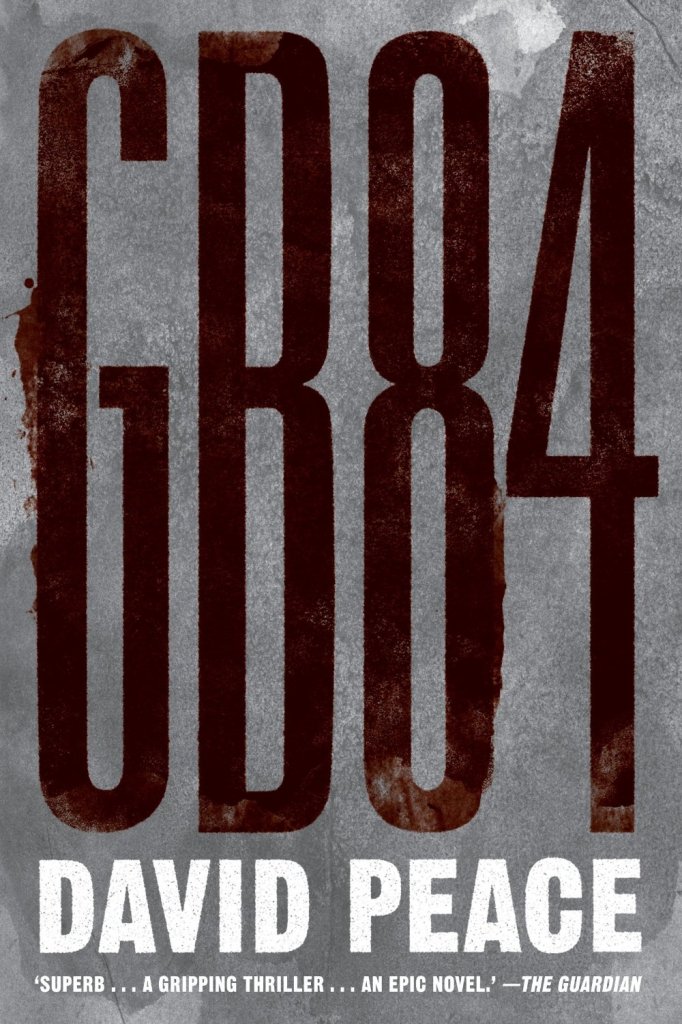
GB84 by David Peace; design by Christopher King (Melville House / November 2014)

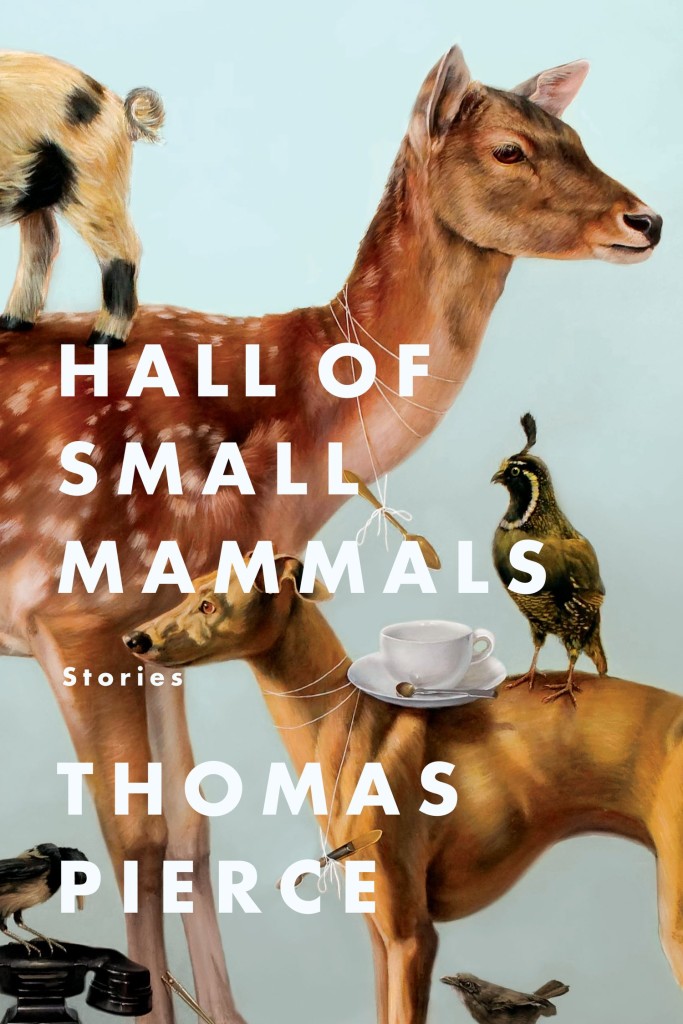
hall-of-small-mammals
Hall of Small Mammals by Thomas Pierce; design by Grace Han; cover art by Kate Bergin (Riverhead / January 2015)

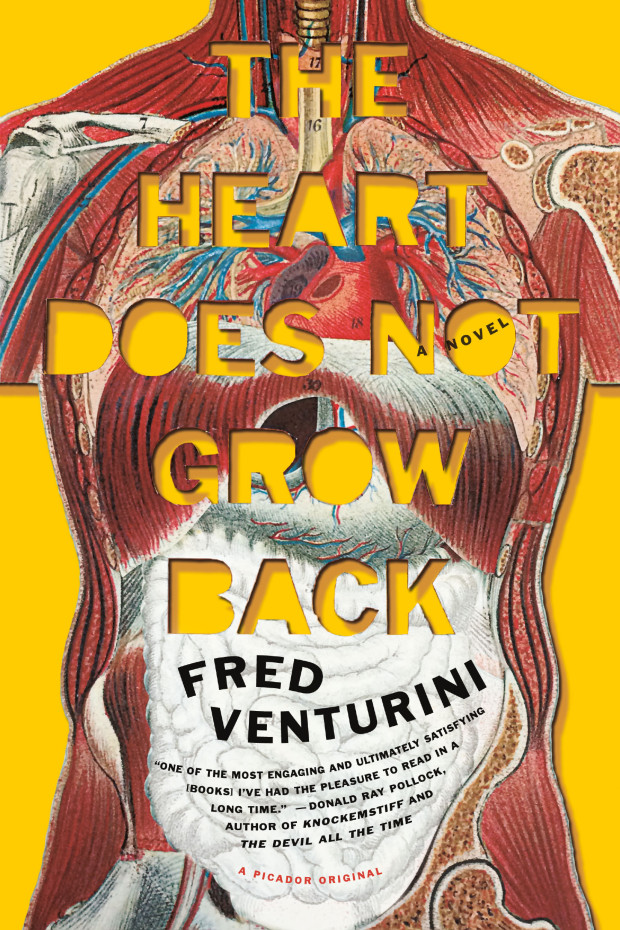
9781250052216
The Heart Does Not Grow Back by Fred Venturini; design by Henry Sene Yee (Picador / November 2014)

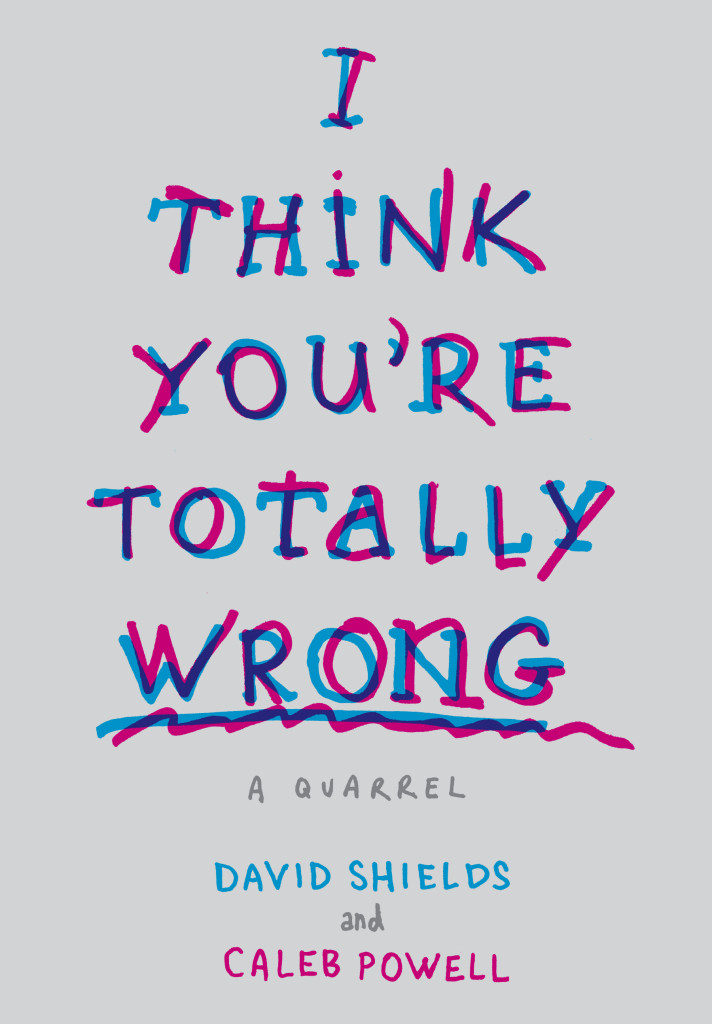
I-THINK-YOURE-TOTALLY-WRONG
I Think You’re Totally Wrong: A Quarrel by David Shields and Caleb Powell; design by Chip Kidd (Knopf / January 2015)

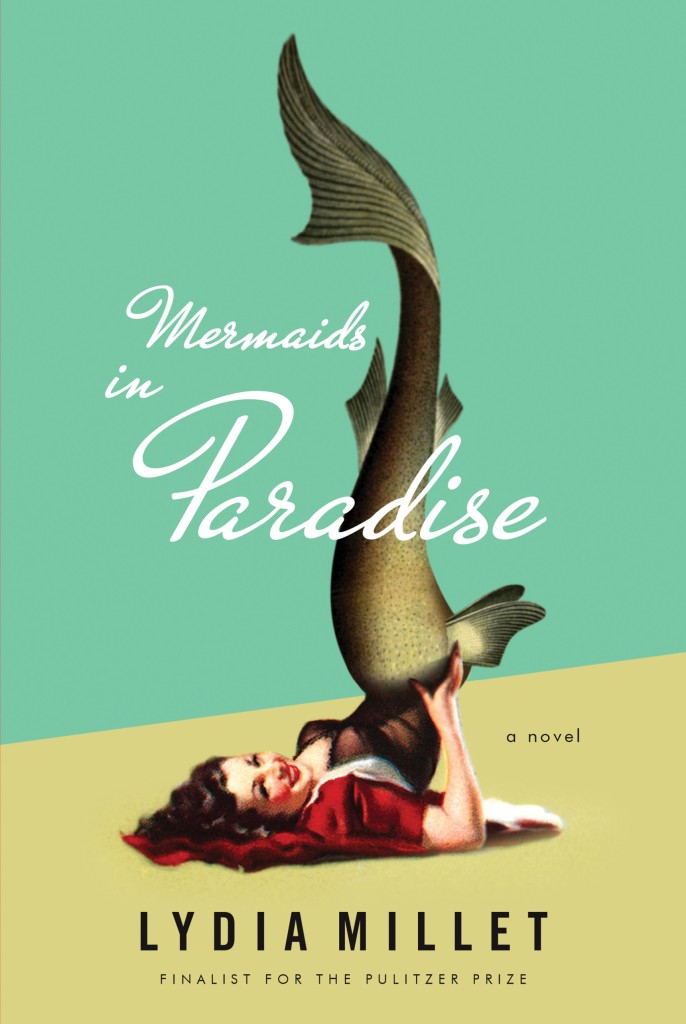
mermaids-in-paradise

Mermaids in Paradise by Lydia Millet; design by Chris Welch Design (W. W. Norton / November 2014)

9780241004968
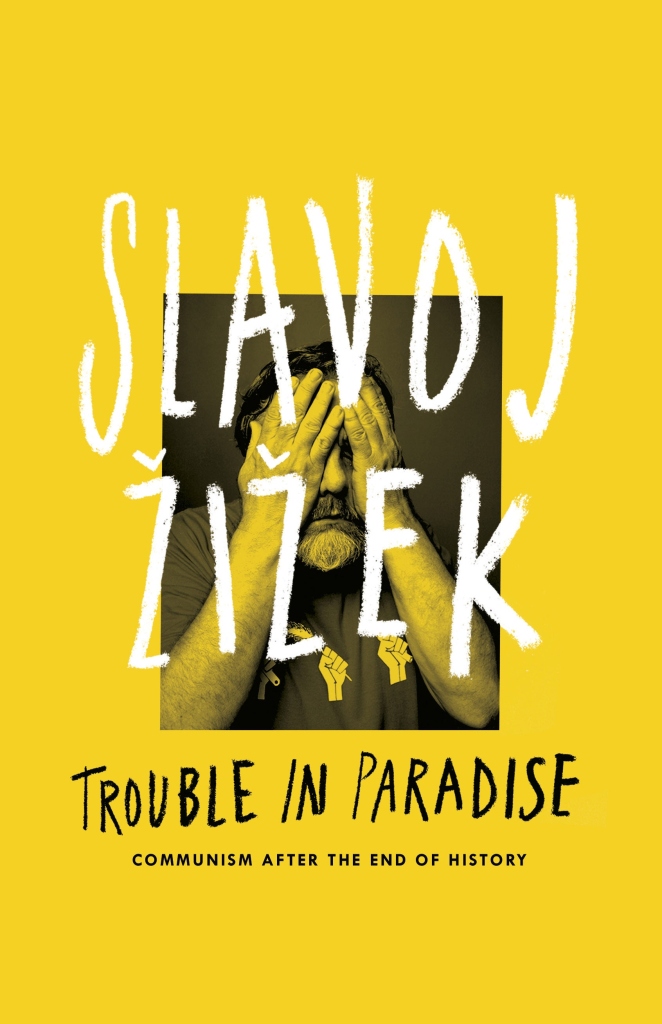
Trouble in Paradise By Slavoj Žižek; design by Richard Green (Allen Lane / November 2014)

unbecoming
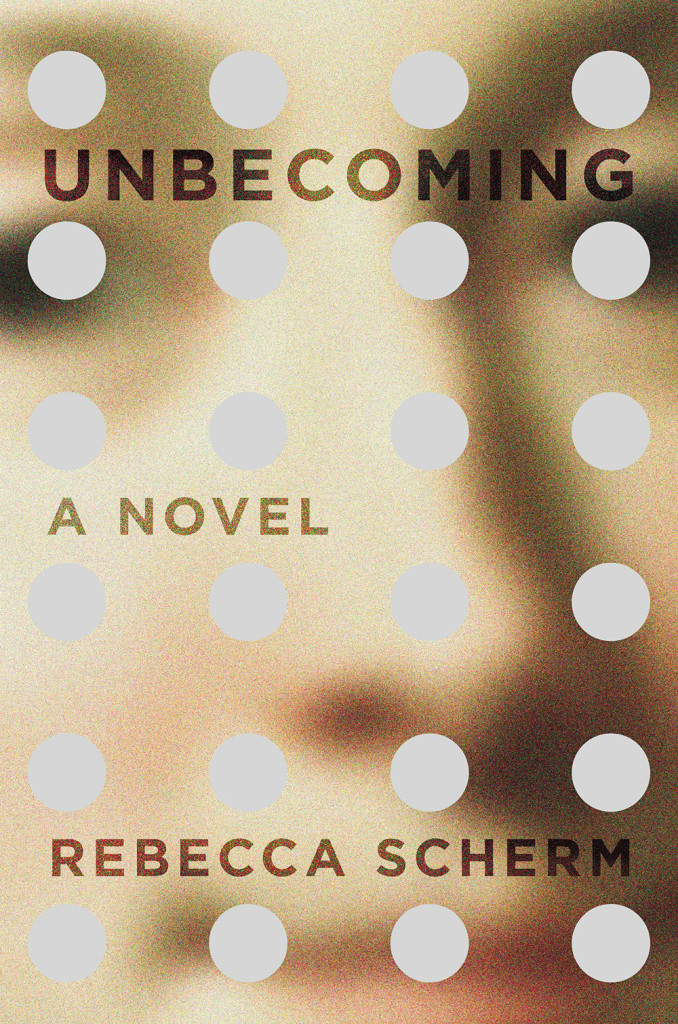
Unbecoming by Rebecca Scherm; design by Paul Buckley (Viking / January 2015)

schafferzf
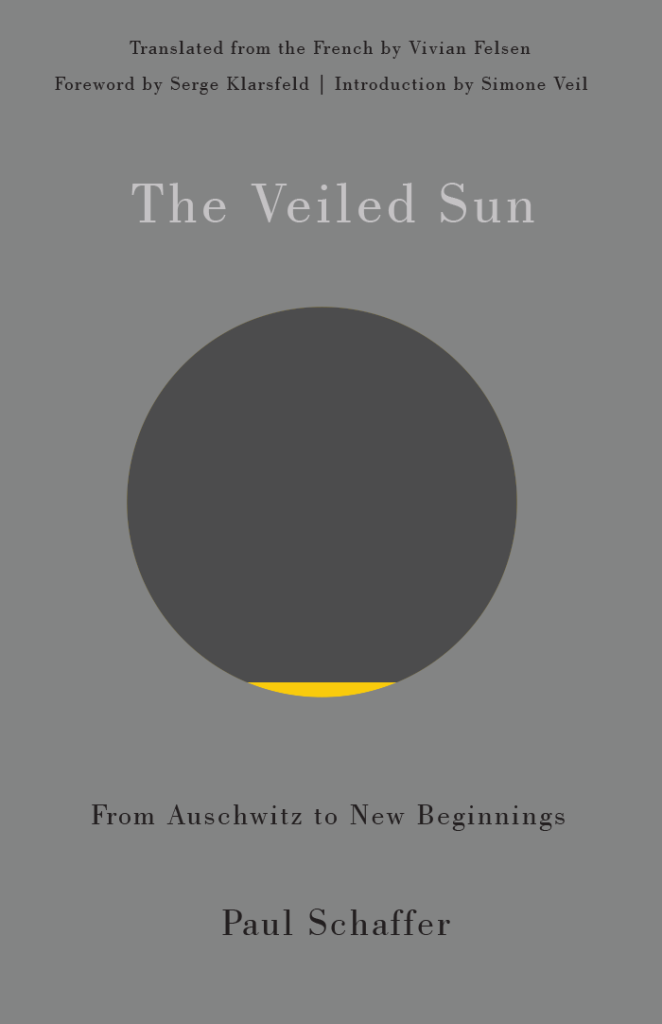
The Veiled Sun by Paul Schaffer; design by David Drummond (Véhicule Press / January 2015)

weathering
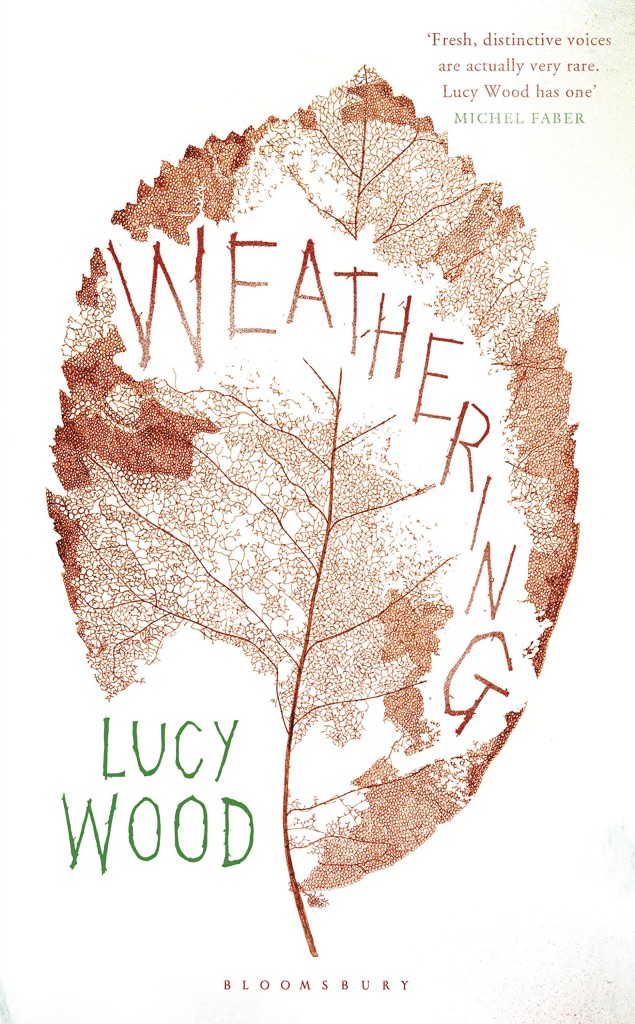
Weathering by Lucy Wood; design by Greg Heinimann (Bloomsbury / January 2015)

X
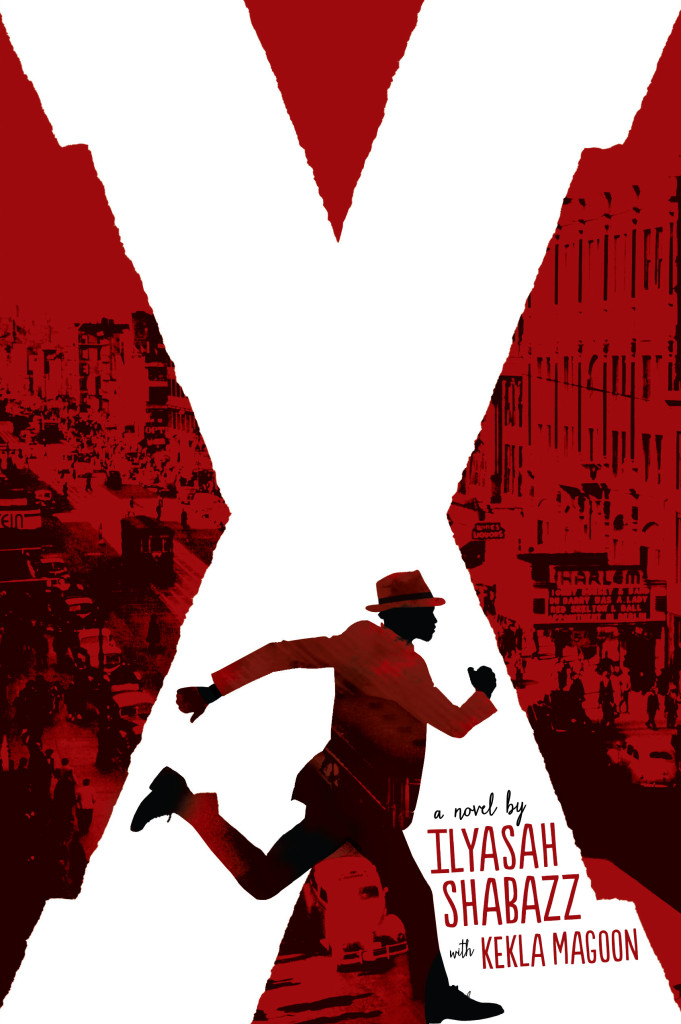
X by Ilyasah Shabazz with Kekla Magoon; design by Matt Roeser (Candlewick Press / January 2015)

Comments closed

Creative Characters: Erik Spiekermann

P98a-spiekermann

Type designer Erik Spiekermann recently spoke to MyFont’s Creative Characters newsletter about his career and his return to letterpress printing:

I think it’s very appropriate to discuss the new interest in analog technologies, and the ways that young people are now finding to combine the analog and the digital. In fact, the difference between the two is disappearing. As type specialist Indra Kupferschmidt also remarked recently — there’s no longer any reason to make things for the screen that look worse than designs made for print. Anybody who does layouts for the screen must know about type and typography just as well as someone who designs for paper. So what counts is, just like before, how to get the message across. We have the technology, there is no more excuse for a job badly done.

What I find very interesting is the movement of people who are savvy in digital design but are genuinely interested in analog techniques. It is now more than a passing trend; there must be a deeper motive why we are newly interested in the hand-made and the haptic, material and three-dimensional aspects of type and design.

Comments closed

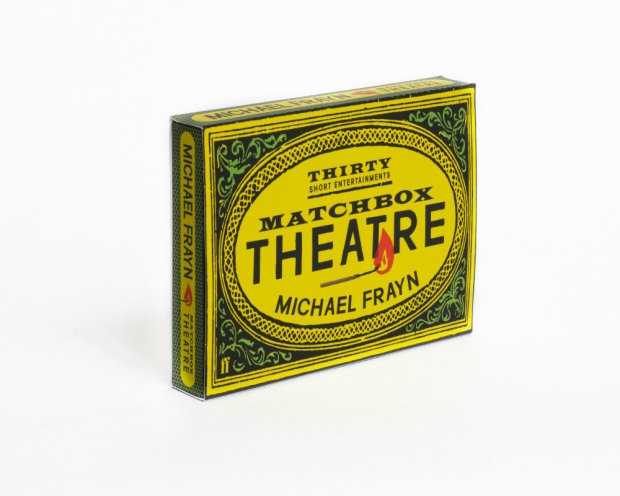
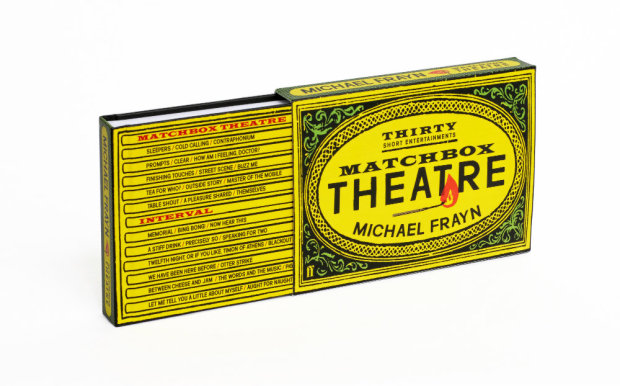
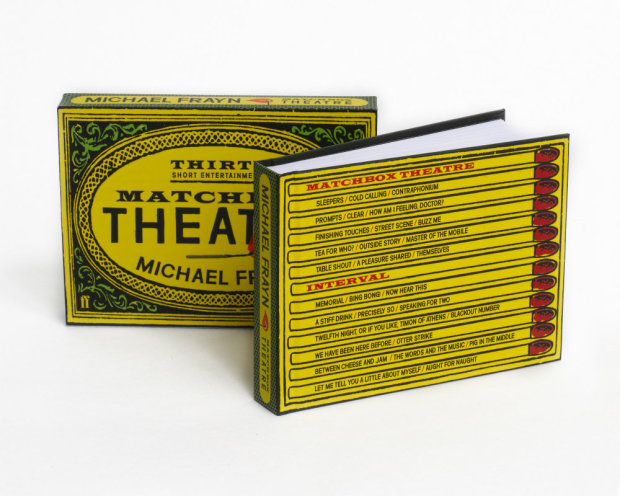
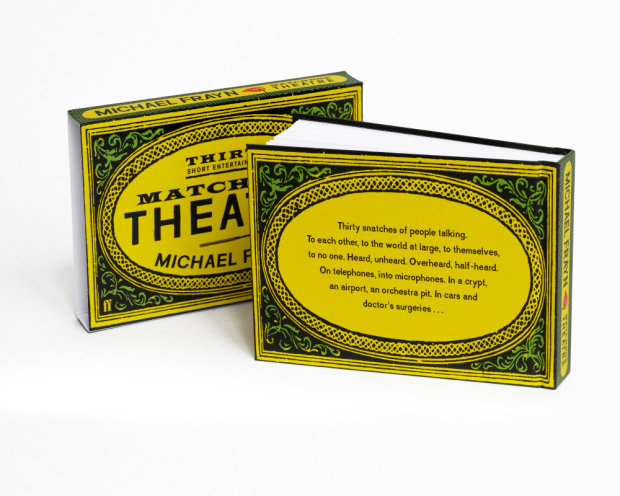
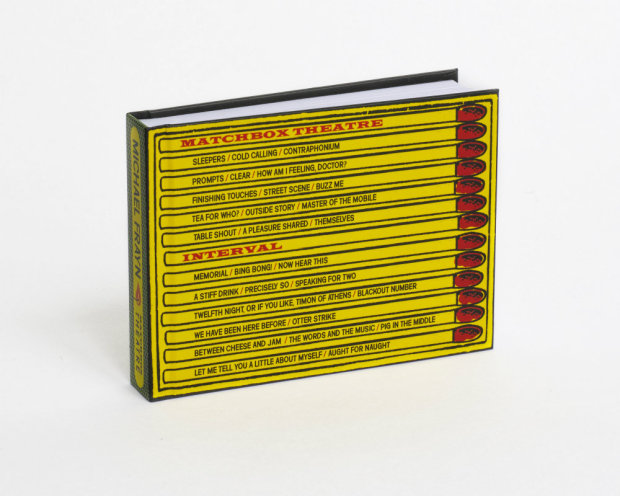
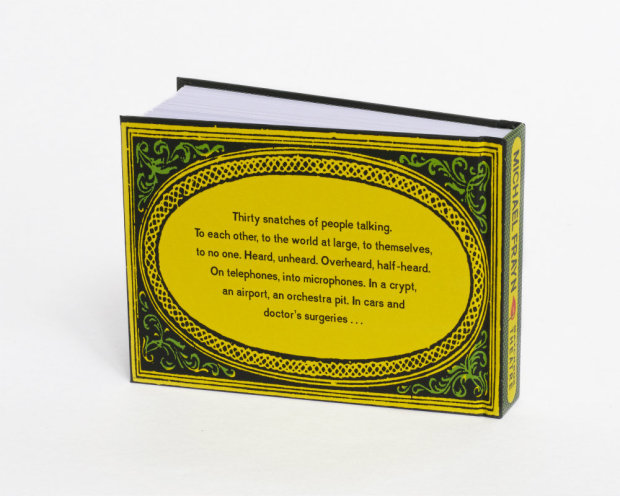
Matchbox Theatre Design by Alex Kirby

matchbox1

One of the fun things about doing this blog is that you never quite know when one post might lead to another. After posting photographs of Alex Kirby’s jacket and cover design for Amnesia by Peter Carey yesterday, I realised Alex had also sent me photographs of his work on Matchbox Theatre by Michael Frayn, published by Faber & Faber last month. As you can see, it is rather splendid:

matchbox7

matchbox4 matchbox5

matchbox3

matchbox6


Comments closed

Alan Kitching and Monotype

AK_PR

Well, this is absolutely lovely — a short film about letterpress typographer, designer, artist (and accordion player) Alan Kitching, and a set of posters he created with Monotype to celebrate the centenary of five influential designers born in 1914: Tom Eckersley, Paul Rand, FHK Henrion, Josef Müller-Brockmann and Abram Games:

(via David Pearson)

1 Comment