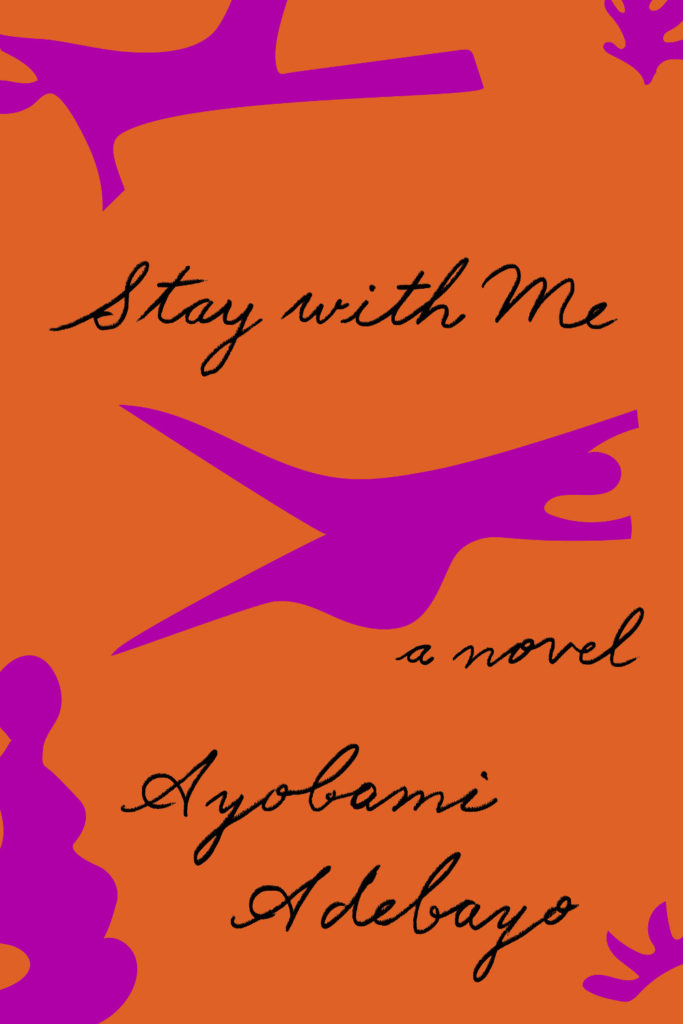
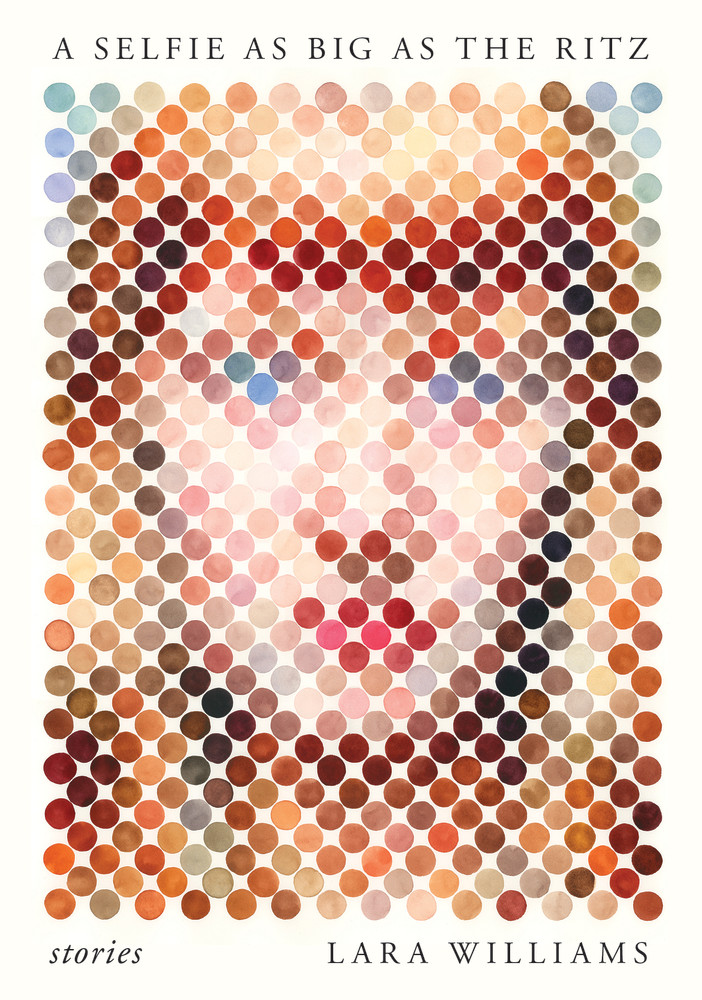
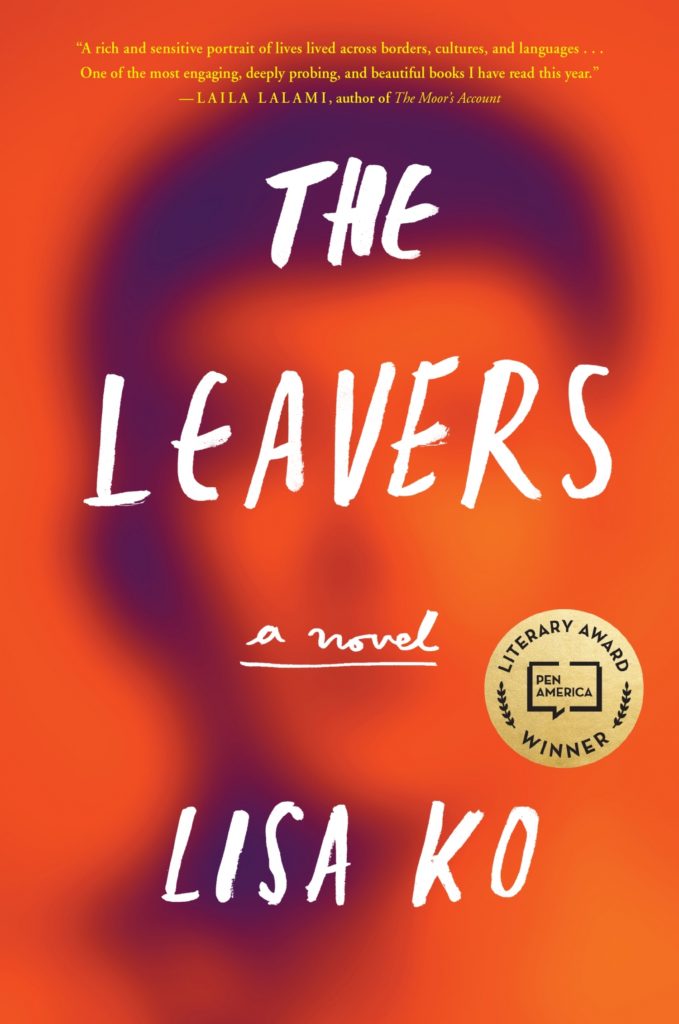
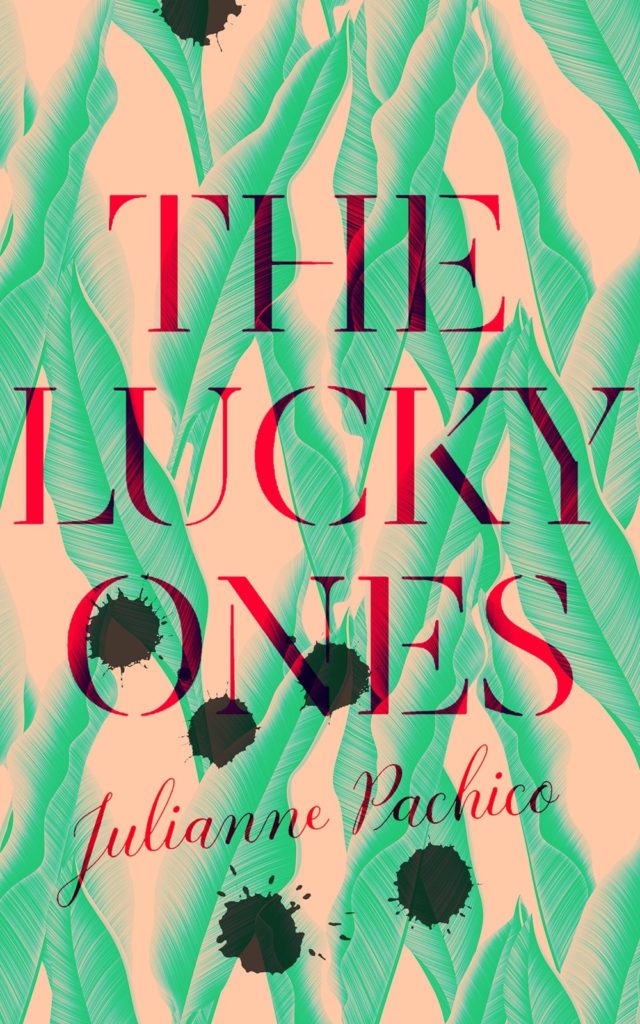
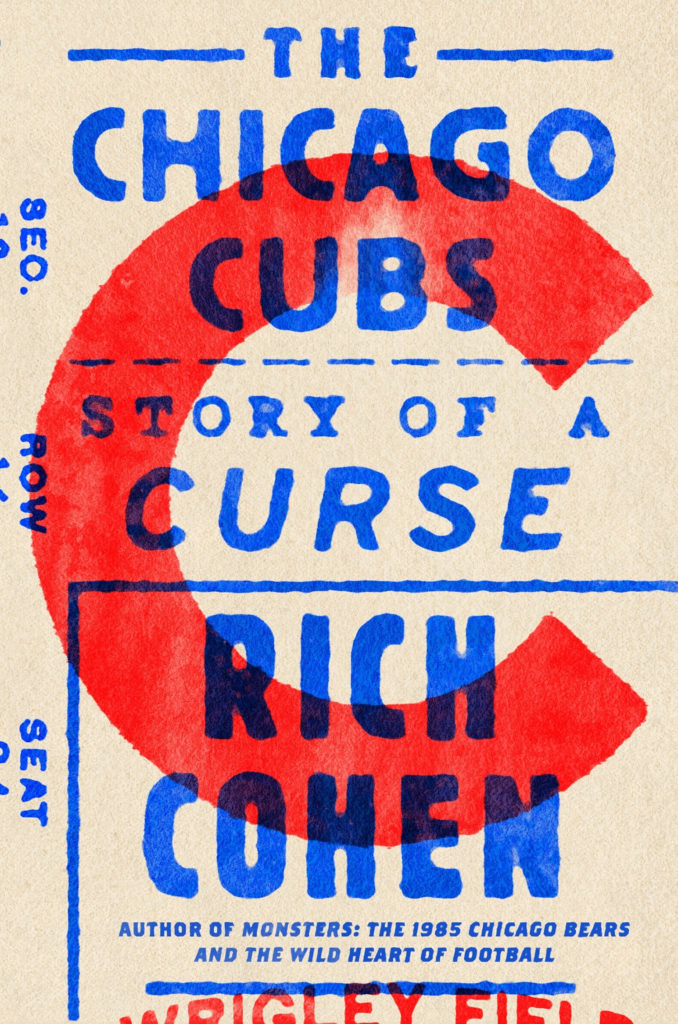
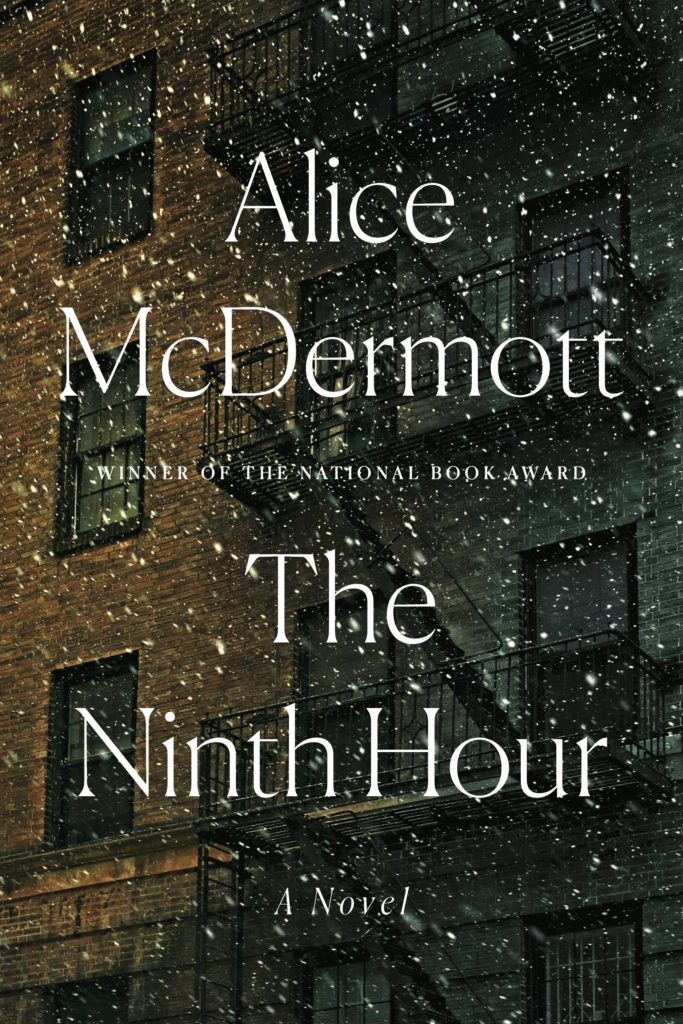
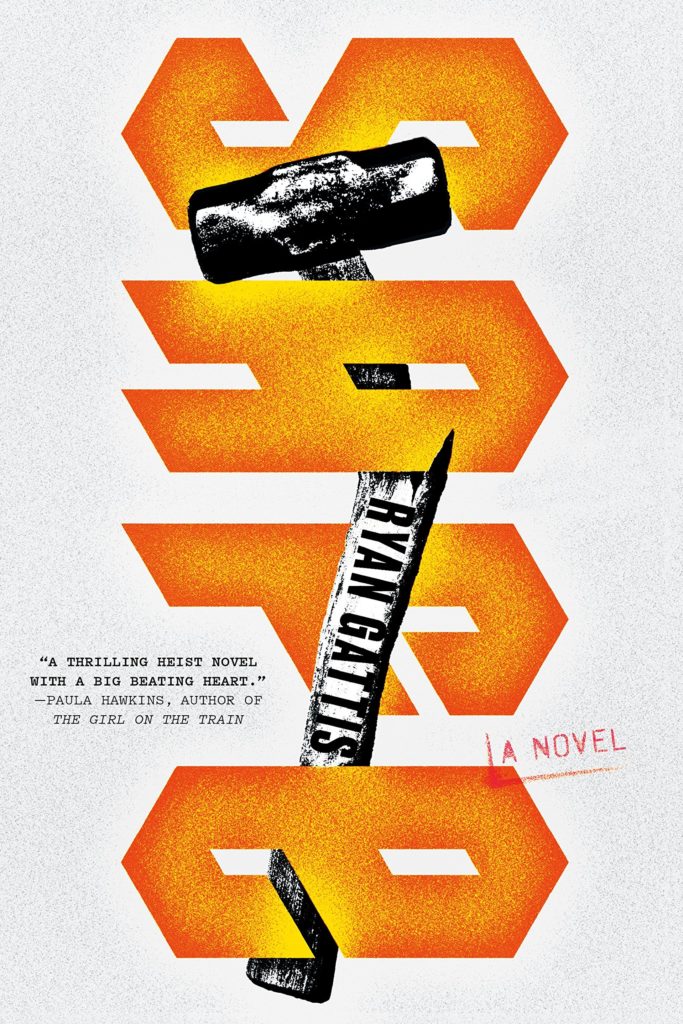
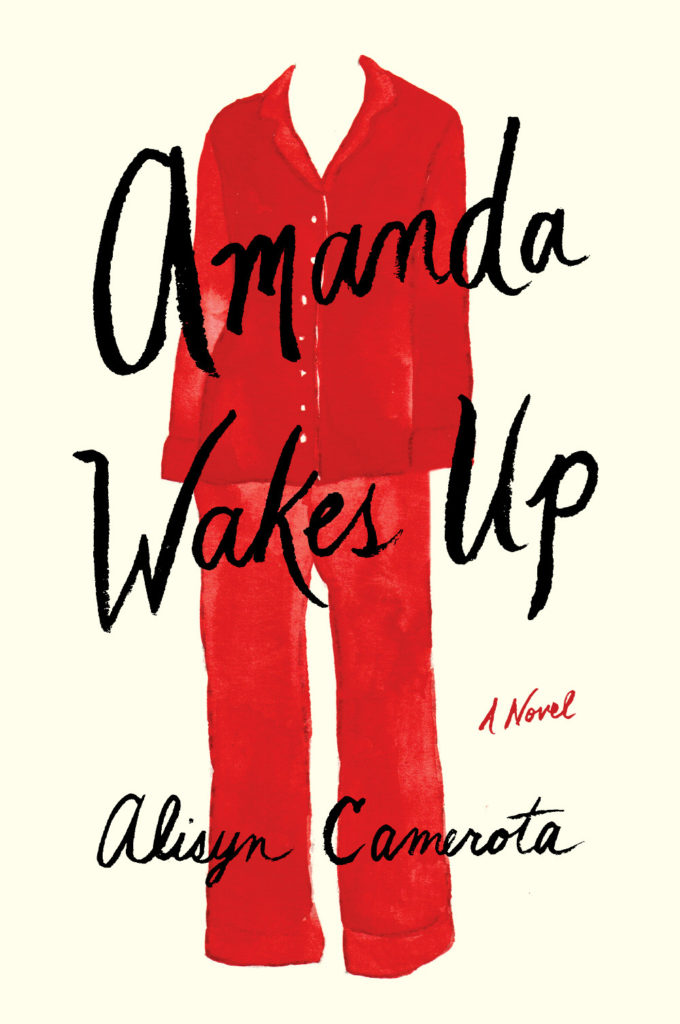
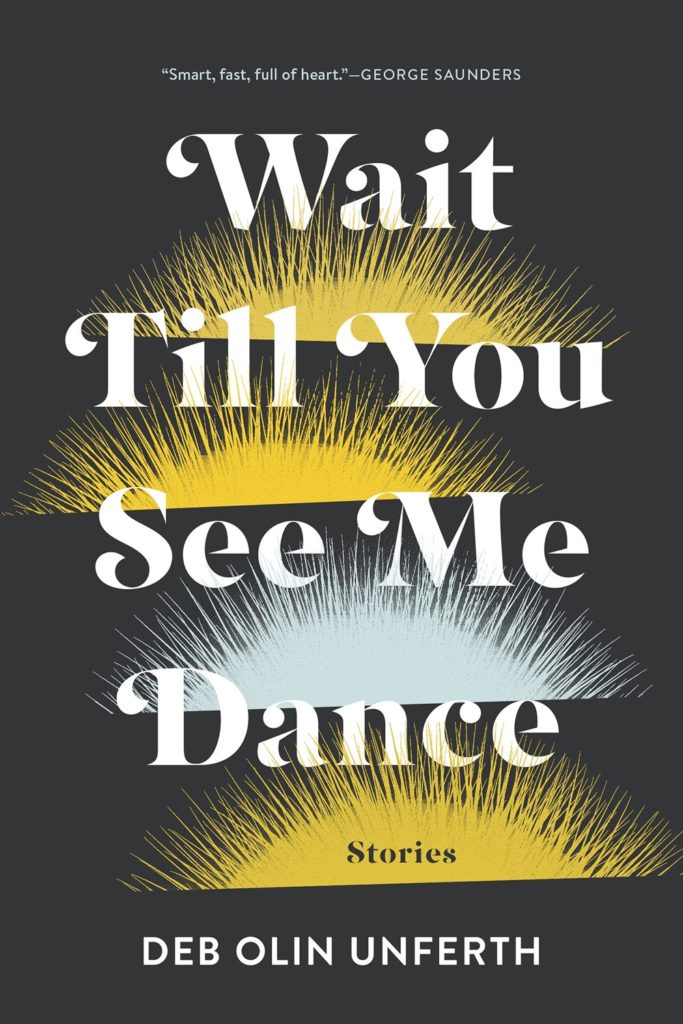
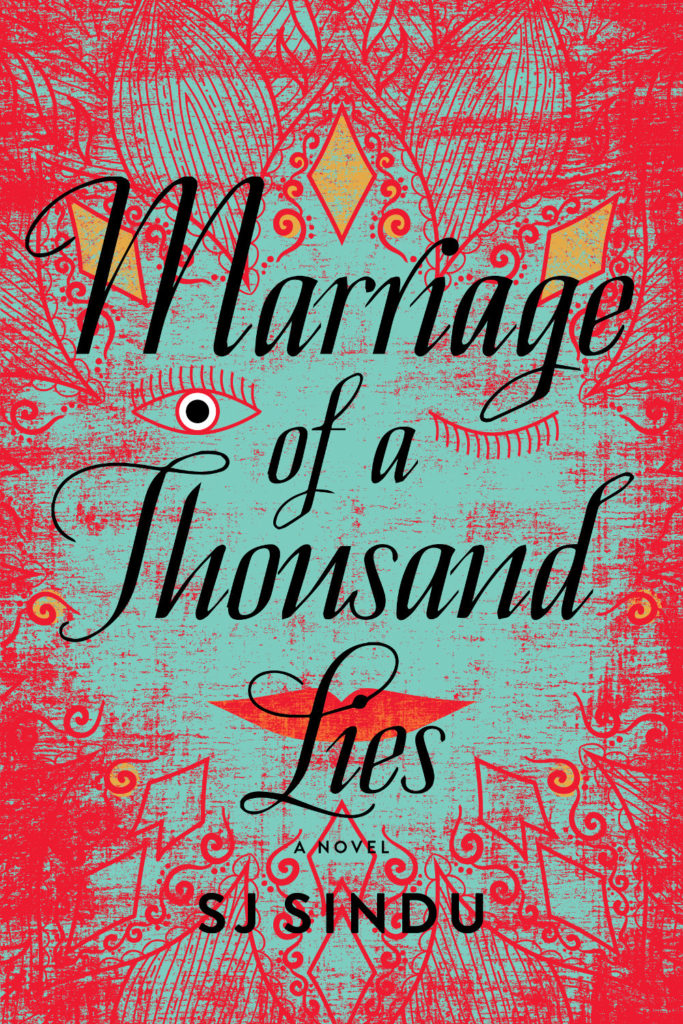
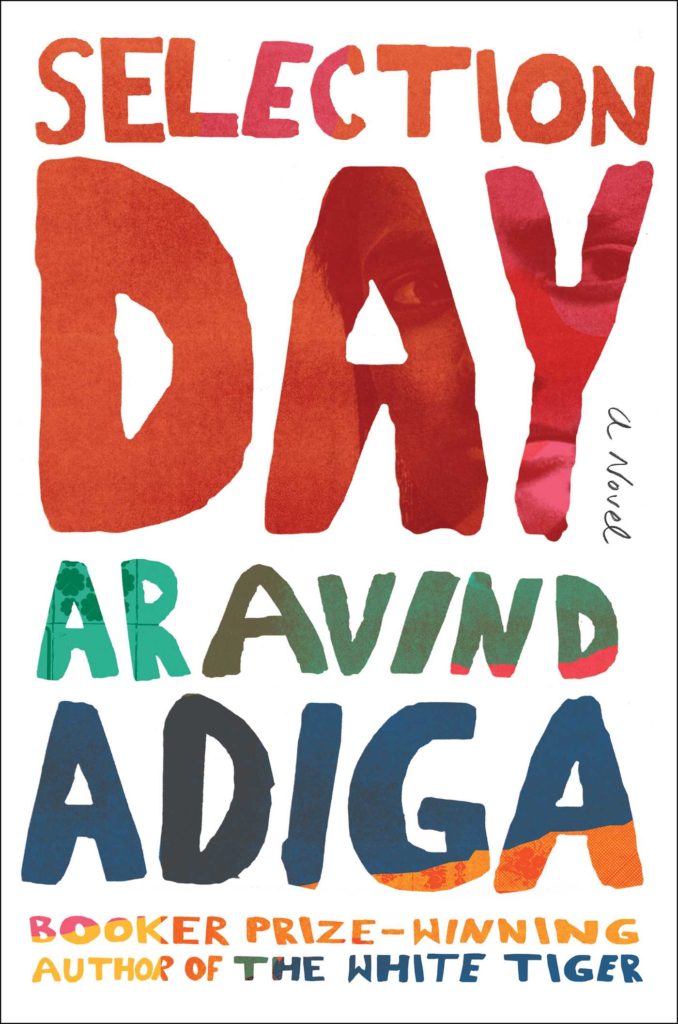
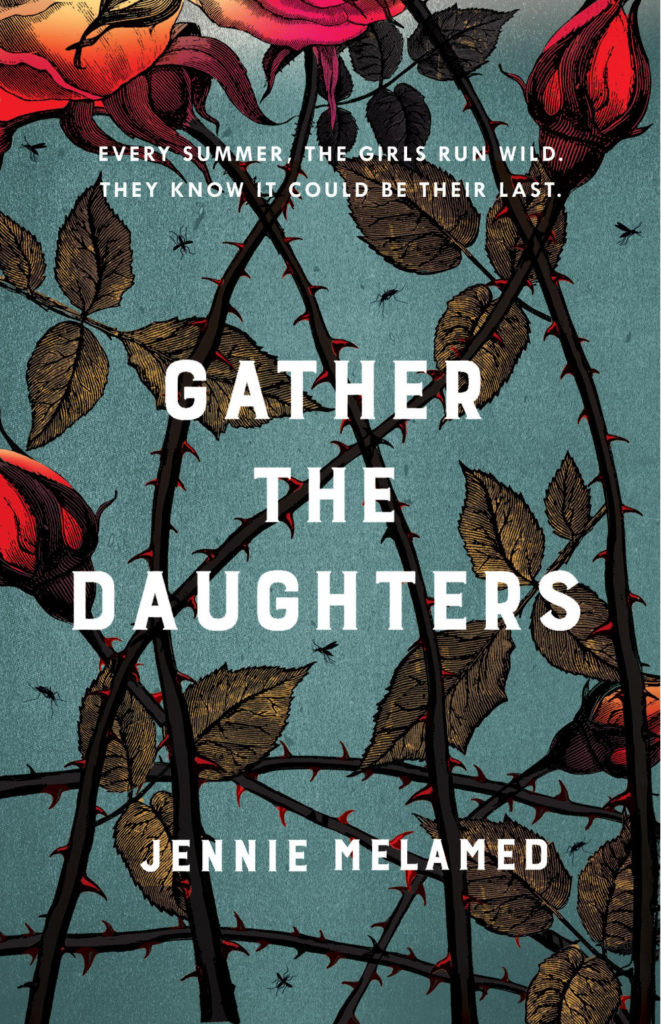
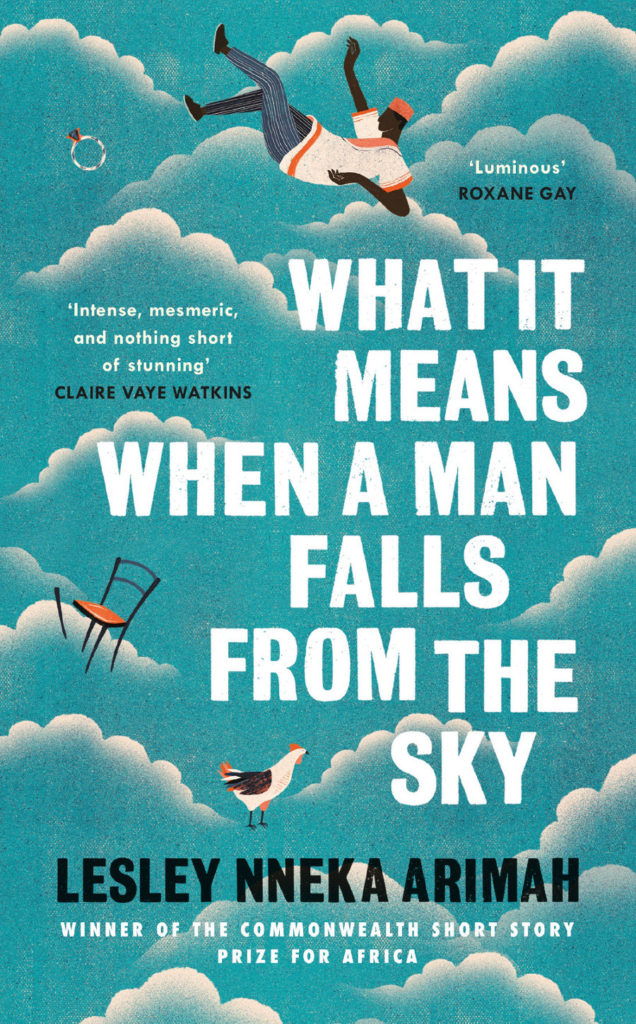
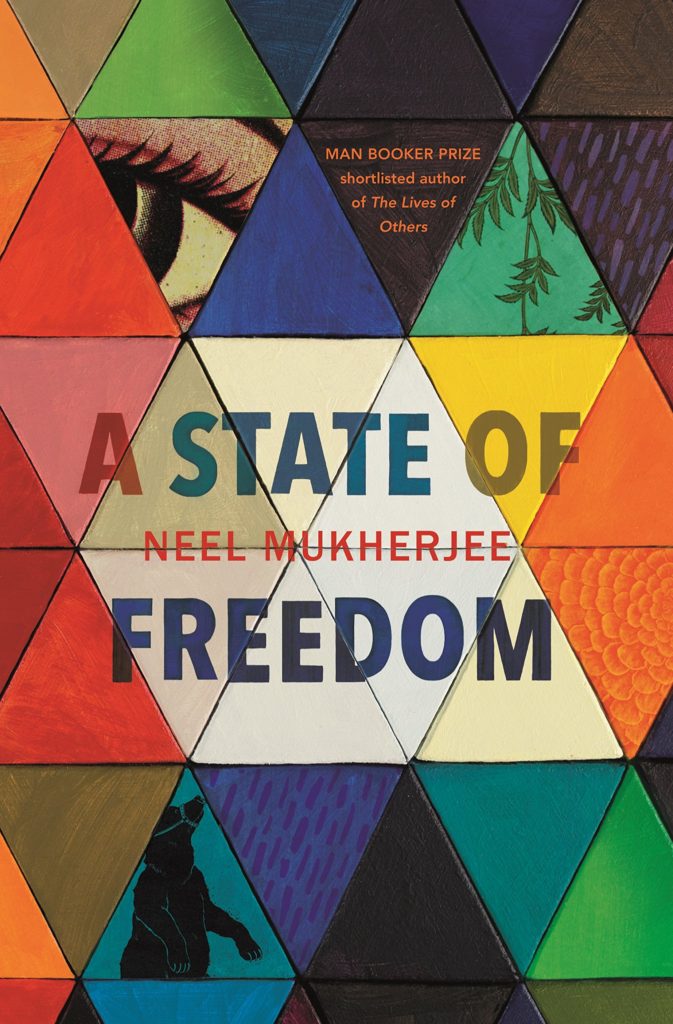
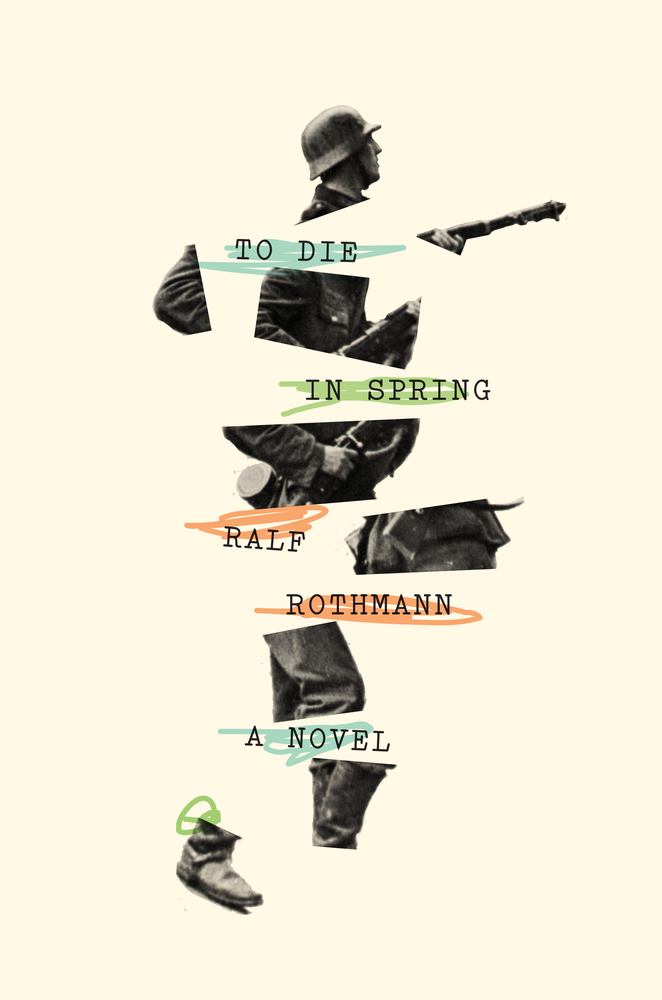
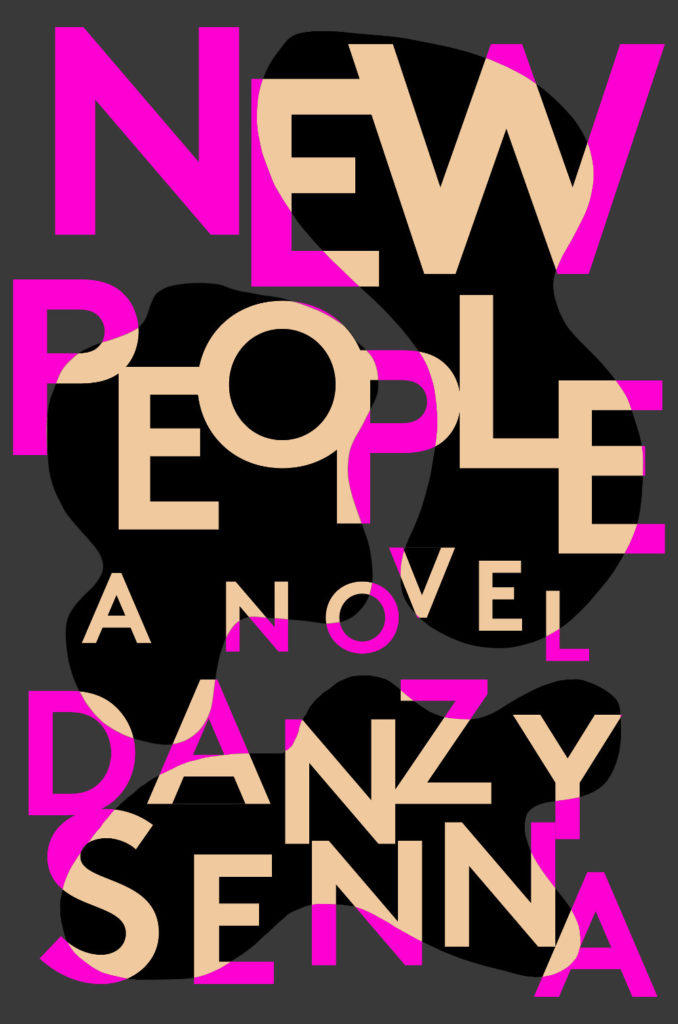
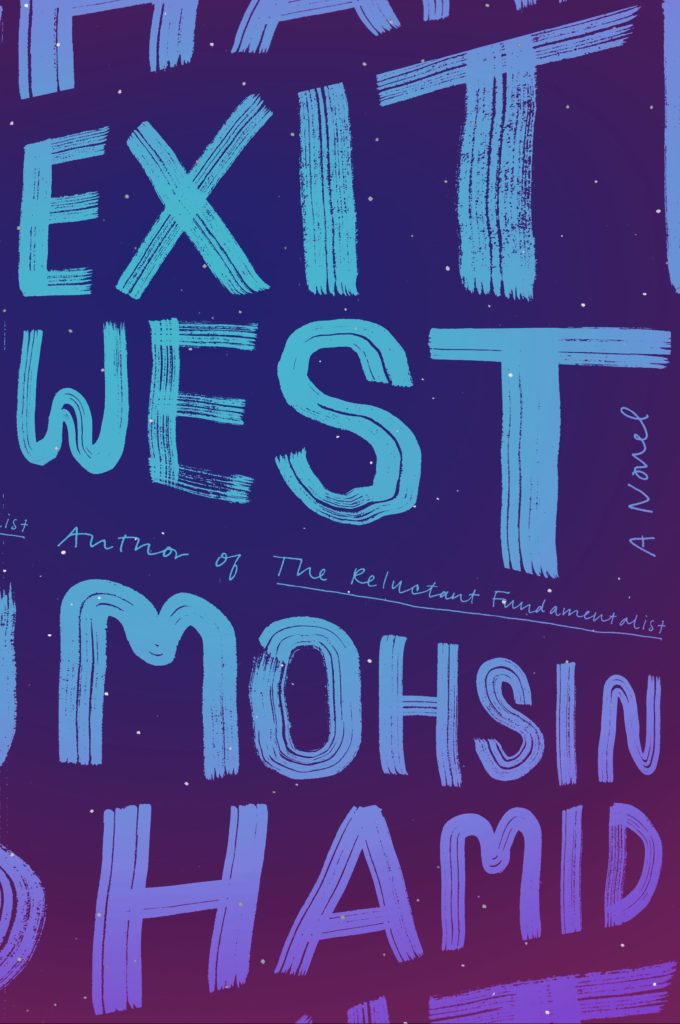
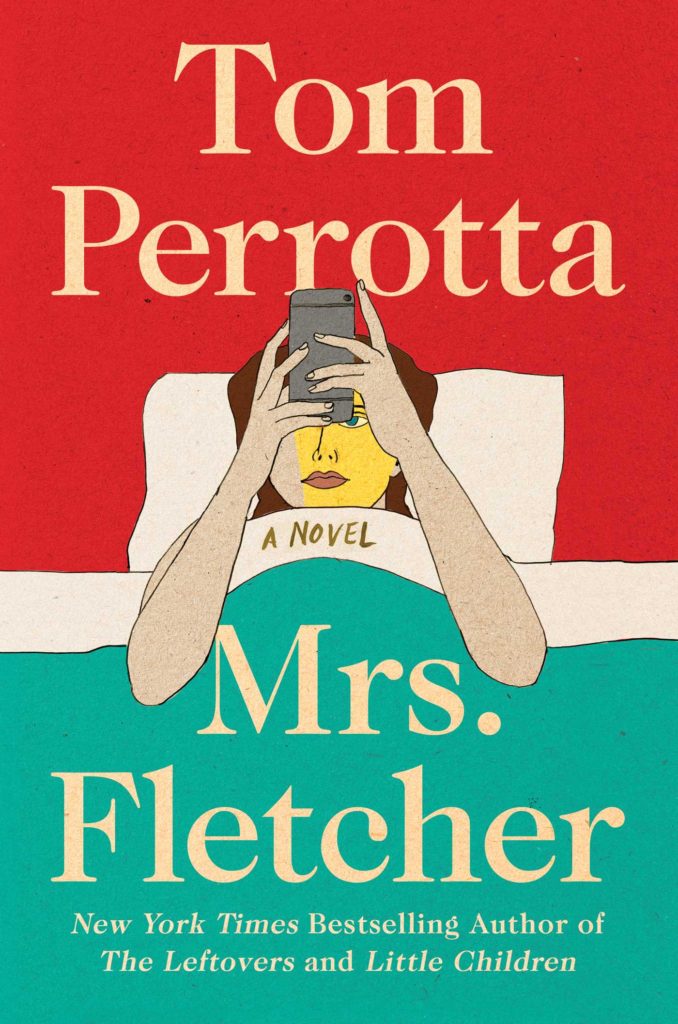
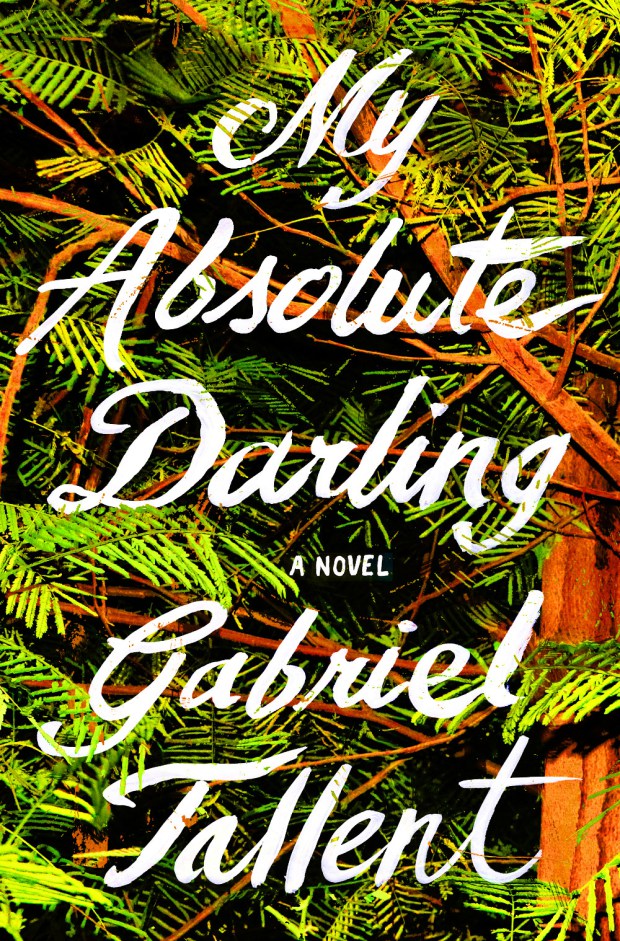
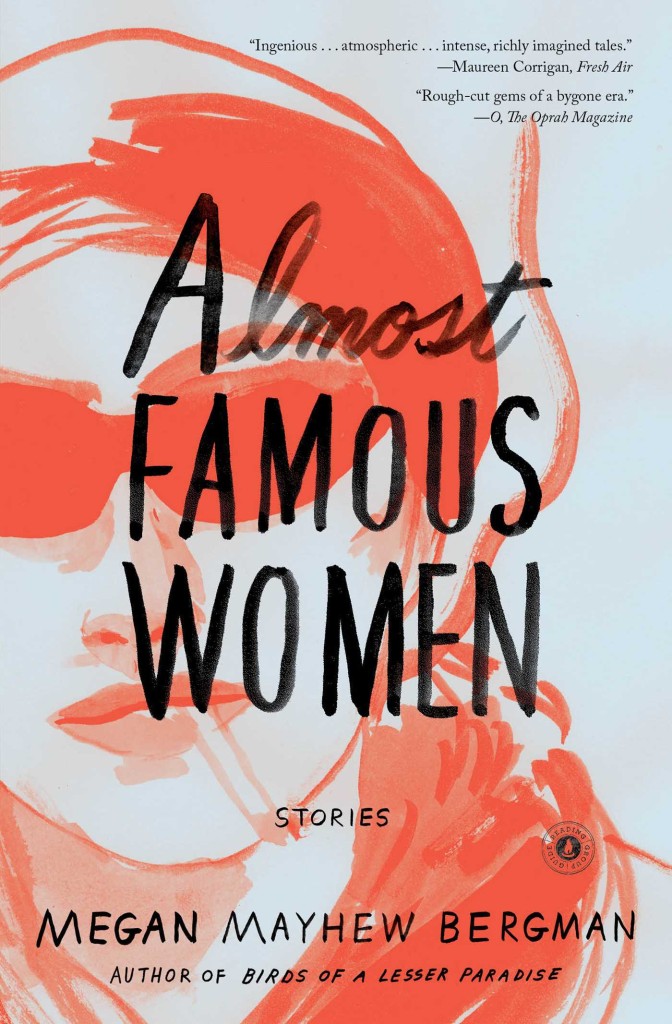
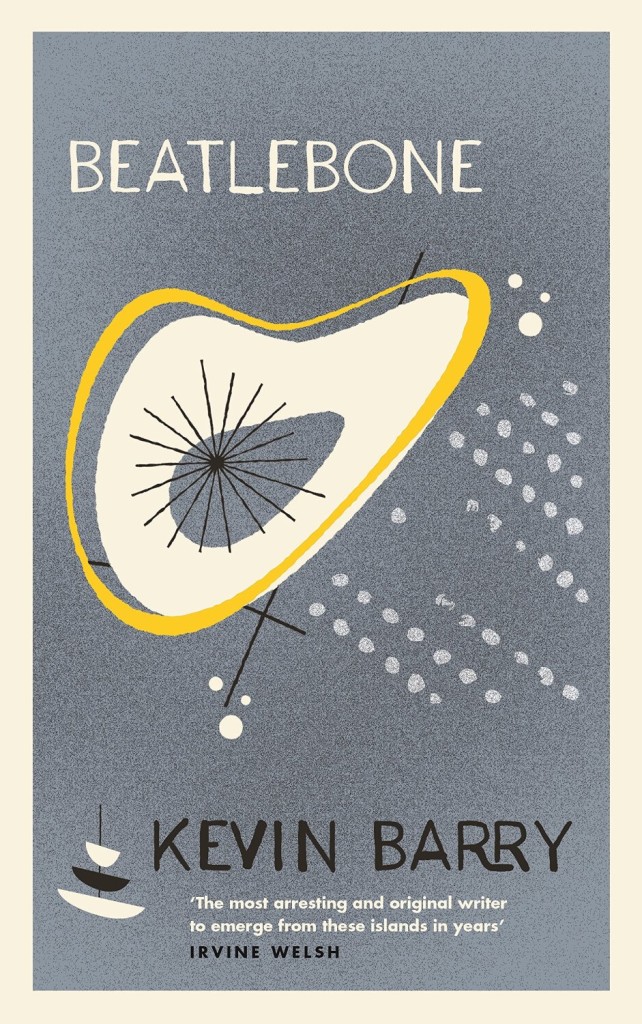
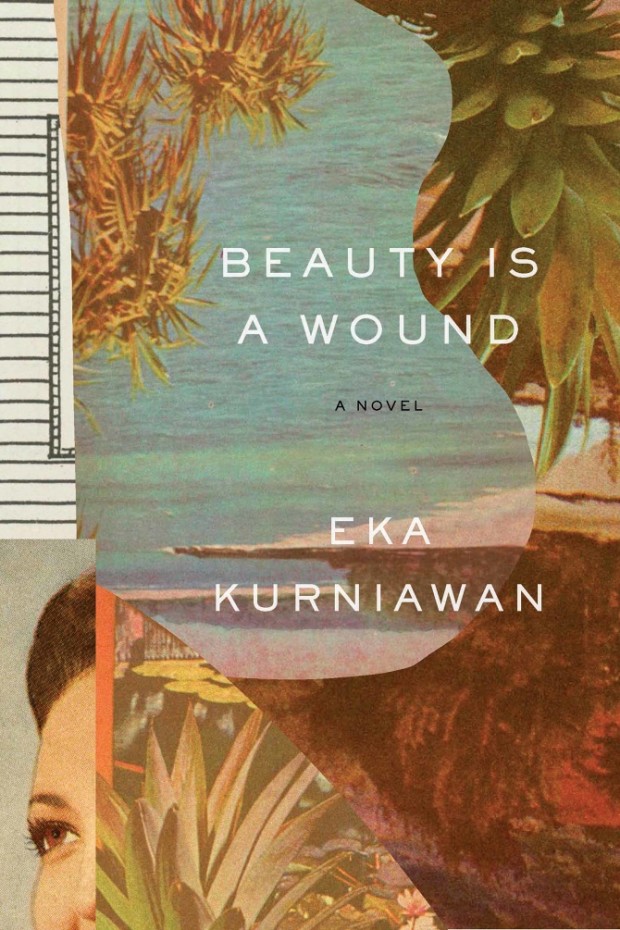
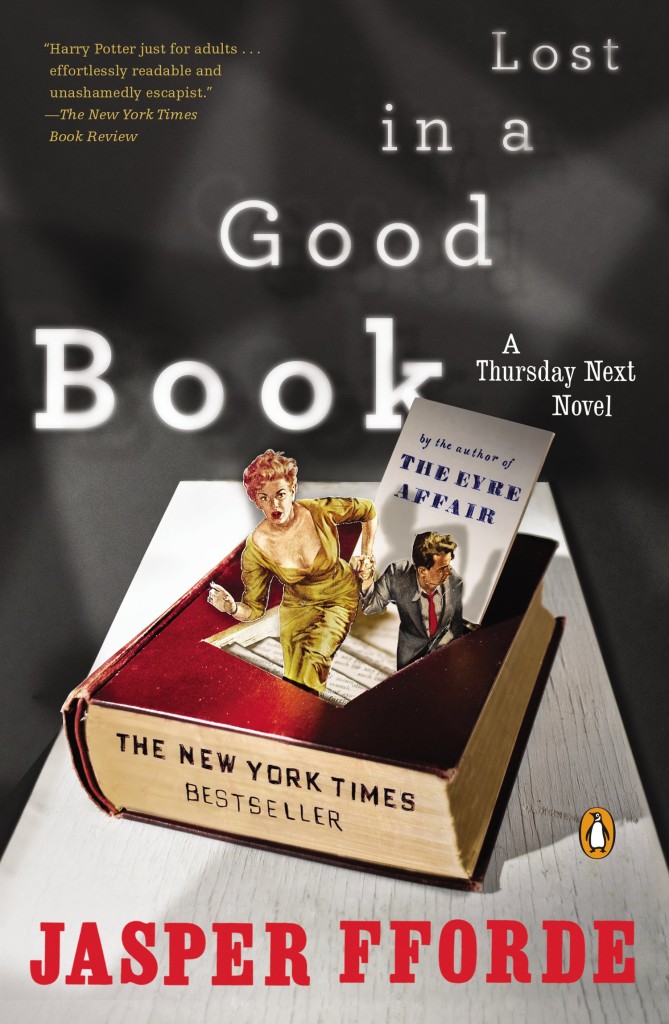
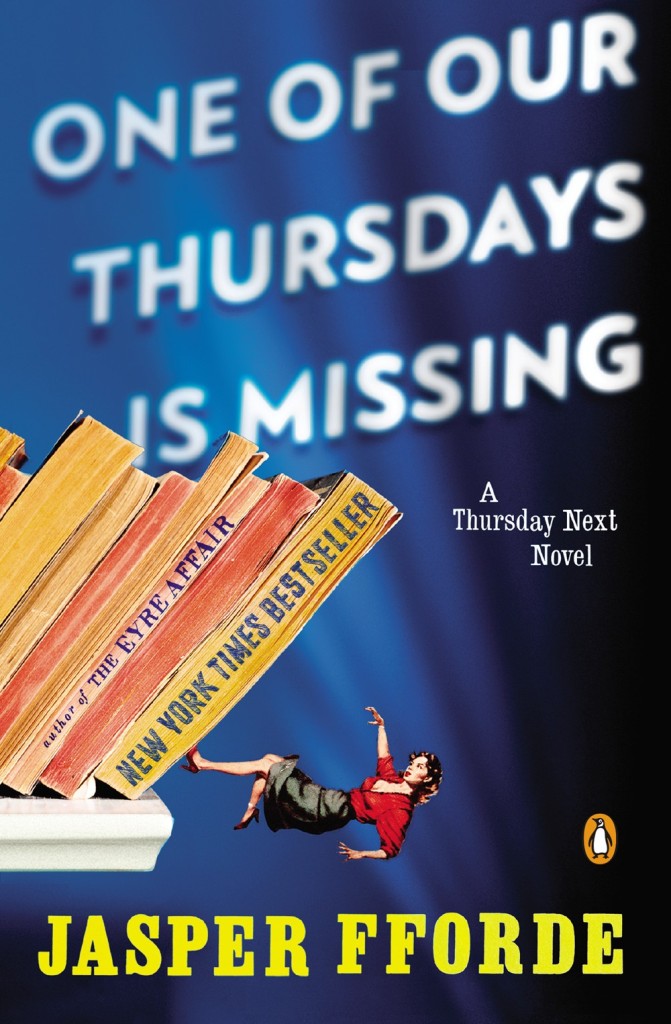
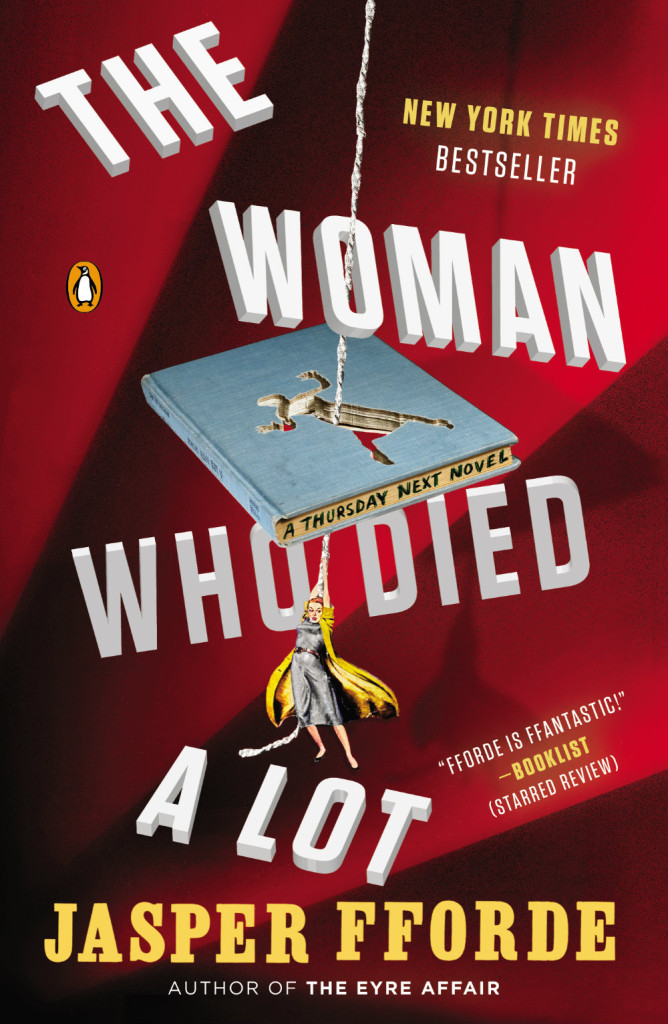
This is my last monthly round-up for 2018. Next month I’ll post my round-up for the year. I have to confess that I have not given the blog 100% of my attention of late, so if you think that there are covers I might’ve overlooked this year please feel to send them my way for consideration.
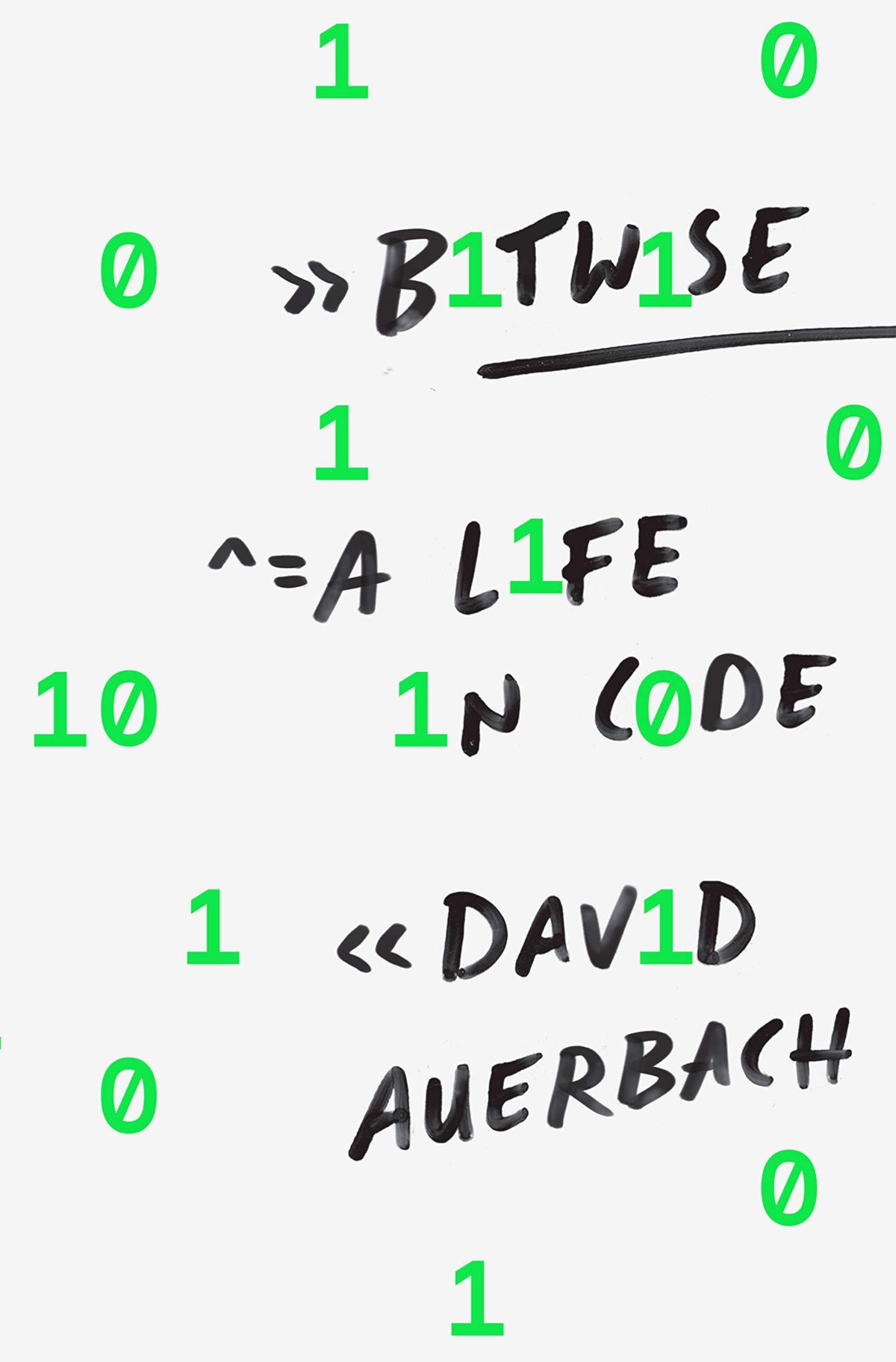
The blackletter is similar, I believe, to the type used for the movie title / credits, and the chevrons are a nice reference to a design that appears in the movie. The Guardian reviewed the book last month if you are curious. (And someone in the UK needs to buy it for me as a Christmas present!)
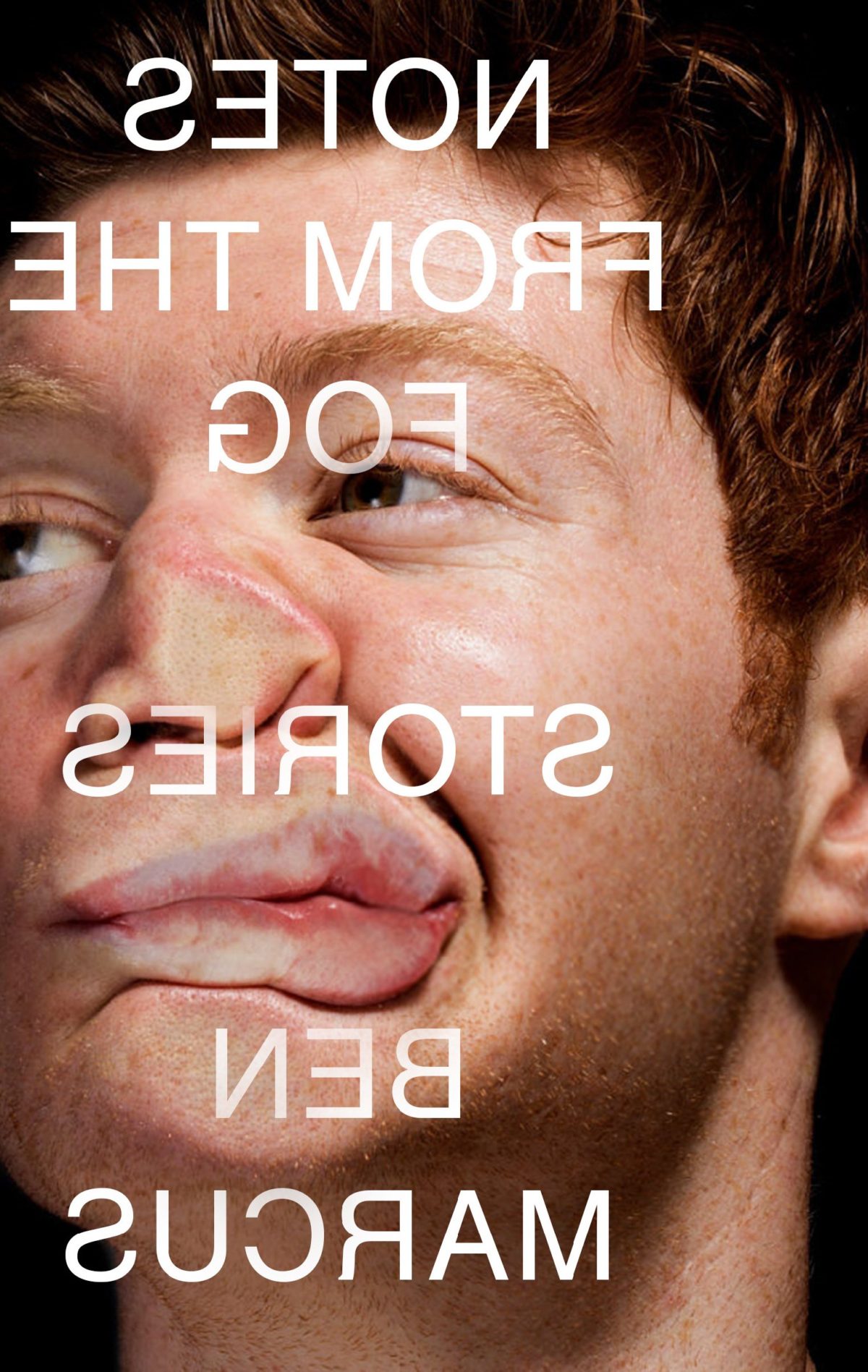
Usually I’m a bit reluctant to post the covers of celebrity books, but this is pretty great.
Celebrity book covers are often look beautiful — the recent memoirs by Sally Fields and Michelle Obama come to mind — but often that’s because of a glamourous photograph. The designer’s job is just to get out of the way. That makes sense from a marketing point of view, it’s just not terribly interesting from a design perspective. This feels like it has a bit more to it somehow. Or maybe it’s just more fun…
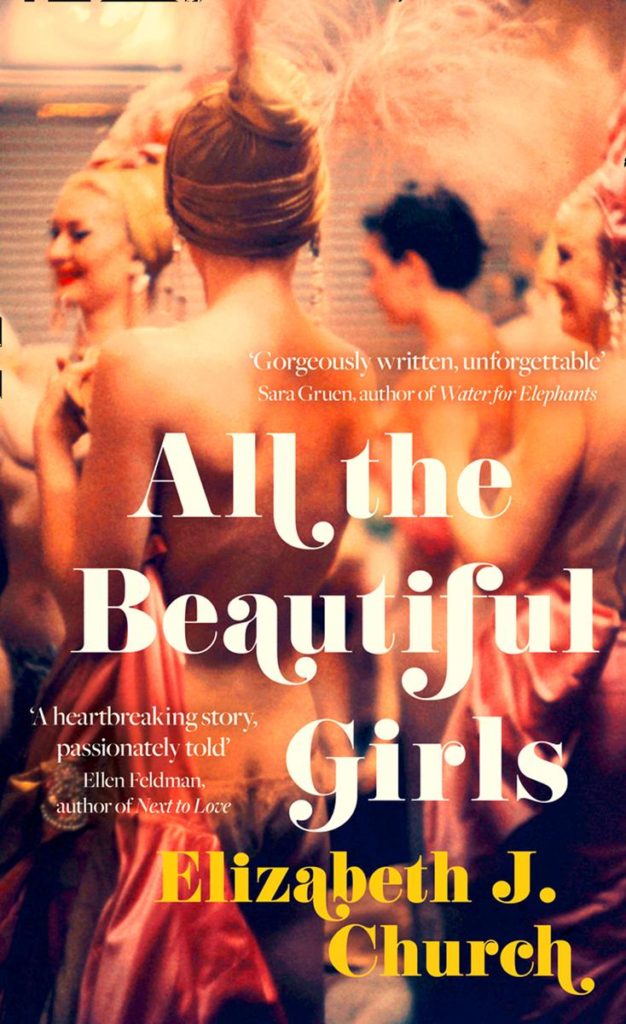
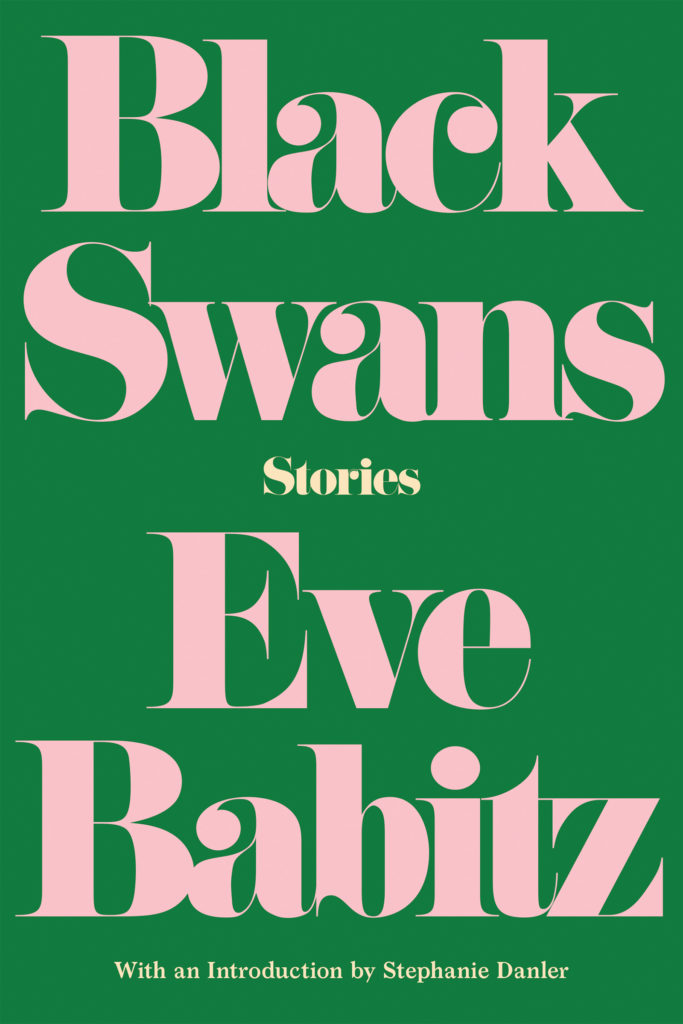
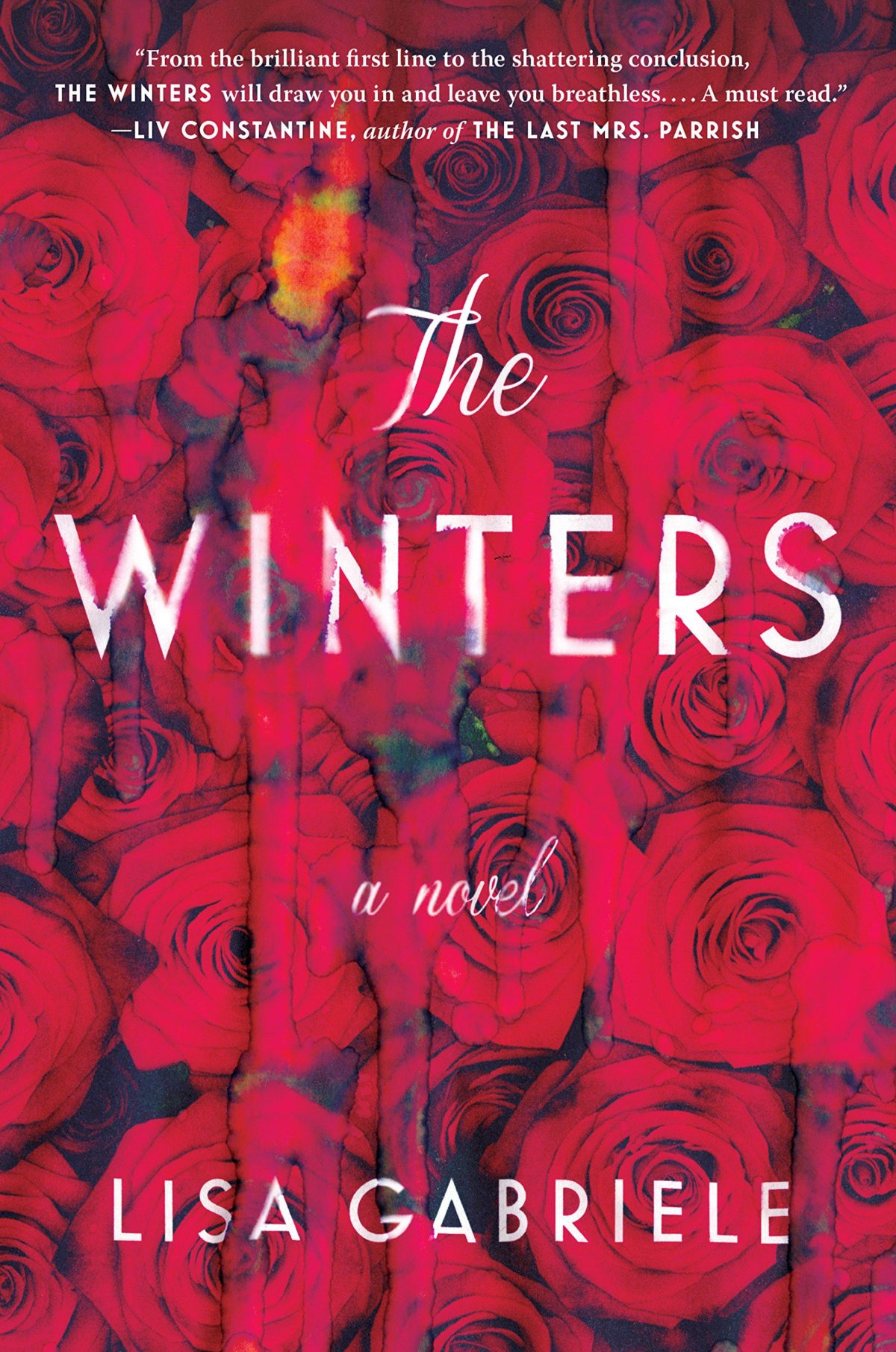
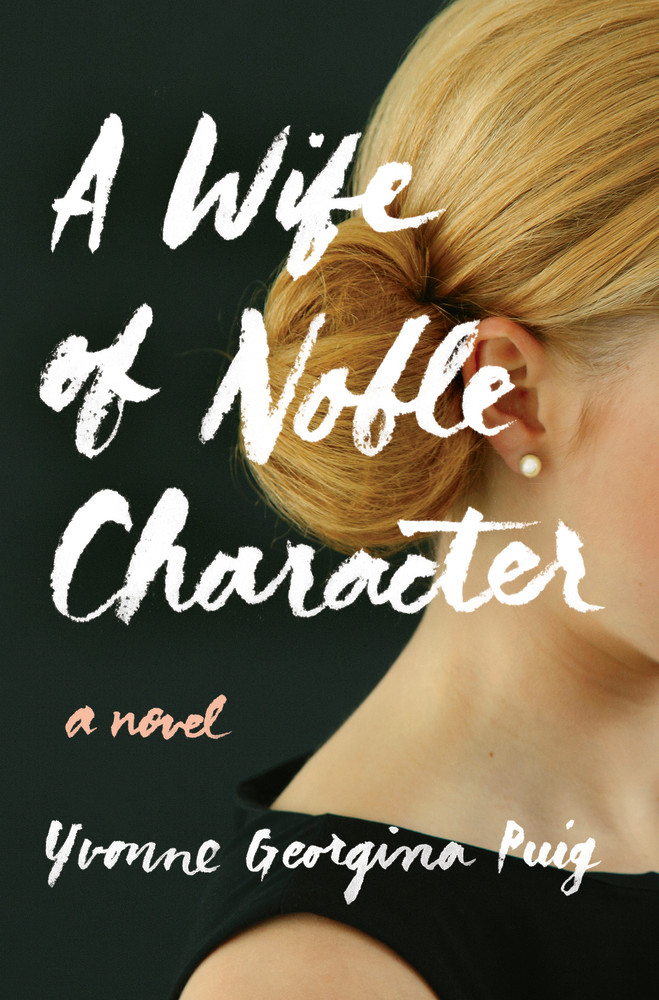
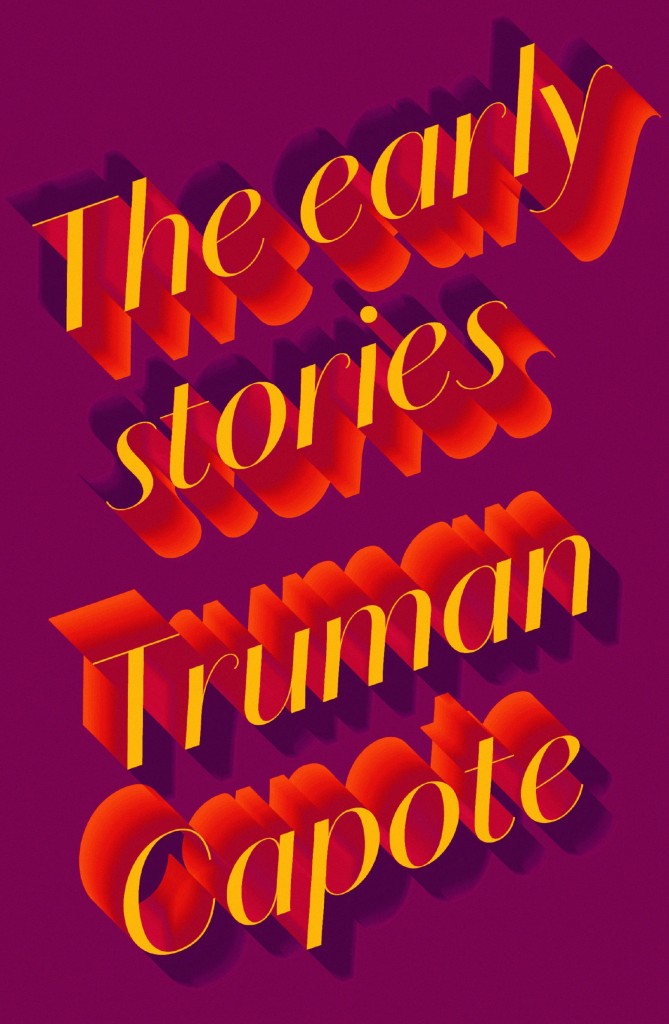
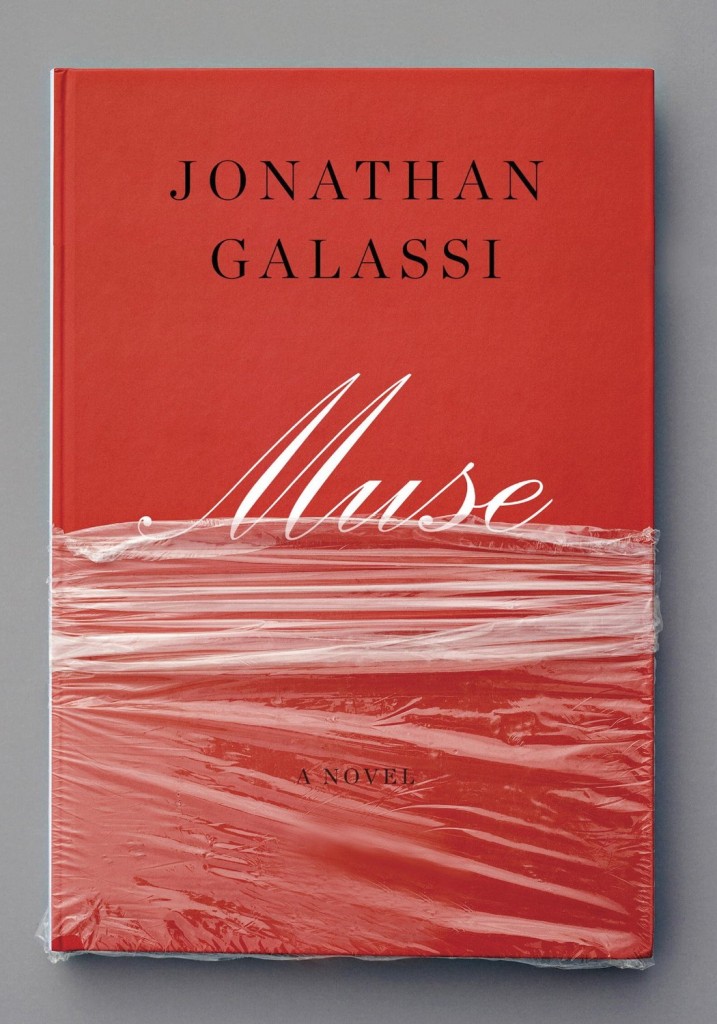
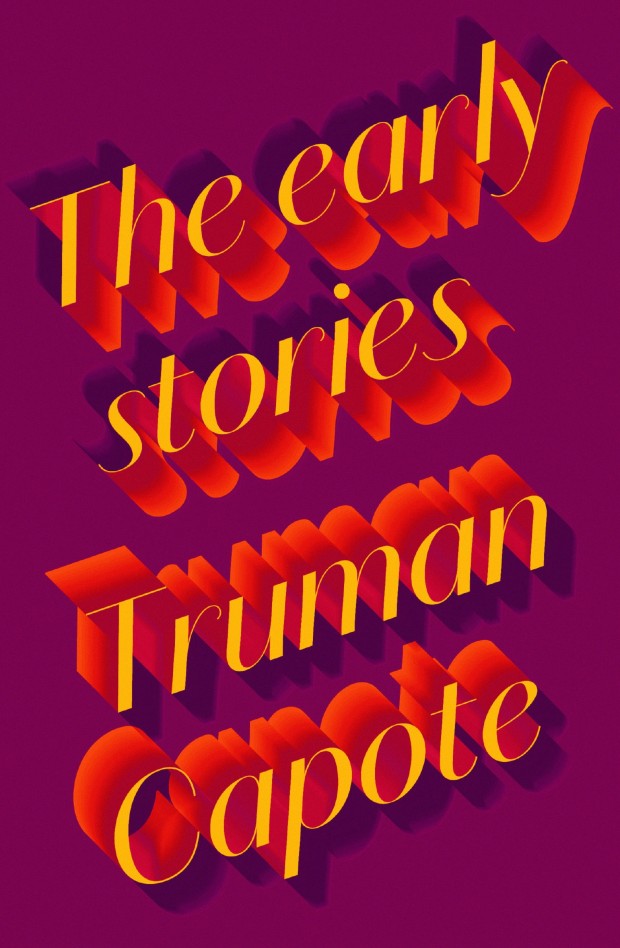
That all said, I have started to see this kind of swashy retro type pop-up more frequently of late. A couple of recent examples that come to mind are the covers of All the Beautiful Girls by Elizabeth J. Church, designed by Anna Morrison (Fourth Estate), and The Dakota Winters by Tom Barbash designed by Allison Saltzman (Ecco):
I would guess the fonts are Bodoni or variants thereof, but no doubt someone with a better eye for type will be able to tell us for sure.
UPDATE: Anna Morrison tells me the font she used for All the Beautiful Girls is Cabernet, which just goes to show what I know. According to the ever-useful Fonts in Use, Cabernet is “an uncredited revival of Benguiat Caslon, a 1970s Photo-Lettering typeface by Ed Benguiat.” I’m pretty sure Benguiat Caslon was used for the iconic Philip Roth covers in the 1970s so I probably should’ve recognized it…
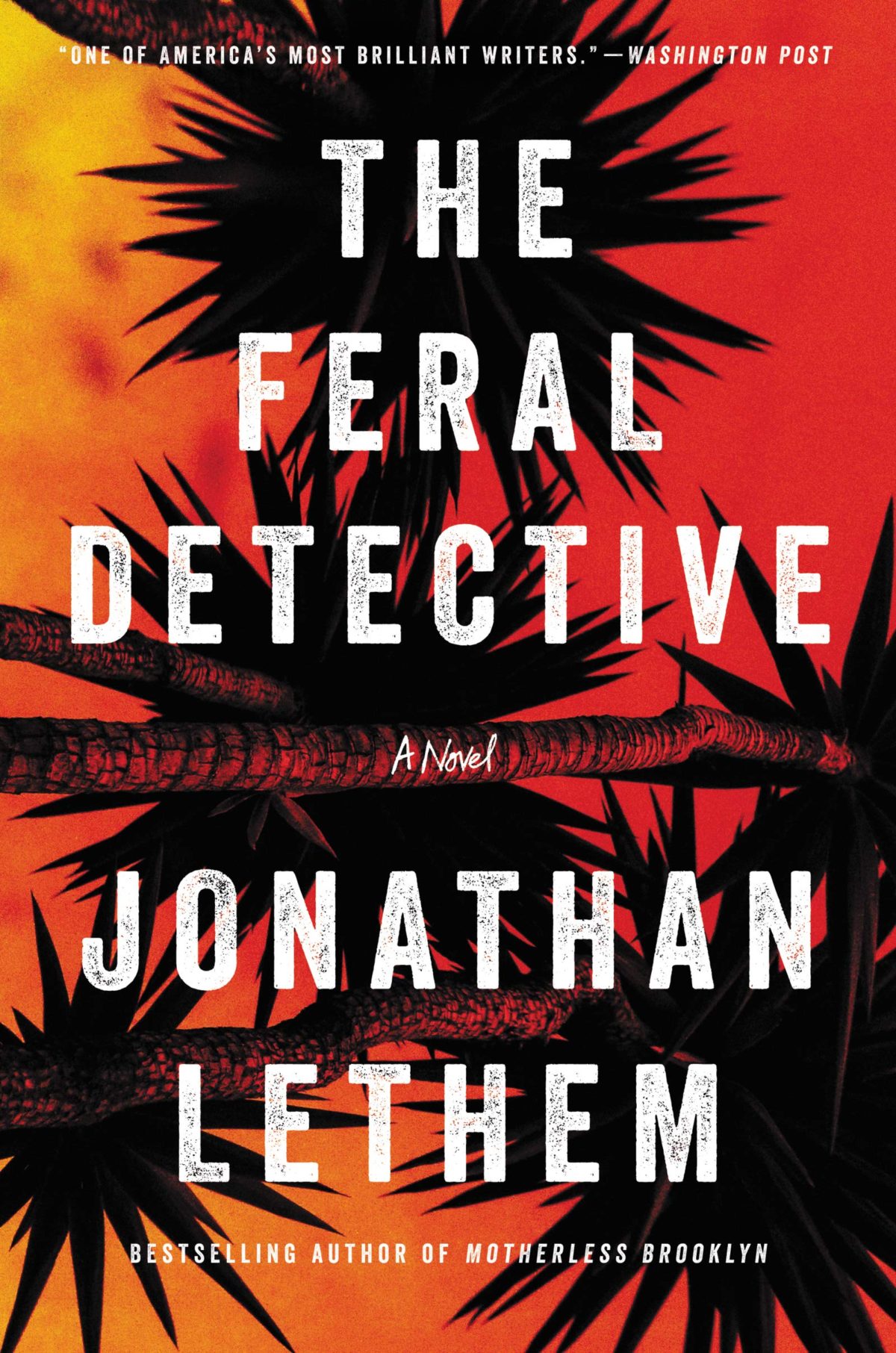
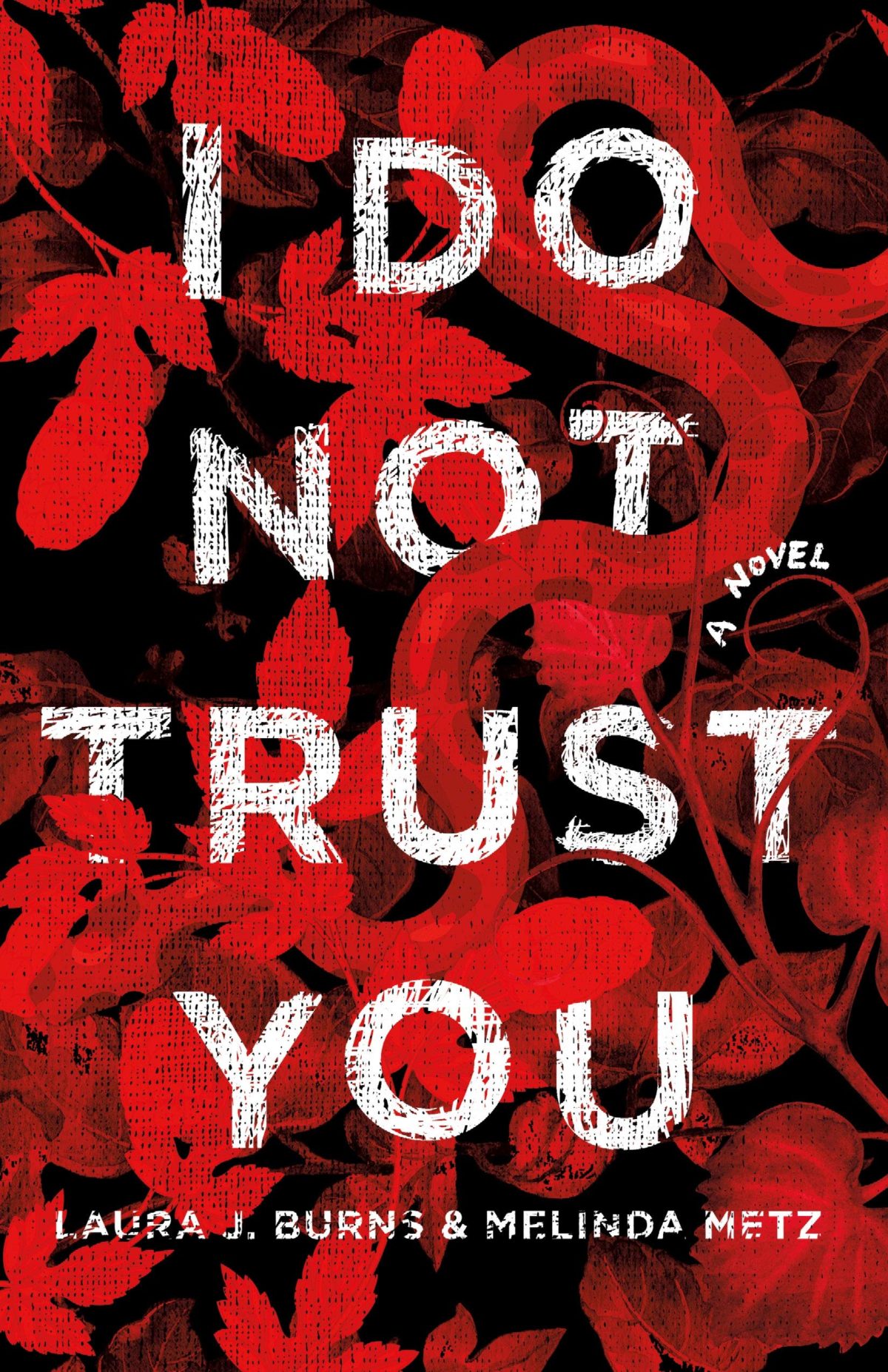
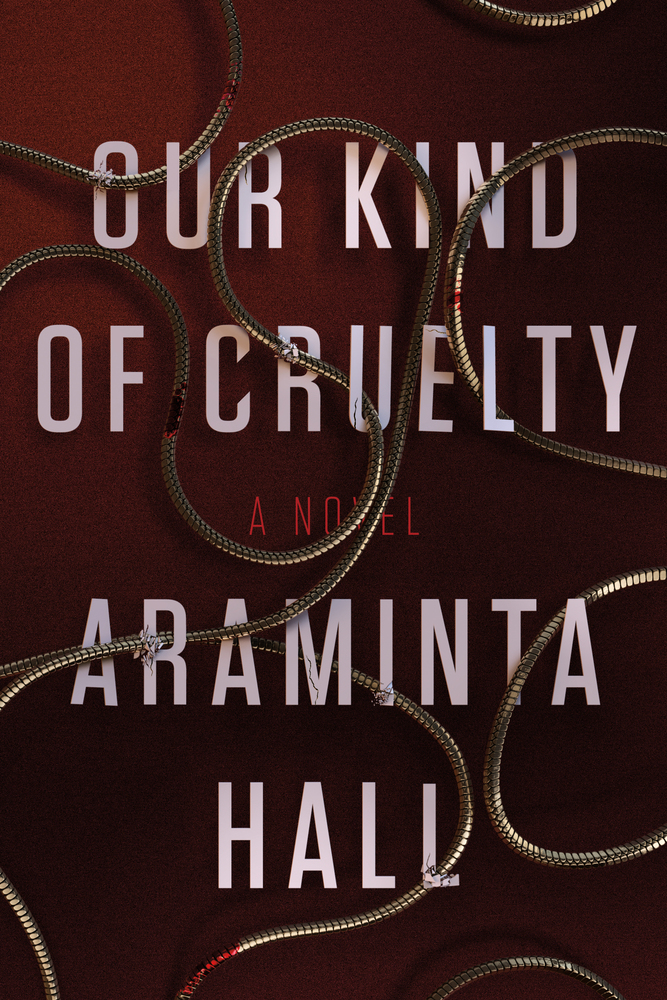
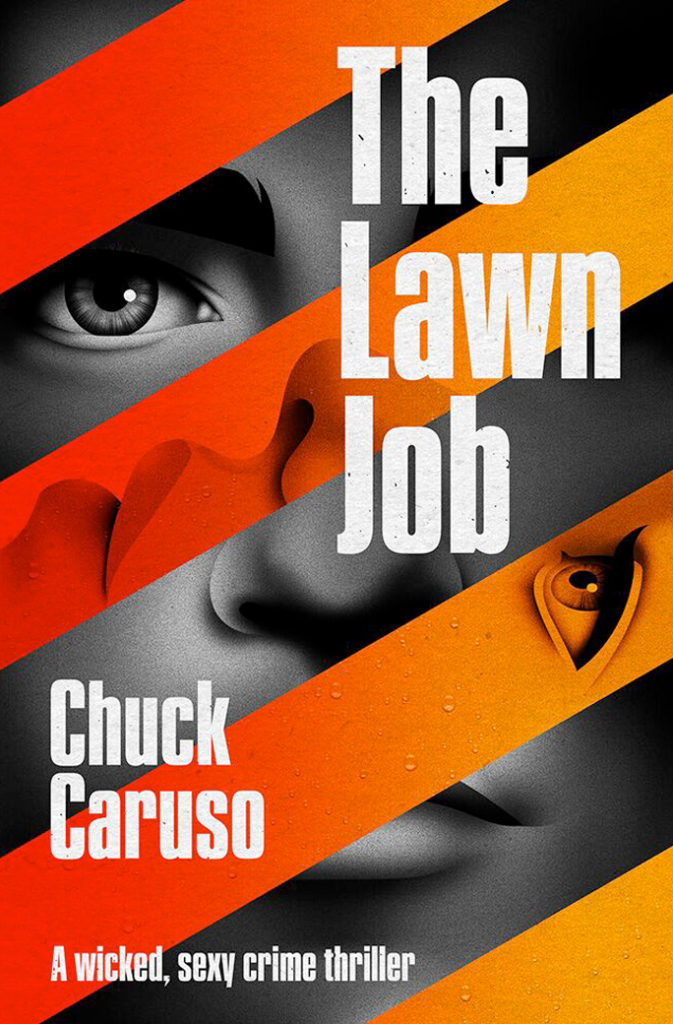
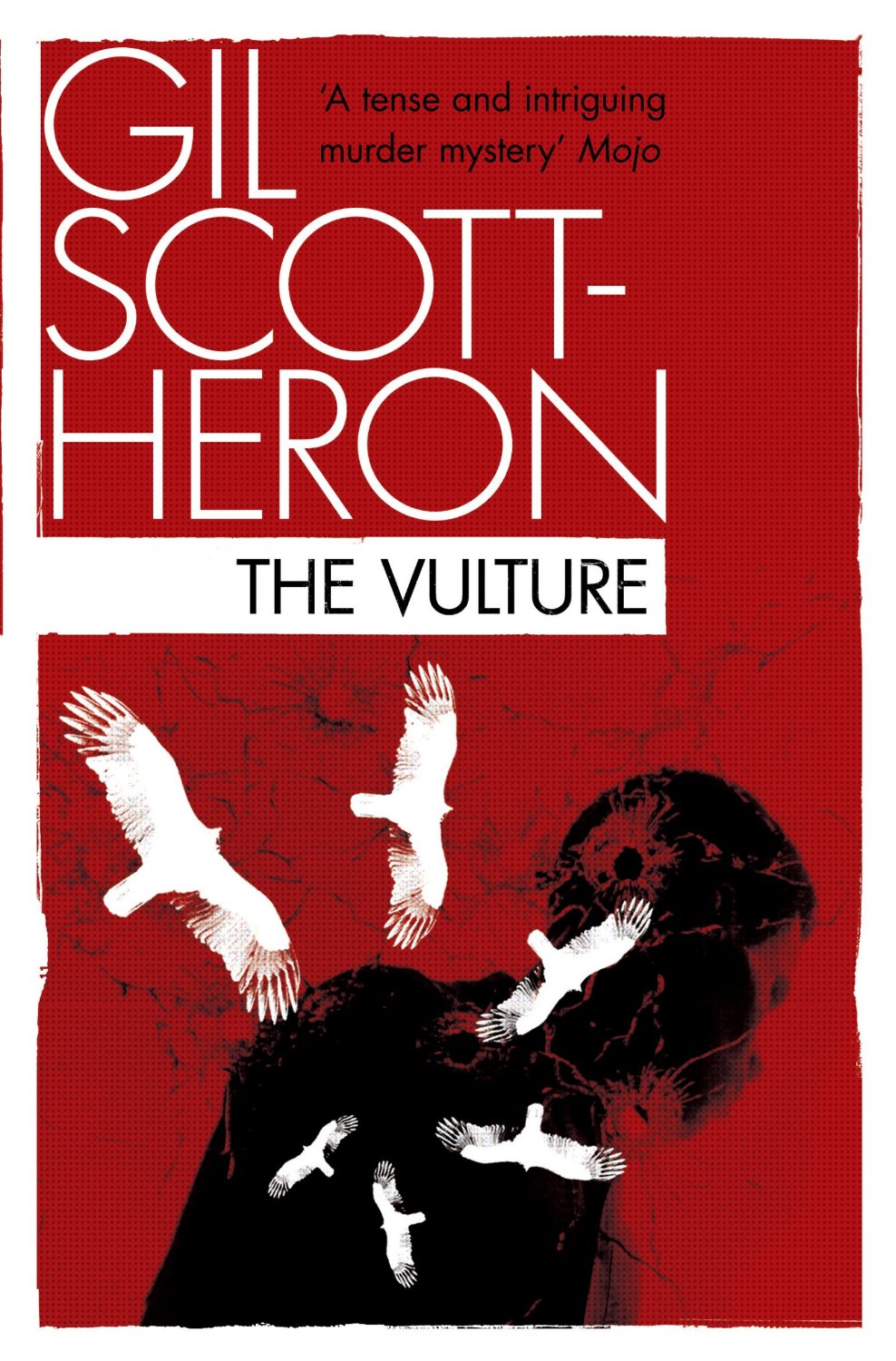
I had it in my mind that snaky red covers with big white type were very “in” for thrillers right now, but the only other example I could think of was the US cover for Our Kind of Cruelty by Araminta Hall designed by Alex Merto, which is really not that similar…
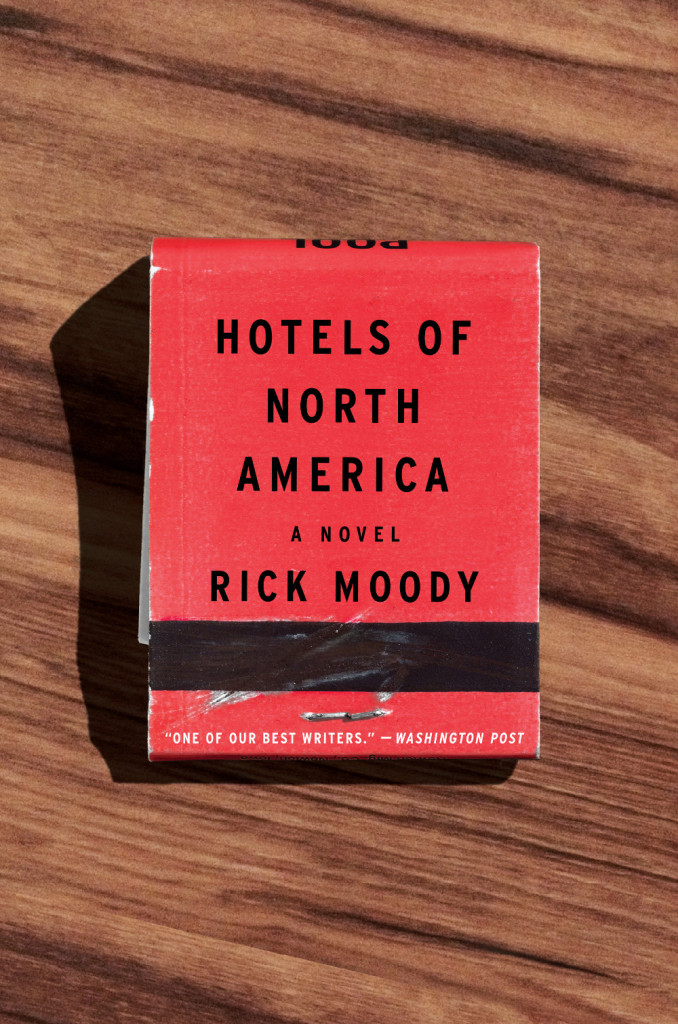
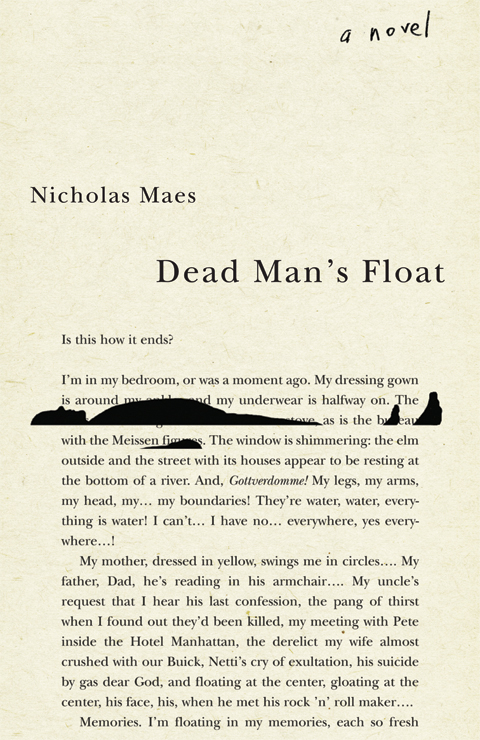
I’ve been thinking about covers that feature one form of redacted text or another for a while, but this post has been sitting in my drafts folder gestating for far too long so I’m publishing now, as-is, because otherwise it is unlikely to ever see the light of day!
The covers of Censoring an IranianLove Story, designed by Peter Mendelsund, and Nineteen Eighty-Four, designed by David Pearson, are classics of the genre:
Censoring an Iranian Love Story by Shahriar Mandanipour; design Peter Mendelsund (Knopf / May 2009)
Nineteen Eighty-Four by George Orwell; design by David Pearson (Penguin / January 2013)
I thought that this kind of bar redaction (is there a technical term for it?) might be a relatively new — post-The 9-11 Commission Report — phenomena, but (friend of the blog) Richard Weston, AKA Acejet170, recently posted this 1974 Penguin cover for Academic Freedom by Anthony Arblaster, designed by Omnific, on Instagram:
In a lovely design touch, the redacted words appear on the back cover:
Related to bar redaction is the strike-through. One of my favourite examples is Barnbrook‘s cover design for How to Run a Government by Michael Barber, published by Allen Lane.
How to Run a Government by Michael Barber; design by Barnbrook (Allen Lane / March 2015)
I’ve been seeing the straight strike-through used a lot recently. It does a neat job of doing two things at once. It allows you to not say something, while also emphasizing that you are pointedly not saying it.
That Perfectly Useless Concentration by Alan Shapiro; design by Isaac Tobin
Ten Myths About Israel by Ilan Pappe; design Isaac Tobin
I’ve seen it mostly used for nonfiction (as above), but Janet Hansen recently used the strike for the cover of Amitava Kumar’s novel Immigrant, Montana:
Immigrant, Montana by Amitava Kumar; design Janet Hansen (Knopf / July 2018)
Black text on a white background with a red strike-through is its own sub-genre:
The Courage of Hopelessness by Slavoj Zizek; design by Richard Green (Allen Lane / May 2017)
Now You See It by Michael Bierut; design by
In fact, using red — be it more artistic blocks, strikeouts or scribbles — is a popular way to highlight what is being crossed out:
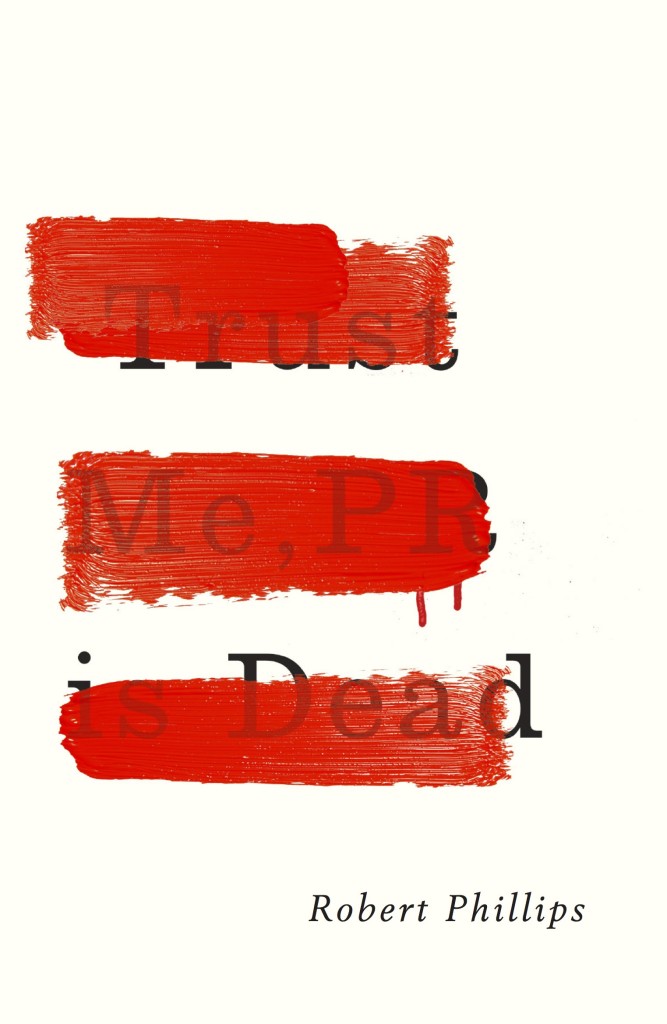
Trust Me, PR is Dead by Robert Phillips; design by Jamie Keenan (Unbound / June 2015)
Silence Once Begun by Jesse Ball; design by Peter Mendelsund (Pantheon / 2014)
A Book of Untruths by Miranda Doyle; design by Donna Payne (Faber & Faber / June 2017)
And generally the hand-drawn strike-through or scribble seems to be the most popular way to cross something out …
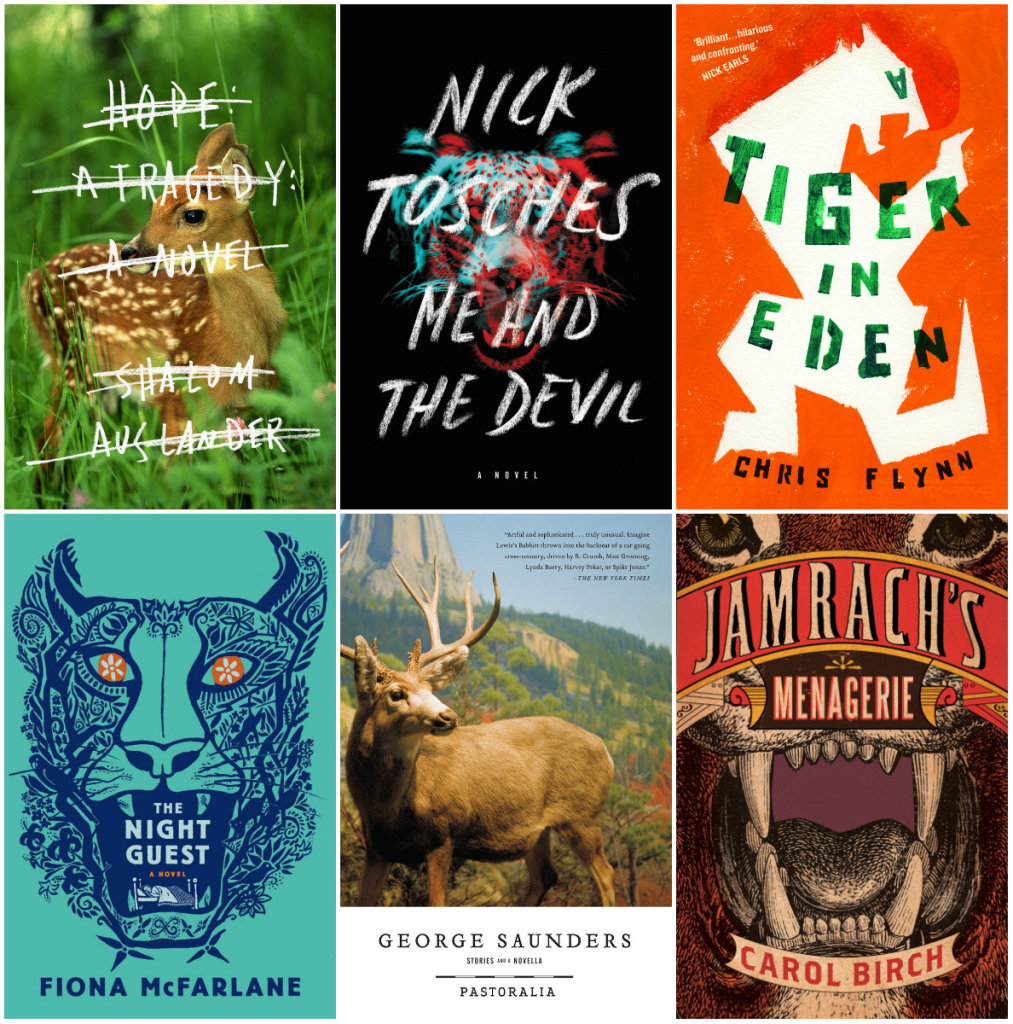
Hope A Tragedy by Shalom Auslander; design by John Gall (Riverhead Books / January 2012)
Everything I Know About Love by Dolly Alderton; design Helen Crawford White (Fig Tree / March 2018)
Tell Me Lies by Carola Lovering; design Donna Cheng (Simon & Schuster / July 2018)
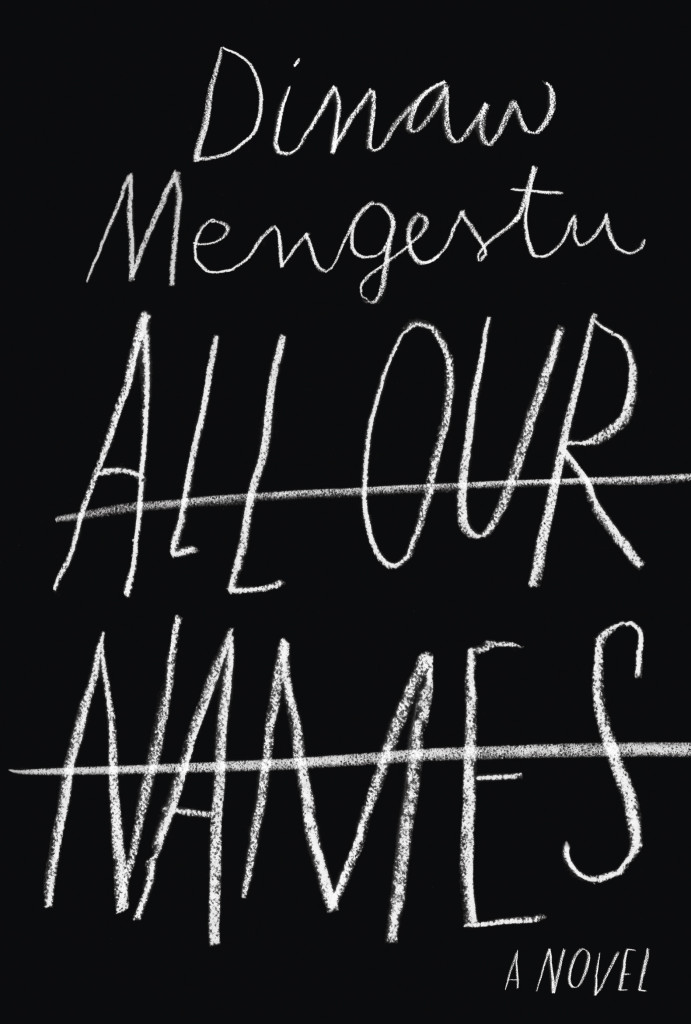
All Our Names by Dinaw Mengestu; design by Isabel Urbina Peña (Knopf / March 2014)
The Only Story by Julian Barnes; design by Suzanne Dean (Jonathan Cape / February 2018)
One Day We’ll All Be Dead and None of This Will Matter by Scaachi Koul; design by C.S. Richardson (Doubleday Canada / March 2017)
If you have (constructive) thoughts on the matter, and/or other examples, please leave them in the comments.
The Last Word by Hanif Kureishi; design by Jaya Miceli (Scribner / March 2015)
Since 2010, I’ve posted an annual survey of the year in book covers. The post has expanded and developed over the past 7 years, but essentially it is a collection of the covers published in the previous 12 months that I found interesting or noteworthy in some way. As with the previous couple of years, the 2017 list is organized by covers (alphabetical by title), and by designer so that I can show a greater variety of work, and no one designer or studio dominates.
Thank you to everyone who has supported the blog this year, and special thanks to all the designers, art directors, authors, publishers, and fellow design enthusiasts who have helped me with covers and design credits. My sincere apologies to the designers and publishers not on this year’s list and whose covers I have overlooked in the past 12 months.
A post looking back on the YA covers of 2017 is to follow.
Back in 2014, there were signs that book cover design was maybe, just maybe, having a moment. Suzanne Dean was on the BBC. Peter Mendelsund was on… well, everything. But if 2015 has felt a little quiet by comparison, there were still plenty of reasons to be cheerful. This year’s list includes over 120 covers by 60 designers, and there is little doubt in my mind that this really is a golden time for book design.
Thank you to all the art directors, designers, and publicists who have supported the blog this year, and who make posts like this possible. Thanks too, to my local bookstore TYPE for letting me browse their shelves.
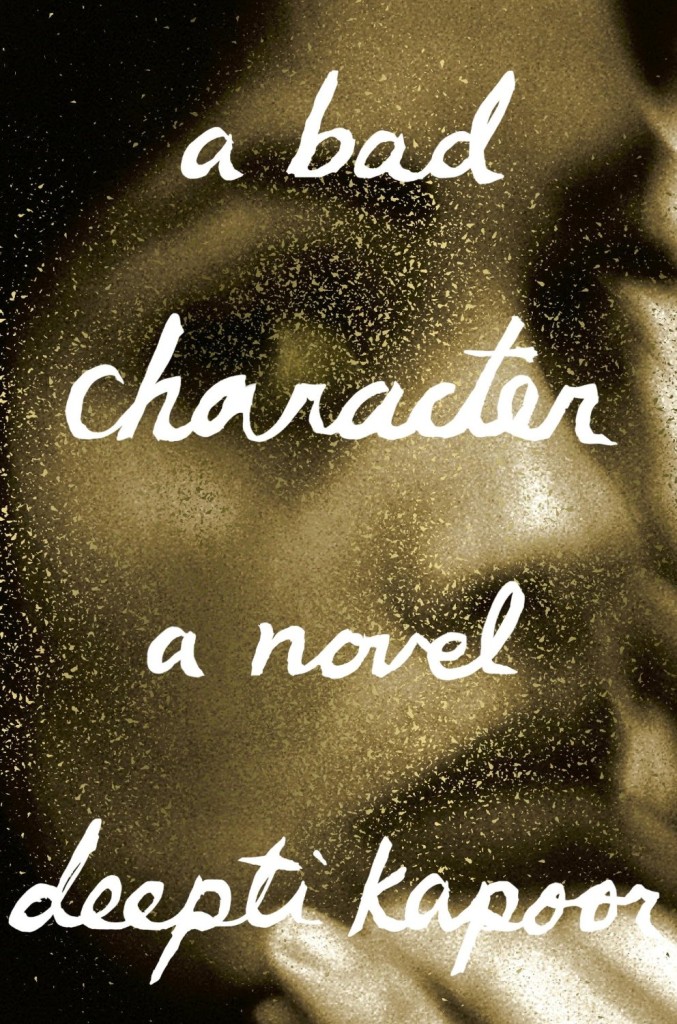
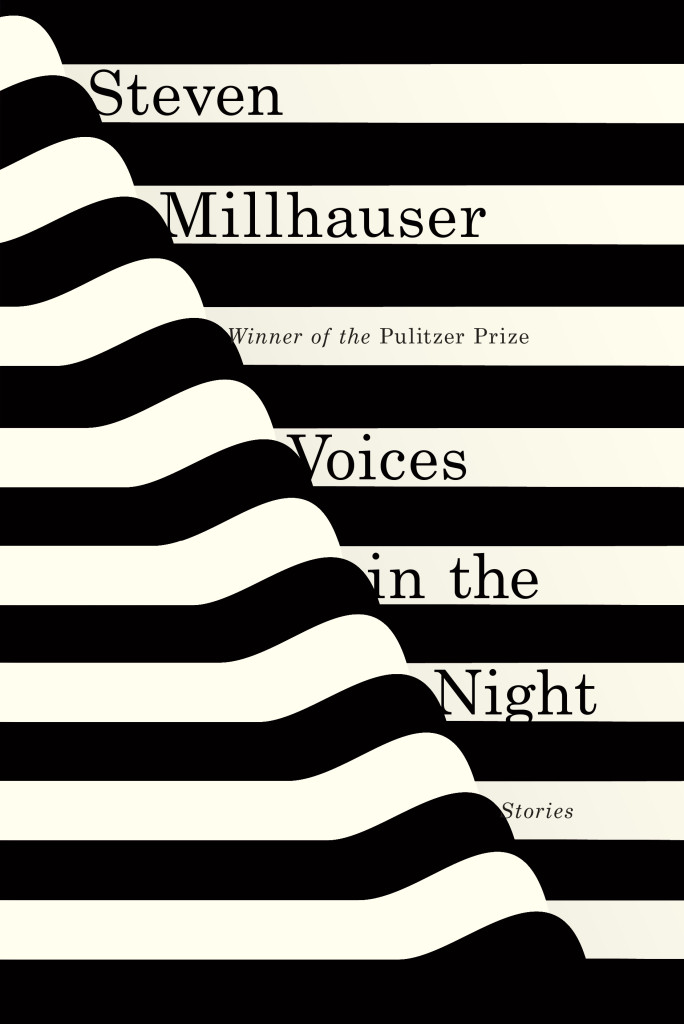
A Bad Character by Deepti Kapoor; design by Janet Hansen (Knopf / January 2015)Voices in the Night by Steven Millhauser; design by Janet Hansen (Knopf / April 2015)Empire of the Senses by Alexis Landau; design by Janet Hansen (Pantheon / March 2015)
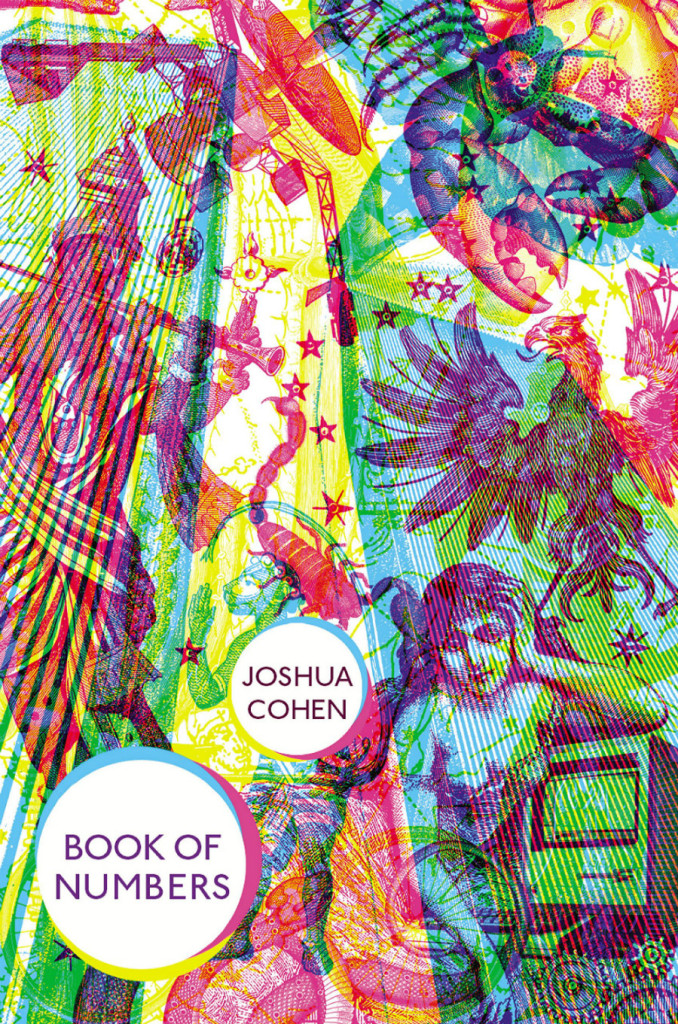
(Oliver Munday’s cover design for the US edition of the Book of Numbers published by Random House is also great.)
Also designed by Suzanne Dean:
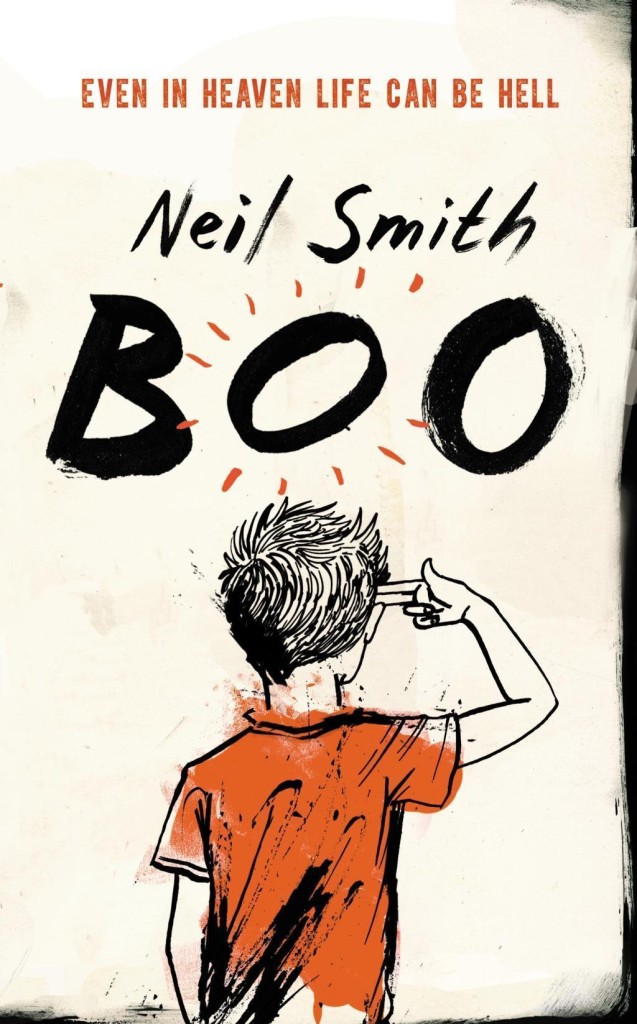
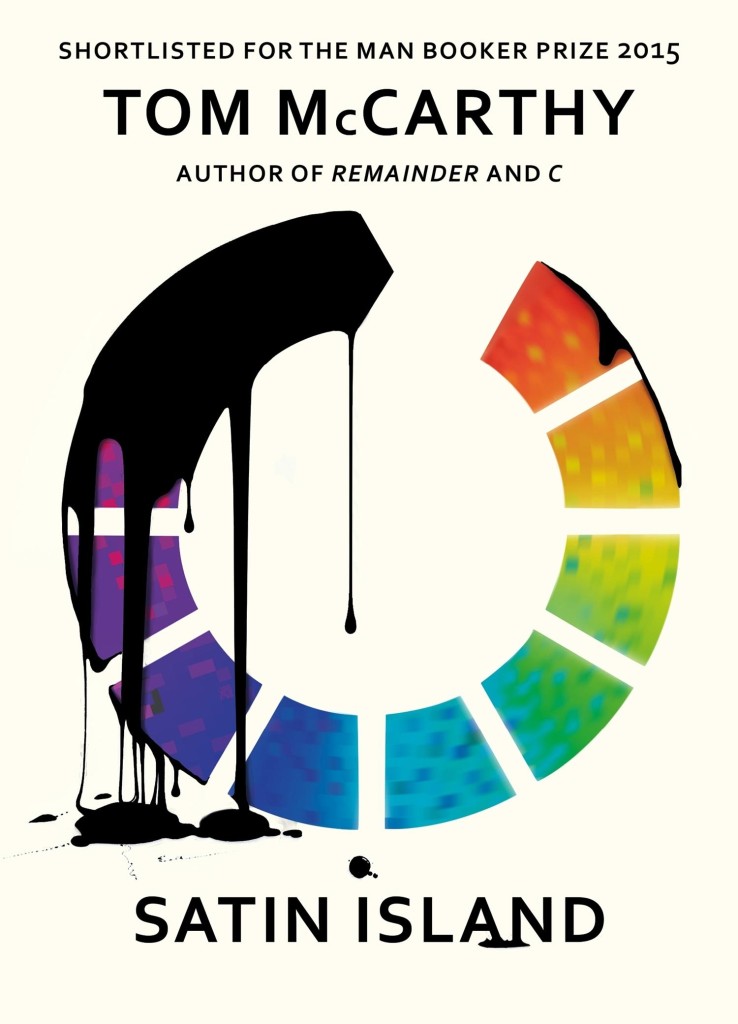
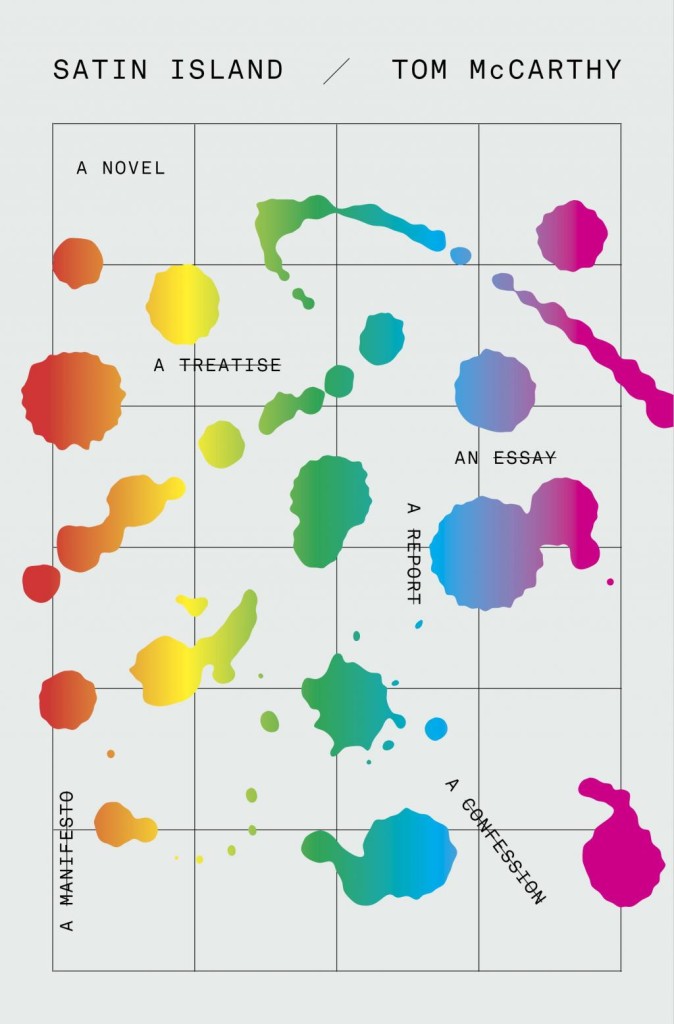
Boo by Neil Smith; design Suzanne Dean; illustration by Stephanie von Reiswitz (William Heinemann / May 2015)Fates and Furies by Lauren Groff; design by Suzanne Dean (William Heinemann / September 2015)Satin Island by Tom McCarthy; design by Suzanne Dean (Jonathan Cape / March 2015)
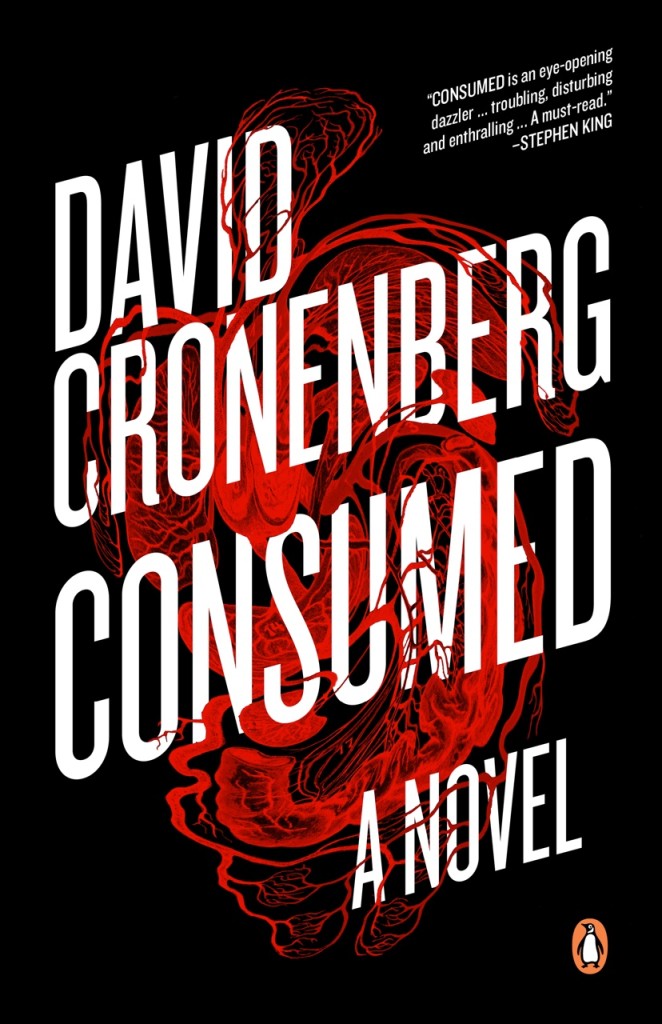
Consumed by David Cronenberg; design by David A. Gee (Penguin Canada / September 2015)Why the World Does Not Exist by Markus Gabriel; design by David Gee (Polity / June 2015)Economics After Capitalism by Derek Wall; design by David A. Gee (Pluto Press / July 2015)
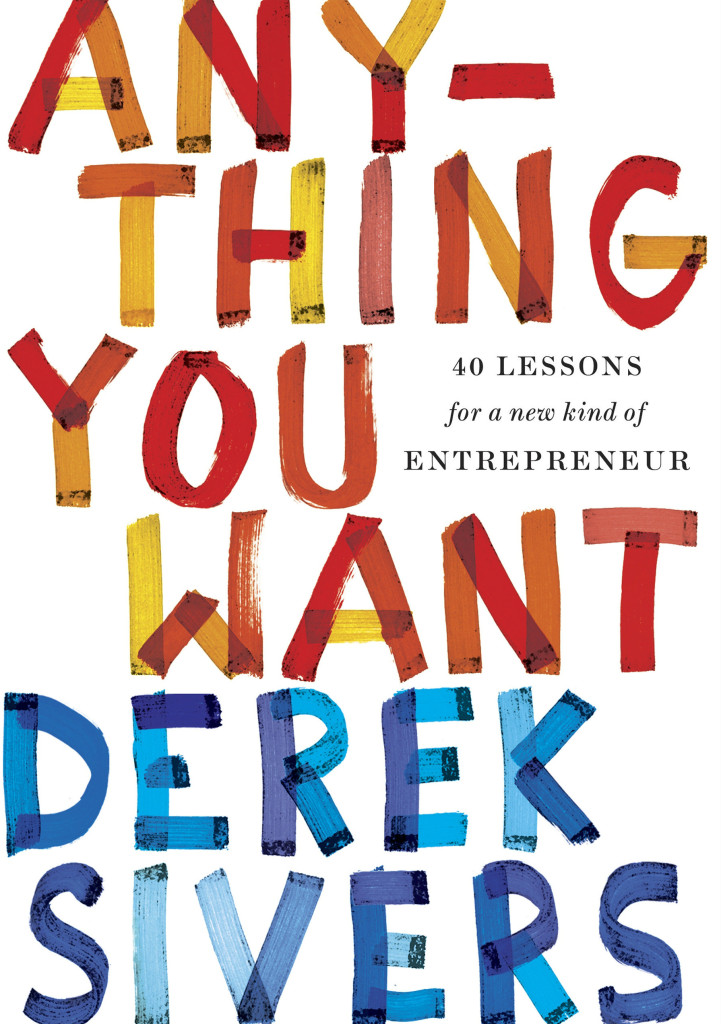
Unabrow by Una Lamarche; design by Zoe Norvell (Plume / March 2015)Anything You Want by Derek Sivers; design by Zoe Norvell (Portfolio / September 2015)
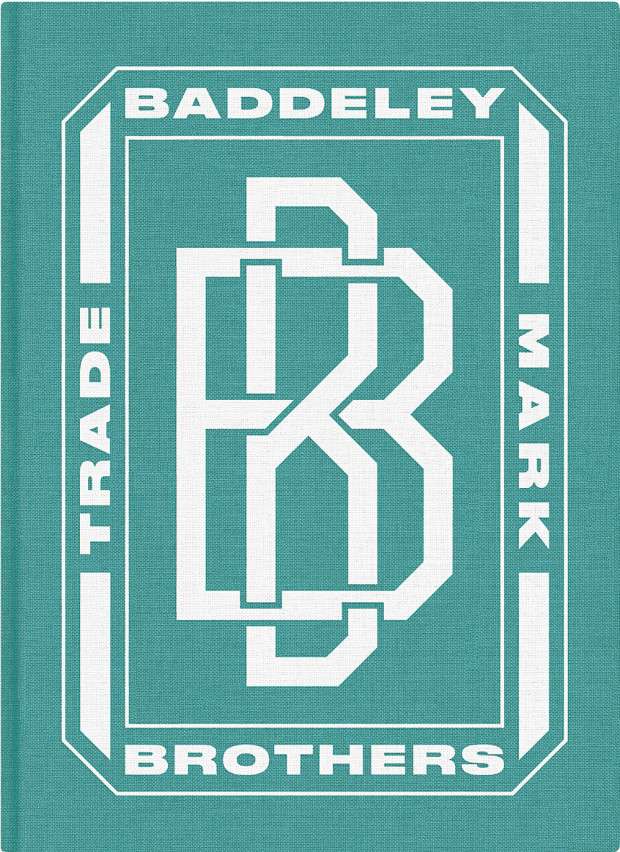
Karate Chop by Dorthe Nors; design by David Pearson (Pushkin Press / February 2015)Baddeley Brothers by The Gentle Author; design David Pearson (October 2015)Shooting Stars by Stefan Zweig; design by David Pearson (Pushkin Press / February 2015)
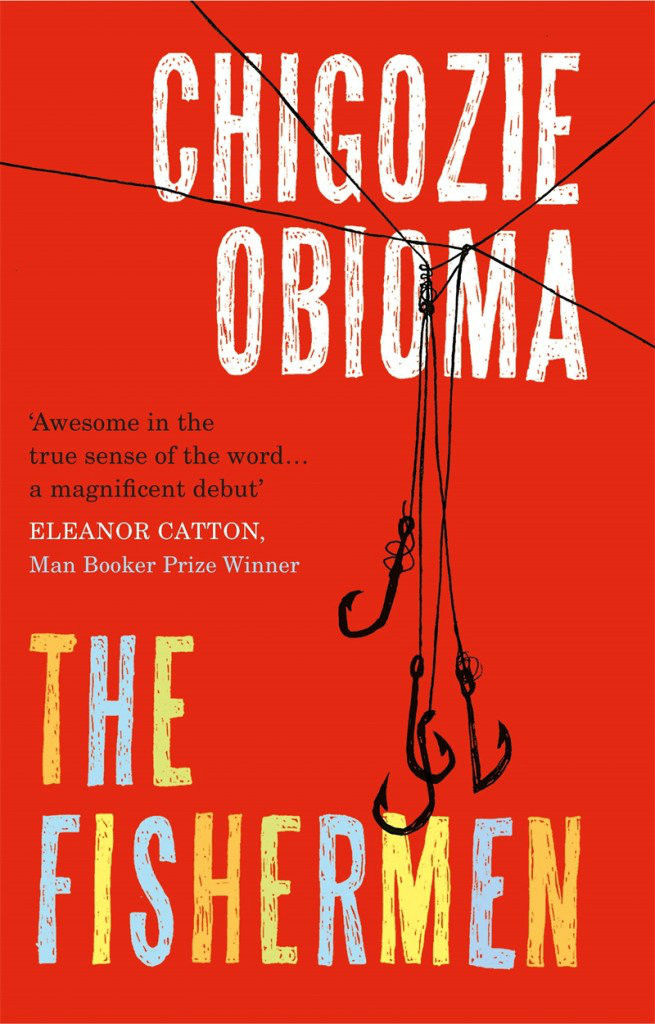
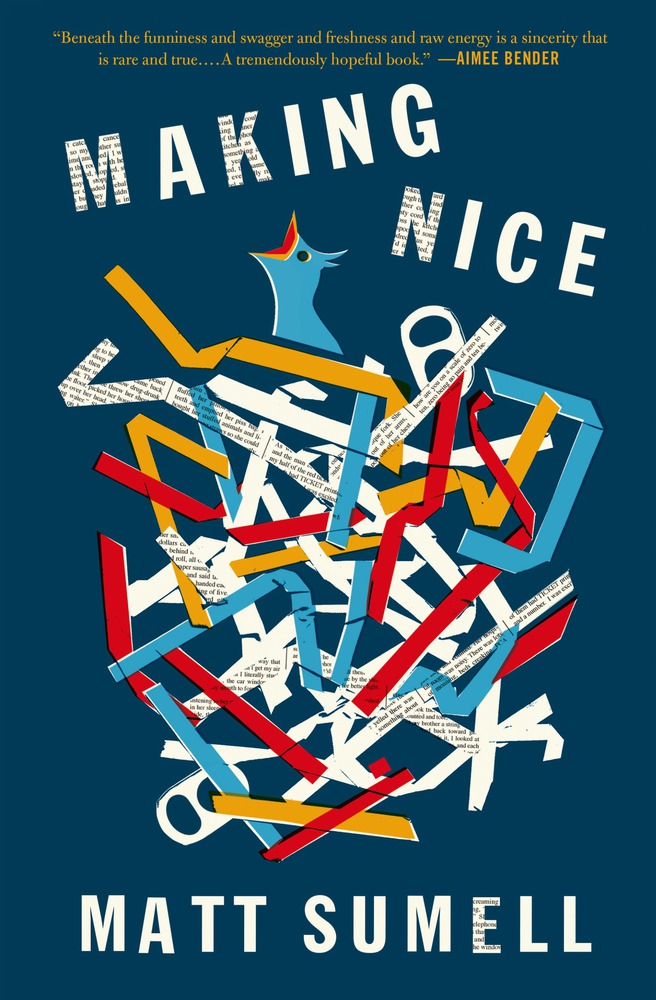
The Fishermen by Chigozie Obioma; design by Gray318 (Pushkin Press / February 2015)Making Nice by Matt Sumell; design by Gray318 (Henry Holt & Co. / February 2015)Laurus by Eugene Vodolazkin; design Gray318 (Oneworld / October 2015)
Terrified by Christopher A. Bail; design by Amanda Weiss (Princeton University Press / January 2015)The Little Big Number by Dirk Philipsen; design by Amanda Weiss ( Princeton University Press / June 2015)
The Fox and the Star, written, illustrated and designed by Coralie Bickford-Smith (Particular Books / August 2015)
Also designed by Coralie Bickford-Smith:
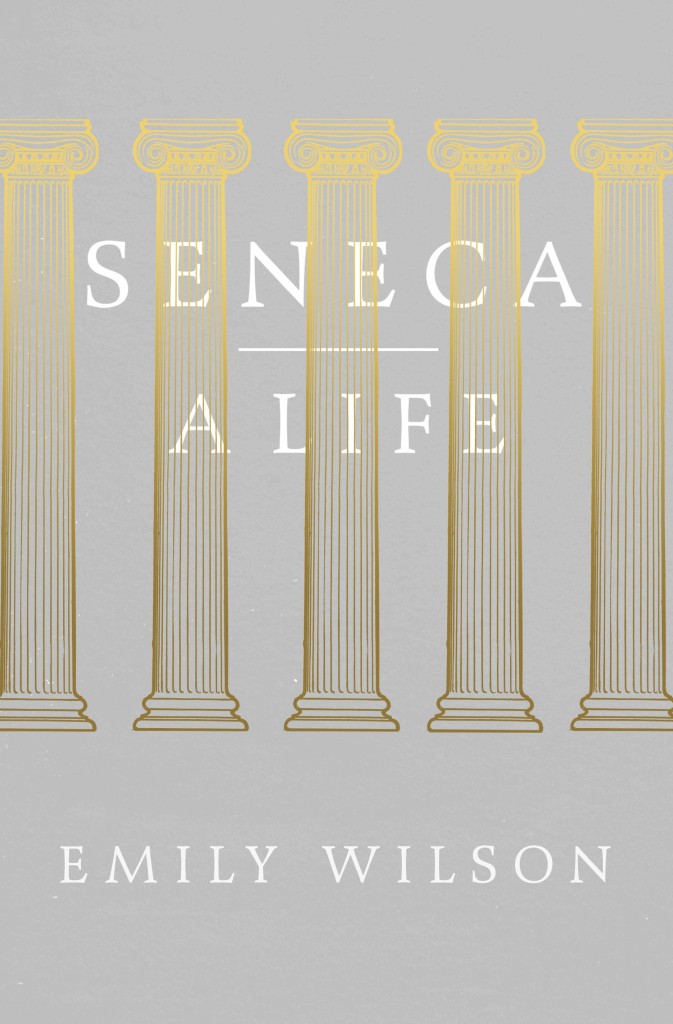
Seven Brief Lessons on Physics by Carlo Rovelli; design by Coralie Bickford-Smith (Allen Lane / September 2015)Seneca: A Life by Emily Wilson; design by Coralie Bickford-Smith (Allen Lane / March 2015)
Satin Island by Tom McCarthy; design by Peter Mendelsund (Knopf / February 2015)New American Stories edited by Ben Marcus; design by Peter Mendelsund (Vintage / July 2015)Building Art: The Life and Work of Frank Gehry by Paul Goldberger; design by Peter Mendelsund (Knopf / September 2015)
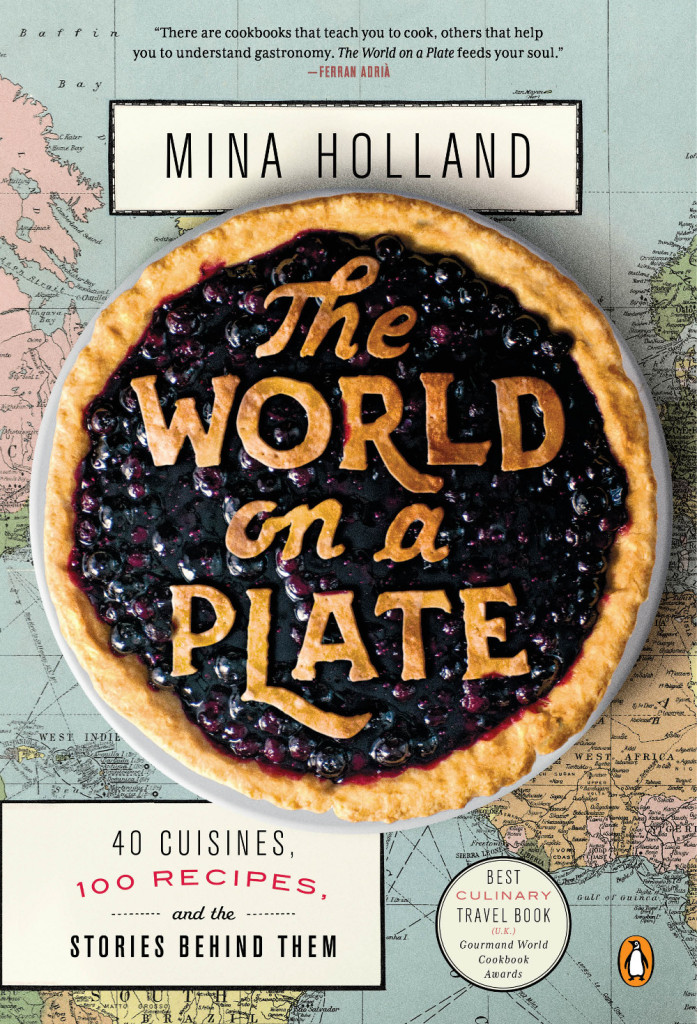
World on a Plate by Mina Holland; design by Nick Misani (Penguin / May 2015)
KL by Nikolaus Wachsmann; design by Alex Merto (Farrar, Straus & Giroux / April 2015)
Also designed by Alex Merto:
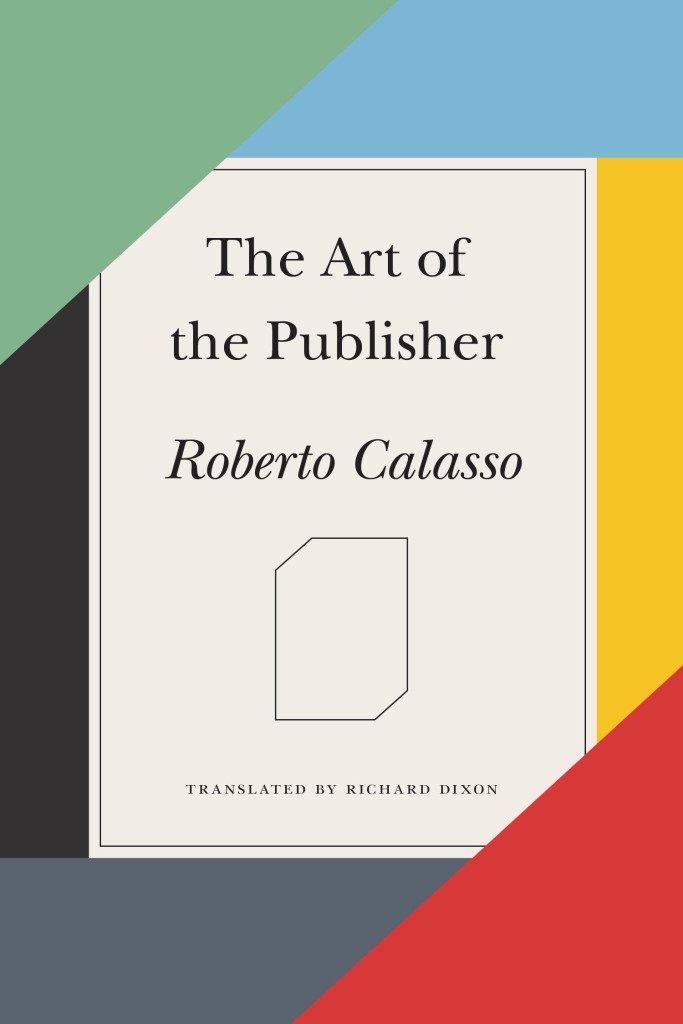
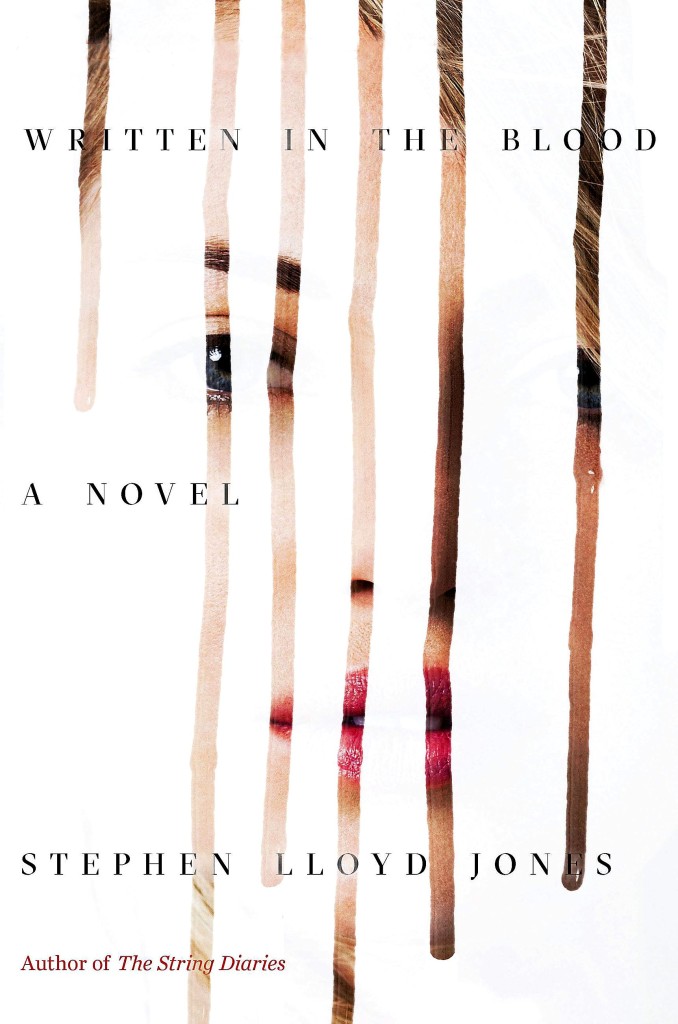
Earth by Hubert Krivine; design by Alex Merto (Verso Books / April 2015)The Art of the Publisher by Roberto Calasso; design by Alex Merto (FSG / November 2015)Written in the Blood by Stephen Lloyd Jones; design by Alex Merto (Mulholland Books / May 2015)
A Manual for Cleaning Women by Lucia Berlin; design by Justine Anweiler; photography Jonathan Simpson (Picador UK / September 2015)
Also designed by Justine Anweiler:
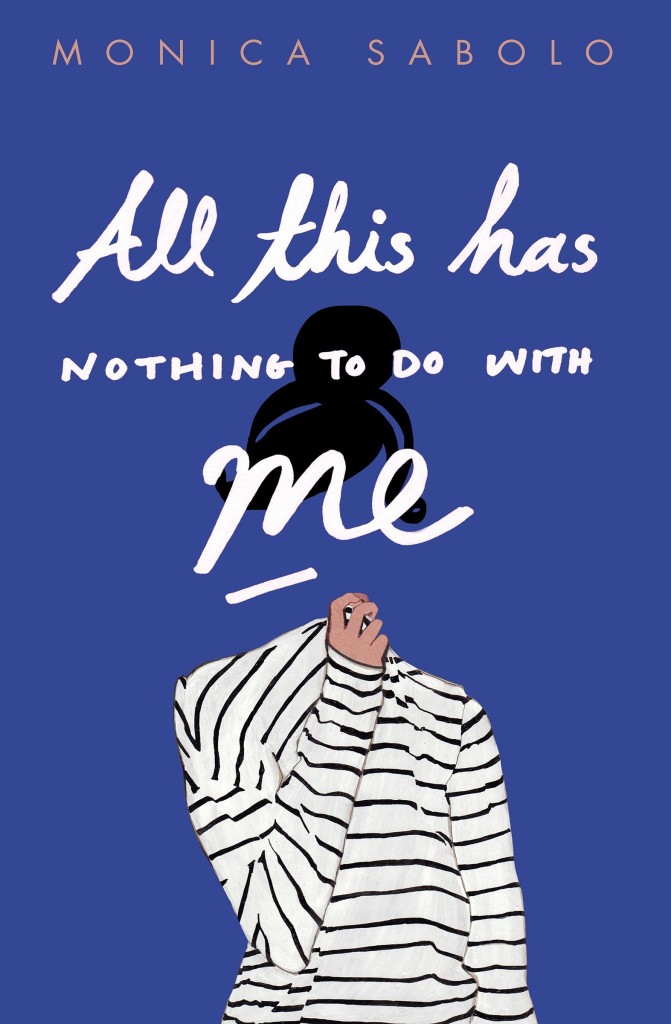
All This Has Nothing To Do With Me; design by Justine Anweiler; illustration Daphne van den HeuvelDon’t Let’s Go To the Dogs Tonight by Alexandra Fuller; design by Justine Anweiler (Picador / January 2015)
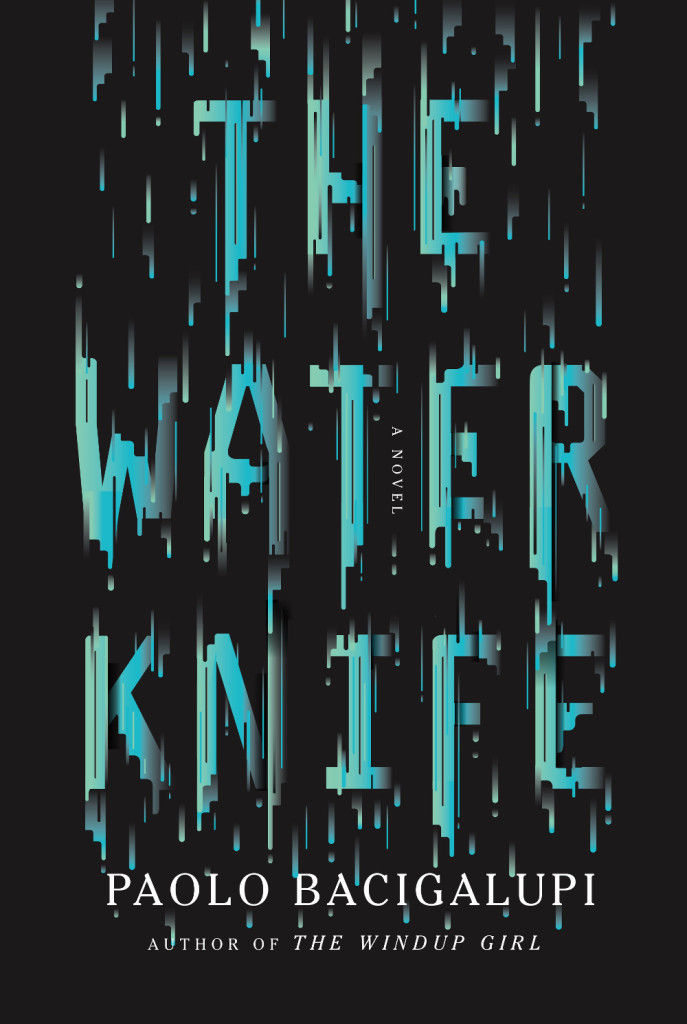
Negroland by Margo Jefferson; design by Oliver Munday (Pantheon / September 2015)American Warlord by Johnny Dwyer; design by Oliver Munday (Knopf / April 2015)The Water Knife by Paolo Bacigalupi; design by Oliver Munday (Knopf / May 2015)
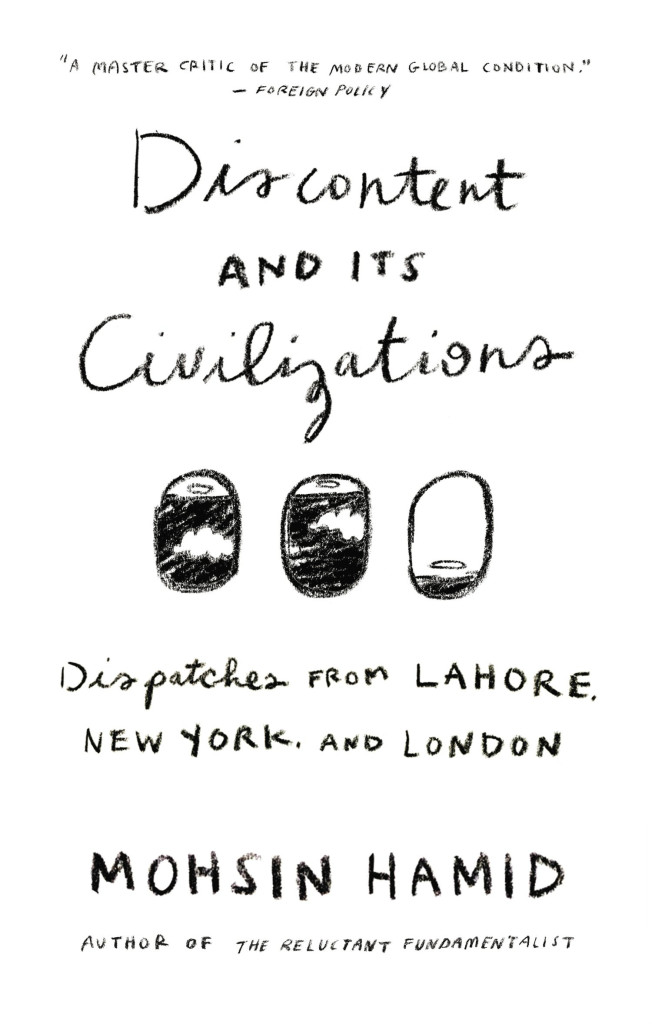
Barbara the Slut by Lauren Holmes; design by Rachel Willey (Riverhead / August 2015)Discontent and its Civilizations by Mohsin Hamid; design by Rachel Willey (Riverhead / February 2015)Witches of America by Alex Mar; design by Rachel Willey (Sarah Crichton Books / Ocotber 2015)
Munich Airport by Greg Baxter; design by Anne Twomey (Twelve Books / January 2015)
This is actually a rather special lenticular cover that imitates the effect of flashing neon.
Also from Rodrigo Corral:
Home is Burning by Dan Marshall; design by Rodrigo Corral (Flatiron / October 2015)Fates and Furies by Lauren Groff; design by Rodrigo Corral and Adalis Martinez (Riverhead / September 2015 )
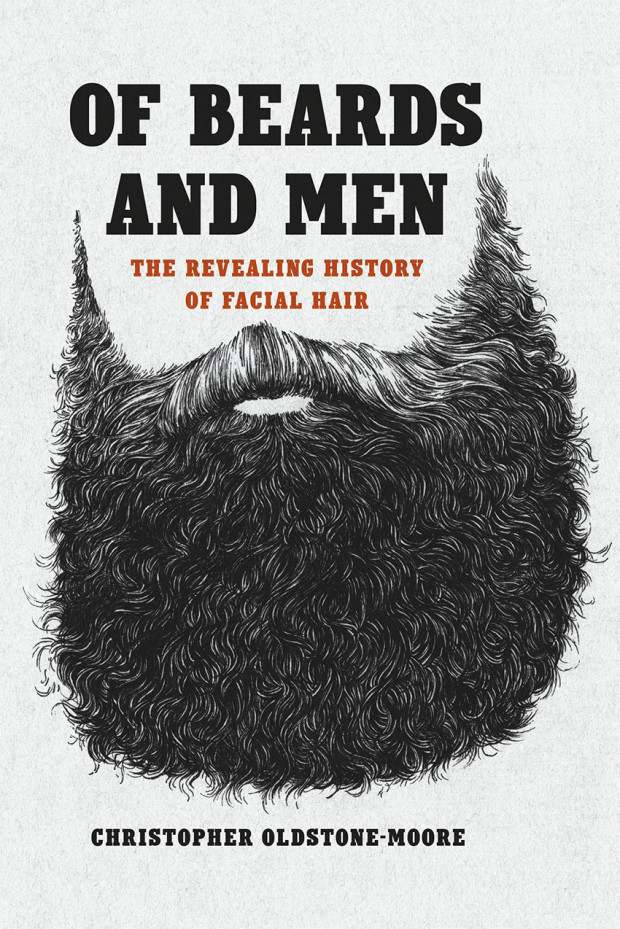
Of Beards and Men by Christopher Oldstone-Moore; design Isaac Tobin (University of Chicago Press / December 2015)
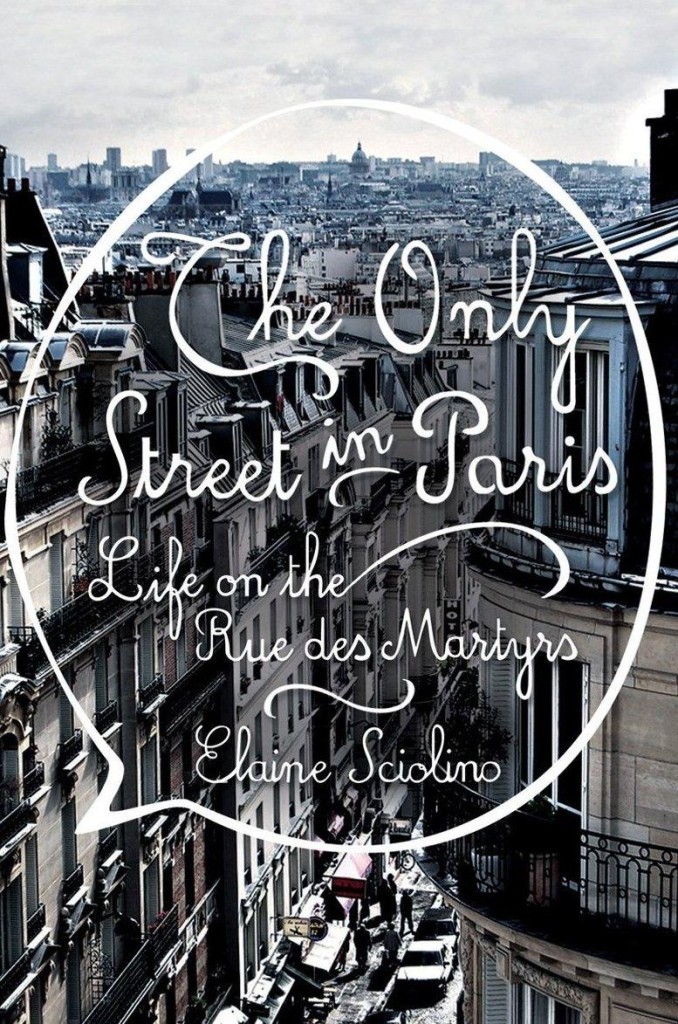
The Only Street in Paris by Elaine Schiolino; design by Strick&Williams (W.W. Norton / November 2015)
Also from Strick&Williams:
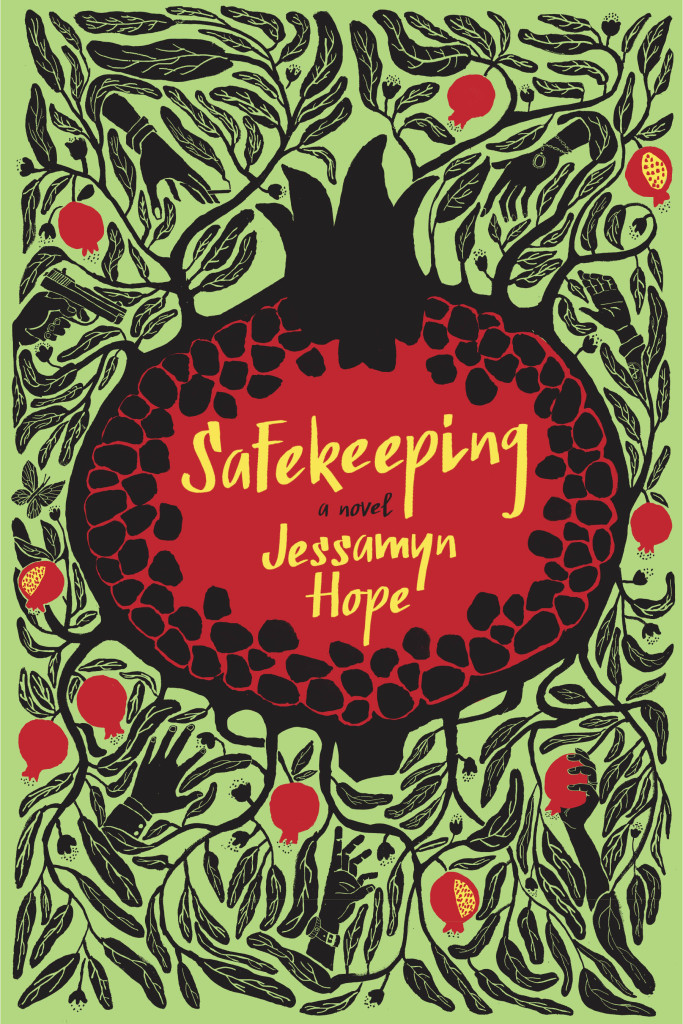
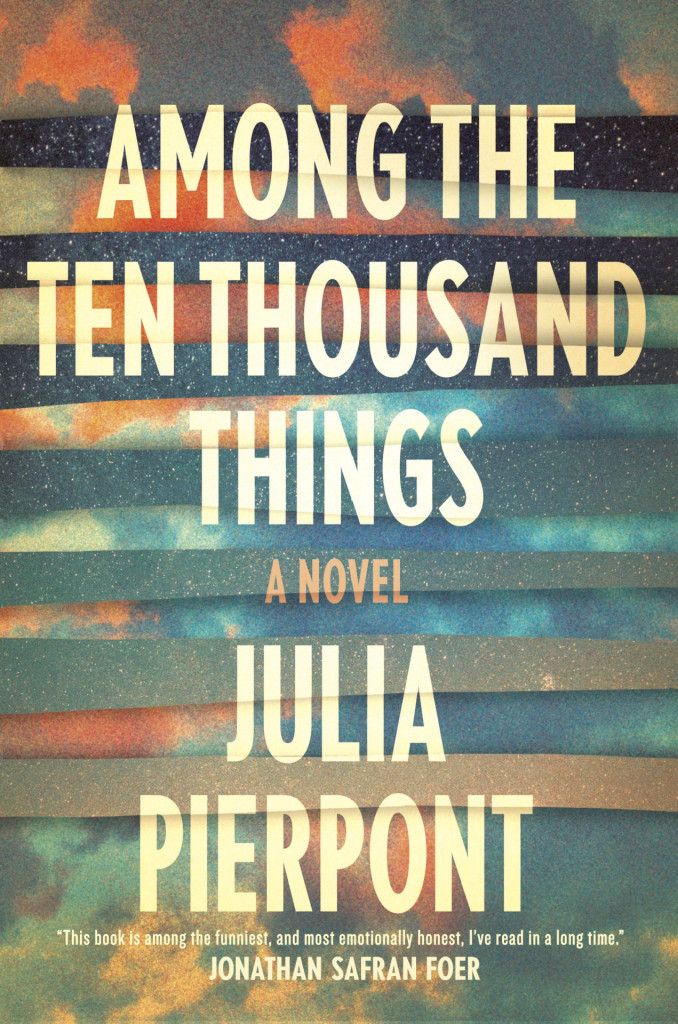
Safekeeping by Jessamyn Hope; design by Strick&Williams (Fig Tree / June 2015)Among the Ten Thousand Things by Julia Pierpoint; design by Strick&Williams (Random House / July 2015)
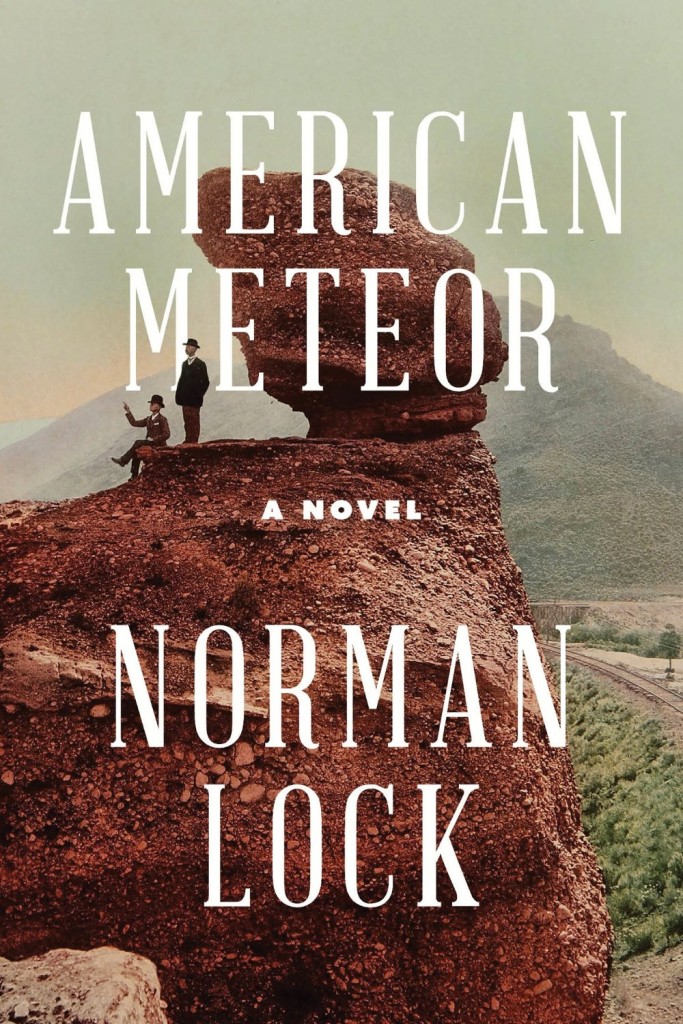
Ohey! by Darby Larson; design by Alban Fischer (CCM / May 2015)American Meteor by Norman Lock; design by Alban Fischer (Bellevue Literary Press / June 2015)Every Living One by Nathan Haukes; design by Alban Fischer (Horse Less Press / March 2015)
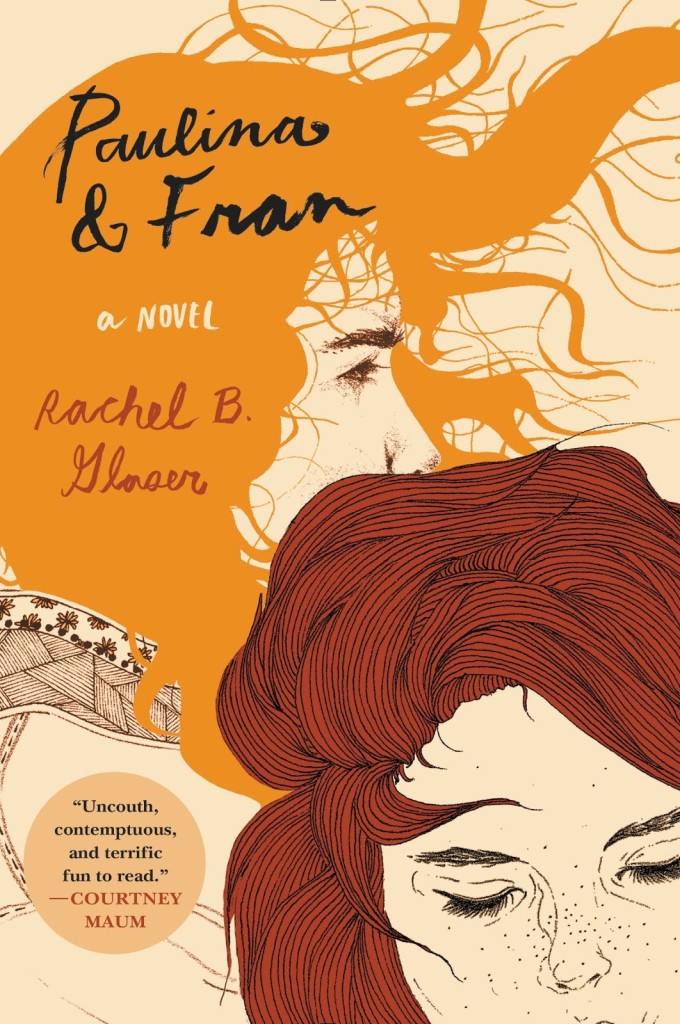
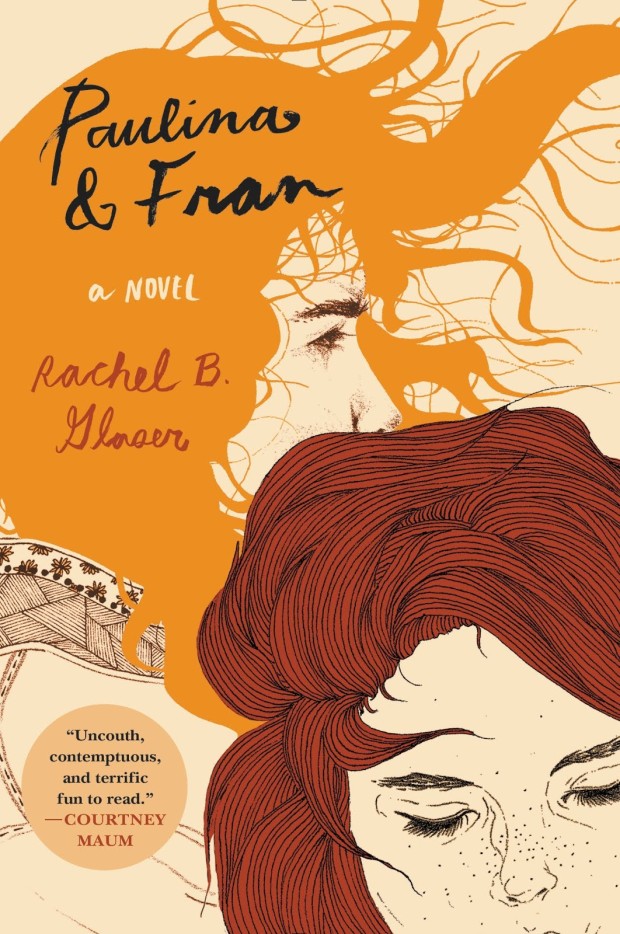
Paulina and Fran by Rachel B. Glaser; illustration Kaethe Butcher; typography Nina LoSchiavo (Harper Perennial / September 2015)
Unbuttoning America by Ardis Cameron; design by Kimberly Glyder; illustration by Al Moore (Cornell University Press / May 2015)Worthy by Denice Turner; design by Kimberly Glyder (University of Nevada Press / April 2015)
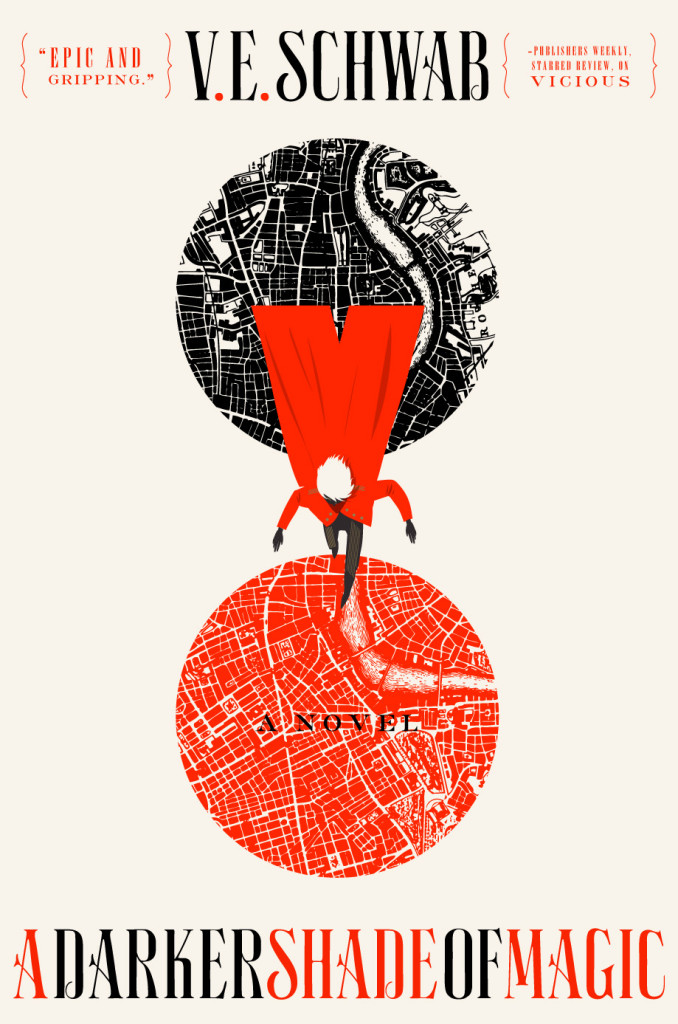
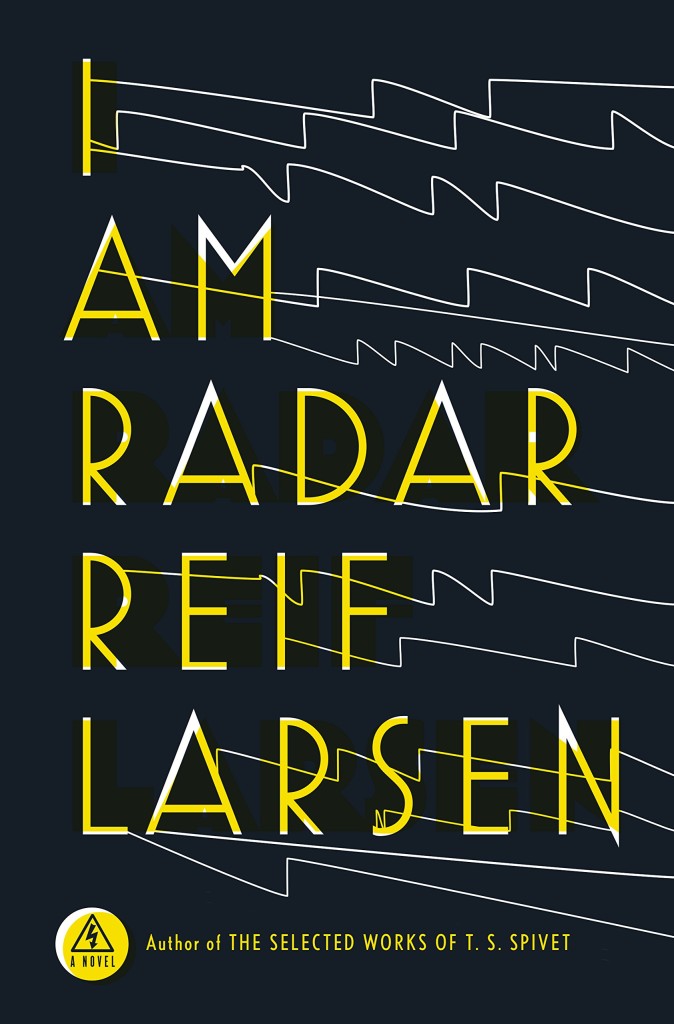
A Darker Shade of Magic by V. E. Schwab; design by Will Staehle (Tor / February 2015)I Am Radar by Reif Larsen; design by Will Staehle (Penguin / February 2015)
Pretty Is by Maggie Mitchell; design by Lucy Kim (Henry Holt / July 2015)
Real Life Rock by Greil Marcus; design by Rich Black (Yale University Press / October 2015)
No Such Thing as a Free Gift by Linsey McGoey; design by James Paul Jones (Verso / October 2015)How Music Got Free by Stephen Witt; design by James Paul Jones (The Bodley Head / June 2015)The Rise of the Novel by Ian Watt; design by James Paul Jones (Vintage / October 2015)
The Sphinx by Anne Garréta; design by Anna Zylicz (Deep Vellum / May 2015)
Also designed by Anna Zylicz:
The Mountain and the Wall by Alisa Ganieva; design by Anna Zylicz (Deep Vellum / June 2015)The Indian by Jón Gnarr ; design by Anna Zylicz (Deep Vellum / May 2015)
Trust Me, PR is Dead by Robert Phillips; design by Jamie Keenan (Unbound / June 2015)Wake Up, Sir! by Jonathan Ames; design by Jamie Keenan (Pushkin Press / May 2015)
Trans by Juliet Jacques; Design and illustration by Joanna Walsh (Verso / September 2015)
Wall Flower by Rita Kuczynski; design by David Drummond (University of Toronto Press / August 2015)Young Babylon by Lu Nei; design by David Drummond (AmazonCrossing / September 2015)
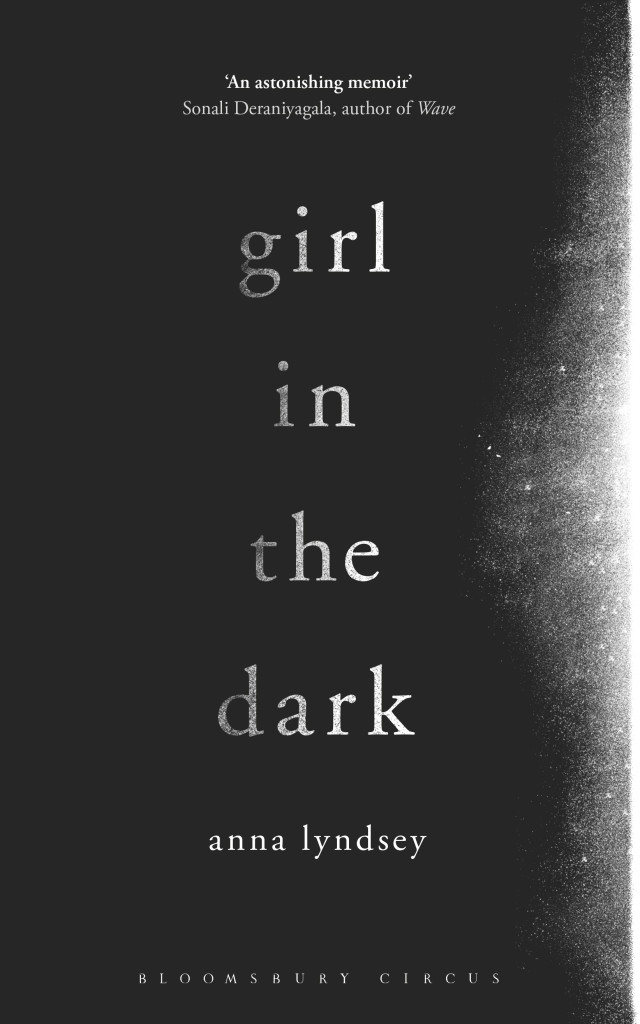
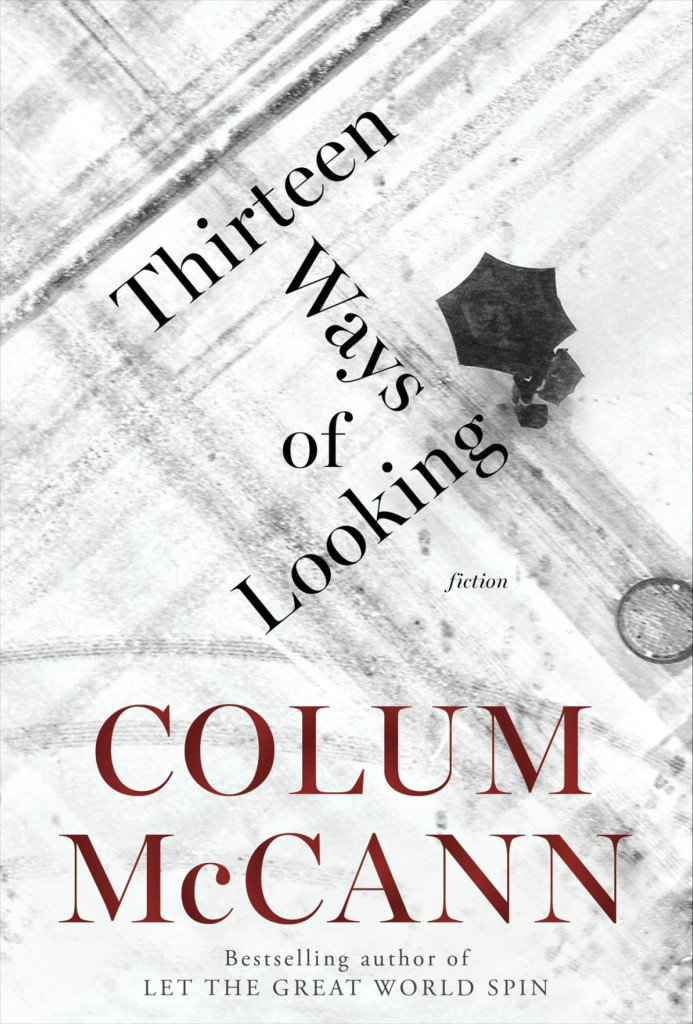
Girl in the Dark by Anna Lyndsey; design by Greg Heinimann (Bloomsbury / February 2015)Thirteen Ways of Looking by Colum McCann; design by Greg Heinimann; photograph by Julio Gamboa (Random House / October 2015)
Souffles-Anfas edited by Olivia C. Harrison and Teresa Villa-Ignacio; design Anne Jordan and Mitch Goldstein (Stanford University Press / November 2015)Capitalism in the Web of Life by Jason W. Moore; design by Anne Jordan and Mitch Goldstein (Verso / August 2015)
Next month I’ll say goodbye to 2015 with my annual list of my favourite covers of the year. Until then, here’s November’s book covers of note, my last monthly covers post for the 2015:
(I previously included Devin’s cover in my November 2014 post before discovering that publication had been postponed until 2015. It’s so good that I figure it deserved a second shot now the book is finally coming out this month.)
A little bit later than scheduled, here is my October selection of book covers. There are three from Verso, and two by James Paul Jones, but I think it’s still another month of interesting, diverse, and eclectic work. I hope you agree…
(I was raving about this cover on Twitter no so long ago. It really needs to be seen in person because the image doesn’t do it justice at all. The finish on the jacket is lovely and gives the design a beautiful nuance and subtlety)
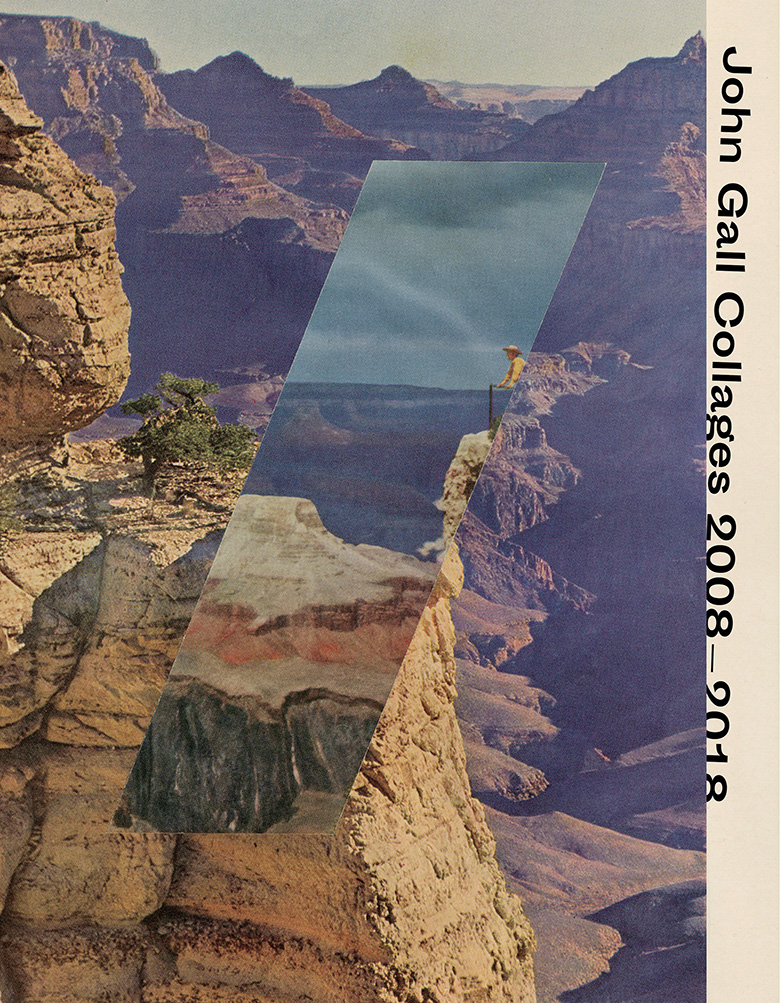
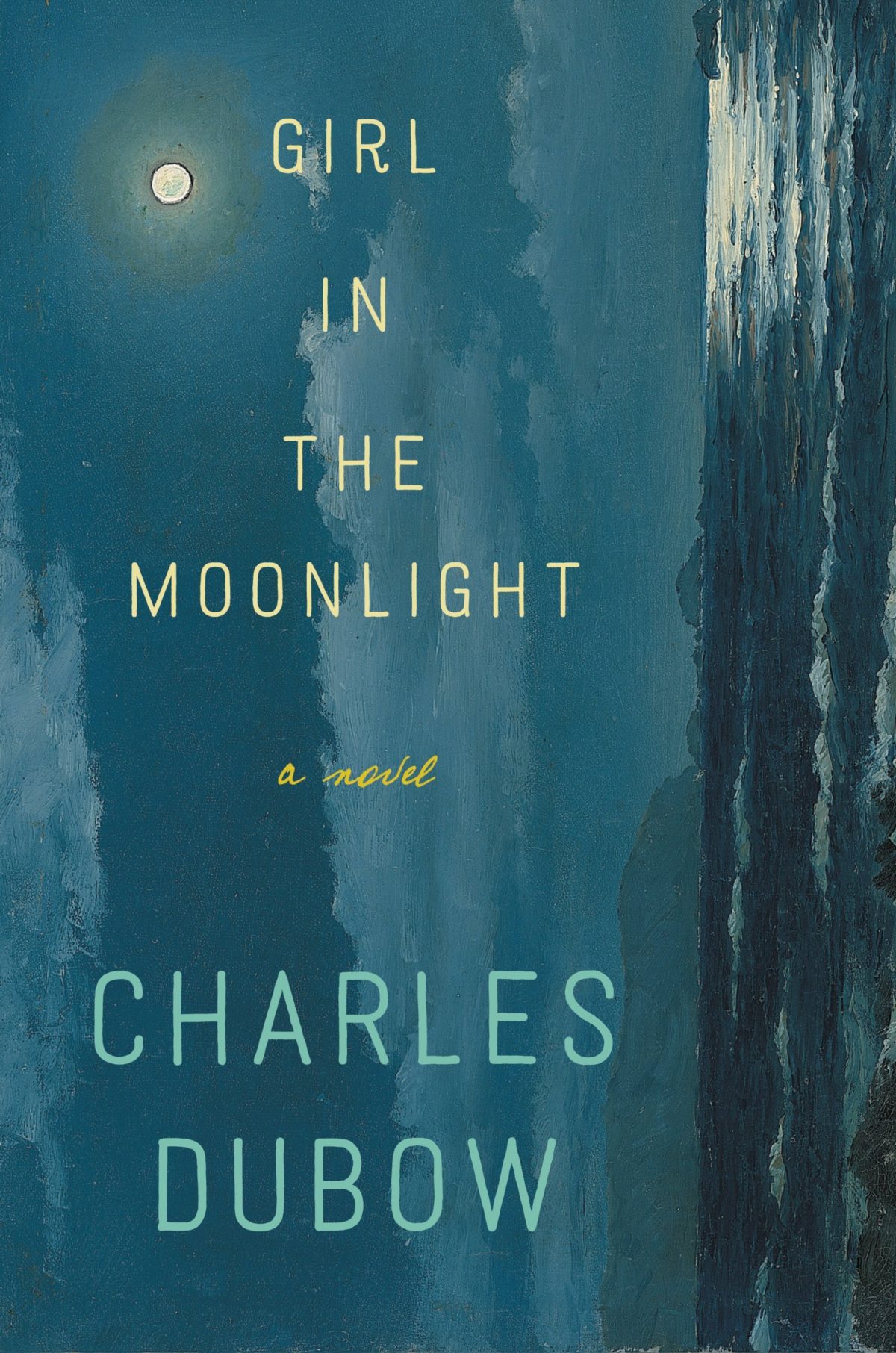
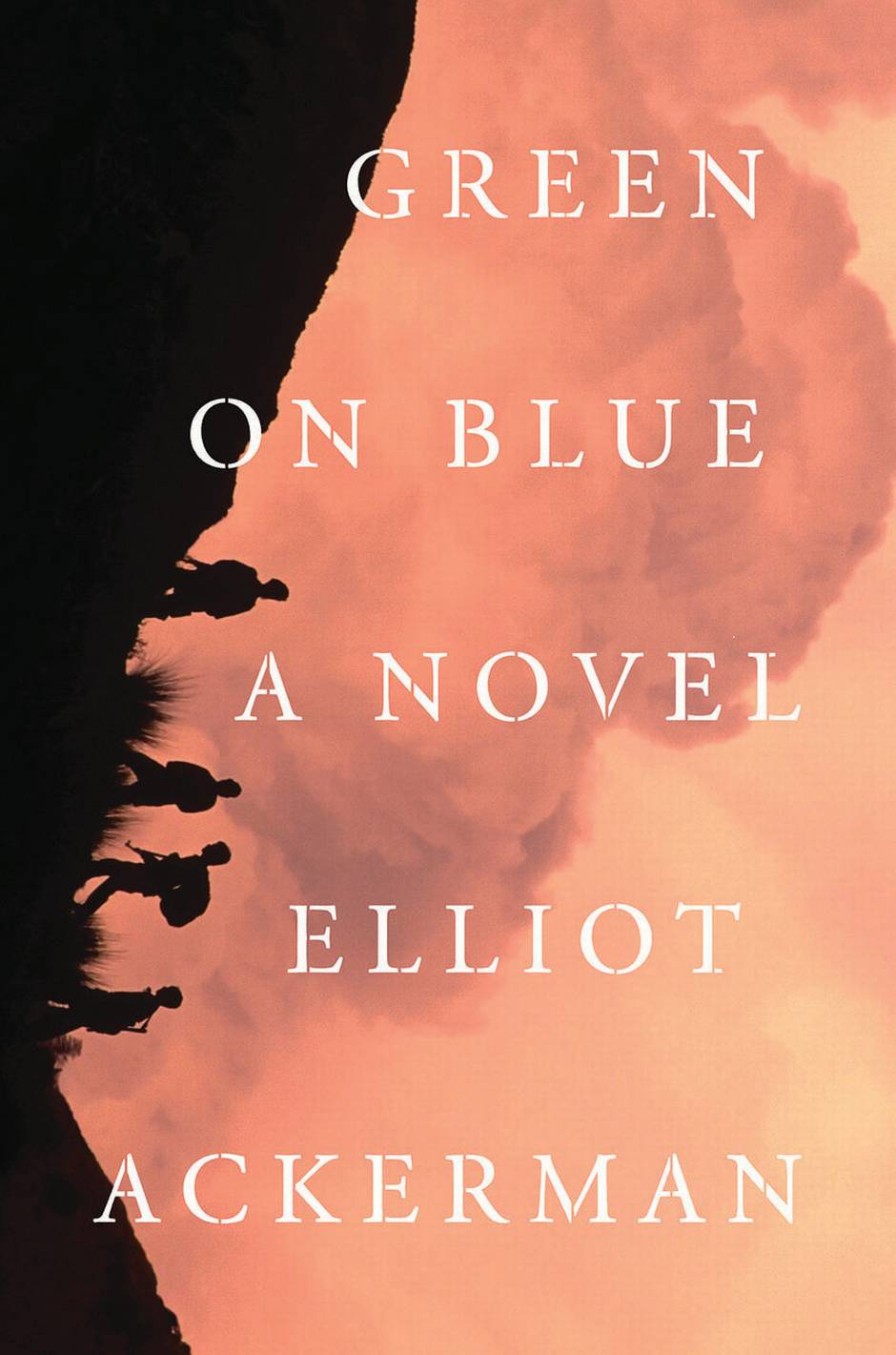
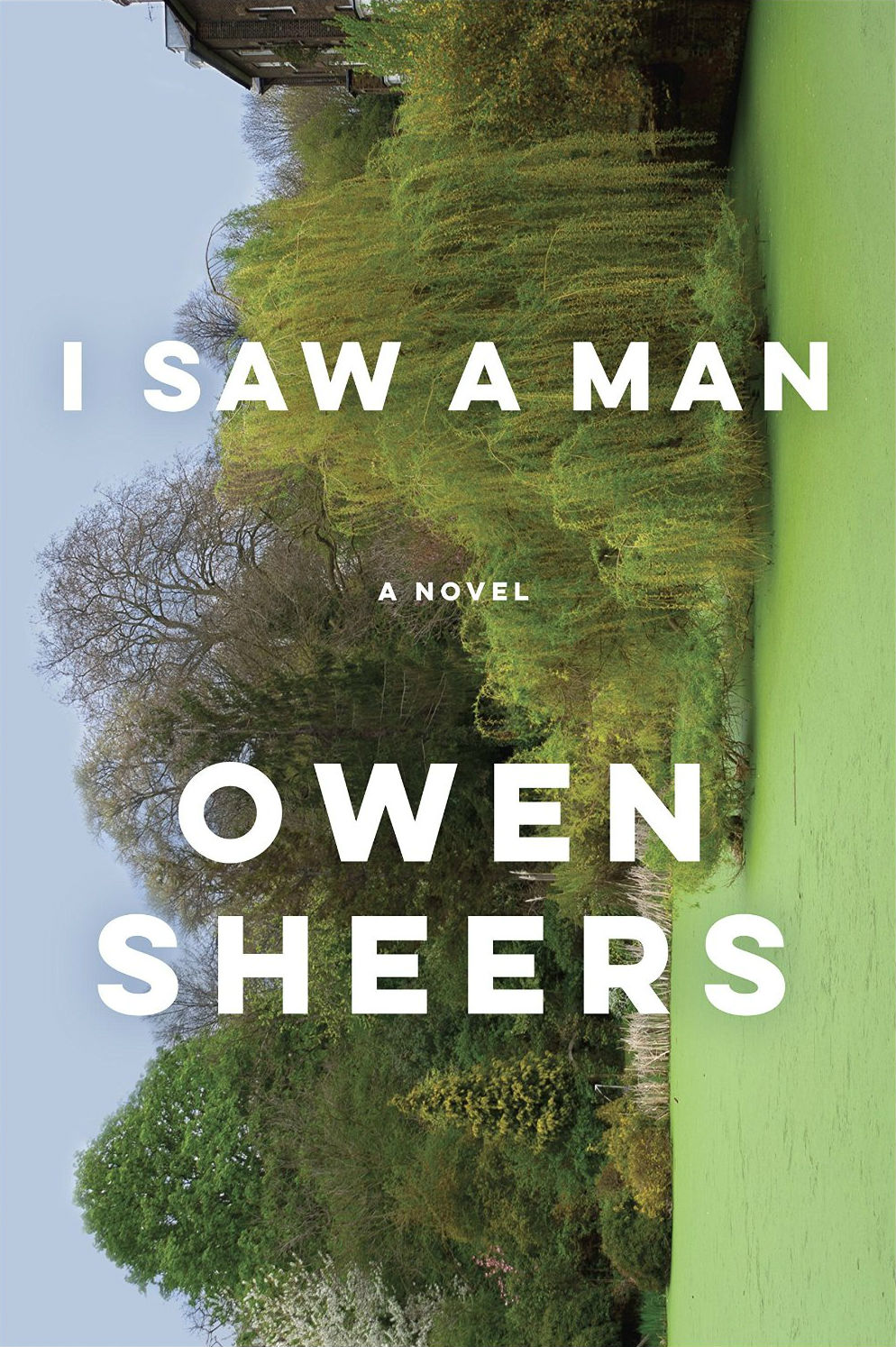
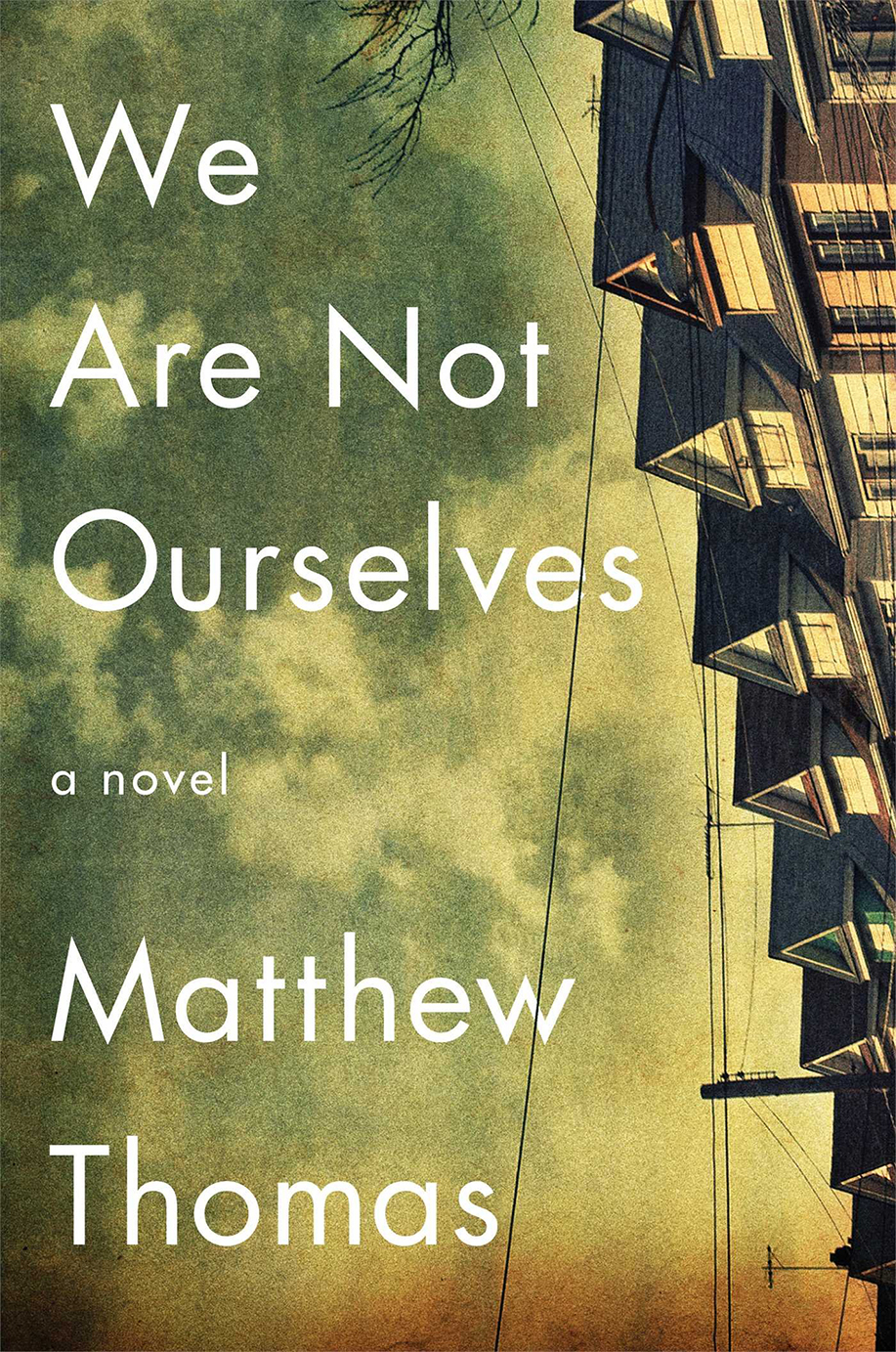
Turning the picture sideways is not exactly new (the brilliant John Gall and Paul Sahre (thanks for the reminder, Jacob!) were experimenting with it years ago), but there has been a spate of commercial covers making use of images rotated through ninety degrees in the past couple of years. It seems like a such peculiar thing to have caught on, and yet here we are:
California by Edan Lepucki; design Julianna Lee (Little Brown & Co. July 2014)
I find it hard to think about design in terms of changing the world, but it’s important to think about design in terms of the decisions you make about what you make. Ask yourself: “What am I putting out into the world? Am I helping sell Big Macs or deodorant or iPhones or whatever?” I have nothing against any of those, but at some point in my life, I decided to focus on books. Books are intrinsically good: even the worst book—with some notable exceptions—isn’t truly bad. If people are reading, it is good. As designers, we’re attached to the selling of something; no matter what we’re making there is a selling component. In that sense, the decision to work with books was very much about the larger picture of what I was helping to usher into the world.
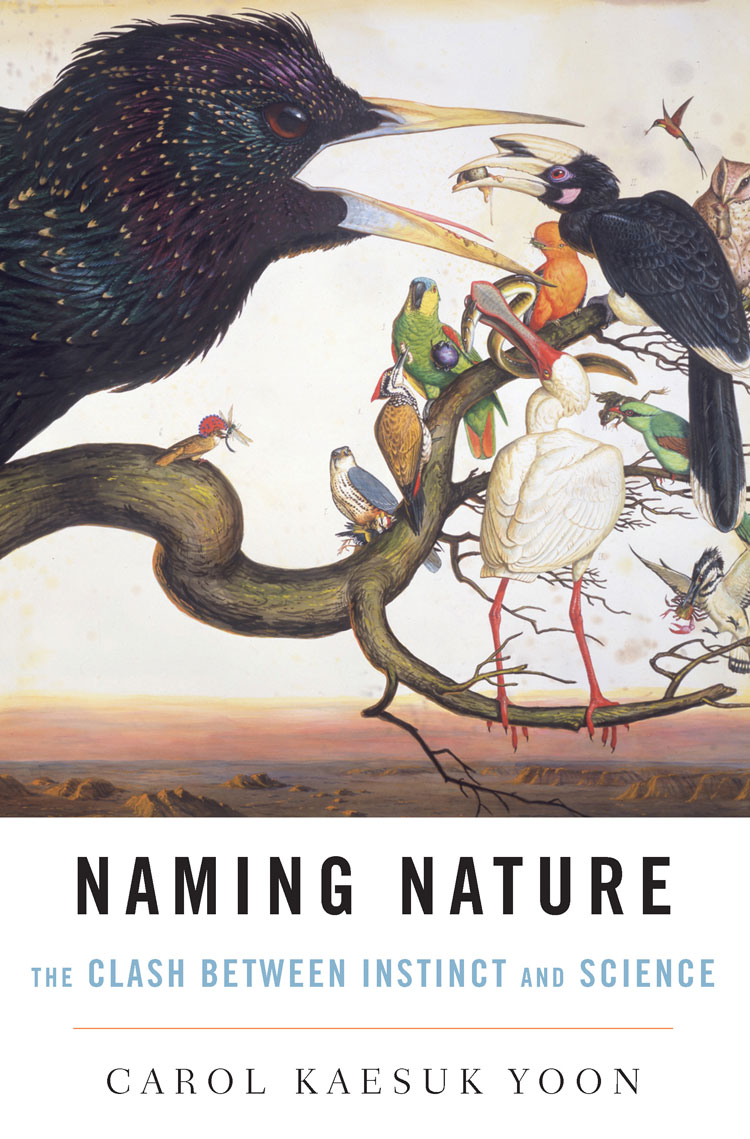
Naming Nature by Carol Kaesuk Yoon; design by Chin-Yee Lai (W. W. Norton / August 2009)
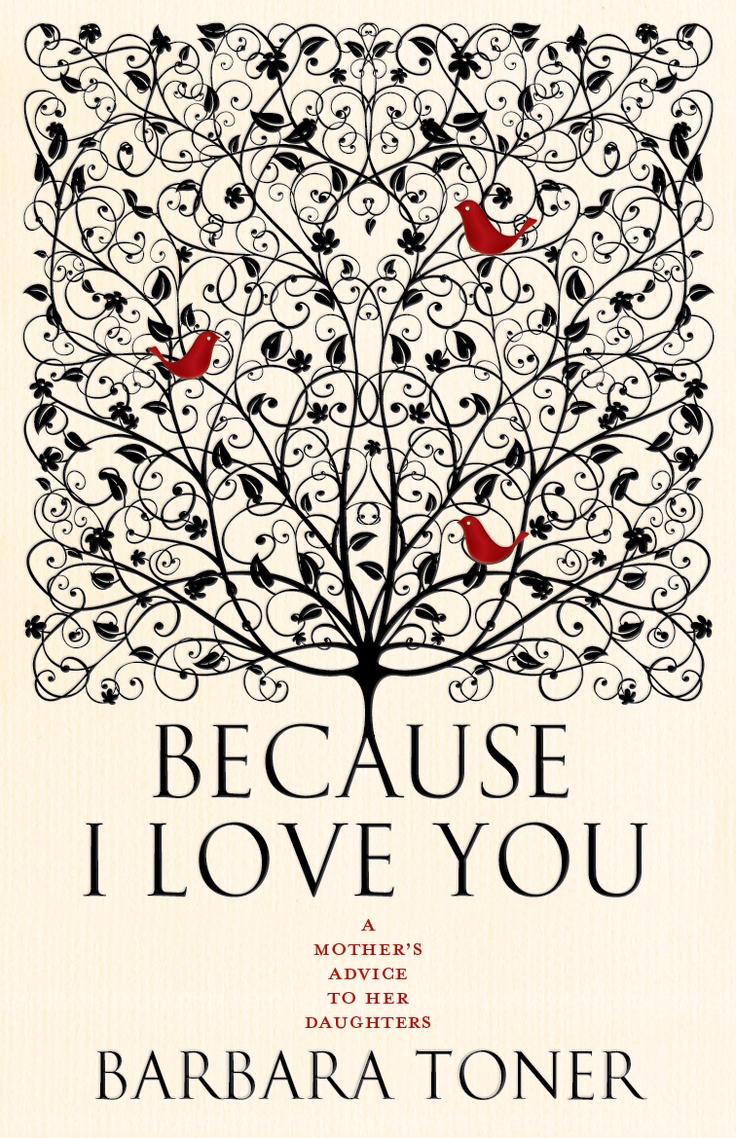
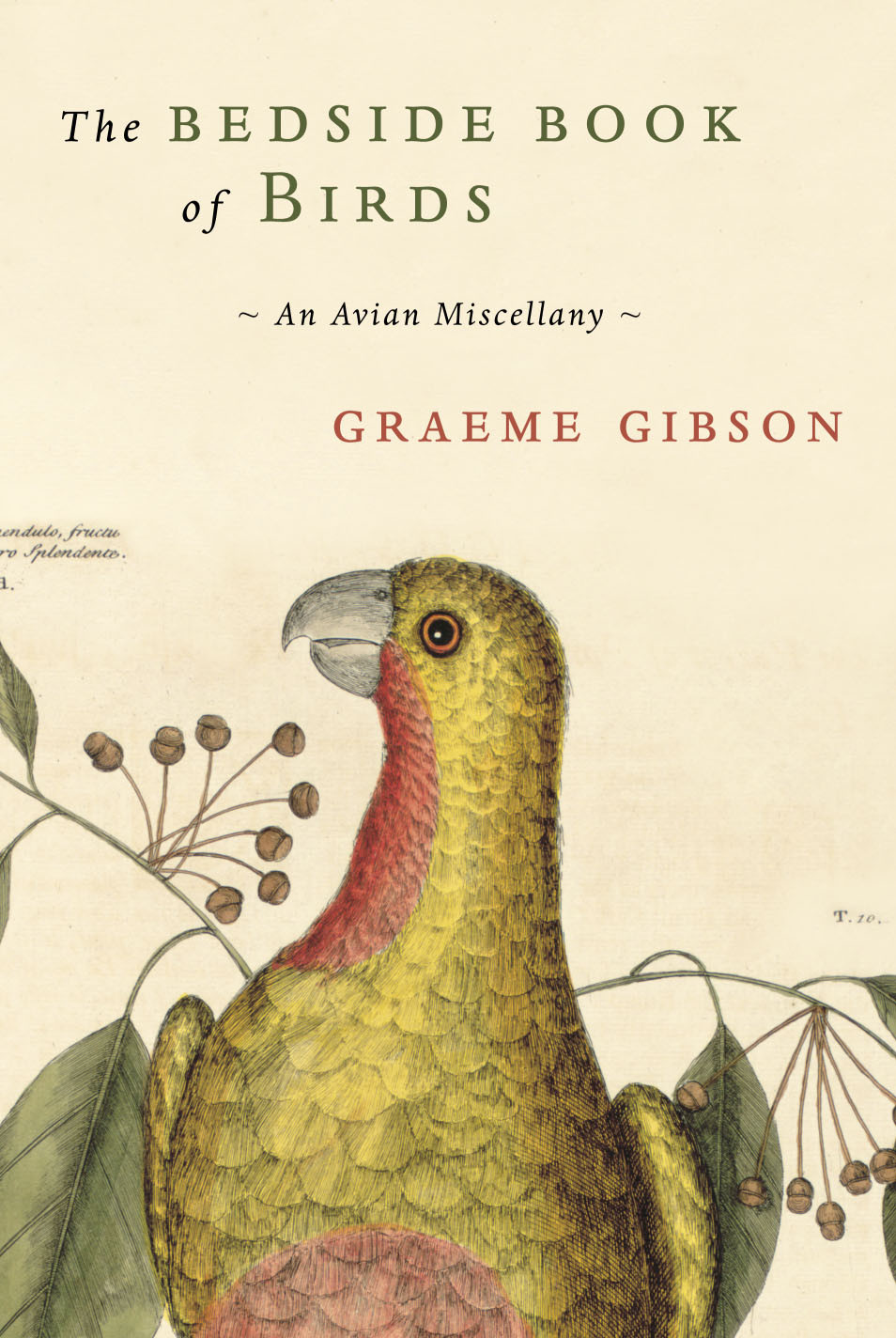
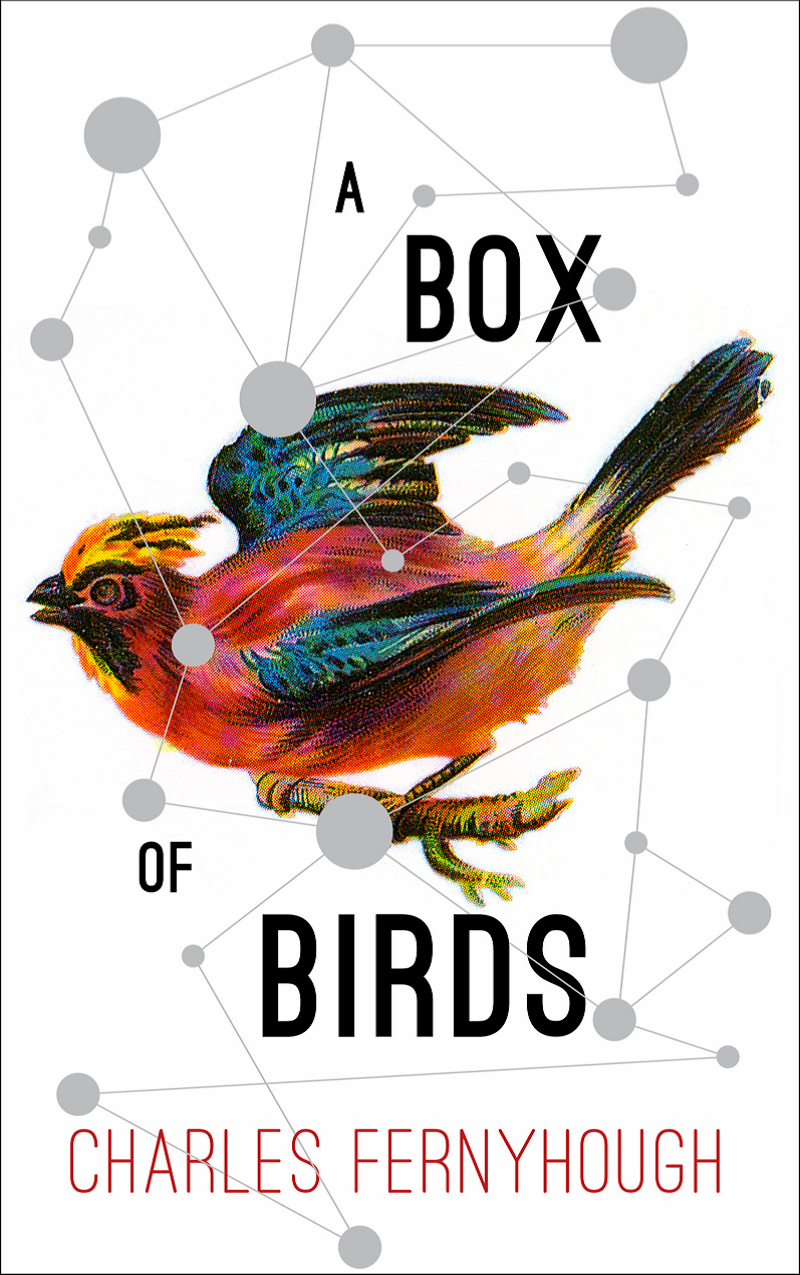
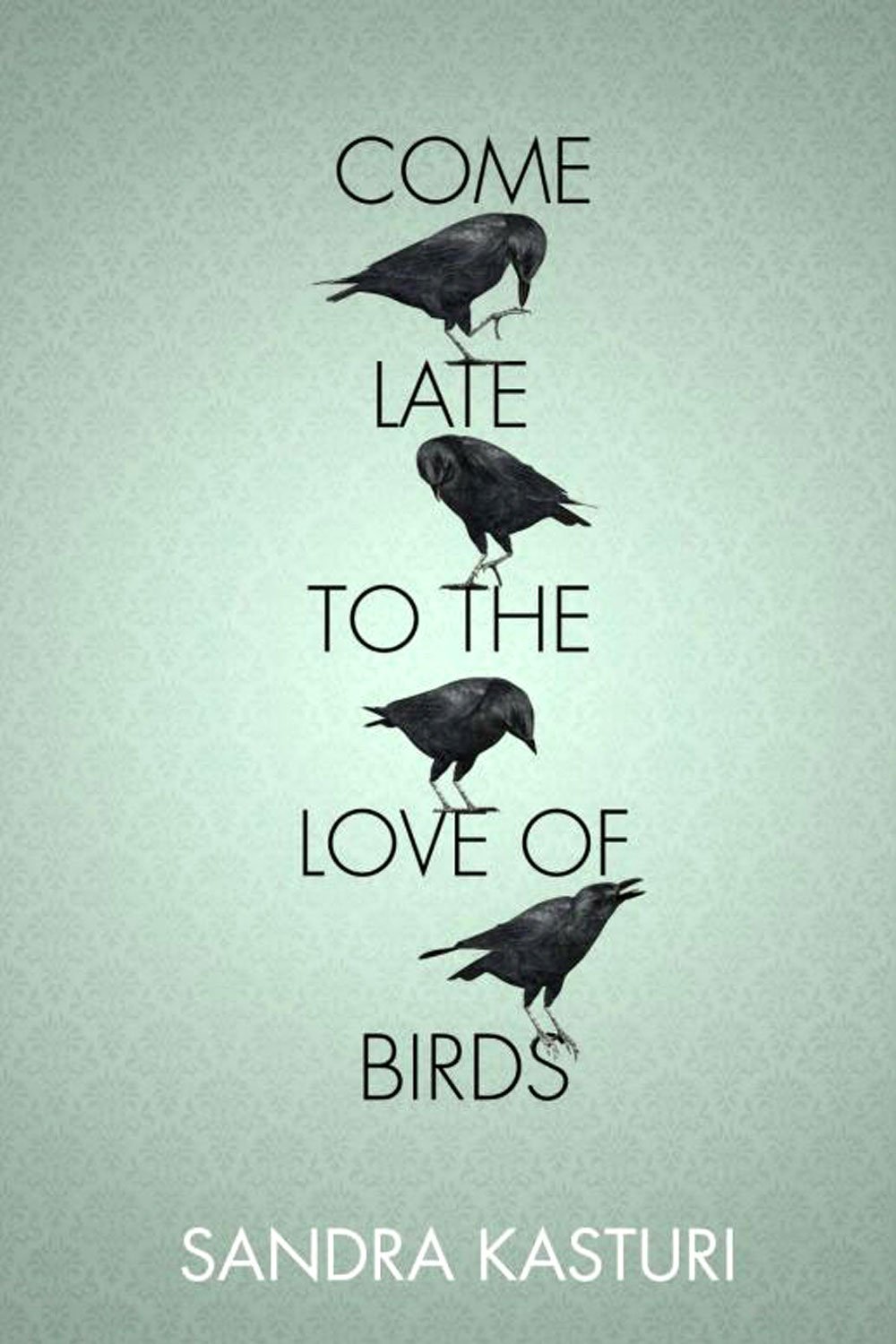
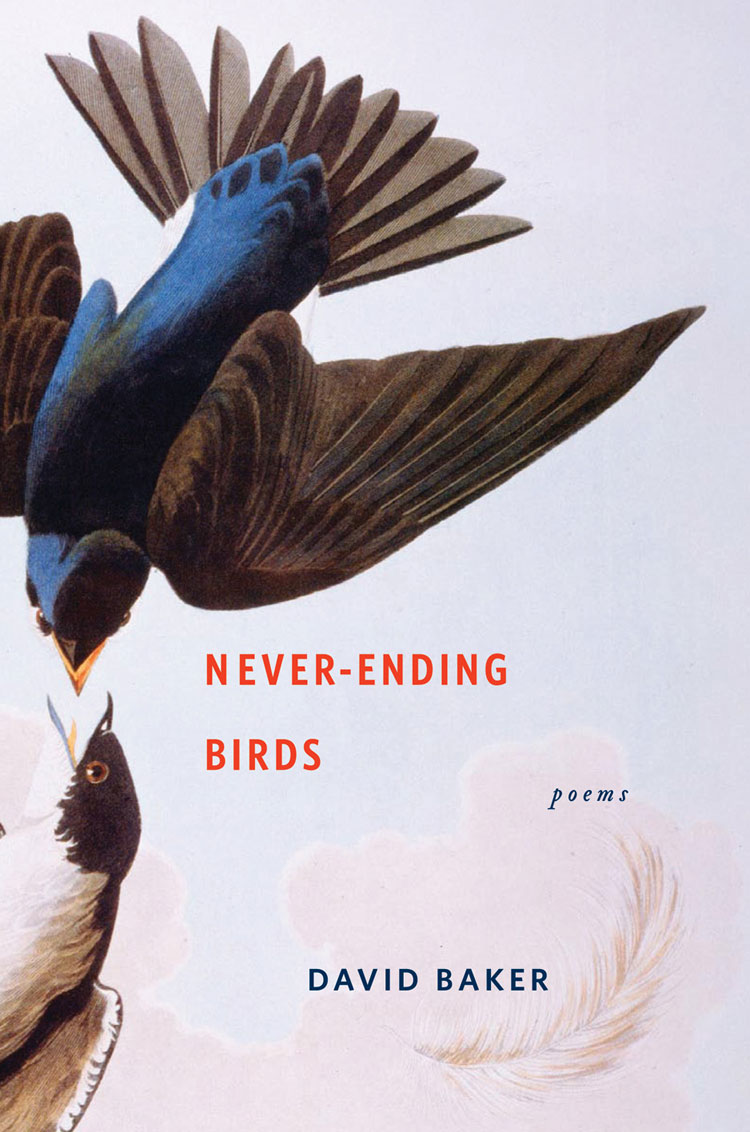
Never-Ending Birds by David Baker; design by Lynn Buckley; jacket illustration: Swallows by Audubon, The Granger Collection (W. W. Norton / October 2009)
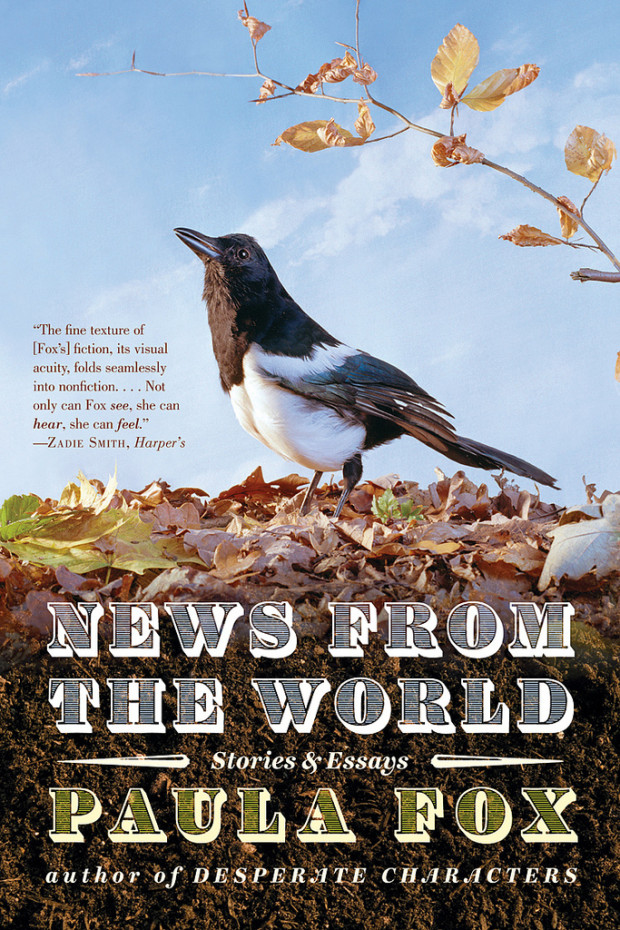
News from the World by Paula Fox; design by Roberto De Vicq de Cumptich (W. W. Norton / May 2011)
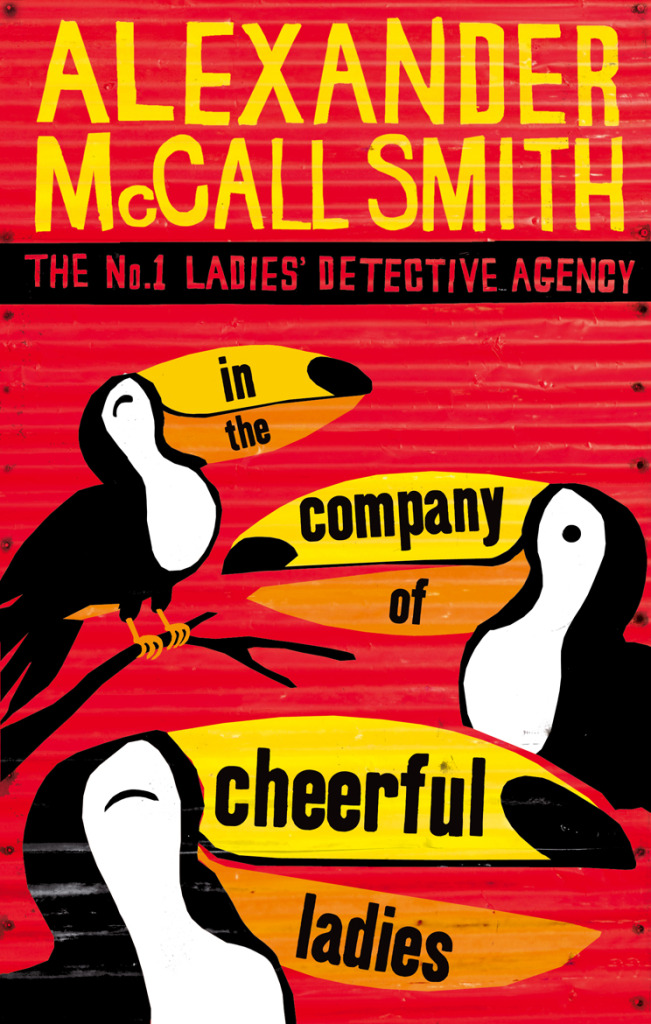
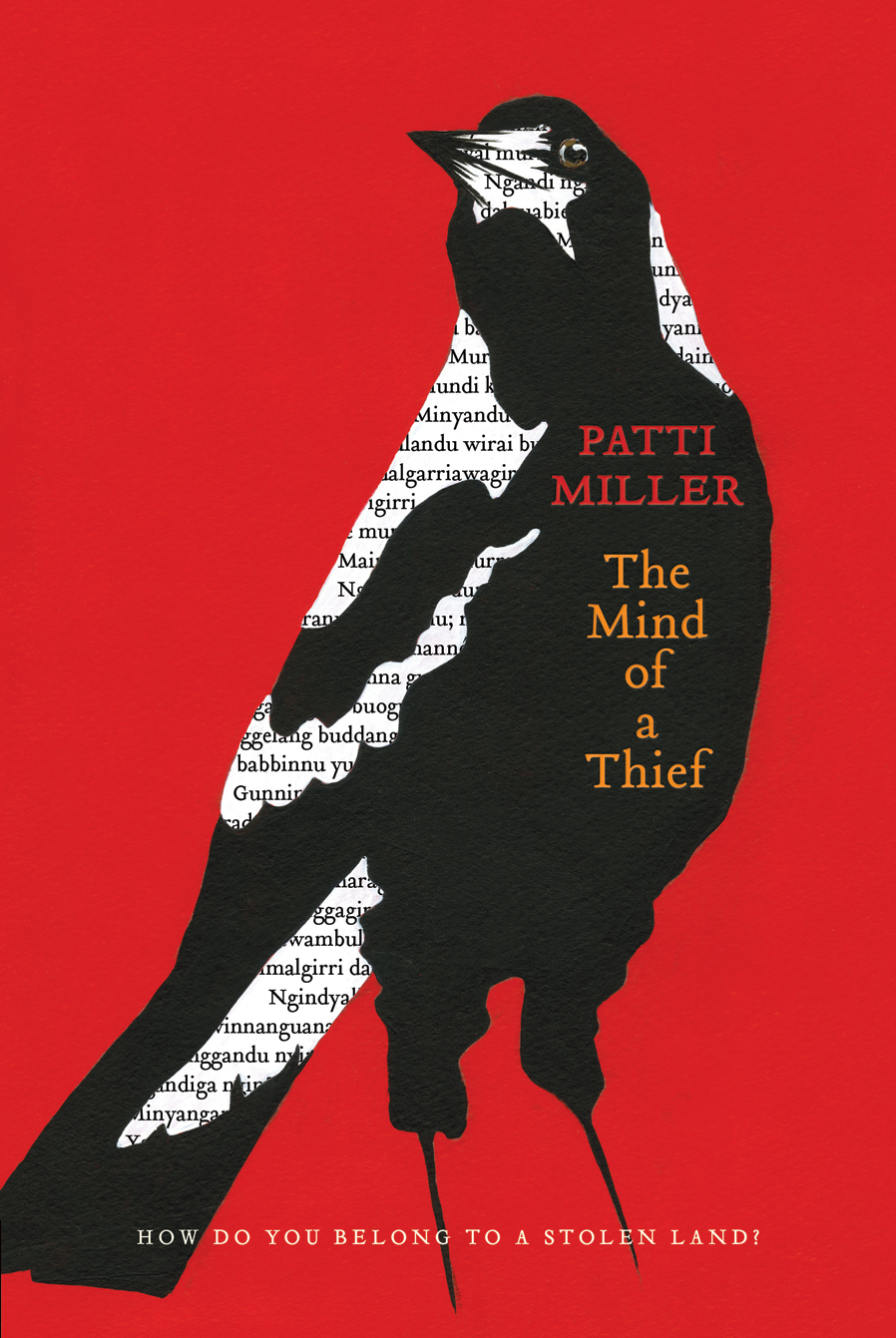
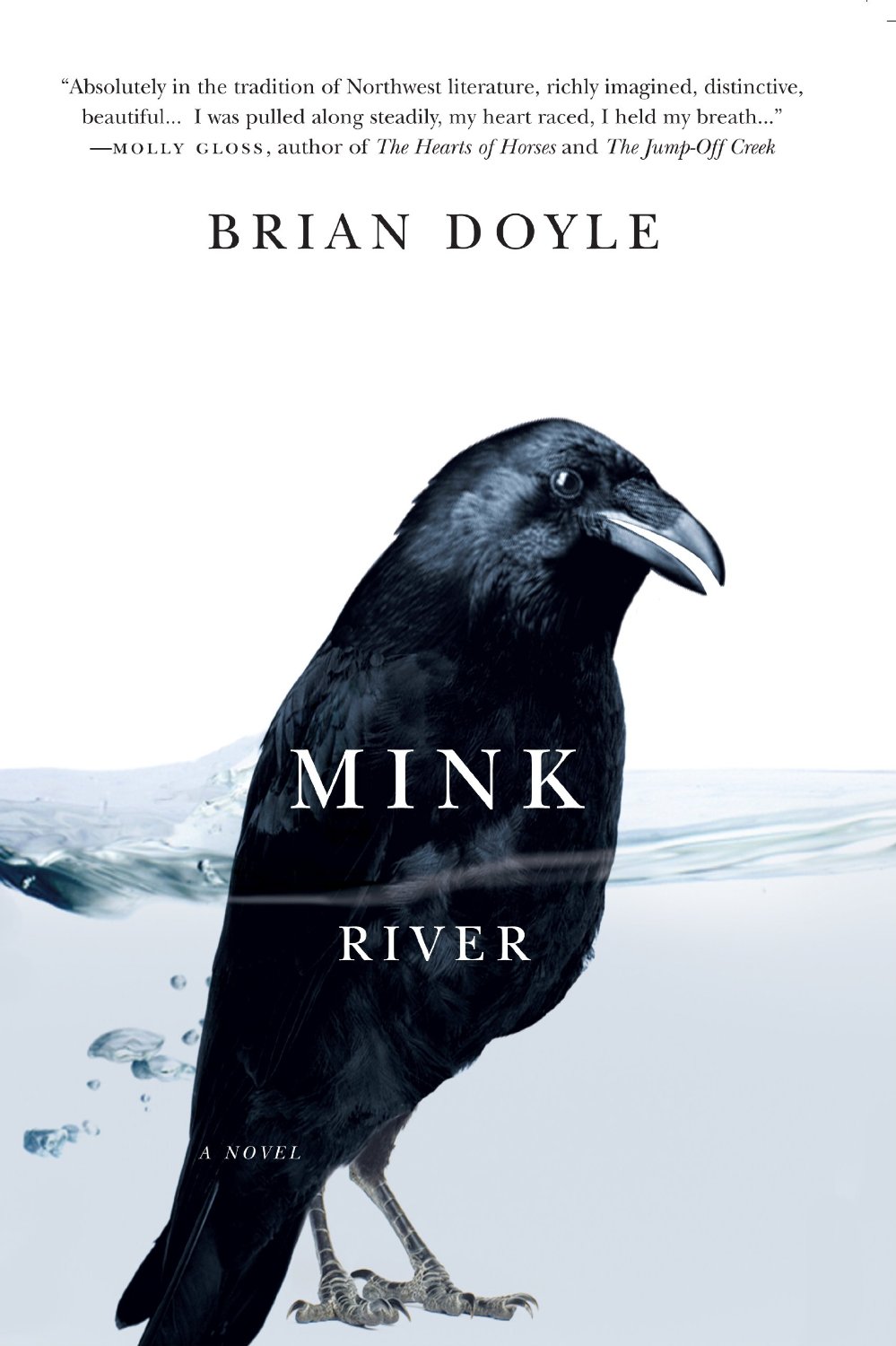
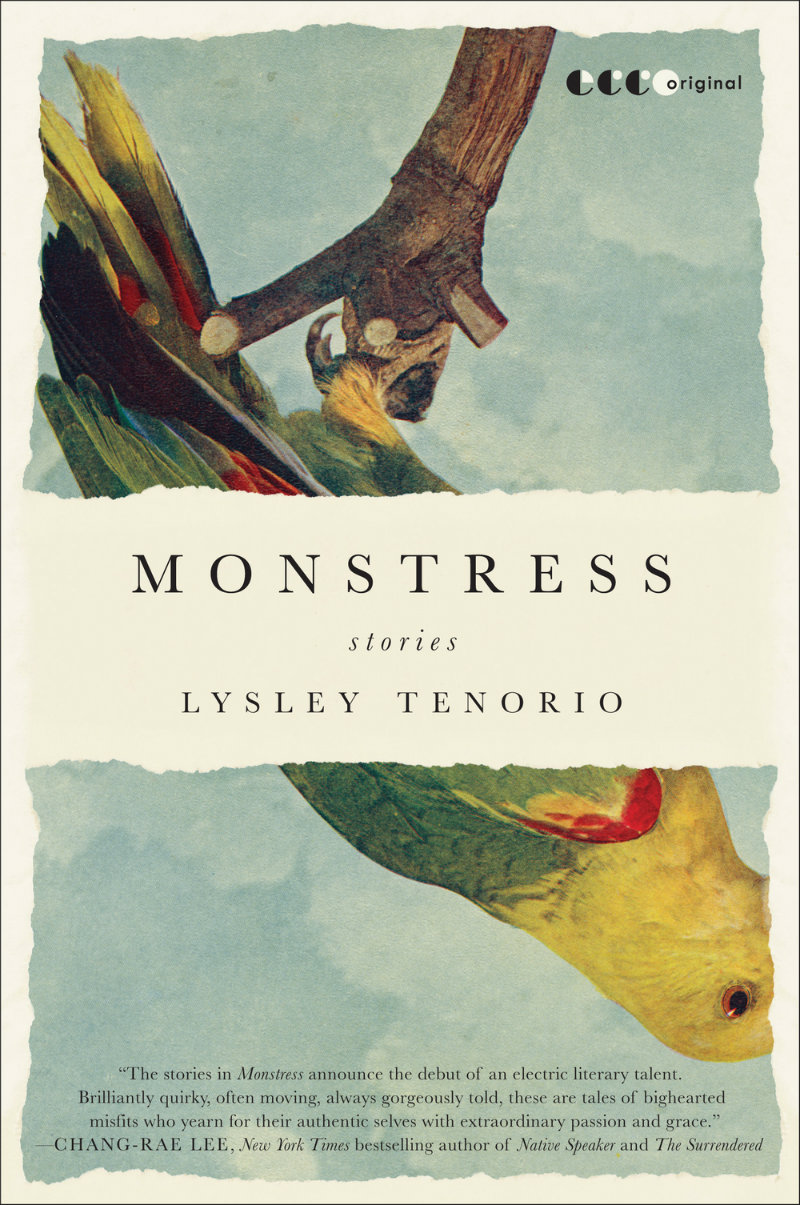
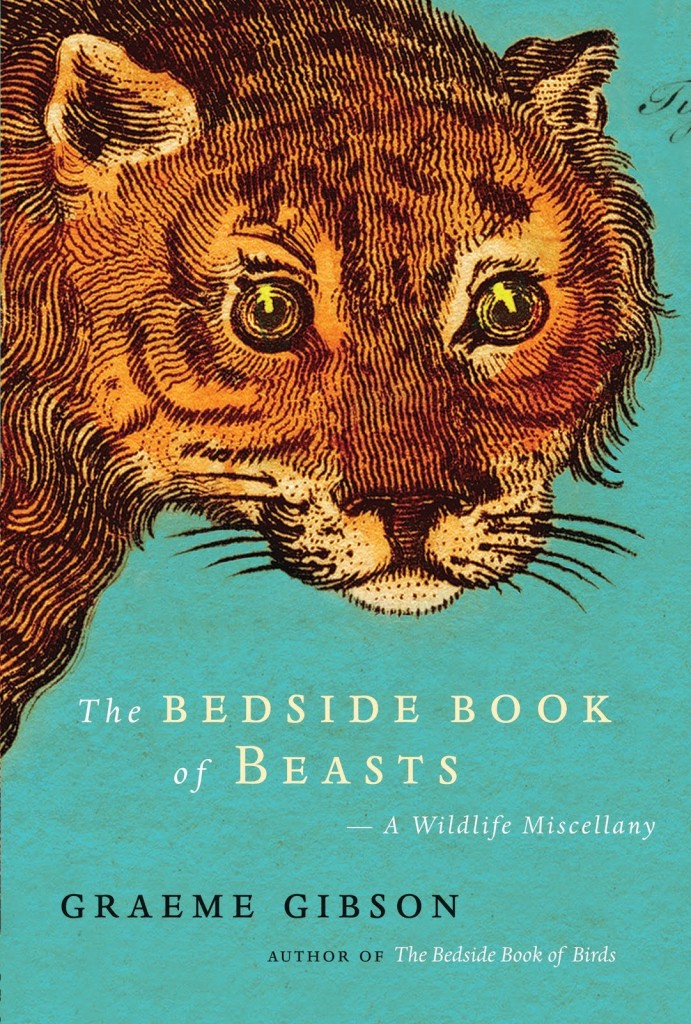
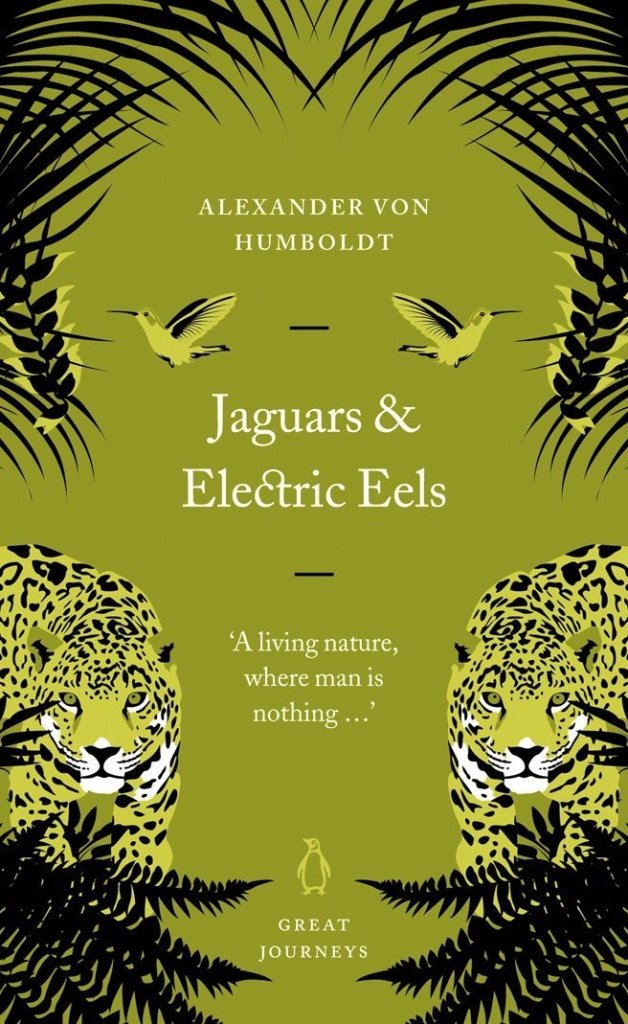
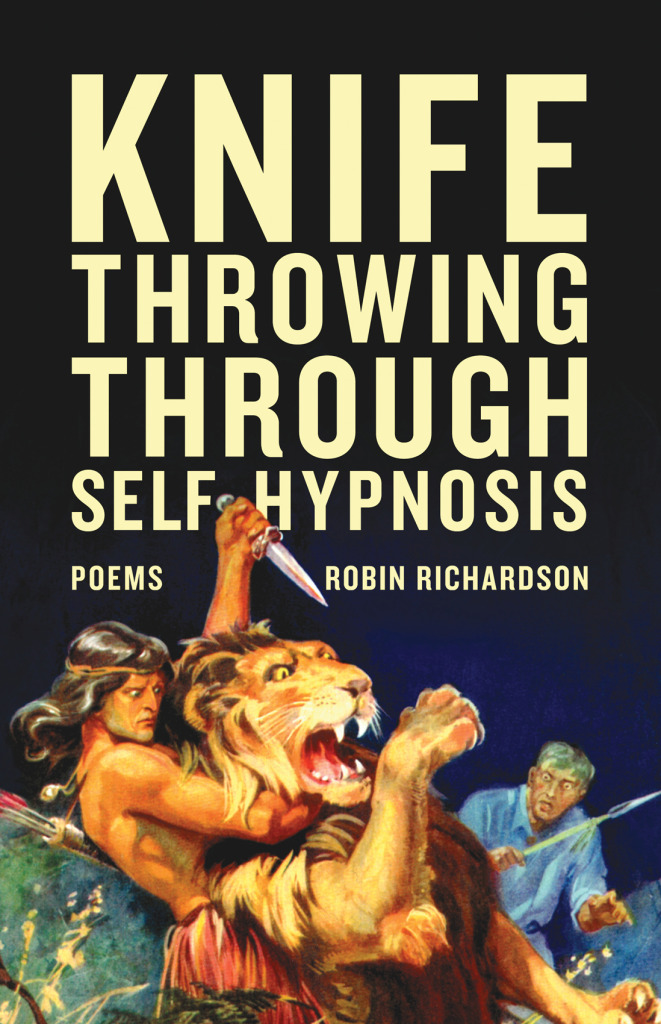
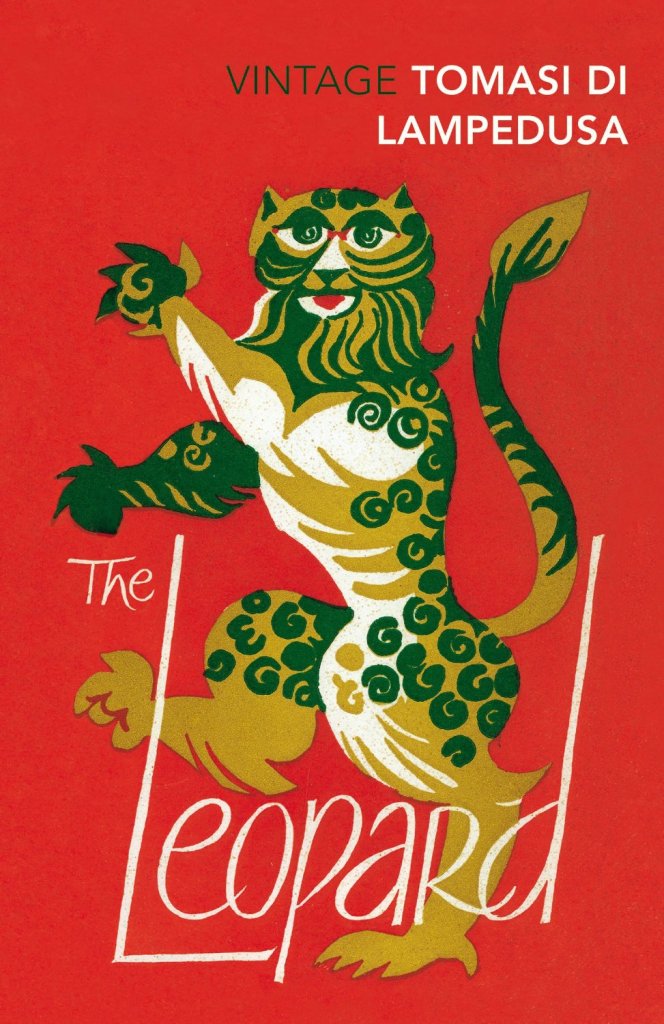
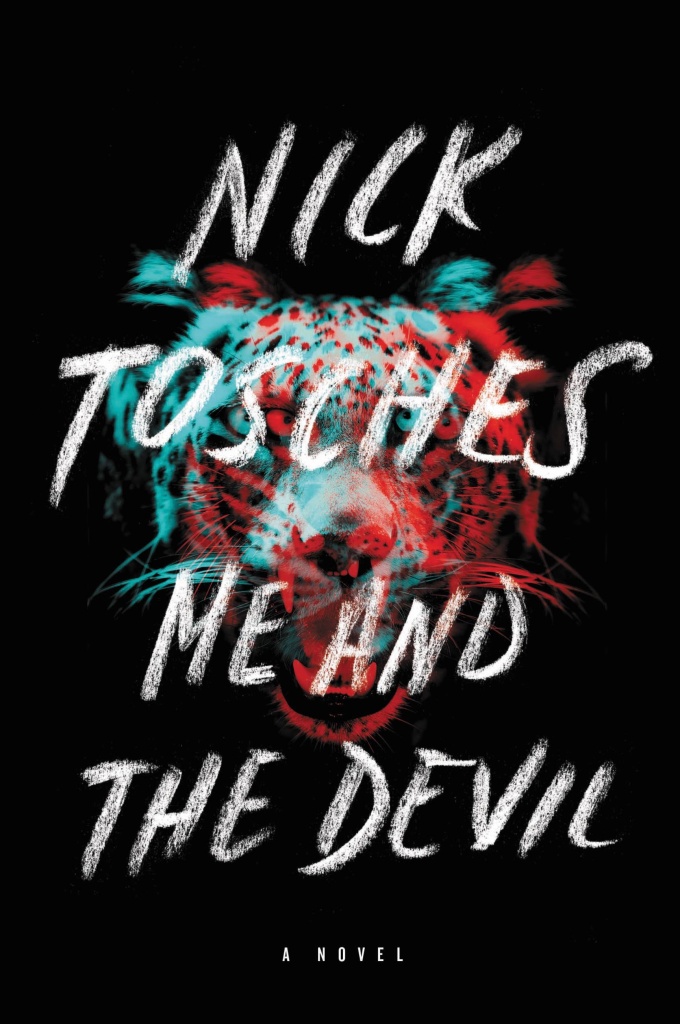
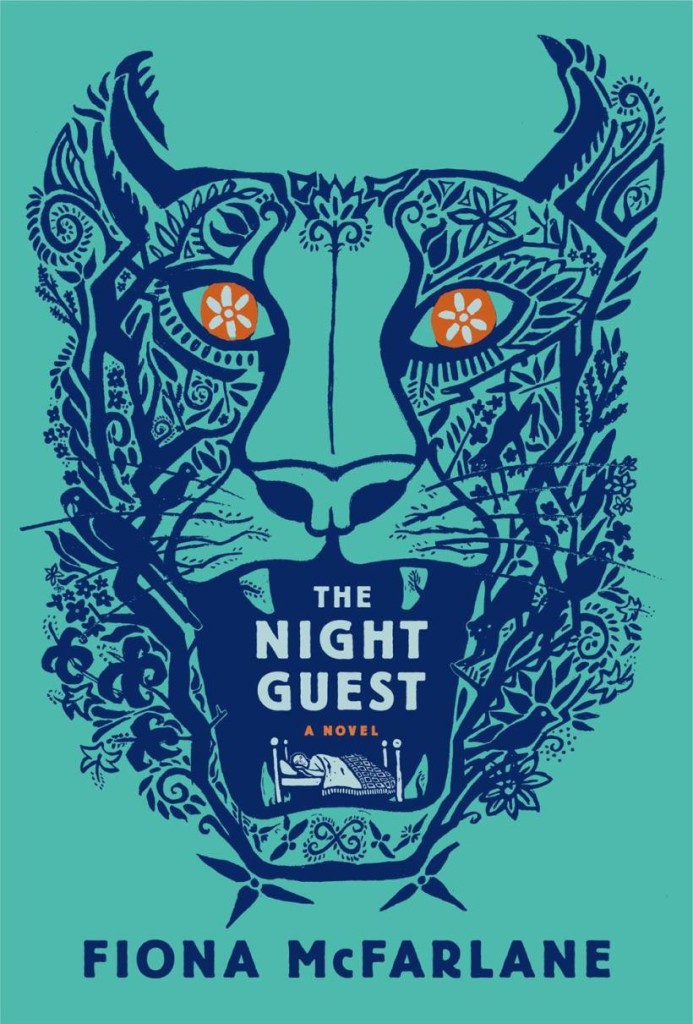
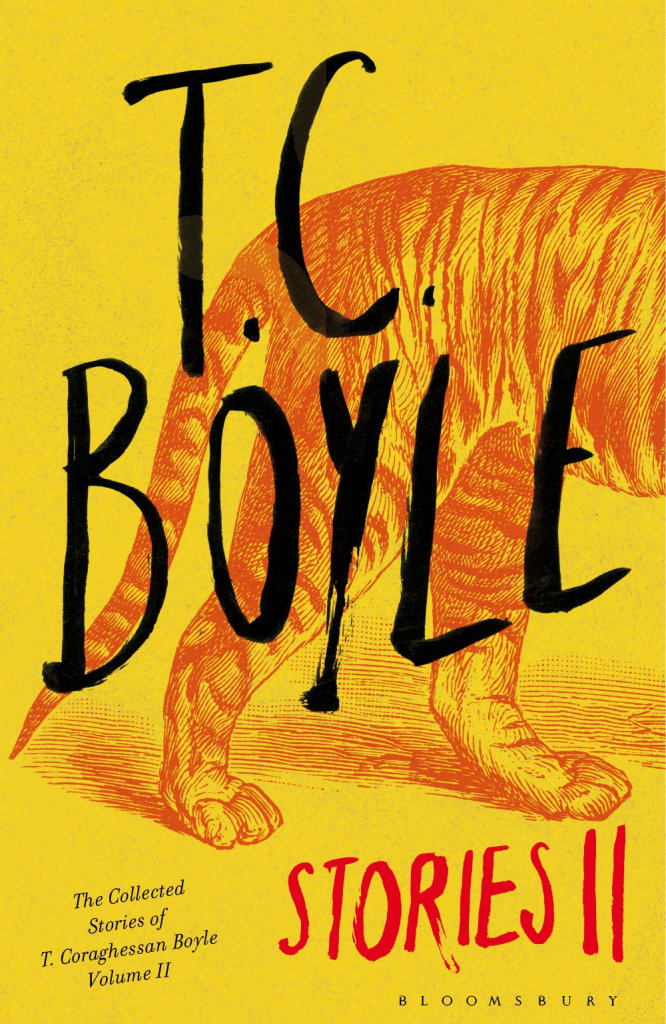
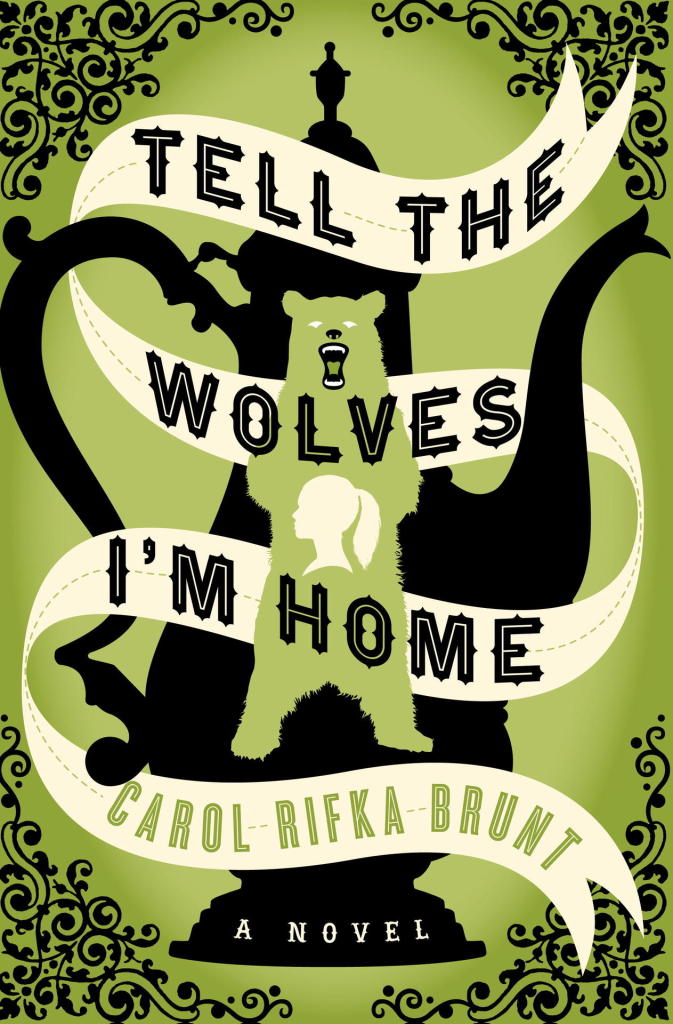
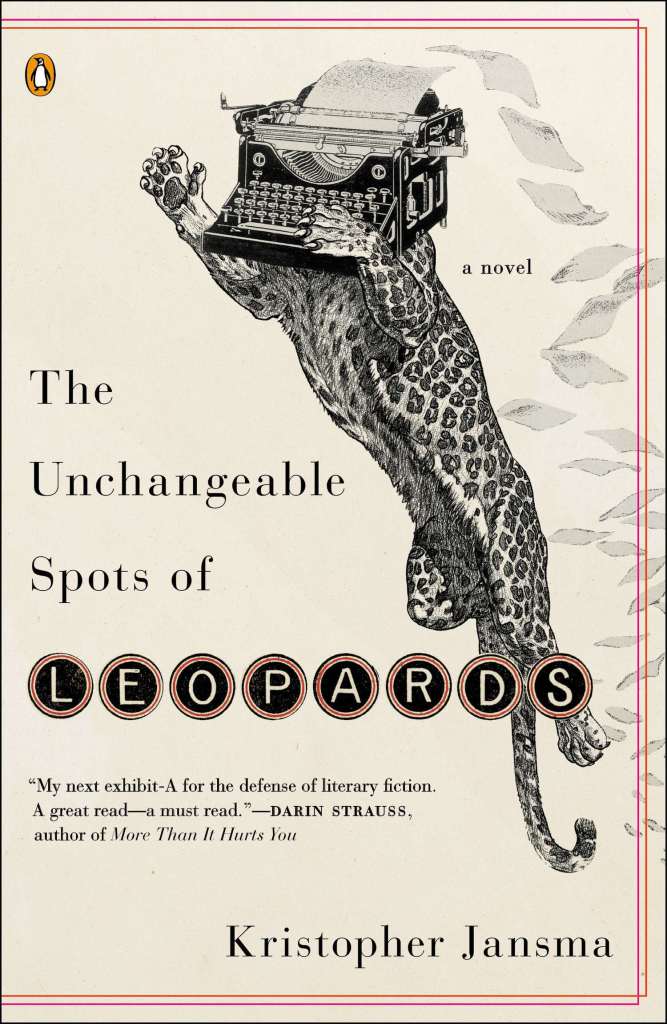
Lions and tigers and bears! Oh my! I’m kicking off a new series today on animal book covers. The first post is on ‘beasts’ — mostly ‘wild’ beasts, but one or two more domesticated (and dead) animals may have nosed their way in. Other posts series will look at birds, bugs, reptiles and amphibians, and quite possibly sea creatures and farm animals (unless someone pays me a large amount of money to stop before that). Thanks to all the designers, ADs, publicists and others who have been helping me with images and credits. If you notice that some information about a cover is missing, please let me know.
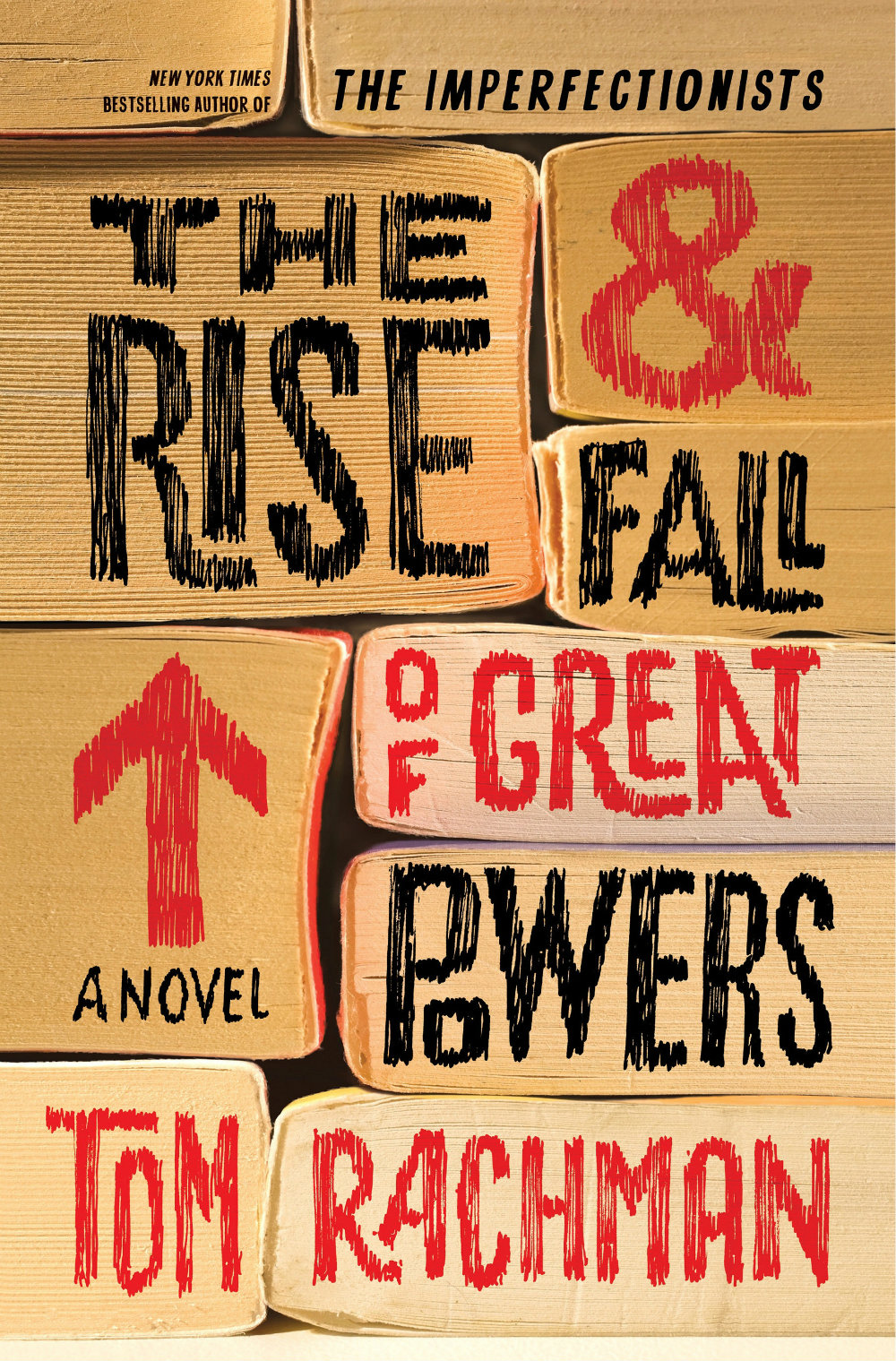
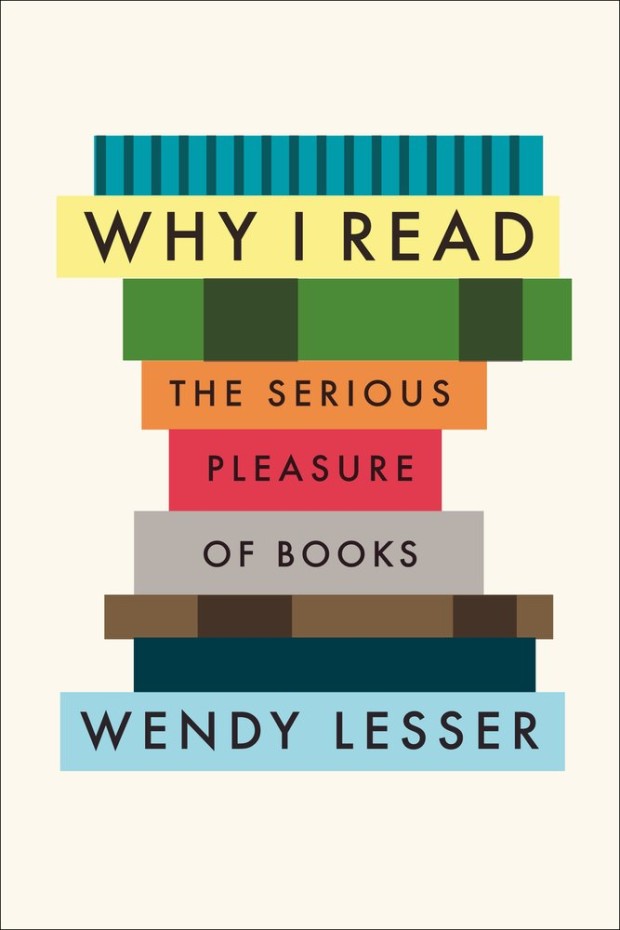
It started, innocently enough, with a tweet from my friend Steven Beattie, book review editor of Canada’s Quill & Quire magazine, about the cover of The Most Dangerous Book, Kevin Birmingham’s new ‘biography’ of Ulysses by James Joyce, designed by Ben Wiseman (Penguin June 2014).
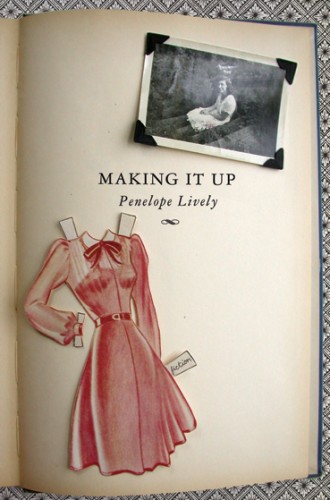
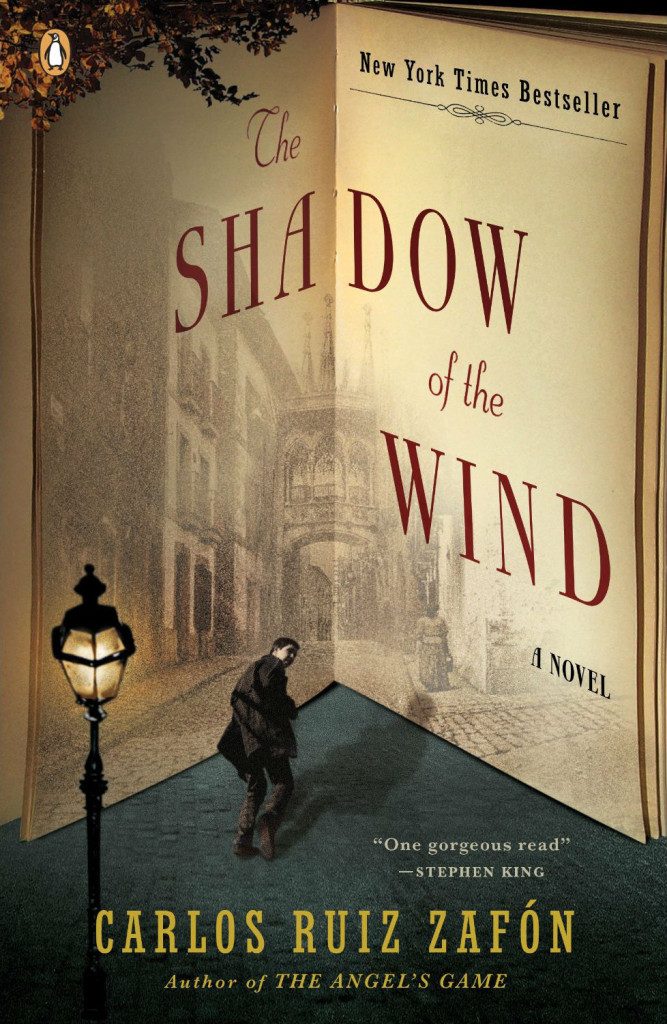
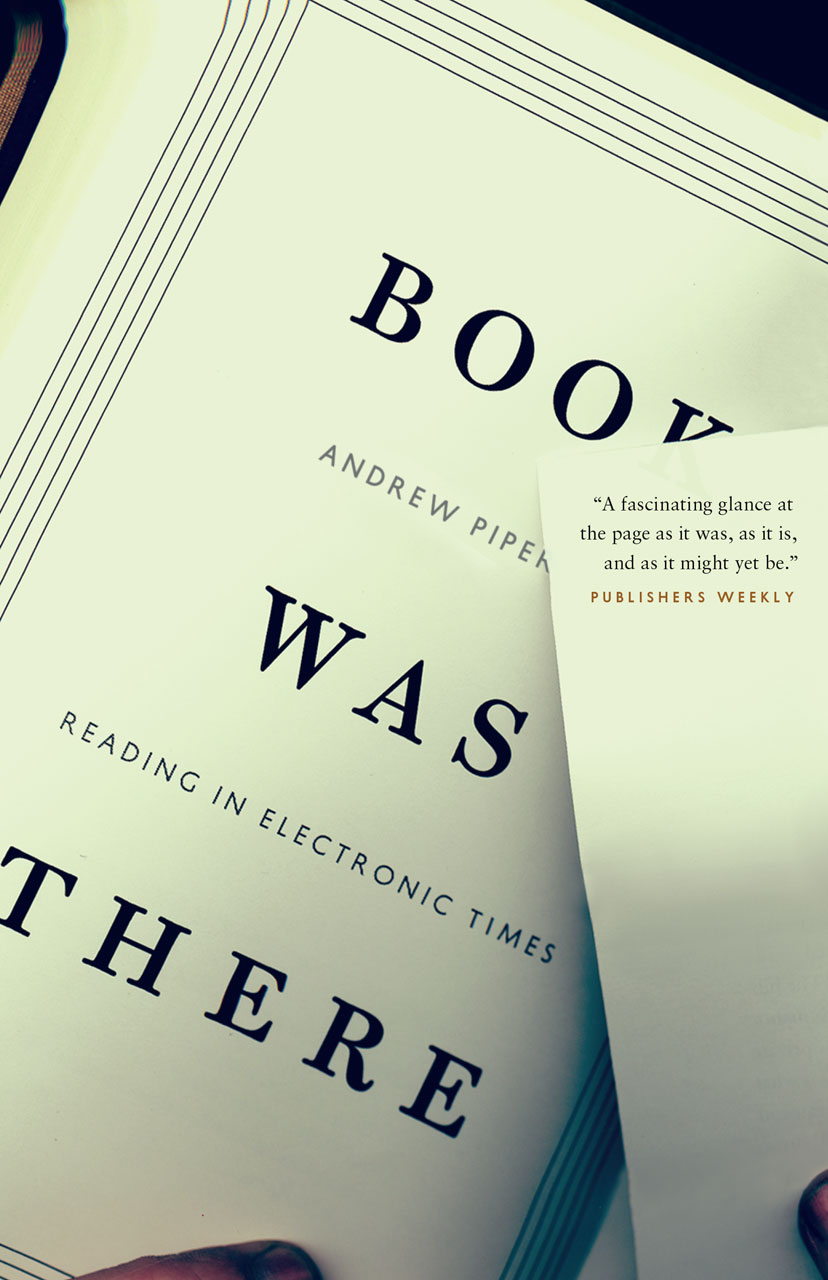
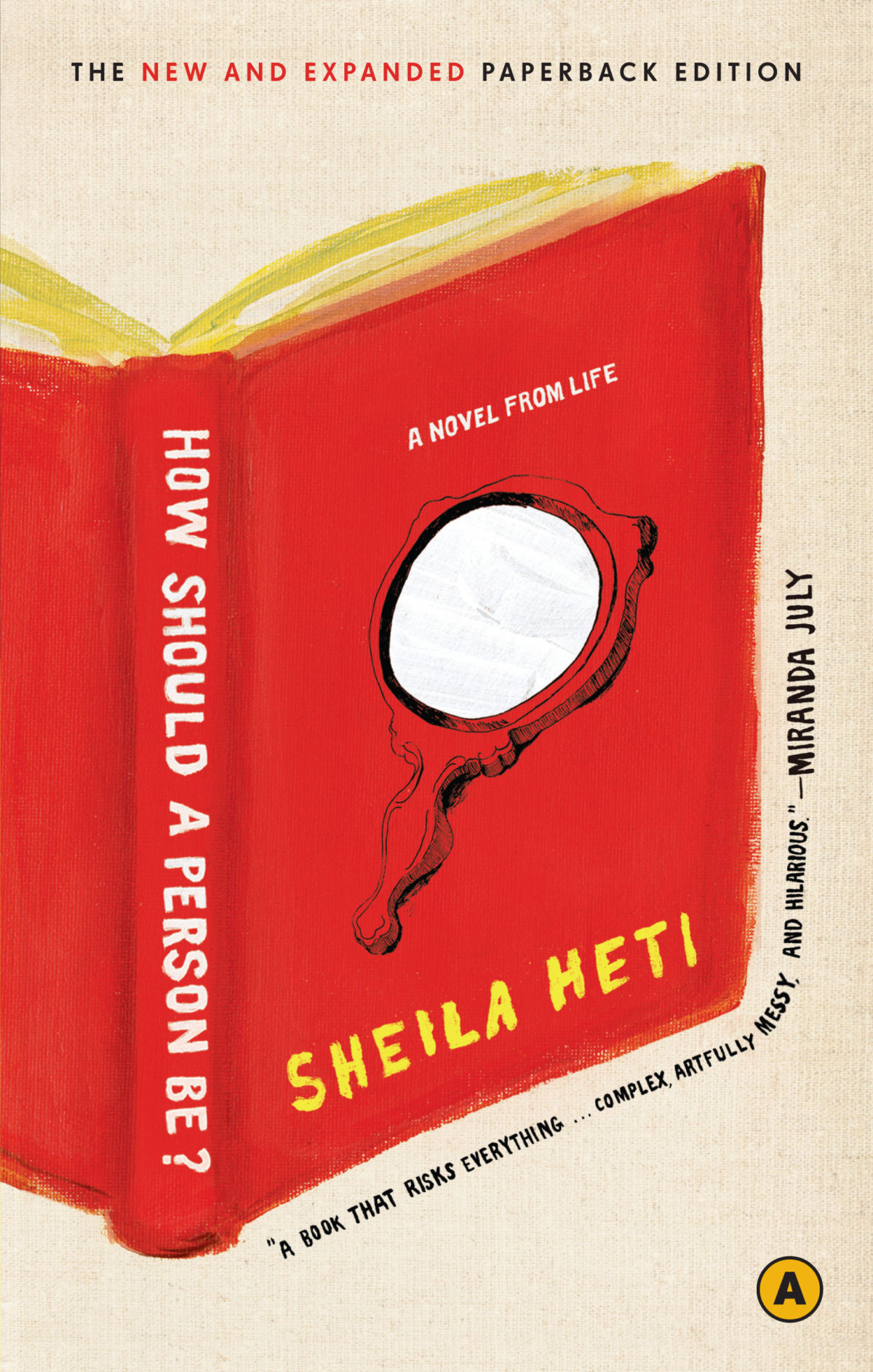
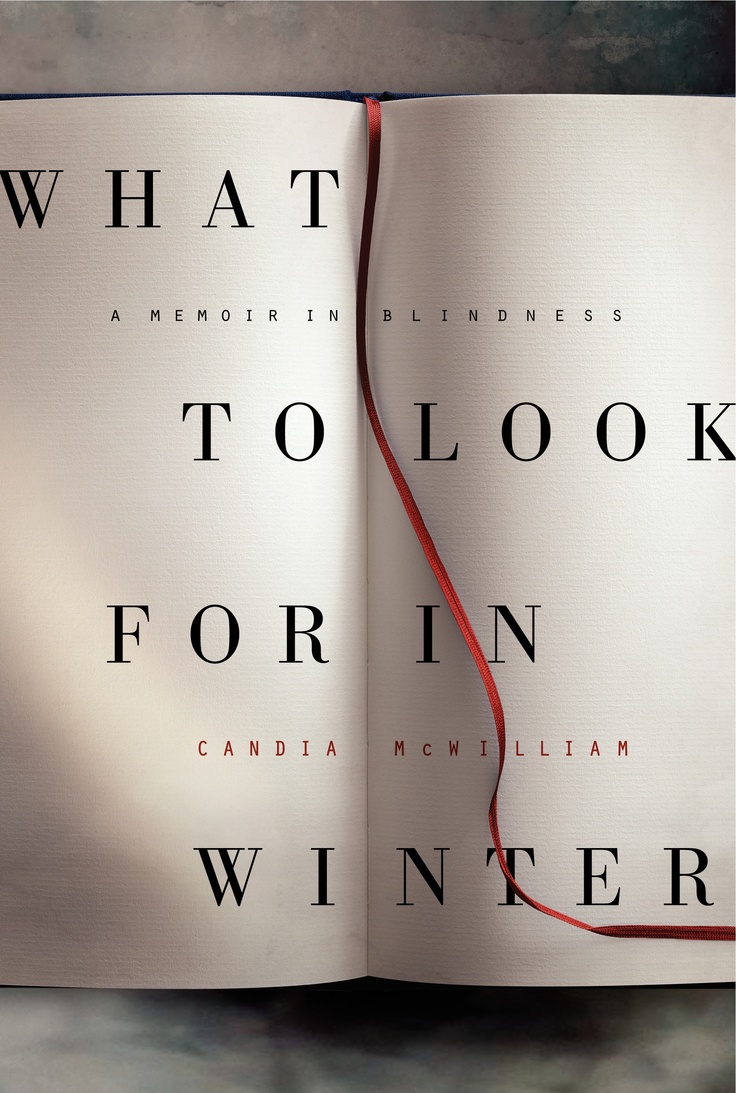
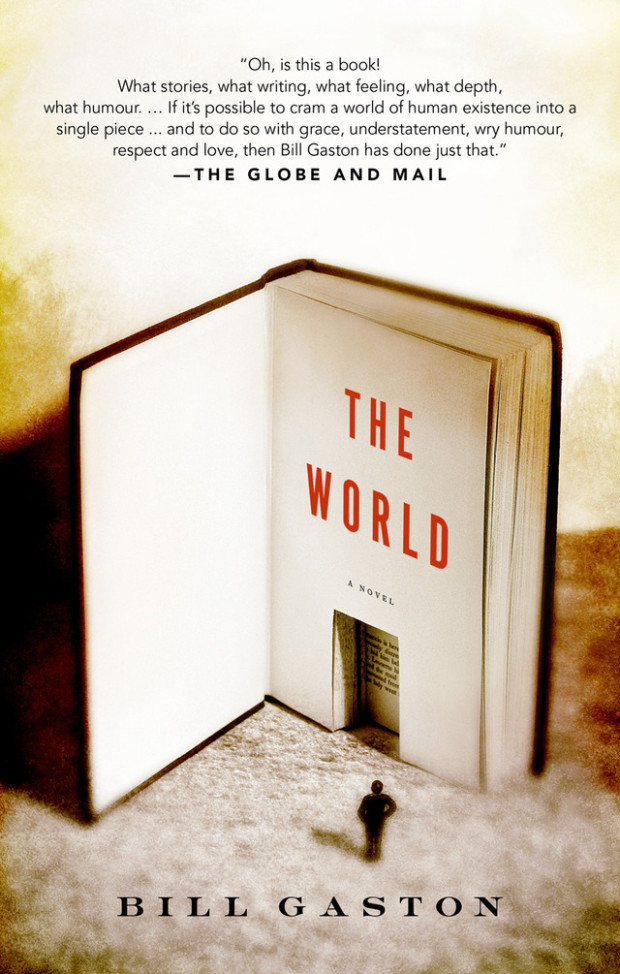
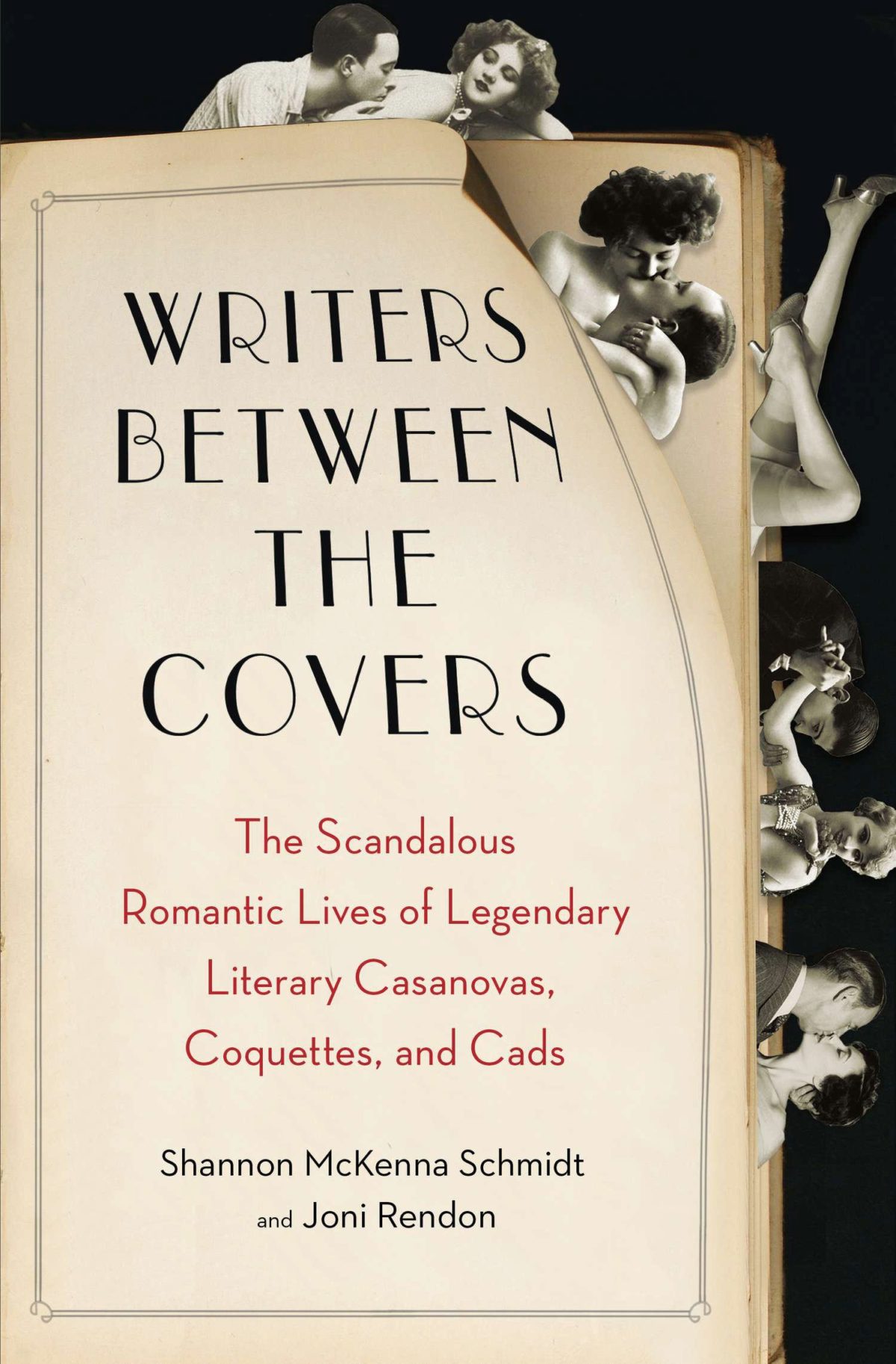
That sparked a conversation with designer David Gee and Joseph Sullivan of The Book Design Review about books on book covers. Joe wrote a a post on the subject in 2009 on the subject, and I rather naïvely thought it would be easy (EASY!) to post a few contemporary examples of the trend, completely underestimating what an undertaking such a project would become.
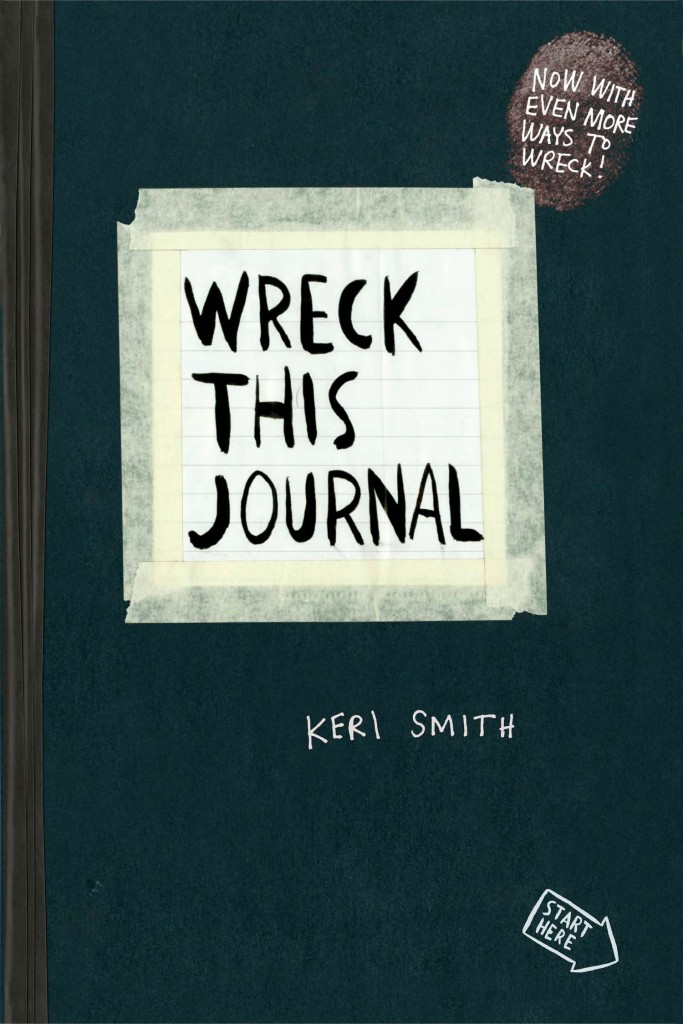
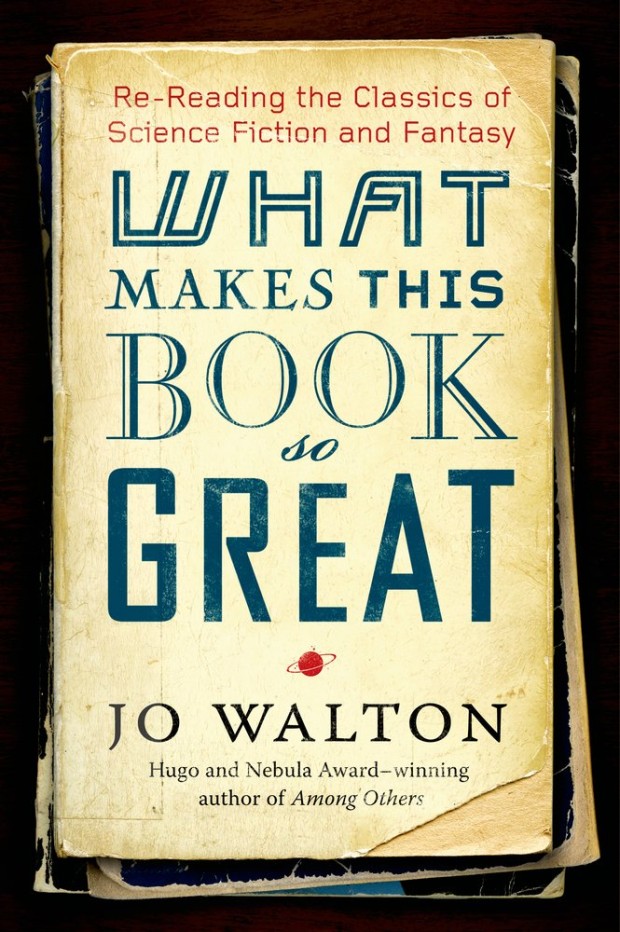
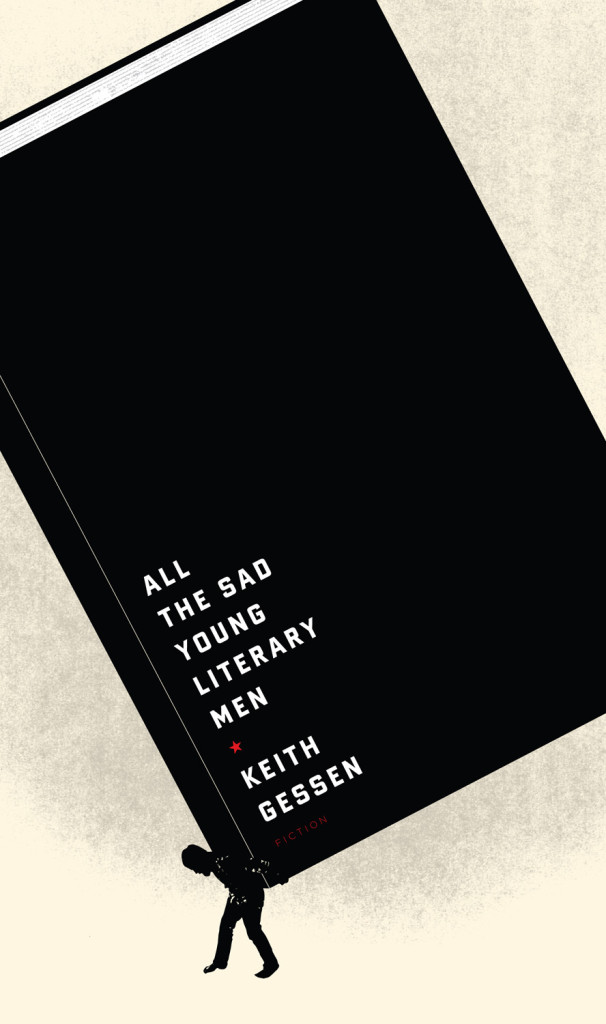
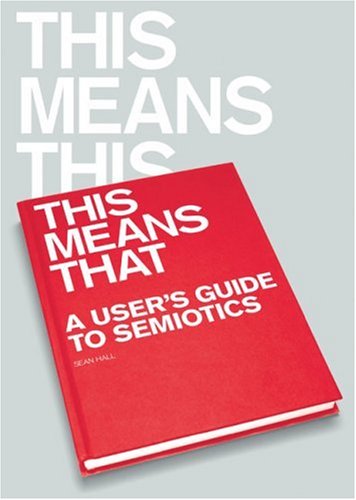
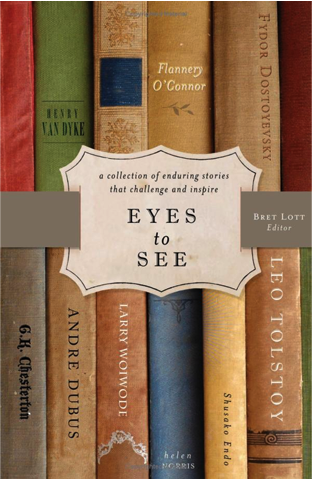
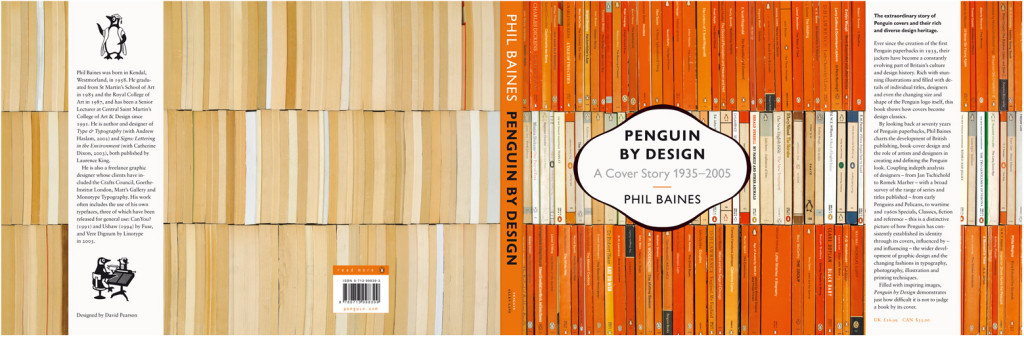
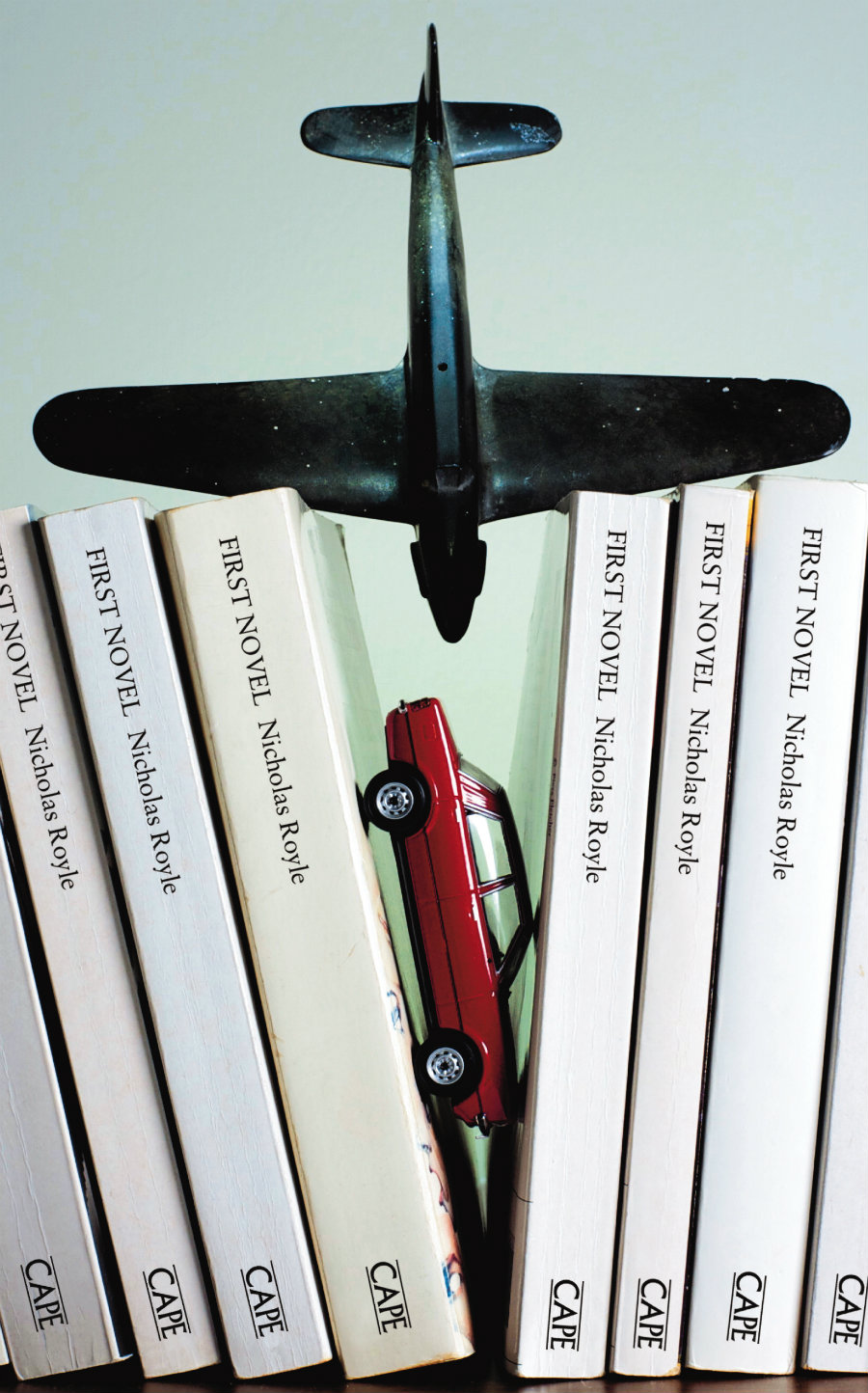
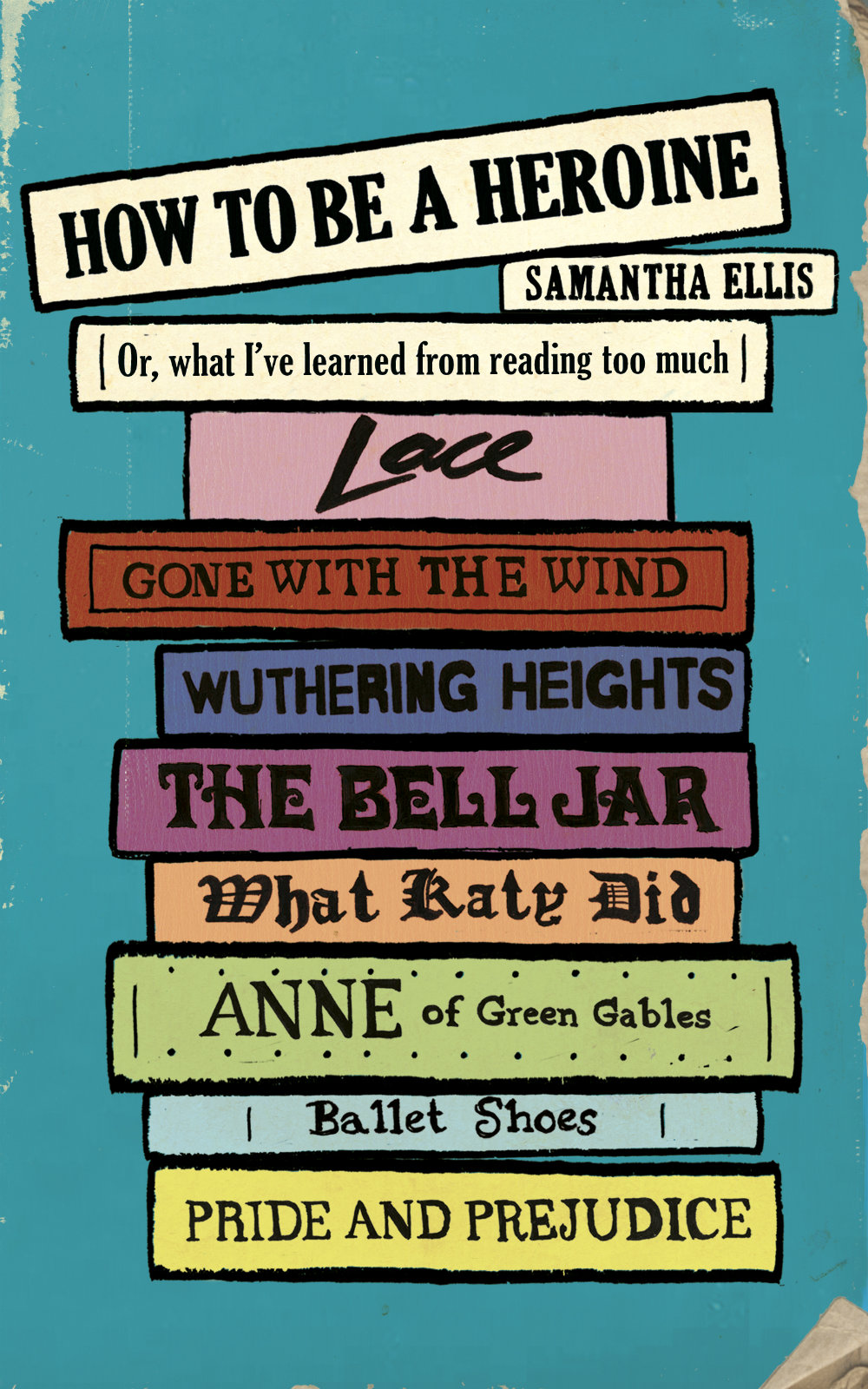
What follows is an attempt to showcase some of different ways designers incorporate books into their cover designs. Along side covers from the past five years, I’ve included some earlier examples from Joe’s post, and this post about ‘meta-covers’ from HTML Giant. Many of the images of the older titles are small (and some are just not very good), but where I have been able to source a larger image, I’ve included it at full (or close to full) size. I’m indebted to the Book Cover Archive, which is still an invaluable resources after all this time, Ferran Lopez‘s (also mothballed) Jacket Museum, and all the designers and book folk who sent me cover images, and helped me in numerous other ways. Thank you. This isn’t comprehensive survey but, to be honest, I had to stop somewhere…
The Knowledge by Lewis Dartnell; design by Kris Potter (Penguin April 2014) Priceless by William Poundstone; design by Jennifer Carrow (Hill & Wang January 2010)
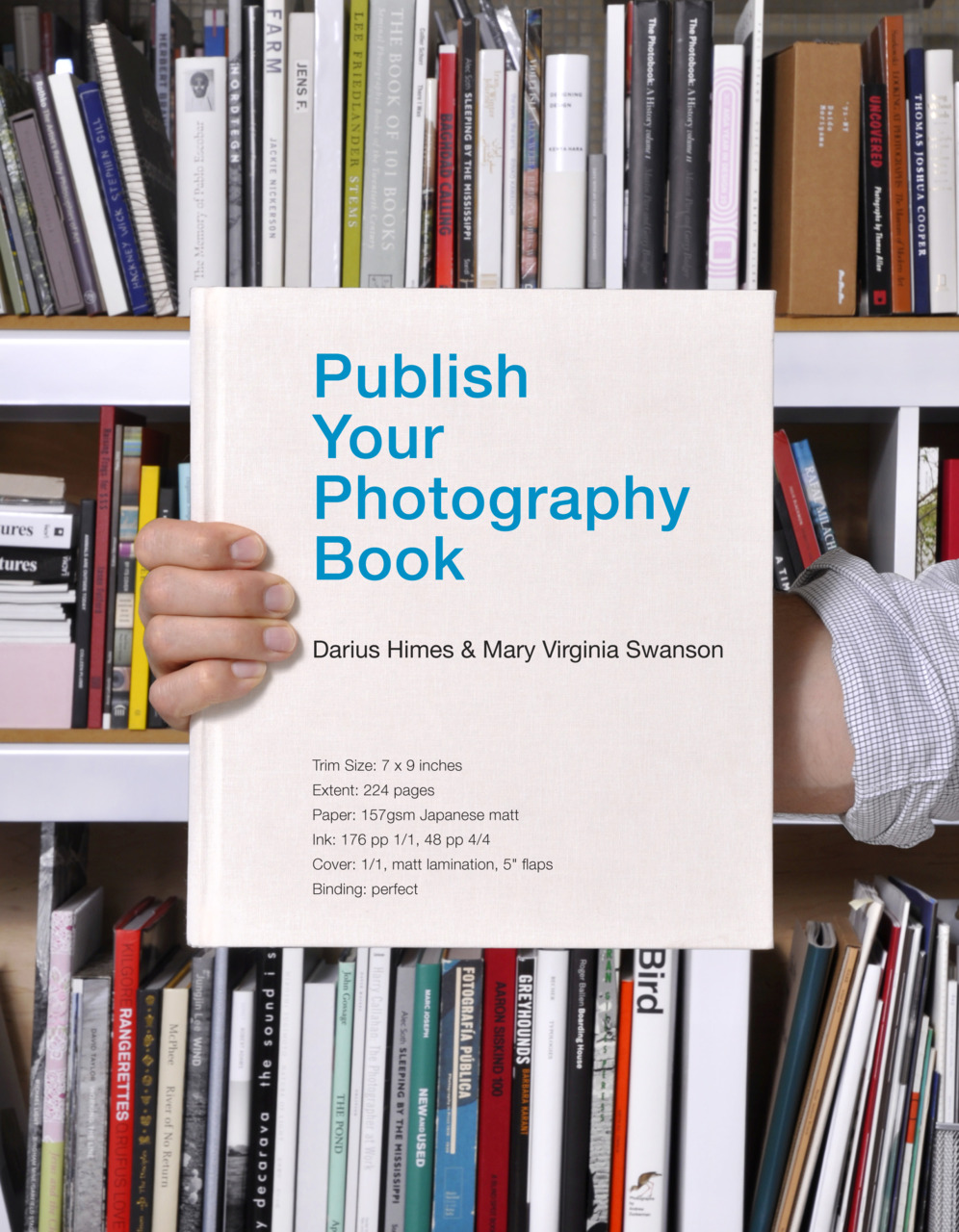
Publish Your Photography Book by Darius D. Himes & Mary Virginia Swanson; design by David Chickey & Masumi Shibata (Princeton Architectural Press March 2011)
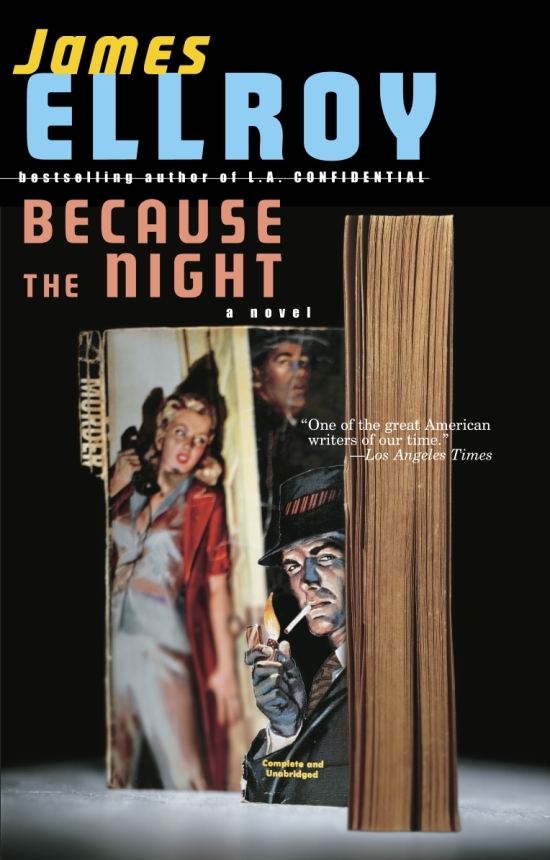
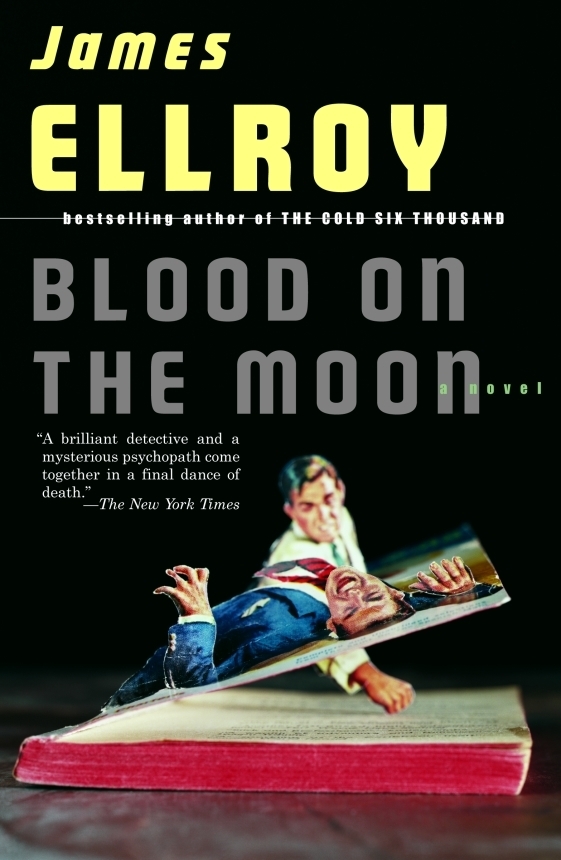
And those of you with a good memory will remember Chip Kidd used also art by Thomas Allen for a series of James Ellroy titles publisher by Vintage in the US: