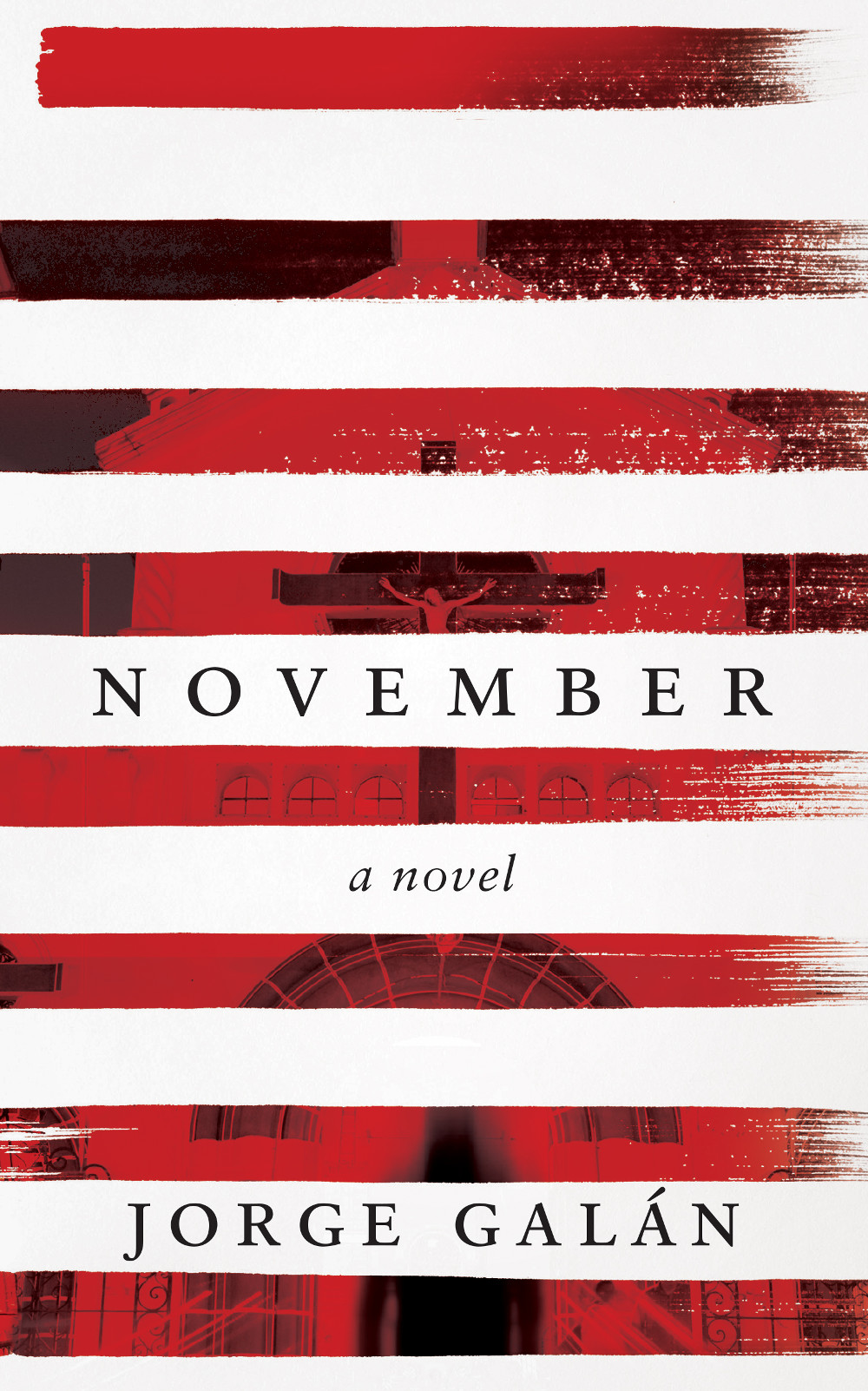
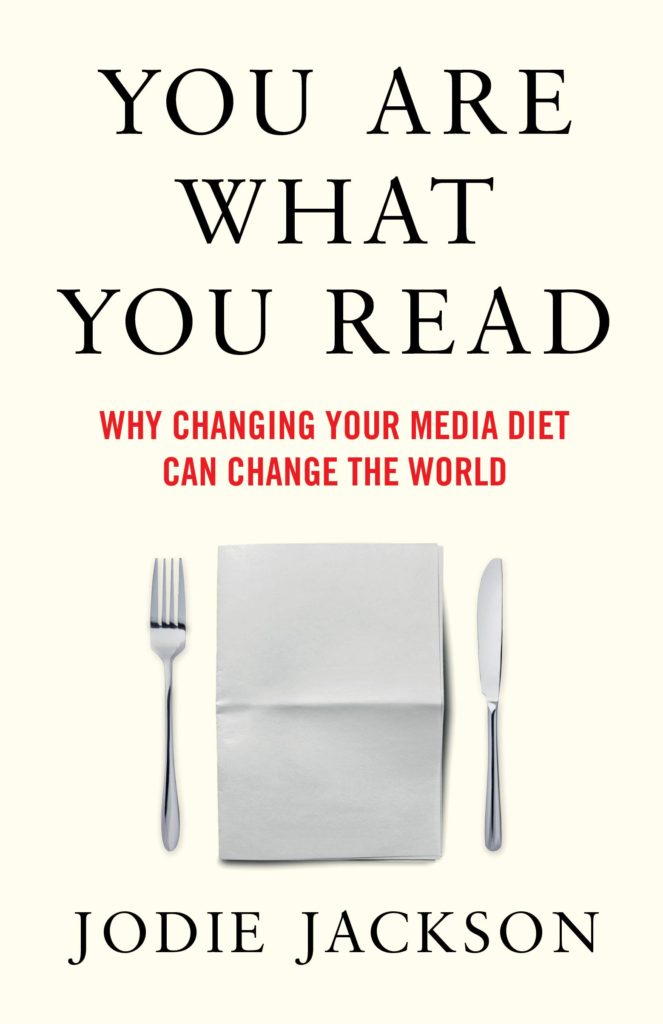
Here are your August book covers of note. Another good month, I think?
The Bell Jar by Sylvia Plath; design by Gray318 (Faber & Faber / July2019)
This is apparently available now (according to Faber’s Instagram at least!), but I haven’t been able to find it online. If anyone cares to share the ISBN, I will try to add a link.
The new design is inspired by the 1966 cover designed by Shirley Tucker.
This is an interesting change in direction from the cover of The Infatuations by Javier Marías designed by Isabel Urbina Peña and published by Knopf in 2013.
(The UK covers for Javier Marías’ novels published by Hamish Hamilton are photographic. If anyone can supply me with the design/photo credits, I’d be happy to add them in here for reference!).
Thank you to the good folks on Twitter who helped me identify the designer and then the typeface. It turns out the type is “Lydia” from Colophon Foundry — a revival of the Bold Condensed styles of (you guessed it!) Lydian.
Tree also designed the cover of the UK edition published by And Other Stories last year. She wrote about the process of designing both covers for Spine not so long ago (they really are doing a better a job of this than me, aren’t they?).
Michel has also dusted off his comics publishing endeavour Black Eye Books if you’d like to support him. There is a new book by Jay Stephens planned for next month.
Swishy retro fonts are definitely a ‘thing’ now. In this instance I believe the font is Cabernet JF — an unofficial revival of Benguiat Caslon — which has been mentioned here before. The sans is Futura of course. I rather rashly went on record not so long ago saying Futura is a little overused on university press covers (much to the chagrin of Robert Bringhurst!), but I think it works here.
(There is probably a post to be had of covers that feature ‘guns’ made of other things. Although I’m struggling to think of any other examples off the top of my head, so maybe I’m thinking of artworks and/or magazine covers? Or just imagining it?)
I would have have a hard time telling you which country these covers came from if I didn’t already know. Using the US spelling “Travelers” on the UK cover confuses the issue, but I don’t think either cover looks particularly American, which is kind of interesting. Michael Morris recently discussed his version with Spine.
The cover of the UK edition of Turbulence, published at the end of last year by Jonathan Cape, reminded me of Anne Twomey’s 2015 cover for Munich Airport by Greg Baxter…
Interestingly, the barcode on the front of the UK edition actually works. You can read an interview from earlier this year with designer Rosie Palmer about the UK cover over at Spine.
Very Nice by Marcy Dermansky; design by Janet Hansen; ice rendered by Justin Metz (Knopf / July 2019)
Apparently it is June already. I’m pretty sure it’s a terrible mistake.
Here are your book covers of note.
Aug 9 — Fog by Kathryn Scanlan; design by Na Kim (Farrar Straus & Giroux MCD / June 2019)
Cogito by Victor Dixen; design by Jim Tierney (Collection R / May 2019)
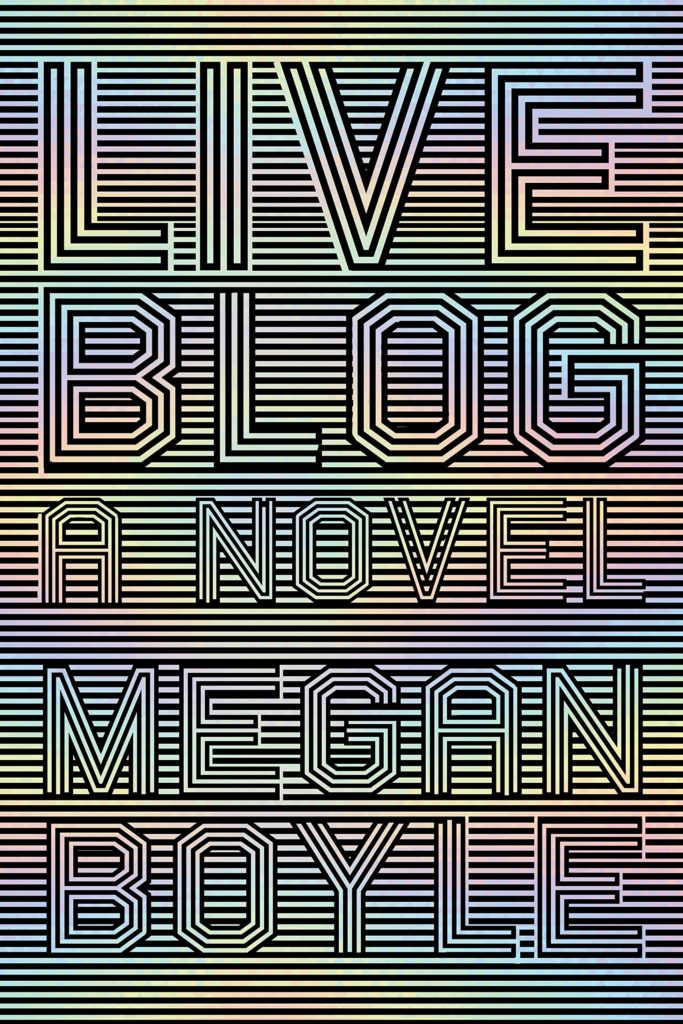
This reminded me of something. I’m not sure exactly what. The best I could up with was Nicole Caputo‘s stripey op-art cover for Liveblog by Megan Boyle, but that’s not it at all…
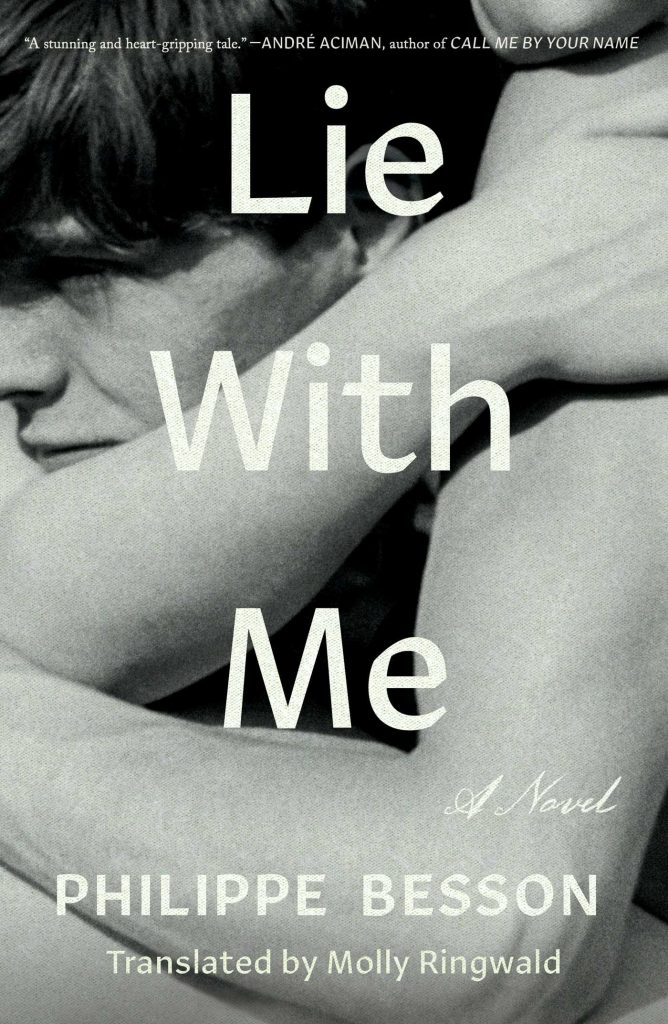
The Girl at the Door by Veronica Raimo; design by Julian Humphries (Fourth Estate / June 2019)
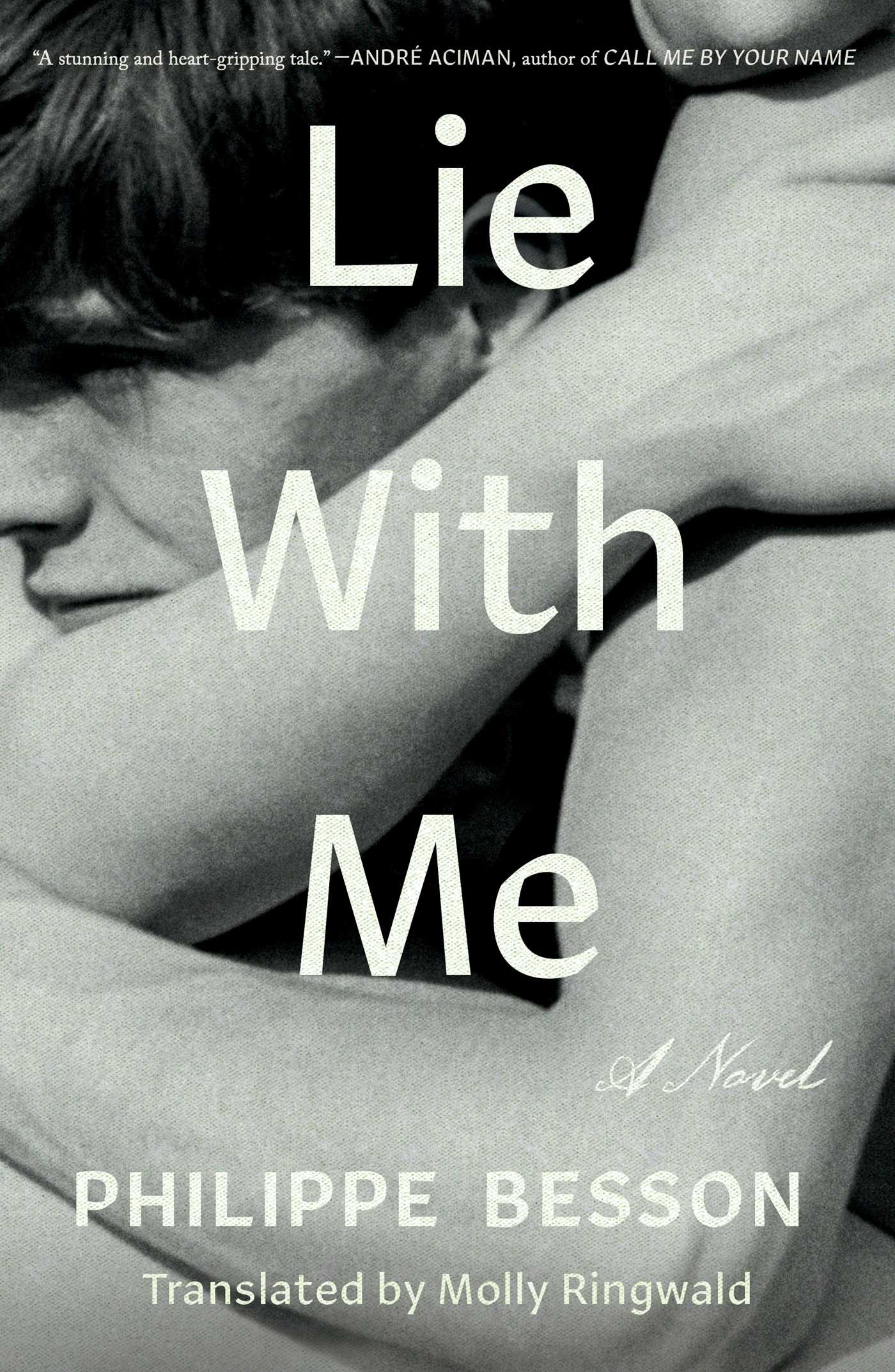
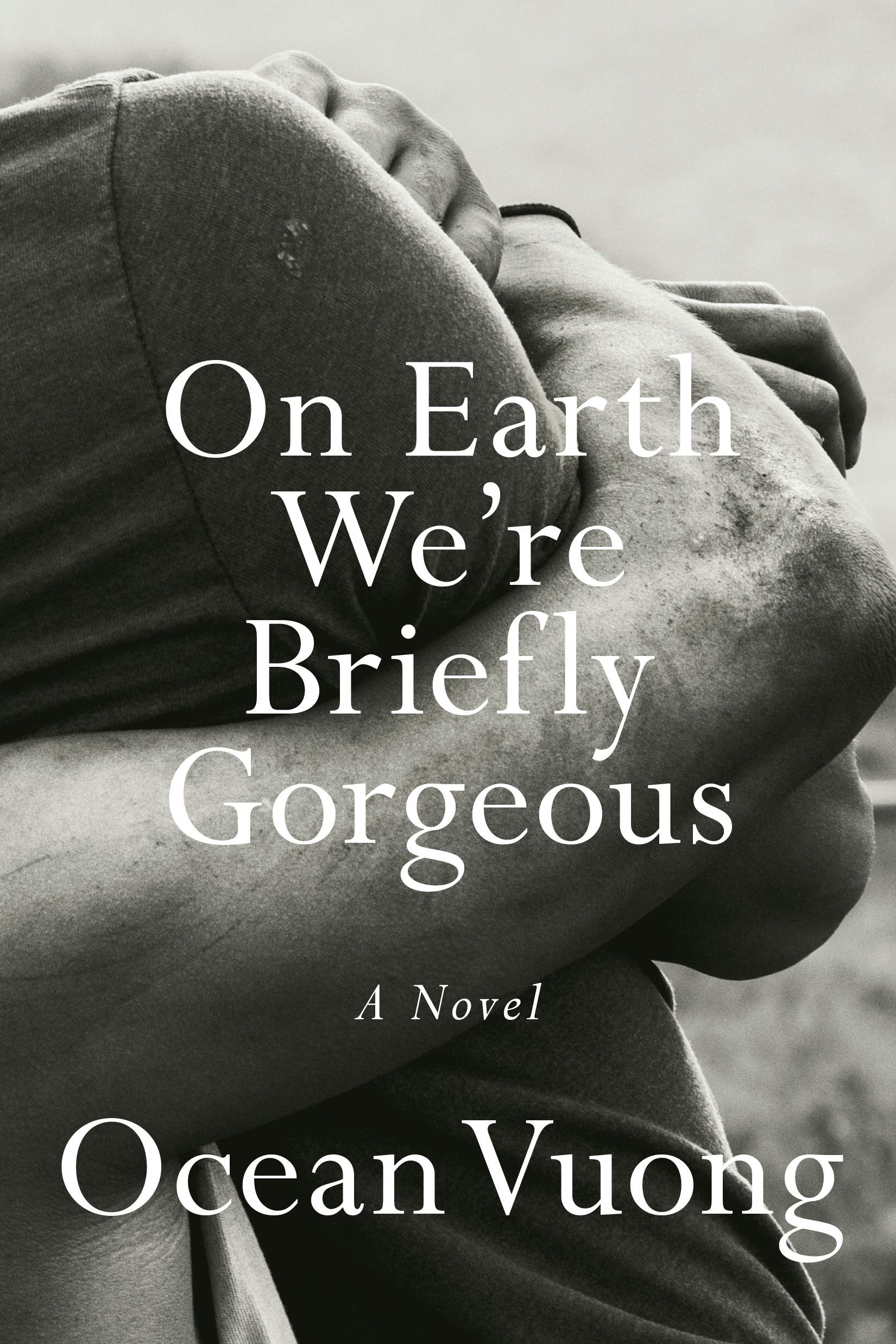
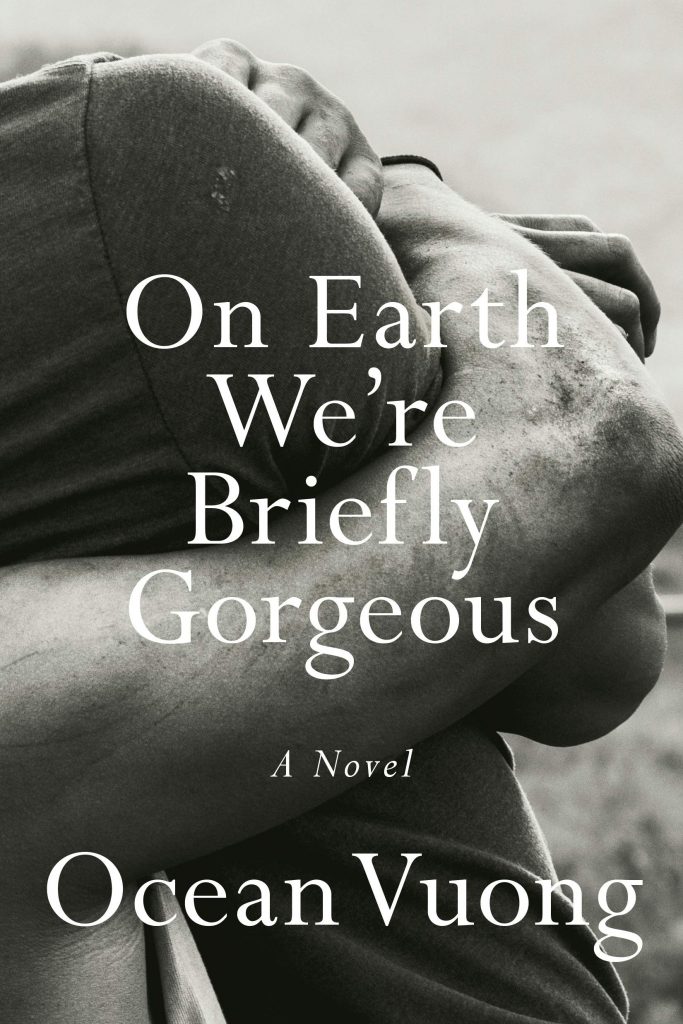
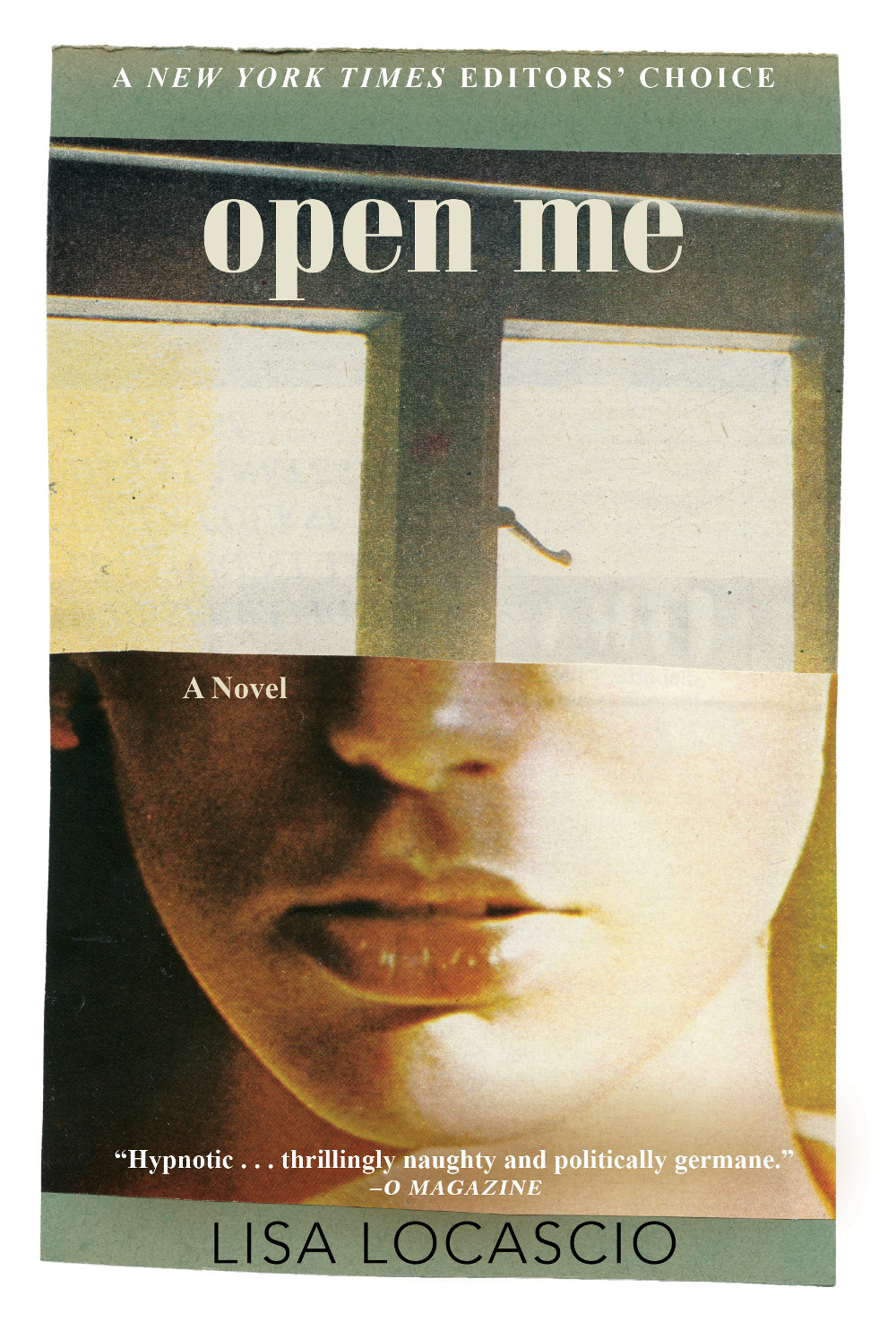
Are we seeing a trend for close cropped photographs of… arms? (Don’t get me wrong, these are both beautiful photographs / covers.)
Also of note in a compare-and-contrast sort of way, the cover of the UK edition of On Earth We’re Briefly Gorgeous published by Jonathan Cape was designed by Suzanne Dean:
(I feel like this is a variation on a gag that has been going around independent bookstores for a while now, but it gets more accurate by the day. I guess we have to laugh or we will cry, right?)
Swing Time by Zadie Smith; design by Gray318 (Hamish Hamilton / November 2016)
It’s Nice That talks to Jon Gray, AKA Gray318, about his design process and working on covers for high-profile authors like Zadie Smith:
Jon’s covers are not simply aesthetically pleasing; they’re also suitably thoughtful. He always asks for the most text possible from his clients, in order to kickstart his creative process. “I struggle designing without knowing the mood of the book, it’s character,” he says. “I’m not good at fishing in the dark for concepts and I think my best work comes about when it’s rooted in the text.”
But sometimes, he has to make do with very little. Which is why working with gifted authors like Zadie Smith and wonderful editors like Simon Prosser (Zadie’s editor) is such a blessing: “They will send me a great brief that outlines the plot and sets the mood. There will be visual references and often a strong sense of the area that the book should sit, but with plenty of room to experiment.”
He adds that working with high-profile clients is easier than one might think. “People often imagine that designing covers for big authors is going to be harder somehow. It’s true that marketing and sales departments have a big say in the final cover, but generally, if you can make an author and their editor happy, the rest will follow.”
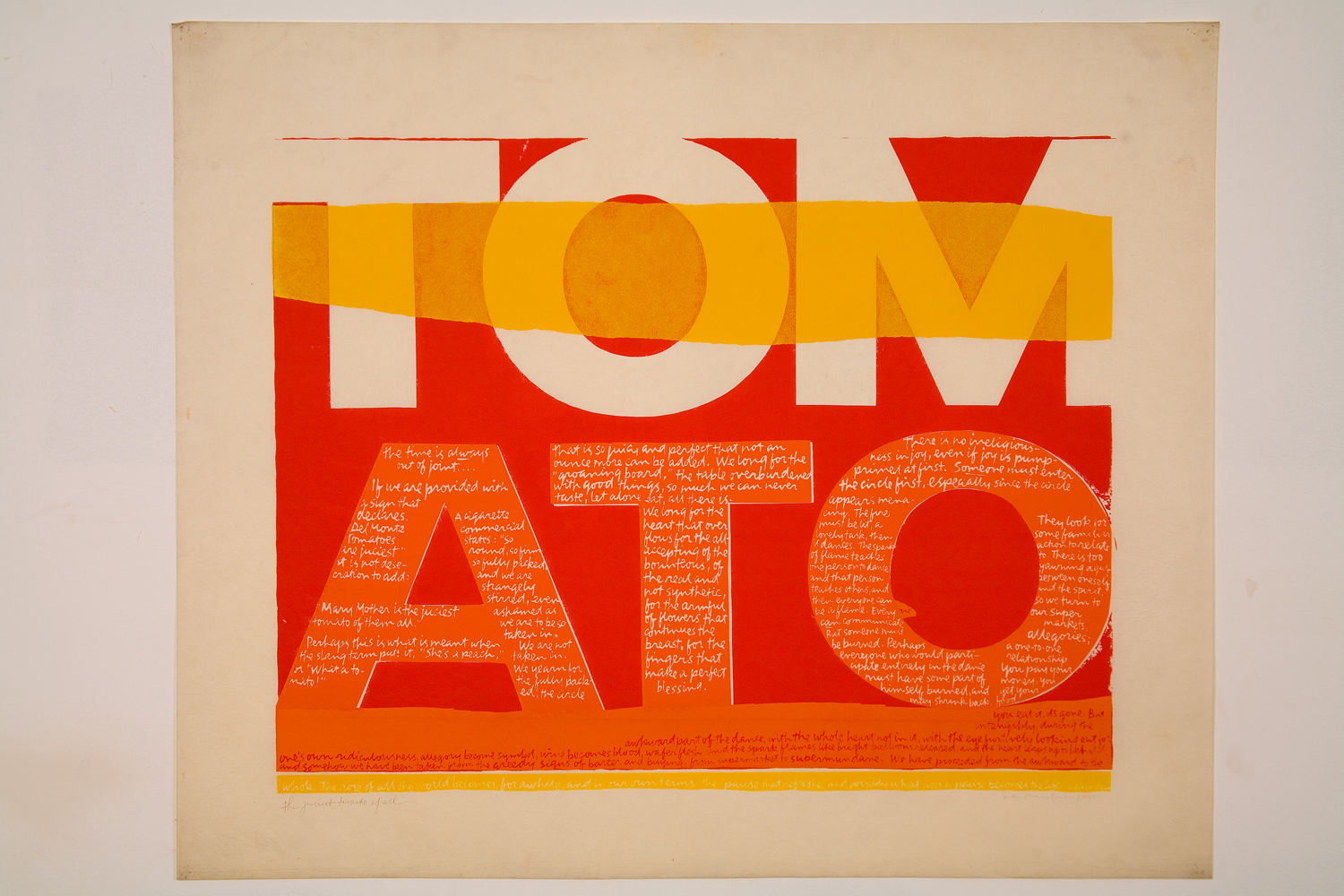
In 1962, Kent saw work by Andy Warhol for the first time, and her aesthetic changed markedly, becoming bolder, flatter, more abstract and brighter, often with saturated, almost fluorescent, colors. Her new style was so successful that it became became known as “nun art,” and was often imitated. Her adherence to the Pop Art aesthetic was well suited to her joyous aims: Kent said she wanted her art to “give people a lift” and help them get “more fun out of life.”
Pop Art’s celebration of the urban everyday also empowered Kent to introduce more quotidian sources into her text works. During the ’60s, she began to incorporate lyrics from pop songs, advertising slogans, and snippets of text seen on signs and packaging into her work, often pairing them with religious text. It was a move that elevated the ordinary to the spiritual, and became a frequent theme in Kent’s art and teaching. She found delight in the commonplace, and believed that the divine could be seen anywhere, even amidst the chaos of the modern city. Kent often took her students on urban expeditions—even day-long trips to gas stations and car lots—armed with cameras and viewfinders.
The largest ever exhibition of Corita Kent’s work in the UK, Corita Kent: Power Up, is currently on display at House of Illustration in King’s Cross until May 12.
Another cover for the Lydian file. (I posted a link to this on Twitter, but I don’t think I’ve mentioned it here — Kaitlyn Tiffany recently wrote a piece on the Lydian phenomenon for Vox if you want to read a bit more about it)
Some lovely type there… Can anyone tell me what the title typeface is please? It seems like a good alternative for our old friend Lydian there… The Lady from the Black Lagoon by Mallory O’Meara; design by Erin Craig; art by Matt Buck (Hanover Square / March 2019)
Is this the first Harlequin book cover to feature on the site? Possibly…
Munich ’72. The Visual Output of Otl Aicher’s Dept. XI, a book about the design team for the 1972 Olympic Games in Munich, is currently on Kickstarter. The project is the result of three of years of research and it needs a little help to get it over the finish line, so maybe go take a look?
It’s almost the first day of spring, the snow and ice have just about melted in Toronto (for now!), and everything is still awful, so it must be time for March’s book covers of note!
Bangkok Wakes to Rain by Pitchaya Sudbanthad; design by Grace Han (Riverhead / February 2019)
This is the Turkish edition of Men in Space by Tom McCarthy. I like how the composition and colour palette echo the cover of the US edition published by Vintage, designed by John Gall:
It also reminds of the golden leaf cover for ‘True Faith’ by New Order designed by Peter Saville.
The Cook by Maylis de Kerangal; design by Na Kim (Farrar, Straus & Giroux / March 2019)
(I feel like a Freudian could have a field day with this cover.)
The cover of the US edition published by Ballantine (I couldn’t find an image without the book club sticker… sorry), was designed by Caroline Teagle Johnson. The book is getting a lot of buzz so I’ve seen both versions of the cover a lot online. It’s a pretty striking photo. I’m curious about where it came from…
Daisy Jones and The Six by Taylor Jenkins Reid; design by Lauren Wakefield (Hutchinson / March 2019)
Daisy Jones and The Six by Taylor Jenkins Reid; design by Caroline Teagle Johnson (Ballantine / March 2019)
I haven’t posted anything about books and technology here for a while, but I thought this recent Wired piece by Craig Mod on the “Future Book” was quite interesting:
Physical books today look like physical books of last century. And digital books of today look, feel, and function almost identically to digital books of 10 years ago, when the Kindle launched… Yet here’s the surprise: We were looking for the Future Book in the wrong place. It’s not the form, necessarily, that needed to evolve—I think we can agree that, in an age of infinite distraction, one of the strongest assets of a “book” as a book is its singular, sustained, distraction-free, blissfully immutable voice. Instead, technology changed everything that enables a book, fomenting a quiet revolution. Funding, printing, fulfillment, community-building—everything leading up to and supporting a book has shifted meaningfully, even if the containers haven’t. Perhaps the form and interactivity of what we consider a “standard book” will change in the future, as screens become as cheap and durable as paper. But the books made today, held in our hands, digital or print, are Future Books, unfuturistic and inert may they seem.