Skip to content

Tag: Design

Book Covers of Note September 2015

Something of a bumper post this month — a real mix of approaches, and a number YA titles to boot. Enjoy!

Complete Stories design by Paul Sahre
The Complete Stories by Clarice Lispector; design by Paul Sahre (New Directions / August 2015)
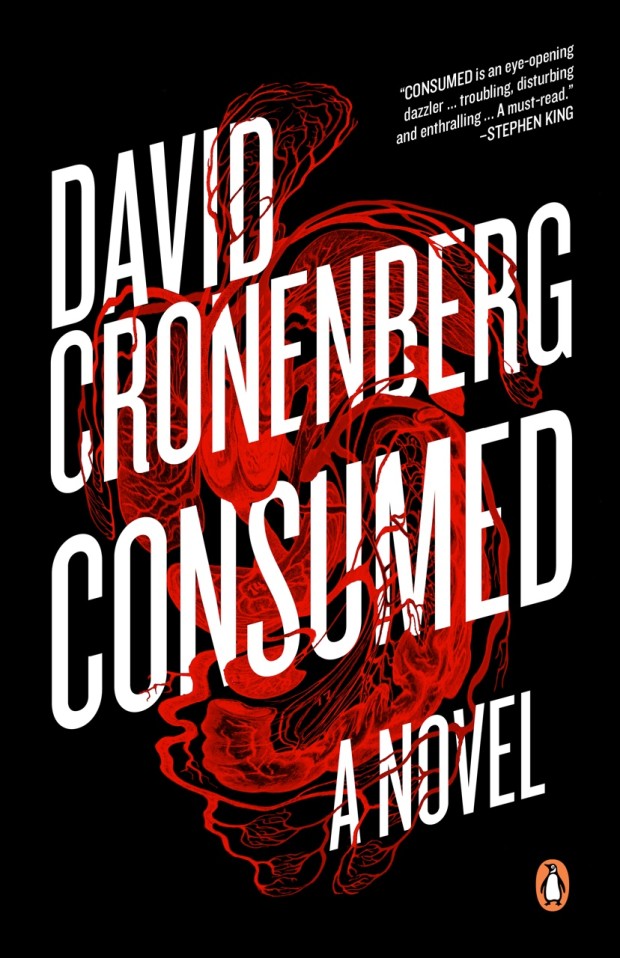
Consumed design David A Gee
Consumed by David Cronenberg; design by David A. Gee (Penguin Canada / September 2015)

Cooking as Fast as I Can design Janet Hansen
Cooking as Fast as I Can by Cat Cora; design by Janet Hansen (Scribner / September 2015)
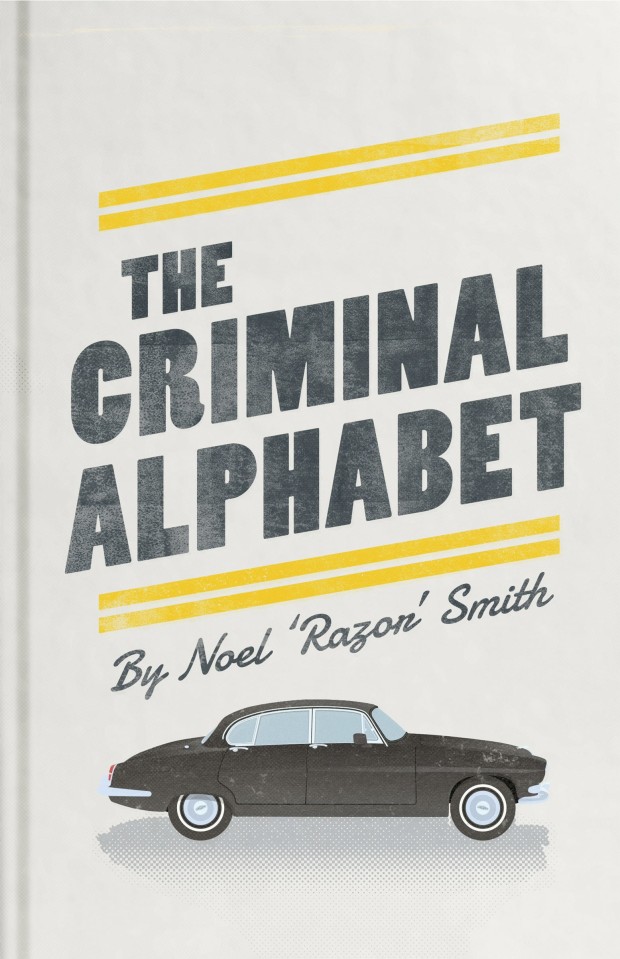
Criminal Alphabet design by Edward Bettison
The Criminal Alphabet by Noel ‘Razor’ Smith; design by Edward Bettison (Penguin / August 2015)

Cut Both Ways design Erin Fitzsimmons
Cut Both Ways by Carrie Mesrobian; design by Erin Fitzsimmons (HarperCollins / September 2015)
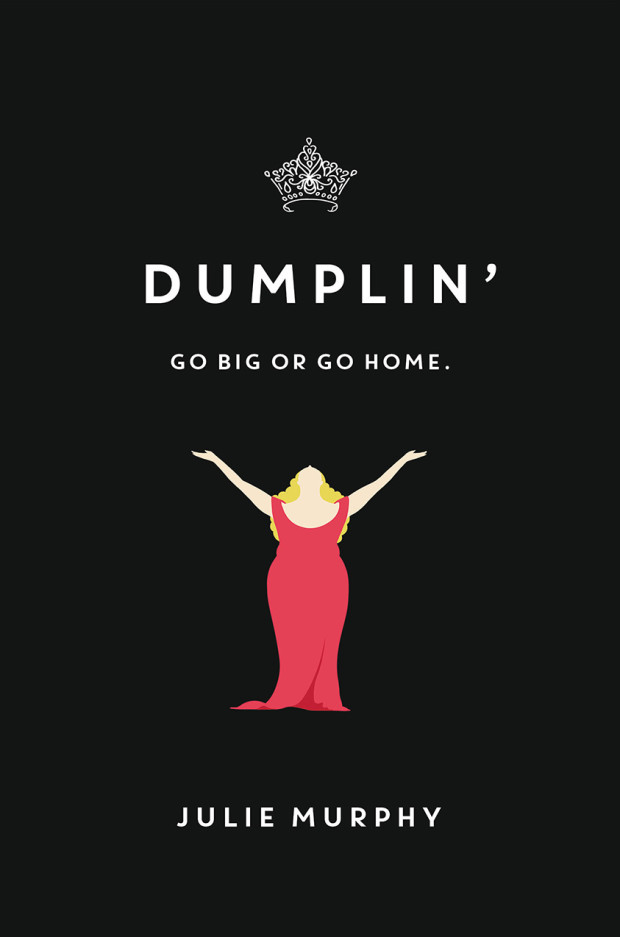
Dumplin design by Aurora Parlagreco illus Daniel Stolle
Dumplin’ by Julie Murphy; design by Aurora Parlagreco; illustration by Daniel Stolle (Balzer + Bray / September 2015)
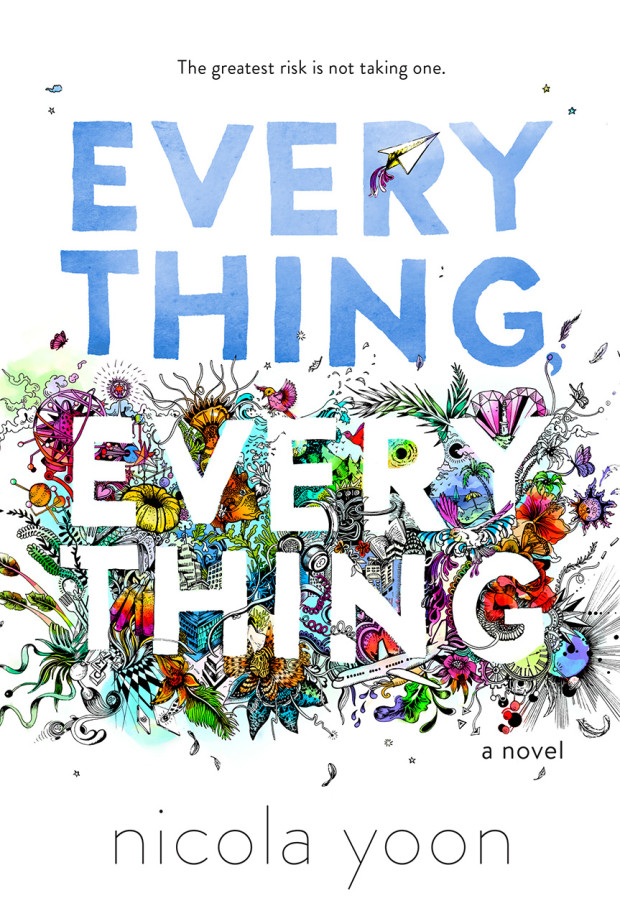
Everything Everything design N C Sousa
Everything Everything by Nicola Yoon; design by N. C. Sousa (Delacorte / September 2015)

Fake Fruit Front
Fake Fruit Factory by Patrick Wensink; design by Alban Fischer (Curbside Splendor / September 2015)

Fear of Dying design Olga Grlic
Fear of Dying by Erica Jong; design by Olga Grlic (St. Martin’s Press / September 2015)
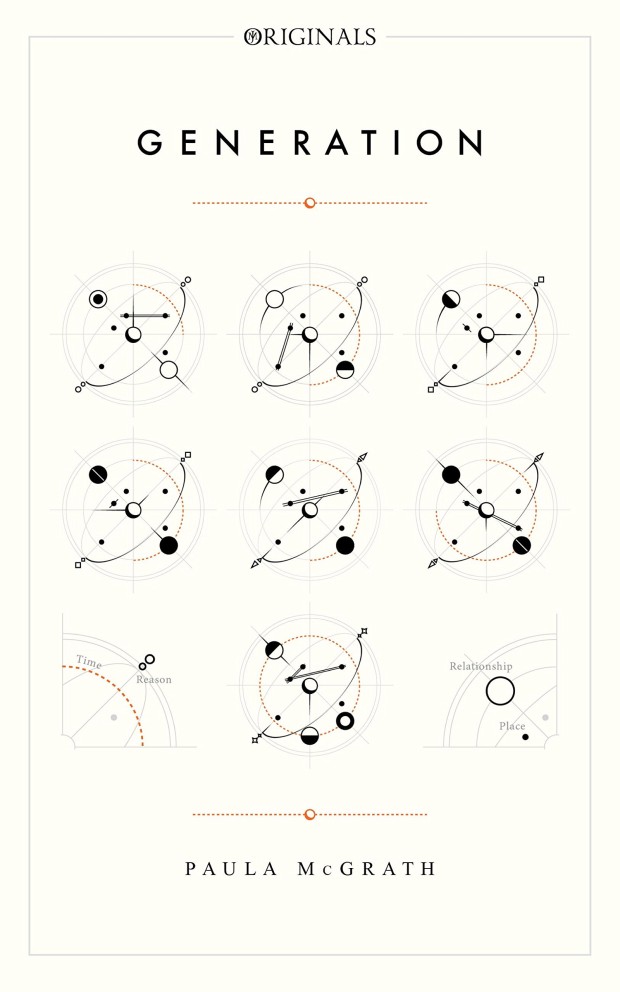
Generation design by Harriet Sleigh
Generation by Paula McGrath; design by Harriet Sleigh (JM Originals / July 2015)
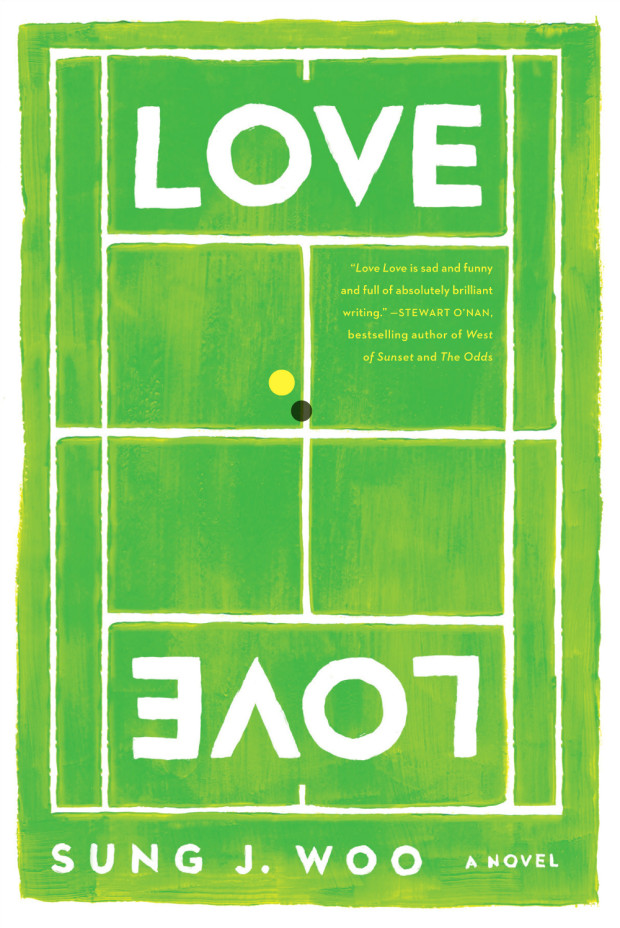
Love Love design Jennifer Heuer
Love Love by Sung J. Woo; design by Jennifer Heuer (Soft Skull / September 2015)


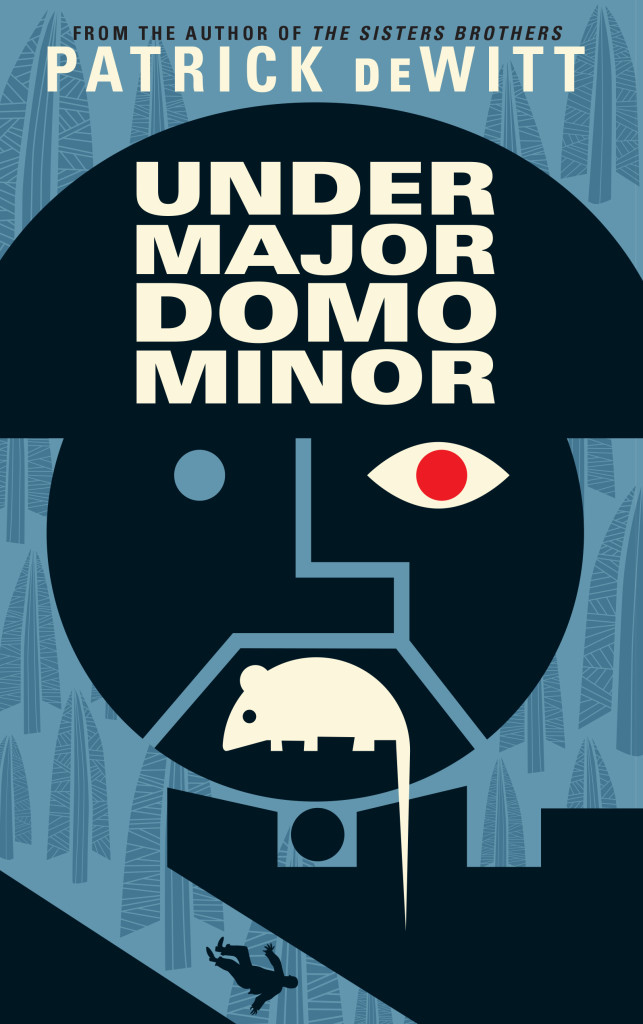
Undermajordomo Minor by Patrick deWitt; design by Dan Stiles (AnansiGranta / September 2015)

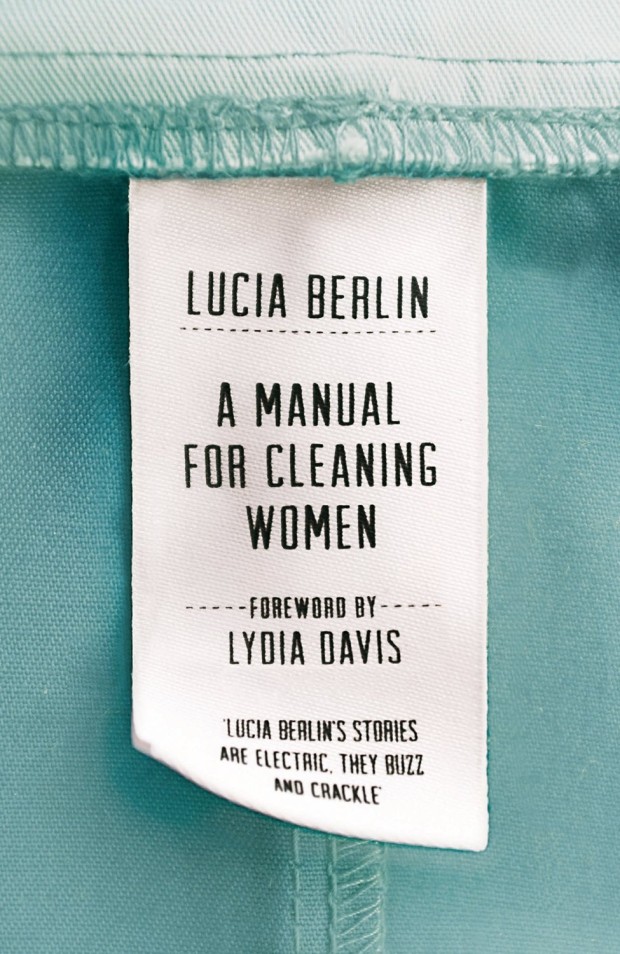
A Manual for Cleaning Women design Justine Anweiler
Manual for Cleaning Women full
A Manual for Cleaning Women by Lucia Berlin; design by Justine Anweiler; photography Jonathan Simpson (Picador UK / Septembr 2015)

(You can read about the design process for this cover here)

cover-50 (1)
The Man Who Remembered the Moon by David Hull; design by David Drummond (Dumgrad Books / September 2015)
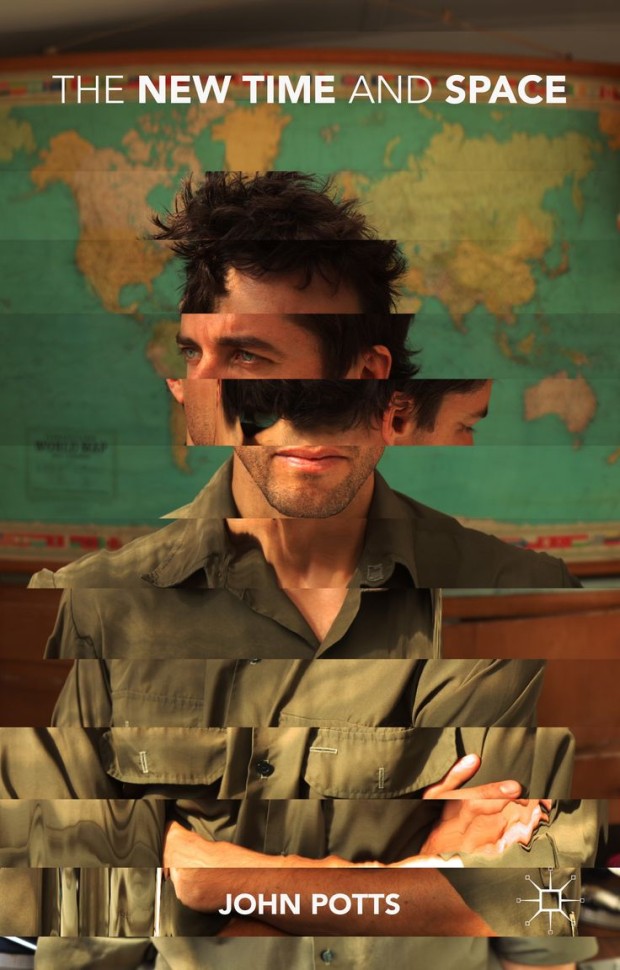
New Time and Space design Palgrave
The New Time and Space by John Potts; design by Palgrave Macmillan (Palgrave Macmillan / September 2015)
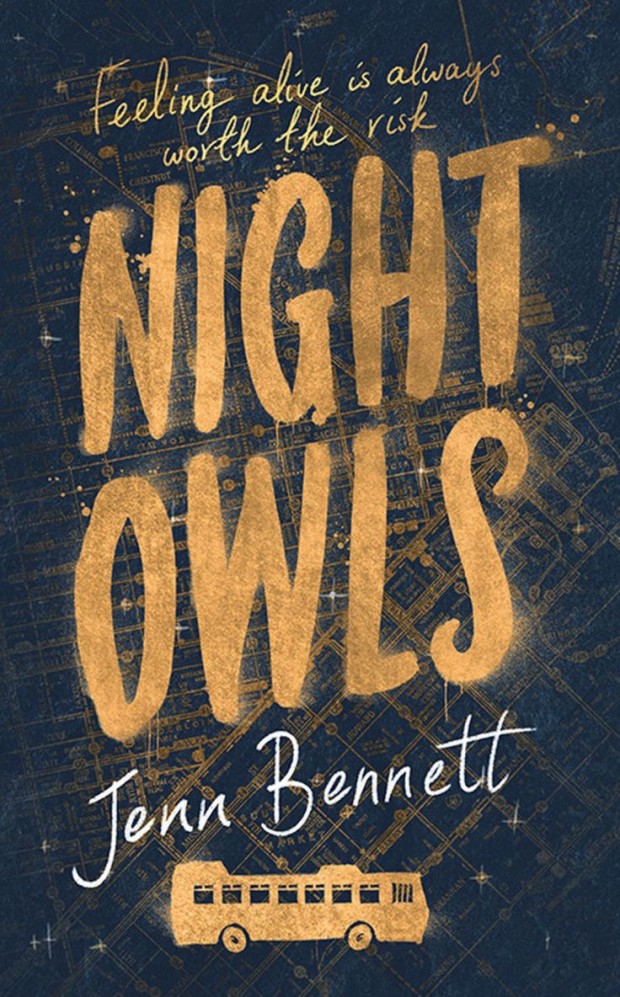
Night Owls design Leo Nickolls
Night Owls by Jenn Bennett; design by Leo Nickolls (Simon & Schuster / September 2015)
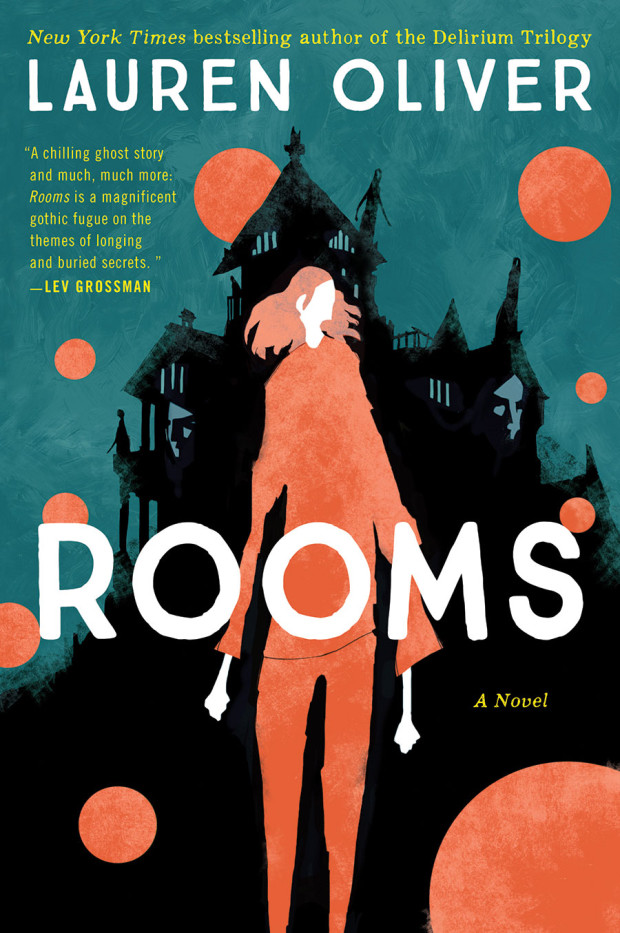
rooms design Jeffrey Alan Love
Rooms by Lauren Oliver; cover art by Jeffrey Alan Love (Ecco / September 2015)
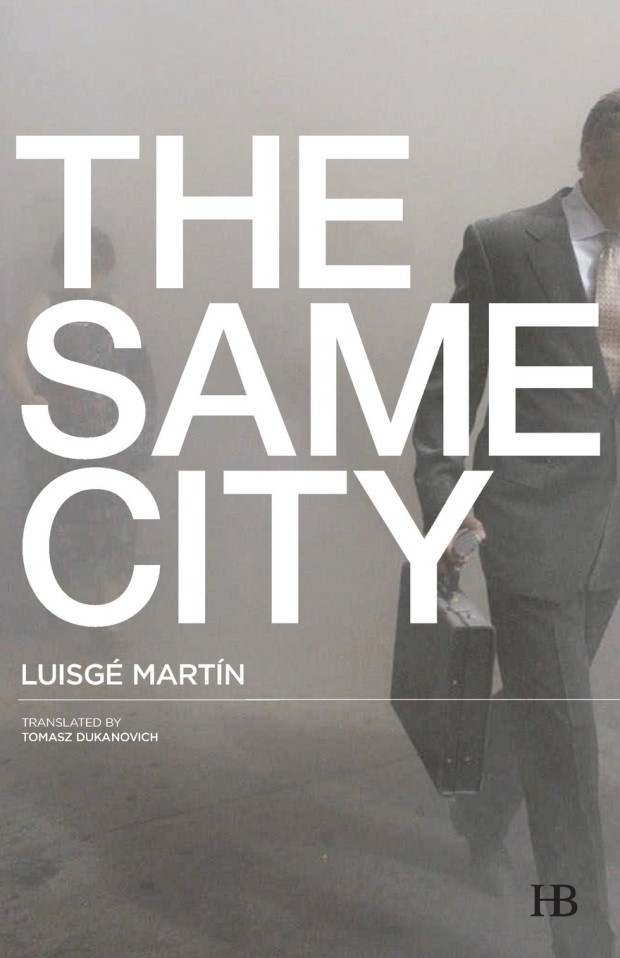
Same City design by Simon Pates
The Same City by Luisgé Martín; design by Simon Pates (Hispabooks / September 2015)
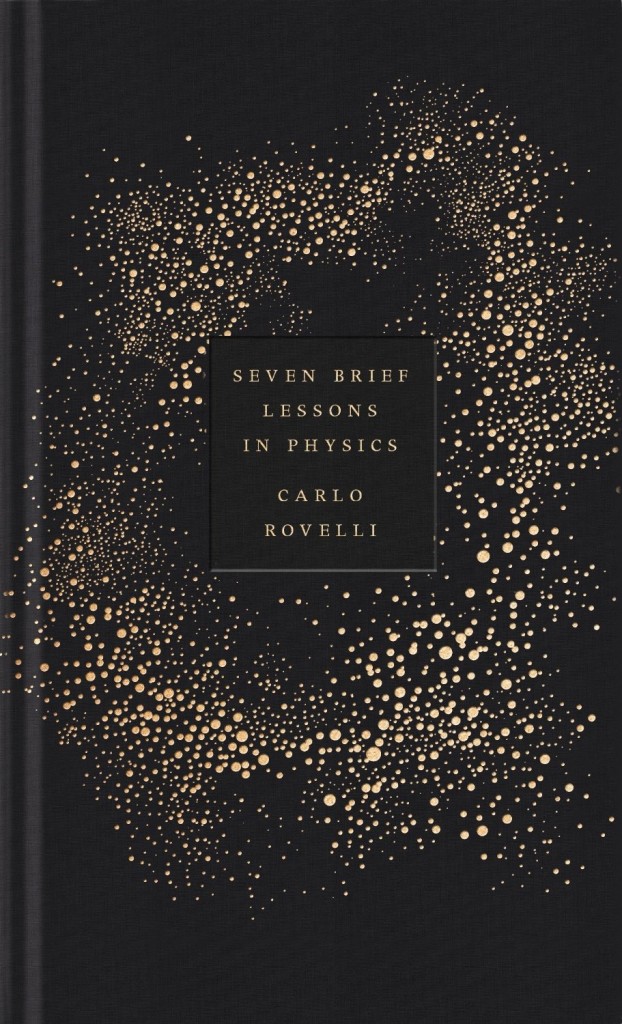
Seven Brief Lessons design Coralie Bickford Smith
Seven Brief Lessons on Physics by Carlo Rovelli; design by Coralie Bickford-Smith (Allen Lane / September 2015)

Symphony design by Matt Roeser
Symphony for the City of the Dead by M. T. Anderson; design by Matt Roeser; illustration by Kikuo Johnson (Candlewick / September 2015)

Syriza design by Jamie Keenan
Syriza: Inside the Labyrinth by Kevin Ovenden; design by Jamie Keenan (Pluto Press / September 2015)
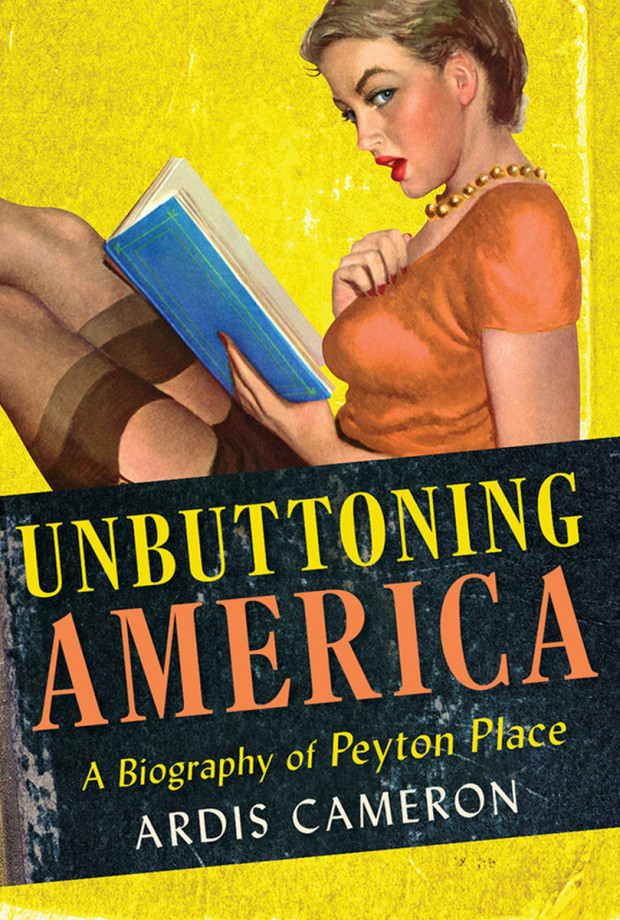
Unbuttoning America design by Kimberly Glyder
Unbuttoning America by Ardis Cameron; design by Kimberly Glyder; illustration by Al Moore (Cornell University Press / May 2015)1
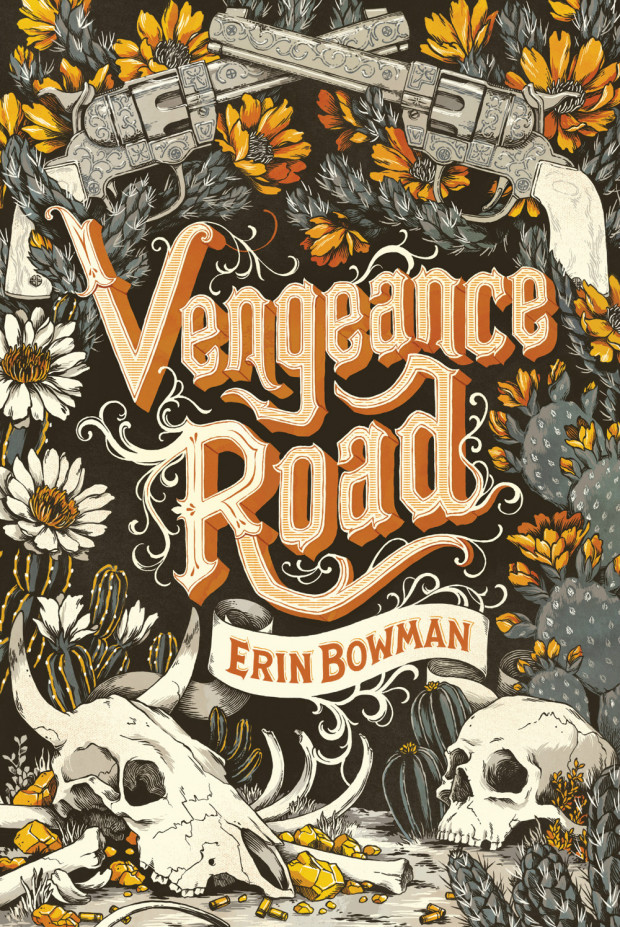
Vengeance Road illustration Teagan White
Vengeance Road by Erin Bowman; illustration by Teagan White (Houghton Mifflin Harcourt / September 2015)

Wallflower design David Drummond
Wall Flower by Rita Kuczynski; design by David Drummond (University of Toronto Press / August 2015)
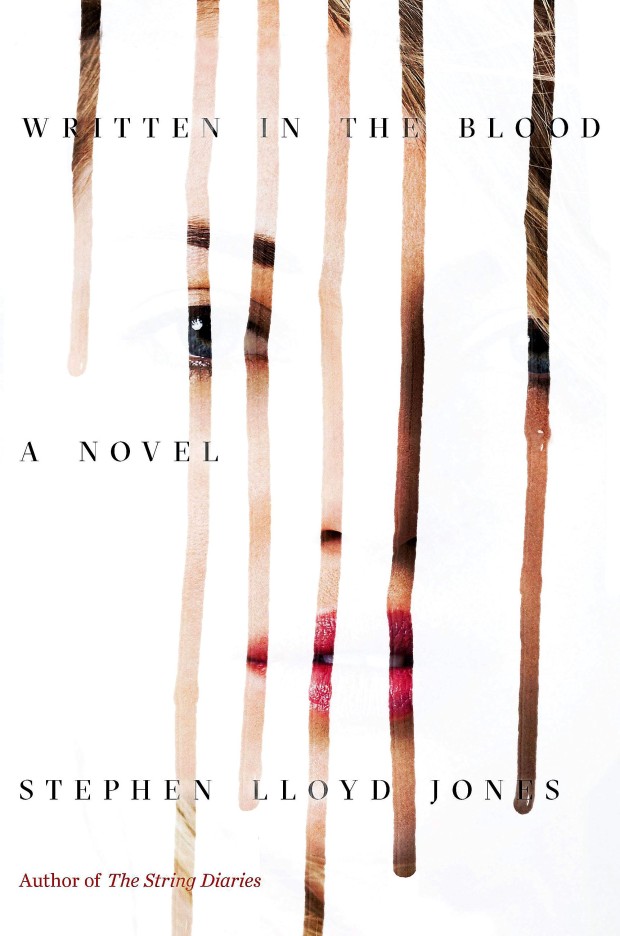
Written in the Blood design by Alex Merto
Written in the Blood by Stephen Lloyd Jones; design by Alex Merto (Mulholland Books / May 2015)

1 Comment

Kelli Anderson: The Price of Advice

Adobe’s Inspire magazine has a remarkably forthright post by designer Kelli Anderson on ‘advice culture’:

Will the creative community ever get its fill of advice?…

…Since advice is a nurturing impulse (a way to pass wisdom on to the future…or just next year’s graduating class), is there really any harm in this oversaturation? Does the monotone nature of our conversation on success, work, and failure actually hurt us?

I would argue yes—there is a dark side to the peppy culture of pretty advice. While other shades of goodwill, such as compassion, generosity, and friendship, only improve with quantity, advice has a cumulative effect—pooling emphasis and importance around the notion of individual initiative. More than slogans, working hard, being nice, and doing what you love have gradually become canonized as the actual reasons that success or failure occurs. When the logic of advice is allowed to co-opt reality, we begin to believe that individual initiative is why things happen.

The result may feel good and empowering, but it also creates the distorted impression that an individual’s good work, alone, will translate to a proportional reward. Conversely, failures stemming from other factors—like ingrained structural prejudice or simply bad timing—may too easily be misattributed to an individual’s lack of commitment, failure to work hard enough, or insufficient love-doing. A culture of self-help advice fosters a belief that we exist in a pure meritocracy, where everything is fair, and that our shared work of shaping an equitable community is done.

This is not the world we live in.

via Brandon Schaefer on Twitter.

Comments closed

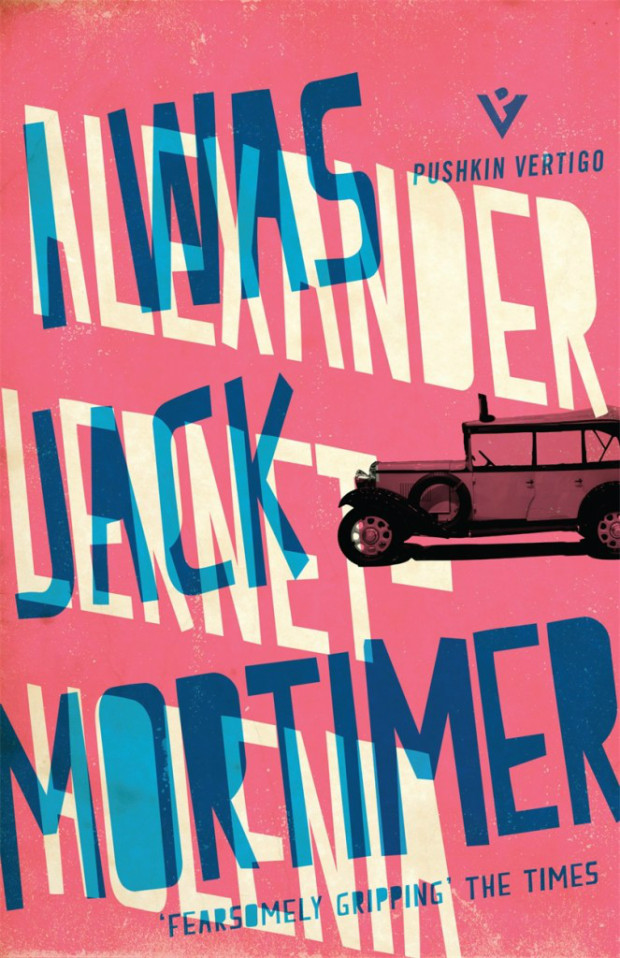
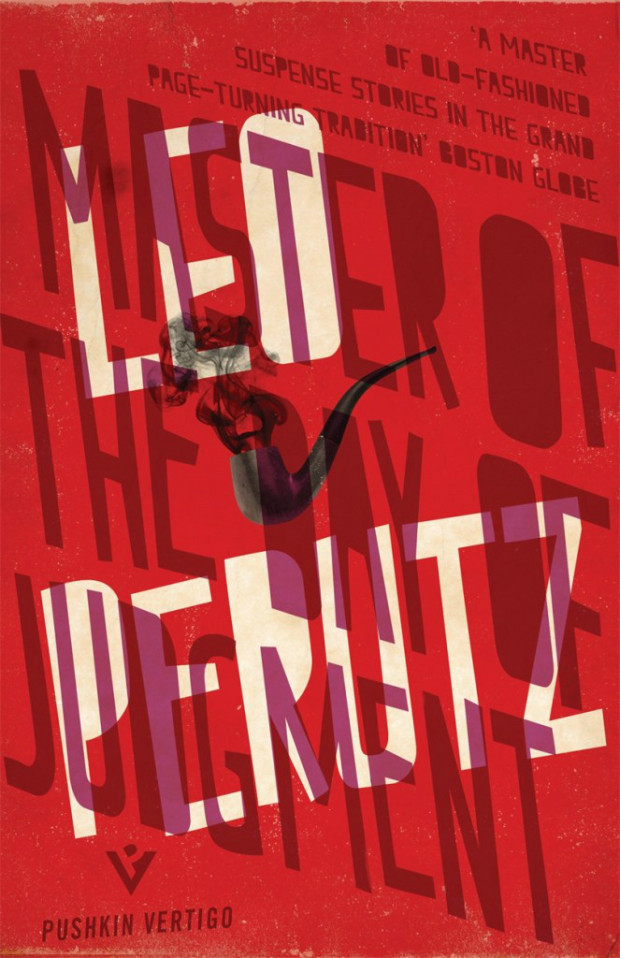
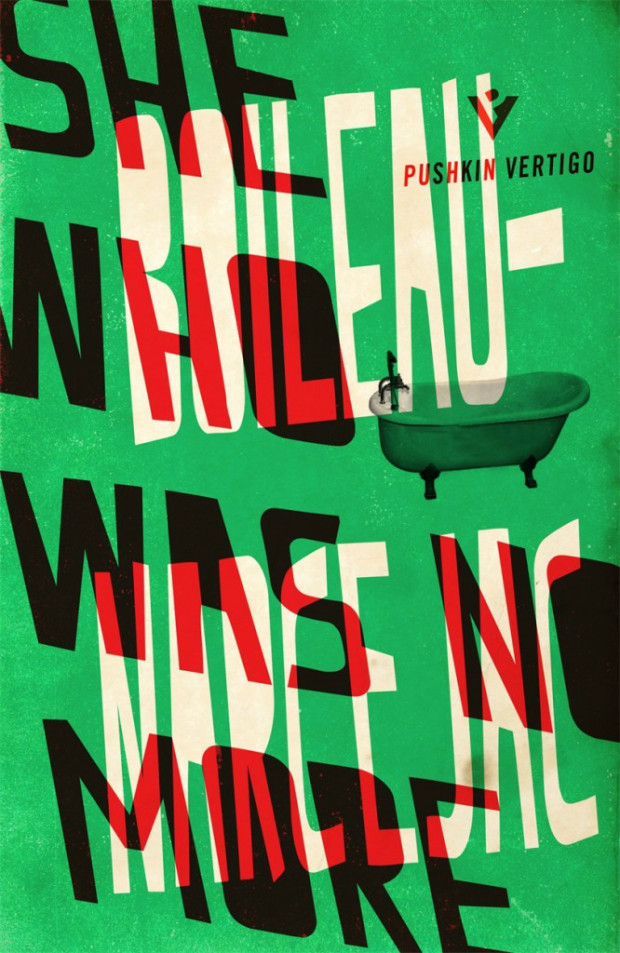
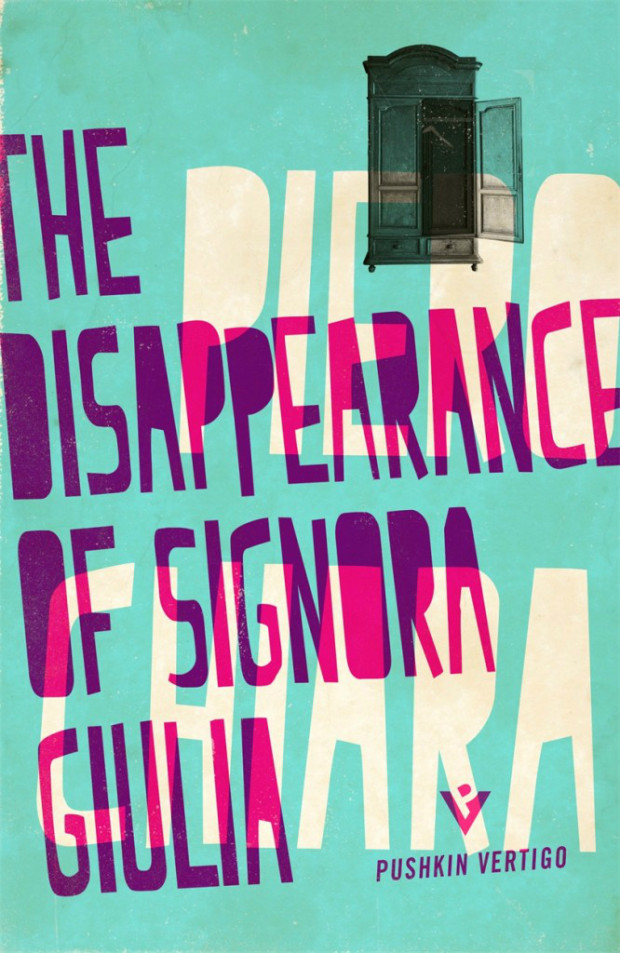
Pushkin Vertigo Crime Series Designed by Jamie Keenan

Vertigo Keenan

At the Creative Review blog, Jamie Keenan talks about his cover designs for Pushkin Press‘s new crime fiction imprint Pushkin Vertigo:

“From the beginning I wanted to come up with something that looked alien, as though someone had brought it back from a holiday in a country you’d never heard of”

They make for a stunning set.

Jamie also created that rather nice “PV” logo for the imprint. Nicely done Mr. Keenan.

I Was Jack Mortimer Keenan

Master of the Day of Judgment Keenan

She Who Was No More Keenan

The Disappearance of Signora Giulia Keenan

The Tokyo Zodiac Murders Keenan

Vertigo, The Tokyo Zodiac Murders, The Disappearance of Signora Giulia and Master of the Day of Judgment will be published by Pushkin Vertigo on next month; two more titles, I Was Jack Mortimer and She Who Was No More, will be published in November.

Comments closed

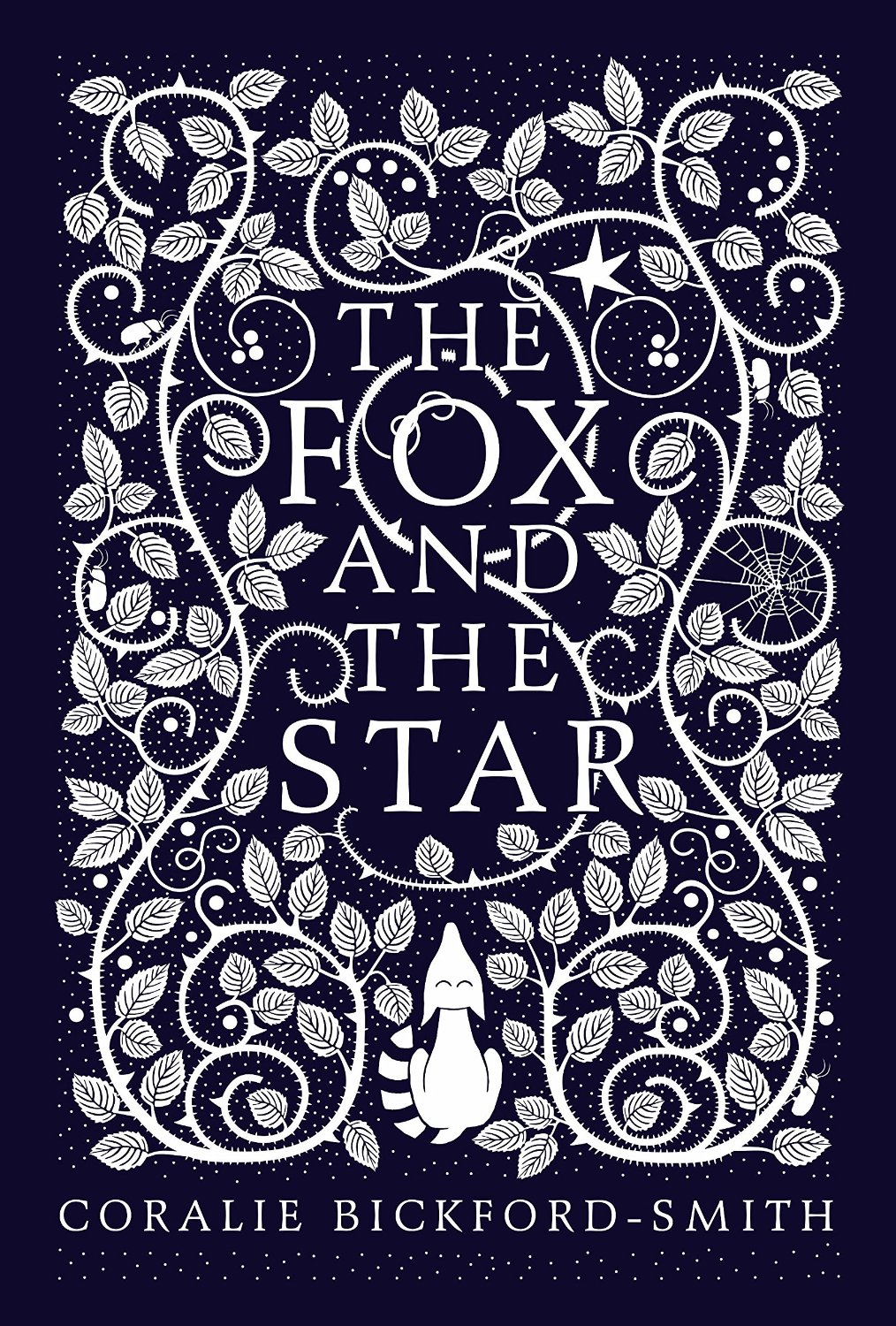
The Fox and the Star by Coralie Bickford-Smith

fox and the star

At the Penguin blog, the remarkable Coralie Bickford-Smith talks about The Fox and the Star, a new book she has written, illustrated and designed:

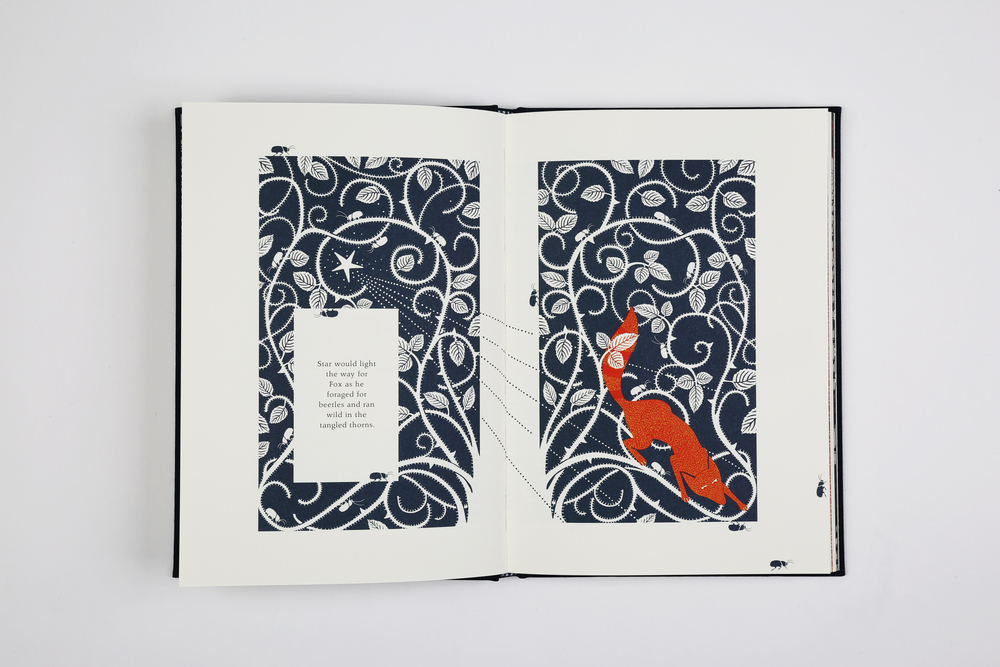
The inspiration comes from a place of personal experience that I wanted to document. It’s a life lesson that I found hard to learn; one of love, loss and the ability to adapt to the constant changes that are a part of life. On a visual level my inspiration came from my design heroes, William Blake and William Morris. My love of pattern and book design is evident in the illustrations.

It looks absolutely beautiful as you can see:

fox and the star int

And here’s Coralie talking about the project:

The Fox and the Star is available from Particular Books August 27.

Comments closed

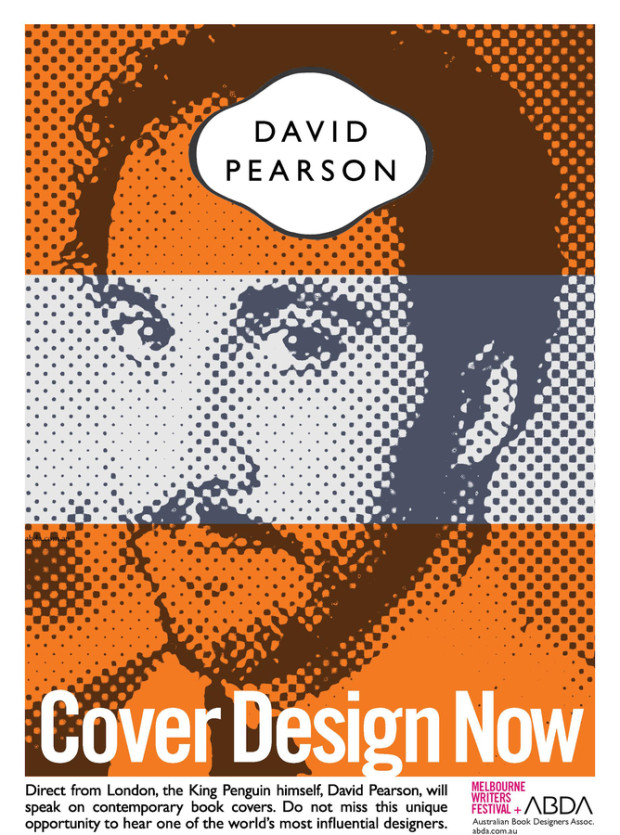
David Pearson on Slow Design

david pearson melbourne writers fest WH Chong

Award-winning Australian designer and art directer W. H. Chong interviews David Pearson — who is giving a series of talks on book design in Australia this week — for his column Culture Mulcher:

I love the Gandhi quote, ‘There is more to life than increasing its speed’ (particularly reassuring words for a slow-working technophobe).

I do worry that many technological advancements are enabling us to achieve not very much, but at a much faster rate. For example, I cannot understand the very modern desire to produce work using a series of time-saving shortcuts when it is the duration of the working process itself that allows us to question, edit and fine-tune our output. To speed up or bypass this process is to give up on so much and risks the work lacking any discernible ‘human’ quality.

That said, I do work very slowly and sometimes think that a warm and welcoming hobbyist’s industry, like publishing, is the only place that would have me.

David is delivering a lecture, We Are What We Read, at the Powerhouse Museum in Sydney tomorrow (Tuesday, August 25) at 6.30pm, and will be discussing contemporary book design at the Melbourne Writers Festival on August 29 and August 30, although I believe the second event is sold out.

Comments closed

Bob Gill: Design as Idea

Mark Mahaney: Bob Gill

In another great profile for It’s Nice That, Rob Alderson talks designer, illustrator, and writer Bob Gill:

“I don’t know what people talk about when they talk about a golden age because of a million designers in 1950 or 1960 or 1970, 13 did anything that was worth ten cents. They can call that a golden age but the gold has been tarnished I think.”

What has changed of course is technology and the way it’s altered the design process…. In fact now that the craft side of design has become demystified and democratised, he thinks designers should be able to come into their own.

“Now for a designer to make a living, they have to do more than just know how to set some type because the client can do that. So what’s left? Well the most wonderful part is left, which is to discover how you say new things. I often talk about design as idea; I am not interested in design as layout – obviously I have to lay things out in order for them to be read – but it’s very low down on my priorities. I spend the majority of my time having an opinion and trying to invent an image that says that opinion like nobody’s ever said it before. That’s the fun of it.”

Mahaney_130125_Apartamento_Bob_Gill_0005its-nice-that
Mark Mahaney
Comments closed

Dan Stiles Covers for Undermajordomo Minor

undermajordomo-uk

Next month sees the publication of Undermajordomo Minor, the new novel by award-winning Canadian author Patrick deWitt.

An “ink-black comedy of manners”, it apparently involves an Alpine castle, a mysterious Baron Von Aux, and a lot of bad behaviour — including, if the Quill and Quire‘s Steven W. Beattie is to be believed, “an extravagant act of Hieronymus Bosch-like grotesqueness… perpetrated upon a large rat.”

It sounds a little like a horror movie directed by Wes Anderson. Or Terence Fisher doing something nasty to Gilbert and Sullivan.

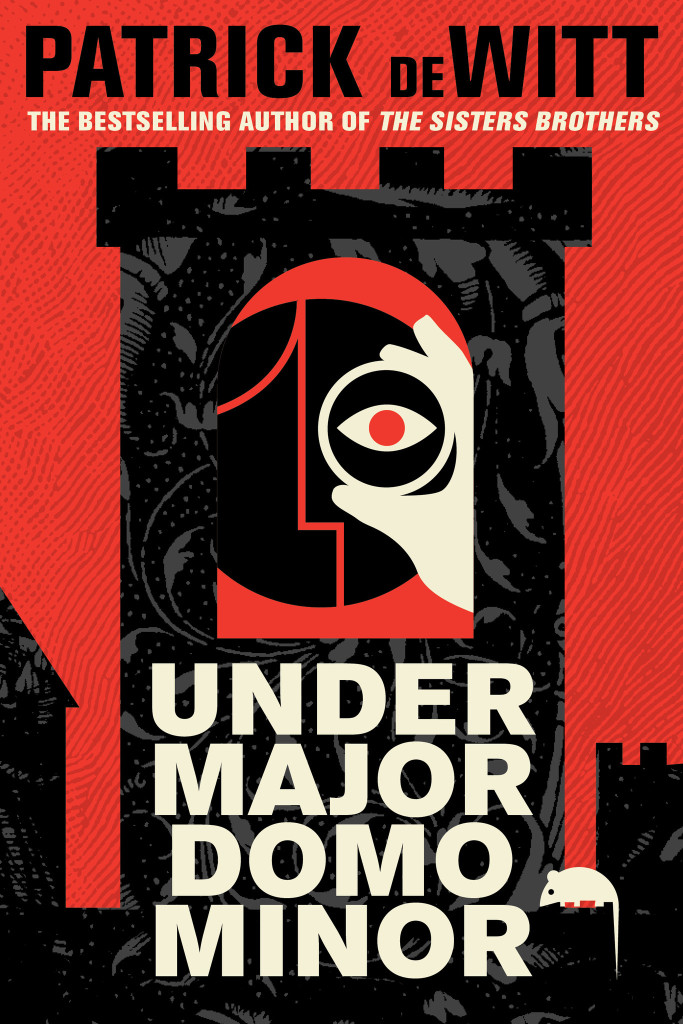
While the cover for the US edition (published by Ecco) was designed by the talented Sara Wood, the UK and Canadian editions of Undermajordomo Minor feature the distinctive artwork of Dan Stiles, the American illustrator and designer who designed the covers of deWitt’s previous novels The Sisters Brothers and (the reissued) Ablutions.

Although Stiles has created different designs for Granta, and House of Anansi, the UK and Canadian covers (both featuring that unfortunate rat) have strong echoes of those previous books. According to the Canadian art director Alysia Shewchuk, this was a deliberate decision. “Dan Stiles created a very a distinctive look for The Sisters Brothers — highly stylized, dark yet playful — and we wanted to pick up these threads in our cover for Undermajordomo Minor.”

undermajordomo-cdn

This is most apparent in the Anansi cover. Its bold geometric design is similar to Stiles’s theatrical cover for Granta, but its colour palette and texture bring it back to the The Sisters Brothers.

Interestingly, the focus of the Canadian cover is different too. “We’d seen early versions of the covers for both the US and the UK editions, and while we liked the different directions they’d each gone in, for our edition we thought it was important to feature the main character (Lucy Minor) and the castle where he lives and works,” says Shewchuk. “Dan understood exactly what we were looking for and he nailed it on the first go-around.”

Undermajordomo Minor will be published on September 3rd in the UK, September 5th in Canada, and September 15th in the US.

In the meantime, watch the slightly Monty Python-esque trailer made by artist Joanna Neborsky, with music by deWitt’s brother Nick deWitt, released today:


The same team made a similarly bizarre trailer for The Sisters Brothers. 

Correction: When first posted, I stated incorrectly that the US cover was also designed by Dan Stiles. The final design and illustration for the Ecco edition of Undermajordomo Minor is by Sara Wood. The post has been amended and updated to credit Sara for her work.

Comments closed

The Real-World Architecture of Monument Valley

monument valley

Architecture critic Alexandra Lange, author of Writing About Architecture, talks to the creators of Monument Valley — an award-winning video game in which players must navigate the Princess Ida through a maze of impossible buildings and architectural puzzles — for Curbed:

Much of Monument Valley operates in the impossible space drawn by M. C. Escher, whose 1960 drawing ‘Ascending and Descending’ Monument Valley lead designer Ken Wong has acknowledged as an inspiration. The Escher drawing even features a couple of figures scratching their heads about how to get around. The connection between Escher’s drawing and Wong’s original Monument Valley concept sketch is clear; Wong’s is also strikingly similar to the finished product. The whole structure floats in space in a way that suggests infinity, and it features the same isometric perspective, same gelato colors, and a similar sequence of steps and ladders and domes to give it a touch of character. In Monument Valley, sometimes you seem to be floating on water and sometimes in space; sometimes positive and negative are reversed, and you may be underground in paths and tunnels carved from rock. “We were all so taken with [Escher’s] image,” says [Neil] McFarland, that the designers said, “We don’t know what this game is, but if we can make that into a game we will be really happy.”

For the design buff, the game seems rife with visual cues, allusions to the built world, and academic references. Even if Monument Valley’s designers aren’t familiar with deconstructivism, 1970s architecture may have infiltrated its digital world sideways, as architecture-school graduates turn into programmers and once rarefied ideas turn into placeless pins. Monument Valley’s chapters have to cover a lot of territory, in scale and geography.

Sometimes Ida seems very small, like an earlier puzzle-solving heroine in a gridded Wonderland, wending your way through a music box. Sometimes she appears to be climbing a pixel version of Philip Johnson’s concrete-block Monument to Lincoln Kirstein (1985), “a staircase to nowhere.” Sometimes she finds herself holding a red flower, laying it on a rectangular sarcophagus in a sea of sarcophagi that strongly resemble Eisenman’s Berlin Memorial to the Murdered Jews of Europe (2004). Sometimes you find yourself tripping along a wall that resembles Bofill’s La Muralla Roja housing project (1968), “characterized by a series of interlocking stairs, platforms, and bridges.” Elsewhere the game recalls Tarsem Singh’s cult movie The Fall, filmed at the Lake Palace Hotel in Udaipur (a real-life white, floating world) and the Chand Baori stepwell, a Qbert landscape made exclusively of blocks. Some scenes are more perplexing, and require your seven-year-old to show you which button to push or which screw rotates the cube so that what was once an unbridged gap closes, in digital space, and allows you to cross.

I really don’t play a lot video games, but I do love Monument Valley.

Comments closed

Book Covers of Note August 2015

The entire book industry isn’t on vacation. It only seems that way. 1 Here’s August’s book covers of note…

Aesthetics of Middlebrow Fiction design Palgrave
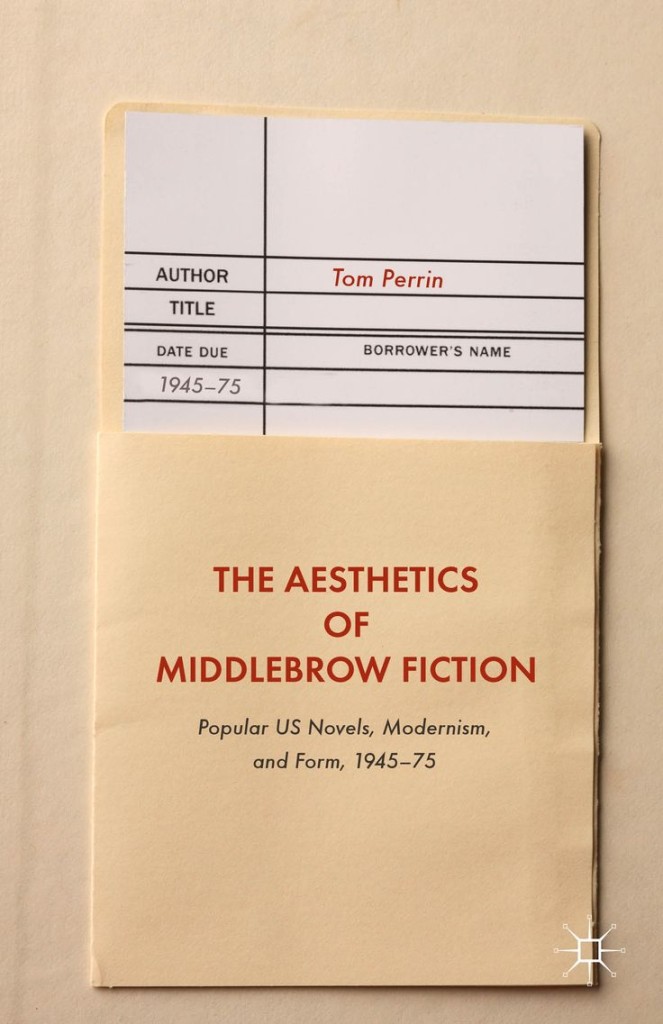
The Aesthetics of Middlebrow Fiction by Tom Perrin; design Palgrave Macmillan (Palgrave Macmillan / August 2016)

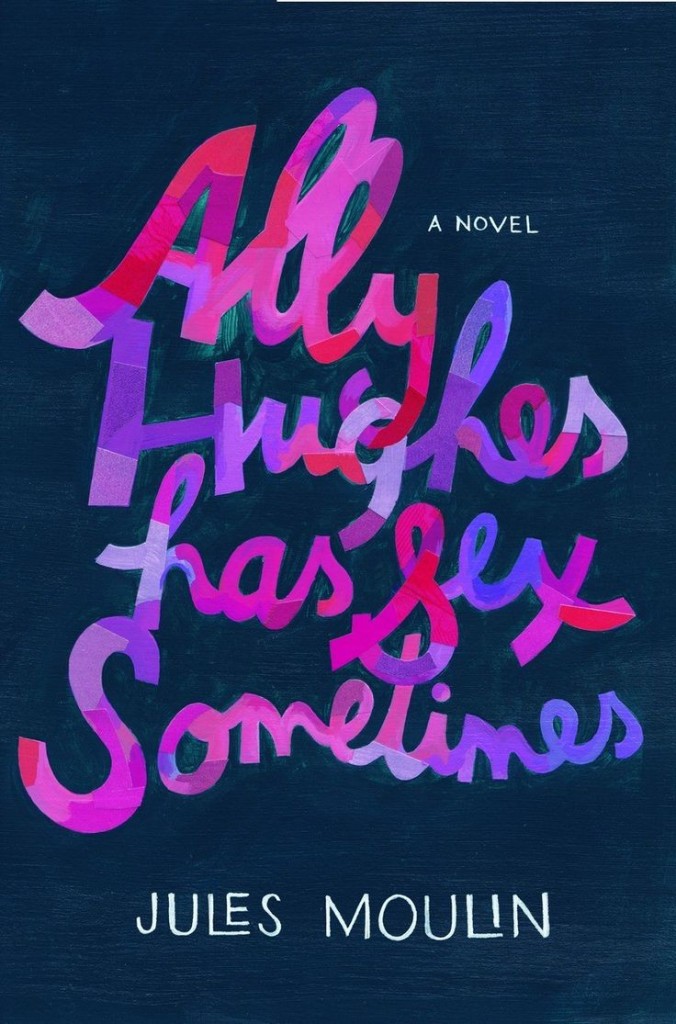
Ally Hughes design by Darren Booth
Ally Hughes Has Sex Sometimes by Jules Moulin; design by Darren Booth (Dutton / August 2015)

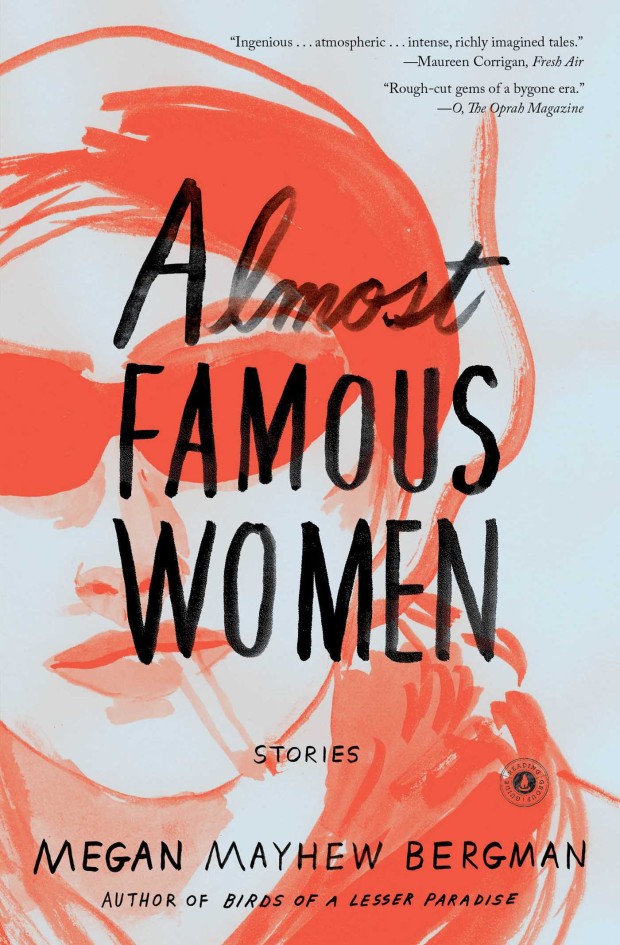
Almost Famous Women design by Na Kim
Almost Famous Women by Megan Mayhew Bergman; design by Na Kim (Scribner / July 2015)

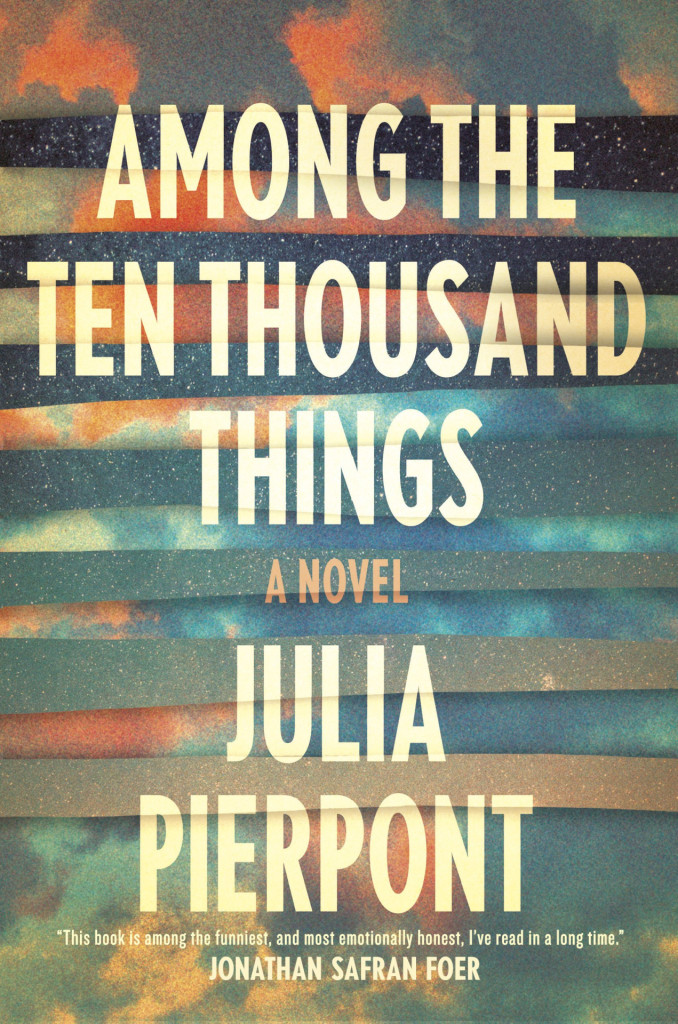
Among the Ten Thousand design Strick&Williams
Among the Ten Thousand Things by Julia Pierpoint; design by Strick&Williams (Random House / July 2015)

Barbara the Slut design by Rachel Willey
Barbara the Slut by Lauren Holmes; design by Rachel Willey (Riverhead / August 2015)

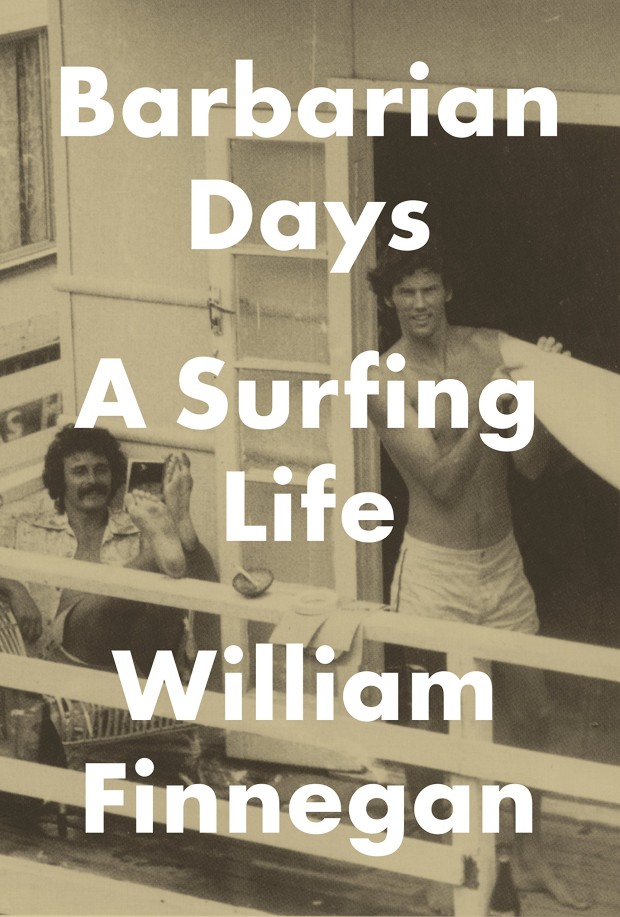
Barbarian Days design Darren Haggar
Barbarian Days by William Finnegan; design by Darren Haggar (Penguin / July 2015)

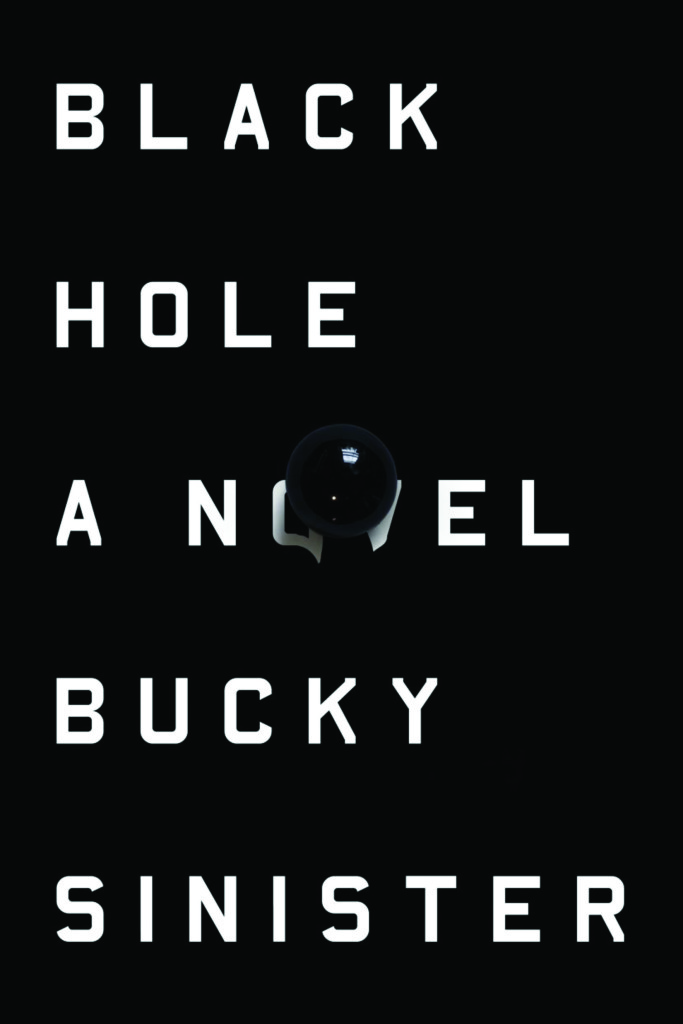
Black Hole design Matt Dorfman
Black Hole by Bucky Sinister; design by Matt Dorfman (Soft Skull / August 2015)

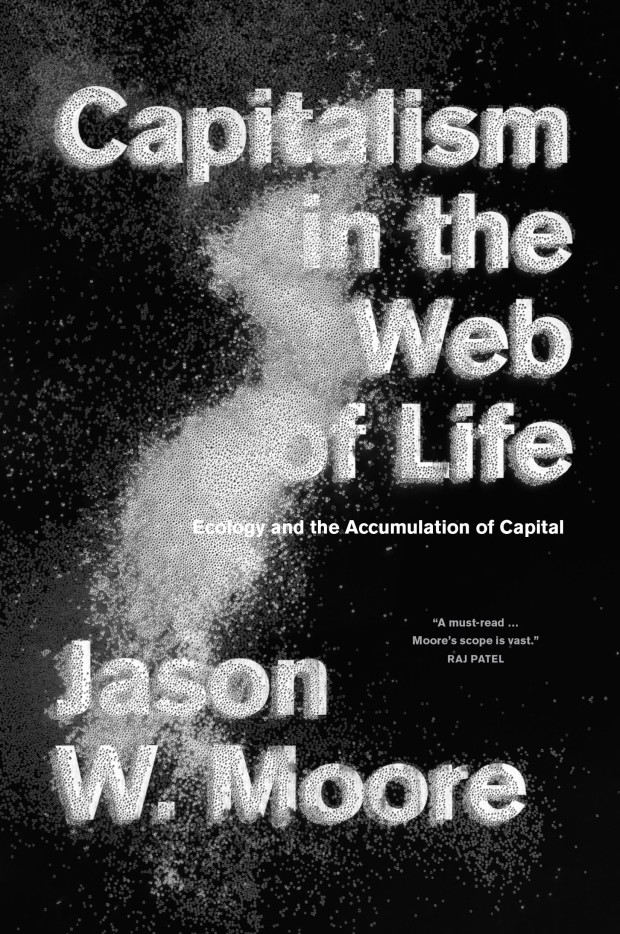
Capitalism in the Web design by Anne Jordan
Capitalism in the Web of Life by Jason W. Moore; design by Anne Jordan and Mitch Goldstein (Verso / August 2015)

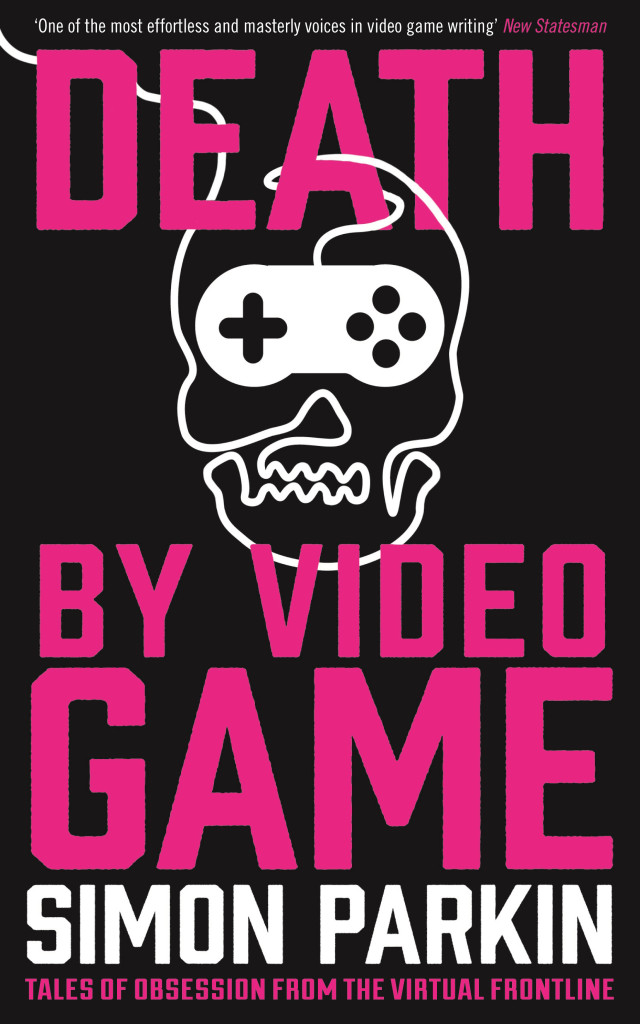
Death by Video Game design by Steve Panton
Death by Video Game by Simon Parkin; design by Steve Panton (Serpent’s Tail / August 2015)

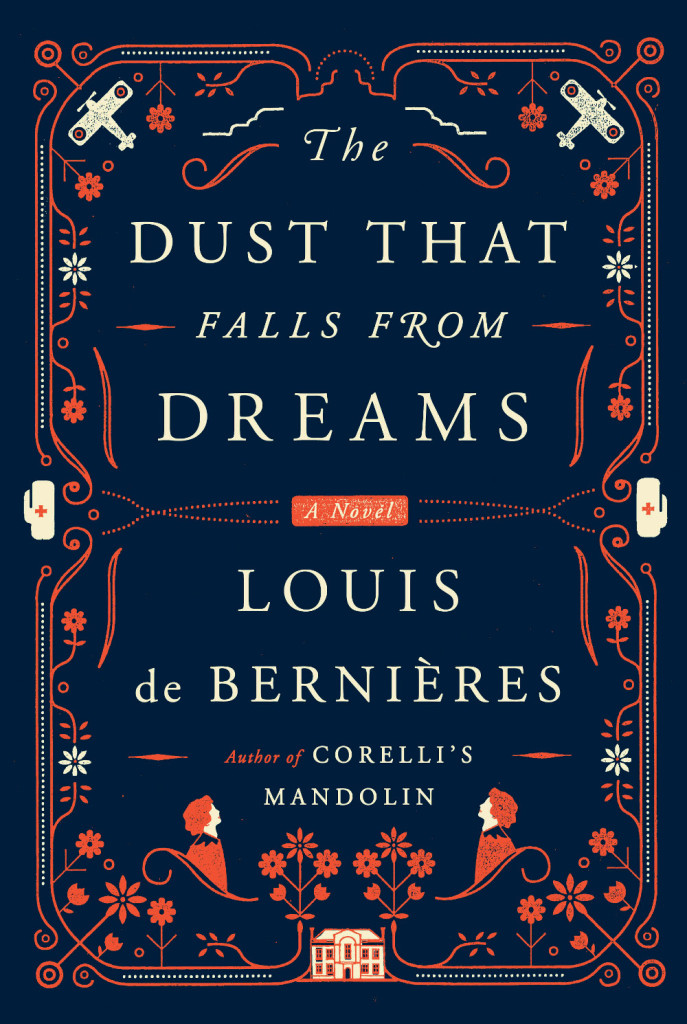
Dust That Falls From Dreams design Oliver Munday
The Dust That Falls From Dreams by Louis de Bernières; design by Oliver Munday (Pantheon / August 2015)

Genghis Khan design James Paul Jones
Genghis Khan by Frank McLynn; design by James Paul Jones (Bodley Head / July 2015)

And because it’s always interesting to see US and UK covers side by side…

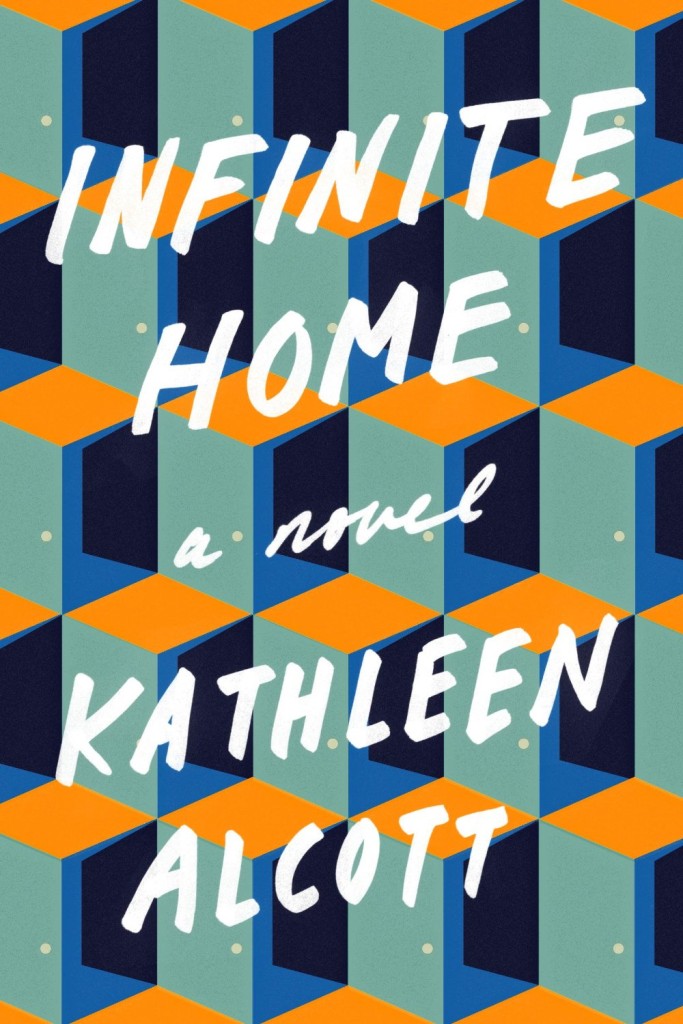
Infinite Home US
Infinite Home by Kathleen Alcott; design by Alex Merto (Riverhead / August 2015)

infinite home
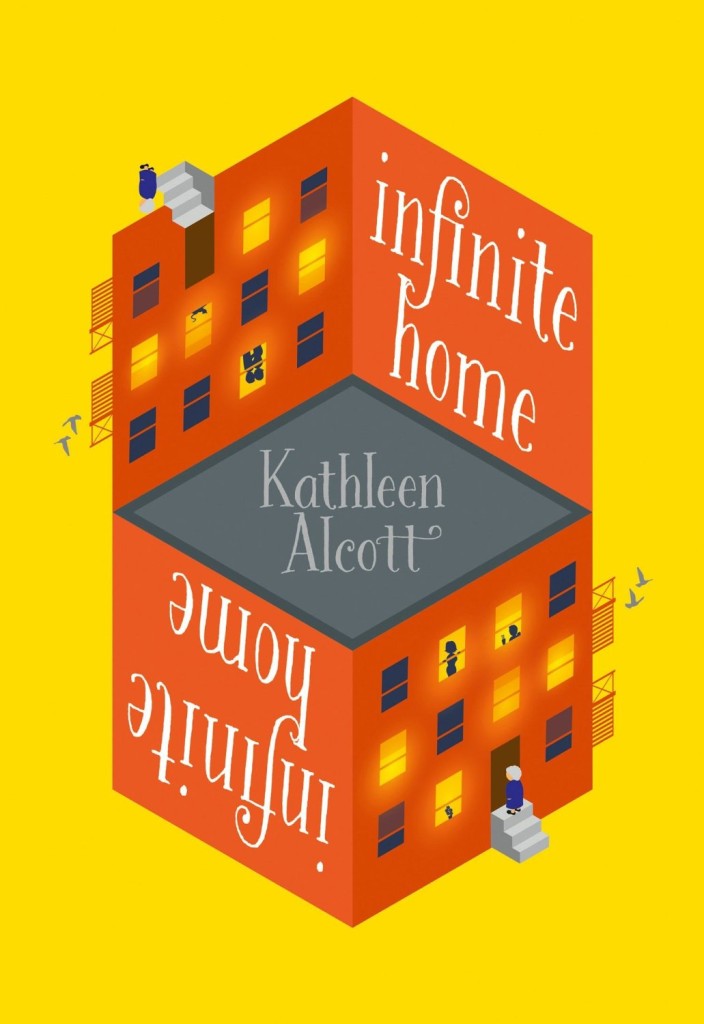
Infinite Home by Kathleen Alcott; design by Stuart Bache (Borough Press / July 2015)

Katrina After the Flood design by Julius Reyes
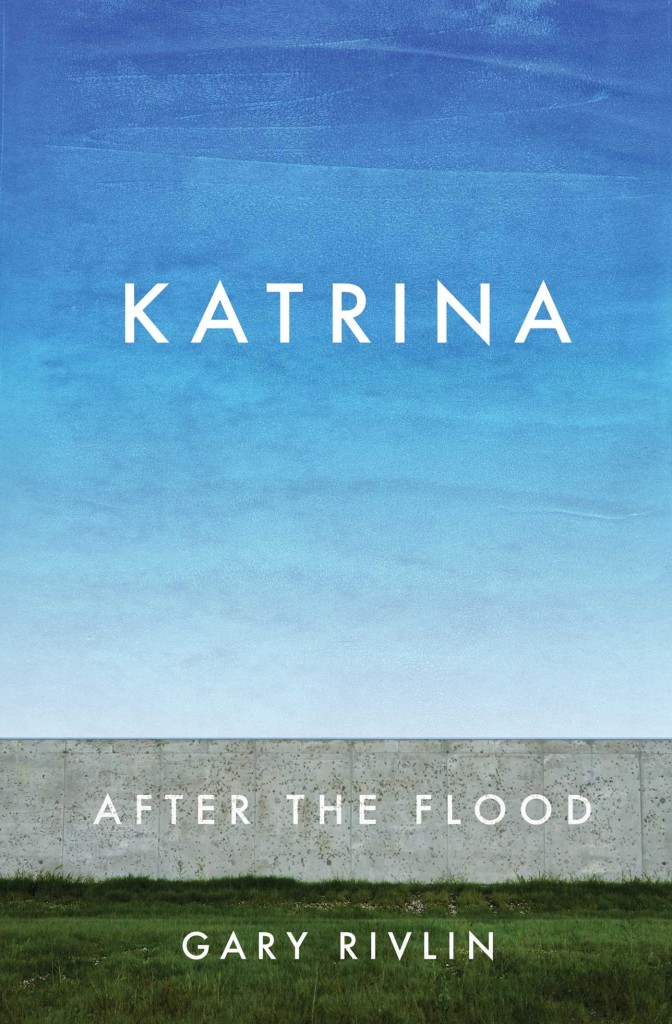
Katrina by Gary Rivlin; design by Julius Reyes (Simon & Schuster / August 2015)

Landline design Olga Grlic handlettering Jim Tierney
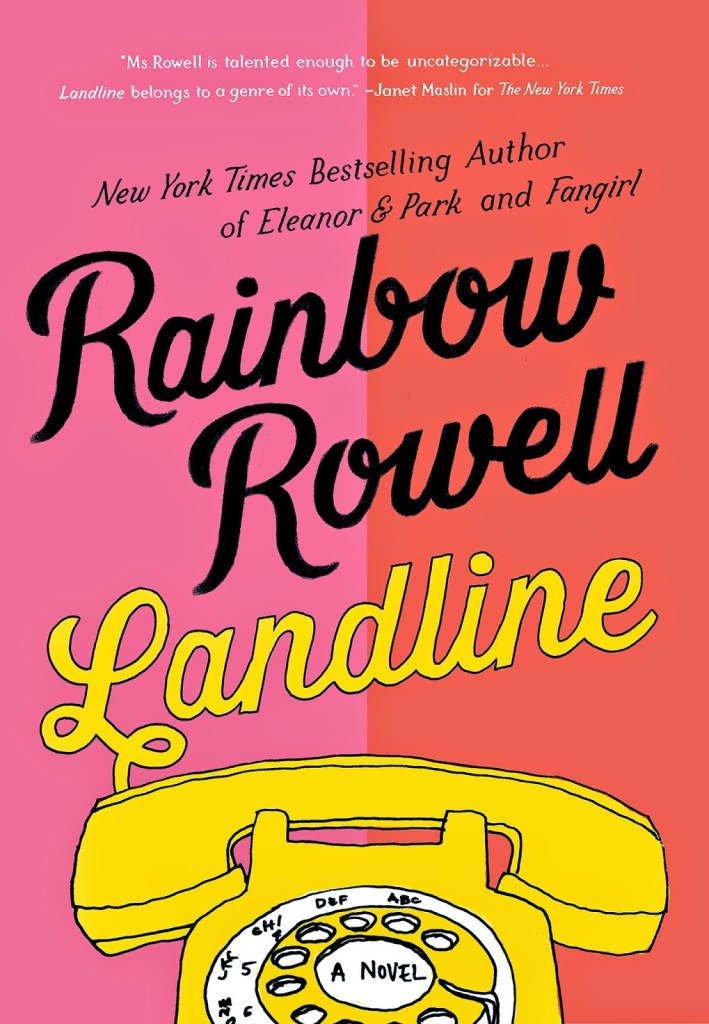
Landline by Rainbow Rowell; design by Olga Grlic; hand-lettering by Jim Tierney (St. Martin’s Press / July 2015)

Memoirs of a Dipper design by Gray318
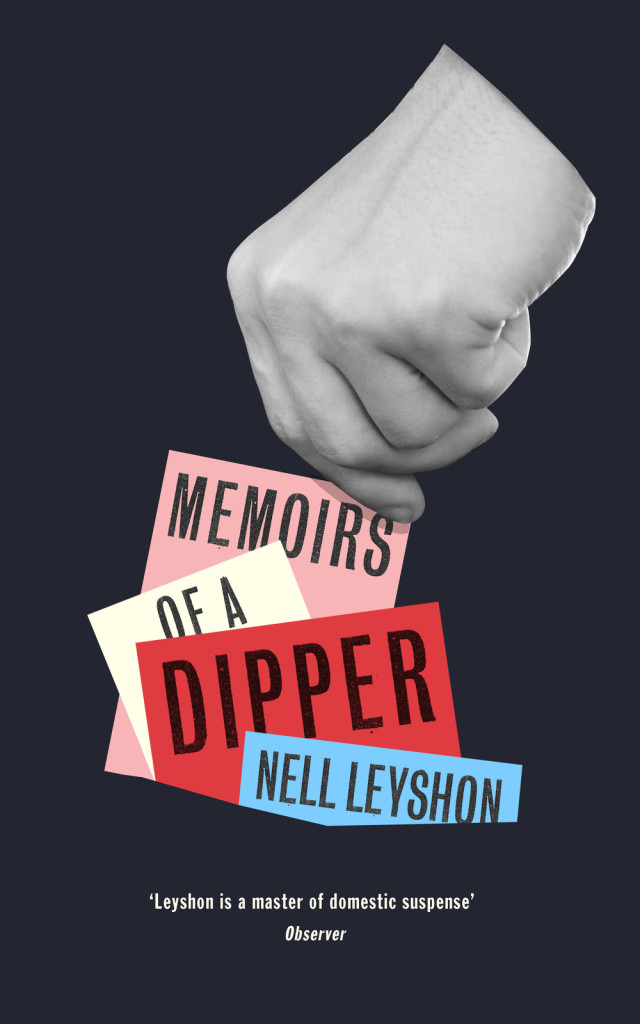
Memoirs of a Dipper by Nell Leyshon; design by Gray318 (Fig Tree / June 2015)

Narcisa design by Milan Bozic
Narcisa by Jonathan Shaw; design Milan Bozic (Harpercollins / March 2015)

New American Stories design by Peter Mendelsund.
New American Stories edited by Ben Marcus; design by Peter Mendelsund (Vintage / July 2015)

9780385538343
Street Poison by Justin Gifford; design by Michael J. Windsor (Doubleday / August 2015)

Vegetarian design Tom Darracott
The Vegetarian by Han Kang; design by Tom Darracott (Portobello / January 2015)

Terf_9780385679725_jkt_all_r3.indd
Wicked and Weird by Rich Terfry; design by Scott Richardson (Doubleday Canada / August 2015)

Comments closed

50 Books / 50 Covers Kickstarter

50-50 kickstarter

I should have mentioned in my 50 / 50 post yesterday, that Design Observer has launched a Kickstarter campaign to create catalogue of this year’s winners:

As others have noted, it is a little odd that the project is being announced now when the winners have been chosen rather than when the competition opened (why wasn’t the cost of the catalogue factored into the entry fee?), and I wonder if a traditional publisher could not be found to partner on this project, but even if it feels like something of an afterthought, a well-designed catalogue would still be a lovely thing to have.

Comments closed

50 Books / 50 Covers 2014 Winners

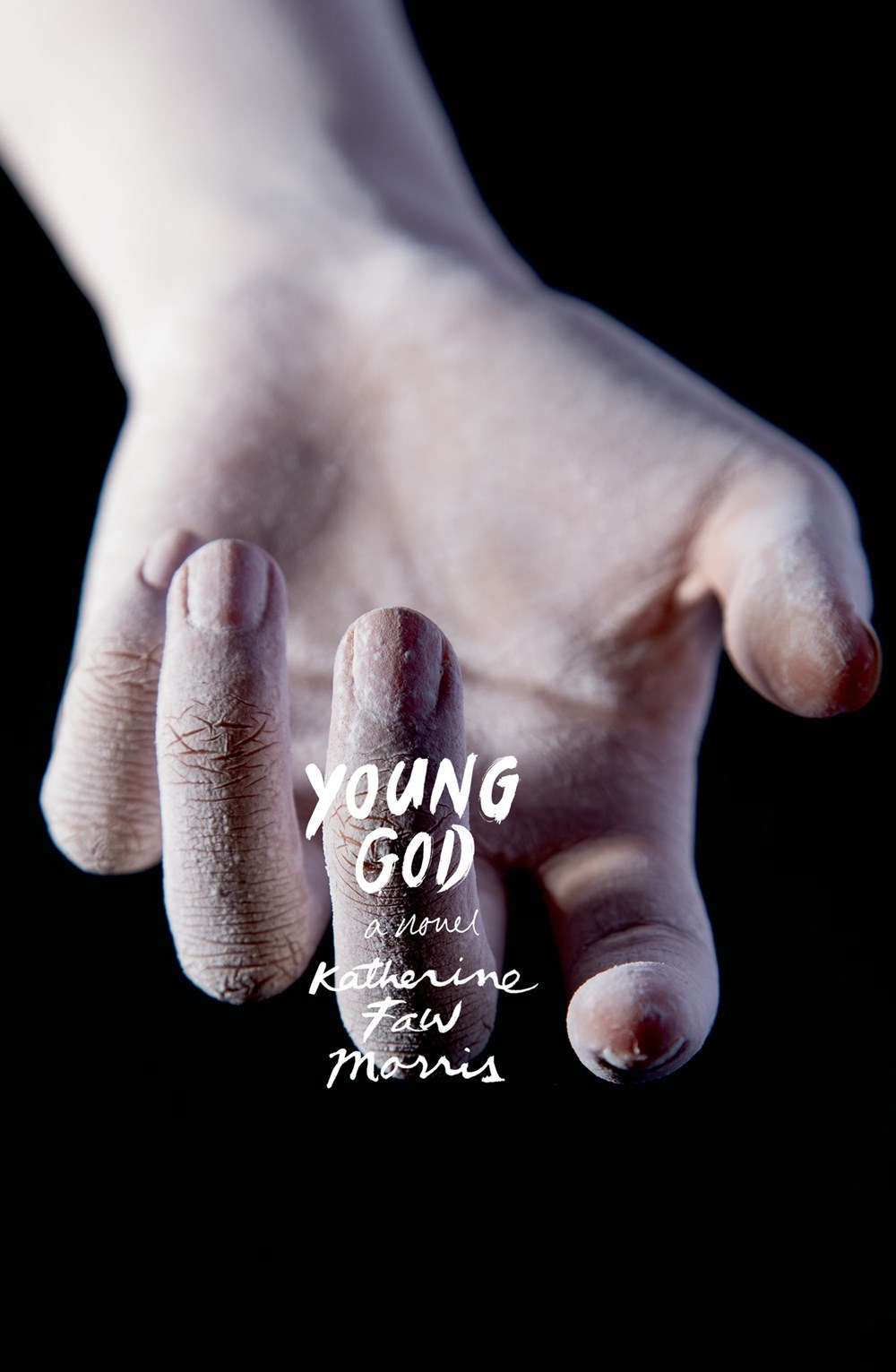
Young God design by Rodrigo Corral

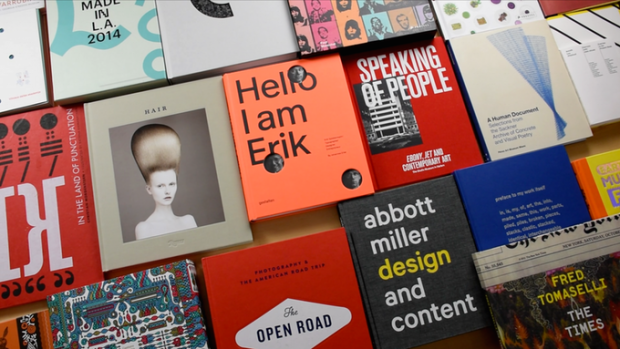
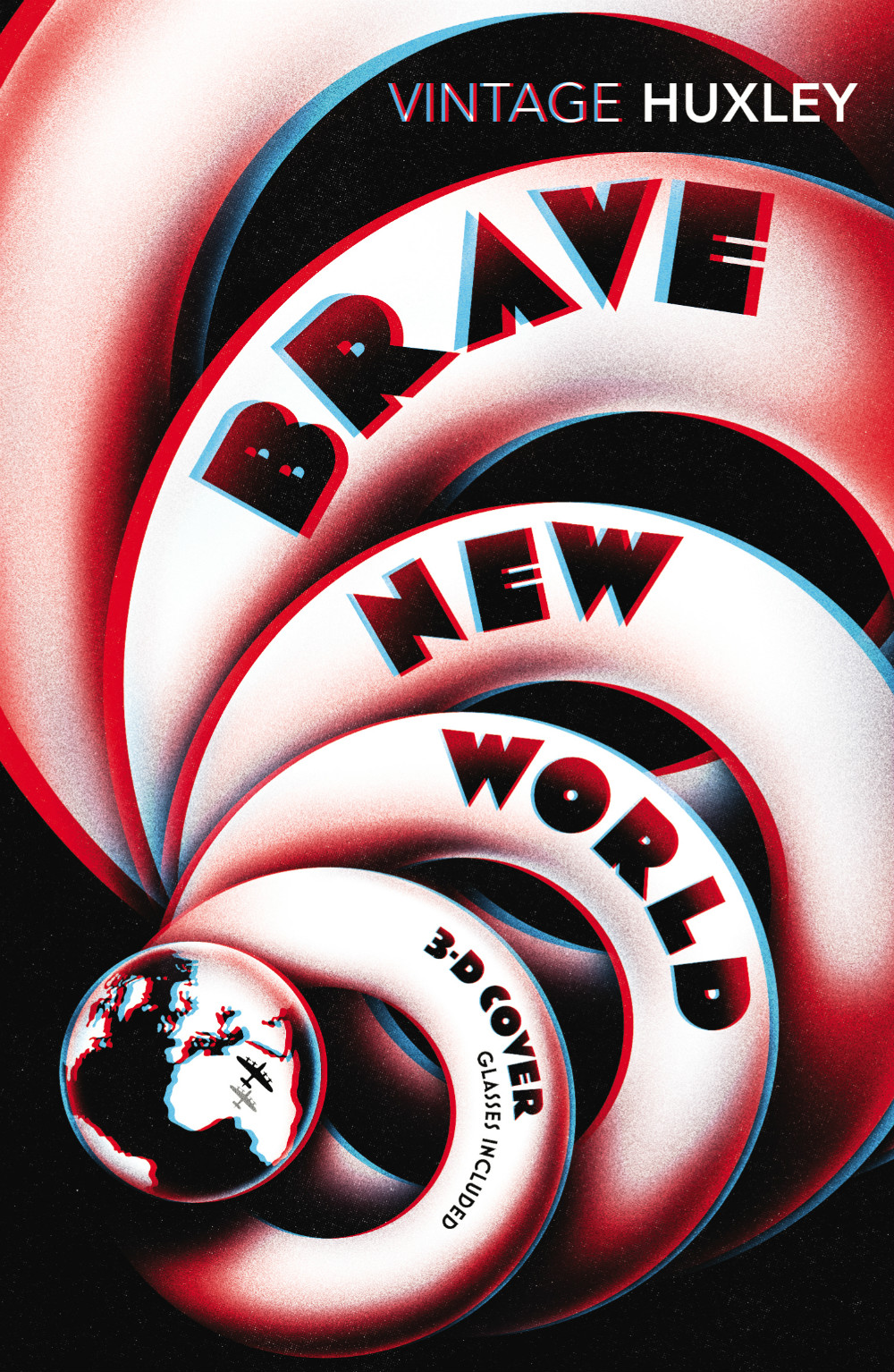
Design Observer has announced the winners of their 2014 50 Books | 50 Covers competition, organized in association with AIGA and Designers & Books.

The fifty winning covers can be seen here

Brave New World design by La Boca

…and the fifty winning books, here.

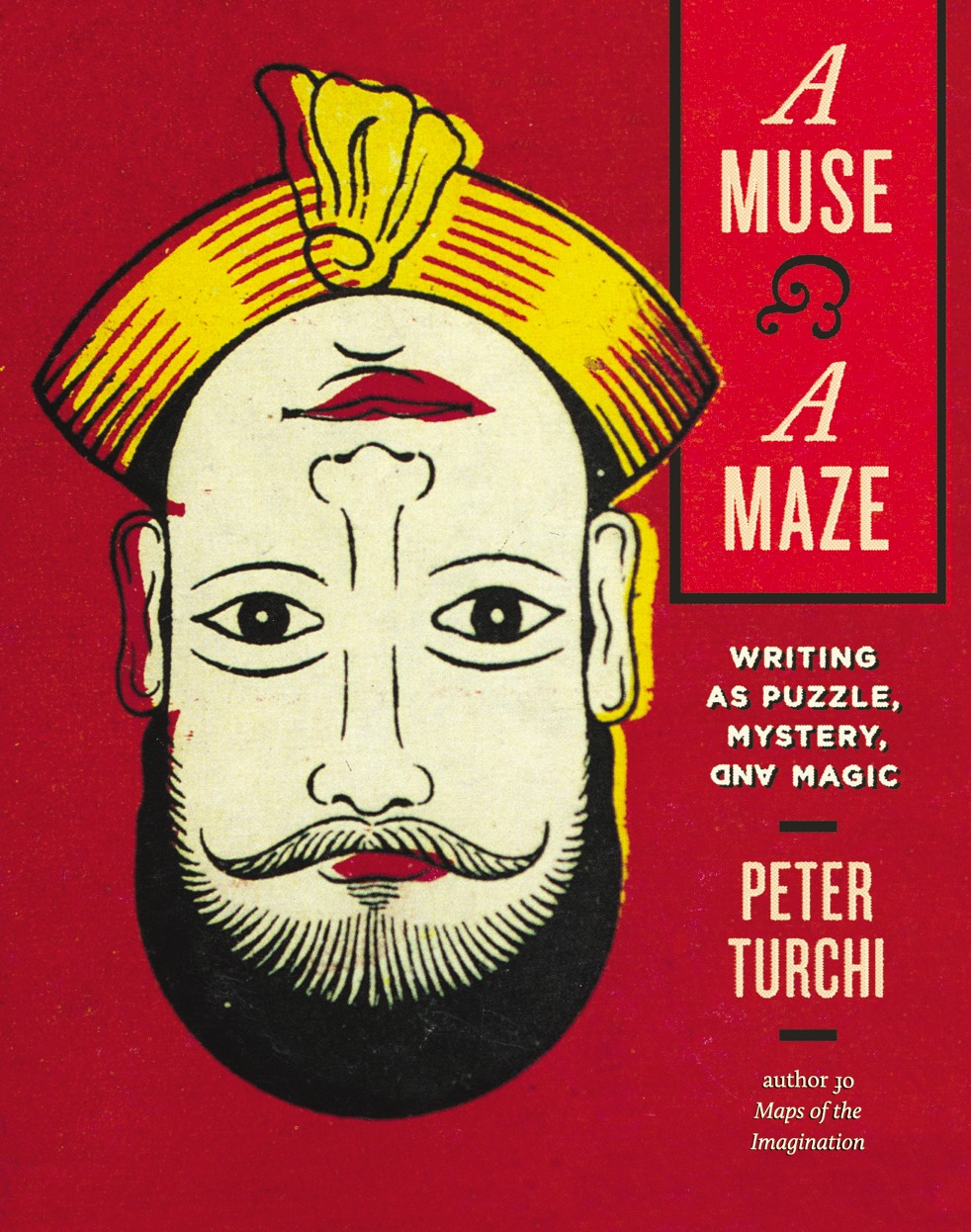
A Maze and A Muse design Jenny Volvovski

My 2014 cover selections are here.

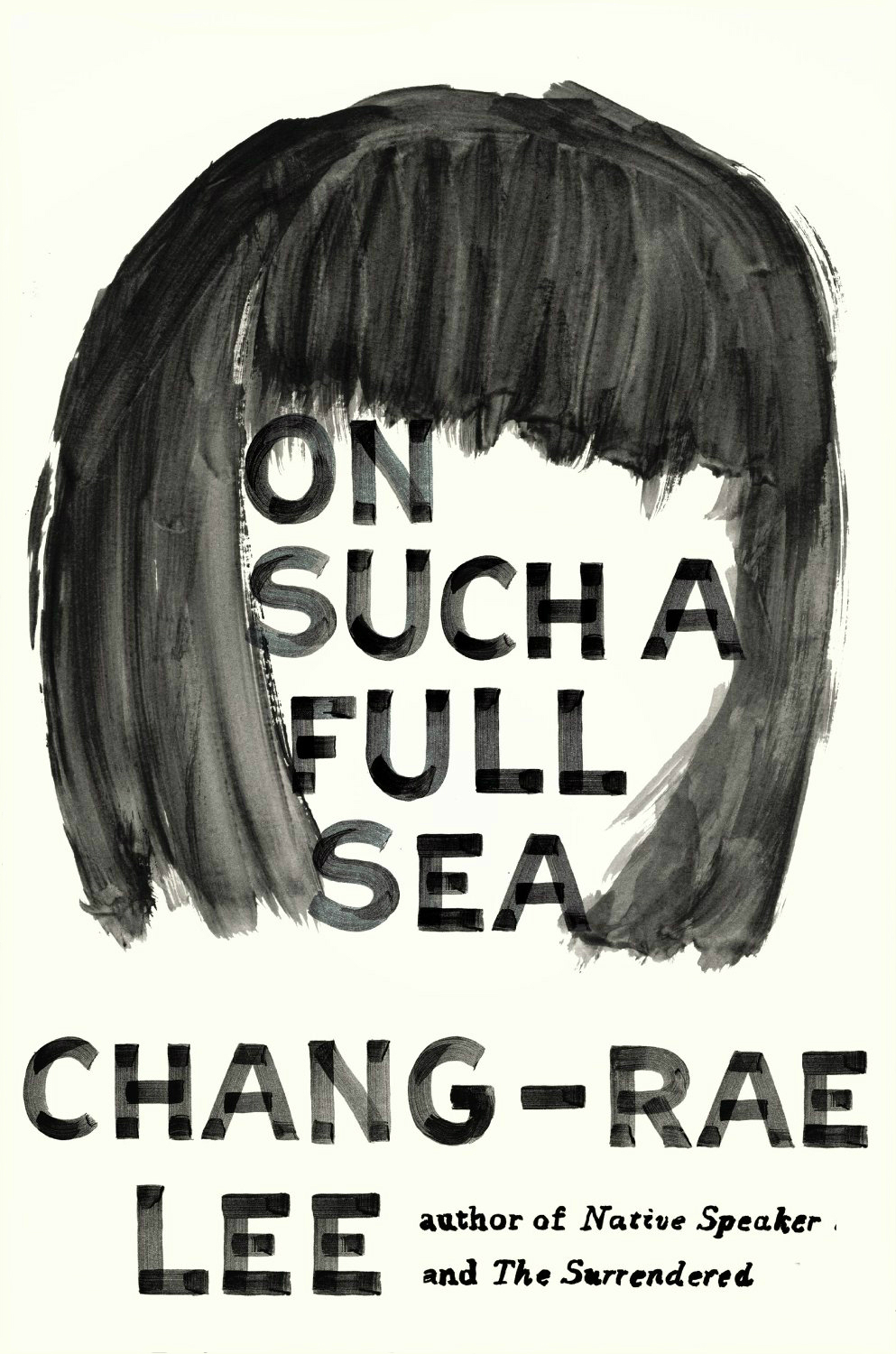
On Such a Full Sea design by Helen Yentus
1 Comment

Book Covers of Note July 2015

It’s finally summer, and because July is traditionally something of a quiet month in publishing, I’m taking the opportunity to catch up on a few covers that I missed earlier in the year…

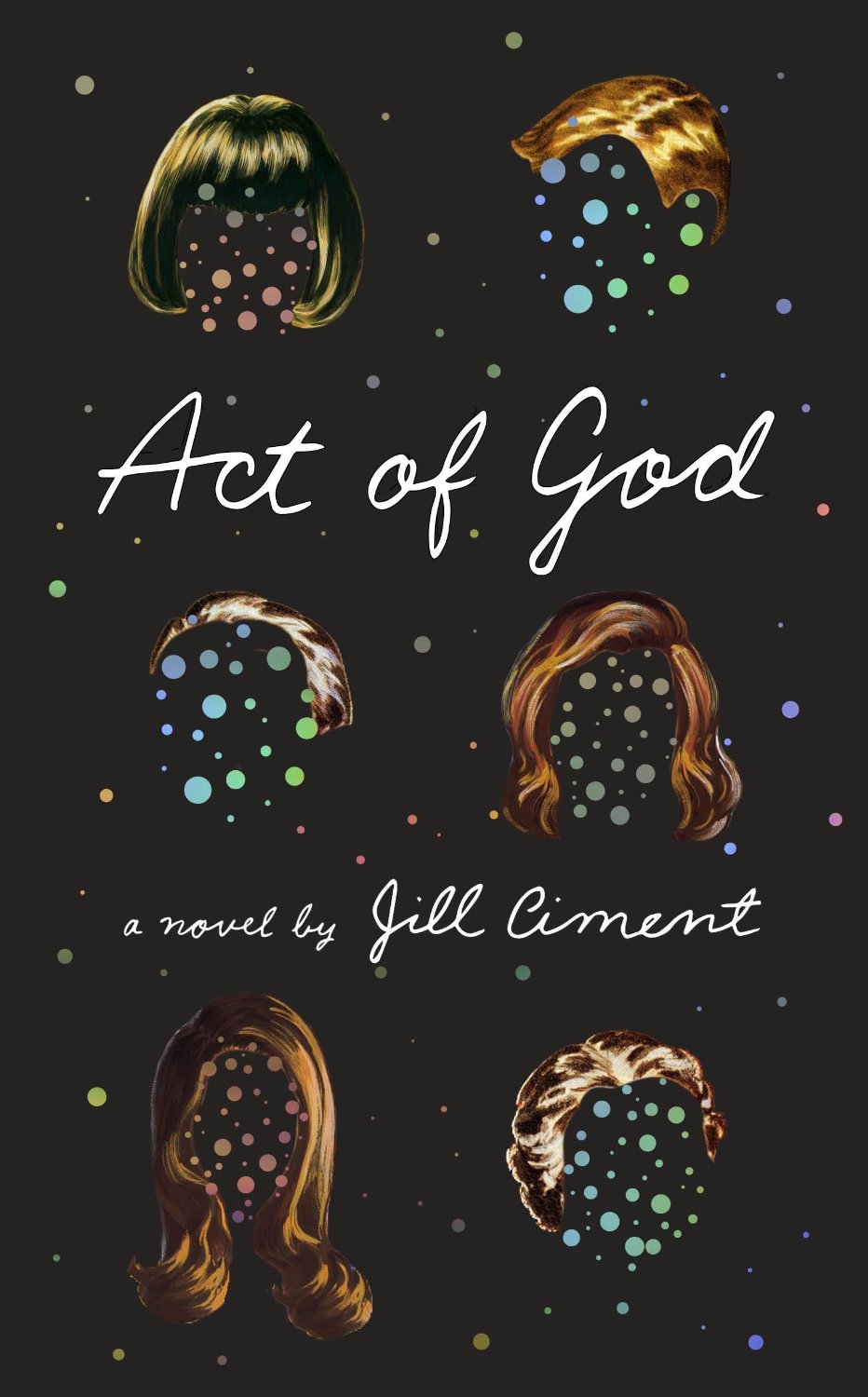
Act of God design Janet Hansen

Act of God by Jill Ciment; design by Janet Hansen (Pantheon / March 2015 )

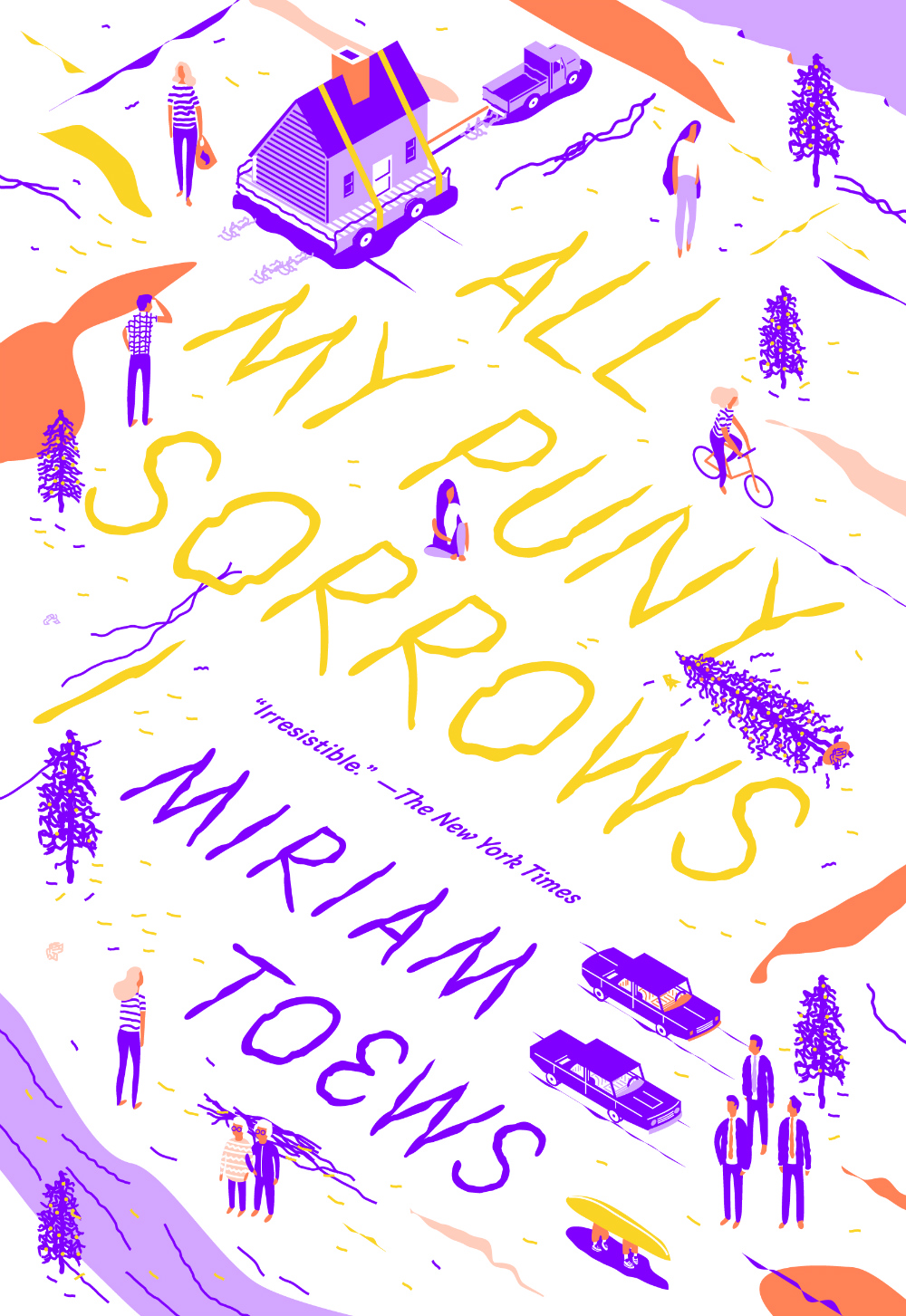
All My Puny Sorrows design Sunra Thompson

All My Puny Sorrows by Miriam Toews; design and illustration by Sunra Thompson (McSweeney’s / June 2015)

Print
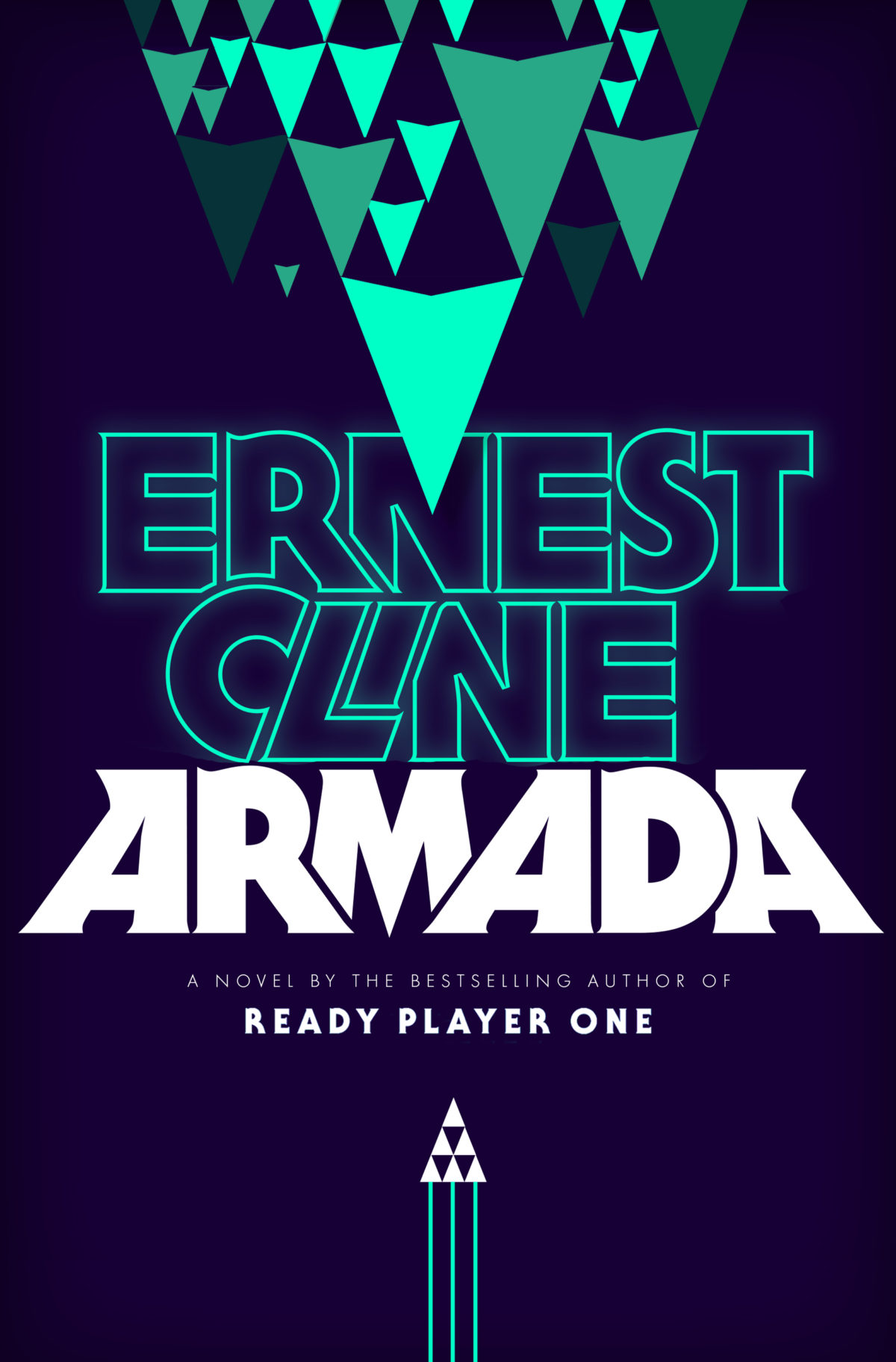
Armada by Ernest Cline; design by Will Staehle (Crown / July 2015)

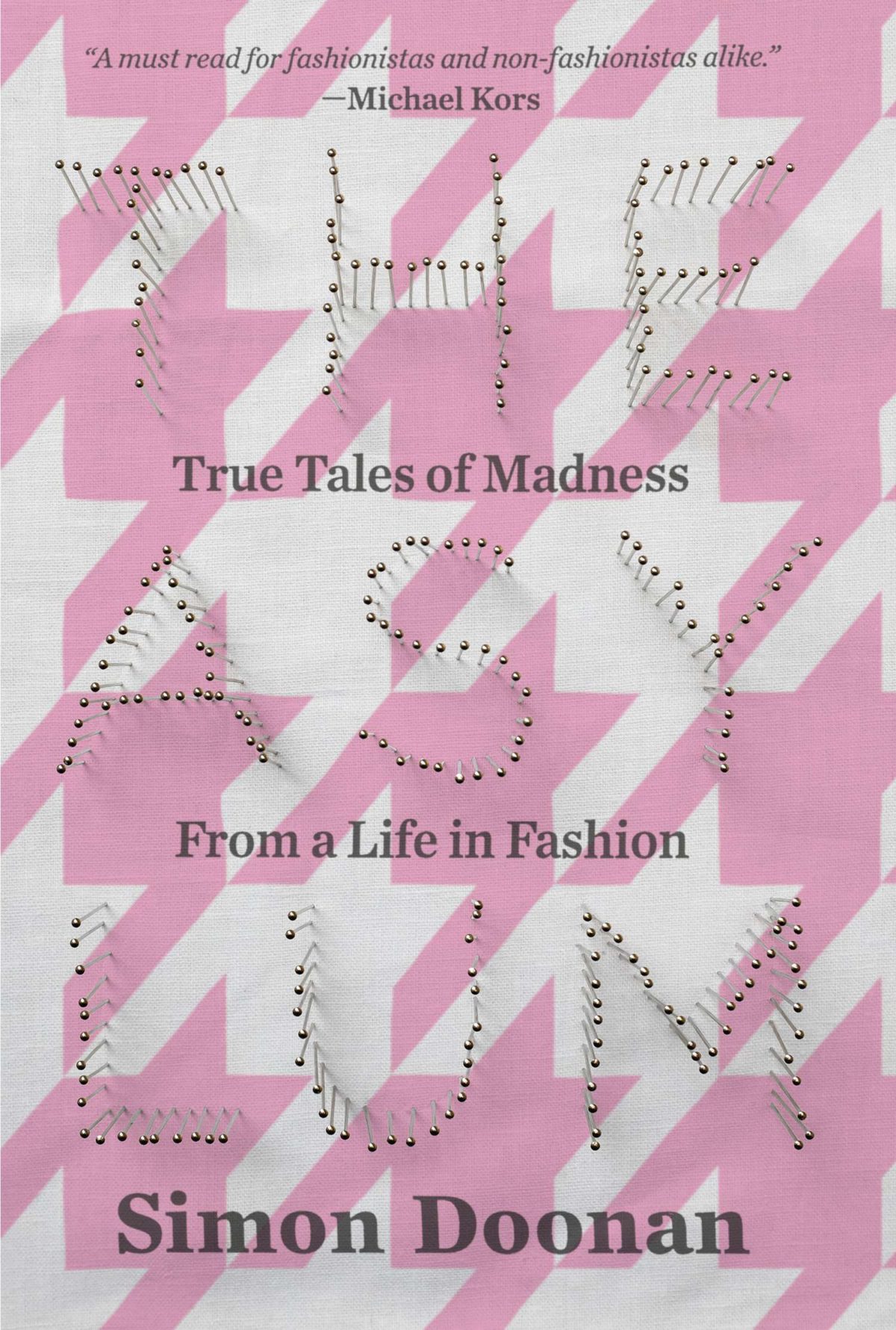
Asylum design Spencer Kimble
The Asylum by Simon Doonan; design by Spencer Kimble (Blue Rider Press / February 2015 )

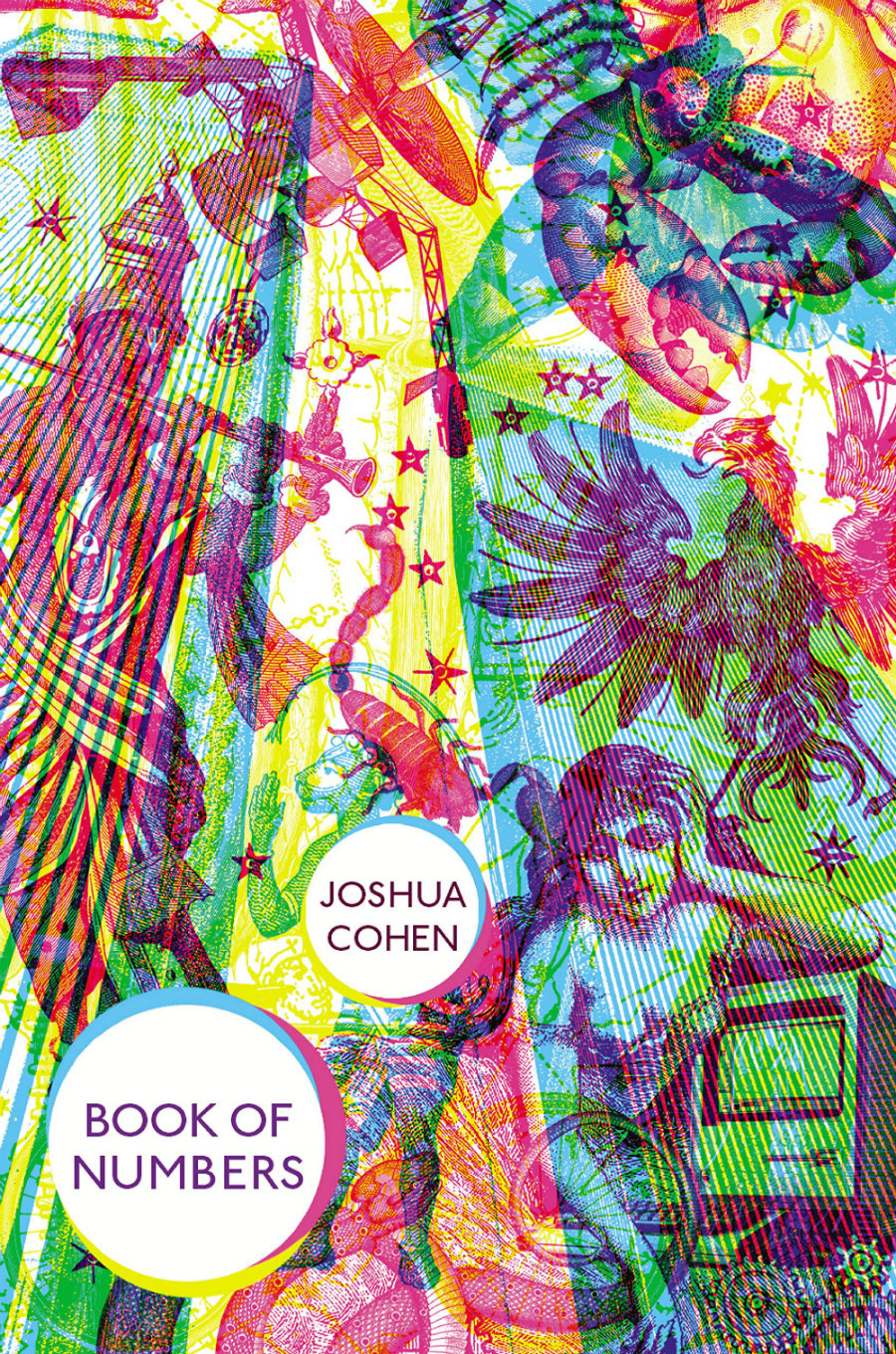
Book of Numbers design Suzanne Dean cover illustration Carnovsky

Book of Numbers by Joshua Cohen; design by design Suzanne Dean; illustration Carnovsky (Harvill Secker / June 2015)

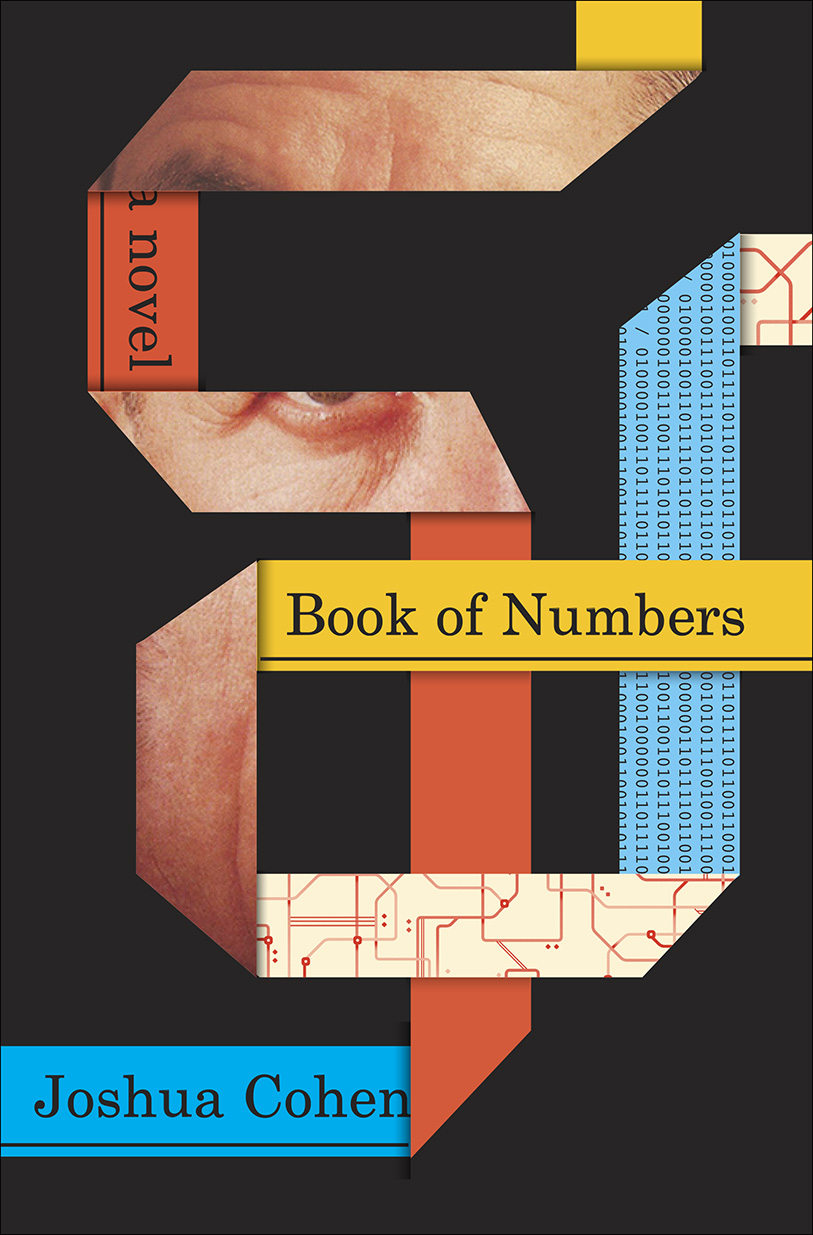
Book of Numbers design Oliver Munday

Book of Numbers by Joshua Cohen; design by Oliver Munday (Random House / June 2015)

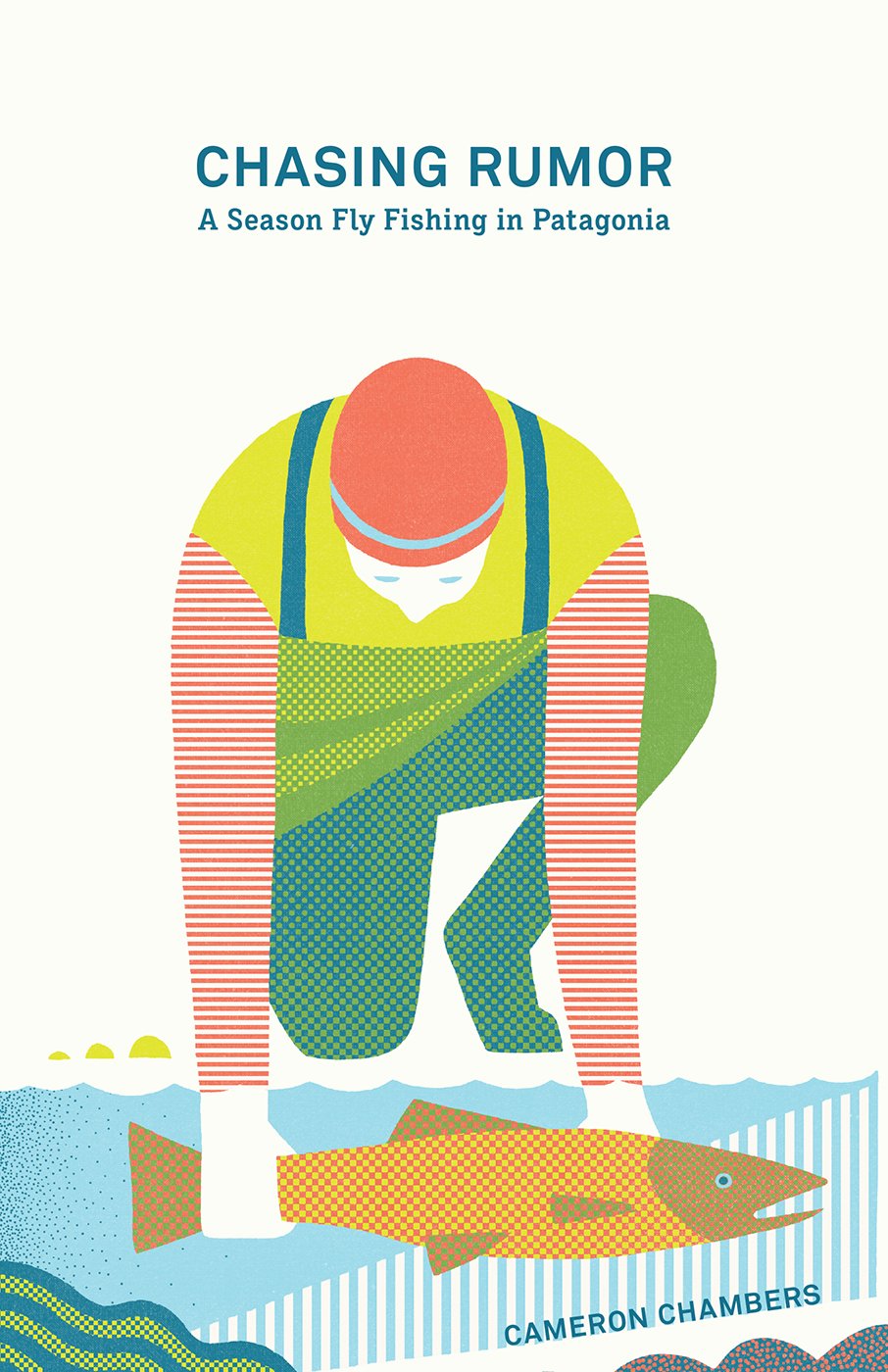
Chasing Rumer illustration by Andrew Holder

Chasing Rumor by Cameron Chambers; design by Haruna Madono; illustration by Andrew Holder (Patagonia / June 2015)

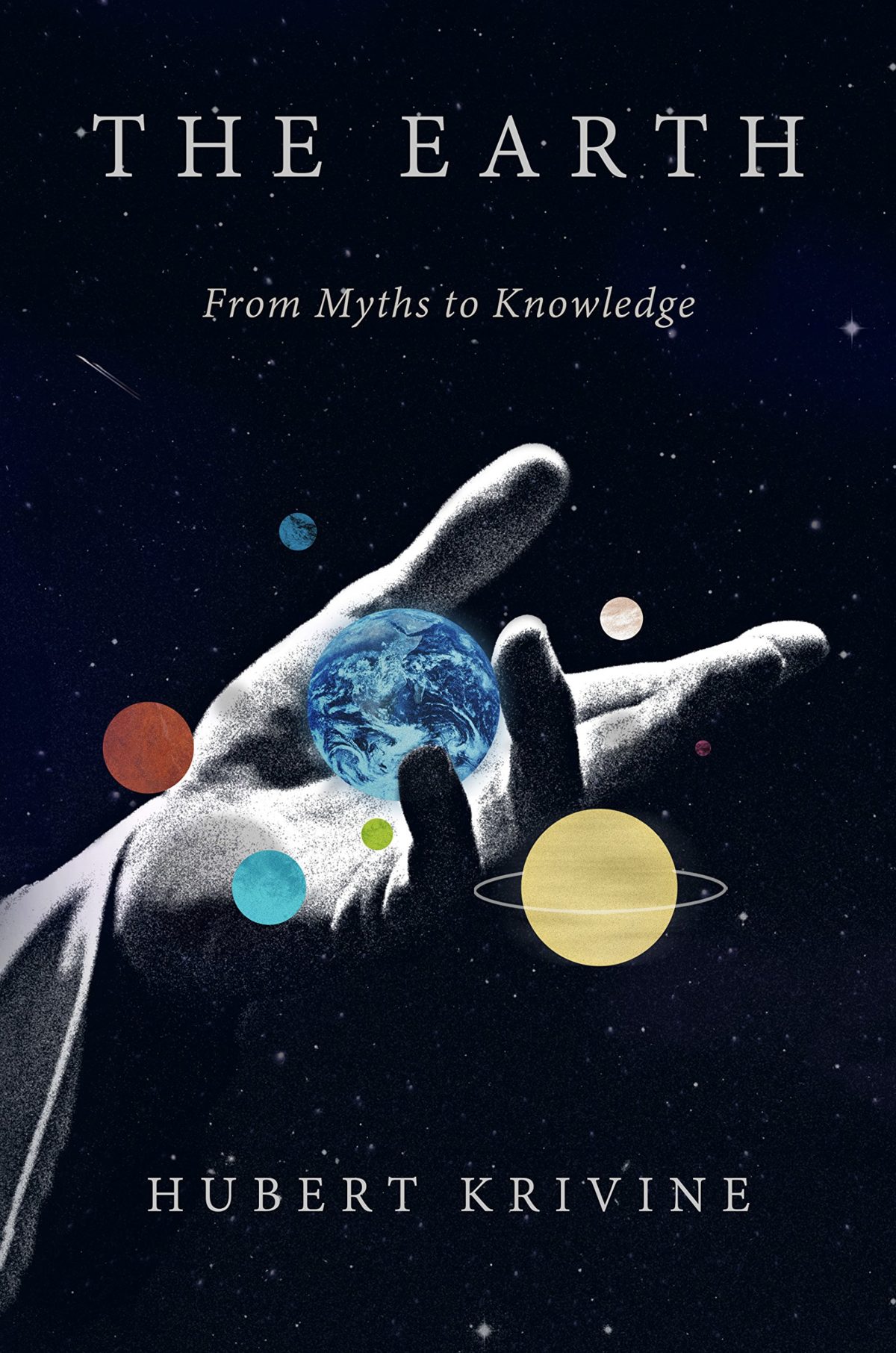
Earth design by Alex Merto
Earth by Hubert Krivine; design by Alex Merto (Verso Books / April 2015)

Economics After Capitalism design David Gee

Economics After Capitalism by Derek Wall; design by David A. Gee (Pluto Press / July 2015)

egg design by Clare Skeats

Egg by Blanche Vaughan; design by Clare Skeats (Wiedenfeld & Nicolson / March 2015)

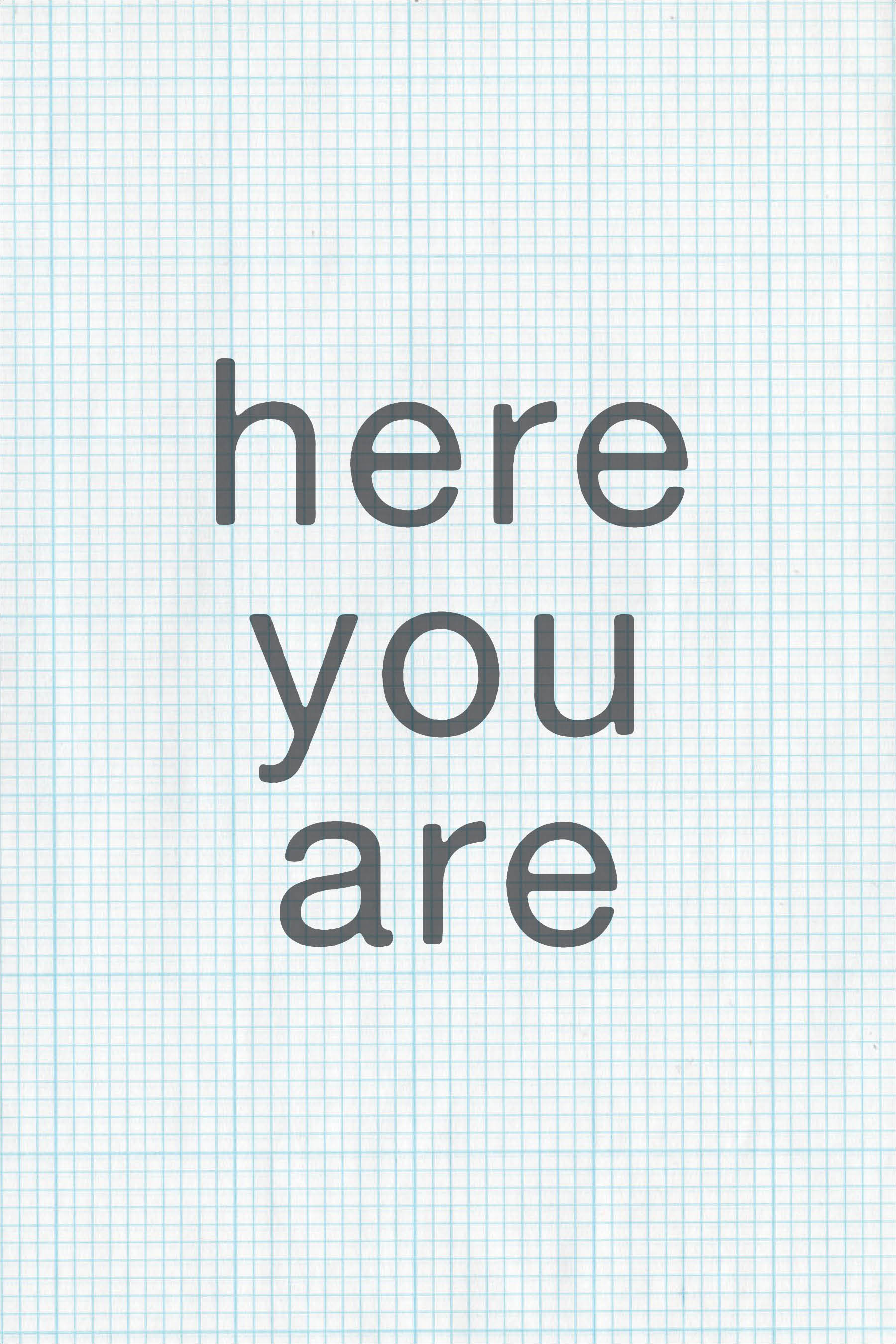
Here You Are design by Alban Fischer

Here You Are by Jared Joseph & Sara Peck; design by Alban Fischer (Horse Less Press / March 2015)

Krautrock design by Adly Elewa

Future Days by David Stubbs; design by Adly Elewa (Melville House / July 2015)

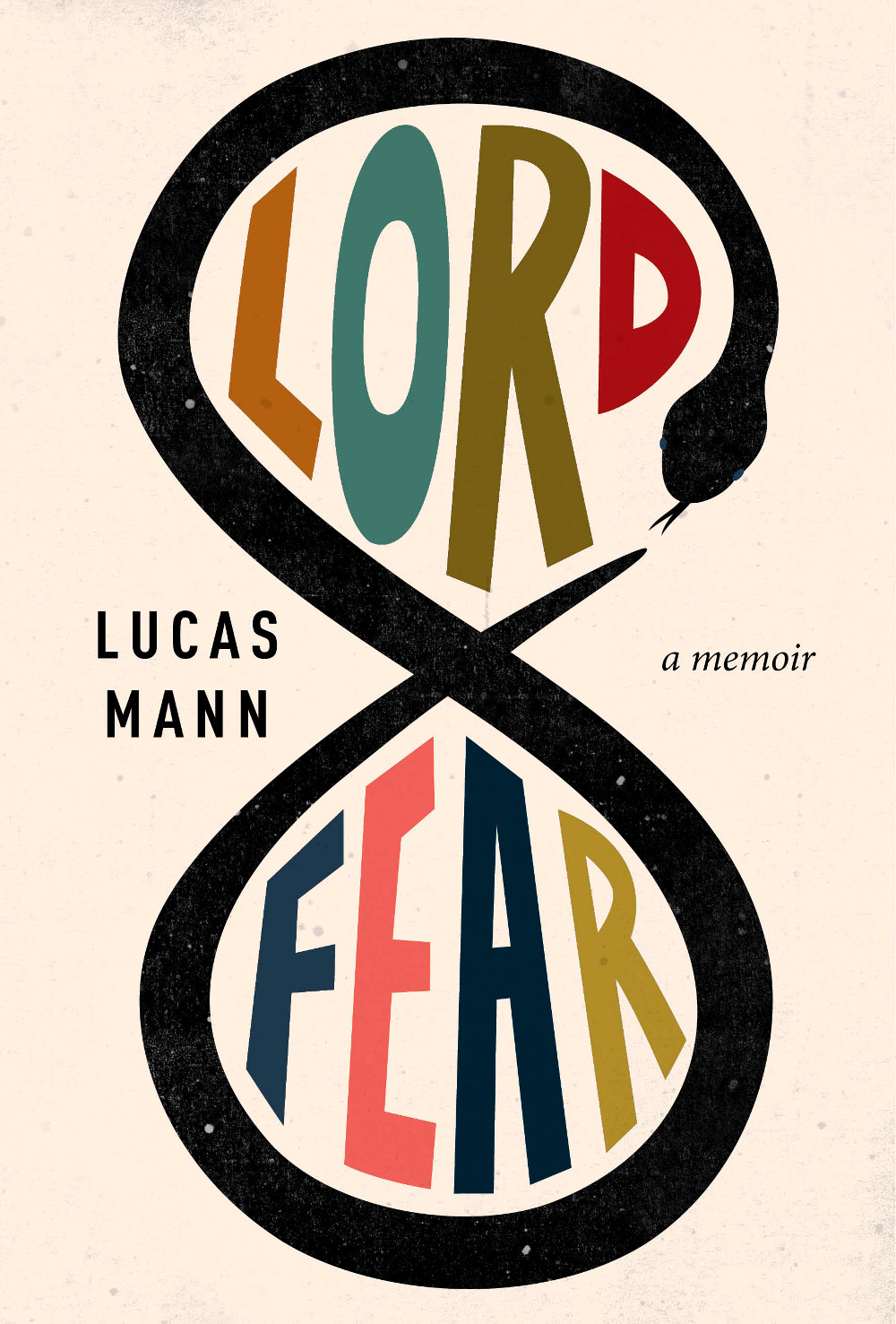
Lord Fear design by Kelly Blair

Lord Fear by Lucas Mann; design by Kelly Blair (Pantheon / May 2015)

Modern Romance design by Jay Shaw photograph by ruvan wijesooriya
Modern Romance by Aziz Ansari; design by Jay Shaw; photograph by Ruvan Wijesooriya (Penguin / June 2015)

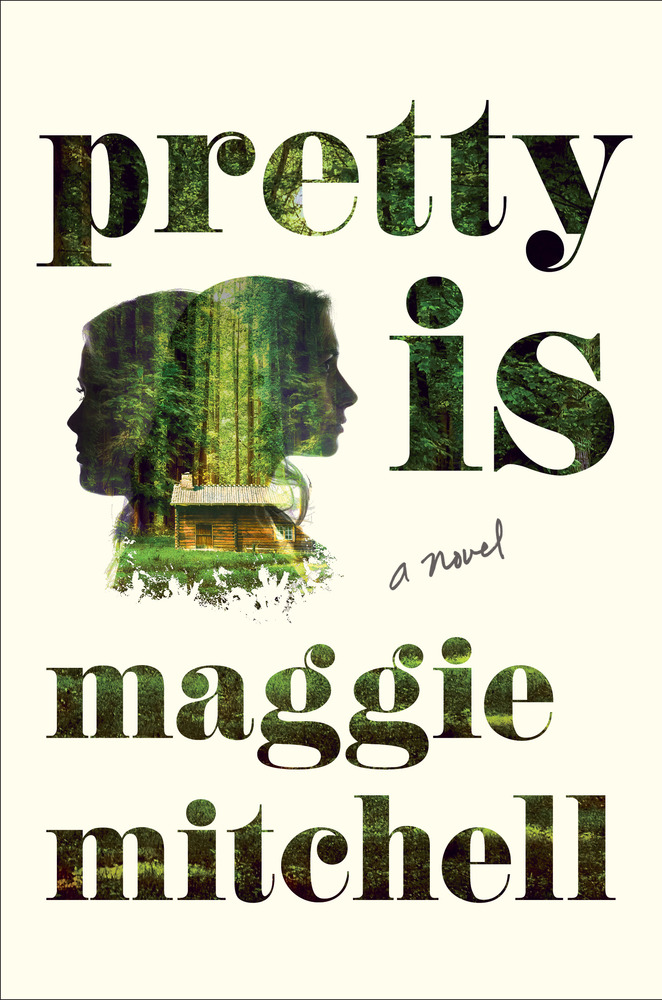
Pretty Is design by Lucy Kim

Pretty Is by Maggie Mitchell; design by Lucy Kim (Henry Holt / July 2015)

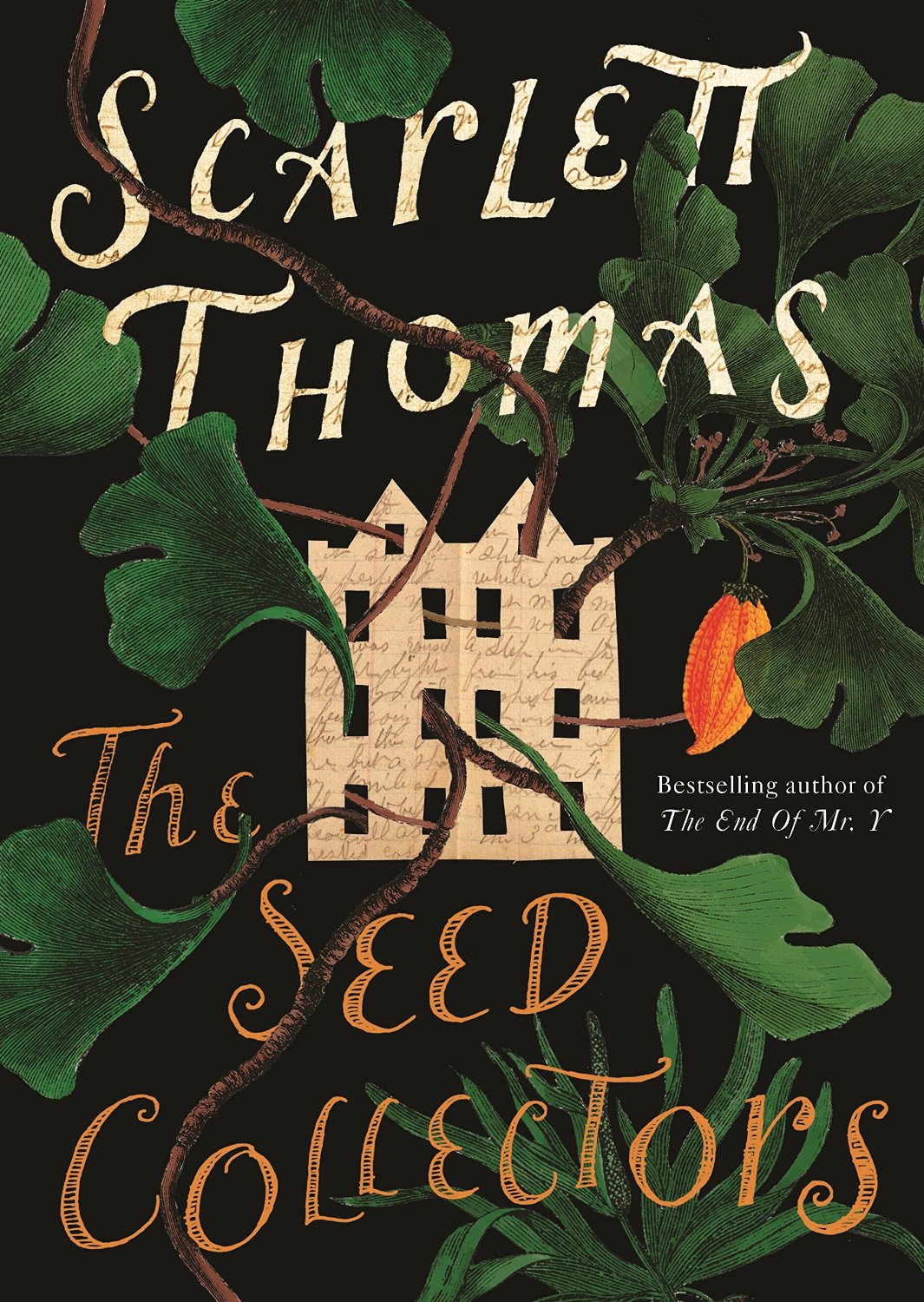
Seed Collectors design by Gray318

The Seed Collectors by Scarlett Thomas; design by Gray318 (Canongate / July 2015)

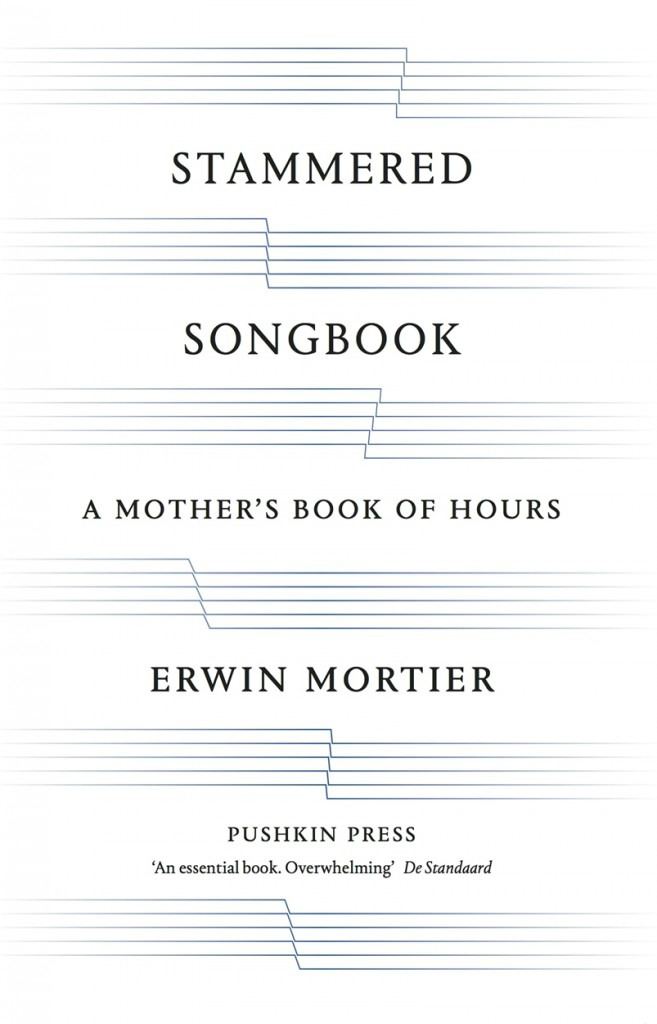
Stammered Songbook design Clare Skeats

Stammered Songbook by Erwin Mortier; design by Clare Skeats (Pushkin Press / March 2015)

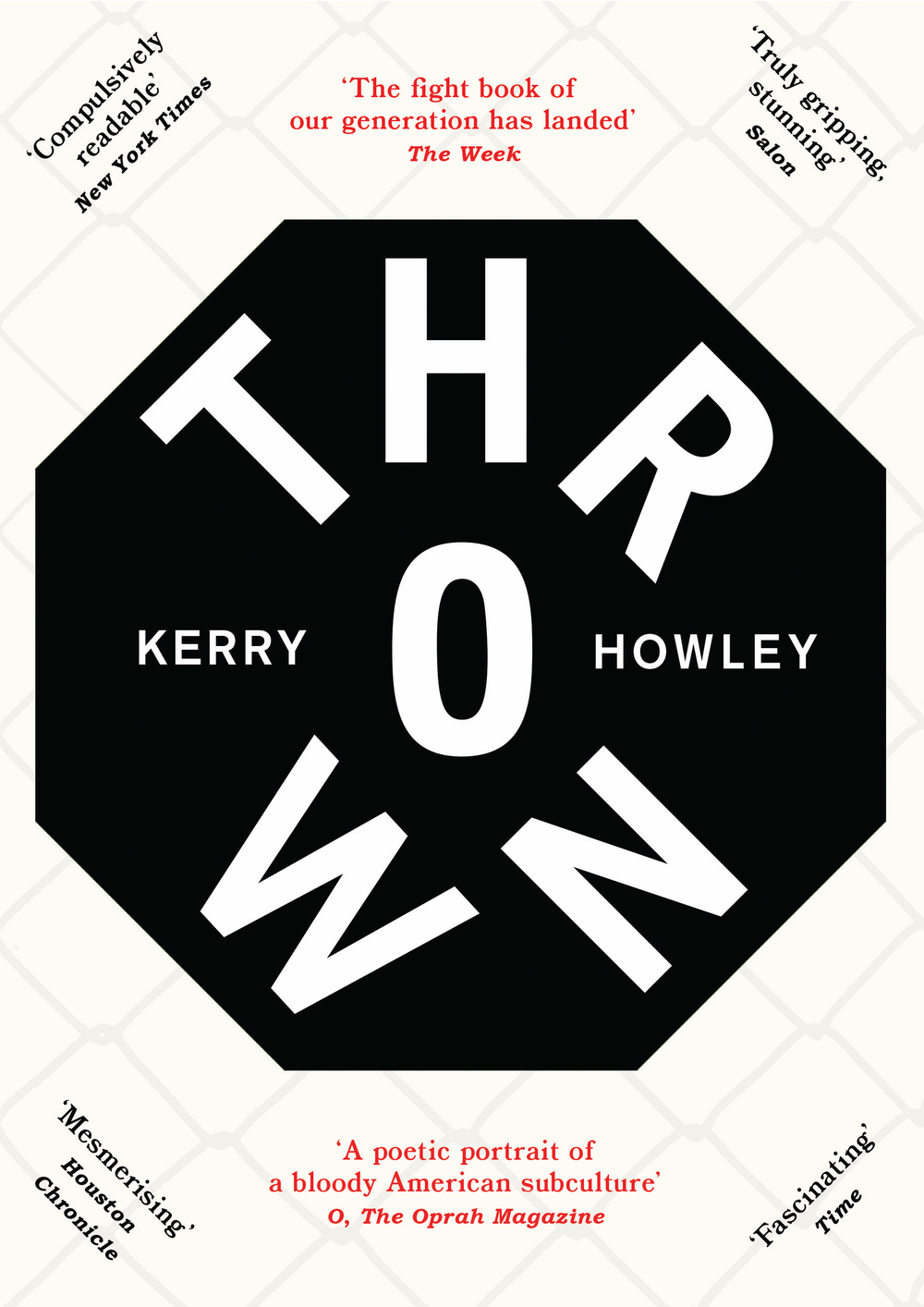
thrown design gray318

Thrown by Kerry Howley; design by Gray318 (Hamish Hamilton / May 2015)

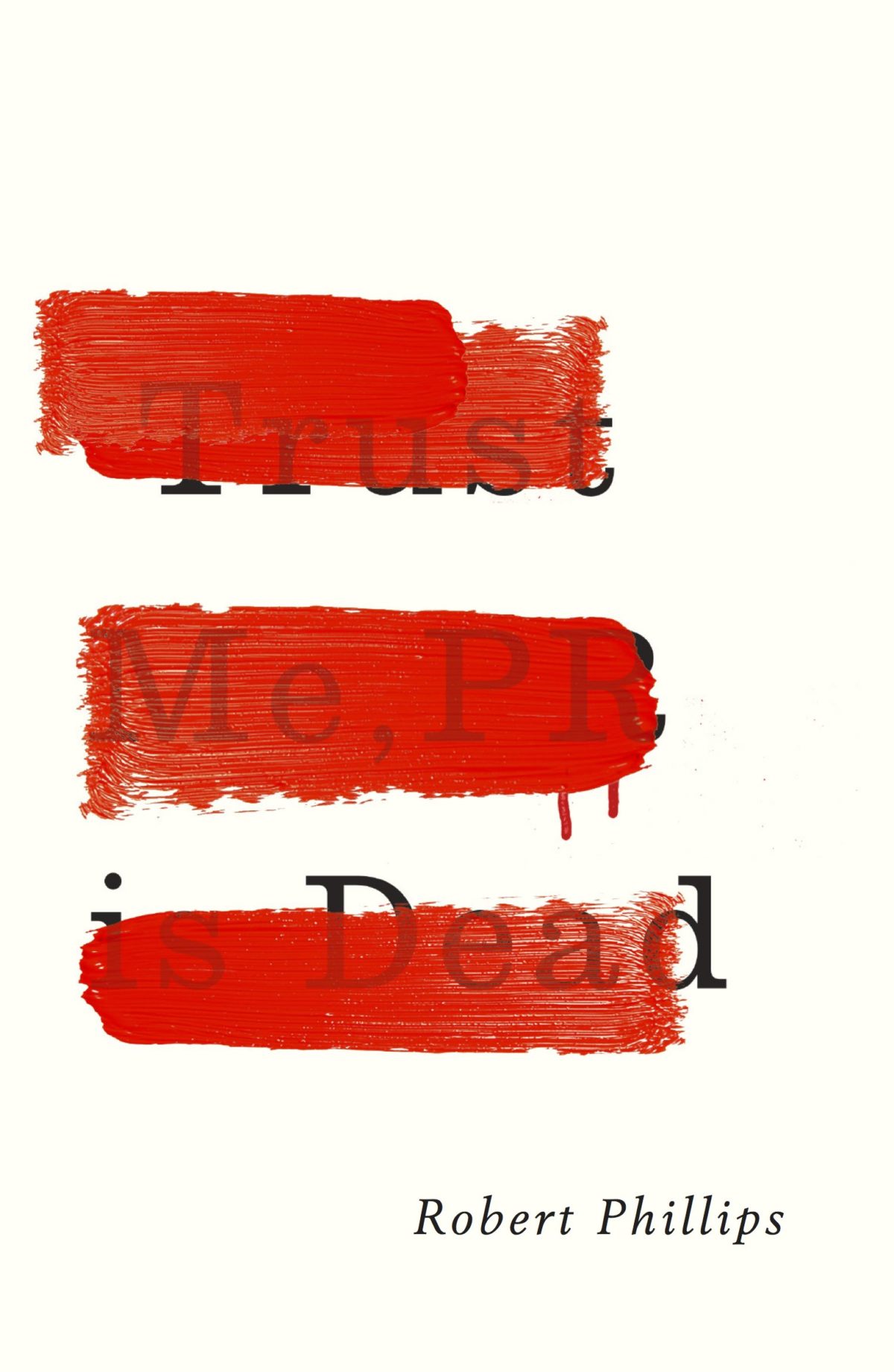
Trust Me design Jamie Keenan
Trust Me, PR is Dead by Robert Phillips; design by Jamie Keenan (Unbound / June 2015)

Unibrow design Zoe Norvell

Unabrow by Una Lamarche; design by Zoe Norvell (Plume / March 2015)

9780241972762
Whisky Tango Foxtrot by David Shafer; design by Richard Bravery (Penguin / June 2015)

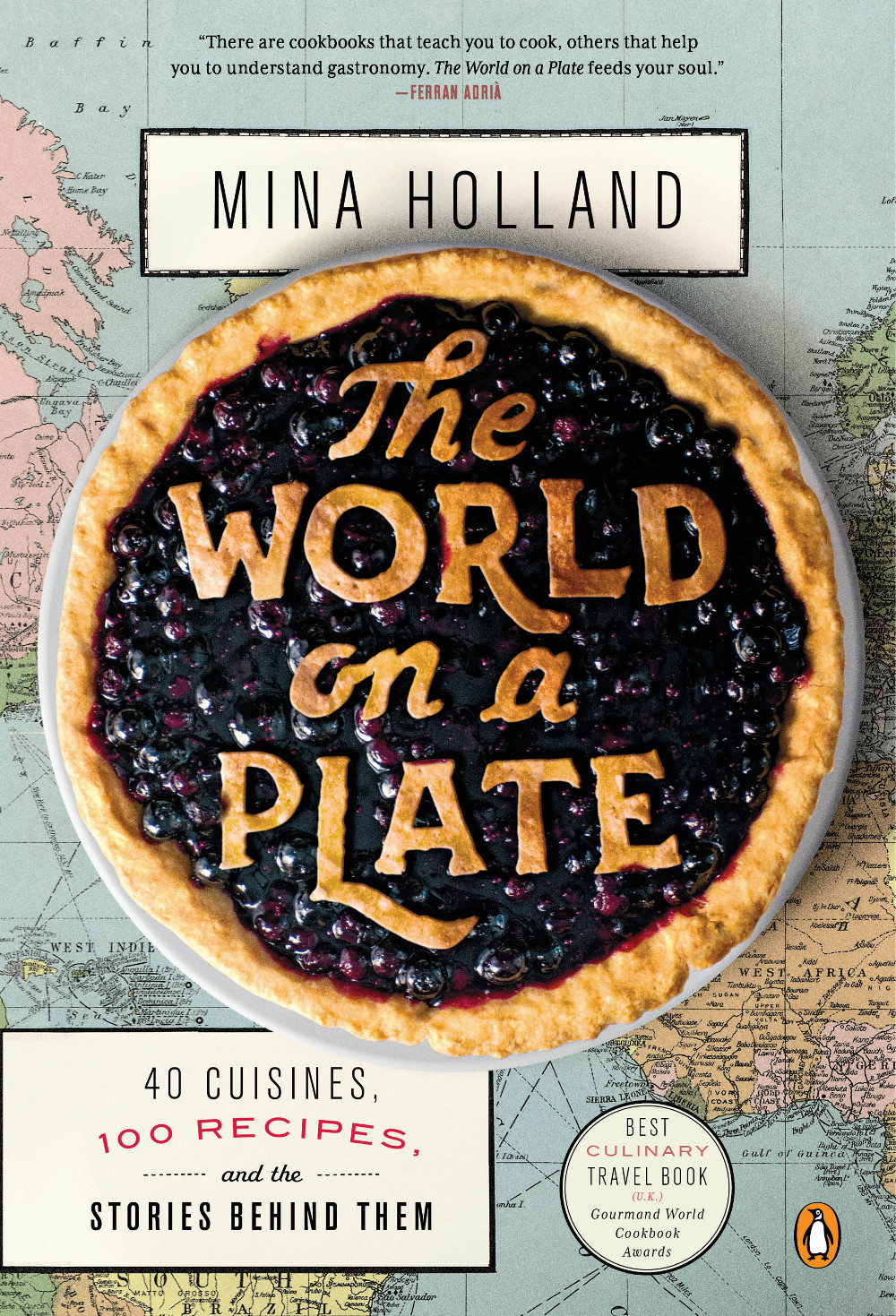
World on a Plate design Nick Misani

World on a Plate by Mina Holland; design by Nick Misani (Penguin / May 2015)
Comments closed