Skip to content

Tag: Design

The Poster Boys on Penguin Design

Clockwork Orange David Pelham

This month on the Poster Boys podcast, designers Brandon Schaefer and Sam Smith look back at 45 years of Penguin design history from the early years of the company under the direction of typographer Jan Tschichold to the work of art director David Pelham in the 1970s. Inspired by David Pelham’s famous design for the cover of A Clockwork Orange, Sam and Brandon also take a look at the artwork for Stanley Kubrick’s film adaptation of Anthony Burgess’s cult novel:

Poster Boys Episode 11: Penguin mp3

You can download the podcast from the Poster Boys website, or you can subscribe in iTunes.


Comments closed

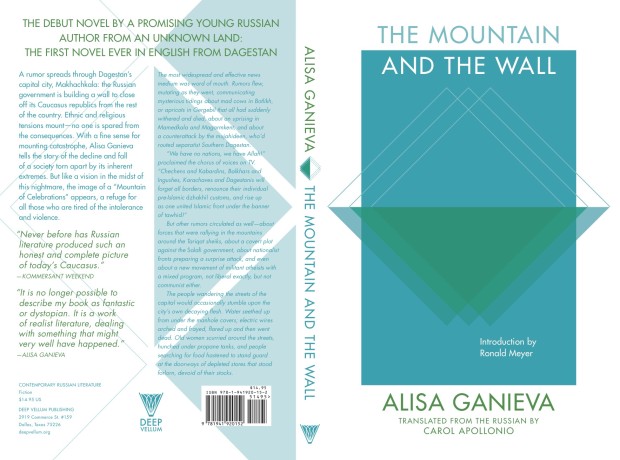
Deep Vellum Book Cover Design by Anna Zylicz

Mountain and the Wall Full design by Anna Zylicz

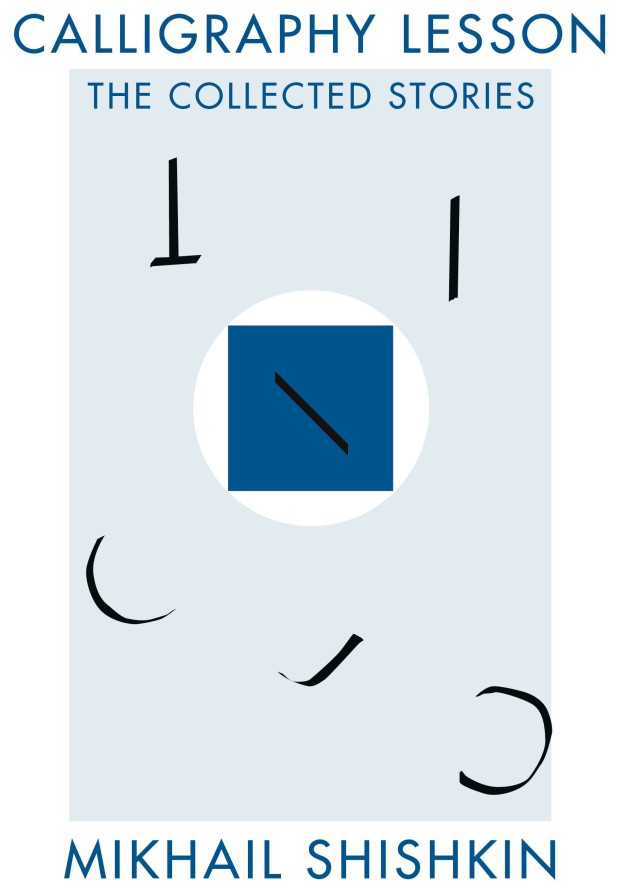
At the Toronto launch of John Freeman’s new anthology last night — encouragingly called ’10 Reasons to Not Shoot Yourself in the Face Over the State of Literature’ — Literary Hub‘s Jonny Diamond mentioned design as a reason to be optimistic about current state of publishing. In particular, Jonny called out the book covers of Deep Vellum, a Dallas-based literary non-profit that publishes literature in translation.1 The covers, designed by Anna Zylicz, are strange, minimal, and instantly recognizable. There’s something of a hard-edged Peter Saville feel to them. I especially like the cover for Sphinx by Anne Garréta. Anna Zylicz is clearly a designer to watch.

sphinx design by Anna Zylicz

Mountain and the Wall design by Anna Zylicz

Calligraphy Lesson by Anna Zylicz

Indian design by Anna Zylicz

1 Comment

Jamie Keenan on Book Cover Design

Little Apple design Jamie Keenan

Book designer Jamie Keenan talks to Shiny New Books about his design process and designing the covers for Pushkin Press’s Vertigo imprint:

I think designers might have brains that are set up slightly differently to ‘normal’ people (there are always a lot of left handed people design departments). Quite often someone will mention authors and titles of books to me and it won’t mean anything, but when I look those books up on Amazon and see some pictures, I’ll realise I’ve read them or even worked on them. Words don’t seem to lodge in my brain in the same way that images do – I’m useless at remembering people’s names, but I can recognise someone because I sat next to them on a bus three years ago. When I read a book, I’m not sure if I experience in the way you’re supposed to do. It’s hard to describe, but from reading a book I get a sense, in quite an abstract way, of what the tone of the cover for that book should be. Each book seems to create its own world with its own rules and logic. And working on a book you don’t like is always easier – there’s nothing worse that trying to design a cover for your favourite book. It’s like being so keen to be friends with someone that you instantly become the most boring person in the world.

1 Comment

Designing Books with David Pearson

Filmed at D&AD Judging 2015 earlier this year, David Pearson talks about designing books, and picks out some of 2015’s best examples of the art:


David designed the cover of this year’s D&AD annual, and he recently talked to It’s Nice That about that process:

“The only way I’ve been able to hand over any work and feel ok about it is to throw an inordinate amount of time into thinking and thinking and editing and thinking. Then when you hand it over you know you’ve really tortured yourself thinking about what you can get rid of. It’s amazing we ended up with something as clean as we did: you have to get rid of absolutely everything.”

The result is pretty spectacular…

D&AD15-flat

Comments closed

Book Covers of Note October 2015

A little bit later than scheduled, here is my October selection of book covers. There are three from Verso, and two by James Paul Jones, but I think it’s still another month of interesting, diverse, and eclectic work. I hope you agree…

Anything You Want design Zoe Norvell

Anything You Want by Derek Sivers; design by Zoe Norvell (Portfolio / September 2015)
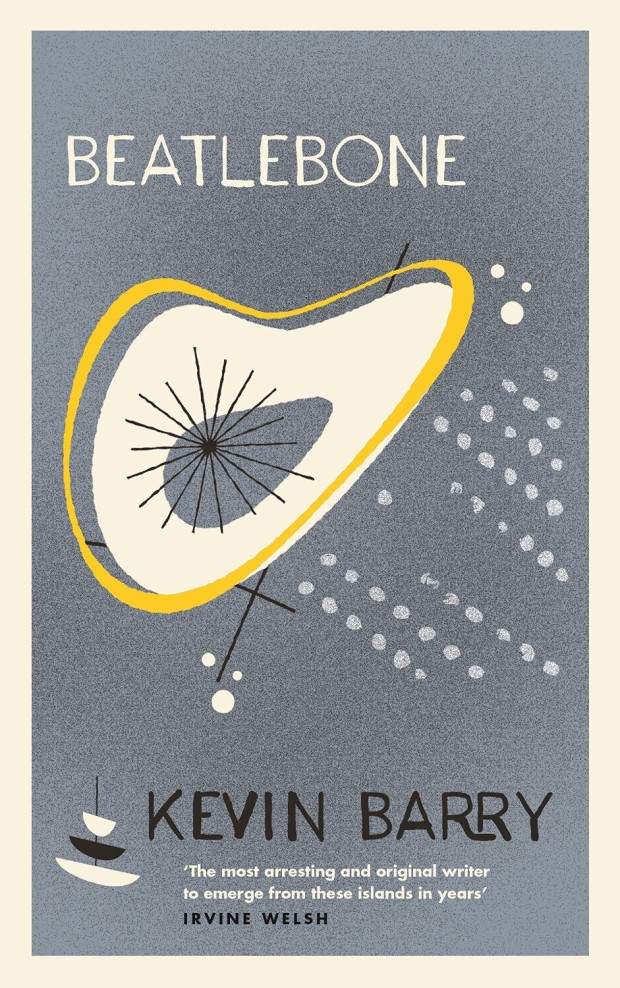
Beatlebone design Rafi Romaya
Beatlebone by Kevin Barry; design by Rafi Romaya (Canongate / October 2015)
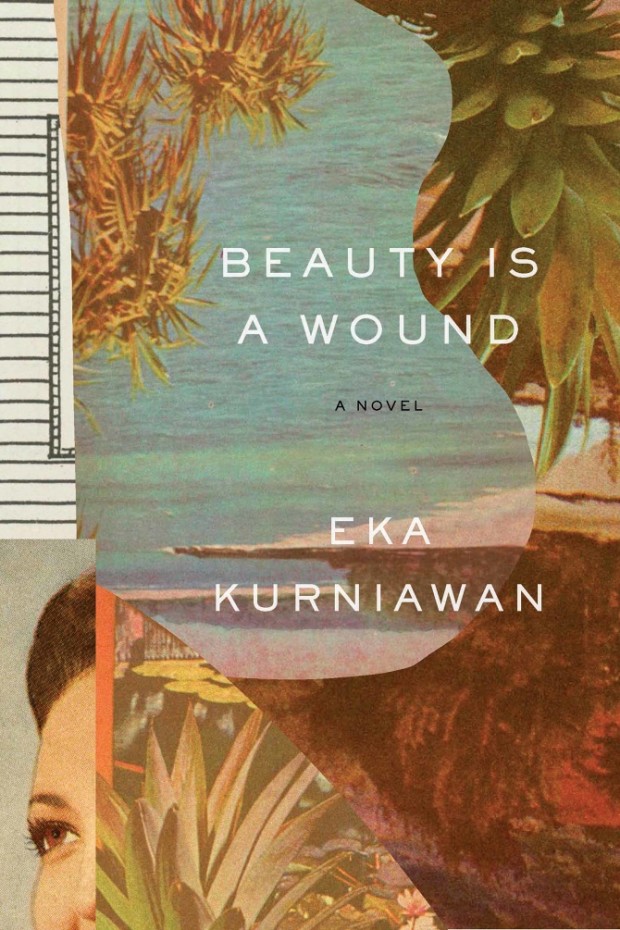
Beauty is a Wound design John Gall
Beauty is a Wound by Eka Kurniawan; design by John Gall (New Directions / September 2015)

Best American Non-Required design Eric Nyquist
The Best American Non-Required Reading 2015; cover art by Eric Nyquist (Mariner / October 2015 )


The US cover, designed by Darren Haggar is on the left; the UK cover designed by Suzanne Dean is on the right.

Bream Gives Me Hiccups design Jean Jullien
Bream Gives Me Hiccups design by Jean Jullien (Grove Atlantic / September 2015)

9780307701534
Building Art: The Life and Work of Frank Gehry by Paul Goldberger; design by Peter Mendelsund (Knopf / September 2015)

Double Life of Liliane
The Double Life of Liliane by Lily Tuck; design by Abby Weintraub (Grove Atlantic / September 2015)

(I was raving about this cover on Twitter no so long ago. It really needs to be seen in person because the image doesn’t do it justice at all. The finish on the jacket is lovely and gives the design a beautiful nuance and subtlety)

Fates and Furies
Fates and Furies by Lauren Groff; design by Rodrigo Corral and Adalis Martinez (Riverhead / September 2015 )

Dream Factory design Jim Stoddart
The Great British Dream Factory by Dominic Sandbrook; design by Jim Stoddart (Allen Lane / October 2015)
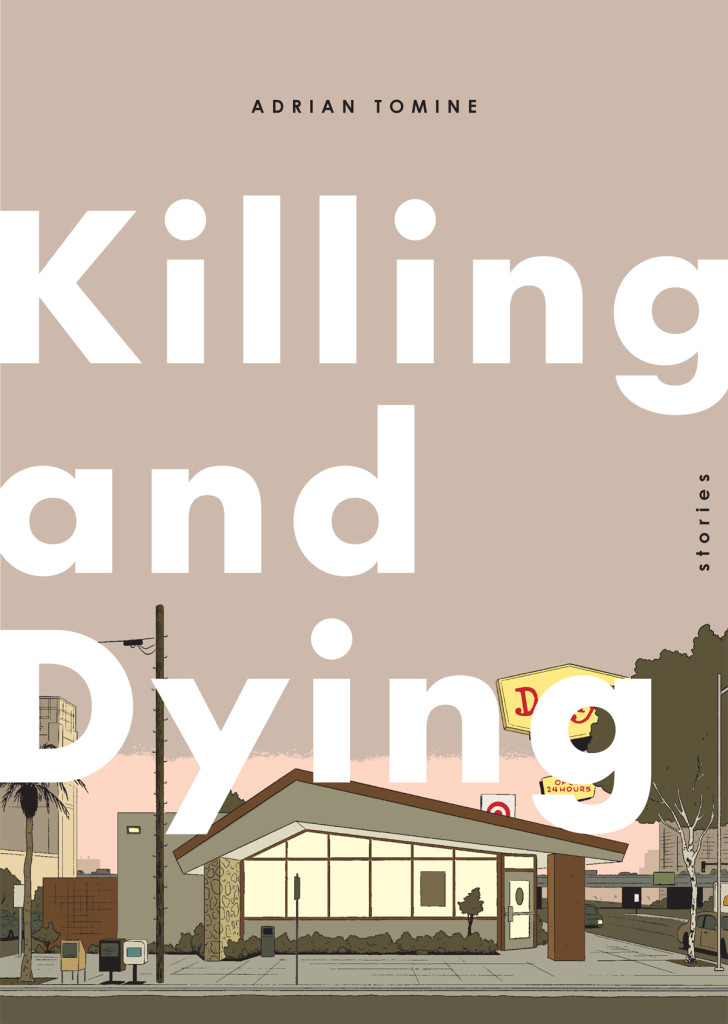
killing and dying
Killing and Dying by Adrian Tomine; cover art and design by Adrian Tomine (Drawn & Quarterly / October 2015)

Laurus design Gray318
Laurus by Eugene Vodolazkin; design Gray318 (Oneworld / October 2015)

Music mfor Wartime design Lynn Buckley
Music for Wartime by Rebecca Makkai; design by Lynn Buckley (Viking / June 2015)

Negroland design by Oliver Munday
Negroland by Margo Jefferson; design by Oliver Munday (Pantheon / September 2015)

Nest design Jon Klassen
The Nest by Kenneth Oppel; cover art by Jon Klassen (Simon & Schuster / October 2015 )

No Such Thing as a Free Gift design James Paul Jones
No Such Thing as a Free Gift by Linsey McGoey; design by James Paul Jones (Verso / October 2015)
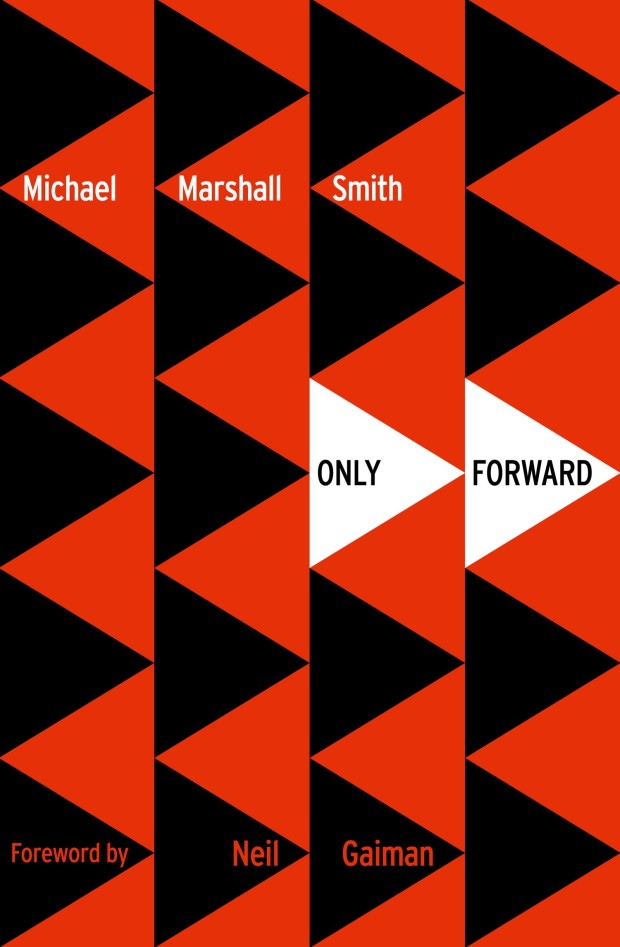
Only Forward design Stuart Bache
Only Forward by Michael Marshall Smith; design by Stuart Bache (HarperCollins / May 2015)
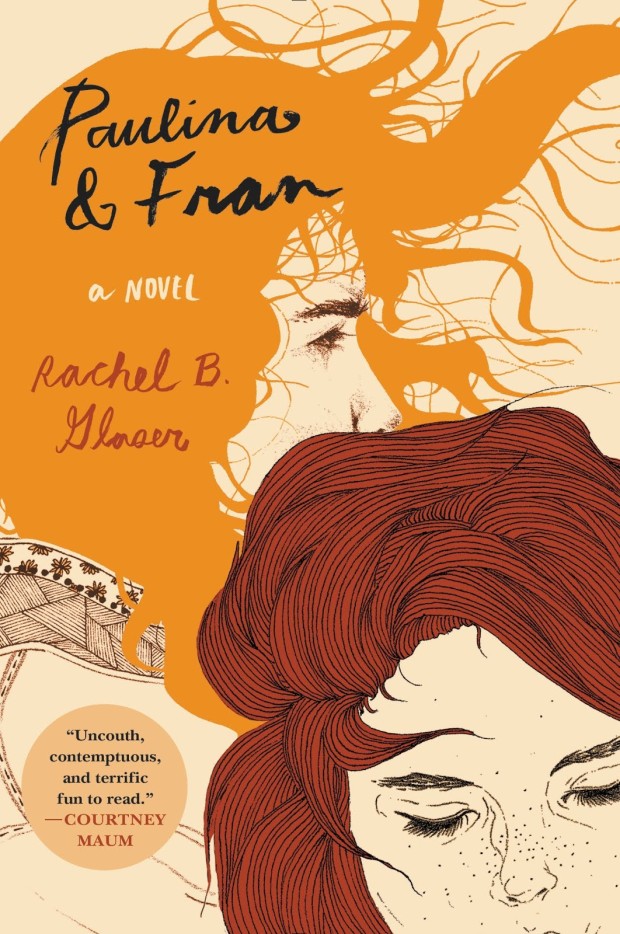
Paulina and Fran illustration Kaethe Butcher typography Nina LoSchiavo
Paulina and Fran by Rachel B. Glaser; illustration Kaethe Butcher; typography Nina LoSchiavo (Harper Perennial / September 2015)

PawPaw design by Kimberly Glyder
PawPaw by Andrew Moore; design by Kimberly Glyder (Chelsea Green / September 2015 )

Rise of the Novel design by James Paul Jones

The Rise of the Novel by Ian Watt; design by James Paul Jones (Vintage / October 2015)

Scorper design by Dan Mogford
Scorper by Rob Magnuson Smith; design by Dan Mogford; illustration by John Vernon Lord (Granta / October)

Season of Trouble design by David Gee
The Seasons of Trouble by Rohini Mohan; design by David A. Gee (Verso / October 2015)

Trans Design and illustration Joanna Walsh
Trans by Juliet Jacques; Design and illustration by Joanna Walsh (Verso / September 2015)

Comments closed

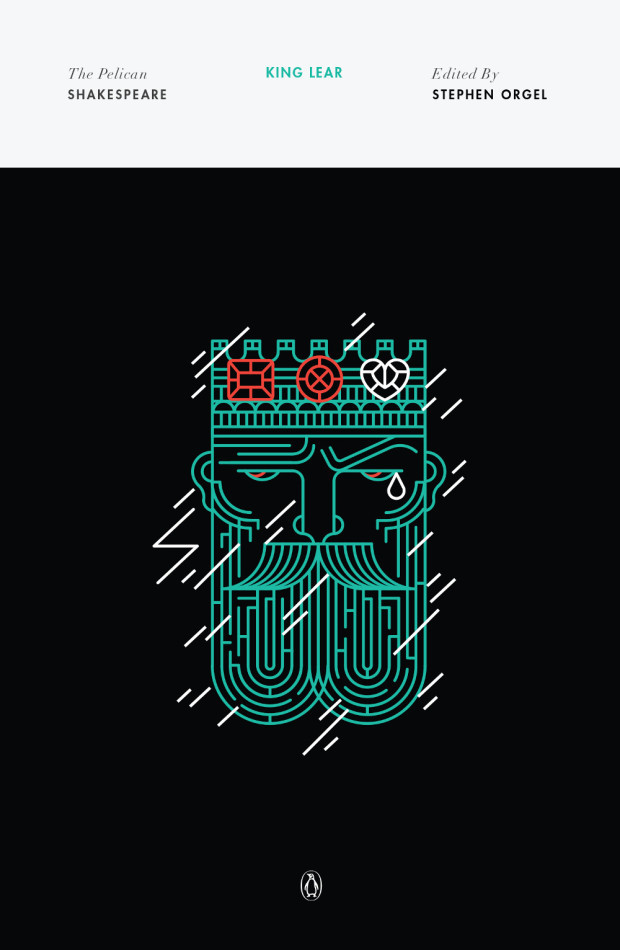
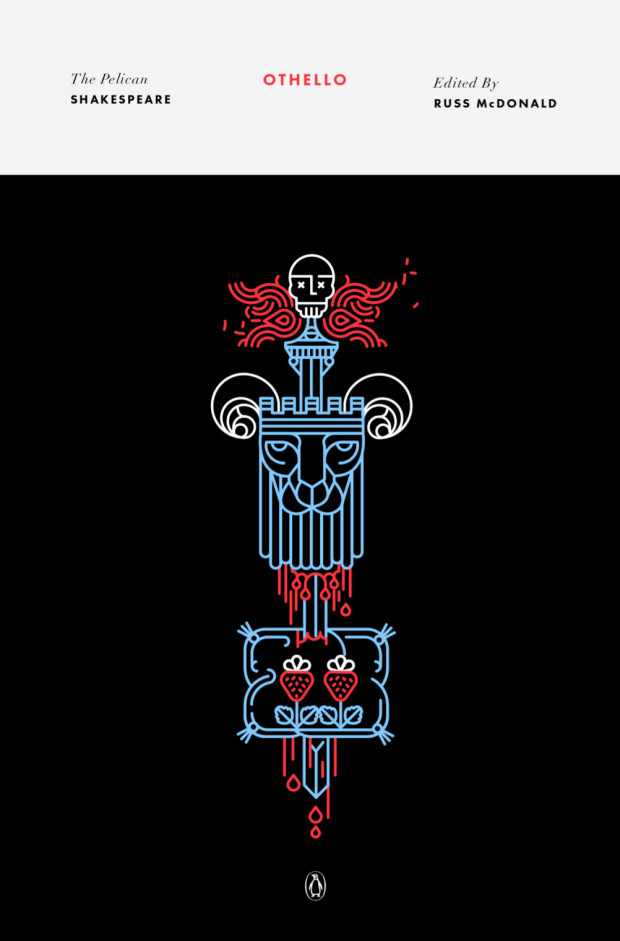
The Pelican Shakespeare Series Design by Manuja Waldia

9780143128557

Continuing with the recent series design theme here on The Casual Optimist, creative director Paul Buckley let me know about new set of covers for the Pelican editions of Shakespeare. The covers were designed by newcomer Manuja Waldia, who studied Graphic Design at NIFT, New Delhi and the Milwaukee Institute of Art & Design. Waldia has been commissioned to design the entire series (which is a lot of book covers!), and as a Paul said, “she gives the last two male icon artists to do that (Milton Glaser and Riccardo Vecchio) a run for their money.”

9780143128540

Othello

4 Comments

Tim O’Brien Series Design by Jo Walker

Tim OBrien series

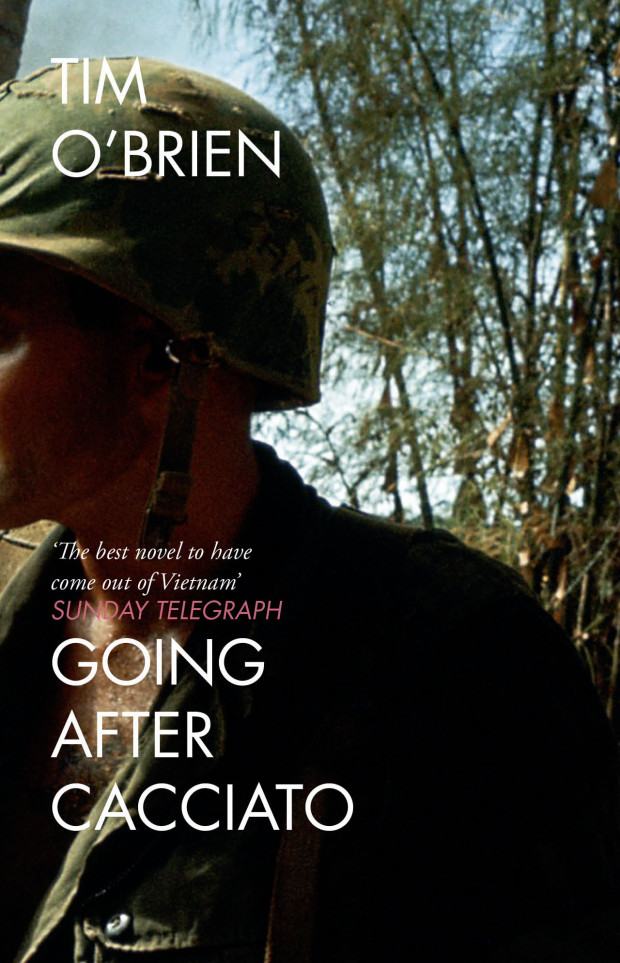
As I mentioned on Twitter yesterday, designer Jo Walker recently redesigned the covers of Tim O’Brien’s classic Vietnam war novels If I Die in a Combat Zone, Going After Cacciato, The Things they Carried, and Northern Lights for 4th Estate in the UK. The series uses a single, searing photograph of a burning Vietnam village taken in 1965 by photographer Dominique Berretty spread over the four covers. The effect is extraordinary, and the design is an interesting contrast to Cardon Webb‘s (also brilliant) typographic covers for the US editions, published by Broadway.

You can read more about Jo’s design process for the series on the 4th Estate blog.

Northern Lights
If I Die in a Combat Zone
The Things They Carried
Going After Cacciato

Comments closed

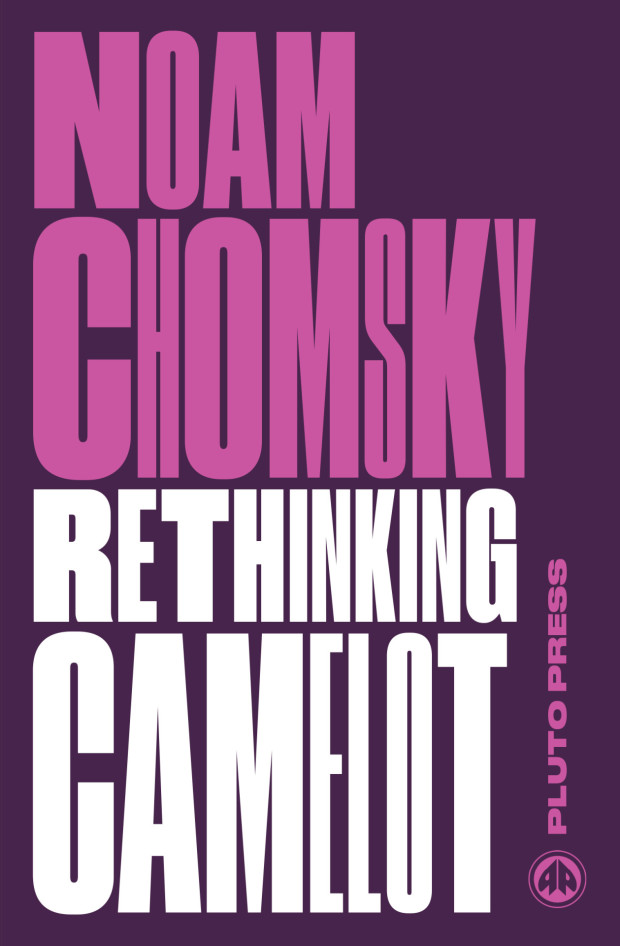
More Noam Chomsky Designs by David Pearson

Rethinking Camelot design David Pearson

I posted David Pearson‘s first four Noam Chomsky covers for Pluto Press back in January. Now, the next four books in the series have been released.

The typeface is apparently Druk, designed by Berton Hasebe for Commercial Type. At the Creative Review, David talks about his design of the series.

Propaganda design David Pearson

Comments closed

At the Bookbinders

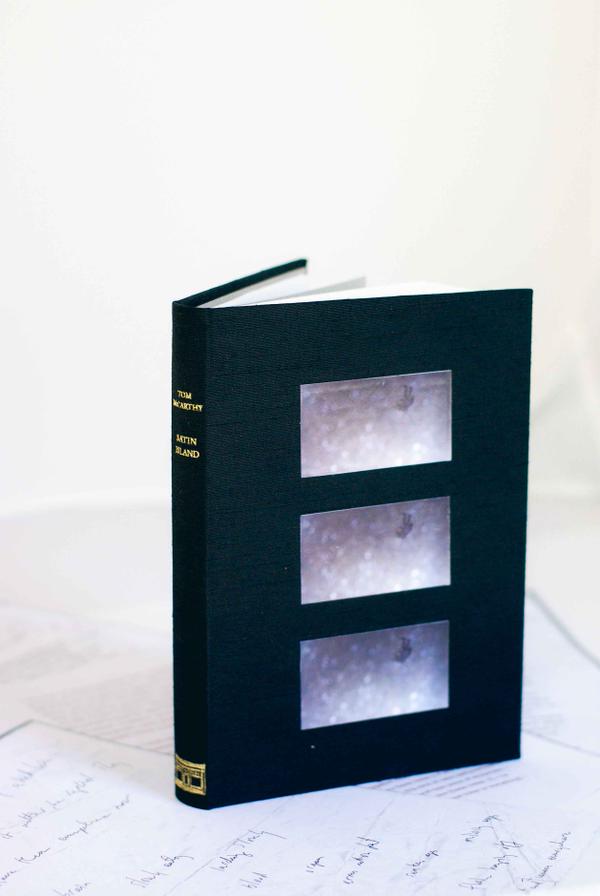
satin island limited editionThe London Review Bookshop visit Shepherds bookbinders in London to watch them put together a special limited edition of Tom McCarthy’s Man Booker Prize shortlisted novel Satin Island (yours for only £185):

Comments closed

Adrian Frutiger: His Type Designs Show You the Way

The New York Times obituary for type designer Adrian Fruitger who died at the age of 87 on September 10  in his native Switzerland:

The son of a weaver, Adrian Johann Frutiger was born on May 24, 1928, in Unterseen, near Interlaken, Switzerland. As a youth he hoped to be a sculptor, but his father discouraged him from plying so insecure a trade. Apprenticed to a typesetter as a teenager, he found his life’s work.

In 1952, after graduating from the School of Applied Arts in Zurich, Mr. Frutiger moved to Paris, where he was a designer with the type foundry Deberny & Peignot, eventually becoming its artistic director. There he created some of his earliest fonts, among them Président, Méridien and Ondine; in the early 1960s he founded his own studio in Paris.

Commissioned to create signage for airports and subway systems, Mr. Frutiger soon realized that fonts that looked good in books did not work well on signs: The characters lacked enough air to be readable at a distance. The result, over time, was Frutiger, a sans serif font designed to be legible at many paces, and from many angles.

One of Frutiger’s hallmarks is the square dot over the lowercase “i.” The dot’s crisp, angled corners keep it from resolving into a nebulous flyspeck that appears to merge with its stem, making “i” look little different from “l” or “I.” (For designers of sans serif fonts, the gold standard is to make a far-off “Illinois” instantly readable.)

For more on Frutiger and his work, there is an interesting interview with the designer in the spring 1999 issue of Eye Magazine.

Comments closed

Art Works For Aid

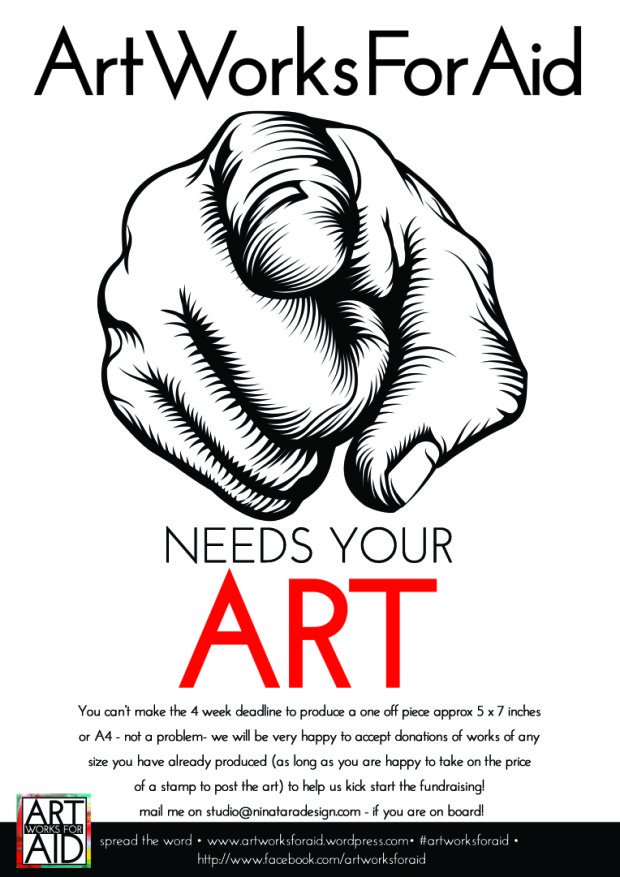
awfa-needs-your-art1

In response to the refugee crisis currently unfolding in Europe, designer and illustrator Nina Tara has set up Art Works For Aid.

Nina is asking artists, illustrators, designers and photographers to donate small works of art to be sold at auction to raise funds for organizations such as Human Relief Foundation helping refugees.

Current contributors include book designers such as Nathan Burton, Suzanne Dean, Jon Gray (Gray318), Jennifer HeuerJamie Keenan, and Henry Sene Yee, as well as illustrators like Petra BörnerRob Ryan, and Ralph Steadman.

If you would like to help by buying an artwork, the first AforA auction is today. If you’re a ‘creative’ and you would like to donate a work of art just send an email to Nina.

You can find more information about the initiative on the AforA blog, and see images of some of the work that has already been donated on the AforA Facebook page.

2 Comments

Munari’s Books

MunarisBooks-Cover_WEB

Before turning his attention to graphics and advertising, Italian artist and designer Bruno Munari (1907-1998) made his mark as a member of the Futurists, an avant-garde art movement fascinated by modernity, mass production, and pushing at technological limits.

The influence of Futurism — not to mention modernism’s jokers Dada and Surrealism — is apparent throughout Munari’s Books, a collection of Munari’s book design recently published in English by Princeton Architectural Press. Munari relentlessly experimented with typography, photography, collage, and printing materials. There is a book made of metal, another that comes with a hammer. There is page after page of special papers, unique bindings, loose pages, punches, tears, and flaps. The breadth (and the volume!) of his work is staggering, and it all crackles with this restless sense of innovation, urgency, and provocation.

Bruno-Munaris-ABC-cover_WEB
Bruno Munari’s ABC (image credit: Cleveland: World Publishing Company, 1960)

“A great children’s book, with beautiful expressive figures, the right story, printed simply, would not be accepted (by some parents), but children would love it.”1

But Munari’s designs and illustrations are also surprisingly full of warmth and wonder. This is most apparent in his expressive illustrations, and the large number of books Munari produced for very young children. Even readers familiar with Bruno Munari’s ABC and Bruno Munari’s Zoo, may find themselves astonished at just how many other extraordinary children’s books he created that aren’t currently available in English.

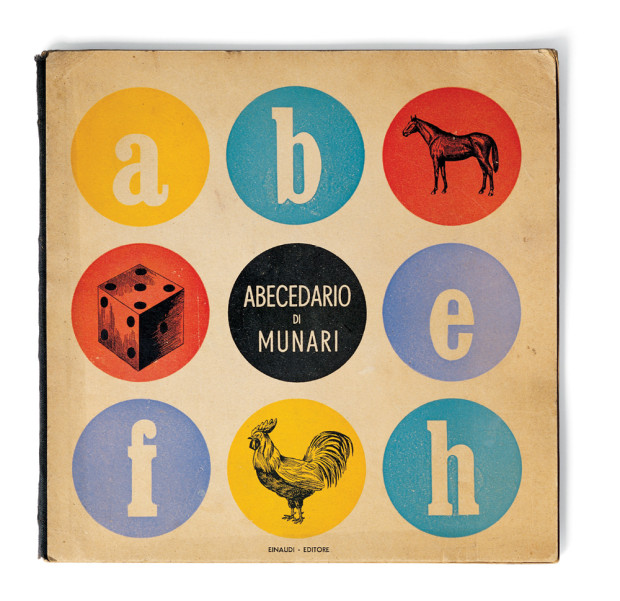
Abecedario-de-Munari_WEB
Abecedario de Munari (image credit: Rome: Emanuele Prandi, 1942)
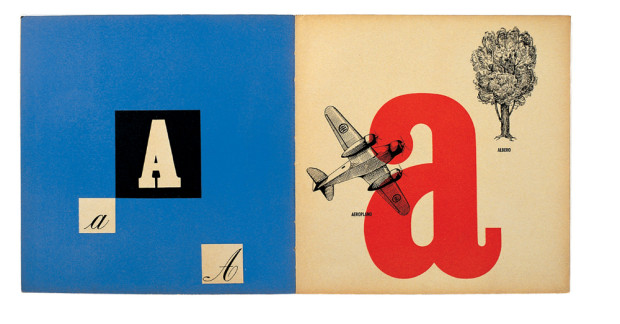
Abecedario-de-Munari2_WEB
Abecedario de Munari (image credit: Rome: Emanuele Prandi, 1942)

“we need to deconstruct the myth of the artist-hero who produces only masterpieces for the intelligent. We have to show that as long as artists are outside the problems of everyday life, only a few people will be interested. And now, in these days of mass culture, artists must climb down from their pedestals and be so kind as to design a butcher’s sign.”2

If Munari’s Books has a shortcoming, it is the rather academic introductory texts (they will be useful for better design writers than me, but I got little sense of the Munari’s life or the personality behind the designs from them). Fortunately, the book is peppered with lively quotations from Munari himself. The most pithy come from Arte come mestiere, a collection of Munari’s writing on design first published in English in 1971 as Design as Art (and reissued as a Penguin Modern Classic in 2008). The short essays in Arte come mestiere were originally written for Milan daily newspaper Il Giorno, and they address everyday life as well as design. They’re witty, discursive (and sometimes even surprisingly practical), and a perfect accompaniment to the illustrations in Munari’s Books.

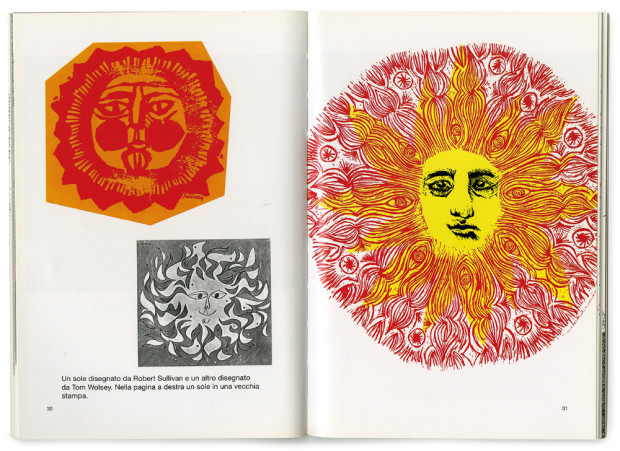
disegnare-il-sole_WEB
Disegnare il sole (image credit: Mantua: Graziano Peruffo, 1980)
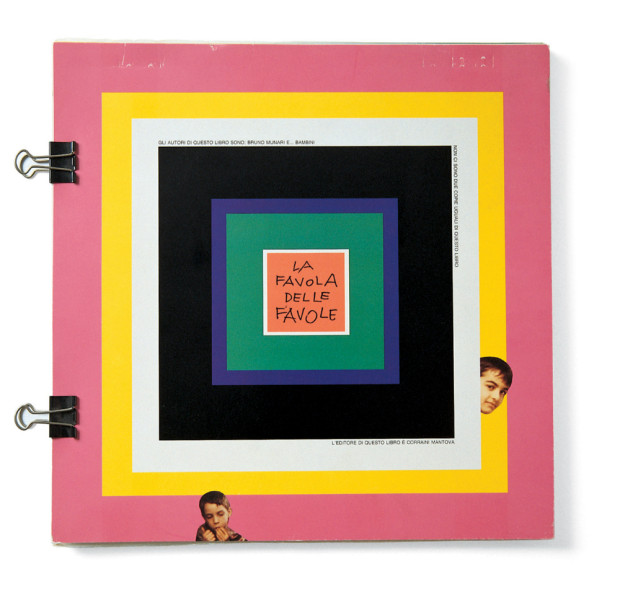
La-favola-delle-favole_WEB
La favola delle favole (image credit: Mantua: Maurizio Corraini Editore, 1994)
Nella nebbia di Milano (inner) WEB
Nella nebbia di Milano (Mantua: Graziano Peruffo, 1968)
Comments closed