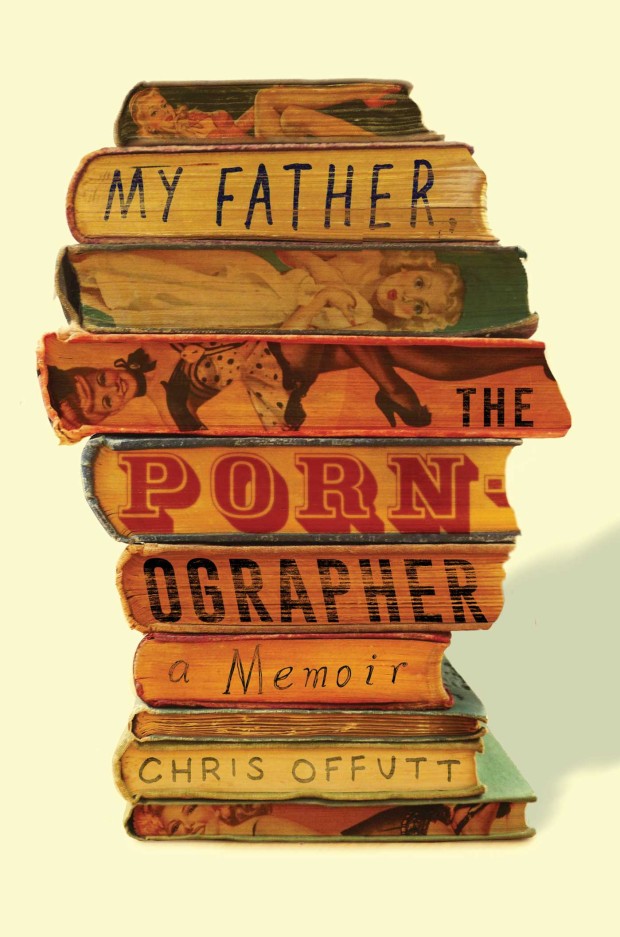
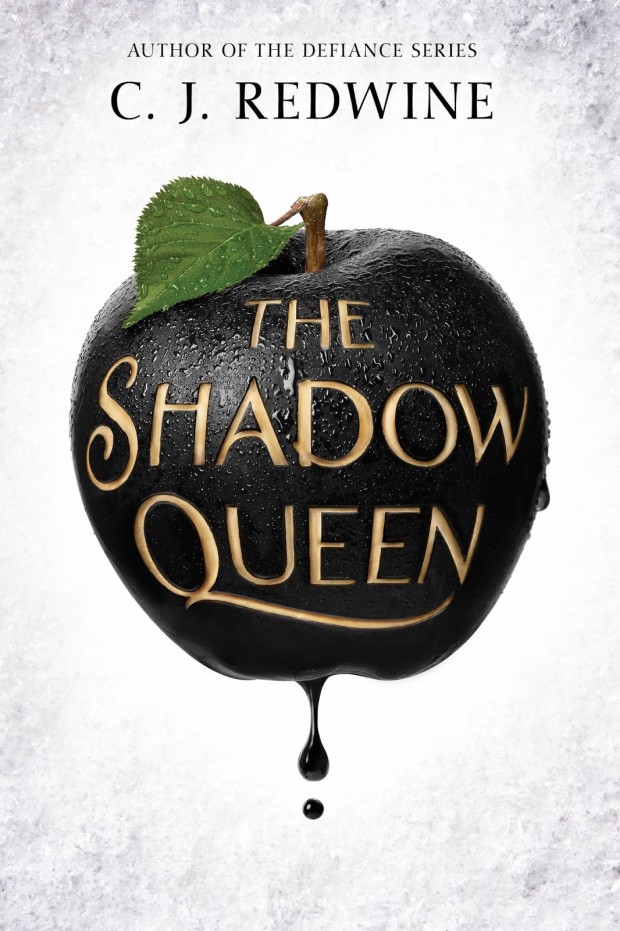
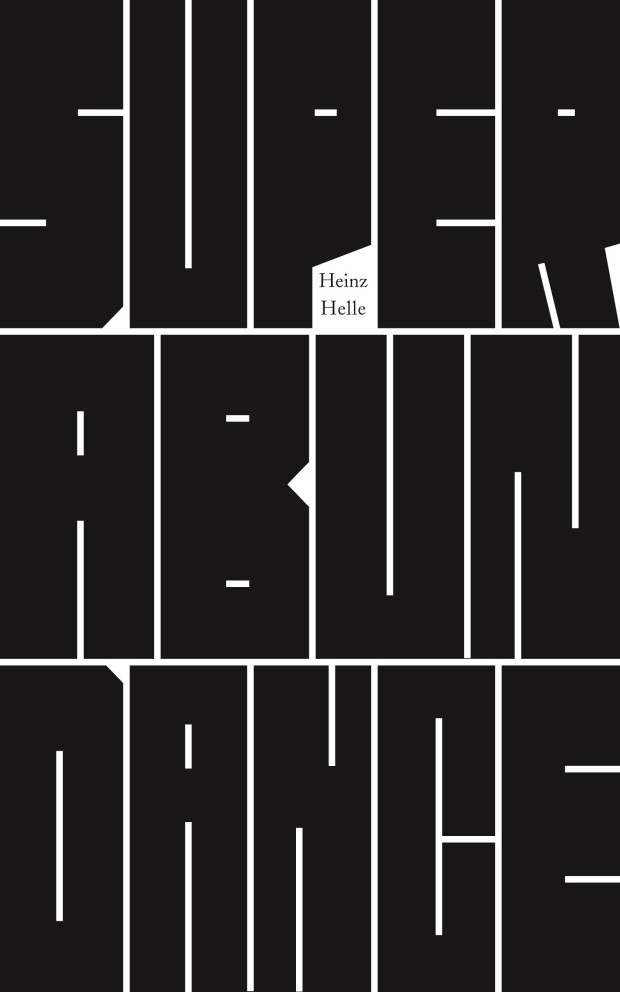
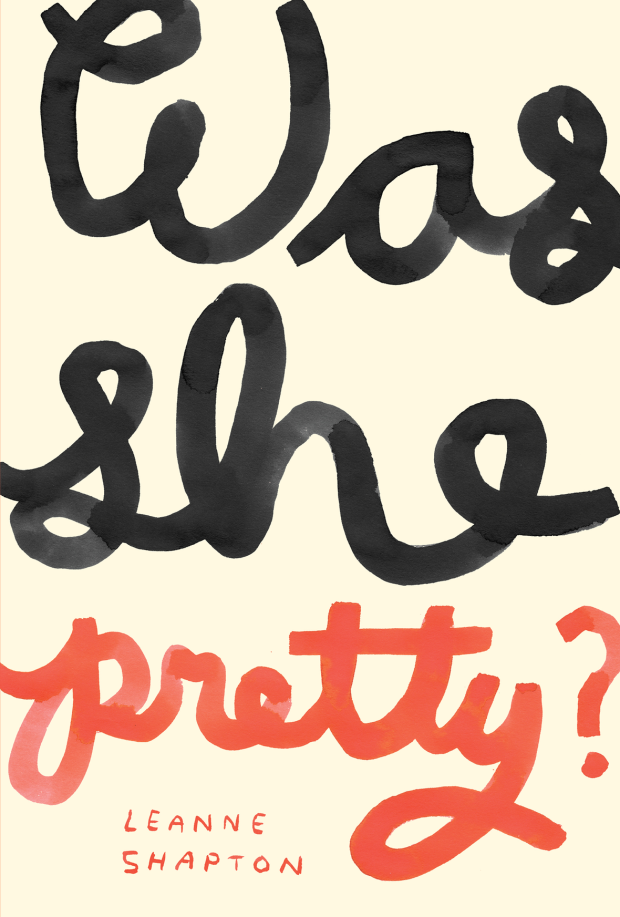
Some how I missed these when they were first published in 2014,1 but British publisher Fourth Estate has reissued 21 books by J.G. Ballard with covers designed Stanley Donwood. Donwood, who is perhaps best known for his artwork for Radiohead, talked about Ballard and the cover designs on the 4th Estate blog:
I have done many strange things in order to design these covers; I’ve visited underground laboratories, watched the huge sky under the Fens, ignited flammable liquids, fired guns, melted quantities of wax, poured liquid nitrogen across a table and taken deliveries of hypodermic needles.
Robert Newman interviews mighty Matt Dorfman, illustrator, book cover designer and art director for The New York Times Book Review, for American Illustration:
I’m a big disciple of using abstraction to highlight emotional conditions. To that end, I love the kitchen sink perversion of psych artists like Victor Moscoso, Martin Sharp, Tadanori Yokoo and Keiichi Tanaami. As a teen I swiped a copy of I Seem To Be A Verb by R. Buckminster Fuller and Quentin Fiore from one of my dad’s shelves (and I still have it) and I credit that book with revealing to me—loudly—how vital books can be if they’re conceived with passion and energy. And I probably owe the Johns Heartfield and Baldessari some money.
At least once a month, a circumstance will arise either in work or in life in which I reflexively ask myself, without premeditation: “What would Ian MacKaye do?” This has been happening since I was 15. There’s probably something to it.
(Matt is one of the many, many people I would love to interview for the blog… )
A Song for No Man’s Land is the first book in a trilogy of novellas by Andy Remic. All three books have covers illustrated by Jeffrey Alan Love — you can read his process at Tor.com.
At the Penguin Blog, author Julian Barnes and designer Suzanne Dean discuss their 20 year creative relationship with Alex Clark:
“What’s so nice about working with Julian is the trust; I think that’s really important. There’s nothing more heartbreaking than producing something and someone can’t understand what you’re trying to show them. I think over time you build up that trust and you know that I’ll be working my very hardest to give you the best cover I possibly can. I really am so desperate to produce perfection each time and I want it to be better each time.”
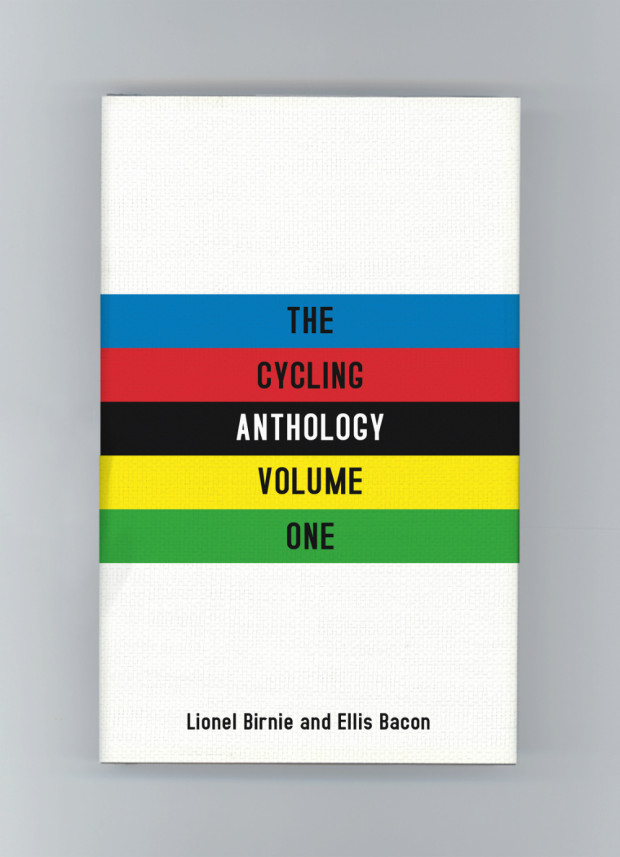
James Paul Jones‘s unused covers for The Cycling Anthology (pictured above) were some of my favourite designs from 2015. Based on famous cycling jerseys, I liked that they were a nod to insiders, but that you that didn’t need to be a cycling fan to appreciate the stylish minimalism of the designs.
When I learnt that they were passed over in favour of a more traditional, illustrative approach, I asked James about his work on cycling books, and why the jersey covers didn’t go to press.
“I’ve always loved sports but I didn’t count myself a cycling enthusiast until my last year working at Orion Publishing where I was given the job of art directing the photo shoot for David Millar’s book Racing through the Dark,” he told me. “Working with David opened my eyes to the cycling world, and I was lucky enough to work on Sir Bradley Wiggins’ book a couple of years later.”
“Coincidentally David Millar writes beautifully about cycling and has a few essays as part of the Cycling Anthology,” James continued. “I also just finished designing his latest book, The Racer a few months back — all cycling enthusiasts should grab a copy! The contact sheet of ‘tour scars’ is one of my favourite plate sections we’ve ever done, and the back cover features one of the final jerseys he ever wore. Complete with rips, holes and bloody marks from one of his most brutal crashes. As soon as we saw it we knew it had to be featured somewhere, and the photographer captured it brilliantly.”
The Cycling Anthology presented a different kind of challenge, however. Originally self-published, it collects original writing by some of the world’s best writers on the sport, as well as cyclists themselves. Now published by Yellow Jersey Press (an imprint of Penguin Random House), the new volumes of the anthology presented James with an opportunity to repackage the series as a whole, and to experiment with a new look for the covers.
“I wanted to present the editors and authors with two options. A more traditional route, and an option that would hopefully resonate with the cycling community. The jerseys were the latter, and one of the first things I researched. I really wanted to make that connection with the cycling community, and the target market is very design conscious which helps. They are so iconic in the cycling world it just seemed to make perfect sense.”
The design of the first volume was inspired by the world champion rainbow jersey. The second by the famous blue and white Bianchi jersey. Volume three was based on the ‘King of the Mountains’ polka dot jersey and the fourth on the Molteni jersey worn by the great Eddy Merckx. The fifth volume was inspired by the chequered shirt of the French cycling team Peugeot. “There were so many jerseys I wanted to include,” said James. “I also recommend David Sparshott’s poster of Cycling Jerseys for anyone wanting to admire the greats in his signature illustration style. Just gorgeous.”
Despite the obvious appeal of these new designs, the publisher decided to stay with a familiar look to the series. “I think the authors wanted to retain some elements from the original designs, which we did on the final covers with the illustrations, and I’m happy with how they turned out,” James told me. “The illustrations are by the talented Simon Scarsbrook. Volumes 1-3 used the original artwork, and we commissioned Simon to come up with two more illustrations for volumes four and five. He was great to work with and they work really well as a series.”
James kept the stripes from the world champion jersey and used them across all the final covers to help unify the series. “The jersey covers will forever by one of my favourite ‘killed covers’ and I really wish they would have taken a chance on them as I’m sure they would have done the job and more.” Agreed.
Oof. Hello, January. This is all rather soon isn’t it? But here we are, a new month, and another selection of new book covers (with a few ‘old’ ones that I missed in the excitement at the end of 2015). Happy New Year…
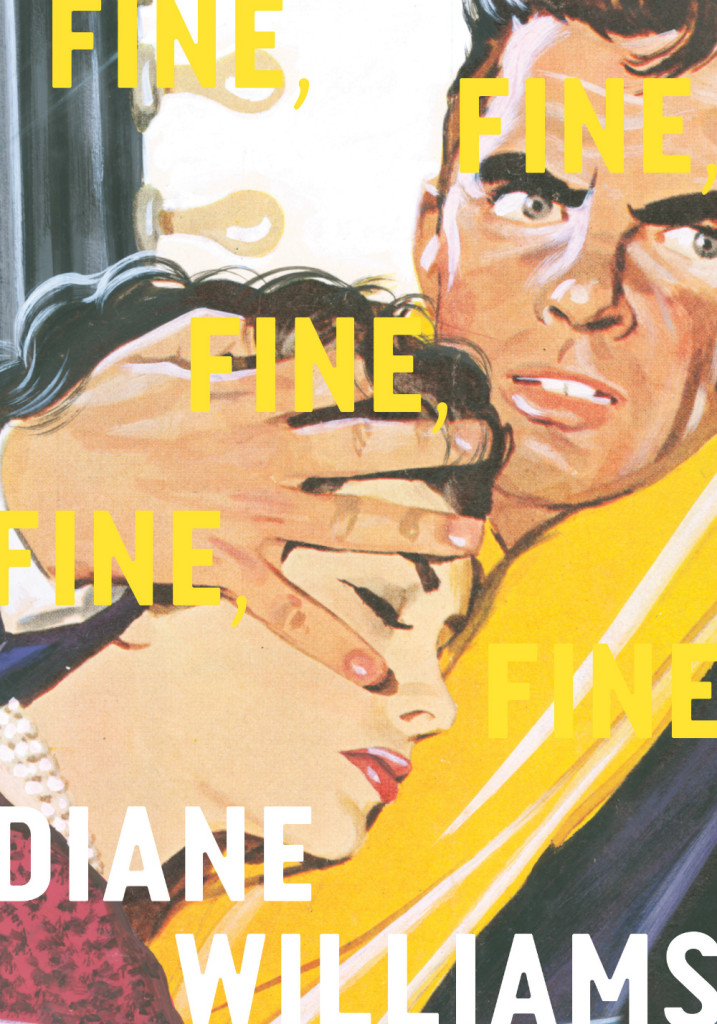
“The art on this book’s cover is unsigned and was created for a romance novella published in Mexico City in the 1960s that appeared in serial form. This piece was produced using collage and gouache overpainting on illustration board, and the back reads “El Angel No. 64.” The printer of these covers held on to the originals for decades, and the entire collection was recently purchased from his warehouse. Works are available from the Pardee Collection Gallery of Iowa City, and ‘El Angel’ is provided courtesy of Diane Williams and Wolfgang Neumann.”
Gamelife by Michael W. Clune; design by Alex Merto (FSG / September 2015)
The Snow Queen by Hans Christian Andersen, illustrated by Sanna Annukka; cover art by Sanna Annukka (Hutchinson / October 2015)
This looks absolutely beautiful, but I’ve seen very little about it online, much less seen it in person. Apparently Sanna Annukka has also illustrated an edition of Hans Christian Andersen’s The Fir Tree. It looks wonderful too.
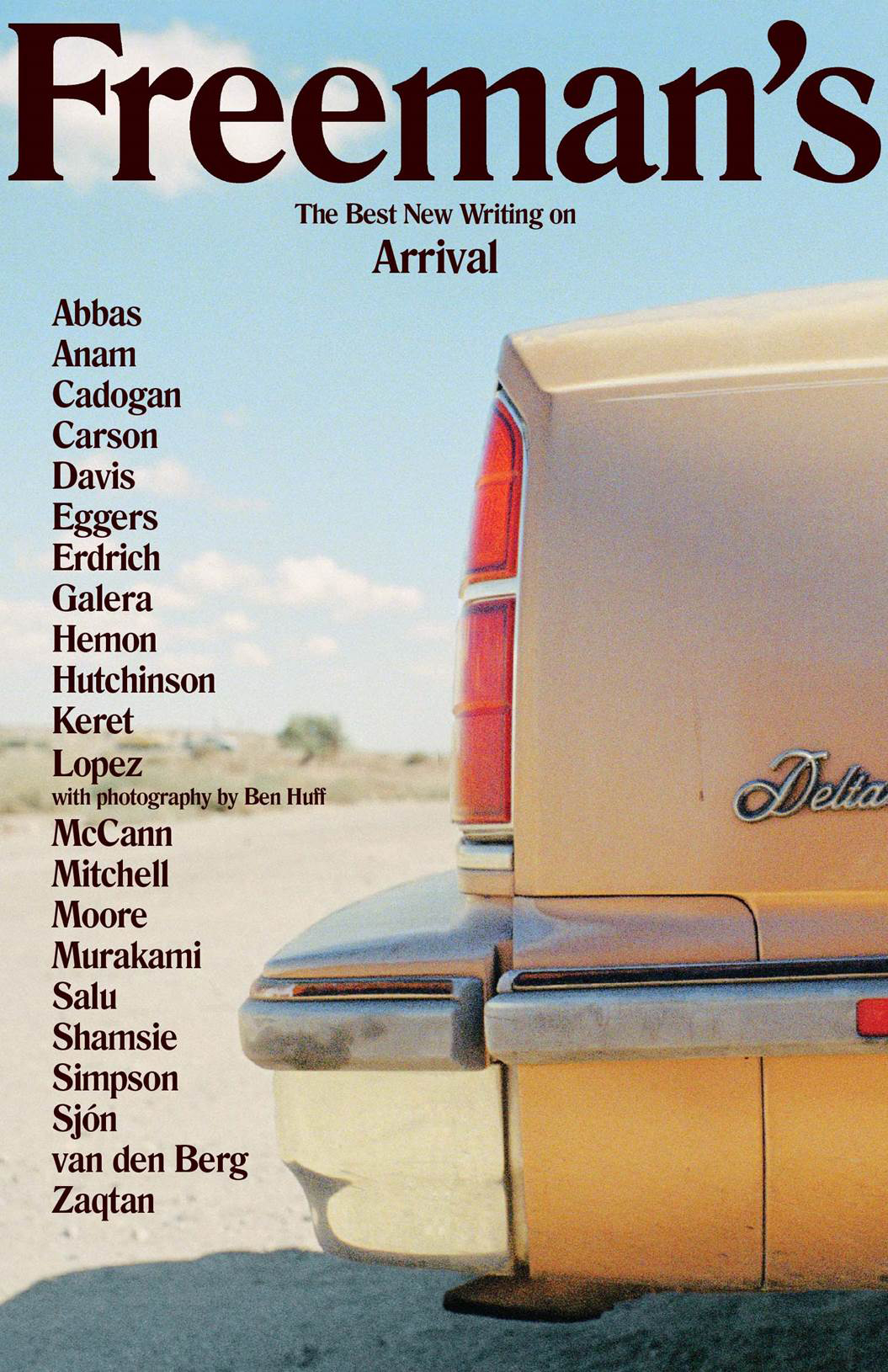
The very first Freeman’s anthology was published in fall this year, but hopefully this design will set the tone for the rest of the series. The second volume is scheduled for next year.
Vintage Feminism; design by Matthew Broughton (Vintage / 2015)
Little Black Classics; design by Jim Stoddart (Penguin / 2015)
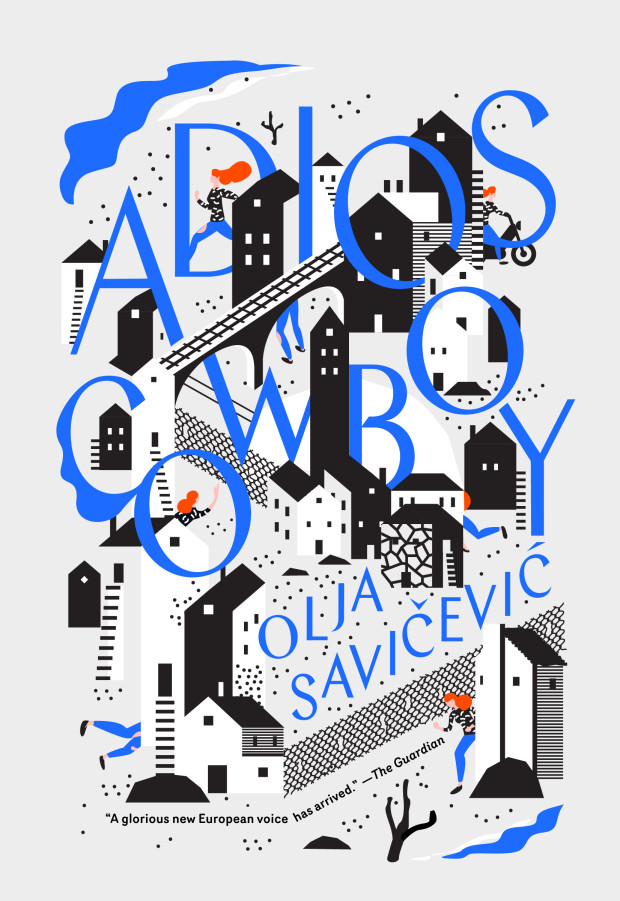
Back in 2014, there were signs that book cover design was maybe, just maybe, having a moment. Suzanne Dean was on the BBC. Peter Mendelsund was on… well, everything. But if 2015 has felt a little quiet by comparison, there were still plenty of reasons to be cheerful. This year’s list includes over 120 covers by 60 designers, and there is little doubt in my mind that this really is a golden time for book design.
Thank you to all the art directors, designers, and publicists who have supported the blog this year, and who make posts like this possible. Thanks too, to my local bookstore TYPE for letting me browse their shelves.
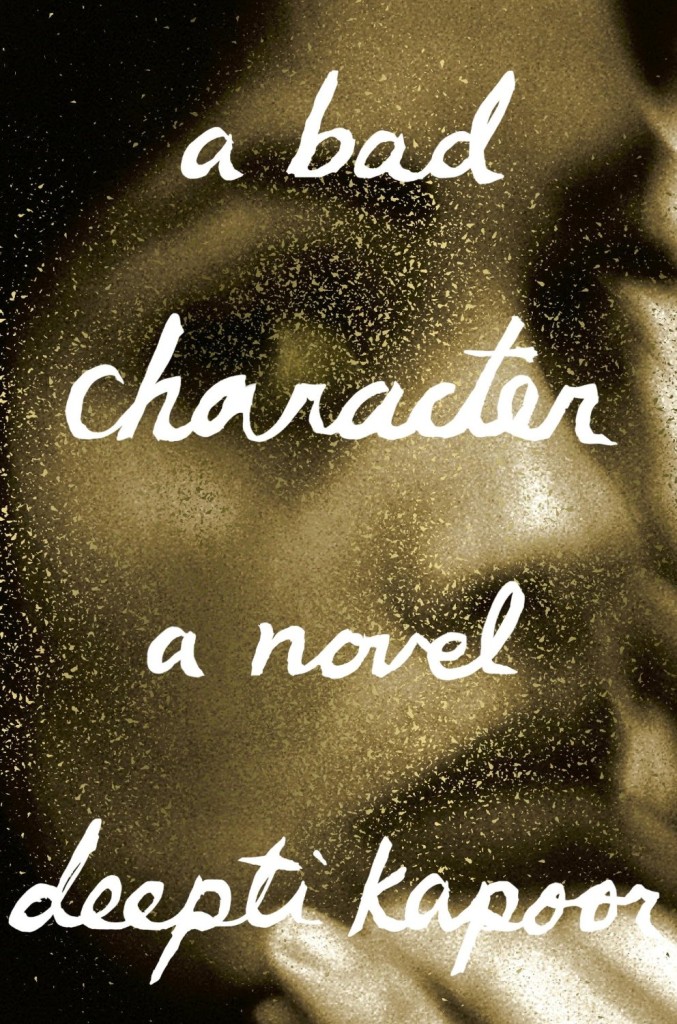
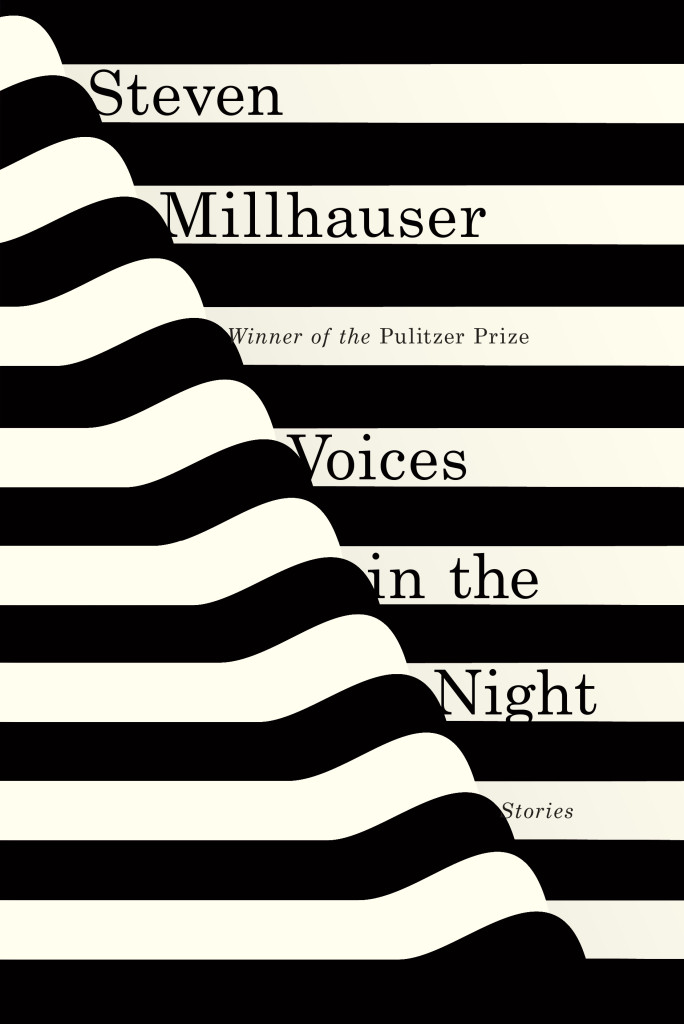
A Bad Character by Deepti Kapoor; design by Janet Hansen (Knopf / January 2015)Voices in the Night by Steven Millhauser; design by Janet Hansen (Knopf / April 2015)Empire of the Senses by Alexis Landau; design by Janet Hansen (Pantheon / March 2015)
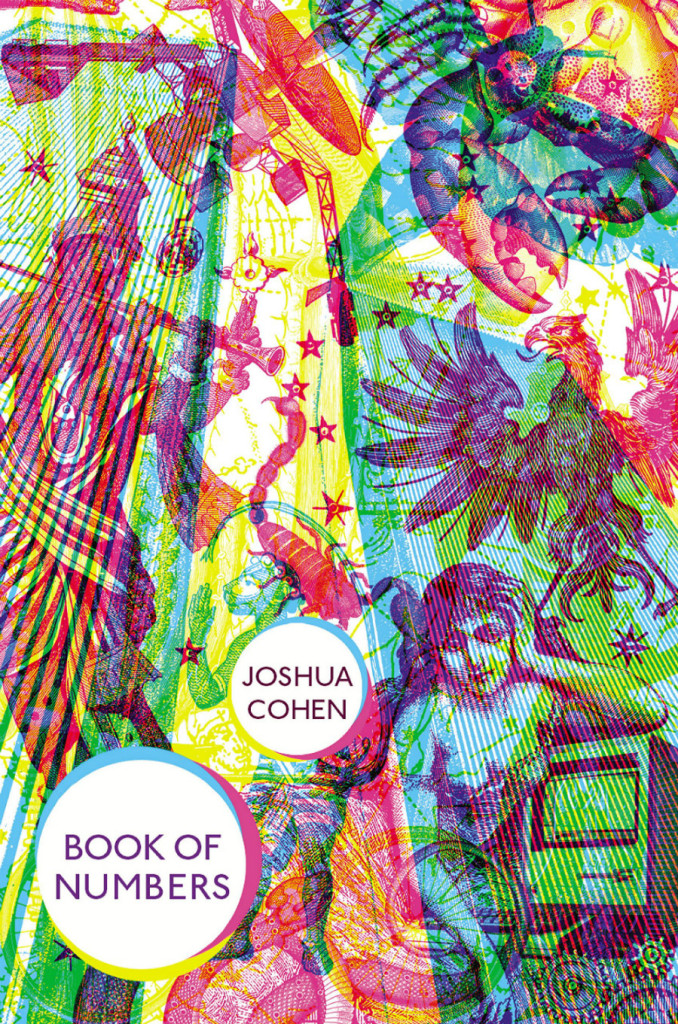
(Oliver Munday’s cover design for the US edition of the Book of Numbers published by Random House is also great.)
Also designed by Suzanne Dean:
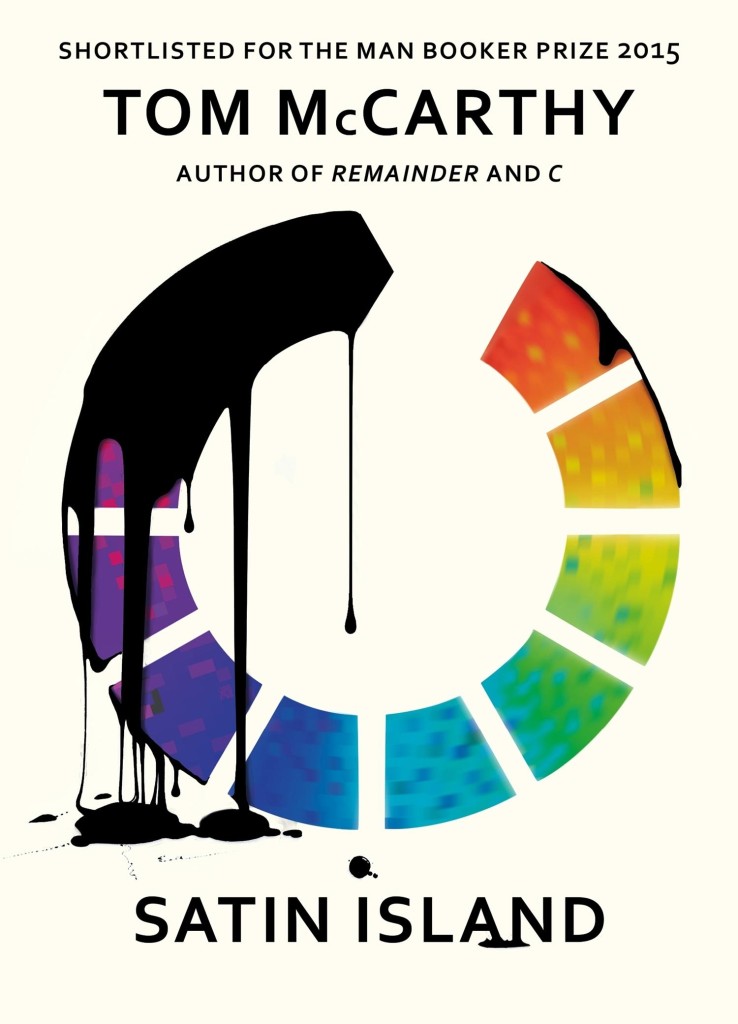
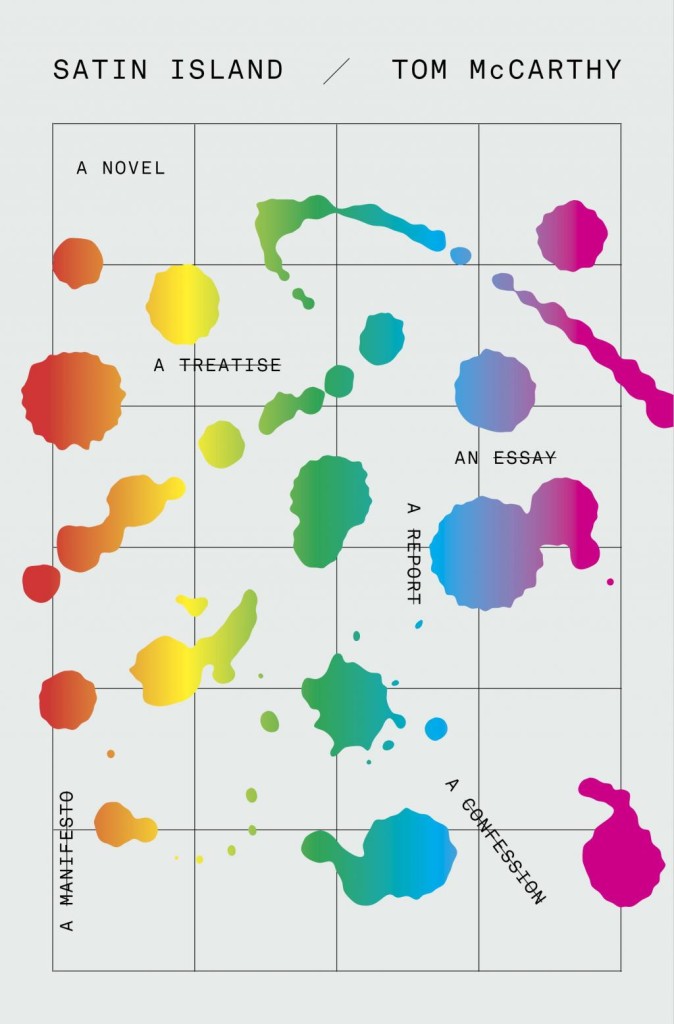
Boo by Neil Smith; design Suzanne Dean; illustration by Stephanie von Reiswitz (William Heinemann / May 2015)Fates and Furies by Lauren Groff; design by Suzanne Dean (William Heinemann / September 2015)Satin Island by Tom McCarthy; design by Suzanne Dean (Jonathan Cape / March 2015)
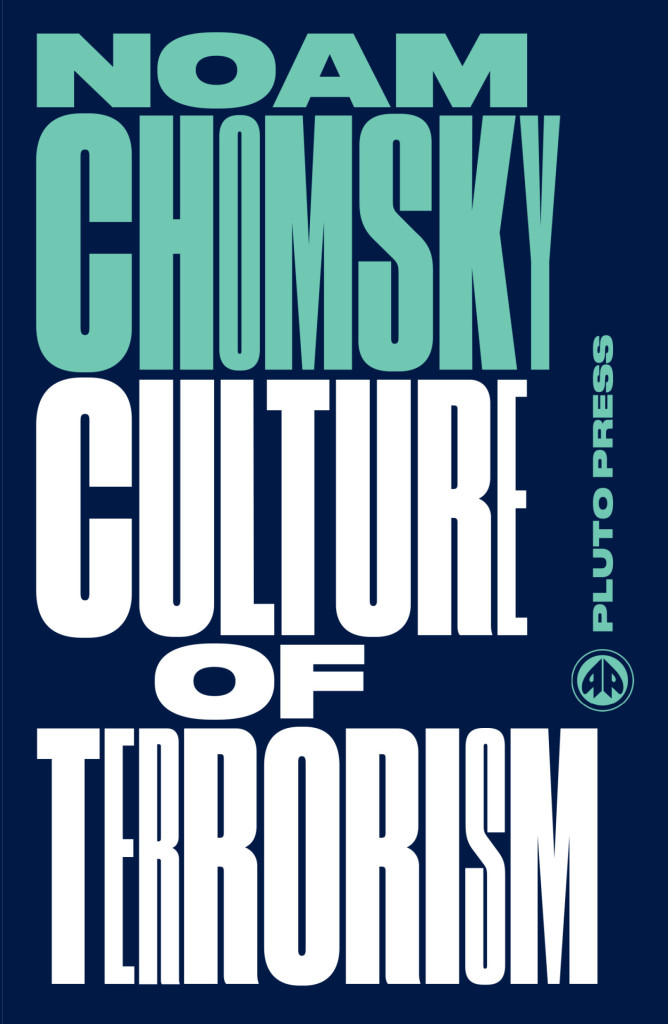
Consumed by David Cronenberg; design by David A. Gee (Penguin Canada / September 2015)Why the World Does Not Exist by Markus Gabriel; design by David Gee (Polity / June 2015)Economics After Capitalism by Derek Wall; design by David A. Gee (Pluto Press / July 2015)
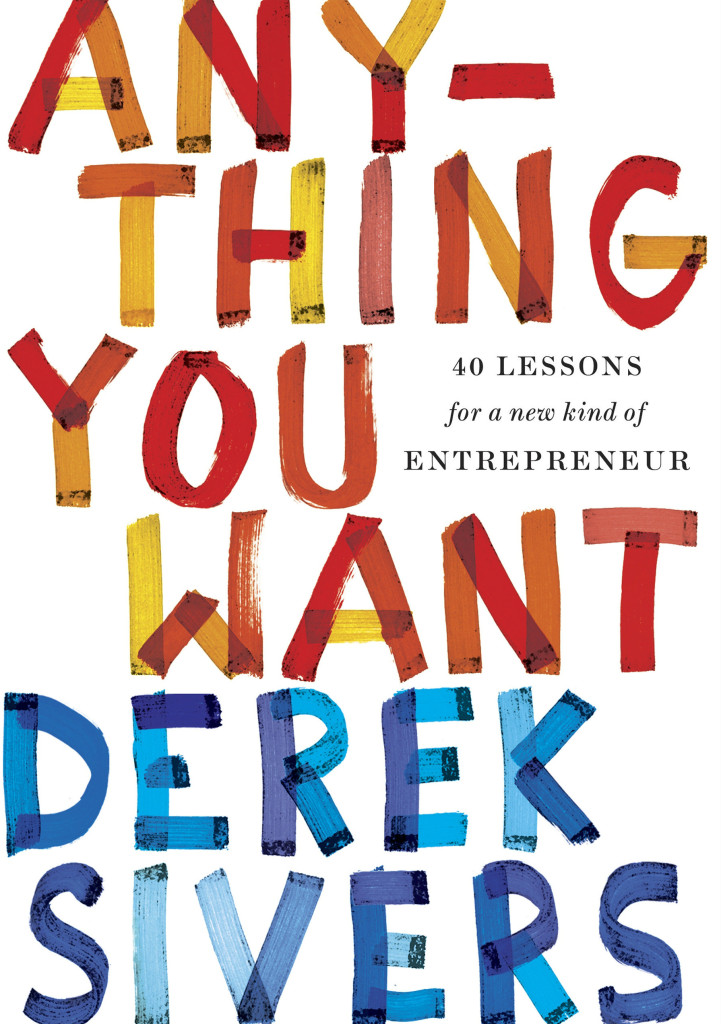
Unabrow by Una Lamarche; design by Zoe Norvell (Plume / March 2015)Anything You Want by Derek Sivers; design by Zoe Norvell (Portfolio / September 2015)
Karate Chop by Dorthe Nors; design by David Pearson (Pushkin Press / February 2015)Baddeley Brothers by The Gentle Author; design David Pearson (October 2015)Shooting Stars by Stefan Zweig; design by David Pearson (Pushkin Press / February 2015)
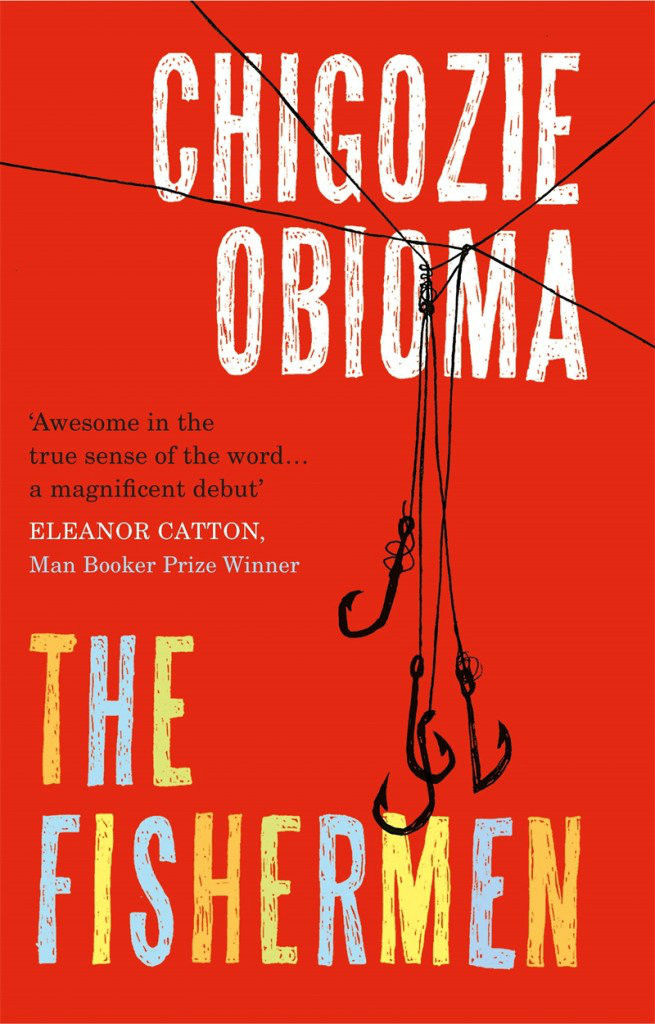
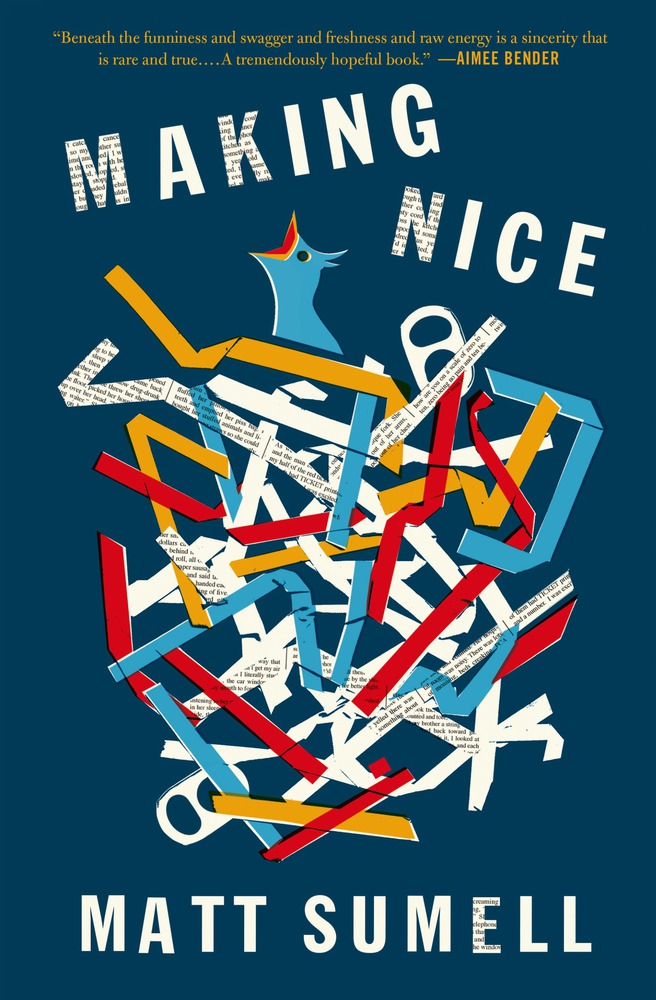
The Fishermen by Chigozie Obioma; design by Gray318 (Pushkin Press / February 2015)Making Nice by Matt Sumell; design by Gray318 (Henry Holt & Co. / February 2015)Laurus by Eugene Vodolazkin; design Gray318 (Oneworld / October 2015)
Terrified by Christopher A. Bail; design by Amanda Weiss (Princeton University Press / January 2015)The Little Big Number by Dirk Philipsen; design by Amanda Weiss ( Princeton University Press / June 2015)
The Fox and the Star, written, illustrated and designed by Coralie Bickford-Smith (Particular Books / August 2015)
Also designed by Coralie Bickford-Smith:
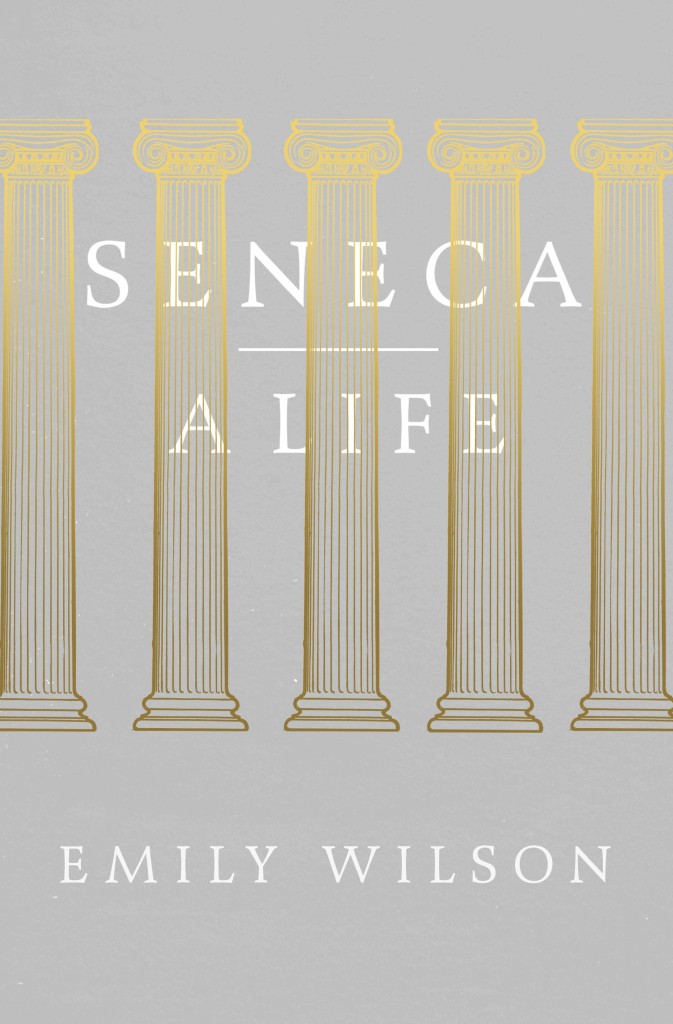
Seven Brief Lessons on Physics by Carlo Rovelli; design by Coralie Bickford-Smith (Allen Lane / September 2015)Seneca: A Life by Emily Wilson; design by Coralie Bickford-Smith (Allen Lane / March 2015)
Satin Island by Tom McCarthy; design by Peter Mendelsund (Knopf / February 2015)New American Stories edited by Ben Marcus; design by Peter Mendelsund (Vintage / July 2015)Building Art: The Life and Work of Frank Gehry by Paul Goldberger; design by Peter Mendelsund (Knopf / September 2015)
World on a Plate by Mina Holland; design by Nick Misani (Penguin / May 2015)
KL by Nikolaus Wachsmann; design by Alex Merto (Farrar, Straus & Giroux / April 2015)
Also designed by Alex Merto:
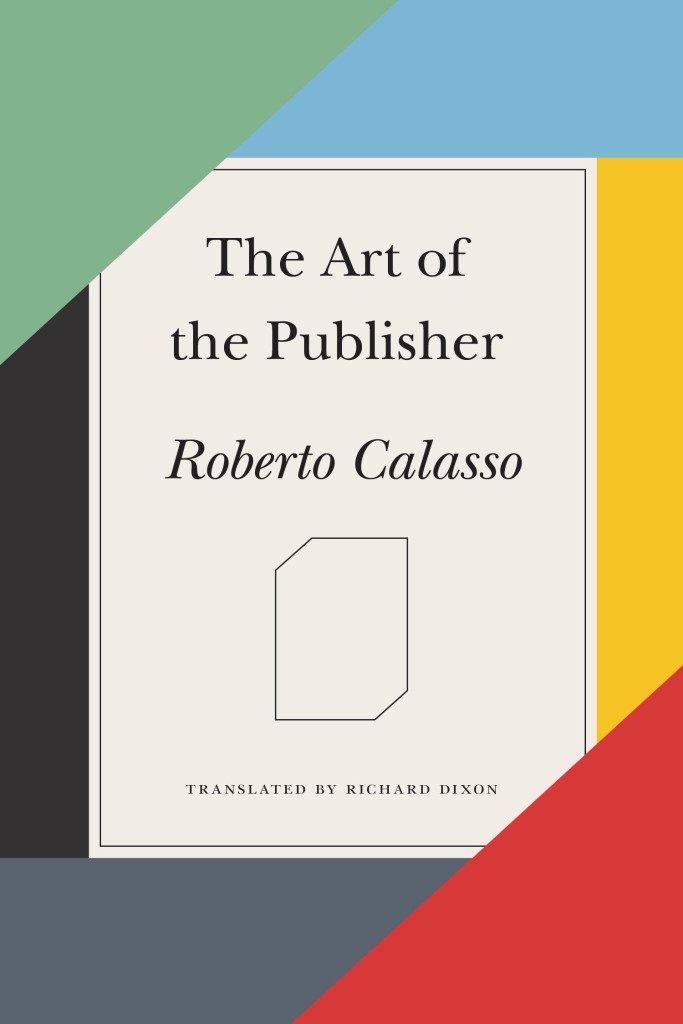
Earth by Hubert Krivine; design by Alex Merto (Verso Books / April 2015)The Art of the Publisher by Roberto Calasso; design by Alex Merto (FSG / November 2015)Written in the Blood by Stephen Lloyd Jones; design by Alex Merto (Mulholland Books / May 2015)
A Manual for Cleaning Women by Lucia Berlin; design by Justine Anweiler; photography Jonathan Simpson (Picador UK / September 2015)
Also designed by Justine Anweiler:
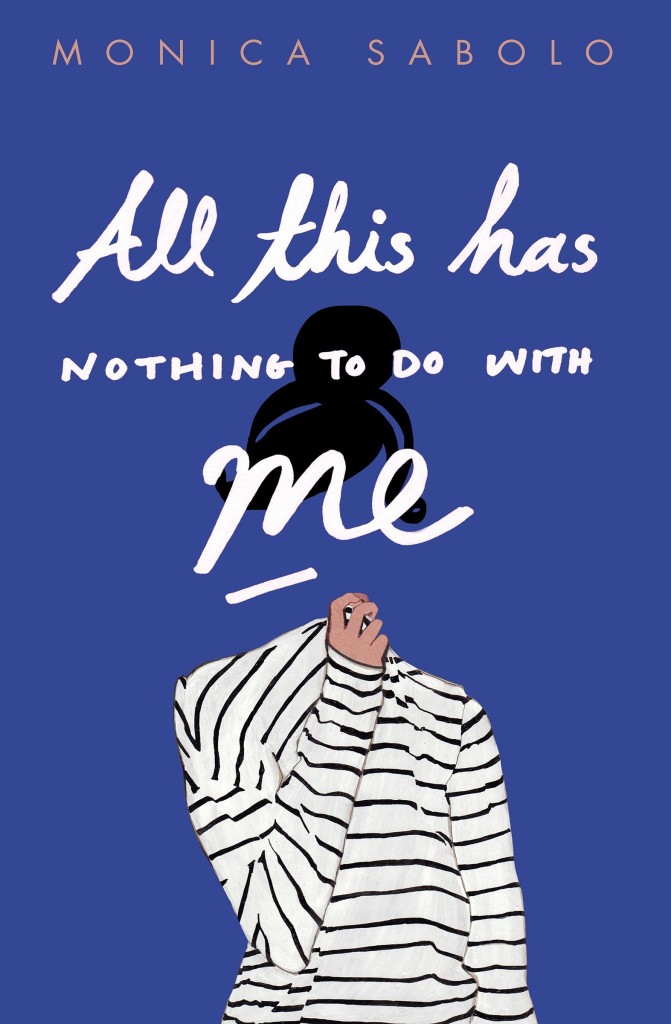
All This Has Nothing To Do With Me; design by Justine Anweiler; illustration Daphne van den HeuvelDon’t Let’s Go To the Dogs Tonight by Alexandra Fuller; design by Justine Anweiler (Picador / January 2015)
Negroland by Margo Jefferson; design by Oliver Munday (Pantheon / September 2015)American Warlord by Johnny Dwyer; design by Oliver Munday (Knopf / April 2015)The Water Knife by Paolo Bacigalupi; design by Oliver Munday (Knopf / May 2015)
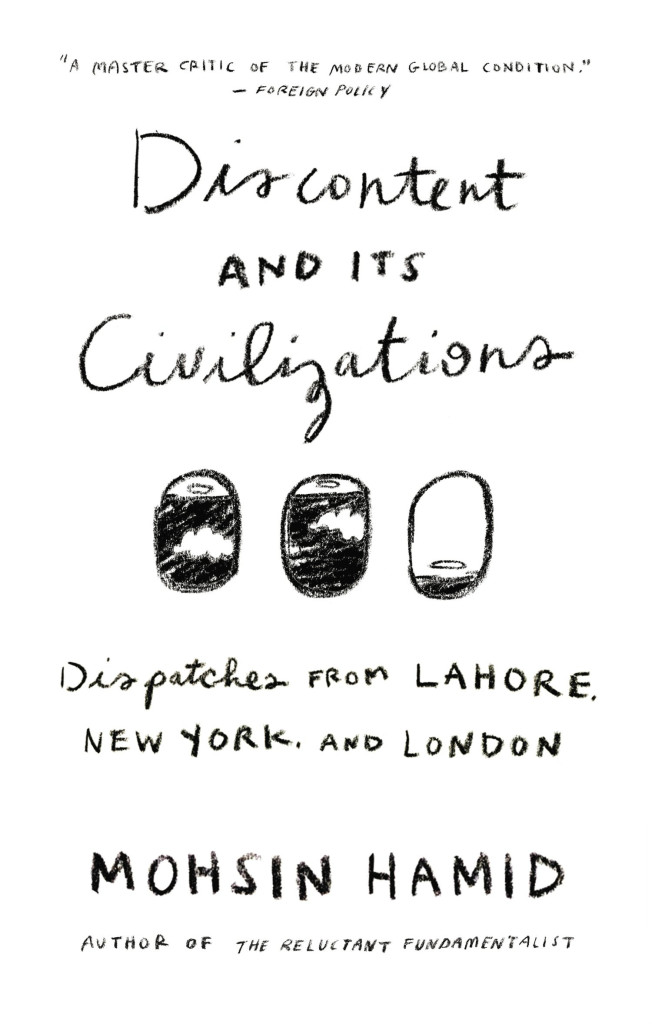
Barbara the Slut by Lauren Holmes; design by Rachel Willey (Riverhead / August 2015)Discontent and its Civilizations by Mohsin Hamid; design by Rachel Willey (Riverhead / February 2015)Witches of America by Alex Mar; design by Rachel Willey (Sarah Crichton Books / Ocotber 2015)
Munich Airport by Greg Baxter; design by Anne Twomey (Twelve Books / January 2015)
This is actually a rather special lenticular cover that imitates the effect of flashing neon.
Also from Rodrigo Corral:
Home is Burning by Dan Marshall; design by Rodrigo Corral (Flatiron / October 2015)Fates and Furies by Lauren Groff; design by Rodrigo Corral and Adalis Martinez (Riverhead / September 2015 )
Of Beards and Men by Christopher Oldstone-Moore; design Isaac Tobin (University of Chicago Press / December 2015)
The Only Street in Paris by Elaine Schiolino; design by Strick&Williams (W.W. Norton / November 2015)
Also from Strick&Williams:
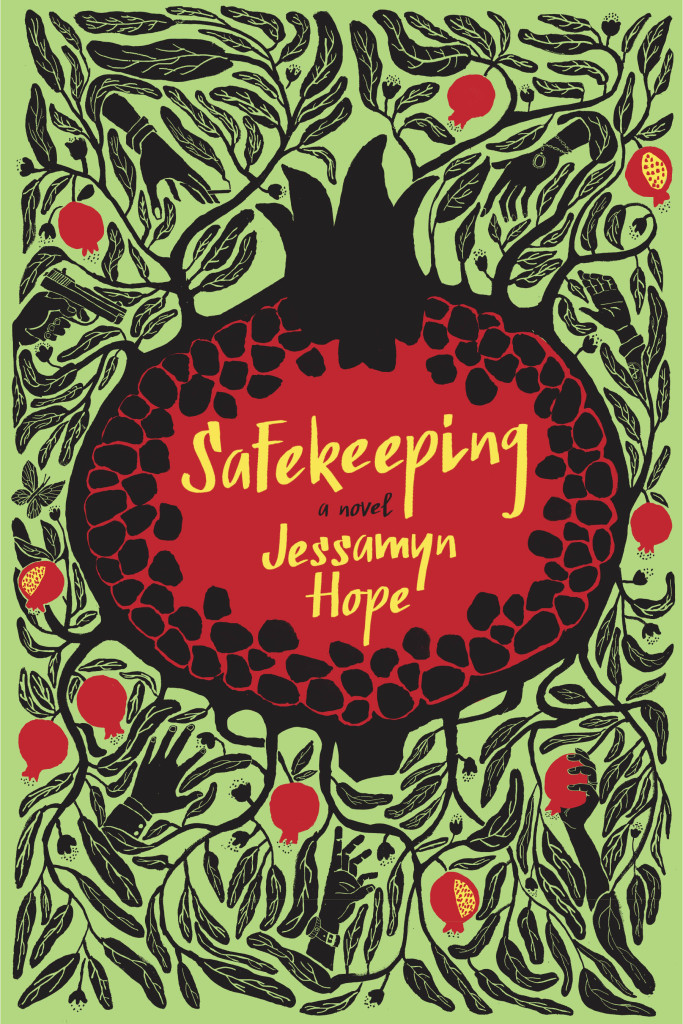
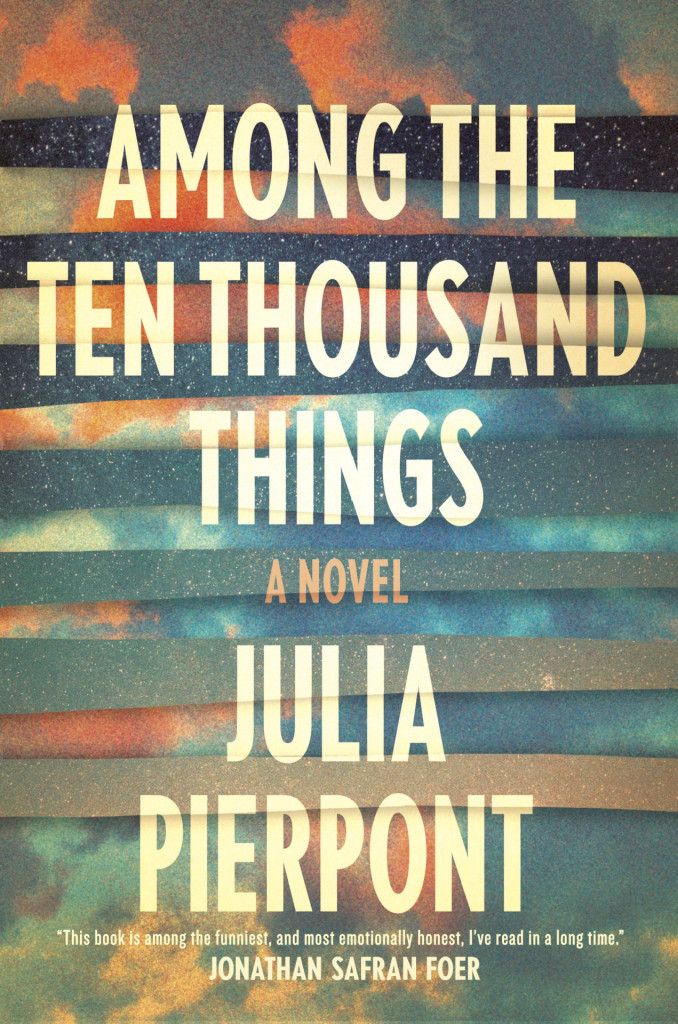
Safekeeping by Jessamyn Hope; design by Strick&Williams (Fig Tree / June 2015)Among the Ten Thousand Things by Julia Pierpoint; design by Strick&Williams (Random House / July 2015)
Ohey! by Darby Larson; design by Alban Fischer (CCM / May 2015)American Meteor by Norman Lock; design by Alban Fischer (Bellevue Literary Press / June 2015)Every Living One by Nathan Haukes; design by Alban Fischer (Horse Less Press / March 2015)
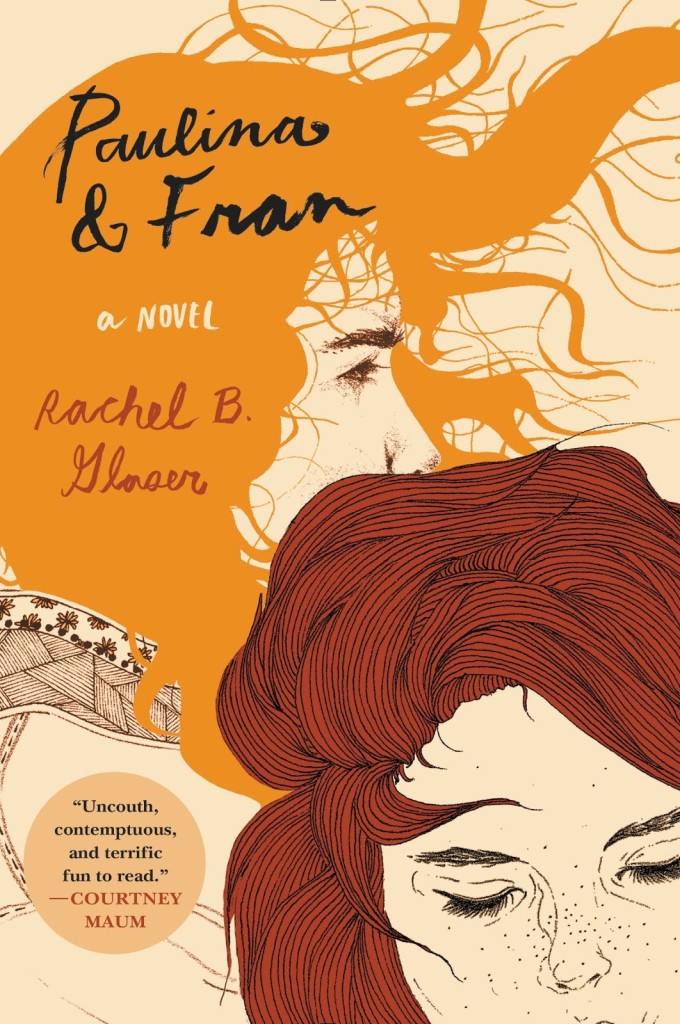
Paulina and Fran by Rachel B. Glaser; illustration Kaethe Butcher; typography Nina LoSchiavo (Harper Perennial / September 2015)
Unbuttoning America by Ardis Cameron; design by Kimberly Glyder; illustration by Al Moore (Cornell University Press / May 2015)Worthy by Denice Turner; design by Kimberly Glyder (University of Nevada Press / April 2015)
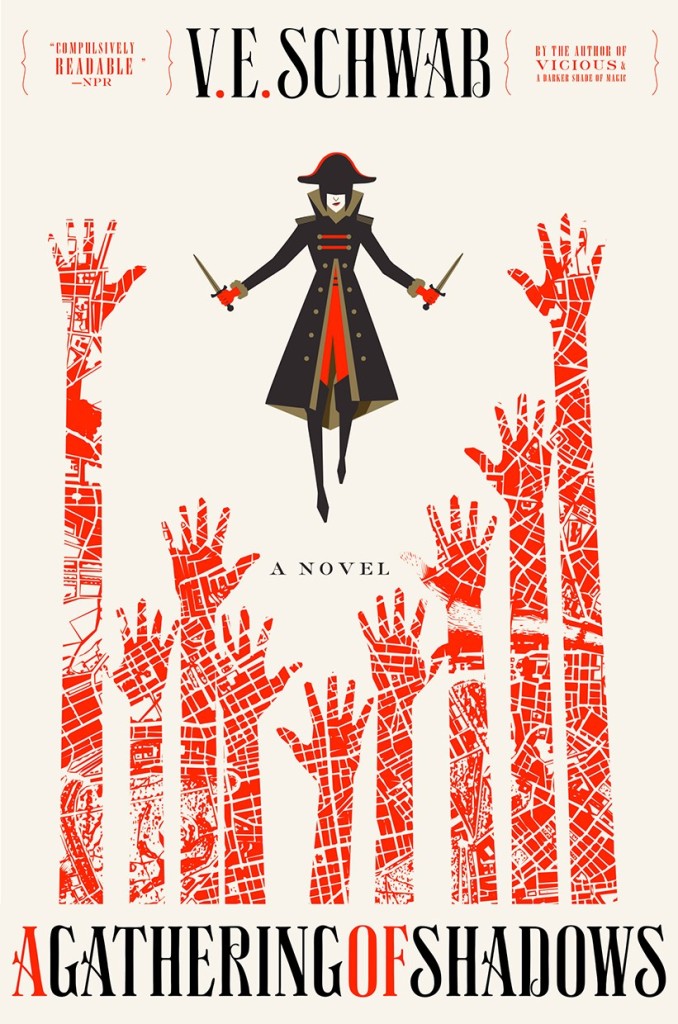
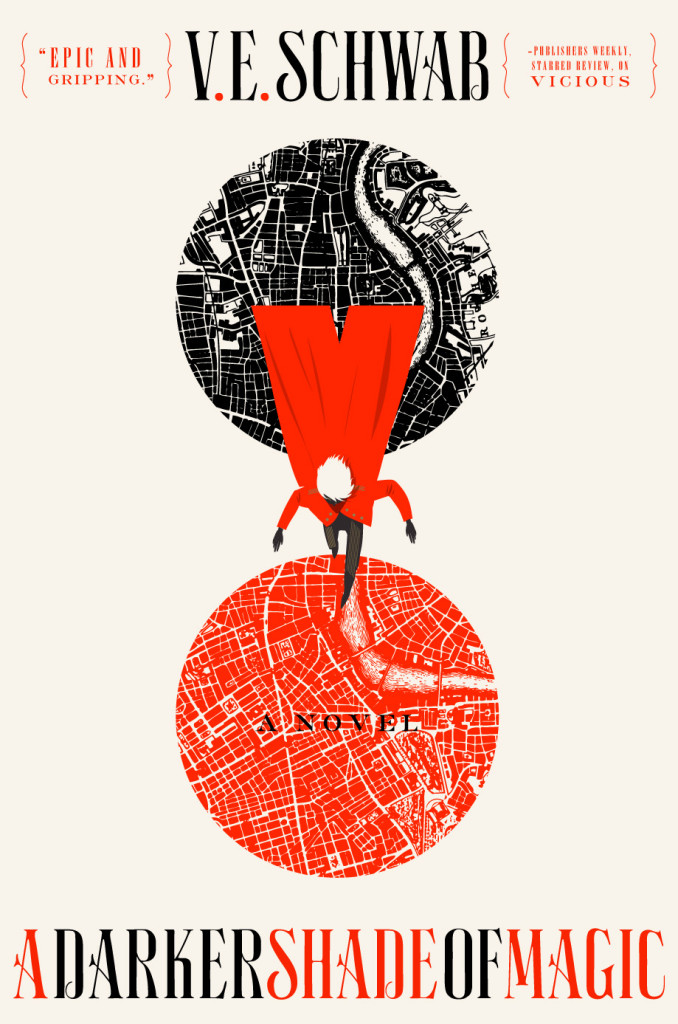
A Darker Shade of Magic by V. E. Schwab; design by Will Staehle (Tor / February 2015)I Am Radar by Reif Larsen; design by Will Staehle (Penguin / February 2015)
Pretty Is by Maggie Mitchell; design by Lucy Kim (Henry Holt / July 2015)
Real Life Rock by Greil Marcus; design by Rich Black (Yale University Press / October 2015)
No Such Thing as a Free Gift by Linsey McGoey; design by James Paul Jones (Verso / October 2015)How Music Got Free by Stephen Witt; design by James Paul Jones (The Bodley Head / June 2015)The Rise of the Novel by Ian Watt; design by James Paul Jones (Vintage / October 2015)
The Sphinx by Anne Garréta; design by Anna Zylicz (Deep Vellum / May 2015)
Also designed by Anna Zylicz:
The Mountain and the Wall by Alisa Ganieva; design by Anna Zylicz (Deep Vellum / June 2015)The Indian by Jón Gnarr ; design by Anna Zylicz (Deep Vellum / May 2015)
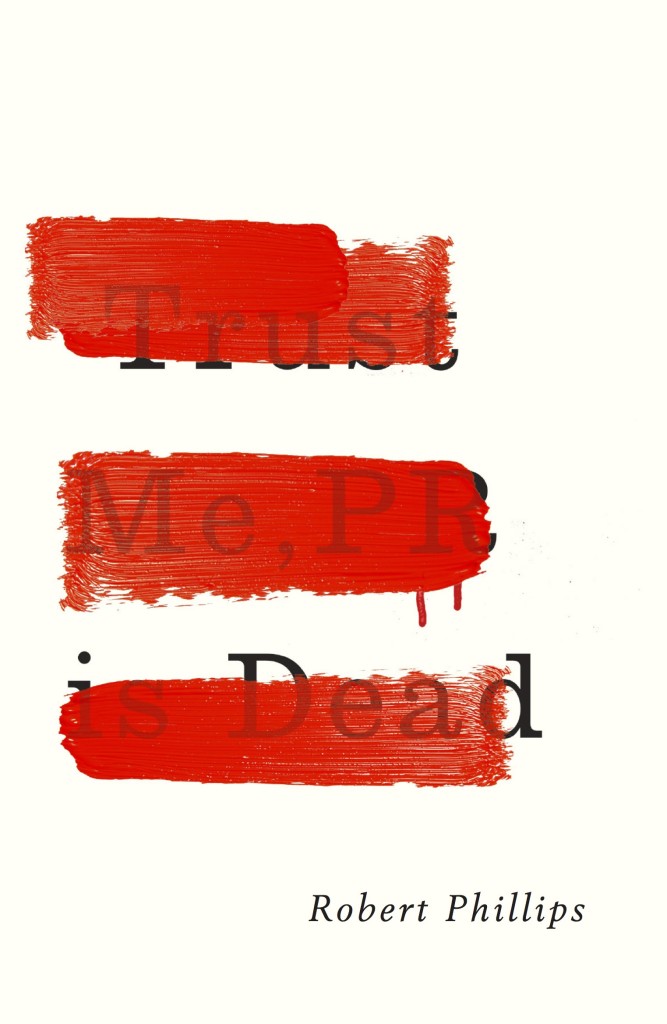
Trust Me, PR is Dead by Robert Phillips; design by Jamie Keenan (Unbound / June 2015)Wake Up, Sir! by Jonathan Ames; design by Jamie Keenan (Pushkin Press / May 2015)
Trans by Juliet Jacques; Design and illustration by Joanna Walsh (Verso / September 2015)
Wall Flower by Rita Kuczynski; design by David Drummond (University of Toronto Press / August 2015)Young Babylon by Lu Nei; design by David Drummond (AmazonCrossing / September 2015)
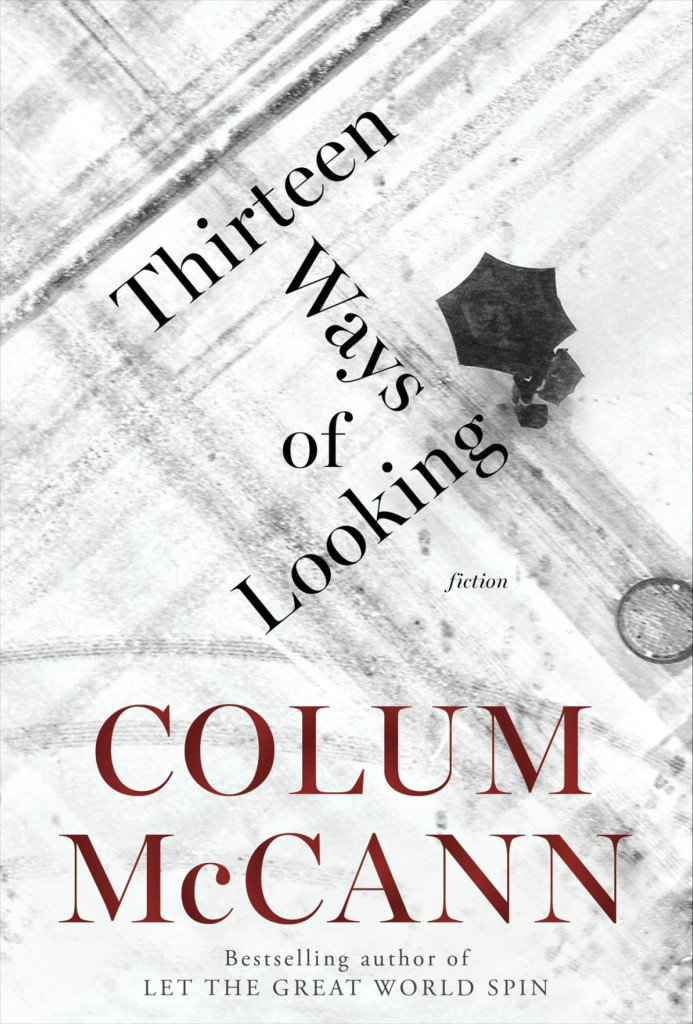
Girl in the Dark by Anna Lyndsey; design by Greg Heinimann (Bloomsbury / February 2015)Thirteen Ways of Looking by Colum McCann; design by Greg Heinimann; photograph by Julio Gamboa (Random House / October 2015)
Souffles-Anfas edited by Olivia C. Harrison and Teresa Villa-Ignacio; design Anne Jordan and Mitch Goldstein (Stanford University Press / November 2015)Capitalism in the Web of Life by Jason W. Moore; design by Anne Jordan and Mitch Goldstein (Verso / August 2015)
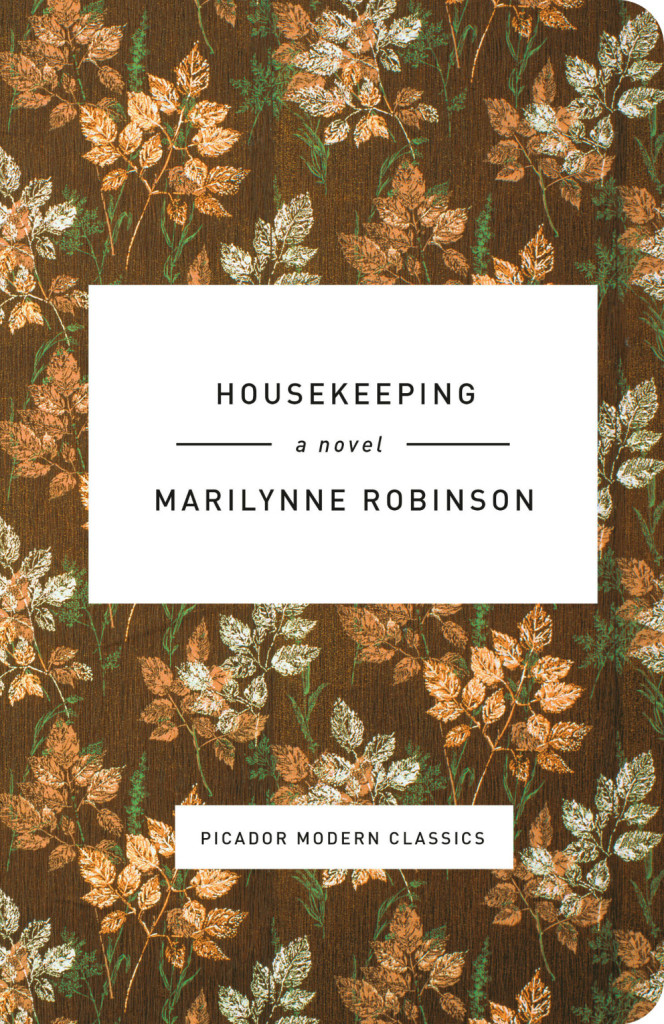
Originally founded in 1995 as a publishing house for sophisticated hardcovers and reprint paperbacks, Picador USA is celebrating its twentieth anniversary this month with a set of four small limited edition modern classics with covers designed by Kelly Blair. Printed on pearlized cream stock, with rounded corners and colourful full-bleed imagery, the books look like exquisite pocket-sized treats.
According to creative director (and long-time friend of the blog) Henry Sene Yee, the books were the brainchild of Stefan von Holtzbrinck, head of Macmillan Publishing. “With Picador’s 20th Anniversary approaching, Stefan wanted us to celebrate it with some special printings. There were these tiny volumes in Europe that caught his eye, and he wanted us to do something like that.”
While still deciding which titles to include, and on the exact format and size, Henry worked out some early ideas in a notebook-sized format, using lines and shapes to represent the theme or narrative of each book. Facing a tight deadline however, Henry didn’t have time to finish the project by himself. He had a difficult decision to make. “Giving away a dream project is the hardest thing to do, but you have to be selfless and match up the best talent with the books.”
Henry, who has been at Picador from the very beginning, was determined to acknowledge the art department’s contribution to the publisher’s history. “One of my very first assistants was Kelly Blair. She is a brilliant designer and illustrator, and is now herself an Art Director at Pantheon / Knopf. If this project was going to celebrate the history of Picador and I couldn’t design it myself, I thought it should be someone who was there with me at the very beginning. Kelly made poetic sense, and made it feel better about letting go. A little.”
Kelly’s initial ideas included illustrations and some all-type solutions. “All were great,” says Henry, “but Kelly wanted to send me one more last-minute idea even though she wasn’t sure she liked it as much as her first ones. Of course that was the one we all loved and printed! Sometimes when a solution seems simple, we doubt its value.”
In addition to the new covers, Steven Seighman redesigned and re-typeset each book making them easy and inviting to read, even at the smaller size. “Even though they look great online,” says Henry, “it’s not until you have the actual wrapped and bound book in your hands that you appreciate its power and the beauty of print in the small format size.”
The Twentieth Anniversary Picador Modern Classics — Housekeeping by Marilynne Robinson, Jesus’ Son by Denis Johnson, Steppenwolf by Herman Hesse, and The Virgin Suicides by Jeffrey Eugenides — were published last week in the US. Thanks to art director Henry Sene Yee for talking to me about the project.
This month on the Poster Boys podcast, designers Brandon Schaefer and Sam Smith look back at 45 years of Penguin design history from the early years of the company under the direction of typographer Jan Tschichold to the work of art director David Pelham in the 1970s. Inspired by David Pelham’s famous design for the cover of A Clockwork Orange, Sam and Brandon also take a look at the artwork for Stanley Kubrick’s film adaptation of Anthony Burgess’s cult novel:
At the Toronto launch of John Freeman’s new anthologylast night — encouragingly called ’10 Reasons to Not Shoot Yourself in the Face Over the State of Literature’ — Literary Hub‘s Jonny Diamond mentioned design as a reason to be optimistic about current state of publishing. In particular, Jonny called out the book covers of Deep Vellum, a Dallas-based literary non-profit that publishes literature in translation.1 The covers, designed by Anna Zylicz, are strange, minimal, and instantly recognizable. There’s something of a hard-edged Peter Saville feel to them. I especially like the cover for Sphinx by Anne Garréta. Anna Zylicz is clearly a designer to watch.