Skip to content

Category: Books

Emory Liu on Design at Fantagraphics

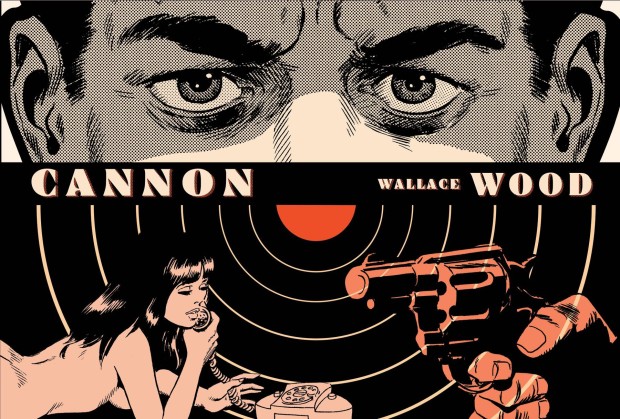
cannon-wallace-wood-design-emory-liu

At Sequart, designer Emory Liu talks about working at Seattle comics publisher Fantagraphics:

My first start in the design world came through designing / screen printing posters, and doing album artwork for bands. I played in a bunch of bands, and starting out, we just ended up having to do a lot of the work ourselves, art included.  I also took design classes at School of Visual Concepts, eventually graduating with an Interdisciplinary Visual Arts degree from University of Washington in 2005. I feel very fortunate to be hired by Fantagraphics, as I had no previous experience designing full books, but just came from a job that heavily depended on InDesign. I think I just had enough experience to pass, and a DIY aesthetic that fit with the other designers… [It’s] interesting, because most of the time we have a ton of creative control. Editorial is usually hands off, and we’re working from scratch, keeping in mind not to overstep the comic artist themselves. A lot of the work is old work being re-released, and just the repackaging of the product with new covers can do wonders, give the book new life. At the same time we’ll get a few titles where we get very little input. Some artists demand complete control, and I’d take the role of facilitator more than designer. As fast as I’d like to get through those, they always end up taking the longest.

Comments closed

Michael Bierut : How To… Write a Book About Your Work

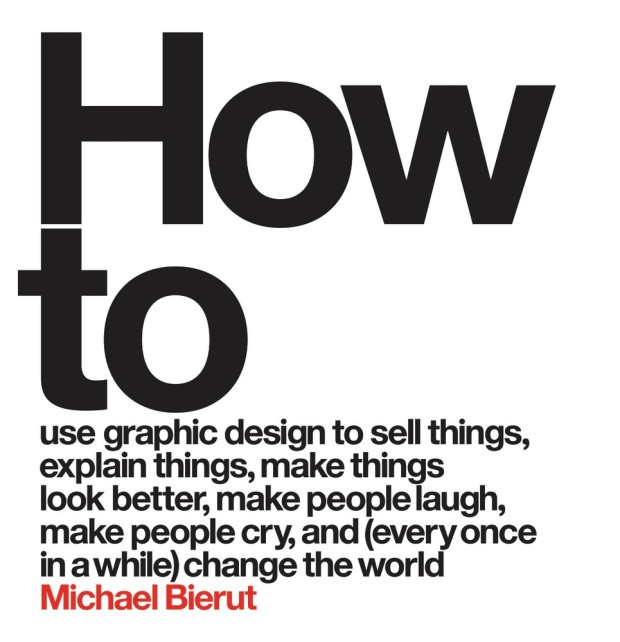
how-to

In a great interview with Design Indaba, designer Michael Bierut talks about a new book about his work, How to: Use graphic design to sell things, explain things, make things look better, and (every once in a while) change the world, to be published later this year by Thames and Hudson:

In the second part of the interview he talks about the loneliness of design, and (inevitably!) designing logos:

Comments closed

Recovering a Lost Typeface

In this short video for the BBC, designer Robert Green talks about his reconstruction of the lost Doves Press typeface:

Comments closed

Five Designers, One Illustrator, Two Letterers and More Than a Hundred Versions of a Jacket

hausfrau

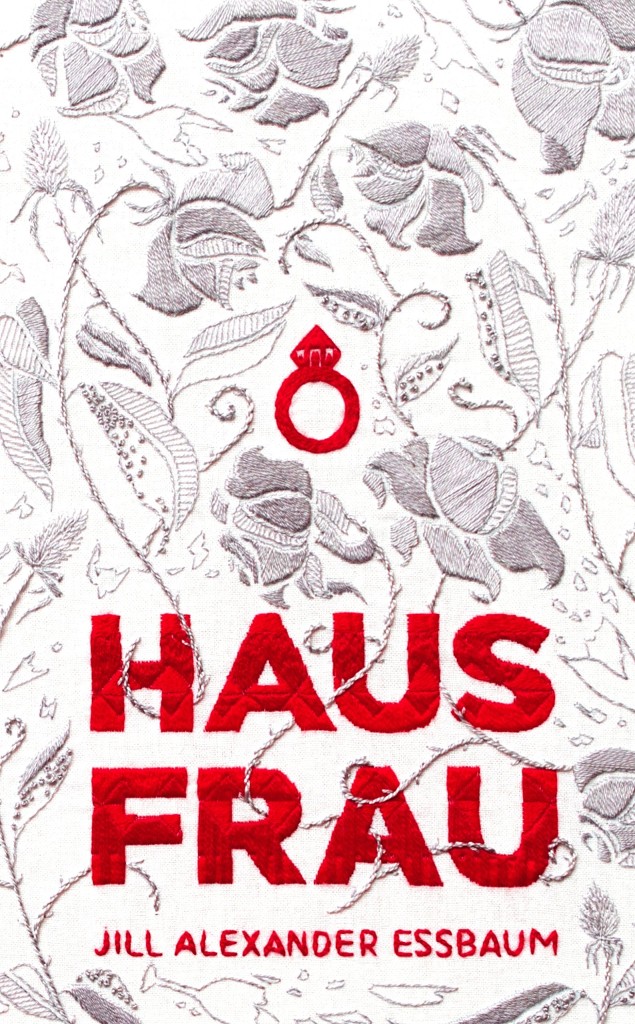
If you’ve ever wondered quite how many iterations a cover can go through before the final one is chosen, this video cycles through a multitude of design ideas for the US edition of Hausfrau by Jill Alexander Essbaum published by Random House this month:

“I worked with five designers, one illustrator and two letterers on more than a hundred versions of the jacket,” Robbin Schiff, executive art director at Random House, told Mashable. “The final design, with its stark Swiss typography against the moody and lush floral grouping, conveys a sensual but claustrophobic atmosphere”.1

And, if you’re interested, you also read about the cover of the UK edition created by Maricor/Maricar (pictured below) on the Picador Blog. The whole process sounds a little less… fraught.

hausfrau-UK

UPDATE: Thank you to the folks at Random House for letting me know that the final cover for the US edition was designed by the talented Gabrielle Bordwin. The video was created by Caroline Teagle.

1 Comment

Comma Queen

The New Yorker has launched a new video series “devoted to language in all its facets” called Comma Queen. In the first episode, copy editor Mary Norris talks about commas, the “little squiggle” with “a history rich in controversy”:


On a related note, Julia Holmes reviews Mary Norris’ book, Between You & Me: Confessions of a Comma Queen, for the New Republic:

copy-editing can also be a soul-crushing enterprise. Not the work itself, which is perfectly pleasant and definitely necessary, but the surprising and strictly enforced class system that almost always accompanies it. Magazines are rigidly hierarchical places, no matter how outwardly easygoing and free-spirited and ad hoc they may endeavor to look on a visit to the office. A funny thing about publishing is that it’s populated almost exclusively by frustrated writers. It’s a kind of slow-burn Stanford Prison Experiment, in which former English majors are randomly assigned the roles of language guard and word prisoner, affirming once more how quickly and insanely people will adapt to new, relative states of power and powerlessness.

Mary Norris’s very funny, lucid, and lively new book, Between You & Me: Confessions of a Comma Queen, illuminates this shadow world at last. It’s part memoir, part language guide, and part personal account of life at The New Yorker (where Norris has worked as a copy editor since 1978). “One of the things I like about my job,” she writes, “is that it draws on the entire person: not just your knowledge of grammar and punctuation and usage and foreign languages and literature but also your experience of travel, gardening, shipping, singing, plumbing, Catholicism, midwesternism, mozzarella, the A train, New Jersey.”

Norris exemplifies what David Foster Wallace observed in “Authority and American Usage”: “We tend to like and trust experts whose expertise is born of a real love for their specialty instead of just a desire to be expert at something.”

Comments closed

The Book Thieves of London

At The Dabbler, gentleman bookseller Steerforth recalls his run-ins with book thieves over the years:

After a while I became quite good at spotting the biblioklepts. Sometimes they gave themselves away through their body language, other times it was their appearance. One thief was dressed as a respectable businessman but his shoes were shabby and when I scrutinised him further I could see that he was wearing a charity shop suit. Our eyes met and he realised that he’d been rumbled. Later I mentioned this incident to someone in another bookshop and they said ‘Ah yes, the Businessman.’ He was well-known.

The most successful thieves were, of course, the ones we never saw. Someone used to steal entire shelves of books during Thursday lunchtimes – one week it was Nabokov, another Terry Pratchett – presumably in order to furnish another bookshop. Although we became obsessive about checking everyone who entered the shop, we never caught them.

We had regular thieves at both bookshops I worked in too. I don’t think any of them were quite as colourful as ‘the Businessman’ sadly.

Comments closed

Ladybird: Designed for Small, Tiny Hands

9780723293927

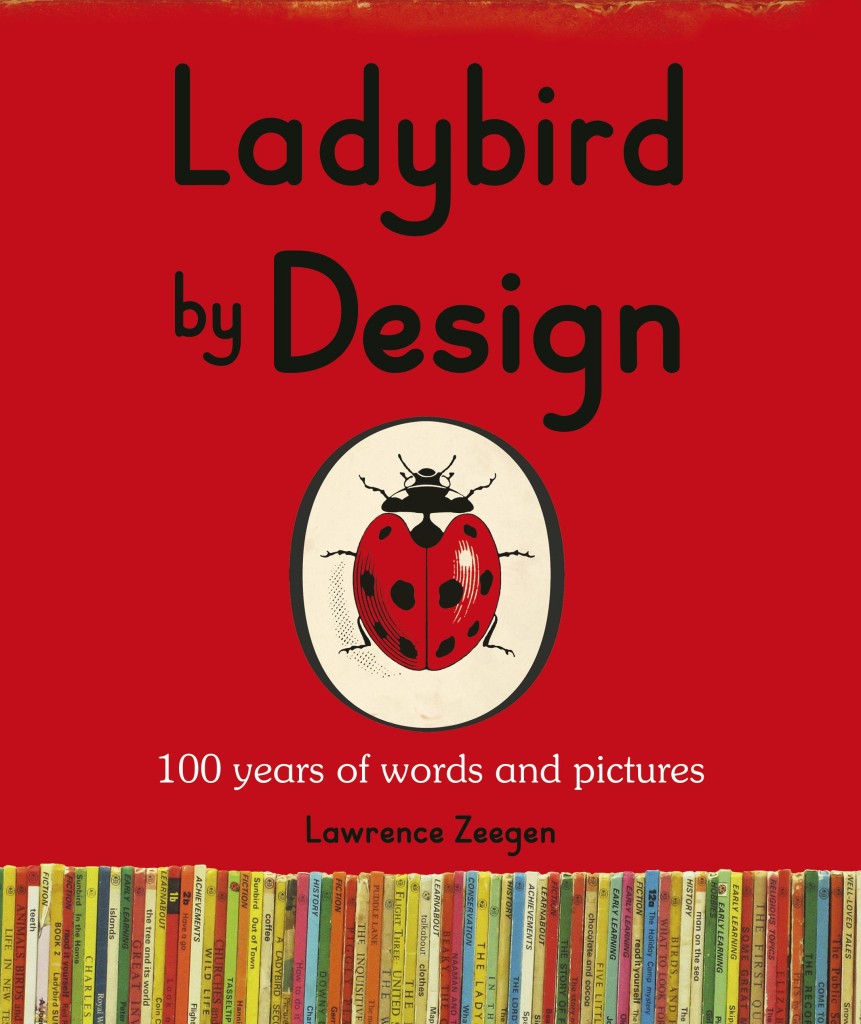
As previously mentioned, Ladybird By Design is an exhibition of over 200 of original book illustrations from the late 1950s to early 1970s currently on display at the De La Warr Pavilion in Bexhill on Sea.

In this short film, Lawrence Zeegen, curator of the exhibition and author of the accompanying book, and Jenny Pearce, daughter of former Ladybird editorial director Douglas Keen, talk about the history of Ladybird and what made the books so special:

Comments closed

William Gibson on Authenticity

gibsonlabel

I’d be the first to admit that I didn’t really get on with William Gibson’s latest novel The Peripheral, but I really enjoyed his ‘Blue Ant’ trilogy — Pattern Recognition, Spook Country, and Zero History.

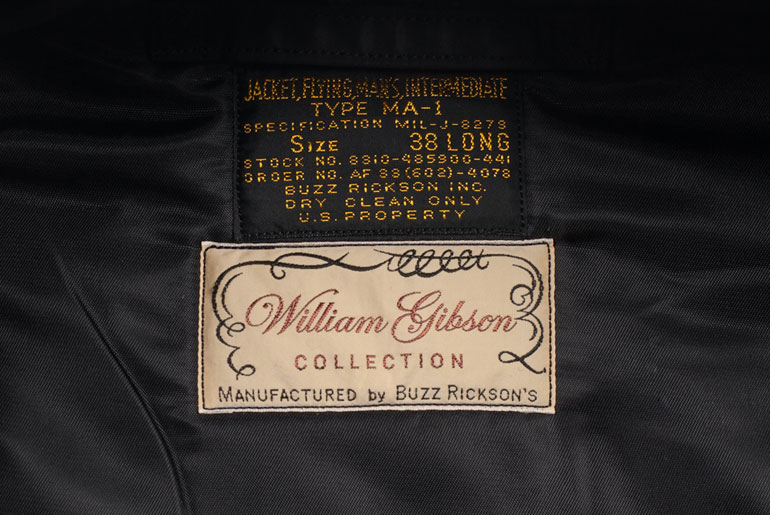
Interestingly, the (fictional) Buzz Rickson MA-1 flight jacket worn by Cayce Pollard, the protagonist in Pattern Recognition, led to the Japanese clothing company working with Gibson to manufacture a line of clothes (including the aforementioned black MA-1) inspired by the author. In this fascinating interview with Rawr Denim, the author discusses Buzz Rickson, Japanese pop culture, workwear, authenticity and more:

“Authenticity” doesn’t mean much to me. I just want “good”, in the sense of well-designed, well-constructed, long-lasting garments. My interest in military clothing stems from that. It’s not about macho, playing soldiers, anything militaristic. It’s the functionality, the design-solutions, the durability. Likewise workwear.

Military clothing is built to strict contract, but with the manufacturer cutting ever corner they can without violating the specifications. The finishing on a Rickson reproduction is exponentially superior to the finishing on most of the originals, and I’d much rather have a brand-new exact copy that’s more carefully assembled…

…[In] 1947 a lot of American workingmen wore shirts that were better made than most people’s shirts are today. Union-made, in the United States. Better fabric, better stitching. There were work shirts that retailed for fifty cents that were closer to today’s Prada than to today’s J.Crew. Fifty cents was an actual amount of money, though. We live in an age of seriously crap mass clothing. They’ve made a science of it.

Comments closed

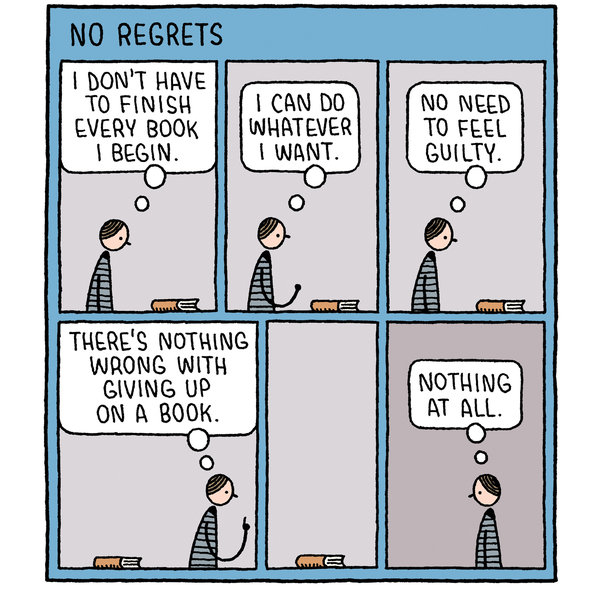
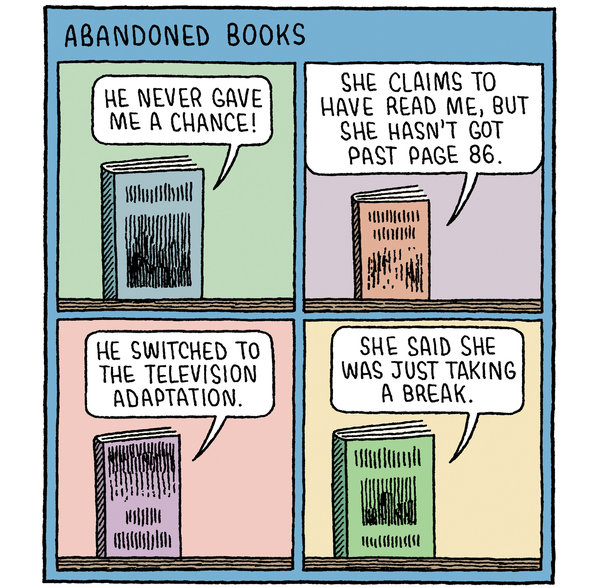
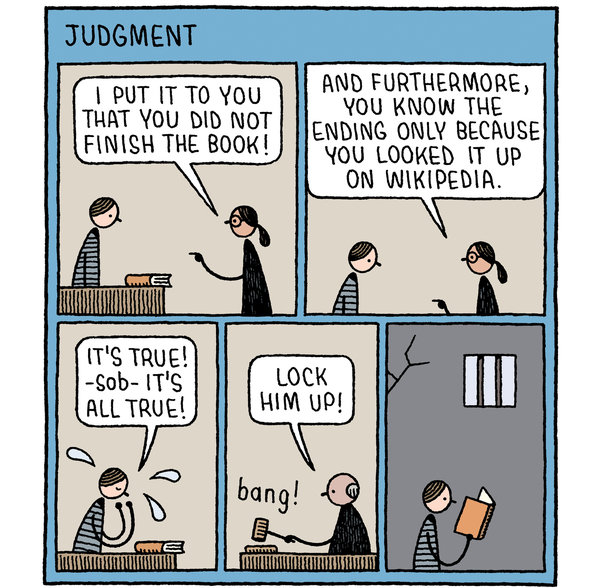
Giving Up

giving-up-tom-gauld-1
giving-up-tom-gauld-2
giving-up-tom-gauld-3
giving-up-tom-gauld-4

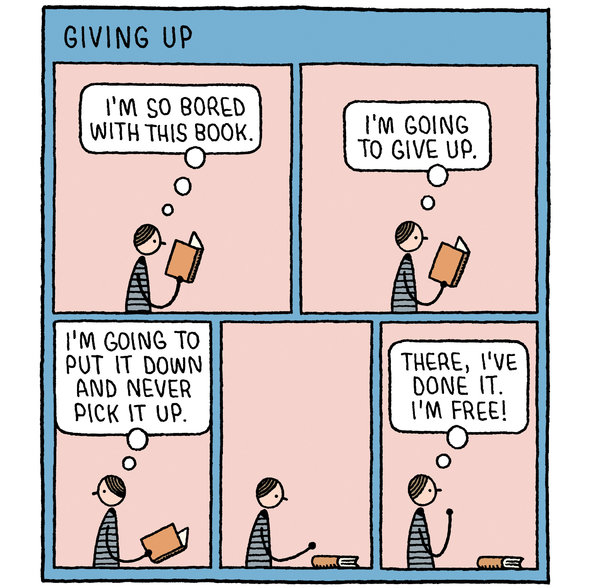
Tom Gauld for the New York Times.

Comments closed

Jason Booher: “being a book cover designer is possibly the best job in the world.”

Booher_LotF

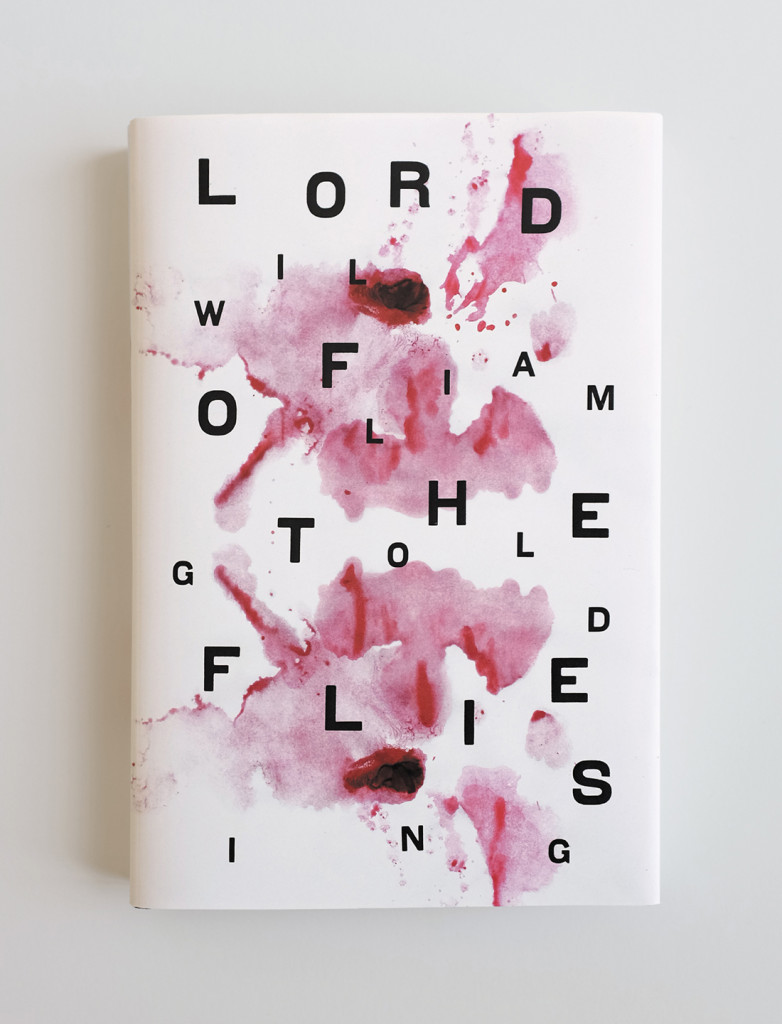
At the AIGA’s Eye on Design blog, Margaret Rhodes talks to Jason Booher, art director of Penguin imprint Blue Rider Press, about book cover design:

The key to creating stellar covers, according to Booher, is to first throw out the tired adage about not judging books by them. “Graphic design is really about selling things,” he says. Lest that sound soulless, the good news here is that Booher is selling other people’s creative ideas. And while every book is unique, Booher says he starts by reading the six or so manuscripts he gets per season, and then mentally digests them all. “You read it, you try and find the soul of the book, something that makes it special, and make it come alive,” he says.

Comments closed

ABCD Award Winners 2015

Congratulations to all the winners at last night’s Academy of British Cover Design Awards!

Children’s

shh
Shh! We Have a Plan by Chris Haughton; design by Chris Haughton (Walker Books / March 2014)

Young Adult

9781447250463

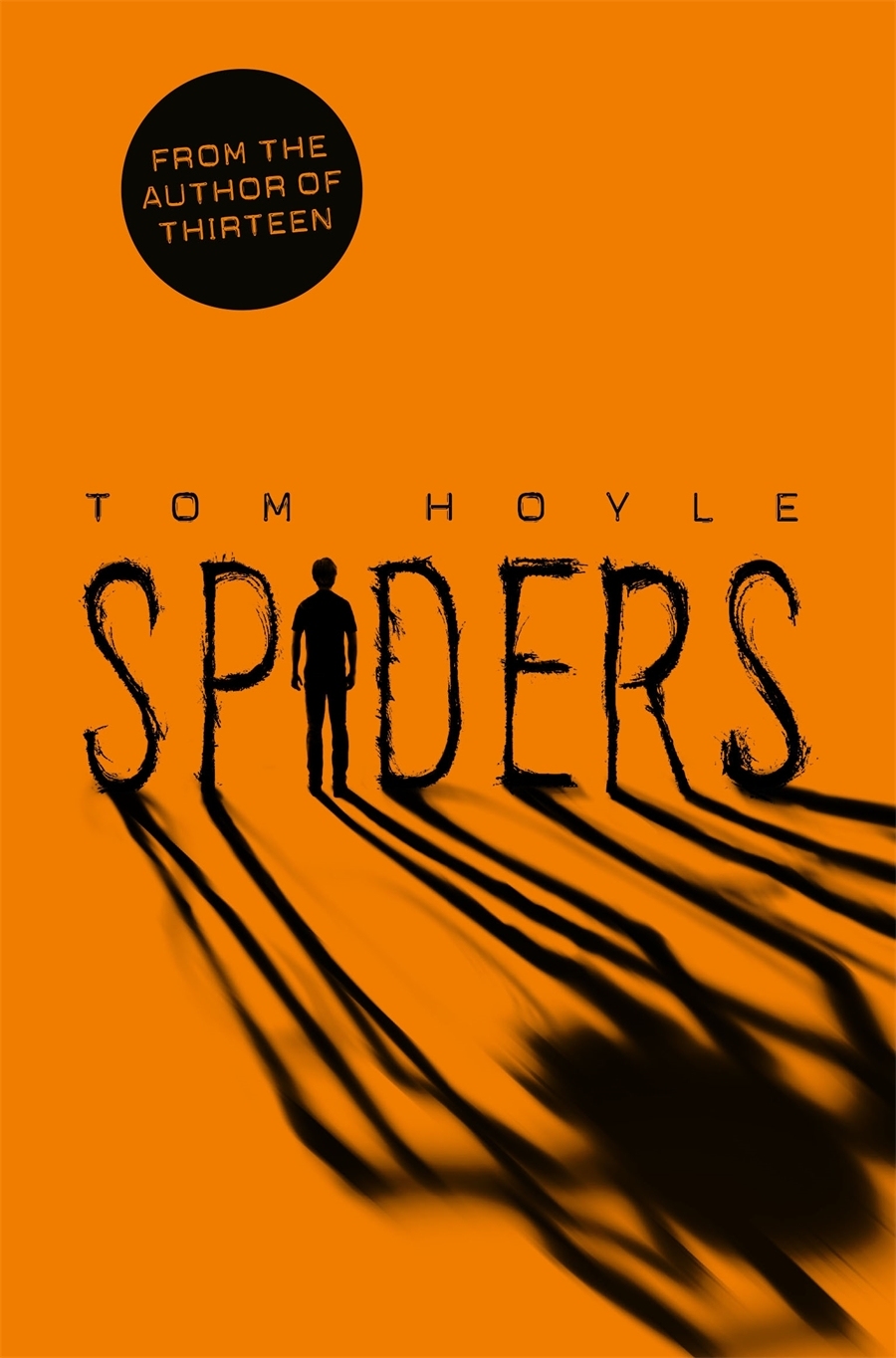
Spiders by Tom Hoyle; design by Rachel Vale; illustration by Sam Hadley (PanMacmillan / November 2014)

Sci-Fi / Fantasy

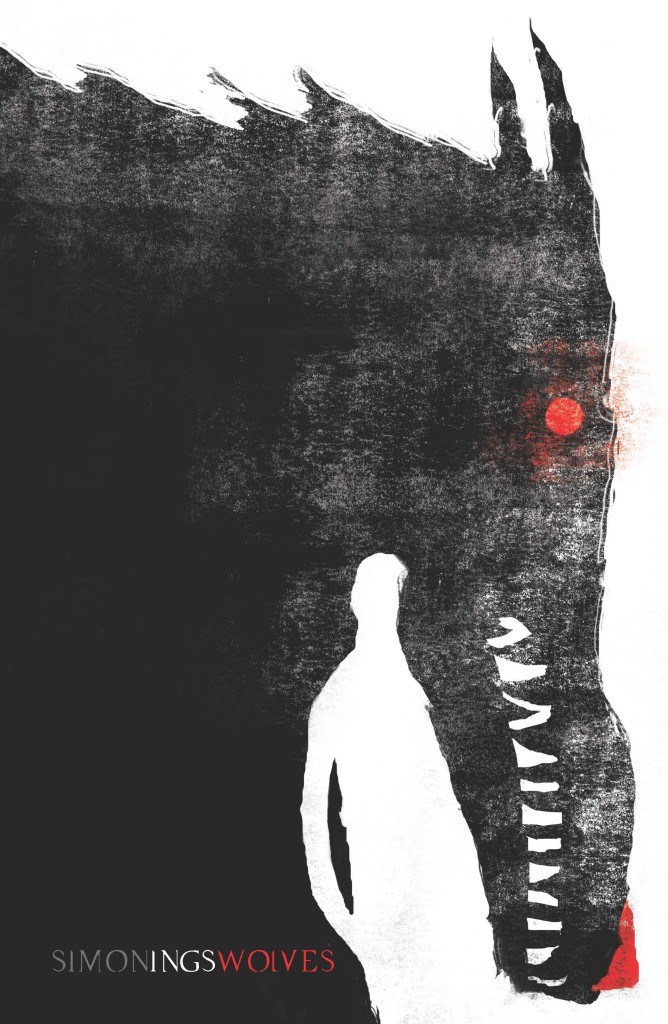
Wolves-tpb
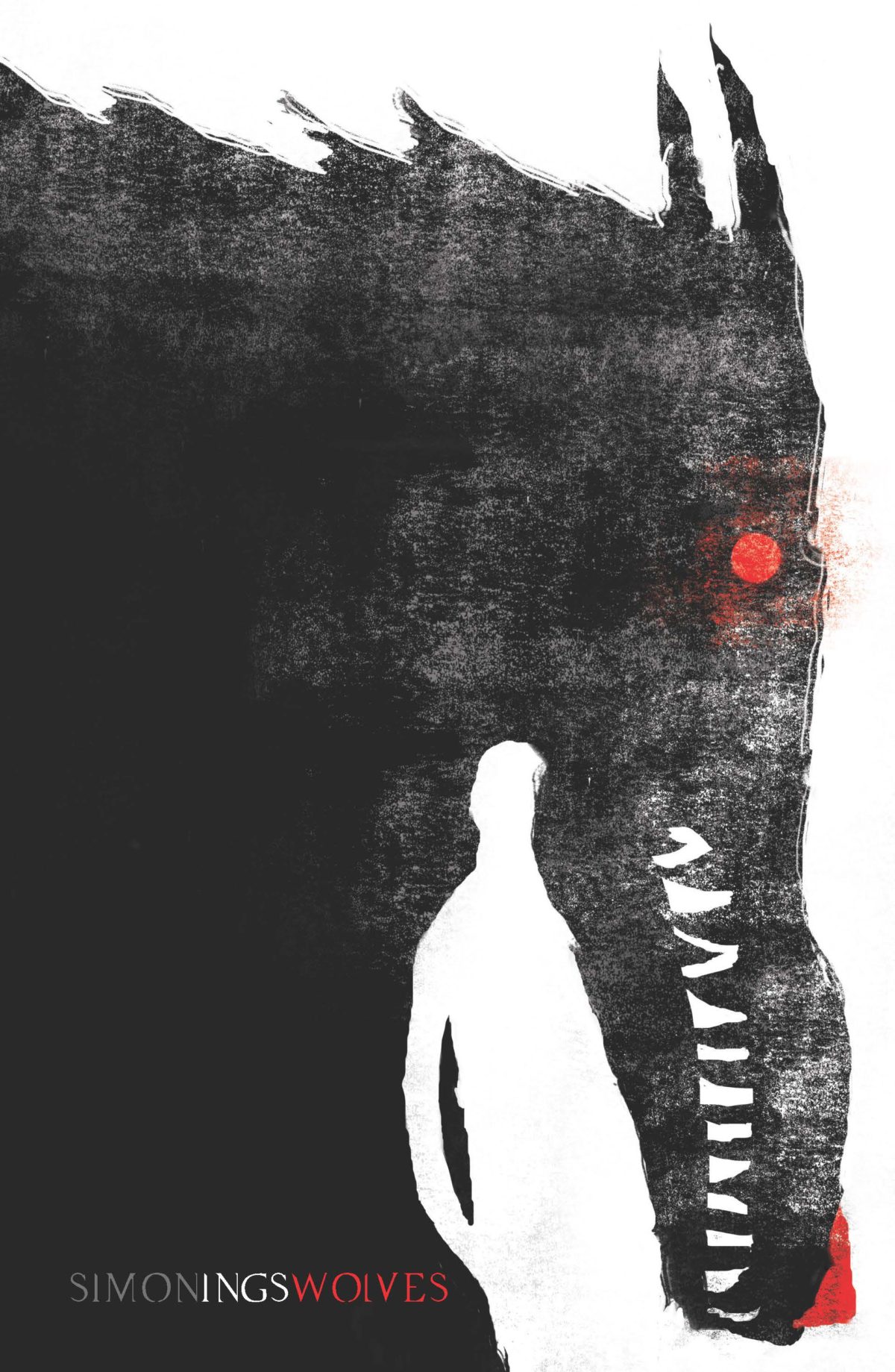
Wolves by Simon Ings; design by Nick May; illustration by Jeffery Alan Love (Gollancz / January 2014)

Mass Market

tigerman
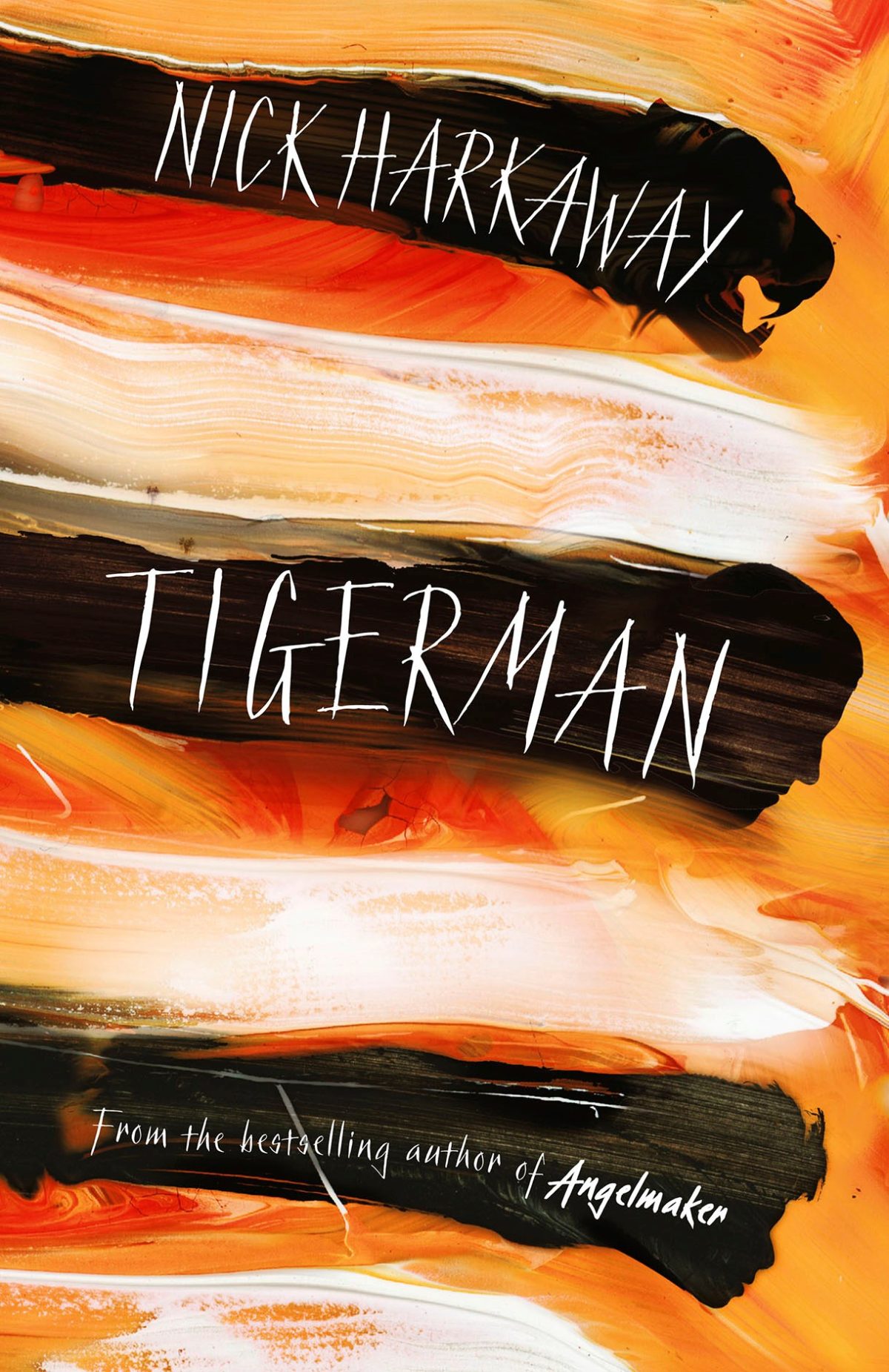
Tigerman by Nick Harkaway; design Glenn O’Neill (William Heinemann / May 2014 )

Literary Fiction

Badmouth-jk
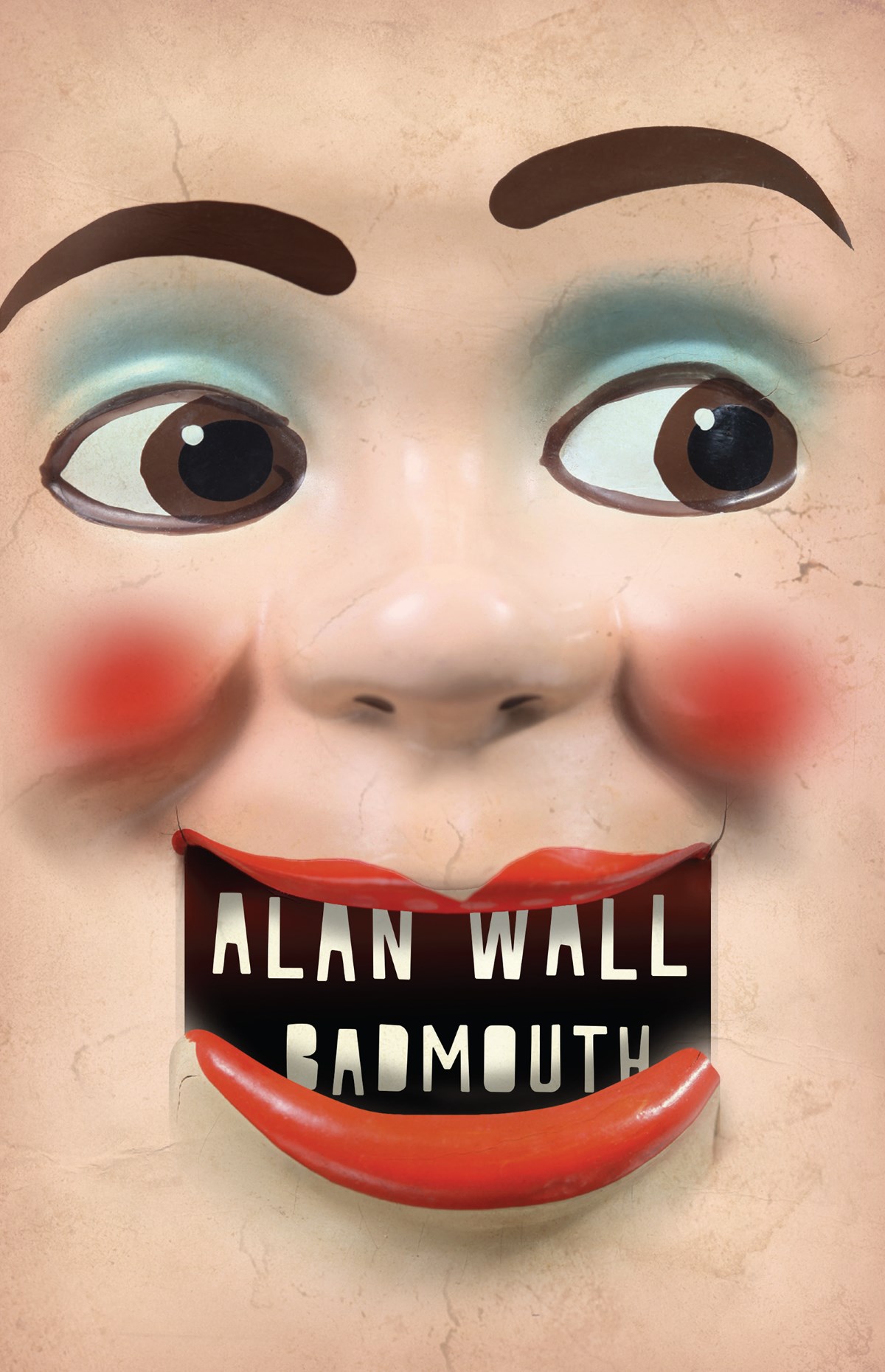
Badmouth  by Alan Wall; design by Jamie Keenan (Harbour Books / January 2014)

Crime / Thriller

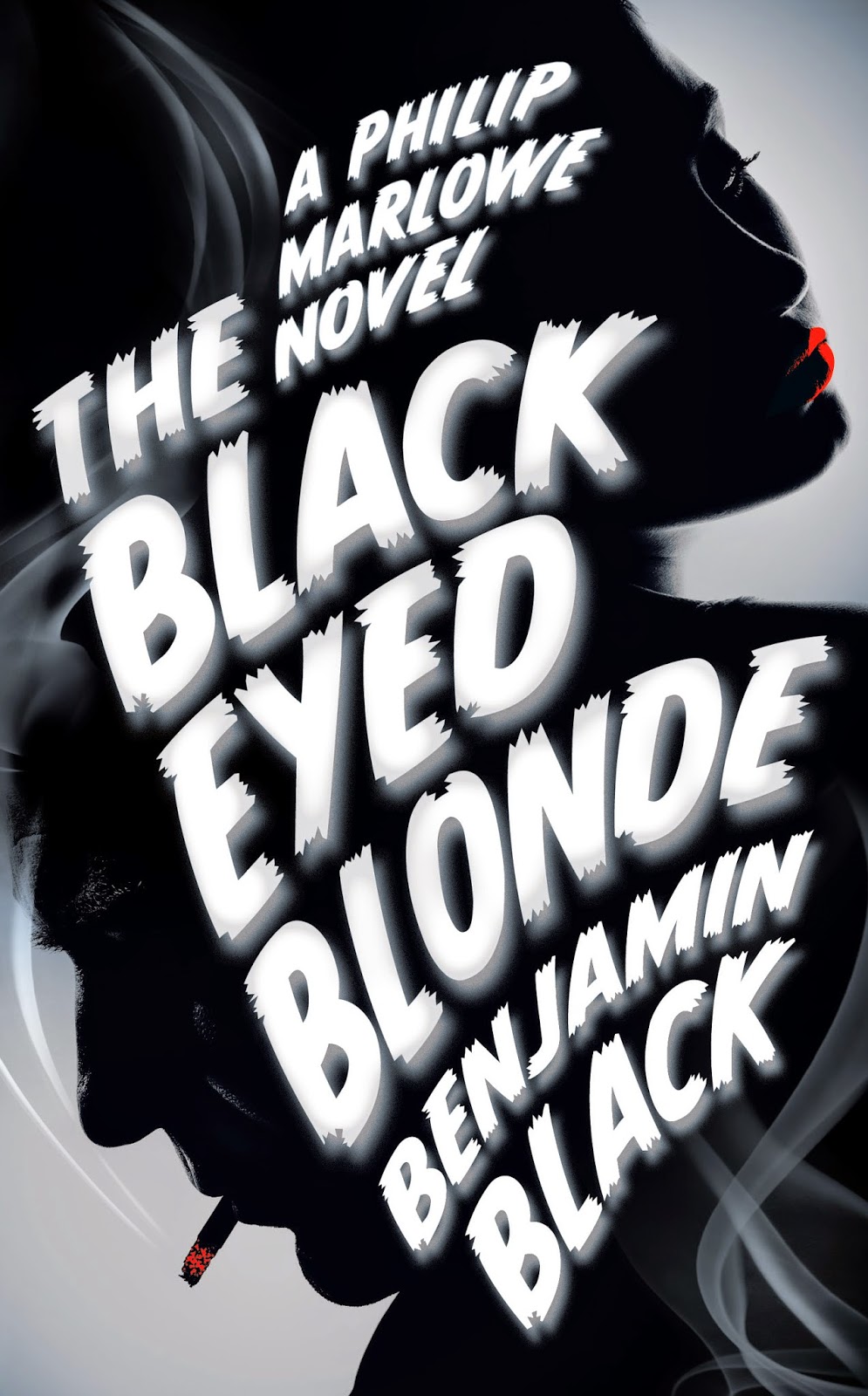
The Black-Eyed Blonde


The Black Eyed Blonde by Benjamin Black; design by Jonathan Pelham (Mantle / February 2014)

Non-Fiction

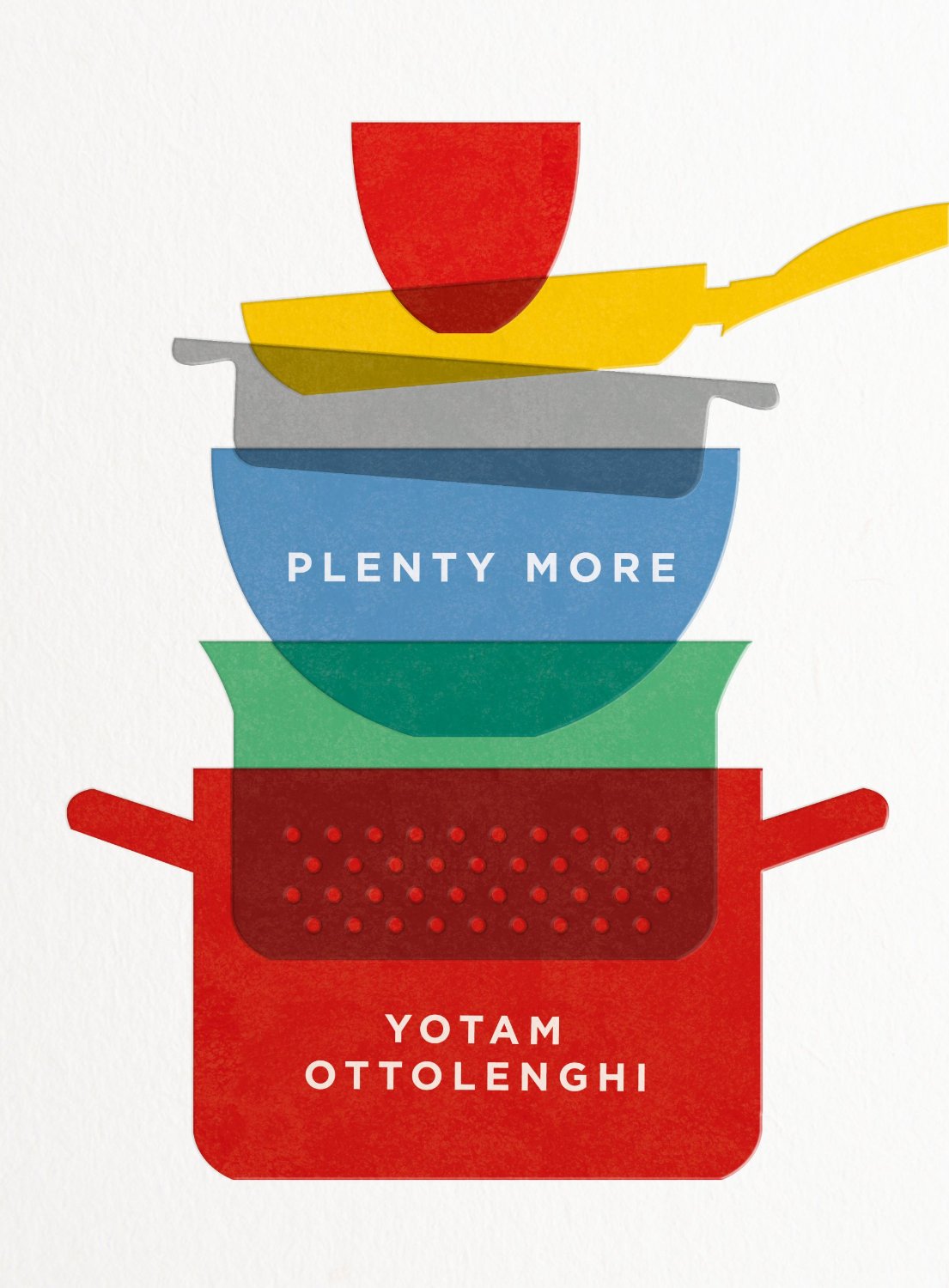
plenty-more
Plenty More by Yotam Ottolenghi; design by by Caz Hildebrand and Sakiko Kobayashi / Here Design (Ebury Press / September 2014)

Series Design

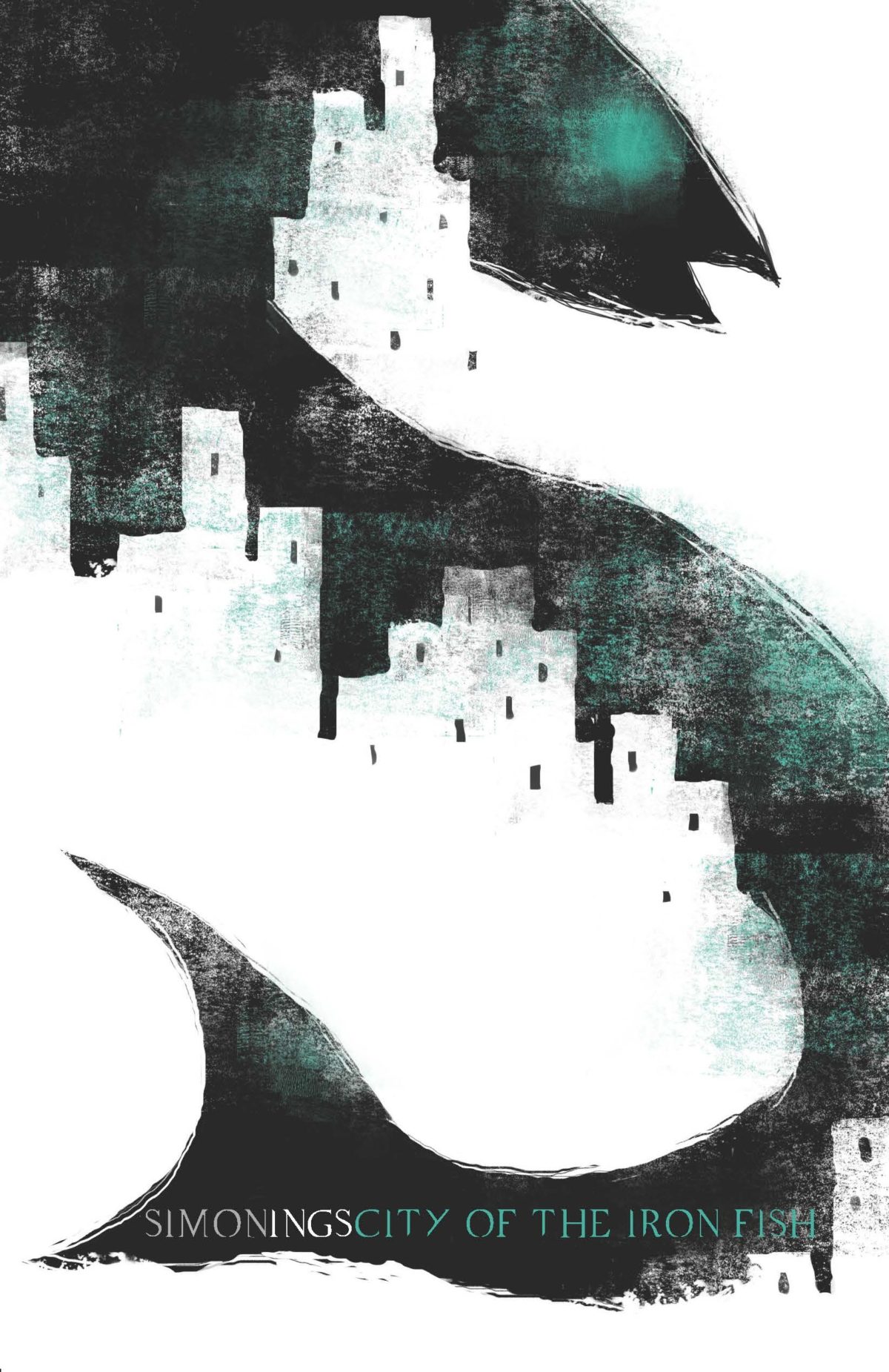
city-of-iron-fish
Gollancz Simon Ings; design by Nick May; illustration by Jeffery Alan Love

(Above: City of Iron Fish. Gollancz / April 2014 )


Classics / Reissue

Metamorphosis
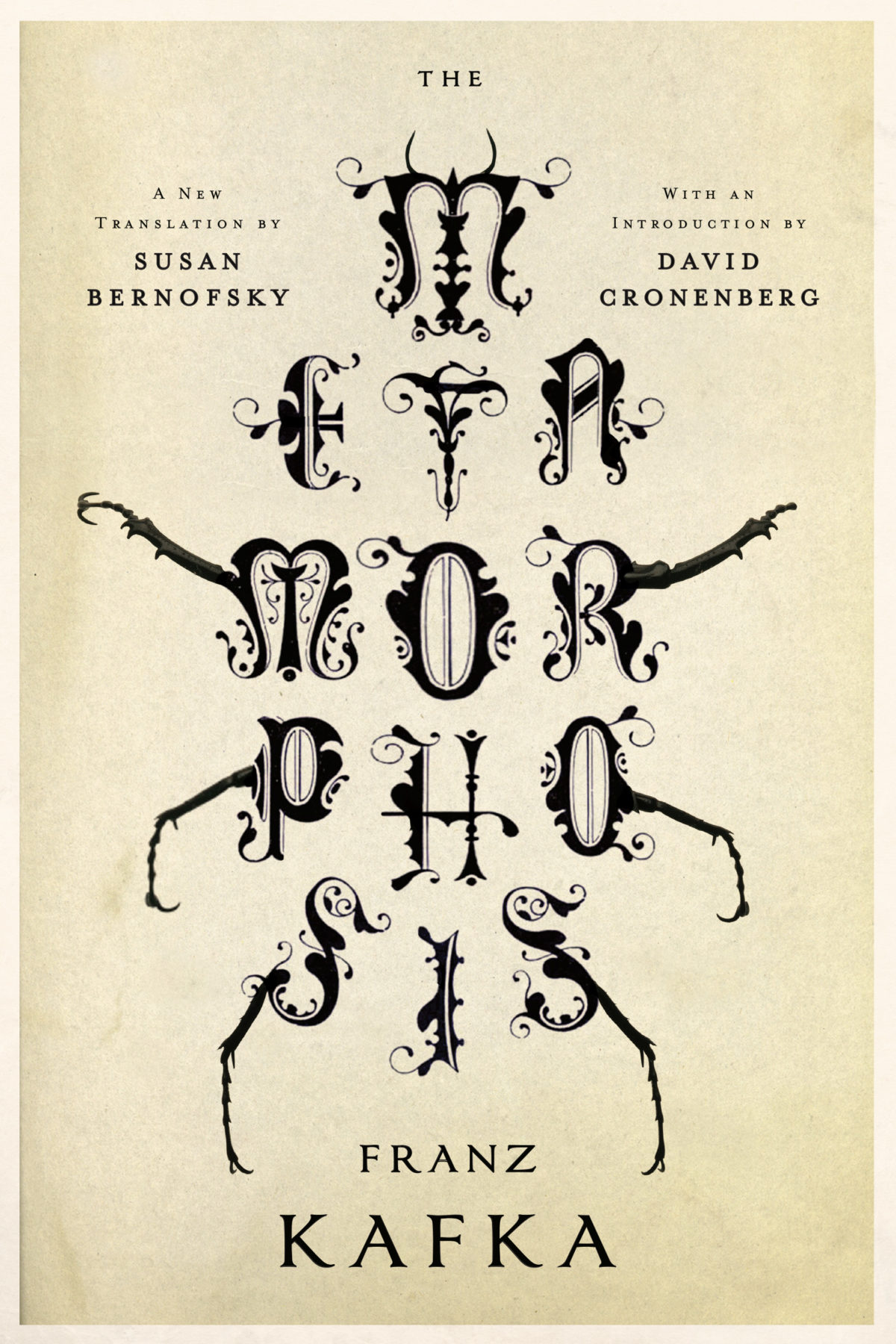
Metamorphosis by Franz Kafka; design by Jamie Keenan (W. W. Norton / February 2014)

Women’s Fiction (Joint Winners)

puny-sorrows

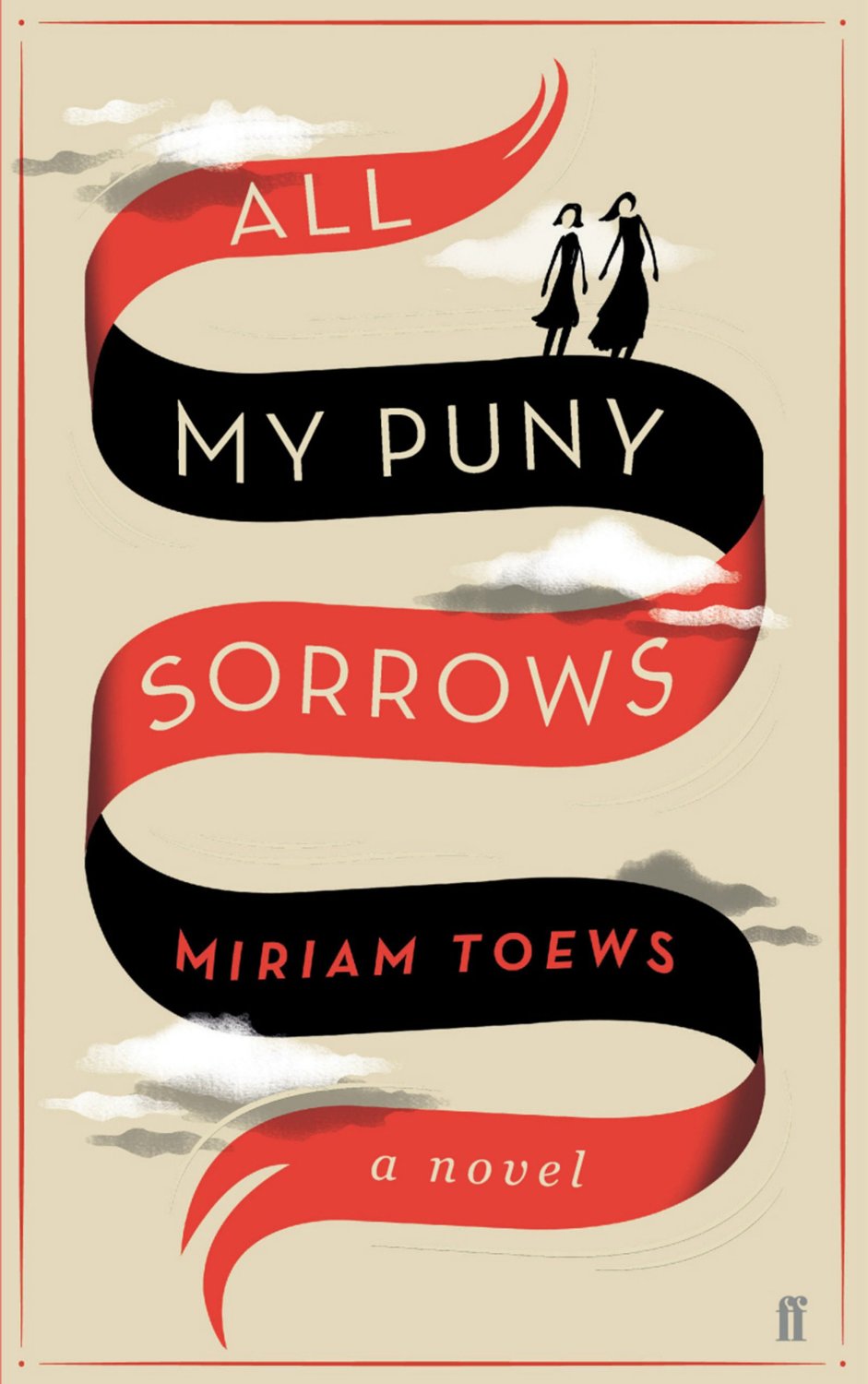
All My Puny Sorrows by Miriam Toews; design by Helen Crawford-White / Studio Helen (Faber & Faber / June 2014)

burial-rites
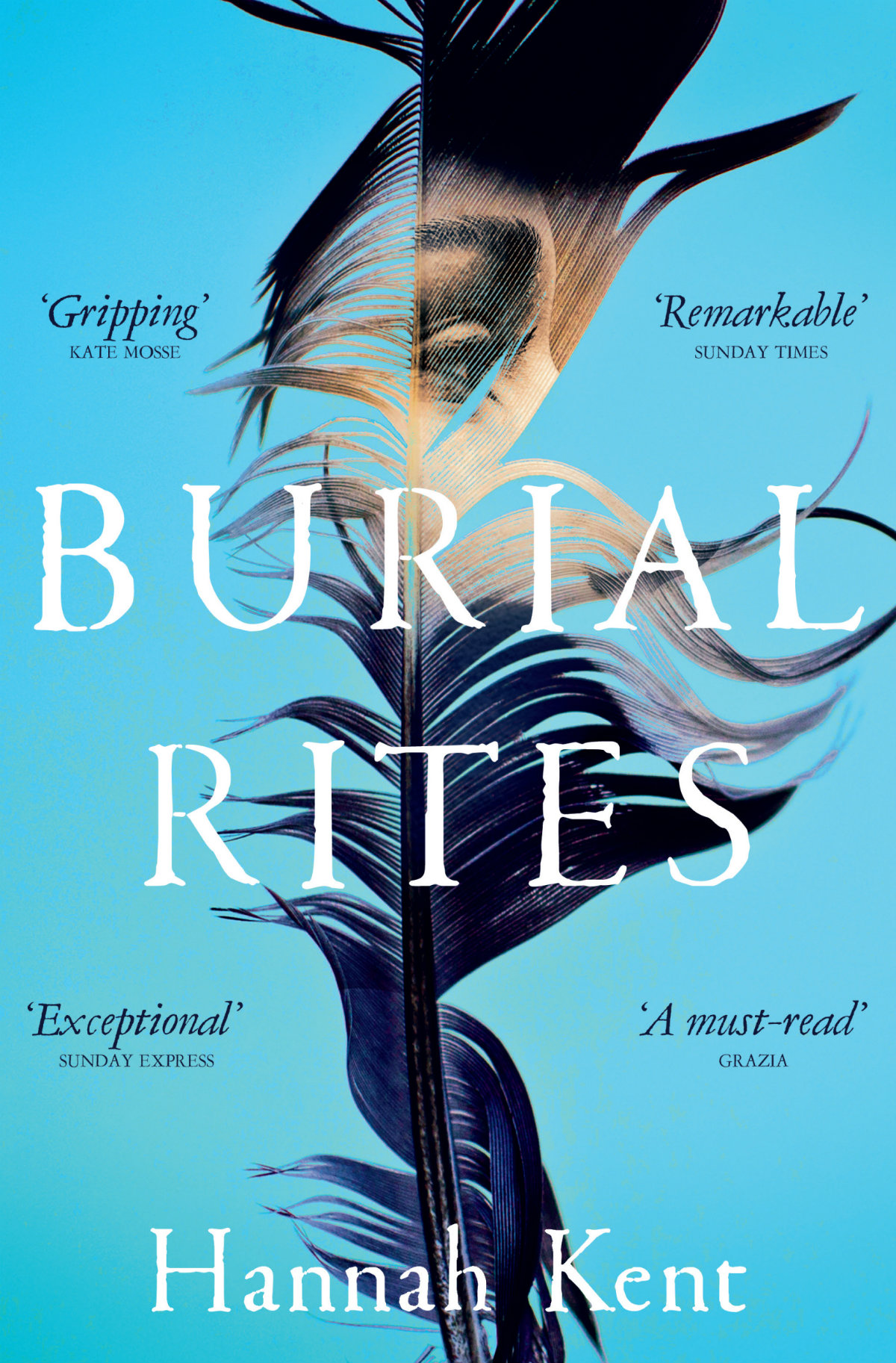
Burial Rites by Hannah Kent; design by James Annal ( Picador / March 2014 )

Well done Jon Gray and Jamie Keenan for organizing the awards. All the shortlisted covers — selected by judges Mark Ecob, Yeti Lambregts, David Mann, Richard Ogle, Donna Payne, Rafi Romaya, Henry Steadman, Jim Stoddart, Rachel Vale,  and Claire Ward  —  can be found on the ABCD website.

You can see the 2014 winners here.

Comments closed

Vintage Feminism

9780099595731

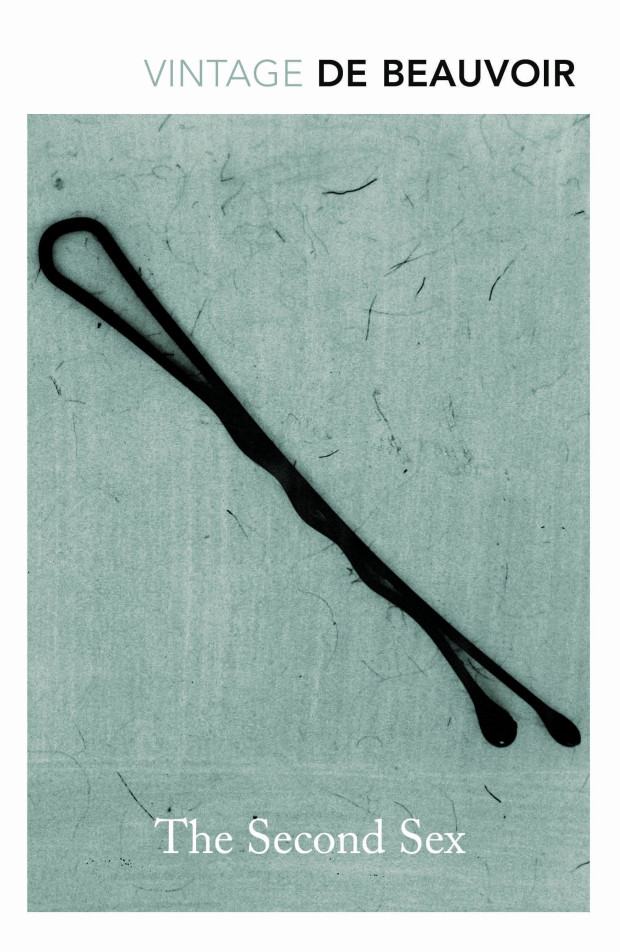
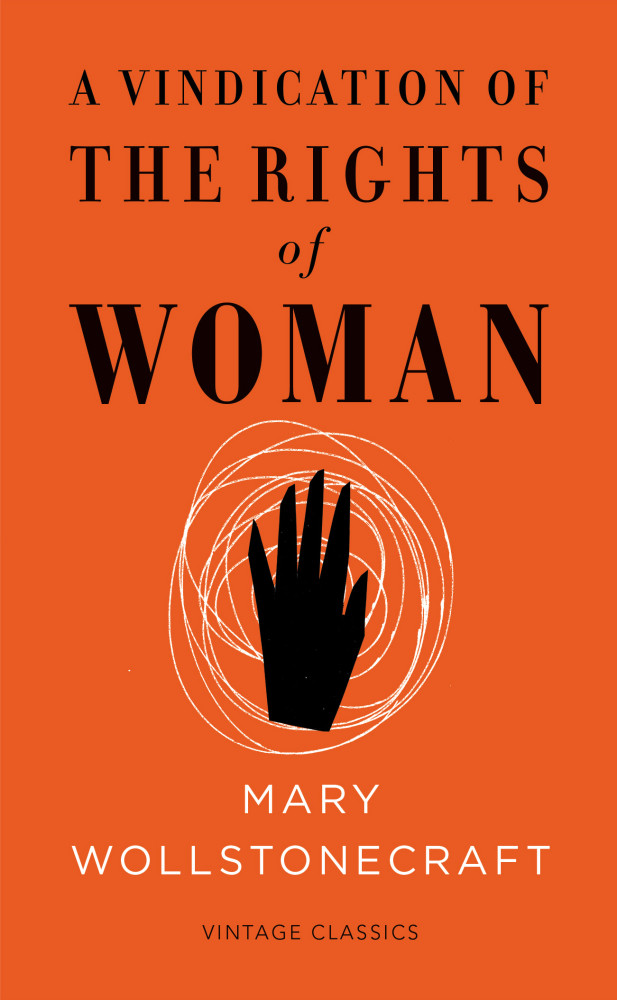
Earlier this month Vintage UK published new editions of The Second Sex by Simone de Beauvoir, The Beauty Myth by Naomi Wolf, and A Vindication of the Rights of Woman by Mary Wollstonecroft.

As CMYK, the Vintage design blog, revealed, these new editions were designed in-house by the talented Mr. Matthew Broughton, and feature black and white photography by Anton Stankowski on The Beauty Myth and A Vindication of the Rights of Woman, and Joy Gregory on my personal favourite, The Second Sex.

Interestingly, Vintage have also published  smaller format ‘short editions’ of the same three books — The Second Sex, The Beauty Myth, and  A Vindication of the Rights of Woman — featuring key extracts from the main texts.

In contrast to the sharp photographic covers above, the short editions feature illustrated covers designed by Gray318 with something of retro, E. McKnight Kauffer or Alvin Lustig, feel:

9781784870393


3 Comments