Skip to content

Category: Books

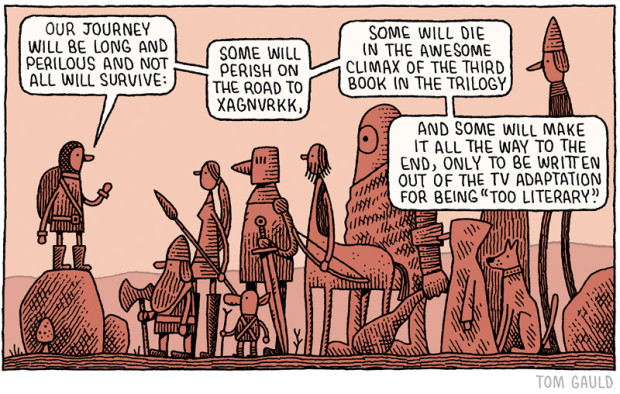
Our Journey Will Be Long…

our-journey-will-be-long-tom-gauld

Tom Gauld

Comments closed

There’s no one saying, “You can’t do this in a book for children.”

The New York Times profiles Julie Strauss-Gabel, the publisher of Dutton Children’s Books:

She became publisher of Dutton in 2011, and right away, it was clear this was going to be a different sort of imprint. She whittled down the list from about 50 titles a year for children of all ages, to about 10 books, with a focus on high-quality young adult fiction.

“There was nobody doing just what I do now 20 years ago,” she said. “It would have been unheard-of for a children’s publisher not to do picture books”…

…For such a small list — this year, Dutton will publish a mere eight titles — Ms. Strauss-Gabel’s books are strikingly diverse, covering science fiction and dystopian worlds, psychological suspense and works of social realism. She favors realistic, contemporary fiction, though lately she has been acquiring more memoirs and nonfiction.

“We’re in an era where the definition of a young adult book is completely up for grabs, and people are willing to reinvent it,” she said. “There’s no one saying, ‘You can’t do this in a book for children.’ ”

Comments closed

The Eeriness of the English Countryside

A-Field-in-England-009
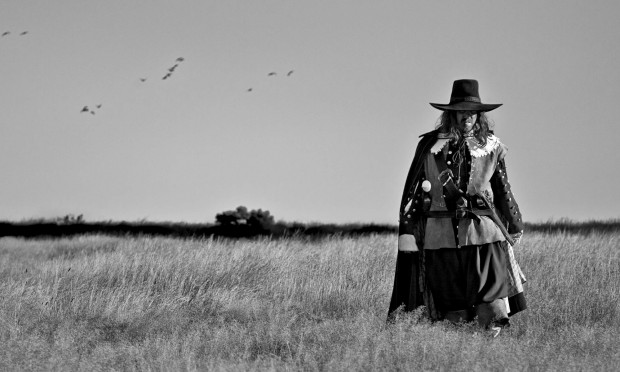
A Field In England

Robert Macfarlane, whose new book Landmarks was published in the UK last month, has a fascinating essay in The Guardian on the writer M. R. James, and the eerie horror of the English countryside:

We do not seem able to leave MR James (1862–1936) behind. His stories, like the restless dead that haunt them, keep returning to us: re-adapted, reread, freshly frightening for each new era. One reason for this is his mastery of the eerie: that form of fear that is felt first as unease, then as dread, and which is incited by glimpses and tremors rather than outright attack. Horror specialises in confrontation and aggression; the eerie in intimation and aggregation. Its physical consequences tend to be gradual and compound: swarming in the stomach’s pit, the tell-tale prickle of the skin… James stays with us is his understanding of landscape – and especially the English landscape – as constituted by uncanny forces, part-buried sufferings and contested ownerships. Landscape, in James, is never a smooth surface or simple stage-set, there to offer picturesque consolations. Rather it is a realm that snags, bites and troubles. He repeatedly invokes the pastoral – that green dream of natural tranquillity and social order – only to traumatise it.

James’s influence, or his example, has rarely been more strongly with us than now. For there is presently apparent, across what might broadly be called landscape culture, a fascination with these Jamesian ideas of unsettlement and displacement. In music, literature, art, film and photography, as well as in new and hybrid forms and media, the English eerie is on the rise. A loose but substantial body of work is emerging that explores the English landscape in terms of its anomalies rather than its continuities, that is sceptical of comfortable notions of “dwelling” and “belonging”, and of the packagings of the past as “heritage”, and that locates itself within a spectred rather than a sceptred isle.

I think the eerie is also a theme that runs through English comics, although Macfarlane doesn’t mention it, and I’m hard pressed to think of specific examples. Gothic psychogeography is very much Alan Moore territory, and it feels like it should be in Warren Ellis’s wheelhouse too, but have either of them written anything explicitly about the horror of the English countryside?

(via Theo Inglis)

3 Comments

I’ve Been Thinking…

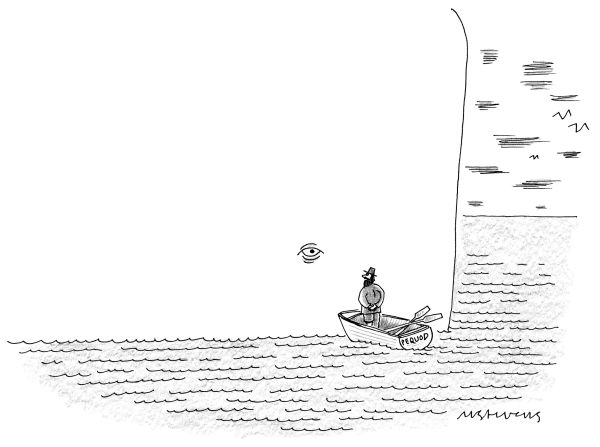
Posting Kim Warp’s Moby Dick cartoon last week reminded me to post this The New Yorker cartoon by Mick Stevens from February:

ive-been-thinking

(There’s probably a New Yorker book Moby Dick Cartoons, isn’t there?)

Comments closed

Observer Editions: Abbott Miller

9781568987262_cfl

The first in a new series of video interviews with people making books, Pentagram partner Abbott Miller talks to Design Observer about his recent monograph Abbott Miller: Design & Content:

And this is just a reminder to myself as much as anything: the fantastic typeface on the book’s cover is Calibre from Klim Type Foundry.

Comments closed

Alan Kitching’s A-Z of Letterpress

9781780674810

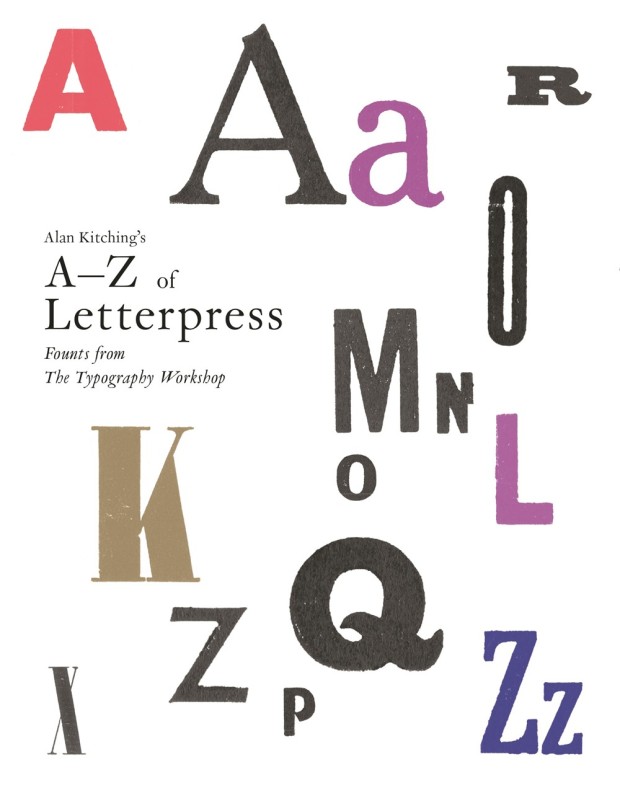
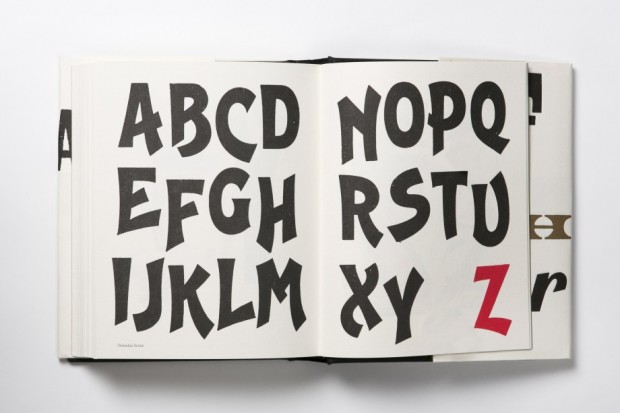
I just received an advance copy of Alan Kitching’s A-Z of Letterpress from UK publisher Laurence King, and it really is a lovely little book for type and letterpress enthusiasts.1

The accordion-playing Kitching has featured on the blog before of course, but over the course of his career he has worked as a compositor, typographer, graphic designer, teacher, and poster artist. He founded the Typography Workshop in 1989 and, according to designer Derek Birdsall (renowned for his cover designs at Penguin amongst other things), Kitching single-handedly “breathed new life into the dying embers of letterpress” by teaching a new generation of designers how to compose type by hand.

a-z_of_letterpress_spread_01

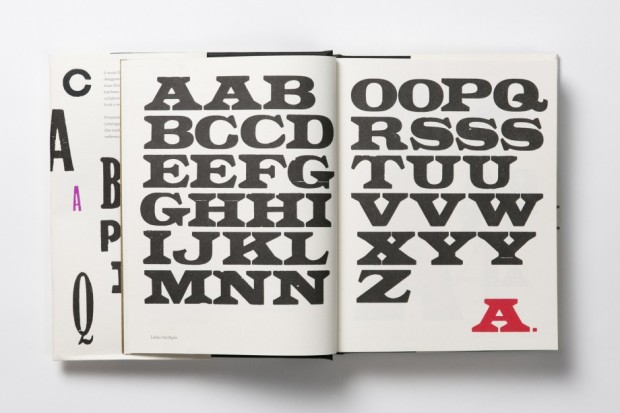
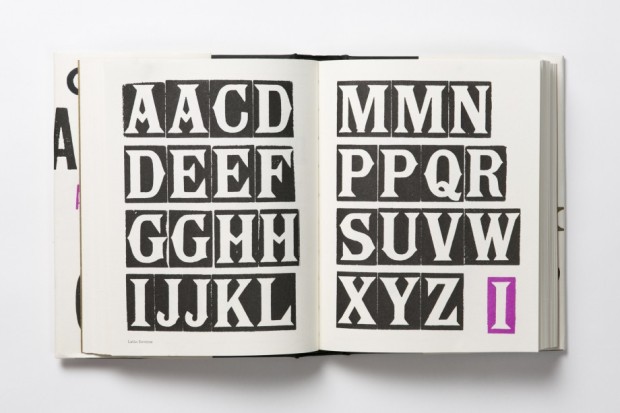
A collaboration with Pentagram partner Angus Hyland, and designed in-house by Alexandre Coco, the book itself contains 39 alphabets shown letter by letter, presented from A to Z. All the founts are wood letter founts from Kitching’s collection, and every image in the book was printed by hand on a Vandercook no. 3 proof press.

a-z_of_letterpress_spread_03

It really is a thing of beauty. Printed on thick, creamy paper, the letter forms and page layouts are quirky and charming. The colours and metallic ink are vibrant and surprising. Even better, it is also a teaser of sort — Laurence King recently announced it will be publishing a monograph of Kitching’s work in 2016. Can’t wait.

a-z_of_letterpress_spread_08

Comments closed

Book Covers of Note April 2015

Never mind that still feels like some crazy never-ending winter in Toronto, it’s (allegedly) April so here are a few new and recent covers that have caught my eye in the past month…

american-warlord-design-oliver-munday
American Warlord by Johnny Dwyer; design by Oliver Munday (Knopf / April 2015)

boring-girls-design-david-gee
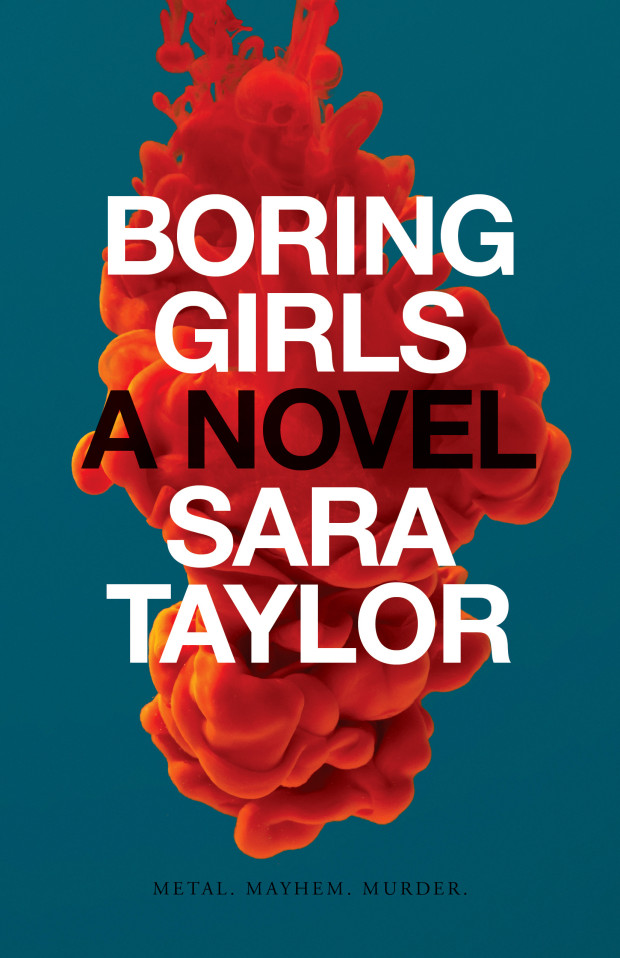
Boring Girls by Sara Taylor; design by David A. Gee (ECW  / April 2015)

city-beasts-design
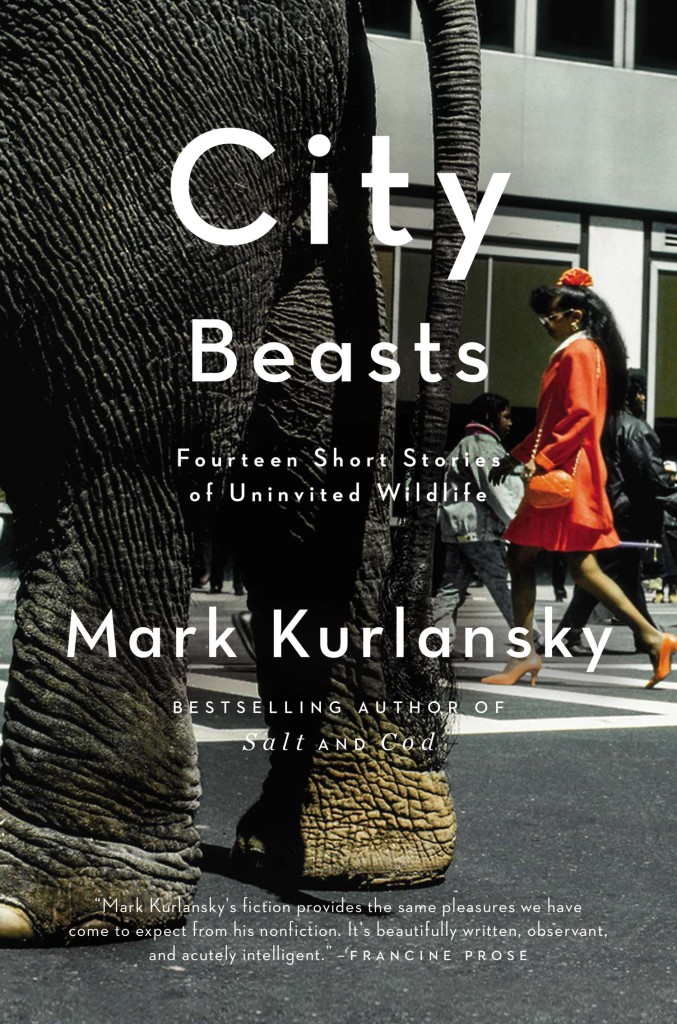
City Beasts by Mark Kurlansky; design by Rachel Willey (Riverhead / February 2015)

dismantling-design-zoe-norvell
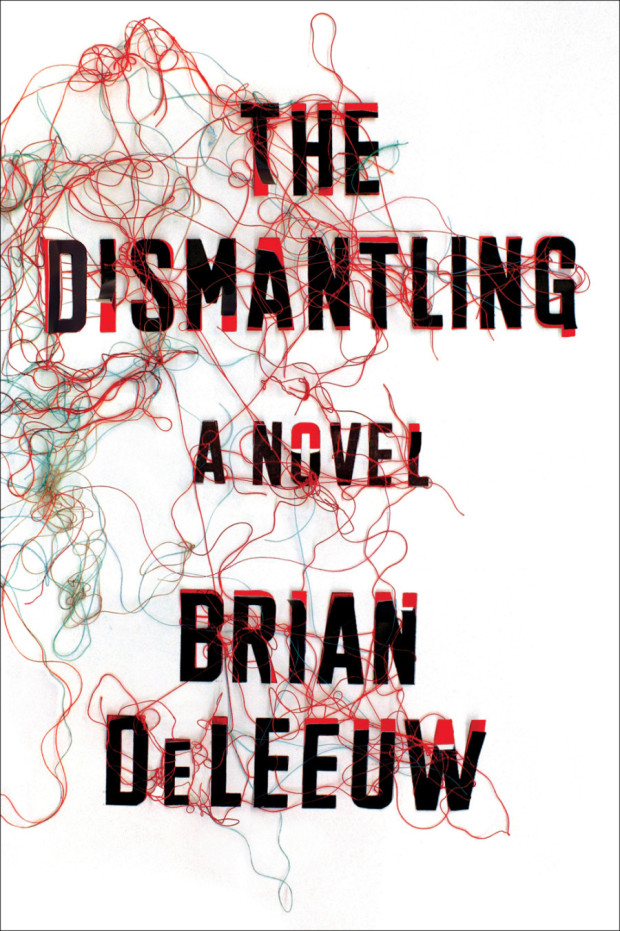
Dismantling by Brian DeLeeuw; design by Zoe Norvell (Plume / April 2015)

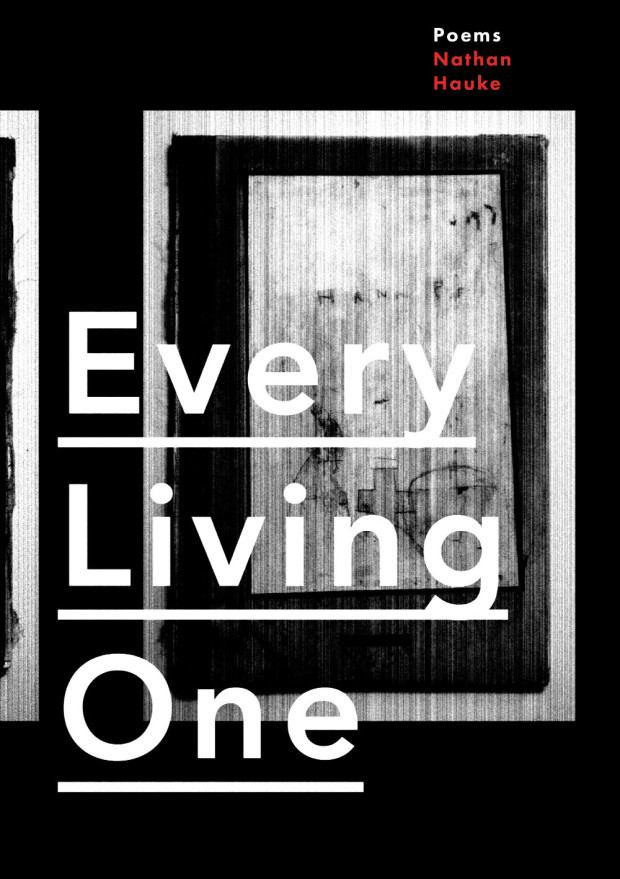
every-living-one-design-alban-fischer
Every Living One by Nathan Haukes; design by Alban Fischer (Horse Less Press / March 2015)

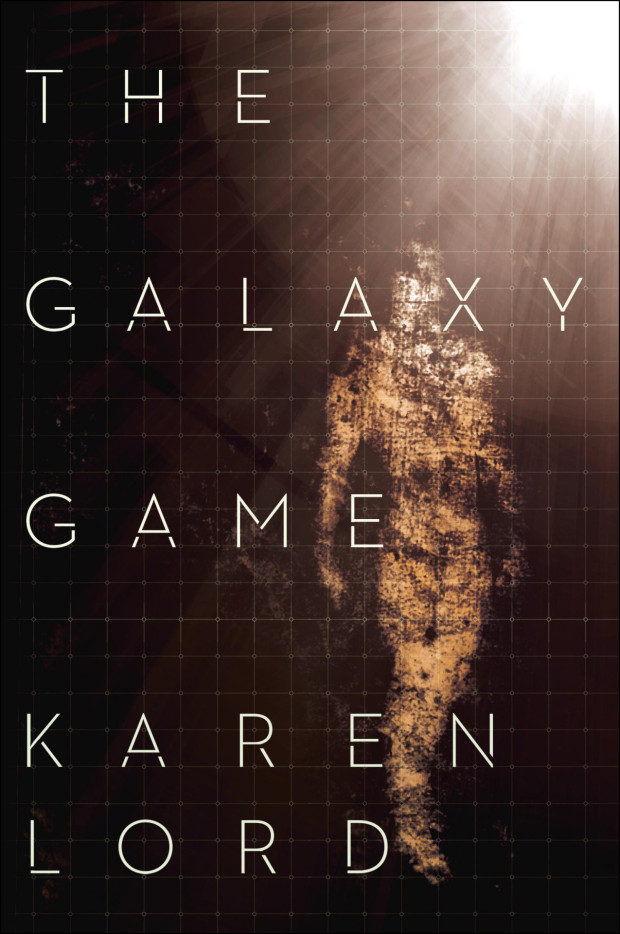
galaxy-man-design-chas-brock
The Galaxy Game by Karen Lord; design by Charles Brock (Del Rey / January 2015)

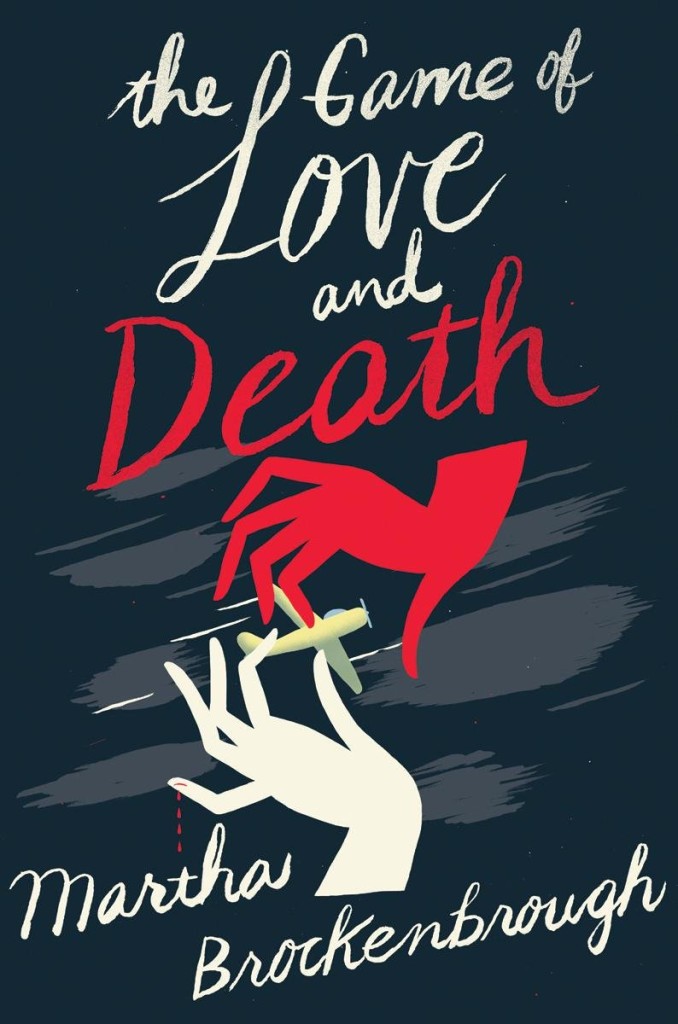
game-of-love-and-death-artwork-cs-neal-design-nina-goffi
The Game of Love and Death by Martha Brockenbrough; design by Nina Goffi; illustration by Christopher Silas Neal (Scholastic / April 2015)

(You know who could do an amazing Harper Lee cover? Christopher Silas Neal, that’s who!)

hausfrau
Hausfrau by Jill Alexander Essbaum; design by Gabrielle Bordwin (Random House / March 2015)

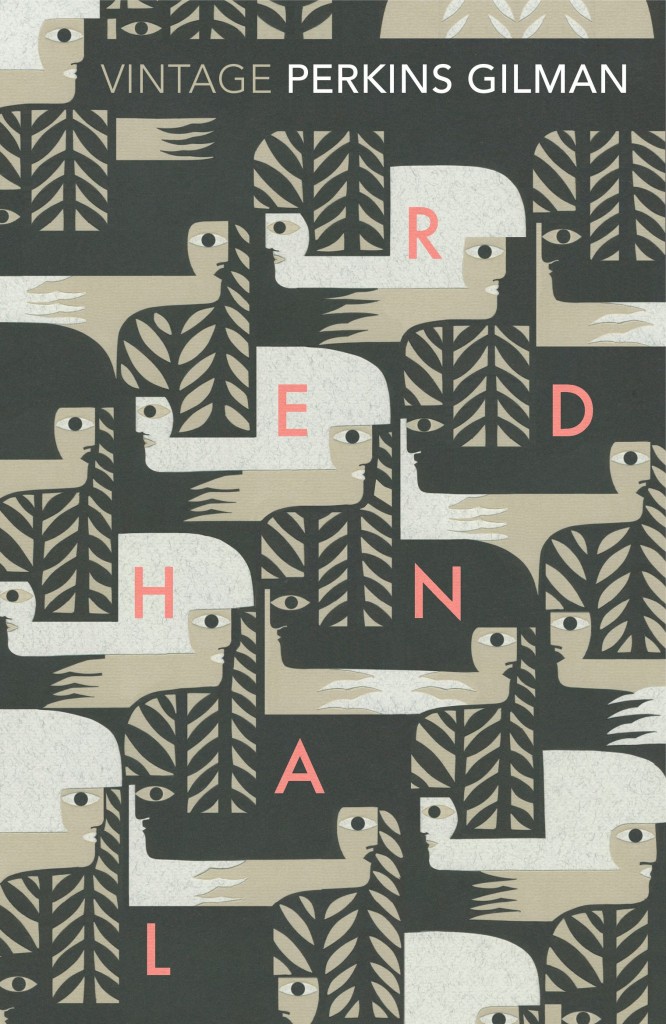
herland-design-julia-connolly-petra-borner
Herland by Charlotte Perkins Gilman; design by Julia Connolly;  illustration Petra Börner (Vintage / April 2015)

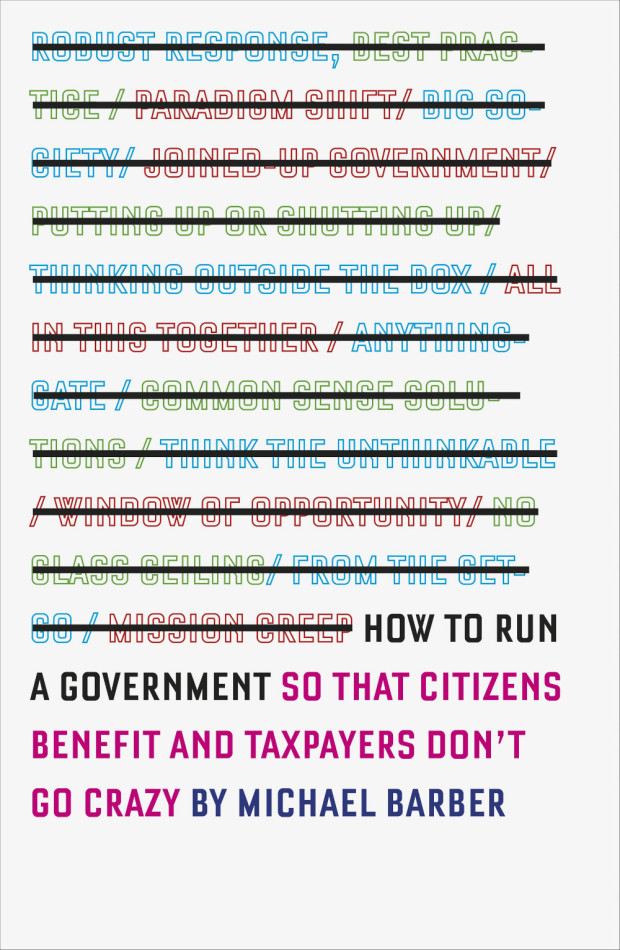
how-to-run-a-government-design-barnbrook
How to Run a Government by Michael Barber; design by Barnbrook (Allen Lane / March 2015)

love-sex-and-other-foreign-policy-goals-design
Love and Other Foreign Policy Goals by Jesse Armstrong; design by Matt Broughton (Jonathan Cape / April 2015)

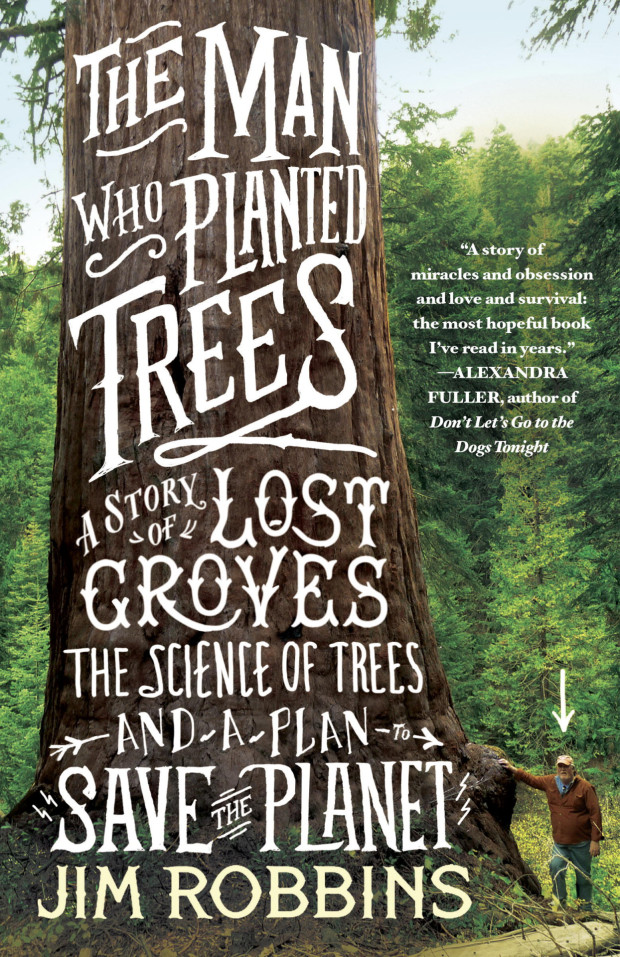
man-who-planted-trees-design-thomas-ng
The Man Who Planted Trees by Jim Robbins; design by Thomas Ng; photograph Peter Kupfer (Spiegel & Grau / March 2015)

musical-brain
The Musical Brain by César Aira; design by Rodrigo Corral (New Directions / March 2015)

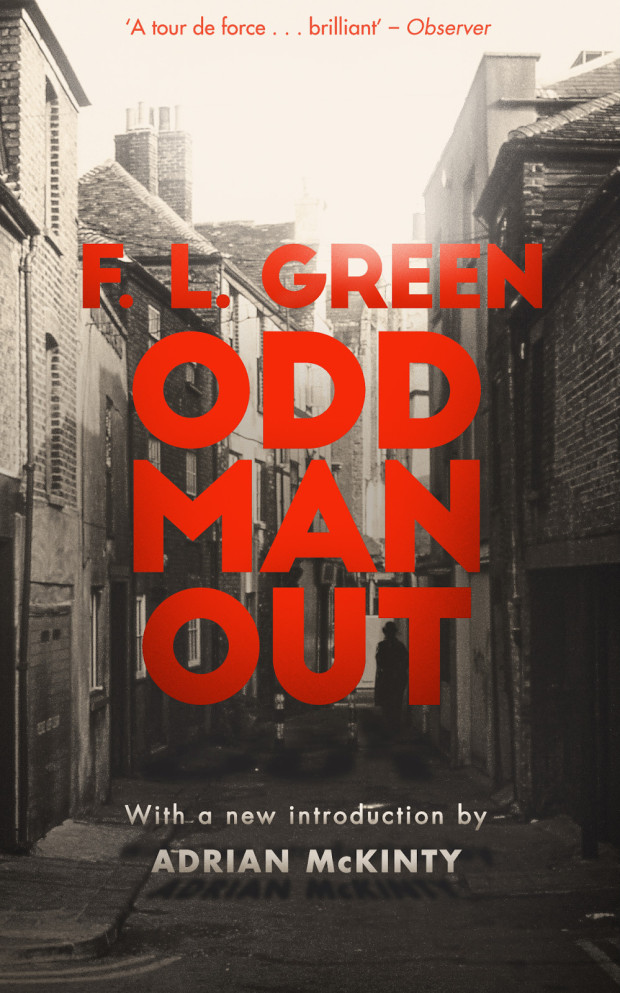
odd-man-out-design-ms-corley
Odd Man Out by F. L. Green; design by M. S. Corley (Valancourt Books / March 2015)

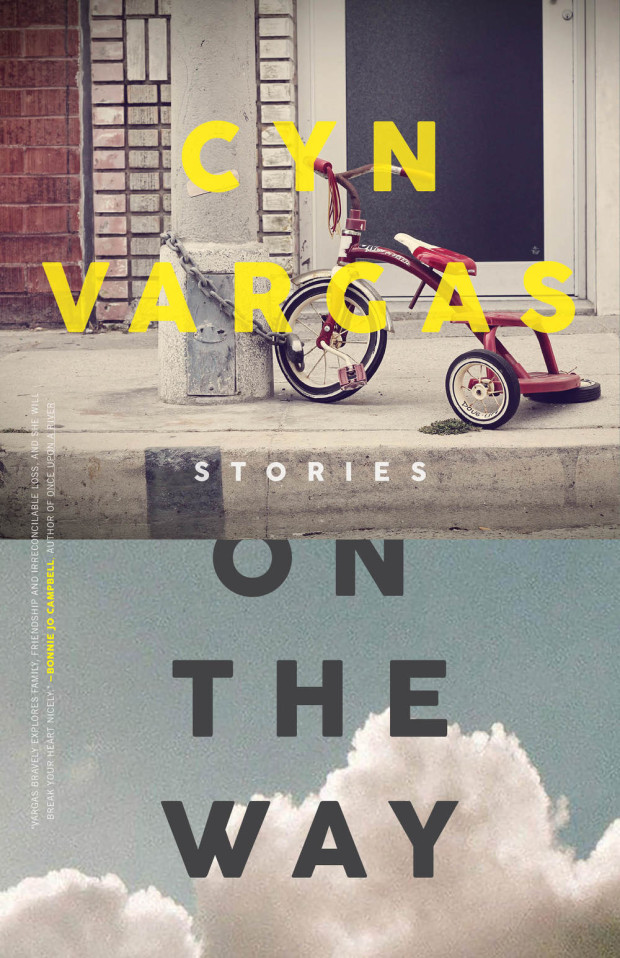
on-the-way-design-alban-fischer
On the Way by Cyn Vargas; design by Alban Fischer (Curbside Splendor / April 2015)

(I also like Alban Fischer’s cover for Does Not Love by James Tadd Adcox, published by Curbside Splendor in 2014, a lot)

PlagueandCholera
Plague and Cholera by Patrick Deville; design by Sian Wilson (Abacus / April 2015)

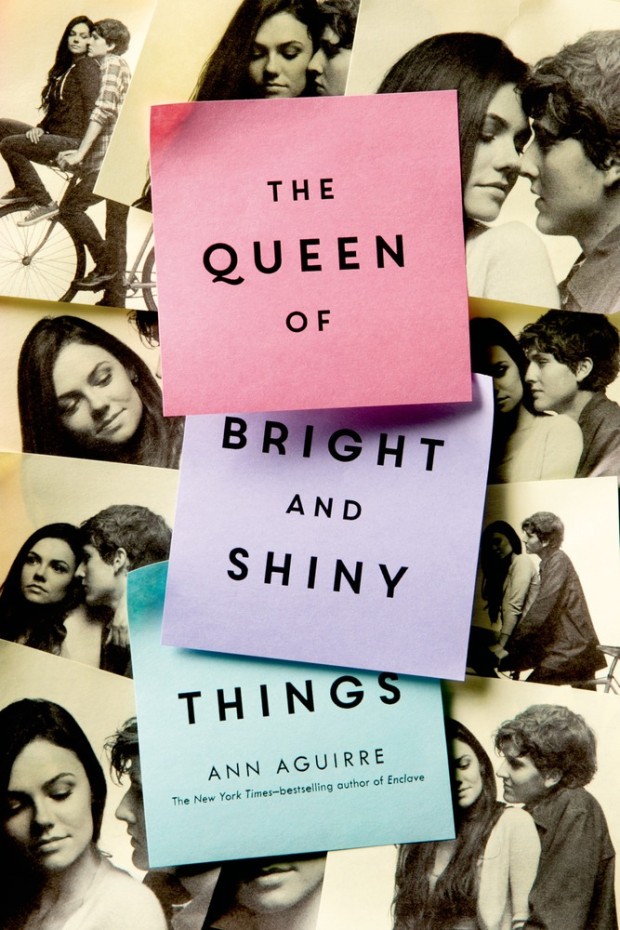
queen-of-bright-shiny-things-design-anna-booth
The Queen of Bright and Shiny Things by Ann Aguirre; design by Anna Booth; photography by Jon Barkat and Gary Spector (Feiwel & Friends / April 2015)

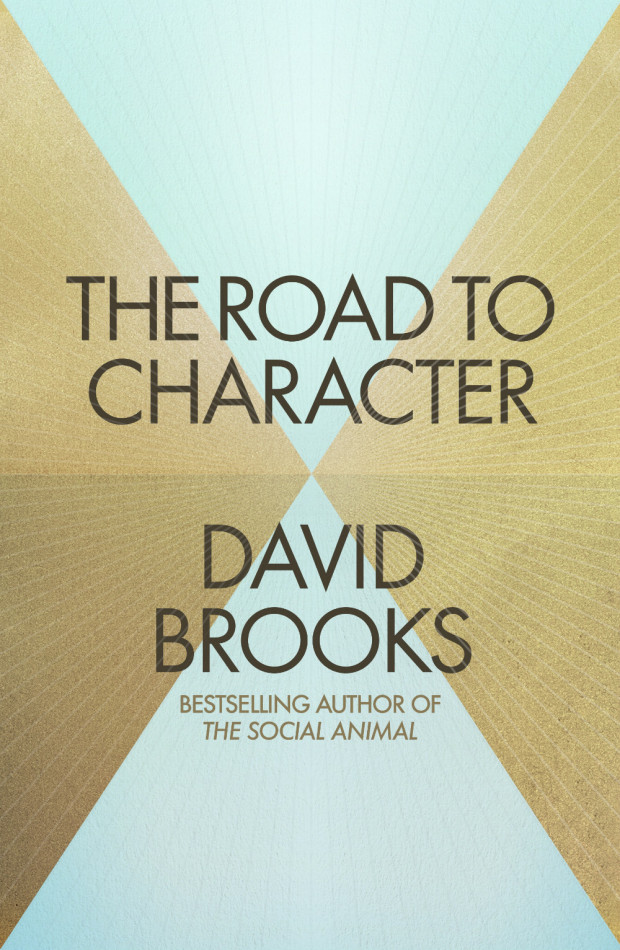
road-to-character-design-jim-stoddart
The Road to Character by David Brooks; design by Jim Stoddart (Allen Lane / April 2015)

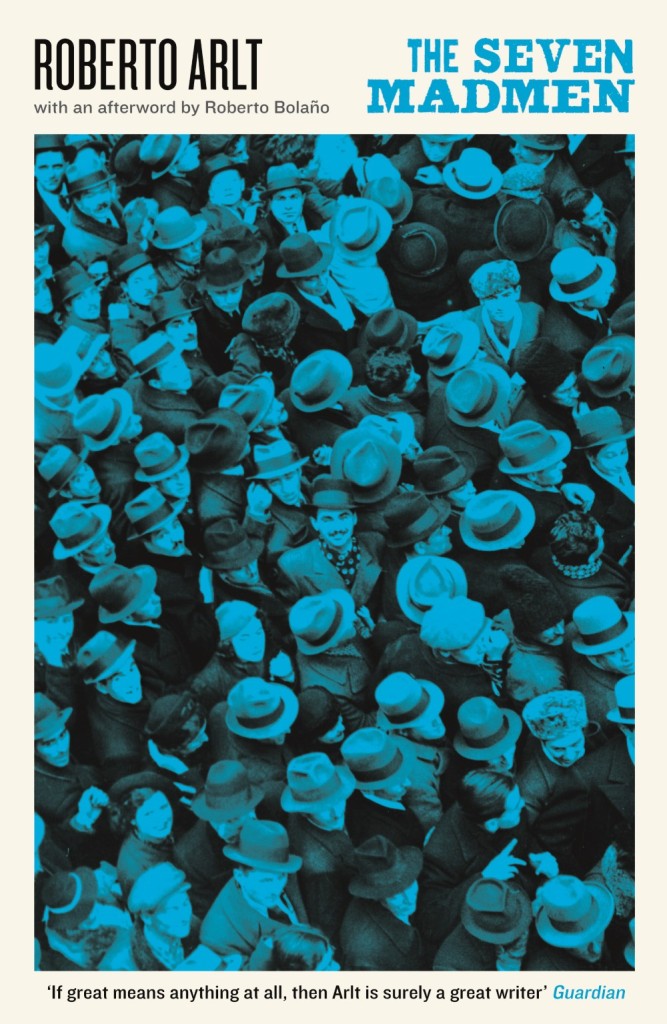
Seven_Madmen_FINAL_Cover_RGB (1)
The Seven Madmen
by Roberto Arlt; design by Steve Panton; series design Peter Dyer (Serpent’s Tail / February 2015)

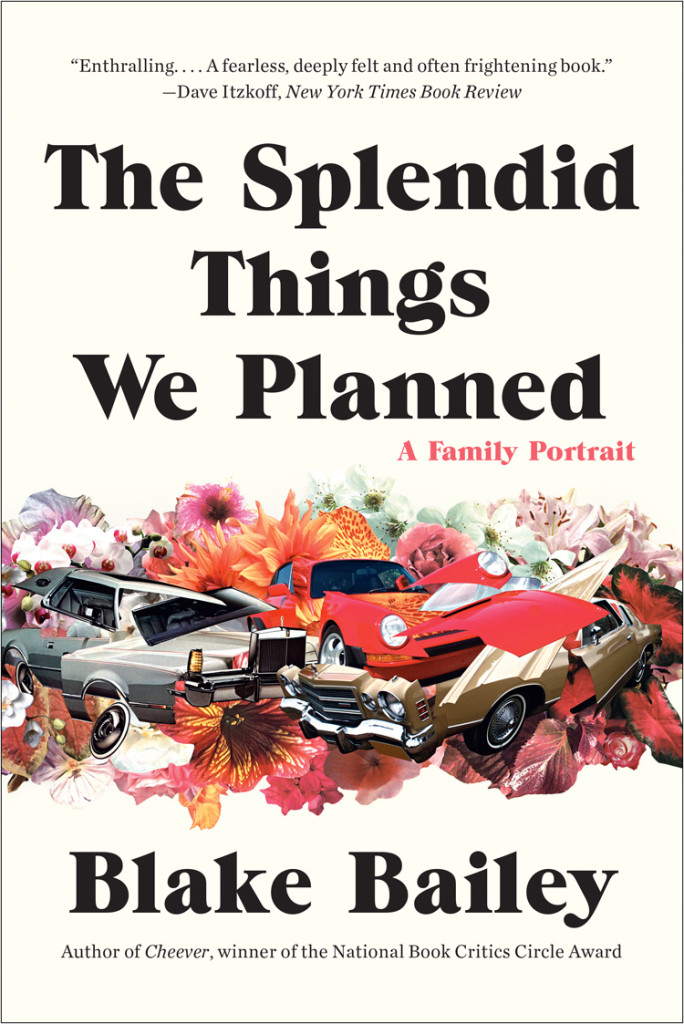
splendid-things-we-planned-design-greg-mollica
The Splendid Things We Planned by Blake Bailey; design by Greg Mollica; cover art by Matthew Cusick (W. W. Norton / February 2015)

strange-case-of-rachel-k-design-paul-sahre
The Strange Case of Rachel K by Rachel Kushner; design by Paul Sahre (New Directions / March 2015)

syrian-notebooks-design-david-a-gee
Syrian Notebooks by Jonathan Littell; design by David A. Gee; photograph by Mani (Verso / March 2015)

Tout-peut-changer-design-Nouvelle-Administration
Tout Peut Changer by Naomi Klein; design by Nouvelle Administration (Lux Éditeur / March 2015)

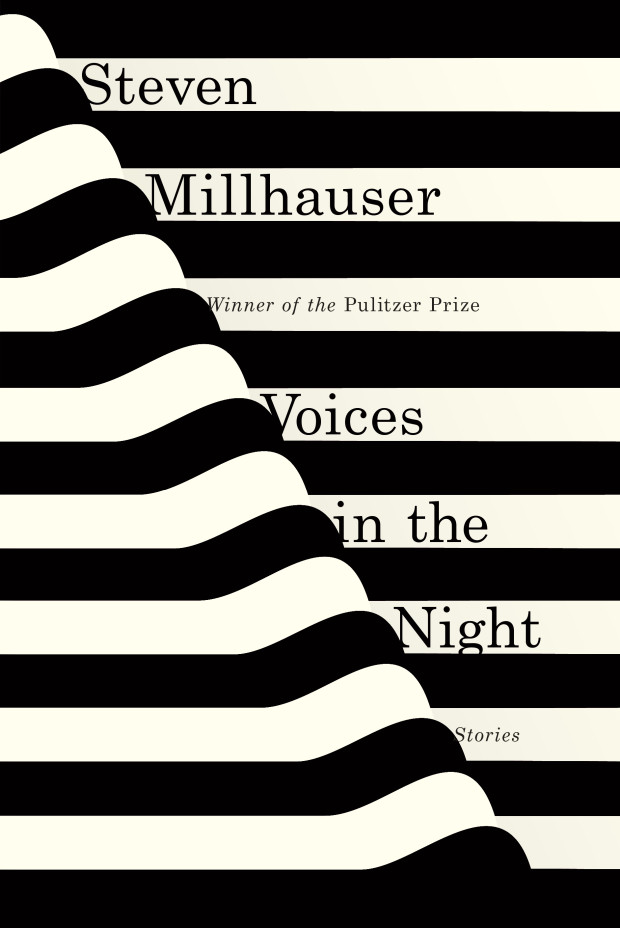
voices-in-the-night-design-janet-hansen
Voices in the Night by Steven Millhauser; design by Janet Hansen (Knopf / April 2015)

(Another great 2014 cover I missed — but saw in a bookstore recently — is Janet’s design for Hiding in Plain Sight by Nuruddin Farah)

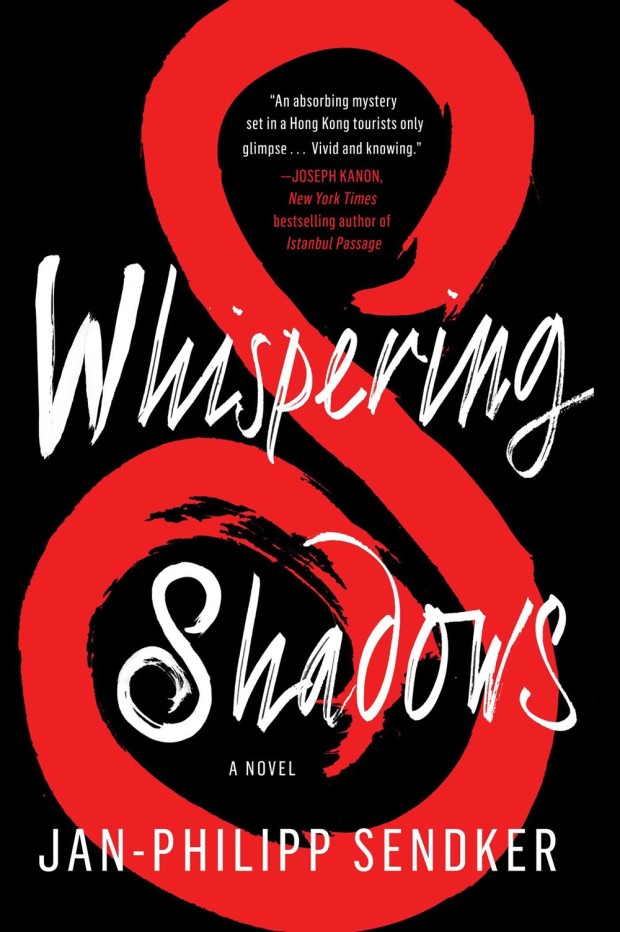
whispering-shadows-design-gray318
Whispering Shadows by Jan-Philipp Sendker; design by Gray318 (Atria / April 2015)

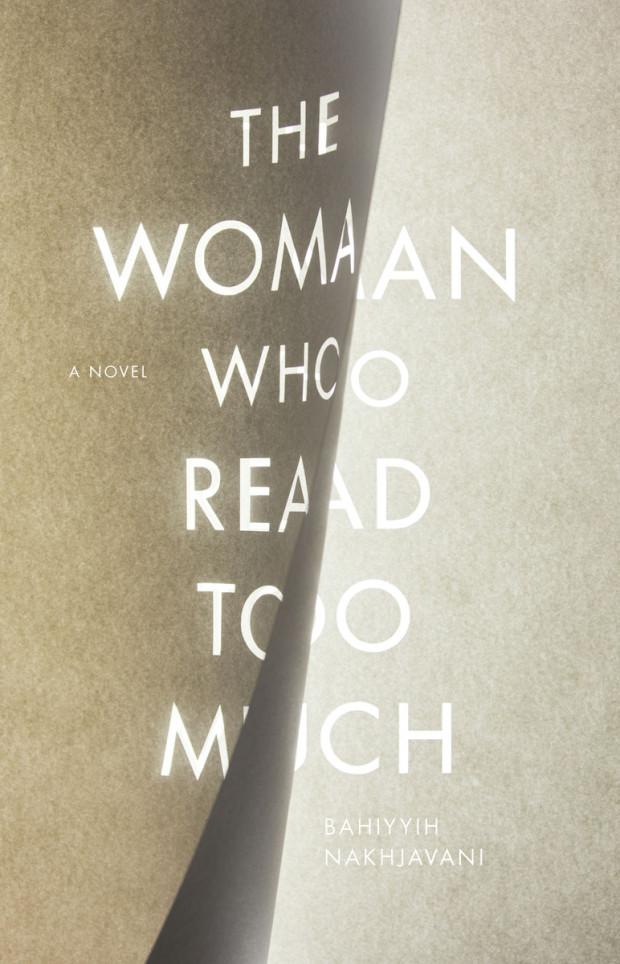
woman-who-read-too-much-design-anne-jordan
The Woman Who Read Too Much by Bahiyyih Nakhjavani; design by Anne Jordan (Stanford University Press / April 2015)

(I like this unused unused comp very much too)

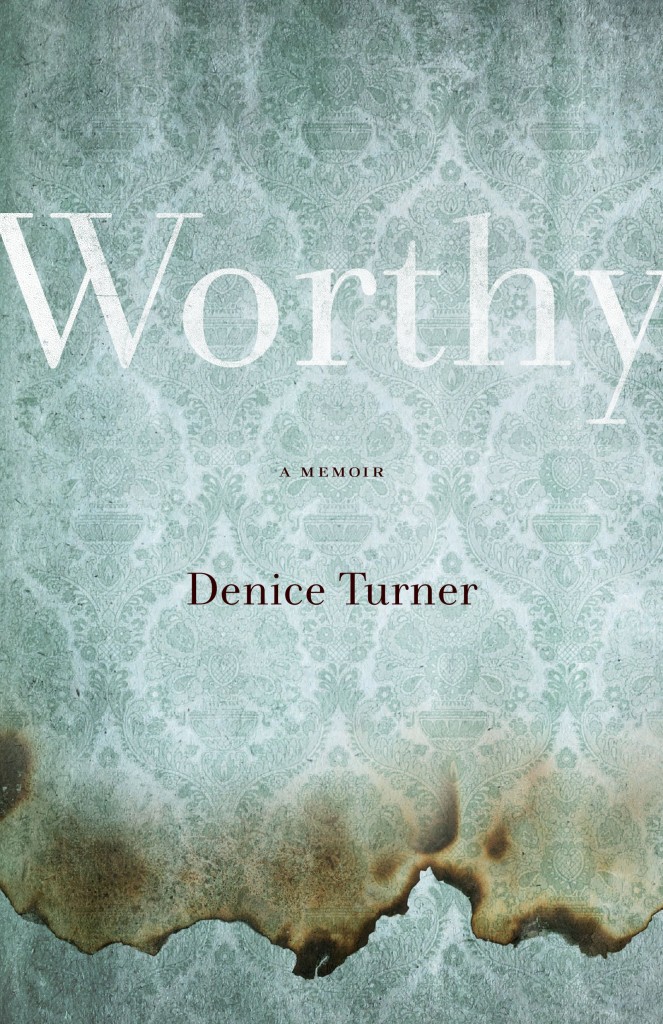
worthy-design-kimberly-glyder
Worthy by Denice Turner; design by Kimberly Glyder (University of Nevada Press / April 2015)

2 Comments

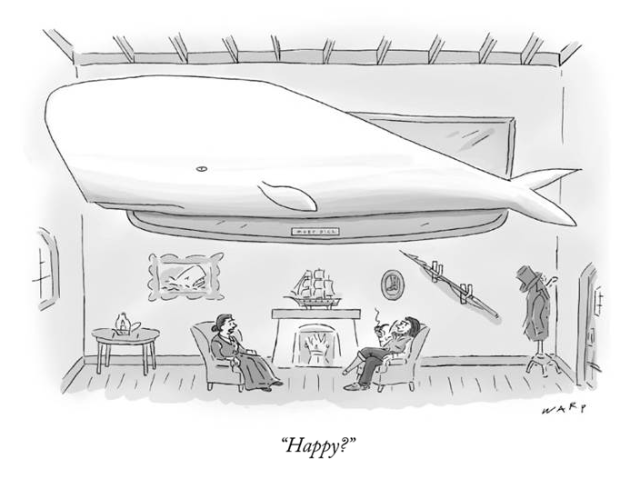
Happy?

happy

Kim Warp for The New Yorker.

(via This Isn’t Happiness)

1 Comment

Olivia Laing on the Future of Loneliness

Gail-Albert-Halaban

Olivia Laing whose new book The Lonely City is out in 2016, has a personal essay on loneliness and technology in The Guardian that, like her books To the River and The Trip to Echo Spring, weaves a lot of surprisingly disparate threads together into fascinating meditation on art, literature and place:

At the end of last winter, a gigantic billboard advertising Android, Google’s operating system, appeared over Times Square in New York. In a lower-case sans serif font – corporate code for friendly – it declared: “be together. not the same.” This erratically punctuated mantra sums up the web’s most magical proposition – its existence as a space in which no one need ever suffer the pang of loneliness, in which friendship, sex and love are never more than a click away, and difference is a source of glamour, not of shame.

As with the city itself, the promise of the internet is contact. It seems to offer an antidote to loneliness, trumping even the most utopian urban environment by enabling strangers to develop relationships along shared lines of interest, no matter how shy or isolated they might be in their own physical lives.

But proximity, as city dwellers know, does not necessarily mean intimacy. Access to other people is not by itself enough to dispel the gloom of internal isolation. Loneliness can be most acute in a crowd.

Coincidentally, Laing’s piece is illustrated with photographs from Gail Albert Halaban‘s series Out My Window — one of which was used on the cover of My Salinger Year by Joanna Rackoff, designed by Peter Mendelsund and Oliver Munday.

Comments closed

The Great Discontent: Michael Bierut

michael-bierut-hero-jake-chessum

The Great Discontent has a really interesting (and long) interview with Michael Bierut about his career in graphic design:

The reason I love graphic design is because it’s a way to get paid to learn new things. For example, let’s say someone asks if you’d like to design a book. It’s not about being interested in pagination, covers, binding, typography, or paper. Those are all important, but what really makes designing a book fun is being interested in whatever the book is about. Sometimes it’s a great and exciting book that you’re really into: that’s like someone asking, “Would you like to sit and eat ice cream with me?” But sometimes it’s a book whose subject you don’t know about at all, so you get to talk to people who may be the world’s foremost experts on that subject. Even better!

When I brief interns about a project, I don’t say, “It’s this big and it has x amount of words and pictures.” I say, “These people are trying to do this, they’re trying to get this message across, and their big challenge is that.” Those pieces of information put the project into a larger context. That’s how I learned when I was starting out. I was a pretty good designer in college, and I’m not sure I’m a better craftsperson as I was then. However, I’m a much better designer now because I made people pay me to go from dumb to smart over and over and over again.

Comments closed

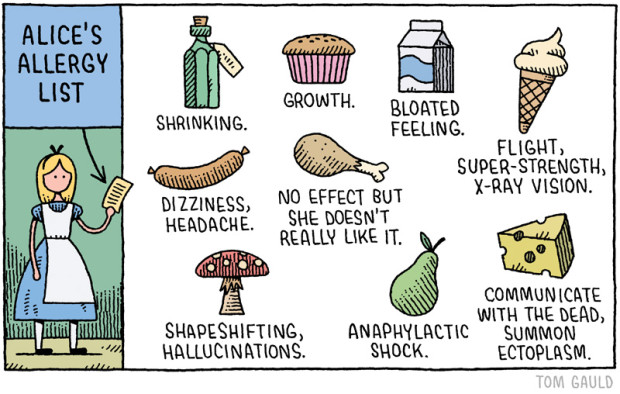
Alice’s Allergy List

alices-allergy

Tom Gauld

(Is this Tom’s first Alice in Wonderland cartoon? It can’t be, can it?)

Comments closed

Go Set A Watchman

This post was updated April 4, 2015 with additional illustrations and commentary.

Earlier this week, the US and UK covers for the new Harper Lee novel, Go Set a Watchman, were revealed online to great excitement and — because design criticism is a spectator sport — no small amount of derision.
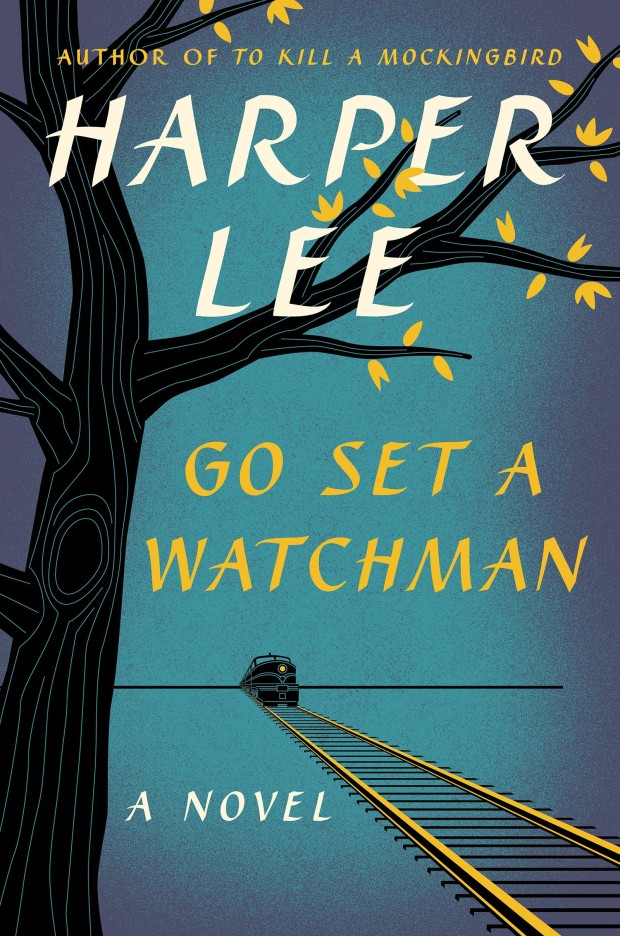
go-set-a-watchman-US

The US cover was designed by Jarrod Taylor for HarperCollins. An apparent homage to the classic post-war American book covers designed by the likes of W. A. Dwiggins, George Salter, and Ismar David, there was some suggestion, on Twitter at least, that it bore an uncanny resemblance to the dust jacket of the first edition of Ayn Rand’s Atlas Shrugged (published in 1957), designed by Salter himself.

Certainly, the covers do compliment each other — a testament to how well Taylor has captured the tone of the period — but the minor similarities grind to a halt at yellow train lines and the design of a headlamp. The composition, colour, and lettering are all quite different. More importantly in my opinion, the mood of the covers is in stark contrast. Go Set A Watchmen, with its (faux) hand-brushed letters, golden leaves, old-fashioned locomotive, and evening blue hue is wistful and nostalgic. The ruler-straight horizon and railway sleepers give it steadiness and calm. It evokes both the passing of time and the desire, perhaps, to return to the past.

Atlas Shrugged, on the other hand, is simply a period piece. The design itself, with its hot purple sky, rugged mountains, ominous dark tunnel, tilted railway sleepers, and — let’s face it — bloody enormous red warning light, is far from nostalgic. It’s all fear, urgency and speeding danger — the stencilled letters telling you (in case you hadn’t quite figured it out yet) that this book means serious business… Armchair psychoanalysts have at it.

In fact, the cover of Go Set A Watchman is an update of the original dust jacket of To Kill A Mockingbird (published in 1960) designed by Shirley Smith — the autumnal leaves making a nice allusion to both the author and her previous book, as well as an indication of where the new novel might take us.

But, for all the vintage styling, there is a kind of efficiency to new design that is, I think, unmistakably modern. The illustration, the colour palette, and even the brush-stroke typography, all have the feel of contemporary commercial fiction. It will not look out of place either online, or along side other bestsellers in Barnes and Noble.
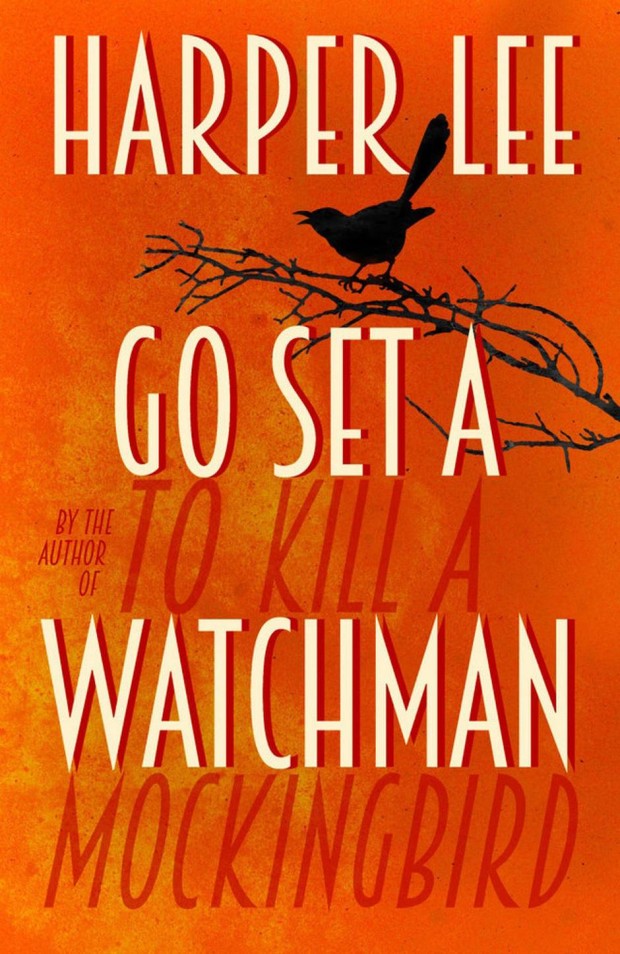
Harper-Lee-UK

UK cover is, in the British fashion, being credited to the in-house design team at William Heinemann rather than to an individual designer1.

Also looking to evoke the past, it appears to draw inspiration from the typography of vintage film.

It’s a nod, perhaps, to the Academy Award-winning (and much beloved) film adaptation of To Kill A Mockingbird starring Gregory Peck (1962), but the burning orange background, red shadows and dark silhouettes suggest — unintentionally perhaps — an earlier literary film adaptation, Gone with the Wind (1939).2

The Art Deco-inspired typography is also perplexing. While To Kill A Mockingbird is set in early 1930s, Go Catch A Watchmen is apparently set 20 years later — well after the heyday of Art Deco (but firmly in the post-war period that inspired the US cover).

Stylistically too, there is something about the combination of illustration and type that feels rather inauthentic and, as a consequence, the cover has a sort of unsatisfying post-modernism gloss. It is much less successful at evoking the period than Ben Wiseman’s noir-inspired design for The Hilliker Curse by James Ellroy (published in 2010) for example.

Even so, there’s no getting away from the fact that it is vibrant and bluntly effective. Less book jacket than a glaring burnt orange advertisement, it is meant to be read at small sizes online (pre-orders, pre-orders, pre-orders….), or piled up at a distance.  If you miss the author’s name and the silhouette of a mockingbird at the top of the cover, the words To Kill A Mockingbird loom large at the bottom.

This bold placement of the old title between the lines of the new triggered a slew of obvious jokes on Twitter, but it is actually rather ingenious — the designer neatly accommodates a remarkably large font size and, at the same time, slides in a wry allusion to the long shadow of To Kill A Mockingbird — a far wittier, nuanced joke than the repeated ‘Go Set A To Kill A Watchman Mockingbird’ gags online. For all its brash intent, it’s a cleverer cover than it first appears.

Ultimately, neither the UK cover or its American counterpart are going to win design awards. But neither are they terrible, and given the expectations for this book (and the controversy surrounding it), we should be grateful for that. Certainly we should not blame the designers who have produced surprisingly effective covers given the limitations they were surely working under. Covers for high-profile (and expensive!) books always involve compromises of one sort or another, and already risk-averse publishers become even more timid when so much is riding on a single title. As we saw in 2012 with The Casual Vacancy by J. K. Rowling, big books often get blandly familiar, easily recognisable (and readable) covers rather than conceptual, original designs. The book industry is behind readers on this who — after years of exposure to Apple products — are more sophisticated about design than ever before, but Go Set A Watchman was never going to be the book that brought publishers up to date.

UPDATE: If you’re curious about what designers think of the Go Set A Watchman covers, Peter Cocking, Brian Morgan, Ingrid Paulson, and Michel Vrana share their thoughts with the Globe & Mail, while at The Guardian, Stuart Bache gives his considered opinion.
7 Comments