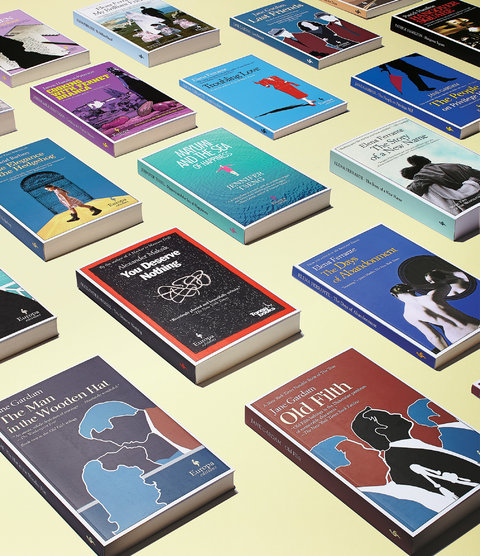
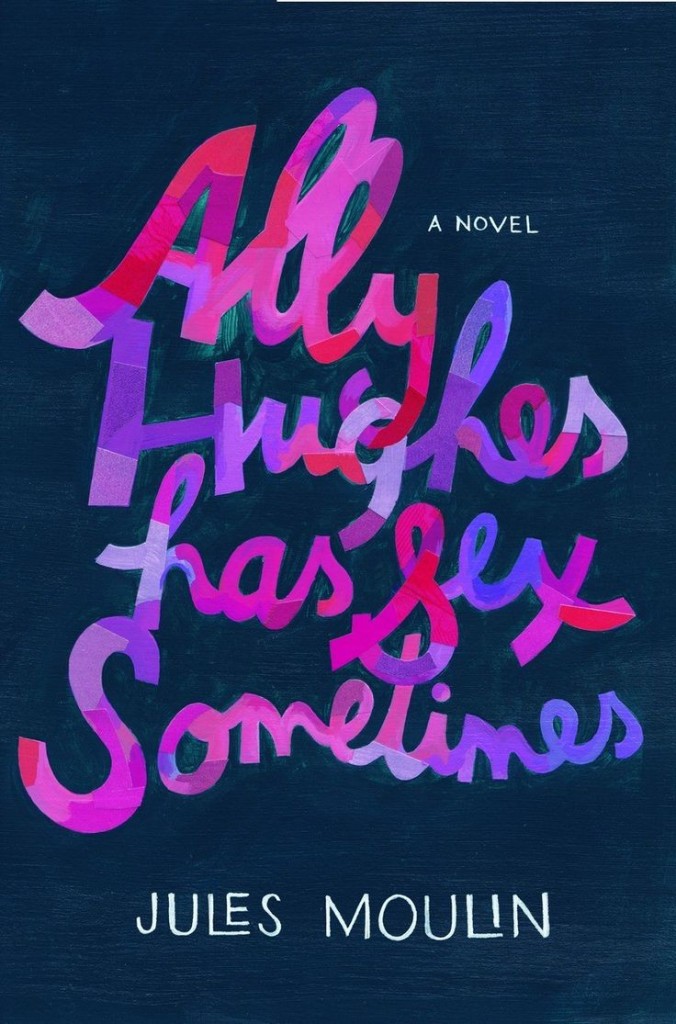
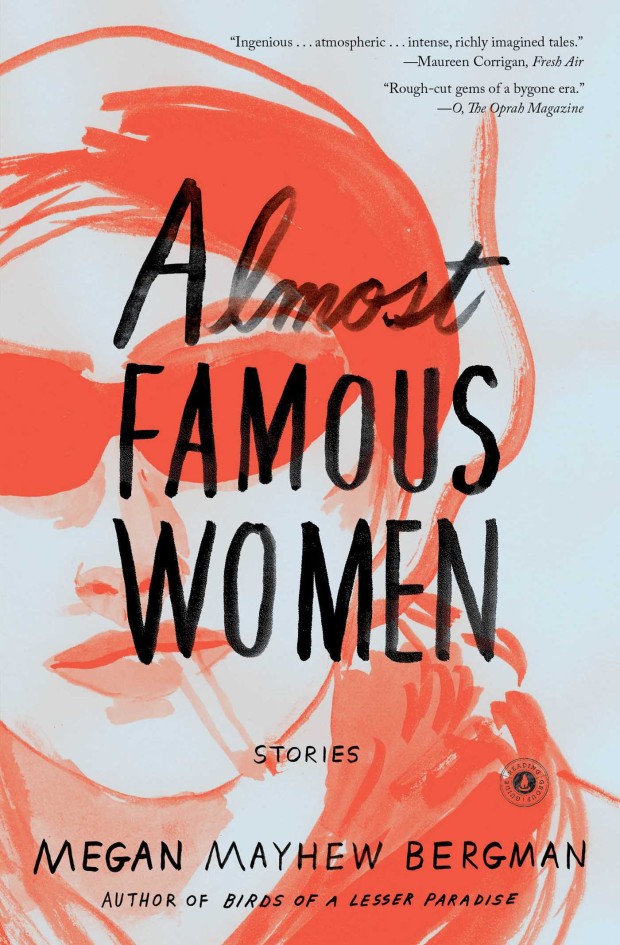
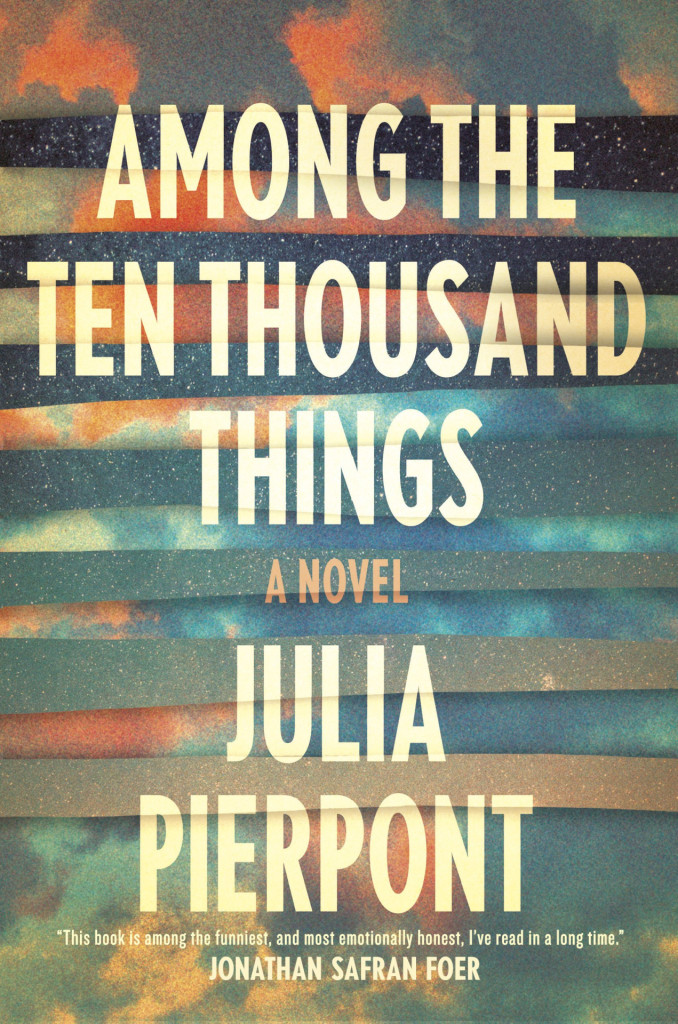
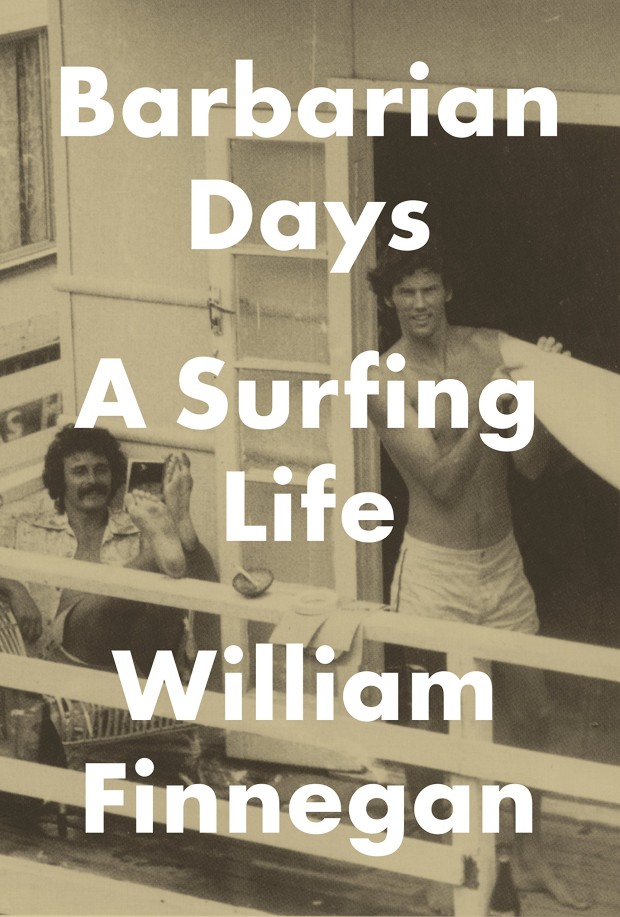
Even if you haven’t heard of Europa Editions, you’ve probably heard of some of its hits. There’s Muriel Barbery’s “The Elegance of the Hedgehog” (more than a million copies sold); Jane Gardam’s “Old Filth” (now in its 20th printing); and Alexander Maksik’s “You Deserve Nothing” (so far, the biggest title by an American). Like any good branded product, the books have an instantly recognizable visual stamp: stiff paper covers edged with white borders that frame color-drenched matte backgrounds. According to Europa’s Australian-born editor in chief, Michael Reynolds, “When you see them all together, they draw you in like a bowl of candy.”
That effect is completely deliberate. Europa books are the invention of the Italian husband-and-wife publishing team Sandro Ferri and Sandra Ozzola Ferri, founders of the independent Roman house Edizioni E/O, who have been bringing the likes of Christa Wolf and Ryszard Kapuscinski to Italian readers since 1979. Because their countrymen are notoriously unenthusiastic book readers, the Ferris designed alluring covers to tempt reluctant Italian eyes.
Interestingly, Motoko Rich already profiled Europa Edition in the Times in 2009, so I guess they must be doing something right…
Next month sees the publication ofUndermajordomo Minor, the new novel by award-winning Canadian author Patrick deWitt.
An “ink-black comedy of manners”, itapparently involves an Alpine castle, a mysterious Baron Von Aux, and a lot of bad behaviour — including, if the Quill and Quire‘s Steven W. Beattie is to be believed, “an extravagant act of Hieronymus Bosch-like grotesqueness… perpetrated upon a large rat.”
It sounds a little like a horror movie directed by Wes Anderson. Or Terence Fisher doing something nasty to Gilbert and Sullivan.
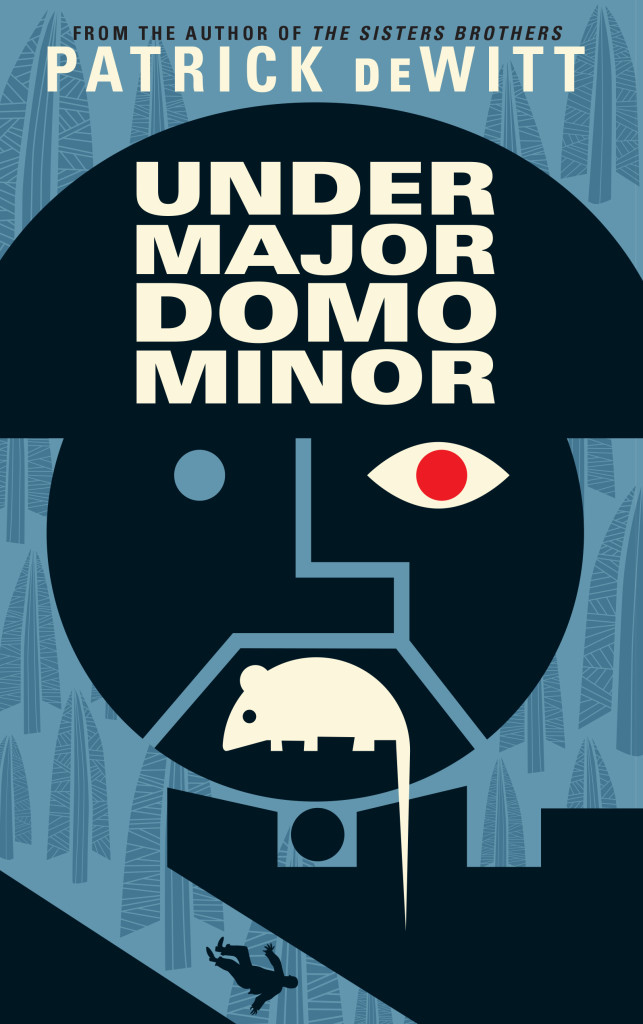
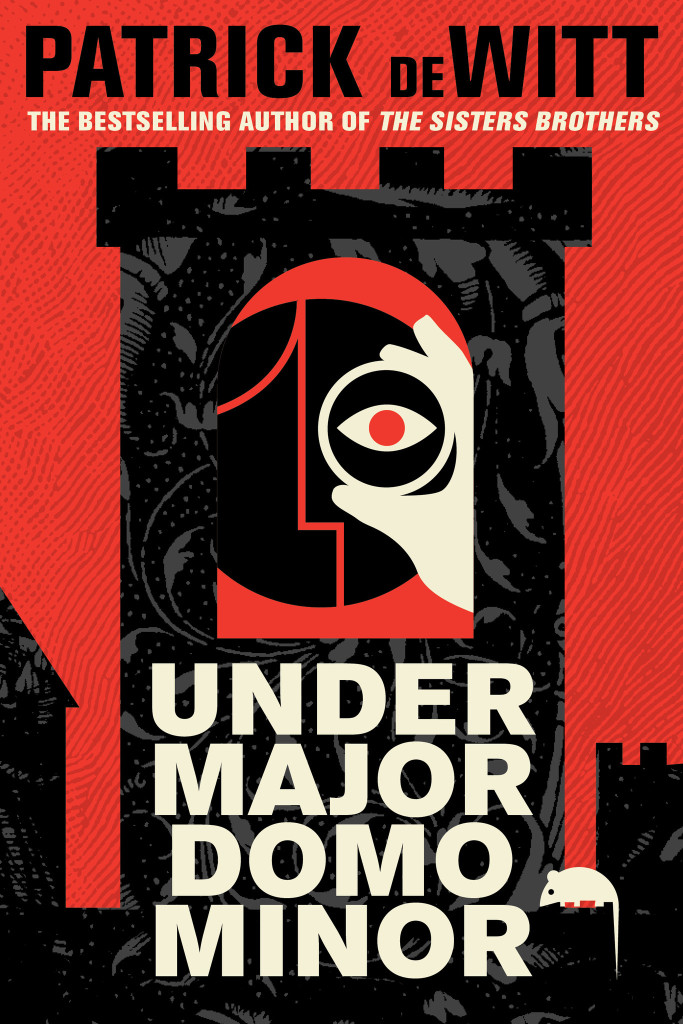
While the cover for the US edition (published by Ecco) was designed by the talented Sara Wood, the UK and Canadian editions of Undermajordomo Minor feature the distinctive artwork of Dan Stiles, the American illustrator and designer who designed the covers of deWitt’s previous novels The Sisters Brothers and (the reissued) Ablutions.
Granta (UK)
House of Anansi (Canada)
Although Stiles has created different designs for Granta, and House of Anansi, the UK and Canadian covers (both featuring that unfortunate rat) have strong echoes of those previous books. According to the Canadian art director Alysia Shewchuk, this was a deliberate decision. “Dan Stiles created a very a distinctive look for The Sisters Brothers — highly stylized, dark yet playful — and we wanted to pick up these threads in our cover for Undermajordomo Minor.”
This is most apparent in the Anansi cover. Its bold geometric design is similar to Stiles’s theatrical cover for Granta, but its colour palette and texture bring it back to the The Sisters Brothers.
Interestingly, the focus of the Canadian cover is different too. “We’d seen early versions of the covers for both the US and the UK editions, and while we liked the different directions they’d each gone in, for our edition we thought it was important to feature the main character (Lucy Minor) and the castle where he lives and works,” says Shewchuk. “Dan understood exactly what we were looking for and he nailed it on the first go-around.”
Undermajordomo Minor will be published on September 3rd in the UK, September 5th in Canada, and September 15th in the US.
In the meantime, watch the slightly Monty Python-esque trailer made by artist Joanna Neborsky, with music by deWitt’s brother Nick deWitt, released today:
Correction: When first posted, I stated incorrectly that the US cover was also designed by Dan Stiles. The final design and illustration for the Ecco edition of Undermajordomo Minor is by Sara Wood. The post has been amended and updated to credit Sara for her work.
Larry Rohter profiles the New York Review Books, the publishing offshoot of the literary magazine The New York Review of Books, for the New York Times:
“From the beginning, it was our intention to be resolutely eclectic, and build our classics series as different voices build a fugue,” said Edwin Frank, the house’s editorial director. “We set out to do the whole mix of things that a curious person might be interested in, which would take you back and forth from fiction to certain kinds of history.”
New York Review Books was founded in 1999, when the mainstream American publishing houses were shifting their focus to big frontlist titles and paying less attention to their back catalogs, sometimes allowing the rights to books that weren’t selling well to lapse, and also cutting back on literature in translation.
“We were picking low-hanging fruit, only no one knew the fruit was out there, hanging from the branches,” Mr. Frank said.
Over the years, the publishing house has revived work by English-language authors including Henry Adams, Kingsley Amis, Edith Wharton and Angus Wilson. In translation, it has issued works by authors like Adolfo Bioy Casares, Cesare Pavese, Raymond Queneau, Robert Walser and Stefan Zweig.
The writer and critic Ian Buruma, a frequent contributor to The New York Review of Books, which was founded in 1963 and is published online and every two weeks in print, said the publishing arm fills an important niche.
“Because they are smaller and more nimble, they can do things that larger houses would be less inclined to do,” he said. “They pick up books that maybe 30 years ago, the big publishers would have done but now have to be careful about.”
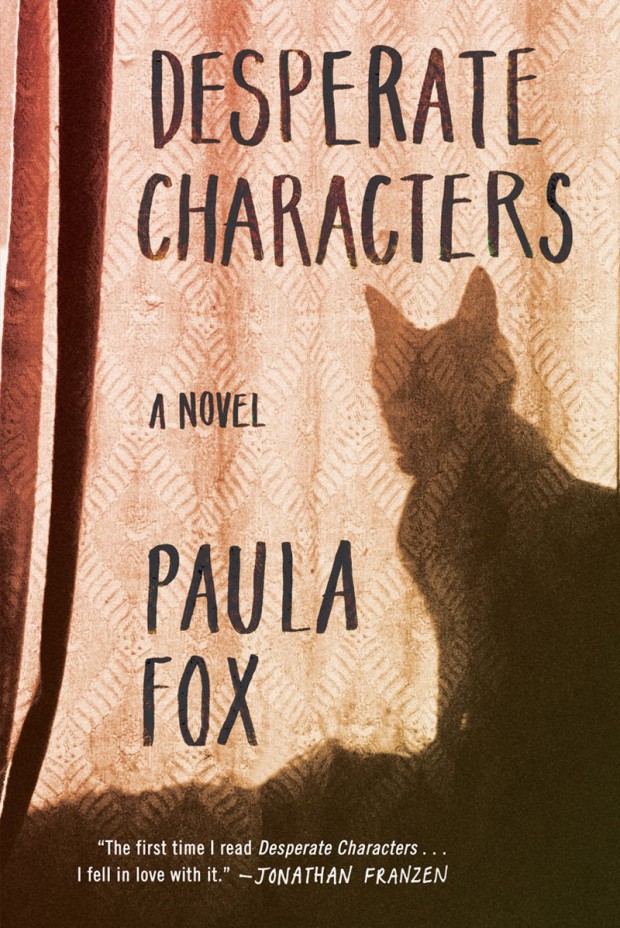
At Longreads, Sari Botton talks to author Paula Fox talks about the latest reissue of her 1970 novel Desperate Characters:
It’s for all kinds of tension, not just racial, but class—the poor, who don’t have money or success, against the well-to-do. There are all these antagonisms… We live by pressing our palms against the skulls of the people whom we climb over. The sense of that is very strong in human society. Sometimes it’s based on possessions, or looks, or color, or experience, or history, and all these various things that we make judgments out of.
If you haven’t read Desperate Characters — and it’s a pretty perfect read if you’re stuck in the city this summer — Longreads also has an excerpt.
The cover of the W. W. Norton’s new edition (pictured above) was designed by Yang Kim.
Also at The New Yorker, Brian Patrick Eha writes about the closure of Brazenhead Books, Michael Seidenberg’s secret New York bookstore:
Michael Seidenberg’s one-of-a-kind bookshop, Brazenhead Books, closed last month. For seven years, it operated out of an apartment at 235 East Eighty-fourth Street. Of course no bookstore or other business had any business being there, in that rent-stabilized apartment, so it was, strictly speaking, illegal, and because it was illegal it had to be secret. The secret was known to a small number of discreet patrons and shared strictly by word of mouth. (At first, Michael saw customers by appointment only.) Inside, the windows were blacked out and covered with shelves. On bookcases, in every room, volumes of all sizes in serried ranks rose two deep from floor to ceiling. More were stacked on desks and tables and grew in unsteady columns from the floor. There was a stereo (covered in books), a few chairs, and a large desk in the front room (likewise all but submerged), on which Michael kept a half dozen or so bottles of wine and spirits, a tower of plastic cups, and a bucket of ice.
Walking in, you might find a handful of patrons lounging on chairs with drinks in their hands, or browsing amiably, making conversation, generally about books, but often ranging widely into art, politics, personal life stories, and the history of New York. In the same way that children imagine adults living in perfect freedom, enjoying all the cookies and television they want and staying up till all hours, Michael’s shop was what a bookish child might dream up as a fantasy home for himself, a place far from any responsibilities, where he would never run out of stories.
The good news is that Seidenberg plans to reopen the store elsewhere. Until then, you can watch this video about the old location.
“Cartooning has an edge on all other media. You don’t need anything else such as canvas and paint, or camera and actors: the road to expression is only a sheet of paper and a pencil away.”
Don’t miss Dwight Garner’s New York Times review of Martial Bliss.: The Story of the Military Bookman, Margaretta Barton Colt’s account of running an antiquarian bookstore in Manhattan that sold only military titles. If you ever worked in an independent bookstore, you’ll probably relate…
Historians and journalists were devoted to the store, and leaned on it for their research. No one is lonelier than the author of a forgotten book. Ms. Colt speaks for many writers who walked into the Military Bookman when she says of one, “He loved to come to a place where the denizens knew what he had done”…
…Ms. Colt, who had previously worked in publishing, didn’t suffer fools — or ghouls. Here she is on one customer: “Lean and mean, with a crew cut, he was a real right-winger, collecting Holocaust memorabilia while being a Holocaust denier: a misanthrope with a sour sense of humor and guns in a secret closet.”
The store kept sometimes mischievous notes on its customers. These had observations like “tire-kicker, quote-dropper, reservation-dropper (particularly heinous), unredeemed check-bouncer (even worse). Also: cheapskate, picky, SS tendencies, questionable dealings, edition or d/j freak, and other sins and misdemeanors.” (The “d/j” refers to dust jackets.)
If it sounds as if the patrons were a band of brothers, yes, they were mostly men. The store maintained a comfortable chair for wives and girlfriends. Ms. Colt, who loved her work, writes terrifically about trying to maintain her sang-froid in this testicular environment.
As others have noted, it is a little odd that the project is being announced now when the winners have been chosen rather than when the competition opened (why wasn’t the cost of the catalogue factored into the entry fee?), and I wonder if a traditional publisher could not be found to partner on this project, but even if it feels like something of an afterthought, a well-designed catalogue would still be a lovely thing to have.