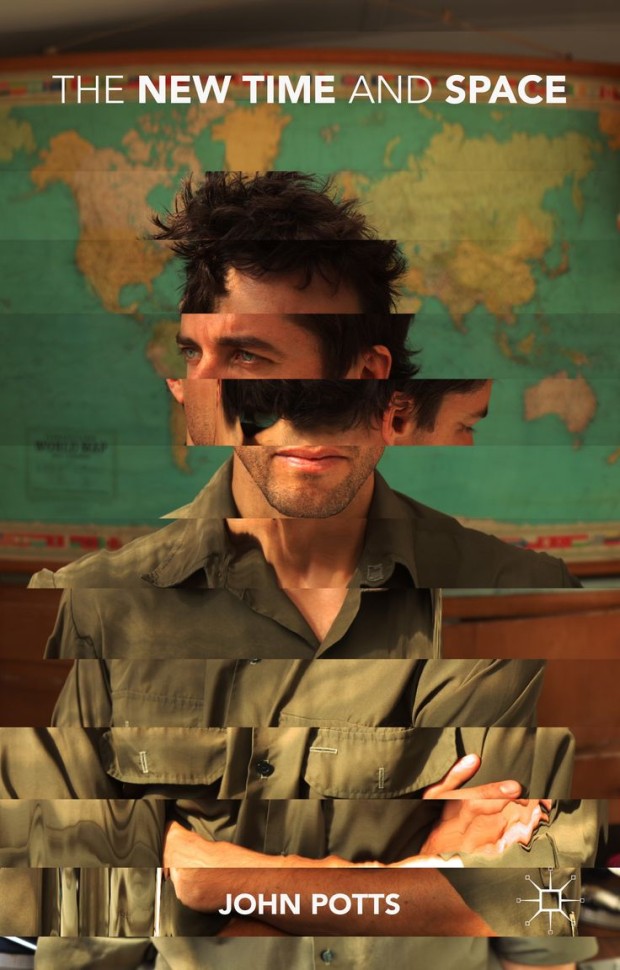
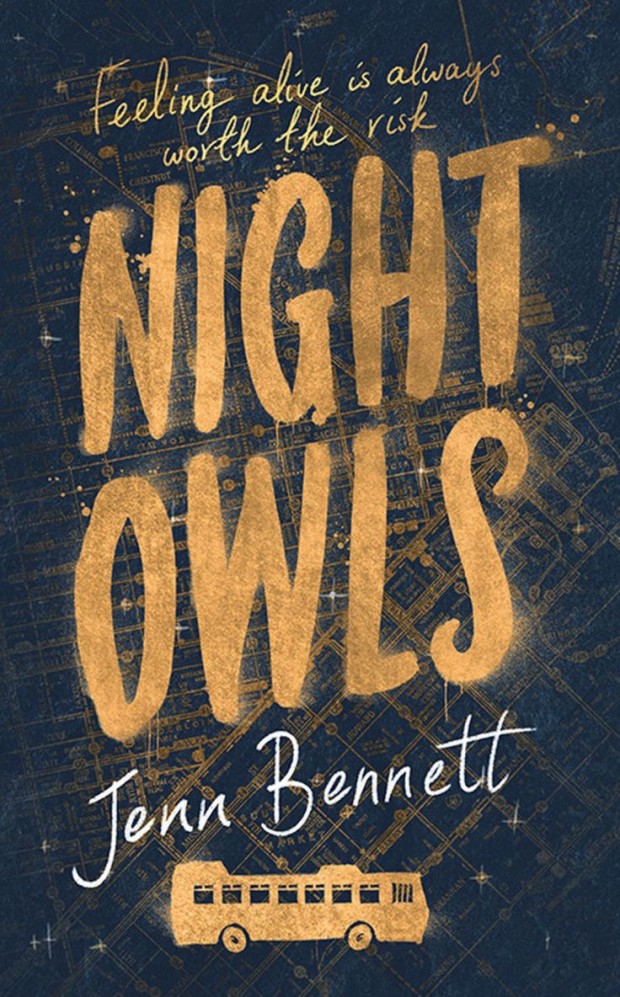
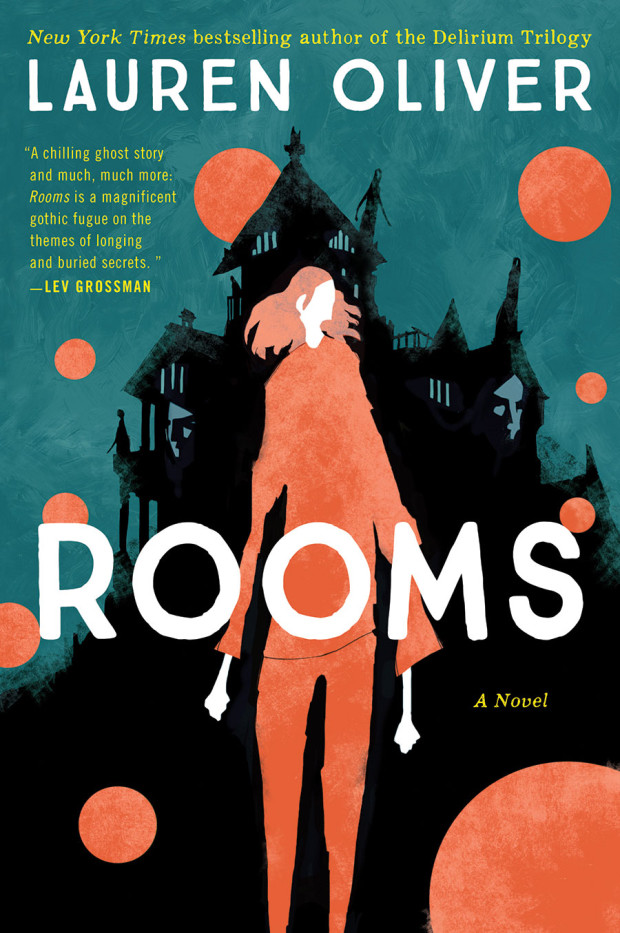
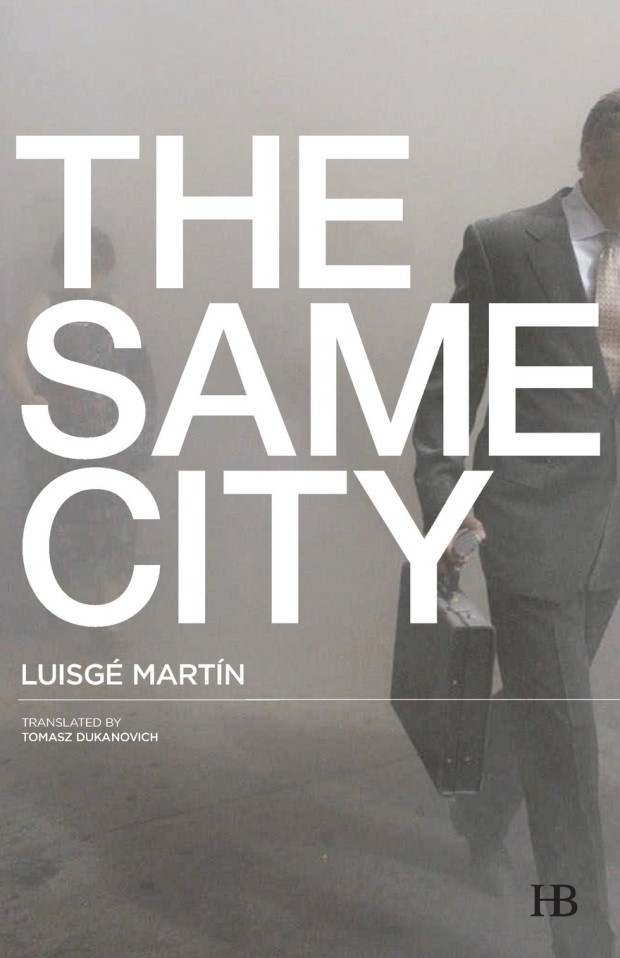
The London Review Bookshop visit Shepherds bookbinders in London to watch them put together a special limited edition of Tom McCarthy’s Man Booker Prize shortlisted novel Satin Island (yours for only £185):
Before turning his attention to graphics and advertising, Italian artist and designer Bruno Munari (1907-1998) made his mark as a member of the Futurists, an avant-garde art movement fascinated by modernity, mass production, and pushing at technological limits.
The influence of Futurism — not to mention modernism’s jokers Dada and Surrealism — is apparent throughout Munari’s Books, a collection of Munari’s book design recently published in English by Princeton Architectural Press. Munari relentlessly experimented with typography, photography, collage, and printing materials. There is a book made of metal, another that comes with a hammer. There is page after page of special papers, unique bindings, loose pages, punches, tears, and flaps. The breadth (and the volume!) of his work is staggering, and it all crackles with this restless sense of innovation, urgency, and provocation.
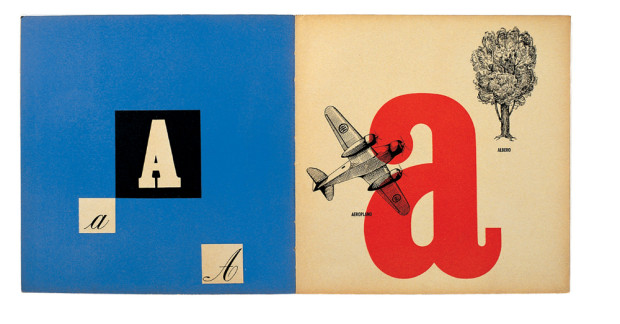
Bruno Munari’s ABC (image credit: Cleveland: World Publishing Company, 1960)
“A great children’s book, with beautiful expressive figures, the right story, printed simply, would not be accepted (by some parents), but children would love it.”1
But Munari’sdesigns and illustrations are also surprisingly full of warmth and wonder. This is most apparent in his expressive illustrations, and the large number of books Munari produced for very young children. Even readers familiar with Bruno Munari’s ABCand Bruno Munari’s Zoo, may find themselves astonished at just how many other extraordinary children’s books he created that aren’t currently available in English.
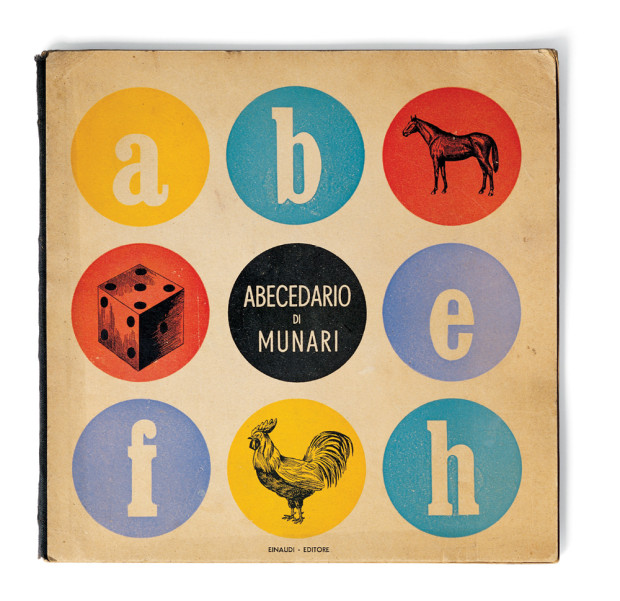
Abecedario de Munari (image credit: Rome: Emanuele Prandi, 1942)Abecedario de Munari (image credit: Rome: Emanuele Prandi, 1942)
“we need to deconstruct the myth of the artist-hero who produces only masterpieces for the intelligent. We have to show that as long as artists are outside the problems of everyday life, only a few people will be interested. And now, in these days of mass culture, artists must climb down from their pedestals and be so kind as to design a butcher’s sign.”2
If Munari’s Books has a shortcoming, it is the rather academic introductory texts (they will be useful for better design writers than me, but I got little sense of the Munari’s life or the personality behind the designs from them). Fortunately, the book is peppered with lively quotations from Munari himself. The most pithy come from Arte come mestiere, a collection of Munari’s writing on design first published in English in 1971 as Design as Art (and reissued as a Penguin Modern Classic in 2008). The short essays in Arte come mestierewere originally written for Milan daily newspaper Il Giorno, and they address everyday life as well as design. They’re witty, discursive (and sometimes even surprisingly practical), and a perfect accompaniment to the illustrations in Munari’s Books.
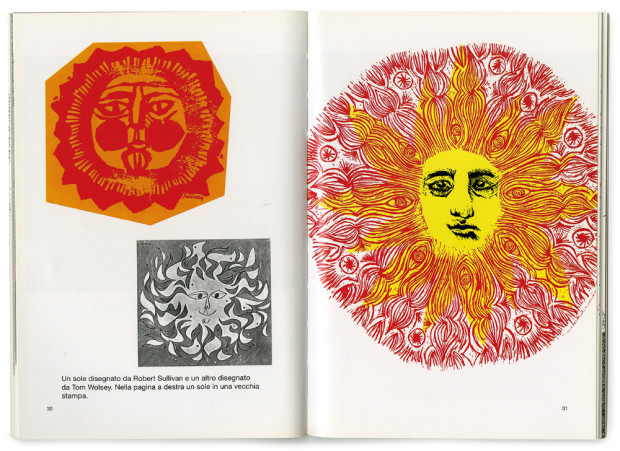
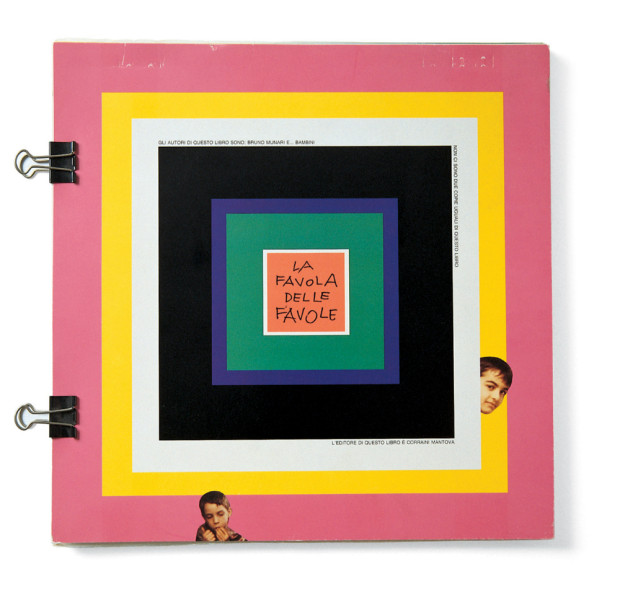
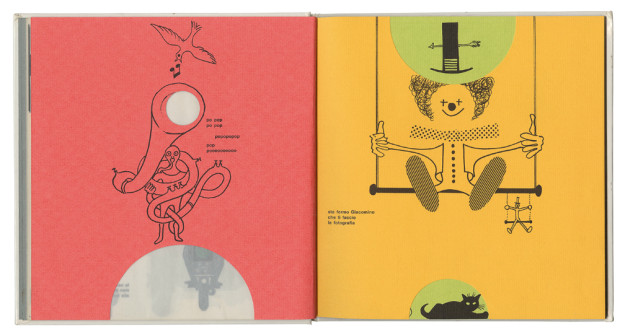
Disegnare il sole (image credit: Mantua: Graziano Peruffo, 1980)La favola delle favole (image credit: Mantua: Maurizio Corraini Editore, 1994)Nella nebbia di Milano (Mantua: Graziano Peruffo, 1968)
Writing at NY Magazine’s Vulture, Boris Kachka, whose book Hothouseon Farrar, Straus & Giroux was published in paperback last year, profiles nonprofit literary publisher Graywolf Press:
Publishing just over 30 books a year, Graywolf has had authors win four NBCC awards, a National Book Award, two Pulitzers, and a Nobel Prize — all in the last six years. This year, it will exceed $2 million in sales for the first time. No other independent press, never mind a 41-year-old nonprofit, has come so far so fast. It didn’t happen by accident.
“I think of success as being able to say yes to something that doesn’t necessarily look like a commercial winner,” says Fiona McCrae, Graywolf’s publisher since 1994, over yogurt and decaf on one of her monthly visits to New York. “Knowing something is good and having to say no, that seems to me the bigger failure.” An affably owlish Brit, McCrae started out in London’s legendary literary Faber & Faber before transferring to its small American spinoff in Boston. Three years later, she heard that Graywolf’s founder was resigning.
Scott Walker began hand-sewing poetry chapbooks in Port Townsend, Washington, in 1974. While picking up poets like Tess Gallagher and Jane Kenyon, Walker turned Graywolf Press into a nonprofit and relocated to the Twin Cities, home to a thriving philanthropic base (which also supports nonprofit presses Milkweed and Coffee House). But in the ’90s, a publishing slump hit Graywolf particularly hard; Walker resigned and his board eventually hired McCrae. At the time, she had zero experience in nonprofits — possibly to Graywolf’s benefit, because she chafed at the complacency to which nonprofits are prone. “There’s got to be a way in which you absolutely value Graywolf,” she says, “but like, come on, everybody! Other small presses are not the measure. Do you say, ‘For our size, we get more attention, so that’s it,’ or do you say, ‘Where can we go?’
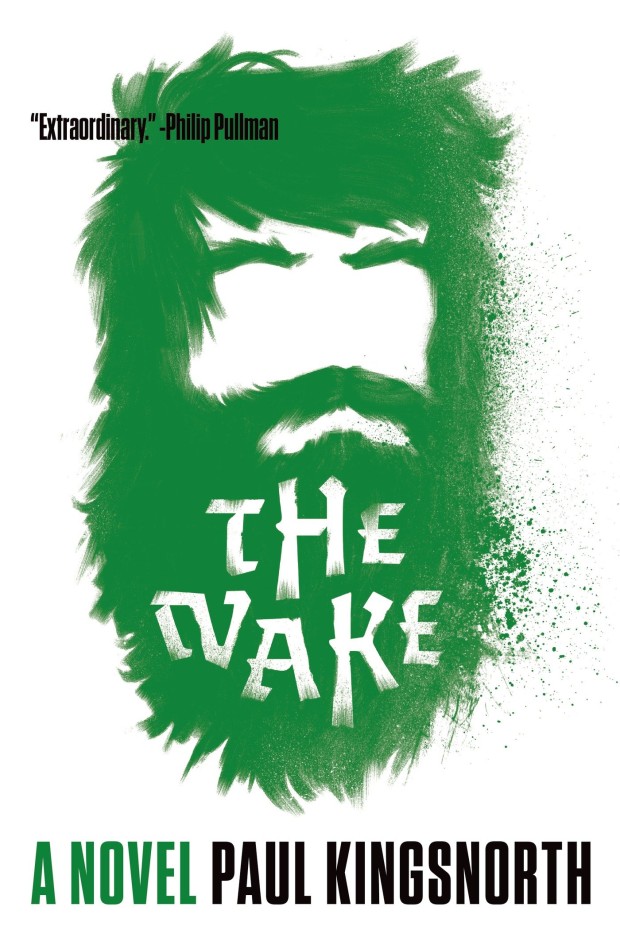
And speaking of Graywolf, I am looking forward to picking up a copy The Wake by Paul Kingsnorth, which they are publishing in North America this month (can anyone tell me who designed the cover?)
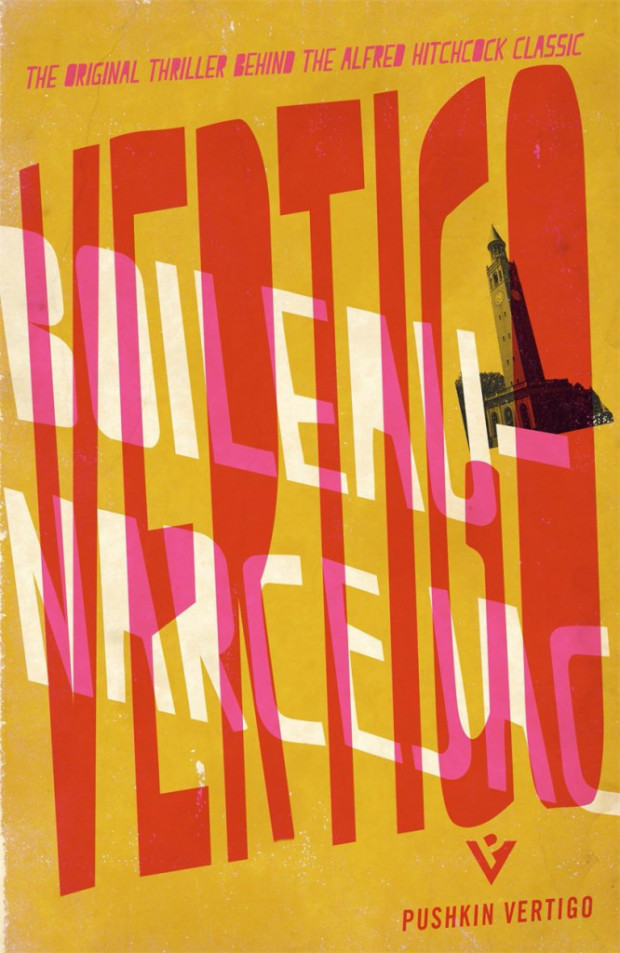
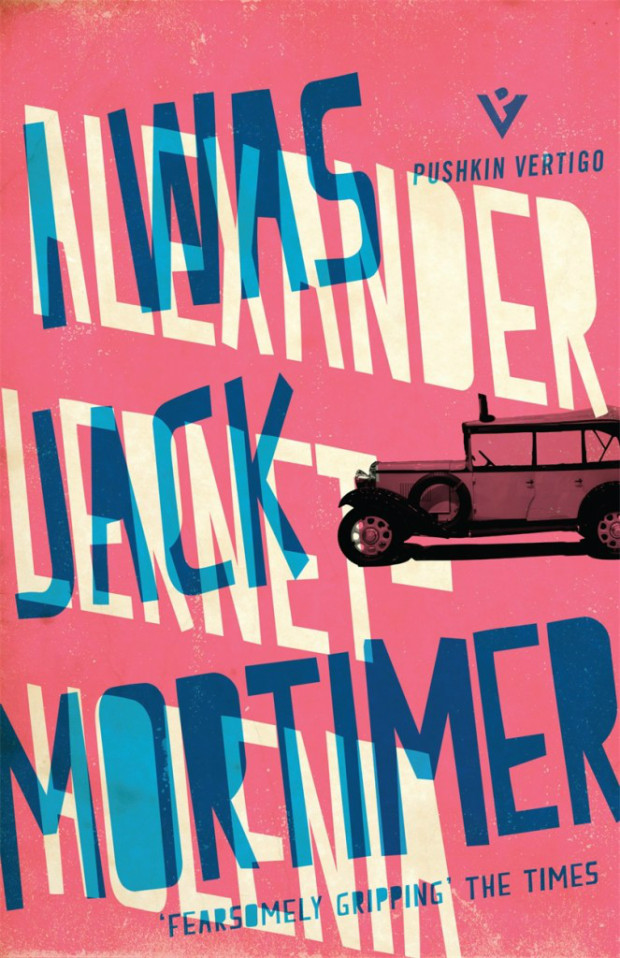
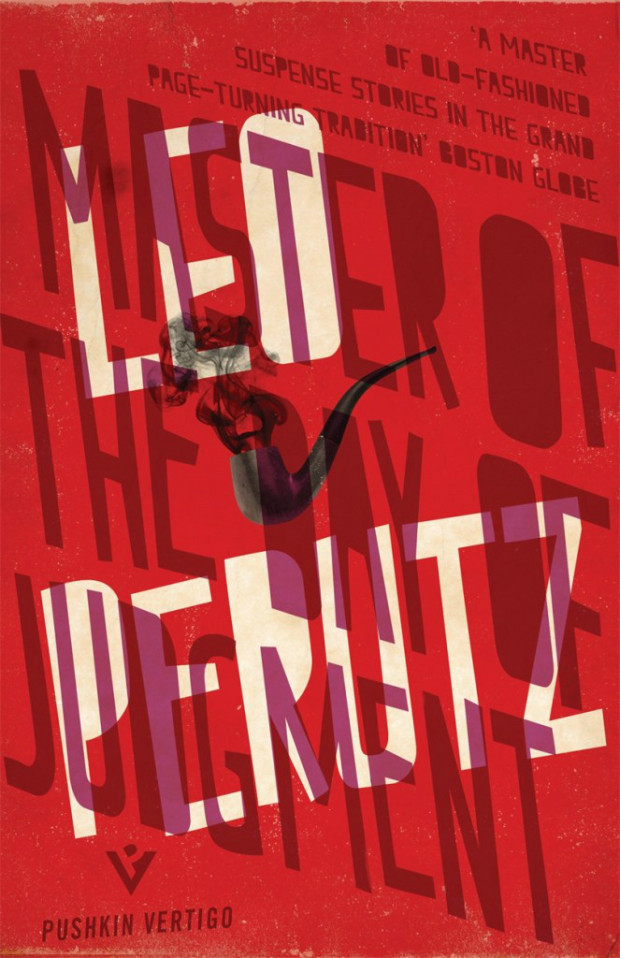
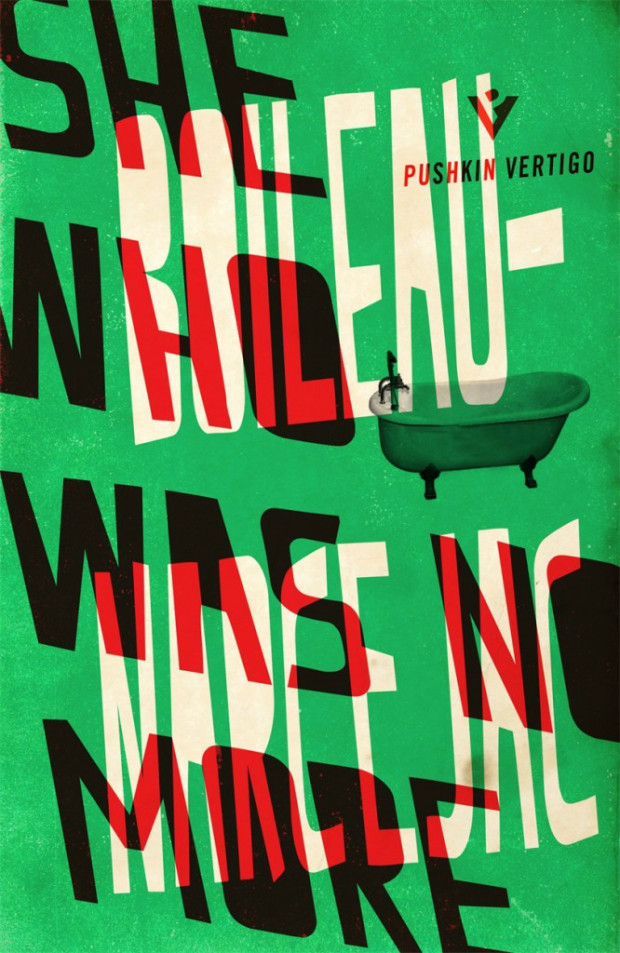
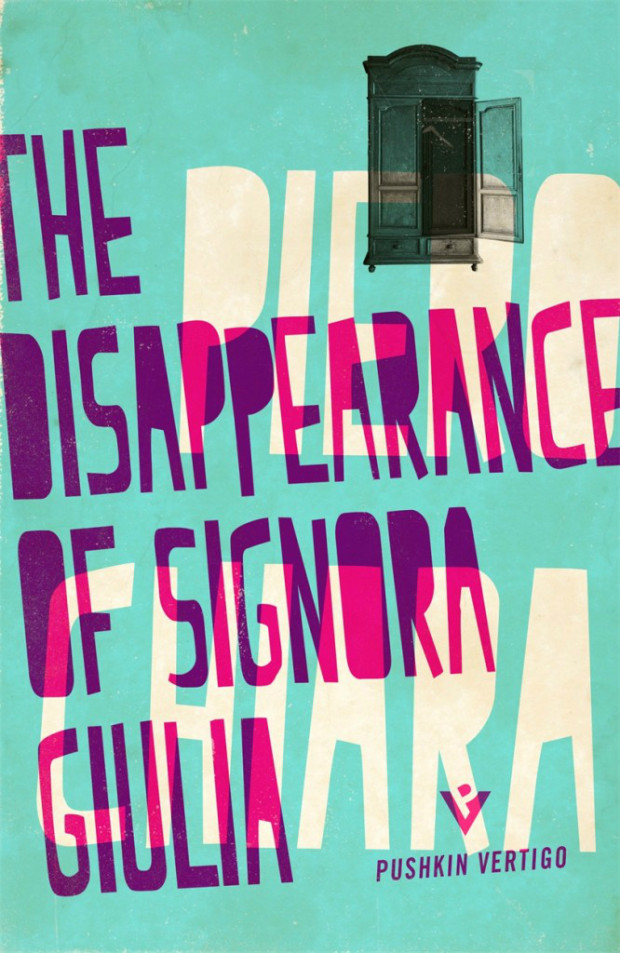
“From the beginning I wanted to come up with something that looked alien, as though someone had brought it back from a holiday in a country you’d never heard of”
They make for a stunning set.
Jamie also created that rather nice “PV” logo for the imprint. Nicely done Mr. Keenan.
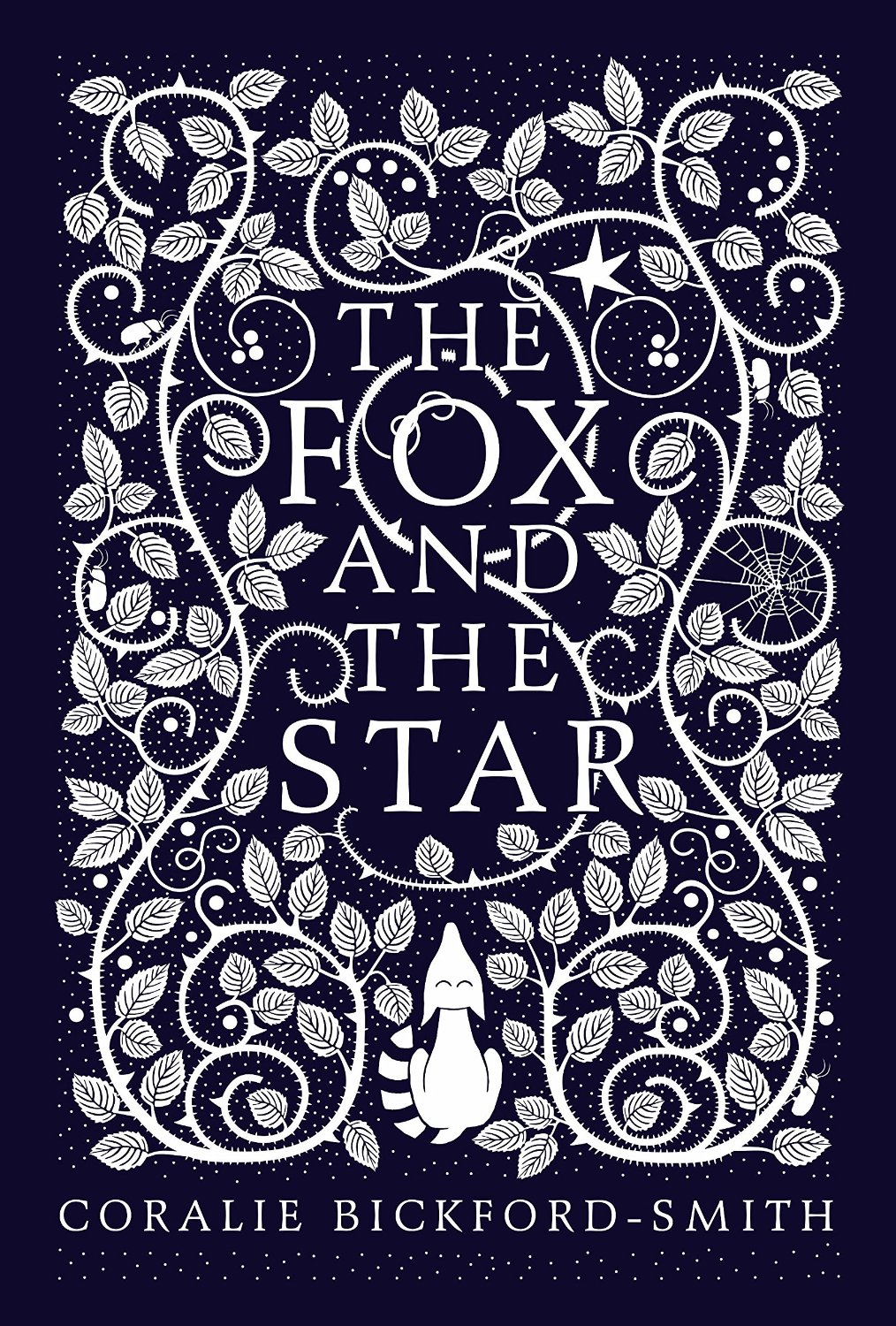
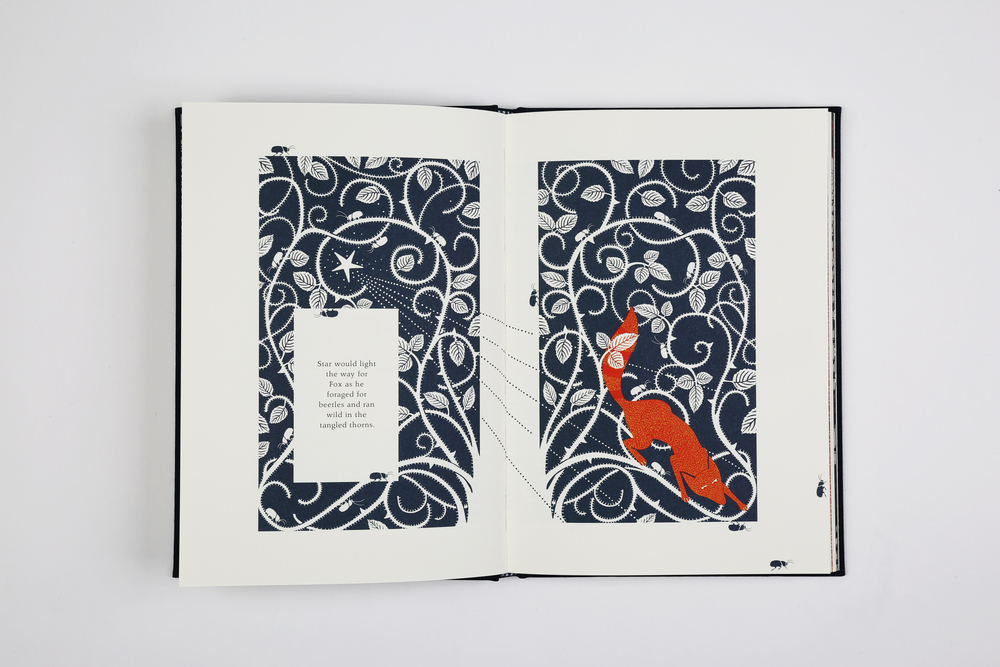
The inspiration comes from a place of personal experience that I wanted to document. It’s a life lesson that I found hard to learn; one of love, loss and the ability to adapt to the constant changes that are a part of life. On a visual level my inspiration came from my design heroes, William Blake and William Morris. My love of pattern and book design is evident in the illustrations.
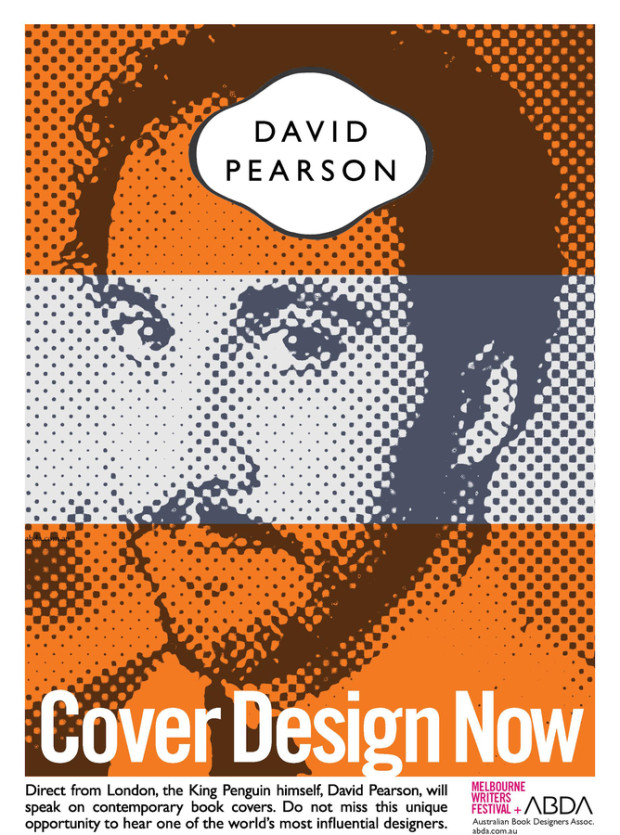
Award-winning Australian designer and art directer W. H. Chong interviews David Pearson — who is giving a series of talks on book design in Australia this week — for his column Culture Mulcher:
I love the Gandhi quote, ‘There is more to life than increasing its speed’ (particularly reassuring words for a slow-working technophobe).
I do worry that many technological advancements are enabling us to achieve not very much, but at a much faster rate. For example, I cannot understand the very modern desire to produce work using a series of time-saving shortcuts when it is the duration of the working process itself that allows us to question, edit and fine-tune our output. To speed up or bypass this process is to give up on so much and risks the work lacking any discernible ‘human’ quality.
That said, I do work very slowly and sometimes think that a warm and welcoming hobbyist’s industry, like publishing, is the only place that would have me.
David is delivering a lecture, We Are What We Read, at the Powerhouse Museum in Sydney tomorrow (Tuesday, August 25) at 6.30pm, and will be discussing contemporary book design at the Melbourne Writers Festival on August 29 and August 30, although I believe the second event is sold out.
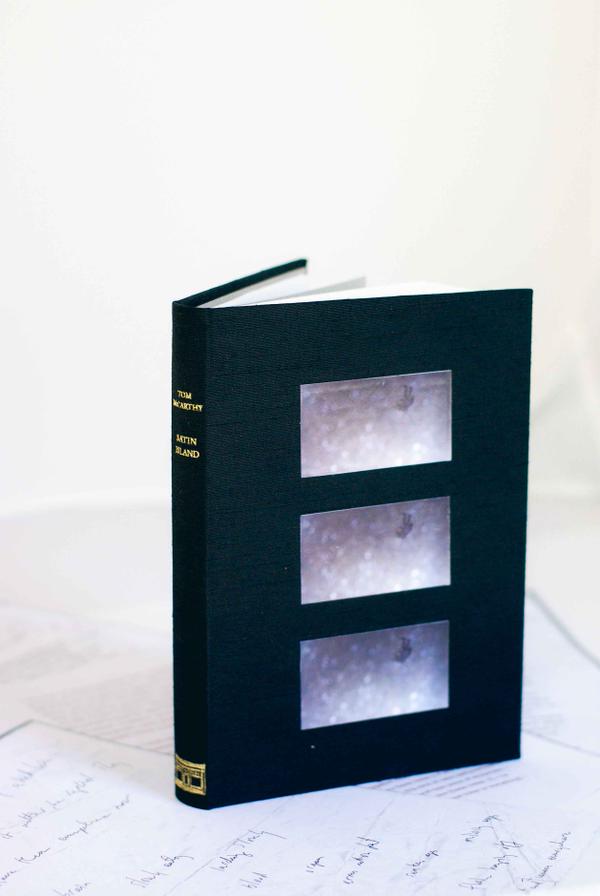 The London Review Bookshop visit Shepherds bookbinders in London to watch them put together a special limited edition of Tom McCarthy’s Man Booker Prize shortlisted novel Satin Island (yours for only £185):