Skip to content

The Casual Optimist Posts

Robert Hughes on Writers and Company

Earlier today, CBC Writers and Company repeated Eleanor Wachtel’s 2006  conversation with Robert Hughes, the Australian art critic and historian. He spoke with Wachtel about his memoir, Things I Didn’t Know. Hughes died in August 2012, age 74:


CBC Radio Writers and Company: Robert Hughes mp3

Comments closed

Something for the Weekend

Wondrous Horrors — Ariella Budick on the centenary of the 1913 Armory Show in New York, for the Financial Times:

Critics did not reject every European innovation. They nodded at the impressionists, puzzled respectfully over Cézanne, and tolerated Gauguin. But cubism blew their minds. The impact was not merely aesthetic. American writers perceived a defiant rejection of rules and a contempt for tradition – qualities they associated with violent political movements. Painters who blasted convention with their brushes gave comfort to bomb-throwing subversives. When critics invoked anarchy, it was not just a figure of speech.
See also: Rethinking the Armory in the New York Times:
New York viewers, including artists, to some degree knew what they were in for. Pictures of avant-garde art had been included, often with mocking commentary, in New York newspapers and magazines for years. And by no means were all Armory reviews pans; one critic wrote that he was grateful for “these shocks to our aesthetic sense.” Others were glad for a certain perspective the show offered: compared with avant-garde work from Europe, American art looked sane.
Making It Up — William Deresiewicz on the work of Geoff Dyer, for The New Republic:
Freedom from conventional and institutional expectations—freedom even from his audience—means that Dyer is also free to make it up, like jazz, as he goes along. Every book is different, and every book is different from everybody else’s books. Zona is a running commentary, almost shot-by-shot, on a single film. But Beautiful consists of a series of quasi-imagined episodes—vivid, textured, saturated with feeling—from the lives of the jazz greats. Out of Sheer Rage is memoir, travelogue, criticism—“about” Lawrence in the physical sense of the word: spinning around and around him with a manic, comic, centrifugal energy. The Ongoing Moment makes a poem of the history of photography by considering not artists or schools, technics or techniques, but, improbably, subjects (hats, benches, stairs): a ridiculous idea, it seems, until you figure out that Dyer’s real quarry is the relationships we have with those quotidian objects, the way they can be made to stand for the lives that move among them. “Spare me the drudgery of systematic examinations,” he writes in Out of Sheer Rage, “and give me the lightning flashes of those wild books in which there is no attempt to cover the ground thoroughly or reasonably.”
See also: Rose Mclaren on Zona for The White Review:
[Dyer] claims, ‘if I had not seen Stalker in my early twenties my responsiveness to the world would have been radically diminished’. He shares with his idol an artistic ideal of awareness, describing Tarkovsky’s aesthetic as a length of take demanding ‘a special intensity of attention’. The inverse dominates much contemporary culture where, ‘a lot of what’s being shown on the world’s screens is fit only for morons’ with the result that ‘there are more and more things from which one has to avert one’s ears and eyes’. Rubbish art that warrants ignorance. A bit broad-brush and heavy-handed, but its Dyer’s reason for writing. Against a social dystopia of willed numbness, Zona documents a profound engagement with an artwork. It is not so much homage to the film alone, but to the dialogue it inspires.

And finally…

What Is This Shit? — Brian Dillon interviews photographer and filmmaker William Klein:

I didn’t know how to do a book. I was just discovering photography and once I had all these pictures, I showed them to editors in New York and nobody thought it was worthwhile to do a book with these photographs. They said, “What is this shit?” I came back to Paris and discovered there was a series of travel books called Petite Planète. I called them up and got an appointment and I went to this office which looked like NASA. Chris Marker was there with a laser gun in his belt, and he saw the photographs and said, “We’ll do a book!” In fact he said, “We’ll do a book or I quit!”

Comments closed

Happy New Year

Apologies for two Nancy  posts in a row, but if you’re a parent of small children and you spent the holidays at home, you will probably be able to relate:

Normal service will resume shortly (once I’ve dug myself out of toys, craft materials and dress-up clothes). Happy New Year.

(image via the fabulous Nancy is Happy)

Comments closed

Hooray for Christmas

Happy holidays!

Nancy Likes Christmas has just been published by Fantagraphics.

(via the awesome Nancy is Happy).

Comments closed

Charles Burns on Bookworm

Cartoonist Charles Burns discusses his new book The Hive with Michael Silverblatt on KCRW show Bookworm:

KCRW Bookworm: Charles Burns THE HIVE mp3


Comments closed

Something for the Weekend

Minimal Realism — The first part of a Charley Harper retrospective at Codex99 (via Coudal):

Commercial ad work proved difficult for Harper. He was frustrated illustrating the “happy housewife” and began to tire of realism altogether, stating that it “revealed nothing new about the subject, never challenged viewers to expand their awareness, (and) denied me the freedom of editorializing.”

He began to experiment with a new style where perspective was replaced with hard-edged two-dimensional shapes reduced to only straight lines and curves and where shading and depth were replaced by overlapping color. To caricature and simplify at the same time. The idea was “…to push simplification as far as possible without losing identification.” He would eventually call it “minimal realism.” It was a style that would take him 30 years to perfect.

Magic Pencil — A lovely profile of illustrator Quentin Blake by Jenny Uglow, at The Guardian:

He was among a new wave of British illustrators who began work in the 1950s and 60s, an extraordinary flowering, benefiting from the greater availability of four-colour half-tone printing. The brilliant artists of that generation, each with their distinctive signature, still seem fresh. It’s extraordinary to find that Shirley Hughes, Judith Kerr and Peter Firmin are in their 80s, while Raymond Briggs, Helen Oxenbury, David McKee and Tony Ross were all born, like Blake, in the 1930s. A galaxy of later stars have followed and authors and illustrators have often formed notable partnerships: Oliver Postgate and Peter Firmin, Allan and Janet Ahlberg, Julia Donaldson and Axel Scheffler, and, of course, Dahl and Blake.

credit: Phil Fisk

Also at The Guardian: Alan Moore on Hollywood and his low-budget film Jimmy’s End (available for free online), at The Guardian:

“My main experiences in the past had been of the Hollywood variety, which was on many levels repulsive to me. Every film is a remake of a previous film, or a remake of a television series that everyone loved in the 1960s, or a remake of a television series that everyone hated in the 1960s. Or it’s a theme park ride; it will soon come to breakfast cereal mascots.

“But I’d always thought I liked the idea of a really cheap, little film. If you want to be a writer or an artist, all you need is a Biro and a Woolworths jotter; it’s a democratic medium. I love films that are made with almost no budget.”

And on a related note:

The Shit We Hate — Artist and illustrator Jamie Hewlett on a possible return to Tank Girl:

I started looking at [Tank Girl] and realised that, apart from the last three or four strips I drew in that 10 year period, pretty much 90% of it was shit. Really, it was. I spoke to [Tank Girl writer] Alan Martin, and he remarked on how it had been so successful, yet the execution on our part was so bad. I said that “now we’re in our forties, and I can draw much better, and you’re a much better writer, wouldn’t it be great to revisit Tank Girl, do a one-off graphic novel, but do a really good one, and really knock it out of the ball park?’ So we might do that next year. It’s a great character, so anarchic; just a tool for us to rant about all the shit we hate.

And finally…

Stranger than Science Fiction — History professor Michael Saler on Alan Turing, at the TLS:

Recent histories charting the intertwined origins of the nuclear age and the “digital universe” provoke the queasy feeling that our species is positioned precariously between atomic night and transhuman dawn. Ironically – and reassuringly – the principal instigators of this new era, such as Alan Turing and John von Neumann, showed themselves to be human, all too human, their fallibilities and resiliencies restoring a more grounded perspective about our future. The triumph of a Dr Strangelove or a Hal 9000 remains a possibility, but either scenario pales before the lived reality of their flesh-and-blood progenitors.

Comments closed

David Pearson’s 1984

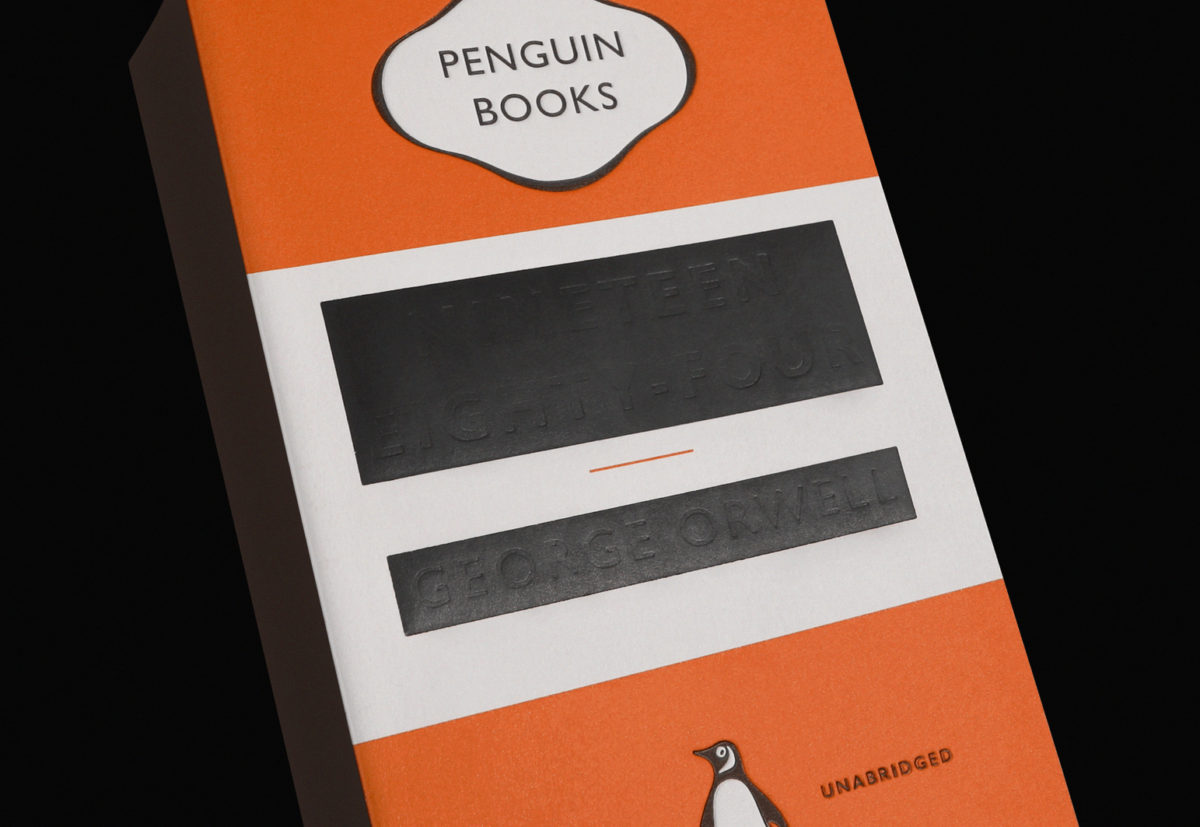
Although I’ve only just posted my favourite book covers of 2012, here’s an early contender for the 2013 list: George Orwell’s 1984 designed by David Pearson for Penguin UK.

According to David, his initial proposal was a die-cut version of the cover, but the final design (more effective in my opinion) uses matt black foil to obscure the lettering instead.

This new edition will be available on January 3rd.

14 Comments

Penguin English Library: Dr Jekyll and Mr Hyde

Director Woof Wan-Bau’s latest animated short for Penguin English Library is an avian retelling of Robert Louis Stevenson’s ‘shilling shocker’:

(via The Creative Review)

Comments closed

Favourite Covers of 2012

For the past couple of years now (since Joseph Sullivan put the Book Design Review on ice in fact), I’ve been posting a short list of my favourite covers for books for the year. Now that thing for the New York Times is out of the way, I’m free to post my list for 2012.

To make a couple of very general observations about book design this year, the cover that probably made the greatest impact was Fifty Shades of Gray. It was a design that made it OK to read erotica in public, something which surely contributed to the book’s breakout success — a point not lost on other publishers who rushed to re-package their own erotica titles in a similar fashion. The results inevitably lacked the finesse of the original, but imitation is the sincerest form of flattery, as they say…

But while the cover of Fifty Shades of Gray smartly defied the conventions of its genre, it wasn’t an exciting cover and some publishers seemed to be more conservative in their design choices, playing it safe or relying on formulas. The jacket for The Casual Vacancy could hardly have been more forgettable, and it was not alone. A bland sameness crept in. Perhaps that could be said every year. I suspect, however, that smaller budgets, tighter deadlines, and readers browsing thumbnails rather than shelves had an effect.

Nevertheless, some publishers were willing to trust their art directors and designers, and publish interesting and challenging covers. If I was to identify a common theme to my choices this year, it would be hand-drawn lettering and illustrated designs. With the ubiquity of stock photos and uninspired type-choices, that seems to be where the interesting things are happening, at least to my mind. Perhaps photographs will make a come back next year?
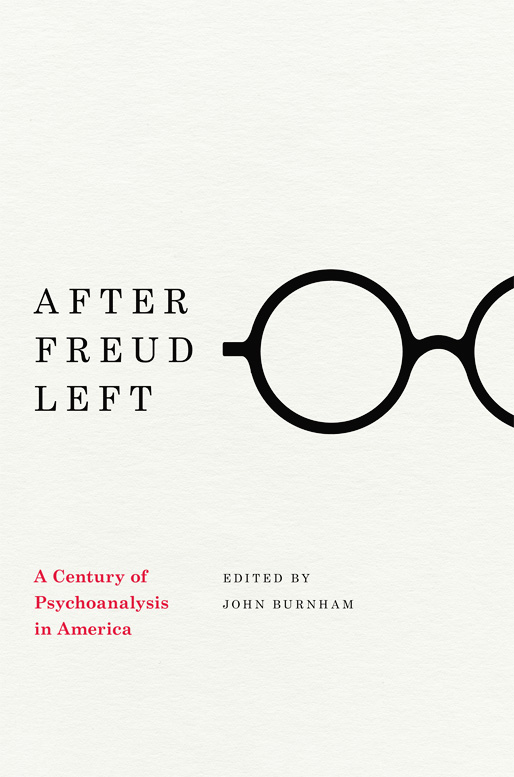
After Freud Left edited by John Burnham; designed by Isaac Tobin
University of Chicago Press

All Men Are Liars by Alberto Manguel; design by Jason Booher
Riverhead

El asenino hipocondríaco by Juan Jacinto Muñoz Rengel; design by Ferran López, illustration Santiago Caruso
Plaza & Janés
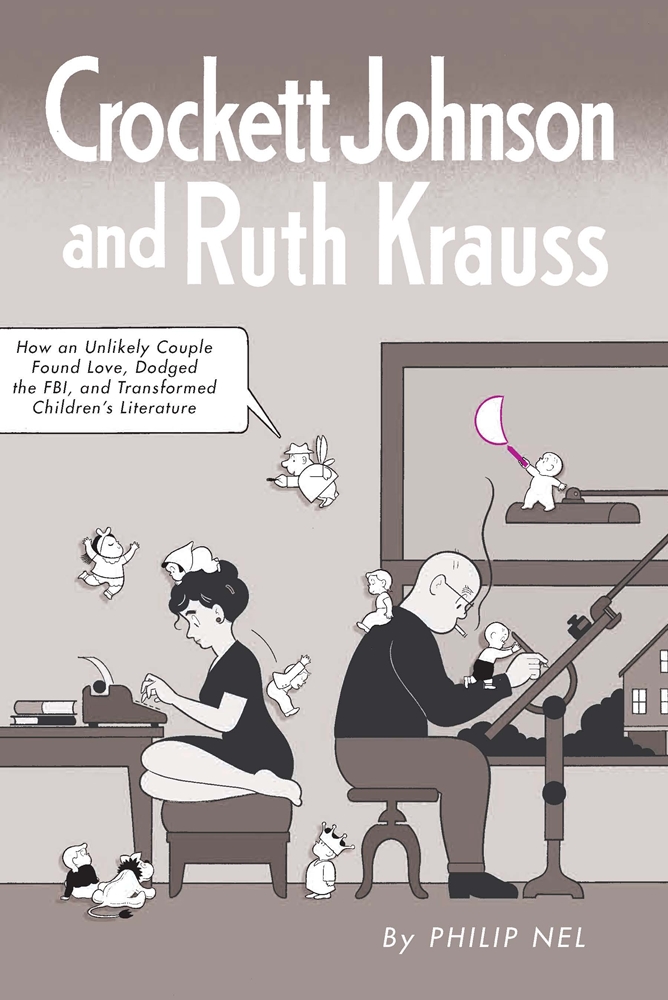
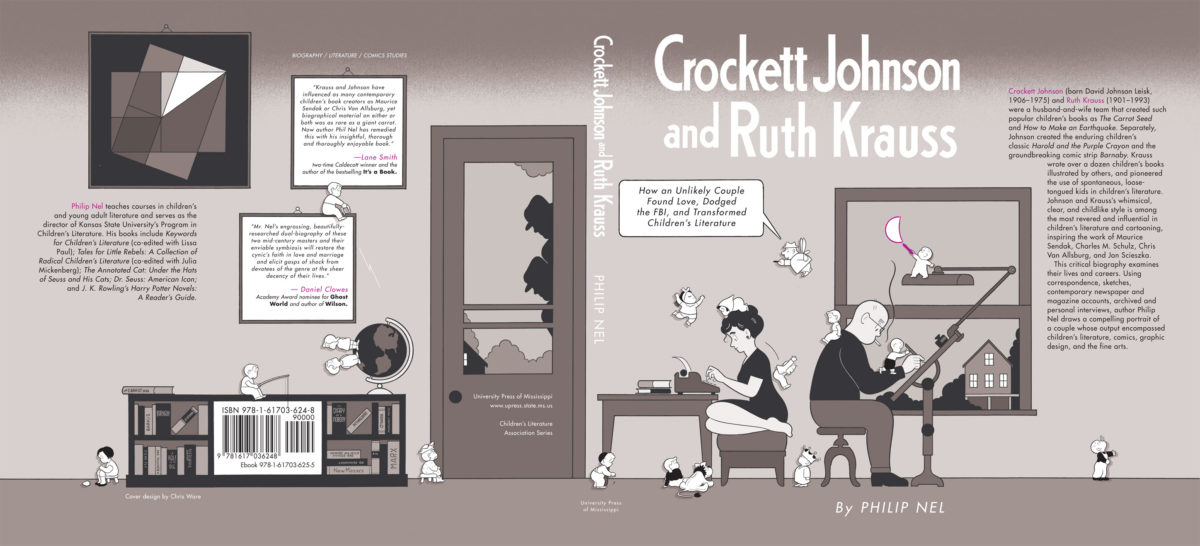
Crockett Johnson and Ruth Krauss by Philip Nel; design by Chris Ware
University Press of Mississippi

Cruel Britannia by Ian Cobain; design by FUEL
Portobello Books
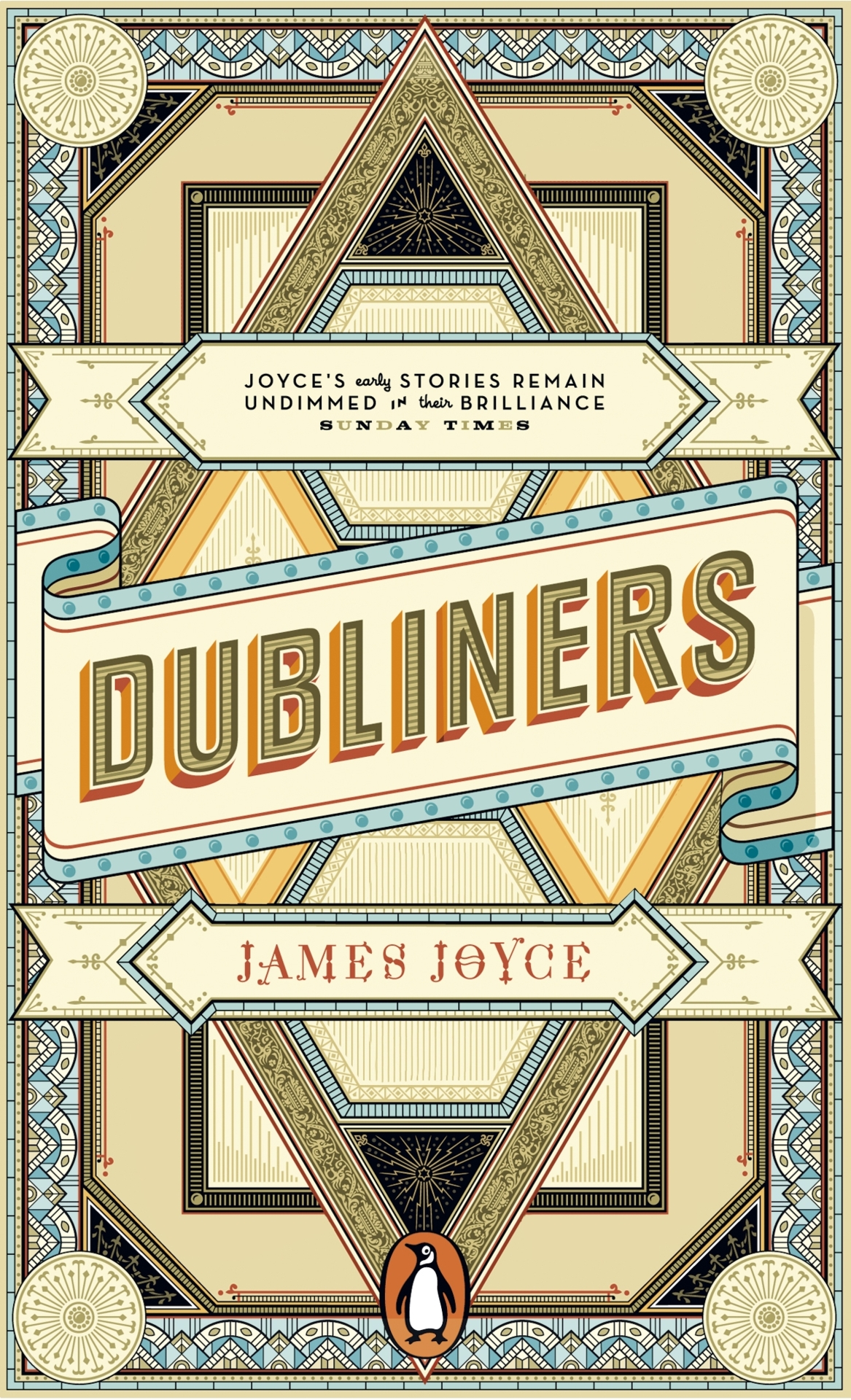
The Dubliners by James Joyce; design by Apfel Zet / Richard Bravery
Penguin Essentials, Penguin (UK)
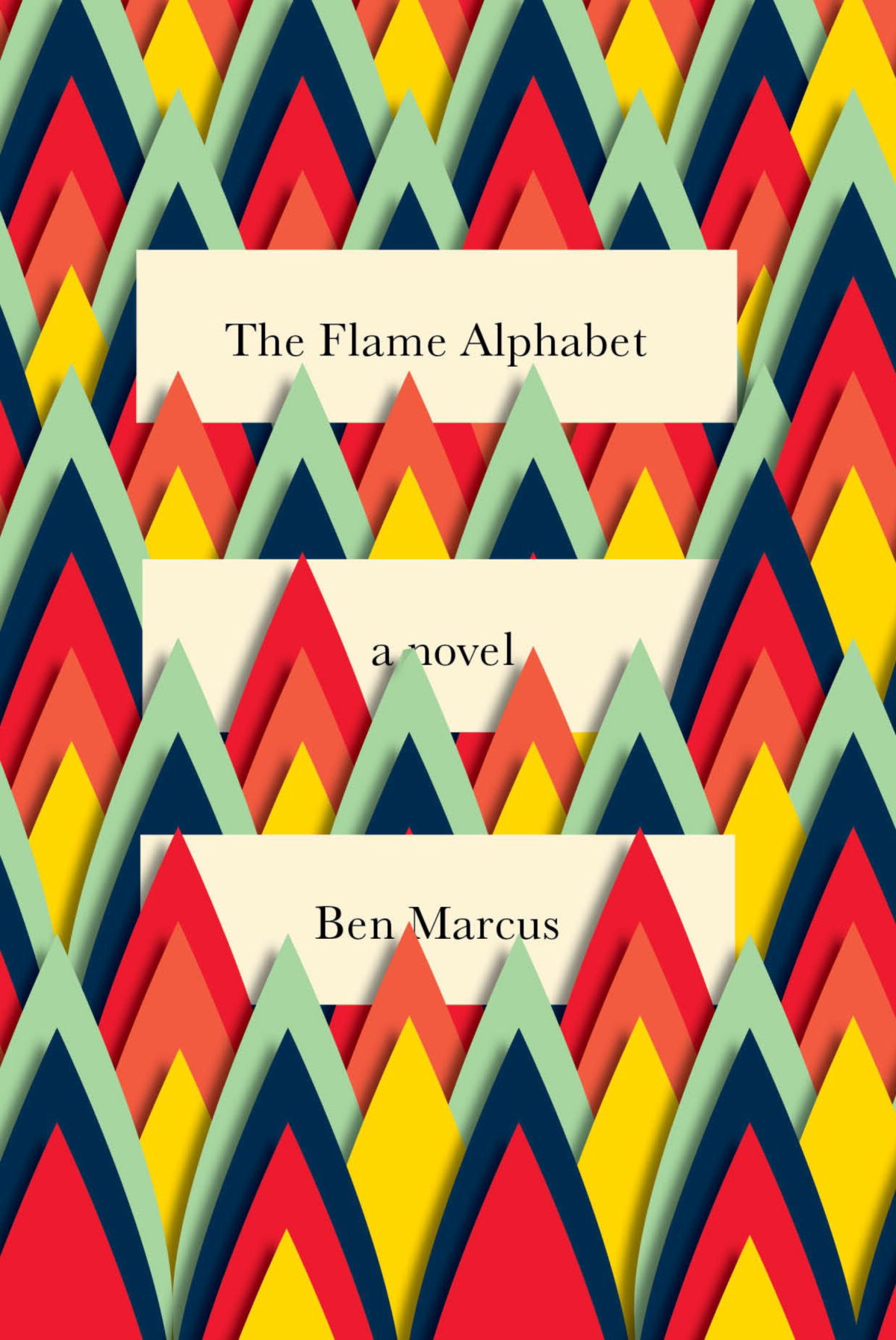
The Flame Alphabet by Ben Marcus; design by Peter Mendelsund
Knopf
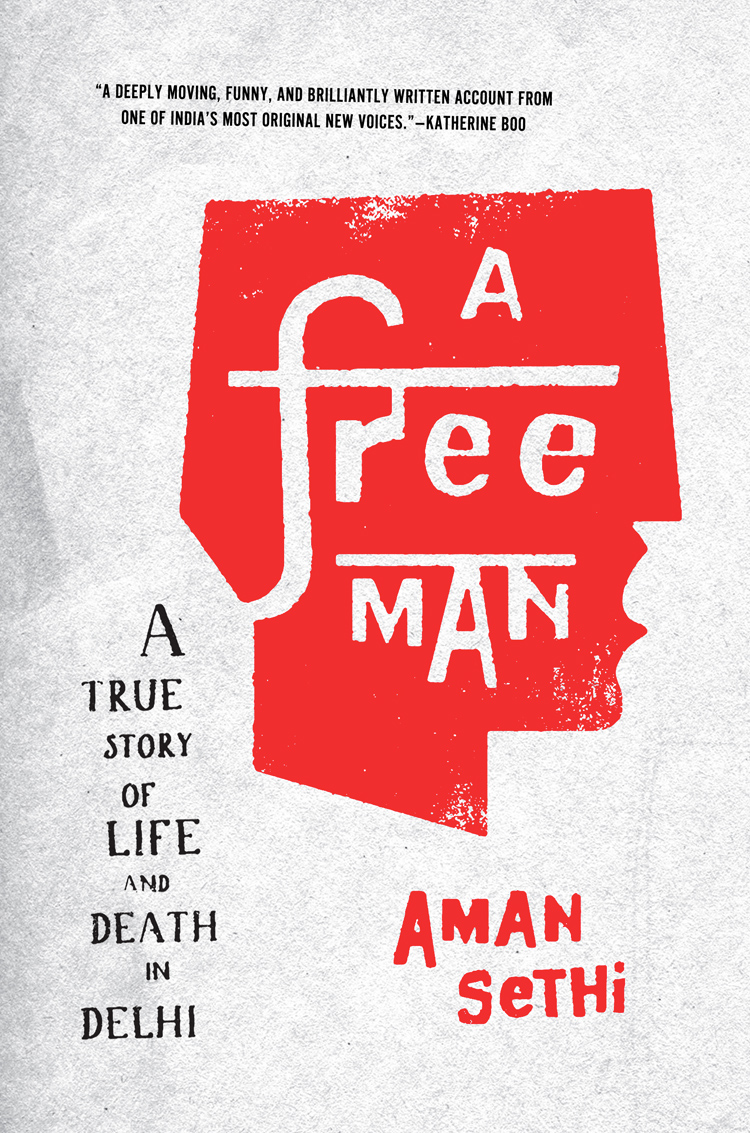
A Free Man by Aman Sethi; design by Ben Wiseman
W.W. Norton

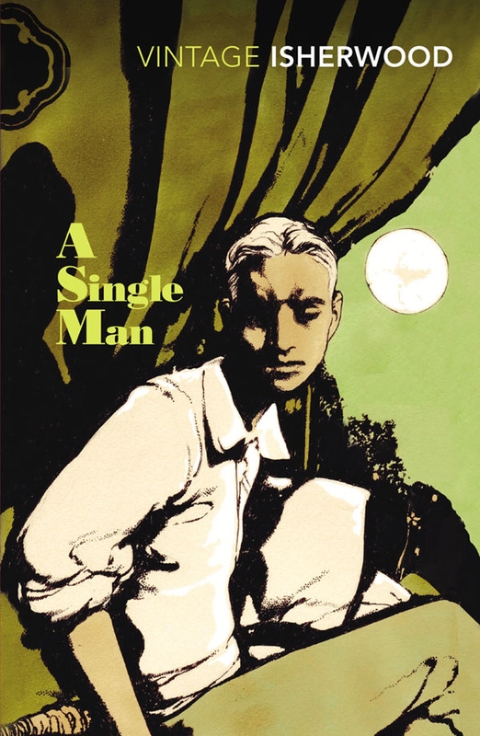
Goodbye to Berlin by Christopher Isherwood; illustration by Vania Zouravliov

Vintage Isherwood, Vintage (UK)
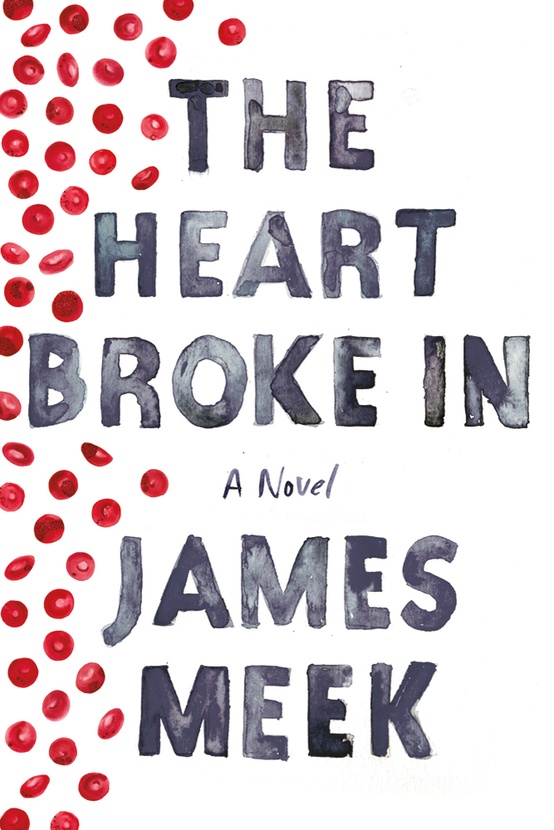
The Heart Broke In by James Meek; design by Jennifer Carrow; illustration by Michele Banks
Farrar, Straus & Giroux

Hope: A Tragedy: A Novel by Shalom Auslander; design by John Gall
Riverhead
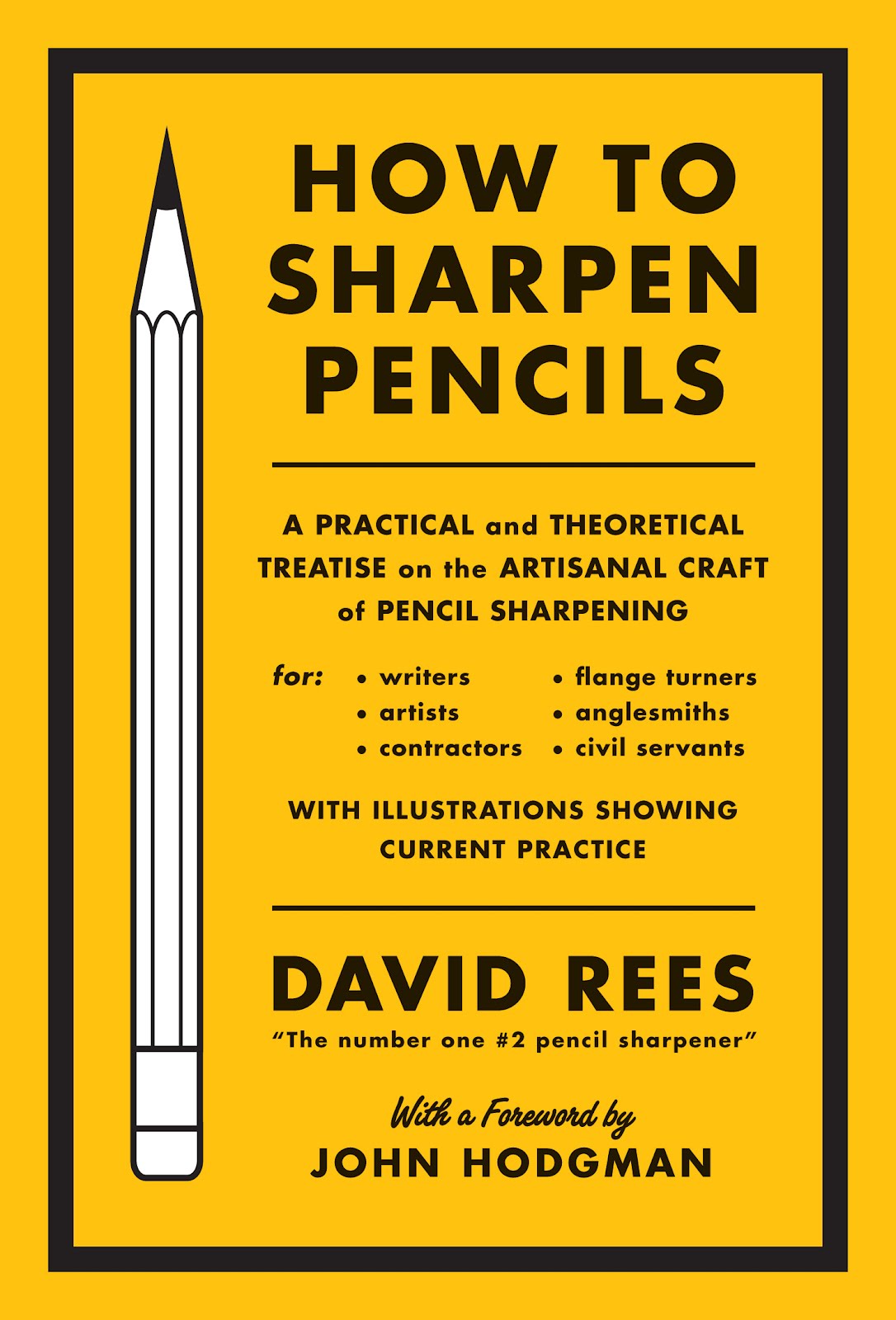
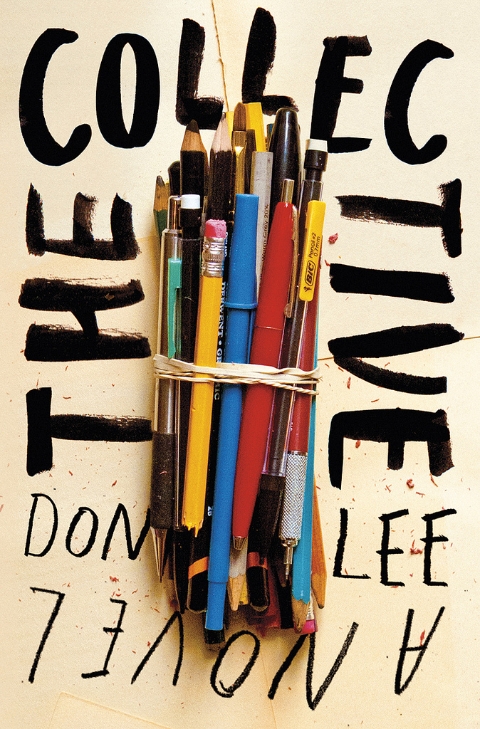
How to Sharpen Pencils by David Rees; design by Christopher Brian King
Melville House
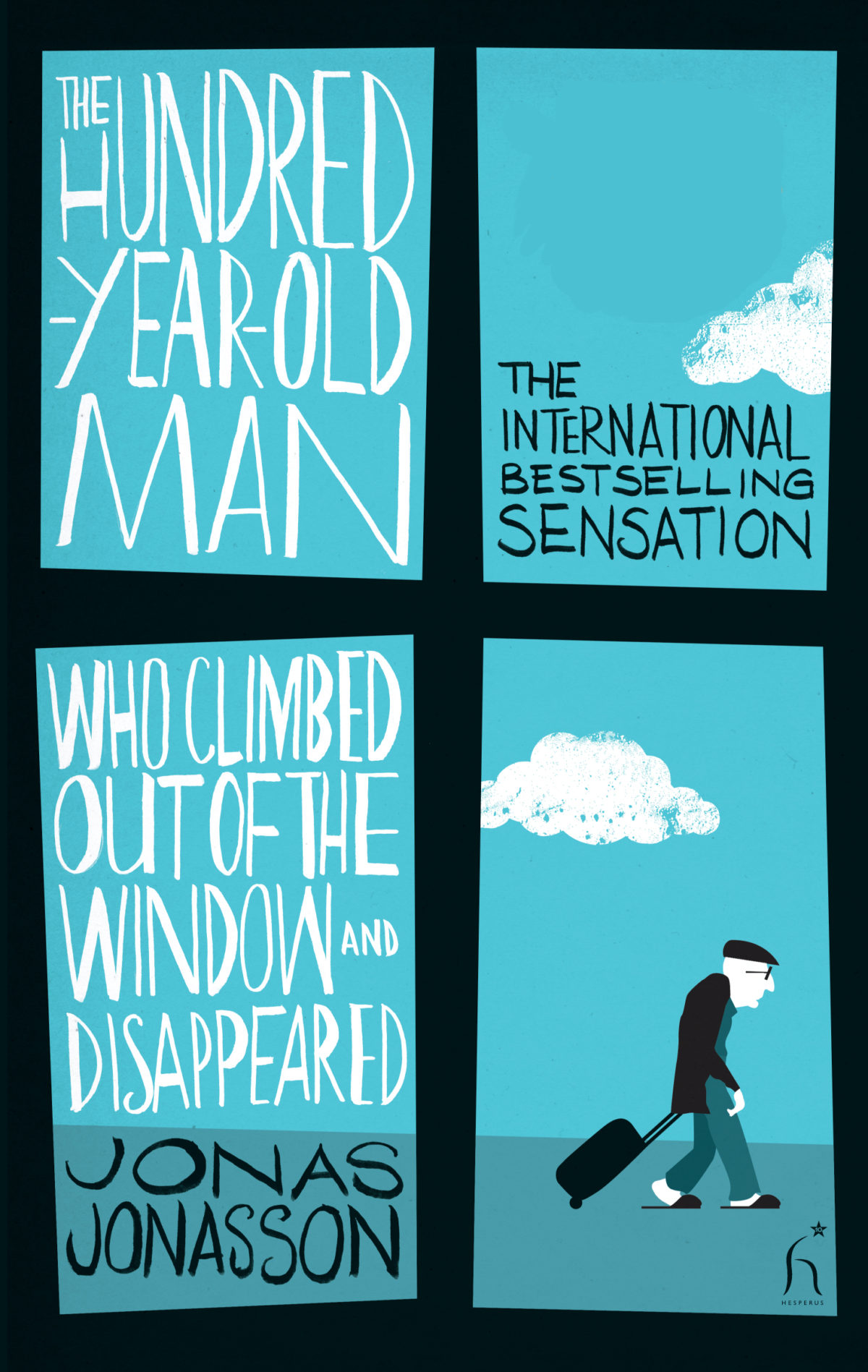
The Hundred-Year-Old Man Who Climbed Out of the Window and Disappeared by Jonas Jonasson; design by Jonny Pelham
Hesperus Press

Husk: A Novel by Corey Redekop; design by David A. Gee
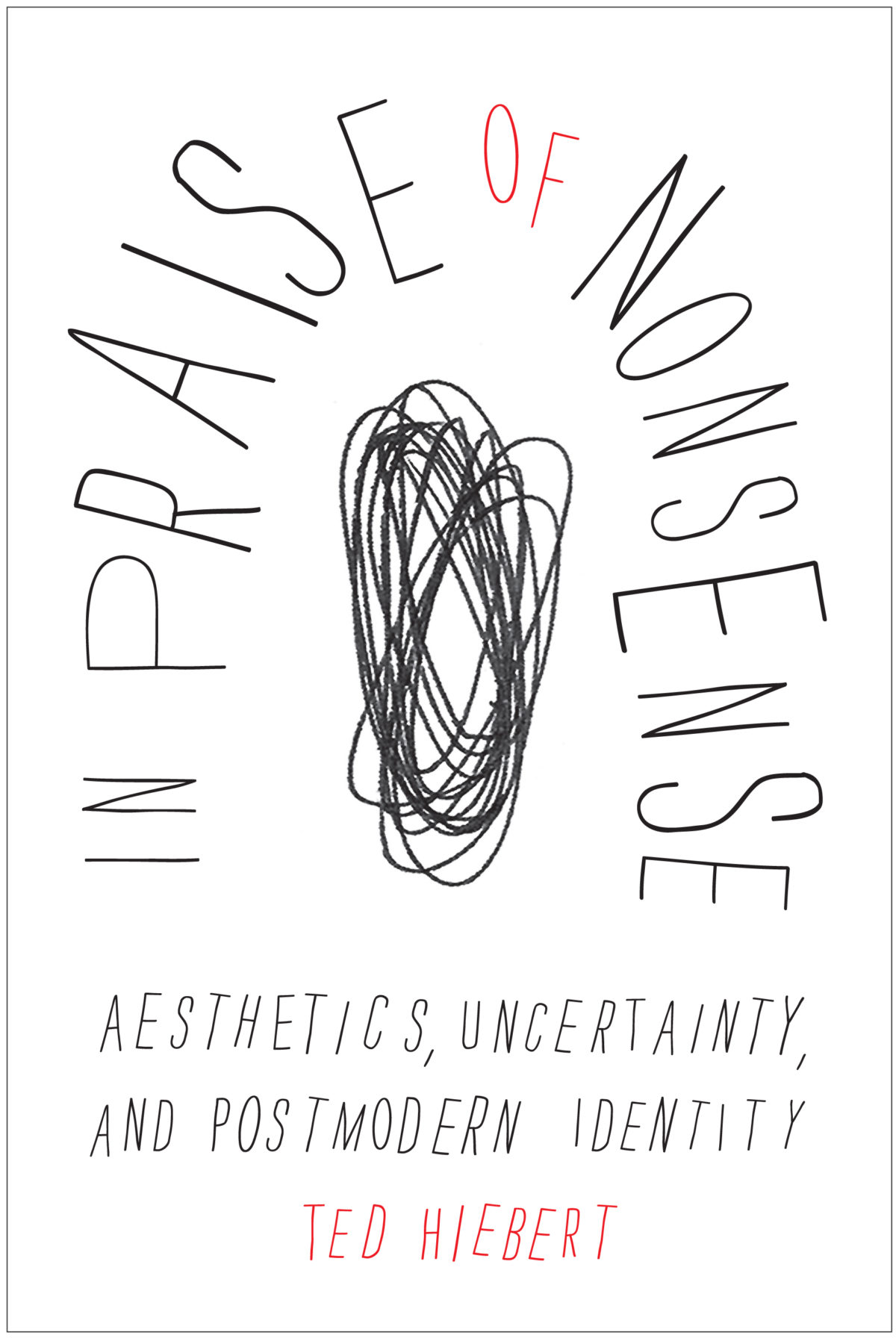
In Praise of Nonsense by Ted Hiebert; design by David Drummond
McGill-Queens University Press
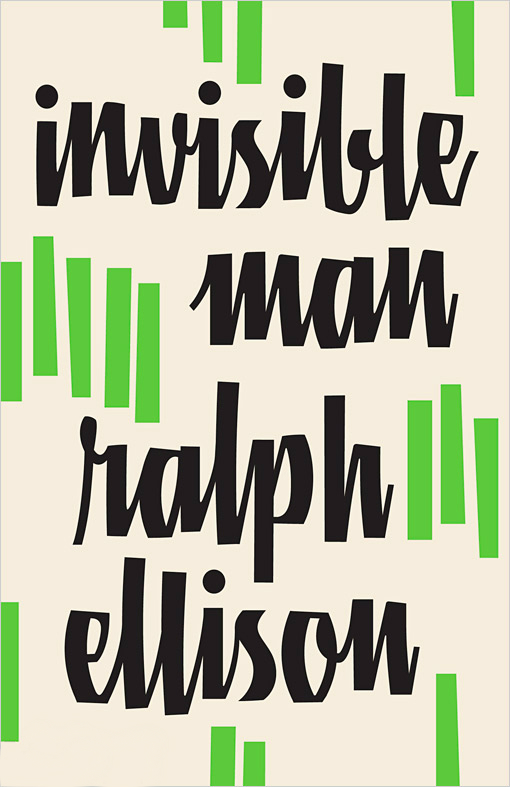
Invisible Man by Ralph Ellison; design by Cardon Webb

Vintage (US)
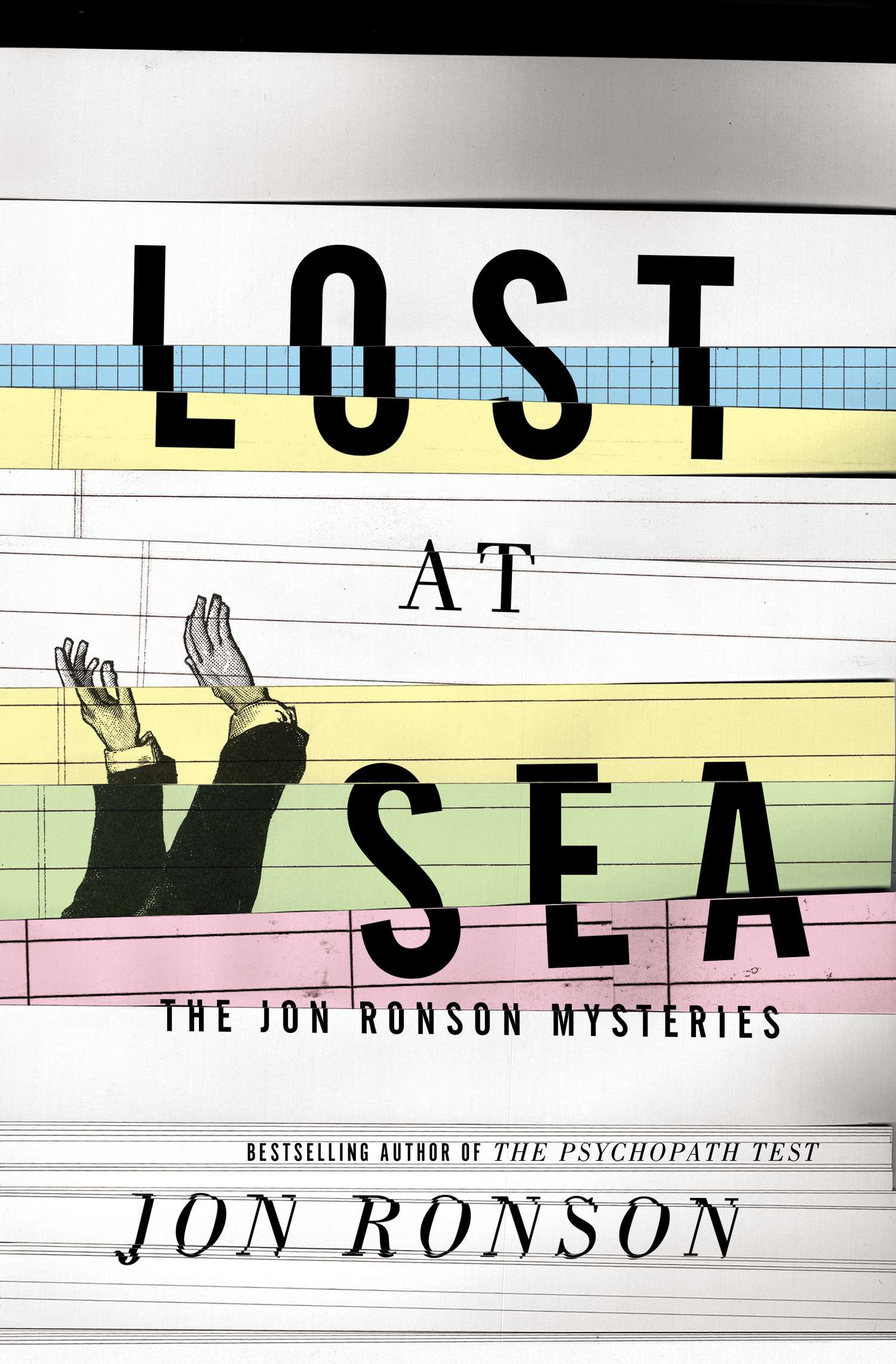
Lost at Sea by Jon Ronson; design by Matt Dorfman
Riverhead
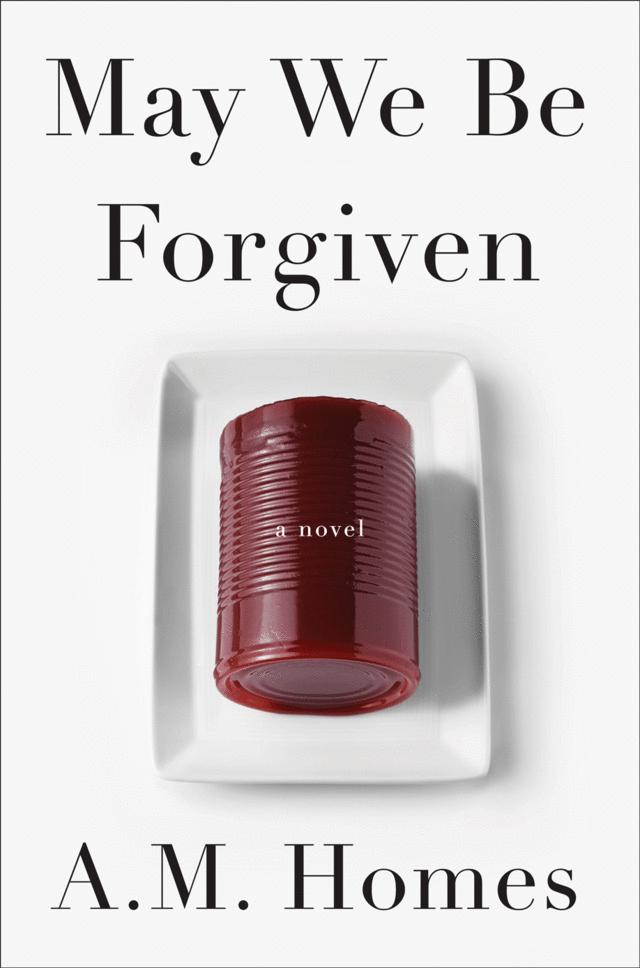
May We Be Forgiven by A. M. Homes; designed by Alison Forner
Viking
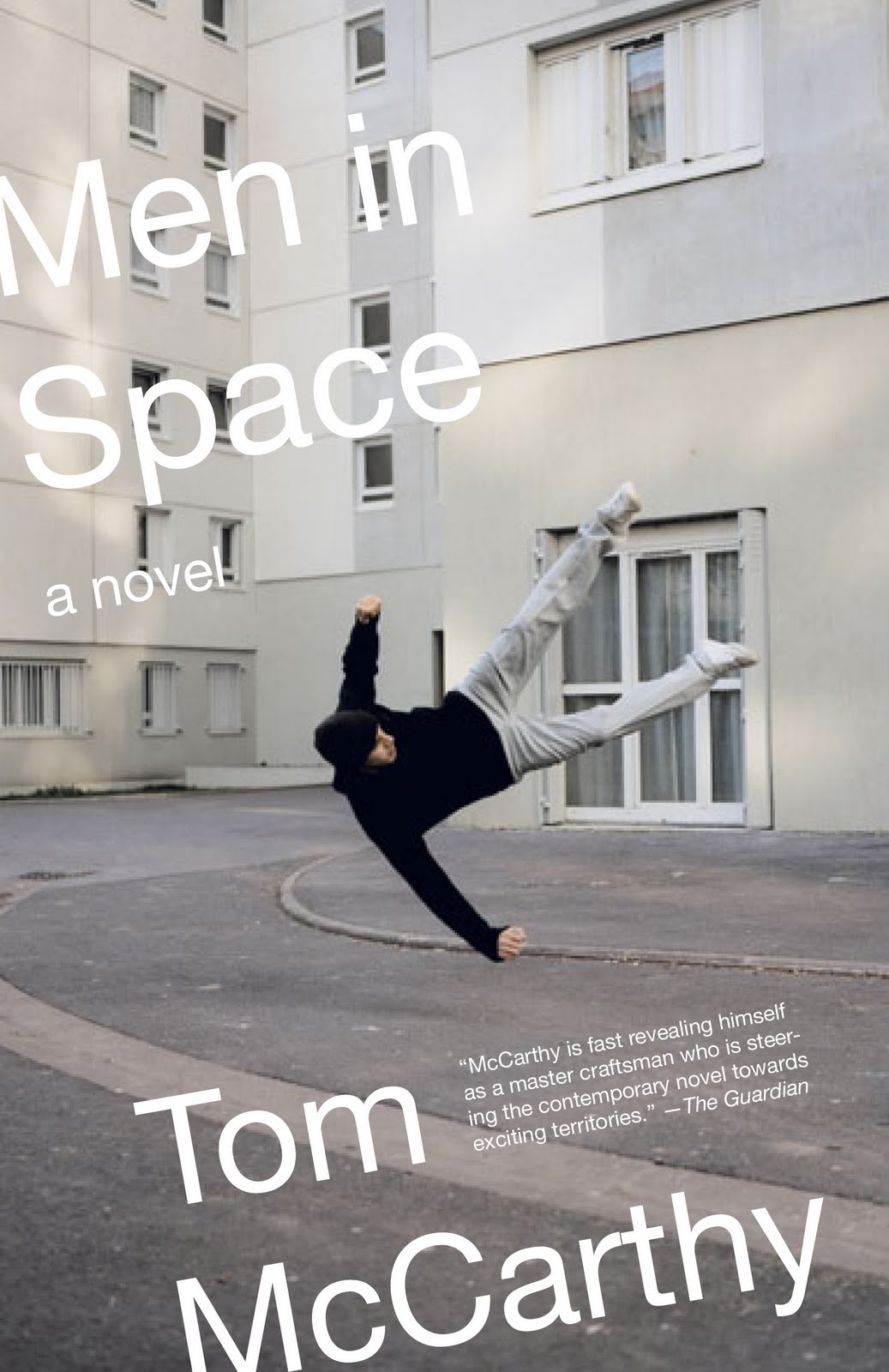
Men in Space by Tom McCarthy; design by John Gall
Vintage (US)
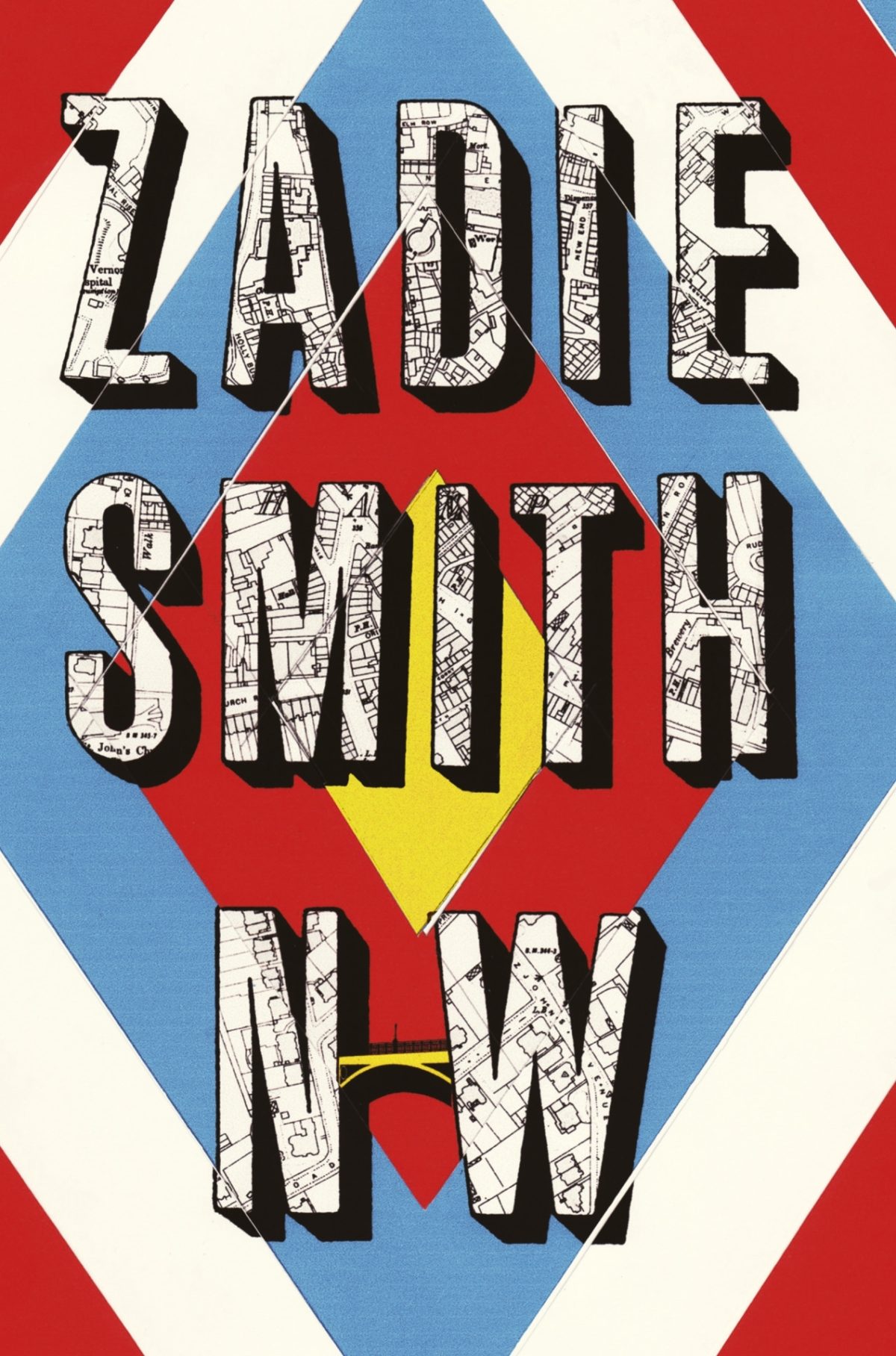
NW by Zadie Smith; designed by Gray318
Hamish Hamilton

Office Girl by Joe Meno; design by Cody Hudson, photograph by Todd Baxter
Akashic
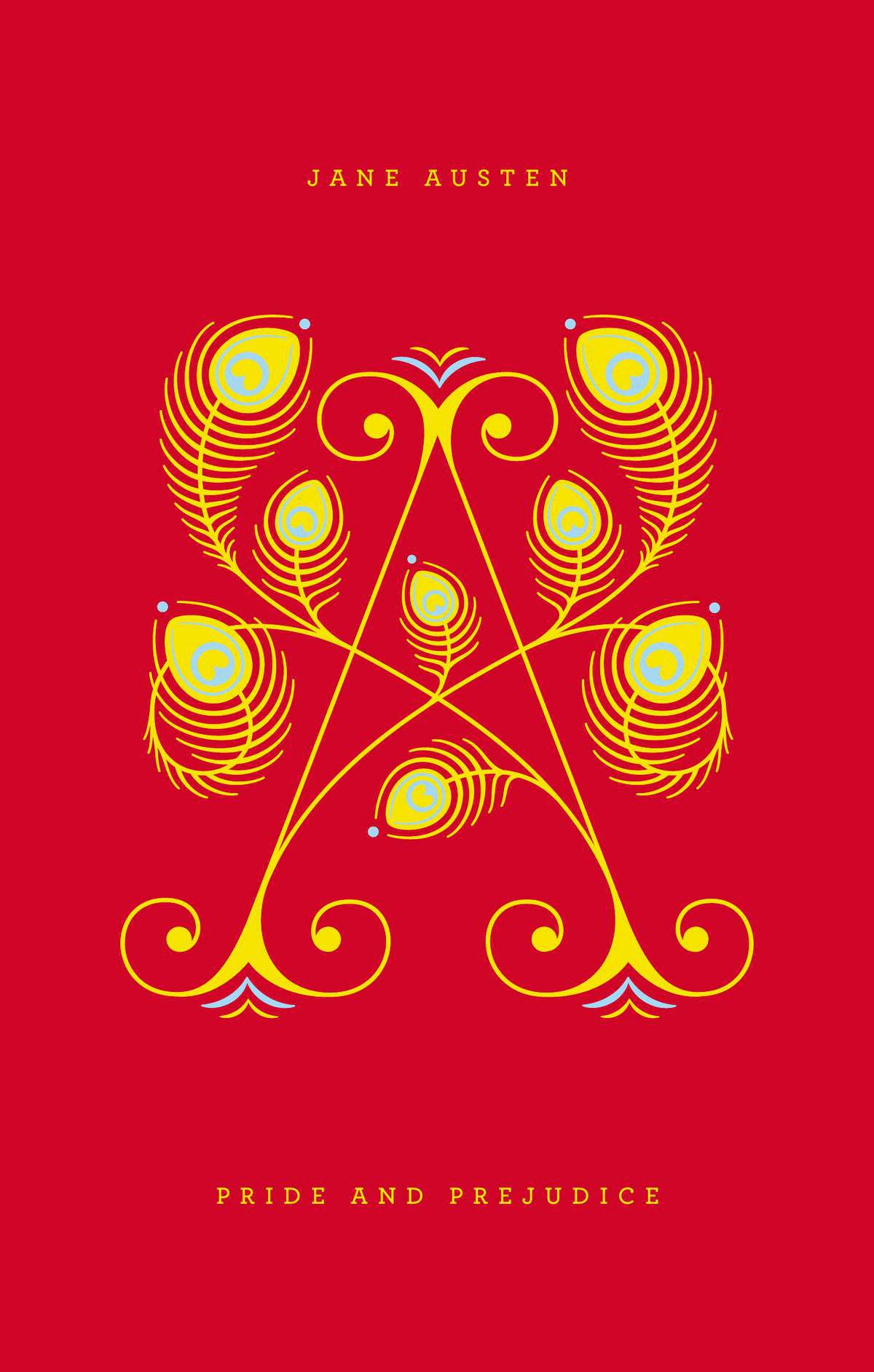
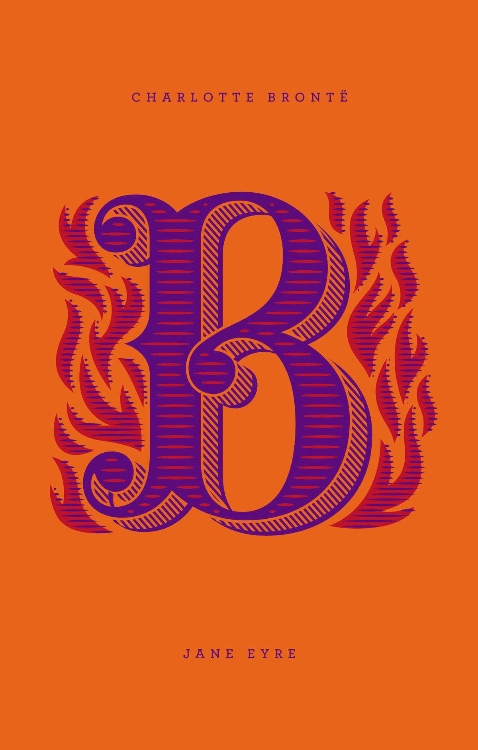
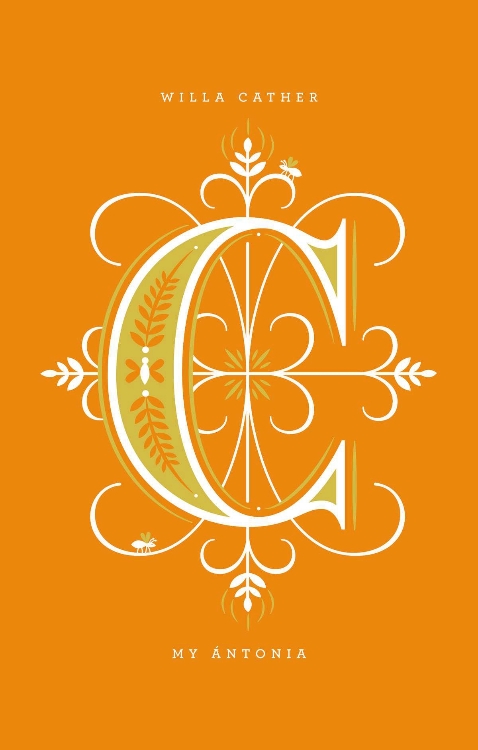
Pride and Prejudice by Jane Austen; design by Jessica Hische / Paul Buckley

Penguin Drop Cap, Penguin (US)

Swimming Studies by Leanne Shapton; design Leanne Shapton / Matthew Young
Particular Books
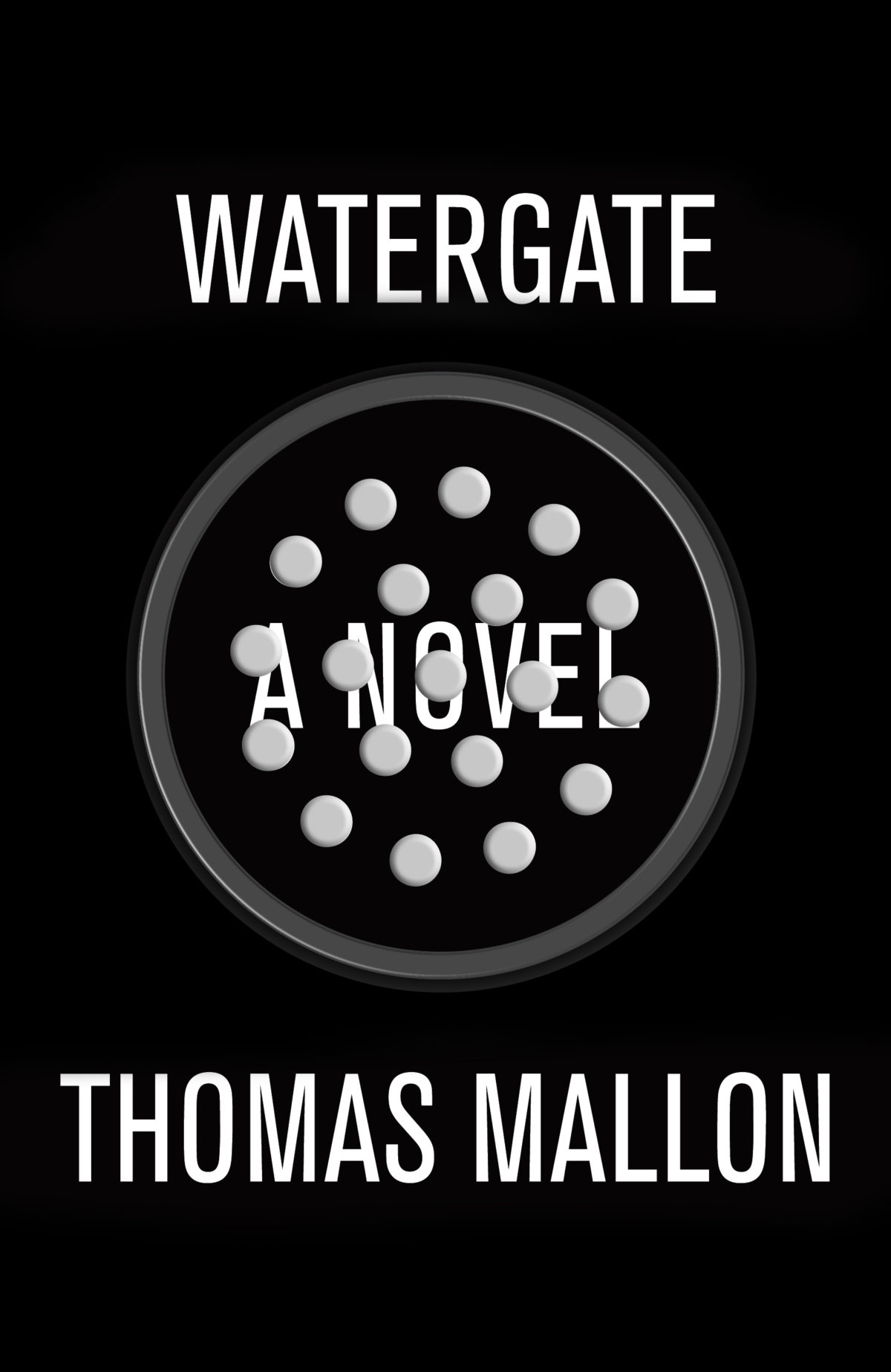
Watergate: A Novel by Thomas Mallon; design by Paul Sahre
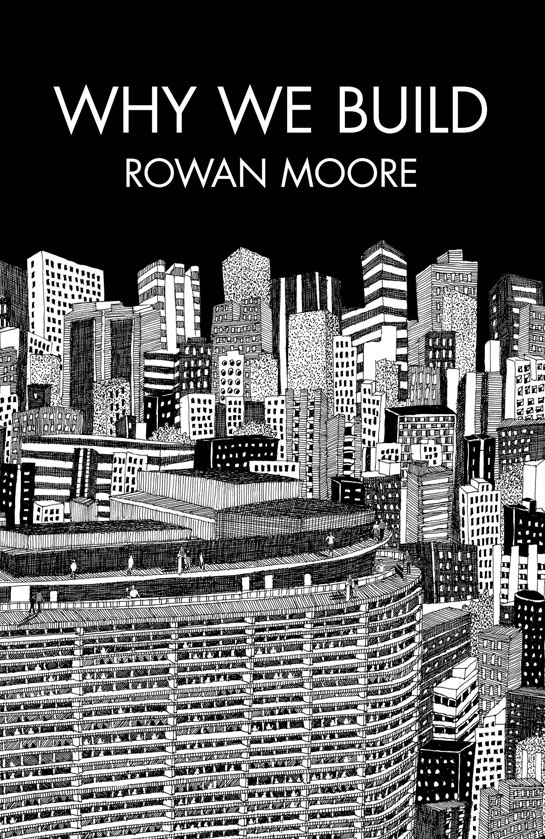
Why We Build by Rowan Moore; illustration by Diane Berg
Picador (UK)

Honourable Mentions:

;

You can find my lists for 2010 and 2011 here and here, and if you haven’t seen my 50 covers post from earlier this year, you can find that here. Happy Holidays!

16 Comments

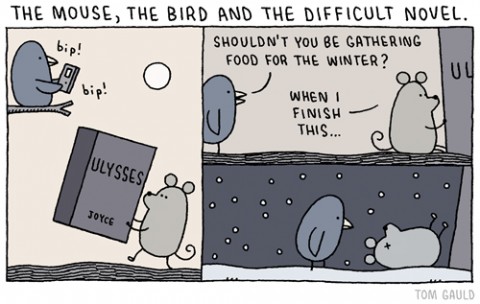
The Mouse, The Bird and the Difficult Novel

I do love Tom Gauld.

Comments closed

Oliver Jeffers: A Quantum of Physics

Gestalten.tv talks to Oliver Jeffers, award-winning author of picture books such as Lost and Found, The Incredible Book Eating Boy, and This Moose Belongs to Me,  about his paintings, collages, installations, and collaborative works, collected in his first monograph Neither Here Nor There:

2 Comments

Something for the Weekend

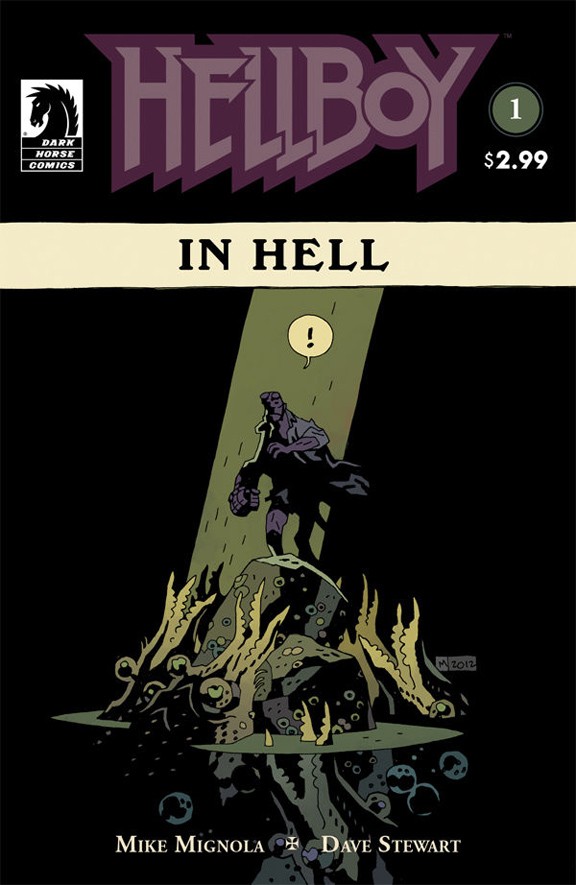
Folklore — Mike Mignola talks about drawing Hellboy again, at ComicsAlliance:

I do have a library. Very little of it is leather-bound. The folklore and mythology library, which is in my studio, is pretty tacky looking since it’s all picked out of used bookstores. I am a book guy but more and more I do use a computer to do certain research things. But there are 30-40, 50, maybe 100 books of folklore in there, most of which haven’t been read. I’ll look at a table of contents and go, “Wow there’s 30 to 40 different Hellboy stories in there.” It’s very comforting to know there’s a million stories to tell that I can pluck off the shelf for those days where it’s like, “Well, I got nothing!”

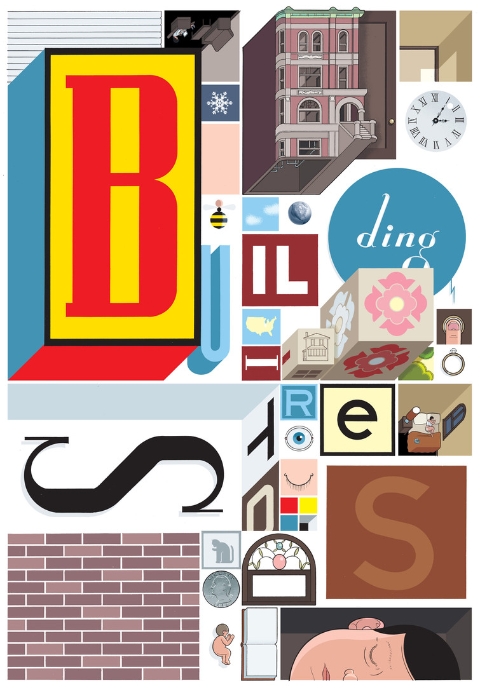
Suicide Watch — Steve Almond reluctantly reviews Building Stories by Chris Ware for The New Republic:

Ware is essentially a poet of solitude. He uses language and images to capture the private torments of unfulfilled lives. His characters drift in a sea of self-recrimination and unmet desire (not unlike the rest of us). They rarely find love, or resolution.

This bleak approach does yield a curious dividend, though. The occasional moments of grace explode off the page. At one point, we see his heroine cavorting with her daughter on their front lawn. “I remember Lucy landing on top of me, laughing…with the sun shining behind her suddenly life came into perfect focus,” she muses. “This was what it was all about … this very moment … the joyful reality of my daughter.” The girl’s lovely face, nearly life-size, beams at us from the middle of the page.

Of course, this idyll is shattered by the news that one of her friends has committed suicide. If Ware has one flaw, it’s his obvious discomfort with the notion that people—at least his people—might ever find an enduring happiness.

And, while were on the subject of comics…

Hannah Berry, author of the enjoyable Britten & Brülightly, writes about the independent comics scene in the Britain at the New Statesman. Berry’s second graphic novel Adamtine was published earlier this year in the UK by Jonathan Cape.

Also at the New Statesman, Hayley Campbell on the current state of British comics.

Meanwhile, back in the world of big grown-up publishing…

The Telegraph profiles Liz Mohn, “the woman behind media giant Bertelsmann” and, therefore, the monster that is Penguin Random House.

And finally…

Lubricated — Hunter Oatman-Stanford (how’s that for a moniker?) examines the nautical past of popular tattoos at Collectors Weekly:

“Many sailors are extremely superstitious,” says [C.W] Eldridge [founder of the Tattoo Archive], “so they would get specific tattoos to relieve this anxiety over their beliefs. There are stories of guys in the old, wooden-ship days who would get Christ’s head tattooed on their backs so if they got into trouble and had to take lashes, the person wielding the lash would be more sympathetic.”

The variety of designs matched each and every danger aboard a ship. “Sailors would get things like a pig and rooster on their feet to keep them from drowning,” Eldridge says. “They would have ‘Hold Fast’ tattooed on their knuckles so that when they were in the riggings, their hands would stay strong. They would get hinges on their elbows to keep them from having rheumatism and arthritis, and sometimes they would even get a little oil can tattooed above the hinge so that the hinges would stay lubricated.”

Comments closed