Skip to content

The Casual Optimist Posts

Tim Parks: The Romance of Train Stations

Taken from his new book, Italian Ways: On and Off the Rails from Milan to Palermo, Tim Parks considers the emotional drama of the Italian train station:

The train station is the ideal scenario for greetings and farewells. The car is too banal. What does it mean to set off in a car? Nothing. The airport is too exhausting and impersonal, the plane itself remote, unseen, the barriers and security disturbing. Here the powerful beast of the locomotive thrusts its nose under the great arch of the station. The lines straighten from the last bend. Clanking and squealing, the train slows. The last moments of waiting begin. Eyes focus on the platform, keen to possess their loved ones; in the train corridor, meanwhile, the long-awaited beloved is jostling and jostled, luggage at his heels. The train slows, slows, slows, teasing everyone on both sides of the divide, making them wait, making them savor the tension between absence and presence.

The cover design is by the talented Jaya Miceli by the way…

Comments closed
Art Shay: The Sporting Life and Times

A short film about writer and photographer Art Shay, who shot pictures regularly for Sports Illustrated, Time, Life, Fortune, the Saturday Evening Post, Forbes, Business Week, Parade and the New York Times Magazine:

An exhibition of Shay’s photographs, ‘Art Shay: The Sporting Life & Times,’ will run from June 20 through September 30 at the HDC studios in Milwaukee.

(pictured above: Art Shay with Nelson Algren, author of The Man With the Golden Arm)

Comments closed
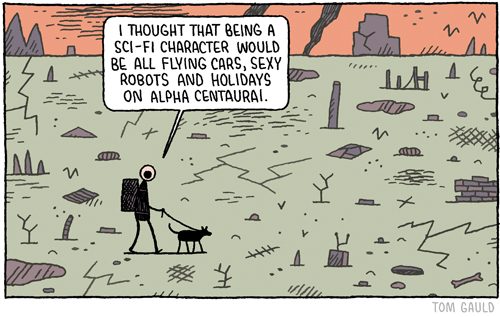
Flying Cars, Sexy Robots and Holidays on Alpha Centaurai


Didn’t we all… (Tom’s new collection of comics, You’re All Just Jealous of My Jetpack, is out now.)

Comments closed
Boards of Canada: Electronica By Hand

The New York Times interviews Mike Sandison and Marcus Eoin of the Boards of Canada:

I think the digital world suffers from being just so literal, so deliberate and sober. As with digital photography, people have gotten used to applying simulated filters onto their pictures just to inject a bit of romance into the thing, because the raw pictures are so flat. But in the analog realm these beautiful things just happen by themselves without your conscious effort. You could say the wobbles and flutters in our music are equivalent to something like weeds overgrowing an old building. Nobody puts the weeds there, but nature comes along and makes the scene very tragic and beautiful.

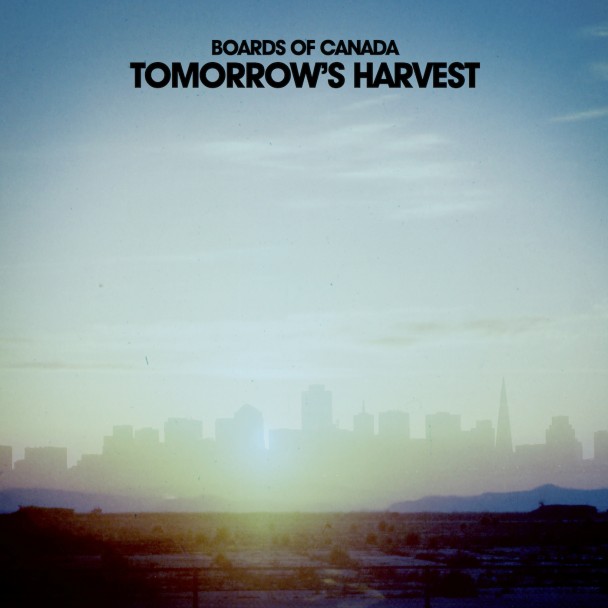
Dorian Lynskey (who wrote 33 Revolutions Per Minute: A History of Protest Songs from Billie Holiday to Green Day) reviews the new Boards of Canada album, Tomorrow’s Harvest, for The Guardian:

Tomorrow’s Harvest is their most cinematic and vast-sounding album yet, suggestive of barren plains and burning skies, wonder and dread, watching and being watched… It’s the kind of music that gives rise to strange notions. Boards of Canada sow a few clues as to their own intentions while leaving space for each listener’s pet theories. The title of the loping, suspenseful Jacquard Causeway seemingly indicates French geneticist Albert Jacquard, a proponent of “degrowth”: the idea of increasing happiness by working and consuming less. Alongside such titles as Sick Times and Collapse, it implies a concern with dwindling resources which infects the album title with apocalyptic menace akin to John Christopher’s 1956 eco-horror novel The Death of Grass.

Certainly this track, ‘Reach for the Dead’, sounds like music from a lost dystopian science fiction movie:

Comments closed
Garry Winogrand: The Photographer as Addict

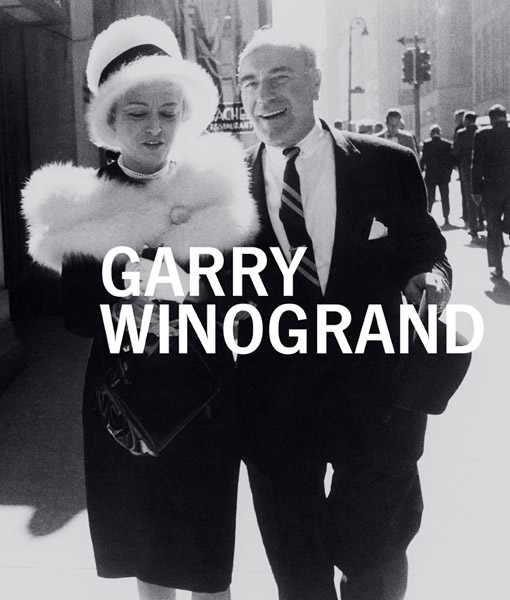
Geoff Dyer reflects on the recent Garry Winogrand exhibition at the San Francisco Museum of Modern Art (or its catalogue, at least) at the London Review of Books:

The more you feed the Winogrand habit the more Winogrand you crave. Partly this is because of the sheer quantity of data amassed by Winogrand, the mind-blowing amount of information he provided about the social landscape of America in the 1960s and 1970s: suits, dresses, jackets, lapel widths, hairstyles, body shapes, faces, drinks, food, cigarettes, architecture, airports, pets, cars – everything. But it’s far more than the thoroughness and extent of this animate inventory that makes Winogrand so important. Taking his lead from Georg Lukács, George Steiner wrote of Balzac that when he ‘describes a hat, he does so because a man is wearing it.’ Granted, in photography hats are forever being verbed – worn, carried, tipped – but it’s helpful to see Winogrand as a visual novelist whose work was a sprawling human comedy. Or perhaps as a dance to the stilled music of photographic time, with a cast of thousands, that stood no chance of ever being completed. (Winogrand admired Norman Mailer, rivalled him in scope, energy, ambition – and in a disdain for any internal system of brakes. As it happens, he photographed Mailer at his fiftieth birthday party in 1973, on the receiving end of a finger-wagging lecture from a guest, so that the picture seems silently captioned by the Winograndian imperative: ‘Look!’)

Is there a word for something that is very much of Geoff Dyer? Dyerian? Geoffian? Anyway, this is that.

London Review of Books

Comments closed
Janet Malcolm: The Messiness of Truth

Zoë Heller reviews Janet Malcolm’s new book, Forty-One False Starts: Essays on Artists and Writersfor the New York Review of Books:

Mess has always inspired fervent emotions in Janet Malcolm. It agitates her. It depresses her. She considers it her enemy. The job of a writer, she likes to remind us, is to vanquish mess—to wade onto the seething porch of actuality, pick out a few elements with which to make a story, and consign the rest to the garbage dump. Images of clutter and panic-inducing domestic chaos crop up frequently in her work, not just as metaphors for the failure or absence of art, but as advertisements for her own narrative discipline. This is what real life looks like, they tell us. This is the tedium and confusion that Malcolm’s elegant rendering of things has spared you. 

But if literal messes appall Malcolm, they also fascinate and attract her… Malcolm has a secret, writerly sympathy for the hoarder. She understands the mad desire to hold on to every piece of accumulated material, the fear of throwing out something precious. Art, she is fretfully aware, can be too ruthless in its cleaning operations… There is something awe-inspiring and at the same time a little barren about an environment from which all trace of “disorderly actuality” has been removed.

New York Review of Books

Comments closed
Kodak: Bankrupted By Its Own Innovations

In an interesting piece on the decline of Kodak, Kenny Suleimanagich describes how it was not simply a reluctance to innovate that caused problems at the company, it was that they brought their innovations to market too early:

No matter what [Kodak] came up with, nothing digital would sell. To consumers, everything was too expensive, and to professionals, the quality was not yet good enough. “It was a difficult thing to market,” [computer engineer Peter] Sucy admits, “especially for people who didn’t have any kind of experience marketing this kind of product; people who didn’t really know what it did.”

In the end, being early did not help, because the market simply wasn’t ready. As obvious as the endgame was, Kodak’s leaders were faced with an unwinnable predicament: either keep investing in end-of-life products until the profits dried up — and die over the long run; or switch to stillborn product lines that produced mostly red ink in the ledgers — and die immediately.

In his book, The Disappearance of Darkness: Photography at the End of the Analog Era, published by Princeton Architectural Press, Toronto-based photographer Robert Burley documented the closure (and destruction) of the Kodak facilities in Rochester, Toronto, and Chalon-Sur-Saône. Pictured above are Burley’s photographs ‘View of Kodak Head Offices from the Smith Street Bridge, Rochester, New York 2008’ and ‘Implosions of Buildings 65 and 69, Kodak Park, Rochester, New York [#2] October 6, 2007.’

Burley talks about the project and the book in this short video:

A slightly longer 5- minute short about the project can be found here.

(On a related note–at least in my brain–the New York Times reported on the resurgence of vinyl over the weekend. The manufacturers are apparently having some difficulty meeting demand. The last new press was built in 1982. Perhaps analogue photography just isn’t out-of-date enough yet for some people?)

(And full disclosure etc: PA Press are distributed in Canada by my employers Raincoast Books)

Comments closed

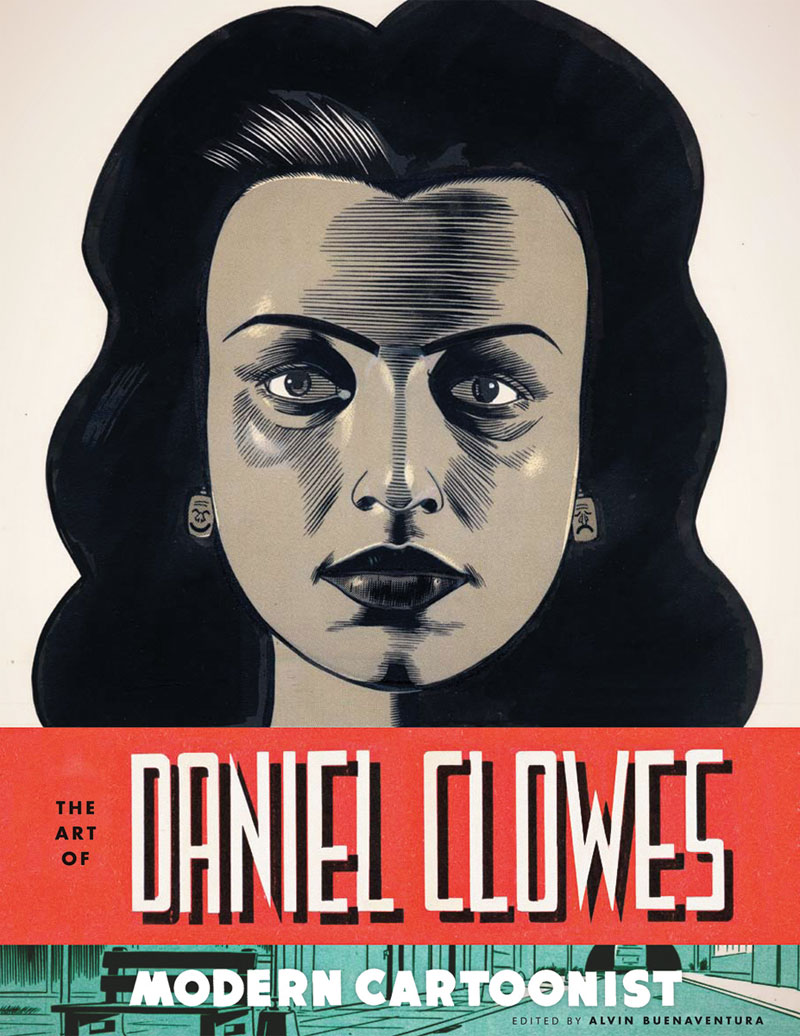
‘Modern Cartoonist: The Art of Daniel Clowes’ in Chicago


The exhibition of cartoonist Daniel Clowes’ art work that first appeared at the Oakland Museum of California last year, is travelling to the Museum of Contemporary Art in Chicago. Opening at the end of June, Portuguese TV channel Canal180 has (weirdly / not weirdly?) posted a short (English-language) video about the show:

The show is accompanied by the book Modern Cartoonist: The Art of Daniel Clowes published by Abrams.

Comments closed

Timothy Goodman: The New Yorker Fiction Issue


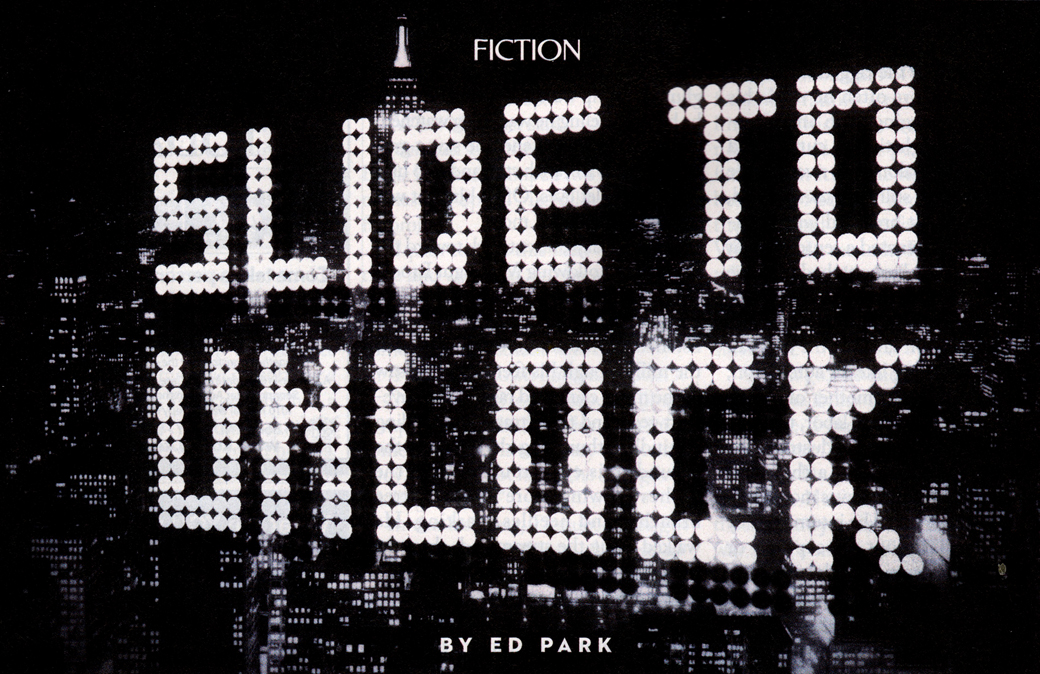
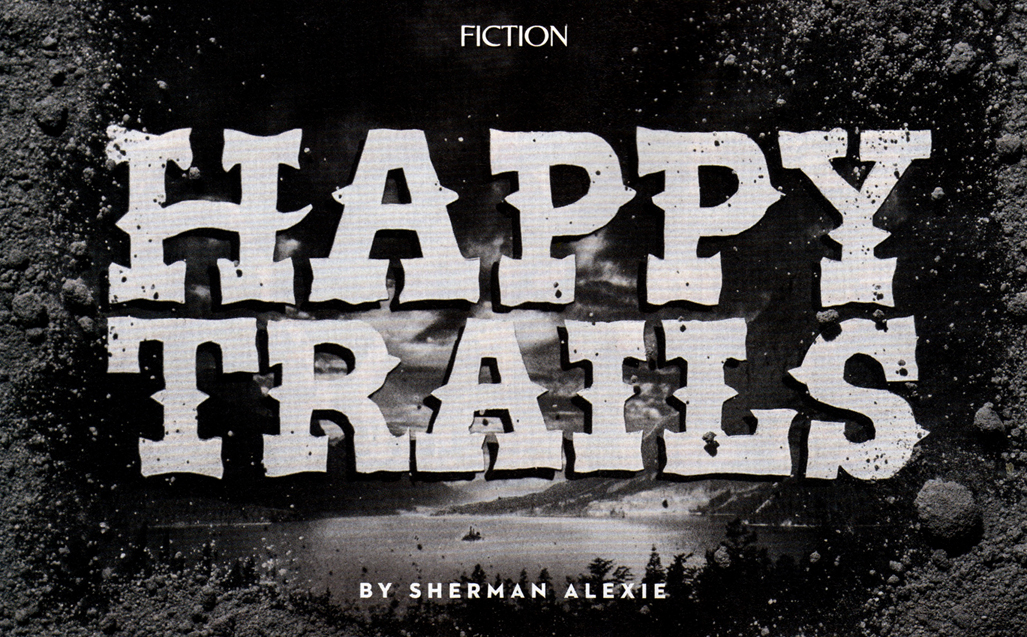
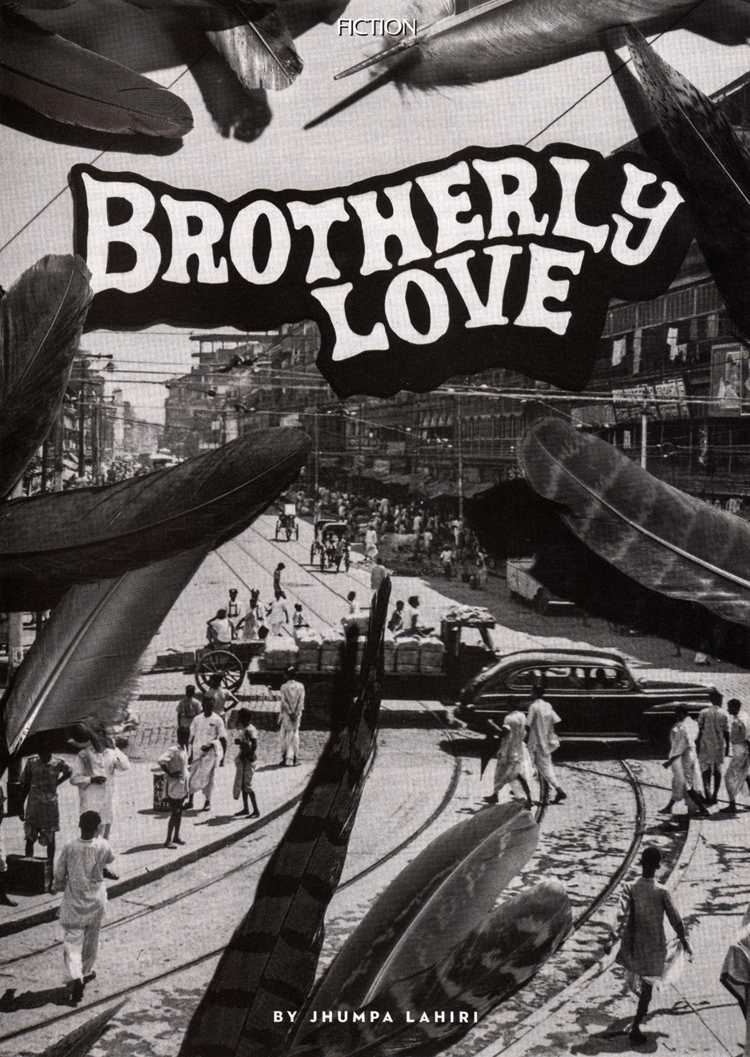
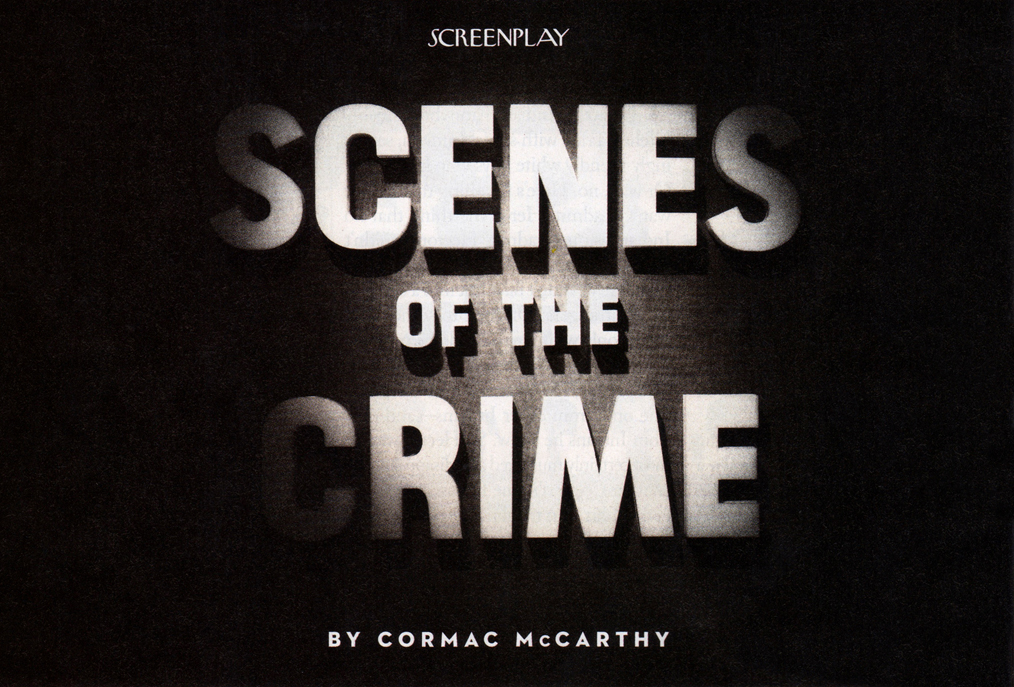
For the New Yorker‘s Summer Fiction Issue, ‘Crimes and Misdemeanours,’ designer Timothy Goodman created six black and white ‘title cards’ to the stories in the magazine.  According to Goodman, the designs “cover an array of styles from Gothic to Western to 70’s Bollywood, depending on the premise of stories. Two of the pieces were laser cut, all of them were shot on top of textures or old photos to capture the noir vernacular.”

There is also a nice video trailer for the issue, shot by Grant Cornett and edited by Ivan Hurzeler:

(via Design Work Life)

Comments closed

New Book Covers by Jacob Covey and Others

 Laura Warholic by Alexander Theroux; design by Jacob Covey

In Case We Die by Danny Bland; design by Jacob Covey

The Devil’s Workshop by Jáchym Topol; translated by Alex Zucker; Design by Telegramme Studio

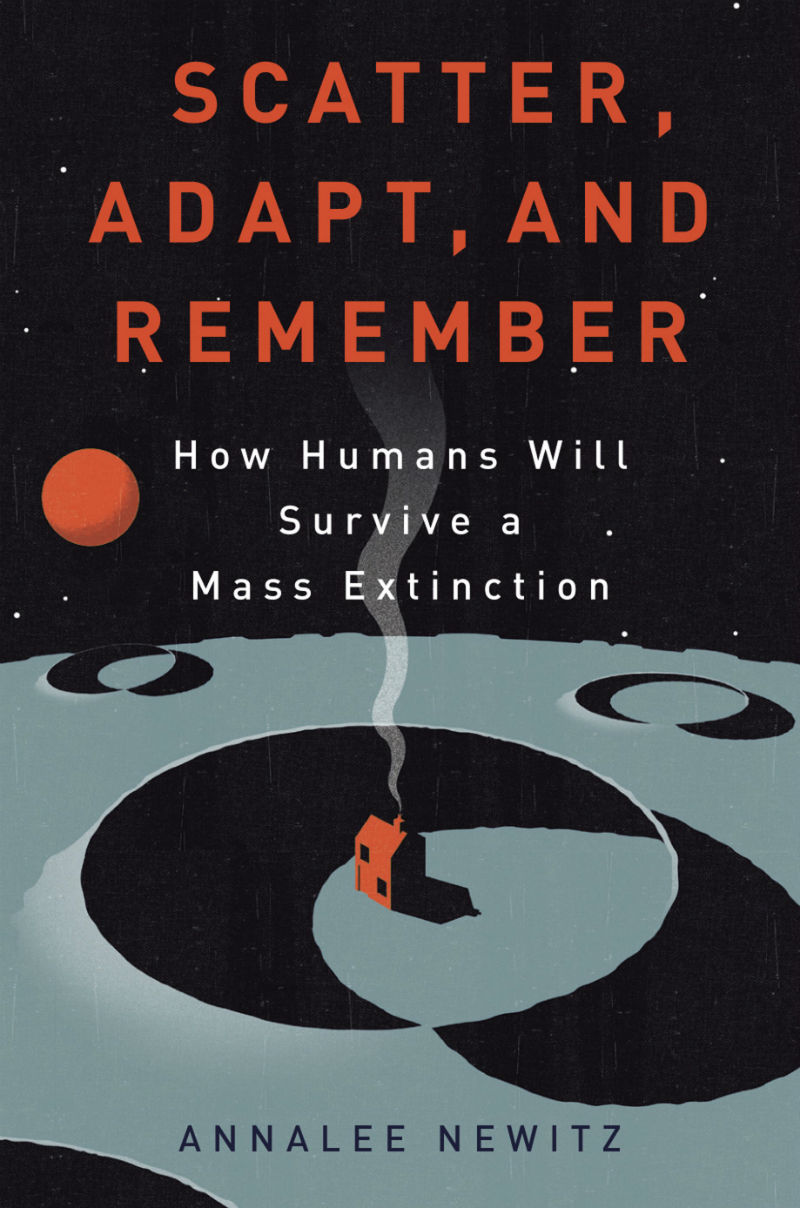
 Scatter, Adapt, and Remember by Annalee Newitz; design by Emily Mahon, illustration by Neil Webb

Americanah by Chimamanda Ngozi Adichie; Design by Abby Weintraub

Comments closed

Design in a Nutshell


The Open University has created a fun series of short animated introductions to six of the most important movements in design history. Starting with the Gothic Revival, it looks at the Arts and Crafts movement, Bauhaus, Modernism, American Industrial Design, and  Postmodermism.

Here are the films on the Bauhaus and Modernism:

(via Coudal / Open Culture)

1 Comment

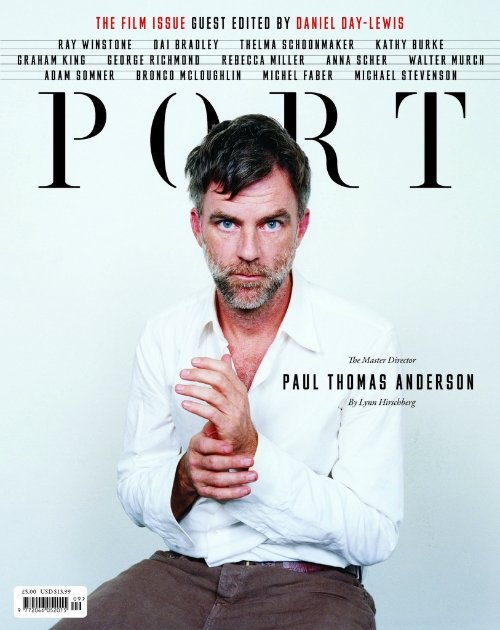
The Master Director: Paul Thomas Anderson


Port magazine has just made Lynn Hirschberg’s interview with filmmaker Paul Thomas Anderson from their Spring issue available on online:

The Master is not supposed to be a riddle,” he said, when I asked him if he intentionally made the film hard to embrace. “It’s not meant to be medicine. It’s not meant to be something that you have to work hard at deciphering. It’s a same old – same old story presented in a new way. It’s about Freddie and Dodd’s love for each other, what it means to be a master and a subject and vice versa. I don’t find it particularly difficult, but maybe it’s operator error.” Anderson paused and then smiled. “Meaning maybe it is my fault, but fuck it.”

Interestingly, Anderson’s next film is a Thomas Pynchon adaptation:

Anderson seems to move on faster now, although he may not be dwelling on the complex reaction to The Master because he is in the midst of pre-production on his next movie. It’s an adaptation of Thomas Pynchon’s 2009 novel Inherent Vice that is set to begin filming in late spring. This is the first screenplay of a Pynchon novel that the author, who is known for his literary pyrotechnics and his mysterious, reclusive nature, has authorised. The book, which is set in the late 60s and early 70s, centres on a counterculture detective that, reportedly, will be played by Joaquin Phoenix, but Anderson would not discuss any aspect of his new project. “I have always loved his work,” Anderson said, not even willing to voice Pynchon’s name. When I peppered him with questions, he shook his head no, with a stubborn half-smile.

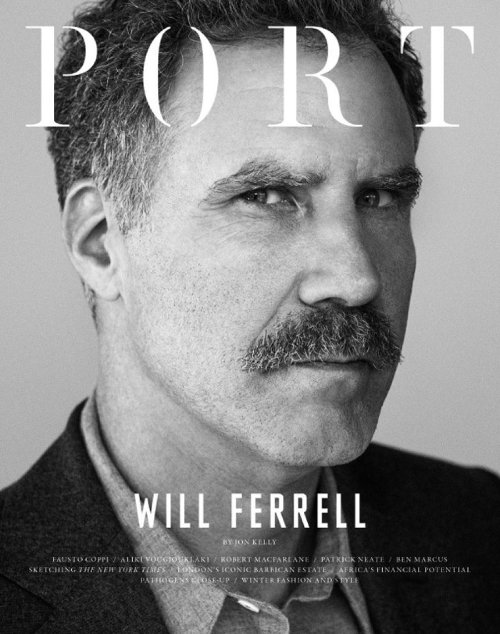
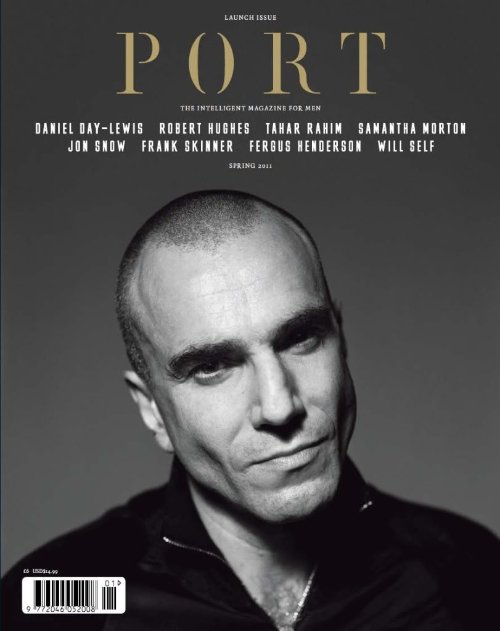
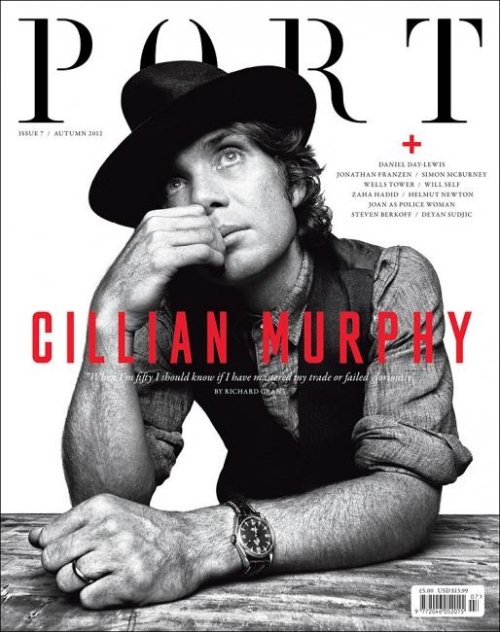
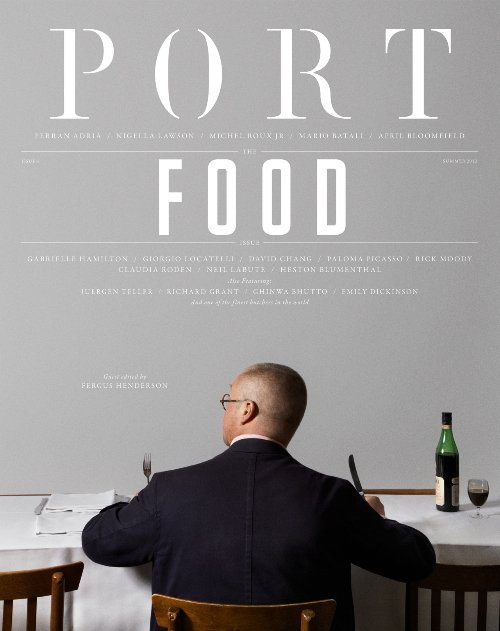
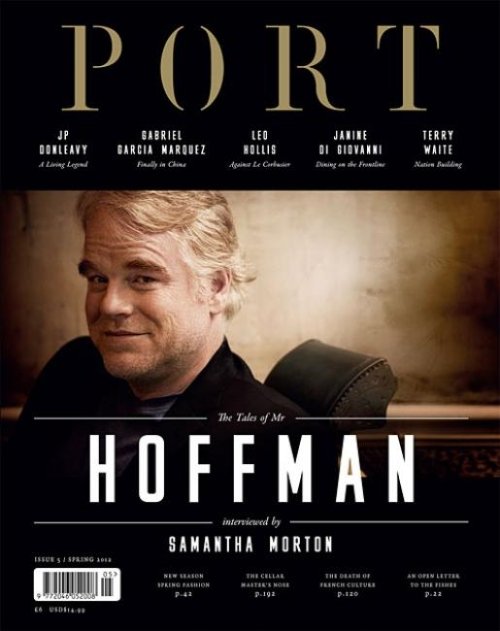
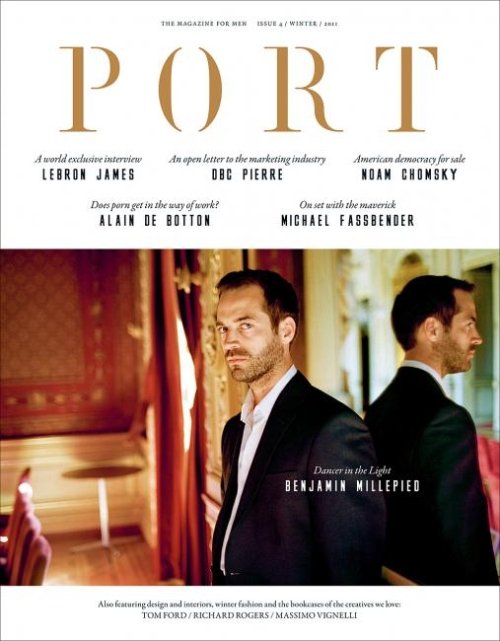
And if Stefan Ruiz’s photographs of Anderson haven’t convinced you that Port is beautifully looking magazine here are a few covers:

Long may it continue.

Comments closed