Skip to content

The Casual Optimist Posts

Kodak: Bankrupted By Its Own Innovations

In an interesting piece on the decline of Kodak, Kenny Suleimanagich describes how it was not simply a reluctance to innovate that caused problems at the company, it was that they brought their innovations to market too early:

No matter what [Kodak] came up with, nothing digital would sell. To consumers, everything was too expensive, and to professionals, the quality was not yet good enough. “It was a difficult thing to market,” [computer engineer Peter] Sucy admits, “especially for people who didn’t have any kind of experience marketing this kind of product; people who didn’t really know what it did.”

In the end, being early did not help, because the market simply wasn’t ready. As obvious as the endgame was, Kodak’s leaders were faced with an unwinnable predicament: either keep investing in end-of-life products until the profits dried up — and die over the long run; or switch to stillborn product lines that produced mostly red ink in the ledgers — and die immediately.

In his book, The Disappearance of Darkness: Photography at the End of the Analog Era, published by Princeton Architectural Press, Toronto-based photographer Robert Burley documented the closure (and destruction) of the Kodak facilities in Rochester, Toronto, and Chalon-Sur-Saône. Pictured above are Burley’s photographs ‘View of Kodak Head Offices from the Smith Street Bridge, Rochester, New York 2008’ and ‘Implosions of Buildings 65 and 69, Kodak Park, Rochester, New York [#2] October 6, 2007.’

Burley talks about the project and the book in this short video:

A slightly longer 5- minute short about the project can be found here.

(On a related note–at least in my brain–the New York Times reported on the resurgence of vinyl over the weekend. The manufacturers are apparently having some difficulty meeting demand. The last new press was built in 1982. Perhaps analogue photography just isn’t out-of-date enough yet for some people?)

(And full disclosure etc: PA Press are distributed in Canada by my employers Raincoast Books)

Comments closed
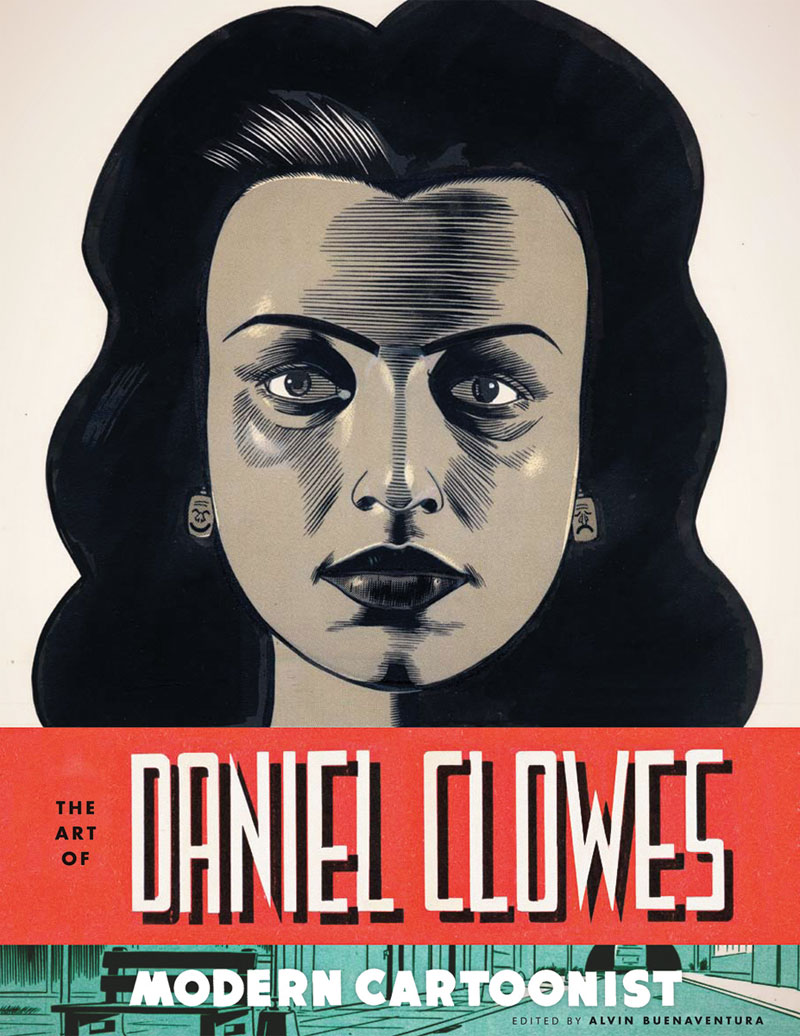
‘Modern Cartoonist: The Art of Daniel Clowes’ in Chicago


The exhibition of cartoonist Daniel Clowes’ art work that first appeared at the Oakland Museum of California last year, is travelling to the Museum of Contemporary Art in Chicago. Opening at the end of June, Portuguese TV channel Canal180 has (weirdly / not weirdly?) posted a short (English-language) video about the show:

The show is accompanied by the book Modern Cartoonist: The Art of Daniel Clowes published by Abrams.

Comments closed

Timothy Goodman: The New Yorker Fiction Issue


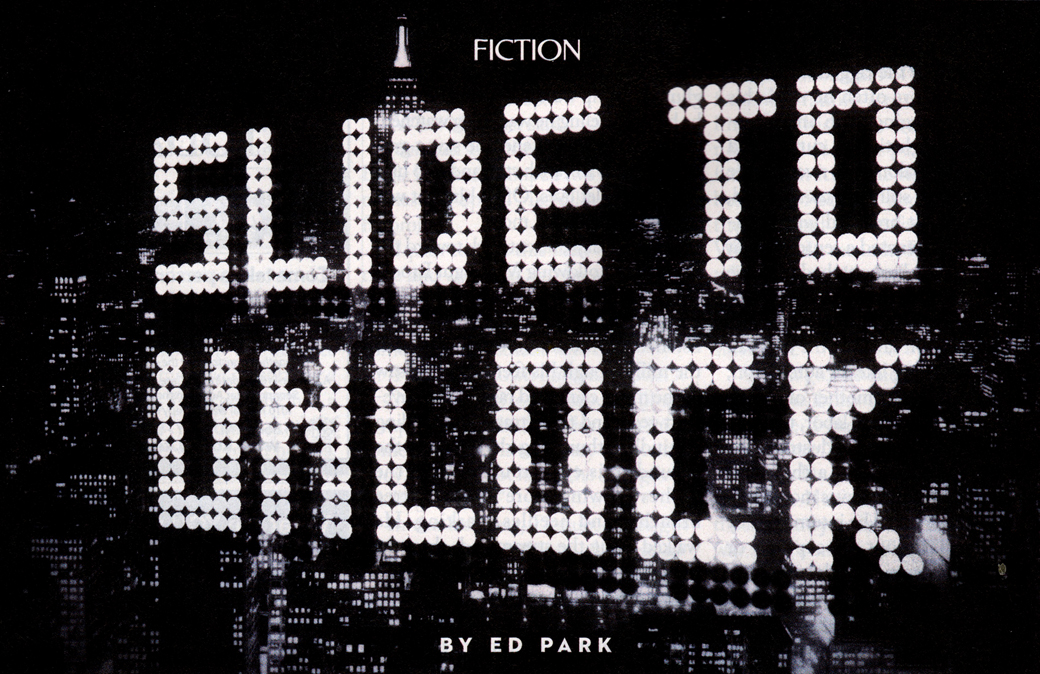
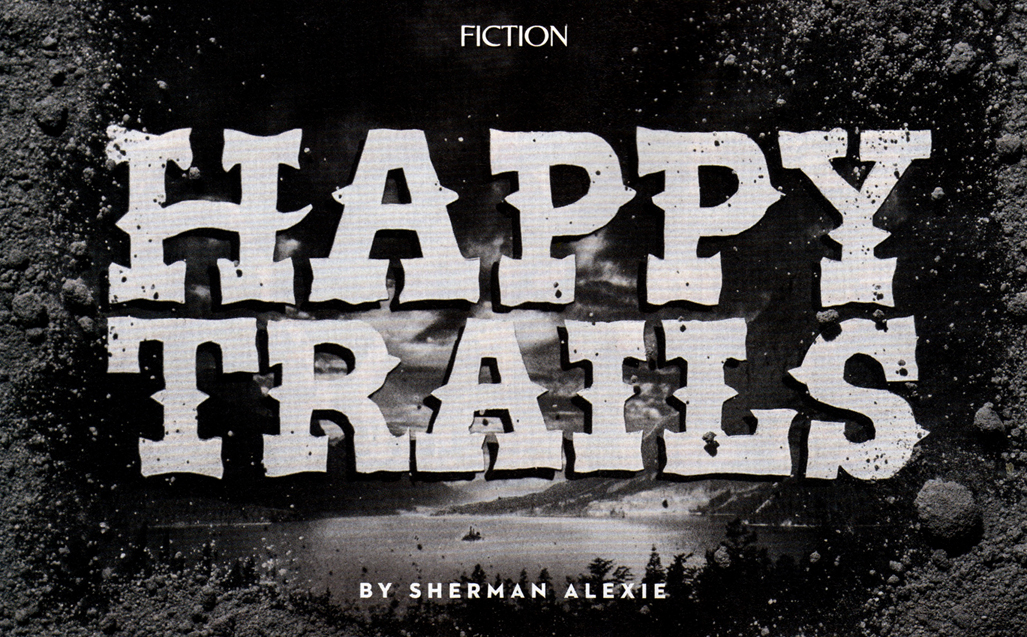
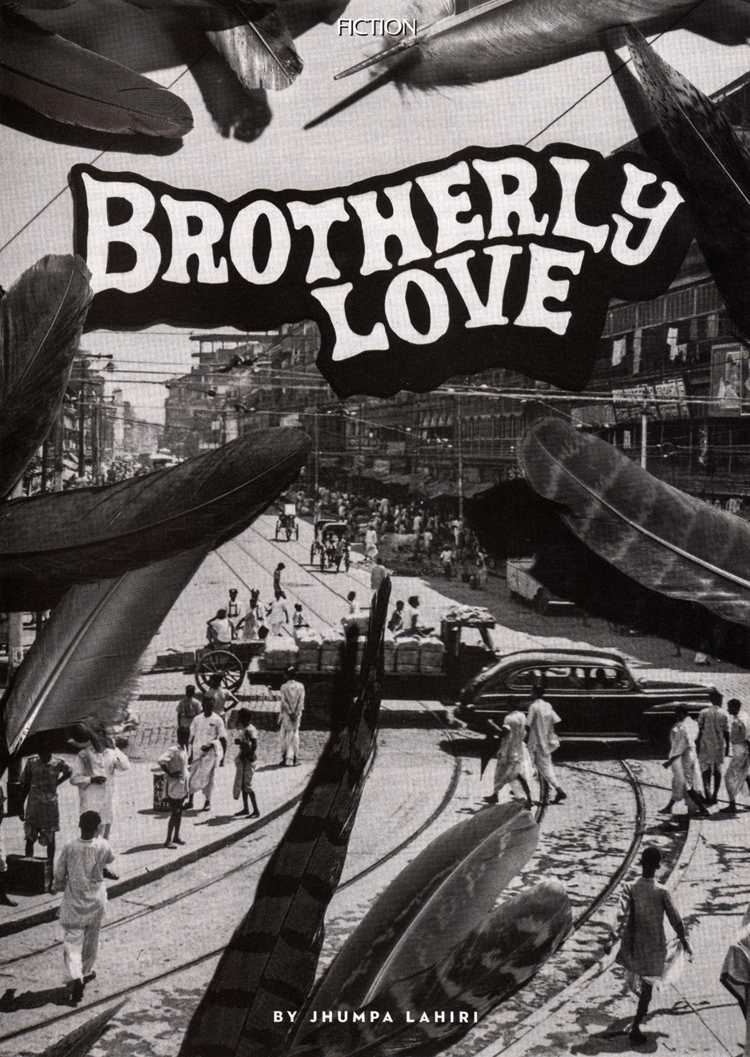
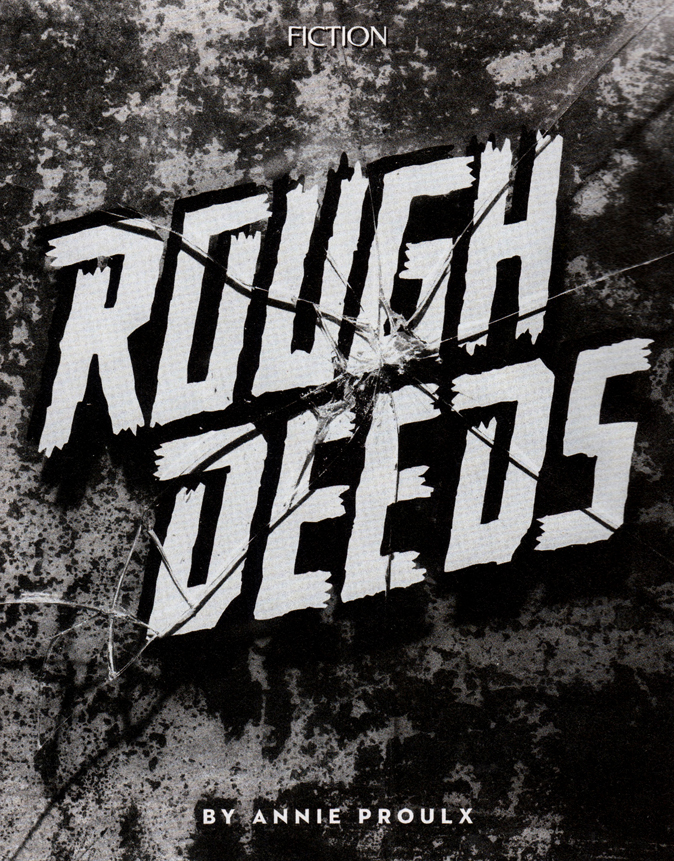
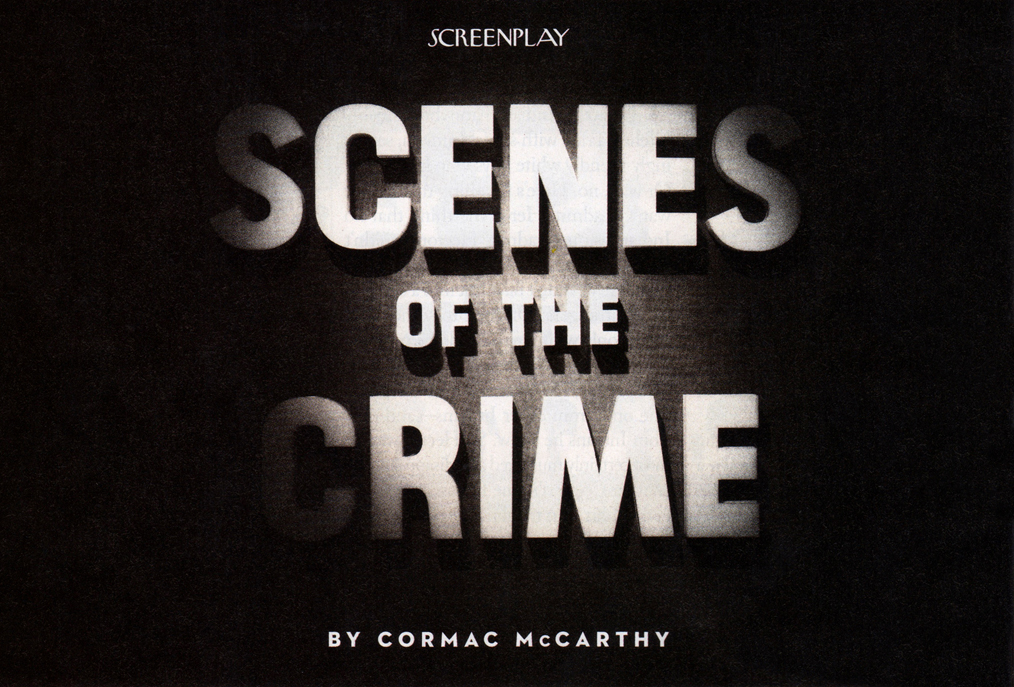
For the New Yorker‘s Summer Fiction Issue, ‘Crimes and Misdemeanours,’ designer Timothy Goodman created six black and white ‘title cards’ to the stories in the magazine.  According to Goodman, the designs “cover an array of styles from Gothic to Western to 70’s Bollywood, depending on the premise of stories. Two of the pieces were laser cut, all of them were shot on top of textures or old photos to capture the noir vernacular.”

There is also a nice video trailer for the issue, shot by Grant Cornett and edited by Ivan Hurzeler:

(via Design Work Life)

Comments closed

New Book Covers by Jacob Covey and Others

 Laura Warholic by Alexander Theroux; design by Jacob Covey

In Case We Die by Danny Bland; design by Jacob Covey

The Devil’s Workshop by Jáchym Topol; translated by Alex Zucker; Design by Telegramme Studio

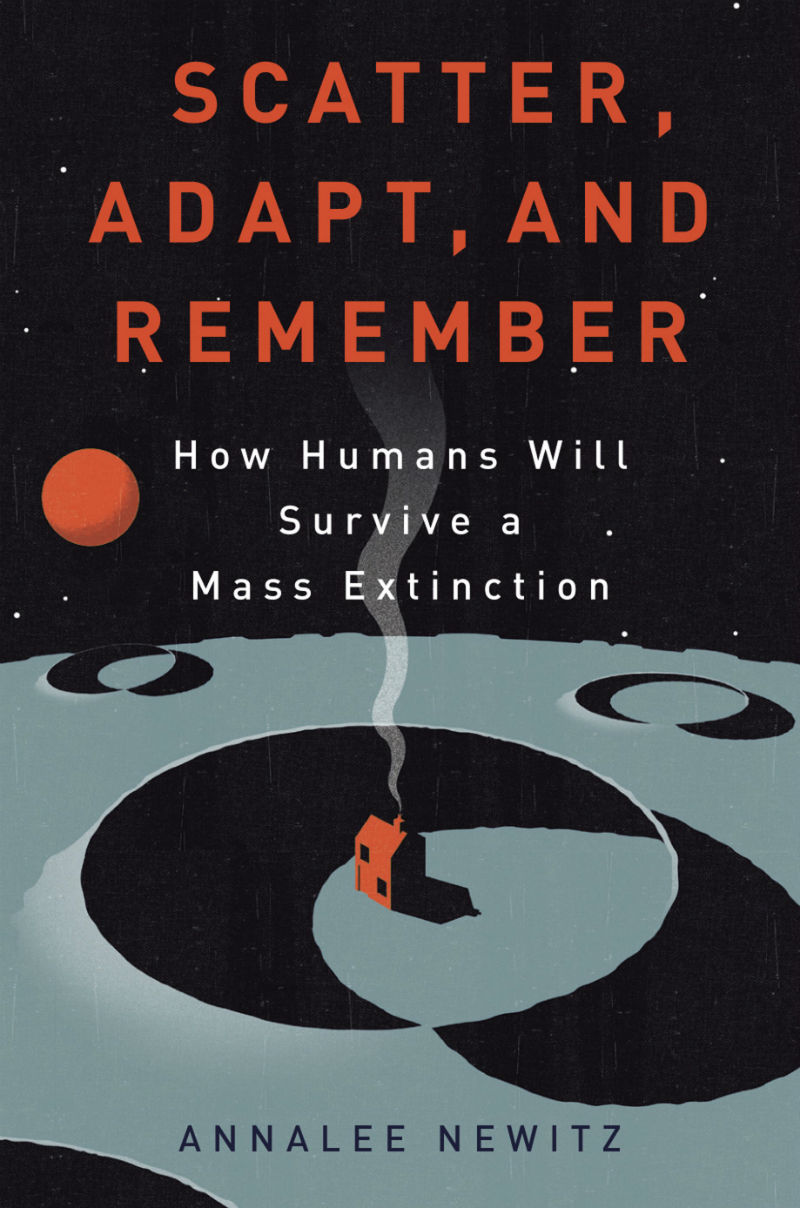
 Scatter, Adapt, and Remember by Annalee Newitz; design by Emily Mahon, illustration by Neil Webb

Americanah by Chimamanda Ngozi Adichie; Design by Abby Weintraub

Comments closed

Design in a Nutshell


The Open University has created a fun series of short animated introductions to six of the most important movements in design history. Starting with the Gothic Revival, it looks at the Arts and Crafts movement, Bauhaus, Modernism, American Industrial Design, and  Postmodermism.

Here are the films on the Bauhaus and Modernism:

(via Coudal / Open Culture)

1 Comment

The Master Director: Paul Thomas Anderson


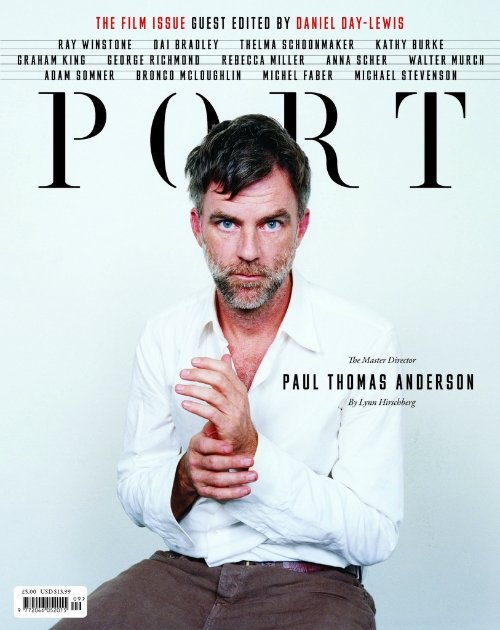
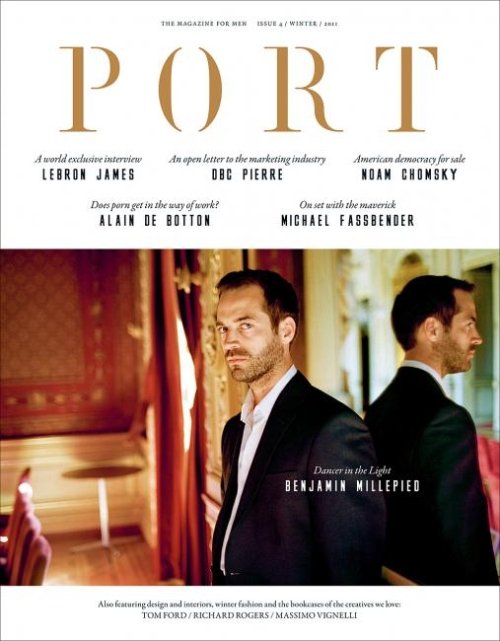
Port magazine has just made Lynn Hirschberg’s interview with filmmaker Paul Thomas Anderson from their Spring issue available on online:

The Master is not supposed to be a riddle,” he said, when I asked him if he intentionally made the film hard to embrace. “It’s not meant to be medicine. It’s not meant to be something that you have to work hard at deciphering. It’s a same old – same old story presented in a new way. It’s about Freddie and Dodd’s love for each other, what it means to be a master and a subject and vice versa. I don’t find it particularly difficult, but maybe it’s operator error.” Anderson paused and then smiled. “Meaning maybe it is my fault, but fuck it.”

Interestingly, Anderson’s next film is a Thomas Pynchon adaptation:

Anderson seems to move on faster now, although he may not be dwelling on the complex reaction to The Master because he is in the midst of pre-production on his next movie. It’s an adaptation of Thomas Pynchon’s 2009 novel Inherent Vice that is set to begin filming in late spring. This is the first screenplay of a Pynchon novel that the author, who is known for his literary pyrotechnics and his mysterious, reclusive nature, has authorised. The book, which is set in the late 60s and early 70s, centres on a counterculture detective that, reportedly, will be played by Joaquin Phoenix, but Anderson would not discuss any aspect of his new project. “I have always loved his work,” Anderson said, not even willing to voice Pynchon’s name. When I peppered him with questions, he shook his head no, with a stubborn half-smile.

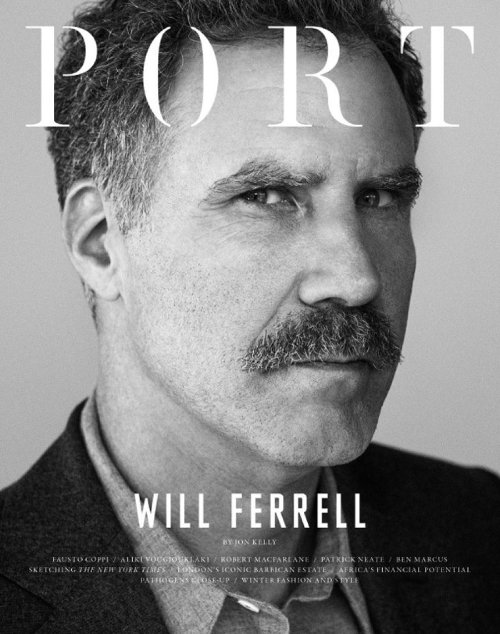
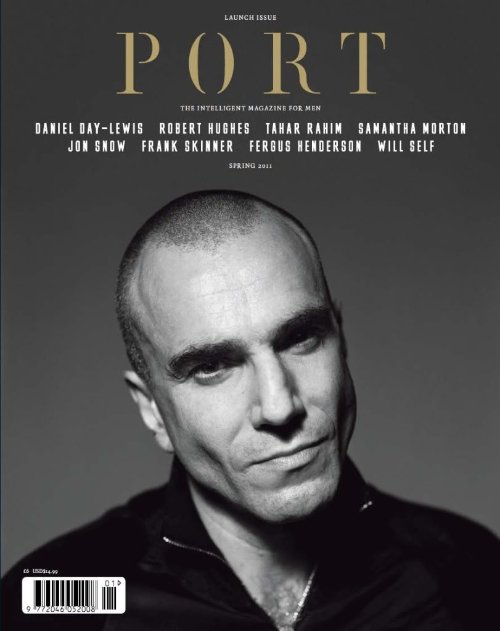
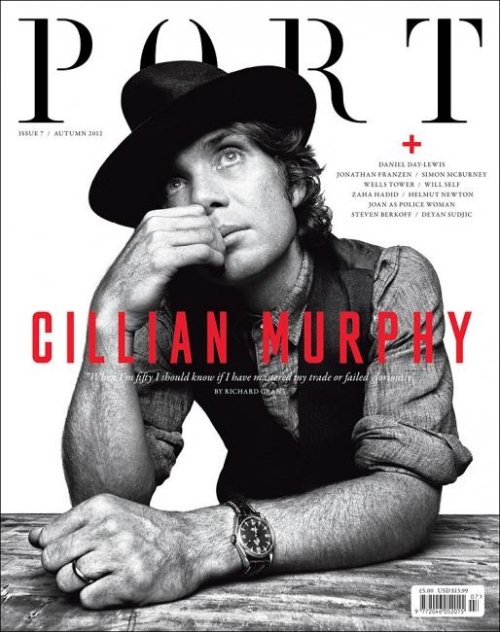
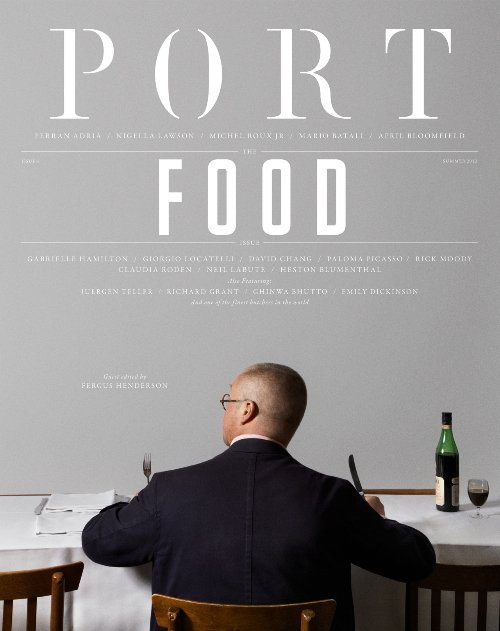
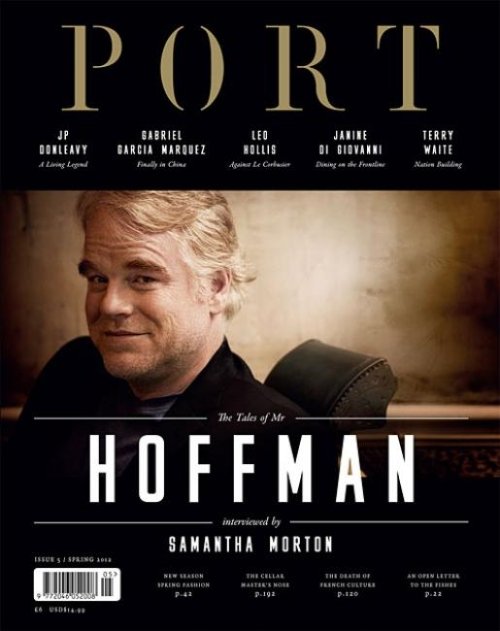
And if Stefan Ruiz’s photographs of Anderson haven’t convinced you that Port is beautifully looking magazine here are a few covers:

Long may it continue.

Comments closed

Dennis Hopper: 2% Brilliance, 98% Horseshit

“I am just a middle-class farm boy from Dodge City and my grandparents were wheat farmers. I thought painting, acting, directing, and photography were all part of being an artist. I have made my money that way. And I have had some fun. It’s not been a bad life.”–Dennis Hopper


Peter L. Winkler discusses his book Dennis Hopper: The Wild Ride of a Hollywood Rebel,  and the life  and work of the actor with John Wisniewski at the Los Angeles Review of Books:

Hopper was an aesthete, and his interest in films was for their visual values, not their narrative. I recently discovered a podcast with writer Ann Louise Bardach, who Hopper had commissioned to rewrite the screenplay for the film Backtrack (1990) (a.k.a.Catchfire), which he directed and starred in, and which costarred Jodie Foster as a Jenny Holzer­–like artist on the run from the mob. Bardach said that Hopper took her to Taos and Santa Fe, New Mexico to scout locations for the film where Foster’s character would hide out, and he would point out artistic landmarks like Georgia O’Keeffe’s former home or Mabel Dodge Luhan’s home, which Hopper once owned, and insist she incorporate them in the screenplay. That’s what he really cared about.

Los Angeles Review of Books

Comments closed

Not Quite an Autobiography: Gilbert Hernandez on Marble Season


Gilbert Hernandez talks to The Telegraph about his latest book, Marble Season, and making a comic his daughter could read:

“I thought: what kind of book can I do that’s authentic to what I do, but that my daughter can read?” Hernandez’s daughter is 12, a little young for the zombie splatter of his Fatima: The Blood Spinners or the sexually omnivorous pornography of Birdland. “I thought I’d put myself into Marble Season,” Hernandez says, “but it wasn’t going to have all those things that my daughter can’t look at, or I don’t want her to look at. I wanted to live up to a lot of the good response I’ve had in the past, but put that effort into something that’s, let’s say, clean. For want of a better word…”

Although Marble Season seems a radical departure, Hernandez sees balance and change as essential to his creative process. “My personality is all in my comics, and my personality is all over the place,” he explains. “I’m not a trained technical artist. It’s all visceral and it just comes up – it’s where my brain is that morning when I get up.” It is this desire to experiment – he has complained in the past about being expected to be “a do-gooder cartoonist” – that led to his other ongoing project, the noirish, over-the-top Fritz books.

“In those, I’m thinking about how far the underground cartoonists had gone,” he says, “in particular S Clay Wilson and Robert Crumb. Wilson was criticised as a crazy person in his day, but now he’s one of the grand old artists of the underground. I haven’t even gone as far as Crumb, and yet he’s an American icon. I want to push myself, in a way, so my imagination goes crazy with inventive horror.”

The Telegraph.

Comments closed
Alan Moore: The Believer Interview

At The Believer magazine, Peter Bebergal, author of Too Much to Dream: A Psychedelic American Boyhoodtalks to Alan Moore about his epic work-in-progress Jerusalem, magic, art, gods, and demons:

Magic and art tend to share a lot of the same language. They both talk about evocation, invocation, and conjuring. If you’re trying to conjure a character, then maybe you should treat that with the respect that you would if you were trying to conjure a demon. Because if an image of a god is a god, then in some sense the image of a demon is a demon. I’m thinking of people like Malcolm Lowry, the exquisite author of Under the Volcano.There are kabbalistic demons that are lurking all the way through Under the Volcano, and I assume they were probably similar forces to the ones that eventually overwhelmed Lowry’s life, such as the drinking and the madness. When I hear alcoholics talk about having their demons, I think that they’re probably absolutely literally correct.

Thankfully, they also talk a little bit about comics as well:

Superheroes are the copyrighted property of big corporations. They are purely commercial entities; they are purely about making a buck. That’s not to say that there haven’t been some wonderful creations in the course of the history of the superhero comic, but to compare them with gods is fairly pointless. Yes, you can make obvious comparisons by saying the golden-age Flash looks a bit like Hermes, as he’s got wings on his helmet, or the golden-age Hawkman looks a bit like Horus because he’s got a hawk head. But this is just to say that comics creators through the decades have taken their inspiration where they can find it.

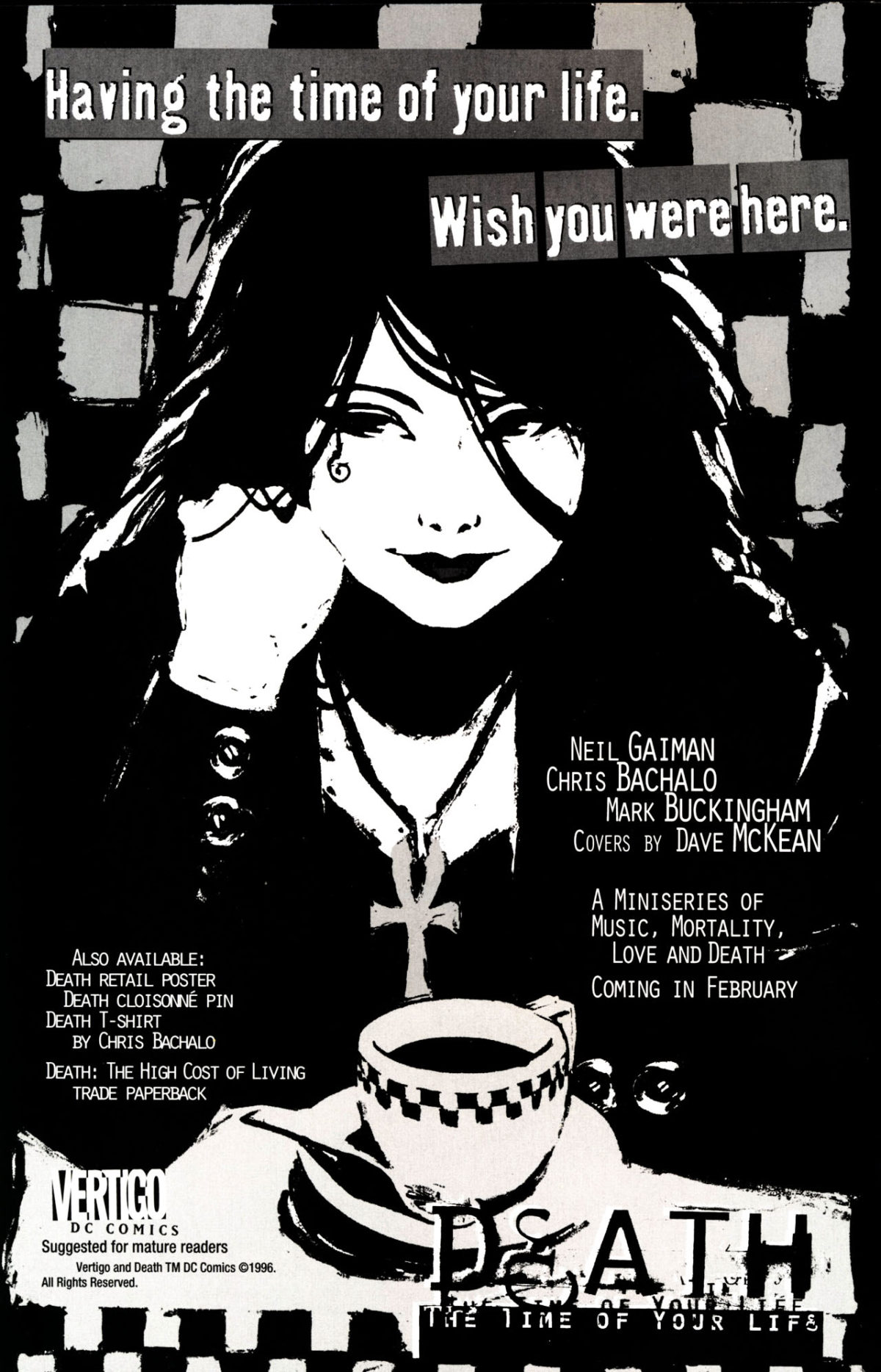
The accompanying illustration of Moore is, of course, by American cartoonist Charles Burns (Black Hole / X’ed Out / The Hive ).

An exhibition of Burns‘ portraits for The Believer is running at the Adam Baumgold Gallery in New York until July 26, 2013.

Comments closed

Karen Berger: Mother of ‘The Weird Stuff’

“It’s the weird stuff… The stuff that makes you different.”

The New York Times interviews Karen Berger, the former executive editor of Vertigo, whose departure from DC Comics has raised questions about the imprint’s future:

When Ms. Berger joined DC straight out of Brooklyn College in 1979, she was simply “another English major looking for a job” and admittedly no fan of superheroes. “I just fell into the company, fell into the business and fell in love with comics,” she said.

Inspired by the publisher’s more offbeat anthology series, like “House of Mystery” and “Weird War Tales,” Ms. Berger cultivated stories that were sometimes more human and sometimes decidedly not of this earth.

After becoming the editor of the “Watchmen” author Alan Moore, she gathered a lineup of young British writers who were eager to break into American comics and who found Ms. Berger receptive to their ideas.

“She was our generation, and not only that, she was offering us what we wanted,” said [Grant] Morrison, who gave new lives, full of angst and existential uncertainty, to discarded DC characters like Animal Man and the Doom Patrol. “It was a perfect storm for a bunch of creative punks from Britain who were suddenly being taken very seriously.”

New York Times

Comments closed

Inside Random House: “The Art of Cover Design”


Part a series of videos about the workings of Random House, The Art of Cover Design features interviews with an impressive roster of designers: Marysarah Quinn, Robbin Schiff, Chip Kidd, Peter Mendelsund and Christopher Brand…

2 Comments

In London’s darkness, and my tears fall

Leon Kossoff: King’s Cross Building Site Early Days

At the London Review of Books, writer Iain Sinclair reviews ‘London Lanscapes’, an exhibition of Leon Kossoff’s drawings at Annely Juda Fine Art, London:

I was thrown off-balance by the intense energy of these marks: the dashes, counter-strokes, over-reaching arcs, sweeps and surges; the structural skeletons lodged in each of these panels. And by how, taken together, and processed down the length of the room, they amounted to something more: a history of struggle and release in the form of a monumental graphic novel from a remembered and reconstituted place. Tension and rapture. Excavation and elevation. The numinous Kossoff drawings are an autobiography forged through engagement with the dirty particulars of place. He’s like a man coming back from long exile in order to make a map of locations where he can begin to search for himself, to confirm his existence. There is a steady pressure to interrogate the specifics of a living past, the oases of ordinary activity that act like radio beacons: a postwar building site close to St Paul’s, a public pool seething with swimmers, a spectral staircase in the revamped Midland Hotel at St Pancras, the molten cliff of a school in Willesden like a glowing crown of red clay. The wrestling of mass into free articulation only confirms the sense of localised fragility. These things will disappear. And the witnesses with them. The pain in this contract is one of the sources of joy in the physical act of drawing: Blakean joy among soot and mud, chains and engines.

London Review of Books

Comments closed