Skip to content

The Casual Optimist Posts

Child’s Play: Blockbuster Movies, Comics and Superheroes

At RogerEbert.com, Alexander Hul has an interesting piece on self-indulgent movie directors and the degeneration of blockbusters:

Artists certainly are allowed to make films that only satisfy their own creative pursuits. But blockbusters—more than any other kind of film—are conceived of as a way to entertain and satisfy audiences (so they can make money). Modern spectacles feel like they’re built to entertain and satisfy their filmmakers instead. They’re not considering who their destruction is actually for anymore. They’re just doing it. Or, as Vulture wrote, when it comes to destruction porn, “No one necessarily asks for it; it just kind of happens.” Bless his honesty, but [Damon] Lindelof’s assessment of the climactic destruction he penned for “Star Trek Into Darkness” only reinforces how embedded and unconscious this has all become for the moviemakers: “Did ‘Star Trek Into Darkness’ need to have a gigantic starship crashing into San Francisco? I’ll never know. But it sure felt like it did.” All of this makes me recall “Jurassic Park”‘s Ian Malcolm sentiment when he lectures Hammond for blindly realizing his dinosaur fantasies with the technology he has access to. Filmmakers are now so preoccupied with how much they can (and are encouraged to) destroy digitally, they don’t stop to think if they really should. They don’t stop to ask “Who is this really for?”

On a related note, Toronto-based writer Mike Doherty asks comic-store owners have blockbuster movies been good for comics?:

“I hate to say it… but after waiting so long for really good superhero movies—all my life, almost—and now they’re here, I’m almost getting bored of them. There are so many now. And they’re always basically the same story, which is not much story: bad guy versus good guy, good guy wins in the end.”

Almost getting bored of them? I think I’m already well passed that point. And much as it pains me, I’m beginning to think Alan Moore may have a point:

[Superheroes] don’t mean what they used to mean. They were originally in the hands of writers who would actively expand the imagination of their nine- to 13-year-old audience. That was completely what they were meant to do and they were doing it excellently. These days, superhero comics think the audience is certainly not nine to 13, it’s nothing to do with them. It’s an audience largely of 30-, 40-, 50-, 60-year old men, usually men. Someone came up with the term graphic novel. These readers latched on to it; they were simply interested in a way that could validate their continued love of Green Lantern or Spider-Man without appearing in some way emotionally subnormal. This is a significant rump of the superhero-addicted, mainstream-addicted audience. I don’t think the superhero stands for anything good. I think it’s a rather alarming sign if we’ve got audiences of adults going to see the Avengers movie and delighting in concepts and characters meant to entertain the 12-year-old boys of the 1950s.”

Sigh.

Comments closed

2001: When Two Sorts of Genius Collide

At The Dissolve, Noel Murray considers Jack Kirby’s comic book adaptation of the movie 2001: A Space Odyssey directed by Stanley Kubrick:

It’s not essential to know how Kubrick’s fascinations with avant-garde film and music influenced 2001, or to focus on how a mid-1960s conception of computers and technology affected the character of HAL, who’s like an elaborate version of one of those early chess-playing robots. But it does recontextualize 2001 to think of it as the product of an individual, working in concert with other individuals, none of them delivering messages from on high. And for all the angry letters Marvel received (and, to its credit, published) from 2001 fans who felt Kirby was besmirching their favorite film, it helps to remember the pressures that Kirby was under at the time, internally and externally, and to see the 10 issues and one tabloid edition of his 2001 as the product of a scatterbrained genius grappling with his own relevance. Kubrick and Kirby—these were both just people, grasping at something just beyond them, while planting guideposts for others to follow.

Comments closed

Favourite Covers of 2013: A Postscript

I didn’t exactly know what to call this post, but ‘postscript’ seems appropriate.

Every time I post my annual list of favourite covers I immediately see (or remember) a dozen designs that would have been on the list (or would’ve been close) if I did it all over again. This is an attempt to collect a few of those covers from last year in one place. I guess you could call it a list of ‘honourable mentions,’ but that doesn’t seem quite right. Truthfully, it’s a collection of some of the covers that I saw for the the first time, or was gently reminded of, immediately after I posted my original list. It is, as much as anything else, an excuse to post more fantastic work from 2013.

I have been completely overwhelmed by the incredible response to this year’s covers post, and although I could probably do lists like this for the rest of 2014, I won’t. I will save my energy for next December. Happy New Year!


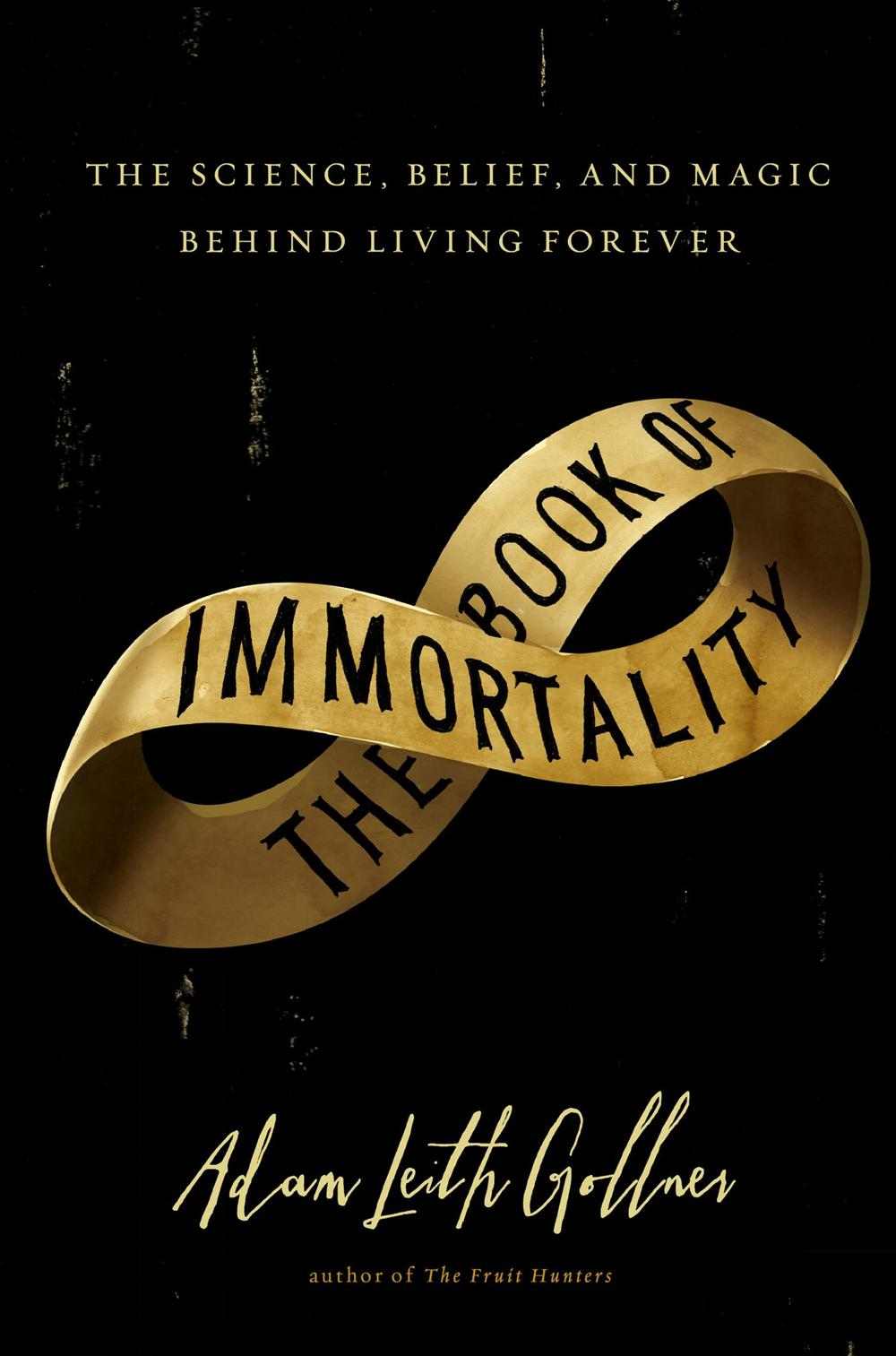
The Book of Immortality by Adam Leith Gollner; design by Tal Goretsky and Janet Hansen

The cover for Doctor Sleep by Stephen King, designed by Tal Goretsky and illustrated by Sean Freeman was also a cracker.


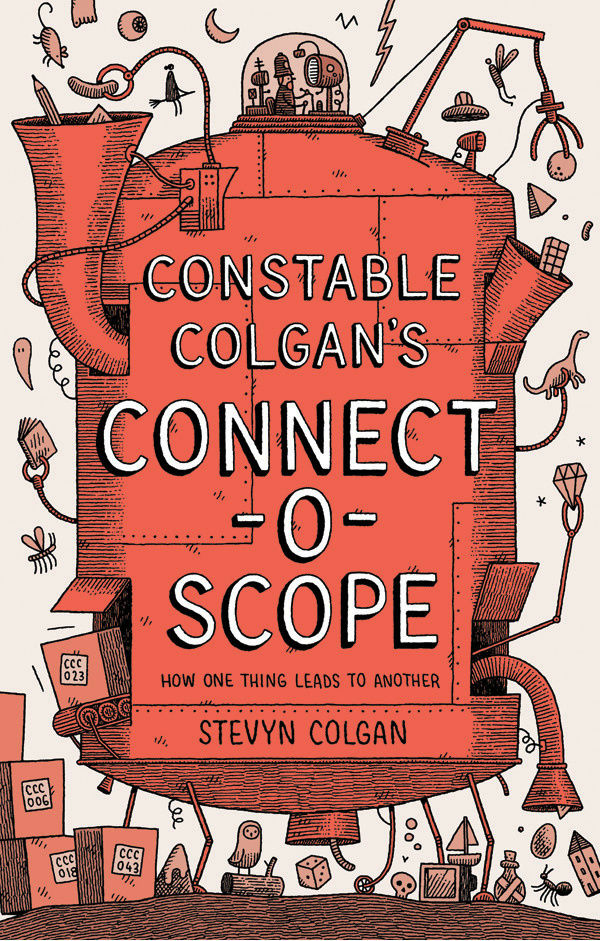
Constable Colgan’s Connect-O-Scope by Stevyn Colgan; illustration by Tom Gauld


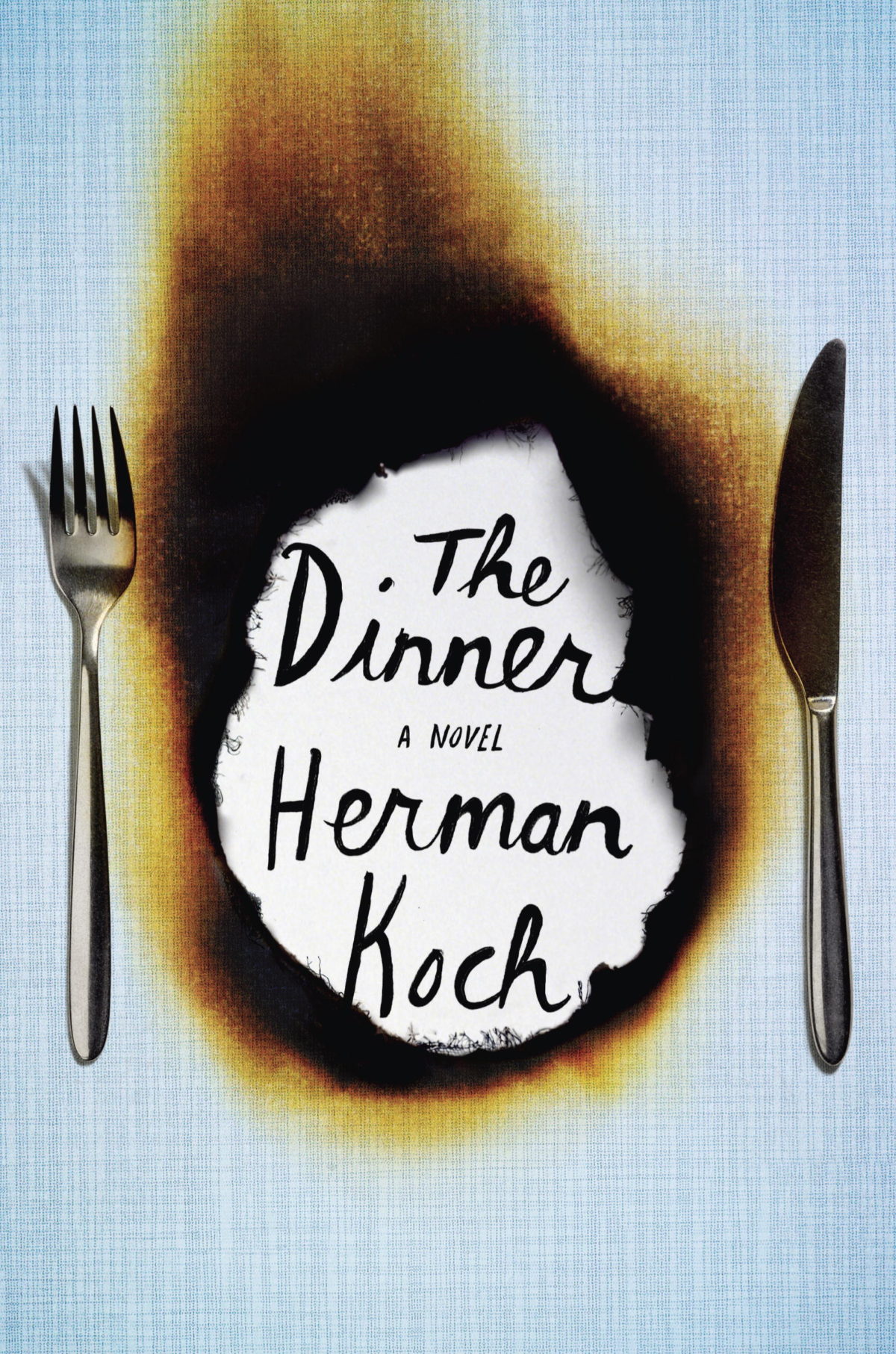
The Dinner by Herman Koch; design by Christopher Brand

Christopher Brand did some great covers this year, especially for Crown. I like this one too.


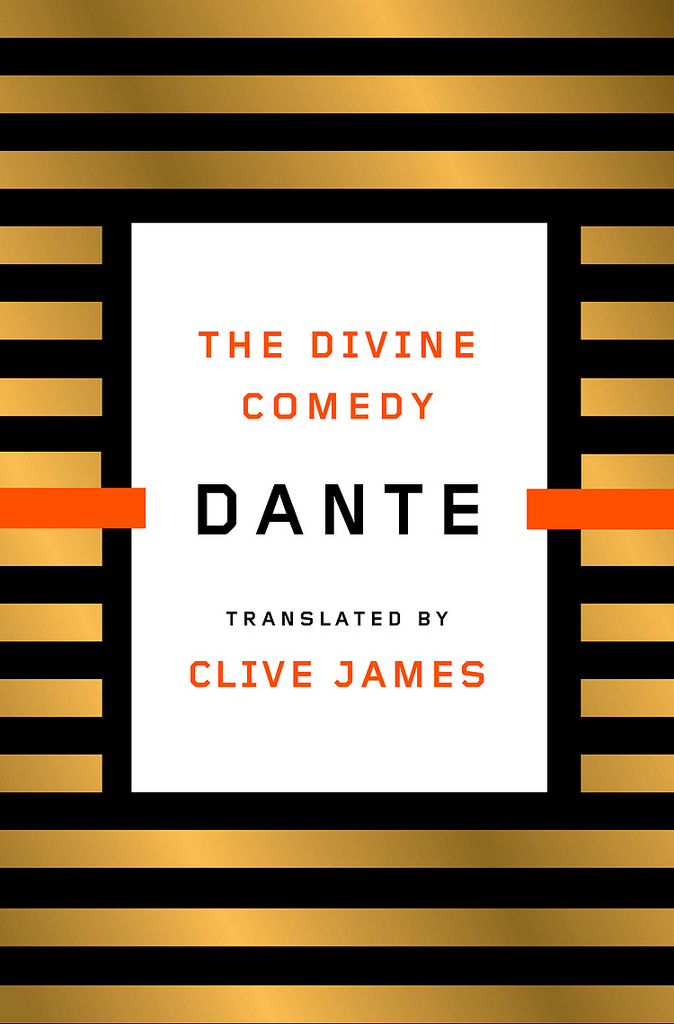
The Divine Comedy by Dante Alighieri, translated by Clive James; design by Rodrigo Corral


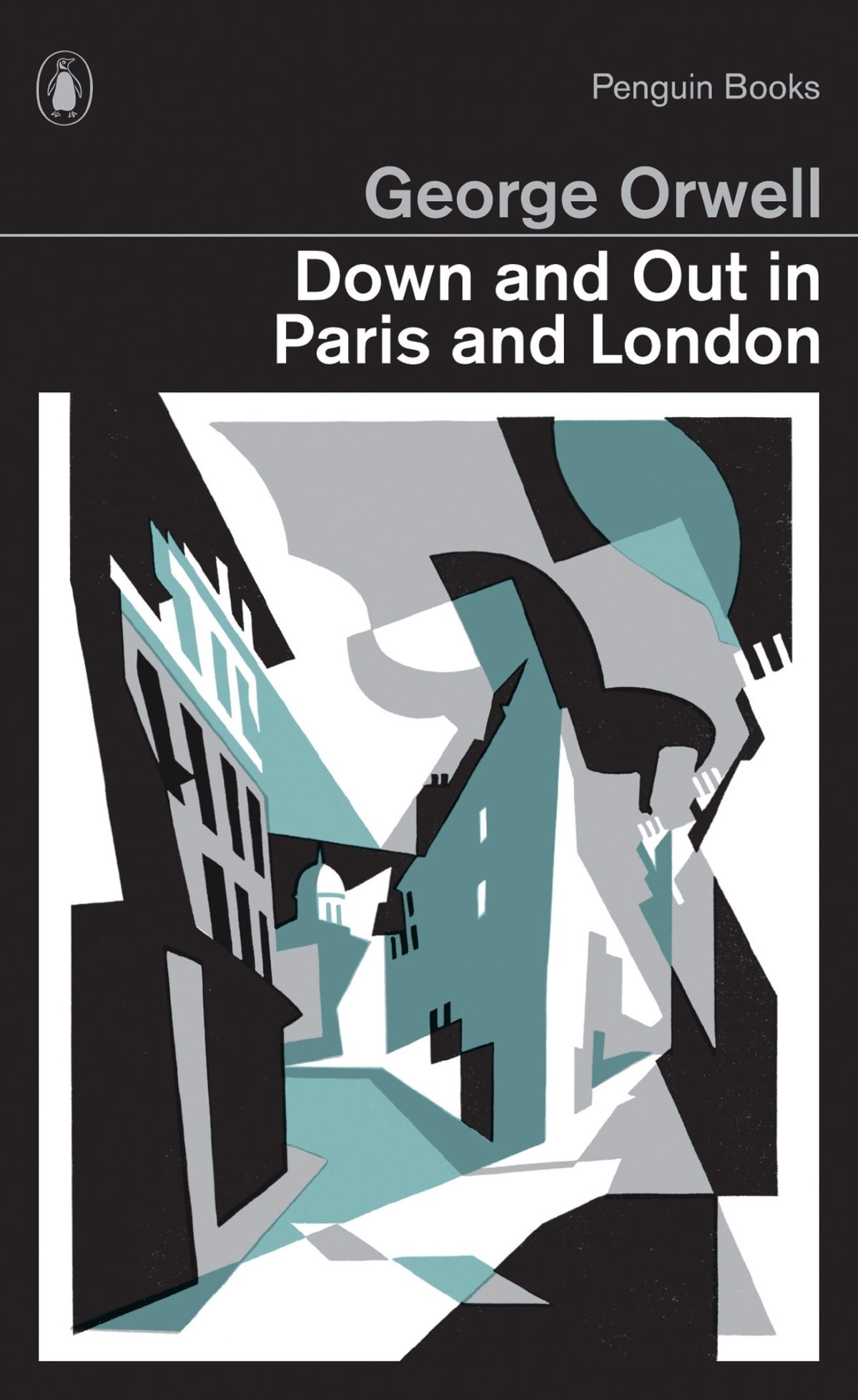
Down and Out in Paris and London by George Orwell; design by David Pearson, illustration Paul Catherall

Yes, it was the year of David Pearson.


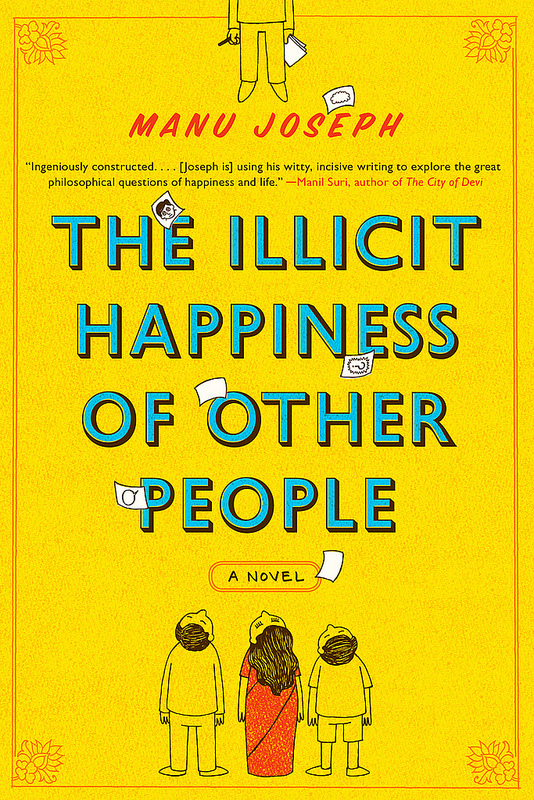
The Illicit Happiness of Other People by Manu Joseph; design by Jarrod Taylor


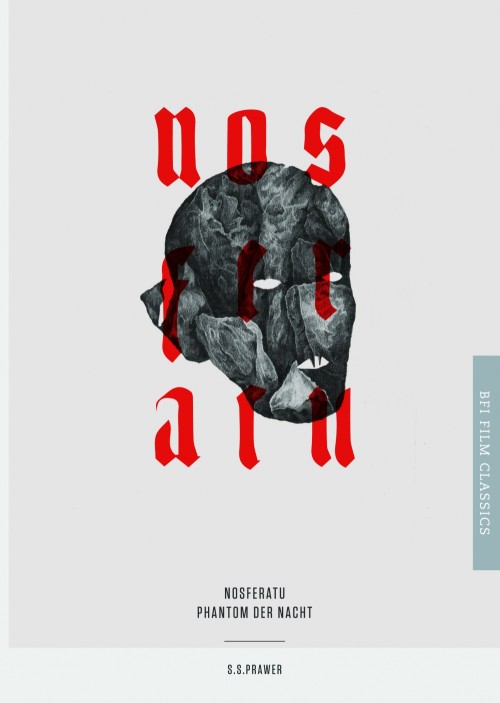
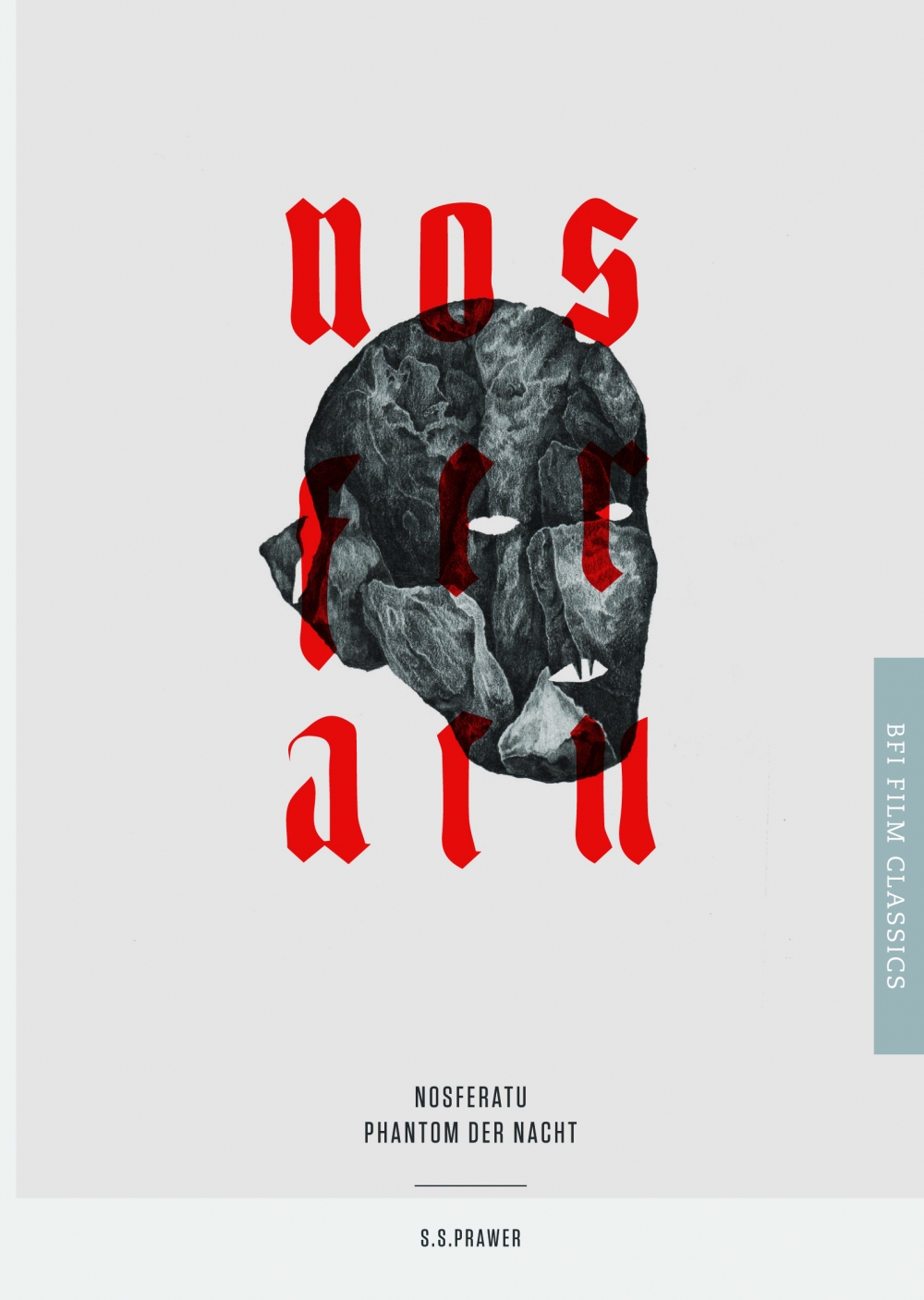
Nosferatu: Phantom der Nacht by S. S. Prawer; design by Matt Brand

I also really like Julia Soboleva‘s design for Nosferatu: Eine Symphonie des Grauens and Ben Goodman‘s cover for Das Cabinet des Dr. Caligari.


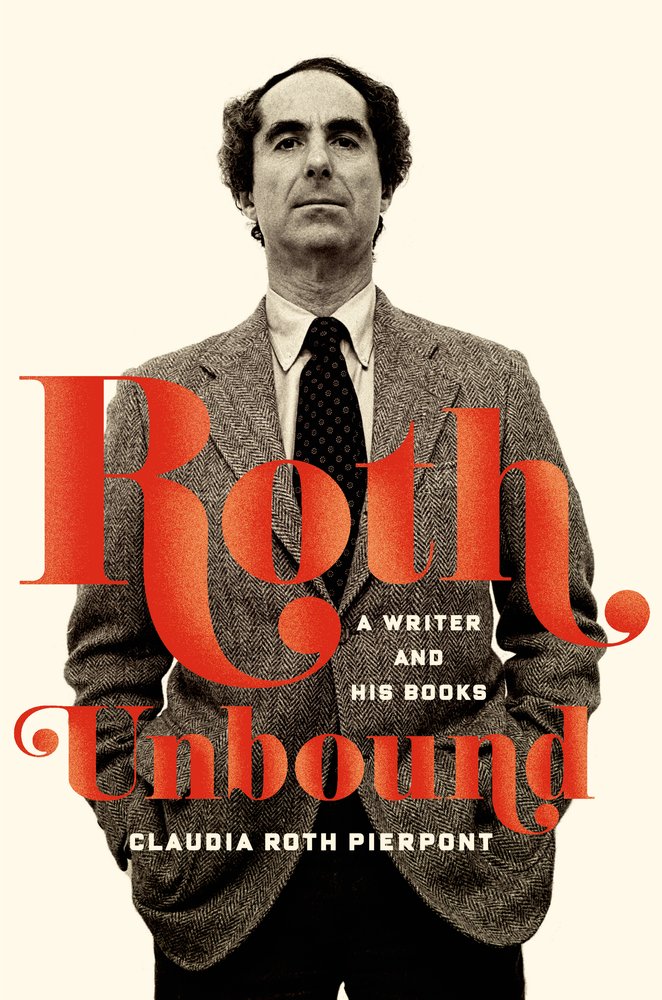
Roth Unbound by Claudia Roth Pierpont; design by Charlotte Strick, photograph Ken Sharp

Great photo. Great type. Charlotte produced some really lovely work for FSG in 2013.


The Shining by Roger Luckhurst; design by Mark Swan

I liked a lot of the BFI covers (obviously!), but Mark’s design for The Shining struck me as particularly clever. You can read about the design process for all the recent BFI Film Classics here.


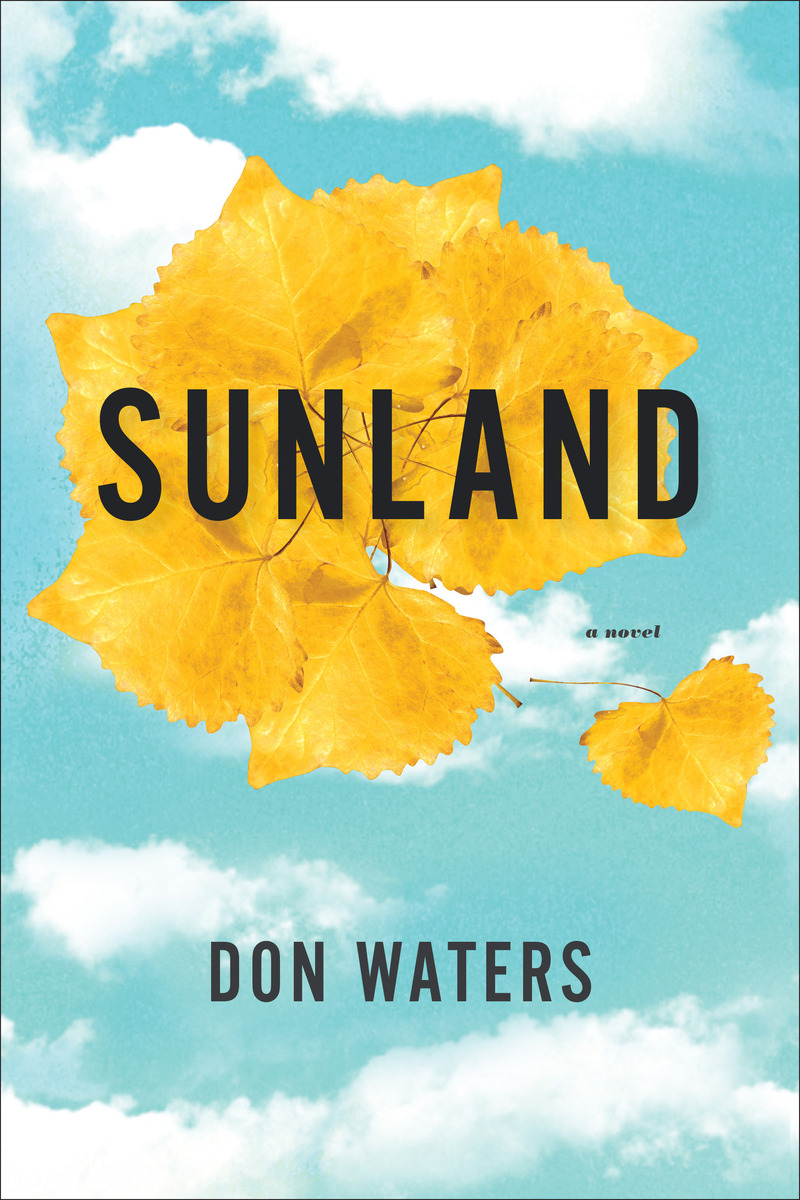
Sunland by Don Waters; design by Kimberly Glyder


That Smell and Notes from Prison by Sonallah Ibrahim; design by Paul Sahre

Nicholas Blechman’s cover design list for the New York Times alerted me to this one.


Ulysses by James Joyce; design by Peter Mendelsund

Ok. I had seen this cover and didn’t forget about it either. It was on my list from the start and it got cut at the last minute. I’ve agonised about it since. Sorry Peter.

Comments closed

Society is Nix: The Quotidian Chaos of the Urban Scene

J. Hoberman reviews the oversize comics collection Society is Nix: Gleeful Anarchy at the Dawn of the American Comic Strip, 1895–1915, edited by Peter Maresca and published by Sunday Press Books, for the New York Review of Books:

Society is Nix focuses on the depiction of then-contemporary metropolitan life. In addition to Hogan’s Alley and other metropolitan jungles, the comics reveled in the quotidian chaos of the urban scene: the pushcart madness of “Familiar Sights of a Great City—No. 1, The Cop is Coming” is rendered as a mock-classical frieze. Genuine monuments are regarded with derision; several strips in Society is Nix satirize the rapid transit system then under construction in New York. As the twentieth century approached, cartoonists extrapolated a city of the future, replete with snow-capped office buildings, floating real-estate agents, and colliding single-person dirigibles, or ponder “the possibilities of wireless telegraphy” which, save for predicting communication with Mars, seems much like the Internet…

…In his introduction, Maresca refers to these comic strips as “the birth of modern popular culture”—perhaps “mass media” would be a better term. These strips were not only all over the page, they were in big cities all over the country—the most successful supplements reached hundreds of thousands of readers in New York alone. Yet at the same time, they were wildly experimental… [The] first newspaper comic strips were not so much an extension of vaudeville as precursors of the equally déclassé and temperamentally anti-authoritarian motion picture. The early strips thrived on choreographed violence, including runaway horse carts, baroque streetcar collisions, and a panoply of what Hearst might have termed polychromous explosions.

Comments closed

Spanish Book Covers of 2013

One of the enduring shortcomings of my end of year covers list is its failure to represent designers from the non-English-speaking world. Having interviewed Spanish designer Ferran López Creative Director for Editorial Planeta (and previously a designer at Random House Mondadori) a few years ago, I’m particularly aware of how much amazing work is being done in Spain and how little of it gets featured here. Fortunately at Unpopular Culture, the blog of Madrid-based independent publisher Pop Editions,  Óscar Palmer has selected his 12 favourite book covers of the year. It’s a good-looking list!

See all of Óscar’s selections

Pictured above (from top to bottom): DIARIO DE 1926, design by Eduardo Jiwnani; LA BANDA QUE ESCRIBÍA TORCIDO, design by Carlos Úbeda; EL ARTE DE LA COCINA FRANCESA, design by Nora Grosse; ROBINSON, design by Juan Pablo Cambariere; LA SOMBRA FUERA DEL TIEMPO, design by Zuri Negrín.

Comments closed

Happy New Year!

Happy  New Year!

(It may be 2014, but Nancy is Happy is still one of my favourite Tumblrs. Some things will never change…)

Comments closed

David Byrne on Creativity and Constraints

David Byrne talks about music, technology and his recent book How Music Works (now out in paperback), at Salon:

I’m not saying that the artist doesn’t put their feelings into it, or any part of their biography, but that there’s a lot of constraints and considerations and templates that they work with – unconscious decisions or constraints put upon them that guide what they’re going to do… Our imaginations are constrained by all these other things — which is a good thing. There’s kind of a process of evolution that goes on where the creative part of you adapts to whatever circumstances are available to you. And if you decide you want to make pop songs, or whatever, there’s a format. You can push the boundaries pretty far, but it’s still a recognized thing. And if you’re going to do something at Lincoln Center, there’s a pretty prescribed set of things you are going to do. You can push that form, but kind of from inside the genre. So I guess I’m saying that a lot of creative decisions are kind of made for us, and the trick is then working creatively within those constraints.

Comments closed

Triumph of the English Major

Book editor Gerald Howard had lovely op-ed in this weekend’s New York Times called ‘Triumph of the English Major’:

Almost any cultural transaction involving a sum of money represents, as Samuel Johnson famously said of second marriages, the triumph of hope over experience. We live in a time when college enrollment in the humanities is declining precipitously, in good part because majoring in such subjects seems unlikely to result in gainful employment in a strapped economy and thus would be a waste of hard-earned (or usuriously borrowed) tuition dollars.

Somehow our culture has persuaded itself that the naked quest for financial gain, often through the devising and trading, on monstrous amounts of (very low interest) borrowed money, of what Warren Buffett has called instruments of mass destruction, is a more urgent and honorable calling than the passionate pursuit of truth and beauty.

I’ve tried to suggest that at least a portion of that pursuit can have gratifying economic results. (Plus it will not plunge us into an endless recession!) But that’s not really the point. The point is truth and beauty, without which our lives will lack grace and meaning and our civilization will be spiritually hollowed out and the historical bottom line will be that future epochs will remember us as a coarse and philistine people who squandered our bottomlessly rich cultural inheritance for short-term and meaningless financial advantage.

Read it. It’s a wonderful thing (and I’m not even an English Major).

Comments closed
ABCD and 50/50 Design Contests 2013

Design Observer has announced that they are now accepting entries for this year’s 50 Books/50 Covers competition. The submission deadline is February 20th 2014.

Design Observer, in partnership with AIGA and Designers & Books, began hosting the competition in 2011, and you can see the winners from the previous two years here.

Meanwhile, if you are a designer based in the UK, The Academy of British Cover Design (ABCD) has also announced the opening of its new annual cover design competition.

The competition is open to any cover produced for a book published between January 1 and December 31 2013. Entries must be received by January 31st, 2014.

Comments closed

Joe Sacco on Bookworm


Following on from my post yesterday, Joe Sacco talks about his new book The Great War with Michael Silverblatt on Bookworm:

KCRW Bookworm: Joe Sacco The Great War mp3

Comments closed

Art Spiegelman: The Horror of the Blank Page

Artist Molly Crabapple interviews (and draws!) Art Spiegelman for Vice magazine:

Because of Photoshop we all know that photographs lie every second that they open up their mouths. You can’t really trust a photograph. It could have just as easily been a photoshopped collage. So, it’s probably more plausible to trust an artist. You get to feel whether you trust them or not… Artists tend to have to reveal more of themselves even when they try to be as scrupulous as Joe Sacco. It has a place insofar as concentrating on something has a place. We’re living in an ADD universe. The computer encourages that second-to-second dopamine rush as you go from click to click. What’s valuable about comics and print is they actually are a venue where you end up spending time.

Art Spiegelman’s Co-Mix: A Retrospective runs November 8th – March 23rd at the Jewish Museum in New York City.

1 Comment

Joe Sacco and Journalism

In this bonus footage from the W.W. Norton’s documentary short on The Great War, Joe Sacco explains his relationship to journalism:

1 Comment