Skip to content

The Casual Optimist Posts

ABCD Award Winners 2016

Congratulations to all the winners and shortlisted covers at the third annual Academy of British Cover Design Awards! Make sure you read Daniel Benneworth-Gray‘s report on last night’s “shindig” at the Creative Review, but in the meantime, all the winning designs are below:

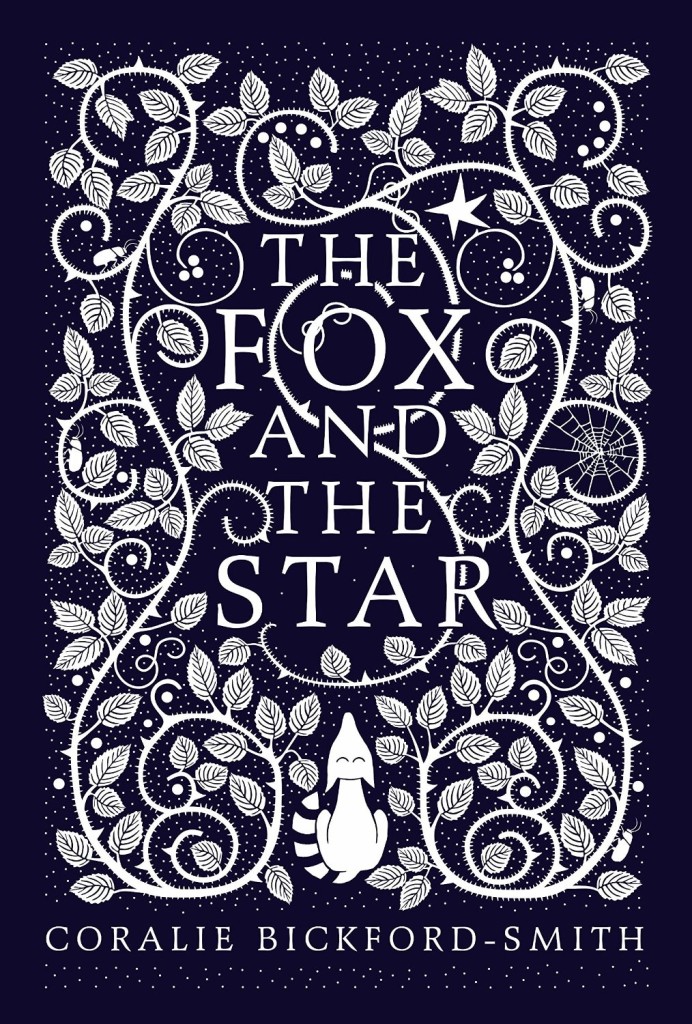
Children’s
fox and the star

The Fox and the Star, written, illustrated and designed by Coralie Bickford-Smith (Particular Books / August 2015)

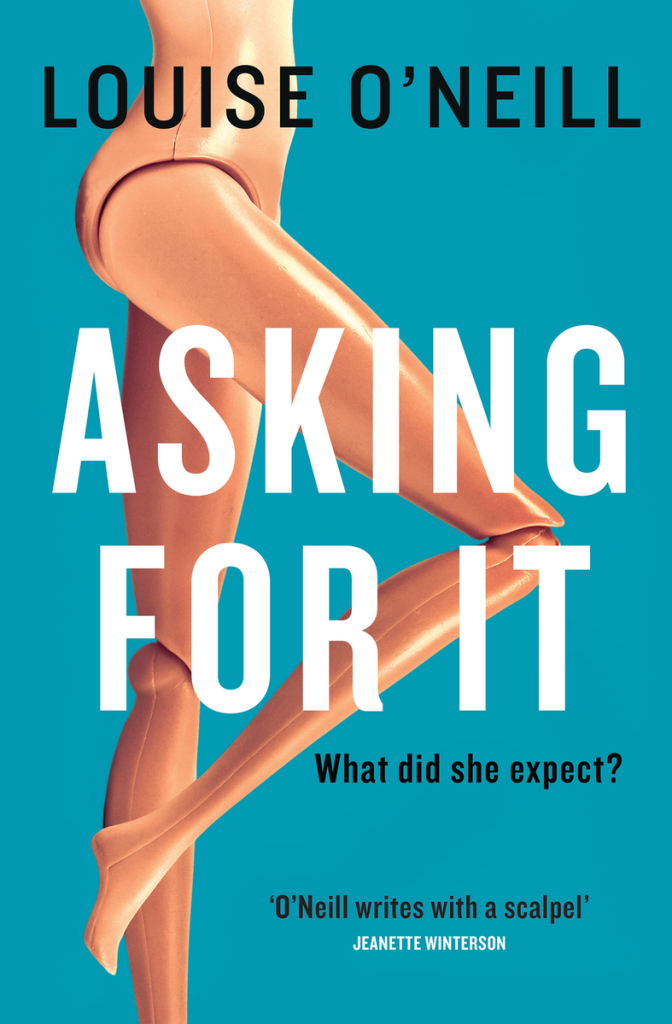
Young Adult

Asking For It design Kate Gaughran
Asking For It by Louise O’Neill; design by Kate Gaughran (Quercus / September 2015)

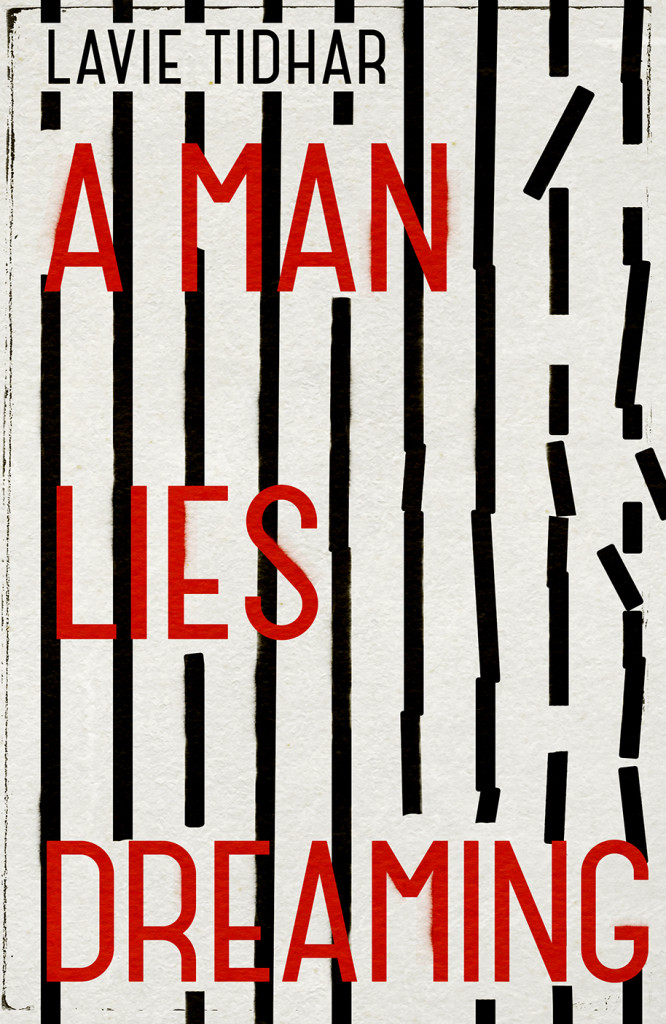
Sci-Fi / Fantasy

a-man-lies-summer
A Man Lies Dreaming by Lavie Tidhar; design by Ben Summers (Hodder / March 2015)

Mass Market

hausfrau-UK
Hausfrau by Jill Alexander Essbaum; design by Jo Thompson; illustration by Maricor/Maricar (Mantle / March 2015)

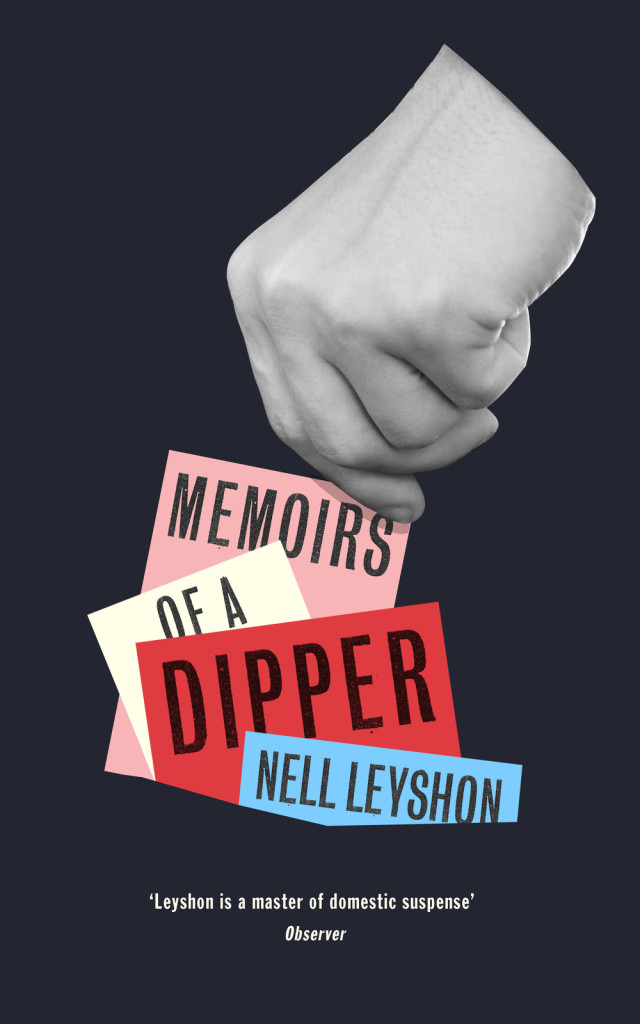
Literary Fiction

Memoirs of a Dipper design by Gray318
Memoirs of a Dipper by Nell Leyshon; design by Gray318 (Fig Tree / June 2015)

Crime / Thriller

9780241972762
Whisky Tango Foxtrot by David Shafer; design by Richard Bravery (Penguin / June 2015)

Nonfiction

egg design by Clare Skeats
Egg by Blanche Vaughan; design by Clare Skeats (Wiedenfeld & Nicolson / March 2015)

Series Design

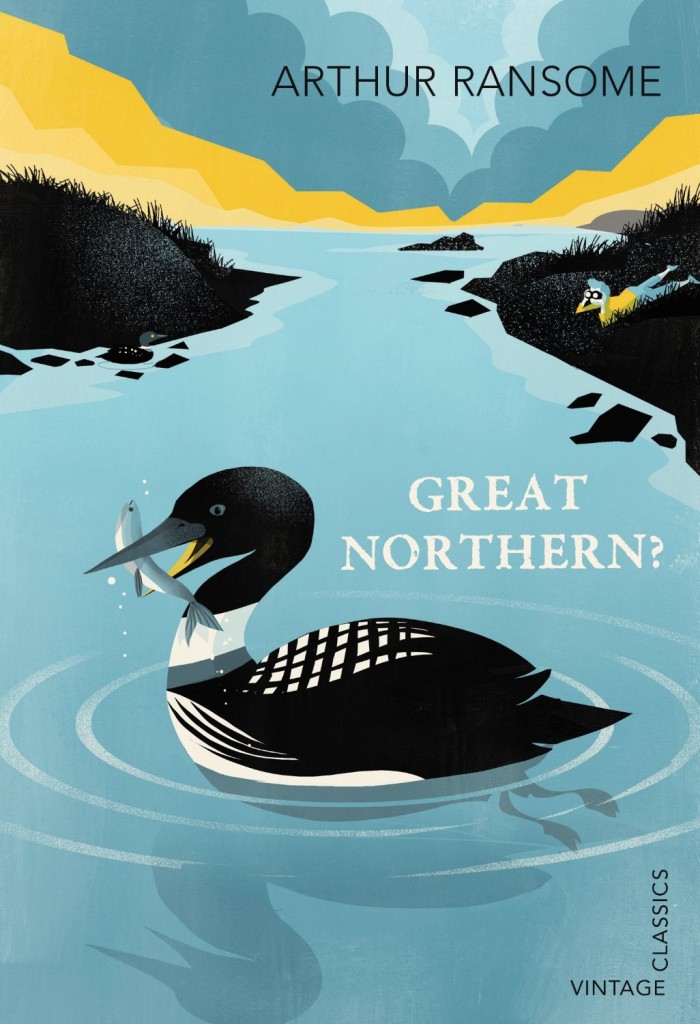
Great Northern design James Paul Jones
Great Northern? by Arthur Ransome; design James Paul Jones; illustration by Pietari Posti (Vintage / March 2015)

Classics / Reissue

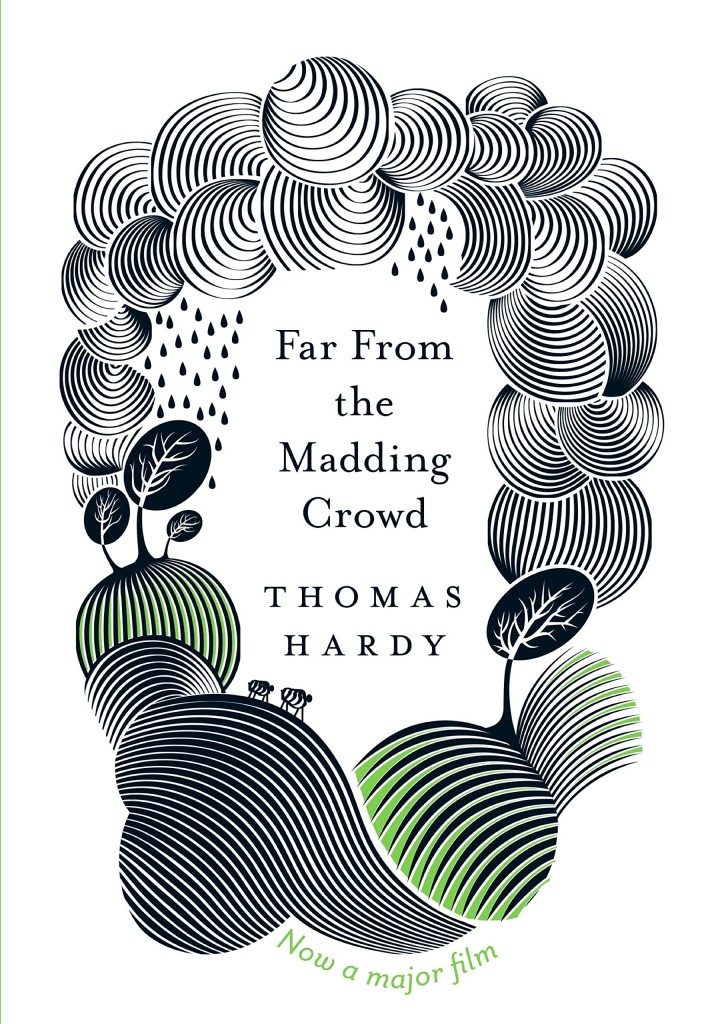
Far From the Madding Crowd design Sinem Erkas
Far From the Madding Crowd by Thomas Hardy; design by Sinem Erkas (Orion / September 2015)

Women’s Fiction

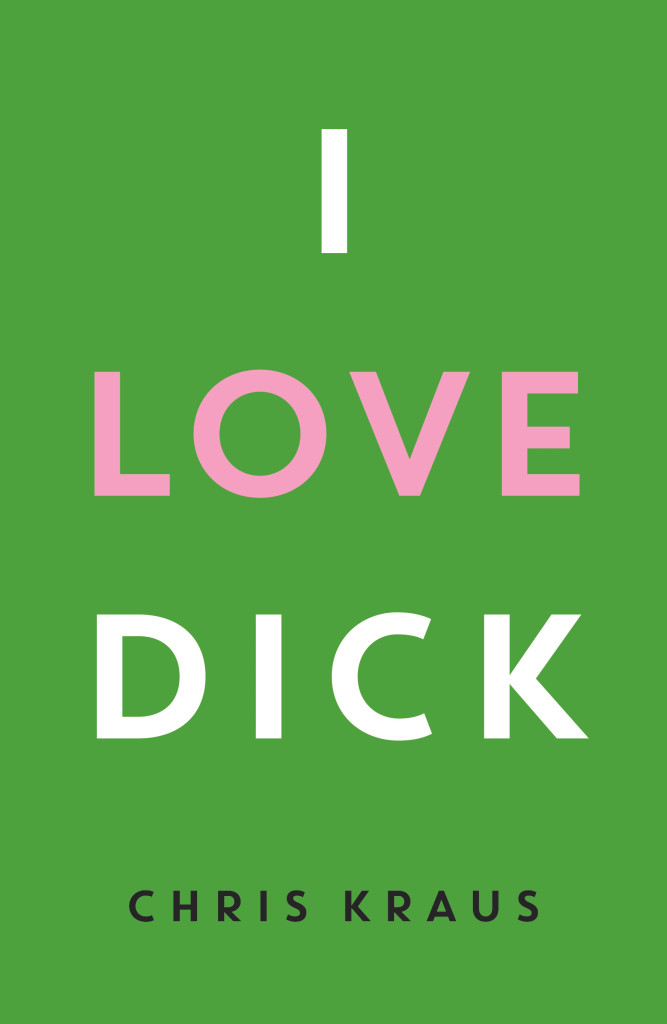
I Love Dick design by Peter Dyer
I Love Dick by Chris Kraus; design by Peter Dyer (Profile Books / November 2015)

You can see all last year’s winners here.

Comments closed

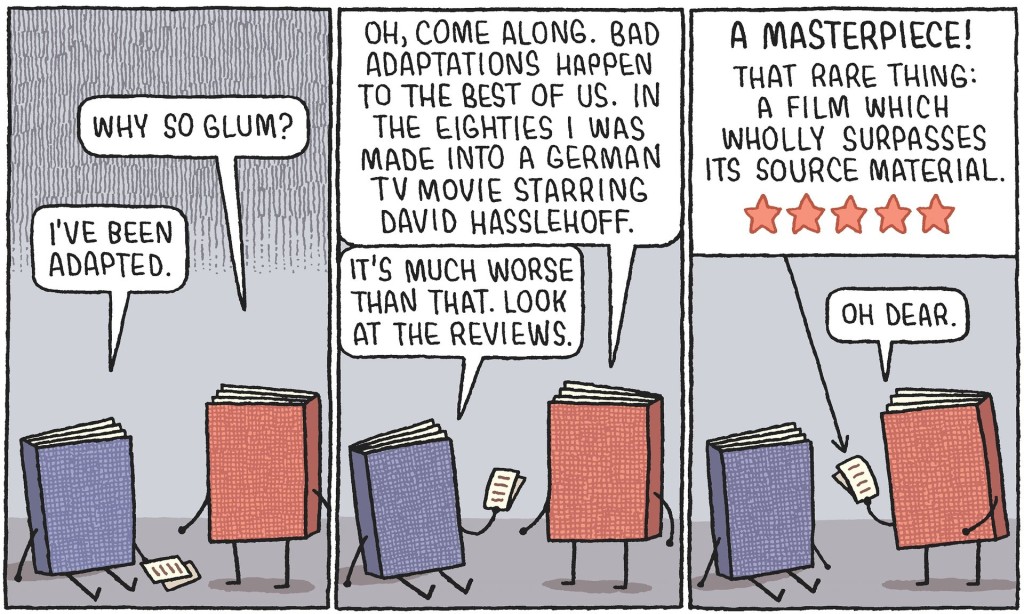
Adaptation

why so glum

Tom Gauld for The Guardian

Comments closed

From Thomas Mann to Amazon — The Art of Literary Publishing in New York

The Millions has a long, but very interesting (and, at times, surprisingly blunt) essay by veteran Doubleday editor Gerald Howard on editing and literary publishing in New York:

At the simplest, most basic level, I’ve been reading for a living for 37 years. I arrived at New American Library with a literary and intellectual sensibility formed by the unruly rebellions of the ’60s and the spiritual deflations of the ’70s, with a taste for the novelists and thinkers who had either helped to cause or best reflected and interpreted those rebellions and deflations. I’ve read thousands of books and proposals since then, and I believe I am a better reader than I was at age 27 — I know more because I’ve read more and my judgments are (I sure hope) better informed and more mature. But at the primal level where reader meets text and experiences emotions ranging from boredom and impatience to I-love-this-and-have-to-have-to-publish-it excitement, I think I am still that young man in the hunt and on the make, always searching for the big wow. This process takes place in the private arena of the mind and is entirely unrelated to the corporate arrangements of my employer. It is, quite literally, where I live, where I feel I am most myself.

As for the editing of those books that wow me when happy circumstances dictate that I get to acquire them, that process too takes place in a private arena. When I encounter a sentence that is inelegant or ungrammatical or inefficient or ambiguous in meaning, or a scene in a novel that is implausible or overdone or superfluous, or a plot that drags or goes off course or beggars credulity, or a line of exposition that falls short of the necessary clarity, or feel that some subject is missing and requires coverage, I point those things out to the author and with a carefully calculated mixture of firmness and solicitude suggest ways they might be remedied. I do this usually at nights and on weekends, sometimes on my bus ride to and from work, very occasionally in my office on slow days with my door closed (yes, I have an office with a door that closes), with a complete absence of business calculation beyond the largest context — that a book that is bad or just not good enough is a book that will embarrass me and my employer and be poorly received and will not sell.

But as I read those submissions and edit those manuscripts, on another cognitive plane I am reality testing what I am reading. What other books — the fabled and often tiresome “comp titles” — are like this one, and how did those books sell? (We are always fighting the last war.) Is it too similar to something we published recently or are publishing in the near future, or to a book some other house has or shortly will publish? Are there visual images in the book that might be utilized on the cover? What writers of note can I bug for prepublication blurbs? Is there something about the author, some intriguing or unusual backstory, some charisma radiating off the page (and maybe the author photo? Don’t act so shocked) that suggests that he or she will be a publicity asset? What might a reasonable advance be, given the amounts that have been paid recently for similar books, or might reason for some reason be thrown out the window? (A friend and colleague of mine refers to this feeling as “Let’s get stupid.” More on this matter shortly.) What colleagues in the company, in the editorial department, in marketing, publicity, and sales, could I ask to read the book to drum up support for it? What is my “handle” going to be — the phrases or brief sentences that briskly encapsulate a book’s subject matter and commercial appeal? These and all sorts of other questions will be popping up in my brain, and inevitably there is some crosstalk and bleed-through between the two cognitive spheres. If you want total purity in these matters, go join an Irish monastery and work on illuminated manuscripts, not a New York publishing house. Or at the very least a quiet and scholarly and well-endowed university press.

Well worth reading from beginning to end, the essay is an excerpt from the forthcoming Literary Publishing in the Twenty-First Century edited by Travis Kurowski, Wayne Miller, and Kevin Prufer (to be published by Milkweed Editions in April 2016), which on this evidence of this alone will be essential reading for publishing folks1.

Comments closed

Why McNally Jackson Books Thrives

The New York Business Journal looks why McNally Jackson is thriving, while other the city’s other independent bookstores are disappearing:

most literati agree that independent book stores are an endangered species in high-rent New York. See what’s happening right now with the St. Mark’s Bookshop, which was forced to move once and now is preparing to close for good. Or look at what’s already happened to Gotham Book Mart, Biography Bookshop, Bank Street Bookshop and even the chain store Borders Books. All are shuttered. Even Barnes & Noble has closed three large outlets in Manhattan (Astor Place, Chelsea, Lincoln Center).

But something special is brewing on Prince Street in NoLita because McNally Jackson is packed. The café is booming, the self-publishing arm is prospering, and the nightly literary events, are popular. McNally Jackson is the prime example of what it takes for an independent bookstore to succeed: operating as a triple threat of bookstore, café and publisher.


Comments closed

“Awesome” is the New “Massive”

The New Yorker‘s ‘Comma Queen’ Mary Norris considers (mis)use of the words “massive” and “awesome”:

Comments closed

Gramercy Typewriter — Family Business Since 1932

The latest short film in Huck magazine’s ‘Family Business’ series visits Gramercy Typewriter Co., the father and son typewriter repair shop in New York:

You may remember that Gramercy Typewriter Co. was the subject of another short documentary a couple of years ago

(via It’s Nice That)

Comments closed

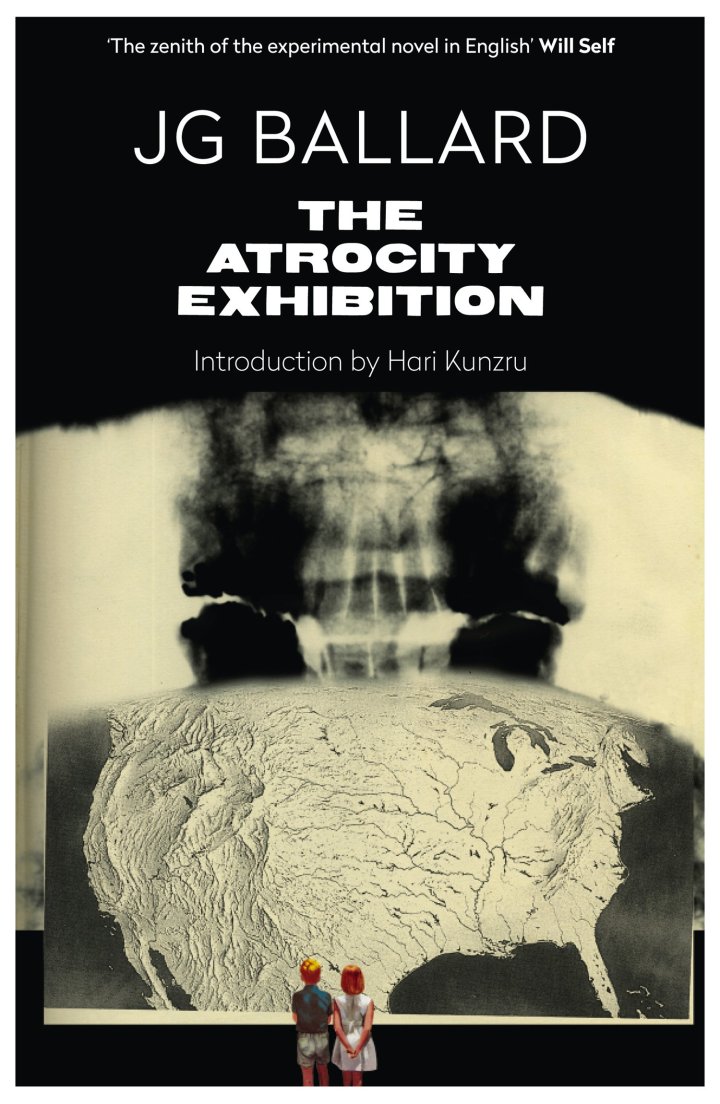
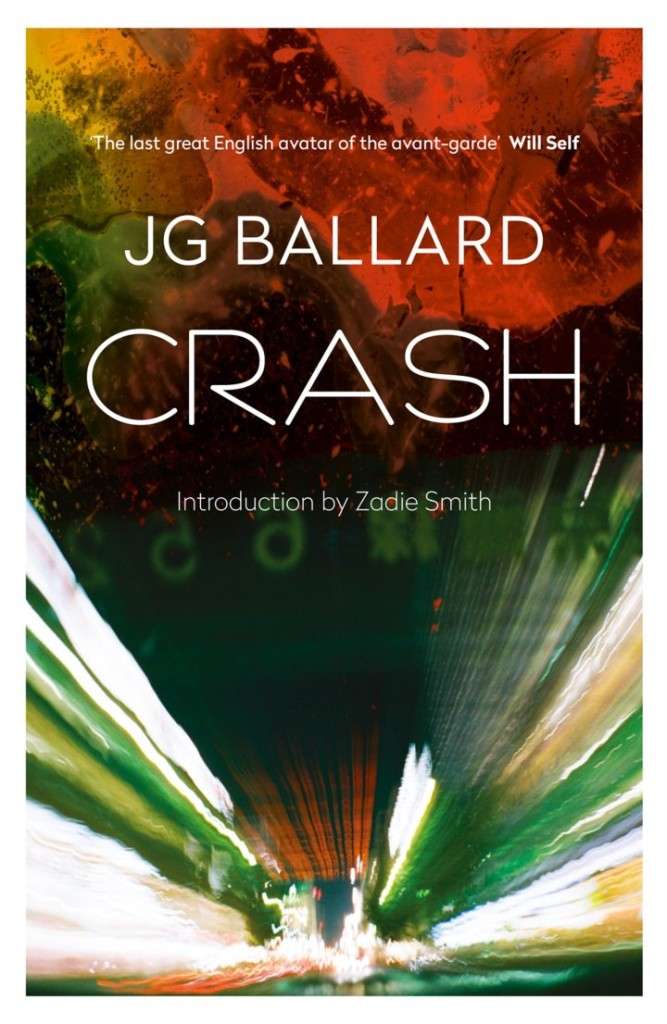
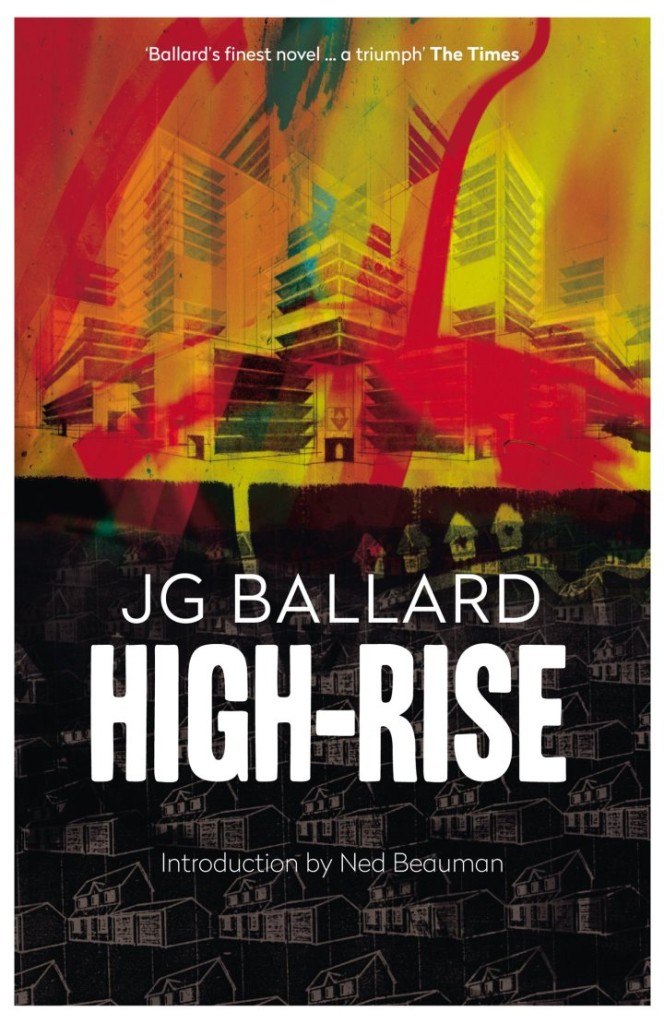
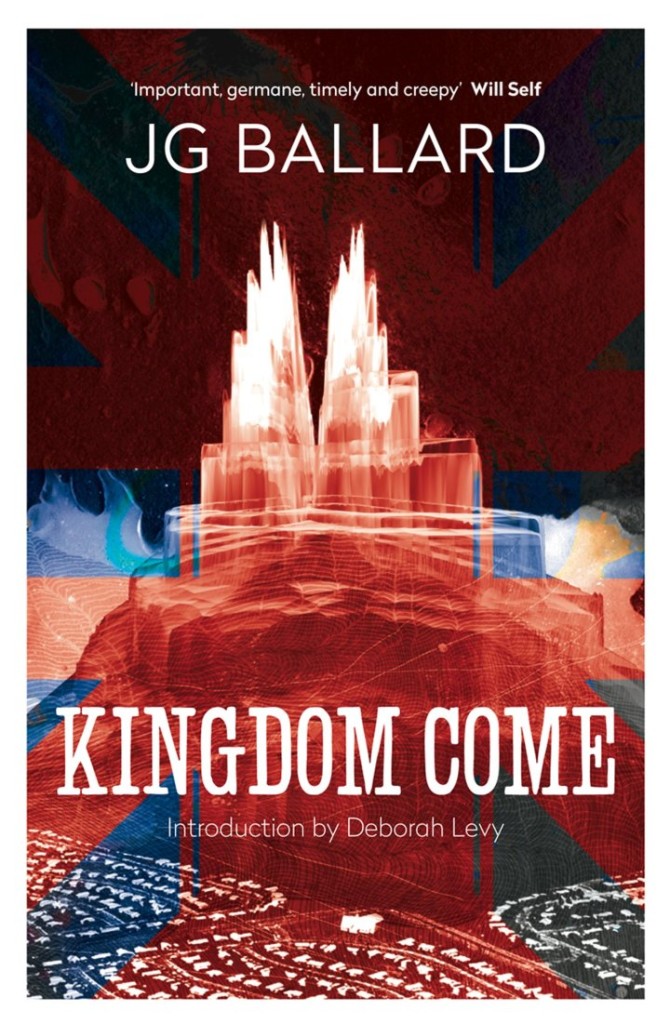
J.G. Ballard Series by Stanley Donwood

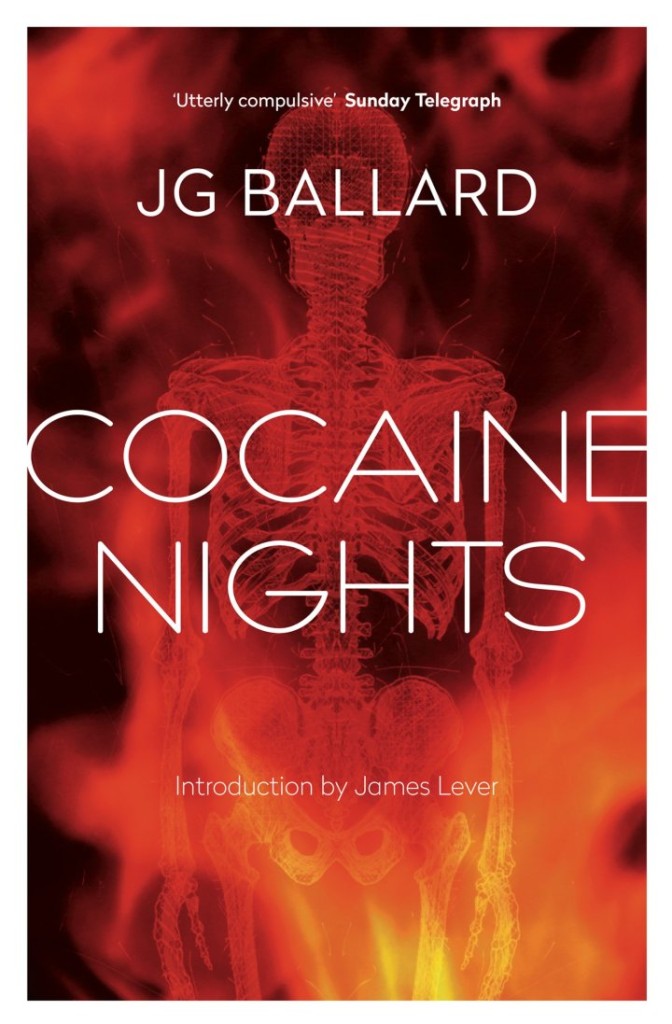
jgballard-bookcover-4thestate-theatrocityexhibition-harikunzru

Some how I missed these when they were first published in 2014,1 but British publisher Fourth Estate has reissued 21 books by J.G. Ballard with covers designed Stanley Donwood. Donwood, who is perhaps best known for his artwork for Radiohead, talked about Ballard and the cover designs on the 4th Estate blog:

I have done many strange things in order to design these covers; I’ve visited underground laboratories, watched the huge sky under the Fens, ignited flammable liquids, fired guns, melted quantities of wax, poured liquid nitrogen across a table and taken deliveries of hypodermic needles.

(via Rhys Tranter)

2 Comments

Matt Dorfman American Illustration Interview

Knockout design by Matt Dorfman

Robert Newman interviews mighty Matt Dorfman, illustrator, book cover designer and art director for The New York Times Book Review, for American Illustration:

I’m a big disciple of using abstraction to highlight emotional conditions. To that end, I love the kitchen sink perversion of psych artists like Victor Moscoso, Martin Sharp, Tadanori Yokoo and Keiichi Tanaami. As a teen I swiped a copy of I Seem To Be A Verb by R. Buckminster Fuller and Quentin Fiore from one of my dad’s shelves (and I still have it) and I credit that book with revealing to me—loudly—how vital books can be if they’re conceived with passion and energy. And I probably owe the Johns Heartfield and Baldessari some money.

At least once a month, a circumstance will arise either in work or in life in which I reflexively ask myself, without premeditation: “What would Ian MacKaye do?” This has been happening since I was 15. There’s probably something to it.

(Matt is one of the many, many people I would love to interview for the blog… )

Comments closed

Robert Caro on New York

At The Gothamist, Christopher Robbins talks to writer Robert Caro about New York and The Power Broker, his classic Pulitzer Prize-winning biography of city planner Robert Moses:

Moses had done something no one else had ever done. Everyone thought power comes from being elected. He wasn’t elected, he realizes he’s never going to get elected to anything, so he’s got to figure out a way to get all this power without getting elected, and he does it. I didn’t understand it, no one else understood it, even La Guardia says to him, “Don’t tell me what to do,” or whatever the quote is, “I’m the boss, you just work for me.”

And Moses writes, and I saw this letter in La Guardia’s papers, he sends back the letter and he writes across it, “You’d better read the contracts, mayor.”

I gradually came to understand that because he had done this thing, that no one else had ever done, gotten all this power without being elected, if I could find out how he did it and explain how he did it, I would be explaining something that no one else understood and I thought they really should understand, which is, how does power really work in cities? Not what we’re taught in textbooks, but what’s the raw, bottom, naked essence of real power?

I’m writing this book, and I suddenly say, God, this isn’t really a biography, this is a book about political power.

My favourite part of the interview, however, is at the beginning when Caro asks questions about The Gothamist. His response to Robbins’ explanation of Chartbeat is priceless:

What you just said is the worst thing I ever heard.

Comments closed

New Directions Staying Small

Maria Bustillos visits New Directions and talks to publisher and president Barbara Epler about the business for The New Yorker:

Today’s visitor to New Directions’ elegantly shabby offices, in Chelsea, may stand on the nineteenth-floor balcony beside Epler, who is in her fifties and has a big, throaty laugh, under a pair of carved stone lions silently roaring high above, downtown and the Hudson River spread out beneath, and be forgiven for thinking that he has somehow stepped into a lovely and improbable alternate universe.

Inside, there are small, quiet, old-fashioned offices, one per person. On the walls, there are treasures: the firm’s original colophon, the unmistakable work of Rockwell Kent; an original Alvin Lustig mechanical with tissue overlay for the jacket of “Nightwood”; notes written on the famous prescription pad of WILLIAM C. WILLIAMS, M. D.; a photograph of Laughlin, who died in 1997, in silhouette. Epler, who joined the company as an editorial assistant fresh out of college, in 1984, and went on to become editor-in-chief in 1996, publisher in 2008, and president in 2011, seemed to be giving not an office tour so much as a museum one, especially when she opened the door to a small room containing one copy of each of nearly all of the more than thirteen hundred books published here so far. Céline, Nabokov, Tranströmer and Bolaño, Williams and Neruda and Sartre and Brecht and so many others: Laughlin believed in keeping the good stuff in print (or reprint). Many are bound in Lustig’s iconic, modernist covers.

“Andy Warhol used to design for us before he was famous,” she said. “Isn’t that a scream?”

Comments closed

Kriemhild’s Revenge: The Strange, Working Romance of Fritz Lang and Thea von Harbou

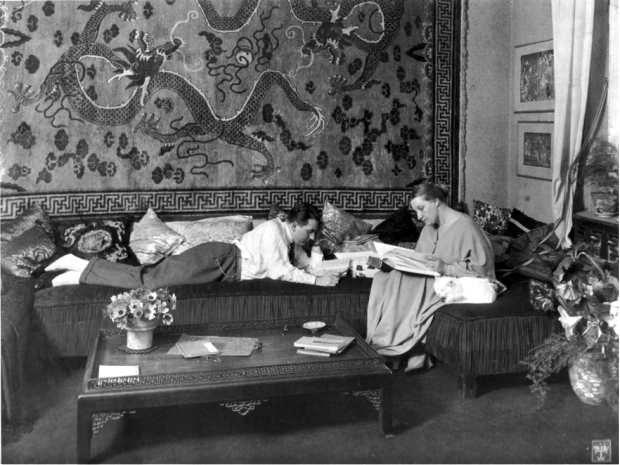
langvonharbou

At the Paris Review blog, Henry Giardina considers the relationship between film director Fritz Lang and writer Thea von Harbou, with particular reference to their adaptation of the epic poem Die Nibelungenlied for the screen:

Fritz Lang and Thea von Harbou weren’t collaborators so much as co-conspirators: they had one of the strangest, most fruitful partnerships in the history of film, an erotic and artistic alliance that helped the new medium establish an emotional and political grammar. In the course of their eleven-year marriage, the pair, who met in 1920, made roughly a dozen films, often with Von Harbou writing the screenplays—adapted largely from her own work—and Lang in the director’s chair. They shared an expressive aesthetic vision, an exacting work ethic, and an almost tyrannical unwillingness to compromise with others. They changed people’s minds about their movies and, in radical ways, they changed each other. Their dedication manifested in odd ways—even though, a year into their affair, the bloom had already gone off the rose, they continued to live together, work together, and keep up the pretense of monogamy for another decade. She looked past his philandering; he looked past her increasingly fascist politics; they kept a full calendar. “We were married for eleven years,” von Harbou said later, “because for ten years we didn’t have time to divorce.”


2 Comments

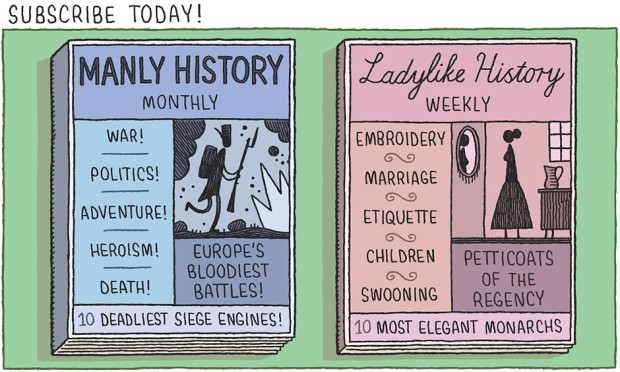
Subscribe Today!

Subscribe Today

Tom Gauld on sexism in history writing for The Guardian.

5 Comments