Skip to content

The Casual Optimist Posts

Book Covers of Note October 2016

Busy, busy October… here are this month’s book covers of note…

aluta-illustration-shonagh-rae-ad-michael-solomon
Aluta by Adwoa Badoe; design Michael Solomon; cover art Shonagh Rae (Groundwood / September 2016)

American Ulysses design Eric White
American Ulysses by Ronald C. White; design Eric White; photograph © Colorized History, colorized by Mads Madsen (Random House / October 2016)

architecture-of-neoliberalism-design-daniel-b-gray

The Architecture of Neoliberalism by Douglas Spencer; design Daniel Benneworth-Gray (Bloomsbury / October 2016)

best-american-comics-cover-art-marc-bell
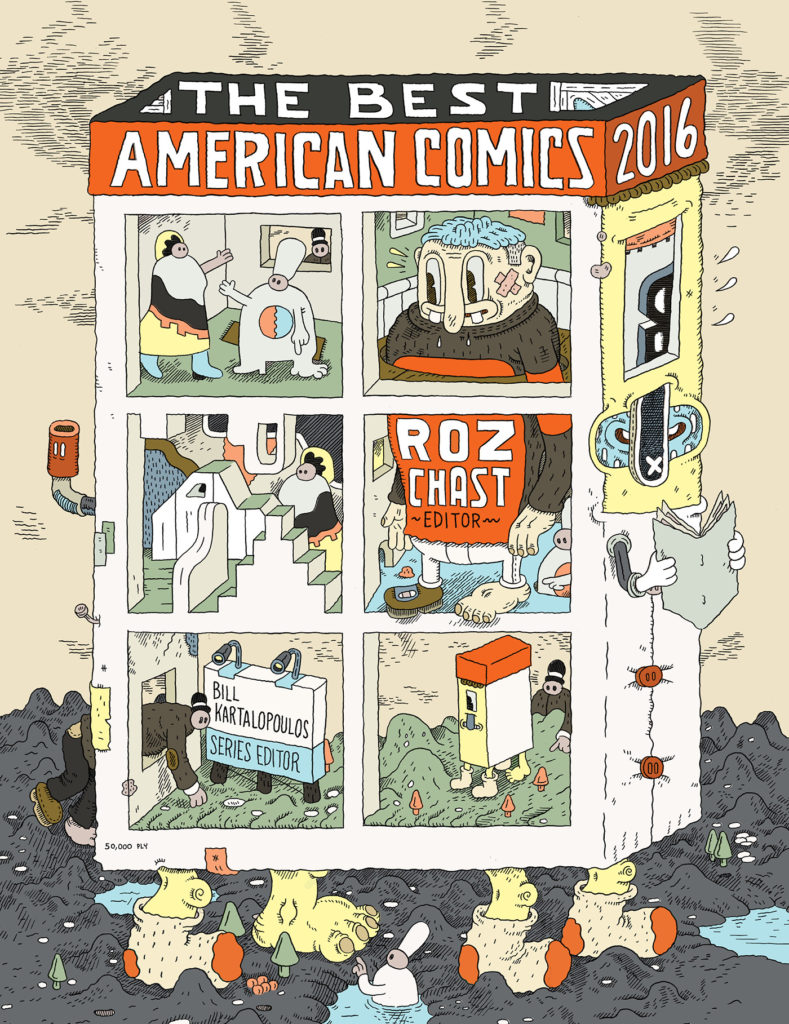
The Best American Comics 2016 edited by Roz Chast; illustration by Marc Bell; design by Christopher Moisan (Mariner / October 2016)

best-american-nonrequired-reading-cover-art-jillian-tamaki
Best American Nonrequired Reading 2016 edited by Rache Kushner; illustration and lettering by Jillian Tamaki; design by Mark Robinson (Mariner / October 2016)

birds-design-keenan

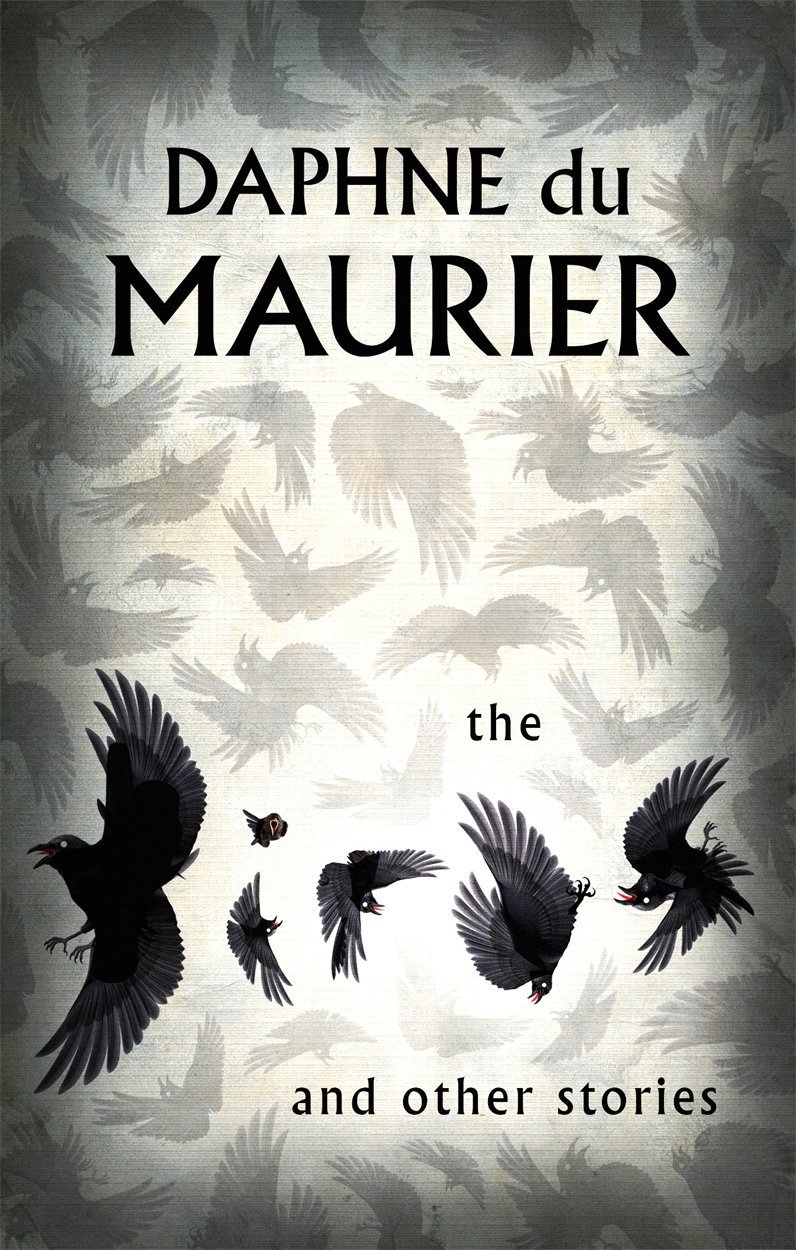
The Birds and Other Stories by Daphne du Maurier; design Jamie Keenan (Virago / October 2016)

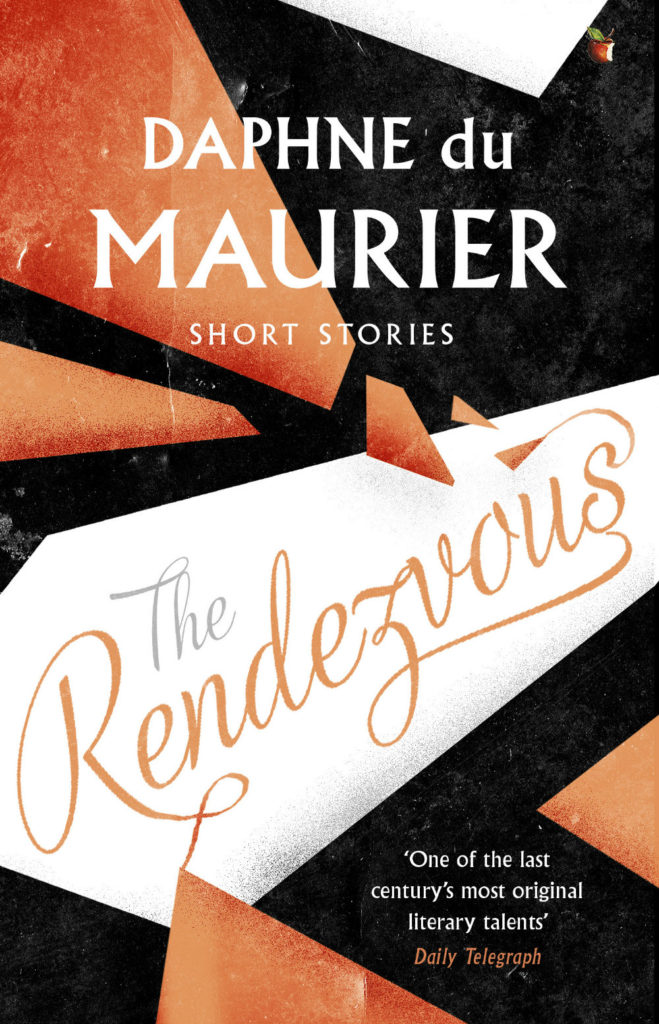
Virago’s other new du Maurier reissues are also really nice:
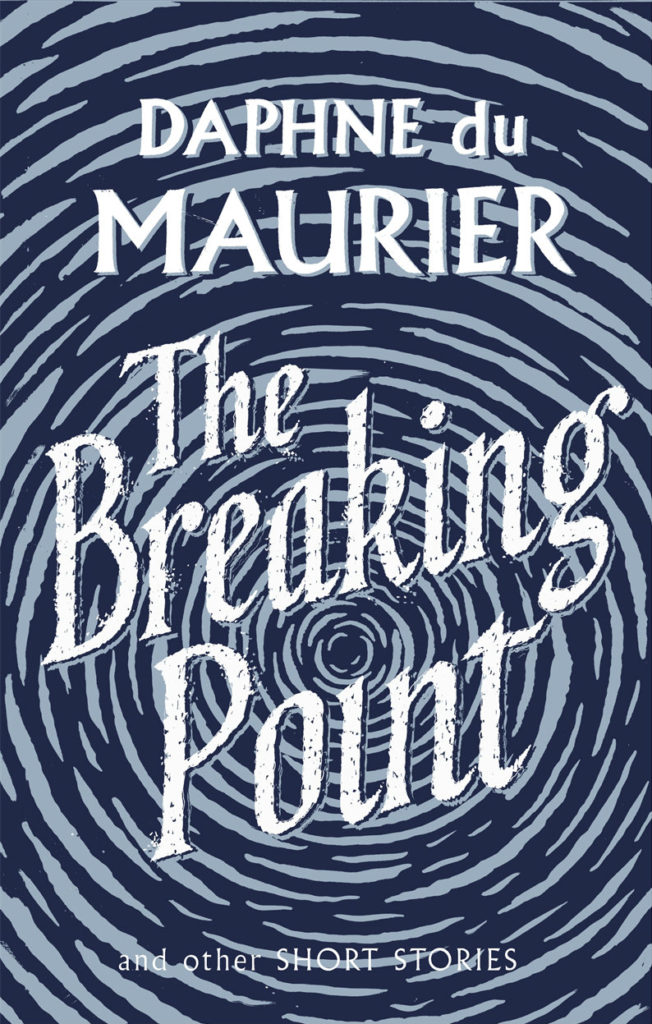
I wrote about the series last year.

chance-in-evolution-design-jenny-volvovski

Chance in Evolution edited by Grant Ramsey & Charles H. Pence; design by Jenny Volvovski (University of Chicago Press / October 2016)

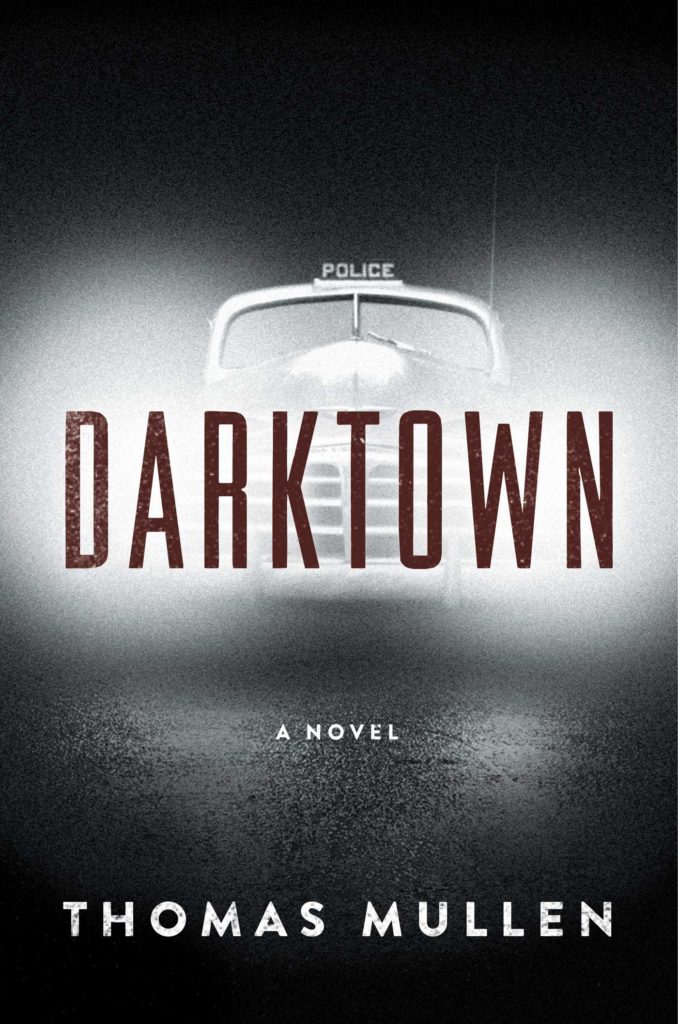
dark-town-design-craig-fraser
Darktown by Thomas Mullen; design by Craig Fraser (Little, Brown / September 2016)

Another entry for the sideways covers collection (although this is not a first for Mullen’s books — the US paperback edition of The Last Town on Earth, published by Random House in 2007, also has a sideways photograph on the cover).1

Oh, and the cover of the US edition of Darktown (published by Atria in September) was designed by Laywan Kwan.
don’t i know you? comp18.eps

Don’t I Know You? by Marni Jackson; design by Phil Pascuzzo (Flatiron / September 2016)
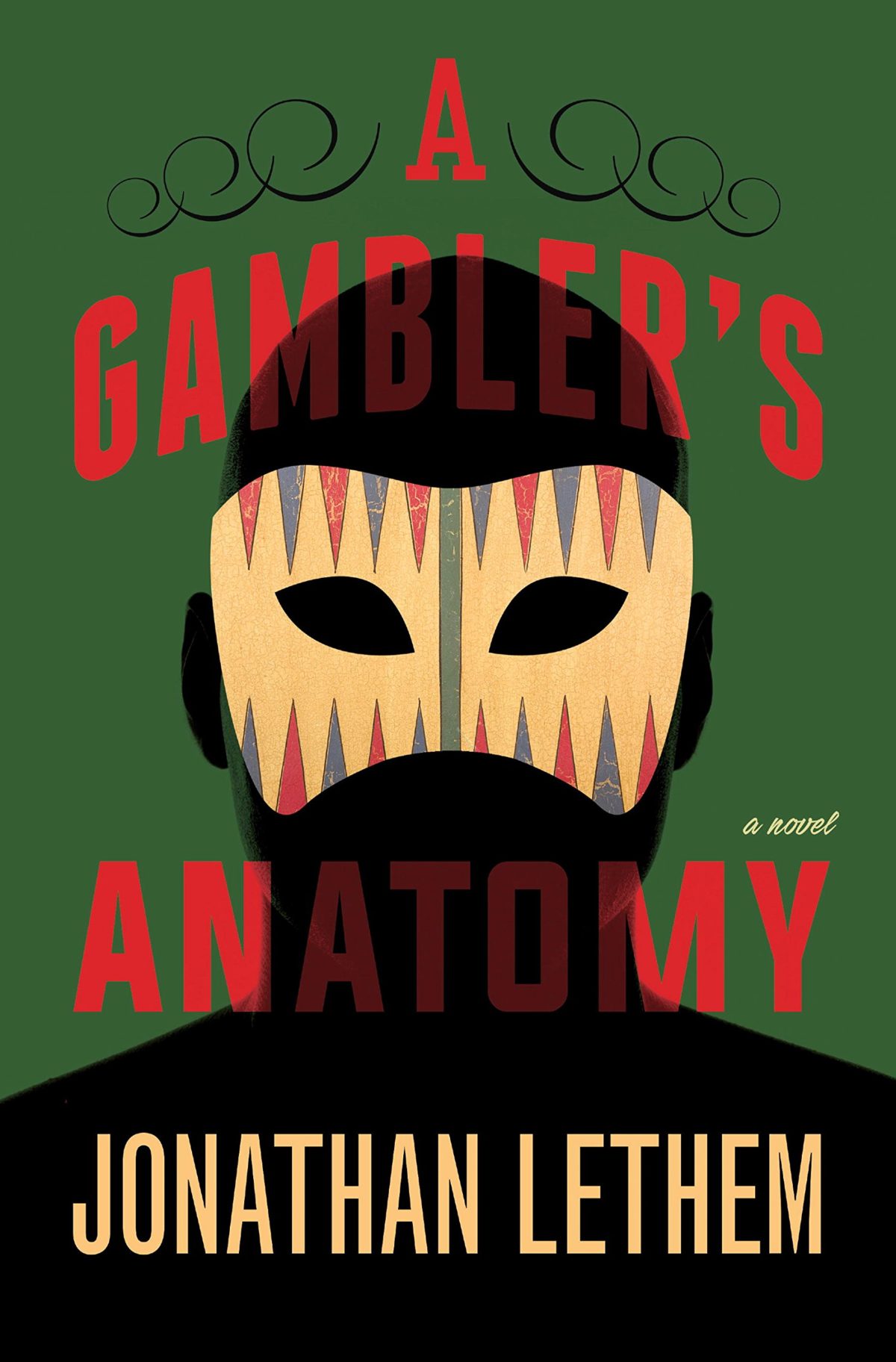
gamblers-anatomy-design-gray318
A Gambler’s Anatomy by Jonathan Lethem; design by Gray318 (Doubleday / October 2016)

ghostland-cover-art-jon-contino
Ghostland by Colin Dickey; cover art by Jon Contino (Viking / October 2016)
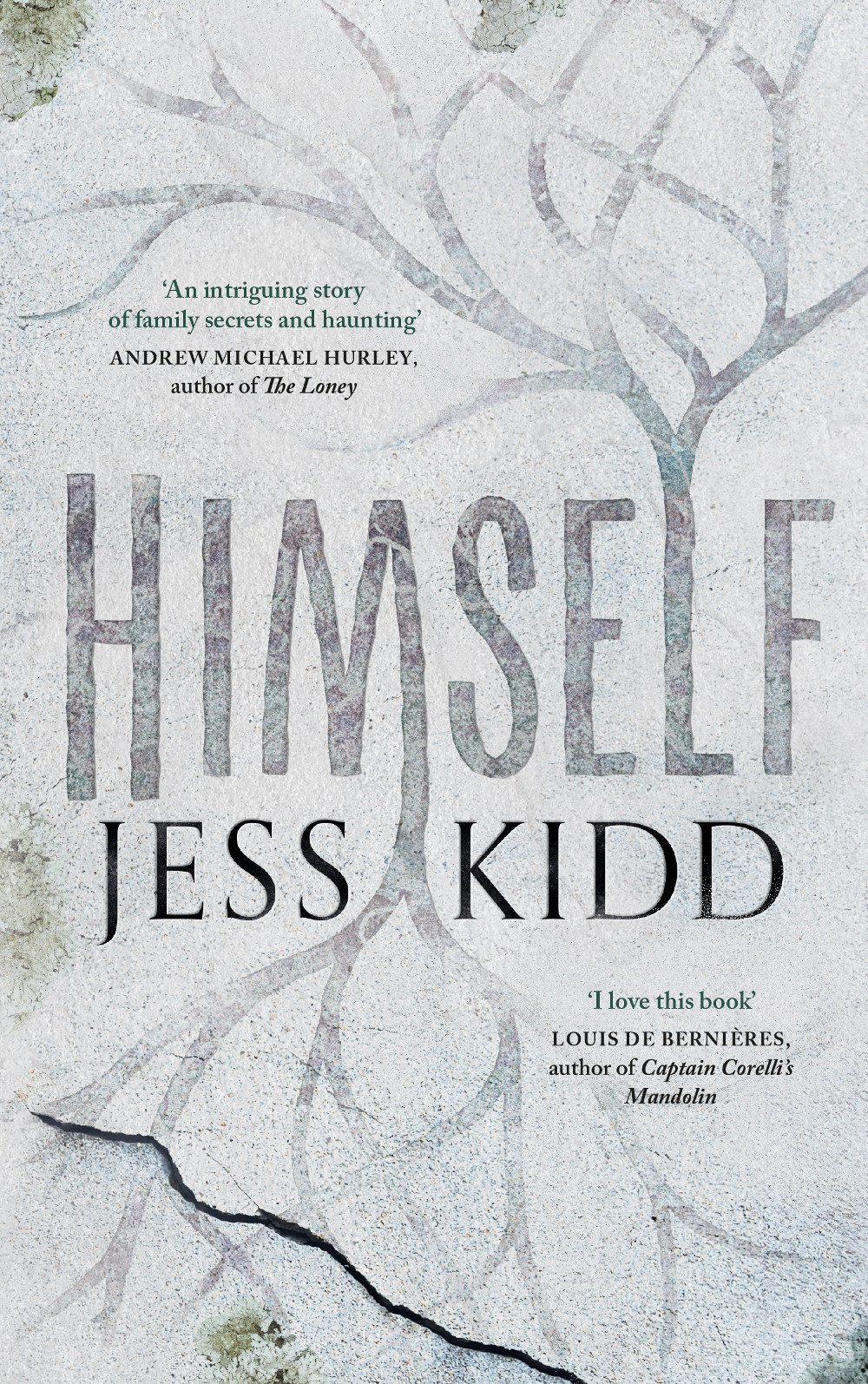
himself-design-pete-adlington
Himself by Jess Kidd; design by Pete Adlington (Canongate / October 2016)

How To See design Peter Mendelsund
How to See by David Salle; design by Peter Mendelsund (W.W. Norton / October 2016)

known-and-strange-things-design-alex-merto-photography-teju-cole

Known and Strange Things by Teju Cole; design by Alex Merto; photograph Teju Cole (Random House / August 2016)

magictoyshop

The Magic Toyshop by Angela Carter; design by Jack Smyth; illustration Pietari Posti (Virago / October 2016)

mothers-design-rachel-willey
The Mothers by Brit Bennett; design by Rachel Wiley (Riverhead / October 2016)

multiple-choice-design-j-pelham

Multiple Choice by Alejandro Zambra; design Jonathan Pelham (Granta / October 2016)

Nayon Cho’s design for the US edition of Multiple Choice, published by Penguin US, was featured in July’s covers post.

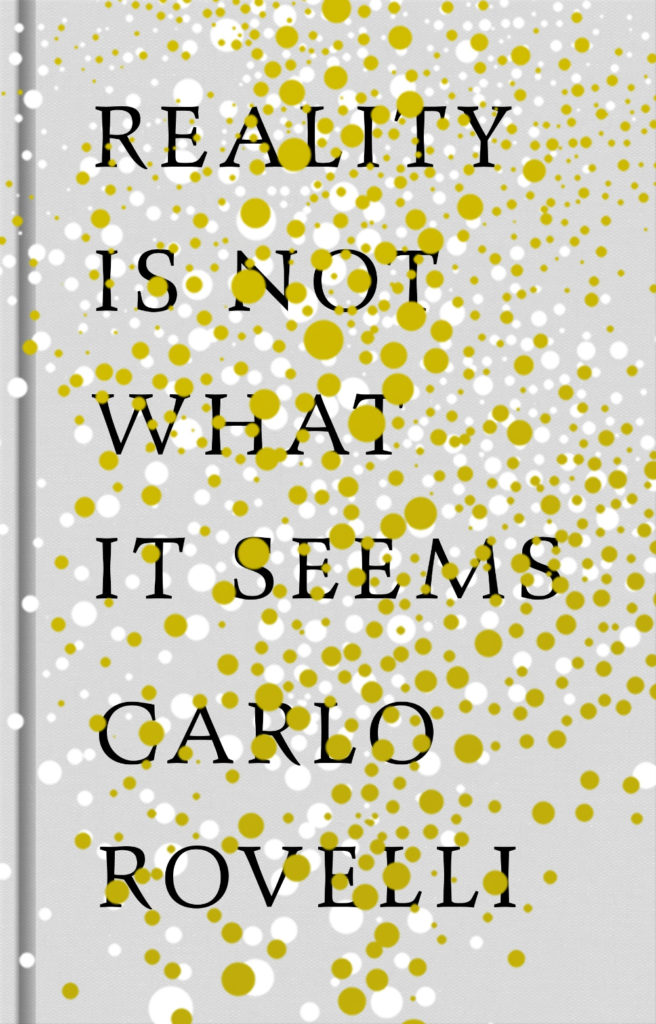
reality-is-not-what-it-seems-design-coralie-bickford-smith
Reality is Not What it Seems by Carlo Rovelli; design by Coralie Bickford-Smith (Allen Lane / October 2016)

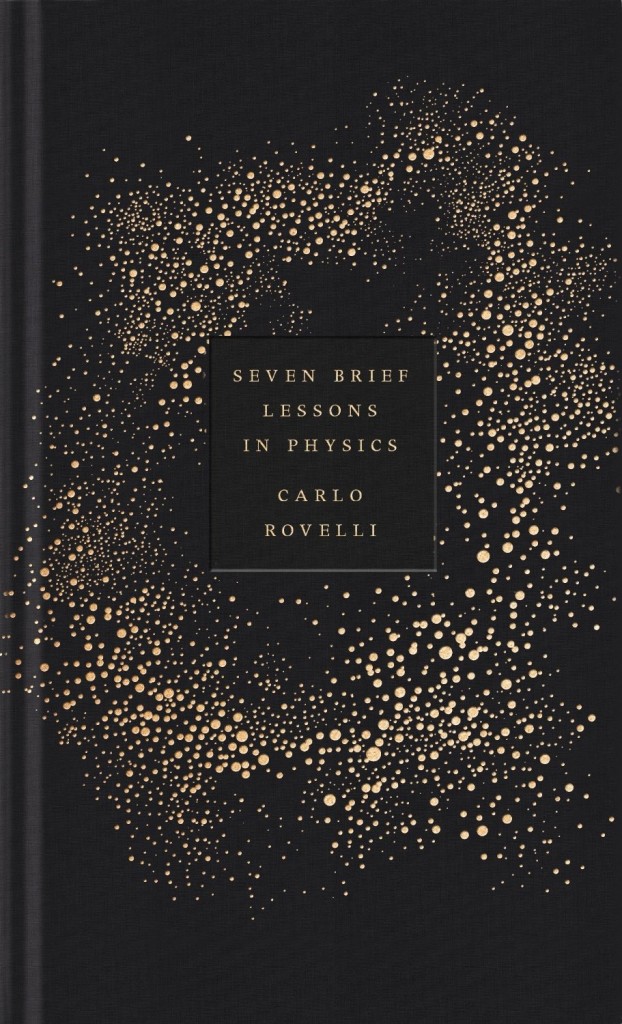
This goes rather nicely with Coralie’s design for Rovelli’s previous book Seven Brief Lessons in Physics:
results-may-vary-design-misa-erder

Results May Vary by Bethany Chase; design by Misa Erder (Ballantine / August 2016)

sirius-cover-art-pascal-blanchet
Sirius by Jonathan Crown; cover art by Pascal Blanchet (Scribner / October 2016)

concentration-design-isaac-tobin

That Self-Forgetful Perfectly Useless Concentration by Alan Shapiro; design by Isaac Tobin (University of Chicago Press / October 2016)

wangs-vs-the-world-design-kimberly-glyder
The Wangs vs. the World by Jade Chang; design by Kimberly Glyder (Houghton Mifflin / October 2016)

wealth-of-humans-design-tom-etherington
The Wealth of Humans by Ryan Avent; design by Tom Etherington (Allen Lane / September 2016)

who-killed-piet-barol-design-sinem-erkas
Who Killed Piet Barol? by Richard Mason; design Sinem Erkas (Weidenfeld & Nicolson / September 2016)

wrecked-design-liz-casal
Wrecked by Maria Padian; design by Liz Casal (Algonquin Young Readers / October 2016)

Comments closed

Elaine Lustig Cohen, Pioneer

Elaine in 1964, photographed by Naomi Savage (1964)
Elaine Lustig Cohen, photographed by Naomi Savage

I was sad to hear that designer Elaine Lustig Cohen had died aged 89 last week. She will forever be associated with her more famous husband Alvin Lustig, but she was a remarkable designer in her own right and her influence, as Steven Heller notes at Design Observer, extended far beyond her studio:

Elaine’s professional standing far outlasted her years of practice because beyond being a pioneer, she was also the benefactor in so many ways for graphic design history, and an advocate for so many other historians, practitioners—and especially women. It is this enduring integrity and generosity that ultimately defined her highly treasured life.

Following Alvin Lustig’s death, Elaine specialized for some time in designing book covers and jackets, initially following her late husband’s aesthetic, until finding her own style and vision. For over a decade she earned commissions from museums, architects, and book publishers—including Noonday Press, whose publisher, Arthur Cohen, would become her second husband. Her own studio closed in 1967, although Elaine continued to design catalog covers for Ex Libris (the antiquarian bookstore she and Cohen ran together) focusing on avant-garde modernist books and documents. She turned instead to making art—inspired in part, by Constructivism, Dada, and the Bauhaus—and continued to do so until the end of her life.

hard_candy

In a profile of the designer for Eye magazine in 1995, Ellen Lupton noted what made ELC’s book covers so distinctive…

In her covers for Meridian Books and New Directions, designed from 1955 through 1961, Elaine Lustig Cohen used abstract structural elements, expressive typography, and conceptual photographs to interpret the books’ contents. Working at a time when most book covers employed literal pictorial illustrations, Cohen visualized titles in contemporary literature and philosophy through a rich variety of approaches, from stark abstractions and concept-driven solutions to obtuse evocations that bring to mind the recent work of Chip Kidd and Barbara de Wild for Knopf.

Elaine Lustig Cohen’s cover for the journal ‘The Noble Savage’ 4 (1960) features a time-worn classical statue festooned with a typographic moustache and blasted with a star-burst pull-out quote from Darwin. For Yvor Winter‘s ‘On Modern Poets’ (1959), Cohen photographed a loose arrangement of plastic letters, while she used a field of pebbles to obliquely represent ‘The Varieties of History’ (1957). If such solutions are suggestively poetic, Cohen could also be brilliantly blunt, as in her choice of oversized, cello-wrapped bonbons for Tennessee Williams’s ‘Hard Candy’ (1959).

…A point echoed in the New York Times obituary:

She designed museum catalogs and furniture. As a book-cover designer, she followed in Mr. Lustig’s precisionist footsteps but eventually established her own, more free-form style.

“I tried to reflect the spirit of the books,” she said in a video made by AIGA, the graphic arts organization, when she was awarded its medal in 2012.

Her jacket for “Yvor Winters On Modern Poets” looked as if plastic letters had been placed on a tabletop, then jostled by a passing child. A book about St. Augustine featured his name twice, as the arms of a cross. The jacket for Tennessee Williams’s short-story collection “Hard Candy” showed extreme close-ups of cellophane-wrapped sweets, seeming to fall through the air.

You can see a selection of ELC’s book covers on her website, and the video referenced above is here:

Comments closed

Gimme Danger

A Jim Jarmusch documentary about Iggy Pop and The Stooges? YES.

Gimme Danger is scheduled for a limited release on October 28th.

Comments closed

Stanislaw Lem Penguin Modern Classics

Mortal Engines design by Haley Warnham

A new Penguin Modern Classic edition of Mortal Engines by Polish science fiction writer Stanislaw Lem is available in the UK this week. Art directed by Jim Stoddart, this is the third of Lem’s books in the Penguin Modern Classics series featuring cover art by illustrator and designer by Haley Warnham.

You can read more about Warnham’s collages in an interview with illustrator on AIGA’s Eye on Design blog.

Star Diaries Mortal Engines design by Haley Warnham Cyberiad design by Haley Warnham

Comments closed

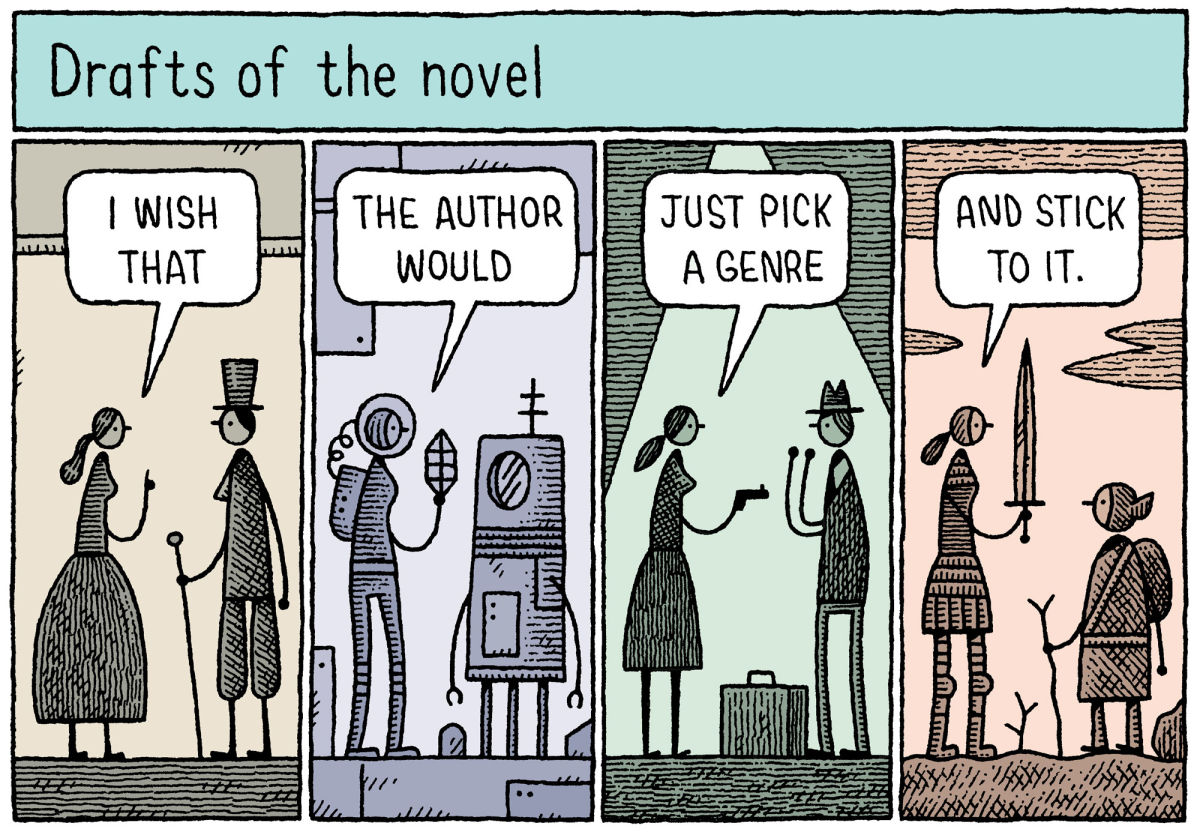
Drafts of the Novel

gauld-tom-genre-090616-1200

Tom Gauld for The New Yorker.

Tom’s new graphic novel Mooncop is out now.

Comments closed

The Bolted Book

7-27-16_9515-970x728
Designers & Books, in collaboration with the Center for Italian Modern Art in New York and the Mart, the Museum of modern and contemporary art of Trento and Rovereto, Italy, is launching a Kickstarter campaign on October 18 to publish a new facsimile edition of Depero Futurista, the 1927 monograph of Italian Futurist Fortunato Depero. Famously bound by two industrial aluminum bolts, “The Bolted Book” is full of typographic experimentation and widely recognized as a masterpiece of avant-garde book-making.

At the project’s website you can see each of the book’s (amazing) 240 pages in detail, read translations from the original Italian and annotations of selected texts, and learn more about Depero’s life and work.

depero-bolted-book-04

depero-bolted-book-49


Comments closed

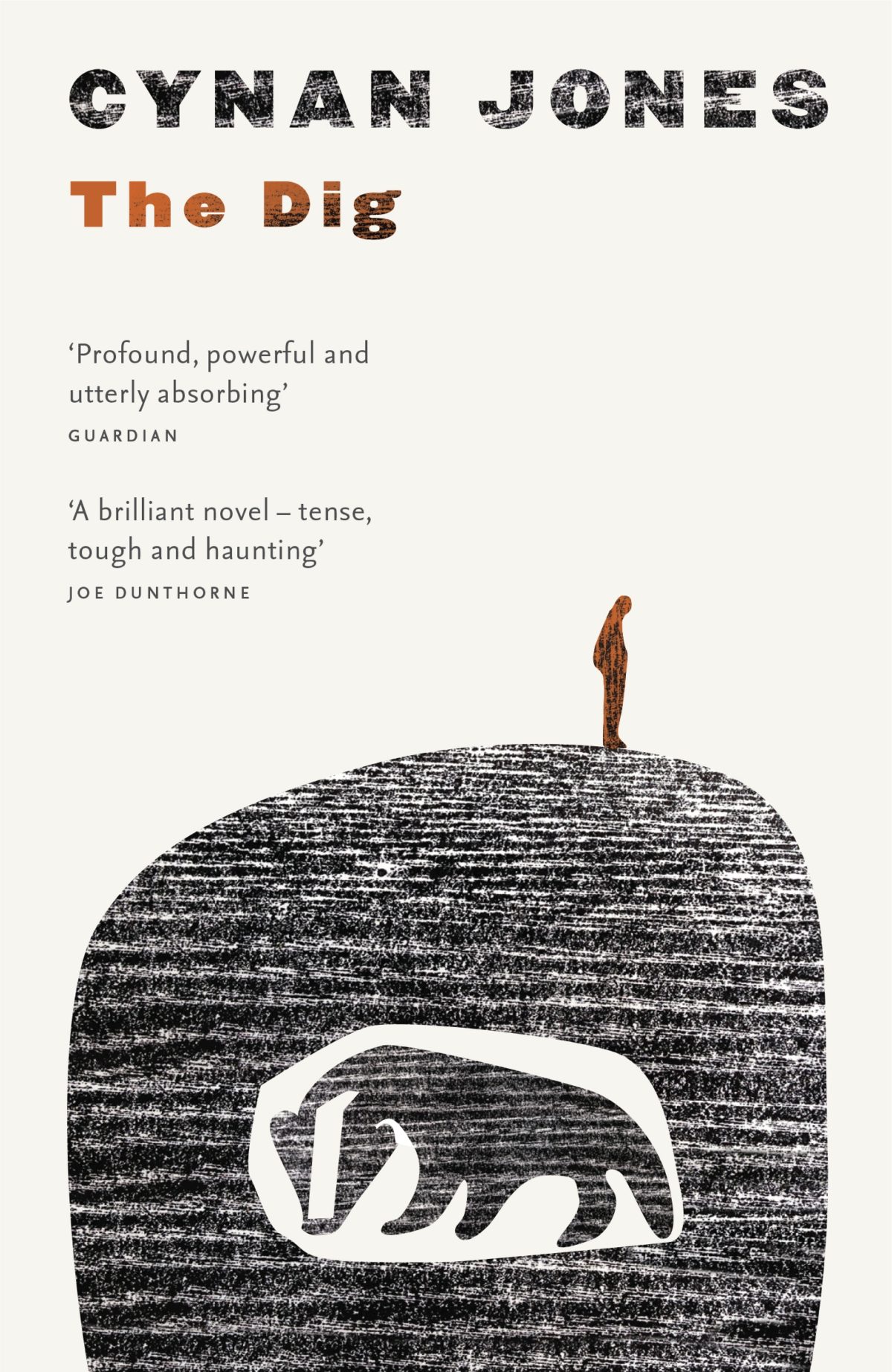
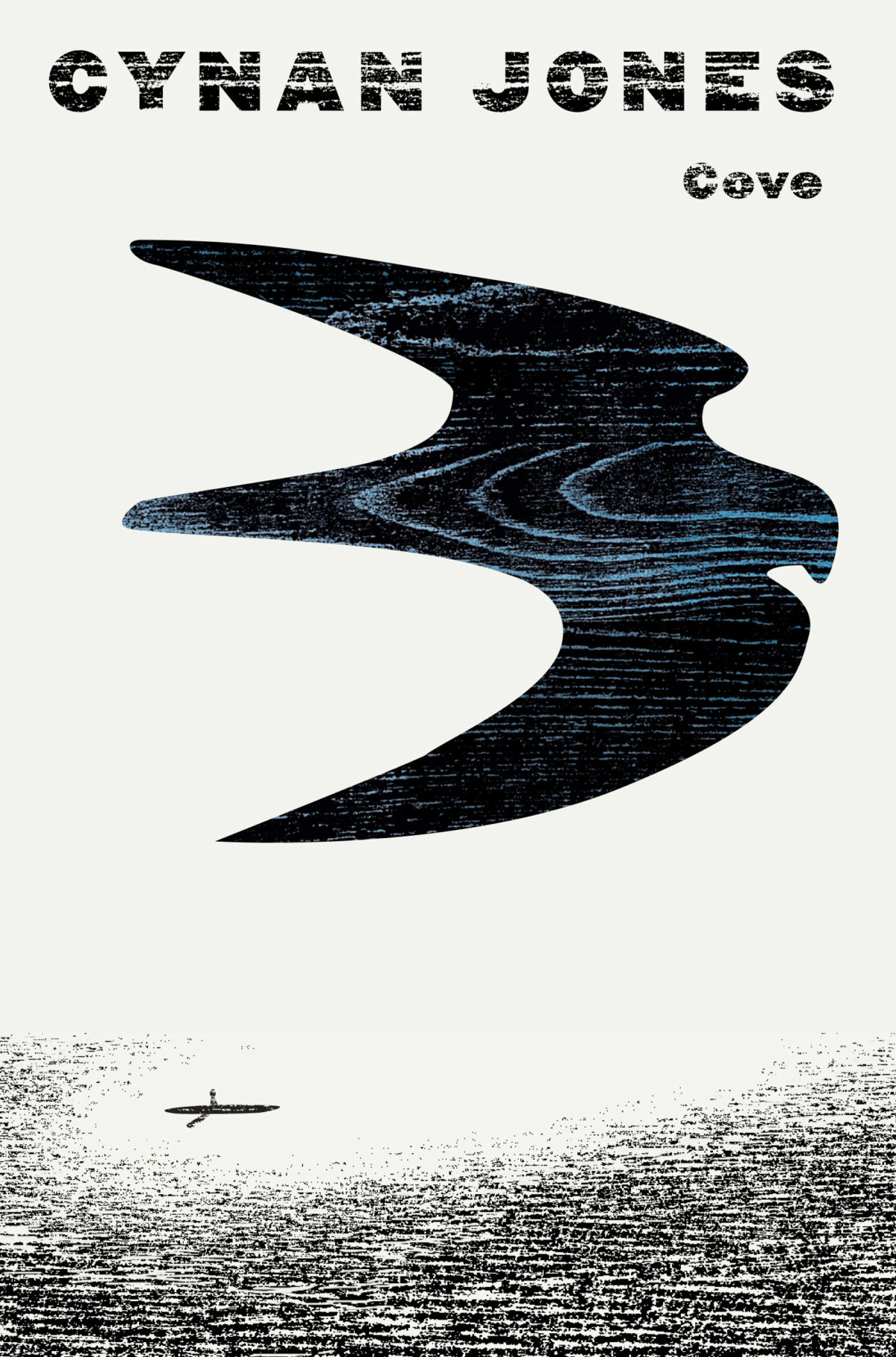
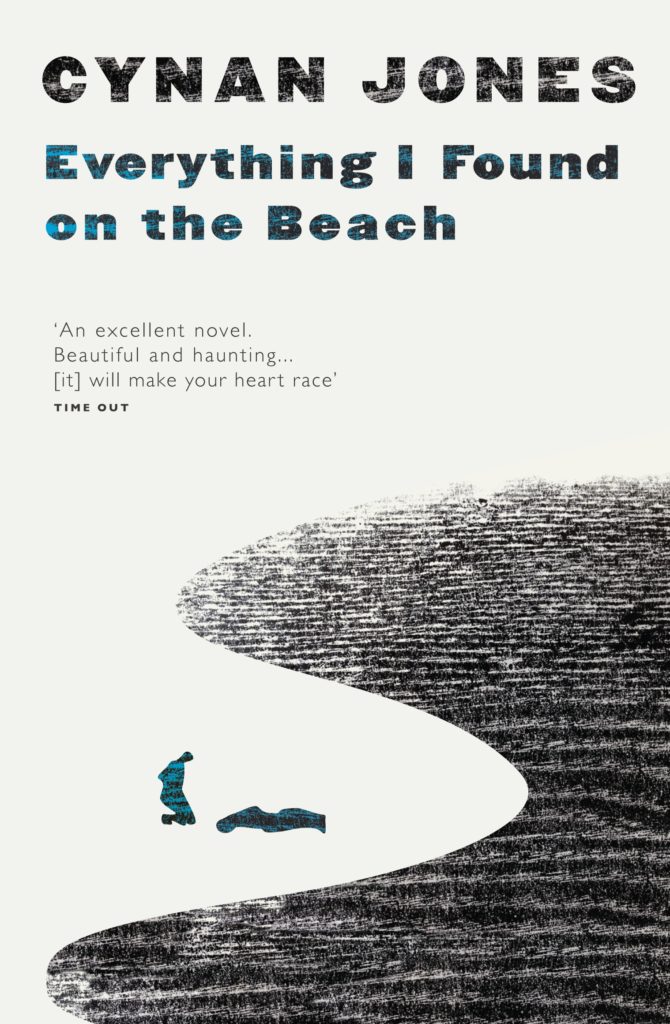
Cynan Jones Covers by Jenny Grigg

dig-design-jenny-grigg

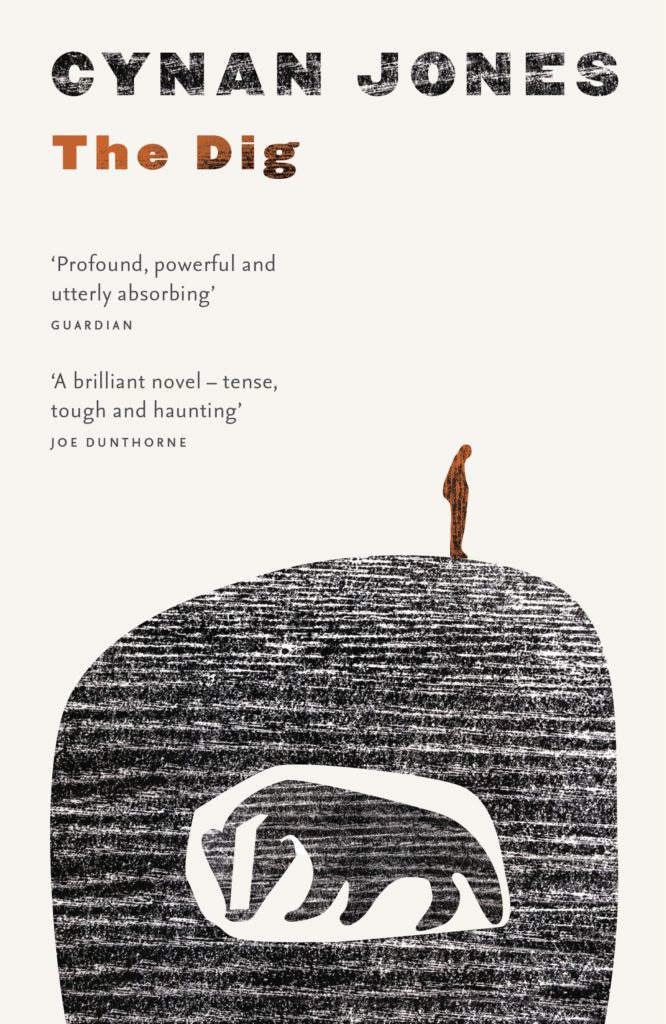
I’m a little late to work of Welsh novelist Cynan Jones, but I recently finished reading his award-winning 2014 novel The Dig, and it’s not hard to see what all the fuss is about. The writing is beautifully spare and intimate, and the story is devastating.1

The stark, illustrated cover of The Dig and Jones’s earlier books, recently republished by Granta, also caught my eye. The striking designs are, it turns out, by the brilliant Australian designer Jenny Grigg, which seems obvious once you know. Her previous covers for Peter Carey and Ernest Hemingway have similarly bold simplicity and tone.

Grigg has also designed the cover of Jones’s new novel, The Cove, which will be published by Granta in November.

cove-design-by-jenny-grigg
everything-i-found-design-jenny-grigg

long-dry-design-jenny-grigg
  1. If you are going to read one novel about grief, isolation, sheep farming and the horrific cruelty of badger baiting this year, make it The Dig. ↩︎
Comments closed

New Lines

newlines-grant-snider

A new comic from Grant Snider.

Comments closed

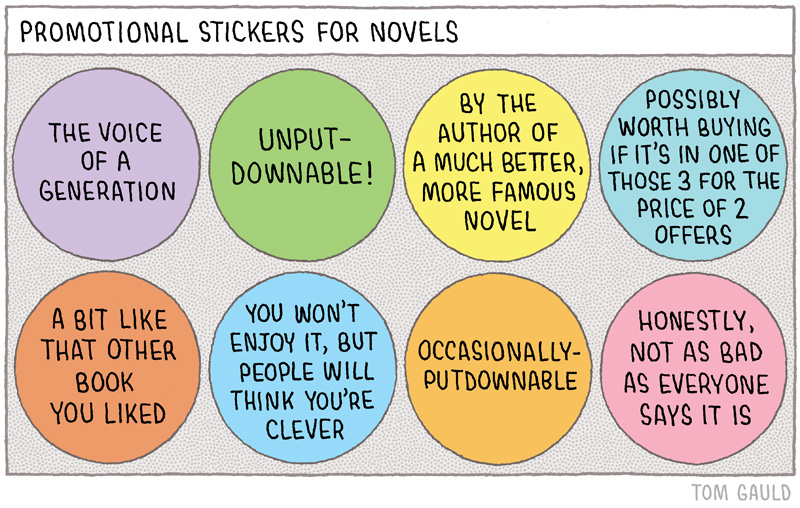
Promotional Stickers for Novels

promotional-stickers-for-novels-tom-gauld

Tom Gauld‘s latest cartoon for The Guardian. It seems kind of appropriate for the day this year’s Man Booker Prize shortlist is announced…

Comments closed

Book Covers of Note September 2016

It’s September. It’s busy.

all-we-shall-know-design-james-paul-jones
All We Shall Know by Donal Ryan; design by James Paul Jones (Transworld / September 2016)

art-of-memoir-design-robin-bilardello
Art of Memoir by Mary Karr; design by Robin Bilardello (Harper Perennial / September 2016)
Before design by Anna Zylicz
Before by Carmen Boullosa; design by Anna Zylicz (Deep Vellum / August 2016)

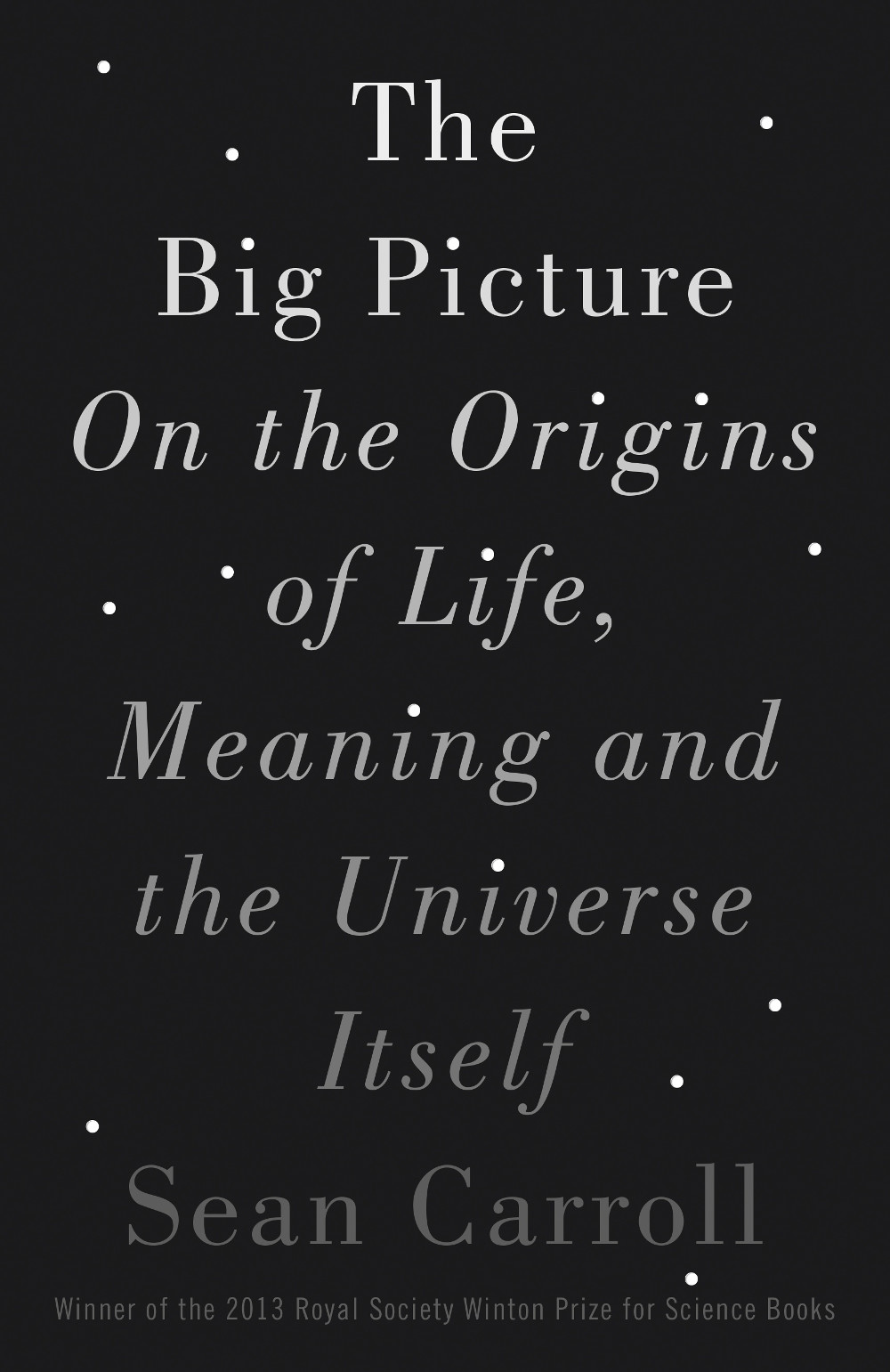
the-big-picture_oneworld_design-by-jamie-keenan
The Big Picture: On the Origins of Life, Meaning and the Universe Itself by Sean Carroll; design by Jamie Keenan (Oneworld / September 2016)

cannibal-artwork-wangechi-mutu
Cannibal by Safiya Sinclair; design by Nathan Putens; artwork by Wangechi Mutu (University of Nebraska Press / September 2016)

Cannibals in Love design Na Kim
Cannibals in Love by Mike Roberts; design by Na Kim (FSG Original / September 2016)

car-court-design-ben-wiseman
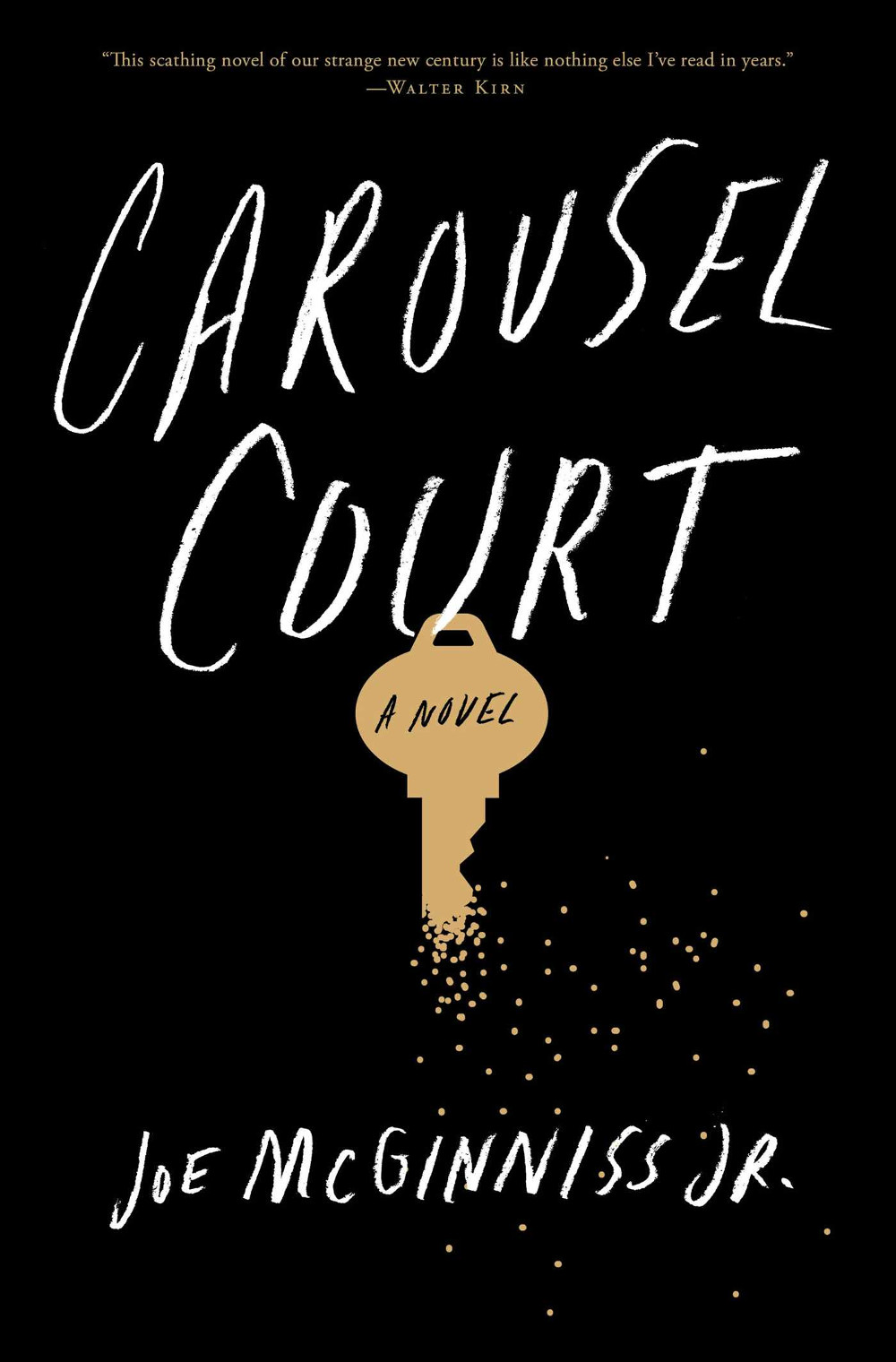
Carousel Court by Joe McGinniss Jr.; design by Ben Wiseman (Simon & Schuster / August 2016)

drinks-design-by-danielle-deschenes
Drinks: A Users Guide by Adam McDowell; design by Danielle Deschenes (TarcherPerigee / September 2016)

Dr Knox design Oliver Munday
Dr. Knox by Peter Spiegelman; design by Oliver Munday (Knopf / July 2016)

gold-from-stone-design-pete-adlington
Gold from the Stone by Lemn Sissay; design by Pete Adlington (Canongate / August 2016)

The Good Immigrant design James Paul Jones
The Good Immigrant edited by Nikesh Shukla; design by James Paul Jones (Unbound / September 2016)

little-nothing-design-rachel-wiley
Little Nothing by Marisa Silver; design by Rachel Willey (Blue Rider Press / September 2016)

looking for the stranger design Isaac Tobin
Looking for the Stranger by Alice Kaplan; design by Isaac Tobin (University of Chicago Press / September 2016)

nix-design-oliver-munday
The Nix by Nathan Hill; design by Oliver Munday (Knopf / August 2016)

notes_shadowed_city_jeffreyalanlove
Notes from the Shadowed City by Jeffery Alan Love; cover art by Jeffrey Alan Love (Flesk / September 2016)

Phantom Limbs design Matt Roeser
Phantom Limbs by Paula Garner; design by Matt Roeser (Candlewick / September 2016)

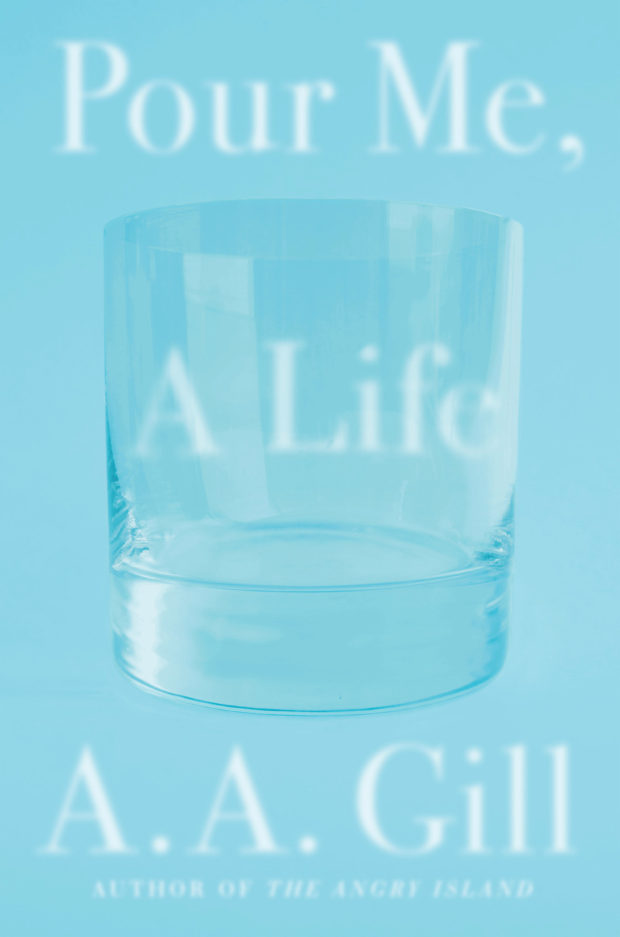
Raindrop covers could be a new thing…

pour-me-a-life-design-jason-booher
Pour Me Life by A. A. Gill; design by Jason Booher (Blue Rider Press / September 2016)

reputations-design-alex-merto
Reputations by Juan Gabriel Vásquez; design by Alex Merto (Riverhead / September 2016)

Sex and Death design Luke Bird
Sex and Death edited by Sarah Hall and Peter Hobbs; design by Luke Bird (Faber & Faber / September 2016)

strange-case-of-rachel-k-design-paul-sahre
The Strange Case of Rachel K design by Paul Sahre (New Directions / September 2016)

This paperback cover is a nice contrast to last year’s hardcover, also designed by Mr. Sahre:

stranger-father-beloved-design-anna-dorfman
Stranger Father Beloved by Taylor Larsen; design by Anna Dorfman (Gallery Books / July 2016)

substitute
Substitute by Nicholson Baker; design by Spencer Kimble (Blue Rider Press / September 2016)

33-artists-design-david-drummond
33 Artists in 3 Acts by Sarah Thornton; design by David Drummond (W.W. Norton / September 2016)

timekeepers-design-pete-adlington
Timekeepers by Simon Garfield; design by Pete Adlington (Canongate / September 2016)

Concentric circles… still a thing (see here for more examples).

time-travel-design-peter-mendelsund
Time Travel by James Gleick; design by Peter Mendelsund (Pantheon / September 2016)

war-and-turpentine-design-oliver-munday
War and Turpentine by Stefan Hertmans; design by Oliver Munday (Pantheon /August 2016)

welcome-to-the-universe-design-chris-ferrante
Welcome to the Universe by Neil Degrasse Tyson, Michael A. Strauss, J. Richard Gott; design by Chris Ferrante (Princeton University Press / September 2016)

Loving these minimal black and white covers for books about the universe…

wolf-boys-design-grace-han
Wolf Boys by Dan Slater; design by Grace Han (Simon & Schuster / September 2016)

Wonder US design Kimberly Glyder
The Wonder by Emma Donoghue design by Kimberly Glyder (Little, Brown & Co. / September 2016)

Wonder UK
The Wonder by Emma Donoghue design by Jo Thompson (Picador / September 2016)

The UK and US covers actually make a lovely pair…

Comments closed

Richard Sapper’s Vision of the Future

richard-sapper-jonathan-olivares-book-cover

At Curbed, Alexandra Lange discusses the work of German-born industrial designer Richard Sapper, and a new book about his work published by Phaidon:

When Los Angeles-based designer Jonathan Olivares first met Richard Sapper in 2008 in Milan, Sapper’s adopted home, he put it more bluntly: Why black?

“I expected him to come back with a hardcore minimalist modernist objective,” says Olivares who, like Sapper, has designed for Knoll. But Sapper said something different. “Black looks good in all kinds of interiors: old interiors, messy interiors, a clean modern interior. It ages really well. It doesn’t look dirty. You don’t see the seams. He told me, Next time, look at a white car and look at a black car. On a white car you see all the joints.” Sapper told two different stories about the shape of the ThinkPad. One is that he was inspired by the cigar box, the other by the bento box. In either case, a deceptively dark, plain exterior opens to a world of flavor. The red nub is either a beautiful cigar wrapper or a nice piece of tuna. It’s such a practical explanation it takes a moment to sink in. It’s as if this product designer knew your life…

…Sapper lived with multitudes and made multitudes, and his idea of the future didn’t involve getting rid of everything past, whether personal or visual. Technology, in his world, could co-exist with sentiment and age. To the end, he was still trying to invent a lamp for people who couldn’t hardwire to the ceiling above their tables. It was based on a fishing rod. That was the kind of “perching” that was of interest to him.


Save

Save

Comments closed

Luc Sante on Jean-Michel Basquiat

basquiat-studio

New York Review of Books blog has posted Luc Sante’s reminiscences of artist Jean-Michel Basquait:

The last time I saw Jean I was going home from work, had just passed through the turnstile at the 57th Street BMT station. We spotted each other, he at the bottom of the stairs, me at the top. As he climbed I witnessed a little silent movie. He stopped briefly at the first landing, whipped out a marker and rapidly wrote something on the wall, then went up to the second landing, where two cops emerged from a recess and collared him. I kept going.

A month later he was famous and I never saw him again. We no longer traveled in the same circles. I was happy for him, but then it became obvious he was flaming out at an alarming pace. I heard stories of misery and excess, the compass needle flying around the dial, a crash looming. When he died I mourned, but it seemed inevitable, as well as a symptom of the times, the wretched Eighties. He was a casualty in a war—a war that, by the way, continues. Years later I needed money badly and undertook to sell the Basquiat productions I own, but got no takers, since they were too early, failed to display the classic Basquiat look. I’m glad it turned out that way.

Save

Comments closed