Skip to content

The Casual Optimist Posts

Book Covers of Note November 2018

This is my last monthly round-up for 2018. Next month I’ll post my round-up for the year. I have to confess that I have not given the blog 100% of my attention of late, so if you think that there are covers I might’ve overlooked this year please feel to send them my way for consideration. 
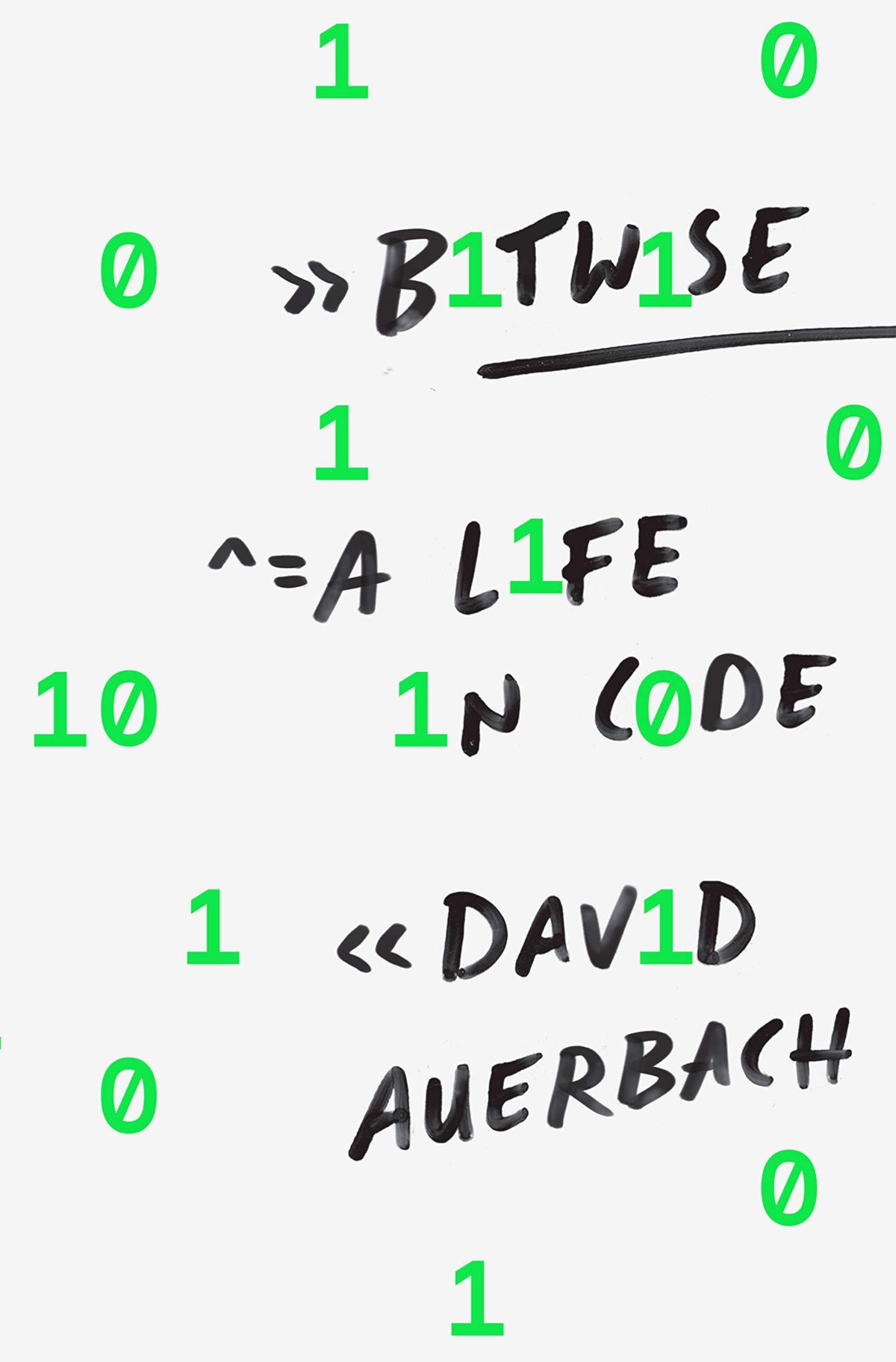

Bitwise: A Life in Code by David Auerbach; design by Tyler Comrie (Pantheon / August 2018)
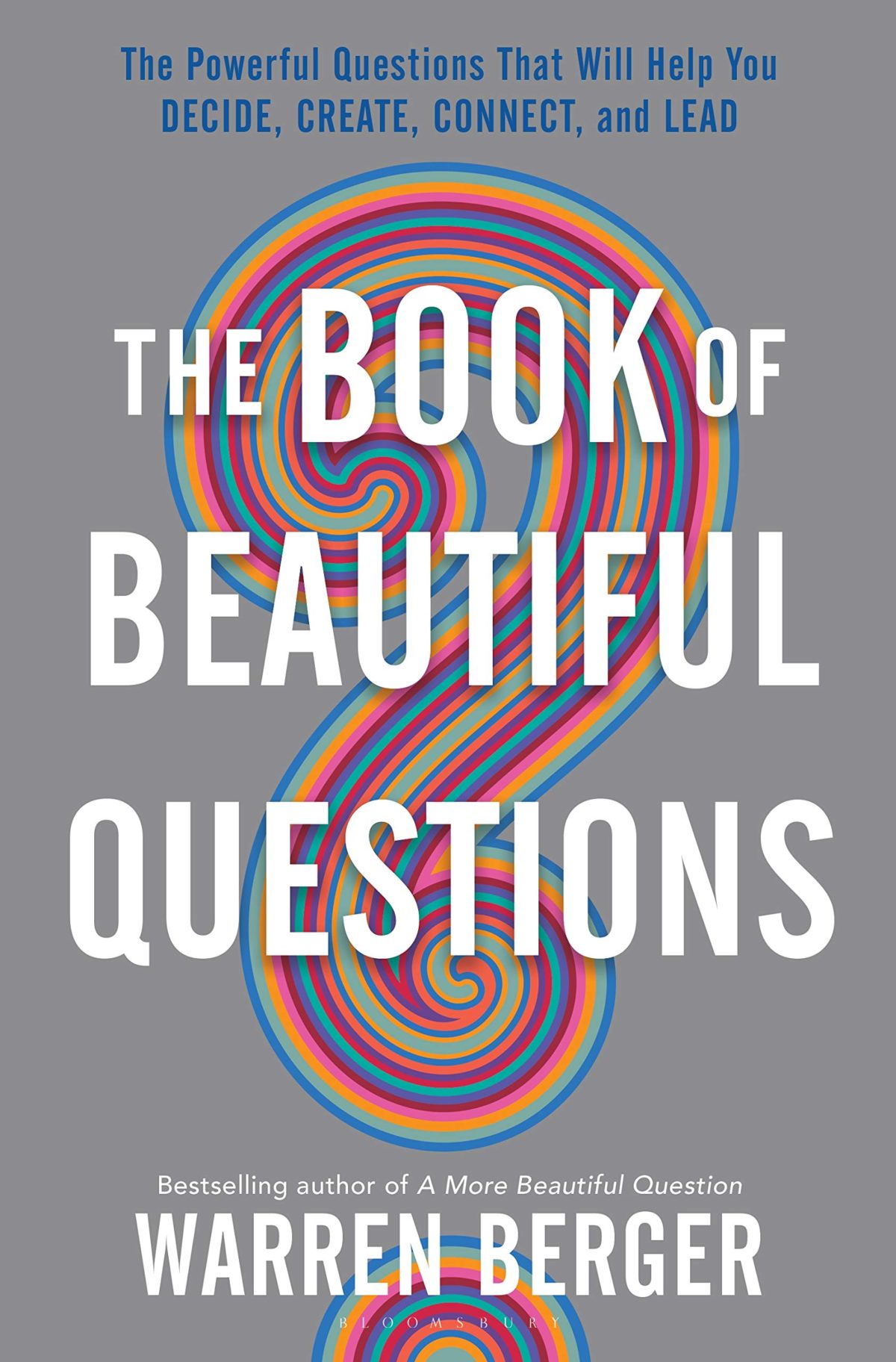

The Book of Beautiful Questions by Warren Berger; design by Tree Abraham (Bloomsbury / October 2018)


‘Broadsword Calling Danny Boy’ by Geoff Dyer; design Jim Stoddart (Penguin / October 2018)

The blackletter is similar, I believe, to the type used for the movie title / credits, and the chevrons are a nice reference to a design that appears in the movie. The Guardian reviewed the book last month if you are curious. (And someone in the UK needs to buy it for me as a Christmas present!)


The Deserters by Pamela Mulloy; design by David Drummond (Véhicule Press / September 2018)


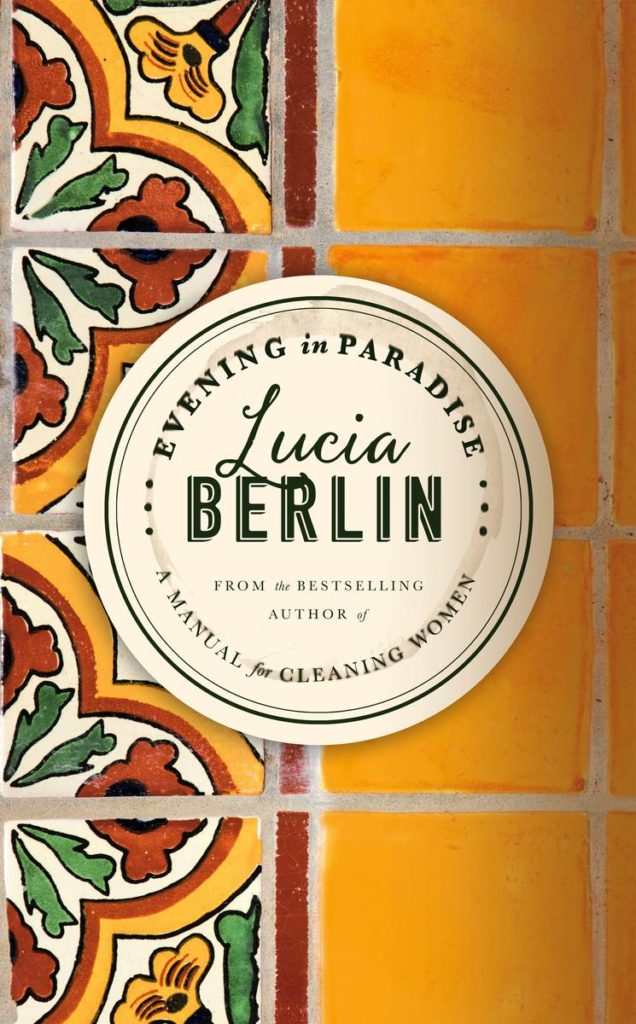
Evening in Paradise by Lucia Berlin; design by Na Kim (Farrar, Straus and Giroux / November 2018)

Na Kim designed the cover for Welcome Home by Lucia Berlin, also released this month, too:

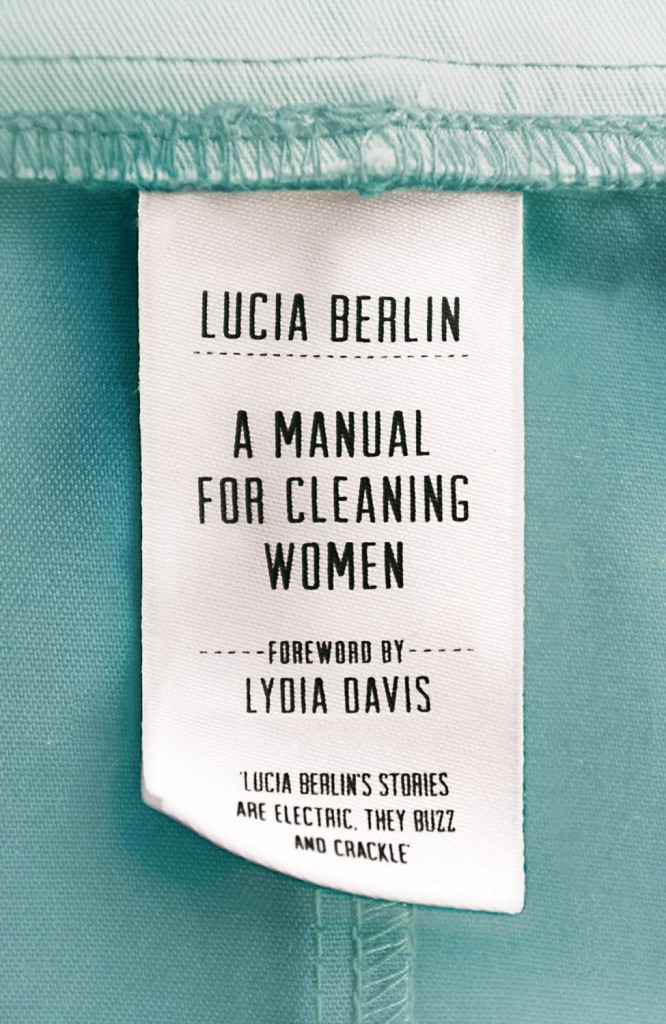
The cover of the UK edition of Evening in Paradise was designed by Justine Anweiler I believe. Justine designed the wonderful cover for hardback of A Manual For Cleaning Women:

Feminasty by Erin Gibson; design by Anne Twomey; photograph by Ricky Middlesworth (Grand Central / September 2018)

Usually I’m a bit reluctant to post the covers of celebrity books, but this is pretty great.

Celebrity book covers are often look beautiful — the recent memoirs by Sally Fields and Michelle Obama come to mind — but often that’s because of a glamourous photograph. The designer’s job is just to get out of the way. That makes sense from a marketing point of view, it’s just not terribly interesting from a design perspective. This feels like it has a bit more to it somehow. Or maybe it’s just more fun…

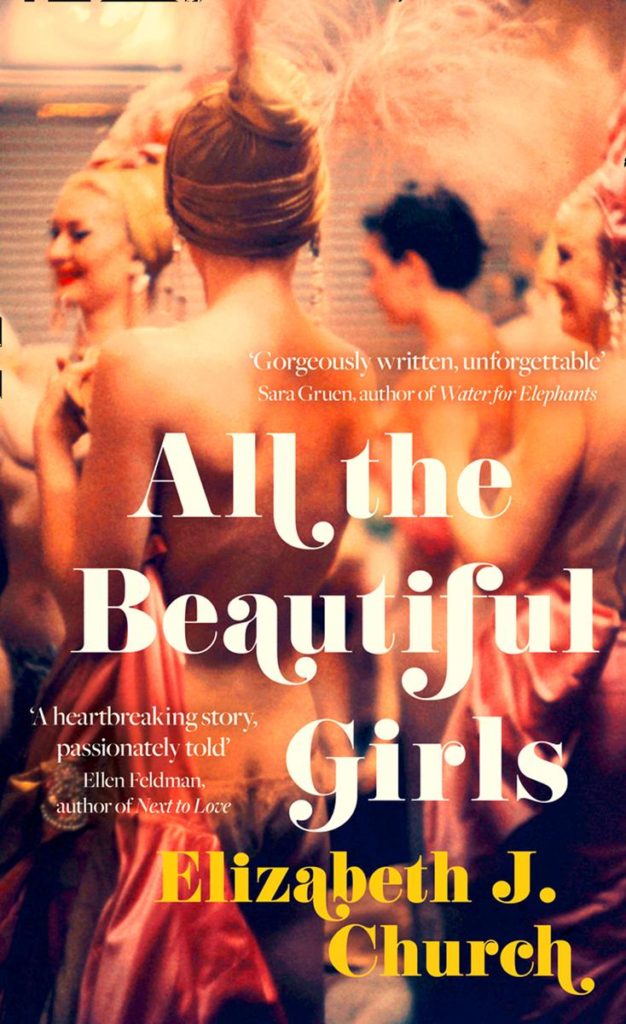
That all said, I have started to see this kind of swashy retro type pop-up more frequently of late. A couple of recent examples that come to mind are the covers of All the Beautiful Girls by Elizabeth J. Church, designed by Anna Morrison (Fourth Estate), and The Dakota Winters by Tom Barbash designed by Allison Saltzman (Ecco):

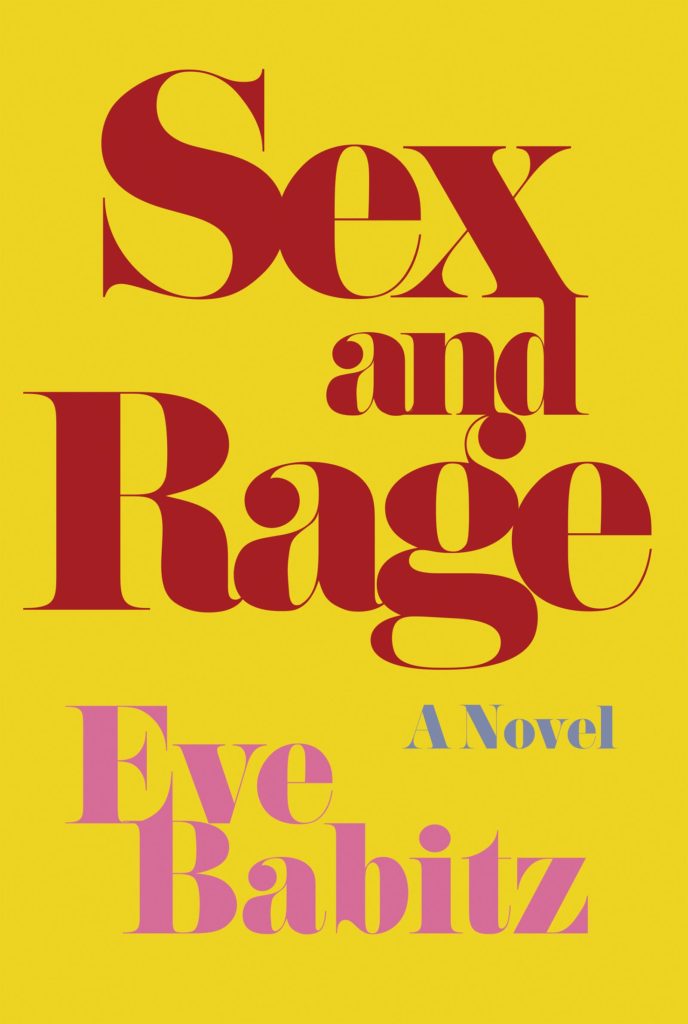
I was also reminded of Kelly Winton‘s covers designs for the reissues of Black Swans and Sex and Rage by Eve Babitz from Counterpoint.
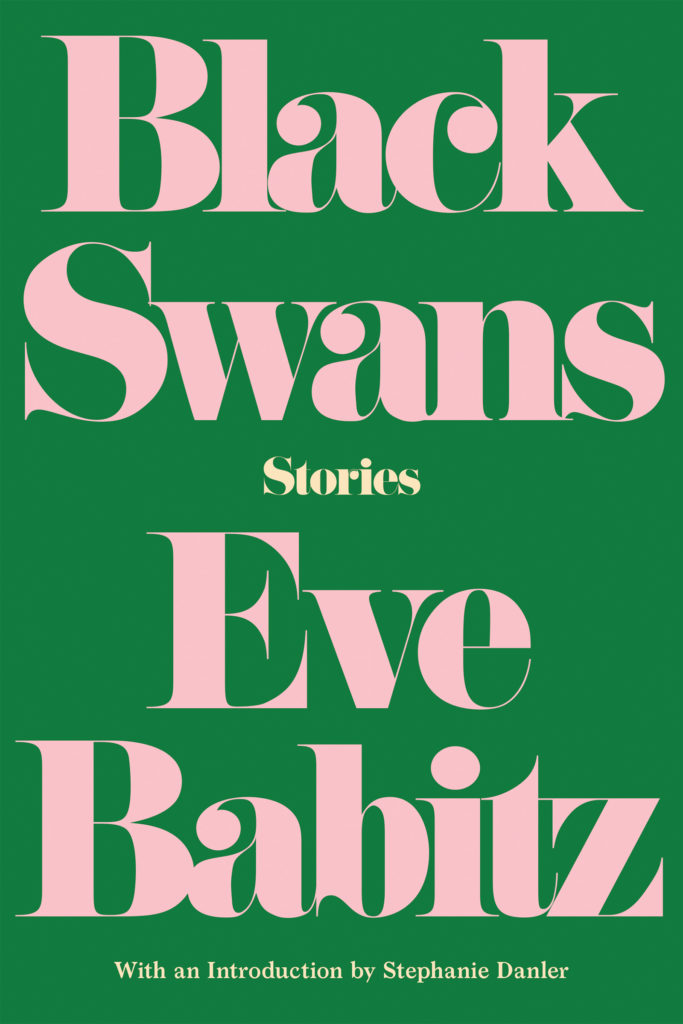
I would guess the fonts are Bodoni or variants thereof, but no doubt someone with a better eye for type will be able to tell us for sure.

UPDATE: Anna Morrison tells me the font she used for All the Beautiful Girls is Cabernet, which just goes to show what I know. According to the ever-useful Fonts in Use, Cabernet is “an uncredited revival of Benguiat Caslon, a 1970s Photo-Lettering typeface by Ed Benguiat.” I’m pretty sure Benguiat Caslon was used for the iconic Philip Roth covers in the 1970s so I probably should’ve recognized it…
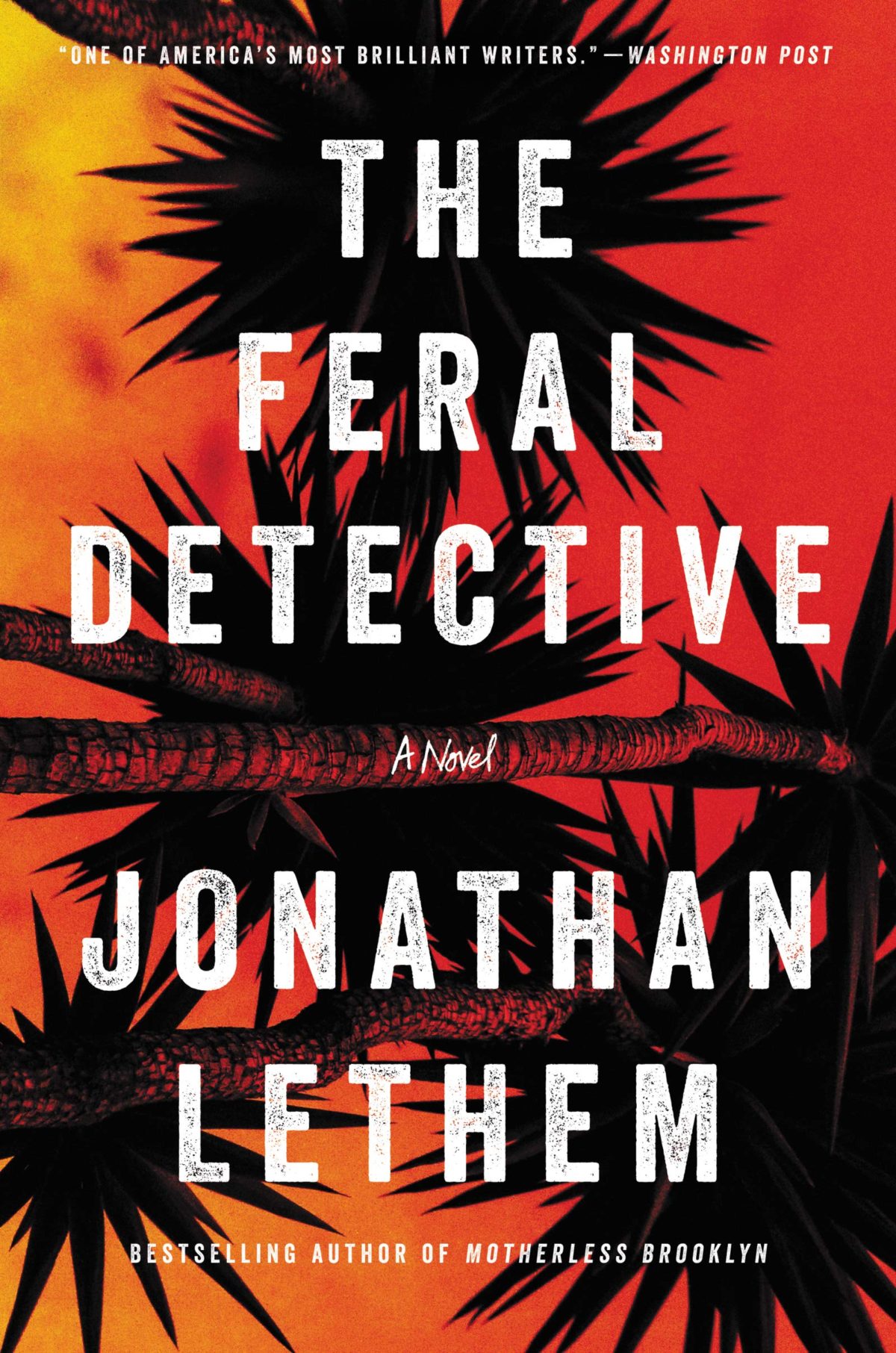

The Feral Detective by Jonathan Lethem; design Allison Saltzman; photograph Kate Bellm (Ecco Press / November 2018)
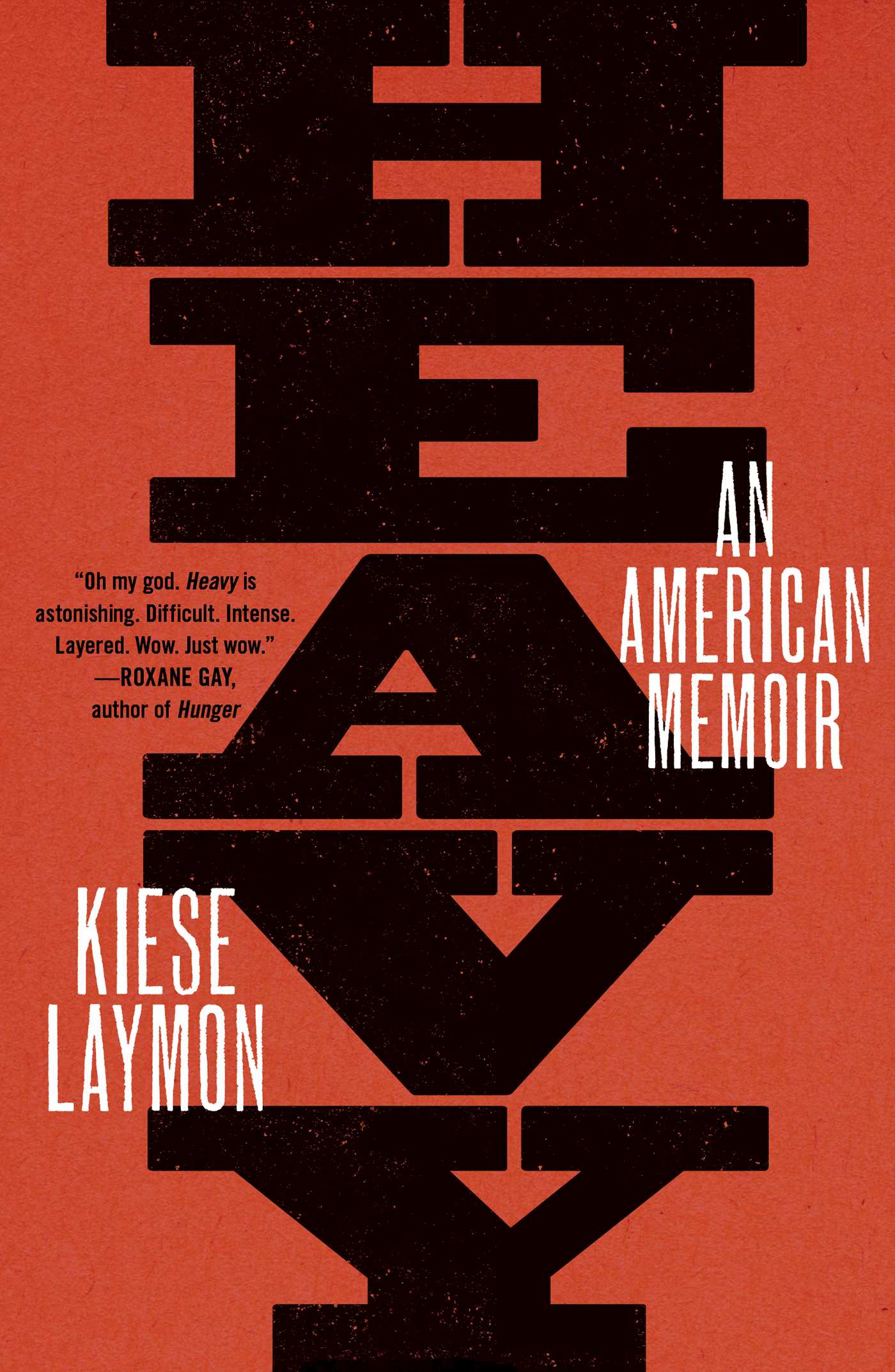

Heavy by Kiese Laymon; design by Na Kim (Scribner / October 2018)


Hippie by Paulo Coelho; design by Tyler Comrie (Knopf / September 2018)

Is this the year of the orange cover…?
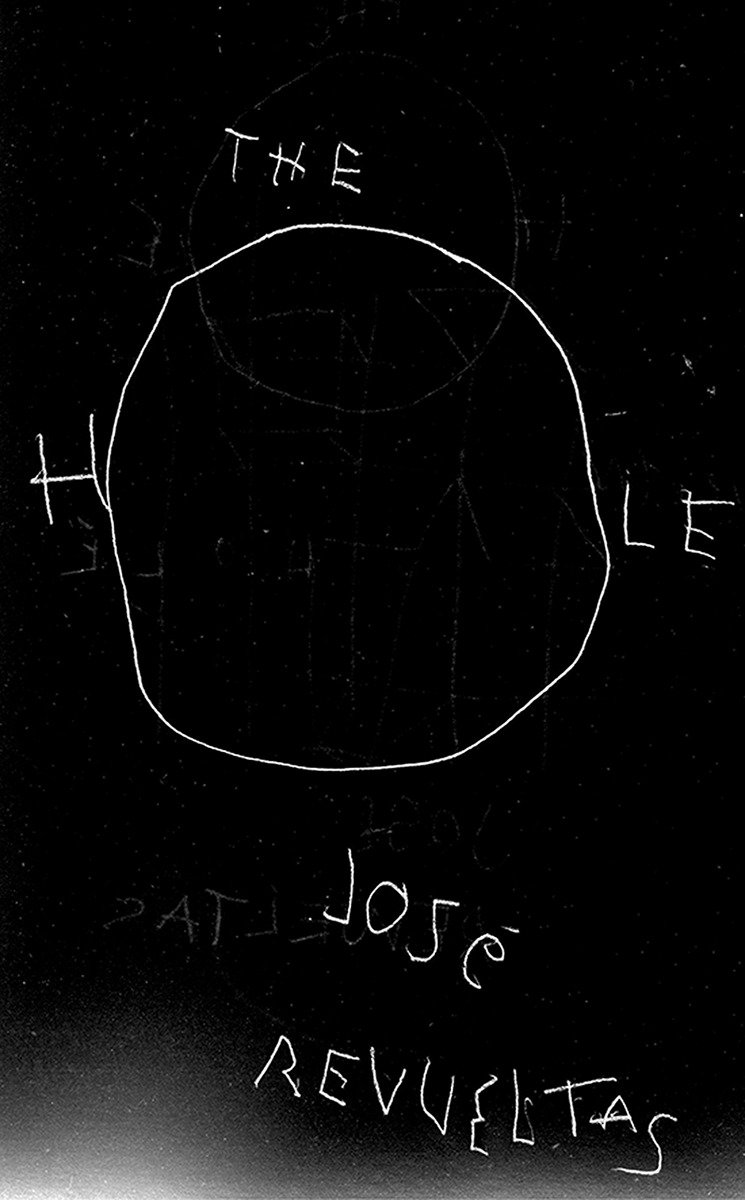

The Hole by José Revueltas; design by John Gall (New Directions / November 2018)

John Gall has a new book collecting 10 years of his collages out this month too.

You can read my 2011(!) Q & A with John about his collages here.  


Homeland by Walter Kempowski; design by Dan Mogford (Granta / November 2018)

Dan also designed the cover for All for Nothing by Walter Kempowski a couple of years ago:


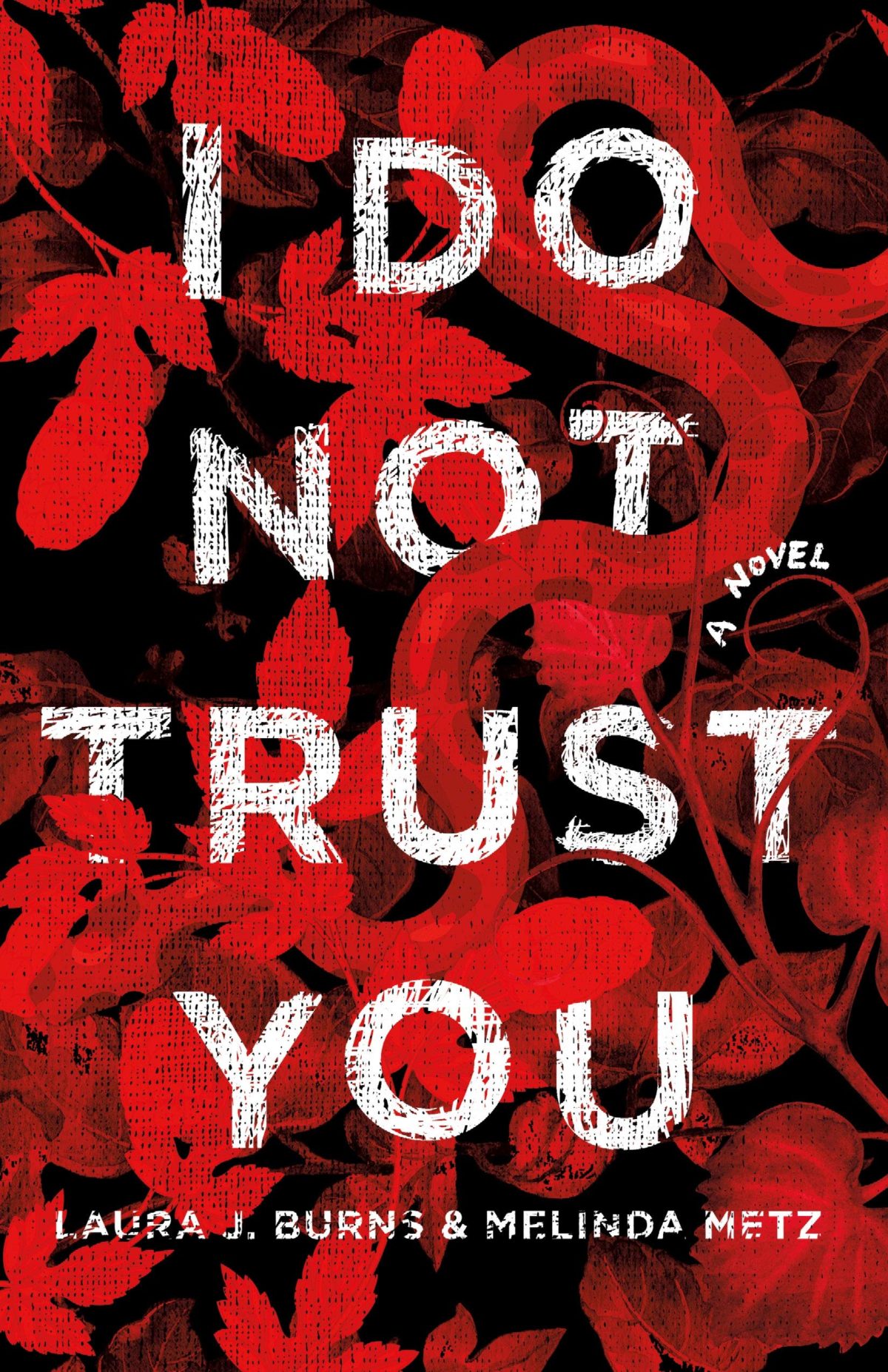
I Do Not Trust You by Laura J.Burns & Melinda Metz; design by Olga Grlic (St. Martin’s Press / September 2018)

I had it in my mind that snaky red covers with big white type were very “in” for thrillers right now, but the only other example I could think of was the US cover for Our Kind of Cruelty by Araminta Hall designed by Alex Merto, which is really not that similar…
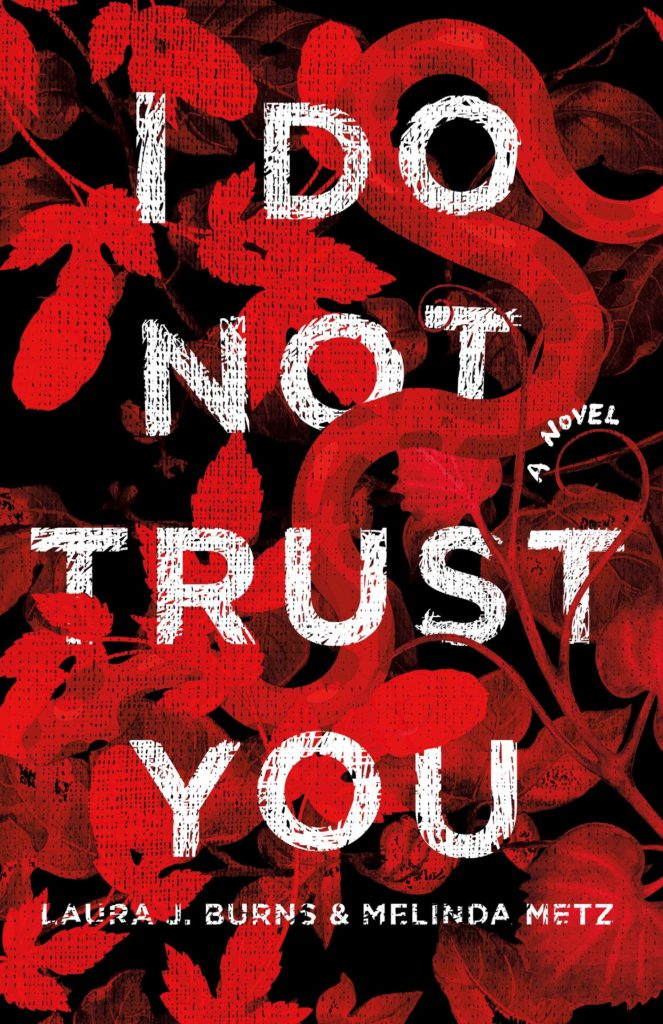
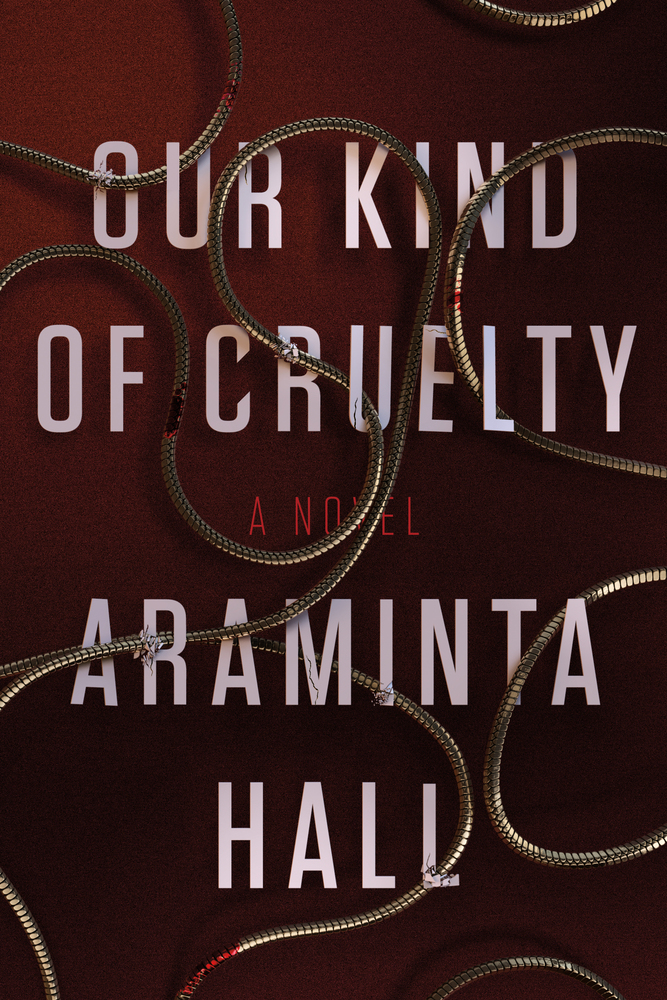
Perhaps I am imagining it.


The Library Book by Susan Orlean; design by Lauren Peters-Collaer (Simon & Schuster / October 2018)
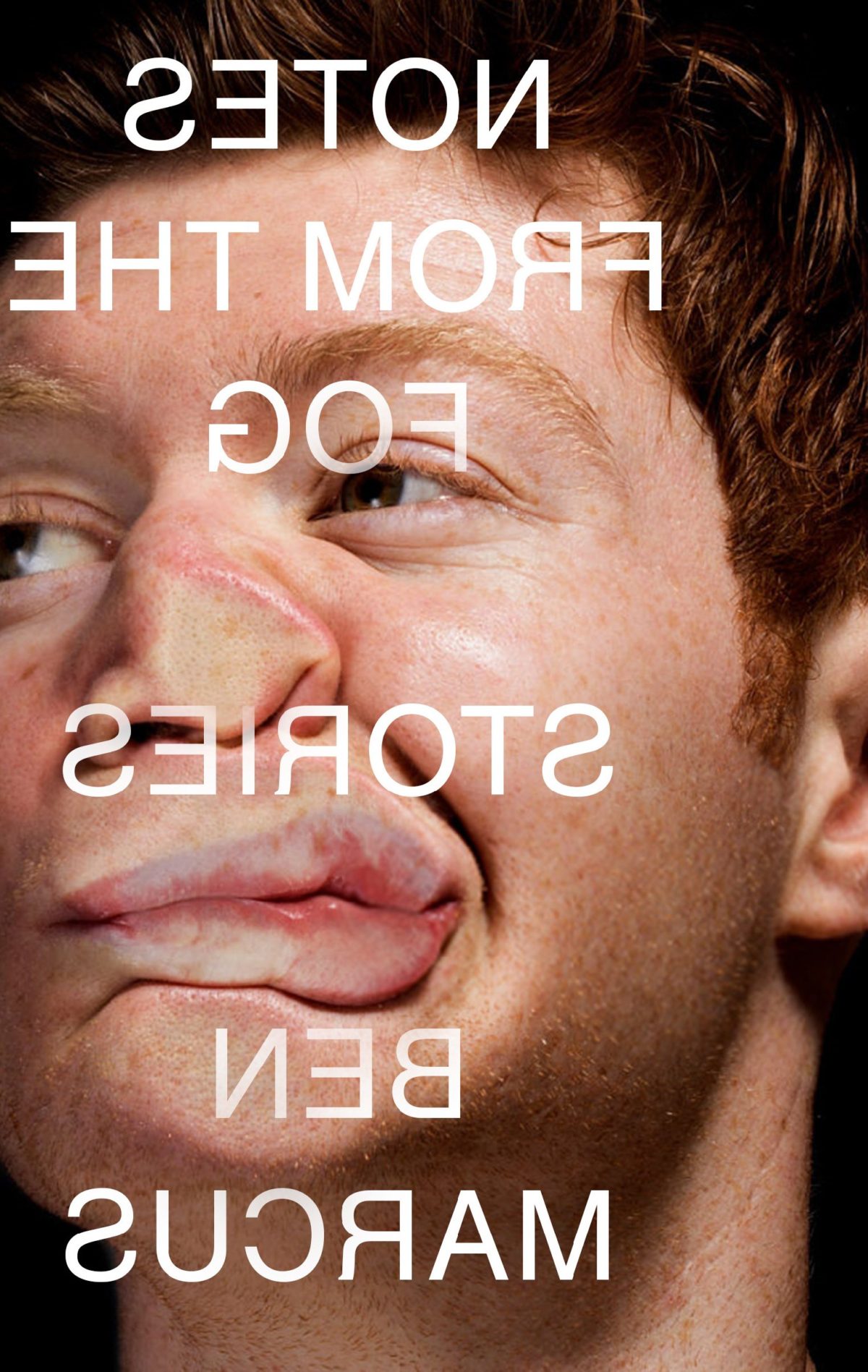

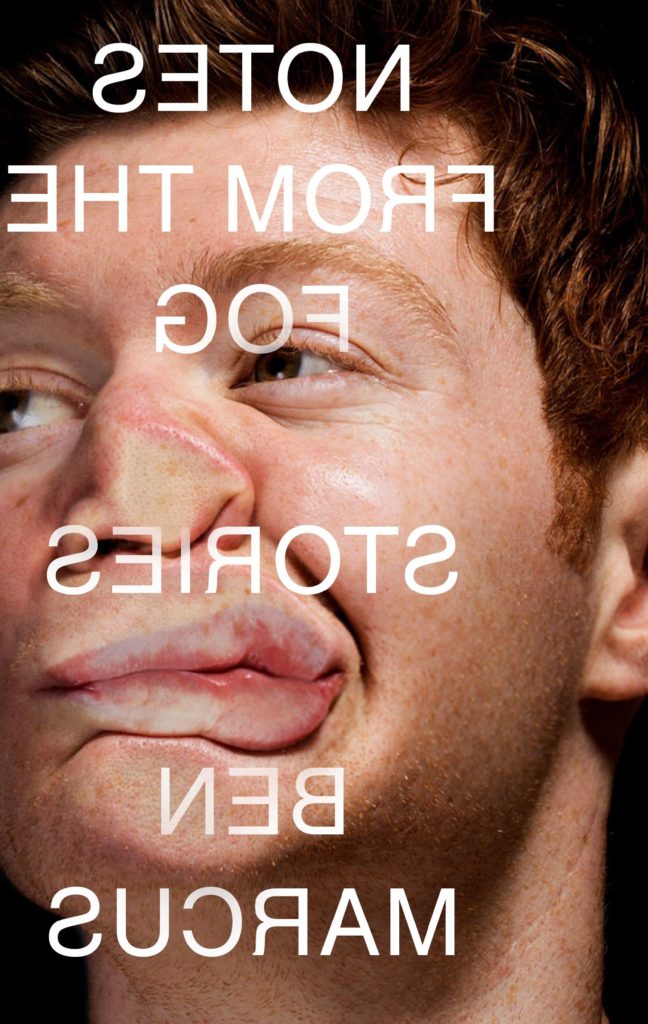
Notes from the Fog by Ben Marcus; design by Jamie Keenan (Granta / September 2018)

The US cover, which I featured in a previous post, was designed by Peter Mendelsund:

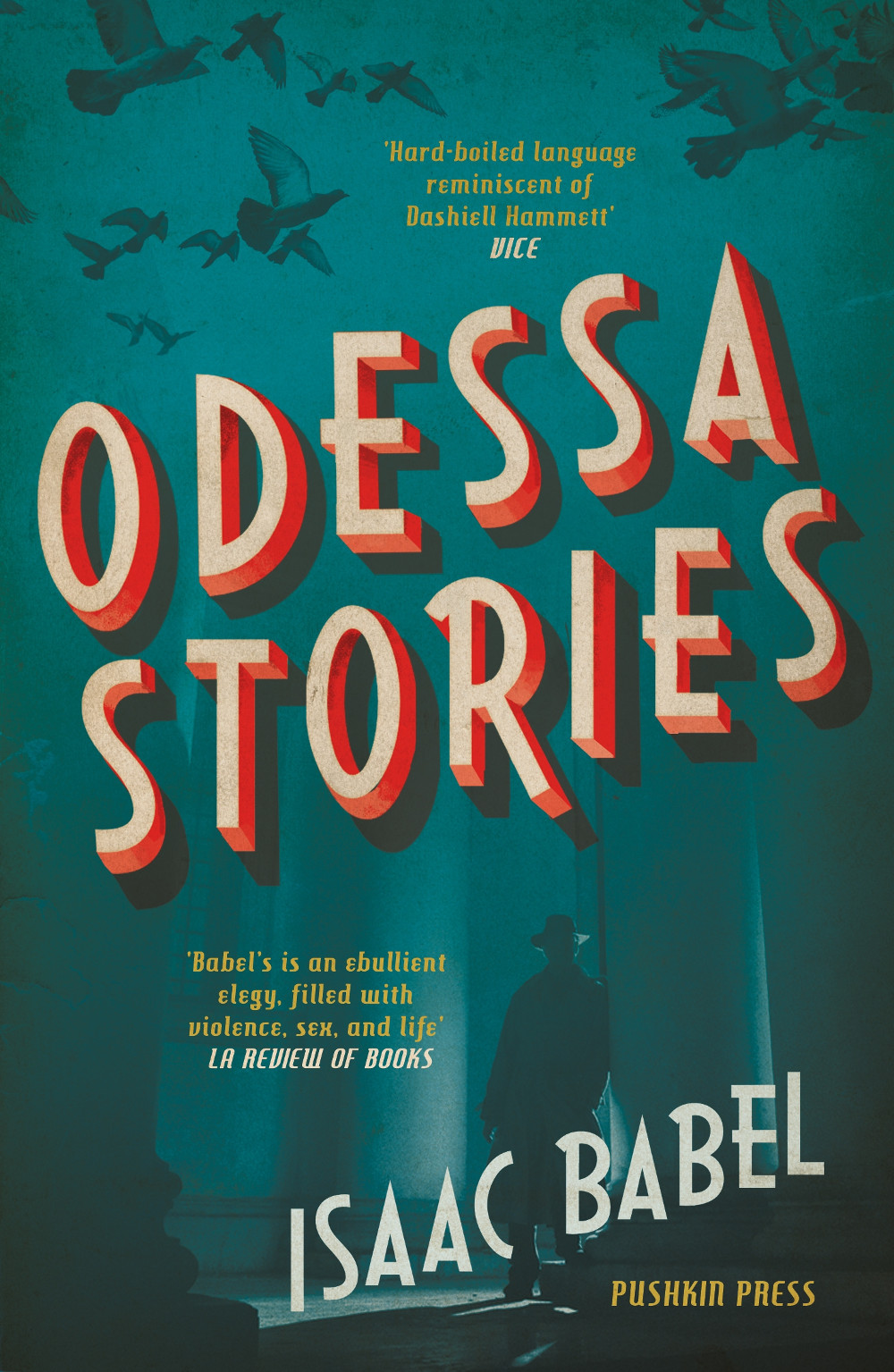
Odessa Stories by Isaac Babel; design by Anna Morrison (Puhskin Press / November 2018)
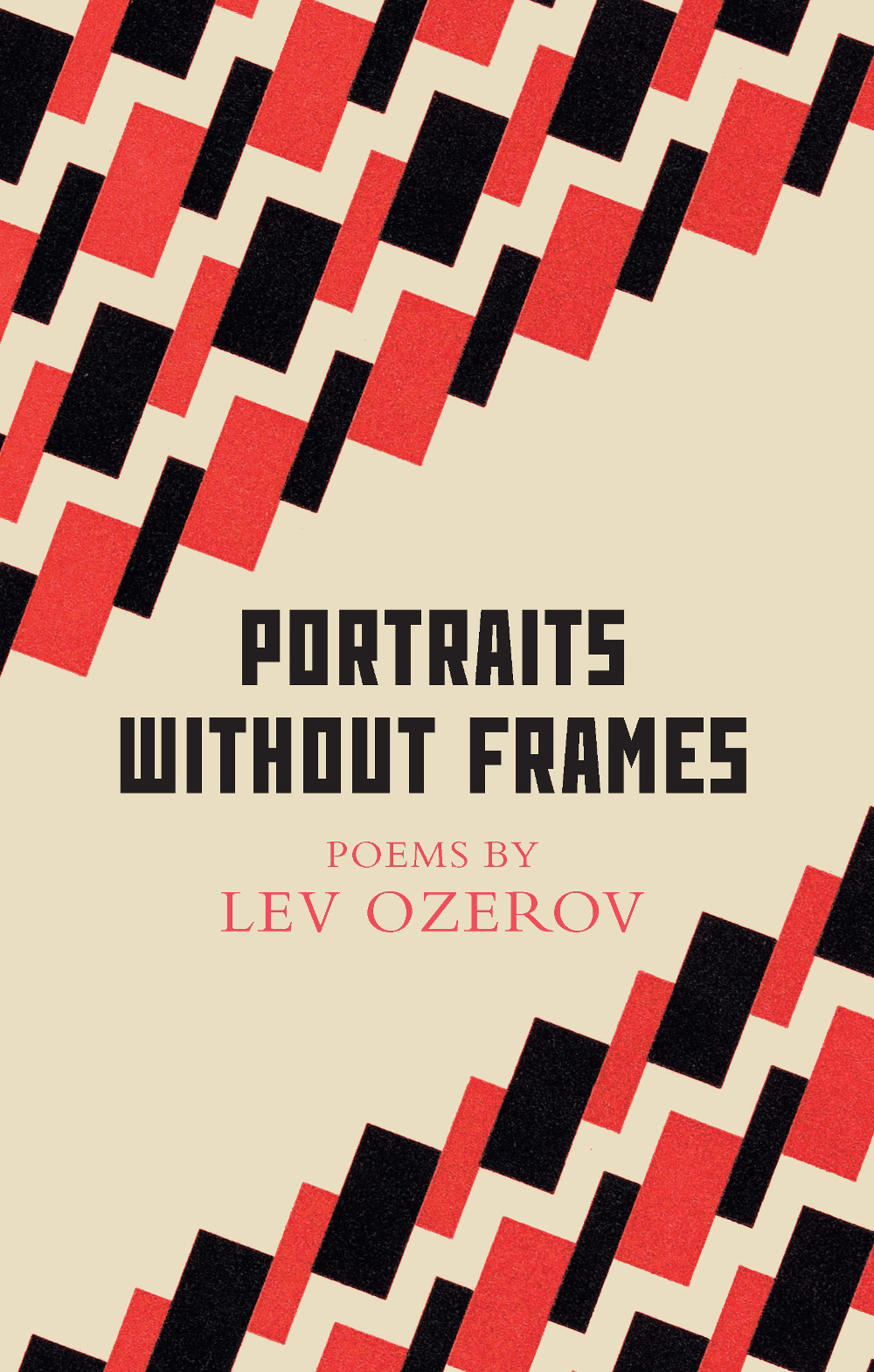

Portraits Without Frames by Lev Ozerov; design by Dan Mogford (Granta / November 2018)
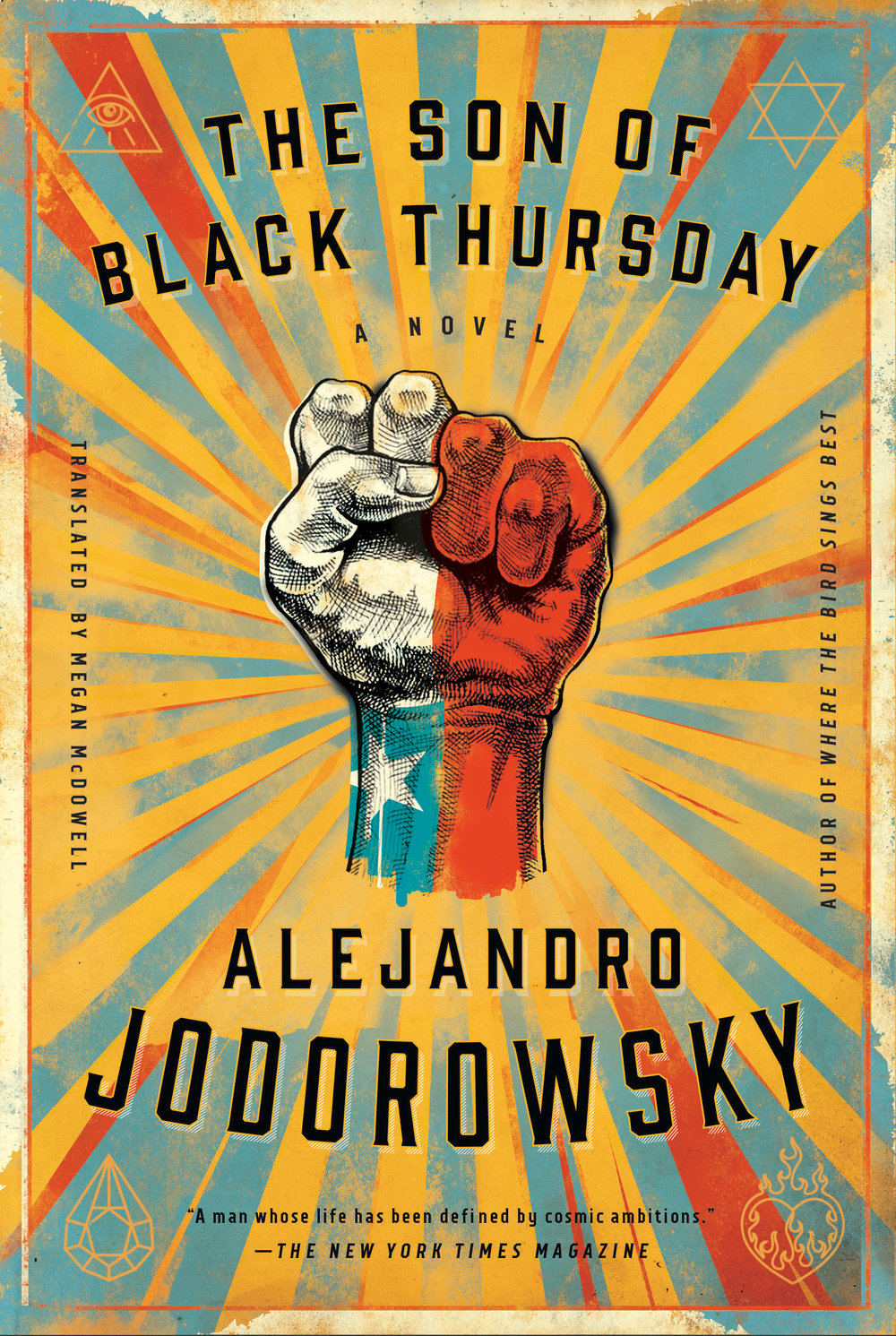

The Son of Black Thursday by Alejandro Jodorowsky; design by Richard Ljoenes (Restless Books / November 2018)

Richard also designed the cover of Jodorowsky’s previous novel Where the Bird Sings Best:
And take a moment to check out Richard’s online portfolio, which is new I believe.


Wasteland by W. Scott Poole; design by Jaya Miceli (Counterpoint / November 2018)
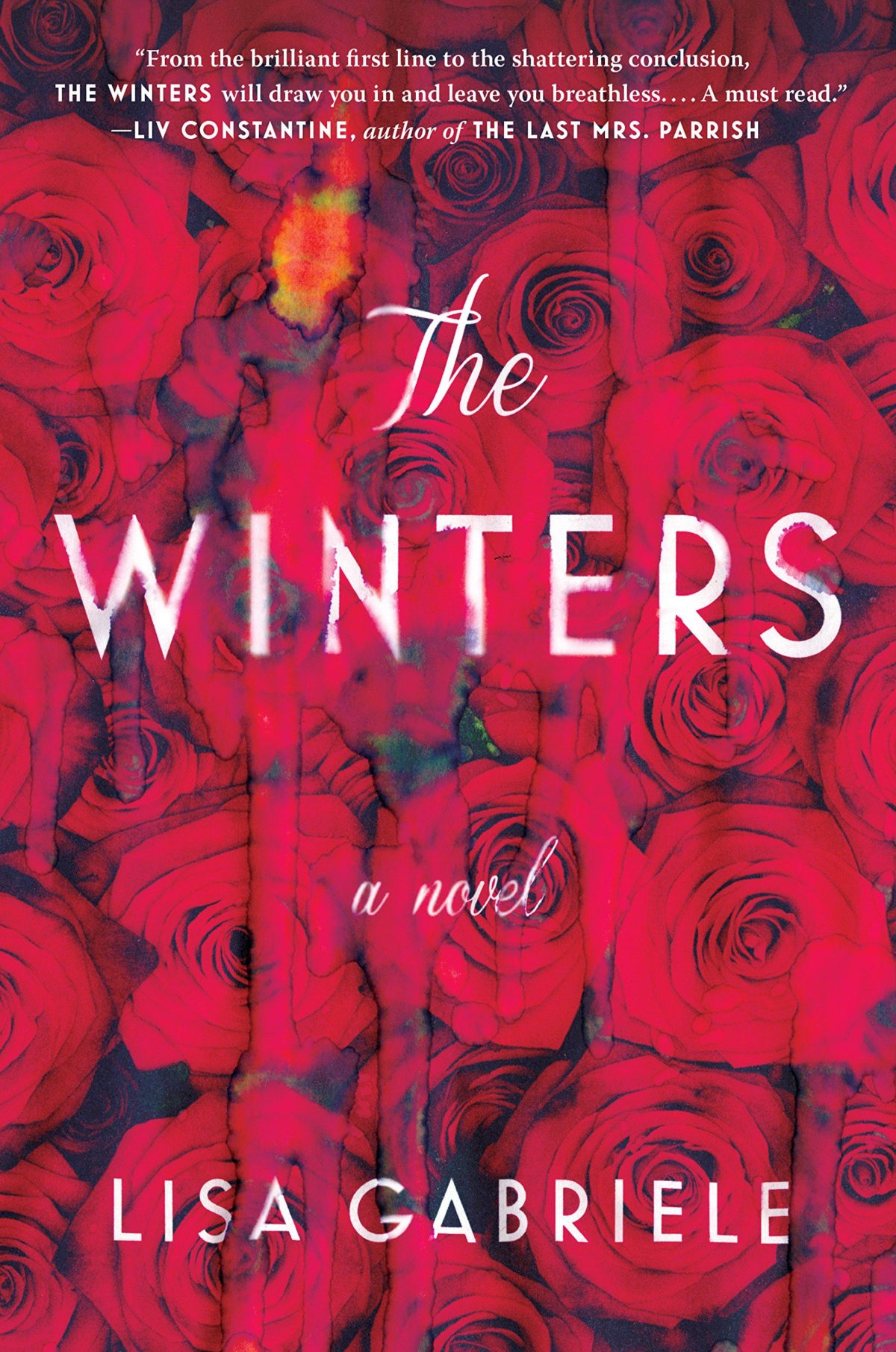

The Winters by Lisa Gabriele; design by Nayon Cho (Viking / October 2018)

Comments closed

Cross It Out

I’ve been thinking about covers that feature one form of redacted text or another for a while, but this post has been sitting in my drafts folder gestating for far too long so I’m publishing now, as-is, because otherwise it is unlikely to ever see the light of day! 

The covers of Censoring an Iranian Love Story, designed by Peter Mendelsund, and Nineteen Eighty-Four, designed by David Pearson, are classics of the genre:

I thought that this kind of bar redaction (is there a technical term for it?) might be a relatively new — post-The 9-11 Commission Report — phenomena, but (friend of the blog) Richard Weston, AKA Acejet170, recently posted this 1974 Penguin cover for Academic Freedom by Anthony Arblaster, designed by Omnific, on Instagram:

In a lovely design touch, the redacted words appear on the back cover:

Related to bar redaction is the strike-through. One of my favourite examples is Barnbrook‘s cover design for How to Run a Government by Michael Barber, published by Allen Lane. 

How to Run a Government by Michael Barber; design by Barnbrook (Allen Lane / March 2015)

I’ve been seeing the straight strike-through used a lot recently. It does a neat job of doing two things at once. It allows you to not say something, while also emphasizing that you are pointedly not saying it.   

I’ve seen it mostly used for nonfiction (as above), but Janet Hansen recently used the strike for the cover of Amitava Kumar’s novel Immigrant, Montana

Immigrant, Montana by Amitava Kumar; design Janet Hansen (Knopf / July 2018)

Black text on a white background with a red strike-through is its own sub-genre:

In fact, using red — be it more artistic blocks, strikeouts or scribbles — is a popular way to highlight what is being crossed out:

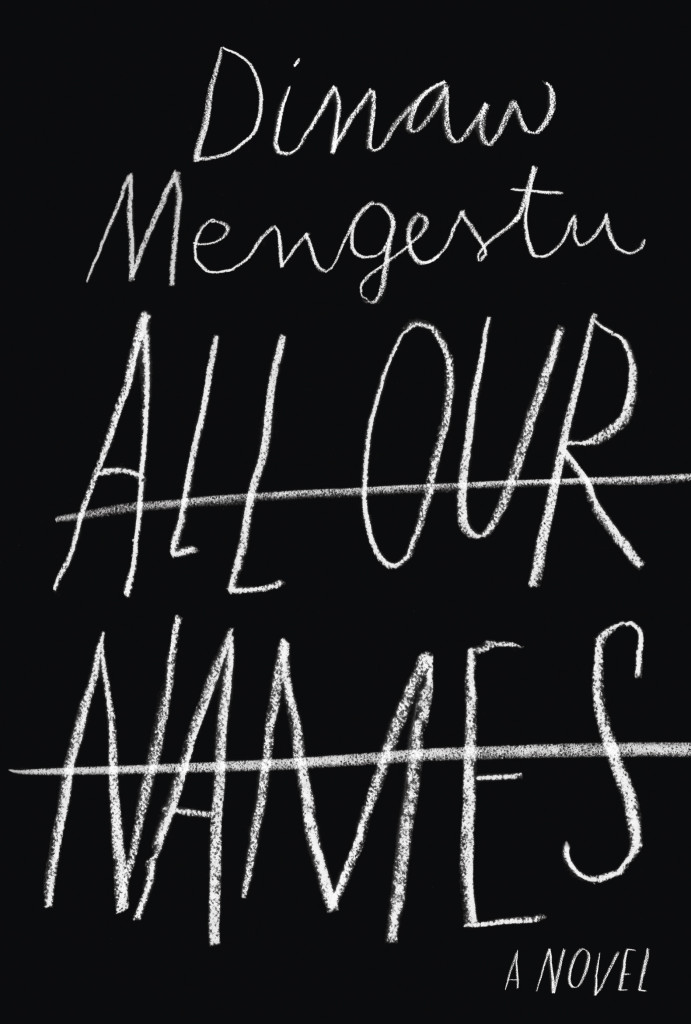
And generally the hand-drawn strike-through or scribble seems to be the most popular way to cross something out … 

Hope A Tragedy by Shalom Auslander; design by John Gall (Riverhead Books / January 2012)

All Our Names by Dinaw Mengestu; design by Isabel Urbina Peña (Knopf / March 2014)

If you have (constructive) thoughts on the matter, and/or other examples, please leave them in the comments. 

The Last Word by Hanif Kureishi; design by Jaya Miceli (Scribner / March 2015)

Comments closed

Book Covers of Note October 2018

Here are the book covers that caught my eye this month… 


Beirut Hellfire Society by Rawi Hage; design by Lisa Jager (Knopf Canada / August 2018)


The Boatbuilder by Daniel Gumbiner; design by Sunra Thompson (McSweeney’s / May 2018)

This goes rather nicely with Sunra’s cover for the hardcover of All My Puny Sorrows by Miriam Toews…


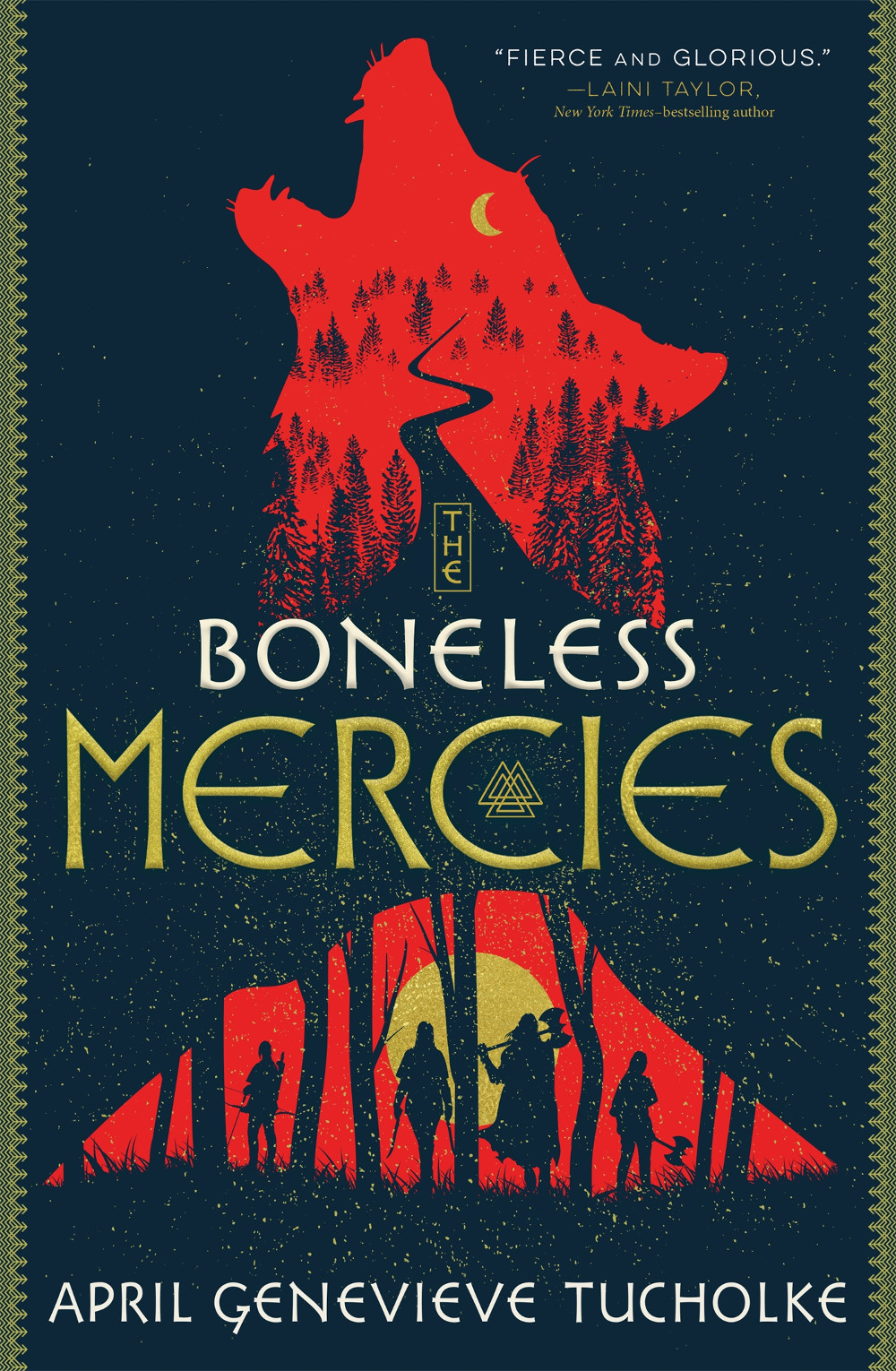
The Boneless Mercies by April Genevieve Tucholke; design by Elizabeth H. Clark; illustration by Will Staehle (Farrar, Straus & Giroux / October 2018)


The Death Scene Artist by Andrew Wilmot; design by Michel Vrana (Wolsak & Wynn / October 2018)

I guess skulls aren’t going out of fashion any time soon! 


‘Exterminate the Brutes’ by Sven Lindqvist; design by Luke Bird (Granta / October 2018)

One for the maps list


The Fifth Risk by Michael Lewis; design by Pete Garceau (W. W. Norton / October 2018)
I feel like I should at least try to collect some of the best political covers from the past year or so together into a post at some point. On the other hand, I really don’t want to…  


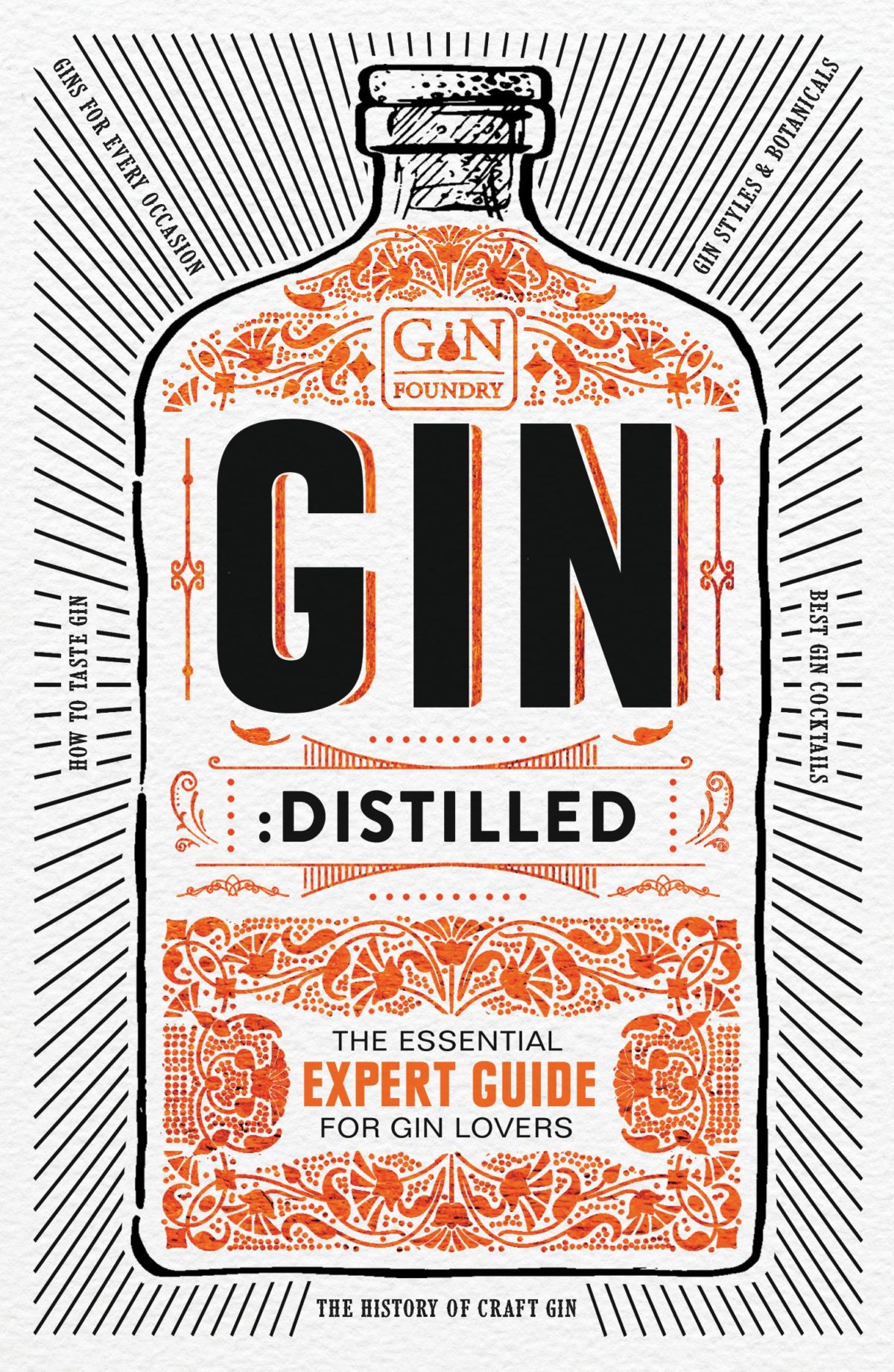
Gin: Distilled by Gin Foundry; design by James Paul Jones (Ebury Press / October 2018)


The Infinite Blacktop by Sara Gran; design by Alex Merto (Atria Books / September 2018)


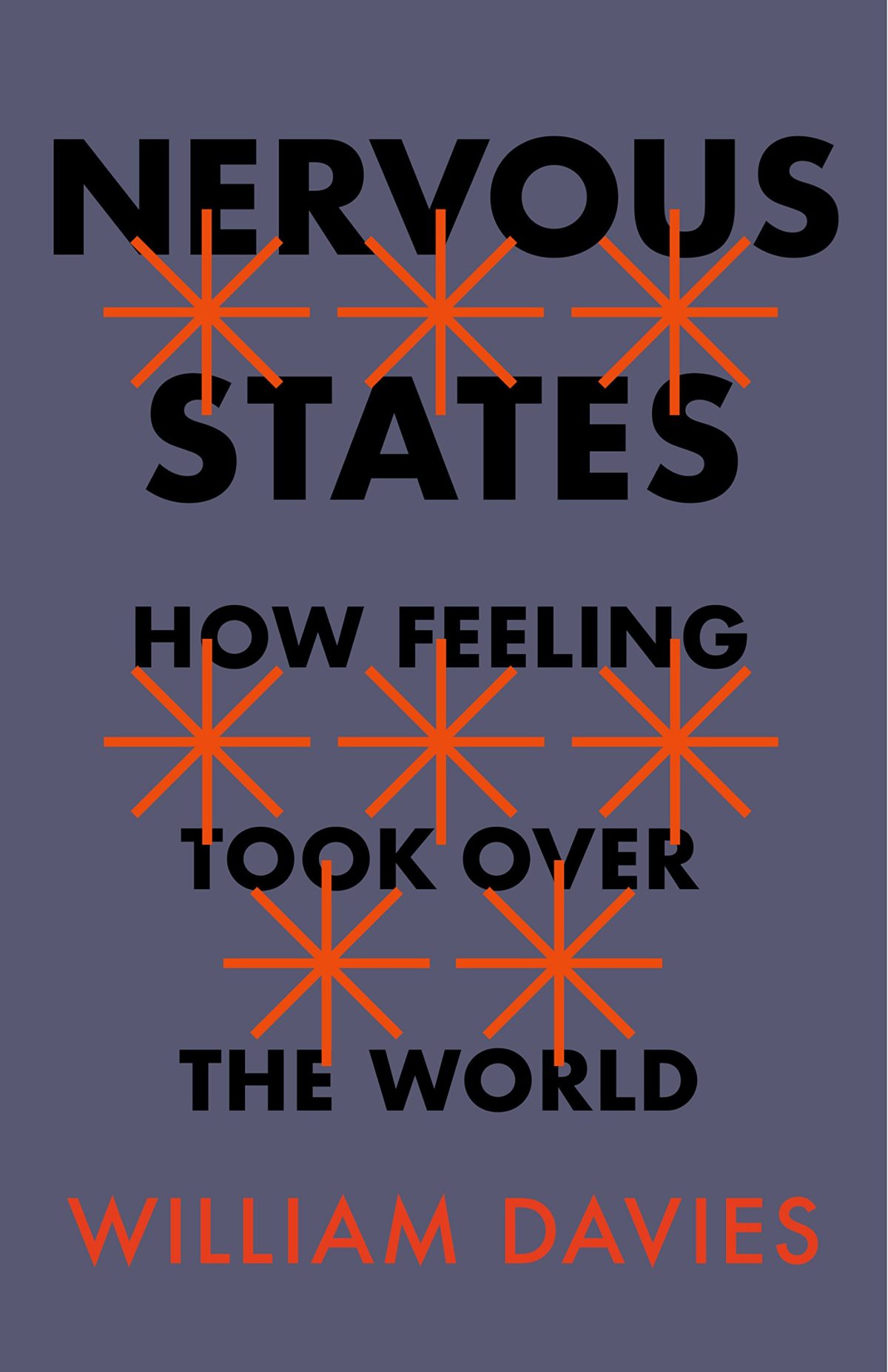
Nervous States by William Davies; design by Suzanne Dean (Jonathan Cape / September 2018)


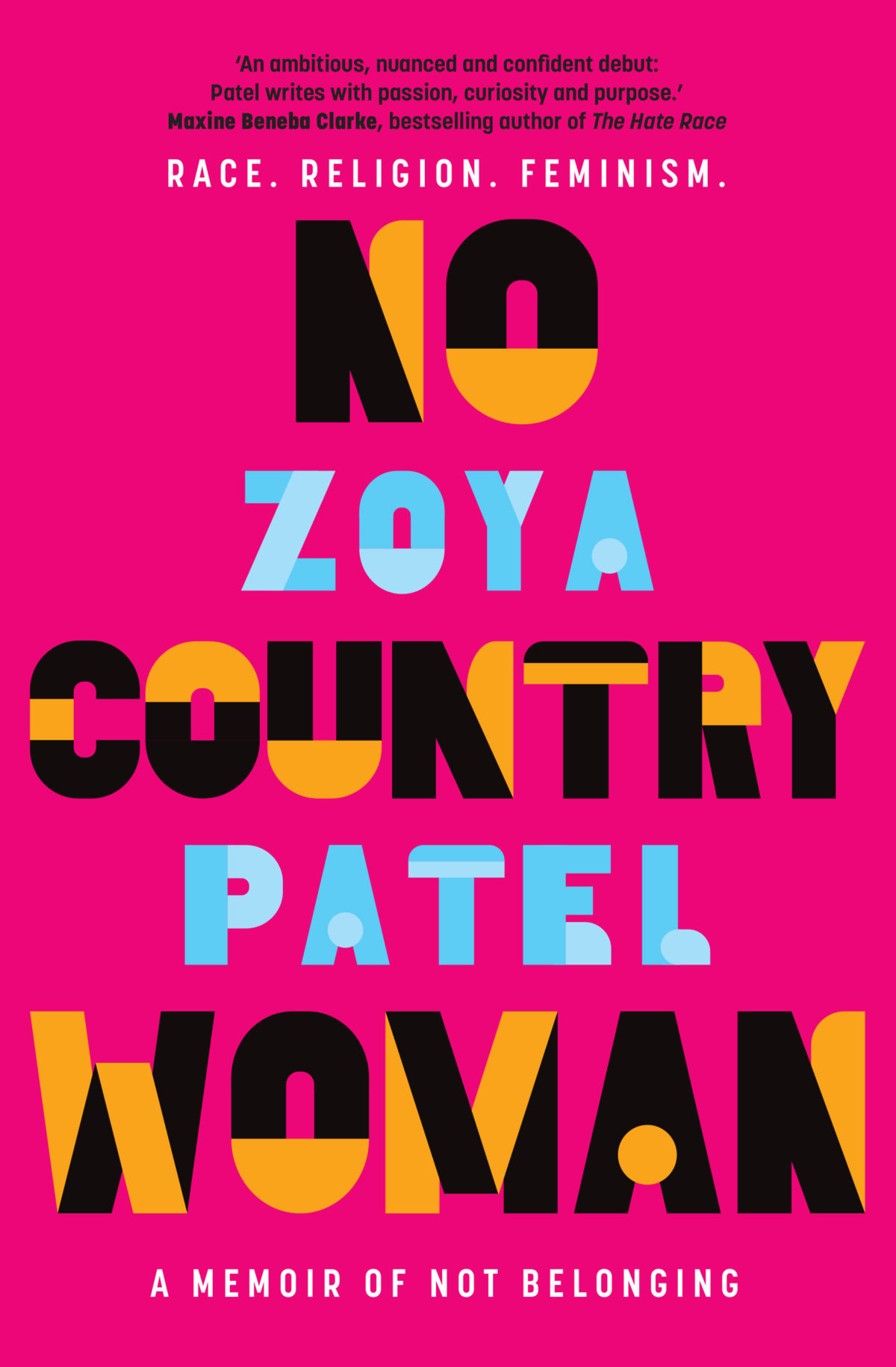
No Country Woman by Zoya Patel; design by Astred Hicks (Hachette Australia / August 2018)


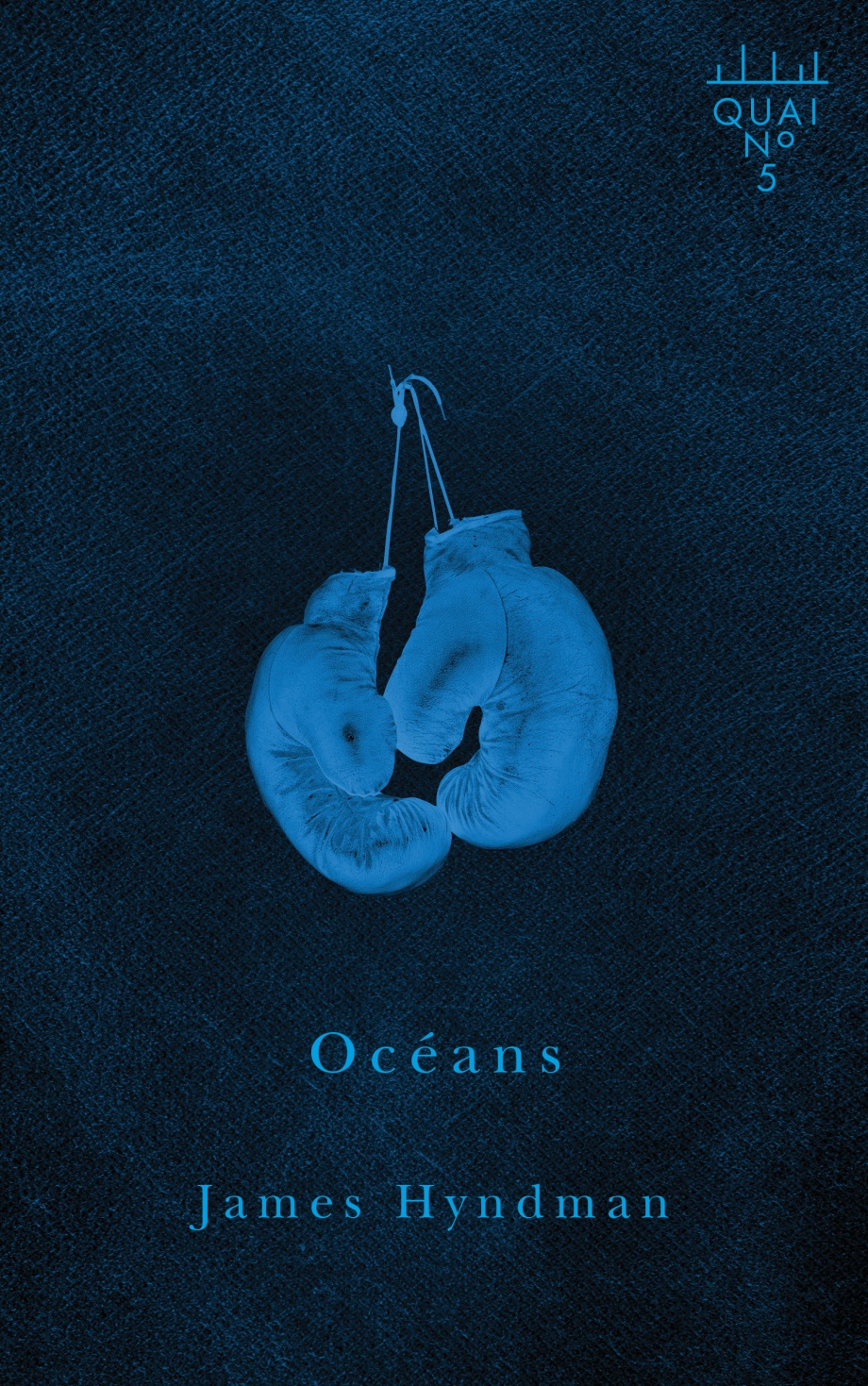
Océans by James Hyndman; design by David Drummond (Les Éditions XYZ / September 2018)


Rabbit & Robot by Andrew Smith; Design by Lucy Ruth Cummins; art by Mike Perry (Simon & Schuster / September 2018)


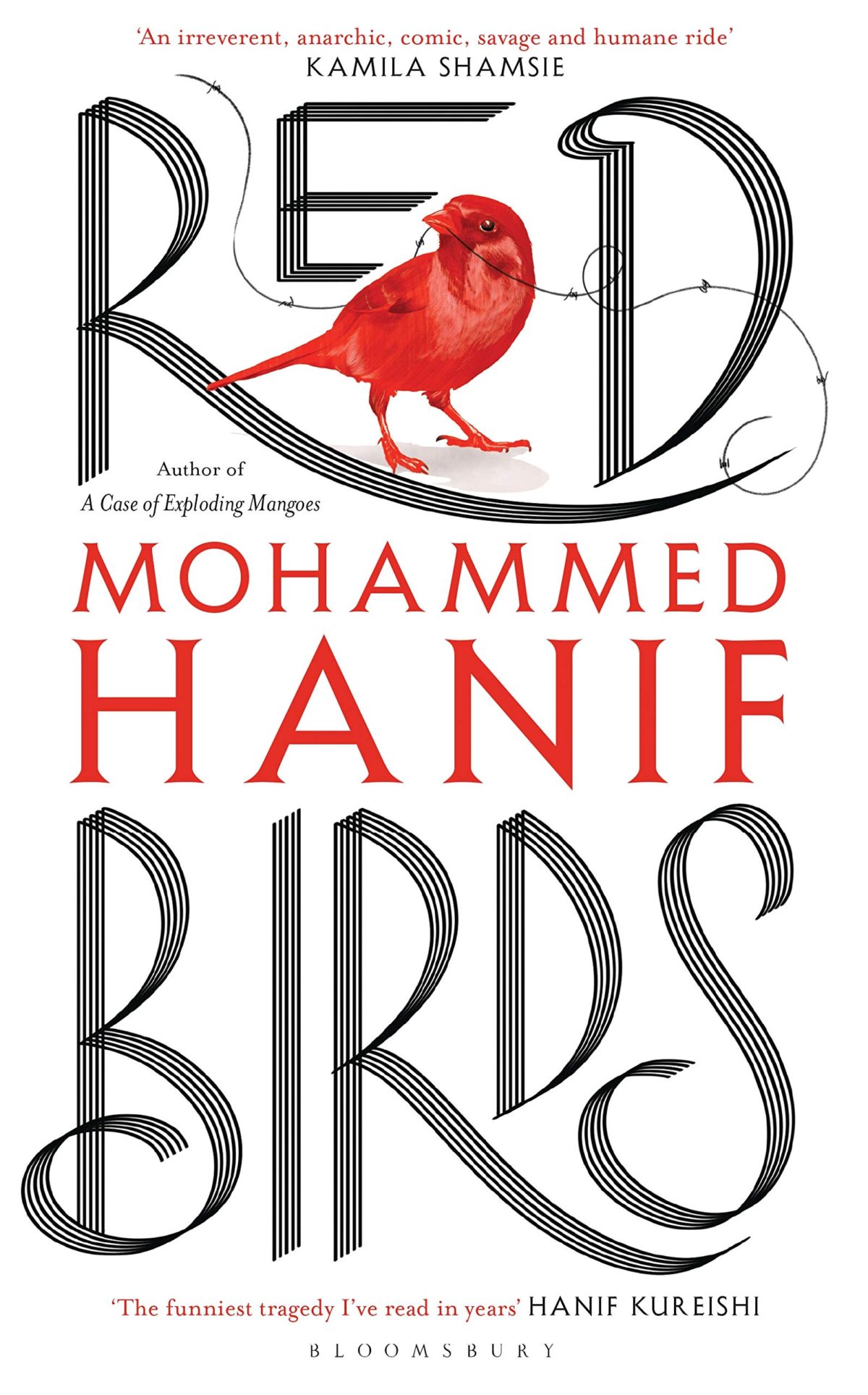
Red Birds by Mohammed Hanif; design by Greg Heinimann (Bloomsbury / October 2018)


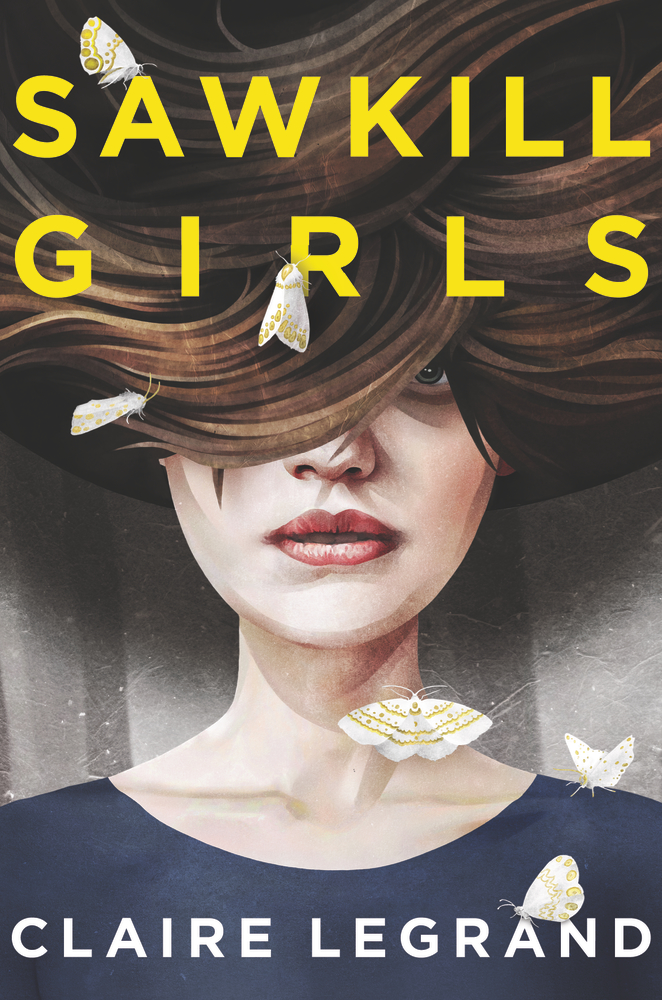
Sawkill Girls by Claire Legrand; design by Aurora Parlagreco; illustration by Ruben Ireland (Katherine Tegen Books / October 2018)


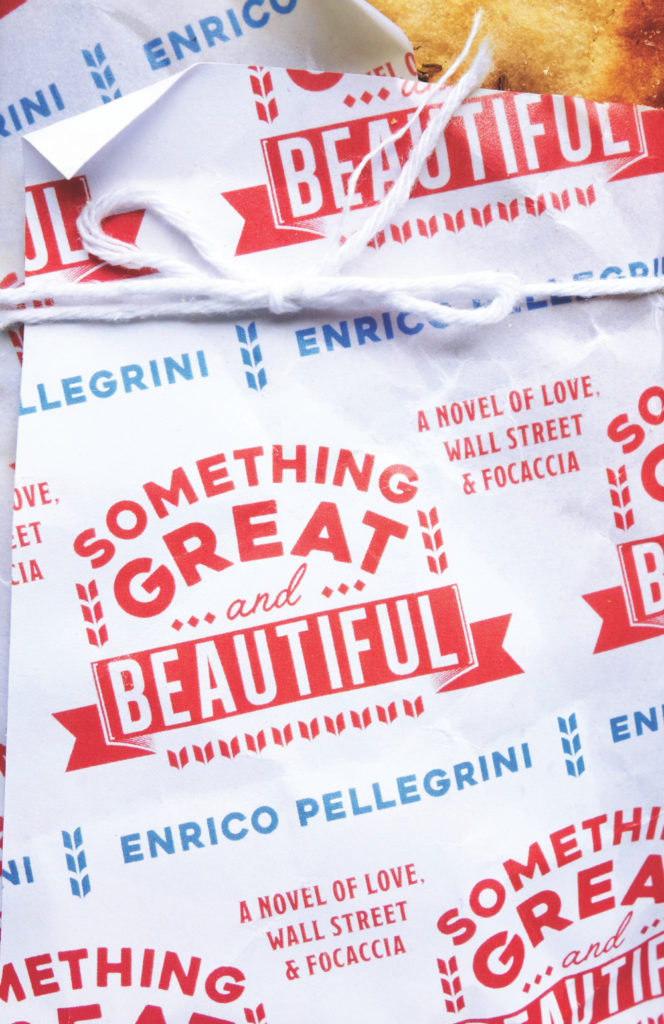
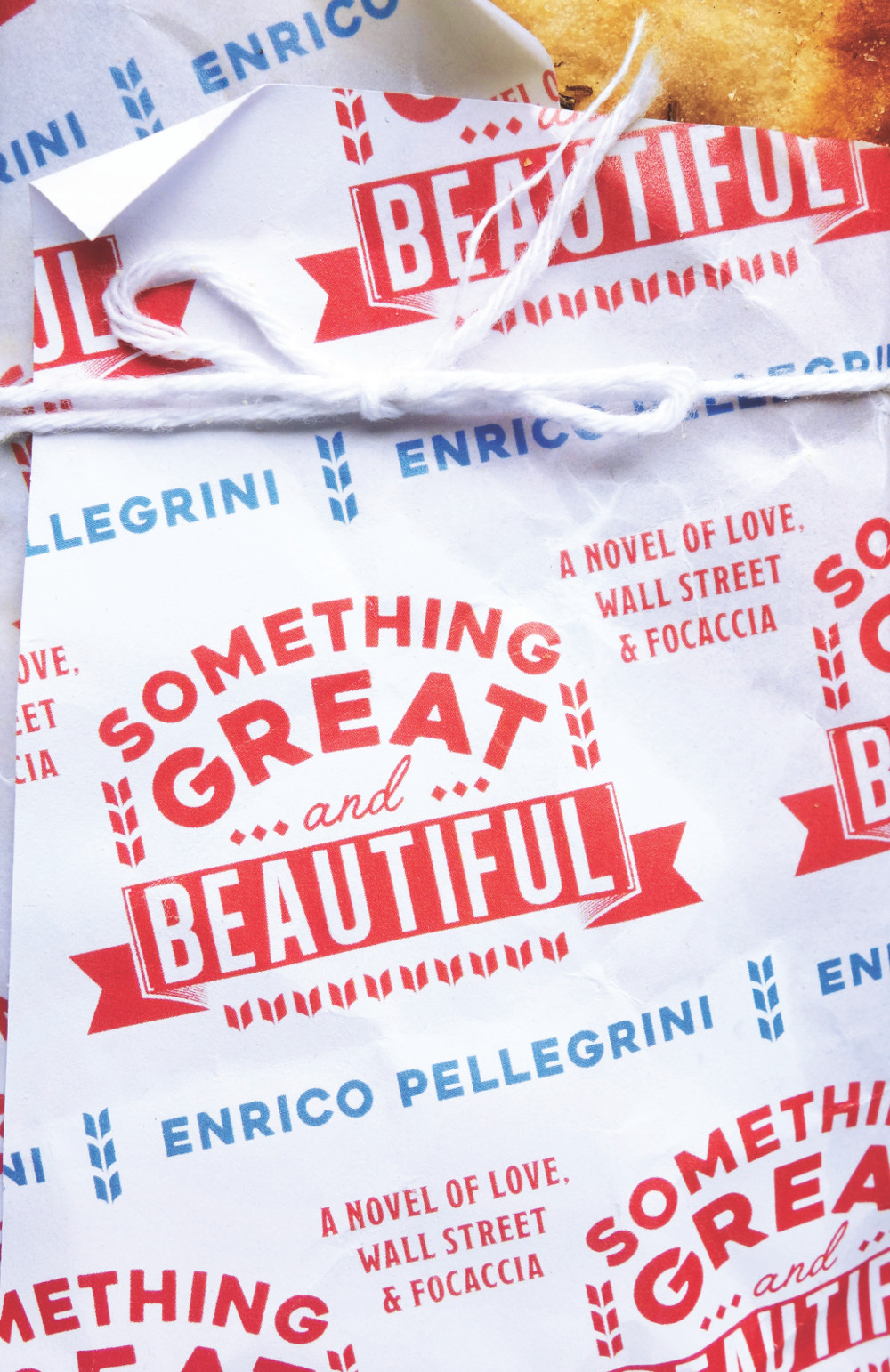
Something Great and Beautiful by Enrico Pellegrini; design by Gray318 (Other Press / September 2018)
I’m not entirely sure why, but cover of Something Great and Beautiful brought to mind the 2014 cover of the UK edition of The Empathy Exams by Leslie Jamison, designed by Tom Darracott for Granta. They’re really not that similar, and yet… 


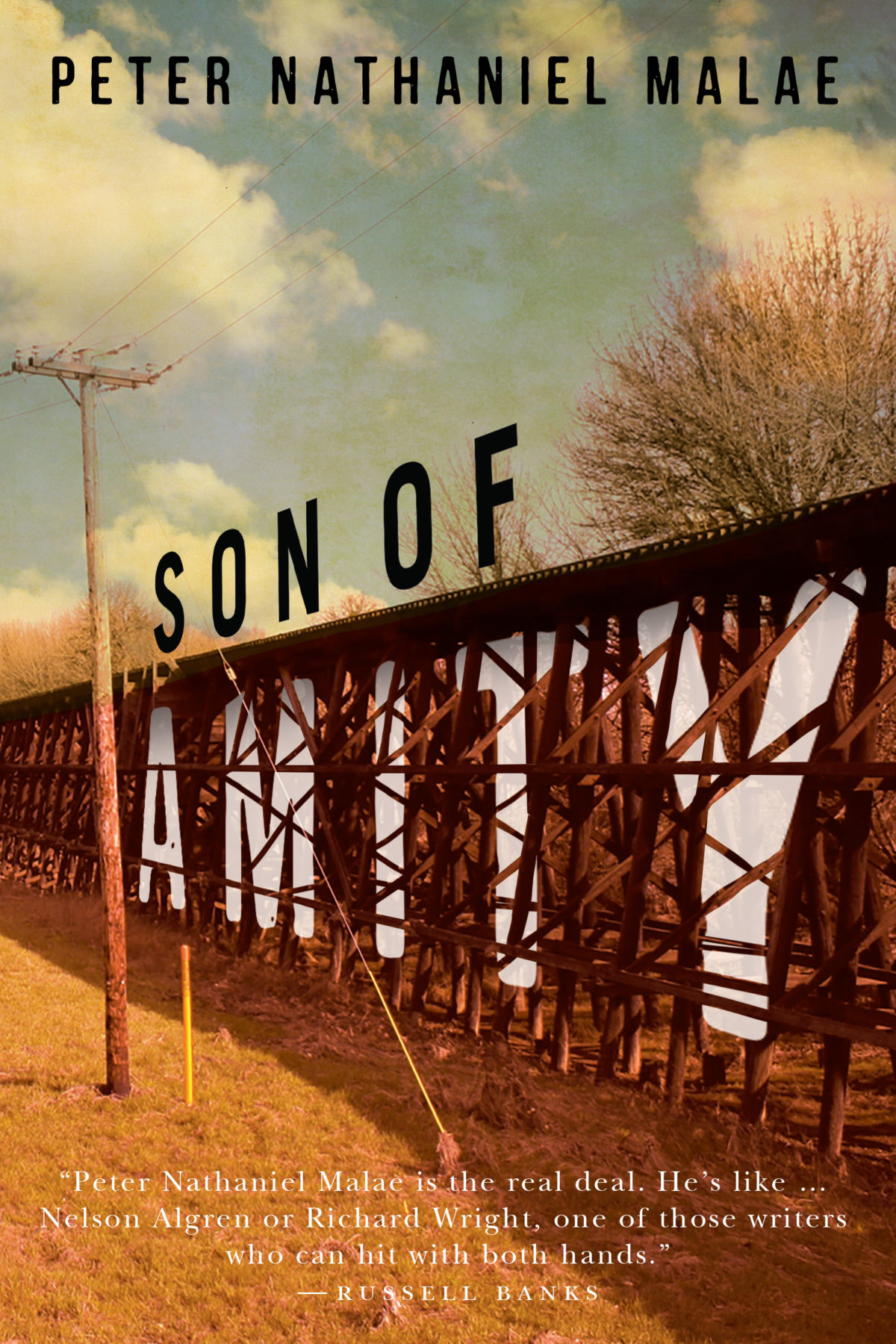
Son of Amity by Peter Nathaniel Malae; design by David Drummond (Oregon State University Press / October 2018)


Statistics Without Tears by Derek Rowntree; design by Matthew Young (Penguin / June 2018)


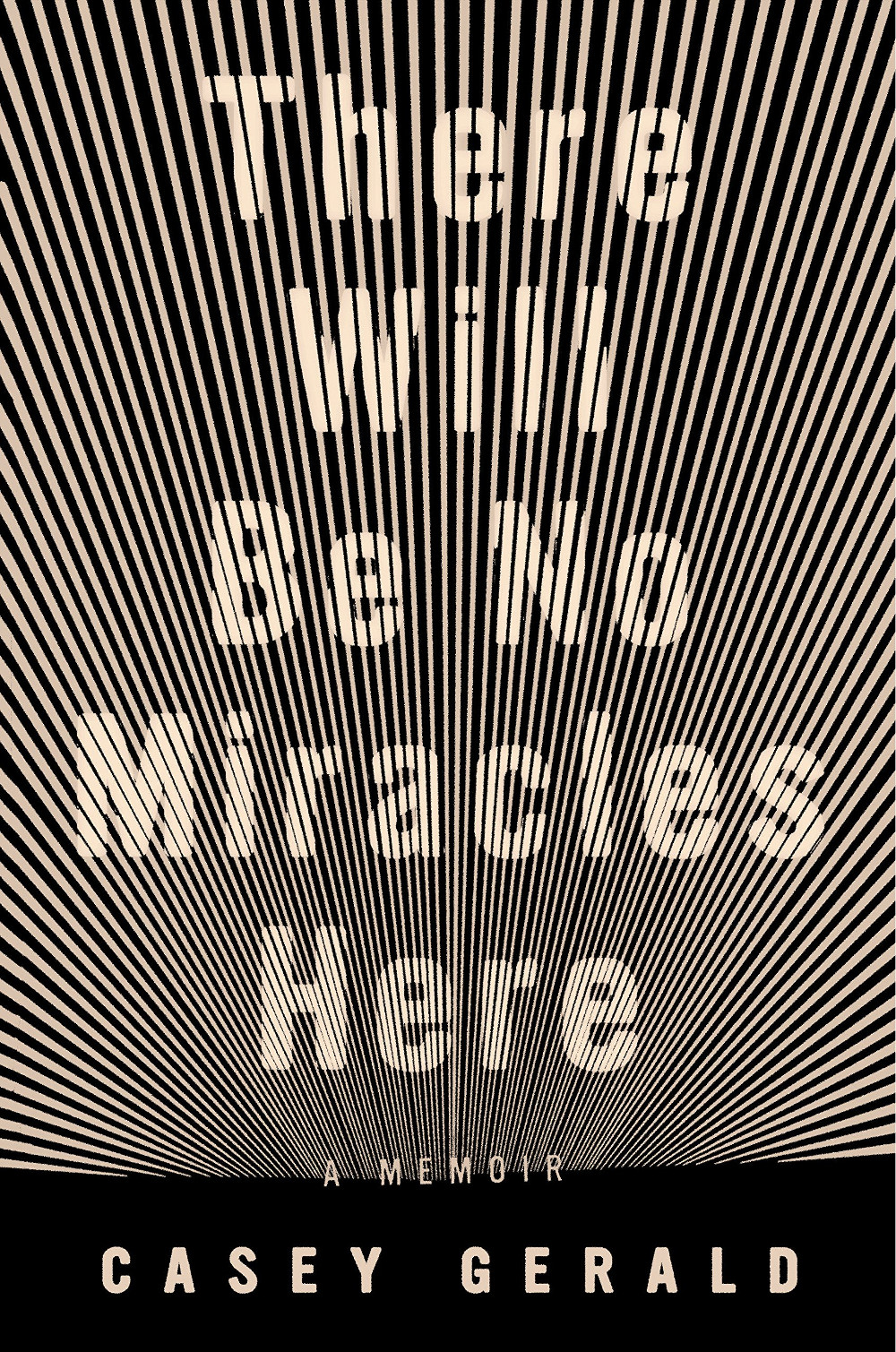
There Will Be No Miracles Here by Casey Gerald; design by Grace Han (Riverhead Books / October 2018)
Are black and white stripes / op art having a moment in New York?  

Both these covers reminded me of Riverhead art director Helen Yentus’s black and white cover for The Stranger by Albert Camus: 


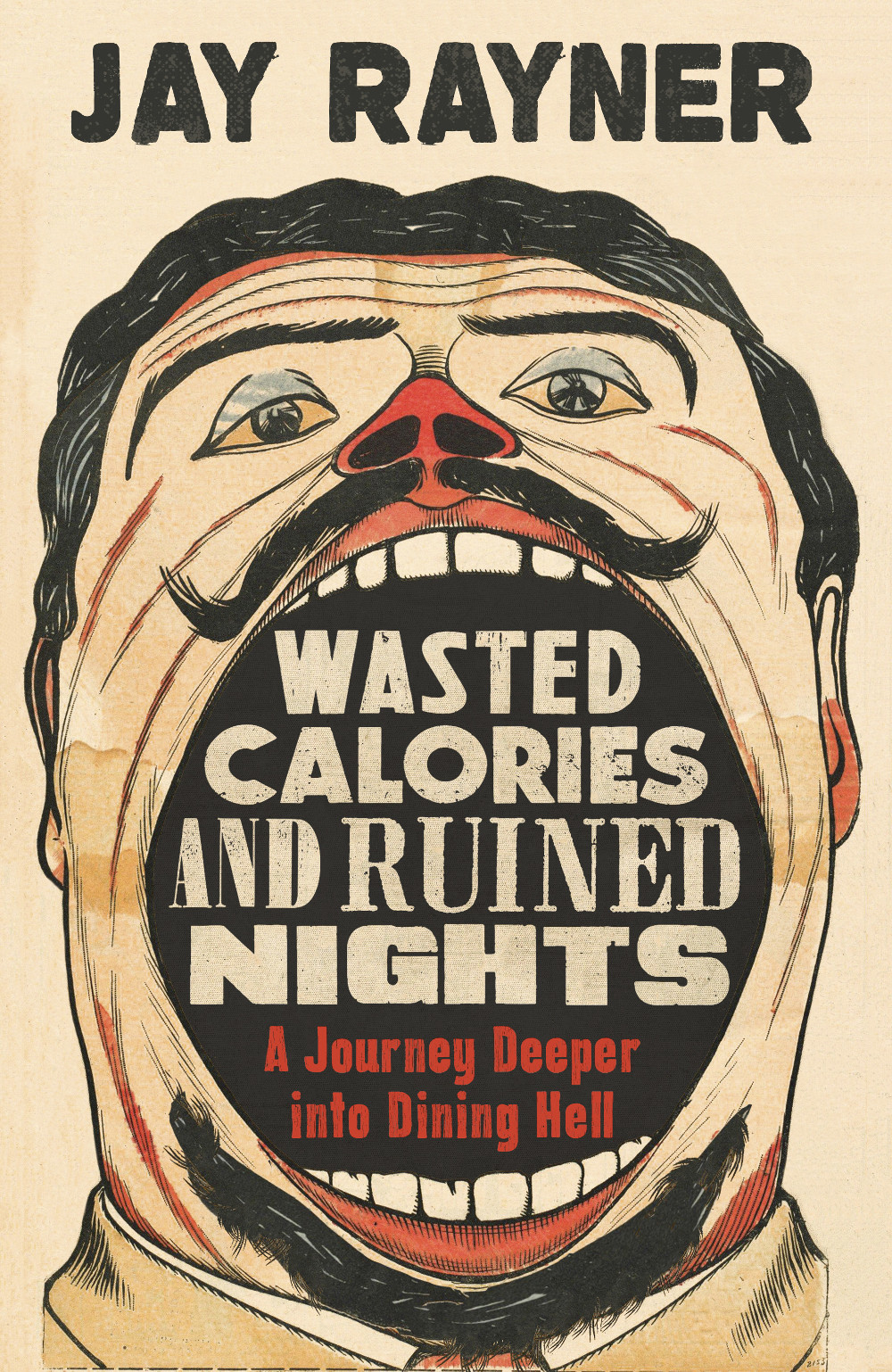
Wasted Calories and Ruined Nights by Jay Rayner; design by Dan Mogford (Faber & Faber / October 2018)
2 Comments

50 Books / 50 Covers Winners 2017

I am a little late on this, but AIGA and Design Observer recently announced the winners of 50 Books | 50 Covers for 2017. This year’s jury consisted of Rodrigo Corral, Carin Goldberg, Maricris Herrera, and Jessica Helfand. The 50 books are here; the 50 covers here.

My 2017 covers list, which has, admittedly, something of a different scope, can be found here.

Comments closed

Book Covers of Note September 2018

Lots of type-only covers, some YA, a couple of university presses, and a little bit of everything else in this month’s round-up.


2001: A Space Odyssey by Arthur C. Clarke; design by La Boca (Sphere / August 2018)
It’s interesting to compare/contrast this with the Rodrigo Corral cover design for Space Odyssey by Michael Benson also published last month. 


Are You Sleeping by Kathleen Barber; design by Laywan Kwan (Galley / March 2018)


Back to Black by Kehinde Andrews; design by David Gee (ZED Books / September 2018)
This reminds me of another type-only gem from David:


Codex 1962 by Sjón; design by Rodrigo Corral (MCD / September 2018)
The cover of the UK edition of Codex 1962 published earlier this year by Sceptre takes a very different direction with stunning art by Owen Gent:


Darius the Great is Not Okay by Adib Khorram; design by Samira Iravani; art by Adams Carvalho (Dial Books / September 2018)

The Doctor Stories by William Carlos Williams; design by Joan Wong (New Directions / September 2018)


The Fed and Lehman Brothers by Laurence M. Ball; design by Catherine Casalino (University of Cambridge Press / June 2018)


Fear by Bob Woodward; design by David Litman (Simon & Schuster / September 2018)

White text on a red background is not new, and I suspect it has never gone out of fashion for mass-market thrillers, but it’s interesting to see it reemerge as a “serious book” cover trend. The Real Lolita cover was designed by Sara Wood


From Cold War to Hot Peace by Michael McFaul; design by Richard Green (Allen Lane / May 2018)


Gone to Drift by Diana McCaulay; design by David Curtis; illustration by Dadu Shin (HarperCollins / April 2018)


Heartbreaker by Claudia Dey; design by Rachel Willey (Random House / August 2018)

Apparently we can’t get enough of the 1980s. This is essentially ‘The Night Begins to Shine’ rendered into a book cover (and if you don’t get that reference, I’m guessing you don’t have kids. And yes, I’m going to make you Google it)

Rachel also designed the retro cover for The Comedown by Rebekah Frumkin for Henry Holt earlier this year:


Liveblog by Megan Boyle; design by Nicole Caputo (Tyrant Books / September 2018)


Night Moves by Jessica Hopper; design by Amanda Weiss (University of Texas Press / September 2018)

This reminds me of Kyle G. Hunter’s cover for A Lucky Man by Jamel Brinkley which I featured earlier this year. Apparently I like blurry urban nightscapes!


Not Quite Not White by Sharmila Sen; design by Oliver Munday (Penguin / August 2018)


On the Other Side of Freedom by Deray McKesson; design by Matt Dorfman (Viking / September 2018)


Other People’s Love Affairs by D. Wystan Owen; design by David High / HighDzn (Algonguin / August 2018)


Ponti by Sharlene Teo; design by Tyler Comrie (Simon & Schuster / September 2018)


Pride by Ibi Zoboi; design Jenna Stempel-Lobell (Balzer & Bray / September 2018)


Sadie by Courtney Summers; design by Kerri Resnick; art by Agata Wierzbicka (St. Martin’s Press / September 2018)


Shutters by Ahmed Bouanani; design Oliver Munday (New Directions / July 2018)


Staying Power by Peter Fryer; design by David Pearson; illustration by Adam Busby (Pluto Press / September 2018)


Vox by Christina Dalcher; design by HQ Art Department Kate Oakley (HarperCollins / August 2018)

6 Comments

Marketing Plan

A little too on the nose, Tom. 

(Tom Gauld for The Guardian)

Comments closed

A Writer’s Hierarchy of Needs

Grant Snider for the New York Times Book Review.

Comments closed

Book Covers of Note August 2018

Good grief! We’re halfway through August! I suppose I’d better post some book covers… 


Agrippina: Empress, Exile, Hustler, Whore by Emma Southon; design by Mark Ecob (Unbound / August 2018)


All these Beautiful Strangers by Elizabeth Klehfoth; design by Alicia Tatone (William Morrow / July 2018)


Certain American States by Catherine Lacey; design by Na Kim (Farrar, Straus & Giroux / August 2018)


Cherry by Nico Walker; design by Janet Hansen (Knopf / August 2018)

One for the skulls on book covers list. (I haven’t updated this list in a while, but there are a few more here.)


Fight Like a Girl by Clementine Ford; design by Steve Leard (Oneworld / August 2018)


Four by Andy Jones; design by Patrik Svensson (Hodder & Stoughton / July 2018)


Heretics Anonymous by Katie Henry; design by David Curtis (Katherine Tegen Books / August 2018)


Immigrant, Montana by Amitava Kumar; design Janet Hansen (Knopf / July 2018)


Jane Doe by Victoria Helen Stone; design by Derek Thornton/Faceout Studio (Lake Union / August 2018)

I’ve said it before and I will say it again, Amazon’s Lake Union imprint is doing a scarily good job with their genre covers. 


A Ladder to the Sky by John Boyne; design by Jo Thomson (Doubleday / August 2018)


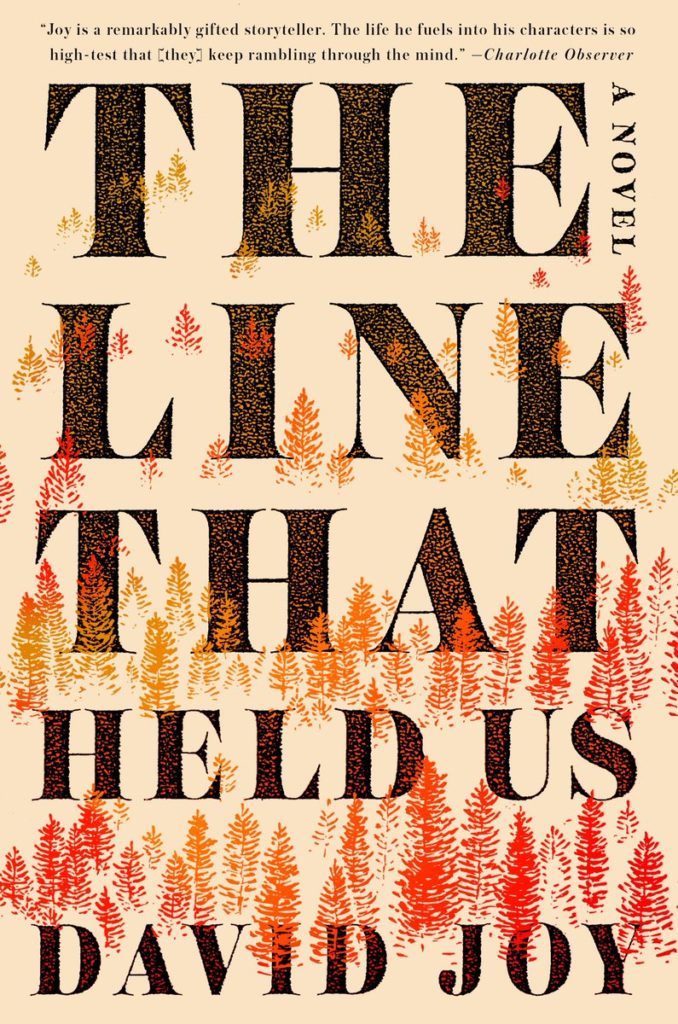
The Line That Held Us by David Joy; design by Michael Morris (G.P. Putnam’s Sons / August 2018)


This Mournable Body by Tsitsi Dangarembga; design Kimberly Glyder (Graywolf / August 2018)


Notes from the Fog by Ben Marcus; design Peter Mendelsund (Knopf / August 2018)


Pretend I’m Dead by Jen Beagin; design by Alex Merto (Scribner / May 2018)

The cover of the UK edition was designed by Hayley Warnham. And apparently rubber glove covers are a thing now, you freakin’ weirdos… 

The cover of The Trauma Cleaner was designed by W.H. Chong

The Reservoir Tapes by Jon McGregor; design by Strick&Williams (Catapult / August 2018)

This goes very nicely with the cover of the US edition of Reservoir 13 also designed by Strick&Williams:


Rust and Stardust by T. Greenwood; design by Olga Grlic (St. Martin’s Press / August 2018)


A Short Film About Disappointment by Joshua Mattson; design by Ben Denzer (Penguin Press / August 2018)


The Stars Now Unclaimed by Drew Williams; design by Jack Smyth (Simon & Schuster / August 2018)


A Superior Spectre by Angela Meyer; design by Design by Committee (Ventura / August 2018)

Comments closed

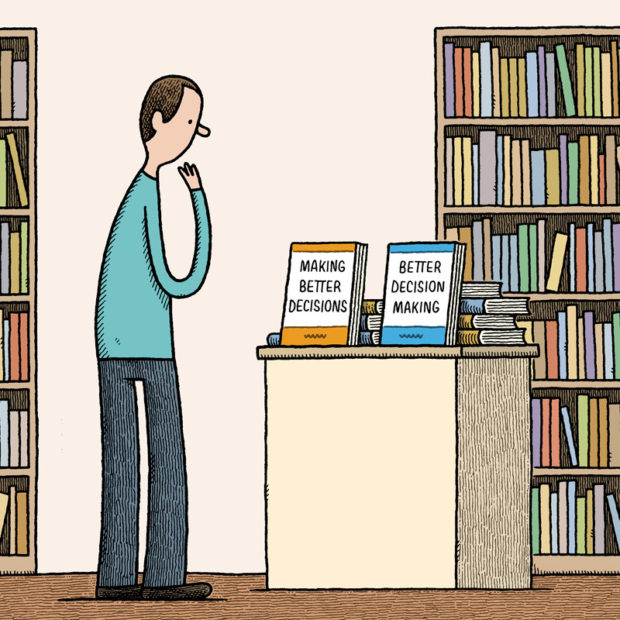
Decisions, Decisions….

Tom Gauld. 

Comments closed

Noir in the Age of #MeToo

With the release of an annotated edition of The Big Sleep this month, author Megan Abbott reflects on noir and the work of Raymond Chandler:

What fascinates and compels me most about Chandler in this #MeToo moment are the ways his novels speak to our current climate. Because if you want to understand toxic white masculinity, you could learn a lot by looking at noir.

Loosely defined, noir describes the flood of dark, fatalistic books and films that emerged before, during, and especially after World War II. As scholars like Janey Place have pointed out, this was an era when many white American men felt embattled. Their livelihoods had been taken away—first by the Depression, then by the war, and then by the women who replaced them while they were off fighting. Into this climate noir flowered: Tales of white, straight men—the detective, the cop, the sap—who feel toppled from their rightful seat of power and who feel deeply threatened by women, so threatened that they render them all-powerful and blame them for all the bad things these straight white men do. Kill a guy, rob a bank—the femme fatale made me do it. These novels simmer with resentment over perceived encroachment and a desire to contain female power.

In an earlier essay for the LA Times, Abbott looks at why women are interested in true crime stories:

[In] the last few years, and especially in recent months as the Harvey Weinstein and associated scandals have dominated headlines, I’ve come to think of true crime books as performing much the same function as crime novels (also dominated by female readers): serving as the place women can go to read about the dark, messy stuff of their lives that they’re not supposed to talk about — domestic abuse, serial predation, sexual assault, troubled family lives, conflicted feelings about motherhood, the weight of trauma, partner violence and the myriad ways the justice system can fail, and silence, women.

While these weighty issues aren’t generally resolved in true crime… these books provide a common site to work through crises, to exorcise demons. I’ve come to believe that what draws women to true crime tales is an instinctual understanding that this is the world they live in.

And at Vulture Abbot talks to Ruth Franklin about her new novel, Give Me Your Hand:

The seductive female criminal, a.k.a. femme fatale, has always been a noir staple: Mary Astor in ‘The Maltese Falcon’, Ava Gardner in ‘The Killers’But Abbott argues that these characters aren’t psychologically authentic. They’re “a projection of male anxiety,” she says, vampy caricatures whose primary purpose is to use their irresistible charms to lure the detective-hero into a setup. As Abbott sees it, classic noir “always comes back to the idea of femininity as a kind of dark continent.” Male writers “really don’t want to look in there,” she says. They want to believe female violence “is always an aberration … What if those stories had been told from the femme fatale’s point of view? Think how different they would look.”

On a semi-related note, film critic David Thomson recently wrote a long piece for the London Review of Books on Alfred Hitchcock’s film noir Vertigo in light of the revelations about Harvey Weinstein. It’s interesting as a dissection of a classic movie, but it is not, ultimately, the take I wanted. Thomson’s claim that a medium that has historically been dominated by the male gaze is somehow essentially so, is surely something that only a male critic would say. Women need to be given the space to address these issues, and, frankly it is a female critic’s reassessment of Hitchcock that I want to read. 

Both the Abbott and Thompson pieces on noir reminded of Claire Dederer’s 2017 essay, ‘What Do We Do with the Art of Monstrous Men?‘, on Woody Allen and whether genius and monstrosity go hand in hand. It’s worth reading if you haven’t already. In the essay, Dederer talks briefly about Roman Polanski. I would love to read a contemporary reassessment of Chinatown. 1        

Comments closed

Spine Magazine Podcast: Coralie Bickford-Smith

Holly Dunn interviews designer, illustrator and author Coralie Bickford-Smith for the first episode of season 2 of the Spine Magazine podcast:

Comments closed

Book Covers of Note, July 2018

Here are my book cover selections for July… 


Brooklyn Mom & Pop by Herb Lester Associates; design Amy Hood (Herb Lester Associates / July 2018)

Another very nice looking guide from the folks at Herb Lester. The question is, where are the guides to Canadian cities? 


Call Me American by Abdi Nor Iftin; design by Kelly Blair (Knopf / June 2018)


Charlotte Walsh Likes To Win by Jo Piazza; design by Zak Tebbal (Simon & Schuster / July 2018)  

In other news, hand-lettered covers aren’t going anywhere (and apparently underlining is a “thing”)…


Convenience Store Woman by Sayaka Murata; design by Luke Bird (Portobello Books / July 2018)


Dear Mrs Bird by AJ Pearce; design by Kimberly Glyder (Scribner /. July 2018)

The cover of the UK edition, published earlier this year by Picador, was designed by Katie Tooke. You can read about the design process for the UK cover here.


Florida by Lauren Groff; design by Grace Han (Riverhead / June 2018)

The cover of Groff’s 2015 novel Fates and Furies (also published by Riverhead) was designed by Rodrigo Corral and Adalis Martinez:


The Girl You Thought I Was by Rebecca Phillips; design Michelle Taormina and Alison Klapthor; Photograph by Marta Bevaqua (Harpercollins / July 2018)

Besides using a beautiful photograph, I get the sense this cover is very much on trend, and not just for YA — I’ve seen the cover of a thriller coming out this fall that also uses a close-cropped image of a woman’s face, a similar sans-serif type, and a warm sepia colour palette. 


Good Trouble by Joseph O’Neill; design by Janet Hansen (Pantheon / June 2018)


Gorse No.10 edited by Christodoulos Makris; design by Niall McCormack (July 2018)

All of Niall’s covers for Gorse are great. No.9 was featured in my November 2017 post:

Also, yellow-orange covers are clearly “in” right now…


A Honeybee Heart Has Five Openings by Helen Jukes; design Helen Crawford-White (Scribner / July 2018)


In the Distance by Hernan Diaz; design by Luke Bird (Daunt Books / June 2018)

One for the sideways covers list (I have kind of stop collecting these, but there are more here).

The cover of the US edition of In the Distance, published by Coffee House Press, features artwork by Jason Fulford.


I Will Be Complete by Glen David Gold; design by Tyler Comrie (Knopf / June 2018)


The Incendiaries by R.O. Kwon; design Jaya Miceli (Riverhead / July 2018)


Smile by Roddy Doyle; design and lettering by Nick Misani (Viking / October 2017)

OK, so I am very late to this one. I saw it last year and didn’t know who the designer was — I only found out this week when art director Jason Ramirez revealed that it was one of the TDC Communication Design Competition winners this year!


Sonic Youth Slept On My Floor by Dave Haslam; design Bekki Guyatt (Constable / May 2018)


Sweet Thames by Matthew Kneale; design by Alice Marwick (Atlantic Books / July 2018)


There There by Tommy Orange; design by Suzanne Dean; art by Bryn Perrott (Harvill Secker / July 2018)

The cover of the US edition, published by Knopf, is another Tyler Comrie design: 

1 Comment