Skip to content

Tag: interview

Jamie Keenan on Book Cover Design

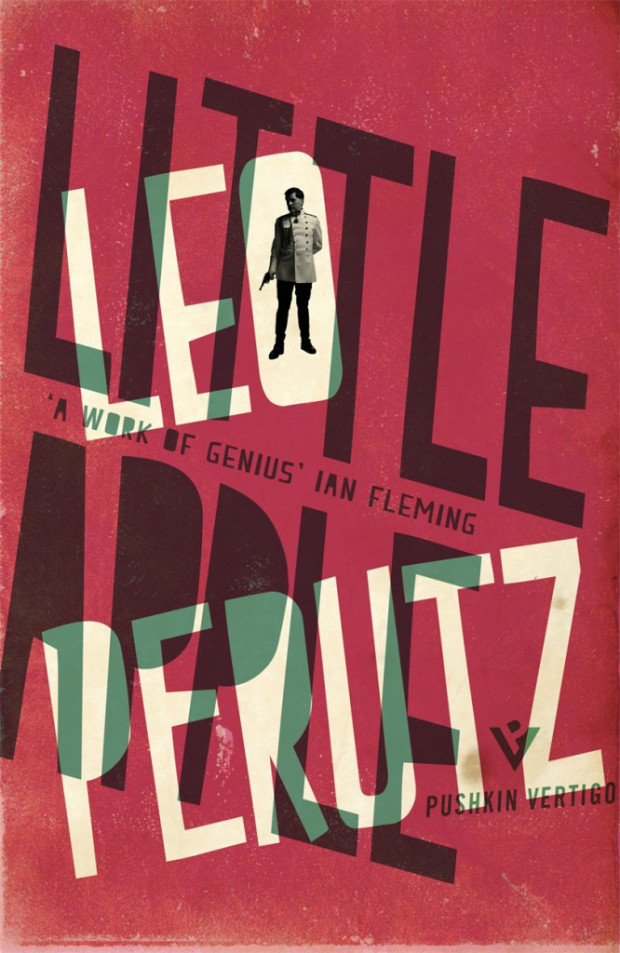
Little Apple design Jamie Keenan

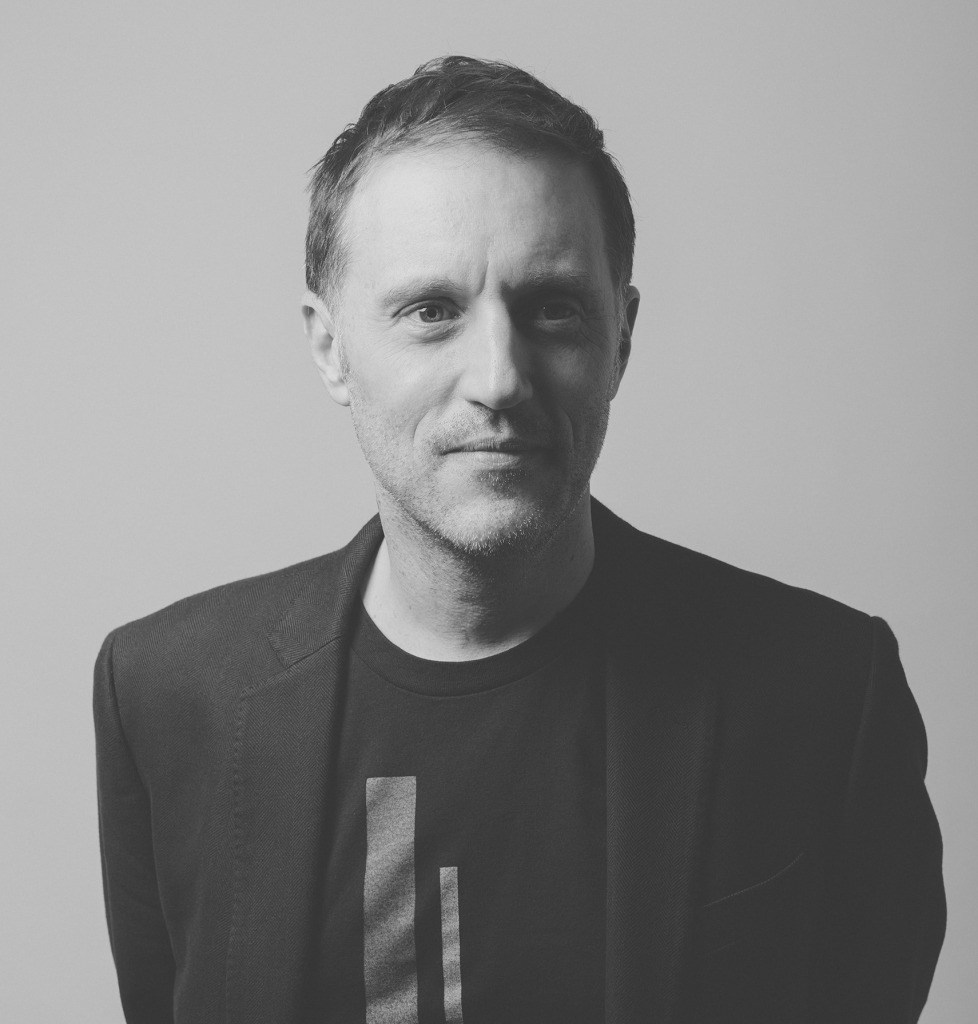
Book designer Jamie Keenan talks to Shiny New Books about his design process and designing the covers for Pushkin Press’s Vertigo imprint:

I think designers might have brains that are set up slightly differently to ‘normal’ people (there are always a lot of left handed people design departments). Quite often someone will mention authors and titles of books to me and it won’t mean anything, but when I look those books up on Amazon and see some pictures, I’ll realise I’ve read them or even worked on them. Words don’t seem to lodge in my brain in the same way that images do – I’m useless at remembering people’s names, but I can recognise someone because I sat next to them on a bus three years ago. When I read a book, I’m not sure if I experience in the way you’re supposed to do. It’s hard to describe, but from reading a book I get a sense, in quite an abstract way, of what the tone of the cover for that book should be. Each book seems to create its own world with its own rules and logic. And working on a book you don’t like is always easier – there’s nothing worse that trying to design a cover for your favourite book. It’s like being so keen to be friends with someone that you instantly become the most boring person in the world.

1 Comment

Designing Books with David Pearson

Filmed at D&AD Judging 2015 earlier this year, David Pearson talks about designing books, and picks out some of 2015’s best examples of the art:


David designed the cover of this year’s D&AD annual, and he recently talked to It’s Nice That about that process:

“The only way I’ve been able to hand over any work and feel ok about it is to throw an inordinate amount of time into thinking and thinking and editing and thinking. Then when you hand it over you know you’ve really tortured yourself thinking about what you can get rid of. It’s amazing we ended up with something as clean as we did: you have to get rid of absolutely everything.”

The result is pretty spectacular…

D&AD15-flat

Comments closed

Bob Gill: Design as Idea

Mark Mahaney: Bob Gill

In another great profile for It’s Nice That, Rob Alderson talks designer, illustrator, and writer Bob Gill:

“I don’t know what people talk about when they talk about a golden age because of a million designers in 1950 or 1960 or 1970, 13 did anything that was worth ten cents. They can call that a golden age but the gold has been tarnished I think.”

What has changed of course is technology and the way it’s altered the design process…. In fact now that the craft side of design has become demystified and democratised, he thinks designers should be able to come into their own.

“Now for a designer to make a living, they have to do more than just know how to set some type because the client can do that. So what’s left? Well the most wonderful part is left, which is to discover how you say new things. I often talk about design as idea; I am not interested in design as layout – obviously I have to lay things out in order for them to be read – but it’s very low down on my priorities. I spend the majority of my time having an opinion and trying to invent an image that says that opinion like nobody’s ever said it before. That’s the fun of it.”

Mahaney_130125_Apartamento_Bob_Gill_0005its-nice-that
Mark Mahaney
Comments closed

The Truth of Life: Paula Fox on Desperate Characters

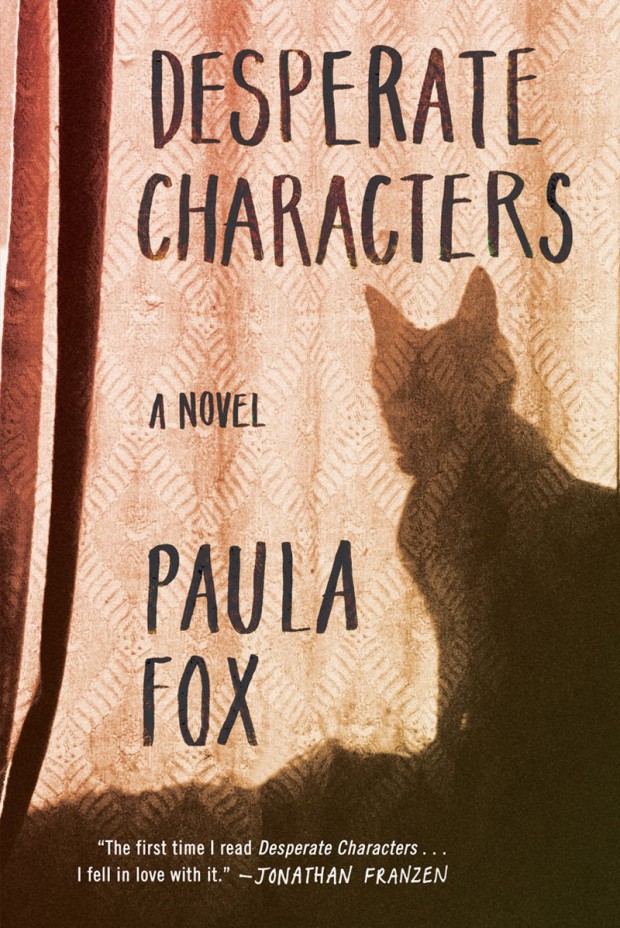
desperate characters

At Longreads, Sari Botton talks to author Paula Fox talks about the latest reissue of her 1970 novel Desperate Characters:

It’s for all kinds of tension, not just racial, but class—the poor, who don’t have money or success, against the well-to-do. There are all these antagonisms… We live by pressing our palms against the skulls of the people whom we climb over. The sense of that is very strong in human society. Sometimes it’s based on possessions, or looks, or color, or experience, or history, and all these various things that we make judgments out of.

If you haven’t read Desperate Characters — and it’s a pretty perfect read if you’re stuck in the city this summer — Longreads also has an excerpt.

The cover of the W. W. Norton’s new edition (pictured above) was designed by Yang Kim.

1 Comment

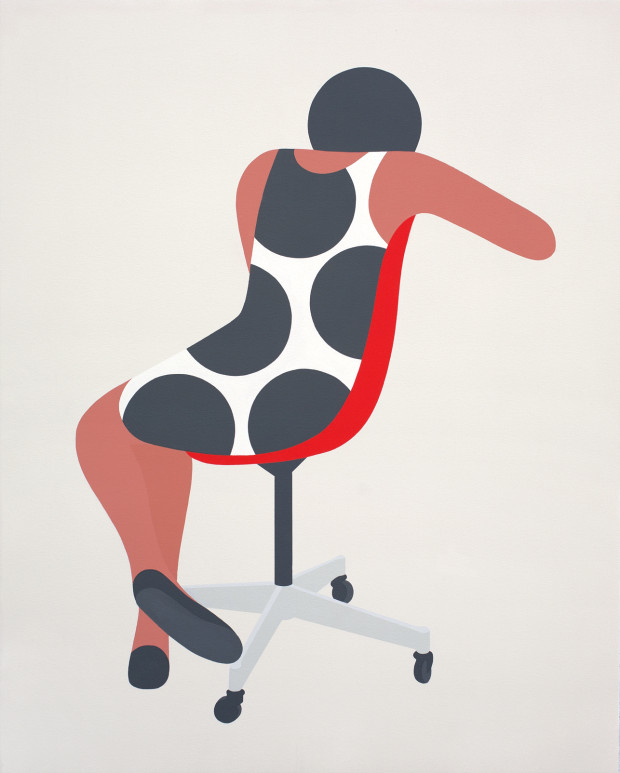
Geoff McFetridge: Table Talk

6 Dots Geoff McFetridge

The set up of this interview with artist Geoff McFetridge is a little too cool for school, but the artist himself is disarmingly nerdy:


Comments closed

The Great Discontent: Michael Bierut

michael-bierut-hero-jake-chessum

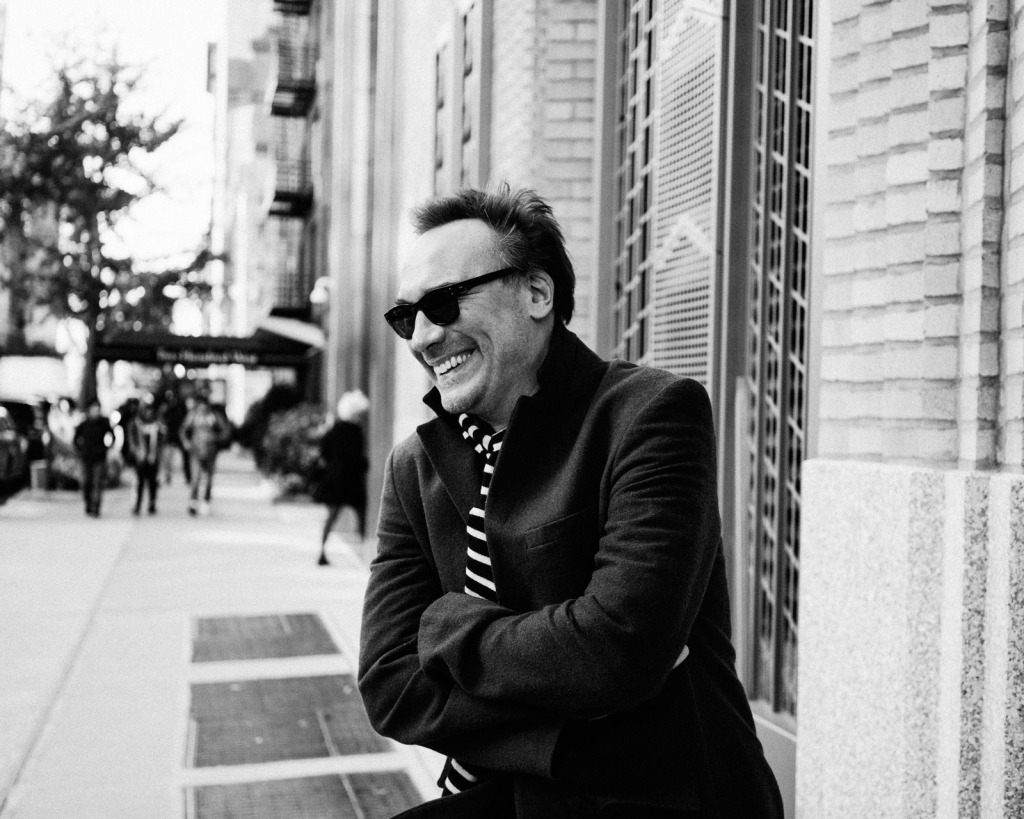
The Great Discontent has a really interesting (and long) interview with Michael Bierut about his career in graphic design:

The reason I love graphic design is because it’s a way to get paid to learn new things. For example, let’s say someone asks if you’d like to design a book. It’s not about being interested in pagination, covers, binding, typography, or paper. Those are all important, but what really makes designing a book fun is being interested in whatever the book is about. Sometimes it’s a great and exciting book that you’re really into: that’s like someone asking, “Would you like to sit and eat ice cream with me?” But sometimes it’s a book whose subject you don’t know about at all, so you get to talk to people who may be the world’s foremost experts on that subject. Even better!

When I brief interns about a project, I don’t say, “It’s this big and it has x amount of words and pictures.” I say, “These people are trying to do this, they’re trying to get this message across, and their big challenge is that.” Those pieces of information put the project into a larger context. That’s how I learned when I was starting out. I was a pretty good designer in college, and I’m not sure I’m a better craftsperson as I was then. However, I’m a much better designer now because I made people pay me to go from dumb to smart over and over and over again.

Comments closed

Creative Characters: Erik Spiekermann

P98a-spiekermann

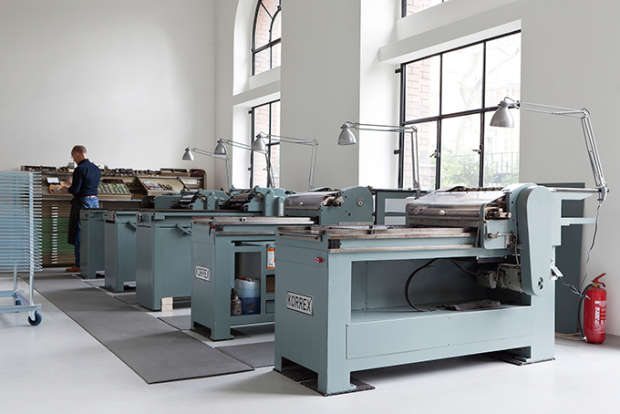
Type designer Erik Spiekermann recently spoke to MyFont’s Creative Characters newsletter about his career and his return to letterpress printing:

I think it’s very appropriate to discuss the new interest in analog technologies, and the ways that young people are now finding to combine the analog and the digital. In fact, the difference between the two is disappearing. As type specialist Indra Kupferschmidt also remarked recently — there’s no longer any reason to make things for the screen that look worse than designs made for print. Anybody who does layouts for the screen must know about type and typography just as well as someone who designs for paper. So what counts is, just like before, how to get the message across. We have the technology, there is no more excuse for a job badly done.

What I find very interesting is the movement of people who are savvy in digital design but are genuinely interested in analog techniques. It is now more than a passing trend; there must be a deeper motive why we are newly interested in the hand-made and the haptic, material and three-dimensional aspects of type and design.

Comments closed

Hazlitt Interview with Peter Mendelsund

Peter_Mendelsund

Book designer and author Peter Mendelsund discusses his books Cover and What We See When We Read with Christopher Frey for the Hazlitt podcast:

Comments closed

The Great Discontent: John Gall

john-gall-ryan-essmaker-lg

Just fantastic interview with book designer and art director John Gall at The Great Discontent:

I find it hard to think about design in terms of changing the world, but it’s important to think about design in terms of the decisions you make about what you make. Ask yourself: “What am I putting out into the world? Am I helping sell Big Macs or deodorant or iPhones or whatever?” I have nothing against any of those, but at some point in my life, I decided to focus on books. Books are intrinsically good: even the worst book—with some notable exceptions—isn’t truly bad. If people are reading, it is good. As designers, we’re attached to the selling of something; no matter what we’re making there is a selling component. In that sense, the decision to work with books was very much about the larger picture of what I was helping to usher into the world.

I talked to John about his collages waaaaaay back in 2011.

Comments closed

Peter Mendelsund on Fresh Air

cover

I think there are two primary jobs that a jacket has to do: It has to represent a text and it has to sell it. In a way, a book jacket … is sort of like a title that an author comes up with. It’s one thing that has to speak to a big aggregate thing, which is the book itself. And it has to be compelling in some way such that you’re interested enough to pick it up — and perhaps buy it. … It’s like a billboard or an advertisement or a movie trailer or a teaser. …

I think of a book jacket as being sort of like a visual reminder of the book, but … it’s also a souvenir of the reading experience. Reading takes place in this nebulous kind of realm, and in a way, the jacket is part of the thing that you bring back from that experience. It’s the thing that you hold on to.

Peter Mendelsund, book designer and author of What We See When We Read, interviewed on NPR’s Fresh Air:

NPR Fresh Air Interview: Author and Designer Peter Mendelsund mp3

2 Comments

Q & A with Dan Mogford

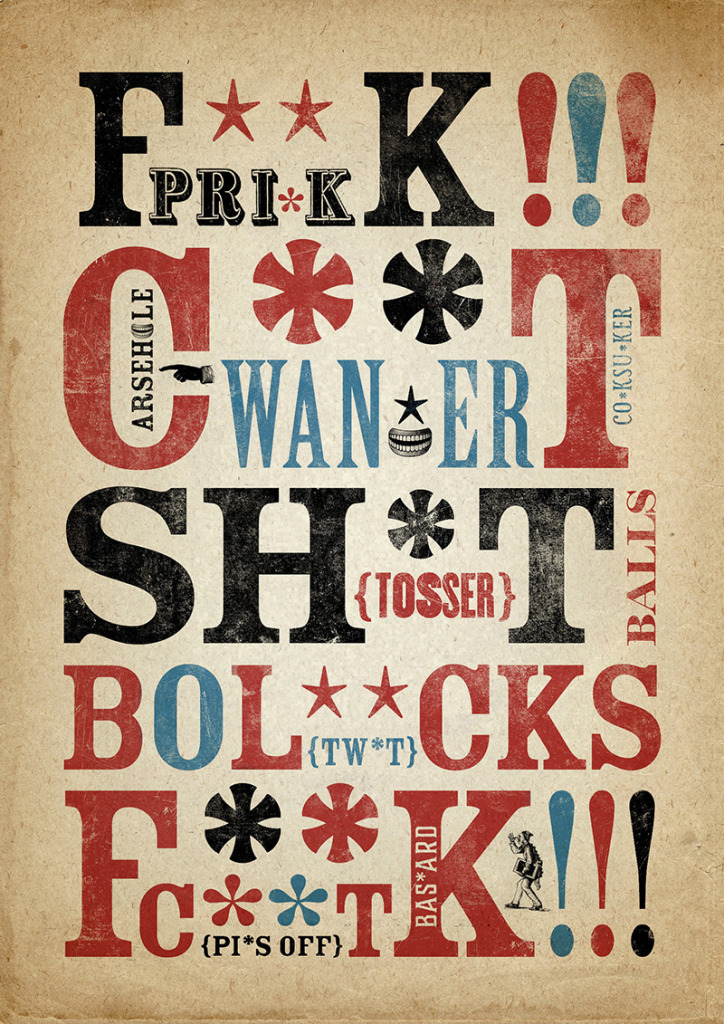
Filthy English
If you’ve followed this blog for a while, you will surely have a come across the work of London-based freelance designer Dan Mogford before. His work — including covers for 419 by Will Ferguson, All Over the Map by Michael Sorkin, and Filthy English by Peter Silverton (pictured above, and now available as a poster should need the swears on your wall) — has been featured here on numerous occasions over the years. A longer feature on Dan’s work has felt overdue for some time now, and so I’m very pleased to finally have Q & A with the designer himself on the blog today. Dan and I corresponded by email…
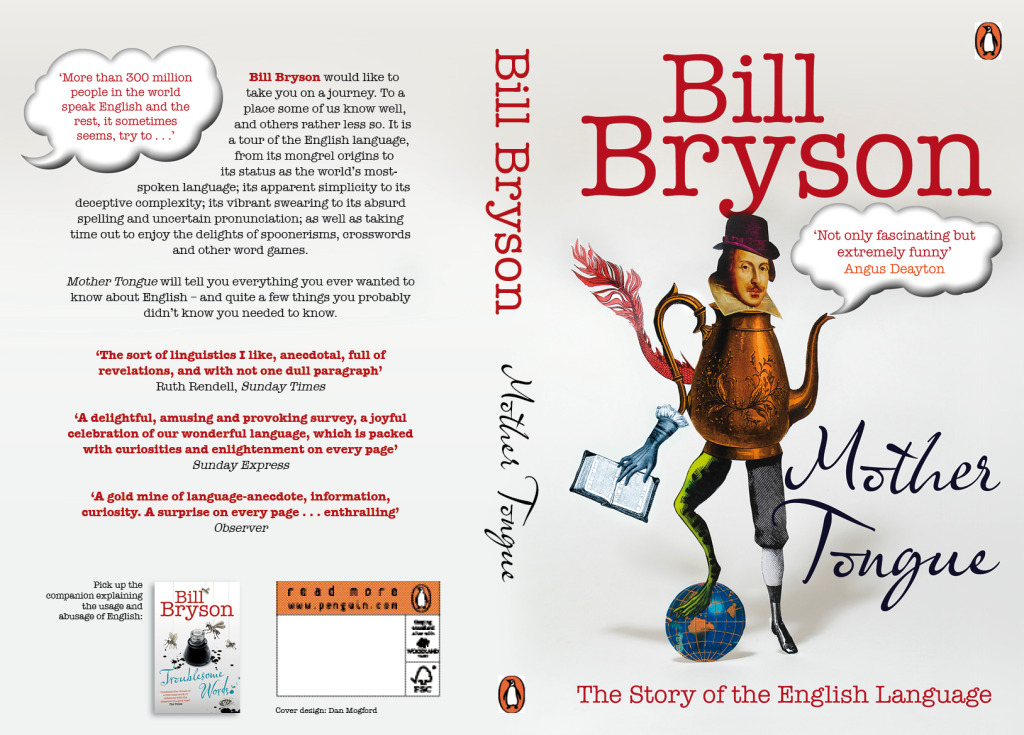
MotherTongue

Do you remember when you first became interested in design?
Although I was exposed to design from a young age. I was always sure I would end up in a scientific career – I was all set on becoming an oceanographer or marine biologist, then around the age of 16 I was given a black and white darkroom kit by a friend of the family and was hooked on the whole process immediately. Within a year I’d applied and been accepted onto a foundation art course despite the fact I was doing science and maths A-levels. This was also around the time that Pixies came screaming onto the indie music scene and Vaughan Oliver and Simon Larbalestier’s bonkers, twisted, dark and sexy artwork for the albums struck a chord with my tortured 18-year-old psyche…

Was anyone else in your family creative?
My father was an engraver for The Royal Mint, first in London then later in Wales where we relocated when I was 4. He designed and engraved coins and commemorative medals for a variety of countries and organisations around the world so I spent a lot of time watching him hand-lettering then intricately carving type and images into these large plaster discs, which would later be somehow magically turned into little metal stamps for coin minting.

Did you study design at school?
When I finished secondary (high) school I went off to do a one year art foundation course with a fantastic array of tutors and access to screen printing, etching and some very clunky early Macs (1991!) which eventually lured me away from the darkrooms. From there I went to Central Saint Martins to study Graphic Design after I realised that type didn’t just belong on a label underneath photographs.
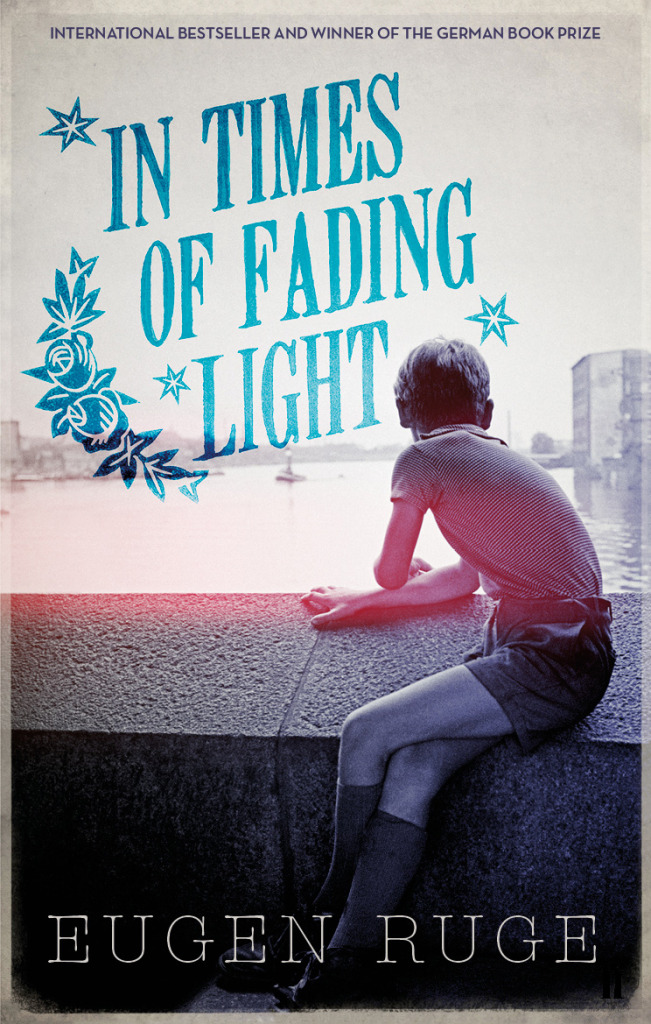
Intimesfadinglight_PB

Are your kids interested in design?
My wife is a textile designer so their exposure to art & design has been a constant, whether it’s books at home or trips to galleries and visits to friends who work in similar fields. I’m secretly hoping one or all of them will rebel and go into law or marine biology though.

Where did you start your career?
During the second year of my degree course I wrote to the art departments of virtually every major publishing house in London asking for a summer holiday work placement/internship – only one of them replied! I did 3 seperate placements with the Pan Macmillan design crew thanks to the lovely Art Director Fiona Carpenter. When I left college Fiona put me in touch with a design studio called The Senate where I ended up working for 4 years on predominantly book related projects for the likes of Penguin, Random House and Macmillan – among many others.
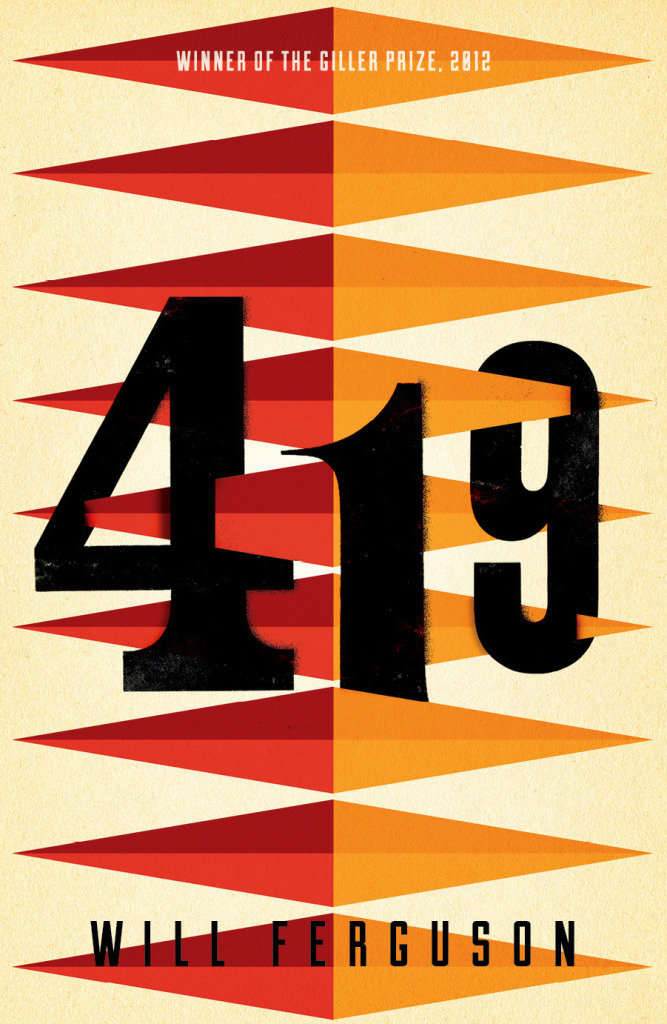
419

Why did you decide to go freelance?
I went freelance in January 2000, bitten by millenium fever and the realisation that I’d gone about as far as I could in the small design studio I was at. I think being freelance was for me inevitable as I’ve never been very good at being told what to do by other people! I’m lucky it worked out for me, I’ve had certain clients since I went freelance fourteen (!) years ago and have worked with a huge variety of brilliant people in that time. Also some idiots.

What advice would you give a designer thinking about going out own on their own?
If you’re considering it then you’re halfway there. Don’t overthink it, don’t fret, go for it. What’s the worse that could happen?
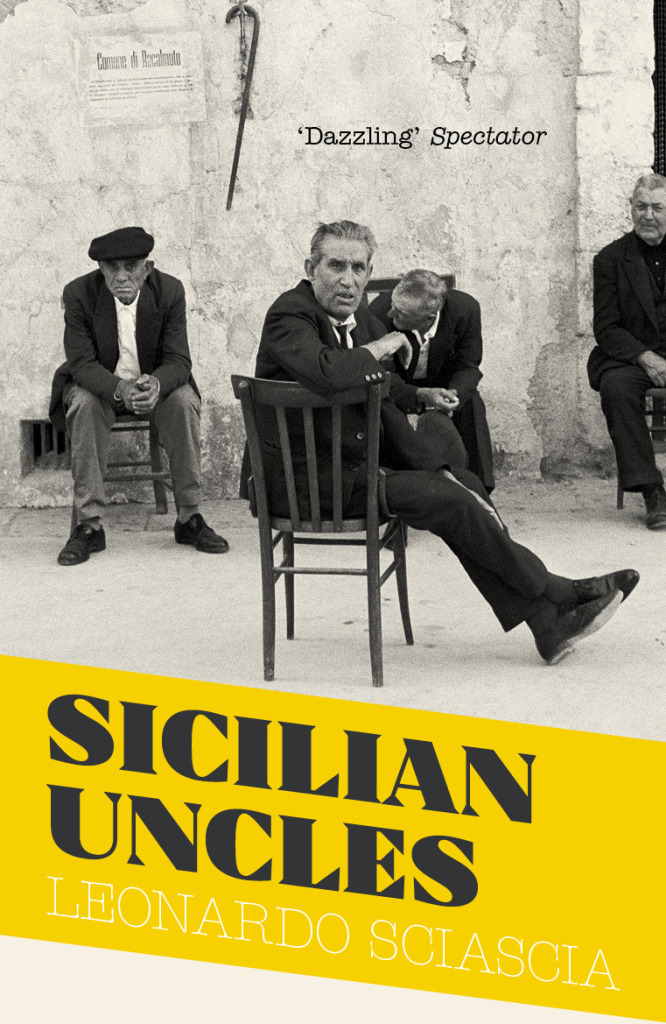
Sicilian Uncles

What are your favourite kinds of projects?
I seem to have worked on quite a few series designs in the last couple of years and have realised that I really enjoy the challenge and constraints that entails. I like solving the problem of branding a set of books that hang together while still letting each have their own distinct, individual voice – and it really appeals to the collector in me.
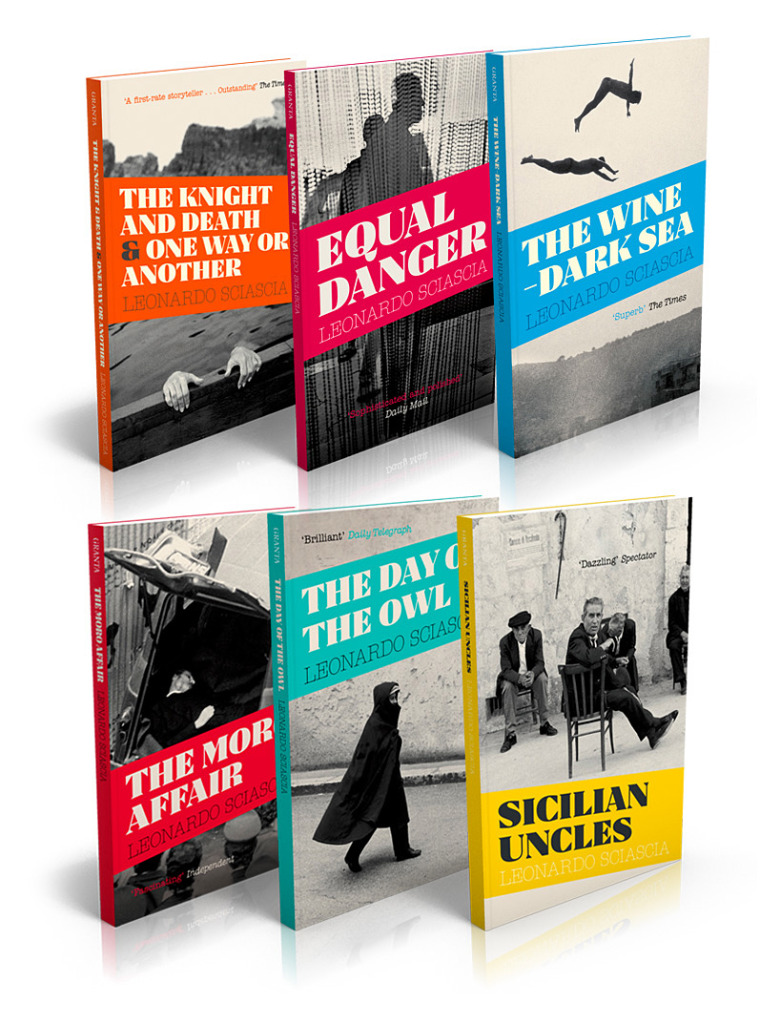
Sciascias

What kind of books present the greatest creative challenges?
Again a series design can be challenging but very rewarding if you crack it. I’m really not a fan of the hastily written brief with a scattering of Amazon thumbnails ‘for reference’ and a ‘do whatever’ undertone. You’d think that carte blanche was a gift to a designer but those jobs always end up rumbling on and becoming headaches as there’s been no thought about a clear direction or postioning for the book. Some constraints are a good thing to rub against and work with.

Can you describe your process for designing a book cover?
Sketching and doodling and hot shower meditation. I always draw lots of scrappy little thumbnails of ideas as they occur to me along with word lists and diagrams with arrows linking things. Lots of arrows for some reason… When I have a good feeling about an idea I’ll refine it to a more polished visual on the Mac to a point where it can go into a cover meeting by itself and face the scrutinity of the meeting without me there to defend or excuse it. Then of course comes the email requesting a few tweaks and so it goes on. Occasionally a great idea will survive the sales department waterboarding unscathed – that makes it all worthwhile.
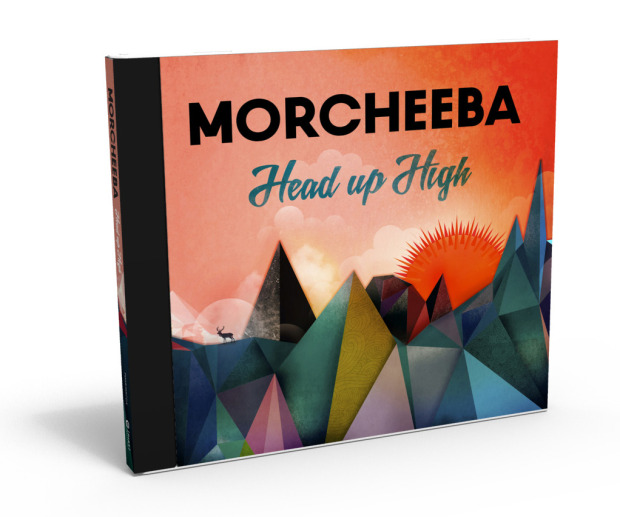
Morcheeba

Do you approach music packaging differently from book covers?
I think they’re actually very similar disciplines in that you’re trying to distill the essence of the thing into a visual that will connect with people in some way while respecting the content that another person has poured a good chunk of their life into creating. I think as with great book designs the conent and the package can become inextricably linked but record design can only do so much – music can be quite resistant to visual interpretation, more so than the written word I think.
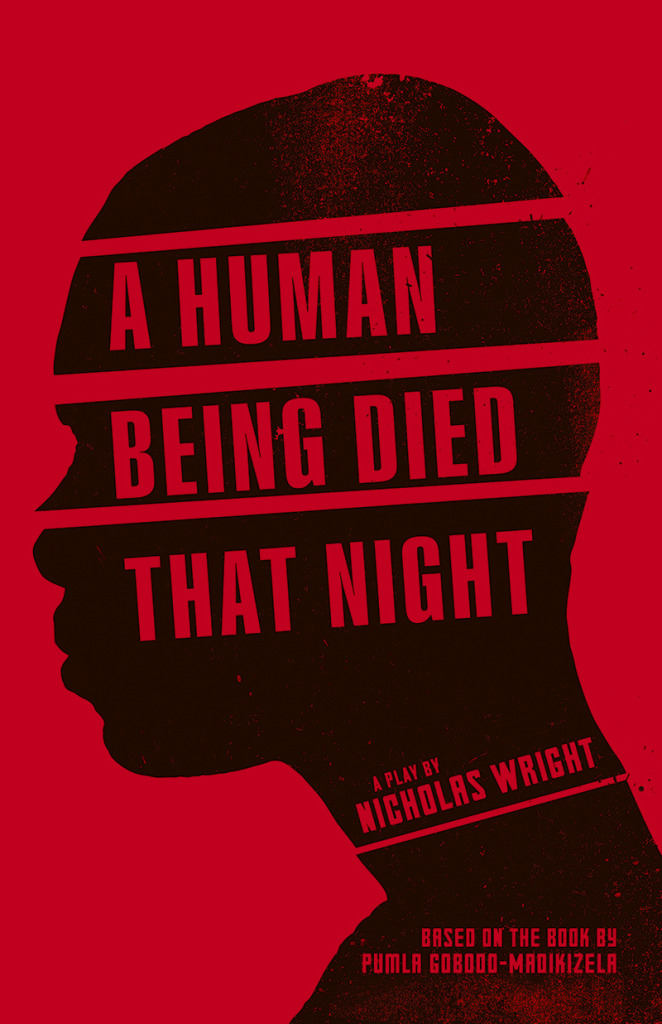
A Human Being Died

You were suddenly taken ill at the end of 2012. Have you fully recovered?
For anyone who hasn’t yet been bored to tears by my health history, I had a heart infection which came out of the blue and very nearly killed me. I had open-heart surgery followed by several months of hospitalisation and recovery but can safely say I’m 99% back to the stubborn, easily distracted muppet I was before my illness. Thanks for asking.

Did your illness change your approach to work? Do have a different perspective on it than before?
Absolutely. I’m a lot less tolerant of bad clients! I sacked a few within a couple of months of getting back to work properly and am much more picky about who I work with and what on. Life actually is too short. I’ve also started a little sideline business producing art prints from my collection of printed ephemera and packaging because it makes me happy and the marketing department consists of ME.

Who are some of your design heroes?
Vaughan Oliver is the main reason I got into this graphic design lark. He let me shadow him at 4AD for a day while I was doing my design degree which only confirmed his likeability and genius.

Also: Lustig, Sagmeister, Conran, Kidd.
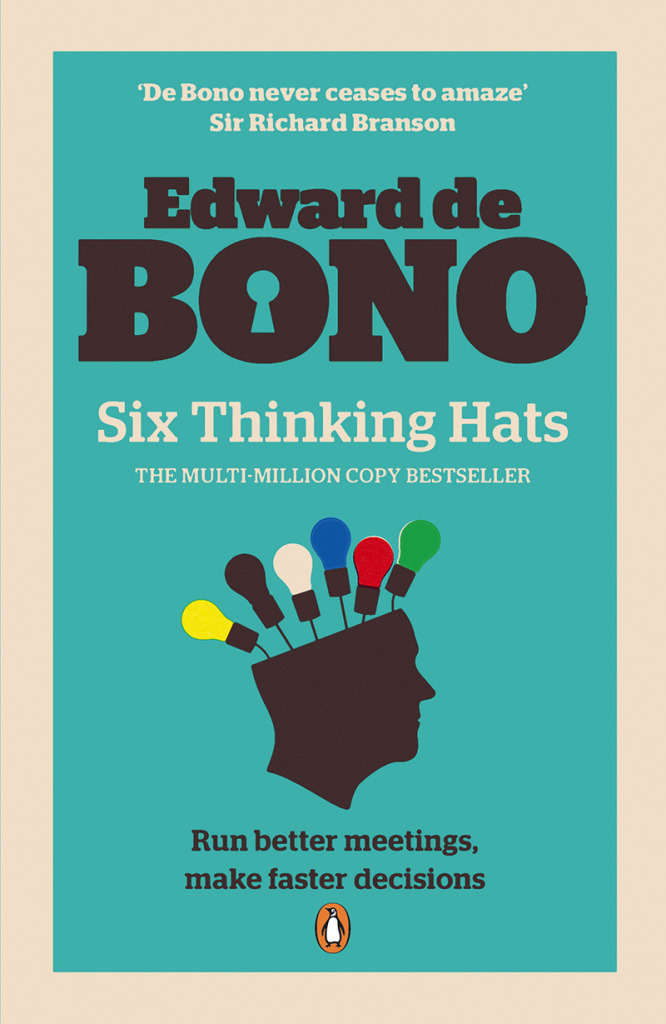
6HATS

Who do you think is doing interesting work right now?
In terms of book design, I’m not going to stroke/stoke the egos of the UK book design Mafia anymore, they know who they are and they’re all bloody fabulous people and constanly inspiring. Same goes for that lot over the pond. Bastards. Also more generally: Dan Cassaro, Elana Schlenker, Rob Lowe, Marcus Walters, Steven Wilson, Dan Matutina

What‘s in your ‘to read’ pile?
I’m gradually working my way through a list of classics I feel I should really have read by this point in my life – I’ve just finished Jamaica Inn and made a start on Love in the Time of Cholera. I also have a few classic ghost stories lined up for the darkening autumn evenings…
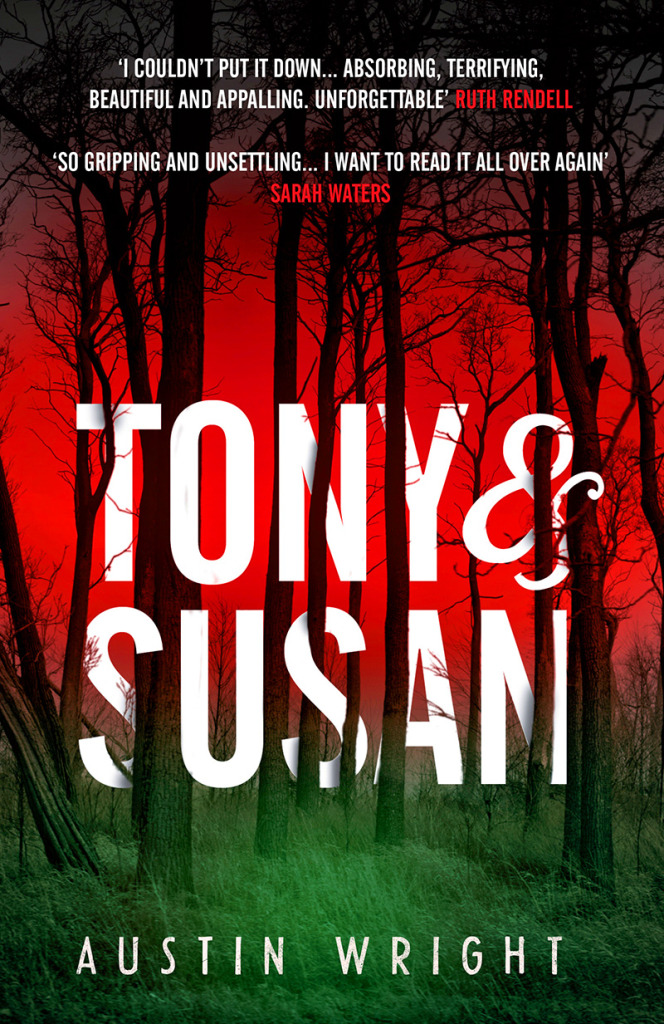
Tony-Susan

Do you have system for organizing your books?
None whatsoever. I love having slippery piles of books all around my studio. They give off a barely discernible warmth and are good company now I work alone.

Do you have a favourite book?
Enid Blyton’s Faraway Tree series were the first books I remember my mum reading to me as a child. She carefully kept them in pristine condition and I’ve just finished reading them to my son Milo who adored them too.

What does the future hold for book cover design?
I think we’re at an interesting point in the story of books and their covers. I’m certainly being asked to consider the whole book package more frequently than I once was – things like cloth colours and foils on hardbacks as well as endpaper designs, varnishes and other little flourishes that make the physical book the covetable item an ebook can never be. Some design briefs demand that the cover works strongly as an Amazon thumbnail which is an interesting constraint akin to designing stamps or matchbox labels – a reductive process and simplification that isn’t necessarily a bad thing. I don’t think books as objects are going to vanish any time soon and whatever happens down the line – products physical or digital – will always be packaged.

Thanks Dan!
Comments closed

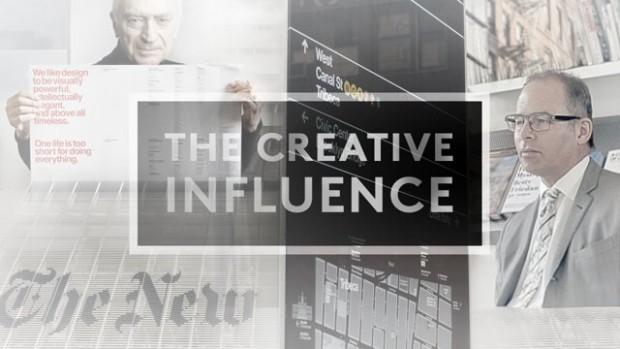
Michael Bierut — The Creative Influence

creative-influence

In this new short film for The Creative Influence documentary series, designer Michael Bierut talks about his mentor Massimo Vignelli, what makes an enduring logo, and how the internet has changed the way we work:

Comments closed