Skip to content

Tag: illustration

Book Covers of Note, September 2017

Here are September’s cover selections with a few extra covers from earlier in the year, just for good measure…


The Aeneid by Virgil, translated by David Ferry; design by Matt Avery (University of Chicago Press / September 2017)


The Age of Perpetual Light by Josh Weil; design by Nick Misani (Grove Press / September 2017)


And Your Daughters Shall Prophesy by Adrian Shirk; design by Jarrod Taylor (Counterpoint / September 2017)


The Beast by Alexander Starritt; design by Gray318 (Head of Zeus / September 2017)


A Book of Untruths by Miranda Doyle; design by Donna Payne (Faber & Faber / June 2017)

I really must do a post on crossings out on covers….


Can’t Stand Up For Falling Down by Allan Jones; design by Greg Heinimann (Bloomsbury / August 2017)


The Change Room by Karen Connelly; design by Jennifer Griffiths (Random House Canada / April 2017)


Curry by Naben Ruthnum; illustration by Chloe Cushman; series design Ingrid Paulson (Coach House Books / August 2017)


Dark at the Crossing by Elliot Ackeman; design by Kelly Blair (Knopf / January 2017)


Democracy and Its Crisis by A.C. Grayling design James Paul Jones (Oneworld / September 2017)


Do Not Bring Him Water by Caitlin Scarano; design by Zoe Norvell (Write Bloody / September 2017)


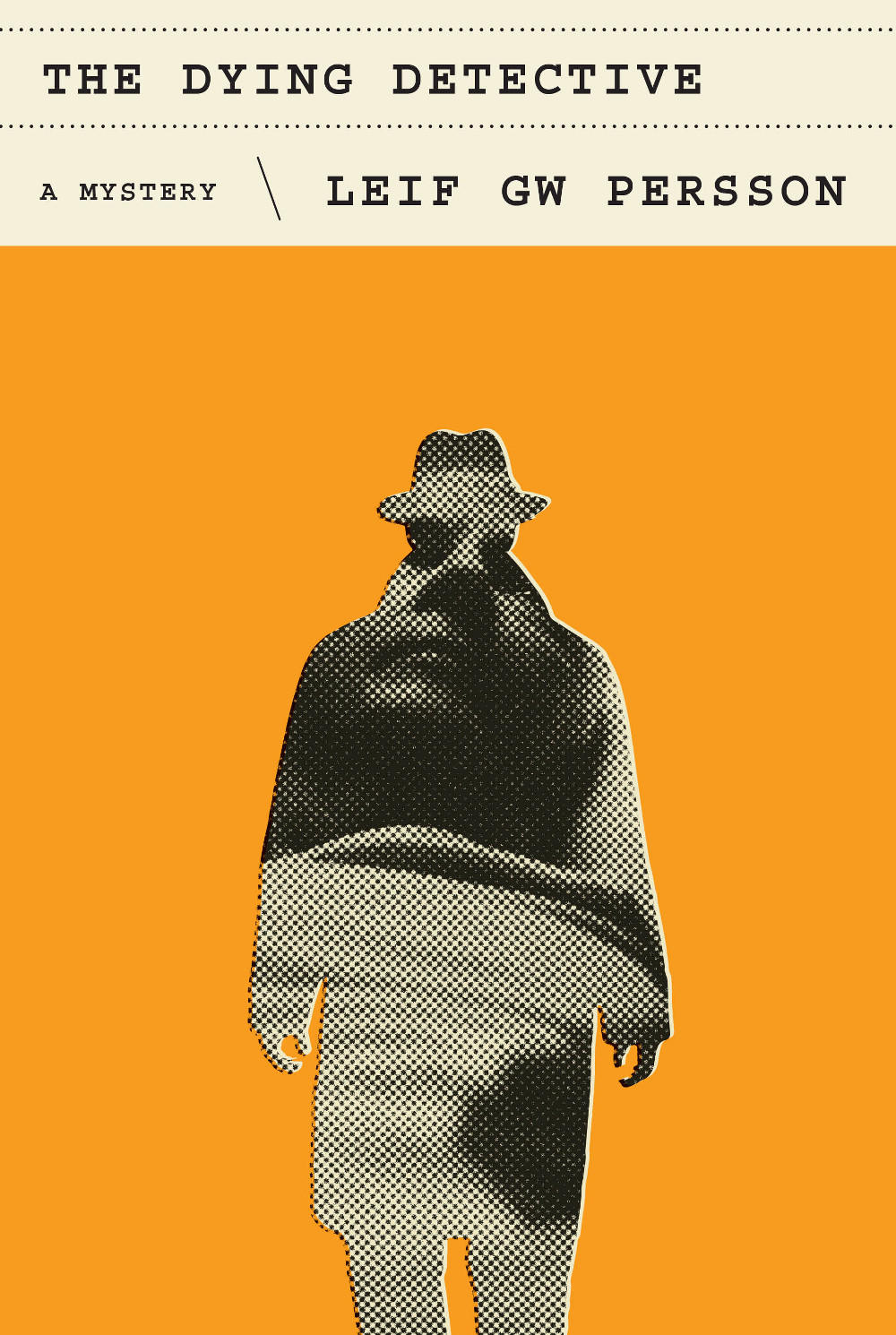
The Dying Detective by Leif GW Persson; design by Oliver Munday (Pantheon / May 2017)


English Uprising by Paul Stocker; design by Jamie Keenan (Melville House / September 2017)


Every Third Thought by Robert McCrum; design by Stuart Wilson; illustration Andrew Davidson (Picador / August 2017)


The Experiment by Eric Lee; design by David A. Gee (Zed Books / September 2017)


I Am Not A Brain by Markus Gabriel; design by David A. Gee (Polity Press / September 2017)


The Last London by Iain Sinclair; design by James Paul Jones (Oneworld / September 2017)


Mrs. Fletcher by Tom Perrotta; design by Jaya Miceli (Scribner / August 2017)


My Absolute Darling by Gabriel Tallent; design by Jo Walker (Fourth Estate / August 2017)

The cover of the US edition, published by Riverhead, was designed by Jaya Miceli:


New People by Danzy Senna; design by Rachel Willey (Riverhead / August 2017)


The People Are Going to Rise Like the Waters Upon Your Shore by Jared Yates Sexton; design by Matt Dorfman (Counterpoint / August 2017)


Postcards from the Edge by Carrie Fisher; design by Jack Smyth (Simon & Schuster / September 2017)


Ruth and Martin’s Album Club by Martin Fitzgerald; design by Dan Mogford (Unbound / September 2017)


Scarborough by Catherine Hernandez; design Oliver McPartlin; photograph Matthew Henry (Arsenal Pulp Press / May 2017)


The Talented Ribkins by Ladee Hubbard; design Marina Drukman (Melville House / August 2017)


To Die in Spring by Ralf Rothmann; design by Oliver Munday (Farrar, Straus & Giroux / August 2017)


We All Love the Beautiful Girls by Joanne Proulx; design by Jennifer Griffiths (Viking / August 2017)


You Should Have Left by Daniel Kehlmann; design by Peter Mendelsund (Pantheon / June 2017)

Save

Save

Comments closed

Coralie Bickford-Smith’s Working Day

At The Guardian, writer, illustrator and Penguin Books designer Coralie Bickford-Smith talks about her working day:

When I am at Penguin I design covers for classic literature. When I am at home I write, illustrate and design my own books. With my books I control every aspect, right down to the colour of the thread that binds them together.

On Penguin days I am out of the house and on the bus by 6.50am. I use my travel time to read books I am working on. Speedy morning buses, when the streets are clear, are the best. Starting early means I am at my desk a couple of hours before the office bustle. A quiet time to get some ideas down. I work solidly till 4pm and I jump back on the bus to read.

Each role feeds into the other nicely. I am never without inspiration. Due to my obsessive nature and lack of confidence, I have to read absolutely everything I design a cover for. I worry that people will scream at me for misrepresenting their beloved text. I’m sure many designers are the same. Time-consuming, yes, but the upshot is a stream of amazing ideas pouring into my brain that I can squirrel away for future projects.

Coralie’s new picture book The Worm and the Bird, published by Particular Books, is available now. 

Comments closed

The Appointment

Tom Gauld takes a look at editing process for The Guardian

Tom’s recent comic ‘Editor’s Letter’ for the New York Times Magazine‘s ‘New York Stories‘ comic strip issue is also great: 

Tom illustrated a story by Andy Newman called View Finder, and provided other incidental illustrations and lettering for the magazine, but the cover was illustrated by Bill Bragg who also, you may remember, illustrated the cover of Welcome to Lagos by Chibundu Onuzo, published by Faber earlier this year.  

You can read more about the issue at Creative Review and It’s Nice That.

Comments closed

Book Covers of Note May 2017

Everything is awful. Except for book covers…


Black Skins, White Masks by Frantz Fanon; design by David Pearson (Pluto Press / May 2017)


The Children of Jocasta by Natalie Haynes; design by Ami Smithson; illustration Petra Börner (Mantle / May 2017)


The Circus by Olivia Levez; design by Nathan Burton (Oneworld / May 2017)

Nathan’s cover for The Island by Olivia Levez was on my list of Notable YA Book Covers last year:

And also by the talented Mr. Burton…


The Doorposts of Your House and on Your Gate by Jacob Bacharach; design by Nathan Burton (Liveright / April 2017)


Feel Happier in Nine Seconds by Linda Besner; design by Scott Albrecht (Coach House Books / May 2017)


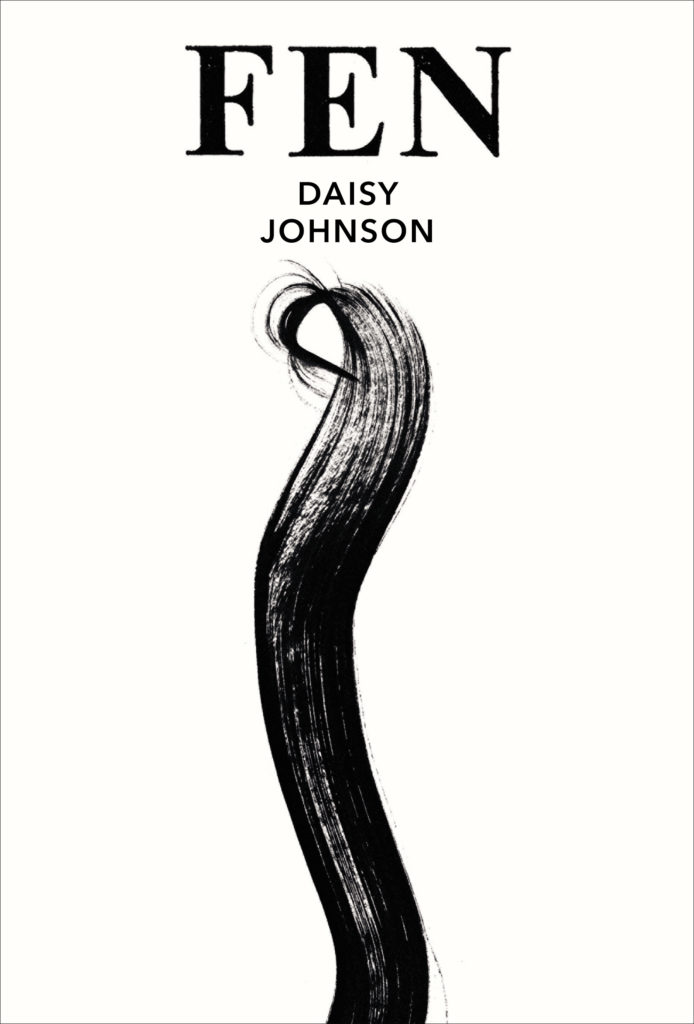
Fen by Daisy Johnson; design by Kimberly Glyder (Graywolf / May 2017)

The cover of the UK edition of Fen designed by Suzanne Dean was a book cover of note in June last year


Granta 139: Best of Young American Novelists 3; design by Daniela Silva; neon sign by Steve Earl / Kemp London (Granta / May 2017)


Hadriana In All My Dreams by René Depestre; design by Christian Fuenfhausen (Akashic Books / May 2017)


I’d Die for You and Other Lost Stories by F. Scott Fitzgerald; design by Jack Smyth (Scribner UK / April 2017)


Ill Will by Dan Chaon; design by Christopher Lin (Ballantine Books / March 2017)


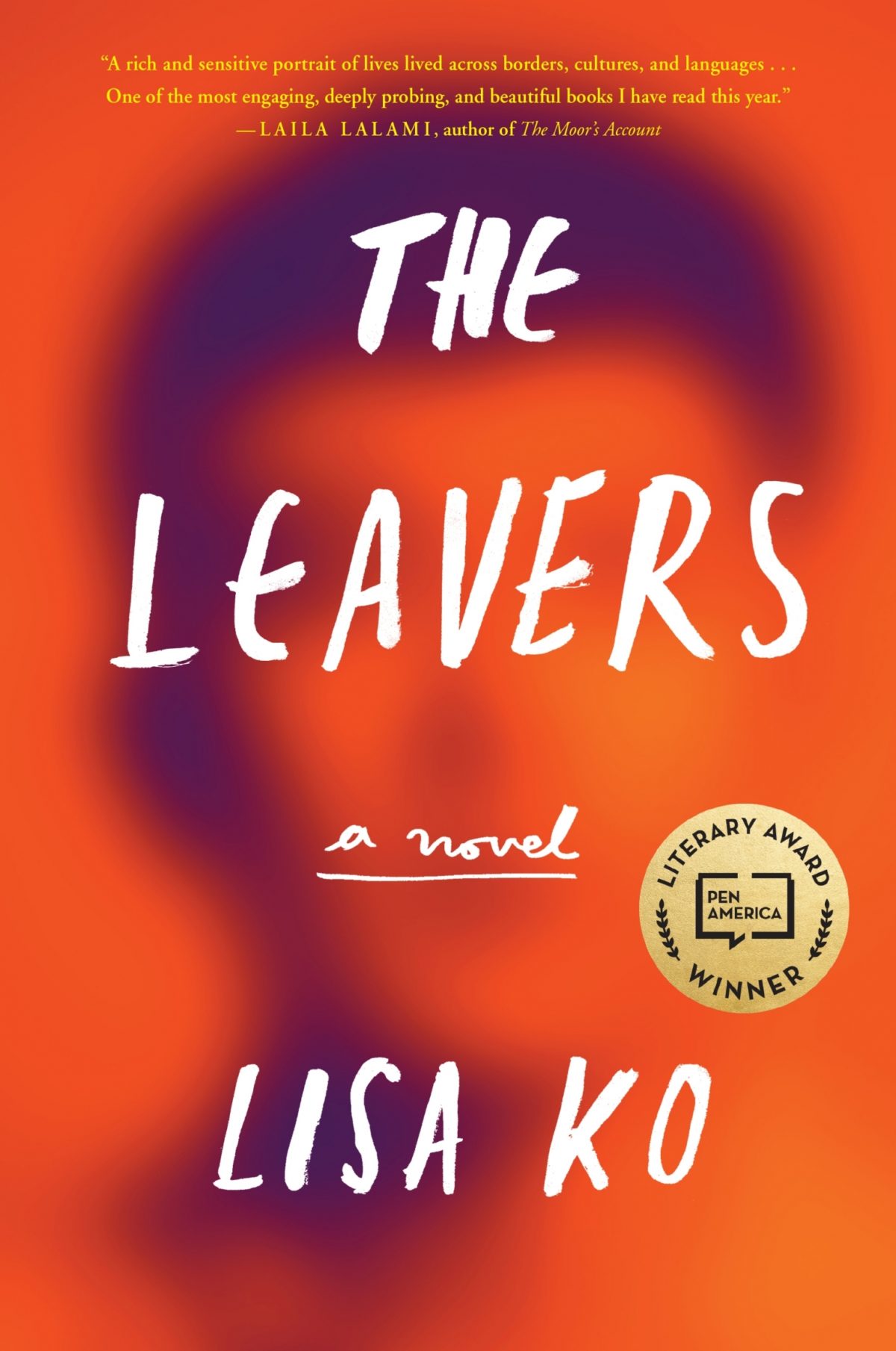
The Leavers by Lisa Ko; design by Elena Giavaldi (Algonquin / May 2017)


Lobbying for Change by Alberto Alemanno; design by Dan Mogford (Icon / May 2017)

Multi-coloured letters are a thing this month. See below… 


My Cat Yugoslavia by Pajtim Statovci; design by Oliver Munday (Pantheon / April 2017)


The Nothing by Hanif Kureishi; design by Jamie Keenan (Faber & Faber / May 2017)


Priestdaddy by Patricia Lockwood; design by Rachel Willey (Riverhead / May 2017)

The cover of the UK edition, designed by Richard Green, takes quite a different direction…


Ramona Blue by Julie Murphy; design by Aurora Parlagreco; illustration by Daniel Stolle (Balzer + Bray / May 2017)

The same designer-illustrator team were on my 2015 YA list for their cover for Julie Murphy’s previous book Dumplin’.


Rock n’ Radio by Ian Howarth; design by David Drummond (Vehicule Press / May 2017)

See! Multicoloured lettering is where it is at… 


This is Just My Face: Try Not to Stare by Gabourey Sidibe; design by Martha Kennedy; photography by GUZMAN (HMH / May 2017)


Toussaint Louverture by Charles Forsdick & Christian Høgsbjerg; design by Gray318 (Pluto Press / May 2017)


We Are Never Meeting in Real Life by Samantha Irby; design by Joan Wong (Vintage / May 2017)


The Violence of Austerity edited by David Whyte and Vickie Cooper; design by James Paul Jones (Pluto Press / May 2017)


When Dimple Met Rishi by Sandhya Menon; design by Regina Flath (Simon Pulse / May 2017)

1 Comment

Book Covers of Note April 2017

This edition of ‘book covers of note’ is brought to you entirely by Gray318 who designed the covers of all the books published this month. OK, that’s an exaggeration, but Jon did design FOUR of the covers on my list — all different, all brilliant. How no one has published a monograph of his work yet is beyond me. Anyway… This month’s post also includes covers by David Pearson, Erik Carter, Scott Richardson, Kimberly Glyder, Katie Tooke, Rachel Vale and more… 


Black Moses by Alain Mabanckou; design by Gray318 (Serpent’s Tail / April 2017)


England Your England by George Orwell; design by David Pearson (Penguin Modern Classics / March 2017)


The Fortunate Brother by Donna Morrissey; design by Pete Adlington (Canongate / April 2017)


Ghachar Ghochar by Vivek Shanbhag; design by Luke Bird (Faber & Faber / April 2017)

And, just FYI, after 6 years at Faber & Faber, Luke has decided to set up his own studio should you wish to hire him (and on the basis of this cover alone, why wouldn’t you?).

The Good People by Hannah Kent; design by Rachel Vale (Picador / February 2017)


The Handmaid’s Tale by Margaret Atwood; art direction by Christopher Moisan; illustration by Patrik Svensson (Houghton Mifflin Harcourt / April 2017)

This is just the latest in a number of striking covers for The Handmaid’s Tale  rare bookseller and author Rebecca Romney recently compiled a list


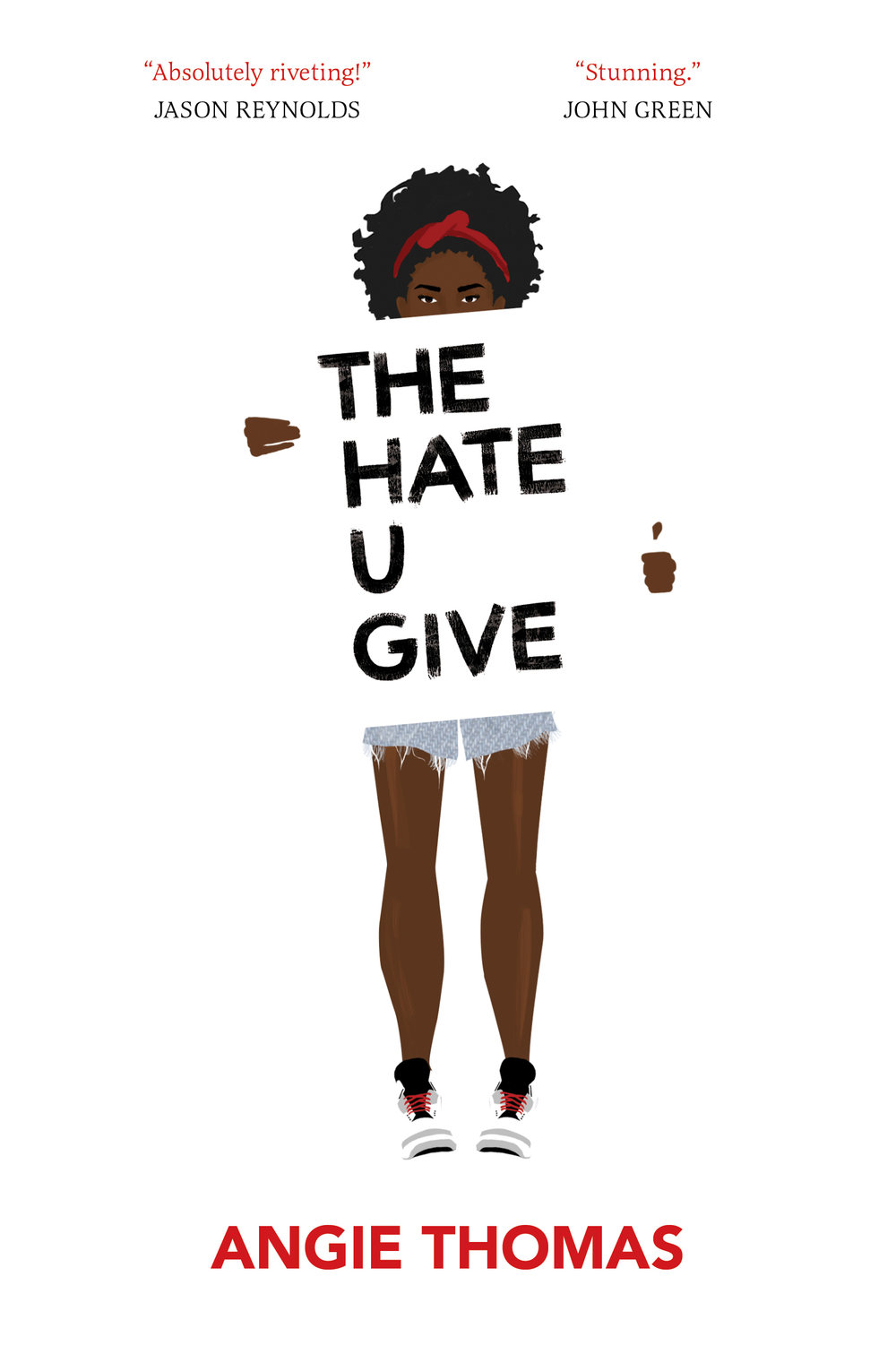
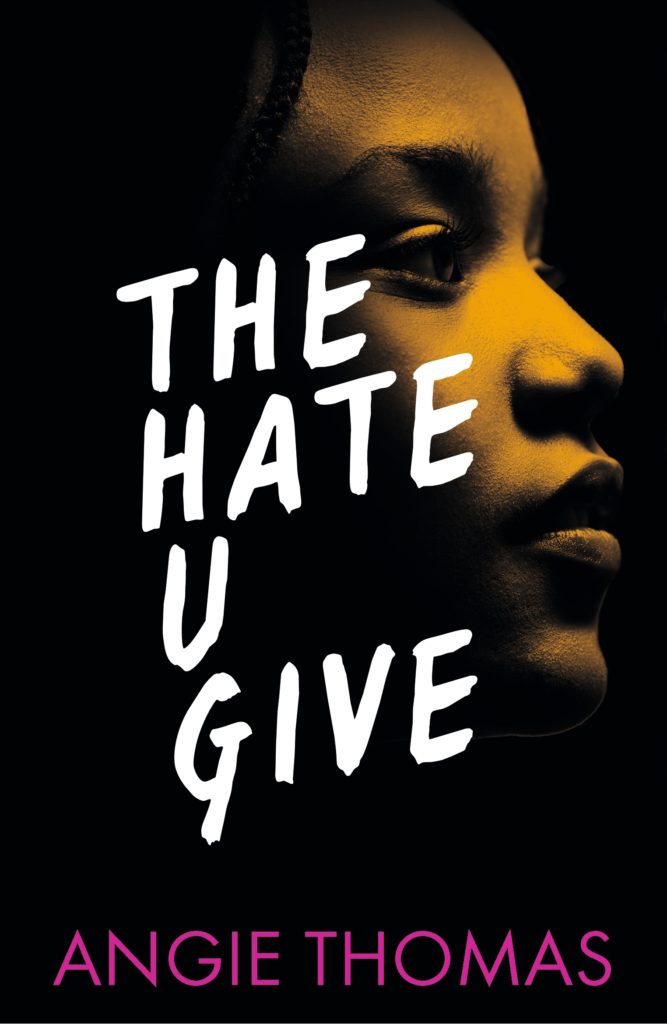
The Hate U Give by Angie Thomas; design by Jenna Stempel; illustration Debra Cartwright (Balzer + Bray / February 2017)

The cover of the UK edition of The Hate U Give, published by Walker this month, was designed by Maria Soler.

It’s interesting that both designs have acrostic titles. I wonder if this was in the brief?  


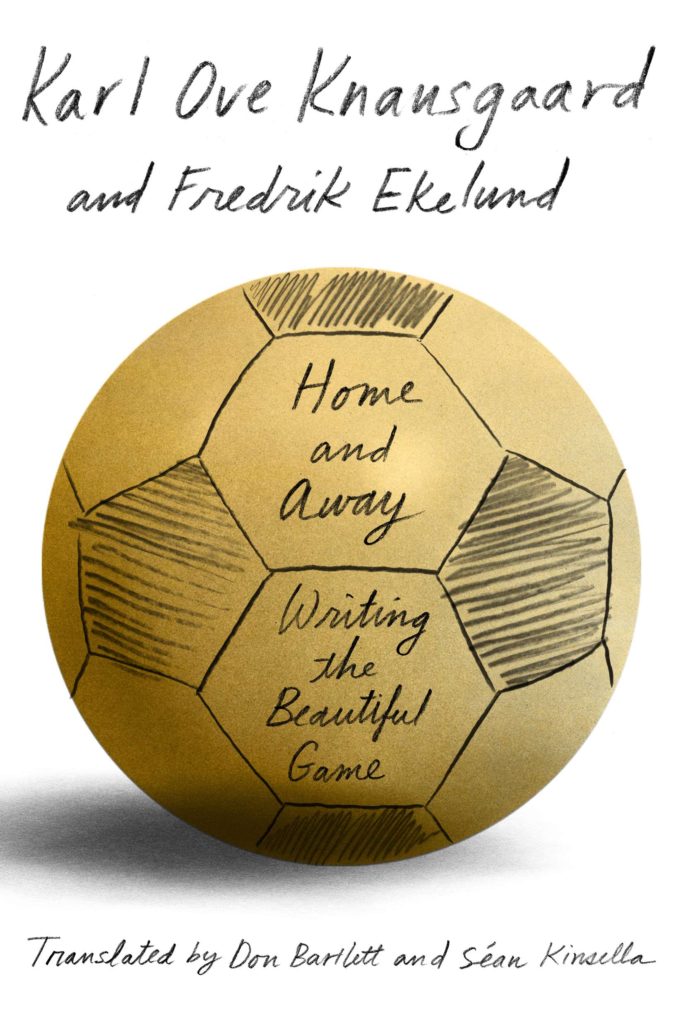
Home and Away by Karl Ove Knausgaard and Fredrik Ekelund; design by Alex Merto (Farrar, Straus & Giroux / January 2017)

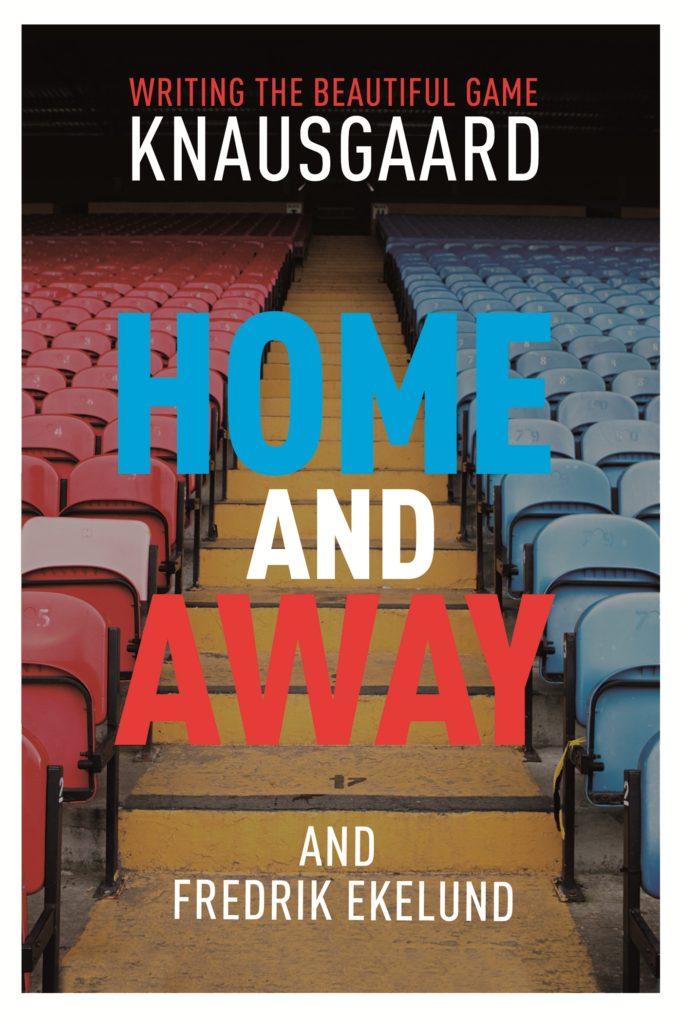
The cover of the British edition, published by Harvill Secker in November 2016, was designed by Matt Broughton. 


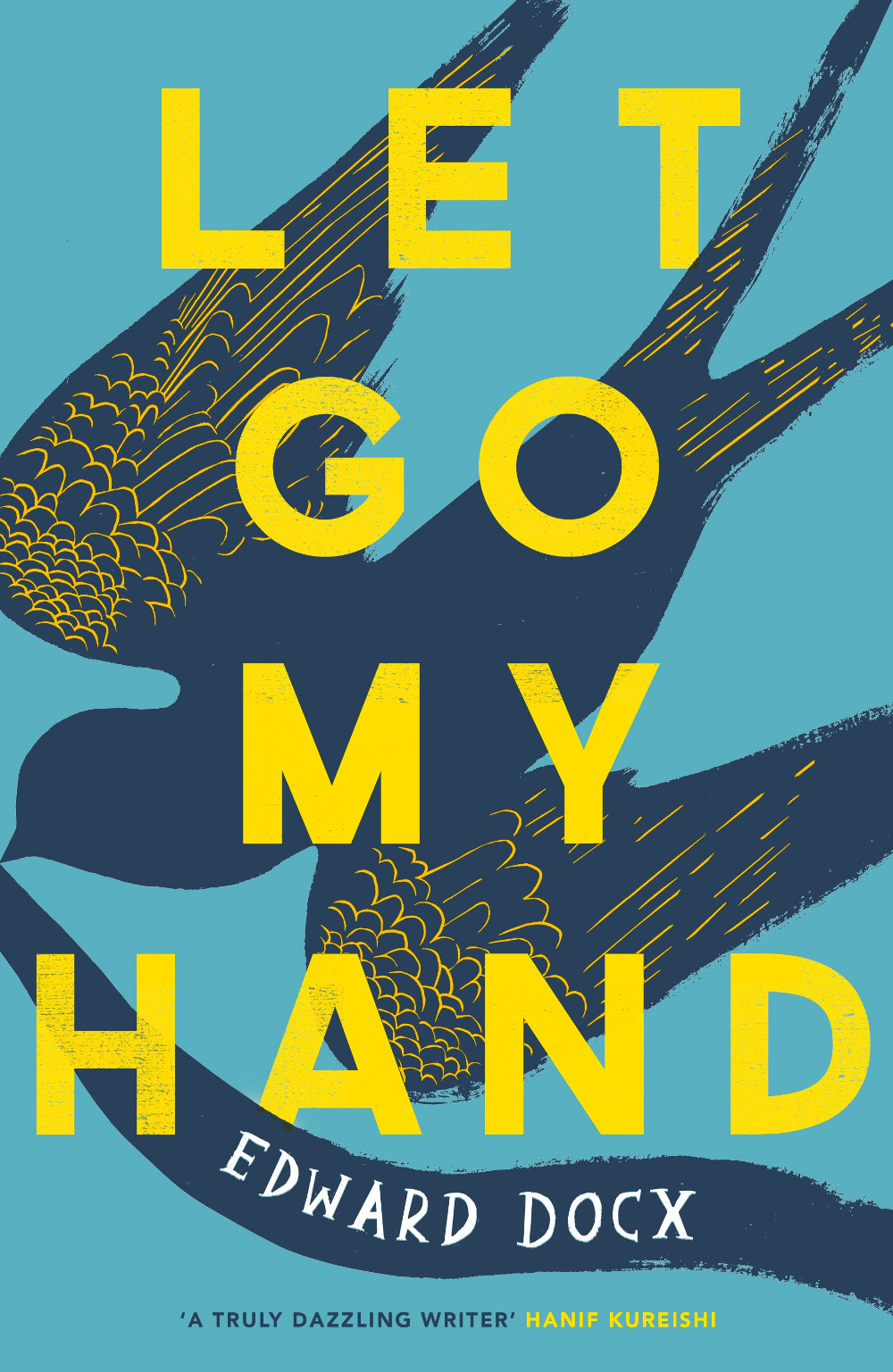
Let Go My Hand by Edward Docx; design by Katie Tooke (Picador / April 2017)

Literature Class by Julio Cortázar; design by Rodrigo Corral and Zak Tebbal (New Directions / March 2017)

Locus Solus by Raymond Roussel; design by Erik Carter (New Directions /March 2017)


The Night Ocean by Paul La Farge; design by Will Staehle (Penguin / March 2017)


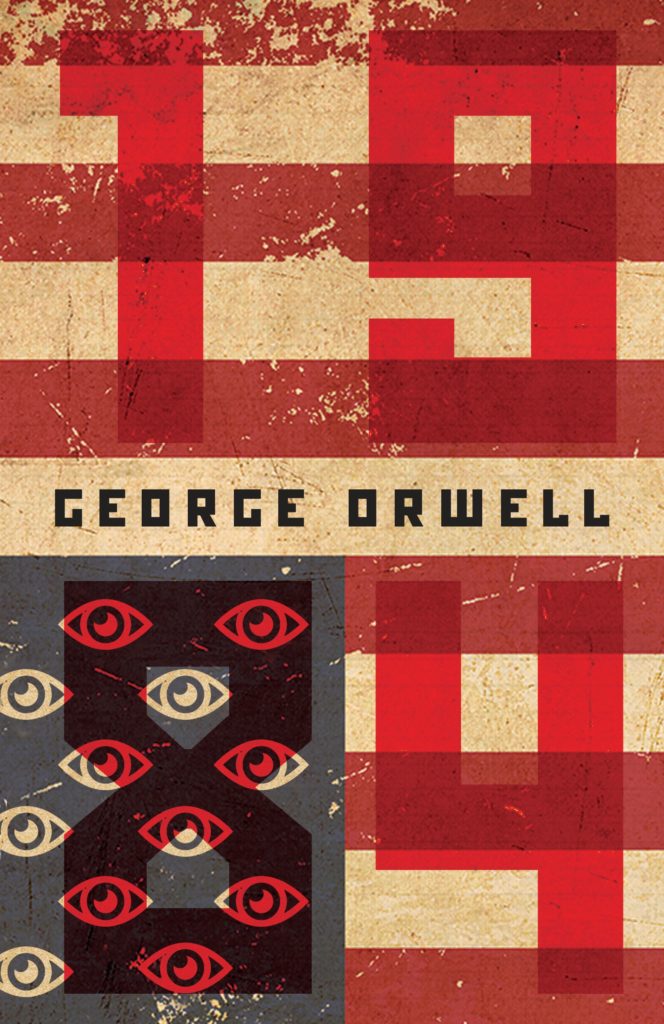
Nineteen Eighty-Four by George Orwell; design by C. S. Richardson (Penguin Canada / March 2017)

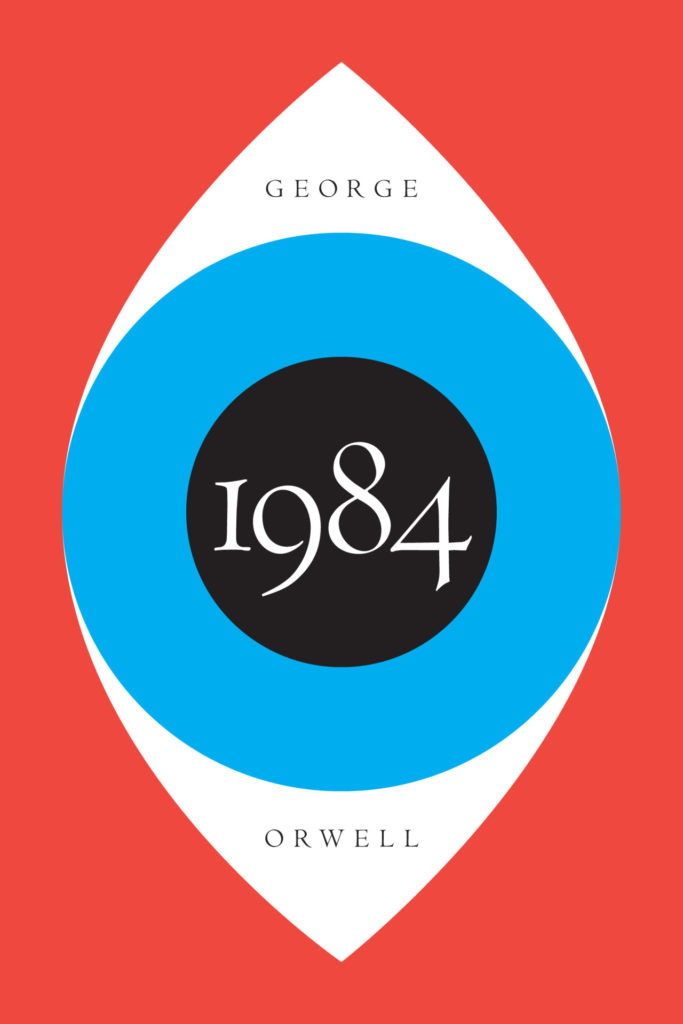
In the US, Houghton Mifflin Harcourt have also published a new edition of Nineteen Eighty-Four. The cover — which owes a wee debt to Peter Mendelsund’s eye motif covers for the Schocken editions of Kafka (in my very humble opinion) — was designed by Mark Robinson.

You can see a few other recent covers for Nineteen Eighty Four here


Out of Line by Barbara Lynch; design by Delcan & Company; photography by George Baier IV (Atria / April 2017)

The Redemption of Galen Pike by Carys Davies; design by Zoe Norvell (Biblioasis / April 2017)


Six Stories by Matt Wesolowski; design by Mark Swan (Orenda / March 2017)

Sorry to Disrupt the Peace by Patty Yumi Cottrell; design by Sunra Thompson (McSweeney’s / March 2017)

The jacket has a really nice metallic finish in real life. The bright green cover under the jacket is also really nice. 

Sound System by Dave Randall; design by Jamie Keenan (Pluto Press / April 2017)


Spaceman of Bohemia by Jaroslav Kalfar; design by Allison Warner (Little Brown & Co. / March 2017)


Sympathy by Olivia Sudjic; design by Gray318 (Houghton Mifflin Harcourt / April 2017)

To Be a Machine by Mark O’Connell; design by Gray318; robot/photograph by Marco Fernandes (Granta / April 2017)

The Teeth of the Comb & Other Stories by Osama Alomar; design by Erik Carter (New Directions / April 2017)

Us&Them by Bahiyyih Nakhjavani; design by Anne Jordan and Mitch Goldstein (Stanford University Press / April 2017)


Voices from the Jungle: Stories from the Calais Refugee Camp; design by Gray318 (Pluto Press / April 2017)


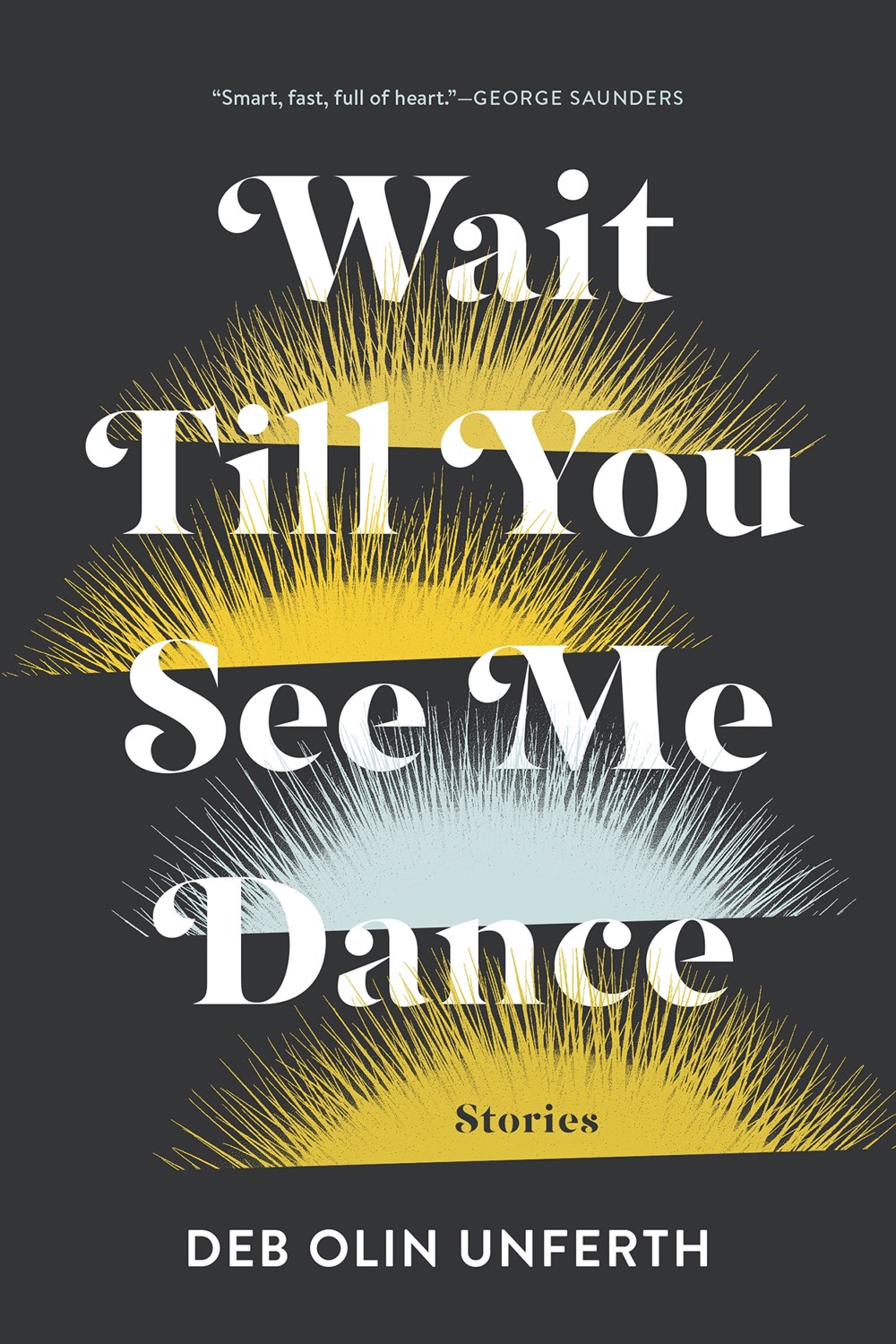
Wait Till You See Me Dance by Deb Olin Unferth; design by Kimberly Glyder (Graywolf / March 2017)


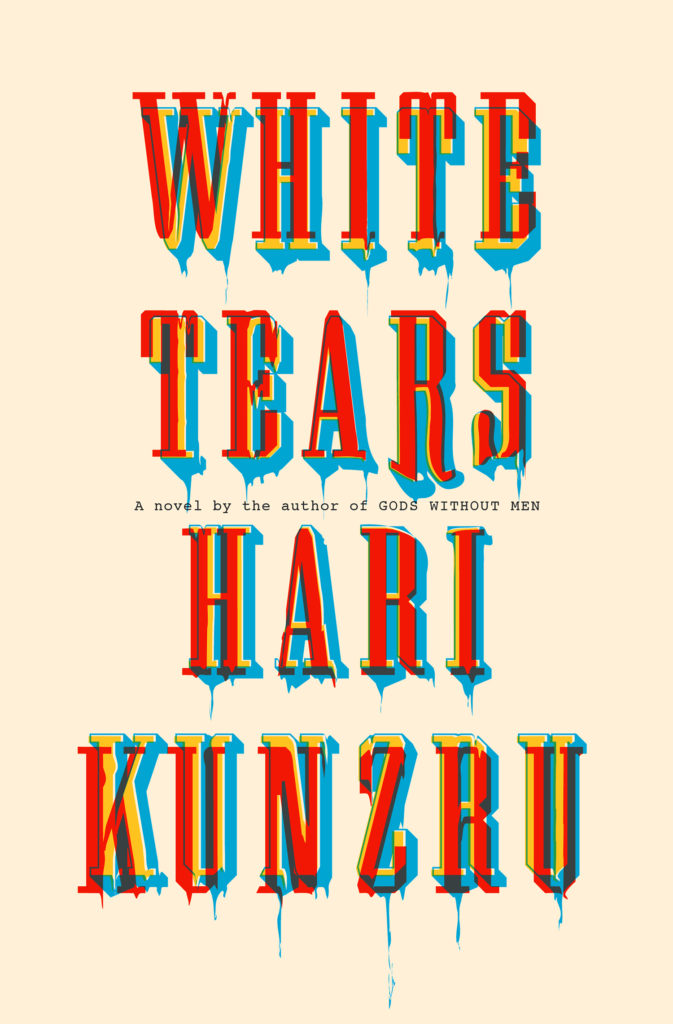
White Tears by Hari Kunzru; design by Peter Mendelsund (Knopf / March 2017)

The cover of the UK edition, published this month by Hamish Hamilton, was designed by Richard Bravery.

Comments closed

Elena Ferrante Covers Designed by Angelo Bottino

The covers of the Anglo-American editions of Elena Ferrante’s novels published by Europa Editions have been… well, controversial to say the least (read an interview with the art director about their “kitsch” quality here). The Australian editions of Ferrante’s Neapolitan quartet, published by Text Publishing, have much more stylish, cinematic covers designed by W. H. Chong (you can read about his process here). But these illustrated covers designed by Angelo Bottino for Brazilian publisher Intrínseca for Um Amor Incômodo (Troubling Love) and A Filha Perdida (The Lost Daughter) are really rather lovely. I would love to see a complete set of Ferrante’s novels with covers designed by Bottino.  

UPDATE: The cover illustrations for the Intrínseca editions of The Lost Daughter and Troubling Love are by Andy Bridge and Marian Trotter respectively. Thanks to Angelo Bottino for letting me know! 


Save

2 Comments

Will Eisner Centenary

On the centenary of his birth, The Society of Illustrators in New York is celebrating the life of cartoonist Will Eisner with an exhibition of his work, including original artwork from his graphic novels A Contract with God (1978) and Life on Another Planet (1983), and over 40 pages of originals from The Spirit (1940–1952) newspaper section.

At the Village Voice R.C. Baker looks back at Eisner’s career:

Humanity leavened with contradiction, pathos, and humor describes the cast of characters Eisner (1917–2005) created in his trailblazing career, most notably in the adventures of a heavy-fisted, lighthearted crime-buster, the Spirit.

The Spirit has been called the Citizen Kane of comics, and it would be accurate to say that Eisner and Orson Welles — the actor/writer/director who brought Charles Foster Kane to life in that 1941 masterpiece — sprouted from the same loam of pulp magazines and cliff-hanging radio serials. Welles then apprenticed in classical theater, while Eisner studied narratives almost as psychologically complex (and more innately American): reams of newspaper strips and Sunday funnies. Both auteurs expanded their mediums in ways we still reckon with today.

Similarly, at Forbes, Rob Salkowitz looks at Eisner’s enduring legacy:

In 1941, comics were not considered high art; they were barely considered art at all. But to a 23 year-old cartoonist named Will Eisner who was just about to debut a new feature called “The Spirit,” comics possessed limitless storytelling potential. “Eventually and inevitably, [comics] will be a legitimate medium for the best of writers and artists,” said the young creator.

Over the next 75 years, Eisner was proved right, due in large part to his own output through the course of a remarkable career that saw him invent significant chunks of the comics’ storytelling vocabulary, pioneer the use of comics for education and training, establish a critical method for teaching and analyzing visual storytelling and virtually invent the long-form comics format known as the graphic novel. A large part of the $1 billion annual publishing enterprise and the multi-billion dollar entertainment, events, media and licensing industries that derive from it, are attributable directly to Eisner’s efforts and innovations.

The Guardian has republished a version of Neil Gaiman’s essay on Eisner from his collection of odds and ends The View from the Cheap Seats1:

Will’s life is, in miniature, a history of American comics. He was one of the very first people to run a studio making commercial comic books, but while his contemporaries dreamed of getting out of that ghetto and into more lucrative and respectable places – advertising, perhaps, or illustration, or even fine art – Will had no desire to escape. He was trying to create an artform.

In seven pages – normally less than 60 panels – he could build a short story worthy of O Henry; funny or tragic, sentimental or hardbitten, or simply odd. The work was uniquely comics, existing in the place where the words and the pictures come together, commenting on each other, reinforcing each other. Eisner’s stories were influenced by film, by theatre, by radio, but were ultimately their own medium, created by a man who thought that comics was an artform, and who was proved right.

And Print has reposted Michael Dooley essay, originally for written AIGA, on Eisner’s best known work, The Spirit:  

The field was already becoming glutted with simplistic adolescent power fantasies, but The Spirit had the texture of real life. He was decidedly not a costumed super-hero but simply a plainclothes sleuth who was prone to frequent noir-like pummelings from two-bit goons. He also displayed an ironic, smart aleck-y sense of humor, highly unique for this genre.

The strip, at seven or eight pages, reimagined itself every time. One week the format might be a fairy tale, another week a seven-page poem. Sometimes the Spirit would be shoved off to the sidelines or shunted altogether if Eisner felt so inclined. A Gerhard Shnobble episode – Eisner’s personal favorite – is a philosophical contemplation of man’s place in the universe disguised as a cops-and-criminals yarn. The Spirit was the first major milestone in his lifetime goal to explore and elevate comics as a mature literary form.

I first came across Will Eisner and The Spirit in The Penguin Book of Comics by George Perry and Alan Aldridge (previously mentioned here). It was a tease — little more than a page of artwork and a couple of short paragraphs on Eisner’s genius. I didn’t actually read a complete strip until years later when I came across a series of reprints from Kitchen Sink Press in a comics shop in London. I could only afford to buy one issue — which collected 3 or 4 stories I think — but it was enough to get me hooked.

Critics tend to focus on the later strips where the Spirit is often peripheral to the stories. These are surely more inventive than Eisner’s early comics. But I miss the Spirit when he is not central to story. He is like Raymond Chandler’s Marlowe — forever getting knocked on the head, and forever waking up in the arms of women who look like Ava Gardner or Lauren Bacall. It doesn’t sound like much, but Eisner imbued even these simple stories with a charm and sophistication that makes them a pleasure to read. 

Will Eisner: The Centennial Celebration 1917–2017 is at The Society of Illustrators, March 1–June 3 2017.

Comments closed

Alan Aldridge 1943-2017

British artist and designer Alan Aldridge died last week aged 73. In the words of designer Mike Dempsey, Aldridge “was a major influence on the British design and illustration scene in the 1960’s.” Although he is perhaps best known for his work for The Beatles, The Who and Elton John (not to mention his infamous poster for Andy Warhol’s film Chelsea Girls) it began, Dempsey notes, “with his controversial post as fiction art director of Penguin Books in 1965 where he challenged the status quo, upsetting many on the way.”

The Guardian obituary explains how Aldridge got his start in design:  

Sheer chutzpah won him his first job at a design agency, where he passed off his girlfriend’s portfolio of work as his own and was hired for £3 a week. “I blag beautifully,” as he put it. When he turned up to work the following Monday and was told to wear a suit, he went to Bethnal Green baths and stole one.

He drew portraits in his spare time, and as news of his abilities spread, he was recruited as a trainee by Germano Facetti, the art director at Penguin Books. Aldridge worked his way up to designing book covers, then was offered a job as a junior visualiser at the Sunday Times. The paper had the UK’s first colour supplement, offering new opportunities in design and photography that Aldridge was keen to exploit.

His most memorable contribution was his transformation of a Mini into a four-wheeled work of art, handpainted by Aldridge in a hectic 24-hour session. It was the magazine’s cover image in October 1965, with the title Automania. Meanwhile he had still been creating covers for Penguin, and was lured away from the Sunday Times to become Penguin’s fiction art director. Aldridge set about creating a radical, freewheeling new look for Penguin’s catalogue.

Aldridge talked more about this unorthodox beginning in this video:

My introduction to Aldridge was the revised 1971 edition of The Penguin Book of Comics, the book he conceived with George Perry (the cover of the first edition, originally published in 1967, is pictured above). I found it on the shelf in my grandparents house and pored over the pages of reproduced art. The book was my first introduction to American comics, and the idea that comics could be taken (somewhat) seriously. I found Aldridge’s illustrations, which also appear throughout the book, confusing and fascinating in equal measure. I know they reminded me of Heinz Edelmann’s art for Yellow Submarine — I think for a while I assumed they were by the same person — but you can read about Aldridge’s own work with The Beatles in this 2005 article from Eye Magazine

Aldridge refused to call himself an artist, illustrator, or designer. Instead he was a self-styled ‘graphic entertainer’, a precursor of today’s designer-entrepreneur, who had created a moderately successful product called ‘Put-Ons’, tattoo skin transfers. He was also always pitching projects that could turn a profit. He even convinced Albert Grossman, Bob Dylan’s manager, to produce a book of Dylan lyrics. But when Sgt. Pepper’s was released in 1967, Aldridge had an idea that promised surefire success.

‘I noticed the initials of ‘Lucy in the Sky with Diamonds’ spelled LSD and decided that it would be fun to explore visually the hidden meaning in the Pepper’s lyrics. I called Paul (who I’d never met, but had his home phone number) and said I’d like to interview him [about this], and much to my amazement he not only said yes, he said let’s do it now and come right away to his house in St John’s Wood. You don’t argue with an edict like that.’ The interview and accompanying illustrations appeared in 1967 in The Observer under the headline: ‘A Good Guru’s Guide to the Beatles Sinister Songbook.’ Bags of fan mail rapidly followed. ‘It didn’t take a brain surgeon to figure out that I was on to something. So I pitched a dummy of the book, The Beatles Illustrated Lyrics, which had three or four spreads of illustrated lyrics, to Peter Brown (Beatle manager Brian Epstein’s partner for many years) at Apple. The book would have all the lyrics from ‘Love Me Do’ to ‘A Day In The Life’ illustrated by famous artists; I think I even mentioned getting Picasso, Dali and Magritte! Peter showed the layouts to John and Paul and got the boys’ okay.’

Having Lennon and McCartney’s sanction, however, did not mean Aldridge instantly nailed the book. He still had to present the project to Dick James, owner of Northern Songs, which published and co-owned the Lennon / McCartney lyrics. ‘Dick liked what he saw, then curve-balled me,’ Aldridge winces. ‘An American publisher had come to him with a similar deal, and had offered a lot of money, but since I had the boys’ okay he’d give me two weeks to get a publishing deal that gave him an advance of £20,000, a huge sum in 1968.’ For a week, Aldridge phoned every publishing house in London and New York, explaining the urgency. He was, however, turned down by everyone. ‘Not because of the large advance, but because they all thought the Beatle phenomena wouldn’t last another year.’

The Man with Kaleidoscope Eyes: The Art of Alan Aldridge, a catalogue of Aldridge’s work, is available from Abrams.

Comments closed

Notable Book Covers of 2016

It is that wonderful/awful time of year. Wonderful because we get to look back at some of the amazing work people have done over the past 12 months. Awful because lists are arbitrary and someone always misses out.

I’m not going to say these are the ‘best’ covers of year. I don’t think it’s fair, and I don’t feel qualified to make that kind of judgement. This post is more an attempt to reflect the year in covers as I saw it — the covers I liked; the covers I thought were well done; the covers I thought were interesting; the covers that I thought were a bit different. 

Like last year, I’ve clustered my selections around designers. Not only does this allow me to post more covers, it means I can show a greater diversity of work.

I am truly sorry to all the hardworking and talented designers (and art directors) whose work I have overlooked this year. I do my best. It is not enough. Bring on 2017.

Addlands design Jenny Grigg
Addlands by Tom Bullough; design by Jenny Grigg (Granta / June 2016)

Also designed by Jenny Grigg:


All Things Cease design Mario Hugo
All Things Cease to Appear by Elizabeth Brundage; design by Mario Hugo (Knopf / March 2016)


Association-Small-Bombs design Matt Vee
The Association of Small Bombs by Karan Mahajan; design by Matt Vee (Viking / March 2016)


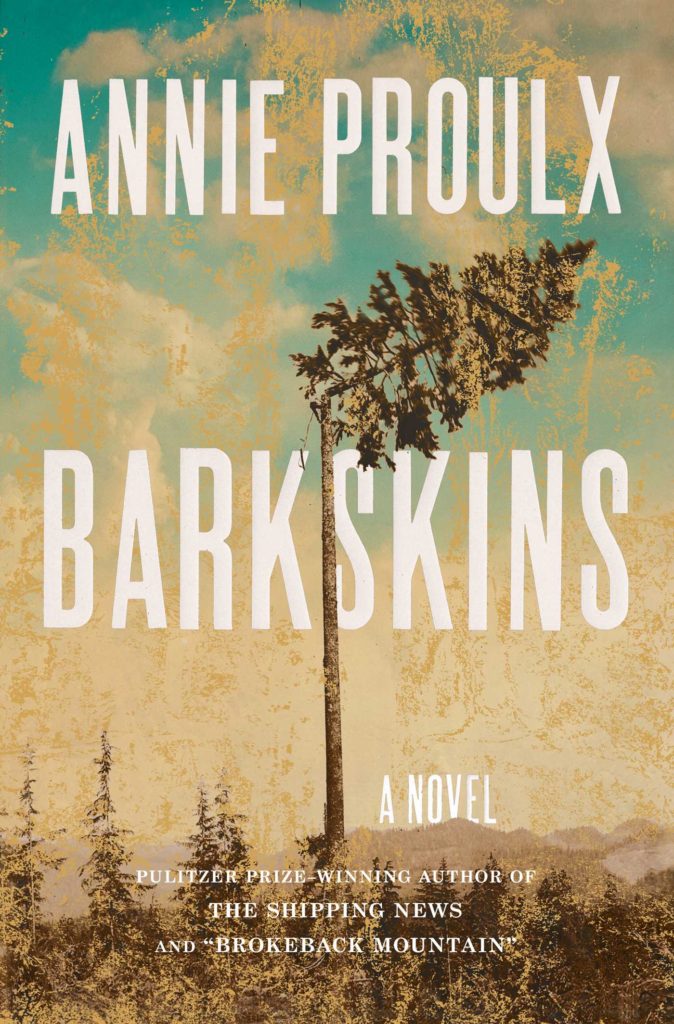
Barkskins design by Anna Morrison
Barkskins by Annie Proulx; design Anna Morrison (Fourth Estate / June 2016)

Also designed by Anna Morrison:


Beast design Mark Ecob
Beast by Paul Kingsnorth; design Mark Ecob; illustration Alan Rogerson (Faber & Faber / July 2016)


9781770899421
The Best Kind of People by Zoe Whittall; design by Alysia Shewchuck (House of Anansi / August 2016)


A burglar's guide_cvr_revised.indd


A Burglar’s Guide to the City by Geoff Manaugh; design by Nayon Cho (Farrar, Straus & Giroux / April 2016)


But What if We're Wrong design Paul Sahre
But What If We’re Wrong? by Chuck Klosterman; design by Paul Sahre (Blue Rider Press / June 2016)

Also designed by Paul Sahre:


cannibal-artwork-wangechi-mutu
Cannibal by Safiya Sinclair; design by Nathan Putens; artwork by Wangechi Mutu (University of Nebraska Press / September 2016)


Cannibals in Love design Na Kim


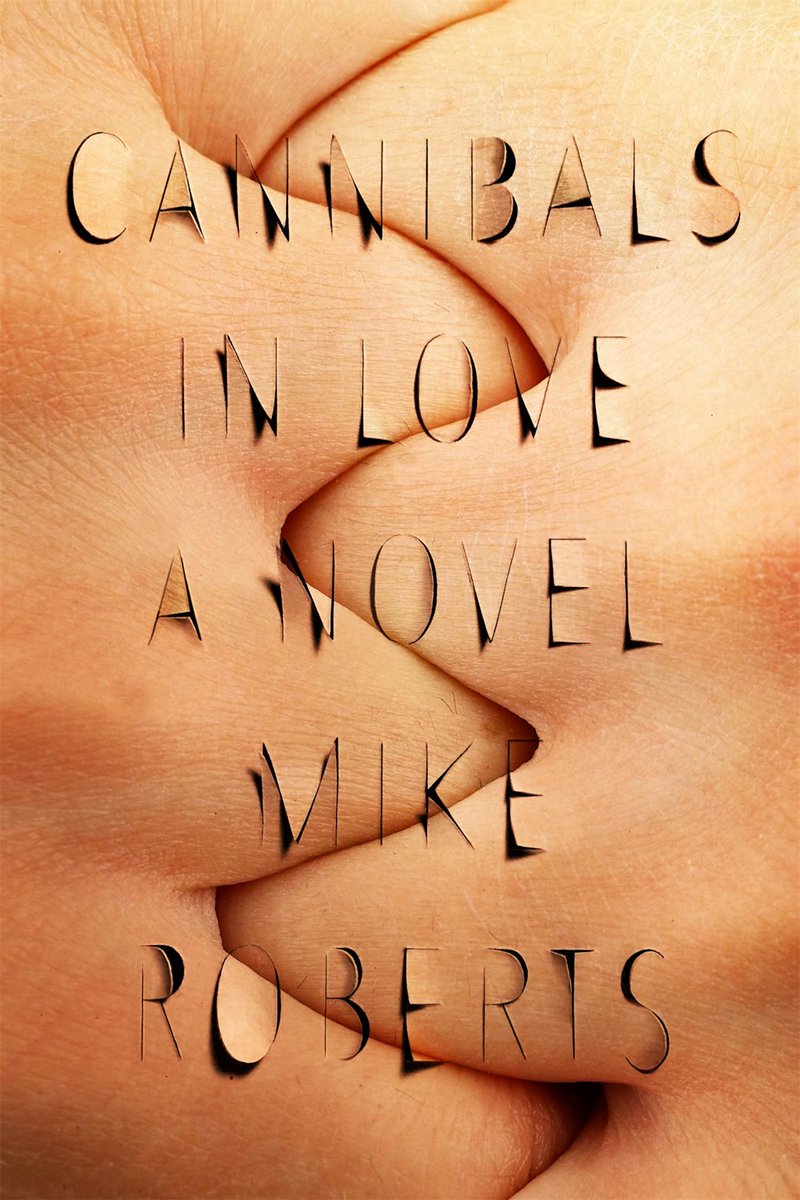
Cannibals in Love by Mike Roberts; design by Na Kim (FSG Original / September 2016)

Also designed by Na Kim:


Childrens Home design Jaya Micelli; Art by Valerie Hegarty
The Children’s Home by Charles Lambert; design by Jaya Miceli (Scribner / January 2016)

Also designed by Jaya Miceli


Comet Seekers design Chloe Giordano
The Comet Seekers by Helen Sedgwick; design by Chloe Giordano (Harvill Secker / August 2016)


congratulations on everything design Gary Taxali
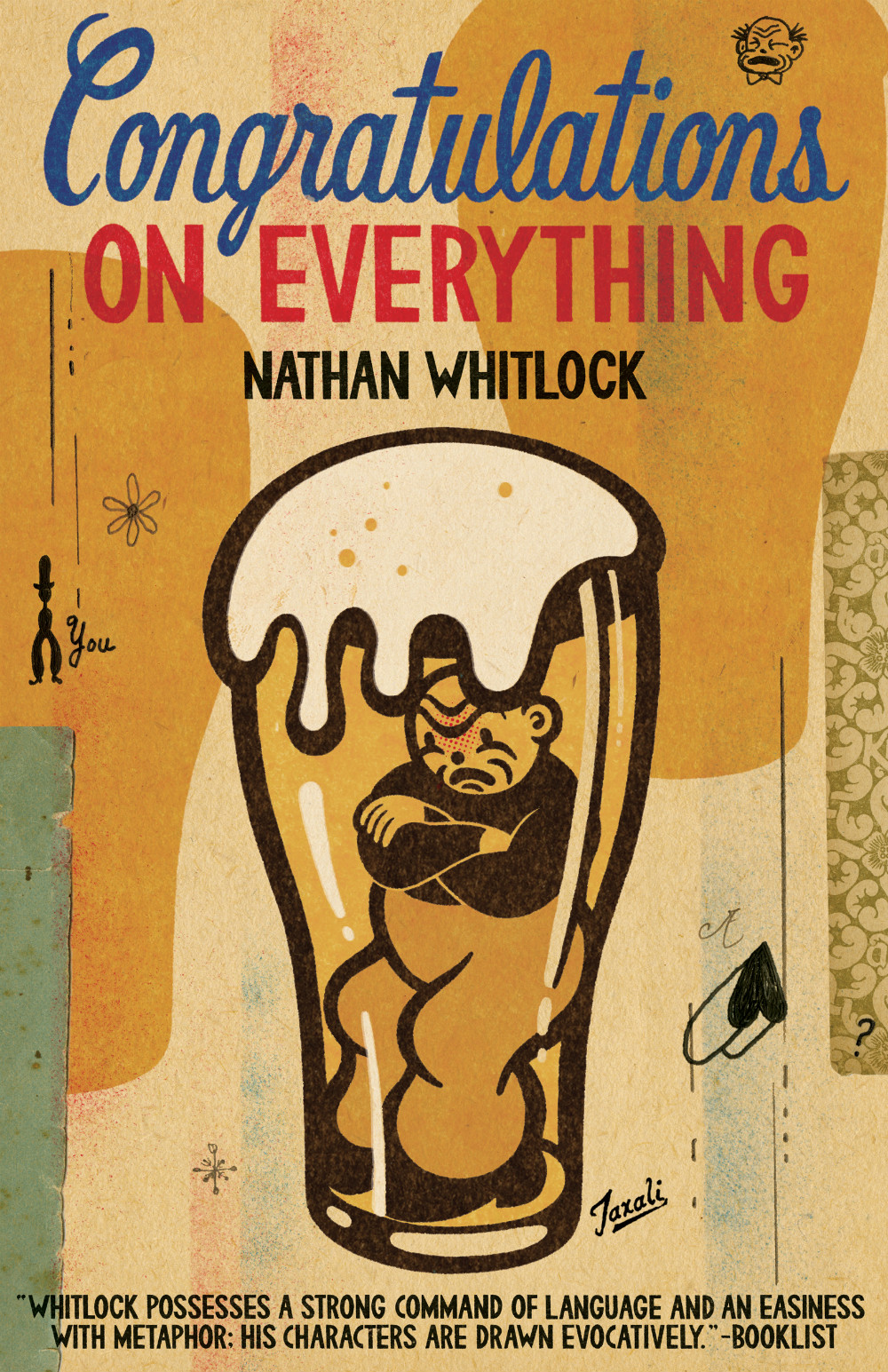
Congratulations on Everything by Nathan Whitlock; cover art by Gary Taxali (ECW / May 2016)


dark-flood-design-rafi-romaya-illustration-timorous-beasties
The Dark Flood Rises by Margaret Drabble; design Rafi Romaya; cover illustration by Timorous Beasties (Canongate / November 2016)

Also designed by Rafi Romaya:


Dialogue design Catherine Casaline
Dialogue by Robert McKee; design by Catherine Casalino (Twelve Books / July 2016)

Also designed by Catherine Casalino:


don’t i know you? design Phil Pascuzzo


Don’t I Know You? by Marni Jackson; design by Phil Pascuzzo (Flatiron / September 2016)

Also designed by Phil Pascuzzo:


The Encounter design David Pearson
The Encounter: Amazon Beaming by Petru Popescu; design by David Pearson (Pushkin Press / February 2016)

Also designed by David Pearson:


Essex Serpent design Peter Dyer
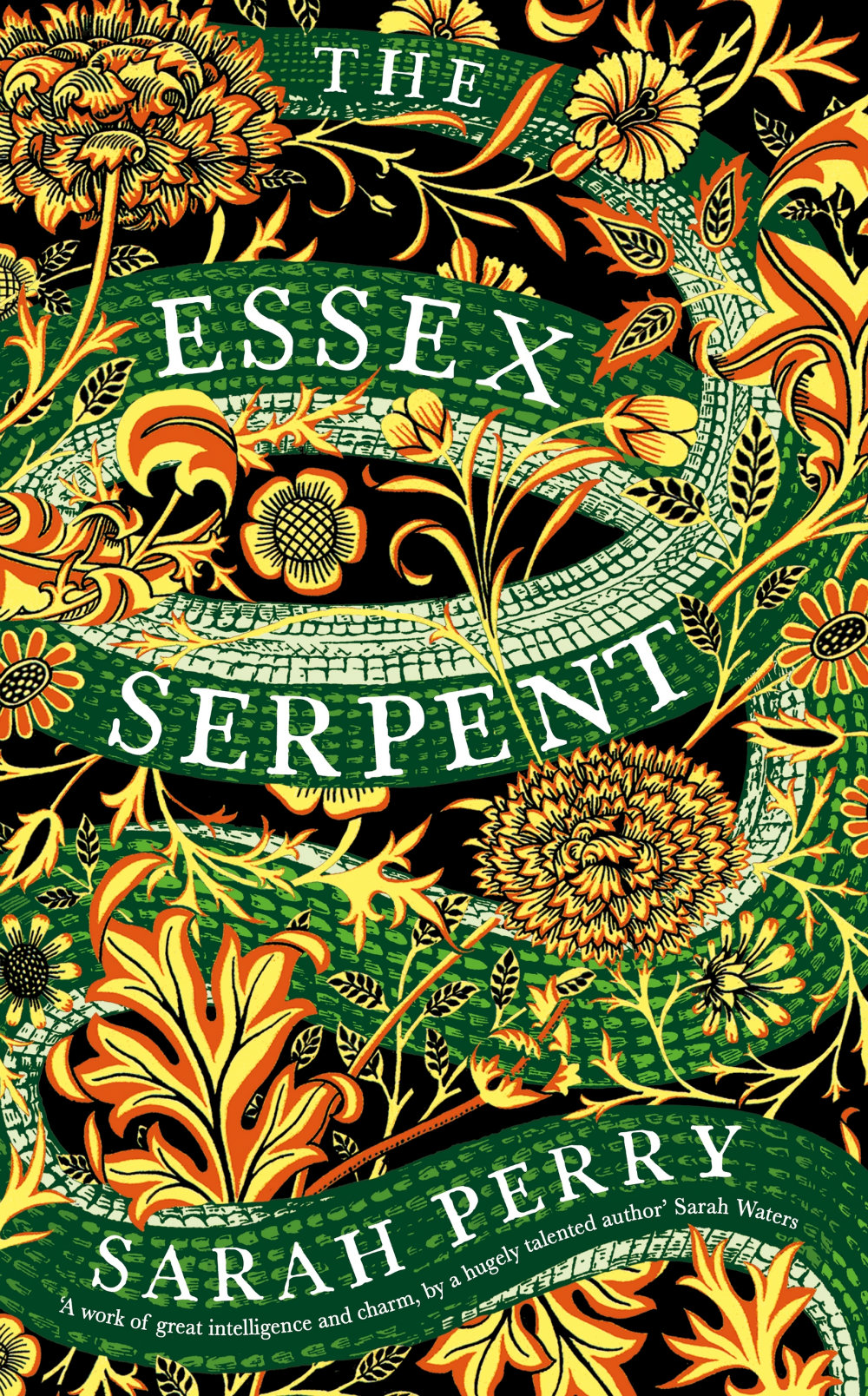
The Essex Serpent by Sarah Perry; design Peter Dyer (Serpent’s Tail / June 2016)


design Zoe Norvell
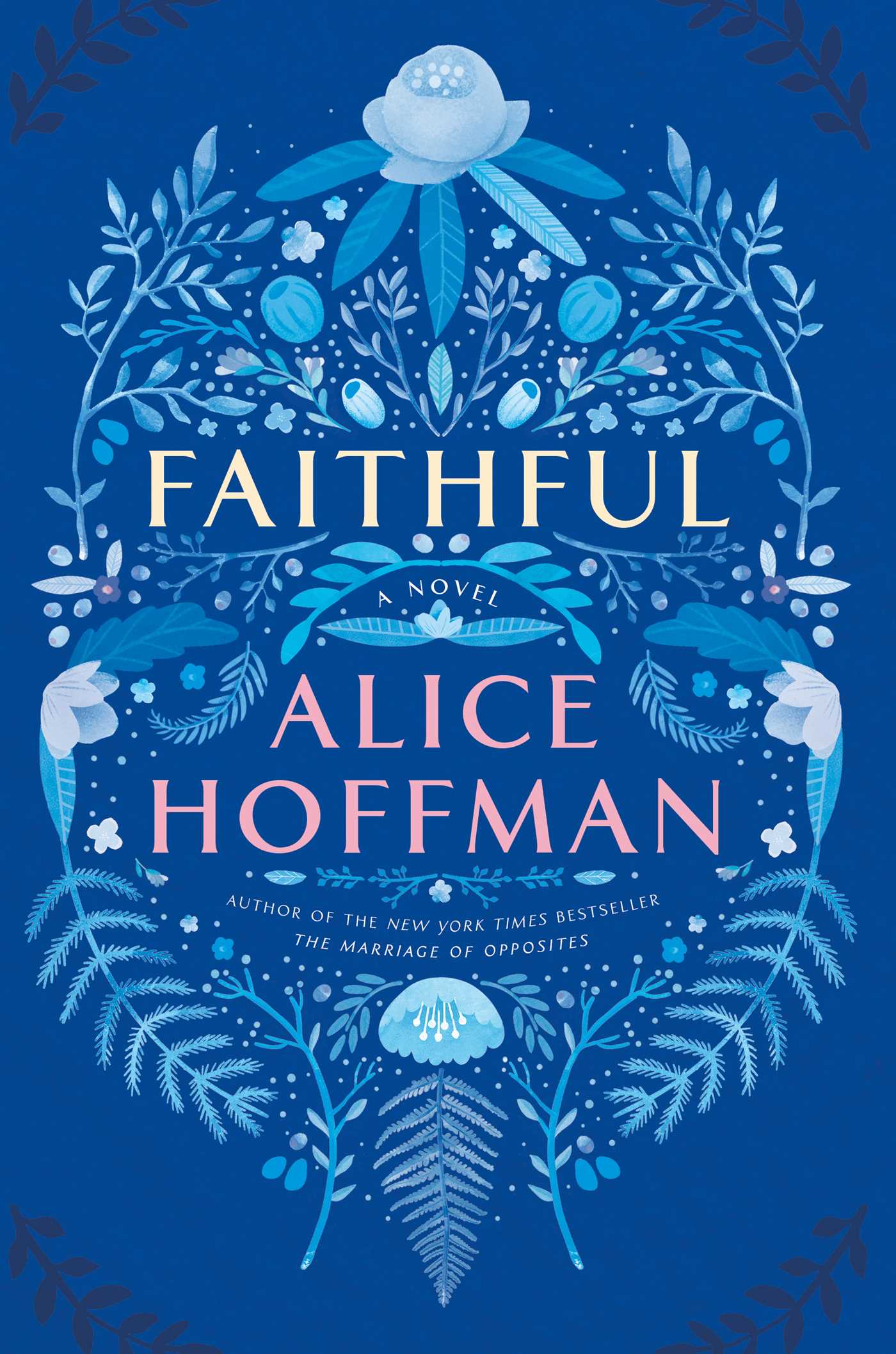
Faithful by Alice Hoffman; design by Zoe Norvell (Simon & Schuster / November 2016)

Also designed by Zoe Norvell:


gamblers-anatomy-design-gray318
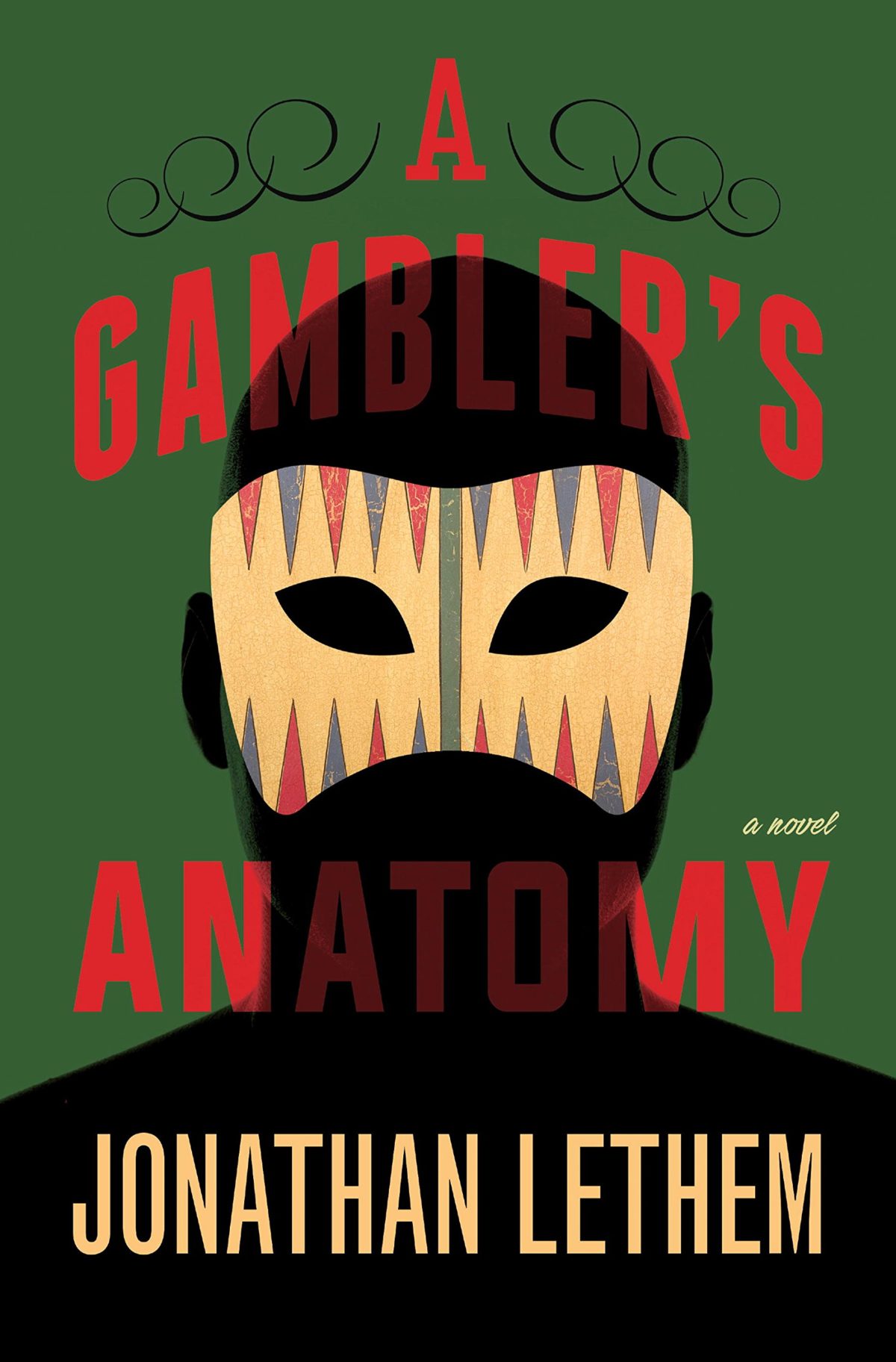
A Gambler’s Anatomy by Jonathan Lethem; design by Gray318 (Doubleday / October 2016)

Also designed by Gray318:


Girls on Fire US design Robin Bilardello
Girls on Fire by Robin Wasserman; design by Robin Bilardello (Harper / May 2016)

Also designed by Robin Bilardello:


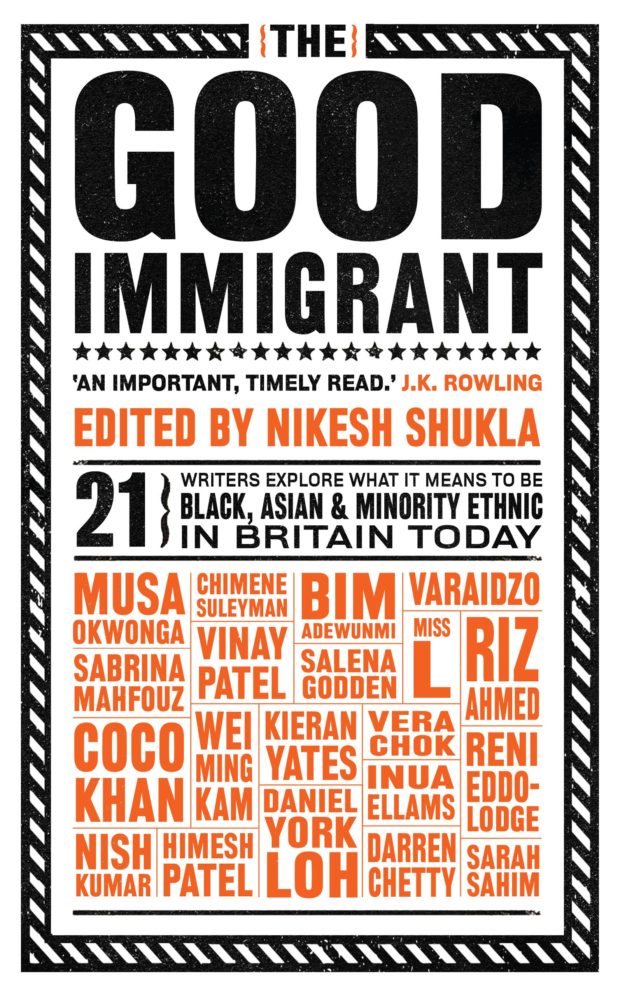
The Good Immigrant design James Paul Jones
The Good Immigrant edited by Nikesh Shukla; design by James Paul Jones (Unbound / September 2016)

Also designed by James Paul Jones:


guineveres-design-lauren-harms


The Guineveres by Sarah Domet; design by Lauren Harms (Flatiron Books / October 2016)

Also designed by Lauren Harms:


the-hatching-9781501125041_hr
The Hatching by Ezekiel Boone; design by Chelsea McGuckin; art by David Wu (Atria Books / July 2016)


 How Propaganda Works design Chris Ferrante
How Propaganda Works by Jason Stanley; design by Chris Ferrante (Princeton University Press / May 2016)

Also designed by Chris Ferrante:


How To See design Peter Mendelsund
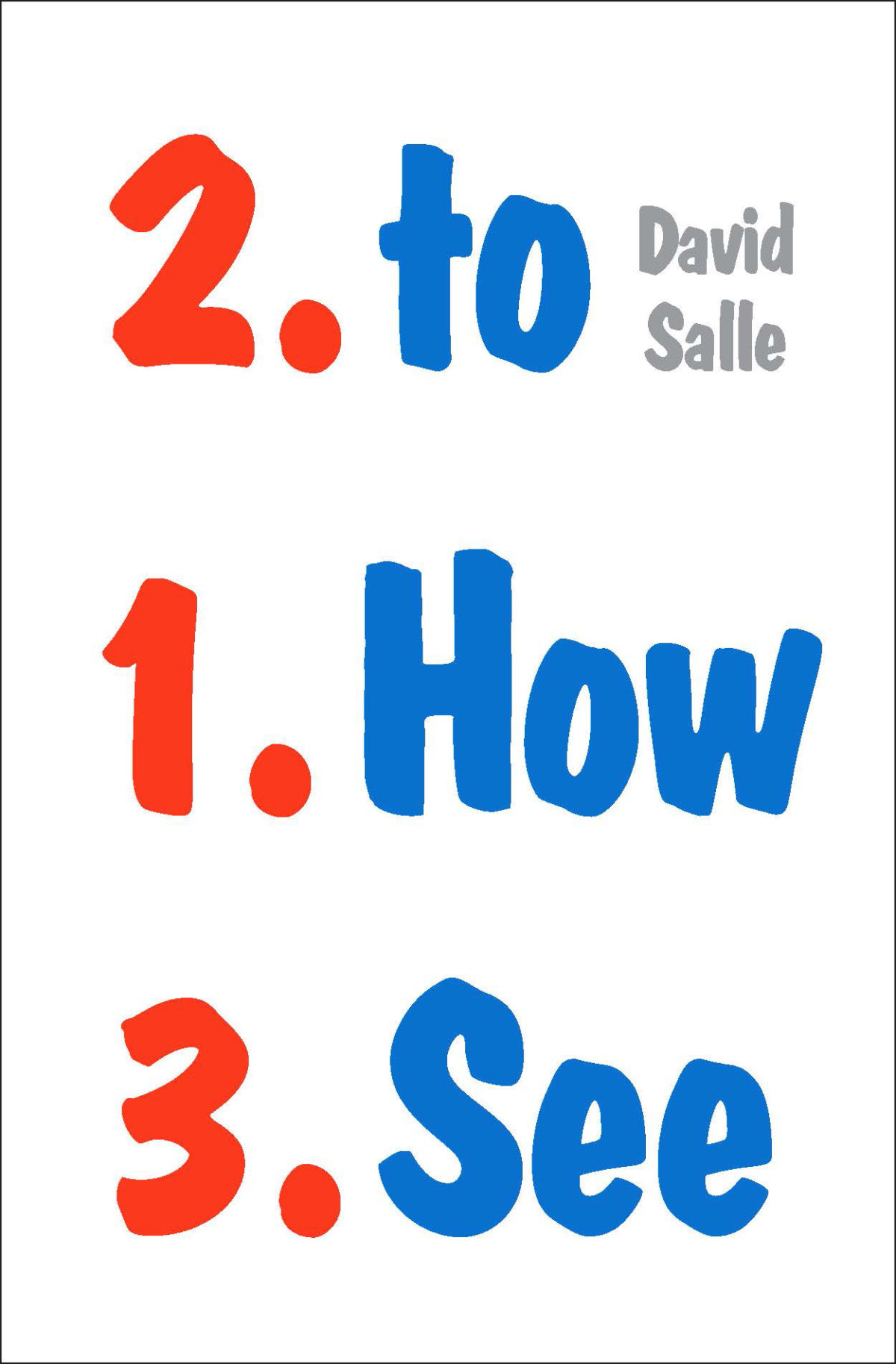
How to See by David Salle; design by Peter Mendelsund (W.W. Norton / October 2016)

Also designed by Peter Mendelsund:


Imagine Me Gone design Keith Hayes
Imagine Me Gone by Adam Haslett; design by Keith Hayes (Little, Brown & Co. / May 2016)

Also designed by Keith Hayes:


Is That Kafka design Erik Carter


Is That Kafka? 99 Finds by Reiner Stach; design by Erik Carter (New Directions / April 2016)

Also designed by Erik Carter:


Knockout design by Matt Dorfman


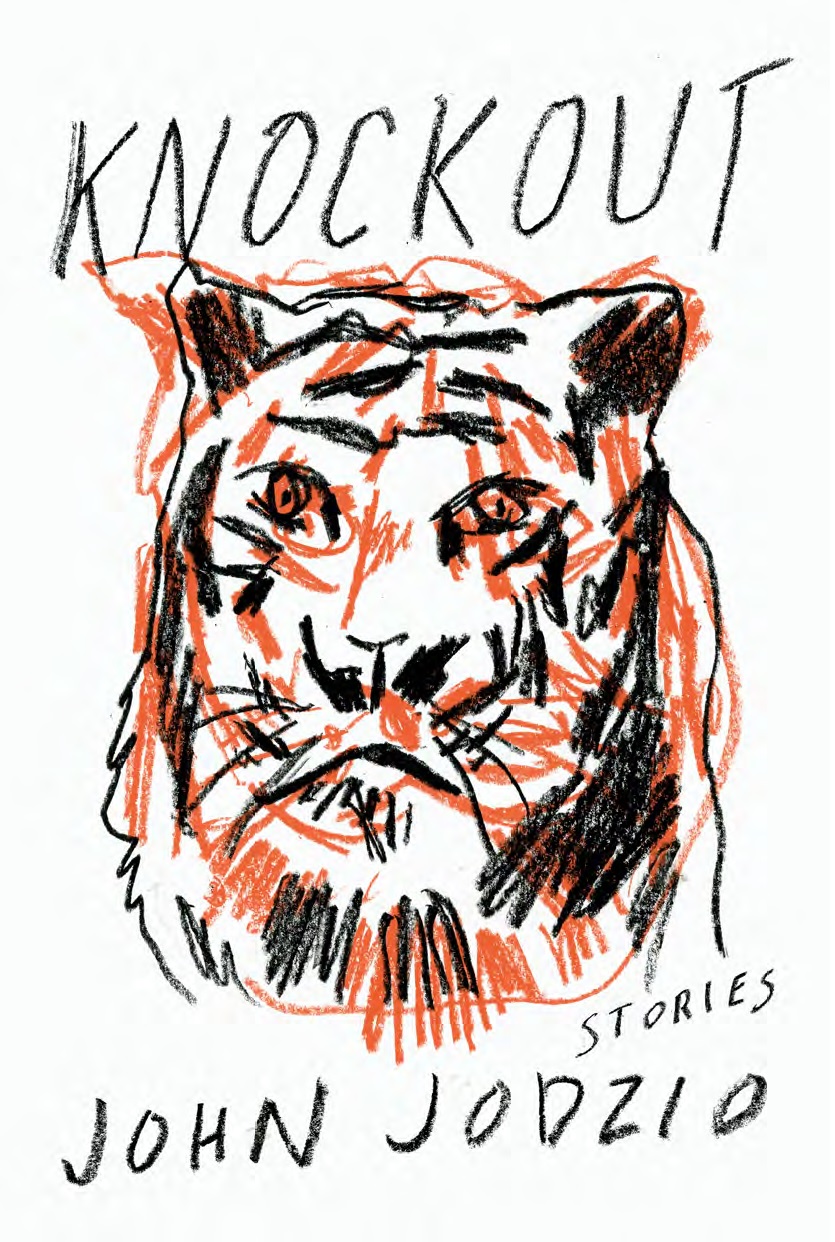
Knockout by John Jodzio; design by Matt Dorfman (Soft Skull / March 2016)


Legoland design by Justine Anweiler illo Axel Bizon
Legoland by Gerard Woodward; design by Justine Anweiler; illustration by Axel Bizon and Lena Sarrault (Picador / February 2016)

Also designed by Justine Anweiler:


Little Nothing by Marisa Silver; design by Rachel Willey (Blue Rider Press / September 2016)

Also designed by Rachel Willey:


Lonely City


The Lonely City by Olivia Laing; design Henry Sene Yee; photograph by Jerome Liebling (Picador USA / March 2016)


Looking for the Stranger by Alice Kaplan; design by Isaac Tobin (University of Chicago Press / September 2016)

Also designed by Isaac Tobin:


Lost Time Accidents design Pete Adlington
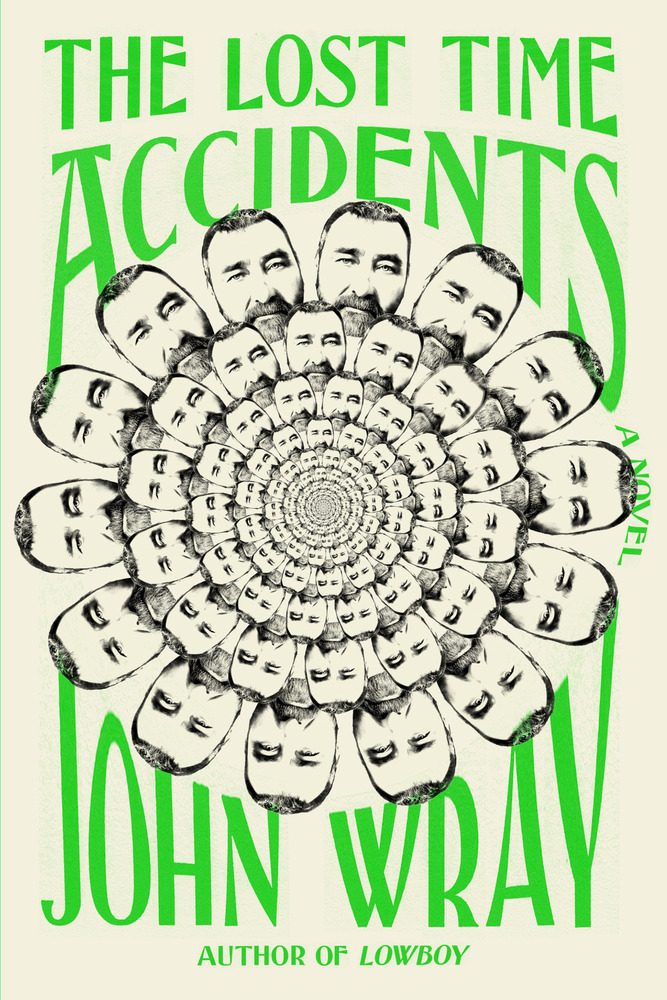
The Lost Time Accidents by John Wray; design by Peter Adlington (Canongate / June 2016)

Also designed by Pete Adlington:


Ministry of Nostalgia design Andy Pressman
The Ministry of Nostalgia by Owen Hatherley; design by Andy Pressman (Verso / January 2016)


moonglow-design-adalis-martinez
Moonglow by Michael Chabon; design by Adalis Martinez (Harper / November 2016)


The Muse design Ami Smithson cover art Lisa Perrin
The Muse by Jessie Burton; design by Ami Smithson, cover art by Lisa Perrin (Picador / June 2016)

Also designed by Ami Smithson:


museum_of_modern_love_design_sandy_cull
The Museum of Modern Love by Heather Rose; design by Sandy Cull (Allen & Unwin / August 2016)


My Father the Pornographer-design by Jamie Keenan
My Father the Pornographer by Chris Offutt; design by Jamie Keenan (Atria / February 2016)

Also designed by Jamie Keenan:


The Nix by Nathan Hill; design by Oliver Munday (Knopf / August 2016)

Also designed by Oliver Munday:


permanent_resident_design_alissa_dinallo
Permanent Resident by Roanna Gonsalves; design Alissa Dinallo (UWA Publishing / November 2016)


pond design by Alex Merto


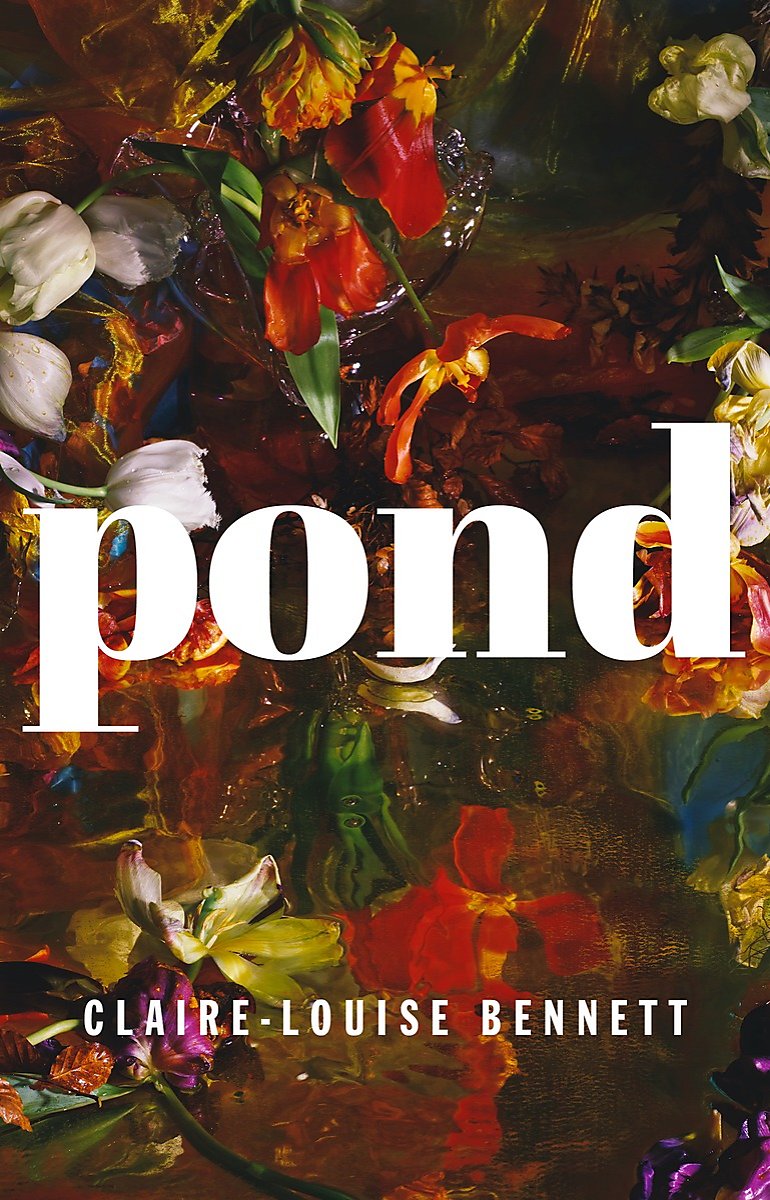
Pond by Claire-Louise Bennett; design by Alex Merto;  cover art: detail from ‘Fair is foul and foul is fair’ Margriet Smulders (Riverhead / July 2016)

Also designed by Alex Merto:


pull-me-under-design-rodrigo-corral-illustration-june-park


Pull Me Under by Kelly Luce; design by June Park (Farrar, Straus & Giroux / November 2016)


Reality is Not What it Seems by Carlo Rovelli; design by Coralie Bickford-Smith (Allen Lane / October 2016)
Reality is Not What it Seems by Carlo Rovelli; design by Coralie Bickford-Smith (Allen Lane / October 2016)

Also designed by Coralie Bickford-Smith:


Sex and Death design Luke Bird


Sex and Death edited by Sarah Hall and Peter Hobbs; design by Luke Bird (Faber & Faber / September 2016)


Smoke


Smoke by Dan Vyleta; design by Mark Swan (Weidenfeld & Nicolson / July 2016)


start-of-something-collage-by-marion-de-man-design-by-suzanne-dean
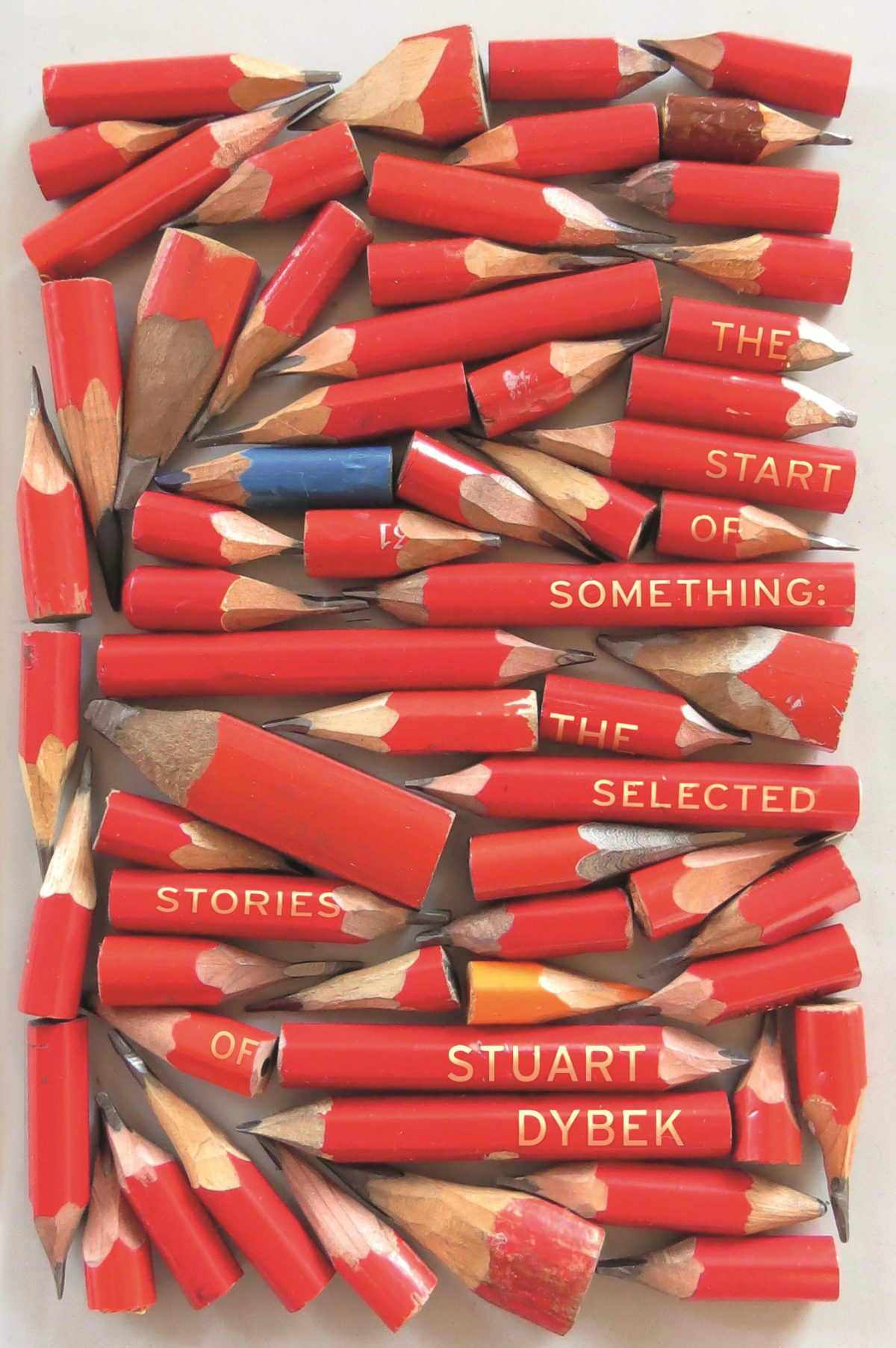
The Start of Something by Stuart Dybek; design Suzanne Dean; cover art by Marion de Man (Jonathan Cape / November 2016) 

Also designed by Suzanne Dean:


story-of-reason-in-islam-design-anne-jordan


The Story of Reason in Islam by Sari Nusseibeh; design by Anne Jordan and Mitch Goldstein (Stanford University Press / November 2016)

Also designed by Anne Jordan and Mitch Goldstein:


c9781925321302


The Summer That Melted Everything by Tiffany McDaniel; design by Allison Colpoys (Scribe / August 2016)

Also designed by Allison Colpoys:


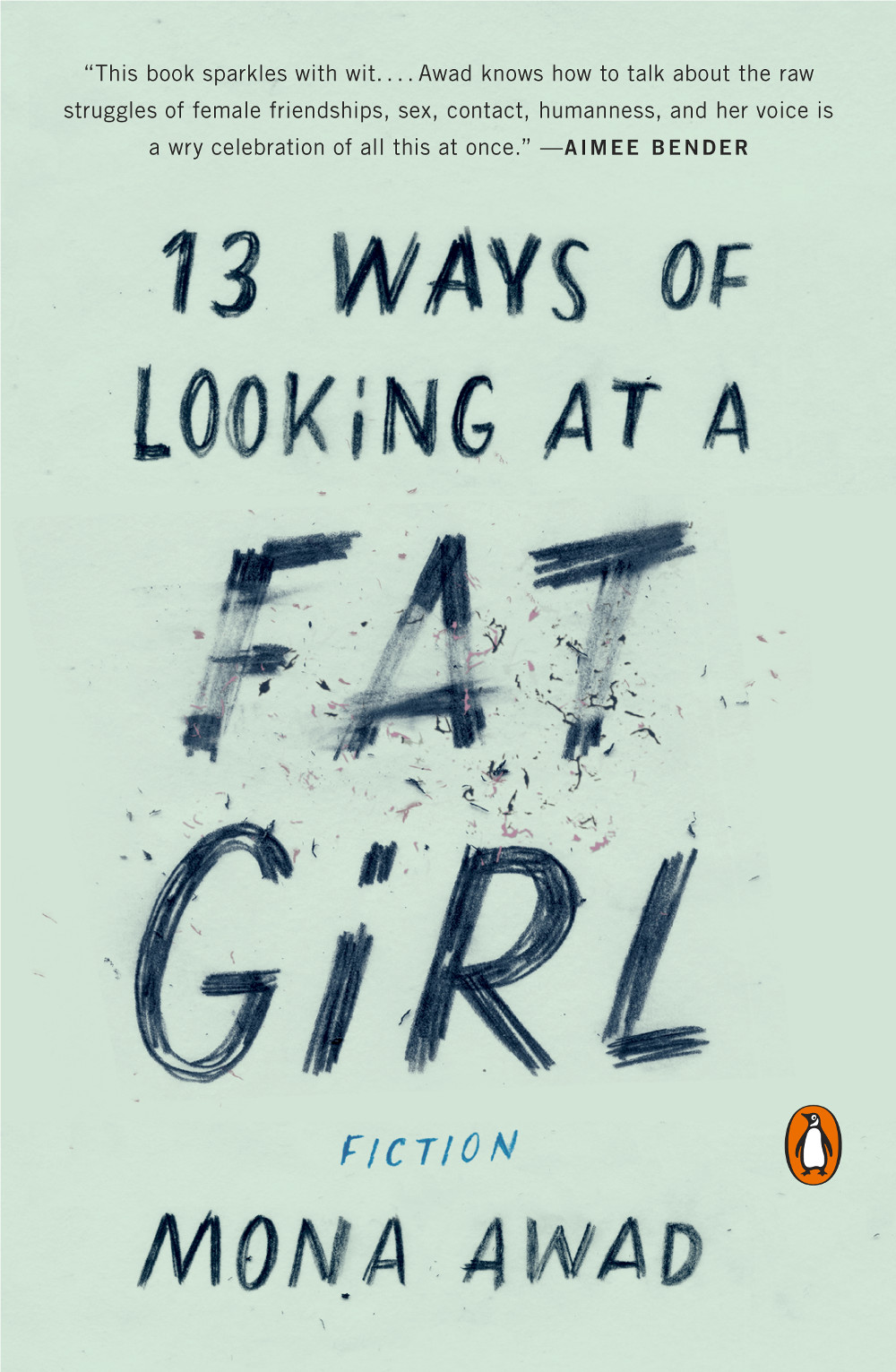
13-ways-design-by-ploy-siripant-lettering-joel-holland
13 Ways of Looking at a Fat Girl by Mona Awad; design by Ploy Siripant; lettering by Joel Holland (Penguin / February 2016)

Also designed by Ploy Siripant:


Trees design David Mann
The Trees by Ali Shaw; design by David Mann (Bloomsbury / March 2016)


version-control-design-janet-hansen
Version Control by Dexter Palmer; design Janet Hansen (Pantheon / February 2016)

Also designed by Janet Hansen:


where-the-bird-sings-best-design-Richard-Ljoenes
Where the Bird Sings Best by Alejandro Jodorowsky; design by Richard Ljoenes (Restless Books / April 2016)


Wonder US design Kimberly Glyder
The Wonder by Emma Donoghue design by Kimberly Glyder (Little, Brown & Co. / September 2016)

Also designed by Kimberly Glyder:


Wonder UK
The Wonder by Emma Donoghue design by Jo Thompson (Picador / September 2016)


XX design Sara Wood
XX: Poems for the Twentieth Century by Campbell McGrath; design Sara Wood (Ecco / March 2016)

Also designed by Sara Wood:

Save

Save

Save

Comments closed

The Angelus Trilogy Design by Jason Booher

way-of-sorrows-design-jason-booher

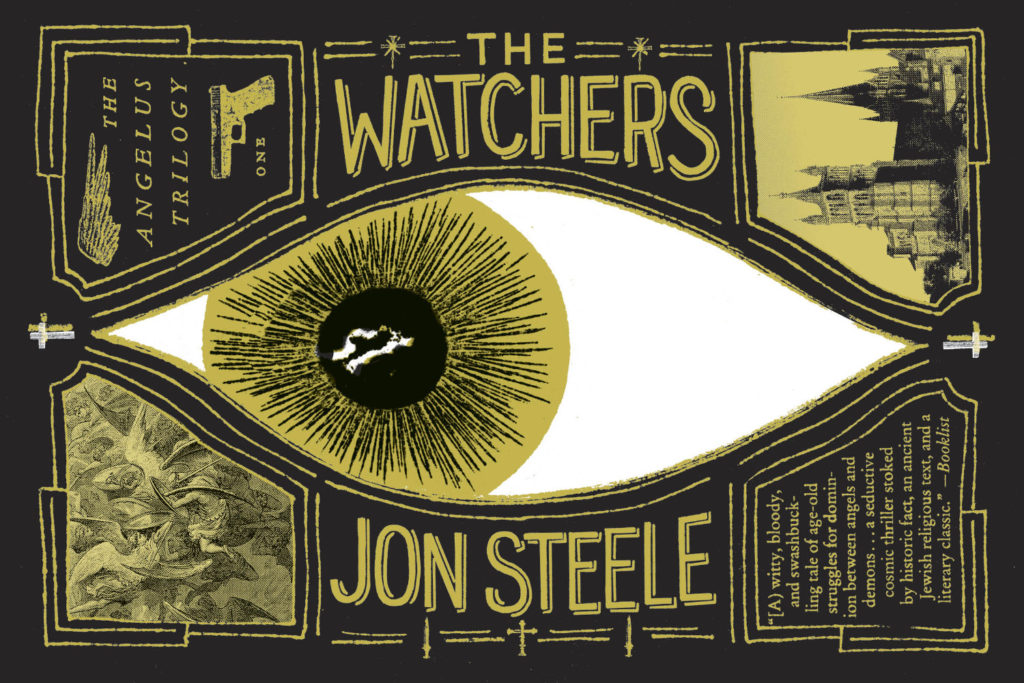
These Jason Booher covers for the paperback editions of Jon Steele’s The Angelus Trilogy, published by Blue Rider Press in August, bring a whole new meaning to ‘side eye’1 I love that they use Albrecht Dürer etchings as part of the design…

watchers-design-jason-booher-side

angel-city-design-jason-booher-side

 way-of-sorrows-design-jason-booher-side

Comments closed

The Wall

cover-story-staake-the-wall-875x1200-1478824922

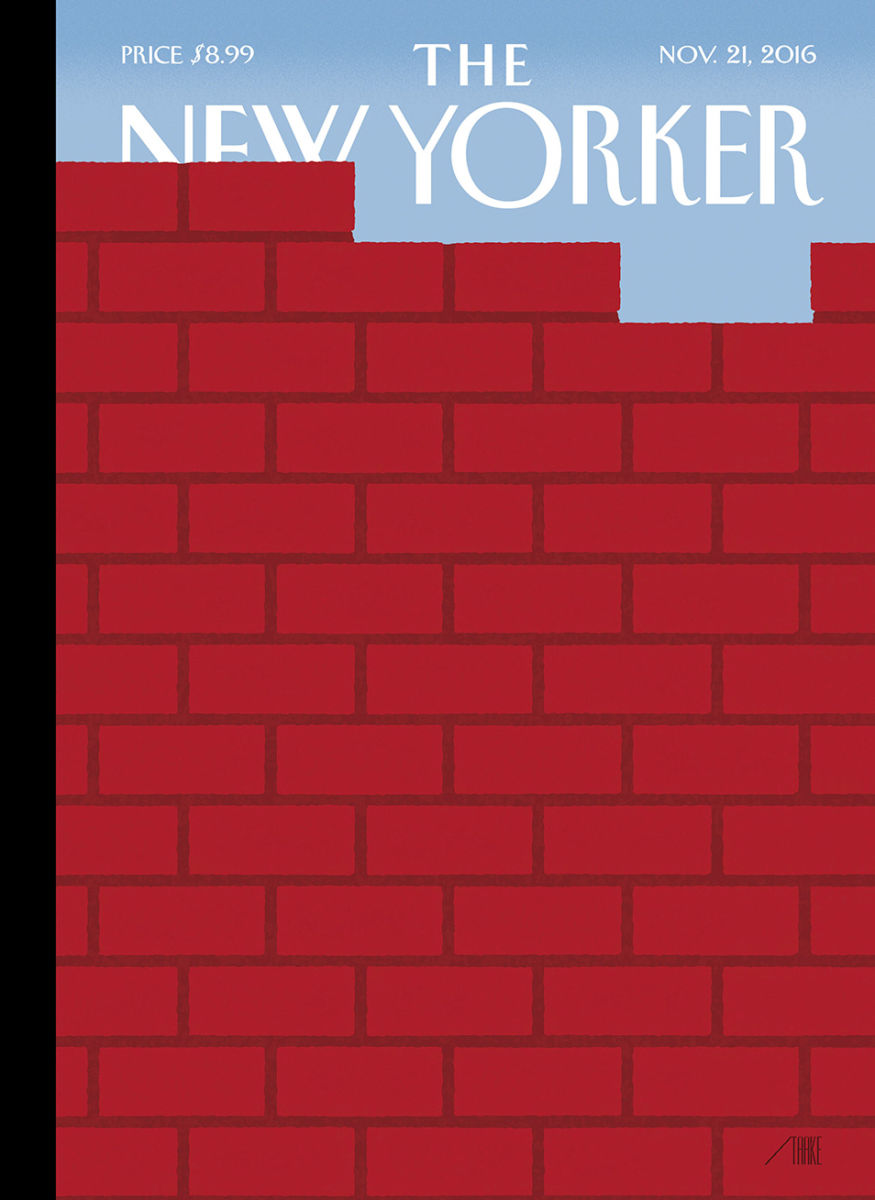
Bob Staake for The New Yorker

Comments closed

Q & A with James Paul Jones, Oneworld

The Good Immigrant design James Paul Jones

The work of Welsh designer James Paul Jones for has featured regularly here in the past few years. A versatile cover designer and one of the co-founders of Vintage UK’s design blog CMYK, James was recognised as a ‘Rising Star‘ by the Bookseller in 2014, and recently moved to independent publisher Oneworld Books in the role of art director. This Q & A  has been quite awhile in the making, but I’m very grateful to James for taking the time to answer my questions in such depth, and I’m glad for the opportunity to showcase his talents again.

You can find James on Twitter and Instagram, and you can see more of his work on his website. James and I corresponded over email (for years)…

Do you remember when you first became interested in design?

Growing up it was all about sport and design. From an early age I used to drive people mad (mainly my parents and teachers) spending hours perfecting my hand writing, and adorning basically everything I could with doodles, designs, and patterns. Which is ironic, as I can barely understand my own scribbles these days. I somehow knew back then that is was more the Design in Art & Design I was interested in, I think mainly because it took me so long to finish anything remotely ‘still life’. My art teacher Islwyn Williams can vouch for that, and he was one of the good ones. I remember him saying when he saw me walking down the corridor in full-on teenage mode to ‘Look up. Not enough people do and you don’t know what you’re missing’. That’s stuck with me ever since. Things progressed quickly once I got hold of my first bondi blue iMac. From there, I used to ‘borrow’ my Dads record covers, scan them and proceed to add my own finishing touches. My first ‘effort’ was giving Paul McCartney some shoes on the Abbey Road album. I’d then print out everything and plaster my walls with the output. I wish to this day I could do this in my new workplace.

Do you come from a creative family?

I used to think not. My Dad was a self-made business man running a wholesale food company in North Wales and my mother working alongside. But I realised over time that my Dad had a special way with words and he wrote poetry in his spare time. I was certainly the only one who was a bit obsessed with the visual side of things. My sister was definitely the words. I was proud to work alongside her whilst working at Vintage Books. As I’m sure was our Mum.

Were there a lot of books in your house growing up?

There were plenty. And they were all owned by my sister. I can’t pretend that I’ve been a book buff all my life, because when I was younger I didn’t read enough. But I did grow up on Roald Dahl and other children’s classics of my time. What I thoroughly enjoyed reading (and my mother still has a pile of these ready to give me back home) was the ‘how to’ guides. Cartooning, watercolours, different print processes. Cross hatching, you name it. I had a guide on it. A recent ‘Punch’ exhibition at the House of Illustration in London focused on the work of Shepard and it reminded me of my love of a good cross hatch shadow. Now my house consists of ‘why’ books. Why do people see and think in certain ways. Different triggers, autobiographies and non-fiction is what I devour outside the daily manuscripts. Plus I love a good quote I can draw inspiration from. It continues to amaze me how much you can learn from others.
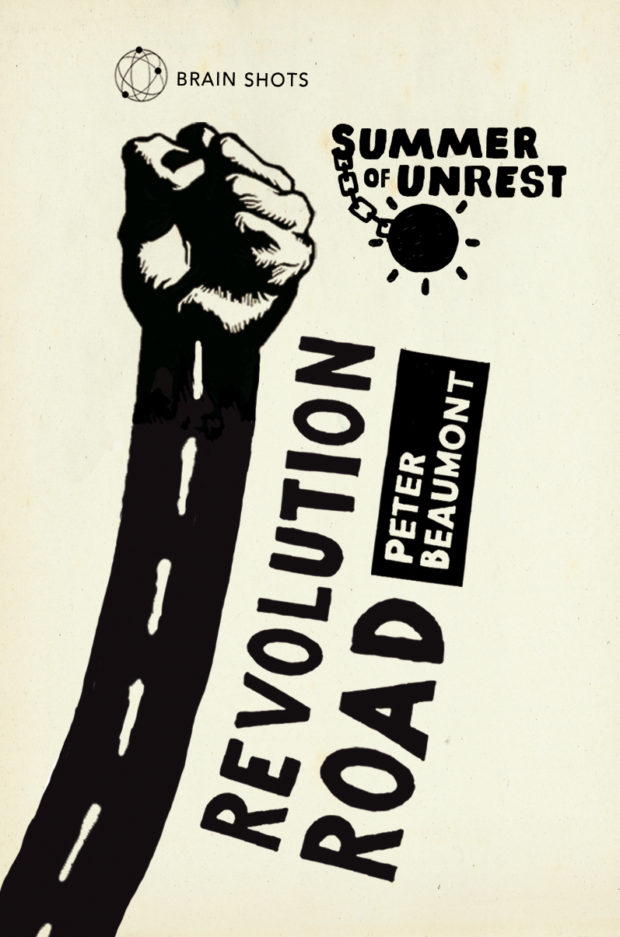
the-revolution-road_vintage

Did you study design at school?

I was lucky enough that when I got to secondary school there was a graphics GCSE course which I snapped up. There began my obsession with drawing rectangles using 4 points, which later in life has translated to all forms of typographic sketches. Earlier I studied Art, but grades wise I was let down by my inability to follow suit and show my workings. I always had the final idea in my head and wanted to cut out the middle man. Although now, one of my prized possessions is my A5 moleskin which doesn’t leave my side, which would amuse my Art teacher to no end. Later on, I did an Art Foundation course in North Wales, which was easily the most creative, fulfilling and enjoyable year of my life education wise. We worked on everything from woodworks to 3 dimensional life size sketches using charcoal. I thrived on the atmosphere there and at some point I’d love to go back and enjoy it for a second year. I was honoured to be invited back this year to showcase my work, helping to hopefully inspire the next generation. Anything I can give back there I will in abundance. Following foundation, I studied Graphic & Media Design at London College of Printing. It was a great college, and to be taught by one of my design heroes Hamish Muir was priceless.

I can’t pretend I did my best work there because that wasn’t the case. But what I did learn, and something I realised early on, was that I needed work contacts by the time I graduated. I started calling in favours, taking work experience here and there and this all helped to build up a roster of freelance clients. I started my own design company (Here & Now – my exercise book ‘tag’ from my teenage years) toward the end of the second year where I was doing websites, record covers and 1-day-a-week freelancing with the Orion Publishing Group.

Where did you start your career? 

I started my career at Orion through work experience in the marketing department. Working on posters, bookmarks and other promotional materials. Then one day I was asked to work on the back cover for a Harlan Coben novel. I was fresh out of 2nd year at University and still obsessed by Müller-Brockman, which meant I spent the rest of the day typesetting the copy on crazy angles. Vertical barcode. The works. I can still remember it to this day. I thought it looked bloody brilliant. The Art Director thought so too, but obviously it was a bit out there for a mass market crime novel… Although she asked me to come back the next week and that was that. Her name was Lucie Stericker and she is the brilliant Creative Director of Orion, and one of the key people in my career. She gave me the opportunity to show what I could do, at a time where I didn’t really know what I could. At one point I nearly quit to head down the big design company route, but I’m glad I stuck it out and I have Lucie to thank for that.

At Orion I learnt it all from the bottom up. Starting off as a freelancer, before joining the company on a 4-day a week basis. After that I started to get my own briefs to work on and from there I kicked on. I always wanted to try and push the boundaries of each genres, as I was young and I didn’t see any reason not to! You had to get noticed somehow. I worked my way up to a Junior Designer level, and then to Designer. My work started getting noticed after working on the Keith Richards autobiography Life and the award winning The Tiger’s Wife, before Vintage offered me an opportunity as a Senior Designer 4 ½ years in to my Orion career.
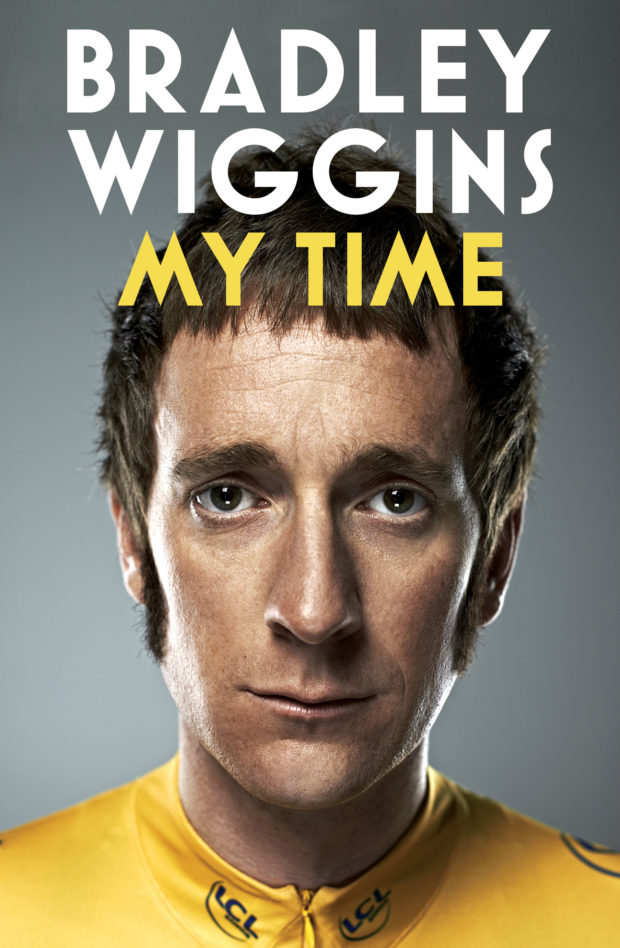
wiggo_vintage

Over at Vintage I began to hone my craft, and was soon art directing my own photo shoots for Bradley Wiggins fresh from his Tour De France and Olympic wins and working on titles such as Virginia Woolf, Sebastian Faulks and Chuck Palahniuk. I was in my element. The team pushed each other every day, some of the group projects we worked on such as the James Bond classics were a joy to be a part of. As was the creative atmosphere of the design department.

I spent 4 ½ very happy years at Vintage, working across all genres and imprints. Whilst there I was humbled to be voted as one of the industries rising stars, one of the only designers on the list. My work was also recognised with some awards, one of the highlights being my award winning collaboration with Pietari Posti on our Arthur Ransome series. Vintage and Penguin Random House were such an inspiration to me design wise, and I thank the whole design team, and the Creative Designer Suzanne Dean, for that.

When did you start at Oneworld?

I started at Oneworld as their new Art Director just over a year ago, in September of 2015. I thoroughly enjoyed my time over at Vintage, but I was looking for a new challenge and really wanted to experience the life of an Art Director. Oneworld came about because of that ambition, and I was intrigued by the company as a whole. They had such fantastic books, yet I felt the covers could reflect that better. It was a big change for me, going from the biggest publisher in the world (Penguin Random House) to an independent, but I really wanted to get stuck into something that I could put my mark on. At Oneworld it’s just me heading up the design department, and while that can seem quite daunting at times I like to think that I thrive on that responsibility. I have instigated a design internship recently, and I’m thoroughly enjoying mentoring young designers at the start of their careers and giving something back to the design community. It’s a privilege, and design-wise my goal is to make Oneworld’s books known for their looks and production values, of which having a cracking production team by my side helps. Along with a company willing to try something different. Since I joined the company, we’ve won the Man Booker Prize, been voted Independent Publisher of the Year, had another one of our books shortlisted for this year’s Man Booker, and the company is going from strength to strength. It’s not easy, I don’t think any Art Director job is. But I really do love it. And I want that hard work and passion to come across in the work we put out there as a company. I’m also involved in the creative direction of the company as a whole. We recently re-designed our website, logo and branding. Which has all been a fantastic and invaluable experience.
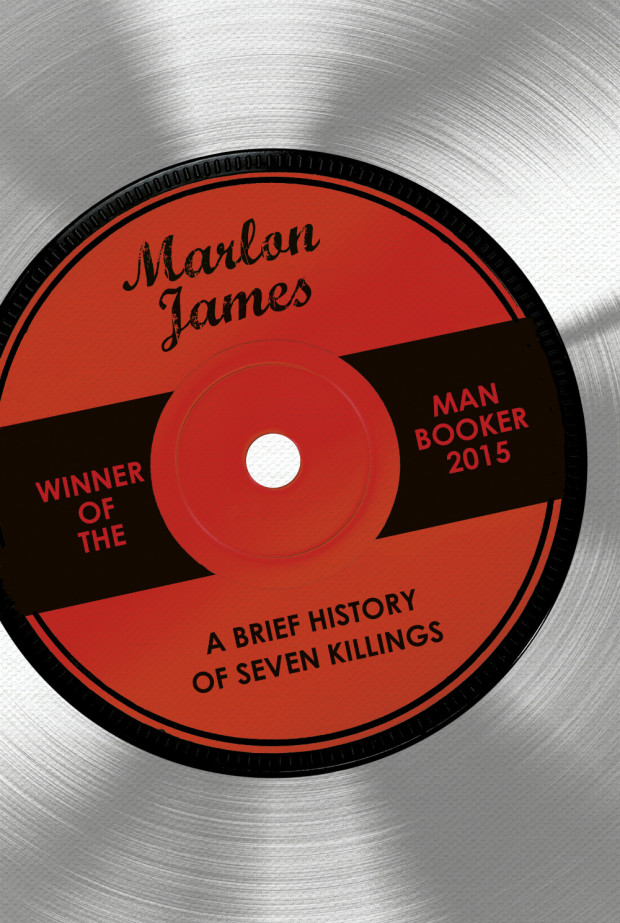
design James Paul Jones

What have you found to be the main differences between being an art director and a designer so far?

That the bucks stops with me, which is both a good and a bad thing. What I have enjoyed most is working alongside artists, designers and illustrators that I admire. Pushing them as far as we can go with each design. We might not always see eye-to-eye but I enjoy working with other designers who want to make something great, and not just another cover to tick off their to do list. Our job is to represent the spirit of the book. To find out what makes that book unique, and communicate and celebrate it visually on the cover.

Are you also working on freelance projects?

I am. I was always rather envious of the US model of Art Directors who also freelance for other companies. It really appealed to me. So when the Oneworld position came up, it was a part time position and it suited my ambitions to explore freelancing. I took a leap of faith, and now I work 4-days-a-week in-house at Oneworld and do my freelance work on the fifth day. Although as every freelancer knows, my weekends are often taken up working, and one of the hardest aspects is trying to find that work/life balance. Having a young family has forced me to work that out from the get go. I’ve been lucky enough since I started freelancing last year to work with some great publishers around the world. I still love getting that first initial ‘making contact’ email from a new publisher who has seen my work and wants to know if I’m available. I thoroughly enjoy having the best of both worlds, even with the extra hours it can demand. But I’m really happy with the freelance side of my career, and I hope it keeps growing and growing.

What are your favourite projects to work on?

Ones that I can throw myself into. They’re both a blessing and a curse. I like to get really immersed and find it hard to switch off, but having a family has definitely helped me be more ruthless in that sense. I consider what we do such a privilege. I have to put my all into each cover. I’m a big believer in that if you leave nothing behind, your work will connect in the right way. I thank my Dad for that work ethic, and also my many different sport coaches along the way. Leave nothing behind. Design hard. But most of all have fun with it.
originals_ebury

Which ones present the greatest creative challenges?

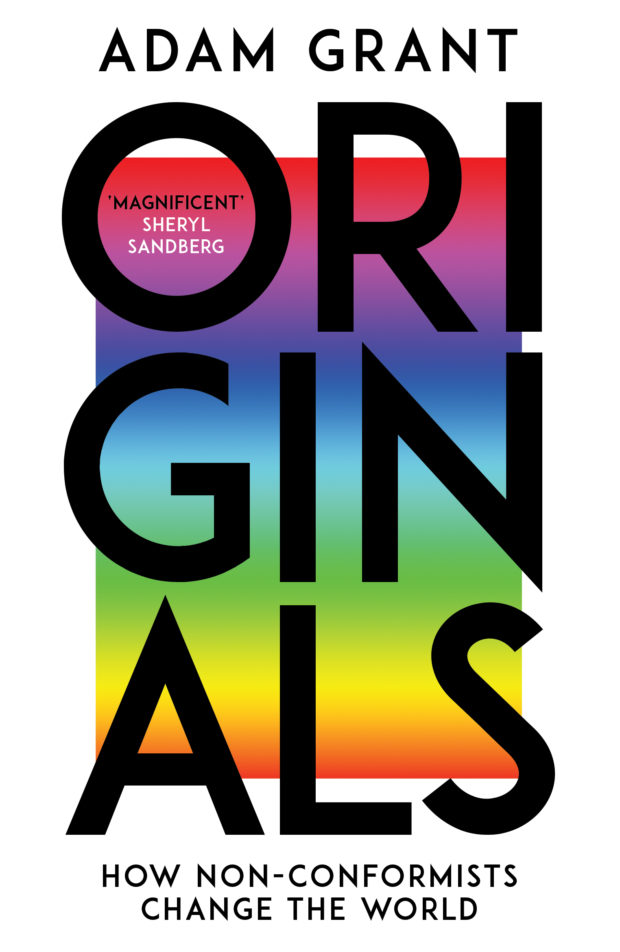
Interesting question. I guess the briefs that ask for the norm for that genre. But you know there’s an opportunity to push the envelope a little… Then the challenge is executing the design in a way that will embrace that idea, rather than alienating people. Then getting the sales teams on board with the idea. I’m constantly pushing my editors to really think about their briefs. Look what’s out there, and how can we make our book original. I’ve just finished working on a cover for Ebury called Originals by the brilliant Adam Grant. As he mentions ‘Being original doesn’t require being first. It just means being different and better’. That’s what I’m aiming for in my work for Oneworld and in my freelance work.

What’s your ‘go to’ typeface for a book cover?

I think due to my design education I’m a big fan of the classics. They are that for a reason. Too gimmicky and it just looks lazy. I’ve actually been trying to experiment more with my typefaces. Altering more by hand and creating my own here and there to see what I can get away with. I’m a huge fan of typography, and boy do I still have a lot to learn. You have to know all the rules, so that you can then push them as far as possible, sometimes break them and really have some fun along the way. One of the most rewarding and memorable exercises our tutor at LCP Hamish Muir set us was to photocopy strips and individual pieces of typography, blow them up to different sizes, re-arrange them and produce our own grids to lay out the information for each poster. Hand laying and sticking each letter and word. I learnt more in that day then I did over the course of the following three years.

What do you look for in an illustrator’s portfolio?

Something I could never create or imagine myself. If I’m working with an illustrator it’s because I can’t create what I’m after and I think they would be perfect for expressing the authors words to the reader. Like most Art Directors, when commissioning I secretly want to see the routes I’ve asked for in my brief, along with a curve ball interpretation that throws a huge creature spanner in the works. If they can do that, then I’ll keep coming back for more.

What advice would you give a designer at the start of their career?

Get yourselves out there. And just keep designing. There is quite a lot of competition out there at the moment, but at the end of the day it comes down to the quality of your work. That will only improve as you work more and more. Get yourselves out there, because otherwise people will never see your work. And take risks with your work. The first thing I did was create my own Tumblr. I figured it was an easy program to use, one which would allow my work to reach a wider audience. There are so many blogs and social media accounts dedicated to book design now it’s hard to keep up. But the cream will always rise to the top.


You were very involved in the CMYK, the Vintage Books design Tumblr. Why did the Vintage design team decide to start blogging about their work? 

We wanted a platform where we could launch our designs to the world, to share the first words on our designs and communicate our influences and working methods directly. We wanted to share the back story to the designs, how they were created, what processes were used, and information about the illustrators, photographers and designers. At the time, there weren’t really any art departments doing anything similar, and so we decided to create something that we as an art department would be interested in reading. The reaction and success was huge, at one point we were one of the most viewed sites across all PRH platforms. It was a really big team effort, and one we needed to structure at the beginning of each week to keep on top of. I’m still proud of everything we did, and it’s great to see so many other art departments follow suit.

At Oneworld, I’m looking into Instagram and seeing what fun we could have on there. I’ve only just joined Instagram for my sins, and I’m aiming to show off all the good work we’ve been doing here at Bloomsbury Street in London. It’s also a great platform for spotting talent and keeping a close eye on the competition. I’ll also be showing my freelance work, and I thought it would be great to give people more of an insight into the day to day of an Art Director. Let’s see what happens.


Which illustrators and designers do you think are doing interesting work right now?

This changes every week. Along with my bookmarks. Being an Art Director now I’m constantly thinking ahead, and it’s hard to switch off. Meaning even when I’m at an exhibition in a church hall in Wales, I’m collecting information on a young illustrator from the area who’s tree paintings are so fresh I can’t wait for a suitable cover to crop up for her. I do try to use new illustrators and designers as much as possible. They come with a sense of freedom and a willingness to break the rules. Plus their work ethic is one I admire as they give their all for the outcome. The more experienced illustrators and designers out there, who are still at the top of their game after all these years, they know how to retain that quality.

Who are some of your design heroes?

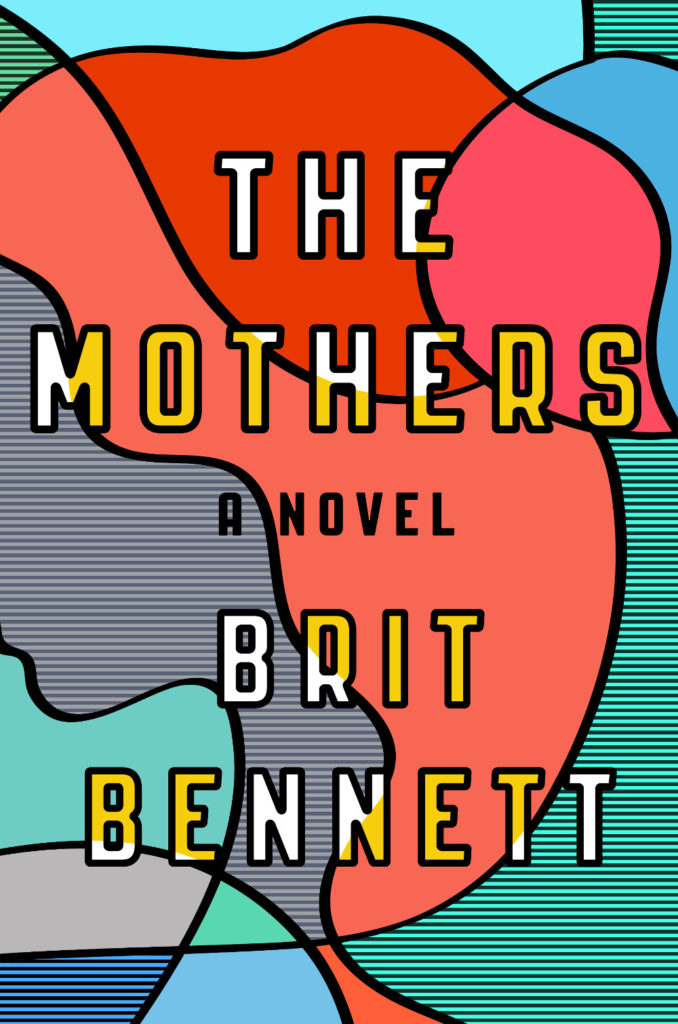
So many. Hipgnosis. Peter Saville. Hamish Muir (8VO). Brody. Müller Brockman. Non-Format. Love Non-Format. All from my educational years. I still remember when Hamish bought in some original litho printed Hacienda posters from the 90’s which blew my mind and made me realised I massively needed to up my game. All created with their hands. No photoshop. NO Photoshop. Amazing. I never saw myself as a book designer until I worked in the industry. I always wanted to join the big design companies of the world. The ‘Mothers‘ and ‘Experiment Jetsets‘. Daniel Eatock. Bibliothèque. Accept & Proceed. Designs with concepts behind them was what inspired me then, and still does today. As for now and in the book design world, I’m inspired by work that really stands out and tries to be different. From a career point of view, David Pearson, Rodrigo Corral, Peter Mendelsund, Jim Stoddart and Suzanne Dean. They are leading the way for me in various different ways, and I’ve been lucky enough to work alongside some of them. Also I admire what Andy Pressman has done over at Verso, along with Melanie Patrick at Pluto Press.

Is there one particular author or a book you’d like to design a cover for?

Tough one. Because there are just so many. I’m also very lucky to have worked on quite a few over my short career. I did think a year or so back that for me, the Harry Potter series hadn’t quite hit the mark. But then Olly Moss came along and blew that out of the water…but perhaps there’s still a typographic option out there that could be explored. I missed out on a redesign of Terry Pratchett covers a while back, and I still think I was on to something there so I’d like to be able to revisit those in the future.

What‘s in your ‘to read’ pile?

It’s become a library. Currently finishing off Originals by Adam Grant (during the day for inspiration) and The Shepherds Life (in the evening to escape it all). Then at some point to follow: Designing Your Life, The Wisdom of Groundhog Day, Outliers, The Ego Trick. I’ve become much more of a thinker than I used to be. That’s something that I’ve had to change as my career has gone on. I spend much more time thinking about a cover now before actually working on it. I find that it helps the actual process go much smoother and adds clarity to the finished outcome.
we-will-not-be-silenced_pluto-press

Do you have system for organizing your books?

It depends what part of my house you’re in. My home studio has everything organised by Company. As in, where I worked at the time as it’s mostly an archive of my work. With a separate space for freelance covers. The design books in there are organised by size, just to mix it up a little bit. My ‘to read’ pile by my bed is organised by what’s up next, or that’s the theory anyway. My wife’s books have no system to them at all…but the less said about that the better.

Do you have a favourite book?

I don’t really tend to re read anything as I have endless notes on my phone quoting all my favourite passages which I constantly come back to. As far as impact goes, I can remember being introduced to the classics from Paul Arden early on at art Foundation and really connecting with them. They seemed so different back then. The Art of Seeing is never far from my side, and as for Biographies it’s hard to beat David Maraniss’ A Life of Vince Lombardi. One of the heroes to one of mine and my Dad’s heroes, Sir Alex Ferguson.

What does the future hold for book cover design?

Whatever we want it to be. The whole death of print has come and gone (for now), allowing for a very exciting time. Everyone’s having to up their game, especially with social media. The ‘Cover reveal’ is really popular in publishing. Allowing designers all round the world to sigh after a hard days work, and seeing a moment of genius from someone in Peru and realising you’ve come nowhere near. I’m still waiting again for that ‘perfect’ cover moment. That marriage of the perfect designer, with the perfect idea, for the perfect book and the perfect publisher, like David Pearson’s cover for George Orwell’s 1984. I’m hoping I’ll be able to pull something out of the bag before I’m done.

Thanks James!

Save

Save

Save

Comments closed