Skip to content

Tag: design

Book Covers of Note July 2014

As well posting great cover designs for books released in July, I’ve taken this month’s round-up as an opportunity to catch up on a few I missed earlier this year. Enjoy!

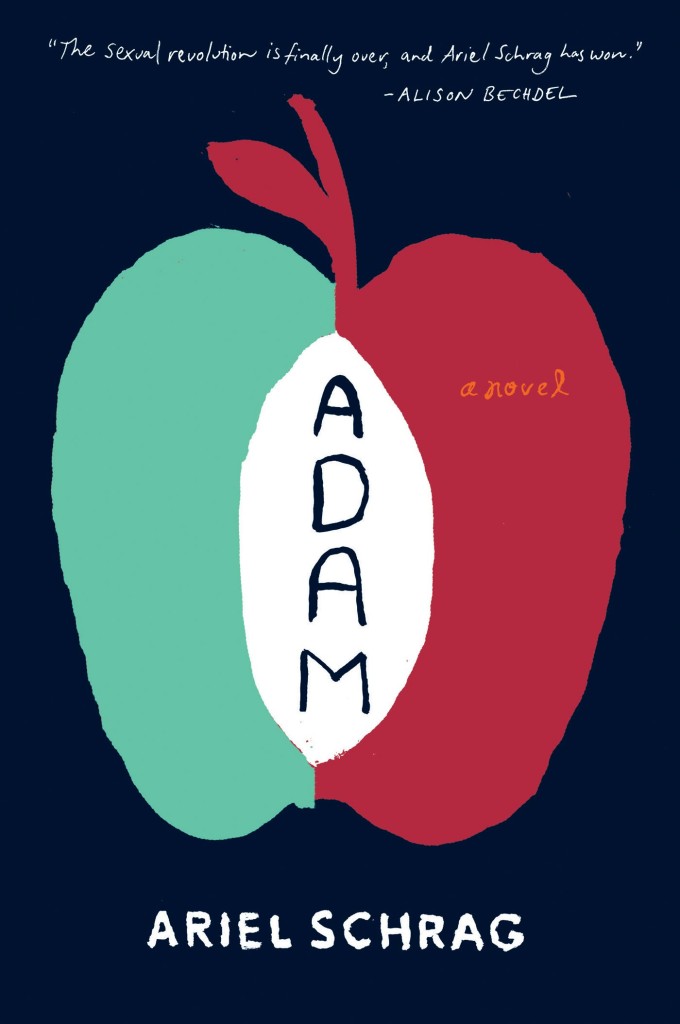
adam
Adam by Ariel Schrag; design by Christopher Moisan (Mariner June 2014)

american-blonde
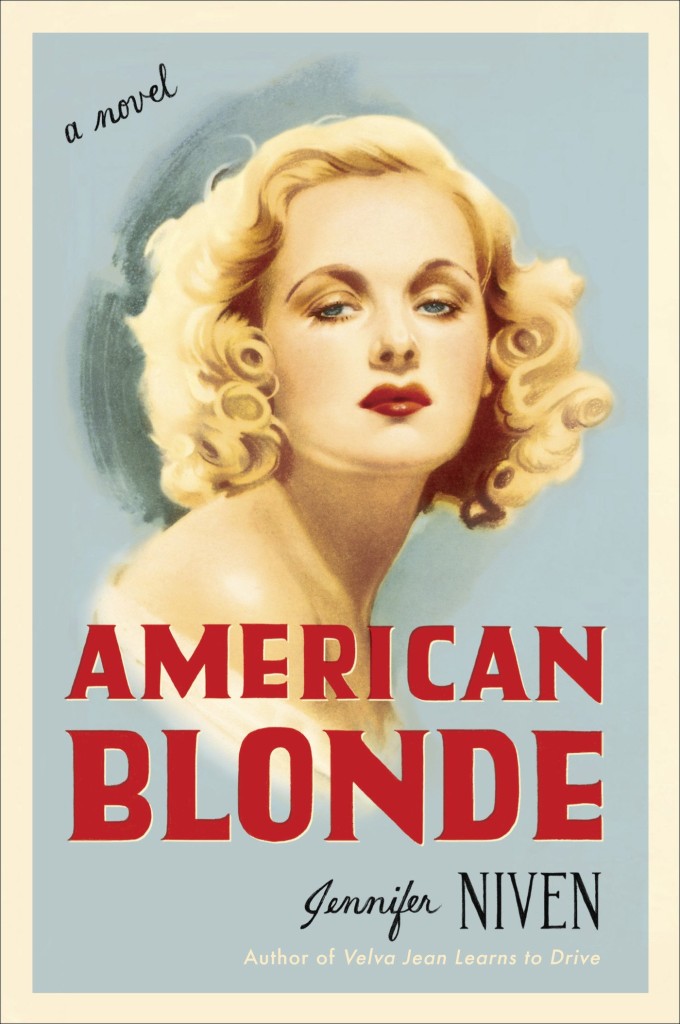
American Blonde by Jennifer Niven; design by Sara Wood (Plume July 2014)

9780307594792
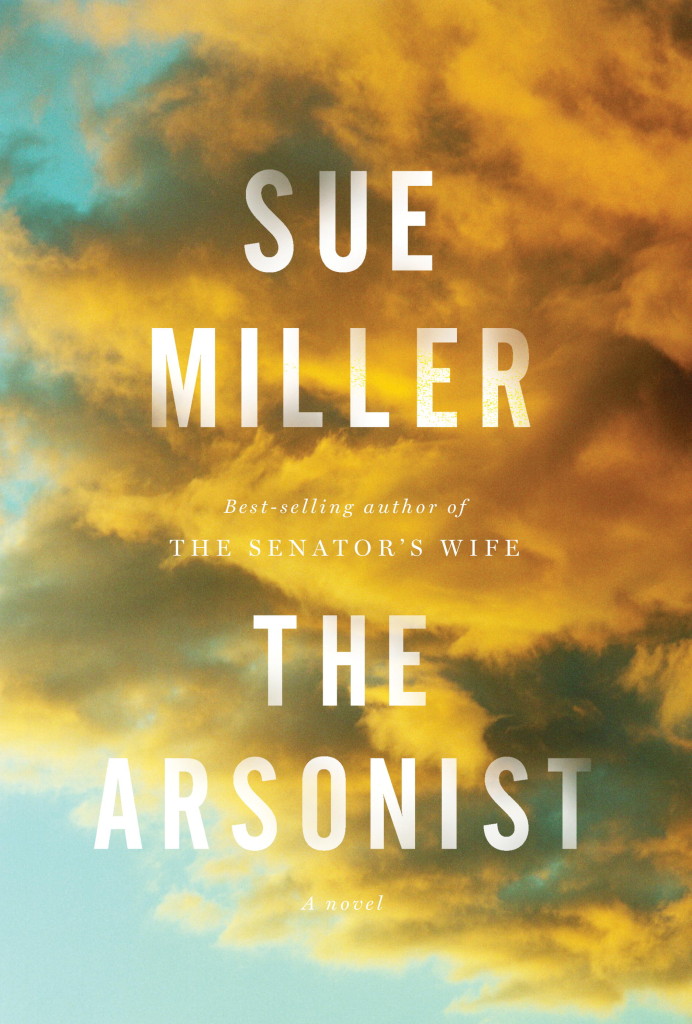
The Arsonist by Sue Miller; design by Gabriele Wilson (Knopf June 2014)

california
California by Edan Lepucki; design Julianna Lee (Little Brown & Co. July 2014)

cartwheel
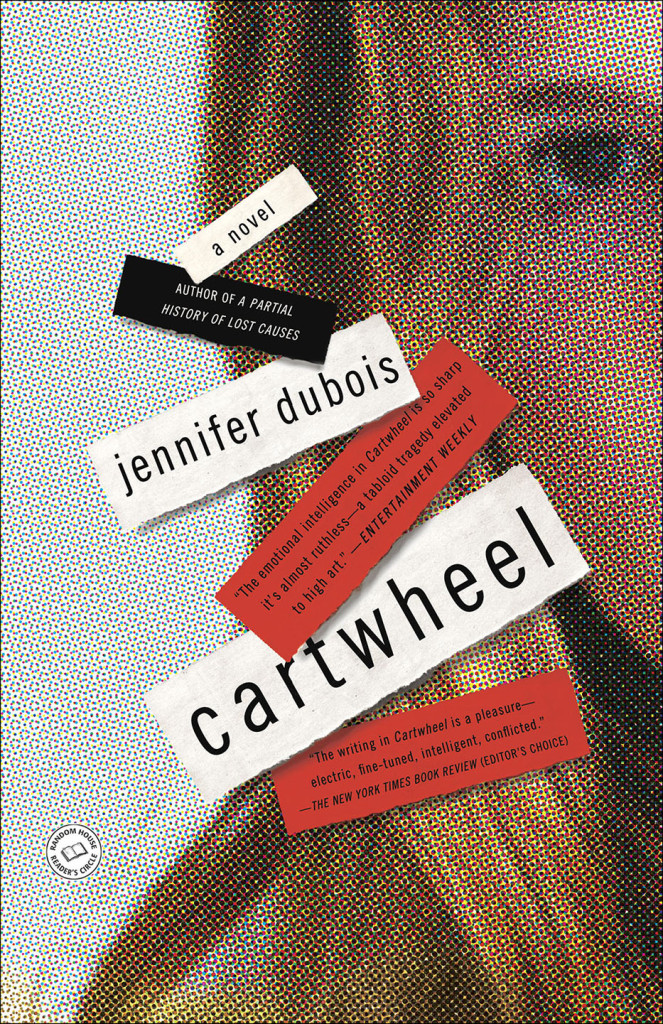
Cartwheel by Jennifer Dubois; design Eileen Carey / photograph by Kniel Synnatzschke (Random House May 2014)

cubed
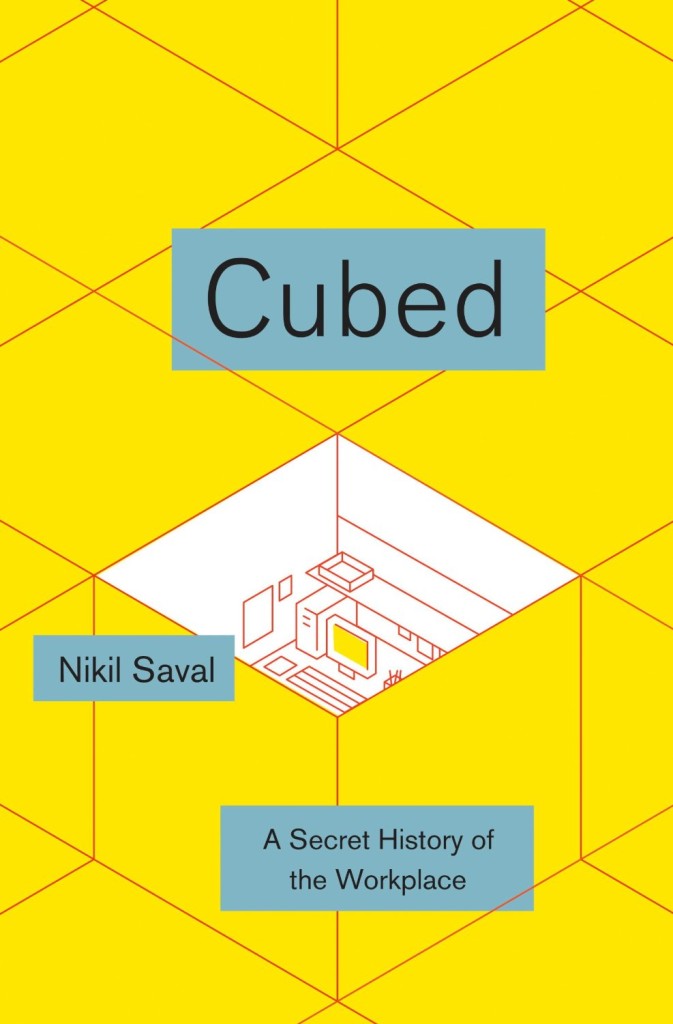
Cubed by Nikil Saval; design by Oliver Munday (Doubleday April 2014)

fourth-july-creek
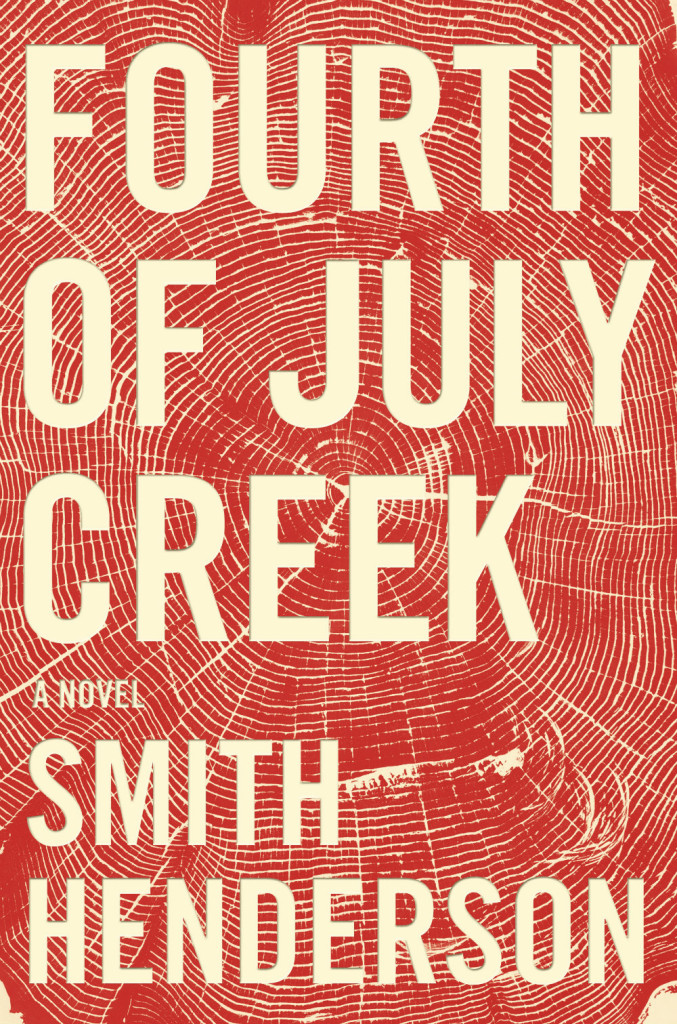
Fourth of July Creek by Smith Henderson; design by Allison Saltzman, cover art Bryan Nash Gill (Ecco June 2014)

9780374158613
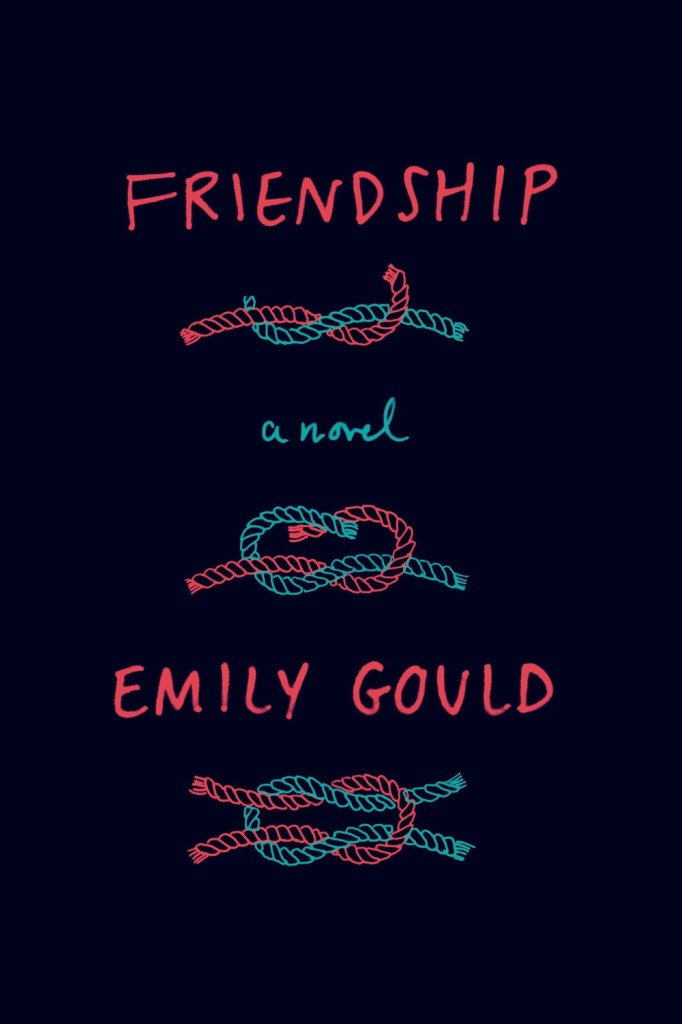
Friendship by Emily Gould; design by Jennifer Carrow (FSG July 2014)

gottland-300dpi
Gottland: Mostly True Stories from Half of Czechoslovakia by Mariusz Szczygiel; design by Christopher King (Melville House May 2014)

how-to-be-danish
How To Be Danish by Patrick Kingsley; design by Andrew Smith (Atria February 2014)

9780670786107
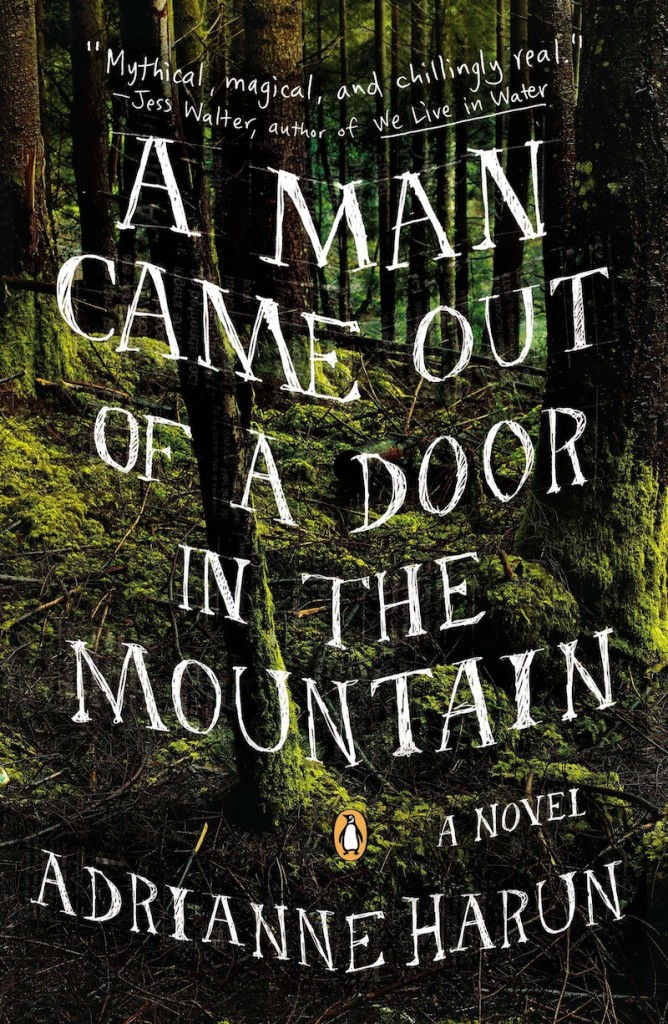
A Man Came Out of a Door in the Mountain by Adrianne Harun; design by Kristen Haff (Penguin February 2014)

the-martian
The Martian by Andy Weir; design by Eric White (Crown February 2014)

8128E2fJSjL
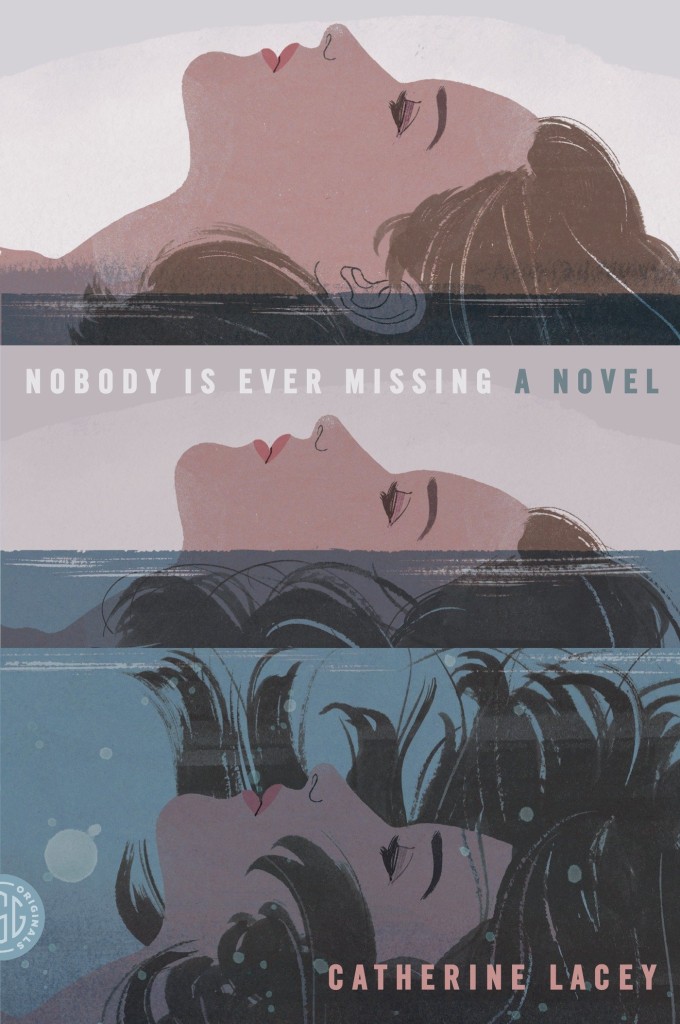
Nobody is Ever Missing by Catherine Lacey; design by Charlotte Strick; illustration by Patrick Leger (FSG Originals, July 2014)

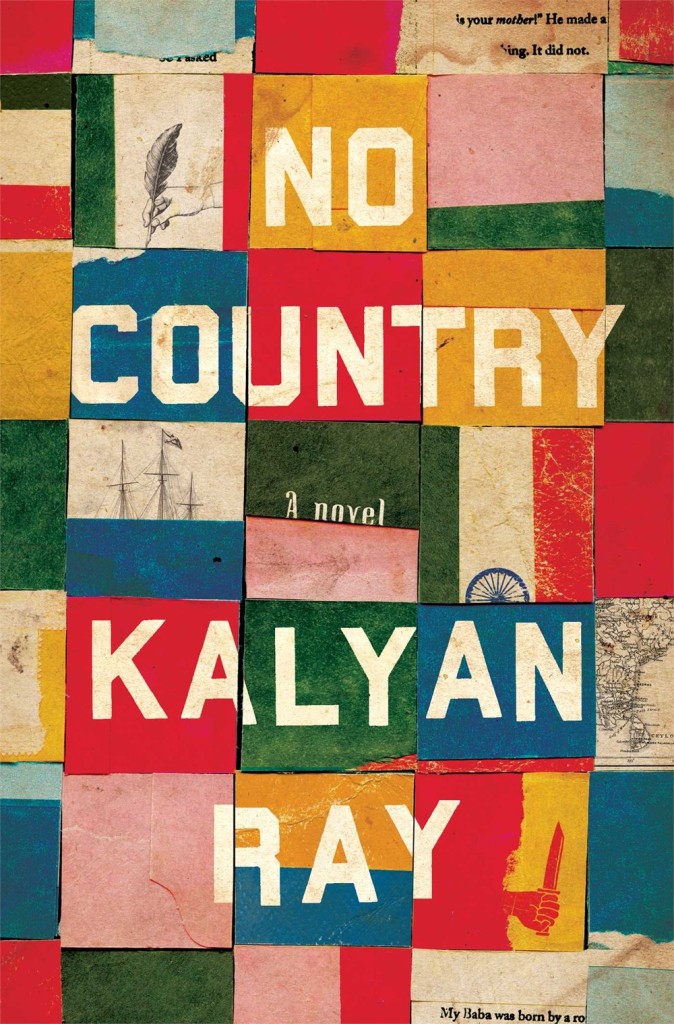
no-country
No Country by Kalyan Ray; design by Christopher Lin (Simon & Schuster June 2014)

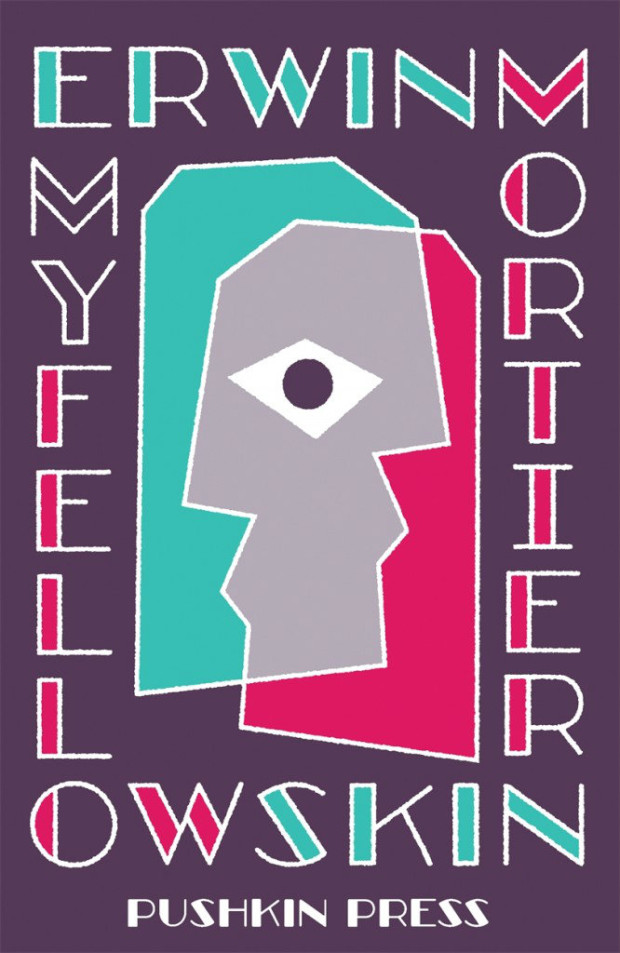
My Fellow Skin

My Fellow Skin / Shutterspeed / Marcel by Erwin Mortier; design by David Pearson (Pushkin Press July 2014)

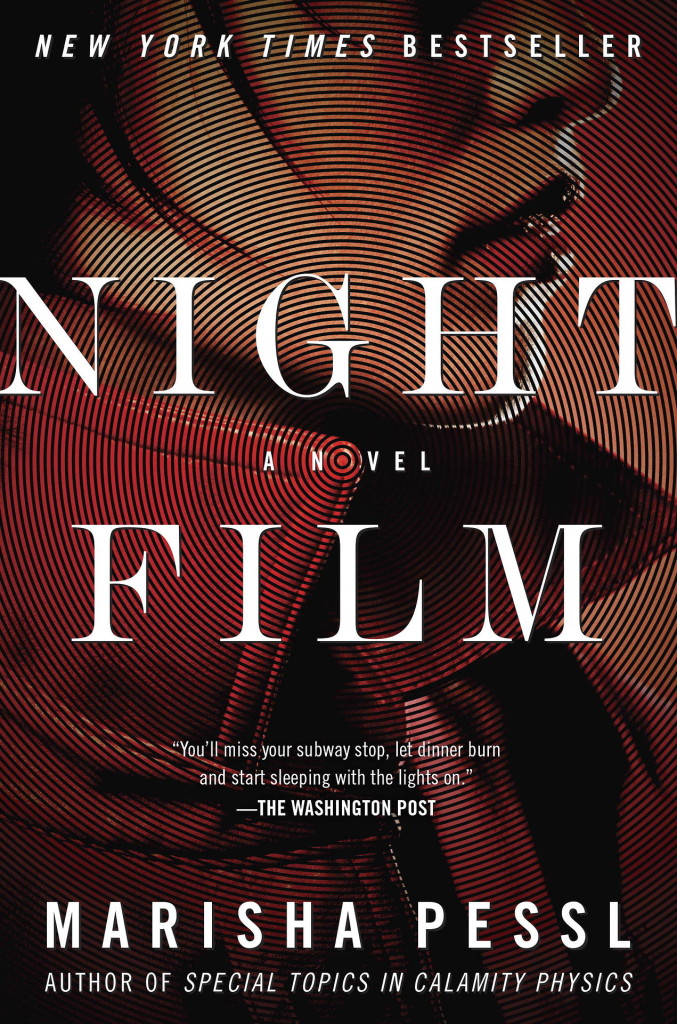
night film
Night Film by Marisha Pessl; design by Shasti O’Leary Soudant (Random House July 2014)

out-of-time
Out of Time by Lynne Segal; design by David A. Gee (Verso July 2014)

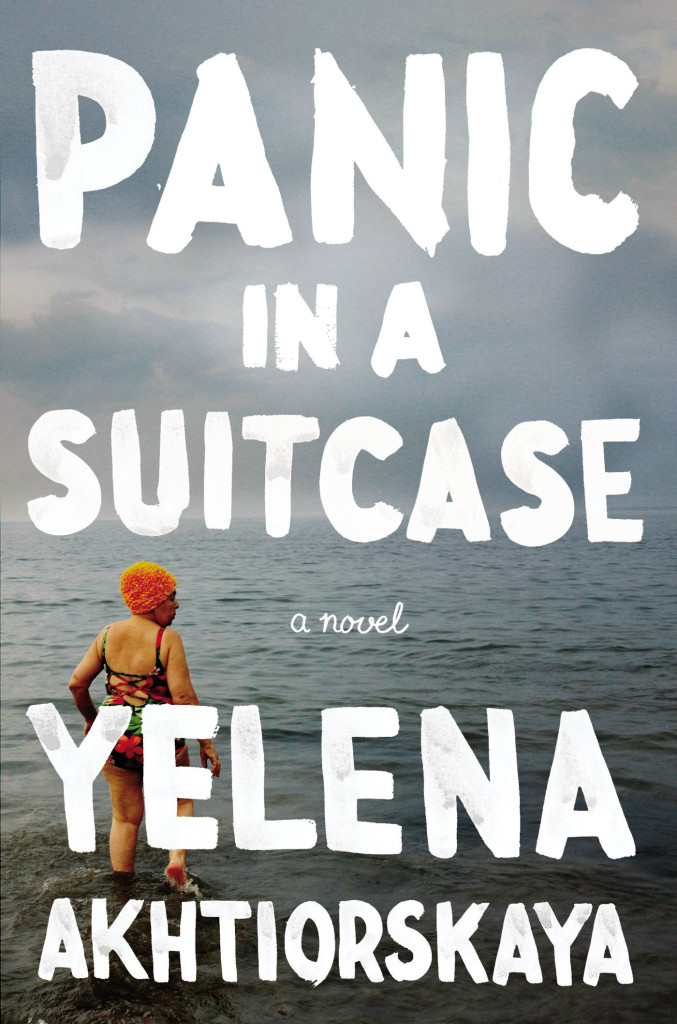
panic
Panic in a Suitcase by Yelena Akhtiorskaya; design by Helen YentusPhotograph by Emine Ziyatdinova (Riverhead July 2014)

string

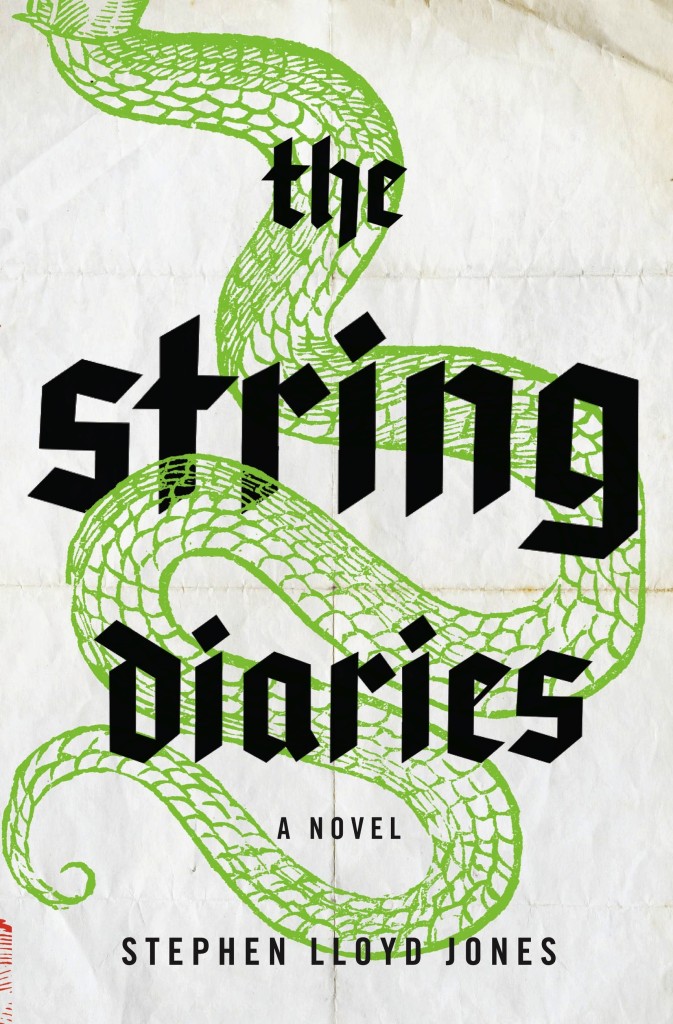
The String Diaries by Stephen Lloyd Jones; design by Keith Hayes (Mulholland Books July 2014)

dueling-neurosurgeons
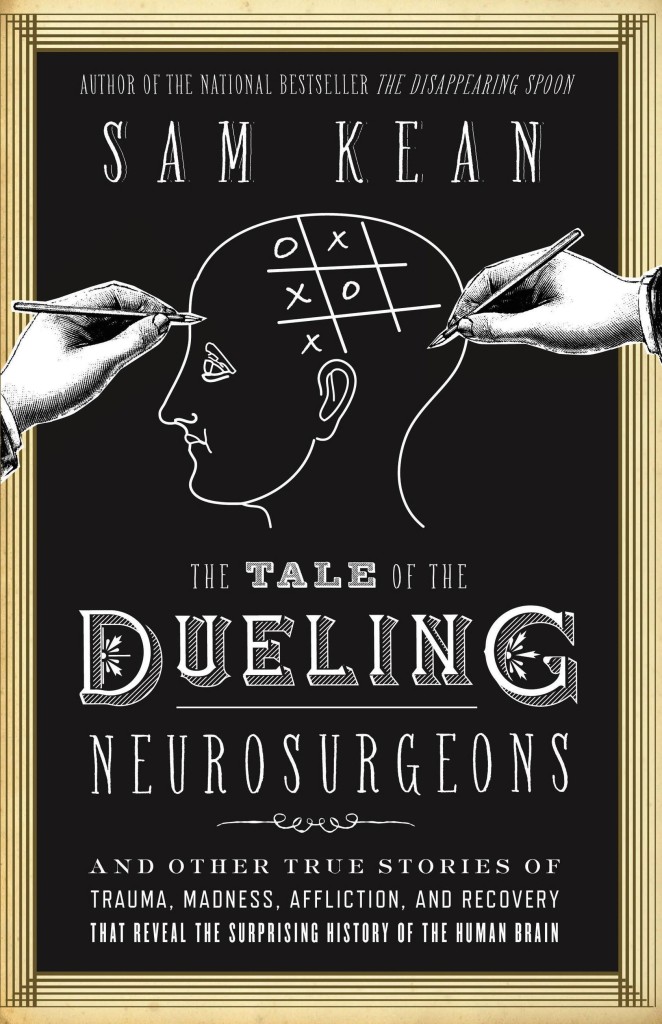
The Tale of the Dueling Neurosurgeons by Sam Kean; design by Will Staehle (Little, Brown & Co. May 2014)

Comments closed

German Post-War Modern

atelier-de-montrouge

Focusing on European architecture, art and design in the second-half of the twentieth-century, German Post-War Modern is currently one of my favourite Tumblrs.

Comments closed

Q & A with Matt Roeser, Candlewick Press

If you follow book design on social media at all, chances are you’ve come already across Matt Roeser‘s  funny, if somewhat dinosaur-fixated, Twitter feed. But over the past couple of years as senior designer at independent children’s publisher Candlewick Press in Massachusetts, Matt has been quietly producing some bright, brilliant, and original covers for their line of young adult titles.

I first came across Matt’s work about 4 years ago when he first started a Tumblr project called New Cover, and was working outside publishing in St. Louis. Now he is designing books full-time, it only seemed appropriate to ask him a few questions about his interests and influences, his work, and his career. We corresponded by email.
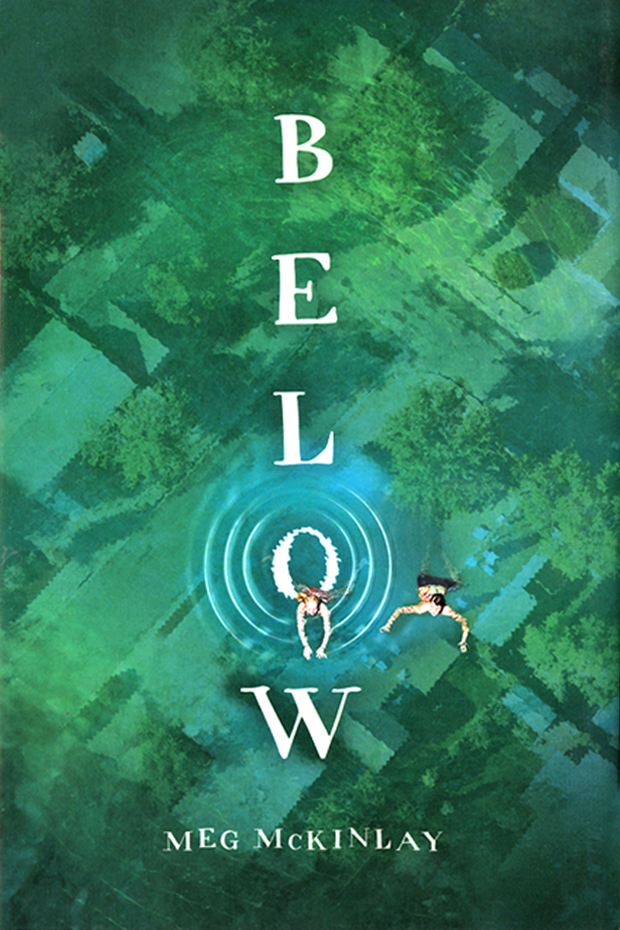
Below

Were there a lot of books in your house growing up?

Absolutely. We lived two blocks away from our library, so my parents were always taking my brother and I there and letting me bring home as much as I could carry. That, paired with the book order forms our teachers would pass out every month (of which I had an unhealthy level of excitement for) meant there was always a constant stream of books in our house.

Did you have a favourite book as a kid?

I had three, and to this day, still can’t decide which one I like the most because they’re each fabulous in their own way: From the Mixed-Up Files of Mrs. Basil E. Frankweiler because the kids run away and live in a museum (I’m still hoping to do this one day!), The Westing Game, because it’s an epic murder mystery, and The Phantom Tollbooth, because it’s so imaginative and full of wordplay, which I have a soft-spot for.
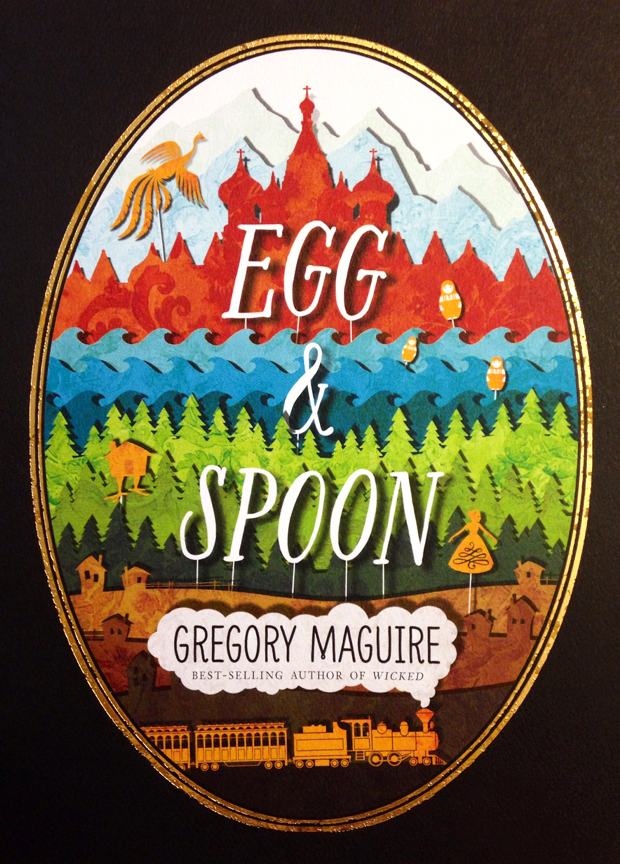
EggandSpoon

Do you remember when you first became interested in design?

Yes, and it was paired with reading in a way. The movie Jurassic Park came out when I was 10 and I went with my brother to see it at least 5 or 6 times and was just completely enthralled. Then my brother bought the book with the now-classic Chip Kidd design on the front. I read it and, being my first “big-person” book that I had read, it really stuck with me. I remember thinking it was so cool that the design of the jacket was used for the logo for the park in the movie. And it was on t-shirts, lunchboxes, everything. The fact that a new Jurassic Park movie is coming out next year, and they’re still using Chip Kidd’s design just makes me so happy. So while I don’t think I completely realized it at the time, that’s the moment that I became aware and interested in design. And since I’ve never actually grown up, all of the things I loved as a child (dinosaurs, space, time travel) still excite me to this day (thus why a majority of my tweets revolve around dinosaurs). I even had a Jurassic Park themed 30th birthday party which was simultaneously my most proud and most embarrassing moment in life.

Is anyone else in your family creative?

Yeah, my immediate and extended family is full of carpenters and woodworkers, interior designers and painters and people that just generally like to create and build with their hands.

Did you study design at school?

Initially, when I started college, I dove deep into marketing. However, I quickly found out, after taking macro-economics and a plethora of other numbers-based courses, that the business side of marketing was not at all interesting to me. I then started taking a bunch of creative communication classes that included various advertising and graphic design courses, and quickly felt much more at home. Ultimately, a lot of my design education was self-taught, but at school I learned the basic process of working on creative projects that really stuck with me.

What were you doing before you joined Candlewick?

I worked with the creative team at Atomicdust, a branding and marketing agency in St. Louis, Missouri. I definitely learned the ins and outs of the creative process while there. We had a great array of clients that allowed us to flex our creative muscles in a variety of ways as we came up with messaging and then decided the best ways to get that message out. Learning how to boil down a company’s entire purpose/goals/soul into a clear message was great experience for what I do now: communicating an entire book’s essence through its jacket.
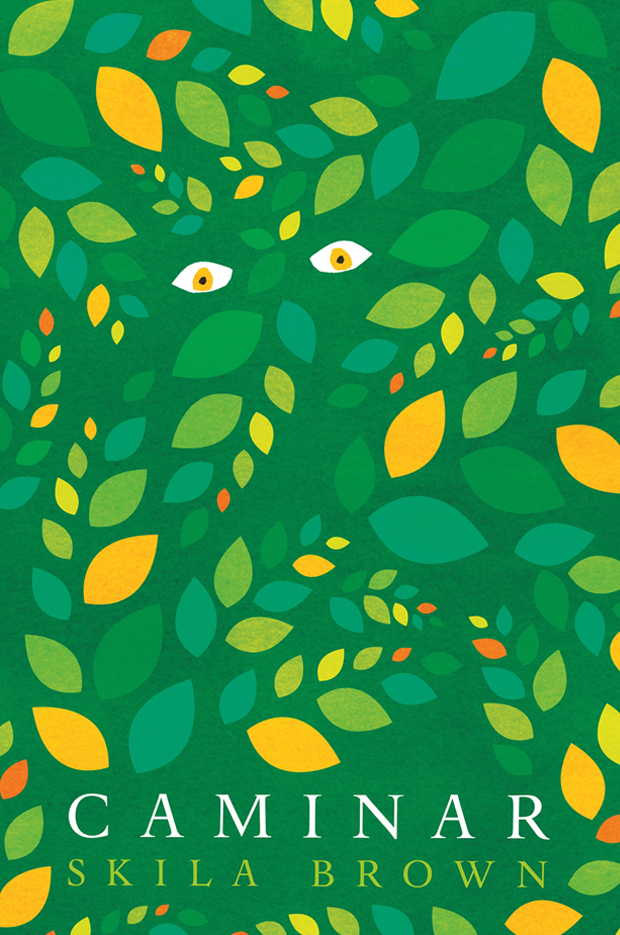
Caminar

Before you were designing books professionally, you started New Cover, a self-initiated project redesigning the covers of some of your favourite books. Was your goal to get a job in publishing?

Ultimately. It was really driven from the fact that I love to read and I love design, and it had always been a secret “dream-job” ambition of mine to make of career of combining the two. Part of my job at Atomicdust was hiring designers, and as a result, I was sent tons of resumes and portfolios. Every once in a while, there would be someone who didn’t have any work to show but was still looking for a job, but you can’t really hire a designer without seeing any of their work. And then it hit me; if I wanted publishers to hire me to design book covers, they weren’t just going to do it because they saw that I could design websites and brochures. They would need to see book covers. So I picked a few of my favorite books and started creating new covers for them. The project was featured on a couple of design blogs and then spiralled from there into real work from publishers.

Can you tell me a little bit about Candlewick Press and what it’s like to work there?

Candlewick has all of the best elements of a smaller company mixed with the structure of a larger corporate company. There are about 95 employees in total and we’re all on one huge floor of a building in Davis Square, a sort of hipster-y area right outside of Boston. It’s a really open and encouraging environment that gives me the freedom to fully visualize the design ideas I have for titles. We’re the companion company to Walker Books in the UK as well as Walker Australia, so occasionally we’ll take on some of their titles and vice versa, or we’ll coordinate a global launch for a title that we will all be simultaneously publishing. It also means we have an almost never-ending source of imported chocolates and cookies coming to the office via visitors from our other branches.

How many designers work in your office?

The art department has about 15 designers, a majority of who work primarily on picture books. I mostly work on young adult and middle grade fiction and a non-fiction title every now and then.

AvaLavender

Did you ever think you would make a career of designing kids’ books?

Looking back at previous jobs, you can definitely see all of the stepping stones that got me here. In high school, I worked in the children’s room of my town’s library. Then, during college, I worked at a preschool. So I’ve always sort of been surrounded by kids’ books. That, paired with graphic design in college and at Atomicdust, and it makes sense.

Can you describe your process for designing a book cover?

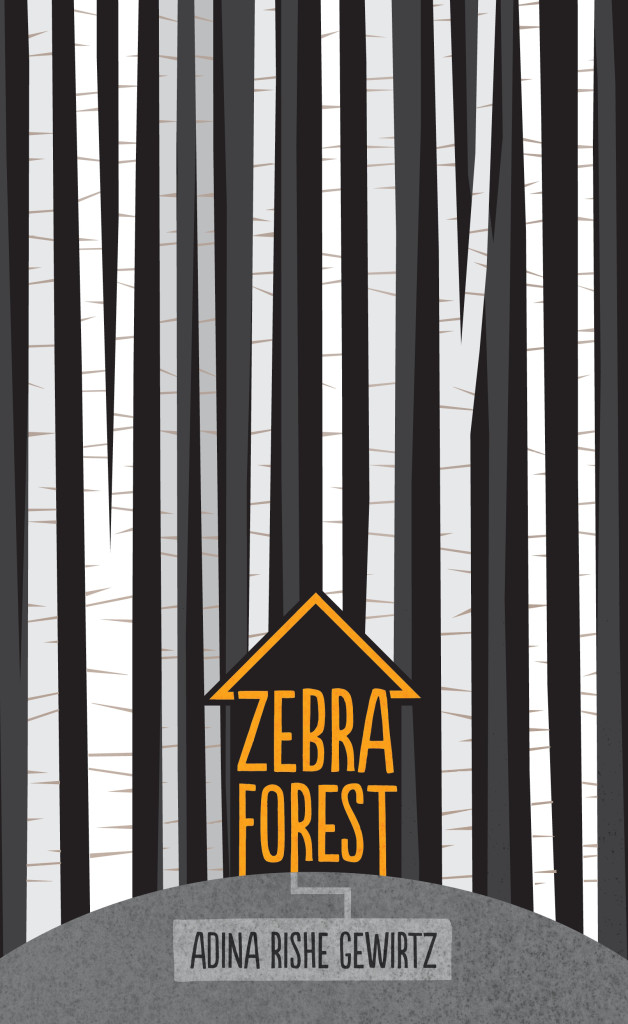
First, I read the book. I like to think that the jacket idea is already there in the text somewhere and I just have to find it and bring it to fruition. Once I’ve read the manuscript, I start sketching out ideas both on paper and on my computer. Sometimes I have a really clear initial vision of what the cover should look like and the final cover ends up looking pretty similar. Other times, I won’t have as clean-cut of an initial idea, so I’ll do really broad image searches based on a few keywords I’ve written down while reading just to get the wheels turning. It’s hard to say where ideas come from. The ultimate goal is to make a finished product that would catch someone’s eye, regardless of who the specific audience is. If I can make it interesting enough for anyone to pick up, I’ve done my job.
MoreThanThis

What are your favourite kinds of projects to work on?

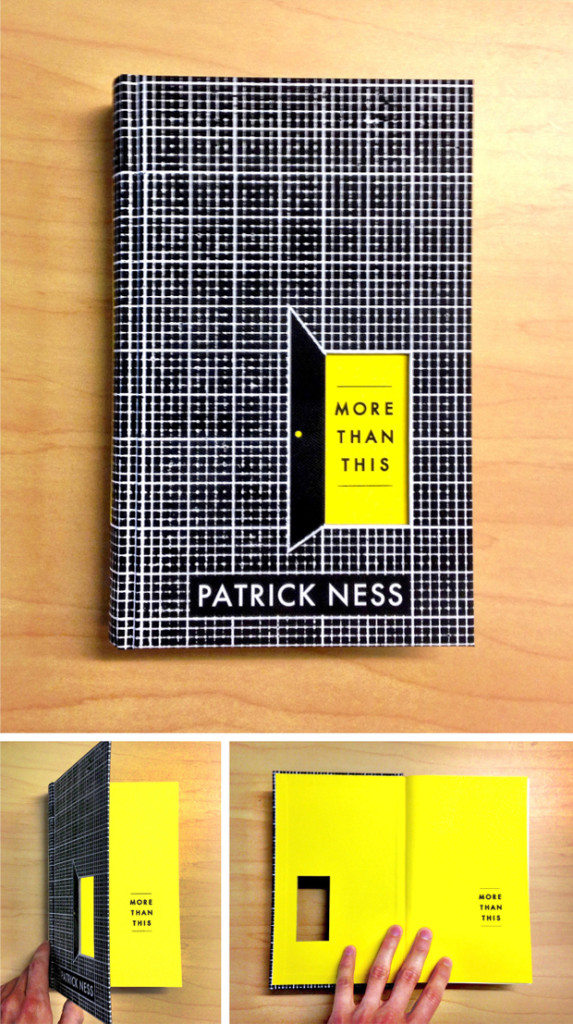
Anything that’s a little off. As a reader, I like stories where about 75% of what’s going on seems normal and then there’s this gray space remaining where something unexpected/bizarre/weird is happening. It’s why I like books like The Prestige, Jonathan Strange and Mr. Norrell, A Tale for the Time Being, and the TV show LOST. So story-wise, those are projects I get the most excited about. Also, anytime a book is part of Launch (the titles that the publisher is really pumped about) because that ultimately means they’re willing to try different things to set the book apart. Whether it’s a die-cut through the case for More Than This, or a ¾ jacket wrapped around a printed case, or stamping the entire design in foil, I enjoy playing with the materials in new ways.

Who are some of your design heroes?

Chip Kidd, Jonathan Gray, Peter Mendelsund. Their designs are always interesting, unique and more often than not, little works of art.
zebra-forest

Who else do you think is doing interesting work right now?

Will Staehle and Oliver Munday. They are two people that whenever I see their name on a book jacket, I’m simultaneously super excited to see a great cover and also maddeningly jealous of their innate talent that makes it look so easy. I haven’t seen a cover of theirs that I don’t like.

Is there a particular author or a book you’d like to design (or redesign!) a cover for?

Hmm, this is tough. I feel like a lot of them I did as part of New Cover back in the day, although I should revisit some of those and the questionable design decisions I made at the time. Some of those author names are in such a tiny point size that I just laugh thinking about it now. I would love to take on a series redesign as it’s something I haven’t gotten the chance to do professionally.

What’s in your ‘to read’ pile?

The Bone Clocks by David Mitchell! I’ve been anticipating this book for a while after reading and falling in love with his novel Cloud Atlas. A coworker was able to grab an ARC of the The Bone Clocks at BEA, so I’m currently immersed in it. I’m also looking forward to the new Murakami book coming out in a few months. And, after numerous people have told me that they can’t believe I haven’t read it yet, The Lost City of Z is the next book I’m reading.
FloatingShelves

Do you have a system for organizing your books?

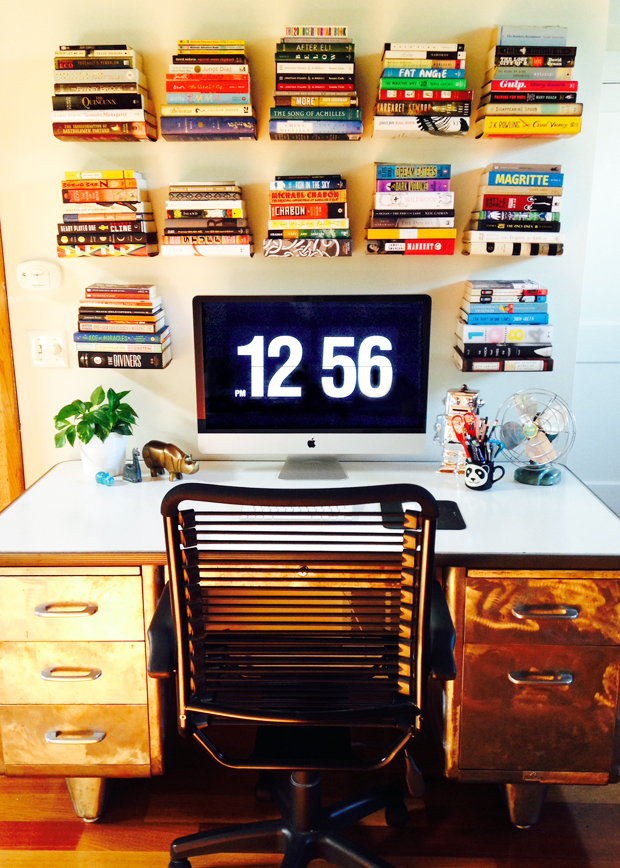
A few years back, I saw a floating pile of books on a wall in a design store and thought it was genius. Then, like I do with most things, I went overboard and bought 15 of them to hang over my desk. (See photo) They’re perfect for displaying some of my books in a way that’s a little different than normal. I try and fill them with a good mix of books I love and books that are visually amazing, and then put the majority of my other books in these three huge old steel lockers I have. One day, I will have a room with shelves going up every wall and a rolling ladder that I can ride around on like Belle does in the beginning of Beauty and the Beast and then I will truly be happy.

What’s the one book you recommend to everyone?

Cloud Atlas. It’s one where I would pause after reading a sentence and look out the window and contemplate life and just wonder how anyone could possibly be this good at writing. If you only saw the movie and hated it, go read the book. Before that, A Confederacy of Dunces. The dialogue is hysterical and I don’t remember laughing more at a book in my entire life.

PlayForTheCommandant

What does the future hold for book cover design?

I think regardless of how popular ebook readers become, there’s always going to be those titles that people want to buy a physical copy of. Maybe this means, as an industry, we make fewer (but more special) physical versions of books, which I don’t necessarily see as a bad thing. I’m a big believer in quality over quantity and if we want people to buy physical books, they need to be everything that they can’t get in an ebook: the materials should be exceptional, the design should be a work of art, the interior should have (gasp!) well thought out margins. It should be something they want to display. On the flip side, there’s always going to be an audience that only cares about the content. They don’t want stacks of books everywhere, don’t want to lug them around, don’t care (gasp!) about margins. I can understand all of that. But there will still be a need for associating some sort of image with the book. I can’t/don’t want to imagine a future where there’s just a long text list of titles that people choose from with no accompanying visual. When that day comes, you can find me barricaded in my own personal library, muttering to myself as I zoom around on my rolling ladder.

Thanks Matt!
Comments closed

Memento Mori

Book of Skulls cover

The threat of death… A warning… A memento mori…

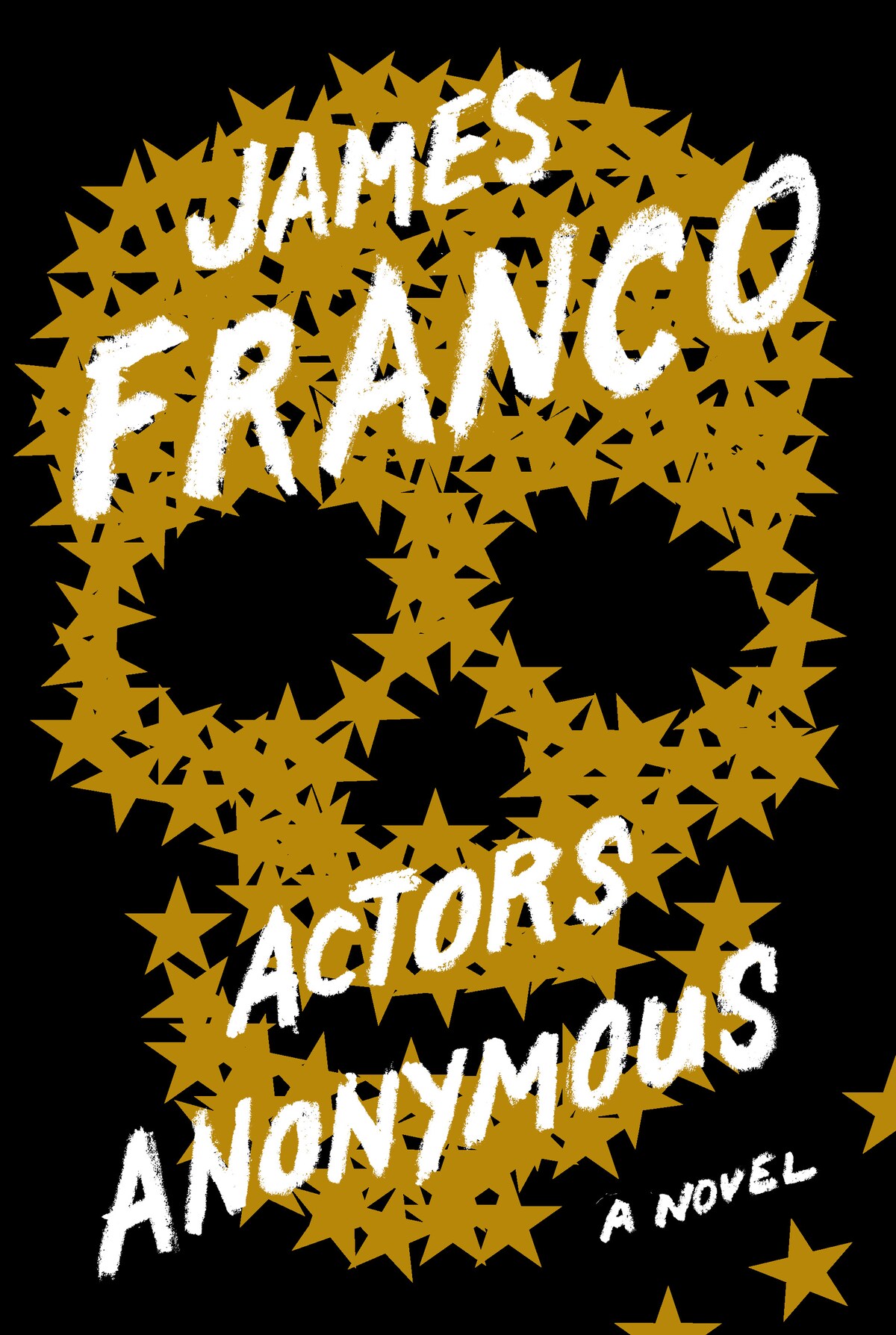
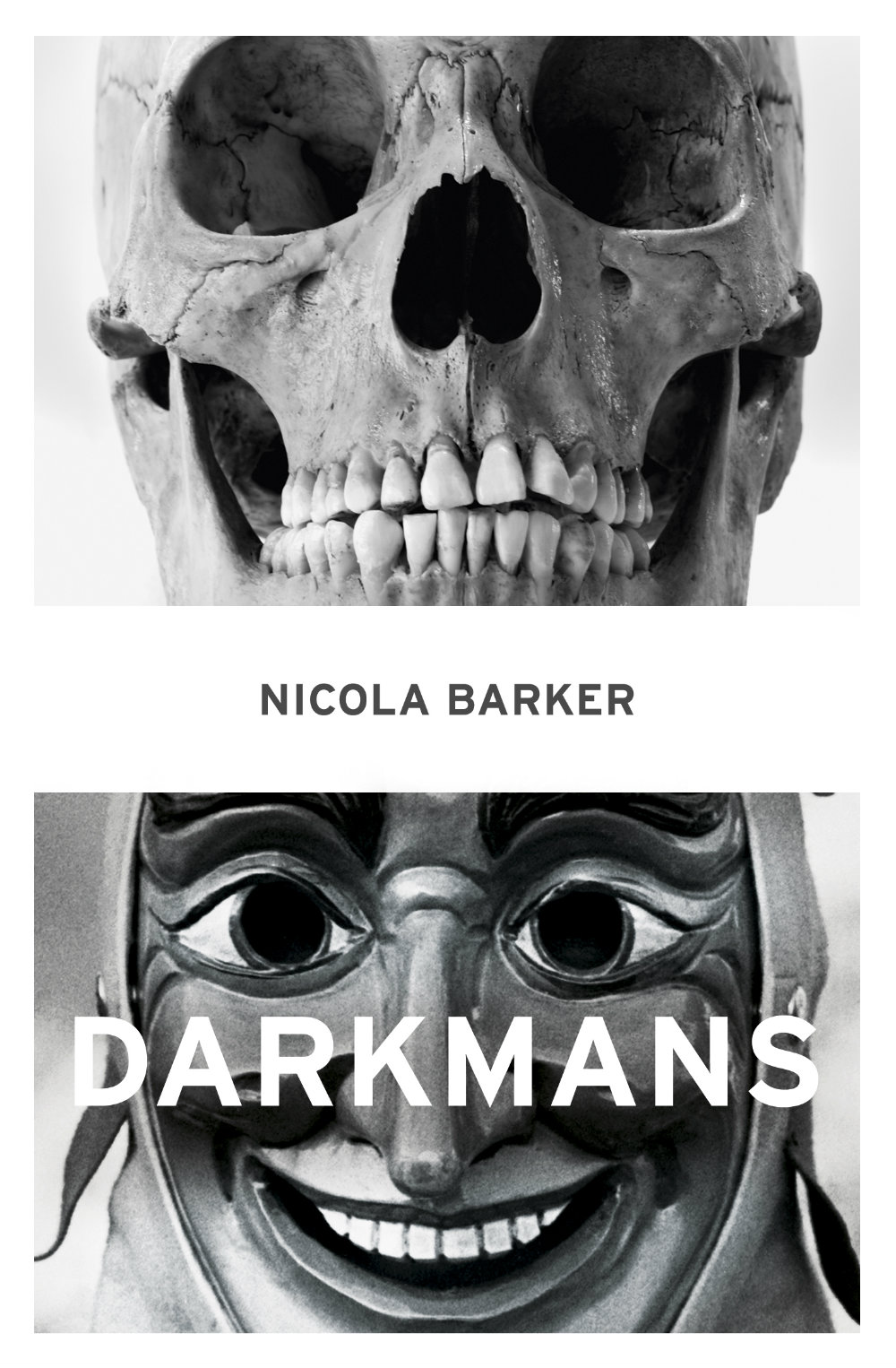
A comprehensive visual history of the human skull is surely an entire Steven Heller book in the making (I guess we’ll just have to make do with a Wikipedia page for now). But as Faye Dowling’s contemporary compendium The Book of Skulls1 makes plain, what was once taboo — terrifying even — has become a pop culture phenomenon. Images of skulls now appear in art, design, fashion, and illustration. Apparently we like to be reminded we are all going to die. Even book covers are not immune. Here are a few recent examples that caught my eye:

Actors Anonymous by James Franco; design by Lynn Buckley (New Harvest October 2013)darkmans
Darkmans by Nicola Barker; design by Leo Nickolls (Fourth Estate March 2008)

dark-stranger

A Dark Stranger by Julien Gracq; design by David Pearson (Pushkin Press December 2013)

everyone-loves-a-trainwreck
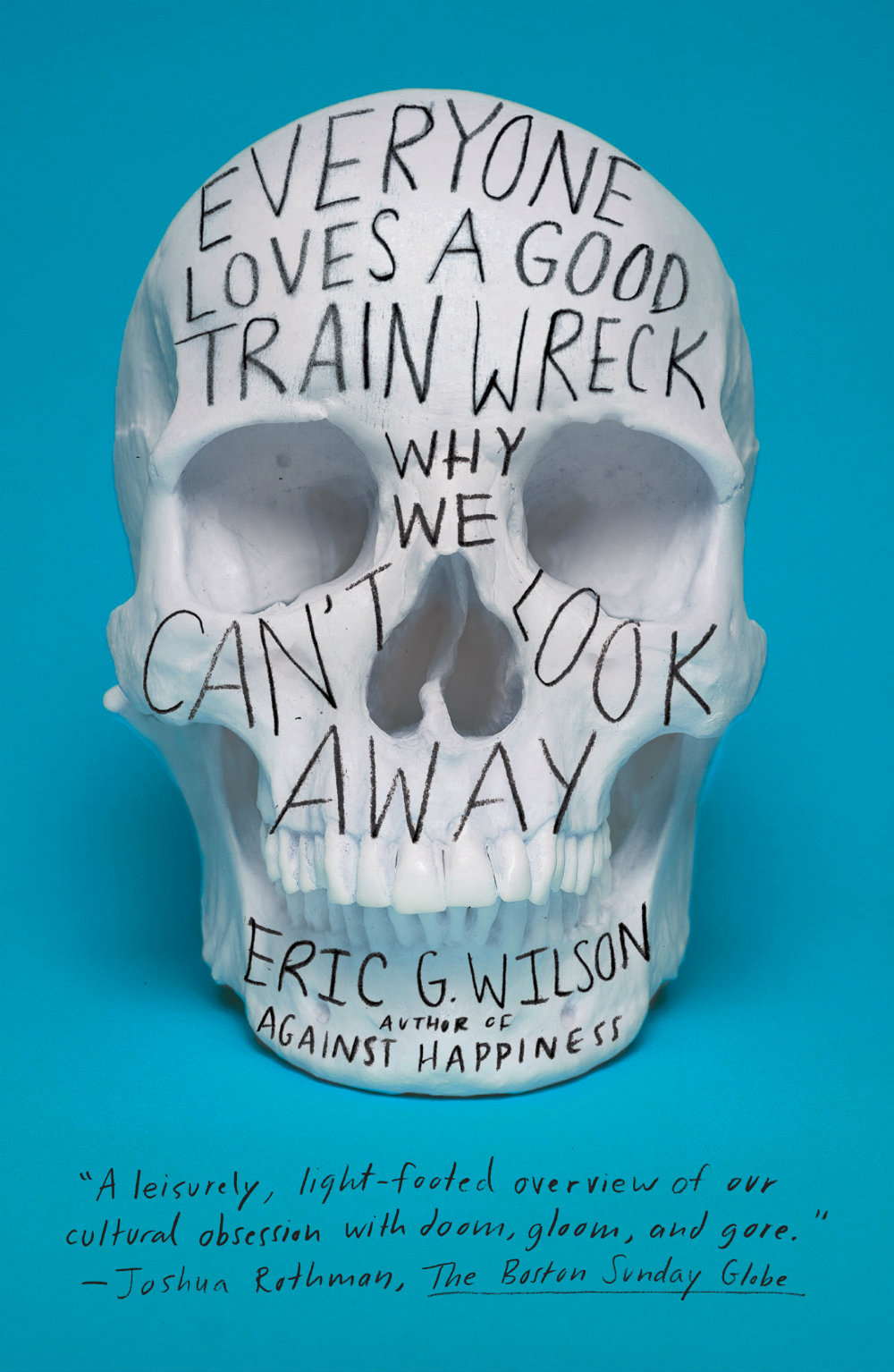
Everyone Loves a Good Train Wreck by Eric G. Wilson; design by  Rodrigo Corrall, hand-lettering by Jennifer Carrow, photograph by Simon Lee (FSG March 2012)

fiend-christopher-brand
Fiend by Peter Stenson; design by Christopher Brand (Crown July 2013)

Hamlet Doctrine
The Hamlet Doctrine by Simon Critchley & Jamieson Webster; design by David A. Gee (Verso September 2013)

How_the_Dead_Live
How the Dead Live by Derek Raymond; design by Christopher King (Melville House October 2011)

isla-del-tesoro-raul-arias
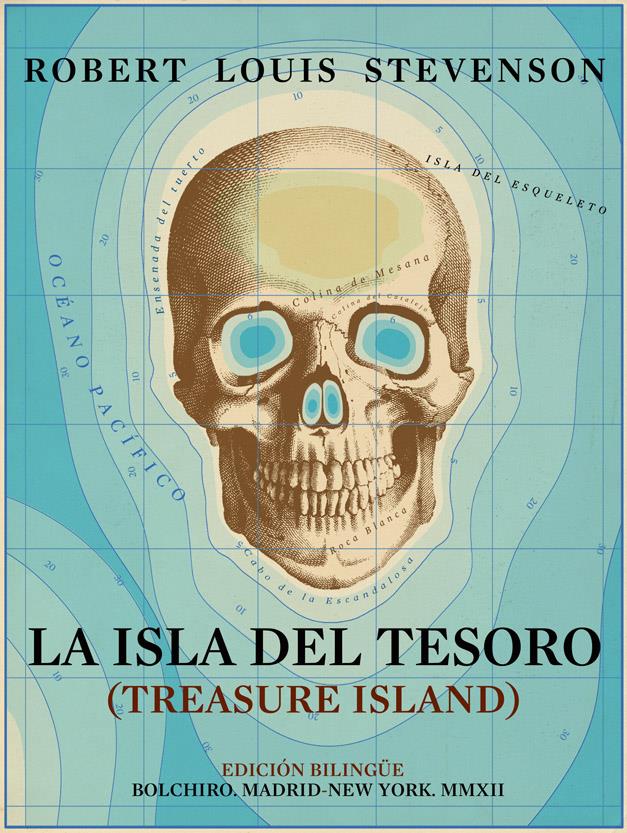
La Isla del Tesoro (Treasure Island) by Robert Louis Stevenson; design by Raúl Arias (Bolchiro February 2013)

interns-handbook
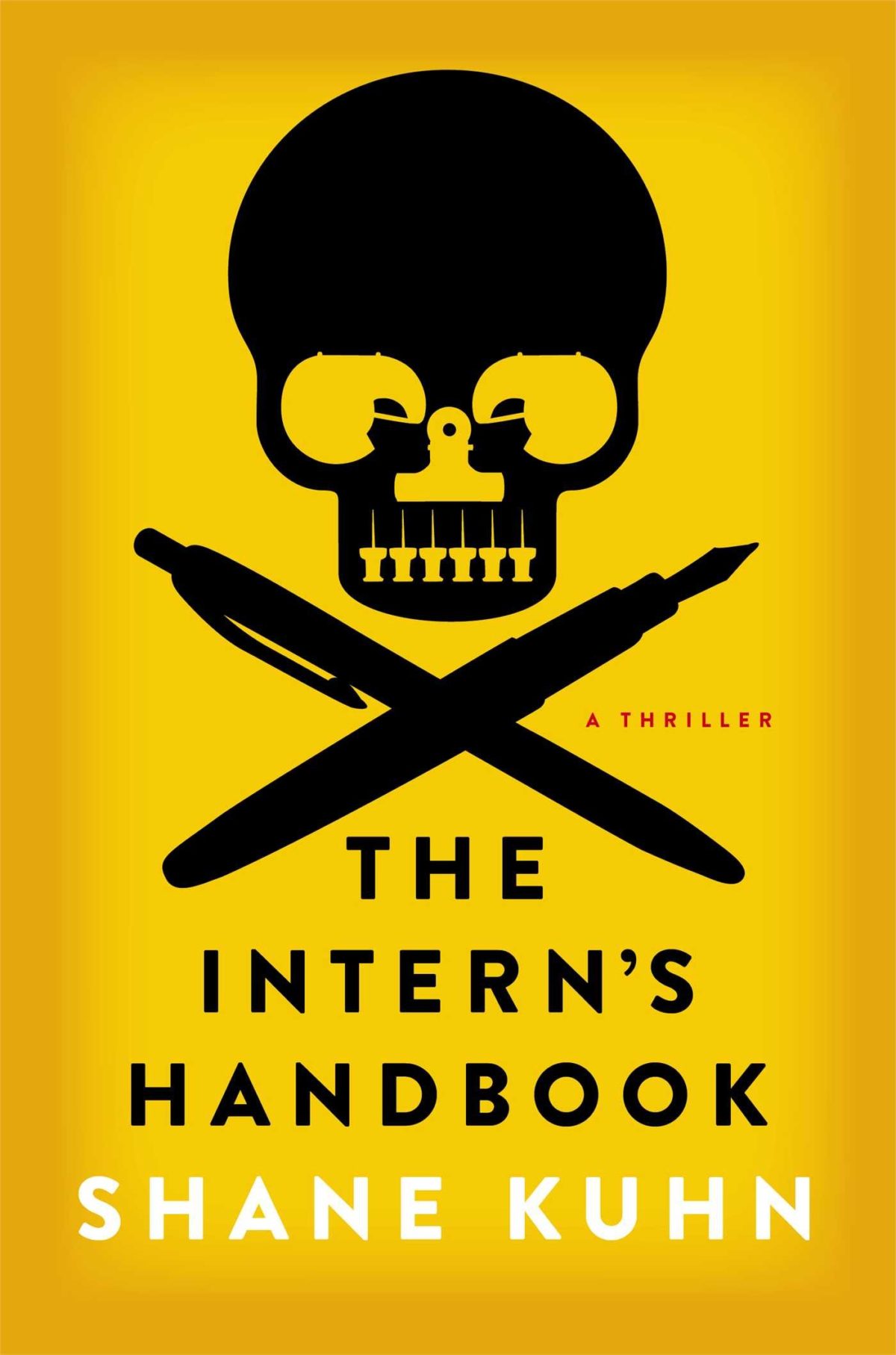
The Intern’s Handbook by Shane Kuhn; design by Roberto de Vicq de Cumptich (Simon & Schuster April 2014)

the_invention_of_murder
The Invention of Murder by Judith Flanders; design by Ervin Serrano (Thomas Dunne July 2013)

junky
Junky by William Burroughs; artwork by Martha Rich (Penguin April 2012)

mr-peanut
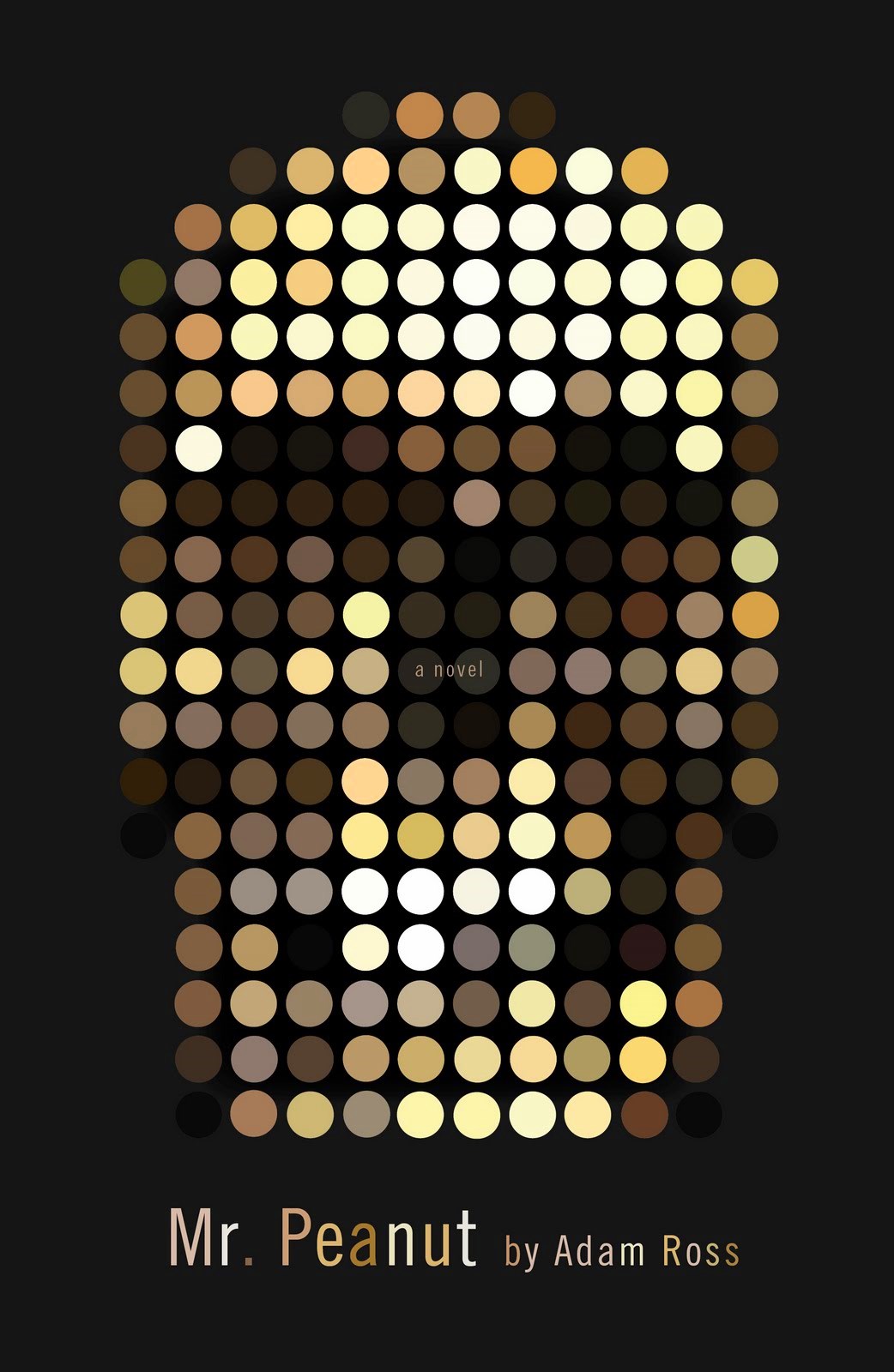
Mr. Peanut by Adam Ross; design by Peter Mendelsund (Knopf June 2010)

piratas-de-lo-publico
Piratas de lo público by Antón Losada; design by Javier Jaén (Deusto November 2013)

questionable-shape-9781780745855
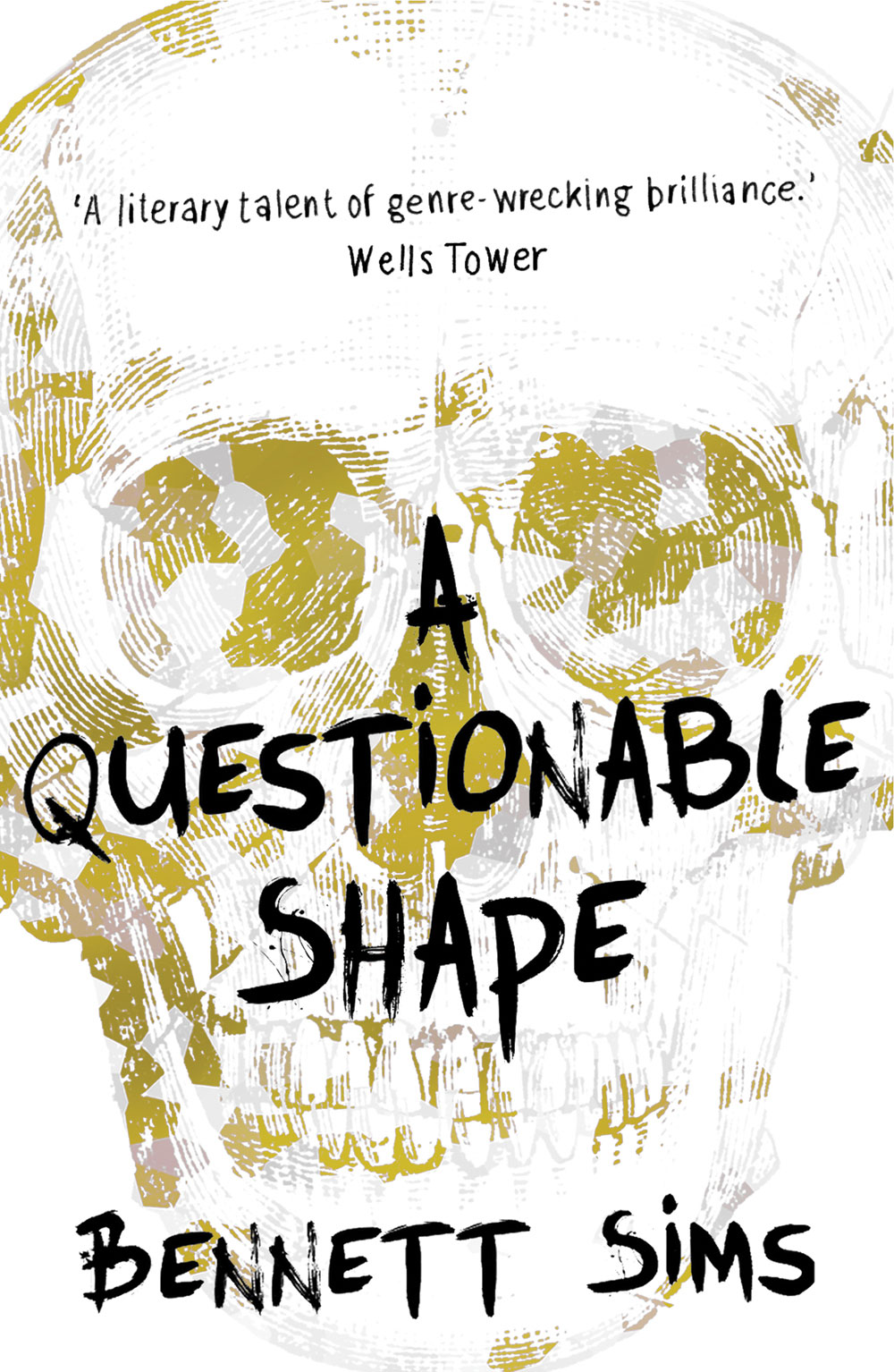
A Questionable Shape by Bennett Sims; design by Holly MacDonald (Oneworld June 2014)

9780805091298

The Return by Michael Gruber; design by Chris Sergio (Henry Holt & Co. September 2013)

Royauté by Alexie Morin design by Catherine D’Amours (Le Quartanier October 2013)

scarborough
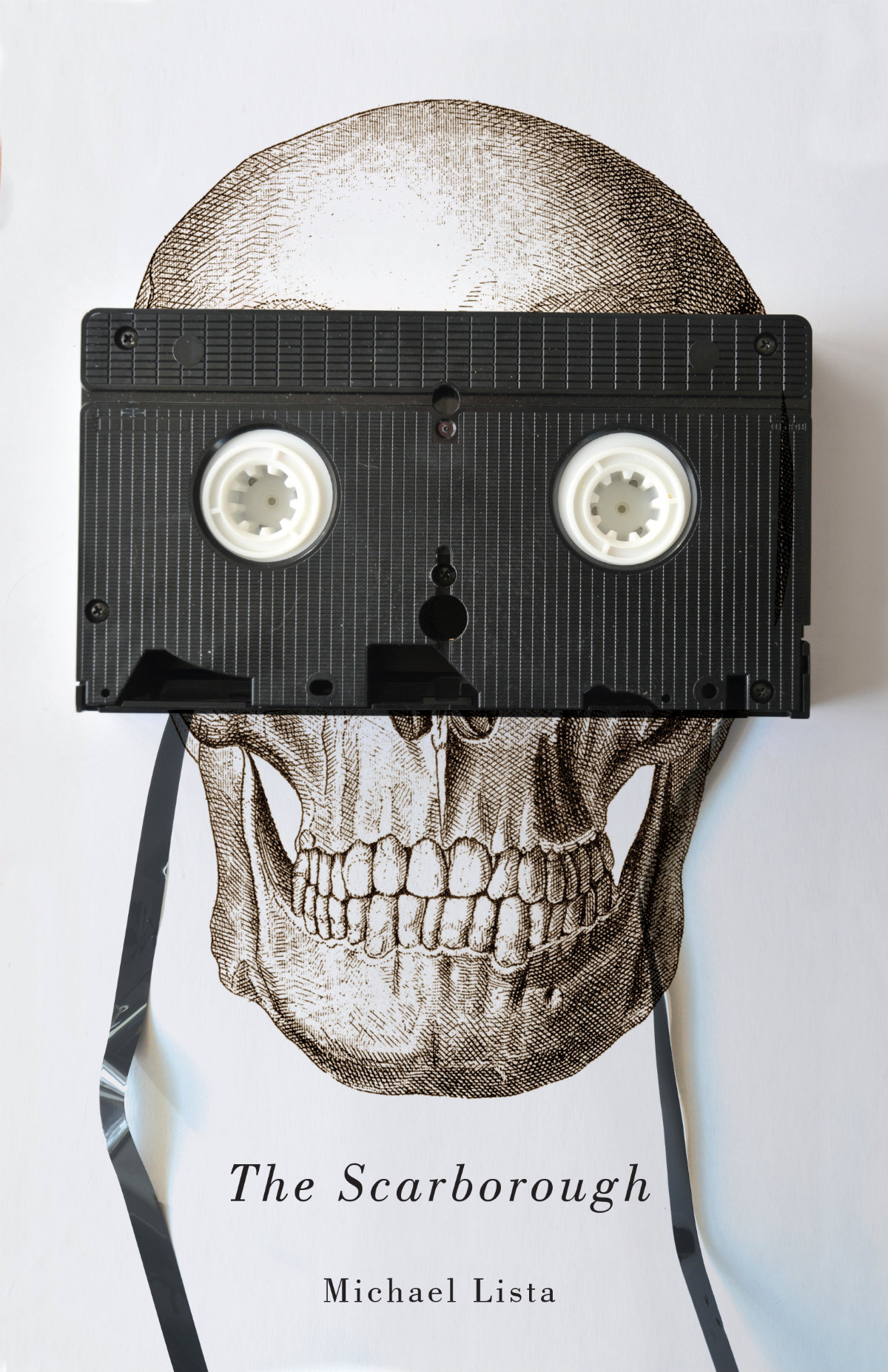
The Scarborough by Michael Lista; design by David Drummond (Véhicule Press September 2014)

SETE
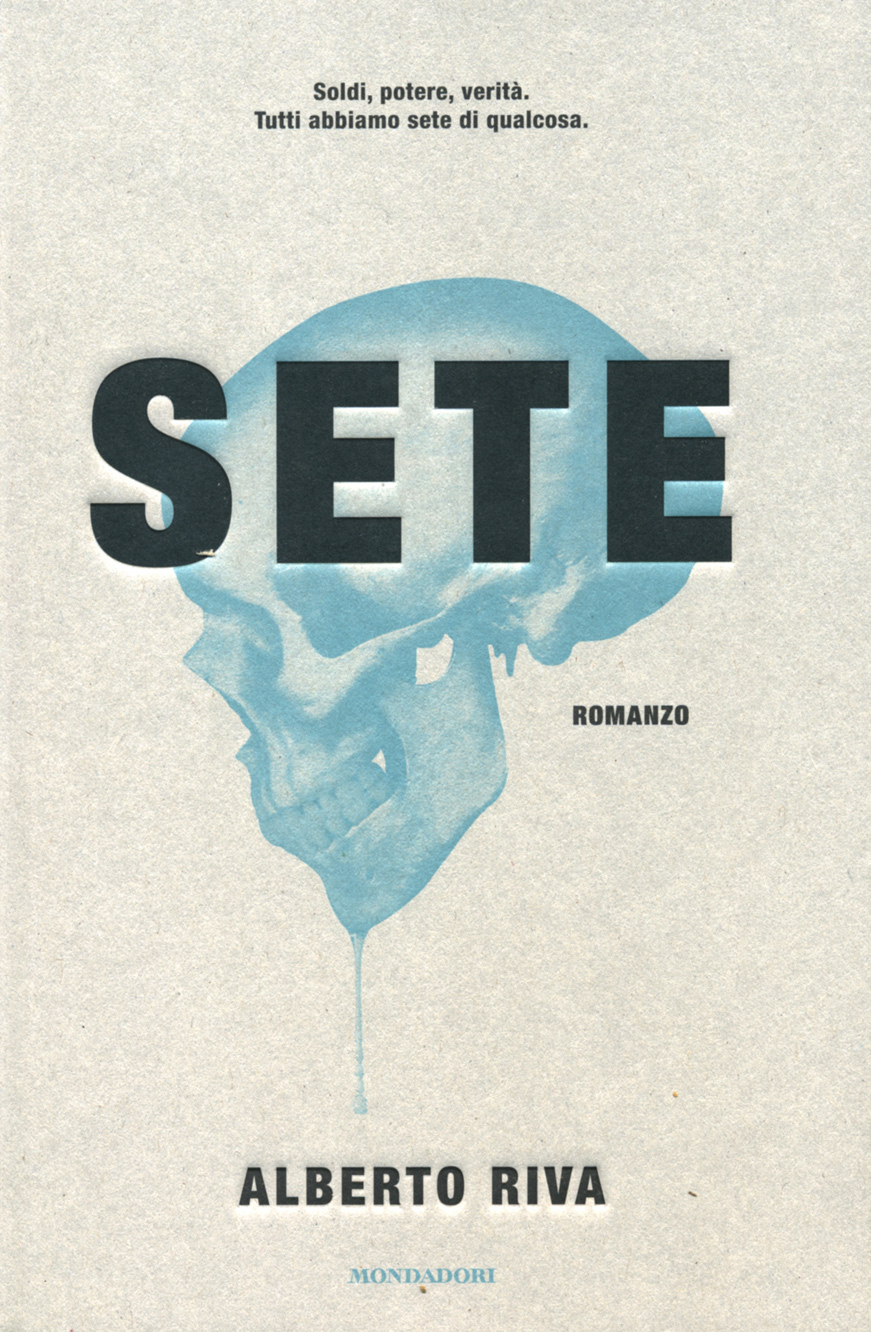
Sete by Albero Riva; design by Manuele Scalia (Mondadori May 2011)

Shovel-Ready
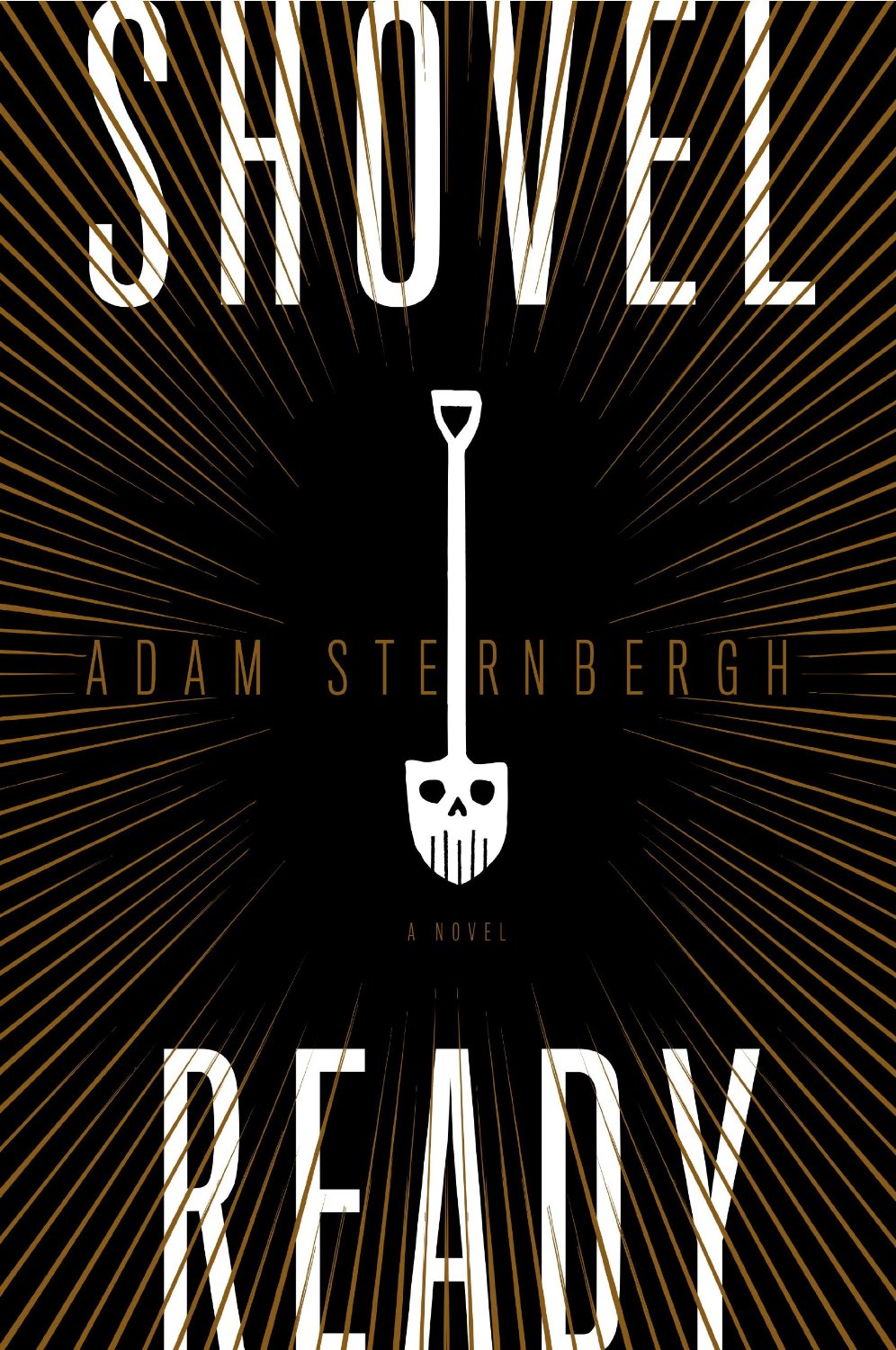
Shovel Ready by Adam Sternbergh; design by Will Staehle (Random House February 2014)

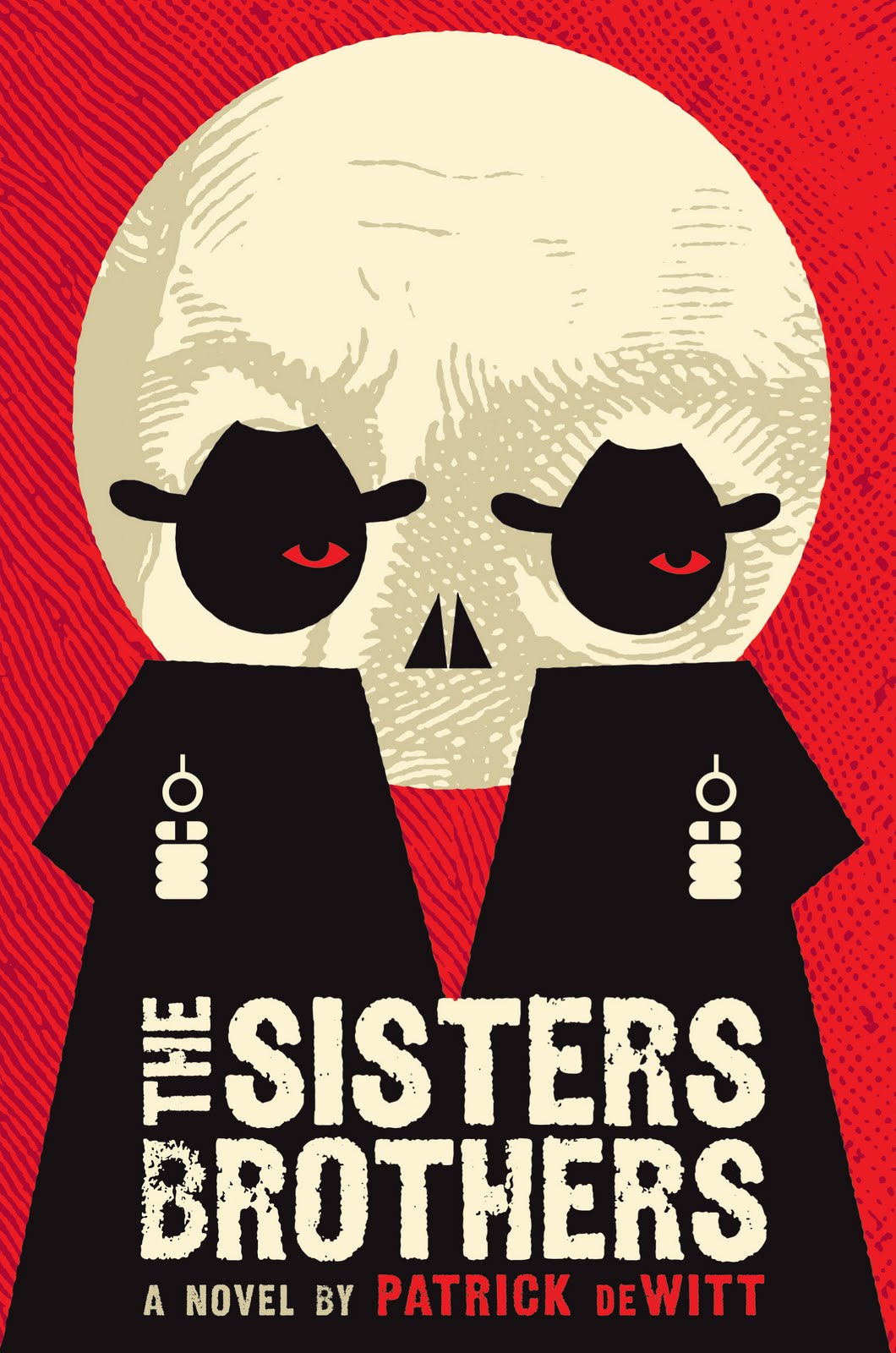
The Sisters Brothers by Patrick Dewitt, design by Dan Stiles (Ecco May 2011)

slaughterhouse
Slaughterhouse Five by Kurt Vonnegut; design by Lynn Buckley; illustrations and hand-lettering by Kurt Vonnegut (Dial Press 2009)

tequila-sunset-tony-lyons-estuary-english
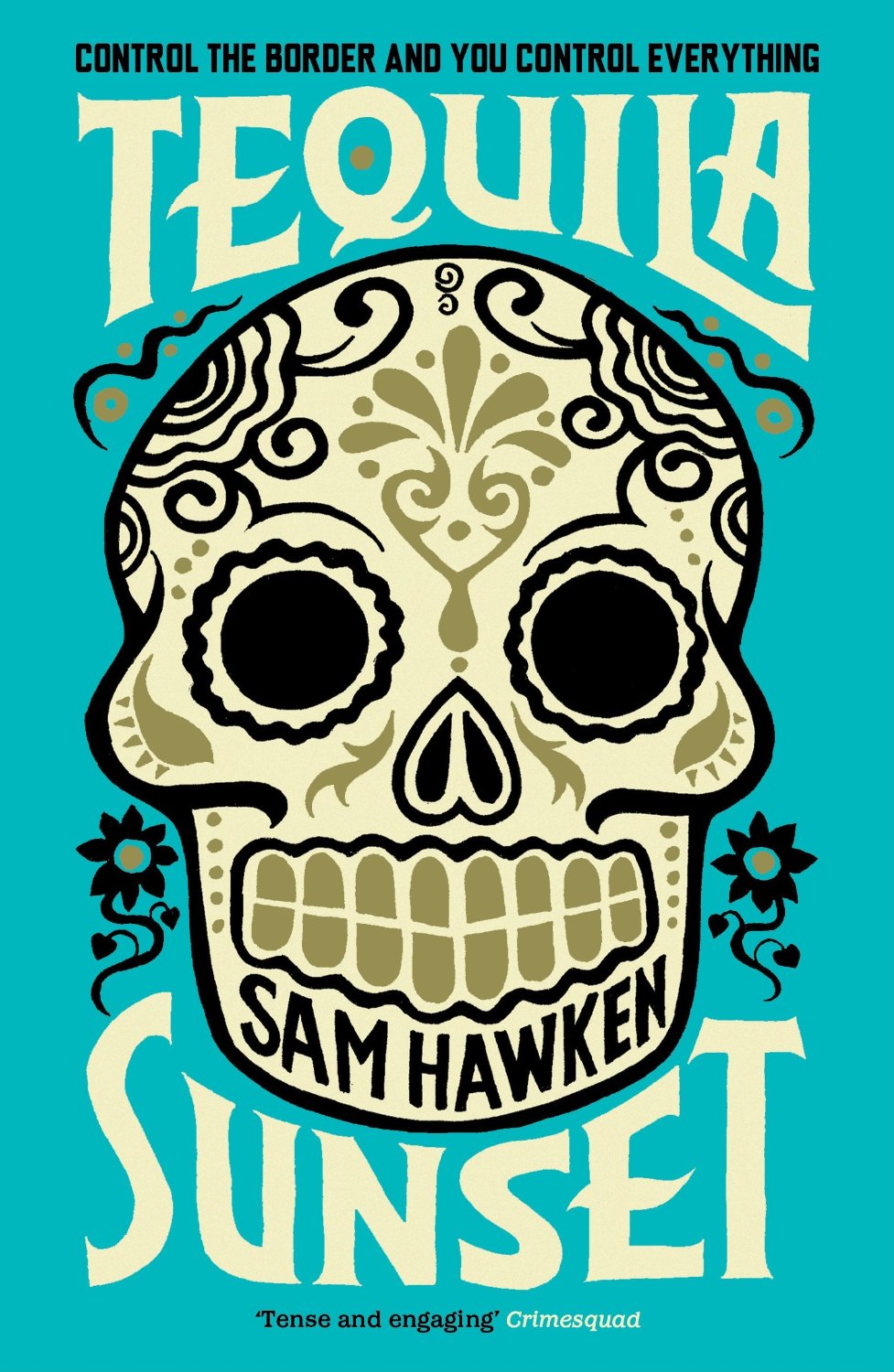
Tequila Sunset by Sam Hawken; design by Tony Lyons at Estuary English (Serpent’s Tail December 2013)

Trainspotting
Trainspotting by Irvine Welsh; design by Sarah-Jane Smith (Vintage March 2013)

viva-la-muerte

¡Viva La Muerte! by Rafael Núñez and Elena Núñez González ; design by Manuel Estrada (Marcial Pons Historia March 2014).

Engulfed-in-Flames-chip-kidd
When You Are Engulfed in Flames by David Sedaris; design by Chip Kidd (Little Brown & Co. July 2008)

1 Comment

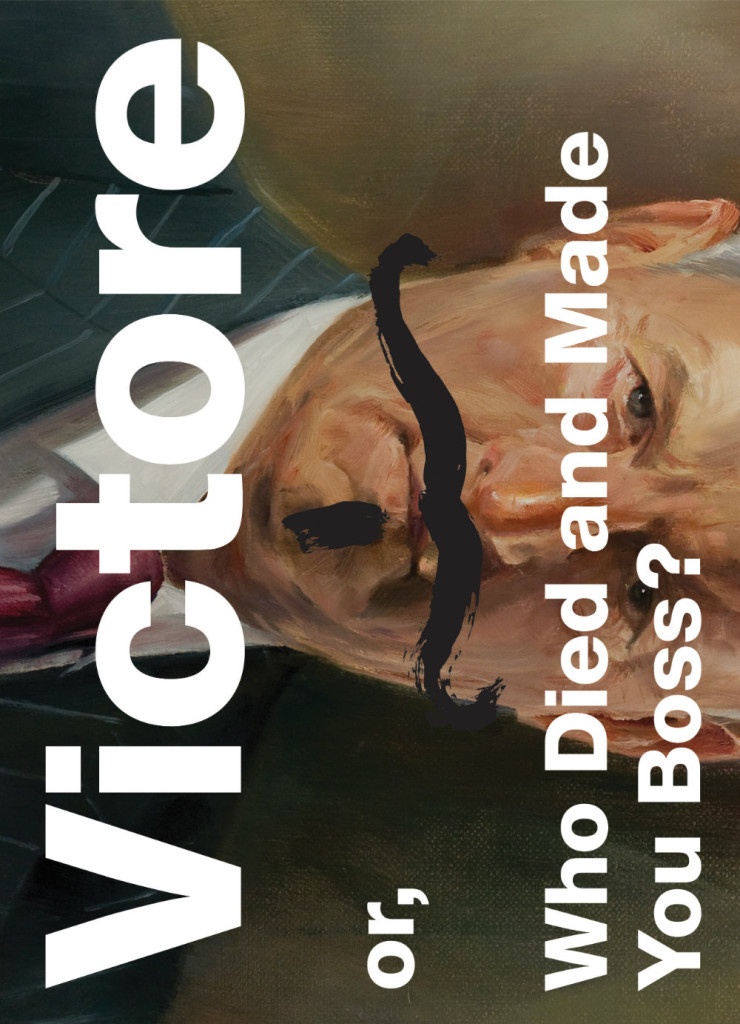
Like Knows Like: James Victore

9780810995918

In a new video for Like Knows Like, Brooklyn-based designer and educator James Victore opens up about his life and work:


And if you like the cut of Mr. Victore’s jib, he also has a YouTube series called Burning Questions (and a book).

(via SwissMiss)

Comments closed

New Book Covers by Luke Pearson

9780241970256

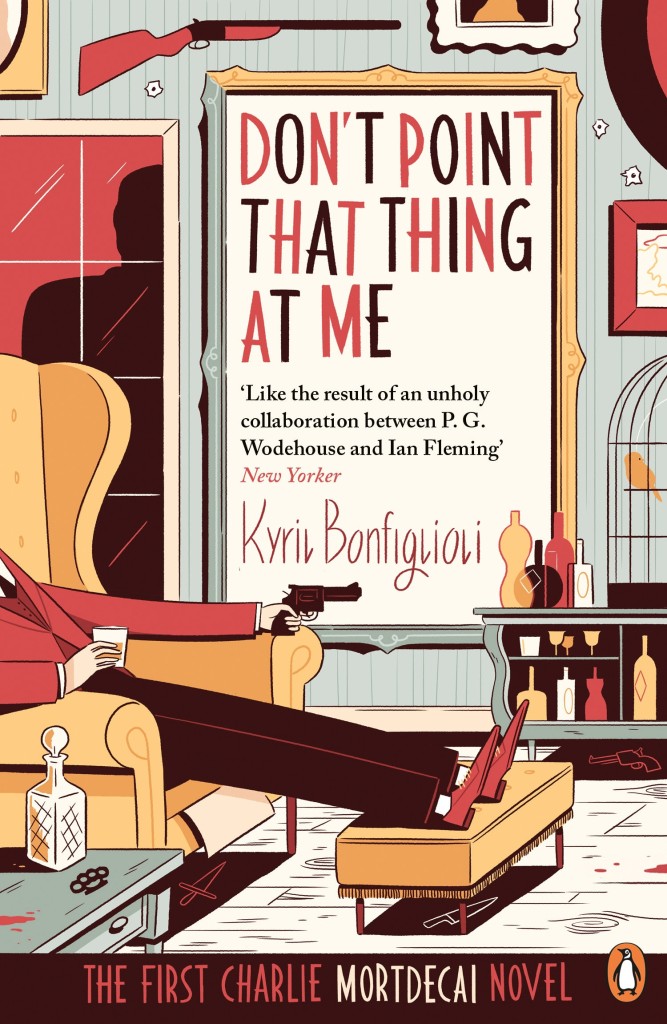
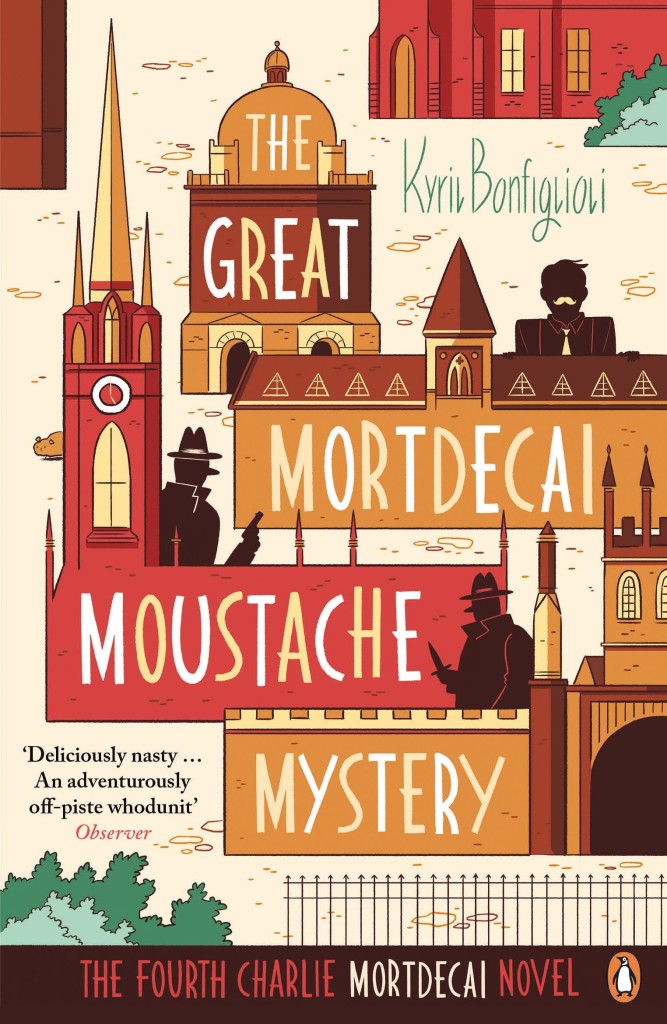
Working with art director Richard Bravery, illustrator Luke Pearson has created new covers for Kyril Bonfiglioli’s Charlie Mortdecai novels published by Penguin. You can read more about the process at Creative Review.

9780241970317

9780241970294

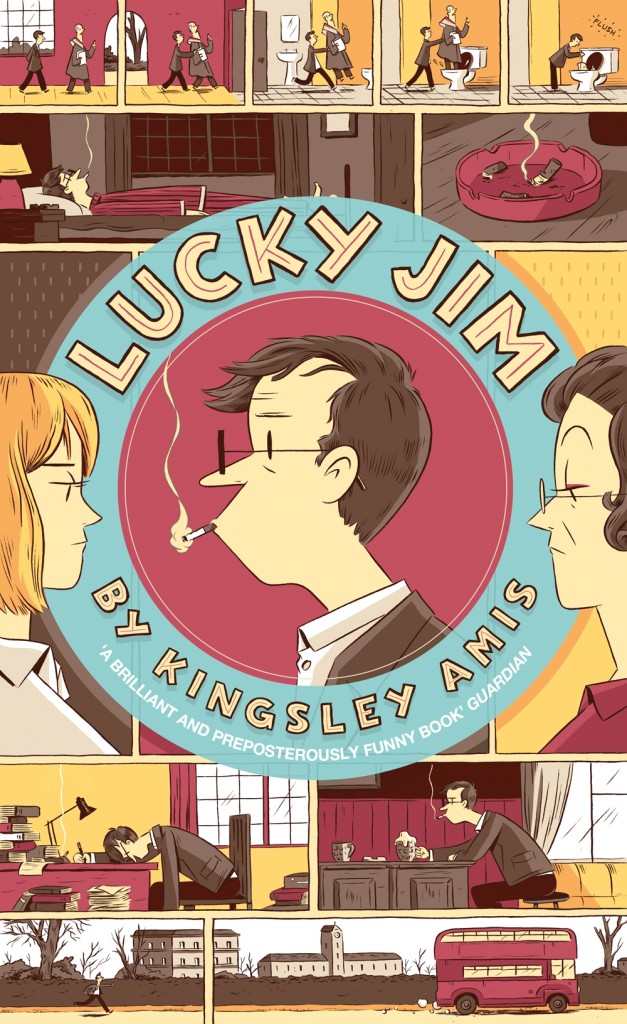
This is not Luke’s first cover for Penguin. He also provided artwork for their recent reissue of Lucky Jim by Kingsley Amis (also AD’ed by Richard Bravery):

tumblr_m1cljdTrgL1r7tl6lo1_1280

You can read my 2013 Q & A with Luke here. (And if you haven’t picked up a copy of Luke’s new Hilda book, you really should you know!)

Comments closed

Times New Roman: Designing The Times

Originally designed for The Times in 1931, Times New Roman is now virtually ubiquitous — a default most people don’t even think about. In this lovely looking film — part of a series of beautifully produced short films about the history Times and Sunday Times newspapers — designers and typographers re-evaluate the font and its legacy.

(via Creative Review)

Comments closed

Book Covers of Note June 2014

Well, this seems to have become a regular thing doesn’t it? I have to confess that I still haven’t quite figured out exactly what covers to include in these monthly posts, only that they’re recent and I like them. It’s even harder to decide what to leave out. Anyway, I hope you enjoy this month’s selection. Leave your thoughts in the comments…
9780374100360
Abroad by Katie Crouch; design by Rodrigo Corral (FSG June 2014)

archetype
Archetype by M. D. Waters; design by Jaya Miceli (Plume June 2014)

empathy-exams
The Empathy Exams by Leslie Jamison; design by Tom Darracott (Granta June 2014)

Foxes-on-the-trampoline
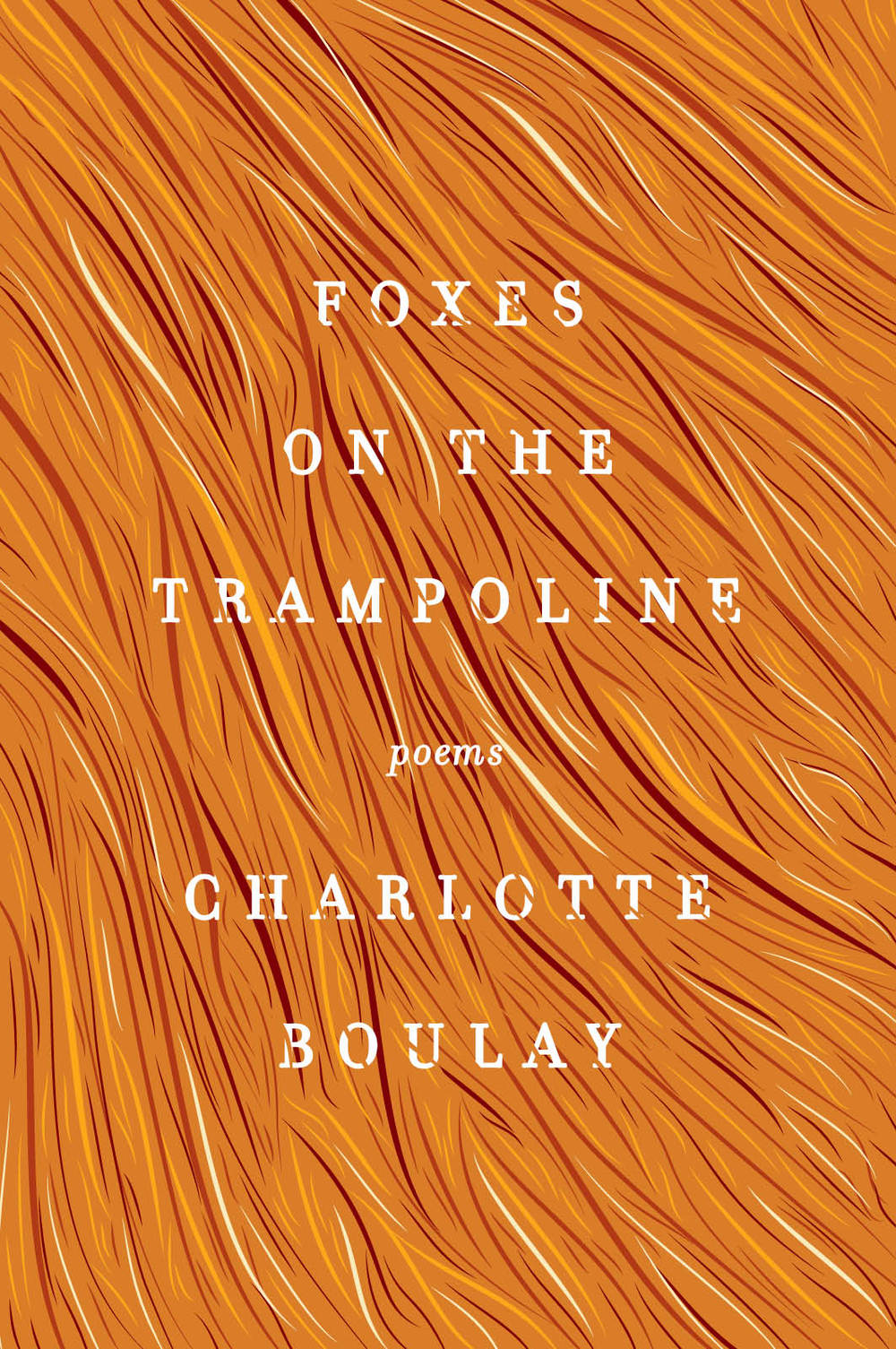
Foxes on the Trampoline by Charlotte Boulay; design Steve Attardo (HarperCollins April 2014)

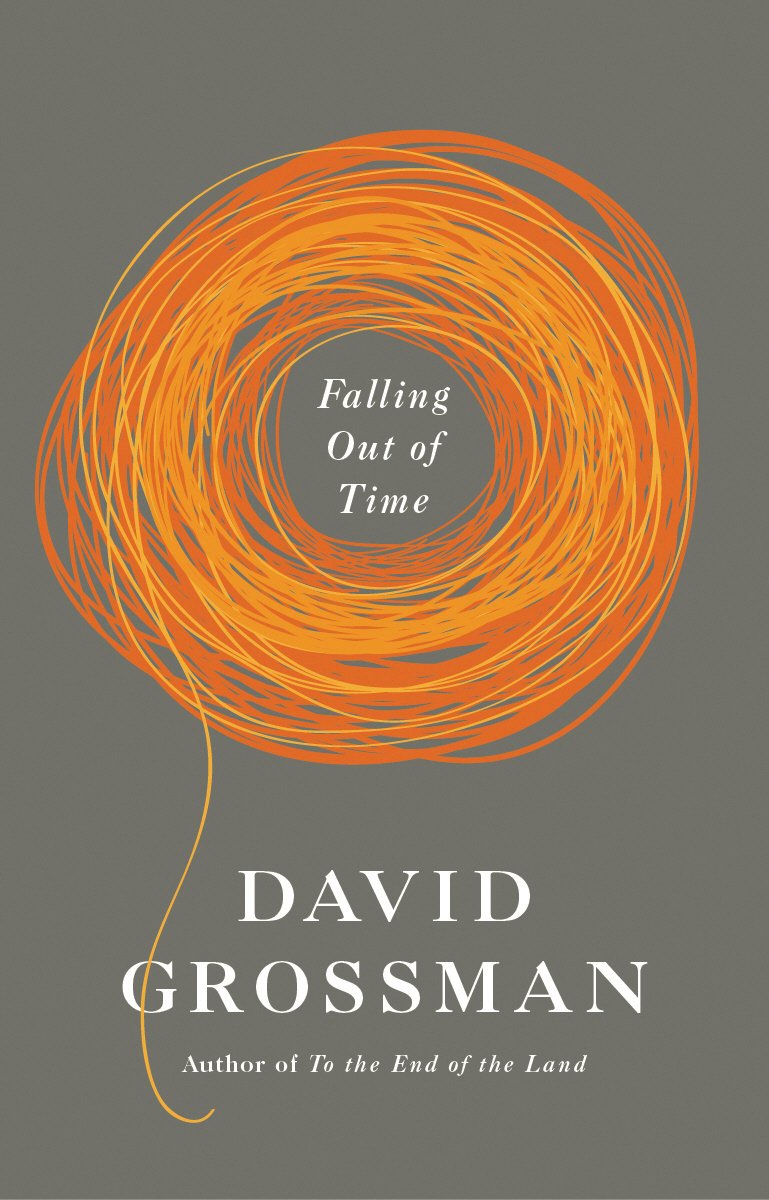
falling-out-of-time-kelly-blairFalling Out of Time by David Grossman; design by Kelly Blair (Jonathan Cape February 2014)

9780670016785B
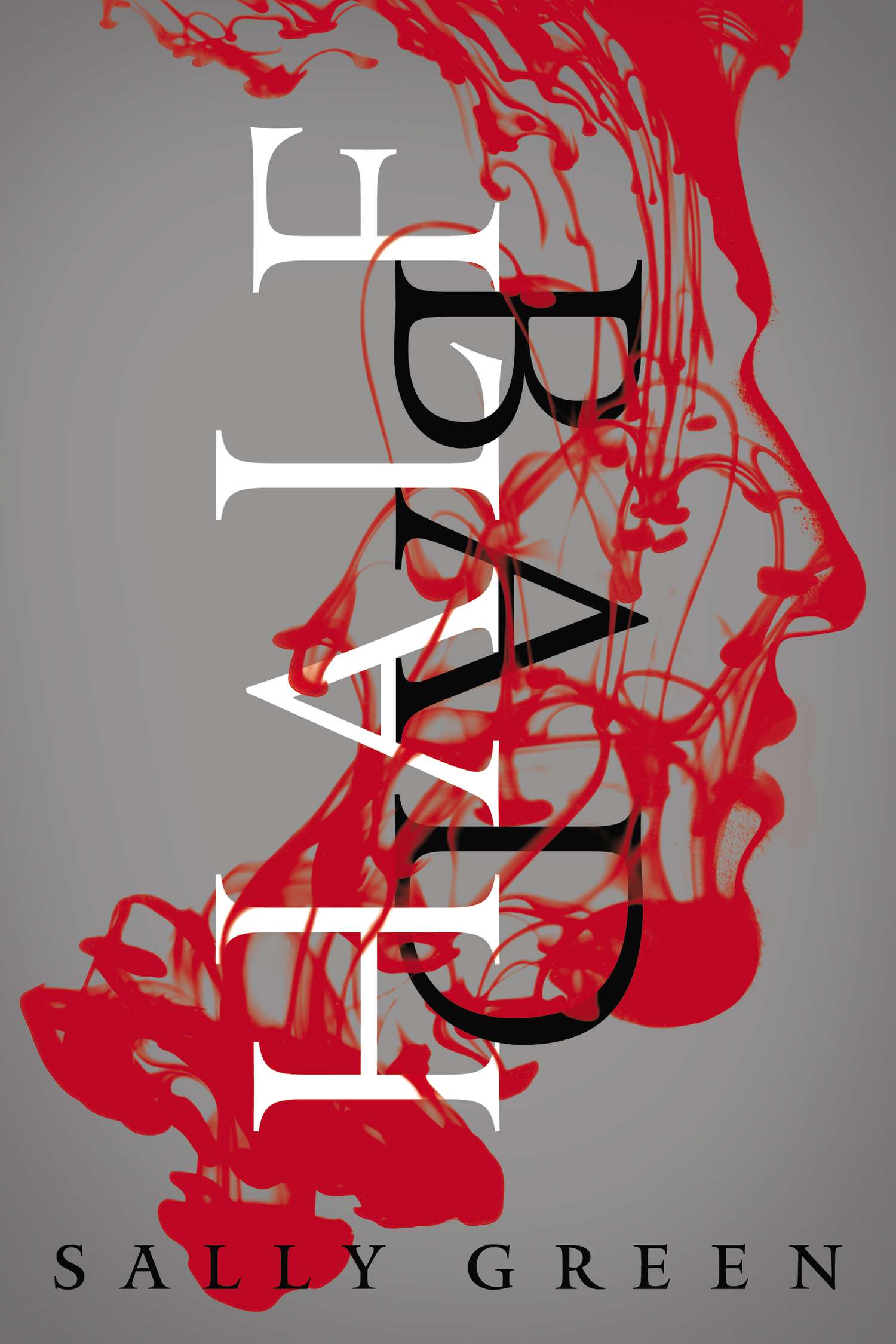
Half Bad by Sally Green; design by Tim Green / Faceout Studio (Viking March 2014)

Iceland-sahreThe Iceland by Sakutaro Hagiwara; design by Paul Sahre (New Directions June 2014)

lullaby
The Lullaby of Polish Girls by Dagmara Dominczyk; design by Alex Merto, photograph Eleanor Hardwick (Spiegel & Grau February 2014)

mount-londonMount London by Tom Chivers & Martin Kratz; design by Ben Anslow (Penned in the Margins May 2014)

OutlawsOutlaws by Javier Cercas; design by David Mann (Bloomsbury June 2014)

Nightwork
Night Work by Jáchym Topol; design by Bobby Evans / Telegramme Studio (Portobello Books May 2014)

secret-world-of-oilThe Secret World of Oil by Ken Silverstein; design by Matt Dorfman (Verso May 2014)

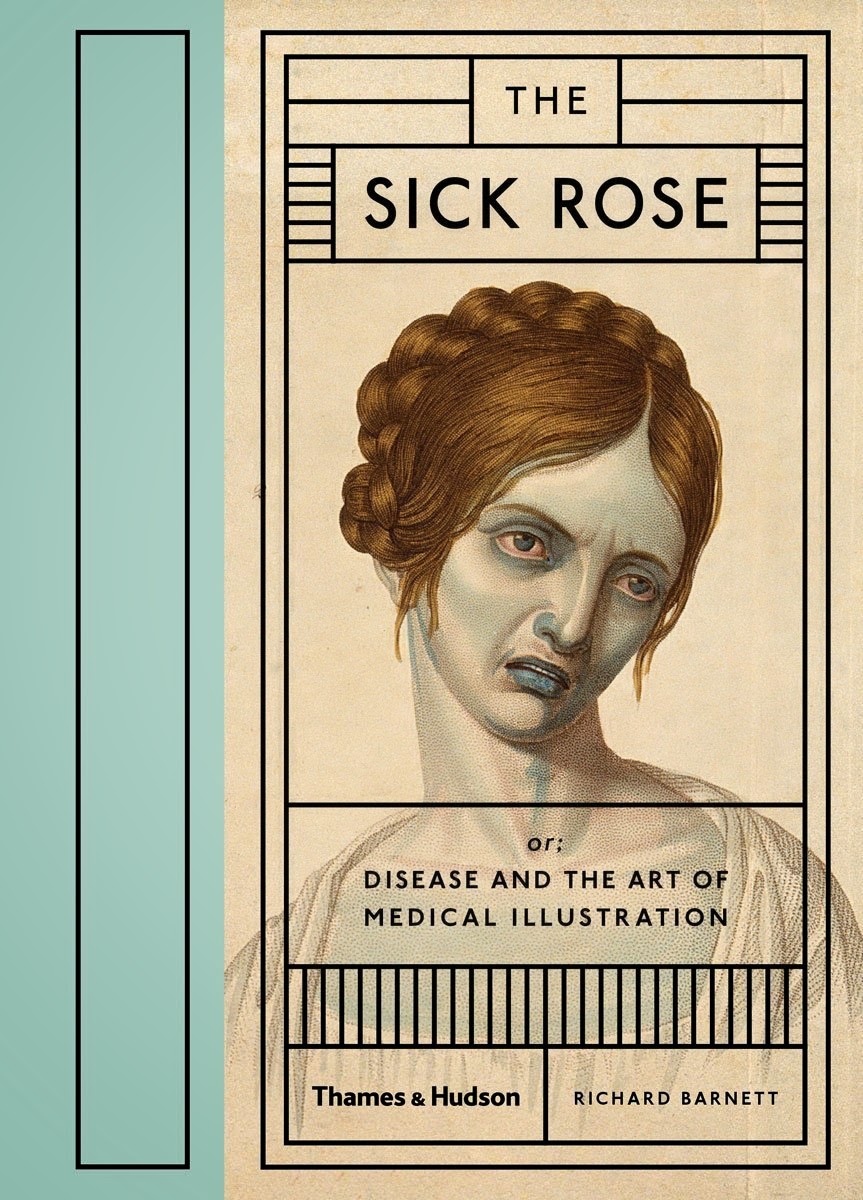
Sick RoseThe Sick Rose or; Disease and the Art of Medical Illustration by Richard Barnett; design by Daniel Streat / Barnbrook Studios (Thames & Hudson June 2014)

good-suicides-brand
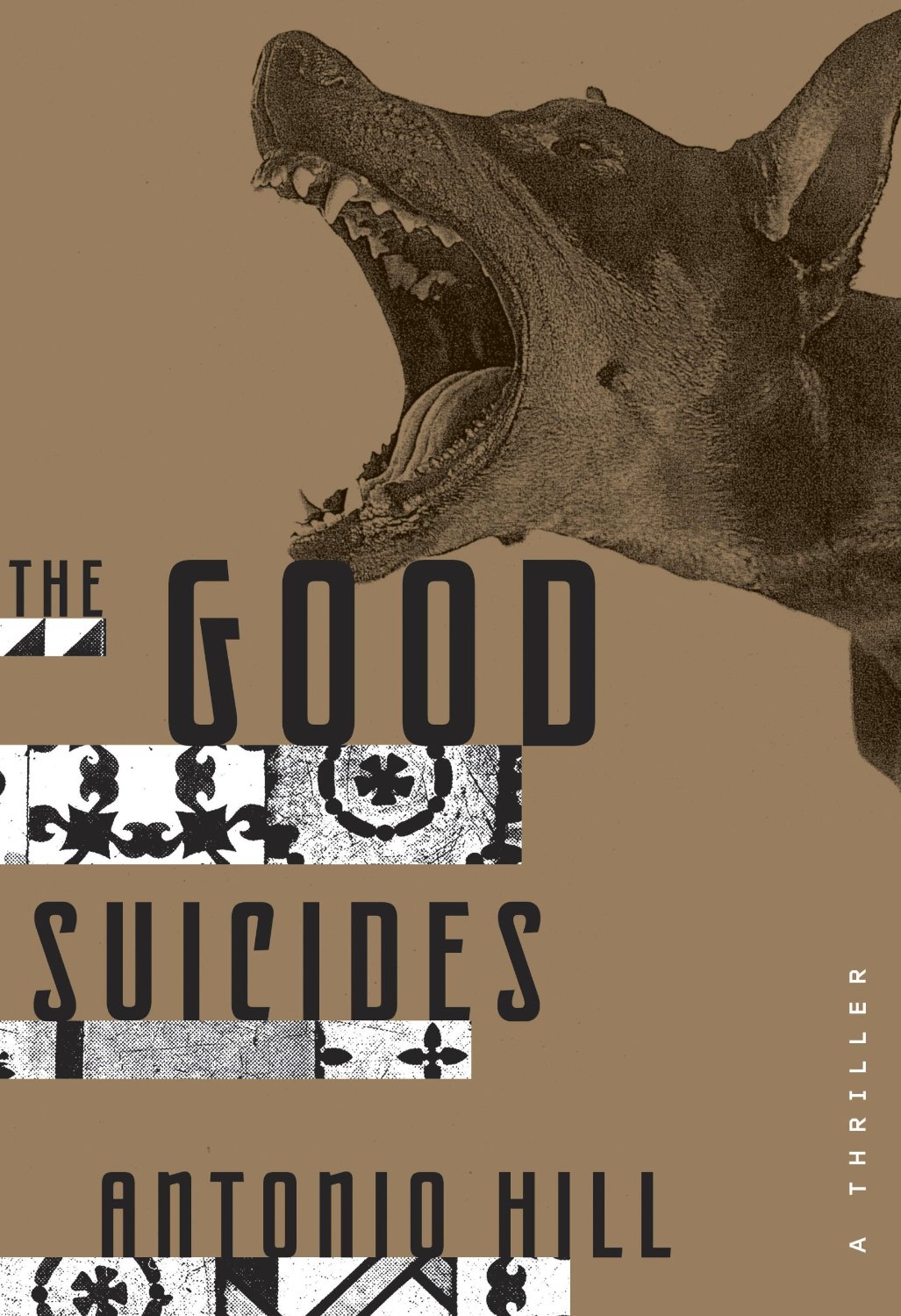
The Good Suicides by Antonio Hill; design by Christopher Brand (Crown June 2014)

thirty-girlsThirty Girls by Susan Minot; design by Kate Gaughran (4th Estate February 2014)

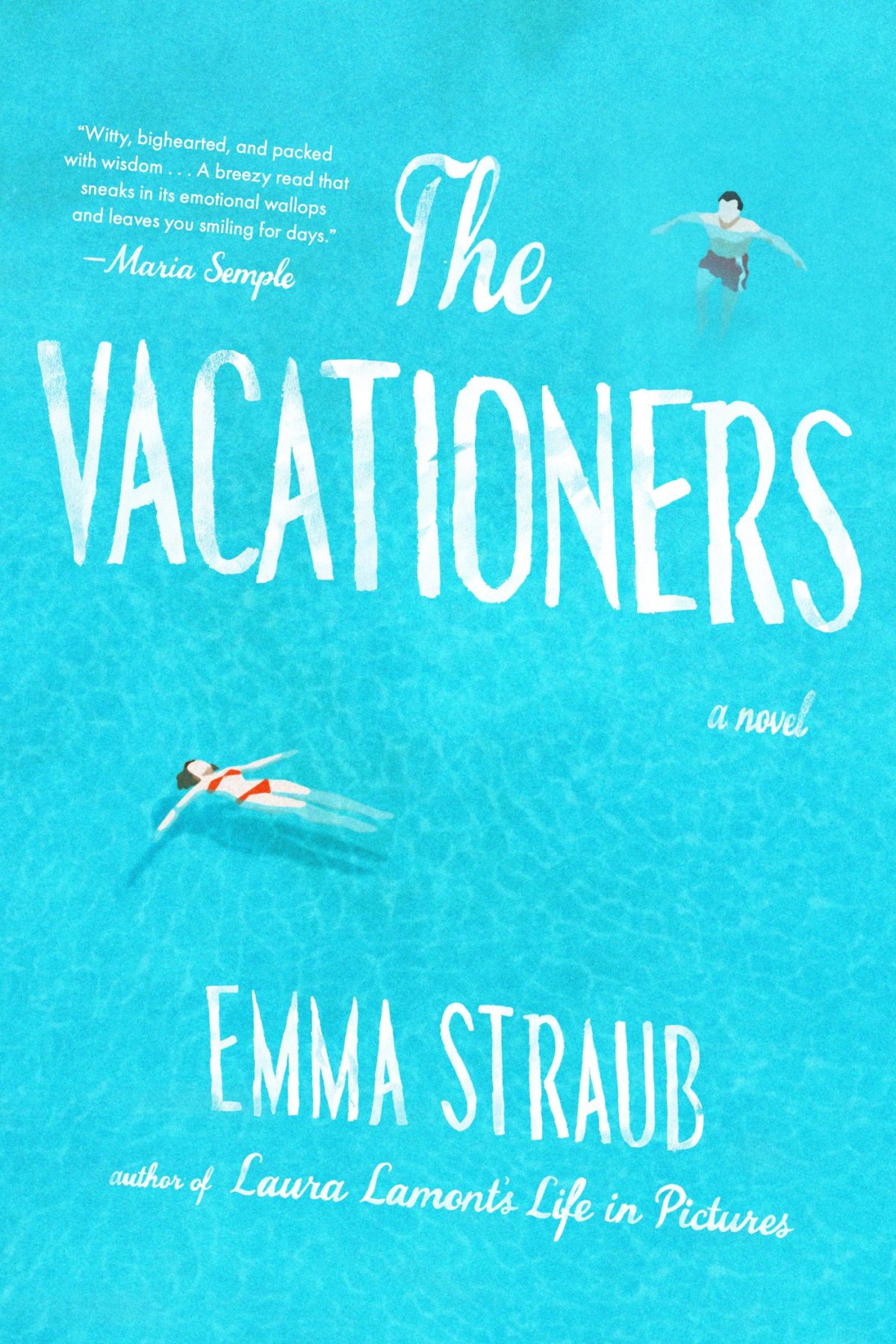
the-vacationersThe Vacationers by Emma Straub; design by Janet Hansen (Riverhead May 2014)

7 Comments

Books We Made

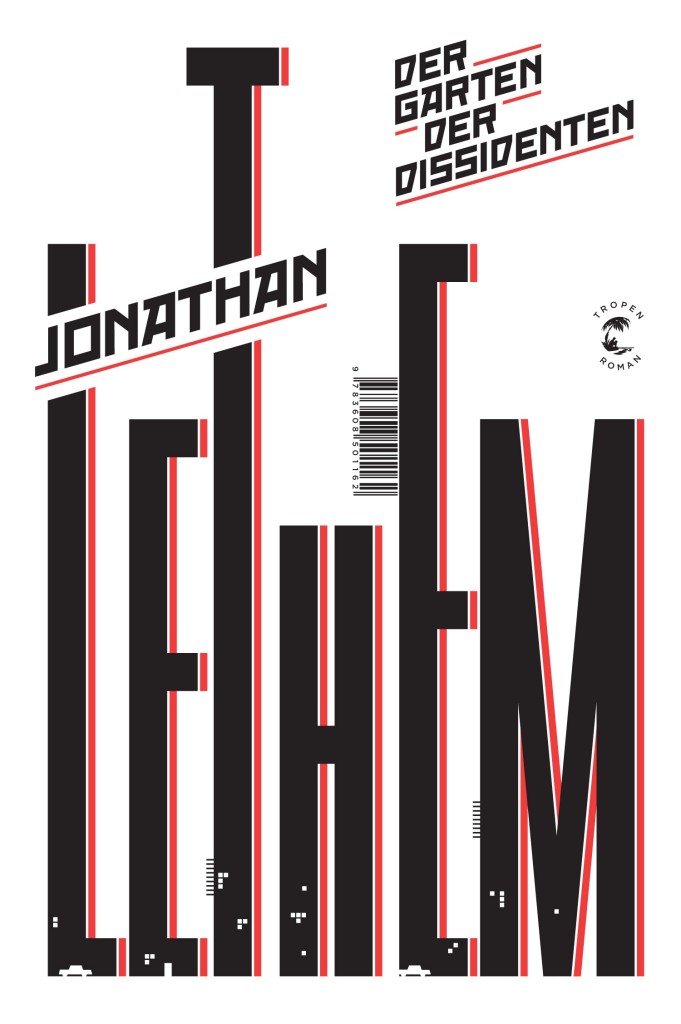
9783608501162
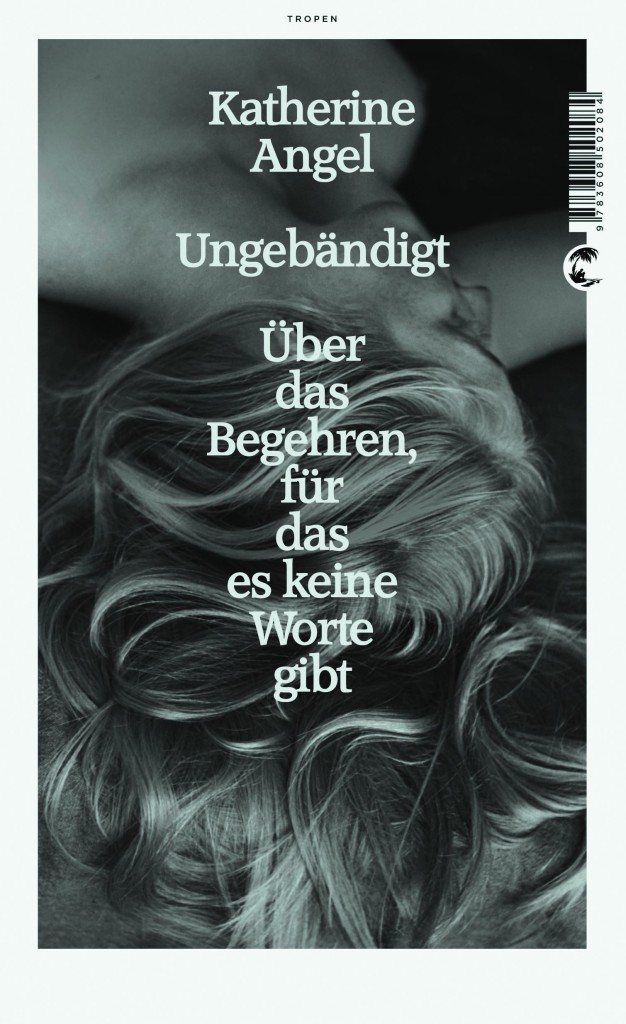
I just came across the book covers of Munich-based Stephanie and Tom Ising, also known as Books We Made. There’s some lovely work in their portfolio:

9783608501216

9783608503210

das-allerletzte

You can also find Books We Made on Facebook.

(via Coudal / The Fox is Black)

Comments closed

Self Initiated: Daren Newman

Self Initiated is a lovely and inspiring short film about the seemingly very down-to-earth designer, illustrator and typographer Daren Newman:

(via Quipsologies)

1 Comment

Getting to the Point: Arrows in Book Cover Design

arrows
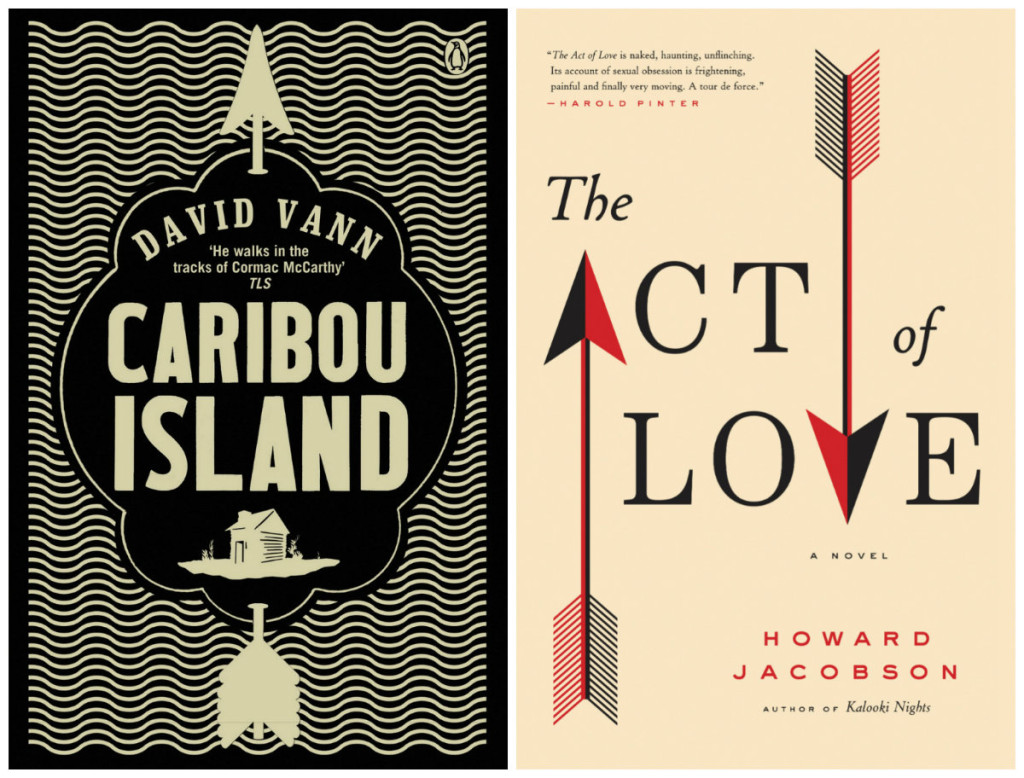
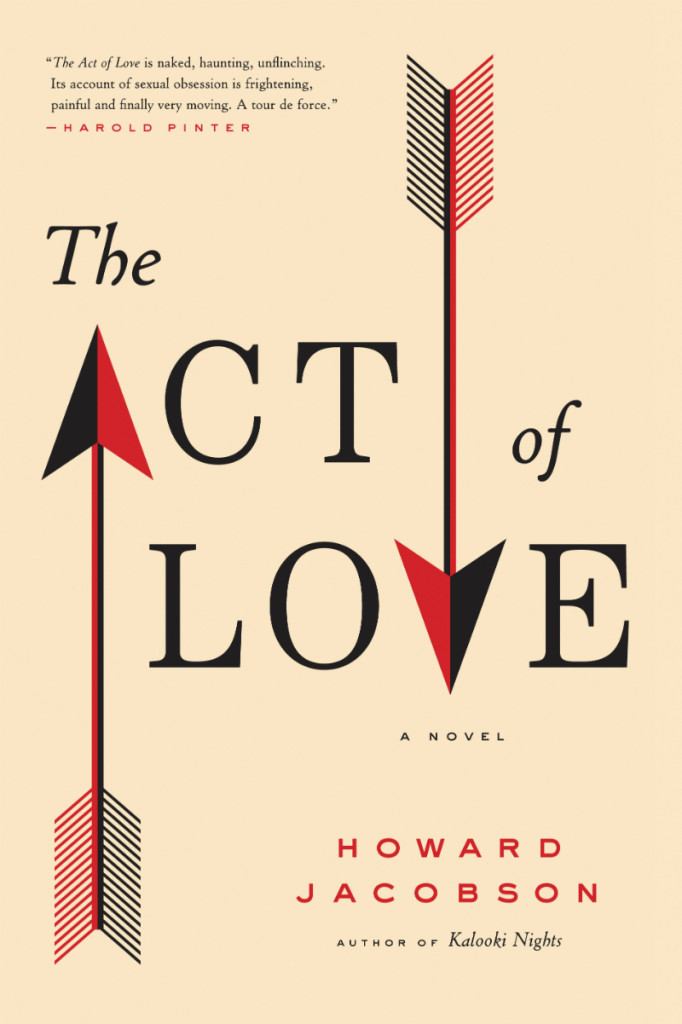
As I was collecting images for my recent posts on triangles and book covers, I started thinking about the use of triangle’s directional cousin, the arrow. Inspired by a vintage cover design by Elaine Lustig and Jay Maisel, I thought I’d gather a selection of recent book covers that use arrows as part of their design.

I’ve spent far too long on this already, but I am sure I have forgotten some corkers. Please let me know what I’ve missed in the comments. I also have to say thanks to all the designers who helped me with this, especially Catherine Casalino, Richard Green, and (the very patient) Jason Ramirez who all dug deep into their archives for me.


The Accidental Universe by Alan Lightman; design by Pablo Delcán (Pantheon January 2014)

Act-of-Love
The Act of Love by Howard Jacobson; design by Catherine Casalino (Simon & Schuster March 2009)

orgasmatron
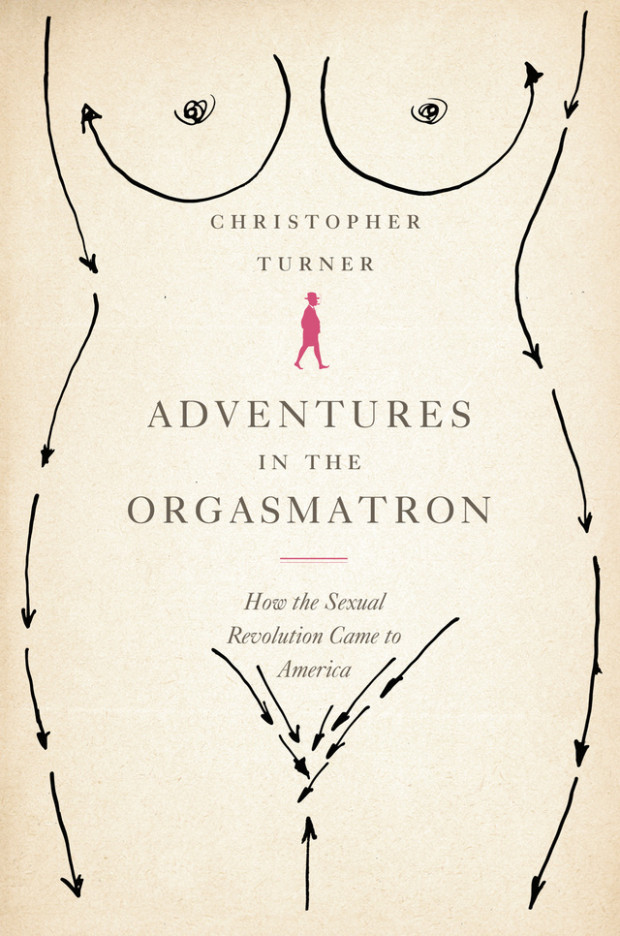
Adventures in the Orgasmatron by Christopher Turner; design by Marina Drukman (Farrar, Straus & Giroux June 2011)

anti-fragile
Antifragile by Nassim Nicholas Taleb; design by Jamie Keenan (Random House November 2012)

arc-of-war
The Arc of War by Jack S. Levy & William R. Thompson; design by Isaac Tobin (University of Chicago Press October 2011)

arrow-of-god
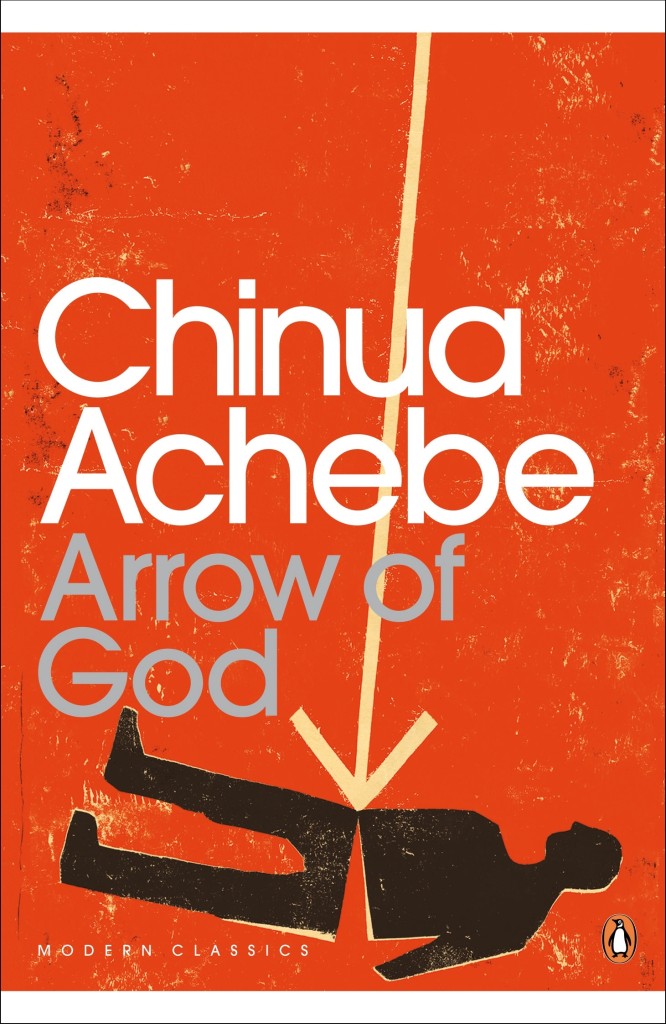
Arrow of God by Chinua Achebe;  art by Edel Rodriguez (Penguin January 2010)

9781250002495
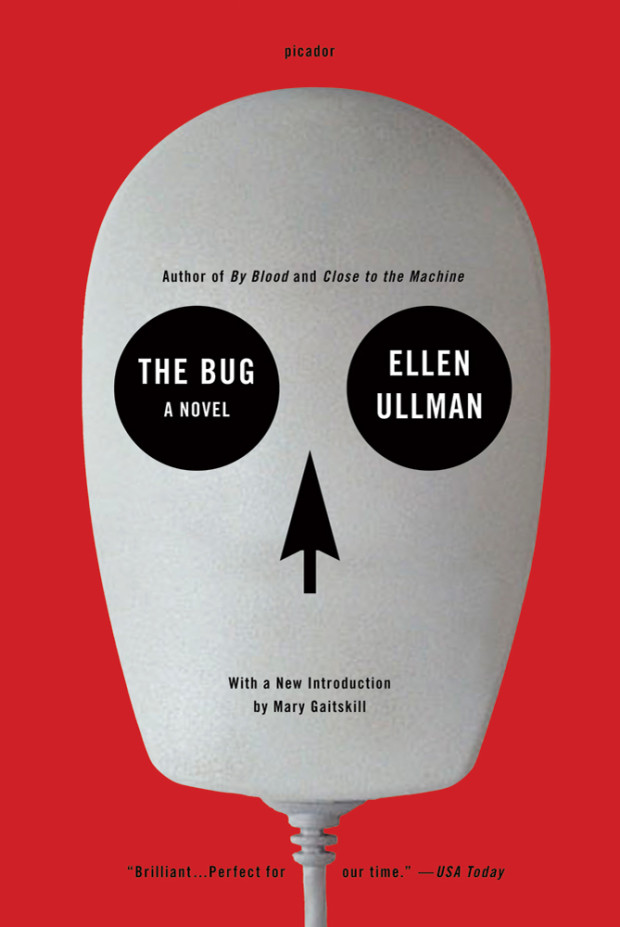
The Bug by Ellen Ullman; design by Jamie Keenan (Picador February 2012)

Buried-on-Avenue
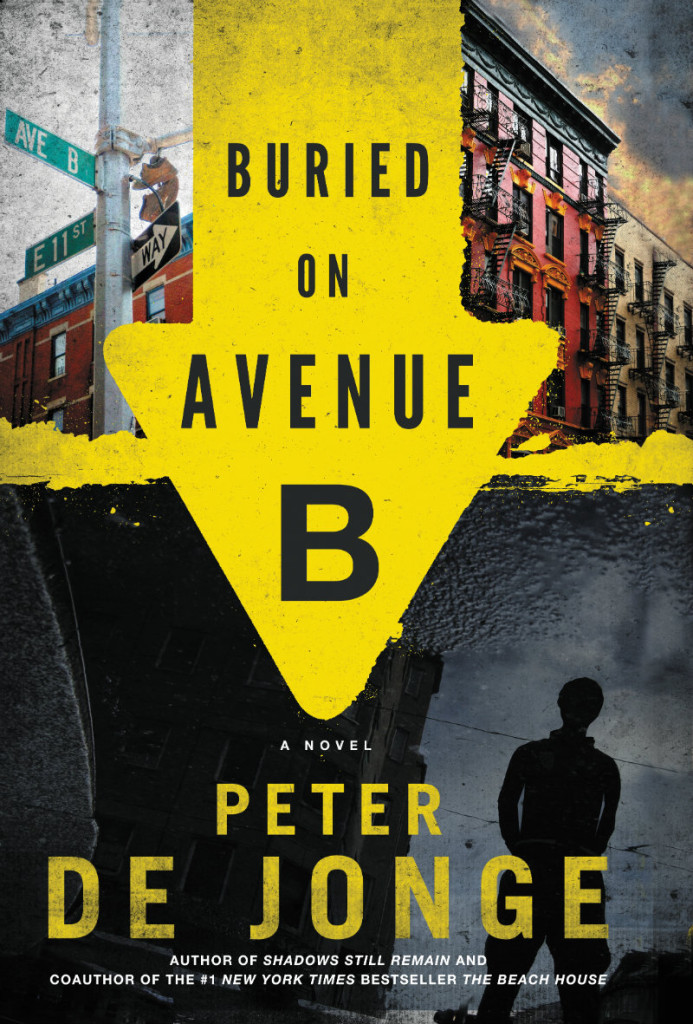
Buried on Avenue B by Peter de Jonge; design by Ian Koviak / The Book Designers (HarperCollins October 2012)

Busted
Busted by Edmund L. Andrews; design by Gray318 (W. W. Norton July 2009)

caribou-island
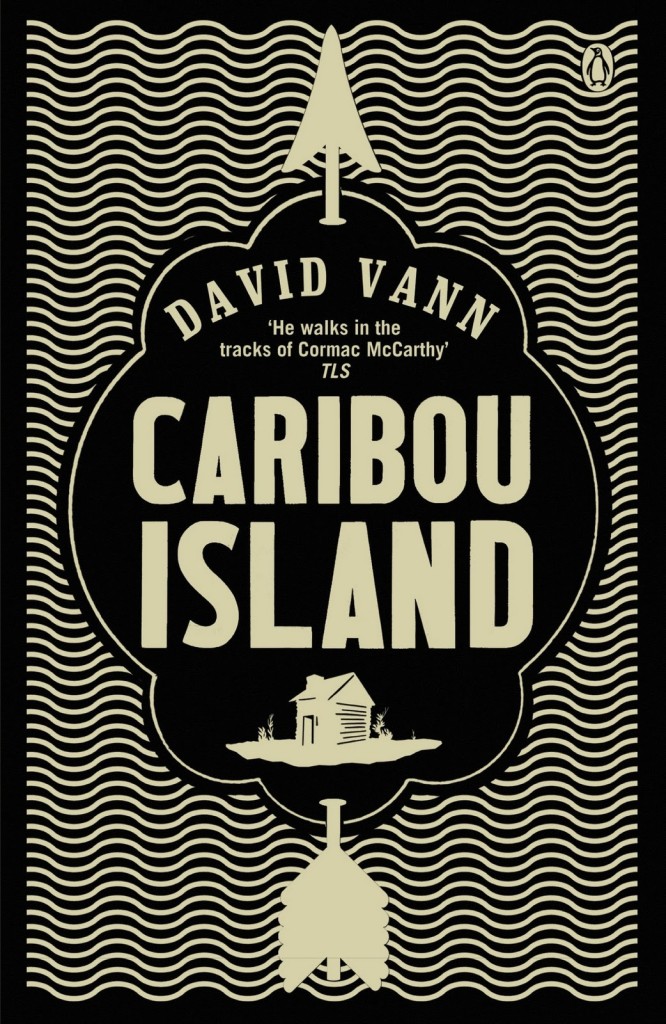
Caribou Island by David Vann; design by Nathan Burton (Viking February 2011)

dealmaking
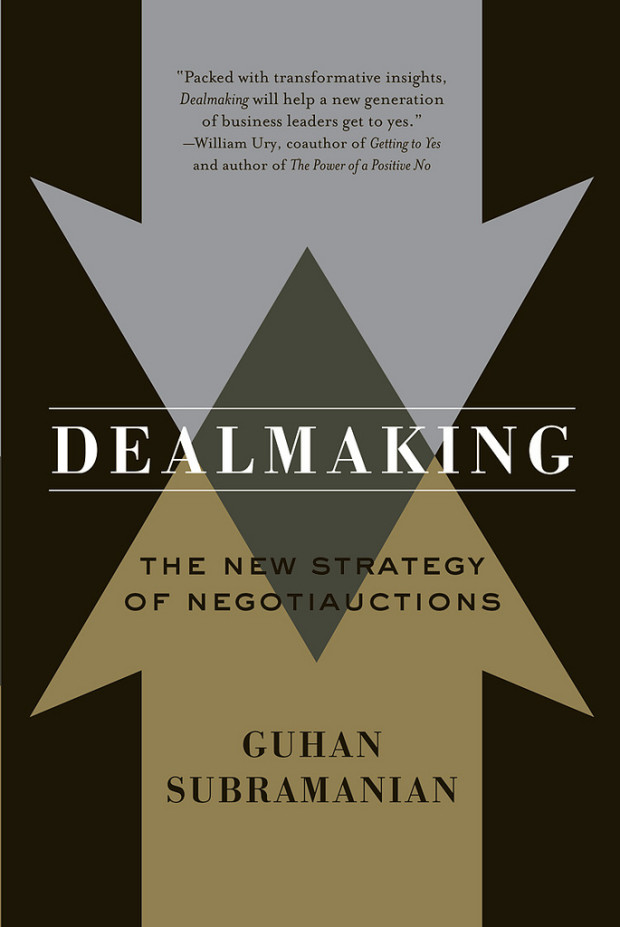
Dealmaking by Guhan Subramanian; design by Ben Wiseman (W. W. Norton October 2011)

debt-delusion
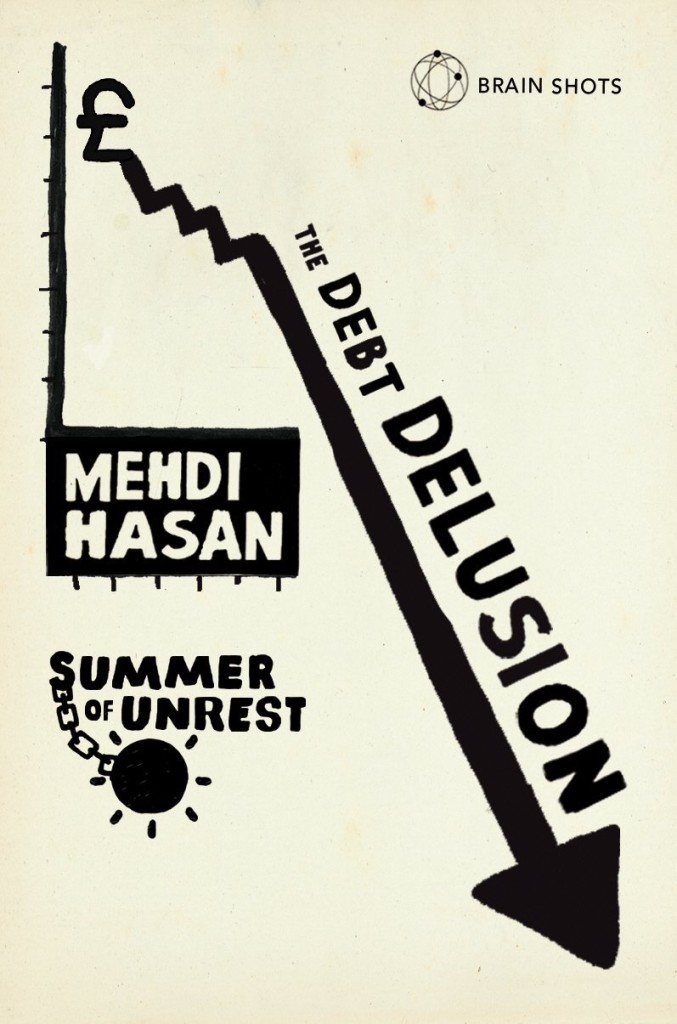
The Debt Delusion by Mehdi Hasan; design by James Paul Jones (Vintage Digital July 2011)

enchanted-wanderer
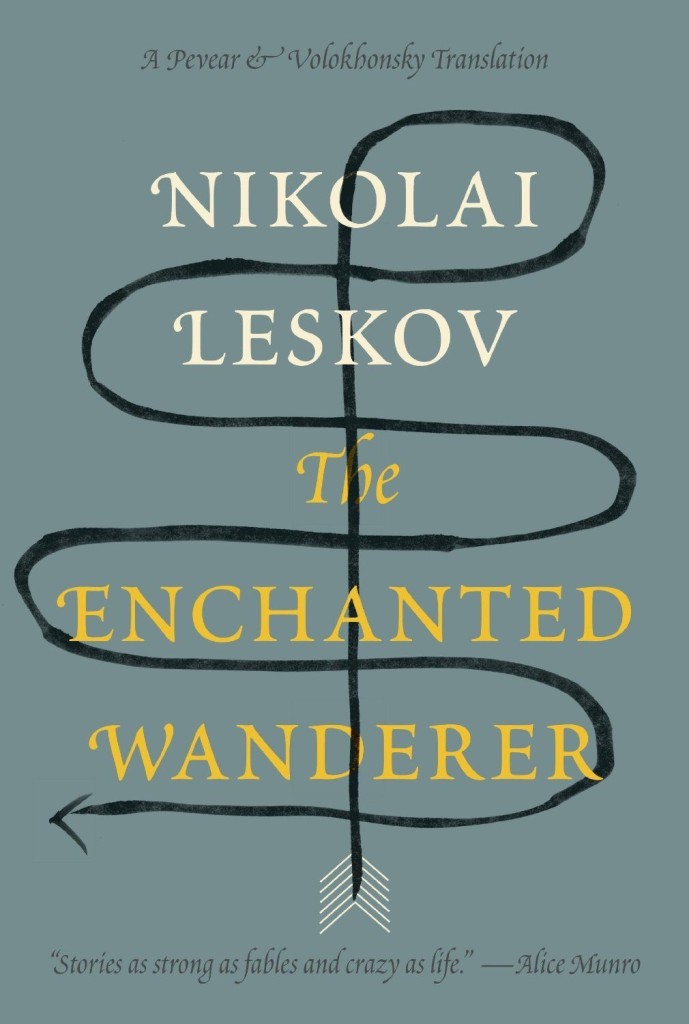
The Enchanted Wanderer by Nikolai Leskov; design by Peter Mendelsund (Knopf March 2013)


Six Easy Pieces by Richard P. Feynman (Penguin July 2011)

The Meaning of it All by Richard P. Feynman (Penguin September 2007)

Design by Jim Stoddart; model design & construction by Andy Bridge


Give Me Everything You Have by James Lasdun; design by Julia Connolly (Vintage February 2014)

how-we-got-to-now
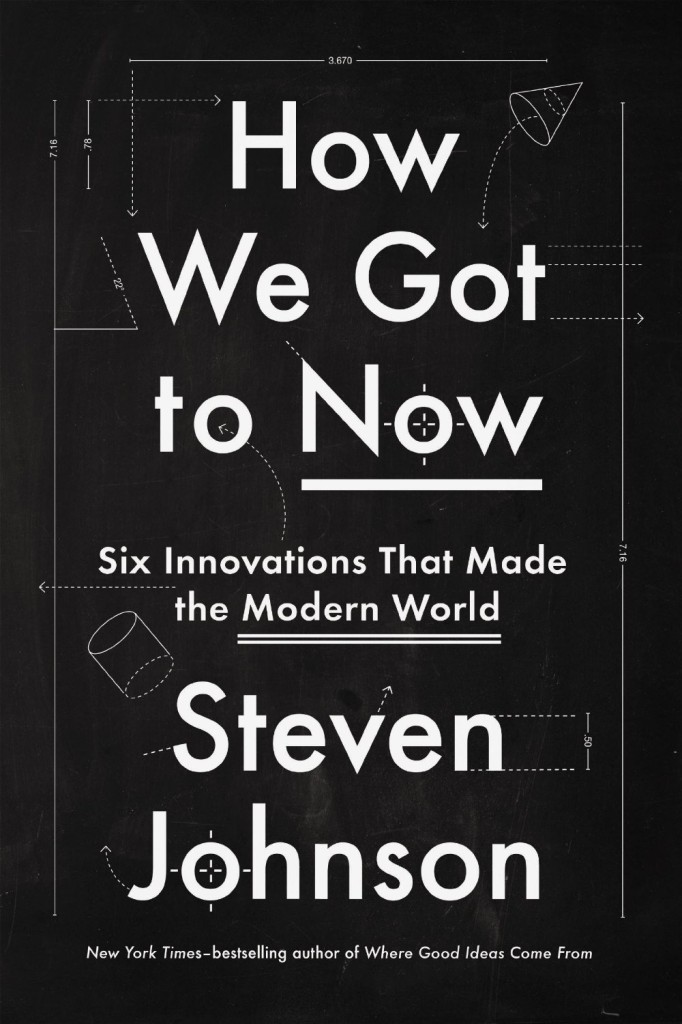
How We Got to Now by Steven Johnson; design by David A. Gee (Riverhead September 2014)

Hush Hush cover art 1
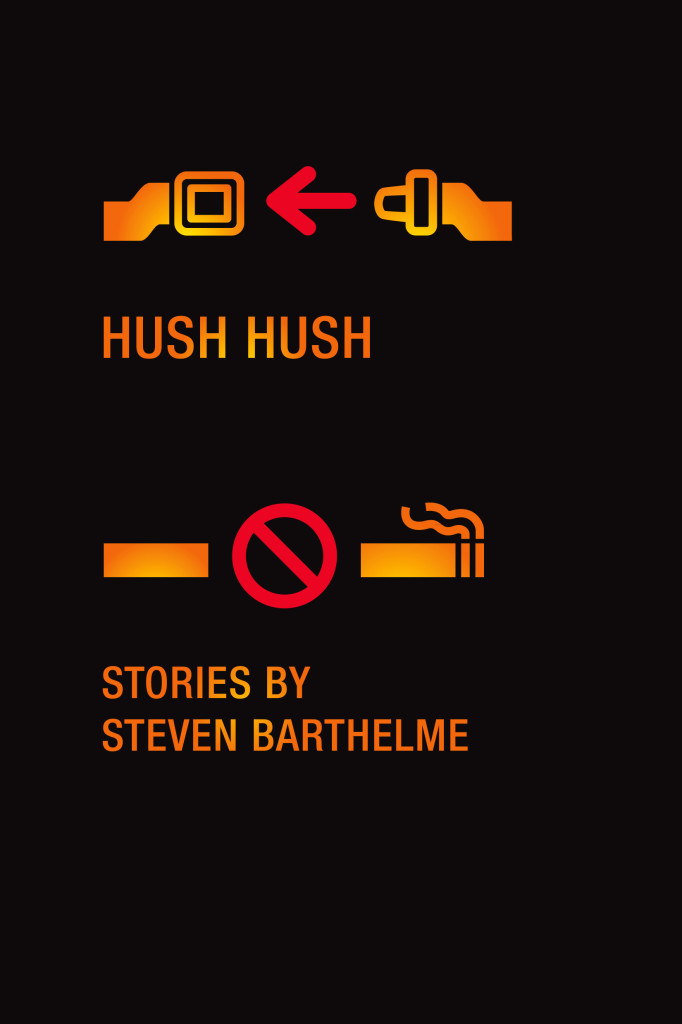
Hush Hush by Steven Barthelme; design by Christopher Brian King (Melville House October 2012)

one-on-one
One on One by Craig Brown; design by Jo Walker (Fourth Estate September 2011)

9780374146689
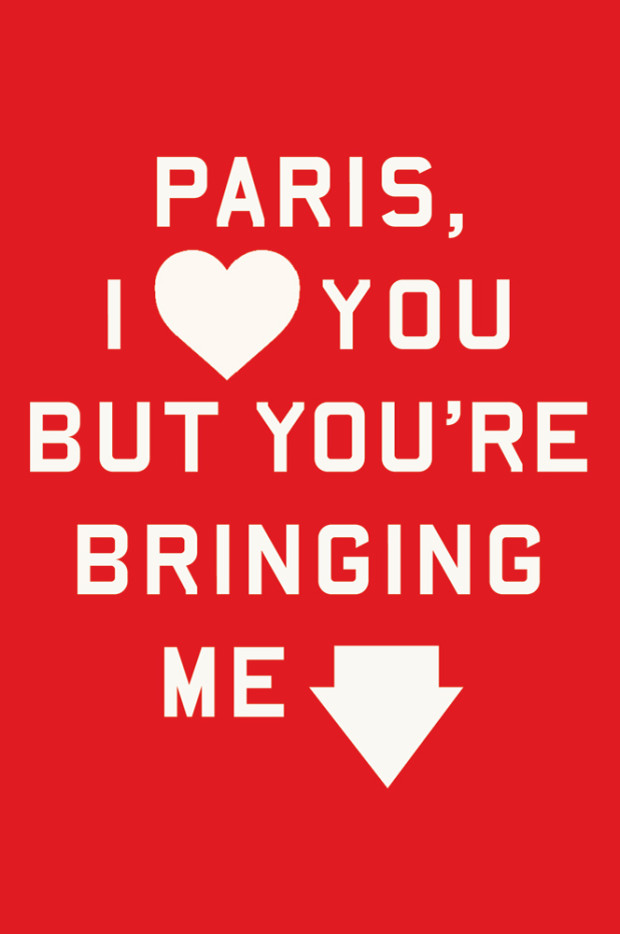
Paris, I Love You But You’re Bringing Me Down by Rosecrans Baldwin; design by Rodrigo Corral Design (Farrar, Straus & Giroux April 2012)

9781780742458
The Particle at the End of the Universe by Sean Carroll;  design by Shepherd Studio (Oneworld May 2013)1

borges
The Perpetual Race of Achilles and the Tortoise by Jorge Luis Borges; design by We Made This (Penguin August 2010)

rebound_final
Rebound by Stephen J. Rose; design by Jason Ramirez (St. Martin’s Press May 2010)

rise-and-fall
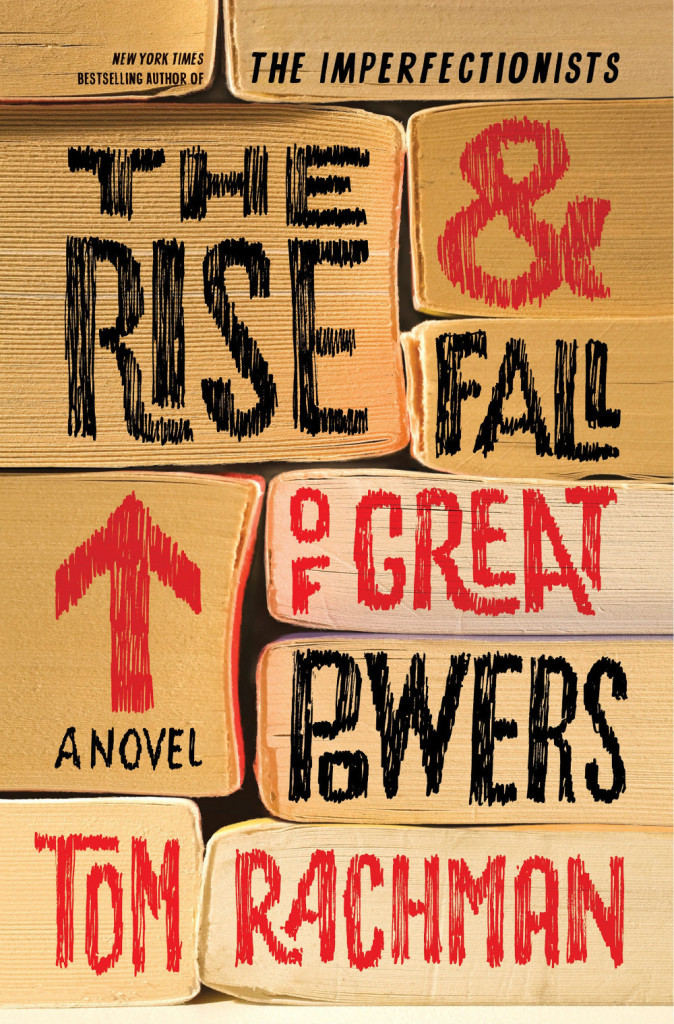
The Rise & Fall of the Great Powers by Tom Rachman; design by Roberto de Vicq de Cumptich (Dial June 2014)

survivor
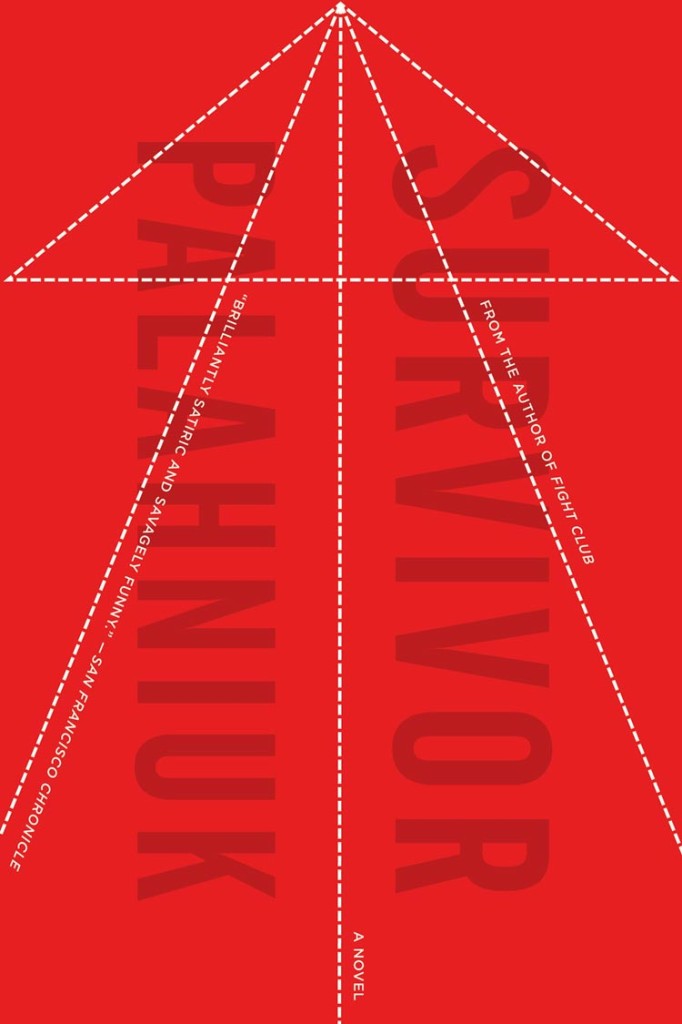
Survivor by Chuck Palahniuk; design by Rodrigo Corral Design (W. W. Norton April 2010)


Dwight Yoakam by Don McLeese (Texas Tech University Press April 2012)

If I Was a Highway by Michael Ventura and Butch Hancock (Texas Tech University Press Feb 2011)

Design by Lindsay Starr

warlord
Warlord by Carlo d’Este; design by Richard Green (Allen Lane April 2009)

4 Comments

Gerhard Steidl Interview — The Talks

Steidl_SS_14
The Talks has a nice new interview with German art book publisher Gerhard Steidl:

Most of the publishing houses in the world are owned by shareholder companies and their interest is to make profit. My publishing house is a private business. I founded it in 1968 and it is still owned by me. It is a family business. It is a Manufaktur and we don’t set any limits on cost. A Steidl book is always made in Germany, in Göttingen, in Düstere Straße 4 and there is a guy, Gerhard Steidl, who is hands on. So, believe it or not, I oversee every sheet that tumbles out of our press. This craftsmanship and this know-how we bring to every one of our babies, our books, makes a huge difference compared to the production processes of other companies.

plakat_steidl_lowres

Steidl was, of course, the subject of the 2010 documentary How to Make a Book with Steidl:

Comments closed