Skip to content

Tag: covers

Book Covers of Note August 2017

Oh hey, August.


Another Brooklyn by Jacqueline Woodson; design by Milan Bozic (Amistad / May 2017)

Robin Billardello‘s cover design for the hardcover of Another Brooklyn, released last year, is also great. 


Bolshoi Confidential by Simon Morrison; design by Jo Walker (Fourth Estate / August 2017)

They’re not really the same, but the cover of Bolshoi Confidential reminded me of La Boca‘s excellent cover design for The Teleportation Accident by Ned Beauman from a few years ago… 


The Book of Disquiet by Fernando Pessoa; design by Peter Mendelsund (New Directions / August 2017)


Everybody Hurts by Joanna Nadin & Anthony McGowan; design by Leo Nickolls (Atom / August 2017)


The Futilitarians by Anne Gisleson; design by Lauren Harms (Little Brown & Co. / August 2017)


The House of Government by Yuri Slezkine; design by Chris Ferrante; illustration by Francesco Bongiorni (Princeton University Press / August 2017)


Humankind by Timothy Morton; design by  Anne Jordan and Mitch Goldstein (Verso / August 2017)


I Am, I Am, I Am by Maggie O’Farrell; design by Yeti Lambregts (Tinder Press / August 2017)

This is just the latest in a series of great covers for Maggie O’Farrell’s books designed by Yeti. 


I Am the Wolf by Mark Lanegan; design by Alex Camlin (Da Capo / August 2017)


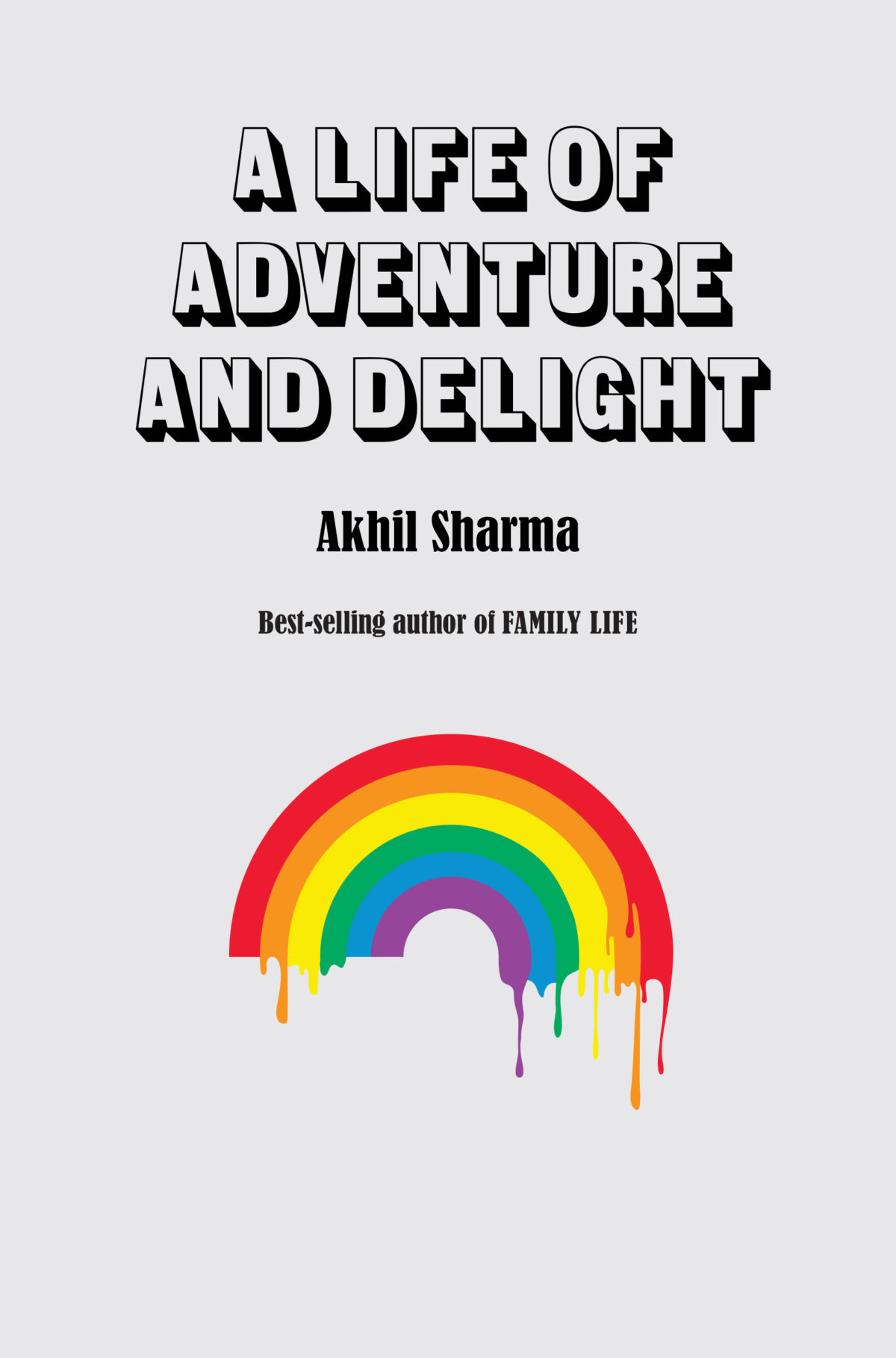
A Life of Adventure and Delight by Akhil Sharma; design by Alex Kirby (Faber & Faber / August 2017)

The cover of the US edition designed by Peter Mendelsund was featured in last month’s post


Lovers & Strangers by Clair Wills; design by Tom Etherington (Allen Lane / August 2017)


A Man of Shadows by Jeff Noon; design by Will Staehle (Angry Robot / August 2017)


Often I Am Happy by Jens Christian Grøndahl; design by Justine Anweiler (Picador / August 2017)


Safe by Ryan Gattis; design by Alex Merto (MCD / August 2017)


Sex & Rage by Eve Babitz; design by Kelly Winton (Counterpoint / July 2017)


Stay with Me by Ayobami Adebayo; design by Janet Hansen (Knopf / August 2017)

  
The Story of John Nightly by Tot Taylor; design by Bob & Roberta Smith (Unbound / July 2017)


Such Small Hands by Andres Barba; design by Dan Mogford (Portobello Books / August 2017)


Turf by Elizabeth Crane; design by Kelly Winton (Soft Skull Press / June 2017)


Vengeance is Mine, All Others Pay Cash by Eka Kurniawan; design by Erik Carter (New Directions / August 2017)

Comments closed

Book Covers of Note July 2017

Something… something… vacation… something… jetlag…. something… inbox… something… Oh look! It’s July’s book covers!1


Album for the Young (and Old) by Vera Pavlova; design by Janet Hansen (Knopf / April 2017)


Amanda Wakes Up by Alisyn Camerota; design by Kimberly Glyder (Viking / July 2017)


City of Saints and Thieves by Natalie C. Anderson; design by Steven Leard (Oneworld / July 2017)


The Conference of Birds by Attar, translated by Sholeh Wolpé; design by Jaya Miceli (W. W. Norton / April 2017)


Equipment for Living on Poetry and Pop Music by Michael Robbins; design by Thomas Colligan (Simon & Schuster / July 2017)


Flesh and Bone and Water by Luiza Sauma; design by Lauren Peters-Collaer (Scribner / June 2017)


Fly Me by Daniel Riley; design by Lucy Kim (Little, Brown & Co. / June 2017)


Gather the Daughters by Jennie Melamed; design by Yeti Lambregts (Tinder Press / July 2017)


Goodnight Boy by Nikki Sheehan; design by Edward Bettison (Oneworld / July 2017)


The Graybar Hotel by Curtis Dawkins; design by Pete Adlington (Canongate / July 2017)

The cover of the US edition, designed by the aforementioned Thomas Colligan for Scribner, is an interesting compare and contrast:


Hello Sunshine by Laura Dave; design by Jennifer Heuer (Simon & Schuster / July 2017)


Hollow by Owen Egerton; design by Matt Dorfman (Counterpoint / July 2017)


I Must Belong Somewhere by Jonathan Dean; design by Dan Mogford (Weidenfeld & Nicolson / May 2017)

(This would be a nice addition to this old list of maps on book covers)


Investigations of a Dog by Franz Kafka, translated by Michael Hofmann; design by John Gall (New Directions / May 2017)


Kompromat by Stanley Johnson; design by James Paul Jones (Oneworld / July 2017)


The Lawn Job by Chuck Caruso; design by La Boca (Cloud Lodge Books / July 2017)


A Life of Adventure and Delight by Akhil Sharma; design Peter Mendelsund (W.W. Norton / July 2017)


The Little Buddhist Monk & The Proof by César Aira; design by Rodrigo Corral; lettering by June Park (New Directions / June 2017)

And as this is two stories in one, you get a fancy back cover too…. 

The covers of the UK editions of César Aira’s books The Little Buddhist Monk, The Proof, and The Seamstress and the Wind, published separately by And Other Stories, were designed by Edward Bettison:


Magpie Murders by Anthony Horowitz; design by Will Staehle (Harper / June 2017)


Shark Drunk by Morten Strøksnes; design by Oliver Munday (Knopf / June 2017)

(Much as I love Oliver’s cover — particularly his choice of type — it immediately reminded me Tom Lenartowicz’s minimalist Jaws design)


Smoke by Dan Vyleta; design Mark Abrams; illustration by Alejandro García Restrepo (Anchor / June 2017)

Mark Swan‘s design for the UK hardcover, published by Weidenfeld & Nicolson, was one of my favourite covers of last year (I liked the book a lot too!)… 


Storming Heaven by Steve Wright; design by David A. Gee (Pluto Press / July 2017)


The Summer of Impossible Things by Rowan Coleman; design Helen Crawford-White (Ebury Press / June 2017)


Things To Do When You’re a Goth in the Country by Chavisa Woods; design by Adam Lewis Greene (Seven Stories Press / May 2017)


Under the Skin by Michel Faber; design by Rafi Romaya; illustration Yehrin Tong (Canongate / July 2017)


What It Means When A Man Falls from the Sky by Lesley Nneka Arimah; design by Jaya Miceli (Riverhead / April 2017)


Writing Not Writing by Tom Fisher; design by  Anne Jordan and Mitch Goldstein (University of Iowa Press / July 2017)

1 Comment

Book Covers of Note June 2017

Hey June, don’t make it bad, take a sad book and make its cover…

The Angry Chef by Anthony Warner; design by Steven Leard (Oneworld / June 2017)

The Answers by Catherine Lacey; design by Gray318 (Granta / June 2017)

Columbia Road by Linda Wilkinson; design by Clare Skeats (September Publishing / June 2017)


The Courage of Hopelessness by Slavoj Zizek; design by Richard Green (Allen Lane / May 2017)


Goodbye, Vitamin by Rachel Khong; design by Matt Johnson (Scribner UK / June 2017)


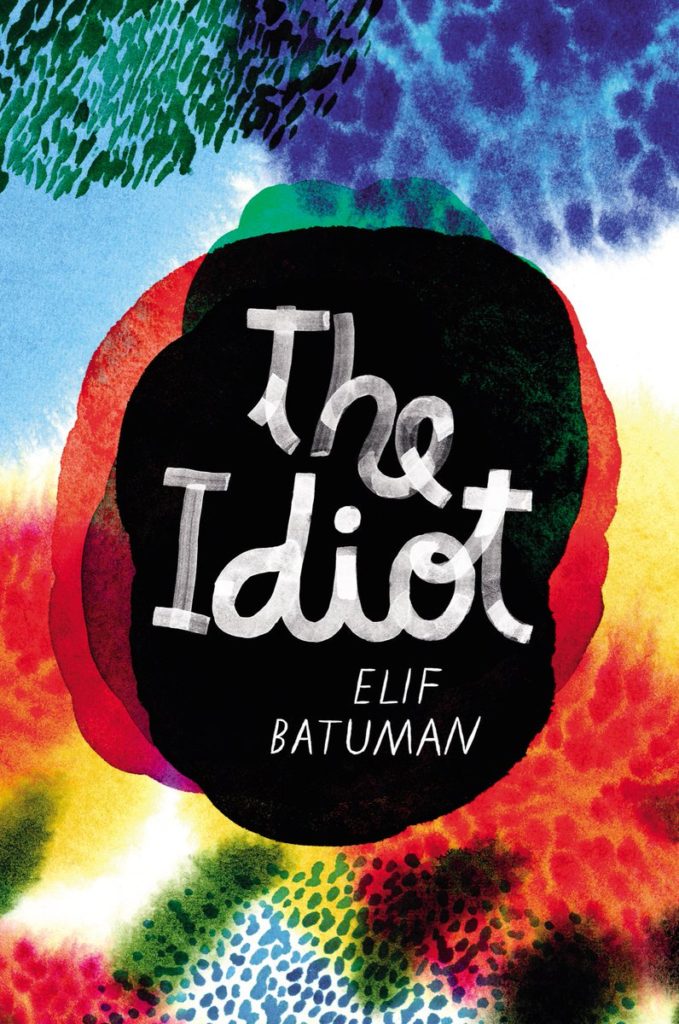
The Idiot by Elif Batuman; design by Suzanne Dean; illustration by Aino-Maija Metsola (Jonathan Cape / June 2017)

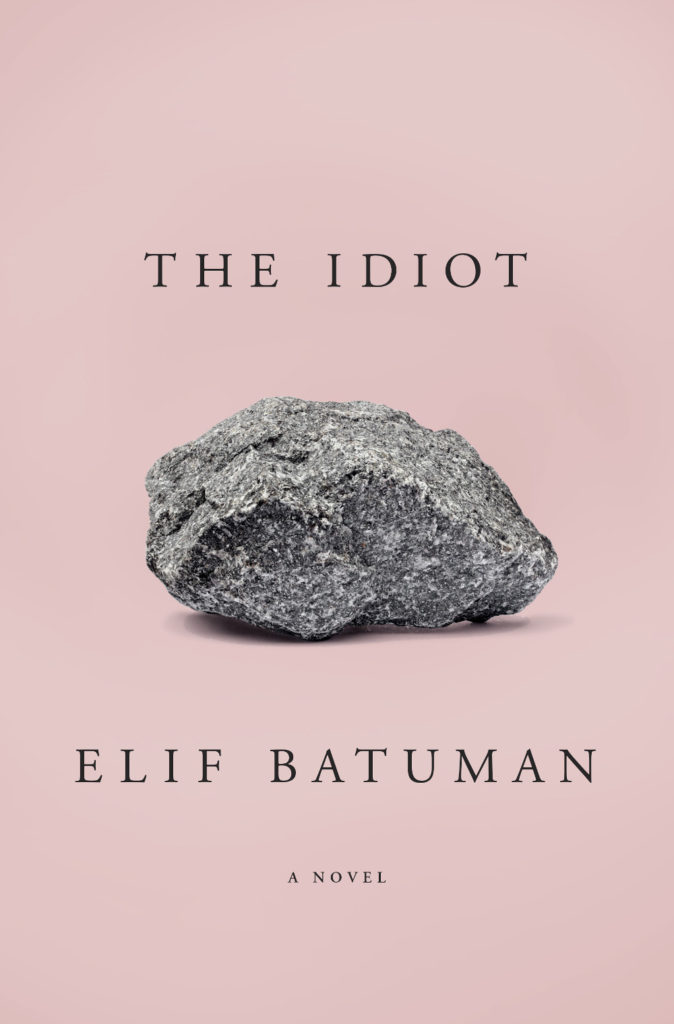
The colourful UK cover is an interesting contrast with the cover of the US edition, designed by Oliver Munday for Penguin:

The Illustrious House of Ramires by Eça de Queirós; design by Joan Wong (New Directions  / June 2017)

The Lure of Greatness by Anthony Barnett; design by Mark Ecob (Unbound / June 2017)


Marriage of a Thousand Lies by S J Sindu; design by Kimberly Glyder (Soho Press / June 2017)


Midnight at the Bright Ideas Bookstore by Matthew Sullivan; design by Tyler Comrie (Scribner / June 2017)

A welcome addition to the books on book covers genre


My Soul Looks Back by Jessica B. Harris; design by Lauren Peters Collaer (Simon & Schuster / June 2017)


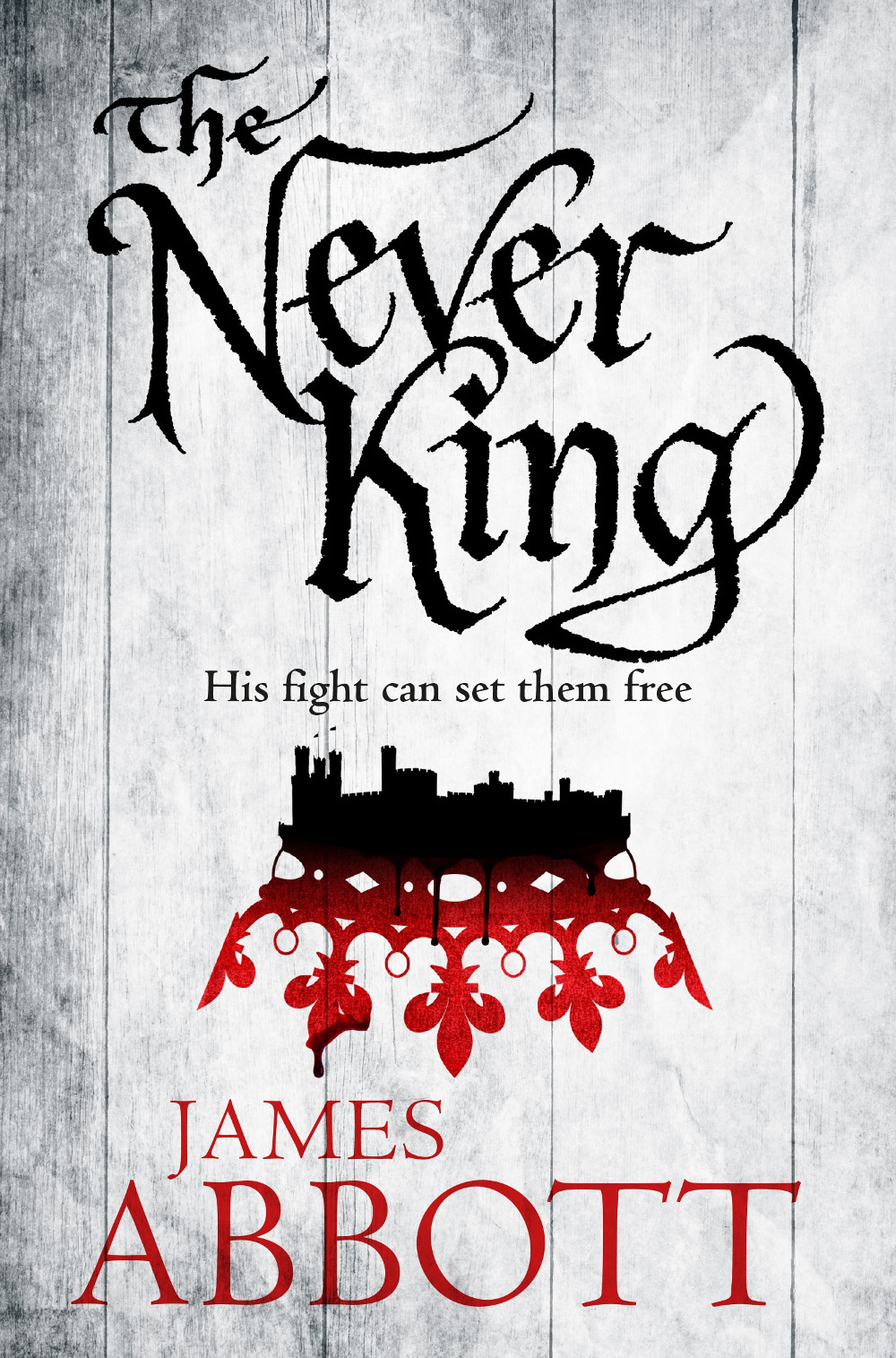
The Never King by James Abbott; design by Neil Lang (Tor / May 2017)

Neil’s embossed metallic silver cover for Selfie by Will Storr (Picador / June 2017) is also kind of great (and hilarious), but impossible to show well online:

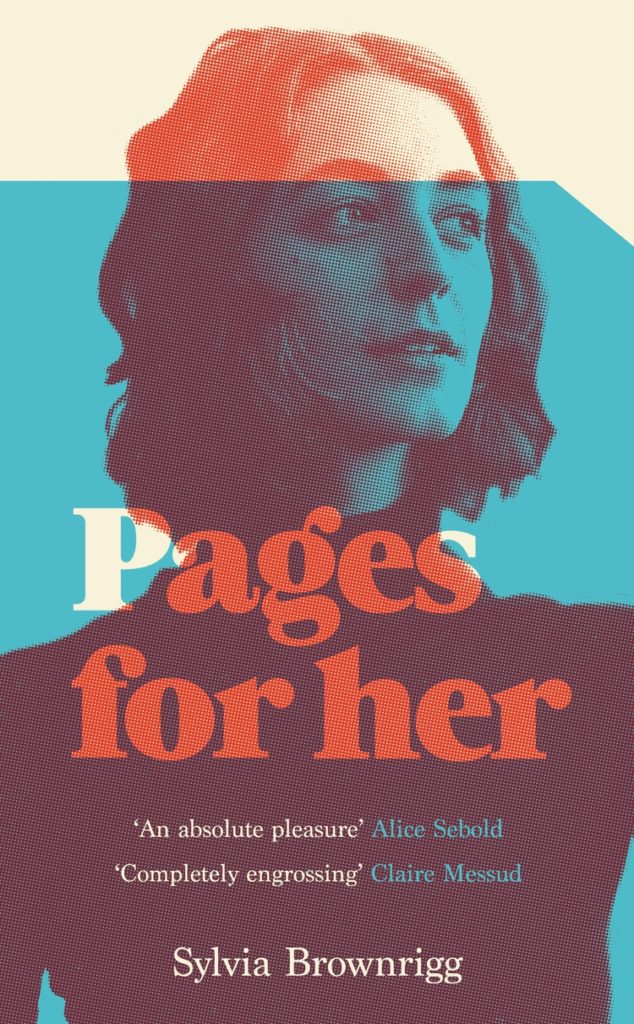
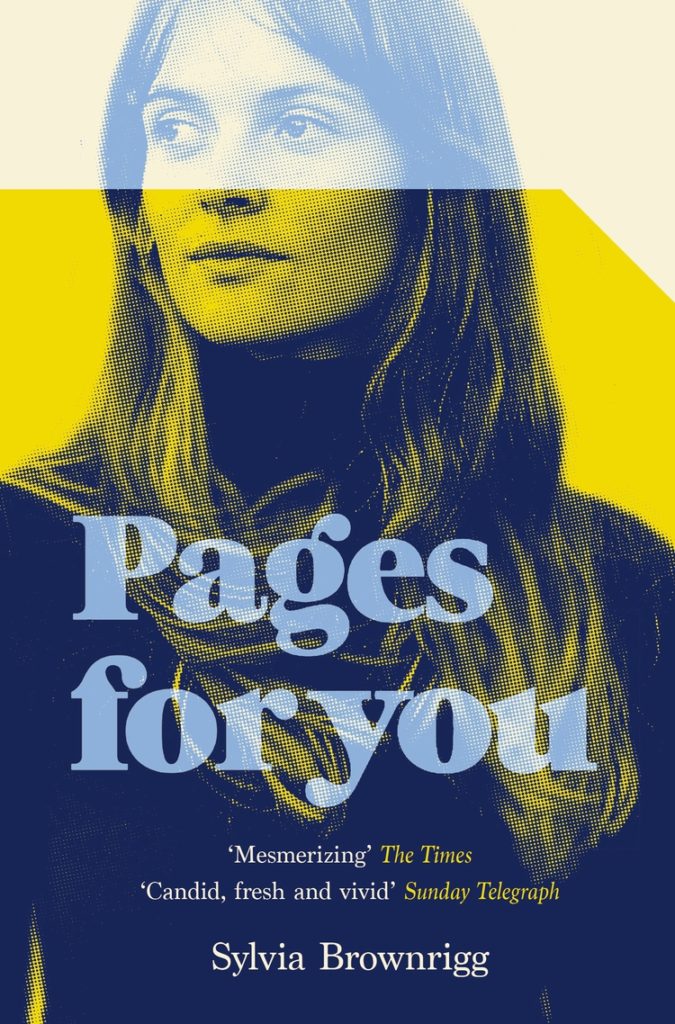
Pages for Her and Pages for You by Sylvia Brownrigg; design by Justine Anweiler (Picador / June 2017)


The Song and the Silence by Yvetter Johnson; design by Jonathan Sainsbury (Atria / May 2017)


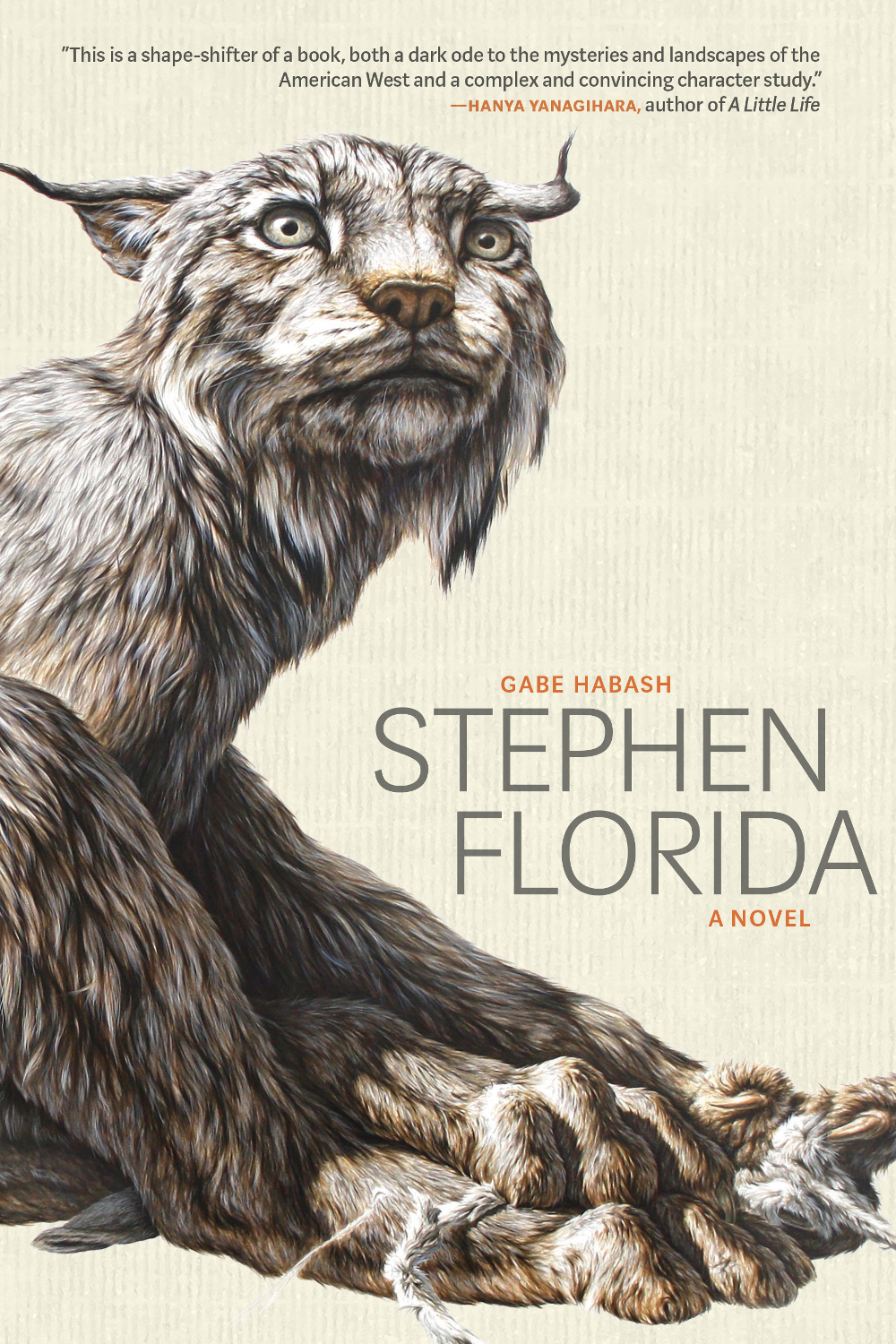
Stephen Florida by Gabe Habash; design by Karl Engebretson; illustration George Boorujy (Coffee House Press / June 2017)


White Fur by Jardine Libarie; design by Elena Giavaldi (Hogarth / May 2017)


Why I’m No Longer Talking to White People About Race by Reni Eddo-Lodge; design by Greg Heinimann (Bloomsbury / June 2017)


X by Chuck Klosterman; design by Rachel Willey (Blue Rider Press / May 2017)

2 Comments

Australian Book Design Awards Winners 2017

Anonymous Designer

Congratulations to all the winners of the 2017 Australian Book Design Awards, which were announced on Friday in Sydney. I was honoured to be the international judge this year (even if some of my favourite covers didn’t win!).  

Allison Colpoys

Comments closed

Book Covers of Note May 2017

Everything is awful. Except for book covers…


Black Skins, White Masks by Frantz Fanon; design by David Pearson (Pluto Press / May 2017)


The Children of Jocasta by Natalie Haynes; design by Ami Smithson; illustration Petra Börner (Mantle / May 2017)


The Circus by Olivia Levez; design by Nathan Burton (Oneworld / May 2017)

Nathan’s cover for The Island by Olivia Levez was on my list of Notable YA Book Covers last year:

And also by the talented Mr. Burton…


The Doorposts of Your House and on Your Gate by Jacob Bacharach; design by Nathan Burton (Liveright / April 2017)


Feel Happier in Nine Seconds by Linda Besner; design by Scott Albrecht (Coach House Books / May 2017)


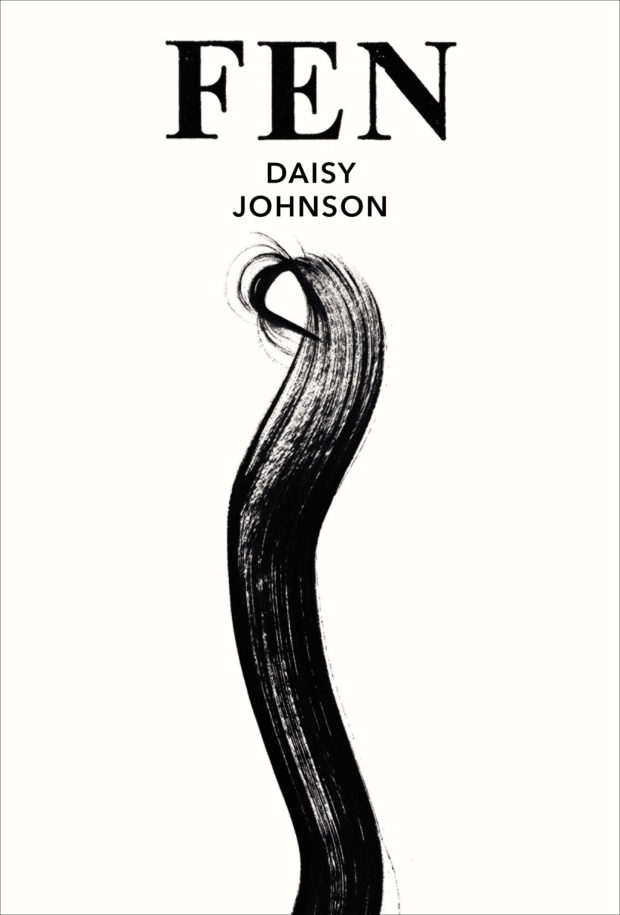
Fen by Daisy Johnson; design by Kimberly Glyder (Graywolf / May 2017)

The cover of the UK edition of Fen designed by Suzanne Dean was a book cover of note in June last year


Granta 139: Best of Young American Novelists 3; design by Daniela Silva; neon sign by Steve Earl / Kemp London (Granta / May 2017)


Hadriana In All My Dreams by René Depestre; design by Christian Fuenfhausen (Akashic Books / May 2017)


I’d Die for You and Other Lost Stories by F. Scott Fitzgerald; design by Jack Smyth (Scribner UK / April 2017)


Ill Will by Dan Chaon; design by Christopher Lin (Ballantine Books / March 2017)


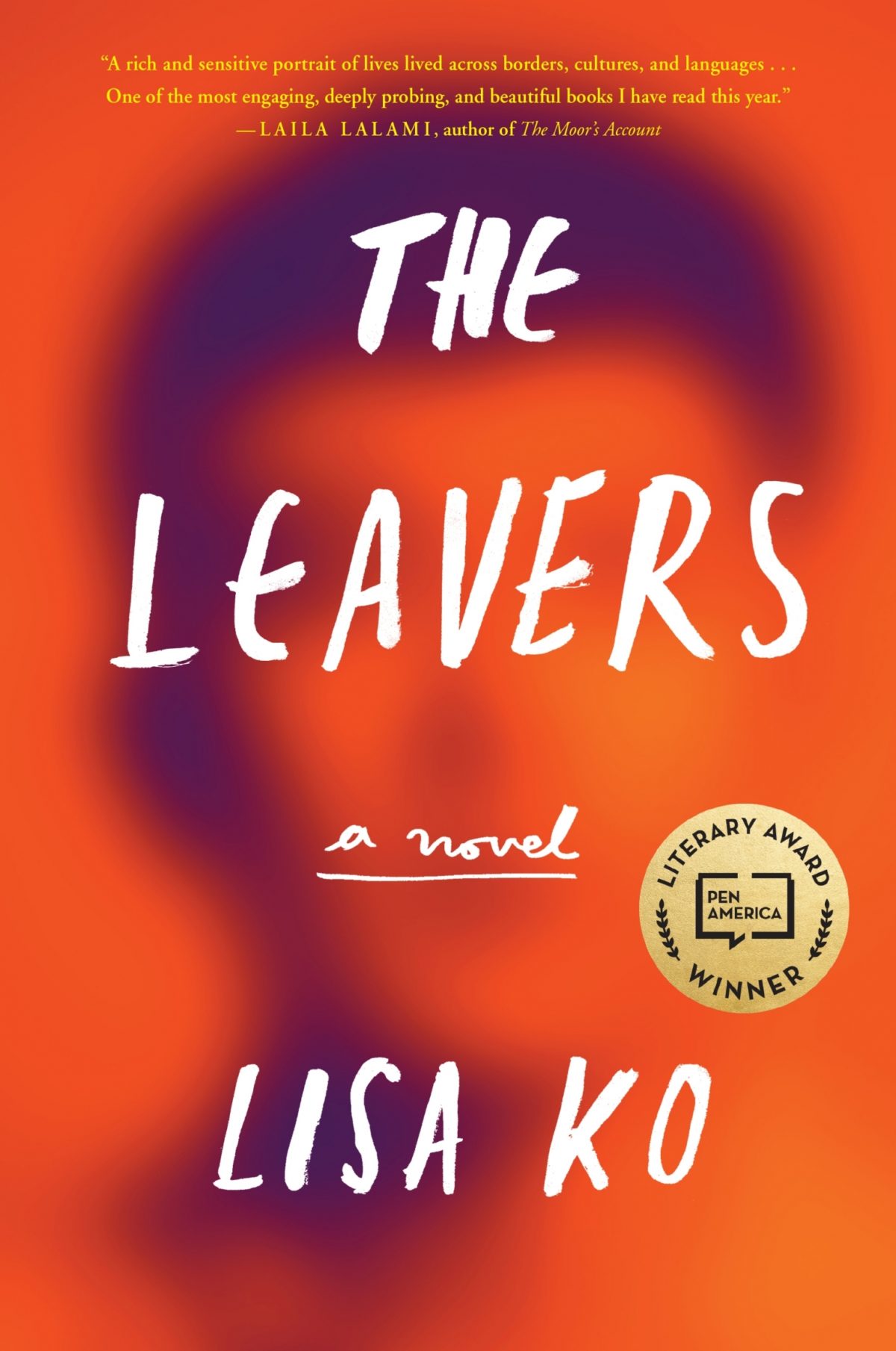
The Leavers by Lisa Ko; design by Elena Giavaldi (Algonquin / May 2017)


Lobbying for Change by Alberto Alemanno; design by Dan Mogford (Icon / May 2017)

Multi-coloured letters are a thing this month. See below… 


My Cat Yugoslavia by Pajtim Statovci; design by Oliver Munday (Pantheon / April 2017)


The Nothing by Hanif Kureishi; design by Jamie Keenan (Faber & Faber / May 2017)


Priestdaddy by Patricia Lockwood; design by Rachel Willey (Riverhead / May 2017)

The cover of the UK edition, designed by Richard Green, takes quite a different direction…


Ramona Blue by Julie Murphy; design by Aurora Parlagreco; illustration by Daniel Stolle (Balzer + Bray / May 2017)

The same designer-illustrator team were on my 2015 YA list for their cover for Julie Murphy’s previous book Dumplin’.


Rock n’ Radio by Ian Howarth; design by David Drummond (Vehicule Press / May 2017)

See! Multicoloured lettering is where it is at… 


This is Just My Face: Try Not to Stare by Gabourey Sidibe; design by Martha Kennedy; photography by GUZMAN (HMH / May 2017)


Toussaint Louverture by Charles Forsdick & Christian Høgsbjerg; design by Gray318 (Pluto Press / May 2017)


We Are Never Meeting in Real Life by Samantha Irby; design by Joan Wong (Vintage / May 2017)


The Violence of Austerity edited by David Whyte and Vickie Cooper; design by James Paul Jones (Pluto Press / May 2017)


When Dimple Met Rishi by Sandhya Menon; design by Regina Flath (Simon Pulse / May 2017)

1 Comment

Book Covers of Note March 2017

Holy smokes! There are a lot of good covers this month! Feast your eyes on March’s book covers of note:


Amiable with Big Teeth by Claude McKay; cover art by Sean Qualls (Penguin / March 2017)


The Book of Greek and Roman Folktales, Legends & Myths edited and translated by William Hansen; design by Amanda Weiss (Princeton University Press / March 2017)


The Bridge Ladies by Betsy Lerner; design by Justine Anweiler (Pan Macmillan / March 2017)


A Conjuring of Light by V.E. Schwab; design by Will Staehle (Tor Books / February 2017)

This completes a distinctive set of covers for V.E. Schwab’s ‘Shades of Magic’ trilogy by Will Staehle: 


Dead Letters by Caite Dolan-Leach; design by Jaya Miceli (Random House / February 2017)


Dick Cheney Shot Me in the Face by Timothy O’Leary; design by David A. Gee (Unsolicited Press / February 2017)


Done Dirt Cheap by Sarah Nicole Lemon; design Alyssa Nassner; illustration Amanda Lanzone (Amulet Books / March 2017)


The Education of Margot Sanchez by Lilliam Rivera; cover art by Dana Svobodova (Simon & Schuster / February 2017)


Eyes Wide Open by Isaac Lidsky; design by Zoe Norvell (Tarcher / March 2017)

And now two covers for Exit West by Mohsin Hamid — first the cover for the UK edition designed by Richard Bravery (Hamish Hamilton / March 2017):

And the cover of the US edition designed by Rachel Willey (Riverhead / March 2017):


The Hearts of Men by Nickolas Butler; design by Allison Saltzman (Ecco / March 2017)


Jerzy by Jerome Charyn; design by Alban Fischer (Bellevue Literary Press / March 2017)


Little Nothing by Marisa Silver; design by James Paul Jones (Oneworld / March 2017)

Rachel Willey’s cover design for the US edition of Little Nothing published by Blue Rider Press was part of my September 2016 round-up.


The Name of the Game is Kidnapping by Keigo Higashino; design by Janet Hansen (Vertical / February 2017)


Narcissism for Beginners by Martine McDonagh; design by Tree Abraham (Unbound / March 2017)


Next Year for Sure by Zoey Leigh Peterson; design by Jaya Miceli; cover art by Jarek Puczel (Scribner / March 2017)


One Day We’ll All Be Dead and None of This Will Matter by Scaachi Koul; design by C.S. Richardson (Doubleday Canada / March 2017)


One of the Boys by Daniel Magariel; design Thomas Colligan (Scribner / March 2017)


Optimists Die First by Susin Nielsen; design by Joan Wong (Wendy Lamb Books / February 2017)


Our Short History by Lauren Grodstein; design by Olga Grlic (Algonquin / March 2017)


Standard Hollywood Depravity by Adam Christopher; design by Will Staehle (Tor Books / March 2017)


Swimmer Among the Stars by Kanishk Tharoor; design by Tyler Comrie (Farrar, Straus and Giroux / March 2017)

I believe the cover of the UK edition, published next month by Pan Macmillan, was designed by Justine Anweiler:


The Tea Girl of Hummingbird Lane by Lisa See; design by Lauren-Peters-Collaer (Scribner / March 2017)


The Zoo of the New edited by Nick Laird & Don Paterson; design by Richard Green (Particular Books / March 2017)

Comments closed

The Rest of the Best

When it comes to choosing the year’s best book covers, it seems that everyone is at it these days…

“These covers are challenging without being impenetrable and playful without being precious — none of which is an easy task for a designer. If good design might lure us into an experience that makes us smarter, then we’ve hit the jackpot when the book allows us to spend time within the head space of a stranger.”     

I always look forward to Matt Dorfmann’s selections for the New York Times Book Review. Matt is the NYTBR‘s art director and a cover designer in his own right so he knows what he’s talking about, and his choices are always interesting. If I am honest, I think this is the list the designers (American designers at least) really pay attention to. And it’s worth noting that half of Matt’s choices this year were designed by women. 

Slate’s list of Best Book Jackets of 2016 includes notes from the designers about each cover.  

Vyki Hendy and Eric Wilder have chosen  — with input from designers Erin Fitzsimmons and Stuart Bache — 25 of the year’s covers for SPINE Magazine

Jarry Lee chose 32 “of the most beautiful book covers of 2016” for BuzzFeed.

And last but not least, Paste’s selections includes “a few novelette and short story covers.

Comments closed

Series Design 2016

Some of the most interesting and innovative book covers in the last few years have been designed as part of a series — designers and art directors seem to have more leeway with backlist titles (especially so if the author is no longer in the picture!) — and 2016 was no exception. Here are some of my favourite series designs from past year…

watchers-design-jason-booher

The Angelus Trilogy by John Steele; designed by Jason Booher (Blue Rider Press / 2016)

Inspector Littlejohn Mysteries by George Bellairs; design Stuart Bache (IPSO Books / 2016)

The Birds and the Bees; cover art by Timorous Beasties (Vintage / 2016)

Read more about the series on the Creative Review blog.

birds-design-keenan

Virago Modern Classics Daphne Du Maurier; designs by Jamie Keenan, Neil Gower, Gray318, and Nico Taylor (Virago / 2016)

Vintage Eliot; cover art by Zeva Oelbaum (Vintage /2016)

Read more about the series on CMYK, Vintage book design tumblr.

on_corpulence-design_david_pearson_illus_joe_mclaren

Found on the Shelves / The London Library; design by David Pearson; illustration by Joe McLaren (Pushkin Press / 2016)

Read more about the design of the series at The Bookseller

neuromancer-cover-art-daniel-brown

Gollancz William Gibson ‘Sprawl Trilogy’ and Burning Chrome; design by Sinem Erkas; cover art by Daniel Brown (Gollancz / 2016-2017)

Read more about the books and the design on the Gollancz blog.

Patrick Hamilton reissues; design by Jack Smyth (Abacus 2016- 2017)

Sonya Harnett reissues; design by Marina Messiha; cover art by Maxim Shkret (Penguin Teen Australia / 2016)

New Directions Roger Lewinter; design by Erik Carter (New Directions / 2016)

Macmillan Classics; design by Neil Lang (Macmillan India / 2016) 

This is just a fraction of the covers designed by Neil and he is working on even more to complete the series.

Beck and Mal Peet reissues; design by Jack Noel; illustration by Telegramme (Walker Books / 2016)

Pelican Shakespeare; design by Manuja Waldia (Penguin US / 2016)

Mortal Engines by Stanislaw Lem (Modern Classics); series design by Jim Stoddart; cover art by Haley Warnham (Penguin / 2016)

great-science-fiction-art-evan-hecox

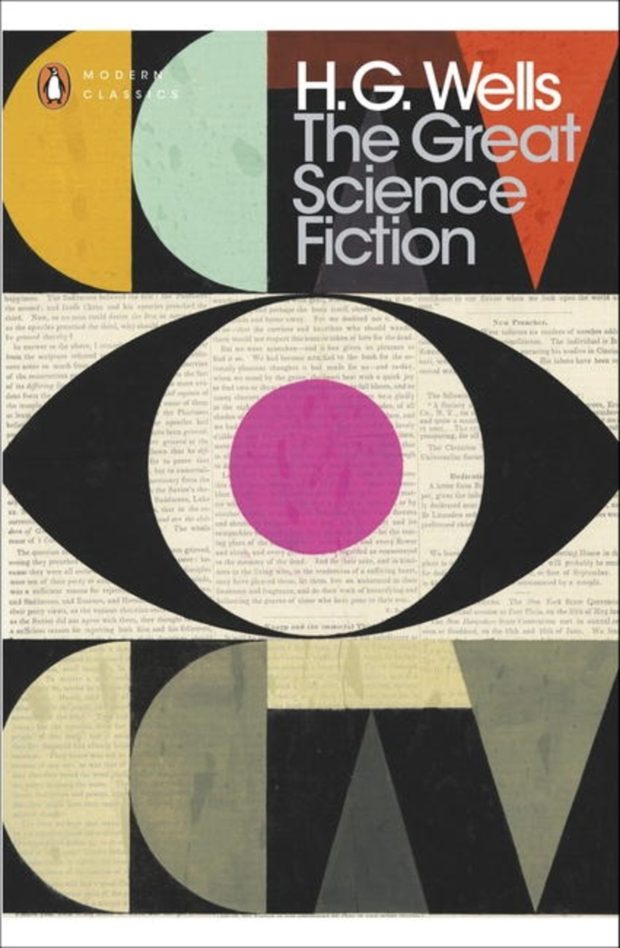
The Great Science Fiction by H.G. Wells (Modern Classics); series design by Jim Stoddart; cover art by Evan Hecox (Penguin / September 2016) 

akestralforaknave-kyler-martz 

Penguin Essentials; designs by Kyler Martz, Gray318, David Foldavi, Julian House (Penguin / 2-16)

See more of the series at Design Week.

dune design Alex Trochut

Penguin Galaxy series; design by Alex Trochut (Penguin /2016)

No Man’s Land Trilogy by Andy Remic; design by Christine Foltzer; illustration by Jeffrey Alan Love (Tor / 2016)

Read more about Jeffrey Alan Love’s work on the series on Tor.com.

rings-of-saturn-design-mendelsund

New Directions W.G. Sebald; design by Peter Mendelsund (New Directions / 2016)

Save

Save

Save

Save

Comments closed

Q & A with James Paul Jones, Oneworld

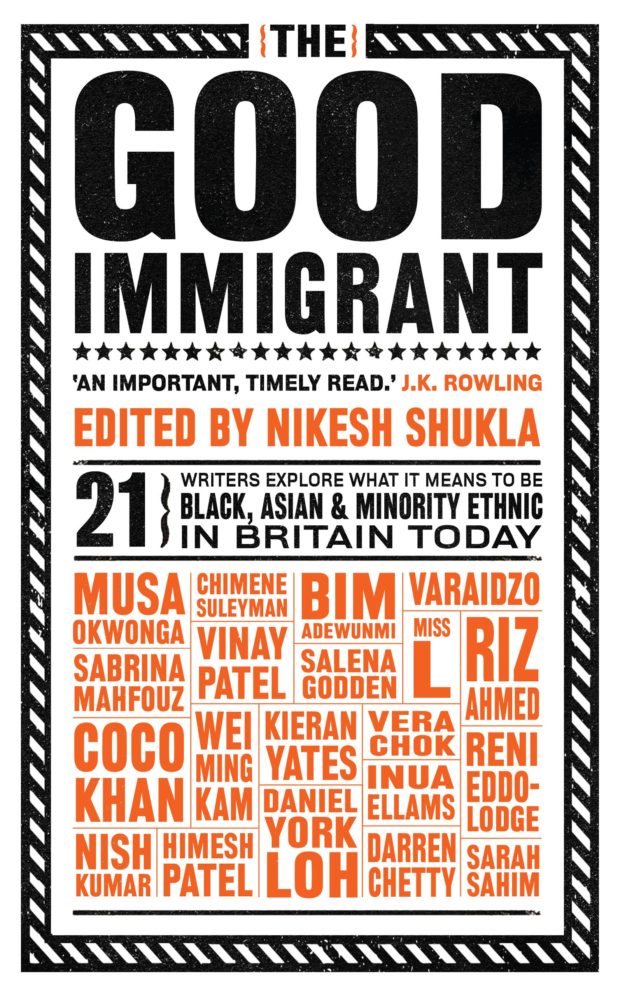
The Good Immigrant design James Paul Jones

The work of Welsh designer James Paul Jones for has featured regularly here in the past few years. A versatile cover designer and one of the co-founders of Vintage UK’s design blog CMYK, James was recognised as a ‘Rising Star‘ by the Bookseller in 2014, and recently moved to independent publisher Oneworld Books in the role of art director. This Q & A  has been quite awhile in the making, but I’m very grateful to James for taking the time to answer my questions in such depth, and I’m glad for the opportunity to showcase his talents again.

You can find James on Twitter and Instagram, and you can see more of his work on his website. James and I corresponded over email (for years)…

Do you remember when you first became interested in design?

Growing up it was all about sport and design. From an early age I used to drive people mad (mainly my parents and teachers) spending hours perfecting my hand writing, and adorning basically everything I could with doodles, designs, and patterns. Which is ironic, as I can barely understand my own scribbles these days. I somehow knew back then that is was more the Design in Art & Design I was interested in, I think mainly because it took me so long to finish anything remotely ‘still life’. My art teacher Islwyn Williams can vouch for that, and he was one of the good ones. I remember him saying when he saw me walking down the corridor in full-on teenage mode to ‘Look up. Not enough people do and you don’t know what you’re missing’. That’s stuck with me ever since. Things progressed quickly once I got hold of my first bondi blue iMac. From there, I used to ‘borrow’ my Dads record covers, scan them and proceed to add my own finishing touches. My first ‘effort’ was giving Paul McCartney some shoes on the Abbey Road album. I’d then print out everything and plaster my walls with the output. I wish to this day I could do this in my new workplace.

Do you come from a creative family?

I used to think not. My Dad was a self-made business man running a wholesale food company in North Wales and my mother working alongside. But I realised over time that my Dad had a special way with words and he wrote poetry in his spare time. I was certainly the only one who was a bit obsessed with the visual side of things. My sister was definitely the words. I was proud to work alongside her whilst working at Vintage Books. As I’m sure was our Mum.

Were there a lot of books in your house growing up?

There were plenty. And they were all owned by my sister. I can’t pretend that I’ve been a book buff all my life, because when I was younger I didn’t read enough. But I did grow up on Roald Dahl and other children’s classics of my time. What I thoroughly enjoyed reading (and my mother still has a pile of these ready to give me back home) was the ‘how to’ guides. Cartooning, watercolours, different print processes. Cross hatching, you name it. I had a guide on it. A recent ‘Punch’ exhibition at the House of Illustration in London focused on the work of Shepard and it reminded me of my love of a good cross hatch shadow. Now my house consists of ‘why’ books. Why do people see and think in certain ways. Different triggers, autobiographies and non-fiction is what I devour outside the daily manuscripts. Plus I love a good quote I can draw inspiration from. It continues to amaze me how much you can learn from others.
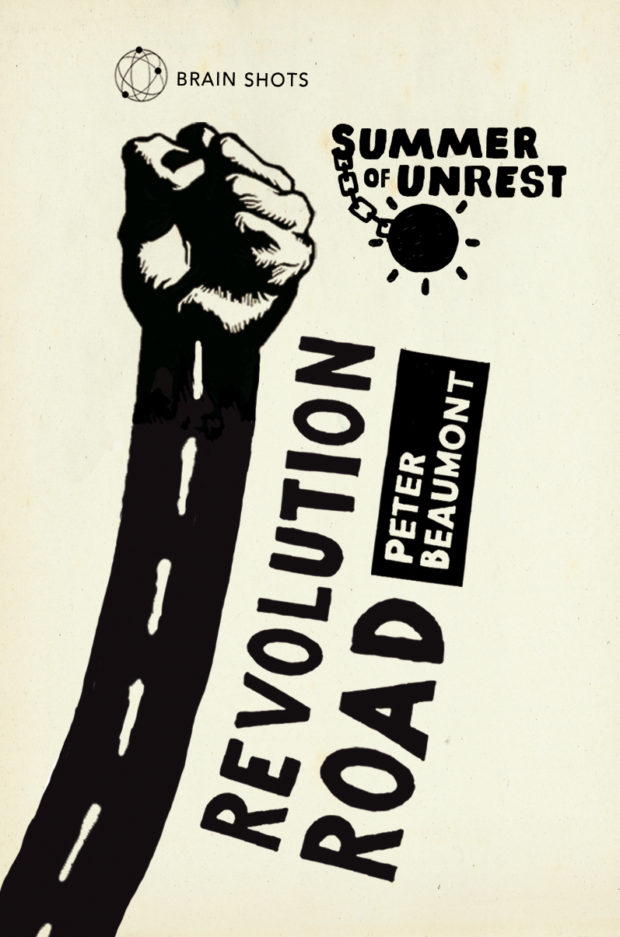
the-revolution-road_vintage

Did you study design at school?

I was lucky enough that when I got to secondary school there was a graphics GCSE course which I snapped up. There began my obsession with drawing rectangles using 4 points, which later in life has translated to all forms of typographic sketches. Earlier I studied Art, but grades wise I was let down by my inability to follow suit and show my workings. I always had the final idea in my head and wanted to cut out the middle man. Although now, one of my prized possessions is my A5 moleskin which doesn’t leave my side, which would amuse my Art teacher to no end. Later on, I did an Art Foundation course in North Wales, which was easily the most creative, fulfilling and enjoyable year of my life education wise. We worked on everything from woodworks to 3 dimensional life size sketches using charcoal. I thrived on the atmosphere there and at some point I’d love to go back and enjoy it for a second year. I was honoured to be invited back this year to showcase my work, helping to hopefully inspire the next generation. Anything I can give back there I will in abundance. Following foundation, I studied Graphic & Media Design at London College of Printing. It was a great college, and to be taught by one of my design heroes Hamish Muir was priceless.

I can’t pretend I did my best work there because that wasn’t the case. But what I did learn, and something I realised early on, was that I needed work contacts by the time I graduated. I started calling in favours, taking work experience here and there and this all helped to build up a roster of freelance clients. I started my own design company (Here & Now – my exercise book ‘tag’ from my teenage years) toward the end of the second year where I was doing websites, record covers and 1-day-a-week freelancing with the Orion Publishing Group.

Where did you start your career? 

I started my career at Orion through work experience in the marketing department. Working on posters, bookmarks and other promotional materials. Then one day I was asked to work on the back cover for a Harlan Coben novel. I was fresh out of 2nd year at University and still obsessed by Müller-Brockman, which meant I spent the rest of the day typesetting the copy on crazy angles. Vertical barcode. The works. I can still remember it to this day. I thought it looked bloody brilliant. The Art Director thought so too, but obviously it was a bit out there for a mass market crime novel… Although she asked me to come back the next week and that was that. Her name was Lucie Stericker and she is the brilliant Creative Director of Orion, and one of the key people in my career. She gave me the opportunity to show what I could do, at a time where I didn’t really know what I could. At one point I nearly quit to head down the big design company route, but I’m glad I stuck it out and I have Lucie to thank for that.

At Orion I learnt it all from the bottom up. Starting off as a freelancer, before joining the company on a 4-day a week basis. After that I started to get my own briefs to work on and from there I kicked on. I always wanted to try and push the boundaries of each genres, as I was young and I didn’t see any reason not to! You had to get noticed somehow. I worked my way up to a Junior Designer level, and then to Designer. My work started getting noticed after working on the Keith Richards autobiography Life and the award winning The Tiger’s Wife, before Vintage offered me an opportunity as a Senior Designer 4 ½ years in to my Orion career.

wiggo_vintage

Over at Vintage I began to hone my craft, and was soon art directing my own photo shoots for Bradley Wiggins fresh from his Tour De France and Olympic wins and working on titles such as Virginia Woolf, Sebastian Faulks and Chuck Palahniuk. I was in my element. The team pushed each other every day, some of the group projects we worked on such as the James Bond classics were a joy to be a part of. As was the creative atmosphere of the design department.

I spent 4 ½ very happy years at Vintage, working across all genres and imprints. Whilst there I was humbled to be voted as one of the industries rising stars, one of the only designers on the list. My work was also recognised with some awards, one of the highlights being my award winning collaboration with Pietari Posti on our Arthur Ransome series. Vintage and Penguin Random House were such an inspiration to me design wise, and I thank the whole design team, and the Creative Designer Suzanne Dean, for that.

When did you start at Oneworld?

I started at Oneworld as their new Art Director just over a year ago, in September of 2015. I thoroughly enjoyed my time over at Vintage, but I was looking for a new challenge and really wanted to experience the life of an Art Director. Oneworld came about because of that ambition, and I was intrigued by the company as a whole. They had such fantastic books, yet I felt the covers could reflect that better. It was a big change for me, going from the biggest publisher in the world (Penguin Random House) to an independent, but I really wanted to get stuck into something that I could put my mark on. At Oneworld it’s just me heading up the design department, and while that can seem quite daunting at times I like to think that I thrive on that responsibility. I have instigated a design internship recently, and I’m thoroughly enjoying mentoring young designers at the start of their careers and giving something back to the design community. It’s a privilege, and design-wise my goal is to make Oneworld’s books known for their looks and production values, of which having a cracking production team by my side helps. Along with a company willing to try something different. Since I joined the company, we’ve won the Man Booker Prize, been voted Independent Publisher of the Year, had another one of our books shortlisted for this year’s Man Booker, and the company is going from strength to strength. It’s not easy, I don’t think any Art Director job is. But I really do love it. And I want that hard work and passion to come across in the work we put out there as a company. I’m also involved in the creative direction of the company as a whole. We recently re-designed our website, logo and branding. Which has all been a fantastic and invaluable experience.

design James Paul Jones

What have you found to be the main differences between being an art director and a designer so far?

That the bucks stops with me, which is both a good and a bad thing. What I have enjoyed most is working alongside artists, designers and illustrators that I admire. Pushing them as far as we can go with each design. We might not always see eye-to-eye but I enjoy working with other designers who want to make something great, and not just another cover to tick off their to do list. Our job is to represent the spirit of the book. To find out what makes that book unique, and communicate and celebrate it visually on the cover.

Are you also working on freelance projects?

I am. I was always rather envious of the US model of Art Directors who also freelance for other companies. It really appealed to me. So when the Oneworld position came up, it was a part time position and it suited my ambitions to explore freelancing. I took a leap of faith, and now I work 4-days-a-week in-house at Oneworld and do my freelance work on the fifth day. Although as every freelancer knows, my weekends are often taken up working, and one of the hardest aspects is trying to find that work/life balance. Having a young family has forced me to work that out from the get go. I’ve been lucky enough since I started freelancing last year to work with some great publishers around the world. I still love getting that first initial ‘making contact’ email from a new publisher who has seen my work and wants to know if I’m available. I thoroughly enjoy having the best of both worlds, even with the extra hours it can demand. But I’m really happy with the freelance side of my career, and I hope it keeps growing and growing.

What are your favourite projects to work on?

Ones that I can throw myself into. They’re both a blessing and a curse. I like to get really immersed and find it hard to switch off, but having a family has definitely helped me be more ruthless in that sense. I consider what we do such a privilege. I have to put my all into each cover. I’m a big believer in that if you leave nothing behind, your work will connect in the right way. I thank my Dad for that work ethic, and also my many different sport coaches along the way. Leave nothing behind. Design hard. But most of all have fun with it.
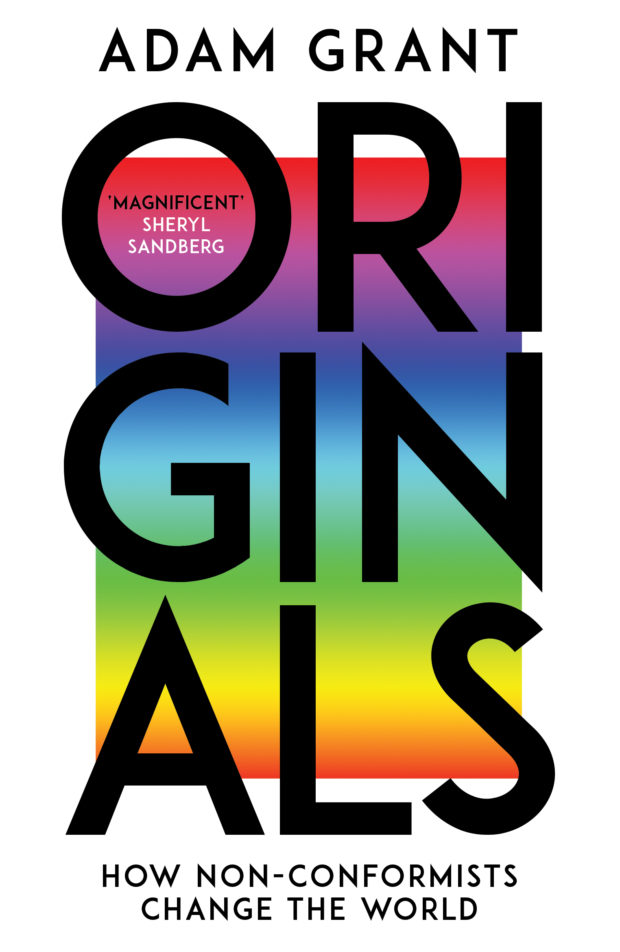
originals_ebury

Which ones present the greatest creative challenges?

Interesting question. I guess the briefs that ask for the norm for that genre. But you know there’s an opportunity to push the envelope a little… Then the challenge is executing the design in a way that will embrace that idea, rather than alienating people. Then getting the sales teams on board with the idea. I’m constantly pushing my editors to really think about their briefs. Look what’s out there, and how can we make our book original. I’ve just finished working on a cover for Ebury called Originals by the brilliant Adam Grant. As he mentions ‘Being original doesn’t require being first. It just means being different and better’. That’s what I’m aiming for in my work for Oneworld and in my freelance work.

What’s your ‘go to’ typeface for a book cover?

I think due to my design education I’m a big fan of the classics. They are that for a reason. Too gimmicky and it just looks lazy. I’ve actually been trying to experiment more with my typefaces. Altering more by hand and creating my own here and there to see what I can get away with. I’m a huge fan of typography, and boy do I still have a lot to learn. You have to know all the rules, so that you can then push them as far as possible, sometimes break them and really have some fun along the way. One of the most rewarding and memorable exercises our tutor at LCP Hamish Muir set us was to photocopy strips and individual pieces of typography, blow them up to different sizes, re-arrange them and produce our own grids to lay out the information for each poster. Hand laying and sticking each letter and word. I learnt more in that day then I did over the course of the following three years.

What do you look for in an illustrator’s portfolio?

Something I could never create or imagine myself. If I’m working with an illustrator it’s because I can’t create what I’m after and I think they would be perfect for expressing the authors words to the reader. Like most Art Directors, when commissioning I secretly want to see the routes I’ve asked for in my brief, along with a curve ball interpretation that throws a huge creature spanner in the works. If they can do that, then I’ll keep coming back for more.

What advice would you give a designer at the start of their career?

Get yourselves out there. And just keep designing. There is quite a lot of competition out there at the moment, but at the end of the day it comes down to the quality of your work. That will only improve as you work more and more. Get yourselves out there, because otherwise people will never see your work. And take risks with your work. The first thing I did was create my own Tumblr. I figured it was an easy program to use, one which would allow my work to reach a wider audience. There are so many blogs and social media accounts dedicated to book design now it’s hard to keep up. But the cream will always rise to the top.


You were very involved in the CMYK, the Vintage Books design Tumblr. Why did the Vintage design team decide to start blogging about their work? 

We wanted a platform where we could launch our designs to the world, to share the first words on our designs and communicate our influences and working methods directly. We wanted to share the back story to the designs, how they were created, what processes were used, and information about the illustrators, photographers and designers. At the time, there weren’t really any art departments doing anything similar, and so we decided to create something that we as an art department would be interested in reading. The reaction and success was huge, at one point we were one of the most viewed sites across all PRH platforms. It was a really big team effort, and one we needed to structure at the beginning of each week to keep on top of. I’m still proud of everything we did, and it’s great to see so many other art departments follow suit.

At Oneworld, I’m looking into Instagram and seeing what fun we could have on there. I’ve only just joined Instagram for my sins, and I’m aiming to show off all the good work we’ve been doing here at Bloomsbury Street in London. It’s also a great platform for spotting talent and keeping a close eye on the competition. I’ll also be showing my freelance work, and I thought it would be great to give people more of an insight into the day to day of an Art Director. Let’s see what happens.


Which illustrators and designers do you think are doing interesting work right now?

This changes every week. Along with my bookmarks. Being an Art Director now I’m constantly thinking ahead, and it’s hard to switch off. Meaning even when I’m at an exhibition in a church hall in Wales, I’m collecting information on a young illustrator from the area who’s tree paintings are so fresh I can’t wait for a suitable cover to crop up for her. I do try to use new illustrators and designers as much as possible. They come with a sense of freedom and a willingness to break the rules. Plus their work ethic is one I admire as they give their all for the outcome. The more experienced illustrators and designers out there, who are still at the top of their game after all these years, they know how to retain that quality.

Who are some of your design heroes?

So many. Hipgnosis. Peter Saville. Hamish Muir (8VO). Brody. Müller Brockman. Non-Format. Love Non-Format. All from my educational years. I still remember when Hamish bought in some original litho printed Hacienda posters from the 90’s which blew my mind and made me realised I massively needed to up my game. All created with their hands. No photoshop. NO Photoshop. Amazing. I never saw myself as a book designer until I worked in the industry. I always wanted to join the big design companies of the world. The ‘Mothers‘ and ‘Experiment Jetsets‘. Daniel Eatock. Bibliothèque. Accept & Proceed. Designs with concepts behind them was what inspired me then, and still does today. As for now and in the book design world, I’m inspired by work that really stands out and tries to be different. From a career point of view, David Pearson, Rodrigo Corral, Peter Mendelsund, Jim Stoddart and Suzanne Dean. They are leading the way for me in various different ways, and I’ve been lucky enough to work alongside some of them. Also I admire what Andy Pressman has done over at Verso, along with Melanie Patrick at Pluto Press.

Is there one particular author or a book you’d like to design a cover for?

Tough one. Because there are just so many. I’m also very lucky to have worked on quite a few over my short career. I did think a year or so back that for me, the Harry Potter series hadn’t quite hit the mark. But then Olly Moss came along and blew that out of the water…but perhaps there’s still a typographic option out there that could be explored. I missed out on a redesign of Terry Pratchett covers a while back, and I still think I was on to something there so I’d like to be able to revisit those in the future.

What‘s in your ‘to read’ pile?

It’s become a library. Currently finishing off Originals by Adam Grant (during the day for inspiration) and The Shepherds Life (in the evening to escape it all). Then at some point to follow: Designing Your Life, The Wisdom of Groundhog Day, Outliers, The Ego Trick. I’ve become much more of a thinker than I used to be. That’s something that I’ve had to change as my career has gone on. I spend much more time thinking about a cover now before actually working on it. I find that it helps the actual process go much smoother and adds clarity to the finished outcome.
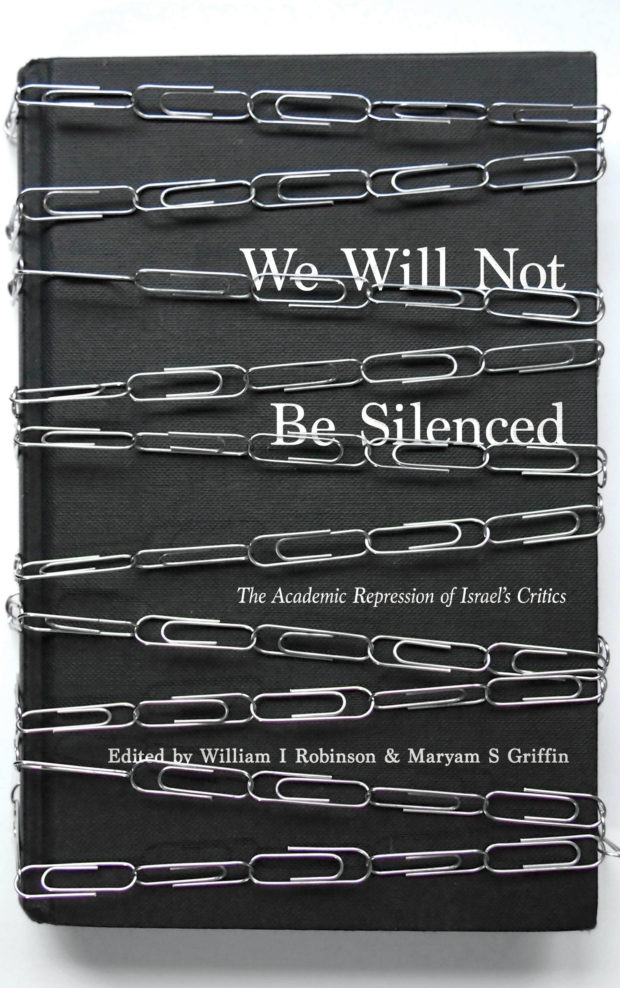
we-will-not-be-silenced_pluto-press

Do you have system for organizing your books?

It depends what part of my house you’re in. My home studio has everything organised by Company. As in, where I worked at the time as it’s mostly an archive of my work. With a separate space for freelance covers. The design books in there are organised by size, just to mix it up a little bit. My ‘to read’ pile by my bed is organised by what’s up next, or that’s the theory anyway. My wife’s books have no system to them at all…but the less said about that the better.

Do you have a favourite book?

I don’t really tend to re read anything as I have endless notes on my phone quoting all my favourite passages which I constantly come back to. As far as impact goes, I can remember being introduced to the classics from Paul Arden early on at art Foundation and really connecting with them. They seemed so different back then. The Art of Seeing is never far from my side, and as for Biographies it’s hard to beat David Maraniss’ A Life of Vince Lombardi. One of the heroes to one of mine and my Dad’s heroes, Sir Alex Ferguson.

What does the future hold for book cover design?

Whatever we want it to be. The whole death of print has come and gone (for now), allowing for a very exciting time. Everyone’s having to up their game, especially with social media. The ‘Cover reveal’ is really popular in publishing. Allowing designers all round the world to sigh after a hard days work, and seeing a moment of genius from someone in Peru and realising you’ve come nowhere near. I’m still waiting again for that ‘perfect’ cover moment. That marriage of the perfect designer, with the perfect idea, for the perfect book and the perfect publisher, like David Pearson’s cover for George Orwell’s 1984. I’m hoping I’ll be able to pull something out of the bag before I’m done.

Thanks James!

Save

Save

Save

Comments closed

New Directions Sebald Designs by Peter Mendelsund

rings-of-saturn-design-mendelsund

Peter Mendelsund‘s covers for the new New Directions editions of W.G. Sebald’s classic novels The EmigrantsThe Rings of Saturn, and Vertigo, are rather special. The books will be published November and are available individually and as a set.

vertigo-design-mendelsund

emigrants-design-mendelsund

Comments closed

Book Covers of Note June 2016

Something of a bumper post this month, with lots of black and white covers for some reason. Perhaps it’s a thing…?

Addlands design Jenny Grigg
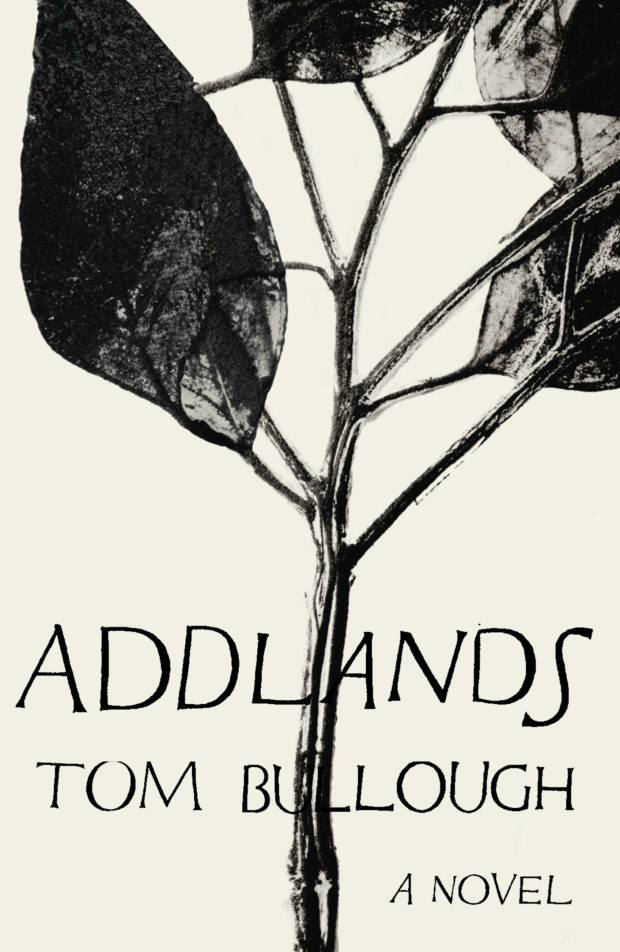
Addlands by Tom Bullough; design by Jenny Grigg (Granta / June 2016)

barkskins-design Jaya Miceli
Barkskins by Annie Proulx; design Jaya Miceli (Scribner / June 2016)

The cover of the UK edition (Fourth Estate / June 2016), designed by Anna Morrison, is an interesting contrast:
Barkskins design by Anna Morrison

Boy-s Own Story design Ami Smithson
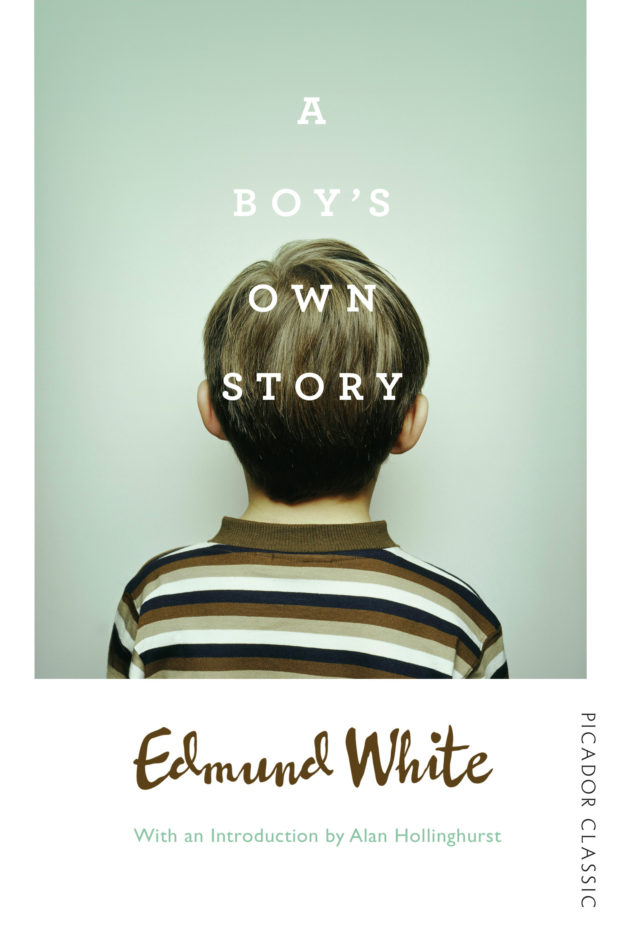
A Boys Own Story by Edmund White; design by Ami Smithson (Picador / June 2016)

9780399184123
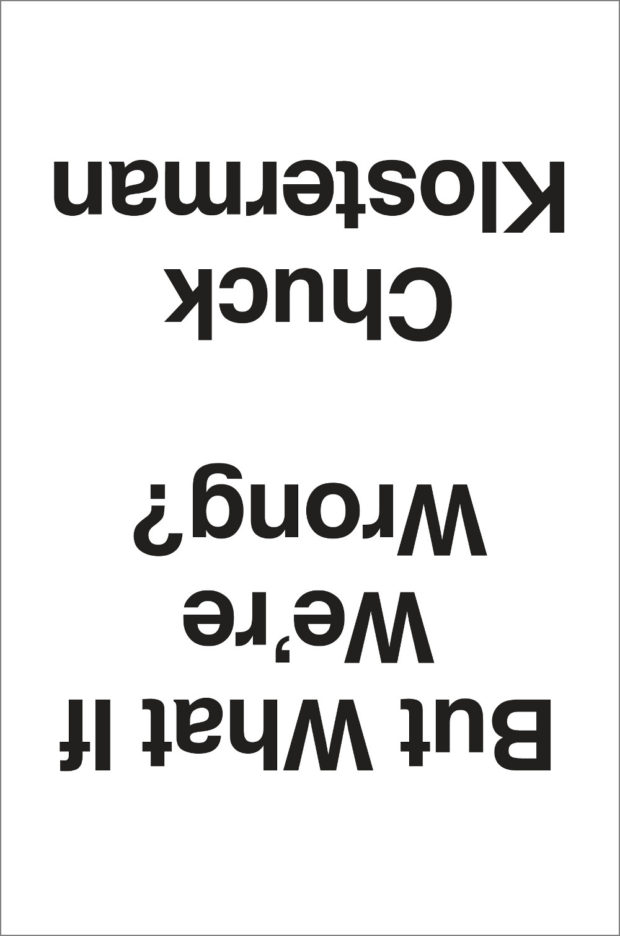
But What If We’re Wrong? by Chuck Klosterman; design by Paul Sahre (Blue Rider Press / June 2016)

TheChaplinMachine
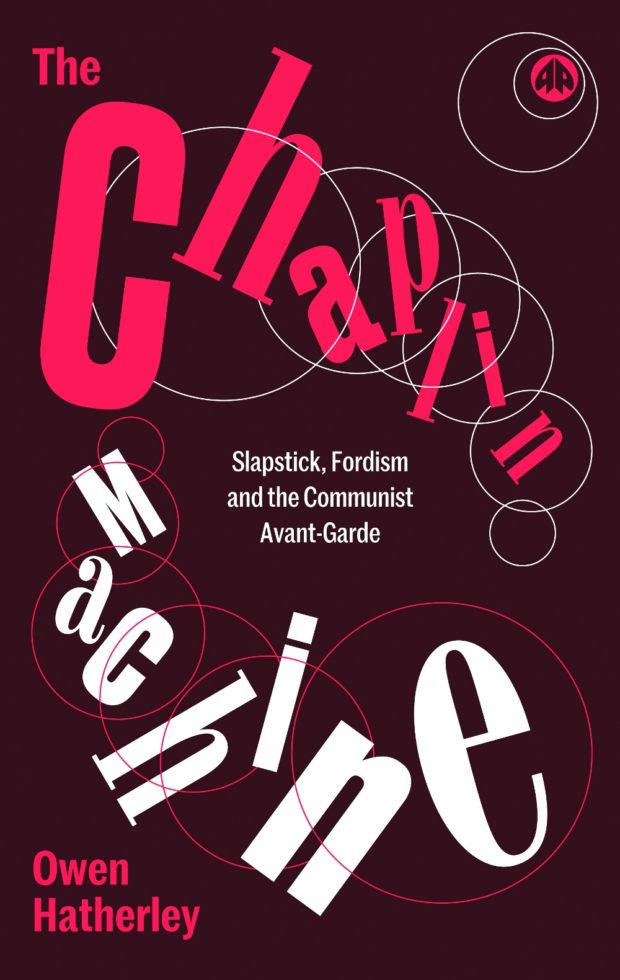
The Chaplin Machine by Owen Hatherley; design by David Pearson (Pluto Press / June 2016)

Crow-Girl design Mendelsund and Munday
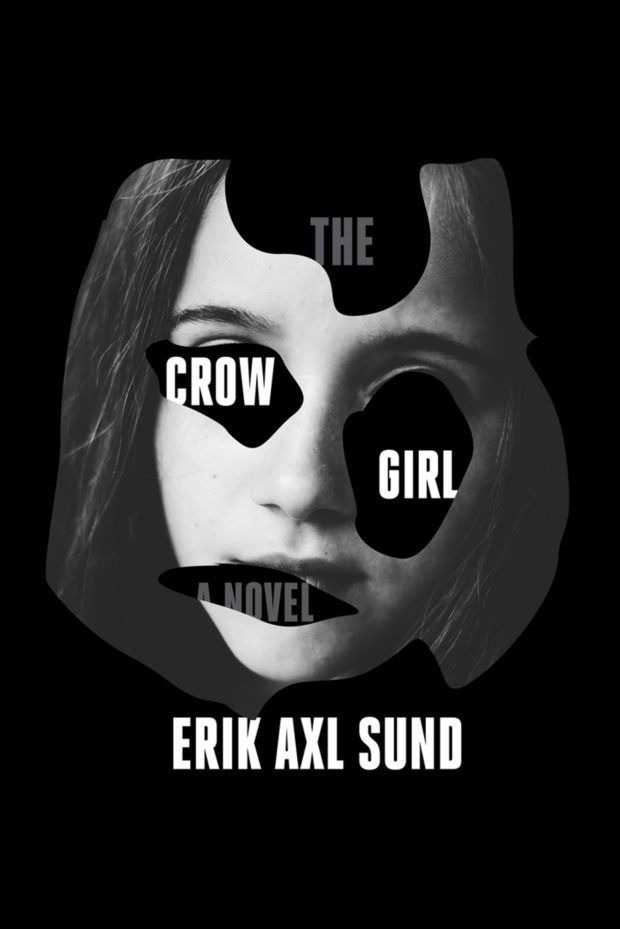
The Crow Girl by Erik Axl Sund; design by Peter Mendelsund & Oliver Munday (Knopf / June 2016)

death confetti design Jacob Covey
Death Confetti by Jennifer Robin; design by Jacob Covey (Feral House / June 2016)

Essex Serpent design Peter Dyer
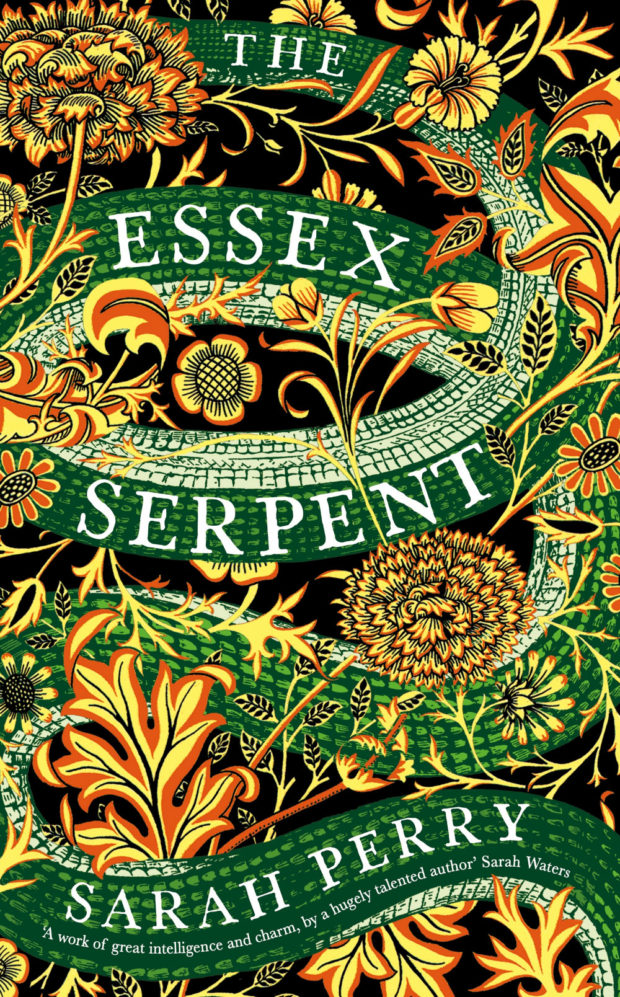
The Essex Serpent by Sarah Perry; design Peter Dyer (Serpent’s Tail / June 2016)

Fen design by Suzanne Dean
Fen by Daisy Johnson; design Suzanne Dean (Vintage / June 2016)


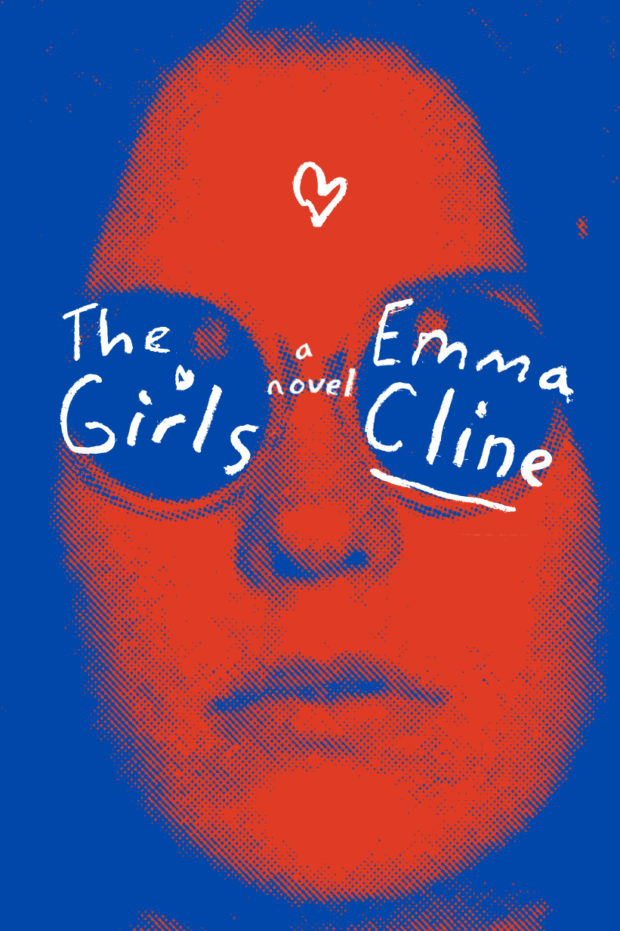
The Girls by Emma Cline; design Peter Mendelsund; lettering by Jenny Pouech (Random House / June 2016)

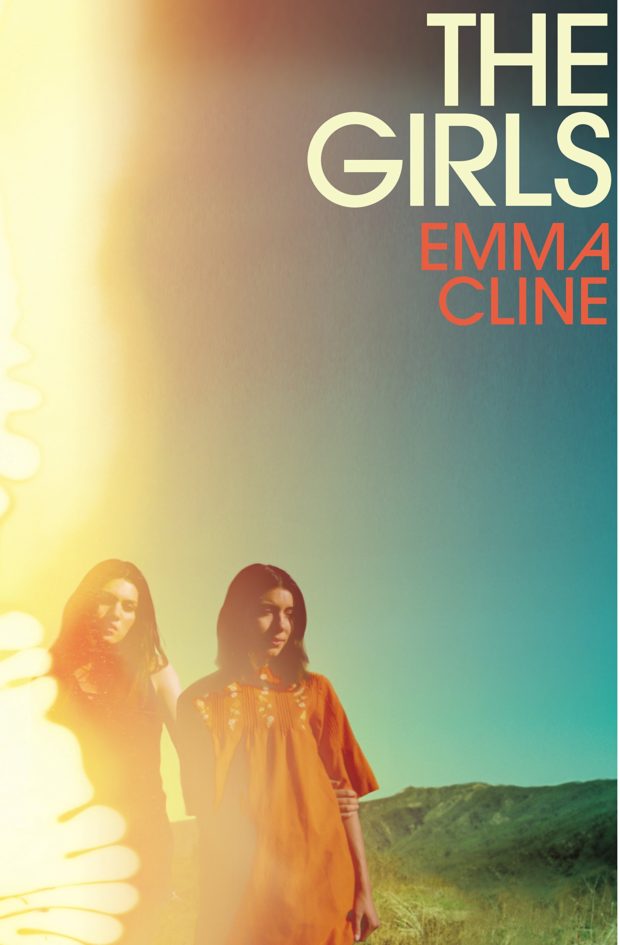
The cover of the UK edition (Chatto & Windus / June 2016), which makes intriguing use of ITC Avant Garde Gothic,1 was designed by Suzanne Dean:

girls UK

Goldfish_fc
Goldfish JKT_final

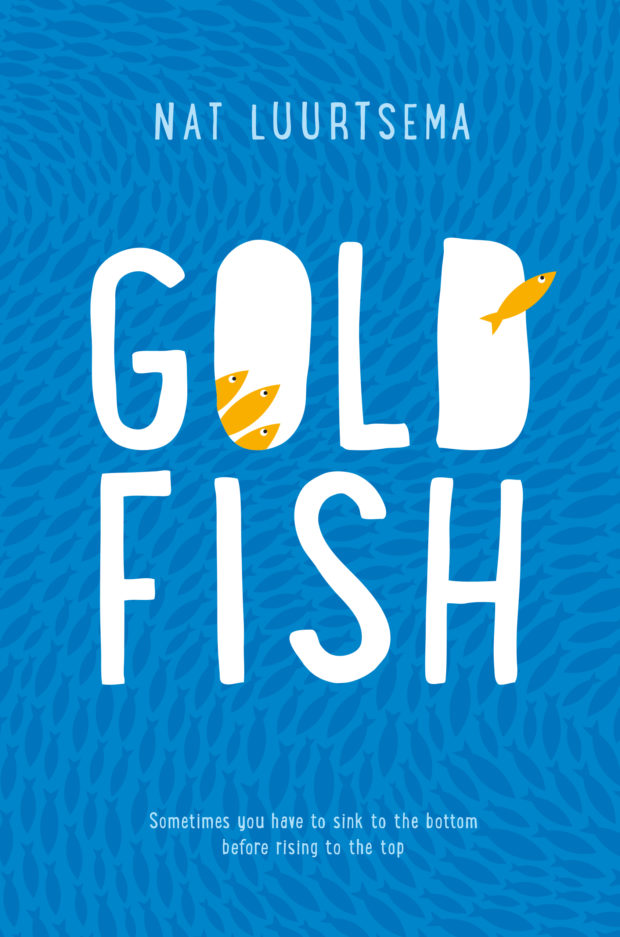
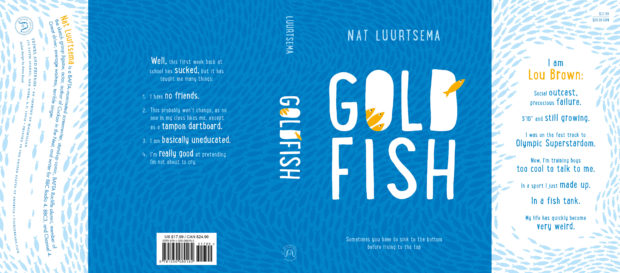
Goldfish by Nat Luurtsema; design by Anna Booth (Feiwel & Friends / June 2016)

(This has a fancy spot gloss that makes the school of fish appear to shimmer)

How to Ruin Everything design Ben Denzer
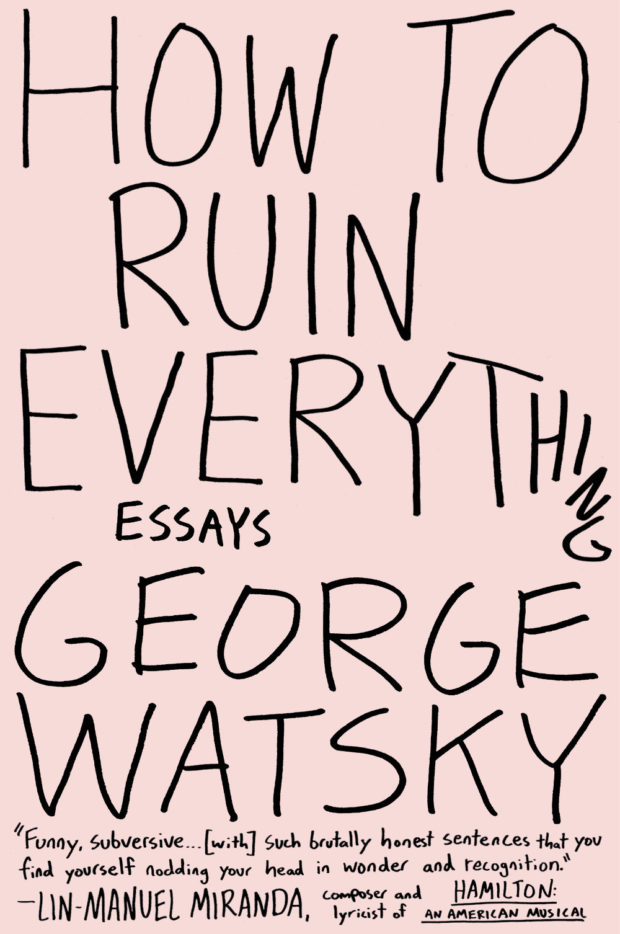
How to Ruin Everything by George Watsky; design by Ben Denzer (Penguin / June 2016)

Human Acts design Tom Darracott
Human Acts by Han Kang; design by Tom Darracott (Portobello Books / January 2016)

Infomocracy design Will Staehle
Infomocracy by Malka Older; design by Will Staehle (Tor Books / June 2016)

ink and bone design Ervin Serrano
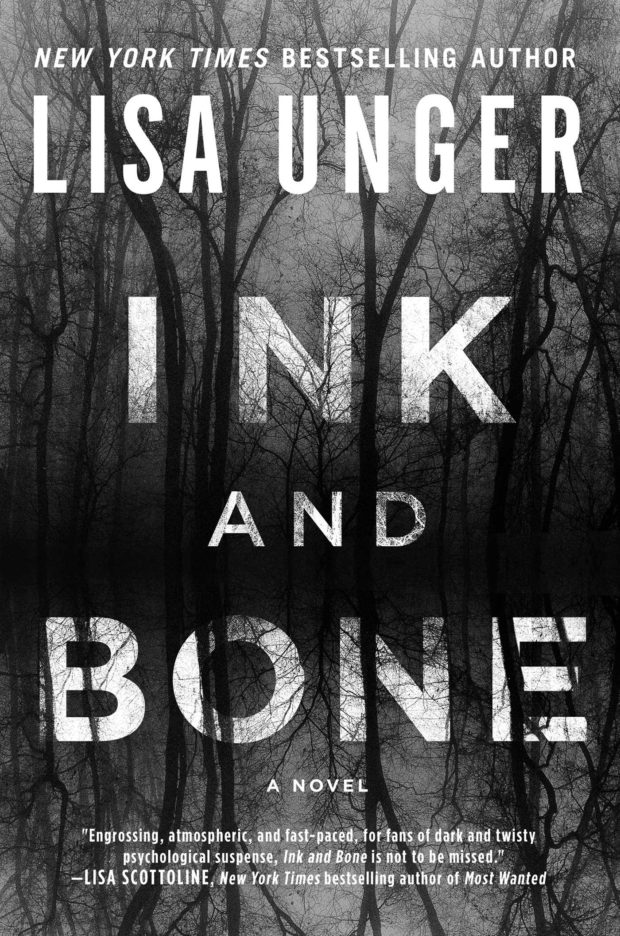
Ink and Bone by Lisa Unger; design by Ervin Serrano (Touchstone / June 2016)

In the Dark in the Woods design Kate Gaughran
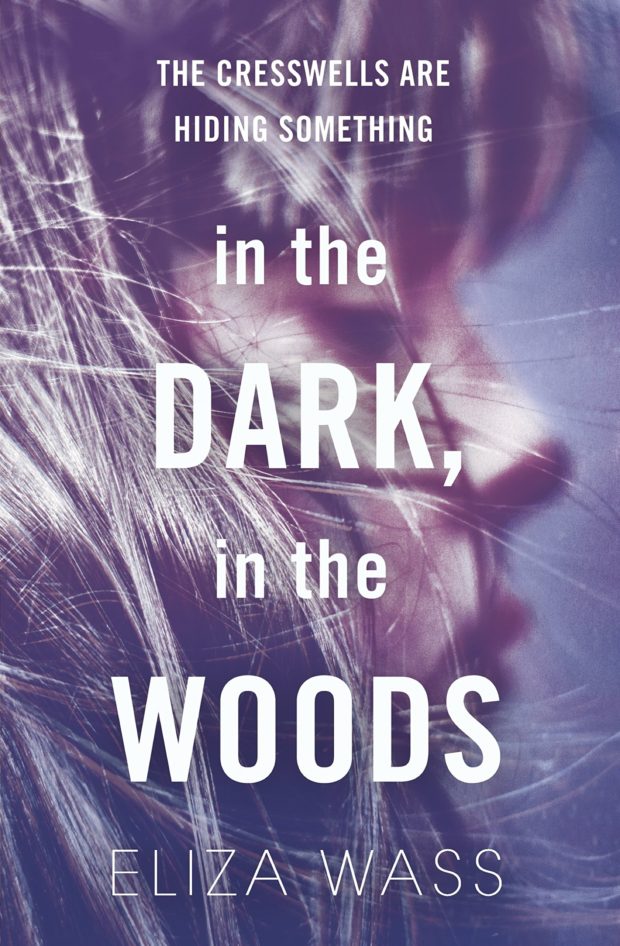
In the Dark in the Woods by Eliza Wass; design by Kate Gaughran (Quercus / April 2016)

Is That Kafka design Erik Carter
Is That Kafka? 99 Finds by Reiner Stach; design by Erik Carter (New Directions / April 2016)

Invincible Summer design Justine Anweiler
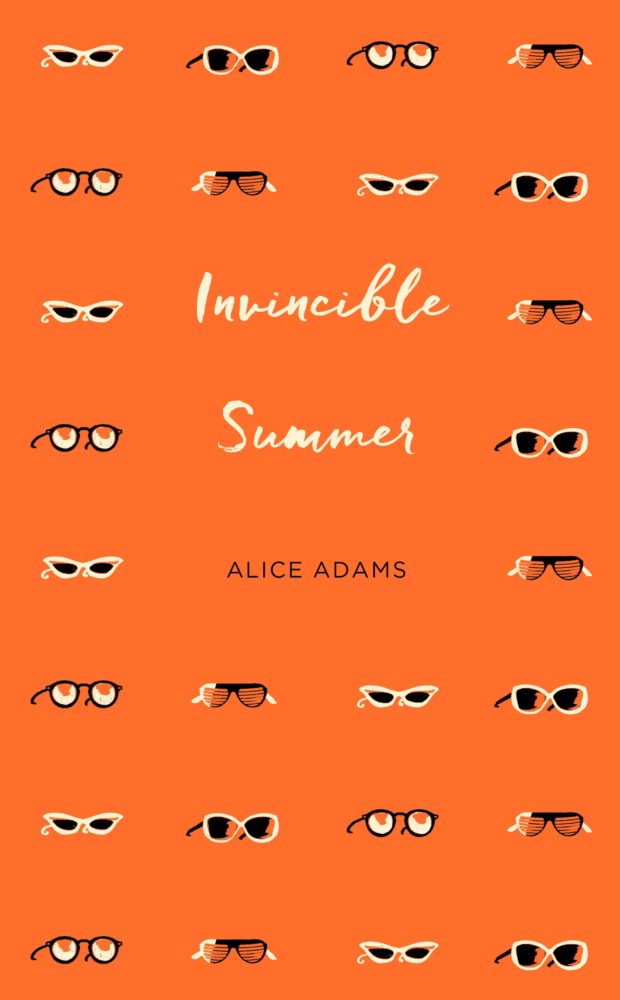
Invincible Summer by Alice Adams; design by Justine Anweiler (Picador / June 2016)

Lost Time Accidents design Pete Adlington
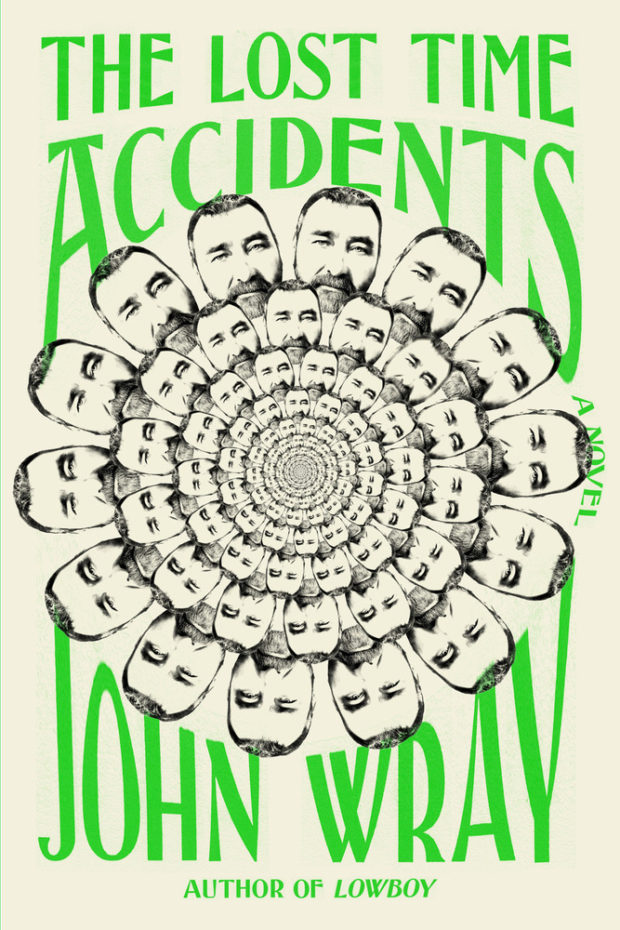
The Lost Time Accidents by John Wray; design by Peter Adlington (Canongate / June 2016)

The cover of the US edition (Farrar, Straus & Giroux / February 2016), designed by Janet Hansen, is another fascinating contrast:
Lost Time Accidents design Janet Hansen

The Muse cover art Lisa Perrin
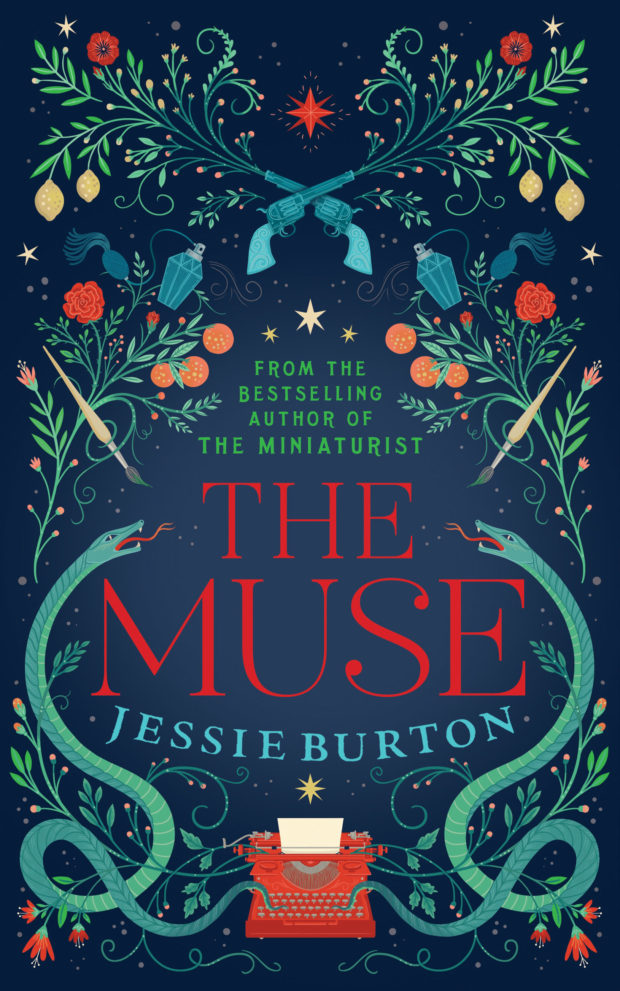
The Muse by Jessie Burton; design by Ami Smithson, cover art by Lisa Perrin (Picador / June 2016)

Print
Naked Diplomacy by Tom Fletcher; cover design by Jonathan Pelham (William Collins / June 2016)

Nitro Mountain design Oliver Munday
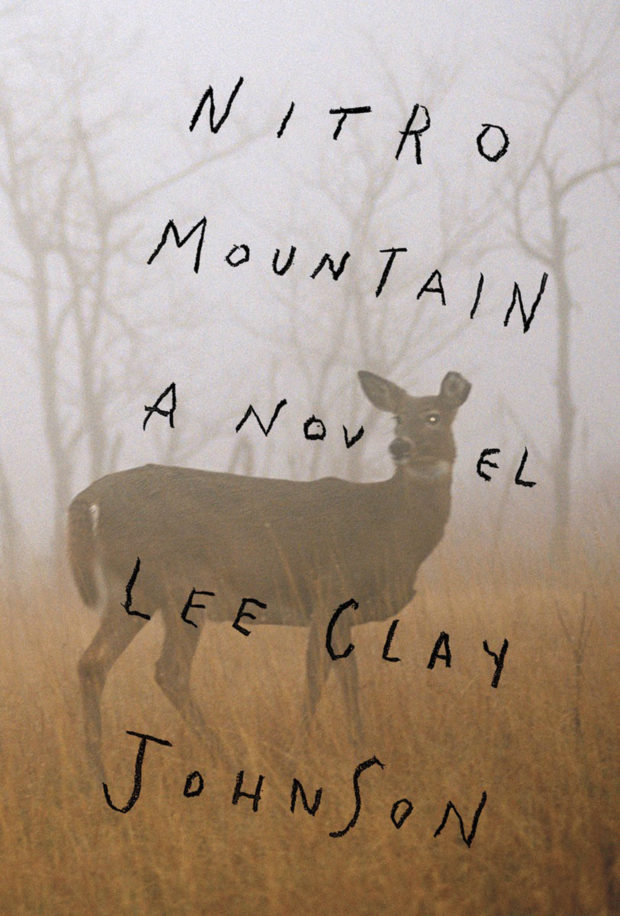
Nitro Mountain by Lee Clay Johnson; design by Oliver Munday (Knopf / May 2016)

The Panama Papers_9781786070470
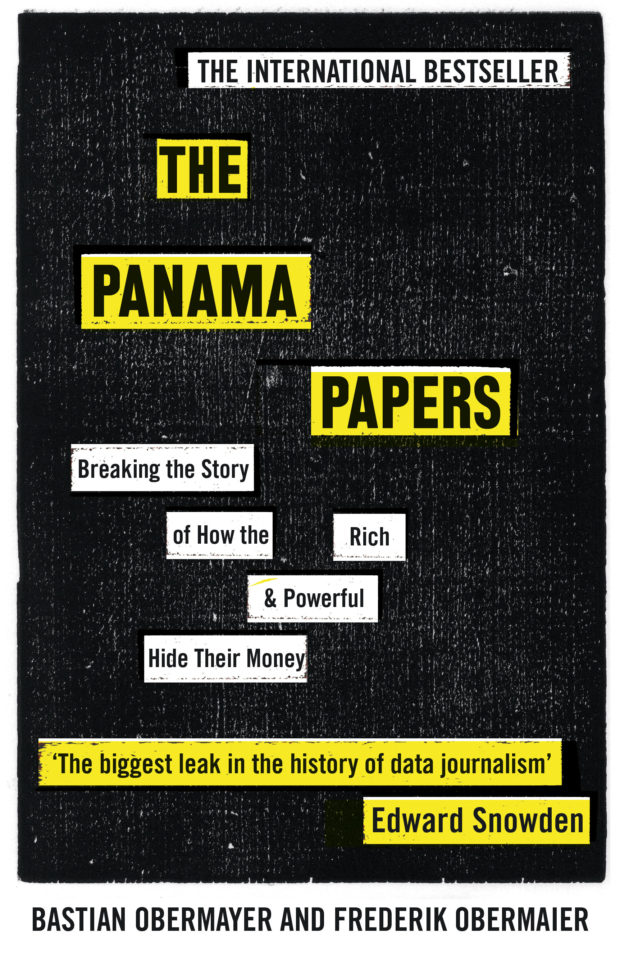
The Panama Papers by Bastian Obermayer and Frederik Obermaier; design by James Paul Jones (Oneworld / June 2016)

Rasputin design Ed Kluz
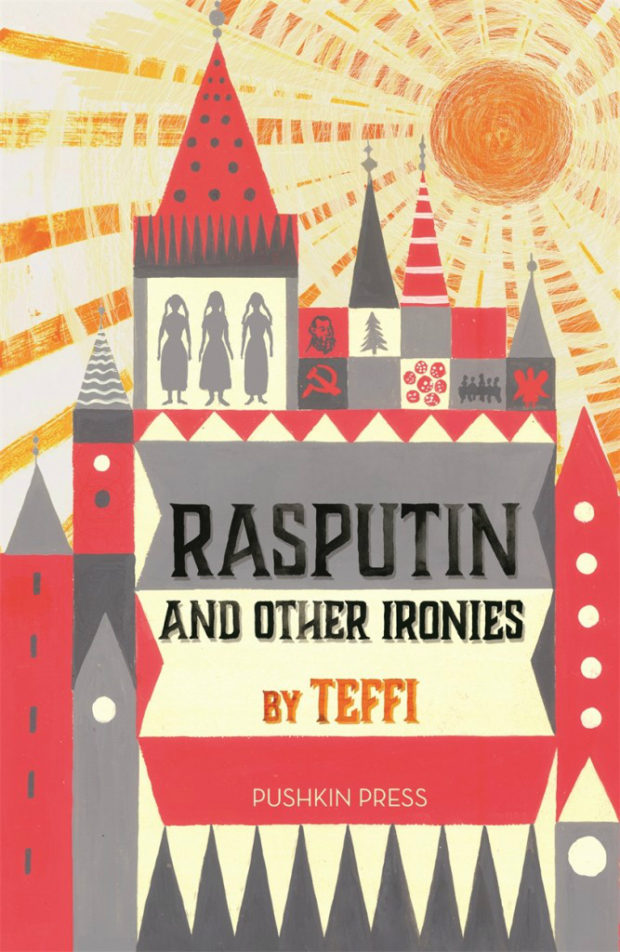
Rasputin and Other Ironies by Teffi; design by Eleanor Crow; cover art by Ed Kluz (Pushkin Press / May 2016)

Scar design CS Neal
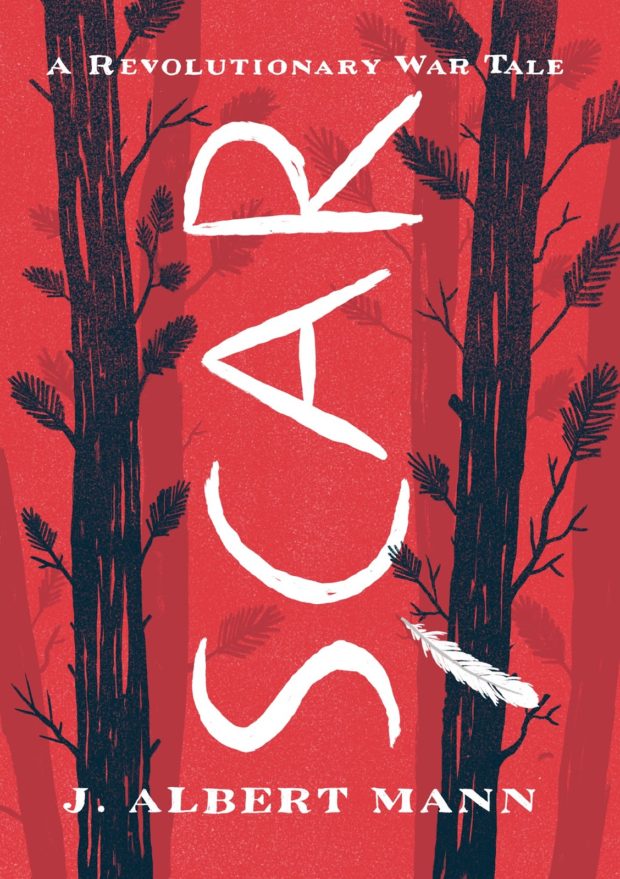
Scar by J. Albert Mann; design by Christopher Silas Neal (Calkins Creek / April 2016)

sex object design by Lynn Buckley
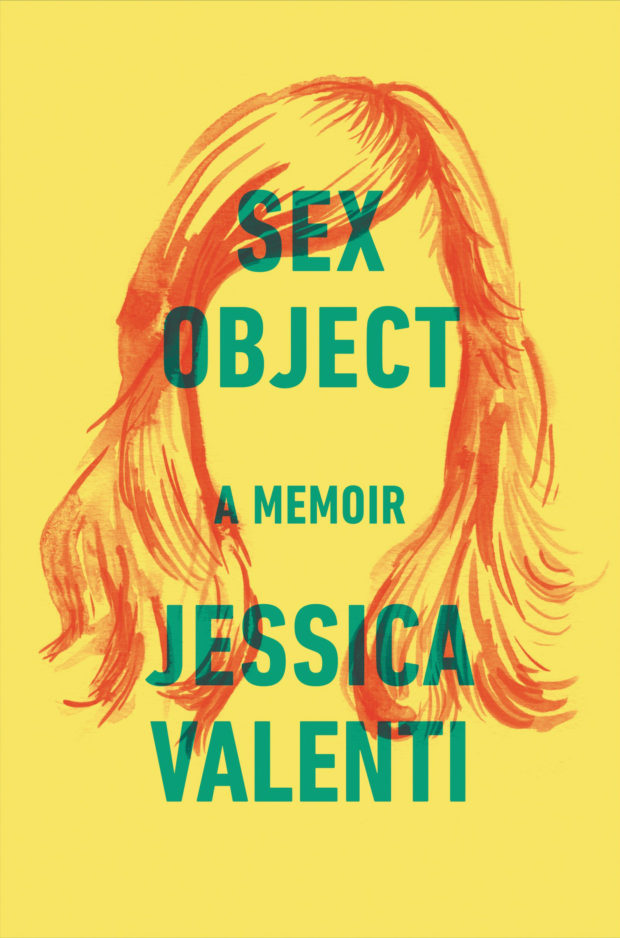
Sex Object by Jessica Valenti; design by Lynn Buckley (Dey Street / June 2016)

White Sands design Pete Adlington
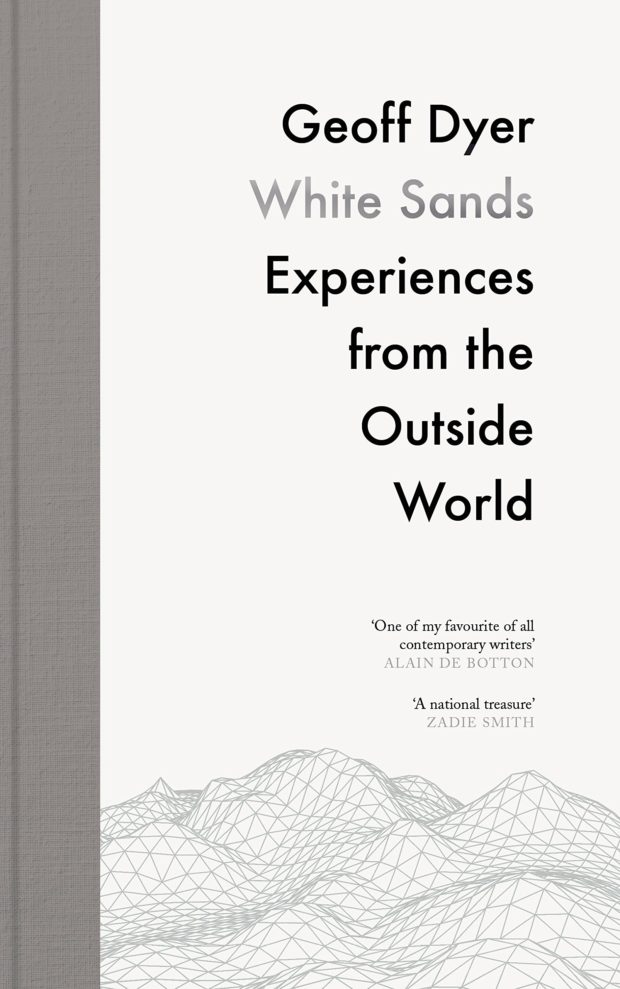
White Sands by Geoff Dyer; design by Peter Adlington (Canongate / June 2016)


6 Comments

All the Books

Assault design Oliver Munday

At Literary Hub, Designer Oliver Munday discusses his design process and reading the whole text:

As designers, we are forced to read quickly, and incisively, mining for the clues to the coveted iconic cover. It can feel careless at times, leading me to believe that my reading skills are being dulled. I think of the author in this process, and in some ways the guilt that I may feel about a less-than-ideal reading of their text is exceeded by the potential of presenting their book with the best possible jacket, one that their audience of ideal readers will appreciate. A cover that feels simultaneously unexpected and inevitable.

I used to aspire to a process that created an expanse for reading each text, one that merged the ideal-designer and ideal-reader into one, but found the boundaries of distinction too severely marked. It would be amazing to have the time, space, and inclination to read an entire text when designing its cover, but I have realized that is not essential. There may be times when my two selves are reconciled, but in the event that they exist separately, a reading designer, divided against himself, will remain standing.

Comments closed