Skip to content

Tag: Design

So Meta

Adrian Shaughnessy talks to Erik Spiekermann about his typeface FF Meta, the corporate font of Herman Miller, for the company magazine WHY:

FF Meta was not designed with Herman Miller in mind, however. It was designed for the German Post Office (Deutsche Bundespost), which hired Spiekermann to rethink the entire graphic design system for the organization—everything from order forms to the once ubiquitous telephone directories. Deutsche Bundespost’s previous font? Like Herman Miller, it was Helvetica. With typical forthrightness, the then 38-year-old Spiekermann urged them to drop it, announcing that it was “unfit for purpose” and “overused.”

Spiekermann recognized that it was the Bundespost’s phone books that offered the greatest potential to benefit from a new typeface: “With just a change of typeface you could save a million trees and be a hero,” he recalls. And so he set about designing FF Meta (then called PT55), a process that involved meticulous research into the proportions of classic letterforms and analysis of developments in printing technology. “We have a great German word, ‘Kopfgeburt’—it means something that springs from your brain. The design of Meta wasn’t like that at all. The process was very theoretical. It wasn’t emotional. This was because at that time I had no experience and couldn’t rely on talent or practice. Everything had to be deducted.”

So thorough was Spiekermann’s process that he arranged to have his new letterforms tested for legibility by perception scientists at Braunschweig University of Technology. “There was a guy there who looked at it, and in his view, there was a little too much ‘noise,’ which you can see in my early drawings. So, I toned down the contrast. There were a couple of numerals that he said were a little too in love with themselves—mannered, in other words.”


Comments closed

Irma Boom’s Library

Ilvy Njiokiktjien for the New York Times

The New York Times visits Dutch designer and bookmaker Irma Boom‘s new library of experimental books:

Irma Boom pays careful attention to word choice. The Dutch designer, one of the world’s pre-eminent bookmakers, is loath to say “client” and refers to her projects as “commissions.” She also doesn’t call herself an artist.

Never mind that Ms. Boom, 56, was once in a group exhibition at the Pompidou Center, or that many of her books are in the Museum of Modern Art’s collection. Her belief that she is not an artist could be a matter of culture — a product of her “Dutch rigor,” as the architect Rem Koolhaas, a close friend and collaborator, said.

But there are many who would at least consider Ms. Boom’s books works of art. Among them were the jurors of the Johannes Vermeer Award, the Dutch state prize for the arts, which she won in 2014. “Her books transcend the level of mere information carriers,” the jury’s report stated. “They are small or larger objects to admire, tempting us to read them with close attention.” She received 100,000 euros to put toward a “special project,” as the prize stipulates. “I cannot simply go and shop at Prada,” Ms. Boom said.

So Ms. Boom has used the prize for the quixotic, endless undertaking of creating a library of what she called “only the books that are experimental.” Above her studio here, the recently opened library is made up almost entirely of books from the 1600s and 1700s, and the 1960s and ’70s.

Those eras are when bookmaking wasn’t held back by conventions, Ms. Boom said, and when books “breathed freedom” in content and form. (Many of today’s e-books, by contrast, represent a “provisional low point” in the art of bookmaking, writes Mr. Koolhaas in the catalog “Irma Boom: The Architecture of the Book.”) Her library includes poetry collections, as well as exhibition catalogs that experimented with form — a book bound with bolts, for example, or contained within what seems like a three-ring binder.

Comments closed

Brutalist Dreams

At the New York Review of Books, American architecture critic Martin Filler casts a critical eye over a slew of new books on Brutalist architecture: 

In addition to its echoes of art brut—Jean Dubuffet’s name for outsider art—New Brutalism was also an oblique riposte to New Humanism, a set of beliefs inspired by Geoffrey Scott’s hugely influential book ‘The Architecture of Humanism’ (1914). But Scott’s call for a return to Arts and Crafts design principles was scorned as escapist nostalgia by many young midcentury modernists. Among them was the period’s foremost British architecture critic, Reyner Banham, who with his scant empathy for the Arts and Crafts Movement’s focus on social reform issues belittlingly described New Humanism as “brickwork, segmental arches, pitched roofs, small windows (or small panes at any rate)—picturesque detailing without picturesque planning. It was, in fact, the so-called ‘William Morris Revival,’ now happily defunct….”

Yet it was not a utopian nineteenth-century dreamland that Brutalism countered as much as the thin, commercialized version of the International Style that after World War II gained ascendance through economic expediency. Brutalism’s striking departure from the steel-skeleton-and-glass-skin conformity of this routine, profit-oriented modernism was defined by its contrary emphasis on raw concrete (‘béton brut’ in French) in massive forms of imposing scale, idiosyncratic shape, rough finish, and uncompromising forcefulness, with a building’s inner workings and services—structure, plumbing, electricity, heating, and ventilation—unabashedly exposed. Brutalism soon became a worldwide craze, as this comparatively economical means of fabrication offered a cost-effective alternative to hand-riveted metal construction and allowed a broader array of sculptural effects than those obtainable with rectilinear frameworks.

One gets the sense Filler is no fan of Brutalism — at least its bleak British incarnation — so there is, inevitably, a reference to J.G. Ballard’s dystopian novel High-Rise:

This was never a style that attempted to convey warmth, comfort, intimacy, or other qualities we tend to associate with an enjoyable way of life, and thus it never won much love except from architectural specialists. Brutalism posited an unsentimental, not to say harsh, view of the modern world, and however heroic its unflinching embodiment of hard realities may have been, most people do not enjoy a daily diet of architectural anxiety and alienation, especially in northern climates under cloudy skies.

One of the first signs of rejection came in J.G. Ballard’s dystopian novel ‘High-Rise (1975), which is set in a thinly fictionalized version of Ernő Goldfinger’s Trellick Tower in London’s North Kensington (1966–1972). (It is one of fifty-four sites highlighted in the ‘Brutalist London Map’, a useful guide to landmarks of the style in the British capital.) This thirty-one-story apartment block, commissioned by the Greater London Council, was based on Le Corbusier’s original Unité in Marseilles, although Goldfinger’s scheme is nearly twice as high as its prototype. Trellick Tower was well received by its first inhabitants, but as was also true of contemporaneous public housing projects in the United States, it quickly went to pot as funds for its upkeep and security were slashed, which resulted in a rapid descent into crime and squalor.

Neoconservative critics blamed the architecture, but as sociological studies have since proven, the claim that tall residential complexes breed social malaise is groundless. After Trellick Tower was privatized in the 1980s, when Margaret Thatcher got the British government out of the public housing business, the building’s owner-residents increased protection from intruders, paid for long-delayed repairs, and it is now a highly desirable property rightly appreciated for its design quality. 

If anyone can point me to a review of these books by someone a little more sympathetic to Brutalism, I’d be much obliged. 

Comments closed

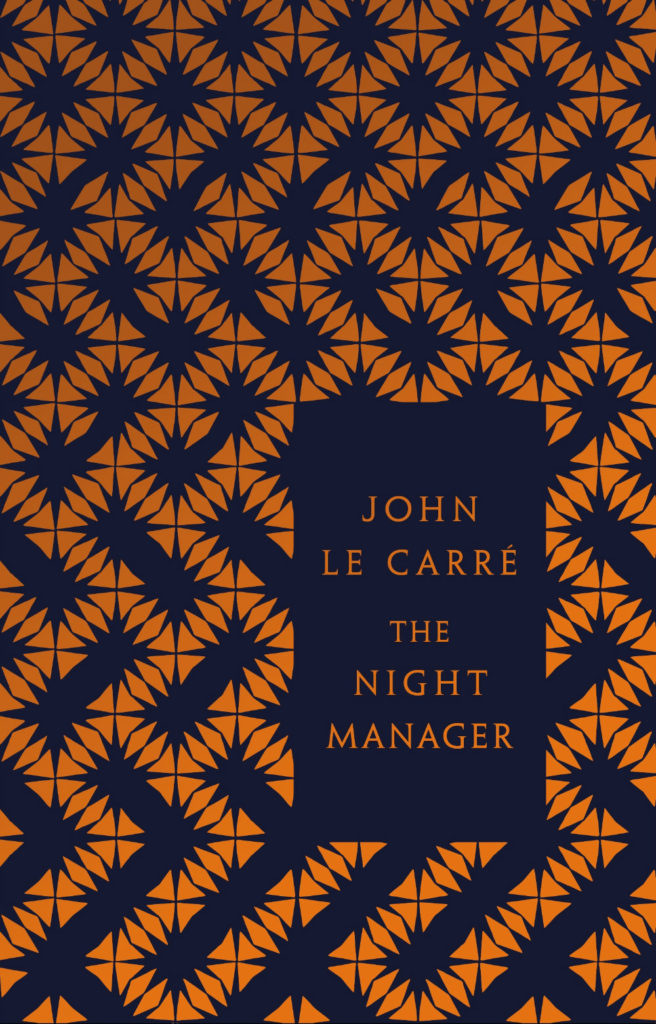
Book Covers of Note January 2017

My first post of 2017 includes some cracking new book covers fresh this month, and a few handsome stragglers from the end of 2016… Happy New Year! 


Allegedly by Tiffany D. Jackson; design by Erin Fitzsimmons (Katherine Tegen Books / January 2017)


Always Happy Hour by Mary Miller; design by Elena Giavaldi; art by Lee Price (Liveright / January 2017)


Because of the Sun by Jenny Torres Sanchez; design by Anne Jordan and Mitch Goldstein (Delacorte / January 2017) 


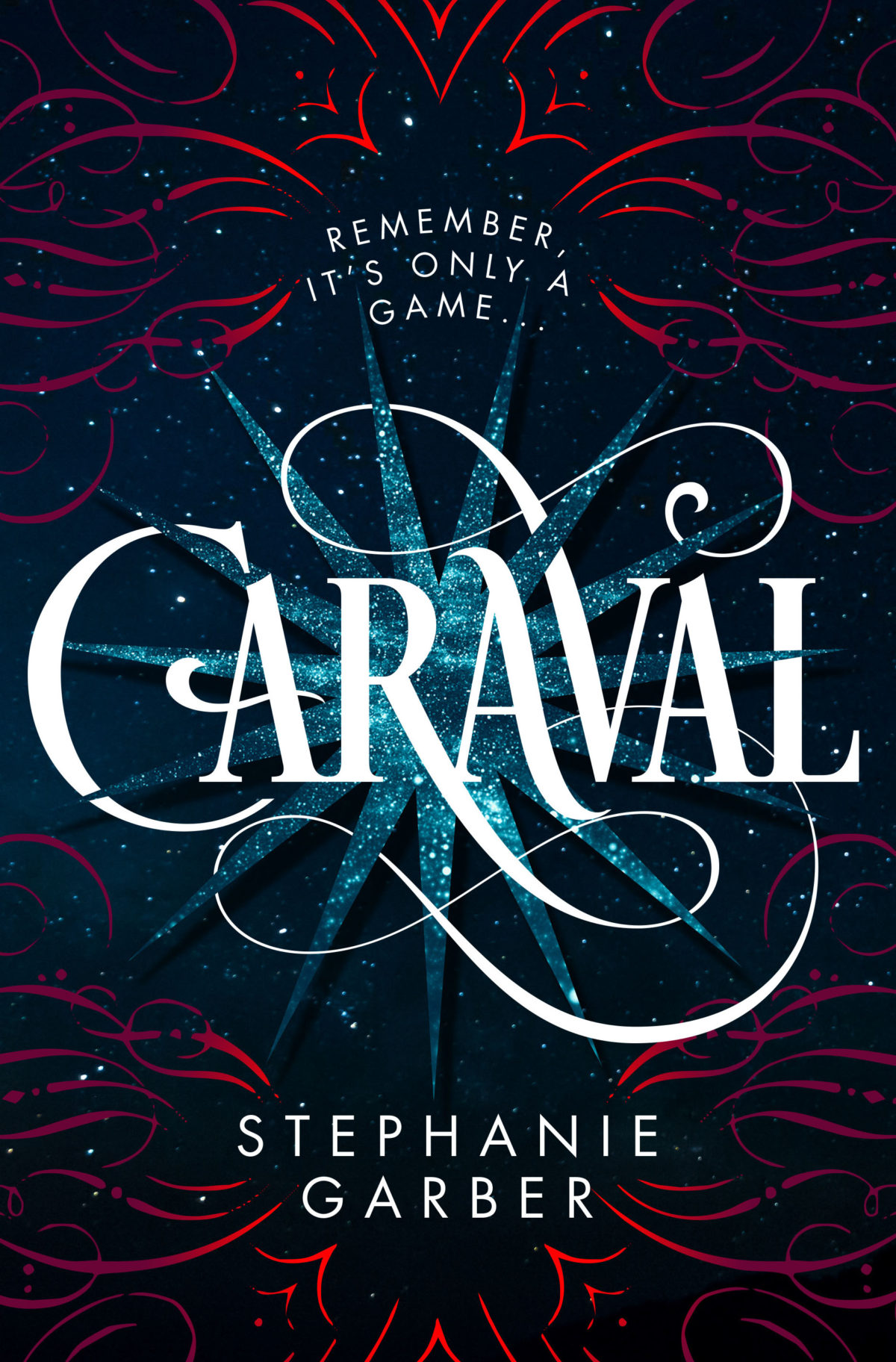
Caraval by Stephanie Garber; design by Erin Fitzsimmons and Ray Shappell (Flatiron / January 2017)


The Communist Manifesto by Karl Marx and Friedrich Engels; design David Pearson (Pluto Press / January 2017)


Enigma Variations by André Aciman; design by Na Kim (Farrar, Straus & Giroux / Januay 2017)


The Futures by Anna Pitoniak; design by Lauren Harms (Lee Boudreaux Books / January 2017)


Homegoing by Yaa Gyasi; design by Nathan Burton (Viking / January 2017)

The cover of the US edition of Homegoing, published in 2016 by Knopf, was designed by Peter Mendelsund:


Jerusalem Ablaze by Orlando Ortega-Medina; design by La Boca (Cloud Lodge Books / January 2017)


Lillian Boxfish Takes a Walk by Kathleen Rooney; design by Olga Grlic (St. Martin’s Press / January 2017)


London Perceived by V. S. Pritchett; Nathan Burton (Daunt Books / November 2016)


Lotus by Lijia Zhang; design by Adly Elewa (Henry Holt / January 2017)


Lucky Boy by Shanti Sekaran; design by Stephen Brayda (G.P. Putnam’s Sons / January 2017)


Nicotine by Gregor Hens; design by John Gall (Other Press / January 2017)


Novels, Tales, Journeys The Complete Prose of Alexander Pushkin; design by Oliver Munday (Knopf / November 2016)


Once Upon a Time in the East by Xiaolu Guo; design Suzanne Dean; photograph by Robin Friend (Chatto & Windus / January 2017)


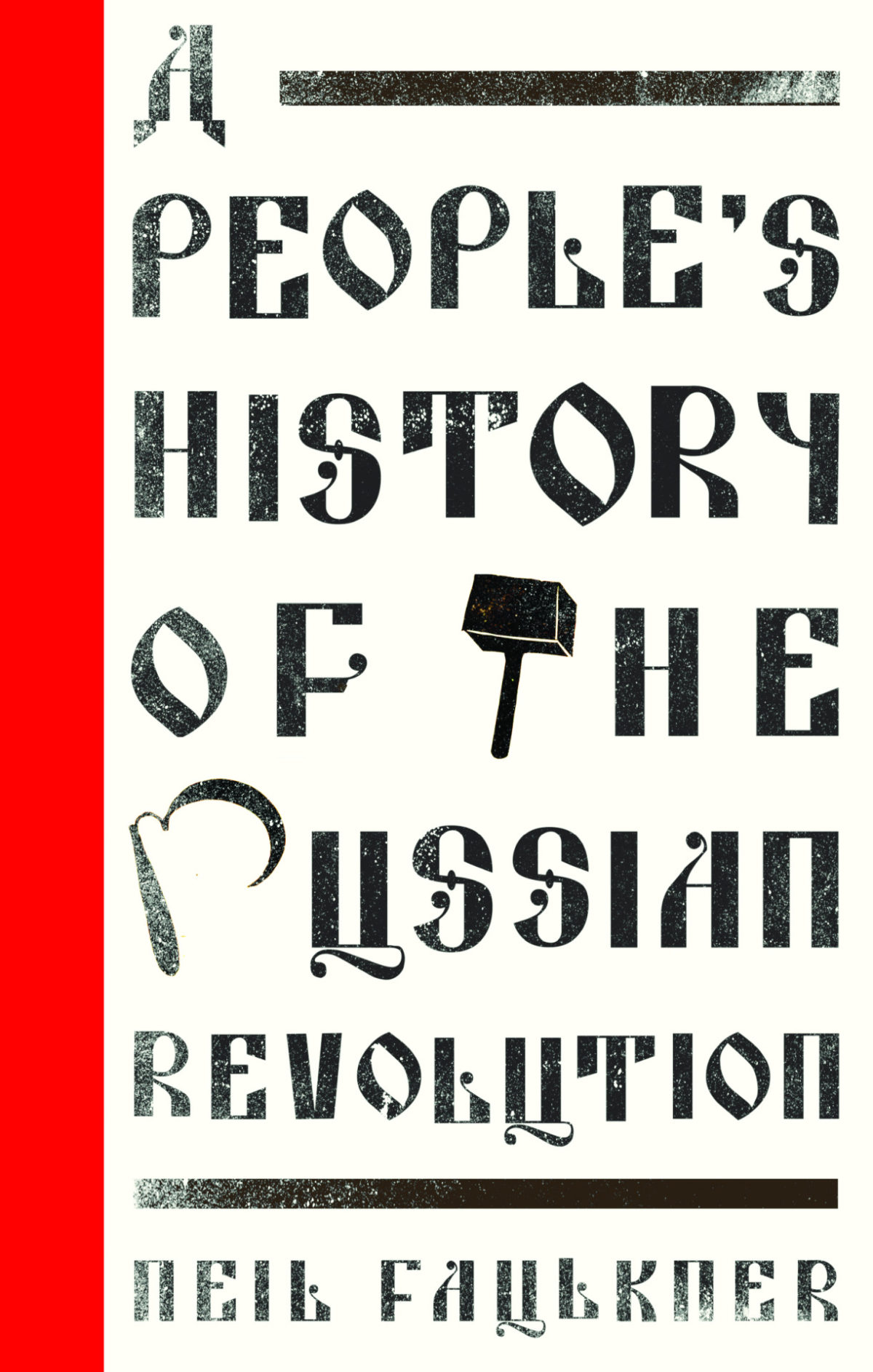
A People’s History of the Russian Revolution by Neil Faulkner; design by Jamie Keenan (Pluto Press / January 2017)


Selection Day by Aravind Adiga; design by Matt Dorfman (Scribner / January 2017)


Swallowing Mercury by Wioletta Greg; design David Pearson; illustration Tom Frost (Portobello Books / January 2017)


Virgin and Other Stories by April Ayers Lawson; design by James Paul Jones (Granta / January 2017)


Walking in Berlin by Franz Hessel; design by Nathan Burton (Scribe / December 2016)


Welcome to Lagos by Chibundu Onuzo; design by Bill Bragg (Faber & Faber / January 2017)


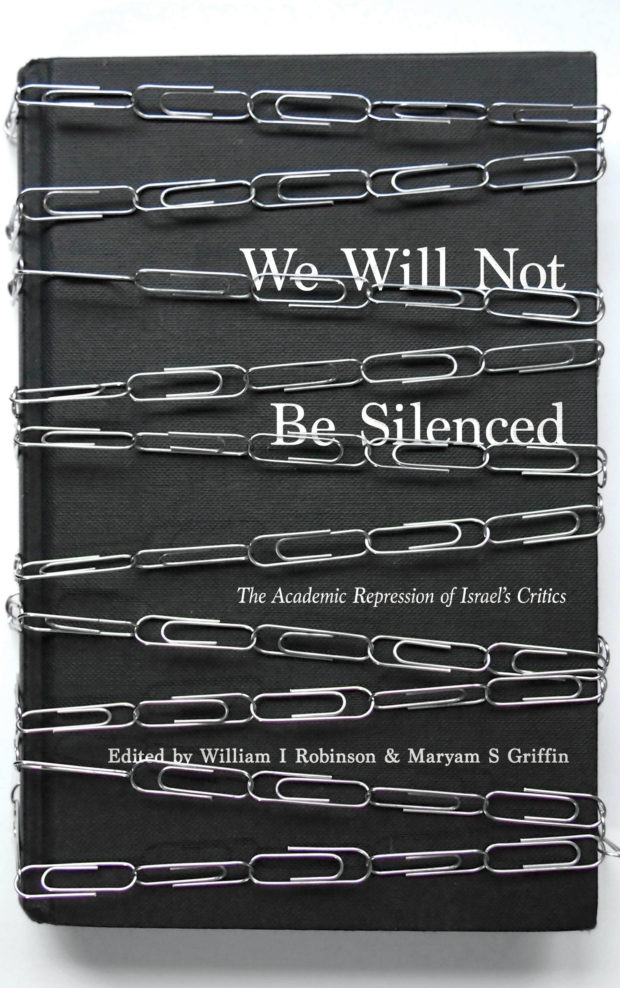
We Will Not Be Silenced edited by William I. Robinson & Maryam S. Griffin; design by James Paul Jones (Pluto Press / January 2017)

2 Comments

The Rest of the Best

When it comes to choosing the year’s best book covers, it seems that everyone is at it these days…

“These covers are challenging without being impenetrable and playful without being precious — none of which is an easy task for a designer. If good design might lure us into an experience that makes us smarter, then we’ve hit the jackpot when the book allows us to spend time within the head space of a stranger.”     

I always look forward to Matt Dorfmann’s selections for the New York Times Book Review. Matt is the NYTBR‘s art director and a cover designer in his own right so he knows what he’s talking about, and his choices are always interesting. If I am honest, I think this is the list the designers (American designers at least) really pay attention to. And it’s worth noting that half of Matt’s choices this year were designed by women. 

Slate’s list of Best Book Jackets of 2016 includes notes from the designers about each cover.  

Vyki Hendy and Eric Wilder have chosen  — with input from designers Erin Fitzsimmons and Stuart Bache — 25 of the year’s covers for SPINE Magazine

Jarry Lee chose 32 “of the most beautiful book covers of 2016” for BuzzFeed.

And last but not least, Paste’s selections includes “a few novelette and short story covers.

Comments closed

Series Design 2016

Some of the most interesting and innovative book covers in the last few years have been designed as part of a series — designers and art directors seem to have more leeway with backlist titles (especially so if the author is no longer in the picture!) — and 2016 was no exception. Here are some of my favourite series designs from past year…

watchers-design-jason-booher

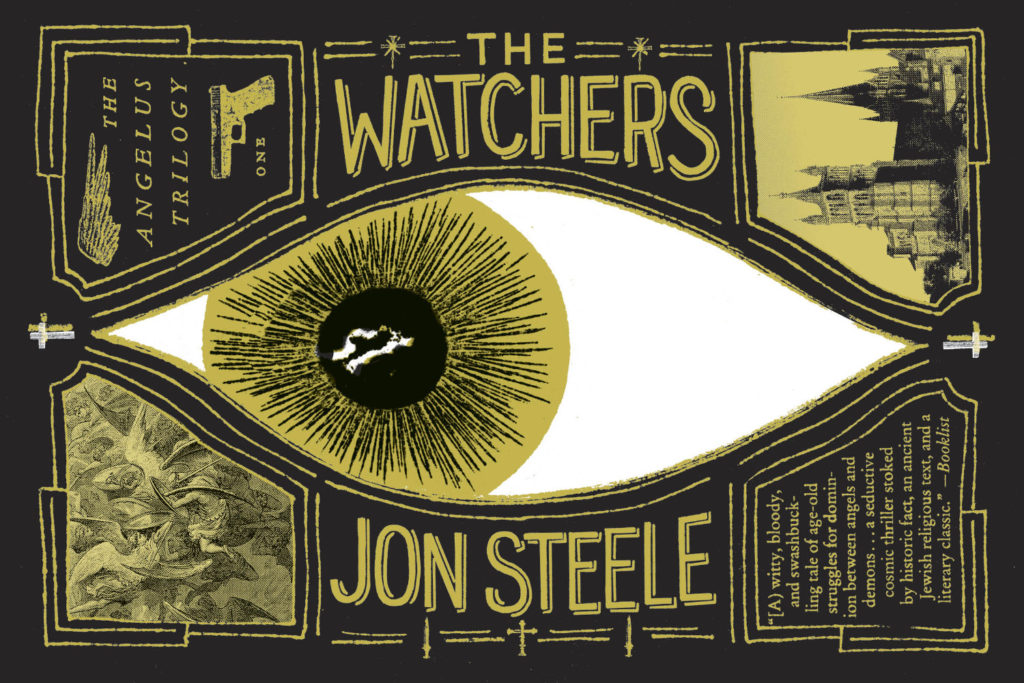
The Angelus Trilogy by John Steele; designed by Jason Booher (Blue Rider Press / 2016)

Inspector Littlejohn Mysteries by George Bellairs; design Stuart Bache (IPSO Books / 2016)

The Birds and the Bees; cover art by Timorous Beasties (Vintage / 2016)

Read more about the series on the Creative Review blog.

birds-design-keenan

Virago Modern Classics Daphne Du Maurier; designs by Jamie Keenan, Neil Gower, Gray318, and Nico Taylor (Virago / 2016)

Vintage Eliot; cover art by Zeva Oelbaum (Vintage /2016)

Read more about the series on CMYK, Vintage book design tumblr.

on_corpulence-design_david_pearson_illus_joe_mclaren

Found on the Shelves / The London Library; design by David Pearson; illustration by Joe McLaren (Pushkin Press / 2016)

Read more about the design of the series at The Bookseller

neuromancer-cover-art-daniel-brown

Gollancz William Gibson ‘Sprawl Trilogy’ and Burning Chrome; design by Sinem Erkas; cover art by Daniel Brown (Gollancz / 2016-2017)

Read more about the books and the design on the Gollancz blog.

Patrick Hamilton reissues; design by Jack Smyth (Abacus 2016- 2017)

Sonya Harnett reissues; design by Marina Messiha; cover art by Maxim Shkret (Penguin Teen Australia / 2016)

New Directions Roger Lewinter; design by Erik Carter (New Directions / 2016)

Macmillan Classics; design by Neil Lang (Macmillan India / 2016) 

This is just a fraction of the covers designed by Neil and he is working on even more to complete the series.

Beck and Mal Peet reissues; design by Jack Noel; illustration by Telegramme (Walker Books / 2016)

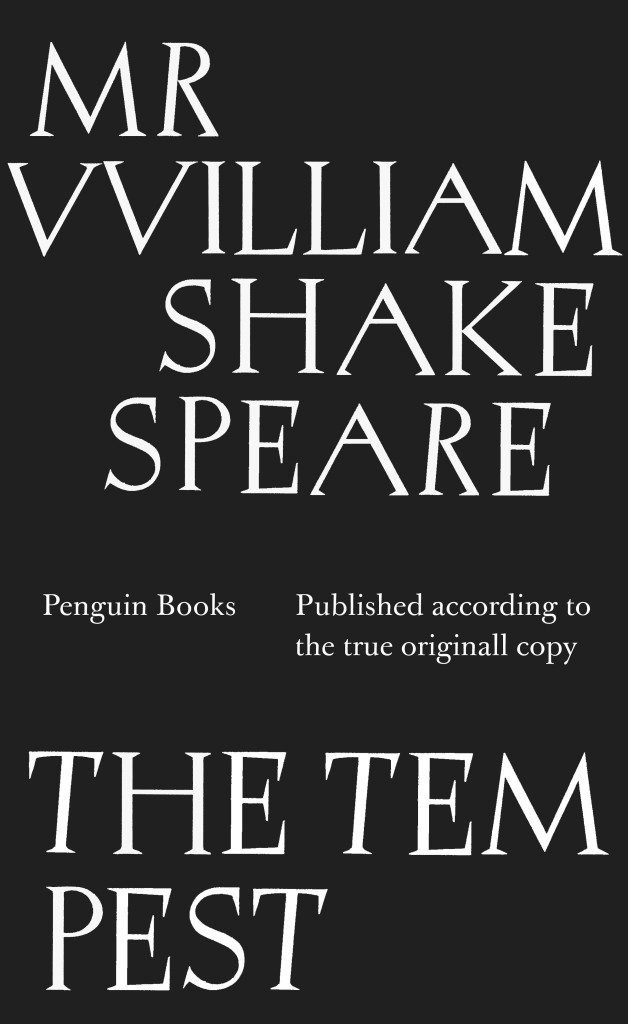
Pelican Shakespeare; design by Manuja Waldia (Penguin US / 2016)

Mortal Engines by Stanislaw Lem (Modern Classics); series design by Jim Stoddart; cover art by Haley Warnham (Penguin / 2016)

great-science-fiction-art-evan-hecox

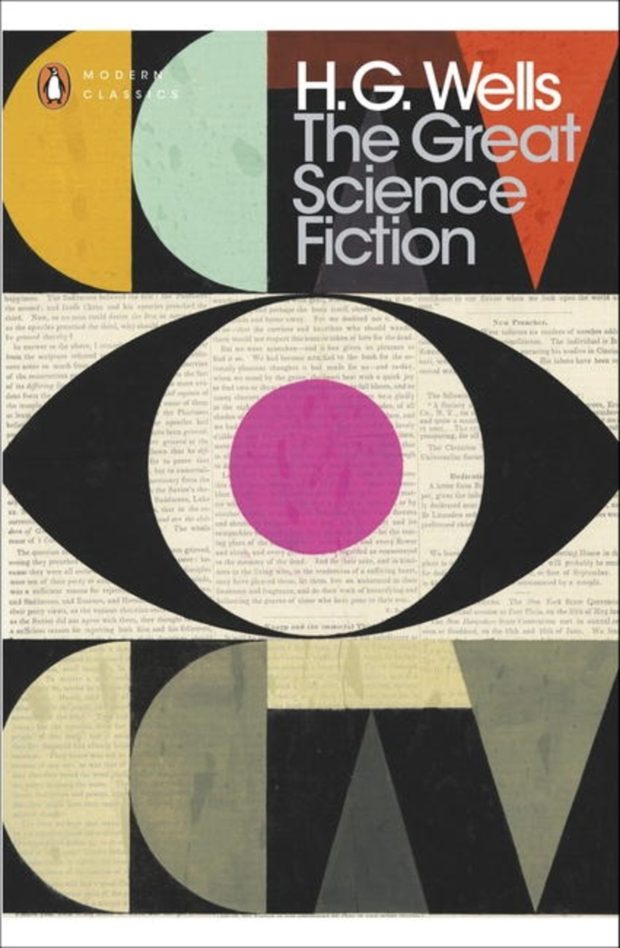
The Great Science Fiction by H.G. Wells (Modern Classics); series design by Jim Stoddart; cover art by Evan Hecox (Penguin / September 2016) 

akestralforaknave-kyler-martz 

Penguin Essentials; designs by Kyler Martz, Gray318, David Foldavi, Julian House (Penguin / 2-16)

See more of the series at Design Week.

dune design Alex Trochut

Penguin Galaxy series; design by Alex Trochut (Penguin /2016)

No Man’s Land Trilogy by Andy Remic; design by Christine Foltzer; illustration by Jeffrey Alan Love (Tor / 2016)

Read more about Jeffrey Alan Love’s work on the series on Tor.com.

rings-of-saturn-design-mendelsund

New Directions W.G. Sebald; design by Peter Mendelsund (New Directions / 2016)

Save

Save

Save

Save

Comments closed

Notable YA Book Covers of 2016

Hot on the heels of my annual covers post, here is my look back at the year’s young adult book covers. As in previous years, this list is a somewhat crowd-sourced affair, so I must thank all the designers and Twitter-folk who made suggestions and helped in various others ways. I’ve tried my best to credit the designs as fully as possible, but please let me know if there are any errors or omissions.

aluta-illustration-shonagh-rae-ad-michael-solomon
Aluta by Adwoa Badoe; design Michael Solomon; cover art Shonagh Rae (Groundwood / September 2016)

American Girls by Alison Umminger; design by Philip Pascuzzo (Flat Iron / June 2016)

American Girls by Alison Umminger; design by Philip Pascuzzo (Flatiron / June 2016)

and-i-darken-cover-art-alessandro-taini
And I Darken by Kiersten White; cover art by Alessandro Taini (Corgi / July 2016)

as-i-descended-design-michelle-taormina
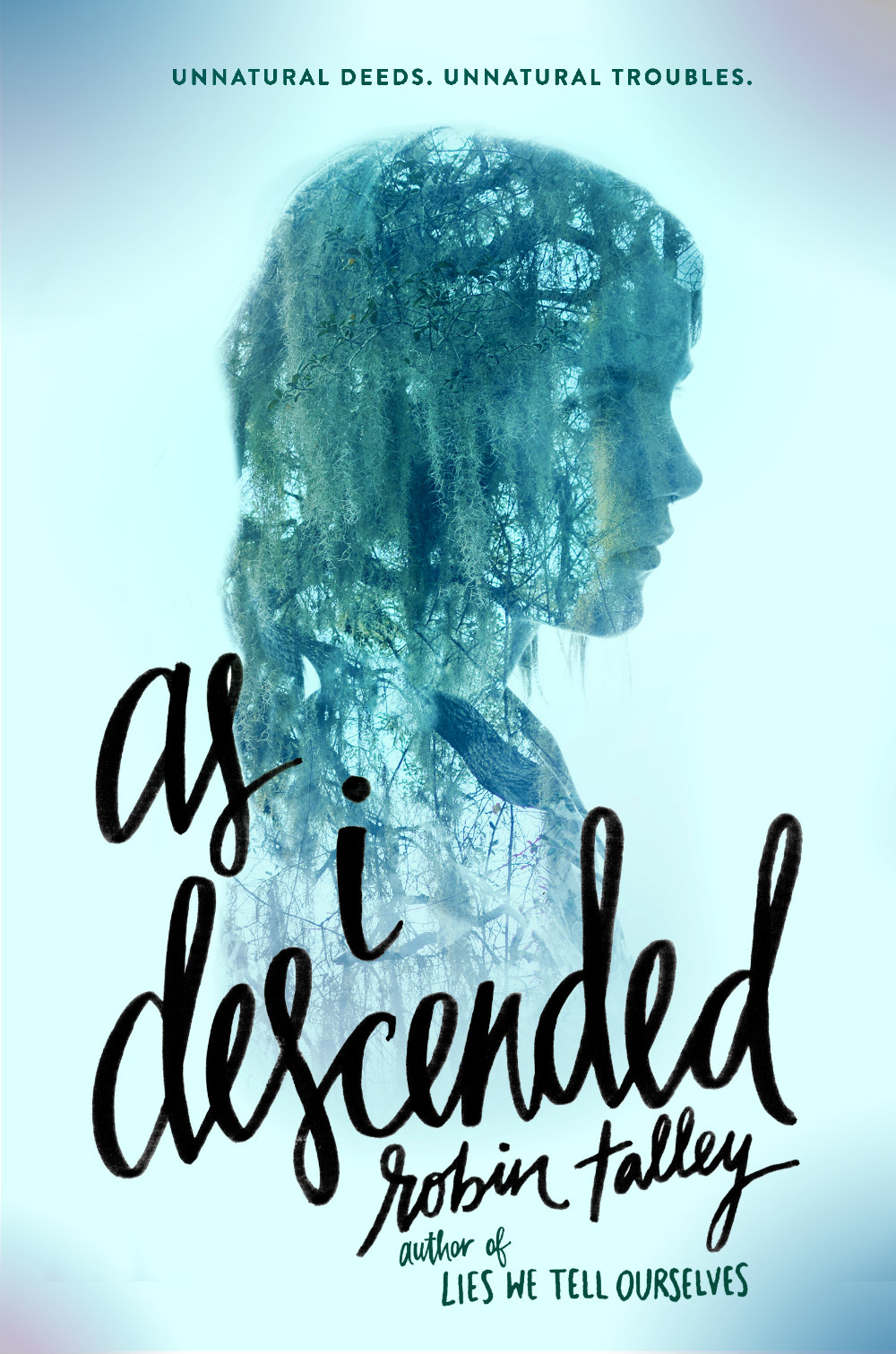
As I Descended by Robin Talley; design by Michelle Taormina (HarperCollins / October 2016)

beast-design-leo-nickolls

Beast by Brie Spangler; design by Leo Nickolls (Knopf / October 2016)

burning-midnight-design-leo-nickolls

Burning Midnight by Will McIntosh; design by Leo Nickolls (Delacorte / February 2016)

crooked-kingdom
Crooked Kingdom by Leigh Burdago; cover art by Thomas Walker and John Bartlett; design Thomas Walker and Richard Deas (Henry Holt / September 2016)

Cuckoo design Jack Smyth
Cuckoo by Keren David; design by Jack Smyth (Atom / August 2016)

darkly-beating-heart-design-elizabeth-h-clark
A Darkly Beating Heart by Lindsay Smith; design Elizabeth H. Clark (Roaring Brook / October 2016)

Enter Title Here design Maria Elias
Enter Title Here by Rahul Kanakia; design by Maria Elias (Hyperion / August 2016)

exit-pursued-by-bear-design-kristin-logsdon

Exit, Pursued by Bear by E. K. Johnston; design by Kristin Logsdon (Dutton / March 2016)

fall-of-butterflies-design-sarah-nicole-kaufman
The Fall of Butterflies by Andrea Portes; design by Sarah Nicole Kaufman (HarperTeen / May 2016)

fierce-and-subtle-poison-design-allison-colpoys
A Fierce and Subtle Poison by Samantha Mabry; design by Allison Colpoys (Algonquin / April 2016)

frannie-and-tru-design-ray-shappell

Frannie and Tru by Karen Hattrup; design by Ray Shappell (HarperCollins / June 2016)

goldenboys
Golden Boys by Sonya Hartnett; design by Matt Roeser (Candlewick / April 2016)

graces-design-maria-t-middleton-illustration-spencer-charles
The Graces by Laure Eve; design by Maria T. Middleton; illustration by Spencer Charles (Amulet / September 2016)

the-great-american-whatever-design-krista-vossen
The Great American Whatever by Tim Federle; design by Krista Vossen (Simon & Schuster / March 2016)

haters
The Haters by Jesse Andrews; design by Chad W. Beckerman and Will Staehle (Abrams / April 2016)

9781250078407

If I Was Your Girl by Meredith Russo; design by Liz Dresner and Elaine C. Damasco; photograph by Michael Frost (Flatiron / May 2016)

into-white-design-april-ward

Into White by Randi Pink; design by April Ward (Feiwel & Friends / September 2016)

island-nathan-burton

The Island by Olivia Levez; design by Nathan Burton (Oneworld / November 2016)

kids-of-appetite-art-yuschav-arly
Kids of Appetite by David Arnold; design Theresa Evangelista; illustration Yuschav Arly (Viking / September 2016)

it-looks-like-this-design-matt-roeser

It Looks Like This by Rafi Mittlefehldt; design by Matt Roeser (Candlewick / December 2016)

last-seen-leaving
Last Seen Leaving by Caleb Roehrig; design by Rich Deas (Feiwel & Friends / October 2016)

lie-tree-art-vincent-chong-design-maria-t-middleton
The Lie Tree by Frances Hardinge; design by Maria T. Middleton; cover by Vincent Chong (Amulet / April 2016)


The Light Fantastic by Sarah Combs; design by Matt Roeser (Candlewick / September 2016)

monstrous-child-design-will-steele-illustration-olivia-lomenech-gill
The Monstrous Child by Francesca Simon; design by Will Steele; cover art by Olivia Lomenech Gill (Faber & Faber / October 2016)

nightwanderers-9780857078056_hr
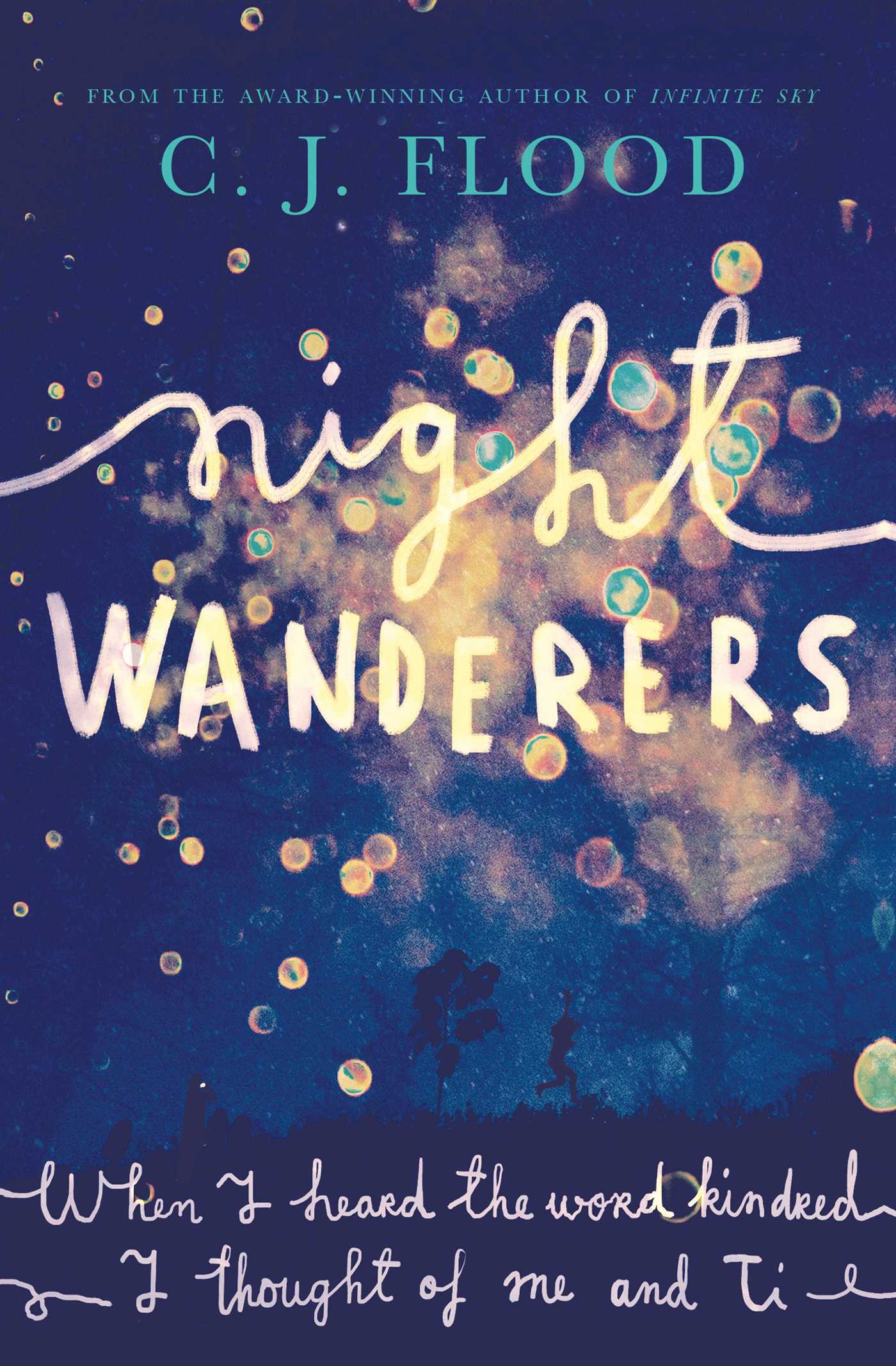
The Nightwanders by C. J. Flood; design by Nic&Lou Studio (Simon & Schuster / June 2016)

fire-and-stars

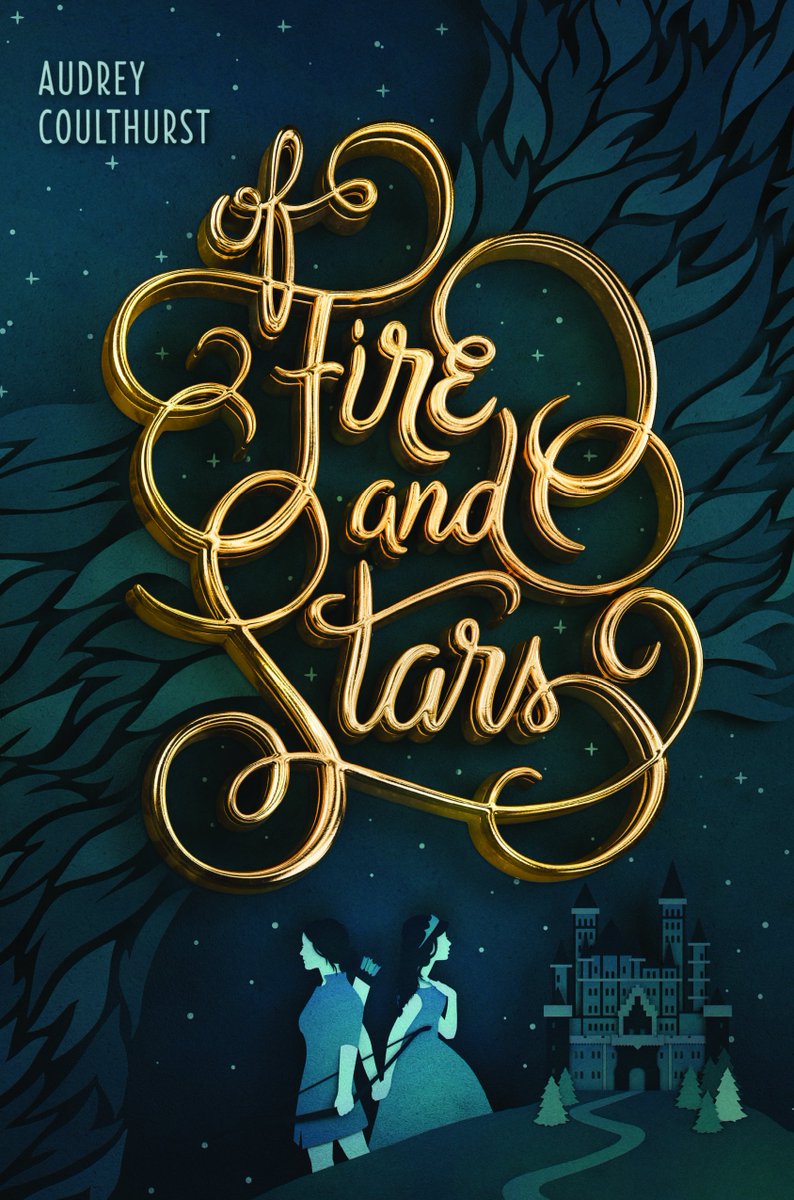
Of Fire and Stars by Audrey Coulthurst; design by Michelle Taormina, art by Jacob Eisinger (Balzer + Bray / November 2016)

design Matt Roeser
Phantom Limbs by Paula Garner; design by Matt Roeser (Candlewick / September 2016)

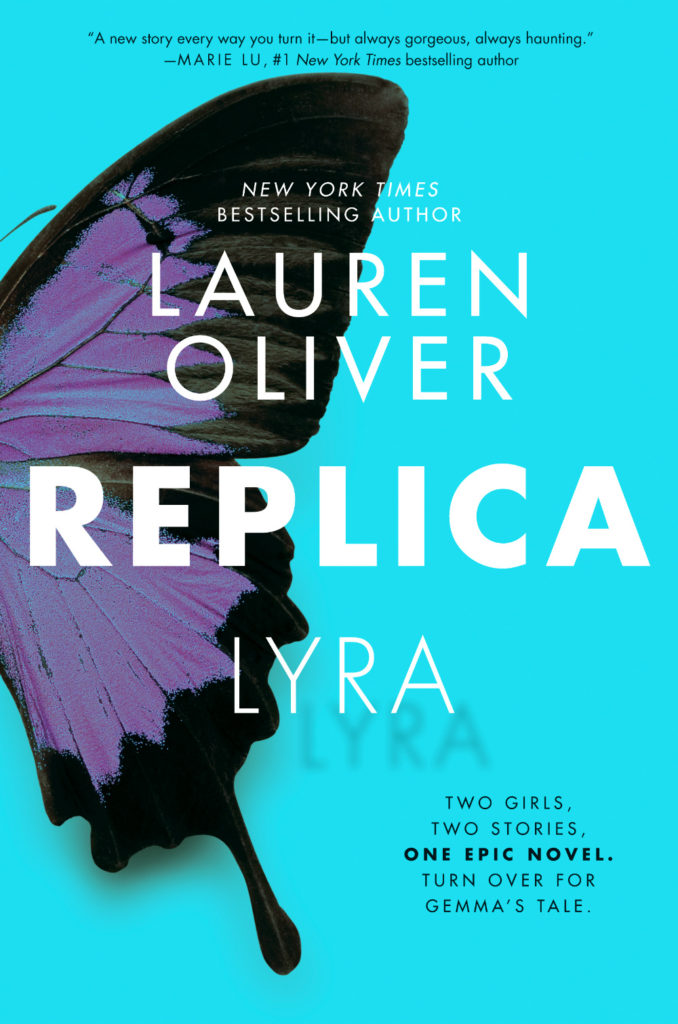
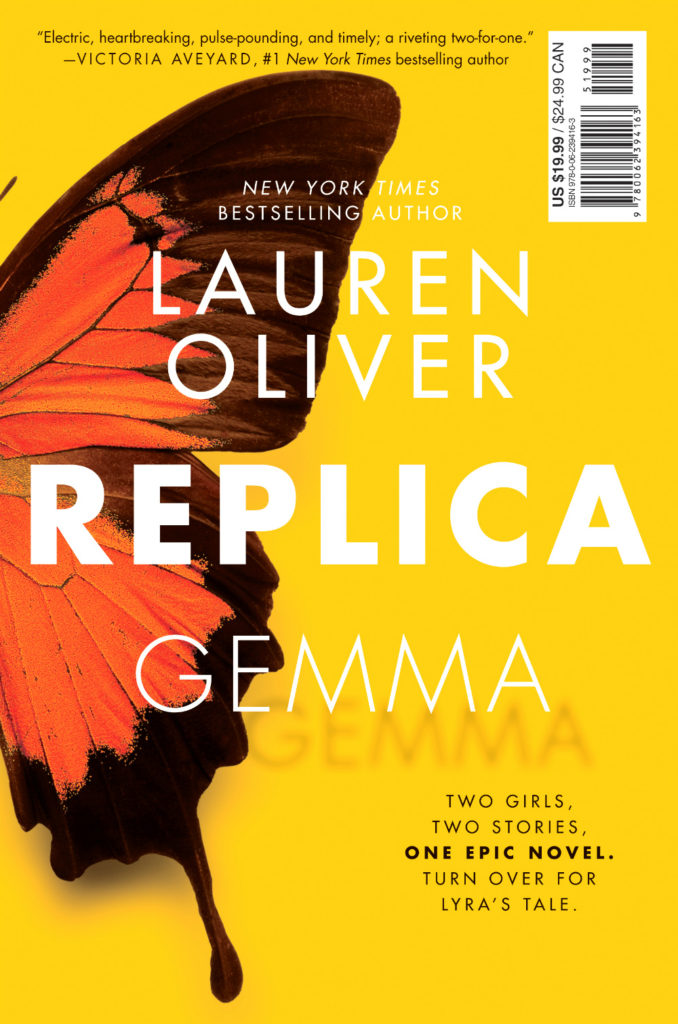
Replica by Lauren Oliver; design by Erin Fitzsimmons (HarperCollins / October 2016)

This really needs to be seen in person for the fancy acetate wrap as well the double covers:

save-me-kurt-cobain-art-m80-design

Save Me, Kurt Cobain by Jenny Manzer; design by M80 (Bantam / March 2016)

Scar design CS Neal
Scar by J. Albert Mann; design by Christopher Silas Neal (Calkins Creek / April 2016)

seven-ways-we-lie-design-maria-t-middleton

Seven Ways We Lie by Riley Redgate; design by Maria T. Middleton (Abrams / March 2016)

Shadow Queen design Sarah Nichole Kaufman
The Shadow Queen by C. J. Redwine; design Sarah Nichole Kaufman; lettering / apple carving Sean Freeman (Balzer + Bray / February 2016)

shiver-whole-night-design-jet-purdie
Shiver the Whole Night Through by Darragh McManus; design by Jet Purdie (Hot Key Books / April 2016)

still-life-with-tornado-design-by-samira-iravani


Still Life with Tornado by A. S. King; design by Samira Iravani (Dutton / October 2016)

Study in Charlotte jacket art Dan Funderburgh design Katie Fitch
A Study in Charlotte by Brittany Cavallaro; jacket art Dan Funderburgh; design Katie Fitch (Katherine Tegen Books / March 2016)

sun-is-also-a-star
The Sun is Also a Star by Nicola Yoon; design Elaine C. Damasco; art Dominique Falla (Delacorte / November 2016)

swan-boy-design-nathan-burton


Swan Boy by Nikki Sheehan; design by Nathan Burton (Oneworld / November 2016)


Tales of the Peculiar by Ransom Riggs; design by Lindsey Andrews; cover art Andrew Davidson (Dutton / September 2016)

tell-me-something-real-cover-art-jill-de-haan
Tell Me Something Real by Calla Devlin; cover art Jill de Haan (Simon & Schuster / September 2016)

Thanks for the Trouble design by Lucy Ruth Cummins
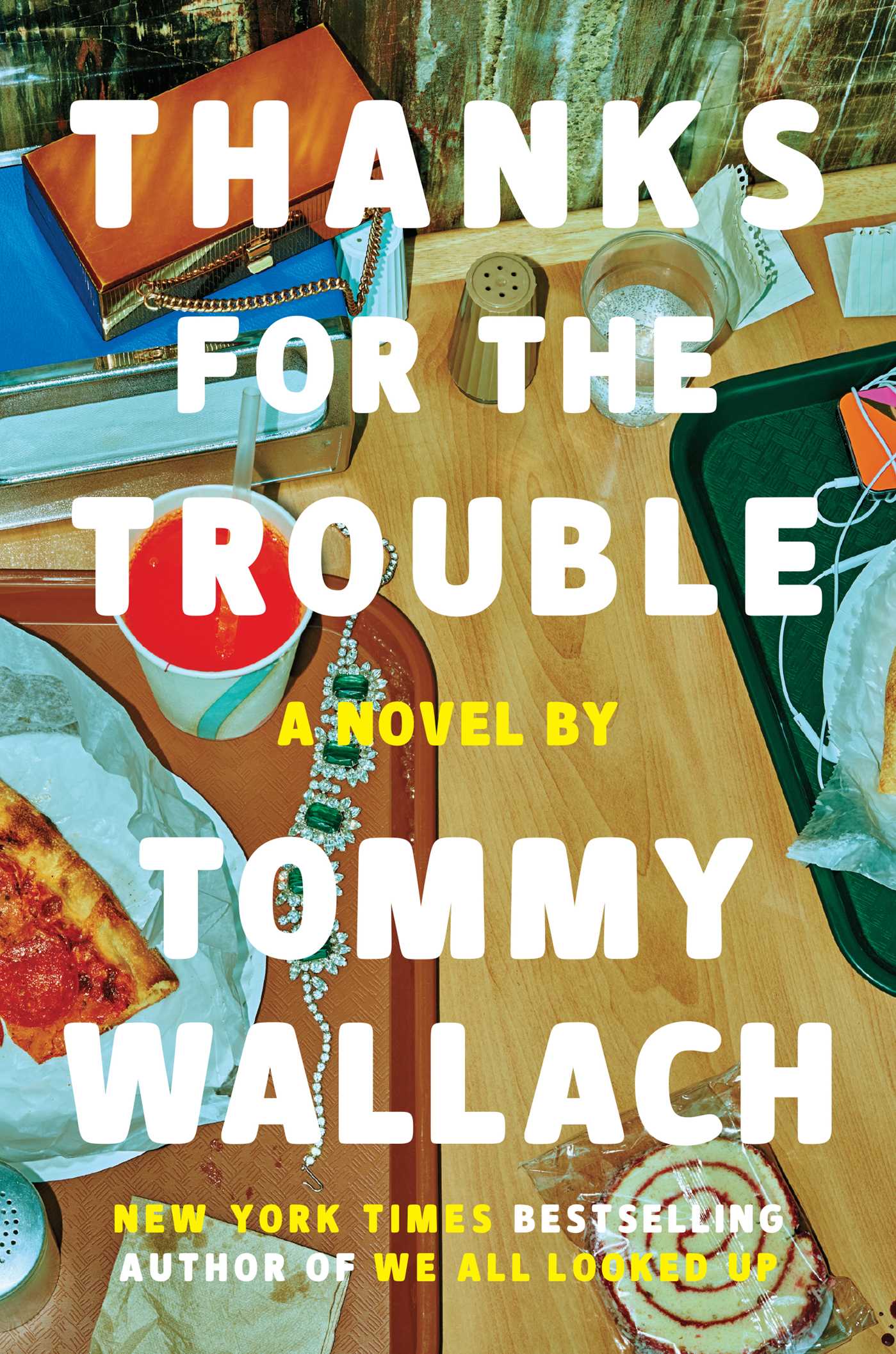
Thanks for the Trouble by Tommy Wallach; design by Lucy Ruth Cummins; Photography by Keirnan Monaghan, styling by Theo Vamvounakis (Simon and Schuster / February 2016)

this-is-where-it-ends-design-nc-sousa
This is Where it Ends by Marieke Nijkamp; design by N. C. Sousa (Sourcebooks / April 2016)

This Savage Song design Jenna Stempel
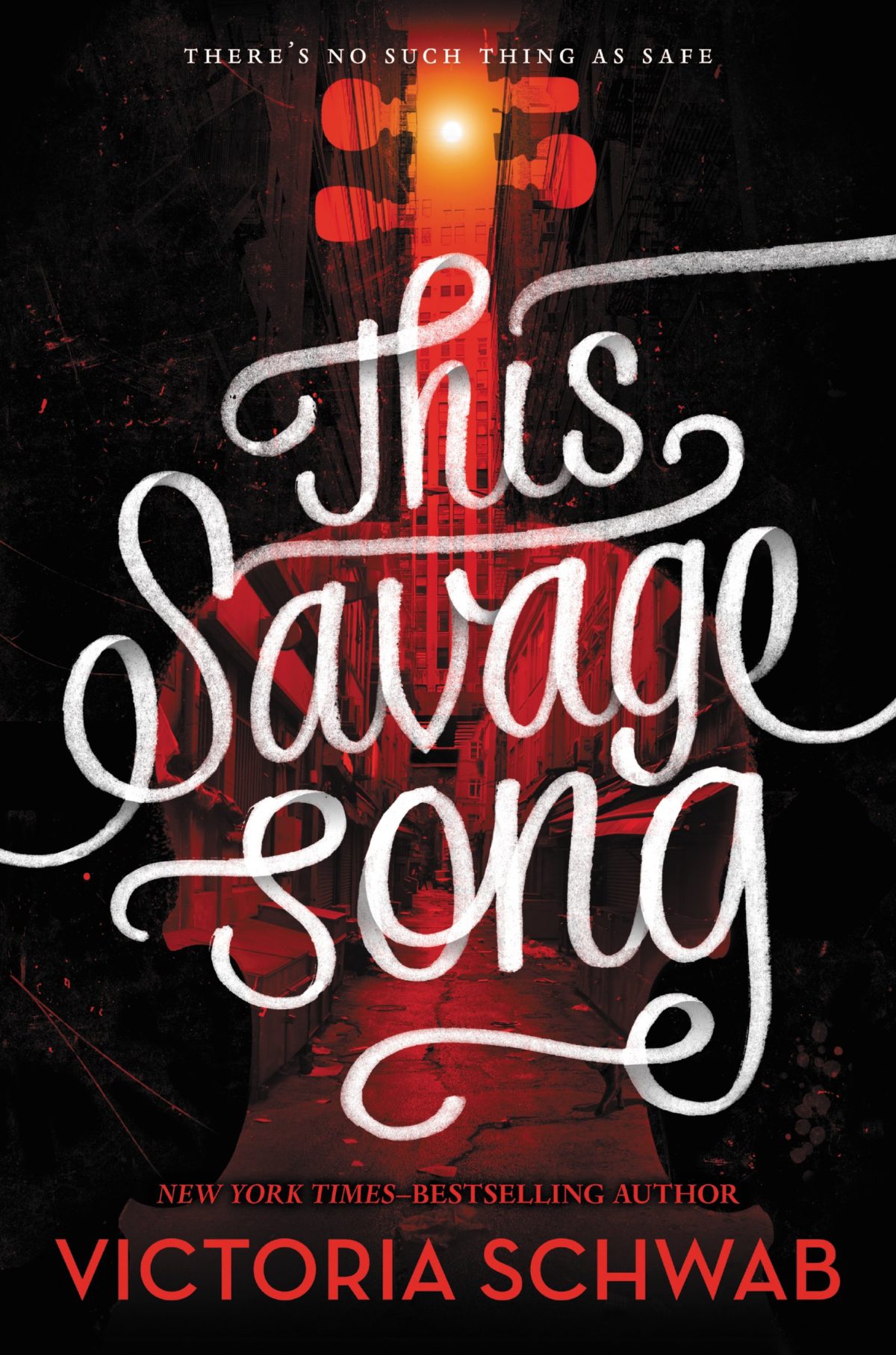
This Savage Song by Victoria Schwab; design Jenna Stempel (GreenWillow / July 2016)

thousandth-floor-design-jenna-stempel-art-sasha-vinogradova

The Thousandth Floor by Katharine McGee; design by Jenna Stempel; cover art by Sasha Vinogradova (HarperCollins / August 2016)

cover 100915.indd

A Totally Awkward Love Story by Tom Ellen and Lucy Ivison; design by Ray Shappell (Delacorte / May 2016)

unexpected-everything-design-lucy-ruth-cummins-photography-meredith-jenks

The Unexpected Everything by Morgan Matson; design by Lucy Ruth Cummins; photography by Meredith Jenks (Simon & Schuster / May 2016)

When Everything Feels Like the Movies design Ceara Elliot lettering Martina Flor
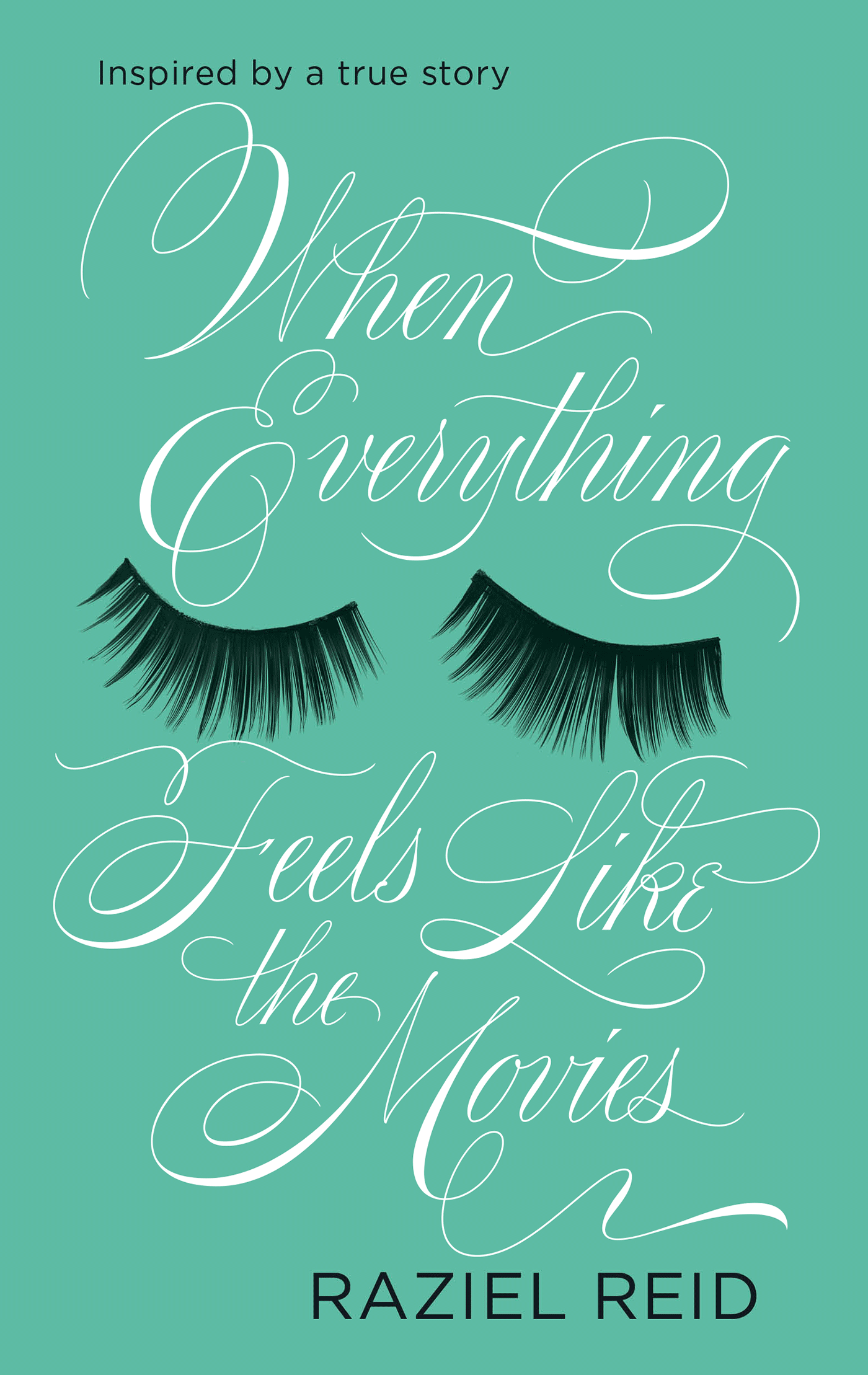
When Everything Feels Like the Movies by Raziel Reid; design Ceara Elliot; lettering and illustration Martina Flor (Atom / February 2016)

wink-poppy-midnight-art-by-lisa-perrin-design-by-kristin-smith

Wink Poppy Midnight by April Genevieve Tucholke; design by Kristin Smith; cover art by Lisa Perrin (Dial / April 2016)

wrecked-design-liz-casal
Wrecked by Maria Padian; design by Liz Casal (Algonquin Young Readers / October 2016)

S

1 Comment

Notable Book Covers of 2016

It is that wonderful/awful time of year. Wonderful because we get to look back at some of the amazing work people have done over the past 12 months. Awful because lists are arbitrary and someone always misses out.

I’m not going to say these are the ‘best’ covers of year. I don’t think it’s fair, and I don’t feel qualified to make that kind of judgement. This post is more an attempt to reflect the year in covers as I saw it — the covers I liked; the covers I thought were well done; the covers I thought were interesting; the covers that I thought were a bit different. 

Like last year, I’ve clustered my selections around designers. Not only does this allow me to post more covers, it means I can show a greater diversity of work.

I am truly sorry to all the hardworking and talented designers (and art directors) whose work I have overlooked this year. I do my best. It is not enough. Bring on 2017.

Addlands design Jenny Grigg
Addlands by Tom Bullough; design by Jenny Grigg (Granta / June 2016)

Also designed by Jenny Grigg:


All Things Cease design Mario Hugo
All Things Cease to Appear by Elizabeth Brundage; design by Mario Hugo (Knopf / March 2016)


Association-Small-Bombs design Matt Vee
The Association of Small Bombs by Karan Mahajan; design by Matt Vee (Viking / March 2016)


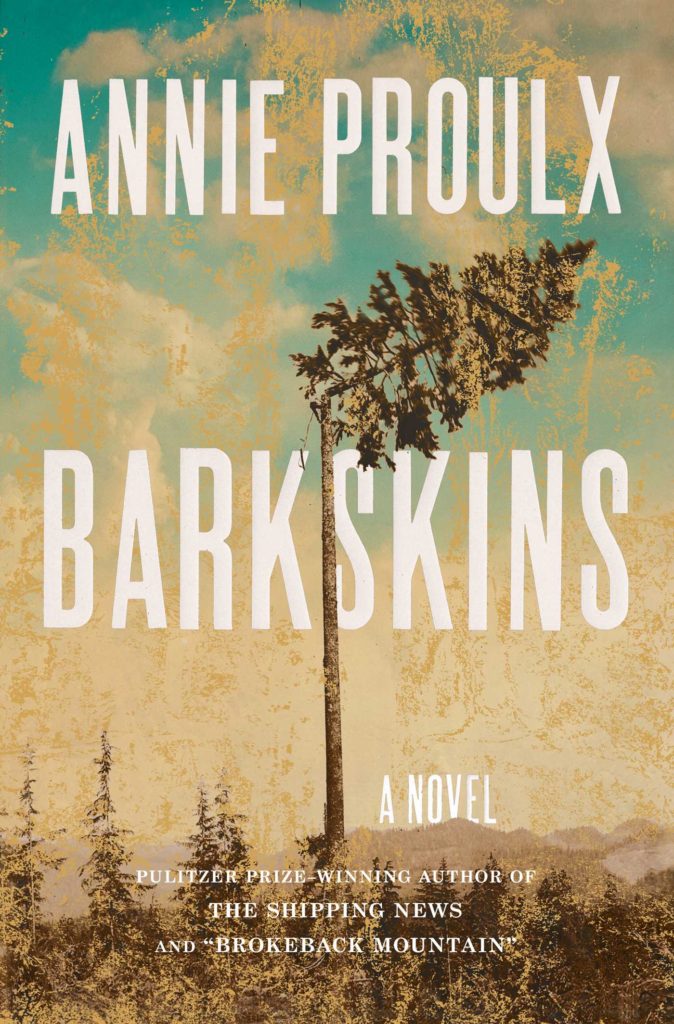
Barkskins design by Anna Morrison
Barkskins by Annie Proulx; design Anna Morrison (Fourth Estate / June 2016)

Also designed by Anna Morrison:


Beast design Mark Ecob
Beast by Paul Kingsnorth; design Mark Ecob; illustration Alan Rogerson (Faber & Faber / July 2016)


9781770899421
The Best Kind of People by Zoe Whittall; design by Alysia Shewchuck (House of Anansi / August 2016)


A burglar's guide_cvr_revised.indd


A Burglar’s Guide to the City by Geoff Manaugh; design by Nayon Cho (Farrar, Straus & Giroux / April 2016)


But What if We're Wrong design Paul Sahre
But What If We’re Wrong? by Chuck Klosterman; design by Paul Sahre (Blue Rider Press / June 2016)

Also designed by Paul Sahre:


cannibal-artwork-wangechi-mutu
Cannibal by Safiya Sinclair; design by Nathan Putens; artwork by Wangechi Mutu (University of Nebraska Press / September 2016)


Cannibals in Love design Na Kim


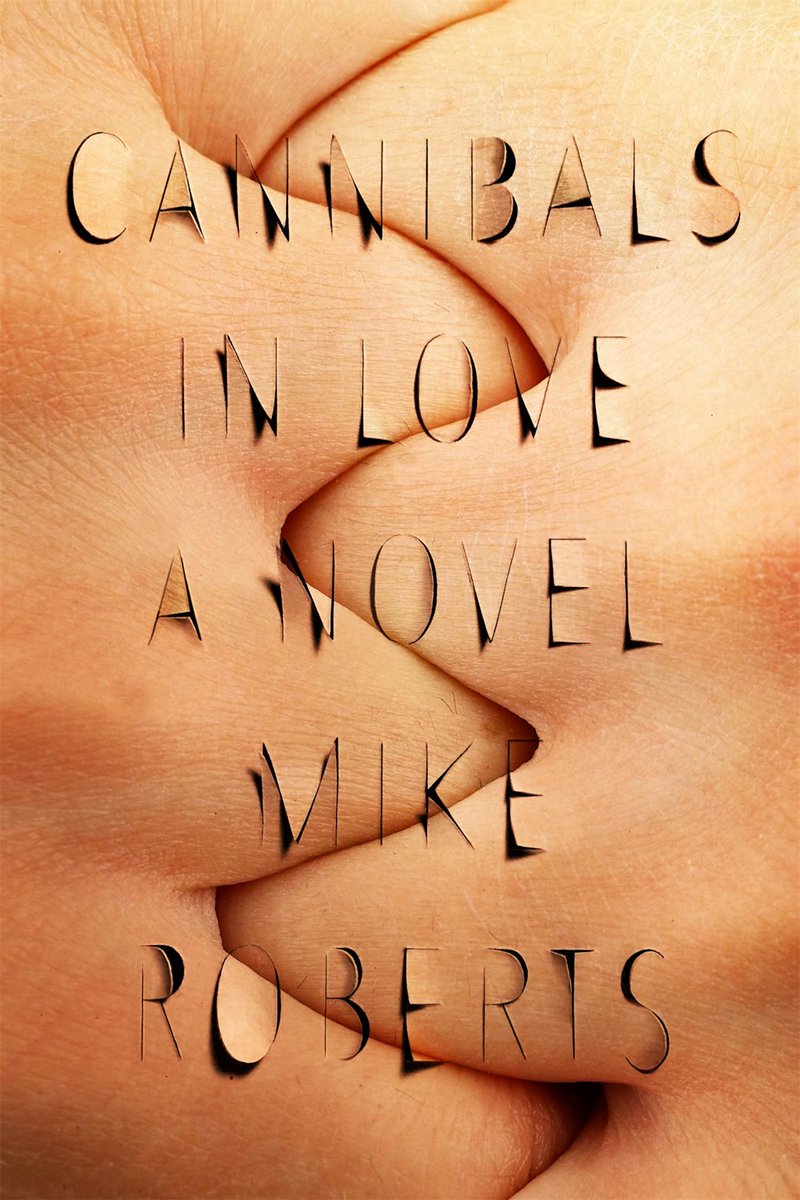
Cannibals in Love by Mike Roberts; design by Na Kim (FSG Original / September 2016)

Also designed by Na Kim:


Childrens Home design Jaya Micelli; Art by Valerie Hegarty
The Children’s Home by Charles Lambert; design by Jaya Miceli (Scribner / January 2016)

Also designed by Jaya Miceli


Comet Seekers design Chloe Giordano
The Comet Seekers by Helen Sedgwick; design by Chloe Giordano (Harvill Secker / August 2016)


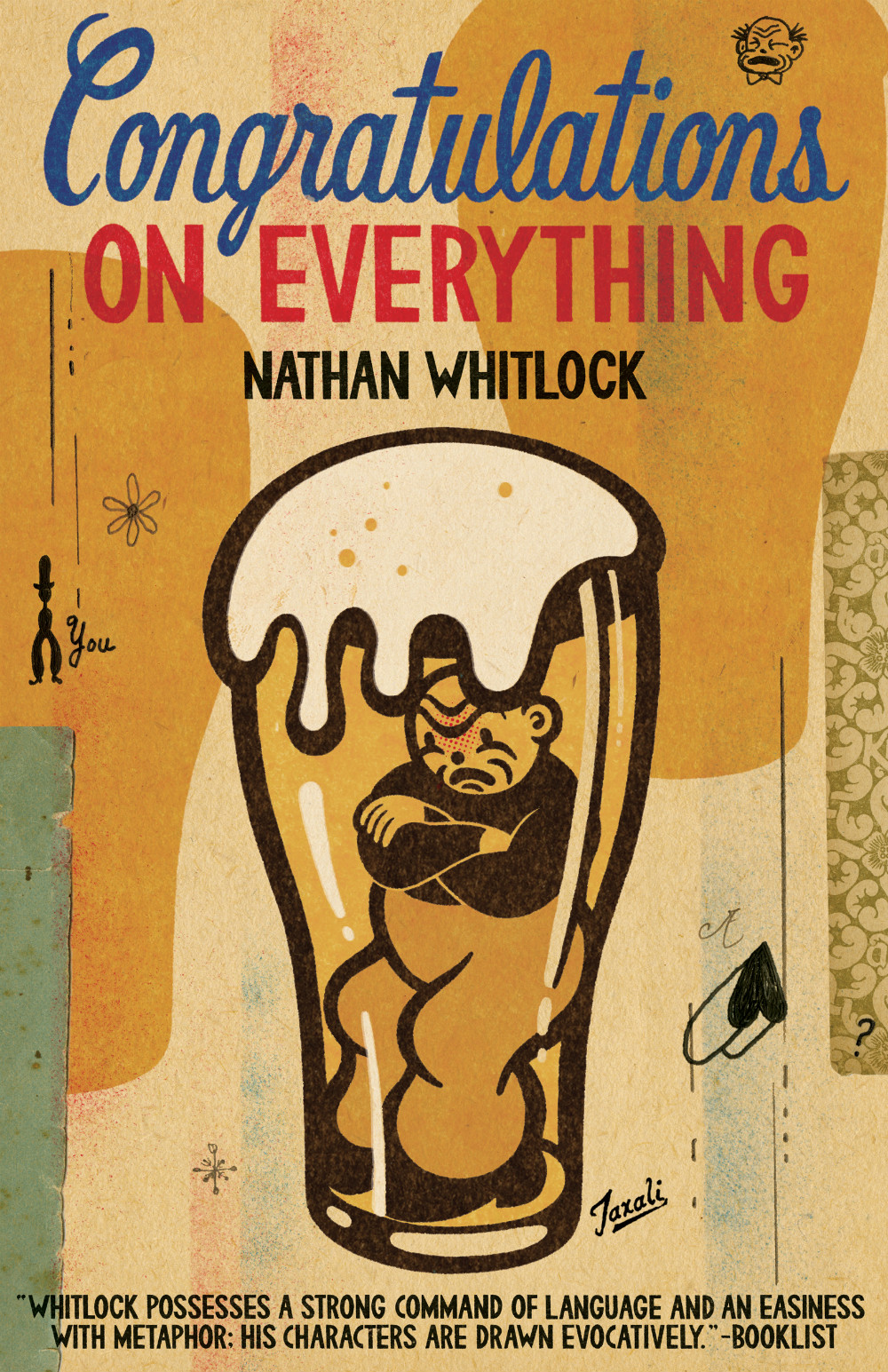
congratulations on everything design Gary Taxali
Congratulations on Everything by Nathan Whitlock; cover art by Gary Taxali (ECW / May 2016)


dark-flood-design-rafi-romaya-illustration-timorous-beasties
The Dark Flood Rises by Margaret Drabble; design Rafi Romaya; cover illustration by Timorous Beasties (Canongate / November 2016)

Also designed by Rafi Romaya:


Dialogue design Catherine Casaline
Dialogue by Robert McKee; design by Catherine Casalino (Twelve Books / July 2016)

Also designed by Catherine Casalino:


don’t i know you? design Phil Pascuzzo


Don’t I Know You? by Marni Jackson; design by Phil Pascuzzo (Flatiron / September 2016)

Also designed by Phil Pascuzzo:


The Encounter design David Pearson
The Encounter: Amazon Beaming by Petru Popescu; design by David Pearson (Pushkin Press / February 2016)

Also designed by David Pearson:


Essex Serpent design Peter Dyer
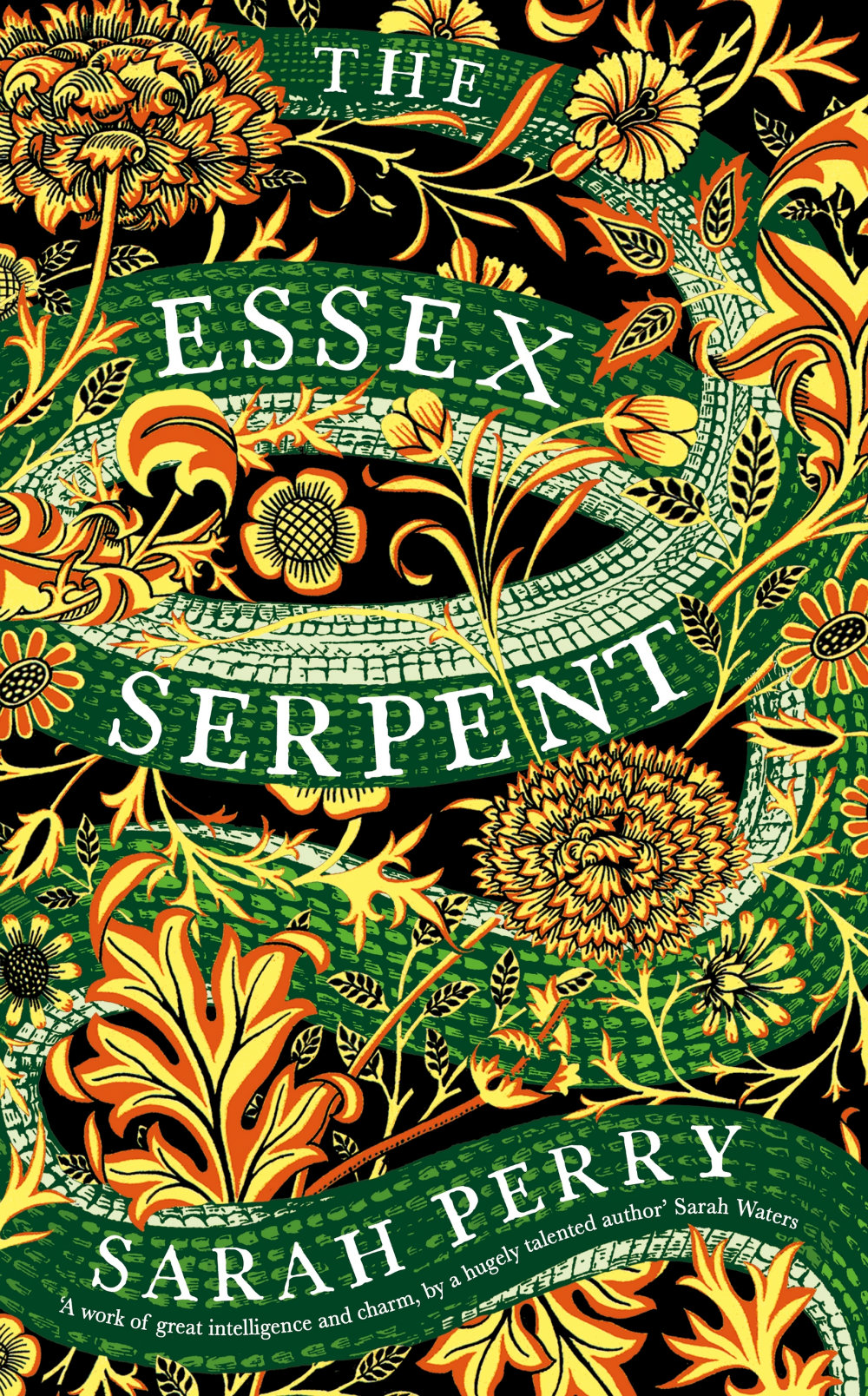
The Essex Serpent by Sarah Perry; design Peter Dyer (Serpent’s Tail / June 2016)


design Zoe Norvell
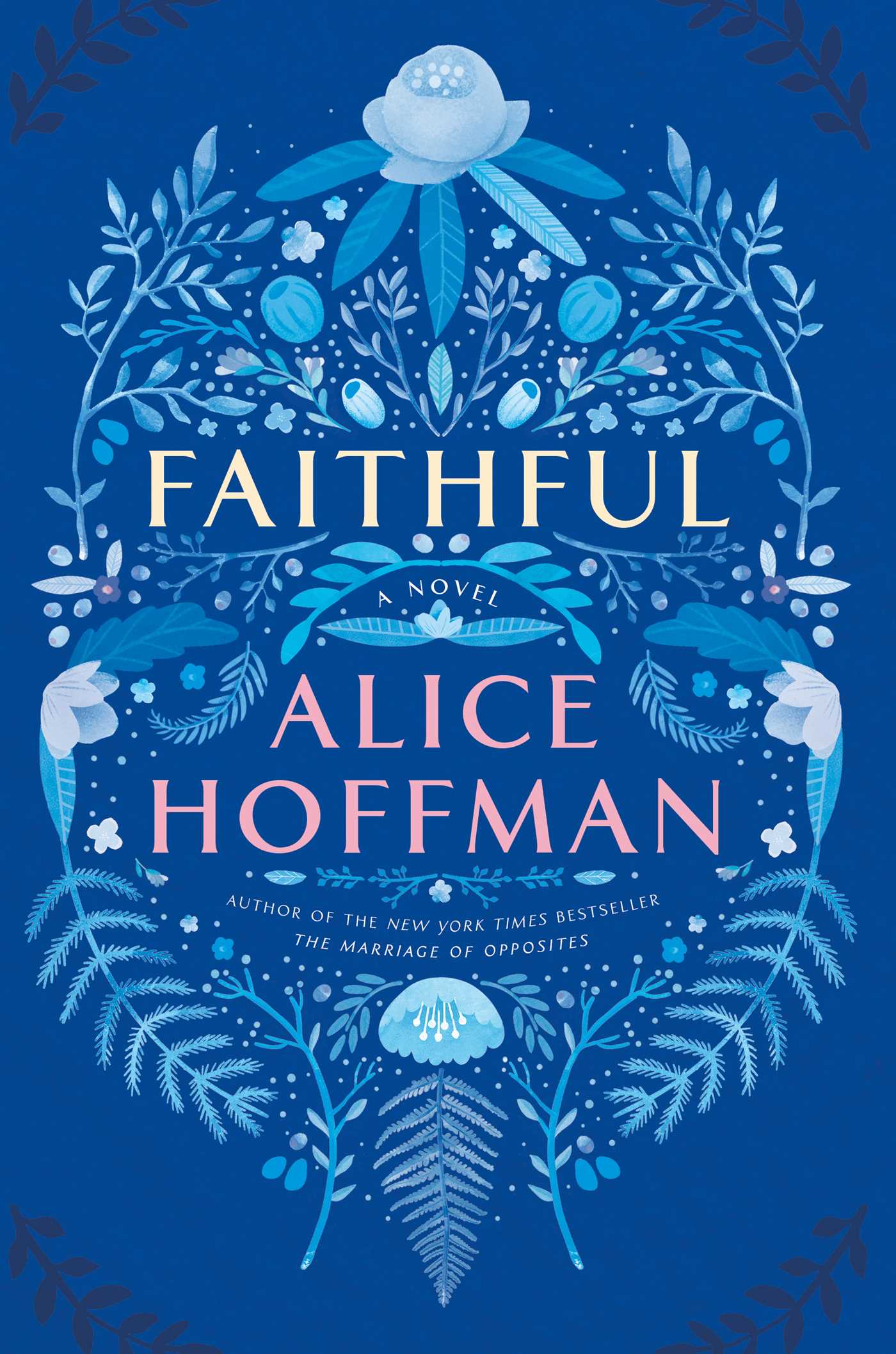
Faithful by Alice Hoffman; design by Zoe Norvell (Simon & Schuster / November 2016)

Also designed by Zoe Norvell:


gamblers-anatomy-design-gray318
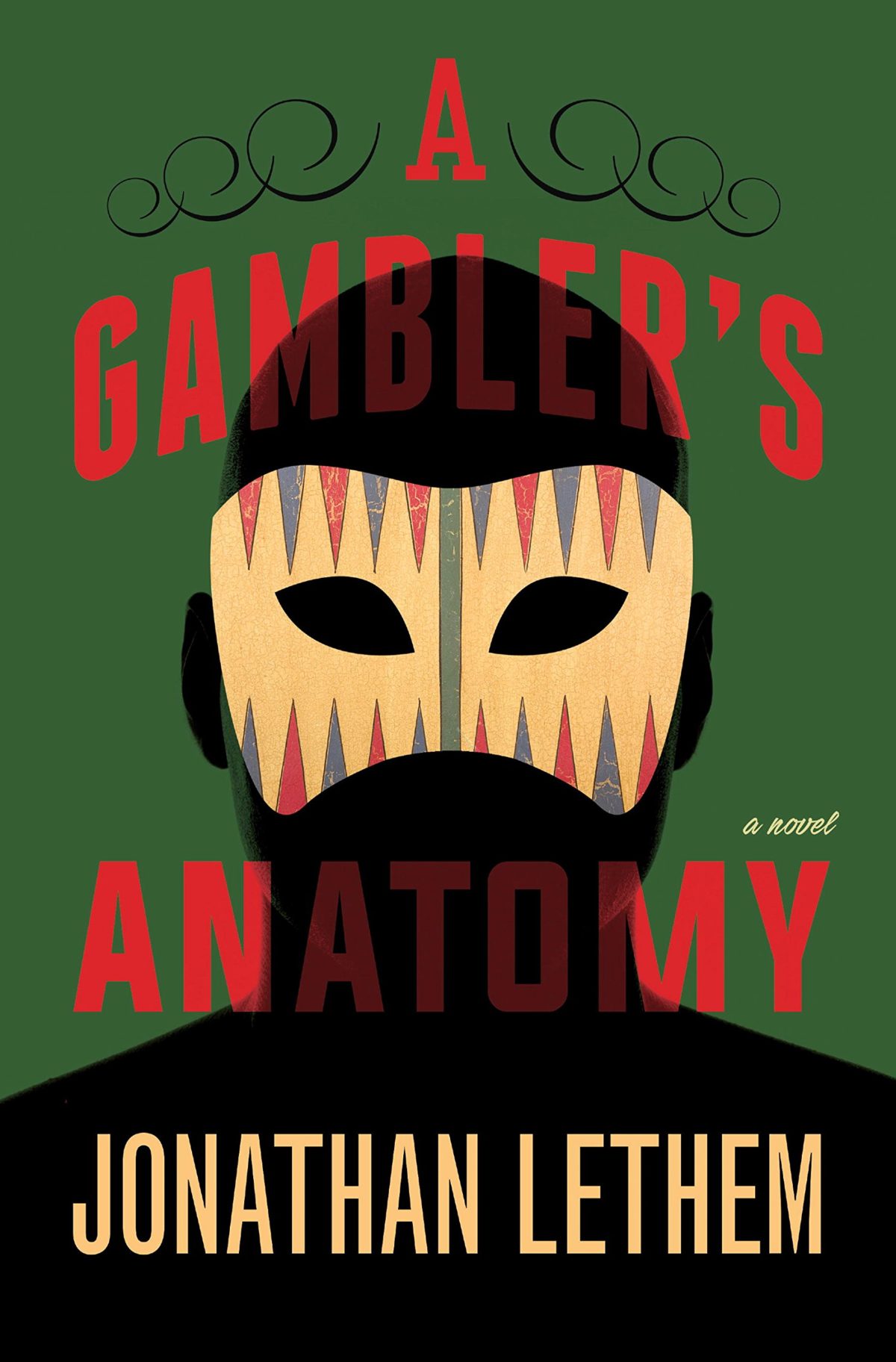
A Gambler’s Anatomy by Jonathan Lethem; design by Gray318 (Doubleday / October 2016)

Also designed by Gray318:


Girls on Fire US design Robin Bilardello
Girls on Fire by Robin Wasserman; design by Robin Bilardello (Harper / May 2016)

Also designed by Robin Bilardello:


The Good Immigrant design James Paul Jones
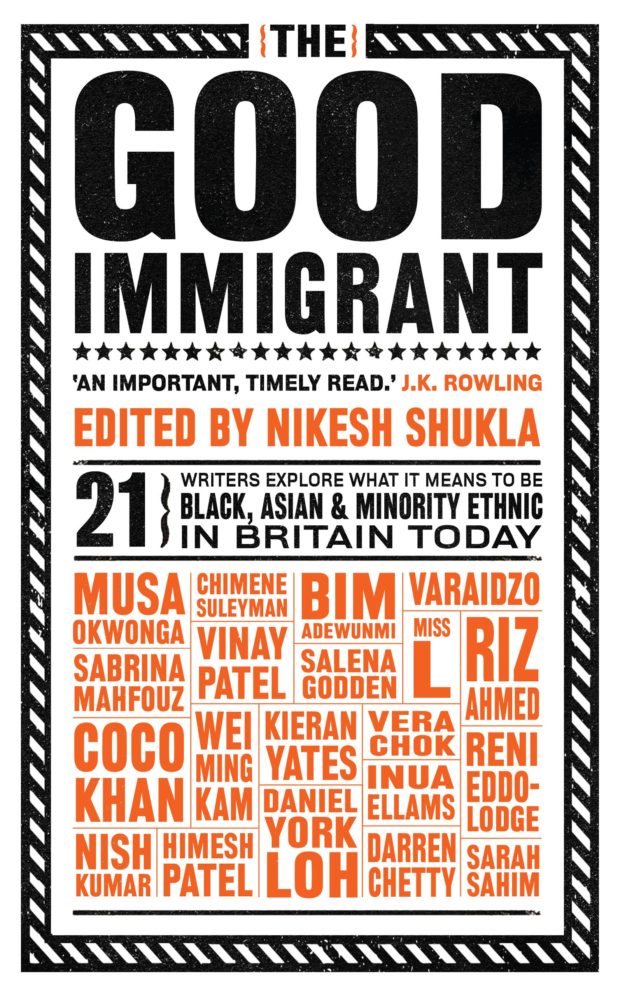
The Good Immigrant edited by Nikesh Shukla; design by James Paul Jones (Unbound / September 2016)

Also designed by James Paul Jones:


guineveres-design-lauren-harms


The Guineveres by Sarah Domet; design by Lauren Harms (Flatiron Books / October 2016)

Also designed by Lauren Harms:


the-hatching-9781501125041_hr
The Hatching by Ezekiel Boone; design by Chelsea McGuckin; art by David Wu (Atria Books / July 2016)


 How Propaganda Works design Chris Ferrante
How Propaganda Works by Jason Stanley; design by Chris Ferrante (Princeton University Press / May 2016)

Also designed by Chris Ferrante:


How To See design Peter Mendelsund
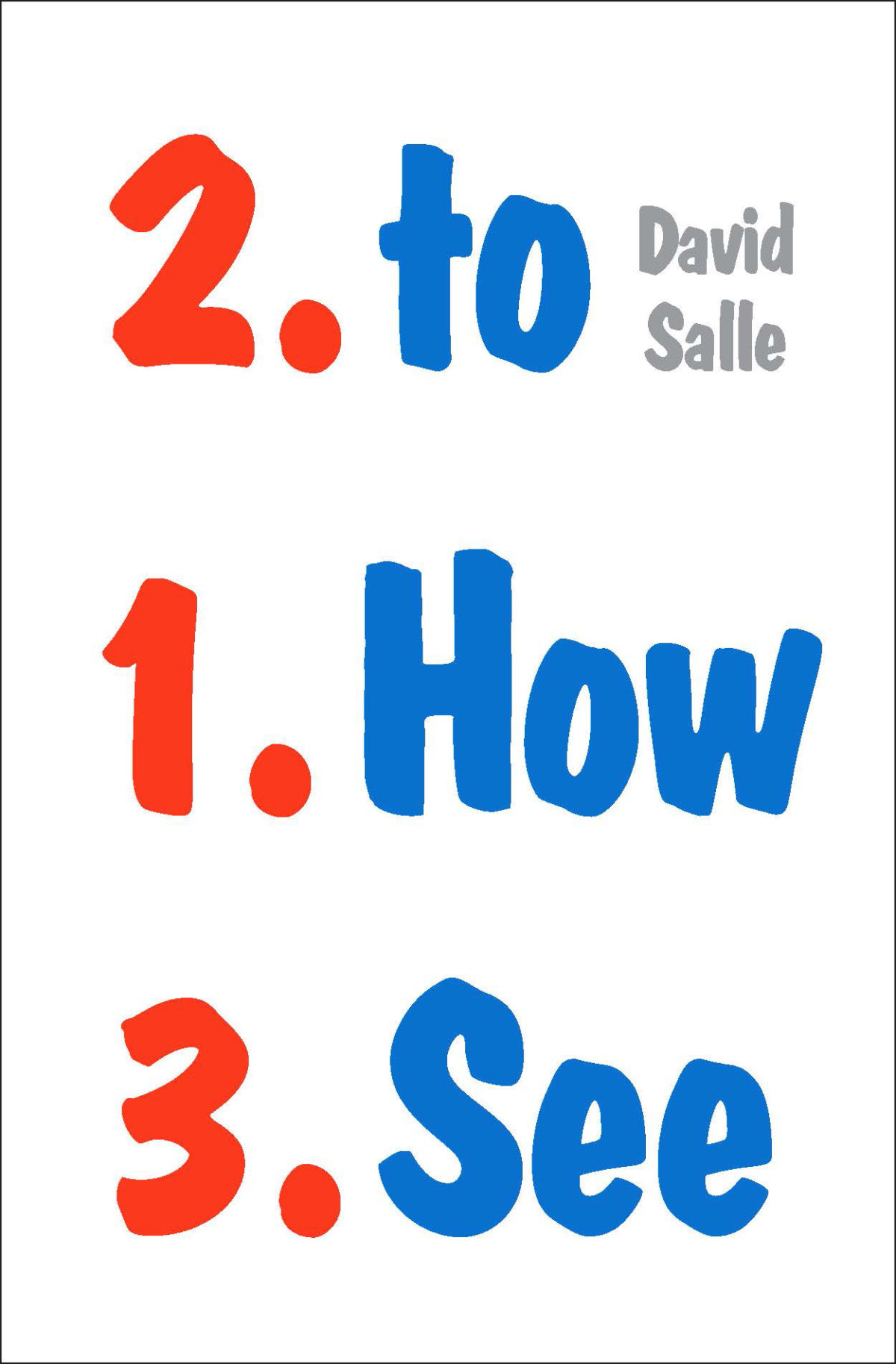
How to See by David Salle; design by Peter Mendelsund (W.W. Norton / October 2016)

Also designed by Peter Mendelsund:


Imagine Me Gone design Keith Hayes
Imagine Me Gone by Adam Haslett; design by Keith Hayes (Little, Brown & Co. / May 2016)

Also designed by Keith Hayes:


Is That Kafka design Erik Carter


Is That Kafka? 99 Finds by Reiner Stach; design by Erik Carter (New Directions / April 2016)

Also designed by Erik Carter:


Knockout design by Matt Dorfman


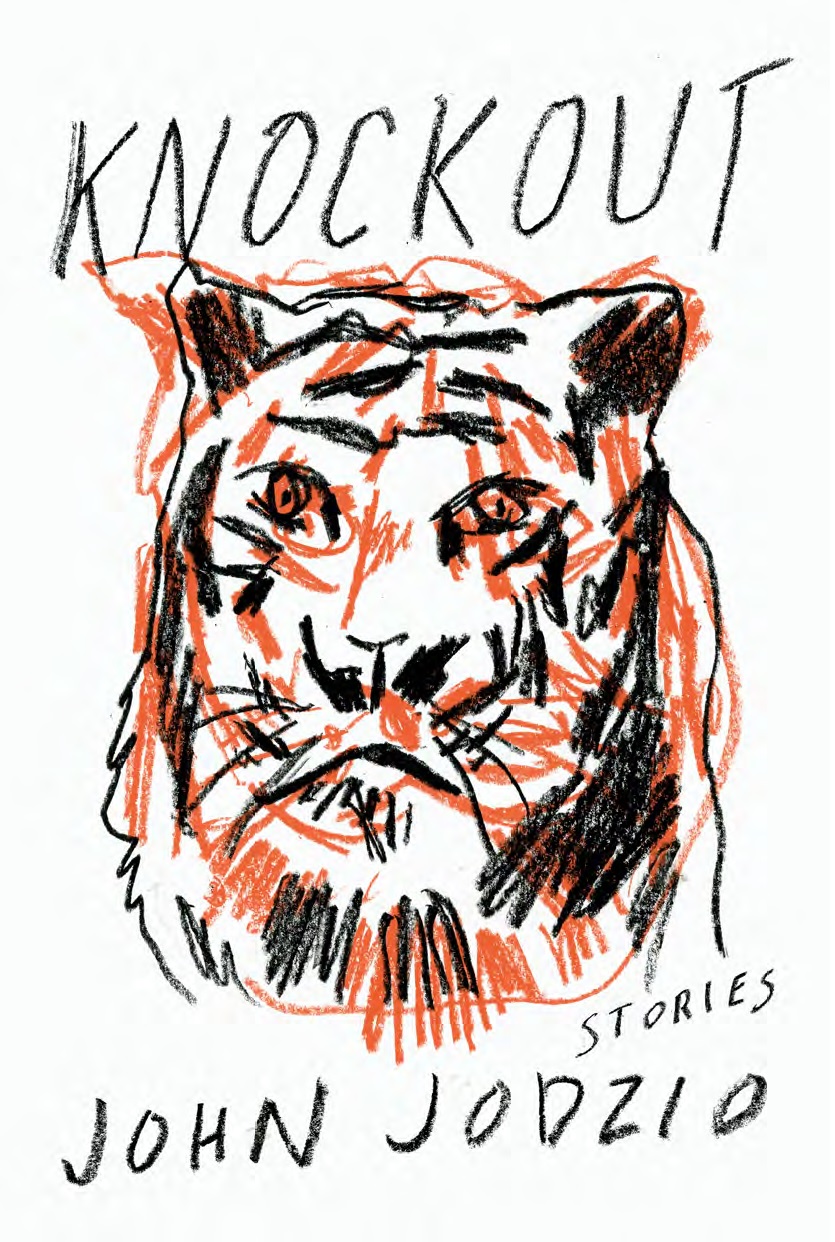
Knockout by John Jodzio; design by Matt Dorfman (Soft Skull / March 2016)


Legoland design by Justine Anweiler illo Axel Bizon
Legoland by Gerard Woodward; design by Justine Anweiler; illustration by Axel Bizon and Lena Sarrault (Picador / February 2016)

Also designed by Justine Anweiler:


Little Nothing by Marisa Silver; design by Rachel Willey (Blue Rider Press / September 2016)

Also designed by Rachel Willey:


Lonely City


The Lonely City by Olivia Laing; design Henry Sene Yee; photograph by Jerome Liebling (Picador USA / March 2016)


Looking for the Stranger by Alice Kaplan; design by Isaac Tobin (University of Chicago Press / September 2016)

Also designed by Isaac Tobin:


Lost Time Accidents design Pete Adlington
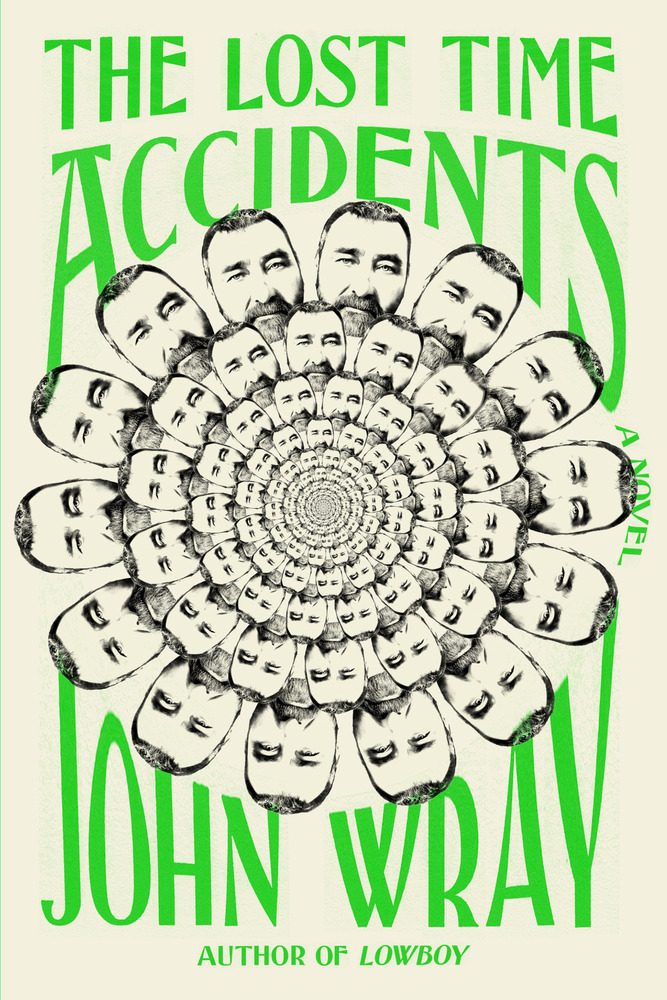
The Lost Time Accidents by John Wray; design by Peter Adlington (Canongate / June 2016)

Also designed by Pete Adlington:


Ministry of Nostalgia design Andy Pressman
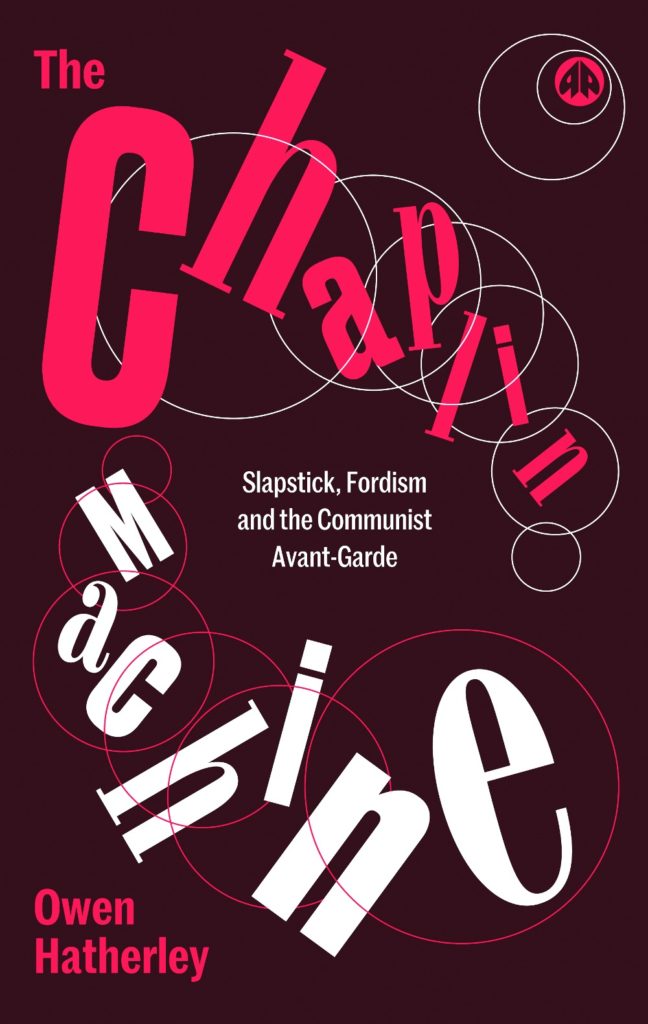
The Ministry of Nostalgia by Owen Hatherley; design by Andy Pressman (Verso / January 2016)


moonglow-design-adalis-martinez
Moonglow by Michael Chabon; design by Adalis Martinez (Harper / November 2016)


The Muse design Ami Smithson cover art Lisa Perrin
The Muse by Jessie Burton; design by Ami Smithson, cover art by Lisa Perrin (Picador / June 2016)

Also designed by Ami Smithson:


museum_of_modern_love_design_sandy_cull
The Museum of Modern Love by Heather Rose; design by Sandy Cull (Allen & Unwin / August 2016)


My Father the Pornographer-design by Jamie Keenan
My Father the Pornographer by Chris Offutt; design by Jamie Keenan (Atria / February 2016)

Also designed by Jamie Keenan:


The Nix by Nathan Hill; design by Oliver Munday (Knopf / August 2016)

Also designed by Oliver Munday:


permanent_resident_design_alissa_dinallo
Permanent Resident by Roanna Gonsalves; design Alissa Dinallo (UWA Publishing / November 2016)


pond design by Alex Merto


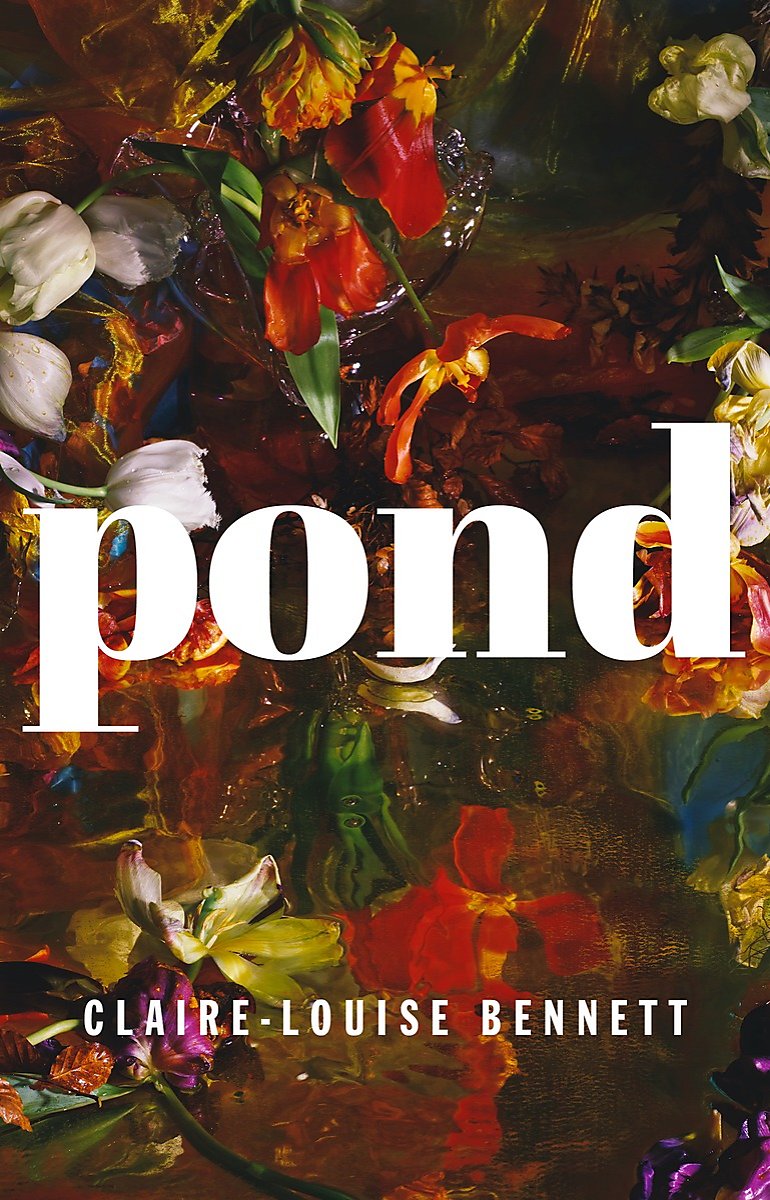
Pond by Claire-Louise Bennett; design by Alex Merto;  cover art: detail from ‘Fair is foul and foul is fair’ Margriet Smulders (Riverhead / July 2016)

Also designed by Alex Merto:


pull-me-under-design-rodrigo-corral-illustration-june-park


Pull Me Under by Kelly Luce; design by June Park (Farrar, Straus & Giroux / November 2016)


Reality is Not What it Seems by Carlo Rovelli; design by Coralie Bickford-Smith (Allen Lane / October 2016)
Reality is Not What it Seems by Carlo Rovelli; design by Coralie Bickford-Smith (Allen Lane / October 2016)

Also designed by Coralie Bickford-Smith:


Sex and Death design Luke Bird


Sex and Death edited by Sarah Hall and Peter Hobbs; design by Luke Bird (Faber & Faber / September 2016)


Smoke


Smoke by Dan Vyleta; design by Mark Swan (Weidenfeld & Nicolson / July 2016)


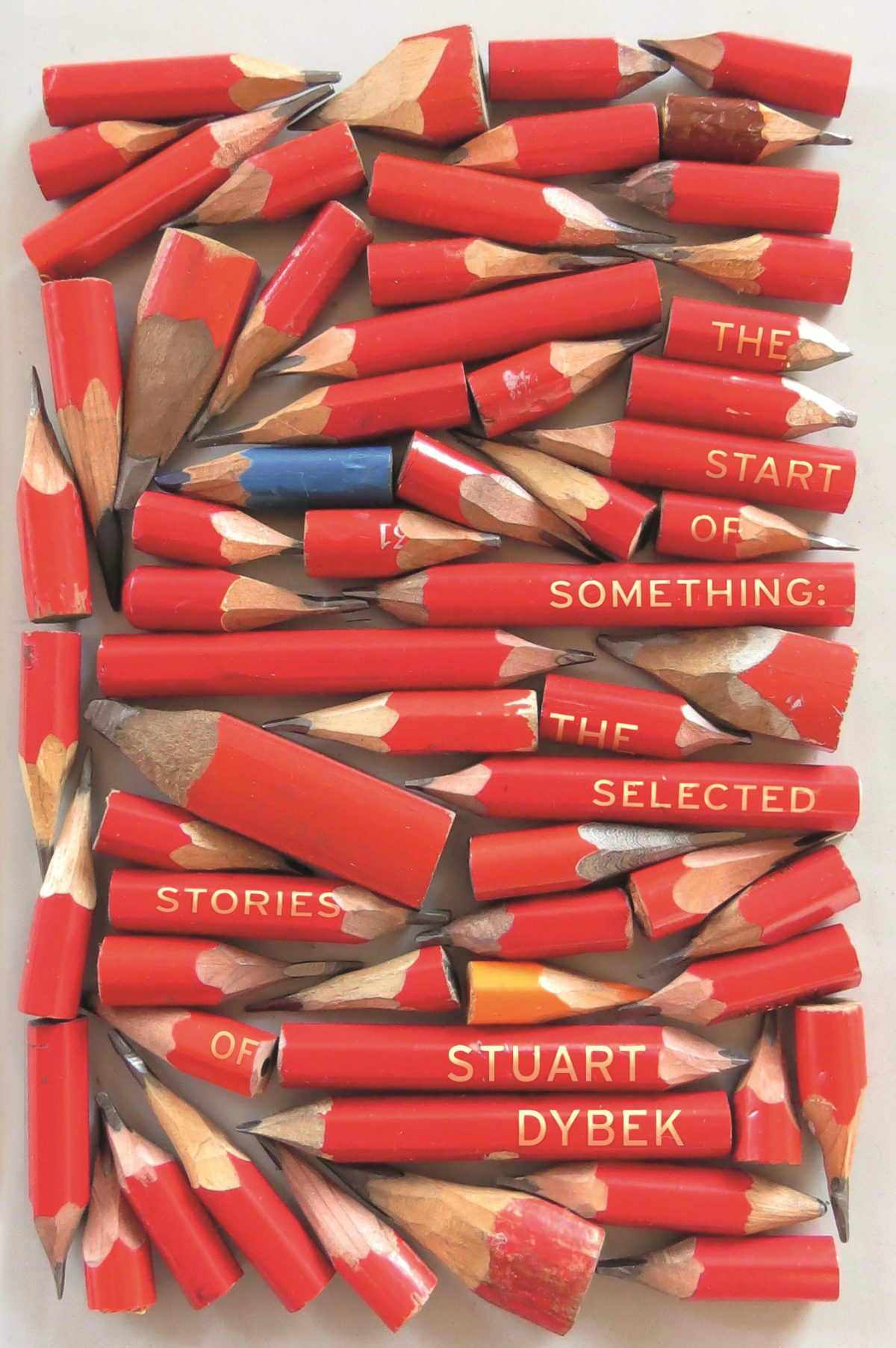
start-of-something-collage-by-marion-de-man-design-by-suzanne-dean
The Start of Something by Stuart Dybek; design Suzanne Dean; cover art by Marion de Man (Jonathan Cape / November 2016) 

Also designed by Suzanne Dean:


story-of-reason-in-islam-design-anne-jordan


The Story of Reason in Islam by Sari Nusseibeh; design by Anne Jordan and Mitch Goldstein (Stanford University Press / November 2016)

Also designed by Anne Jordan and Mitch Goldstein:


c9781925321302


The Summer That Melted Everything by Tiffany McDaniel; design by Allison Colpoys (Scribe / August 2016)

Also designed by Allison Colpoys:


13-ways-design-by-ploy-siripant-lettering-joel-holland
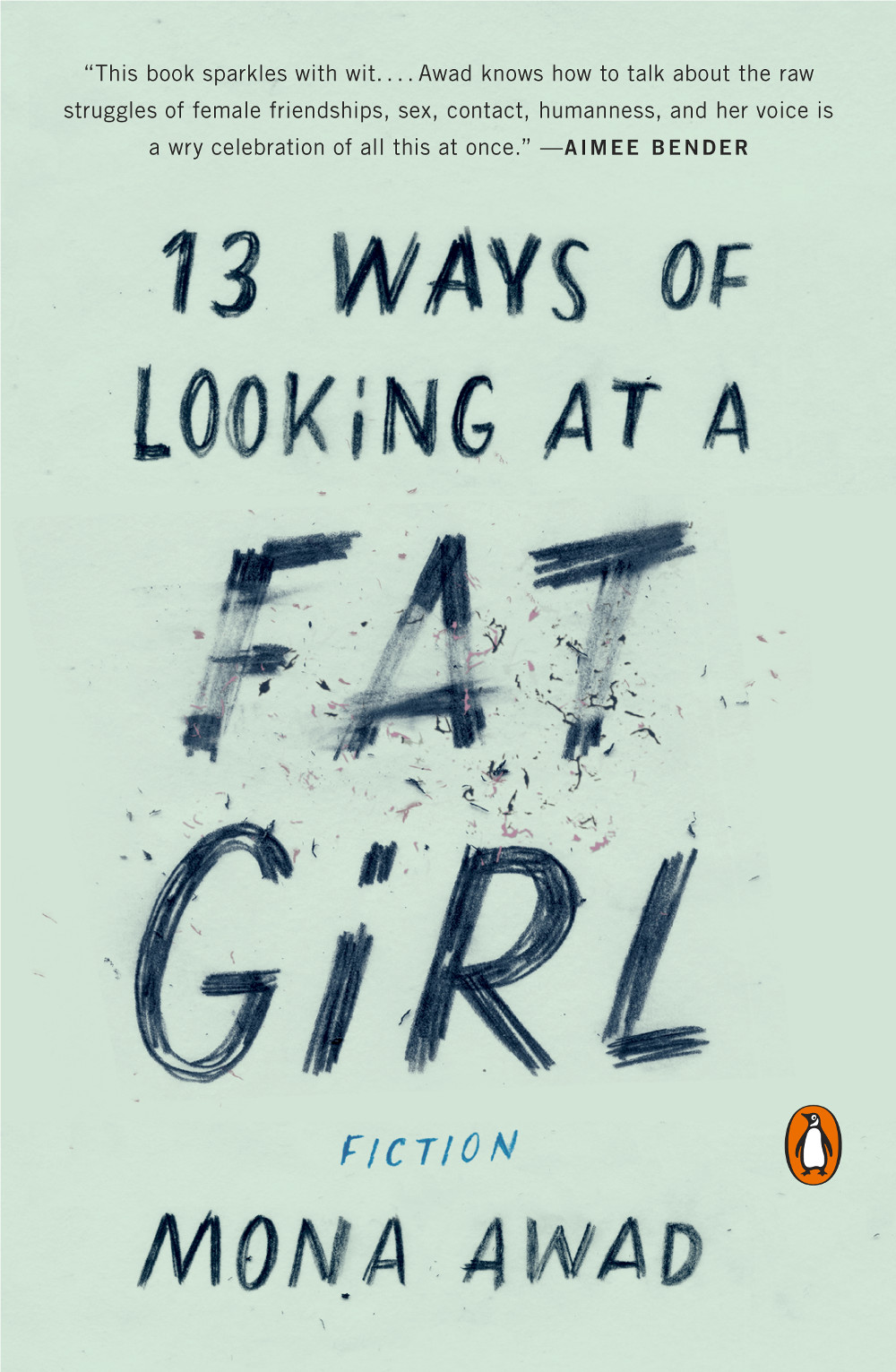
13 Ways of Looking at a Fat Girl by Mona Awad; design by Ploy Siripant; lettering by Joel Holland (Penguin / February 2016)

Also designed by Ploy Siripant:


Trees design David Mann
The Trees by Ali Shaw; design by David Mann (Bloomsbury / March 2016)


version-control-design-janet-hansen
Version Control by Dexter Palmer; design Janet Hansen (Pantheon / February 2016)

Also designed by Janet Hansen:


where-the-bird-sings-best-design-Richard-Ljoenes
Where the Bird Sings Best by Alejandro Jodorowsky; design by Richard Ljoenes (Restless Books / April 2016)


Wonder US design Kimberly Glyder
The Wonder by Emma Donoghue design by Kimberly Glyder (Little, Brown & Co. / September 2016)

Also designed by Kimberly Glyder:


Wonder UK
The Wonder by Emma Donoghue design by Jo Thompson (Picador / September 2016)


XX design Sara Wood
XX: Poems for the Twentieth Century by Campbell McGrath; design Sara Wood (Ecco / March 2016)

Also designed by Sara Wood:

Save

Save

Save

Comments closed

The Angelus Trilogy Design by Jason Booher

way-of-sorrows-design-jason-booher

These Jason Booher covers for the paperback editions of Jon Steele’s The Angelus Trilogy, published by Blue Rider Press in August, bring a whole new meaning to ‘side eye’1 I love that they use Albrecht Dürer etchings as part of the design…

watchers-design-jason-booher-side

angel-city-design-jason-booher-side

 way-of-sorrows-design-jason-booher-side

Comments closed

Book Covers of Note November 2016

I’m not sure anyone is paying too much attention to book design this week, but if you’re looking for a few minutes diversion from the awfulness of almost everything, here’s this month’s selection of quirky, beautiful, and otherwise interesting book covers…

black-water-design-oliver-munday
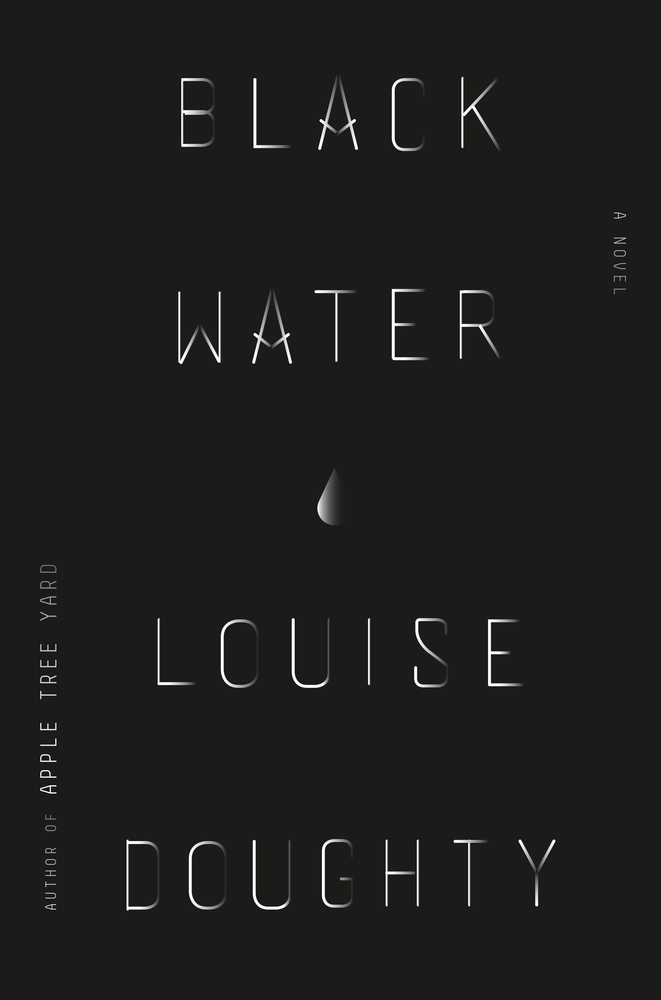
Black Water by Louise Doughty; design by Oliver Munday (Sarah Crichton Books / September 2016)

briefhistoryofeveryone-design-andy-allen
A Brief History of Everyone Who Ever Lived by Adam Rutherford; design by Andy Allen (Orion / September 2016)

britishraildesigned_design-theo-inglis
British Rail Designed 1944-1997 by David Lawrence; design by Theo Inglis (Ian Allan Publishing / November 2016)

clearing-the-air-design-phil-pascuzzo
Clearing the Air by Gregory Wood; design by Phil Pascuzzo (Cornell University Press / November 2016)

cold-skin-design-chris-gale
Cold Skin Albert Sánchez Piñol; design by Christopher Gale (Canongate / October 2016)

dark-flood-design-rafi-romaya-illustration-timorous-beasties
The Dark Flood Rises by Margaret Drabble; design Rafi Romaya; cover illustration by Timorous Beasties (Canongate / November 2016)

defender-design-mark-swan
Defender by G X Todd; design by Mark Swan (Headline / December 20161)

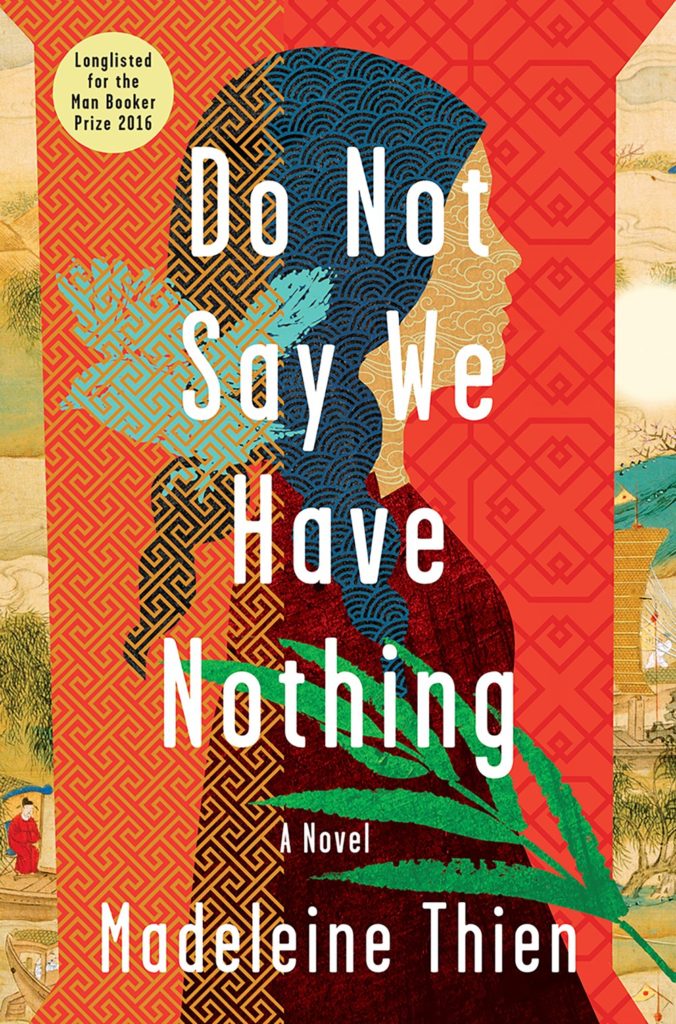
do-not-say-we-have-nothing-design-jaya-miceli
Do Not Say We Have Nothing by Madeleine Thien; design Jaya Miceli (W.W. Norton / October 2016)

dying-design-pete-adlington
Dying by Cory Taylor; design by Pete Adlington (Canongate / November 2016)

faithful-design-zoe-norvell
Faithful by Alice Hoffman; design by Zoe Norvell (Simon & Schuster / November 2016)

Is this a new (old) thing…?

guy-design-by-michel-vrana-pink
Guy by Jowita Bydlowska; design by Michel Vrana (Wolsak & Wynn / November 2016)

I like that this was a split run of coral and blue:

knives-and-ink
Knives & Ink by Isaac Fitzgerald and Wendy MacNaughton; design Katya Mezhibovskaya; cover art Wendy MacNaughton (Bloomsbury / October 2016)

This is a nice partner to 2014’s Pen & Ink which also featured cover art by MacNaughton:

london_lies_beneath_ad_nico_taylor_illus_joe_mclaren
London Lies Beneath by Stella Duffy; Art direction by Nico Taylor; illustration by Joe McLaren (Little, Brown / October 2016)

midwinter_illus_raquel_leis_allion
Midwinter by Fiona Melrose; Art Direction by Bekki Guyatt; illustration by Raquel Leis Allion (Little, Brown / November 2016)

moonglow-design-adalis-martinez
Moonglow by Michael Chabon; design by Adalis Martinez (Harper / November 2016)

music-for-life-design-by-alex-kirby
Music For Life by Fiona Maddocks; design by Alex Kirby (Faber & Faber / October 2016)

one-with-the-tiger
One with the Tiger by Steven Church; design by Faceout Studio (Soft Skull / November 2016)

pull-me-under-design-rodrigo-corral-illustration-june-park
Pull Me Under by Kelly Luce; design Rodrigo Corral; cover art by June Park (Farrar, Straus & Giroux / November 2016)

revengeofanalog_design-pete-garceau
The Revenge of Analog by David Sax; design Pete Garceau (Public Affairs / November 2016)

sick-bag-song-illus-nick-cave-ad-brian-moore
Sick Bag Song by Nick Cave; illustration by Nick Cave; art direction by Brian Moore (Houghton Mifflin Harcourt / November 2016)

start-of-something-collage-by-marion-de-man-design-by-suzanne-dean
The Start of Something by Stuart Dybek; design Suzanne Dean; cover art by Marion de Man (Jonathan Cape / November 2016) 

(You can read more about the process of making this cover at the Creative Review blog)

story-of-reason-in-islam-design-anne-jordan
The Story of Reason in Islam by Sari Nusseibeh; design by Anne Jordan and Mitch Goldstein (Stanford University Press / November 2016)

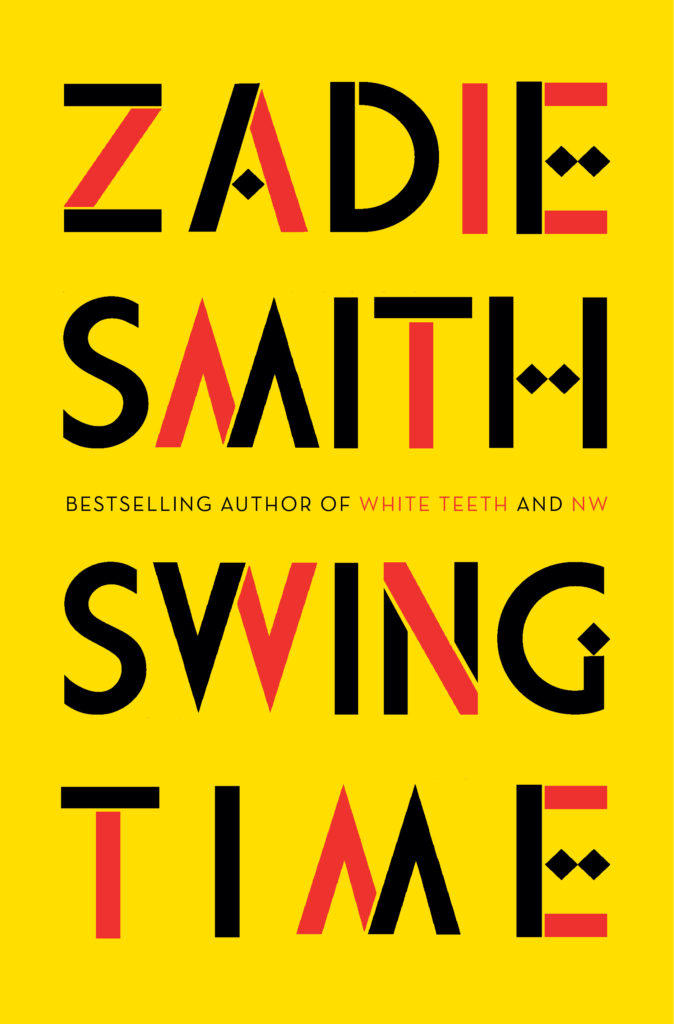
swing-time-design-gray318
Swing Time by Zadie Smith; design by Gray318 (Hamish Hamilton / November 2016)

This goes rather nicely with Gray318’s earlier design for The Embassy of Cambodia by Zadie Smith:

thus-bad-begins-design-by-peter-mendelsund
Thus Bad Begins by Javier Marías; design by Peter Mendelsund (Knopf / November 2016)

unmistakable-design-catherine-casalino
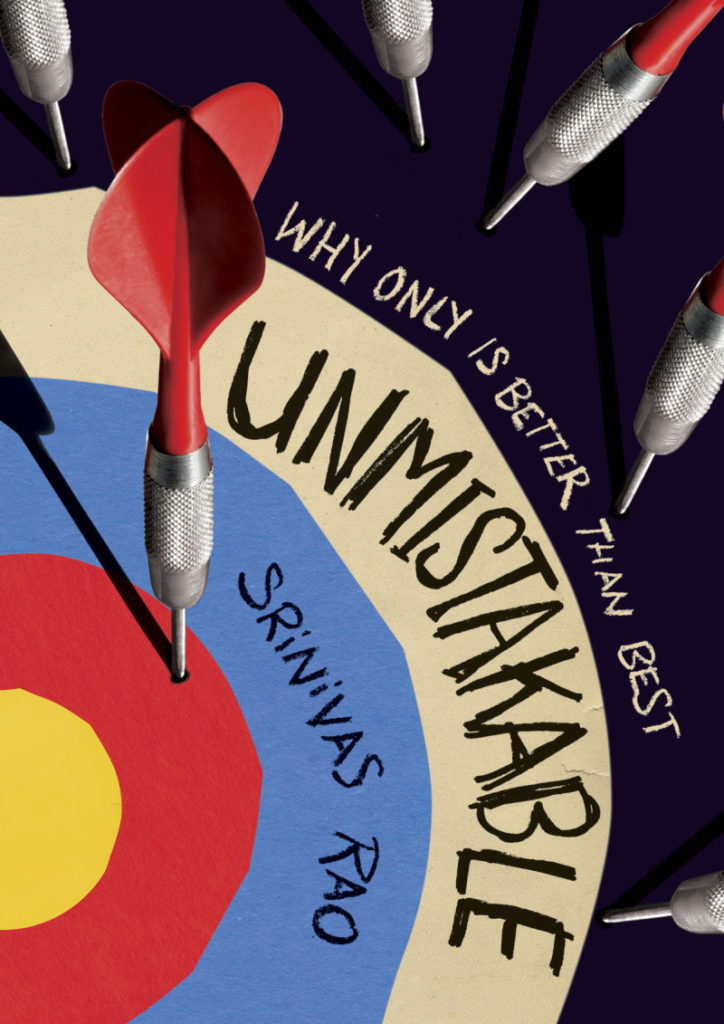
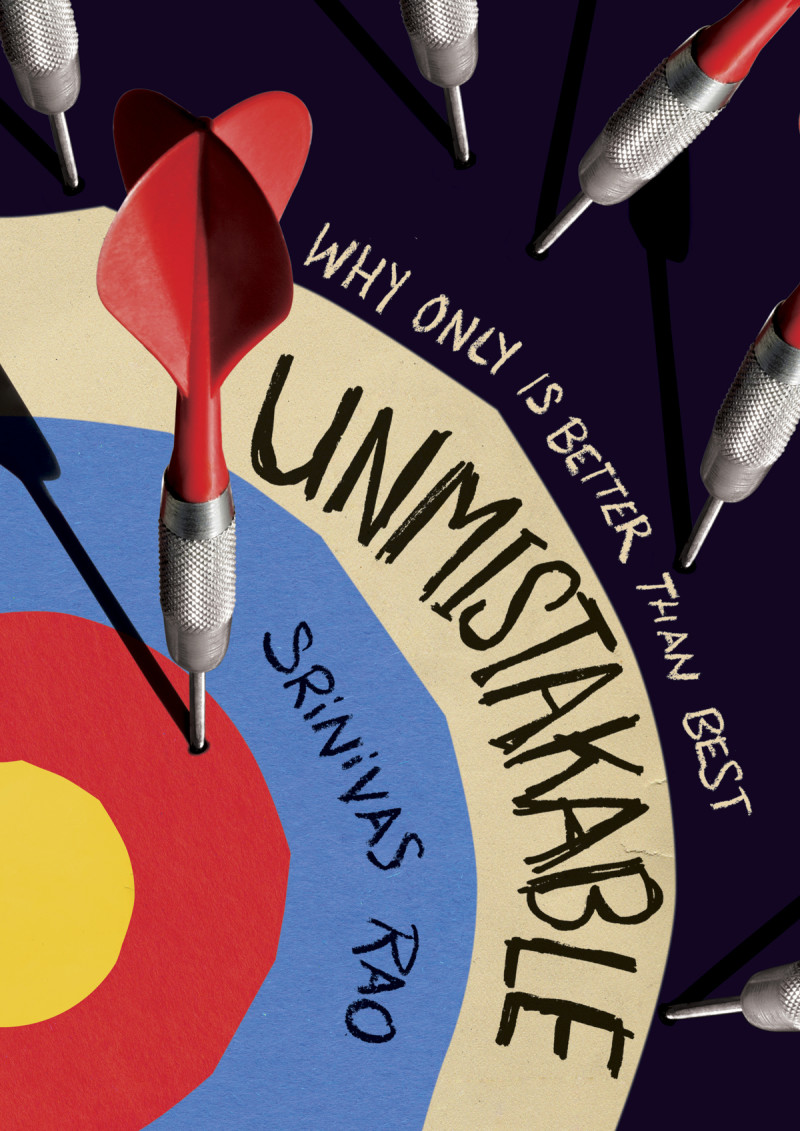
Unmistakable by Srinivas Rao; design by Catherine Casalino (Portfolio / August 2016)

violence-design-by-scott-levine
Violence as Generative Force by Max Bergholz; design by Scott Levine (Cornell University Press / November 2016)

whateverhappened_highres
Whatever Happened to Interracial Love by Kathleen Collins; design by Allison Saltzman; cover art by Lorna Simpson (Ecco / November 2016)

writing-to-save-a-life-design-eric-white
Writing to Save a Life by John Edgar Wideman; design by Eric White (Scribner / November 2016)

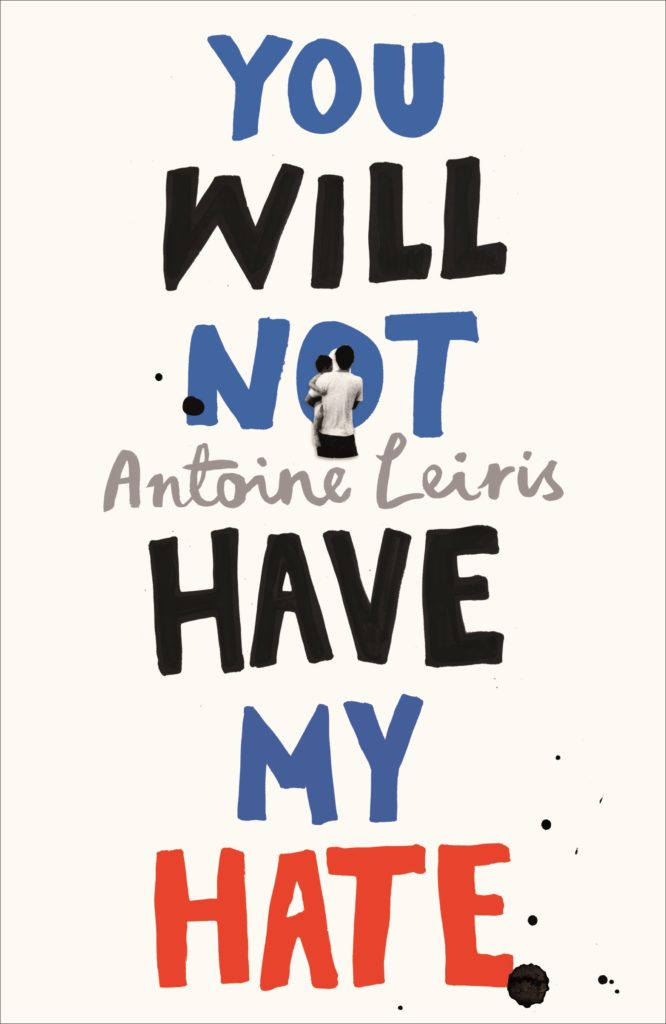
you-will-not-have-my-hate-design-suzanne-dean
You Will Not Have My Hate by Antoine Leiris; design by Suzanne Dean (Harvill Secker / October 2016)

The US cover for You Will Not Have My Hate, designed by Darren Haggar (Penguin Press, October 2016), provides an interesting contrast in styles:

you-will-not-have-my-hate-design-by-darren-haggar

Save

Comments closed

The London Library Designs by David Pearson

a_full_account_of_the_dreadful_explosion_design_david_pearson

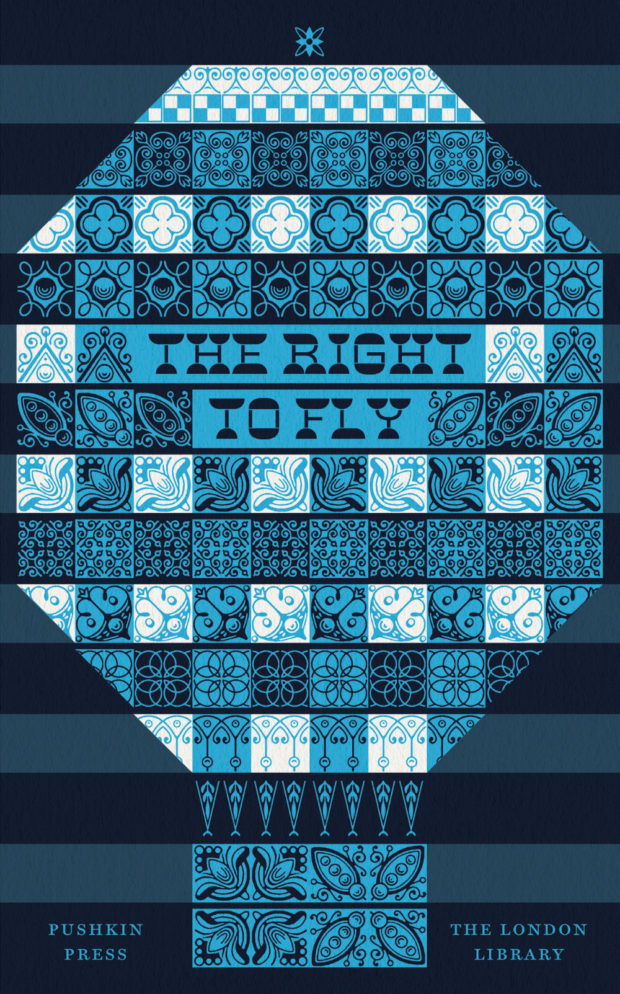
I mentioned Pushkin Press‘s ‘Found on the Shelves’ series earlier this year. The books celebrate 175 years of The London Library, and four more are coming out this month. The entire series has covers designed by David Pearson and, I’m happy to say, three of the new ones — The Right to Fly, Through a Glass Lightly, and Hints on Etiquette — have wonderful cover illustrations by Joe McLaren as well David’s (brilliant) trademark typography:

the_right_to_fly_design_david_pearson_illus_joe_mclaren

through-a-glass-lightly-design-david-pearson-illus-joe-mclaren

hints_on_ettiquette_design_david_pearson_illus_joe_mclaren

McLaren also provided illustrations for the covers of On Corpulence and Life in a Bustletwo earlier books in the series (also designed by David needless to say):

Save

Save

Comments closed

Q & A with James Paul Jones, Oneworld

The Good Immigrant design James Paul Jones

The work of Welsh designer James Paul Jones for has featured regularly here in the past few years. A versatile cover designer and one of the co-founders of Vintage UK’s design blog CMYK, James was recognised as a ‘Rising Star‘ by the Bookseller in 2014, and recently moved to independent publisher Oneworld Books in the role of art director. This Q & A  has been quite awhile in the making, but I’m very grateful to James for taking the time to answer my questions in such depth, and I’m glad for the opportunity to showcase his talents again.

You can find James on Twitter and Instagram, and you can see more of his work on his website. James and I corresponded over email (for years)…

Do you remember when you first became interested in design?

Growing up it was all about sport and design. From an early age I used to drive people mad (mainly my parents and teachers) spending hours perfecting my hand writing, and adorning basically everything I could with doodles, designs, and patterns. Which is ironic, as I can barely understand my own scribbles these days. I somehow knew back then that is was more the Design in Art & Design I was interested in, I think mainly because it took me so long to finish anything remotely ‘still life’. My art teacher Islwyn Williams can vouch for that, and he was one of the good ones. I remember him saying when he saw me walking down the corridor in full-on teenage mode to ‘Look up. Not enough people do and you don’t know what you’re missing’. That’s stuck with me ever since. Things progressed quickly once I got hold of my first bondi blue iMac. From there, I used to ‘borrow’ my Dads record covers, scan them and proceed to add my own finishing touches. My first ‘effort’ was giving Paul McCartney some shoes on the Abbey Road album. I’d then print out everything and plaster my walls with the output. I wish to this day I could do this in my new workplace.

Do you come from a creative family?

I used to think not. My Dad was a self-made business man running a wholesale food company in North Wales and my mother working alongside. But I realised over time that my Dad had a special way with words and he wrote poetry in his spare time. I was certainly the only one who was a bit obsessed with the visual side of things. My sister was definitely the words. I was proud to work alongside her whilst working at Vintage Books. As I’m sure was our Mum.

Were there a lot of books in your house growing up?

There were plenty. And they were all owned by my sister. I can’t pretend that I’ve been a book buff all my life, because when I was younger I didn’t read enough. But I did grow up on Roald Dahl and other children’s classics of my time. What I thoroughly enjoyed reading (and my mother still has a pile of these ready to give me back home) was the ‘how to’ guides. Cartooning, watercolours, different print processes. Cross hatching, you name it. I had a guide on it. A recent ‘Punch’ exhibition at the House of Illustration in London focused on the work of Shepard and it reminded me of my love of a good cross hatch shadow. Now my house consists of ‘why’ books. Why do people see and think in certain ways. Different triggers, autobiographies and non-fiction is what I devour outside the daily manuscripts. Plus I love a good quote I can draw inspiration from. It continues to amaze me how much you can learn from others.
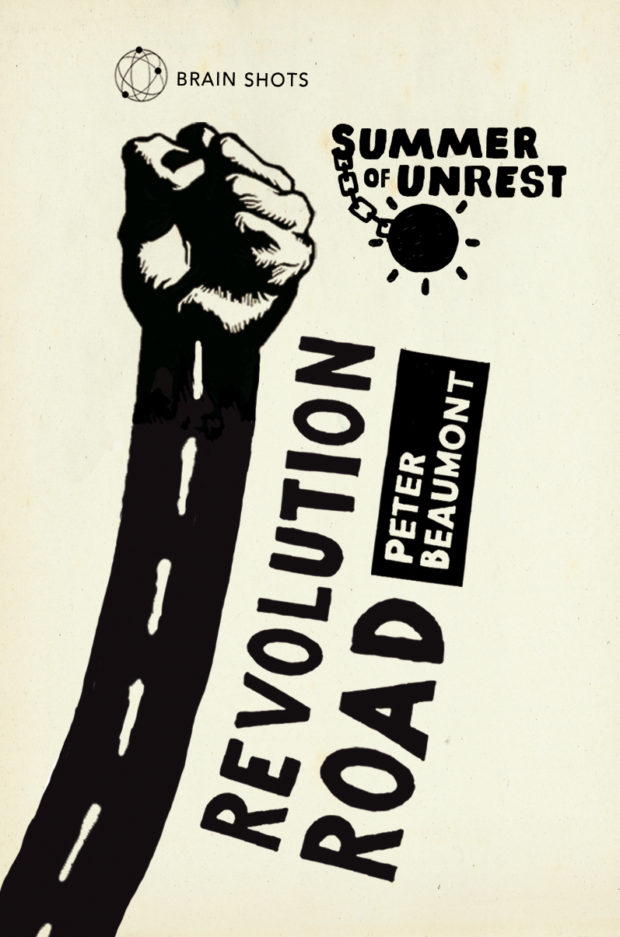
the-revolution-road_vintage

Did you study design at school?

I was lucky enough that when I got to secondary school there was a graphics GCSE course which I snapped up. There began my obsession with drawing rectangles using 4 points, which later in life has translated to all forms of typographic sketches. Earlier I studied Art, but grades wise I was let down by my inability to follow suit and show my workings. I always had the final idea in my head and wanted to cut out the middle man. Although now, one of my prized possessions is my A5 moleskin which doesn’t leave my side, which would amuse my Art teacher to no end. Later on, I did an Art Foundation course in North Wales, which was easily the most creative, fulfilling and enjoyable year of my life education wise. We worked on everything from woodworks to 3 dimensional life size sketches using charcoal. I thrived on the atmosphere there and at some point I’d love to go back and enjoy it for a second year. I was honoured to be invited back this year to showcase my work, helping to hopefully inspire the next generation. Anything I can give back there I will in abundance. Following foundation, I studied Graphic & Media Design at London College of Printing. It was a great college, and to be taught by one of my design heroes Hamish Muir was priceless.

I can’t pretend I did my best work there because that wasn’t the case. But what I did learn, and something I realised early on, was that I needed work contacts by the time I graduated. I started calling in favours, taking work experience here and there and this all helped to build up a roster of freelance clients. I started my own design company (Here & Now – my exercise book ‘tag’ from my teenage years) toward the end of the second year where I was doing websites, record covers and 1-day-a-week freelancing with the Orion Publishing Group.

Where did you start your career? 

I started my career at Orion through work experience in the marketing department. Working on posters, bookmarks and other promotional materials. Then one day I was asked to work on the back cover for a Harlan Coben novel. I was fresh out of 2nd year at University and still obsessed by Müller-Brockman, which meant I spent the rest of the day typesetting the copy on crazy angles. Vertical barcode. The works. I can still remember it to this day. I thought it looked bloody brilliant. The Art Director thought so too, but obviously it was a bit out there for a mass market crime novel… Although she asked me to come back the next week and that was that. Her name was Lucie Stericker and she is the brilliant Creative Director of Orion, and one of the key people in my career. She gave me the opportunity to show what I could do, at a time where I didn’t really know what I could. At one point I nearly quit to head down the big design company route, but I’m glad I stuck it out and I have Lucie to thank for that.

At Orion I learnt it all from the bottom up. Starting off as a freelancer, before joining the company on a 4-day a week basis. After that I started to get my own briefs to work on and from there I kicked on. I always wanted to try and push the boundaries of each genres, as I was young and I didn’t see any reason not to! You had to get noticed somehow. I worked my way up to a Junior Designer level, and then to Designer. My work started getting noticed after working on the Keith Richards autobiography Life and the award winning The Tiger’s Wife, before Vintage offered me an opportunity as a Senior Designer 4 ½ years in to my Orion career.
wiggo_vintage

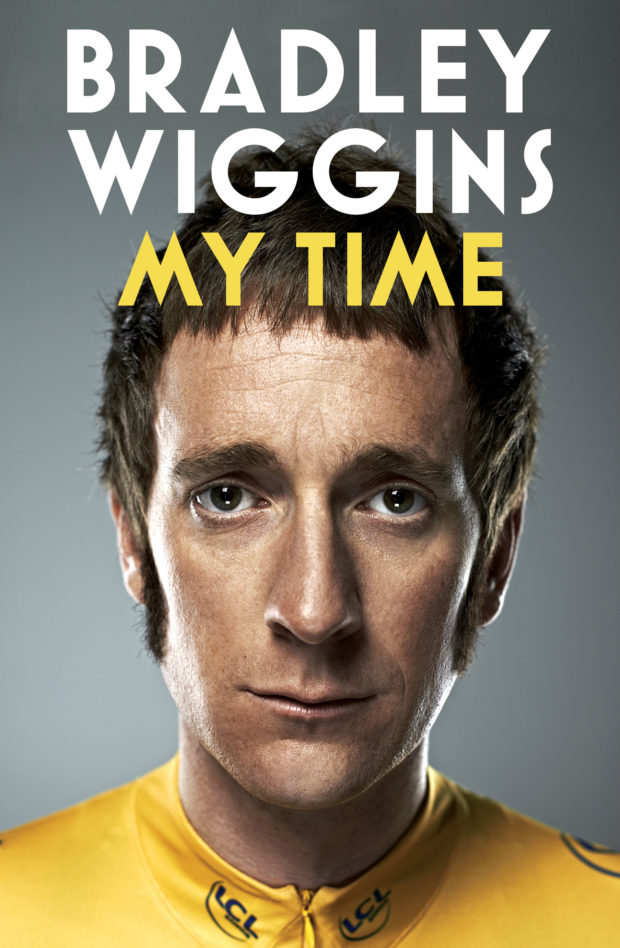
Over at Vintage I began to hone my craft, and was soon art directing my own photo shoots for Bradley Wiggins fresh from his Tour De France and Olympic wins and working on titles such as Virginia Woolf, Sebastian Faulks and Chuck Palahniuk. I was in my element. The team pushed each other every day, some of the group projects we worked on such as the James Bond classics were a joy to be a part of. As was the creative atmosphere of the design department.

I spent 4 ½ very happy years at Vintage, working across all genres and imprints. Whilst there I was humbled to be voted as one of the industries rising stars, one of the only designers on the list. My work was also recognised with some awards, one of the highlights being my award winning collaboration with Pietari Posti on our Arthur Ransome series. Vintage and Penguin Random House were such an inspiration to me design wise, and I thank the whole design team, and the Creative Designer Suzanne Dean, for that.

When did you start at Oneworld?

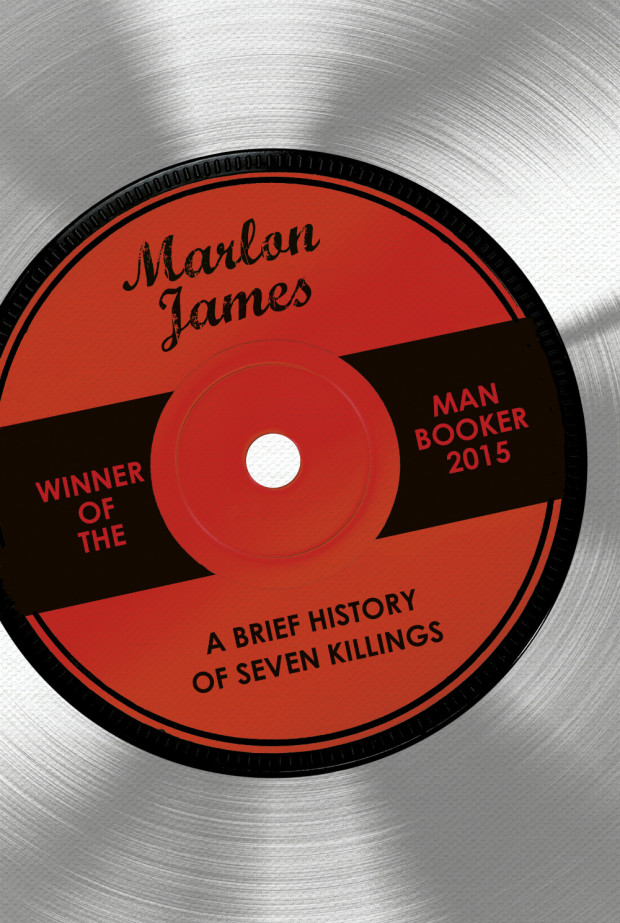
I started at Oneworld as their new Art Director just over a year ago, in September of 2015. I thoroughly enjoyed my time over at Vintage, but I was looking for a new challenge and really wanted to experience the life of an Art Director. Oneworld came about because of that ambition, and I was intrigued by the company as a whole. They had such fantastic books, yet I felt the covers could reflect that better. It was a big change for me, going from the biggest publisher in the world (Penguin Random House) to an independent, but I really wanted to get stuck into something that I could put my mark on. At Oneworld it’s just me heading up the design department, and while that can seem quite daunting at times I like to think that I thrive on that responsibility. I have instigated a design internship recently, and I’m thoroughly enjoying mentoring young designers at the start of their careers and giving something back to the design community. It’s a privilege, and design-wise my goal is to make Oneworld’s books known for their looks and production values, of which having a cracking production team by my side helps. Along with a company willing to try something different. Since I joined the company, we’ve won the Man Booker Prize, been voted Independent Publisher of the Year, had another one of our books shortlisted for this year’s Man Booker, and the company is going from strength to strength. It’s not easy, I don’t think any Art Director job is. But I really do love it. And I want that hard work and passion to come across in the work we put out there as a company. I’m also involved in the creative direction of the company as a whole. We recently re-designed our website, logo and branding. Which has all been a fantastic and invaluable experience.
design James Paul Jones

What have you found to be the main differences between being an art director and a designer so far?

That the bucks stops with me, which is both a good and a bad thing. What I have enjoyed most is working alongside artists, designers and illustrators that I admire. Pushing them as far as we can go with each design. We might not always see eye-to-eye but I enjoy working with other designers who want to make something great, and not just another cover to tick off their to do list. Our job is to represent the spirit of the book. To find out what makes that book unique, and communicate and celebrate it visually on the cover.

Are you also working on freelance projects?

I am. I was always rather envious of the US model of Art Directors who also freelance for other companies. It really appealed to me. So when the Oneworld position came up, it was a part time position and it suited my ambitions to explore freelancing. I took a leap of faith, and now I work 4-days-a-week in-house at Oneworld and do my freelance work on the fifth day. Although as every freelancer knows, my weekends are often taken up working, and one of the hardest aspects is trying to find that work/life balance. Having a young family has forced me to work that out from the get go. I’ve been lucky enough since I started freelancing last year to work with some great publishers around the world. I still love getting that first initial ‘making contact’ email from a new publisher who has seen my work and wants to know if I’m available. I thoroughly enjoy having the best of both worlds, even with the extra hours it can demand. But I’m really happy with the freelance side of my career, and I hope it keeps growing and growing.

What are your favourite projects to work on?

Ones that I can throw myself into. They’re both a blessing and a curse. I like to get really immersed and find it hard to switch off, but having a family has definitely helped me be more ruthless in that sense. I consider what we do such a privilege. I have to put my all into each cover. I’m a big believer in that if you leave nothing behind, your work will connect in the right way. I thank my Dad for that work ethic, and also my many different sport coaches along the way. Leave nothing behind. Design hard. But most of all have fun with it.
originals_ebury

Which ones present the greatest creative challenges?

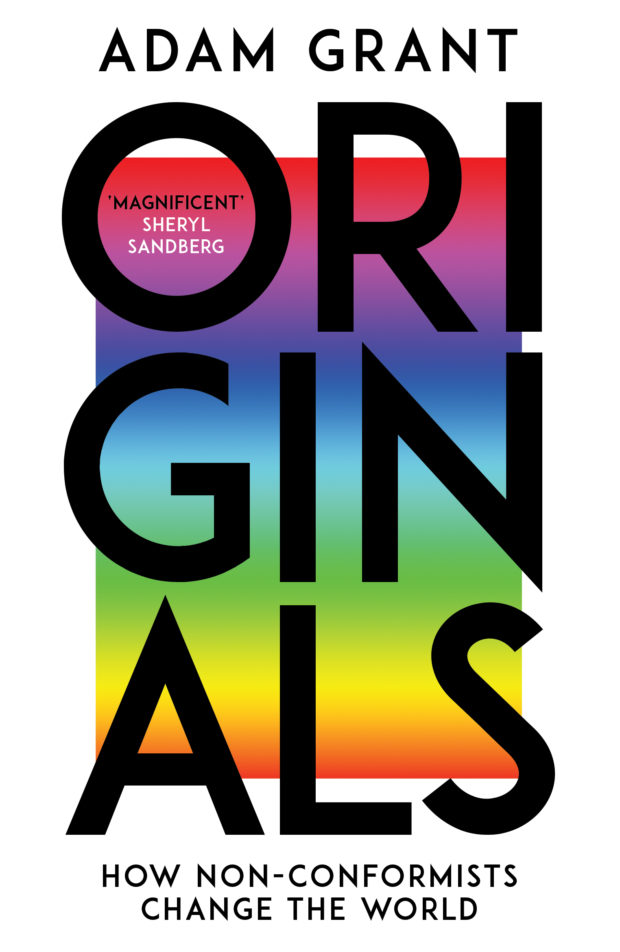
Interesting question. I guess the briefs that ask for the norm for that genre. But you know there’s an opportunity to push the envelope a little… Then the challenge is executing the design in a way that will embrace that idea, rather than alienating people. Then getting the sales teams on board with the idea. I’m constantly pushing my editors to really think about their briefs. Look what’s out there, and how can we make our book original. I’ve just finished working on a cover for Ebury called Originals by the brilliant Adam Grant. As he mentions ‘Being original doesn’t require being first. It just means being different and better’. That’s what I’m aiming for in my work for Oneworld and in my freelance work.

What’s your ‘go to’ typeface for a book cover?

I think due to my design education I’m a big fan of the classics. They are that for a reason. Too gimmicky and it just looks lazy. I’ve actually been trying to experiment more with my typefaces. Altering more by hand and creating my own here and there to see what I can get away with. I’m a huge fan of typography, and boy do I still have a lot to learn. You have to know all the rules, so that you can then push them as far as possible, sometimes break them and really have some fun along the way. One of the most rewarding and memorable exercises our tutor at LCP Hamish Muir set us was to photocopy strips and individual pieces of typography, blow them up to different sizes, re-arrange them and produce our own grids to lay out the information for each poster. Hand laying and sticking each letter and word. I learnt more in that day then I did over the course of the following three years.

What do you look for in an illustrator’s portfolio?

Something I could never create or imagine myself. If I’m working with an illustrator it’s because I can’t create what I’m after and I think they would be perfect for expressing the authors words to the reader. Like most Art Directors, when commissioning I secretly want to see the routes I’ve asked for in my brief, along with a curve ball interpretation that throws a huge creature spanner in the works. If they can do that, then I’ll keep coming back for more.

What advice would you give a designer at the start of their career?

Get yourselves out there. And just keep designing. There is quite a lot of competition out there at the moment, but at the end of the day it comes down to the quality of your work. That will only improve as you work more and more. Get yourselves out there, because otherwise people will never see your work. And take risks with your work. The first thing I did was create my own Tumblr. I figured it was an easy program to use, one which would allow my work to reach a wider audience. There are so many blogs and social media accounts dedicated to book design now it’s hard to keep up. But the cream will always rise to the top.


You were very involved in the CMYK, the Vintage Books design Tumblr. Why did the Vintage design team decide to start blogging about their work? 

We wanted a platform where we could launch our designs to the world, to share the first words on our designs and communicate our influences and working methods directly. We wanted to share the back story to the designs, how they were created, what processes were used, and information about the illustrators, photographers and designers. At the time, there weren’t really any art departments doing anything similar, and so we decided to create something that we as an art department would be interested in reading. The reaction and success was huge, at one point we were one of the most viewed sites across all PRH platforms. It was a really big team effort, and one we needed to structure at the beginning of each week to keep on top of. I’m still proud of everything we did, and it’s great to see so many other art departments follow suit.

At Oneworld, I’m looking into Instagram and seeing what fun we could have on there. I’ve only just joined Instagram for my sins, and I’m aiming to show off all the good work we’ve been doing here at Bloomsbury Street in London. It’s also a great platform for spotting talent and keeping a close eye on the competition. I’ll also be showing my freelance work, and I thought it would be great to give people more of an insight into the day to day of an Art Director. Let’s see what happens.


Which illustrators and designers do you think are doing interesting work right now?

This changes every week. Along with my bookmarks. Being an Art Director now I’m constantly thinking ahead, and it’s hard to switch off. Meaning even when I’m at an exhibition in a church hall in Wales, I’m collecting information on a young illustrator from the area who’s tree paintings are so fresh I can’t wait for a suitable cover to crop up for her. I do try to use new illustrators and designers as much as possible. They come with a sense of freedom and a willingness to break the rules. Plus their work ethic is one I admire as they give their all for the outcome. The more experienced illustrators and designers out there, who are still at the top of their game after all these years, they know how to retain that quality.

Who are some of your design heroes?

So many. Hipgnosis. Peter Saville. Hamish Muir (8VO). Brody. Müller Brockman. Non-Format. Love Non-Format. All from my educational years. I still remember when Hamish bought in some original litho printed Hacienda posters from the 90’s which blew my mind and made me realised I massively needed to up my game. All created with their hands. No photoshop. NO Photoshop. Amazing. I never saw myself as a book designer until I worked in the industry. I always wanted to join the big design companies of the world. The ‘Mothers‘ and ‘Experiment Jetsets‘. Daniel Eatock. Bibliothèque. Accept & Proceed. Designs with concepts behind them was what inspired me then, and still does today. As for now and in the book design world, I’m inspired by work that really stands out and tries to be different. From a career point of view, David Pearson, Rodrigo Corral, Peter Mendelsund, Jim Stoddart and Suzanne Dean. They are leading the way for me in various different ways, and I’ve been lucky enough to work alongside some of them. Also I admire what Andy Pressman has done over at Verso, along with Melanie Patrick at Pluto Press.

Is there one particular author or a book you’d like to design a cover for?

Tough one. Because there are just so many. I’m also very lucky to have worked on quite a few over my short career. I did think a year or so back that for me, the Harry Potter series hadn’t quite hit the mark. But then Olly Moss came along and blew that out of the water…but perhaps there’s still a typographic option out there that could be explored. I missed out on a redesign of Terry Pratchett covers a while back, and I still think I was on to something there so I’d like to be able to revisit those in the future.

What‘s in your ‘to read’ pile?

It’s become a library. Currently finishing off Originals by Adam Grant (during the day for inspiration) and The Shepherds Life (in the evening to escape it all). Then at some point to follow: Designing Your Life, The Wisdom of Groundhog Day, Outliers, The Ego Trick. I’ve become much more of a thinker than I used to be. That’s something that I’ve had to change as my career has gone on. I spend much more time thinking about a cover now before actually working on it. I find that it helps the actual process go much smoother and adds clarity to the finished outcome.
we-will-not-be-silenced_pluto-press

Do you have system for organizing your books?

It depends what part of my house you’re in. My home studio has everything organised by Company. As in, where I worked at the time as it’s mostly an archive of my work. With a separate space for freelance covers. The design books in there are organised by size, just to mix it up a little bit. My ‘to read’ pile by my bed is organised by what’s up next, or that’s the theory anyway. My wife’s books have no system to them at all…but the less said about that the better.

Do you have a favourite book?

I don’t really tend to re read anything as I have endless notes on my phone quoting all my favourite passages which I constantly come back to. As far as impact goes, I can remember being introduced to the classics from Paul Arden early on at art Foundation and really connecting with them. They seemed so different back then. The Art of Seeing is never far from my side, and as for Biographies it’s hard to beat David Maraniss’ A Life of Vince Lombardi. One of the heroes to one of mine and my Dad’s heroes, Sir Alex Ferguson.

What does the future hold for book cover design?

Whatever we want it to be. The whole death of print has come and gone (for now), allowing for a very exciting time. Everyone’s having to up their game, especially with social media. The ‘Cover reveal’ is really popular in publishing. Allowing designers all round the world to sigh after a hard days work, and seeing a moment of genius from someone in Peru and realising you’ve come nowhere near. I’m still waiting again for that ‘perfect’ cover moment. That marriage of the perfect designer, with the perfect idea, for the perfect book and the perfect publisher, like David Pearson’s cover for George Orwell’s 1984. I’m hoping I’ll be able to pull something out of the bag before I’m done.

Thanks James!

Save

Save

Save

Comments closed