Skip to content

Tag: book covers

Today in Micro-Trends: Post-it Notes

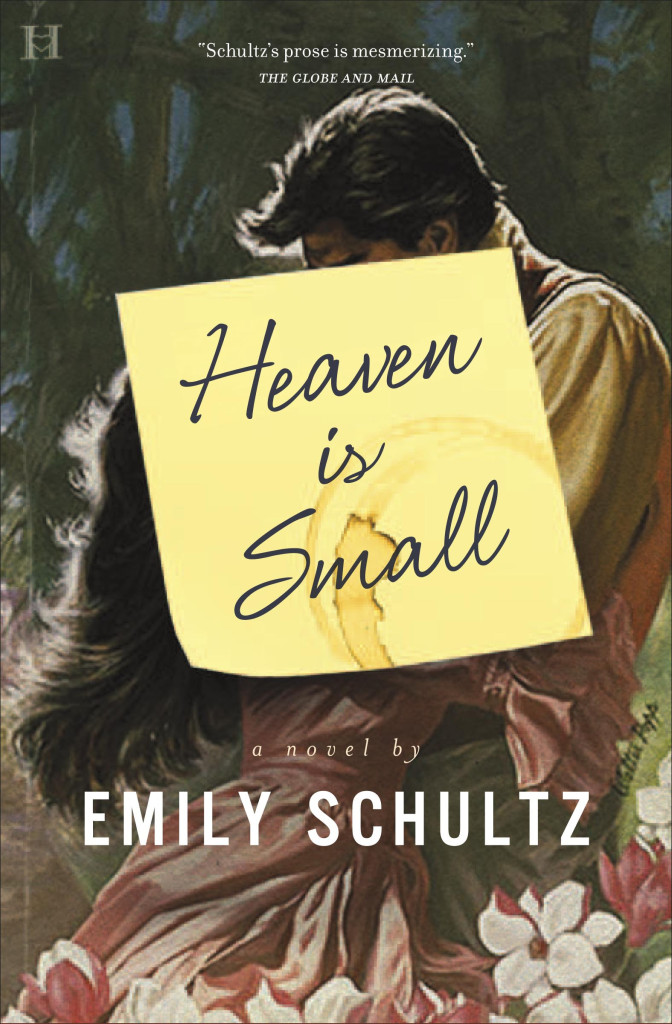
Heaven-cover

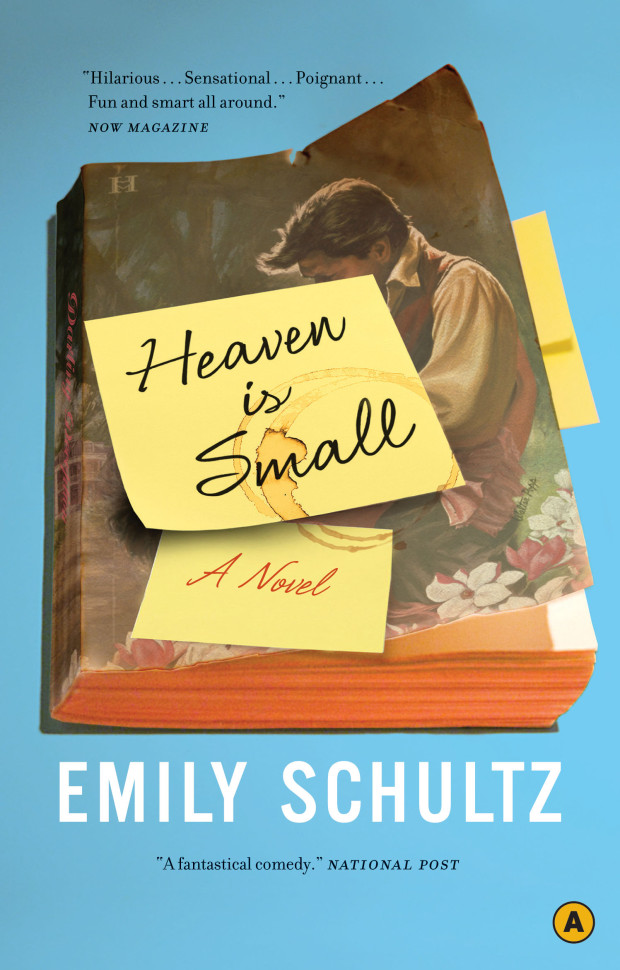
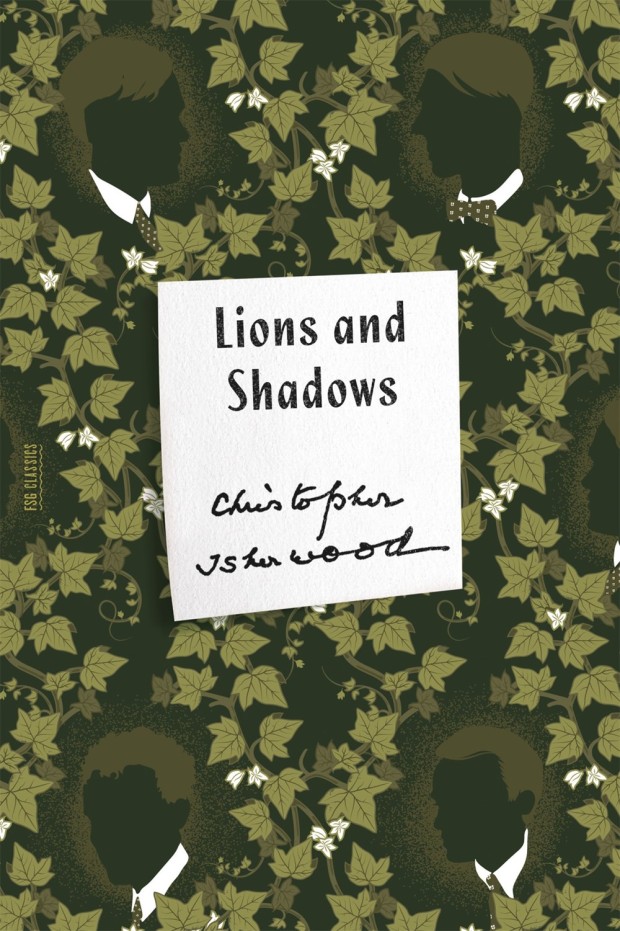
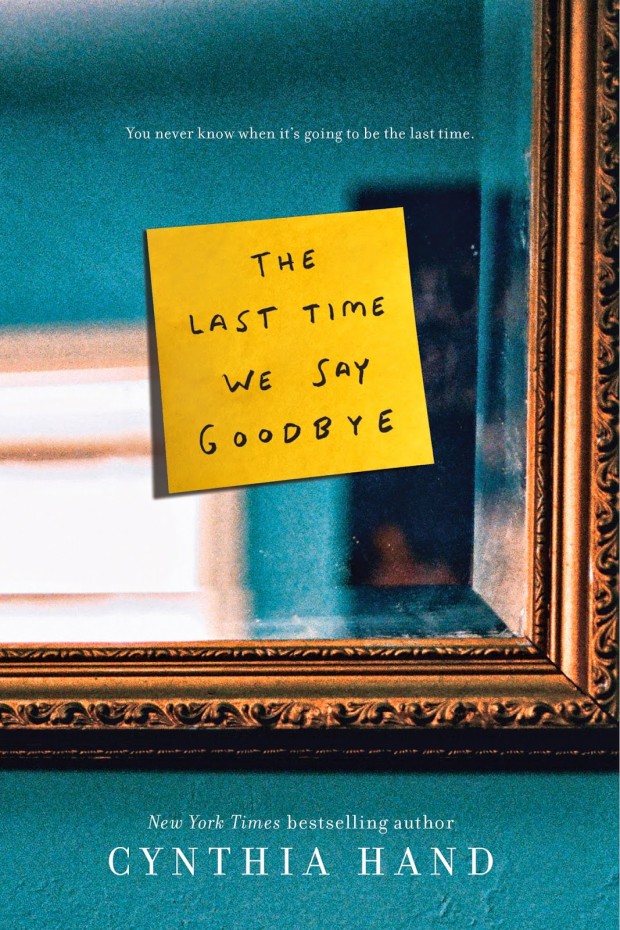
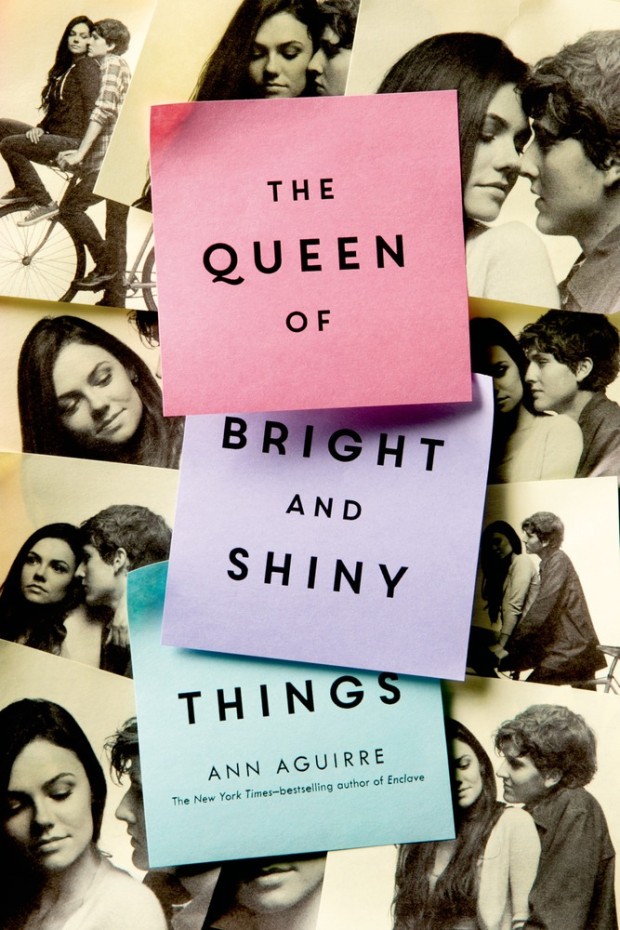
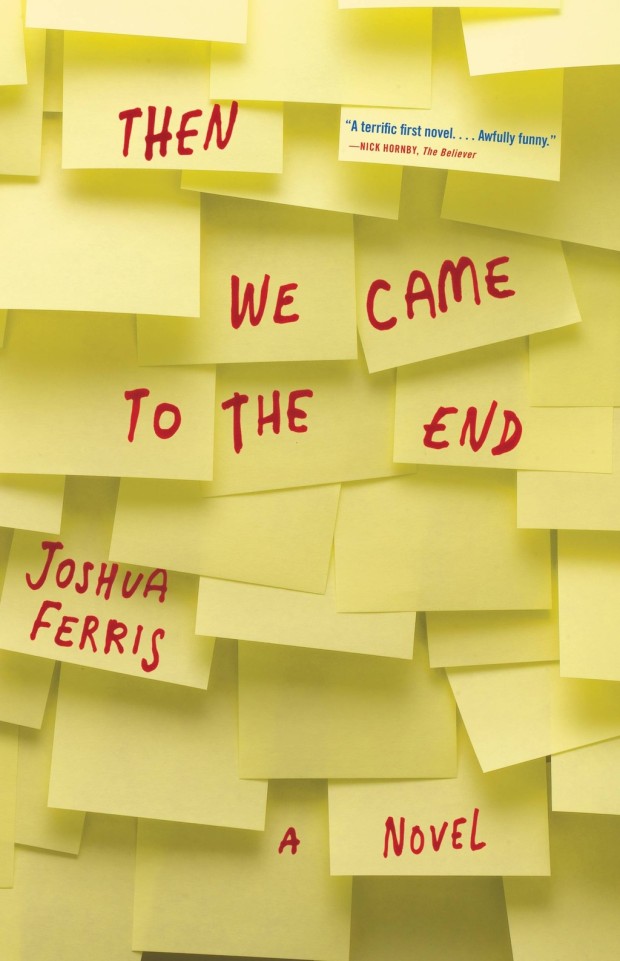
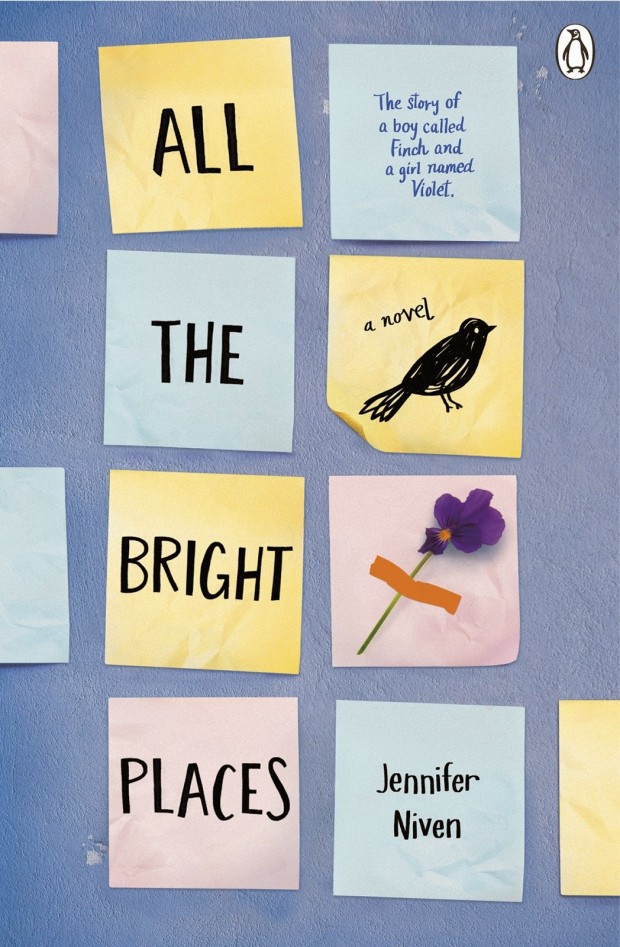
Sticking post-it notes to the front of books is a very real thing in the book industry — at least in the corners I’ve occupied — so perhaps it’s no surprise that they’ve made into cover designs too.

The first cover I can think of to incorporate a post-it was the hardcover of Heaven in Small by Emily Schultz, designed by Ingrid Paulson (House of Anansi in 2009).1 Interestingly, while the paperback, also designed by Ingrid (see below), kept the post-it, it no longer tricks the eye in quite the same way.

The last couple of years has seen a small flurry of post-it note book covers. I particularly like Nathan Burton‘s designs for rising literary star Valeria Luiselli, but post-it notes seem particularly in vogue for young adult covers, so we might well be seeing a few more in the coming months…

9780141357034
All the Bright Places by Jennifer Niven; design by Lucy Kim and Alison Impey; hand-lettering by Sarah Watts (Knopf / January 2015)


Faces in the Crowd and Sidewalks by Valeria Luiselli; design by Nathan Burton (Coffee House Press & Granta / May 2013 & May 2014)

9780887849565
Heaven is Small by Emily Schultz (paperback); design by Ingrid Paulson (Anansi / April 2010)

9780374535308

Lions and Shadows by Christopher Isherwood design by Charlotte Strick; illustration by Dan Funderburgh (Farrar, Strauss & Giroux / November 2015)

Christopher Isherwood series; design by Charlotte Strick; illustrations by Dan Funderburgh (Farrar, Strauss & Giroux / 2013-2015)

Last Time We Say Goodbye design Erin Schell
The Last Time We Say Goodbye by Cynthia Hand; design by Erin Schell (HarperTeen / February 2015)

queen-of-bright-shiny-things-design-anna-booth
The Queen of Bright and Shiny Things by Ann Aguirre; design by Anna Booth; photography by Jon Barkat and Gary Spector (Feiwel & Friends / April 2015)

then we came to an end design Jamie Keenan
Then We Came to the End by Joshua Ferriss; design by Jamie Keenan (Little, Brown & Co. / March 2007)2

4 Comments

Book Covers of Note June 2015

I don’t know where last month went, but somehow it’s June already and it’s time for another selection of recent book covers:

General Theory of Oblivion design by Julia Connolly
A General Theory of Oblivion by José Eduardo Agualusa; design by Julia Connolly (Harvill Secker / June 2015)

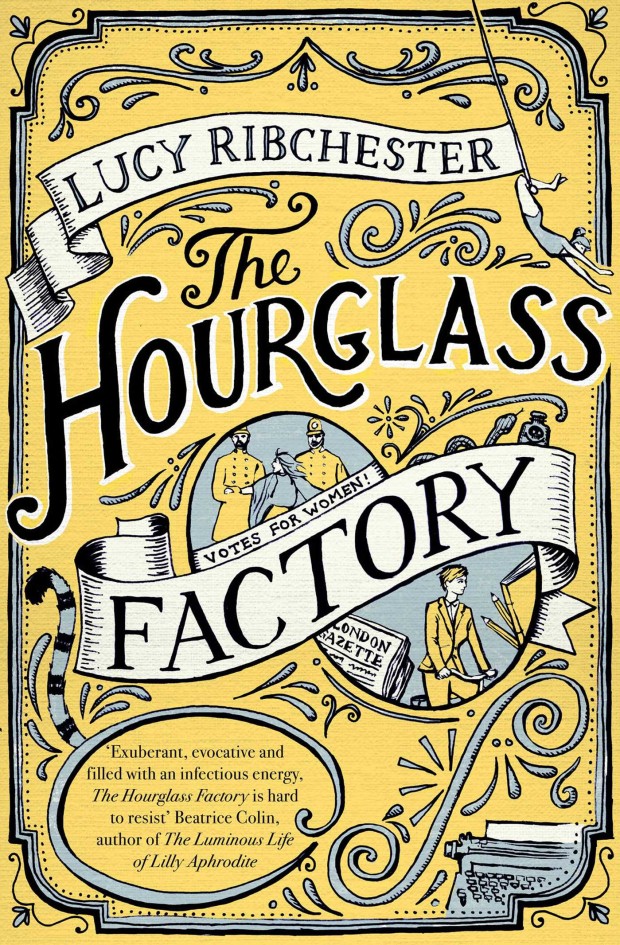
the-hourglass-factory-design-melissa-four
The Hourglass Factory by Lucy Ribchester; design by Melissa Four (Simon & Schuster / January 2015)

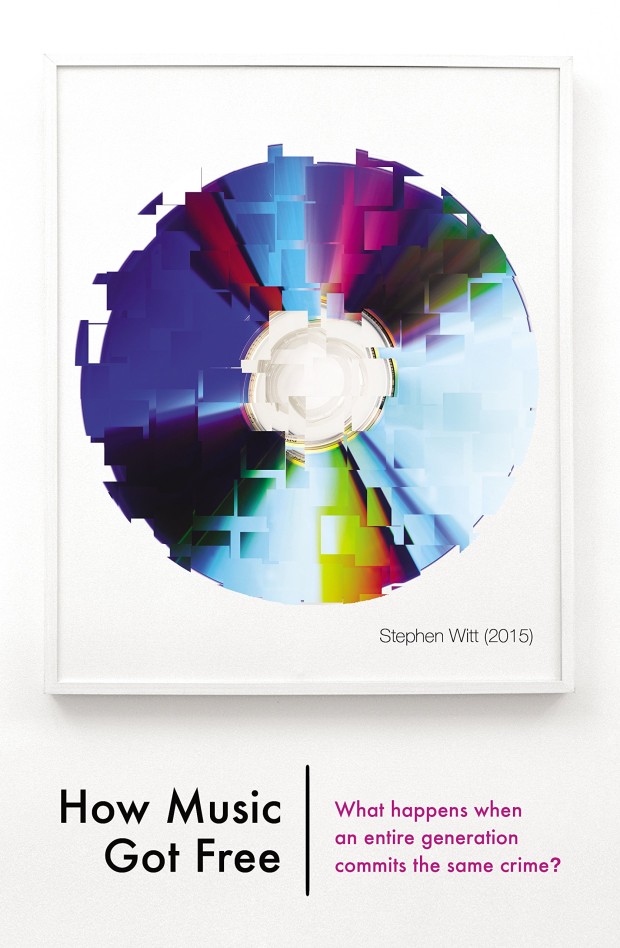
how music got free design James Paul Jones
How Music Got Free by Stephen Witt; design by James Paul Jones (The Bodley Head / June 2015)

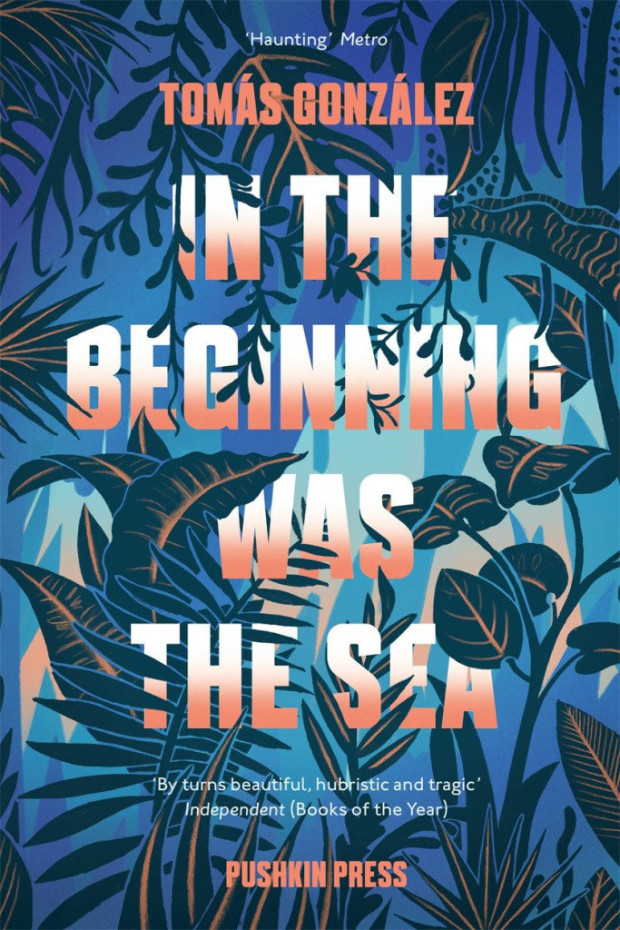
in the beginning illustration Robert Frank Hunter
In the Beginning was the Sea by Tomás González; cover illustration by Robert Frank Hunter (Pushkin / May 2015)

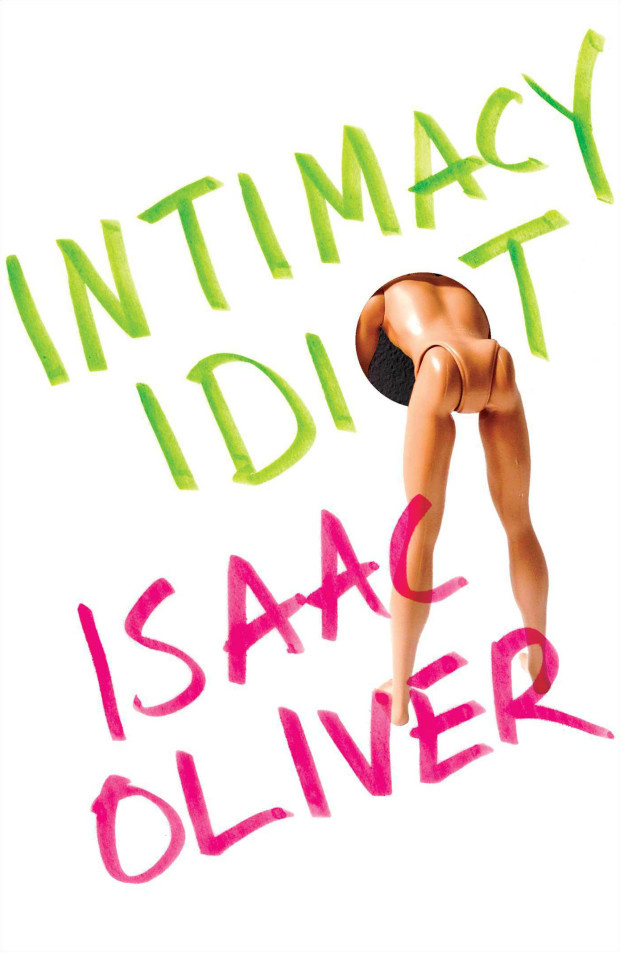
intimacy idiot design spencer kimble
Intimacy Idiot by Isaac Oliver; design by Spencer Kimble (Scribner / June 2015)

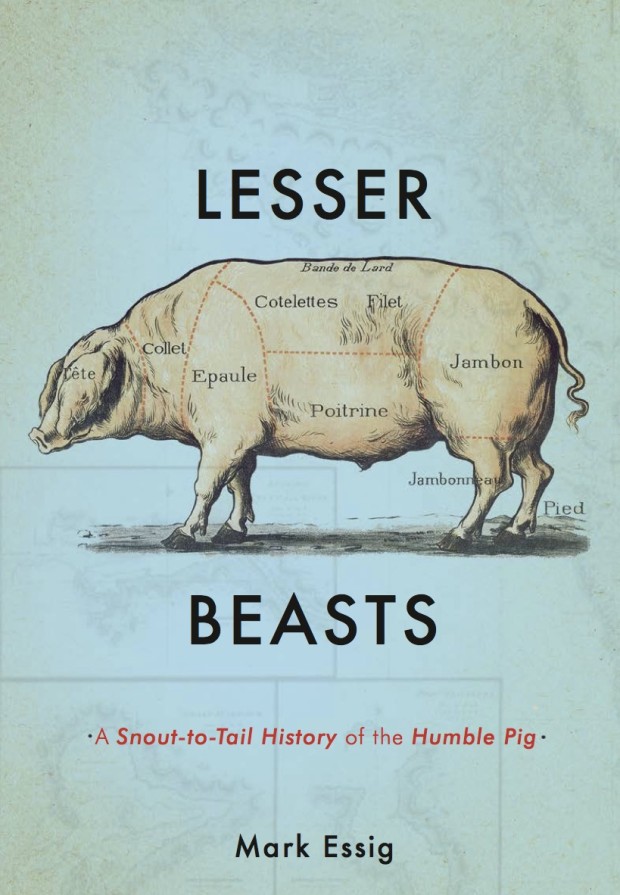
lesser beasts design by Nicole Caputo
Lesser Beasts by Mark Essig; design by Nicole Caputo (Basic Books / May 2015)

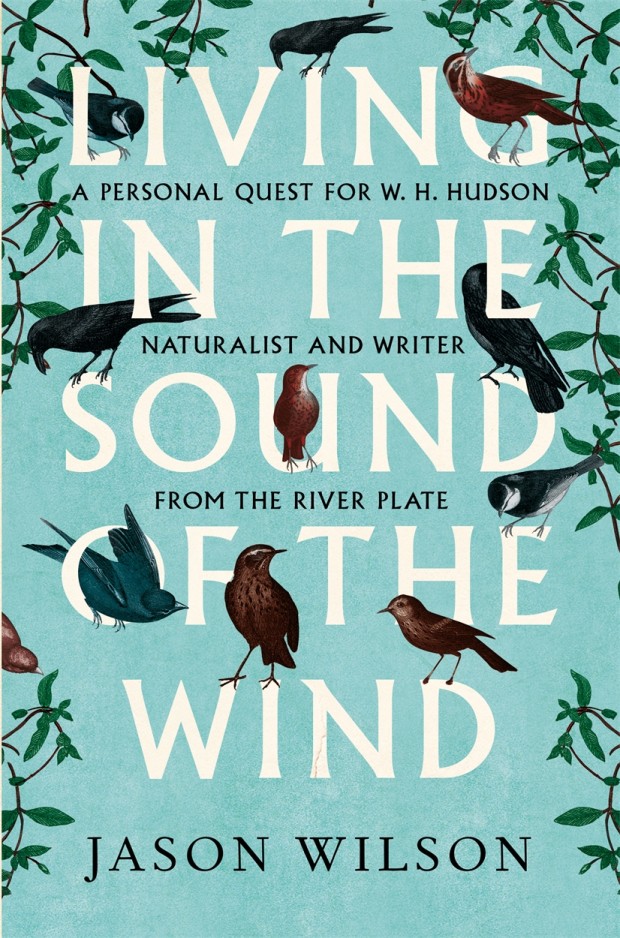
LivingInTheSound
Living in the Sound of the Wind by Jason Wilson; design by Leo Nickolls (Constable / June 2015)

London Overground design by Richard Bravery
London Overground by Iain Sinclair; design by Richard Bravery (Hamish Hamilton / June 2015)

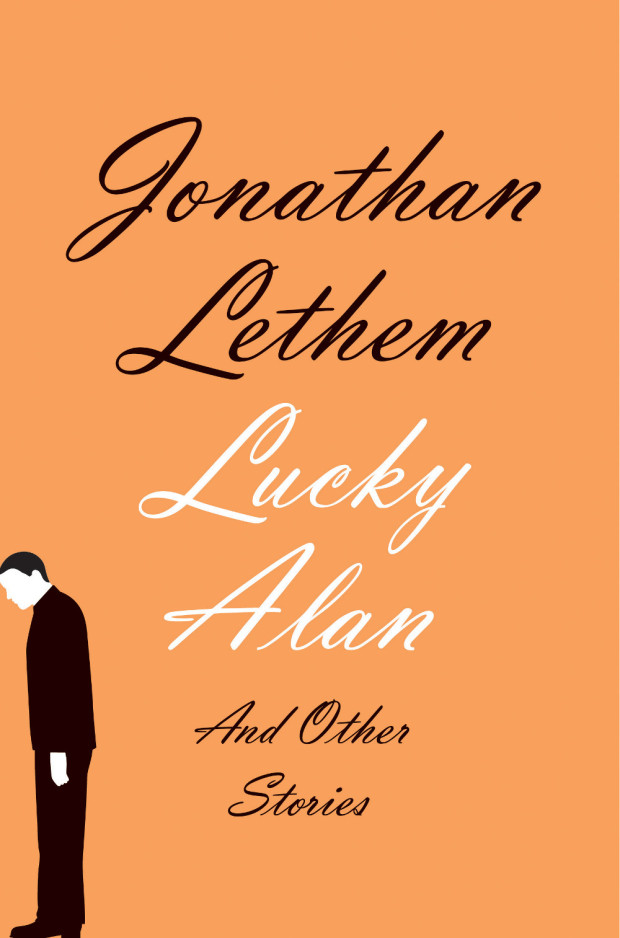
lucky alan design ben wiseman
Lucky Alan and Other Stories by Jonathan Lethem; design by Ben Wiseman (Doubleday / February 2015)

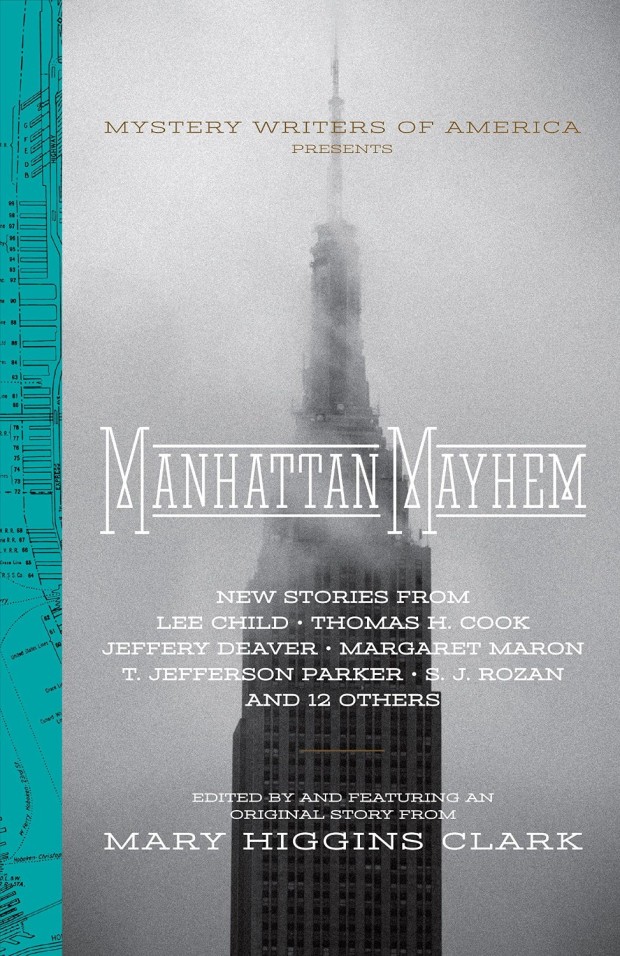
manhattan mayhem design by Timothy ODonnell
Manhattan Mayhem edited by Mary Higgins Clark; design by Timothy O’Donnell (Quirk Books / June 2015)

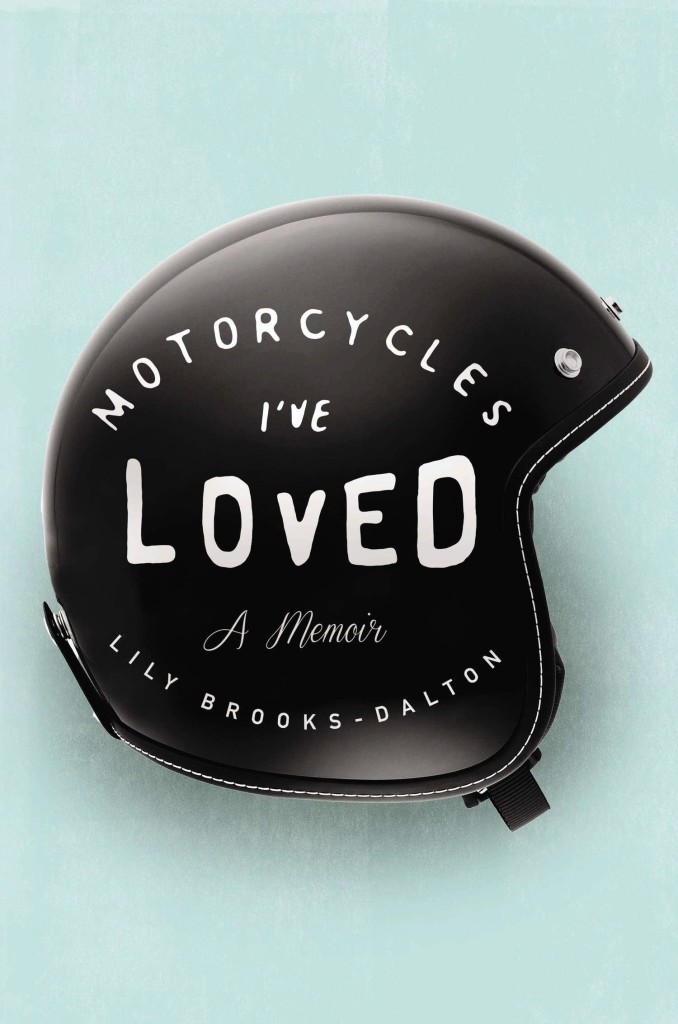
motorcycles ive loved design by rachel willey
Motorcycles I’ve Loved by Lily Brooks-Dalton; design by Rachel Willey (Riverhead / April 2015)

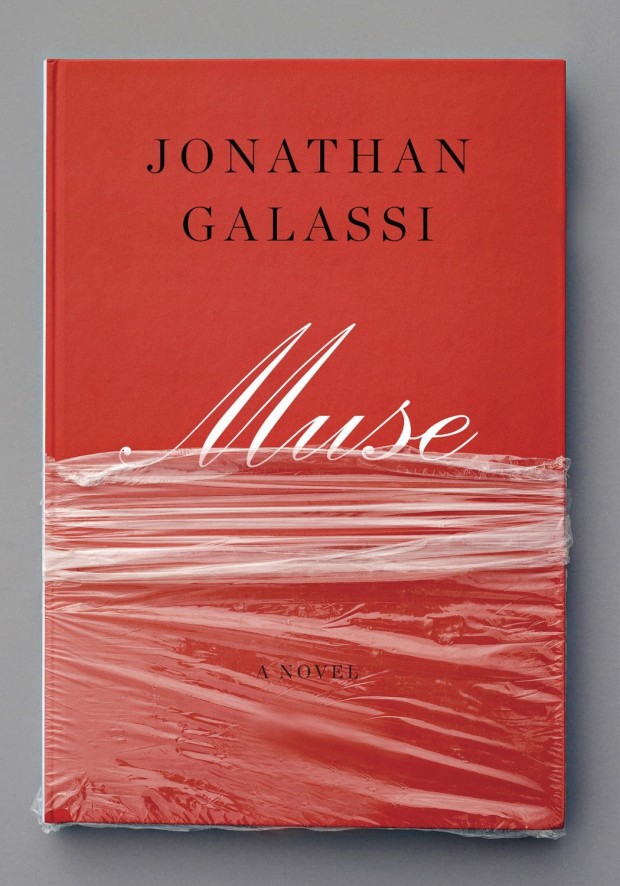
muse design by gabriele wilson
Muse by Jonathan Galassi; design by Gabriele Wilson (Knopf / June 2015)

professor in the cage design by matt dorfman
The Professor in the Cage by Jonathan Gottschall; design by Matt Dorfman (Penguin / April 2015)

ResistanceIsFutile_R.indd
Resistance is Futile by Jenny Colgan; design by Hannah Wood; illustration by Pietari Posti (Orbit / May 2015)

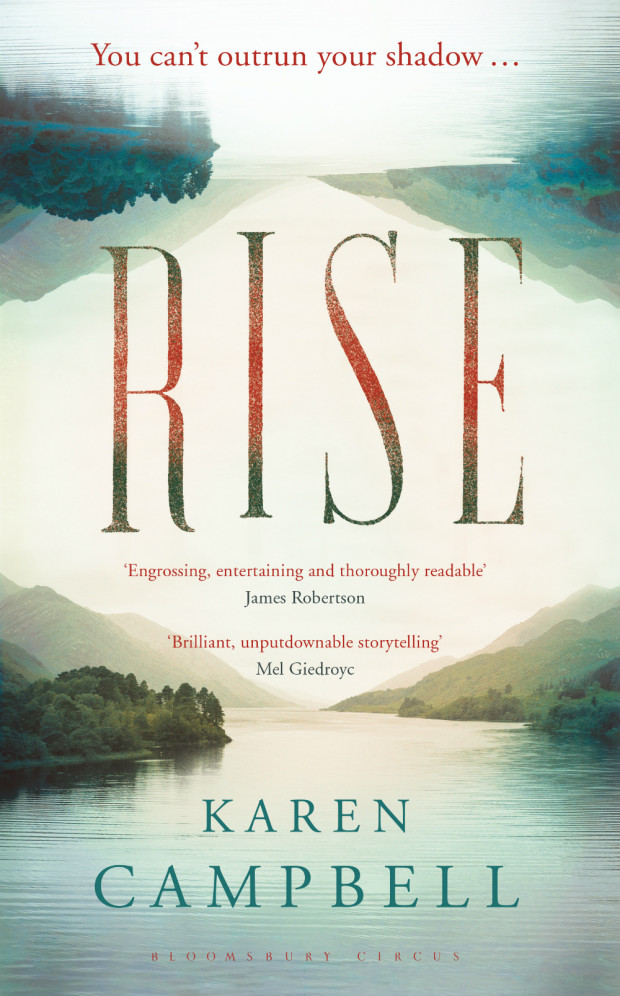
rise design by greg heinimann
Rise by Karen Campbell; design by Greg Heinimann (Bloomsbury / March 2015)

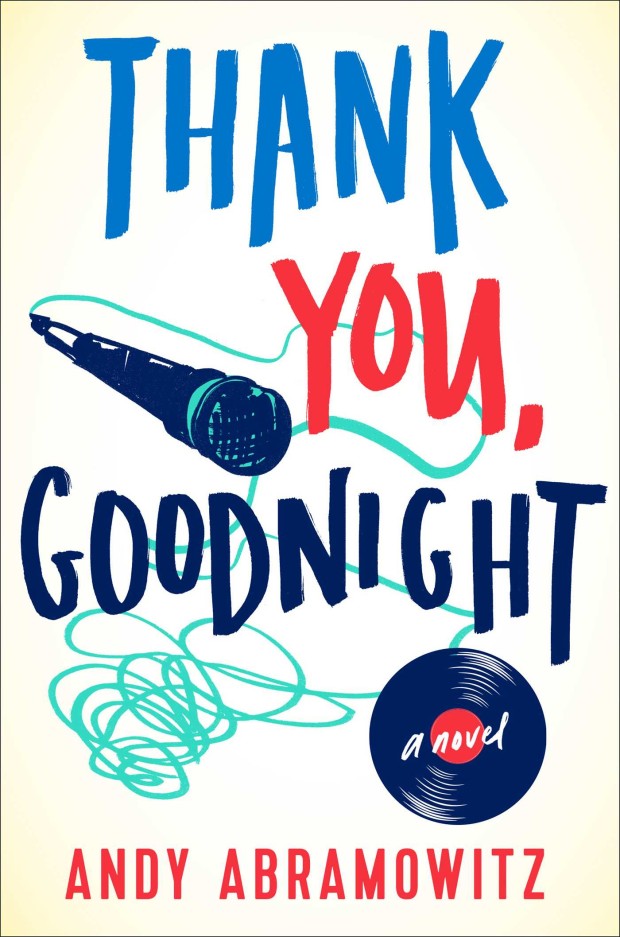
thank you goodnight design Kimberly Glyder
Thank You, Goodnight by Andy Abramowitz; design by Kimberly Glyder (Simon & Schuster / June 2015)

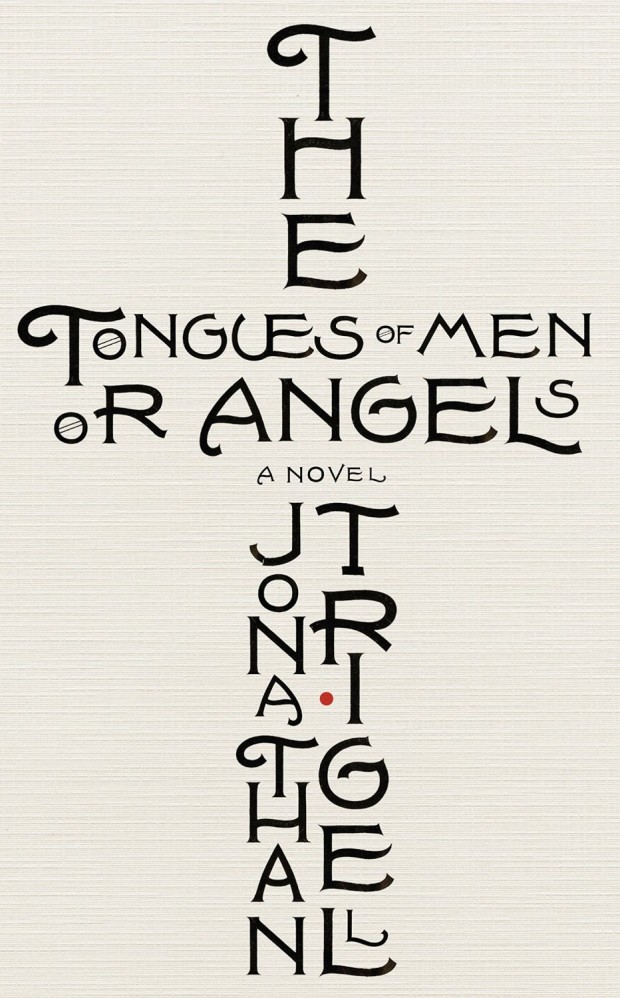
tongues of men or angels design by Jamie Keenan
The Tongues of Men or Angels by Jonathan Trigel; design by Jamie Keenan (Little Brown / May 2015)

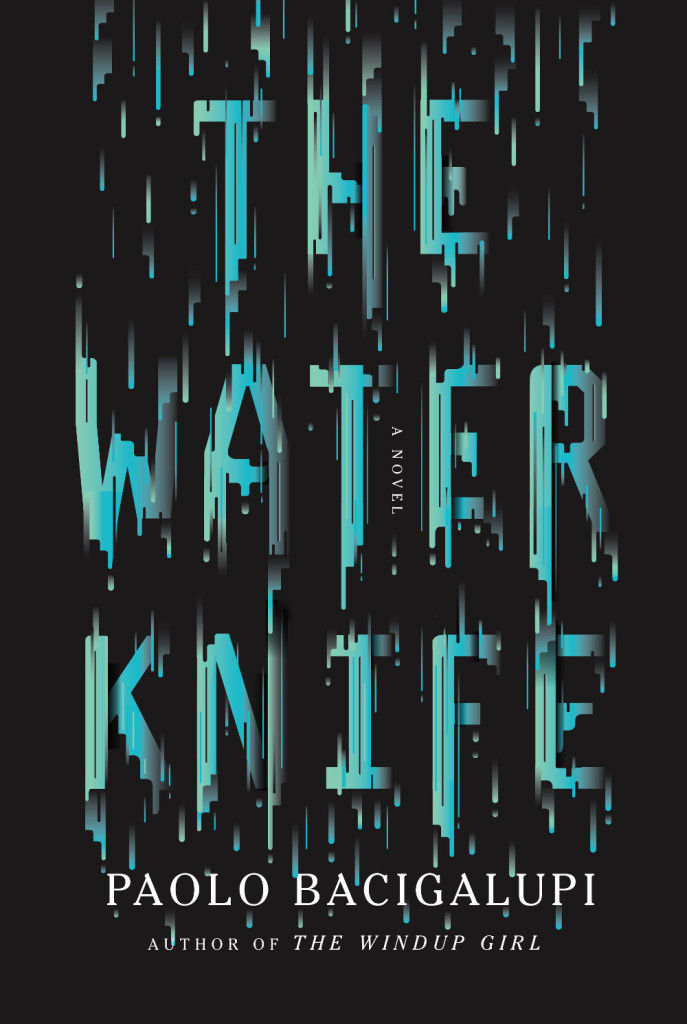
9780385352871
The Water Knife by Paolo Bacigalupi; design by Oliver Munday (Knopf / May 2015)

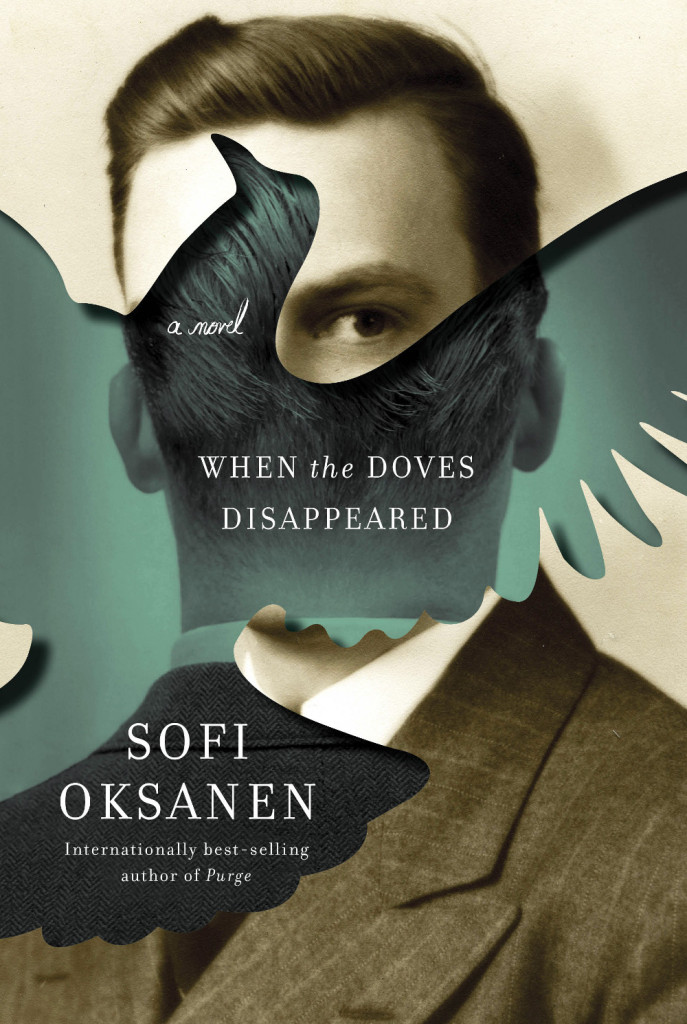
9780385350174
When the Doves Disappeared by Sofi Oksanen; design by Kelly Blair (Knopf / February 2015)

world does not exist design david gee
Why the World Does Not Exist by Markus Gabriel; design by David Gee (Polity / June 2015)

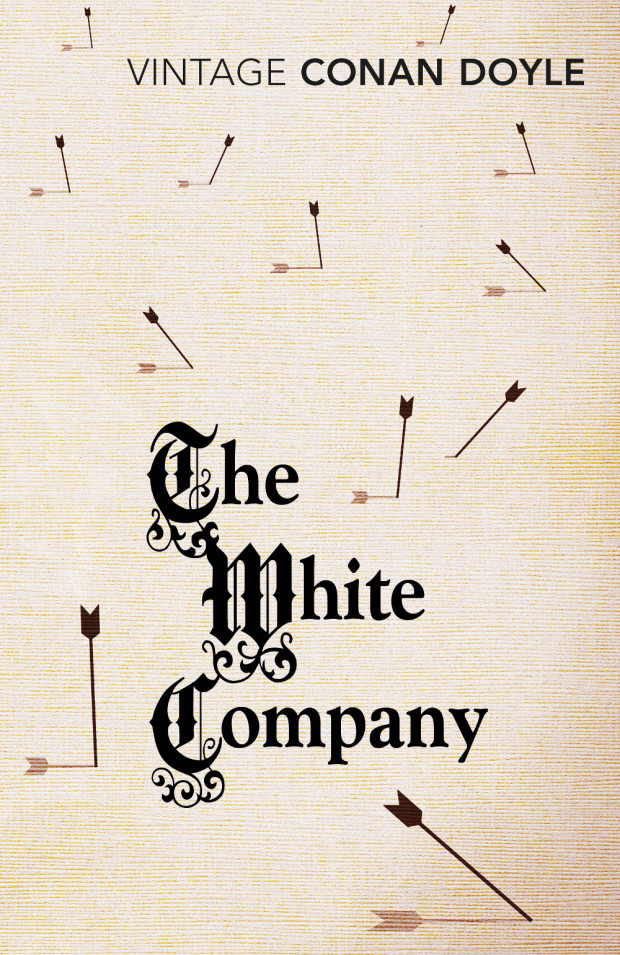
The White Company design James Paul Jones
The White Company by Arthur Conan Doyle; design by James Paul Jones (Vintage / June 2015)

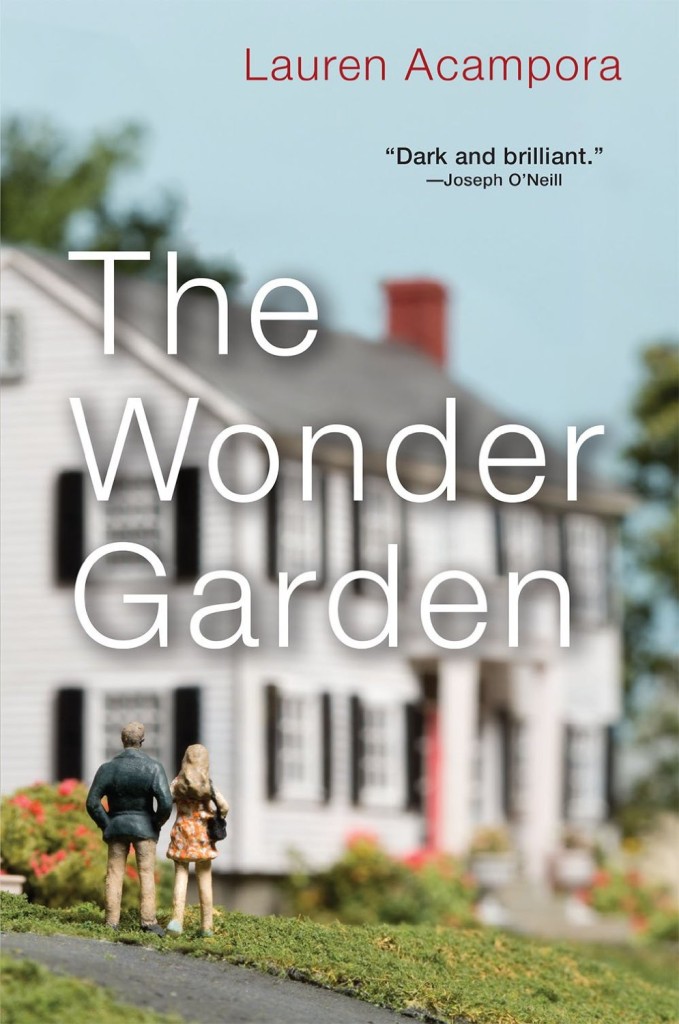
wonder garden art and design thomas doyle
The Wonder Garden by Lauren Acampora; art and design by Thomas Doyle (Grove Press /May 2015)

why-information-grows-design-richard-green
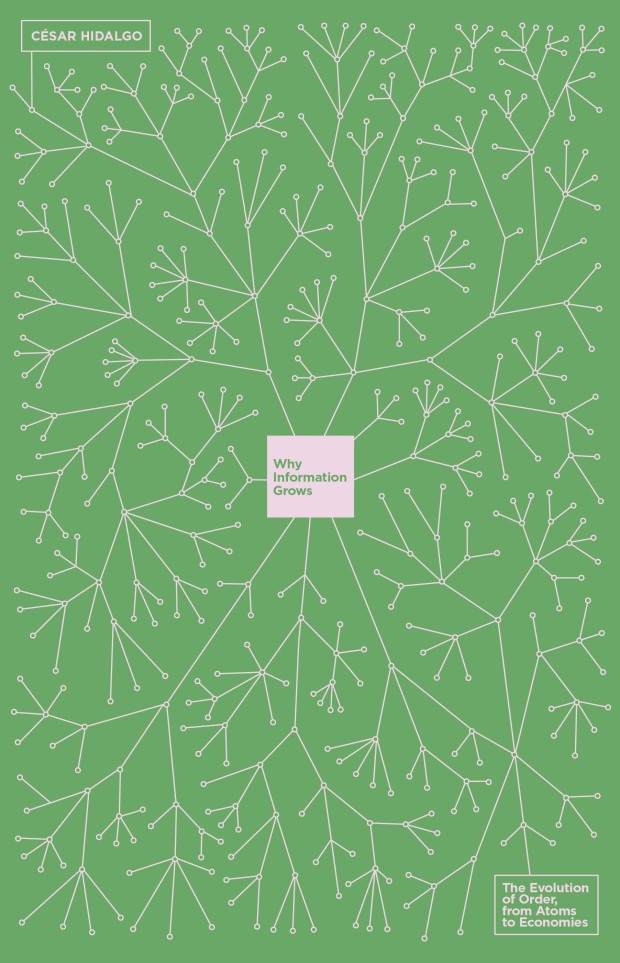
Why Information Grows by Cesar Hidalgo; design by Richard Green (Allen Lane / June 2015)

Comments closed

Virago Modern Classics Daphne du Maurier

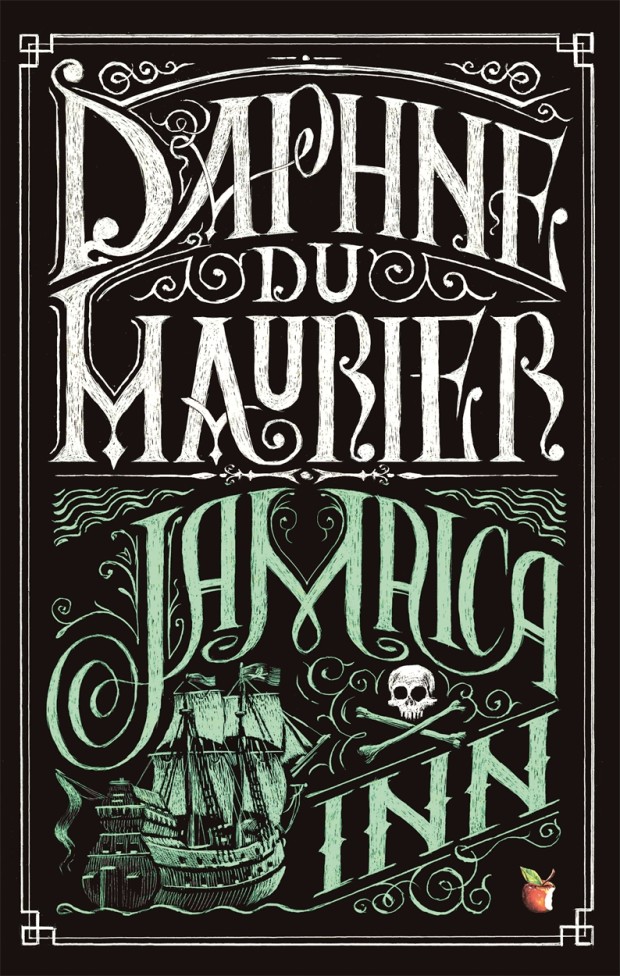
JamaicaInn_YA

This summer UK publisher Virago is publishing two sets of Daphne du Maurier’s most famous titles with new and beautifully illustrated covers.

According to editorial director Donna Coonan, du Maurier’s reputation has flourished in recent years. She is also an author with cross-generational appeal. “The heroines of her best-known novels are young women at a turning point in their lives,” says Coonan. “These are beautifully written books that are exciting, suspenseful and brilliantly atmospheric. There is passion, danger, romance . . . and pirates!”

For over a decade Virago published du Maurier’s backlist with a uniform style. “They sat nicely together in a set, but were starting to look a little dated and lacked individuality,” says art director Nico Taylor. “I had never read du Maurier before, but once I got stuck in I realised just how diverse her writing is which led me to the idea that presenting each novel with a distinctive, individual look would be the best way to ensure du Maurier’s work continues to look fresh.”

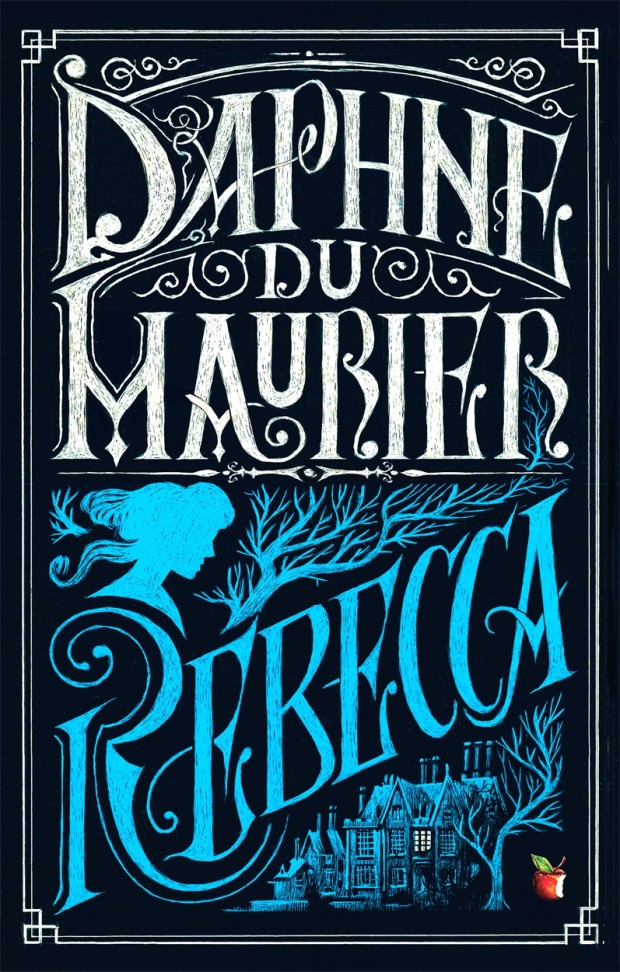
Rebecca

For the first three titles in series (there are a staggering 17 or so more to come!), Taylor worked with illustrators Neil Gower (Jamaica Inn, Frenchman’s Creek) and Jordan Metcalf (Rebecca). “It became clear that it would be hard to avoid some of the obvious reference points from each title, but I was keen that they were used in an integrated or suggestive way… all credit has to go to the illustrators for imagining their respective covers in such distinctive ways.”

Rebecca_YA


Alongside this refreshed backlist, Virago is also planning to introduce these same three classics — French Man’s Creek, Jamaica Inn, and Rebecca, — to young adults with new covers by Iacopo Bruno. “This was a great opportunity to show that du Maurier is a big contribution to the gothic novels popular with this age group of readers,” says art director Sophie Burdess. “I wanted to create a set of covers primarily composed of evocative gothic typography that gave du Maurier the authority and appeal she deserves as well as giving a feel for the individual themes of each novel,” she continues. “[Iacopo] is a rare and exceptionally beautiful illustrator and hand lettering artist who knows just how to pitch the work for a younger audience… the task of creating a set of beautiful compositions of elegant hand lettering and vignette illustrations was very safe in his hands.”

Comments closed

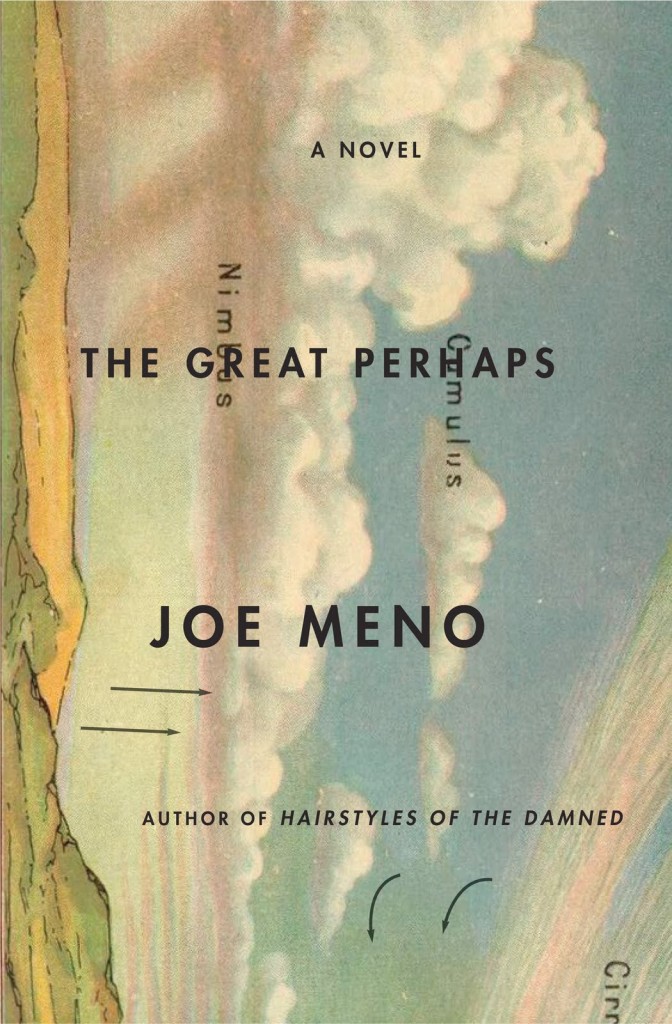
Today in Micro-Trends: Rotate 90°

downtown owl design paul sahre
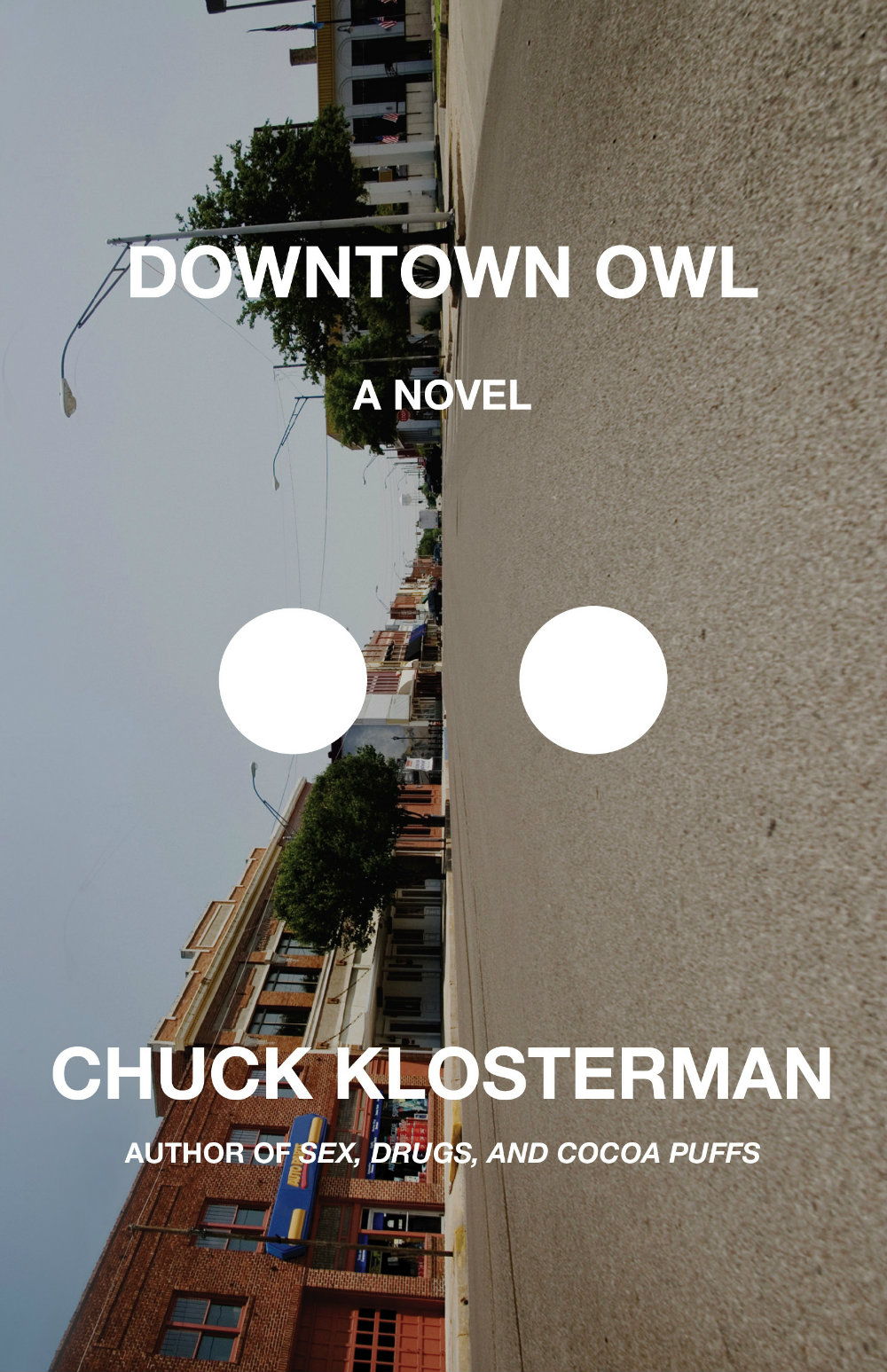
design by Paul Sahre (2008)

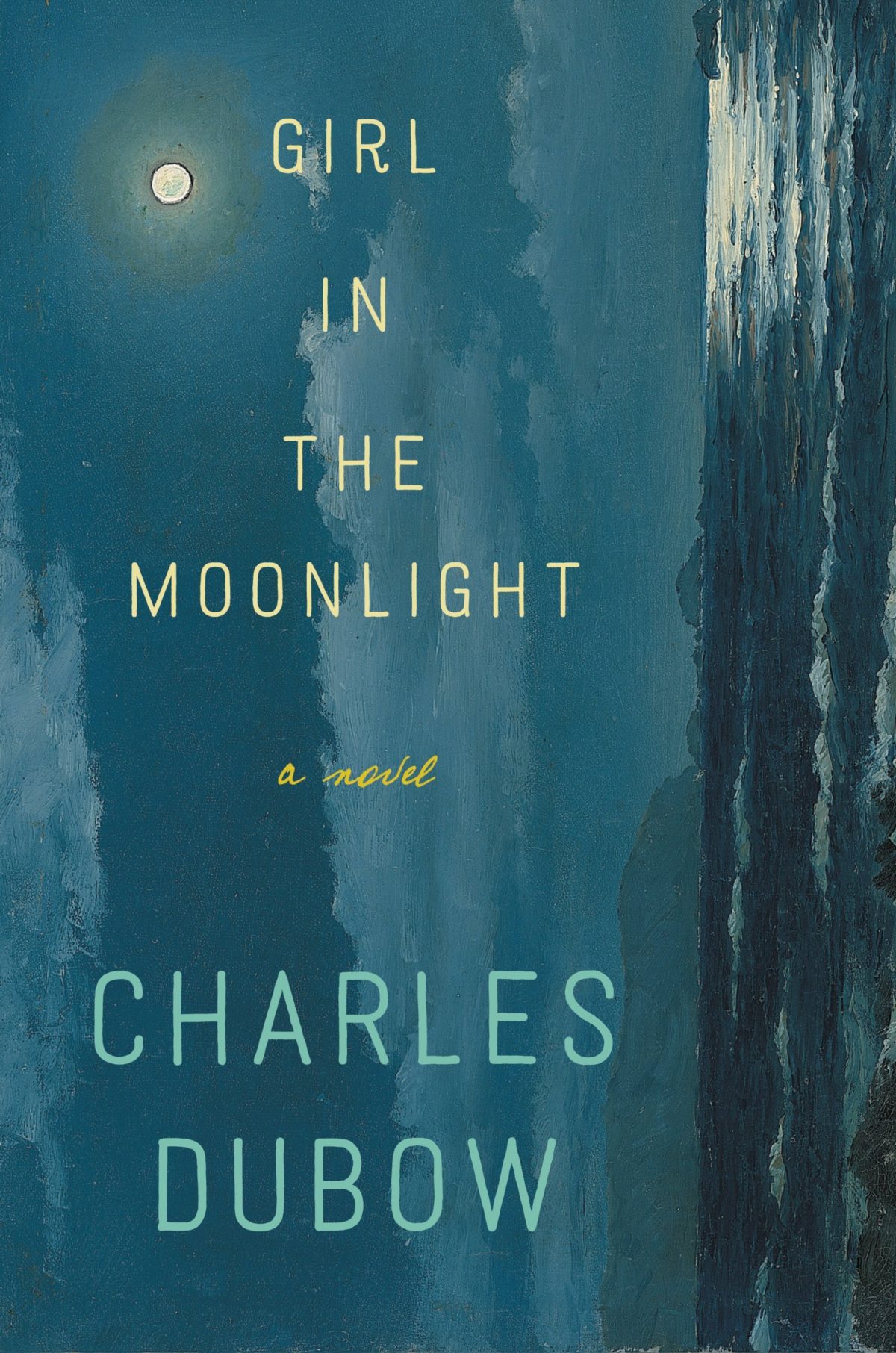
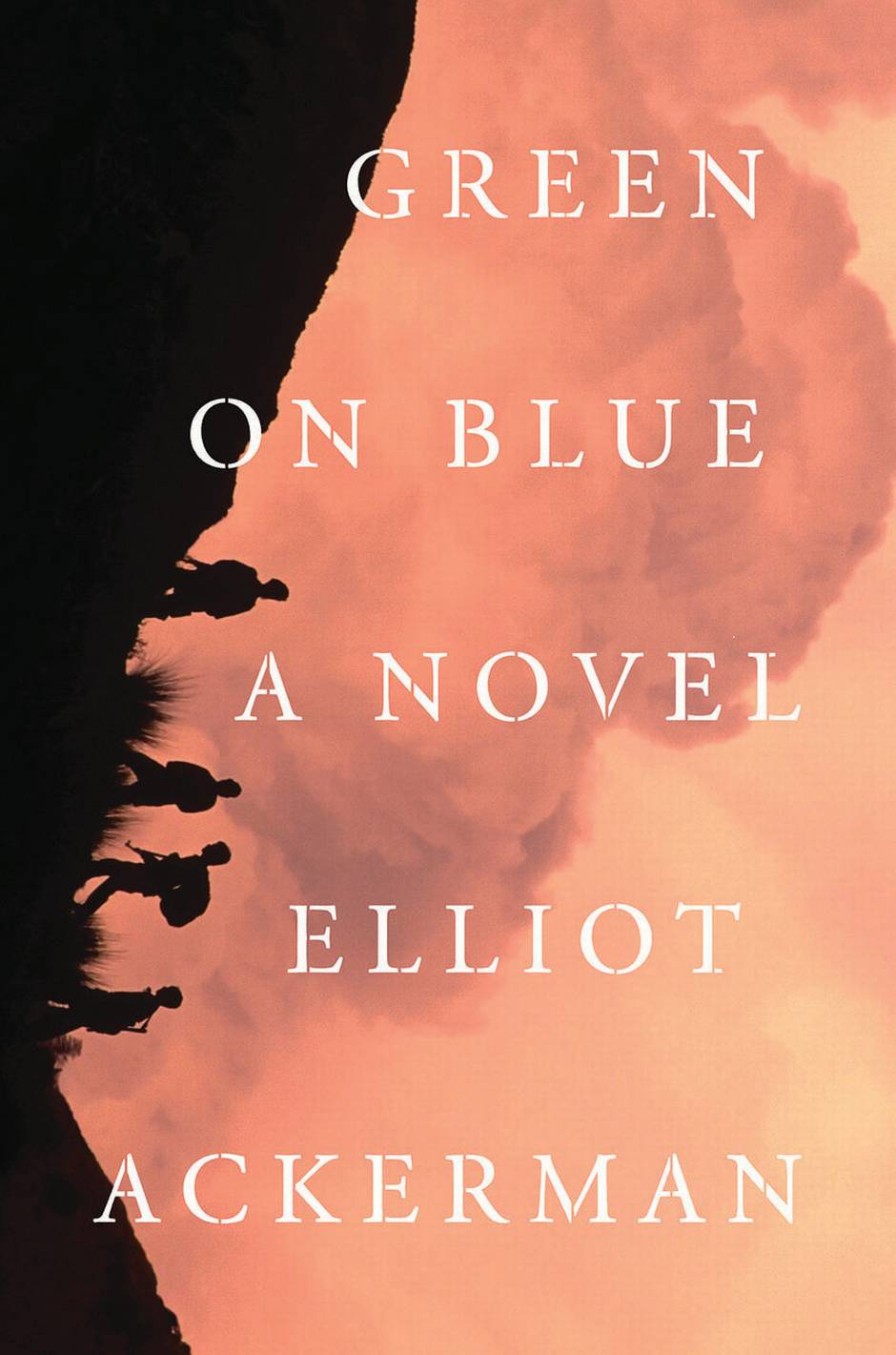
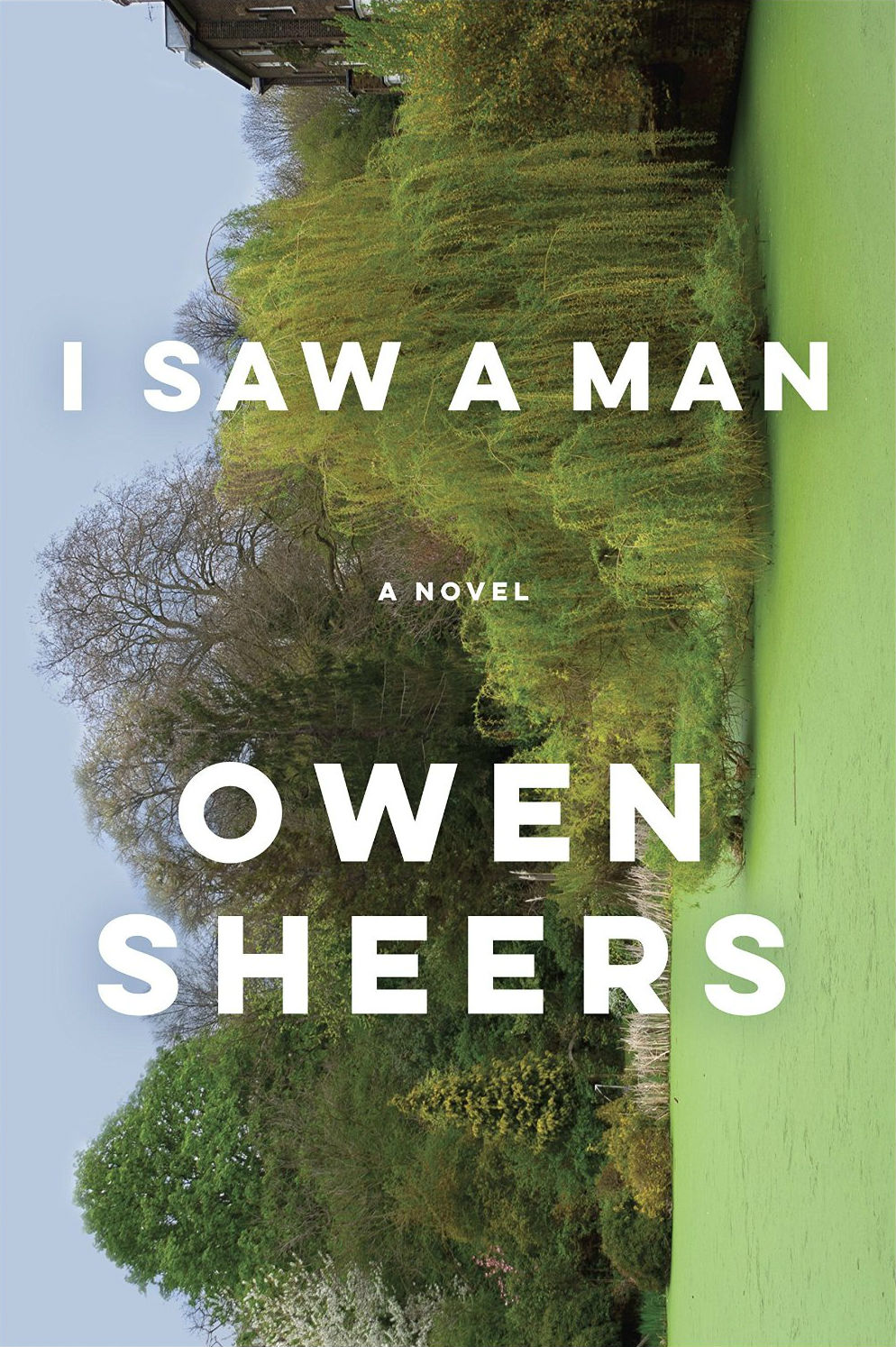
Turning the picture sideways is not exactly new (the brilliant John Gall and Paul Sahre (thanks for the reminder, Jacob!) were experimenting with it years ago), but there has been a spate of commercial covers making use of images rotated through ninety degrees in the past couple of years. It seems like a such peculiar thing to have caught on, and yet here we are:

california

California by Edan Lepucki; design Julianna Lee (Little Brown & Co. July 2014)

empty-chair-kulickThe Empty Chair by Bruce Wagner; design by Gregg Kulick (Blue Rider Press / December 2013)

girl in the moonlight design by mumtaz mustafa painting horacio g garcia
The Girl in the Moonlight by Charles Dubow; design by Mumtaz Mustafa; painting by Horacio G. Garcia (William Morrow / May 2015)

green on blue

Green on Blue by Elliot Ackerman; design by Oliver Munday & Jaya Miceli (Scribner / February 2015)

i-saw-a-man

I Saw a Man by Owen Sheers; design by Emily Mahon; photograph by Mike Lambert (Nan A. Talese / June 2015)

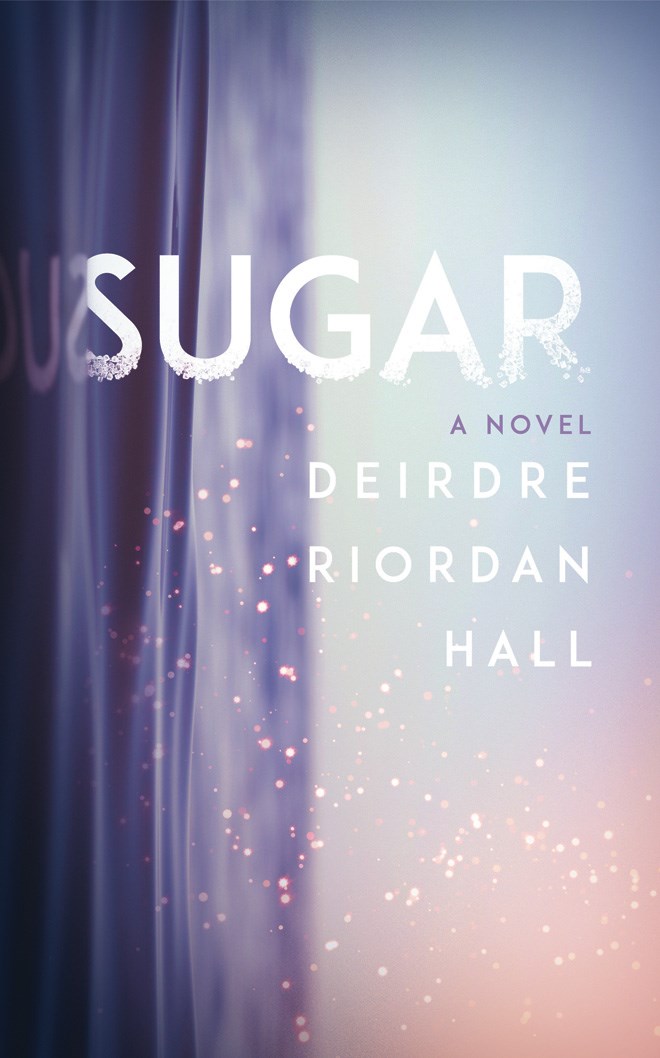
Sugar design by M S Corley

Sugar by Deirdre Riordan Hall; design by M. S. Corley (Skyscape / June 2015)

waiting for the apocalypse design kimberly glyder

Waiting for the Apocalypse by Veronica Chater; design by Kimberly Glyder (W. W. Norton / February 2009)

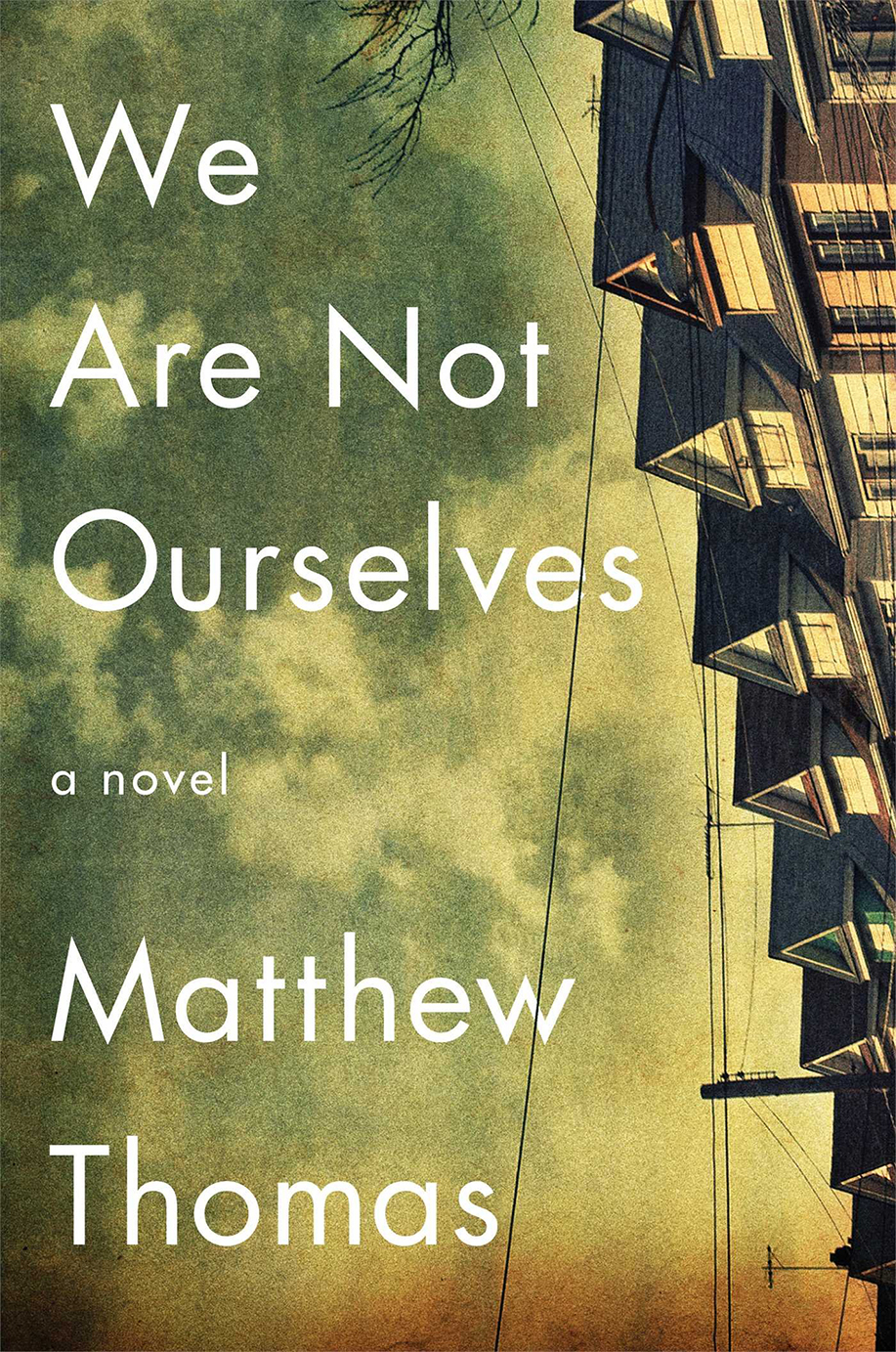
we-are-not-ourselves-design-christopher-lin

We Are Not Ourselves by Matthew Thomas; design by Christopher Lin (Simon & Schuster / August 2014)

Comments closed

Gray318 TYPO Talk Berlin

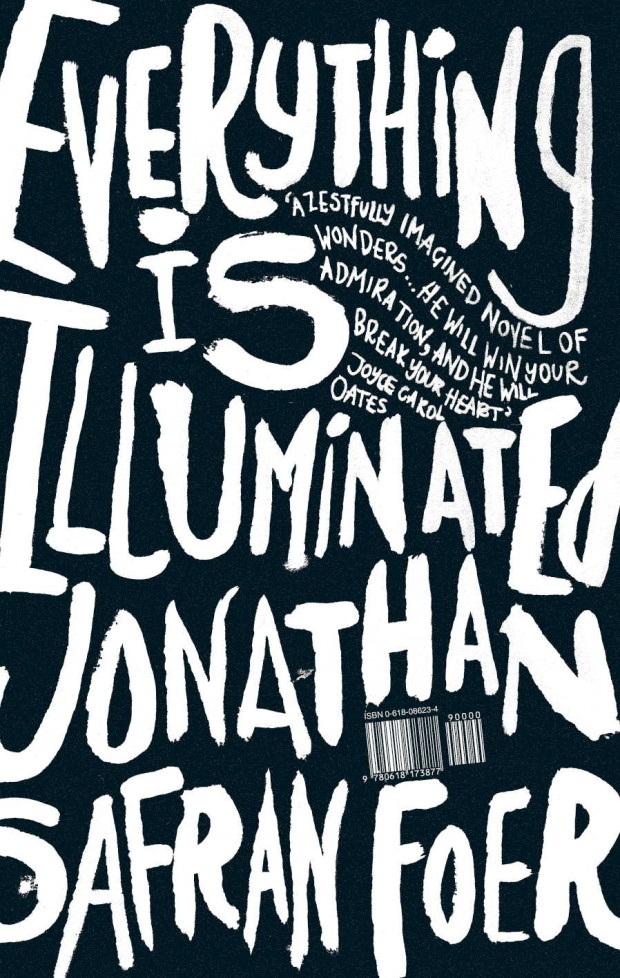
everything is illuminated gray318

“I’m not a designer, not an illustrator, and certainly not a type designer – I’m a misfit…Publishing – that’s where people who don’t quite fit in end up.”

The TYPO Talks blog recaps Jon Gray‘s recent talk at TYPO Berlin:

Gray looked around for inspiration and got interested in old hand written signs often posted at churches. Written by sign writing dilettantes who need to communicate something to their fellow churchgoers, to Gray these signs tell a story, they speak of dedication, personality, of love. The signs reference a specific time and place, an idiosyncratic personality and character. Gray took the loose and spontaneous quality of the handwriting on these signs and used it for the cover of “Everything is Illuminated”.

What he got gave him one of these rare moments where “You make something and you know it works, it’s something new – I made it and it was completely me. I liked it, Penguin loved it, the author was all over it.” Published in 2002, the rough all-over hand-lettering on the cover contrasted strongly with the clean lines and vector graphics that had been dominating graphic design for a while then. It was the avant-garde of what Steven Heller called “The Decade of Dirty” when handmade aesthetics became fashionable again. And it marked the very beginning of the still ongoing revival of hand-lettered typography.

Comments closed

Australian Book Design Awards Winners 2015

Congratulations to all the 2015 Australian Book Design Awards Winners!

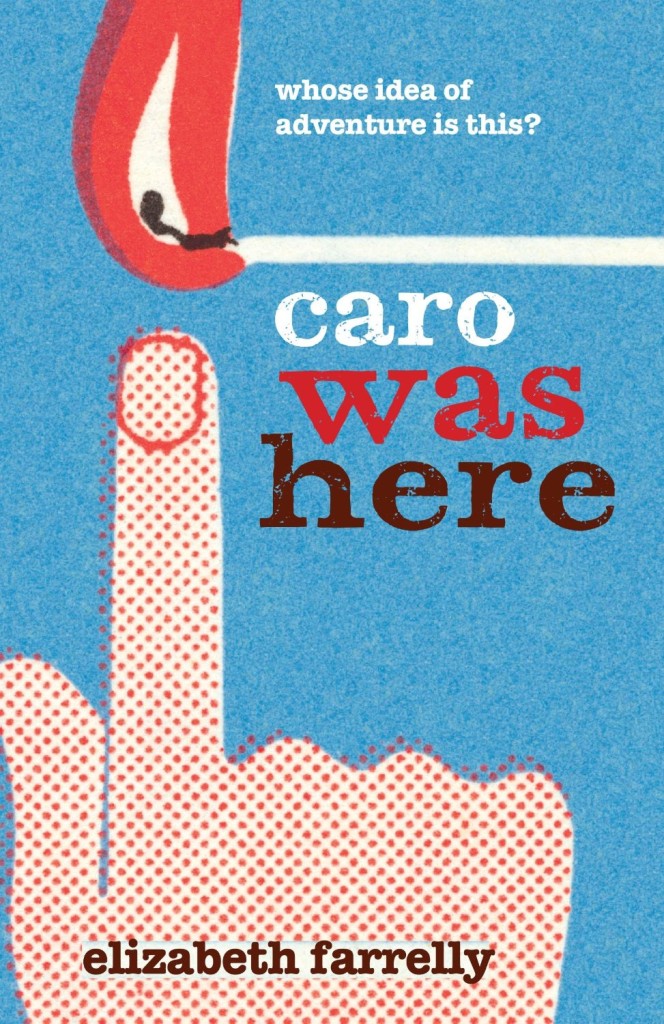
caro was here design gayna murphy
Caro Was Here by Elizabeth Farrelly; design by Gayna Murphy

consumer-behaviour-in-action design regine abos
Consumer Behaviour in Action by Peter Ling, Steven d’Alessandro, Hume Winzar; design Regine Abos

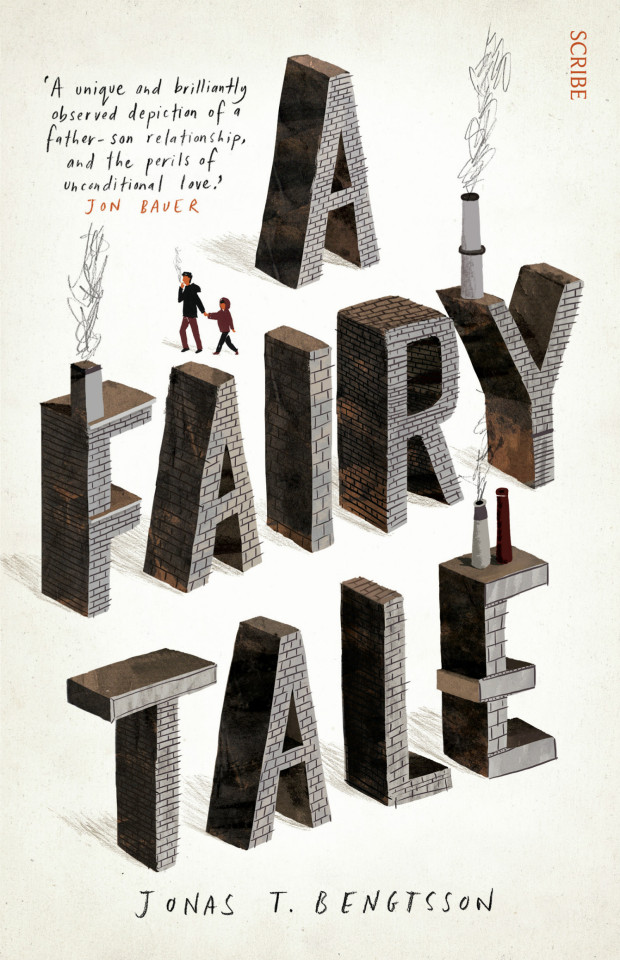
A Fairy Tale by Jonas T. Bengtsson; design by Allison Colpoys

fictional woman design tara moss and matt stanton
The Fictional Woman by Tara Moss; design Tara Moss & Matt Stanton

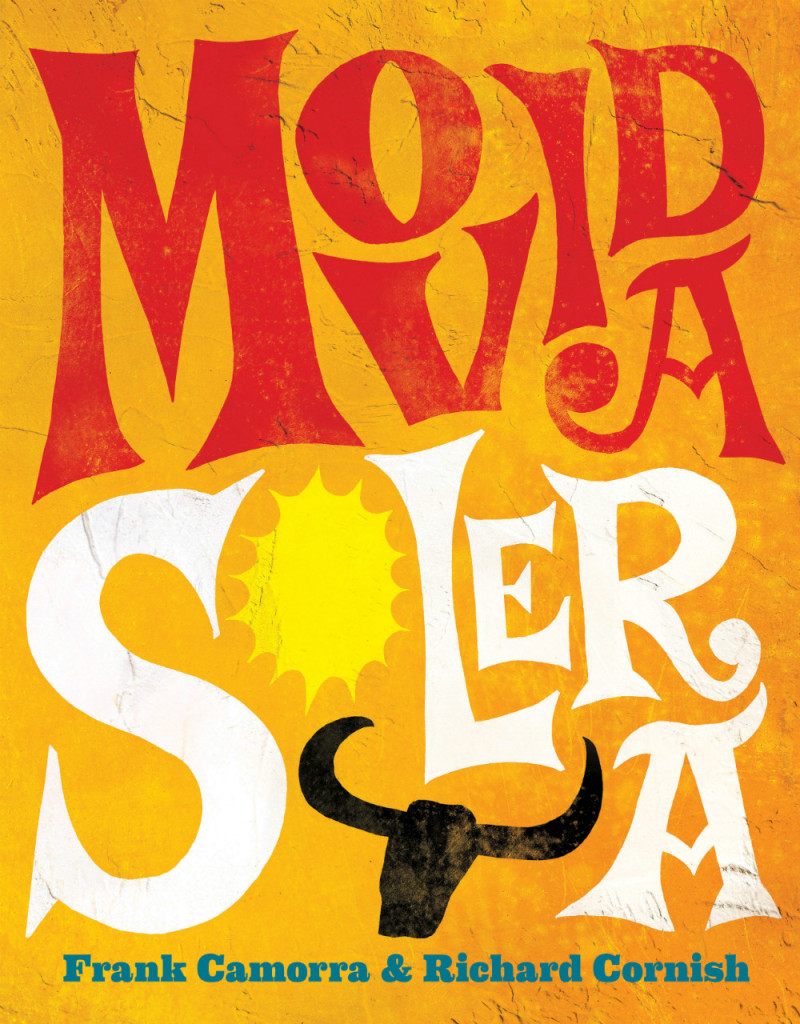
Movida Solera by Frank Comorra & Richard Cornish;  design by Daniel New
Movida Solera by Frank Comorra & Richard Cornish; design by Daniel New

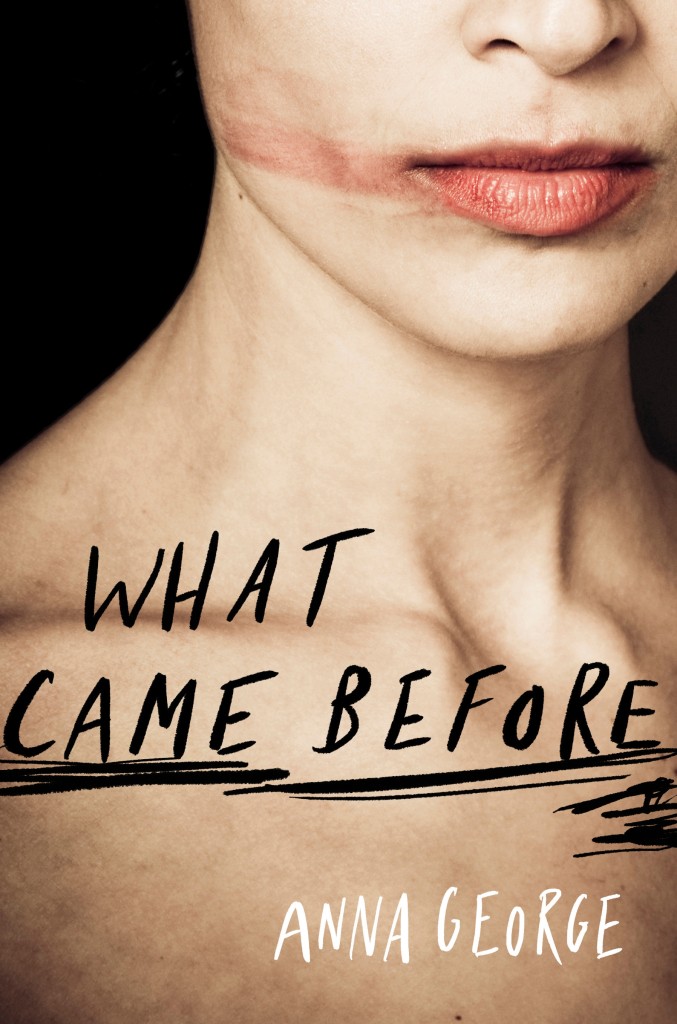
What Came Before by Anna George; design by Laura Thomas

You can find all the winning designs on the Australian Book Designers Association website.

Comments closed

Book Covers of Note May 2015

This month’s post is very heavy on illustrated and hand-lettered covers for some reason, but it’s all the prettier for it…

all-this-has-nothing-to-do-with-me-design-Justine-Anweiler-illustration-Daphne-van-den-Heuvel
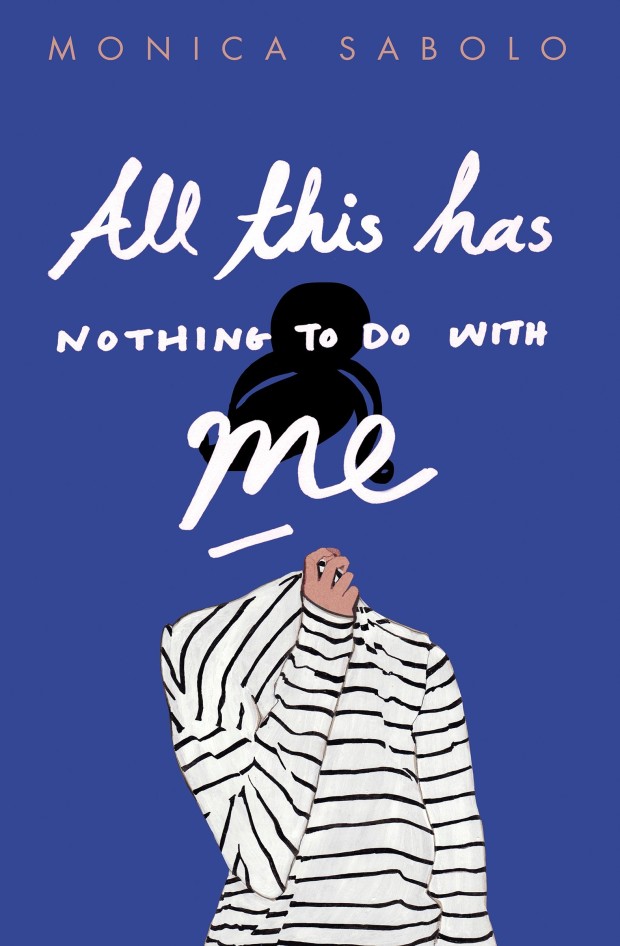
All This Has Nothing To Do With Me by Monica Sabolo; design by Justine Anweiler; illustration by Daphne van den Heuvel (Picador / April 2015)

ANWWIC
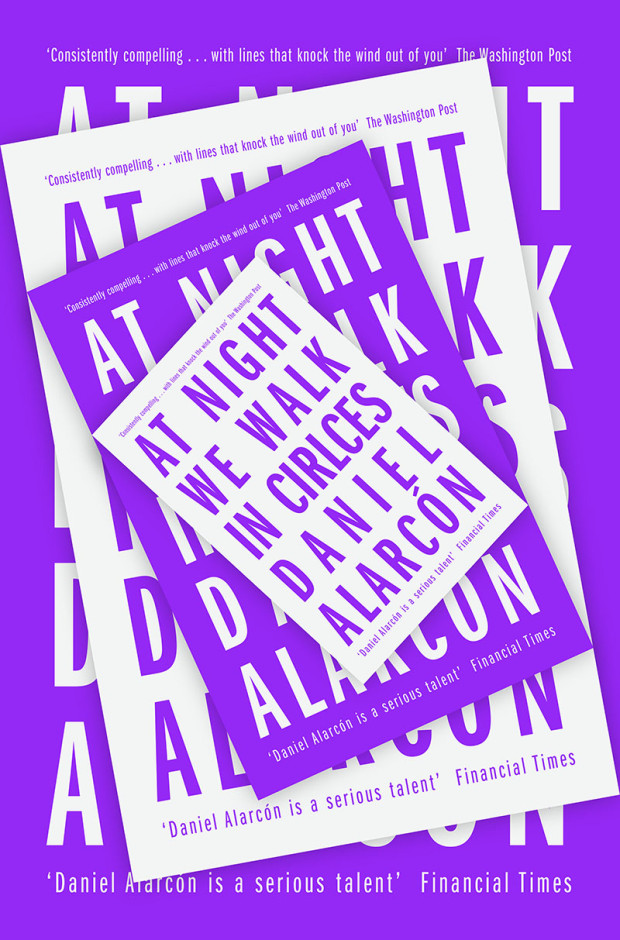
At Night We Walk in Circles by Daniel Alarcón; design by Jonathan Pelham (Fourth Estate / May 2015)

b-and-me-christopher-lin
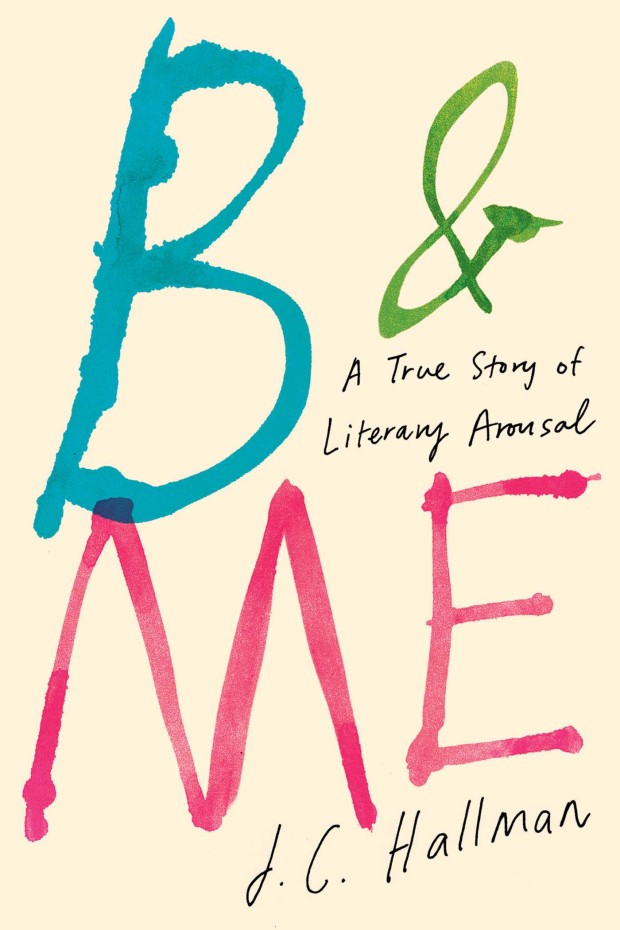
B & Me by J. C. Hallman; design by Christopher Lin (Simon & Schuster / March 2015)

bees-design-by-sara-wood
The Bees by Laline Paull; design by Sara Wood (Ecco / May 2015)

The jacket for the US hardcover of The Bees, designed by Steve Attardo, was a book cover of note in May 2014.

black snow cover design keith hayes
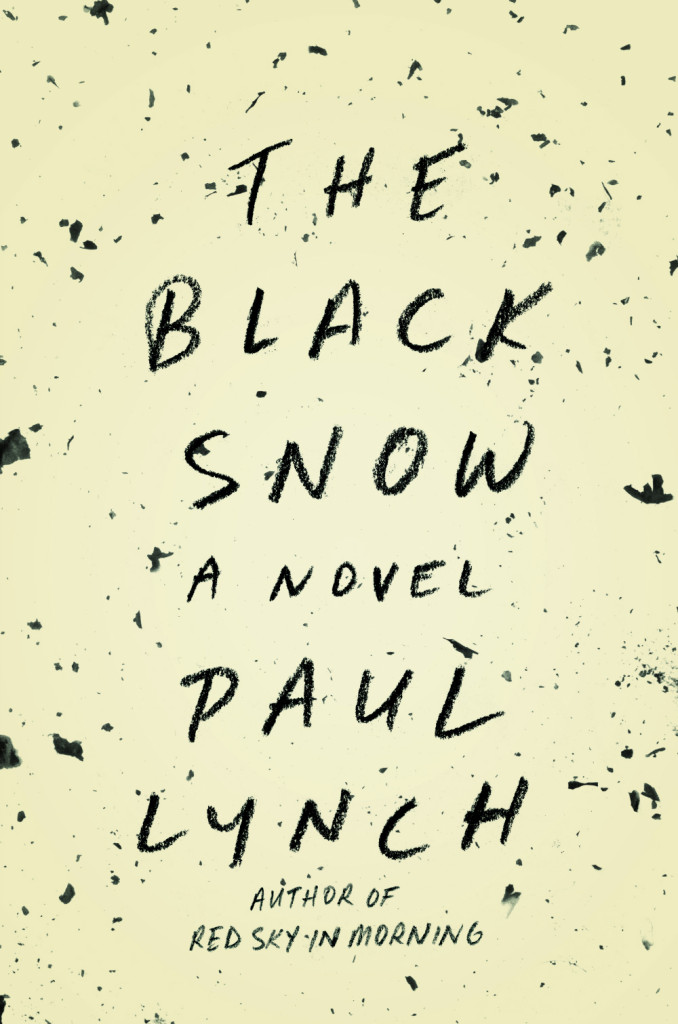
Black Snow by Paul Lynch; design by Keith Hayes (Little, Brown & Co. / May 2015)

boo-design-isabel-urbina-pena
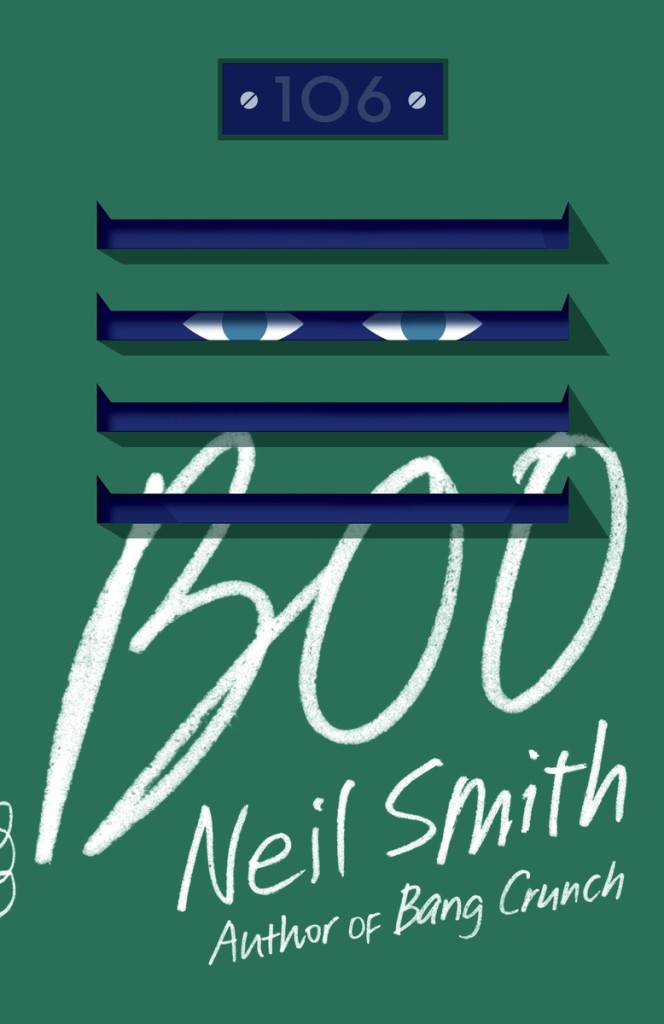
Boo by Neil Smith; design by Isabel Urbina Peña (Vintage / May 2015)

conviction-design-maria-elias-cs-neal
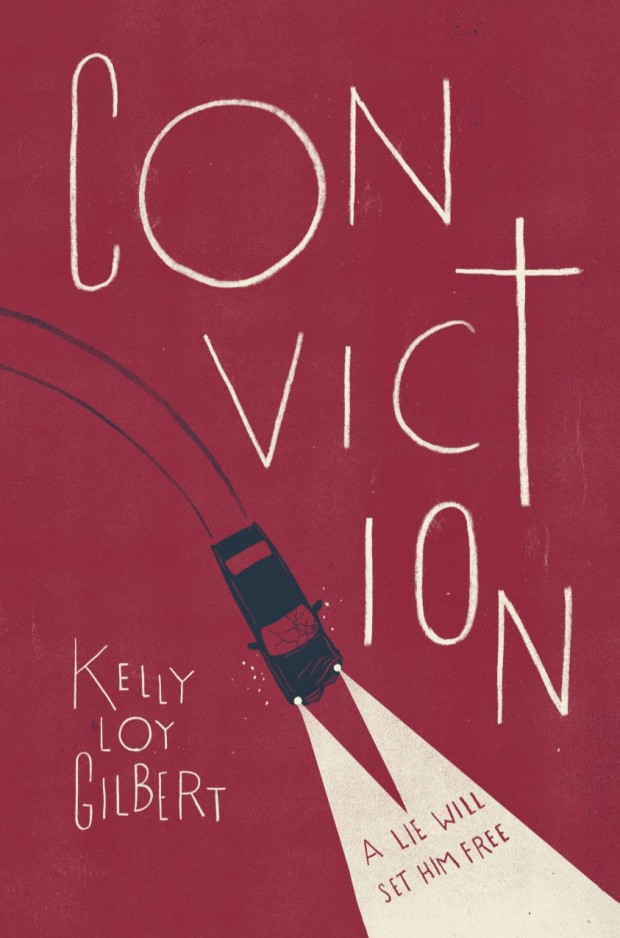
Conviction by Kelly Loy Gilbert design by Maria Elias; illustration by Christopher Silas Neal (Disney-Hyperion / May 2015)

eden-west-design-matt-roeser
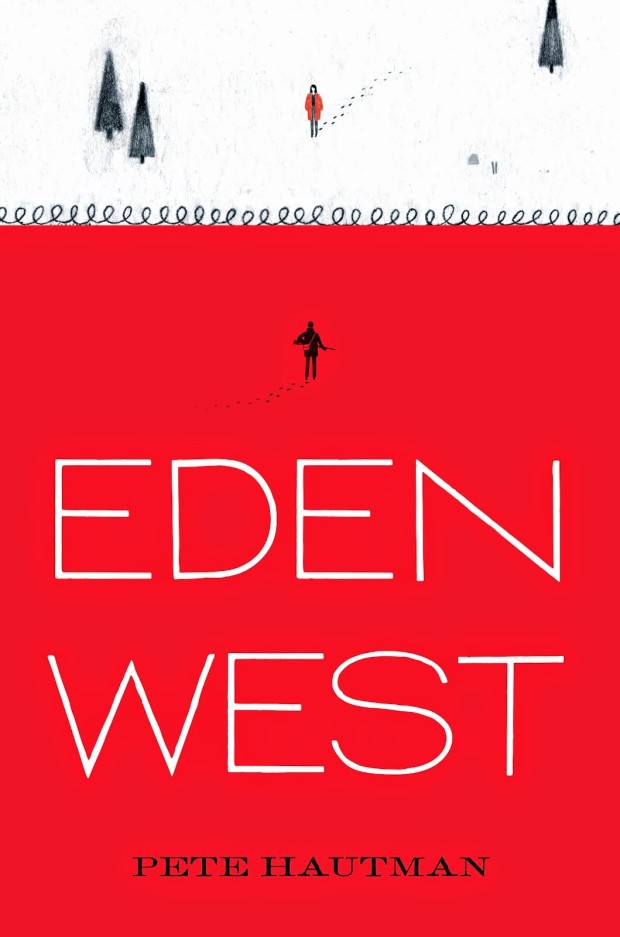
Eden West by Pete Hautman; design by Matt Roeser (Candlewick / April 2015)

AlexisLandau_EmpireOfTheSenses_3
Empire of the Senses by Alexis Landau; design by Janet Hansen (Pantheon / March 2015)

herzog design by Lynn Buckley
Herzog by Saul Bellow; design by Lynn Buckley (Penguin / May 2015)

how-to-clone-a-mammoth-design-jason-alejandro
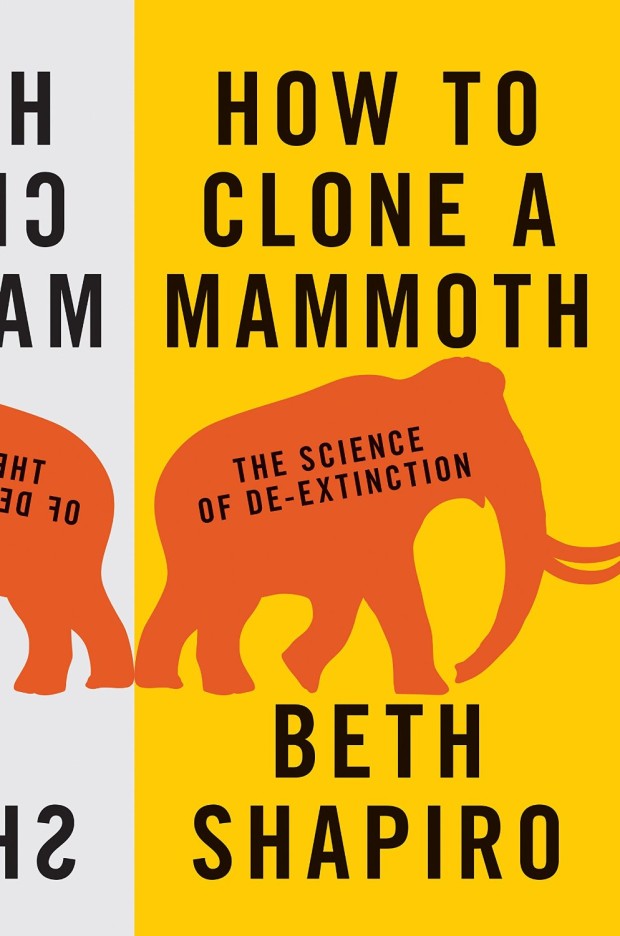
How to Clone a Mammoth by Beth Shapiro; design by Jason Alejandro (Princeton University Press / April 2015)

kl-design-alex-merto
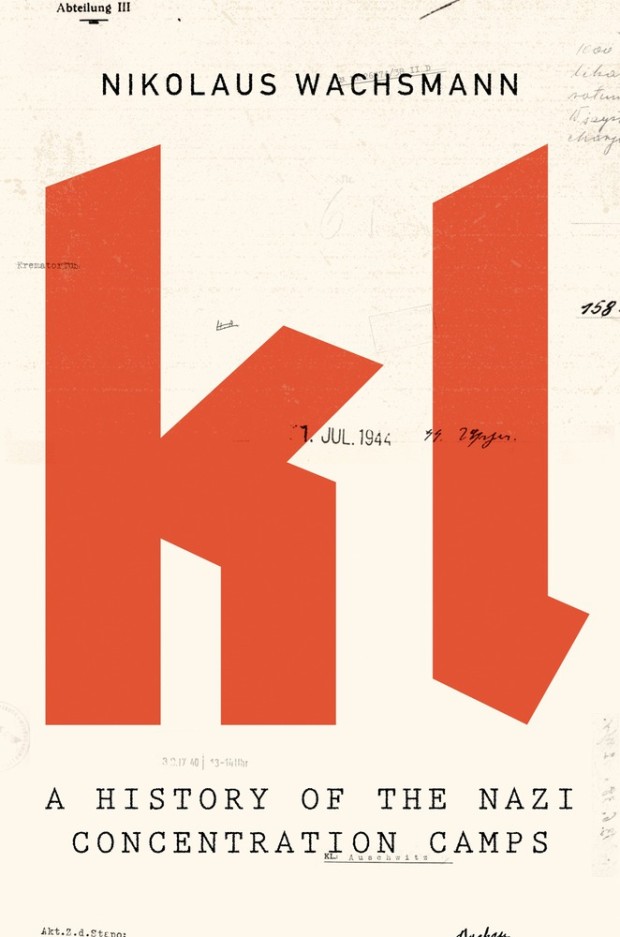
KL by Nikolaus Wachsmann; design by Alex Merto (Farrar, Straus & Giroux / April 2015)

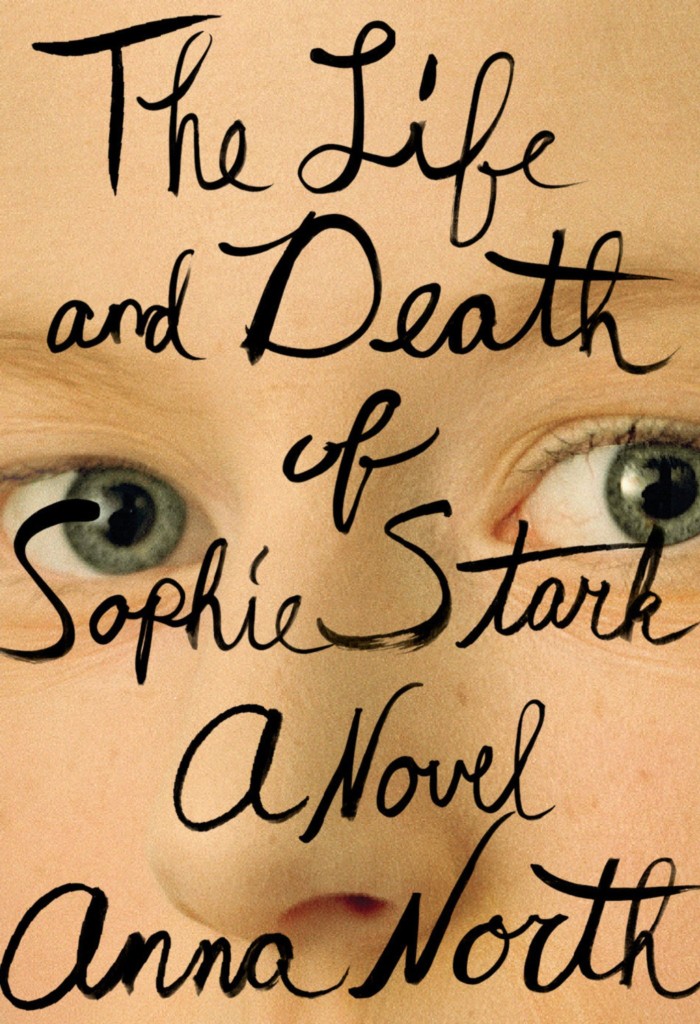
life-and-death-of-sophie-stark-design
Life and Death of Sophie Stark by Anna North; design by Spencer Kimble (Blue Rider Press / May 2015)

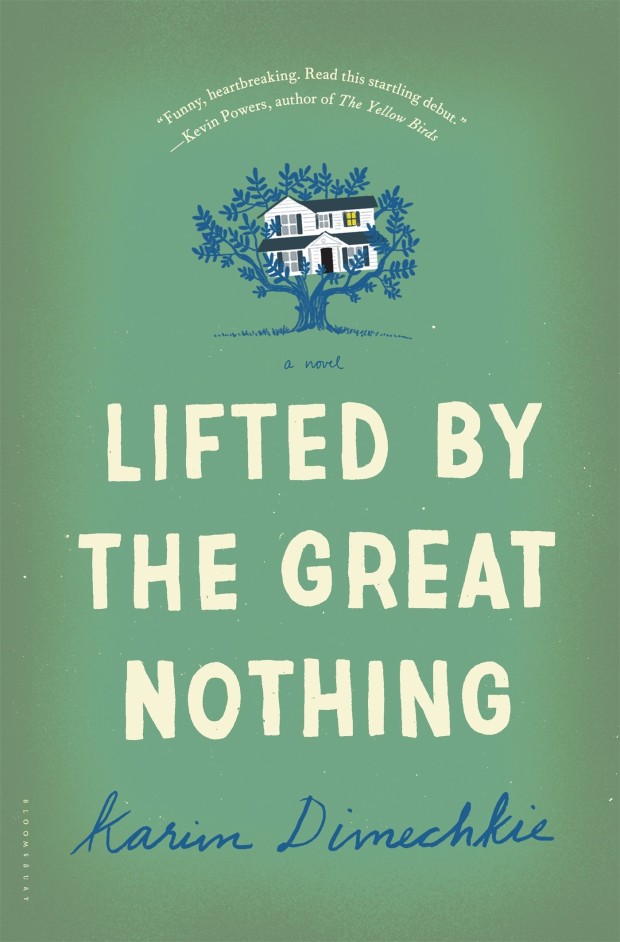
lifted-by-the-great-nothing-art-cs-neal
Lifted by the Great Nothing by Karim Dimechkie; design by Katya Mezhibovskaya; illustration by Christopher Silas Neal (Bloomsbury / May 2015)

Further proof, were it needed, that Christopher would do a great covers for Harper Lee.

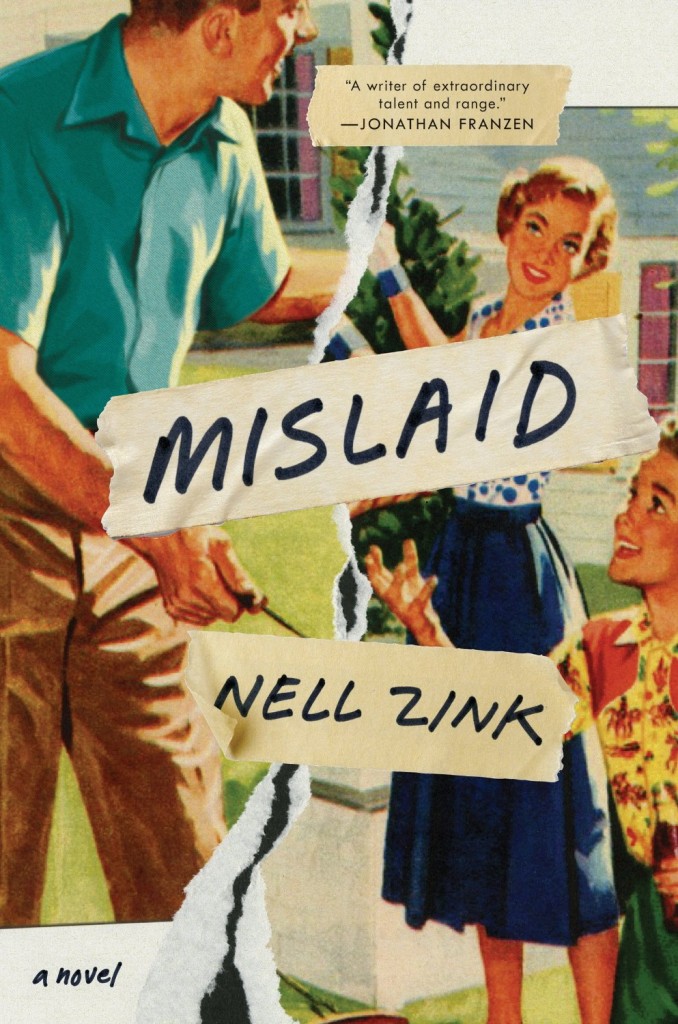
Mislaid design by Allison Saltzman
Mislaid by Nell Zink; design by Allison Saltzman (Ecco / May 2015)

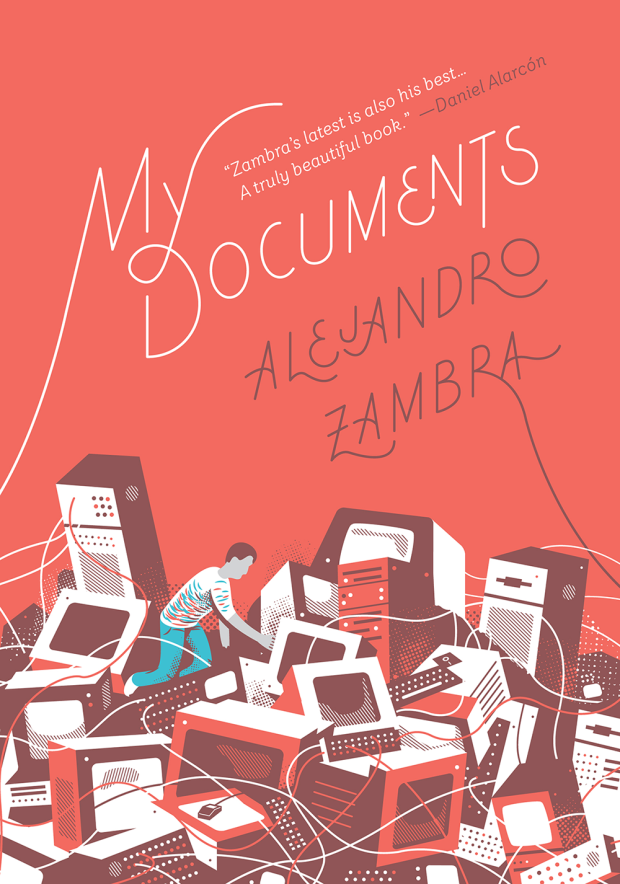
my-documents-design-illustration-sunra-thompson
My Documents by Alejandro Zambra; design & illustration Sunra Thompson (McSweeney’s / April 2015)

nightmare-and-geezenstacks-art-ms-corley
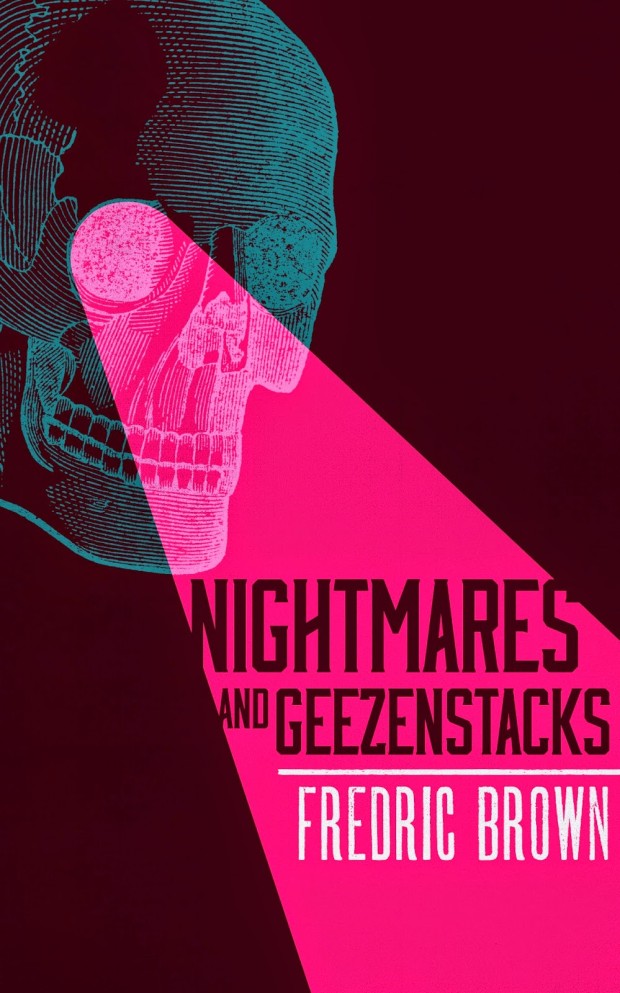
Nightmares and Geezenstacks by Fredric Brown; design by M. S. Corley (Valancourt Books / April 2015)

odysseus-abroad-design-o-munday
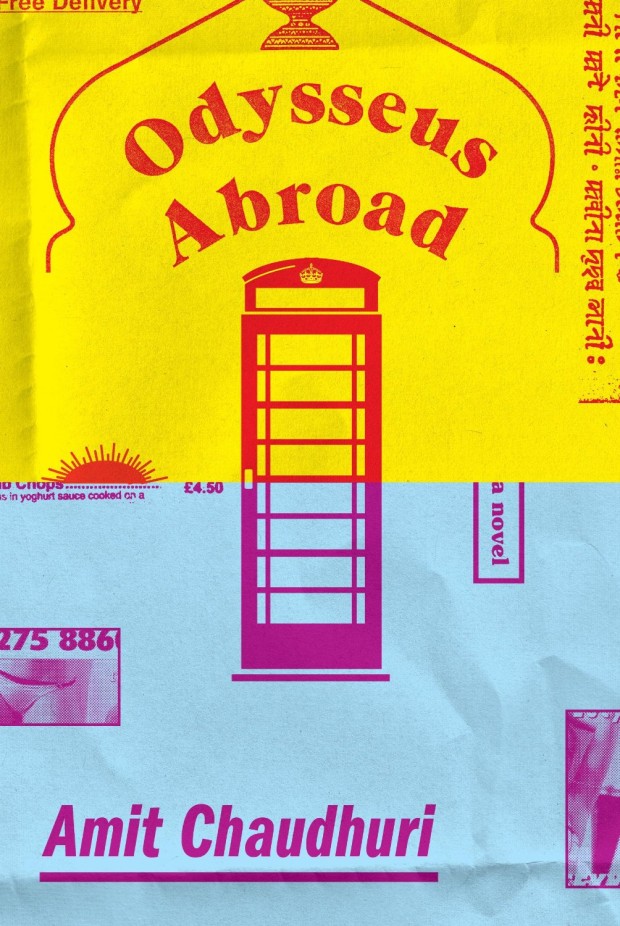
Odysseus Abroad by Amit Chaudhuri; design by Oliver Munday (Knopf / April 2015)

ohey design by Alban Fischer
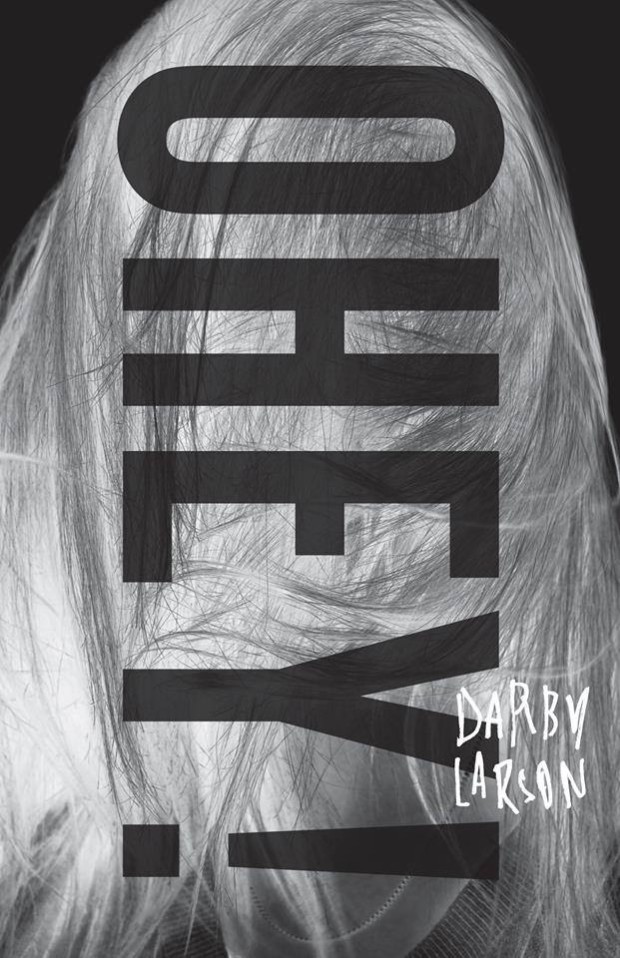
Ohey! by Darby Larson; design by Alban Fischer (CCM / May 2015)

schlump-design-suzanne-dean-illustration-clare-curtis
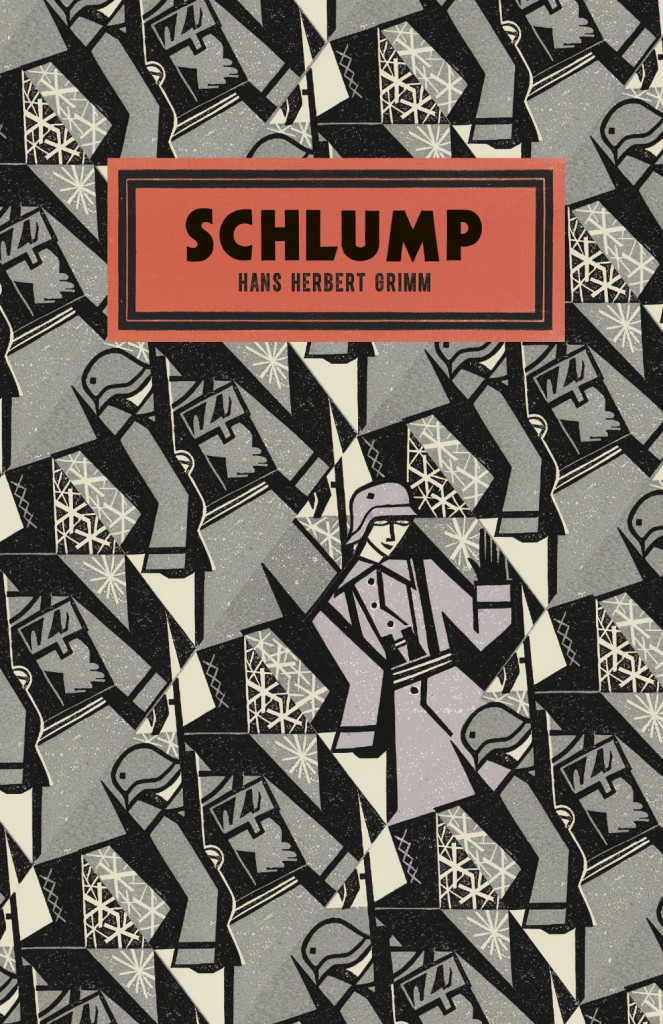
Schlump by Hans Herbert Grim; design by Suzanne Dean; illustration by Clare Curtis (Vintage / May 2015)

smoke-gets-in-your-eyes-design-pete-adlington
Smoke Gets in Your Eyes by Caitlin Doughty; design by Peter Adlington (Canongate / April 2015)

The US edition, designed by David High, was a book cover of note in September 2014.

upright-thinkers-art-tom-gauld
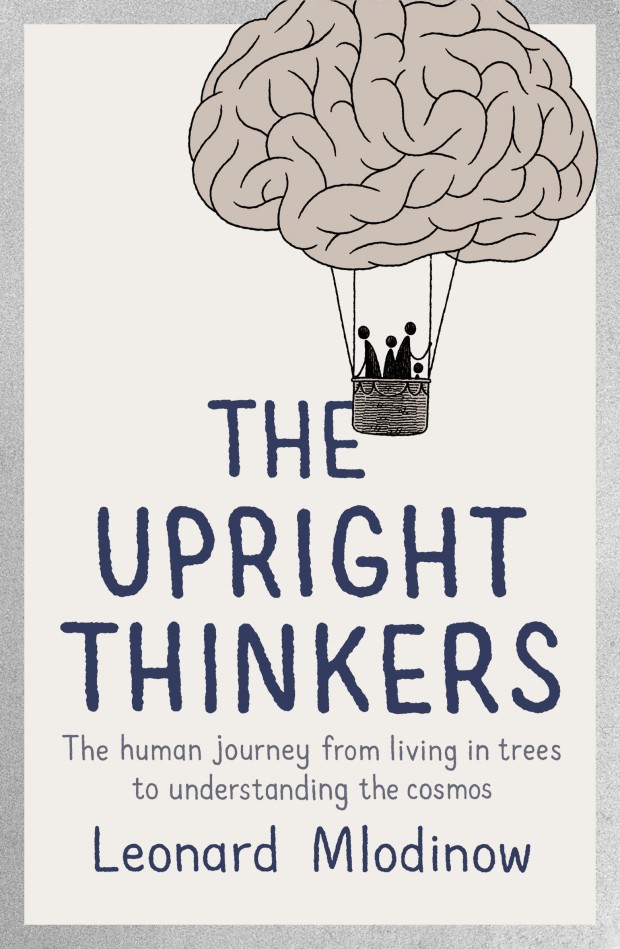
The Upright Thinkers by Leonard Mlodinow; cover art by Tom Gauld (Allen Lane / May 2015)

visiting-hours-spencer-kimble
Visiting Hours by Amy Butcher; design by Spencer Kimble (Blue Rider Press / April 2015)

wake-up-sir-illustration-jamie-keenan
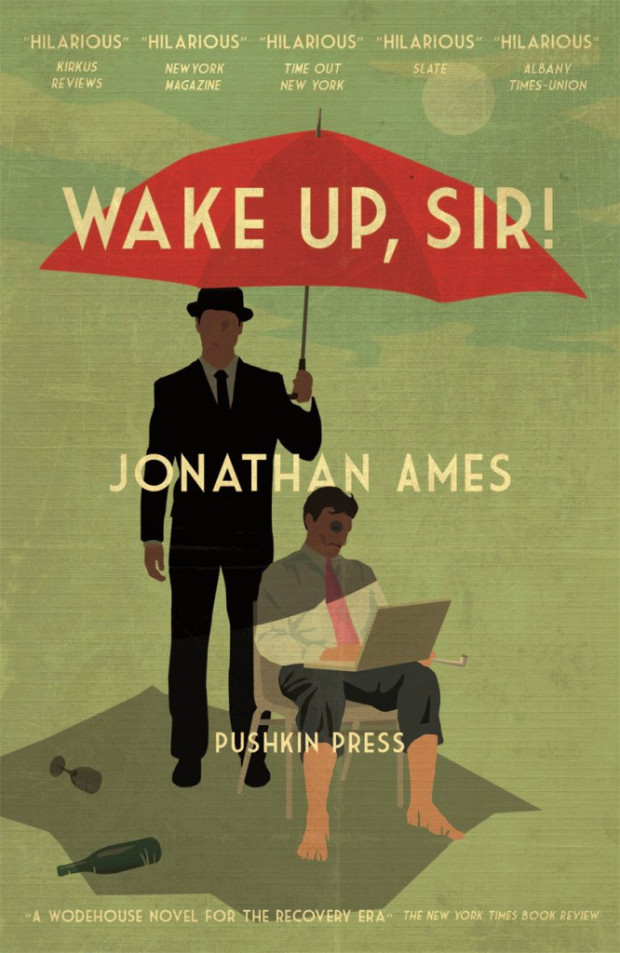
Wake Up, Sir! by Jonathan Ames; design by Jamie Keenan (Pushkin Press / May 2015)

1 Comment

Australian Book Design Awards 2015 Shortlist


Australian Book Designers Association recently announced the shortlist for the Australian Book Design Awards 2015 and, as in previous years, there are some great covers to be seen.

I particularly like that they have an award for Young Designer of the Year. The designers shortlisted this year are Alissa Dinallo, Hazel Lam, and Imogen Stubbs:

The full list can be downloaded as a PDF from the ABDA blog. The winners will be announced Friday, May 22nd in Sydney.

Comments closed

Go Set A Watchman

This post was updated April 4, 2015 with additional illustrations and commentary.

Earlier this week, the US and UK covers for the new Harper Lee novel, Go Set a Watchman, were revealed online to great excitement and — because design criticism is a spectator sport — no small amount of derision.
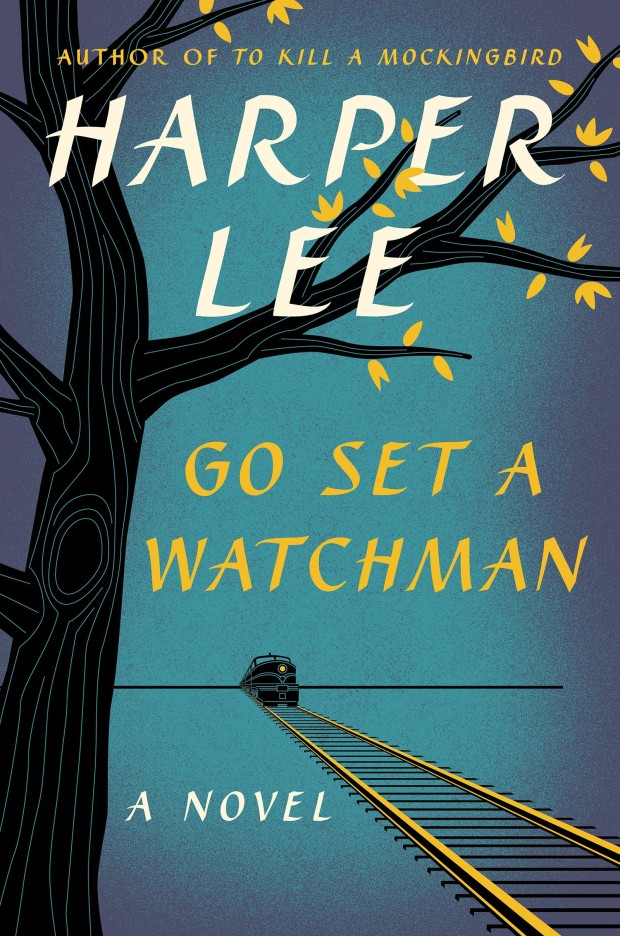
go-set-a-watchman-US

The US cover was designed by Jarrod Taylor for HarperCollins. An apparent homage to the classic post-war American book covers designed by the likes of W. A. Dwiggins, George Salter, and Ismar David, there was some suggestion, on Twitter at least, that it bore an uncanny resemblance to the dust jacket of the first edition of Ayn Rand’s Atlas Shrugged (published in 1957), designed by Salter himself.

Certainly, the covers do compliment each other — a testament to how well Taylor has captured the tone of the period — but the minor similarities grind to a halt at yellow train lines and the design of a headlamp. The composition, colour, and lettering are all quite different. More importantly in my opinion, the mood of the covers is in stark contrast. Go Set A Watchmen, with its (faux) hand-brushed letters, golden leaves, old-fashioned locomotive, and evening blue hue is wistful and nostalgic. The ruler-straight horizon and railway sleepers give it steadiness and calm. It evokes both the passing of time and the desire, perhaps, to return to the past.

Atlas Shrugged, on the other hand, is simply a period piece. The design itself, with its hot purple sky, rugged mountains, ominous dark tunnel, tilted railway sleepers, and — let’s face it — bloody enormous red warning light, is far from nostalgic. It’s all fear, urgency and speeding danger — the stencilled letters telling you (in case you hadn’t quite figured it out yet) that this book means serious business… Armchair psychoanalysts have at it.

In fact, the cover of Go Set A Watchman is an update of the original dust jacket of To Kill A Mockingbird (published in 1960) designed by Shirley Smith — the autumnal leaves making a nice allusion to both the author and her previous book, as well as an indication of where the new novel might take us.

But, for all the vintage styling, there is a kind of efficiency to new design that is, I think, unmistakably modern. The illustration, the colour palette, and even the brush-stroke typography, all have the feel of contemporary commercial fiction. It will not look out of place either online, or along side other bestsellers in Barnes and Noble.
Harper-Lee-UK

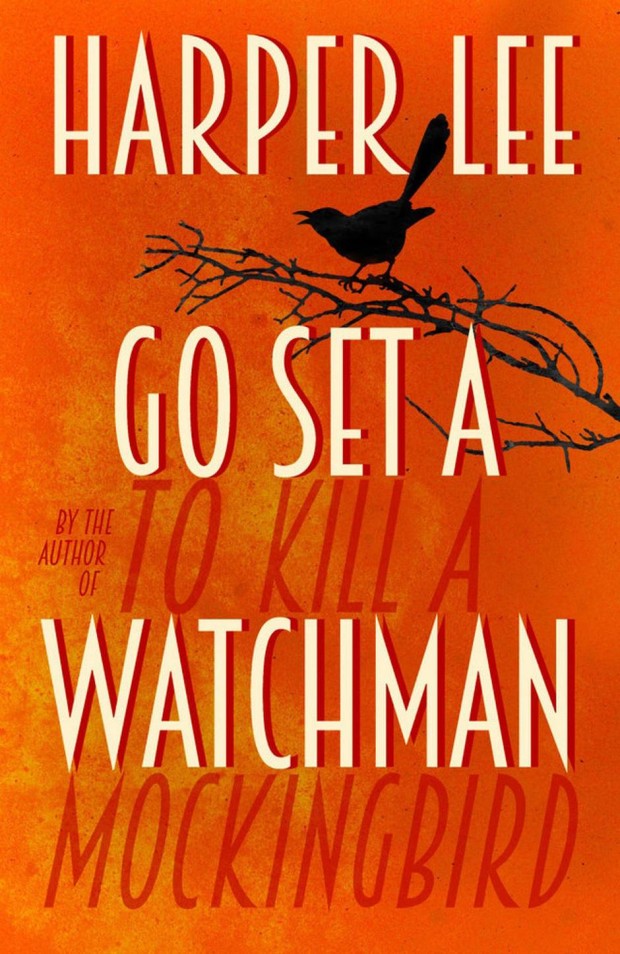
UK cover is, in the British fashion, being credited to the in-house design team at William Heinemann rather than to an individual designer1.

Also looking to evoke the past, it appears to draw inspiration from the typography of vintage film.

It’s a nod, perhaps, to the Academy Award-winning (and much beloved) film adaptation of To Kill A Mockingbird starring Gregory Peck (1962), but the burning orange background, red shadows and dark silhouettes suggest — unintentionally perhaps — an earlier literary film adaptation, Gone with the Wind (1939).2

The Art Deco-inspired typography is also perplexing. While To Kill A Mockingbird is set in early 1930s, Go Catch A Watchmen is apparently set 20 years later — well after the heyday of Art Deco (but firmly in the post-war period that inspired the US cover).

Stylistically too, there is something about the combination of illustration and type that feels rather inauthentic and, as a consequence, the cover has a sort of unsatisfying post-modernism gloss. It is much less successful at evoking the period than Ben Wiseman’s noir-inspired design for The Hilliker Curse by James Ellroy (published in 2010) for example.

Even so, there’s no getting away from the fact that it is vibrant and bluntly effective. Less book jacket than a glaring burnt orange advertisement, it is meant to be read at small sizes online (pre-orders, pre-orders, pre-orders….), or piled up at a distance.  If you miss the author’s name and the silhouette of a mockingbird at the top of the cover, the words To Kill A Mockingbird loom large at the bottom.

This bold placement of the old title between the lines of the new triggered a slew of obvious jokes on Twitter, but it is actually rather ingenious — the designer neatly accommodates a remarkably large font size and, at the same time, slides in a wry allusion to the long shadow of To Kill A Mockingbird — a far wittier, nuanced joke than the repeated ‘Go Set A To Kill A Watchman Mockingbird’ gags online. For all its brash intent, it’s a cleverer cover than it first appears.

Ultimately, neither the UK cover or its American counterpart are going to win design awards. But neither are they terrible, and given the expectations for this book (and the controversy surrounding it), we should be grateful for that. Certainly we should not blame the designers who have produced surprisingly effective covers given the limitations they were surely working under. Covers for high-profile (and expensive!) books always involve compromises of one sort or another, and already risk-averse publishers become even more timid when so much is riding on a single title. As we saw in 2012 with The Casual Vacancy by J. K. Rowling, big books often get blandly familiar, easily recognisable (and readable) covers rather than conceptual, original designs. The book industry is behind readers on this who — after years of exposure to Apple products — are more sophisticated about design than ever before, but Go Set A Watchman was never going to be the book that brought publishers up to date.

UPDATE: If you’re curious about what designers think of the Go Set A Watchman covers, Peter Cocking, Brian Morgan, Ingrid Paulson, and Michel Vrana share their thoughts with the Globe & Mail, while at The Guardian, Stuart Bache gives his considered opinion.
7 Comments

Being Mr. K

family

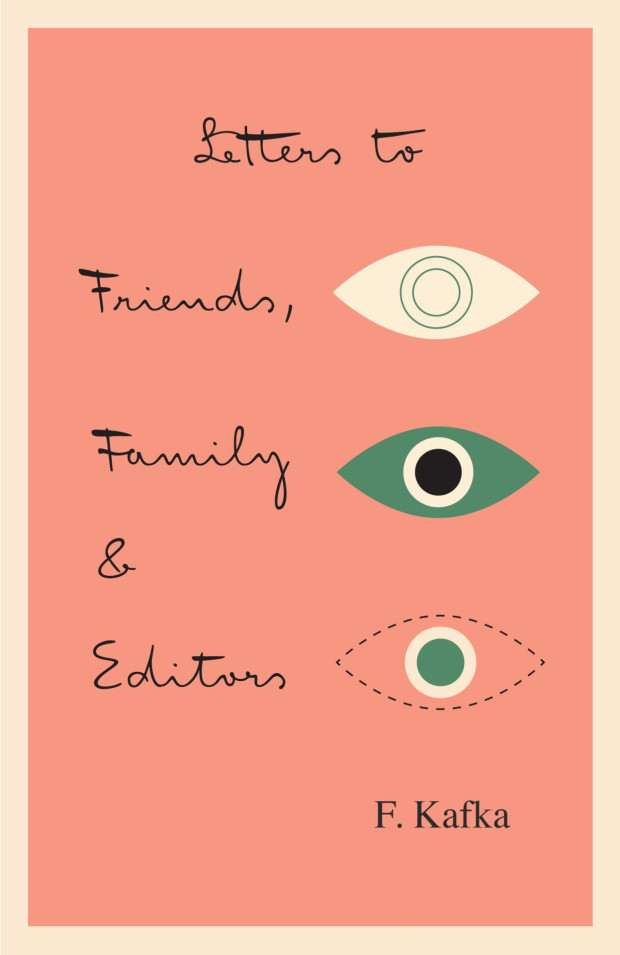
In latest Creative Characters newsletter from MyFonts, designer Julia Sysmäläinen talks about designing FF Mister K, the typeface based on Franz Kafka’s handwriting used by Peter Mendelsund for his redesign of Schocken’s Kafka covers:

Originality, authenticity, and honesty are crucial qualities to me. I think Mr. K has all of that, just like Franz Kafka’s manuscripts do. While I was working on it, I realized that while Mister K is a font, it is also the visualization of a personality. The font is not pretty, or beautiful in the classic sense — and it doesn’t want to be.

It’s a bit like Kafka’s work. There is no beauty in it as such, but rather a confrontation with reality that goes so far as to be repellent. There are all kinds of attributes — stupidity, cunning, weakness, strength, bitterness, humor, lightness, etc. The authenticity of this confrontation is visually reflected in the manuscripts — and also in Mister K Regular, the style in the font family that is most similar to the original Kafka manuscripts.

Whoever wishes to use the typeface must be willing to embrace this ambiguity. Mister K is not particularly suitable for lending a consumer-friendly smoothness to some brand; but there are corporate identities to which it fits very well. I was pleased to see it used by the Norwegian band Flunk, for Stokke highchairs, and for wellness products by Dresdner Essenz; and, of all things, in the logo of an upmarket design hotel in Berlin, Das Stue. What I found even more astounding was its appearance at the international insurance company Watson Towers (an ironic coincidence, as Kafka himself was an employee at an insurance company). But somehow it made sense: “The organic, hand-drawn nature of the logo and graphic system creates a personal and distinctive look amidst the impersonal, corporate, language of its competitors…” — that’s how Interbrand, the design agency, described the project. In its semi-perfection the typeface simply oozes a kind of honesty. That’s its strength, and brings it closer to a lot of people.

Comments closed

Emory Liu on Design at Fantagraphics

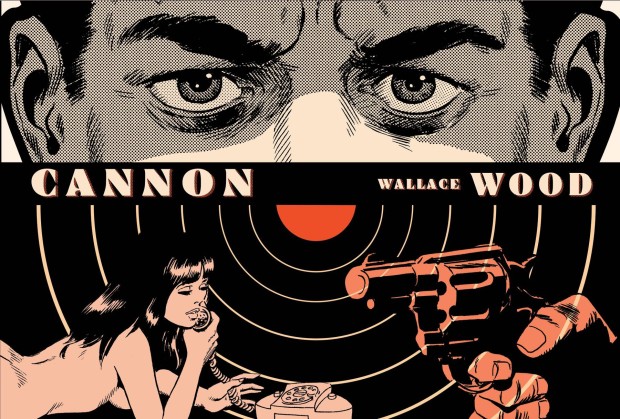
cannon-wallace-wood-design-emory-liu

At Sequart, designer Emory Liu talks about working at Seattle comics publisher Fantagraphics:

My first start in the design world came through designing / screen printing posters, and doing album artwork for bands. I played in a bunch of bands, and starting out, we just ended up having to do a lot of the work ourselves, art included.  I also took design classes at School of Visual Concepts, eventually graduating with an Interdisciplinary Visual Arts degree from University of Washington in 2005. I feel very fortunate to be hired by Fantagraphics, as I had no previous experience designing full books, but just came from a job that heavily depended on InDesign. I think I just had enough experience to pass, and a DIY aesthetic that fit with the other designers… [It’s] interesting, because most of the time we have a ton of creative control. Editorial is usually hands off, and we’re working from scratch, keeping in mind not to overstep the comic artist themselves. A lot of the work is old work being re-released, and just the repackaging of the product with new covers can do wonders, give the book new life. At the same time we’ll get a few titles where we get very little input. Some artists demand complete control, and I’d take the role of facilitator more than designer. As fast as I’d like to get through those, they always end up taking the longest.
Comments closed

Five Designers, One Illustrator, Two Letterers and More Than a Hundred Versions of a Jacket

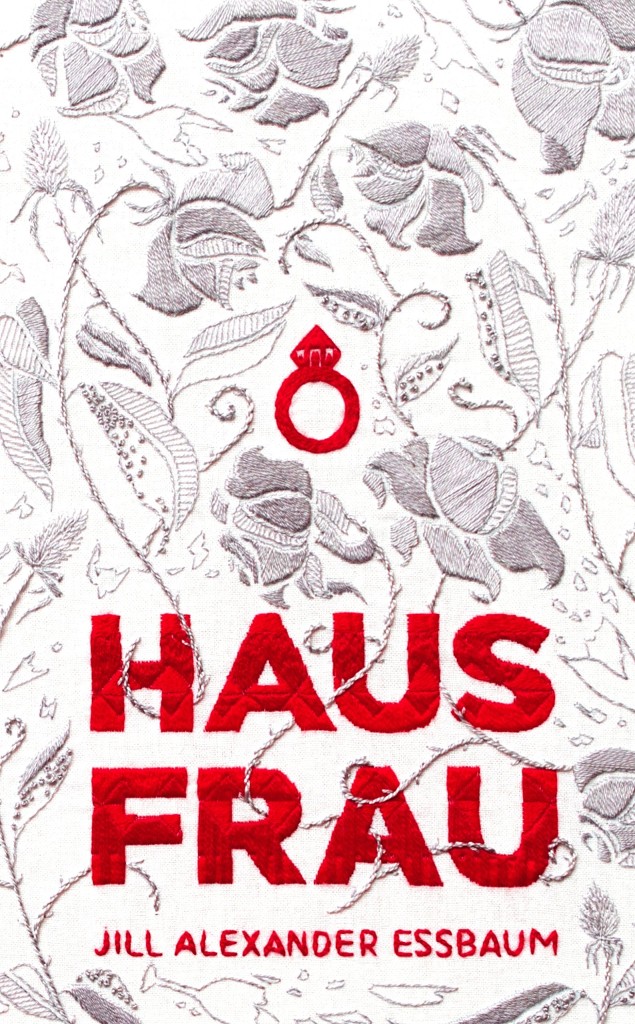
hausfrau

If you’ve ever wondered quite how many iterations a cover can go through before the final one is chosen, this video cycles through a multitude of design ideas for the US edition of Hausfrau by Jill Alexander Essbaum published by Random House this month:

“I worked with five designers, one illustrator and two letterers on more than a hundred versions of the jacket,” Robbin Schiff, executive art director at Random House, told Mashable. “The final design, with its stark Swiss typography against the moody and lush floral grouping, conveys a sensual but claustrophobic atmosphere”.1

And, if you’re interested, you also read about the cover of the UK edition created by Maricor/Maricar (pictured below) on the Picador Blog. The whole process sounds a little less… fraught.

hausfrau-UK

UPDATE: Thank you to the folks at Random House for letting me know that the final cover for the US edition was designed by the talented Gabrielle Bordwin. The video was created by Caroline Teagle.

1 Comment