Skip to content

Category: Books

Favourite Covers of 2012

For the past couple of years now (since Joseph Sullivan put the Book Design Review on ice in fact), I’ve been posting a short list of my favourite covers for books for the year. Now that thing for the New York Times is out of the way, I’m free to post my list for 2012.

To make a couple of very general observations about book design this year, the cover that probably made the greatest impact was Fifty Shades of Gray. It was a design that made it OK to read erotica in public, something which surely contributed to the book’s breakout success — a point not lost on other publishers who rushed to re-package their own erotica titles in a similar fashion. The results inevitably lacked the finesse of the original, but imitation is the sincerest form of flattery, as they say…

But while the cover of Fifty Shades of Gray smartly defied the conventions of its genre, it wasn’t an exciting cover and some publishers seemed to be more conservative in their design choices, playing it safe or relying on formulas. The jacket for The Casual Vacancy could hardly have been more forgettable, and it was not alone. A bland sameness crept in. Perhaps that could be said every year. I suspect, however, that smaller budgets, tighter deadlines, and readers browsing thumbnails rather than shelves had an effect.

Nevertheless, some publishers were willing to trust their art directors and designers, and publish interesting and challenging covers. If I was to identify a common theme to my choices this year, it would be hand-drawn lettering and illustrated designs. With the ubiquity of stock photos and uninspired type-choices, that seems to be where the interesting things are happening, at least to my mind. Perhaps photographs will make a come back next year?
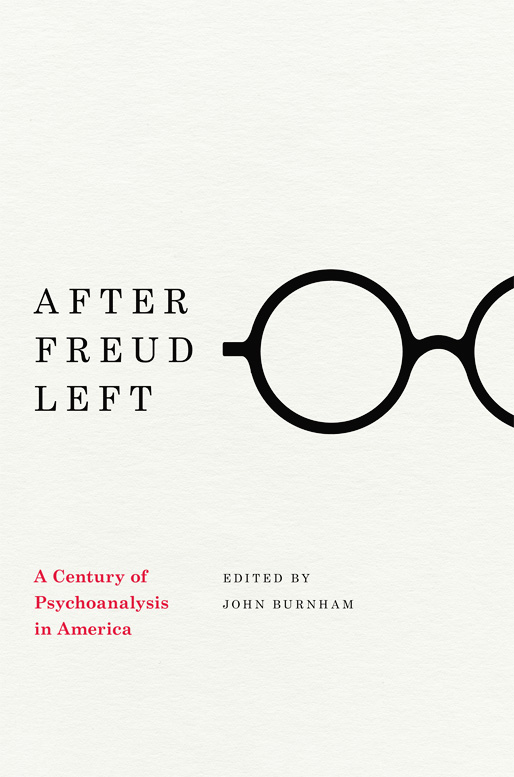
After Freud Left edited by John Burnham; designed by Isaac Tobin
University of Chicago Press
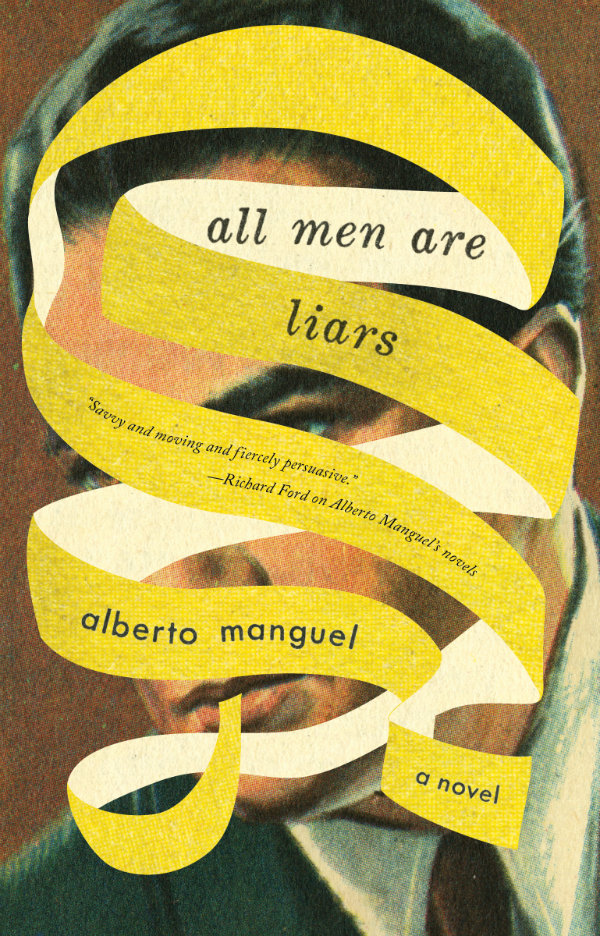
All Men Are Liars by Alberto Manguel; design by Jason Booher
Riverhead
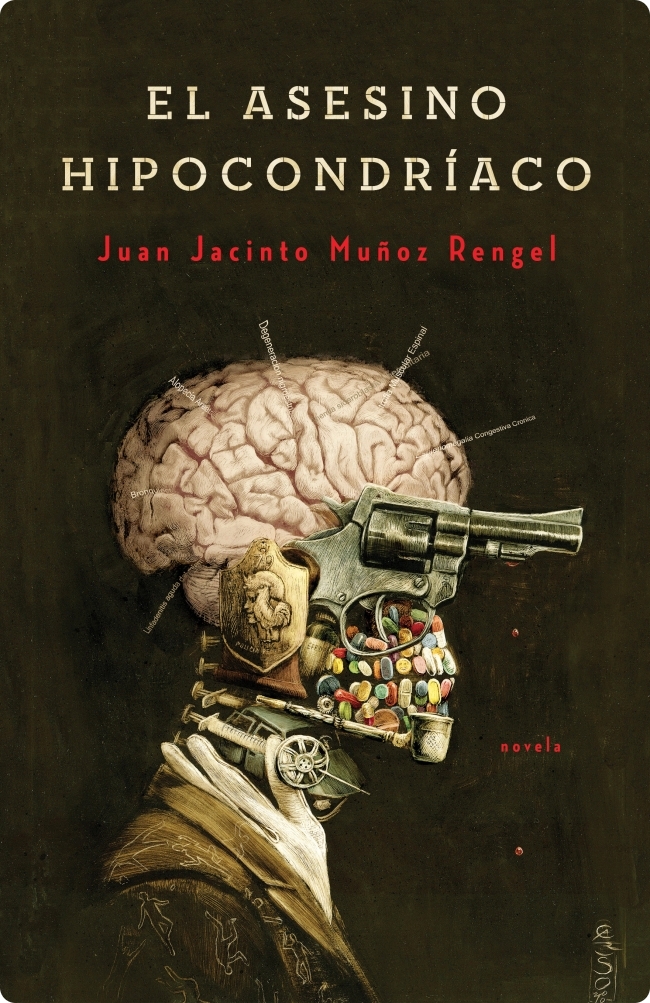
El asenino hipocondríaco by Juan Jacinto Muñoz Rengel; design by Ferran López, illustration Santiago Caruso
Plaza & Janés
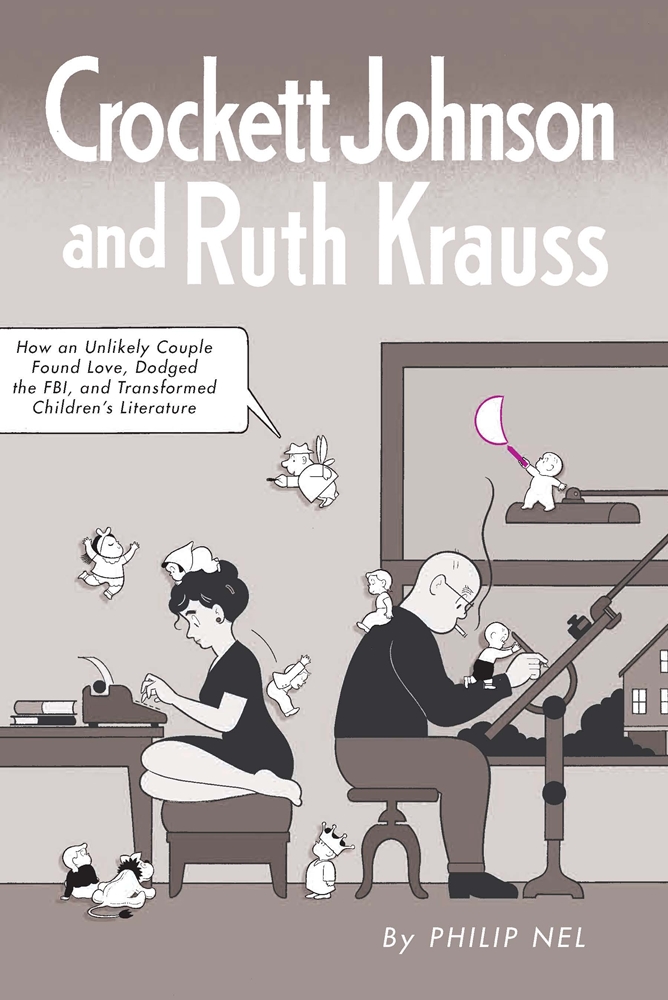
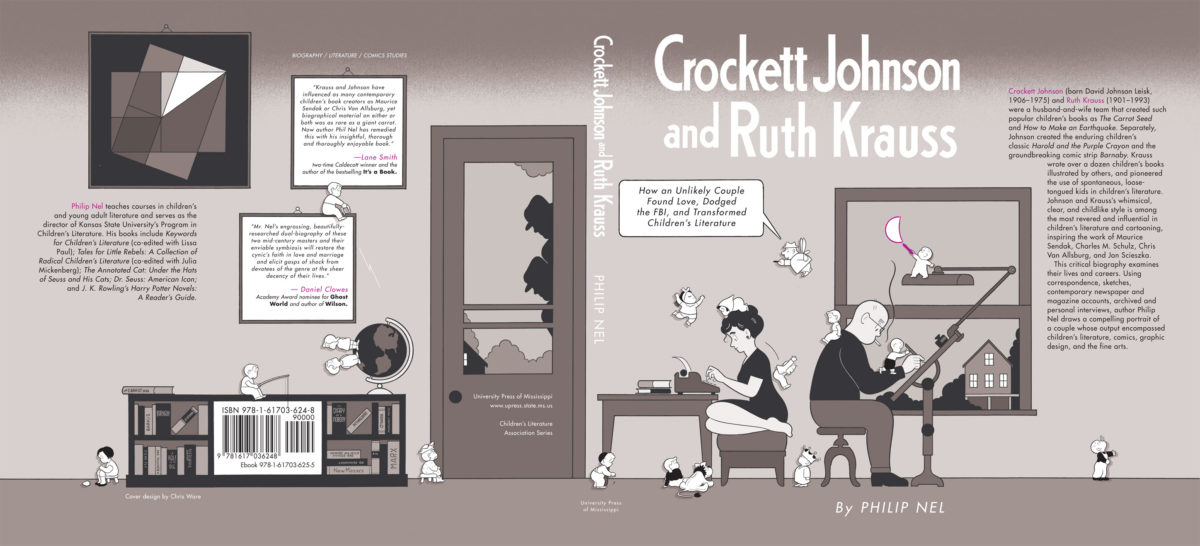
Crockett Johnson and Ruth Krauss by Philip Nel; design by Chris Ware
University Press of Mississippi

Cruel Britannia by Ian Cobain; design by FUEL
Portobello Books
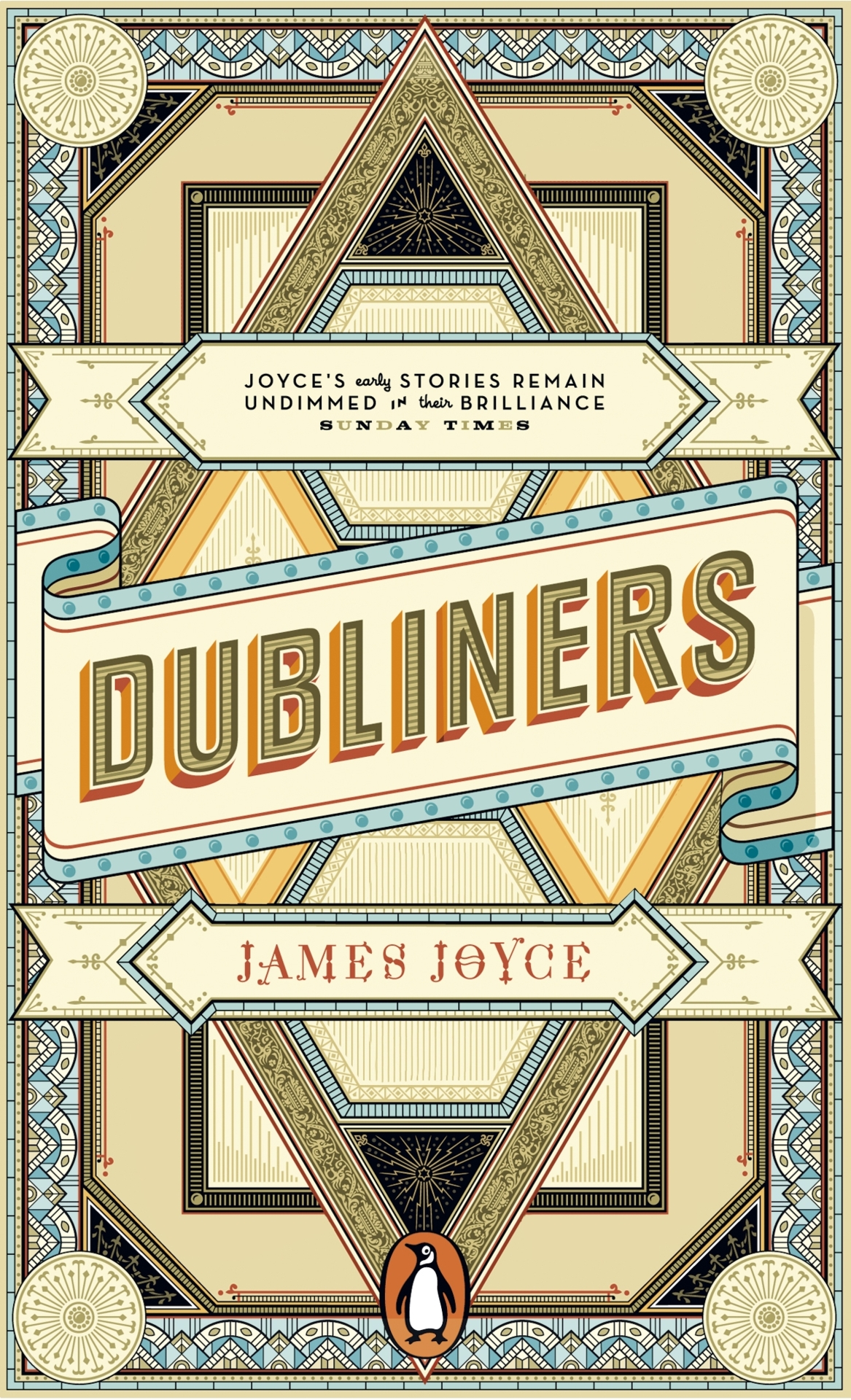
The Dubliners by James Joyce; design by Apfel Zet / Richard Bravery
Penguin Essentials, Penguin (UK)
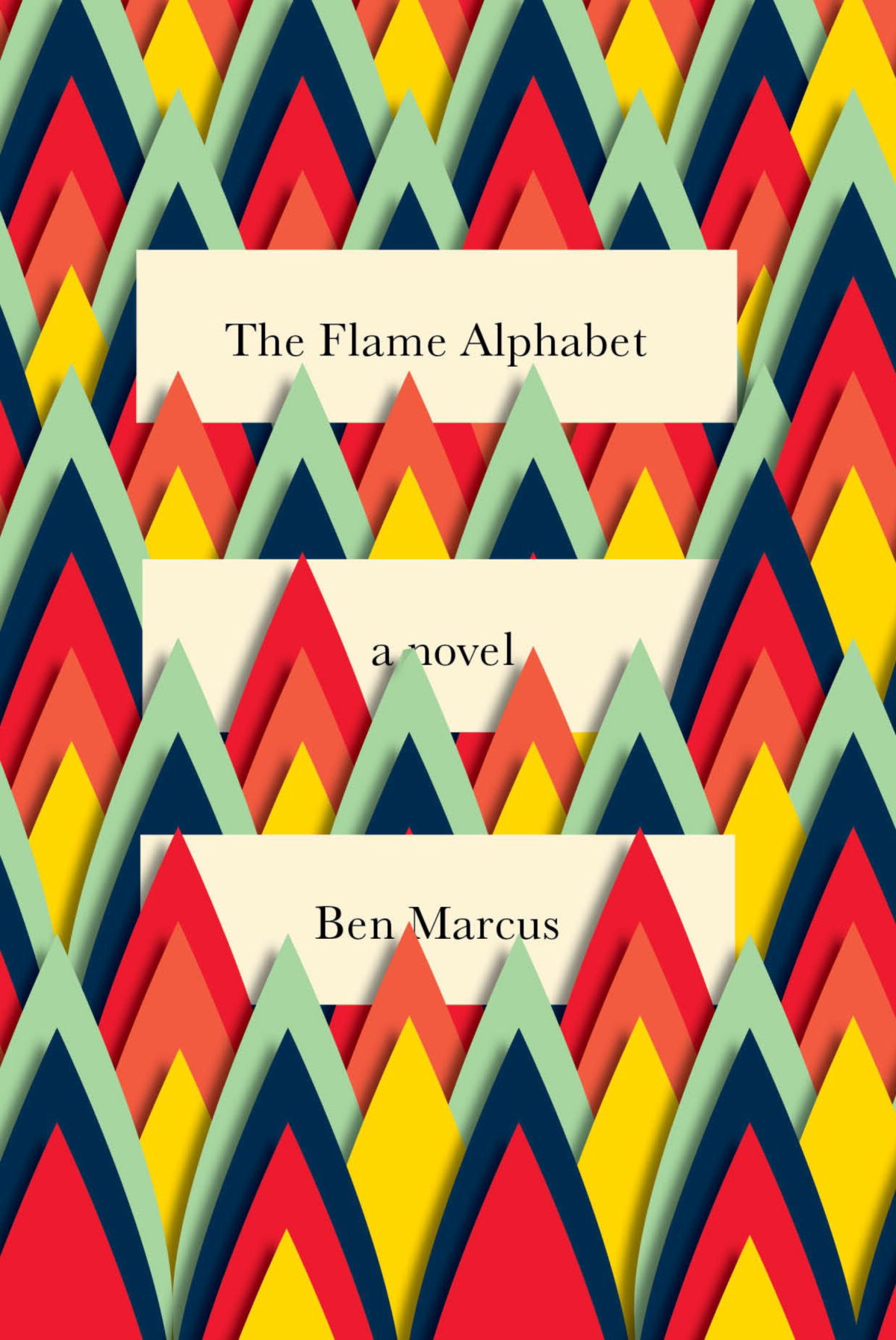
The Flame Alphabet by Ben Marcus; design by Peter Mendelsund
Knopf
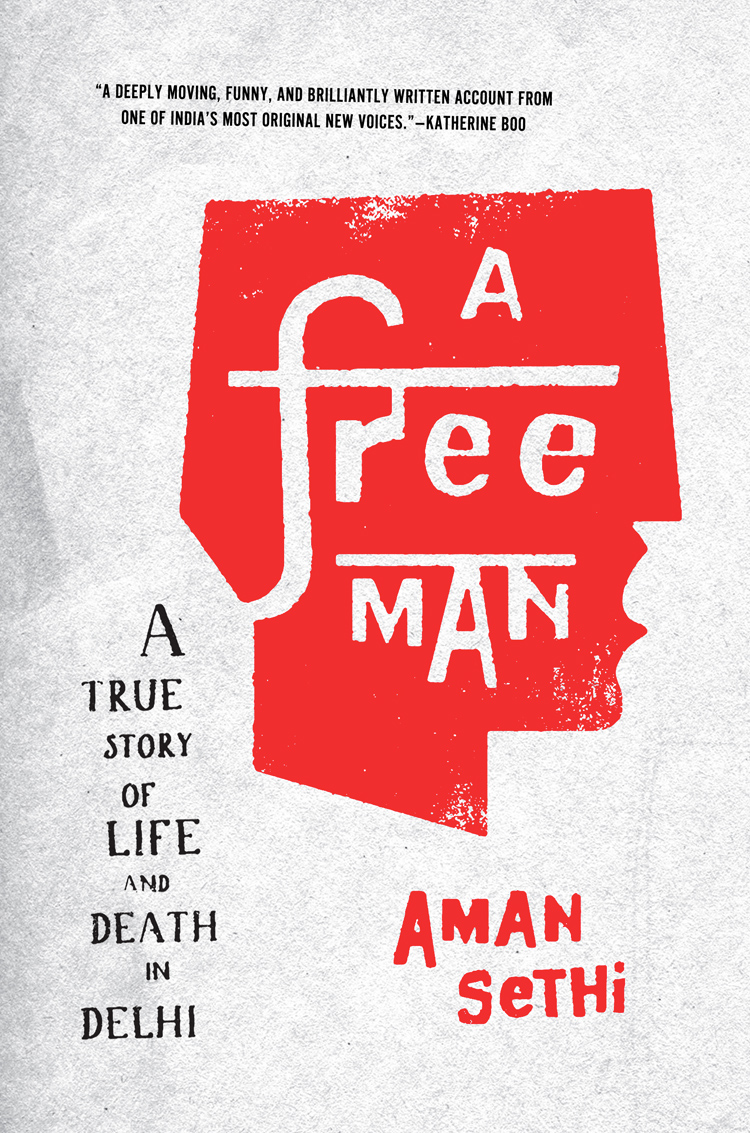
A Free Man by Aman Sethi; design by Ben Wiseman
W.W. Norton
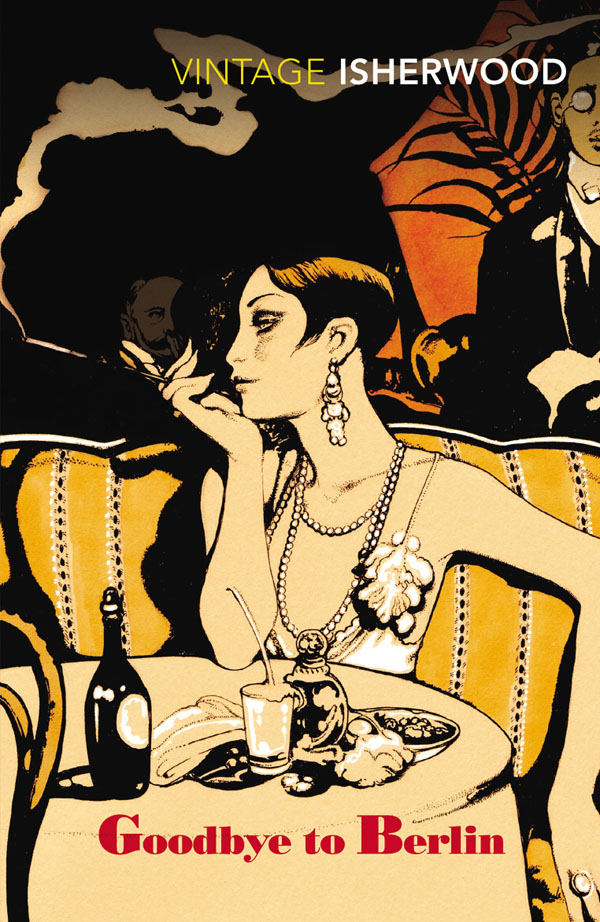
Goodbye to Berlin by Christopher Isherwood; illustration by Vania Zouravliov
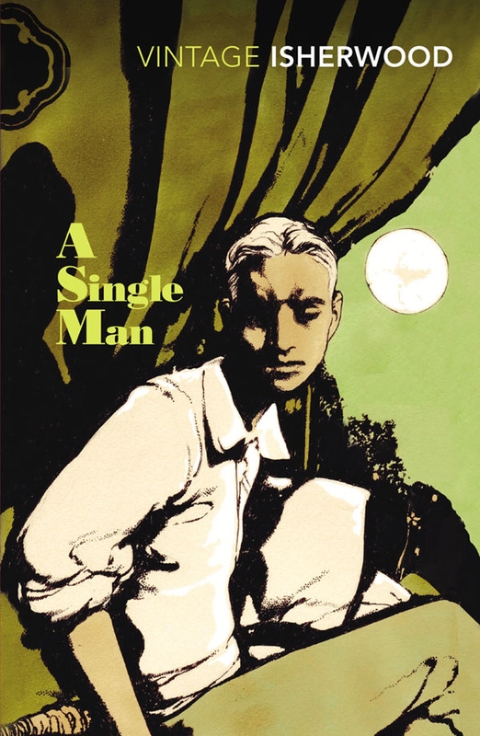
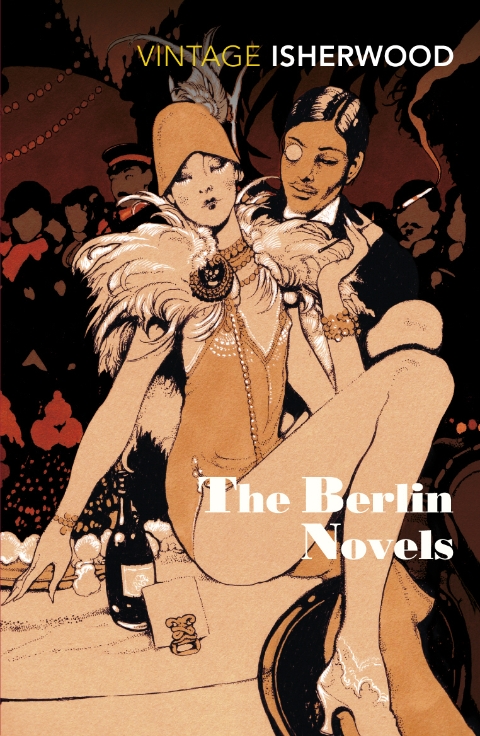
Vintage Isherwood, Vintage (UK)
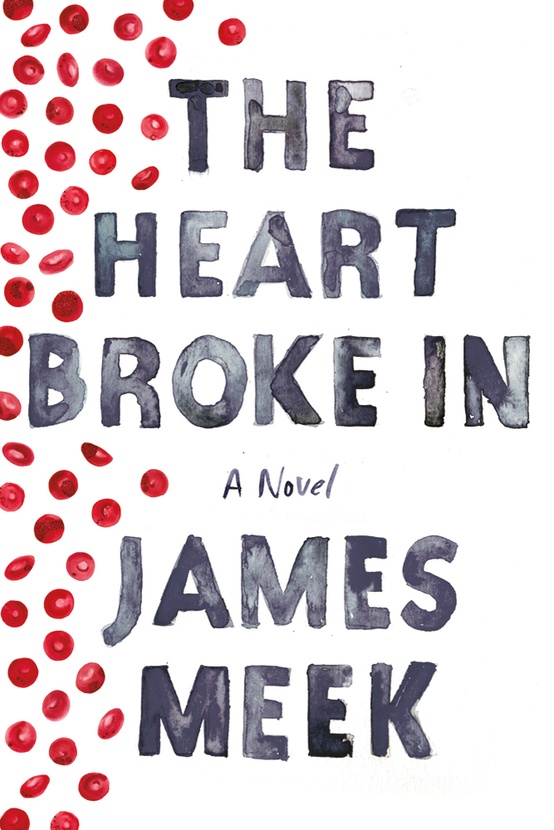
The Heart Broke In by James Meek; design by Jennifer Carrow; illustration by Michele Banks
Farrar, Straus & Giroux
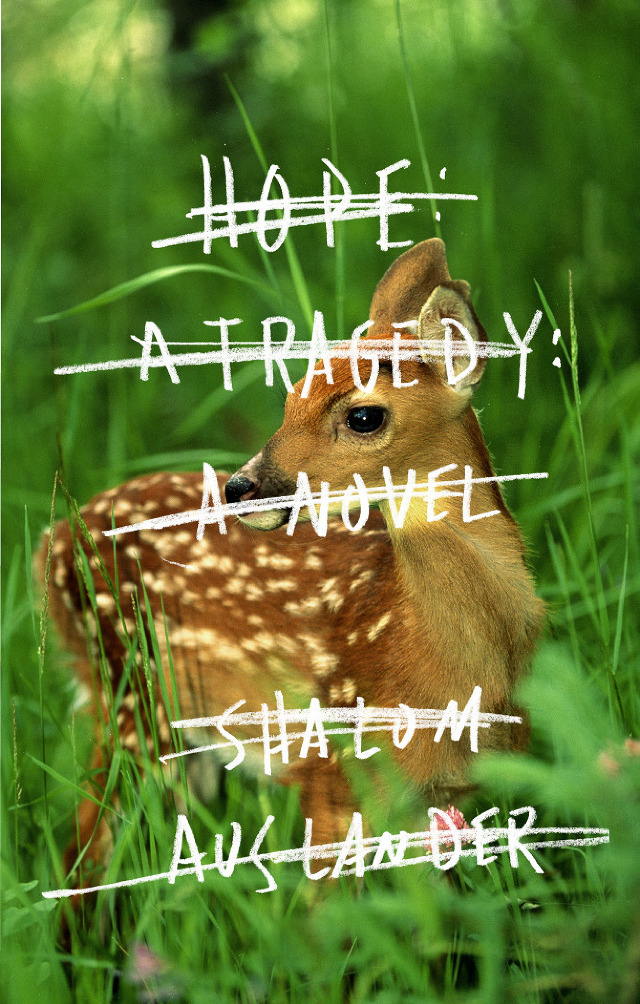
Hope: A Tragedy: A Novel by Shalom Auslander; design by John Gall
Riverhead
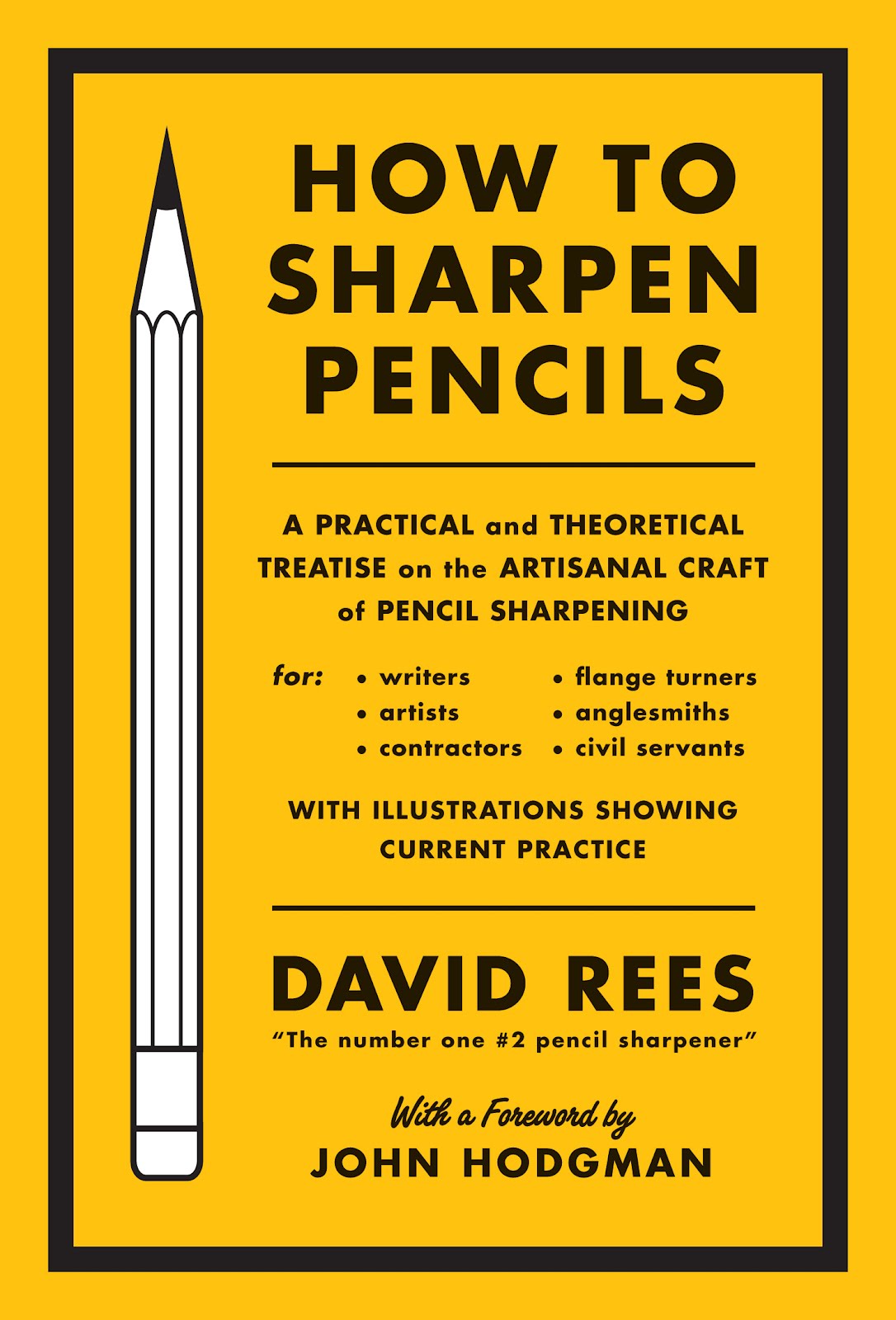
How to Sharpen Pencils by David Rees; design by Christopher Brian King
Melville House
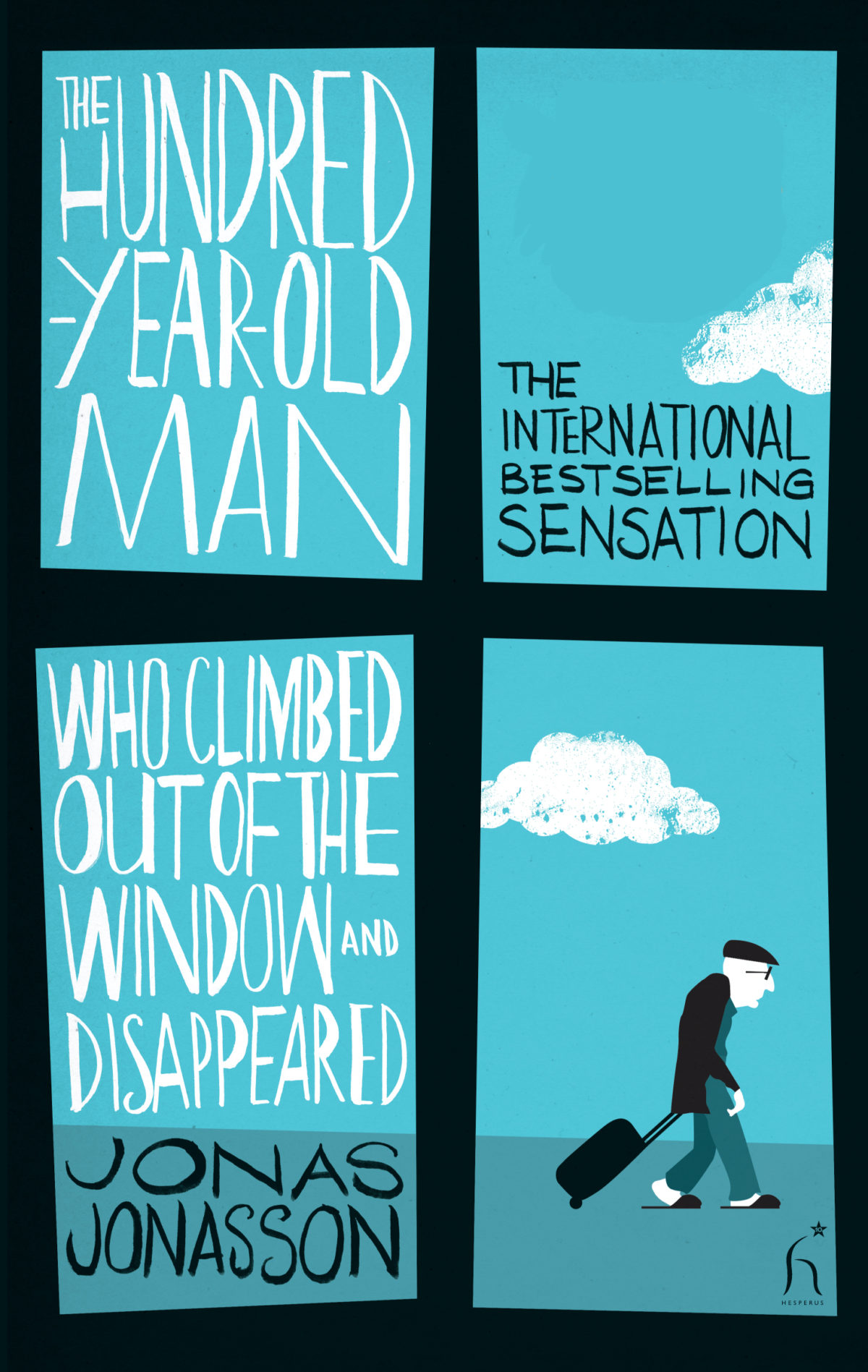
The Hundred-Year-Old Man Who Climbed Out of the Window and Disappeared by Jonas Jonasson; design by Jonny Pelham
Hesperus Press
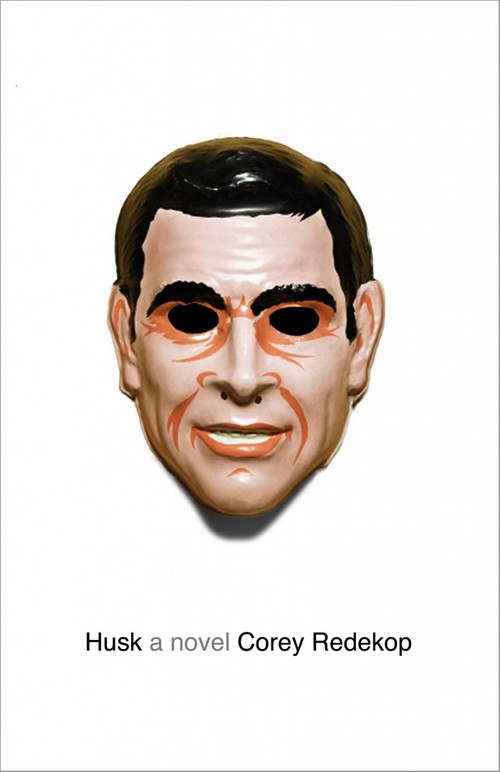
Husk: A Novel by Corey Redekop; design by David A. Gee
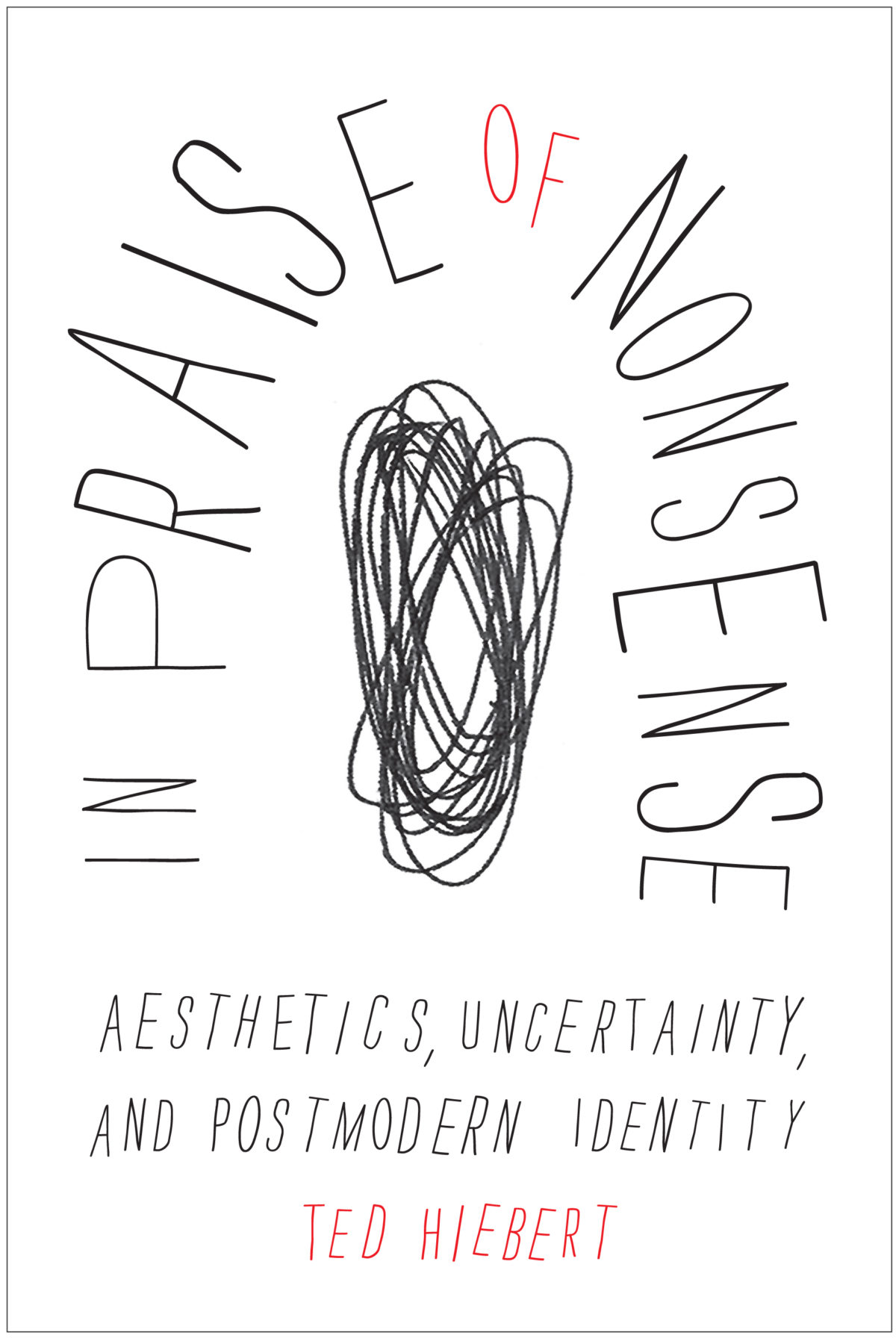
In Praise of Nonsense by Ted Hiebert; design by David Drummond
McGill-Queens University Press
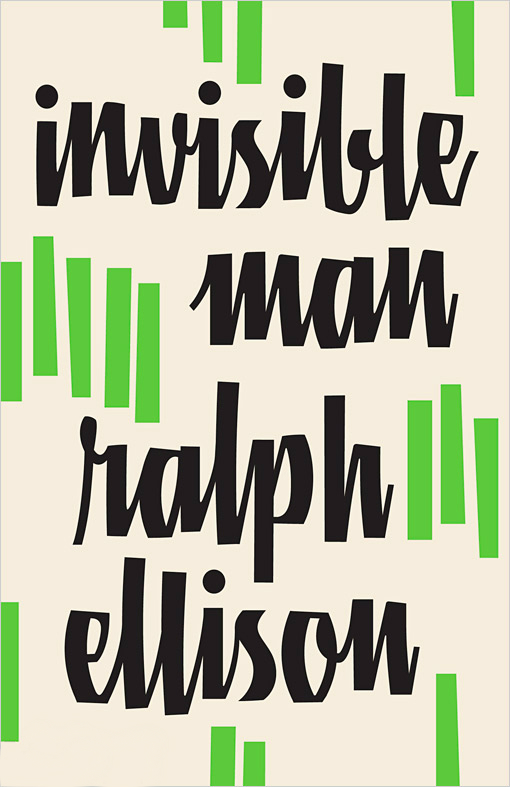
Invisible Man by Ralph Ellison; design by Cardon Webb
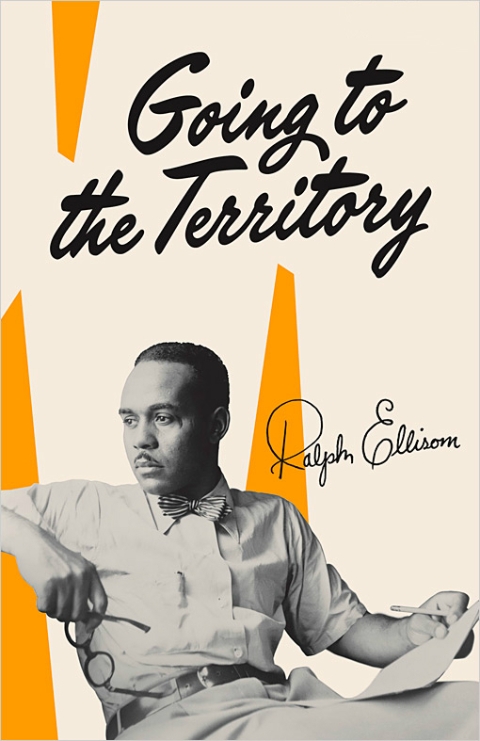
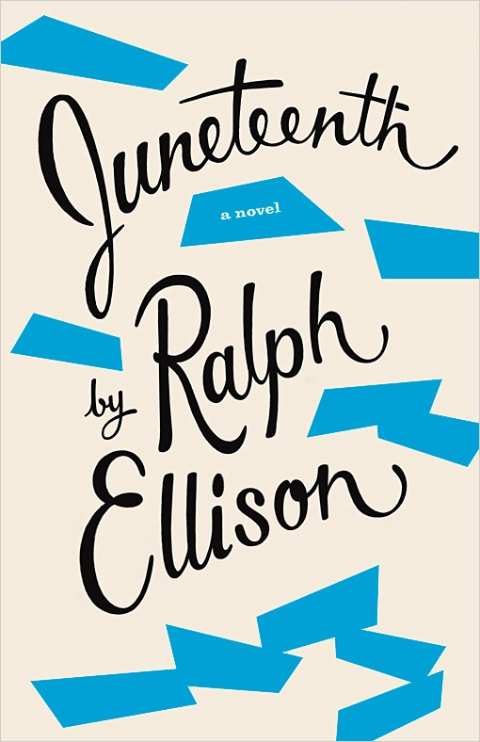
Vintage (US)
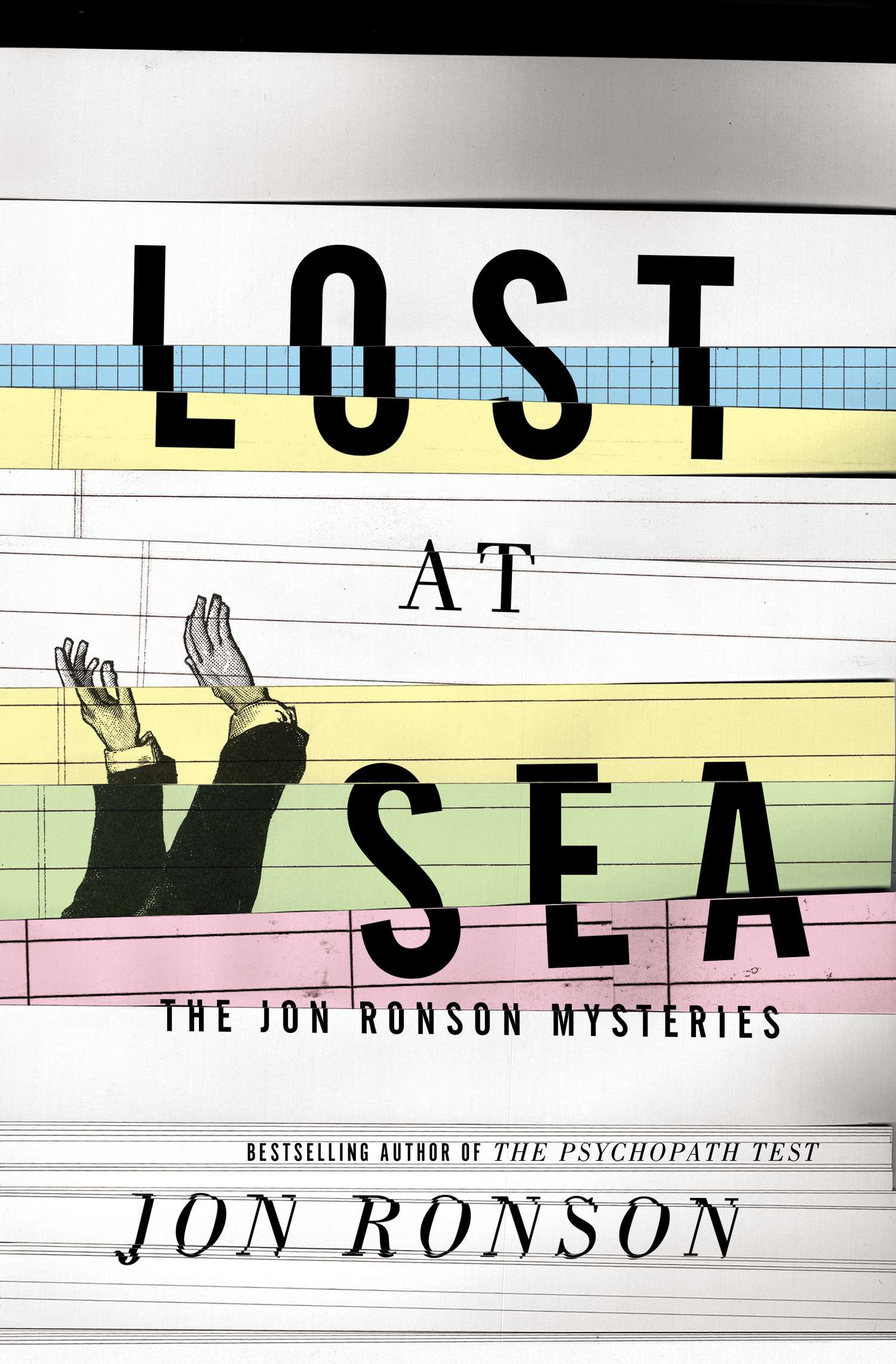
Lost at Sea by Jon Ronson; design by Matt Dorfman
Riverhead
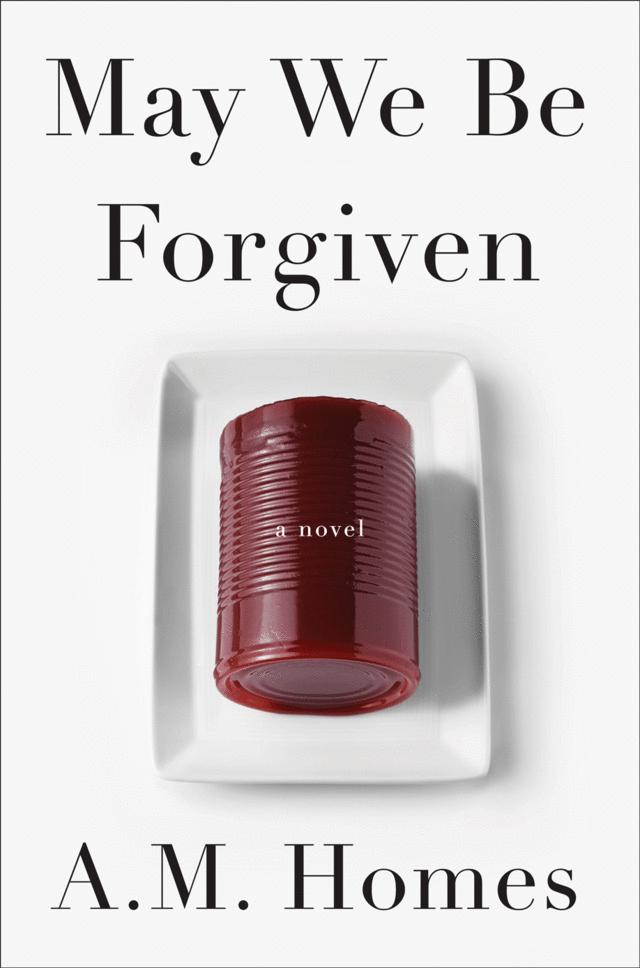
May We Be Forgiven by A. M. Homes; designed by Alison Forner
Viking
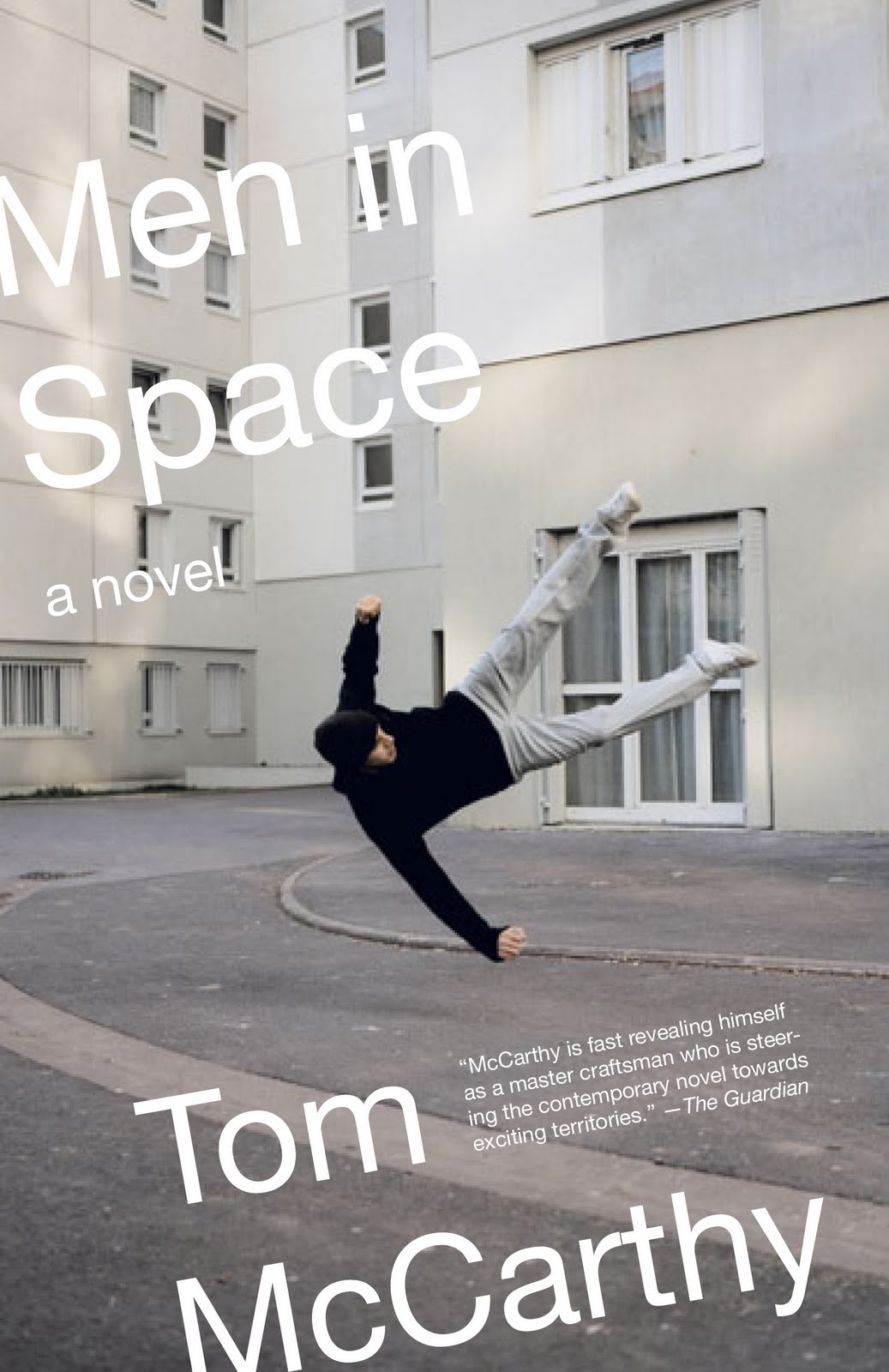
Men in Space by Tom McCarthy; design by John Gall
Vintage (US)
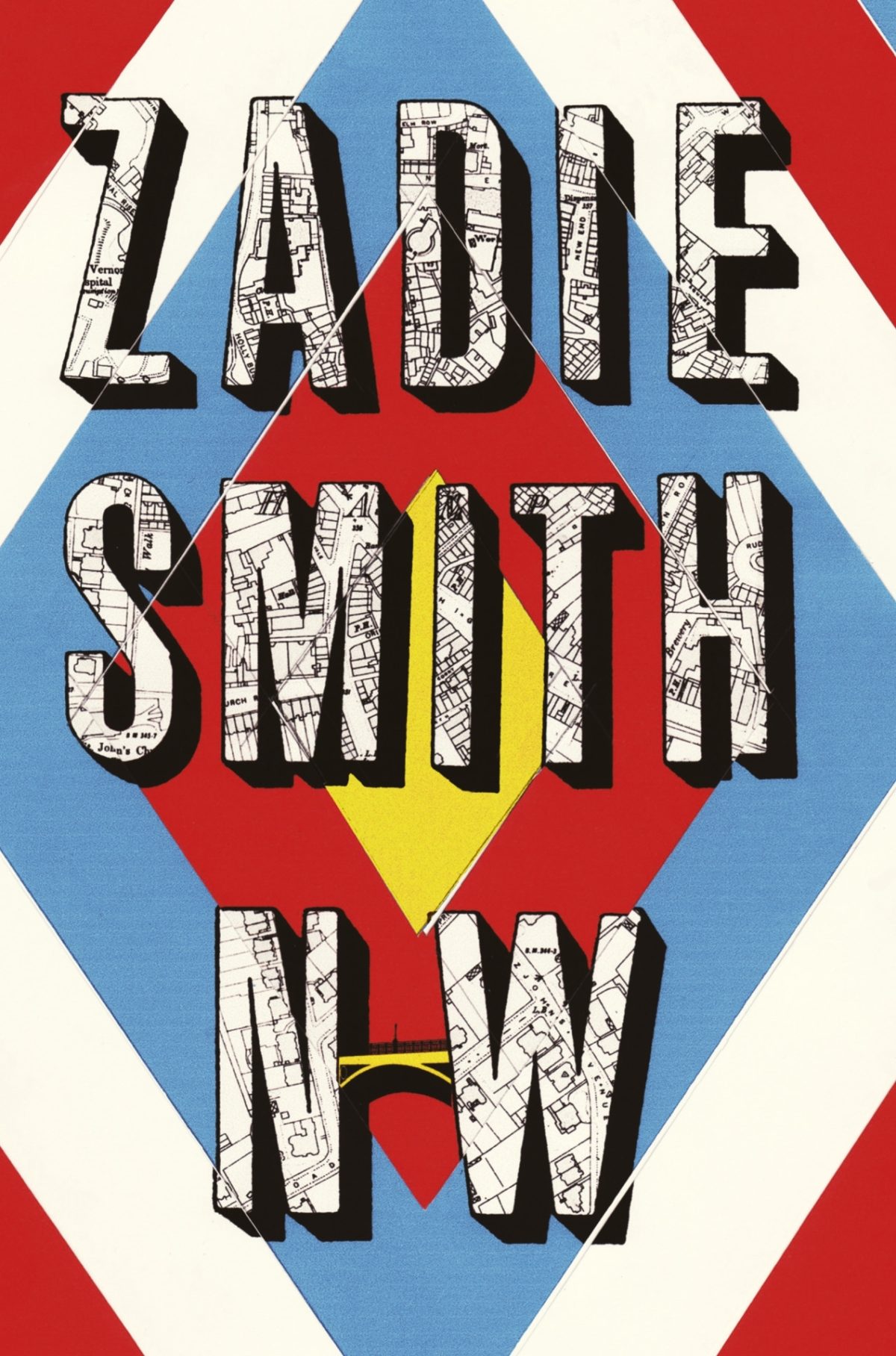
NW by Zadie Smith; designed by Gray318
Hamish Hamilton

Office Girl by Joe Meno; design by Cody Hudson, photograph by Todd Baxter
Akashic
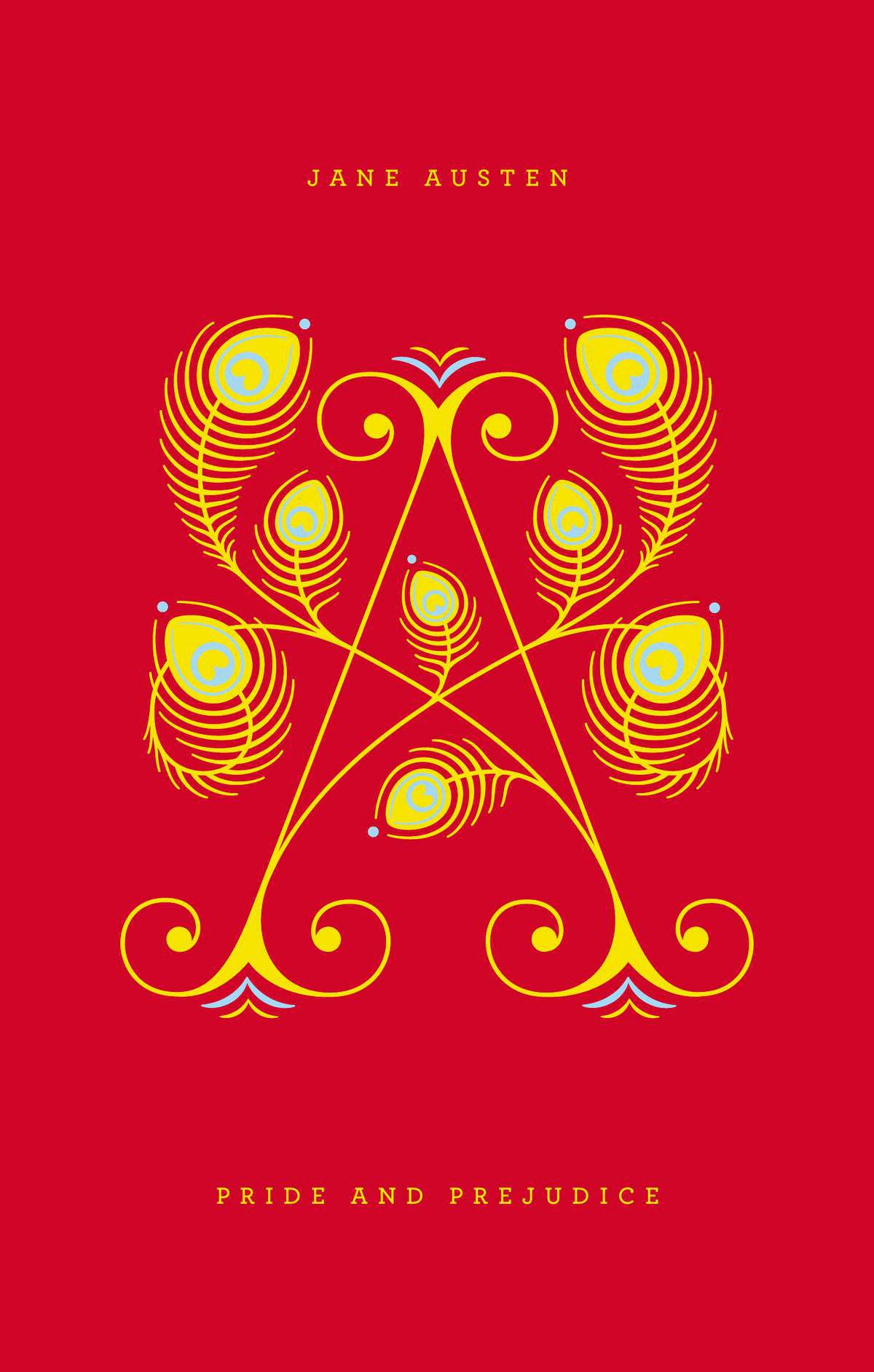
Pride and Prejudice by Jane Austen; design by Jessica Hische / Paul Buckley
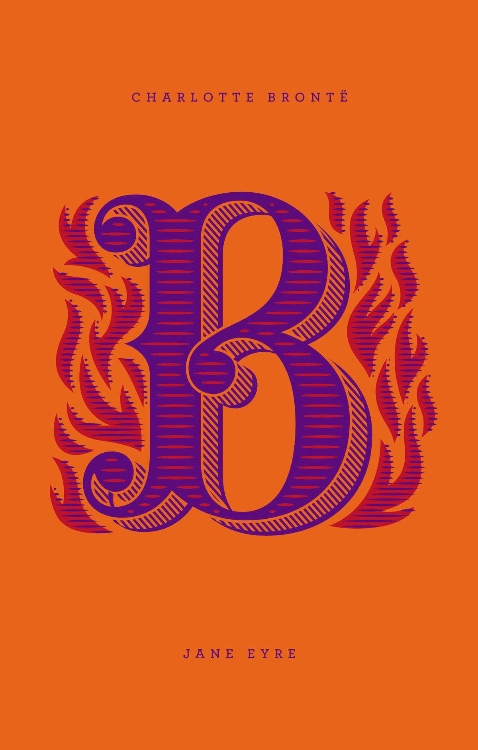
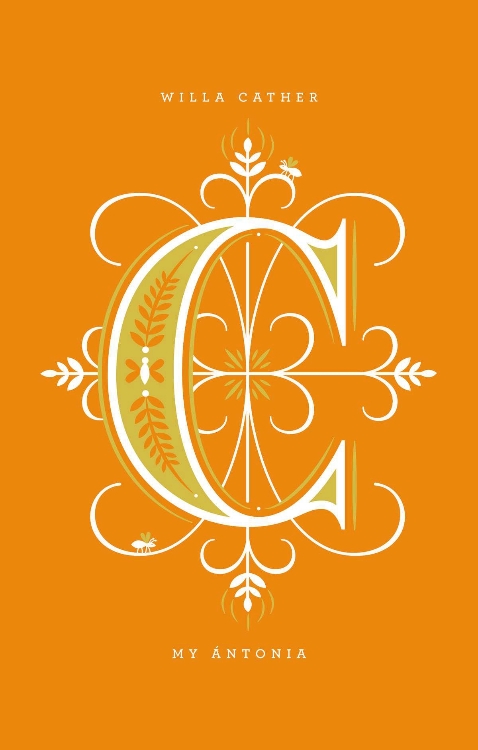
Penguin Drop Cap, Penguin (US)

Swimming Studies by Leanne Shapton; design Leanne Shapton / Matthew Young
Particular Books
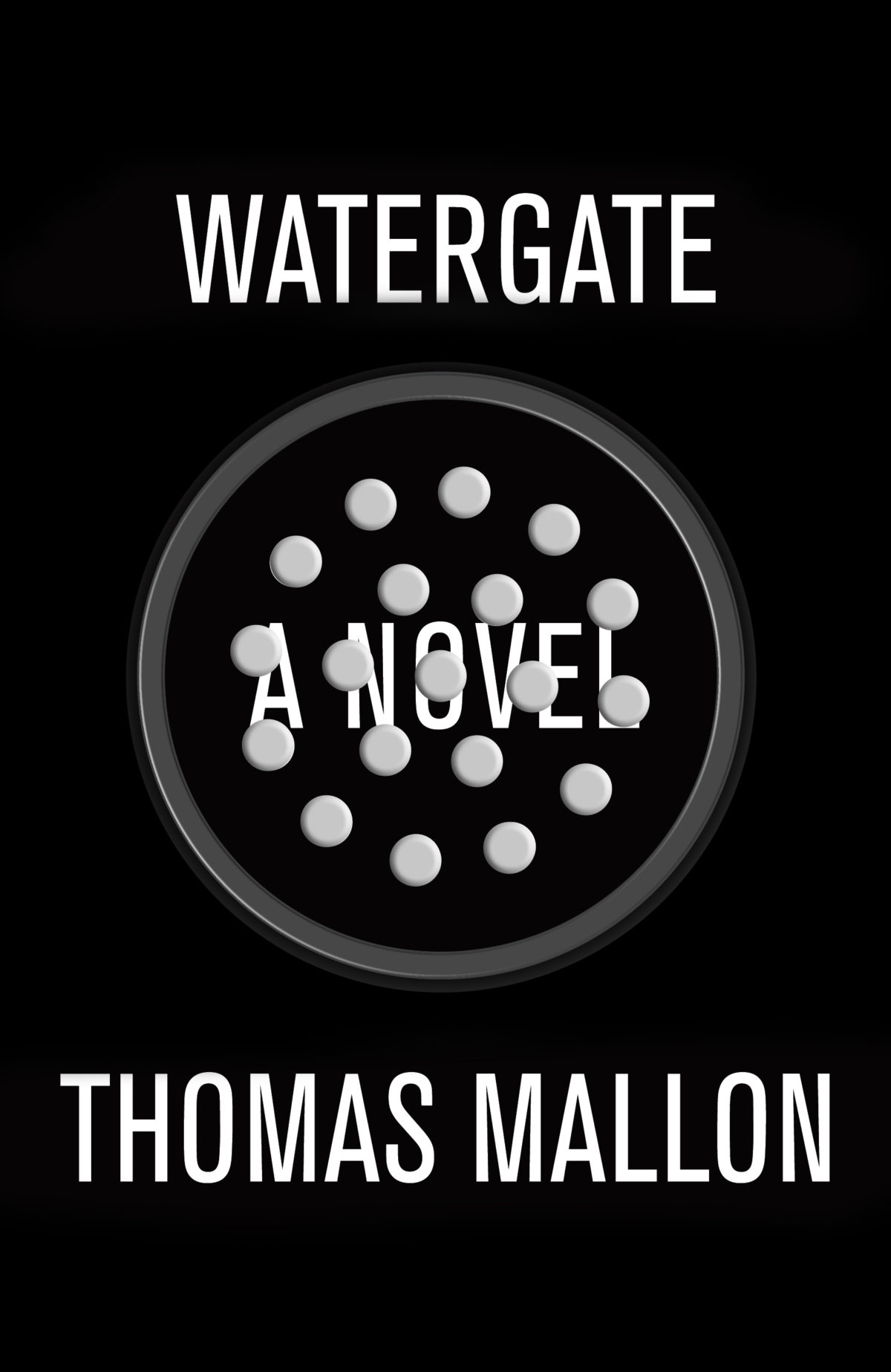
Watergate: A Novel by Thomas Mallon; design by Paul Sahre
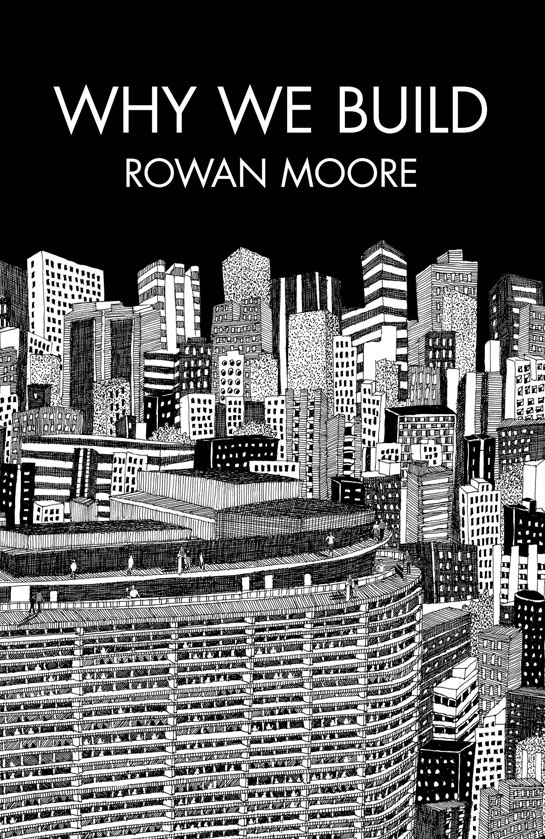
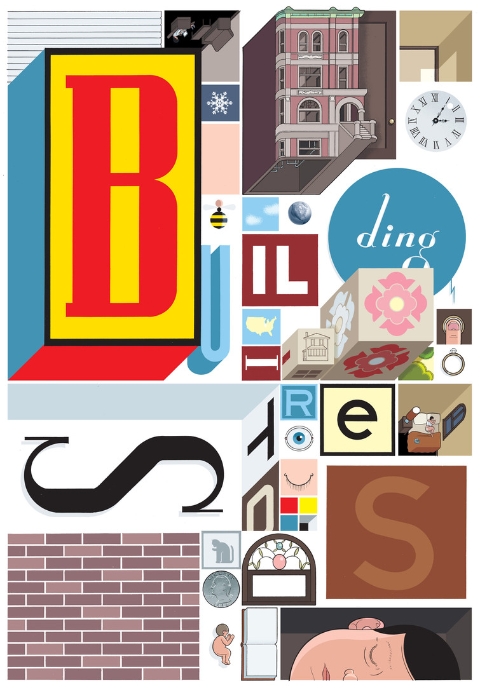
Why We Build by Rowan Moore; illustration by Diane Berg
Picador (UK)

Honourable Mentions:
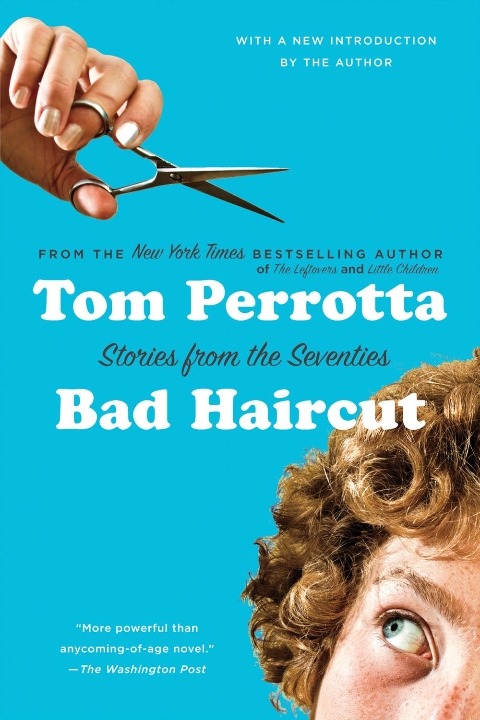
;

You can find my lists for 2010 and 2011 here and here, and if you haven’t seen my 50 covers post from earlier this year, you can find that here. Happy Holidays!

16 Comments
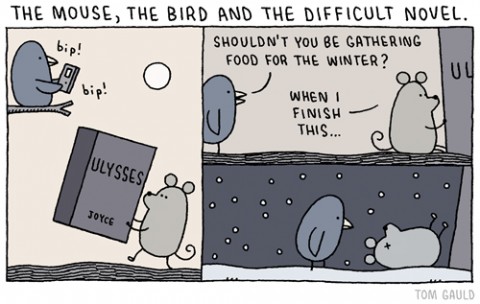
The Mouse, The Bird and the Difficult Novel

I do love Tom Gauld.

Comments closed

Oliver Jeffers: A Quantum of Physics

Gestalten.tv talks to Oliver Jeffers, award-winning author of picture books such as Lost and Found, The Incredible Book Eating Boy, and This Moose Belongs to Me,  about his paintings, collages, installations, and collaborative works, collected in his first monograph Neither Here Nor There:

2 Comments

Something for the Weekend

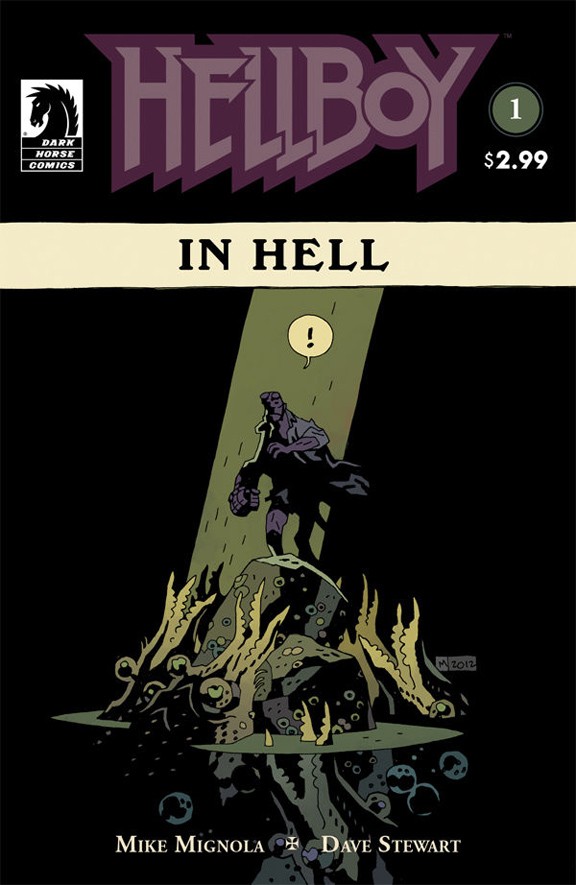
Folklore — Mike Mignola talks about drawing Hellboy again, at ComicsAlliance:

I do have a library. Very little of it is leather-bound. The folklore and mythology library, which is in my studio, is pretty tacky looking since it’s all picked out of used bookstores. I am a book guy but more and more I do use a computer to do certain research things. But there are 30-40, 50, maybe 100 books of folklore in there, most of which haven’t been read. I’ll look at a table of contents and go, “Wow there’s 30 to 40 different Hellboy stories in there.” It’s very comforting to know there’s a million stories to tell that I can pluck off the shelf for those days where it’s like, “Well, I got nothing!”

Suicide Watch — Steve Almond reluctantly reviews Building Stories by Chris Ware for The New Republic:

Ware is essentially a poet of solitude. He uses language and images to capture the private torments of unfulfilled lives. His characters drift in a sea of self-recrimination and unmet desire (not unlike the rest of us). They rarely find love, or resolution.

This bleak approach does yield a curious dividend, though. The occasional moments of grace explode off the page. At one point, we see his heroine cavorting with her daughter on their front lawn. “I remember Lucy landing on top of me, laughing…with the sun shining behind her suddenly life came into perfect focus,” she muses. “This was what it was all about … this very moment … the joyful reality of my daughter.” The girl’s lovely face, nearly life-size, beams at us from the middle of the page.

Of course, this idyll is shattered by the news that one of her friends has committed suicide. If Ware has one flaw, it’s his obvious discomfort with the notion that people—at least his people—might ever find an enduring happiness.

And, while were on the subject of comics…

Hannah Berry, author of the enjoyable Britten & Brülightly, writes about the independent comics scene in the Britain at the New Statesman. Berry’s second graphic novel Adamtine was published earlier this year in the UK by Jonathan Cape.

Also at the New Statesman, Hayley Campbell on the current state of British comics.

Meanwhile, back in the world of big grown-up publishing…

The Telegraph profiles Liz Mohn, “the woman behind media giant Bertelsmann” and, therefore, the monster that is Penguin Random House.

And finally…

Lubricated — Hunter Oatman-Stanford (how’s that for a moniker?) examines the nautical past of popular tattoos at Collectors Weekly:

“Many sailors are extremely superstitious,” says [C.W] Eldridge [founder of the Tattoo Archive], “so they would get specific tattoos to relieve this anxiety over their beliefs. There are stories of guys in the old, wooden-ship days who would get Christ’s head tattooed on their backs so if they got into trouble and had to take lashes, the person wielding the lash would be more sympathetic.”

The variety of designs matched each and every danger aboard a ship. “Sailors would get things like a pig and rooster on their feet to keep them from drowning,” Eldridge says. “They would have ‘Hold Fast’ tattooed on their knuckles so that when they were in the riggings, their hands would stay strong. They would get hinges on their elbows to keep them from having rheumatism and arthritis, and sometimes they would even get a little oil can tattooed above the hinge so that the hinges would stay lubricated.”

Comments closed

Design Matters with Louise Fili

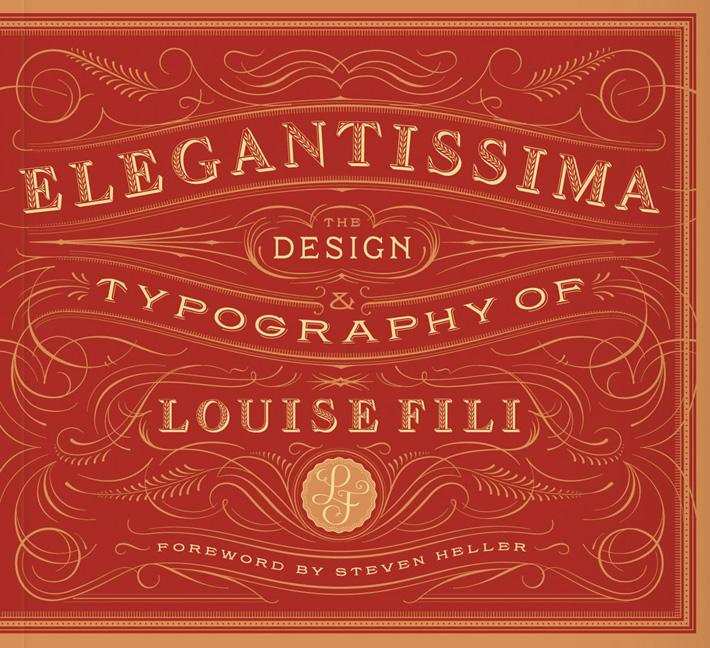
Designer, and former art director of Pantheon, Louise Fili discusses her work with Debbie Millman on Design Matters:

Design Matters With Debbie Millman: Louise Fili Interview mp3

Elegantissima, the first monograph of Fili’s work, was published earlier this year by Princeton Architectural Press (who are, for the record, are distributed in Canada by my employers, Raincoast Books)

Comments closed

Midweek Miscellany

Thrills — As part of British Comics Week, Colin Smith looks at the success of science fiction comic 2000AD, for The New Statesman:

The past year has been a remarkable success for 2000AD and its publisher Rebellion Press. The transformation of the entertainment landscape means it’s no longer able to rely on a mass audience of young readers inculcated with the habit of reading comics. But Rebellion has responded by nurturing new markets for its huge library of characters and stories through book collections, digital distribution, films, gaming, audio plays, and more… The content itself is typically a touch more measured now, aimed at an older audience. But the comic’s never lost its signature fusion of out-there excitement, ever-ambitious craftsmanship and smart, challenging content.

And if science fiction art is your thing, take a look at the 2000AD Covers Uncovered blog. The ABC Warriors cover above is by artist Clint Langley.

Also at The New Statesman: Alex Hearn on comics journalism; Seb Patrick on British football comics; and Laura Sneddon on kids comics.

And on a somewhat related note… Ian Jack’s memories of the The Dandy at The Guardian are interesting (if you can get passed his ridiculously prim “get off my lawn” dismissal of modern comics):

Nearly 40 years ago, the writer George Rosie compared Desperate Dan to the works of Magritte and appeared in Pseuds Corner for it, and yet, as Rosie pointed out, what could be more surreal than a town, Cactusville, which combined hitching rails and wild west saloons with tramcars and pillar boxes, and where a cow pie with two horns poking through pastry could be bought from a corner shop that looked suspiciously like a Scottish bakery.

And finally… an interview with Tony Fletcher, author of A Light That Never Goes Out: The Enduring Saga of The Smiths, at Salon:

 Part of Morrissey’s personality that I found liberating was growing up in Britain — and I’m sure it’s true in America — at 19 years old and you don’t have a girlfriend, people are going to say to you, “What’s wrong with you, mate? You a poof?” And maybe you are, but you can’t come out and say it because you’ll get beaten up. And maybe you aren’t, but it’s just not working out in your life. And maybe you just want someone to say, “It doesn’t matter.” I think that that was a genius element. So whether or not he didn’t have the confidence to come out, I think there was also a sense of, “No, I refuse to let you identify me.”

Quite.

Comments closed

Something for the Weekend

Down the River — An interview with Sean Howe, author of Marvel Comics: The Untold Story, at The Phoenix:

Marvel is this narrative tapestry that all of these people have worked on and passed on. It’s sort of like television soap operas, but there’s something about that creative ownership that somebody has that’s not lasting, and the proprietary feeling that they have when something that they are a collaborator on doesn’t belong to them at all. It’s due to the way that Marvel ’s storytelling worked — Marvel Comics was this river that rushed by all these people, and they would throw their ideas into this river, and the river would just keep going on without them, it was bigger than any of them. And I think that Marvel is just an extreme example of that kind of thing which exists in the comic book industry.

See also: Sean Howe interviewed at Publishers Weekly; a review of the book at the A.V. Club; and for the (even) nerdier among you, a more critical review at The Hooded Utilitarian.

And on a semi-related note… Chris Ware interviewed by Tavi Gevinson for Rookie Magazine. It’s a little different from all the other interviews I’ve read with Ware recently:

Our memories are all we have, and even those we think of as “real” are made up. Art can condense experience into something greater than reality, and it can also give us permission to do or think certain things that otherwise we’ve avoided or felt ashamed of. The imagination is where reality lives; it’s the instant lie of backwash from the prow of that boat that we think of as cutting the present moment, everything following it becoming less and less “factual” but no less real than what we think of as having actually occurred.

Dead Comrades — D. J. Taylor on the writer Julian Mclaren-Ross, for The Guardian:

In strict category terms, the author of Bitten by the Tarantula (Maclaren-Ross’s titles nearly always leap up at you from the library catalogue) is a classic English literary bohemian in a tradition that goes back at least as far as Marlowe: one of those people who really do live their lives out of suitcases, whose books are ground out in a procession of rented rooms with the landlord’s boots resounding on the carpetless stair and whose best work appears in a brief window of opportunity before the milieu in which they operate rises up and drowns them. Certainly the form of Maclaren-Ross’s fiction seems intimately connected to the circumstances in which it was composed: written at night, Benzedrine tablets (“My pills”) to hand, in seedy west London hotels after a day spent bar-propping in the Soho drinking dens.

And finally…

Little SunJon Gray on his cover design for The Yellow World by Albert Espinosa, at Design Week:

The brief was: ‘read this amazing book and please give it an interesting cover’. I’m really lucky in that Jim Stoddart, the art director, gave me pretty much free-reign.
.. I thought that there was something appealing in the big yellow ball. Rather like Olafur Eliasson’s giant sun at Tate Modern a few years back. It’s warming and comforting on the eye. I also thought it would stand out against other books and without type would make you want to pick it up and find out more.

(via Theo Inglis)

Comments closed

Midweek Miscellany

It’s Complicated — Gabriel Winslow-Yost surveys the work of Chris Ware for the New York Review of Books:

Ware’s drawings are meticulous, even chilly, with flat, muted colors and the straight lines and perfect curves of an architectural rendering. The panels follow an orderly horizontal grid, but have a discomfiting tendency to occasionally shrink to near illegibility; or they might suddenly demand to be read from right to left, or even disappear entirely, to be replaced by pretty but unhelpful typography (“Thus,” “And so”), complicated diagrams, or plans for a paper model of one of the stories’ locations. Dreams and fantasies invade the story without warning—when Jimmy [Corrigan] first meets his father, we see him brutally murdering the sheepishly friendly man, while their desultory small talk struggles on.

Also at the NYRB: Zoë Heller’s review of Salman Rushdie’s preening new book Joseph Anton: A Memoir.

Chance Art — Rick Poynor on the photography of designer Herbert Spencer, at Design Observer:

As a photographer, Spencer seemed to delight in unraveling the order he spent his days as a designer attempting to create. His most telling and memorable images, those that seem most fully his own, show a world in which things fall apart, signs of official communication fray into visual poetry, and ordinary people assert their presence by inscribing streets, buildings and land with unofficial messages and marks.

And finally…

The Shadow Line — Sean O’Hagan interviews avant-garde filmmaker and founder of Film Culture magazine Jonas Mekas for The Guardian:

At the end of our talk, I ask him what he thinks of contemporary culture and how it compares to the creative iconoclasm that he was part of in 50s and 60s New York. He thinks about his answer for some time. “When the old forms began collapsing and falling away though exhaustion and repetition, a new sensibility is born. That is what happened back then and may be happening now.” He tells me how taken he is with the Joseph Conrad notion of the shadow line: a moment of great cultural change that occurs every so often, sweeping all that is old and exhausted out of the way. “It is overdue.”

Comments closed

Midweek Miscellany

Ruined… For Life — Yuka Igarashi on the consequences of copy-editing at Granta:

There is a danger to copy-editing. You start to read in a different way. You start to see the sentence as machinery. You focus on the gears and levers that connect words to one another; you hunt for the wayward semicolon, the unintentionally ambiguous phrase, the clunky repeated word. You even hope they appear, so you can kill them. You see them when they’re not even there, because you relish slashing your pen across the paper. It gets a little twisted.

As with any kind of technical knowledge or specialization, it is possible to take copy-editing too far, to be ruled by it, to not quite be able to shut it off when it ought to be shut off.

(As if to prove the point, the article itself is copy-edited in the comments)

The Undercoat of Modernity — Mathias Schreiber on Berlin in the ‘Golden Twenties’ for Der Spiegel:

Looking back on the period, playwright Carl Zuckmayer… who lived in Berlin from 1924 to 1933, wrote: “The arts blossomed like a meadow just before being mowed. This explains the tragic yet brilliant charm that is associated with this era, often seen in the images of poets and artists who died prematurely.”

The realization that this euphoria could not last undercoats the best works of art of these years with the metallic tone that soon became the trademark of artistic modernity. This applied, quite literally, to the refined simplicity of the anti-plush, steel-tube furniture of Bauhaus designer Marcel Breuer and the architecture of the same movement, fashioned from strictly functional steel skeletons… Metaphorically speaking, the tendency toward metallic, unadorned expression also applied to the literature of the period, and certainly to the objectivist collage technique employed by Alfred Döblin in his novel “Berlin Alexanderplatz” (1929). Döblin blends together the sound of wind, the rhythmic thud of the steam pile-driver, quotations from newspaper advertisements, stock market reports, soldiers’ songs, nursery rhymes and prostitutes’ patois with expressive, poetic flights of fancy, and injects all of these noises and fragments of language into the protagonist’s stream of consciousness… This first important big-city novel in the German language was also the first great 20th-century novel about the working classes.

And finally…

Purpose in the Wreckage — Simon Hattenstone’s endlessly quotable interview of media-shy musician Scott Walker, for The Guardian:

When [Walker] returned in 1995, it was as a fully fledged modernist composer. On the surface, there couldn’t have been a more unlikely transformation – imagine Andy Williams reinventing himself as Stockhausen. Yet in a way it was all of a piece. His latest album, Bish Bosch, is only his third in 17 years, all of them elaborate, epic and inaccessible. It is a post-apocalyptic opera of sorts, with blasts of rams’ horn, dog barks, scraping swords, machetes. The music nods at Gregorian chant, doffs its cap to Shostakovich, gives a thumbs up to industrial metal, and is uniquely Scott Walker. The lyrics reference sexual disease, brown dwarf stars, court jesters and dictators, all delivered in a strangulated baritone, as if Walker’s testicles were being squeezed. At times there’s a terrible beauty to his poetry (“Earth’s hoary/fontanelle/weeps softly/for a/thumb thrust”) while at others there’s a bloodthirstiness that could be straight out of Jacobean tragedy (“I’ve severed my reeking gonads, fed them to your shrunken face”). It’s brilliant and bonkers. The opposite of a guilty pleasure: a guilty torture.

And why not?

Comments closed

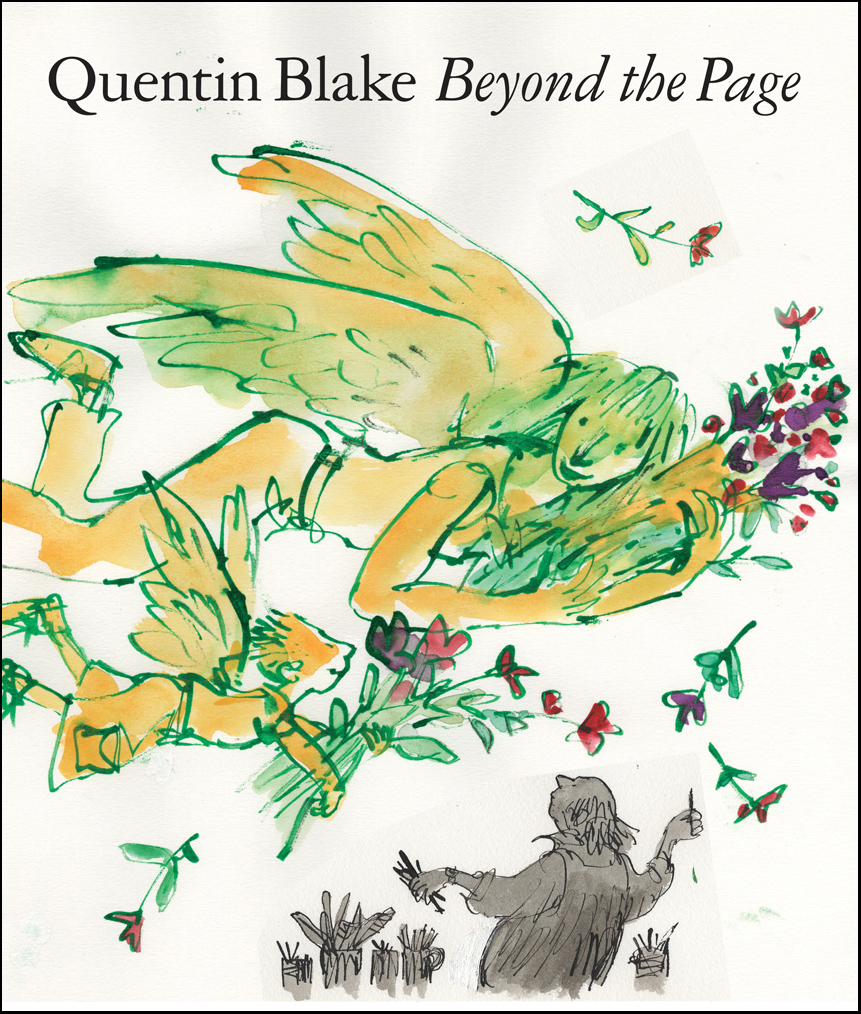
Quentin Blake Beyond the Page

“I want everything I do to look spontaneous. It’s not that I think illustration should necessarily be like that, but this is what I can do.”

In this short interview for the Tate, illustrator Quentin Blake talks about his new book Beyond the Page. Written by Blake, it chronicles his projects over the past ten years, including his works for the walls of hospitals, galleries and other public spaces:

Comments closed

Teju Cole on Writers and Company

Author Teju Cole, author of Open City, in conversation with Eleanor Wachtel on CBC Radio’s Writers & Company:

CBC RADIO Writers and Company: Teju Cole Open City mp3

Comments closed

The Disappearance of Darkness

In this documentary short, Toronto-based photographer Robert Burley talks about his project documenting the demise of the photographic industry since 2005:

The photographs from the project are collected in the book The Disappearance of Darkness published by Princeton Architectural Press earlier this month.

(Note: Princeton Architectural Press are distributed in Canada by my employer Raincoast Books)

Comments closed