Skip to content

Category: Books

Ersnt Reichl: Wide Awake Typographer


Elizabeth Hawes, Fashion is Spinach (Random House, 1938; AIGA 50 Books 1939)

At Design Observer, design historian Martha Scotford discusses the work of German-American book designer Ernst Reichl:

Midway in his career, Reichl began to reflect on many of the books he designed in written comments; he spent more time on this during the period 1977-1978, shortly before his death in 1980. In the end, there were approximately 550 3 x 5 inch index cards on which he hand-wrote his thoughts about selected books he designed. In lively prose Reichl comments on myriad elements of book design and details of book production, several for each book. He covers typography, binding design and jackets, illustration, publishers, the publishing industry in New York, design colleagues (revered and annoying), production triumphs and problems, how well the book sold, his opinion of the book and his philosophy of book design as applied to that title. He also critiques his own work, sometimes in the moment, sometimes from the perspective of more time and experience. These comments, often sharp and humorous, are highly entertaining and informative. I know of no other book designer who has done this so extensively.

Reichl’s comments about book design have now been transcribed from the cards and accompany a selection of over 100 examples of his work in an exhibition curated by Scotford, ‘Ernst Reichl: Wide Awake Typographer,’ currently on display at Columbia University’s Rare Book and Manuscript Library in New York until September 13, 2013.

On a related note, Scotford has previously written about the US publication of James Joyce’s Ulysses and the role of Ernst Reichl, who designed the typographic cover for Random House.

Comments closed
Remembering the NYRB Mailroom and Edward Gorey’s Keds

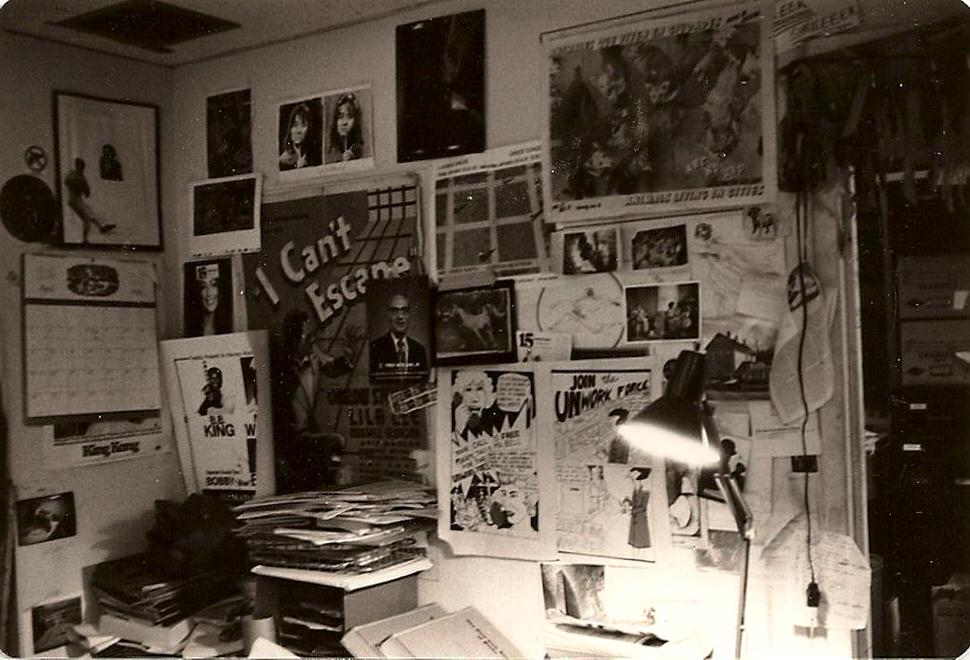
At  the New York Review of Books blog, Luc Sante, author of Low Life: Lures and Snares of Old New York, reminisces about his time at the magazine:

The scale of the office was intimate and I sat right in the middle of it, very self-conscious at all times but generally invisible to the great and the good who passed by. I imagined an early scene in some novel, maybe by Dreiser: the young clerk at his desk, his pen suspended in midair as he observes this or that eminence on parade. Isaiah Berlin, Lincoln Kirstein, Joan Didion, the debonair Murray Kempton, V. S. Pritchett who still sometimes turned in holograph manuscripts, Edward Gorey towering in his raccoon coat and white Keds. Not many of the names meant much to me at first; I came from another culture in another part of town.

Has Sante written anything on Gorey? It seems like a perfect match… or is that just me?

Comments closed

Alan Moore: The Revolution Will Be Crowd-Funded


photo: Leo Williams

Alan Moore discusses his short films, crowd-funding, the Occupy movement, The Prisoner, and zombies (amongst other things) at Salon:

While the revolution will be certainly televised, it strikes me that there is a strong possibility that the revolution will also be crowd-funded. If Kickstarter and other enterprises are giving projects like Occupy Comics a chance, then it does suggest there are imaginative ideas out there with incredible use and application across the board. Not just in the arts, but in the sciences as well. It’s an exciting concept, and I look forward to seeing what emerges from it.

Moore talks more about his Lynchian short film Jimmy’s End — created with Mitch Jenkins — in this short ‘behind-the-scenes’ documentary for Motherboard TV (worth watching just for the interior of the actual Jimmy’s End Working Men’s Club around the 10 minute mark):

He also discusses crowd-funding and ‘The Jimmy’s End Cycle’ of films — the last of which, Heavy Heart, you can still support on Kickstarter —  in an interview with Bleeding Cool from earlier this month.

Comments closed

Franz Kafka – 130th Birthday

Now this is truly wonderful: Designer Pablo Delcán has created an animation to celebrate Kafka’s 130th birthday based on Peter Mendelsund’s cover designs for Schocken Books:

Schocken have just re-released five of Franz Kafka’s letters as eBooks with new covers by Peter, and, if that wasn’t enough, Peter has written a short post about Kafka and Russian composer Dmitri Shostakovich — whose music accompanies the video — on his blog Jacket Mechanical.

Comments closed

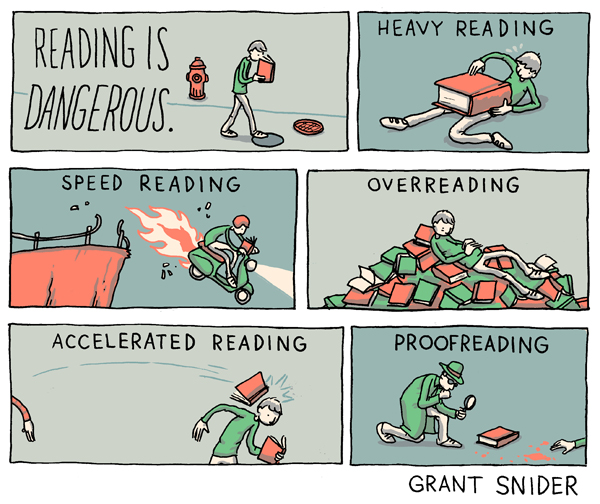
Reading is Dangerous by Grant Snider

Another charming comic by Grant Snider for the New York Times Book Review, ‘Reading is Dangerous’ illustrates ‘Clunkers‘, James McWilliams’ essay about books as weapons:

Comments closed

Airline: Style at 30,000 Feet


In this short film, designer Keith Lovegrove discusses his book Airline: Style at 30,000 Feet and how the culture of air travel has developed from the 1920s:


(disclosure: Airline: Style at 30,000 Feet is published by Laurence King and distributed in Canada by my employer Raincoast Books)

Comments closed

More New and Recent Book Covers of Note

So is this a thing now? I don’t know. You folks seem to like these posts, so maybe… (but probably not because a lot of designers I really like just don’t updated their portfolios that often—you know who you are… cold, hard, stare)…

Here are half-a-dozen covers that have caught my eye recently:

Carnival by Rawi Hage; design by Richard Bravery

I’ll Seize the Day Tomorrow by Jonathan Goldstein; design by Michel Vrana (I think this is actually from last year, but I saw it recently and I really like it. If I’d been paying better attention, it might well have made my 2012 list—maybe next to this!).

The Towers of Trebizond by Rose Macaulay; design by Charlotte Strick (also not that recent, but charlotte talks about her design process here).

Idiopathy by Sam Byers; design by Joanna Neborksy (Jonathan Gibbs wrote about this cover in his regular book design column for The Independent a couple of months ago, and funnily enough I believe the aforementioned Charlotte Strick was the AD on this)

Bleeding Edge by Thomas Pynchon; design by Evan Gaffney (this on the other hand is not out until September!)

 The Hamlet Doctrine by Simon Critchley; design by David A. Gee (also out in September)

Have a great weekend!

4 Comments

Ryu Murakami Cover Designs by David Pearson

I’ve already posted a couple of David Pearson‘s cover designs for the new Pushkin Press editions of Ryu Murakami’s novels, so I thought I might as well put them all in one place:


 Popular Hits of the Showa Era by Ryu Murakami; design by David Pearson


 Sixty-Nine by Ryu Murakami; design by David Pearson


From the Fatherland, with Love by Ryu Murakami; design by David Pearson


Coin Locker Babies by Ryu Murakami; design by David Pearson

Comments closed

Ryu Murakami: Against the Mainstream


Pushkin Press have posted an interesting Q & A with author Ryu Murakami, whose new novel, From the Fatherland, with Love, was published last month:

For me, there’s nothing ordinary or routine about writing novels, though I’ve been doing it for thirty-seven years. When I write, even now, my brain is in a mode that’s different to everyday consciousness. So the words always come; I never find myself unable to write. Perhaps the fact that I consider myself a “cult novelist” helps. Though I’m famous in Japan and have achieved some status as an author, my works are by no means mainstream. They aren’t really accepted by the majority, and I don’t imagine that most people here understand them. And that motivates me to keep on writing.

The rather splendid cover is by David Pearson, I believe.

Comments closed
Tim Parks: The Romance of Train Stations

Taken from his new book, Italian Ways: On and Off the Rails from Milan to Palermo, Tim Parks considers the emotional drama of the Italian train station:

The train station is the ideal scenario for greetings and farewells. The car is too banal. What does it mean to set off in a car? Nothing. The airport is too exhausting and impersonal, the plane itself remote, unseen, the barriers and security disturbing. Here the powerful beast of the locomotive thrusts its nose under the great arch of the station. The lines straighten from the last bend. Clanking and squealing, the train slows. The last moments of waiting begin. Eyes focus on the platform, keen to possess their loved ones; in the train corridor, meanwhile, the long-awaited beloved is jostling and jostled, luggage at his heels. The train slows, slows, slows, teasing everyone on both sides of the divide, making them wait, making them savor the tension between absence and presence.

The cover design is by the talented Jaya Miceli by the way…

Comments closed

Janet Malcolm: The Messiness of Truth

Zoë Heller reviews Janet Malcolm’s new book, Forty-One False Starts: Essays on Artists and Writersfor the New York Review of Books:

Mess has always inspired fervent emotions in Janet Malcolm. It agitates her. It depresses her. She considers it her enemy. The job of a writer, she likes to remind us, is to vanquish mess—to wade onto the seething porch of actuality, pick out a few elements with which to make a story, and consign the rest to the garbage dump. Images of clutter and panic-inducing domestic chaos crop up frequently in her work, not just as metaphors for the failure or absence of art, but as advertisements for her own narrative discipline. This is what real life looks like, they tell us. This is the tedium and confusion that Malcolm’s elegant rendering of things has spared you. 

But if literal messes appall Malcolm, they also fascinate and attract her… Malcolm has a secret, writerly sympathy for the hoarder. She understands the mad desire to hold on to every piece of accumulated material, the fear of throwing out something precious. Art, she is fretfully aware, can be too ruthless in its cleaning operations… There is something awe-inspiring and at the same time a little barren about an environment from which all trace of “disorderly actuality” has been removed.

New York Review of Books

Comments closed

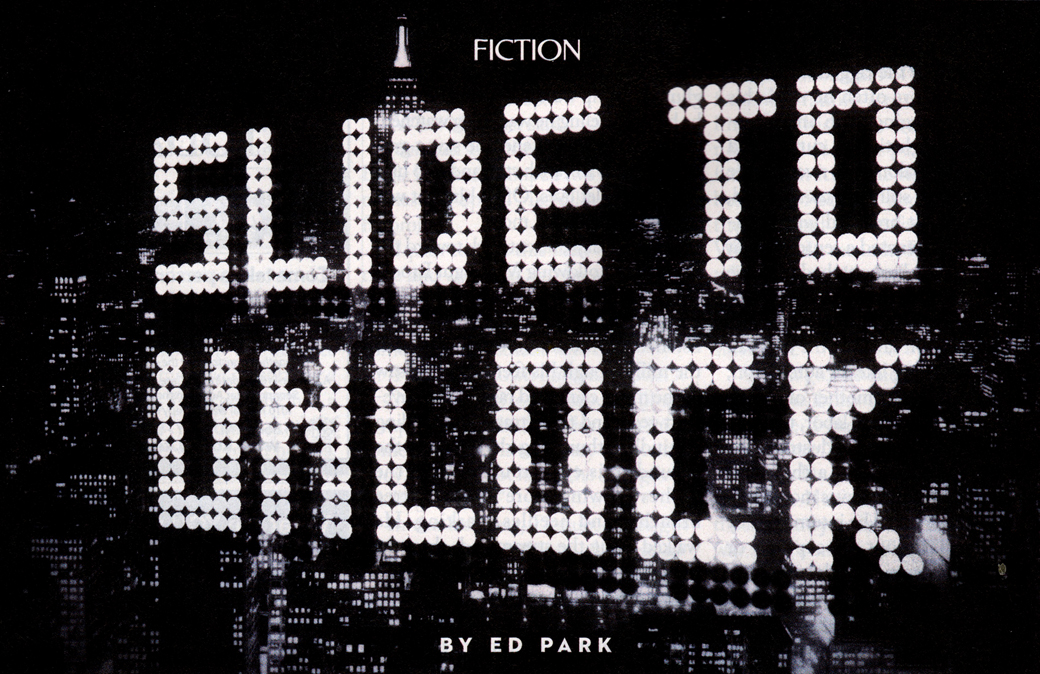
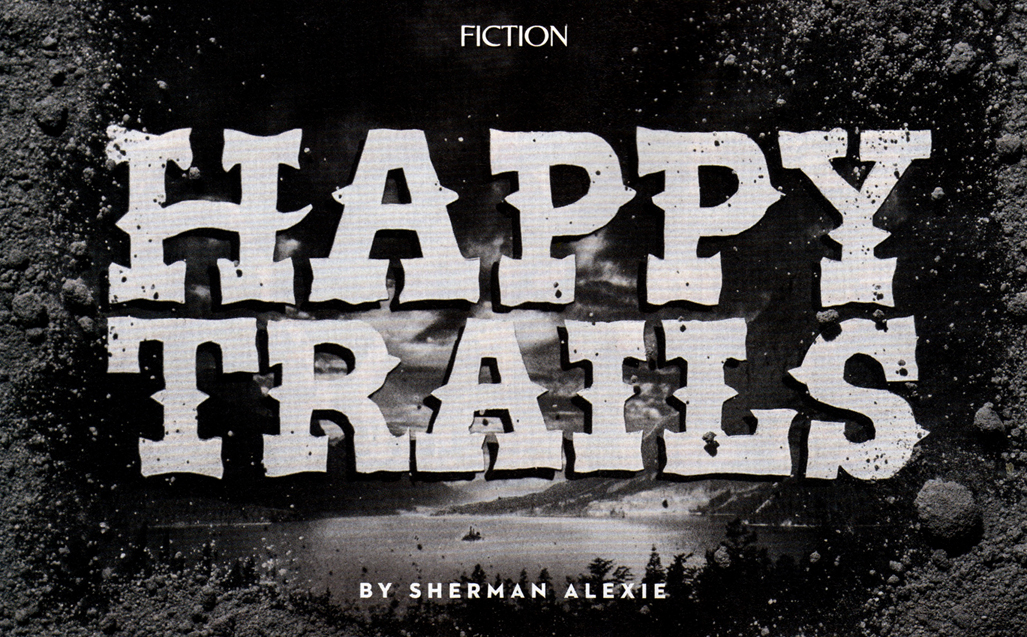
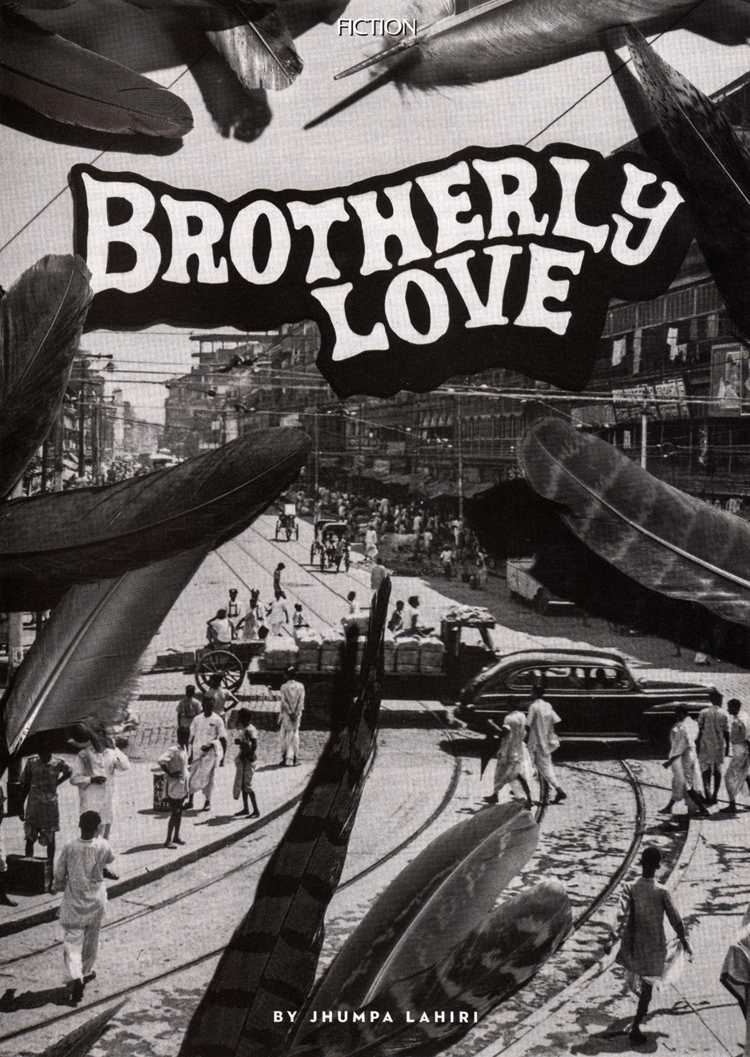
Timothy Goodman: The New Yorker Fiction Issue


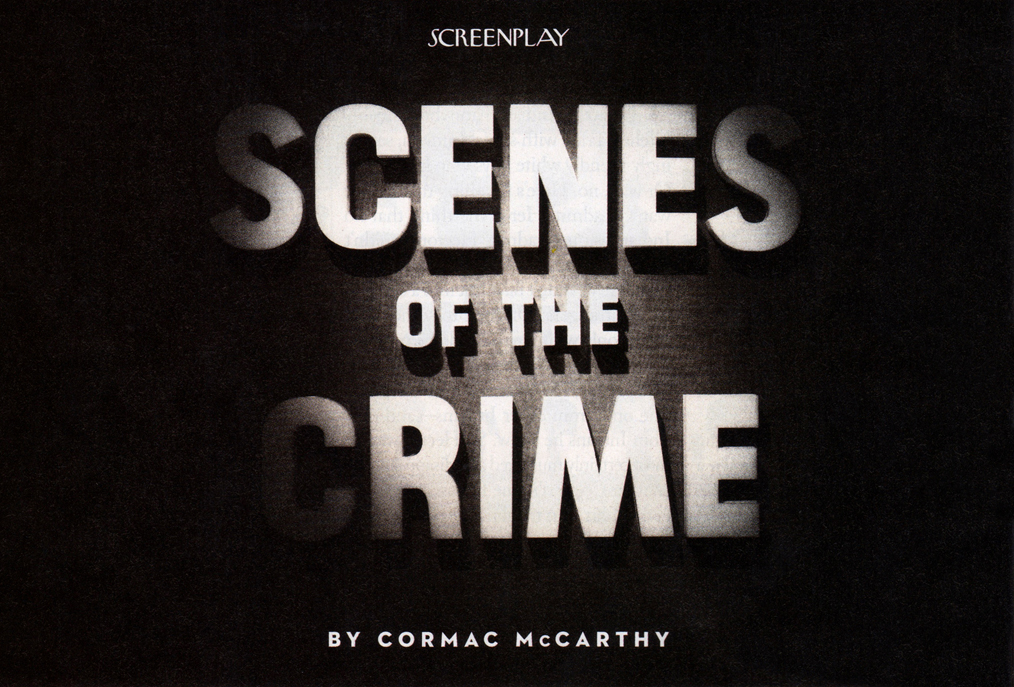
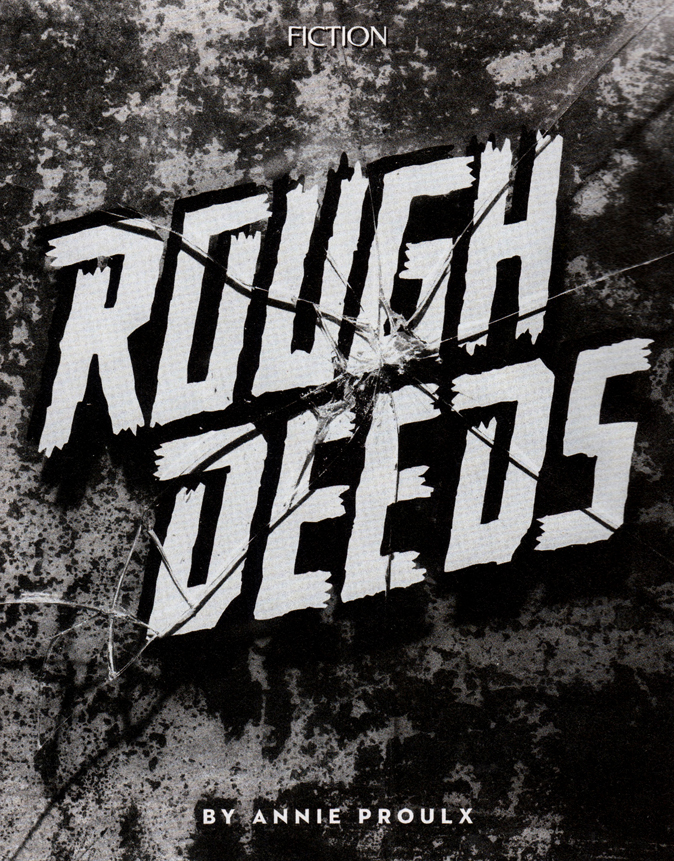
For the New Yorker‘s Summer Fiction Issue, ‘Crimes and Misdemeanours,’ designer Timothy Goodman created six black and white ‘title cards’ to the stories in the magazine.  According to Goodman, the designs “cover an array of styles from Gothic to Western to 70’s Bollywood, depending on the premise of stories. Two of the pieces were laser cut, all of them were shot on top of textures or old photos to capture the noir vernacular.”

There is also a nice video trailer for the issue, shot by Grant Cornett and edited by Ivan Hurzeler:

(via Design Work Life)

Comments closed