Skip to content

The Casual Optimist Posts

Learning to Love the House Style

In a long and charming essay for The New Yorker, the magazine’s query proofreader Mary Norris muses on her career, and the history and uses of the comma:

Then I was allowed to work on the copydesk. It changed the way I read prose—I was paid to find mistakes, and it was a long time before I could once again read for pleasure. I spontaneously copy-edited everything I laid eyes on. I had a paperback edition of Faulkner’s “The Hamlet” that was so riddled with typos that it almost ruined Flem Snopes for me. But, as I relaxed on the copydesk, I was sometimes even able to enjoy myself. There were writers who weren’t very good and yet were impossible to improve, like figure skaters who hit all the technical marks but have a limited artistic appeal and sport unflattering costumes. There were competent writers on interesting subjects who were just careless enough in their spelling and punctuation to keep a girl occupied. And there were writers whose prose came in so highly polished that I couldn’t believe I was getting paid to read them: John Updike, Pauline Kael, Mark Singer, Ian Frazier! In a way, these were the hardest, because the prose lulled me into complacency. They transcended the office of the copy editor. It was hard to stay alert for opportunities to meddle in an immaculate manuscript, yet if you missed something you couldn’t use that as an excuse.

Norris’s book, Between You & Me: Confessions of a Comma Queen, will be published by W. W. Norton in April.

Comments closed

Labels

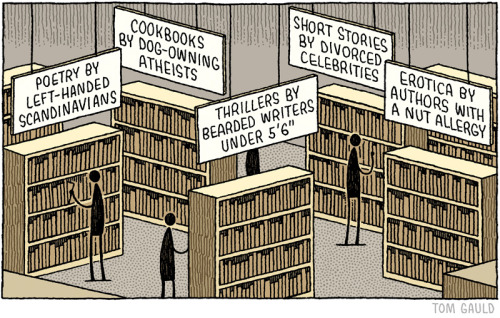
left-handed-scandinavians

I’m pretty sure ALL of these are BISAC codes. (It actually relates to this article in The Guardian)

See more of Tom Gauld’s cartoons here (or, better still, buy his book).

Comments closed

Ten Good Reasons the Book is Important

Over at Design Observer, writer Timothy Young gives 10 reasons why the book is still important. Number seven is that it is an object fixed in time:

“A book can tell us about its status in history. If we look through first editions of Moby Dick or Leaves of Grass, we find that they give away information not only about when they were created, but also about the worlds in which they were created, by way of advertisements, bindings, the quality of their paper, and watermarks on that paper. Such components are often not captured by scanning or are flattened out to make them of negligible use. In Nicholson Baker’s Double Fold—his saga about how libraries microfilmed runs of newspapers in the 1950s and 1960s and then discarded them—one of his chief complaints was that the filmers skipped advertising supplements and cartoons: things that had been deemed unimportant.”

Here’s the full list:

  1. It is a piece of technology that lasts
  2. It needs very little, if any, extra technology to be accessed
  3. The book retains evidence
  4. Books are true to form
  5. Each copy of a book is potentially unique
  6. Printed items are consumable goods
  7. A book is an object fixed in time
  8. A book can be an object of beauty and human craftsmanship
  9. When you are reading a book in a public place, other people can see what you are reading
  10. The Internet will never contain every book
1 Comment

Jesse and the Typewriter Shop

Related to yesterday’s post on Gramercy Typewriter Co. in New York, here’s a short film about U.S. Office Machines, one of the last remaining typewriter repair shops in Los Angeles:

https://vimeo.com/43212146

(Thanks Sam!)

1 Comment

The Last of the Typewriter Men

last-typewriter

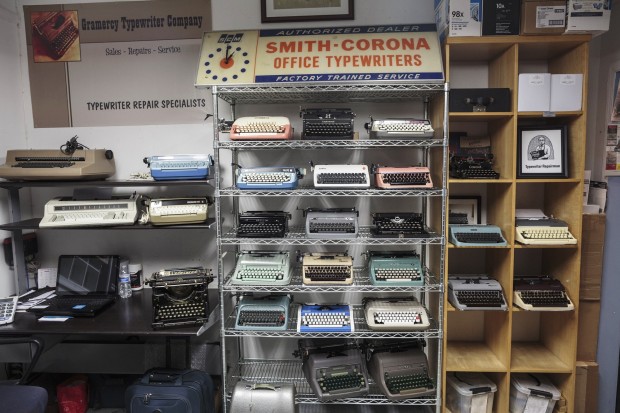
At Medium, Mary Pilon profiles Paul Schweitzer of Gramercy Typewriter Co. — a father-and-son business in the Flatiron District of New York that will still repair your typewriter:

“Computers are being updated all the time,” he said, rolling his eyes at a PC laptop his son keeps in the corner. “Your computer becomes obsolete in a very short amount of time. It’s slow. It doesn’t have enough memory. A new model comes out. A printer won’t work with it anymore. That Underwood over there” — he points at a gleaming, black machine fit for James Joyce — “it’s 100 years old. What computer is going to last 100 years?”

Schweitzer was also the subject of this 2012 documentary short by Prospect Productions:

And if you can’t get enough of this stuff, I was reminded of this 2010 Wired article about the last generation of typewriter repairmen in California.

3 Comments

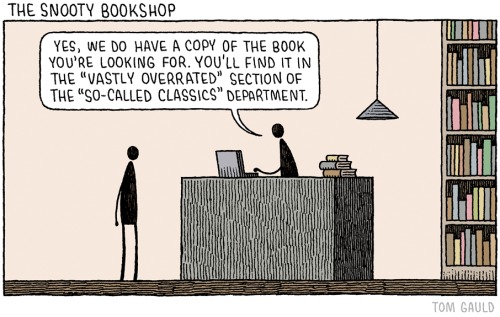
The Snooty Bookshop

snooty-bookshop

We’ve all been there….

(by Tom Gauld, of course)

Comments closed

Typeface Mechanics with Tobias Frere-Jones

FutMed-overlay

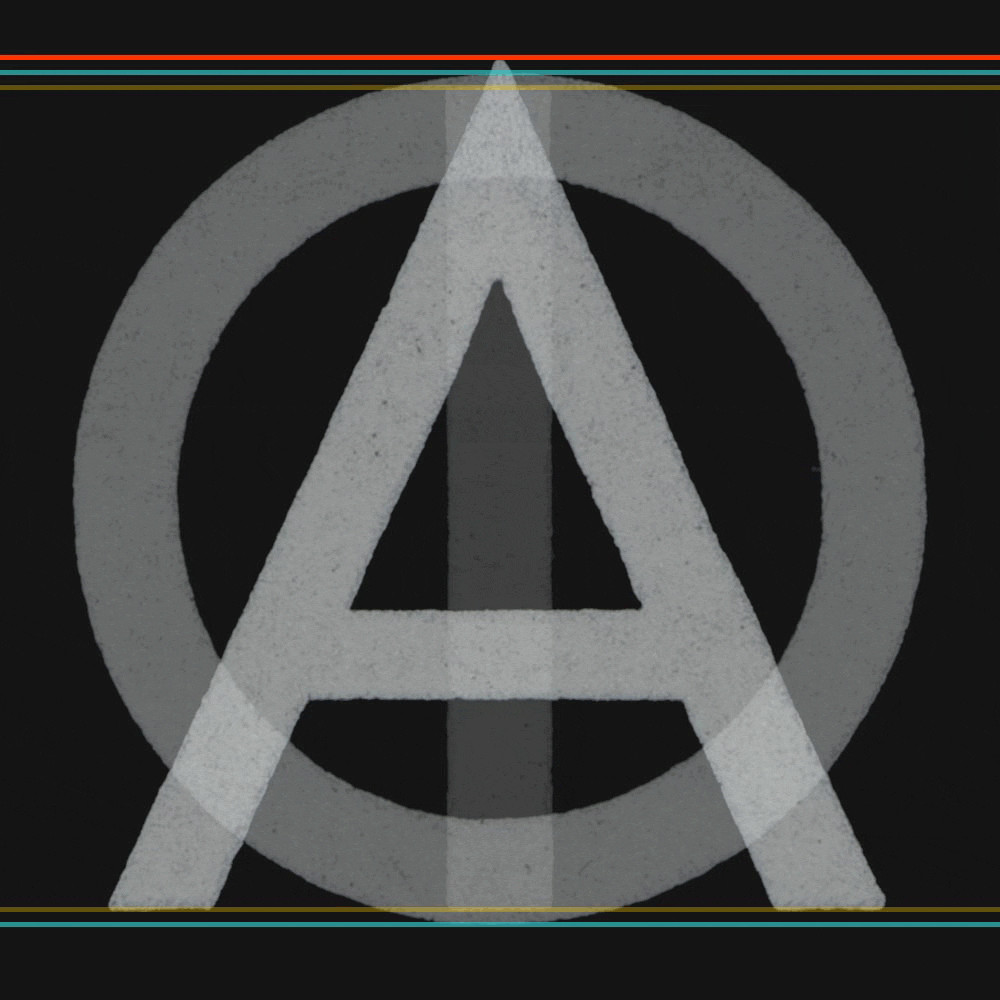
You know when Tobias Frere-Jones starts discussing the mechanics of typefaces you should pay attention. In the first post of a new series, he looks at the “overshoot”:

Square shapes like H have a simple and stable relationship to the baseline and cap height. Their upper and lower edges coincide with these boundaries and stay put. But only a narrow sliver of an O is the full height, and the rest of the shape falls away. The parts that are too short greatly outnumber the parts that are big enough, so we conclude — wrongly, but very reliably — that the round shape is too small.

If the “correct” height appears inadequate, “too much” will look right. So the is made taller and deeper than the H, even if the most stringent mathematical reasoning would declare it incorrect. But we read with our eyes, not with rulers, so the eye should win every time. Typefaces from any period will demonstrate this compensation, often called “overshoot”.

Comments closed

All Heart

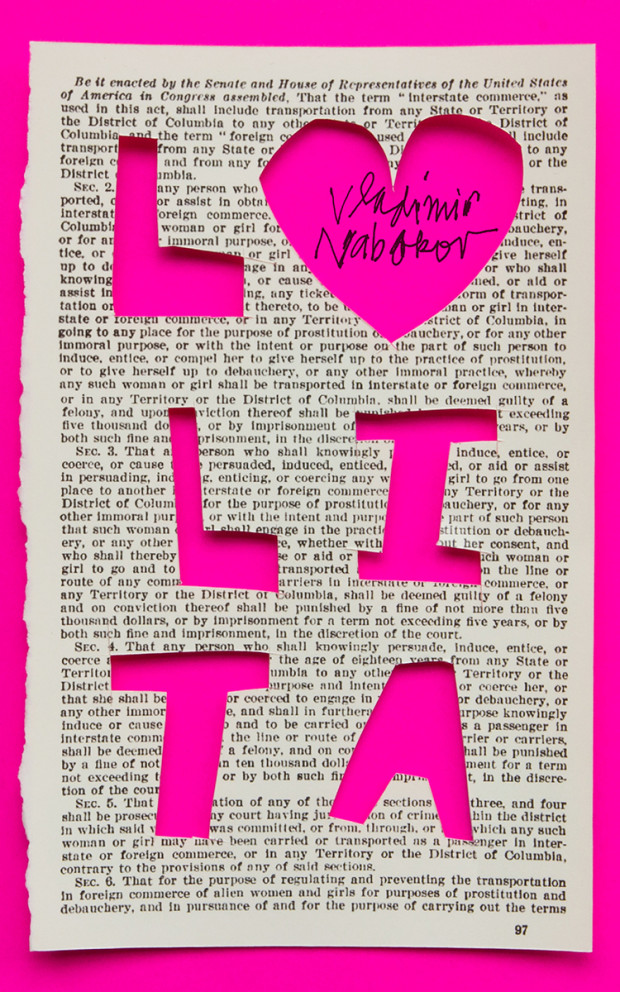
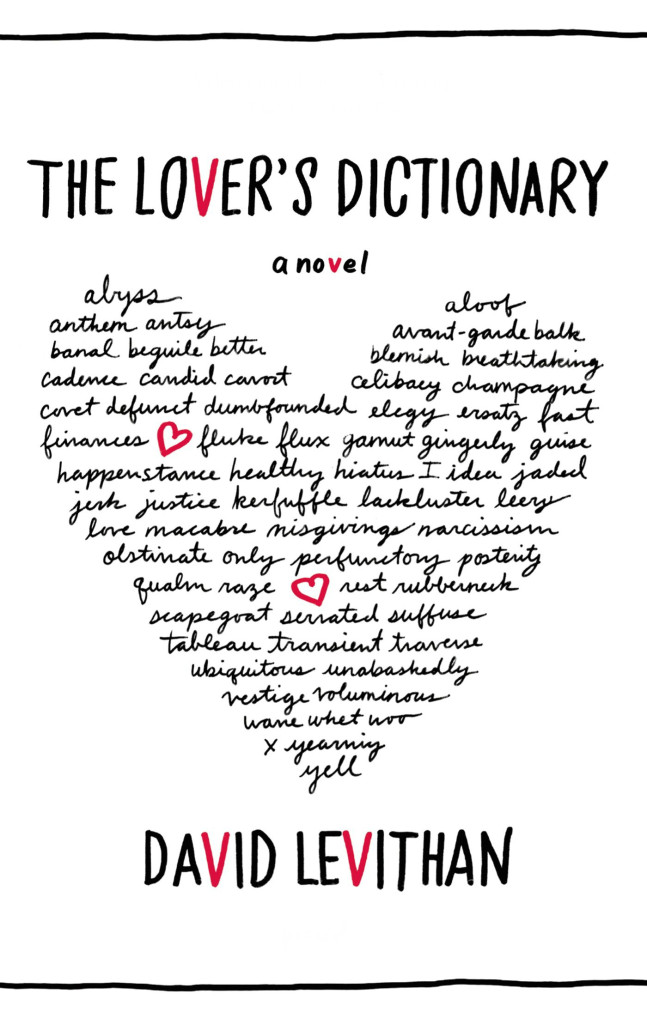
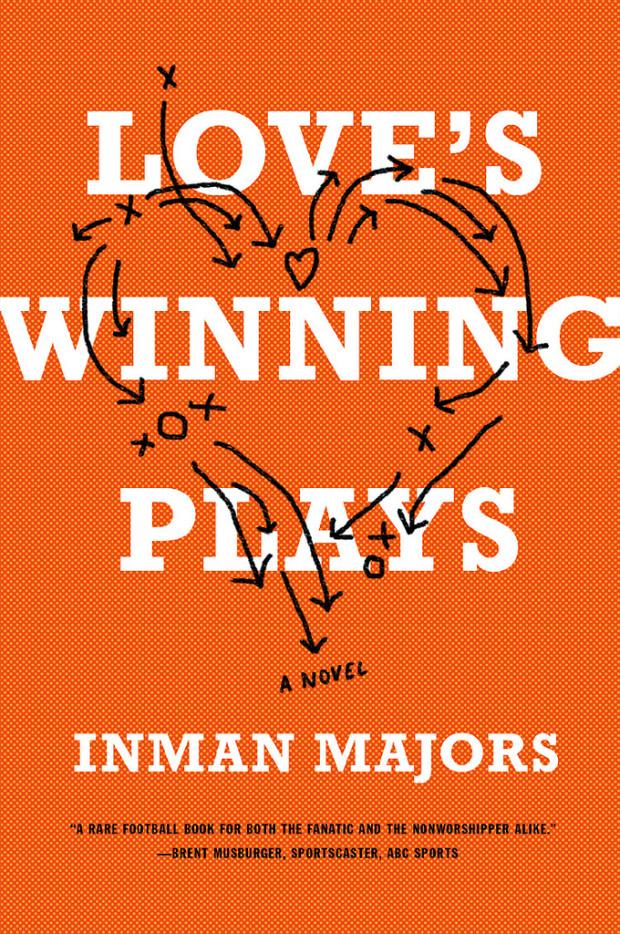
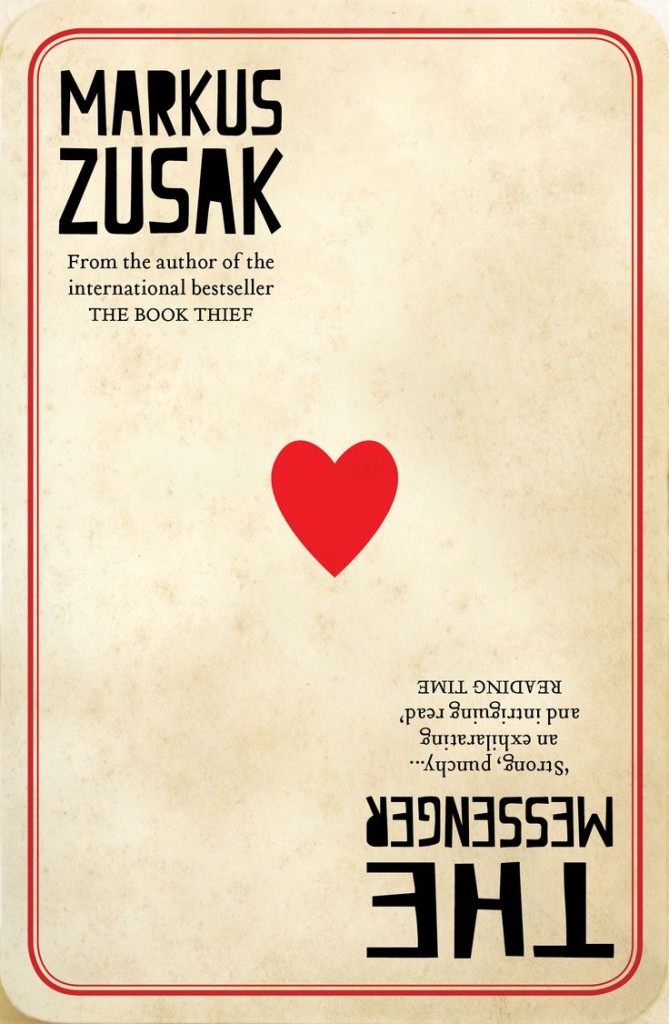
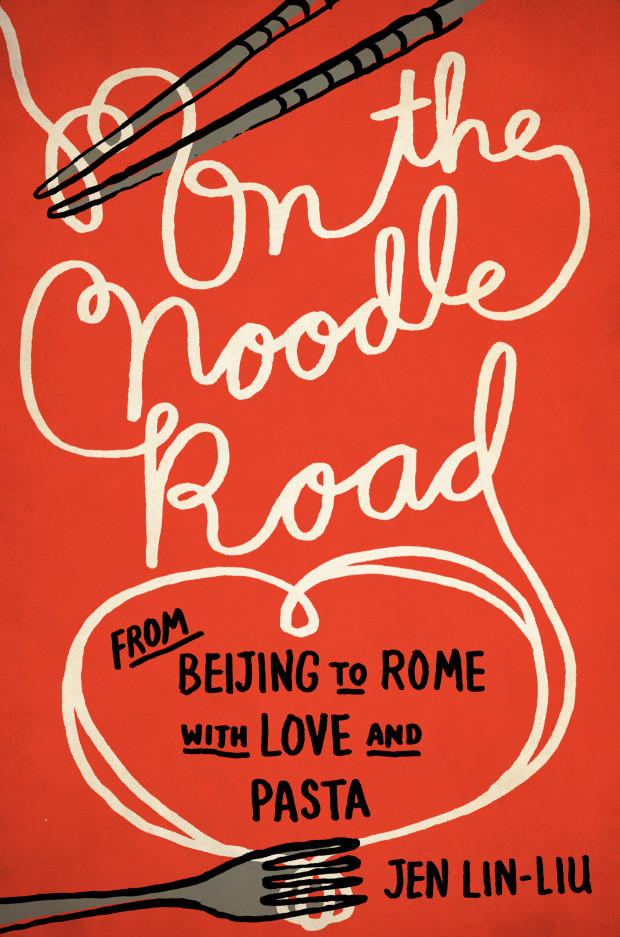
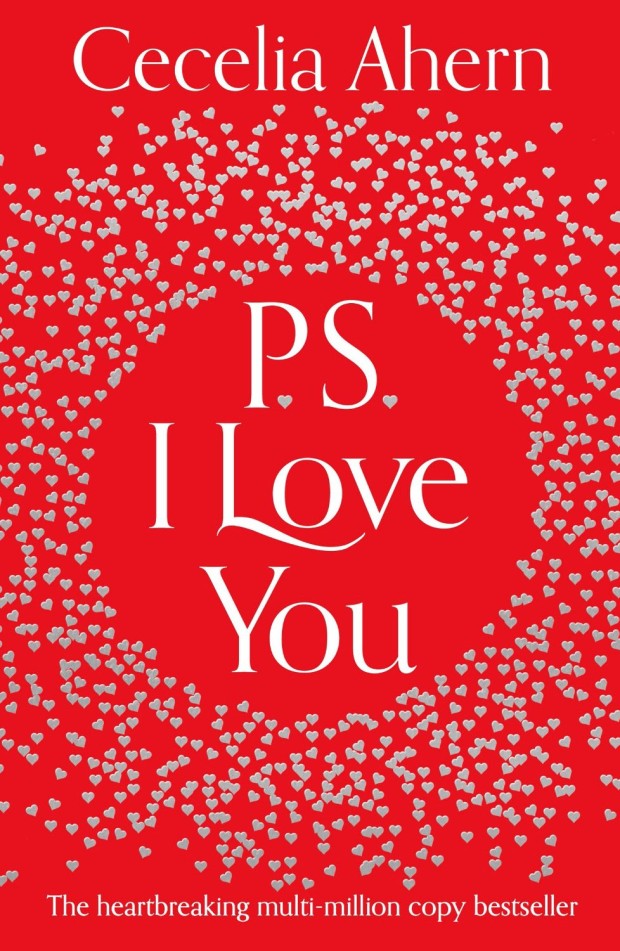
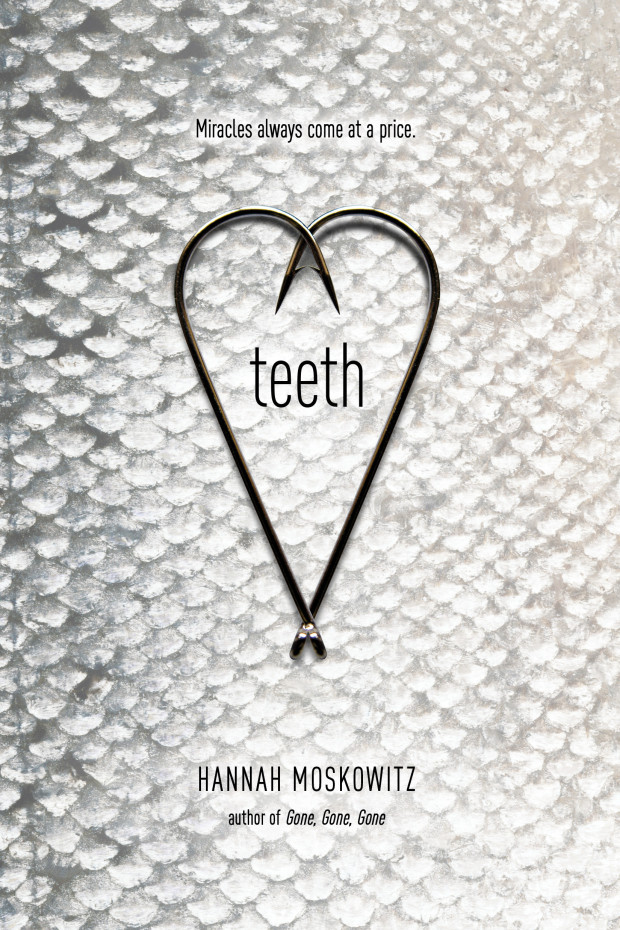
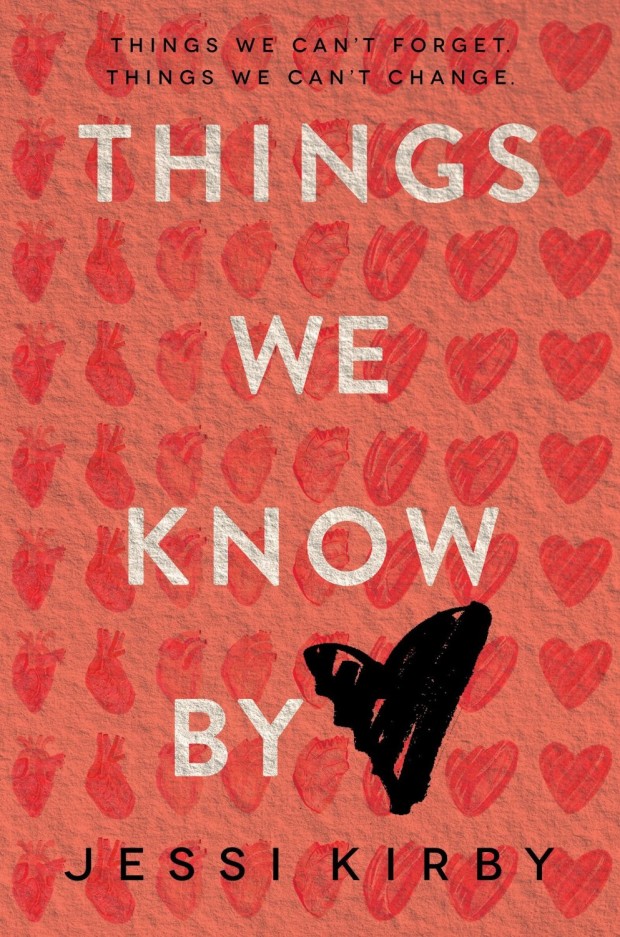
With Valentine’s Day just around the corner, I thought I would share a few book covers that use hearts as part of their design…

all-about-love
All About Love by Lisa Appignanesi; design by Jamie Keenan (W. W. Norton / July 2011)
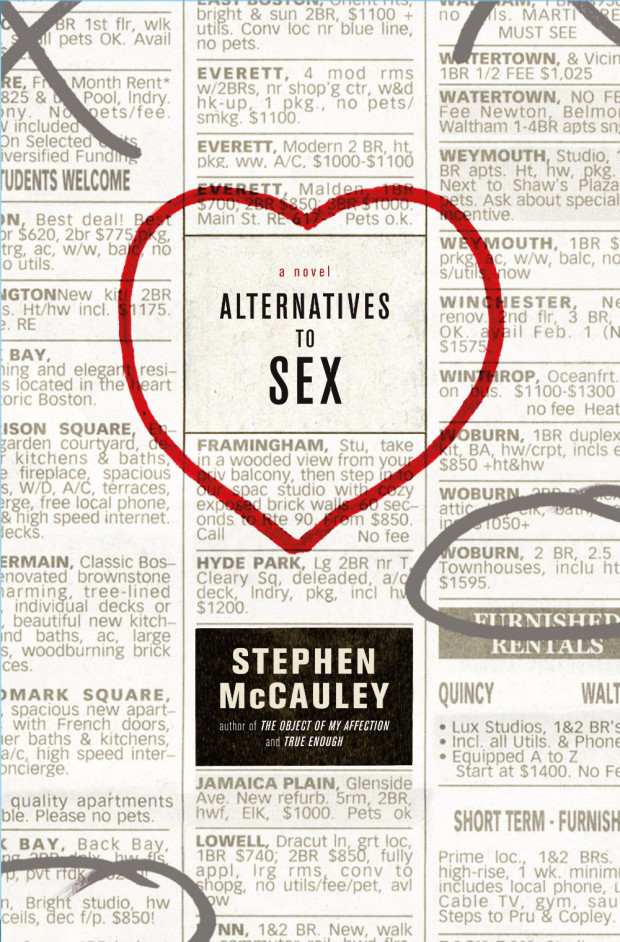
Alternatives to Sex
Alternatives to Sex by Stephen McCauley; design by David Ter-Avanesyan (Simon & Schuster / March 2006)

9780143122371
American Supernatural Tales edited by S. T. Joshi ; design by Paul Buckley (Penguin / October 2013)
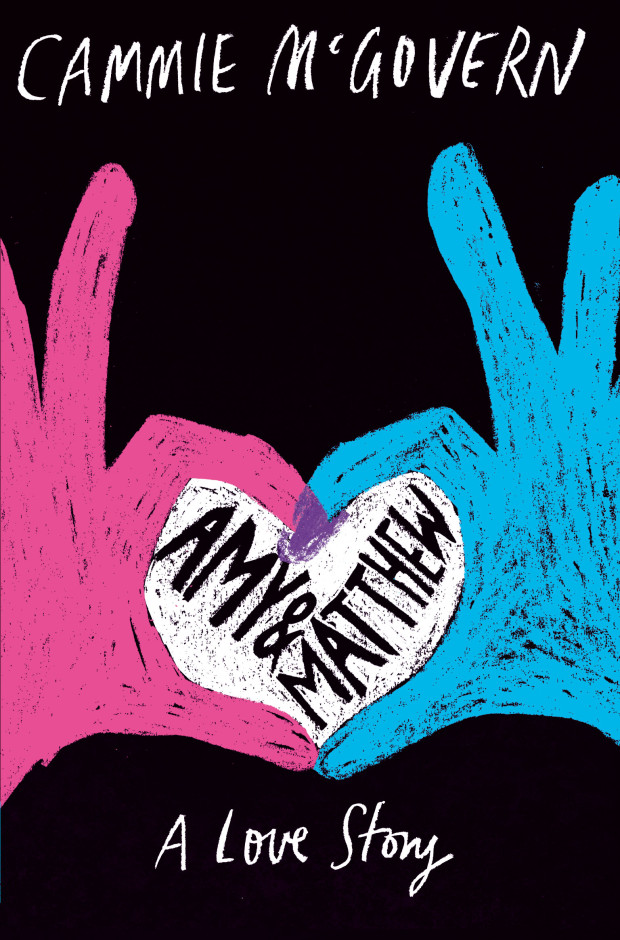
Amy-and-Matthew
Amy and Matthew by Cammie McGovern; design by Sharon King-Chai (Macmillan Children’s Books / March 2014)

9780143120209B
The Campus Trilogy by David Lodge; design by Heads of State (Penguin / October 2011)
9781406325416
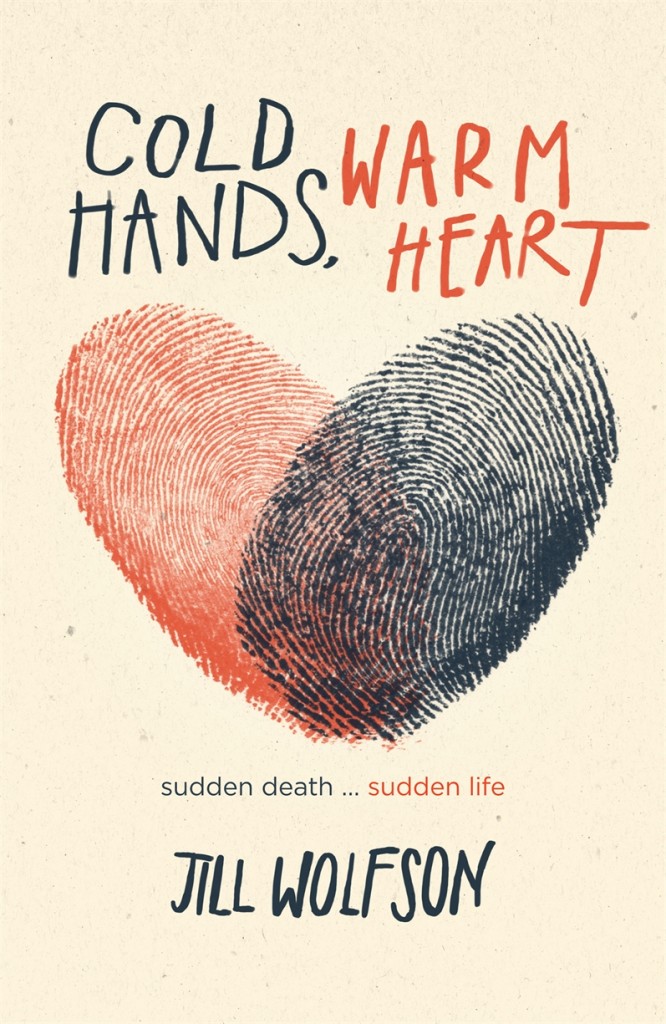
Cold Hands, Warm Heart by Jill Wolfson; design by Jack Noel (Walker Books / November 2011 )
coming-clean
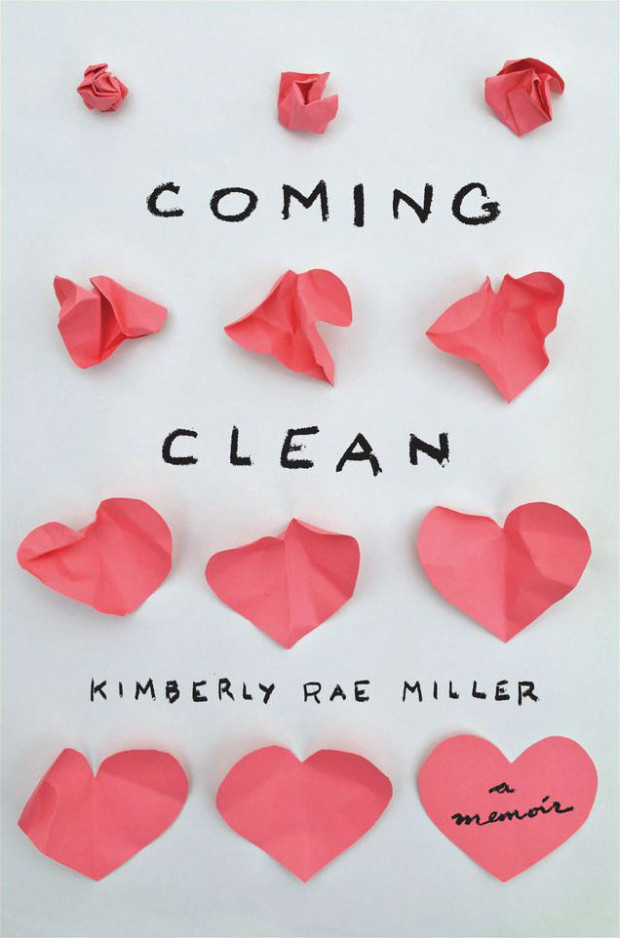
Coming Clean by Kimberly Rae Miller; design by Lynn Buckley (New Harvest / July 2013)
committed

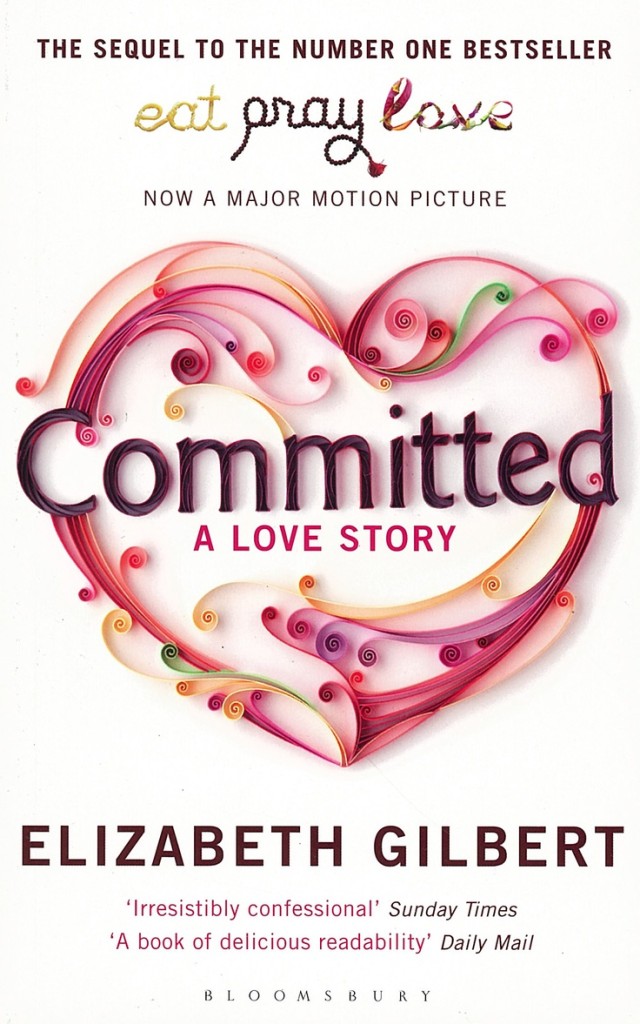
Committed by Elizabeth Gilbert; design by Helen Crawford-White; illustration by Illustration Yulia Brodskaya (Bloomsbury / January 2011)
don't-you-forget-about-me
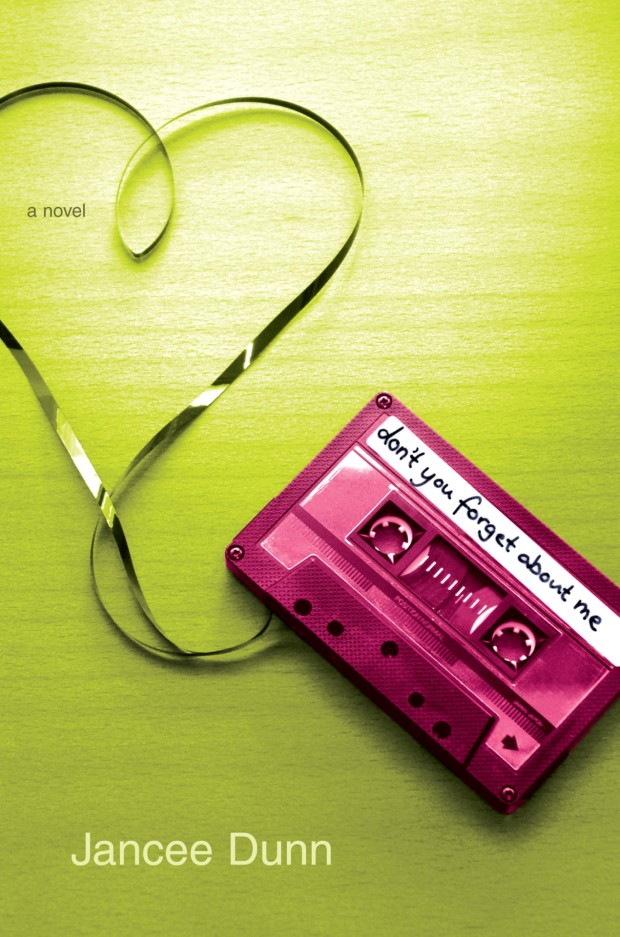
Don’t You Forget About Me by Jancee Dunn; design by Catherine Casalino (Villard Books / July 2008)

eat-my-heart-out
Eat My Heart Out by Zoe Pilger; design by Rose Stallard (Serpents Tail / January 2014)
9781555976712
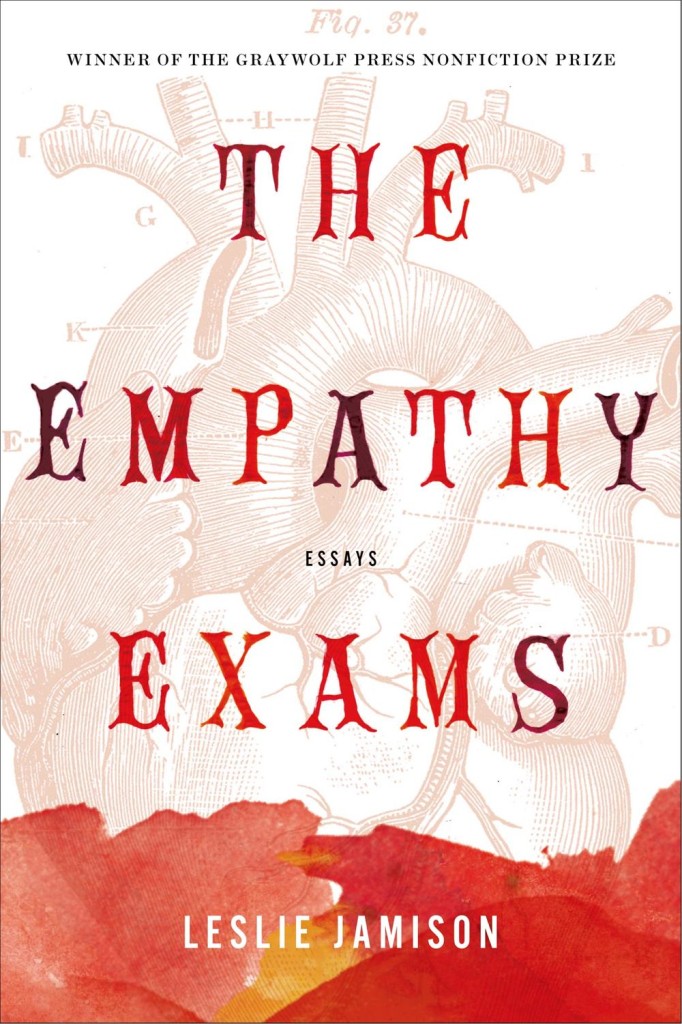
The Empathy Exams: Essays by Leslie Jamison; design by Kimberly Glyder (Graywolf / April 2014)

Untitled-10
Fraught Intimacies by Nathan Rambukkana; design by David Drummond (UBC Press / May 2015)
9780143119692_GirlsGuide_CV.indd
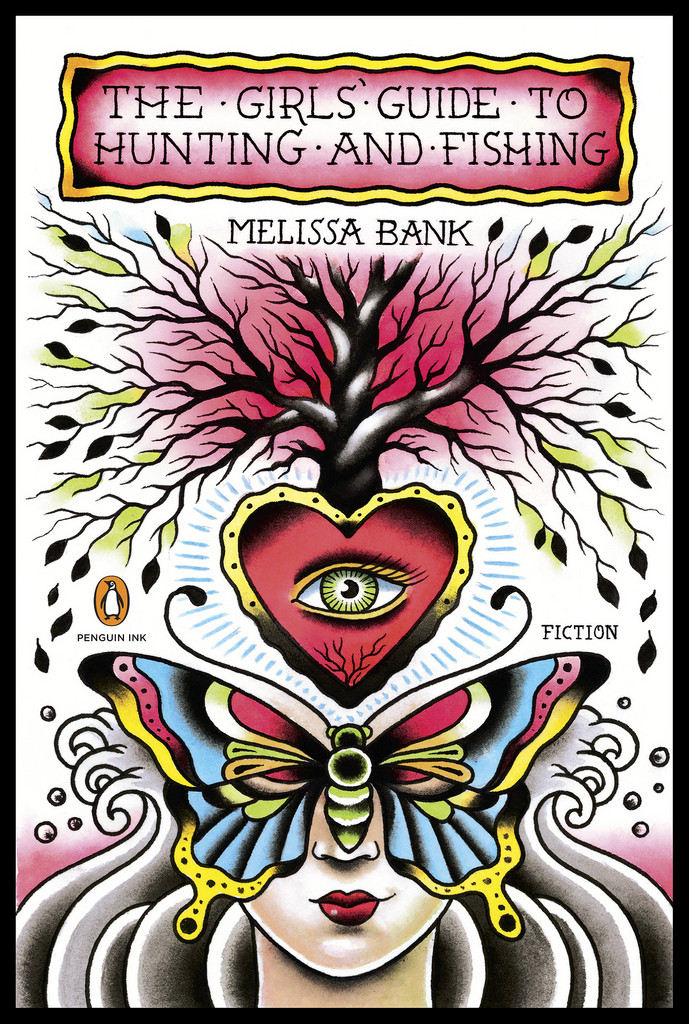
The Girls’ Guide to Hunting and Fishing by Melissa Bank; cover art by Lina Stigsson (Penguin / July 2011)

978144722397901
Gloss by Marilyn Kaye; design by Rachel Vale (Macmillan Children’s Books / June 2013 )

happy-are-the-happy-suzanne-dean
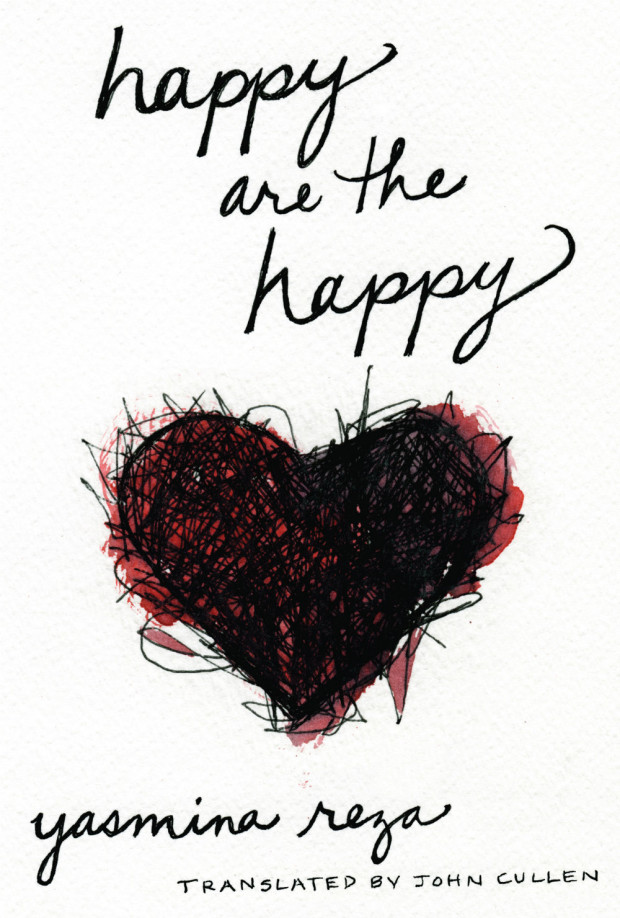
Happy are the Happy by Yesmina Reza; design by Suzanne Dean (Harvill Secker / July 2014)

The recently released US edition of Happy are the Happy published by Other Press, and designed by Kathleen DiGrado, also features a heart on the cover (if you know who the designer is, please let me know):
Happy-Are-The-Happy-US

Heart of the City_Sabar_HSYee
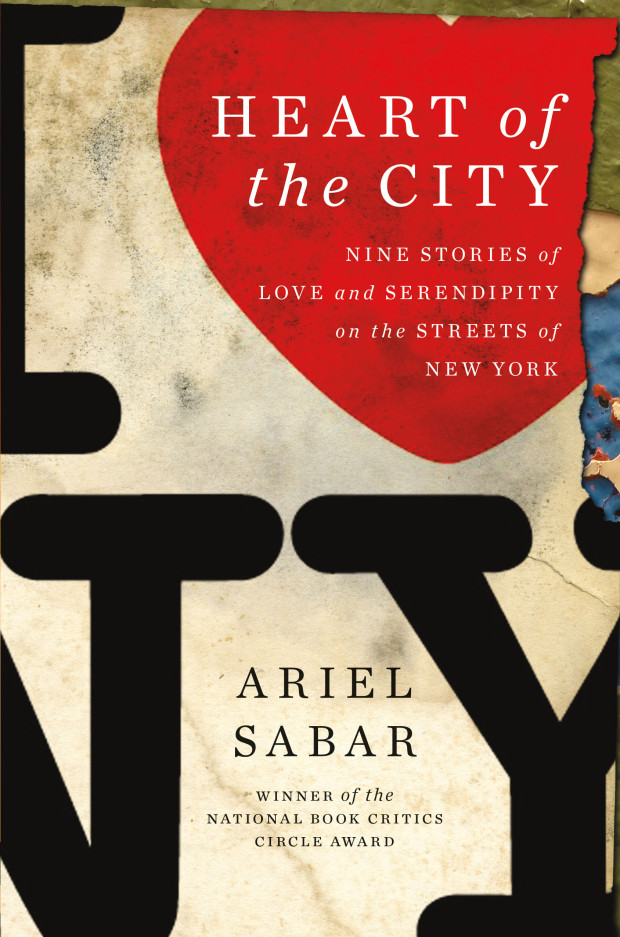
Heart of the City by Ariel Sabar; design by Henry Sene Yee (Da Capo / January 2011)

heart-of-darkness
Heart of Darkness by Joseph Conrad; design by Paul Buckley; art by Mike Mignola (Penguin / August 2012)
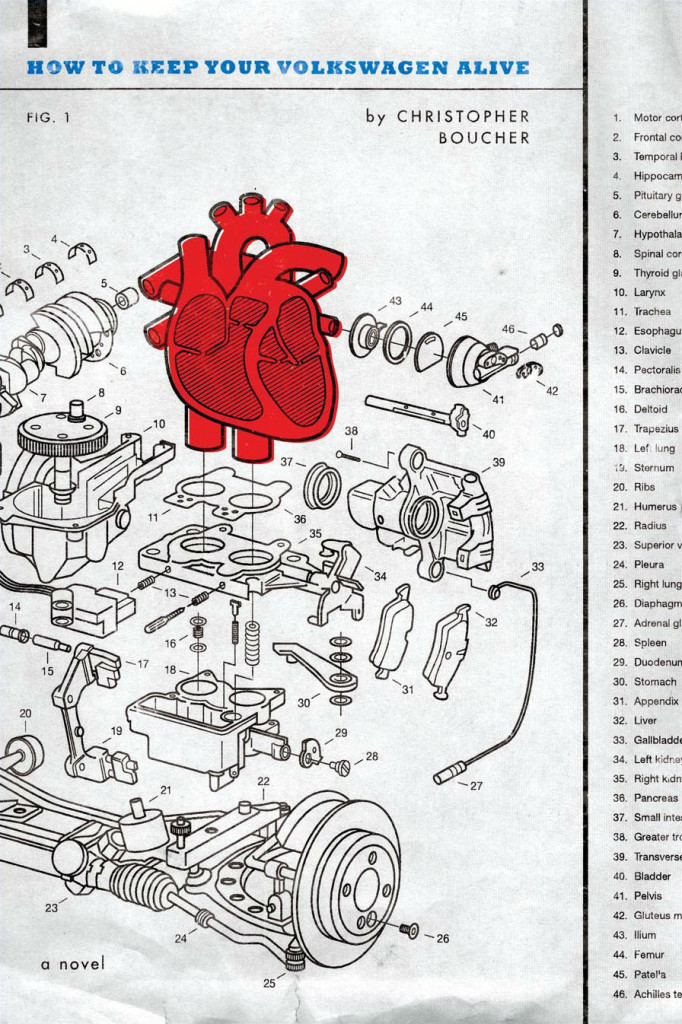
volkswagen
How to Keep Your Volkswagen Alive by Christopher Boucher; design by Christopher Brian King (Melville House / September 2011)
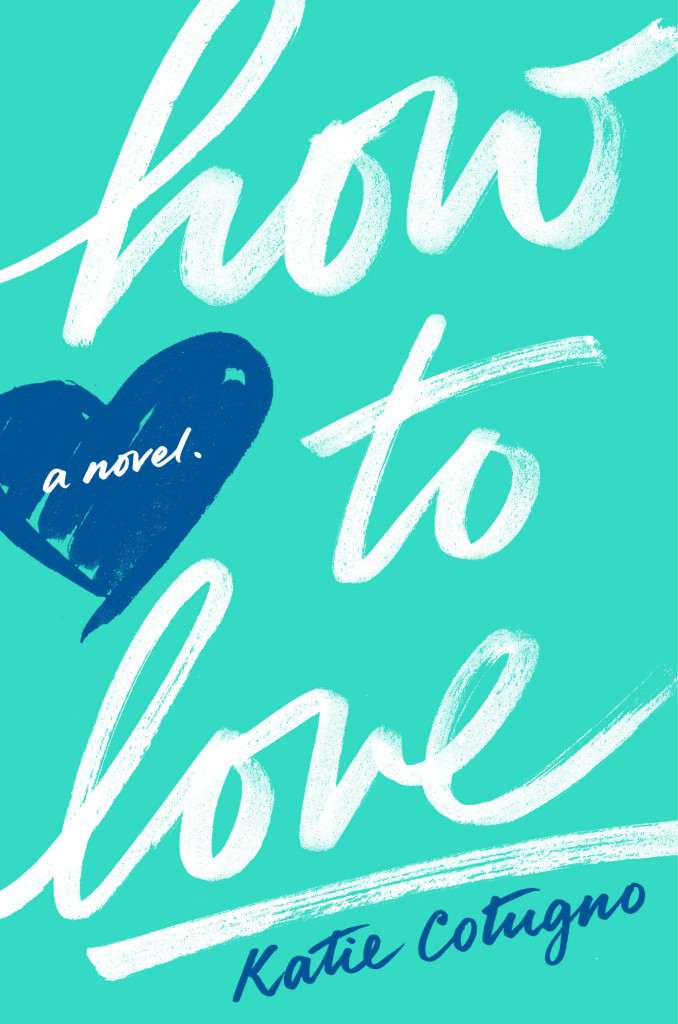
how-to-love
How to Love by Katie Cotugno; design by Alison Klapthor; cover art by Alison Carmichael (Balzer + Bray / October 2013)
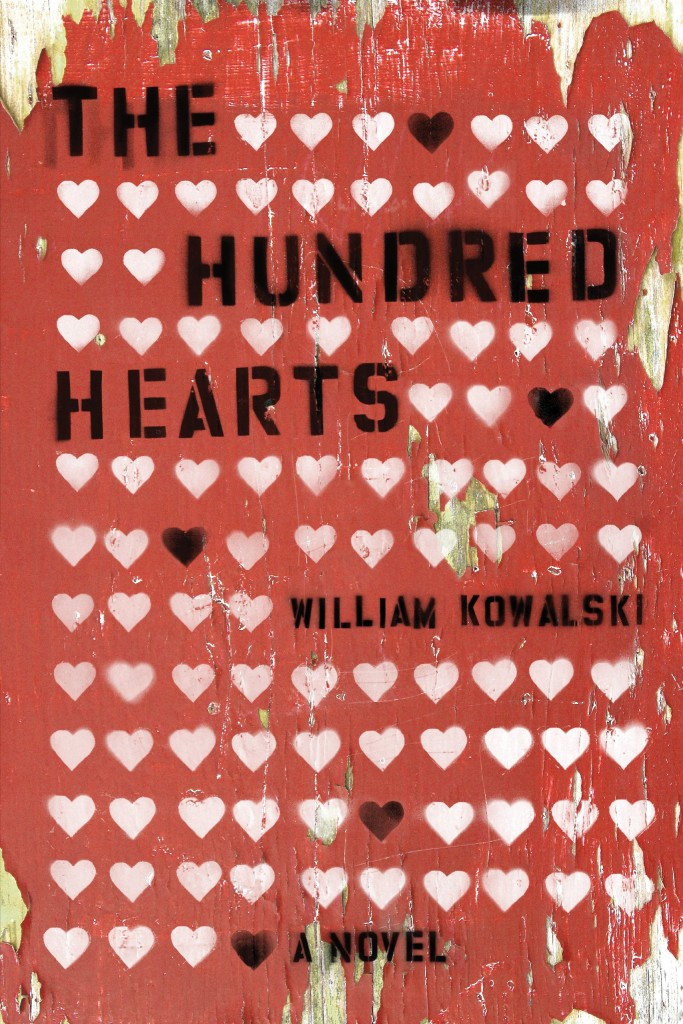
hundred-hearts
The Hundred Hearts by William Kowalski; design by Michel Vrana (Thomas Allen / May 2013)
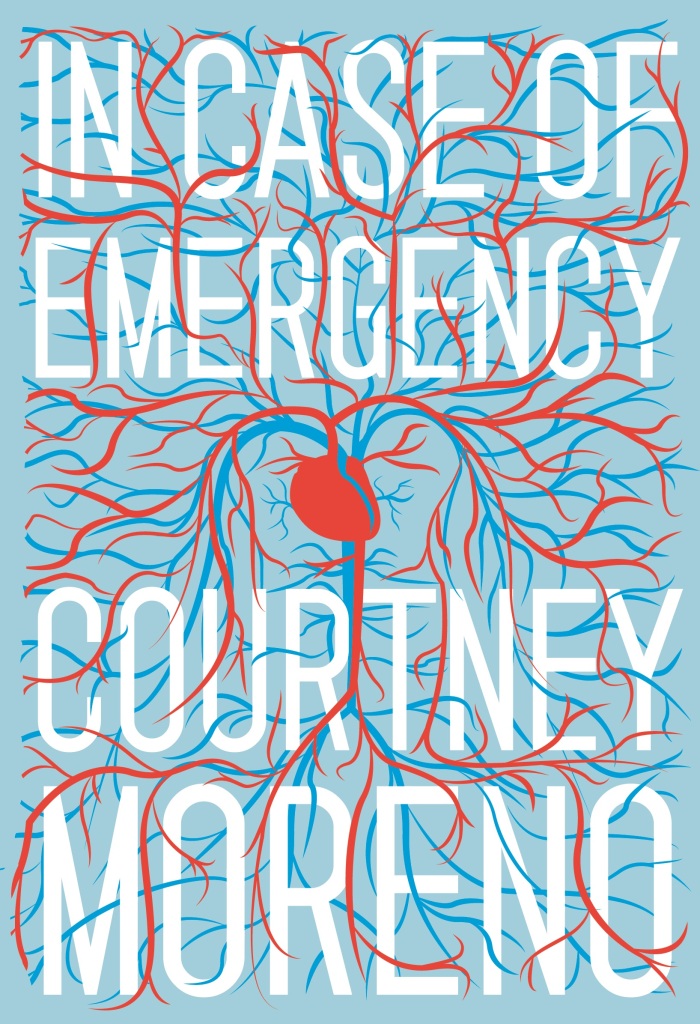
9781940450261
In Case of Emergency by Courtney Moreno; design by Sunra Thompson (McSweeney’s / September 2014)

in-case-we-die
In Case We Die by Danny Bland; design by Jacob Covey (Fantagraphics / September 2013)

9781250052896
Irritable Hearts: A PTSD Love Story by Mac McClelland; design by Keith Hayes (Flatiron Books / February 2014)

9780226018928
Learning to Love Form 1040 by Lawrence Zelenak; design by Isaac Tobin (University of Chicago Press / April 2013 )
lolita-bierut
Lolita by Vladimir Nabokov; design by Michael Bierut (Lolita Book Cover Project / 2013)

love-poems
Love Poems by Bertolt Brecht; translated by David Constantine and Tom Kuhn; design by Jennifer Heuer (W. W. Norton / December 2014)
lovers-dictionary
The Lover’s Dictionary by David Levithan; design by Jennifer Carrow (Farrar, Straus & Giroux / February 2011)
loves-winning-plays
Love’s Winning Plays by Inman Majors; design by Eric White (W. W. Norton / July 2013)

man-who-touched-his-own-heart
The Man Who Touched His Own Heart by Rob Dunn; design by Ploy Siripant (Little, Brown & Co. / February 2015)

marriage-plot
The Marriage Plot by Jeffrey Eugenides; design by Jo Walker (Fourth Estate / April 2012)
zusak
The Messenger by Markus Zusak; design by Sandy Cull / gogoGingko (Pan Macmillan / November 2013)
On-the-Noodle-Road
On the Noodle Road by Jen Lin-Liu; design by Lynn Buckley (Riverhead / July 2013)
ps-i-love-you
P. S. I Love You by Cecelia Ahern; design by Heike Schüssler (HarperCollins / January 2014)
teeth
Teeth by Hannah Moskowitz; design by Angela Goddard (Simon & Schuster / January 2013)
things-we-know
Things We Know by Heart by Jessi Kirby; design by Erin Fitzsimmons (HarperCollins / May 2015)

Doern art
The Wet Engine by Brian Doyle; design by David Drummond (Oregon State University / May 2012)
with-or-without-you
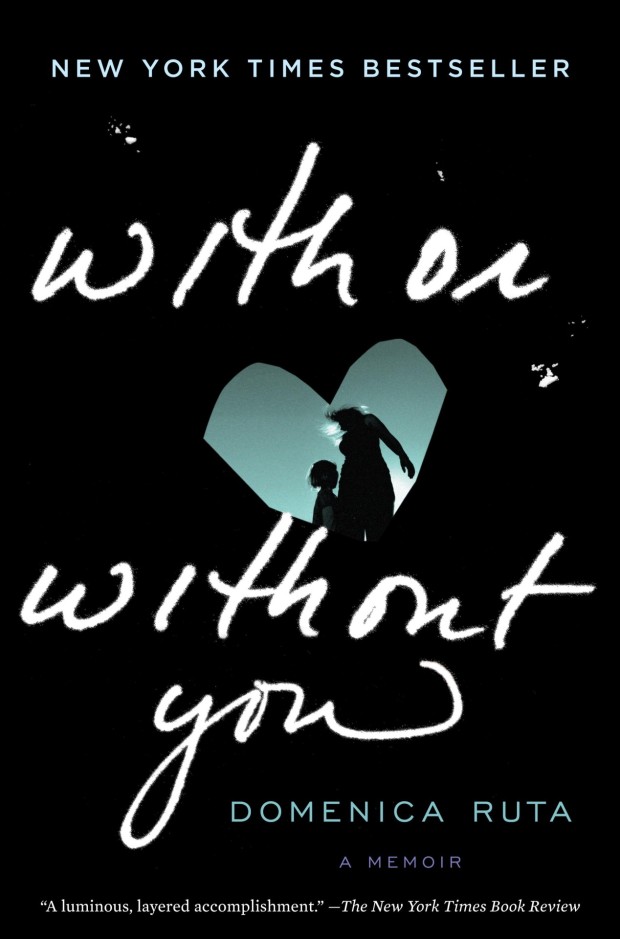
With or Without You by Domencia Ruta; design by Greg Mollica; lettering by Rebecca Siegel  (Spiegel & Grau / February 2013)

4 Comments

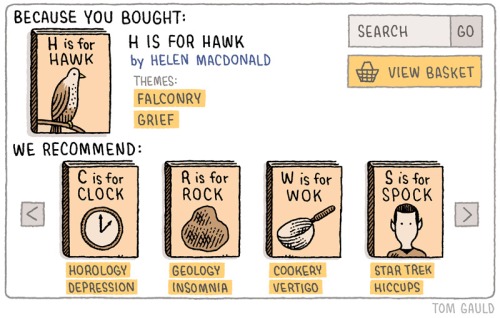
Because You Bought H is for Hawk

h-is-for-hawk

Tom Gauld

(H is for Hawk is actually on my reading list. And I would love a book about horology and depression to be honest)

Comments closed

Lettres Libres

Brut_LL

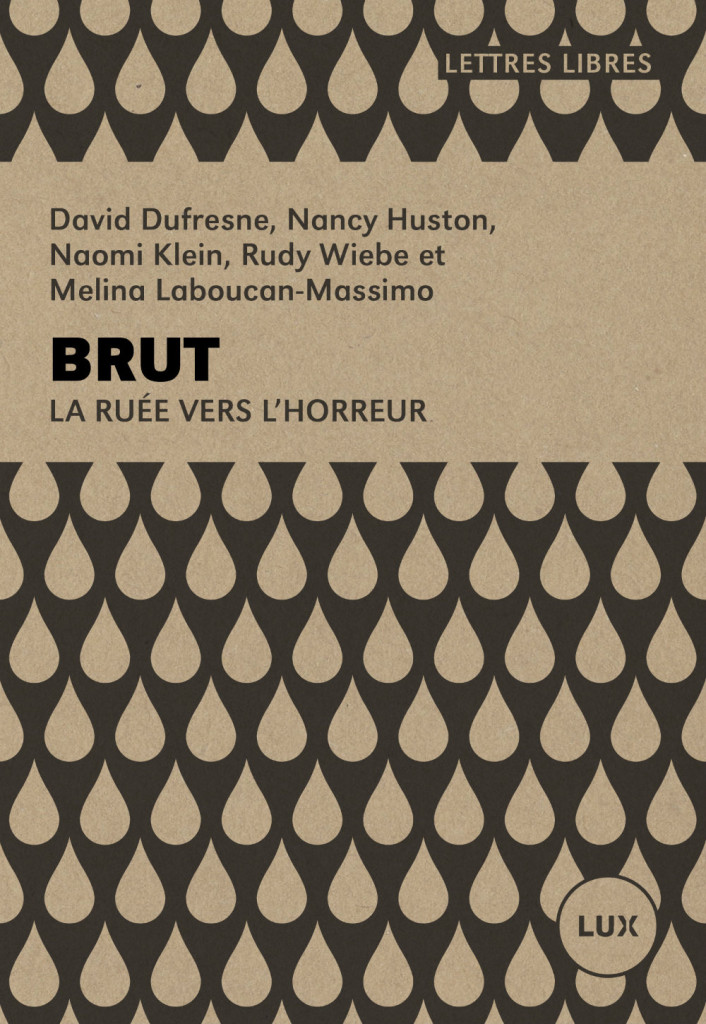
Canadian designer Catherine D’Amours kindly let me know about her work at Nouvelle Administration to redesign the ‘Lettres Libres’ series published by Montreal-based publisher Lux Éditeur, with the help of Jolin Masson, a freelancer for the team. Printed on craft paper, each cover has its own pattern based on the subject of the book.

I am also a big fan of Catherine’s work for Le Quartanier, another Montreal-based publisher. You can read more about her NOVA series here.

1 Comment

Book Covers of Note February 2015

Here is this month’s selection of new book covers that have caught my eye…

angry-youth-comix
Angry Youth Comix by Johnny Ryan; design by Keeli McCarthy (Fantagraphics / February 2015)

Dom Casmurro hi-res
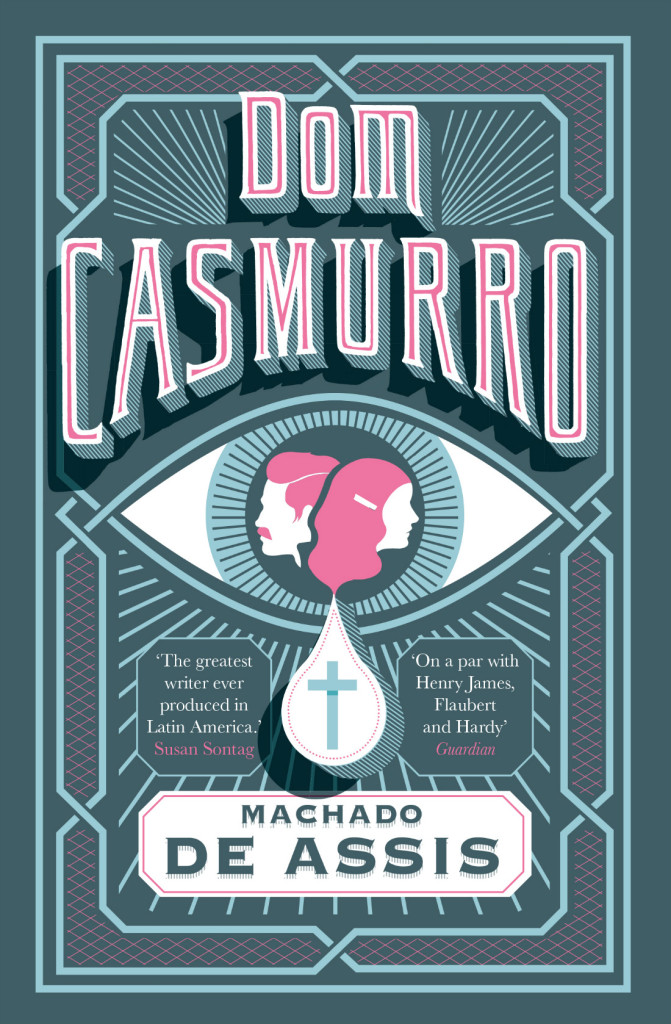
Dom Casmurro by Machado de Assis; design by Nathan Burton (Daunt Books / February 2015)

etta-otto-russell-james
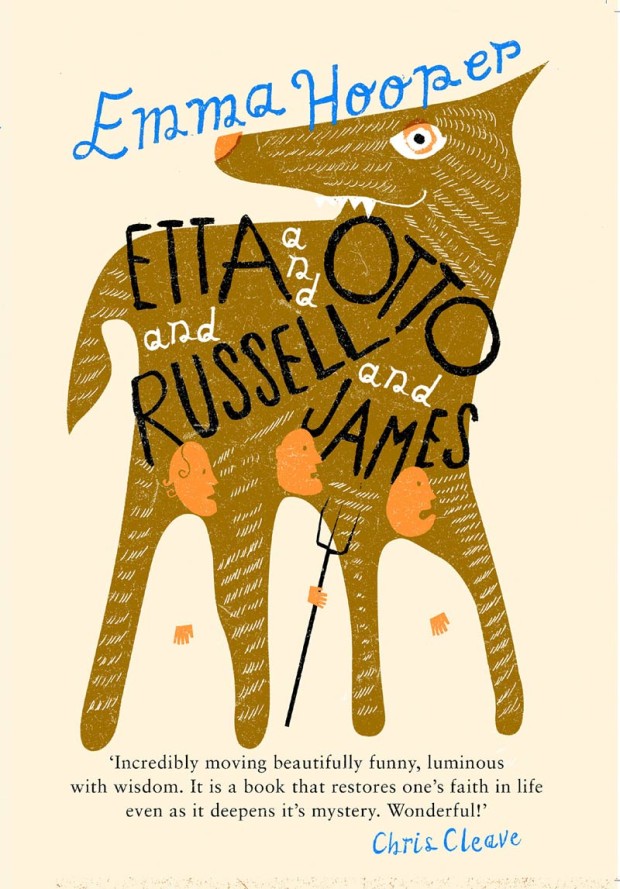
Etta and Otto and Russell and James by Emma Hooper; design by Gray318 (Penguin / January 2015)

fishermen-gray318
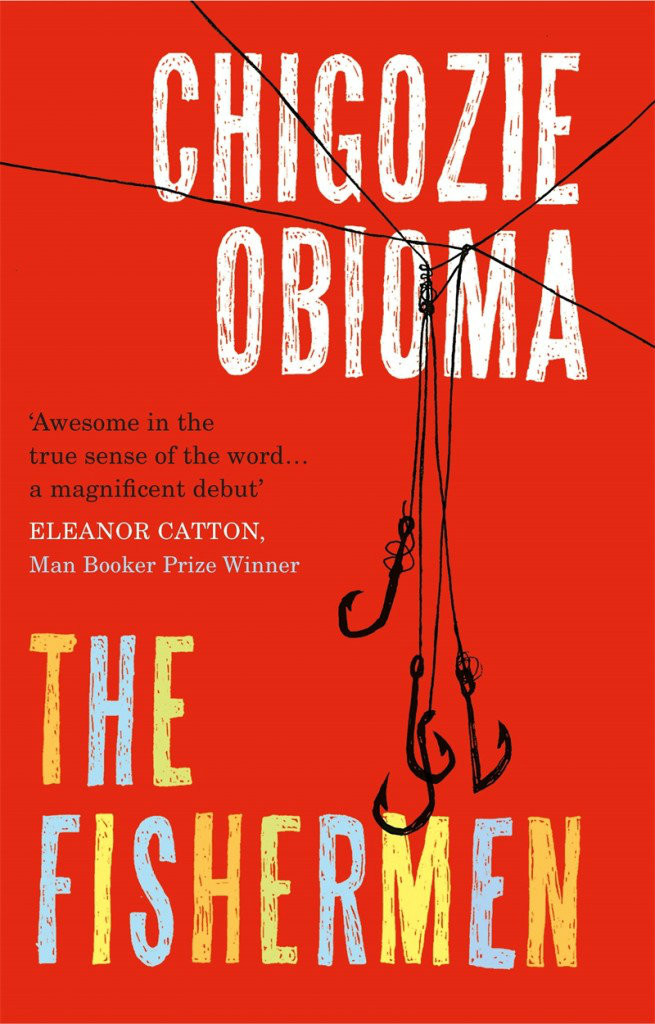
The Fishermen by Chigozie Obioma; design by Gray318 (Pushkin Press / February 2015)

Girl In The Dark
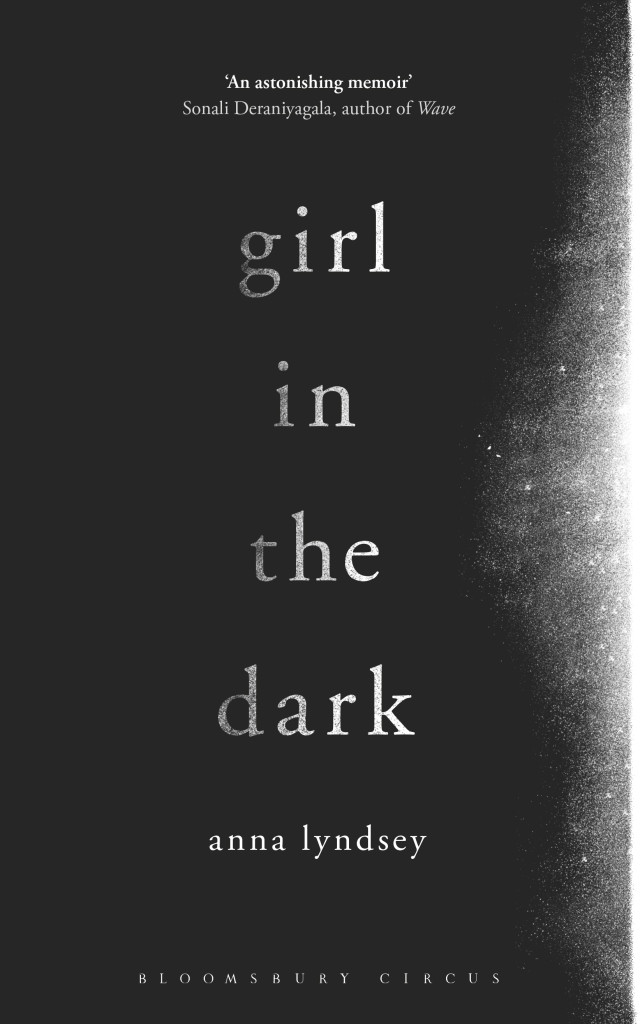
Girl in the Dark by Anna Lyndsey; design by Greg Heinimann (Bloomsbury / February 2015)

i-am-radar
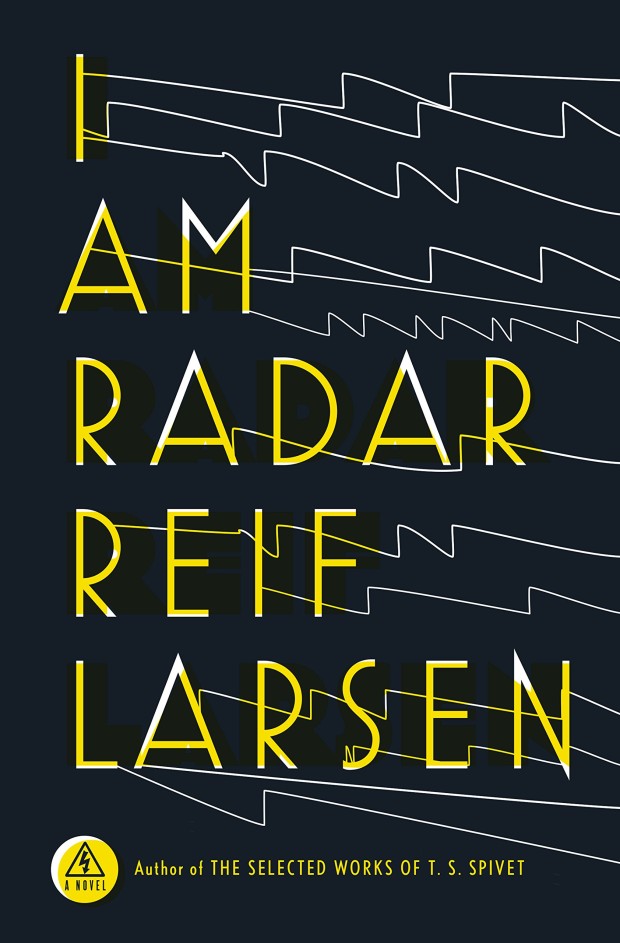
I Am Radar by Reif Larsen; design by Will Staehle (Penguin Press / February 2015)

ismael-and-his-sisters
Ismael and His Sisters by Louise Stern; design by Dan Mogford (Granta / February 2015)

italians
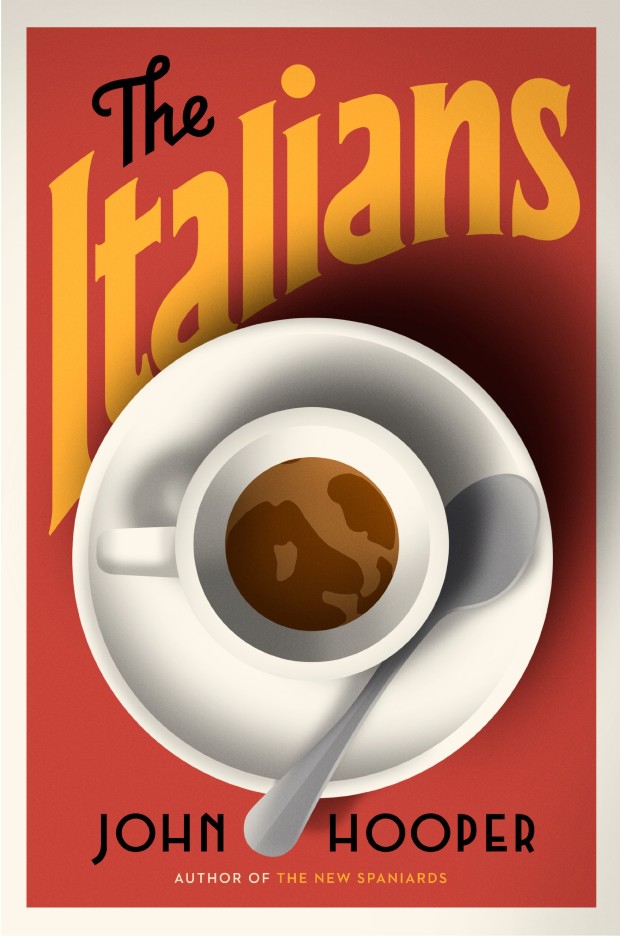
The Italians by John Hooper; design by Nicholas Misani (Viking / January 2015)

karate-chop-pearson
Karate Chop by Dorthe Nors; design by David Pearson (Pushkin Press / February 2015)

munich-airport
Munich Airport by Greg Baxter; design by Anne Twomey (Twelve Books / January 2015)

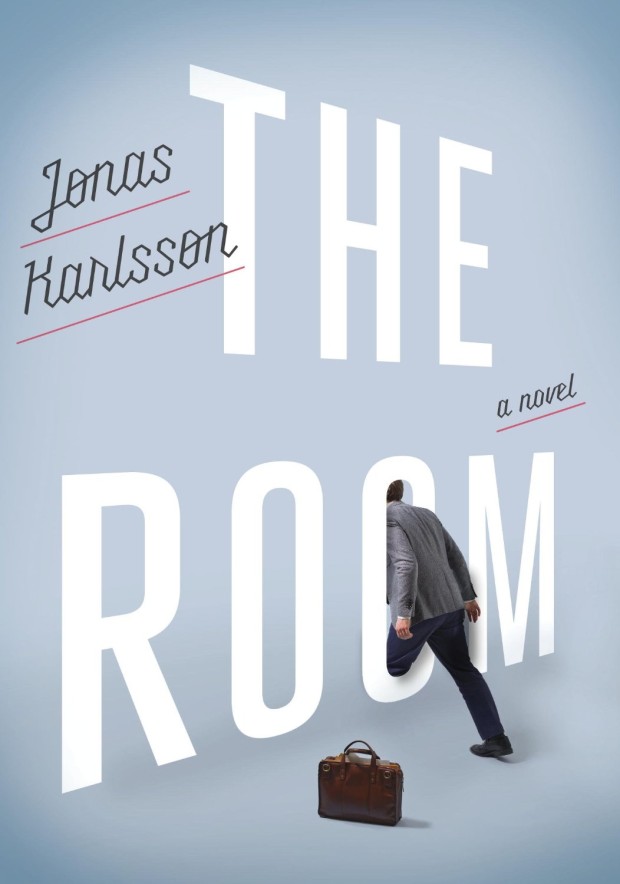
room
The Room by Jonas Karlsson; design by Christopher Brand; photograph by George Baier IV (Hogarth / February 2015)

shooting-stars-burton
Shooting Stars by Stefan Zweig; design by David Pearson (Pushkin Press / February 2015)


Pudd’nhead Wilson and The Prince and the Pauper by Mark Twain; design by Isabel Urbina Peña (Vintage / February 2015)

utopia-of-rules
The Utopia of Rules by David Graeber; design by Christopher Brian King (Melville House / February 2015)

2 Comments

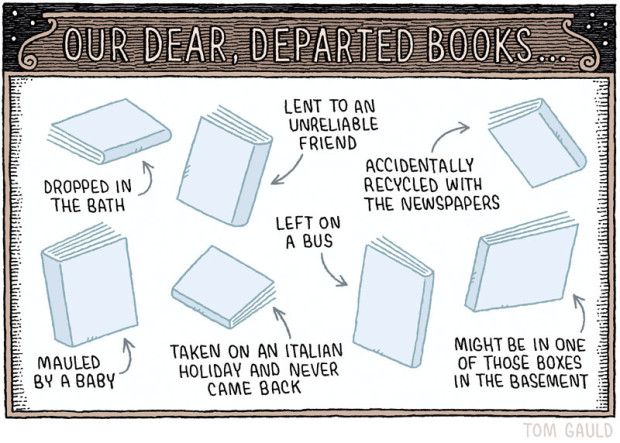
Our Dear, Departed Books…

dear-departed-books

Tom Gauld for the New Yorker.

Comments closed