This is wonderful stuff: designer Paula Scher discusses the different kinds of ink she has used throughout her career at Creative Mornings New York:
Comments closedBooks, Design and Culture
This is wonderful stuff: designer Paula Scher discusses the different kinds of ink she has used throughout her career at Creative Mornings New York:
Comments closed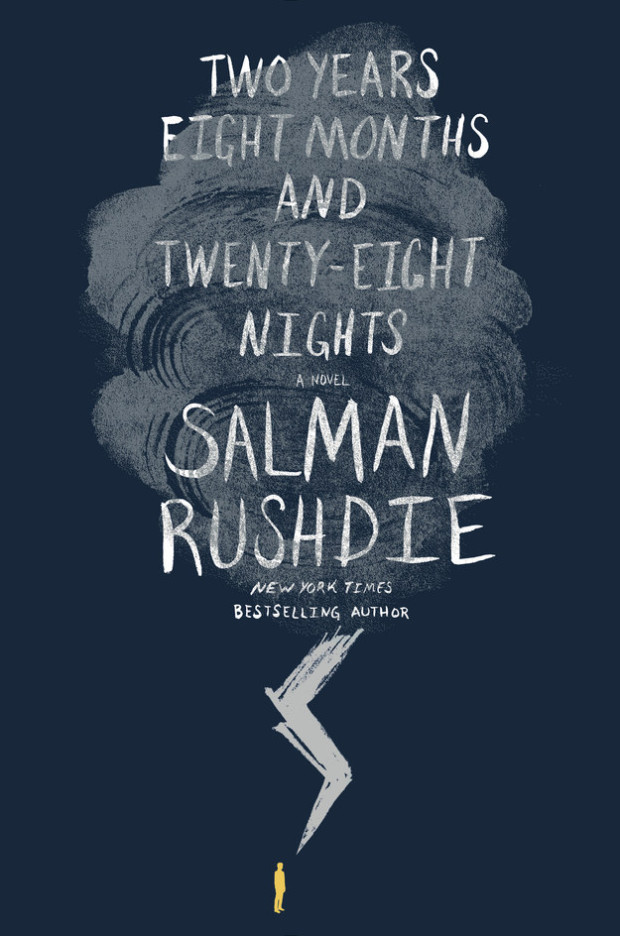
The cover of the US edition of Salman Rushdie’s first adult novel in seven years. Two Years Eight Months and Twenty-Eight Nights (Random House, September 2015), was revealed on Buzzfeed last week.1 While the cover itself is perfectly fine, the most remarkable thing about it is how much it looks like a novel for young adults.
I was immediately reminded of the cover of The Fault in Our Stars by John Green, designed by Rodrigo Corral (Penguin 2012)…
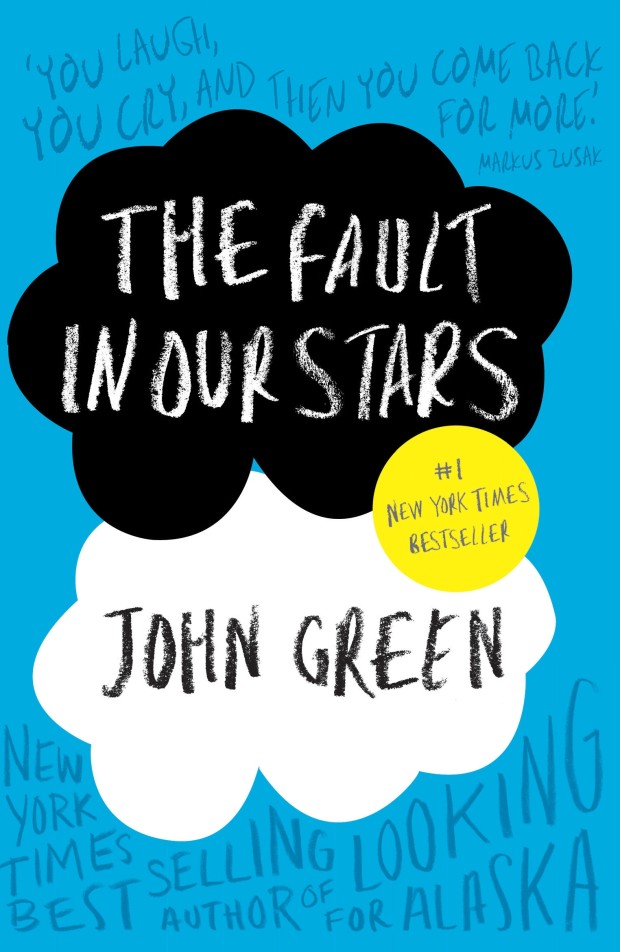
…and the lovely hand-lettered YA covers of Australian designer and illustrator Allison Colpoys:
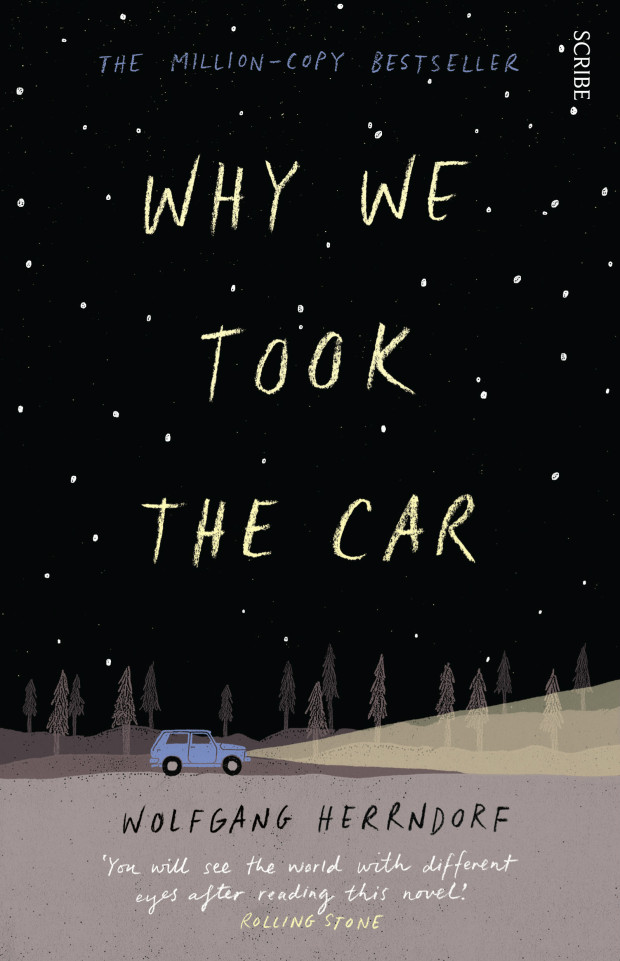


After some further thought, however, I realised that it is even more reminiscent of the cover for the novel Waiting for Doggo by Mark B. Mills, designed by Yeti Lambregts (Headline, November 2014), which made me wonder if, perhaps, we are starting to see more adult covers that look like YA?


Since the success of Harry Potter, publishers have known that adults read ‘children’s books’ for pleasure, and they will often try to appeal these to older readers with more mature covers. On Twitter last week, American YA cover designer Erin Fitzsimmons (interviewed on the blog here), identified this as ‘crossover appeal.’ But crossover appeal can go both ways, and it seems that adult covers are being designed to reach the widest possible audience too.
This trend is more pronounced in the UK where bright and whimsical illustrated covers are common for commercial fiction. The vibrant cover of the UK edition of Two Years Eight Months and Twenty-Eight Nights (and the accompanying backlist) — beautifully illustrated by Sroop Sunar and unveiled today — is a perfect example:
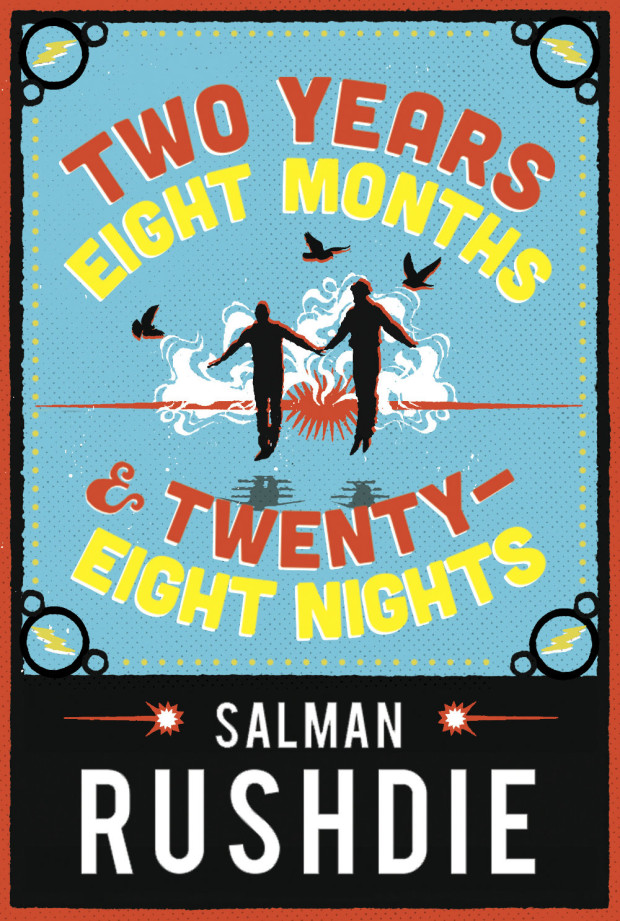
According to CMYK, the Vintage Books design blog, Sunar was inspired by printed ephemera found in India around the time of Independence, and the brightly coloured covers would work equally well for YA as for adult fiction:

US publishers have (I think) been slower to market adult fiction to younger readers in this way. Although hand-lettering has become very common on US covers for a while now, photographic images still dominate commercial fiction covers. Compare, for example, the UK cover of Station Eleven by Emily St. John Mandel, illustrated by Nathan Burton (left), with US edition designed by Abby Weintraub (on the right):


From my own experience, I can also think of at least one quirky illustrated cover — for an upcoming literary novel that the publisher has very high hopes for — that was killed at the last minute in favour of a more traditional photographic one. The original design could easily have been for a gothic Young Adult fantasy. The new cover, much less ambiguous, is clearly intended for adult book clubs.


Even so, Two Years Eight Months and Twenty-Eight Nights and a few other recent covers suggest that US publishers are willing to experiment, and as audiences for YA and adult fiction become harder to differentiate, we will only see more covers that blur those lines.
Comments closed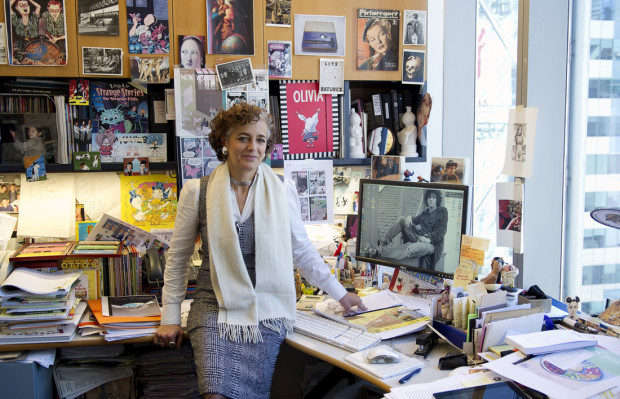
Grace Bello interviews the always interesting Françoise Mouly, art director of The New Yorker and founder of Toon Books, for Guernica:
Comments closedI know what I respond to is a voice. A voice is not just a stylistic thing, but it means someone who really has something to say. I think a lot of what I get from books—whether they be books of comics or books of literature—is a window into somebody’s mind and their way of thinking. I love it when it’s so specific. It’s a new way to look at the world. It’s as if I could get in and see it through their eyes. It also reaches a level of universality because, somehow, I can recognize some of my feelings in seeing somebody who is actually expressing their own inner reality. Even though Flaubert has not been in Madame Bovary’s skin, you do get a sense of what it’s like to be that person. It’s a kind of empathic response when you’re reading it.
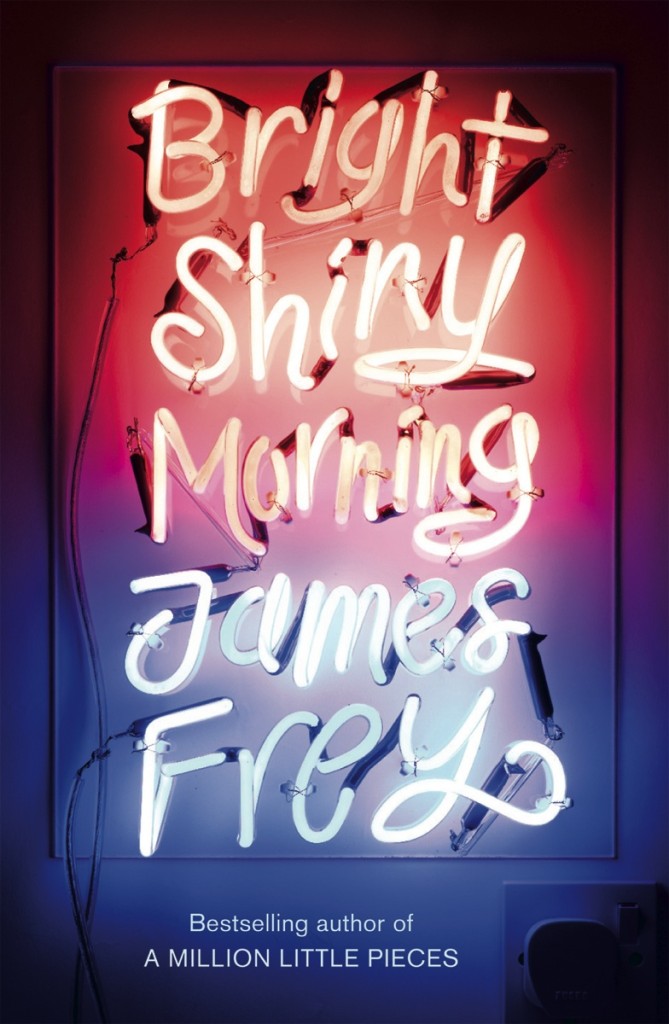
Inspired by the recent Blur album cover designed by Tony Hung (read more about it here) amongst other things, here are a selection of (relatively) recent books cover designs using lettering inspired by neon signs (pictured above: Bright Shiny Morning by James Frey, designed by the one and only Gray318 in 2008):
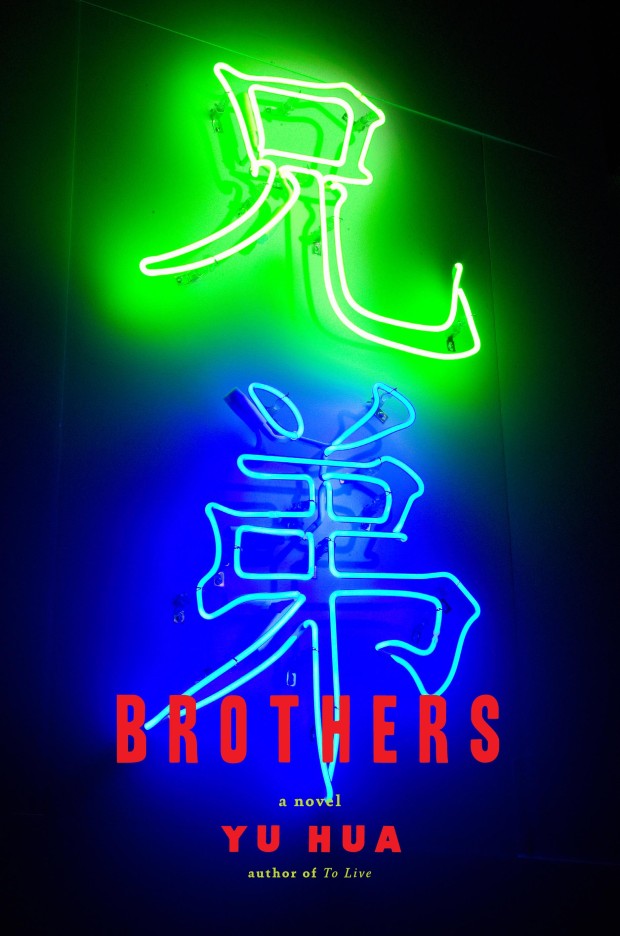
Brothers by Yu Hua; design by Jonathan Sainsbury (Random House / January 2009)


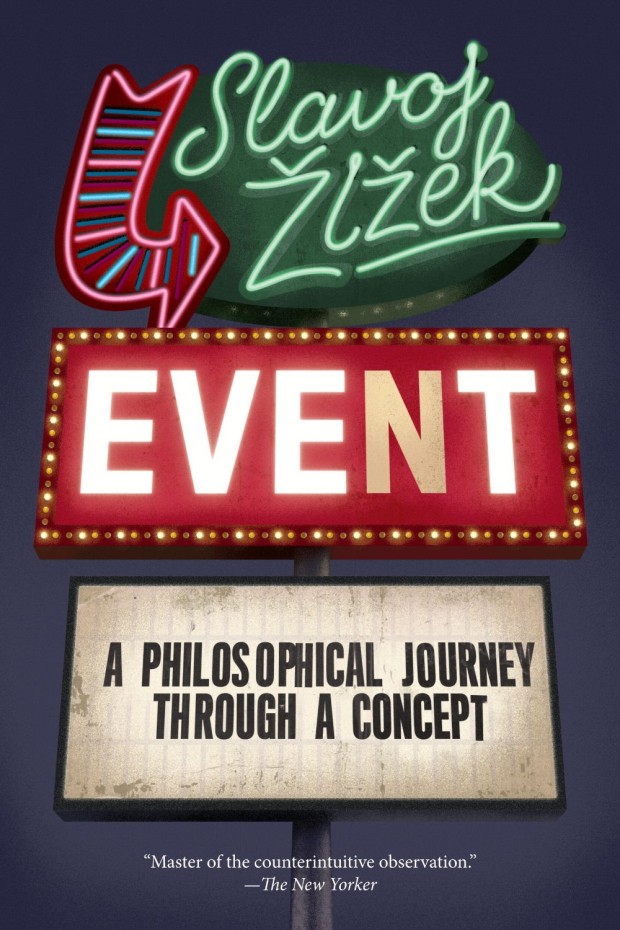
Event by Slavoj Žižek; design by Christopher King (Melville House / August 2014)
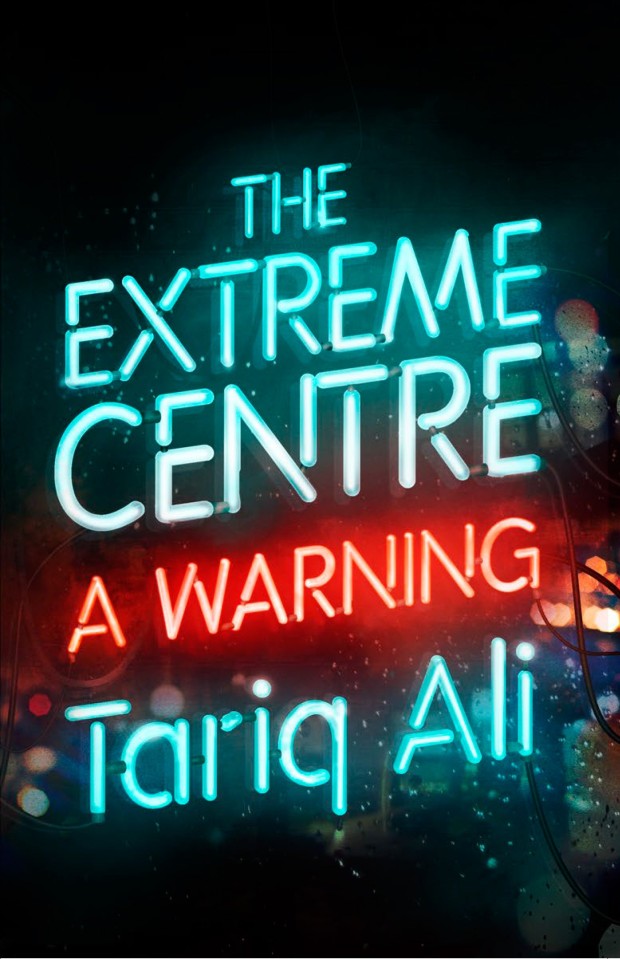
The Extreme Centre by Tariq Ali; design by Dan Mogford (Verso / March 2015)
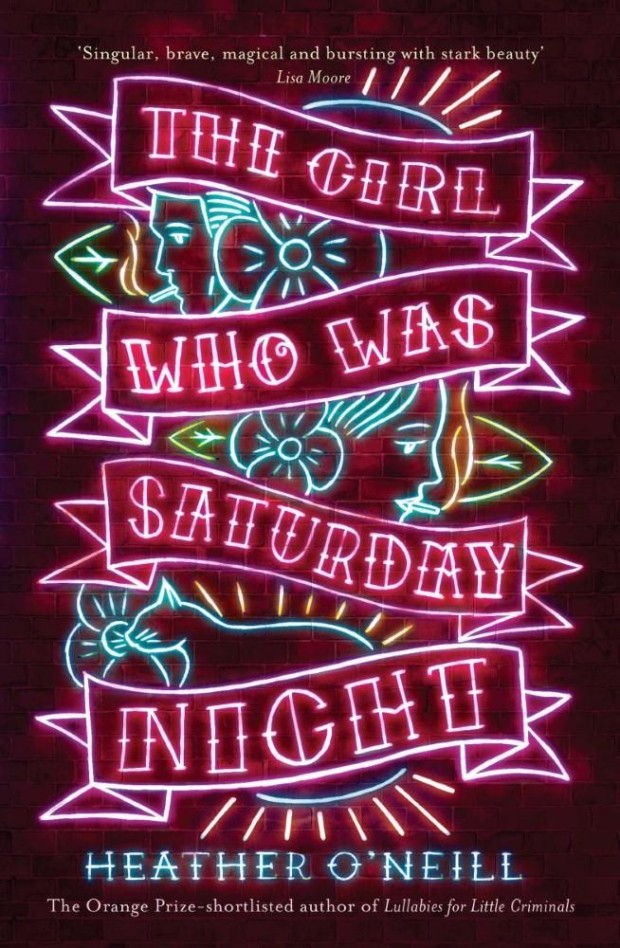
The Girl Who Was Saturday Night by Heather O’Neill; design by Leo Nickolls (Quercus / March 2015)
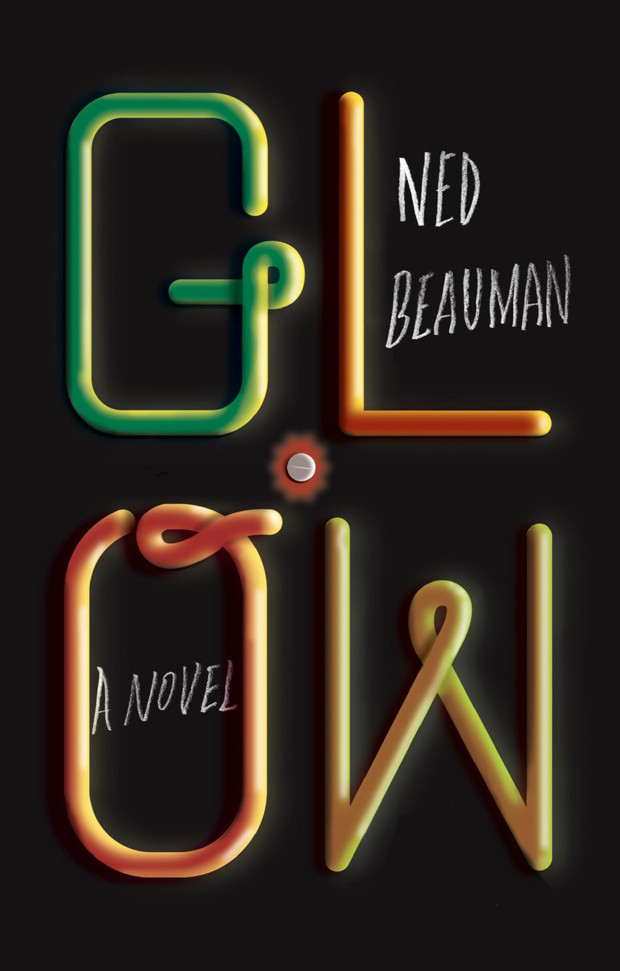
Glow by Ned Beauman; design by Oliver Munday (Knopf / January 2015)
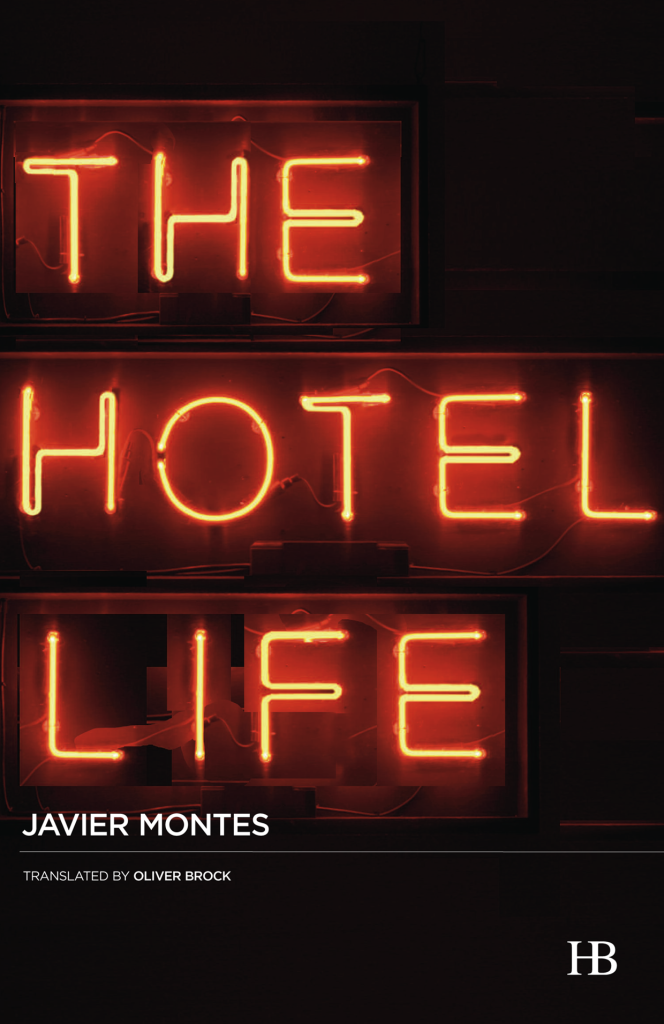
The Hotel Life by Javier Montes; design by Simon Pates (Hispabooks / October 2013)
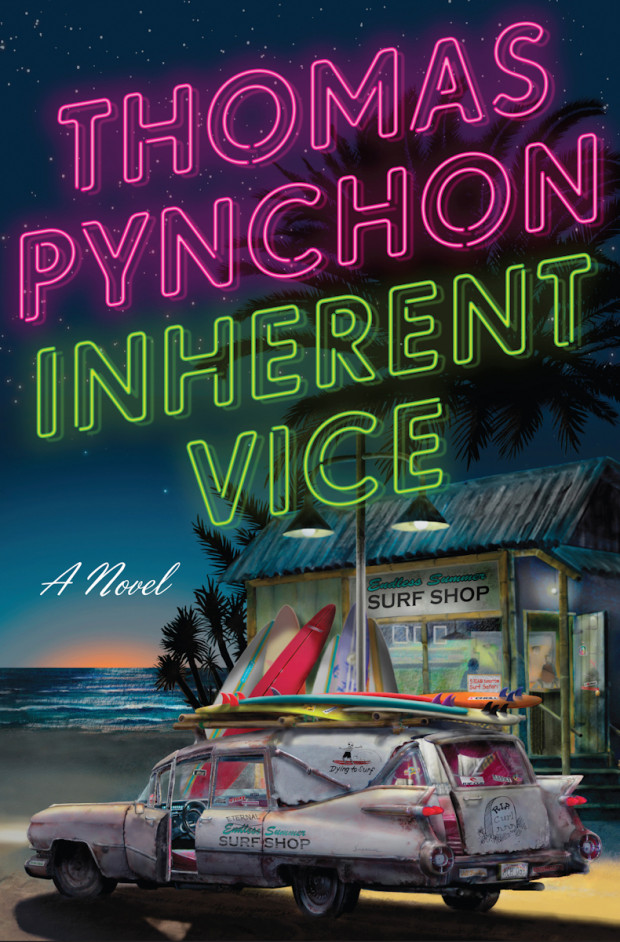
Inherent Vice by Thomas Pynchon; design by Darren Haggar and Tal Goretsky; illustration by Darshan Zenith / Cruiser Art (Penguin / August 2009)
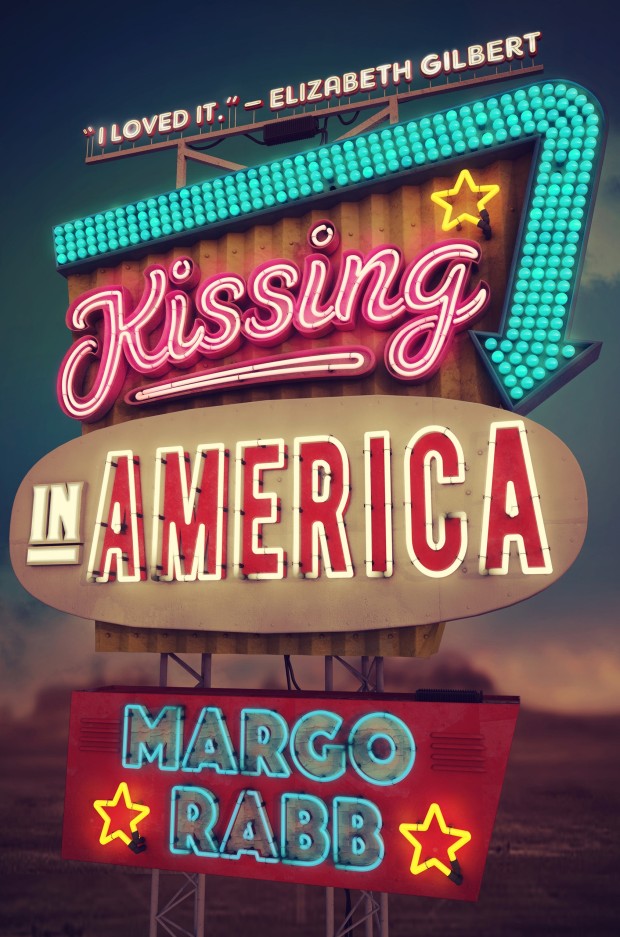
Kissing in America by Margo Rabb; design by Erin Fitzsimmons; art by Thomas Burden (HarperCollins / May 2015 )
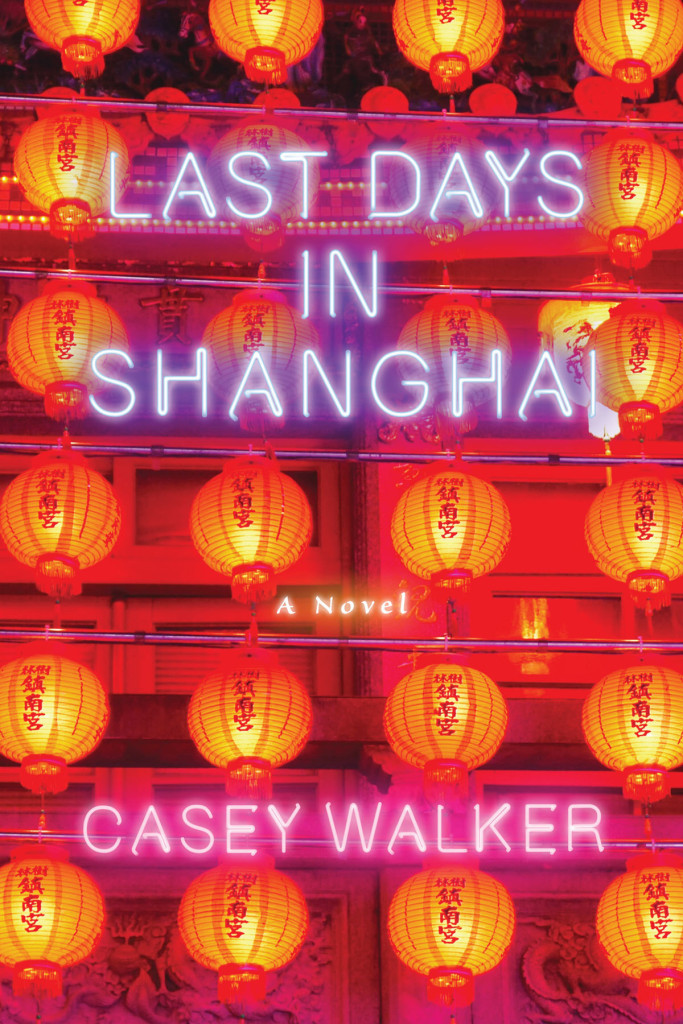
Last Days in Shanghai by Casey Walker; design by Jason Snyder (Counterpoint / December 2014)
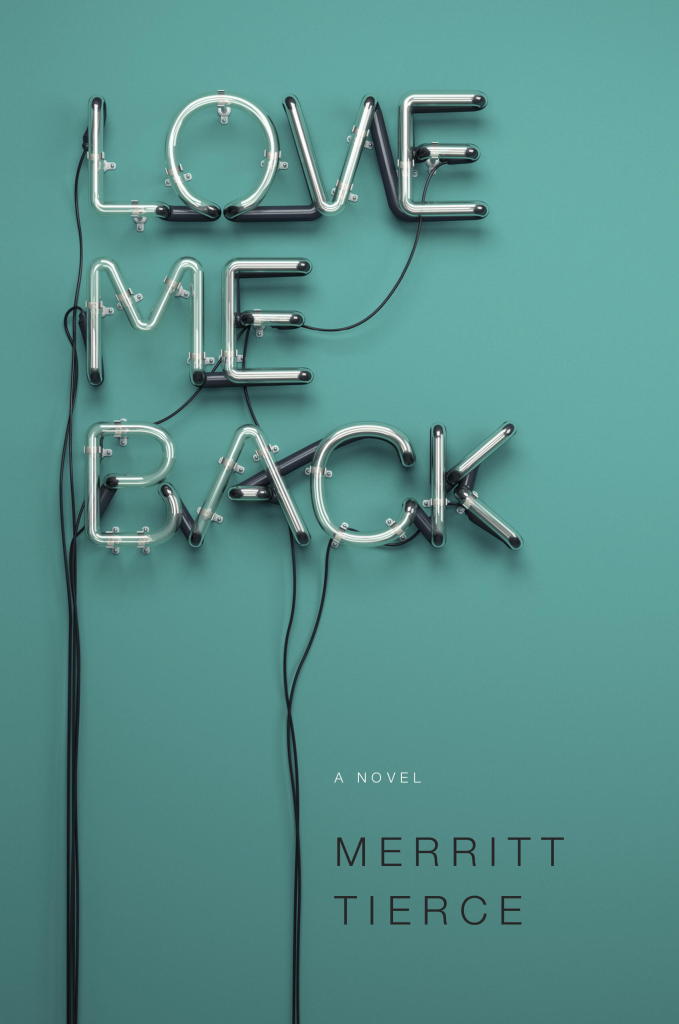
Love Me Back by Merritt Tierce; design by Emily Mahon; illustration by Rizon Parein (Doubleday / September 2014)
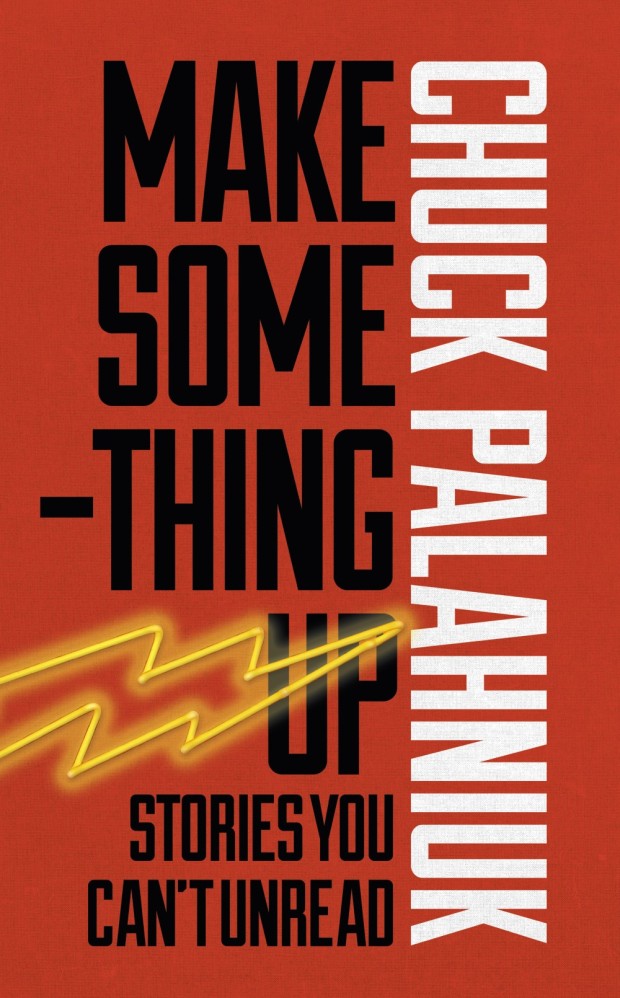
Make Something Up by Chuck Palahniuk; design by James Paul Jones (Jonathan Cape / May 2015)
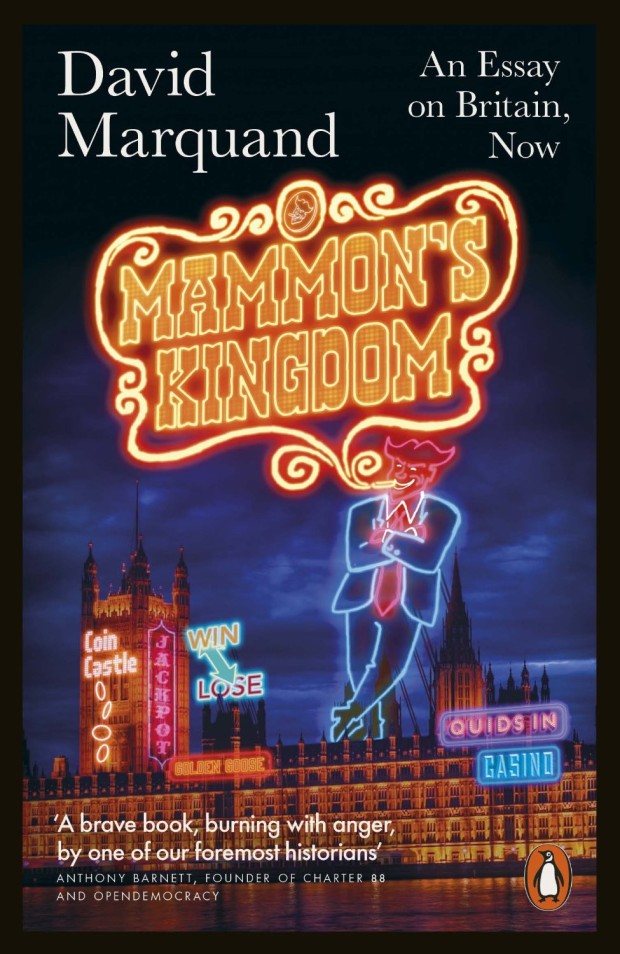
Mammon’s Kingdom by David Marquand; cover art by Mr Whaite (Allen Lane / May 2014)

Milk Bar Life by Christina Tosi; design by Walter Green (Clarkson Potter / April 2015)
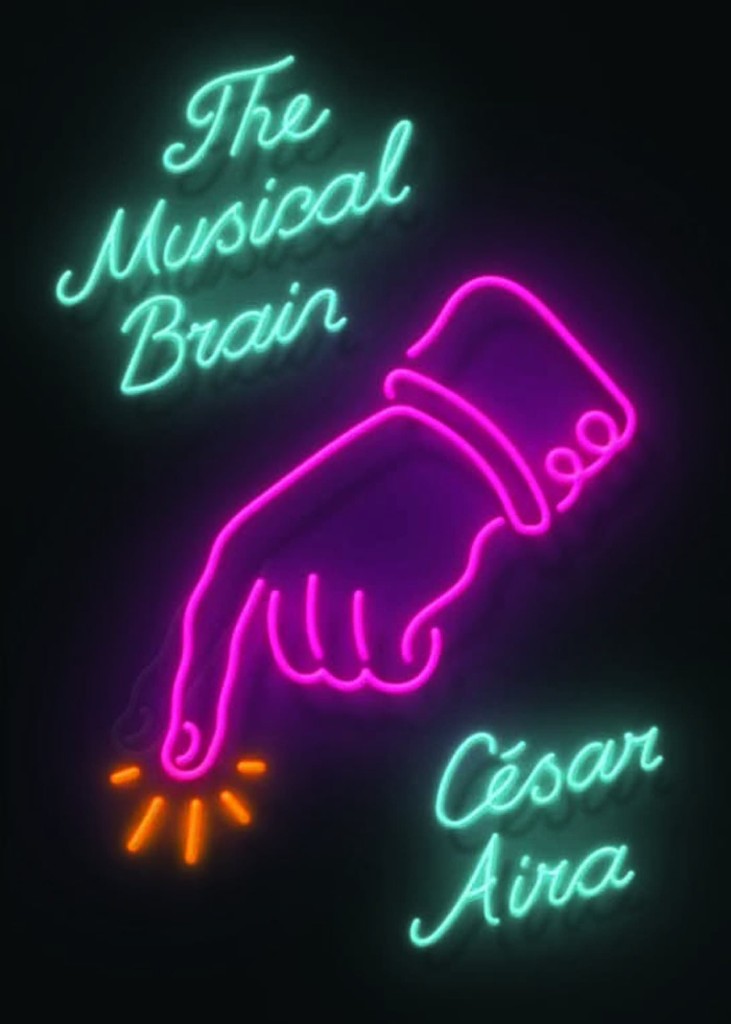
The Musical Brain by César Aira; design by Rodrigo Corral (New Directions / March 2015)
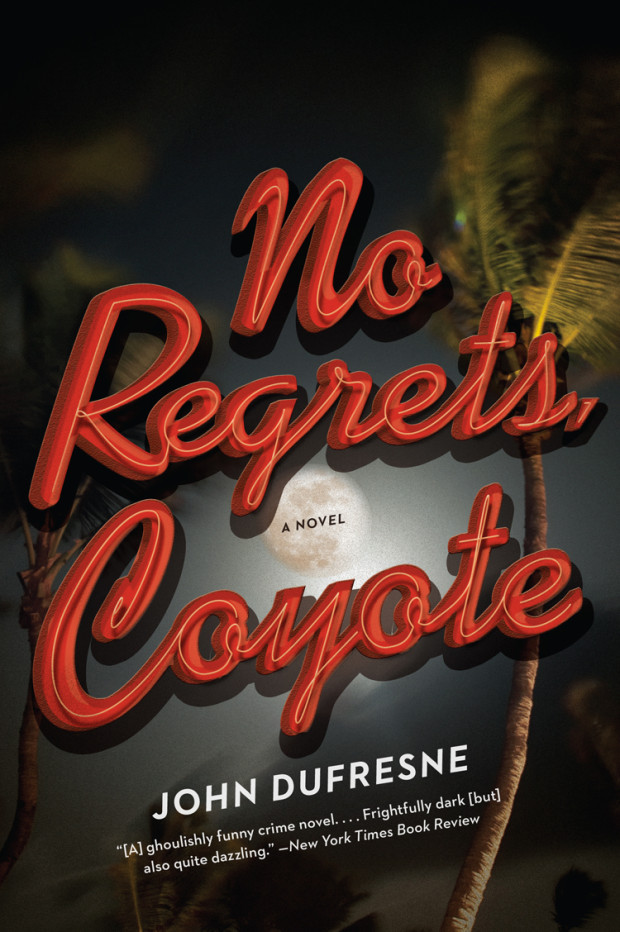
No Regrets Coyote; design by John Dufresne; design by Jennifer Heuer (W. W. Norton / July 2014)
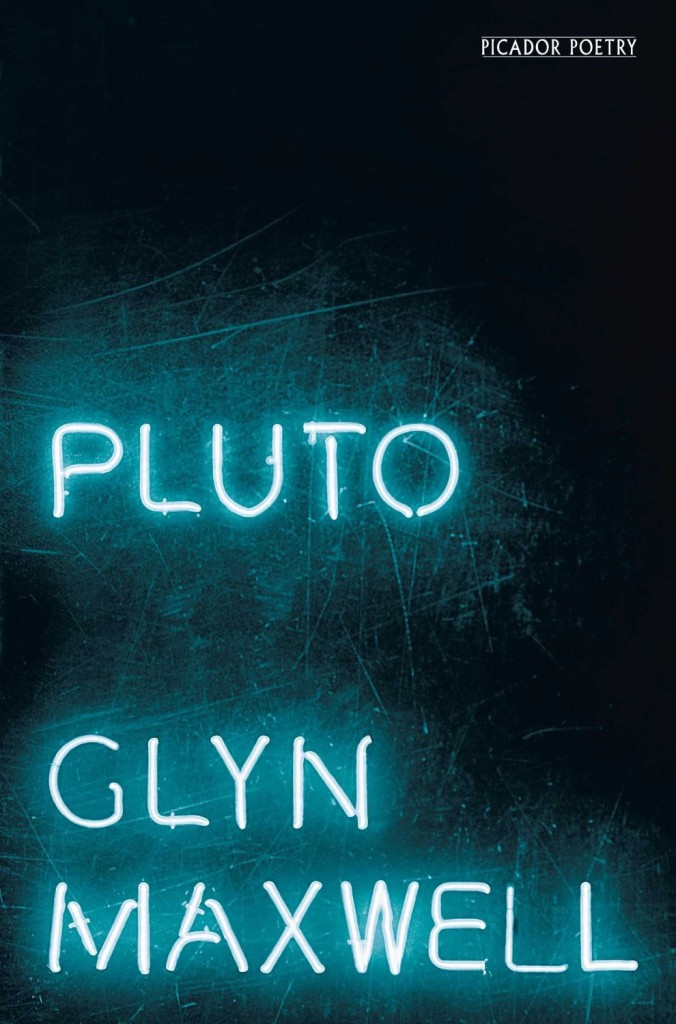
Pluto by Glyn Maxwell; design by Jonathan Pelham (Picador / April 2013)
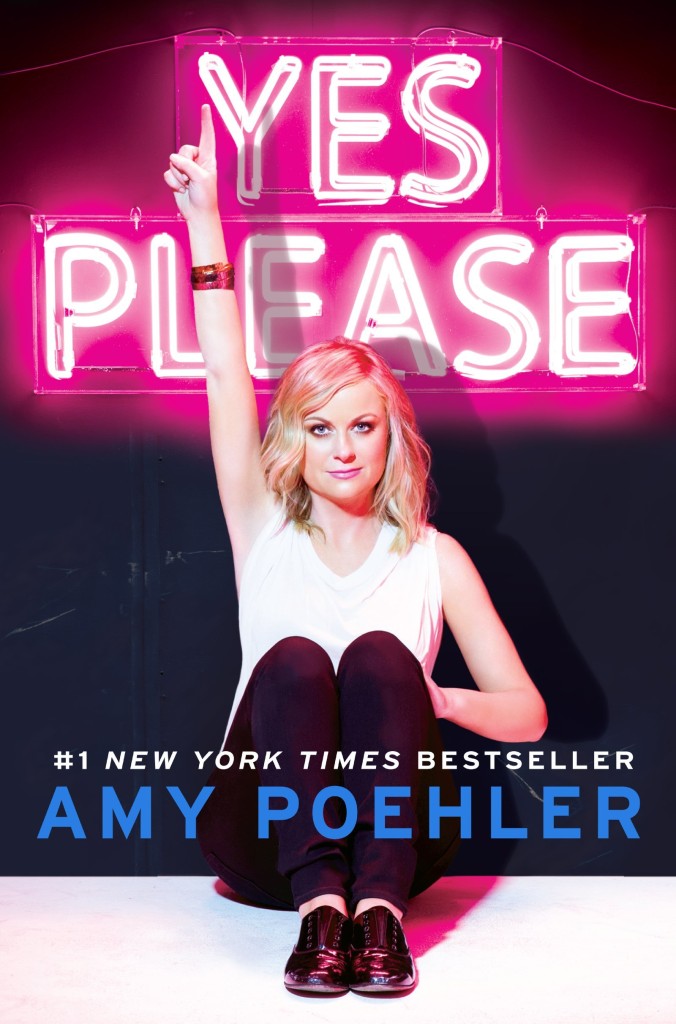
Yes Please by Amy Poehler; design by Mary Schuck (Dey Street Books / October 2014)
The New York Times profiles Julie Strauss-Gabel, the publisher of Dutton Children’s Books:
Comments closedShe became publisher of Dutton in 2011, and right away, it was clear this was going to be a different sort of imprint. She whittled down the list from about 50 titles a year for children of all ages, to about 10 books, with a focus on high-quality young adult fiction.
“There was nobody doing just what I do now 20 years ago,” she said. “It would have been unheard-of for a children’s publisher not to do picture books”…
…For such a small list — this year, Dutton will publish a mere eight titles — Ms. Strauss-Gabel’s books are strikingly diverse, covering science fiction and dystopian worlds, psychological suspense and works of social realism. She favors realistic, contemporary fiction, though lately she has been acquiring more memoirs and nonfiction.
“We’re in an era where the definition of a young adult book is completely up for grabs, and people are willing to reinvent it,” she said. “There’s no one saying, ‘You can’t do this in a book for children.’ ”
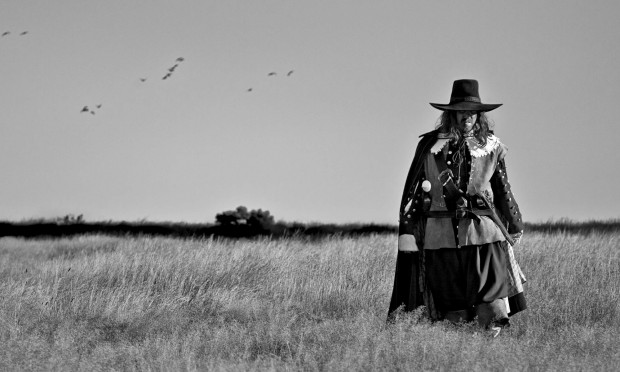
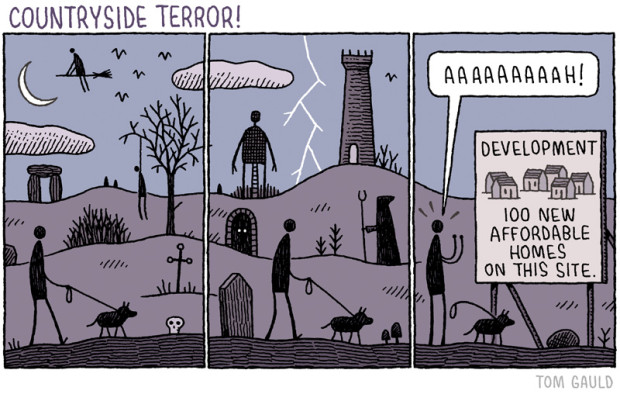
Robert Macfarlane, whose new book Landmarks was published in the UK last month, has a fascinating essay in The Guardian on the writer M. R. James, and the eerie horror of the English countryside:
We do not seem able to leave MR James (1862–1936) behind. His stories, like the restless dead that haunt them, keep returning to us: re-adapted, reread, freshly frightening for each new era. One reason for this is his mastery of the eerie: that form of fear that is felt first as unease, then as dread, and which is incited by glimpses and tremors rather than outright attack. Horror specialises in confrontation and aggression; the eerie in intimation and aggregation. Its physical consequences tend to be gradual and compound: swarming in the stomach’s pit, the tell-tale prickle of the skin… James stays with us is his understanding of landscape – and especially the English landscape – as constituted by uncanny forces, part-buried sufferings and contested ownerships. Landscape, in James, is never a smooth surface or simple stage-set, there to offer picturesque consolations. Rather it is a realm that snags, bites and troubles. He repeatedly invokes the pastoral – that green dream of natural tranquillity and social order – only to traumatise it.
James’s influence, or his example, has rarely been more strongly with us than now. For there is presently apparent, across what might broadly be called landscape culture, a fascination with these Jamesian ideas of unsettlement and displacement. In music, literature, art, film and photography, as well as in new and hybrid forms and media, the English eerie is on the rise. A loose but substantial body of work is emerging that explores the English landscape in terms of its anomalies rather than its continuities, that is sceptical of comfortable notions of “dwelling” and “belonging”, and of the packagings of the past as “heritage”, and that locates itself within a spectred rather than a sceptred isle.
I think the eerie is also a theme that runs through English comics, although Macfarlane doesn’t mention it, and I’m hard pressed to think of specific examples. Gothic psychogeography is very much Alan Moore territory, and it feels like it should be in Warren Ellis’s wheelhouse too, but have either of them written anything explicitly about the horror of the English countryside?
(via Theo Inglis)
3 Comments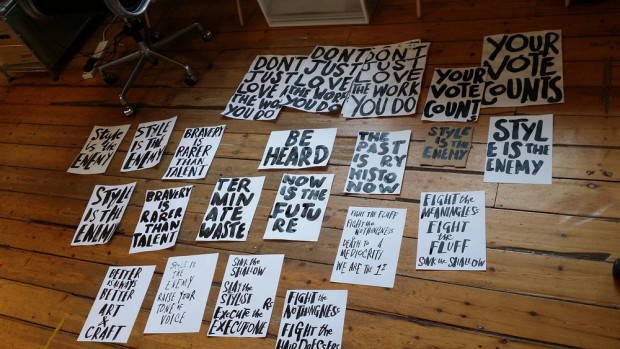
D&AD visits Marion Deuchars in her studio to talk about her work and creating hand-lettered signs for Judging Week 2015:
Comments closed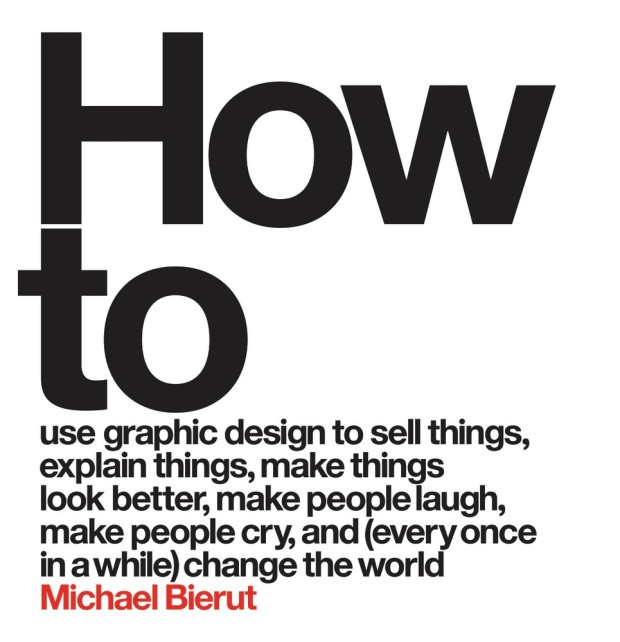
More wisdom from designer Michael Bierut, this time in an interview with Dave Benton for Behance’s 99U:
Comments closedI have to admit I don’t like working on projects where I sense that the cosmetic side of design is meant to be the main differentiator. My design work isn’t interesting enough to differentiate something that’s not interesting otherwise. I look for things that are full of interest and that I am interested in, where I can really see the raison d’etre and the need that they are fulfilling in the world. If you really get all that, then you can calibrate what the appropriate response is design-wise.
I am not one of those designers who are eager to expand the role of a graphic designer. I’m a graphic designer. I know I’m good at that. I’m not an expert about customer service. I’m not an expert about coming up with the valuation of an IPO. If someone comes to me and has a shitty product, I will say tell them upfront that I don’t know why people would use this and that, to me, it doesn’t make sense, and I’m not sure a logo is what they need right now. But I’m not someone who is dying to have a seat at the table and have input earlier in the process; I’m surrounded by people who have goddamn opinions about things they don’t know anything about, and I don’t want to be one of those people.
Posting Kim Warp’s Moby Dick cartoon last week reminded me to post this The New Yorker cartoon by Mick Stevens from February:
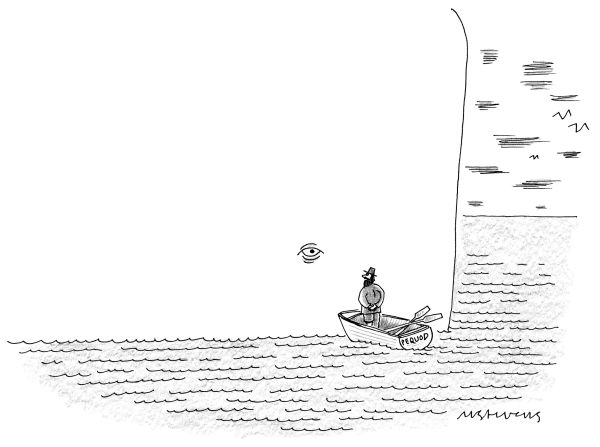
(There’s probably a New Yorker book Moby Dick Cartoons, isn’t there?)
Comments closed