I haven’t seen Star Wars: The Force Awakens, and I’ve been surprised by my own ambivalence towards it. But as someone who was almost exactly the right age for the original trilogy (give or take a year or two) — and still has a slightly morbid fascination with Star Wars as a cultural phenomenon — I’ve managed to read rather a lot about it.
I particularly enjoyed two articles specifically about The Force Awakens. First off, there’s Aaron Bady’s essay Our Star Wars Holiday Special for The New Inquiry:
Every beat in The Force Awakens reminds you that you are watching fan service. It recycles the original Star Wars with the same shameless and joyous abandon that the original trilogy “recycled” chanbara samurai movies, WWII movies, pulp sci-fi, and anything else that George Lucas happened to come across and devour. And this point is worth underscoring: Lucas gobbled up and digested so many different pop cultural predecessors, and did it so directly and shamelessly, that to subject any of the resulting crap to standards of originality is to fundamentally misunderstand how it works, or why. The man literally cut together footage from WWII fighter pilot films and then re-shot it as space battles; his first treatment actually plagiarizes Donald Richie’s description of The Hidden Fortress. But to accuse him of “plagiarism” is like accusing him of making a movie. If it felt good, he released it, and that’s Star Wars: sensation and feeling without thought or coherence. Star Wars is the indescribable goodness of the images and sounds, and the way that goodness overwhelms and digests the rest of it. Star Wars misses the target if it aims. Just let go, Luke. Trust yourself.
Critics have blamed J.J. Abrams, or George Lucas, or Disney (as Lucas and Michael Hitzlik have) for the film’s lack of novelty, but whomever they’ve singled out, the range of causes has been far too narrow, locating responsibility within the production narrative of The Force Awakens. That’s typical. For decades Star Wars has inspired a strangely blinkered sort of criticism that leans on the franchise’s unique success and Lucas’s unique authority to justify treating it as somehow apart from Hollywood as a whole. It has been seen as responsible for the end of The ’70s, but somehow not the product of that ending. Worse, Lucas’s own cod-Jungian narrative theory has governed the understanding of the films’ stories to the exclusion of changes in Hollywood storytelling over the same period.
As a result, criticisms — or defenses — of Star Wars’s narrative retreading are misguided, not because the film is narratively innovative, but because critics continue to regard it as far more immune to the broad tendencies in big-budget Hollywood filmmaking than it is now or ever was.
Both articles probably contain spoilers (if that matters to you), and although neither one convinced me that I must actually go see The Force Awakens, they seem to be clear-eyed assessments of where it sits vis a vis the original film.
[O]ne premise of the jerk theory is that any one of us might be a jerk at almost any time, given the right conditions—a bad day at work, cramped travelling conditions, too much humidity—there is more to the failures here than cases of what we might call Excessive Entitlement Disorder, or EED. Presumably, most of us do not suffer from this condition; such people are merely the bellwethers of the system, the perverse canaries in the coal mine of plutocratic society. Of course, we must allow here for the fact that such people’s behaviour does not strike them as unseemly.
When the asshole is comprehensively reified—or when EED is well advanced—there is little sense on his own part that there is anything wrong with the picture except that he’s still waiting for that damn martini. Did you send down the street for it, or what? Such blindness is part of the true asshole. The jerk, again by contrast, may come to perceive that his behaviour has been bad, that he has failed his fellow citizens in not treating them as peers. This may happen soon after the behaviour, especially when the immediate circumstances change (I get that cool drink, we get out of the small car, the air clears); or perhaps when, relating the event to a friend in search of validation, he instead receives a rebuke.
Regret may be rare and hard to come by, but the general sense that jerkiness is associated with perceived and maybe temporary superiority, rather than with entrenched entitlement, offers at least the chance of asking oneself: Hey, was I being a jerk?
Oof. Hello, January. This is all rather soon isn’t it? But here we are, a new month, and another selection of new book covers (with a few ‘old’ ones that I missed in the excitement at the end of 2015). Happy New Year…
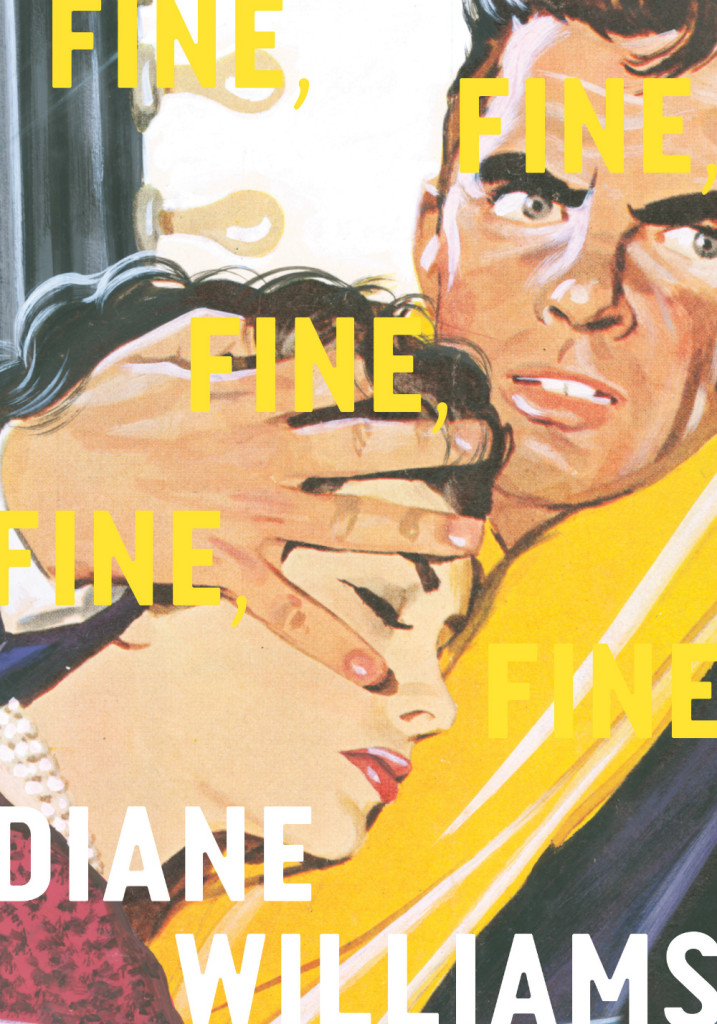
“The art on this book’s cover is unsigned and was created for a romance novella published in Mexico City in the 1960s that appeared in serial form. This piece was produced using collage and gouache overpainting on illustration board, and the back reads “El Angel No. 64.” The printer of these covers held on to the originals for decades, and the entire collection was recently purchased from his warehouse. Works are available from the Pardee Collection Gallery of Iowa City, and ‘El Angel’ is provided courtesy of Diane Williams and Wolfgang Neumann.”
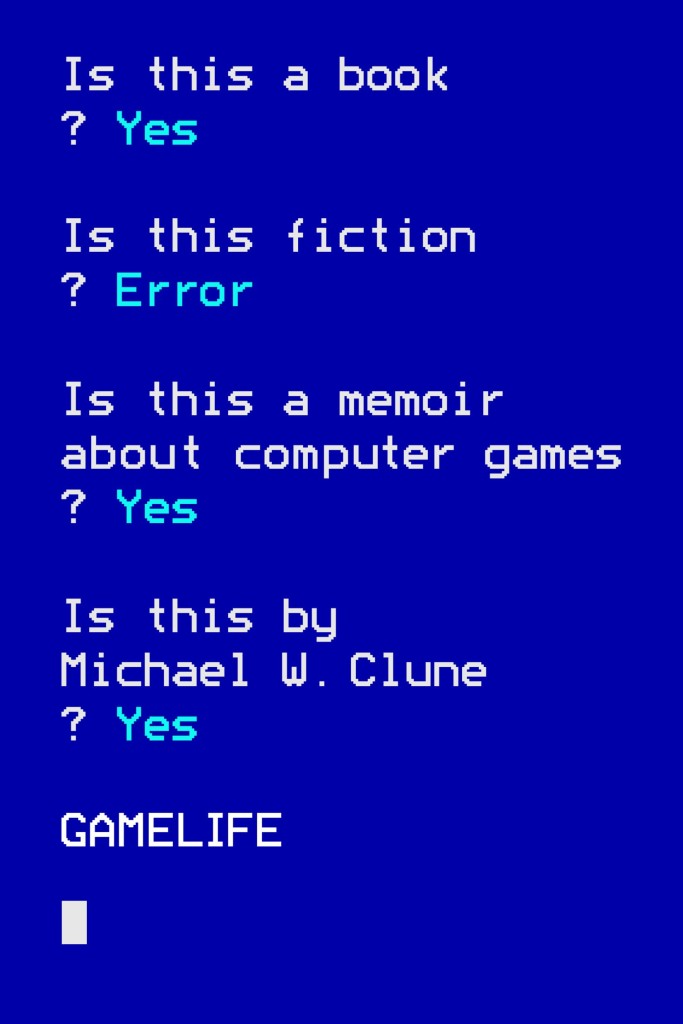
Gamelife by Michael W. Clune; design by Alex Merto (FSG / September 2015)
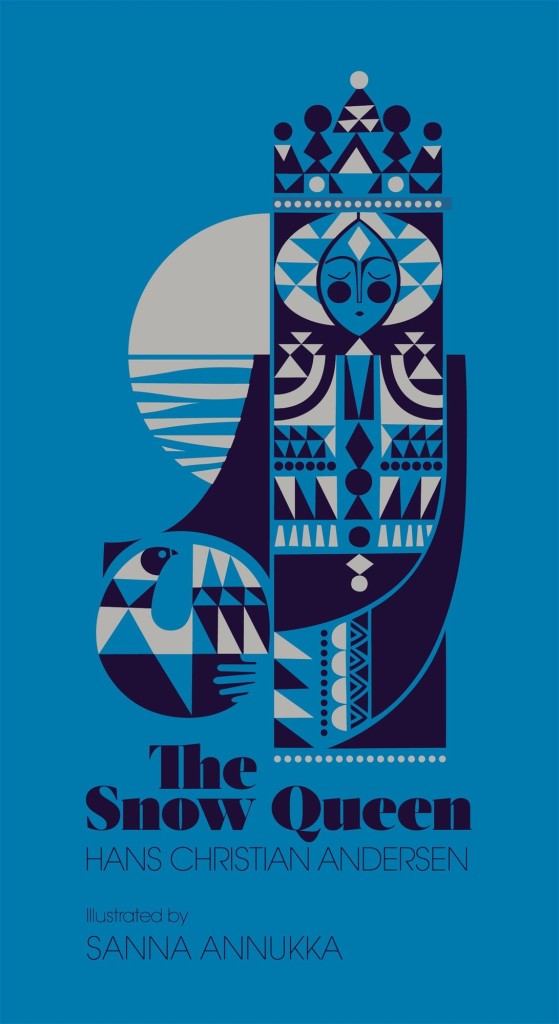
The Snow Queen by Hans Christian Andersen, illustrated by Sanna Annukka; cover art by Sanna Annukka (Hutchinson / October 2015)
This looks absolutely beautiful, but I’ve seen very little about it online, much less seen it in person. Apparently Sanna Annukka has also illustrated an edition of Hans Christian Andersen’s The Fir Tree. It looks wonderful too.
Storytelling, at least from my experience of it… I think it’s a stand-in for day to day life. So, when you come to a story with this attitude we’ve been talking about, which is kind of hopeful, generous, not to pushy. It’s like ‘well, what are you? I don’t know.’ You know, when you try to leave your ideas about the story at the door… those things are so much like what you do with the person in your life that you love. You come back to them again and again and try to intuit their real expansiveness, and you try to keep them close to you, you try to give them the benefit of the doubt. So in that sense you could see revision as a form of active love. It’s actually love in progress, I guess.
Author George Saunders on story:
These unadorned outtakes of Saunders just talking direct to camera about his writing process are even better:
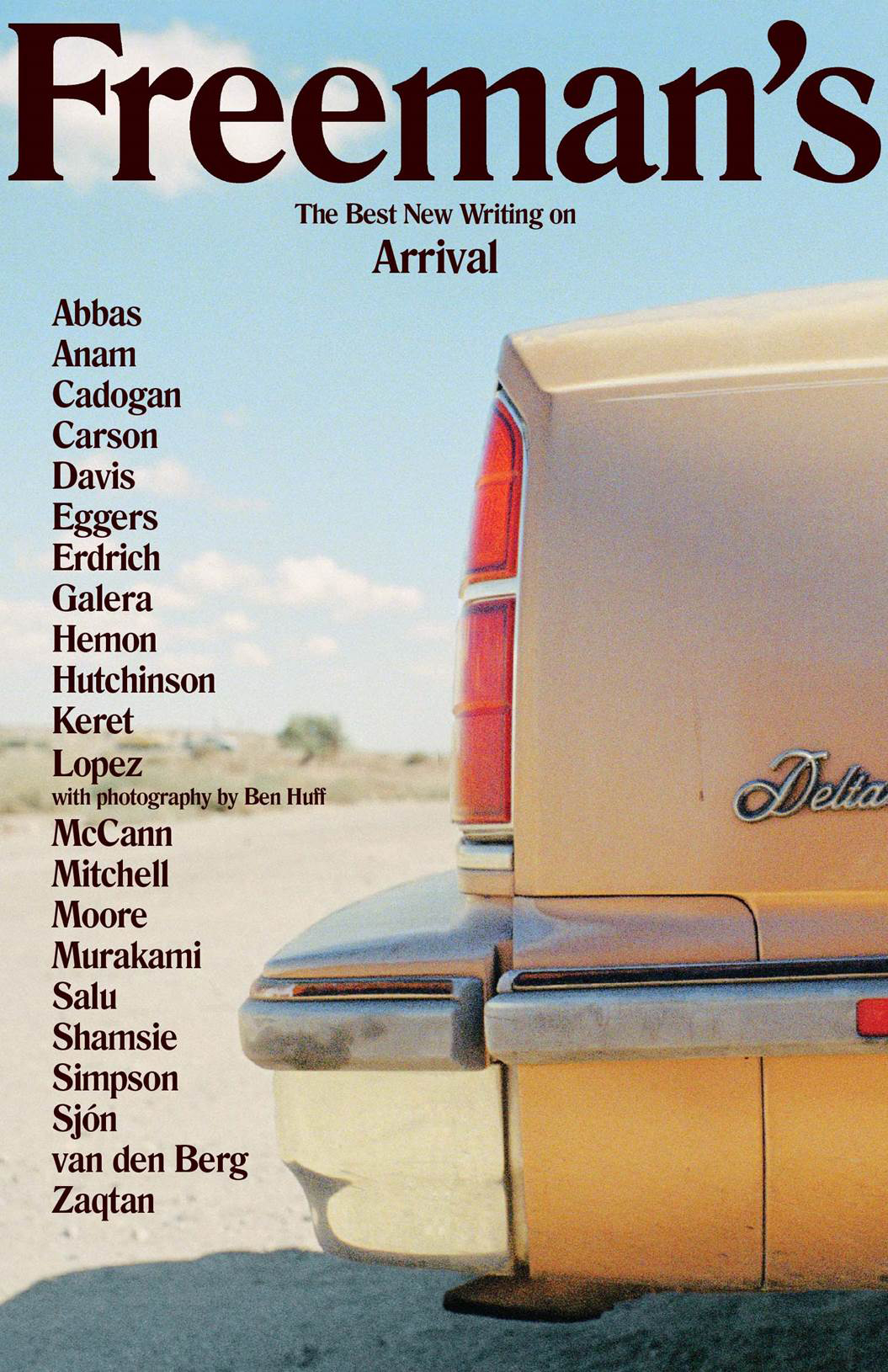
The very first Freeman’s anthology was published in fall this year, but hopefully this design will set the tone for the rest of the series. The second volume is scheduled for next year.
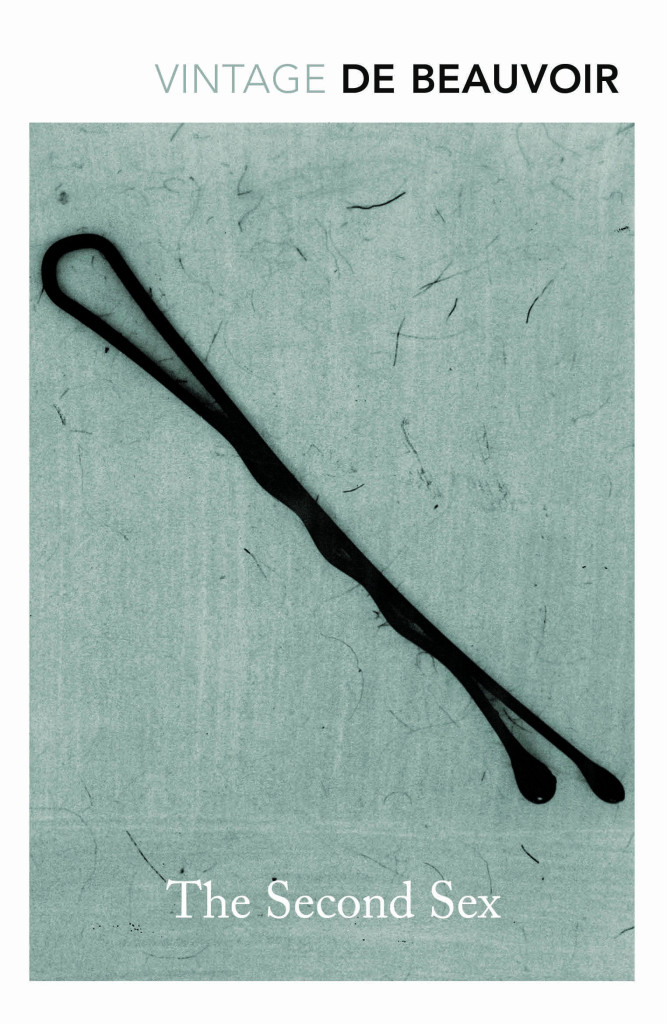
Vintage Feminism; design by Matthew Broughton (Vintage / 2015)
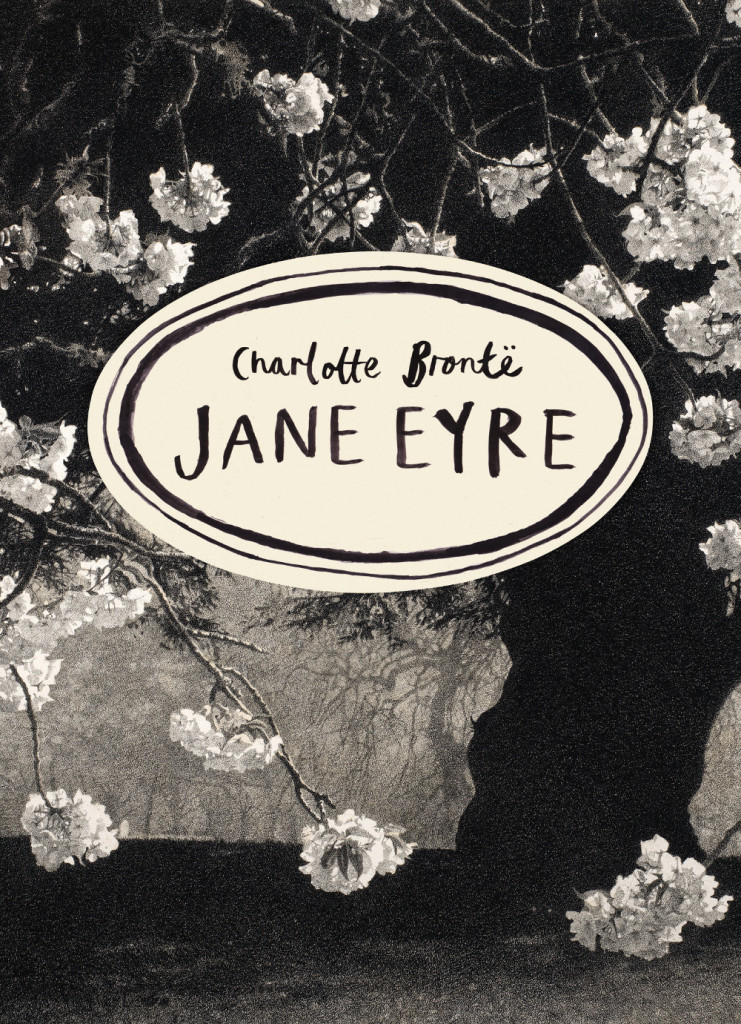
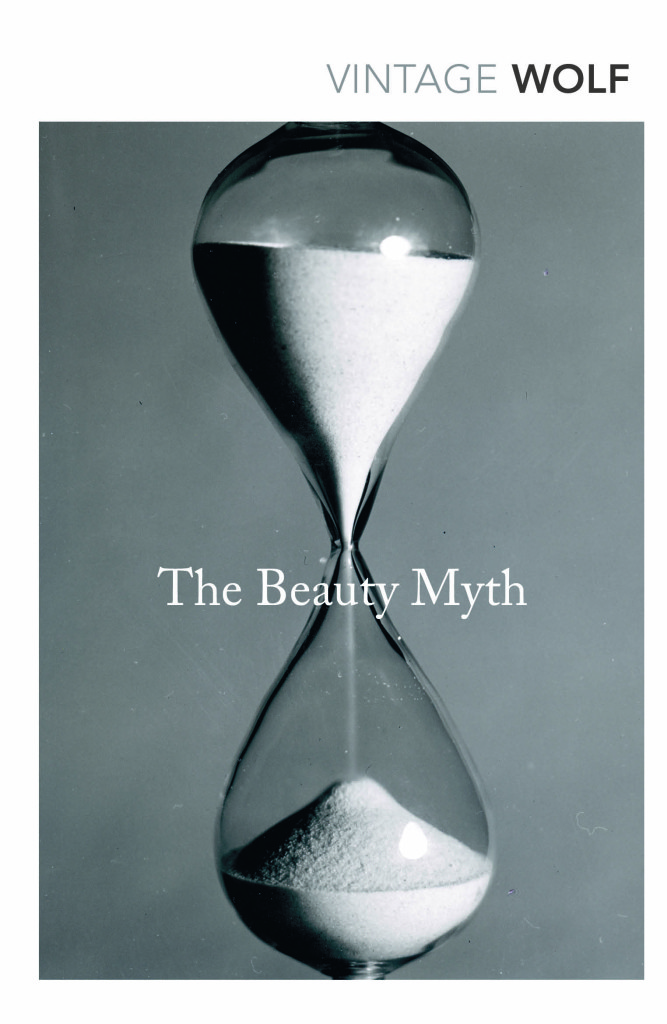
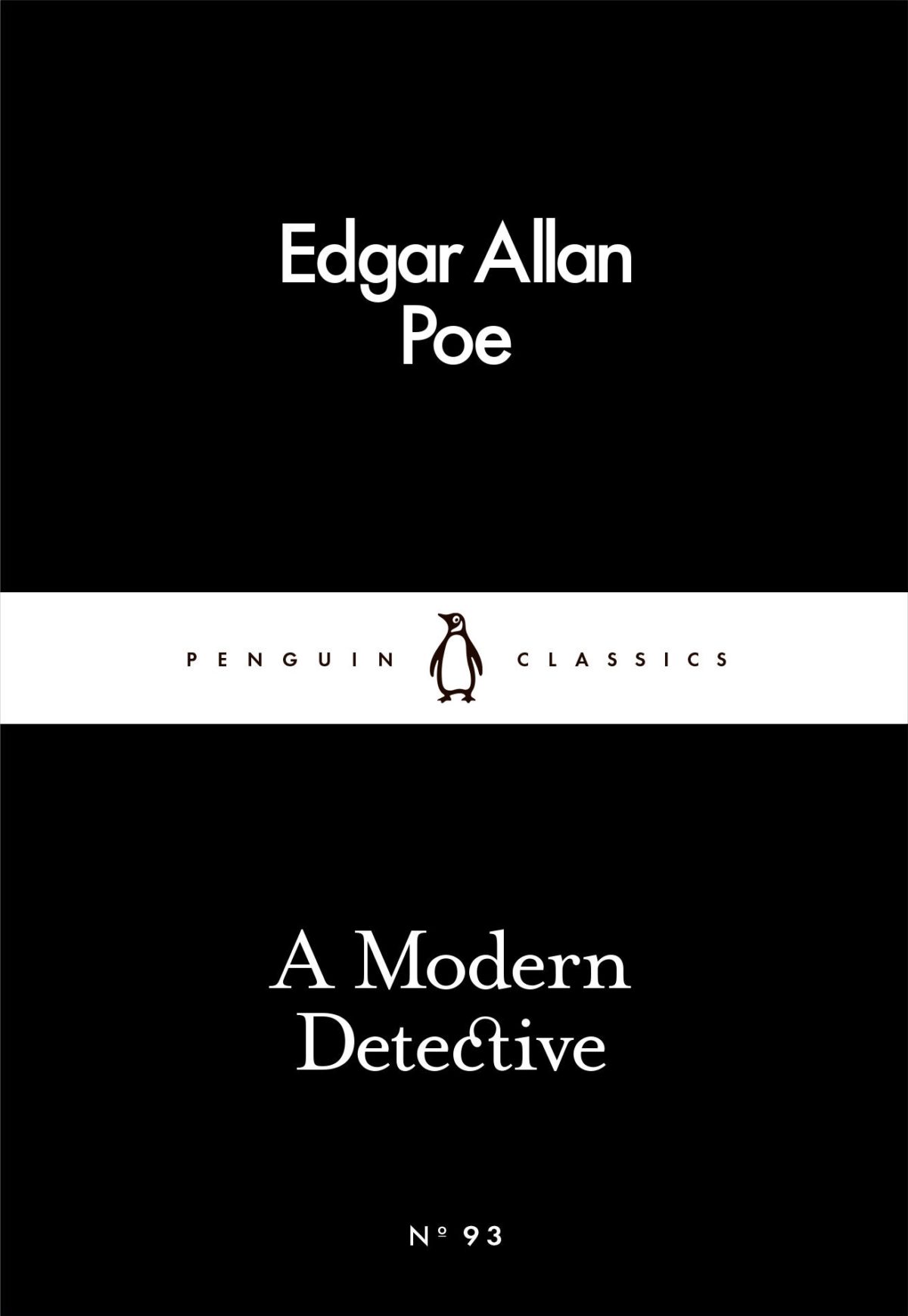
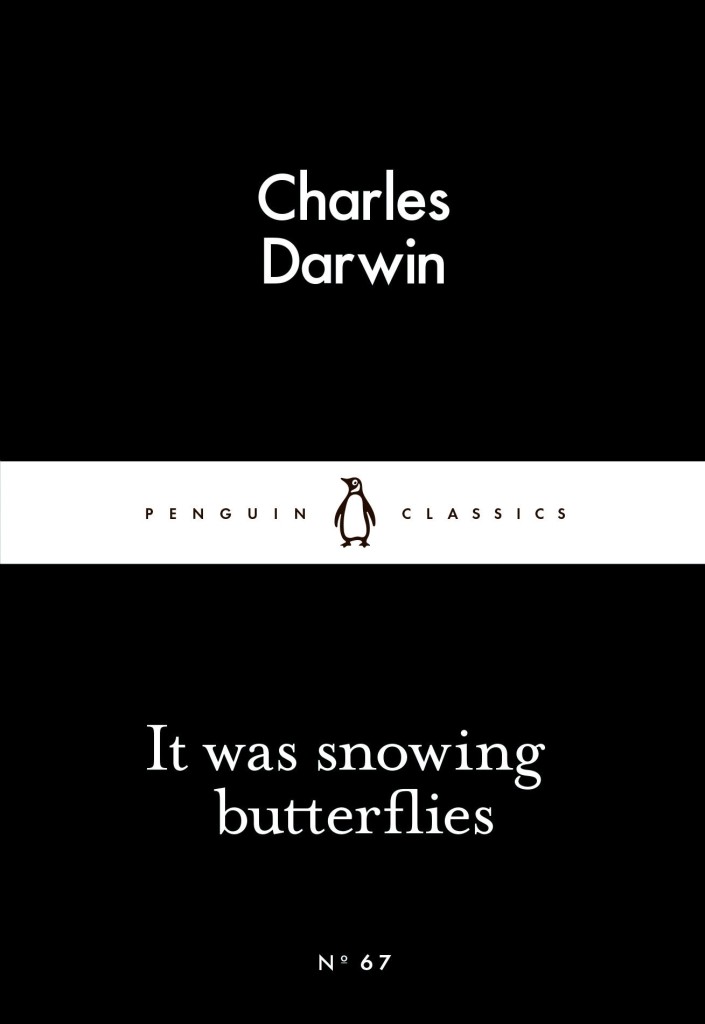
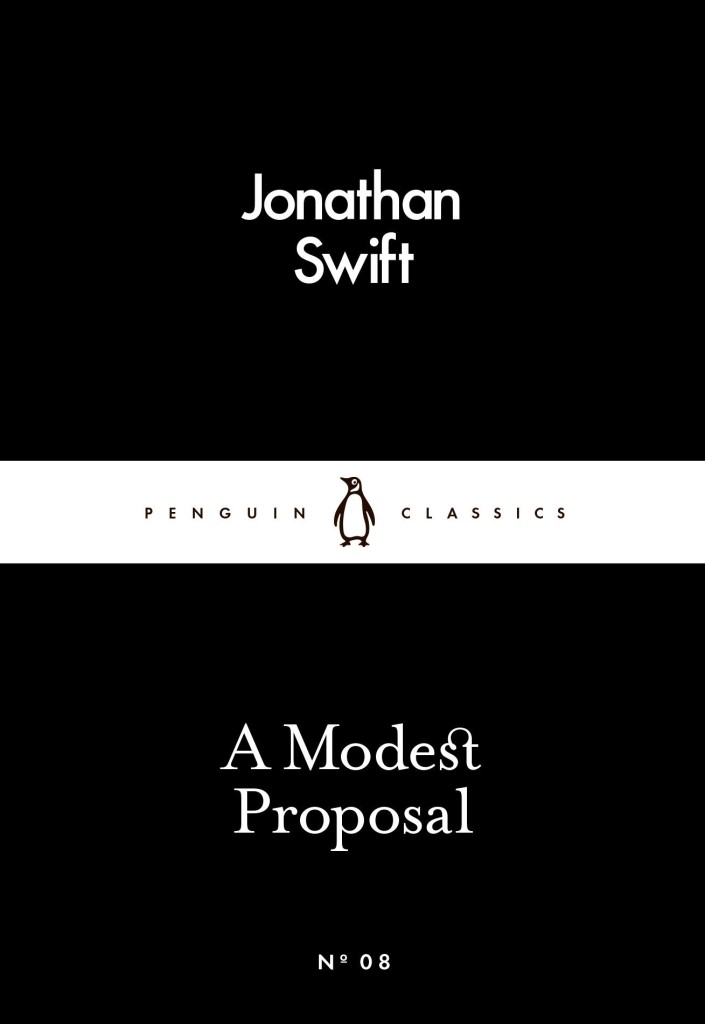
Little Black Classics; design by Jim Stoddart (Penguin / 2015)
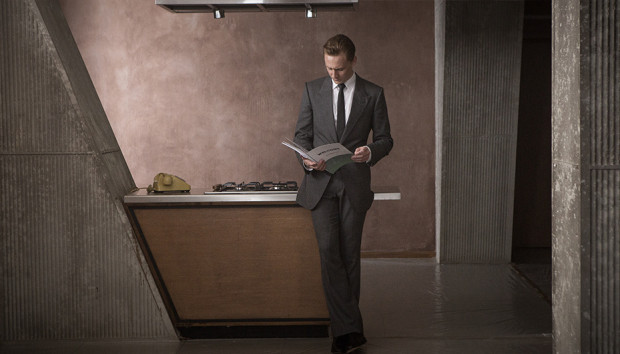
Although the early reviews have not been especially kind to the Ben Wheatley film adaptation of J.G. Ballard’s High-Rise, the trailer looks amazing. The Anthony Royal Architecture website is also a nice touch.
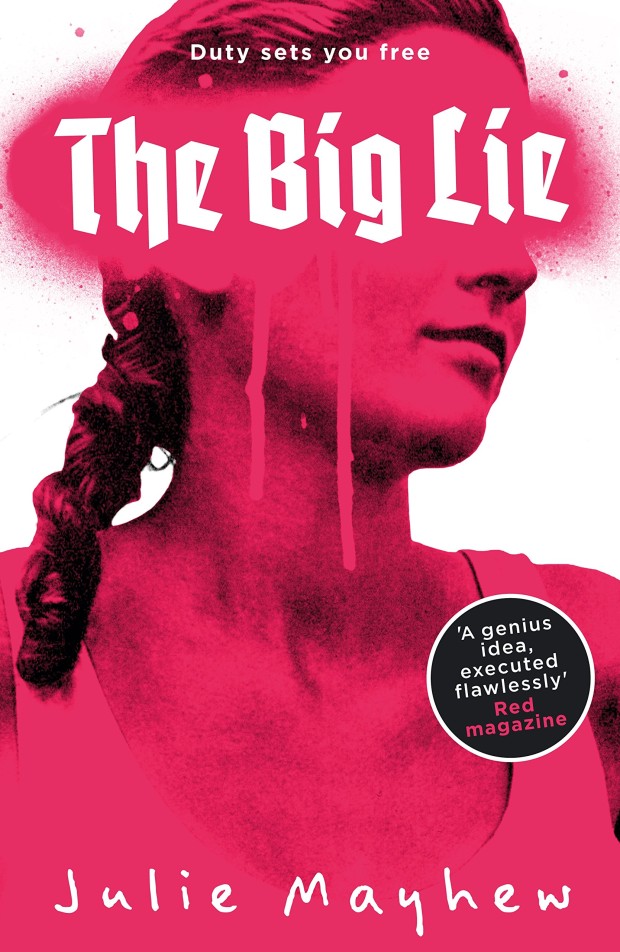
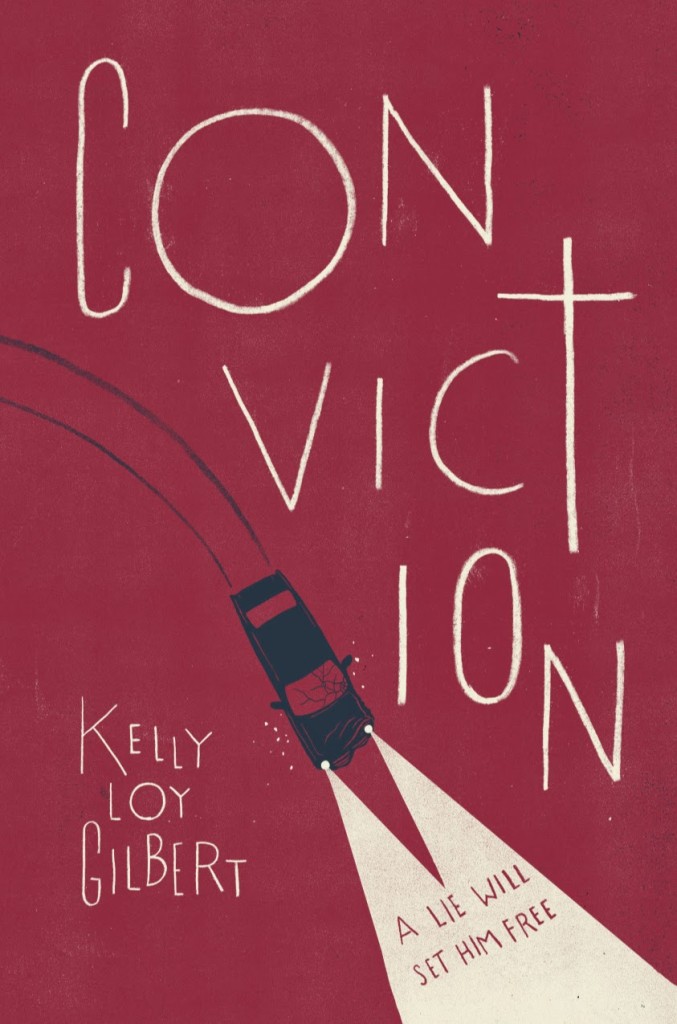
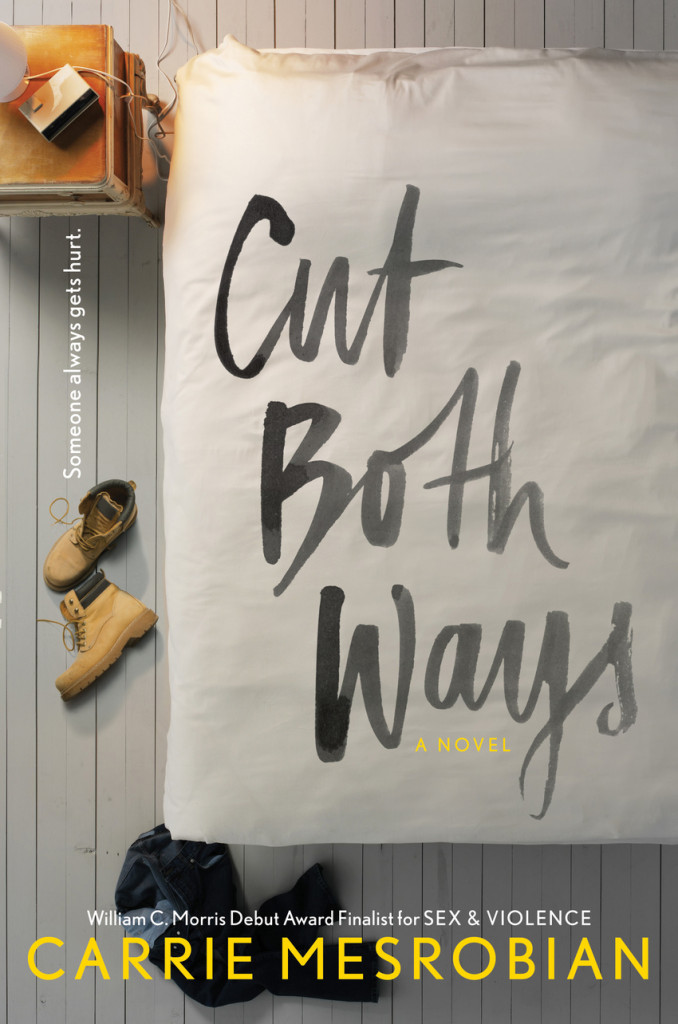
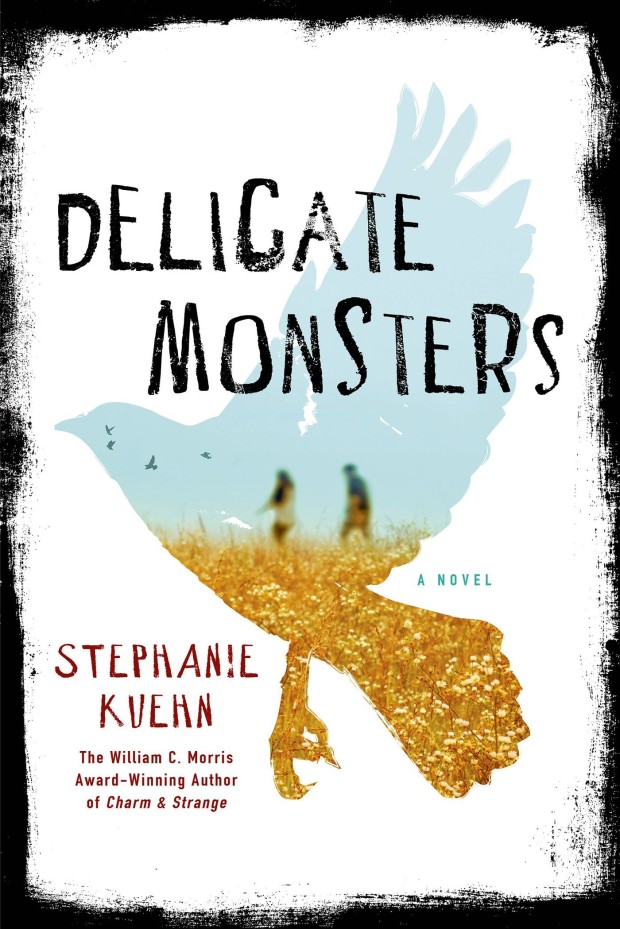
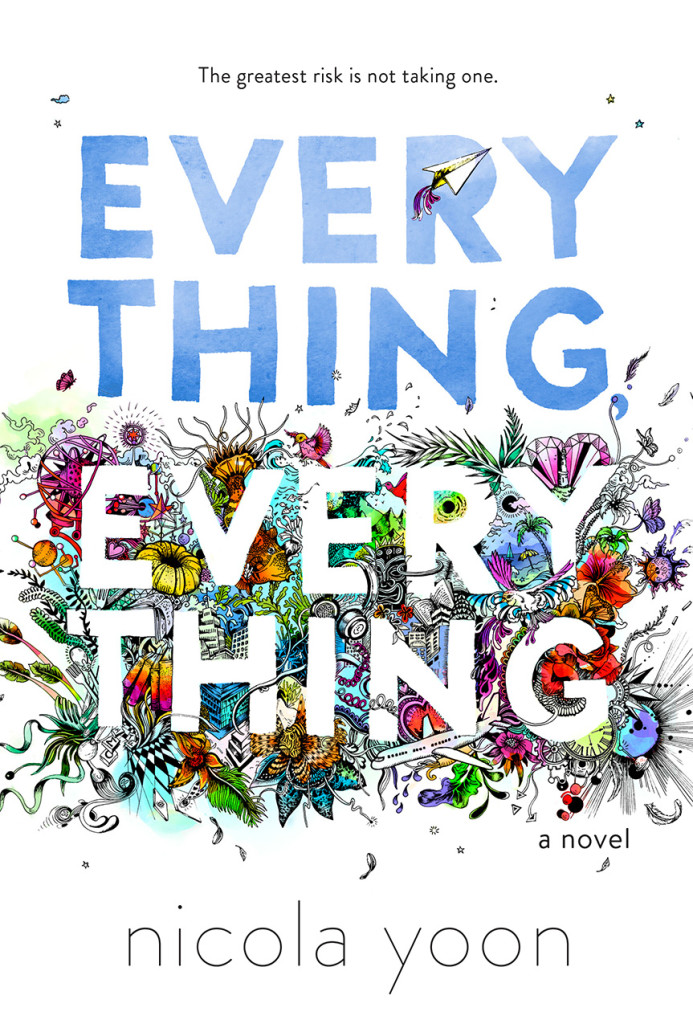
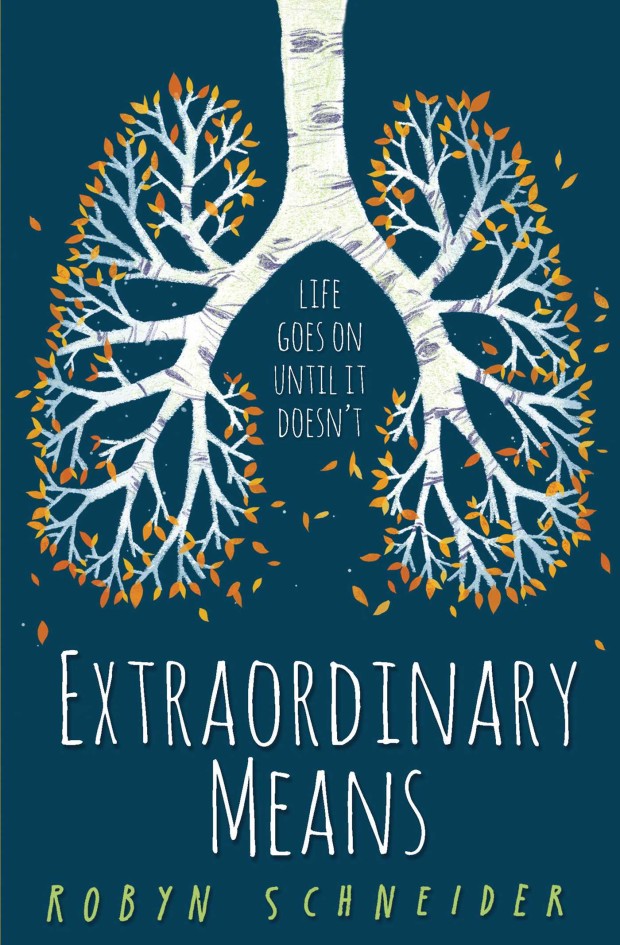
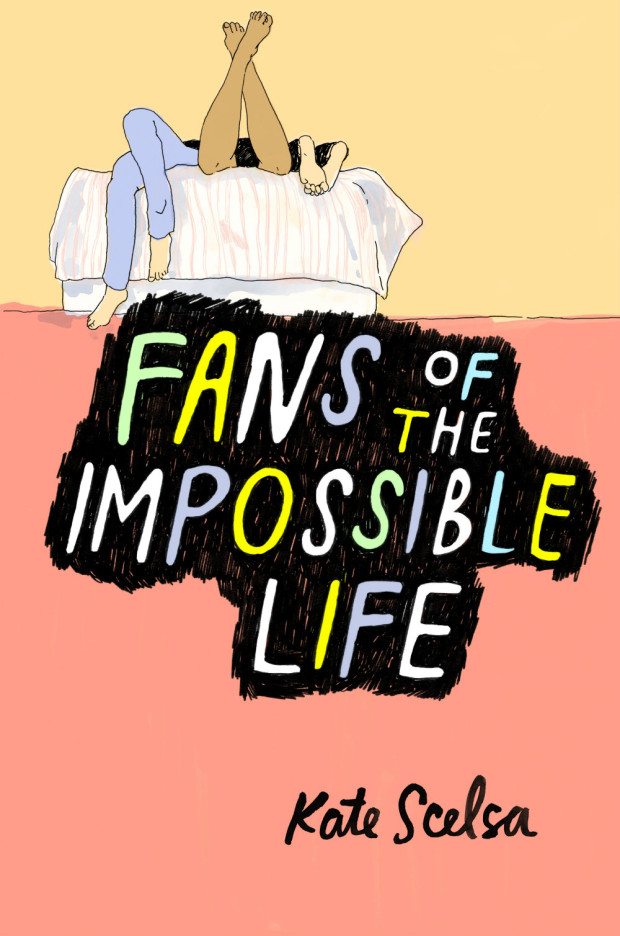
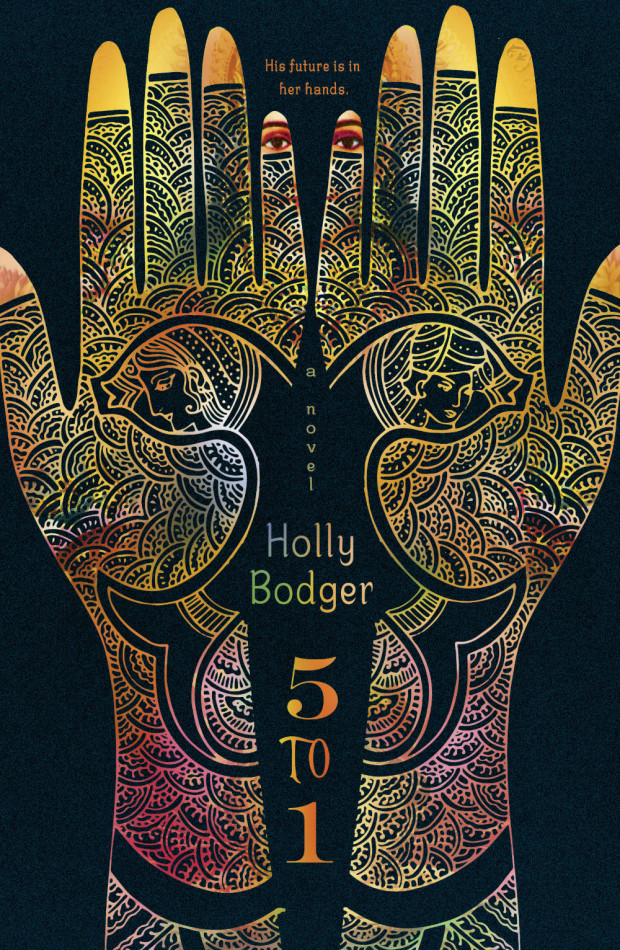
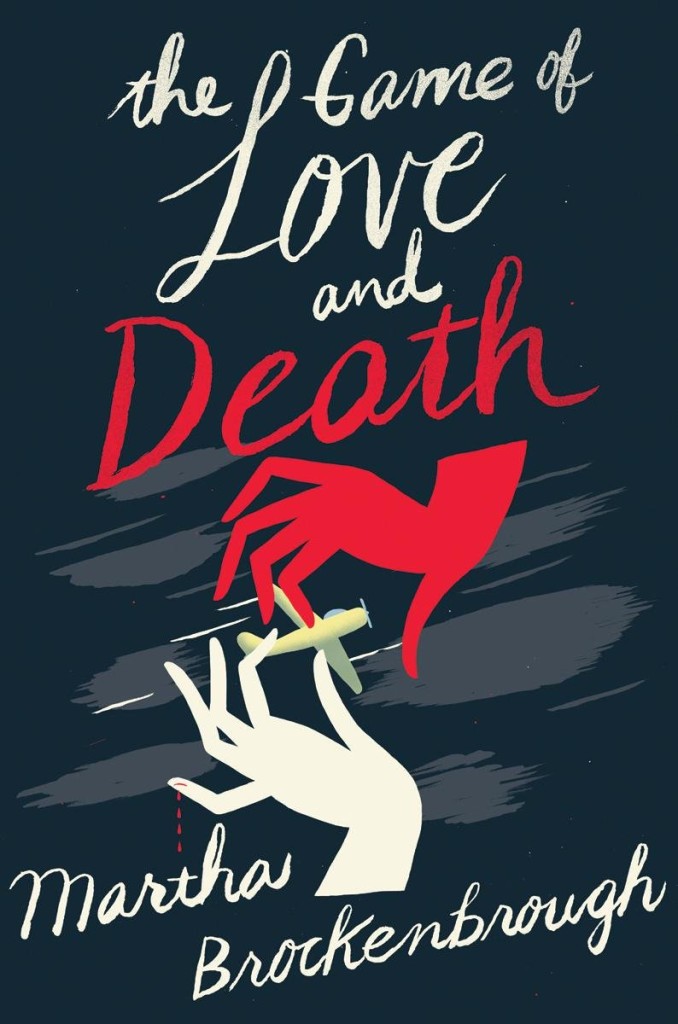
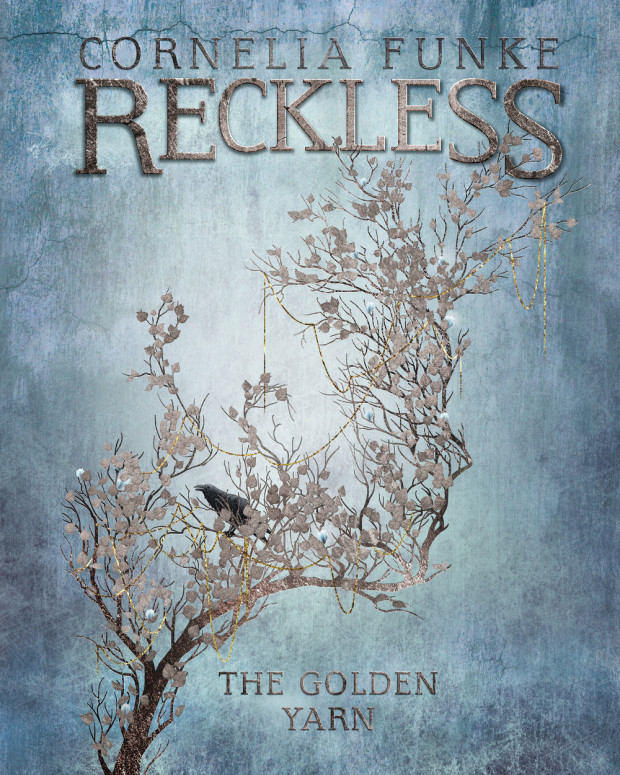
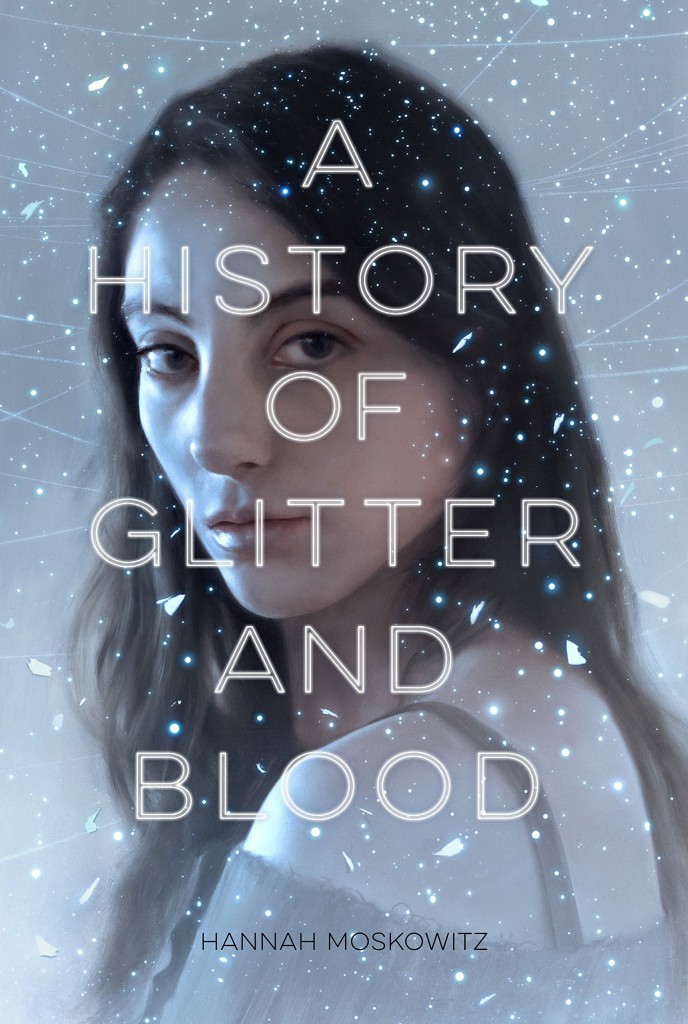
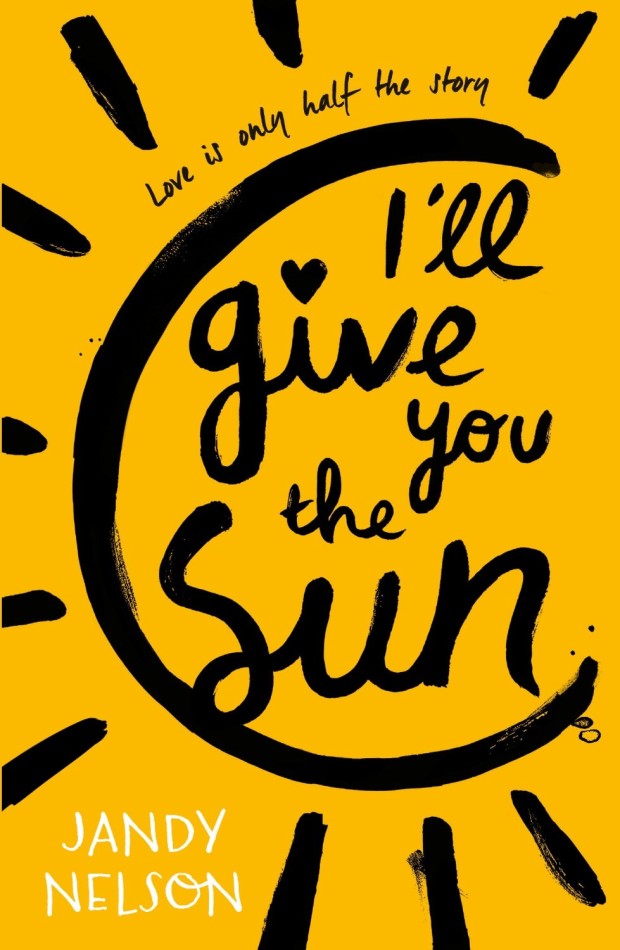
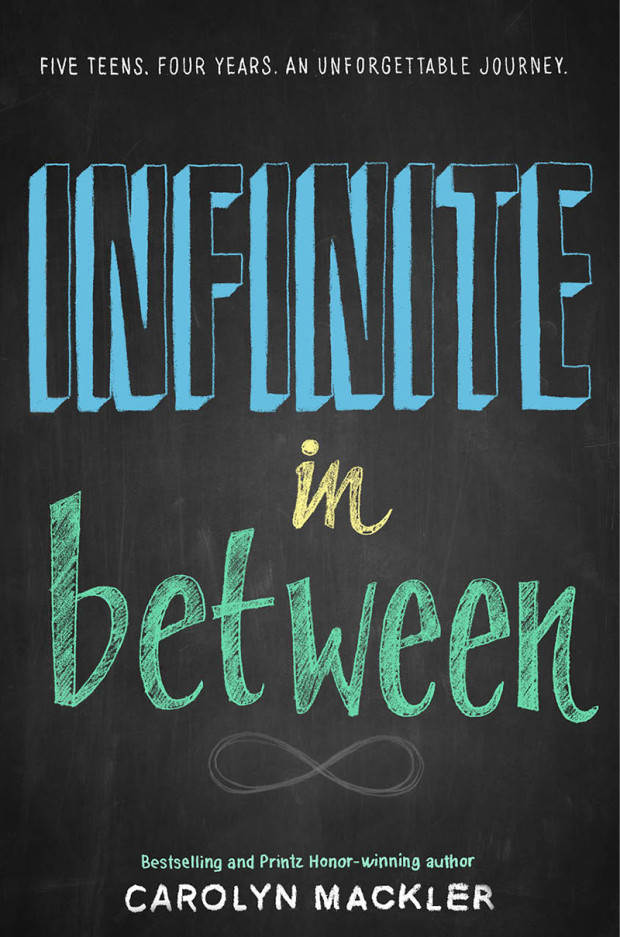
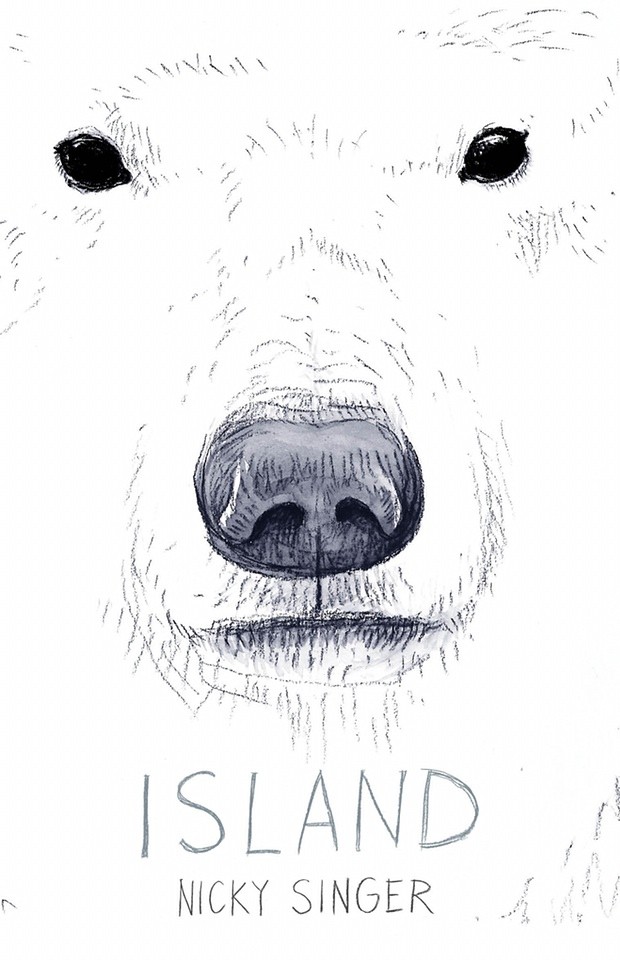
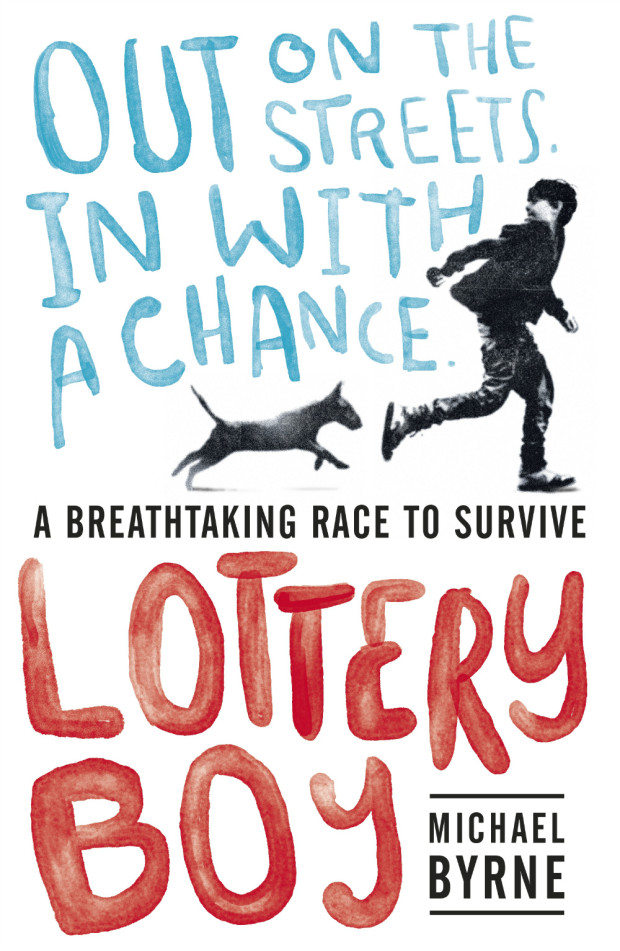
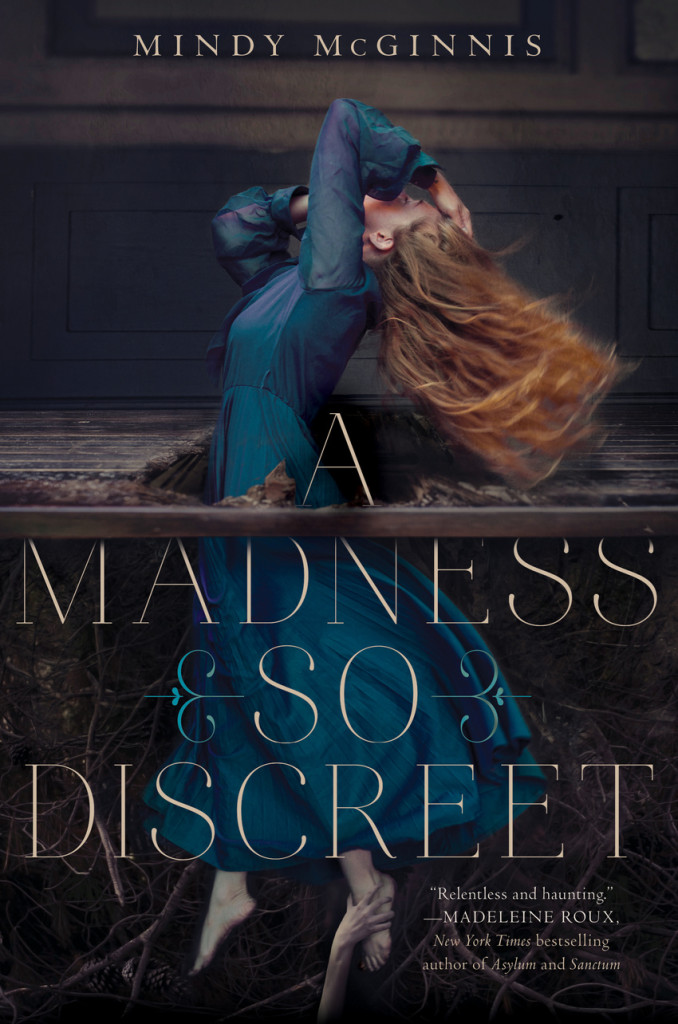
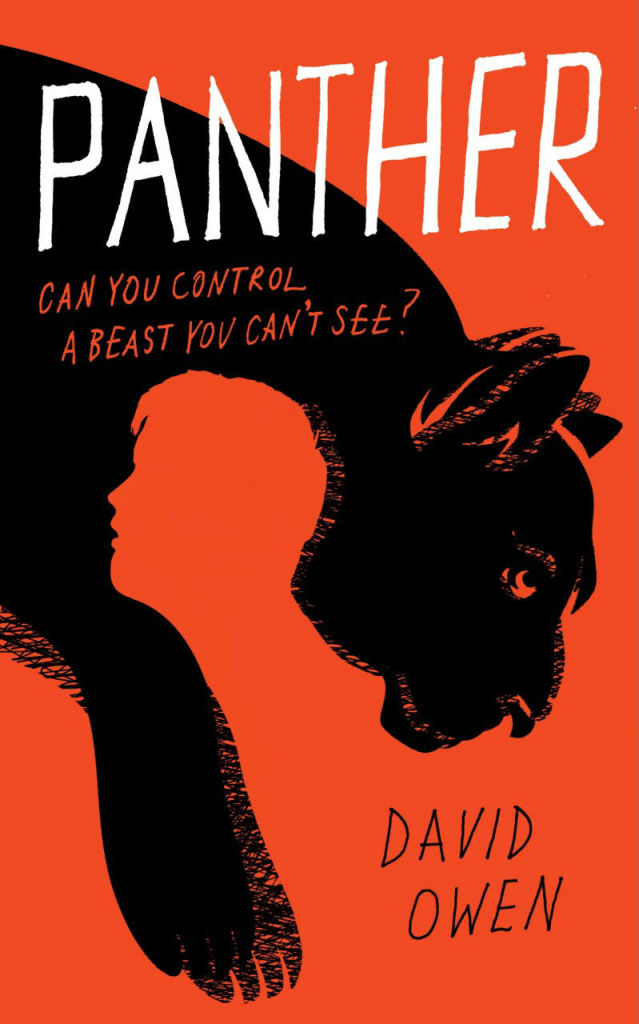
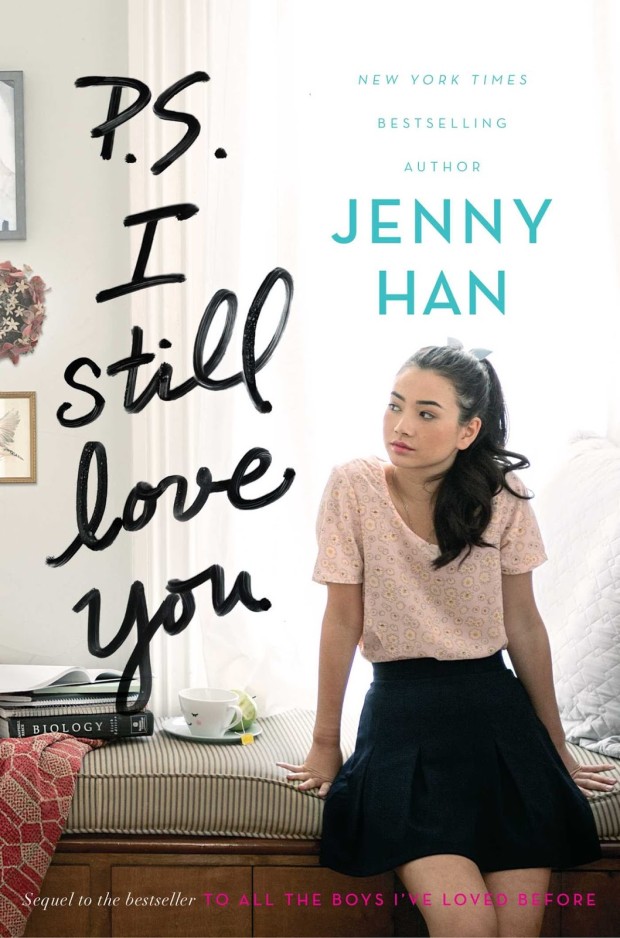
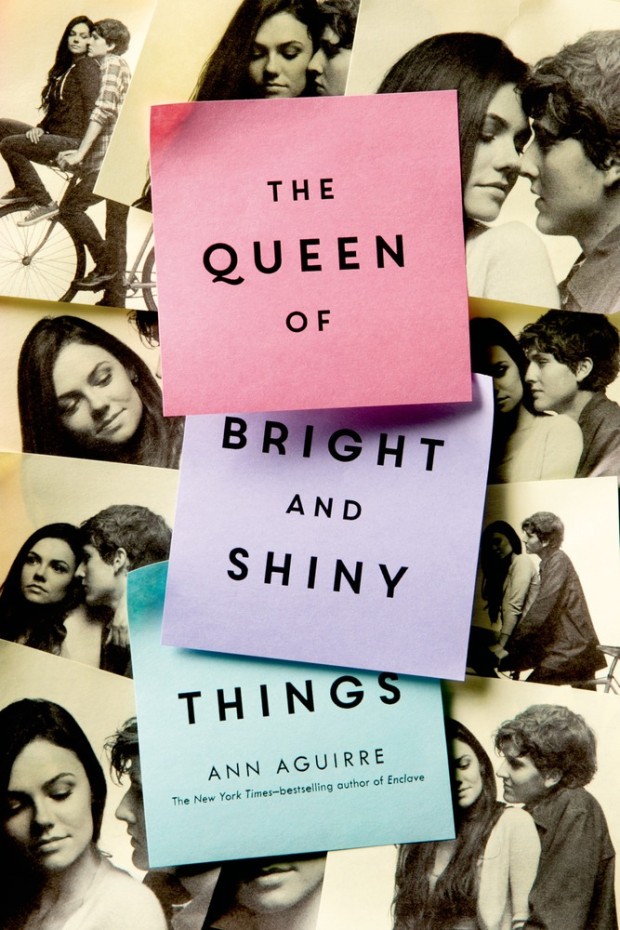
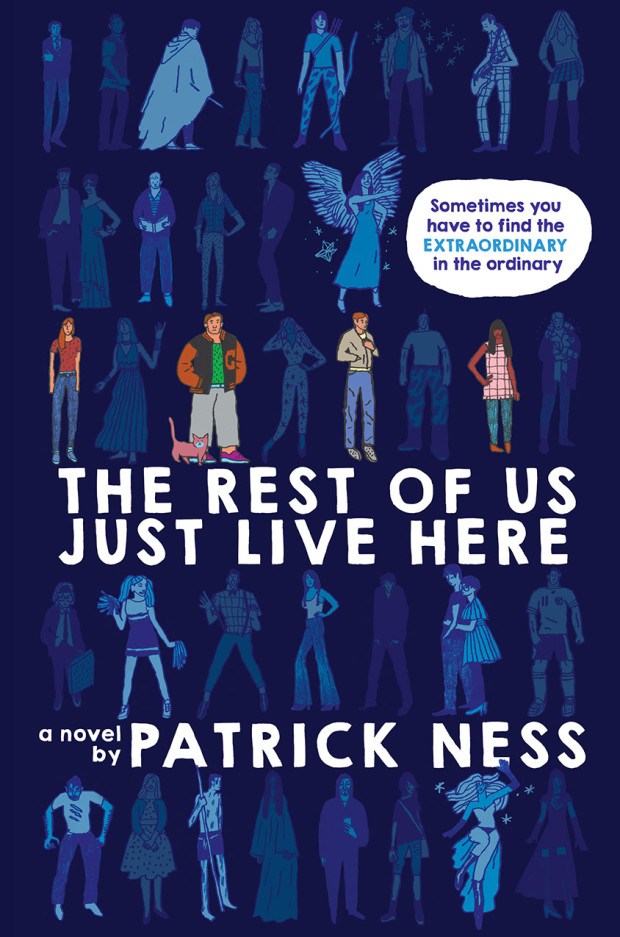
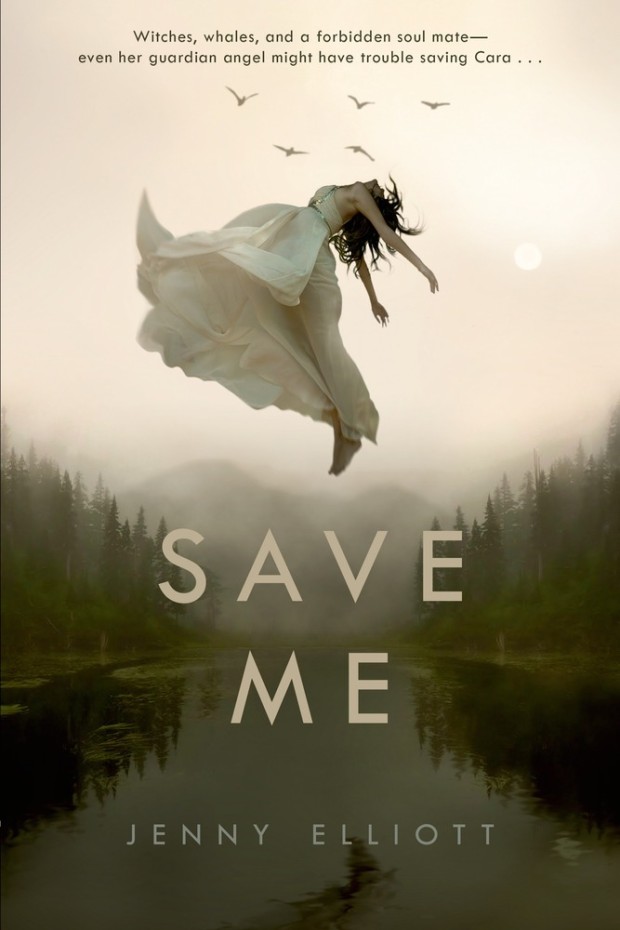
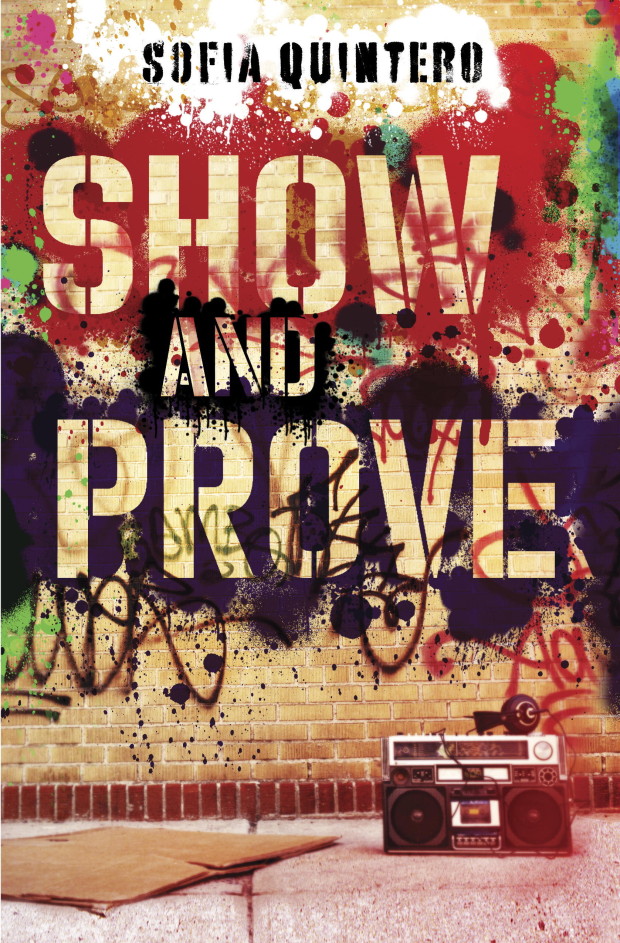
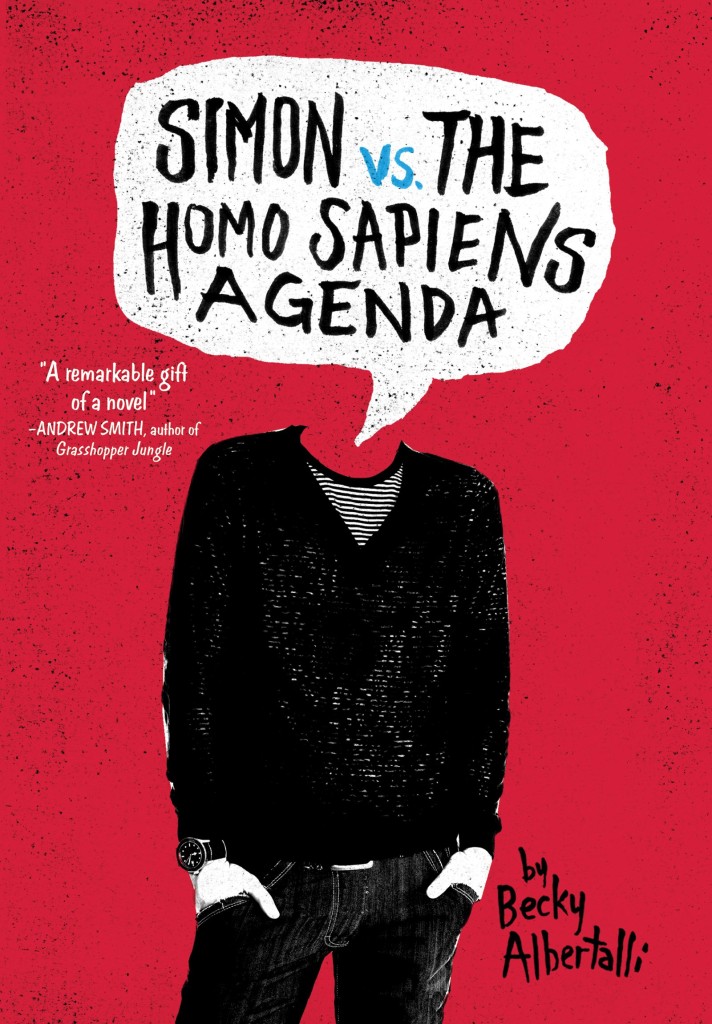
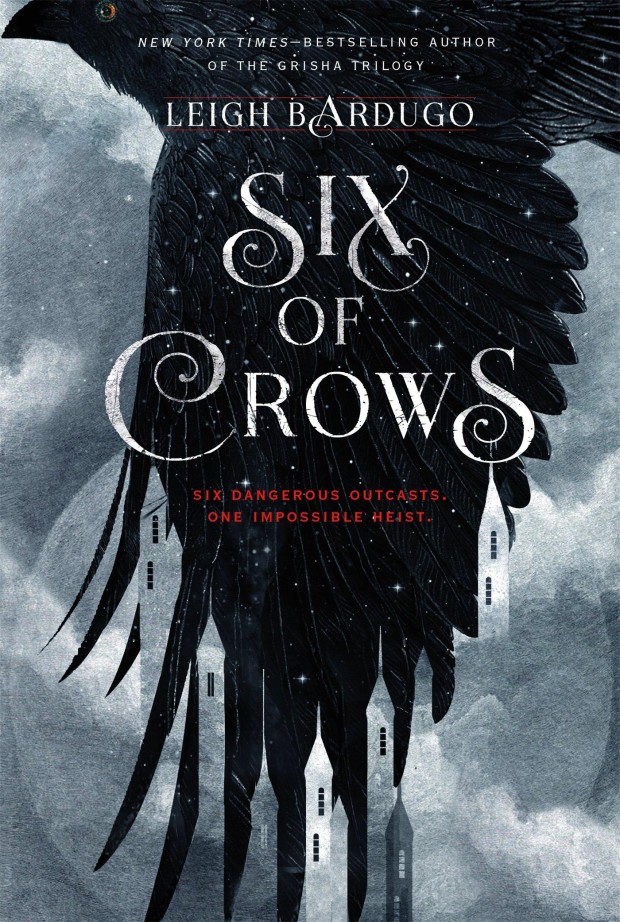
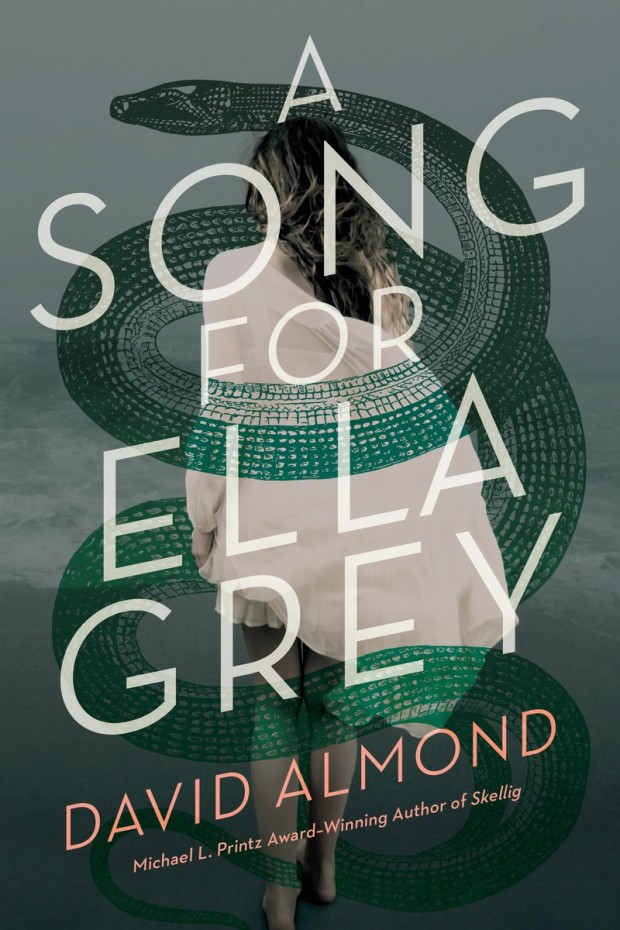
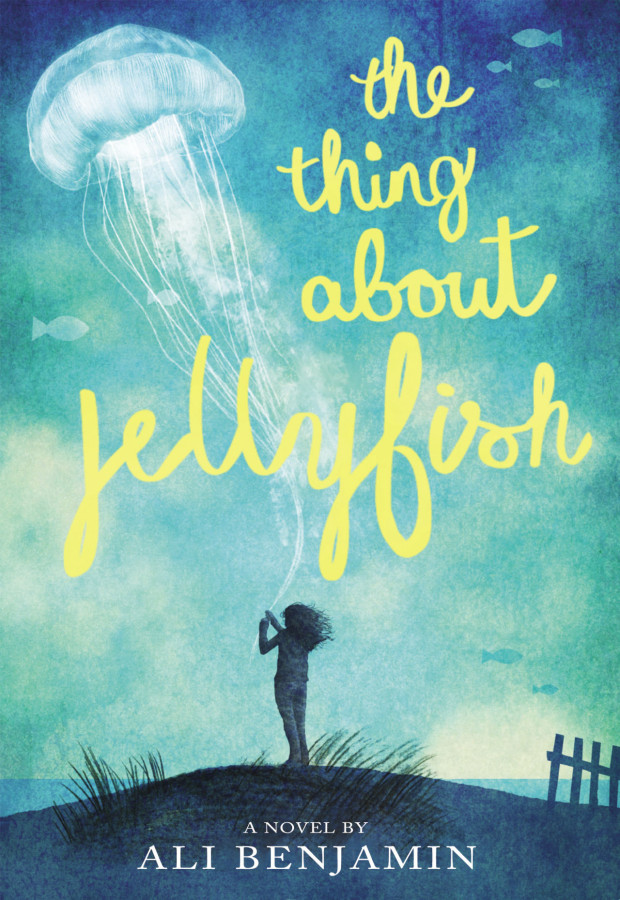
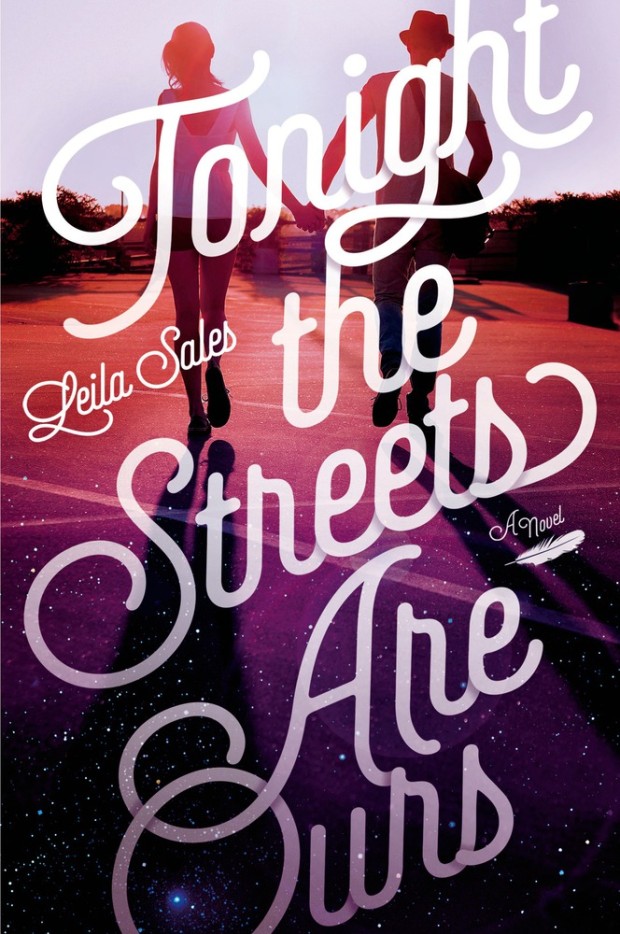
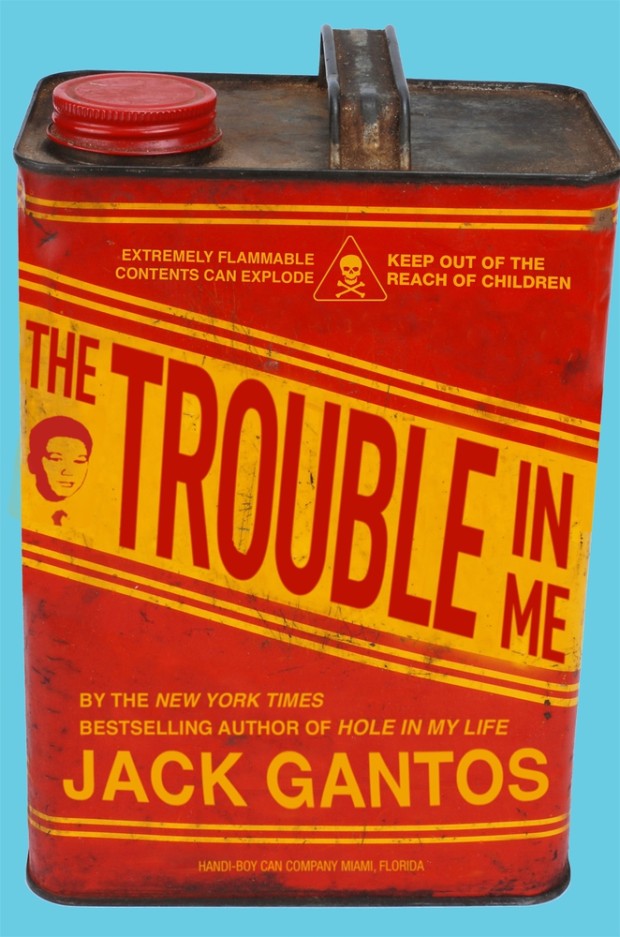
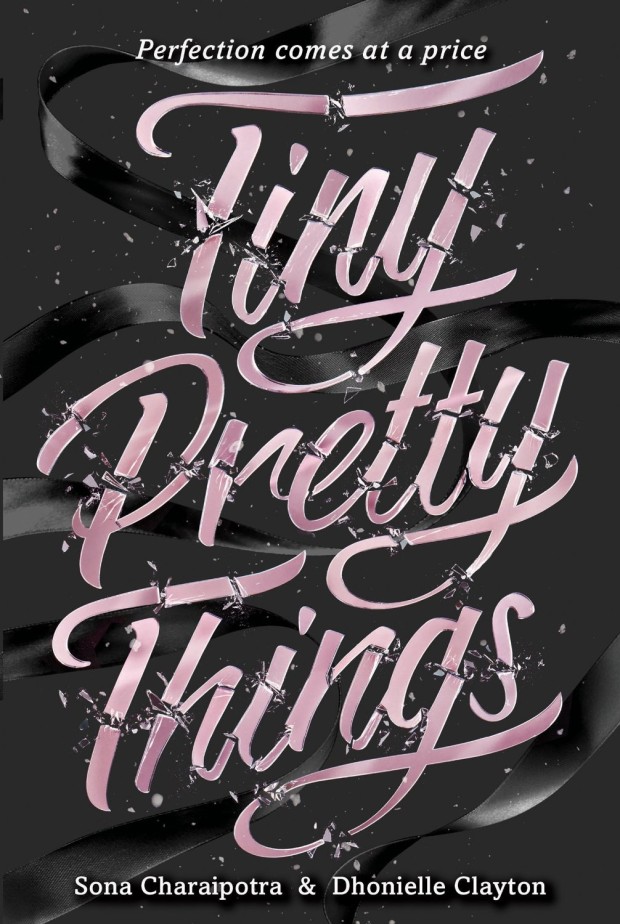
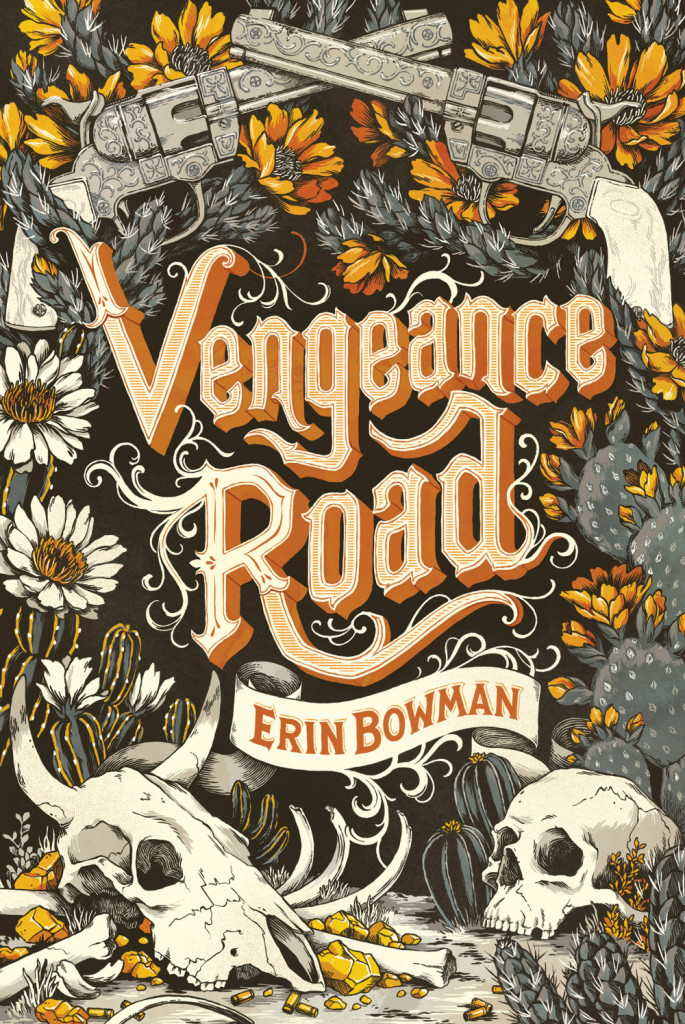
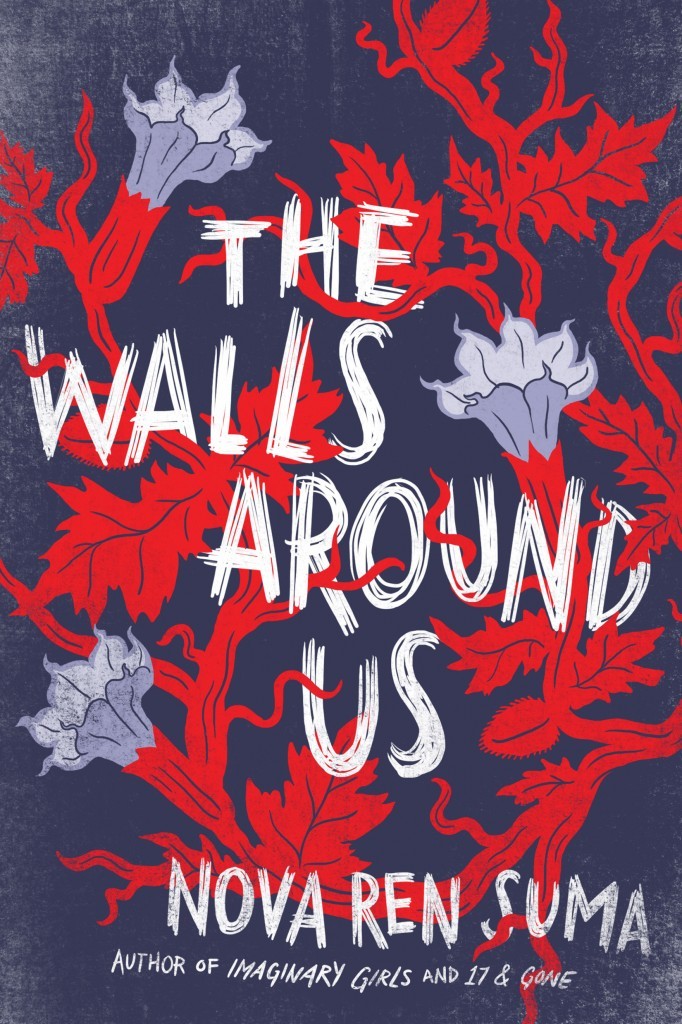
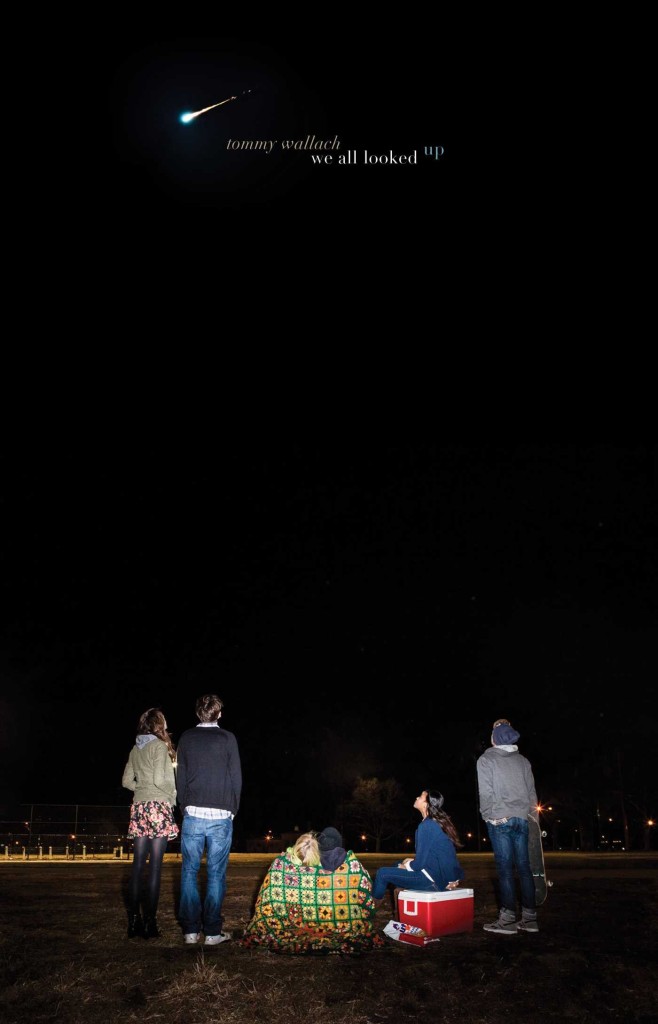
As my 2014 post was such a hit, here is my second annual look at the past year’s young adult book covers. This isn’t my speciality, so this list is a lot more of a crowd-sourced effort than my very personal adult list. A special thank you to all the designers who have made suggestions in the past couple of weeks — you know who you are! — and if there are any burning omissions, please let me know in the comments!
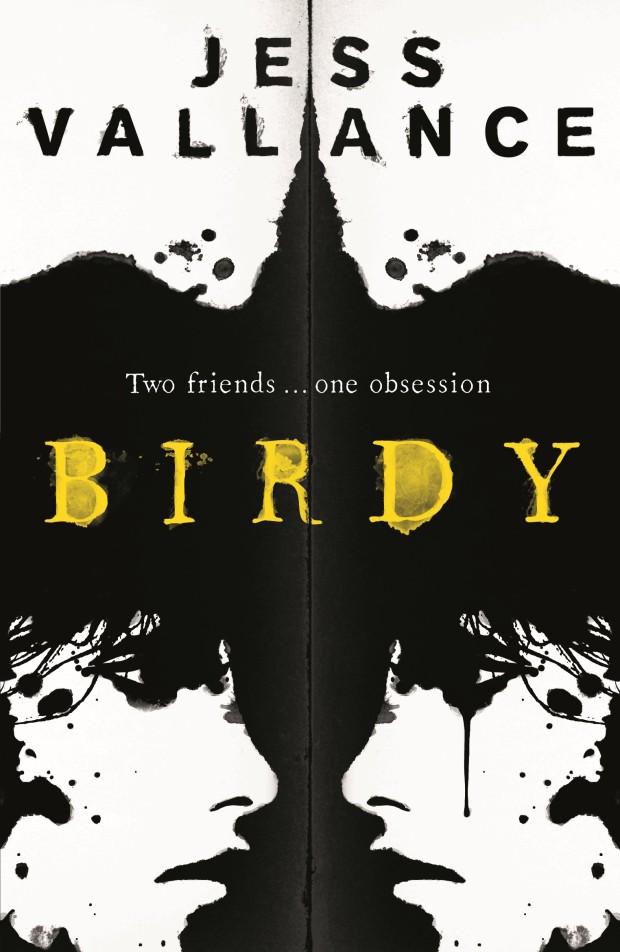
Birdy by Jess Vallance; design by Jet Purdie (Hot Key Books / July 2015)
This lung-tree illustration is just incredible, but it is worth noting that this UK cover is actually an adaptation of the killed US cover (HarperCollins).
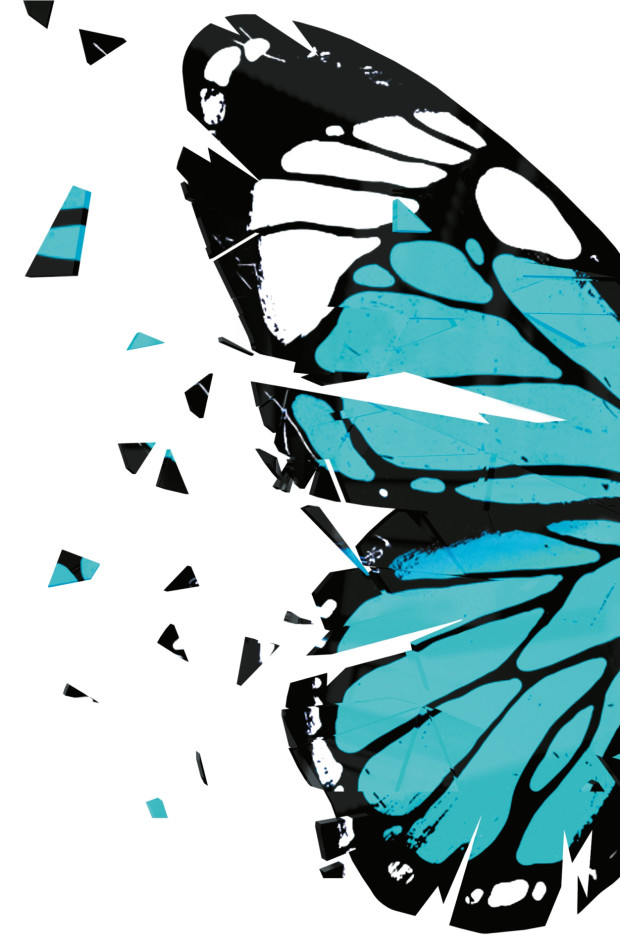
(This probably needs to be seen in person as the blue is, I believe, a metallic finish, and the back cover is the image reversed in a lovely orange-red).
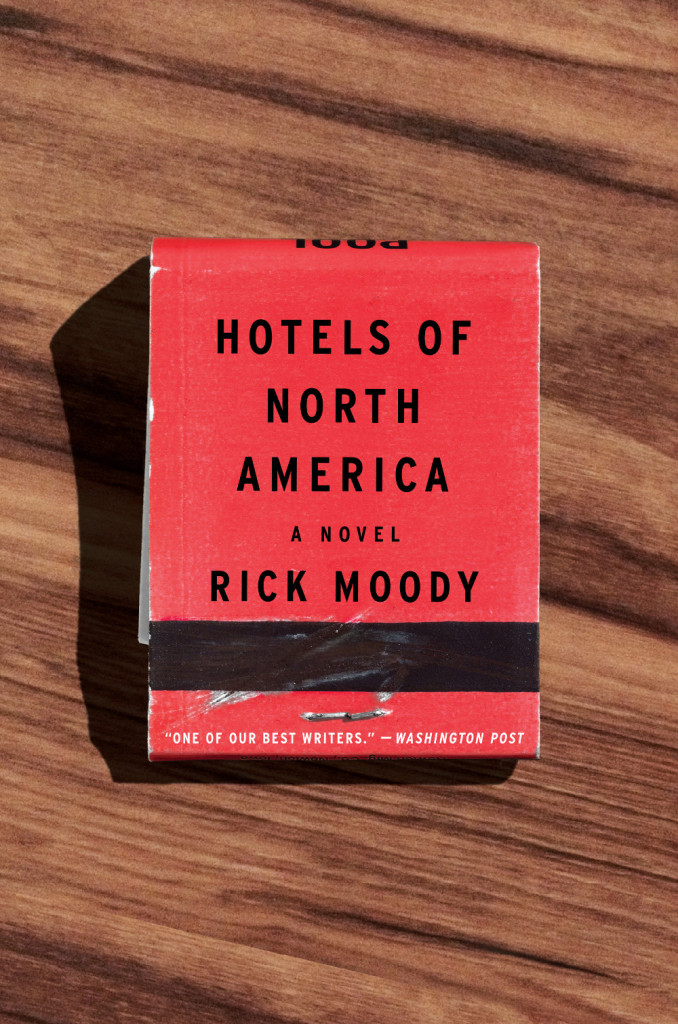
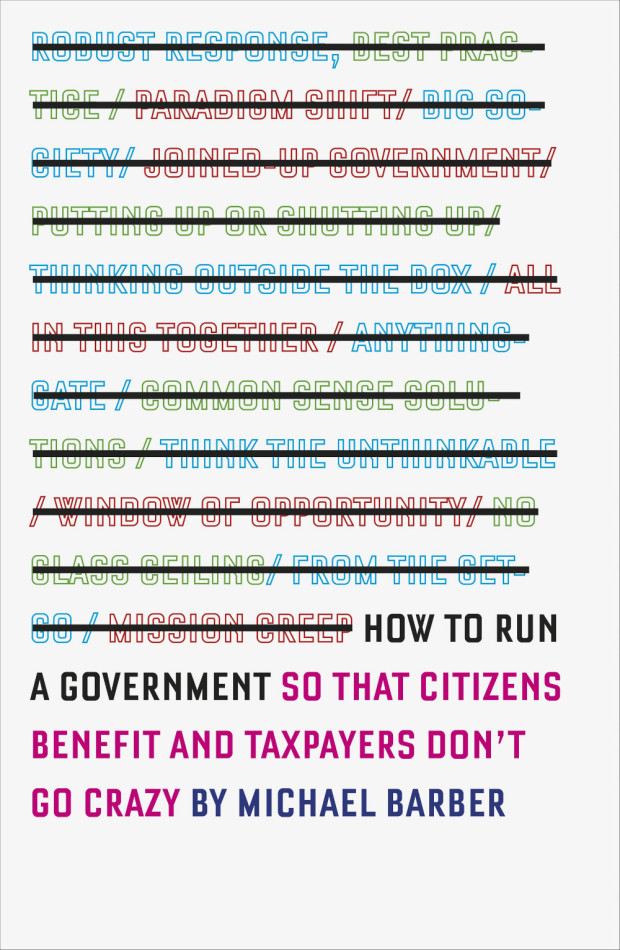
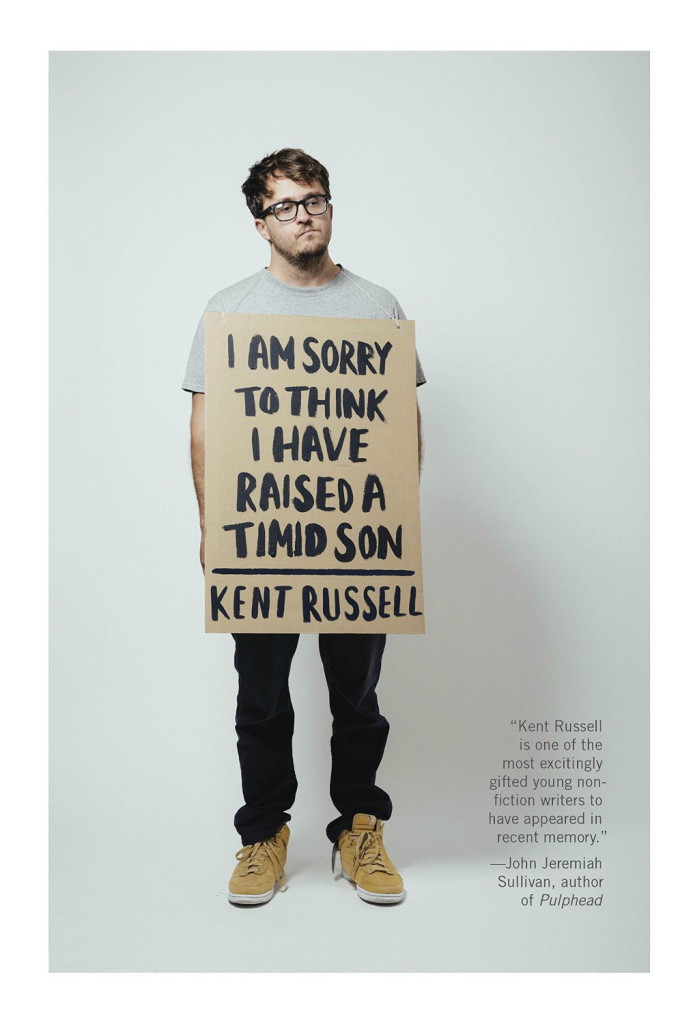
Back in 2014, there were signs that book cover design was maybe, just maybe, having a moment. Suzanne Dean was on the BBC. Peter Mendelsund was on… well, everything. But if 2015 has felt a little quiet by comparison, there were still plenty of reasons to be cheerful. This year’s list includes over 120 covers by 60 designers, and there is little doubt in my mind that this really is a golden time for book design.
Thank you to all the art directors, designers, and publicists who have supported the blog this year, and who make posts like this possible. Thanks too, to my local bookstore TYPE for letting me browse their shelves.
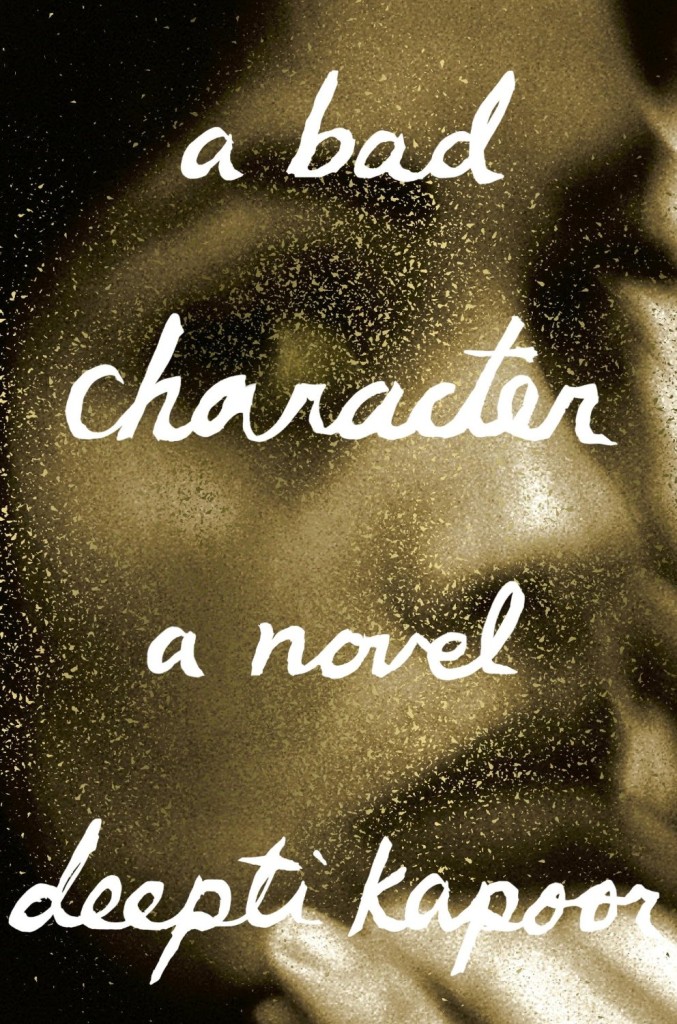
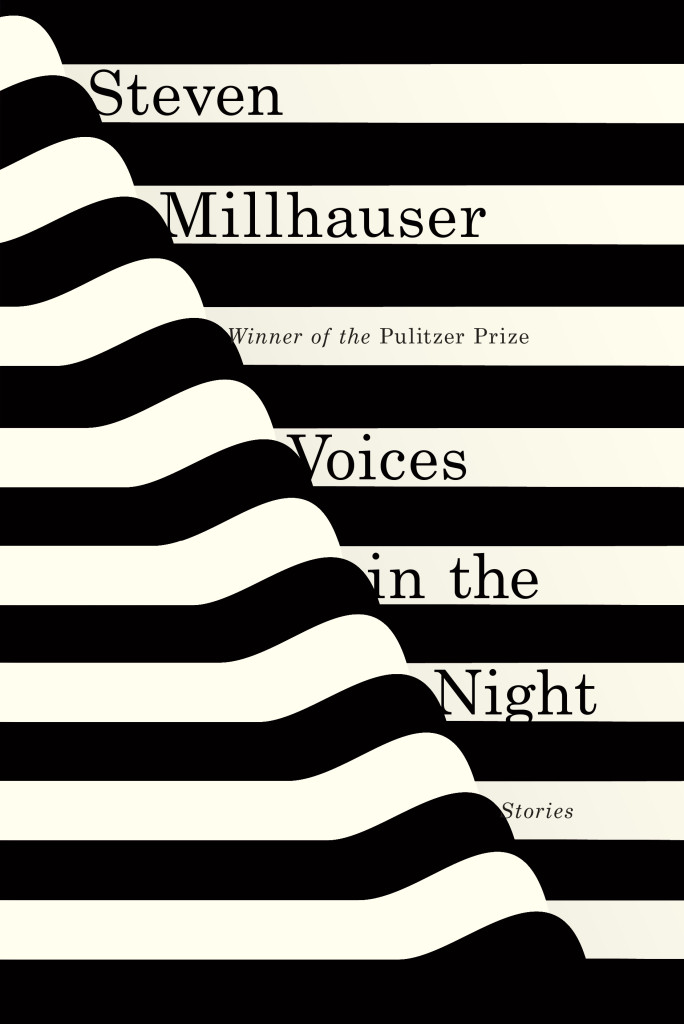
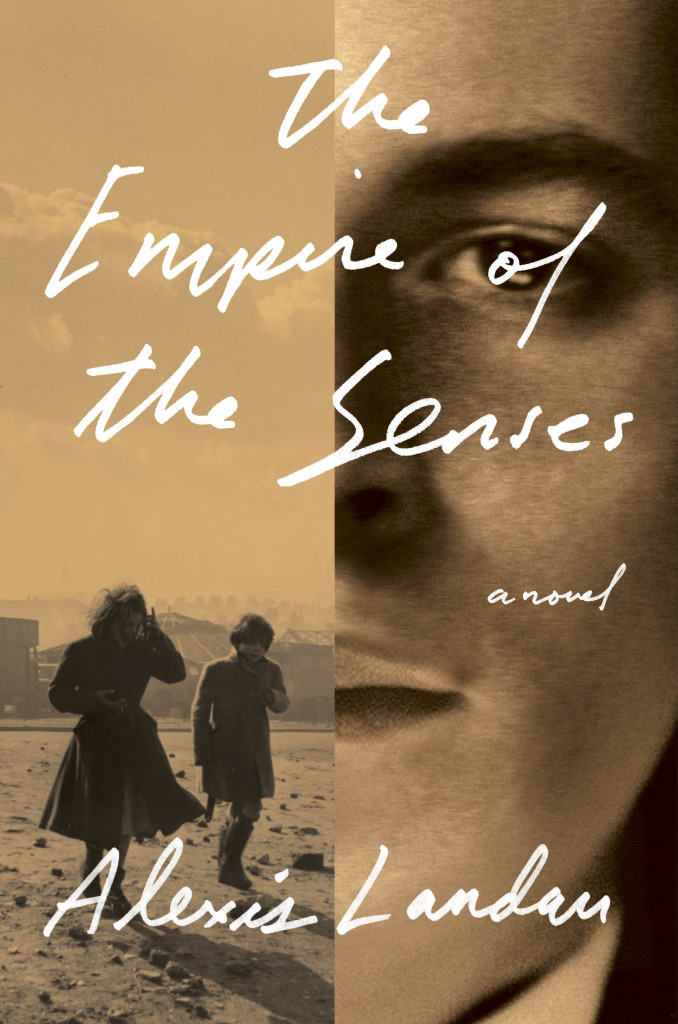
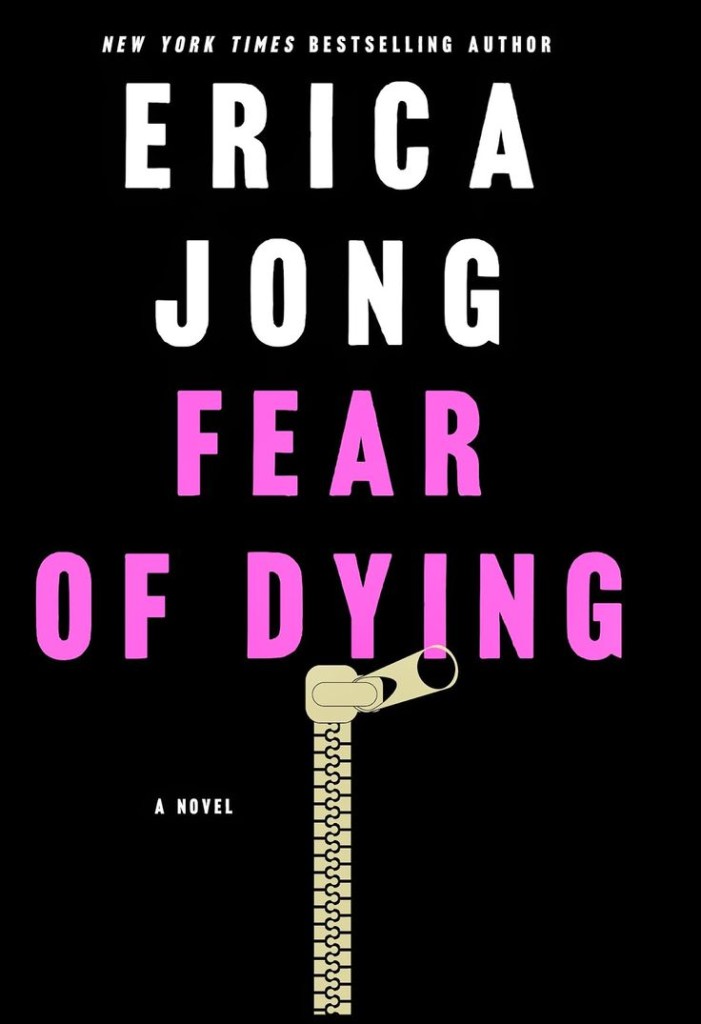
A Bad Character by Deepti Kapoor; design by Janet Hansen (Knopf / January 2015)Voices in the Night by Steven Millhauser; design by Janet Hansen (Knopf / April 2015)Empire of the Senses by Alexis Landau; design by Janet Hansen (Pantheon / March 2015)
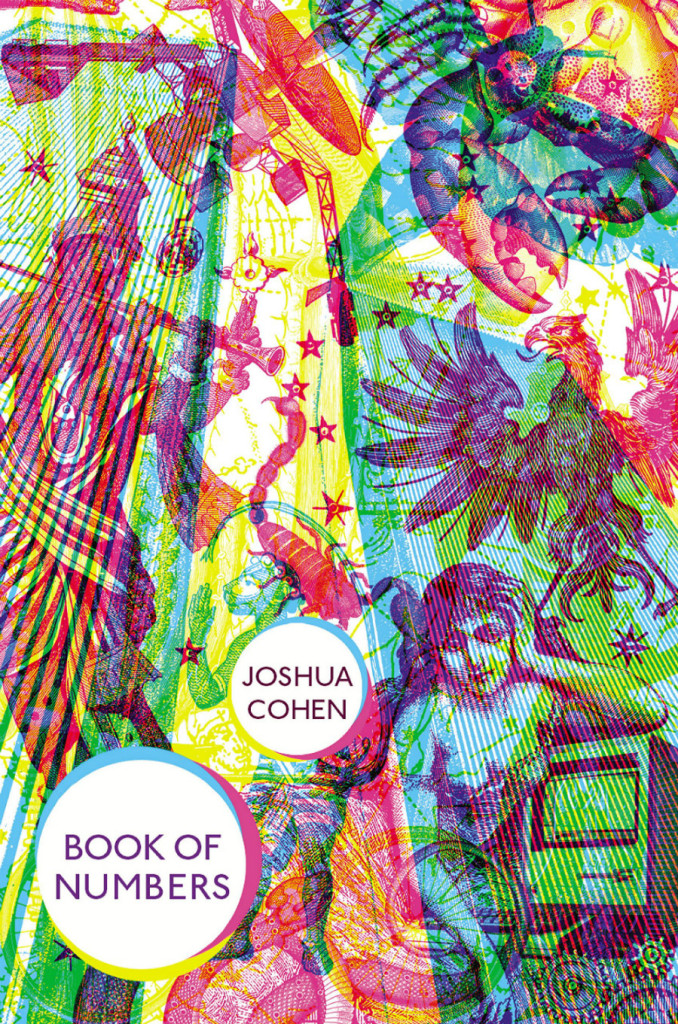
(Oliver Munday’s cover design for the US edition of the Book of Numbers published by Random House is also great.)
Also designed by Suzanne Dean:
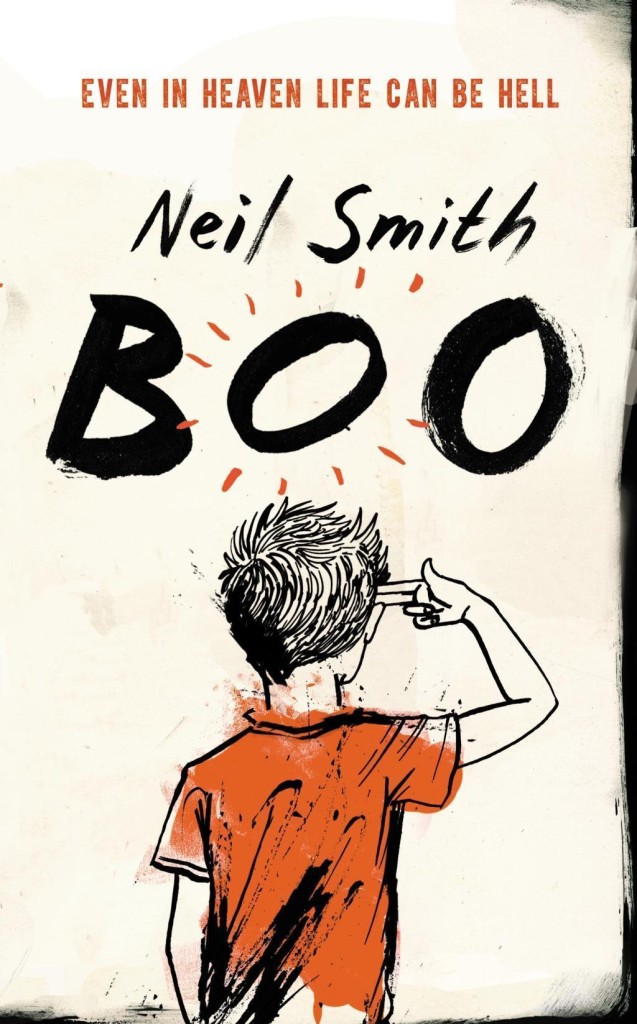
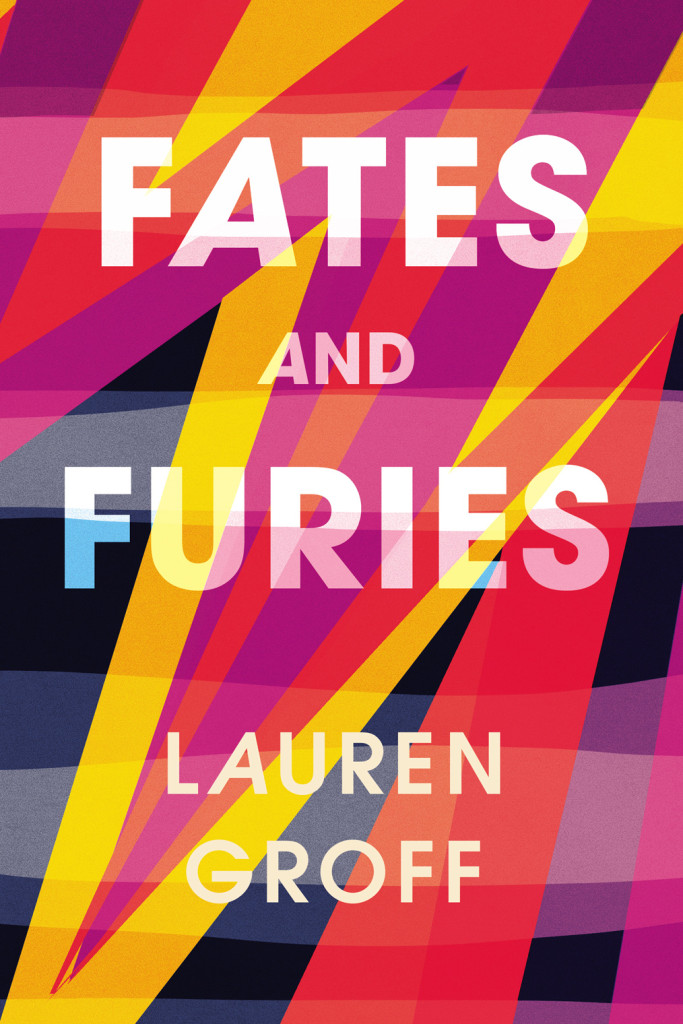
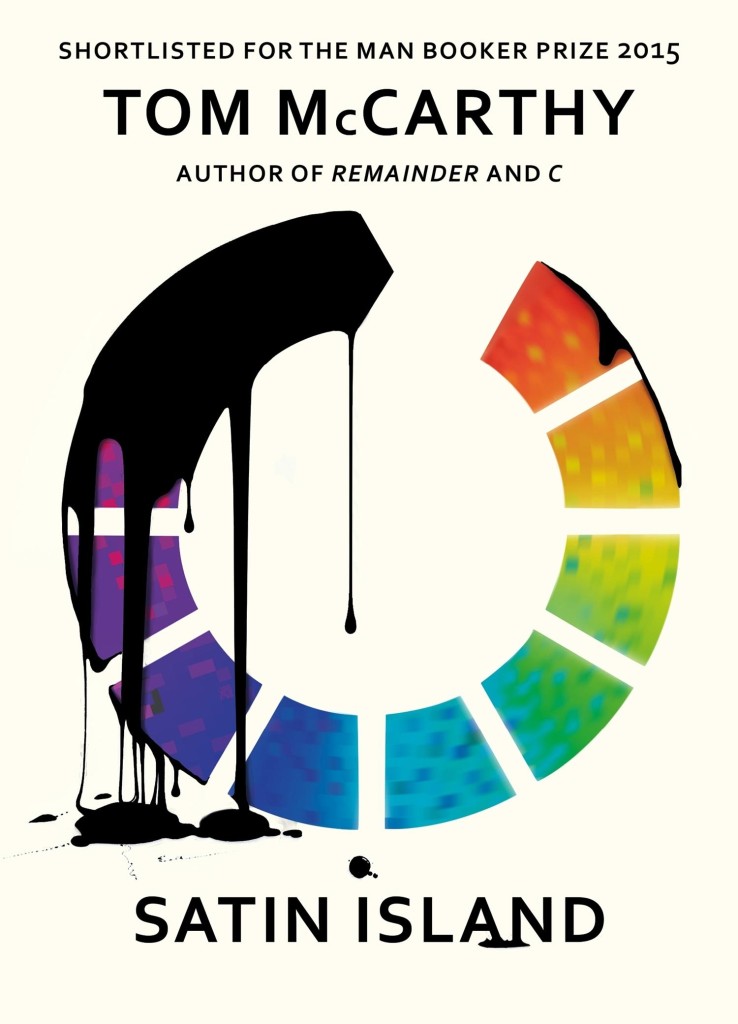
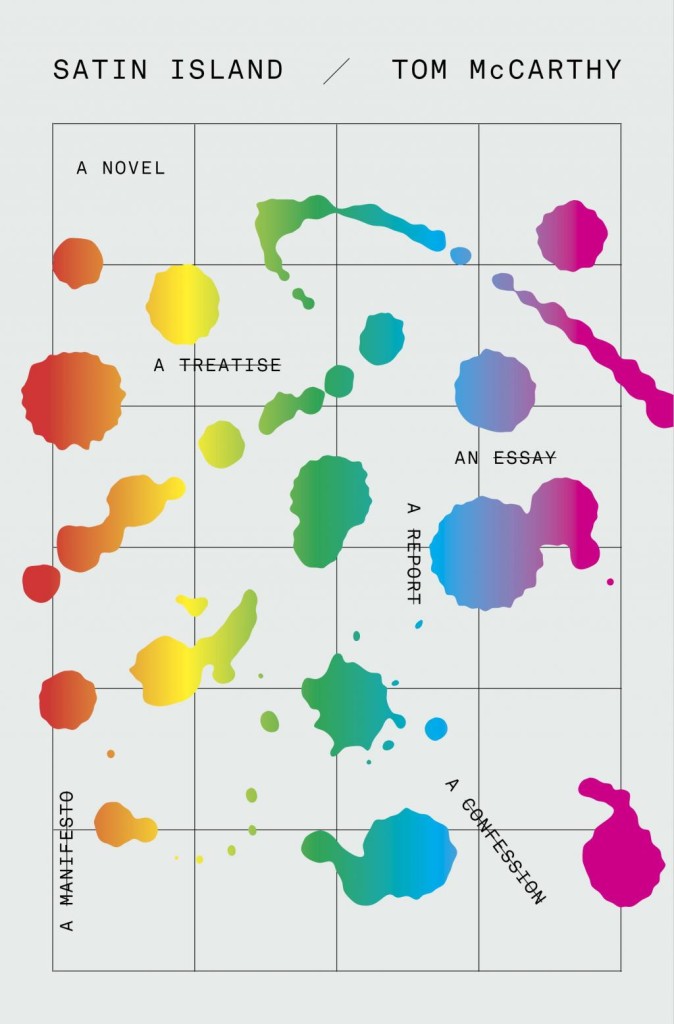
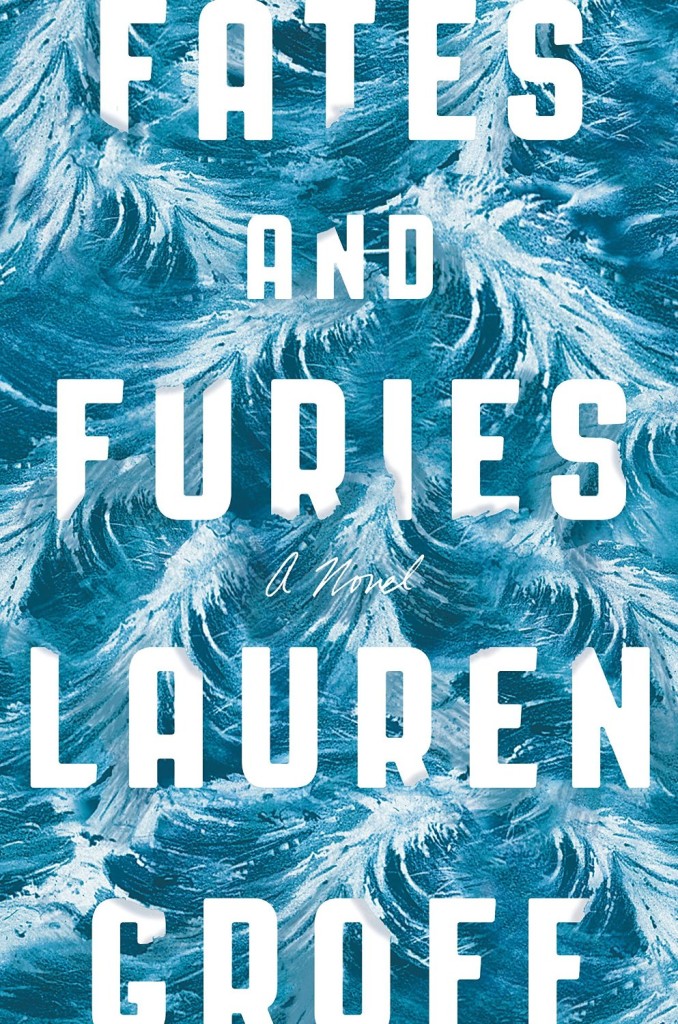
Boo by Neil Smith; design Suzanne Dean; illustration by Stephanie von Reiswitz (William Heinemann / May 2015)Fates and Furies by Lauren Groff; design by Suzanne Dean (William Heinemann / September 2015)Satin Island by Tom McCarthy; design by Suzanne Dean (Jonathan Cape / March 2015)
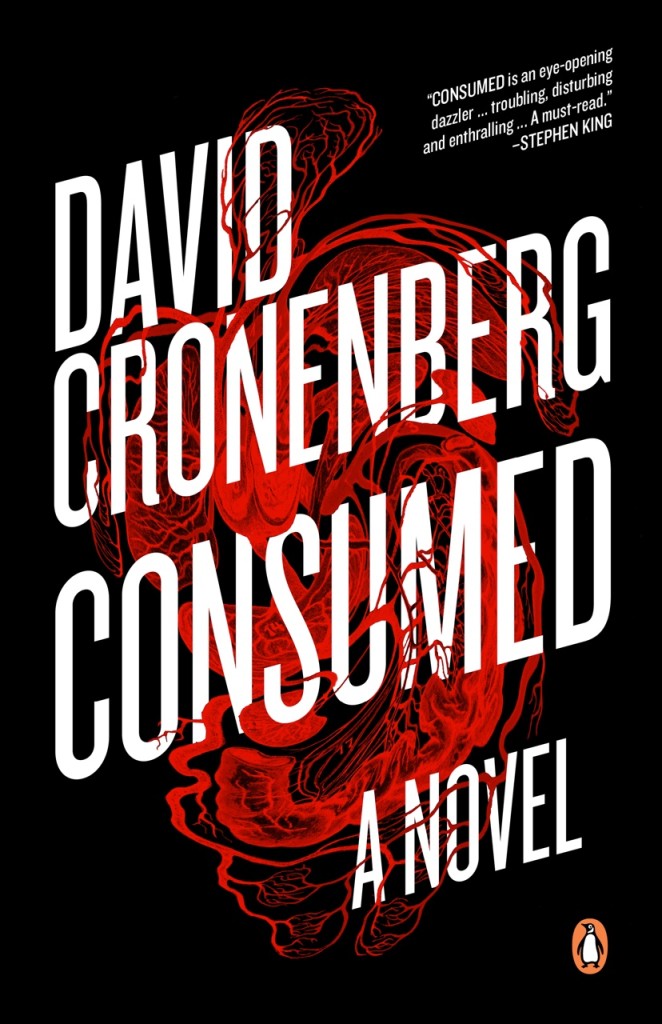
Consumed by David Cronenberg; design by David A. Gee (Penguin Canada / September 2015)Why the World Does Not Exist by Markus Gabriel; design by David Gee (Polity / June 2015)Economics After Capitalism by Derek Wall; design by David A. Gee (Pluto Press / July 2015)
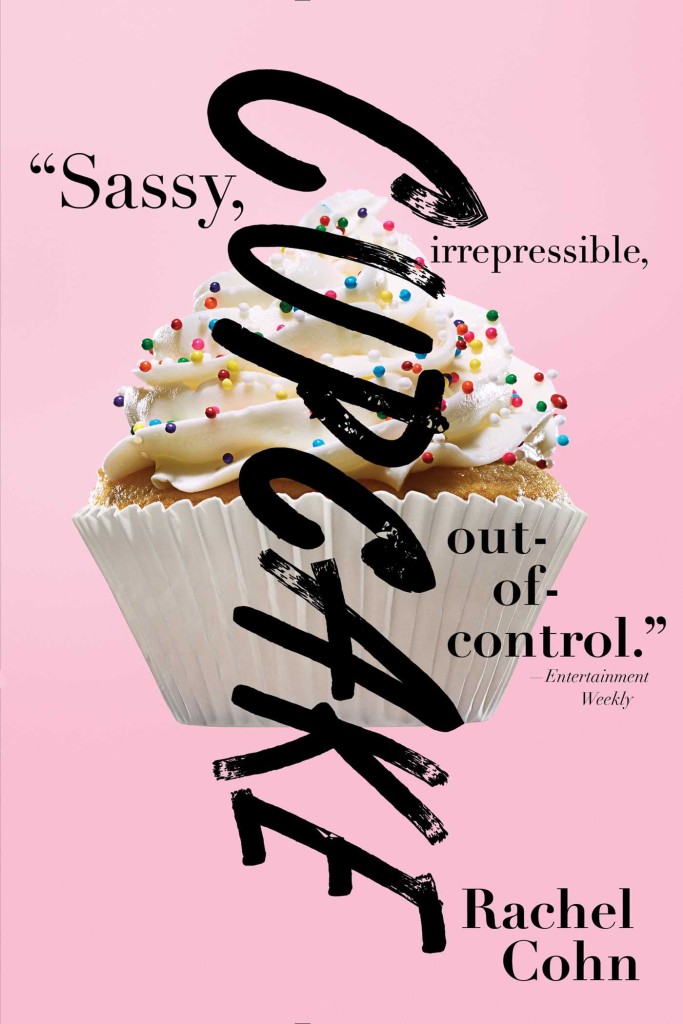
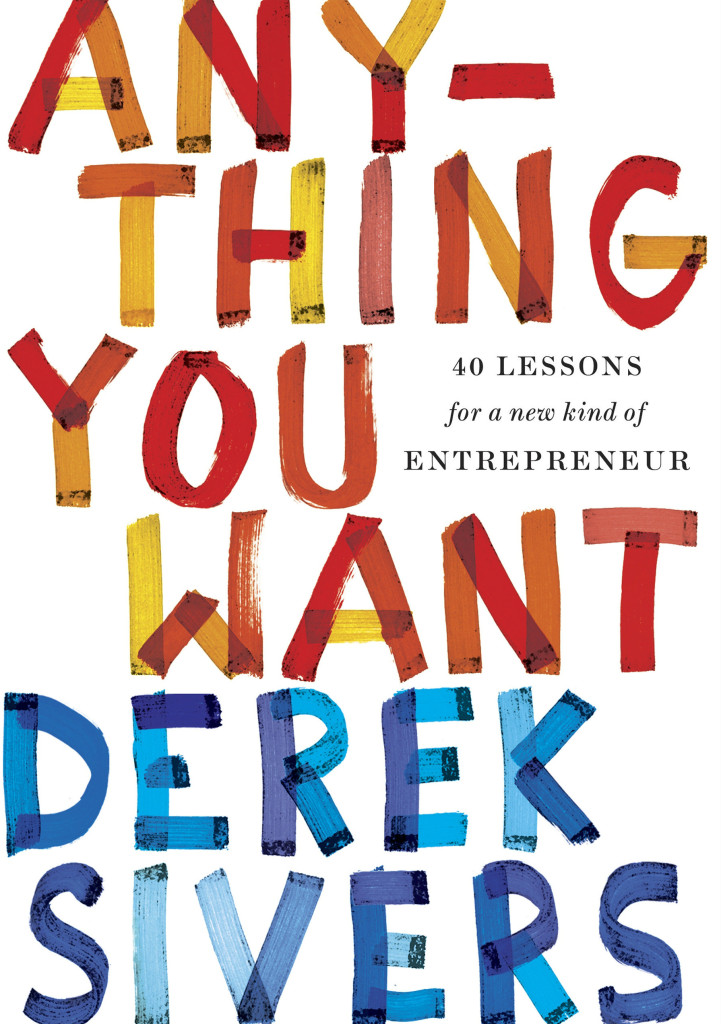
Unabrow by Una Lamarche; design by Zoe Norvell (Plume / March 2015)Anything You Want by Derek Sivers; design by Zoe Norvell (Portfolio / September 2015)
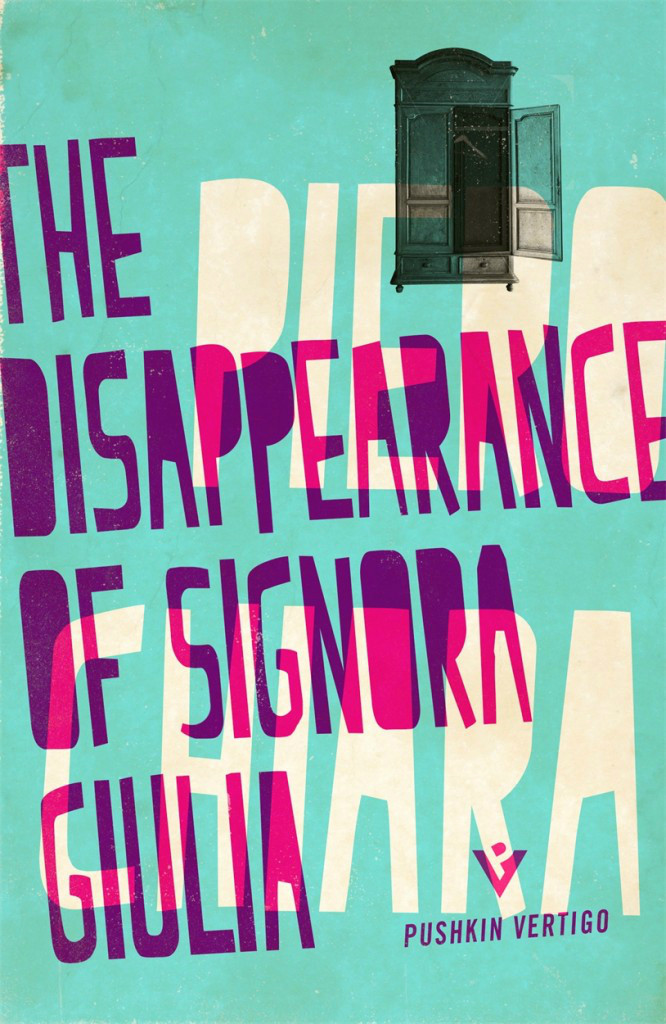
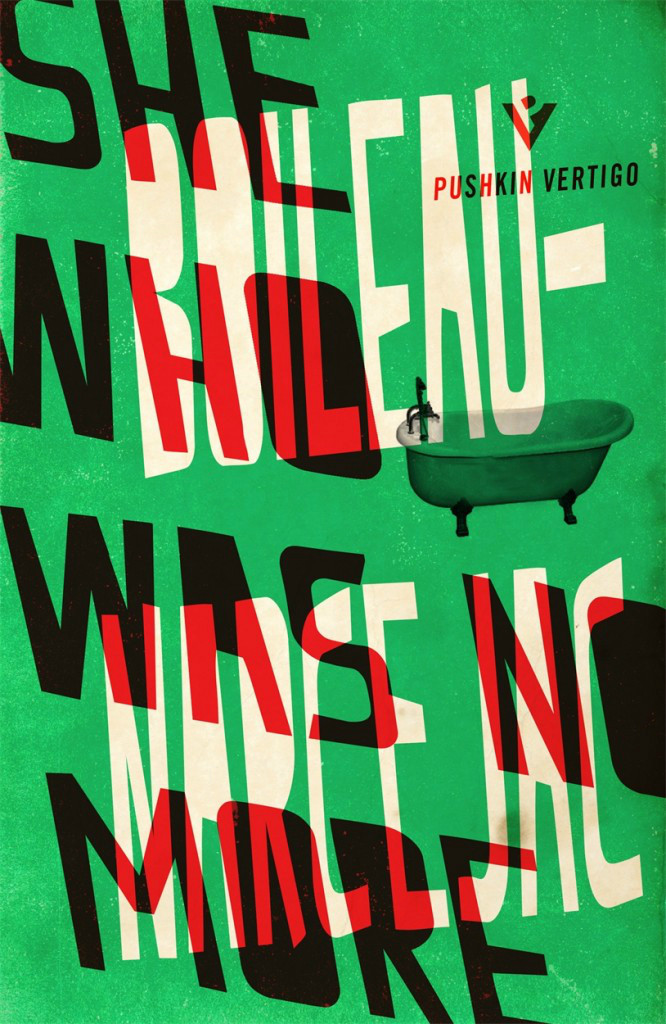
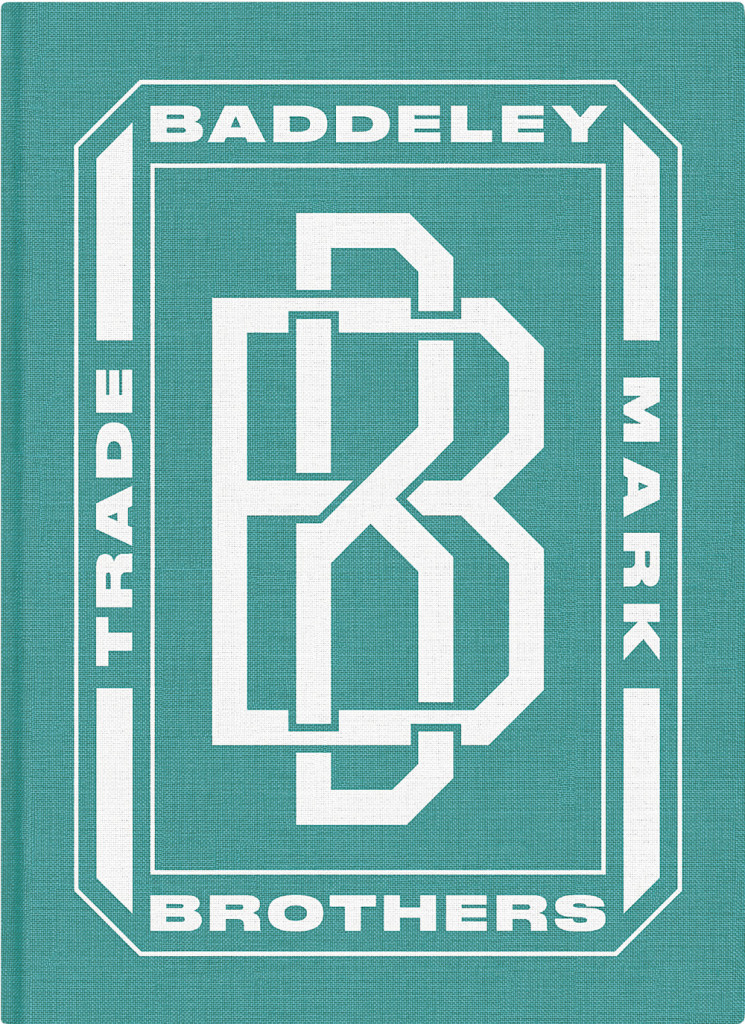
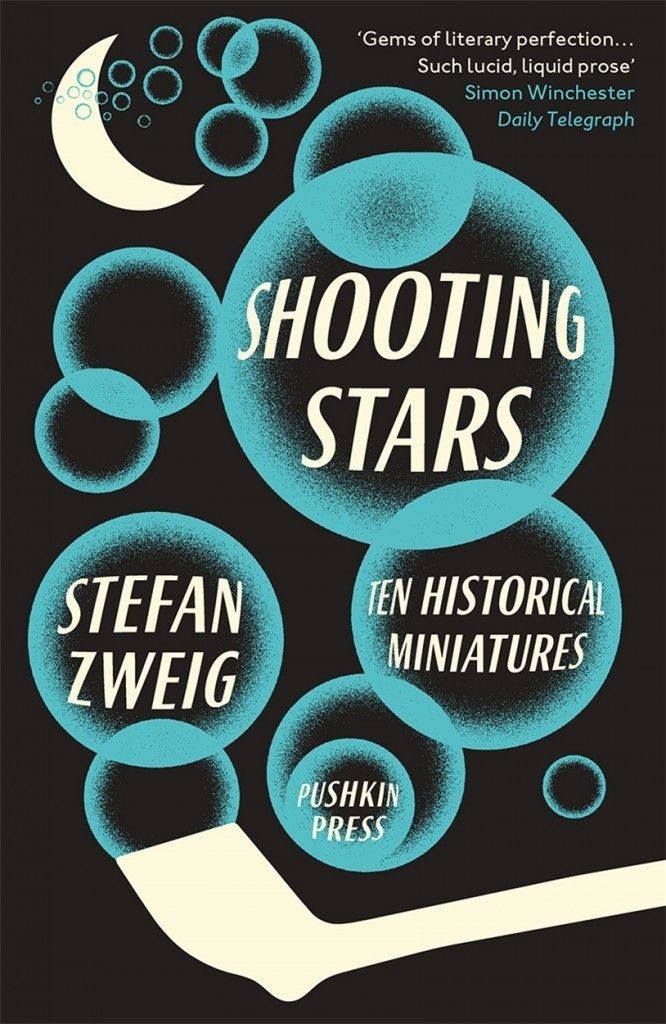
Karate Chop by Dorthe Nors; design by David Pearson (Pushkin Press / February 2015)Baddeley Brothers by The Gentle Author; design David Pearson (October 2015)Shooting Stars by Stefan Zweig; design by David Pearson (Pushkin Press / February 2015)
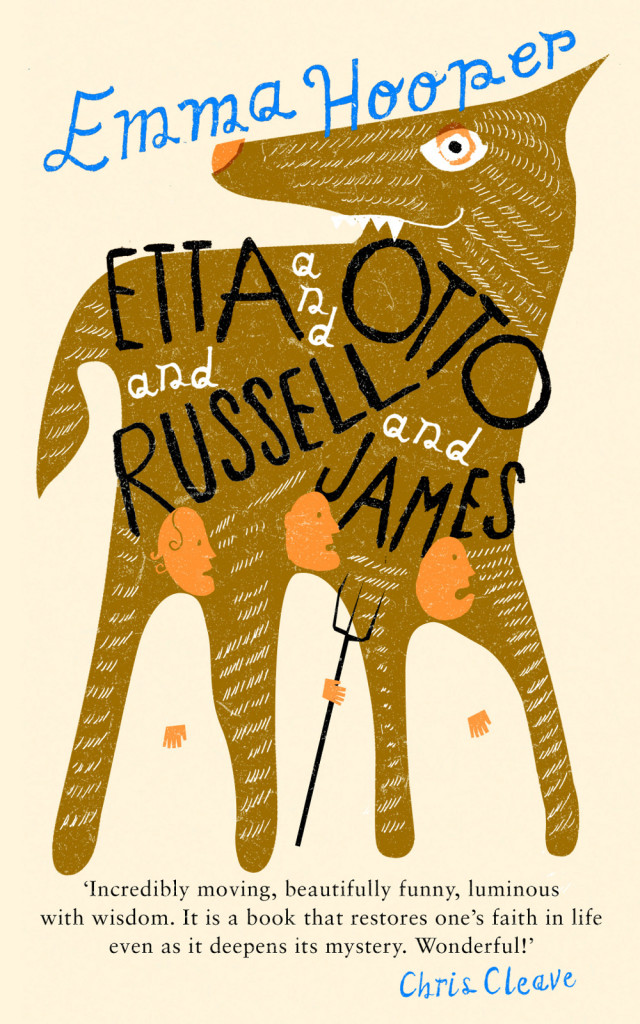
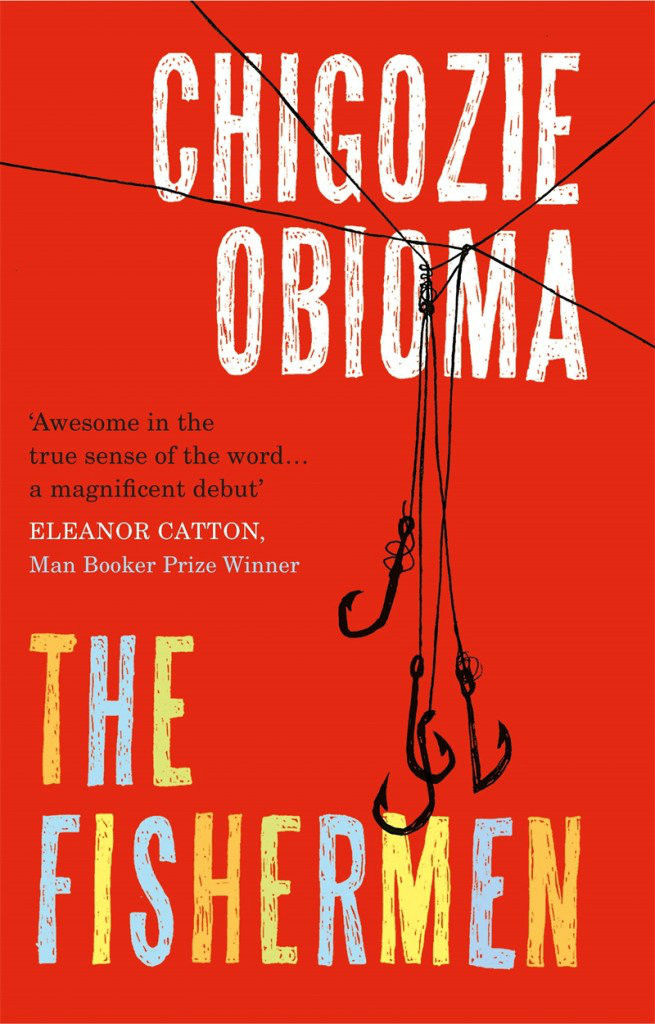
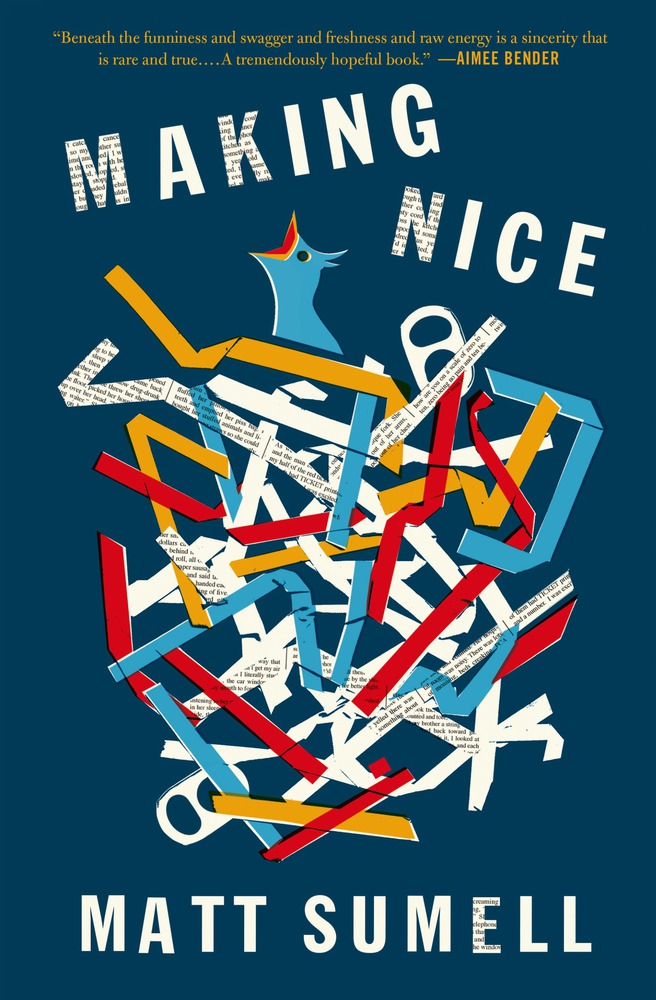
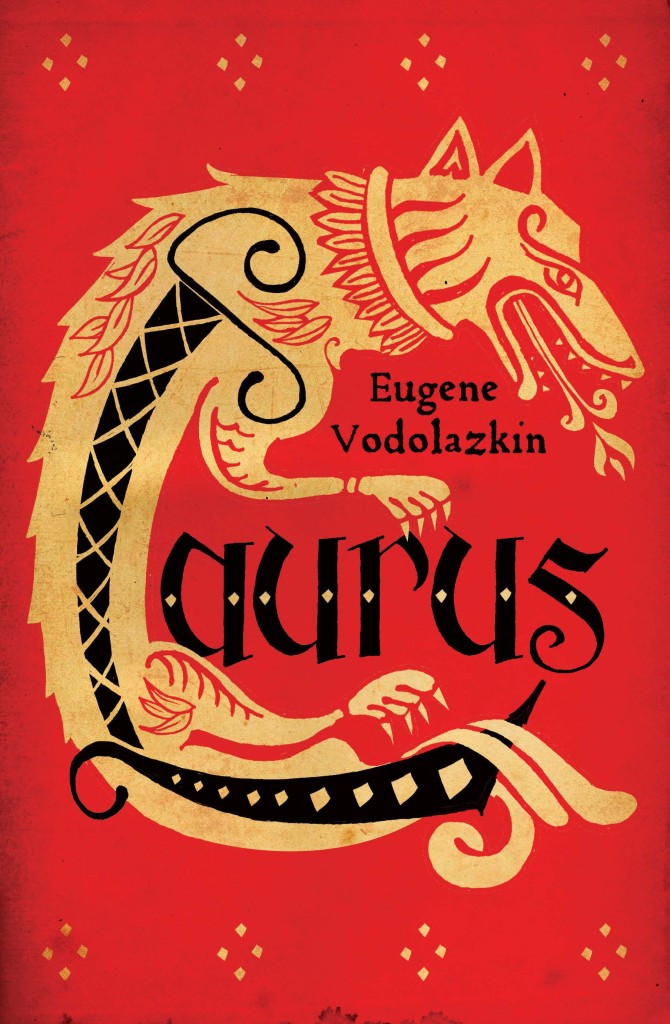
The Fishermen by Chigozie Obioma; design by Gray318 (Pushkin Press / February 2015)Making Nice by Matt Sumell; design by Gray318 (Henry Holt & Co. / February 2015)Laurus by Eugene Vodolazkin; design Gray318 (Oneworld / October 2015)
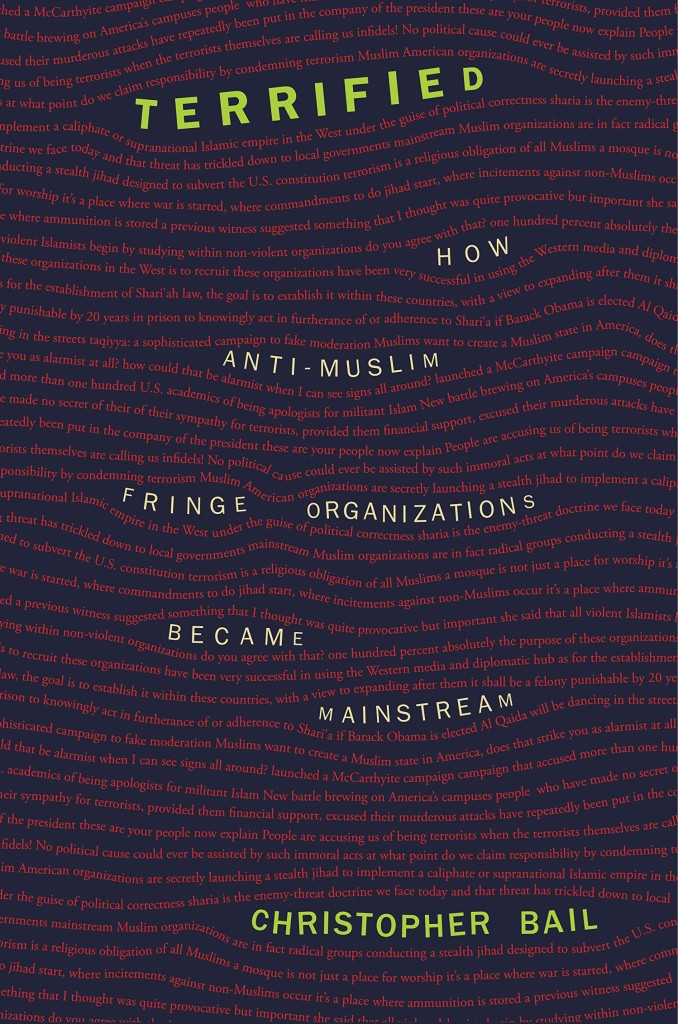
Terrified by Christopher A. Bail; design by Amanda Weiss (Princeton University Press / January 2015)The Little Big Number by Dirk Philipsen; design by Amanda Weiss ( Princeton University Press / June 2015)
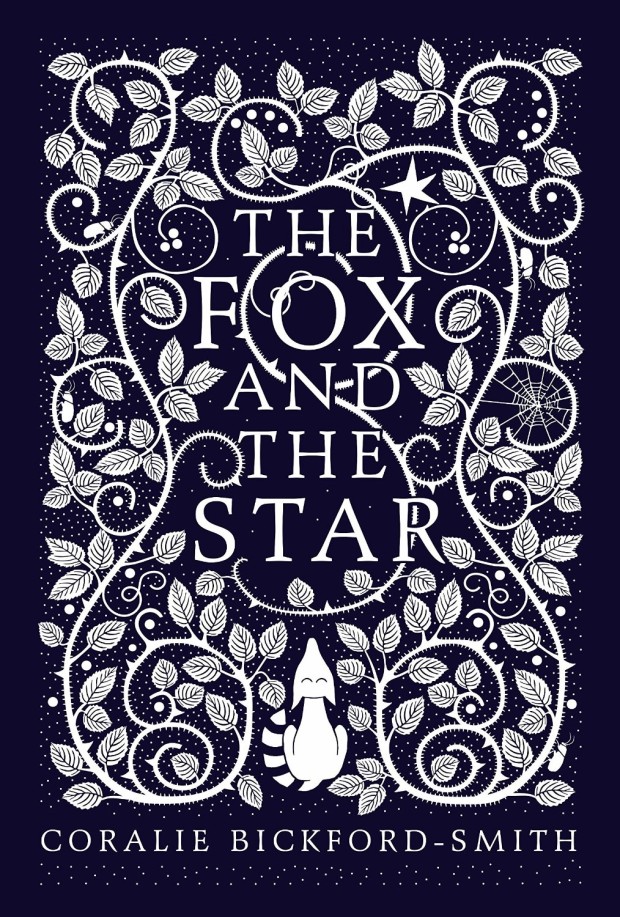
The Fox and the Star, written, illustrated and designed by Coralie Bickford-Smith (Particular Books / August 2015)
Also designed by Coralie Bickford-Smith:
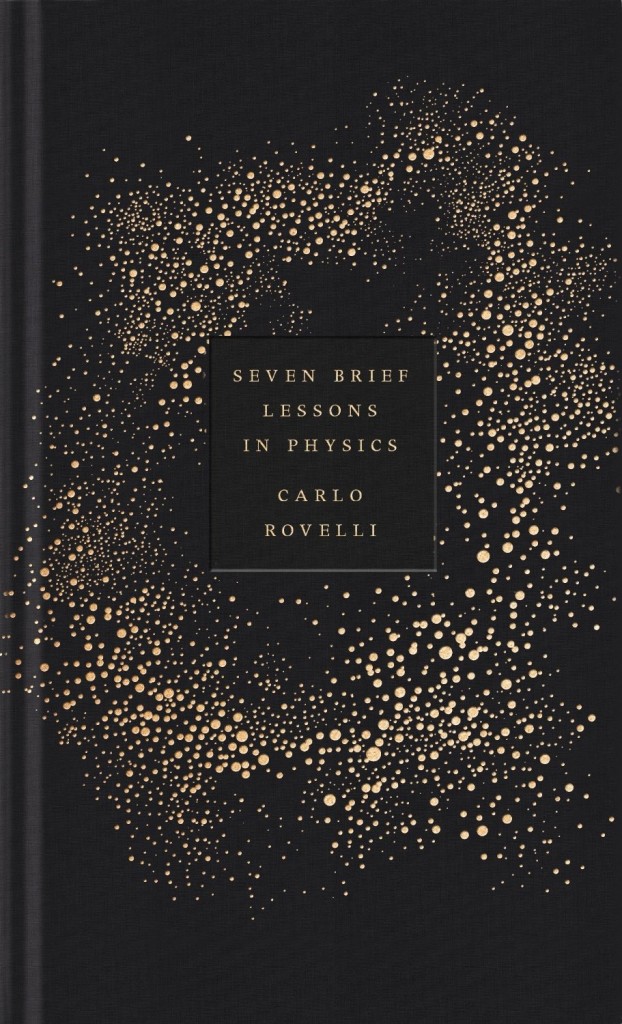
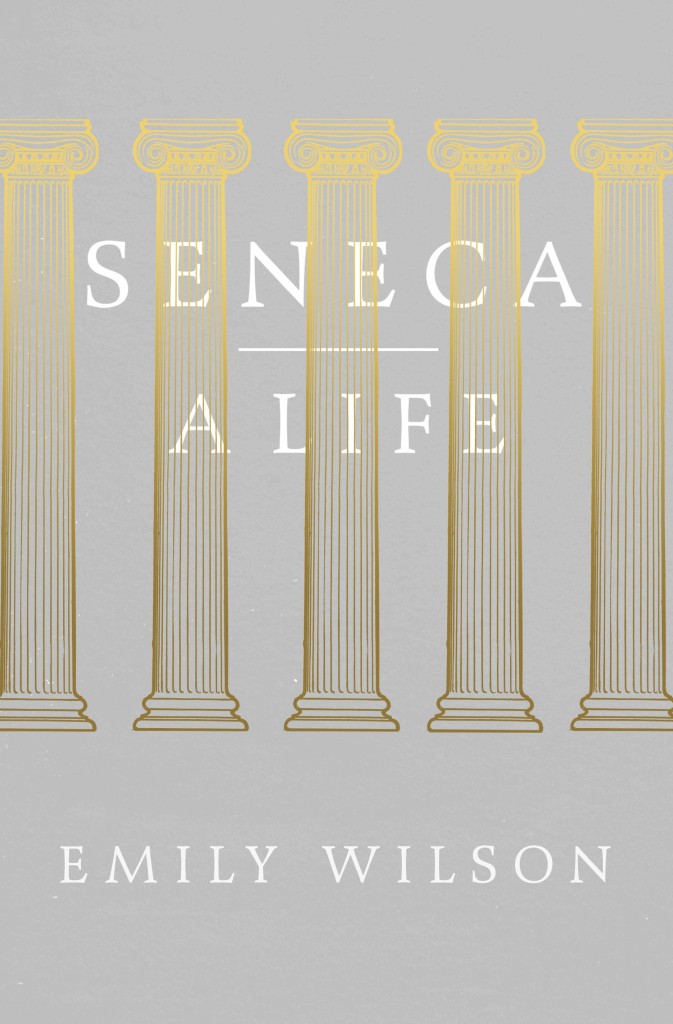
Seven Brief Lessons on Physics by Carlo Rovelli; design by Coralie Bickford-Smith (Allen Lane / September 2015)Seneca: A Life by Emily Wilson; design by Coralie Bickford-Smith (Allen Lane / March 2015)
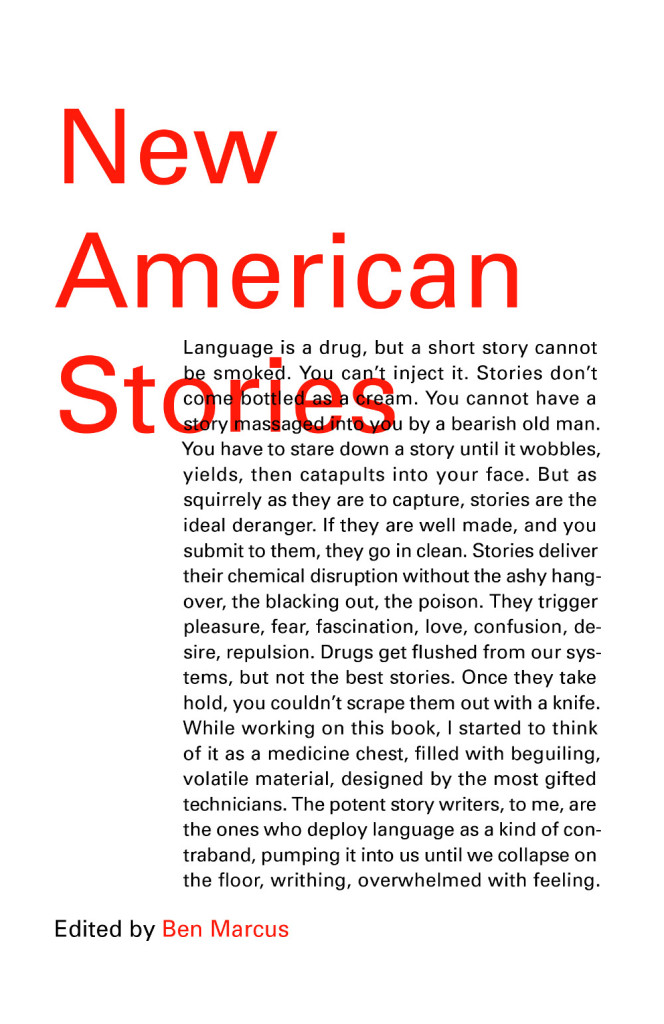
Satin Island by Tom McCarthy; design by Peter Mendelsund (Knopf / February 2015)New American Stories edited by Ben Marcus; design by Peter Mendelsund (Vintage / July 2015)Building Art: The Life and Work of Frank Gehry by Paul Goldberger; design by Peter Mendelsund (Knopf / September 2015)
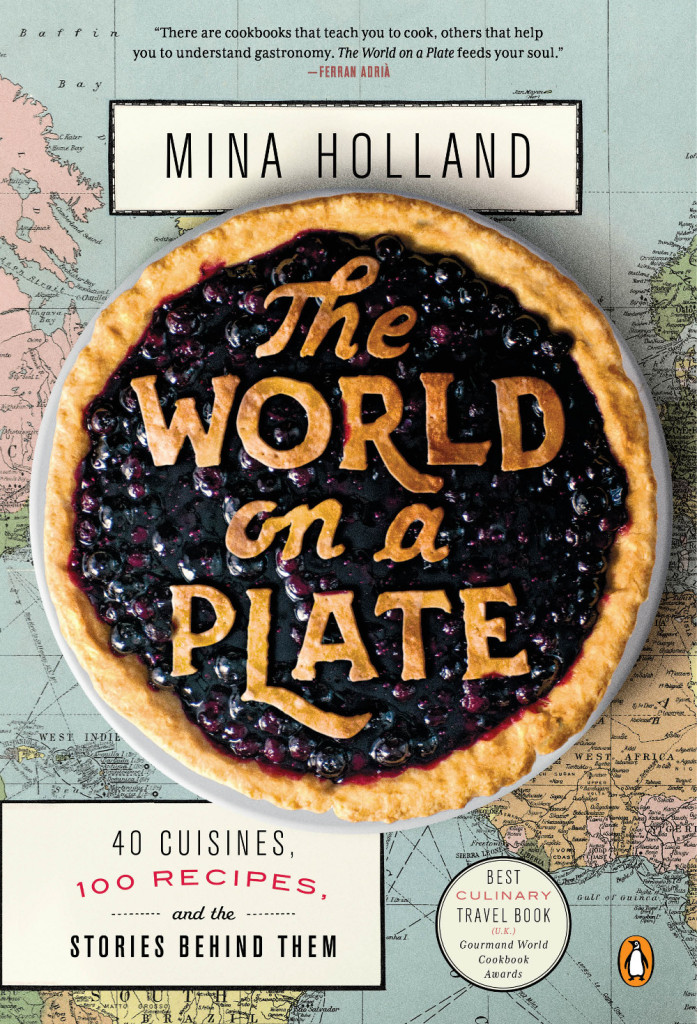
World on a Plate by Mina Holland; design by Nick Misani (Penguin / May 2015)
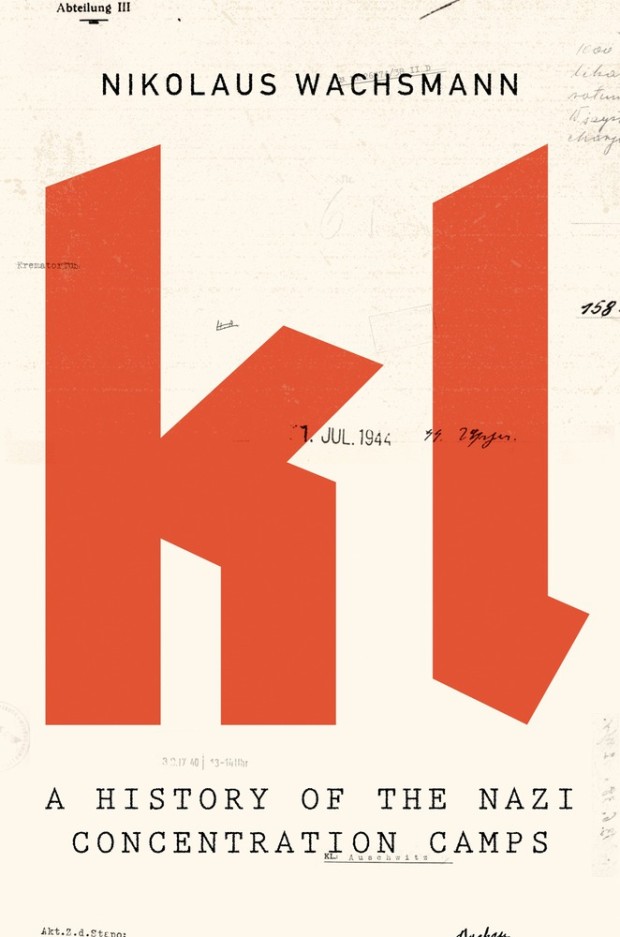
KL by Nikolaus Wachsmann; design by Alex Merto (Farrar, Straus & Giroux / April 2015)
Also designed by Alex Merto:
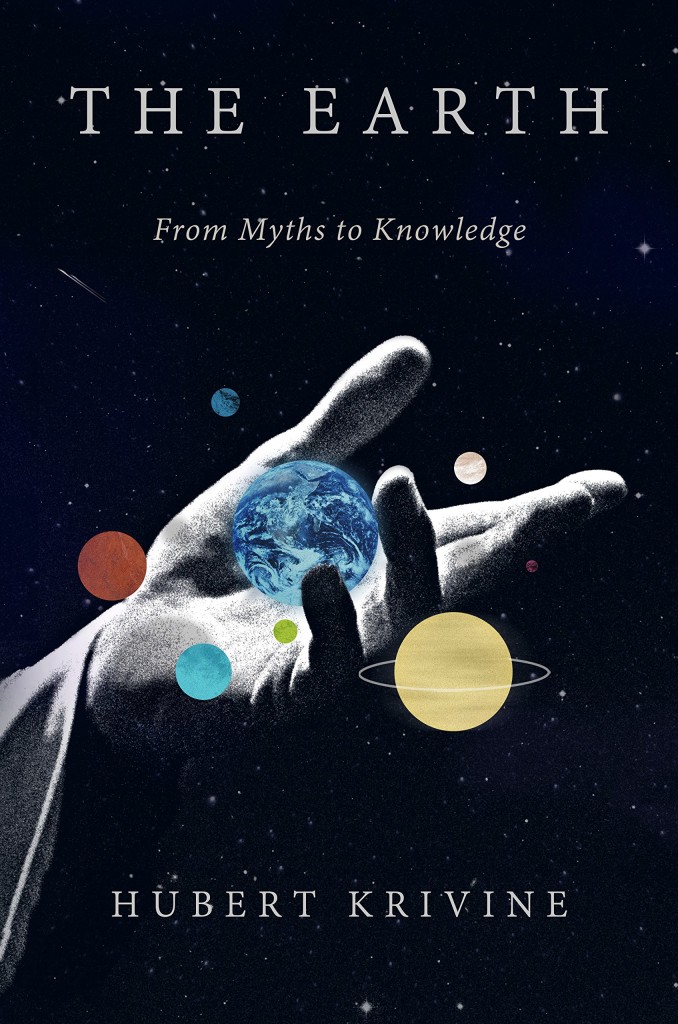
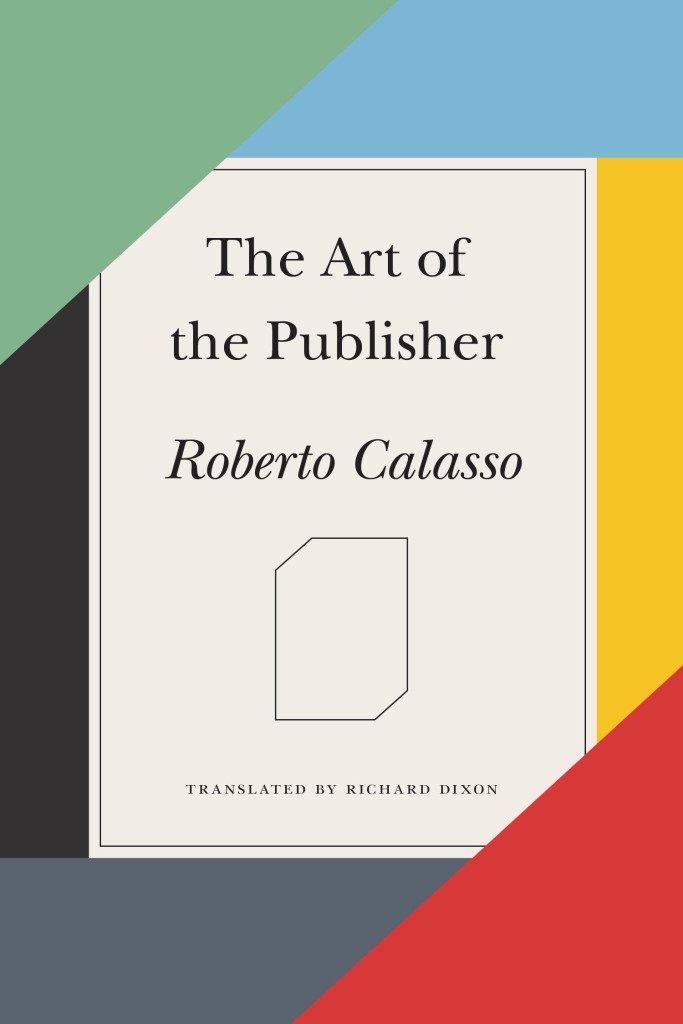
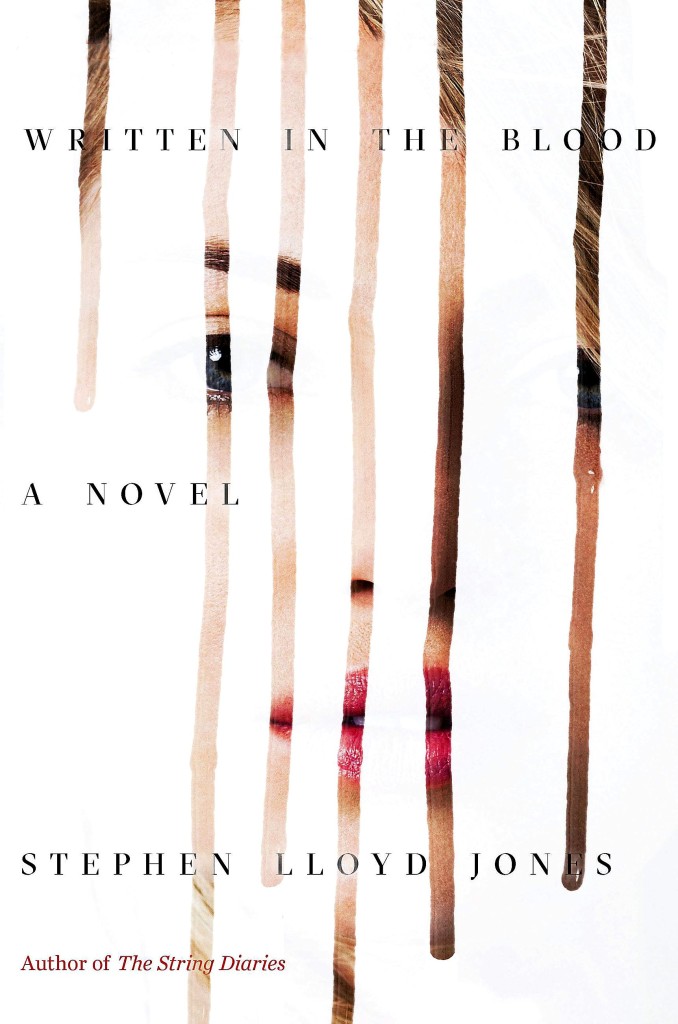
Earth by Hubert Krivine; design by Alex Merto (Verso Books / April 2015)The Art of the Publisher by Roberto Calasso; design by Alex Merto (FSG / November 2015)Written in the Blood by Stephen Lloyd Jones; design by Alex Merto (Mulholland Books / May 2015)
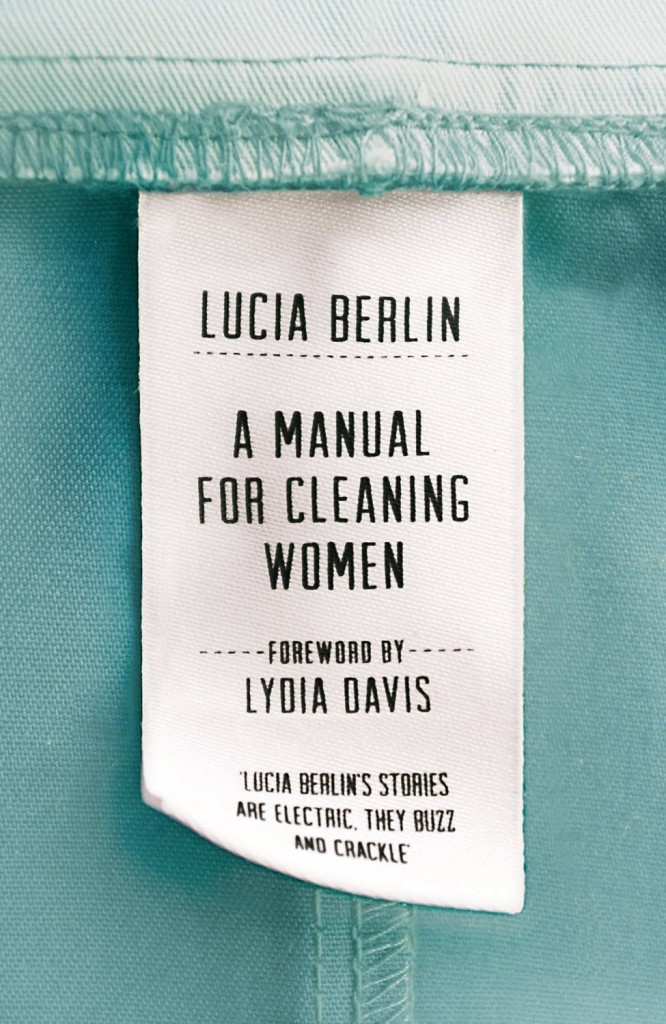
A Manual for Cleaning Women by Lucia Berlin; design by Justine Anweiler; photography Jonathan Simpson (Picador UK / September 2015)
Also designed by Justine Anweiler:
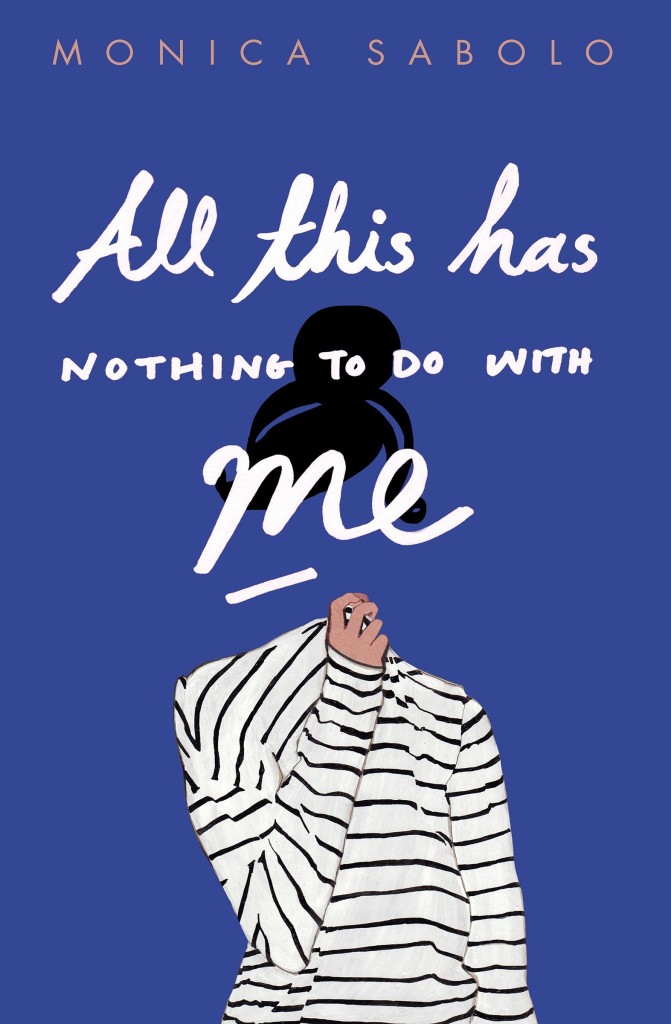
All This Has Nothing To Do With Me; design by Justine Anweiler; illustration Daphne van den HeuvelDon’t Let’s Go To the Dogs Tonight by Alexandra Fuller; design by Justine Anweiler (Picador / January 2015)
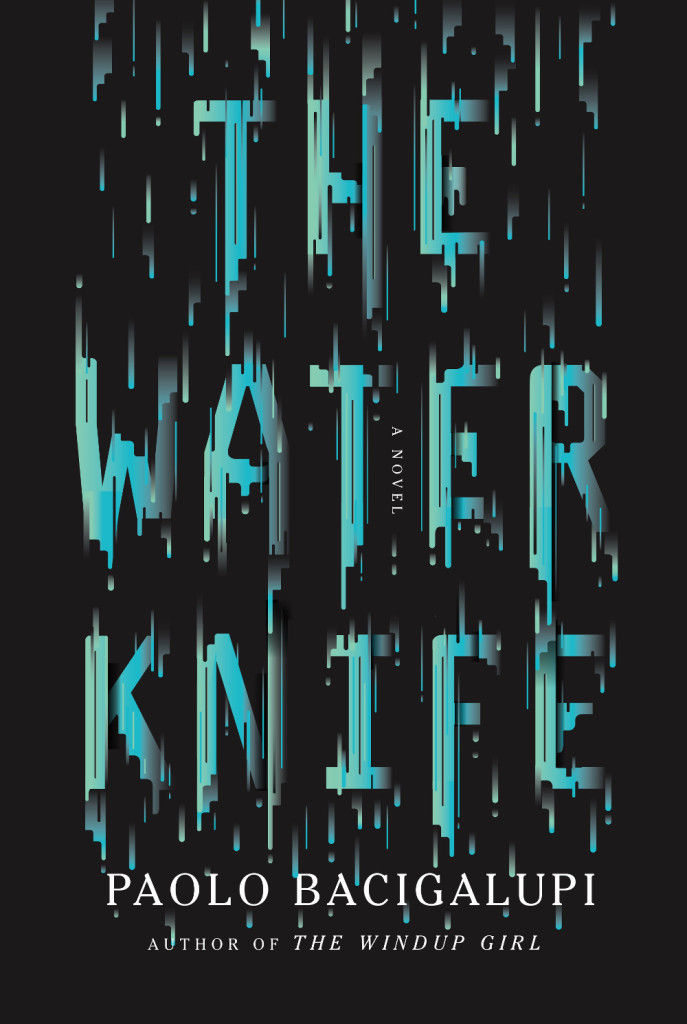
Negroland by Margo Jefferson; design by Oliver Munday (Pantheon / September 2015)American Warlord by Johnny Dwyer; design by Oliver Munday (Knopf / April 2015)The Water Knife by Paolo Bacigalupi; design by Oliver Munday (Knopf / May 2015)
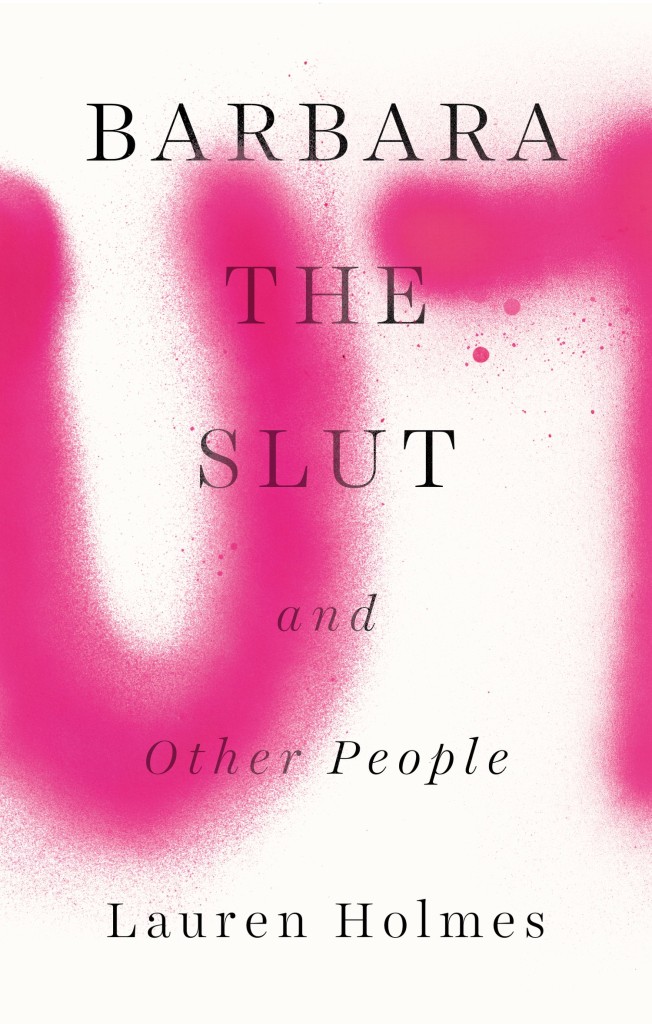
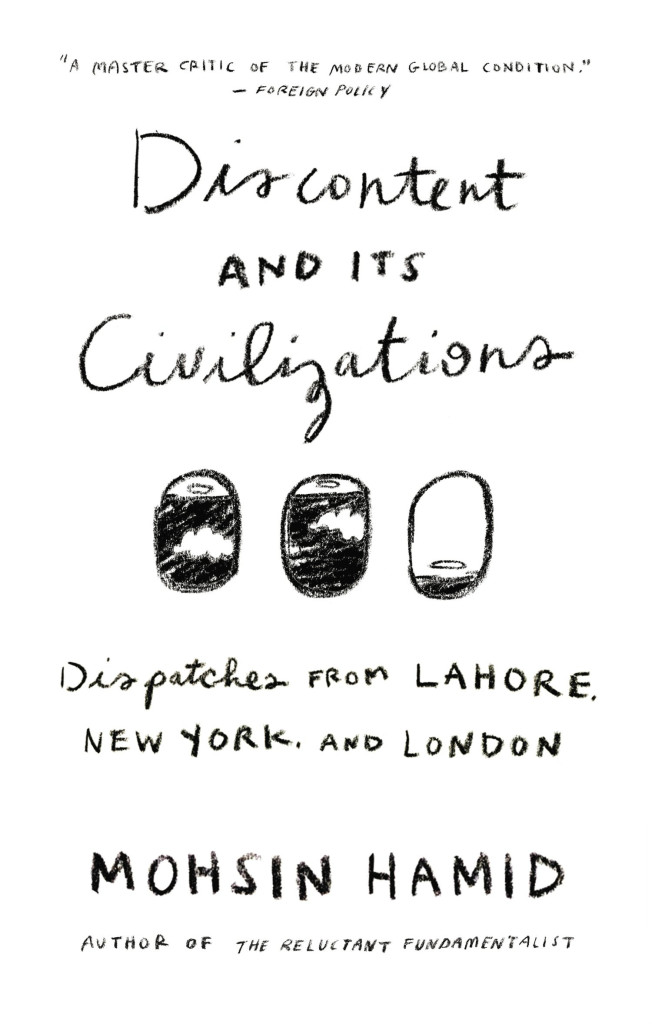
Barbara the Slut by Lauren Holmes; design by Rachel Willey (Riverhead / August 2015)Discontent and its Civilizations by Mohsin Hamid; design by Rachel Willey (Riverhead / February 2015)Witches of America by Alex Mar; design by Rachel Willey (Sarah Crichton Books / Ocotber 2015)
Munich Airport by Greg Baxter; design by Anne Twomey (Twelve Books / January 2015)
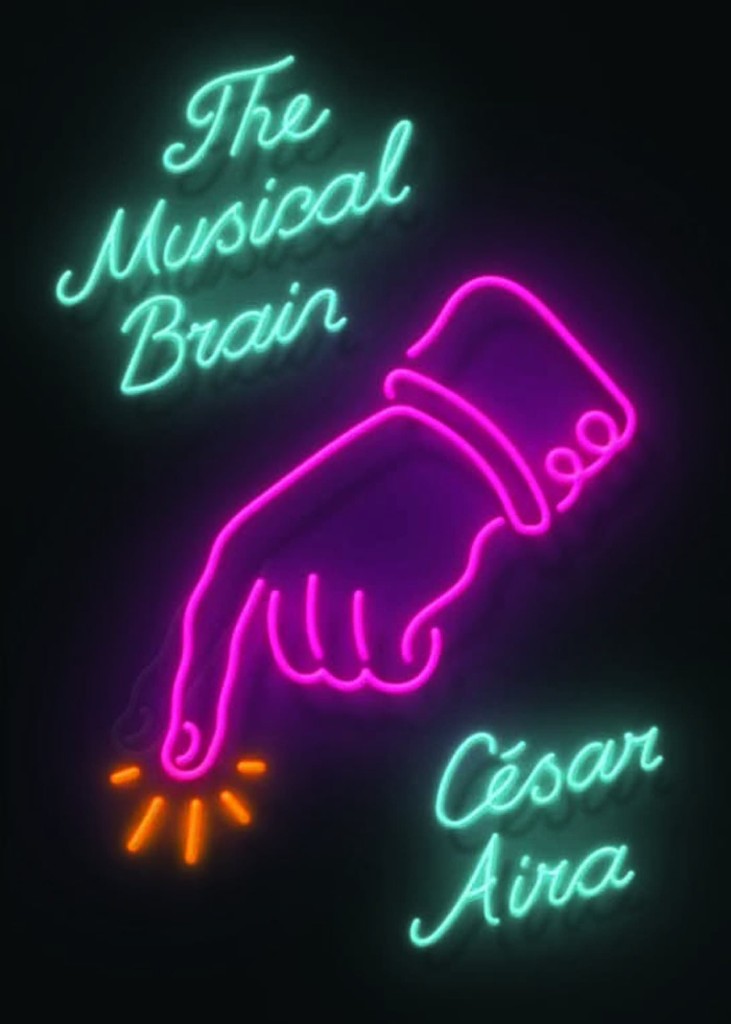
This is actually a rather special lenticular cover that imitates the effect of flashing neon.
Also from Rodrigo Corral:
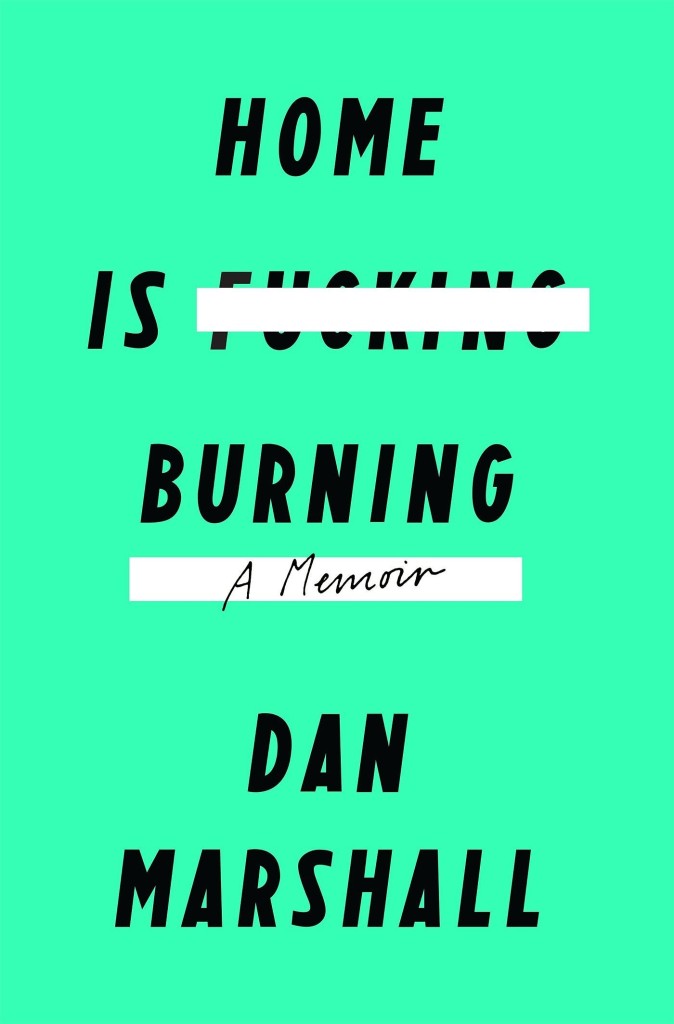
Home is Burning by Dan Marshall; design by Rodrigo Corral (Flatiron / October 2015)Fates and Furies by Lauren Groff; design by Rodrigo Corral and Adalis Martinez (Riverhead / September 2015 )
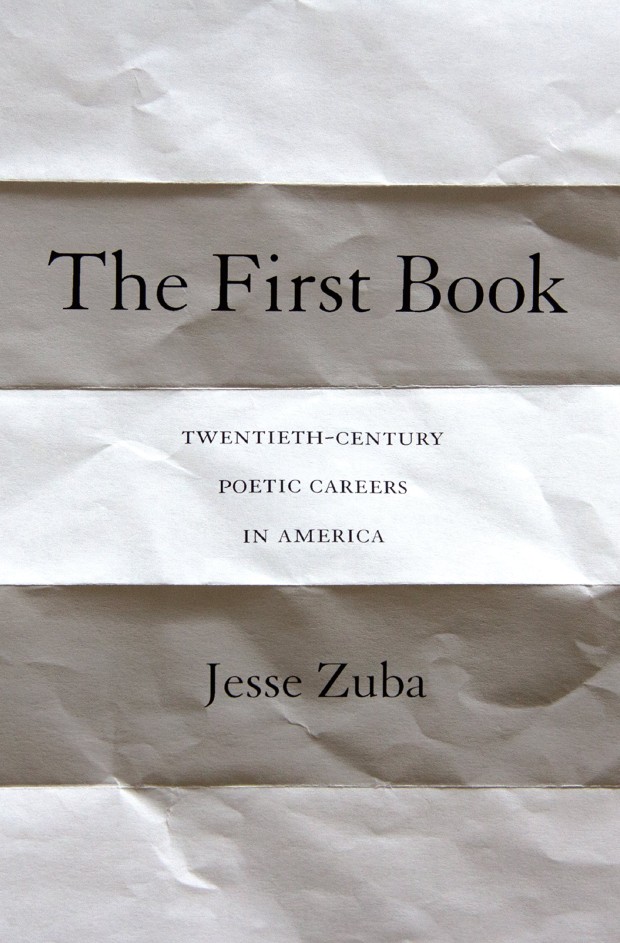
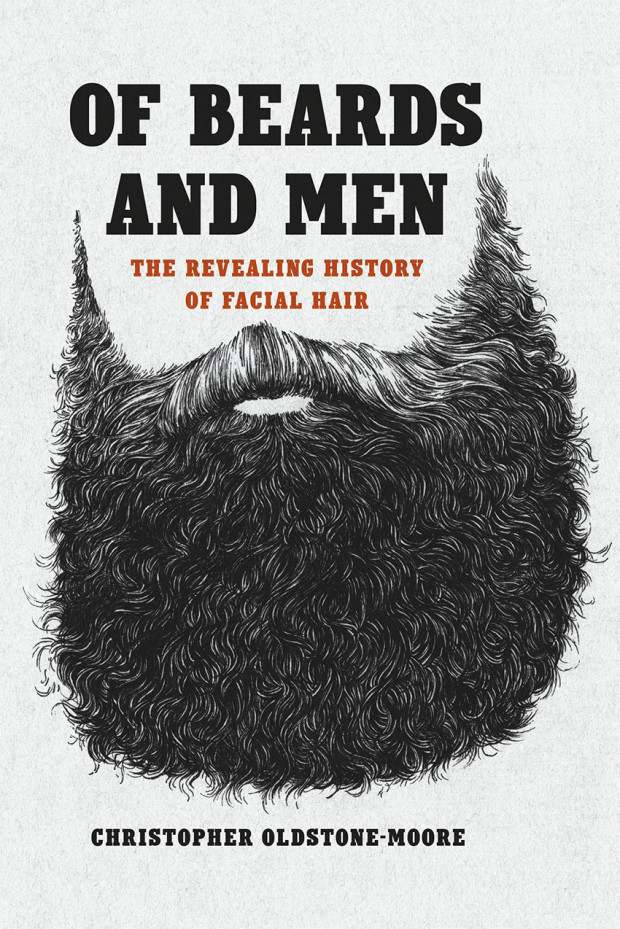
Of Beards and Men by Christopher Oldstone-Moore; design Isaac Tobin (University of Chicago Press / December 2015)
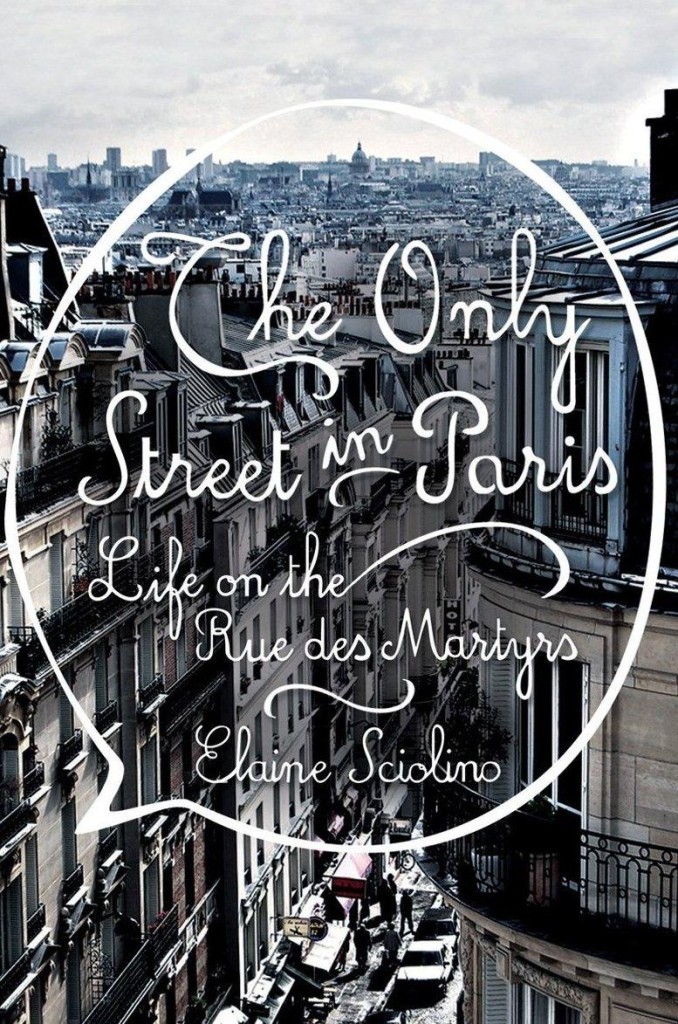
The Only Street in Paris by Elaine Schiolino; design by Strick&Williams (W.W. Norton / November 2015)
Also from Strick&Williams:
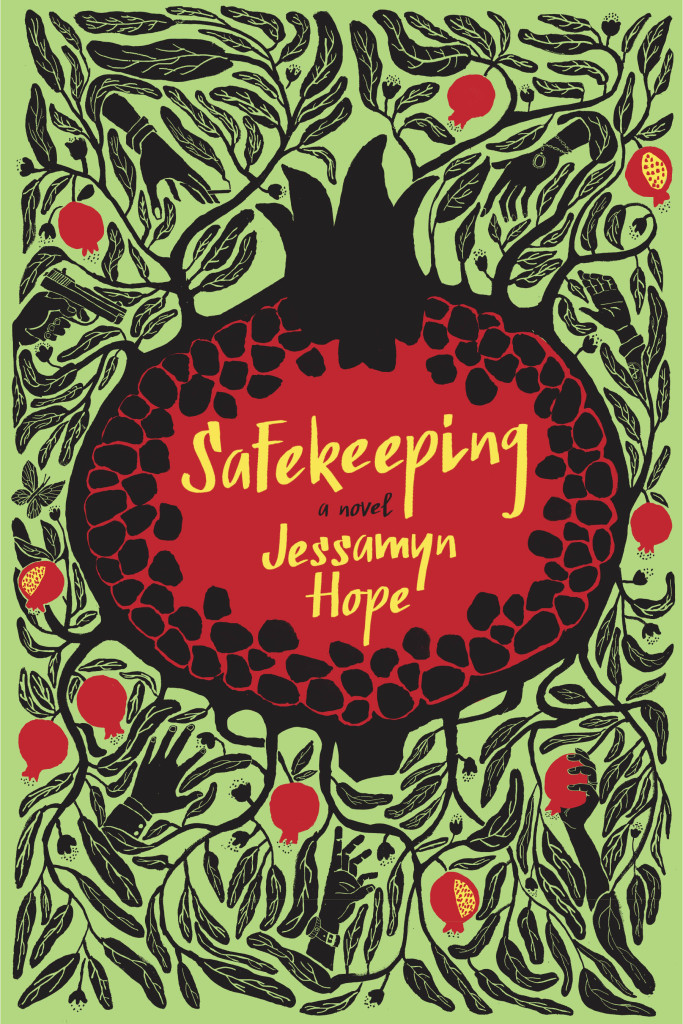
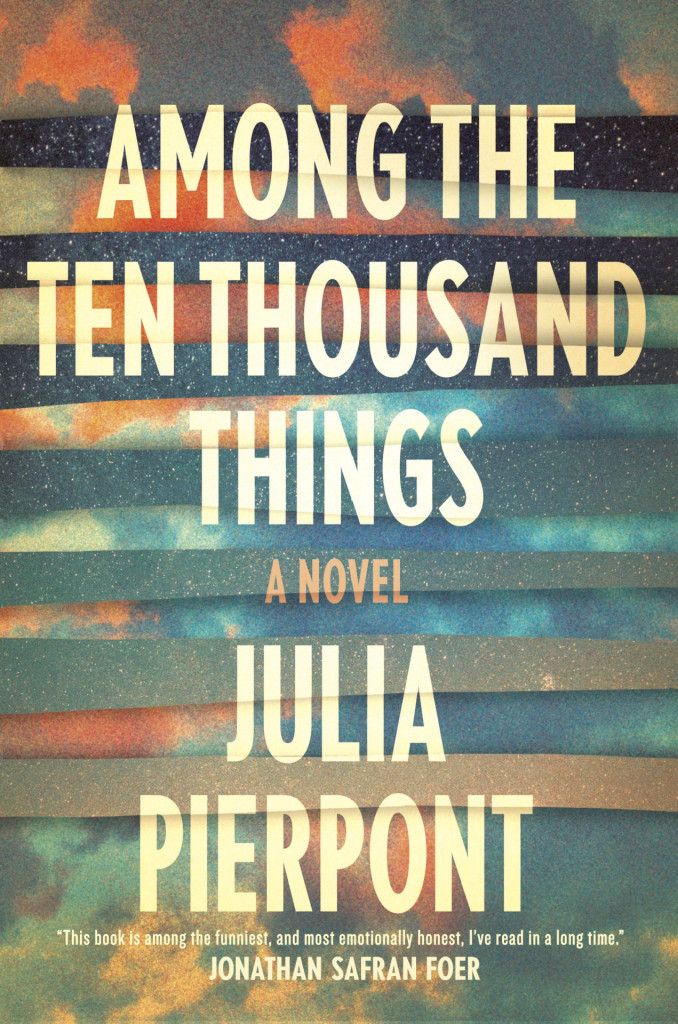
Safekeeping by Jessamyn Hope; design by Strick&Williams (Fig Tree / June 2015)Among the Ten Thousand Things by Julia Pierpoint; design by Strick&Williams (Random House / July 2015)
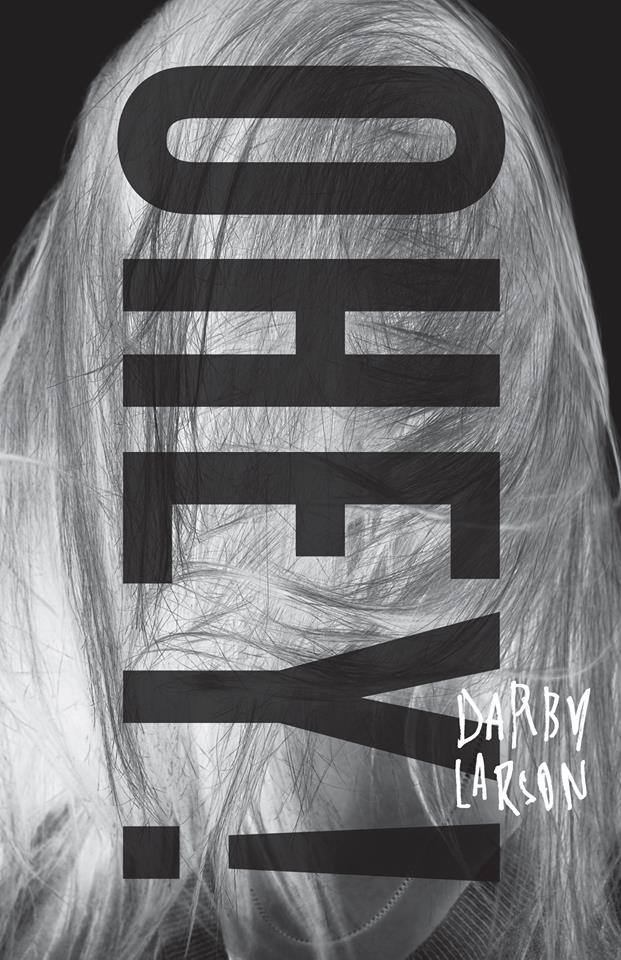
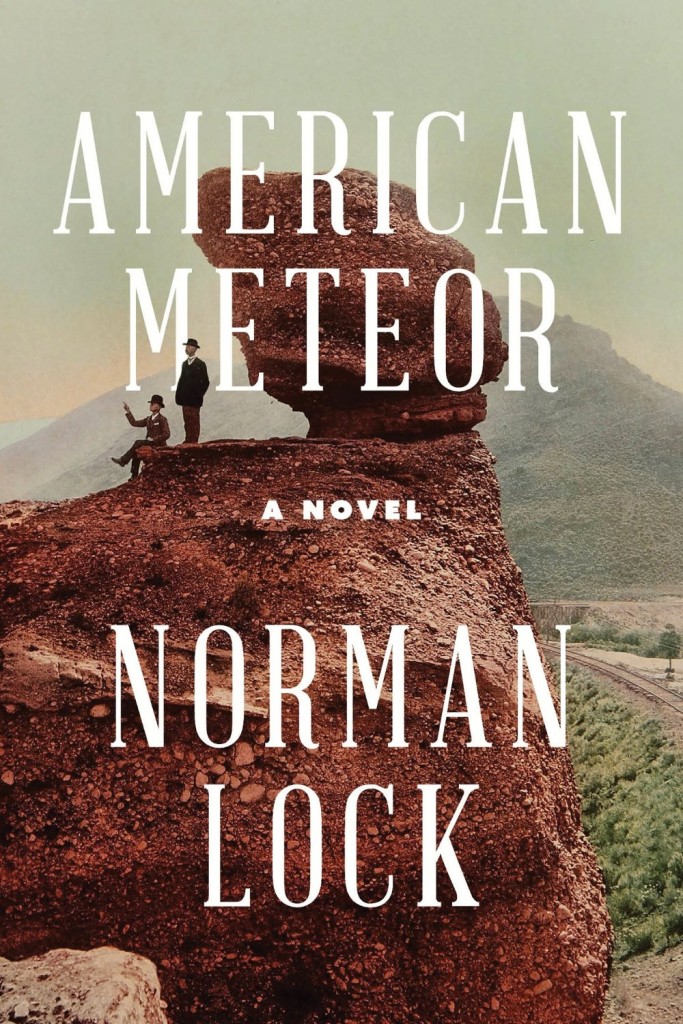
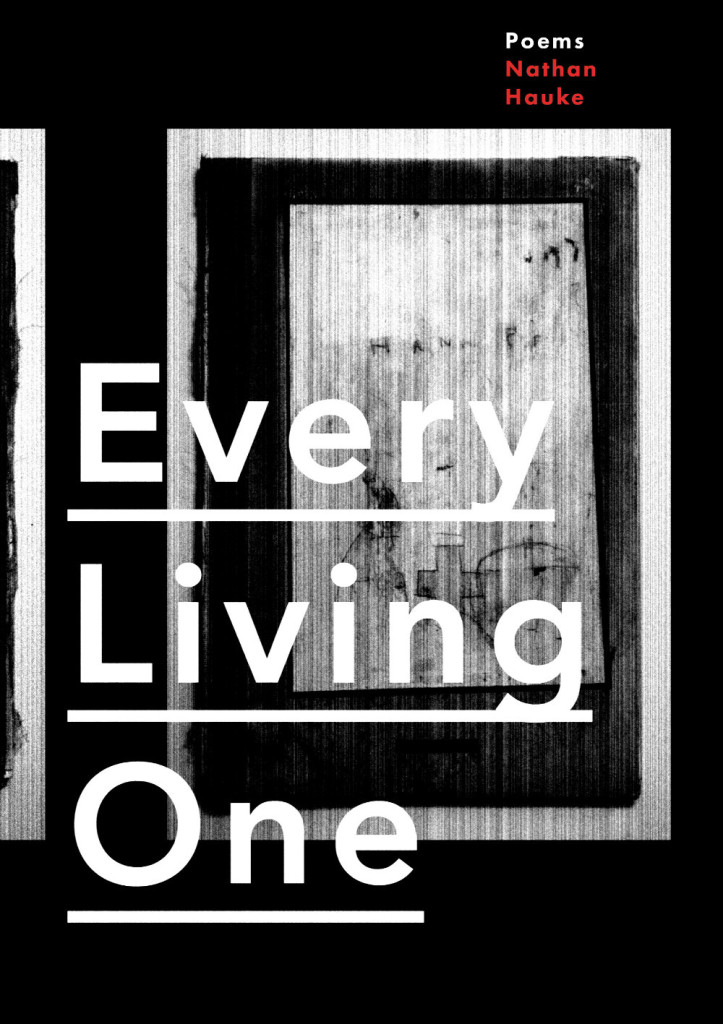
Ohey! by Darby Larson; design by Alban Fischer (CCM / May 2015)American Meteor by Norman Lock; design by Alban Fischer (Bellevue Literary Press / June 2015)Every Living One by Nathan Haukes; design by Alban Fischer (Horse Less Press / March 2015)
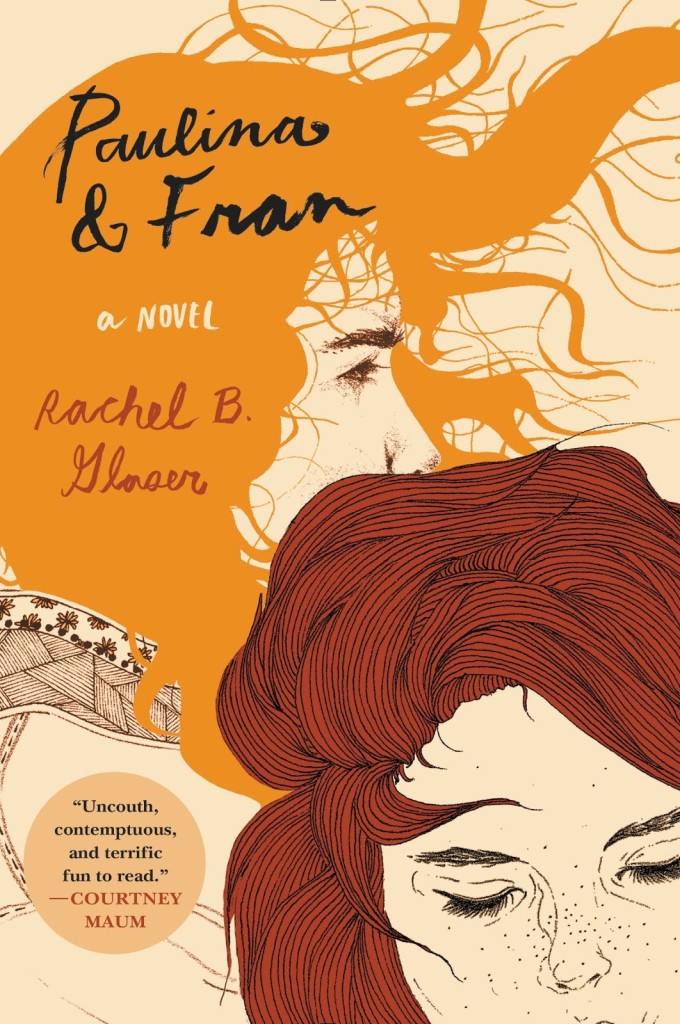
Paulina and Fran by Rachel B. Glaser; illustration Kaethe Butcher; typography Nina LoSchiavo (Harper Perennial / September 2015)
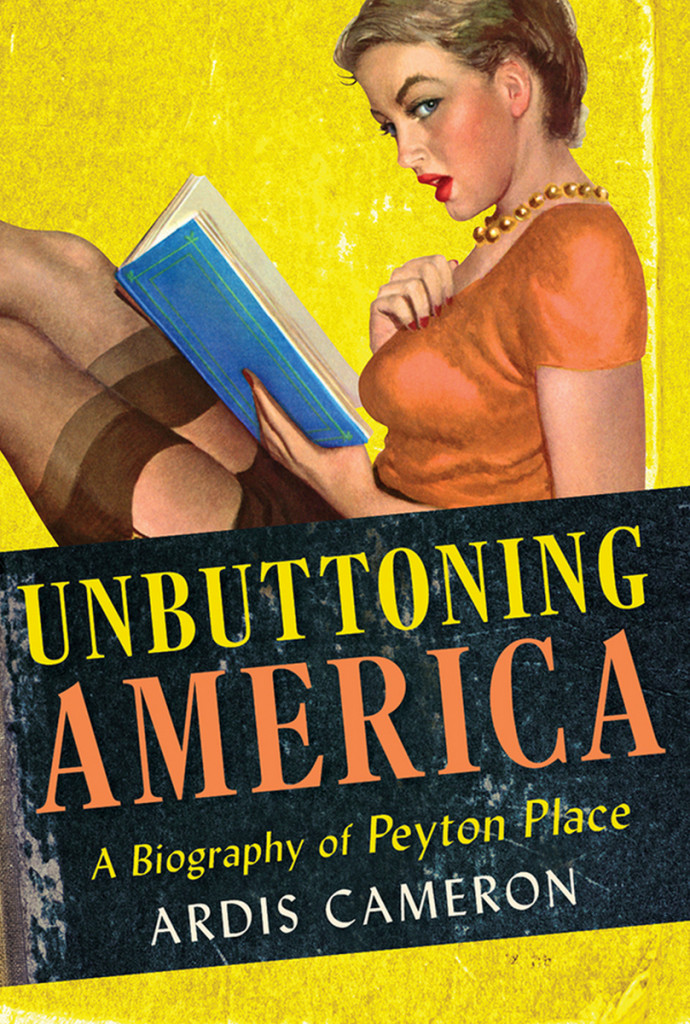
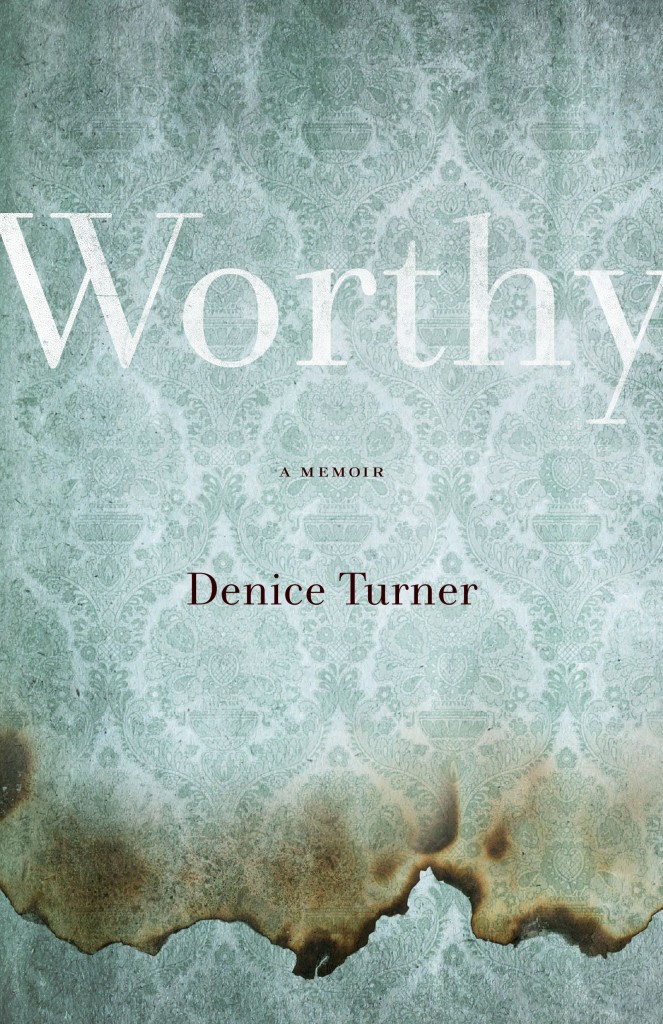
Unbuttoning America by Ardis Cameron; design by Kimberly Glyder; illustration by Al Moore (Cornell University Press / May 2015)Worthy by Denice Turner; design by Kimberly Glyder (University of Nevada Press / April 2015)
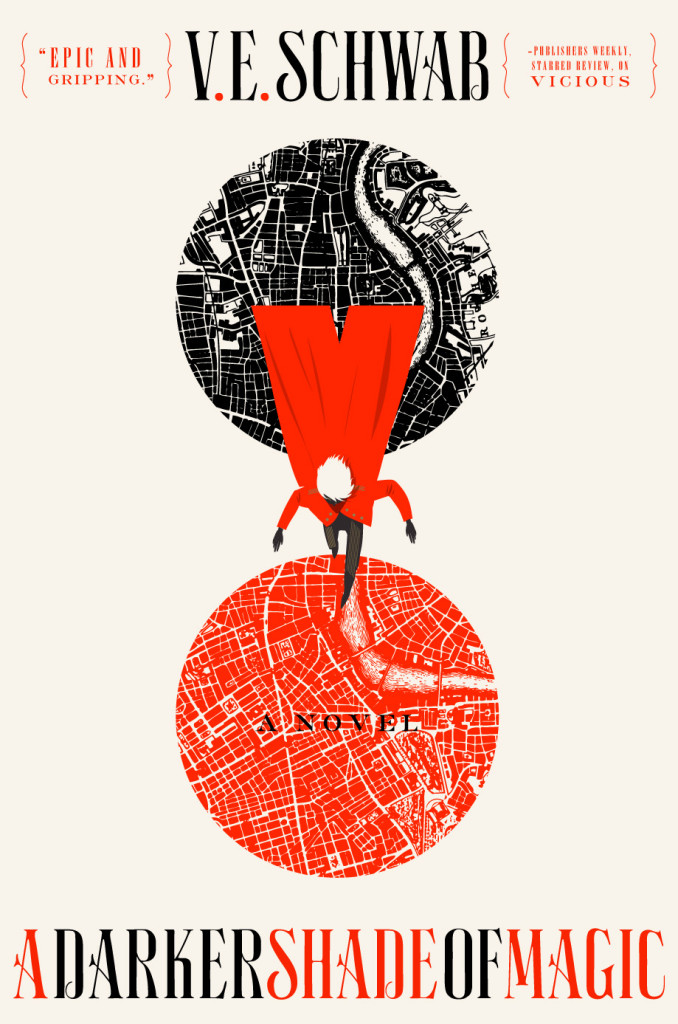
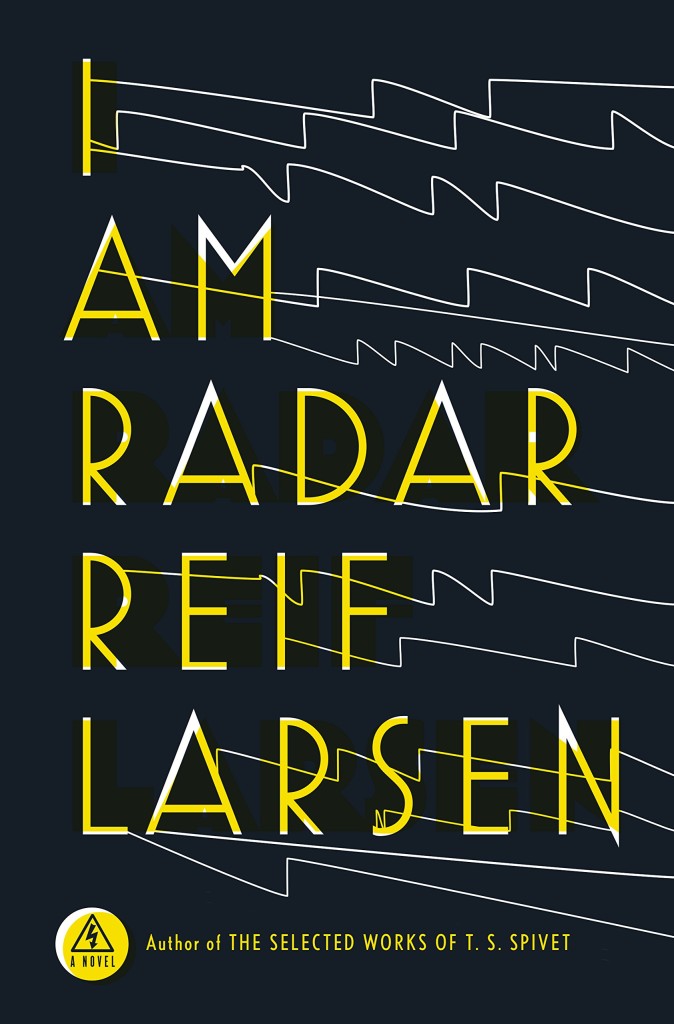
A Darker Shade of Magic by V. E. Schwab; design by Will Staehle (Tor / February 2015)I Am Radar by Reif Larsen; design by Will Staehle (Penguin / February 2015)
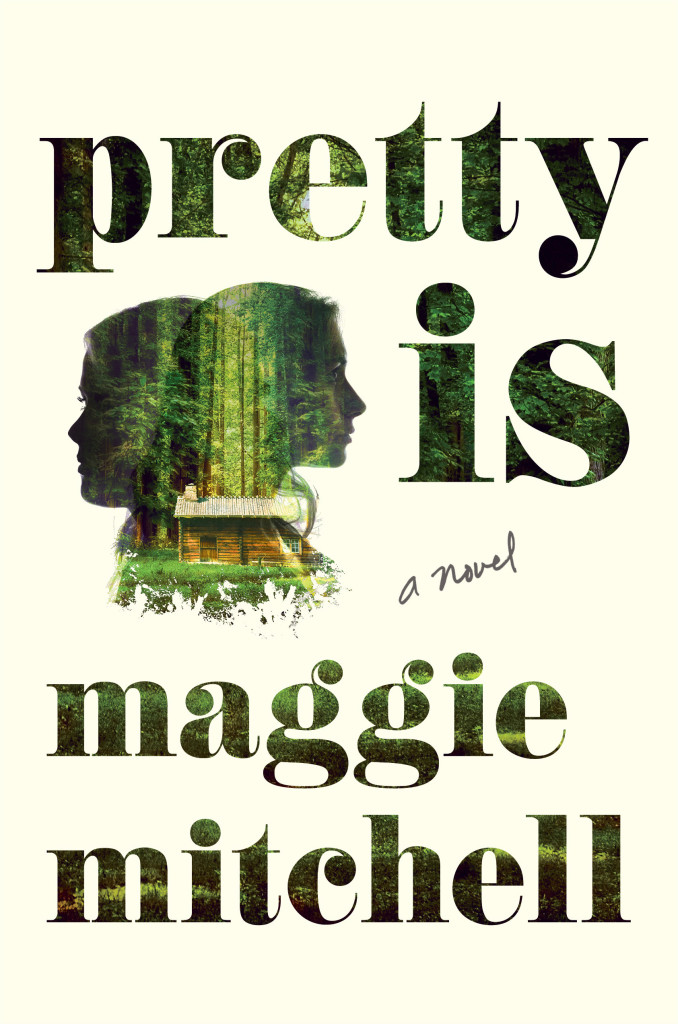
Pretty Is by Maggie Mitchell; design by Lucy Kim (Henry Holt / July 2015)
Real Life Rock by Greil Marcus; design by Rich Black (Yale University Press / October 2015)
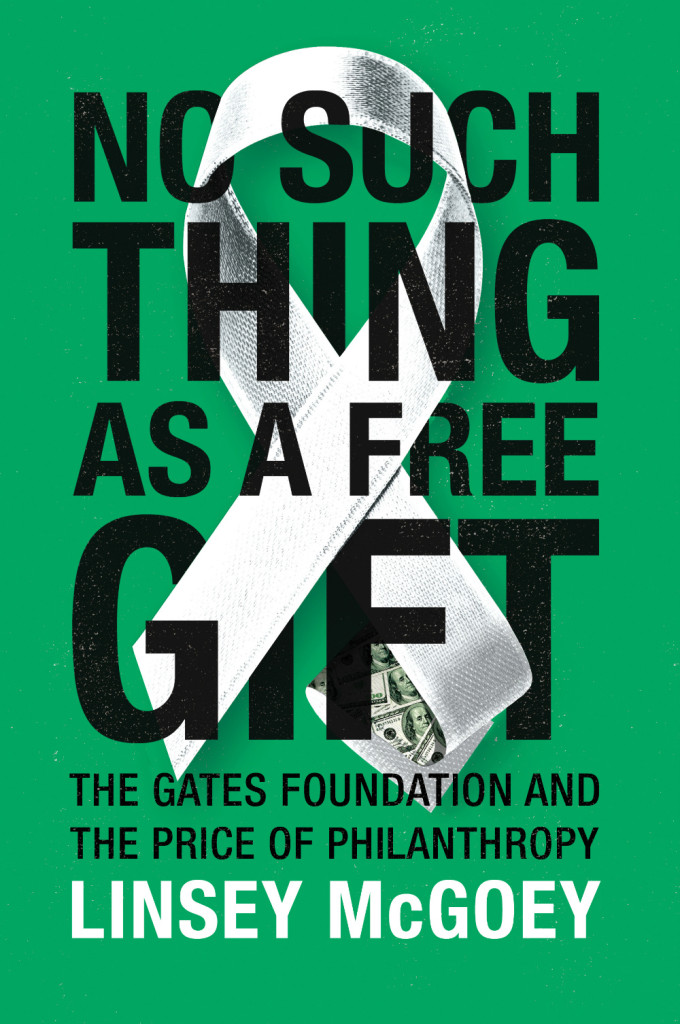
No Such Thing as a Free Gift by Linsey McGoey; design by James Paul Jones (Verso / October 2015)How Music Got Free by Stephen Witt; design by James Paul Jones (The Bodley Head / June 2015)The Rise of the Novel by Ian Watt; design by James Paul Jones (Vintage / October 2015)
The Sphinx by Anne Garréta; design by Anna Zylicz (Deep Vellum / May 2015)
Also designed by Anna Zylicz:
The Mountain and the Wall by Alisa Ganieva; design by Anna Zylicz (Deep Vellum / June 2015)The Indian by Jón Gnarr ; design by Anna Zylicz (Deep Vellum / May 2015)
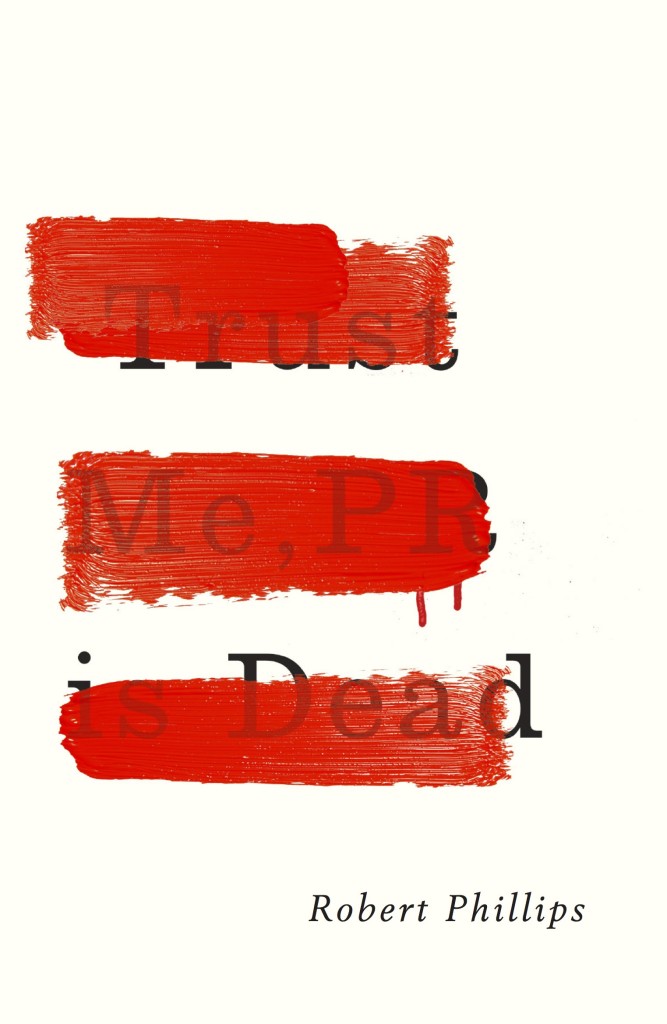
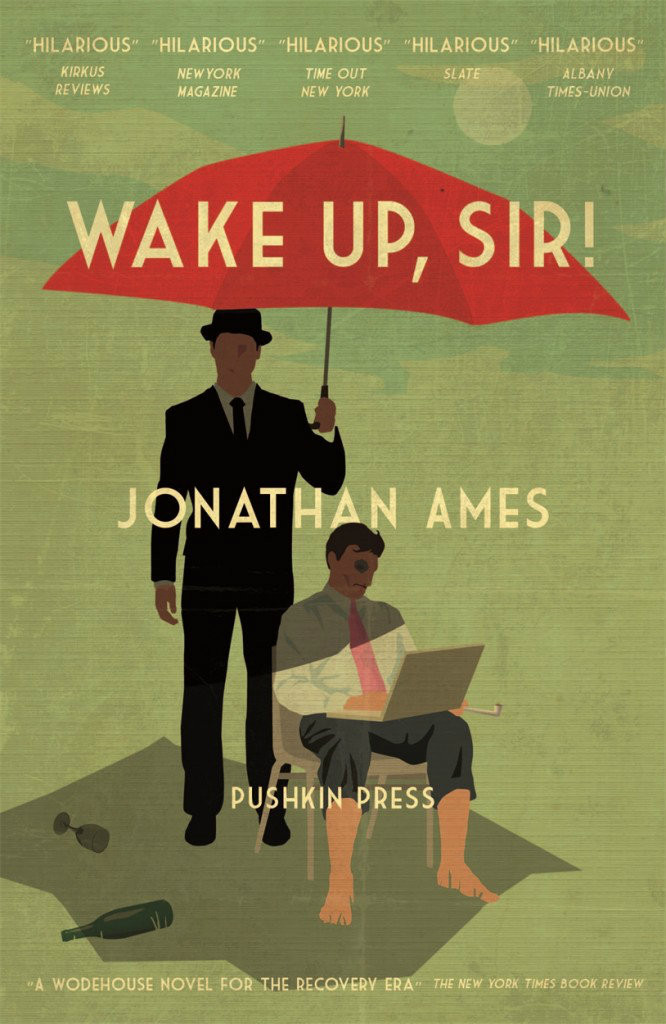
Trust Me, PR is Dead by Robert Phillips; design by Jamie Keenan (Unbound / June 2015)Wake Up, Sir! by Jonathan Ames; design by Jamie Keenan (Pushkin Press / May 2015)
Trans by Juliet Jacques; Design and illustration by Joanna Walsh (Verso / September 2015)
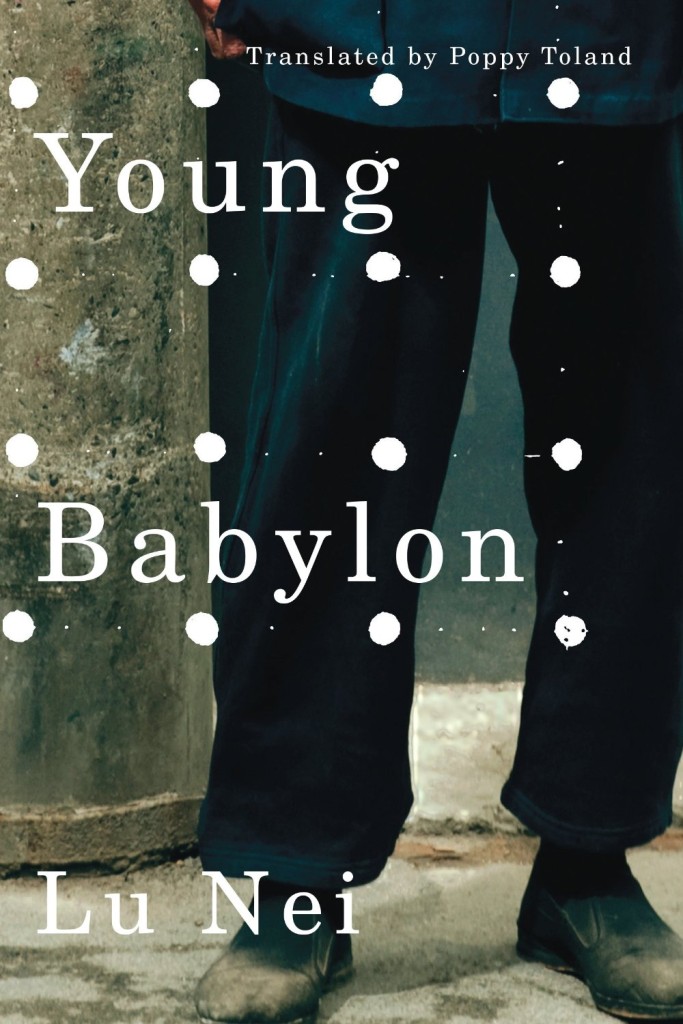
Wall Flower by Rita Kuczynski; design by David Drummond (University of Toronto Press / August 2015)Young Babylon by Lu Nei; design by David Drummond (AmazonCrossing / September 2015)
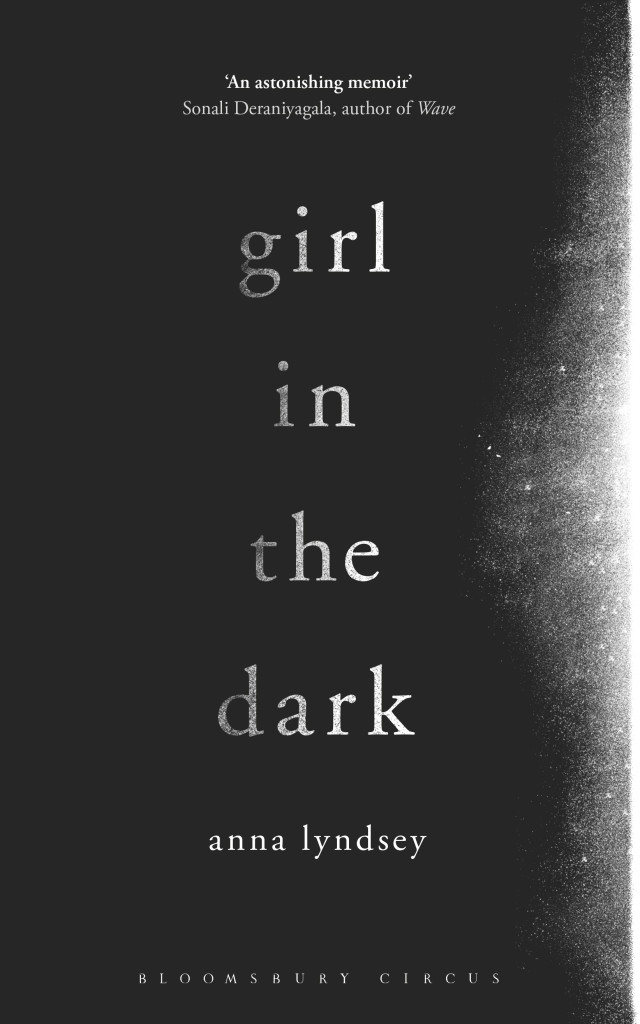
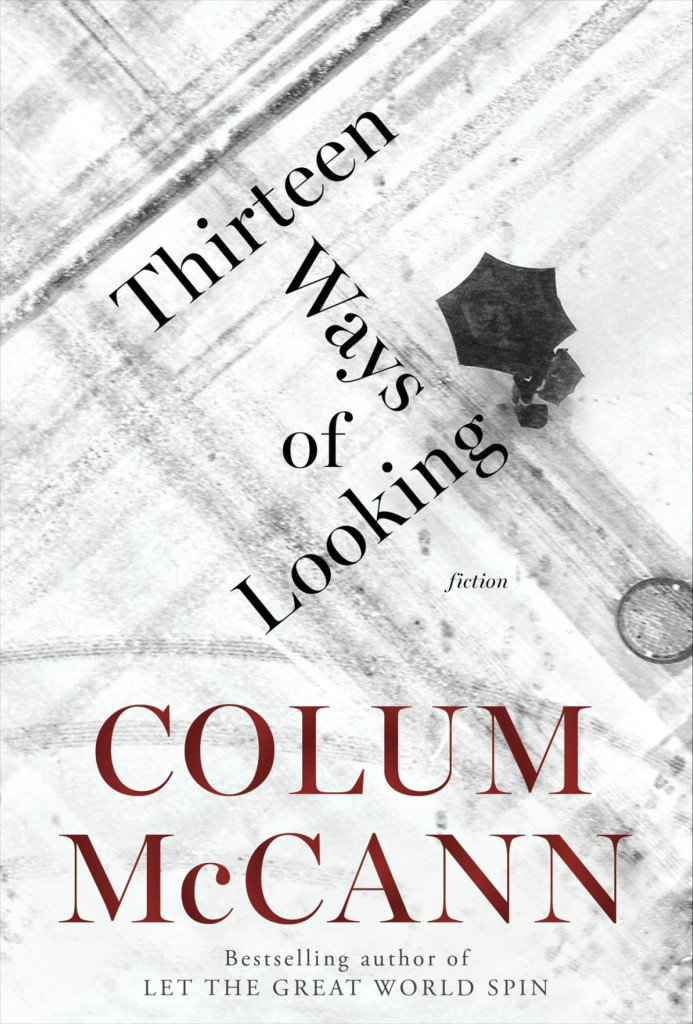
Girl in the Dark by Anna Lyndsey; design by Greg Heinimann (Bloomsbury / February 2015)Thirteen Ways of Looking by Colum McCann; design by Greg Heinimann; photograph by Julio Gamboa (Random House / October 2015)
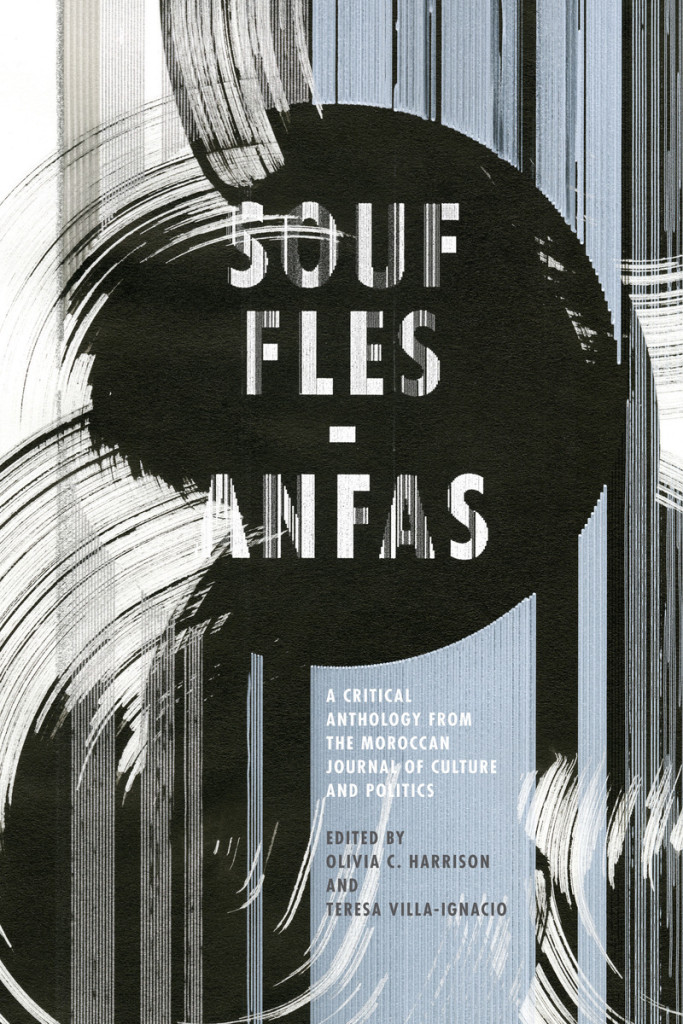
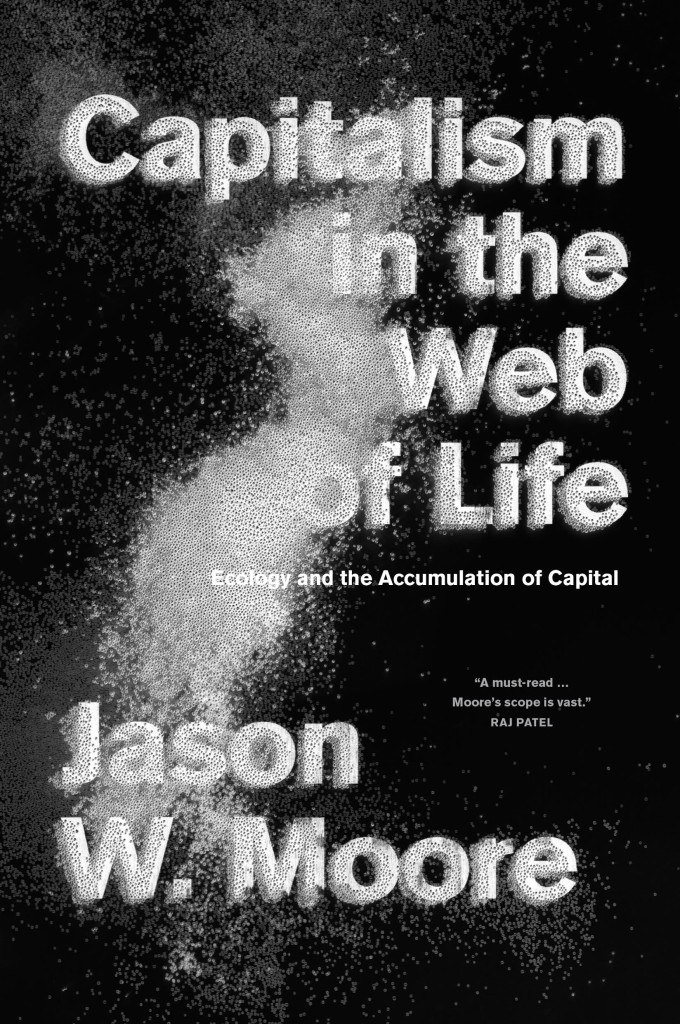
Souffles-Anfas edited by Olivia C. Harrison and Teresa Villa-Ignacio; design Anne Jordan and Mitch Goldstein (Stanford University Press / November 2015)Capitalism in the Web of Life by Jason W. Moore; design by Anne Jordan and Mitch Goldstein (Verso / August 2015)