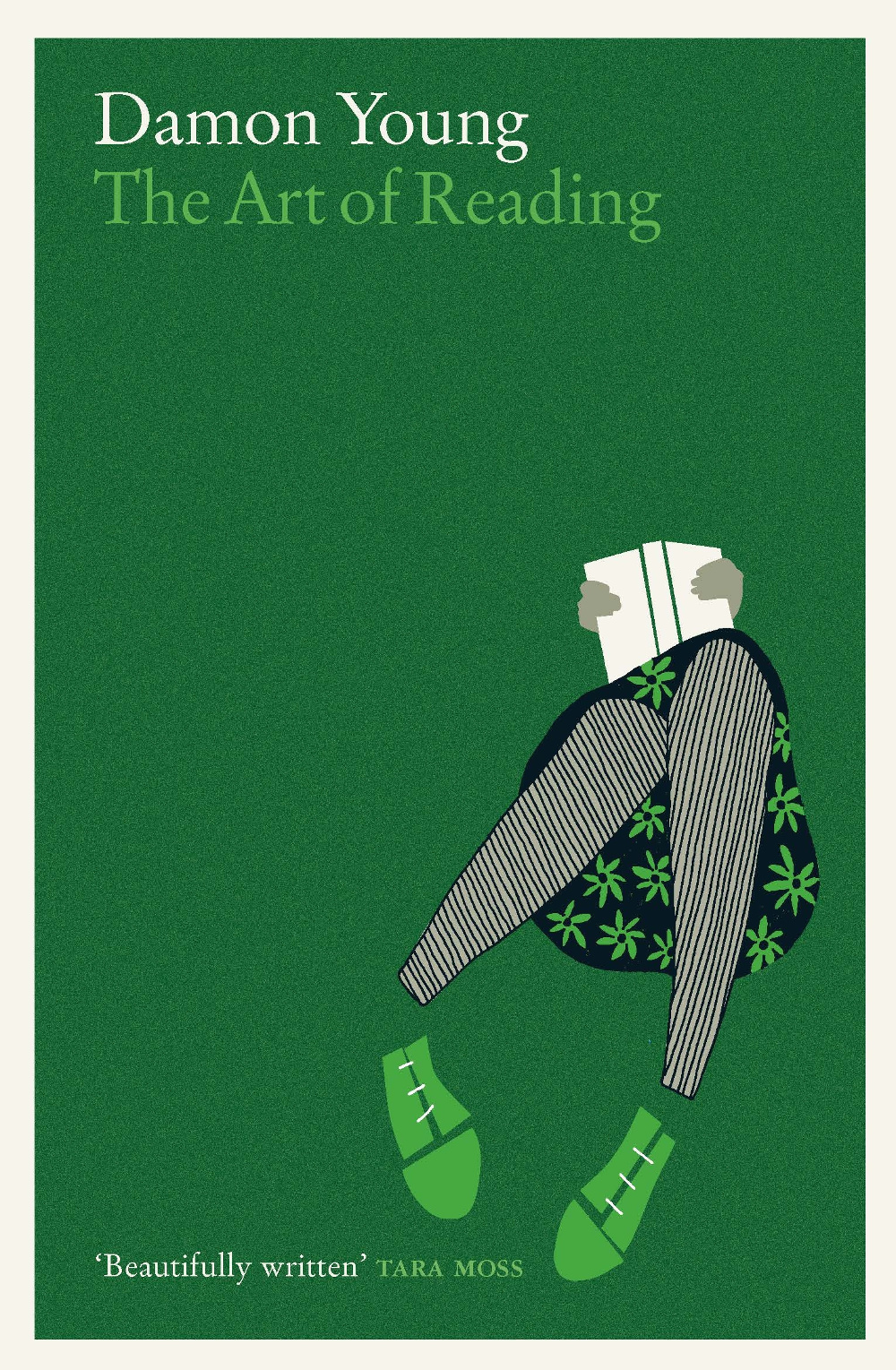
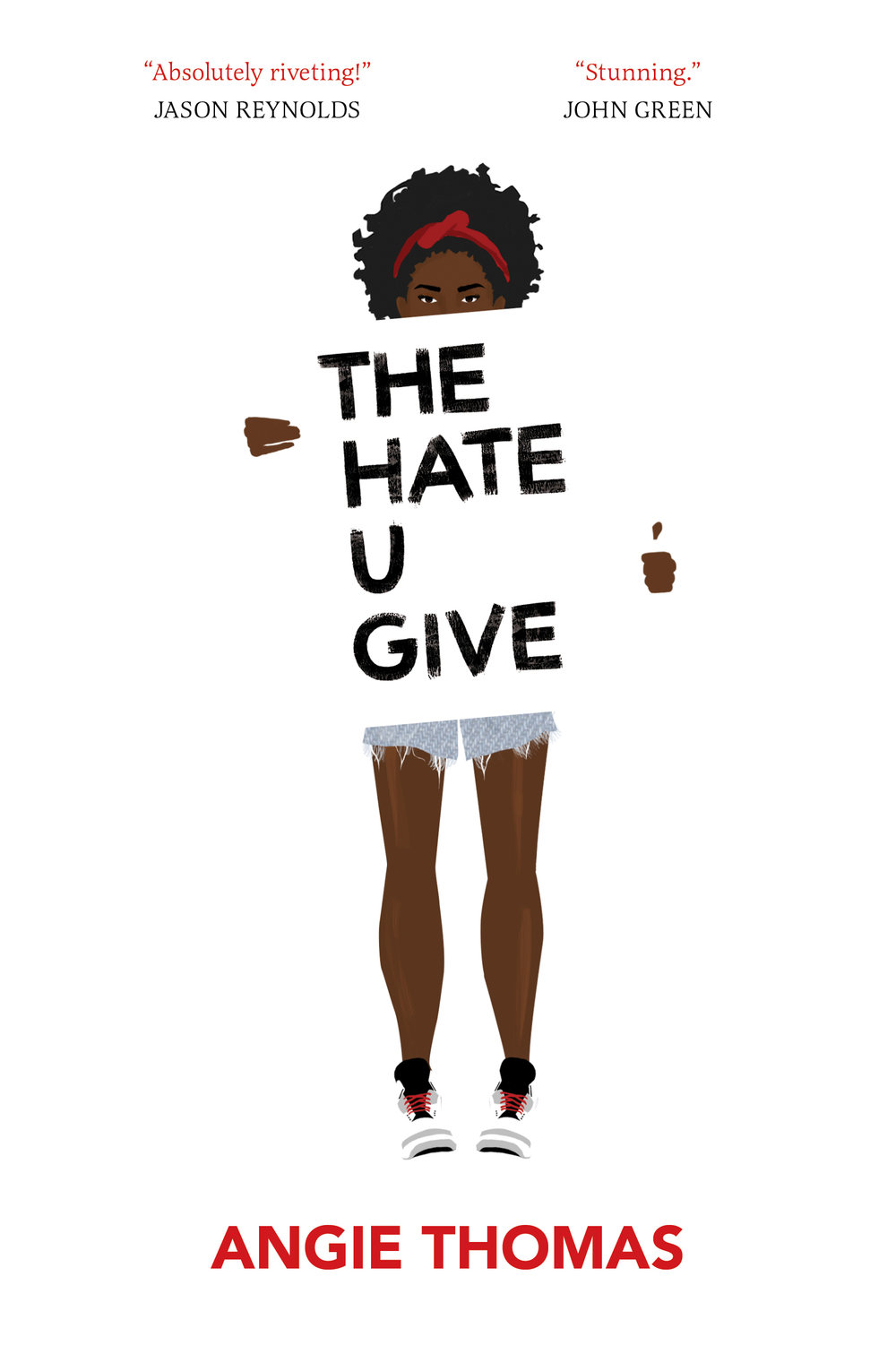
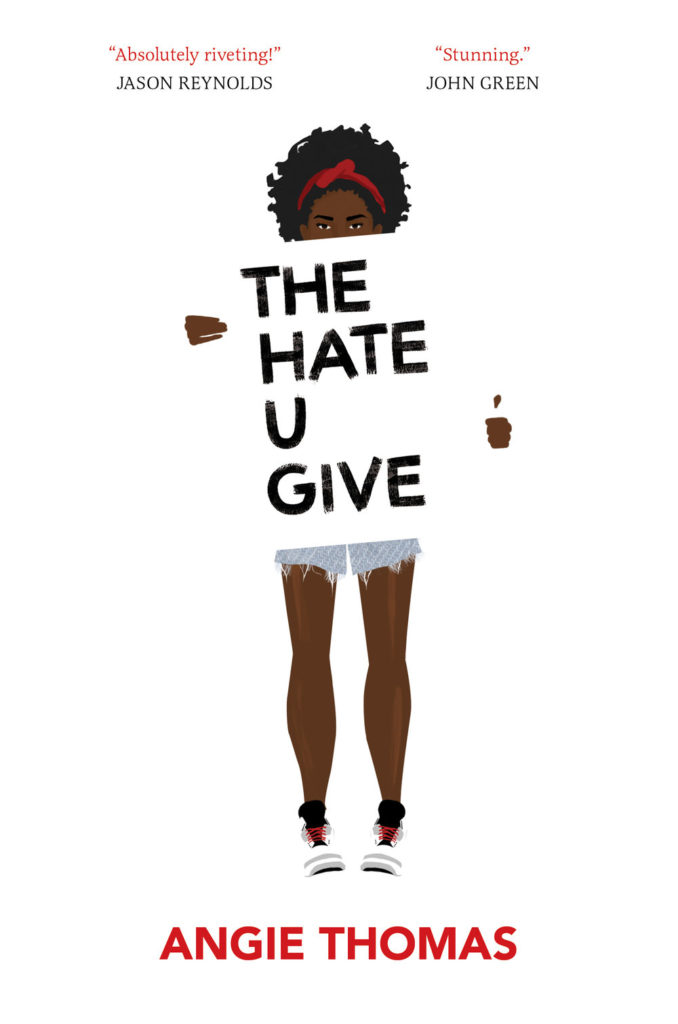
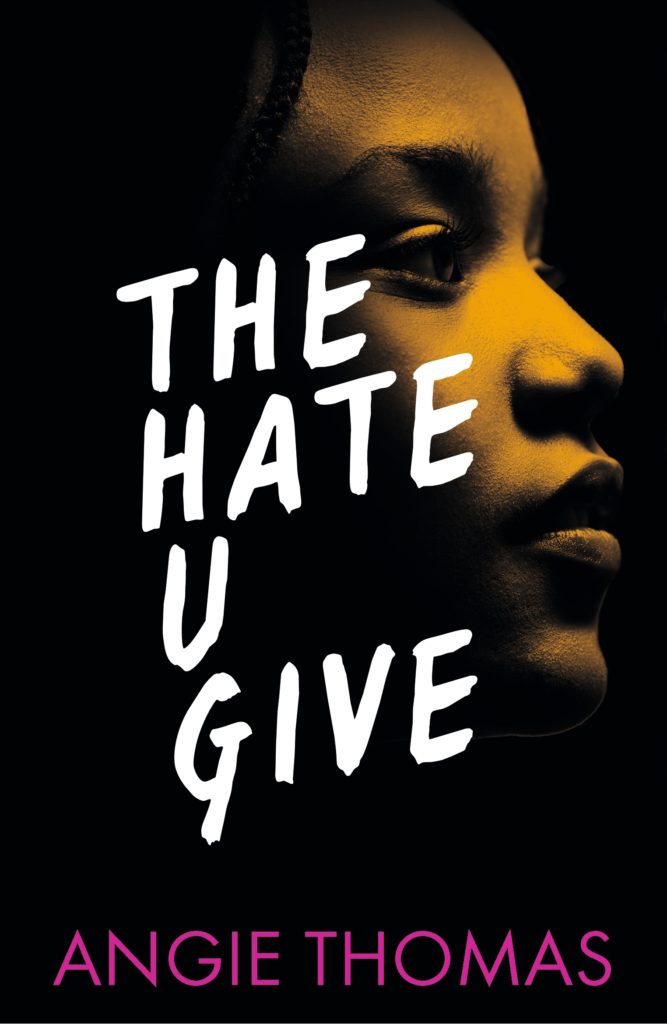
The Australian Book Design Association just announced their Shortlist (PDF) for the 65th Australian Book Design Awards. Happily (if somewhat implausibly), I was asked to be the international judge this year (you can read about the other, imminently more qualified judges, here).
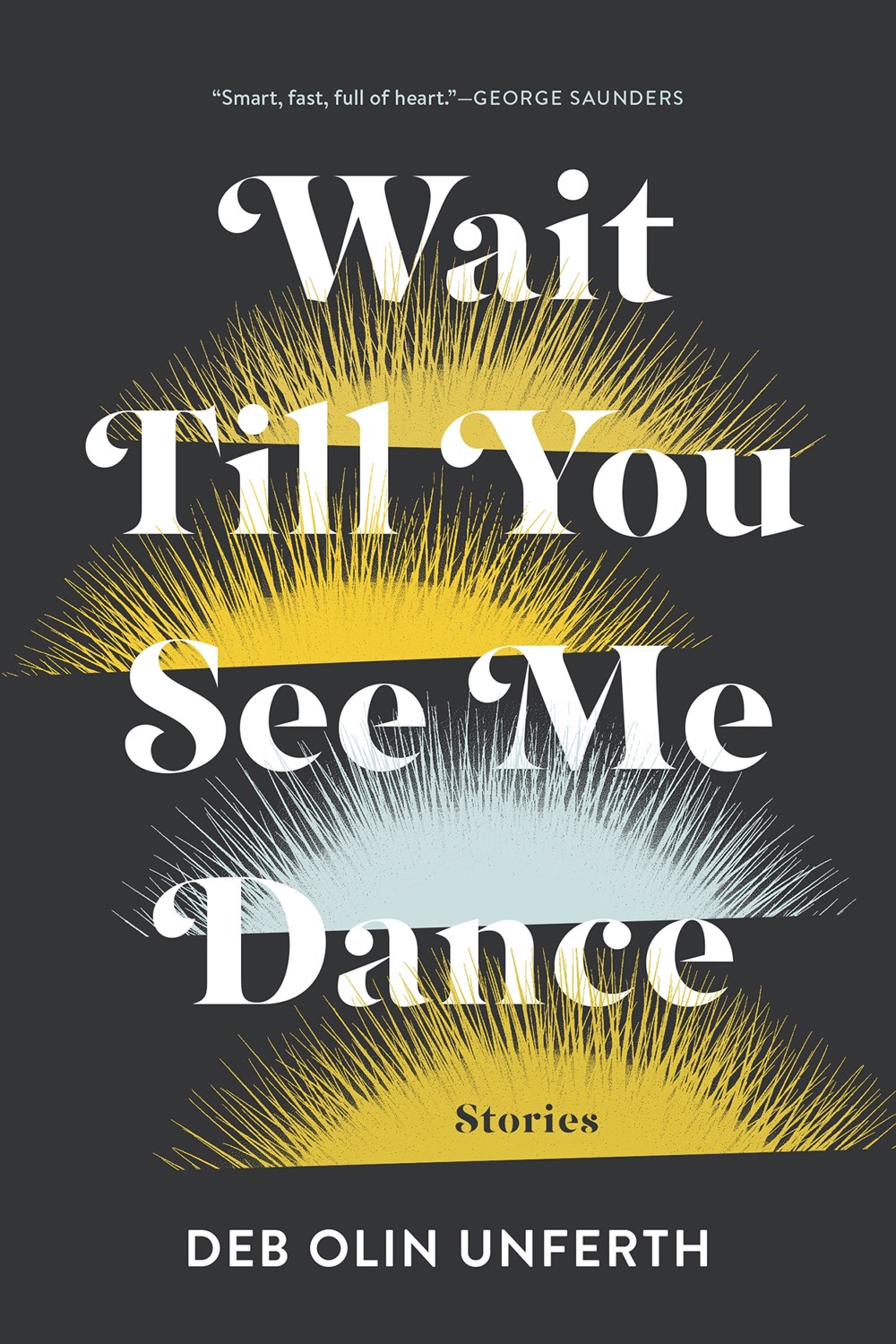
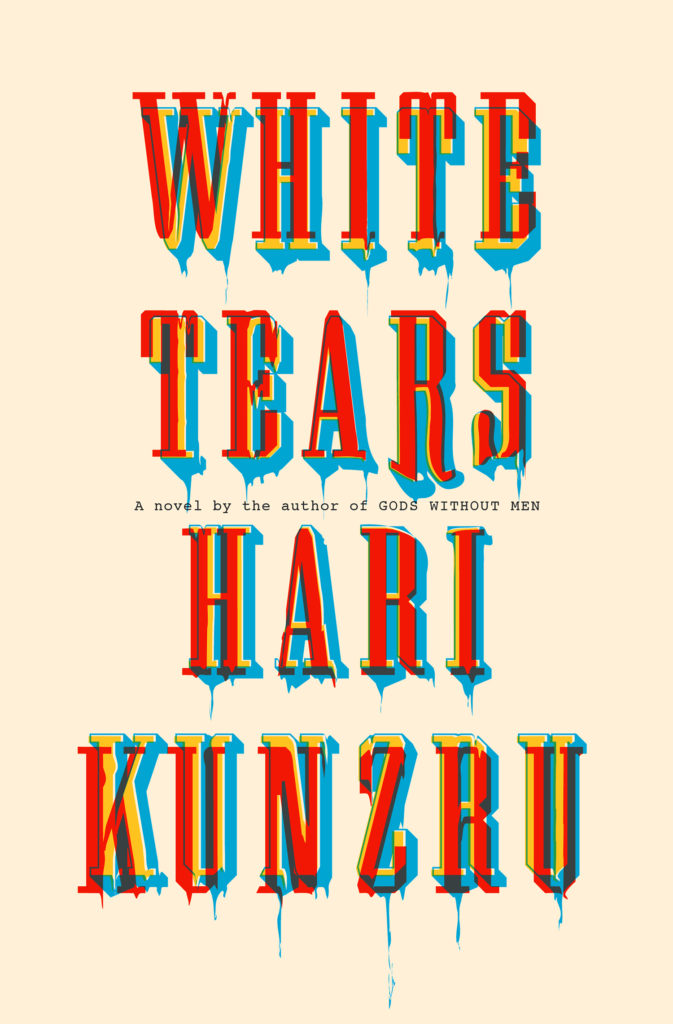
As a sample of what you can expect from the shortlist, here are the covers in the Nonfiction category:
Design by Mary CallahanDesign W. H. ChongDesign by Allison ColpoysDesign Jenny Grigg
The winners of the awards will be announced on Friday 26 May at the Awards Party in Sydney. Tickets go on sale Thursday 20 April.
This edition of ‘book covers of note’ is brought to you entirely by Gray318 who designed the covers of all the books published this month. OK, that’s an exaggeration, but Jon did design FOUR of the covers on my list — all different, all brilliant. How no one has published a monograph of his work yet is beyond me. Anyway… This month’s post also includes covers by David Pearson, Erik Carter, Scott Richardson, Kimberly Glyder, Katie Tooke, Rachel Vale and more…
Black Moses by Alain Mabanckou; design by Gray318 (Serpent’s Tail / April 2017)
And, just FYI, after 6 years at Faber & Faber, Luke has decided to set up his own studio should you wish to hire him (and on the basis of this cover alone, why wouldn’t you?).
The Good People by Hannah Kent; design by Rachel Vale (Picador / February 2017)
The Handmaid’s Tale by Margaret Atwood; art direction by Christopher Moisan; illustration by Patrik Svensson (Houghton Mifflin Harcourt / April 2017)
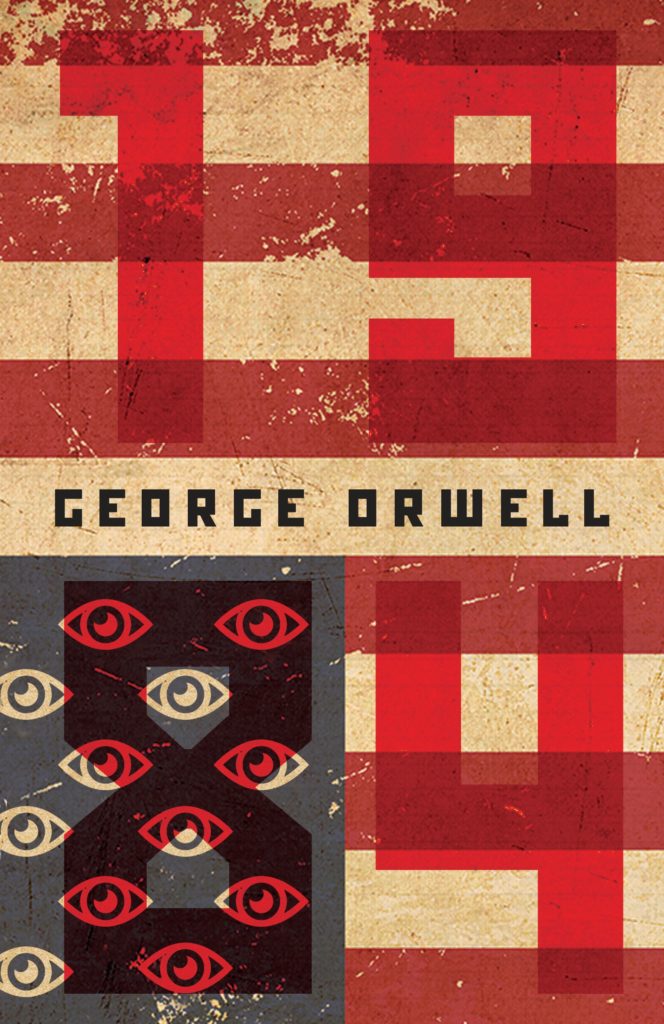
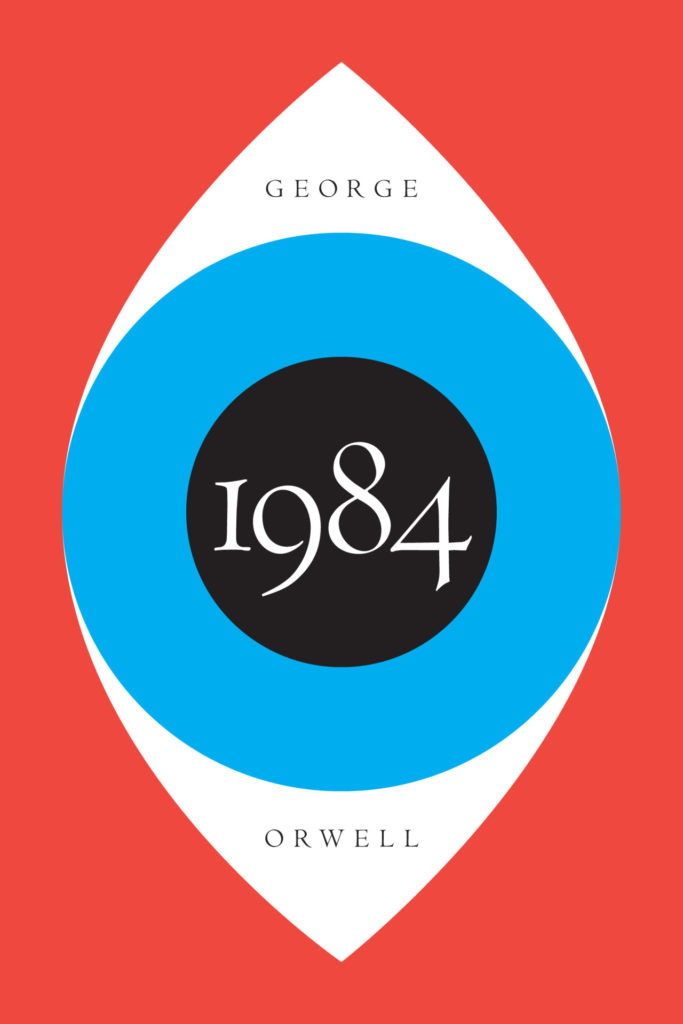
Nineteen Eighty-Four by George Orwell; design by C. S. Richardson (Penguin Canada / March 2017)
In the US, Houghton Mifflin Harcourt have also published a new edition of Nineteen Eighty-Four. The cover — which owes a wee debt to Peter Mendelsund’s eye motif covers for the Schocken editions of Kafka (in my very humble opinion) — was designed by Mark Robinson.
You can see a few other recent covers for Nineteen Eighty Fourhere.
The covers of the Anglo-American editions of Elena Ferrante’s novels published by Europa Editions have been… well, controversial to say the least (read an interview with the art director about their “kitsch” quality here). The Australian editions of Ferrante’s Neapolitan quartet, published by Text Publishing, have much more stylish, cinematic covers designed by W. H. Chong (you can read about his process here). But these illustrated covers designed by Angelo Bottino for Brazilian publisher Intrínseca for Um Amor Incômodo (Troubling Love) and A Filha Perdida (The Lost Daughter) are really rather lovely. I would love to see a complete set of Ferrante’s novels with covers designed by Bottino.
UPDATE: The cover illustrations for the Intrínseca editions of The Lost Daughter and Troubling Love are by Andy Bridge and Marian Trotter respectively. Thanks to Angelo Bottino for letting me know!
The London Review of Books has a brilliant, sprawling, melancholy essay by author and psychogeographer Iain Sinclair titled ‘The Last London’. It’s difficult to know what to quote from the essay as it touches on so many interesting, diverse things, but this passage about London in science fiction is perhaps most appropriate for here:
In 1909 [Ford Madox] Ford published an essay titled ‘The Future in London’, a provocative vision of a planned last city, a London circumscribed by the sixty-mile sweep of a compass point set in Threadneedle Street. He anticipated the urban planner Sir Patrick Abercrombie in reading London as a series of orbital hoops, ring roads and parkland. Brought to life on the edge of the river, this port settlement has always been a magnet for outsiders. It was constructed that way, developed to draw in the scattered tribes, the hut dwellers, to establish the importance of a river crossing. A satellite of Colchester, it was 100 AD before Londinium became a significant entity. And then it was lost, abolished, pulled apart, before it grew again.
Ford Madox Ford’s Edwardian pipedream is ahead of its time. He sees that Oxford and Cambridge and the south coast are all part of the London microclimate. He sees the river coming into its own as an avenue for transport. He envisages escalators and moving pavements, and a population enriched and civilised by incomers. He presents himself as so much the English gentleman that he is doomed to spend most of his career in chaotic exile, in France and the US. Ford is self-condemned, like Wyndham Lewis. His London is as fantastic now as the Magnetic City, protected by river and man-made canals, in Lewis’s The Human Age trilogy: ‘The blank-gated prodigious city was isolated by its riverine moat.’
The compulsion to imagine and describe a final city runs from Richard Jefferies, with his After London; or, Wild England (1885), through Ford and Lewis, to the drowned worlds of J.G. Ballard and Will Self, the dystopian multiverses of Michael Moorcock and China Miéville. Fredric Jameson, considering postmodernism, talks about the ‘hysterical sublime’: a sort of Gothic rapture in contemplation of lastness, the voluntary abdication of power to superior aliens. This was heady stuff for my own compulsive beating of the bounds, an exploration of neural paths and autopilot drifts through the City into Whitechapel and Mile End. One of these haunted dérives brought me to the window of a bookshop in Brushfield Street, alongside Spitalfields Market. The shop, of course, is gone now and the proprietor dead. I zoomed in on an item with a striking riverside skyline on the dust-jacket: Last Men in London by W. Olaf Stapledon, published in 1932. Here was a more intimate coda to the better-known Last and First Men (1930). I had to carry the book home.
Greg Durrell of Canadian design firm Hulse&Durrell, and Jessica Edwards and Gary Hustwit of Film First are putting together a documentary about Canadian graphic design:
The project is currently on Kickstarter. There are a couple of weeks to go and they are still a few thousand dollars shy of their goal. Please help out if you can.
On the centenary of his birth, The Society of Illustrators in New York is celebrating the life of cartoonist Will Eisner with an exhibition of his work, including original artwork from his graphic novels A Contract with God (1978) and Life on Another Planet (1983), and over 40 pages of originals from The Spirit (1940–1952) newspaper section.
At the Village Voice R.C. Baker looks back at Eisner’s career:
Humanity leavened with contradiction, pathos, and humor describes the cast of characters Eisner (1917–2005) created in his trailblazing career, most notably in the adventures of a heavy-fisted, lighthearted crime-buster, the Spirit.
The Spirit has been called the Citizen Kane of comics, and it would be accurate to say that Eisner and Orson Welles — the actor/writer/director who brought Charles Foster Kane to life in that 1941 masterpiece — sprouted from the same loam of pulp magazines and cliff-hanging radio serials. Welles then apprenticed in classical theater, while Eisner studied narratives almost as psychologically complex (and more innately American): reams of newspaper strips and Sunday funnies. Both auteurs expanded their mediums in ways we still reckon with today.
Similarly, at Forbes, Rob Salkowitz looks at Eisner’s enduring legacy:
In 1941, comics were not considered high art; they were barely considered art at all. But to a 23 year-old cartoonist named Will Eisner who was just about to debut a new feature called “The Spirit,” comics possessed limitless storytelling potential. “Eventually and inevitably, [comics] will be a legitimate medium for the best of writers and artists,” said the young creator.
Over the next 75 years, Eisner was proved right, due in large part to his own output through the course of a remarkable career that saw him invent significant chunks of the comics’ storytelling vocabulary, pioneer the use of comics for education and training, establish a critical method for teaching and analyzing visual storytelling and virtually invent the long-form comics format known as the graphic novel. A large part of the $1 billion annual publishing enterprise and the multi-billion dollar entertainment, events, media and licensing industries that derive from it, are attributable directly to Eisner’s efforts and innovations.
Will’s life is, in miniature, a history of American comics. He was one of the very first people to run a studio making commercial comic books, but while his contemporaries dreamed of getting out of that ghetto and into more lucrative and respectable places – advertising, perhaps, or illustration, or even fine art – Will had no desire to escape. He was trying to create an artform.
In seven pages – normally less than 60 panels – he could build a short story worthy of O Henry; funny or tragic, sentimental or hardbitten, or simply odd. The work was uniquely comics, existing in the place where the words and the pictures come together, commenting on each other, reinforcing each other. Eisner’s stories were influenced by film, by theatre, by radio, but were ultimately their own medium, created by a man who thought that comics was an artform, and who was proved right.
And Print has reposted Michael Dooley essay, originally for written AIGA, on Eisner’s best known work, The Spirit:
The field was already becoming glutted with simplistic adolescent power fantasies, but The Spirit had the texture of real life. He was decidedly not a costumed super-hero but simply a plainclothes sleuth who was prone to frequent noir-like pummelings from two-bit goons. He also displayed an ironic, smart aleck-y sense of humor, highly unique for this genre.
The strip, at seven or eight pages, reimagined itself every time. One week the format might be a fairy tale, another week a seven-page poem. Sometimes the Spirit would be shoved off to the sidelines or shunted altogether if Eisner felt so inclined. A Gerhard Shnobble episode – Eisner’s personal favorite – is a philosophical contemplation of man’s place in the universe disguised as a cops-and-criminals yarn. The Spirit was the first major milestone in his lifetime goal to explore and elevate comics as a mature literary form.
I first came across Will Eisner and The Spirit in The Penguin Book of Comics by George Perry and Alan Aldridge (previously mentioned here). It was a tease — little more than a page of artwork and a couple of short paragraphs on Eisner’s genius. I didn’t actually read a complete strip until years later when I came across a series of reprints from Kitchen Sink Press in a comics shop in London. I could only afford to buy one issue — which collected 3 or 4 stories I think — but it was enough to get me hooked.
Critics tend to focus on the later strips where the Spirit is often peripheral to the stories. These are surely more inventive than Eisner’s early comics. But I miss the Spirit when he is not central to story. He is like Raymond Chandler’s Marlowe — forever getting knocked on the head, and forever waking up in the arms of women who look like Ava Gardner or Lauren Bacall. It doesn’t sound like much, but Eisner imbued even these simple stories with a charm and sophistication that makes them a pleasure to read.
The Guardian looks back on 40 years of British weekly SF comic 2000AD:
Forty years ago on 26 February, something extraordinary happened to British comics. Newsagents’ shelves were suddenly stuffed with a brand new title, its masthead garish red and yellow, with an enticing plastic “Space Spinner” taped to the front. “In orbit every Saturday,” the front proclaimed, “for a low price: 8p Earth Money.” 2000AD had landed.
It’s not, strictly, correct to say the world had seen nothing like 2000AD before. A few months earlier, in October 1976, a title put out by the same publishers, IPC, had died an ignominious death. Action was stuffed to the gills with anti-authoritarianism, ultraviolence and gore. Hugely popular with kids, especially boys, it proved too unpalatable for the nation’s moral guardians. Questions were asked in the House, tabloids fulminated against its bloody violence.
The final issue of Action was pulped before it made it to the newsagents. But its successor was already in the works, from the writer/editor who had created Action: Pat Mills.
In Action, Mills had freely taken inspiration from 1970s popular culture, riffing on Muhammad Ali, Jaws and football hooligans. The new wave of science-fiction blockbusters – Star Wars and Close Encounters of the Third Kind – gave him a brainwave.
“I felt, in a way, that science fiction could escape the heavy flak we had got with Action,” says Mills, who now lives in Spain. “With Action, the message was loud and clear because most of it was set in what was the present time. With 2000AD, we could do the same sort of thing but if anyone complained we could say, ‘Look, it’s just some robots in the future.’”
For better or worse, 2000AD was pretty formative for me growing up, although probably less for its best known character Judge Dredd, than for things like Pat Mills and Kevin O’Neill’s bonkers Nemesis the Warlock, Halo Jones and Dr. and Quinch (also bonkers) scripted by Alan Moore, and artist Simon Bisley’s (bonkers) Heavy-Metalesque run on Pat Mill’s Celtic barbarian fantasy Sláine, which were all dark, violent, complicated and, needless to say, extraordinary for a weekly ‘kids’ comic. I don’t know how many of those stories hold up now. At the time they felt subversive, even a little illicit. But then they do say the Golden Age of science fiction is 12.
I’m not quite old enough to remember Action, 2000AD‘s direct predecessor, butThe Guardian also published a piece last year on its 40th anniversary:
One remarkable thing about Action was that it was tacitly aimed at working-class children.
“The only time we saw working-class characters they were sidekicks, like Digby in Dan Dare, or they were figures of fun,” [Pat] Mills says. “Even Alf Tupper, the Tough of the Track, was presented as this odd character who trained for his races in his pit boots and ate fish and chips as soon as he crossed the finishing line.
“Kids got what we were trying to do immediately. There was this whole culture of punk, of James Herbert books such as The Rats, of Richard Allen’s Skinhead novels … It was all edgy and different, and Action was definitely a part of that.”
Despite that, says Mills, the team putting together Action always had “a definite moral compass”. He says: “We weren’t saying, ‘Go and pick a fight on the terraces’, but we were showing that sort of thing happened, as kids already knew.”