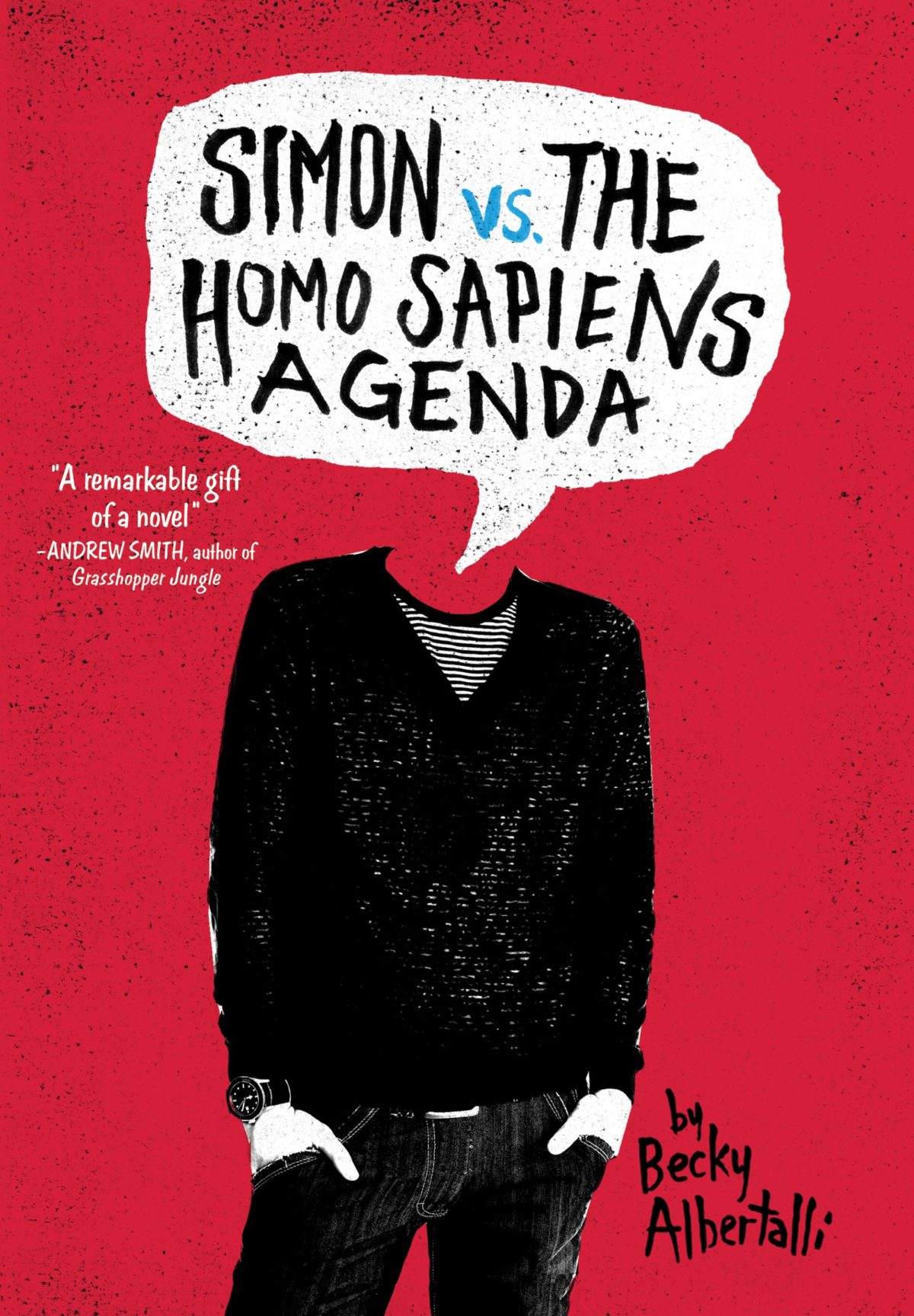
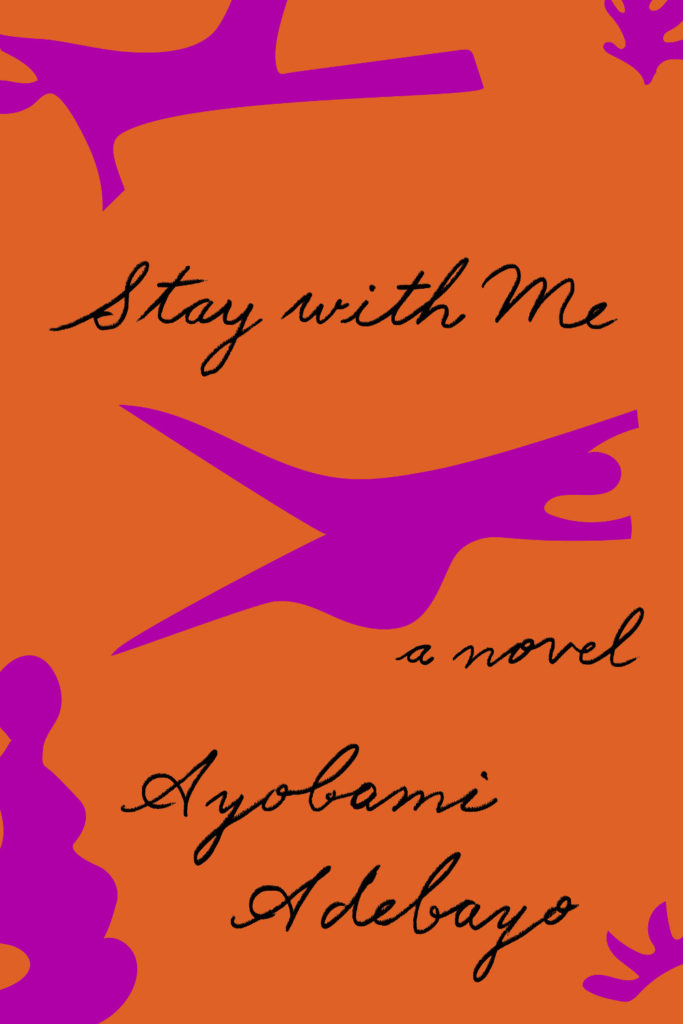
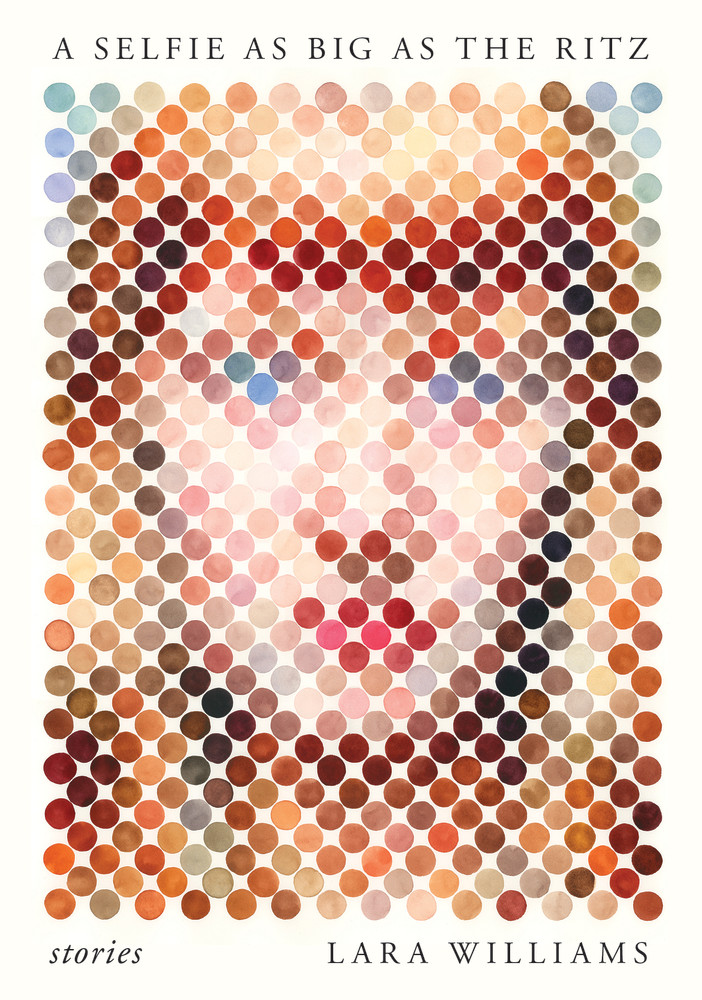
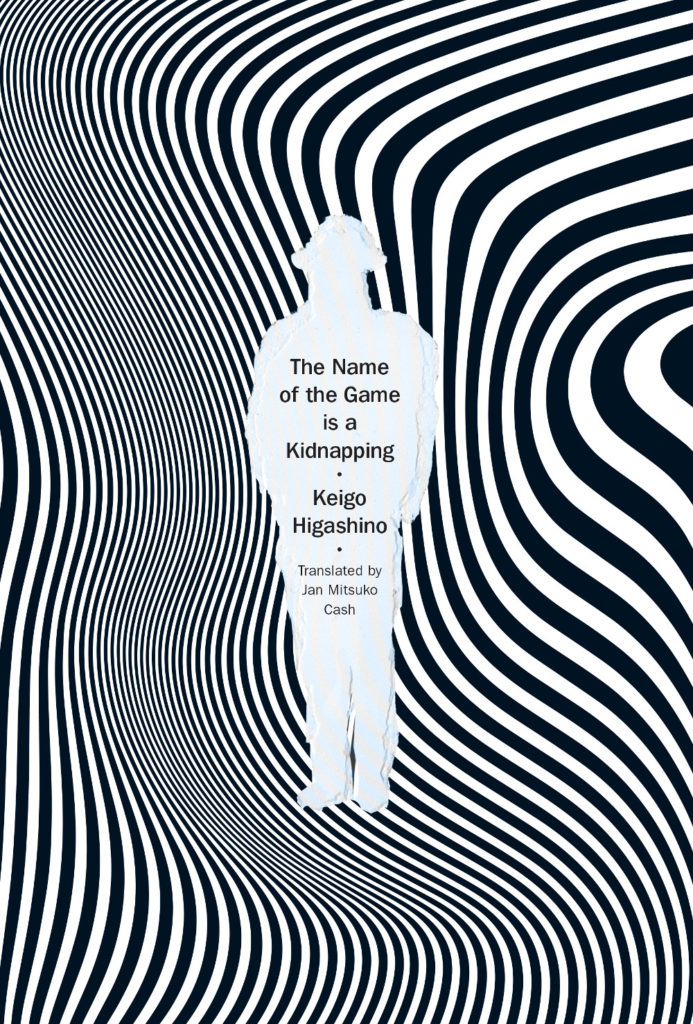
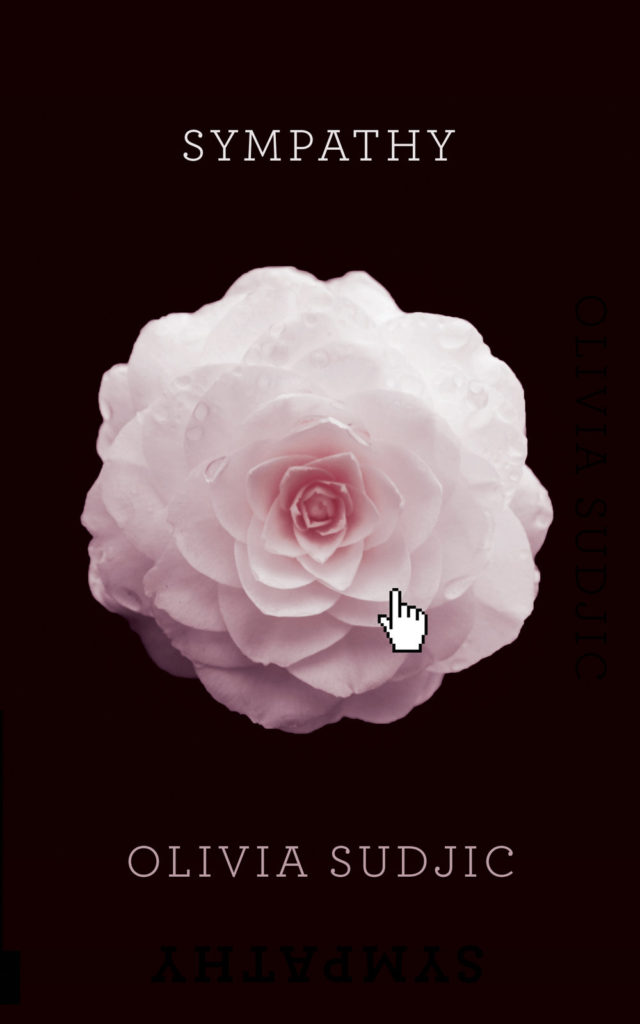
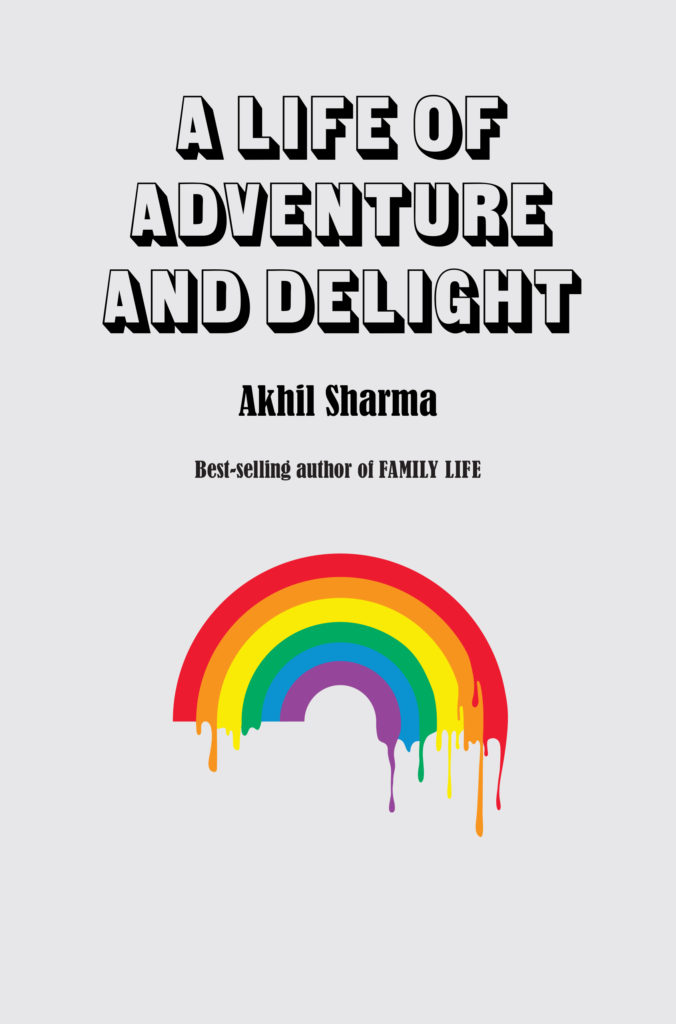
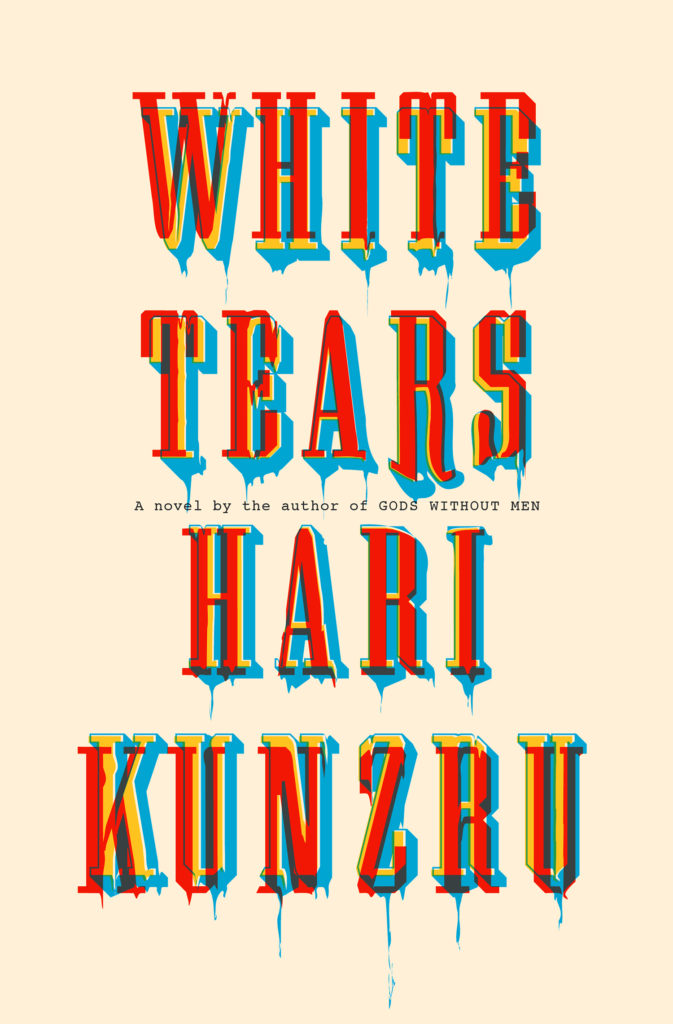
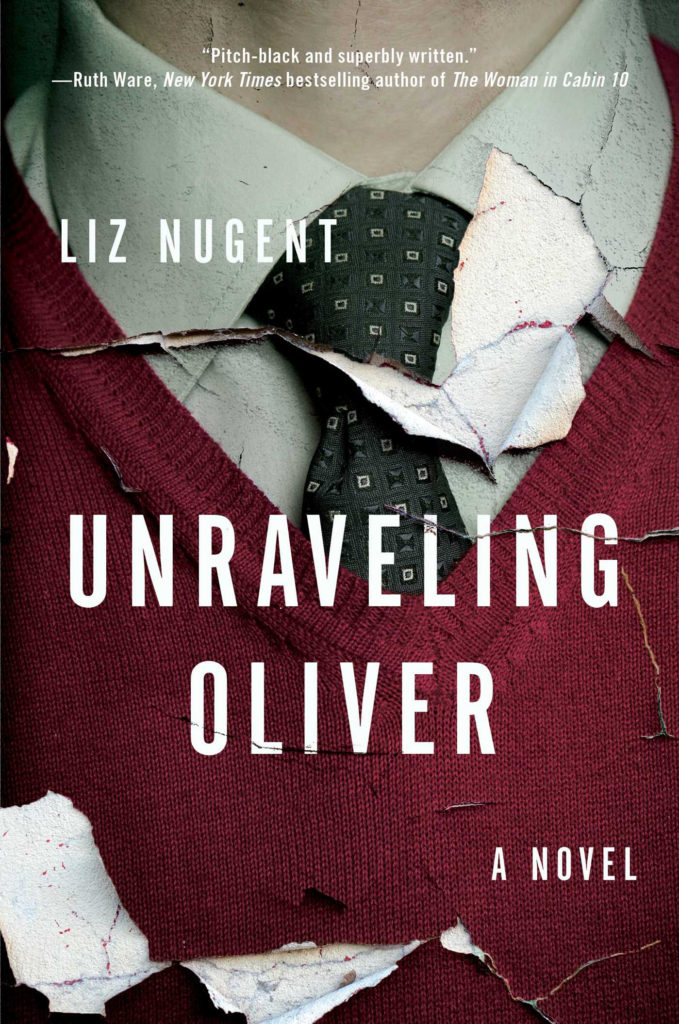
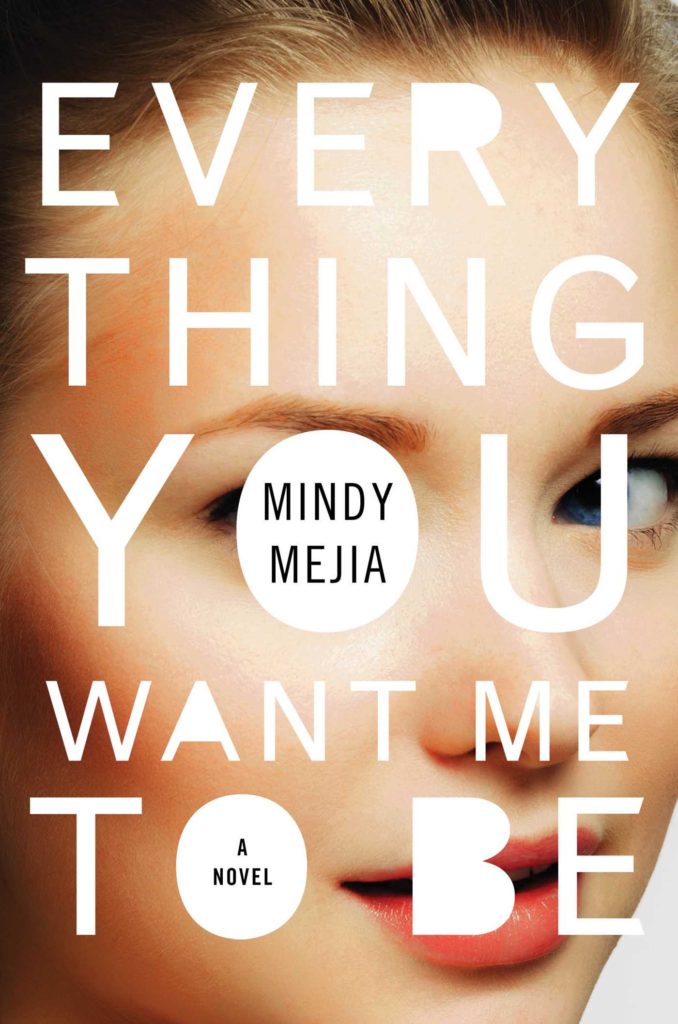
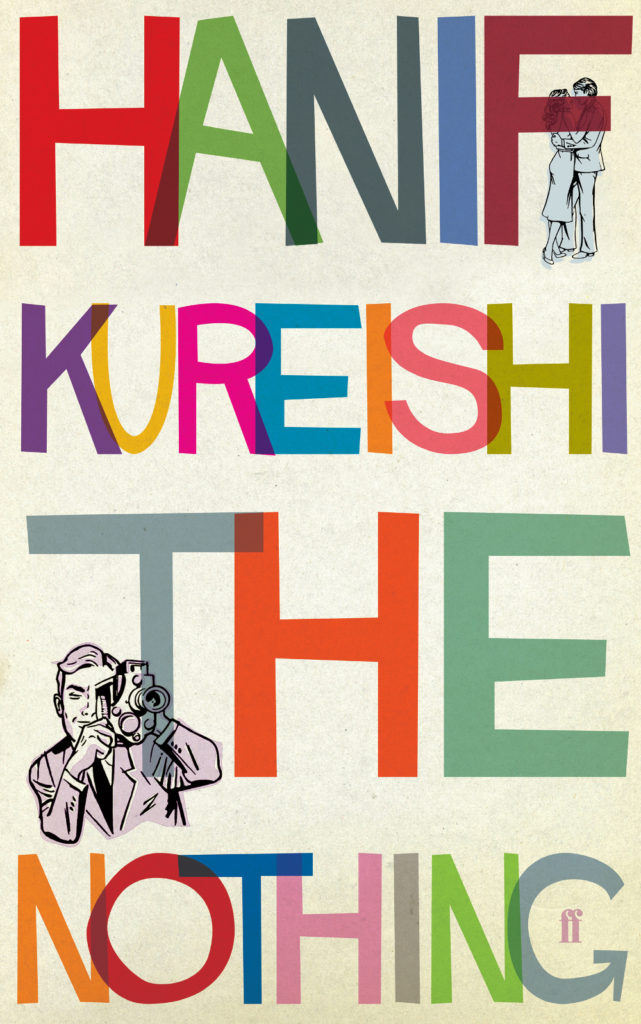
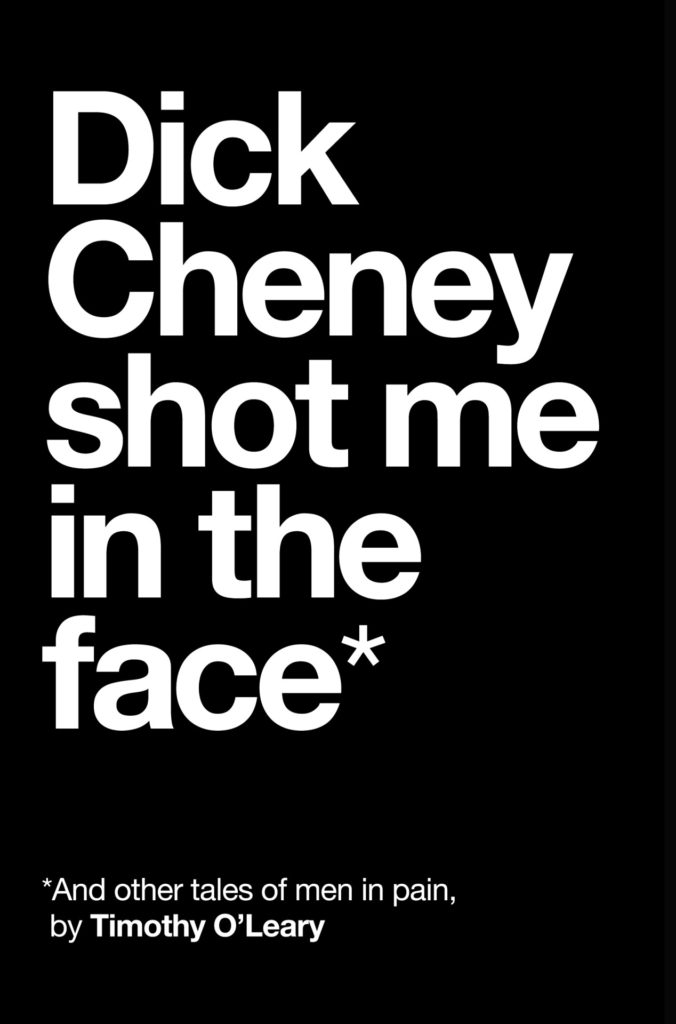
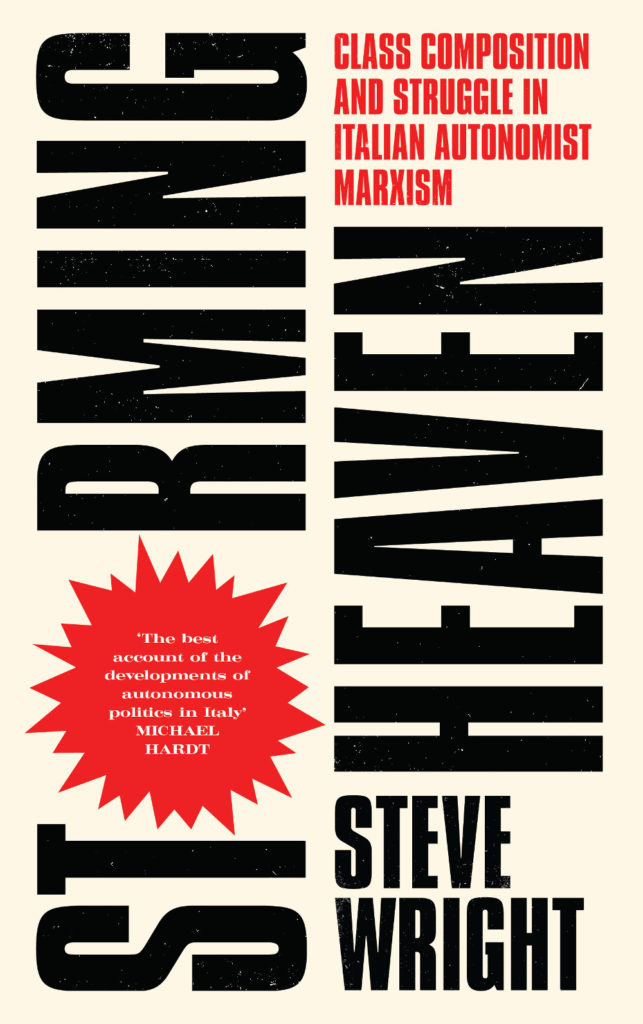
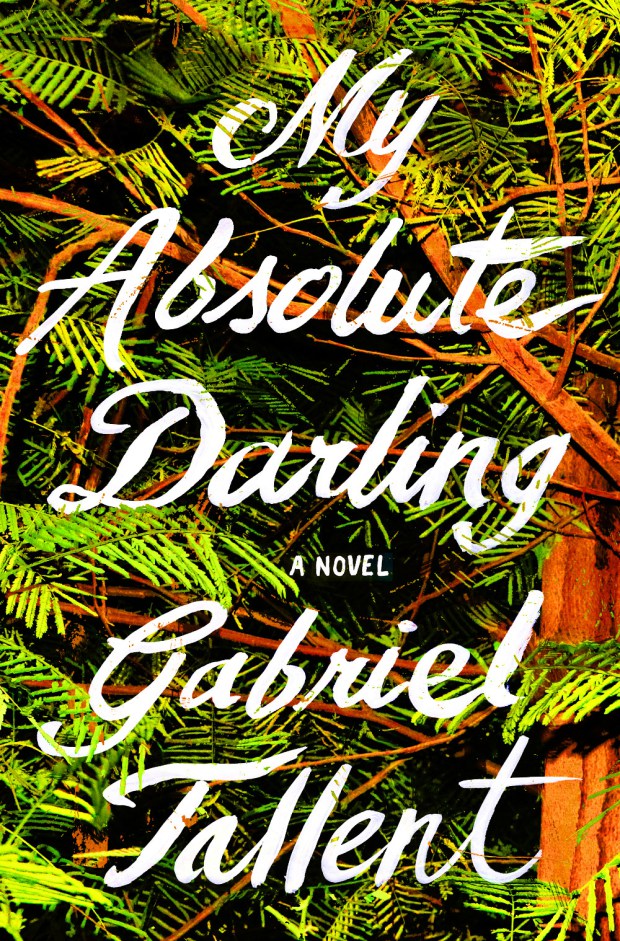
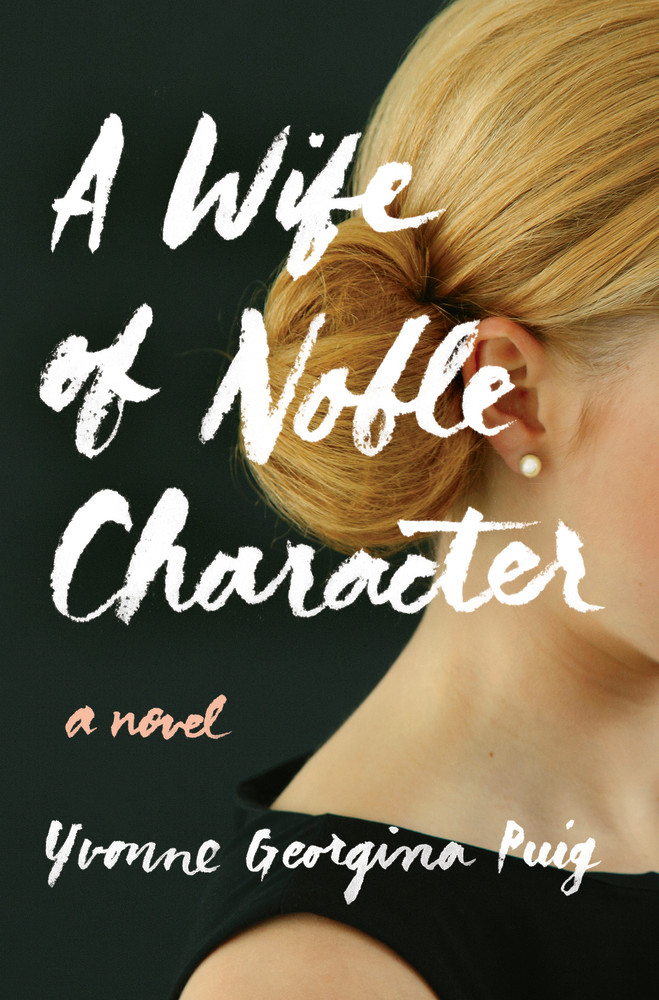
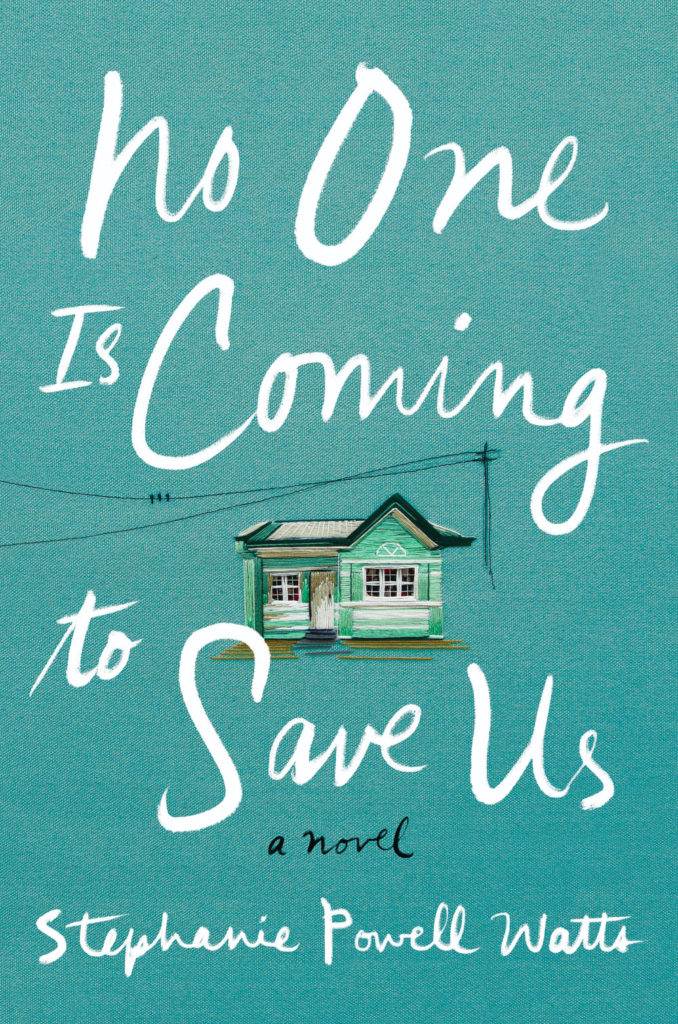
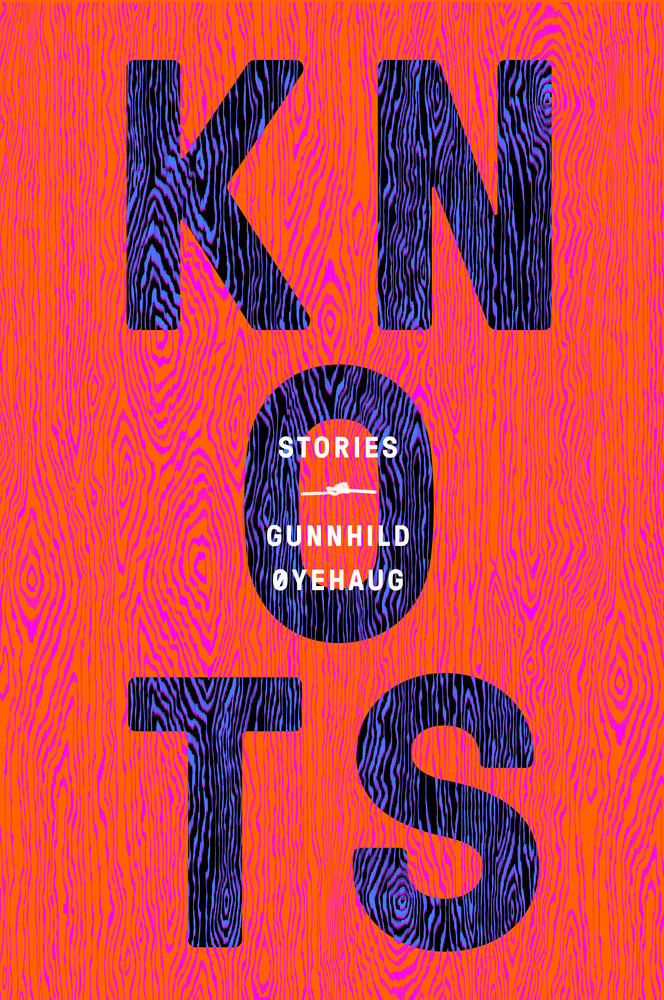
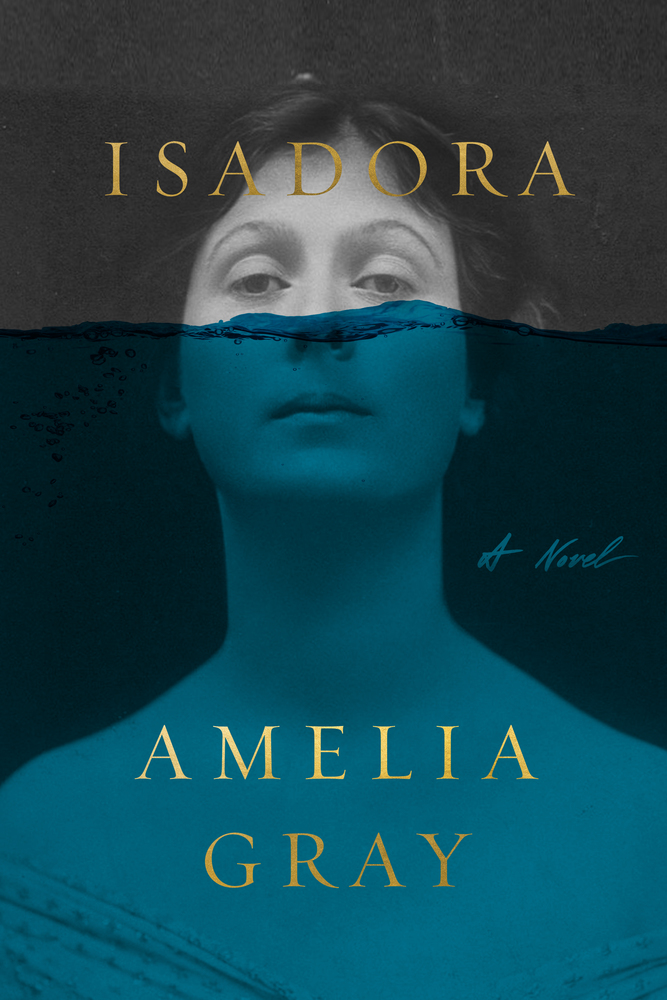
She Regrets Nothing by Andrea Dunlop; design by Rachel Willey (Washington Square Books / February 2018)
Sunburn by Laura Lippman; design by Elsie Lyons (William Morrow / February 2018)
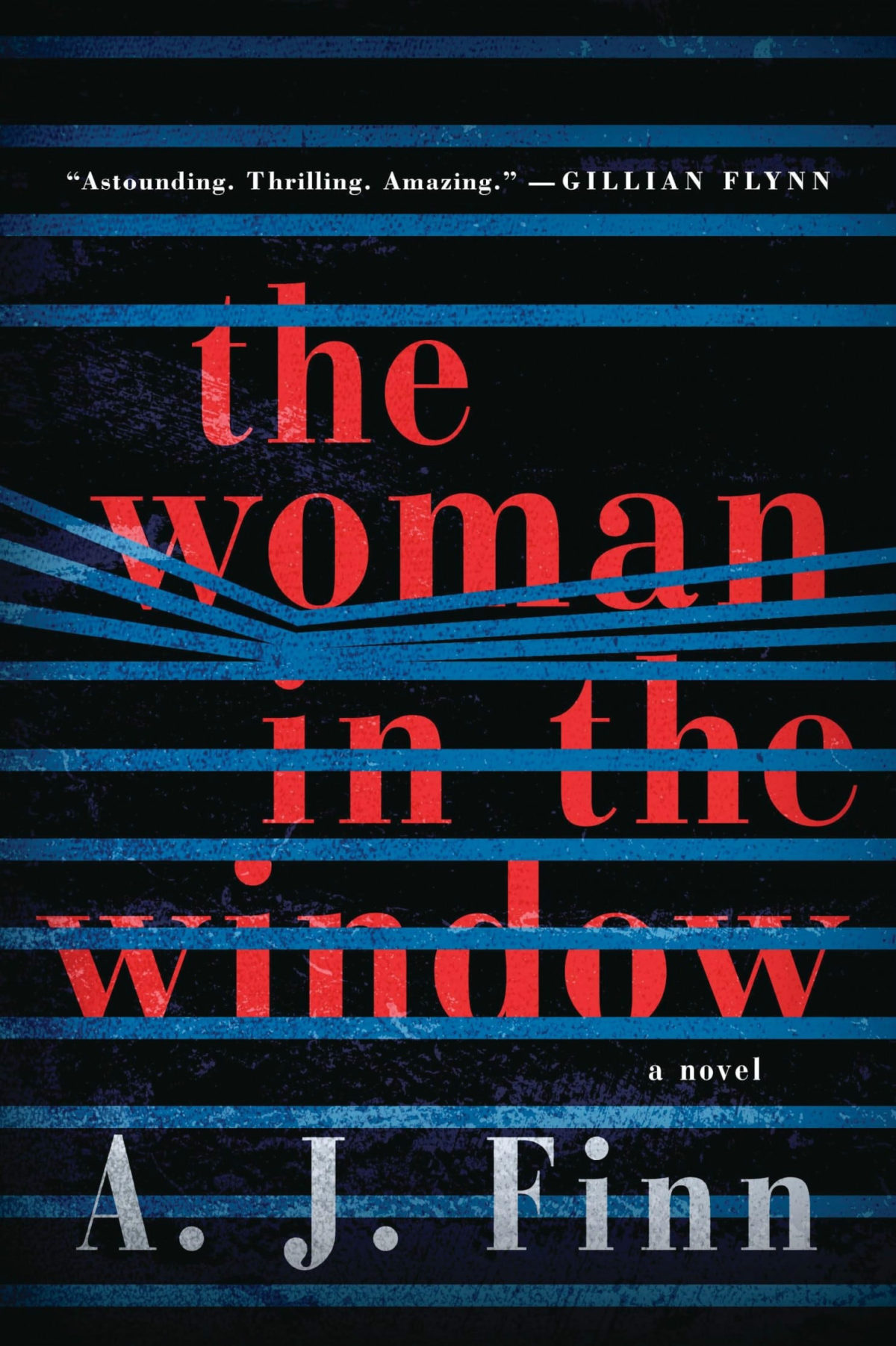
I included the cover of Sunburn and Elsie Lyons’s cover for The Woman in the Window by A.J. Finn (featured last month) in a recent presentation about the differences between US and UK cover design. UK editions of both books have a much more conventional genre covers. They signal very clearly to readers that they are thrillers.
The US covers on the other hand have a much more literary, sophisticated look. They both have a distinctive, individual appearance (although I suspect we may see covers copying the approach of The Woman in the Window very soon!) that suggest that these are not your average thrillers.
It is not that one approach is necessarily better than the other from a marketing perspective (although I can guess which designers might prefer!), but it is an interesting contrast.
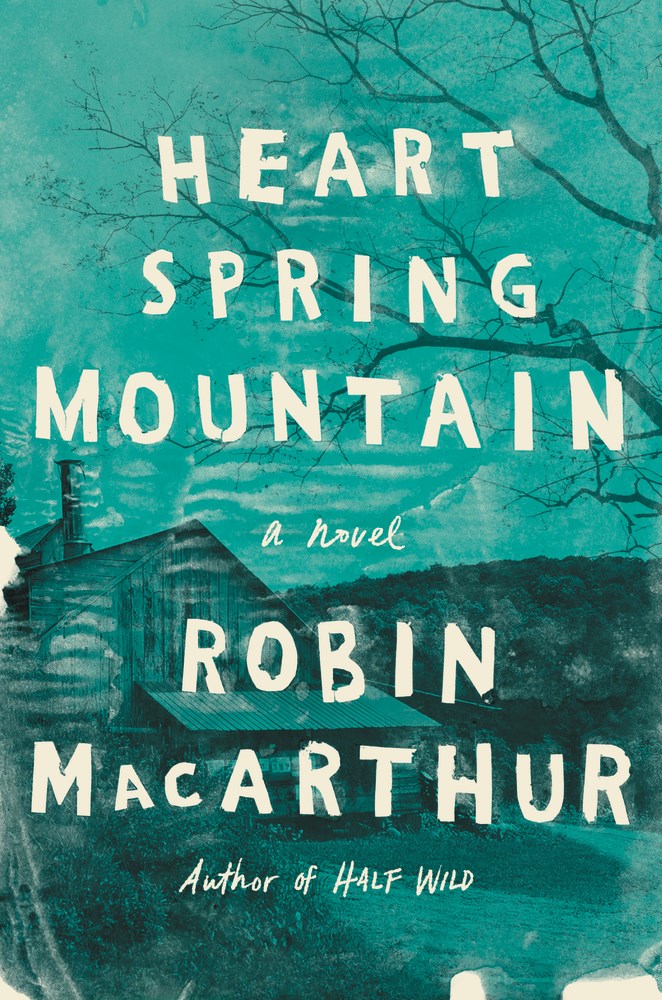
I will admit it was the photo-realistic painting that first drew my eye to this cover, but I also like that the blocky typography echoes the cover of the author’s previous novel California.
Woman No. 17 by Edan Lepucki; design by Michael Morris; illustration by Oliver Wilson (Crown / February 2018)
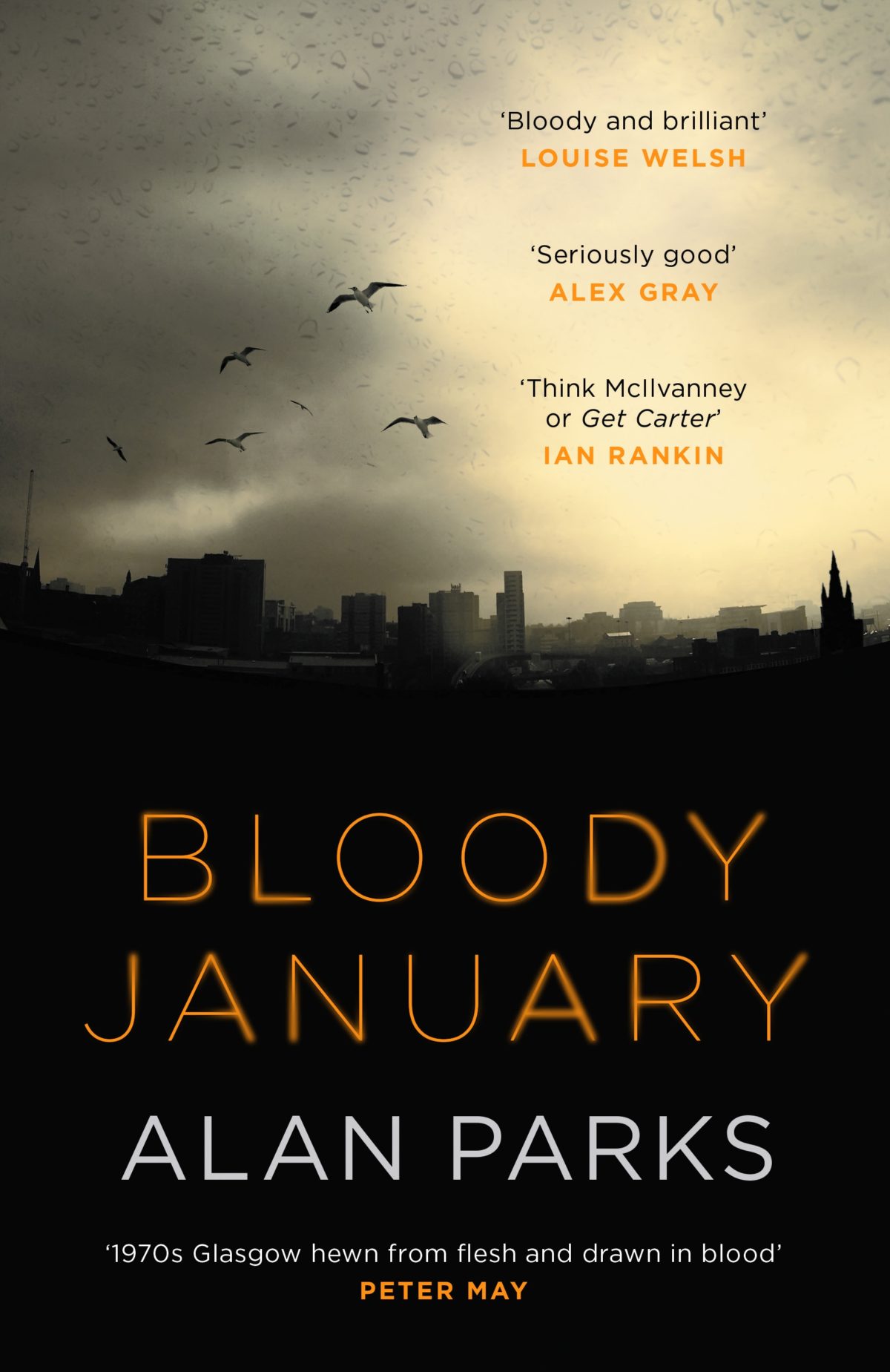
Bloody January by Alan Parks; design by Chris Gale (Canongate / December 2017)
(I’m including this partly because I spend a lot of my professional life trying to explain the difference between the cover needs of Canada/US and the UK. This is a rare genre cover that — it seems to me at least — does a decent job for both sides of the Atlantic)
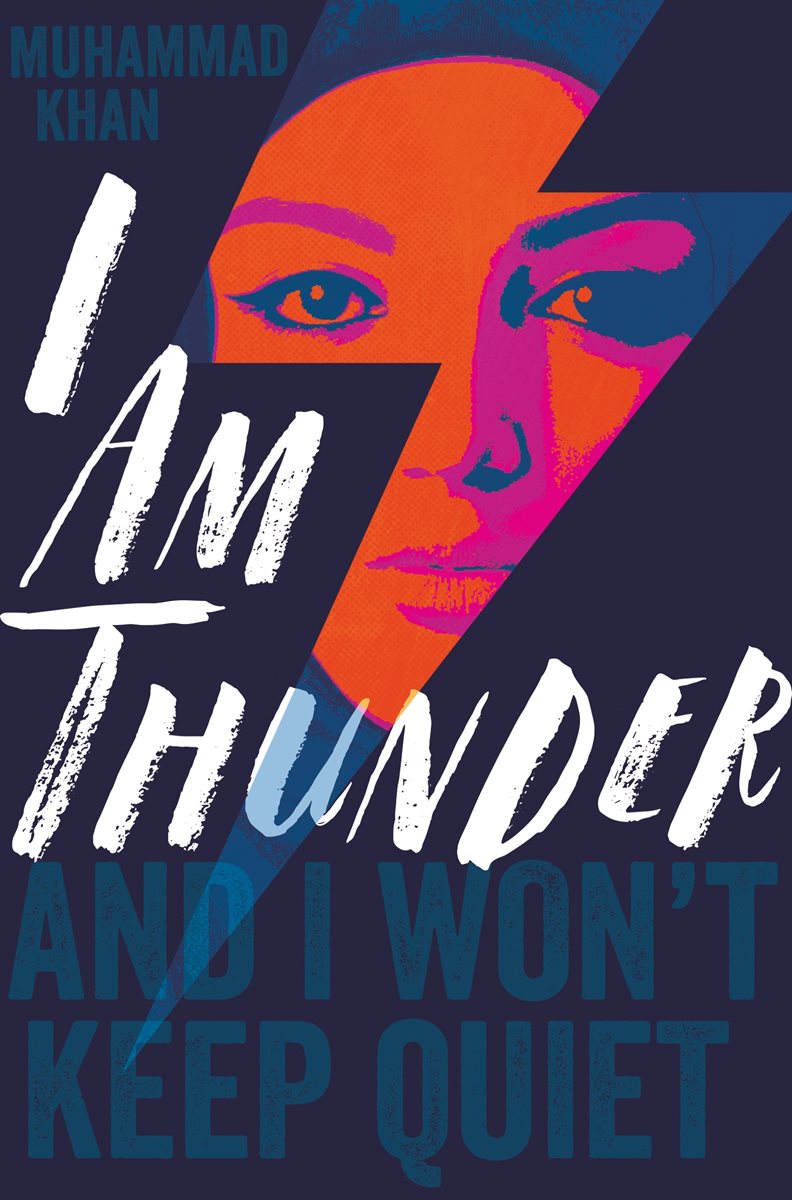
I Am Thunder by Muhammad Khan; design by Rachel Vale (Pan Macmillan / January 2018)
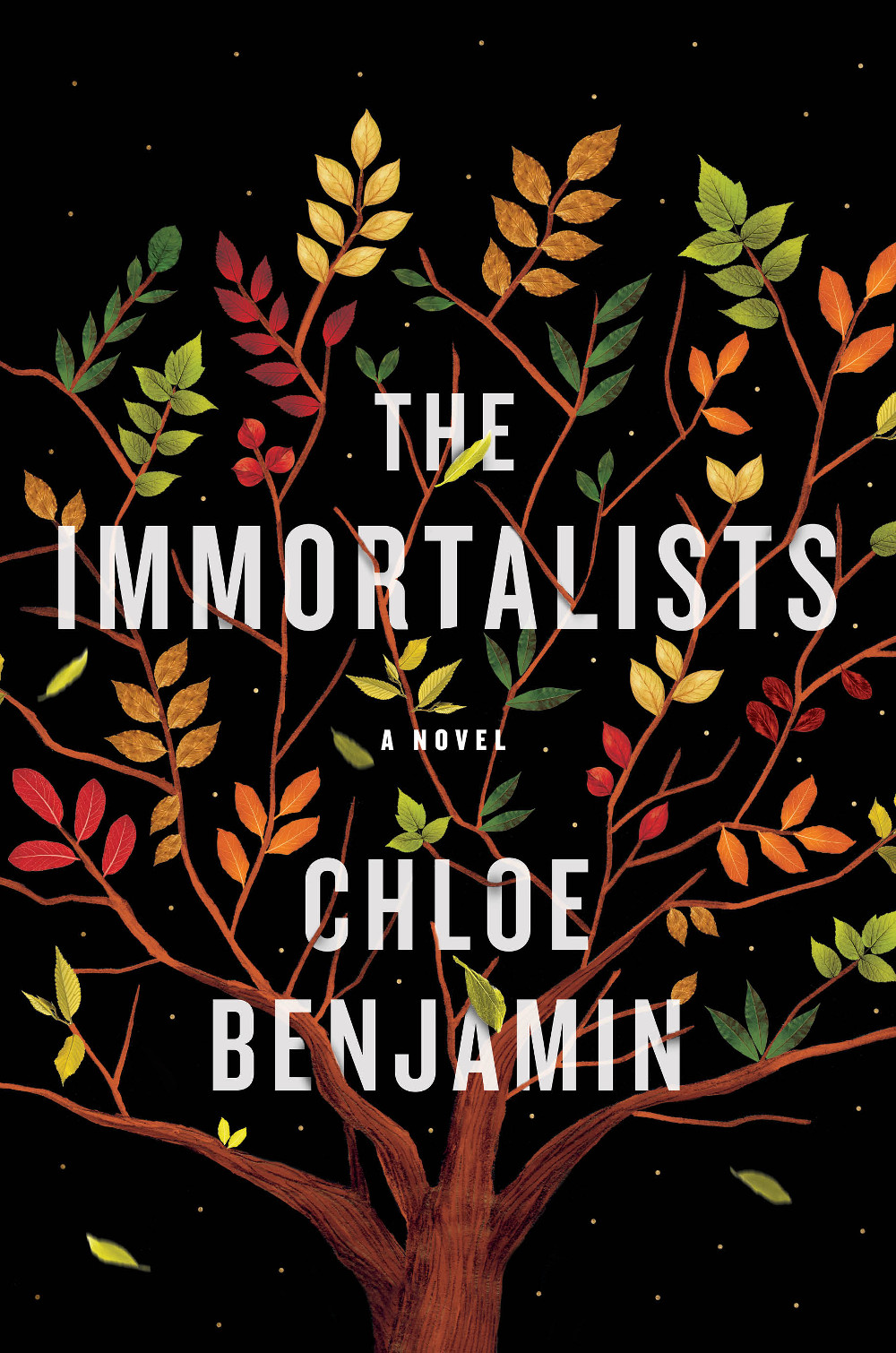
The Immortalists by Chloe Benjamin; design and illustration by Sandra Chiu (G.P. Putnam’s Sons / January 2018)
This cover seems rather on trend to me. It is very nicely done all the same.
(Something about the shape and colour of the leaves on black background also reminds me of the illustrations in Jon Klassen’s picture book This Is Not My Hat).
Happy New Year! Let’s hope it’s better than the last one, eh? But before we finally bid adieu to 2017 and toss it onto the flaming garbage fire, here’s are some of the other lists that looked back at the year in book cover design…
We Are Okay by Nina Lacour; design by Samira Iravani; illustration by Adams Carvalho (Dutton / February 2017)
The Age of Perpetual Light by Josh Weil; design by Nick Misani (Grove Press / September 2017)
Spine Magazine were ahead of the pack — as they have been all year — with their eclectic list of 50 ‘Book Covers We Loved’.
The End by Fernanda Torres; design by Strick & Williams (Restless Books)
The Show That Never Ends by Dave Weigel; design by Tal Goretsky (W. W. Norton)
Designer and New York Times Book Review art director Matt Dorfman chose his ‘Best Book Covers of 2017‘ for the Times. Matt’s lists always have a lot of personality, and this one is no exception. I think it’s probably the list I look forward to most, and I suspect it’s also the list that matters most to many American designers too.
Hollow by Owen Egerton; design by Matt Dorfman (Counterpoint / July 2017)
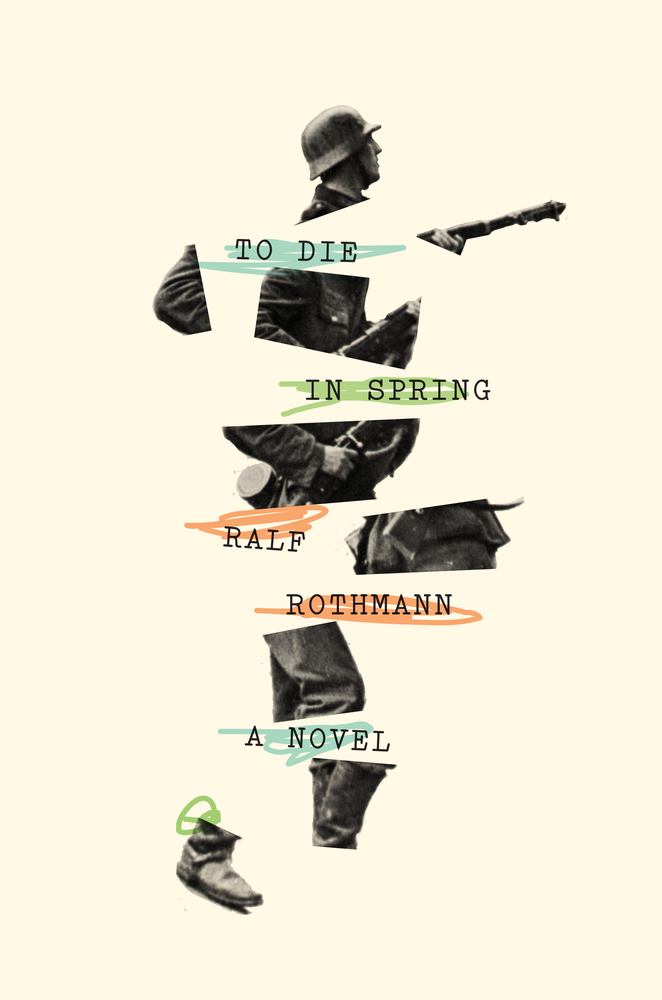
To Die in Spring by Ralf Rothmann; design by Oliver Munday (Farrar, Straus & Giroux / August 2017)
At Literary Hub, Emily Temple asked 20 of her favourite designers for their picks for best book covers of the year. While Matt Dorfman’s cover design for Hollow byOwen Egerton was the top pick, Oliver Munday was the most popular designer with seven covers on the list.
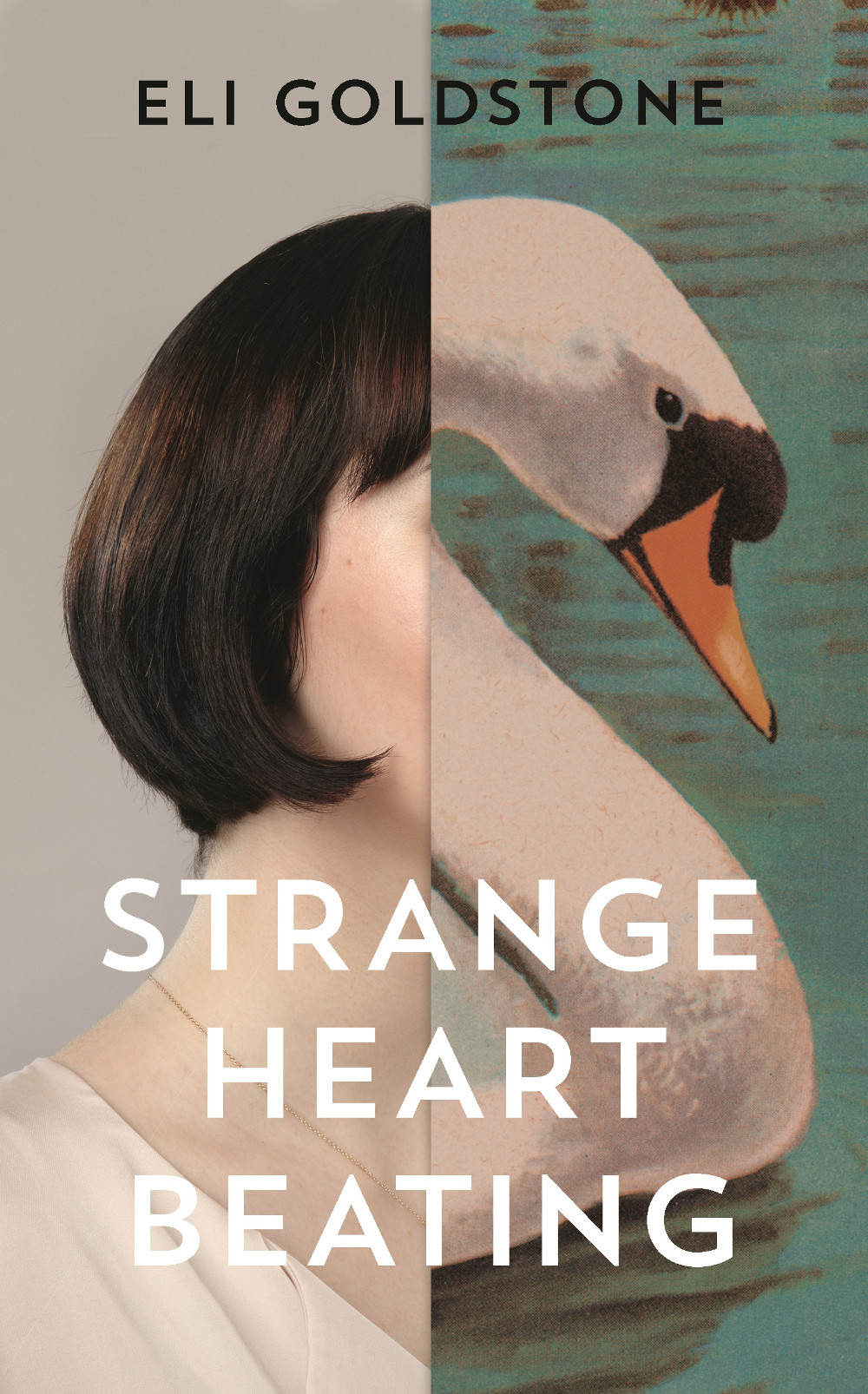
Strange Heart Beating by Eli Goldstone; design by Jo Walker (Granta / May 2017)
All We Saw by Anne Michaels; design by Janet Hansen; photograph by Jouke Bos (Knopf / October 2017)
CMYK, Vintage UK’s design blog, also posted a short but sweet list of their designers’ favourite covers of the year.
Priestdaddy by Patricia Lockwood; design by Rachel Willey (Riverhead / May 2017)
The Book of Disquiet by Fernando Pessoa; design by Peter Mendelsund (New Directions / August 2017)
I contributed to two lists (aside from my own) this year. I gave Vulture my two cents for their list of the ’10 Best Book Covers of the Year’.
Riot Days by Maria Alyokhina; design by Tom Etherington (Allen Lane 2017)
Ghachar Ghochar by Vivek Shanbhag; design by Luke Bird (Faber & Faber / April 2017)
So here it is, Merry Xmas, everybody’s having fun, my YA (and middle-grade) covers round-up for 2017. This is far from my area of expertise (I mostly work on the adult trade side of things), but until someone else steps up to do a annual post on YA covers with design credits and publisher details you’re stuck with me. Sorry.
All the picks are, of course, mine, but thank you to all the designers who have helped me over the year with covers, suggestions, and credits, and special thanks to Erin Fitzsimmons at HarperCollins and Sarah Creech at Simon & Schuster who helped me with this post in particular. Happy holidays!
Since 2010, I’ve posted an annual survey of the year in book covers. The post has expanded and developed over the past 7 years, but essentially it is a collection of the covers published in the previous 12 months that I found interesting or noteworthy in some way. As with the previous couple of years, the 2017 list is organized by covers (alphabetical by title), and by designer so that I can show a greater variety of work, and no one designer or studio dominates.
Thank you to everyone who has supported the blog this year, and special thanks to all the designers, art directors, authors, publishers, and fellow design enthusiasts who have helped me with covers and design credits. My sincere apologies to the designers and publishers not on this year’s list and whose covers I have overlooked in the past 12 months.
A post looking back on the YA covers of 2017 is to follow.
I have steadily fallen further and further behind with my cover posts this year. There is some cracking work in this month’s round-up. But I can’t help feeling that there are some covers missing. Somehow it almost November, and I have run out of time. If I don’t post this now, I will never catch up!
This Accident of Being Lostby Leanne Betasamosake Simpson; by design Alysia Shewchuk; photograph of ‘Mixed Blessing’ by Rebecca Belmore by Toni Hafkenshied (House of Anansi / April 2017)
I am very skeptical about the necessity of making a sequel to Blade Runner, but I liked Denis Villeneuve’s previous movie Arrival a lot, and Peter Bradshaw’s review of Blade Runner 2049 for The Guardian has piqued my curiosity…
The sheer electric strangeness of everything that happens is what registers. Every time K finishes a mission, he is taken to an interrogation module to be … what? Debriefed? Decompressed? Deconstructed? He is subjected to a fierce kind of call-and-response dialogue in which he has to respond to key words… It is utterly bizarre, and yet entirely compelling, and persuasively normal in this alienated universe… The production design by Dennis Gasner and cinematography by Roger Deakins are both delectable, and the largely electronic musical score by Benjamin Wallfisch and Hans Zimmer provides a kind of aural neon: gaunt, harsh, angular, like the noise of machinery. It’s an incredible lucid dream. Weirdly, I had forgotten about one of the little-discussed pleasures of the big screen: the simple effect of dialogue, echoing in a movie theatre. This film’s scale is extraordinary. It places the acid tab of cinema-pleasure on your tongue.
Argentinian cartoonist Liniers celebrating Steven King’s birthday today:
(I think it roughly translates as “I’m reading a scary book. ‘It’ by Stephen King… It’s about a clown monster with pointed teeth that appears to a chil… No offense!”)