Skip to content

Tag: YA

There’s no one saying, “You can’t do this in a book for children.”

The New York Times profiles Julie Strauss-Gabel, the publisher of Dutton Children’s Books:

She became publisher of Dutton in 2011, and right away, it was clear this was going to be a different sort of imprint. She whittled down the list from about 50 titles a year for children of all ages, to about 10 books, with a focus on high-quality young adult fiction.

“There was nobody doing just what I do now 20 years ago,” she said. “It would have been unheard-of for a children’s publisher not to do picture books”…

…For such a small list — this year, Dutton will publish a mere eight titles — Ms. Strauss-Gabel’s books are strikingly diverse, covering science fiction and dystopian worlds, psychological suspense and works of social realism. She favors realistic, contemporary fiction, though lately she has been acquiring more memoirs and nonfiction.

“We’re in an era where the definition of a young adult book is completely up for grabs, and people are willing to reinvent it,” she said. “There’s no one saying, ‘You can’t do this in a book for children.’ ”

Comments closed

50 YA Covers for 2014

Like all the best things on The Casual Optimist, this post started life as a conversation on Twitter. The topic this time was the under-representation of YA book designers in all these end of the year cover lists. YA covers are becoming more and more sophisticated, yet my posts this year have rarely featured them, so feel that I am unquestionably at fault here. To make some kind of amends, I thought I would post a selection of 50 YA covers from 2014. Many, many thanks to all the book designers and publishing folk (including my colleagues Alisha, Brooke, and Megan at Raincoast) for their suggestions and assistance. And special thanks to Serah-Marie and Derek at Type Books for letting me browse their shelves with my notebook in hand…

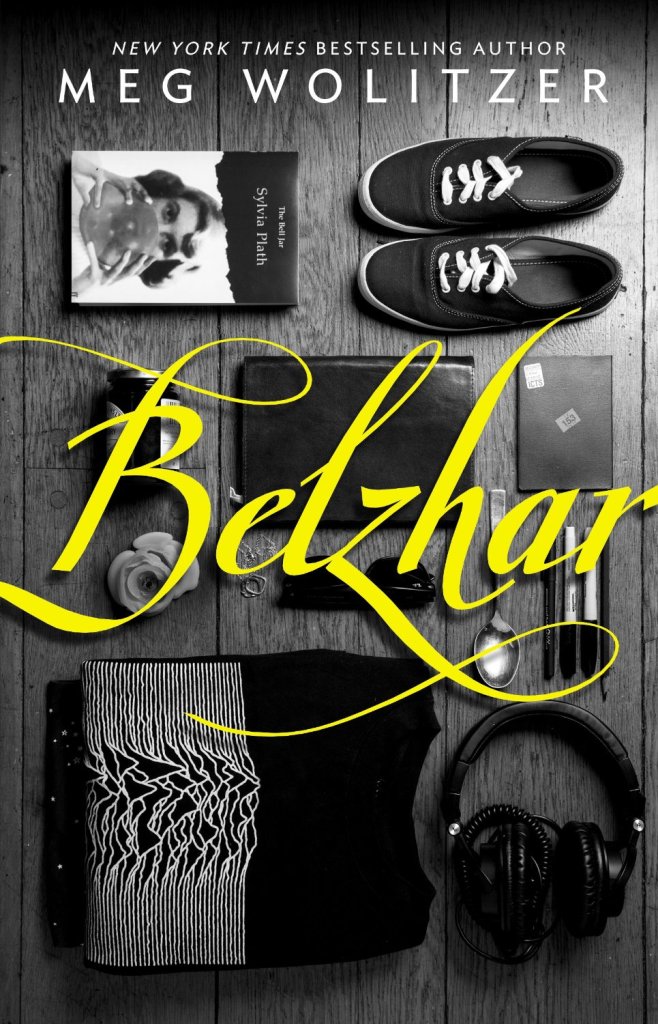
belzhar
Belzhar by Meg Wolitzer; design by Kristin Smith (Dutton / September 2014)

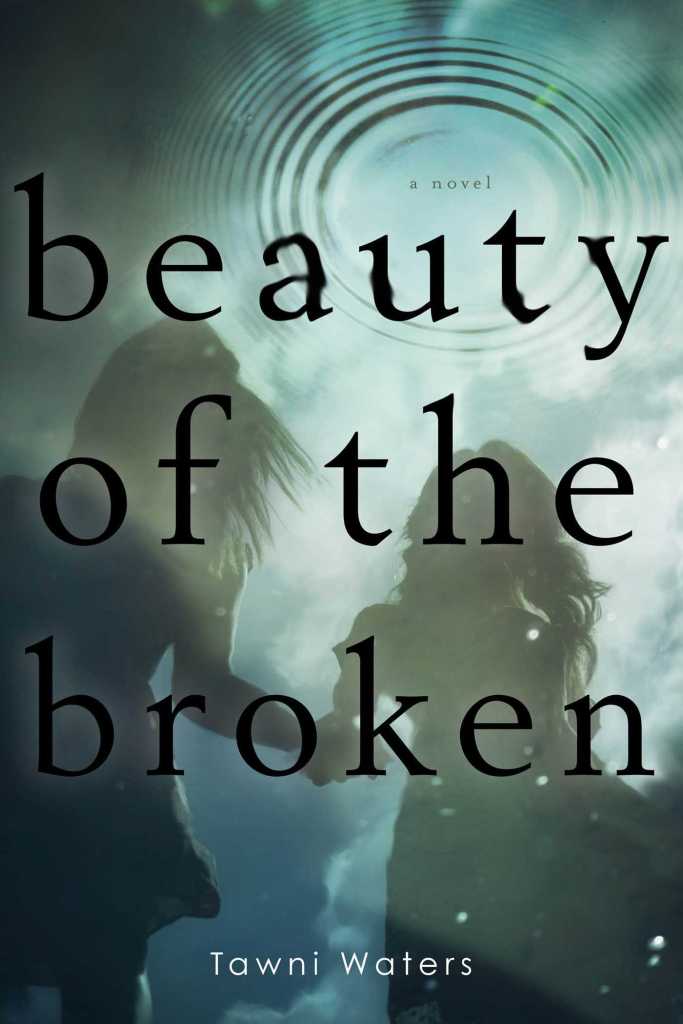
beauty-of-the-broken-9781481407090_hr
Beauty of the Broken by Tawni Waters; design by Regina Flath (Simon Pulse / October 2014)

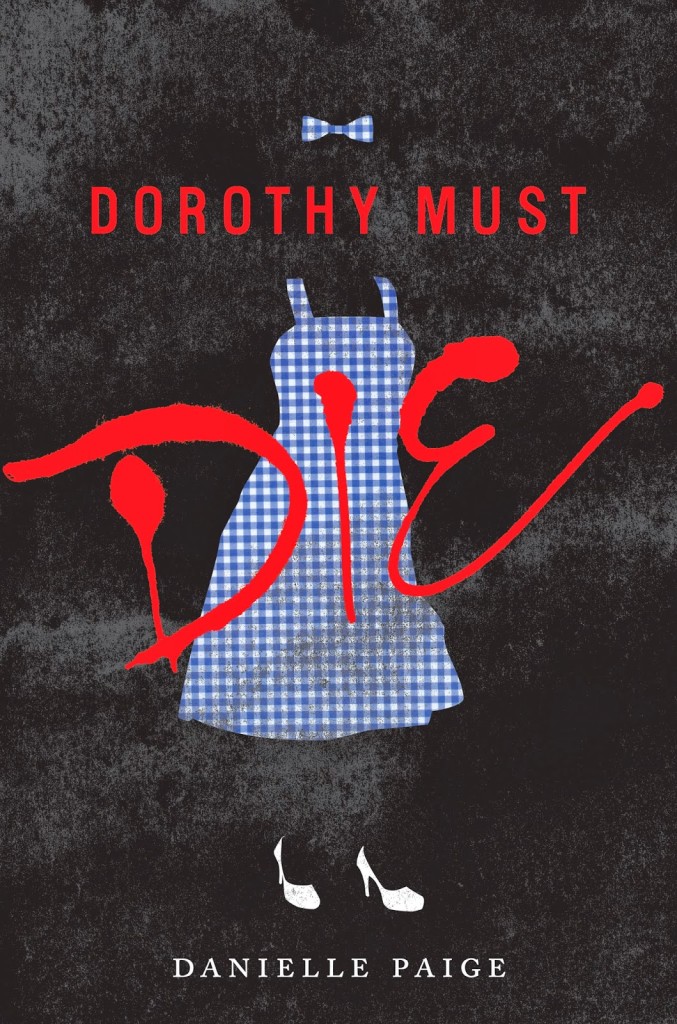
DorothyMustDie
Dorothy Must Die by Danielle Paige; design by Ray Shapell (HarperCollins / April 2014)

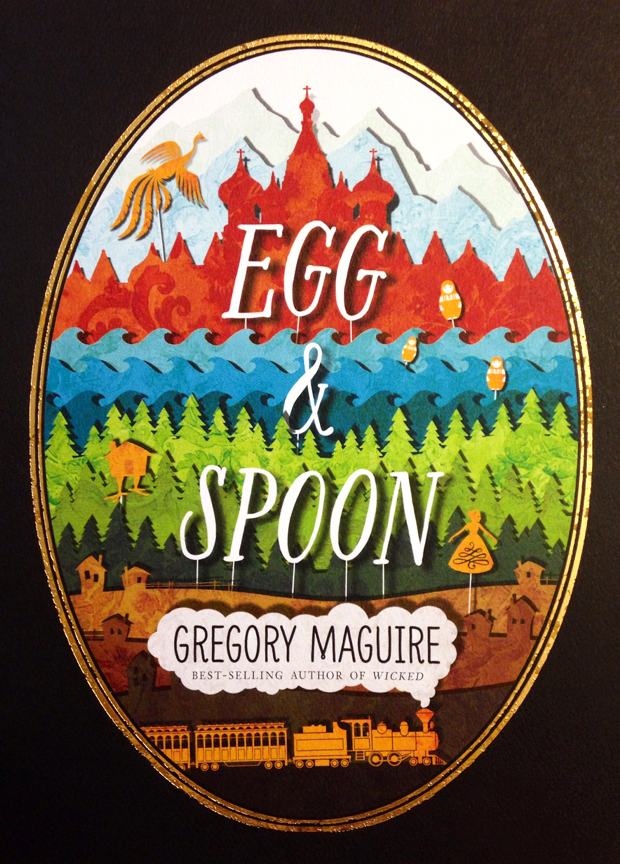
EggandSpoon
Egg and Spoon by Gregory Maguire; design by Matt Roeser (Candlewick / September 2014)

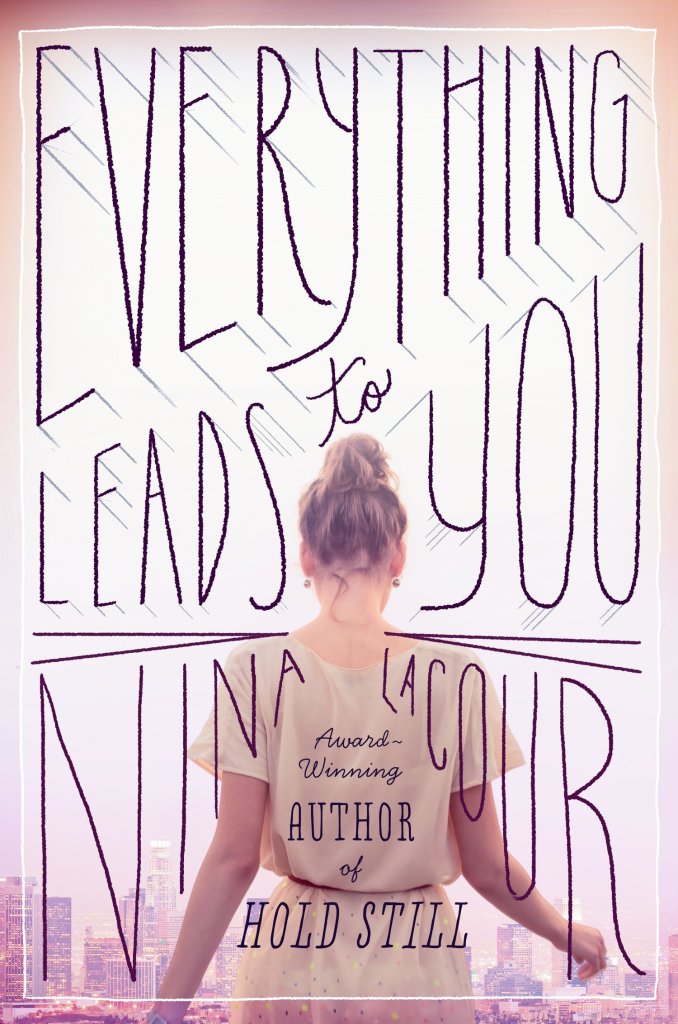
everything-leads-to-you
Everything Leads to You by Nina LaCour; design by Theresa Evangelista (Dutton / May 2014)

falling-into-place
Falling into Place by Amy Zhang; design by Paul Zakris (Greenwillow Books / September 2014)

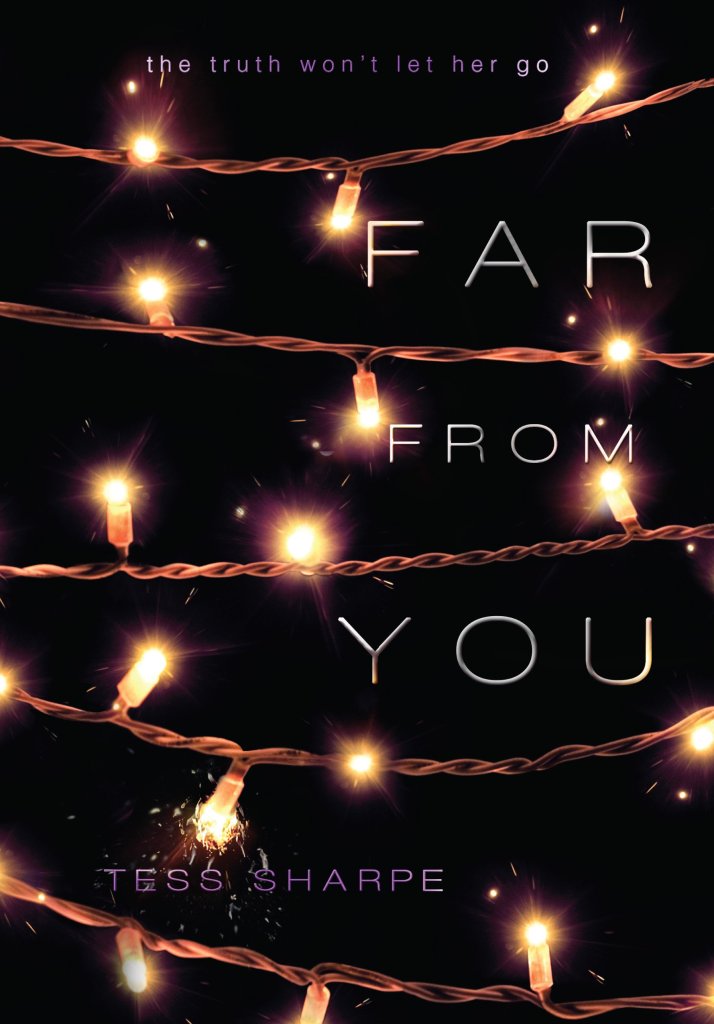
far-from-you
Far From You by Tess Sharpe; design by Whitney Manger; cover photograph by Yojik (Disney-Hyperion / April 2014)

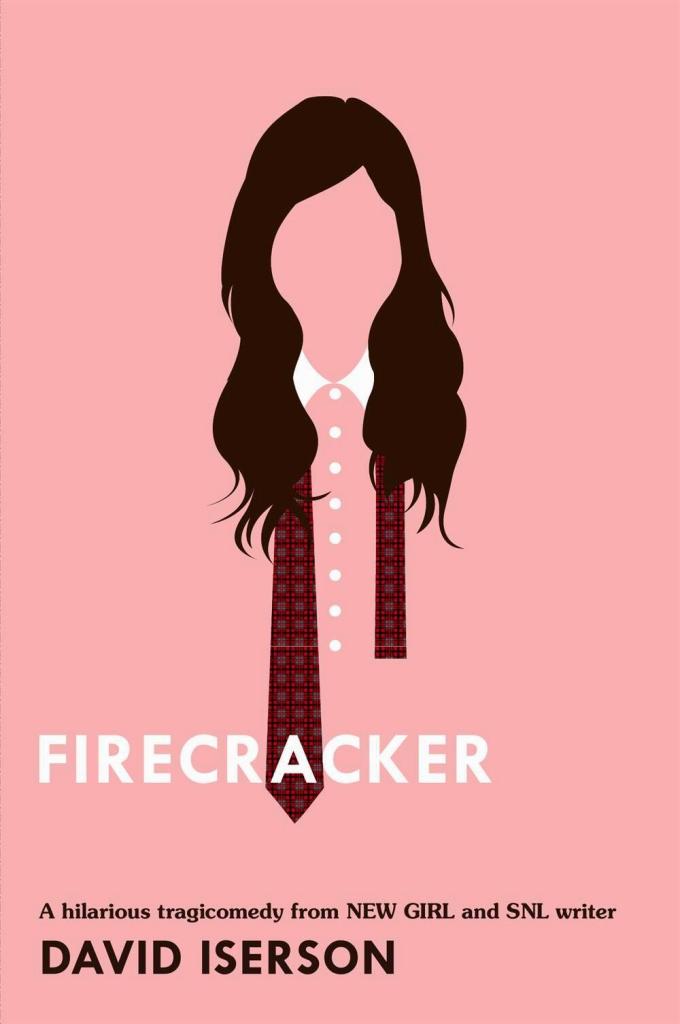
firecracker
Firecracker by David Iserson; design by Emily Osborne (Razorbill / October 2014)

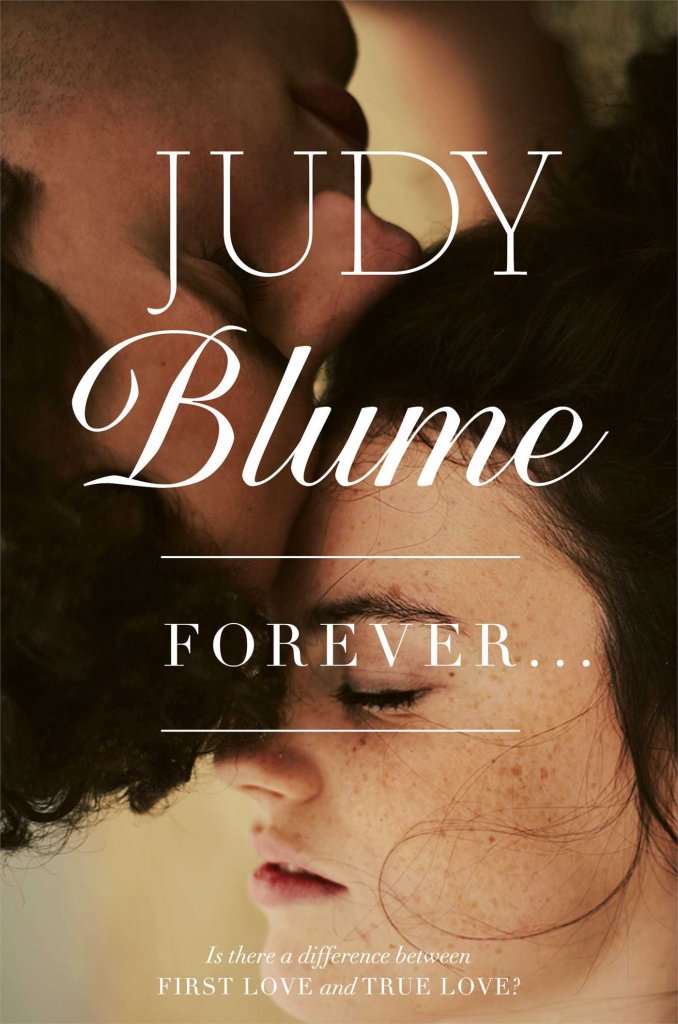
forever
Forever by Judy Blune (Reissue Edition); design by Lizzy Bromley (Atheneum Books for Young Readers / April 29, 2014)

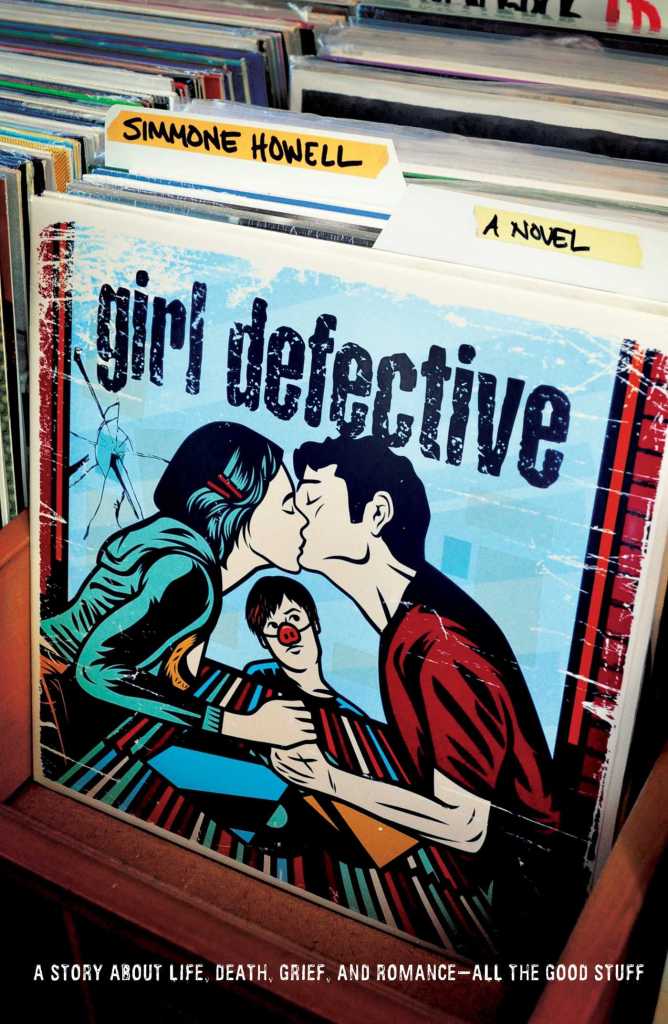
girl-defective
Girl Defective by Simmone Howell; design by Debra Sfetsios-Conover; illustration Jeffrey Everett (Atheneum Books for Young Readers / September 2014)

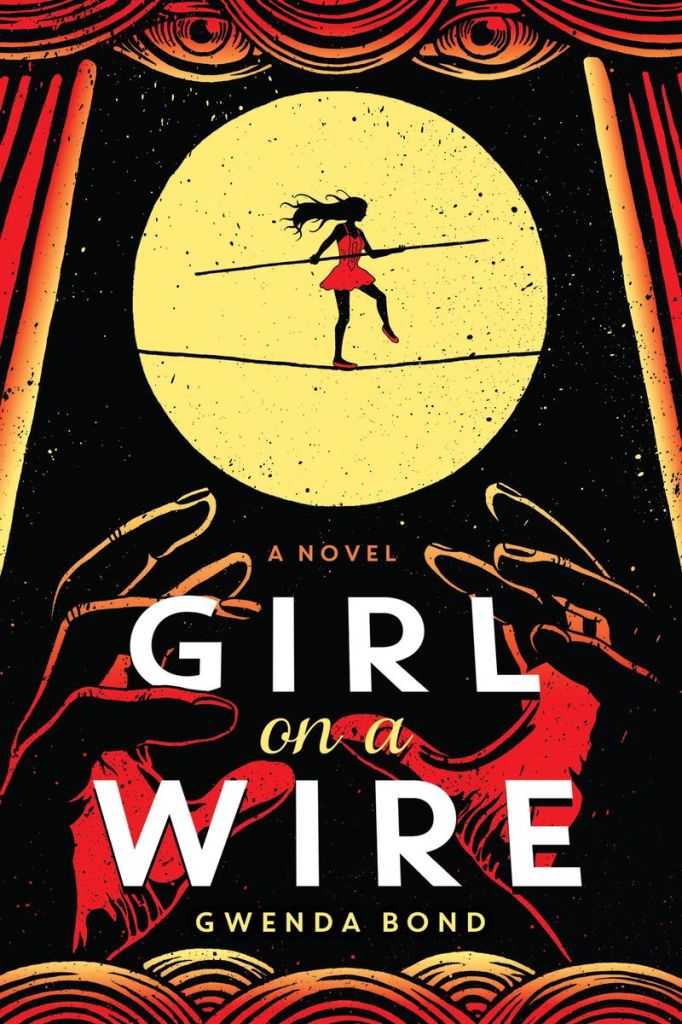
girl-on-a-wire
Girl on a Wire by Gwenda Bond; design and illustration by Neil Swaab ( Skyscape / October 2014)

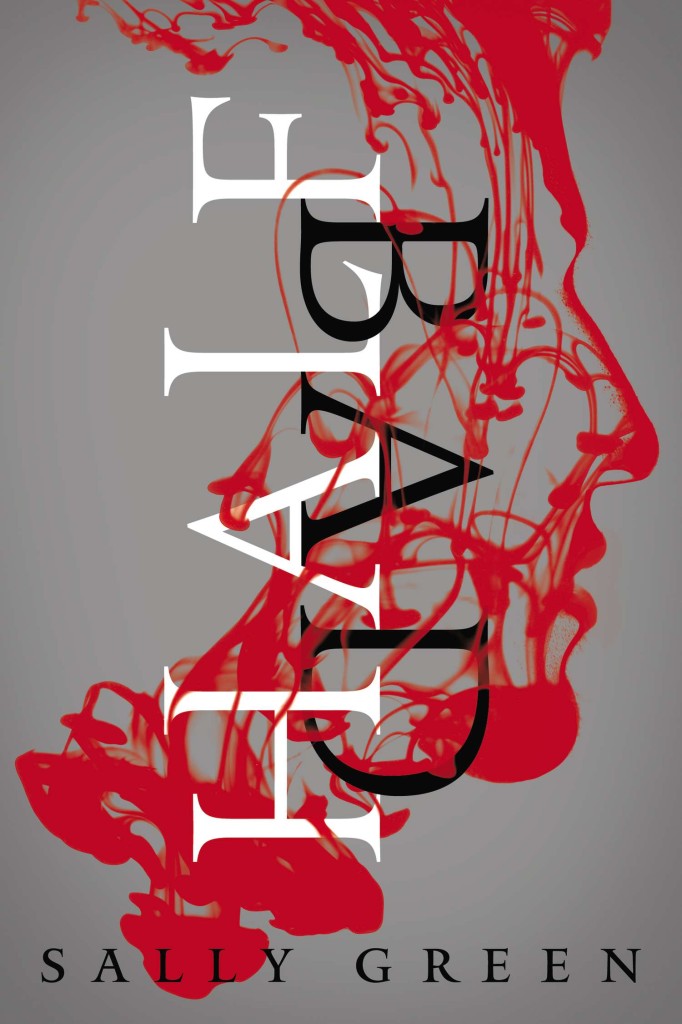
9780670016785B
Half Bad by Sally Green; design by Tim Green / Faceout Studio (Viking Juvenile / March 2014)

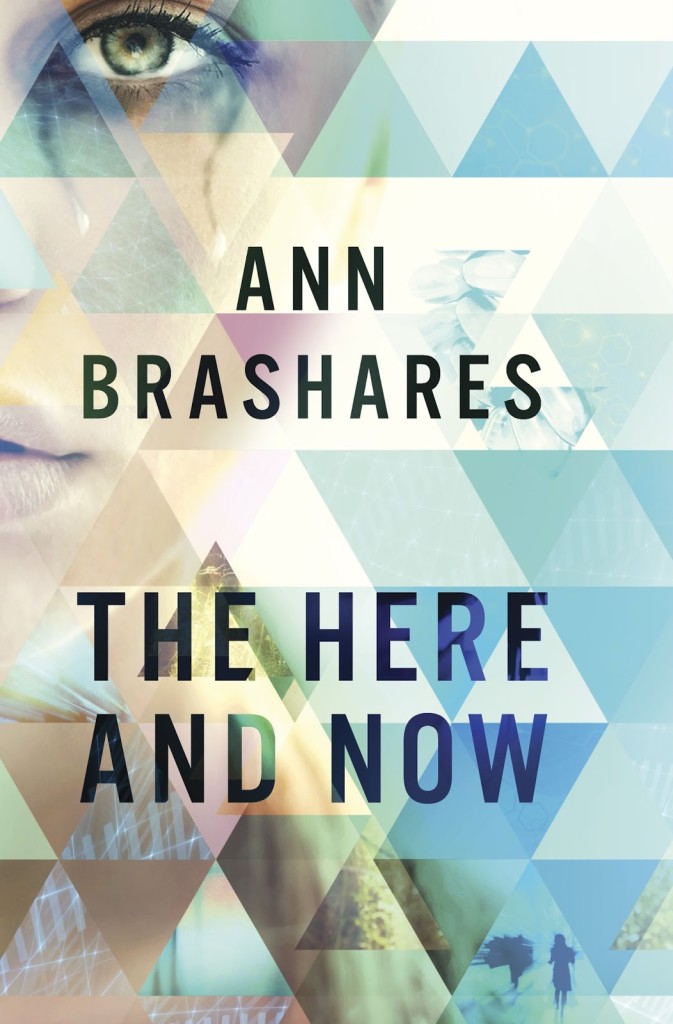
The Here And Now
The Here and Now by Ann Brashares; design by Natalie Sousa (Delacorte Press, April 2014)

high-and-dry
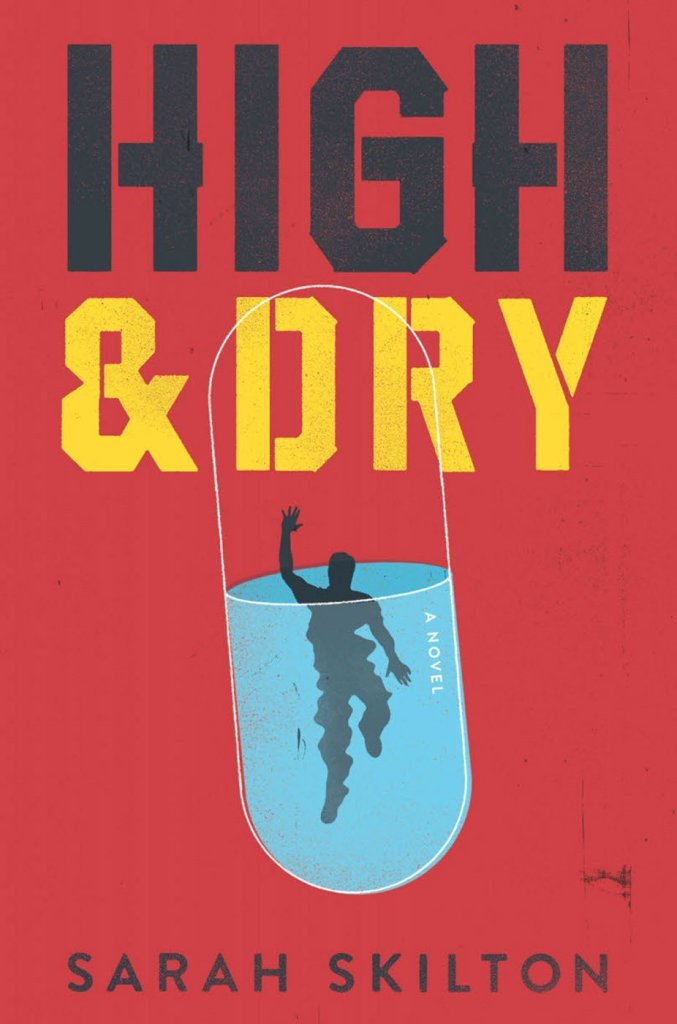
High and Dry by Sarah Skilton; design by The Heads of State (Amulet Books / April 2014)

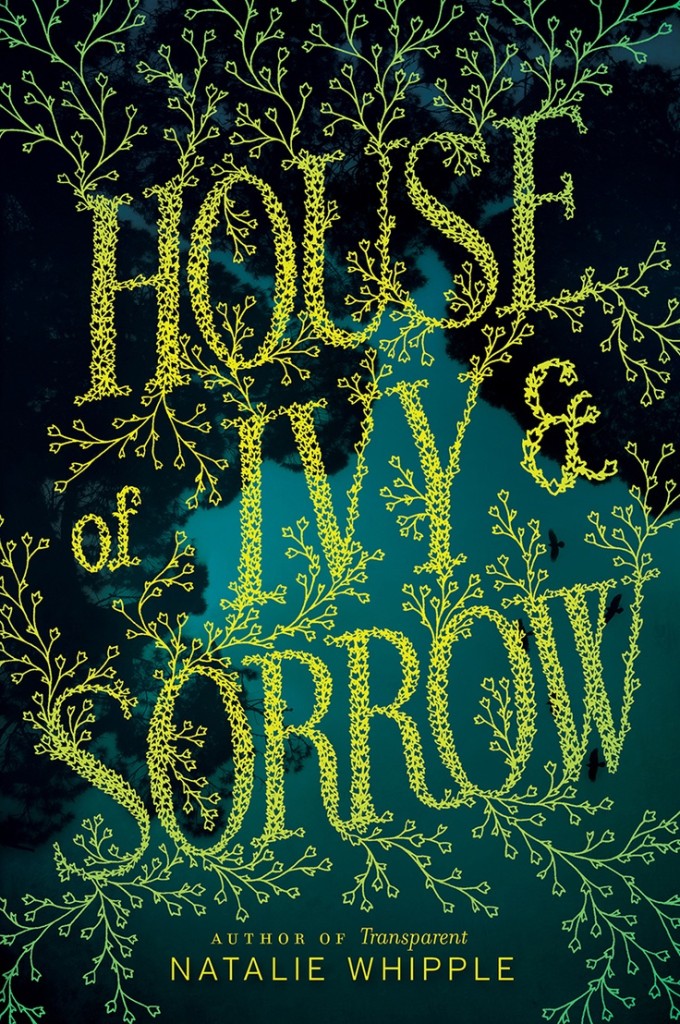
House of Ivy and Sorrow
House of Ivy and Sorrow by Natalie Whipple; design by Erin Fitzsimmons (Turtleback Books / April 2014)

if-you-find-me
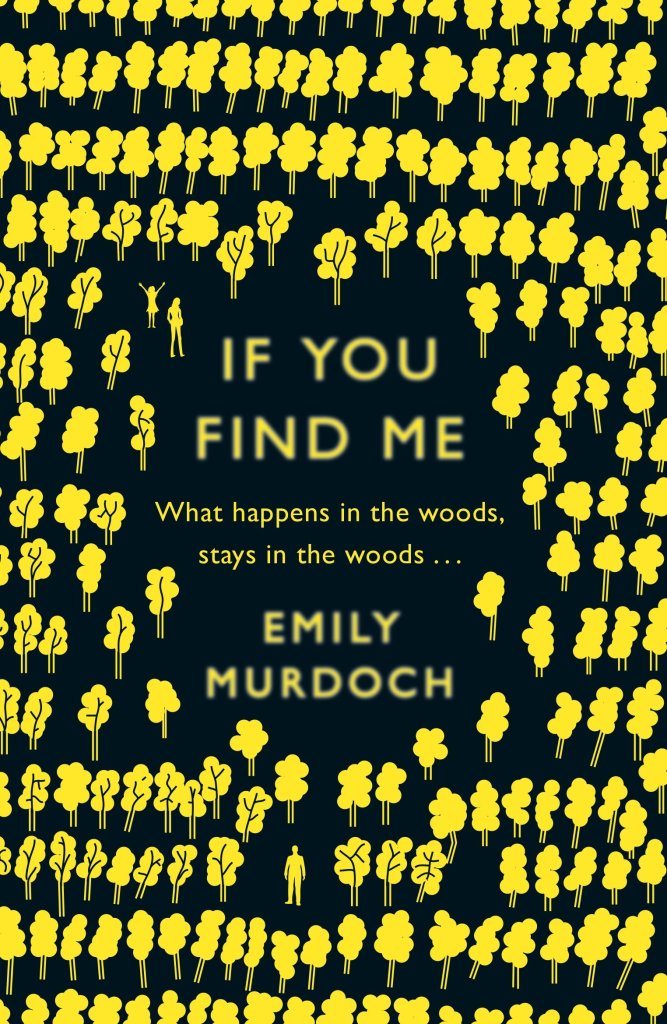
If You Find Me by Emily Murdoch; design by Sinem Erkas (Indigo / January 2014)

ill-give-you-the-sun
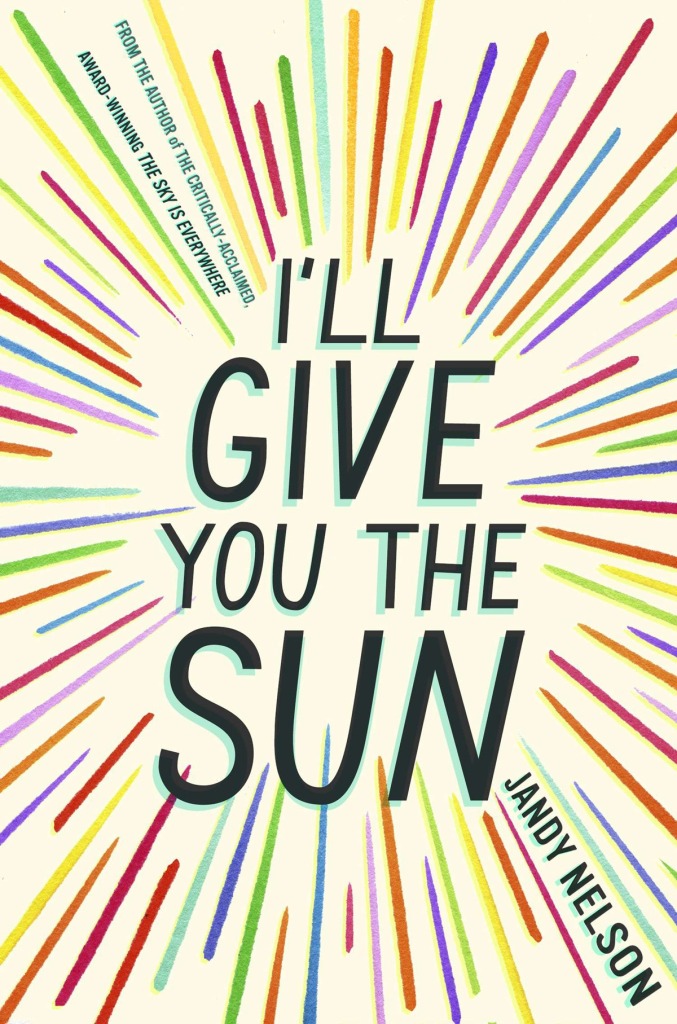
I’ll Give You the Sun by Jandy Nelson; design by Theresa Evangelista  ( Dial / 2014)

into-the-grey
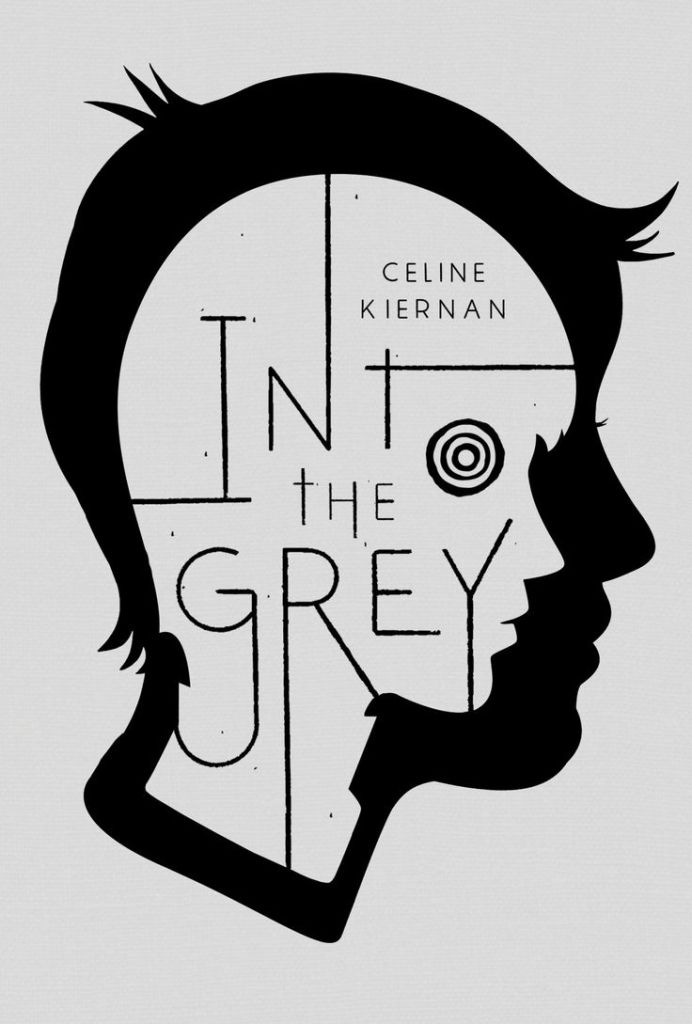
Into the Grey by Celine Kiernan; design by Matt Roeser (Candlewick / August 2014)

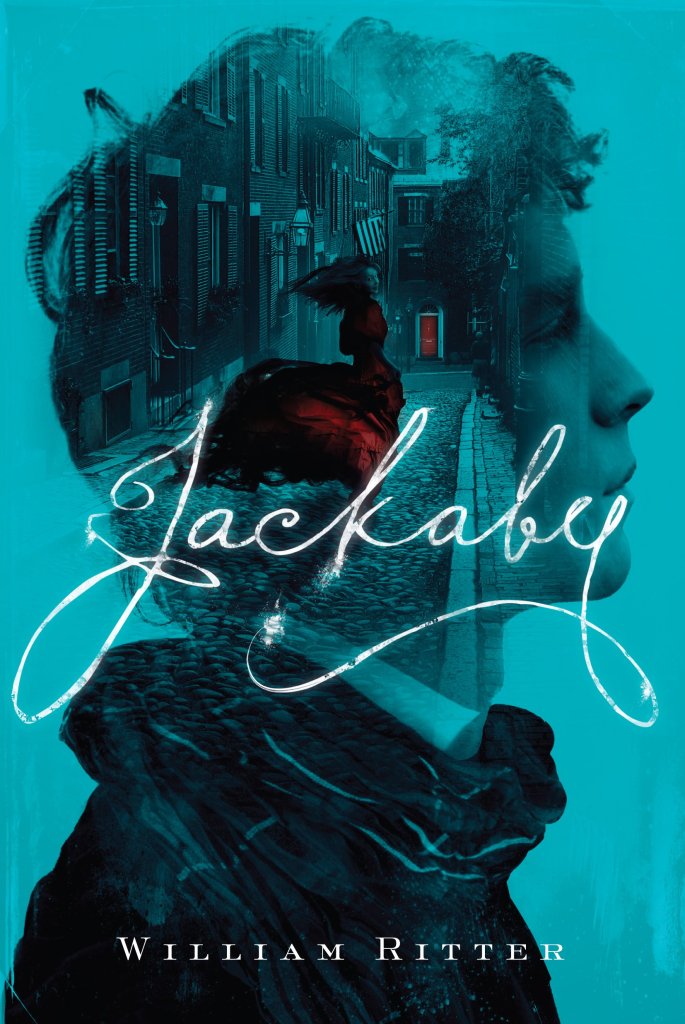
Jackaby
Jackaby by William Ritter; design by Joel Tippie / Jdrift (Algonquin Young Readers / September 2014)

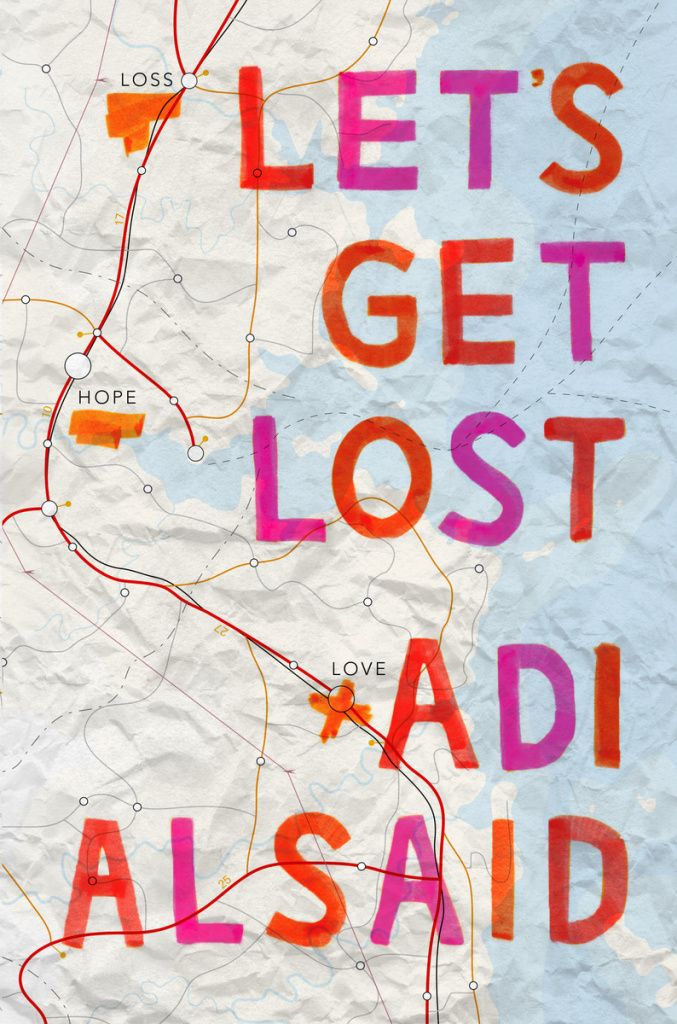
lets-get-lost
Let’s Get Lost by Adi Alsaid; design by Natalie Sousa (Harlequin Teen / July 2014)

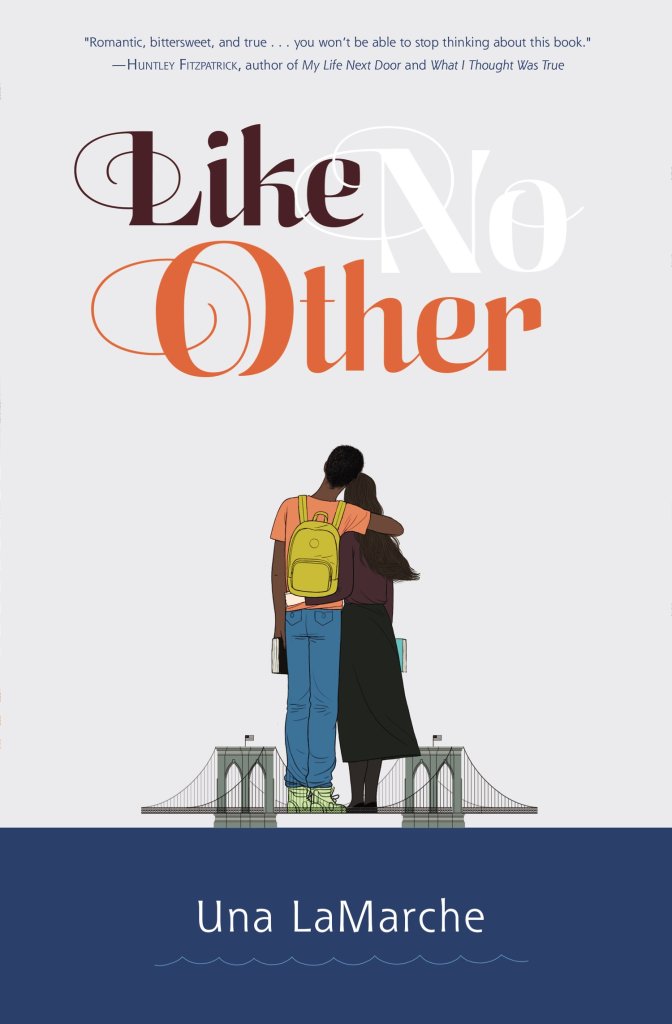
like no other
Like No Other by Una LaMarche; design by Emily Osborne; cover illustration by Michael Kirkham (Razorbill / September 2014)

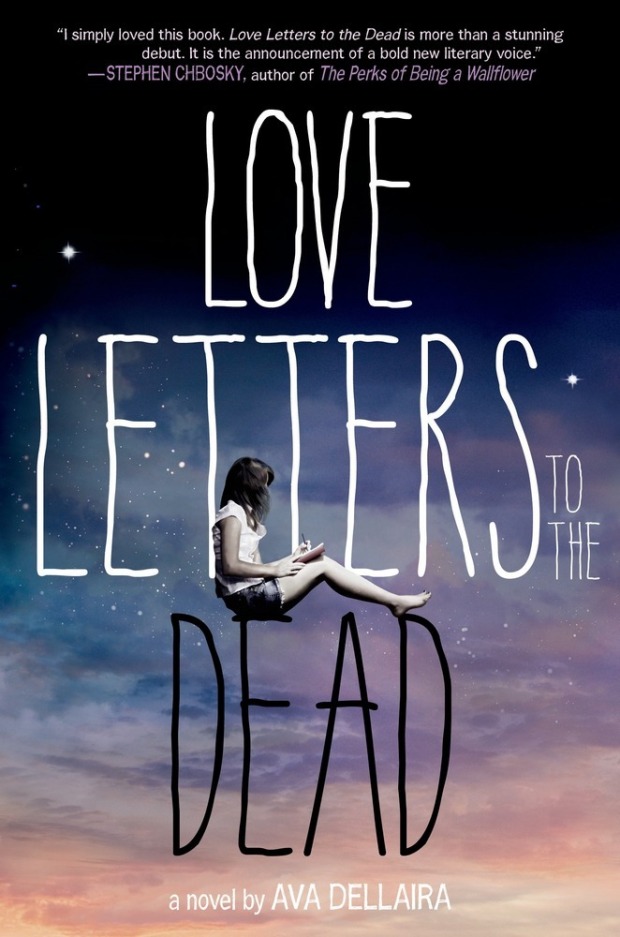
9780374346676
Love Letters to the Dead by Ava Dellaira; design by Andrew Arnold (FSG Books for Young Readers / March 2014)

9781452110219
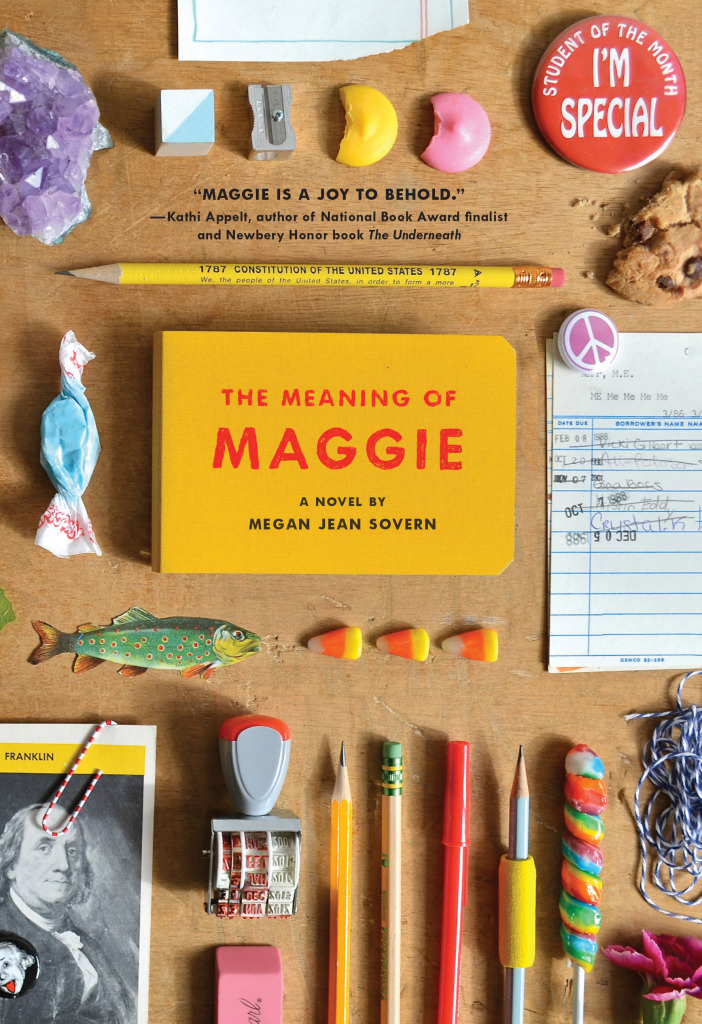
The Meaning of Maggie by Megan Jean Sovern; design by Amelia May Mack (Chronicle Books / June 2014)

My-True-Love-Gave-to-Me
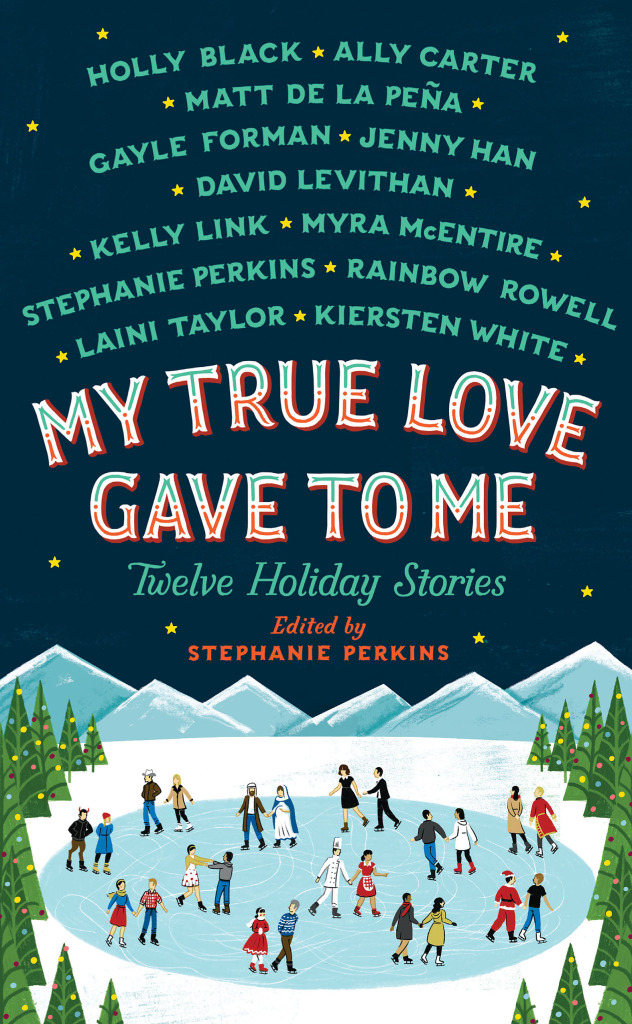
My True Love Gave to Me edited by Stephanie Perkins; design & illustration by Jim Tierney (St. Martin’s Griffin / October 2014)

no-one-else-can-have-you
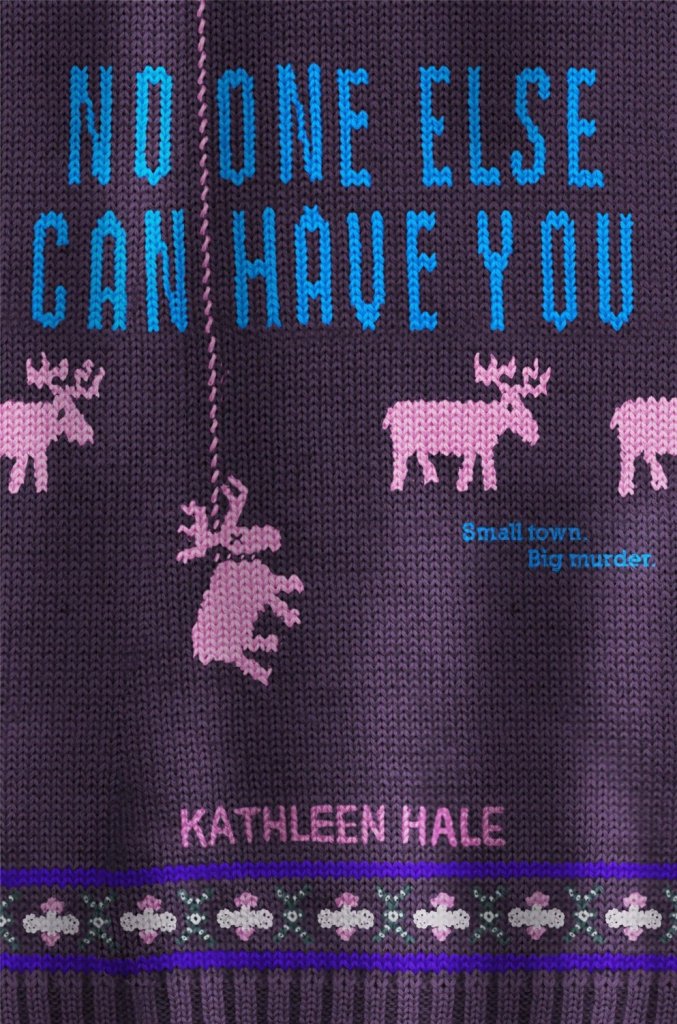
No One Else Can Have You by Kathleen Hale; design by ​​Michelle Taormina (HarperTeen / January 2014)

100-sideways-miles-9781442444959_hr
100 Sideways Miles by Andrew Smith; design by Lucy Ruth Cummins (Simon & Schuster for Young Readers / September 2014)

paper-airplanes
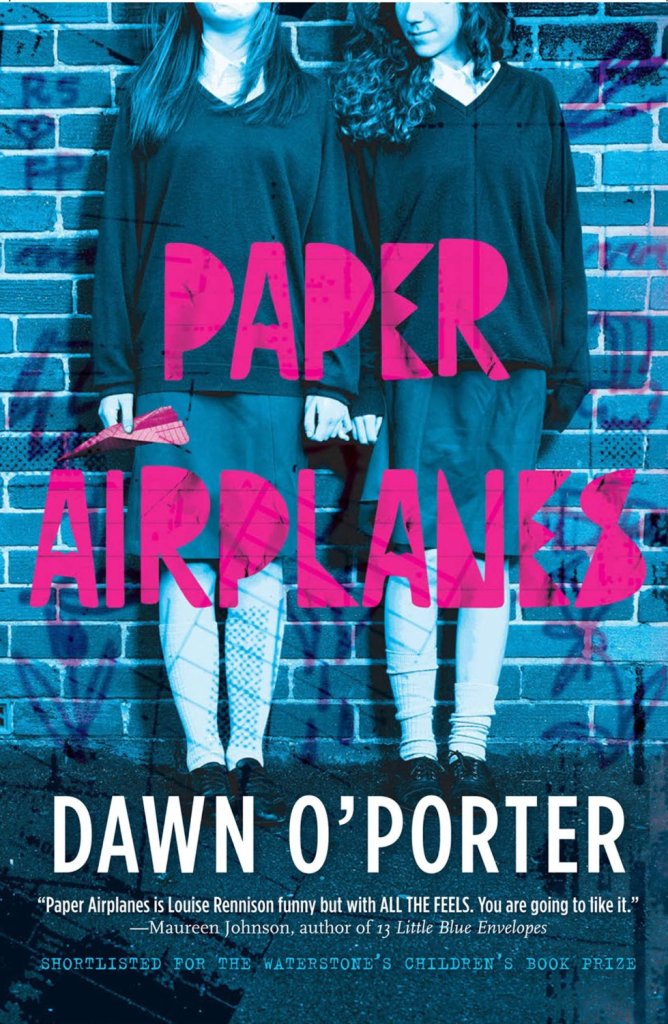
Paper Airplanes by Dawn O’Porter; design by Maria T. Middleton (Amulet / September 2014)

PlayForTheCommandant
Playing for the Commandant by Suzy Zail; design by Matt Roeser (Candlewick / October 2014)

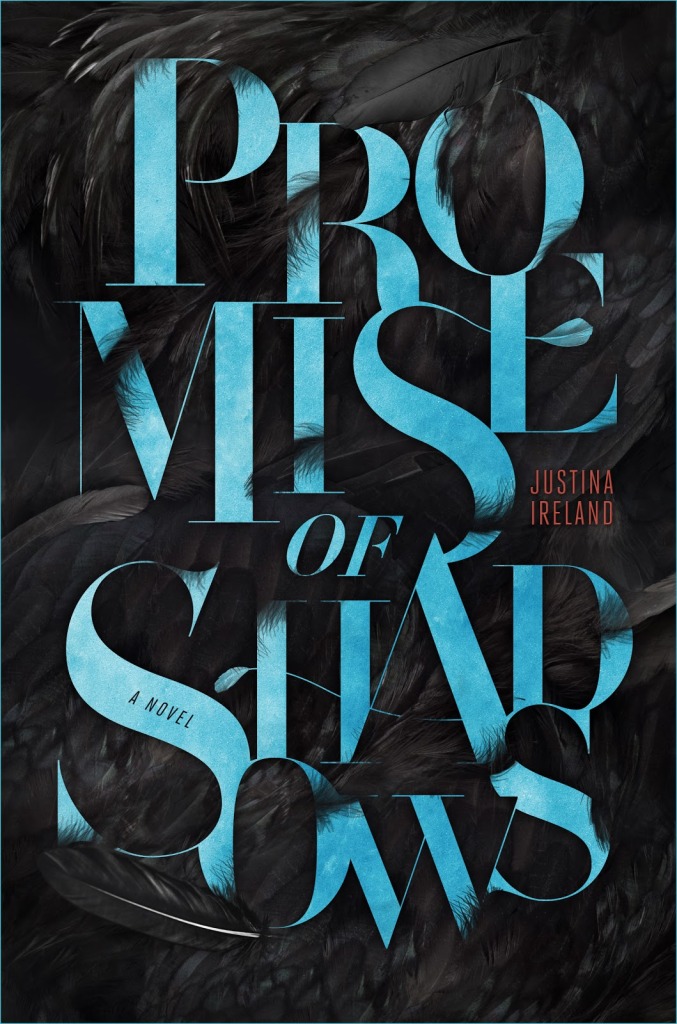
promise-of-shadows
Promise of Shadows by Justina Ireland; design by Lucy Ruth Cummins; cover art by Luke Lucas (Simon & Schuster Books for Young Readers / March 2014)

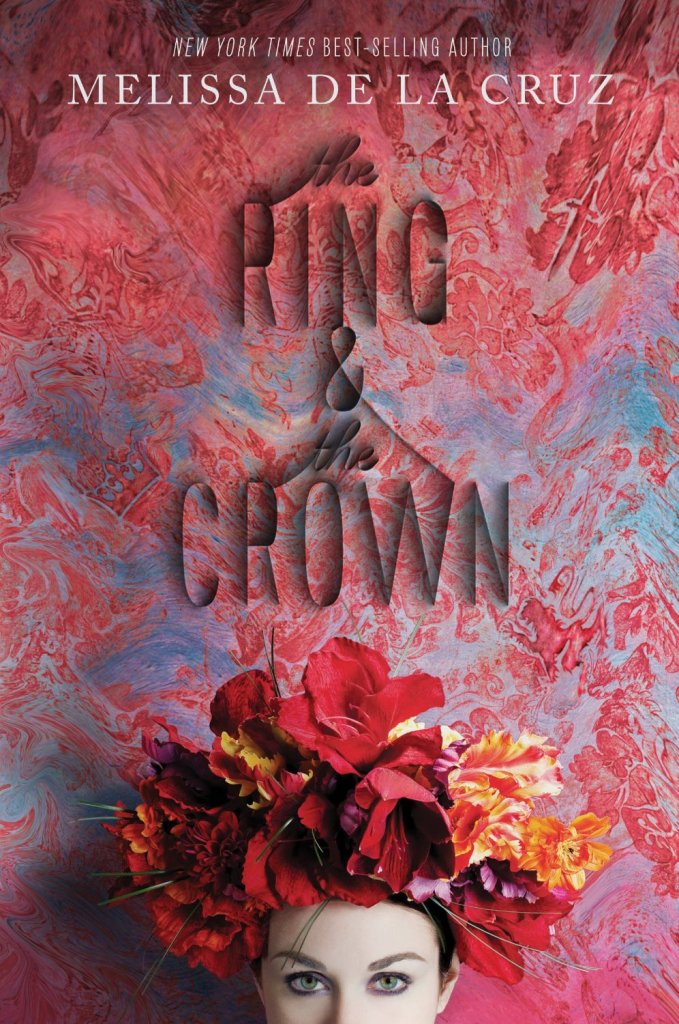
ring-and-the-crown
The Ring and the Crown by Melissa de la Cruz; design by Tanya Ross-Hughes; model photo by Ali Smith; title type by Mario Hugo (Hyperion / April 2014)

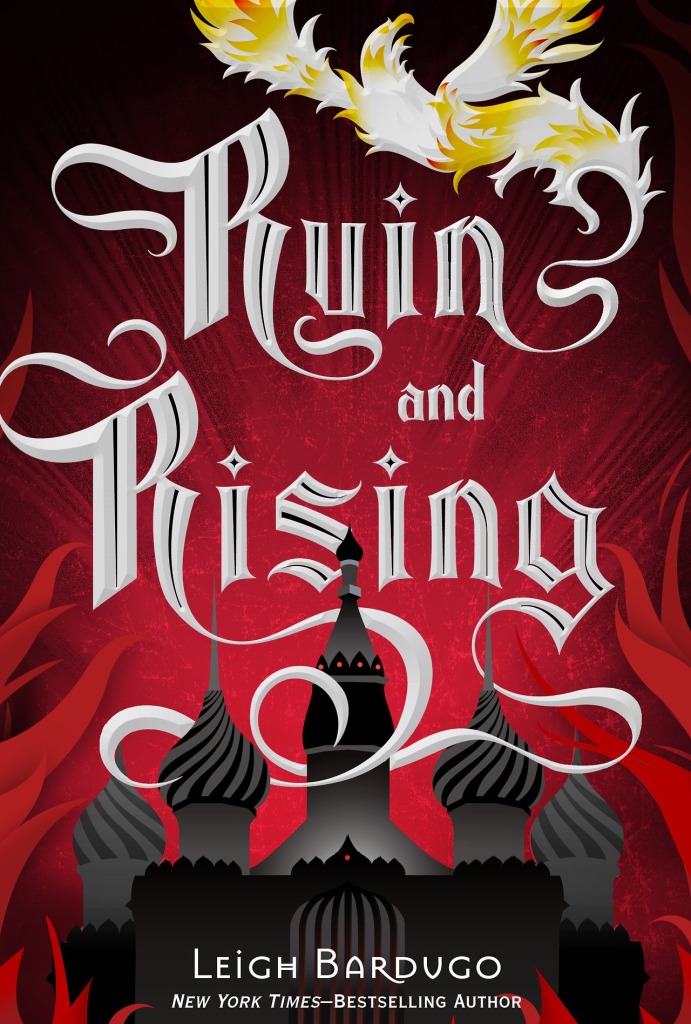
ruin-and-rising
Ruin & Rising by Leigh Bardugo; design by Jen Wang (Henry Holt & Co. / June 2014)

The previous two books in the series, also designed by Jen Wang:

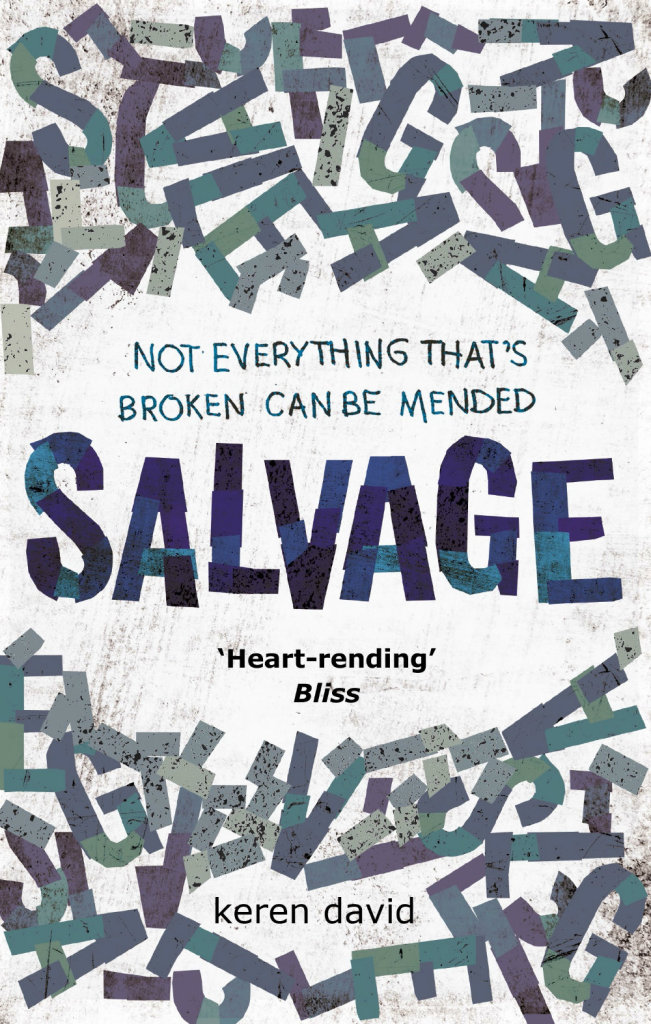
Salvage
Salvage by Keren David; design by Sophie Burdess (Atom / July 2014)

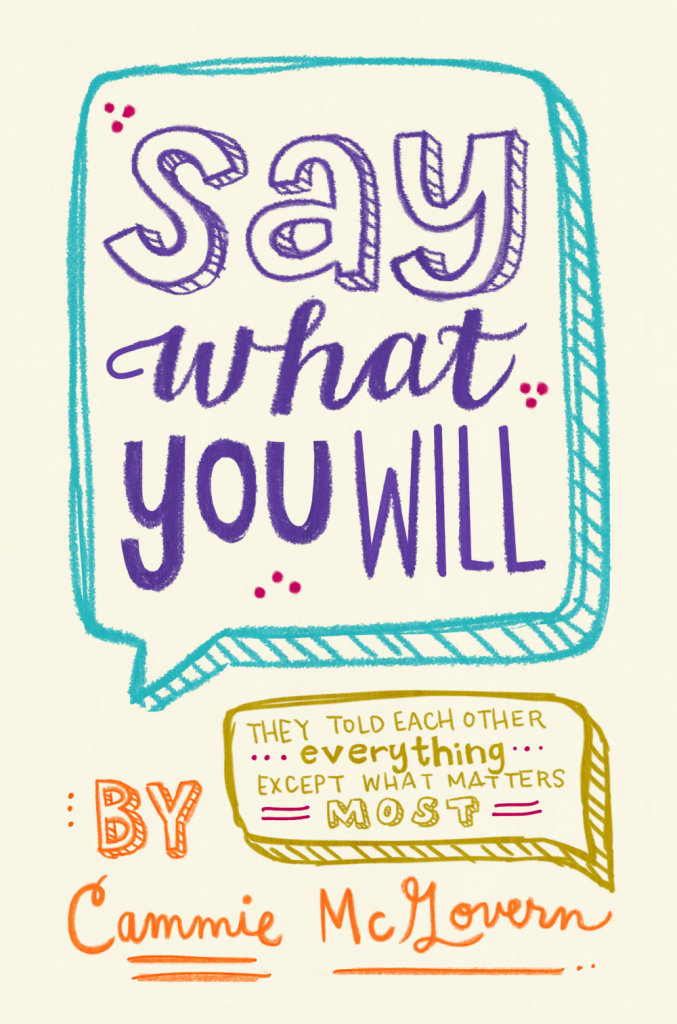
say-what-you-will
Say What You Will by Cammie McGovern; cover art by Ann Shen; design by Alison Klapthor (HarperTeen / June 2014)

schizo
Schizo by Nic Sheff; design by Kristin Smith (Philomel /September 30, 2014)

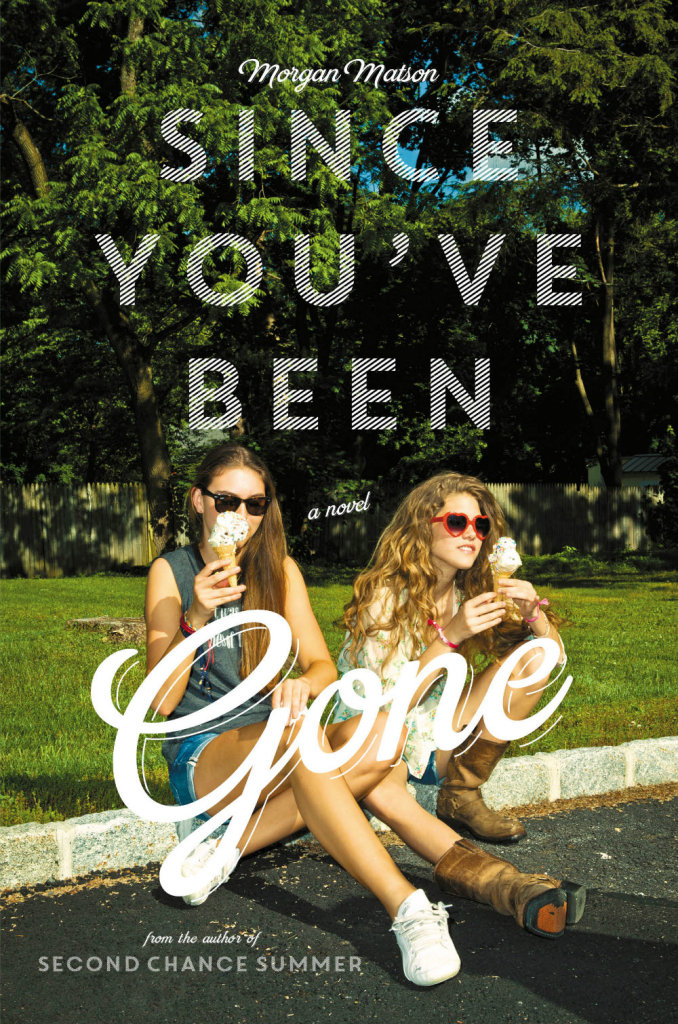
since-youve-been-gone
Since You’ve Been Gone by Megan Matson; design by Lucy Ruth Cummins; photography by Meredith Jenks (Simon & Schuster Books for Young Readers / July 2014)

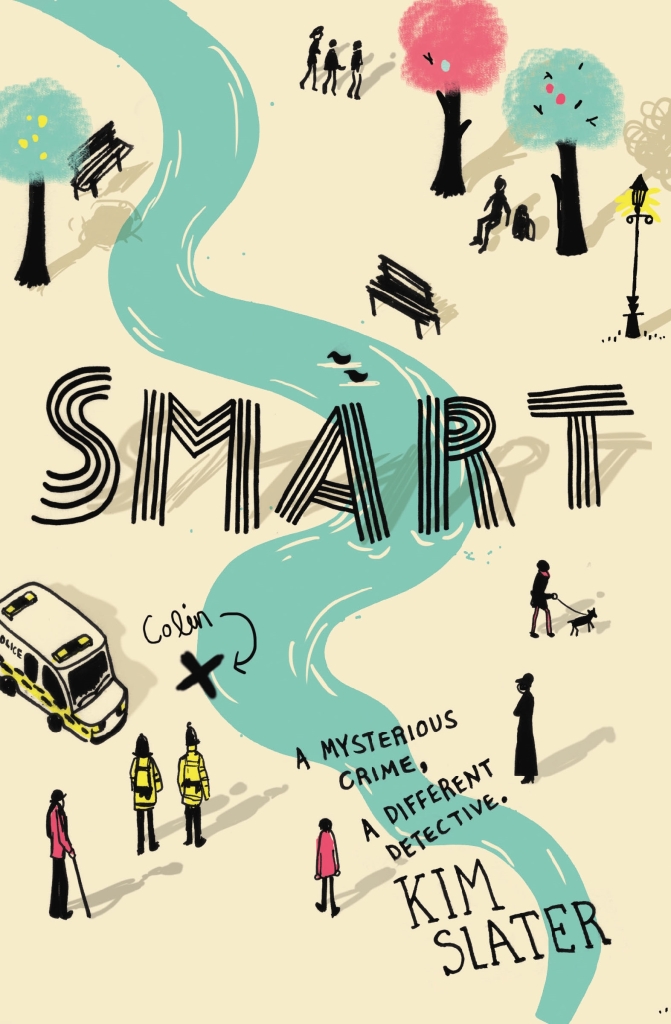
Smart
Smart by Kim Slater; cover illustration by Helen Crawford-White / Studio Helen (Macmillan Children’s Books / June 2014)

AvaLavender
The Strange and Beautiful Sorrows of Ava Lavender by Leslye Walton; design by Matt Roeser (Candlewick Press / March 2014 )

side-effects-may-vary
Side Effects May Vary by Julie Murphy; design and illustration by Annemieke Beemster Leverenz (Balzer + Bray / 2014)

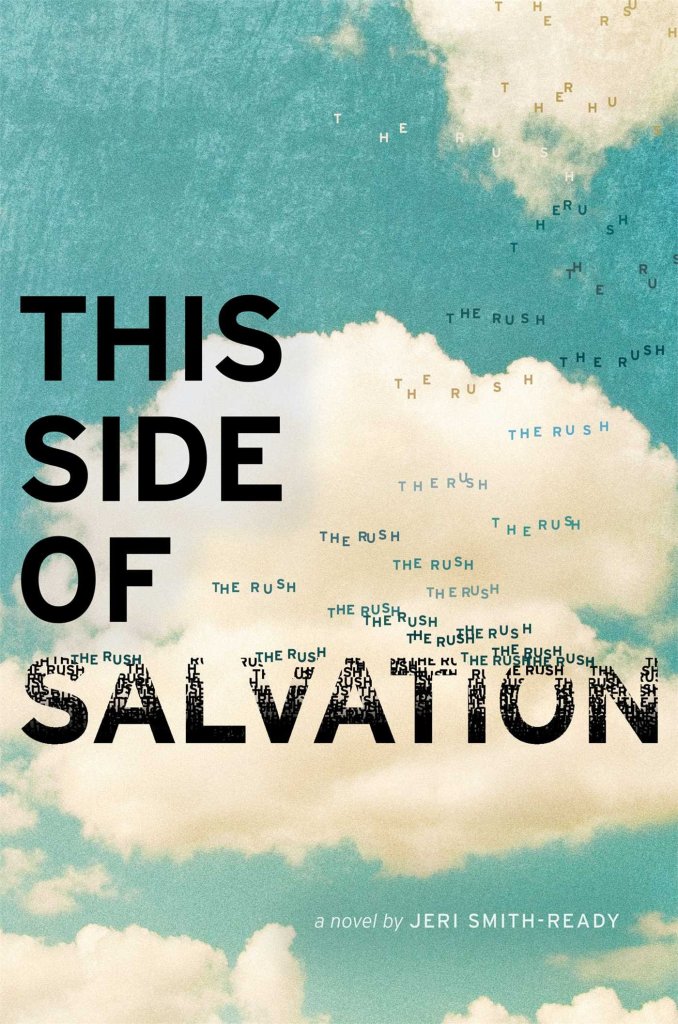
this-side-of-salvation
This Side of Salvation by Jeri Smith-Ready; design by Karina Granda (Simon Pulse / April 2014)

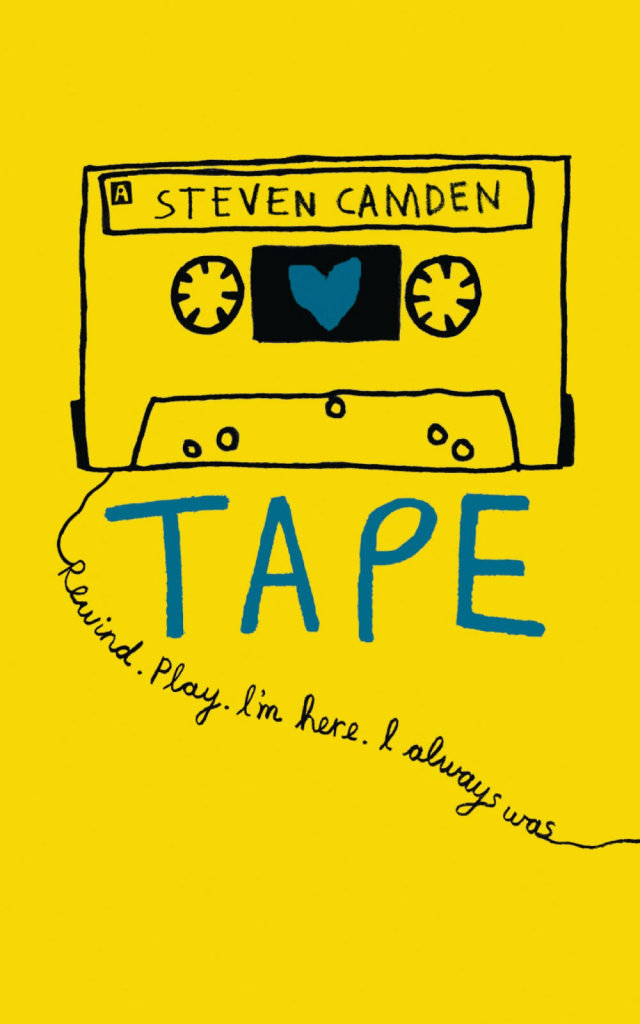
Tape
Tape by Steven Camden; cover art by Keri Smith (HarperCollins Children’s Books / January 2014)

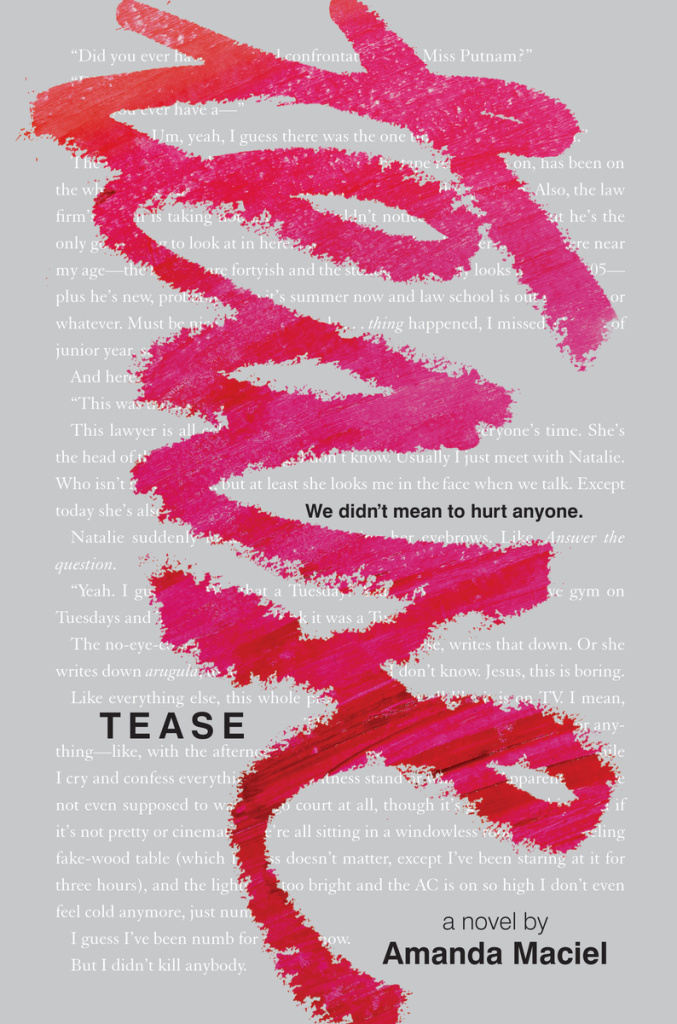
tease
Tease by Amanda Maciel; design by Erin Fitzsimmons (Balzer + Bray / April 2014)

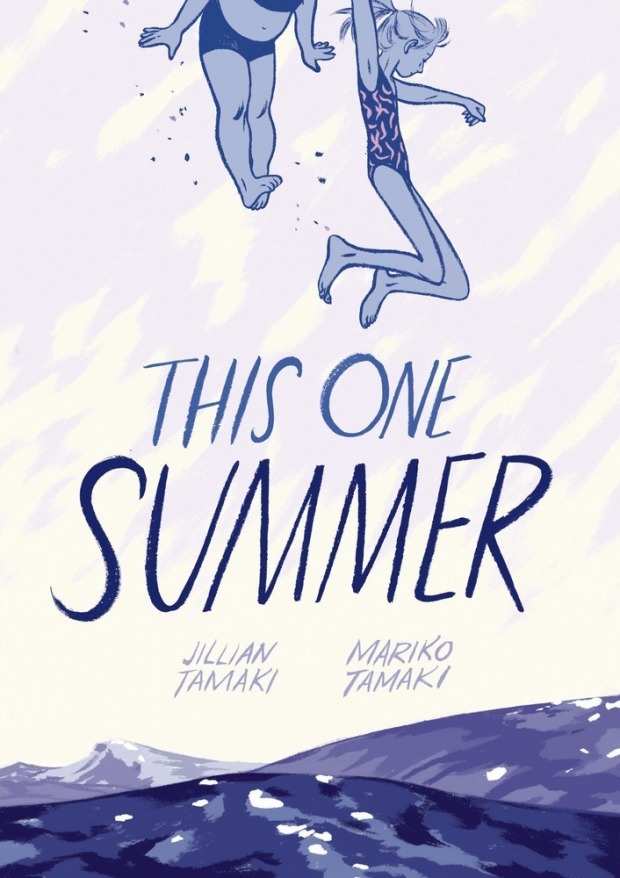
9781596437746
This One Summer by Mariko Tamaki & Jillian Tamaki; design by Jillian Tamaki & Colleen AF Venable; cover art Jillian Tamaki (First Second / May 2014)

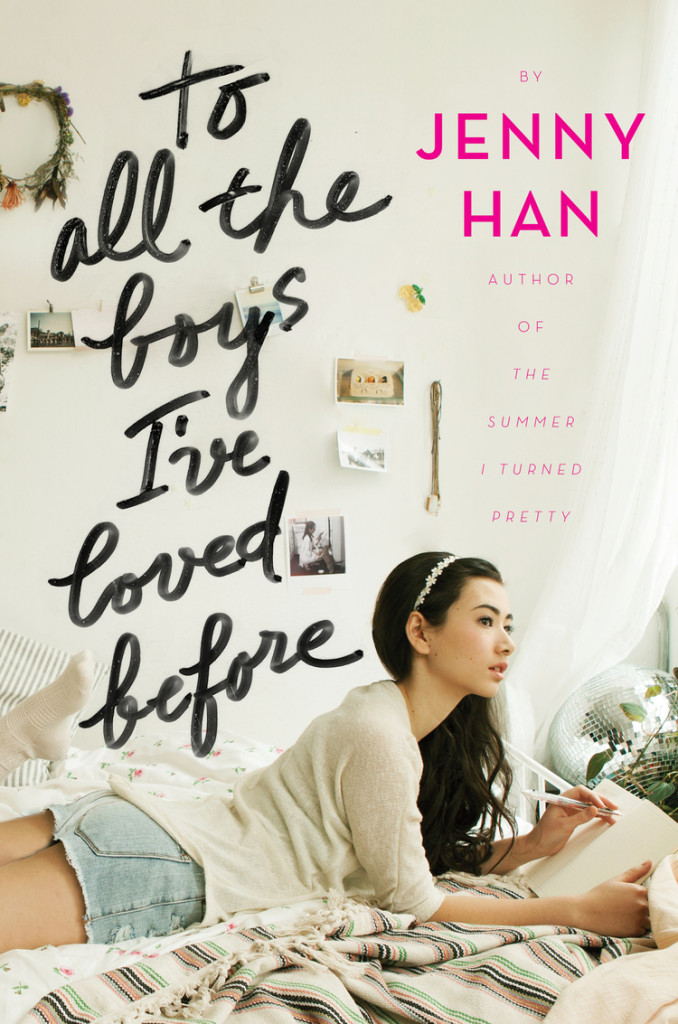
To_all_the_boys
To All the Boys I’ve Loved Before by Jenny Han; design by Lucy Ruth Cummins; photographer Anna Wolf (Simon & Schuster Books for Young Readers / April 2014)

trouble-9781442497726_hr
Trouble by Non Pratt; design by Lucy Ruth Cummins; illustration by Dermot Flynn (Simon & Schuster Books for Young Readers / June 2014)

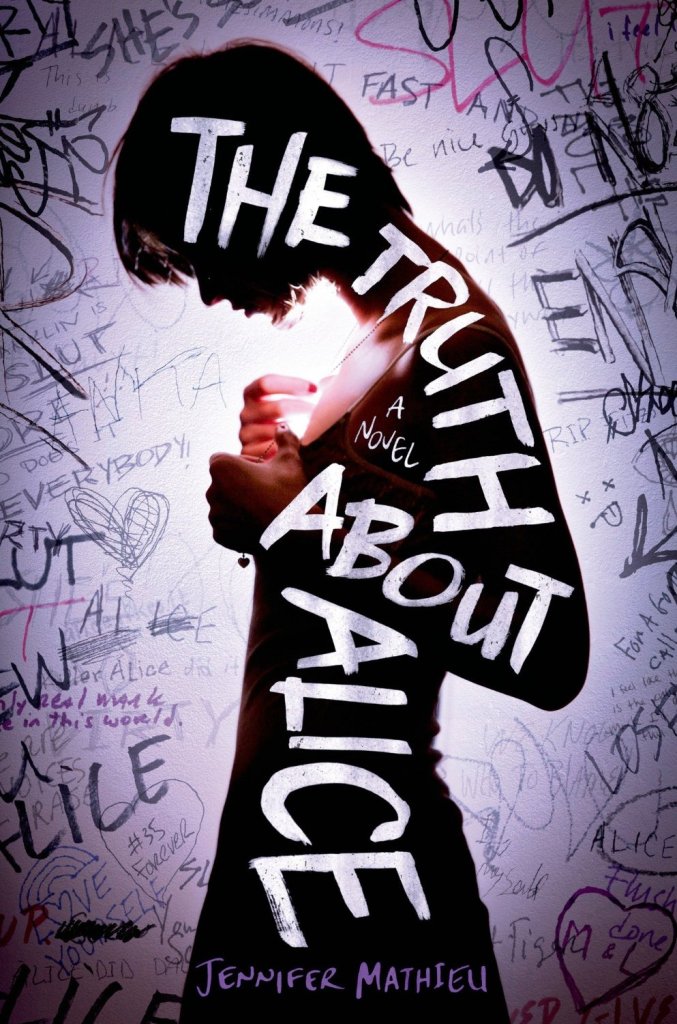
truth-about-alice
The Truth About Alice by Jennifer Mathieu; design by Elizabeth H Clark (Roaring Brook Press / June 2014)

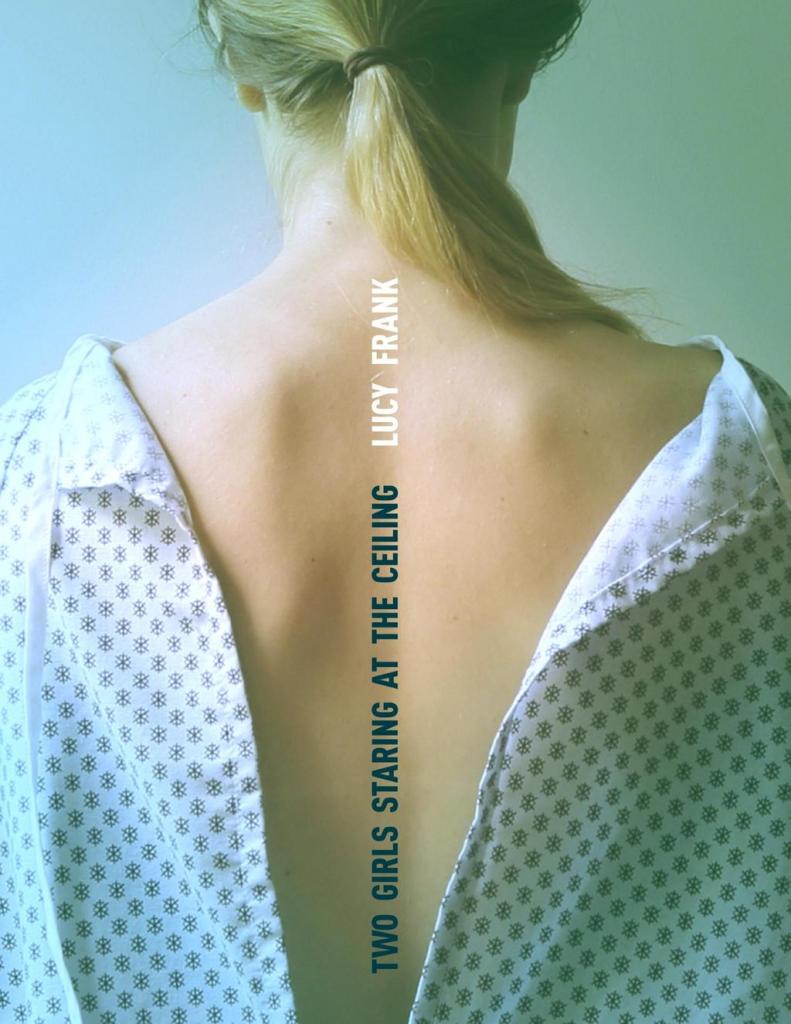
two-girls-staring
Two Girls Staring at the Ceiling by Lucy Frank; design by Rachael Cole; cover art Elinor Hills (Schwartz & Wade / August 2014)

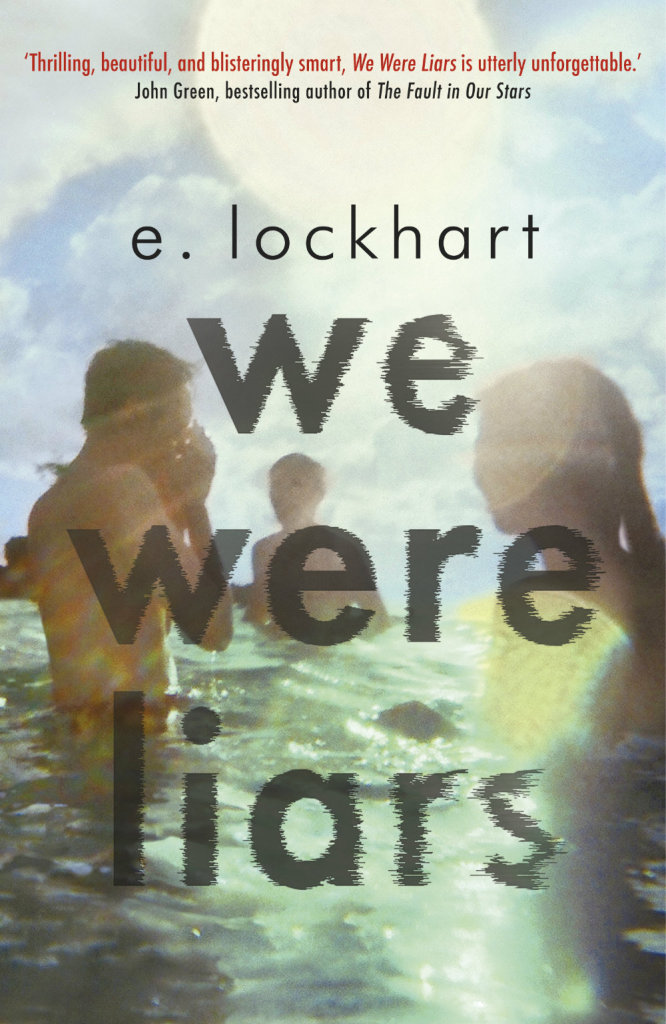
we-were-liars
We Were Liars by E. Lockhart; design by Angela Carlino (Delacorte Press / May 2014)

9780374384678
The Winner’s Curse by Marie Rutkoski; design by Elizabeth H Clark; photography by Ali Smith (FSG Books for Young Readers / March 2014)

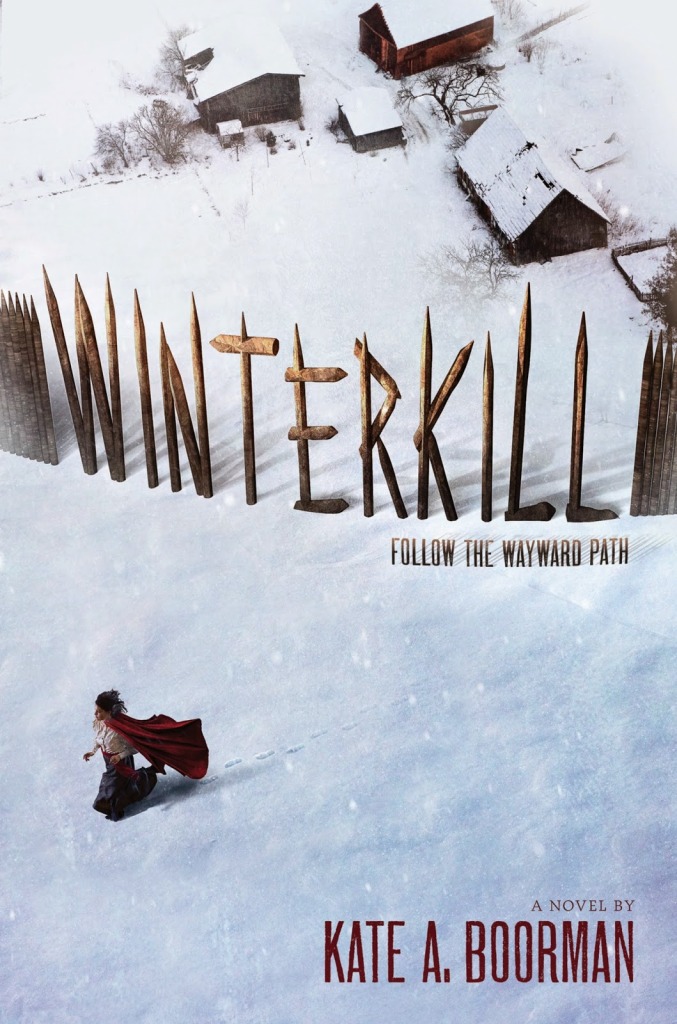
9781419712357
Winterkill by Kate A. Boorman; design by Maria T. Middleton; illustration by Shane Rebebschied (Harry N. Abrams / September 2014)

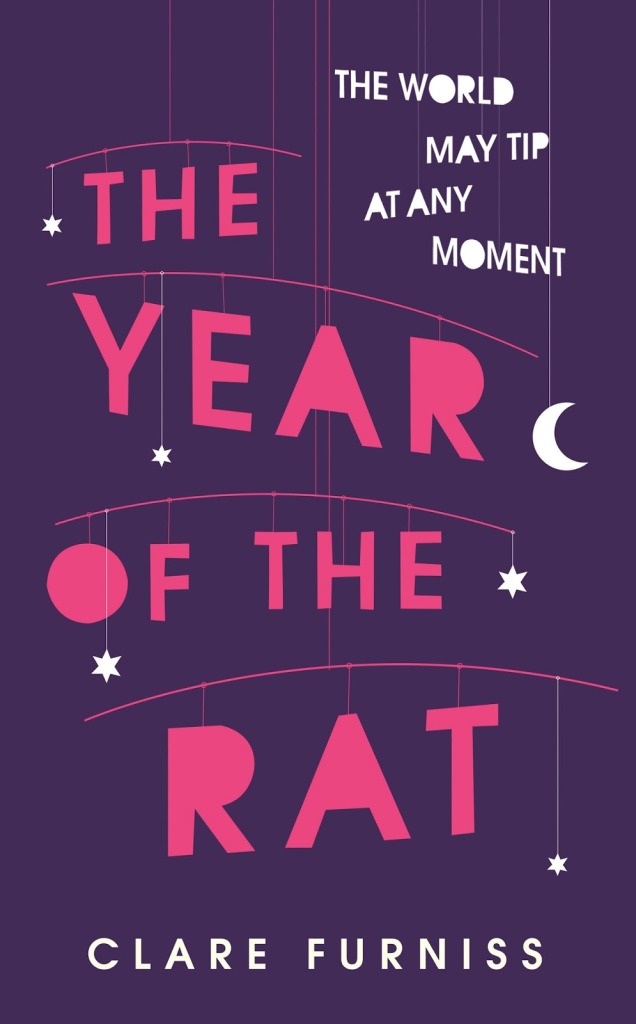
year-of-the-rat
The Year of the Rat by Clare Furniss; design by Matt Johnson (Simon & Schuster Childrens Books / April 2014)

Thanks all


3 Comments

Q & A with Matt Roeser, Candlewick Press

If you follow book design on social media at all, chances are you’ve come already across Matt Roeser‘s  funny, if somewhat dinosaur-fixated, Twitter feed. But over the past couple of years as senior designer at independent children’s publisher Candlewick Press in Massachusetts, Matt has been quietly producing some bright, brilliant, and original covers for their line of young adult titles.

I first came across Matt’s work about 4 years ago when he first started a Tumblr project called New Cover, and was working outside publishing in St. Louis. Now he is designing books full-time, it only seemed appropriate to ask him a few questions about his interests and influences, his work, and his career. We corresponded by email.

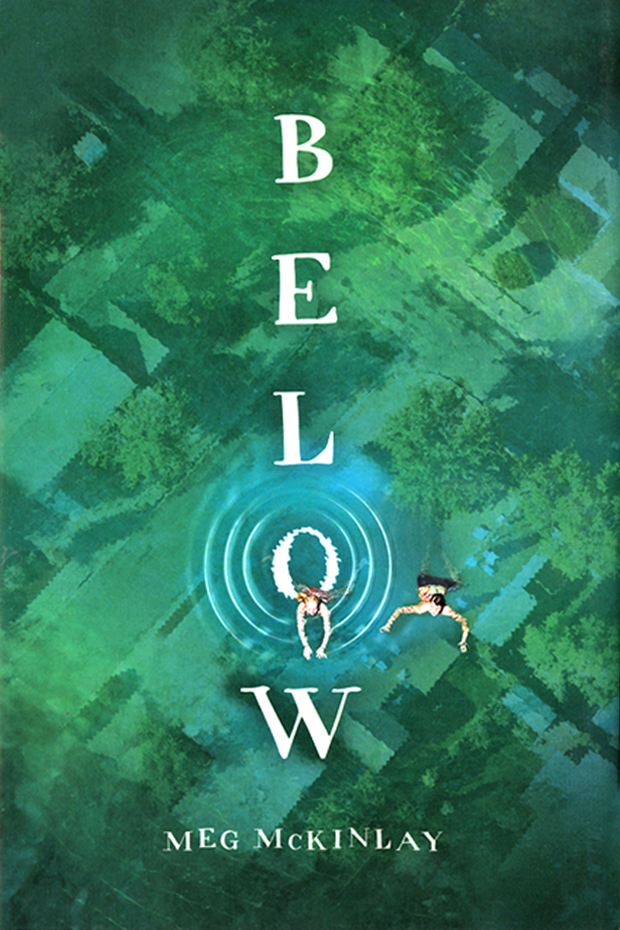
Below

Were there a lot of books in your house growing up?

Absolutely. We lived two blocks away from our library, so my parents were always taking my brother and I there and letting me bring home as much as I could carry. That, paired with the book order forms our teachers would pass out every month (of which I had an unhealthy level of excitement for) meant there was always a constant stream of books in our house.

Did you have a favourite book as a kid?

I had three, and to this day, still can’t decide which one I like the most because they’re each fabulous in their own way: From the Mixed-Up Files of Mrs. Basil E. Frankweiler because the kids run away and live in a museum (I’m still hoping to do this one day!), The Westing Game, because it’s an epic murder mystery, and The Phantom Tollbooth, because it’s so imaginative and full of wordplay, which I have a soft-spot for.

EggandSpoon

Do you remember when you first became interested in design?

Yes, and it was paired with reading in a way. The movie Jurassic Park came out when I was 10 and I went with my brother to see it at least 5 or 6 times and was just completely enthralled. Then my brother bought the book with the now-classic Chip Kidd design on the front. I read it and, being my first “big-person” book that I had read, it really stuck with me. I remember thinking it was so cool that the design of the jacket was used for the logo for the park in the movie. And it was on t-shirts, lunchboxes, everything. The fact that a new Jurassic Park movie is coming out next year, and they’re still using Chip Kidd’s design just makes me so happy. So while I don’t think I completely realized it at the time, that’s the moment that I became aware and interested in design. And since I’ve never actually grown up, all of the things I loved as a child (dinosaurs, space, time travel) still excite me to this day (thus why a majority of my tweets revolve around dinosaurs). I even had a Jurassic Park themed 30th birthday party which was simultaneously my most proud and most embarrassing moment in life.

Is anyone else in your family creative?

Yeah, my immediate and extended family is full of carpenters and woodworkers, interior designers and painters and people that just generally like to create and build with their hands.

Did you study design at school?

Initially, when I started college, I dove deep into marketing. However, I quickly found out, after taking macro-economics and a plethora of other numbers-based courses, that the business side of marketing was not at all interesting to me. I then started taking a bunch of creative communication classes that included various advertising and graphic design courses, and quickly felt much more at home. Ultimately, a lot of my design education was self-taught, but at school I learned the basic process of working on creative projects that really stuck with me.

What were you doing before you joined Candlewick?

I worked with the creative team at Atomicdust, a branding and marketing agency in St. Louis, Missouri. I definitely learned the ins and outs of the creative process while there. We had a great array of clients that allowed us to flex our creative muscles in a variety of ways as we came up with messaging and then decided the best ways to get that message out. Learning how to boil down a company’s entire purpose/goals/soul into a clear message was great experience for what I do now: communicating an entire book’s essence through its jacket.

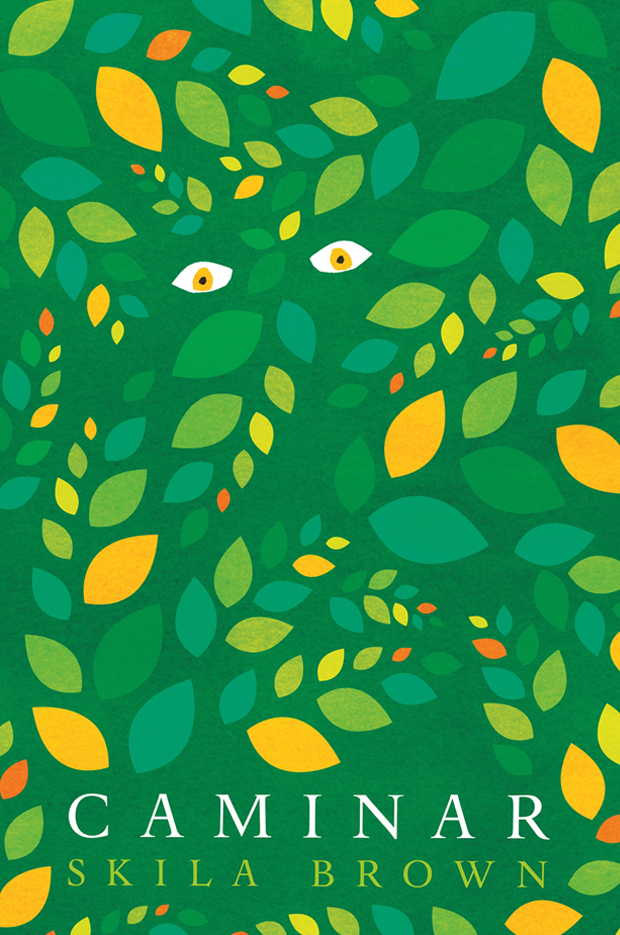
Caminar

Before you were designing books professionally, you started New Cover, a self-initiated project redesigning the covers of some of your favourite books. Was your goal to get a job in publishing?

Ultimately. It was really driven from the fact that I love to read and I love design, and it had always been a secret “dream-job” ambition of mine to make of career of combining the two. Part of my job at Atomicdust was hiring designers, and as a result, I was sent tons of resumes and portfolios. Every once in a while, there would be someone who didn’t have any work to show but was still looking for a job, but you can’t really hire a designer without seeing any of their work. And then it hit me; if I wanted publishers to hire me to design book covers, they weren’t just going to do it because they saw that I could design websites and brochures. They would need to see book covers. So I picked a few of my favorite books and started creating new covers for them. The project was featured on a couple of design blogs and then spiralled from there into real work from publishers.

Can you tell me a little bit about Candlewick Press and what it’s like to work there?

Candlewick has all of the best elements of a smaller company mixed with the structure of a larger corporate company. There are about 95 employees in total and we’re all on one huge floor of a building in Davis Square, a sort of hipster-y area right outside of Boston. It’s a really open and encouraging environment that gives me the freedom to fully visualize the design ideas I have for titles. We’re the companion company to Walker Books in the UK as well as Walker Australia, so occasionally we’ll take on some of their titles and vice versa, or we’ll coordinate a global launch for a title that we will all be simultaneously publishing. It also means we have an almost never-ending source of imported chocolates and cookies coming to the office via visitors from our other branches.

How many designers work in your office?

The art department has about 15 designers, a majority of who work primarily on picture books. I mostly work on young adult and middle grade fiction and a non-fiction title every now and then.

AvaLavender

Did you ever think you would make a career of designing kids’ books?

Looking back at previous jobs, you can definitely see all of the stepping stones that got me here. In high school, I worked in the children’s room of my town’s library. Then, during college, I worked at a preschool. So I’ve always sort of been surrounded by kids’ books. That, paired with graphic design in college and at Atomicdust, and it makes sense.

Can you describe your process for designing a book cover?

First, I read the book. I like to think that the jacket idea is already there in the text somewhere and I just have to find it and bring it to fruition. Once I’ve read the manuscript, I start sketching out ideas both on paper and on my computer. Sometimes I have a really clear initial vision of what the cover should look like and the final cover ends up looking pretty similar. Other times, I won’t have as clean-cut of an initial idea, so I’ll do really broad image searches based on a few keywords I’ve written down while reading just to get the wheels turning. It’s hard to say where ideas come from. The ultimate goal is to make a finished product that would catch someone’s eye, regardless of who the specific audience is. If I can make it interesting enough for anyone to pick up, I’ve done my job.

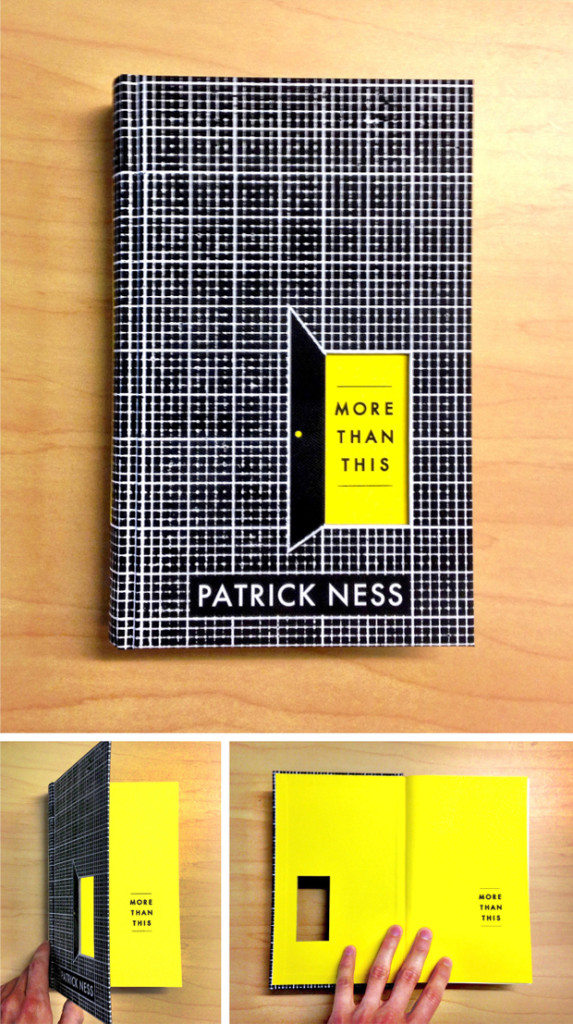
MoreThanThis

What are your favourite kinds of projects to work on?

Anything that’s a little off. As a reader, I like stories where about 75% of what’s going on seems normal and then there’s this gray space remaining where something unexpected/bizarre/weird is happening. It’s why I like books like The Prestige, Jonathan Strange and Mr. Norrell, A Tale for the Time Being, and the TV show LOST. So story-wise, those are projects I get the most excited about. Also, anytime a book is part of Launch (the titles that the publisher is really pumped about) because that ultimately means they’re willing to try different things to set the book apart. Whether it’s a die-cut through the case for More Than This, or a ¾ jacket wrapped around a printed case, or stamping the entire design in foil, I enjoy playing with the materials in new ways.

Who are some of your design heroes?

Chip Kidd, Jonathan Gray, Peter Mendelsund. Their designs are always interesting, unique and more often than not, little works of art.

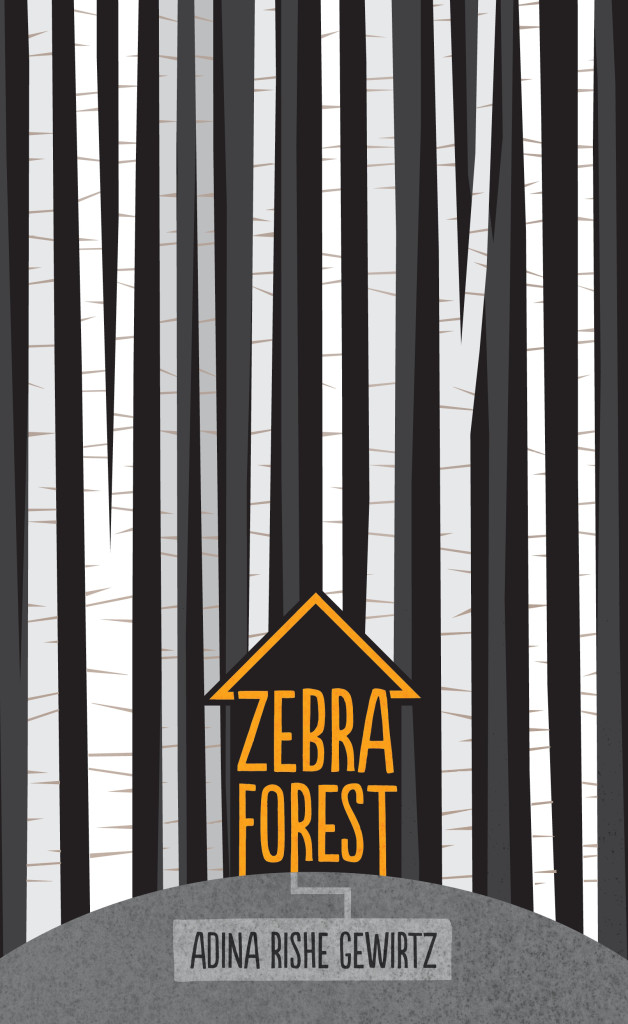
zebra-forest

Who else do you think is doing interesting work right now?

Will Staehle and Oliver Munday. They are two people that whenever I see their name on a book jacket, I’m simultaneously super excited to see a great cover and also maddeningly jealous of their innate talent that makes it look so easy. I haven’t seen a cover of theirs that I don’t like.

Is there a particular author or a book you’d like to design (or redesign!) a cover for?

Hmm, this is tough. I feel like a lot of them I did as part of New Cover back in the day, although I should revisit some of those and the questionable design decisions I made at the time. Some of those author names are in such a tiny point size that I just laugh thinking about it now. I would love to take on a series redesign as it’s something I haven’t gotten the chance to do professionally.

What’s in your ‘to read’ pile?

The Bone Clocks by David Mitchell! I’ve been anticipating this book for a while after reading and falling in love with his novel Cloud Atlas. A coworker was able to grab an ARC of the The Bone Clocks at BEA, so I’m currently immersed in it. I’m also looking forward to the new Murakami book coming out in a few months. And, after numerous people have told me that they can’t believe I haven’t read it yet, The Lost City of Z is the next book I’m reading.

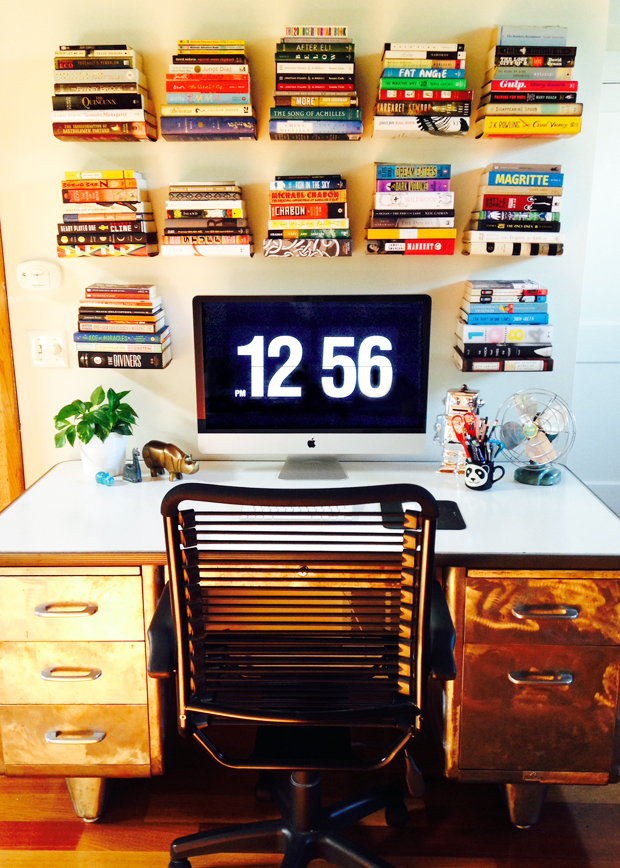
FloatingShelves

Do you have a system for organizing your books?

A few years back, I saw a floating pile of books on a wall in a design store and thought it was genius. Then, like I do with most things, I went overboard and bought 15 of them to hang over my desk. (See photo) They’re perfect for displaying some of my books in a way that’s a little different than normal. I try and fill them with a good mix of books I love and books that are visually amazing, and then put the majority of my other books in these three huge old steel lockers I have. One day, I will have a room with shelves going up every wall and a rolling ladder that I can ride around on like Belle does in the beginning of Beauty and the Beast and then I will truly be happy.

What’s the one book you recommend to everyone?

Cloud Atlas. It’s one where I would pause after reading a sentence and look out the window and contemplate life and just wonder how anyone could possibly be this good at writing. If you only saw the movie and hated it, go read the book. Before that, A Confederacy of Dunces. The dialogue is hysterical and I don’t remember laughing more at a book in my entire life.

PlayForTheCommandant

What does the future hold for book cover design?

I think regardless of how popular ebook readers become, there’s always going to be those titles that people want to buy a physical copy of. Maybe this means, as an industry, we make fewer (but more special) physical versions of books, which I don’t necessarily see as a bad thing. I’m a big believer in quality over quantity and if we want people to buy physical books, they need to be everything that they can’t get in an ebook: the materials should be exceptional, the design should be a work of art, the interior should have (gasp!) well thought out margins. It should be something they want to display. On the flip side, there’s always going to be an audience that only cares about the content. They don’t want stacks of books everywhere, don’t want to lug them around, don’t care (gasp!) about margins. I can understand all of that. But there will still be a need for associating some sort of image with the book. I can’t/don’t want to imagine a future where there’s just a long text list of titles that people choose from with no accompanying visual. When that day comes, you can find me barricaded in my own personal library, muttering to myself as I zoom around on my rolling ladder.

Thanks Matt!

Comments closed

Q & A with Erin Fitzsimmons

House of Ivy and Sorrow

In recent years, I doubt there’s been a greater publishing success story than Young Adult — or ‘YA’ —  fiction.

Sometimes mistakenly described as a genre, YA is actually an age-category roughly ascribed to books across a range of subjects and genres that are suitable for teenagers. Yet, confusingly,  YA is not quite synonymous with ‘Teen Fiction.’ While Teen Fiction is assigned books appropriate for ages 12-17, YA is increasingly used to describe (albeit loosely) fiction intended specifically for older teens and even readers in their 20s and beyond.

In 2012, Publishers Weekly reported that “55% of buyers of works that publishers designate for kids aged 12 to 17… are 18 or older, with the largest segment aged 30 to 44, a group that alone accounted for 28% of YA sales.” If it wasn’t exactly news that grown-ups read books for teens, their willingness to do so openly, and the development of a passionate fan culture driven as much by these adults as teens, has seen a change in the way publishers think about YA and how they package it.

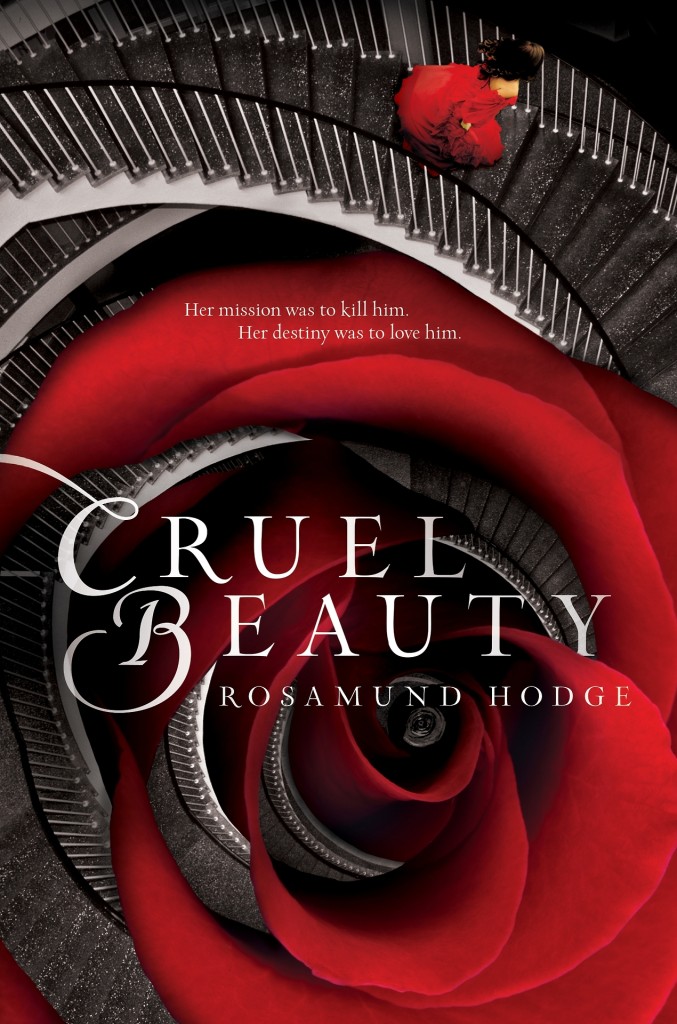
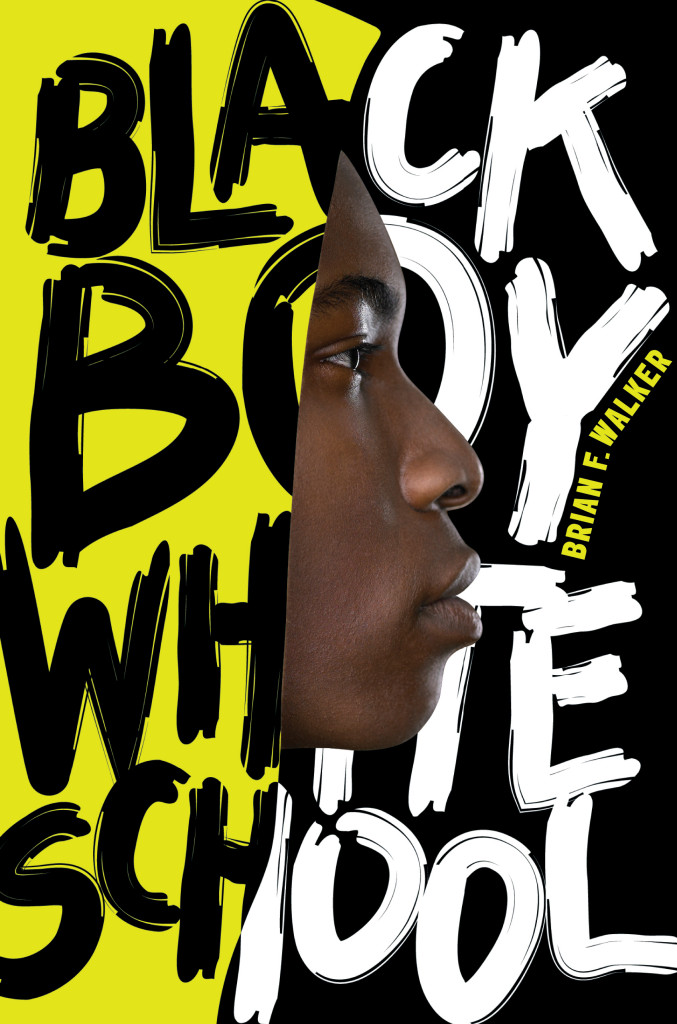
The growing sophistication of YA cover design can be seen in the work of Erin Fitzsimmons, associate art director for HarperTeen in New York. The attention to lettering and typography throughout Erin’s work, notably on the cover of House of Ivy and Sorrow by Natalie Whipple and Tease by Amanda Maciel (see below), convinced me that YA design is something that should be featured here and happily Erin agreed to talk about her work. We corresponded by email.
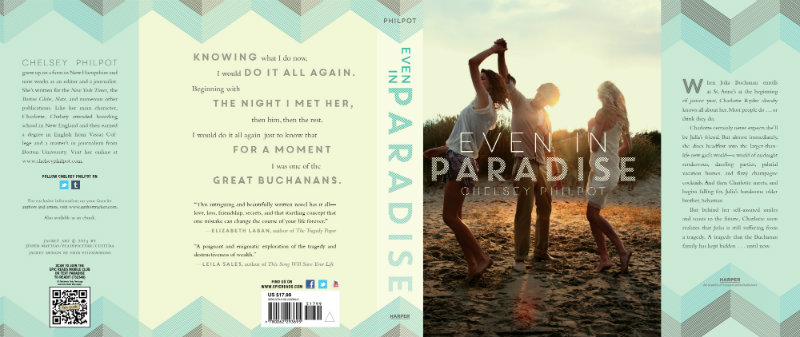
EveninParadise_jacket

Did you read a lot of books growing up?

When I was very young, I memorized my favorite children’s book, We’re Going on a Bear Hunt, so I could “read” it to my little sister. When I was older, I was into all the big chapter and middle-grade series: Goosebumps, Boxcar Children, Sweet Valley High. I must’ve just missed the Harry Potter era. I’m reading them now and they’re incredible.

Do you remember your favourite book as a teenager?

It’s funny—I’ve read far more teen books now than I ever read growing up. As a high school student, you have to do so much required reading for school, I don’t remember reading many books for fun. The book I remember reading most vividly as a teen was Jurassic Park. I went through a Michael Crichton phase, and then skipped straight to John Grisham. I read pretty much his entire library in mass market paperbacks over the course of a few summers.

When did you first become interested in design?

About 7 years ago, I started working in publishing as a photo editor. I went to school for photojournalism, but it wasn’t for me. I was convinced that since I couldn’t hack it as a photographer, I was meant to be a photo editor. Indeed, I was much better at editing, but after a year or so, my Art Director offered me the chance to design a book cover. It was love at first design, and I haven’t looked back since.
cruel-beauty

Is anyone else in your family creative?

Fortunately, my entire immediate family is creative. Both of my parents went to art school, and are supremely more talented than I will ever be. My dad owns an art gallery and frame shop, and my mom is a floral designer. My little sisters are also involved in creative fields: one is an art therapist and the other works at a youth theater when not in college. Thanks to them, I feel very supported in what I do. Even better, I don’t ever have to explain what a book designer does to them! A slightly unfortunate side effect is that simple things like Easter egg dyeing and pumpkin carving can get very competitive in my house.

Did you study design at school?

I desperately wanted to go to art school for photography, but my sage parents suggested I broaden my studies. I was lucky enough to find the Gallatin School at NYU. Gallatin allows you to take classes in all of the undergrad schools at NYU, and there are no traditional majors. So while my concentration was photojournalism, I was able to study communication and jazz history and documentary filmmaking and so forth. The challenge of this type of education was to find the way it all related to storytelling, and I’ve continued that practice in my professional career. I see design as a logical extension of storytelling, as it’s often the method and means through which stories are told. Without my Gallatin education, I might not have been so open to recognizing those relationships and trying new fields. Still to this day I find myself wanting to constantly learn new things. At the moment, it is type design, lettering, and calligraphy, but who knows what’s next.
BlackBoyWhiteSchool

Have you always specialized in young adult books?

My first experience designing books was at Fairchild Books, a small publisher of fashion and interior design textbooks. Even though we published educational books, their designs had to be a bit more stylish than your average textbook. My experience there was very much trial by fire, as I learned everything I could about design and publishing. A few years later I transitioned to HarperCollins, where I started designing mostly Young Adult and Middle Grade/Tween titles.

Can you describe your process for designing a book cover?

It differs from project to project. The basic step-by-step is usually the same: read the book > take notes > sketch/comp ideas > find artists > present > refine > present > (repeat some more…) > finalize! But within there are so many variables. There are a ton of people to please when it comes to a book cover, so that can certainly affect the flow.

Sometimes you’ll have an idea at the very start of the process, and sometimes it won’t come until much later. I tend to work up too many ideas in the early stages, and truth be told, many of my best ideas develop by mistake (or at least from different intentions) so it’s important for me to explore even the crazy/weird/bad ones.

I often find if your concept is good enough from the start, it should survive the rounds and rounds and come out all polished and shiny at the end. I am just finishing up an incredible project where the image I had in my head while reading became a pencil sketch and is now a striking piece of artwork. They can’t all be like that, but it certainly makes up for the rest.

SeptemberGirls

What are your favourite kinds of projects to work on?

I especially like working on stories that are out there and different. In the YA world, there tends to be a lot of repetition: Well, that worked, so let’s do it again, and again… So it’s truly exciting when you read something fresh. As a designer, you can really latch onto what makes the book unique, and focus on those differences to set the cover design apart.

What kinds of books present the greatest creative challenges?

There are a few genres in teen (Dystopian and Sci-Fi/Fantasy, for example) that have been tread upon so heavily that it can be difficult to come up with new and original ideas. Similarly, anything that can be considered trendy at the moment will be more of a challenge to break the mold of what’s been working for other publishers. We can try to resist the trend all we want, but too often in the end, commercial appeal will win out for the teen market. But we will still keep trying to push those boundaries.
Blackout_series

Do you approach series differently from individual cover designs?

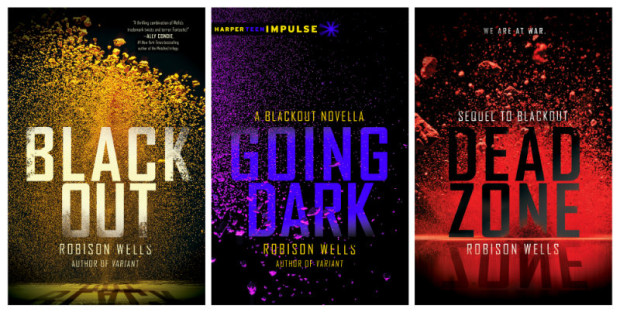
Absolutely. We live in the land of trilogies, so if your idea won’t work three times, it won’t work at all. We often are asked to concept more than one book in a series at once, just to prevent the inevitable frustration if your idea doesn’t carry through. For the upcoming Snow Like Ashes, we designed the entire series from the start. The third book in that series won’t publish until 2016, so it’s a bit crazy to think that far ahead. Blackout was another instance where I found a series of photographs I loved, but I had to be sure from the outset that we could make each cover feel special across a series. Lately they’ve been adding last minute “interstitial” e-novellas to our release in between hardcovers in our bigger series. It might as well be the book design equivalent of a knuckleball.

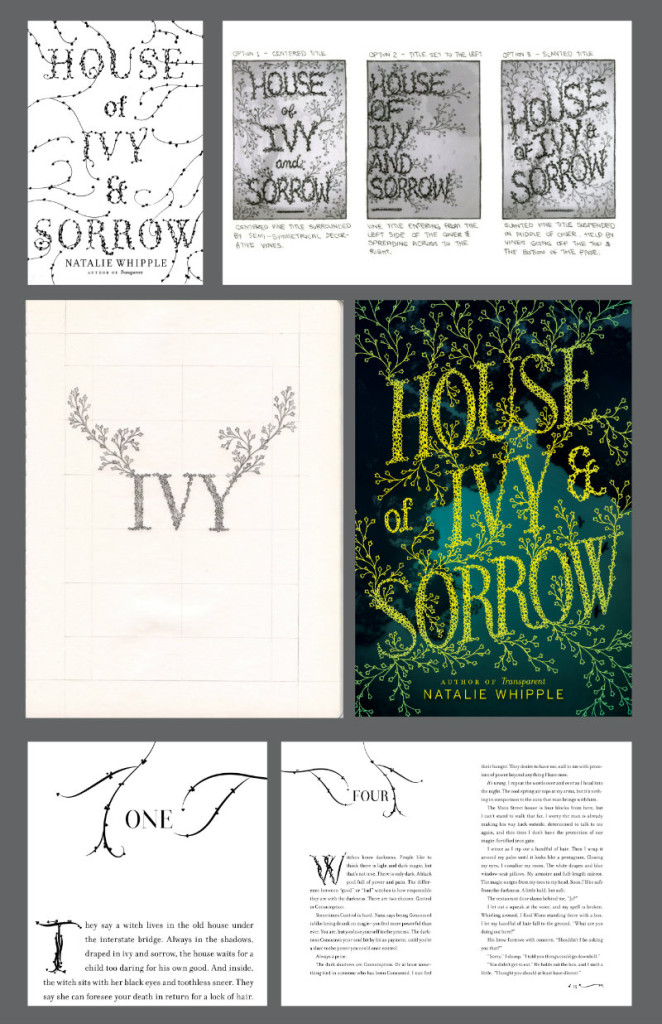
For the cover of House of Ivy and Sorrow by Natalie Whipple you used a custom typeface called Ivy Type. Do you like to experiment with type design and lettering in your work?

I do, and House of Ivy & Sorrow is one of my all-time favorite projects for this reason! I had been sketching ideas for the cover design for weeks, and it just wasn’t working (my lettering skills are still very much in development). Luckily, I was able to hire fellow CooperType grad Sasha Prood to letter and illustrate the final cover. She took it so much further than I ever could have on my own. I am so grateful to get to work with incredible artists like her that make my ideas better.

The upside was that since we design both the book covers and interiors, I was able to digitize my lettering and create a character set to use for the interior design drop caps, so all was not lost in the end. I’ve created a couple of custom faces for book interiors I’ve worked on, and lately I’ve been doing a lot more hand-lettering for covers. It’s definitely something I want to keep exploring and improving upon.
HouseofIvy&Sorrow_process

Is the popularity of teen fiction among adults allowing you to create more sophisticated designs? Or is there just more pressure now on designers to produce commercial covers? 

It might be a bit of both, actually! I started in teen right as the Twilight phase was ending and Dystopian era was beginning, and so began the rise (and return) of more sophisticated subject matters. Realistic fiction has always been a staple of teen fiction, but the sheer popularity of authors like John Green and Rainbow Rowell has pushed it to the extreme in recent years. More adults are reading teen books, and therefore the covers have begun to mature along with their readers. There was also a time where sophisticated did not equal commercial. It’s wild how much that has shifted in just a few years. The lines are starting to blur and overlap, and I see it even in the adult section. It’s so fascinating to be a part of.

Cover designs are obviously important to YA readers, and ‘cover reveals’ have become common for big releases. But are YA covers still an under-appreciated art in the industry?

The cover reveal has taken on a life of its own. The popularity of Goodreads and the plethora of YA blogs has created the need for most authors to reveal their covers in advance of the catalog posting. It used to be only the lead titles were revealed, but now almost every cover ends up with the same fanfare. And with that fanfare comes scrutiny. There are entire blog posts dedicated to covers they like or don’t like. But between the reveals and the rising popularity of the teen genre, we’ve all been pushed to make better covers, and the results have been fantastic. YA covers used to be automatically looked down upon, but that is changing (slowly, but surely). And hopefully it continues to shift. I’d love to hire more adult designers to get their perspective on our genre. I also think a lot of people would be surprised at how much work goes into these covers. There are an ever growing number of talented folks working in teen design.
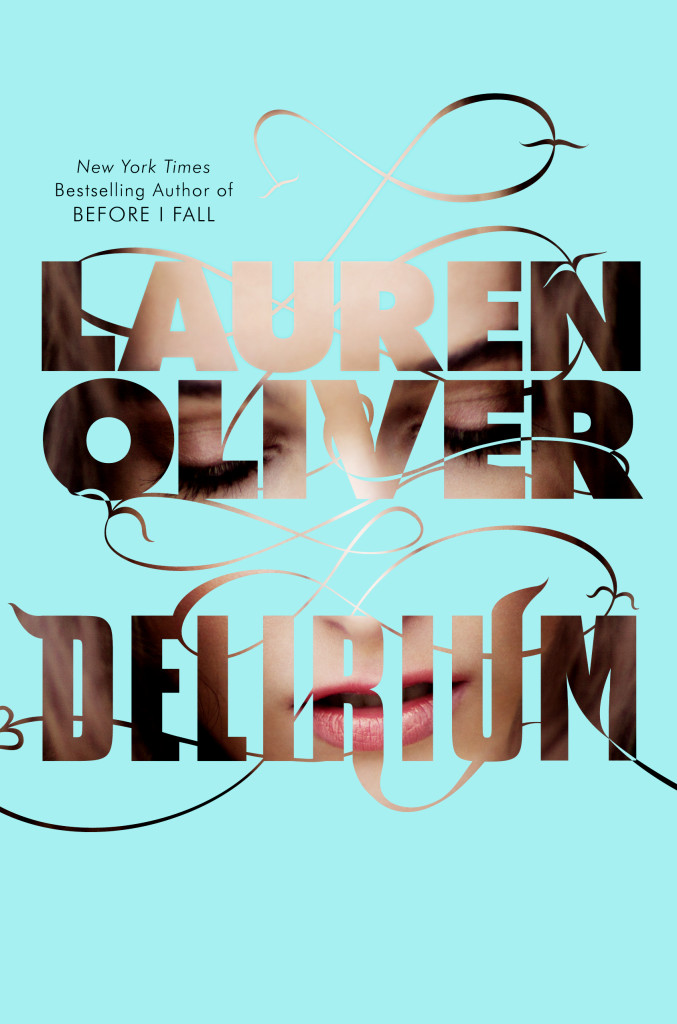
Delirium

Who are some of your design heroes?

Paula Scher, Peter Mendelsund, Louise Fili, Marian Bantjes, Chip Kidd, John Gall, Barbara deWilde.

Who do you think is doing interesting work right now?

Book design: Ray Shappell, Jen Heuer, Lucy Ruth Cummins, Jaya Miceli, Helen Yentus, Jon Gray, Theresa Evangelista, Olga Grlic, Elena Giavaldi, Oliver Munday.

Type/lettering/design: Dan Cassaro, Sasha Prood, Sean Freeman, Craig Ward, Isabel Urbina, I Love Dust, Kellerhouse.
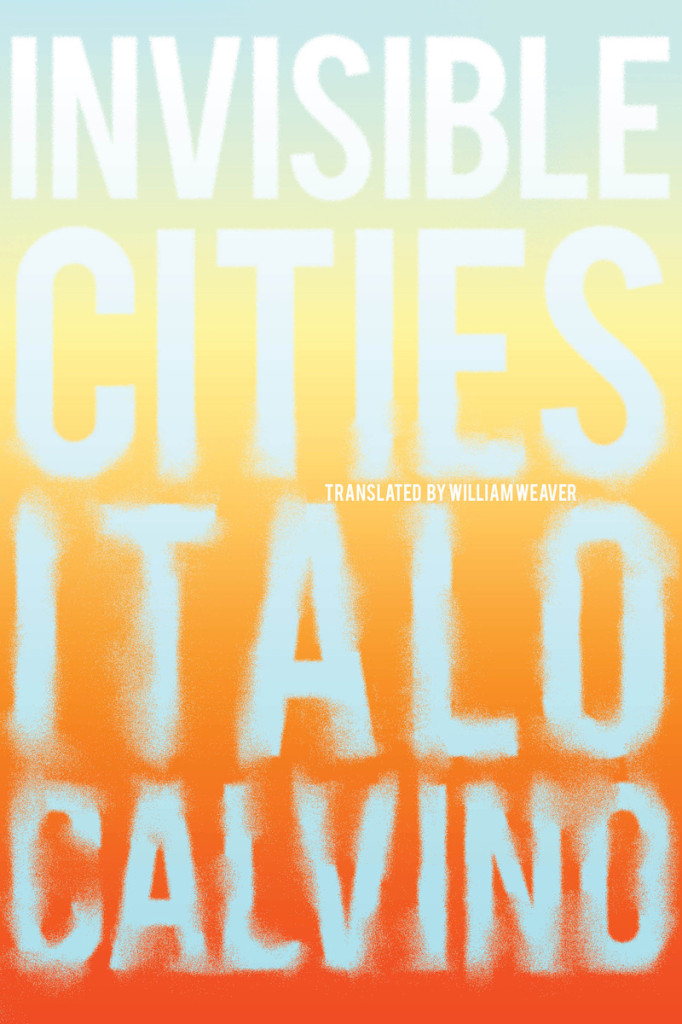
InvisibleCities

Is there a particular author or a book you’d like to design (or redesign!) a cover for?

Italo Calvino would be a dream, though I fear Peter Mendelsund might have dibs! Maybe the next repackage?

I designed a cover for Invisible Cities for an SVA Continuing Ed typography class that I still really like, but I’d love to take another swing at it, along with the rest of his work.

What‘s in your ‘to read’ pile?

I am halfway through two epic series: Harry Potter and Game of Thrones, Italo Calvino’s Letters, Wildwood by Colin Meloy and Carson Ellis, The Luminaries, Claire DeWitt and the Bohemian Highway.

Do you have system for organizing your books?

Most of our design and photography books are in the living room, but the rest of our (far too many) books are in the bedroom. We have a large white bookcase in there, and most of our décor is gray and white, so I spent way too long arranging the books in a rainbow spectrum. It’s not the most functional way, but it sure looks pretty and it’s forced me to pay a lot more attention to spine design.

Do you have a favourite book?

Invisible Cities. I read it first in college and have read it countless times since. There’s always something new to discover.
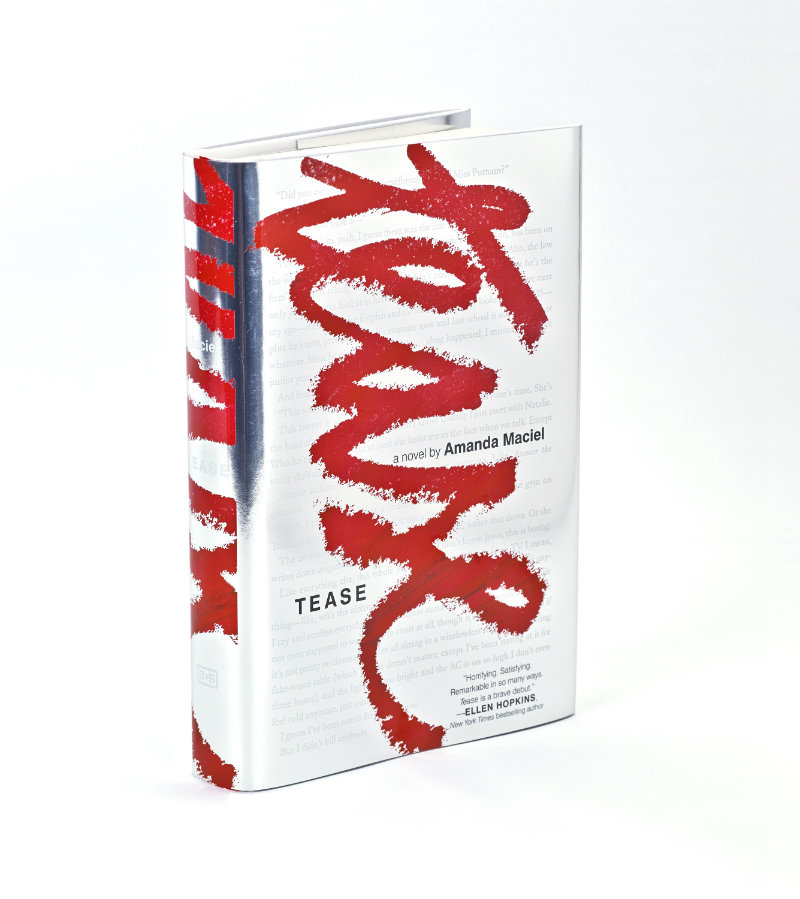
Tease_3D_rev

What does the future hold for book cover design?

Innovative and interactive packaging, a focus on book as object, and (hopefully) a continual blurring of the lines between adult and teen design.
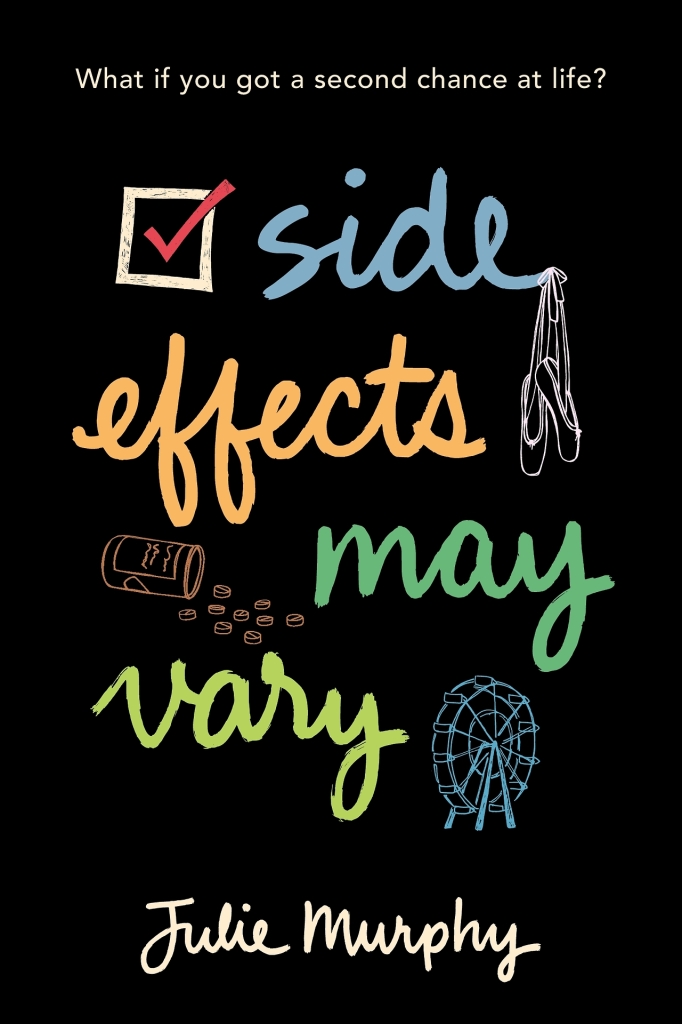
Thank you, Erin!

1 Comment