Skip to content

Tag: thomas pynchon

The Master Director: Paul Thomas Anderson


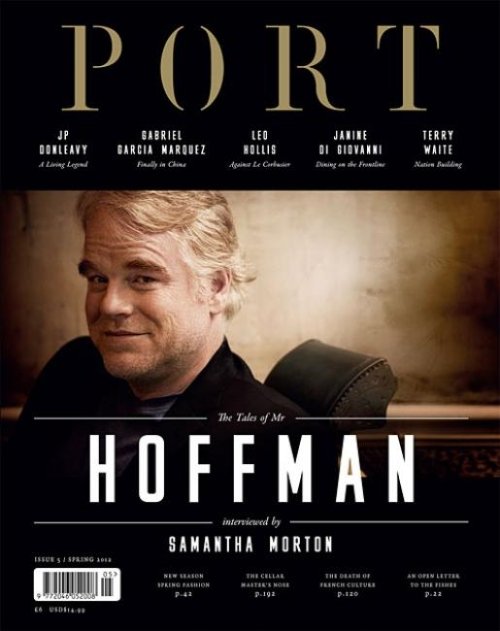
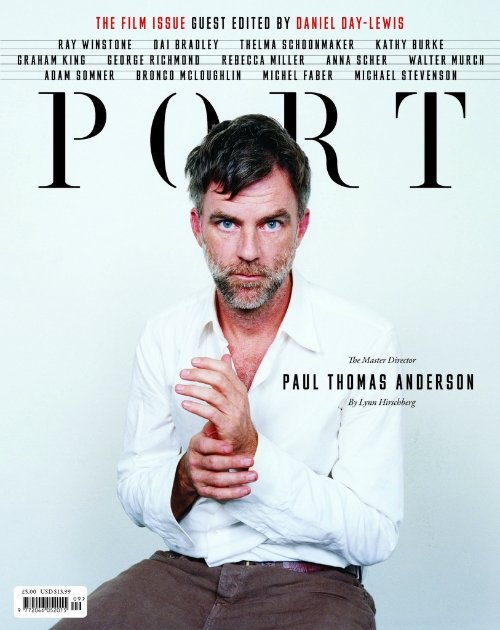
Port magazine has just made Lynn Hirschberg’s interview with filmmaker Paul Thomas Anderson from their Spring issue available on online:

The Master is not supposed to be a riddle,” he said, when I asked him if he intentionally made the film hard to embrace. “It’s not meant to be medicine. It’s not meant to be something that you have to work hard at deciphering. It’s a same old – same old story presented in a new way. It’s about Freddie and Dodd’s love for each other, what it means to be a master and a subject and vice versa. I don’t find it particularly difficult, but maybe it’s operator error.” Anderson paused and then smiled. “Meaning maybe it is my fault, but fuck it.”

Interestingly, Anderson’s next film is a Thomas Pynchon adaptation:

Anderson seems to move on faster now, although he may not be dwelling on the complex reaction to The Master because he is in the midst of pre-production on his next movie. It’s an adaptation of Thomas Pynchon’s 2009 novel Inherent Vice that is set to begin filming in late spring. This is the first screenplay of a Pynchon novel that the author, who is known for his literary pyrotechnics and his mysterious, reclusive nature, has authorised. The book, which is set in the late 60s and early 70s, centres on a counterculture detective that, reportedly, will be played by Joaquin Phoenix, but Anderson would not discuss any aspect of his new project. “I have always loved his work,” Anderson said, not even willing to voice Pynchon’s name. When I peppered him with questions, he shook his head no, with a stubborn half-smile.

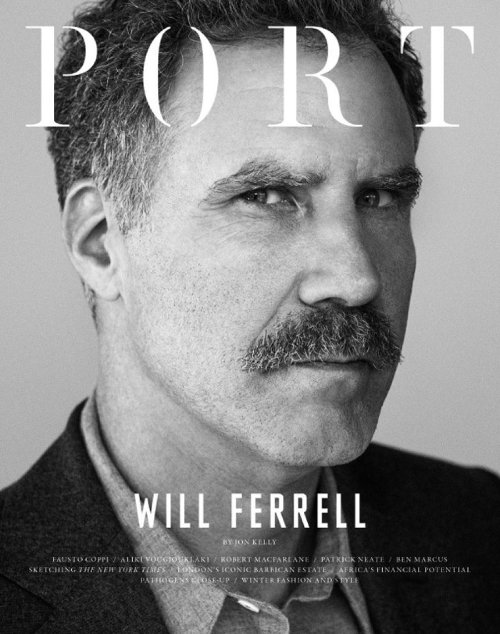
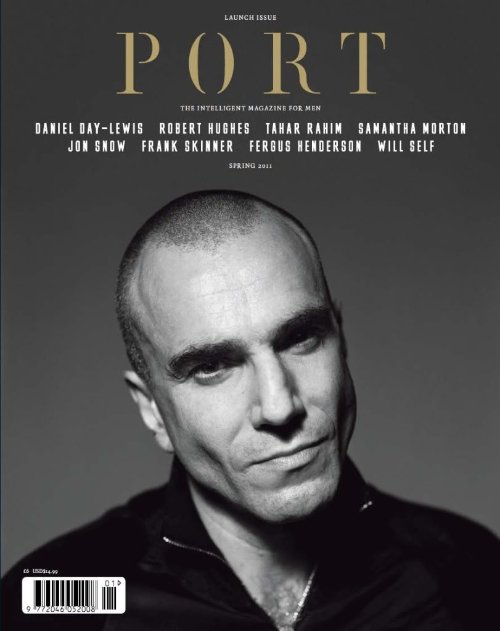
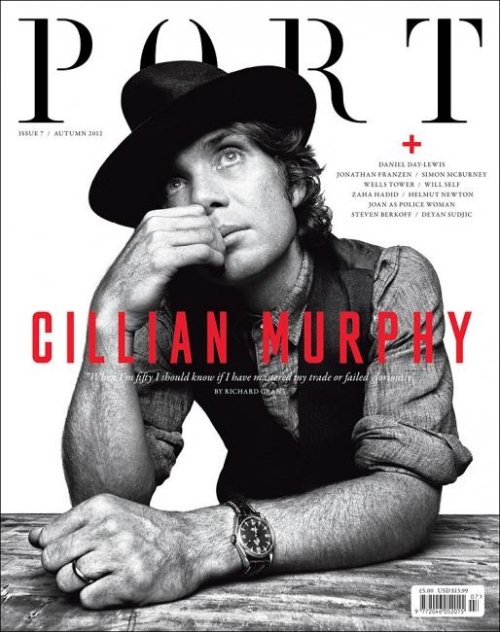
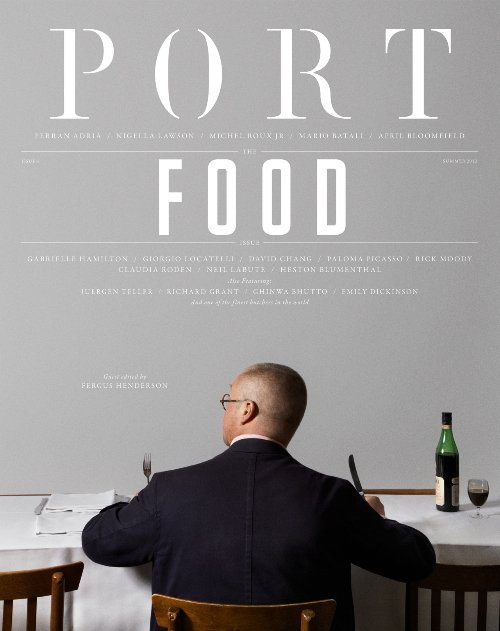
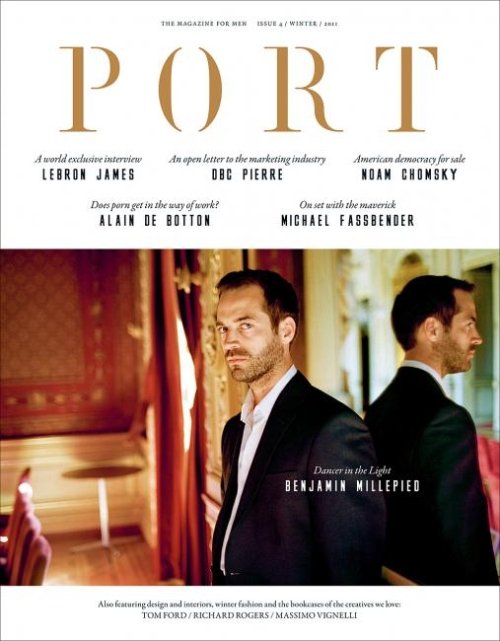
And if Stefan Ruiz’s photographs of Anderson haven’t convinced you that Port is beautifully looking magazine here are a few covers:
Long may it continue.

Comments closed

Midweek Miscellany

A fantastic new cover for the Vintage (UK) edition of Gravity’s Rainbow by Thomas Pynchon, designed by Matt Broughton (via the Vintage Books design Tumblr CMYK)

CTRL+C; CTRL+P — Music critic Simon Reynolds, author of Retromania, on remix culture and ‘recreativity’ at Slate:

Recreativity has many proponents and represents a wide spectrum of opinion. Still, it’s striking how easily some of these critics and theorists glide from relatively sensible talk about the role of appropriation and allusion in art to sweeping claims of an ontological or biological nature. They seem so confident. How they can be certain that nobody has ever just come up with some totally new idea, ex nihilo? The remixed nature of everything (not new) under the sun has become an article of faith. Impossible to prove, these assertions tell us way more about our current horizons of thought and our cultural predicament than they do about the nature of creativity or the history of art.

The A.V. Club list their 50 best films of the ’90s. (Their list of their most-hated movies is here).

Picture This — Cartoonist Adrian Tomine discusses his work and his new book New York Drawings with the The Paris Review:

If you were to go back in time and talk to the people who invented cartooning, and were doing it for newspapers, and told them that there were going to be guys who were going to do twenty-four-page long stories, they would think that was a strange use of the medium. And if you then said, they’re going to try and inject that with a singular vision and personal experience and do six-hundred-page long stories—I mean, their heads would have exploded.

See also: Adrian on his first cover for The New Yorker at the The Thought Fox, the blog of his UK publisher Faber & Faber.

And Finally…

Speaking of The Paris Review, an interview with editor Lorin Stein at the LA Review of Books:

The tradition of discovering new writers makes it easy to go out and find stuff that excites me, and at the same time feels of a piece with the history… To me it’s like that line in the great Italian novel, Lampedusa’s The Leopard. If you want things to stay the same, everything’s going to have to change. Nowadays we have to exist in the digital world if we don’t want to be strictly of the digital world.

2 Comments

Something for the Weekend

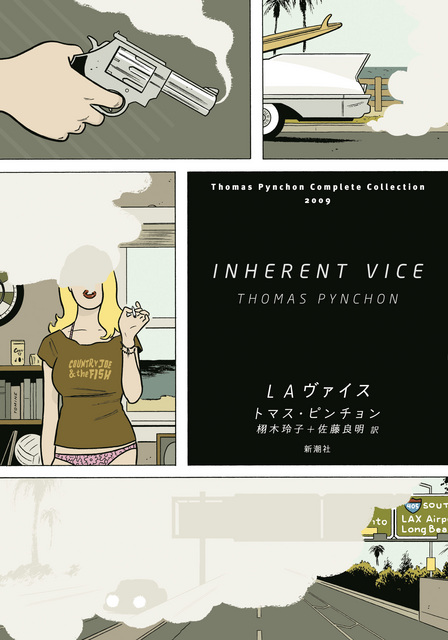
Cover illustration by Adrian Tomine for the Japanese edition of Inherent Vice by Thomas Pynchon, published by Shinchosha Publishing.

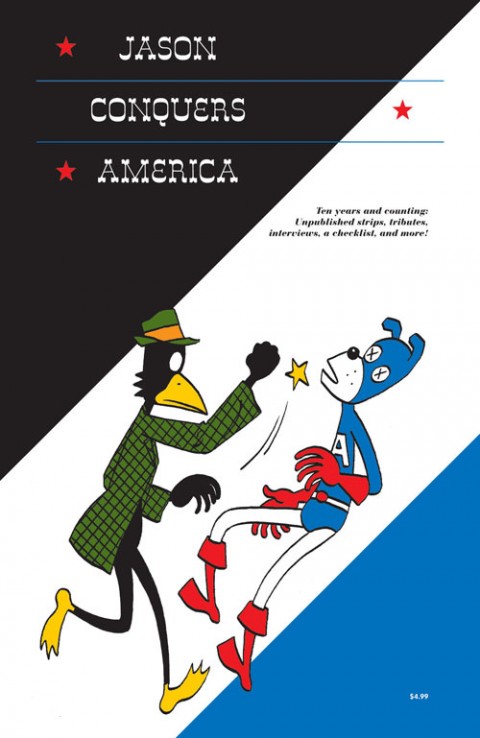
The Darkness — Norwegian cartoonist Jason profiled in The National Post:

“A comedy that has some darkness, like The Apartment, is more appealing than if it’s just fluff. Ingmar Bergman’s best film, to me, is Fanny and Alexander, that is dark, like many of his early films, but there is a joy also, an affirmation of life,” he continues. “Darkness just for being dark doesn’t interest me that much. … I prefer the vitality of something that isn’t perfect.”

Jason will be at the Toronto Comic Arts Festival this weekend, and you can read my Q & A with him here.

Bam… Bam… Bam… David L. Ulin, writing at the LA Times, on interviewing William S. Burroughs:

“Life is a cutup,” Burroughs says about halfway through his conversation with Ginsberg, referring to his technique of bisecting pieces of text and reconfiguring them as collages, letting the juxtapositions create a meaning that transcends traditional narrative. “And to pretend that you write or paint in a timeless vacuum is just simply … not … true, not in accord with the facts of human perception.”

Yes, yes, I found myself thinking, not least because four years later, Burroughs had said virtually the same thing to me. “Life is a goddamn cutup,” is how he put it. “Every time you look out the window, or answer the phone, your consciousness is being cut by random factors. Walk down the street — bam, bam, bam…. And it’s closer to the facts of your own perception, that’s the point.”

Ulin is referring to a conversation between Allen Ginsburg and Burroughs recently published in Sensitive Skin magazine.

And finally…

A Deadman’s Masterpiece — Gabriel Winslow-Yost on Tarkovovsky’s movie Stalker, the Chernobyl disaster, and the S.T.A.L.K.E.R. series of video games, for the NYRB:

The Zone in the video games is a beautifully dangerous place, bigger and grimmer than Tarkovsky’s, but somehow still appropriate. There are plenty of long, tense walks through damp weather or empty, creaking tunnels. Packs of dogs wander the landscape, ruined farmhouses give shelter from the rain; here and there the ground ripples strangely. Stalkers gather around campfires, bandits take potshots at passersby, and a man lies wounded in a ditch, begging for help. Watching Stalker, one is occasionally brought up short by remembering that it was not filmed in Chernobyl, so perfect an analogue does that event seem for the film’s images of technology and nature, beauty and danger in strange alliance. The games, at their best, can seem like a sort of miracle: a dead man’s masterpiece, come home at last.

Comments closed