Skip to content

Tag: teen fiction

Notable YA Covers of 2020

My first post of 2021 is a look back at some of the young adult covers that caught my eye last year. I’m sure that I have missed a lot of great work (waves hands at everything that went on in 2020), so apologies if your favourites aren’t here. Happy New Year!

Agnes at the End of the World by Kelly McWilliams; design by Marcie Lawrence and Jenny Kimura; illustration by Tom Bagshaw (Little, Brown Books for Young Readers / June 2020)

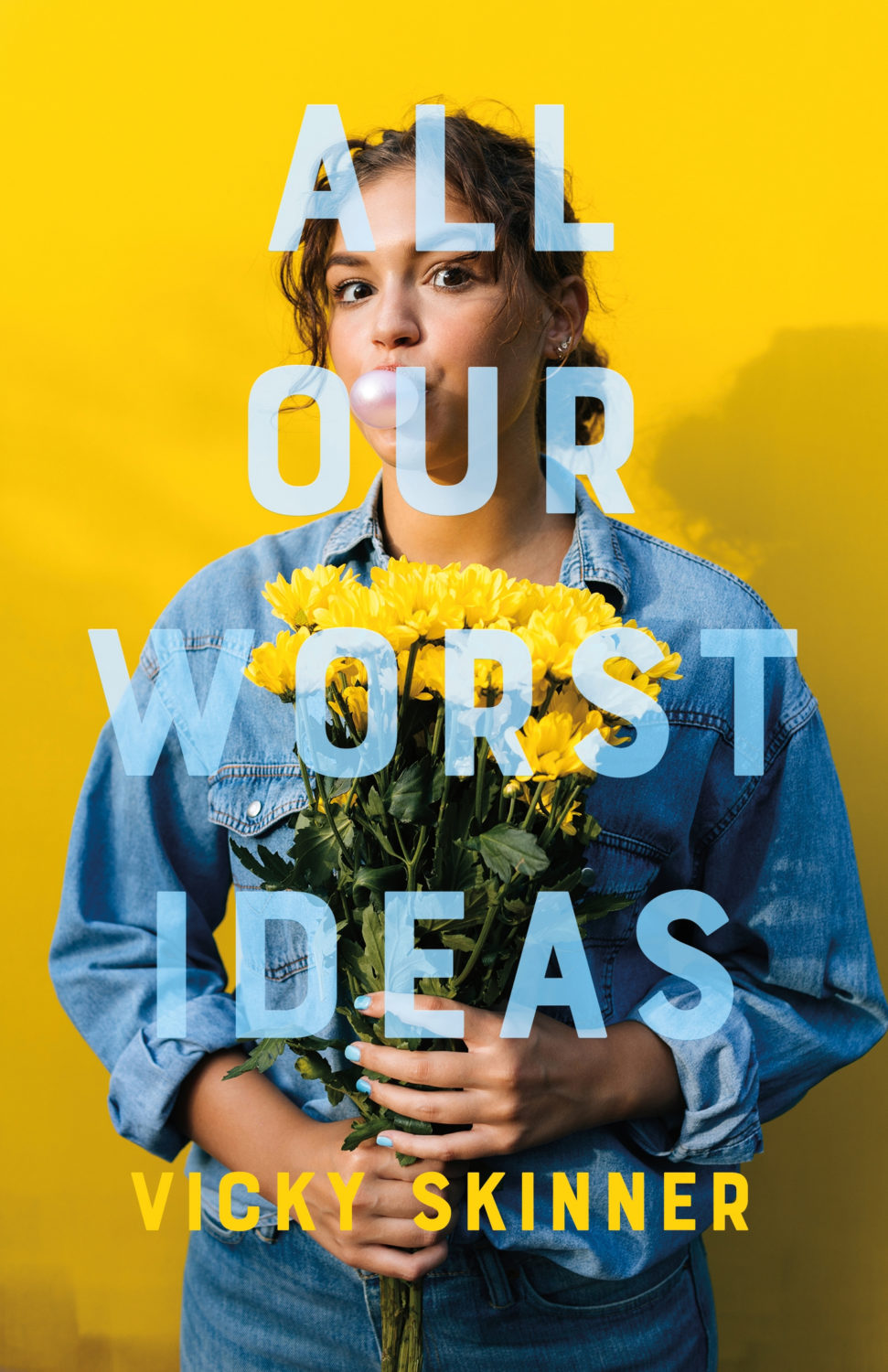
All Our Worst Ideas by Vicky Skinner; design by Katie Klimowicz (Swoon Reads / August 2020)

Before the Ever After by Jacqueline Woodson; design by Theresa Evangelista; illustration by Stephanie Singleton (Nancy Paulsen Books / September 2020)

Black Canary: Breaking Silence by Alexandra Monir; design by Regina Flath; illustration by Jen Bartel (Random House Books for Young Readers / December 2020)

Black Girl Unlimited by Echo Brown; design by Carol Ly; illustration by Noa Denmon (Henry Holt & Company / January 2020)

The Burning by Laura Bates; design by Philip Pascuzzo (Sourcebooks Fire / April 2020)

Cemetery Boys by Aiden Thomas; design Liz Dresner; illustration by Mars Lauderbaugh (Swoon Reads / September 2020)

Clap When You Land by Elizabeth Acevedo; design by Erin Fitzsimmons; illustration by Bijou Karman (Quill Tree Books / May 2020)

Cloak of Night by Evelyn Skye; design by Alice Wang; illustration by DOFRESH; lettering by Vasava (Balzer + Bray / February 2020)

Coming Up For Air by Nicole B. Tyndall; design by Casey Moses; art by Pedro Tapa (Delacorte Press / December 2020)

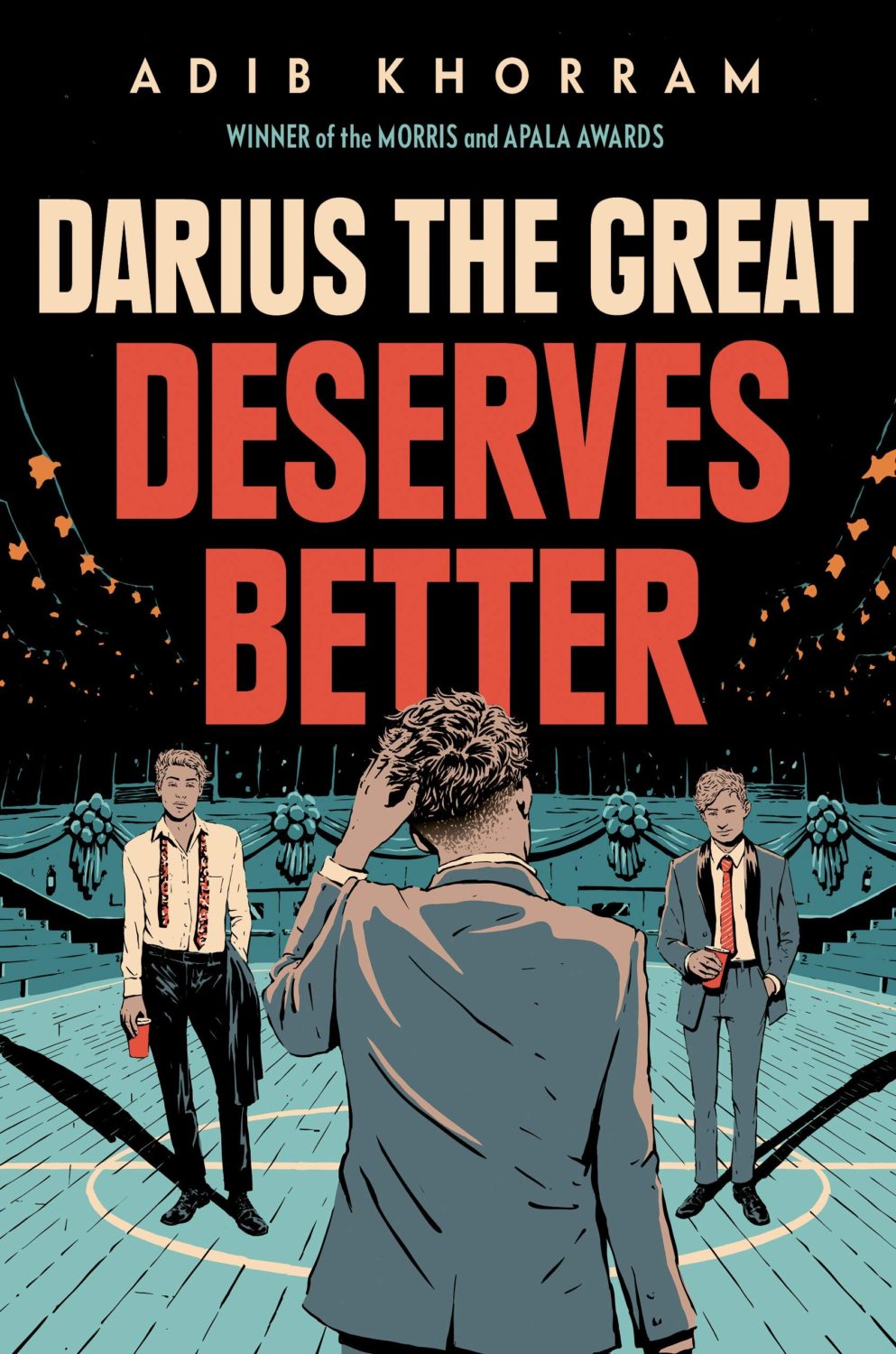
Darius the Great Deserves Better by Adib Khorram; design by Samira Iravani; illustration by Adams Carvalho (Dial / August 2020)

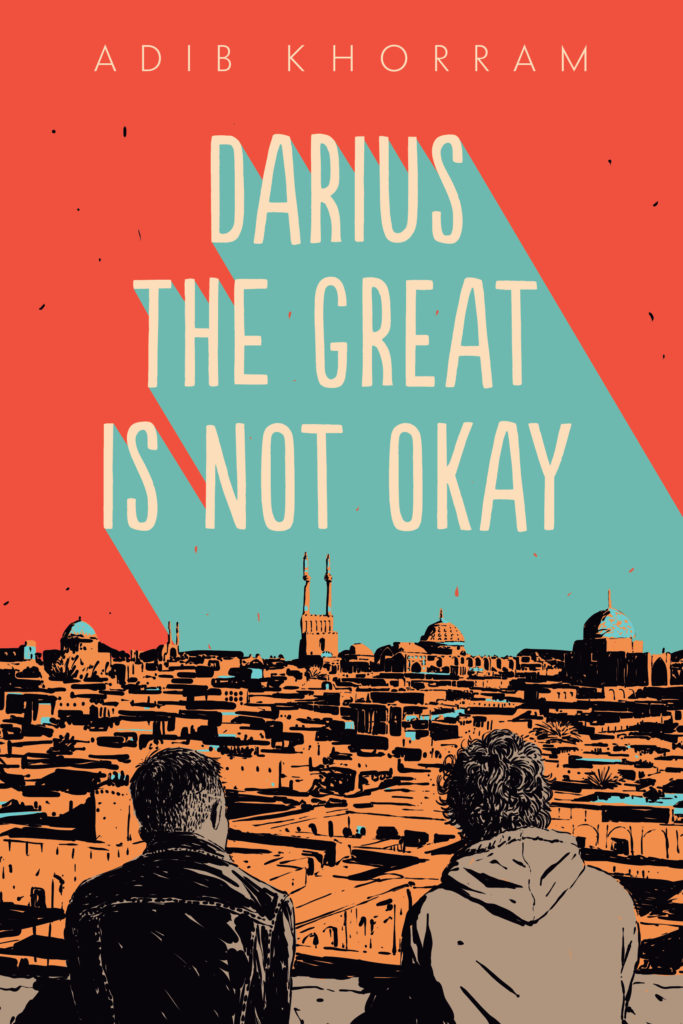
The same team also created the cover for Darius the Great is Not Okay:

The Easy Part of Impossible by Sarah Tomp; design by David DeWitt; art by Samantha French (HarperTeen / April 2020)

Everything Sad is Untrue by Daniel Nayeri; art direction by Elizabeth Parisi; illustration by David Curtis (Levine Querido / August 2020)

Fable by Adrienne Young; design by Kerri Resnick; photograph by Sveltana Belyaeva (Wednesday Books / September 2020)

Felix Ever After by Kacen Callender; design by Chris Kwon; illustration by Alex Cabal (Balzer + Bray / May 2020)

Forest of Souls by Lori M. Lee; design by Laura Benton; illustration by Charlie Bowater (Page Street Kids / June 2020)

Furia by Yamile Saied Méndez; design by Laura Williams; illustration by Rachelle Baker (Algonquin Young Readers / September 2020)

The Good Girls by Claire Eliza Bartlett; design Diana Sousa; Illustration by Kaethe Butcher (HarperTeen / December 2020)

Goodbye from Nowhere by Sara Zarr; design by Alice Wang (Balzer + Bray / April 2020)

Grief Angels by David Owen; design by Leo Nickolls (Atom / March 2020)

Grown by Tiffany D. Jackson; design by Erin Fitzsimmons; illustration by Rachelle Baker (Katherine Tegen Books / September 2020)

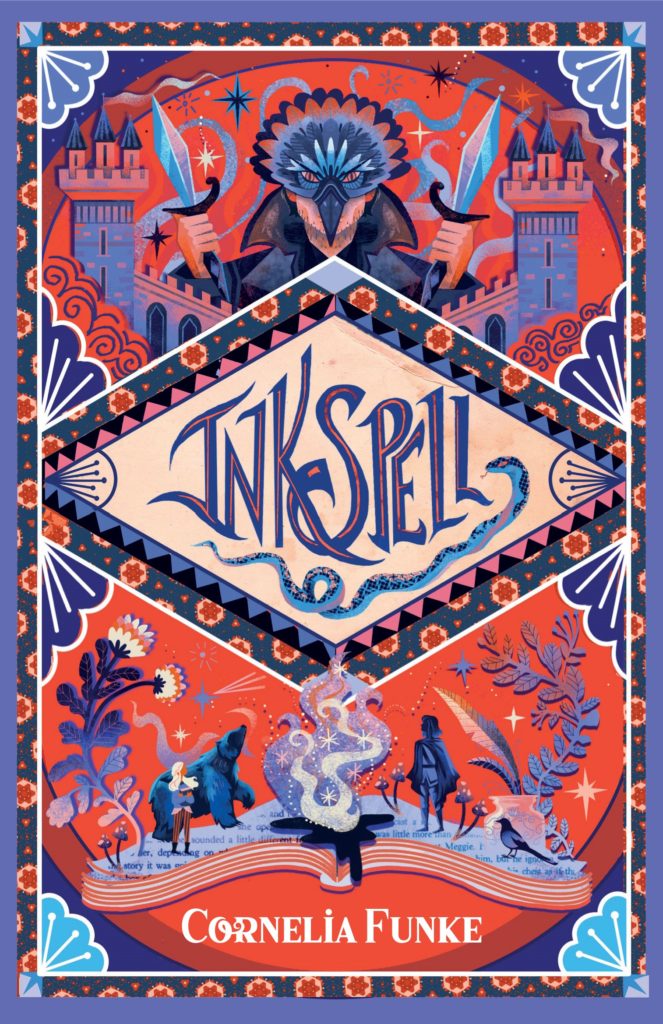
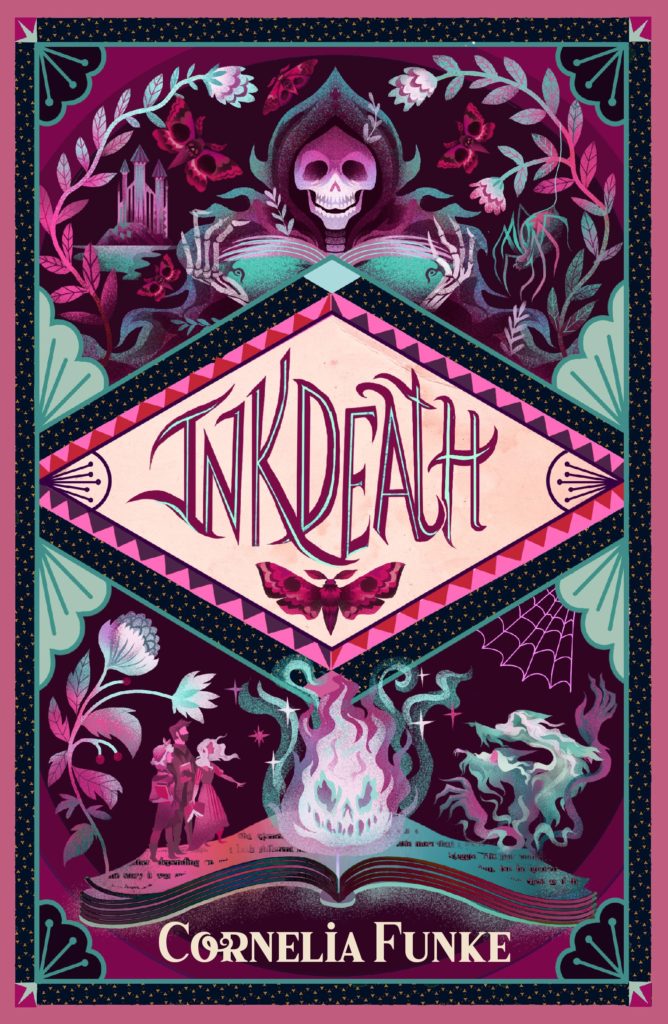
Inkheart by Cornelia Funke; cover art by Karl J Mountford (Chicken House / April 2020)

It’s My Life by Stacie Ramey; design by Kerri Resnick (Sourcebooks Fire / January 2020)

The Kingdom of Back by Marie Lu; design by Kristie Radwilowicz; illustration by David Curtis (G.P. Putnam’s Sons Books for Young Readers / March 2020)

Lobizona by Romina Garber; design by Kerri Resnick; illustation by Daria Hlazatova (Wednesday Books / August 2020)

Nobody Knows But You by Anica Mrose Rissi; design by Molly Fehr; illustration by Hokyoung Kim (Quill Tree Books / September 2020)

Not So Pure and Simple by Lamar Giles; design by Molly Fehr; illustration by Jor Ros (Quill Tree Books / January 2020)

Sasha Masha by Agnes Borinsky; design by Cassie Gonzalez; illustration by Carolina Rodriguez Fuenmayor (Farrar, Straus and Giroux / November 2020)

Seasons of the Storm by Elle Cosimano; design by Jenna Stempel-Lobell; art by Pauline Boiteux (HarperTeen / June 2020)

See No Color by Shannon Gibney; design by Chelsea Hunter; illustration by Bee Johnson (Holiday House / July 2020)

Shielded by KayLynn Flanders; design by Regina Flath; art by Alex Dos Diaz (Delacorte / July 2020)

The Silence of Bones by June Hur; design by Katie Klimowicz; art by Kasiq Jungwoo (Feiwel & Friends / April 2020)

Smash It by Francina Simone; design by Gigi Lau; illustration by Benjamin Wachenje (Inkyard Press / September 2020)

A Song of Wraiths and Ruin by Roseanne A. Brown; design by Jessie Gang; art by Tawny Chatmon; lettering by Martina Flor (Balzer + Bray / June 2020)

The Stepping Off Place by Cameron Kelly Rosenblum; design by Catherine San Juan; Illustration by Michaela Goade (Quill Tree Books / July 2020)

The Sullivan Sisters by Kathryn Ormsbee; design by Chloë Foglia; Illustration by Pedro Tapa; lettering by Danielle Davis (Simon & Schuster Books for Young Readers / June 2020)

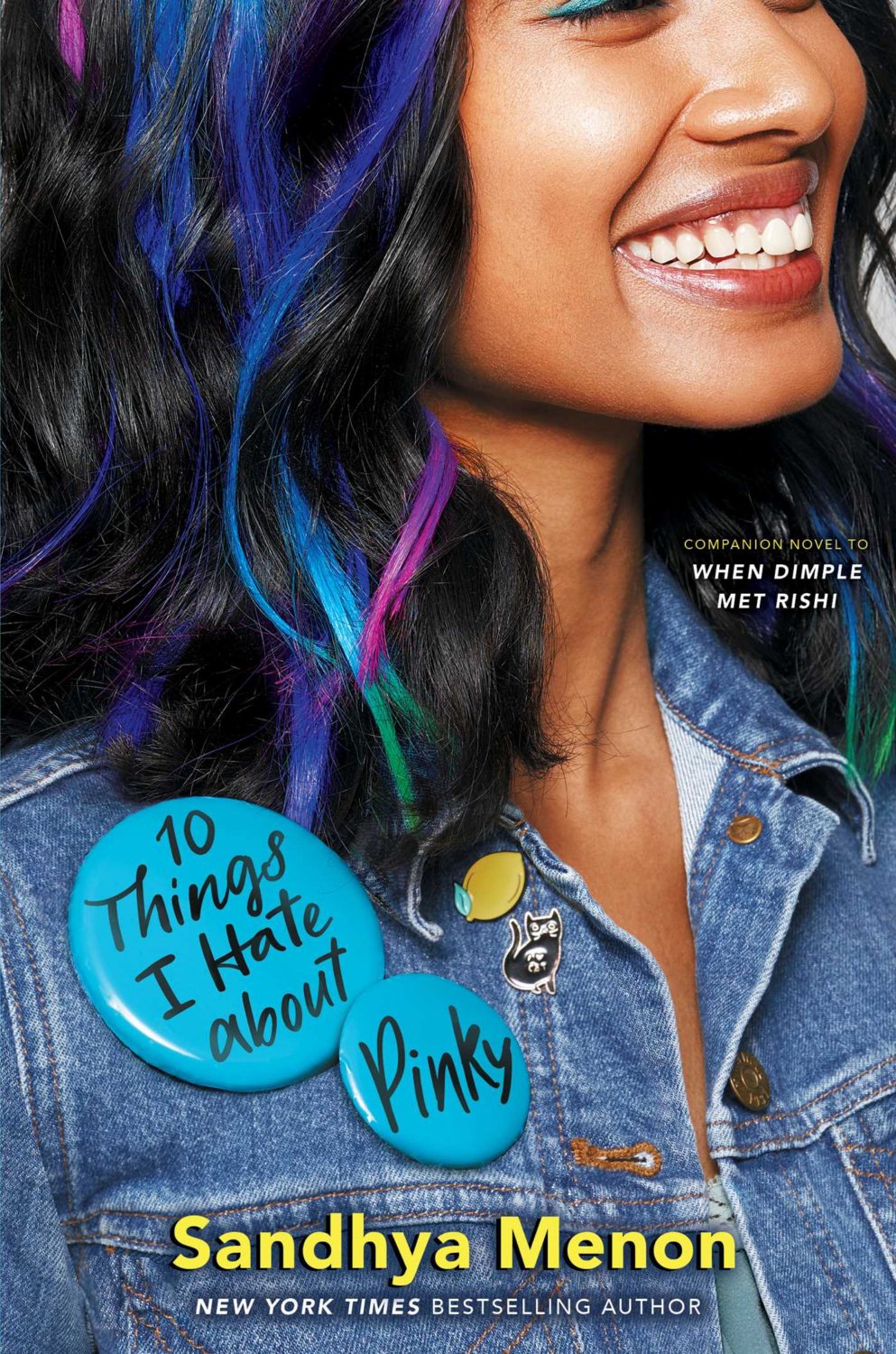
Ten Things I Hate About Pinky by Sandhya Menon; design by Sarah Creech; photograph by Jacob Pritchard (Simon Pulse / July 2020)

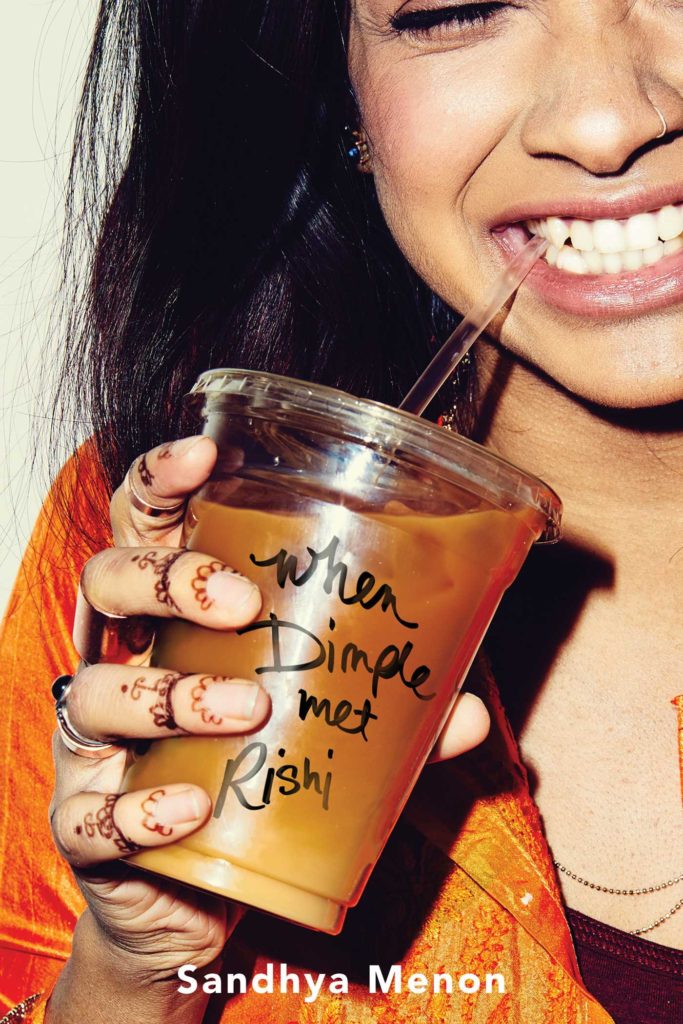
I think this works well with the covers for Menon’s previous books, especially 2017’s When Dimple Met Rishi, designed by Regina Flath.

These Vengeful Hearts by Katherin Laurin; design Elita Sidiropoulou (Inkyard Press / September 2020)

This is Not a Ghost Story by Andrea Portes; design by Alice Wang; illustration by Francesco Bongiorni (HarperTeen / November 2020)

Tigers Not Daughters by Samantha Mabry; design Laura Williams; art and lettering by Beatriz Ramo / Naranjalidad (Algonquin Young Readers / March 2020)

Traitor by Amanda McCrina; design by Faceout Studio (Farrar, Straus and Giroux / August 2020)

Watch Over Me by Nina Lacour; design by Samira Iravani; illustration by Pippa Young (Dutton / September 2020)

The Whitsun Daughters by Carrie Mesrobian ; design by Samira Iravani; lettering by Maricor/Maricar (Dutton / August 2020)

A Wicked Magic by Sasha Laurens; design by Dana Li (Razorbill / July 2020)

Winter, White and Wicked by Shannon Dittemore; design by Hana Anouk Nakamura; illustration by Ruben Ireland (Amulet / October 2020)

The Year After You by Nina de Pass; design Casey Moses; art by Elena Pancorbo (Delacorte / March 2020)

Comments closed

Notable YA Book Covers of 2016

Hot on the heels of my annual covers post, here is my look back at the year’s young adult book covers. As in previous years, this list is a somewhat crowd-sourced affair, so I must thank all the designers and Twitter-folk who made suggestions and helped in various others ways. I’ve tried my best to credit the designs as fully as possible, but please let me know if there are any errors or omissions.

aluta-illustration-shonagh-rae-ad-michael-solomon
Aluta by Adwoa Badoe; design Michael Solomon; cover art Shonagh Rae (Groundwood / September 2016)

American Girls by Alison Umminger; design by Philip Pascuzzo (Flat Iron / June 2016)

American Girls by Alison Umminger; design by Philip Pascuzzo (Flatiron / June 2016)

and-i-darken-cover-art-alessandro-taini
And I Darken by Kiersten White; cover art by Alessandro Taini (Corgi / July 2016)

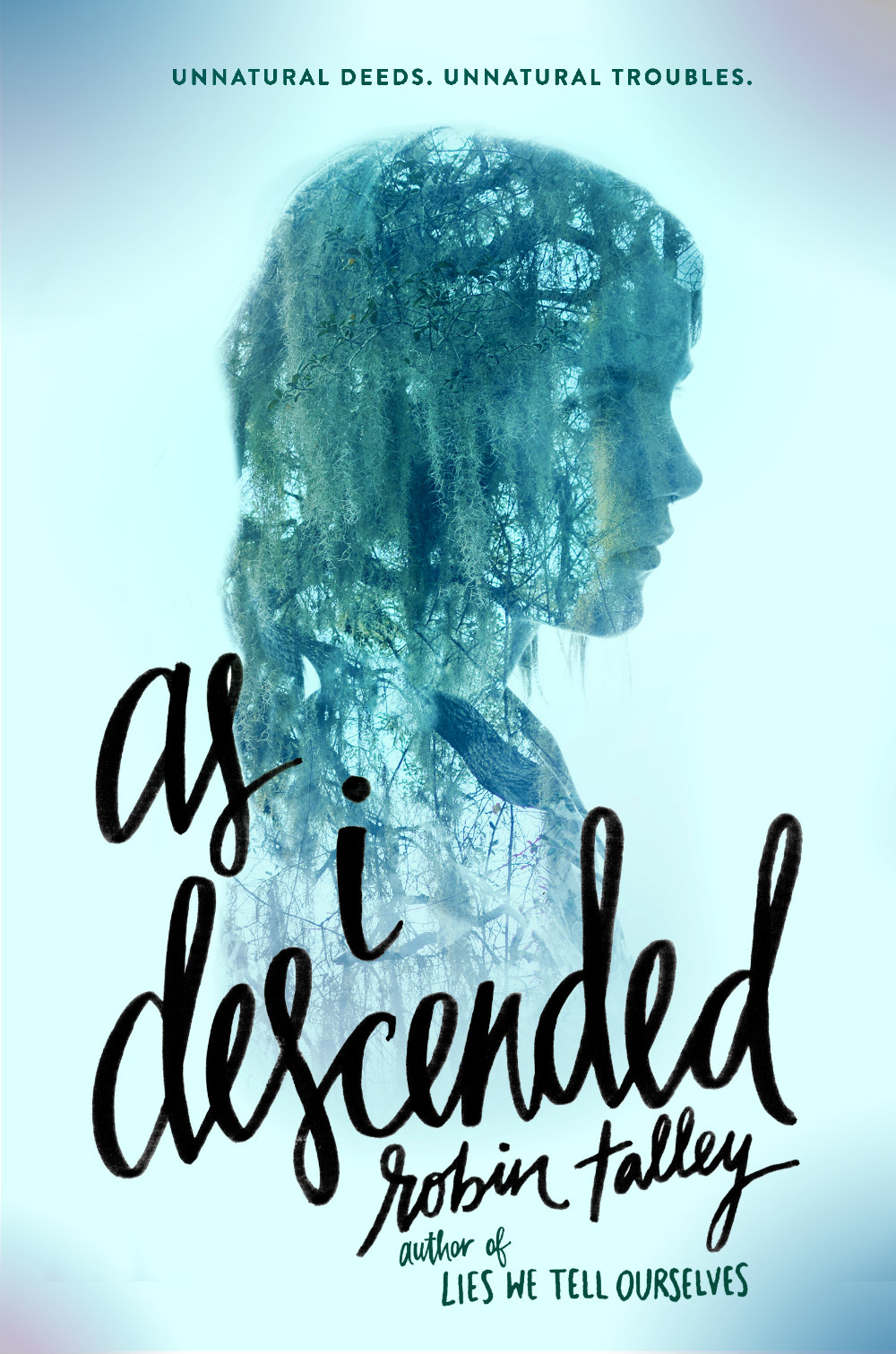
as-i-descended-design-michelle-taormina
As I Descended by Robin Talley; design by Michelle Taormina (HarperCollins / October 2016)

beast-design-leo-nickolls

Beast by Brie Spangler; design by Leo Nickolls (Knopf / October 2016)

burning-midnight-design-leo-nickolls

Burning Midnight by Will McIntosh; design by Leo Nickolls (Delacorte / February 2016)

crooked-kingdom
Crooked Kingdom by Leigh Burdago; cover art by Thomas Walker and John Bartlett; design Thomas Walker and Richard Deas (Henry Holt / September 2016)

Cuckoo design Jack Smyth
Cuckoo by Keren David; design by Jack Smyth (Atom / August 2016)

darkly-beating-heart-design-elizabeth-h-clark
A Darkly Beating Heart by Lindsay Smith; design Elizabeth H. Clark (Roaring Brook / October 2016)

Enter Title Here design Maria Elias
Enter Title Here by Rahul Kanakia; design by Maria Elias (Hyperion / August 2016)

exit-pursued-by-bear-design-kristin-logsdon

Exit, Pursued by Bear by E. K. Johnston; design by Kristin Logsdon (Dutton / March 2016)

fall-of-butterflies-design-sarah-nicole-kaufman
The Fall of Butterflies by Andrea Portes; design by Sarah Nicole Kaufman (HarperTeen / May 2016)

fierce-and-subtle-poison-design-allison-colpoys
A Fierce and Subtle Poison by Samantha Mabry; design by Allison Colpoys (Algonquin / April 2016)

frannie-and-tru-design-ray-shappell

Frannie and Tru by Karen Hattrup; design by Ray Shappell (HarperCollins / June 2016)

goldenboys
Golden Boys by Sonya Hartnett; design by Matt Roeser (Candlewick / April 2016)

graces-design-maria-t-middleton-illustration-spencer-charles
The Graces by Laure Eve; design by Maria T. Middleton; illustration by Spencer Charles (Amulet / September 2016)

the-great-american-whatever-design-krista-vossen
The Great American Whatever by Tim Federle; design by Krista Vossen (Simon & Schuster / March 2016)

haters
The Haters by Jesse Andrews; design by Chad W. Beckerman and Will Staehle (Abrams / April 2016)

9781250078407

If I Was Your Girl by Meredith Russo; design by Liz Dresner and Elaine C. Damasco; photograph by Michael Frost (Flatiron / May 2016)

into-white-design-april-ward

Into White by Randi Pink; design by April Ward (Feiwel & Friends / September 2016)

island-nathan-burton

The Island by Olivia Levez; design by Nathan Burton (Oneworld / November 2016)

kids-of-appetite-art-yuschav-arly
Kids of Appetite by David Arnold; design Theresa Evangelista; illustration Yuschav Arly (Viking / September 2016)

it-looks-like-this-design-matt-roeser

It Looks Like This by Rafi Mittlefehldt; design by Matt Roeser (Candlewick / December 2016)

last-seen-leaving
Last Seen Leaving by Caleb Roehrig; design by Rich Deas (Feiwel & Friends / October 2016)

lie-tree-art-vincent-chong-design-maria-t-middleton
The Lie Tree by Frances Hardinge; design by Maria T. Middleton; cover by Vincent Chong (Amulet / April 2016)


The Light Fantastic by Sarah Combs; design by Matt Roeser (Candlewick / September 2016)

monstrous-child-design-will-steele-illustration-olivia-lomenech-gill
The Monstrous Child by Francesca Simon; design by Will Steele; cover art by Olivia Lomenech Gill (Faber & Faber / October 2016)

nightwanderers-9780857078056_hr
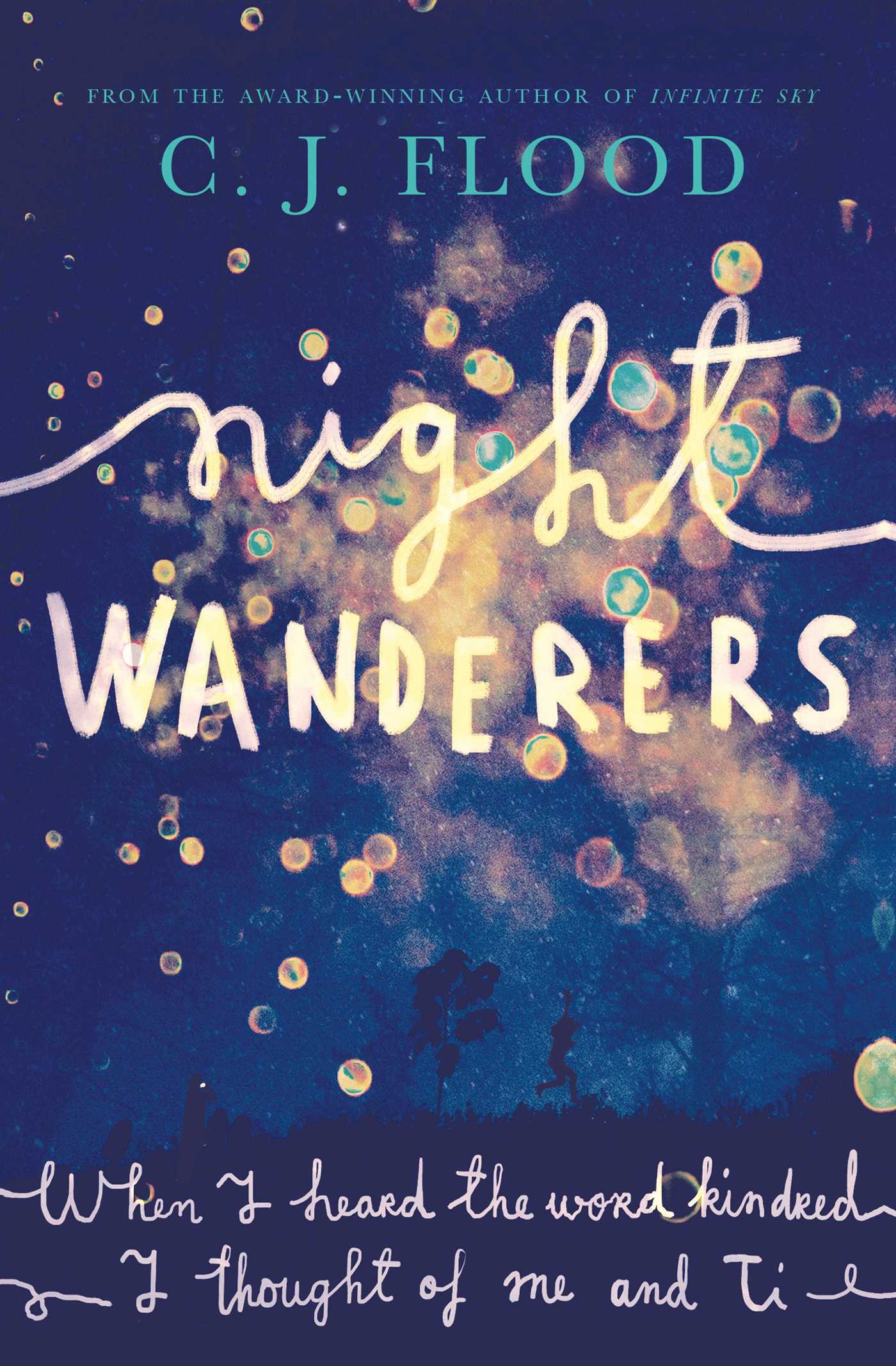
The Nightwanders by C. J. Flood; design by Nic&Lou Studio (Simon & Schuster / June 2016)

fire-and-stars

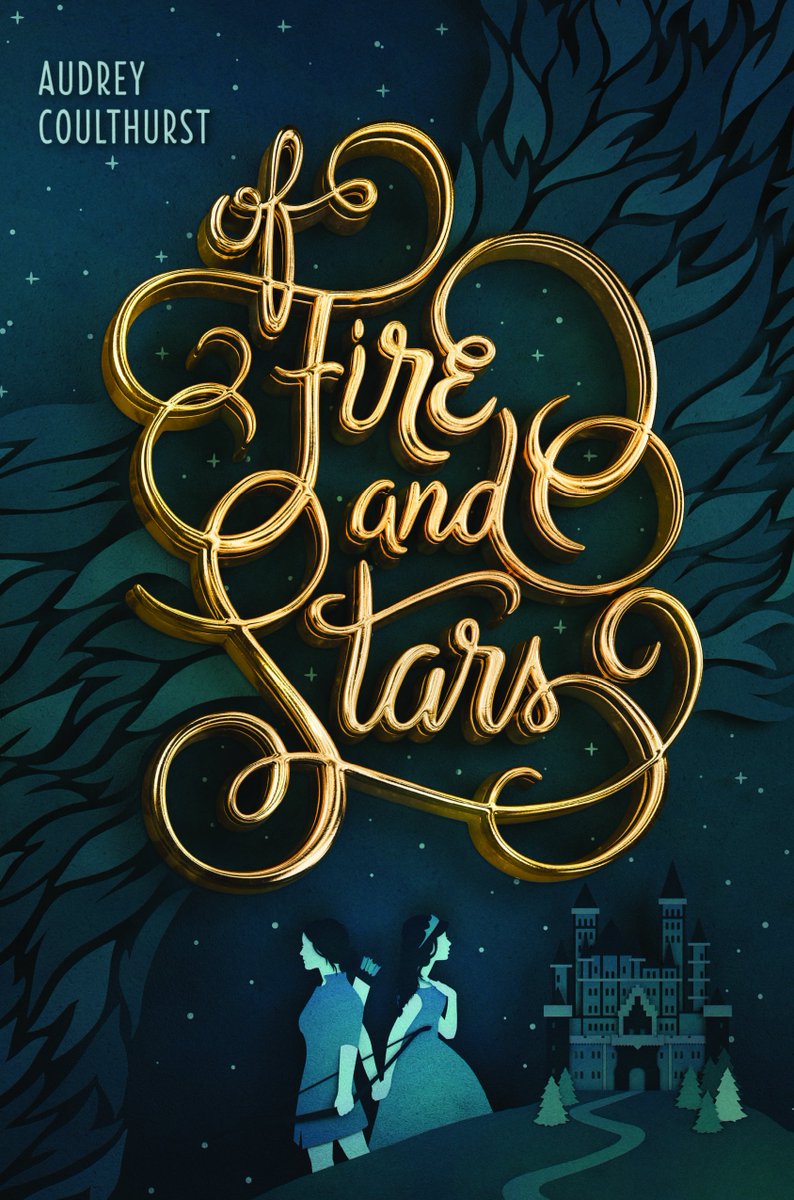
Of Fire and Stars by Audrey Coulthurst; design by Michelle Taormina, art by Jacob Eisinger (Balzer + Bray / November 2016)

design Matt Roeser
Phantom Limbs by Paula Garner; design by Matt Roeser (Candlewick / September 2016)

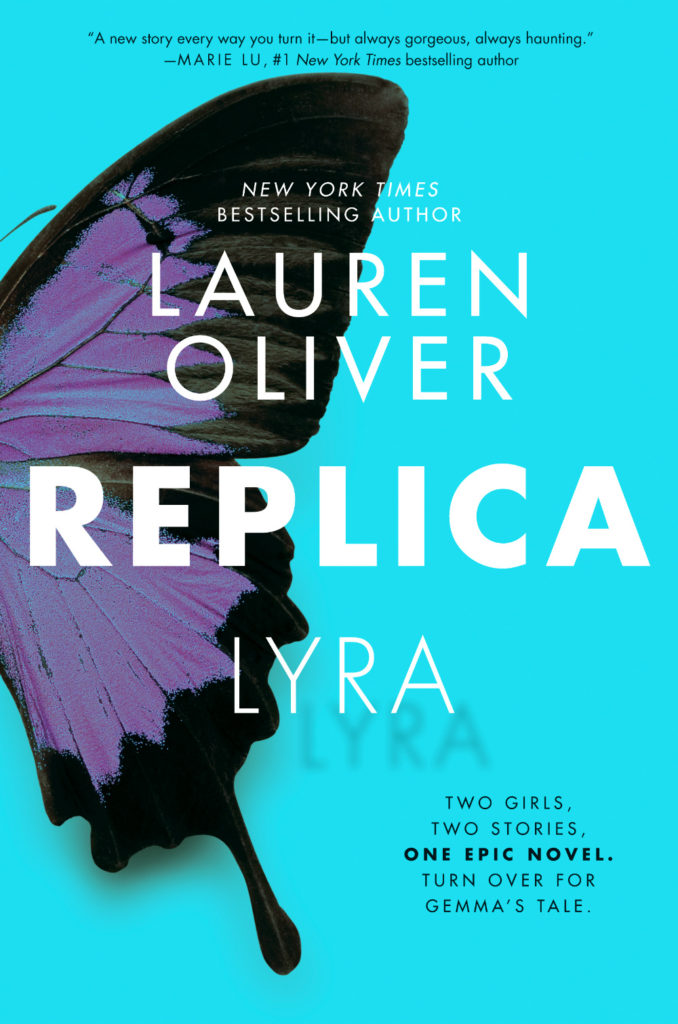
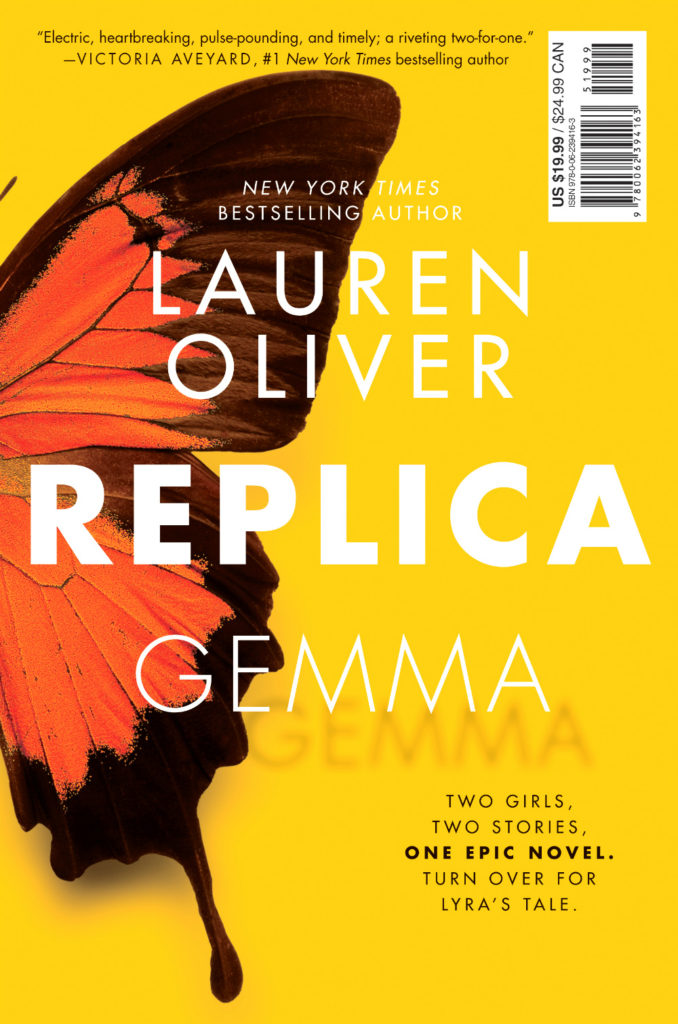
Replica by Lauren Oliver; design by Erin Fitzsimmons (HarperCollins / October 2016)

This really needs to be seen in person for the fancy acetate wrap as well the double covers:

save-me-kurt-cobain-art-m80-design

Save Me, Kurt Cobain by Jenny Manzer; design by M80 (Bantam / March 2016)

Scar design CS Neal
Scar by J. Albert Mann; design by Christopher Silas Neal (Calkins Creek / April 2016)

seven-ways-we-lie-design-maria-t-middleton

Seven Ways We Lie by Riley Redgate; design by Maria T. Middleton (Abrams / March 2016)

Shadow Queen design Sarah Nichole Kaufman
The Shadow Queen by C. J. Redwine; design Sarah Nichole Kaufman; lettering / apple carving Sean Freeman (Balzer + Bray / February 2016)

shiver-whole-night-design-jet-purdie
Shiver the Whole Night Through by Darragh McManus; design by Jet Purdie (Hot Key Books / April 2016)

still-life-with-tornado-design-by-samira-iravani


Still Life with Tornado by A. S. King; design by Samira Iravani (Dutton / October 2016)

Study in Charlotte jacket art Dan Funderburgh design Katie Fitch
A Study in Charlotte by Brittany Cavallaro; jacket art Dan Funderburgh; design Katie Fitch (Katherine Tegen Books / March 2016)

sun-is-also-a-star
The Sun is Also a Star by Nicola Yoon; design Elaine C. Damasco; art Dominique Falla (Delacorte / November 2016)

swan-boy-design-nathan-burton


Swan Boy by Nikki Sheehan; design by Nathan Burton (Oneworld / November 2016)


Tales of the Peculiar by Ransom Riggs; design by Lindsey Andrews; cover art Andrew Davidson (Dutton / September 2016)

tell-me-something-real-cover-art-jill-de-haan
Tell Me Something Real by Calla Devlin; cover art Jill de Haan (Simon & Schuster / September 2016)

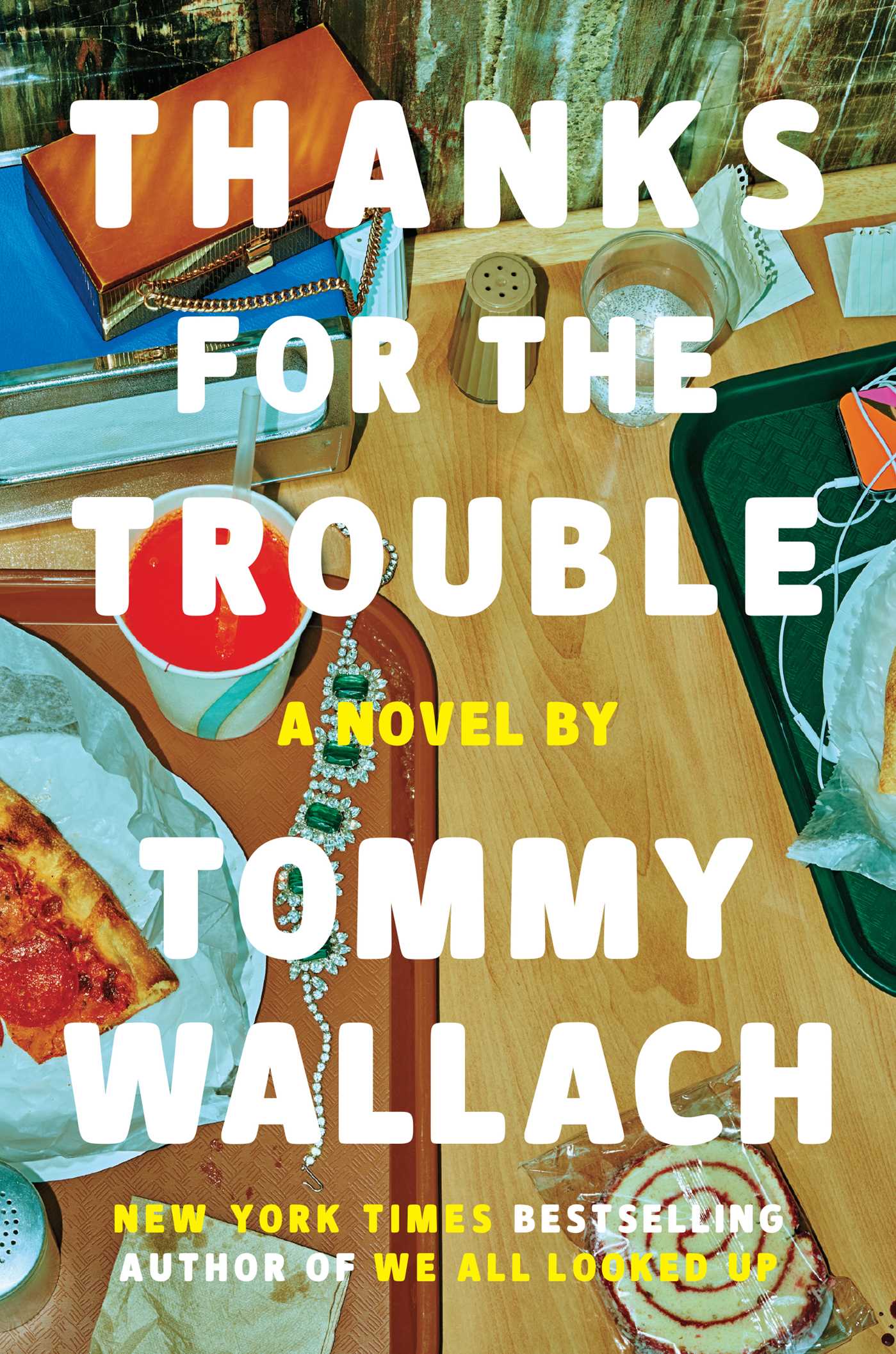
Thanks for the Trouble design by Lucy Ruth Cummins
Thanks for the Trouble by Tommy Wallach; design by Lucy Ruth Cummins; Photography by Keirnan Monaghan, styling by Theo Vamvounakis (Simon and Schuster / February 2016)

this-is-where-it-ends-design-nc-sousa
This is Where it Ends by Marieke Nijkamp; design by N. C. Sousa (Sourcebooks / April 2016)

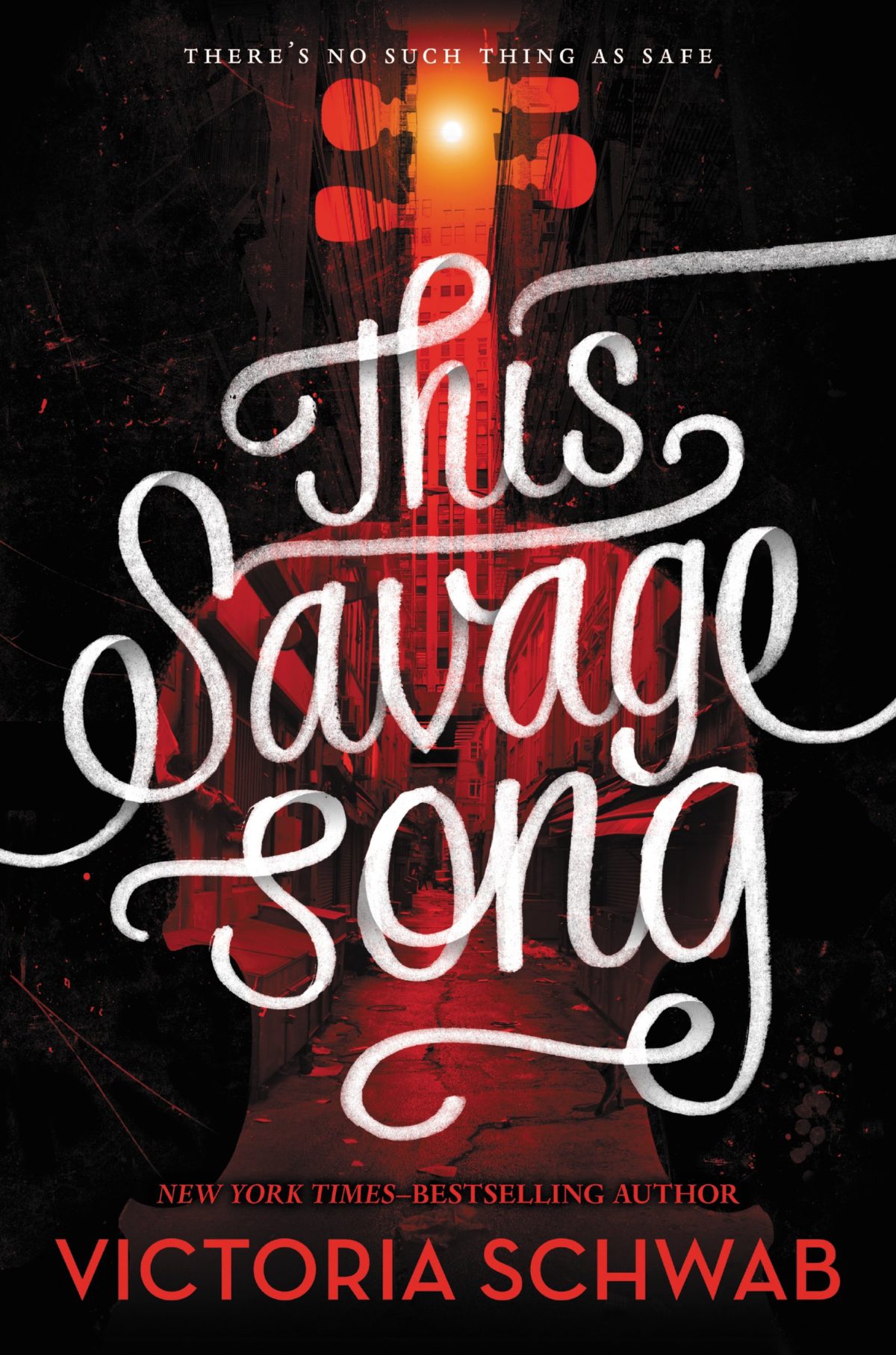
This Savage Song design Jenna Stempel
This Savage Song by Victoria Schwab; design Jenna Stempel (GreenWillow / July 2016)

thousandth-floor-design-jenna-stempel-art-sasha-vinogradova

The Thousandth Floor by Katharine McGee; design by Jenna Stempel; cover art by Sasha Vinogradova (HarperCollins / August 2016)

cover 100915.indd

A Totally Awkward Love Story by Tom Ellen and Lucy Ivison; design by Ray Shappell (Delacorte / May 2016)

unexpected-everything-design-lucy-ruth-cummins-photography-meredith-jenks

The Unexpected Everything by Morgan Matson; design by Lucy Ruth Cummins; photography by Meredith Jenks (Simon & Schuster / May 2016)

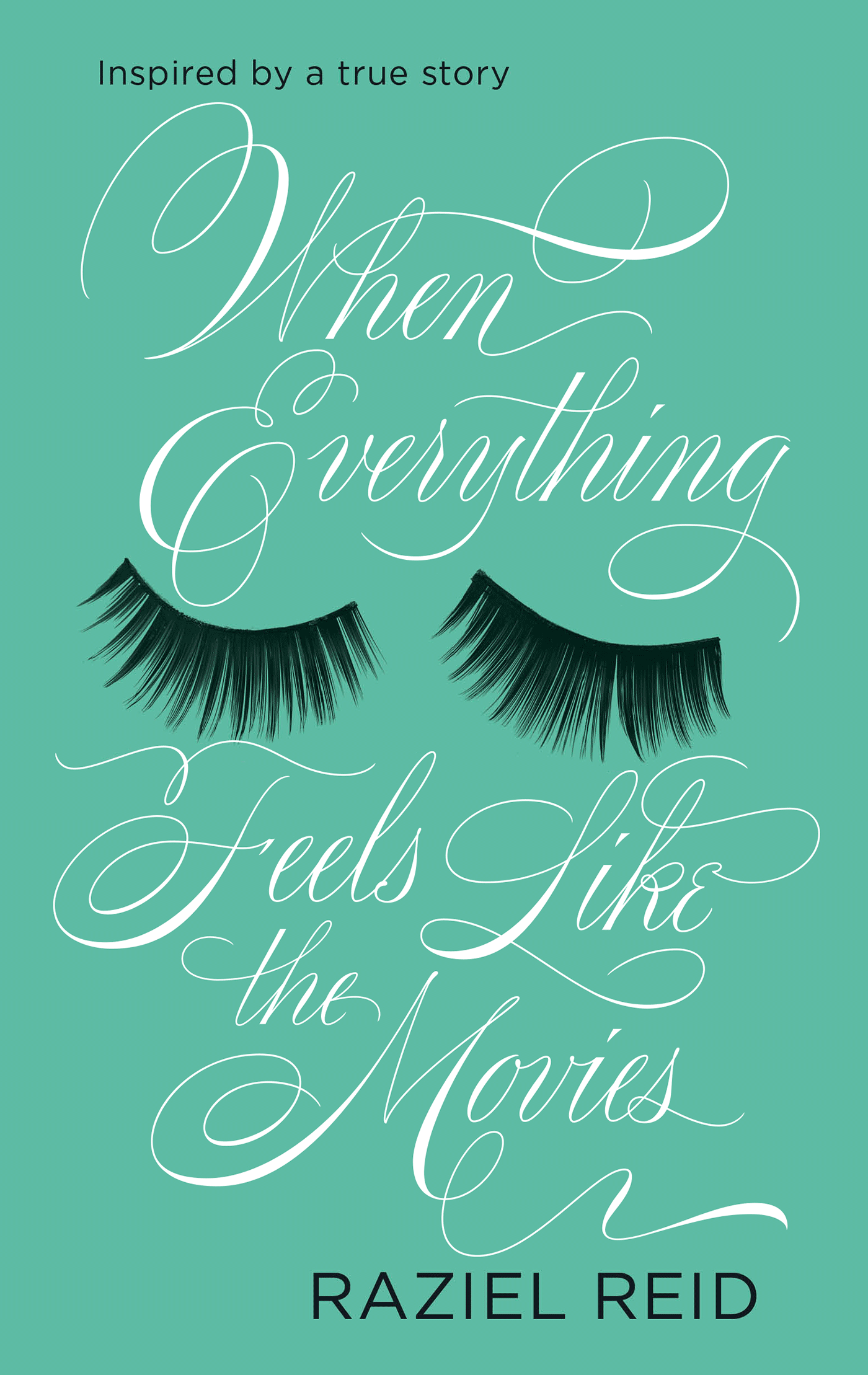
When Everything Feels Like the Movies design Ceara Elliot lettering Martina Flor
When Everything Feels Like the Movies by Raziel Reid; design Ceara Elliot; lettering and illustration Martina Flor (Atom / February 2016)

wink-poppy-midnight-art-by-lisa-perrin-design-by-kristin-smith

Wink Poppy Midnight by April Genevieve Tucholke; design by Kristin Smith; cover art by Lisa Perrin (Dial / April 2016)

wrecked-design-liz-casal
Wrecked by Maria Padian; design by Liz Casal (Algonquin Young Readers / October 2016)

S

1 Comment

Q & A with Matt Roeser, Candlewick Press

If you follow book design on social media at all, chances are you’ve come already across Matt Roeser‘s  funny, if somewhat dinosaur-fixated, Twitter feed. But over the past couple of years as senior designer at independent children’s publisher Candlewick Press in Massachusetts, Matt has been quietly producing some bright, brilliant, and original covers for their line of young adult titles.

I first came across Matt’s work about 4 years ago when he first started a Tumblr project called New Cover, and was working outside publishing in St. Louis. Now he is designing books full-time, it only seemed appropriate to ask him a few questions about his interests and influences, his work, and his career. We corresponded by email.

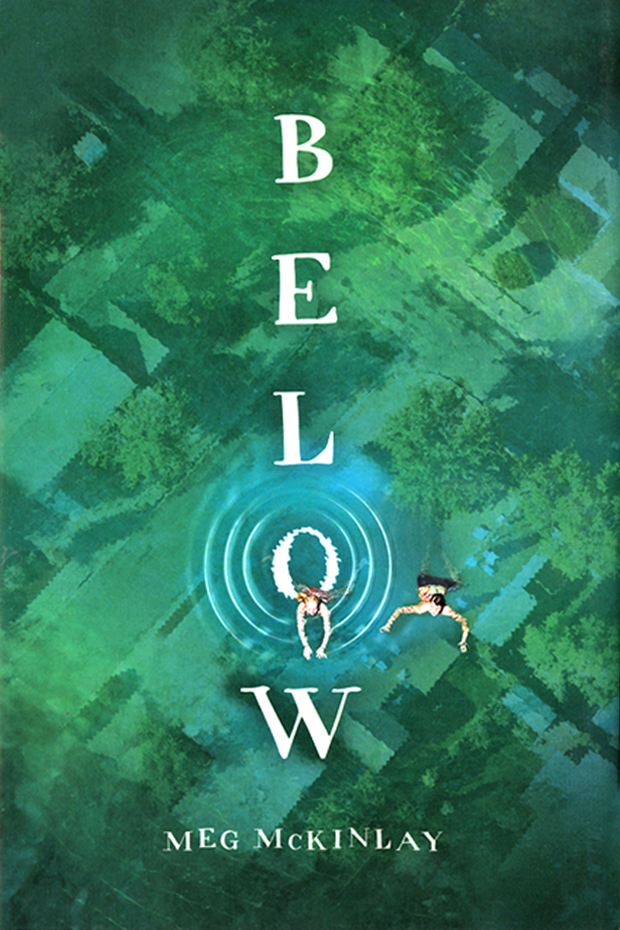
Below

Were there a lot of books in your house growing up?

Absolutely. We lived two blocks away from our library, so my parents were always taking my brother and I there and letting me bring home as much as I could carry. That, paired with the book order forms our teachers would pass out every month (of which I had an unhealthy level of excitement for) meant there was always a constant stream of books in our house.

Did you have a favourite book as a kid?

I had three, and to this day, still can’t decide which one I like the most because they’re each fabulous in their own way: From the Mixed-Up Files of Mrs. Basil E. Frankweiler because the kids run away and live in a museum (I’m still hoping to do this one day!), The Westing Game, because it’s an epic murder mystery, and The Phantom Tollbooth, because it’s so imaginative and full of wordplay, which I have a soft-spot for.

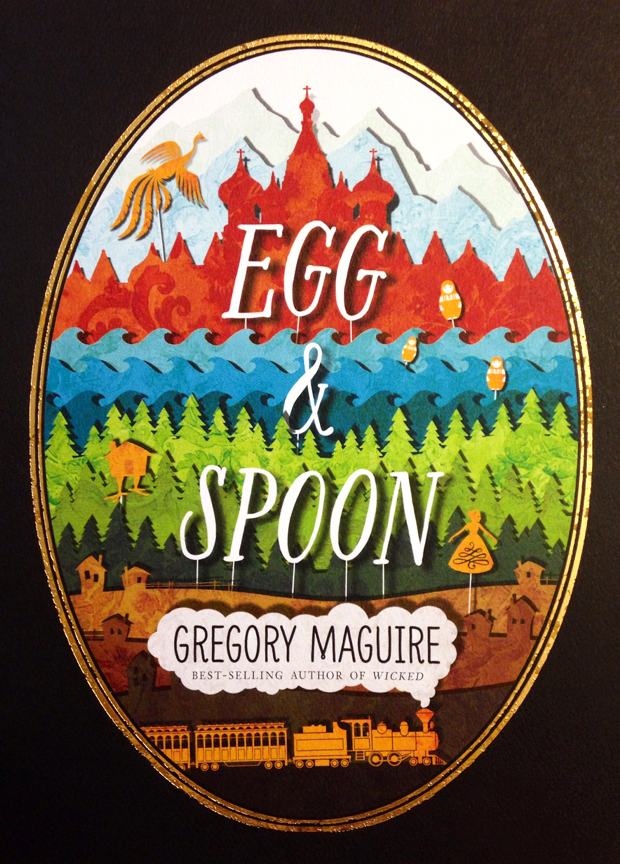
EggandSpoon

Do you remember when you first became interested in design?

Yes, and it was paired with reading in a way. The movie Jurassic Park came out when I was 10 and I went with my brother to see it at least 5 or 6 times and was just completely enthralled. Then my brother bought the book with the now-classic Chip Kidd design on the front. I read it and, being my first “big-person” book that I had read, it really stuck with me. I remember thinking it was so cool that the design of the jacket was used for the logo for the park in the movie. And it was on t-shirts, lunchboxes, everything. The fact that a new Jurassic Park movie is coming out next year, and they’re still using Chip Kidd’s design just makes me so happy. So while I don’t think I completely realized it at the time, that’s the moment that I became aware and interested in design. And since I’ve never actually grown up, all of the things I loved as a child (dinosaurs, space, time travel) still excite me to this day (thus why a majority of my tweets revolve around dinosaurs). I even had a Jurassic Park themed 30th birthday party which was simultaneously my most proud and most embarrassing moment in life.

Is anyone else in your family creative?

Yeah, my immediate and extended family is full of carpenters and woodworkers, interior designers and painters and people that just generally like to create and build with their hands.

Did you study design at school?

Initially, when I started college, I dove deep into marketing. However, I quickly found out, after taking macro-economics and a plethora of other numbers-based courses, that the business side of marketing was not at all interesting to me. I then started taking a bunch of creative communication classes that included various advertising and graphic design courses, and quickly felt much more at home. Ultimately, a lot of my design education was self-taught, but at school I learned the basic process of working on creative projects that really stuck with me.

What were you doing before you joined Candlewick?

I worked with the creative team at Atomicdust, a branding and marketing agency in St. Louis, Missouri. I definitely learned the ins and outs of the creative process while there. We had a great array of clients that allowed us to flex our creative muscles in a variety of ways as we came up with messaging and then decided the best ways to get that message out. Learning how to boil down a company’s entire purpose/goals/soul into a clear message was great experience for what I do now: communicating an entire book’s essence through its jacket.

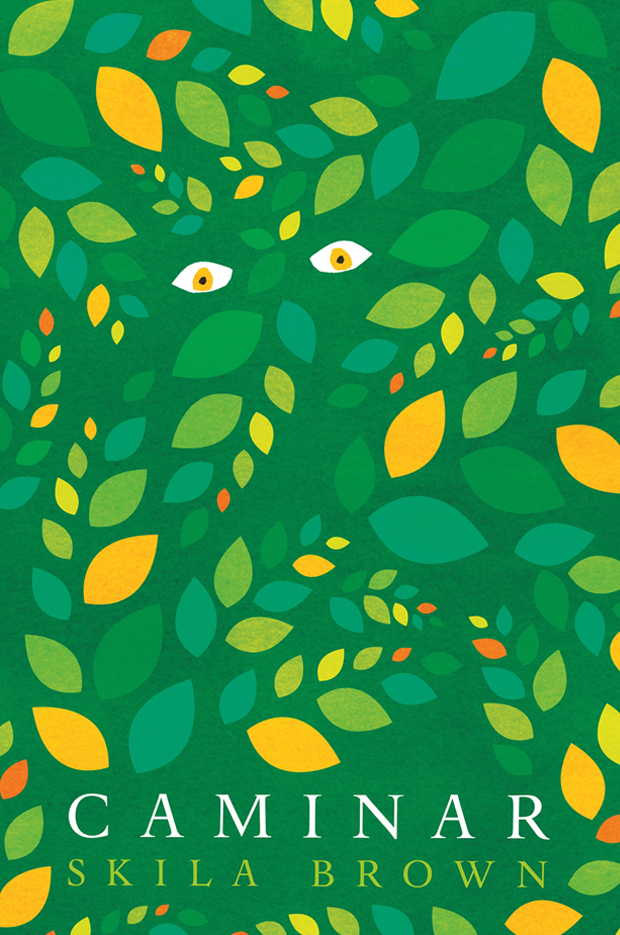
Caminar

Before you were designing books professionally, you started New Cover, a self-initiated project redesigning the covers of some of your favourite books. Was your goal to get a job in publishing?

Ultimately. It was really driven from the fact that I love to read and I love design, and it had always been a secret “dream-job” ambition of mine to make of career of combining the two. Part of my job at Atomicdust was hiring designers, and as a result, I was sent tons of resumes and portfolios. Every once in a while, there would be someone who didn’t have any work to show but was still looking for a job, but you can’t really hire a designer without seeing any of their work. And then it hit me; if I wanted publishers to hire me to design book covers, they weren’t just going to do it because they saw that I could design websites and brochures. They would need to see book covers. So I picked a few of my favorite books and started creating new covers for them. The project was featured on a couple of design blogs and then spiralled from there into real work from publishers.

Can you tell me a little bit about Candlewick Press and what it’s like to work there?

Candlewick has all of the best elements of a smaller company mixed with the structure of a larger corporate company. There are about 95 employees in total and we’re all on one huge floor of a building in Davis Square, a sort of hipster-y area right outside of Boston. It’s a really open and encouraging environment that gives me the freedom to fully visualize the design ideas I have for titles. We’re the companion company to Walker Books in the UK as well as Walker Australia, so occasionally we’ll take on some of their titles and vice versa, or we’ll coordinate a global launch for a title that we will all be simultaneously publishing. It also means we have an almost never-ending source of imported chocolates and cookies coming to the office via visitors from our other branches.

How many designers work in your office?

The art department has about 15 designers, a majority of who work primarily on picture books. I mostly work on young adult and middle grade fiction and a non-fiction title every now and then.

AvaLavender

Did you ever think you would make a career of designing kids’ books?

Looking back at previous jobs, you can definitely see all of the stepping stones that got me here. In high school, I worked in the children’s room of my town’s library. Then, during college, I worked at a preschool. So I’ve always sort of been surrounded by kids’ books. That, paired with graphic design in college and at Atomicdust, and it makes sense.

Can you describe your process for designing a book cover?

First, I read the book. I like to think that the jacket idea is already there in the text somewhere and I just have to find it and bring it to fruition. Once I’ve read the manuscript, I start sketching out ideas both on paper and on my computer. Sometimes I have a really clear initial vision of what the cover should look like and the final cover ends up looking pretty similar. Other times, I won’t have as clean-cut of an initial idea, so I’ll do really broad image searches based on a few keywords I’ve written down while reading just to get the wheels turning. It’s hard to say where ideas come from. The ultimate goal is to make a finished product that would catch someone’s eye, regardless of who the specific audience is. If I can make it interesting enough for anyone to pick up, I’ve done my job.

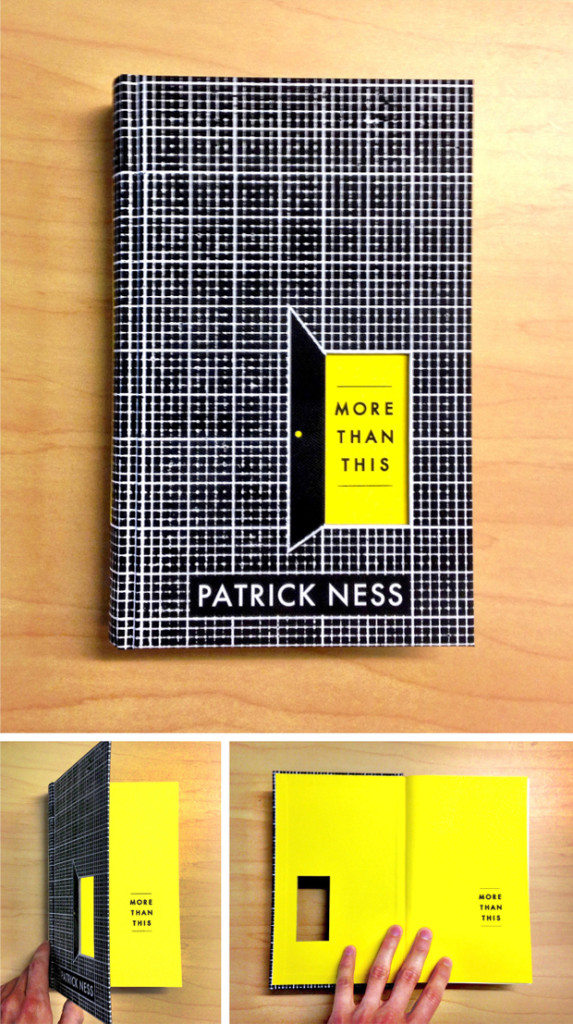
MoreThanThis

What are your favourite kinds of projects to work on?

Anything that’s a little off. As a reader, I like stories where about 75% of what’s going on seems normal and then there’s this gray space remaining where something unexpected/bizarre/weird is happening. It’s why I like books like The Prestige, Jonathan Strange and Mr. Norrell, A Tale for the Time Being, and the TV show LOST. So story-wise, those are projects I get the most excited about. Also, anytime a book is part of Launch (the titles that the publisher is really pumped about) because that ultimately means they’re willing to try different things to set the book apart. Whether it’s a die-cut through the case for More Than This, or a ¾ jacket wrapped around a printed case, or stamping the entire design in foil, I enjoy playing with the materials in new ways.

Who are some of your design heroes?

Chip Kidd, Jonathan Gray, Peter Mendelsund. Their designs are always interesting, unique and more often than not, little works of art.

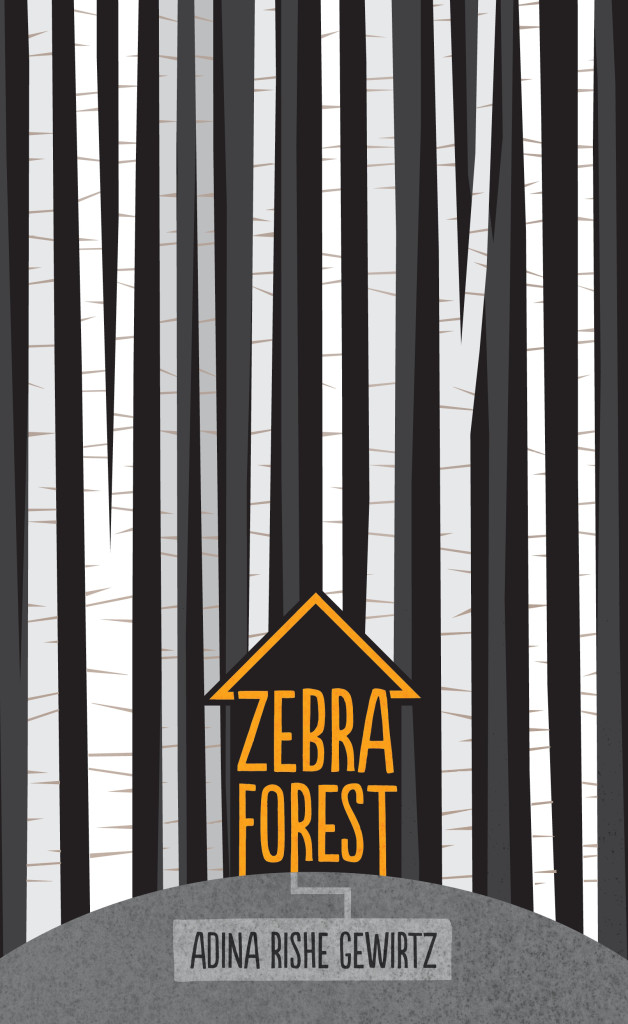
zebra-forest

Who else do you think is doing interesting work right now?

Will Staehle and Oliver Munday. They are two people that whenever I see their name on a book jacket, I’m simultaneously super excited to see a great cover and also maddeningly jealous of their innate talent that makes it look so easy. I haven’t seen a cover of theirs that I don’t like.

Is there a particular author or a book you’d like to design (or redesign!) a cover for?

Hmm, this is tough. I feel like a lot of them I did as part of New Cover back in the day, although I should revisit some of those and the questionable design decisions I made at the time. Some of those author names are in such a tiny point size that I just laugh thinking about it now. I would love to take on a series redesign as it’s something I haven’t gotten the chance to do professionally.

What’s in your ‘to read’ pile?

The Bone Clocks by David Mitchell! I’ve been anticipating this book for a while after reading and falling in love with his novel Cloud Atlas. A coworker was able to grab an ARC of the The Bone Clocks at BEA, so I’m currently immersed in it. I’m also looking forward to the new Murakami book coming out in a few months. And, after numerous people have told me that they can’t believe I haven’t read it yet, The Lost City of Z is the next book I’m reading.

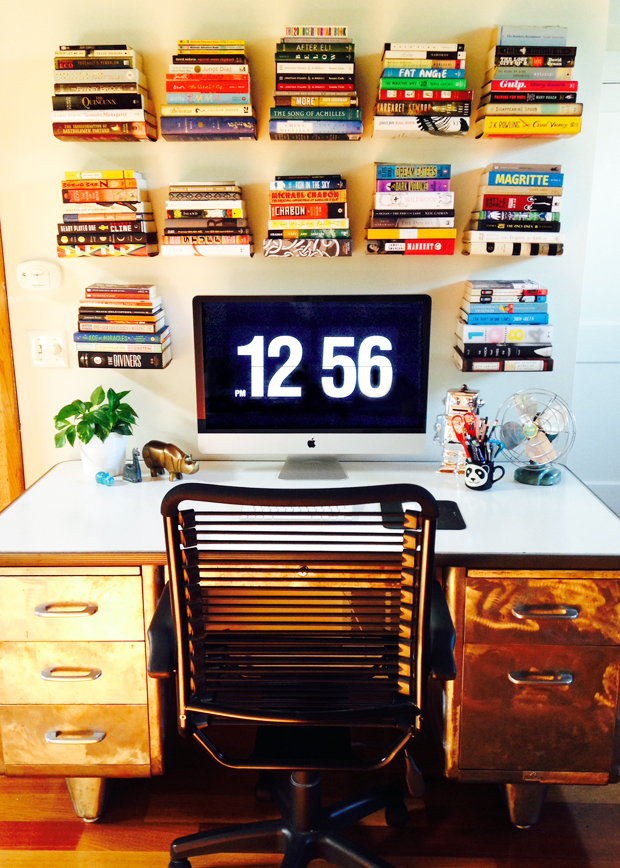
FloatingShelves

Do you have a system for organizing your books?

A few years back, I saw a floating pile of books on a wall in a design store and thought it was genius. Then, like I do with most things, I went overboard and bought 15 of them to hang over my desk. (See photo) They’re perfect for displaying some of my books in a way that’s a little different than normal. I try and fill them with a good mix of books I love and books that are visually amazing, and then put the majority of my other books in these three huge old steel lockers I have. One day, I will have a room with shelves going up every wall and a rolling ladder that I can ride around on like Belle does in the beginning of Beauty and the Beast and then I will truly be happy.

What’s the one book you recommend to everyone?

Cloud Atlas. It’s one where I would pause after reading a sentence and look out the window and contemplate life and just wonder how anyone could possibly be this good at writing. If you only saw the movie and hated it, go read the book. Before that, A Confederacy of Dunces. The dialogue is hysterical and I don’t remember laughing more at a book in my entire life.

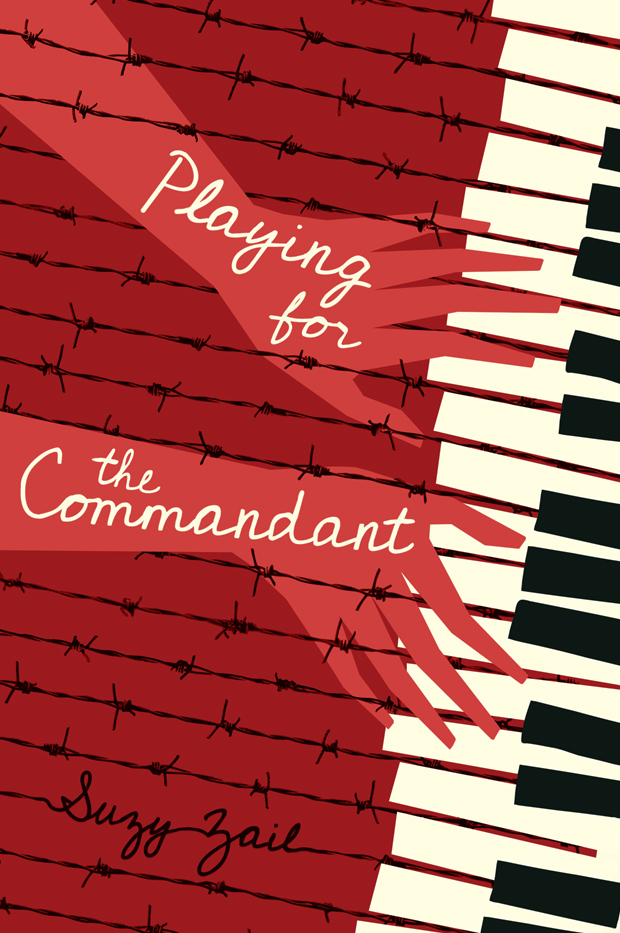
PlayForTheCommandant

What does the future hold for book cover design?

I think regardless of how popular ebook readers become, there’s always going to be those titles that people want to buy a physical copy of. Maybe this means, as an industry, we make fewer (but more special) physical versions of books, which I don’t necessarily see as a bad thing. I’m a big believer in quality over quantity and if we want people to buy physical books, they need to be everything that they can’t get in an ebook: the materials should be exceptional, the design should be a work of art, the interior should have (gasp!) well thought out margins. It should be something they want to display. On the flip side, there’s always going to be an audience that only cares about the content. They don’t want stacks of books everywhere, don’t want to lug them around, don’t care (gasp!) about margins. I can understand all of that. But there will still be a need for associating some sort of image with the book. I can’t/don’t want to imagine a future where there’s just a long text list of titles that people choose from with no accompanying visual. When that day comes, you can find me barricaded in my own personal library, muttering to myself as I zoom around on my rolling ladder.

Thanks Matt!

Comments closed

Q & A with Erin Fitzsimmons

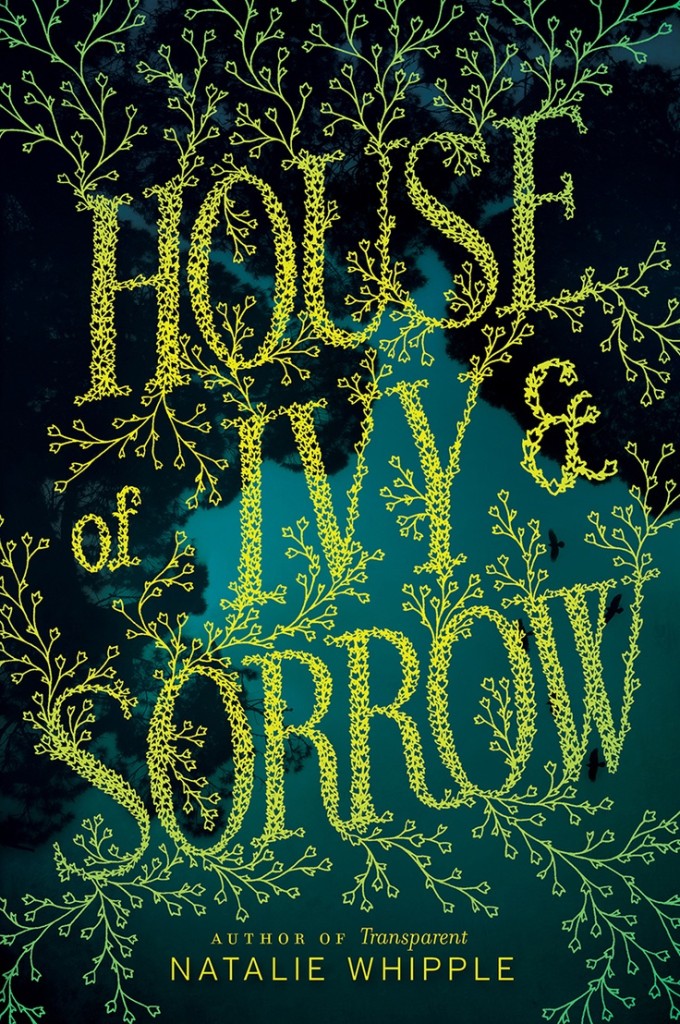
House of Ivy and Sorrow

In recent years, I doubt there’s been a greater publishing success story than Young Adult — or ‘YA’ —  fiction.

Sometimes mistakenly described as a genre, YA is actually an age-category roughly ascribed to books across a range of subjects and genres that are suitable for teenagers. Yet, confusingly,  YA is not quite synonymous with ‘Teen Fiction.’ While Teen Fiction is assigned books appropriate for ages 12-17, YA is increasingly used to describe (albeit loosely) fiction intended specifically for older teens and even readers in their 20s and beyond.

In 2012, Publishers Weekly reported that “55% of buyers of works that publishers designate for kids aged 12 to 17… are 18 or older, with the largest segment aged 30 to 44, a group that alone accounted for 28% of YA sales.” If it wasn’t exactly news that grown-ups read books for teens, their willingness to do so openly, and the development of a passionate fan culture driven as much by these adults as teens, has seen a change in the way publishers think about YA and how they package it.

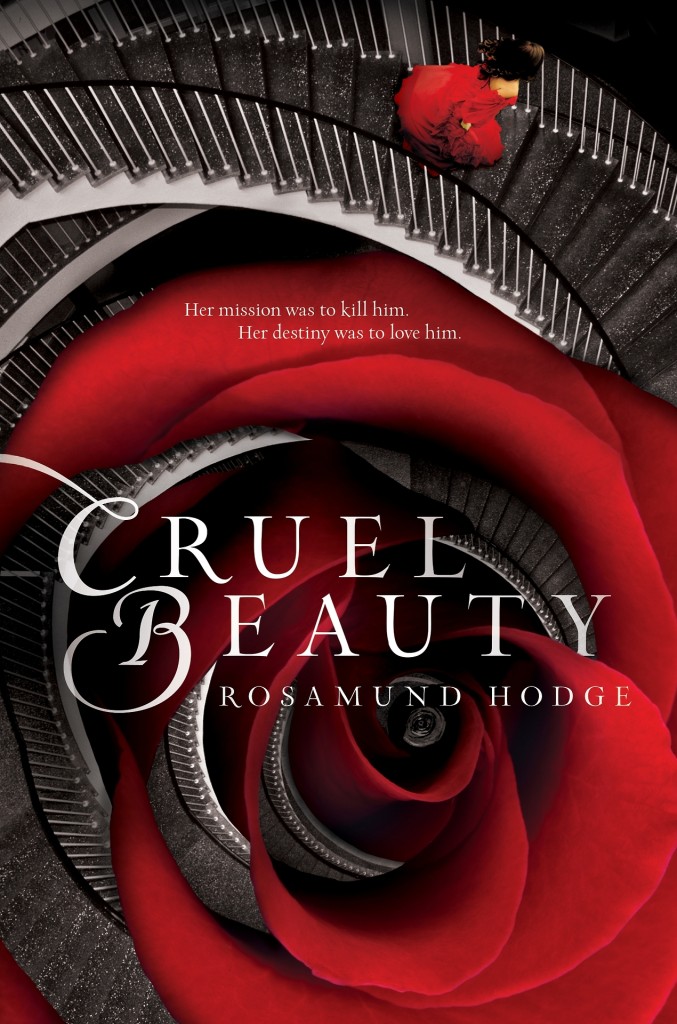
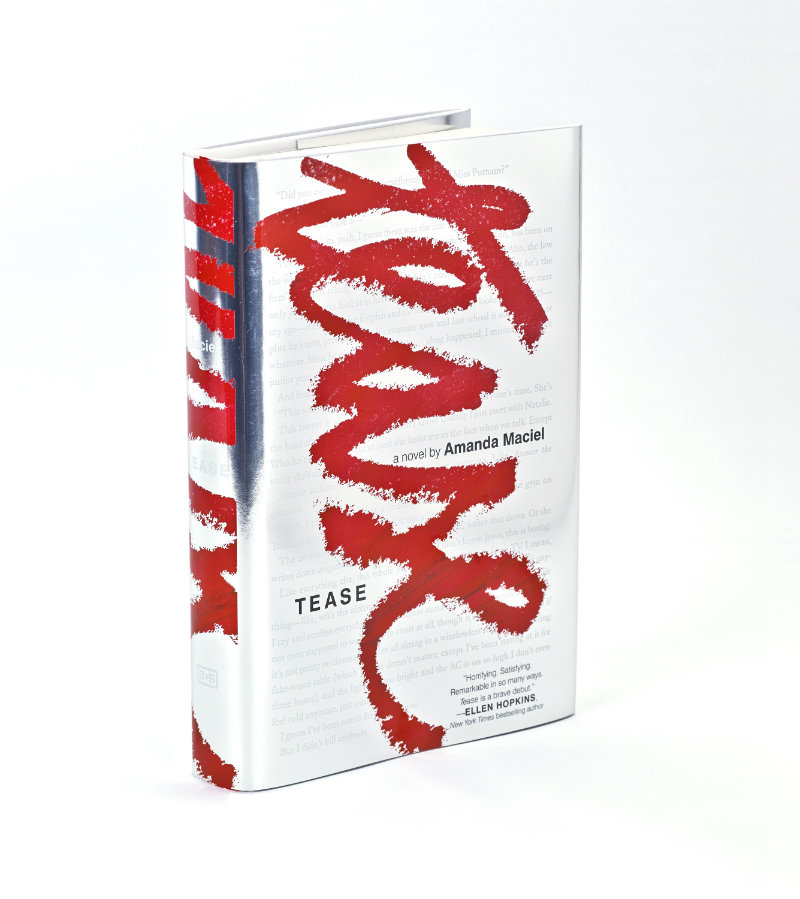
The growing sophistication of YA cover design can be seen in the work of Erin Fitzsimmons, associate art director for HarperTeen in New York. The attention to lettering and typography throughout Erin’s work, notably on the cover of House of Ivy and Sorrow by Natalie Whipple and Tease by Amanda Maciel (see below), convinced me that YA design is something that should be featured here and happily Erin agreed to talk about her work. We corresponded by email.
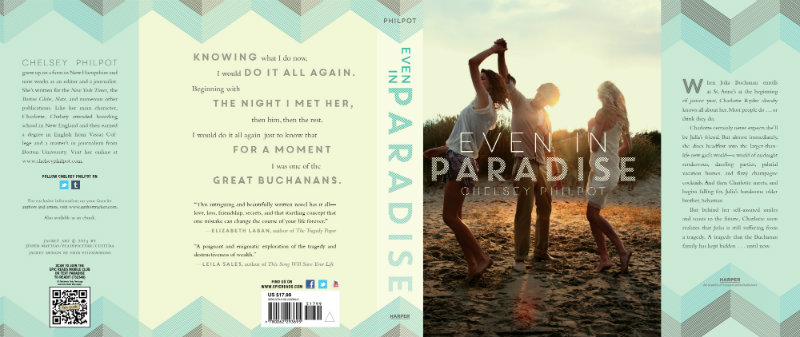
EveninParadise_jacket

Did you read a lot of books growing up?

When I was very young, I memorized my favorite children’s book, We’re Going on a Bear Hunt, so I could “read” it to my little sister. When I was older, I was into all the big chapter and middle-grade series: Goosebumps, Boxcar Children, Sweet Valley High. I must’ve just missed the Harry Potter era. I’m reading them now and they’re incredible.

Do you remember your favourite book as a teenager?

It’s funny—I’ve read far more teen books now than I ever read growing up. As a high school student, you have to do so much required reading for school, I don’t remember reading many books for fun. The book I remember reading most vividly as a teen was Jurassic Park. I went through a Michael Crichton phase, and then skipped straight to John Grisham. I read pretty much his entire library in mass market paperbacks over the course of a few summers.

When did you first become interested in design?

About 7 years ago, I started working in publishing as a photo editor. I went to school for photojournalism, but it wasn’t for me. I was convinced that since I couldn’t hack it as a photographer, I was meant to be a photo editor. Indeed, I was much better at editing, but after a year or so, my Art Director offered me the chance to design a book cover. It was love at first design, and I haven’t looked back since.
cruel-beauty

Is anyone else in your family creative?

Fortunately, my entire immediate family is creative. Both of my parents went to art school, and are supremely more talented than I will ever be. My dad owns an art gallery and frame shop, and my mom is a floral designer. My little sisters are also involved in creative fields: one is an art therapist and the other works at a youth theater when not in college. Thanks to them, I feel very supported in what I do. Even better, I don’t ever have to explain what a book designer does to them! A slightly unfortunate side effect is that simple things like Easter egg dyeing and pumpkin carving can get very competitive in my house.

Did you study design at school?

I desperately wanted to go to art school for photography, but my sage parents suggested I broaden my studies. I was lucky enough to find the Gallatin School at NYU. Gallatin allows you to take classes in all of the undergrad schools at NYU, and there are no traditional majors. So while my concentration was photojournalism, I was able to study communication and jazz history and documentary filmmaking and so forth. The challenge of this type of education was to find the way it all related to storytelling, and I’ve continued that practice in my professional career. I see design as a logical extension of storytelling, as it’s often the method and means through which stories are told. Without my Gallatin education, I might not have been so open to recognizing those relationships and trying new fields. Still to this day I find myself wanting to constantly learn new things. At the moment, it is type design, lettering, and calligraphy, but who knows what’s next.
BlackBoyWhiteSchool

Have you always specialized in young adult books?

My first experience designing books was at Fairchild Books, a small publisher of fashion and interior design textbooks. Even though we published educational books, their designs had to be a bit more stylish than your average textbook. My experience there was very much trial by fire, as I learned everything I could about design and publishing. A few years later I transitioned to HarperCollins, where I started designing mostly Young Adult and Middle Grade/Tween titles.

Can you describe your process for designing a book cover?

It differs from project to project. The basic step-by-step is usually the same: read the book > take notes > sketch/comp ideas > find artists > present > refine > present > (repeat some more…) > finalize! But within there are so many variables. There are a ton of people to please when it comes to a book cover, so that can certainly affect the flow.

Sometimes you’ll have an idea at the very start of the process, and sometimes it won’t come until much later. I tend to work up too many ideas in the early stages, and truth be told, many of my best ideas develop by mistake (or at least from different intentions) so it’s important for me to explore even the crazy/weird/bad ones.

I often find if your concept is good enough from the start, it should survive the rounds and rounds and come out all polished and shiny at the end. I am just finishing up an incredible project where the image I had in my head while reading became a pencil sketch and is now a striking piece of artwork. They can’t all be like that, but it certainly makes up for the rest.

SeptemberGirls

What are your favourite kinds of projects to work on?

I especially like working on stories that are out there and different. In the YA world, there tends to be a lot of repetition: Well, that worked, so let’s do it again, and again… So it’s truly exciting when you read something fresh. As a designer, you can really latch onto what makes the book unique, and focus on those differences to set the cover design apart.

What kinds of books present the greatest creative challenges?

There are a few genres in teen (Dystopian and Sci-Fi/Fantasy, for example) that have been tread upon so heavily that it can be difficult to come up with new and original ideas. Similarly, anything that can be considered trendy at the moment will be more of a challenge to break the mold of what’s been working for other publishers. We can try to resist the trend all we want, but too often in the end, commercial appeal will win out for the teen market. But we will still keep trying to push those boundaries.
Blackout_series

Do you approach series differently from individual cover designs?

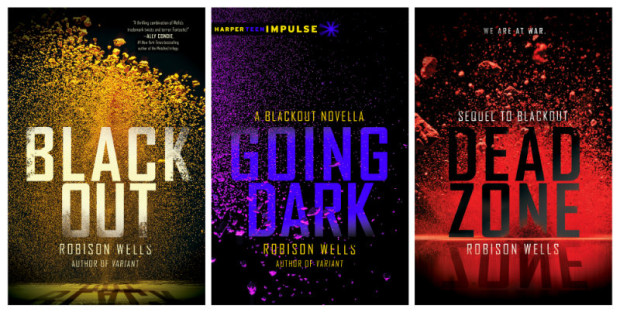
Absolutely. We live in the land of trilogies, so if your idea won’t work three times, it won’t work at all. We often are asked to concept more than one book in a series at once, just to prevent the inevitable frustration if your idea doesn’t carry through. For the upcoming Snow Like Ashes, we designed the entire series from the start. The third book in that series won’t publish until 2016, so it’s a bit crazy to think that far ahead. Blackout was another instance where I found a series of photographs I loved, but I had to be sure from the outset that we could make each cover feel special across a series. Lately they’ve been adding last minute “interstitial” e-novellas to our release in between hardcovers in our bigger series. It might as well be the book design equivalent of a knuckleball.

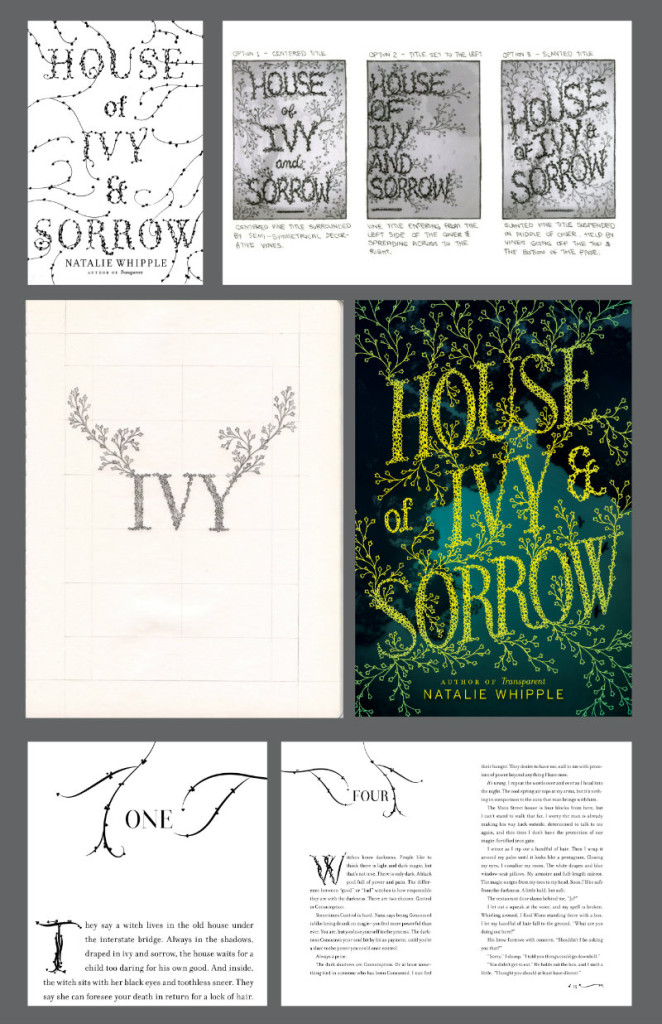
For the cover of House of Ivy and Sorrow by Natalie Whipple you used a custom typeface called Ivy Type. Do you like to experiment with type design and lettering in your work?

I do, and House of Ivy & Sorrow is one of my all-time favorite projects for this reason! I had been sketching ideas for the cover design for weeks, and it just wasn’t working (my lettering skills are still very much in development). Luckily, I was able to hire fellow CooperType grad Sasha Prood to letter and illustrate the final cover. She took it so much further than I ever could have on my own. I am so grateful to get to work with incredible artists like her that make my ideas better.

The upside was that since we design both the book covers and interiors, I was able to digitize my lettering and create a character set to use for the interior design drop caps, so all was not lost in the end. I’ve created a couple of custom faces for book interiors I’ve worked on, and lately I’ve been doing a lot more hand-lettering for covers. It’s definitely something I want to keep exploring and improving upon.
HouseofIvy&Sorrow_process

Is the popularity of teen fiction among adults allowing you to create more sophisticated designs? Or is there just more pressure now on designers to produce commercial covers? 

It might be a bit of both, actually! I started in teen right as the Twilight phase was ending and Dystopian era was beginning, and so began the rise (and return) of more sophisticated subject matters. Realistic fiction has always been a staple of teen fiction, but the sheer popularity of authors like John Green and Rainbow Rowell has pushed it to the extreme in recent years. More adults are reading teen books, and therefore the covers have begun to mature along with their readers. There was also a time where sophisticated did not equal commercial. It’s wild how much that has shifted in just a few years. The lines are starting to blur and overlap, and I see it even in the adult section. It’s so fascinating to be a part of.

Cover designs are obviously important to YA readers, and ‘cover reveals’ have become common for big releases. But are YA covers still an under-appreciated art in the industry?

The cover reveal has taken on a life of its own. The popularity of Goodreads and the plethora of YA blogs has created the need for most authors to reveal their covers in advance of the catalog posting. It used to be only the lead titles were revealed, but now almost every cover ends up with the same fanfare. And with that fanfare comes scrutiny. There are entire blog posts dedicated to covers they like or don’t like. But between the reveals and the rising popularity of the teen genre, we’ve all been pushed to make better covers, and the results have been fantastic. YA covers used to be automatically looked down upon, but that is changing (slowly, but surely). And hopefully it continues to shift. I’d love to hire more adult designers to get their perspective on our genre. I also think a lot of people would be surprised at how much work goes into these covers. There are an ever growing number of talented folks working in teen design.
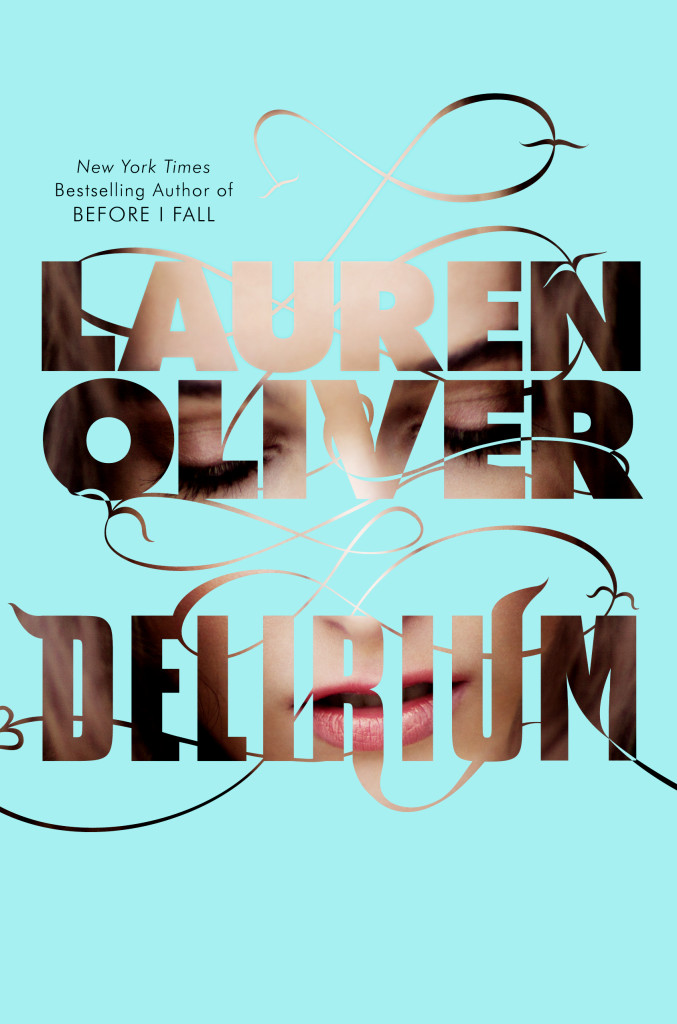
Delirium

Who are some of your design heroes?

Paula Scher, Peter Mendelsund, Louise Fili, Marian Bantjes, Chip Kidd, John Gall, Barbara deWilde.

Who do you think is doing interesting work right now?

Book design: Ray Shappell, Jen Heuer, Lucy Ruth Cummins, Jaya Miceli, Helen Yentus, Jon Gray, Theresa Evangelista, Olga Grlic, Elena Giavaldi, Oliver Munday.

Type/lettering/design: Dan Cassaro, Sasha Prood, Sean Freeman, Craig Ward, Isabel Urbina, I Love Dust, Kellerhouse.
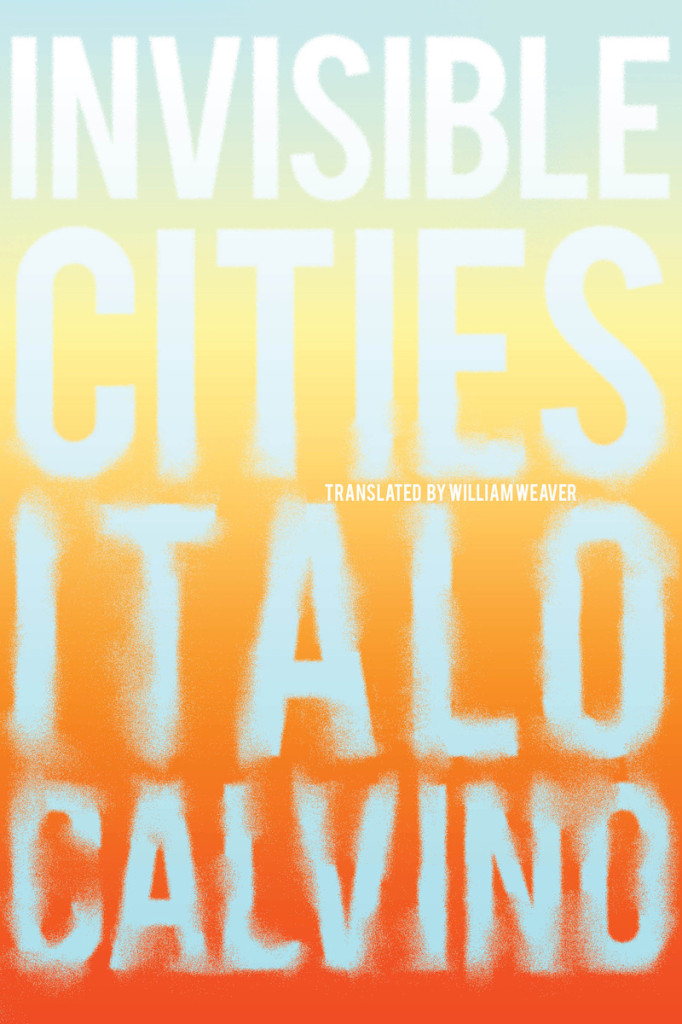
InvisibleCities

Is there a particular author or a book you’d like to design (or redesign!) a cover for?

Italo Calvino would be a dream, though I fear Peter Mendelsund might have dibs! Maybe the next repackage?

I designed a cover for Invisible Cities for an SVA Continuing Ed typography class that I still really like, but I’d love to take another swing at it, along with the rest of his work.

What‘s in your ‘to read’ pile?

I am halfway through two epic series: Harry Potter and Game of Thrones, Italo Calvino’s Letters, Wildwood by Colin Meloy and Carson Ellis, The Luminaries, Claire DeWitt and the Bohemian Highway.

Do you have system for organizing your books?

Most of our design and photography books are in the living room, but the rest of our (far too many) books are in the bedroom. We have a large white bookcase in there, and most of our décor is gray and white, so I spent way too long arranging the books in a rainbow spectrum. It’s not the most functional way, but it sure looks pretty and it’s forced me to pay a lot more attention to spine design.

Do you have a favourite book?

Invisible Cities. I read it first in college and have read it countless times since. There’s always something new to discover.
Tease_3D_rev

What does the future hold for book cover design?

Innovative and interactive packaging, a focus on book as object, and (hopefully) a continual blurring of the lines between adult and teen design.

Thank you, Erin!

1 Comment