Skip to content

Tag: taschen

The Complete Little Nemo

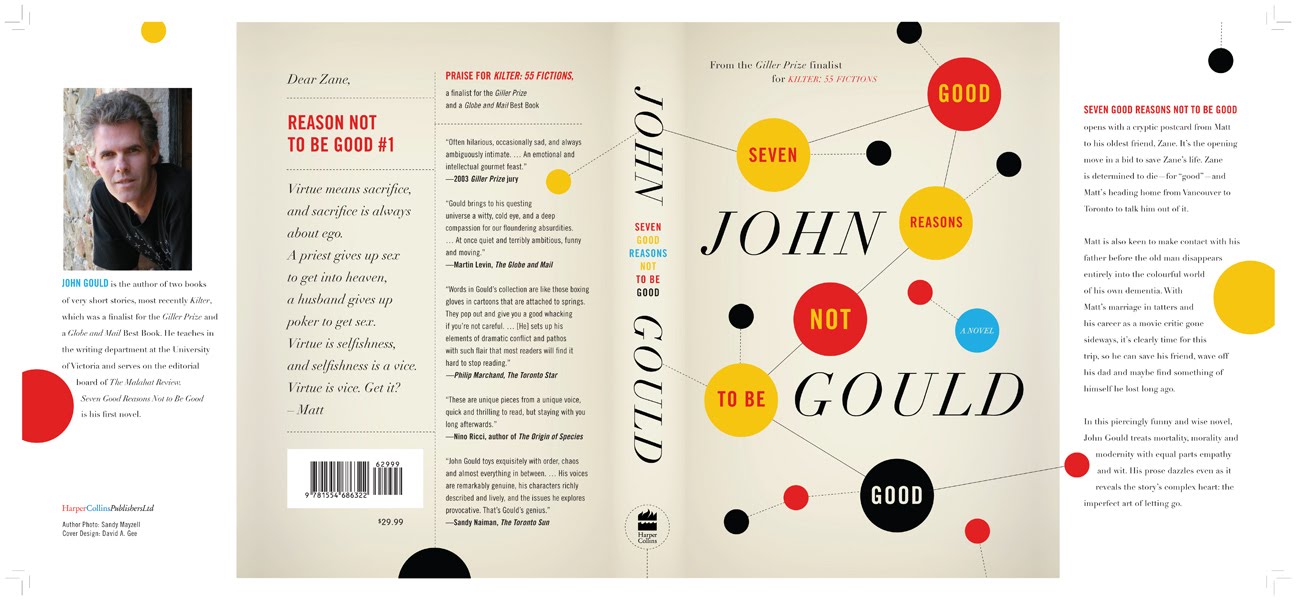
Cover

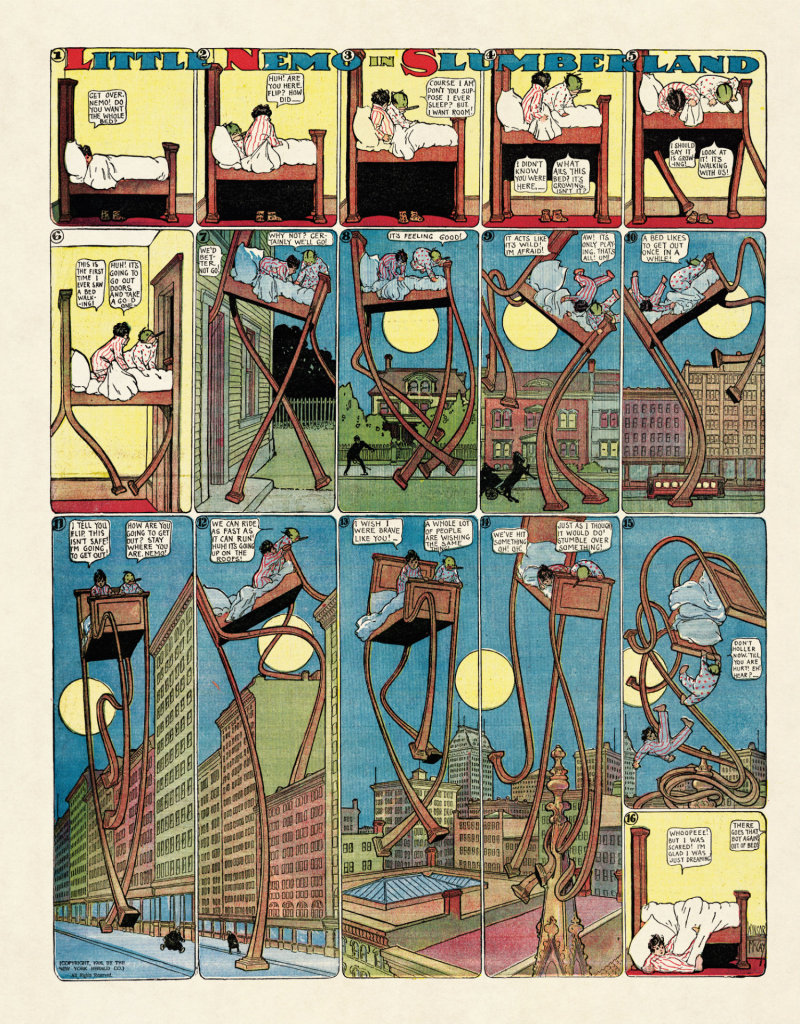
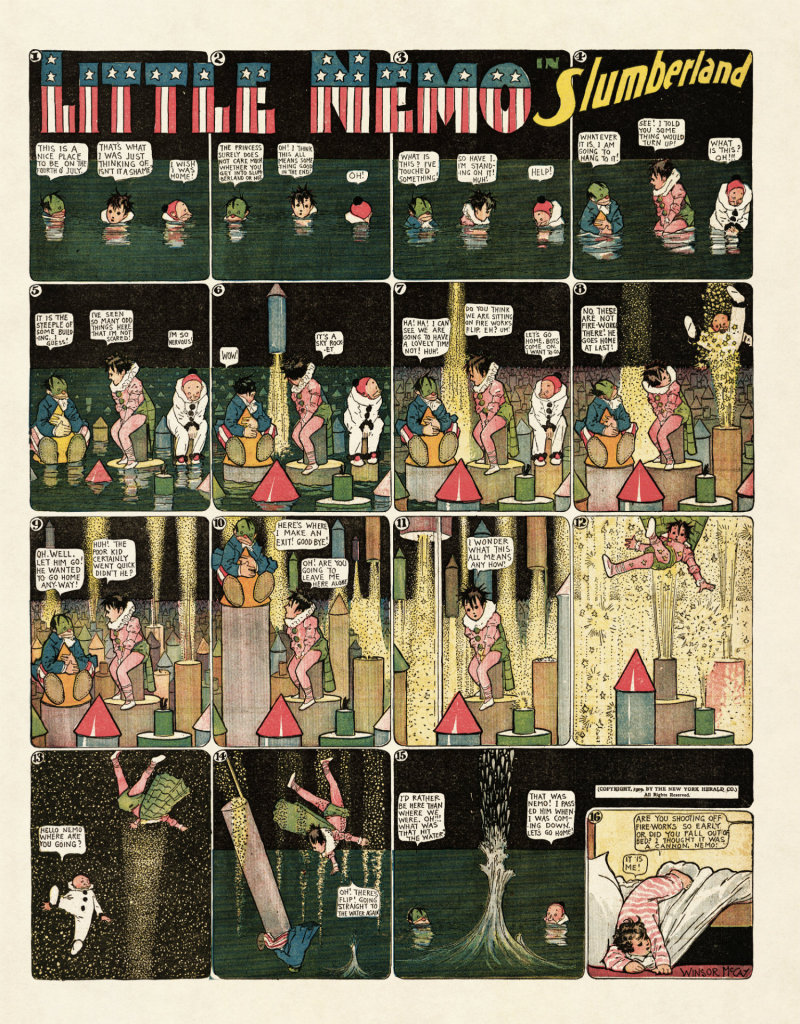
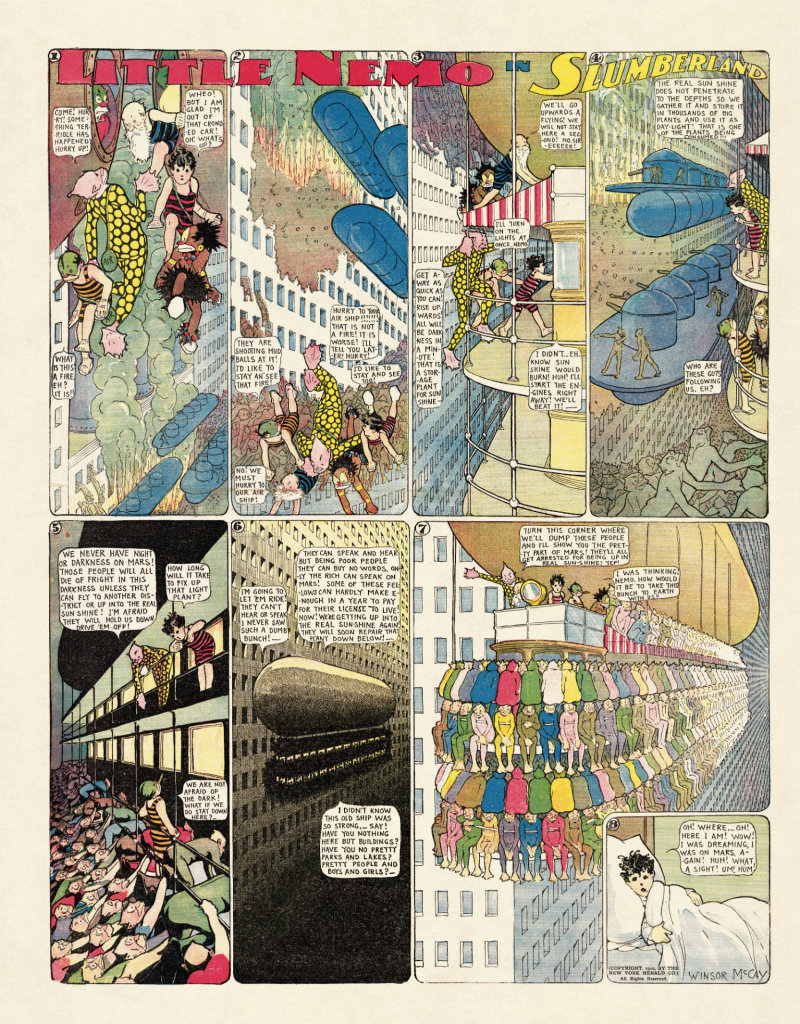
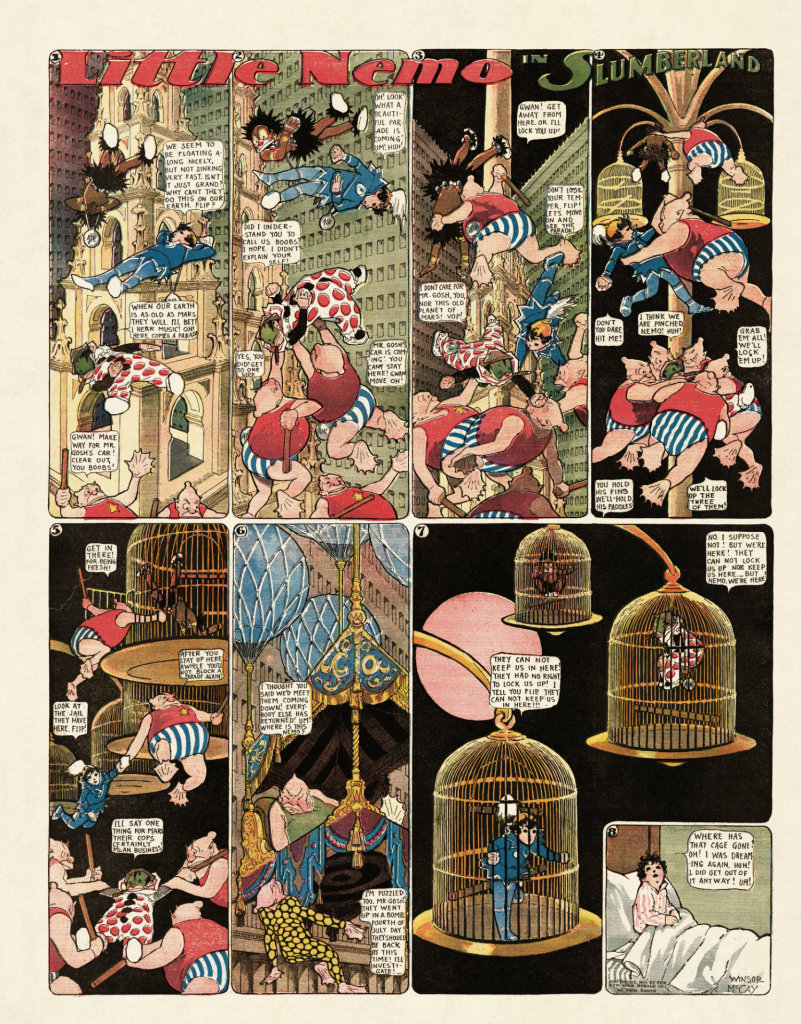
If you were wondering what to get me for Christmas this year, Taschen recently published Winsor McCay: The Complete Little Nemo 1905–1927which collects together all 549 of Winsor McCay’s extraordinary Little Nemo strips.

First published in The New York Herald in 1905, McCay’s innovative, beautifully detailed strips have been available online for sometime, and there have been attempts at reprint collections before, but this oversize edition looks absolutely gorgeous:

11

13

15

16

Comments closed

Benedikt Taschen | CBS News

A short profile of Benedikt Taschen from CBS Sunday Morning:

Comments closed

Midweek Miscellany

Atrocity Exhibition — Rick Poynor on the book covers  and other visual interpretations of J.G. Ballard at Design Observer:

The repeated failure of editors, designers and illustrators to engage intellectually with The Atrocity Exhibition is all the more remarkable because the book offers a litany of Ballardian images: bunkers, concrete causeways, jutting balconies, crashed bombers, a drained sculpture fountain, a deserted beach resort, rubber mannequins and plastic dummies, as well as more ambiguous images such as a “conceptual auto disaster” or a “spinal landscape” — quite apart from its erotic content.

See also: James Pardey’s essay on David Pelham’s Ballard covers for Penguin.

Cock of the Walk — Publisher Benedikt Taschen profiled in The Wall Street Journal:

Mr. Taschen admits he puts too much love and attention into his creations to ever go into the orbit of mass publishing, adding that he wants to make collectibles, not disposables. “Most books look so s— and dispassionately done; they are disposable from the beginning,” says the publisher. “Their books are not designed to become significant objects, so most books have no identity, no soul. I’m not saying all, but the vast majority [of publishing houses], with a few exceptions, have lost their profile and personality. It doesn’t look like they have spent a lot of care and love.”

(Says the publisher of The Big Butt Book book…)

A wonderful gallery of book trade labels.

See also: Book trade labels in the collection of Crossett Library Bennington College (via @shelfappeal).

The Lure of Lists — Literature professor Jeremy Dauber on the attraction of literary lists for More Intelligent Life:

Looking at the books double-stacked on shelves in my office, I can check off their provenance one by one: New York Times 10 Best Books of 2010; 500 Essential Graphic Novels; Harold Bloom’s guide at the end of The Western Canon; the awards list at the Locus Index to Science Fiction Awards; and the National Yiddish Book Centre’s 100 Greatest Works of Modern Jewish Literature. The stacks include the occasional recommendation of a friend or an impulse buy, but those are the exceptions to the list-derived rule.

And finally…
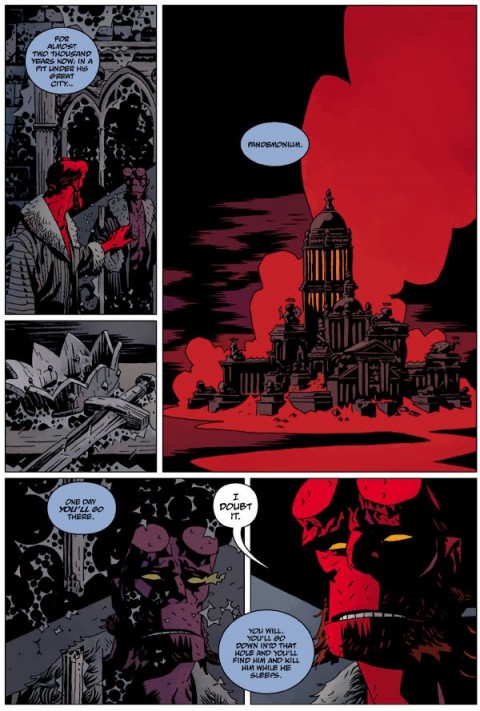
…On the list of all things awesome, BLDGBLOG interviewing Hellboy creator Mike Mignola ranks pretty highly (thanks @derekmurr):

I have never done a story in a shopping mall because, even if I’m not drawing it myself, I don’t want to see somebody draw a shopping mall. In the Hellboy world, and in other things I’ve done, those places almost don’t exist. When I do Eastern Europe—and I’ve been to Eastern Europe, and I’ve seen the shopping malls and the god-awful housing projects and things, and there are horror stories that take place in there, I have no doubt—but I gravitate toward the classic, clichéd, spooky places, whether they truly exist in this world or not.

See also: Hellboy: The Whittier Legacy in USA Today.
Comments closed

Somthing for the Weekend

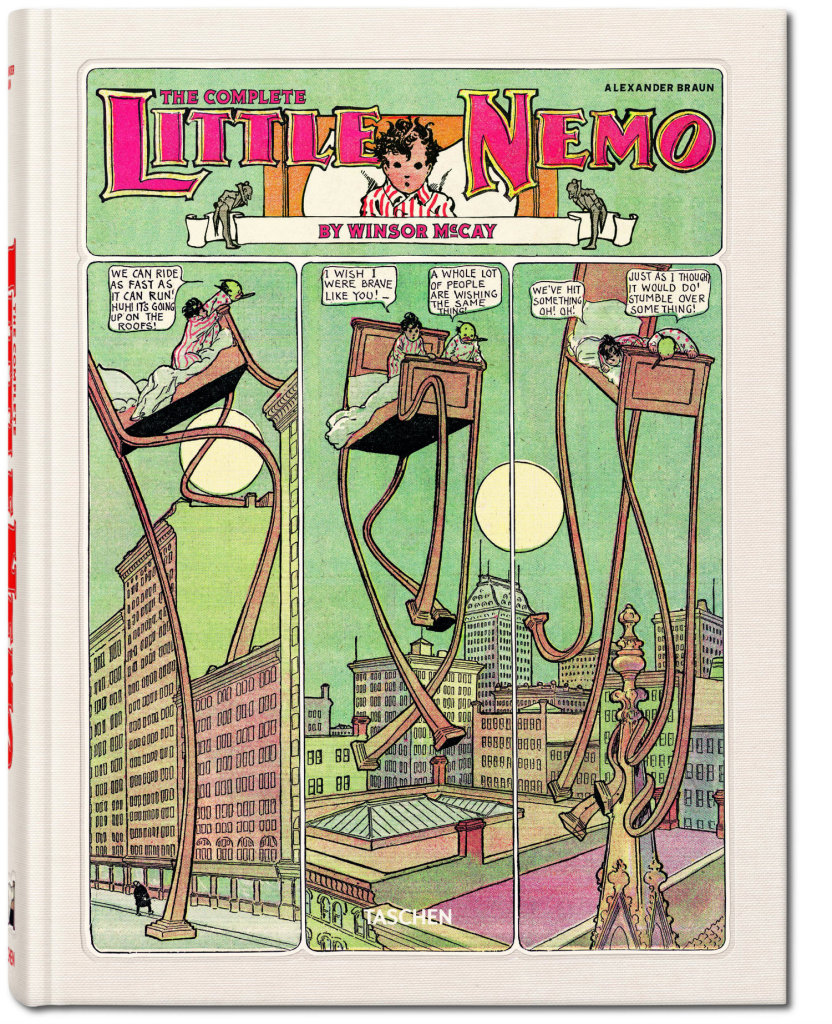
“Spot gloss on the molecules” — David Gee’s cover for 7 Good Reasons Not To Be Good by John Gould.

Going Back — Artistic Director Michael Salu on the creating the cover of the new issue of Granta magazine:

For this concept to work, we needed to strive for authenticity – to create the physical object ourselves. The typefaces would need to be sourced, traditionally hand-set and photographed to give the cover the depth that the issue deserves. For this I approached St Bride Printing Library, which has long been a place of fascination and wonder for me. My first visit to the library – with its oil, wood and metal, its smell of history – made a huge impression on me.

The Connoisseurs — Peter and Charlotte Fiell, who recently ended their 15-year tenure as heads of the design branch of Taschen, talk about their new publishing venture Fiell at More Intelligent Life:

What is design? It’s the forethought that goes into the making of man-made things. It’s films, pharmaceuticals, airplanes, chairs, tape recorders … it’s the world of stuff. It’s huge, so everybody should have a big interest. It’s not some avant-garde, highly expensive niche. We want to make money by publishing books that sell, but we’re in the business of promoting ideas, culture, taste, connoisseurship. If you want to make a difference you want to get into as many people’s heads as you can and change their opinion. The secret is to strike this balance between making your books appealing to learned type readers, while at the same time, making them useful and interesting to novice readers. Our aim is to make books as appealing to teenagers in Tokyo as architects in Amsterdam.

(Above: Spreads from Tools for Living: A Sourcebook of Iconic Designs for the Home by Charlotte and Peter Fiell)

Designing In Order To  Eat — Chris Ware’s introduction to Penguin 75 excerpted at GQ magazine:

Book designers, you should know, have to be ready to create something new, exciting, and original almost every day in order to eat, and a certain degree of burnout smokes out the weaker specimens; I can’t imagine coming up with cover after cover without at some point resorting to an out-of-breath take, intentional or not, on someone else’s great idea. This urge toward ever-freshness brings the profession perilously close to that of fashion, and the worst examples of such greet us at the grocery store checkout among the tabloids, gum, and ring pops. But the best of it, those that last, have recently been appearing from Penguin (yes, Penguin, not just the bearer of boring spring break assignments anymore!), following a path led by designer Paul Buckley into beautiful new ways of graphically proffering the written word.

The excerpt is accompanied by a slideshow of covers from the book. My interview with Paul Buckley and designer Christopher Brand about Penguin 75 will be up early next week.

And Finally… The book cover design Tumblr (via Alan Trotter’s ≥ notes)

1 Comment