I really like this new series design for Édouard Louis created by Violet Dine with AD Rodrigo Corral for Picador (US). The custom font was created by Trent Howell inspired by Jean-Luc Godard title cards.






Books, Design and Culture
I really like this new series design for Édouard Louis created by Violet Dine with AD Rodrigo Corral for Picador (US). The custom font was created by Trent Howell inspired by Jean-Luc Godard title cards.
Hey. I hope you’re keeping safe and well. Here are this month’s book covers…

Air by Christian Kracht, translated by Daniel Bowles; design by Sinem Erkas; painting by Georges Rohner (Serpent’s Tail / July 2026)
Sinem also designed the cover of Kracht’s previous novel Eurotrash.


Astronaut! by Oana Aristide; design by Utku Lomlu (W. W. Norton / July 2026)
The cover of the UK edition of Astronaut!, published by Wildfire in March this year, was designed by Jack Smyth.


Beginning Middle End by Valeria Luiselli; design by Kelly Blair (Knopf / July 2026)
There not really the same, but the phases of the moon reminded of the cover of How High We Go in the Dark by Sequoia Nagamatsu designed by Will Staehle for William Morrow & Co. from a few years back.


Cry For Me, Argentina by Tamara Yajia; design by Mia Kwon; illustration by Haley Tippmann (Bloomsbury / July 2026)

Dad Had a Bad Day by Ashton Politanoff; design by Luke Bird (Daunt Books / July 2026)
The cover of the US edition, published by Astra House in May, was designed by Rodrigo Corral.


Doonen by Keith Ridgway; design by Paul Sahre (New Directions / June 2026)

Exhibition by Alex Hyde; design by Anna Green; photo by Juergen Teller (Granta / July 2026)
Thanks to Sarah Wasley at Granta for providing the credits for their recent covers. I probably should’ve guessed this particular photo (‘Annie Morton, Forte dei Marmi, Italy, 1995, No.2’) was taken by Juergen Teller, especially given the book is set in the London art world of the 1990s.

Famous Men by Julie Buntin; design by Oliver Munday; art by Meghann Stephenson (Random House / July 2026)

Five Novels by César Aira; design by Erik Carter (New Directions / July 2026)

Gaining Ground by Joan Barfoot; design by Sophie Harris (Faber / July 2026)

Heart Eater by Sun Yung Shin; design by Zoe Norvell (Black Lawrence Press / July 2026)
This reminds me of something but I can’t remember exactly what. Maybe the cover of Rabbit Island by Elvira Navarro designed by Gabriele Wilson? I don’t know.


Kitten by Stacey Yu; design by Saffron Stocker (Sceptre / July 2026)
Big yellow type — still a thing!

I Made you Up Inside My Head by Marta Pérez-Carbonell, translated by Rosalind Harvey; design by Grace Han (Riverhead / July 2026)

It Will Come Back To You by Sigrid Nunez; design by Lauren Peters-Collaer (Riverhead / July 2026)

May We Feed the King by Rebecca Perry; design by Jo Walker (Granta Books / January 2026)
I’m very late to this one, but I have been hearing great things about the book (Transit will be publishing it in the US and Canada in September) and it was just longlisted for the Booker Prize.

A Real Animal by Emeline Atwood; design by Patrick Sullivan (Catapult / July 2026)

We Were Forbidden by Jaqueline Harpman, translated by Ros Schwartz; design by Jared Bartman (Transit Books / July 2026)
There is also a Barnes and Noble special edition which has a variant cover.


The Winds of Maracaibo by María Elena Morán, translated by Madeline Jones; design by Janet Hansen (Knopf / July 2026)
Leave a CommentHi. Hello. I hope you’re keeping safe and well. I’m getting this month’s post out at little earlier than usual (i.e. not the 11th hour), and on a Monday no less, because I’m going to be in NYC the rest of this week for work. Even though this is a little bit of a quick and dirty post, there are still lots of covers for you to peruse and admire. Apologies if I’ve missed anything obvious and/or spectacular. I will try to catch up next month.

American Fantasy by Emma Straub; lettering by Jessica Hische; art by Vi-An Nguyen (Riverhead / April 2026)
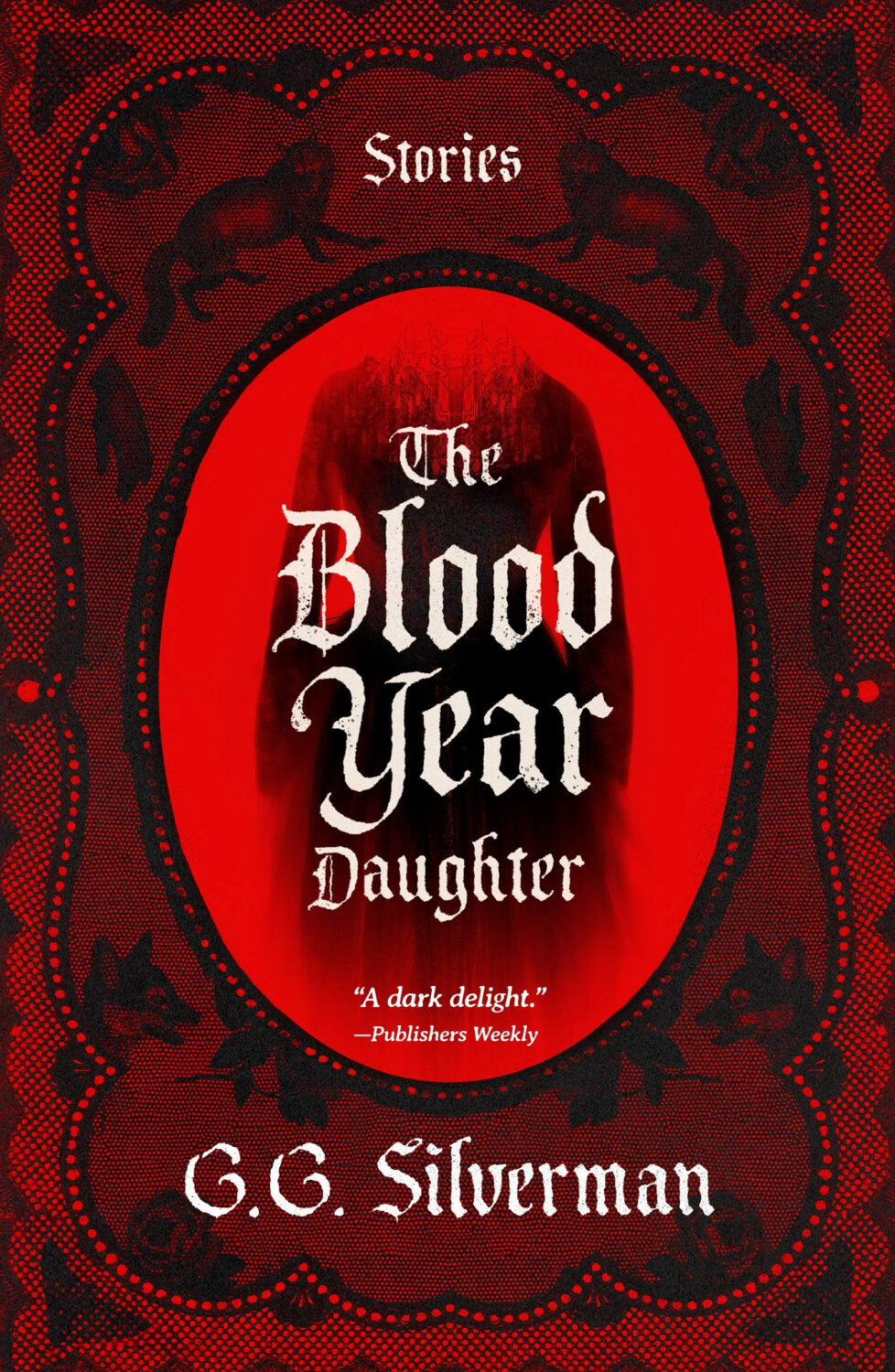
The Blood Year Daughter by G. G. Silverman; design by Luísa Dias (Creature Publishing / April 2026)
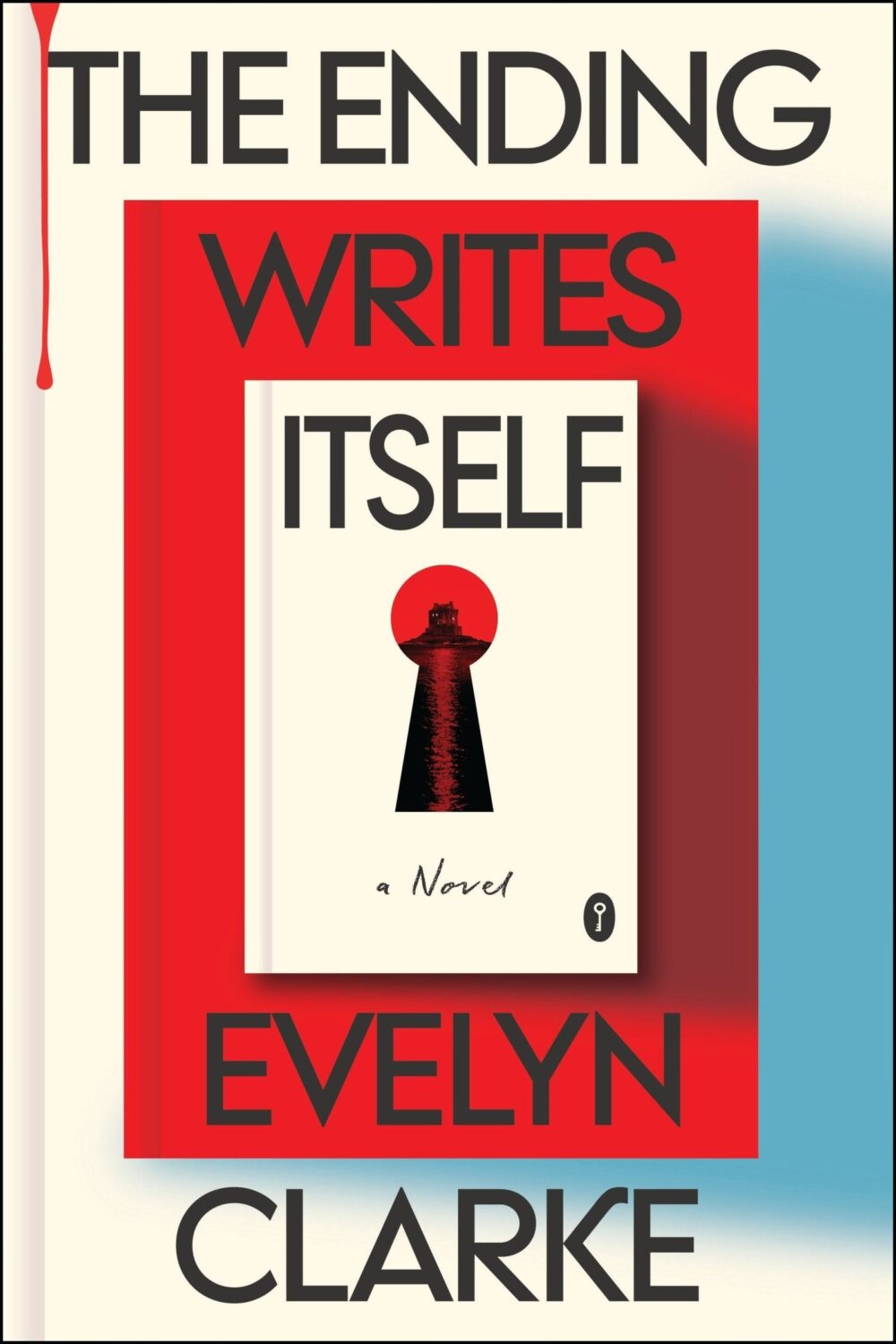
The Ending Writes Itself by Evelyn Clarke; design by Will Staehle (Harper / April 2026)
Book covers on book covers on book covers… (I posted a whole bunch of variations on this theme back in 2014. It’s probably due an update)
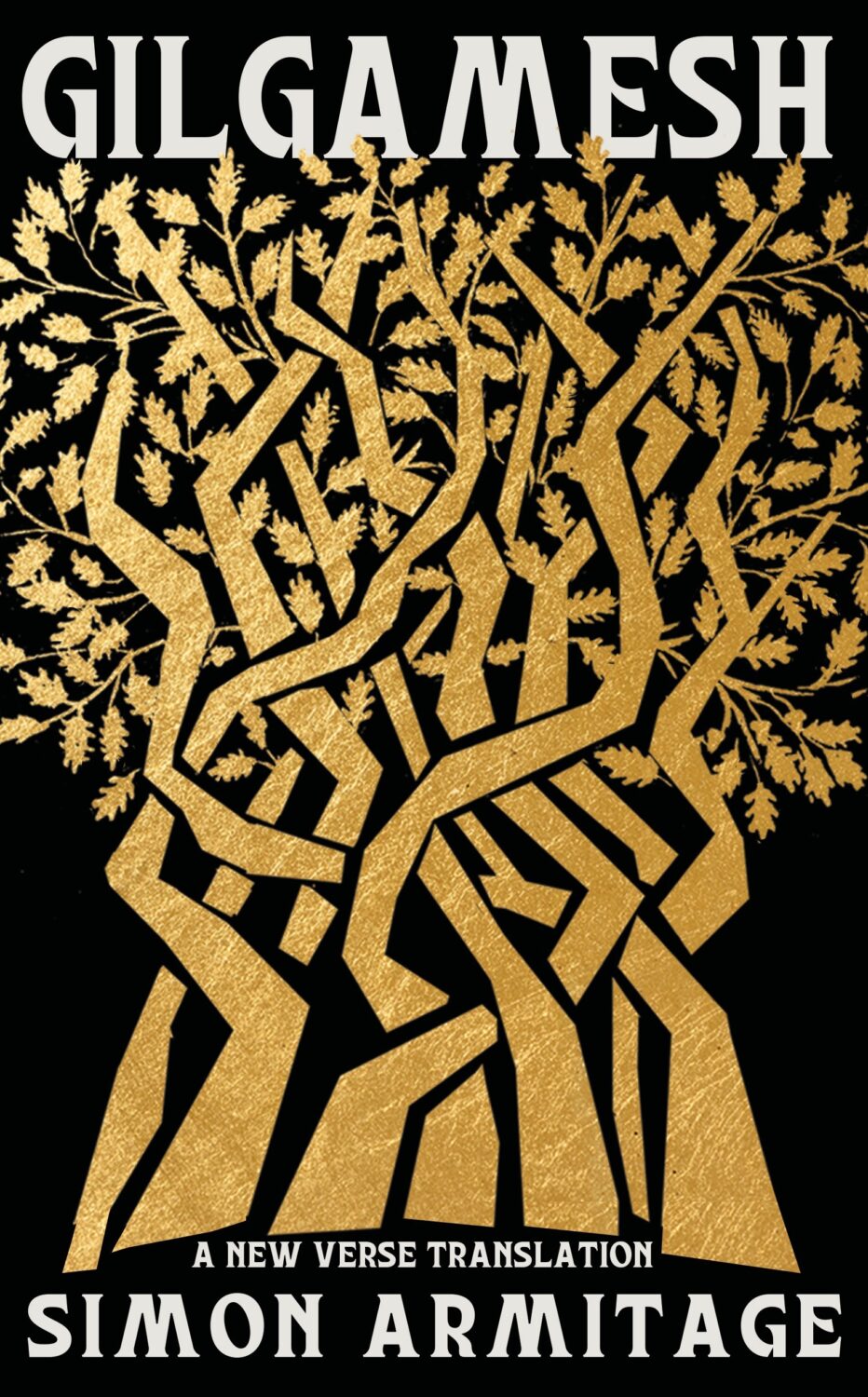
Gilgamesh translated by Simon Armitage; design by Jaya Miceli (Liveright / April 2026)
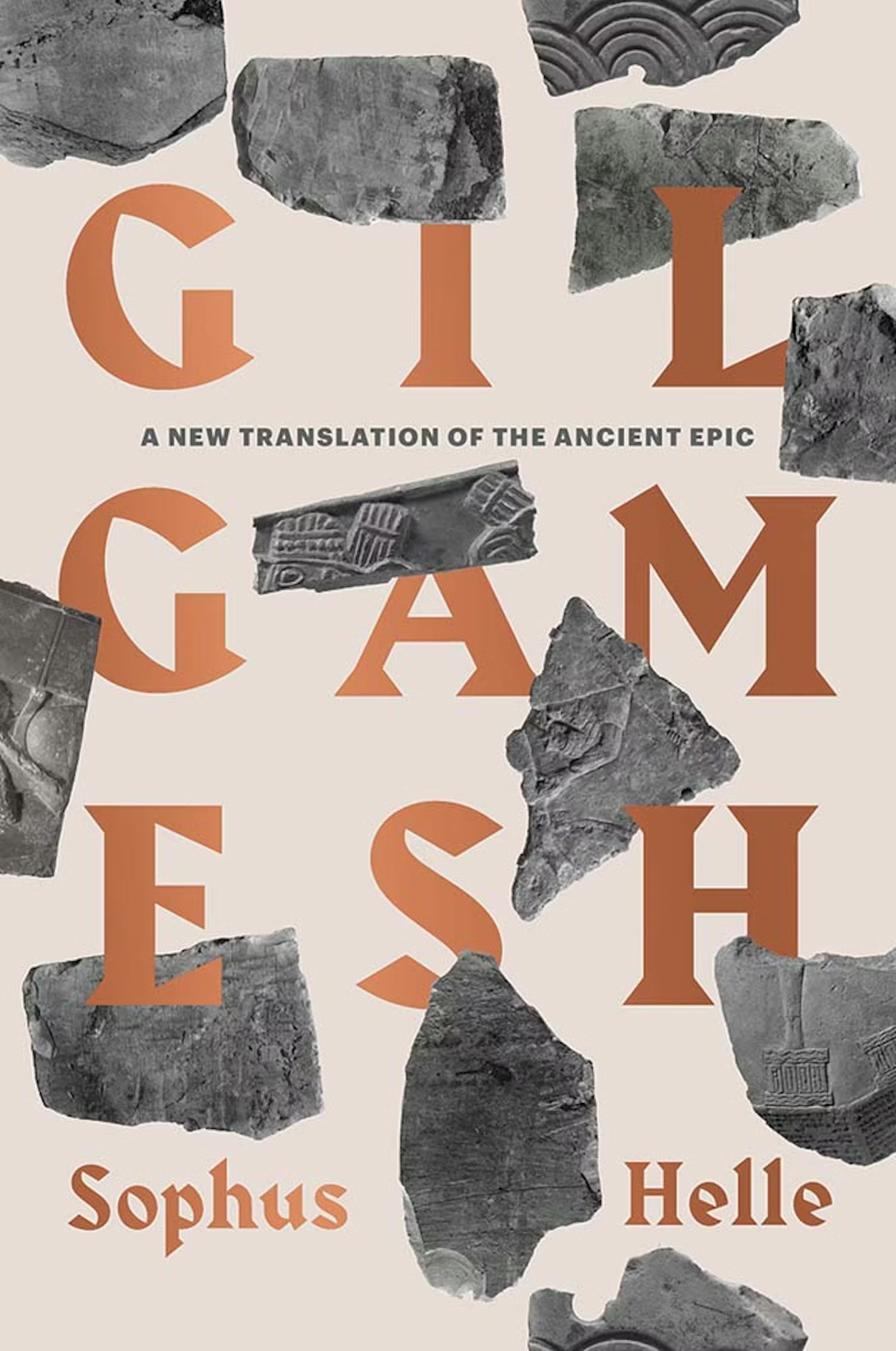
It’s interesting to compare this cover to the one for the Yale University press edition translated by Sophus Helle from a couple of years ago designed by Jenny Volvovski:

Go-Between Girl by Andrea Gunraj; design by Talia Abramson (McClelland & Stewart / April 2026)

Haven by Ani Katz; design by Elizabeth Yaffe (Penguin Books / March 2026)

Hexes of the Deadwood Forest by Agnieszka Szpila, translated by Scotia Gilroy; design by Linda Huang (Pantheon / April 2026)

Like This, But Funnier by Hallie Cantor; design and illustration by Rachel Willey (Simon & Schuster / April 2026)
Nice to see a new book cover from Rachel who is busy doing art directing things at the New York Times Magazine these days I believe!

My Lover, the Rabbi by Wayne Koestenbaum; design by Jack Smyth (Granta / March 2026)
If anyone at Granta reads the blog, I would love to chat to someone about getting the design credits for your covers on a regular basis.
And the (very different) cover of the US edition of My Lover, the Rabbi published by FSG Originals last month was designed by Evan Gaffney.


No Ghosts by Max Lury; design by Tom Etherington (Peninsula Press / April 2026)

No Way Home by T. C. Boyle; design by Emily Mahon (Liveright / April 2026)

The Oak and the Larch by Sophie Pinkham; design by Georgie Proctor; art by Masabikh Akhunov (William Collins / January 2026)
A bit late to this one, but the art (which I would guess is a linocut?) is really, really nice.

Odessa by Gabrielle Sher; design by Keith Hayes; cover art by Ben Turner (Little Brown and Company / April 2026)

On the Calculation of Volume (Book IV) by Solvej Balle, translated by Sophia Hersi Smith and Jennifer Russell; design by Matt Dorfman (New Directions / April 2026)
Here are the first four books side by side:




The Pain of Others by Miguel Ángel Hernández, translated by Adrian Nathan West; design by Jared Bartman (Other Press / April 2026)
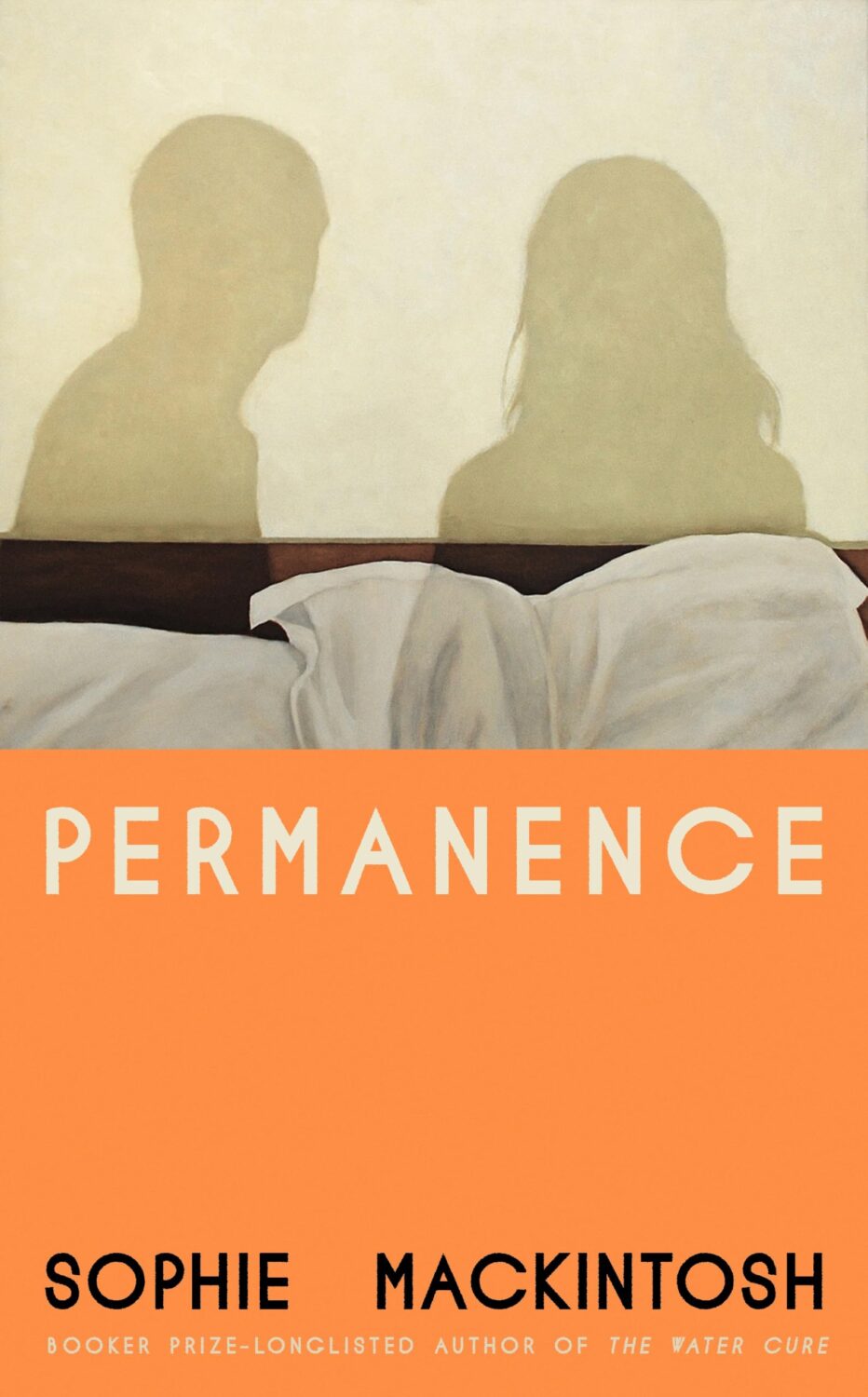
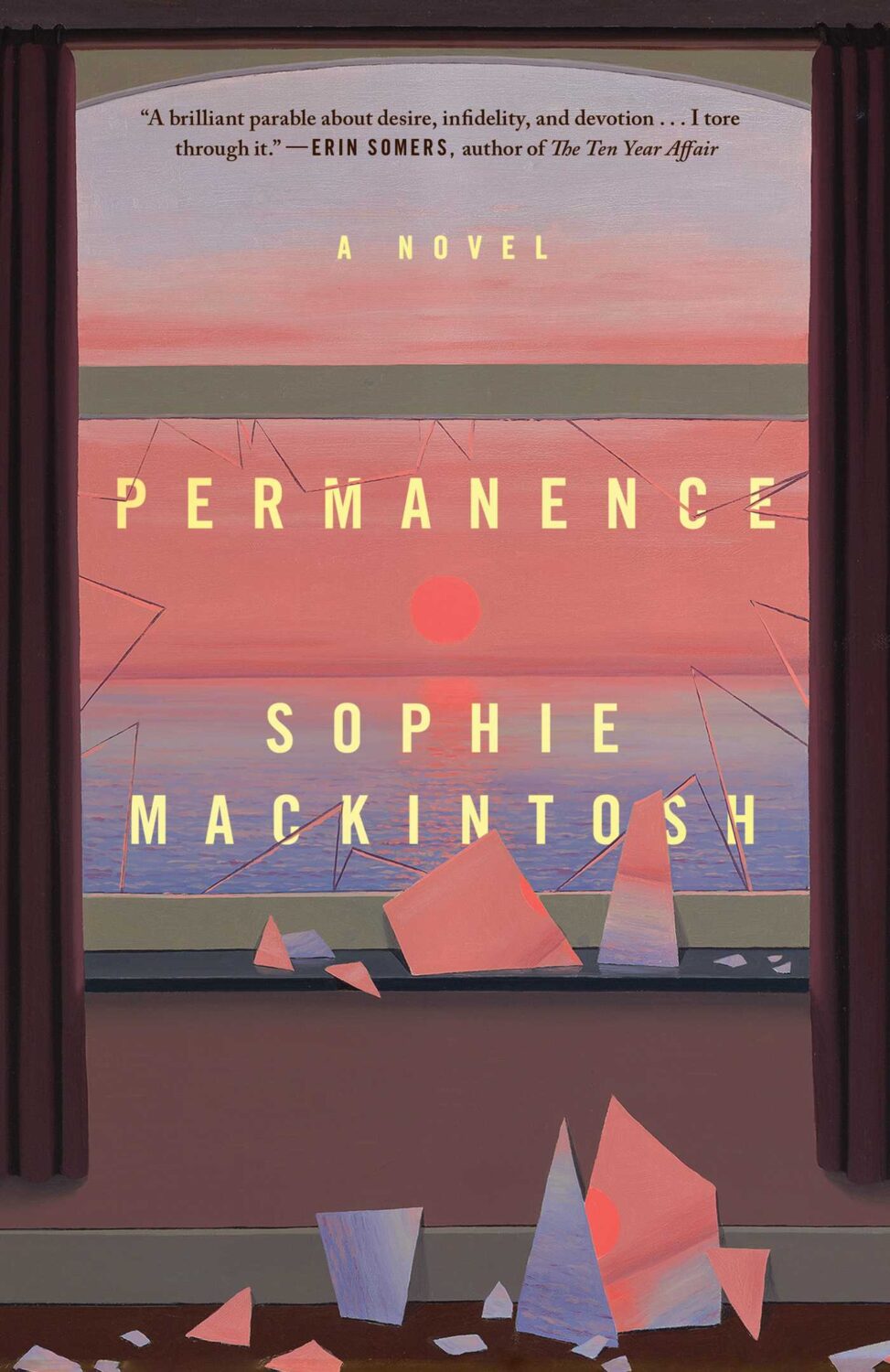
Permanence by Sophie Mackintosh; design Dan Jackson; art by Jess Allen (Hamish Hamilton / April 2026)
The cover of the US edition of Permanence, published by Avid Reader Press this month was designed by Grace Han.
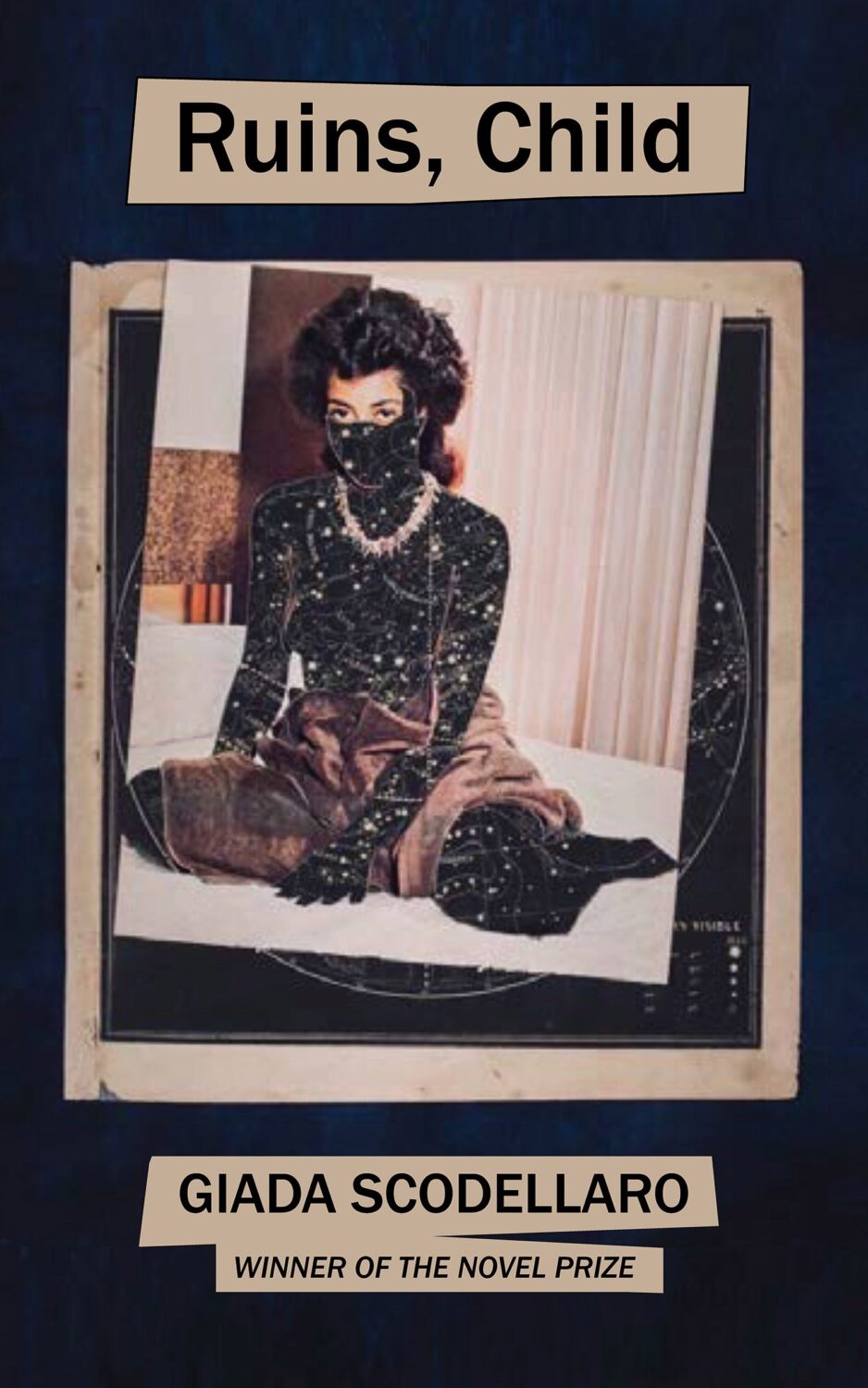
Ruins, Child by Giada Scodellaro; design by John Gall; art by Lorna Simpson (New Directions / April 2026)

Transcription by Ben Lerner; design by Violet Dine, Rodrigo Corral Studio (Farrar, Straus & Giroux / April 2026)
The cover of the UK edition of Transcription, published by Granta this month, was designed by Gray318.

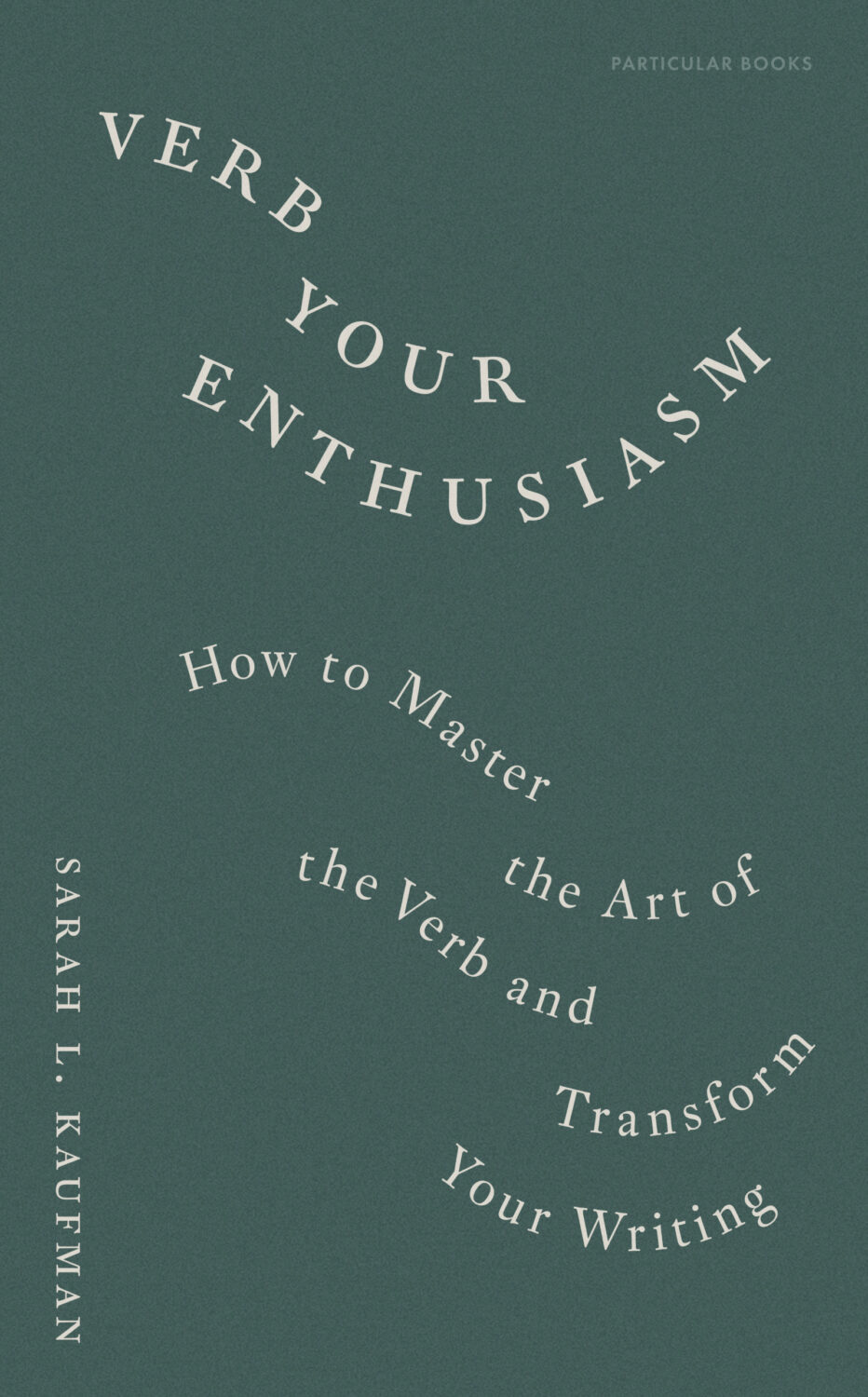
Verb Your Enthusiasm by Sarah L. Kaufman; design by Daniele Roa (Particular Books / April 2026)
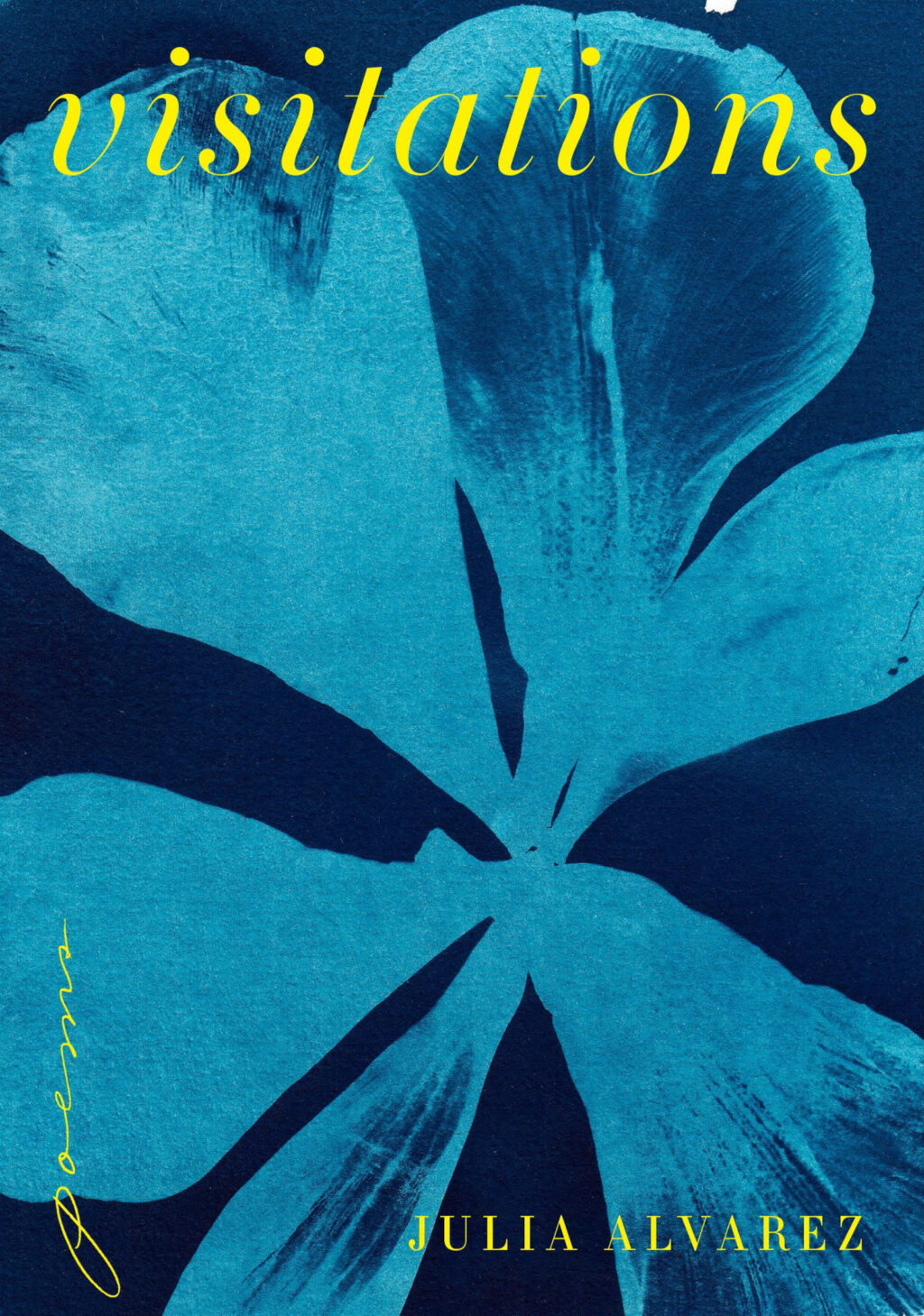
Visitations by Julia Alvarez; design by Janet Hansen (Knopf / April 2026)

Wifehouse by Sonya Walger; design by Patrick Sullivan; art by John Worthington (Union Square & Co / April 2026)
I guess legs on covers are a thing this month?


Hey. I hope you’re keeping safe and well, especially my friends and colleagues in snowy NYC. Thanks to everyone who helped with images and design credits this month — it’s been a really busy month so I really appreciate it!
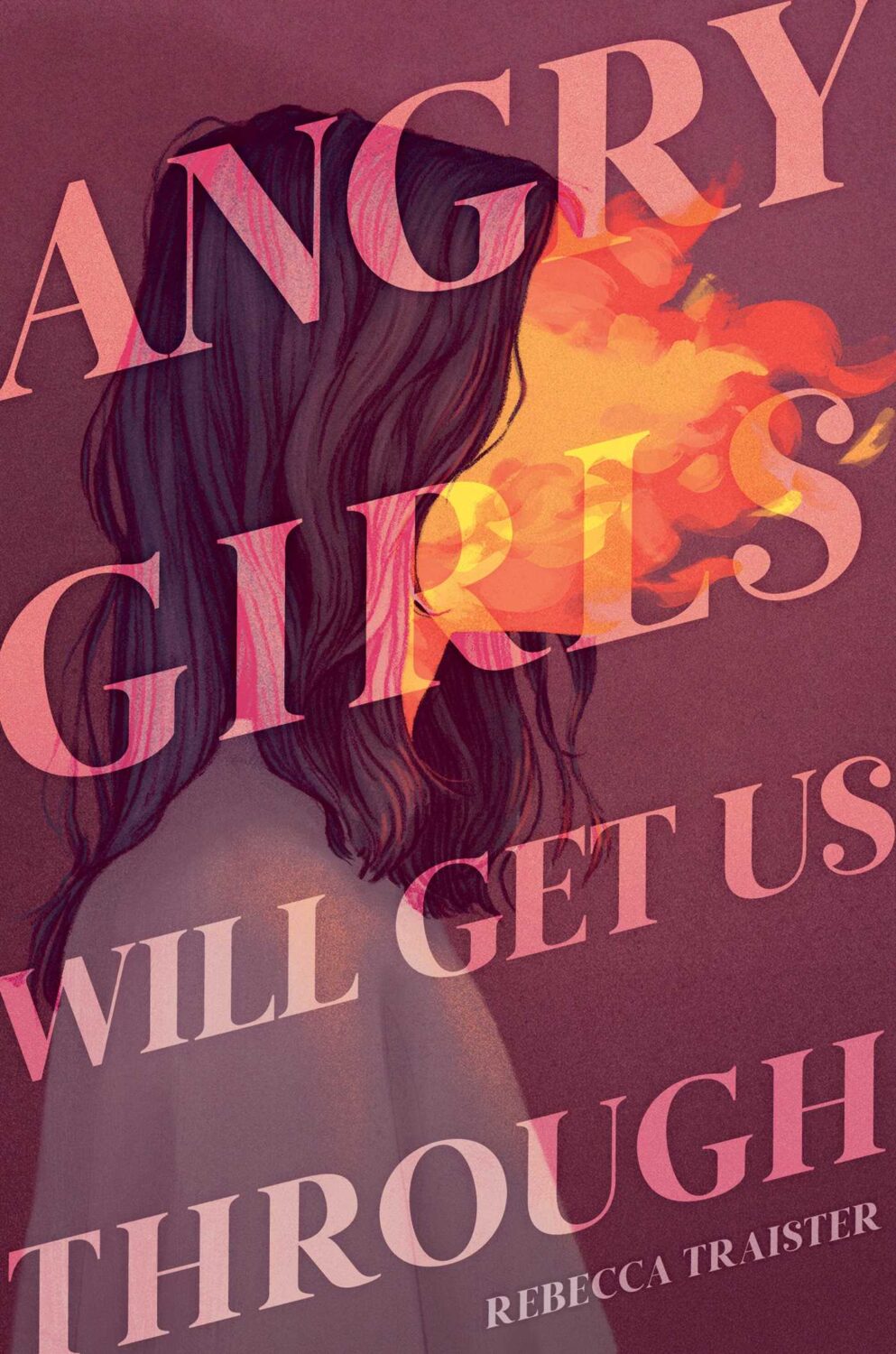
Angry Girls Will Get Us Through by Rebecca Traister; design by Sarah Creech; art by Adara Sánchez (Simon & Schuster BYR / February 2026)
And just ICYMI, my look back at some of last year’s young adult covers can be found here.

As If by Isabel Waidner; design by Richard Bravery (Hamish Hamilton / February 2026)
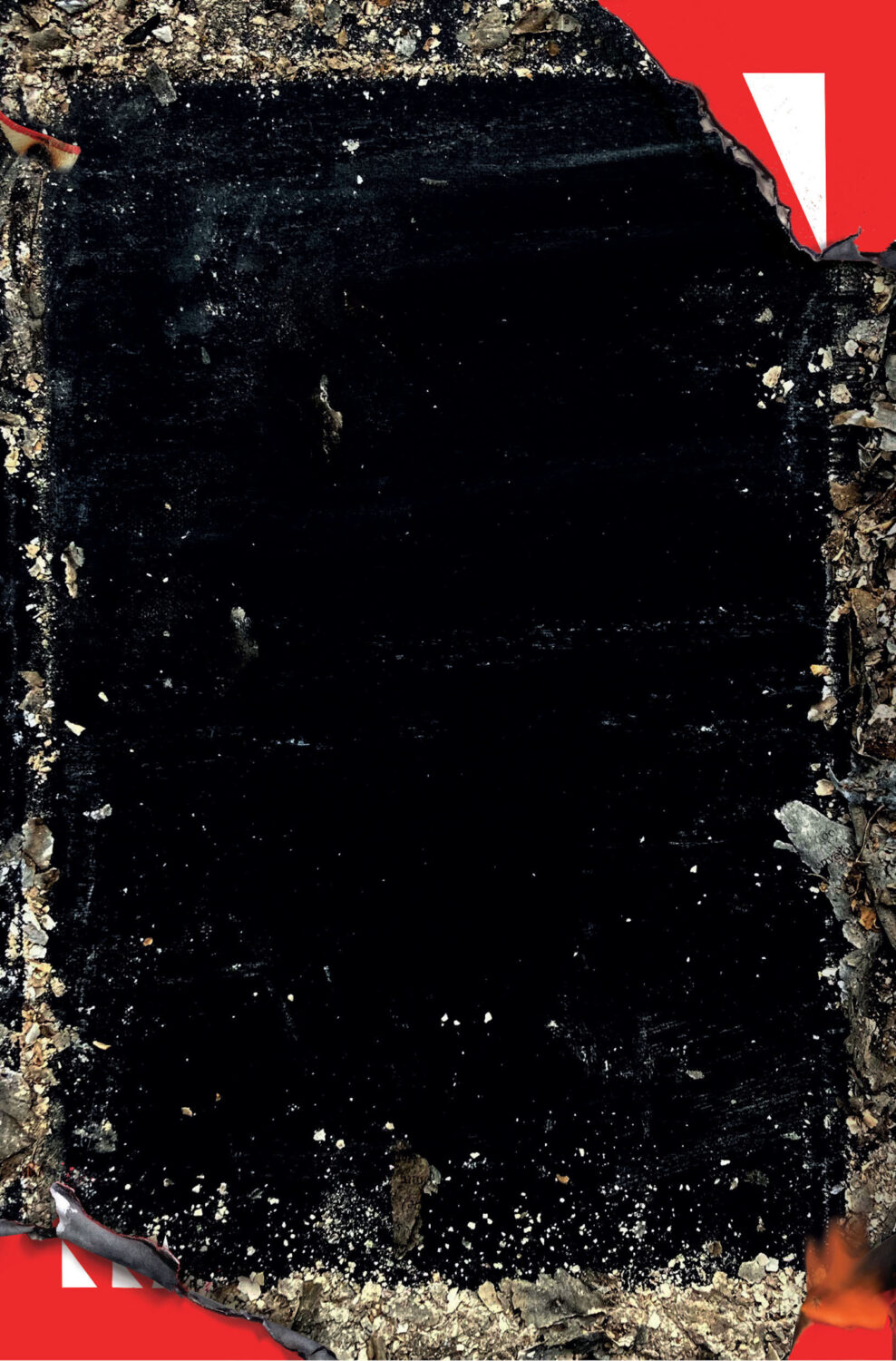
Baron Wenckheim’s Homecoming by László Krasznahorkai, translated by Ottilie Mulzet; design by Paul Sahre (New Directions / January 2026)
Here’s the full jacket:

And it probably makes more sense if you’ve seen the hardcover, also designed by O.O.P…


Brawler by Lauren Groff; design by Jaya Miceli; art by Vladimir Dunjic (Riverhead / February 2026)
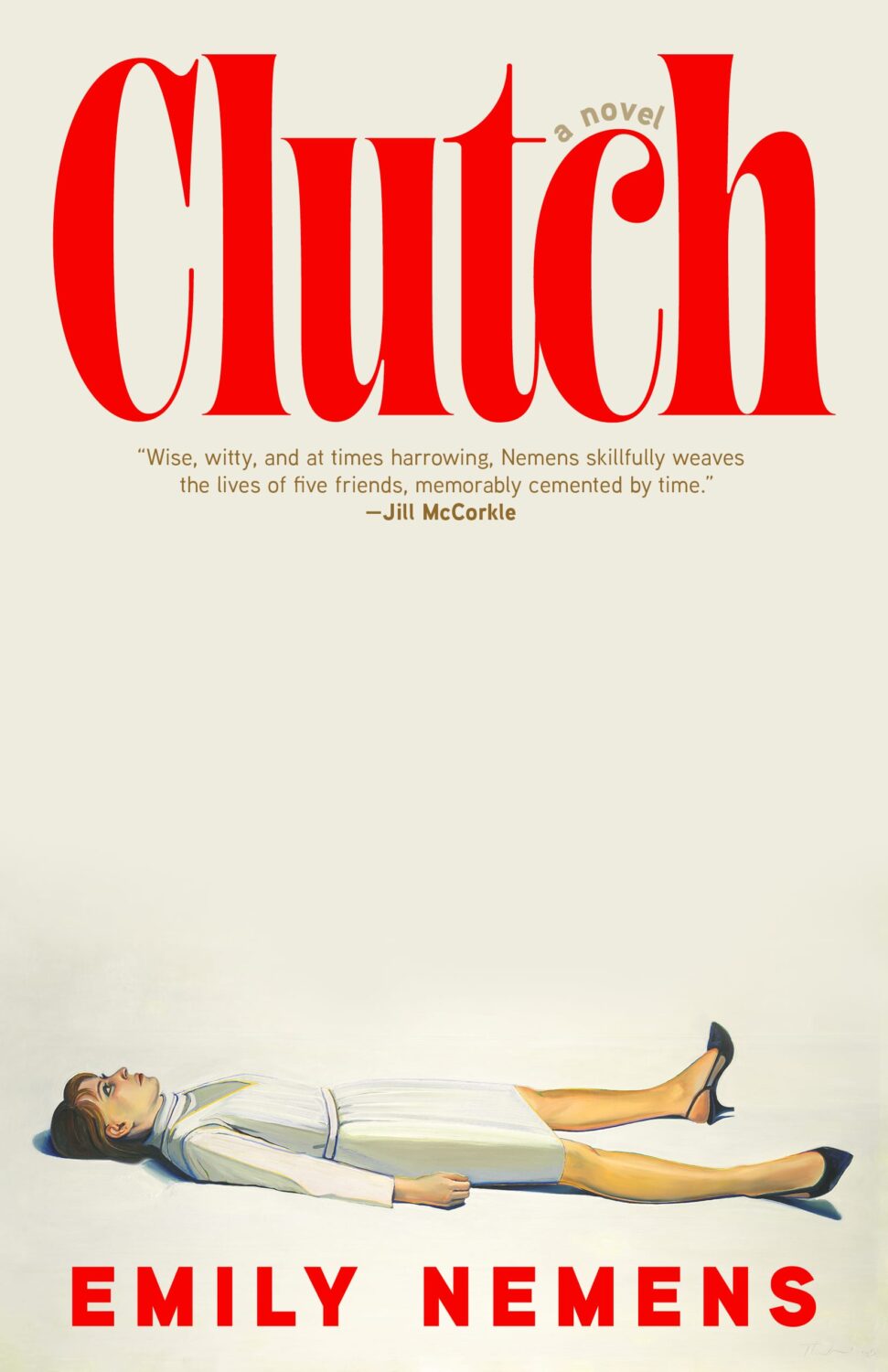
Clutch by Emily Nemens; design by Beth Steidle; art by Wayne Thiebaud (Tin House / February 2026)
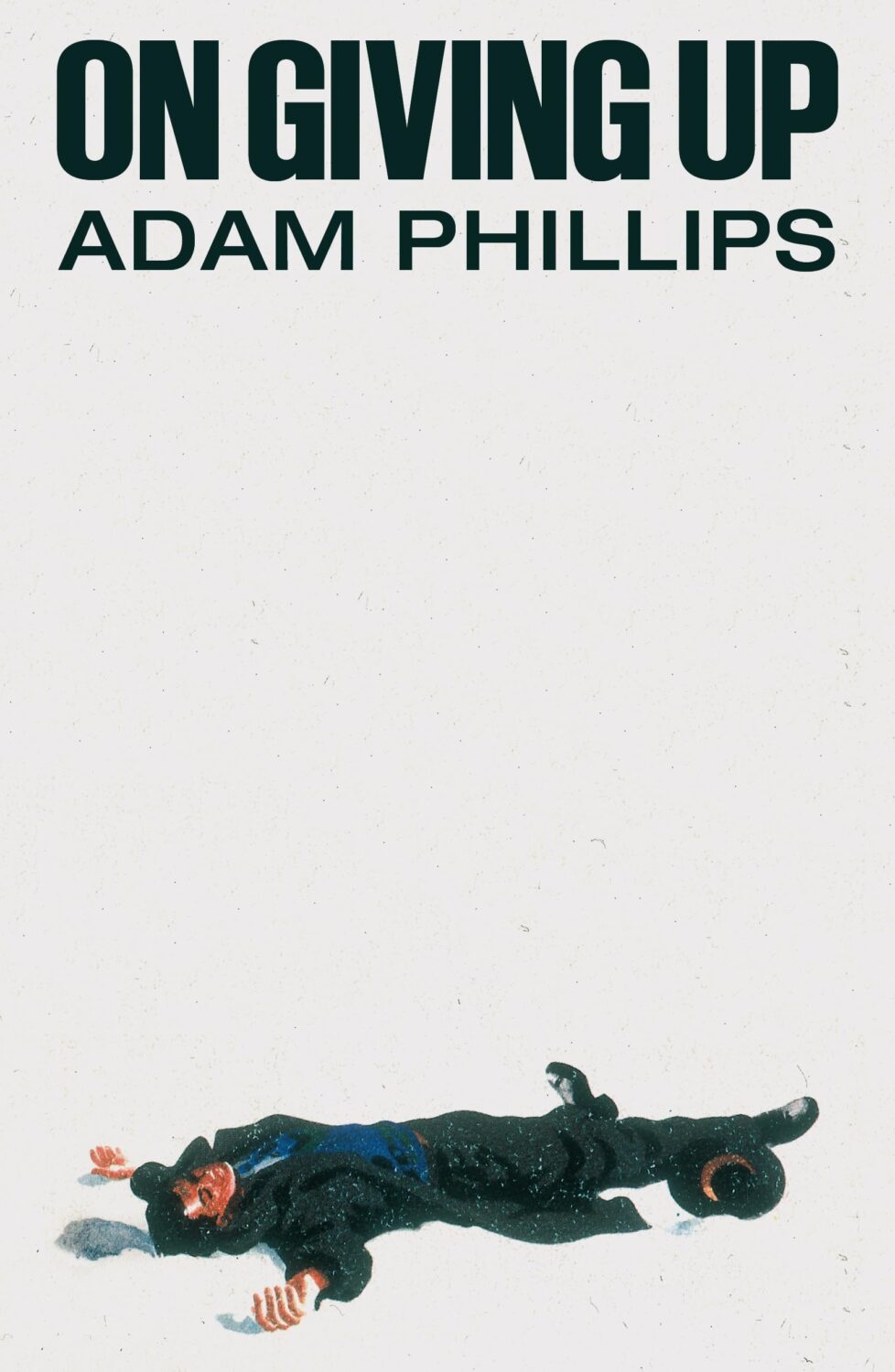
This reminded me of Alex Merto‘s cover for On Giving Up by Adam Phillips from a couple of years ago…

Crux by Gabriel Tallent; design by Chris Bentham (Fig Tree / February 2026)
This is the UK cover. The cover of the US edition of Crux designed by Jaya Miceli was in last month’s post.


The Disappearing Act by Maria Stepanova; translated by Sasha Dugdale; design by Oliver Munday (New Directions / February 2026)

Eradication by Jonathan Miles; design by Oliver Munday (Doubleday / February 2026)

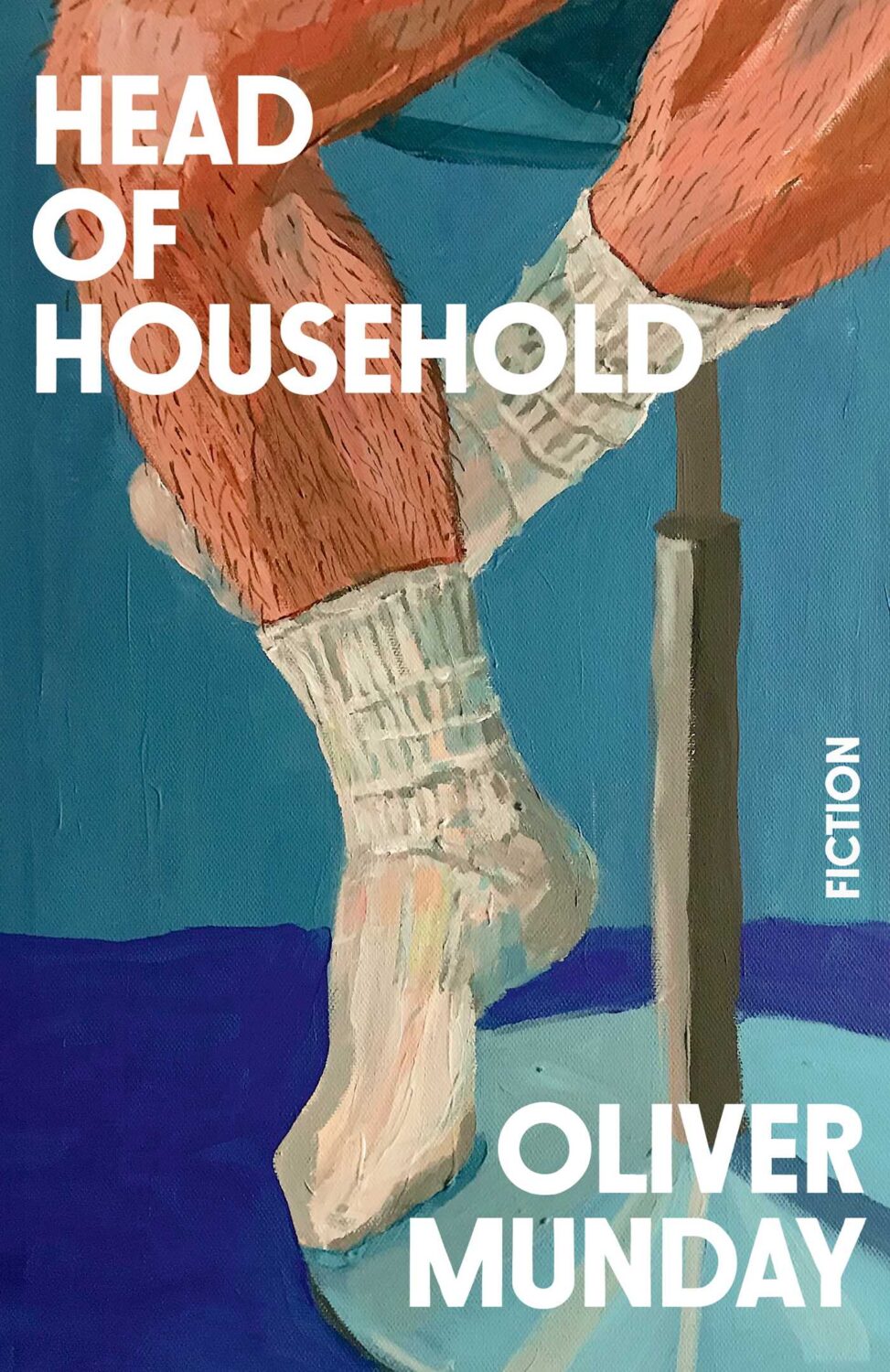
Oliver’s own novel, Head of Household, is out from Simon & Schuster in the US this month too. The cover was designed by Christopher Brand, and you can read a conversation between the two about the design process at LitHub.

Favorita by Michelle Steinbeck; translated by Jen Calleja; design by Henry Petrides (Faber & Faber / February 2026)

A Killing in Cannabis by Scott Eden; design by Giacomo Girardi / Rodrigo Corral Studio (Spiegel & Grau / February 2026)

Lithium by Malén Denis; translated by Laura Hatry & John Wronoski; design by Joan Wong (New Directions / February 2026)
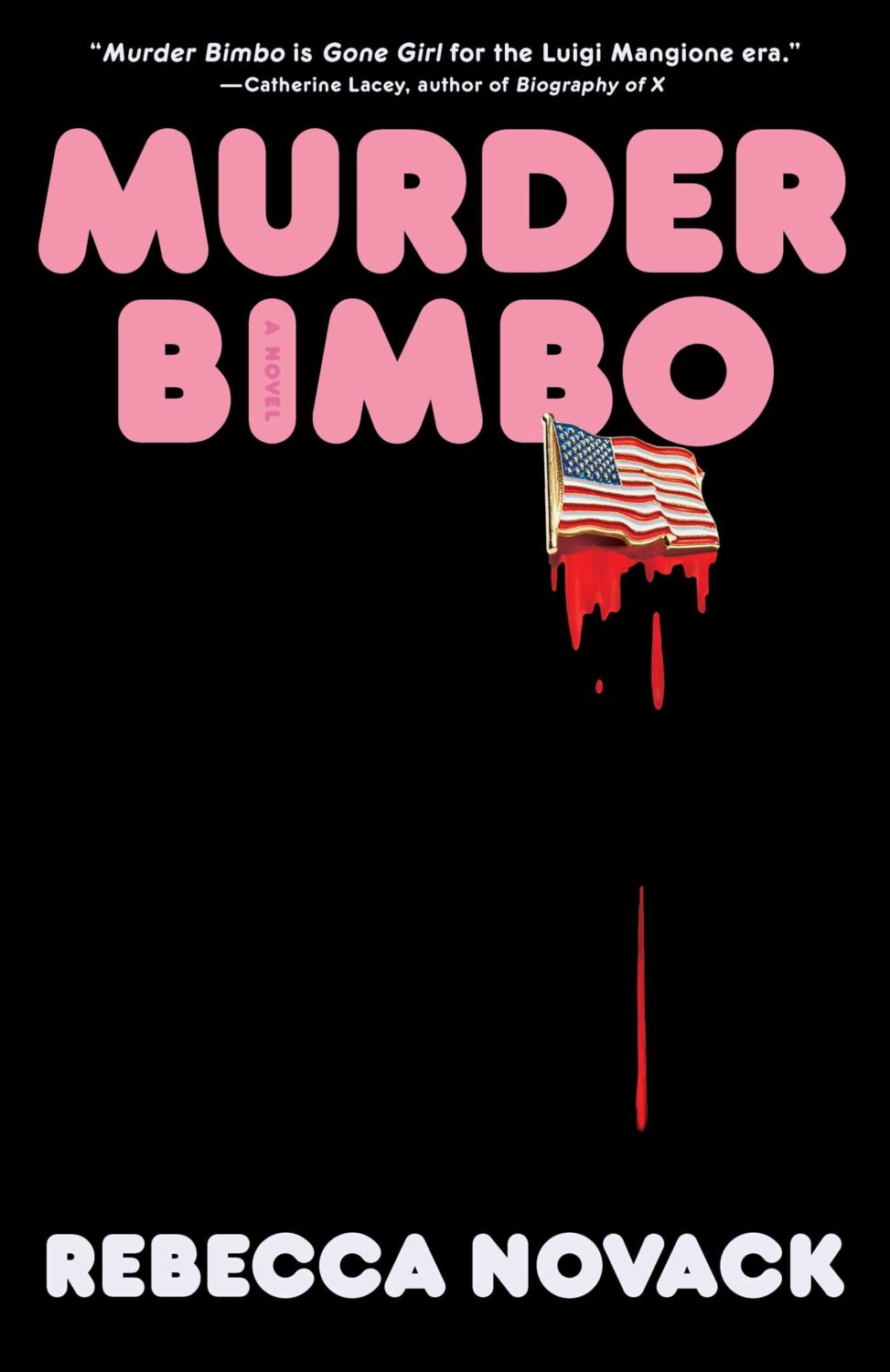
Murder Bimbo by Rebecca Novack; design by Ben Wiseman (Avid Reader / February 2026)
The cover of the UK edition of Murder Bimbo published by Manilla Press was designed by Alex Kirby.

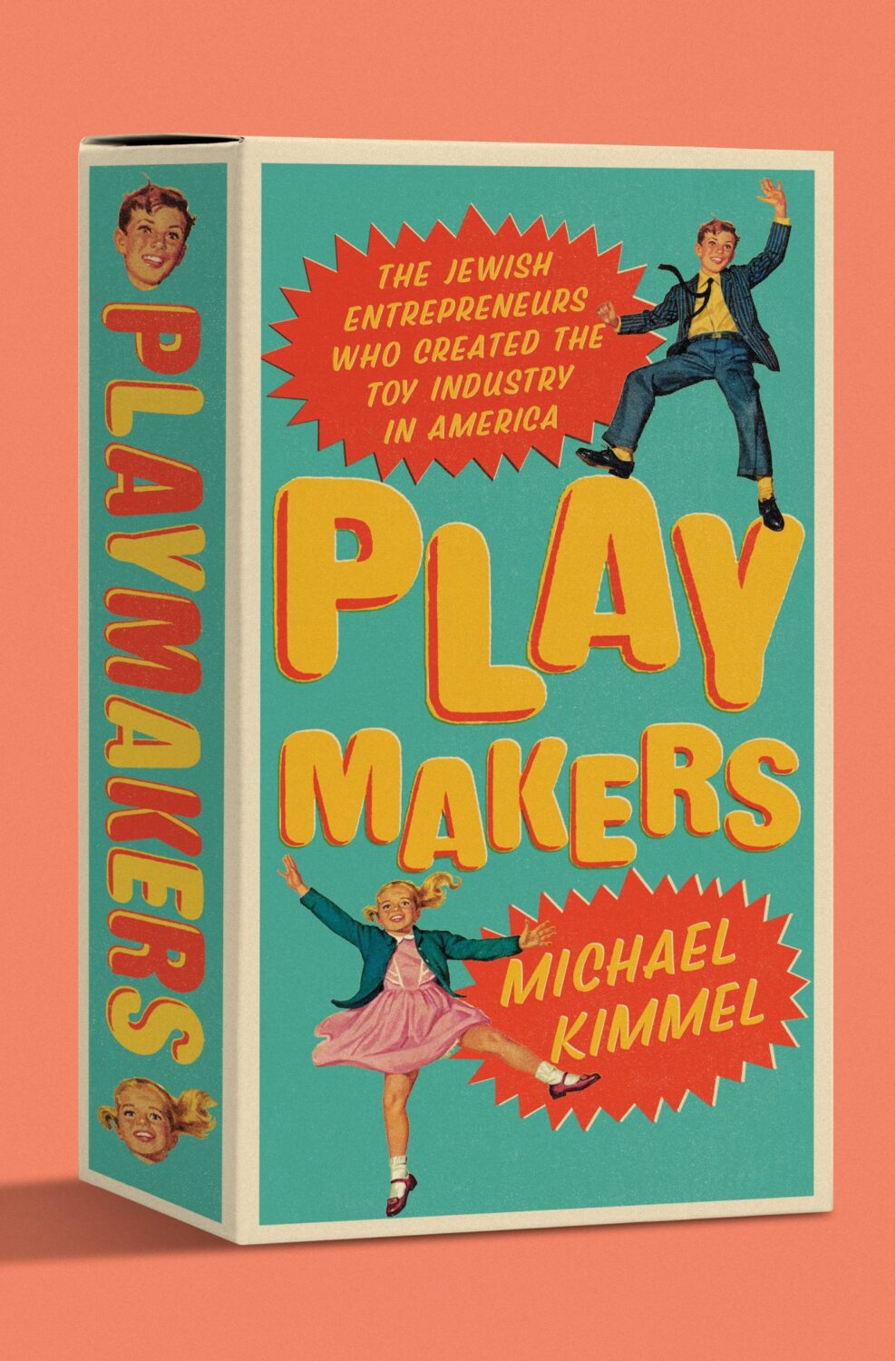
Playermakers by Michael Kimmel; design by David Litman (W.W. Norton / February 2026)
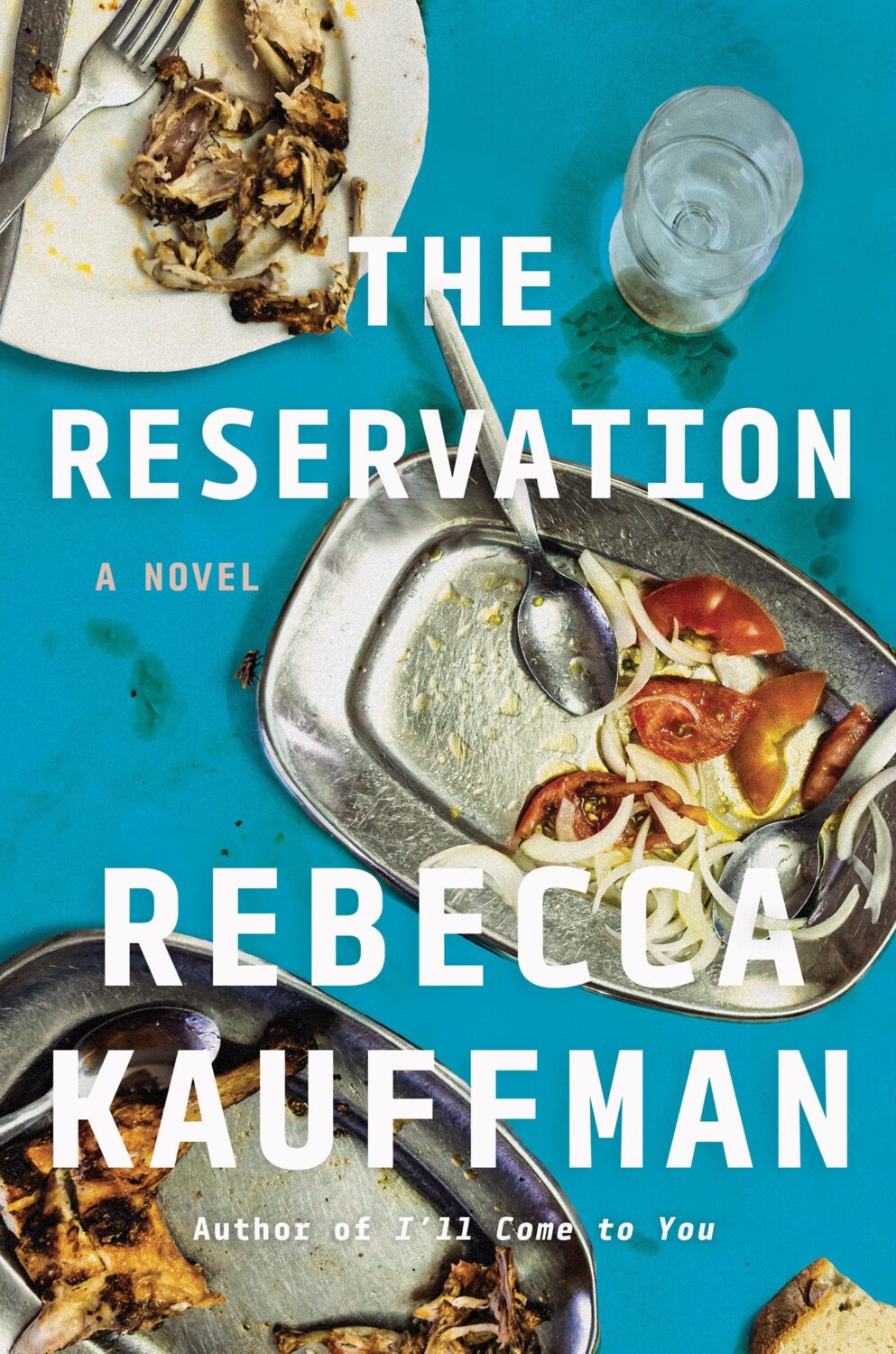
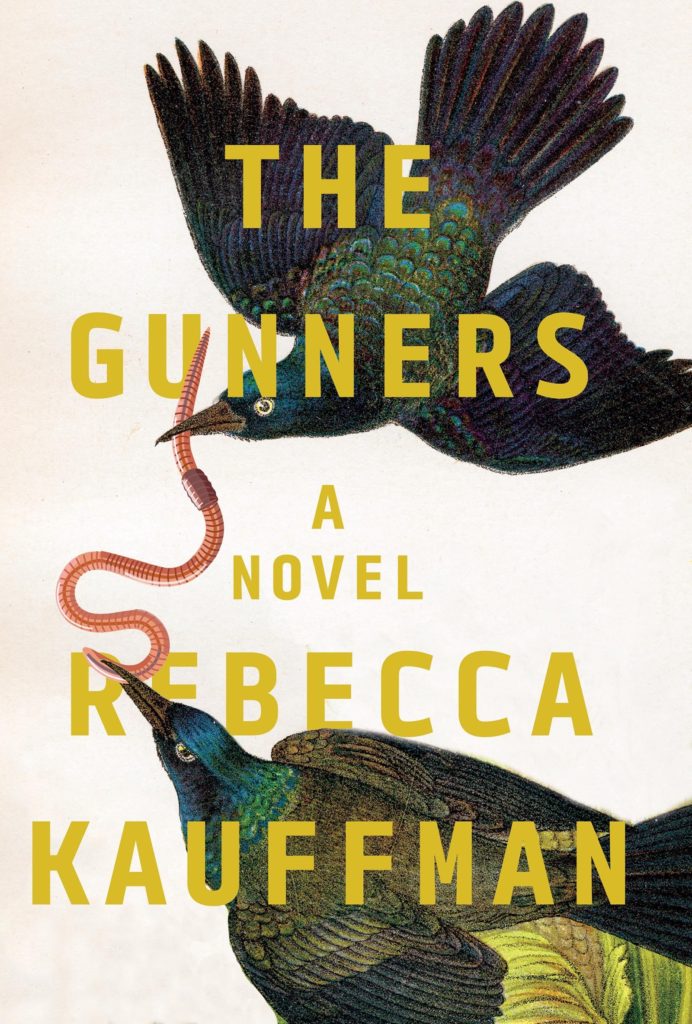
The Reservation by Rebecca Kauffman; design by Nicole Caputo (Counterpoint / February 2026)
It’s nice to see an author get consistency across their covers. I think the type is Tabular? Someone should do a Fonts in Use post!



Super Nintendo by Keza MacDonald; design by Jonathan Pelham (Guardian Faber Publishing / February 2026)

Technology and Barbarism by Michel Nieva; translated by Rahul Bery; design by Frances DiGiovanni / Rodrigo Corral Studio; art by Julien Gobled (Astra House / February 2026)
The cover of Nieva’s novel Dengue Boy also from Rodrigo Corral Studio was included in February 2025’s post.


Tell Me How You Eat by Amber Husain; design by Claire Sullivan (Washington Square Press / February 2026)
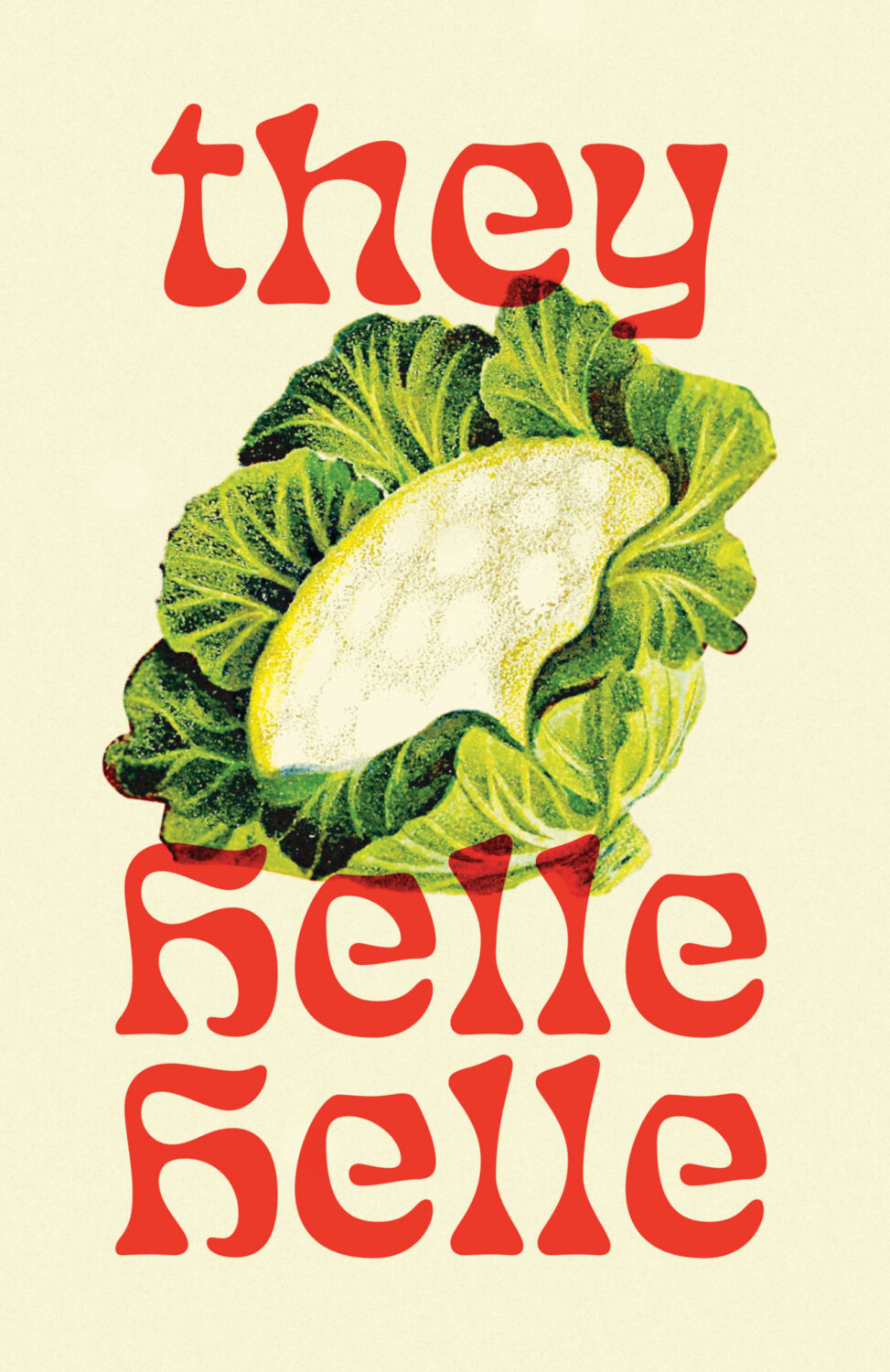
They by Helle Helle; translated by Martin Aitken; design by Erik Carter (New Directions / February 2026)
Leave a CommentWell, it’s been a month. I hope you’re all keeping safe and well, especially my friends and publishing colleagues in Minnesota. Stay Strong.
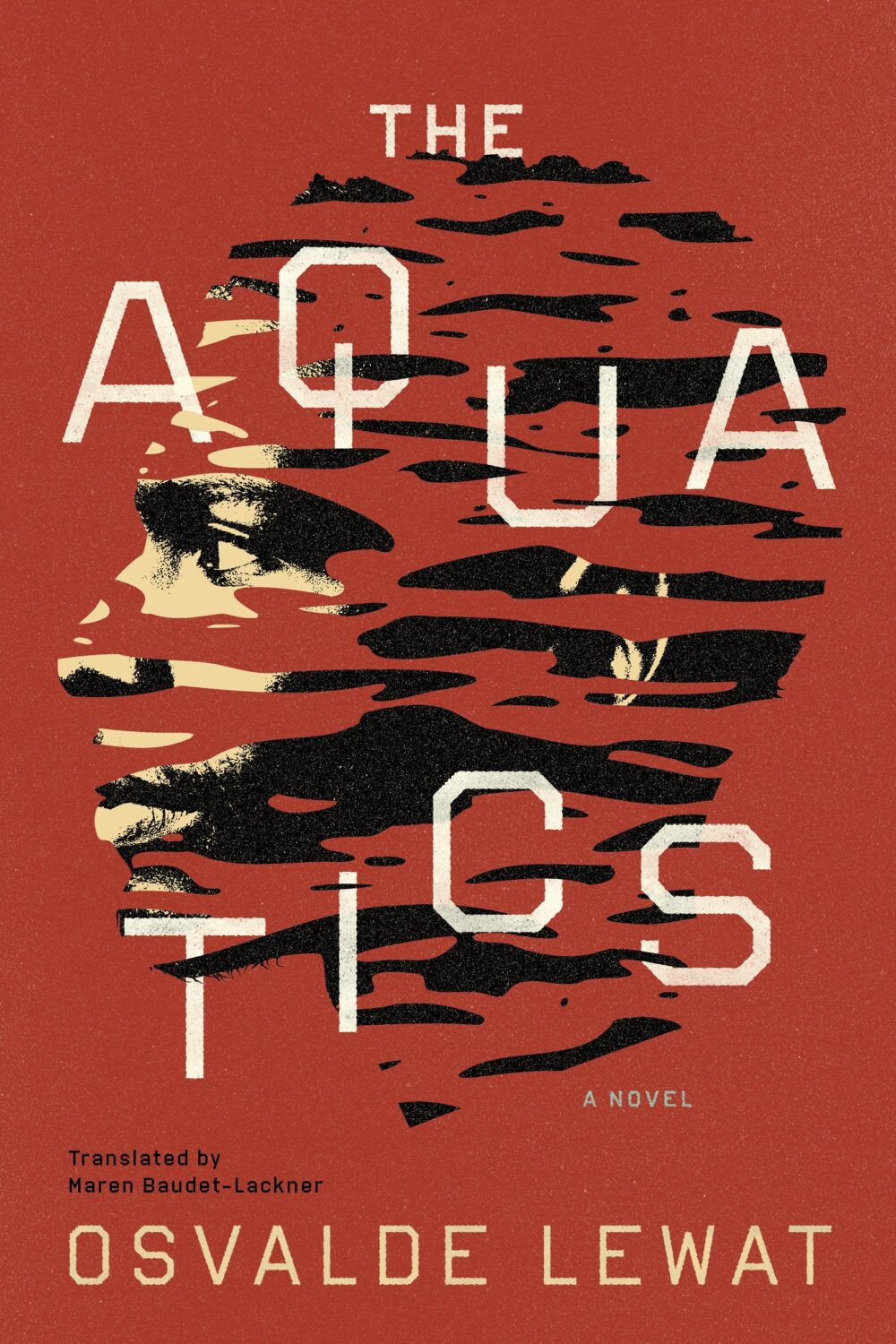
The Aquatics by Osvalde Lewat, translated by Maren Baudet-Lackner; design by Alban Fischer (Coffee House Press / December 2025)

As If by Magic by Edgard Telles Ribeiro, translated by Kim M Hastings & Margaret A Neves; design by Alban Fischer (Bellevue Literary Press / January 2026)
Yes, starting off the year with two covers designed by Alban, but also two books from nonprofit publishers based in Minneapolis, Coffee House Press and Bellevue Literary Press.
Crux by Gabriel Tallent; design by Jaya Miceli (Riverhead / January 2026)
I do like how Jaya uses paintings on covers…


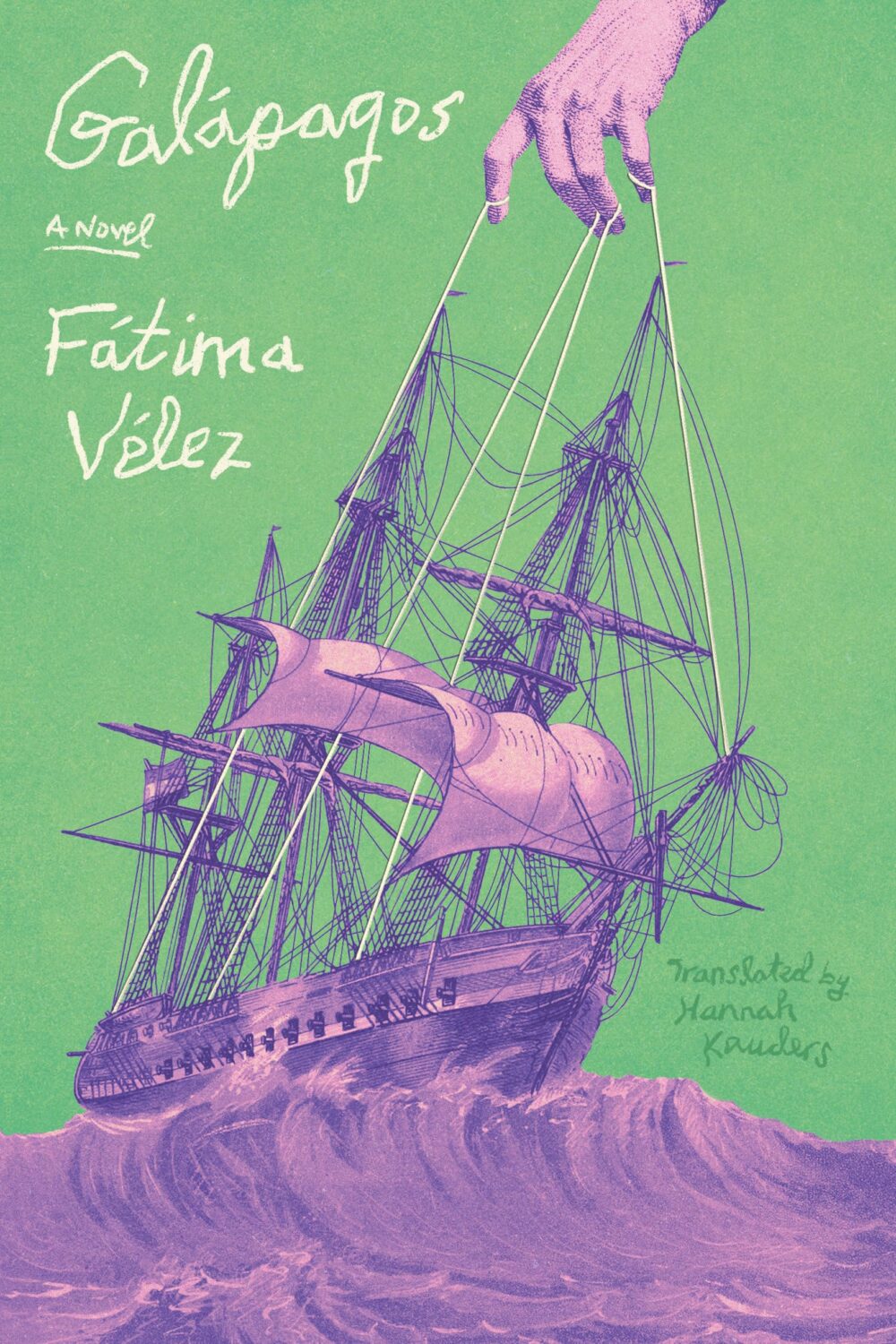
Galápagos by Fátima Vélez, translated by Hannah Kauders; design by Frances DiGiovanni / Rodrigo Corral Studio (Astra House / December 2025)

Half His Age by Jennette McCurdy; design by Arsh Raziuddin (Ballantine Books / January 2026)

The Hitch by Sara Levine; art and design by Amber Day (Roxane Gay Books / January 2026)

How to Commit a Postcolonial Murder by Nina McConigley; design by Joan Wong (Pantheon / January 2026)
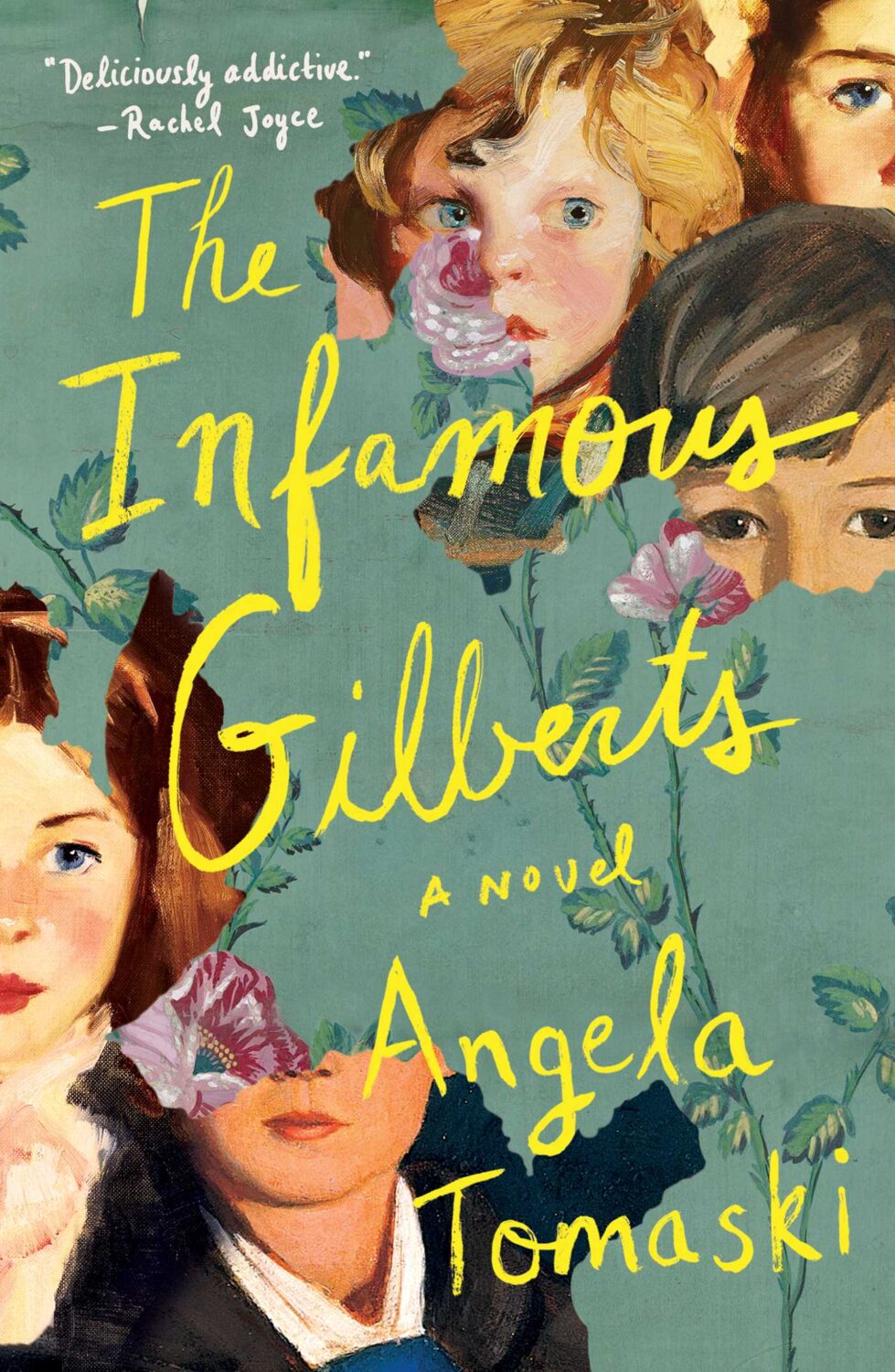
The Infamous Gilberts by Angela Tomaski; design by Tristan Offit (Scribner / January 2026)

The Islands and the Stars by Subodhana Wijeyeratne; design by Daniel Benneworth-Gray (Stanford University Press / January 2026)
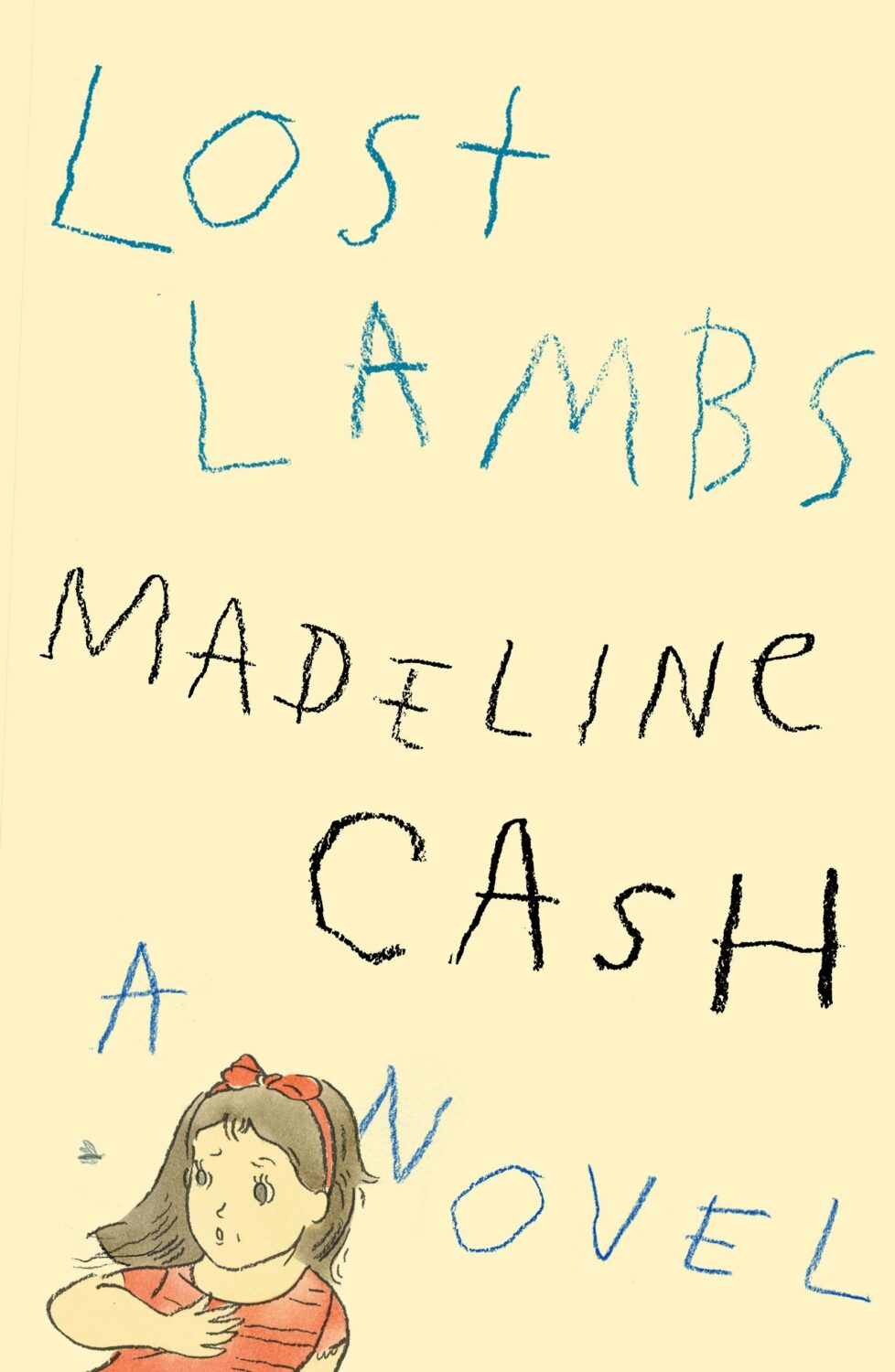
Lost Lambs by Madeline Cash; design by Na Kim (Farrar, Straus and Giroux / January 2026)

One Sun Only by Camille Bordas; design by Sinem Erkas (Serpent’s Tail / January 2026)
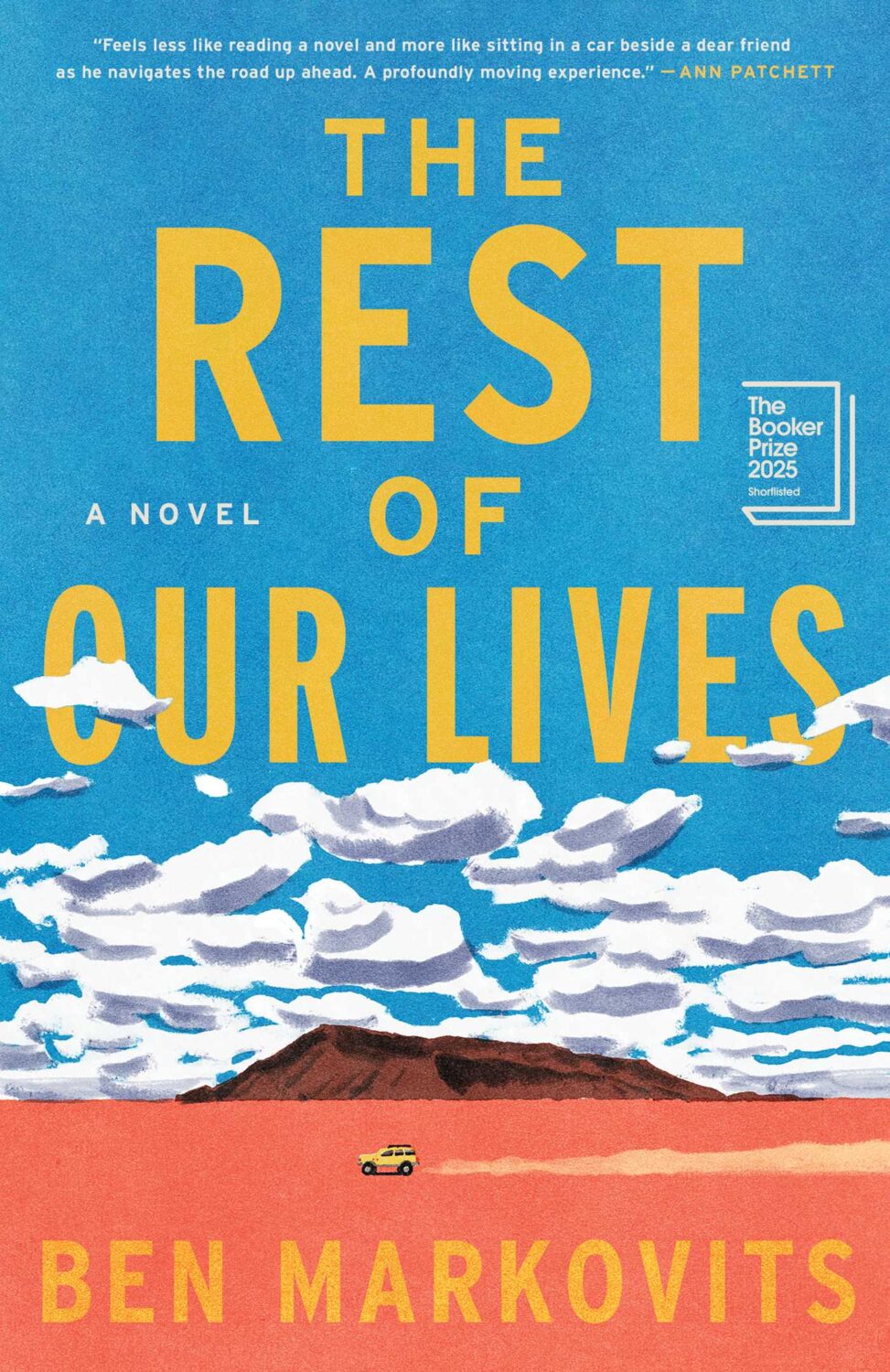
The Rest of our Lives by Ben Markovits; design by Maddy Angstreich; art by Kento IIDA (Summit Books / December 2025)

Service by John Tottenham; design by Samantha Johnson; illustration by David Clark (Tuskar Rock / November 2025)
I am very late on this one (for which I apologise!), but who can resist a bookshop illustration?
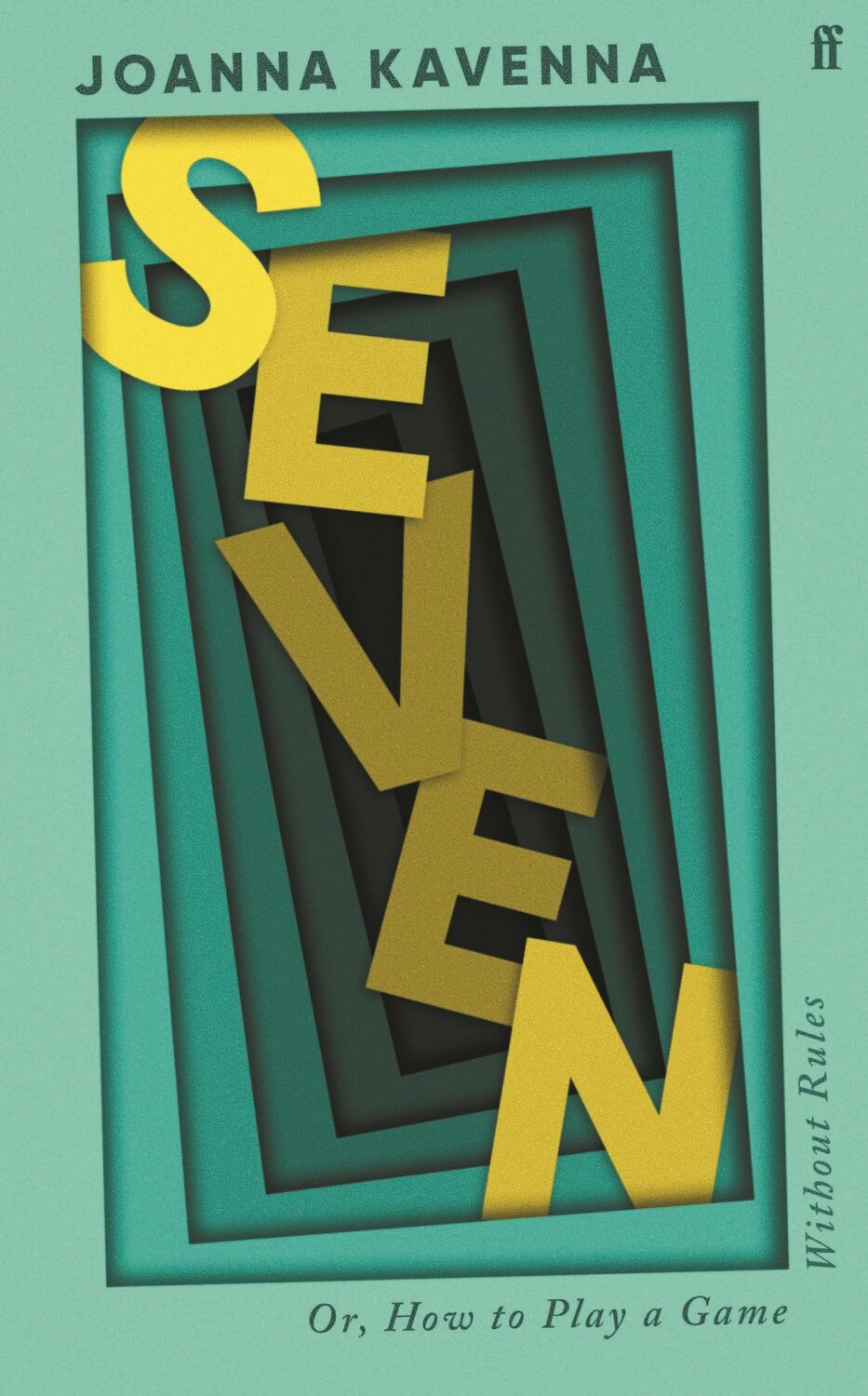
Seven by Joanna Kavenna; design by Robbie Porter (Faber & Faber / January 2026)
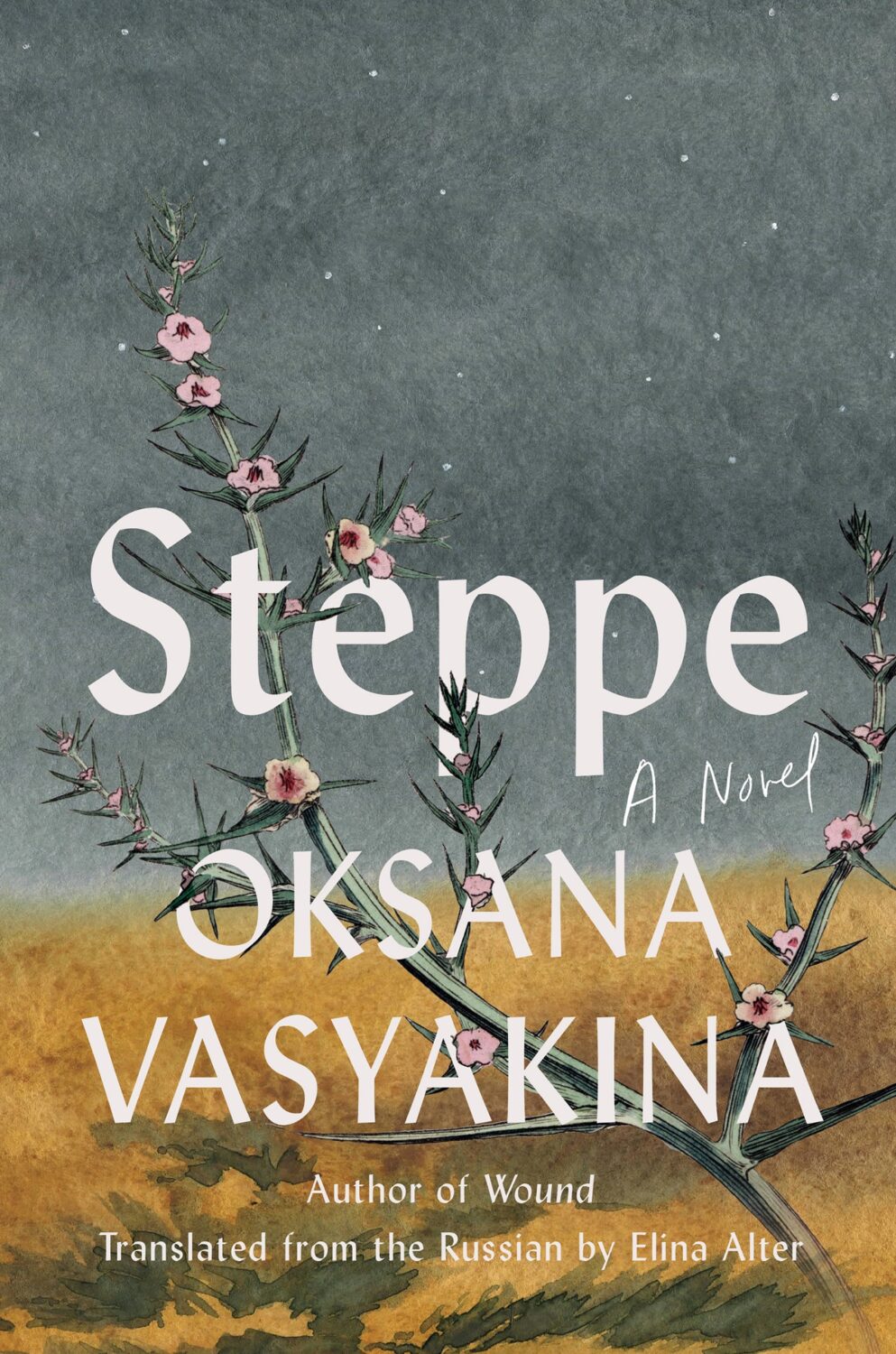
Steppe by Oksana Vasyakina, translated by Elina Alter; design by Nicole Caputo (Catapult / January 2026)
Nicole’s cover for Wound by Oksana Vasyakina was on my notable list back in September 2023.


A Very Cold Winter by Fausta Cialente, translated by Julia Nelsen; design by Jared Bartman (Transit Books / January 2026)

Vigil by George Saunders; design by Giacomo Girardi / Rodrigo Corral Studio (Random House / January 2026)

When the Museum is Closed by Emi Yagi; design by Suzanne Dean; illustration by Seb Agresti (Soft Skull / January 2026)
This is a variation on the cover of the UK edition published Harvill Secker in July last year.
Leave a CommentHey, I hope you’re keeping safe and well wherever you are. Here are my latest book covers of note…

Big Kiss, Bye-Bye by Claire-Louise Bennett; design by Stephanie Ross; cover art by Maria Guimarães

The Bridegroom Was a Dog by Yoko Tawada; cover illustration by David Plunkert (New Directions / November 2025)

Casanova 20 by Davey Davis; design by Victoria Maxfield (Catapult / December 2025)

Don’t Burn Anyone at the Stake Today by Naomi Alderman; design Chris Bentham (Fig Tree / November 2025)

The Extremities! by Samantha Kimmey; design by Kimberly Glyder (University of Iowa Press / October 2025)

False War by Carlos Manuel Álvarez; design by Kimberly Glyder (Graywolf / October 2025)
Two back to back from Kimberly this month!

The Four Spent the Day Together by Chris Kraus; design by Alicia Tatone (Scribner / October 2025)

Happy Bad by Delaney Nolan; design by Adriana Tonello (Astra House / October 2025)

The Hole by Hye-Young Pyun, translated by Sora Kim-Russell; design by Beci Kelly (Doubleday / July 2025)
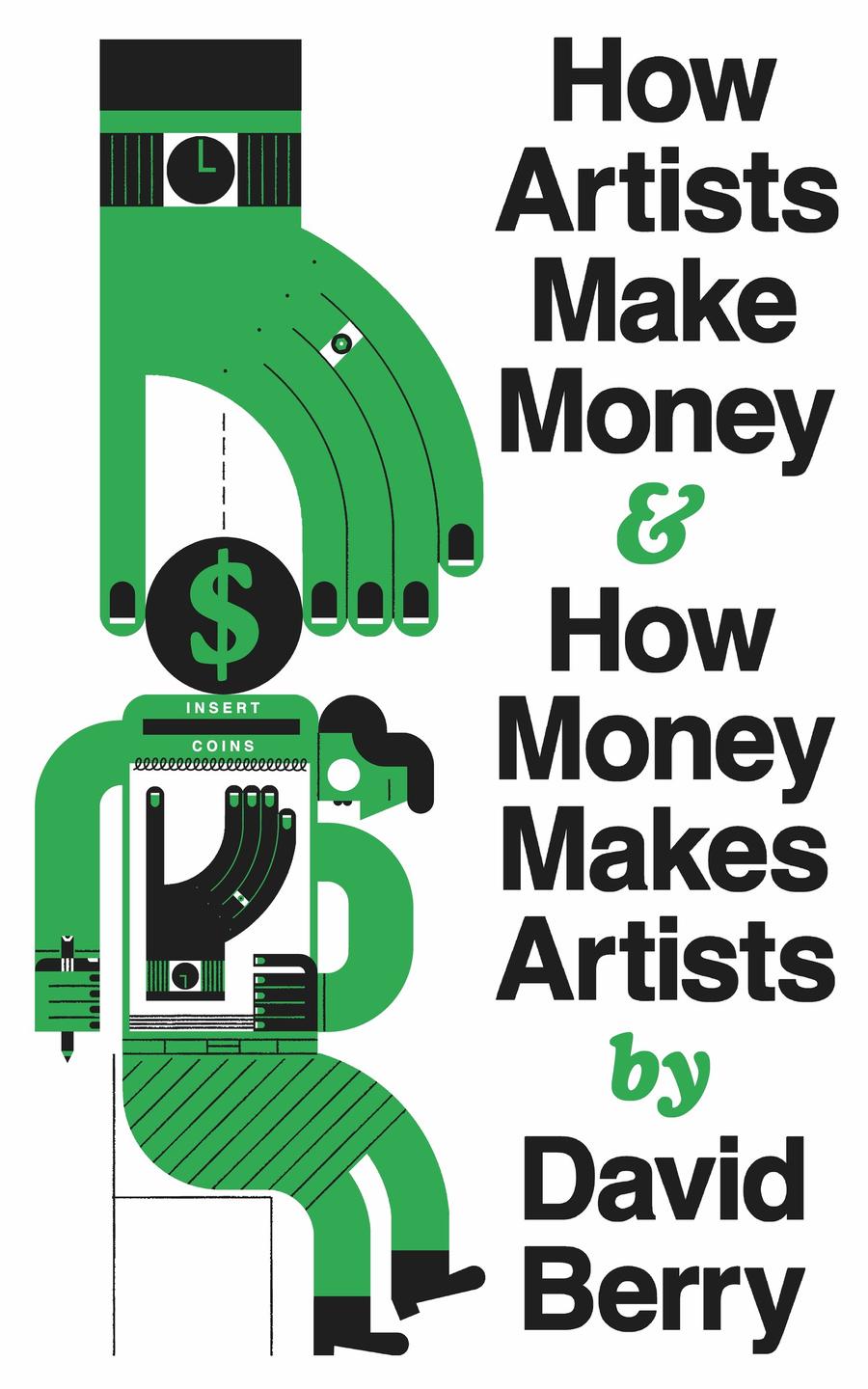
How Artists Make Money and How Money Makes Artists by David Berry; design by Raymond Biesinger (Coach House Books / October 2025)
The cover of On Nostalgia by David Berry also designed by Raymond Biesinger featured on the blog back in July 2020.

And Raymond Biesinger’s own book, 9 Times My Work Has Been Ripped Off, was also published by Drawn & Quarterly this month.


How Will Capitalism End? by Wolfgang Streeck; design by Daniel Benneworth-Gray (Verso / August 2025)

I Deliver Parcels in Beijing by Hu Anyan, translated by Jack Hargreaves; design by Rodrigo Corral; illustration by Klaus Kremmerz (Astra House / October 2025)

Jesus Christ Kinski by Benjamin Myers; design by Greg Heinimann (Bloomsbury / October 2025)
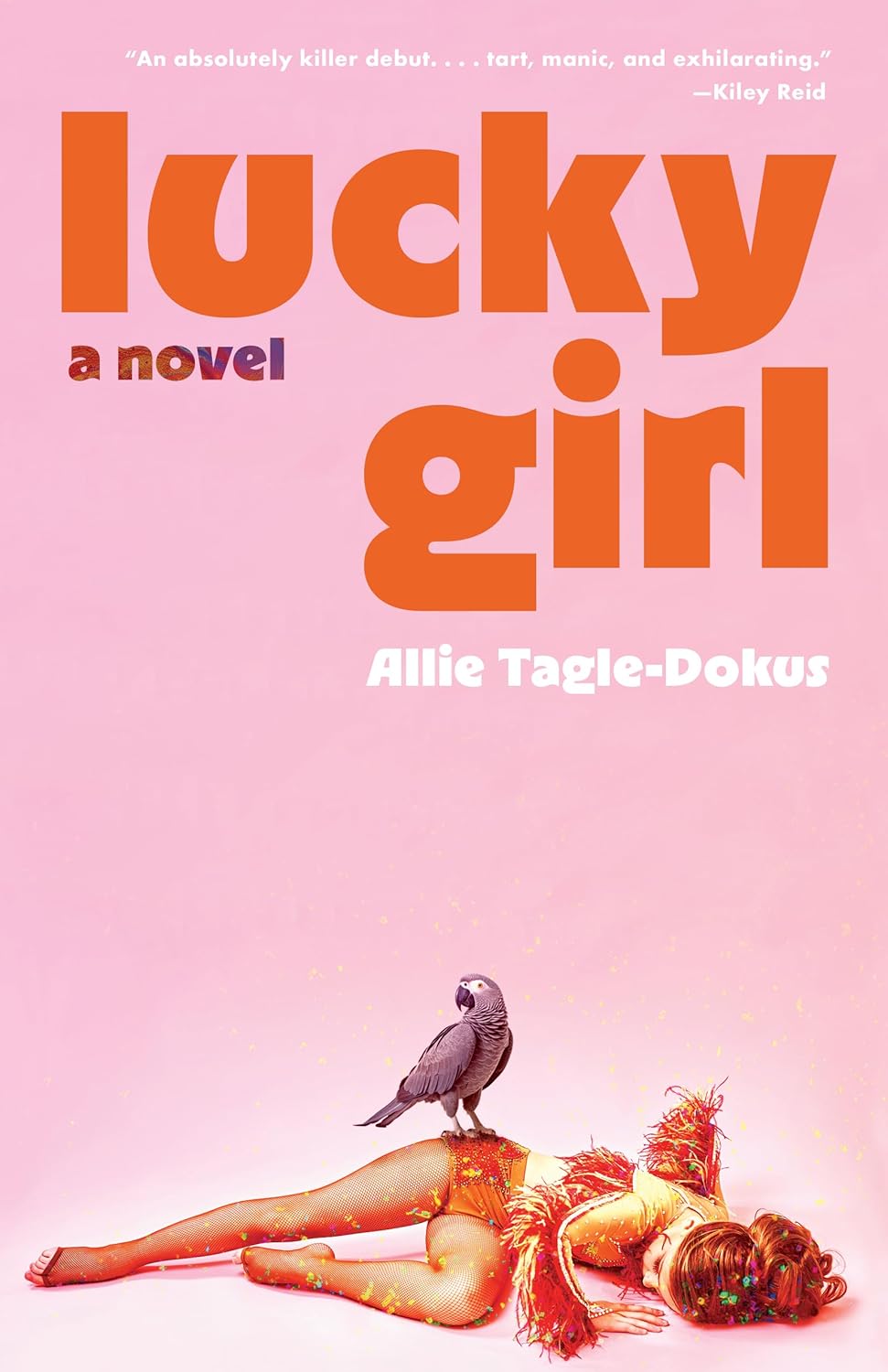
Lucky Girl by Allie Tagle-Dokus; design by Beth Steidle (Tin House / November 2025)

Minor Black Figures by Brandon Taylor; design by Grace Han (Riverhead / October 2025)

On Booze by F. Scott Fitzgerald; design by Marian Bantjes (New Directions / November 2025)

The Salvage by Anbara Salam; design by Beth Steidle (Tin House / October 2025)
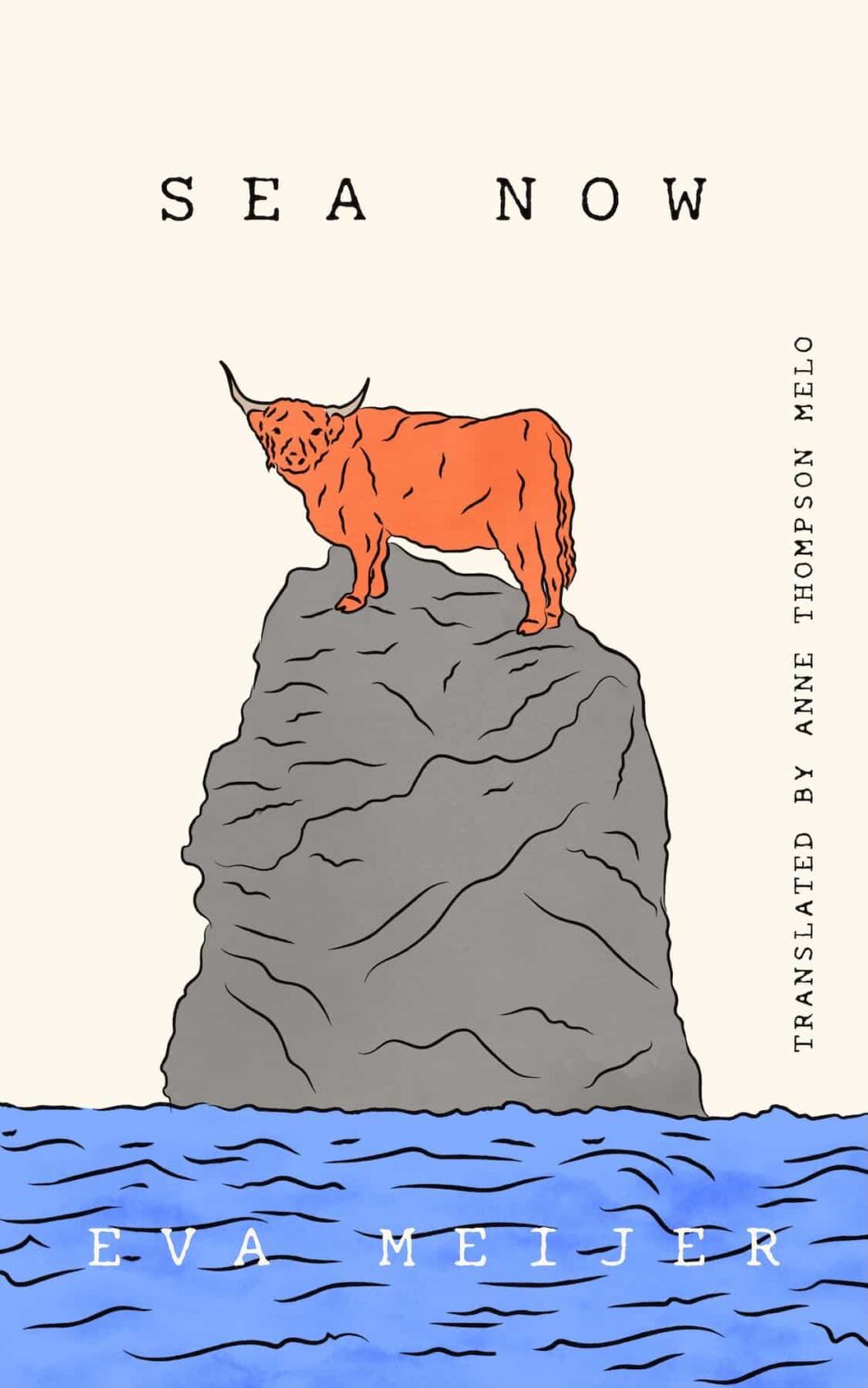
Sea Now by Eva Meijer, translated by Anne Thompson Melo; design by Jared Bartman (Two Lines Press / October 2025)
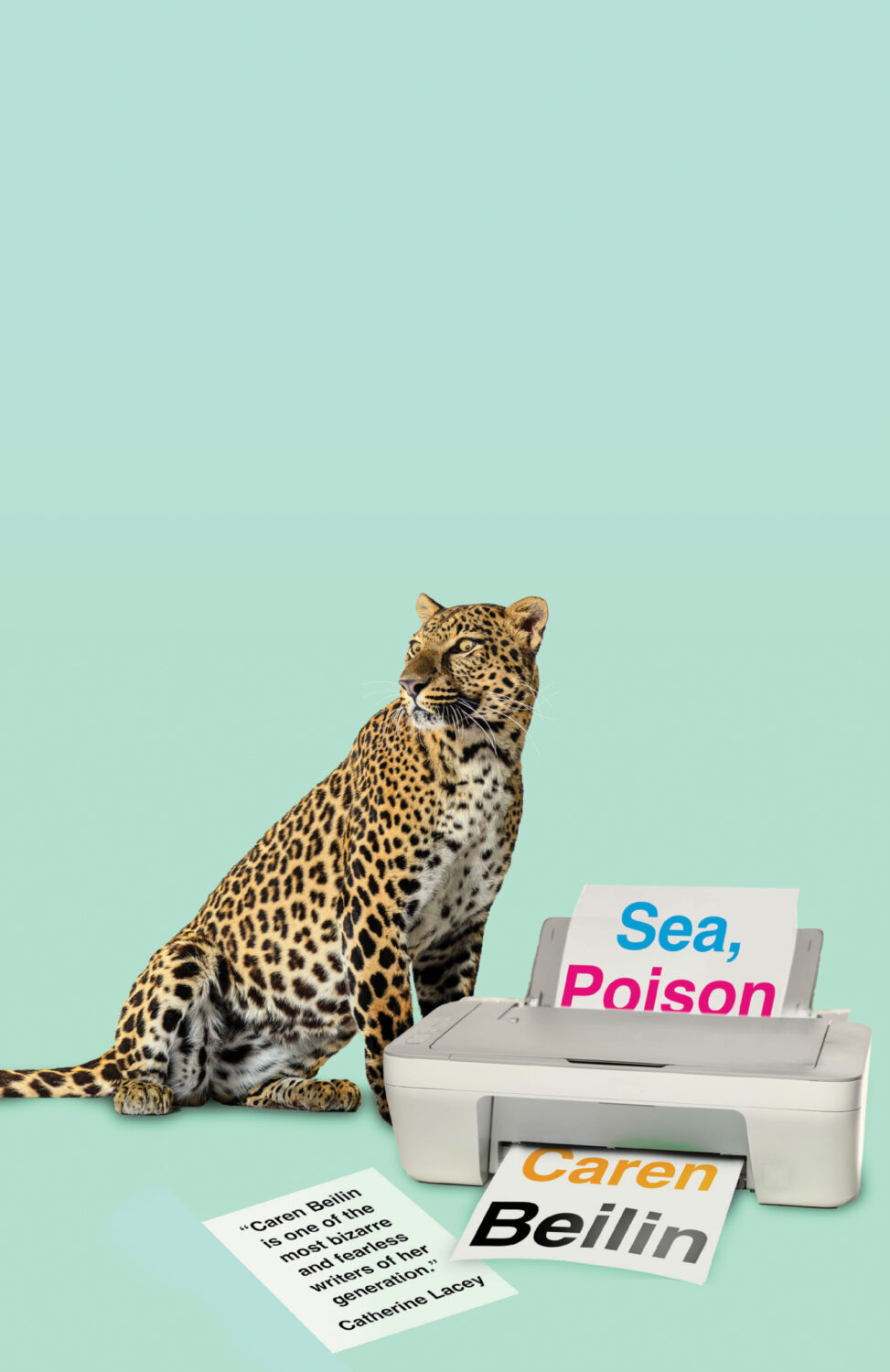
Sea, Poison by Caren Beilin; design by Jamie Keenan (New Directions / October 2025)
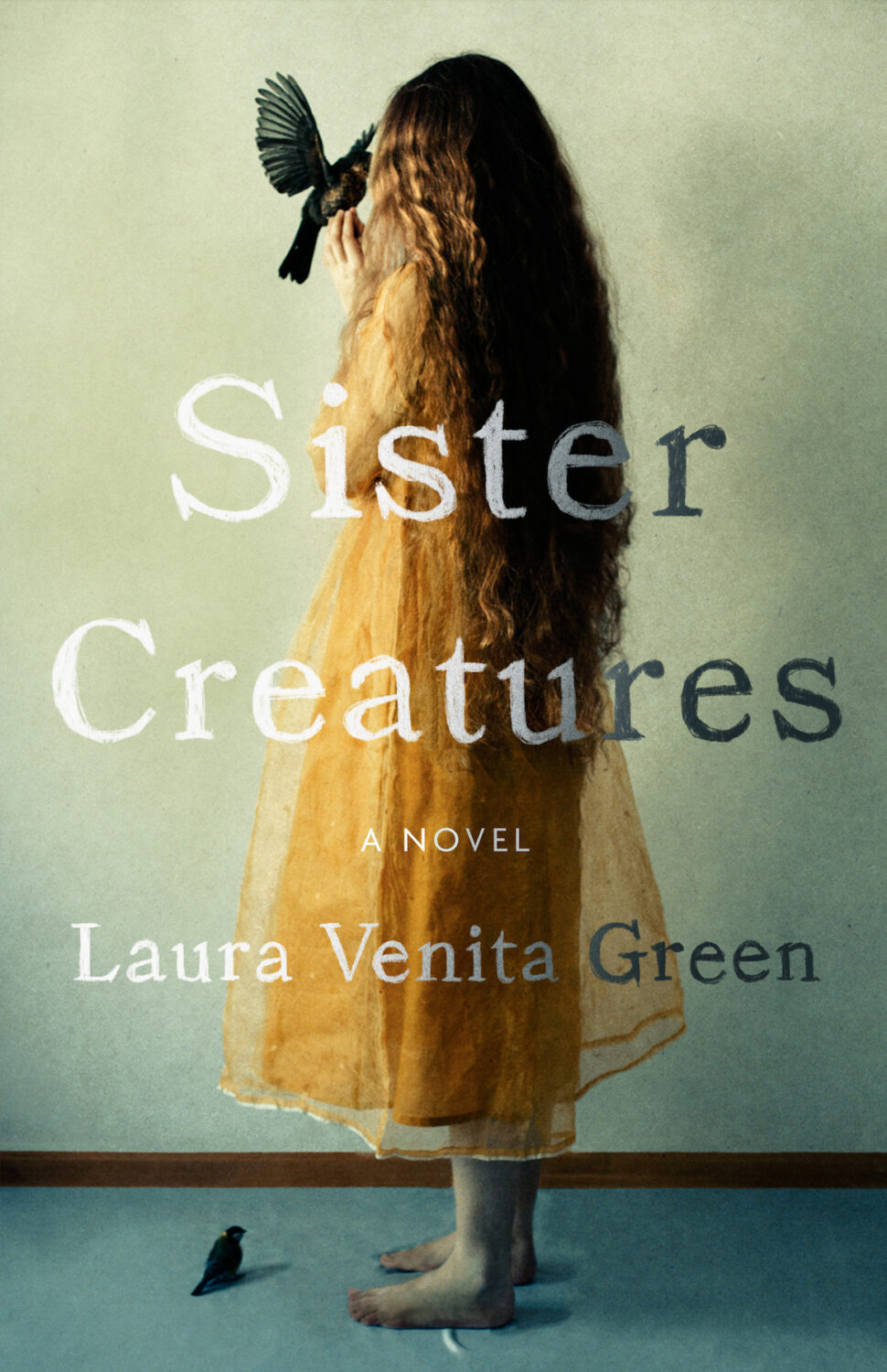
Sister Creatures by Laura Venita Green; design by Jaya Nicely; photograph by Laura Makabresku (Unnamed Press / October 2025)

Super-Frog Saves Tokyo by Haruki Murakami, translated by Jay Rubin; design by Suzanne Dean; illustration by Seb Agresti (Harvill / October 2025)

Things That Disappear by Jenny Erpenbeck; design by Oliver Munday (New Directions / October 2025)

The Tragedy of True Crime by John J. Lennon; design by Henry Sene Yee (Celadon Books / September 2025)
This reminded me of the cover of There Is No Place For Us by Brian Goldstone designed by Anna Kochman for Crown, which featured in March’s post. I’m no Barnett Newman, I do like a bold stripe.


Unfit by Ariana Harwicz, translated by Jessie Mendez Sayer; design by Erik Carter (New Directions / October 2025)
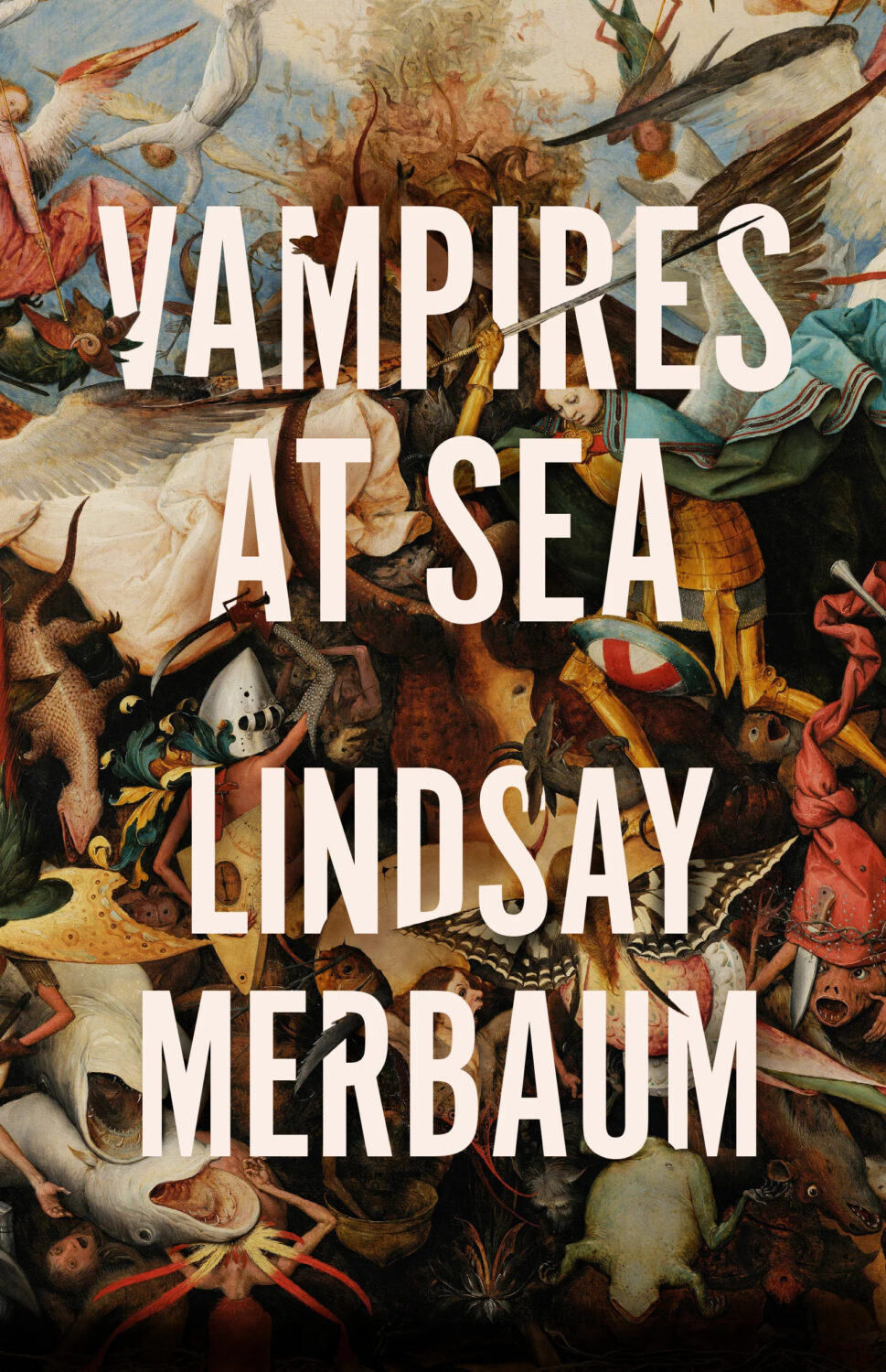
Vampires at Sea by Lindsay Merbaum; design by Jaya Nicely (Creature / October 2025)

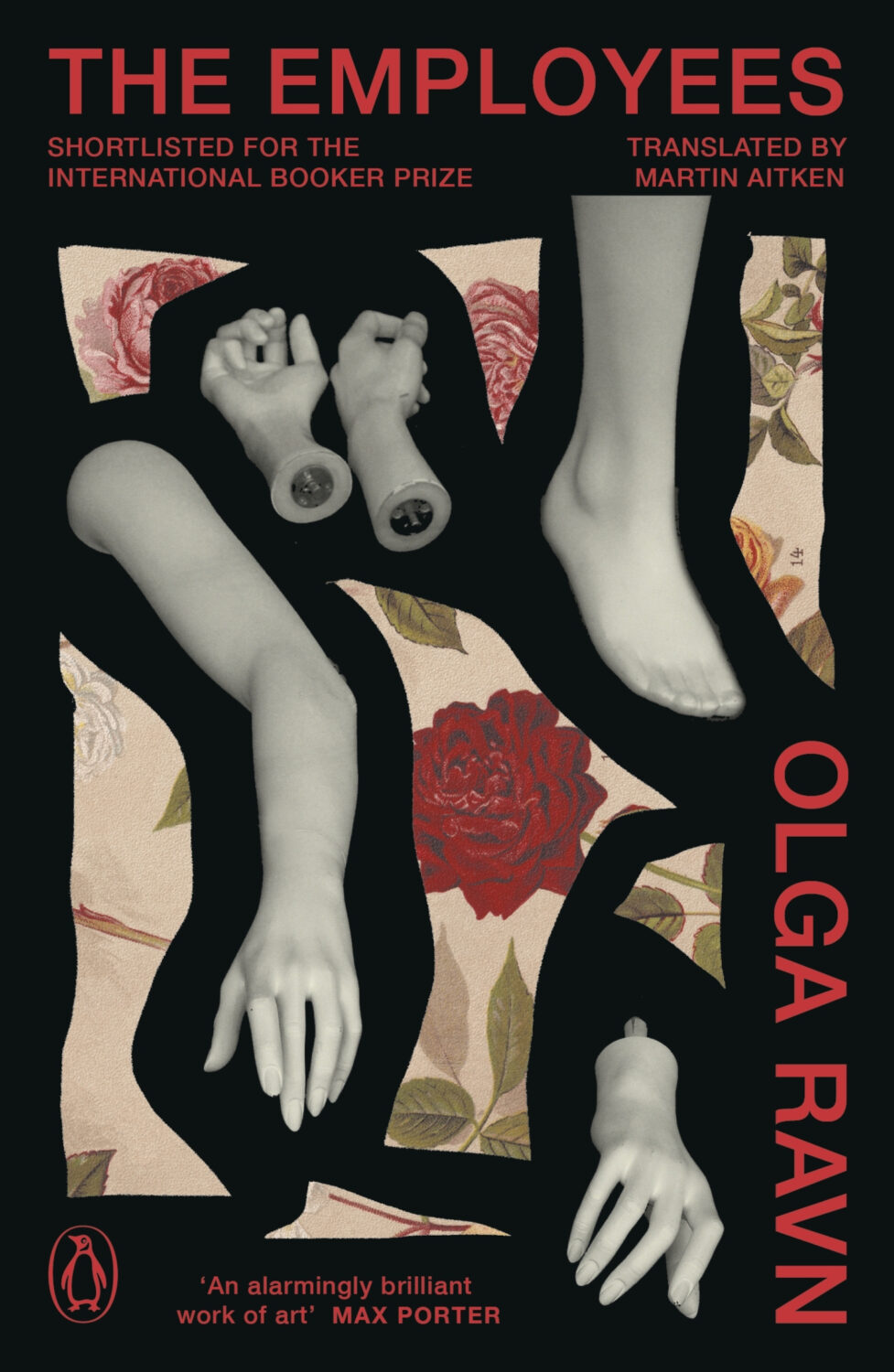
The Wax Child by Olga Ravn; design by Dan Jackson (Viking / November 2025)
The cover of the US edition of The Wax Child, published by New Directions at the end of September, was designed by Joan Wong.

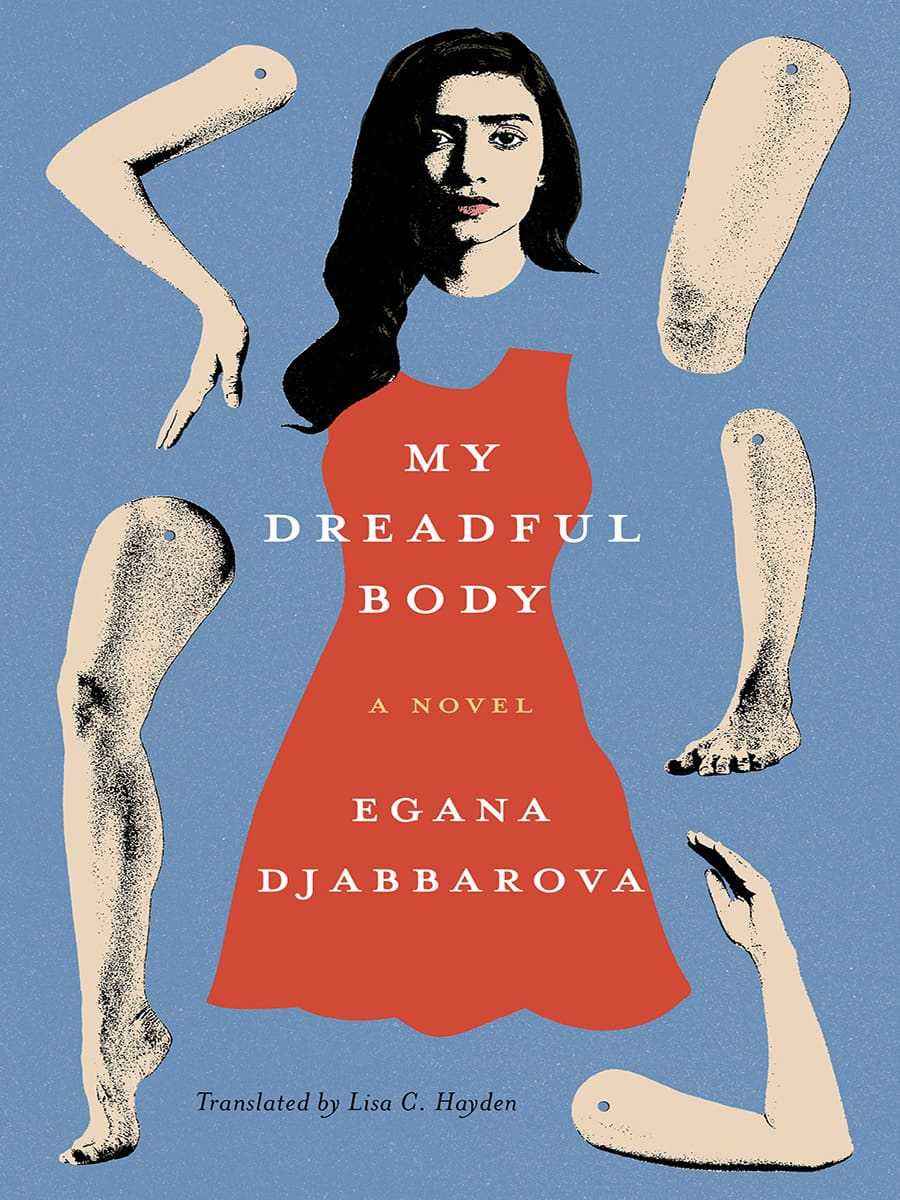
Dan Jackson also designed a new cover for the paperback edition of The Employees by Olga Ravn out next month in the UK from Penguin, which weirdly kind of looks like a Joan Wong collage, but could also be part of a dismembered / disembodied limbs on covers trend? I’m struggling to think of too many examples off the top of my head. Alban Fischer‘s cover design for My Dreadful Body by Egana Djabbarova? But that’s not out until next year. I’m sure there are a couple of others out there. I will have a think on it.

What a Time to be Alive by Jenny Mustard; cover art by Shannon Cartier Lucy (Sceptre / April 2025)
I am very late to this one, but the art is fun and it kind of fits with recent trends so I didn’t want to leave it out. Let me know if there is a design credit to add.
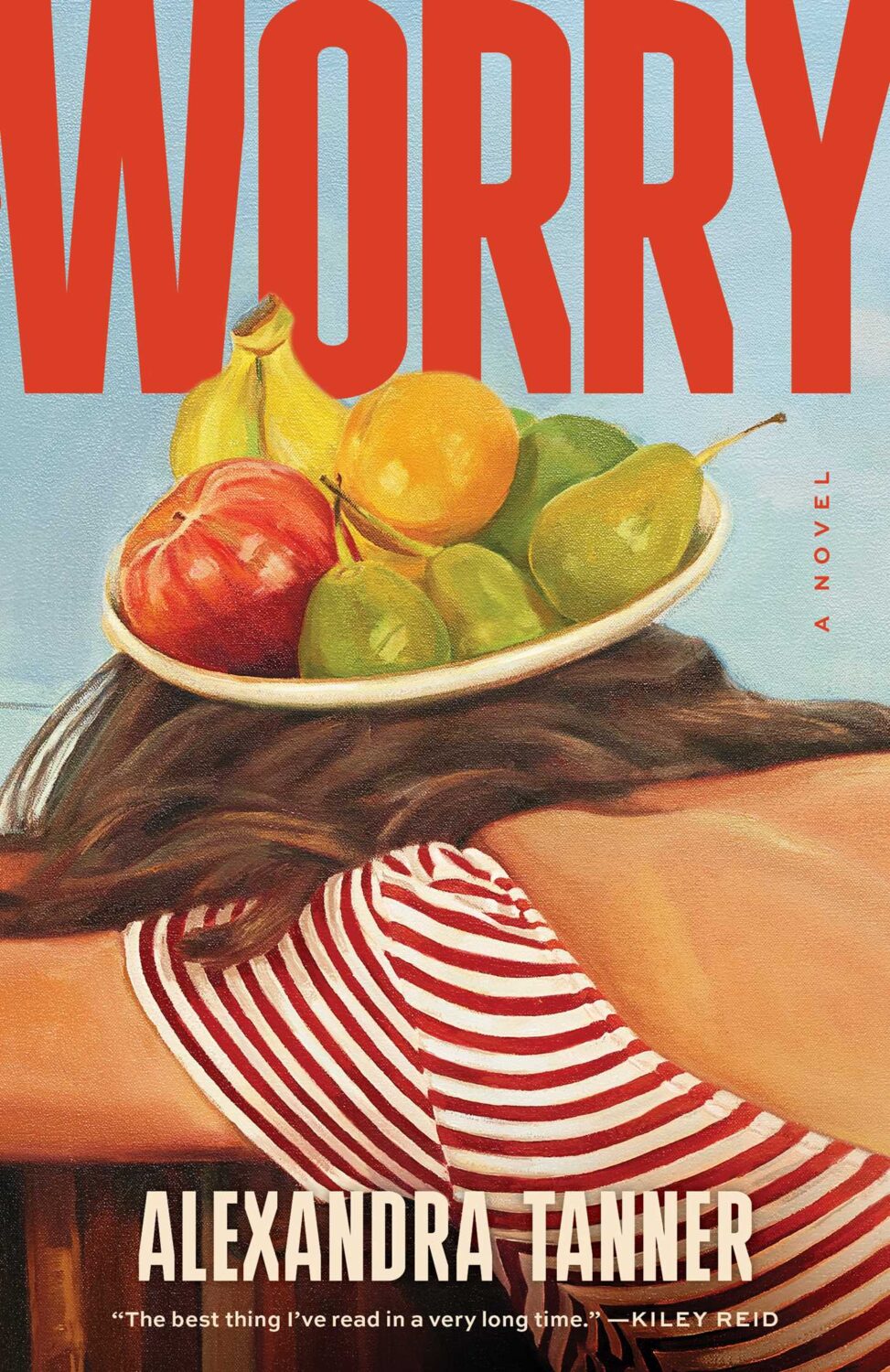
Interestingly, Shannon Cartier Lucy’s art was also used on the cover of Worry by Alexandra Tanner designed by Alicia Tatone for Scribner from last year…

The White Hot by Quiara Alegría Hudes; design by Rodrigo Corral and Adriana Tonello; photograph by Lisa Sorgini (One World / November 2025)

The World After Rain by Canisia Lubrin; design by Jennifer Griffiths (McClelland & Stewart / October 2025)
Leave a CommentIt’s been another busy month here, so apologies for the slightly scattered post. It includes a few covers that I missed earlier in early in the year, and a few other bits and pieces. I hope everyone is doing OK. Here are the covers…
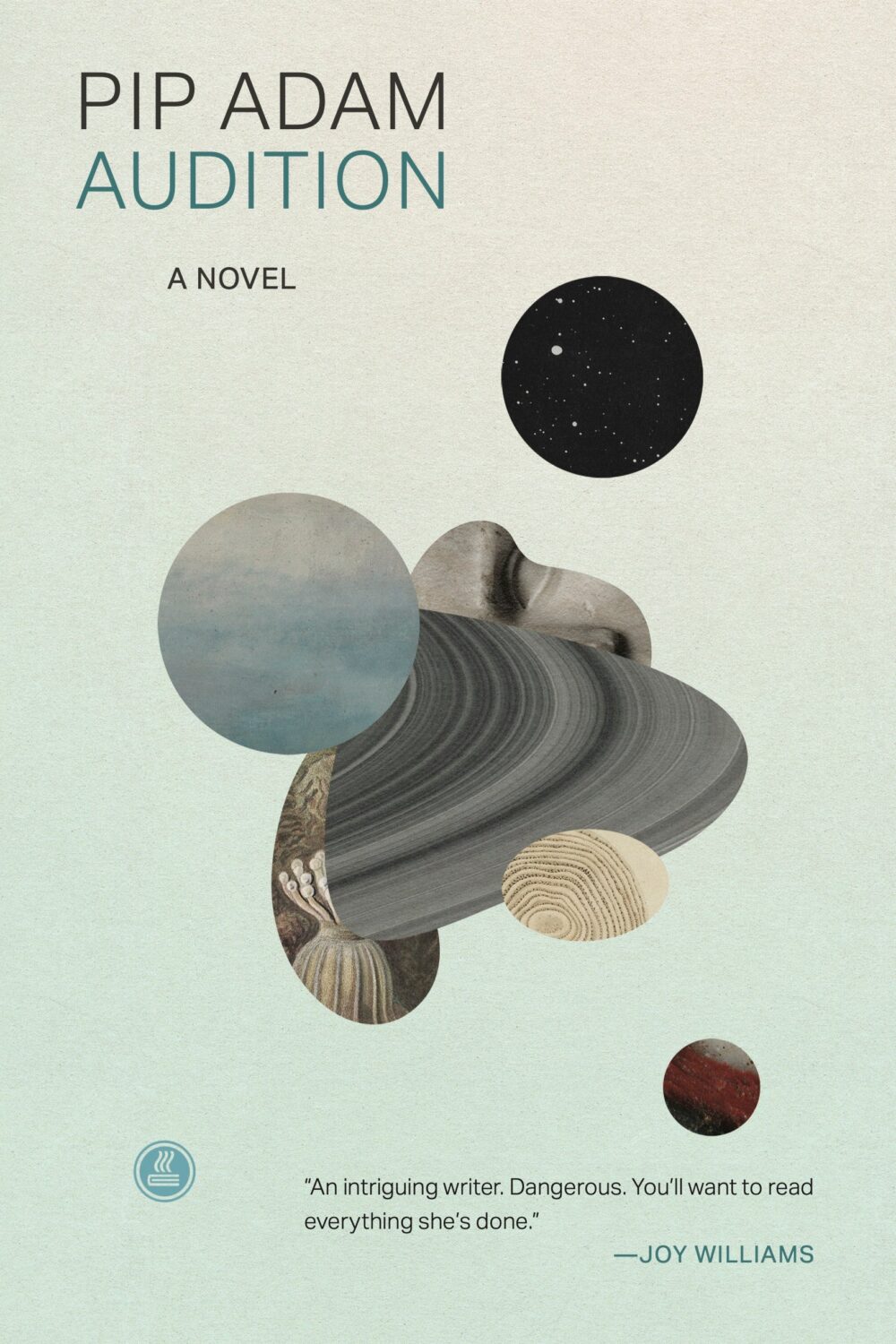
Audition by Pip Adam; cover art by Leopold Adi Surya (Coffee House Press / June 2025)
It looks like this was actually the cover of the editions originally available in New Zealand and Australia in 2023, so apologies for being so late to it.
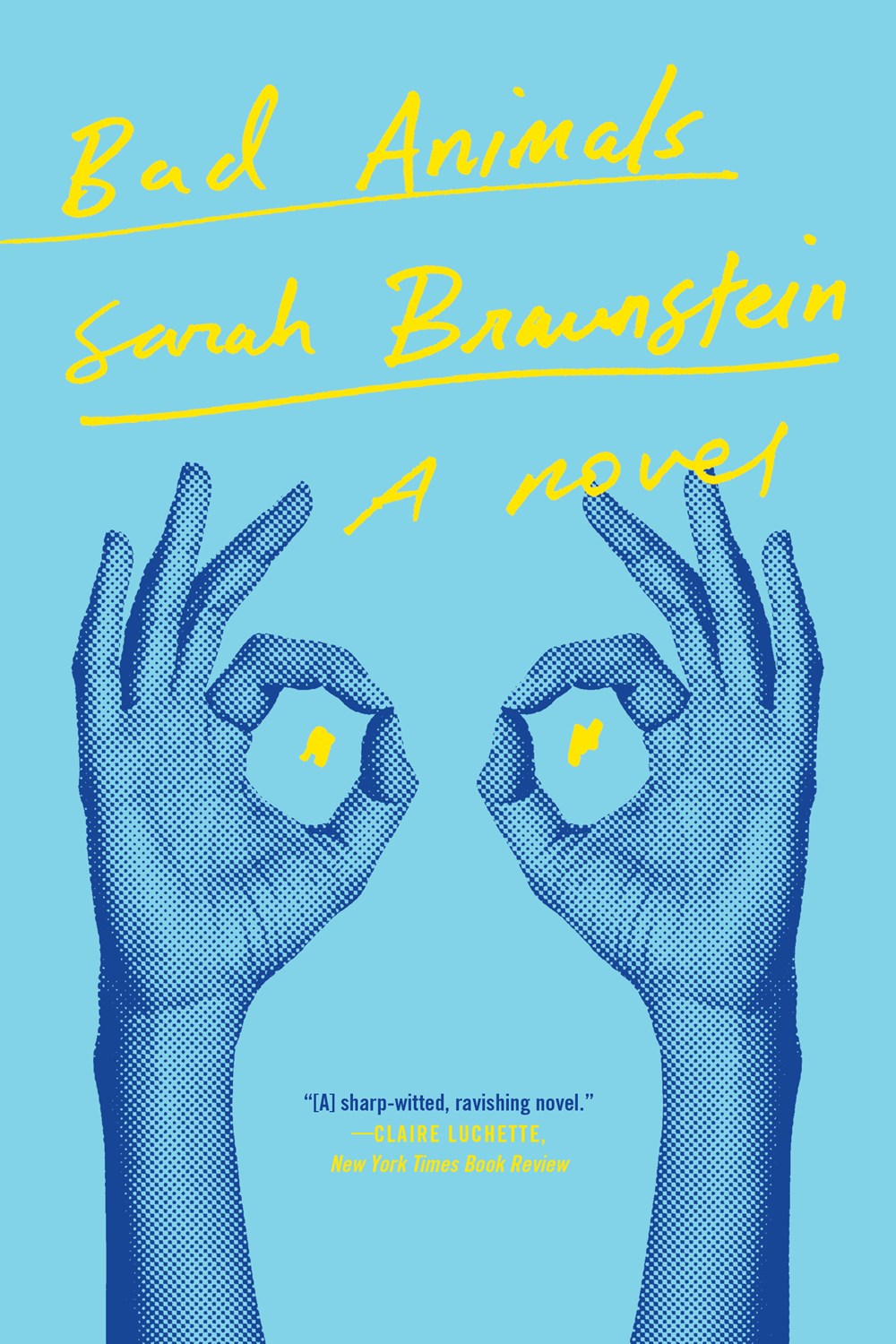
Bad Animals by Sarah Braunstein; design Oliver Munday (W. W. Norton / February 2025)

Bear Witness by Ross Halperin; design by David Litman (Liveright / May 2025)
They are obviously very, very different books, but the cover Bear Witness reminded me of the cover for Going Home by Tom Lamont designed by Jared Bartman published by Knopf earlier this year.

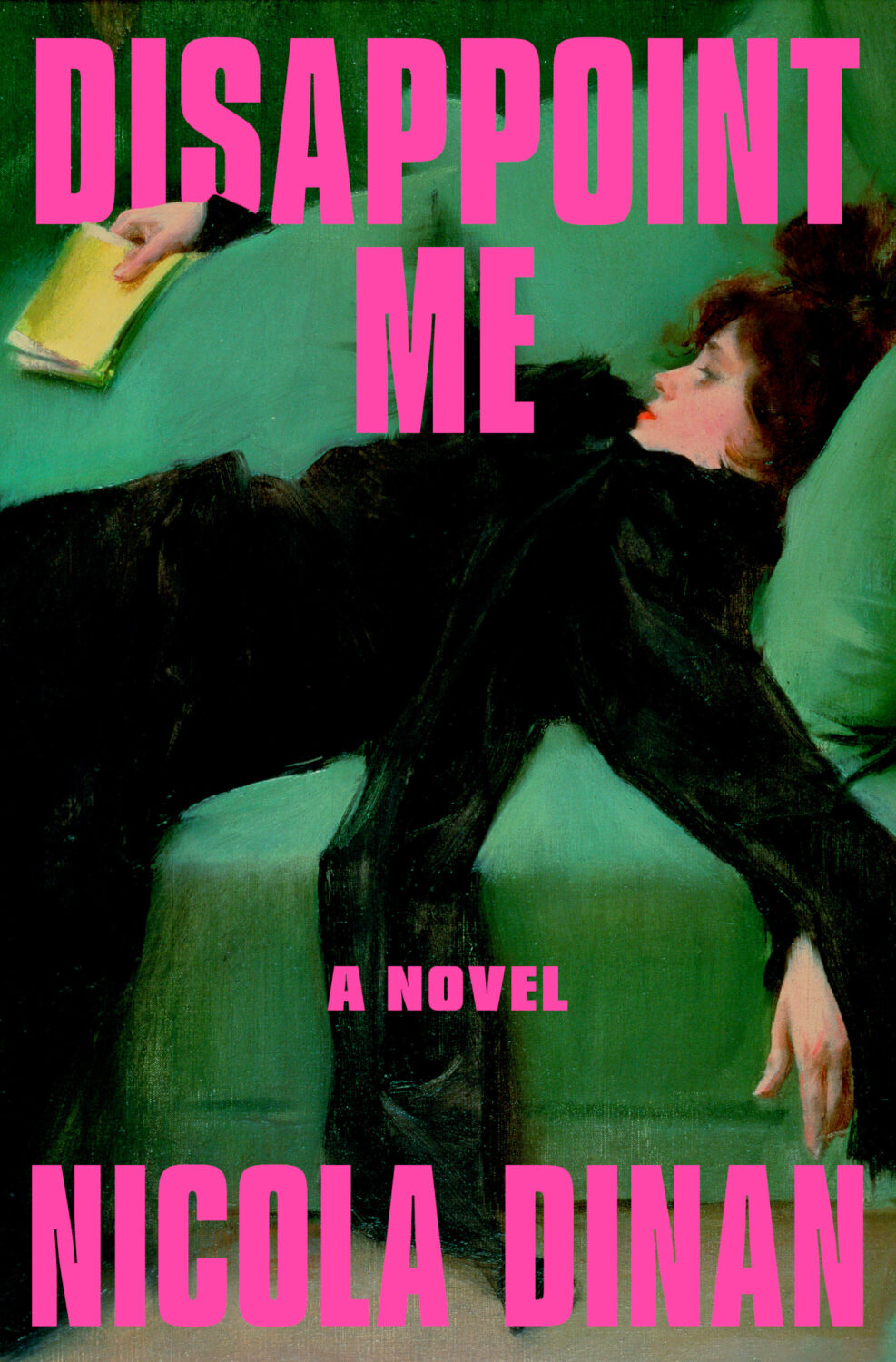
Disappoint Me by Nicola Dinan; design by Rachel Ake (Dial Press / May 2025)
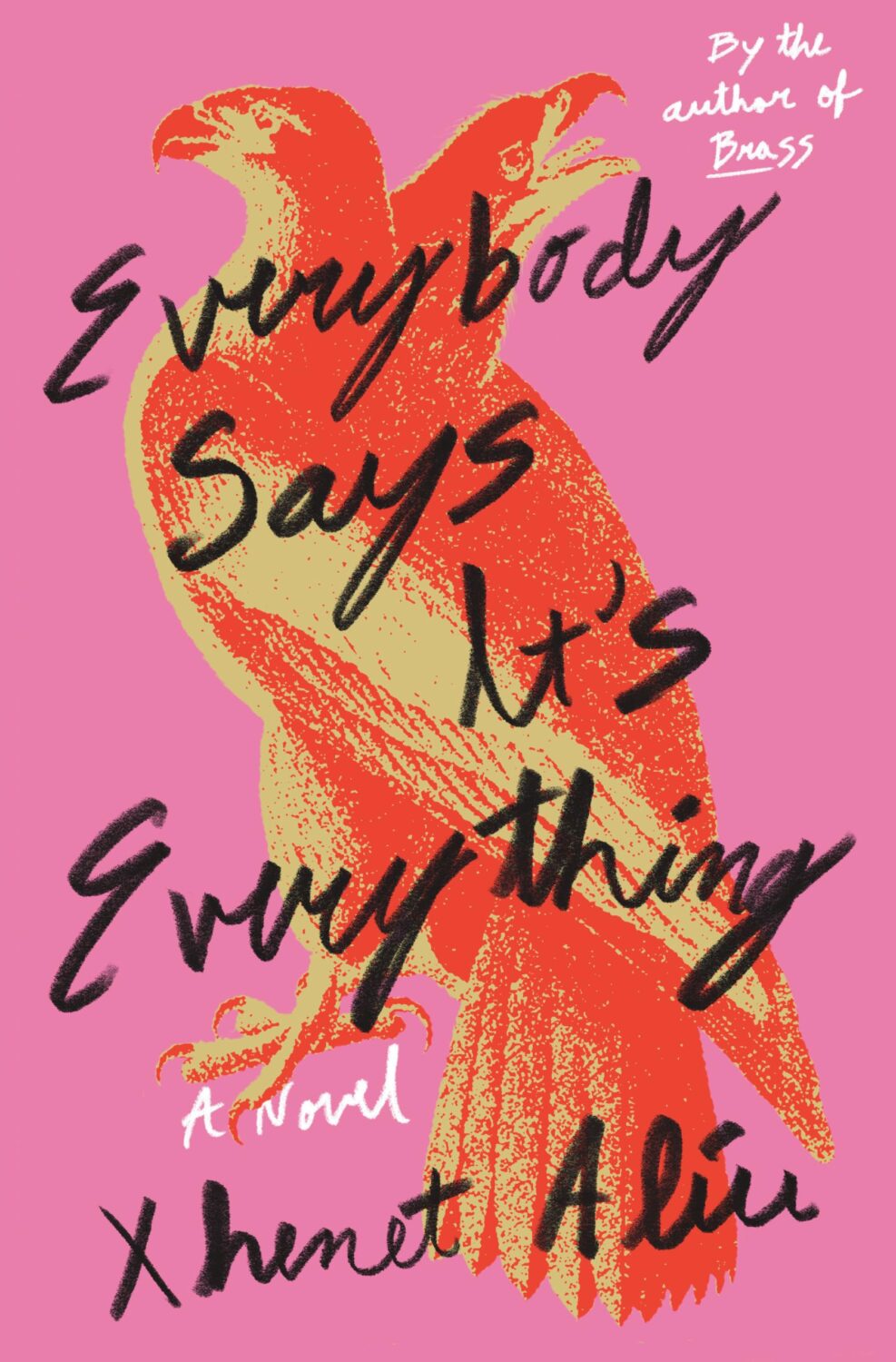
Everybody Says It’s Everything by Xhenet Aliu; design Eli Mock (Random House / March 2025)
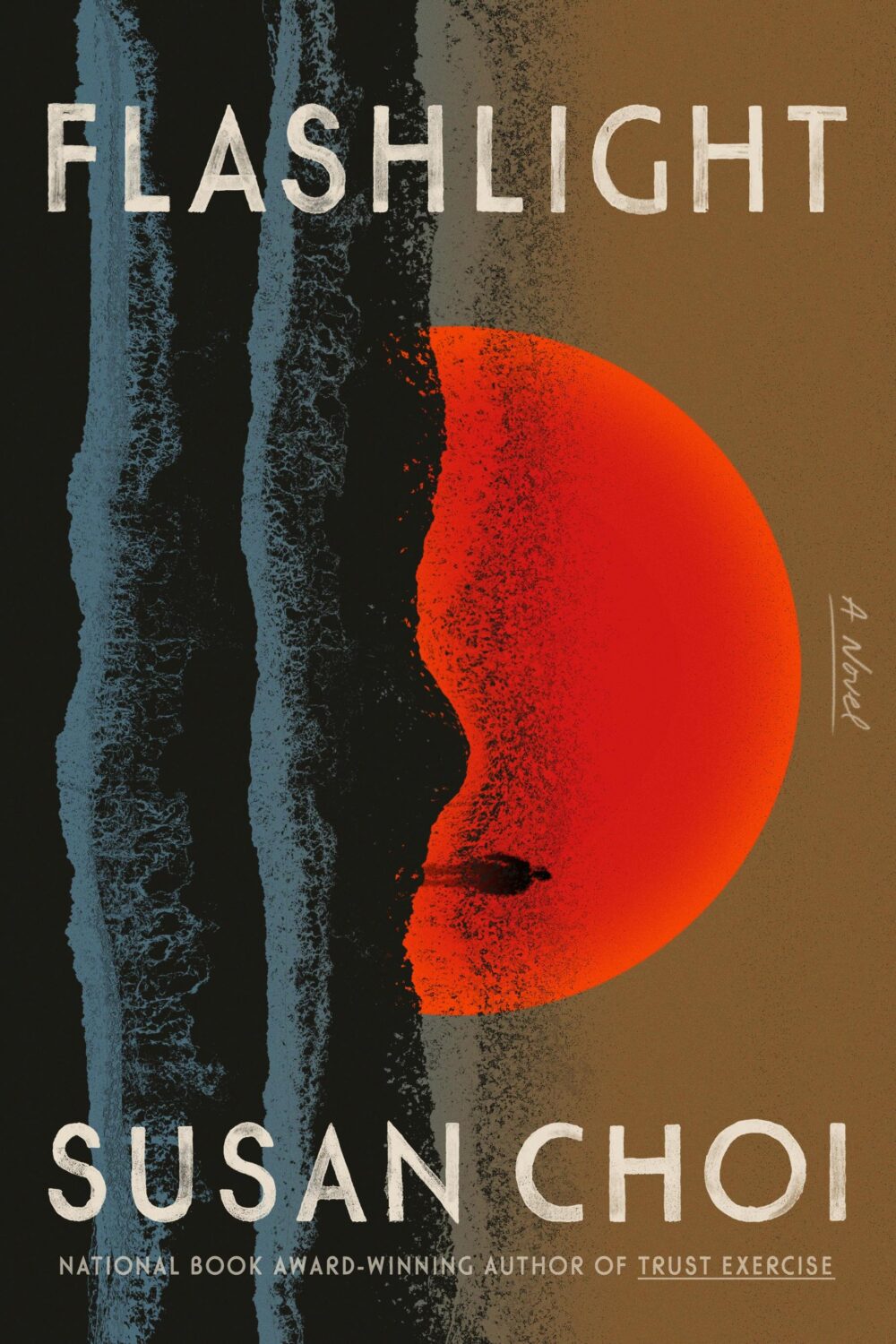
Flashlight by Susan Choi; design by June Park (Farrar, Straus & Giroux / June 2025)
I had almost forgotten that I did a little post about sideways covers 10 years ago(!). It could be time for a new one?
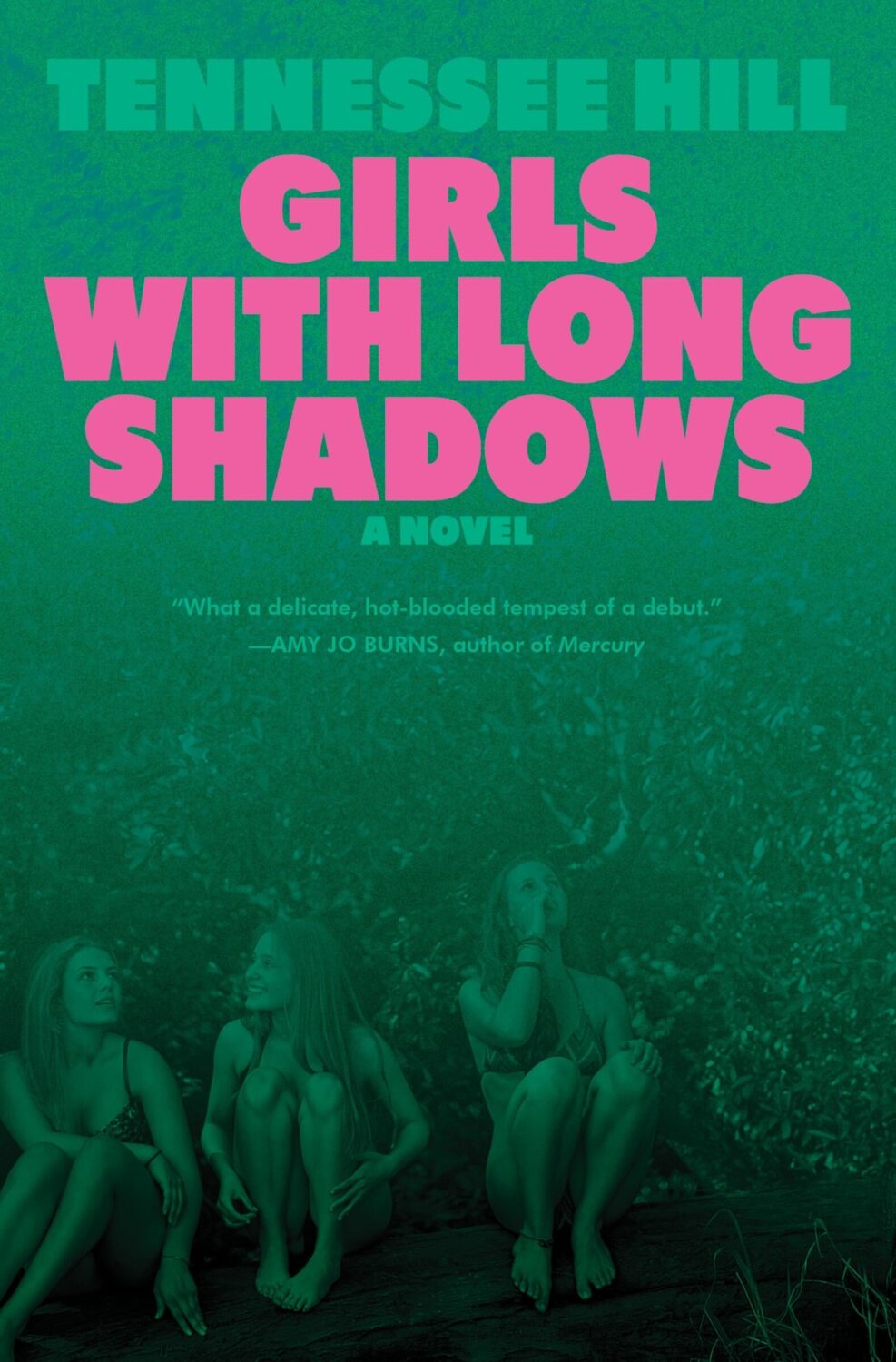
Girls with Long Shadows by Tennessee Hill; design Robin Bilardello (Harper / May 2025)
Are green covers with pink type a thing now? There’s also the cover of All the Parts We Exile by Roza Nozari designed by Lisa Jager for Knopf Canada which came out in February…


The Island by Antigone Kefala; design by Sarah Schulte (Transit Books / June 2025)
Another (mostly) green cover, with some pink type here!
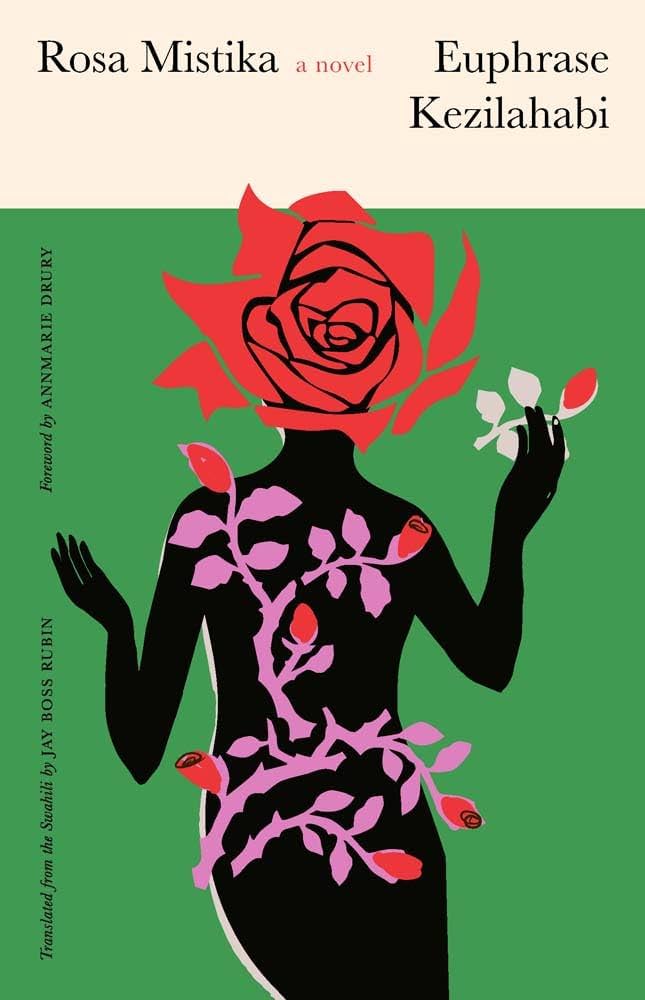
Sarah’s (also mostly green with some pink!) cover for Rosa Mistika by Euphrase Kezilahabi, published this month by Yale University Press, also caught my eye, but I couldn’t source a hi-res image for it in time for the post…
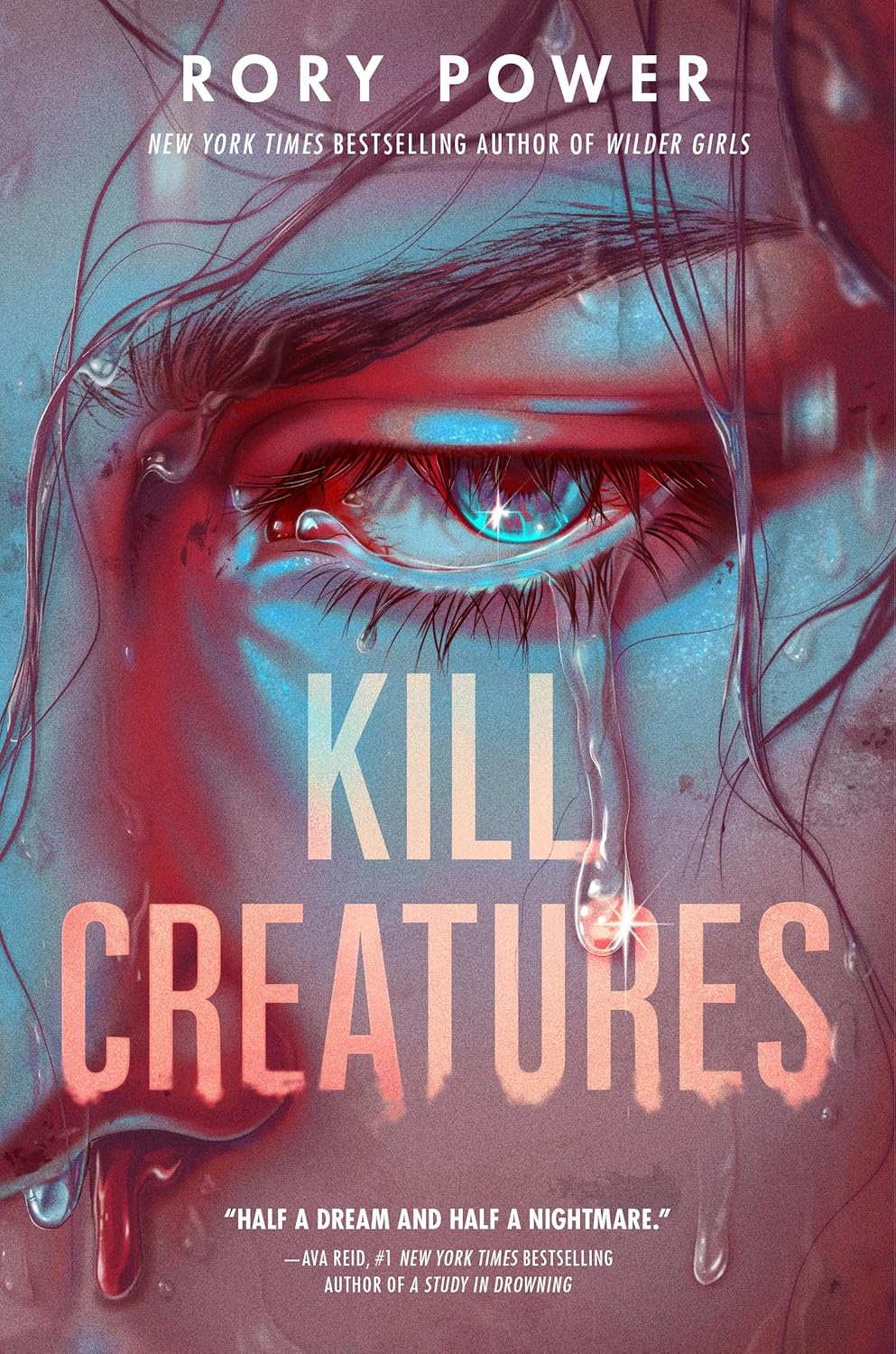
Kill Creatures by Rory Power; illustration by Kei-Ella Loewe; art direction by Liz Dresner (Delacorte Press / June 2025)

The Longest Way to Eat a Melon by Jacquelyn Zong-Li Ross; design by Emily Mahon (Sarabande Books / June 2025)
Both this and the cover for Disappoint Me were featured in a New York Times piece about recent books that are part of a painting + bold sans-serif cover trend.
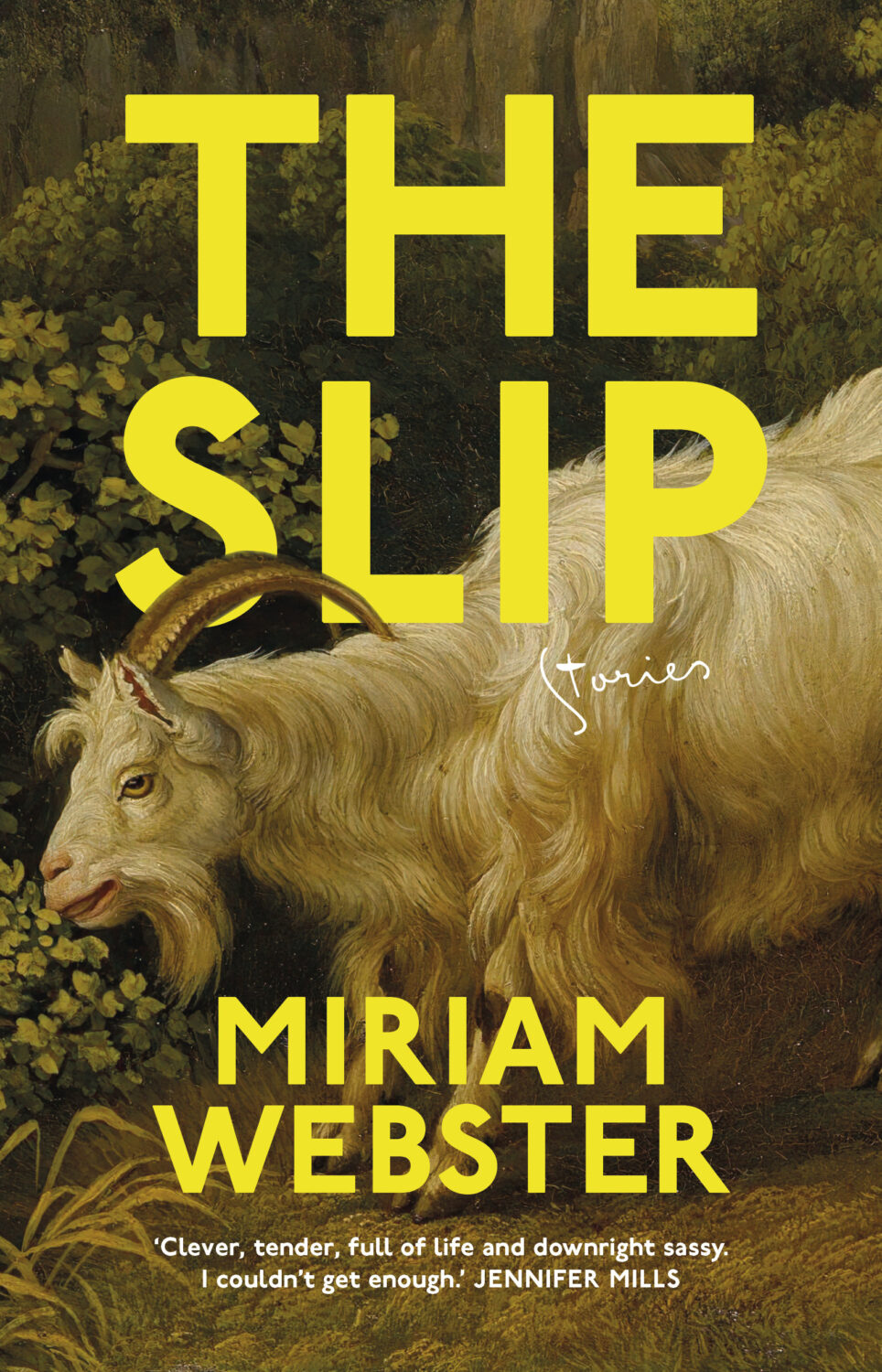
The Longest Way to Eat a Melon is also an addition to the yellow type trend. The cover of The Slip by Miriam Webster designed by Typography Studio, out next month in Australia from Aniko Press, hits both trends too… (Do paintings of animals count as a separate trend from painting of people?)

Misophonia by Dana Vowinckel; design by Jack Smyth (HarperVia / May 2025)

Participatory Culture Wars by Simone Driessen, Bethan Jones and Benjamin Litherland; design by Ashley Muehlbauer (University of Iowa Press / June 2025)
This made me think of transferring newspaper print with pink silly putty, which probably hasn’t been possible for decades. I am ancient and made of dust.
Spine Magazine has brought back its round-up of recent university press covers too if you’re interested.
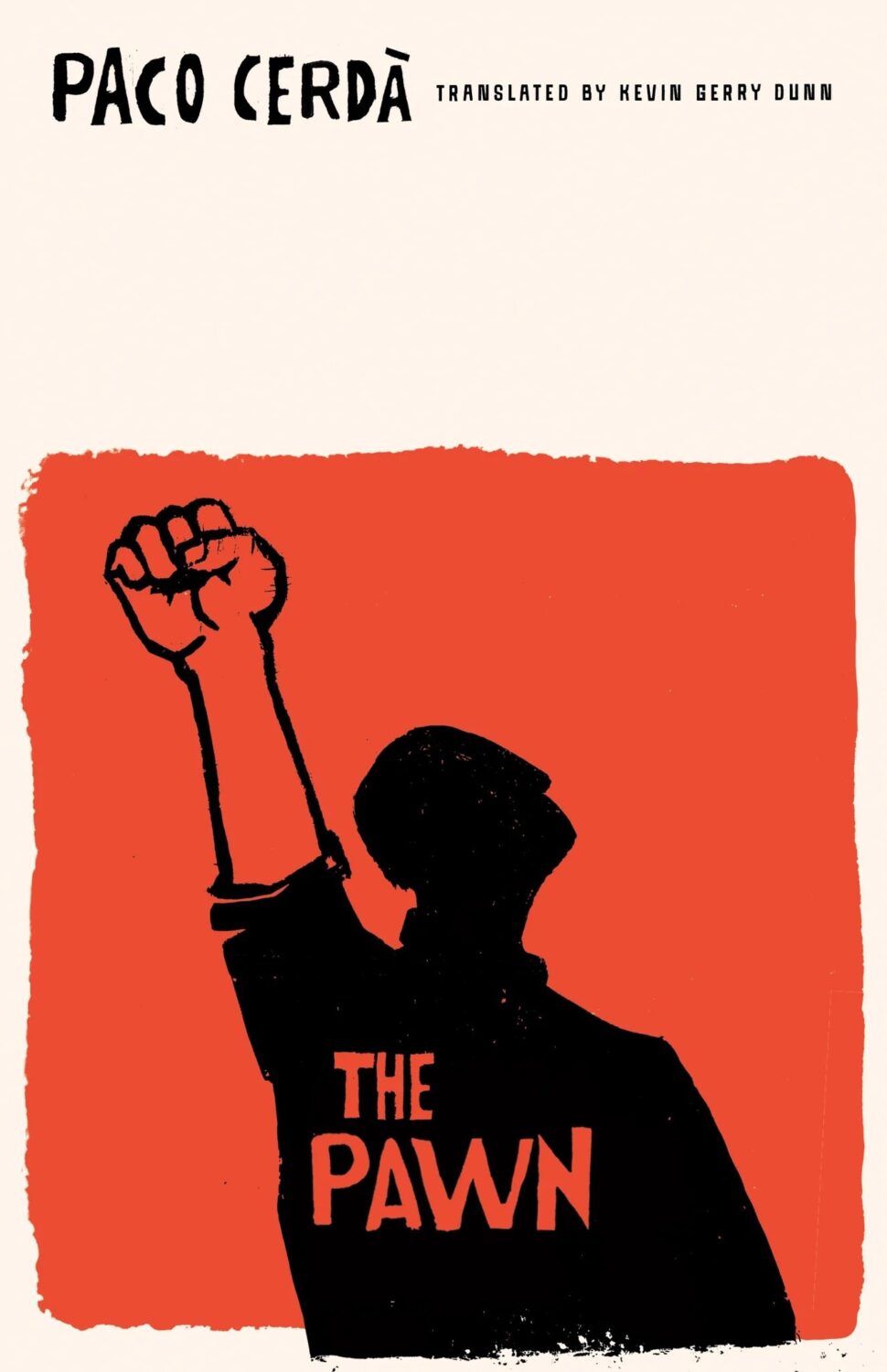
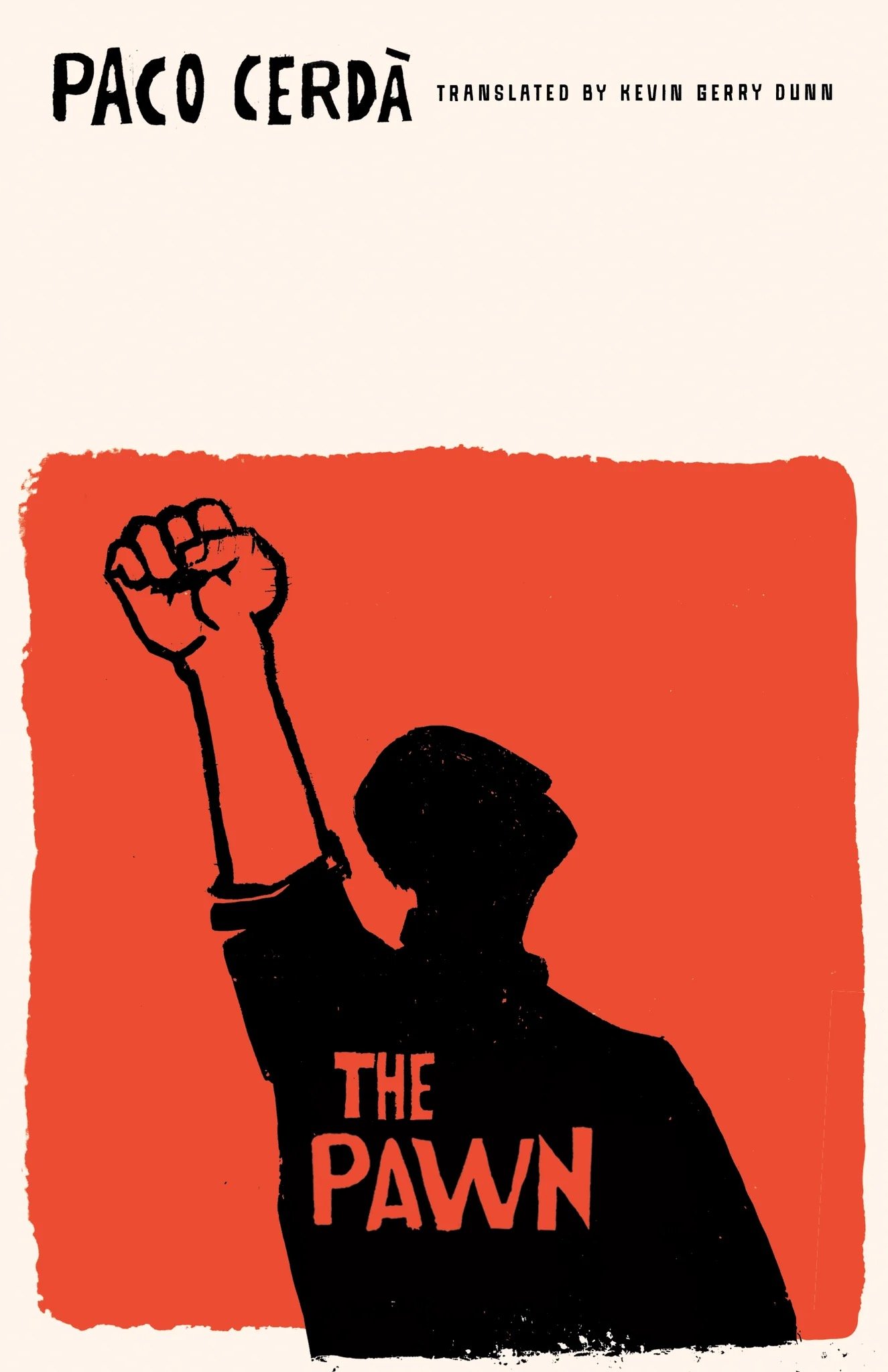
The Pawn by Paco Cerdà; design by Emily Mahon (Deep Vellum / June 2025)

Rytual by Chloe Elisabeth Wilson; design by Design by Committee (Penguin Australia / May 2025)

Separate Rooms by Pier Vittorio Tondelli; design Elena Giavaldi (Zando / April 2025)

The Sisters by Jonas Hassen Khemiri; design by Rodrigo Corral (Farrar, Straus & Giroux / June 2025)
I think this cover was originally used for the Swedish edition so technically it is also from 2023. (Finger on the pulse over here… )

The Slip by Lucas Schaeffer; design by Jack Smyth (Simon & Schuster / June 2025)

Tank by Mark Urban; design by Chris Bentham (Penguin / June 2025)
I love the “does what it says on the tin” literalness of both the title and image here.
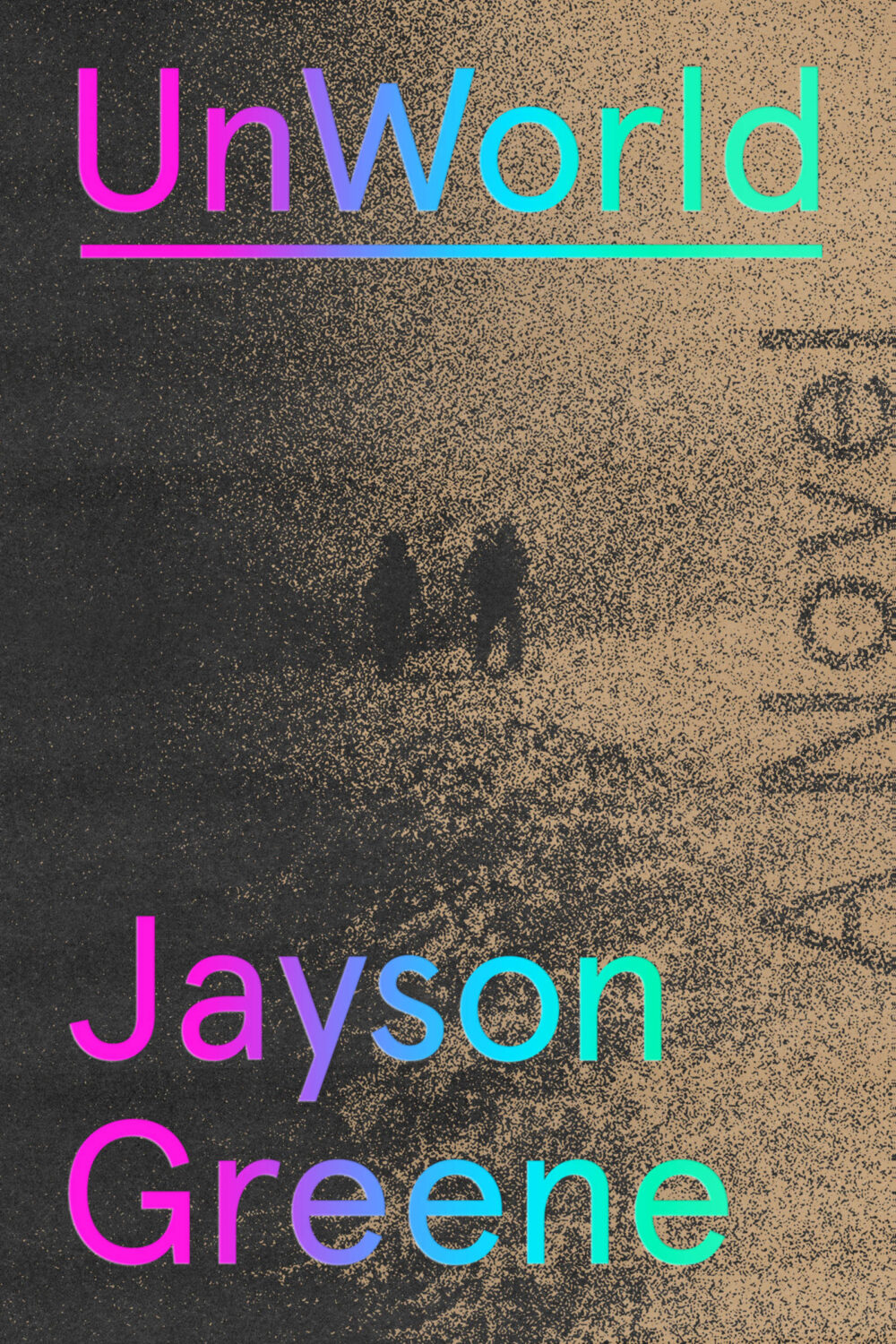
UnWorld by Jason Greene; design by Tyler Comrie (Knopf / June 2025)

Valencia by Michelle Tea; design by Megan Grace (Profile / June 2025)
Let me know if you recognize the photo / photographer and I’ll add the credit.
The photograph is by photographer Chloe Sherman from her project Renegades: San Francisco, the 1990s, which is now available as book from Hatje Cantz.

Weepers by Peter Mendelsund; design by Thom Colligan (Farrar, Straus & Giroux / June 2025)
This reminded me of the cover of The Sun Walks Down by Fiona McFarlane designed by Na Kim for FSG a few years ago (the colour palette of which is similar to a lot of Na’s paintings funnily enough!).

Peter Mendelsund‘s memoir/monograph Exhibitionist is available from Catapult this month too. I think Peter designed the cover for this one himself (with Corbusier inspired stencil type?).

The Washington Post recently toured Peter’s apartment and talked to him about the book.
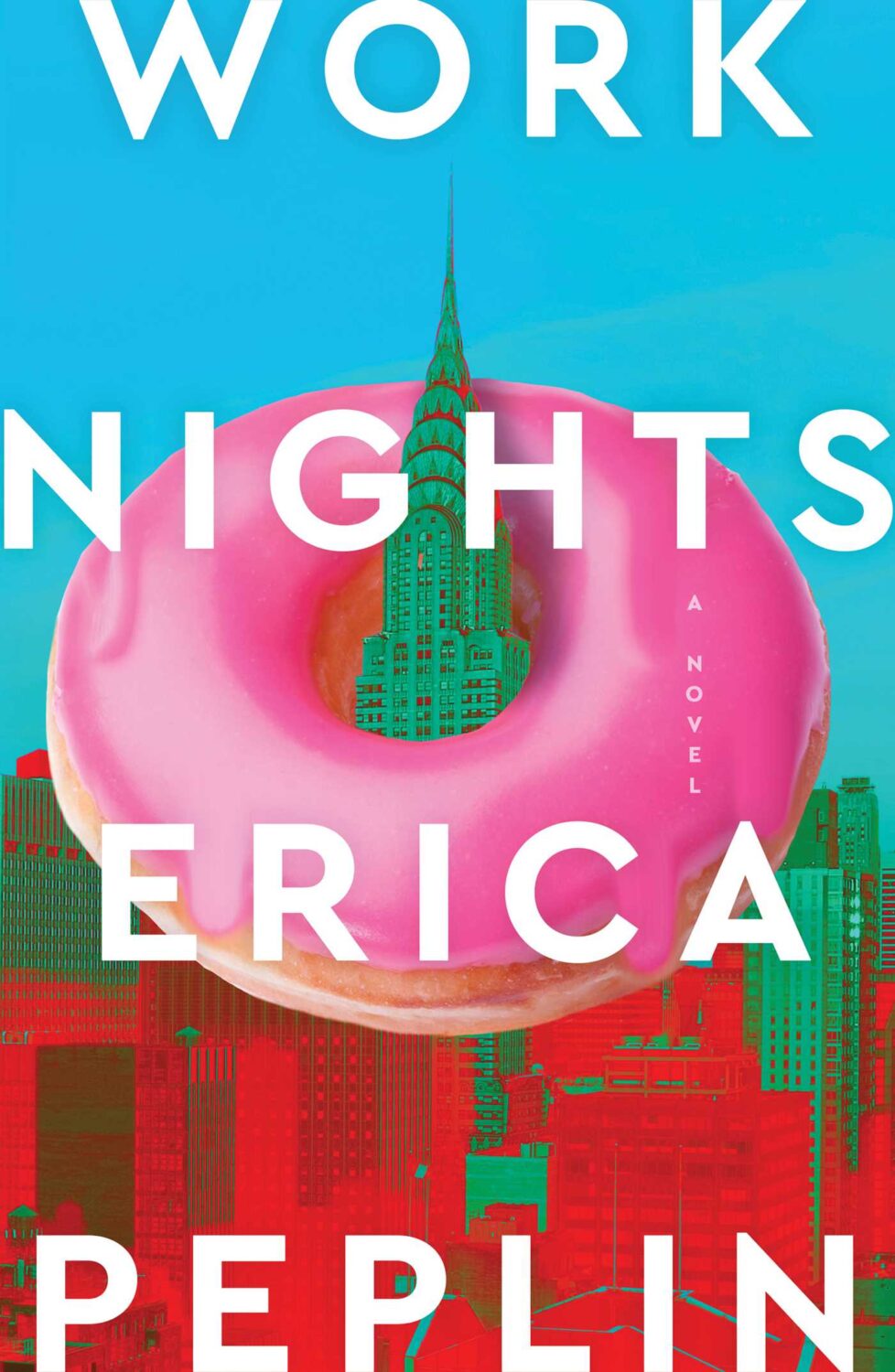
Work Nights by Erica Peplin; design by Holly Ovenden (Gallery Books / June 2025)
This is giving me Claes Oldenburg vibes. (Is there someone who paints photorealistic donuts? There is probably is).
Are donut covers a thing? Can we make them a thing?

Hey, I hope you’re all keeping safe and well. Apologies for a slightly rushed post this month. It’s been kind of a busy time, and I’m travelling for work next week, so I’m sure I’ve missed a few covers and connections. I’ll try to catch up over the summer if/when things quieten down. Anyway… there are still lots of great covers in this month’s post — some from the usual suspects for sure, but also a few indies, a university press, a couple of covers from the UK and Ireland, and one from Canada…
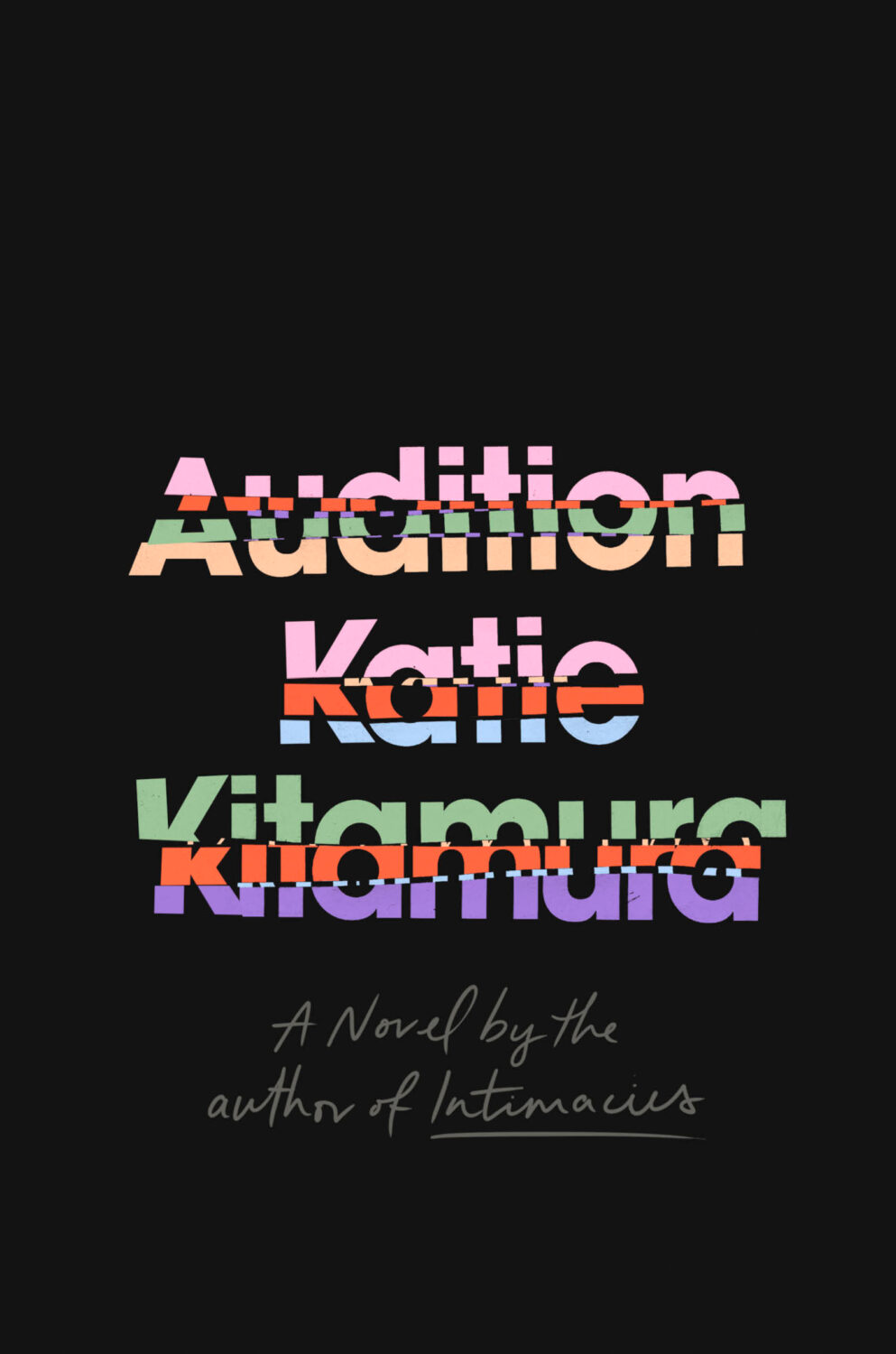
Audition by Katie Kitamura; design by Lauren Peters-Collaer (Riverhead / April 2025)
The cover of A Separation by Katie Kitamuria, designed by Jaya Miceli, was on my list of notable book covers back in 2017 (and featured on this list from 2020 that I’d forgotten I’d posted!)

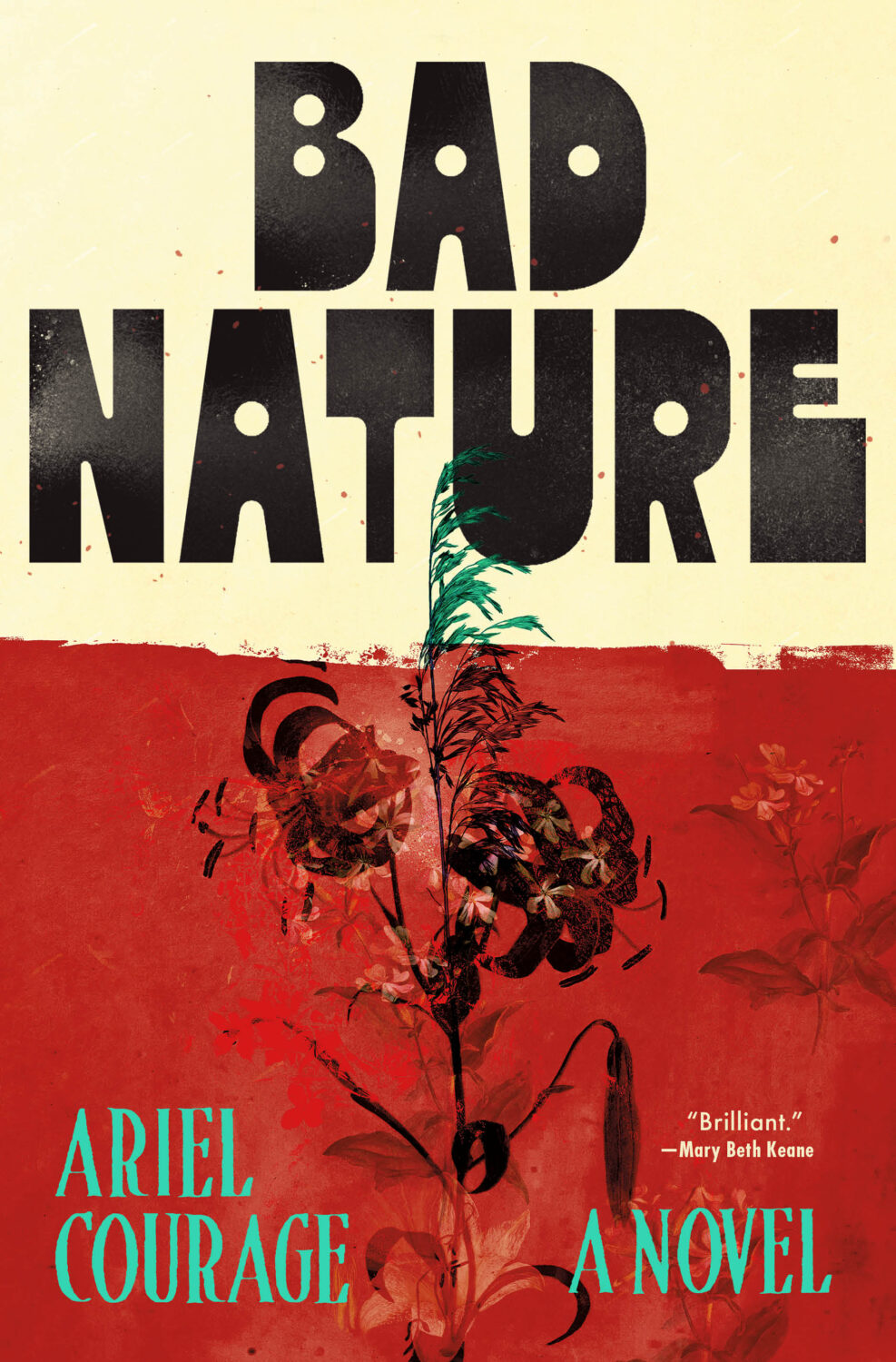
Bad Nature by Ariel Courage; design by Emily Mahar (Henry Holt & Co. / April 2025)

Back in the Day by Oliver Lovrenski; design by Josie Staveley Taylor; photography by Valentin Fabre (Penguin Books / April 2025)

Barbara by Joni Murphy; design by Frances DiGiovanni and Rodrigo Corral (Astra House / March 2025)
If you missed it, Rodrigo Corral was recently profiled by Zachary Petit for Fast Company.
And, the cover of Animals by Joni Murphy, designed by Na Kim, was featured on my 2020 notable list. It’s an interesting contrast…


Big Chief by Jon Hickey; design by David Litman (Simon & Schuster / April 2025)

Crumb by Dan Nadel; design by Gregg Kulick (Scribner / April 2025)

The Eternal Dice by César Vallejo; design by Pablo Delcan (New Directions / April 2025)

The Fact Checker by Austin Kelley; cover illustration by Amber Day (Atlantic Monthly Press / April 2025)

Harriet Tubman in Concert by Bob the Drag Queen; design by Chelsea McGuckin (Galley Books / March 2025)

The Honditsch Cross by Ingeborg Bachmann; design by Peter Mendelsund (New Directions / April 2025)
Peter Mendelsund also designed the cover of Malina by Ingeborg Bachmann for New Directions. It was on my notable list in 2019 (and on the aforementioned look back at the decade).

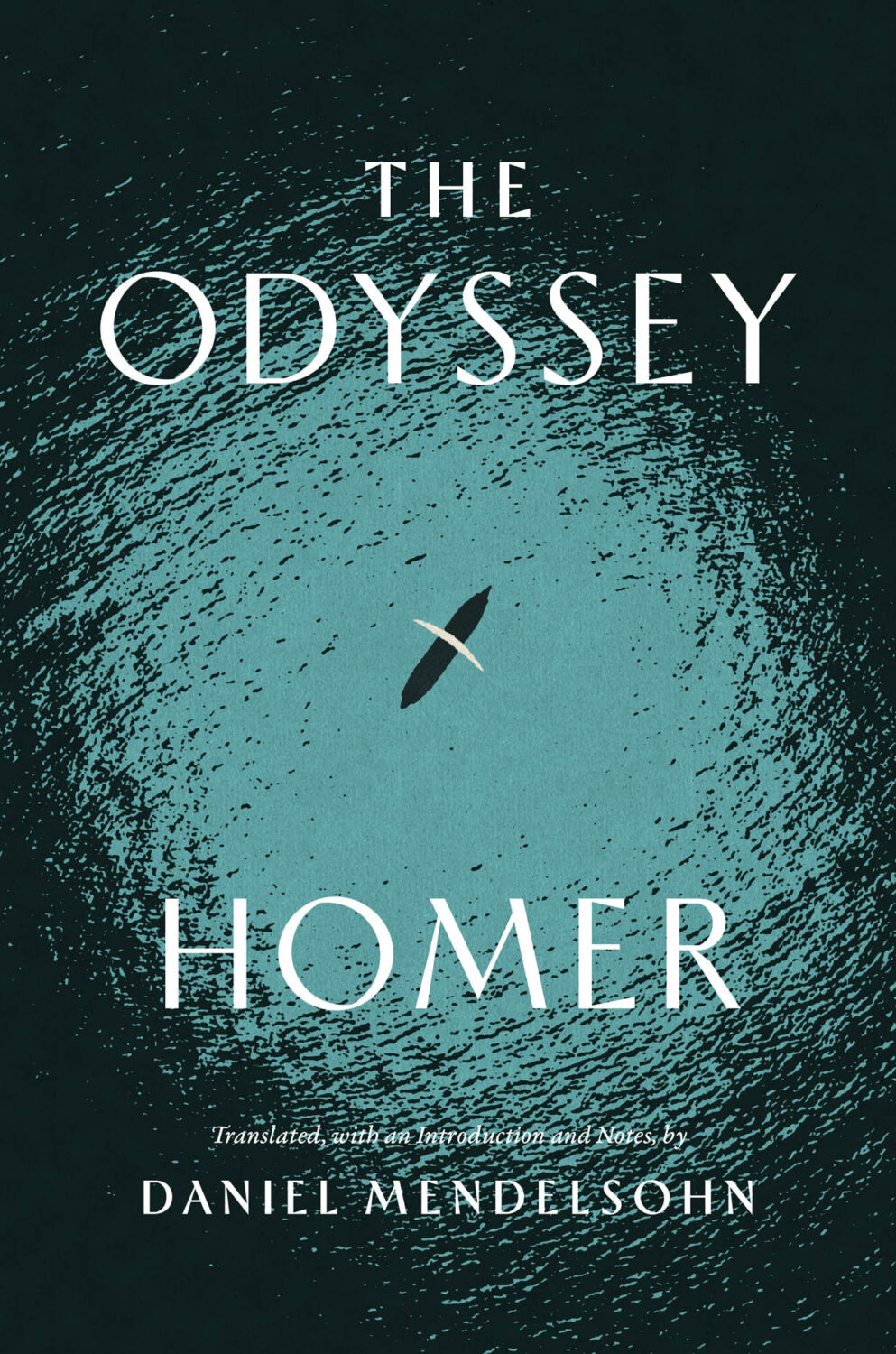
The Odyssey translated by Daniel Mendelsohn; design by Monograph (University of Chicago Press / April 2025)
I was reminded of Matt’s 2017 cover for David Ferry’s translations of the Aeneid from University of Chicago Press. It sticks in my mind at least partially for it’s use of Sandrine Nugue’s typeface Infini.

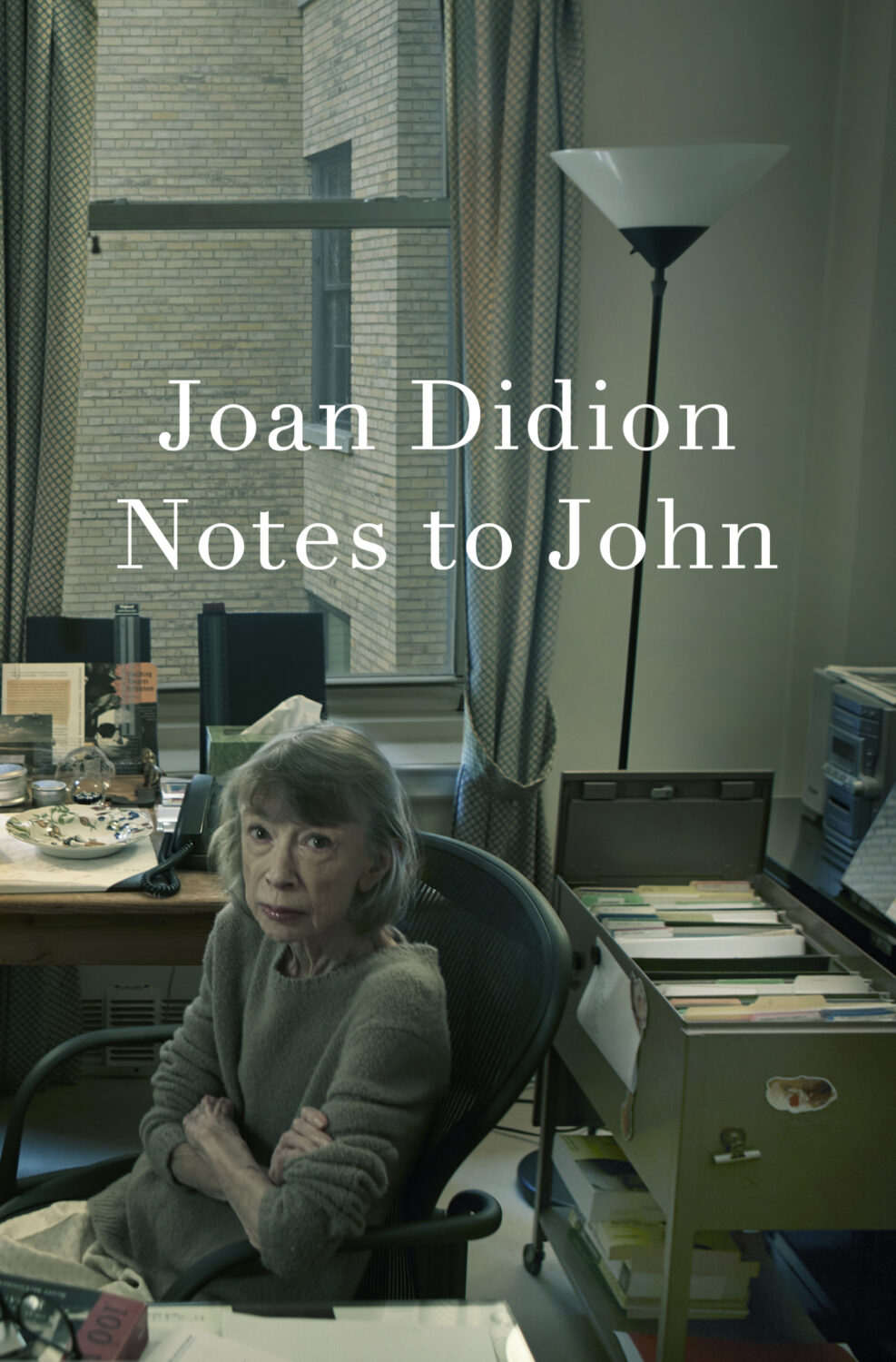
Notes to John by Joan Didion; design John Gall; photograph by Annie Leibovitz (Knopf / April 2025)
The photo feels very appropriate given how Didion would probably have felt about this book being published.
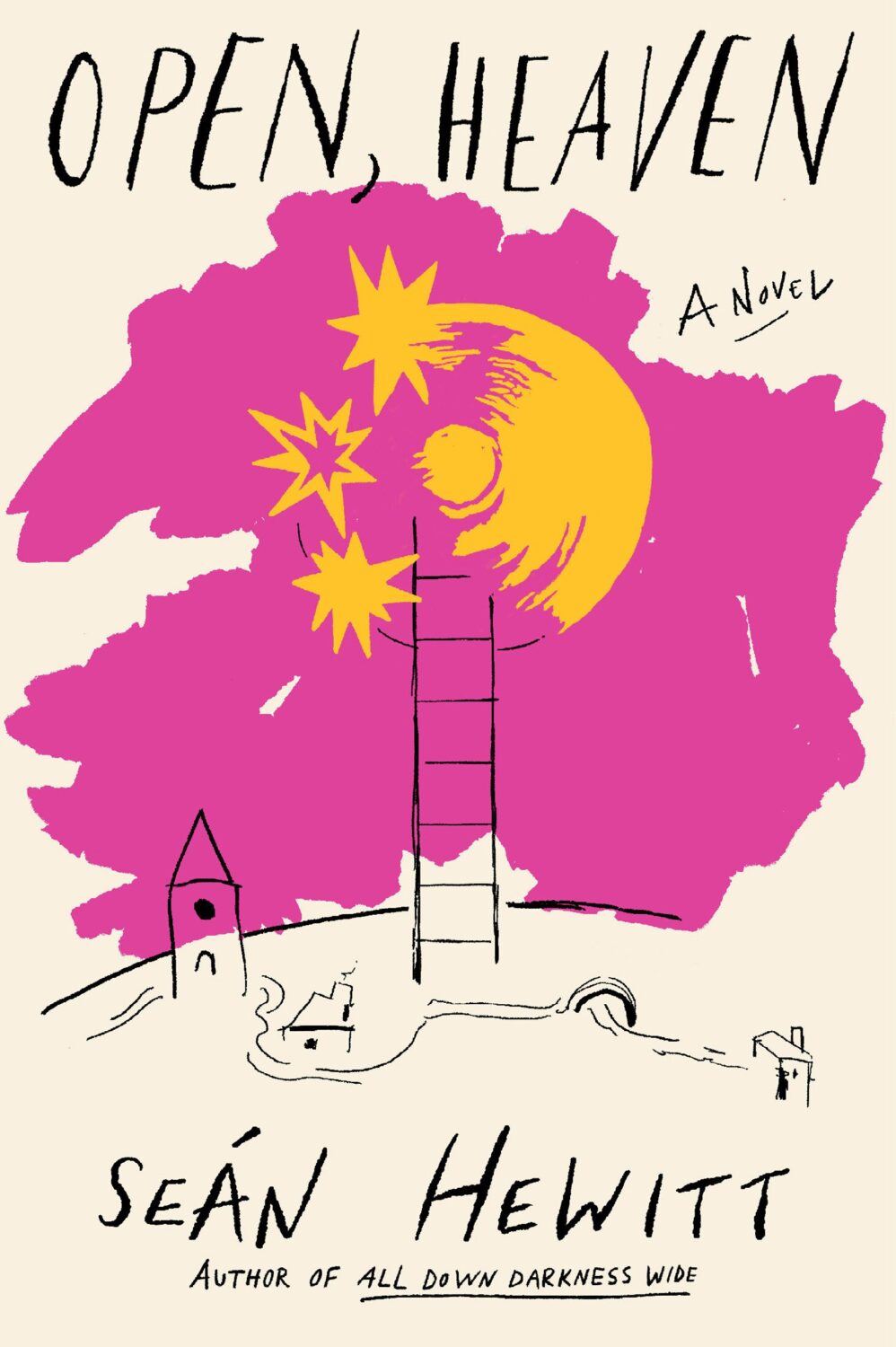
Open, Heaven by Seán Hewitt; design by Sarah Schulte (Knopf / April 2025)
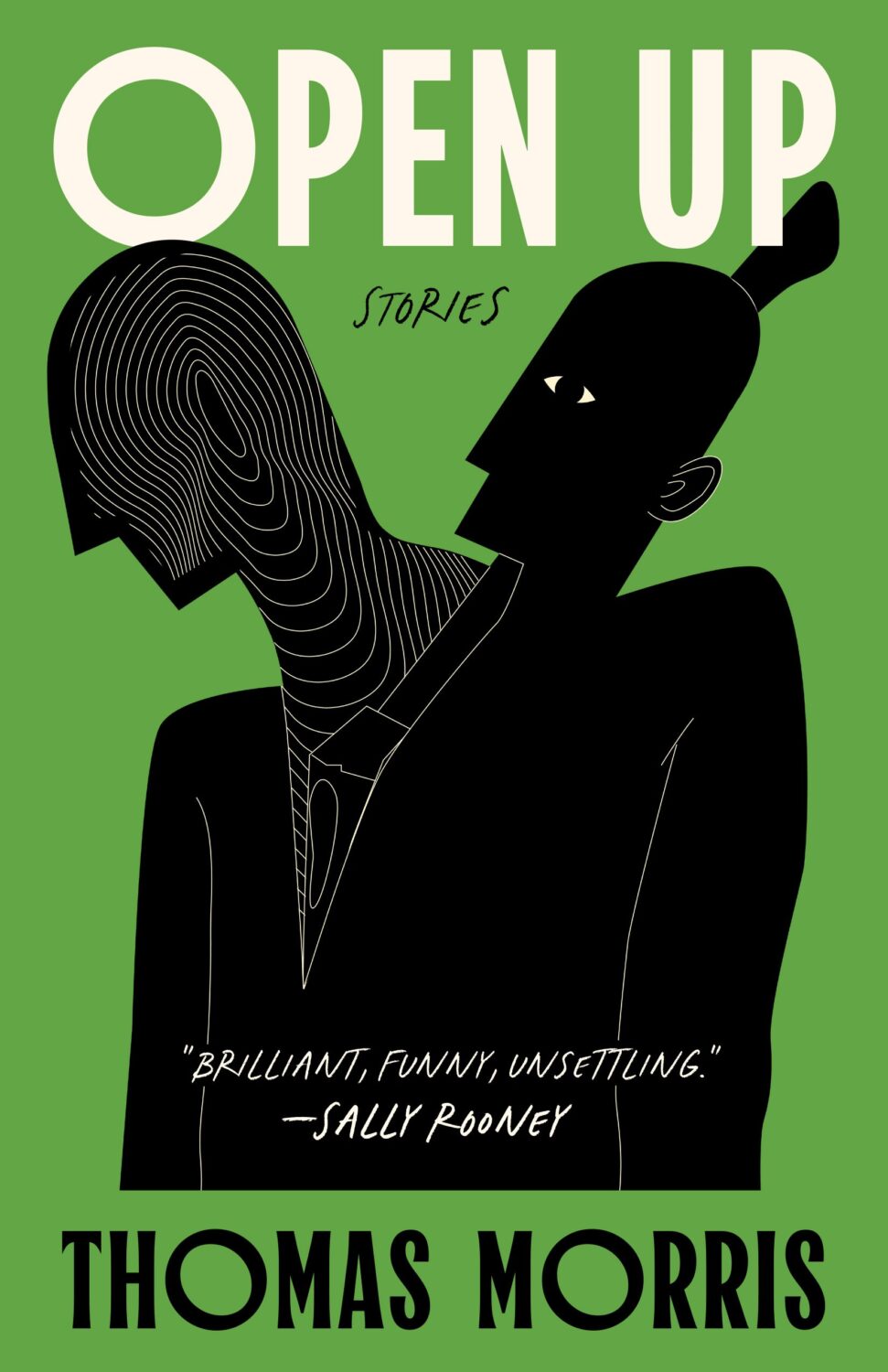
Open Up by Thomas Morris; design by Jaya Nicely (Unnamed Press / April 2025)
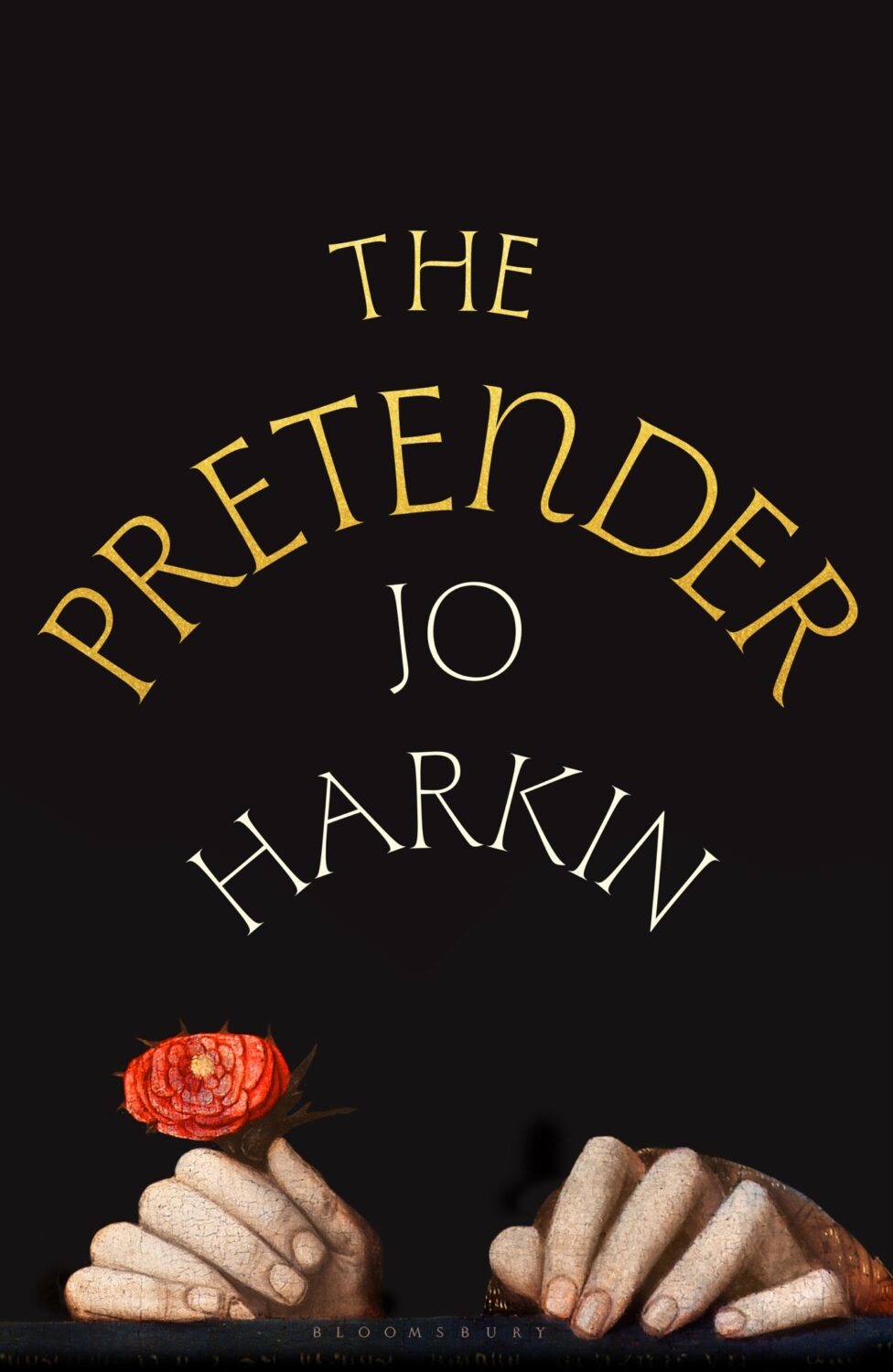
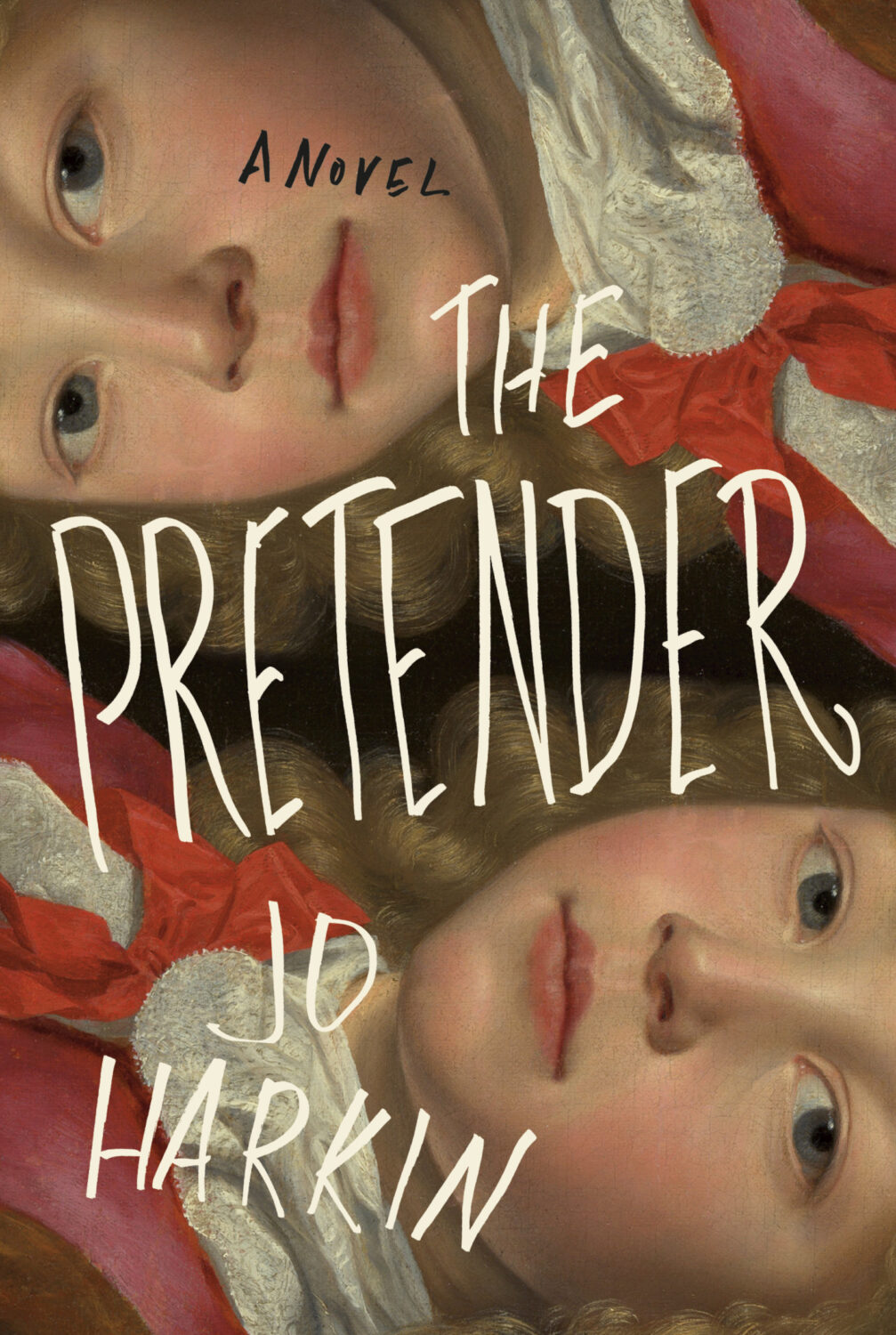
The Pretender by Jo Harkin; design by Greg Heinimann (Bloomsbury / April 2025)
The cover of the US edition, published by Knopf this month, was designed by John Gall (the art is from Portrait of a Boy with a Falcon by 17th century Flemish painter Wallerant Vaillant, which is part of the Met’s collection in NYC if you’re curious)

This Room is Impossible to Eat by Nicol Hochholczerová; design by Matt Needle (Parthian Books / March 2025)
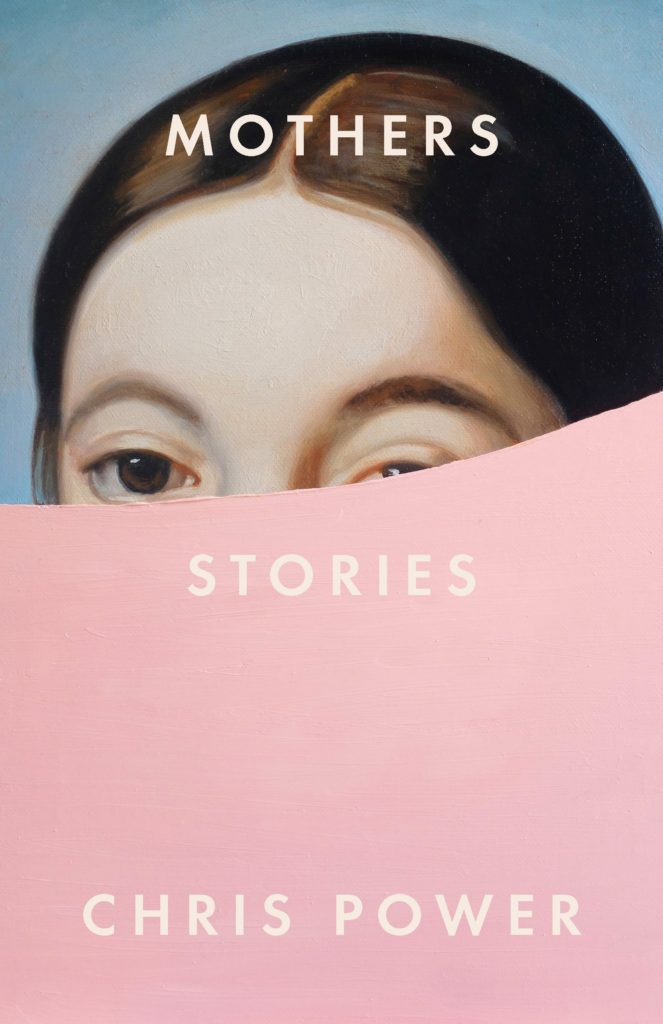
I love the bold movie-posterness of this design, but I also like to think it’s secretly the completes the cover for Mothers by Chris Power designed by Grace Han…

Small Ceremonies by Kyle Edwards; design by Kate Sinclair (McClelland & Stewart / April 2025)
This reminded me of another Grace Han cover, although the resemblance is similarly passing…

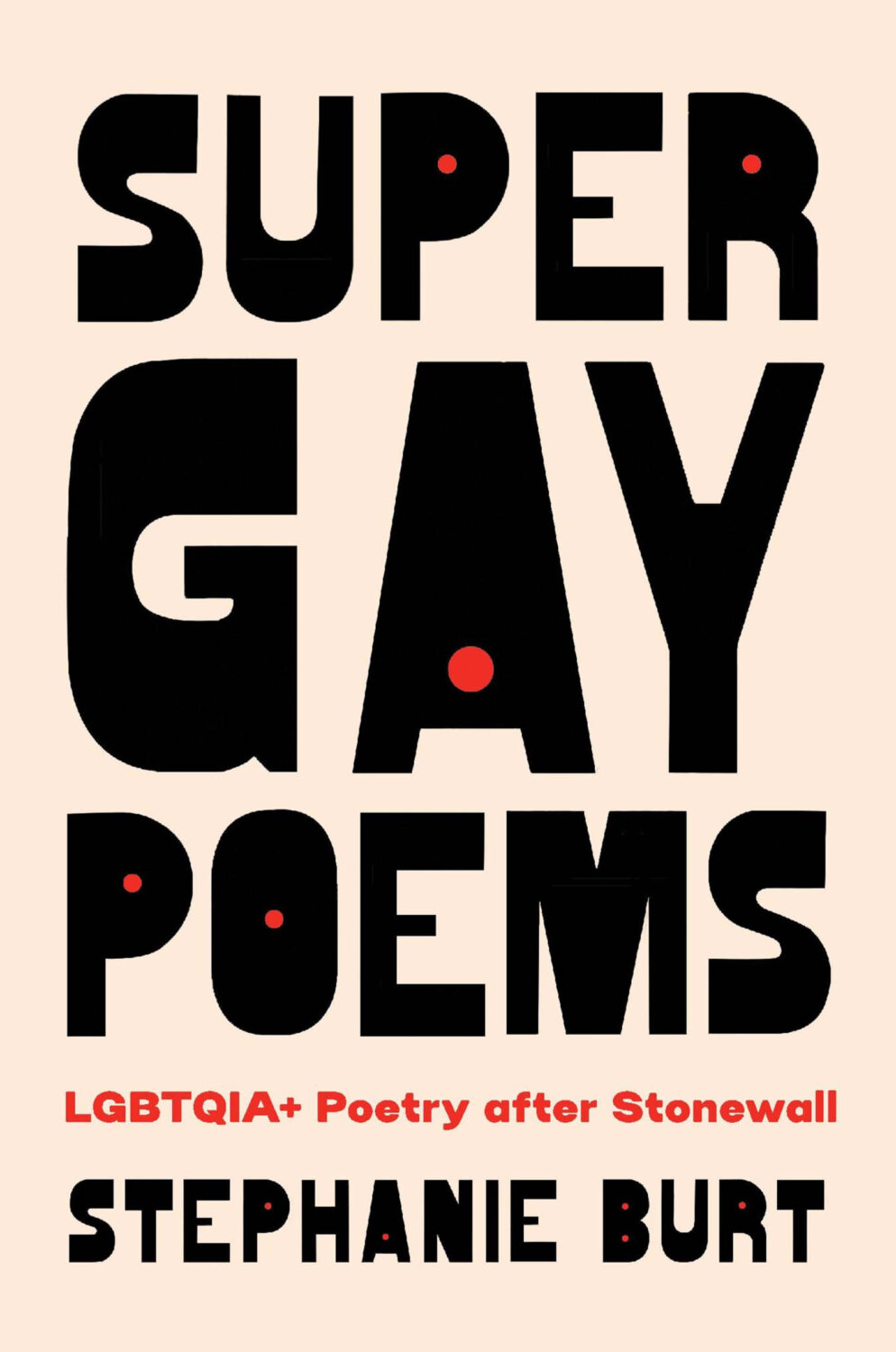
Super Gay Poems by Stephanie Burt; design by Jaya Miceli (Harvard University Press / April 2025)
Typefaces with dots are apparently a thing at the moment. The cover of Bad Friend by Tiffany Watt Smith from Faber, also out this month, uses type that has dots for counters too. Please let me know who the designer is and I’ll happily add the credit.


Tenterhoooks by Claire-Lise Kieffer; design by Jack Smyth (Banshee Press / February 2025)
Jack’s conversation with Steve Leard on the Cover Meeting podcast is really great if you haven’t listened to it yet.

Terrestrial by Joe Mungo Reed; design by Abby Weintraub (W.W. Norton / April 2025)
1 CommentHey, I hope you’re safe and well. This month’s post is a big one so I’m pretty much going to let you get on with it, but before I do, I just wanted to mention that I’ve included a gallery of all this month’s covers as the bottom of the post so you can click through them all. This is in response to a reader email about the size of the covers on screen. I think the gallery looks nice, but I am worried that it’s going to play absolute havoc with the RSS / email so apologies in advance if that’s case. Anyway, enjoy this month’s covers, and let me know what you think.

Alligator Tears by Edgar Gomez; design by Arsh Raziuddin (Crown / February 2025)

Atrocity by Bruce Robbins; design by David Drummond (Stanford University Press / February 2025)
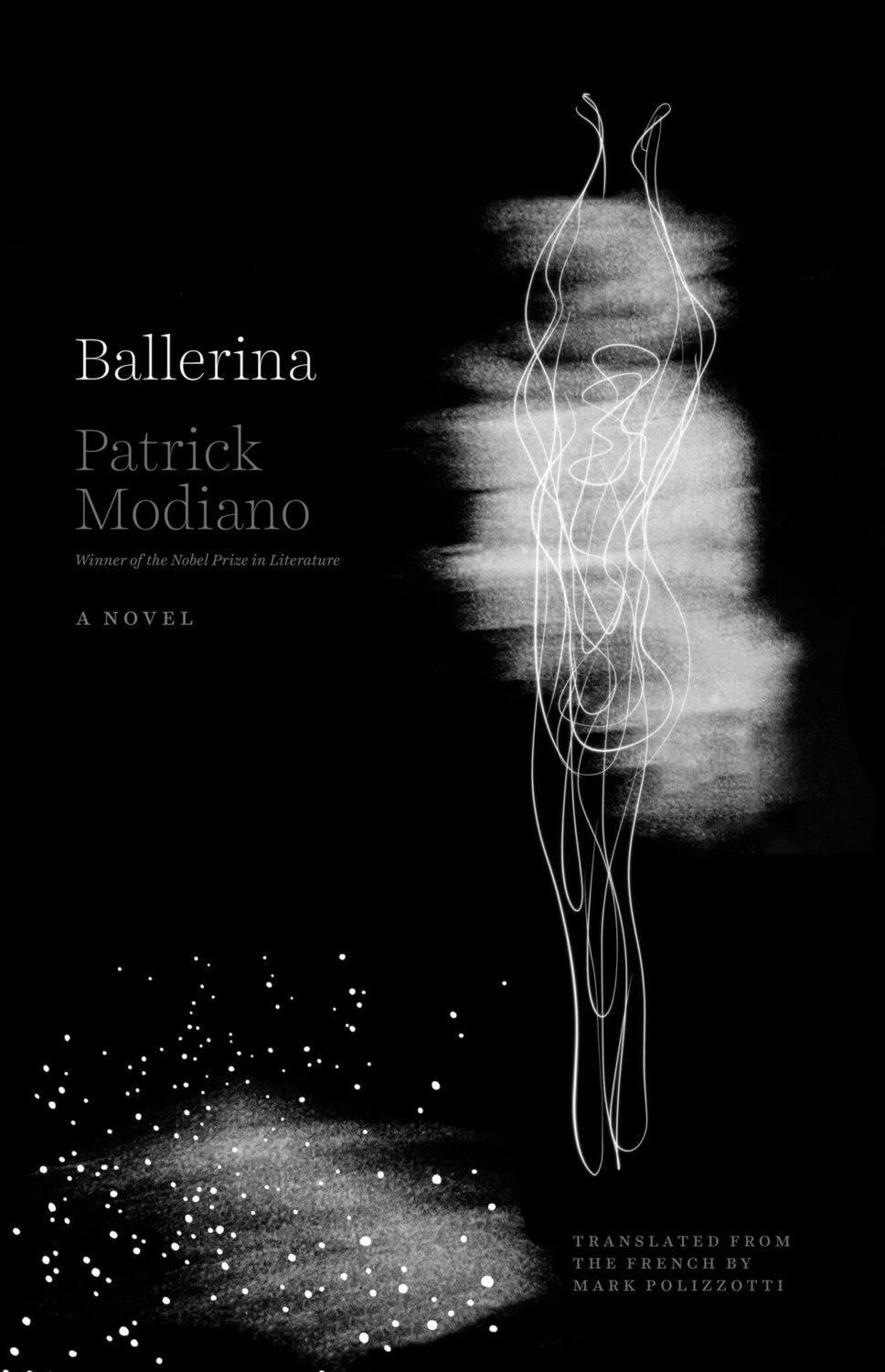
Ballerina by Patrick Modiano; design by Monograph (Yale University Press / January 2025)

Beta Vulgaris by Margie Sarsfield; design by Joanne O’Neill (W. W. Norton / February 2025)

Boyhood of Cain by Michael Amherst; design by Jack Smyth; photograph by Kirsten McKee (Faber & Faber / February 2025)

Creep by Emma van Straaten; design by Joanne O’Neill (Harper Perennial / February 2025)
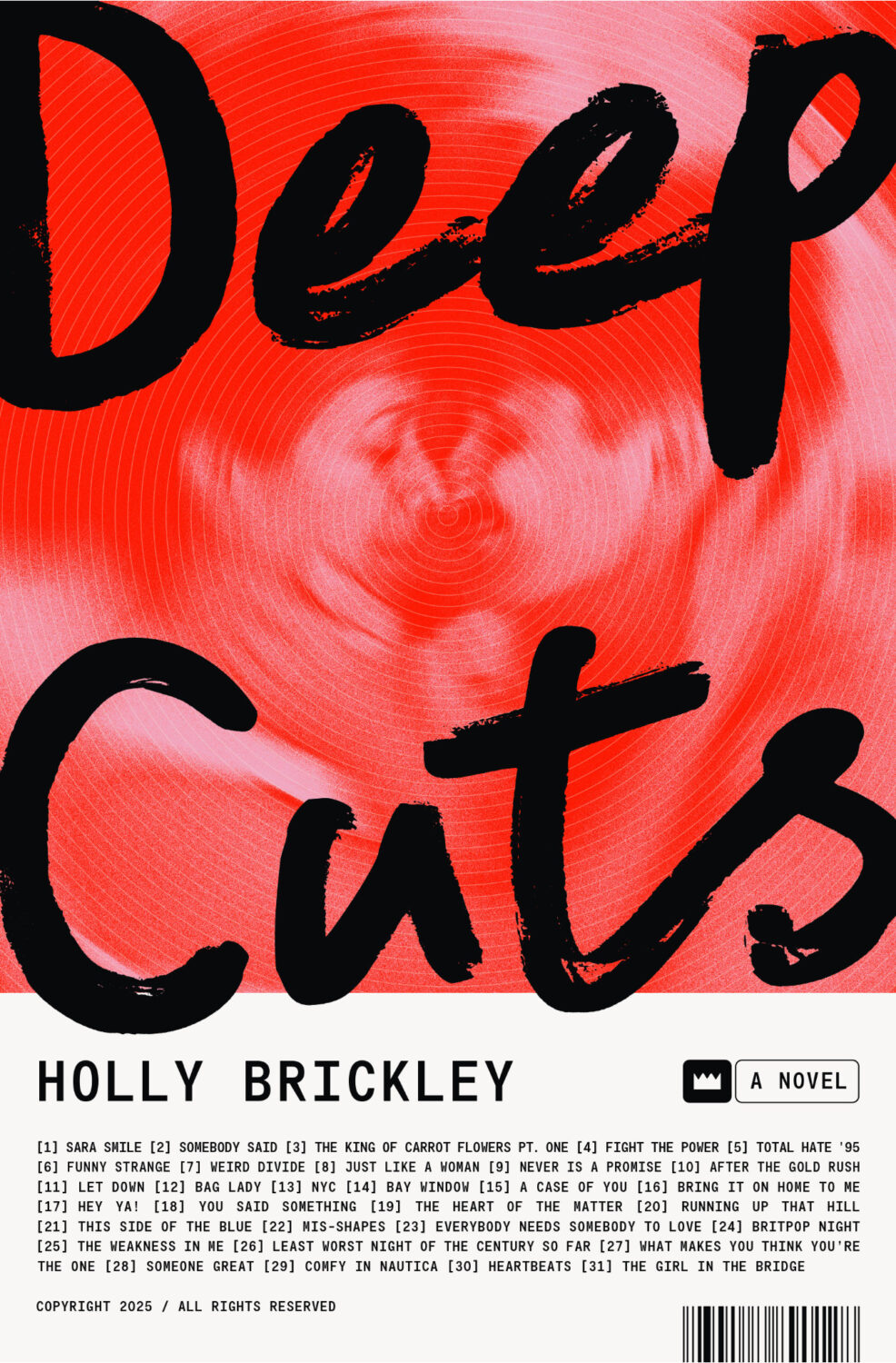
Deep Cuts by Holly Brickley; design by Chris Allen (Crown / February 2025)
Dengue Boy by Michel Nieva; design by Rodrigo Corral; illustration by Sophy Hollington (Astra House / February 2025)
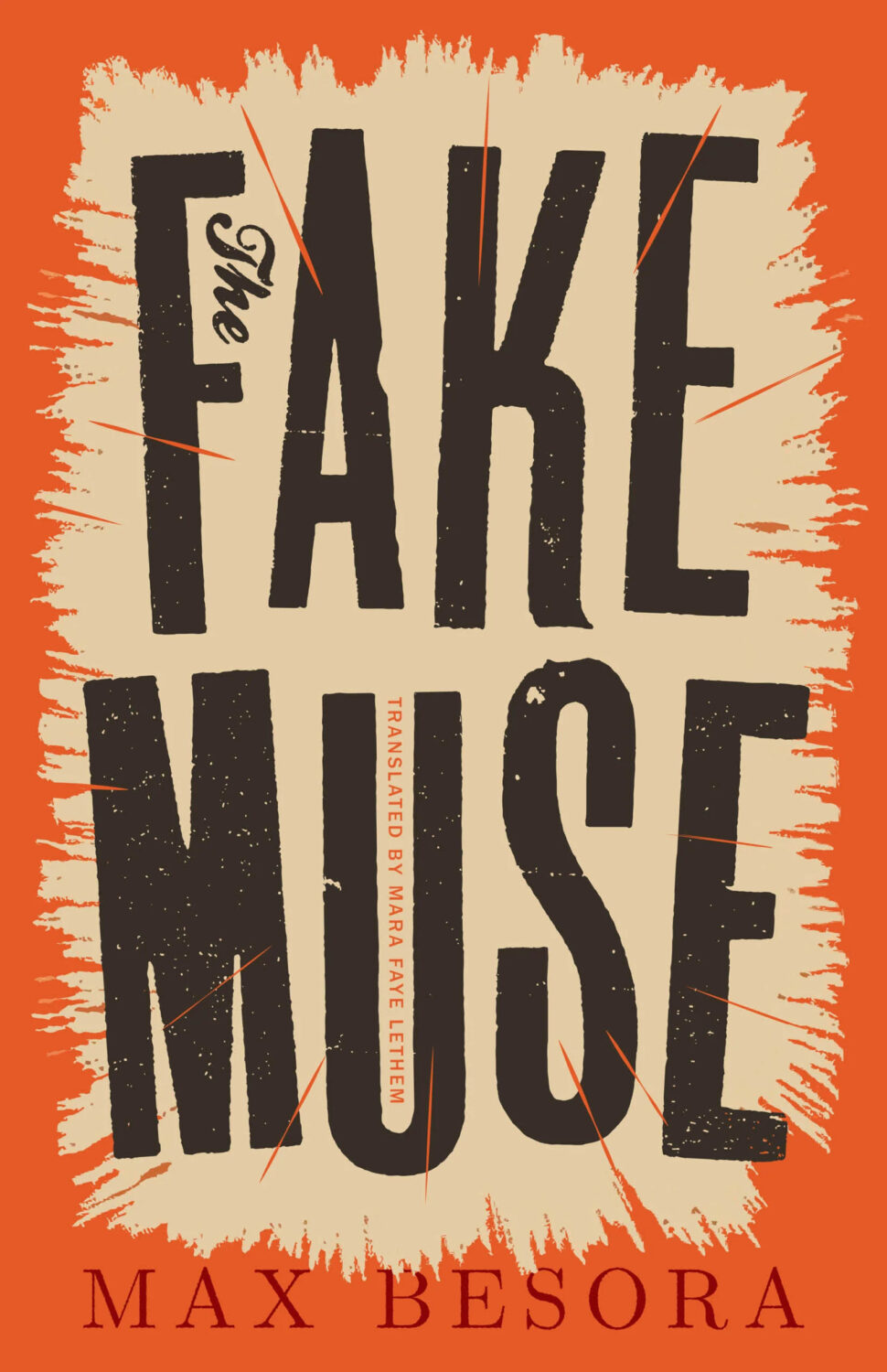
Fake Muse by Max Besora; design by Alban Fischer (Open Letter / February 2025)
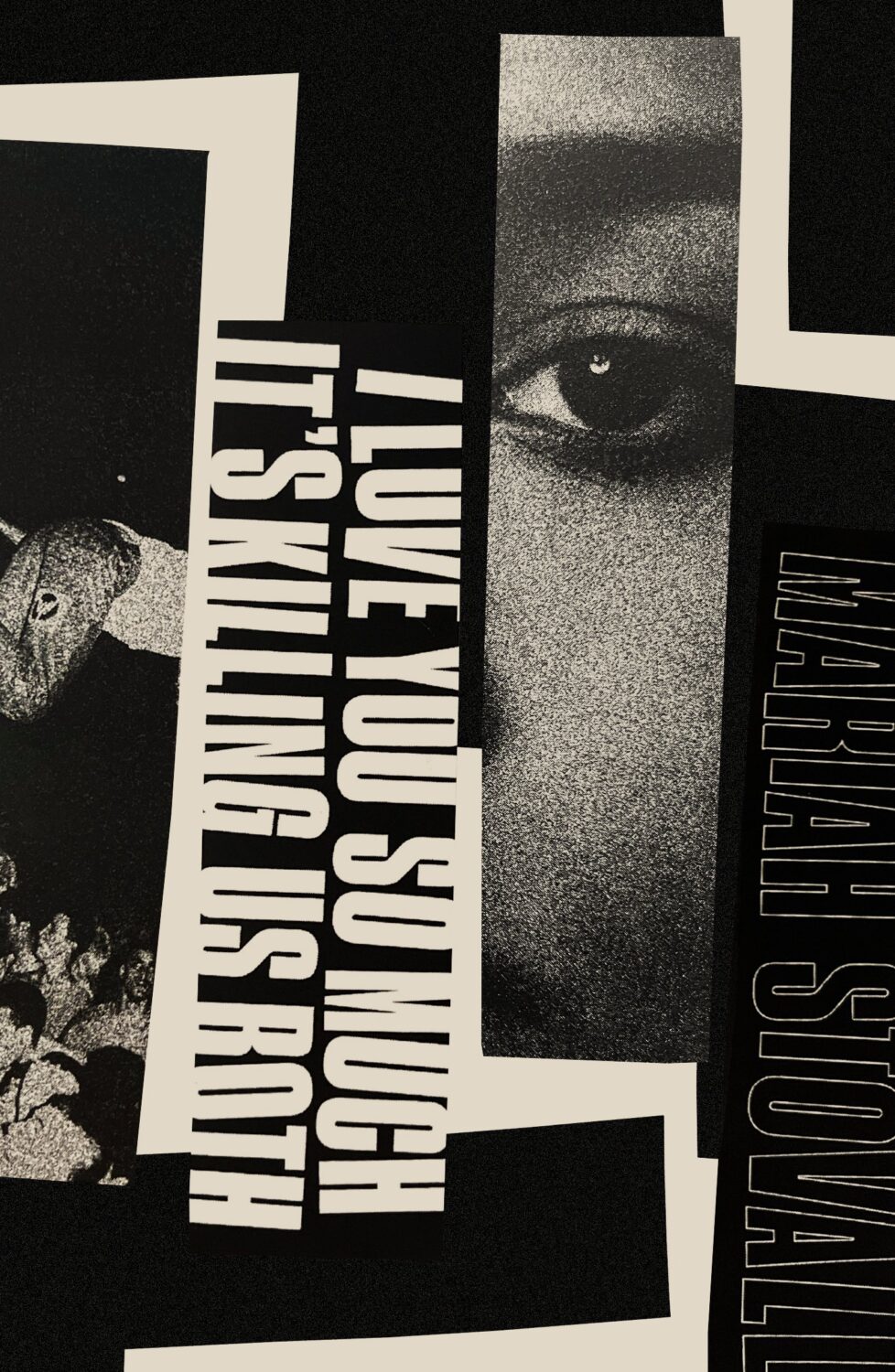
I Love You So Much It’s Killing Us Both by Mariah Stovall; design by Luke Bird (Influx Press / February 2025)
This is the UK paperback cover. The cover of the US hardcover published by Soft Skull in February last year and designed by Jack Smyth was in March 2024’s round-up.


Immemorial by Lauren Markham; design by Anna Morrison (Transit / February 2025)

In Defence of Barbarism by Louisa Yousfi; design by Chantal Jahchan (Verso / January 2025)

Mazeltov by Eli Zuzovsky; design by Emily Mahar; art by Daniel El Dibujo (Henry Holt / February 2025)

Money To Burn by Asta Olivia Nordenhof; design by Matt Broughton; art Katrien de Blauwer (Vintage / February 2025)
The type is apparently the Lubalin-inspired Herbus designed by Eliott Grunewald.

Reading the Waves by Lidia Yuknavitch; design Lauren Peters-Collaer (Riverhead / February 2025)

Saint of the Narrow Street by William Boyle; design by Luke Bird (Soho Crime / February 2025)

Smother by Rachel Richardson; design by Hana Nakamura (W. W. Norton / February 2025)
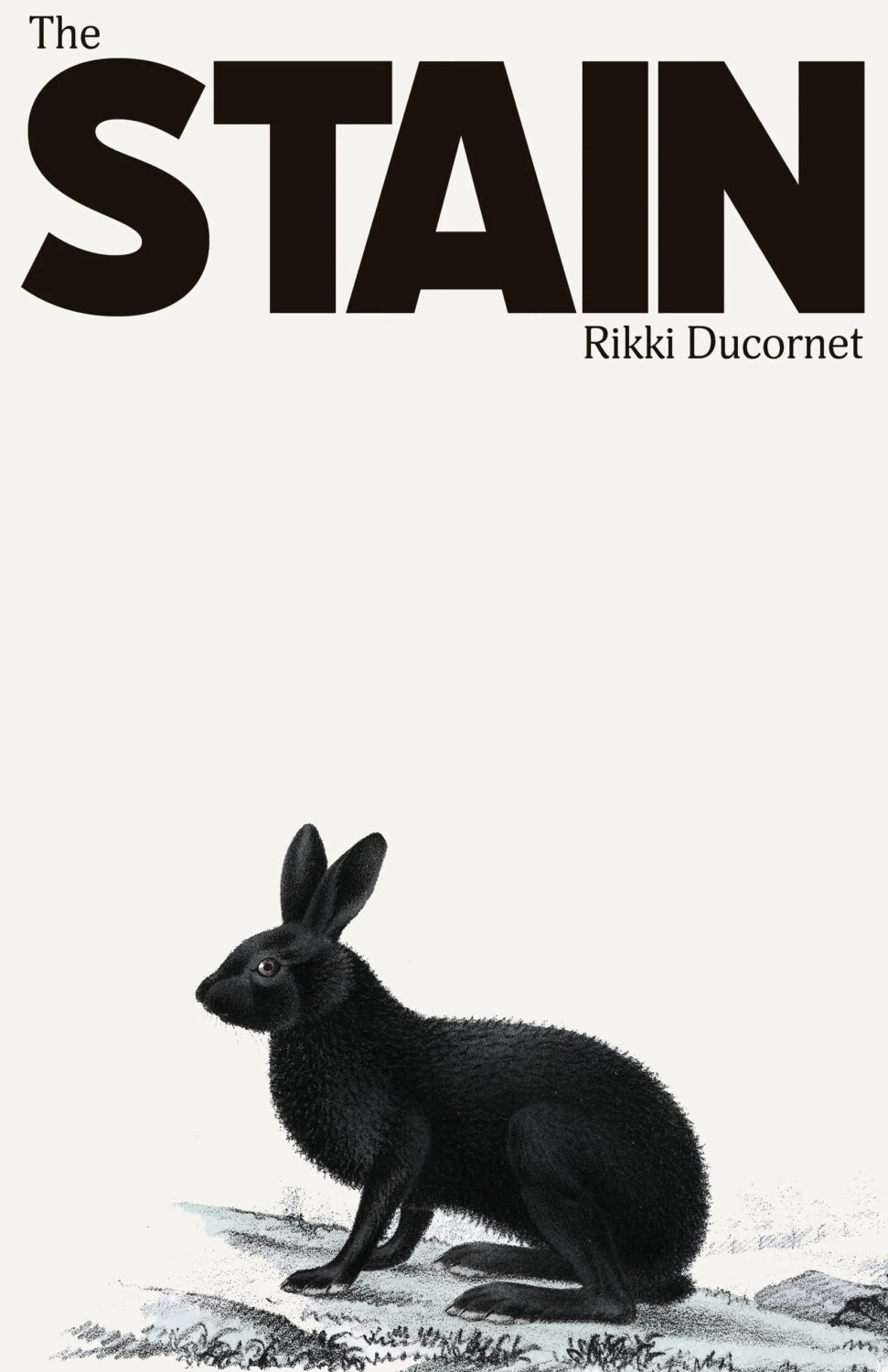
The Stain by Rikki Ducornet; design by Daniel Benneworth-Gray (Dalkey Archive Press / February 2025)
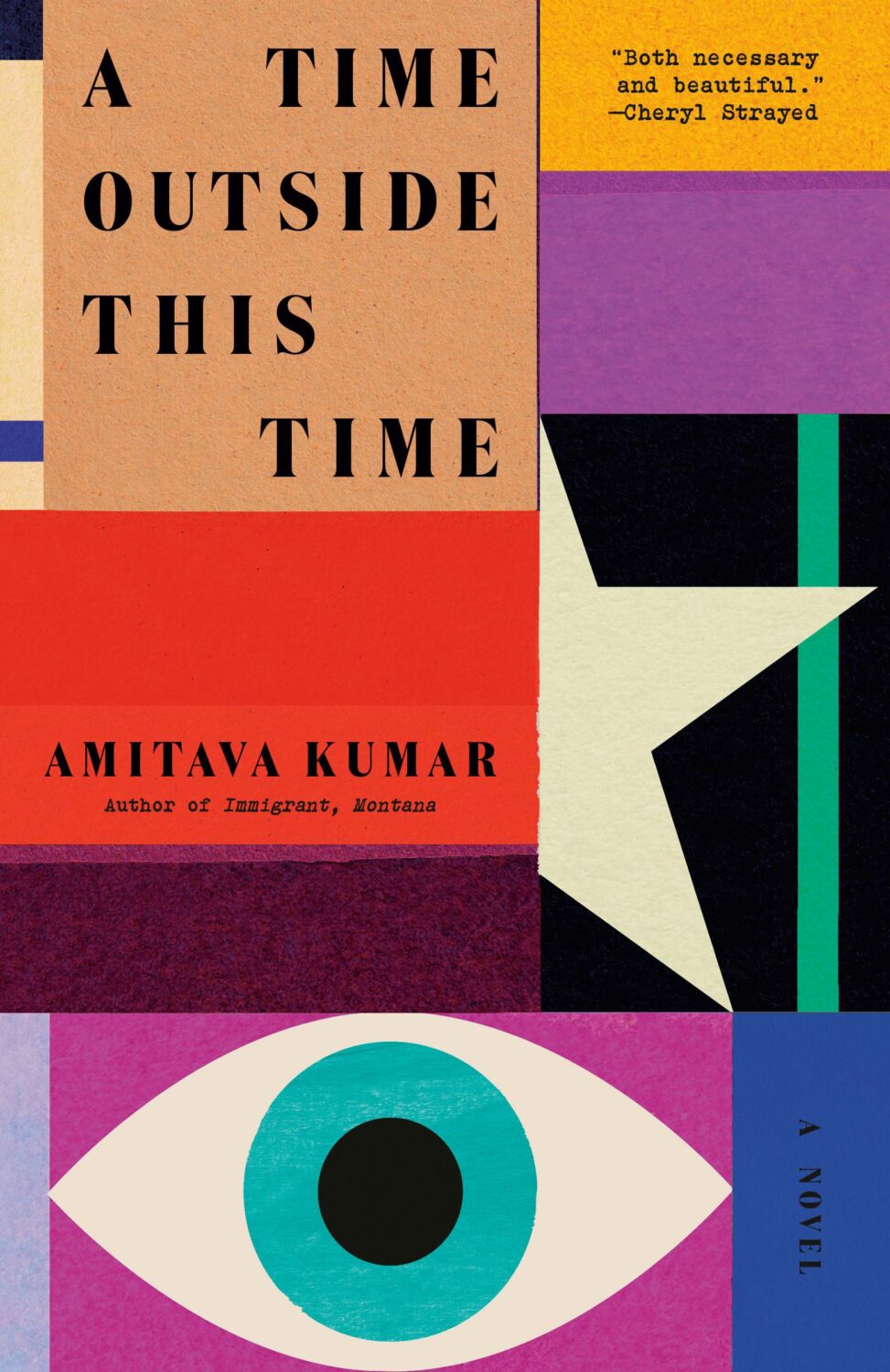
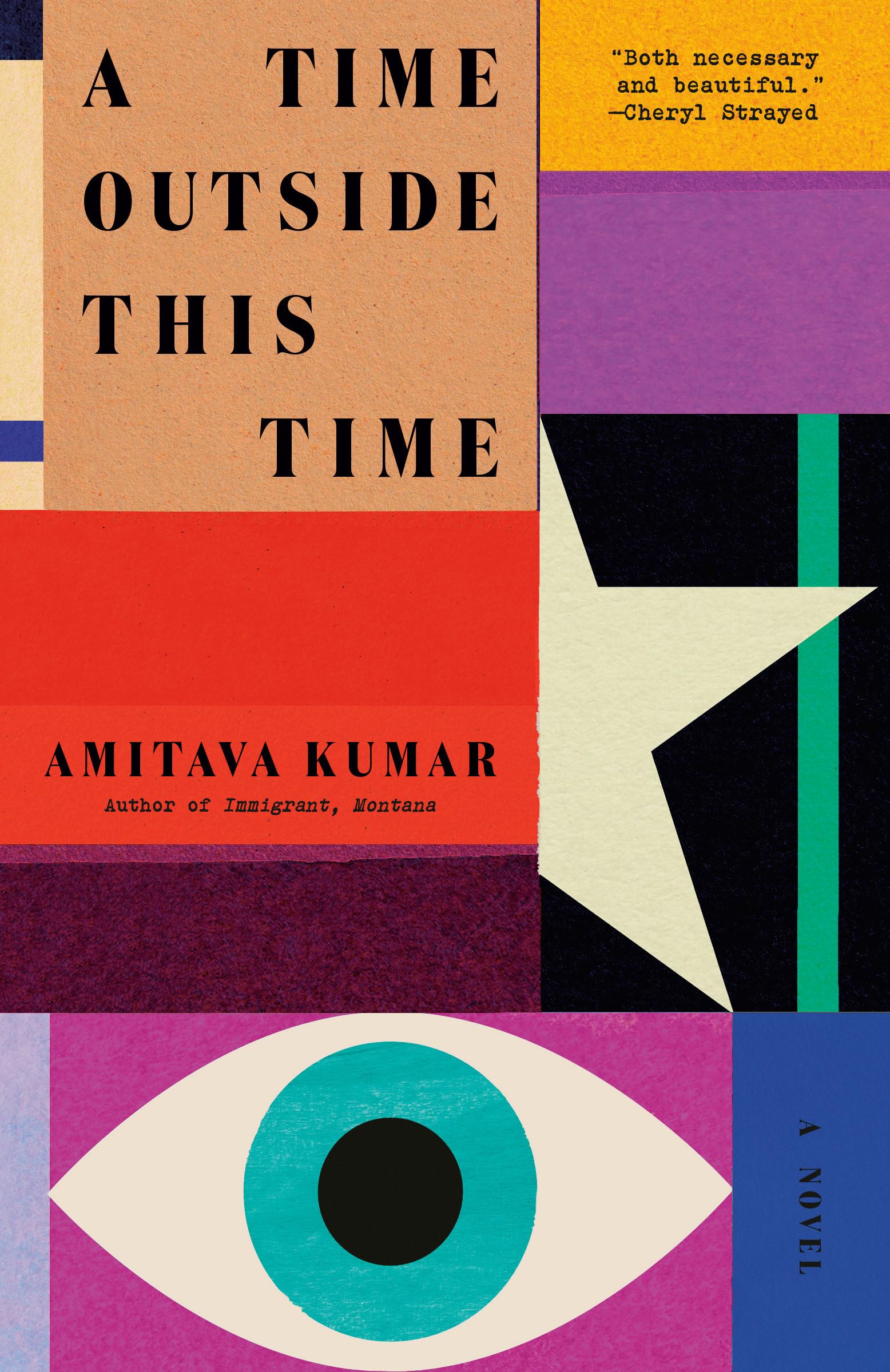
A Time Outside This Time by Amitava Kumar; design by Tom Etherington (Vintage / February 2025)
This accompanies the paperback of My Beloved Life, published at the end of last month.

The cover of the hardcover of My Beloved Life was designed by Oliver Munday.

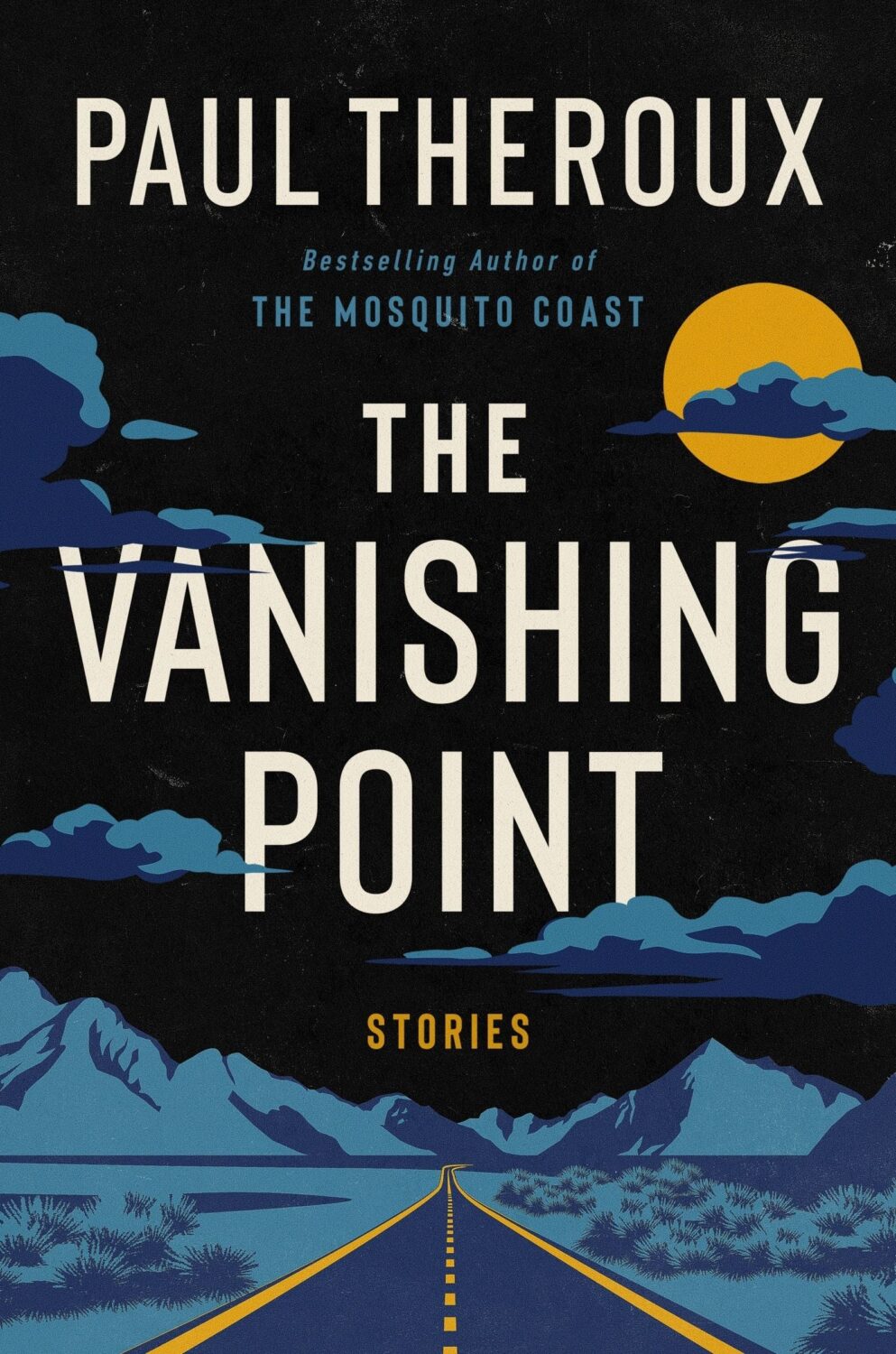
The Vanishing Point by Paul Theroux; design by Chris Bentham (Penguin / February 2025)
The cover of the US edition designed by Pete Garceau was on last month’s list.

The World After Gaza by Pankaj Mishra; design by Darren Haggar (Penguin Press / February 2025)


It is the time of year for lists and I should’ve been done weeks ago, but I am late and already well behind the pack. Apologies for that.
I admire Matt Dorfman‘s ability to whittle his list down to a dozen covers for the New York Times. I imagine it takes him a lot less time for one thing, but I’m sure Matt still agonizes over every cover. It requires a level of discipline and restraint that I do not possess to keep it that tight year after year.
I am not alone in that latter respect. LitHub’s list, chosen by designers, is 167 covers this year. 28 covers more than last year’s already long list, 64 more than 2022, and 66 more than 2021.
In 2020, their list was relatively lean 89.
PRINT’s list of best book covers of 2024, compiled by editor-at-large Zachary Petit, is also long. It’s a 100 covers. Last year it was 50.
I’m not trying to throw stones here. We are all seeing more covers than we used to. There are more books for one thing. But they’re not just something we just experience in print in anymore. You don’t have to go into a bookstore or read the newspaper or magazine to see them. They’ve become something we see and share all the time online. Designers are promoting their own work and (slowly) getting more credit for it (although there is a lot more to be done in that area. Publishers — credit your designers!). My monthly round-ups are now one of several you can choose from.
And it is not like my list is short. This year it features work by 48 designers — more than half of them women — and 86 covers (plus a couple of supplementary images).
The consensus seems to be that it was a decent year for covers, and it’s hard to argue with other people’s selections even if I don’t love them all.
It is telling though that 100 of LitHub’s selections were individual picks. There are covers on my list that are not on the anyone else’s despite their length. So while I think we agree there were lots of good covers, I’m less certain we entirely agree on which ones were actually the outstanding ones.
A recent article Spine argued that there is a battle between minimalism and maximalism going on (you can find Spine’s end of year list here by the way). I think that could be true. Different approaches work for different audiences. But I also think it’s messier than that. I get the sense that publishers are less sure of what they want and what sells (certain genres notwithstanding).
It has been a rough year for a lot of publishers, so there is undoubtedly a lot of uncertainty, and no small amount of anxiety. I could go on about why that it is (and the publishing’s self-inflicted wounds) but, in short, what I think we’re also seeing with book covers is more meddling and less direction.
Anyway, I don’t want to end this on a bleak note. This year was shit enough. Despite it all, there genuinely were a lot of good covers in 2024, and some that I did think we’re outstanding. A couple of them made me laugh, which was no small thing. It was a strong year for several individual designers in particular and, despite the pressures, many produced work that was recognizably theirs. I thought there were more interesting covers coming out of the UK and Ireland (that mercifully wasn’t just about the inks or the finishes!), and there were some fun Canadian covers too.
Thanks, as always, for reading, and I hope you’re all keeping safe and well. Happy Holidays!

Alphabetical Diaries by Sheila Heti; design by Na Kim (Farrar, Straus & Giroux / February 2024)

Anyone’s Ghost by August Thompson; design by Keith Hayes (Penguin Press / July 2024)

The Abyss by Fernando Vallejo; design by Janet Hansen (New Directions / June 2024)
Also designed by Janet Hansen:
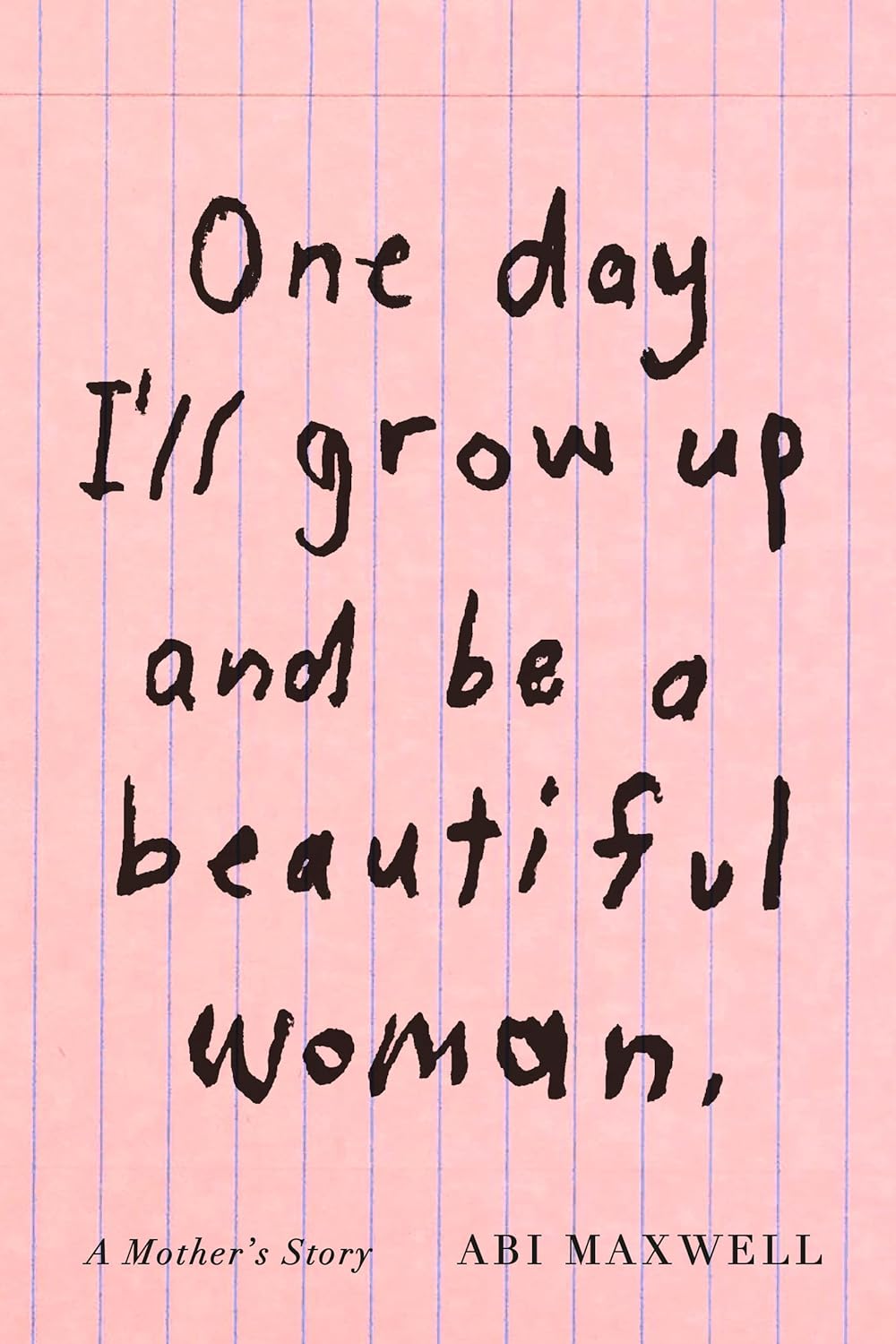
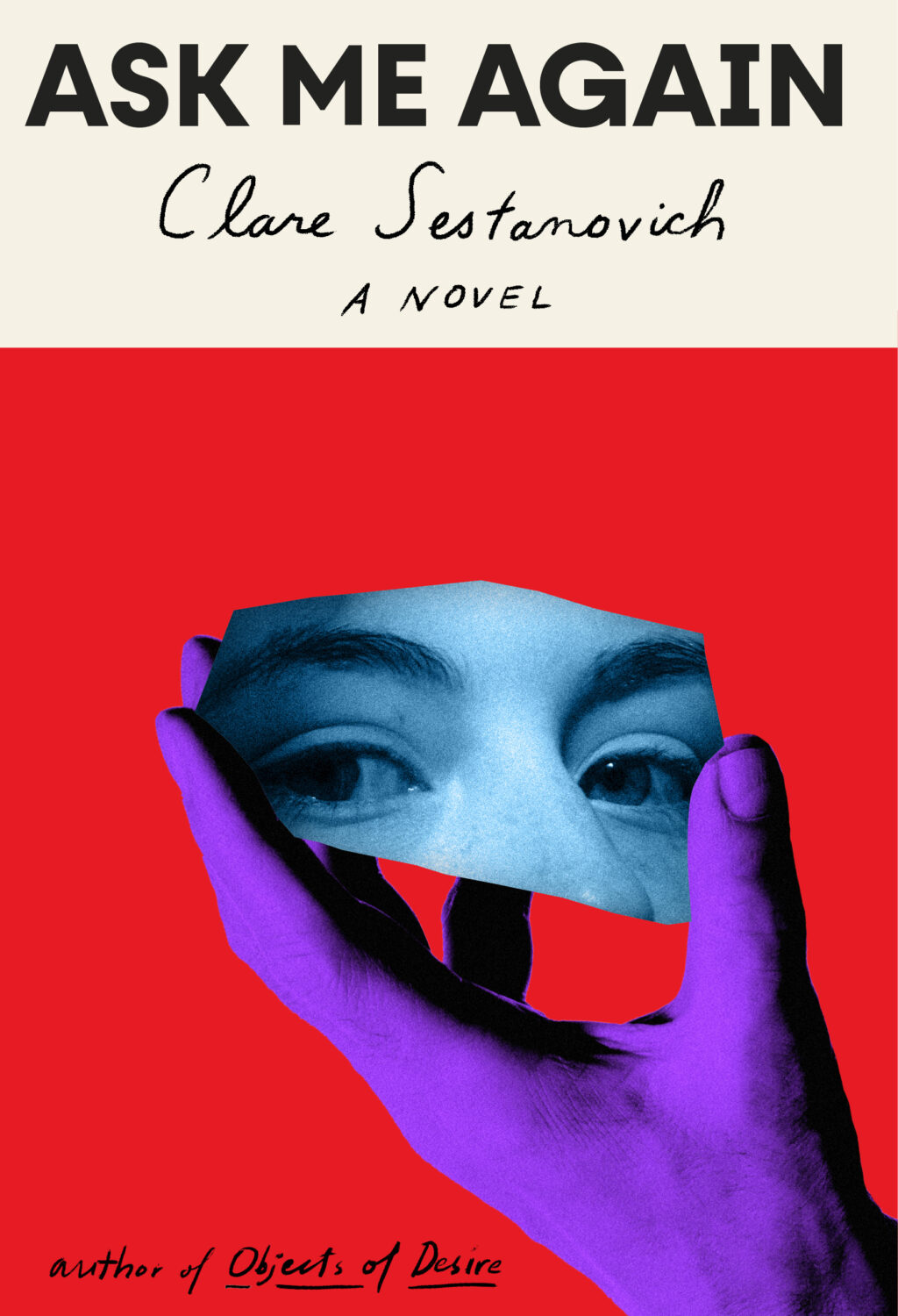

Beautyland by Marie-Helene Bertino; design by Thom Colligan (Farrar, Straus & Giroux / January 2024)

Birding by Rose Ruane; design by Charlotte Stroomer; photograph by Kelsey McClellan (Little, Brown / May 2024)

Butter by Asako Yuzuki; design by Emma Pidsley (HarperCollins / February 2024)

Challenger by Adam Higginbotham; design by Pete Garceau (Avid Reader Press / May 2024)

Cold by David Hayden Taylor; design by Kelly Hill (McClelland & Stewart / January 2024)

Crisis Actor by Declan Ryan; design by Stephanie Cui (Farrar, Straus & Giroux / February 2024)
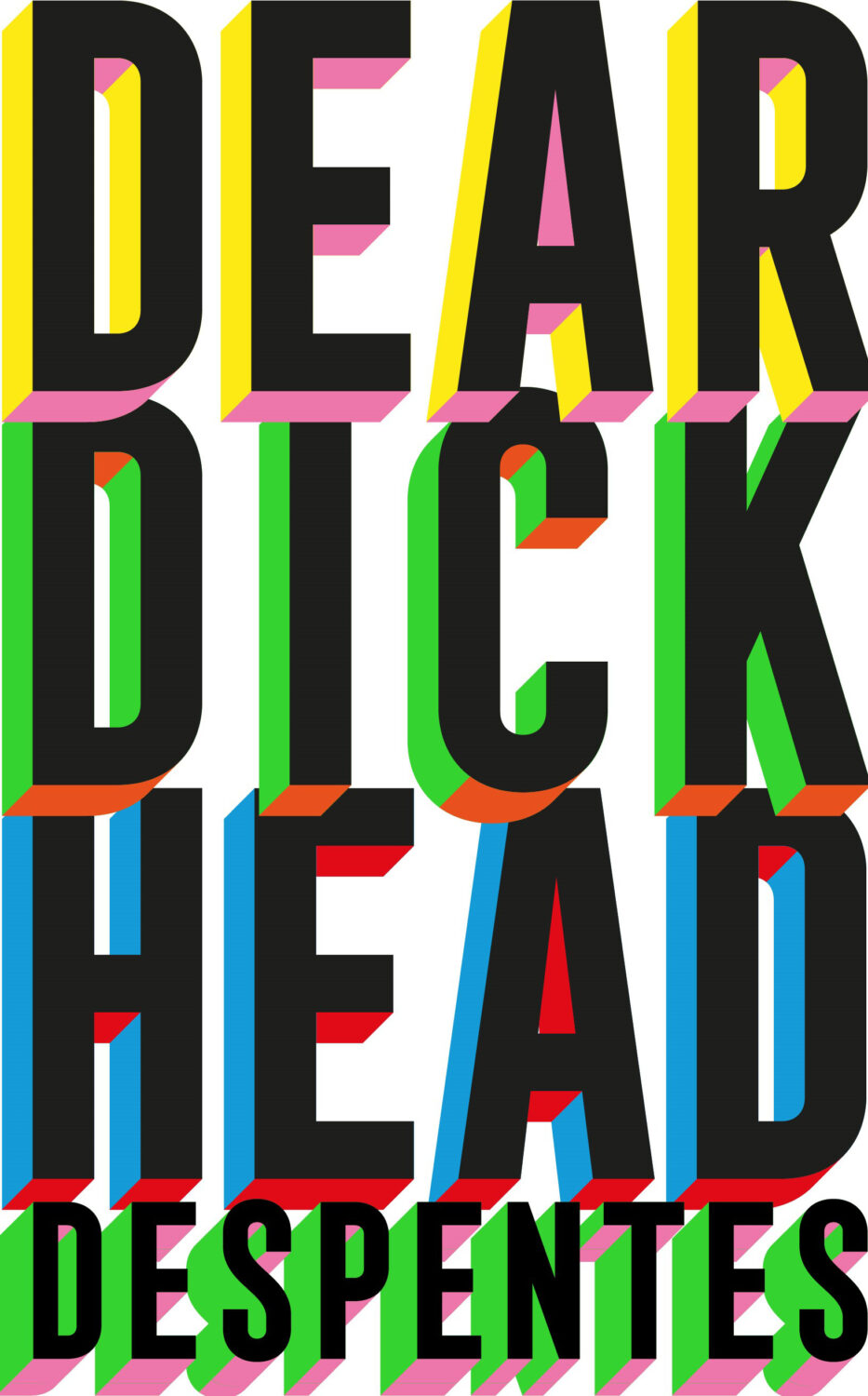
Dear Dickhead by Virginie Despentes; design by Luke Bird (Quercus / September 2024)
Also designed by Luke Bird (and I could’ve several included more!):




Defectors by Paola Ramos; design Chantal Jahchan (Pantheon / September 2024)

The Empusium by Olga Tokarczuk; design by Lauren Peters-Collaer (Riverhead / September 2024)
Also designed by Lauren Peters-Collaer:

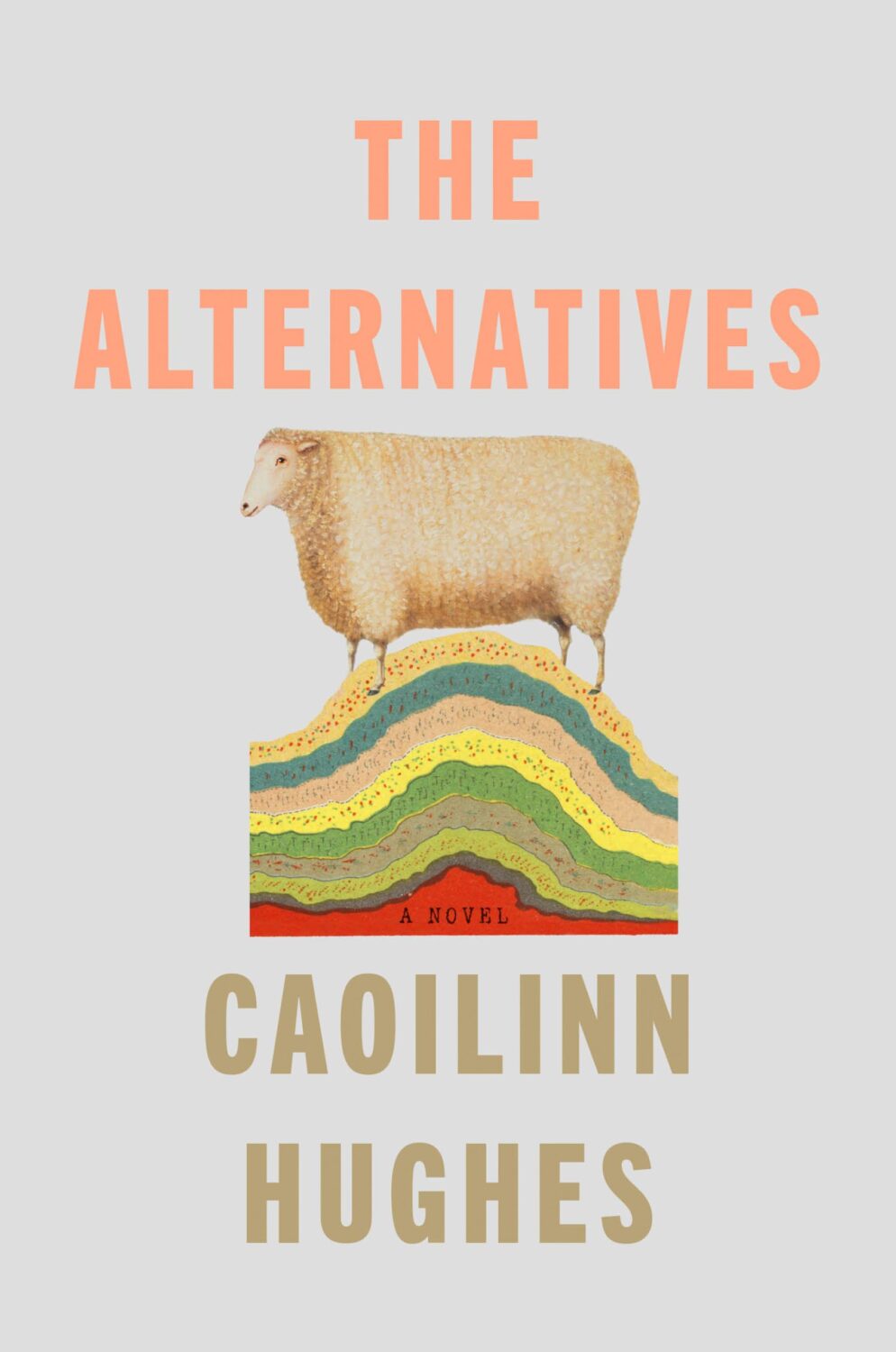

Everything and Nothing At All by Jenny Heijun Wills; design by Terri Nimmo (Knopf Canada / August 2024)

Fog & Car by Eugene Lim; design by Michael Salu (Coffee House Press / July 2024)
It’s the spine and back cover that really make this for me.


Fruit of the Dead by Rachel Lyon; design by Math Monahan (Scribner / March 2024)

Glorious Exploits by Ferdia Lennon; design by Gregg Kulick (Henry Holt / March 2024)
Also designed by Gregg Kulick:



Greta & Valdin by Rebecca K. Reilly; design by Clay Smith (Avid Reader Press / February 2024)

Honey by Victor Lodata; design by Robin Bilardello (Harper / April 2023)

In Tongues by Thomas Grattan; design by Alex Merto (MCD / May 2024)
Also designed by Alex Merto:
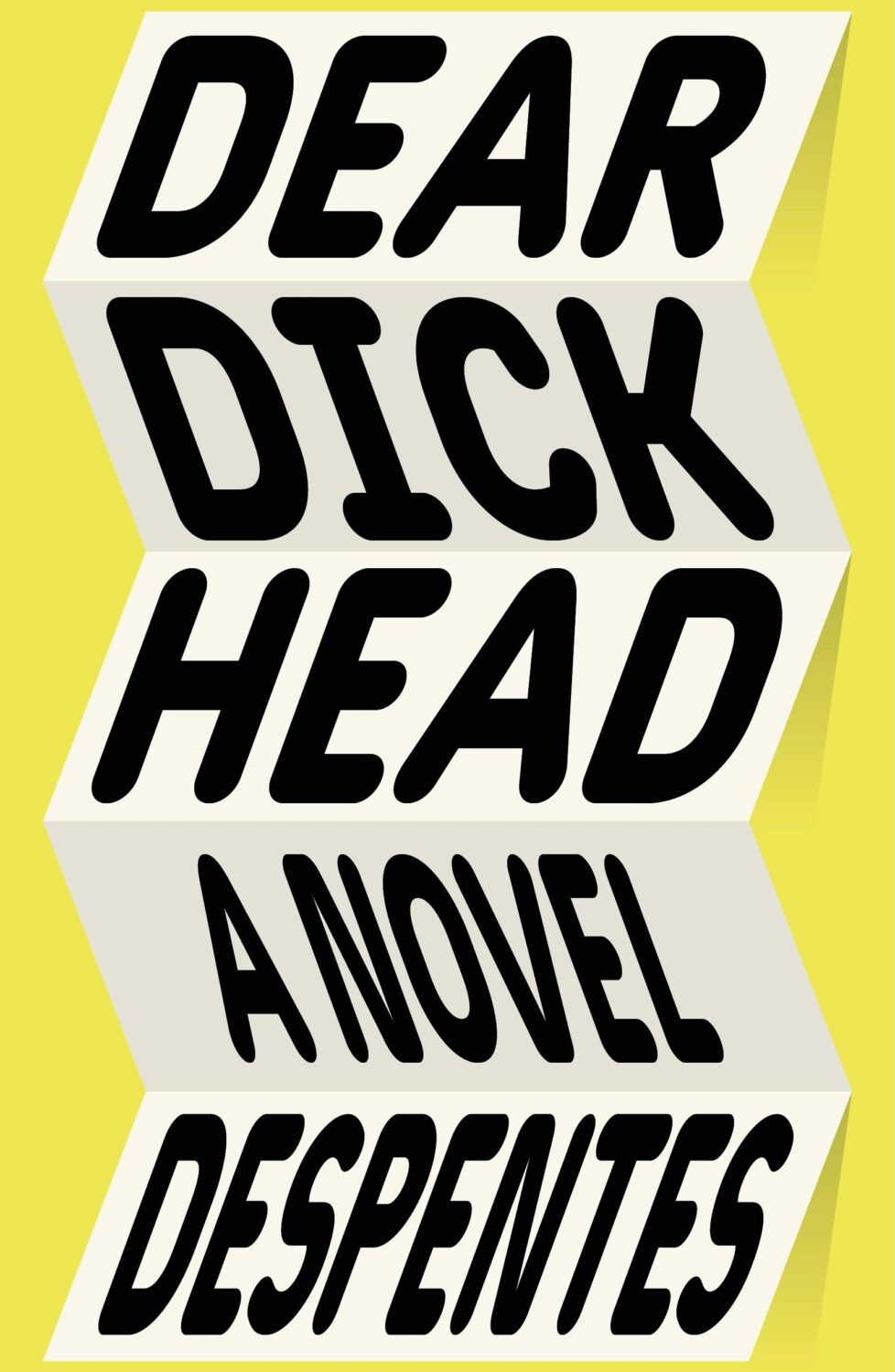


Ixelles by Johannes Anyuru; design by Jonathan Pelham (Two Lines Press / October 2024)

Kittentits by Holly Wilson; design by Eli Mock (Zando / May 2024)

Latino Poetry: The Library of America Anthology by Rigoberto González; by design by Isabel Urbina Peña (Library of Amerca / September 2024)
Also designed by Isabel Urbina Peña:

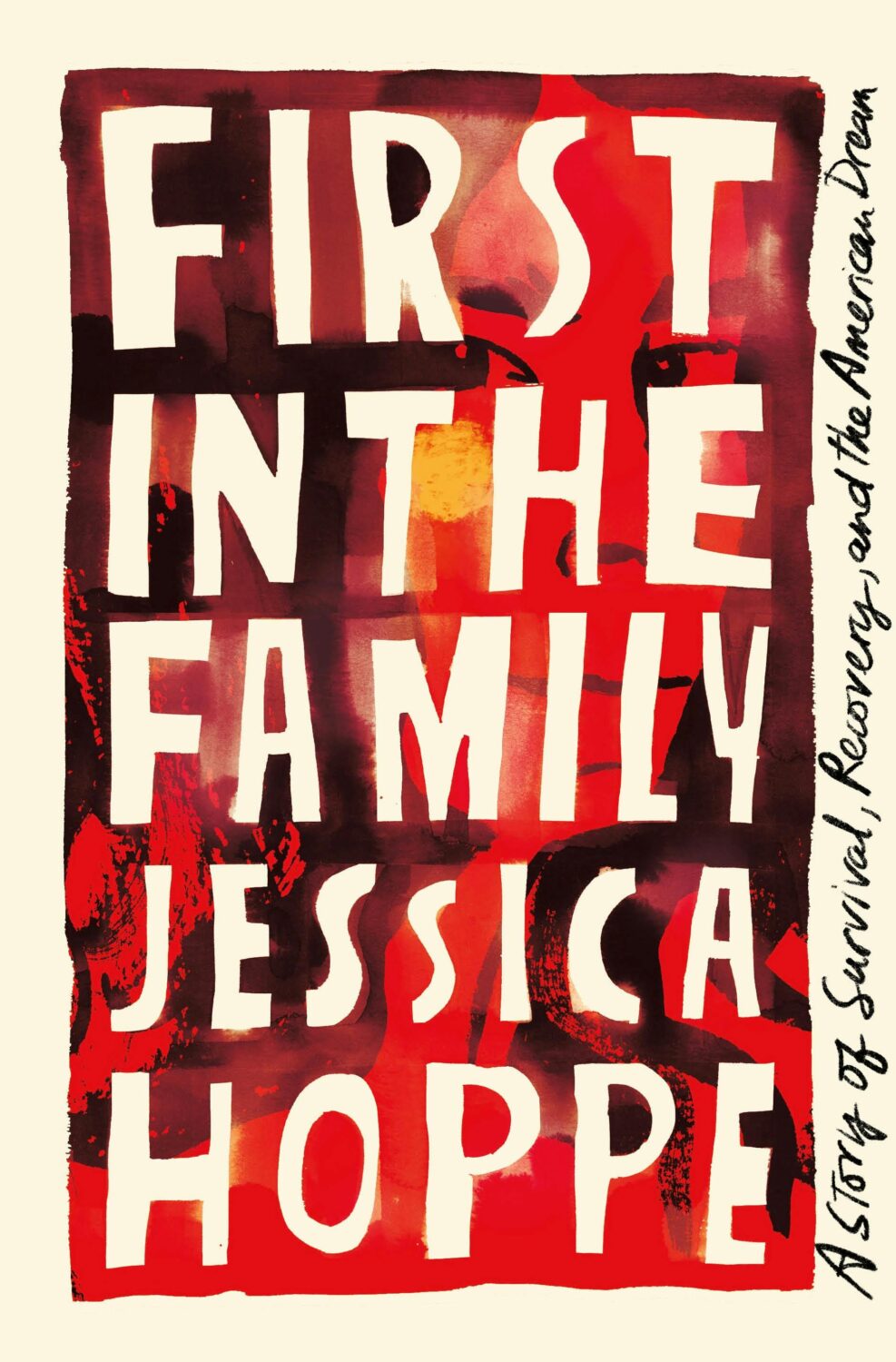

Liars by Sarah Manguso; design by Cassie Gonzalez (Hogarth Press / July 2024)

Little Rot by Akwaeje Emezi; design by Kishan Rajani (Faber & Faber / July 2024)
Also designed by Kishan Rajani :



Love Junkie by Robert Plunket; design by Oliver Munday (New Directions / May 2024)
Also designed by Oliver Munday:


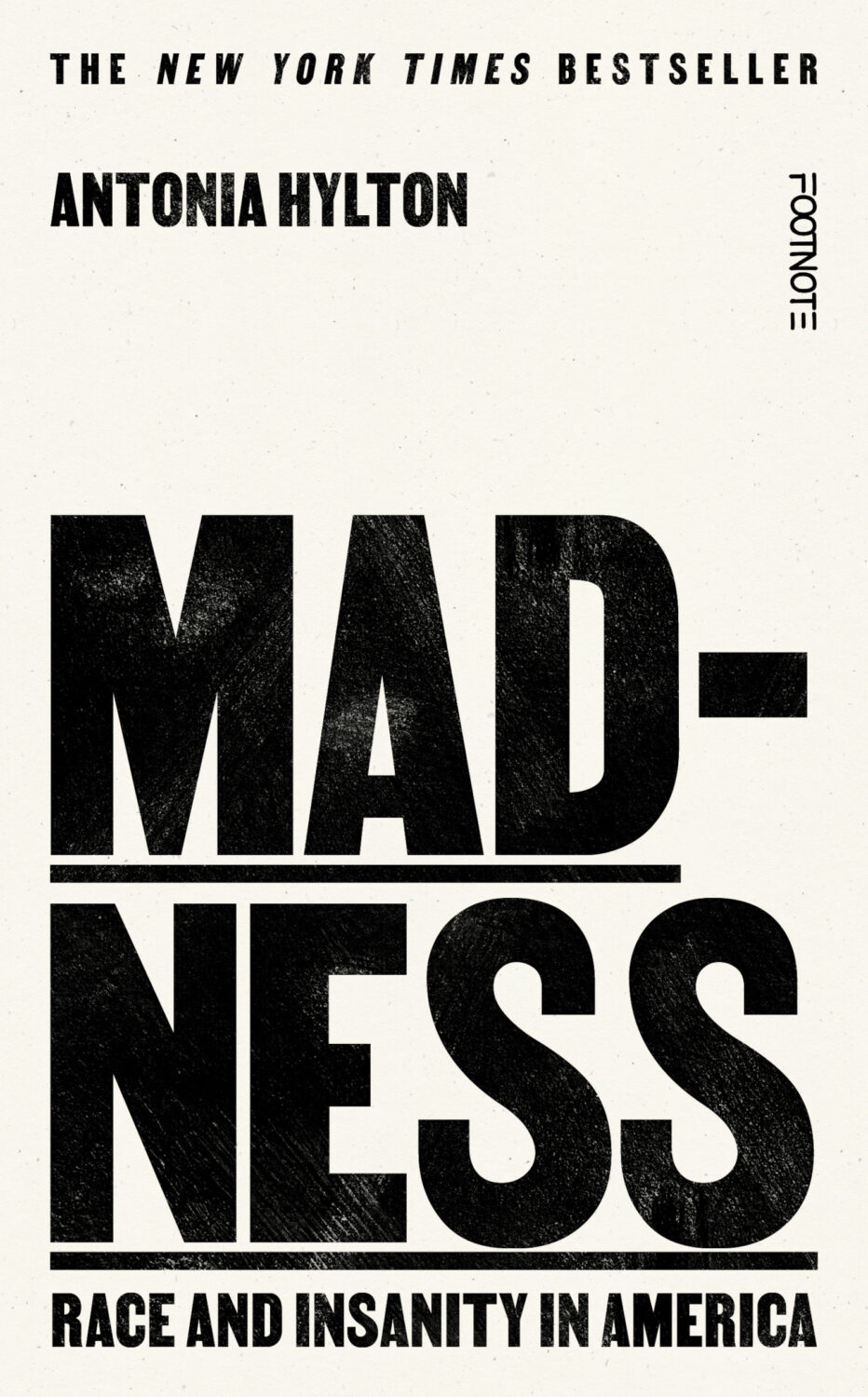
Madness by Antonia Hylton; design by Daniel Benneworth-Gray (Footnote Press / March 2024)
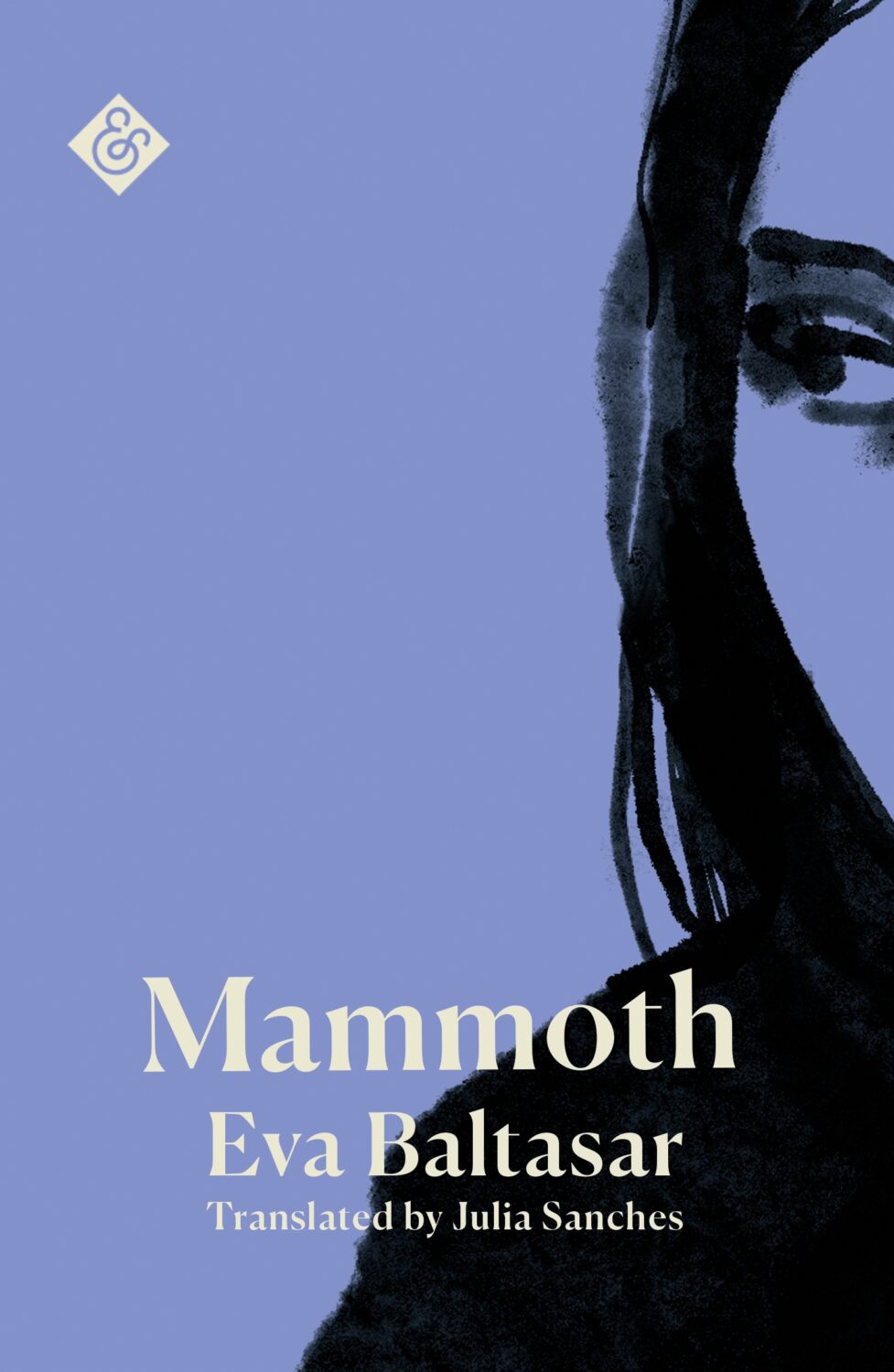
Mammoth by Eva Baltasar; design by Anna Morrison (And Other Stories / August 2025)

MILF by Paloma Faith; design by Jack Smyth (Ebury / June 2024)
Also designed by Jack Smith:
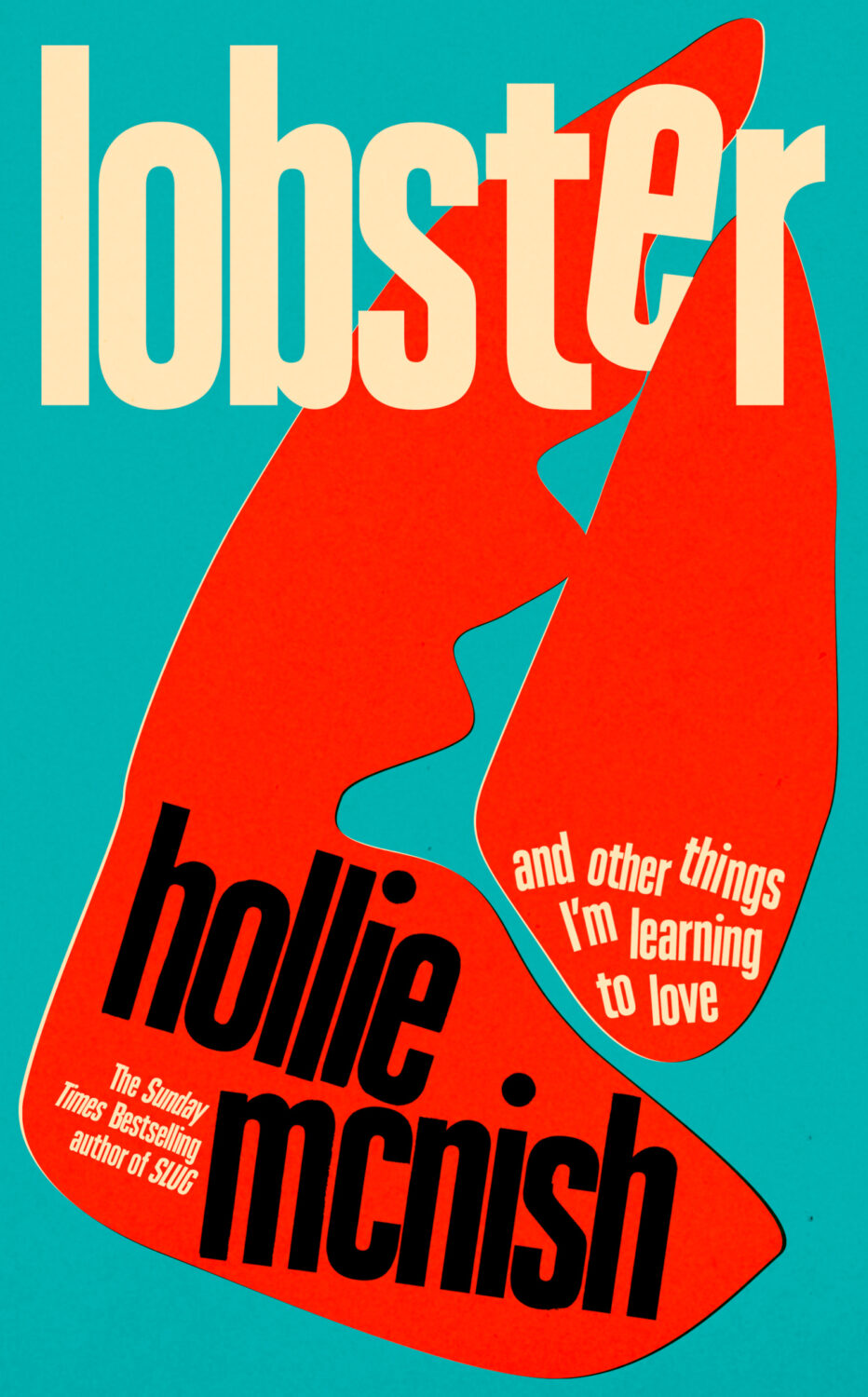

The Ministry of Time by Kaliane Bradley; design by Alison Forner; typography by Andrew Footit (Avid Reader Press / May 2024)

Mojave Ghost by Forrest Gander; design by Giacomo Girardi / Rodrigo Corral; lettering by Adriana Tonello (New Directions / October 2024)

Monstrilio by Gerardo Sámano Córdova; design by Tom Etherington (Cinder House / June 2024)

Mystery Lights by Lena Valencia; design by Beth Steidle (Tin House / August 2024)
Also designed by Beth Steidle:



Necrology by Meg Ripley; design by Luísa Dias (Creature Publishing / September 2024)
Also designed by Luísa Dias:

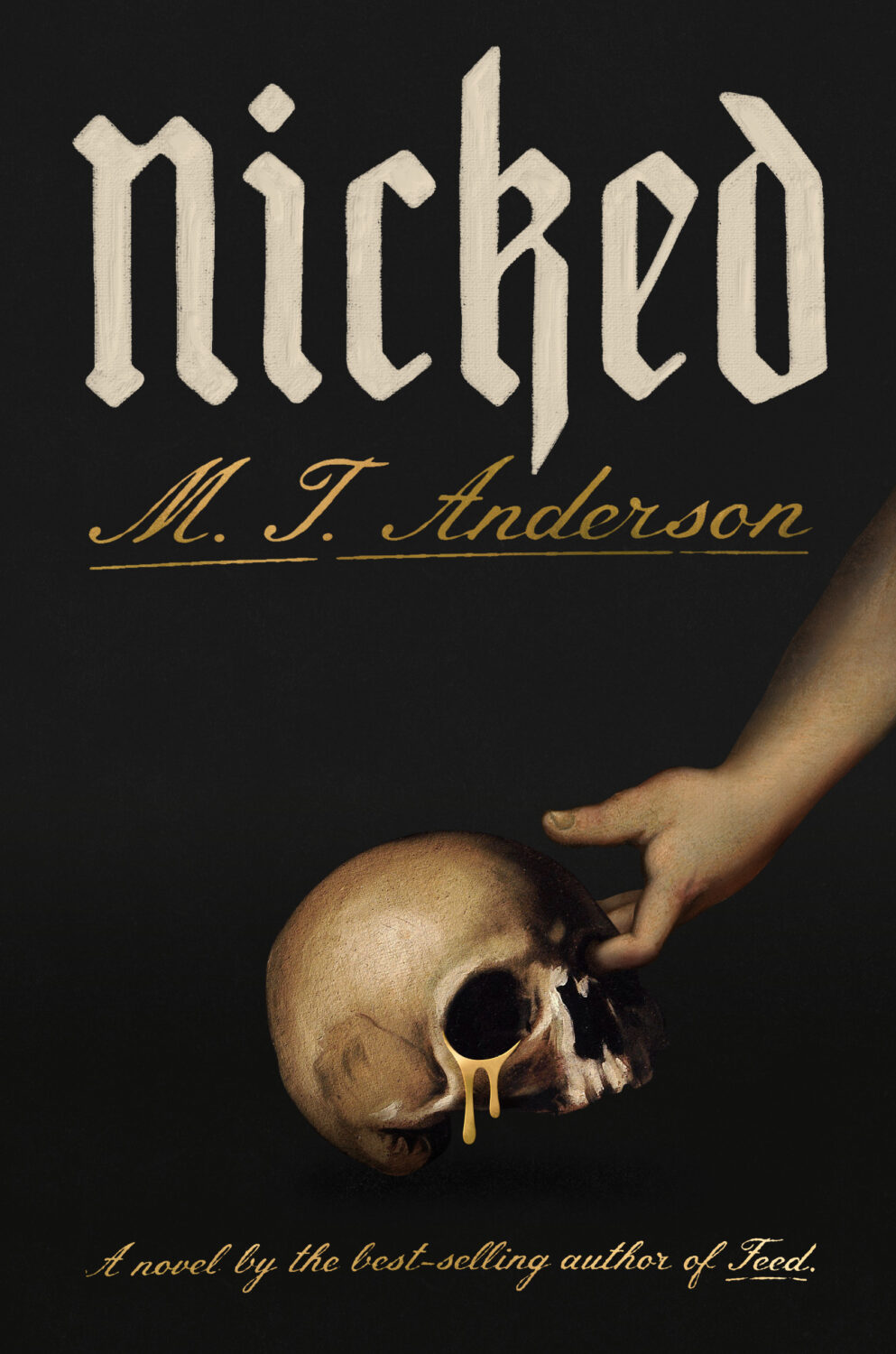
Nicked by M. T. Anderson; design by Zak Tebbal (Pantheon / July 2024)
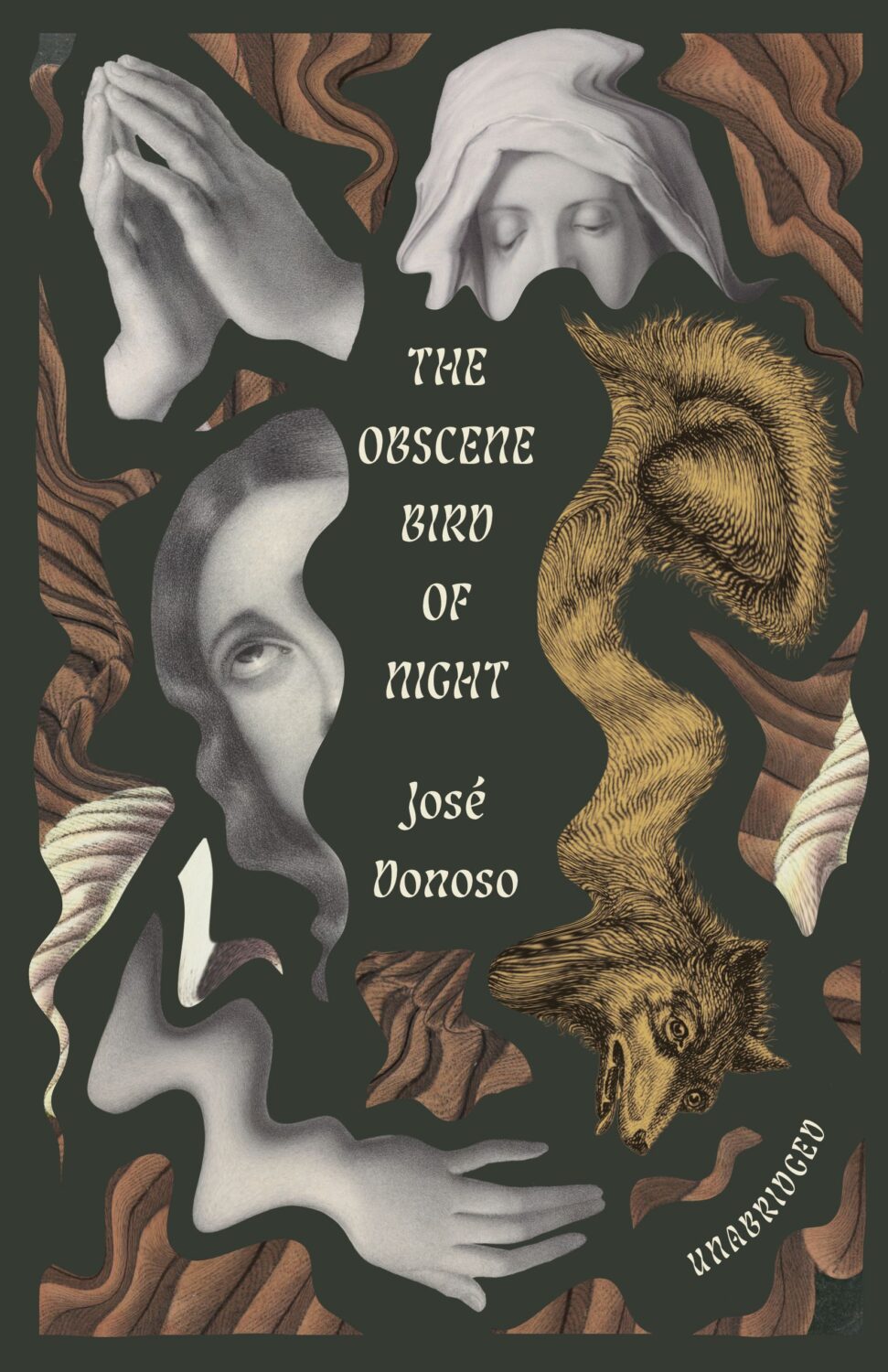
The Obscene Bird of Night by José Donoso; design by Joan Wong (New Directions / April 2024)

The Observable Universe by Heather McCalden; design by Arsh Raziuddin and Gaby Pesqueira Ortiz (Hogarth / March 2024)
Also designed by Also designed by Arsh Raziuddin:


Piglet by Lottie Hazell; design by Jenni Surasky; art by Noah Verrier (Henry Holt / February 2024)

A Reason To See You Again by Jami Attenberg; design by Allison Saltzman (Ecco / September 2024)

Sociopath by Patric Gagne; design by Rodrigo Corral (Simon & Schuster / April 2024)
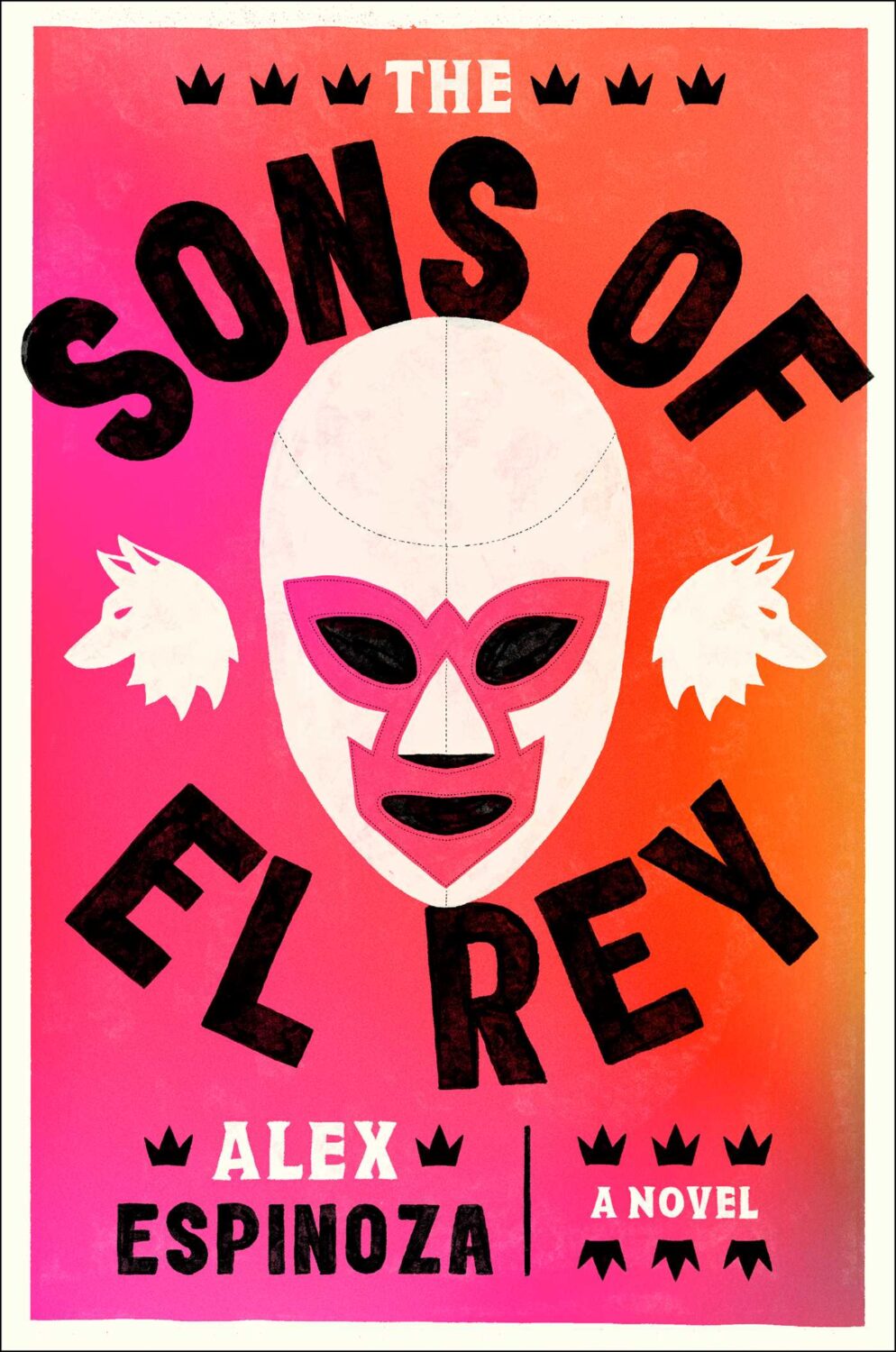
The Sons of El Rey by Alex Espinoza; design by David Litman (Simon & Schuster / June 2024)

Supplication by Nour Abi-Nakhoul; design by Emma Dolan (Strange Light / May 2024)

There’s Always This Year by Hanif Abdurraqib; design by Tyler Comrie; photograph by Matt Eich (Random House / March 2024)
Also designed by Tyler Comrie:



Thirst by Marina Yuszczuk; design by Kaitlin Kall (Dutton / March 2024)

The Understory by Saneh Sangsuk; design by Emily Mahon (Deep Vellum / March 2024)
Also designed by Emily Mahon:

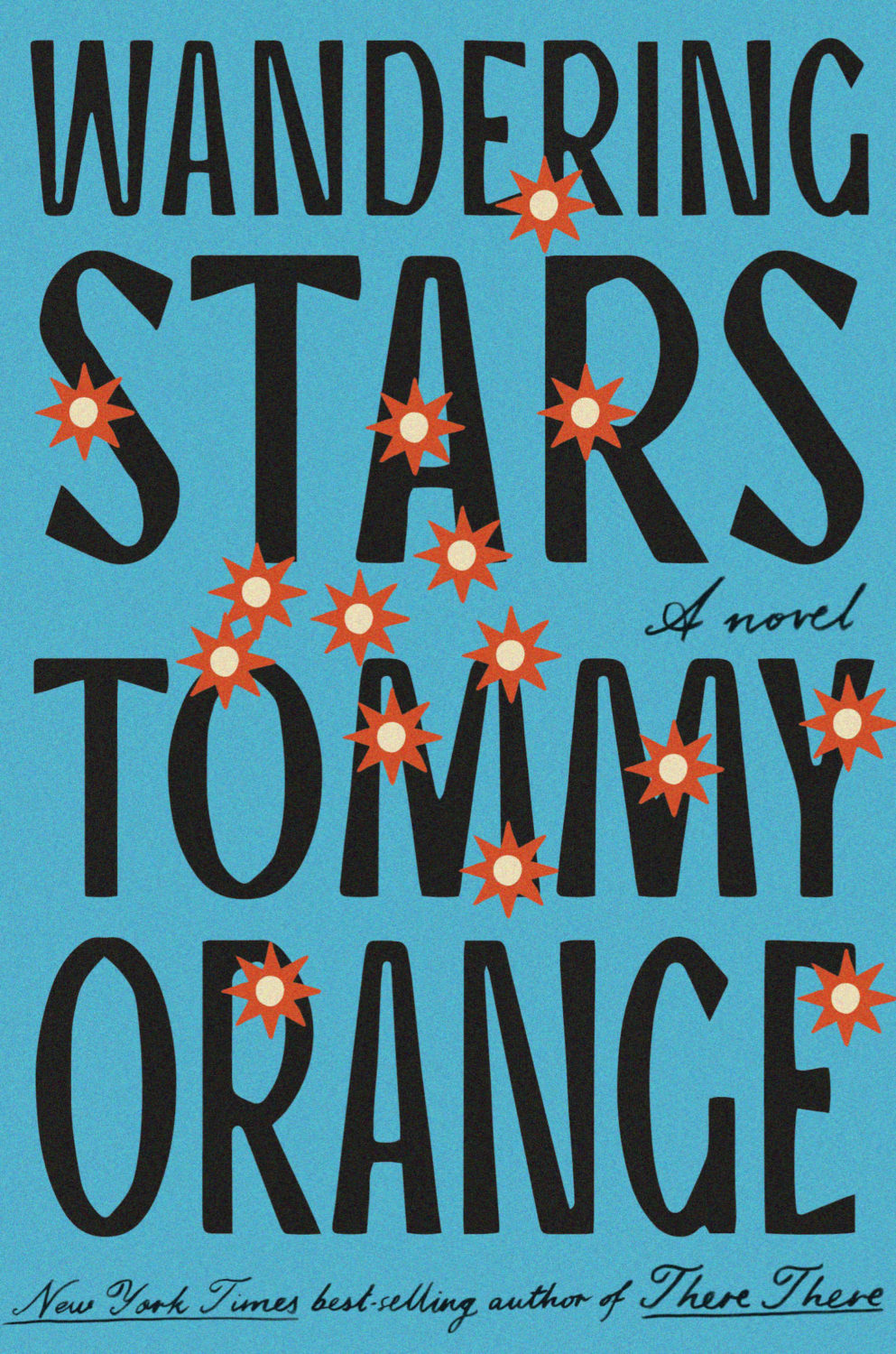
Wandering Stars by Tommy Orange; design by Linda Huang (Knopf / February 2024)
Also designed by Linda Huang:



Wandering Stars, by Tommy Orange; design by Suzanne Dean (Vintage / March 2024)
Also designed by Suzanne Dean:



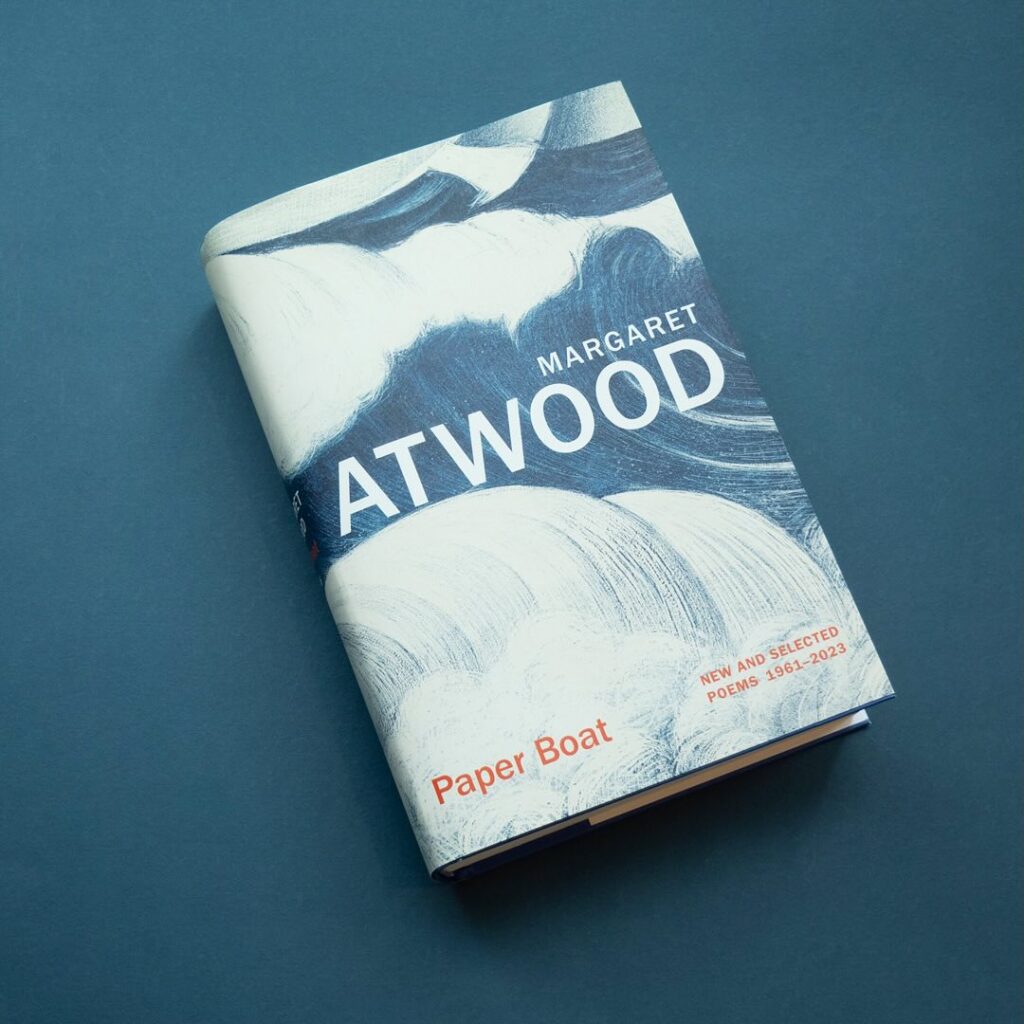
I also have to give a special shout out to the cover for Paper Boat by Margaret Atwood (Chatto & Windus / October 2024). Suzanne commissioned paper art by Nathan Ward to design a template for a paper boat that could be cut out from the dust jacket and stuck together.
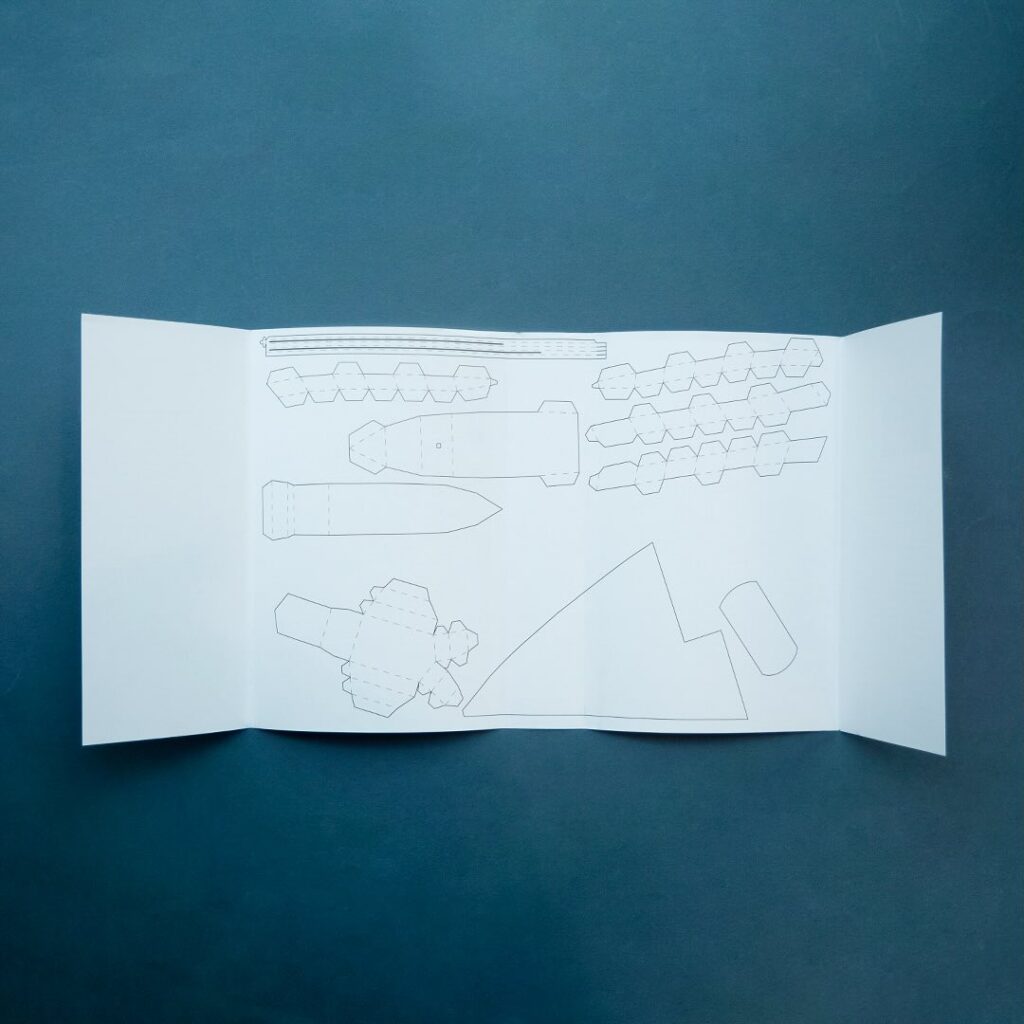
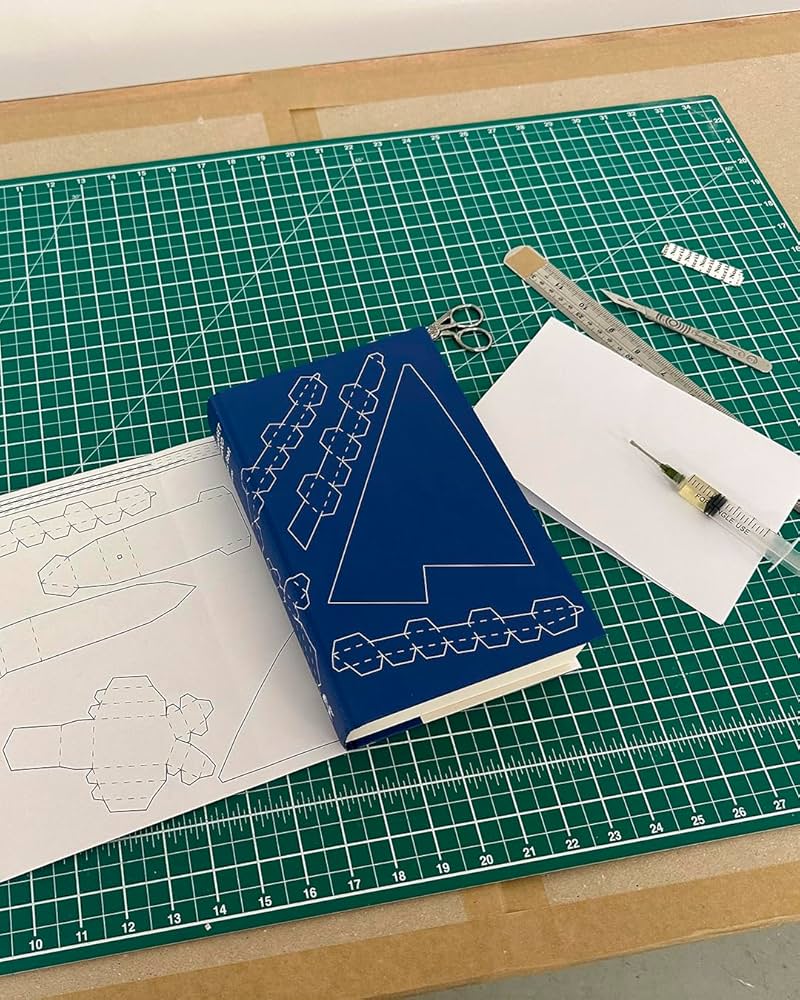


You Dreamed of Empires by Álvaro Enrigue; design Kris Potter; illustration by Rodolfo Baquier (Vintage / January 2024)
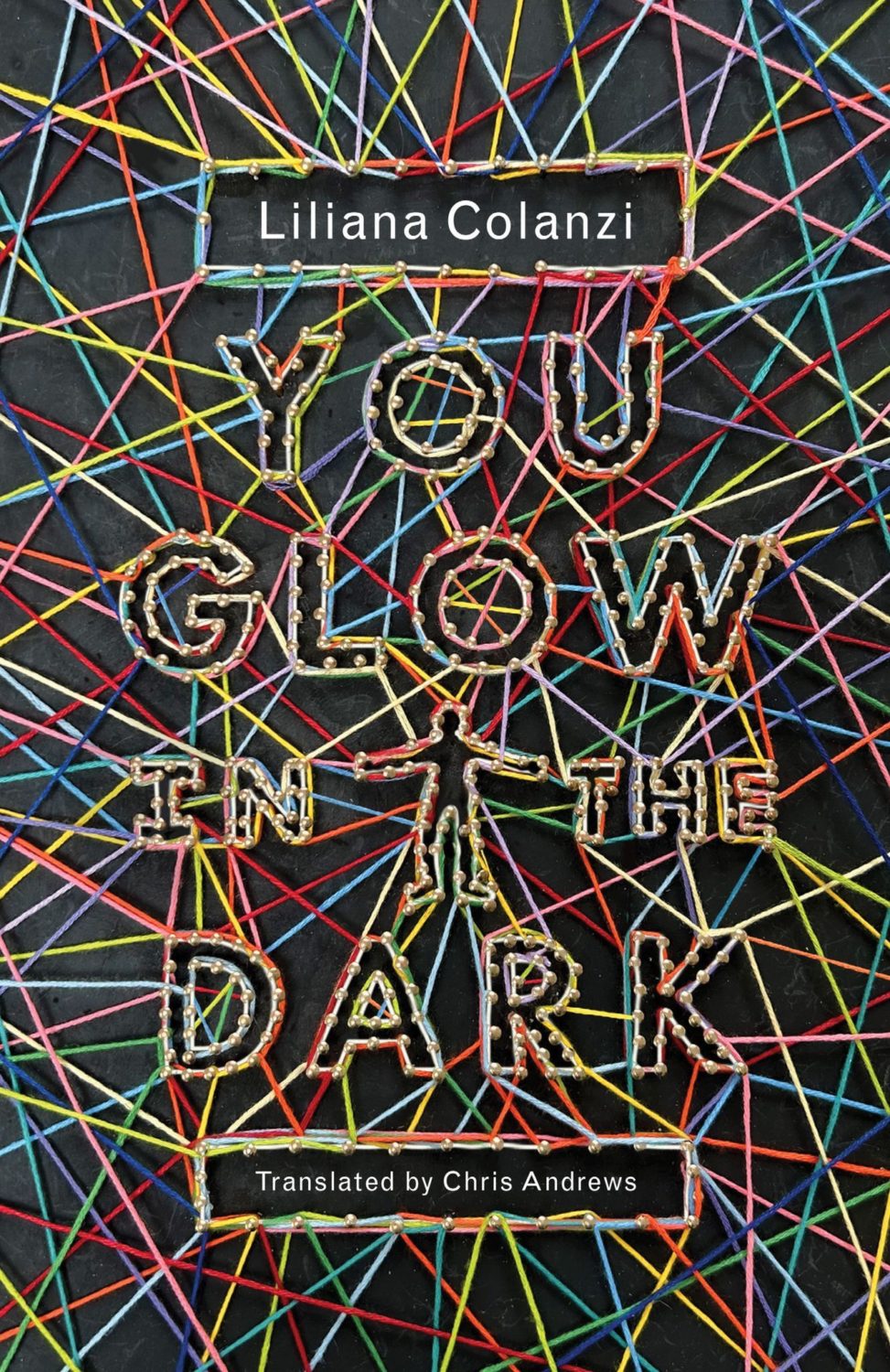
You Glow in the Dark by Liliana Colanzi; design by Jamie Keenan (New Directions / February 2024)
Also designed by Jamie Keenan:


Hey, I hope you are good. It’s a stressful time and everyone is super busy trying to hold it together, but here we are at the end of October with another post that is both rushed and yet wordier than ever! As usual, I won’t be doing a covers round-up in November. I have to start working on the massive end of year post so I can get it done in something resembling a timely and relevant manner. I am open to last minute submissions if you think I have missed a cover, or you have something coming out between now and December. I can’t promise to include everything, but it would be especially great to hear from you if you’ve done something cool for a university press or an independent publisher this year. The only requirement is that the book was published and on shelves in 2024. If it was published in a non-English speaking part of the world, be sure to include a link to where people can find out more about the book (and ideally buy it) that isn’t Amazon.
On a related note, I have compiled an annual post of YA covers for, I don’t know, years now (10 maybe?). I don’t read a lot of YA, and it’s not a category I am very involved in professionally, so the posts take quite a long time to compile and I usually end up publishing them early in the New Year, which is less than ideal. So I guess my question is: do you still want a YA round-up? Folks used to ask for them, and now they don’t, which just be general fatigue and the fragmented nature of things at the moment, but the posts don’t attract submissions or much feedback, and interest seems to be waning. Obviously I don’t think I do a great job (if that wasn’t abundantly clear already!), but I haven’t really seen anyone else do one either, so I’ve kept doing it. I don’t know… I’m not a big a believer in clicks or engagement metrics as a measurement of anything useful, so I happy to do it if even just a couple of you say it’s still valuable. Or maybe it is just time to call it quits? Let me know what you think…
And with that, onto this month’s selections…

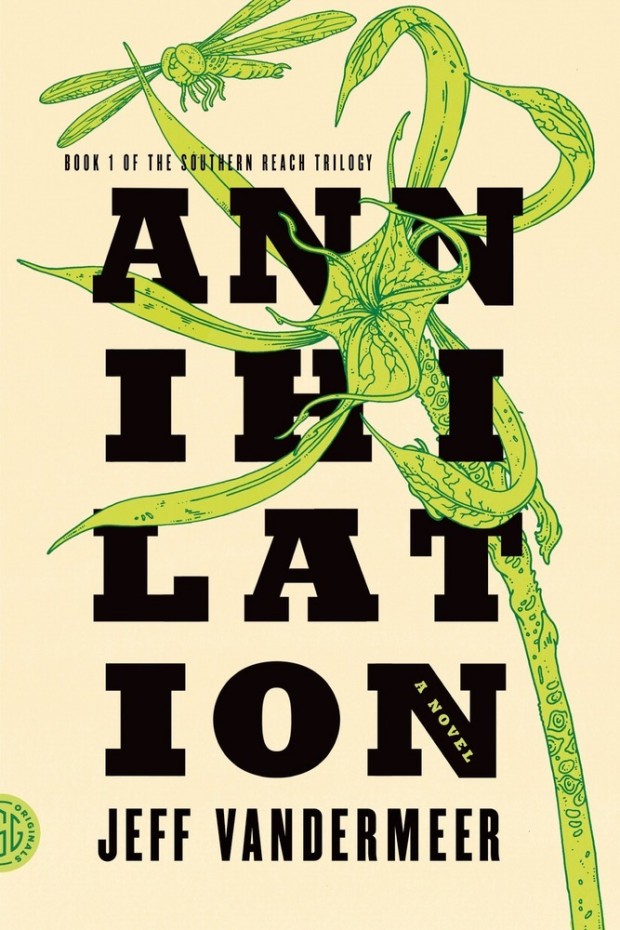
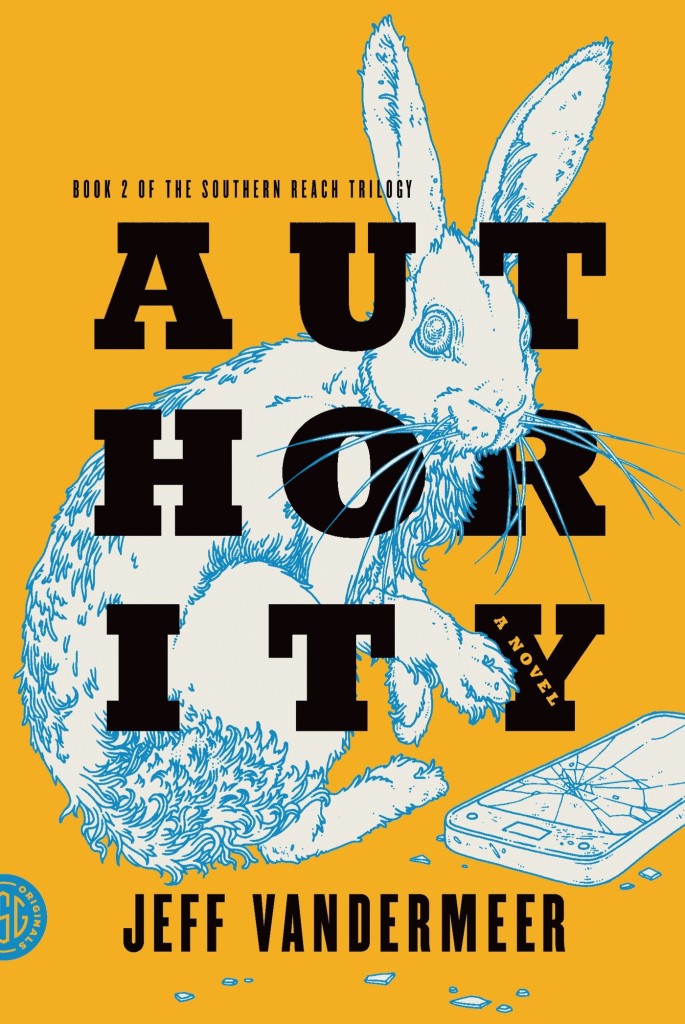
Absolution by Jeff VanderMeer; design by Pablo Delcan (MCD / October 2024)
Pablo Delcan also designed the covers of the 10th anniversary editions of the previous books in the Southern Reach series, Annihilation, Authority, and Acceptance, published by Picador earlier this year.


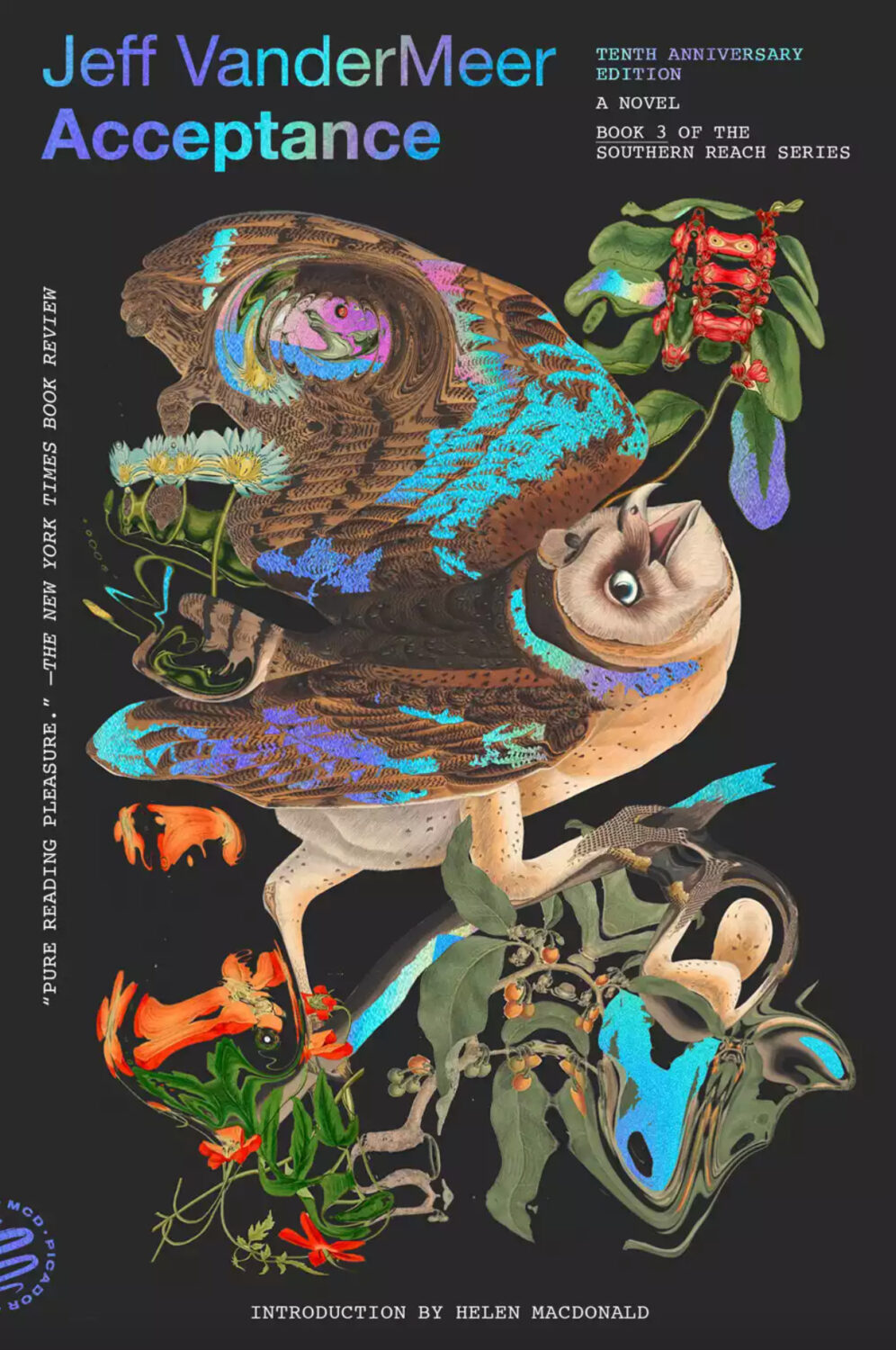
I’m still quite partial to the original US covers the trilogy (as was) designed by Charlotte Strick with illustrations by Eric Nyquist. The cover of Annihilation reminds me of The Day of the Triffids, which coincidentally has has an introduction by Jeff VanderMeer if you have the Modern Library edition. (The slightly bonkers cover of the Modern Library edition was designed by Cassie Gonzales with an illustration by comic book artist and illustrator Anders Nilson). Anyway, I’m a little sad that I can’t get the prequel to match the rest of my existing set.

Between This World and the Next by Praveen Herat; design by Jamie Keenan; illustration by Sukutangan (Restless Books / June 2024)

The Book Against Death by Elias Canetti; design by Jamie Keenan (New Directions / November 2024)
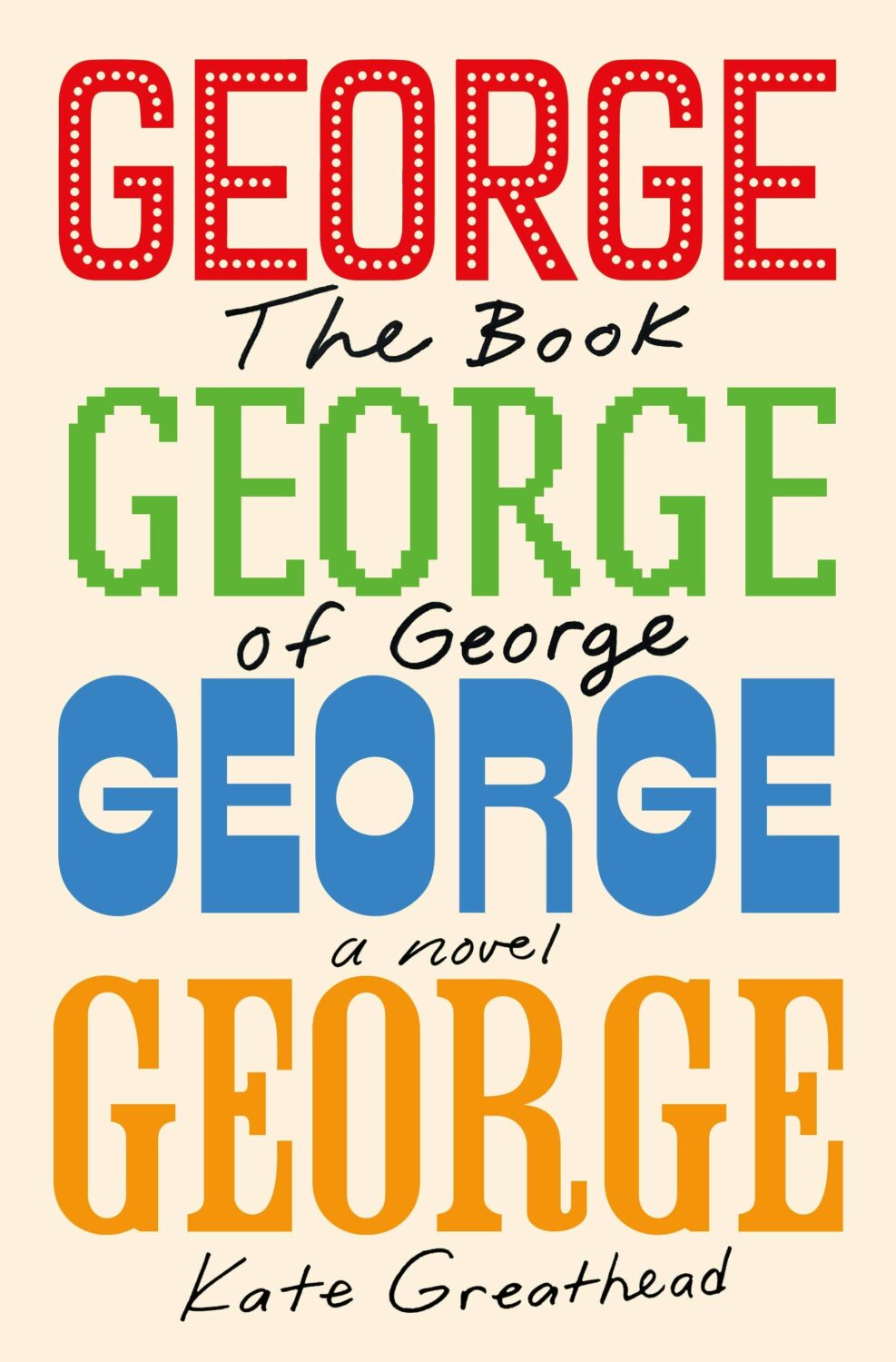
The Book of George by Kate Greathead; design by Nicole Seeback Ruggiero (Henry Holt / October 2024)
The cover of the UK edition of The Book of George, available from Atlantic Books in January 2025, was designed by Holly Battle.

On the Calculation of Volume Book I and Book II by Solvej Balle; design by Matt Dorfman (New Directions / November 2024)

The Coiled Serpent by Camilla Grudova; design by Jaya Nicely (Unnamed Press / October 2024)
The cover of the UK edition, published in November 2023 by Atlantic Books, was also designed by Holly Battle.


The Driving Machine by Witold Rybczynski; design by Jared Bartman (W.W. Norton / October 2024)
An Earthquake is a Shaking of the Surface of the Earth by Anna Moschovakis; design by Gregg Kulick (Soft Skull / November 2024)
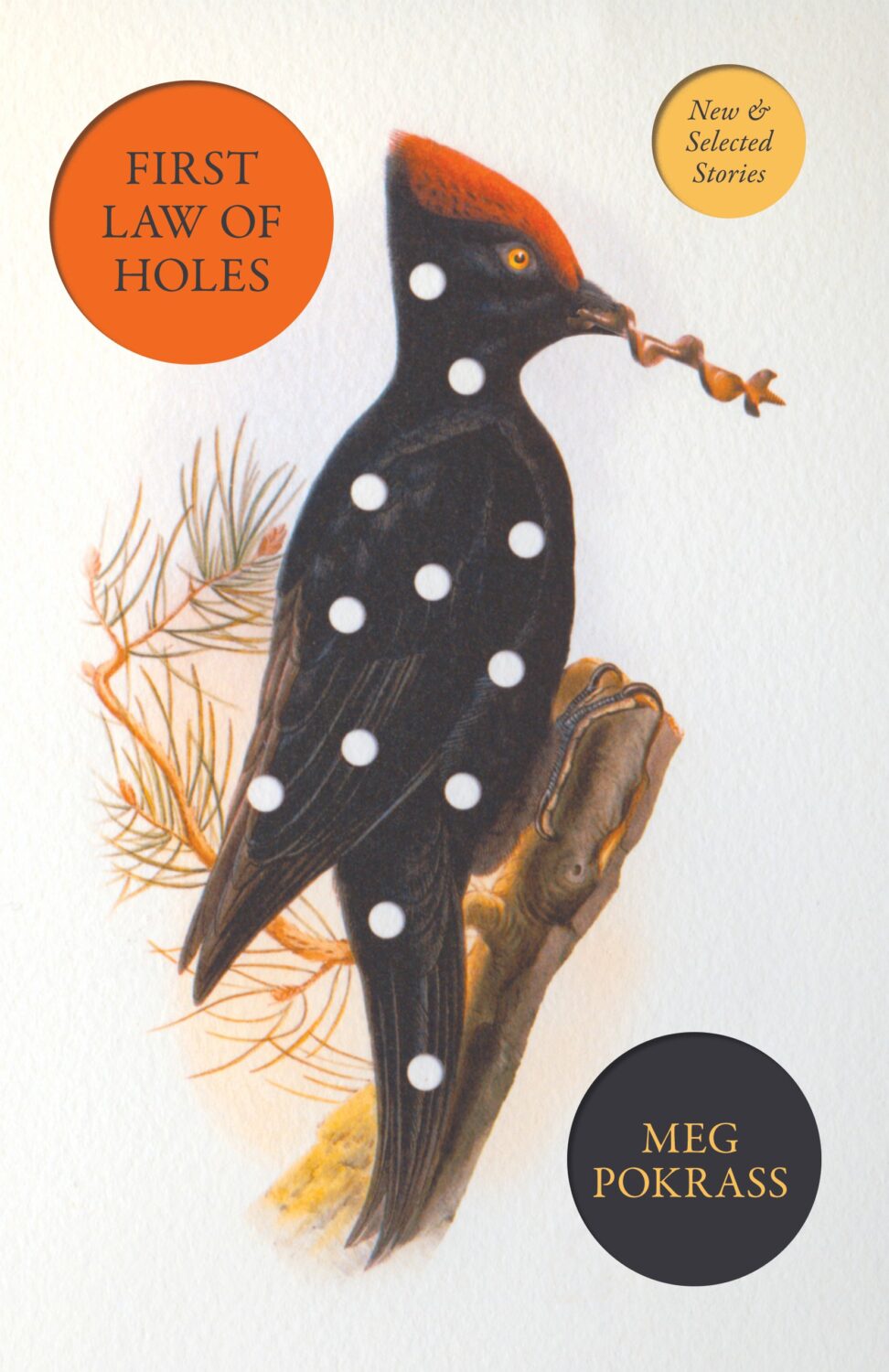
First Law of Holes by Meg Pokrass; design by Steven Seighman (Dzanc / September 2024)
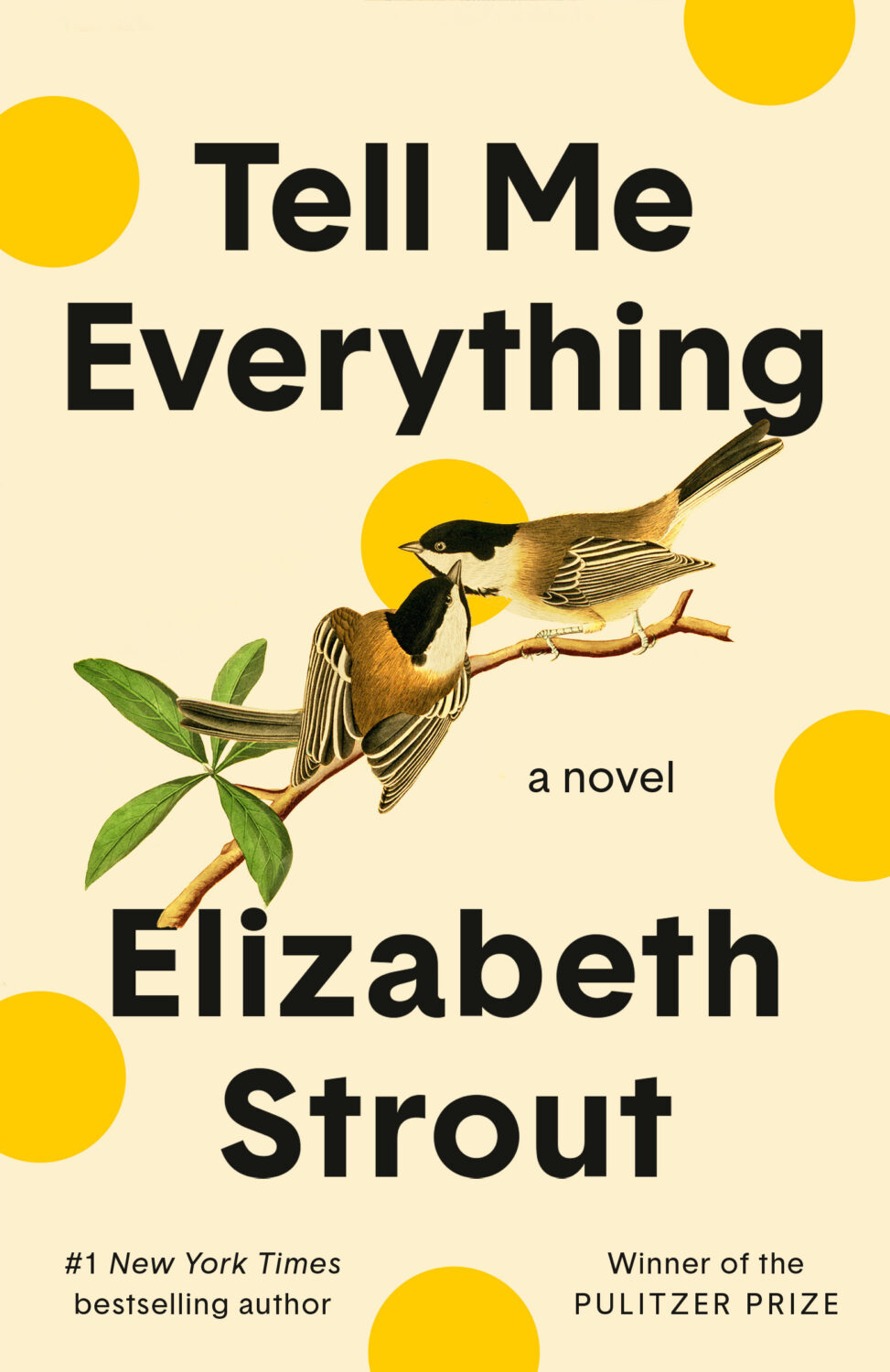
Sorry I missed this last month when I was complaining about not having enough covers from independent publishers (sigh). But also birds + polka dots…
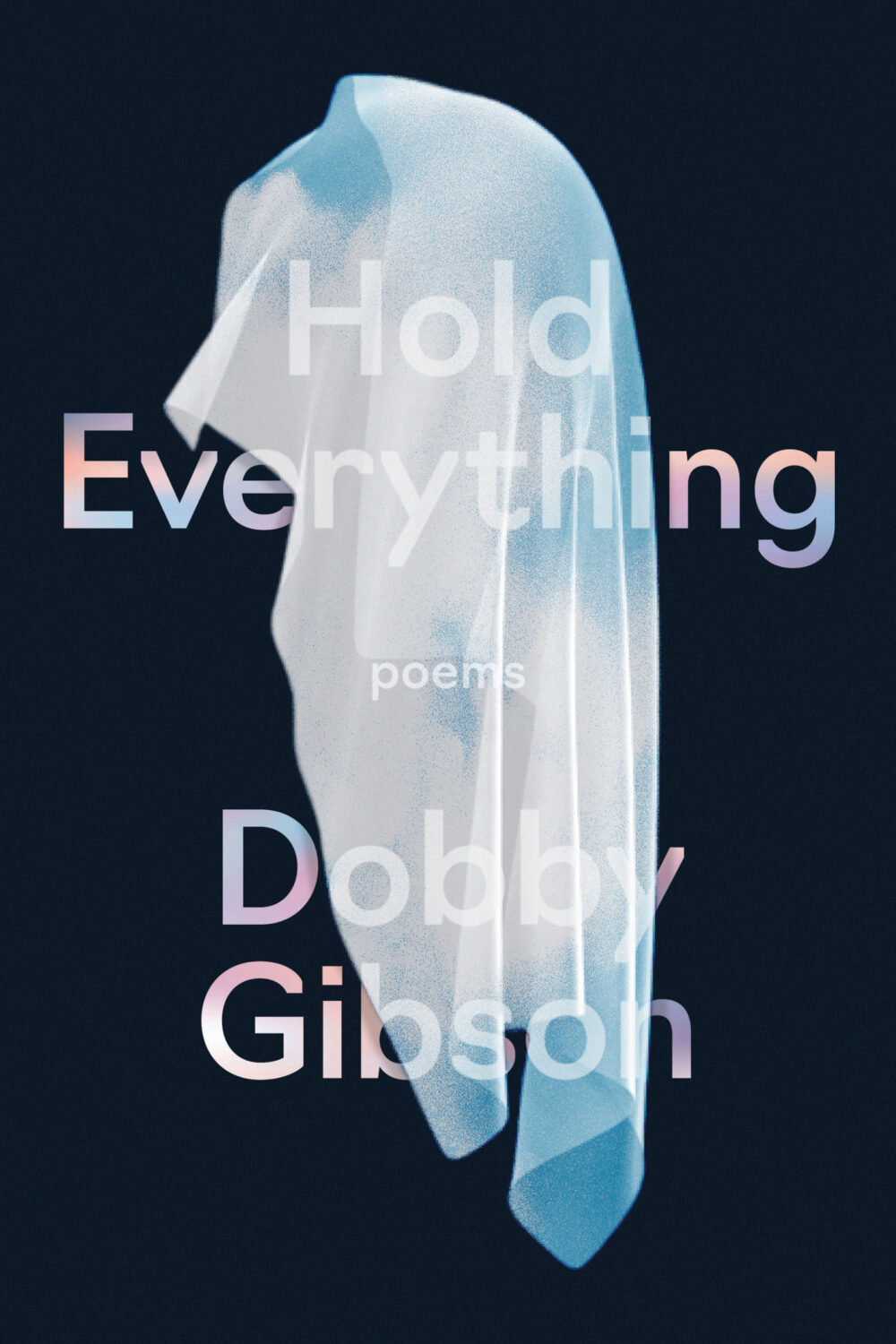
Hold Everything by Dobby Gibson; design by Alban Fischer (Graywolf / October 2024)

Invisible Kitties by Yu Yoyo; design by Steven Brayda; art by Yu Yoyo (HarperVia / October 2024)
Ixelles by Johannes Anyuru; design by Jonathan Pelham (Two Lines Press / October 2024)
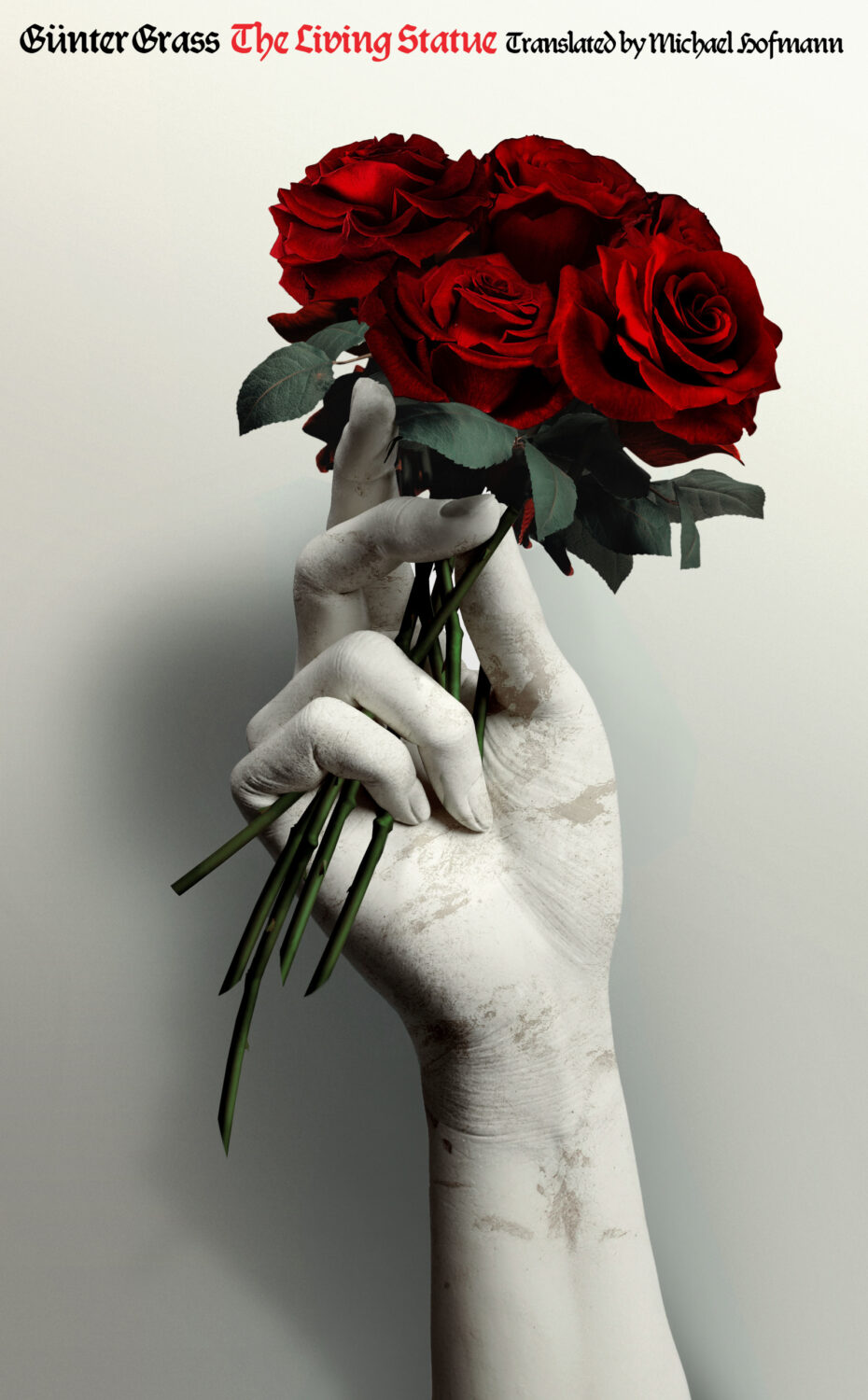
The Living Statue by Günter Grass; design by Pablo Delcan (New Directions / October 2024)
This feels very familiar, but I can’t put my finger on why. The best I’ve got is that it looks like a poster for a theatre production. It feels very European. The austerity of it gives late 1980s-90s vibes. I don’t know. I think it’s great.
Mojave Ghost by Forrest Gander; design by Giacomo Girardi / Rodrigo Corral; lettering by Adriana Tonello (New Directions / October 2024)

Music and Joy by Daniel K. L. Chua; design by Sarah Schulte (Yale University Press / August 2024)

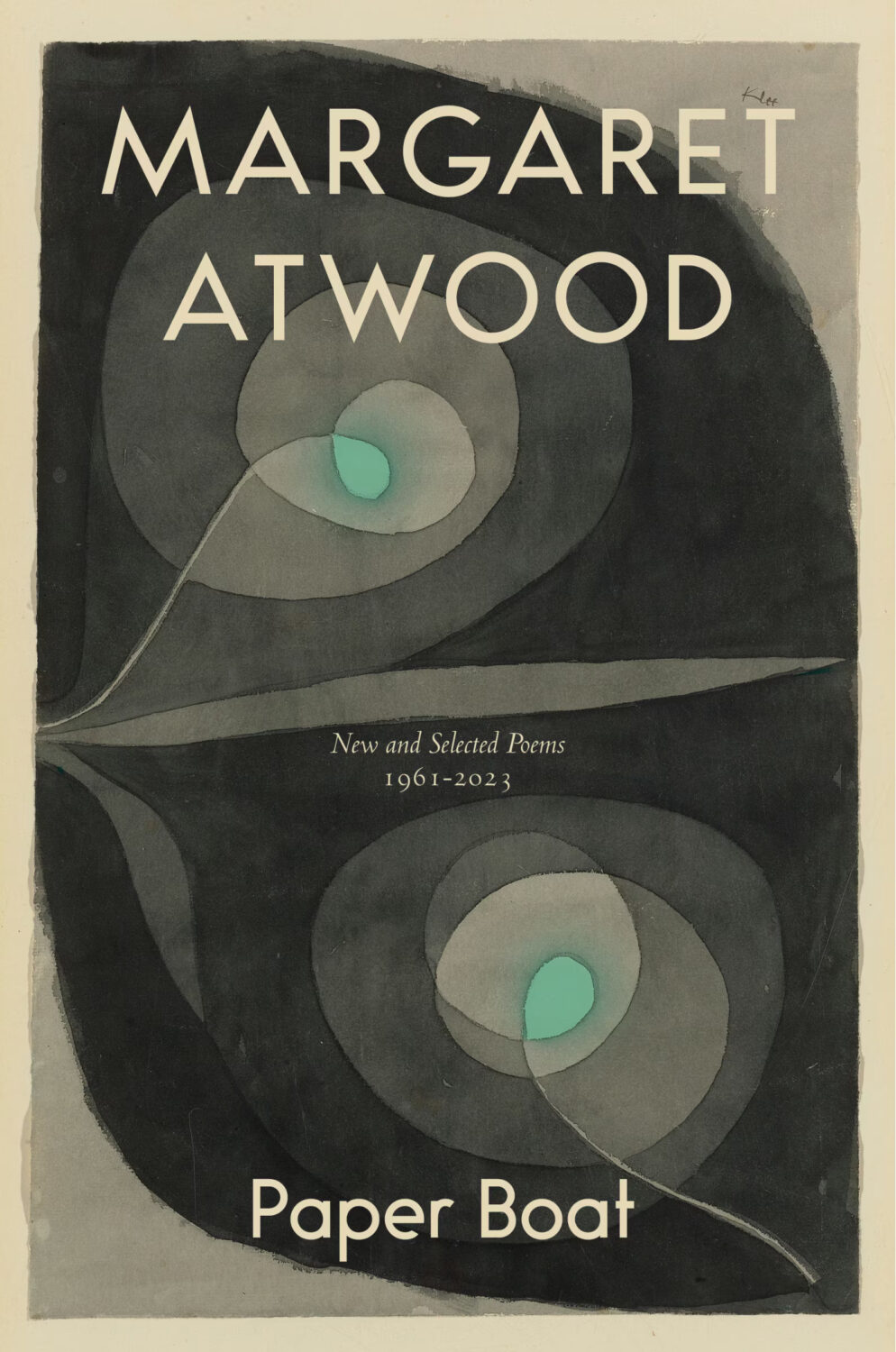
Paper Boat by Margaret Atwood; design by Suzanne Dean; paper art by Nathan Ward (Chatto & Windus / October 2024)
Remarkably, the design incorporates a template for paper boat that can be cut from the dust jacket and stuck together.

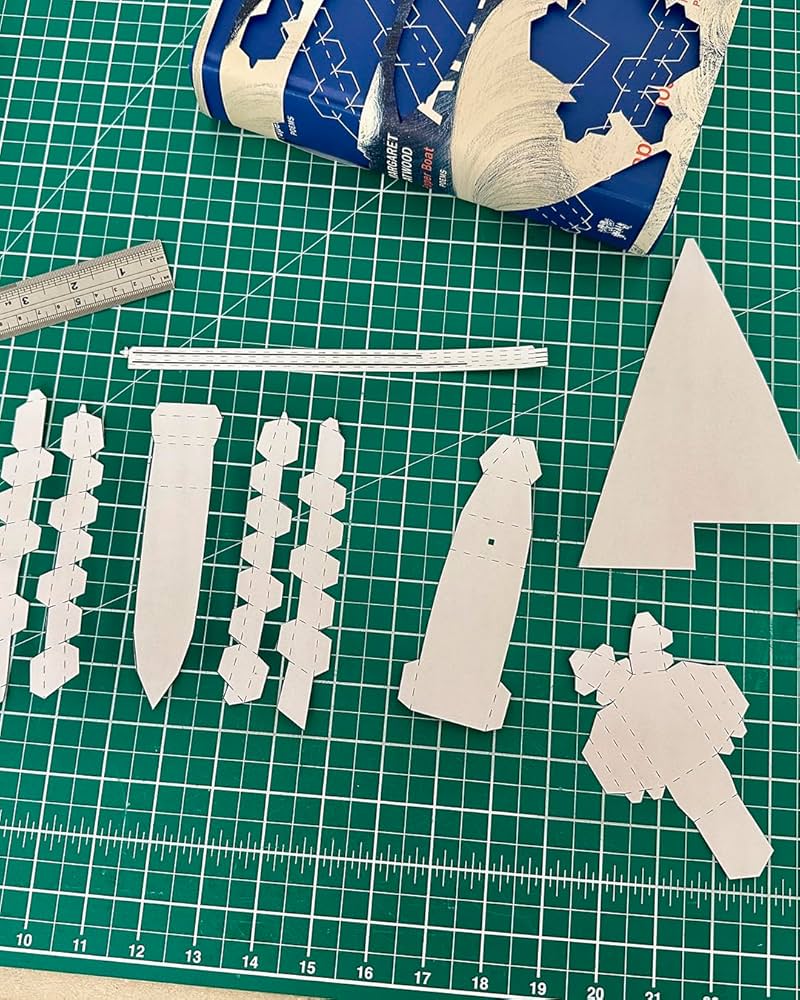

The cover of the Canadian edition of Paper Boat, published by McClelland & Stewart, was designed by Kelly Hill using art by Paul Klee. The cover for the US edition published by Knopf was designed by Janet Hansen. The photograph is by Ruven Afanador. It’s interesting to me that it was the US decided to use a portrait on the cover. I mean it’s a beautiful photograph and Margaret Atwood is very distinctive looking, but I would imagine she would be more recognizable to Canadians than to Americans? Anyway, it’s not often you see three entirely different approaches in the UK, US and Canada for a poetry collection.


Paper of Wreckage by Susan Mulcahy and Frank DiGiacomo; design by Claire Sullivan (Atria Books / October 2024)
It’s quite something that they got “Wanker” into the subtitle.

Perris, California by Rachel Stark; design by Holly Macdonald (New River Books / September 2024)

The Silver Snarling Trumpet by Robert Hunter; design and illustration by Nathaniel Deas (Hachette / October 2024)
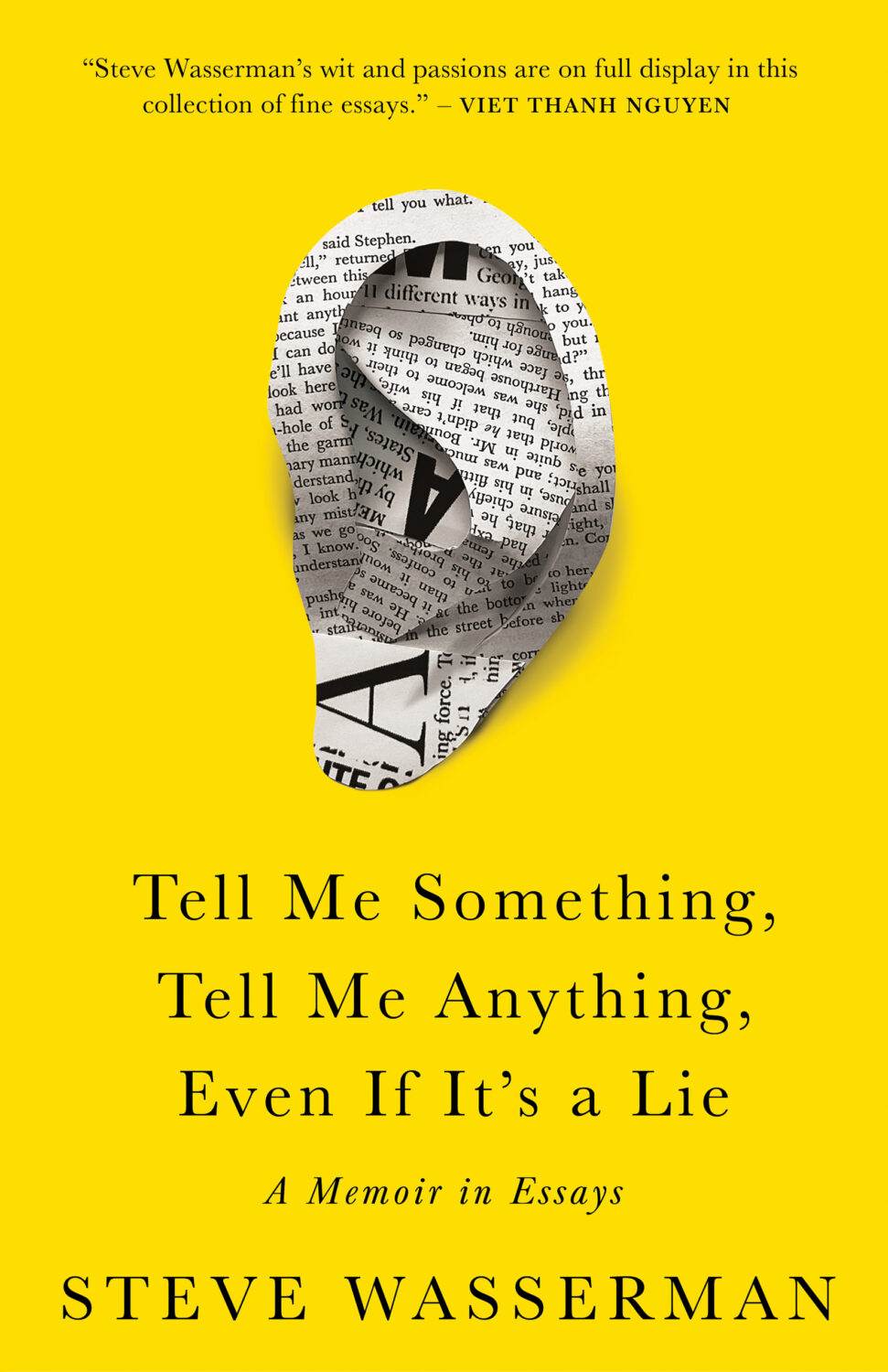
Tell Me Something, Tell Me Anything, Even It It’s a Lie by Steve Wasserman; design by David Drummond (Heyday Books / October 2024)
I knew exactly who designed this cover the moment I saw it!

The Unfinished Harauld Hughes by Richard Ayoade; portrait by James Lloyd (Faber / October 2024)
If anyone can tell me who the designer is on this, I’d greatly appreciate it.
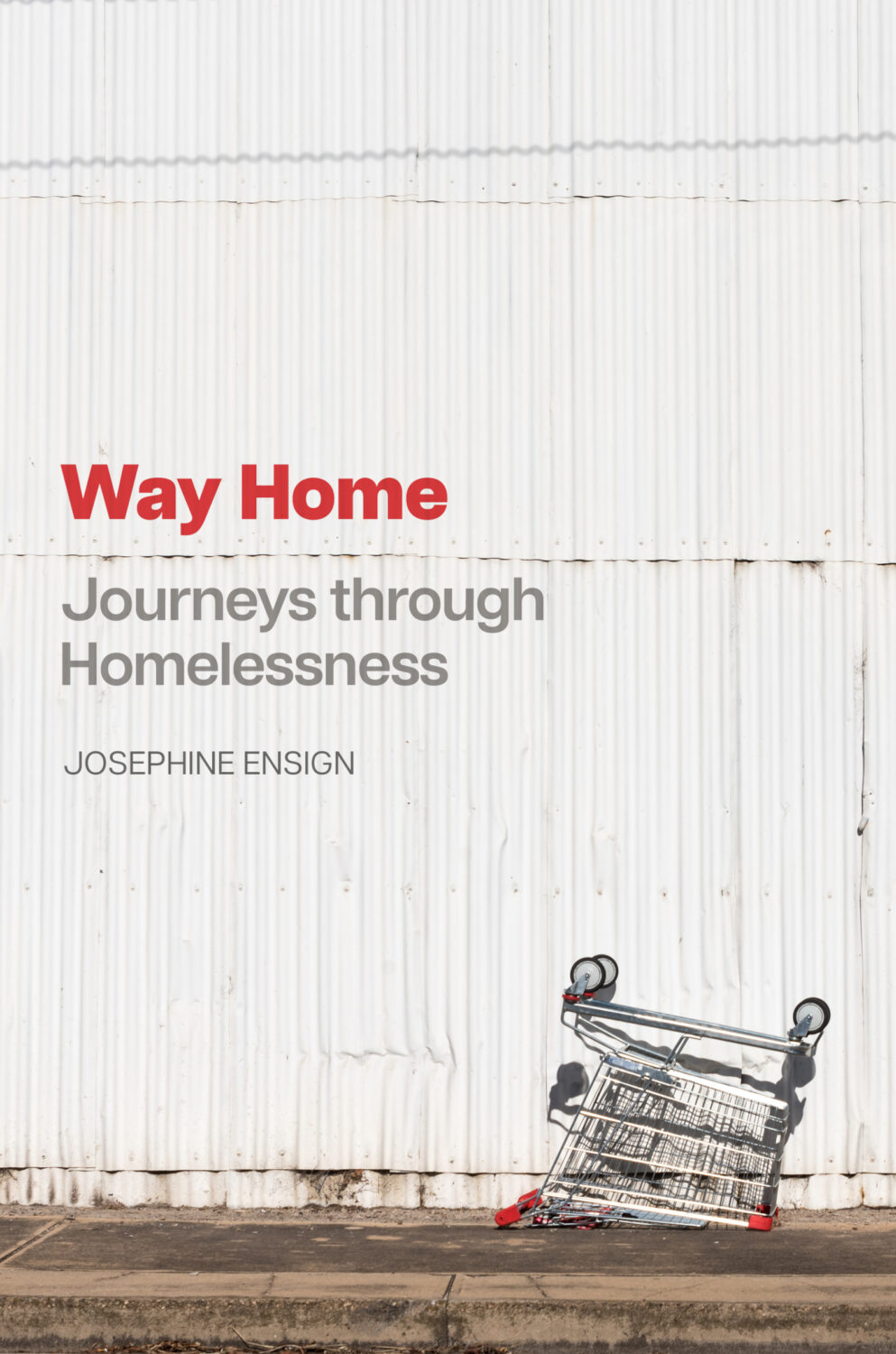
Way Home by Josephine Ensign; design by Tobias Design (John Hopkins University Press / November 2024)

We All Shine On by Elliot Mintz; Design by Vi-An Nguyen; photography by Nishi F. Saimaru (Dutton / October 2024)

Women’s Hotel by Daniel M. Lavery; design by Stephen Brayda; illustration by Thibaud Herem (Harpervia / October 2024)
Comments closedI hope you’re keeping safe and well. Between work trips and sales conference it’s been a few weeks for me, and there are a lot of covers this month, so I am going to stop prattling and let you get straight to the post…

Another Word for Love by Carvell Wallace; design by Rodrigo Corral (MCD / May 2024)
Birding by Rose Ruane; design by Charlotte Stroomer; photograph by Kelsey McClellan (Little, Brown / May 2024)
I feel like there was another ice cream book cover recently and that somehow Ben Denzer has manifested this.

Blue Ruin by Hari Kunzru; design by John Gall; painting by Chad Wys (Knopf / May 2024)
John Gall also designed the cover of Hari Kunzru’s previous novel Red Pill.

Challenger by Adam Higginbotham; design by Pete Garceau (Avid Reader Press / May 2024)

Coexistence by Billy-Ray Belcourt; design by Kelly Hill (Hamish Hamilton / May 2024)

Dead Animals by Phoebe Stuckes; design by Will Speed (Hodder & Stoughton / April 2024)
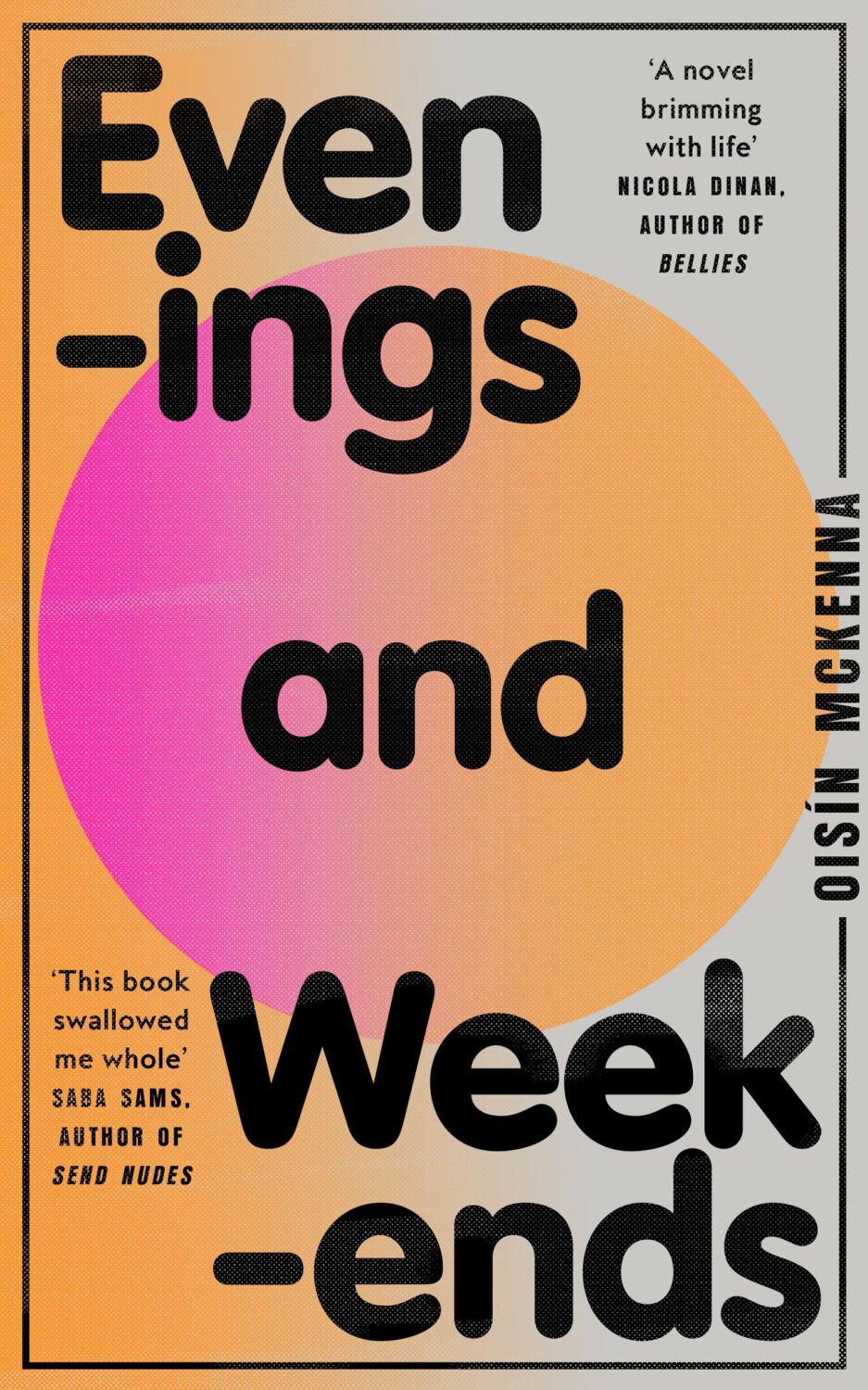
Evenings and Weekends by Oisín McKenna; design by Jo Thomson (HarperCollins / May 2024)
Glorious Exploits by Ferdia Lennon; design by Gregg Kulick (Henry Holt / March 2024)
I was trying to think what this cover reminded me of, and then I remembered this.

The Great State of West Florida by Kent Wascom; design by Jeff Miller / Faceout Studio (Grove / May 2024)

Kairos by Jenny Erpenbeck; design by John Gall (New Directions / May 2024)
This is the cover of the newly released US paperback. John Gall also designed the cover for the hardback, published by New Directions last year. Author Jenny Erpenbeck and translator Michael Hofmann recently won the 2024 International Booker Prize with Kairos.


Kilworthy Tanner by Jean Marc Ah-Sen; design by David Drummond (Esplanade Books / May 2024)
This composition brings to mind David Pelham’s covers for J. G. Ballard. (On a semi-related note, air-brushed covers are probably overdue a revival. Or is it a dying art now?)
Kittentits by Holly Wilson; design by Eli Mock (Zando / May 2024)

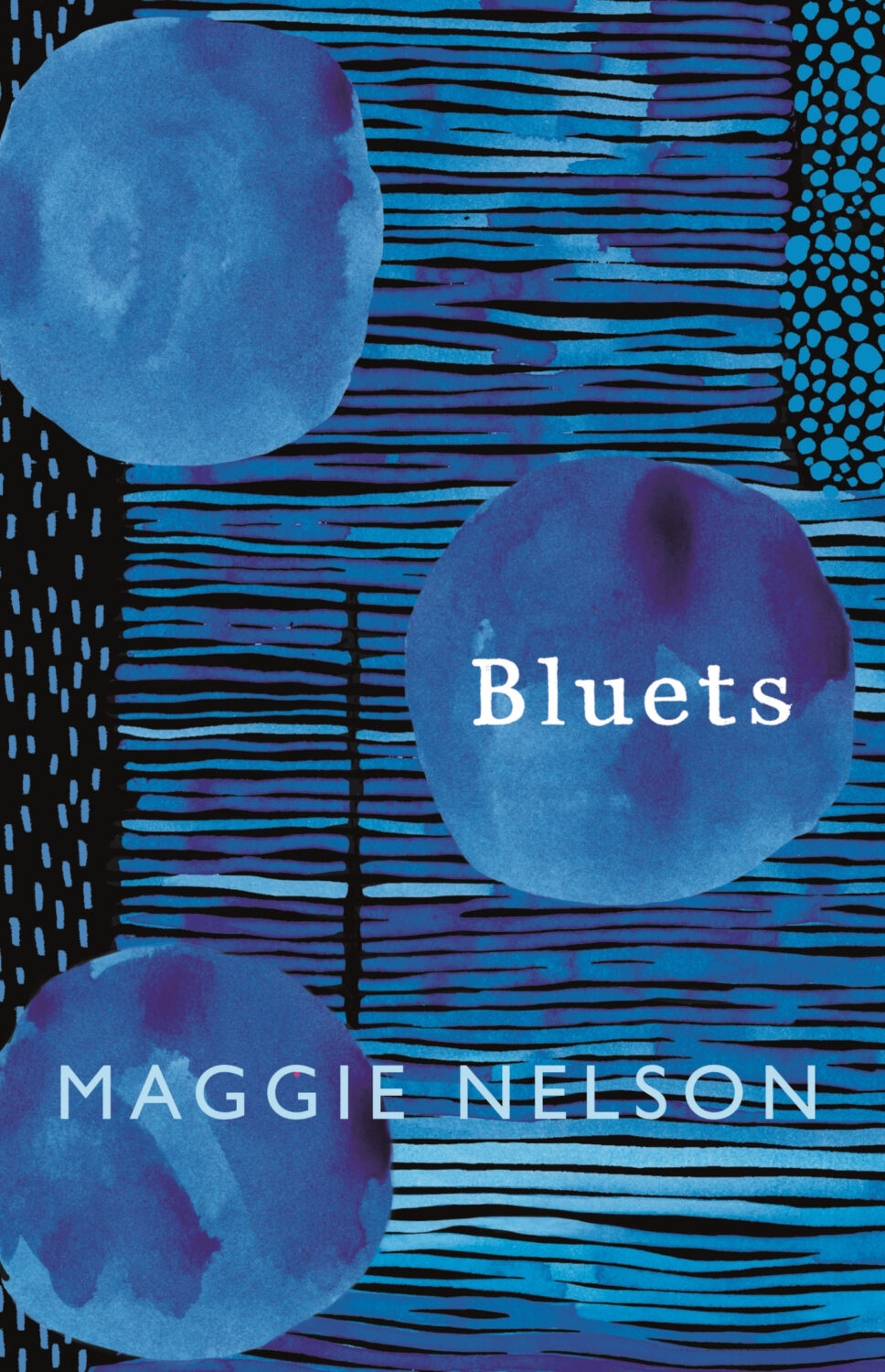
Like Love by Maggie Nelson; design by Suzanne Dean (Vintage / May 2024)
Suzanne Dean also designed the cover of Bluets by Maggie Nelson.

Loneliness & Company by Charlee Dyroff; design by Mia Kwon (Bloomsbury / May 2024)
Love Junkie by Robert Plunket; design by Oliver Munday (New Directions / May 2024)
Olive Munday bringing his A game.

Monsters, Martyrs, and Marionettes by Adrienne Gruber; design by Tree Abraham (Book*hug / May 2024)
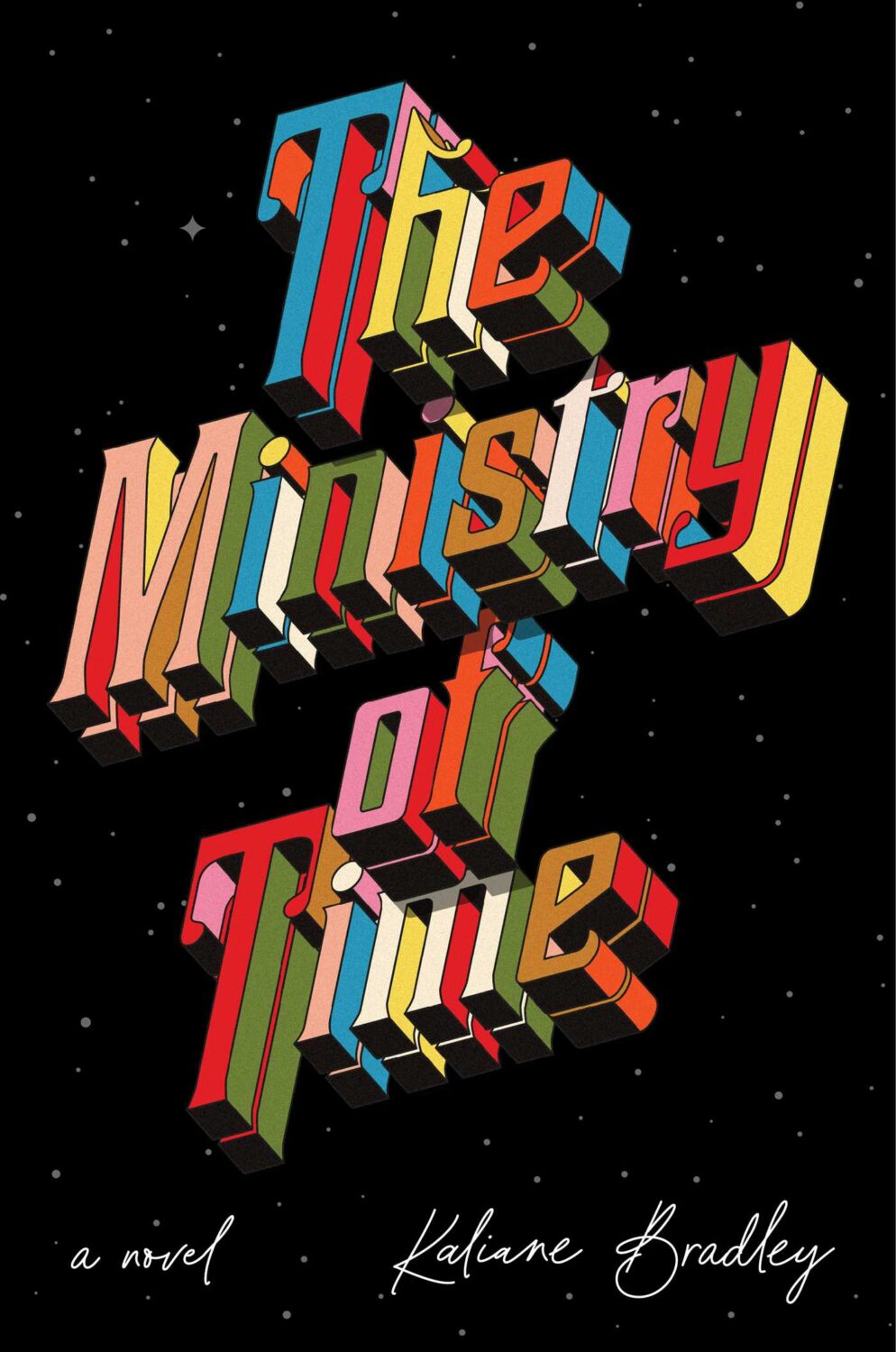
The Ministry of Time by Kaliane Bradley; design by Alison Forner; typography by Andrew Footit (Avid Reader Press / May 2024)
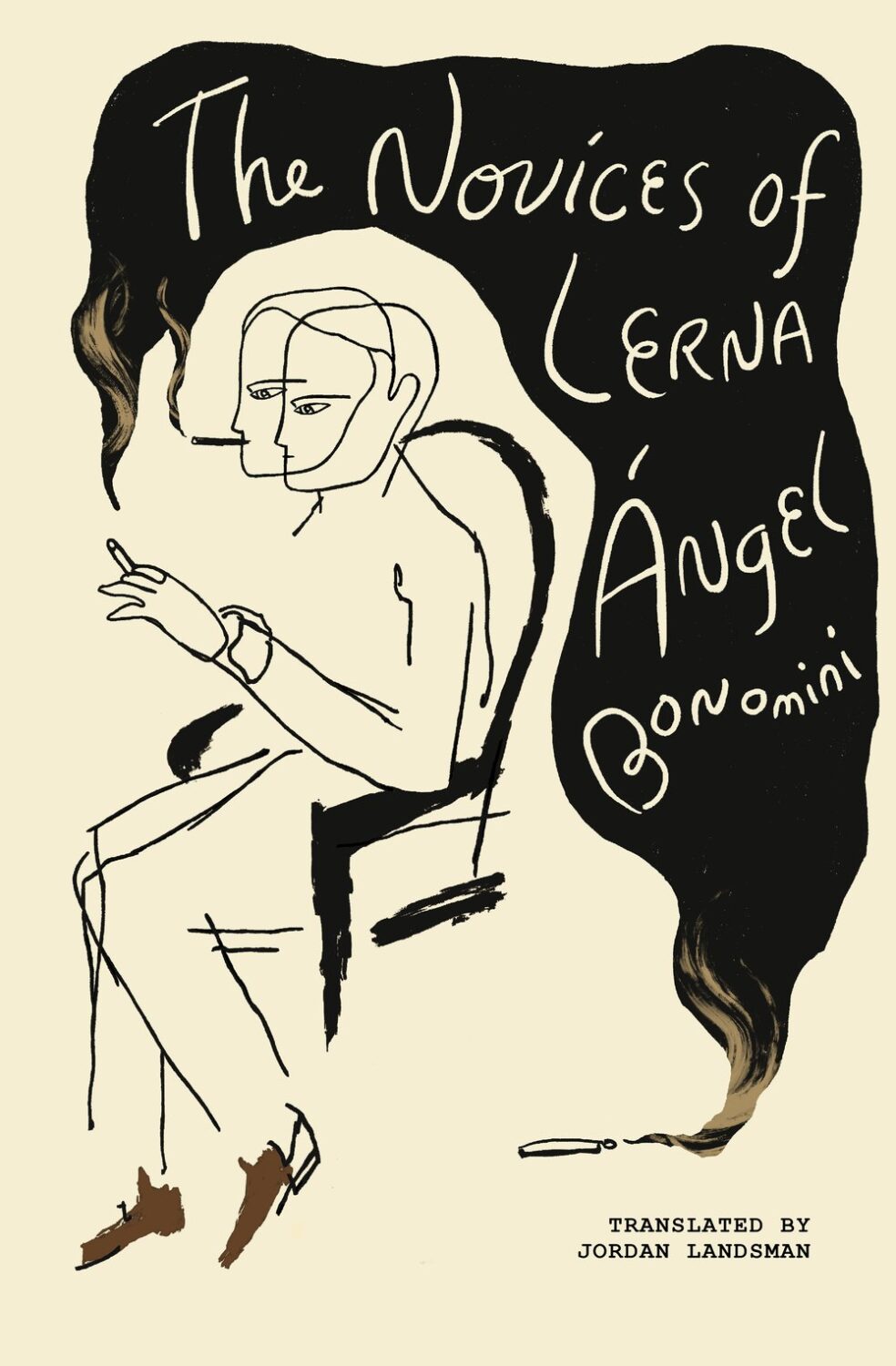
The Novices of Lerna by Ángel Bonomini; design by Sarah Schulte (Transit Books / May 2024)

Perfume & Pain by Anna Dorn; design by Math Monahan (Simon & Schuster / May 2024)
Just so much pink this month!
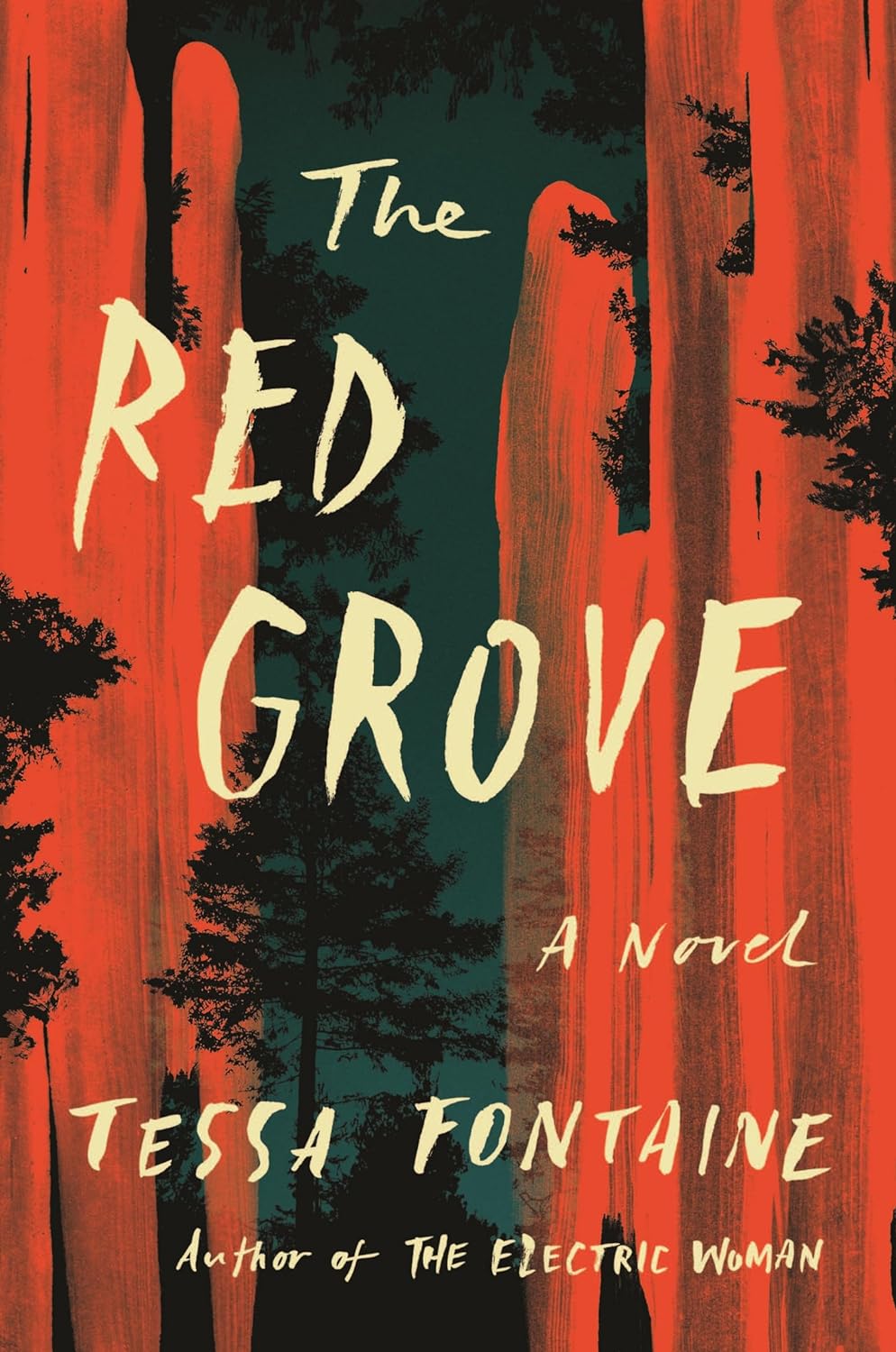
The Red Grove by Tessa Fontaine; design by Sara Wood (Farrar, Straus & Giroux / May 2024)
The Skunks by FIona Warnick; design by Beth Steidle (Tin House / May 2024)
Supplication by Nour Abi-Nakhoul; design by Emma Dolan (Strange Light / May 2024)
Can anyone tell me who designed the cover of the UK edition of Supplication for Influx Press? I’d love to include it in next month’s round-up when it’s published.
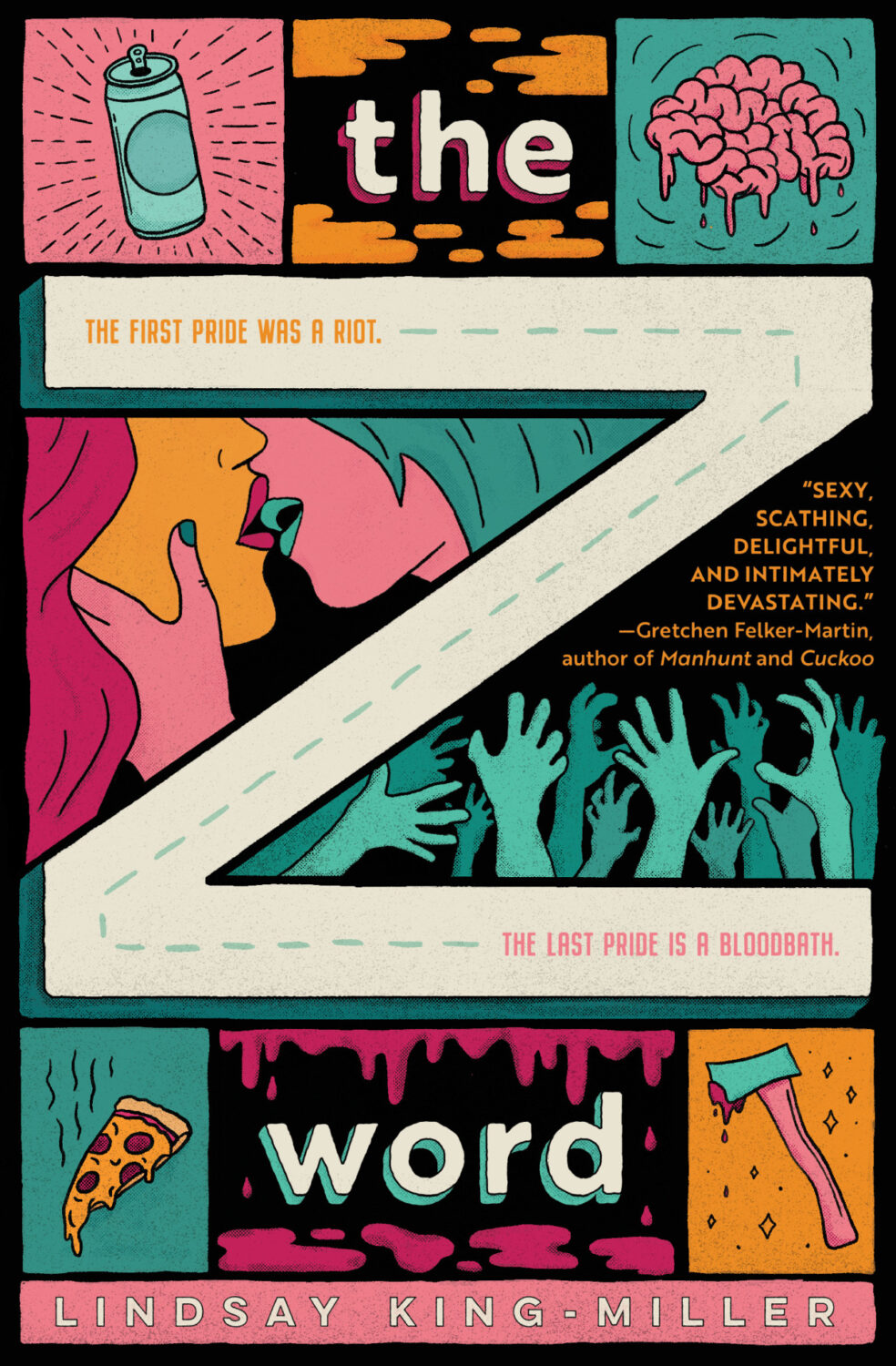
The Z Word by Lindsay King-Miller; design by Andie Reid (Quirk Books / May 2024)
Comments closed