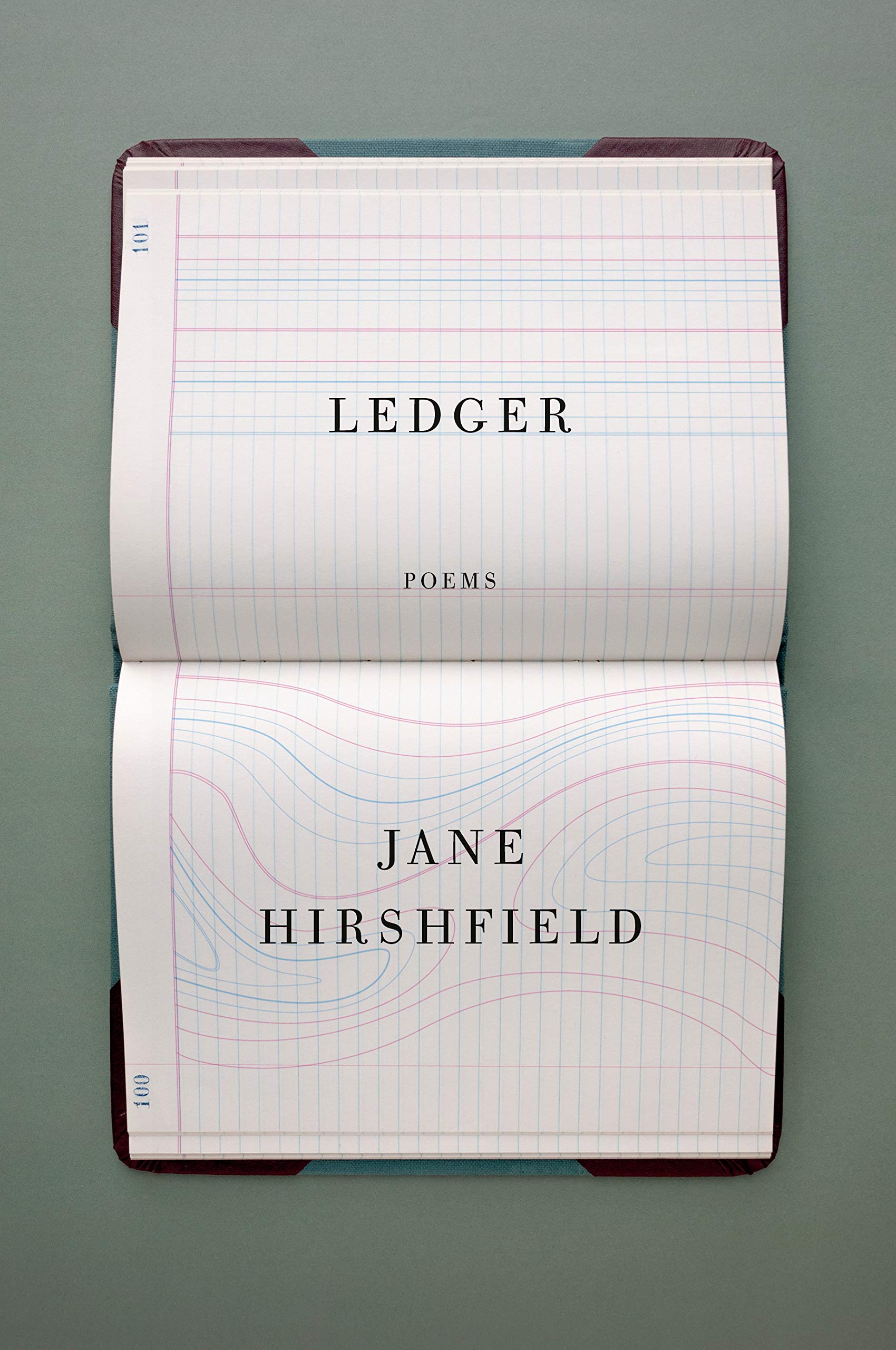
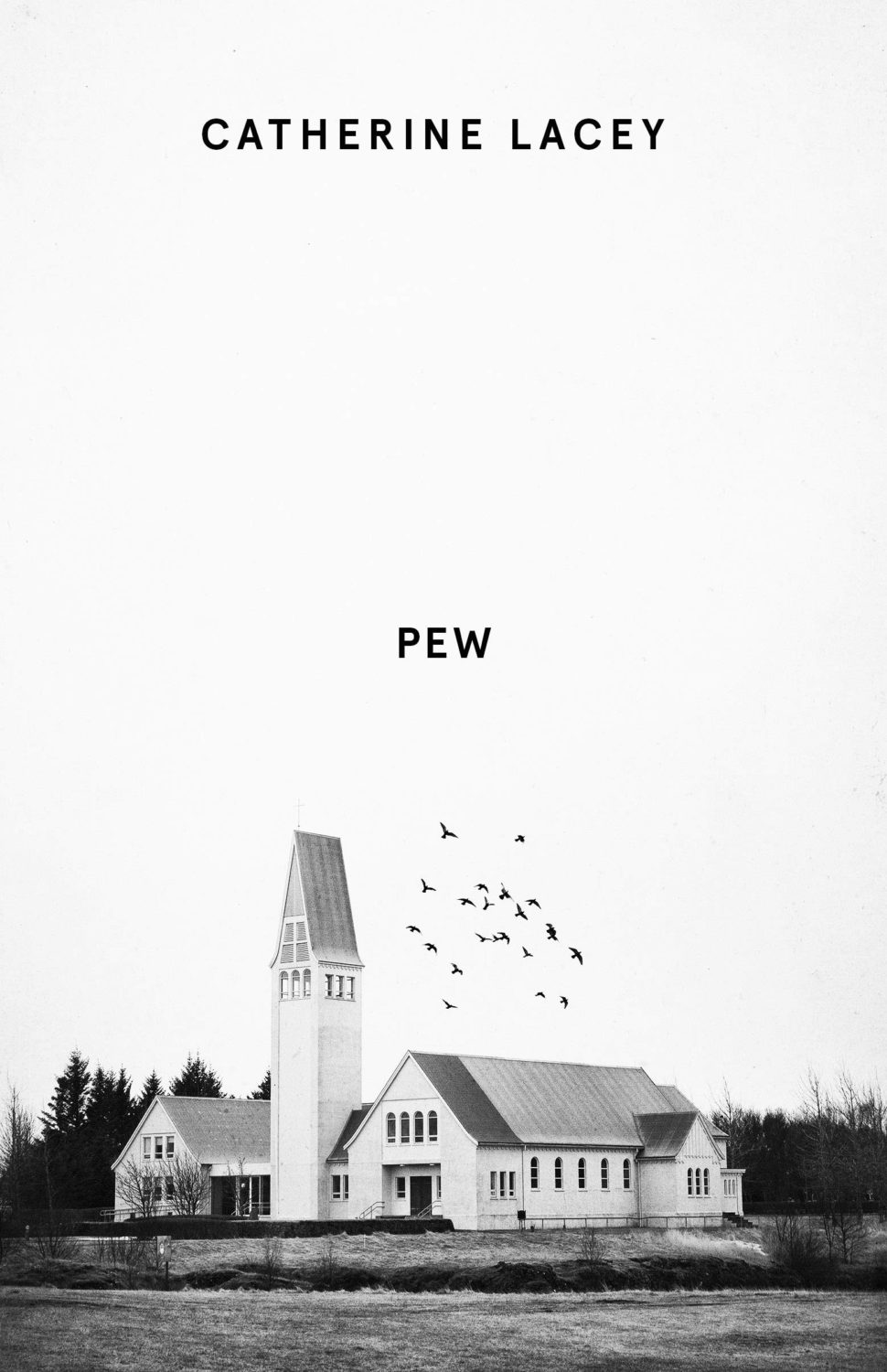
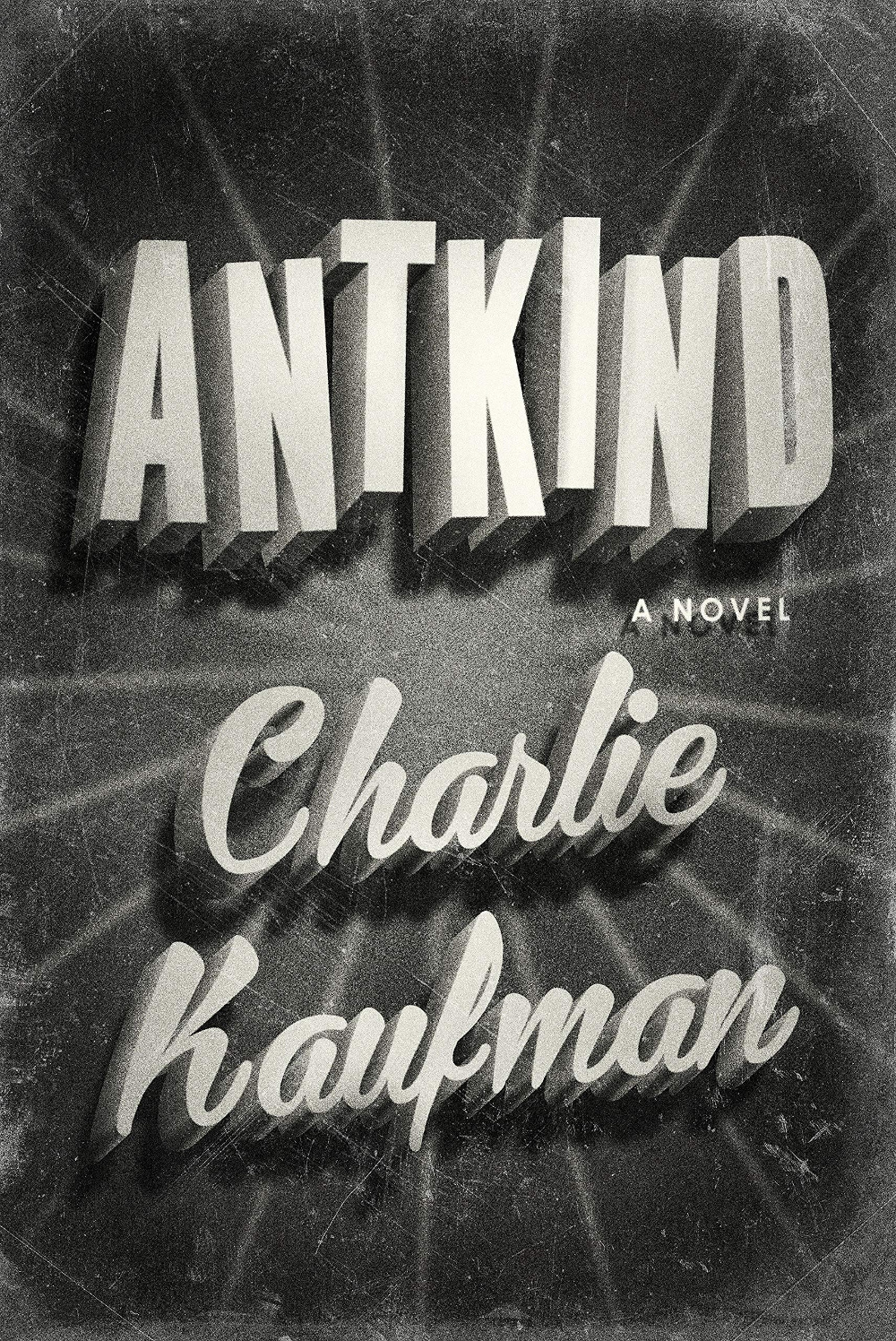
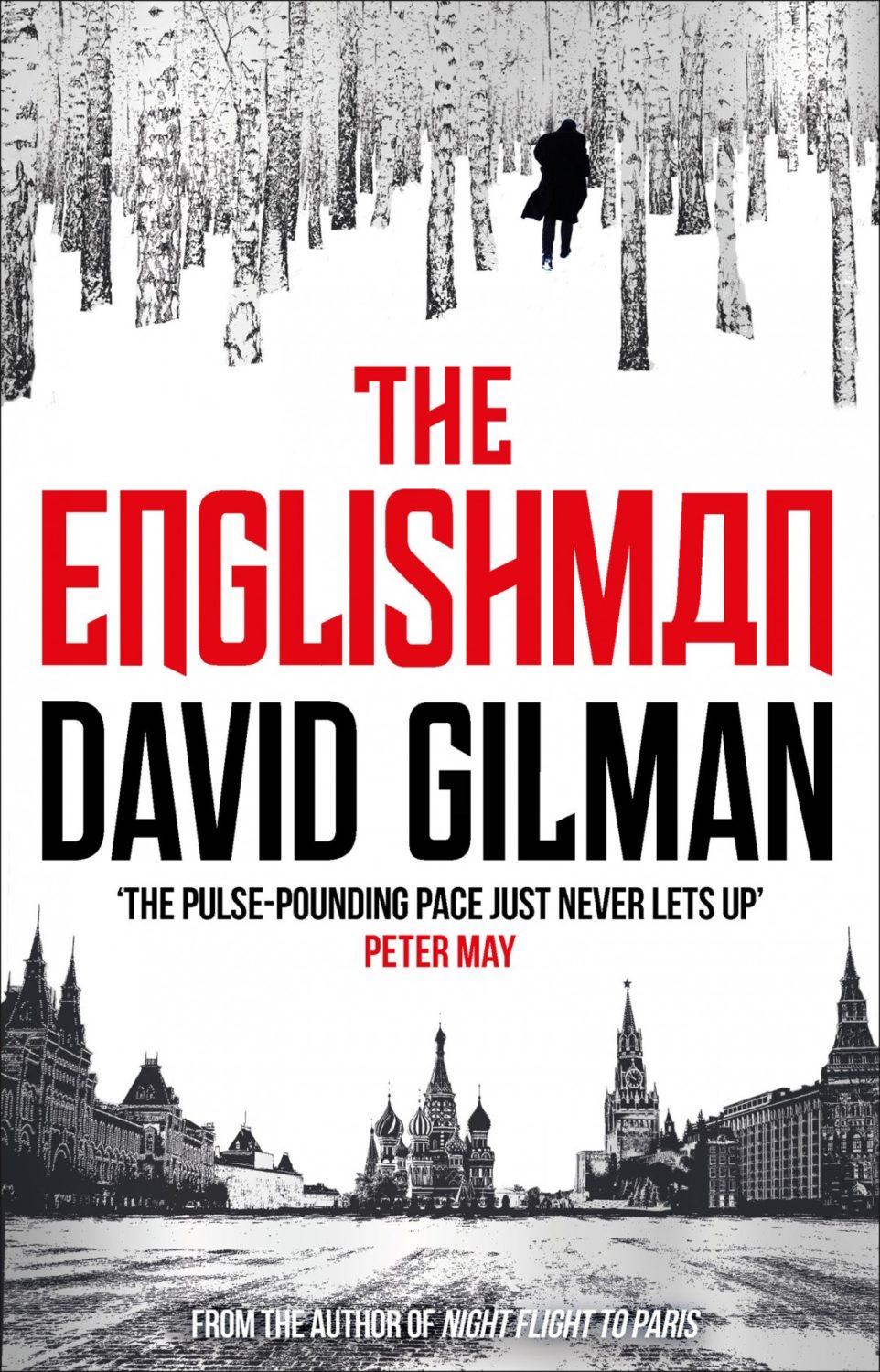
Hey, sorry, just sliding in under the wire with another slightly rushed post this month. I hope everyone is safe and well (all things considered). Let’s just get on with it shall we?
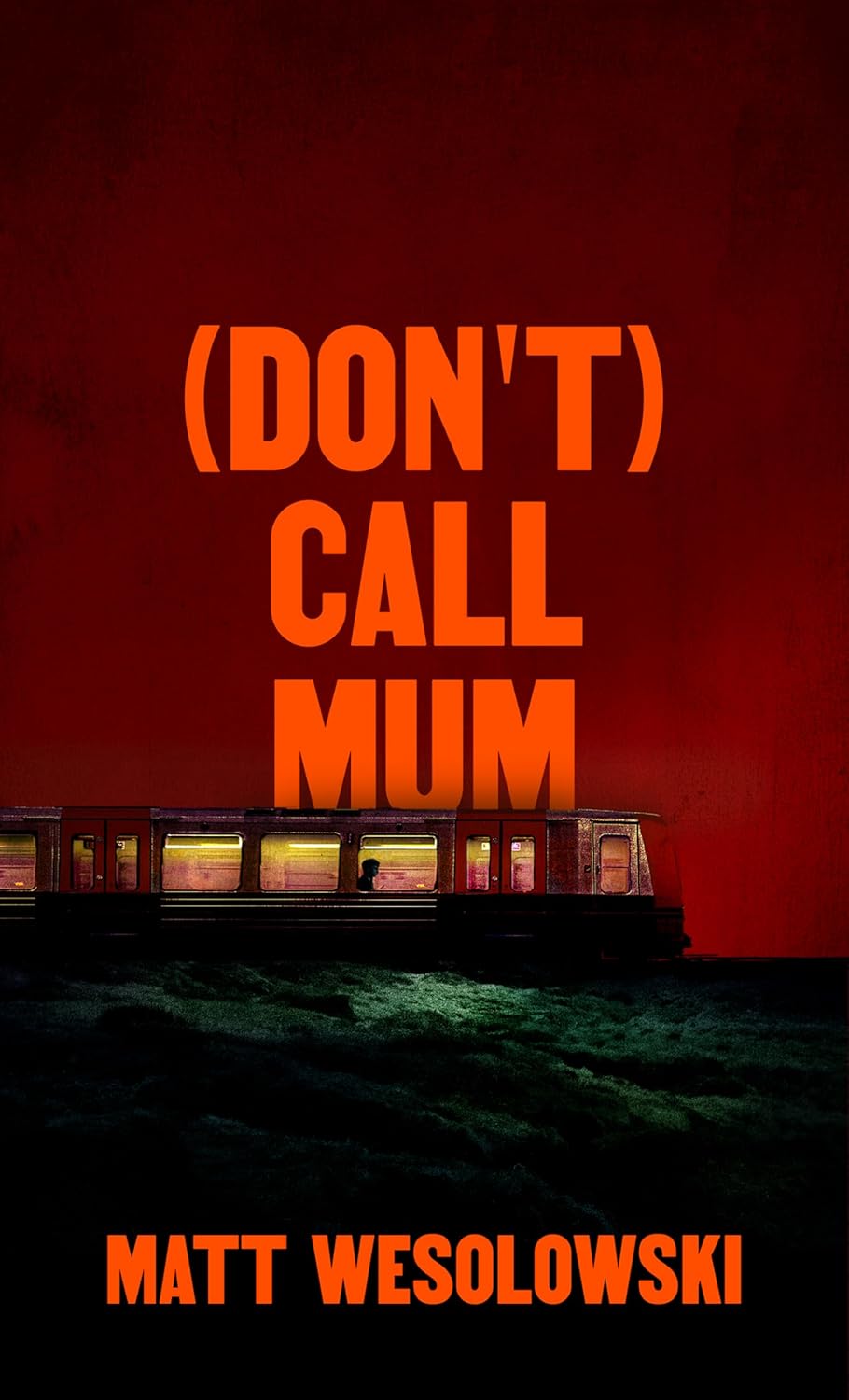
Also, the cover of Matt Wesolowski’s book Six Stories designed by Mark Swan was featured here way back in April 2017 (which was a pretty good month for covers!)
Jenny has a new portfolio site so go check that out. (Also, if anyone has a higher res version of the cover for The Holy Innocents, please send it over! I’d love to have a better one. Thanks!)
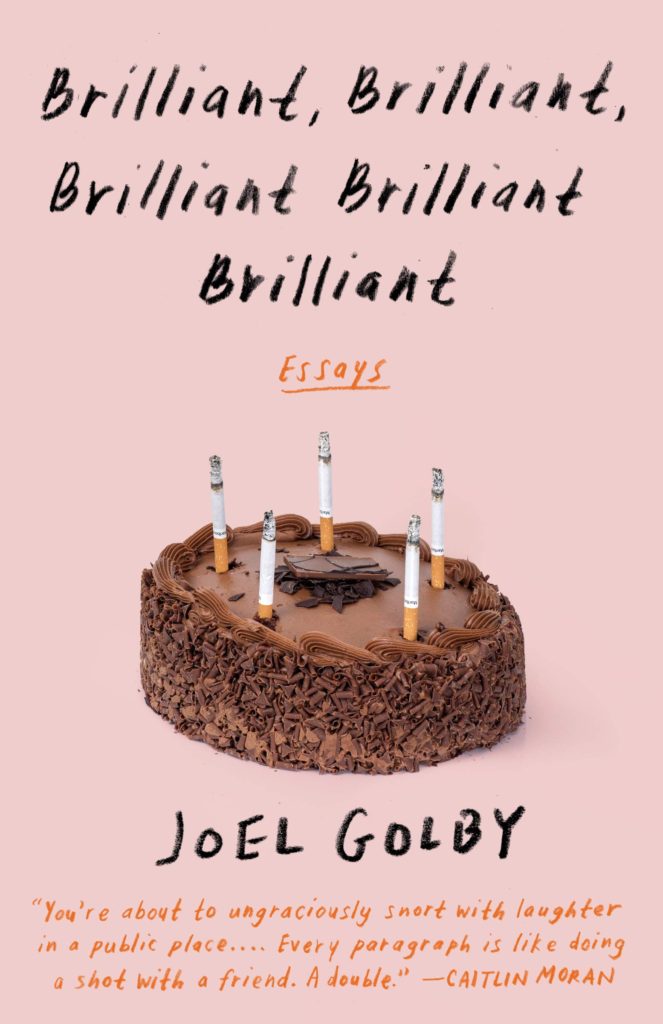
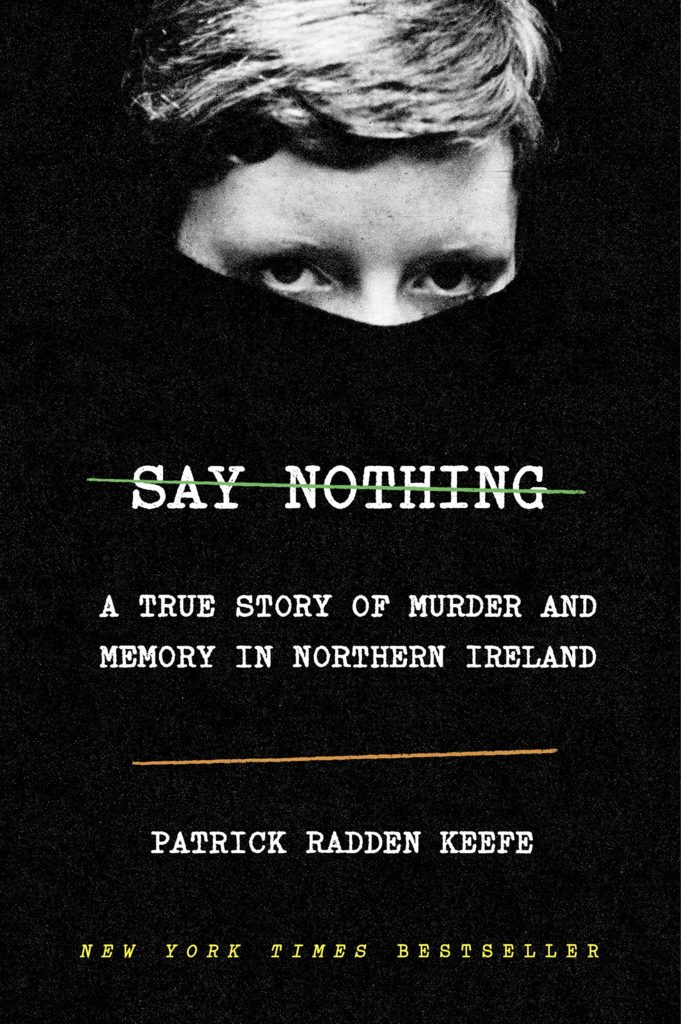
I am a sucker for good photo selection on a cover. This photo is from Ed Templeton’s series/installation (and book) Teenage Smokers. Although it is kind of interesting to me that a book with such a British title uses a photograph by an American photographer, but it does have incredible 1990s vibes.
The cover of the UK edition, published by Daunt Books, was designed by Kishan Rajani. It’s interesting to see the differences in two covers with a similar approach…
A bit of a bumper post this month with a ton great covers, lots of old friends, a couple of designers that are new to me, and maybe an early contender (or two) for the ‘best of the year’ list.
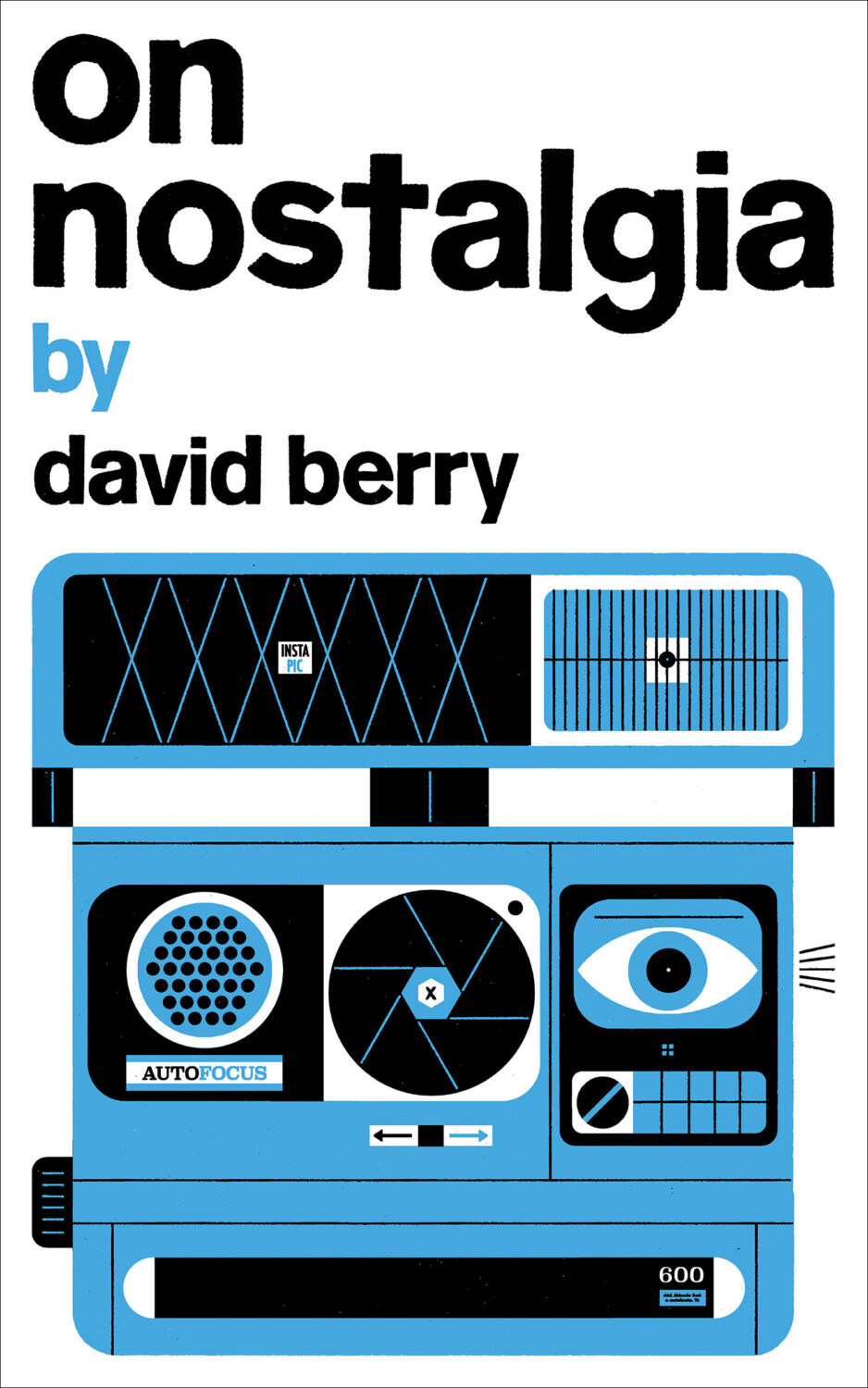
I haven’t posted enough of David’s covers lately. They are always fun. I was struggling to think what this one reminded me of. I’m wondering if it’s maybe Raymond Hawkey’s black and white cover designs for Len Deighton? Or something from Pelican / Penguin in the 1970s?
Come On Up by Jordi Nopca; design by Roman Muradov (Bellevue Literary Press / February 2021)
The cover of the UK edition, published this month by Bloomsbury, was designed by Greg Heinimann.
Rachel Willey’s design for Patricia Lockwood’s memoir Priestdaddy is still one of my favourite covers of recent years (hard to believe it is from 2017!).
O by Steven Carroll; design by Gray318 (HarperCollins Australia / February 2021)
What would you call this background colour? Light brown? Dark beige? Anyway, it seems to be a thing. We could probably include As You Were cover here too, although it doesn’t have the red-orange accent colour.
The Witch’s Heart by Genevieve Gornichec; design by Adam Auerbach (Ace Books / February 2021)
I didn’t blog much this year. It felt strange to be posting about something as trivial as book covers during a deadly pandemic. 2020 has been a tough year. I feel lucky that my family are safe and well, and I have kept my job and my health. I know others have not been so fortunate.
It has been hard.
I haven’t read much and I’ve struggled to keep track of new work. Toronto has been in lockdown for most of 2020. Browsing bookstores hasn’t been possible, and I didn’t spend as much time as usual trawling for covers online. Perhaps unsurprisingly, a lot of covers in this year’s post are featured here for the first time.
Looking back at last year’s post, I was apparently feeling gloomy about the state of things in 2019 too.1 If I remember correctly, I was — in the midst of everything — trying to get through sales conference, wrap up a big project before the holidays, and feeling more than a little stressed. Somehow I still managed to write a little bit about the trends I was seeing. A few things — painterly covers for example — seem to have continued into 2020. Lydian certainly hasn’t gone away. It felt so common, in fact, I stopped keeping track of individual examples. On the other hand, I did see less Avant Garde for which I am quietly grateful (although I’m not sure that’s a popular sentiment).
At The Literary Hub, Emily Temple declared 2020 to be “the year of enormous pink lady faces on book covers.” While at Spine Magazine, Viki Hendy collected together examples of covers with type around the edges. I don’t know that I have a lot to add that. There were a few new meta, books on book covers this year, which is always a delight. And I think perhaps collage might be having a moment too, which is fun. Although we may be overdoing the half-face compositions.
Suppose A Sentence by Brian Dillon; design by Katy Homans; art by John Stezaker (NYRB / September 2020)
The Lightness by Emily Temple; design by Ploy Siripant; art by Beth Hoeckel (William Morrow / June 2020)
There is, of course, a lag. Trends always bleed over from one year to the next. One of this year’s “big books”, Such a Fun Age by Kiley Reid, which featured a bright and bold cover designed by Vi-An Nguyen, was published in the US on December 31, 2019. A lot of 2020 books have been delayed until 2021. But I wonder how the changes in the way we work and consume brought on by the pandemic — designing in isolation for an audience that is now browsing predominantly online — will change things in the next couple of years. Will we see more experimentation or less? Will there be demand for beautiful tactile objects, or will we more fully embrace digital reading experiences? There’s a lot to ponder…
Anyway, thanks to all the folks who have supported the Casual Op this year and encouraged me to keep it going. I’m sorry that I have not responded to all the emails I have received. I’m going to try to be a bit better with that in future. Hopefully there have been some silver linings for you in 2020, and you can still find some joy in a few good book covers…
Afterland by Lauren Beukes; design by Lauren Wakefield (Penguin / July 2020)
Also designed by Lauren Wakefield:
The Driftwood Girls by Mark Douglas-Home; design by Lauren Wakefield (Penguin / April 2020)
The Honey and the Sting by E. C. Freemantle; design by Lauren Wakefield (Penguin / September 2020)
We Are All the Same in the Dark by Julia Heaberlin; design by Lauren Wakefield (Penguin / August 2020)
Sadly, Adalis unexpectedly passed away in July 2020. I only knew Adalis through her work, but she is such a huge a loss to our community. There is a GoFundMe page if you wish to donate to her family.
Also designed by Adalis Martinez:
losi by Molly Ball; design by Adalis Martinez (Henry Holt & Co / May 2020)
Dominicana by Angie Cruz’ design by Adalis Martinez (Flatiron / August 2020)
Love is an Ex-Country by Randa Jarrar; design by Adalis Martinez (Catapult / February 2021)
You can find a short interview with John in which he discusses his cover for Red Pill at Bear Books, and you can read about his design process for Weather by Jenny Offill at Spine Magazine.
Maybe someone has done this before and I didn’t notice (or, more likely forgotten), but it’s great to see a photograph from the EPA’s remarkable DOCUMERICA Project — available through the US National Archives on Flickr — on a book cover.
Rodham by Curtis Sittenfeld; design by Jo Thomson (Doubleday / July 2020)
It’s interesting that the US cover of Rodham is essentially the same as the UK one. I would’ve thought for sure that they would take different approaches.
I’ve already posted a couple of magazine covers about the current crisis, and yet another one has caught my eye. The cover of the April 13-26 edition of New York magazine features an extraordinary photograph by Alexei Hay of all but deserted Times Square on the morning of Monday, March 30.
You can see more of Alexei Hay’s photographs of an eerily empty New York here.
2019 has felt interminable. It has also felt like there are never enough hours in the day to keep up. You can’t talk to me about TV shows or movies. I haven’t seen any.
When it comes to books, I’m fortunate enough to work in the industry. But what hope do casual readers have of finding the good stuff when the same few titles dominate the conversation and there is so much else competing for their attention?
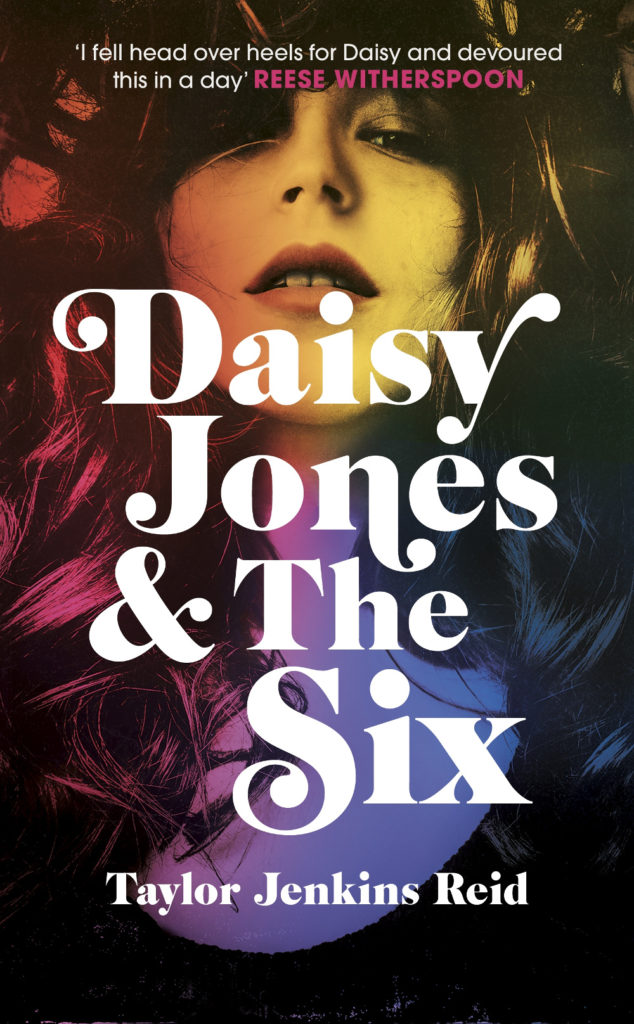
Daisy Jones and The Six by Taylor Jenkins Reid; design by Caroline Teagle Johnson (Ballantine / March 2019) Daisy Jones and The Six by Taylor Jenkins Reid; design by Lauren Wakefield (Hutchinson / March 2019)
Daisy Jones and the Six had a glamorous, louche 1970s look. The US and UK editions, designed by Caroline Teagle Johnson and Lauren Wakefield respectively, took slightly different directions with the type, but the photograph (a stock image apparently) felt ideally suited to social media.
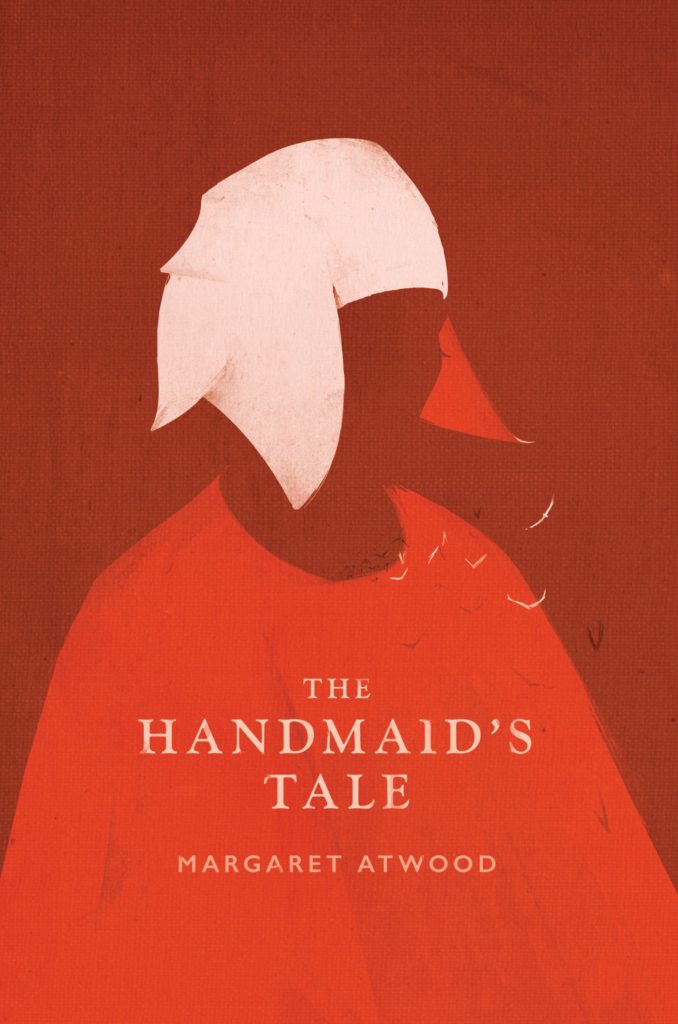
The Testaments by Margaret Atwood; design by Noma Bar (Chatto & Windus / September 2019)The Handmaid’s Tale by Margaret Atwood; art direction by Christopher Moisan; illustration by Patrik Svensson (Houghton Mifflin Harcourt / April 2017)
The Testaments was everywhere and, like the recent Vintage Classics reissue of The Handmaid’s Tale, the cover illustration was unmistakably by Noma Bar. We live in an age where every cult movie and TV show gets a ‘minimalist’ poster now, and I found that The Testaments looked too familiar for me to find it engaging. It didn’t help that the cover of the 2017 US reissue of the The Handmaid’s Tale by Swedish illustrator by Patrik Svenson had already featured a similar 3/4s silhouette. Nevertheless, it was perhaps a bolder cover choice than I’m giving it credit for. If nothing else, it showed that bright green on book covers — once cursed and reviled — is suddenly all the rage!
In terms of trends, 2019 felt more like a continuation of previous years rather than a break with the past. There was a kind of conservatism to a lot of the covers I saw. My sense was that highly polished designs that looked comfortingly familiar were being approved over riskier ones that stood out from the crowd. The most interesting covers often came from small publishers, especially New Directions who seem to be giving a bit more creative license to the designers they work with (some of whom have 9-5s at much bigger publishers!).
Big centred blocks of utilitarian white type over elaborate backgrounds continued to be a mainstay. It’s the book cover as poster, and it works at any size, so I don’t think it’s going away any time soon.
Handwriting and hand-lettering remained popular too, although my sense is that enthusiasm is starting to wane as publishers are opting for greater legibility and designers are turning back to vintage type styles to give a sense of authenticity and craft. (I’m willing to admit the evidence might not back me up on this, however!)
Fun, swishy 1970s-inspired serifs like Benguiat Caslon revival Cabernet are back. People keep trying to make ITC Avant Garde — another iconic 1970s typeface — happen again too. I don’t think it works for the most part, but I can see why designers think it’s cool in a coked-up New York way. Warren Chappell’s earnest calligraphic sans serif Lydian, originally released in 1938, continued its unlikely rise as a go-to literary typeface. It even got an explainer at Vox.
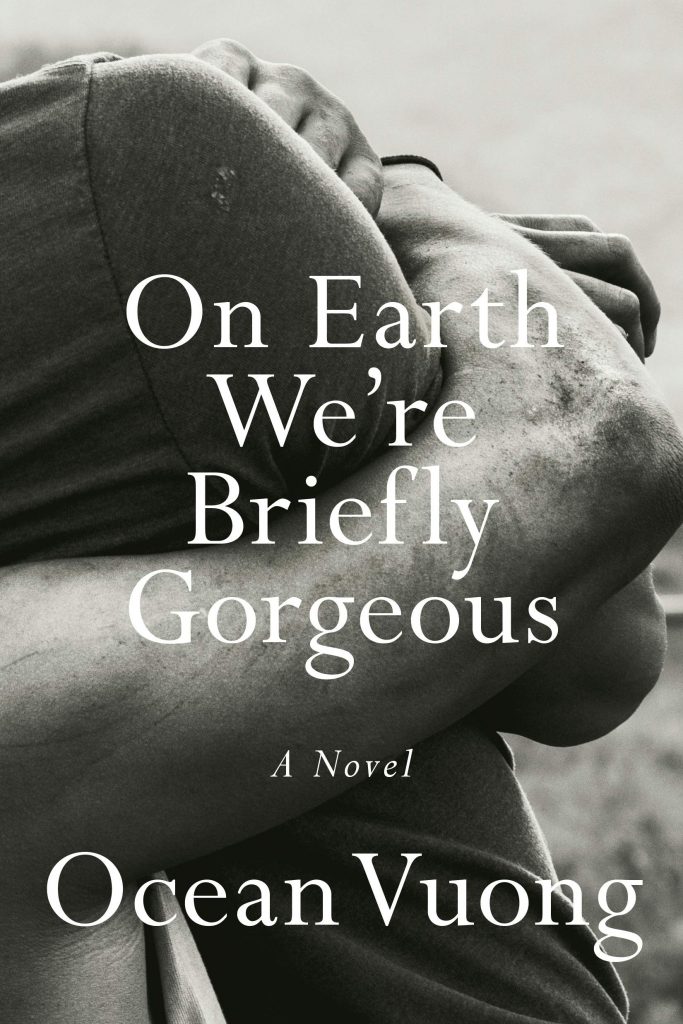
Black and white portrait photography has been the staple of biographies and classics for years, so it was interesting to see closely cropped black and white photographs used on the covers of a couple of new literary novels this year. This isn’t entirely new obviously. Black and white photography has long been used to signify that something is “art” (as opposed to, say, “pornography”). But I think the latest iteration of trend was started by Cardon Webb‘s 2015 cover for A Little Life by Hanya Yanagihara which used a black and white photograph by the late Peter Hujar.
Coincidentally the cover of the US edition of Garth Greenwell’s new novel Cleanness, publishing early 2020, was designed by Thomas Colligan and uses contemporary black and white photograph by Jack Davison. (The UK edition, designed by Ami Smithson fits this trend a little less neatly, but features black and white photograph by Mark McKnight)
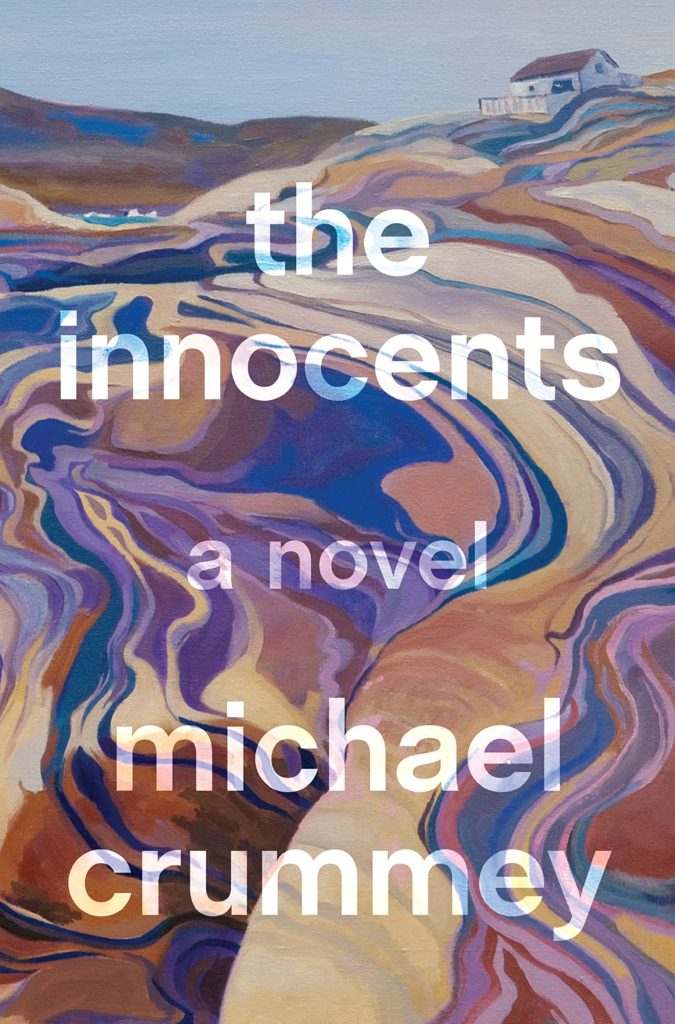
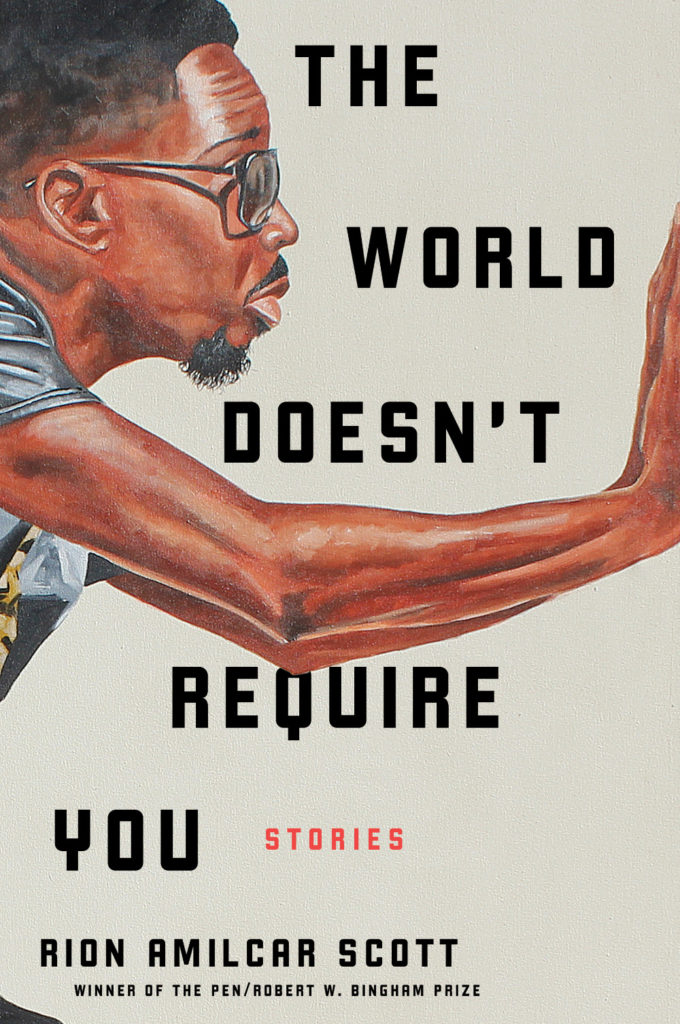
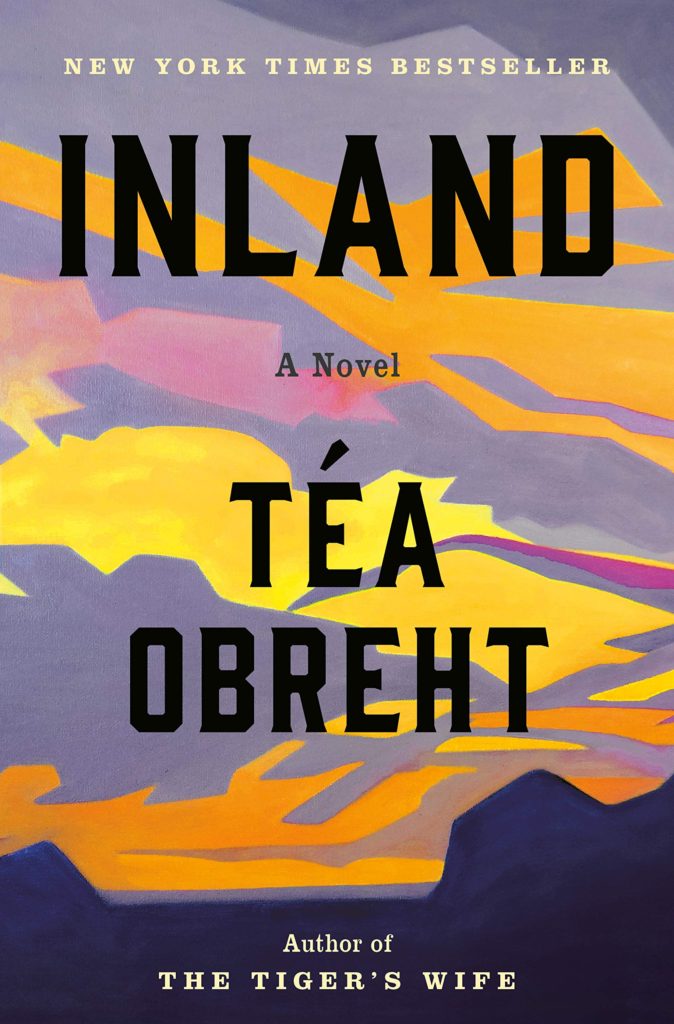
Something that I didn’t anticipate was the use of contemporary landscape and figure painting on the covers of some the big literary releases of the year. Like black and white photography, it felt almost pre-digital — a grasp at traditional values of craft. I don’t know if I would go as far as to say it is a rejection of post-modernism. But maybe it is? I don’t know. Discuss amongst yourselves.
The Innocents by Michael Crummey; design by Emily Mahon; art by Diana Dabinett (Doubleday / August 2019)The World Doesn’t Require You by Rion Amilcar Scott; design by Laywan Kwan; art by Fahamu Pecou (Liveright / August 2019)Inland by Téa Obrecht; design by Jaya Miceli; art by Tamara Ruiz (Random House / August 2019)
Thank you to all the designers and art directors who’ve been in touch and helped me identify covers for my posts. I’m sorry if I haven’t replied to your message. It’s been a year.
Aug 9 — Fog by Kathryn Scanlan; design by Na Kim (Farrar Straus & Giroux MCD / June 2019)
Also designed by Na Kim:
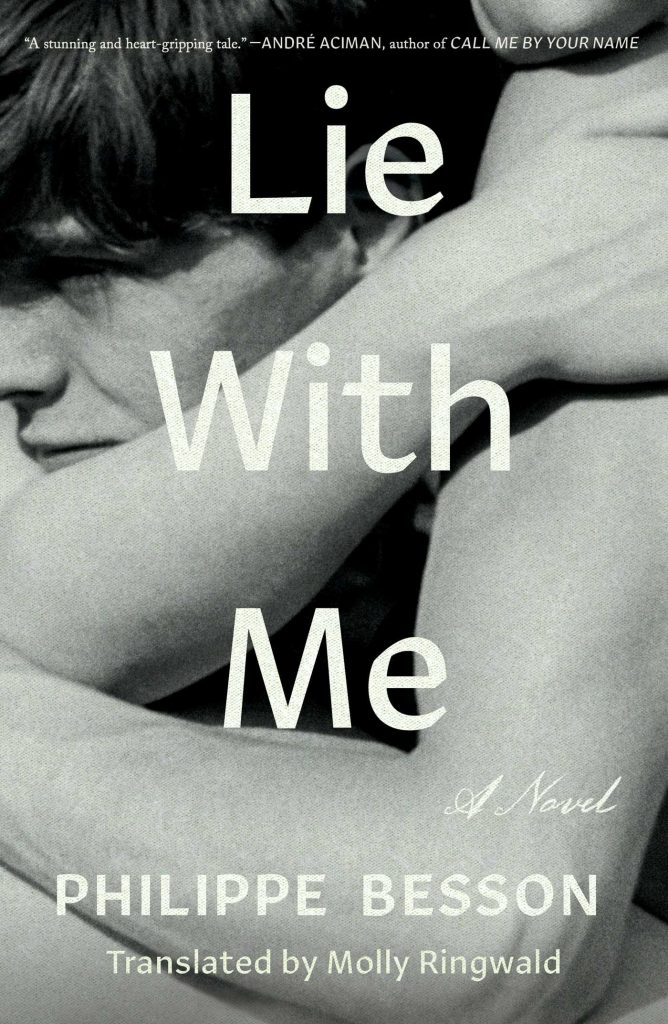
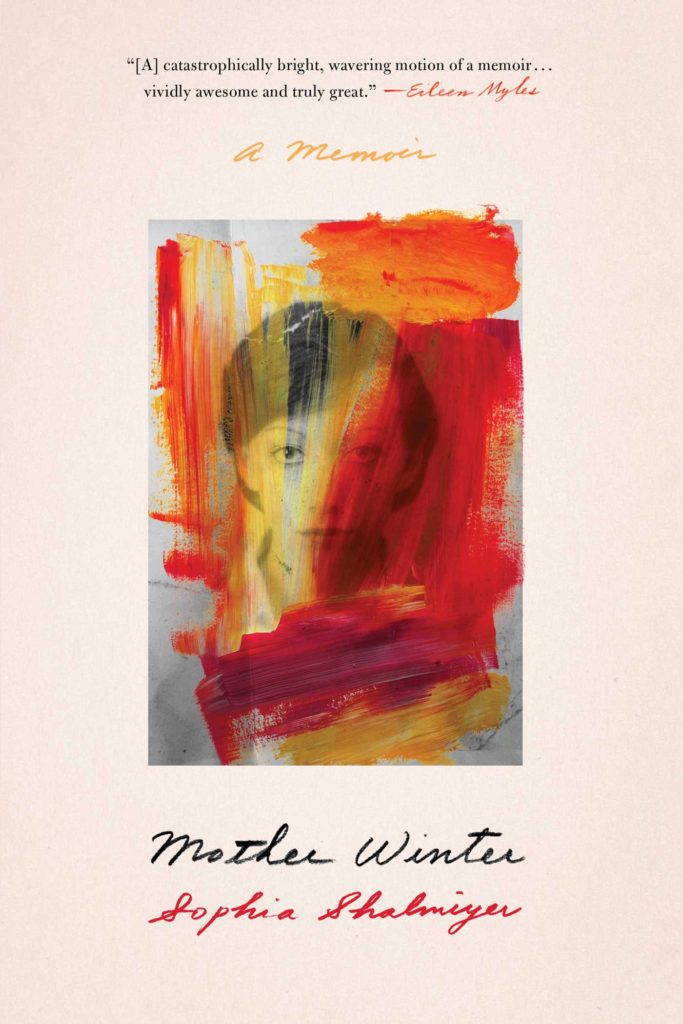
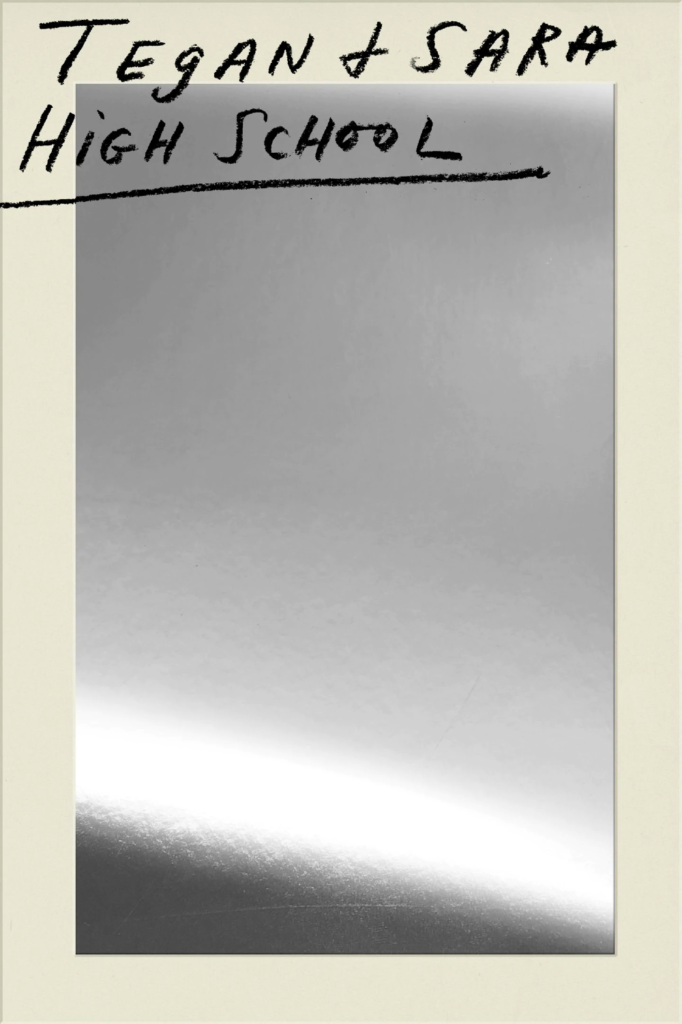
Lie With Me by Philippe Besson; design by Na Kim (Scribner / April 2019)Mother Winter by Sophia Shalmiyev; design by Na Kim (Simon & Schuster / February 2019) High School by Tegan & Sara; design by Na Kim (MCD / September 2019)
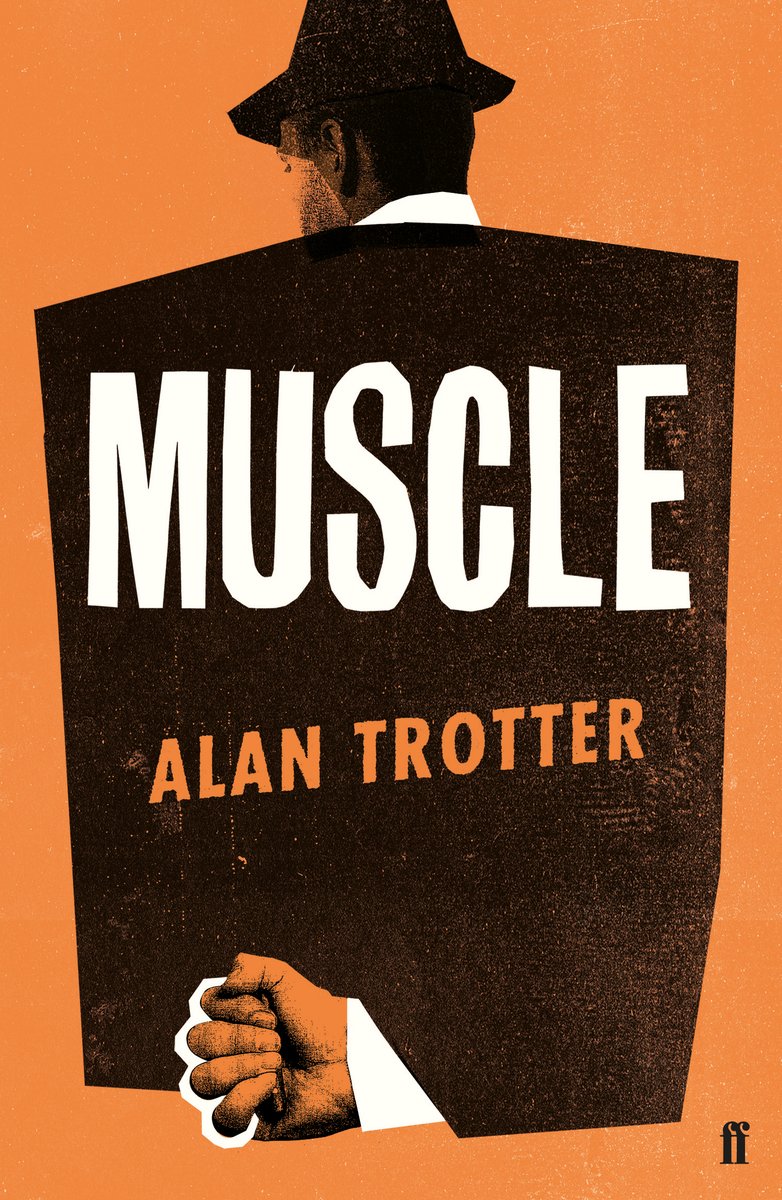
Muscle by Alan Trotter; design by Gray318 (Faber & Faber / February 2019)
Also designed by Gray318:
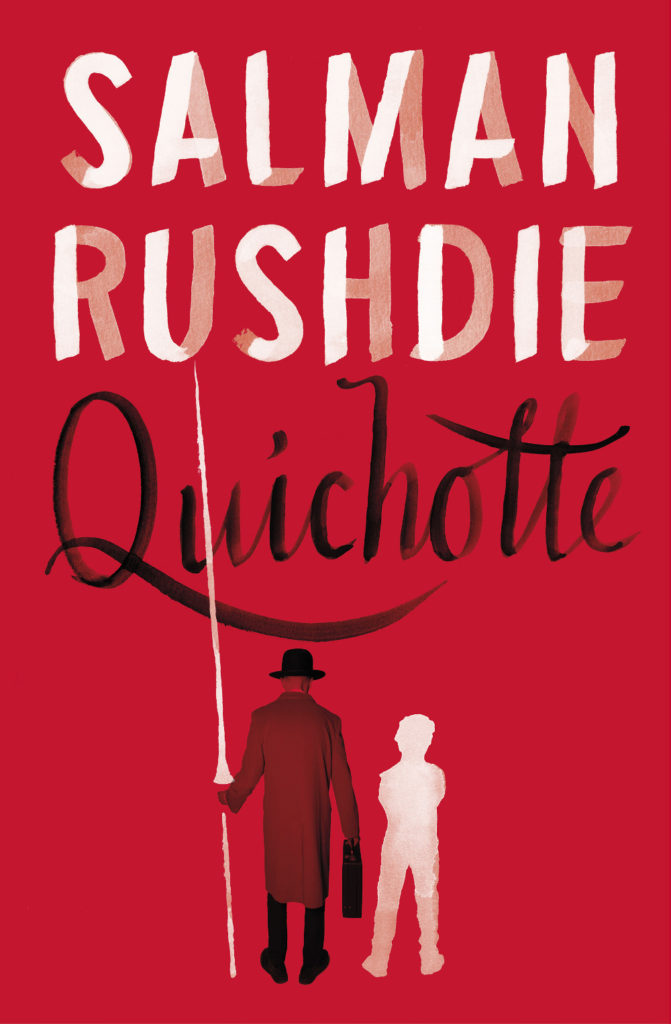
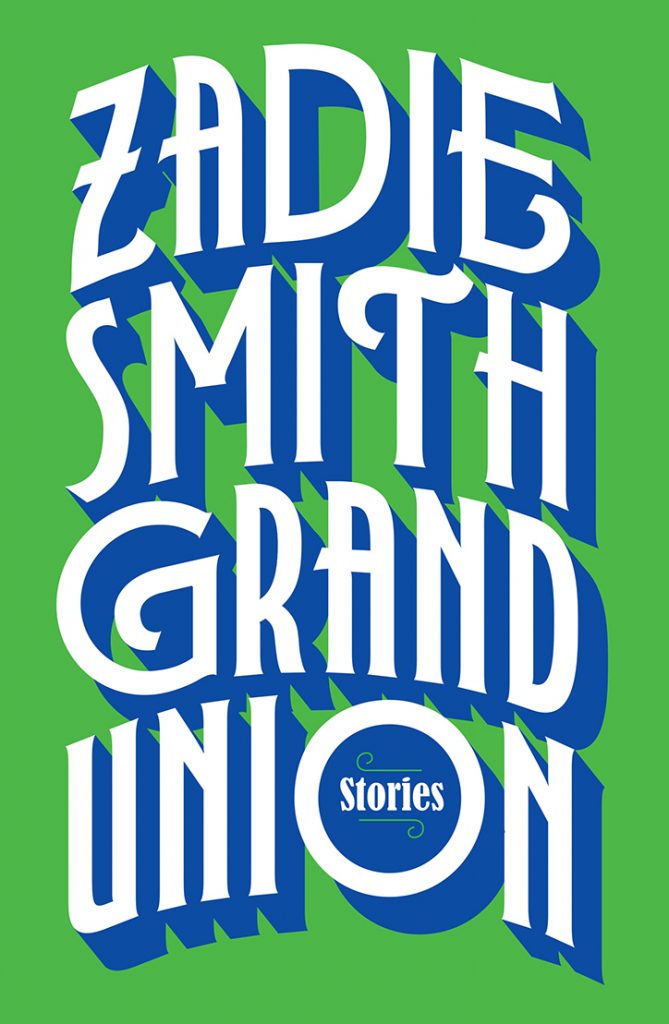
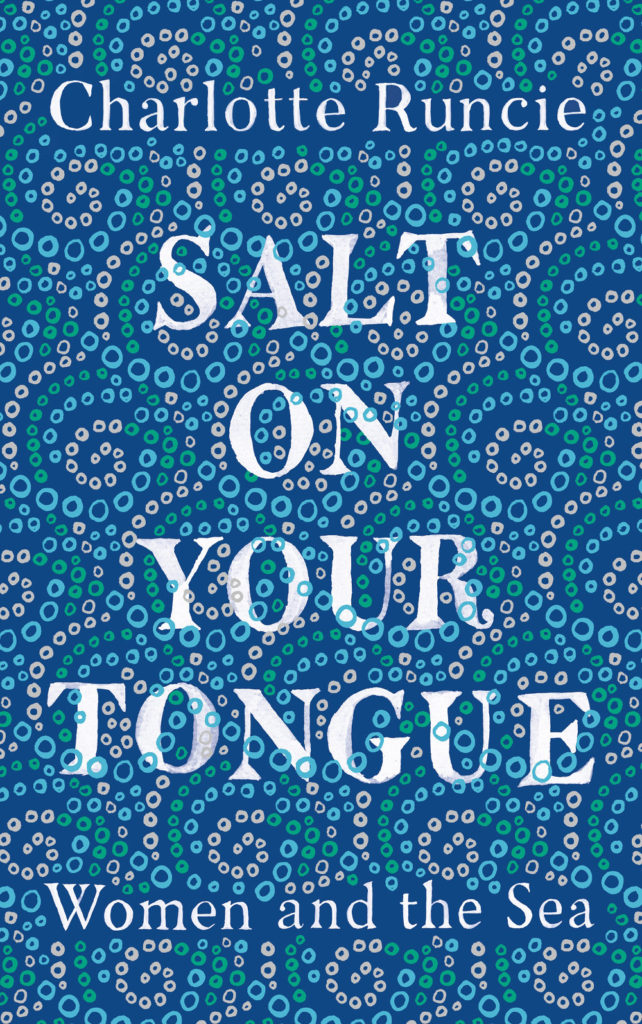
Quichotte by Salman Rushdie; design by Gray318 (Jonathan Cape / August 2019) Grand Union by Zadie Smith; design by Gray318 (Hamish Hamilton / October 2019)Salt On Your Tongue by Charlotte Runcie; design by Gray318 (Canongate / January 2019)
What We Really Do All Day by Jonathan Gershuny and Oriel Sullivan; design Matthew Young (Pelican / September 2019)Artificial Intelligence by Melanie Mithcell; design by Matthew Young (Pelican / October 2019)
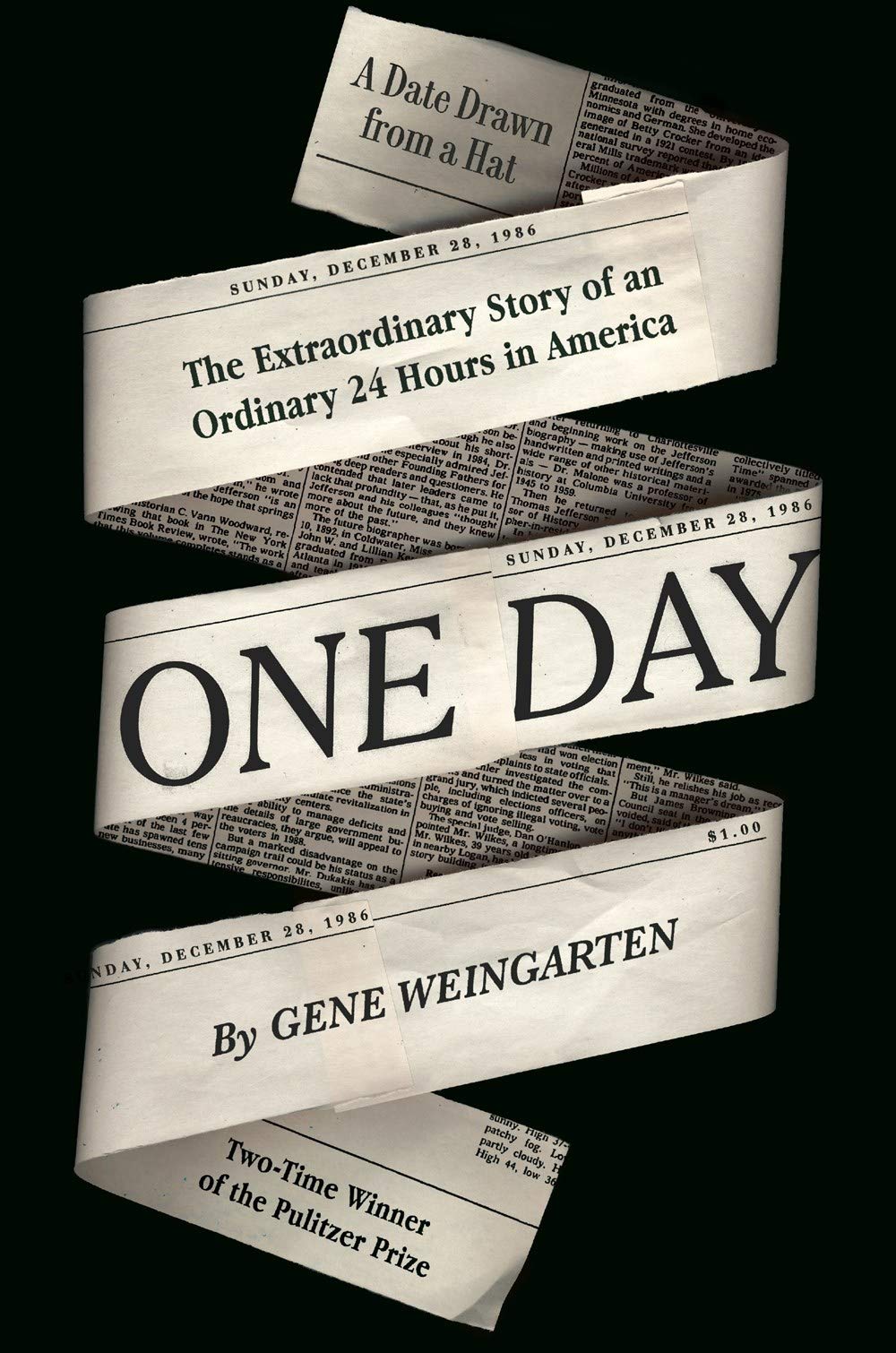
One Day by Gene Weingarten; design by David Litman (Blue Rider / October 2019)
Oliver Munday wrote about designing the cover for New Directions at Literary Hub earlier this year.
He also designed a lot my favourite covers this year…
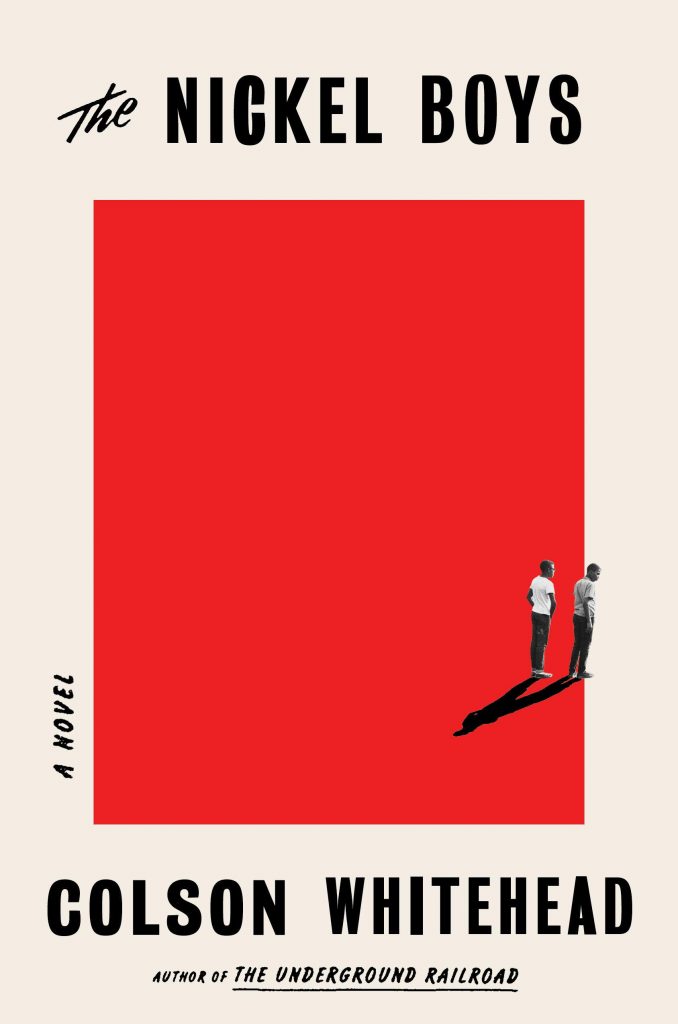
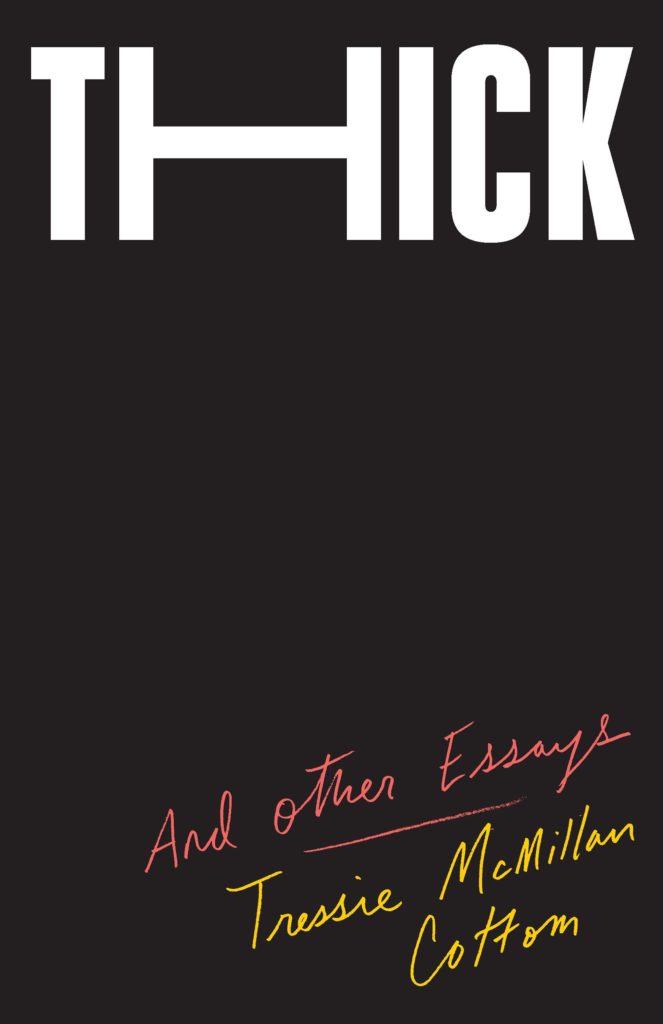
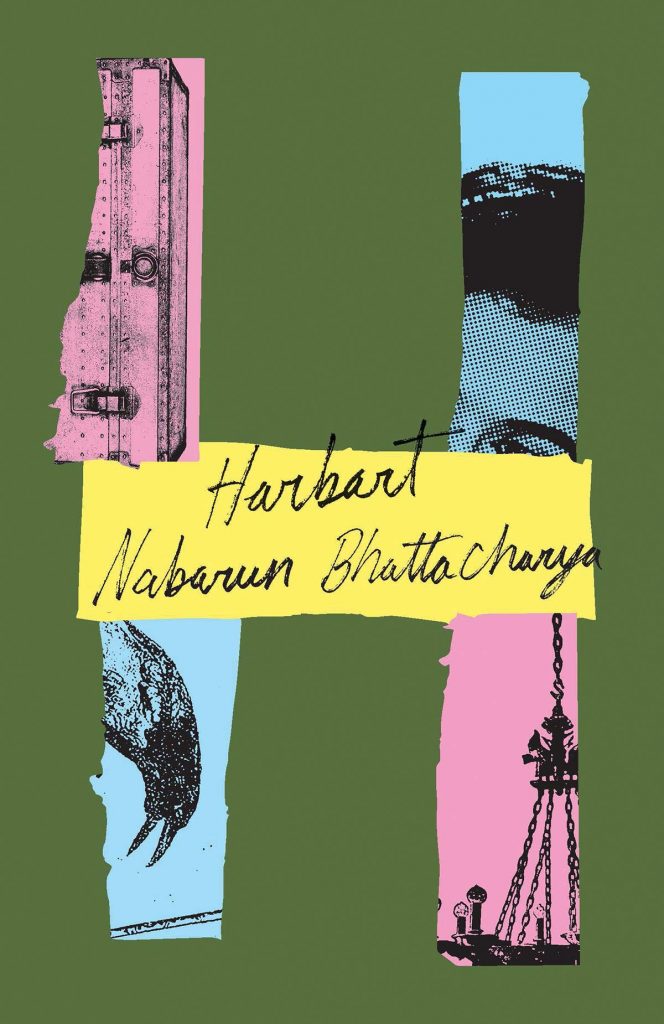
Riots I Have Known by Ryan Chapman; design by Oliver Munday (Simon & Schuster / May 2019)The Nickel Boys by Colson Whitehead; design by Oliver Munday (Doubleday / July 2019)Thick by Tressie McMillan Cotton; design by Oliver Munday (The New Press / January 2019)White Flights by Jess Row; design by Oliver Munday (Graywolf / August 2019) Harbart by Nabarun Bhattacharya; design by Oliver Munday (New Directions / June 2019)
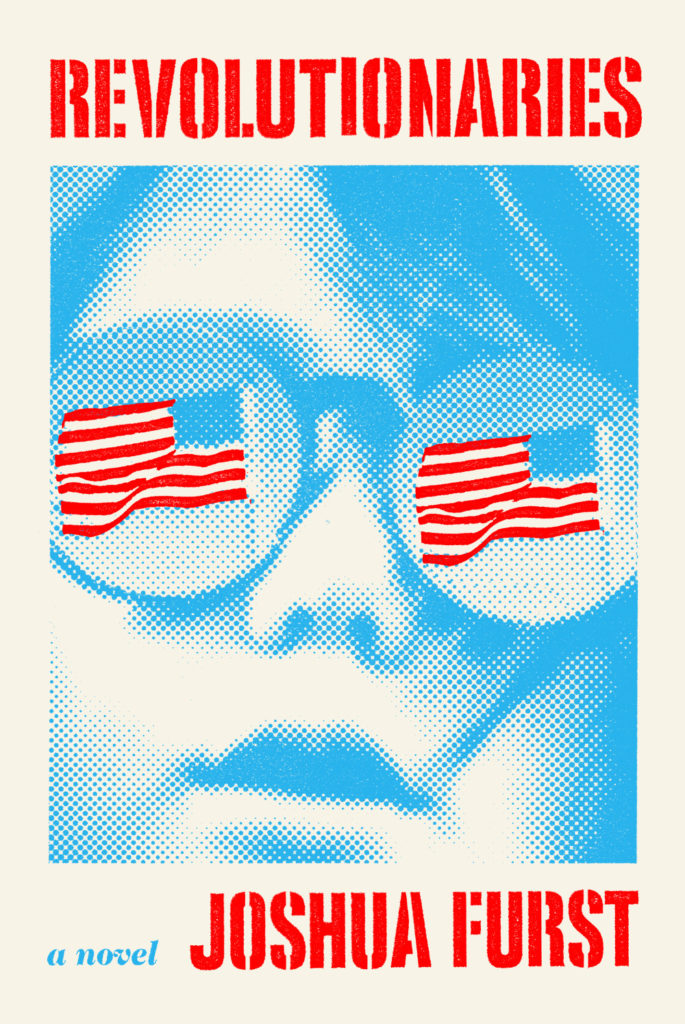
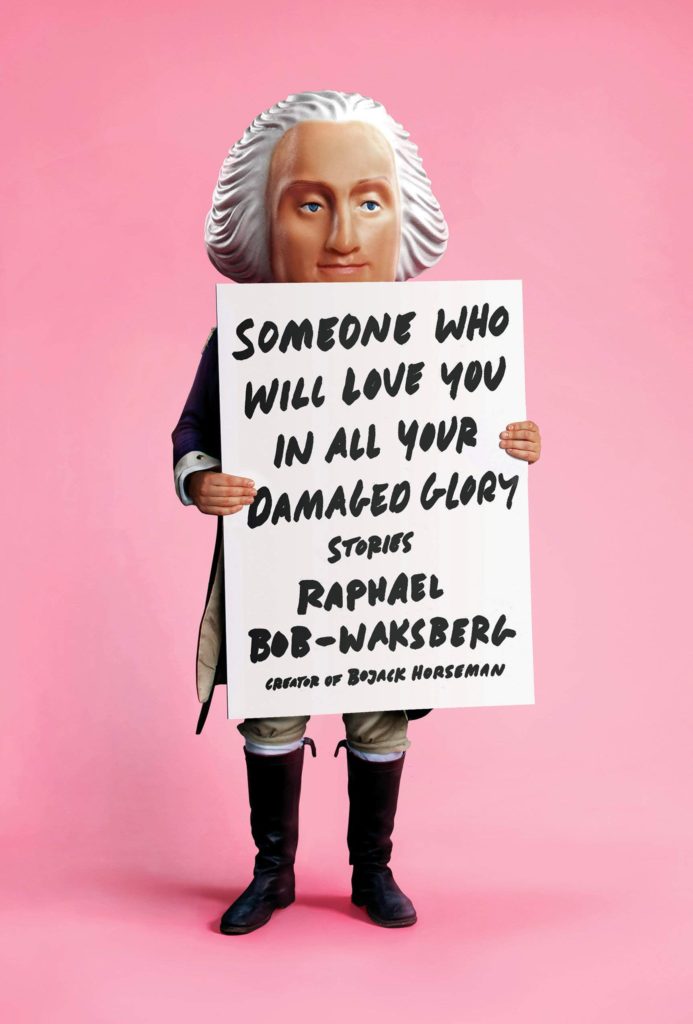
The Revolutionaries by Joshua Furst; design by Tyler Comrie (Knopf / April 2019)The Memory Police by Yoko Ogawa; design by Tyler Comrie (Pantheon / August 2019)Someone Who Will Love You in All Your Damaged Glory by Raphael Bob-Waksberg; design by Tyler Comrie; illustration Justin Metz (Knopf / June)
The Volunteer by Salvatore Scibona; design by Rachel Willey (Penguin / March 2019)
Also designed by Rachel Willey:
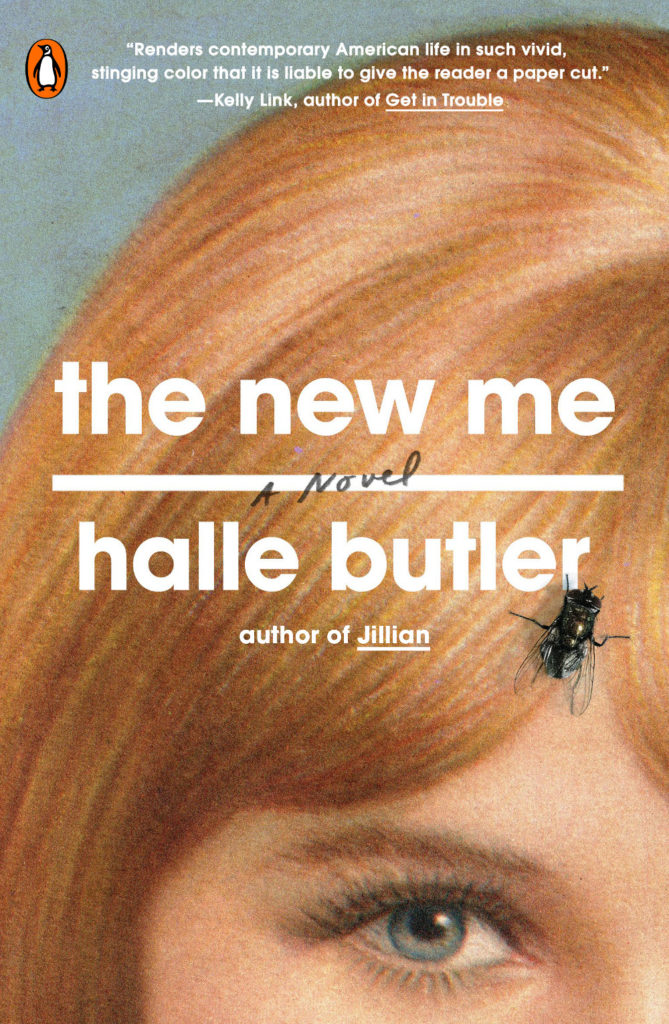
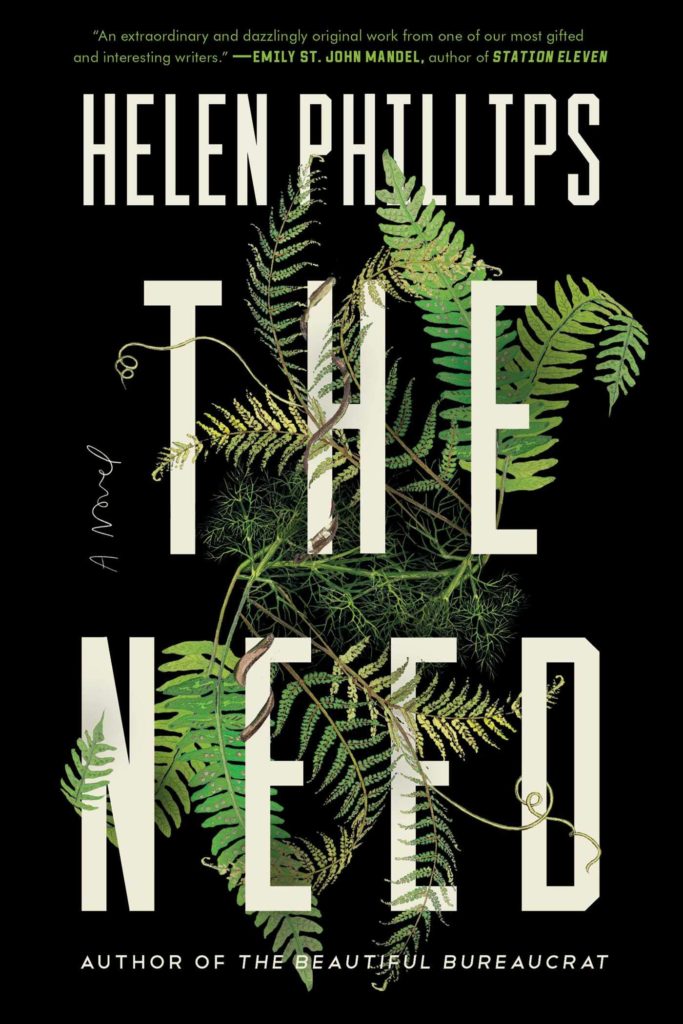
The New Me by Halle Butler; design by Rachel Willey (Penguin / March 2019) The Need by Helen Phillips; design Rachel Willey (Simon & Schuster / July 2019)
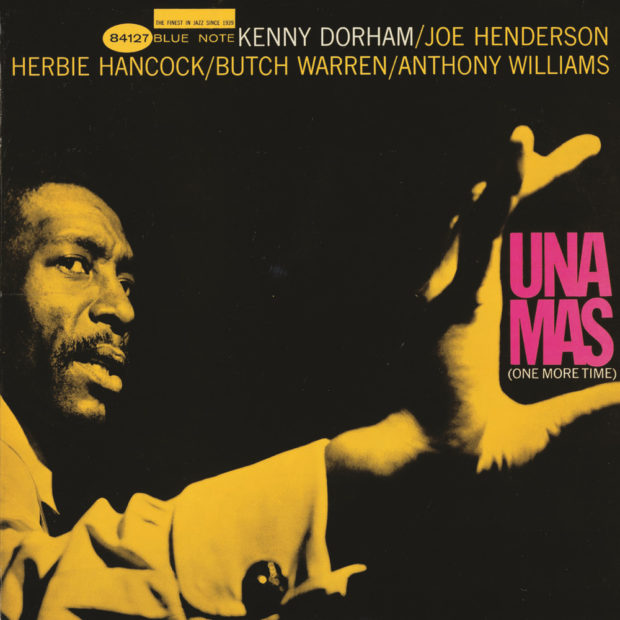
In the latest episode of Vox’s Earworm video series, producer Estelle Caswell takes a look at the classic record covers of the jazz label Blue Note designed by Reid Miles and frequently featuring the photographs of Francis Woolf:
John Szarkowski was for many years the head of photography at the Museum of Modern Art in New York. In 2000, in the twilight of a provocative, highly influential career, he published “Atget,” a selection of 100 images by the French photographer Eugène Atget, each reproduced on the recto page with an accompanying caption-essay on the facing verso page. With Szarkowski as the best kind of guide — one whose itinerary allows interludes of undisturbed contemplation — we wind our way through the haunts of old Paris, emerging from time-shuttered streets into the open skies of the surrounding countryside. Szarkowski had always been a distinctive stylist, but this format enabled him to give free rein to his talents as a writer, which were usually securely tethered by curatorial obligation. He also drew confidence, I think, from an earlier assay at the same form, “Looking at Photographs” (1973), in which he used a single picture by each of the most important photographers in the museum’s holdings to compile a radically synecdochic survey of the medium’s history. The obligation to cover so much ground, to balance what he had to say about so many major figures on such slender plinths, rather limited Szarkowski’s range of literary and thematic movement. With Atget — whose photographs, appropriately enough, were originally offered as “Documents for Artists” — the combination of abundance of subject matter and limited space encouraged a kind of tight flourishing or contained extravagance. Szarkowski’s knowledge of Atget’s work was so extensive that he had scarcely even to think about what he knew. And so the photographs serve as starting-off points for reflections on all sorts of things, including how photography has changed our view of the world: “I do not think that empty chairs meant the same thing before photography as they mean to us now.”
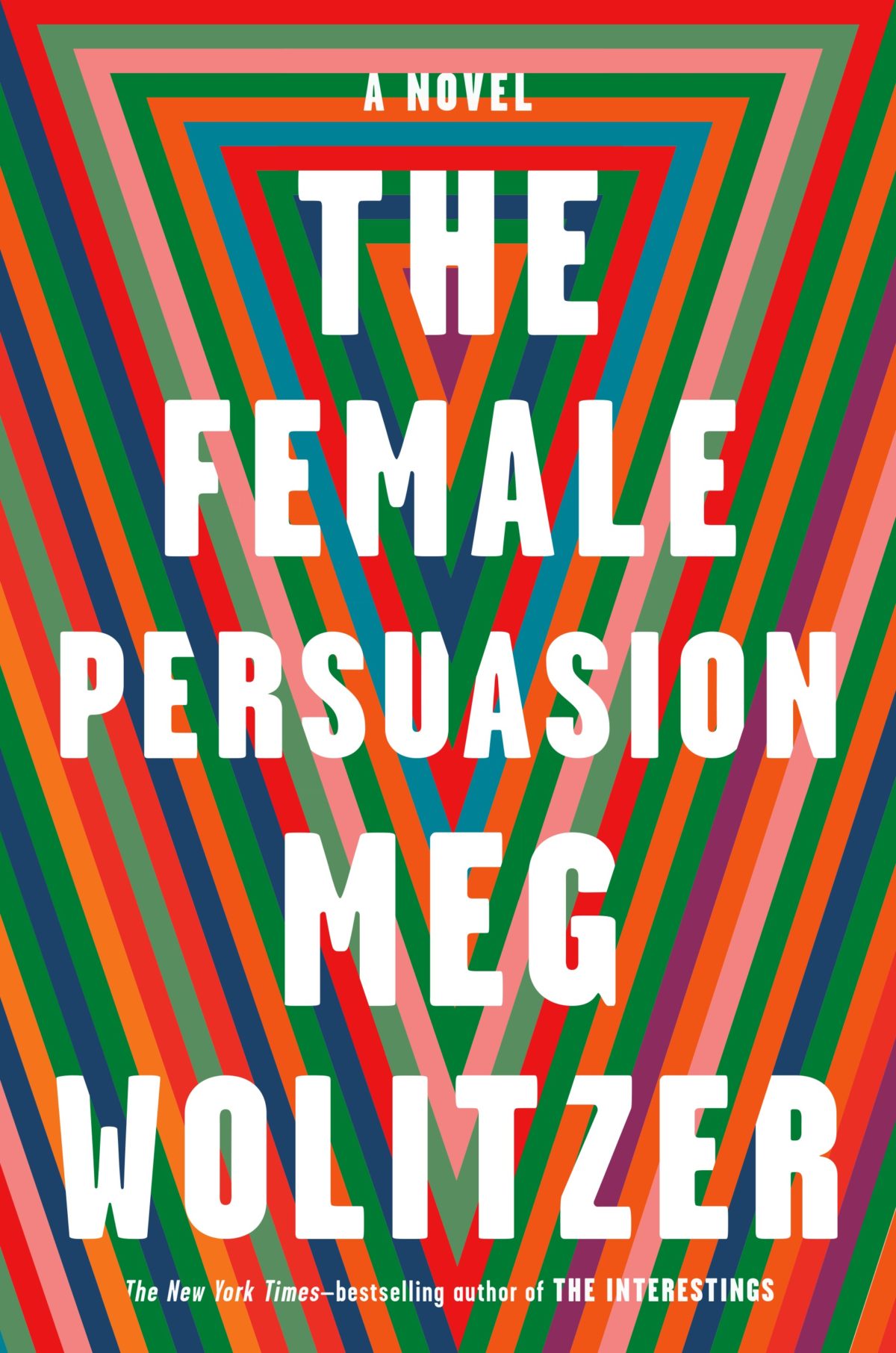
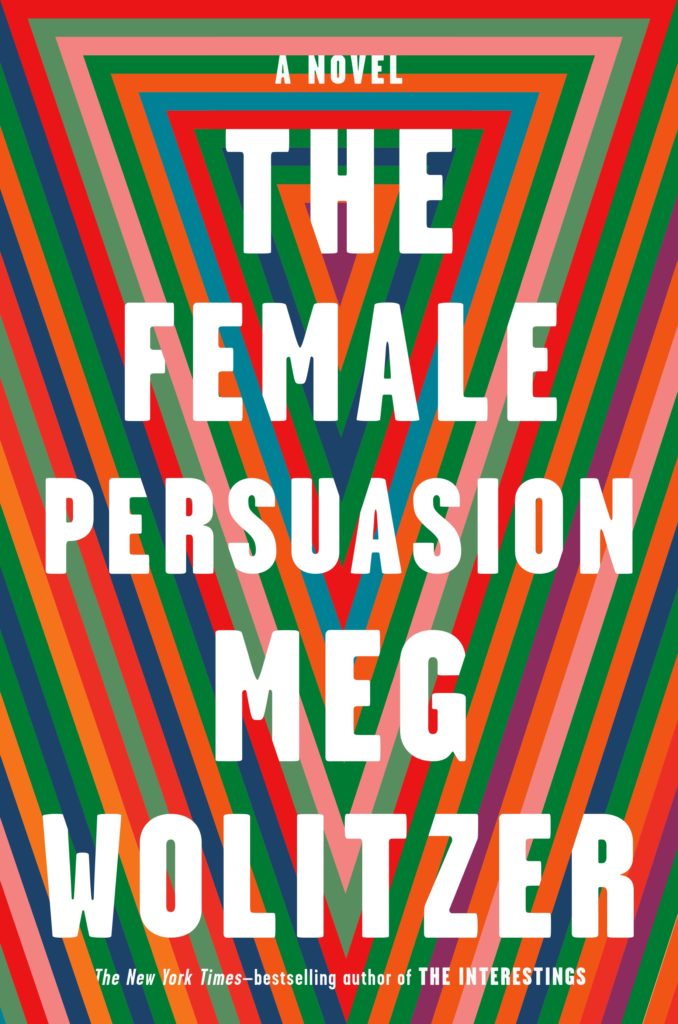
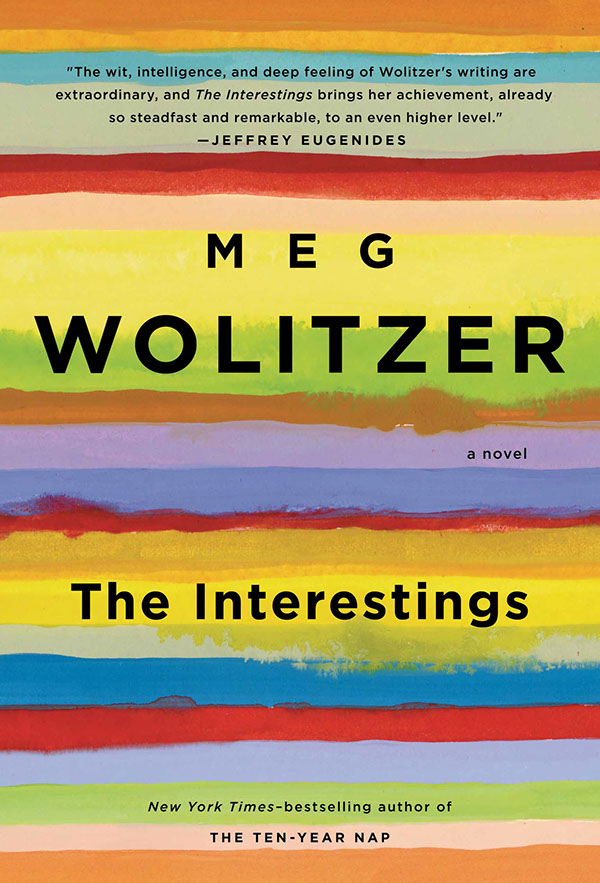
I like how the design for The Female Persuasion has bands of colour similar to those on Lynn Buckley’s cover design for The Interestings, but uses them in a completely different way…
Patient X by David Peace; design by Luke Bird (Faber & Faber / April 2018)
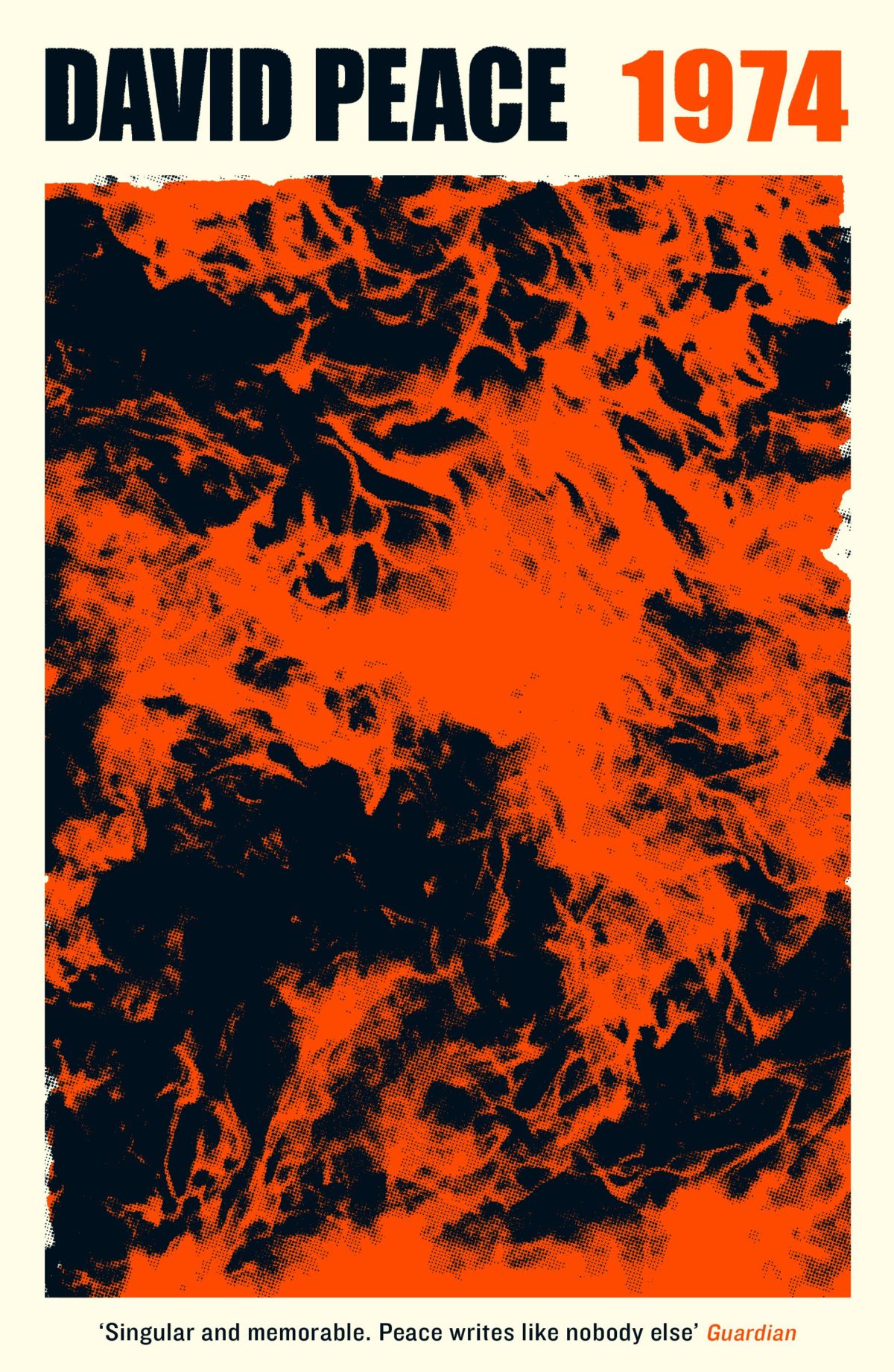
And on the subject of David Peace, Steve Panton has designed new covers for the Red Riding Quartet (1974, 1977, 1980 and 1983) published by Serpent’s Tail this month:
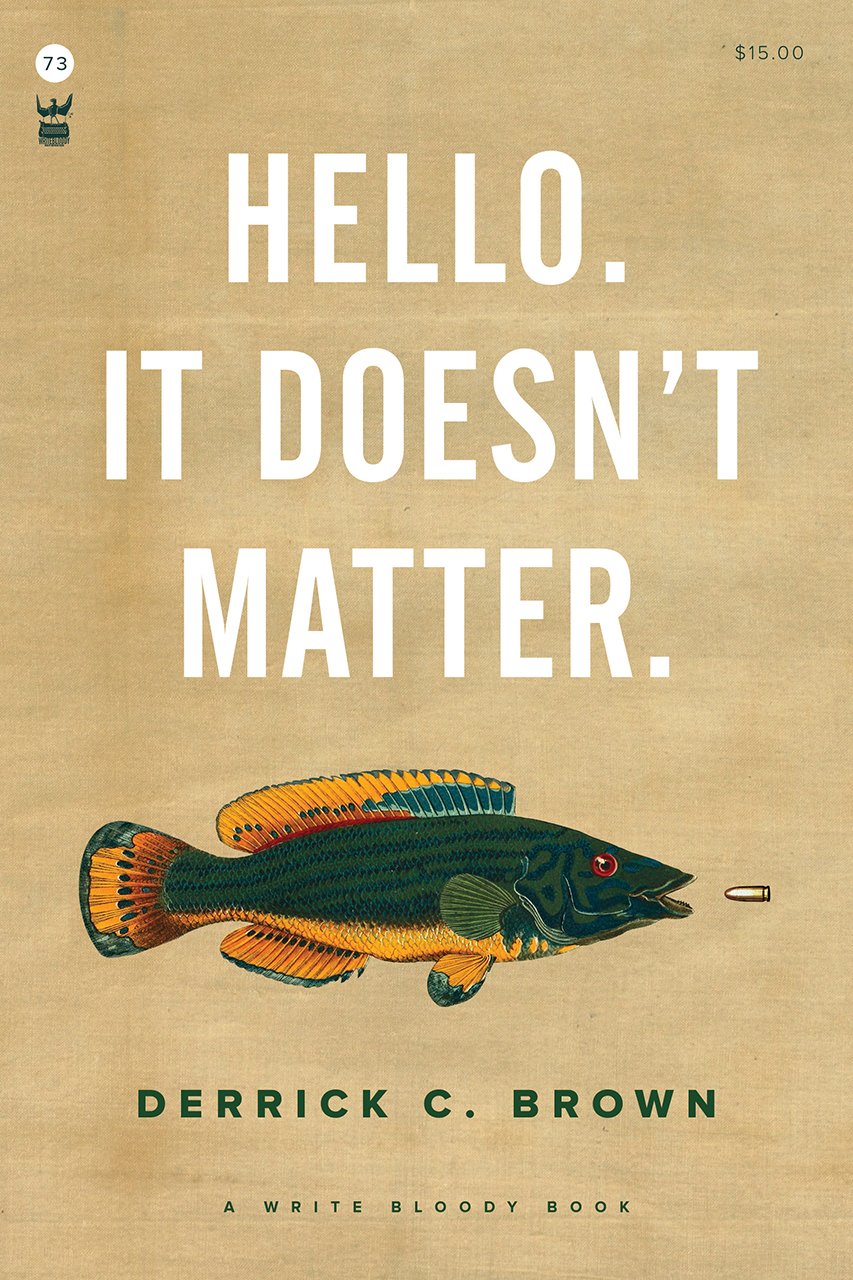
Funnily enough, I was just discussing the prevalence of big and centred white sans serif type on contemporary book covers on Twitter. While it’s common (see the covers of The Female Persuasion and Hello, It Doesn’t Matter above!), it’s also effective when it’s done well. That said I did think that David Pearson — a designer well known for his typographic covers — made a good general point about big type:
The idea that legibility is enhanced by big type is so flawed. Big type surrounded by busyness is often no more legible than small type surrounded by space. Perhaps it is the space that people are scared of. Our idiot eyes might look at the wrong part of the cover.
Rebecca Mead’s long profile of publisher Gerhard Steidl for The New Yorkeris a wonderful, fascinating read:
Each Steidl title is unique, printed with a bespoke combination of inks and papers. But to the informed eye, and the informed hand, a Steidl book is as distinctive as an Eggleston photograph. Unlike another German art publisher, Taschen—which is known for reproducing risqué images by the likes of Helmut Newton in enormous formats that would crush most coffee tables to splinters—Steidl produces books that invite holding and reading. Steidl dislikes the shiny paper that is often found in photography books, and prefers to use uncoated paper, even though it takes longer to dry and thus makes a printing cycle more expensive. He opts for understatement even with projects that would tempt other publishers to be ostentatious. “Exposed,” a collection of portraits of famous people by Bryan Adams, the rock star turned photographer, has no image on its cover. Bound in blue cloth, the book looks as if it might be found on a shelf in an academic library. Steidl wants his creations to satisfy all the senses. When he first opens a book, he holds it up close to his nose and smells it, like a sommelier assessing a glass of wine. High-quality papers and inks smell organic, he says, not chemical. To the uninitiated, a Steidl book smells rather like a just-opened box of children’s crayons.
I love this part about the attention to the detail:
Designing a book’s packaging is a process Steidl particularly relishes. “He wants to pick the cover, he wants to pick the endpapers,” [Robert] Polidori told me. “He treasures this limited one-on-one time with the artist. It’s almost a love act.” Sometimes Steidl indulges in a brightly colored ribbon for a bookmark, like statement socks worn with a formal suit. He pays attention to elements that barely register with most readers, such as the head and tail bands—colored silk placed where the pages attach to the spine. “It’s a tiny bit of fashion,” Steidl said. “With Karl [Lagerfeld], it is the buttons. With me, it is the head and tail bands.” For Gossage, he chose black bands and black endpaper, to contrast with the colored ink on the pages. The endpaper was made from cotton, and would cost thirty cents per book, as opposed to the seven cents it would cost if he used offset paper. “Using the cheaper one saves significant money for the shareholders,” he said. “But I am the only shareholder.”
WE LEAVE THE OFFICES of the Eggleston Trust and go to his apartment. The first thing one sees upon entering is a bright red plastic sign with a yellow border, printed with capitalized white sans-serif text. It warns, “THE OCCUPANT OF THIS APARTMENT WAS RECENTLY HOSPITALIZED FOR COMPLICATIONS DUE TO ALCOHOL. HE IS ON A MEDICALLY PRESCRIBED DAILY PORTION OF ALCOHOL. IF YOU BRING ADDITIONAL ALCOHOL INTO THIS APARTMENT YOU ARE PLACING HIM IN MORTAL DANGER. YOUR ENTRY AND EXIT INTO THIS APARTMENT IS BEING RECORDED. WE WILL PROSECUTE SHOULD THIS NOTICE BE IGNORED. THE EGGLESTON FAMILY.” It is a devastating thing to see. Heartbreaking. I was also an alcoholic for decades, the kind who had shakes and saw spiders. I’m not even through the hallway and my mind is racing from “I want that sign” to “What kind of doctor prescribes alcohol for an alcoholic? Where was he when I was drinking?”
I ask if his drinking ever got in the way of his photography. “I’ve never been able to take a picture after a drink,” he says. “It just doesn’t work. Maybe — I don’t know what it is. It’s not like I’m too drunk to take a picture. I just — the whole idea of it just goes away after one or two drinks.” Eggleston perches atop the bench in front of his Bösendorfer concert grand piano. An active ashtray and a sweating tumbler of icy bourbon on a burn-marked coaster sit inside the piano directly on the frame. He reaches for the glass and takes several small, noisy sips and his body visibly relaxes. I know his relief, exactly. “I’m gonna get this drink down,” he tells me. And as soon as he does he wants another. He suggests that I pour one for myself and join him but I tell him that I don’t drink anymore, that once I start I can’t ever stop. He replies, “Well, I can stop, but I’ll admit I want another one.”
The profile is accompanied by a short film by Wolfgang Tillmans:
Nicholas Dawidoff on the films of Robert Frank for The New Yorker:
Critics, including Manohla Dargis, of the Times, and younger filmmakers, such as Richard Linklater and Jim Jarmusch, consider Frank the godfather of independent American personal cinema. They revere his contempt for standard approaches, his willingness to try anything, his willingness to fail. But I am a pretty conventional moviegoer. I found his shaggy-dog day-in-the-life film of his Beat-poet friends, “Pull My Daisy,” from 1959, and his long meditation on mental illness, love, family, and conventions of behavior, “Me and My Brother,” from ten years later, beautiful and arresting. But much of the work was mystifying to me. Frank had laid out and sequenced “The Americans” meticulously. Some of the films, by contrast, seem like near-random collages. Was he trying to say something about spontaneity? Was there a method at all?
One day, I confessed my confusion to Frank. He said abruptly that he was displeased with his films: “It was bigger than me. I failed.” Showing his longer films to small audiences got so “boring,” he said, that one day he cut a couple of them up, stitched together sections of one with chunks of another, and then showed an audience what amounted to two fresh movies. By this point, I knew Frank to be notoriously sly and puckish, and ambivalent about everything. I still had the feeling that I was missing something, that he had groped toward a significant vanishing point, and that, in the films, deeper forces were at play than even he was admitting.