Skip to content

Tag: new directions

Notable Book Covers of 2019

2019 has felt interminable. It has also felt like there are never enough hours in the day to keep up. You can’t talk to me about TV shows or movies. I haven’t seen any.

When it comes to books, I’m fortunate enough to work in the industry. But what hope do casual readers have of finding the good stuff when the same few titles dominate the conversation and there is so much else competing for their attention?

The Testaments by Margaret Atwood and Daisy Jones and the Six by Taylor Jenkins Reid were inescapable this year.

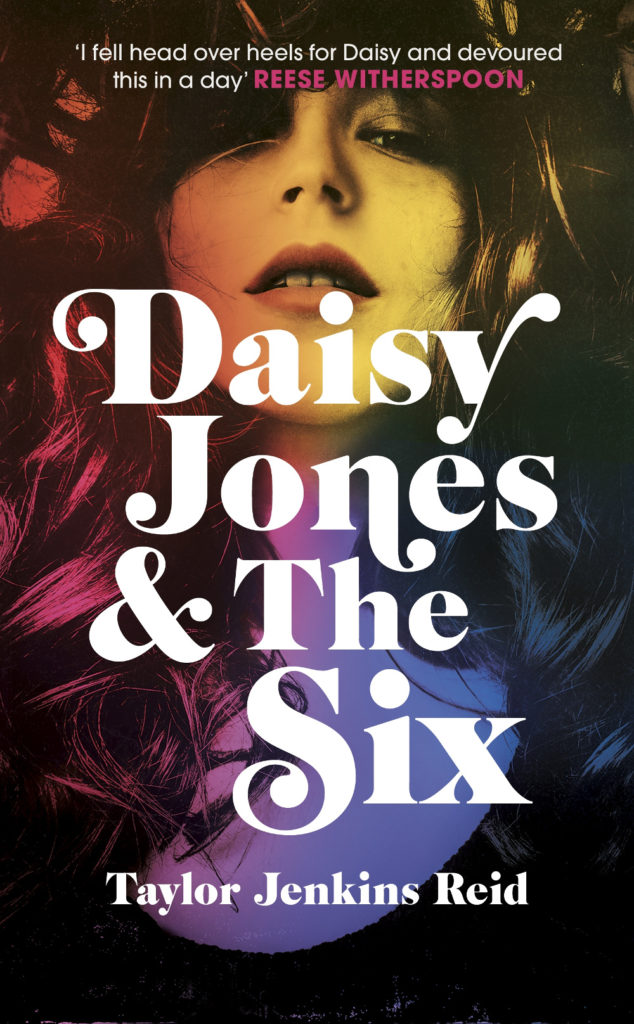
Daisy Jones and the Six had a glamorous, louche 1970s look. The US and UK editions, designed by Caroline Teagle Johnson and Lauren Wakefield respectively, took slightly different directions with the type, but the photograph (a stock image apparently) felt ideally suited to social media.

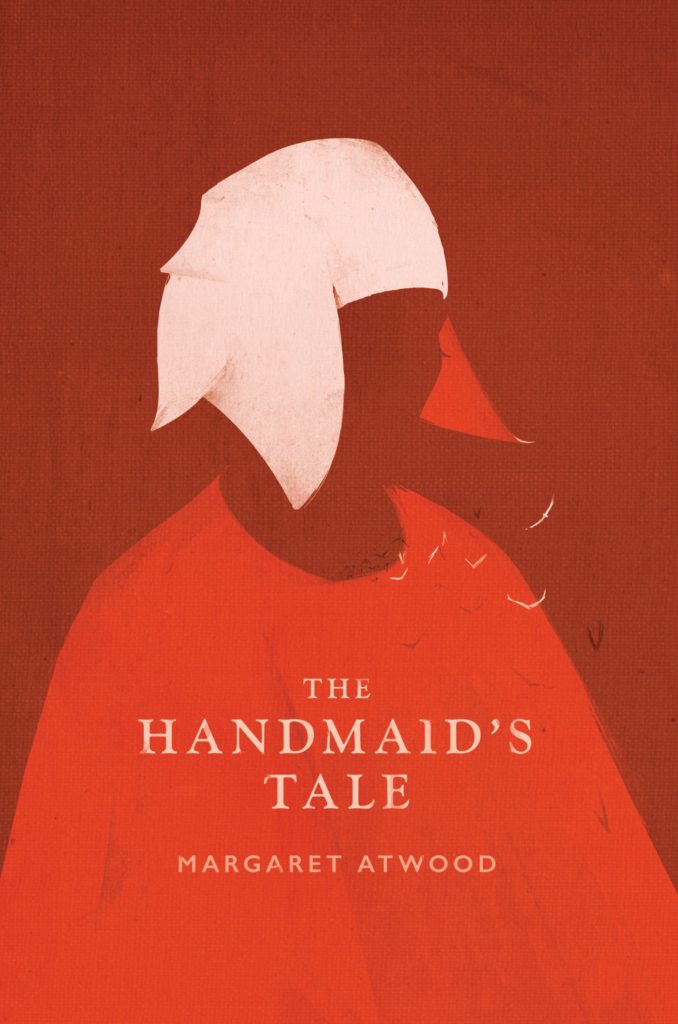
The Testaments was everywhere and, like the recent Vintage Classics reissue of The Handmaid’s Tale, the cover illustration was unmistakably by Noma Bar. We live in an age where every cult movie and TV show gets a ‘minimalist’ poster now, and I found that The Testaments looked too familiar for me to find it engaging. It didn’t help that the cover of the 2017 US reissue of the The Handmaid’s Tale by Swedish illustrator by Patrik Svenson had already featured a similar 3/4s silhouette. Nevertheless, it was perhaps a bolder cover choice than I’m giving it credit for. If nothing else, it showed that bright green on book covers — once cursed and reviled — is suddenly all the rage!

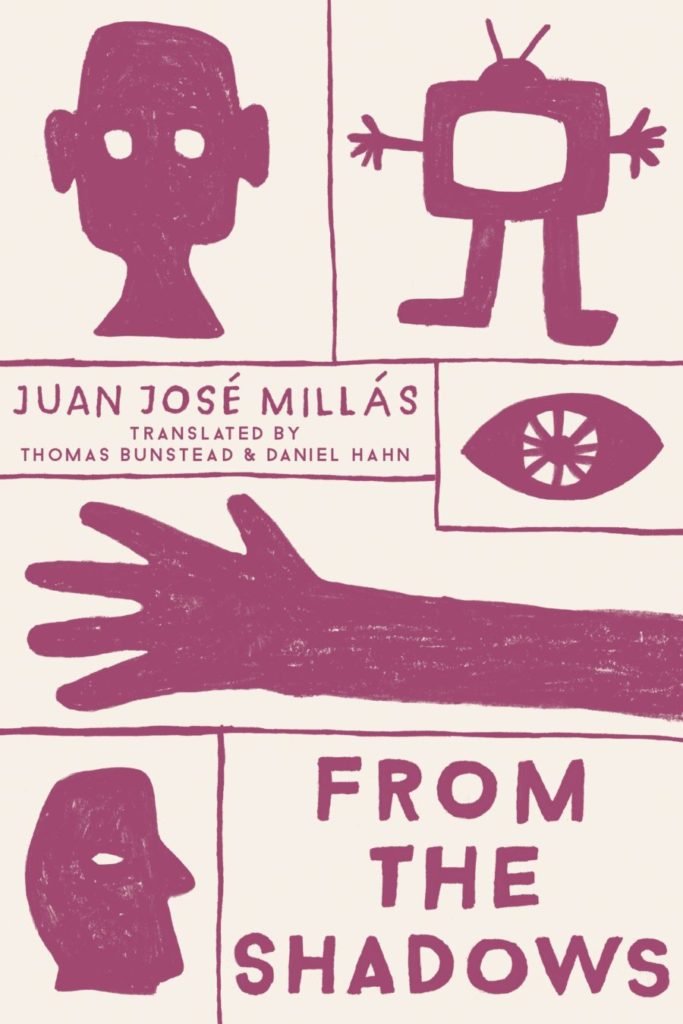
In terms of trends, 2019 felt more like a continuation of previous years rather than a break with the past. There was a kind of conservatism to a lot of the covers I saw. My sense was that highly polished designs that looked comfortingly familiar were being approved over riskier ones that stood out from the crowd. The most interesting covers often came from small publishers, especially New Directions who seem to be giving a bit more creative license to the designers they work with (some of whom have 9-5s at much bigger publishers!).

Big centred blocks of utilitarian white type over elaborate backgrounds continued to be a mainstay. It’s the book cover as poster, and it works at any size, so I don’t think it’s going away any time soon.

Handwriting and hand-lettering remained popular too, although my sense is that enthusiasm is starting to wane as publishers are opting for greater legibility and designers are turning back to vintage type styles to give a sense of authenticity and craft. (I’m willing to admit the evidence might not back me up on this, however!)

Fun, swishy 1970s-inspired serifs like Benguiat Caslon revival Cabernet are back. People keep trying to make ITC Avant Garde — another iconic 1970s typeface — happen again too. I don’t think it works for the most part, but I can see why designers think it’s cool in a coked-up New York way. Warren Chappell’s earnest calligraphic sans serif Lydian, originally released in 1938, continued its unlikely rise as a go-to literary typeface. It even got an explainer at Vox.
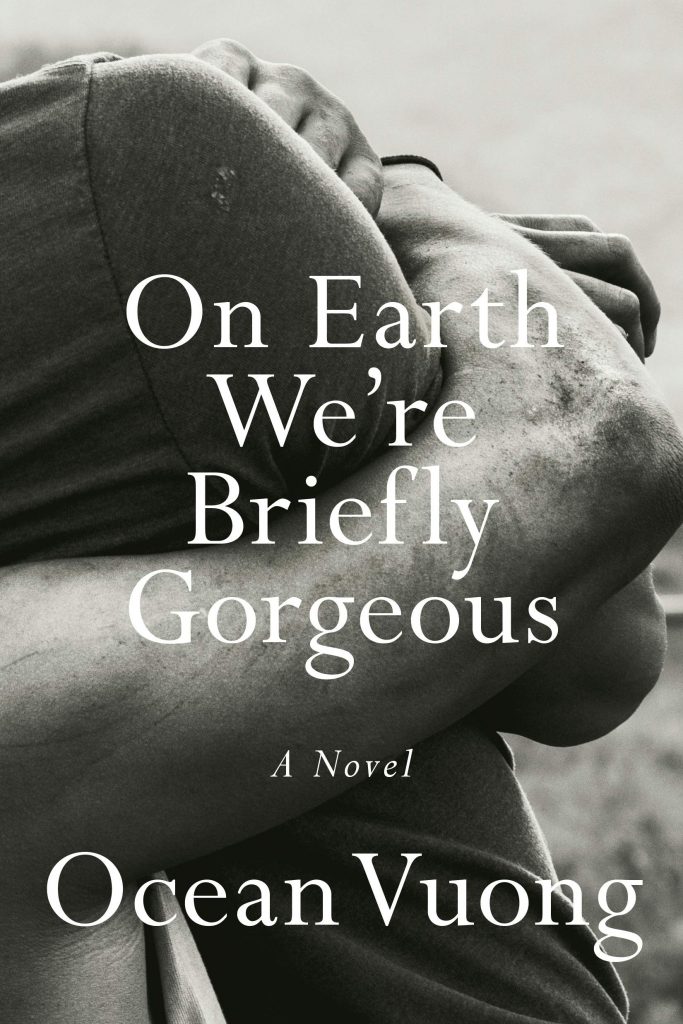
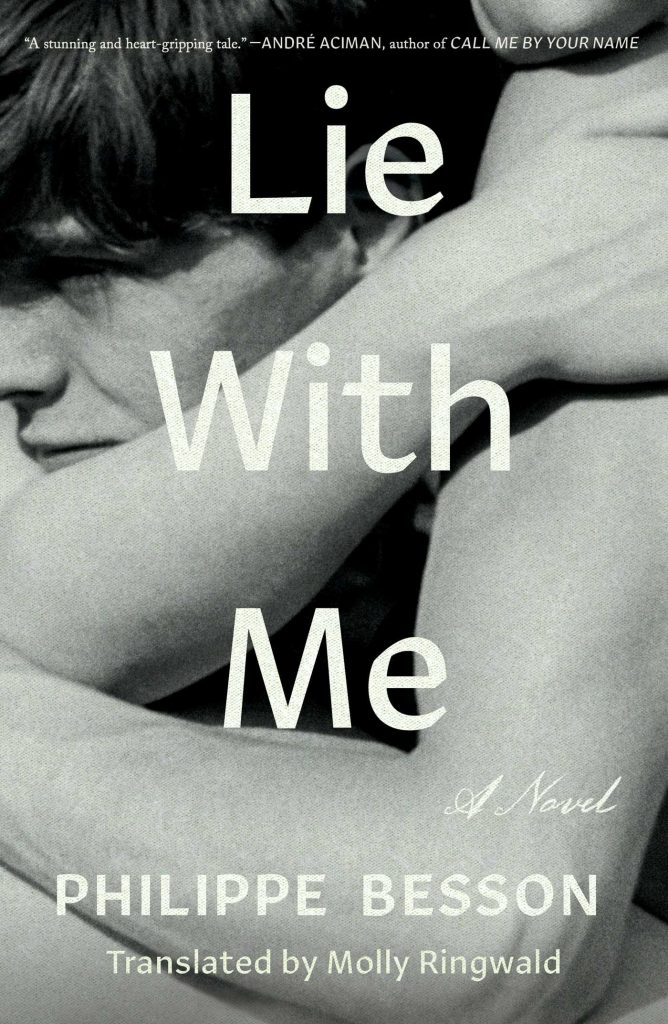
Black and white portrait photography has been the staple of biographies and classics for years, so it was interesting to see closely cropped black and white photographs used on the covers of a couple of new literary novels this year. This isn’t entirely new obviously. Black and white photography has long been used to signify that something is “art” (as opposed to, say, “pornography”). But I think the latest iteration of trend was started by Cardon Webb‘s 2015 cover for A Little Life by Hanya Yanagihara which used a black and white photograph by the late Peter Hujar.

Coincidentally the cover of the US edition of Garth Greenwell’s new novel Cleanness, publishing early 2020, was designed by Thomas Colligan and uses contemporary black and white photograph by Jack Davison. (The UK edition, designed by Ami Smithson fits this trend a little less neatly, but features black and white photograph by Mark McKnight)

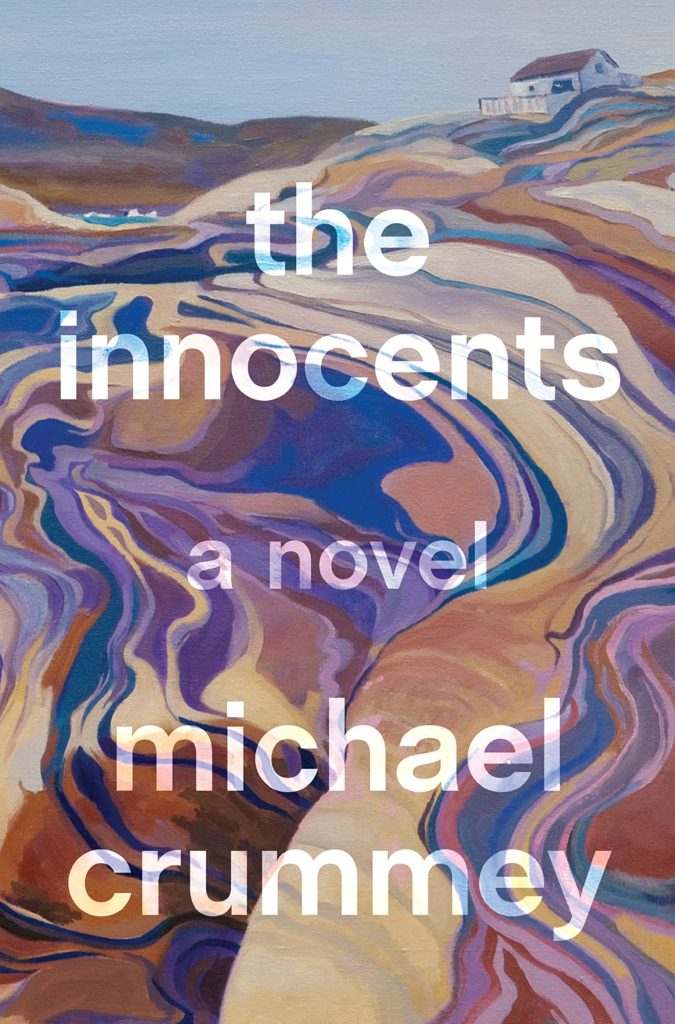
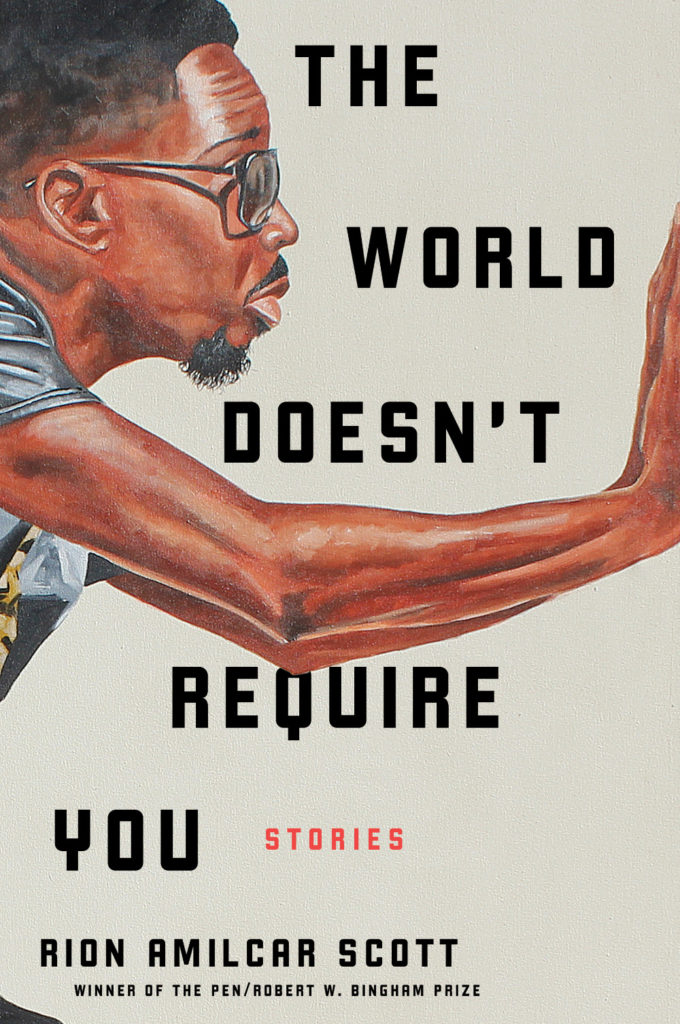
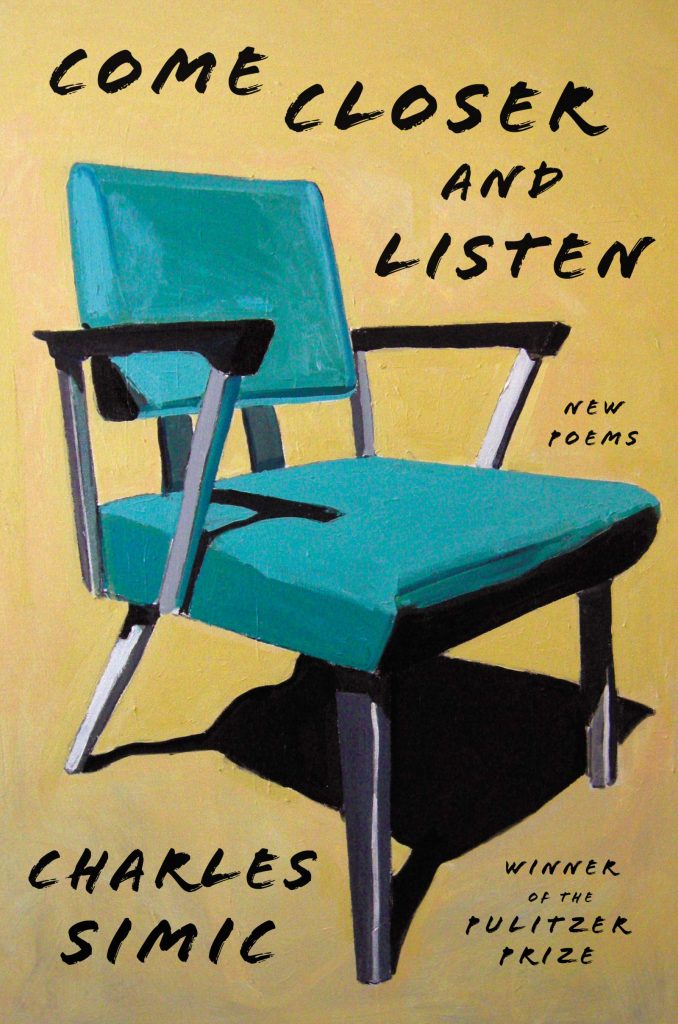
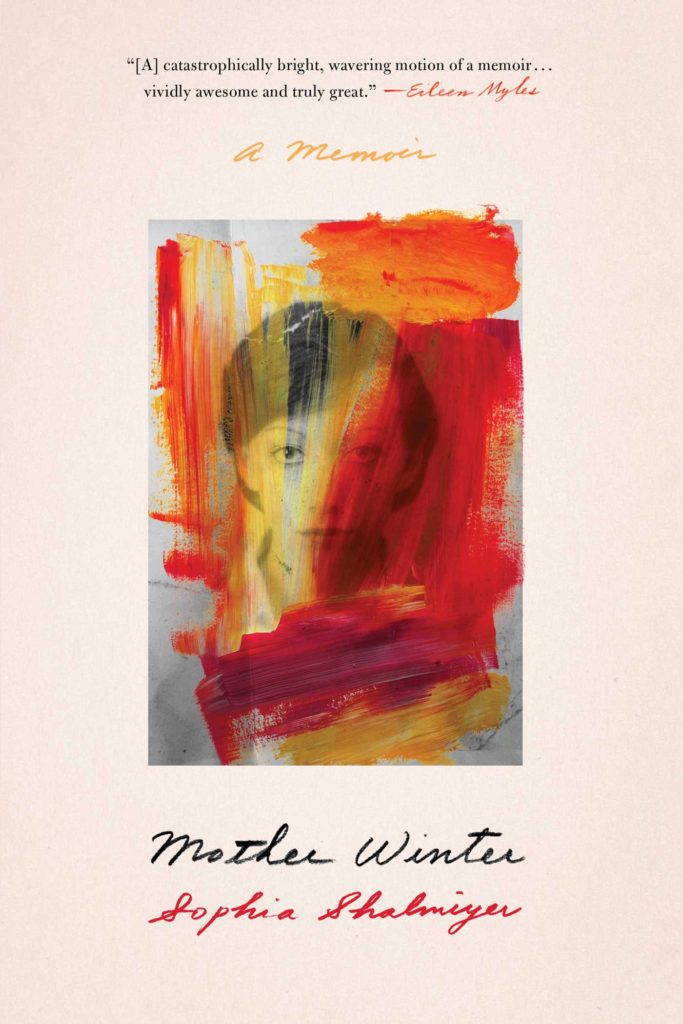
Something that I didn’t anticipate was the use of contemporary landscape and figure painting on the covers of some the big literary releases of the year. Like black and white photography, it felt almost pre-digital — a grasp at traditional values of craft. I don’t know if I would go as far as to say it is a rejection of post-modernism. But maybe it is? I don’t know. Discuss amongst yourselves.
Thank you to all the designers and art directors who’ve been in touch and helped me identify covers for my posts. I’m sorry if I haven’t replied to your message. It’s been a year.

The Affairs of the Falcóns by Melissa Rivero; design Allison Saltzman; lettering Boyoun Kim (Ecco / April 2019)

Also designed by Allison Saltzman:
All the Lives We Ever Lived by Katharine Smyth; design by Michael Morris (Crown / January 2019)

Aug 9 —  Fog by Kathryn Scanlan; design by Na Kim (Farrar Straus & Giroux MCD / June 2019)

Also designed by Na Kim:
Baron Wenkheim’s Homecoming by László Krasznahorkai ; design by Paul Sahre (New Directions / September 2019)

Berta Isla by Javier Marías; design by Kelly Blair (Knopf / August 2019)

Also designed by Kelly Blair:
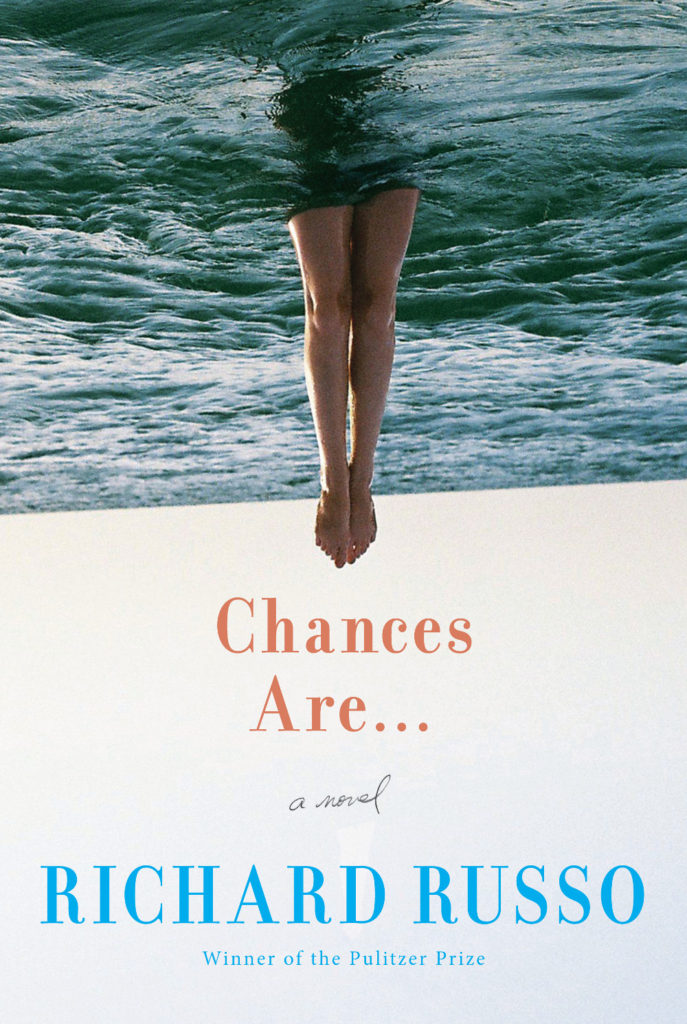
Big Bang by David Bowman; design by Jamie Keenan (Corsair / August 2019)

Black Leopard Red Wolf by Marlon James; design Helen Yentus; art by Pablo Gerardo Camacho (Riverhead / February 2019)

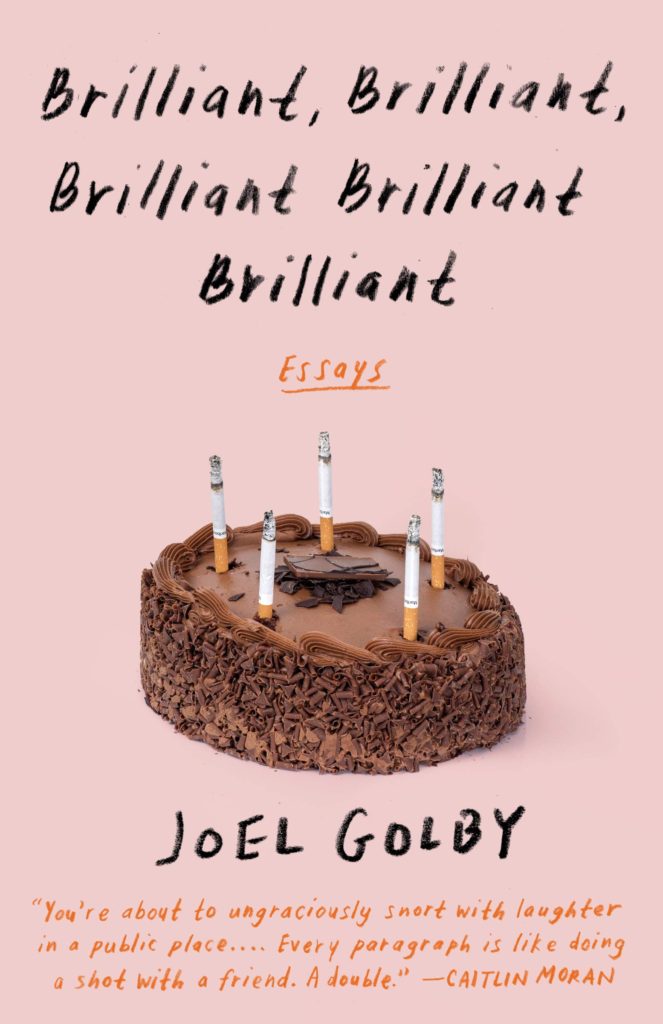
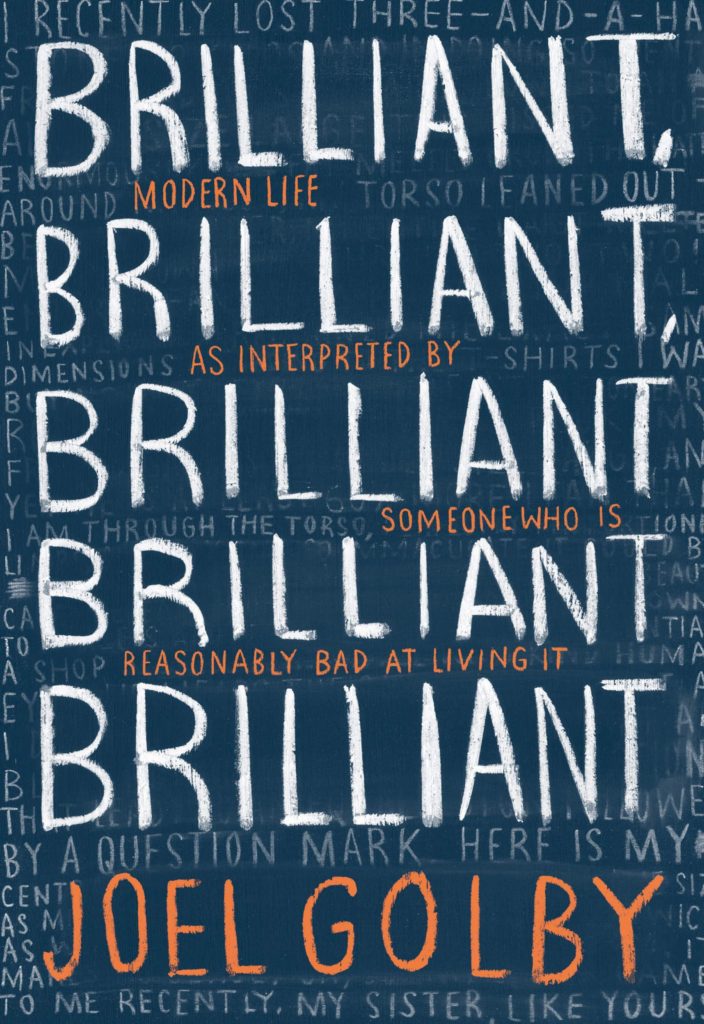
Brilliant, Brilliant, Brilliant Brilliant Brilliant by Joel Golby; design by Linda Huang (Anchor / March 2019)

The cover of the UK edition, published by HarperCollins imprint Mudlark in February, was designed by Bill Bragg and is also very good:
The Case Against Reality by Donald Hoffman; design by Sarahmay Wilkinson (W. W. Norton / August 2019)

Also designed by Sarahmay Wilkinson:
Categorically Famous by Guy Davidson; design by Michel Vrana (Stanford University Press / June 2019)

Also designed by Michel Vrana:

The Colonel’s Wife by Rosa Liksom; design by Kimberly Glyder (Graywolf / December 2019)

Also designed by Kimberly Glyder:
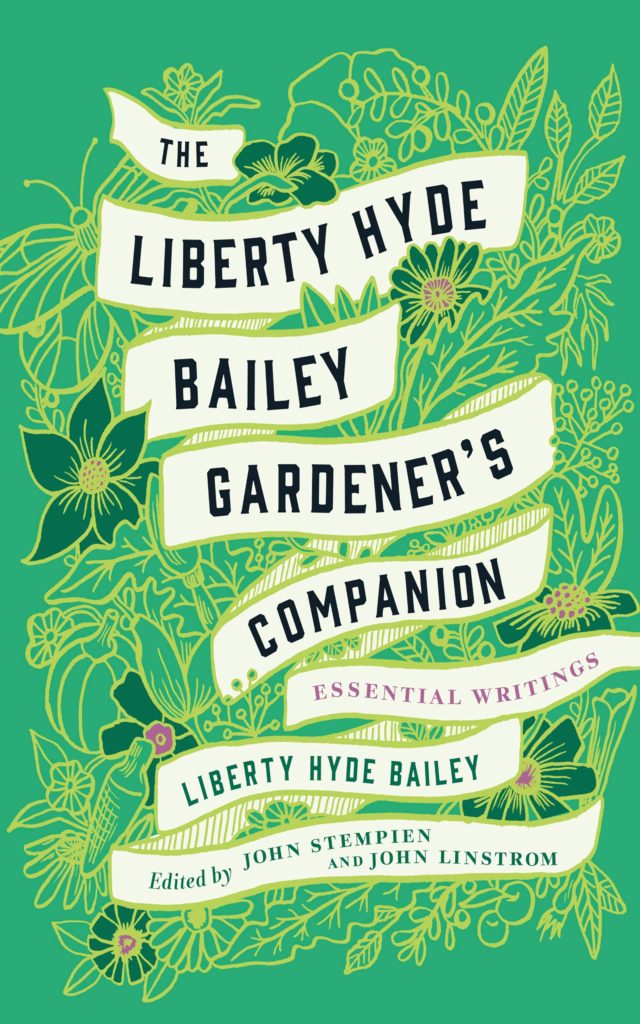
Dead Astronauts by Jeff Vandermeer; design Rodrigo Corral (MCD / December 2019)

Also designed by Rodrigo Corral:

Doxology by Nell Zink; design Jack Smyth (Fourth Estate / August 2019)

Drive Your Plow Over the Bones of the Dead by Olga Tokarczuk; design by Alex Merto (Riverhead / August 2019)

Driving in Cars with Homeless Men by Kate Wisel; design Catherine Casalino (University of Pittsburgh Press / October 2019)

Also designed by Catherine Casalino:
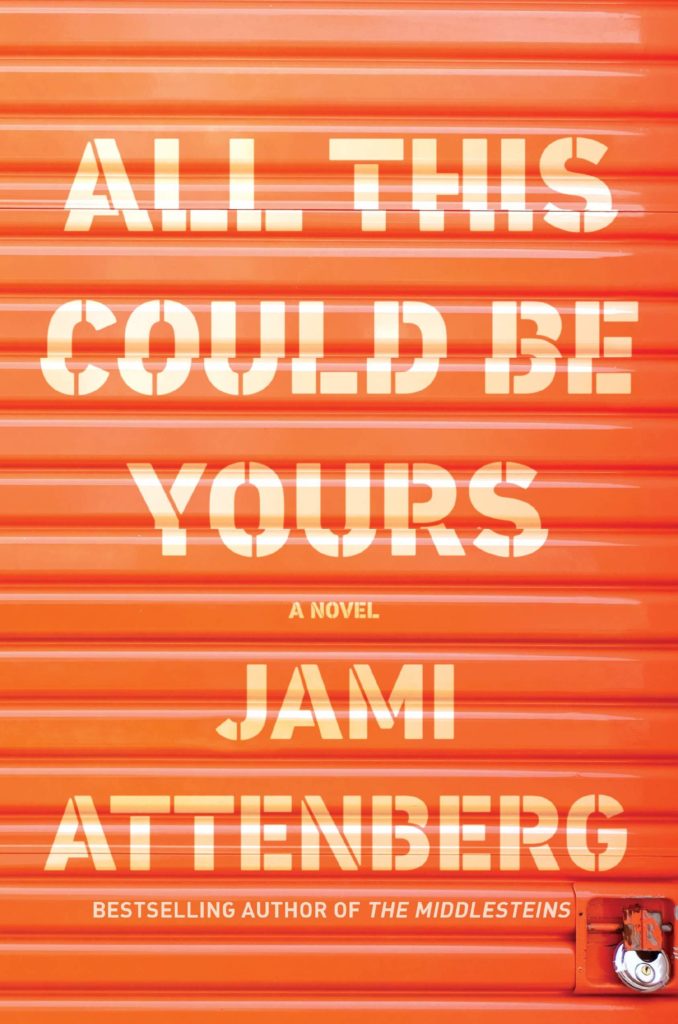
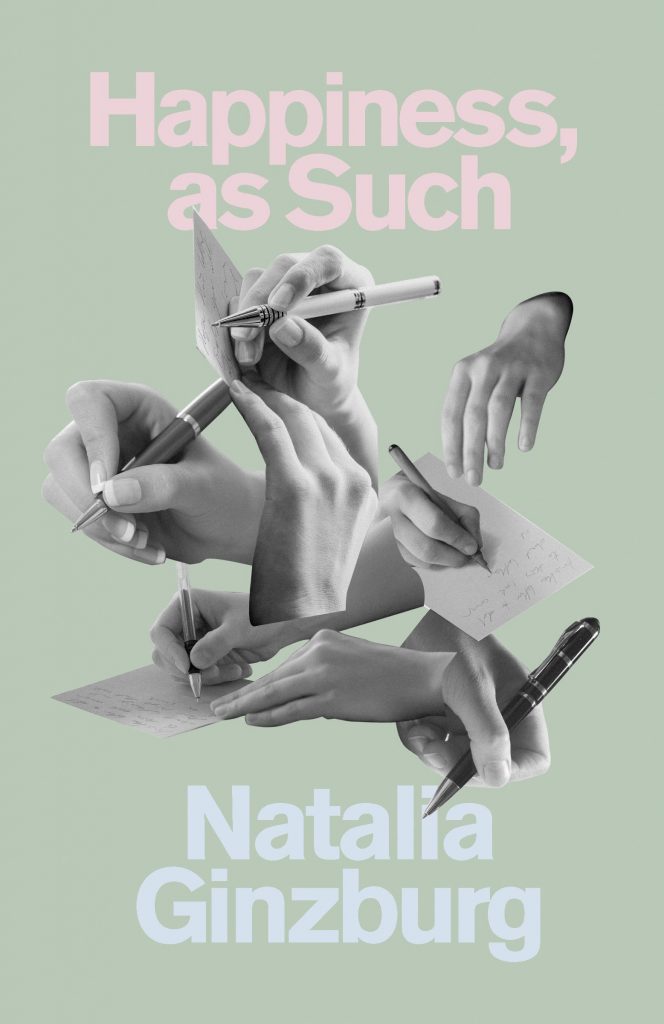
The Dry Heart by Natalia Ginzburg; design by Pablo Delcan (New Directions / July 2019)

Also designed by Pablo Delcan:
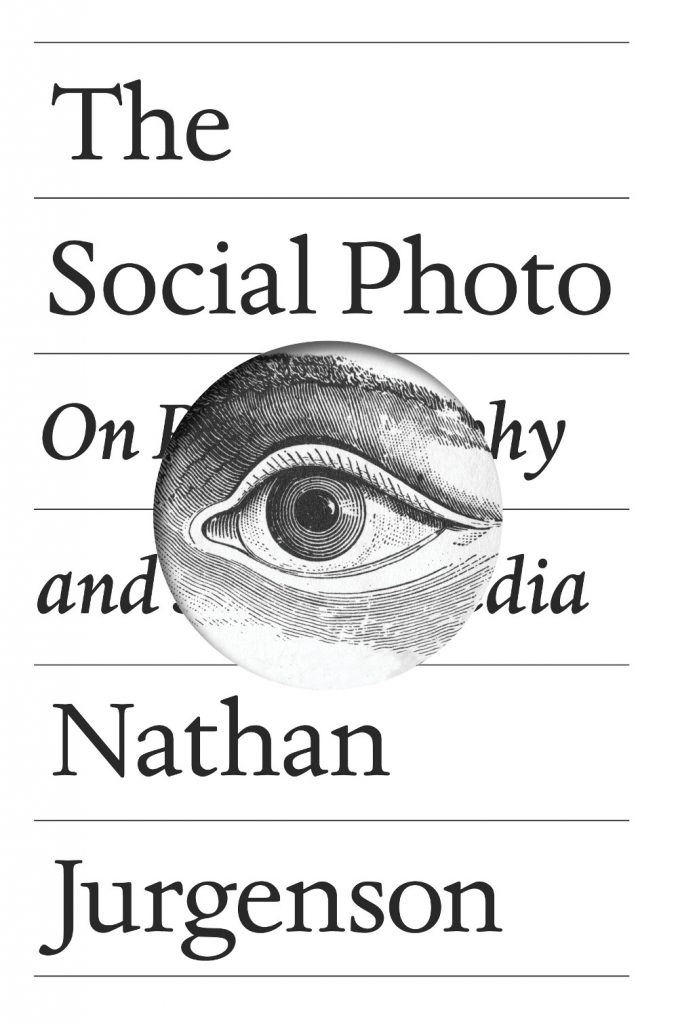
The Dutch House by Ann Patchet; design by Robin Bilardello; painting by Noah Saterstrom (HarperCollins / September 2019)

Even That Wildest Hope by Seyward Goodhand; design by Megan Fildes (Invisible Books / September 2019)

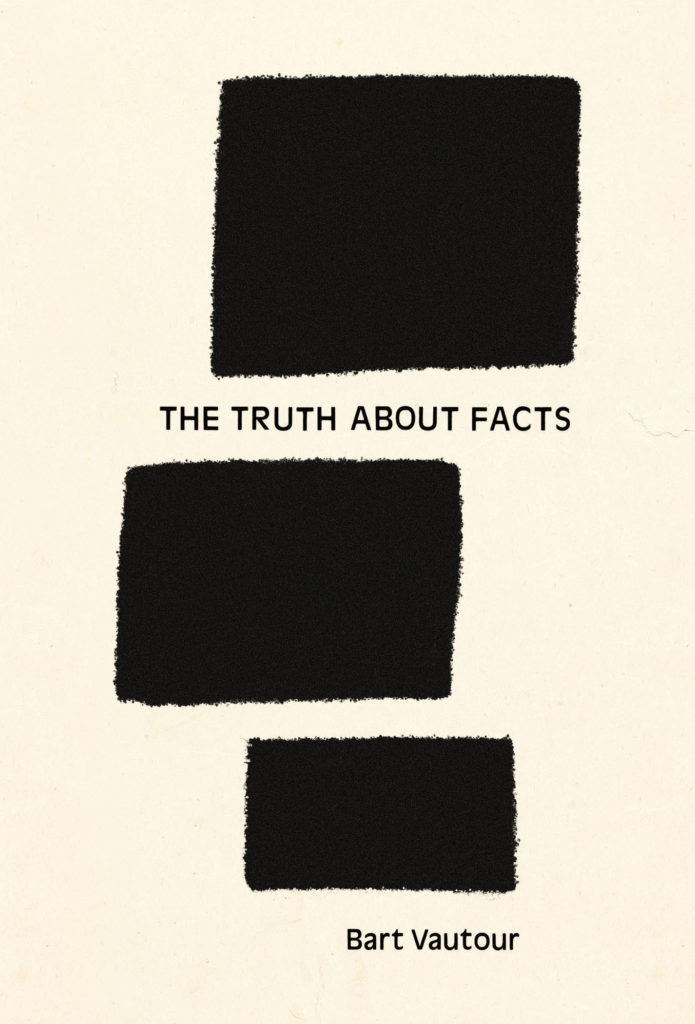
The Factory by Hiroko Oyamada; design by Janet Hansen; photography by Arthur Woodcroft (New Directions / October 2019)

Also designed by Janet Hansen:

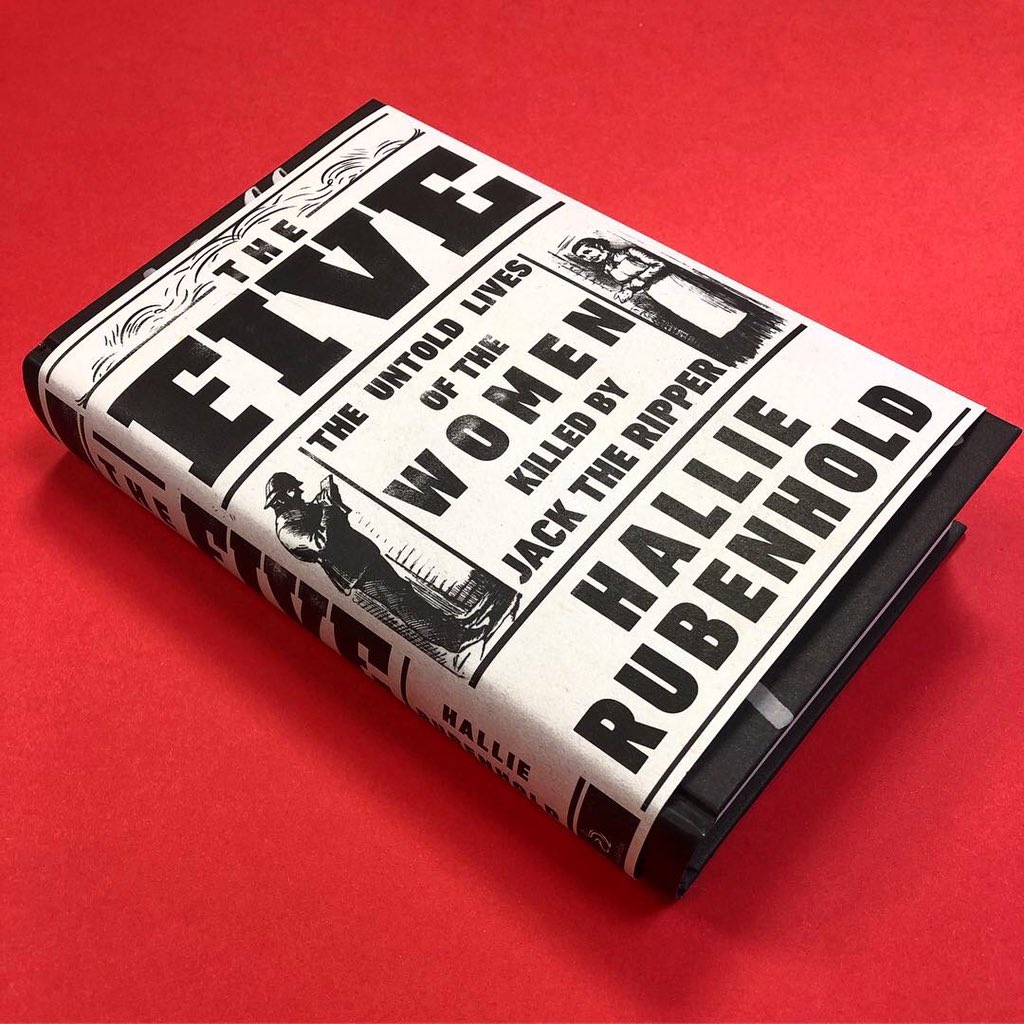
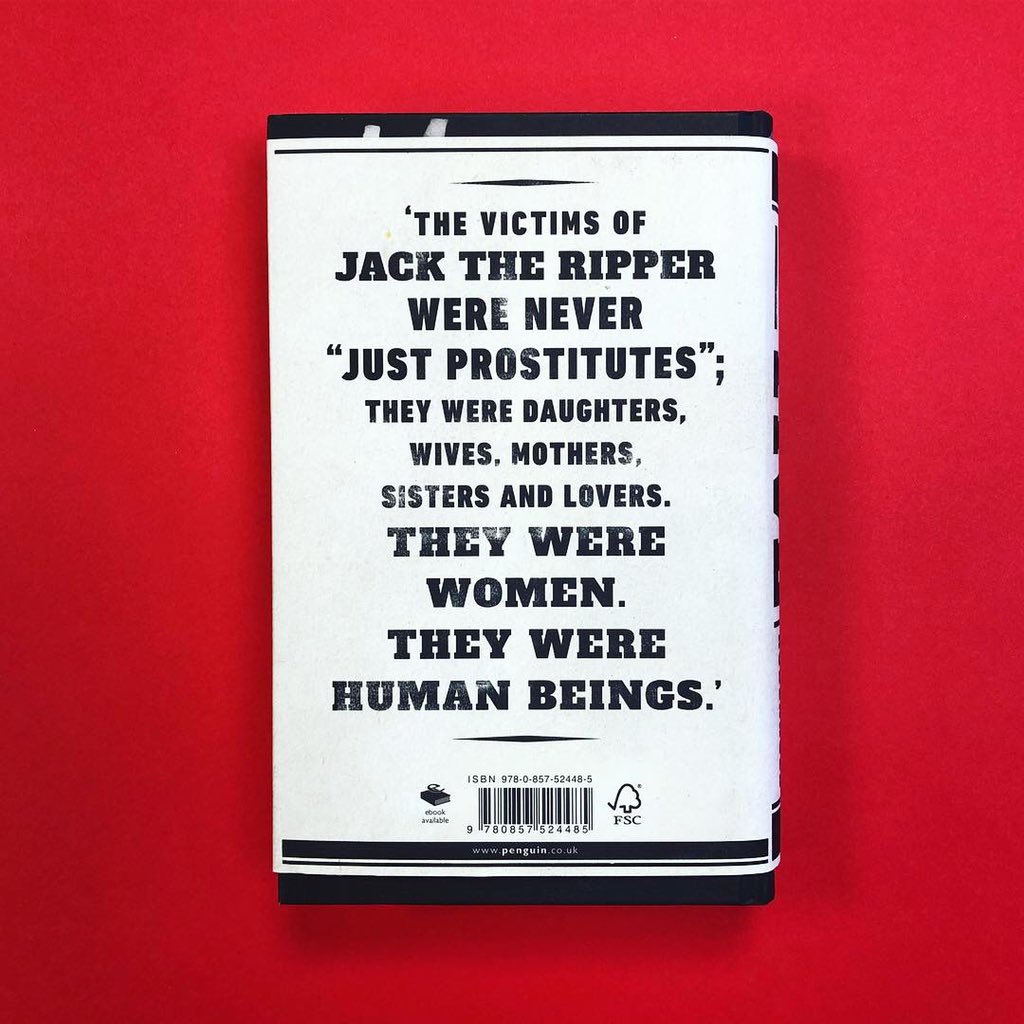
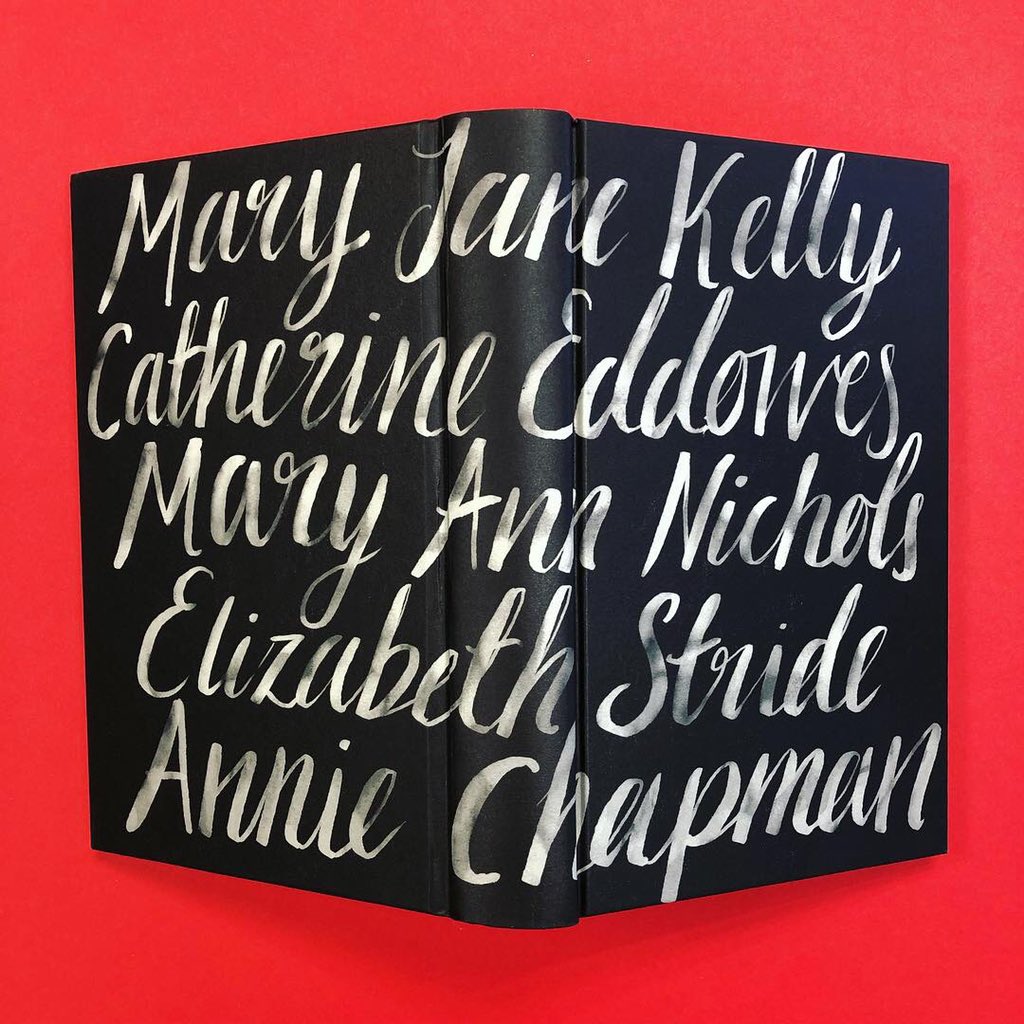
The Five by Hallie Rubenhold; design by Jo Thomson (Transworld / February 2019)

Follow Me To Ground by Sue Rainsford; design and illustration Beci Kelly (Transworld / August 2019)

Follow This Thread by Henry Eliot; design by Elena Giavaldi (Three Rivers Press / March 2019) 

Holy Lands by Amanda Sthers; design by Tree Abraham (Bloomsbury / January 2019)

Also designed by Tree Abraham:
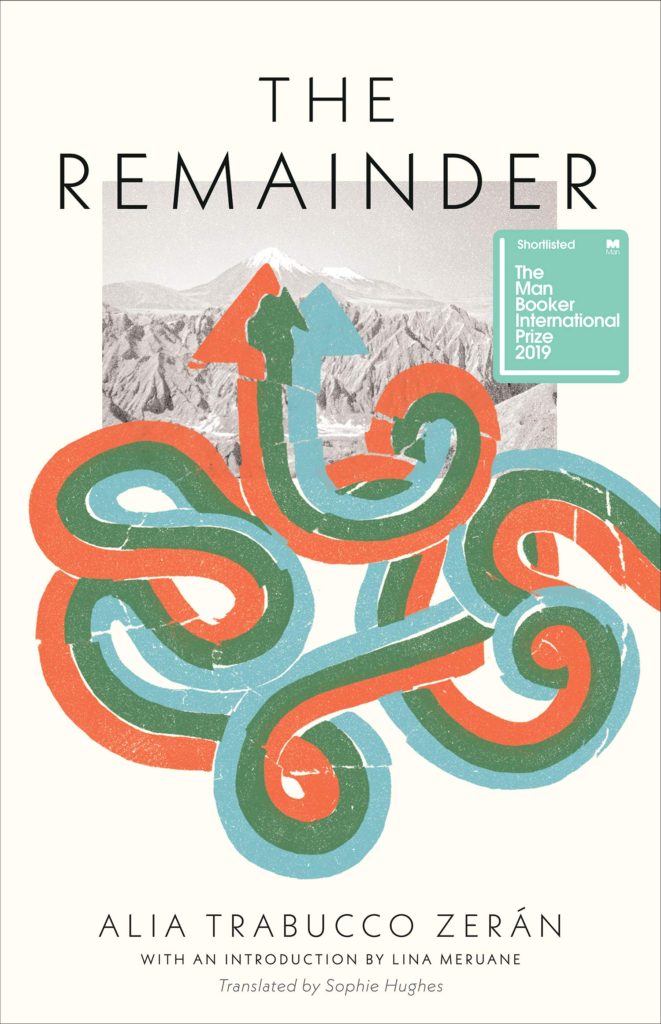
Humiliation by Paulina Flores; design by Nicole Caputo (Catapult / November 2019)

Also designed by Nicole Caputo:
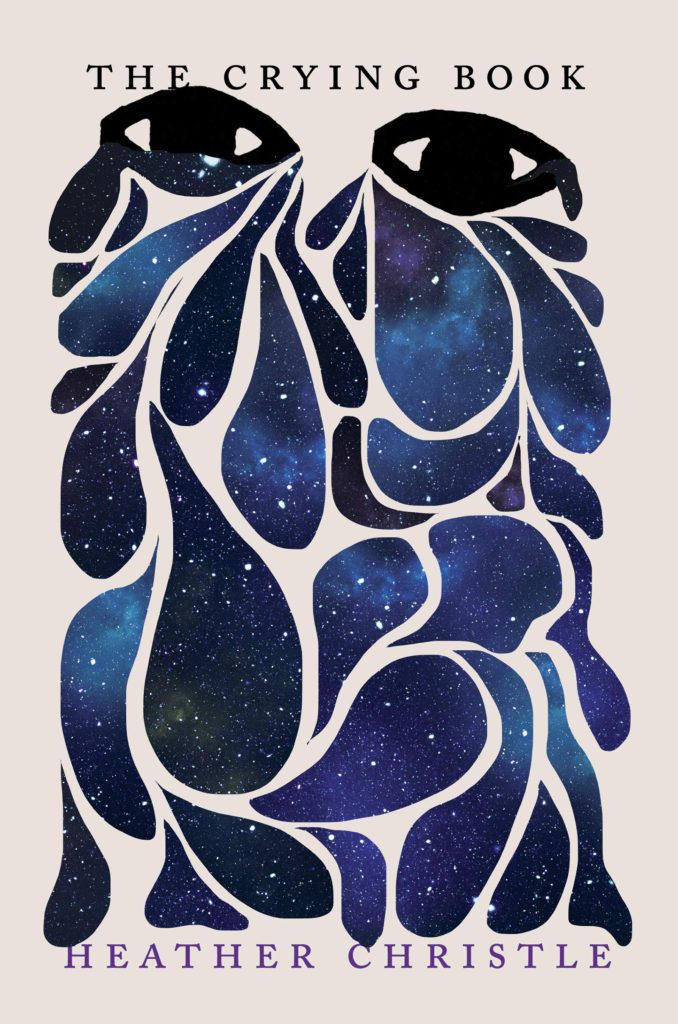
Indelible in the Hippocampus by Shelly Oria; design by Sunra Thompson (MacSweeney’s / September 2019)

Lanny by Max Porter; design by Jonny Pelham (Faber & Faber / March 2019)

Learning from the Germans by Susan Neiman; design by Tom Etherington (Allen Lane / August 2019)

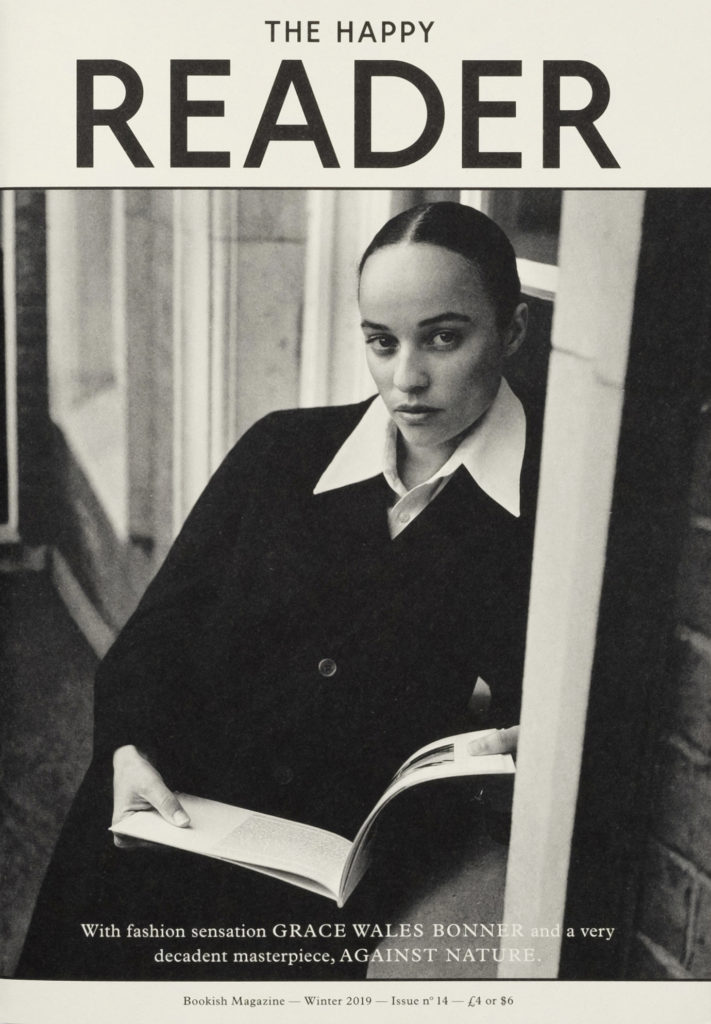
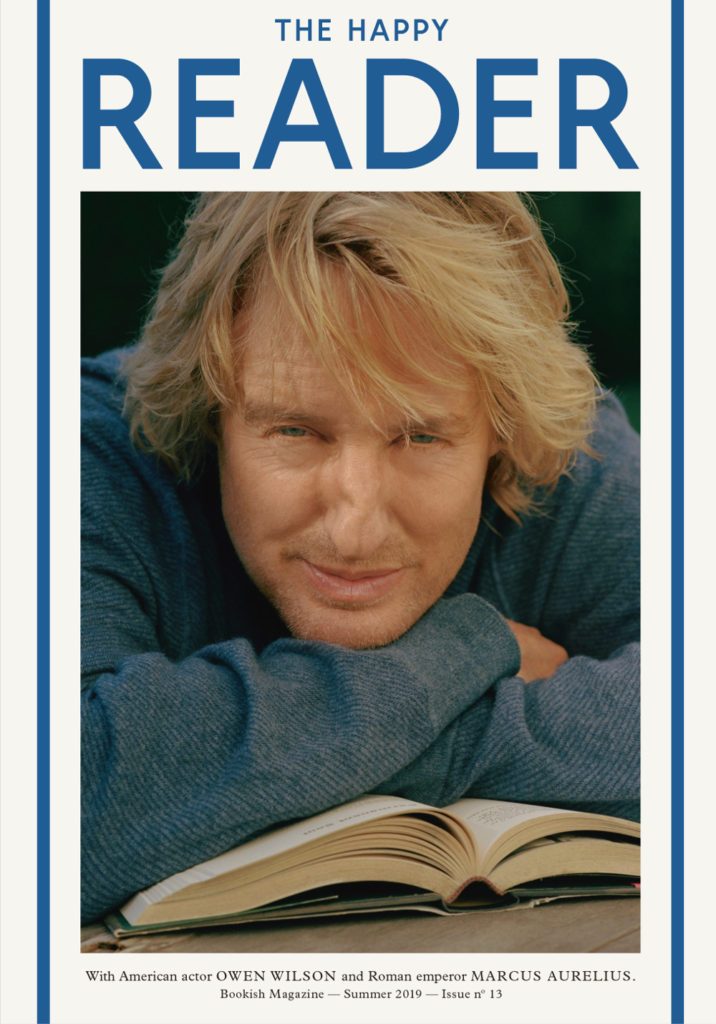
Tom Etherington is also the designer of Penguin magazine The Happy Reader:
Life Support by Julia Copus; design by Helen Crawford-White (Head of Zeus / April 2019)
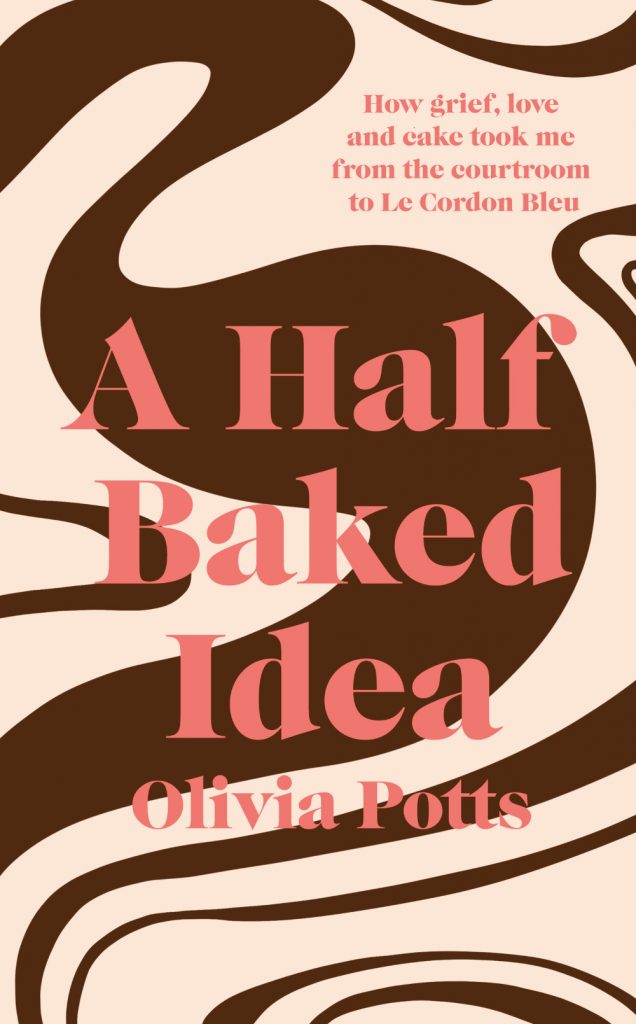
The Light That Failed by Ivan Krastev and Stephen Holmes; design by Richard Green (Allen Lane / October 2019)

Malina by Ingeborg Bachman; design by Peter Mendelsund (New Directions / June 2019)

Mind Fixers by Anne Harrington; design by Matt Dorfman (W.W. Norton / April 2019)

Mothers by Chris Power; design by Grace Han (Farrar, Straus & Giroux / January 2019)

Also designed by Grace Han:
Mouthful of Birds by Samanta Schweblin; design by Stephen Brayda (Riverhead / January 2019)
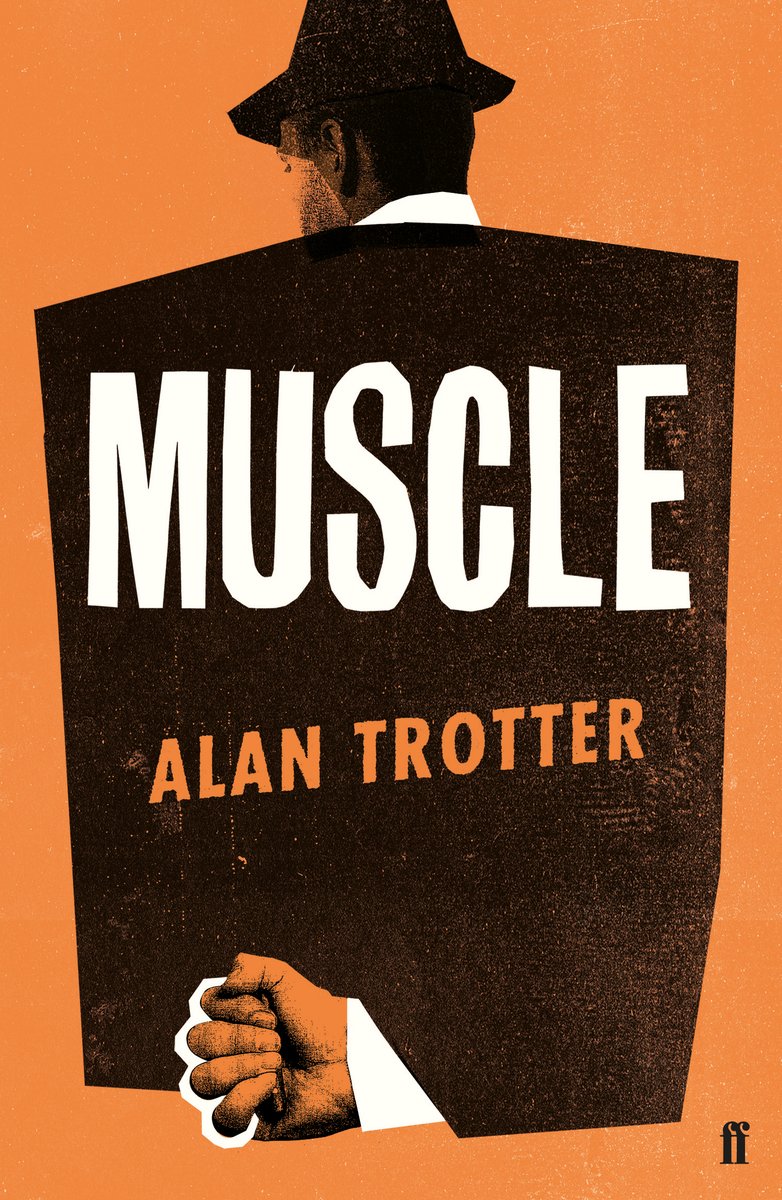
Muscle by Alan Trotter; design by Gray318 (Faber & Faber / February 2019)

Also designed by Gray318:
Never a Lovely So Real by Colin Asher; design by Jonathan Bush (W. W. Norton / April 2019)

Not Working by Josh Cohen; design by Matthew Young (Granta / January 2019)

Also designed by Matthew Young:

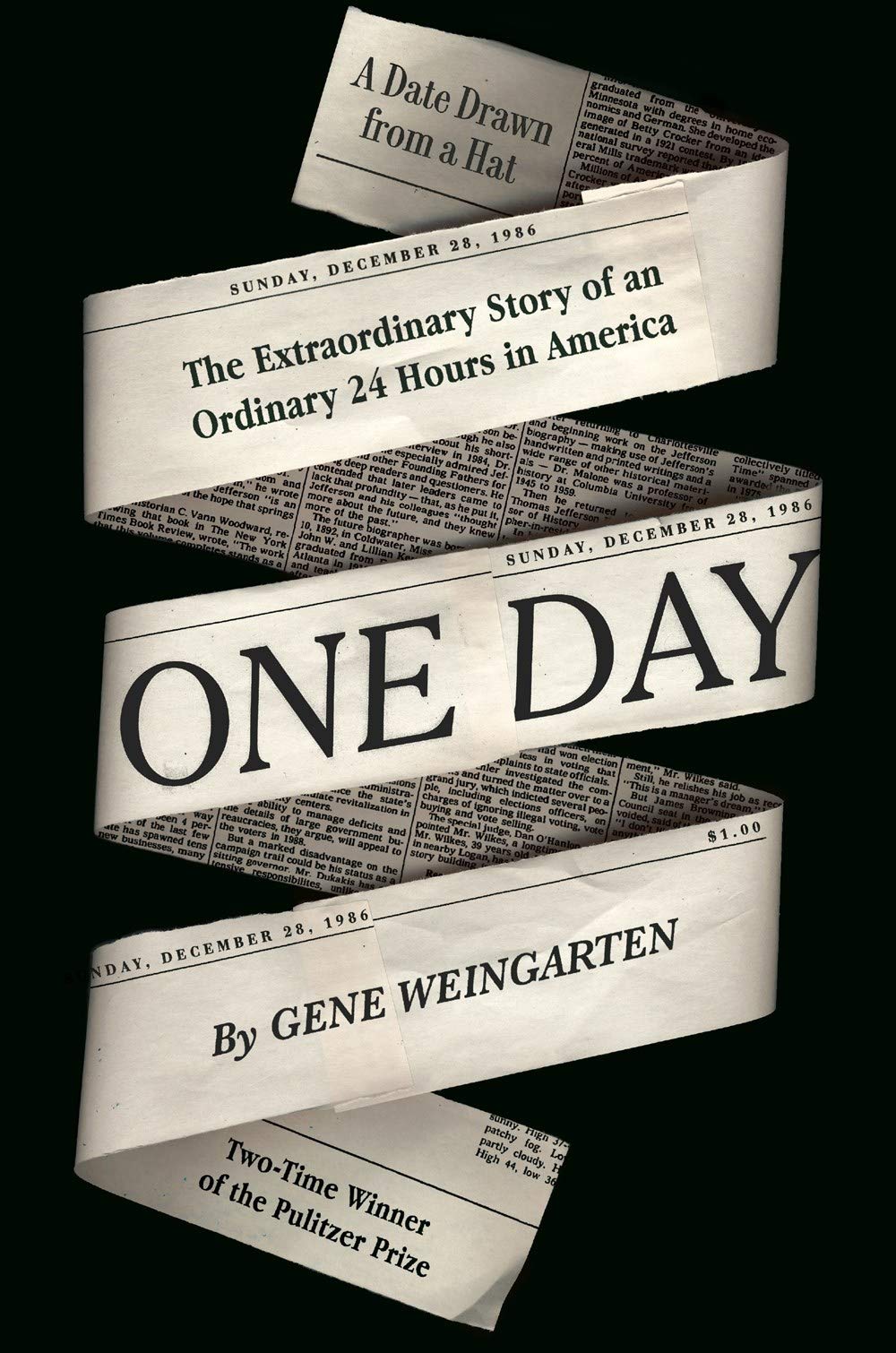
One Day by Gene Weingarten; design by David Litman (Blue Rider / October 2019)

Also designed by David Litman:
Our Women on the Ground edited by Zahra Hankir; design by Rosie Palmer; hand lettering by Lily Jones (Harvill Secker / August 2019)

Red at the Bone by Jacqueline Woodson; design by Jaya Miceli (Riverhead / September 2019)

Also designed by Jaya Miceli:
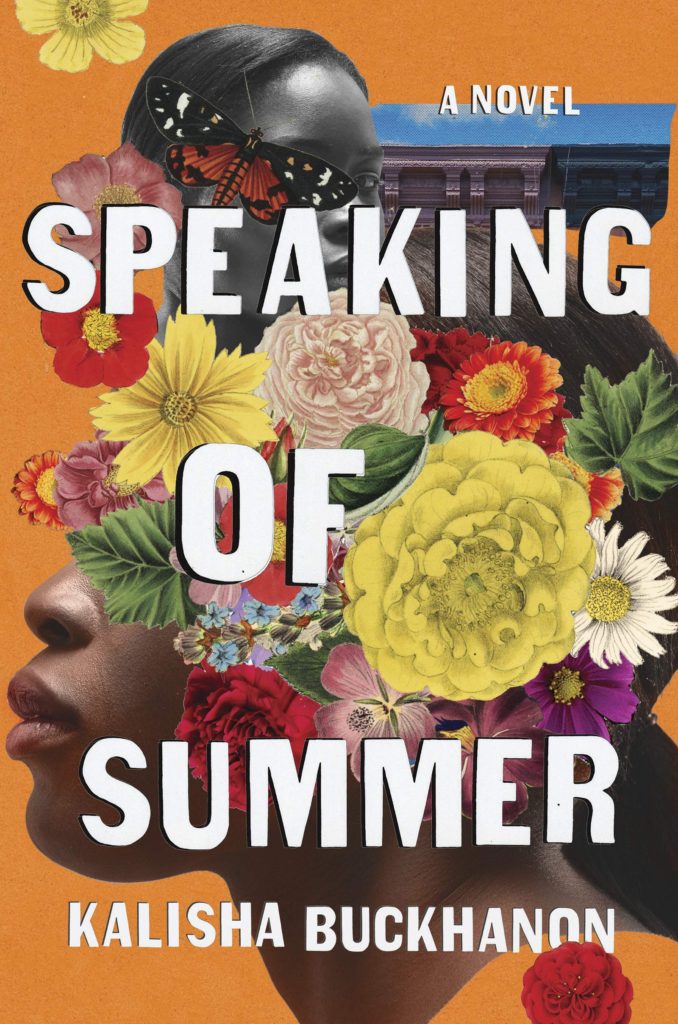
Safe Houses I Have Known by Steve Healey; design by Alban Fischer (Coffee House Press / September 2019)

Also designed by Alban Fischer:
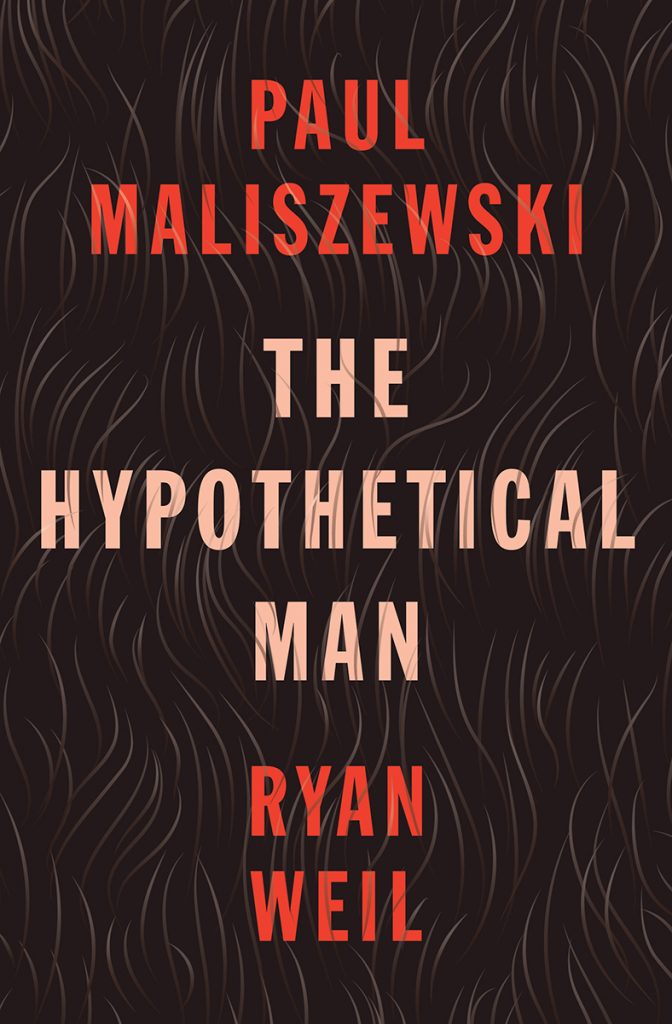
Say Say Say by Lila Savage; design by Jennifer Carrow (Knopf / July 2019)

Sonnets to Orpheus by Rainer Maria Rilke; design by Anne Jordan & Mitch Goldstein (Open Letter Books / December 2019)

Sweet Days of Discipline by Fleur Jaeggy; design by Oliver Munday (New Directions / August 2019)

Oliver Munday wrote about designing the cover for New Directions at Literary Hub earlier this year.

He also designed a lot my favourite covers this year…

Turbulence by David Szalay; design by Lauren Peters-Collaer (Scribner / July 2019)

The Unwanted by Michael Dobbs; design by Tyler Comrie (Knopf / April 2019)

Also designed by Tyler Comrie:
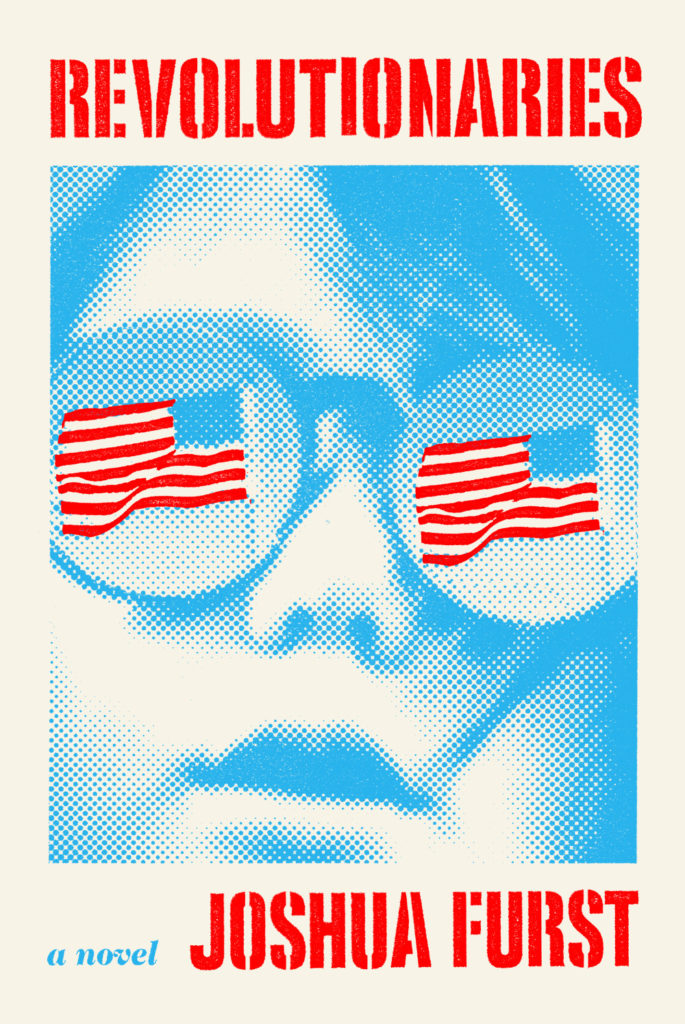
The Volunteer by Salvatore Scibona; design by Rachel Willey (Penguin / March 2019)

Also designed by Rachel Willey:
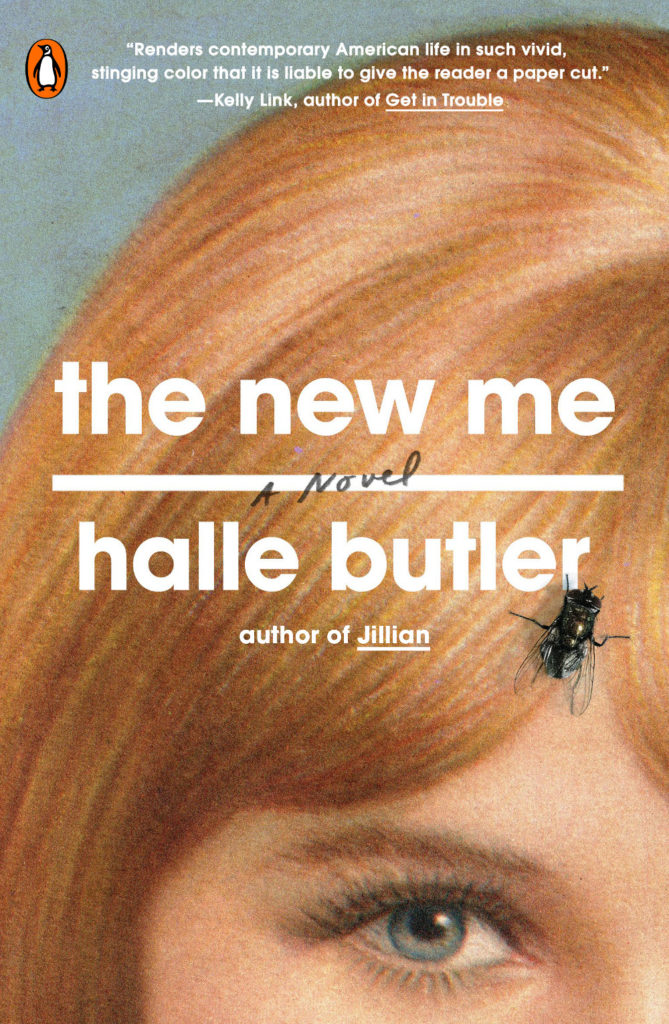
The Water Dancer by Ta-Nehisi Coates; design Greg Mollica; art Calida Garcia Rawles (One World / September 2019)
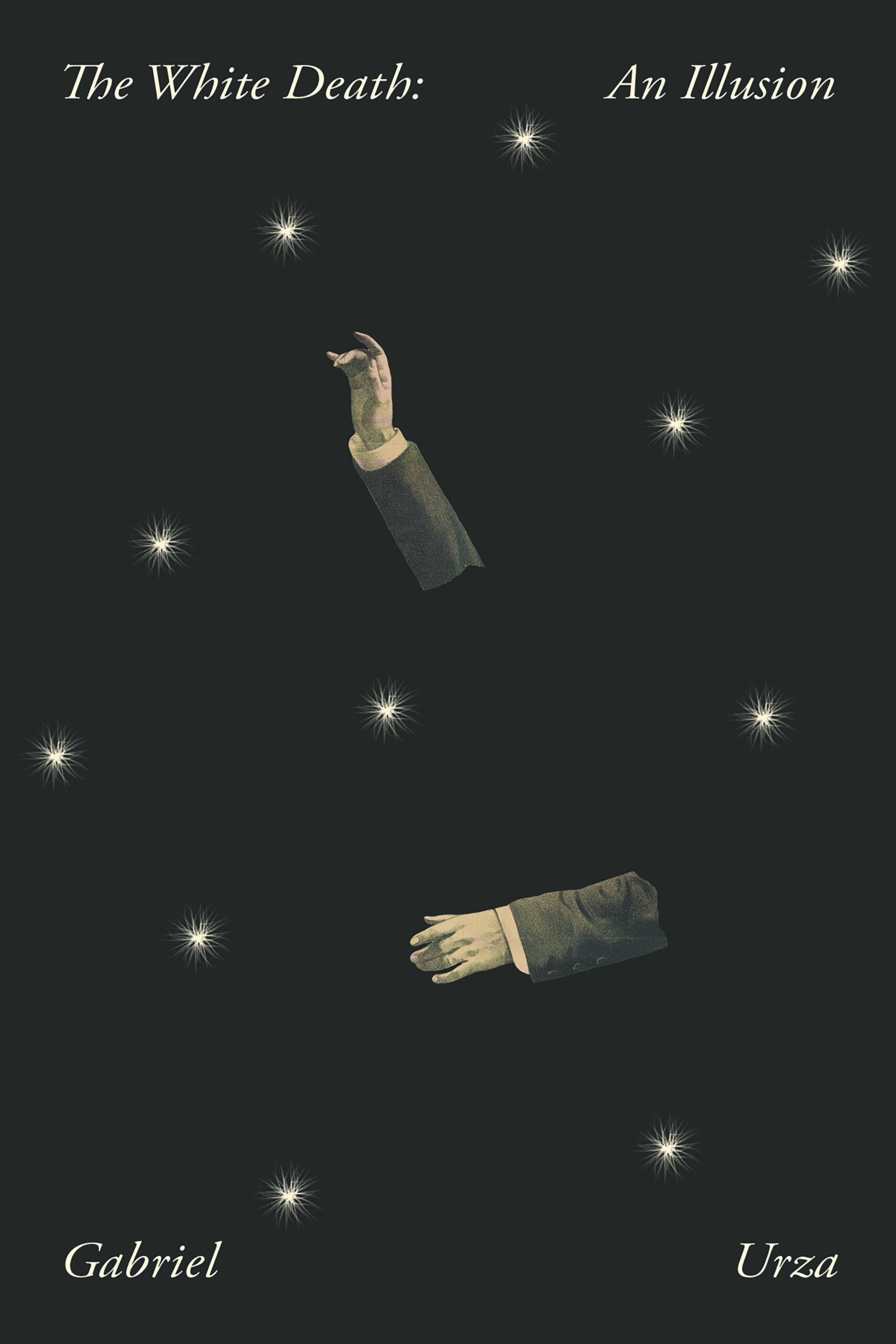
The White Death by Gabriel Urza; design by Joan Wong (Nouvella / June 2019)

A Year Without a Name by Cyrus Grace Dunham; design by Lucy Kim (Little Brown & Co. / October 2019)

1 Comment

New Directions Sebald Designs by Peter Mendelsund

rings-of-saturn-design-mendelsund

Peter Mendelsund‘s covers for the new New Directions editions of W.G. Sebald’s classic novels The EmigrantsThe Rings of Saturn, and Vertigo, are rather special. The books will be published November and are available individually and as a set.

vertigo-design-mendelsund

emigrants-design-mendelsund

Comments closed

Elaine Lustig Cohen, Pioneer

Elaine in 1964, photographed by Naomi Savage (1964)
Elaine Lustig Cohen, photographed by Naomi Savage

I was sad to hear that designer Elaine Lustig Cohen had died aged 89 last week. She will forever be associated with her more famous husband Alvin Lustig, but she was a remarkable designer in her own right and her influence, as Steven Heller notes at Design Observer, extended far beyond her studio:

Elaine’s professional standing far outlasted her years of practice because beyond being a pioneer, she was also the benefactor in so many ways for graphic design history, and an advocate for so many other historians, practitioners—and especially women. It is this enduring integrity and generosity that ultimately defined her highly treasured life.

Following Alvin Lustig’s death, Elaine specialized for some time in designing book covers and jackets, initially following her late husband’s aesthetic, until finding her own style and vision. For over a decade she earned commissions from museums, architects, and book publishers—including Noonday Press, whose publisher, Arthur Cohen, would become her second husband. Her own studio closed in 1967, although Elaine continued to design catalog covers for Ex Libris (the antiquarian bookstore she and Cohen ran together) focusing on avant-garde modernist books and documents. She turned instead to making art—inspired in part, by Constructivism, Dada, and the Bauhaus—and continued to do so until the end of her life.

hard_candy

In a profile of the designer for Eye magazine in 1995, Ellen Lupton noted what made ELC’s book covers so distinctive…

In her covers for Meridian Books and New Directions, designed from 1955 through 1961, Elaine Lustig Cohen used abstract structural elements, expressive typography, and conceptual photographs to interpret the books’ contents. Working at a time when most book covers employed literal pictorial illustrations, Cohen visualized titles in contemporary literature and philosophy through a rich variety of approaches, from stark abstractions and concept-driven solutions to obtuse evocations that bring to mind the recent work of Chip Kidd and Barbara de Wild for Knopf.

Elaine Lustig Cohen’s cover for the journal ‘The Noble Savage’ 4 (1960) features a time-worn classical statue festooned with a typographic moustache and blasted with a star-burst pull-out quote from Darwin. For Yvor Winter‘s ‘On Modern Poets’ (1959), Cohen photographed a loose arrangement of plastic letters, while she used a field of pebbles to obliquely represent ‘The Varieties of History’ (1957). If such solutions are suggestively poetic, Cohen could also be brilliantly blunt, as in her choice of oversized, cello-wrapped bonbons for Tennessee Williams’s ‘Hard Candy’ (1959).

…A point echoed in the New York Times obituary:

She designed museum catalogs and furniture. As a book-cover designer, she followed in Mr. Lustig’s precisionist footsteps but eventually established her own, more free-form style.

“I tried to reflect the spirit of the books,” she said in a video made by AIGA, the graphic arts organization, when she was awarded its medal in 2012.

Her jacket for “Yvor Winters On Modern Poets” looked as if plastic letters had been placed on a tabletop, then jostled by a passing child. A book about St. Augustine featured his name twice, as the arms of a cross. The jacket for Tennessee Williams’s short-story collection “Hard Candy” showed extreme close-ups of cellophane-wrapped sweets, seeming to fall through the air.

You can see a selection of ELC’s book covers on her website, and the video referenced above is here:

Comments closed

The Many Ways a Book Cover is Rejected

Is That Kafka design Erik Carter

In an excellent post for The Literary Hub, designer Erik Carter writes about designing the cover of Reiner Stach’s Is That Kafka? 99 Finds for New Directions, and the process of getting a book cover approved:

The actual process of designing a book jacket is more than just reading the book and making a beautiful image with your favorite font and slapping it on the front. A good cover should represent the spirit of the book and celebrate what makes that book unique. So then why do so many covers fall for the same visual clichés as so many other covers? Go on down to your local online book dealer and you’ll see bargain bin stock photos adorned with tiny endorsements about how this book is so, so much better than other one you’re about to click on. In order to get a book cover approved you have to get the sign off from the art director that you’re working for, the marketing department, the author, the editors, sometimes even the author’s spouse, their milkman, or their next door neighbor. It’s a nimble game of politics that you have to play to get the vision that you have for a cover into the bookstore. And it’s a game where design is often the loser. The publisher wants the book to sell, the designer wants the book to look good, and the author wants the cover to match their vision of what the cover of their book should be. And almost always, these three are at odds. There is a lack of definition for “what looks good” and a shaky science as to “what will sell” and authors are so close to their books it can be difficult to find out what it is that they actually want. The language of aesthetics and the aesthetics of language need to trust each other. It’s important for designers to be more acclimated with what it is that a publisher is looking for as to what will sell. Compromising that business by stretching your typefaces to the point of unreadability may not do you any favors. Ultimately it’s the author’s book, and they know it far better than you do, so really it’s their opinion that matters the most, even if they are not familiar with the fundamentals of good design.

Comments closed

New Directions Staying Small

Maria Bustillos visits New Directions and talks to publisher and president Barbara Epler about the business for The New Yorker:

Today’s visitor to New Directions’ elegantly shabby offices, in Chelsea, may stand on the nineteenth-floor balcony beside Epler, who is in her fifties and has a big, throaty laugh, under a pair of carved stone lions silently roaring high above, downtown and the Hudson River spread out beneath, and be forgiven for thinking that he has somehow stepped into a lovely and improbable alternate universe.

Inside, there are small, quiet, old-fashioned offices, one per person. On the walls, there are treasures: the firm’s original colophon, the unmistakable work of Rockwell Kent; an original Alvin Lustig mechanical with tissue overlay for the jacket of “Nightwood”; notes written on the famous prescription pad of WILLIAM C. WILLIAMS, M. D.; a photograph of Laughlin, who died in 1997, in silhouette. Epler, who joined the company as an editorial assistant fresh out of college, in 1984, and went on to become editor-in-chief in 1996, publisher in 2008, and president in 2011, seemed to be giving not an office tour so much as a museum one, especially when she opened the door to a small room containing one copy of each of nearly all of the more than thirteen hundred books published here so far. Céline, Nabokov, Tranströmer and Bolaño, Williams and Neruda and Sartre and Brecht and so many others: Laughlin believed in keeping the good stuff in print (or reprint). Many are bound in Lustig’s iconic, modernist covers.

“Andy Warhol used to design for us before he was famous,” she said. “Isn’t that a scream?”

Comments closed

Paul Sahre at New Directions

satantango

“I started out doing posters for the theater. It’s almost the same thing as a book cover: the promise of an experience. It has to show you what you’re in for, without spelling it out.”

Designer Paul Sahre discusses his work with Mieke Chew for the New Directions blog:

I have a ridiculous one-of-a-kind book collection, which has a lot of fantastic reference material: books on how to make balsa wood airplanes, to encyclopedias of infectious rashes from the Vietnam War era. You never know what you’re going to find. Sometimes while you’re reading a book you just start looking at things. If you’re stumped, that’s one way to do it. I used to need to “make it happen” more. I’d go to the library and pull books off the shelves randomly without looking, and then I’d just look. It could be a book on the geography of the great lakes and there’s something in there visually that makes you go, “Oh yeah! I can use this.” So much design research now is Google image searches. I never go there for material because that’s where everyone else is going.

Comments closed

The Great Discontent: Paul Sahre

satantango

You can be as happy or as miserable doing design as anything else you decide to do. It doesn’t matter what it is; it only matters that you commit to it. Do you care? Can you commit? That’s it. I don’t necessarily believe graphic design is any better or worse than other careers you can choose, but I do think the dedication has to be there. Yes, there is the dignity of work, but—and maybe this is just selfishness—whether you’re a plumber, a policeman, or an architect, if you don’t look forward to going to work in the morning, that’s really sad. That’s where a lot of people end up for various reasons.

Illustrator and designer Paul Sahre recently spoke to The Great Discontent about his work. It seemed like as good an excuse as any to post just a few of his book covers.

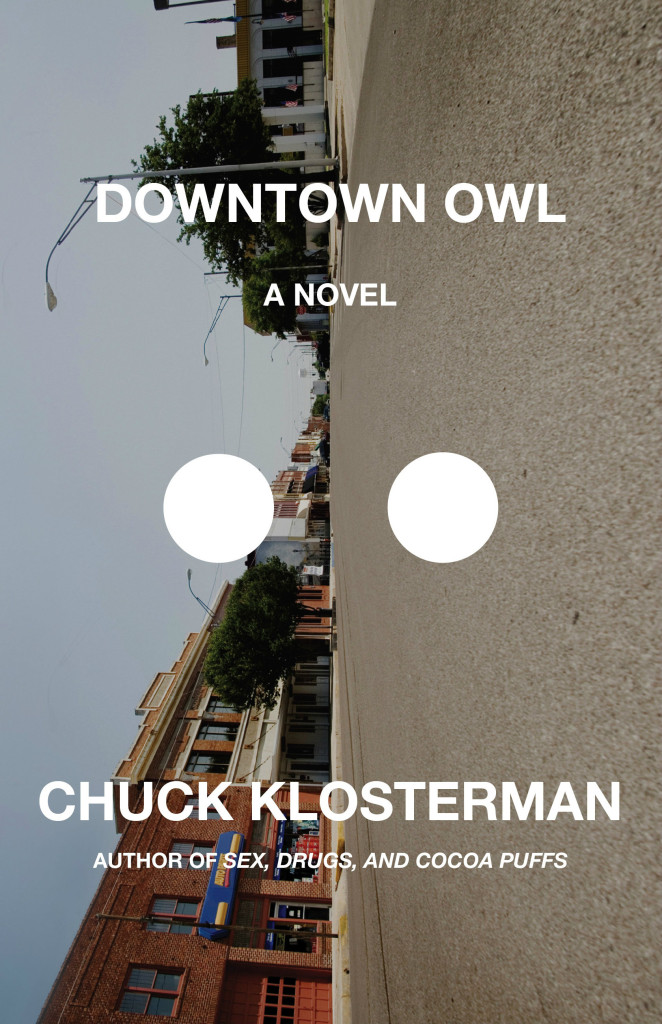
downtown-owl

Mongolian
(NB: I really should add that cover for Satantango to this post)

Comments closed

Midweek Miscellany

Two stunningly minimal designs by Rodrigo Corral for New Directions.

Faceout Books is back after a hiatus. First up, an interview with Jennifer Heuer about her design for Down and Delirious in Mexico City by Daniel Hernandez.

Haystacks of Needles — Nicholas Carr, author of The Shallows, on situational overload versus ambient overload:

Situational overload is not the problem. When we complain about information overload, what we’re usually complaining about is ambient overload. This is an altogether different beast. Ambient overload doesn’t involve needles in haystacks. It involves haystack-sized piles of needles. We experience ambient overload when we’re surrounded by so much information that is of immediate interest to us that we feel overwhelmed by the neverending pressure of trying to keep up with it all. We keep clicking links, keep hitting the refresh key, keep opening new tabs, keep checking email in-boxes and RSS feeds, keep scanning Amazon and Netflix recommendations – and yet the pile of interesting information never shrinks.

The cause of situational overload is too much noise. The cause of ambient overload is too much signal.

The Case for the NovellaThe New York Times Magazine has an excerpt from “The Three-Day Weekend Plan,” an essay by John Brandon from the new book The Late American Novel: Writers on the Future of Books (Soft Skull):

Bluntly, the novella is in its Golden Age as a form right now because no one is beating it with a stick until nickels fall out. So my plan for the novella is — drum roll: Do nothing. Or do whatever little is required to steward the status quo. Let’s agree, shall we, to keep throwing around the inane term Great American Novel, and to never, ever utter the phrase Great American Novella.

And on the subject of The New York Times Magazine…

The Speed of Change — Former Design Director for NYTimes.com Khoi Vinh on the new design of the New York Times Magazine:

Digital publishing is supposed to be much quicker than print publishing, but this… suggests that more important than the speed of medium is the nimbleness of the business behind it. The print side of The New York Times takes a lot of good natured ribbing for being slow to publish news, but it’s still very, very good at what it does. Which is to say that few organizations can publish on a weekly basis and still effect the kind of major change that this redesign represents.

In some ways, the digital side of the business is not as nimble as that. To be sure, few companies can execute digital publishing as well as The New York Times… But partly because the medium is much younger and constantly changing, partly because best practices are less well-defined, and partly because the mission is more diffuse, execution is a more intricate, protracted and, often, inefficient affair on the digital side.

Comments closed

Something for the Weekend

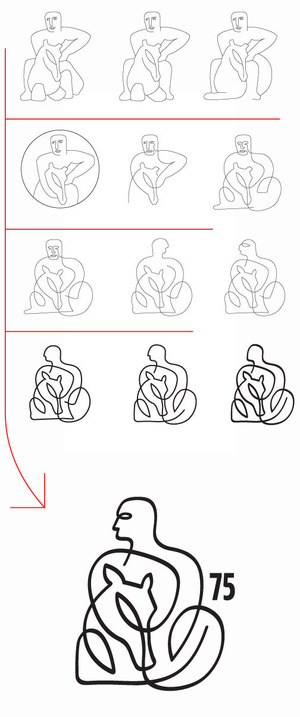
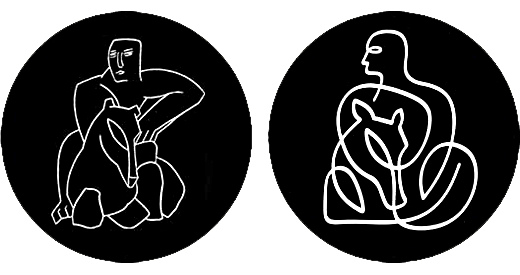
New Directions celebrates its 75th anniversary in 2011 and to mark the occasion, creative director at large Rodrigo Corral commissioned illustrator Felix Sockwell to redesign their iconic colophon by Heinz Henghes.  Sockwell writes about the redesign process (and vomiting!) here (via MobyLives).

Drowned in Sound — You have a few days left to listen to the BBC Radio adaptation of J.G. Ballard’s The Drowned World.

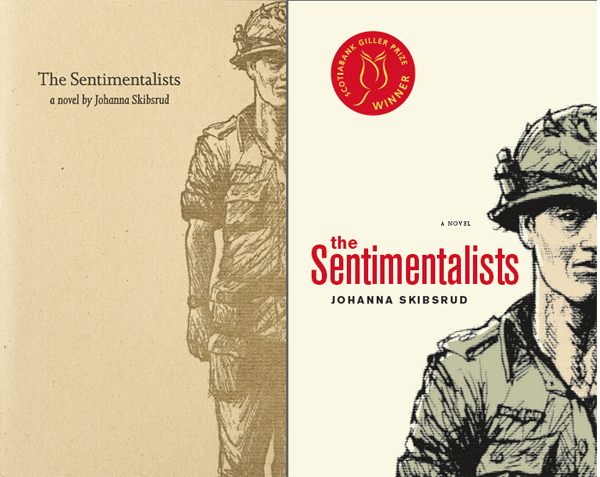
Rewiring — Peter Cocking, art director at Douglas & McIntyre, on designing a new cover for Johanna Skibsrud’s debut novel The Sentimentalists, winner of the Giller Prize and first published by artisan publisher Gaspereau Press:

I felt that the existing cover was to some extent a brand for the book — it appeared in the media quite a bit. It’s different from what we would do in that it’s — and I mean no disrespect to Andrew [Steeves, co-publisher of Gaspereau Press] — but it’s a more literary small-press treatment. It’s very appropriate to the way they publish the book, but it was clear, of course, that we were going to try and push this out into the marketplace in a much wider way. So it seemed to me that the idea was to take what they had, because people might remember this as the cream-yellow book with the solider, and make it a little more contemporary, trade-friendly, a little more aggressive as it were. It wasn’t so much a design from scratch, the way I would normally approach a novel. The way I would describe it is I didn’t build the house, I repainted it, did some new wiring.

And finally…

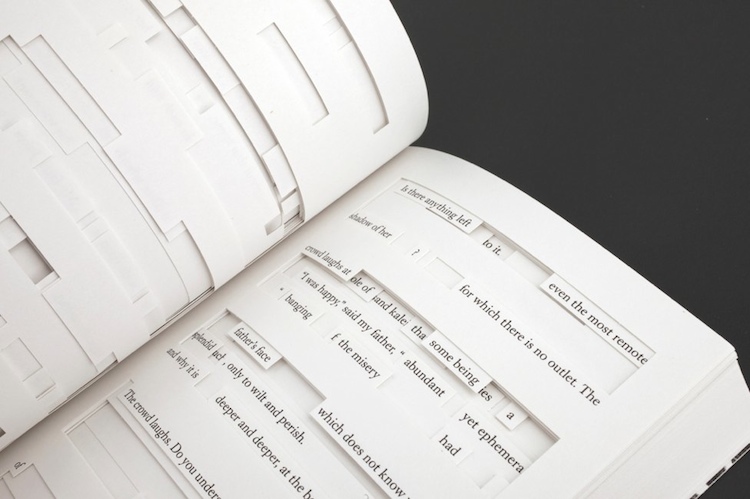
Jonathan Safran Foer’s “unmakeable” book Tree of Codes published by Visual Editions and printed by Belgian publisher and printer Die Keure, seen at Fast Company.
Comments closed

Something for the Weekend

A fittingly Alvin Lustig-like cover for New Directions by Rodrigo Corral, seen at Book Covers Anonymous.

An Open Book-Publishing Platform — Book Oven’s Hugh McGuire on WordPress as a book publishing platform. It’s an intriguing idea even if don’t accept Hugh’s belief that books and the web will be indistinguishable in a matter of years. And, to judge by the comments, it something a lot of people have been working on.

Afterlife — With the US publication of The Girl Who Kicked The Hornet’s Nest, Charles McGrath looks at Steig Larsson, the late author of the Millennium series, and his unhappy legacy in the New York Times. Sarah Weinman has more on Larsson and the new book (of course)…

Enticement and Exegesis — Knopf designer Peter Mendelsund (who, incidentally, designed the covers for US editions of the Millennium books) on author David Foster Wallace, Infinite Jest, and book cover design:

Book jacket design should concern itself with, in my estimation, equal parts enticement (“Come buy this book”) and exegesis (“This is what this book is about, more or less.”) A good cover doesn’t let one category trump the other. A good cover should not resort to cliché in order to accomplish either. But the real key here, in both categories (enticement and exegesis) is the designer’s ability to work the sweet-spot between giving-away-the-farm, and deliberate obfuscation.

Book jackets that tell you too much, suck. Book jackets that try to change the subject also suck, and are furthermore, too easy.

My interview with Peter about Tom McCarthy’s book “C” is here.

And finally…

It’s a Book, Jackass! — a cute video featuring a tech-loving donkey and a book loving ape for It’s a Book! by Lane Smith, published by Macmillan  (via Chronicle Books):

Comments closed

Something for the Weekend

John Squire‘s 1980’s covers for the Penguin Decades Series at The Creative Review. The art direction was by Penguin’s Jim Stoddart, but yes, it is THAT John Squire (i.e. awesome).

Fine Independent Publishing — An interesting interview with Barbara Epler, Editor-in-Chief at literary publisher New Directions, at KCRW’s Bookworm (although I could do without the decline of literature being blamed squarely on sales and marketing people. Again):

Permanent Crisis — A post by Rebecca Smart, Managing Director of military history publisher Osprey Publishing, at Digital Book World:

If you perceive that your only environment is that encompassed by your current supply chain then you’re only going to adapt to changes in that environment – so the response to the digital challenge viewed in this way would be to create and sell e-books. If you put the consumer at the heart of your thinking you can consider instead each group of customers you serve and what they might want on top of what you already provide, how they might want you to serve them differently in the future. More to the point, you can ASK them, listen and respond.

Proletarian Erotica — Lorin Stein, former senior editor at Farrar, Straus and Giroux and new editor of the Paris Review, interviewed at The Economist‘s ‘More Intelligent Life’ blog. The National Post also ran a nice interview with Stern last month.

Going Deutsch — Tom McCarthy, whose new book “C” I’m reading right now,  interviewed at the New York Times ‘Paper Cuts’ blog:

One critic described “Remainder” as a French novel written in English; well, by that token, “C” is my German novel. What the next one will be is anyone’s guess. Swedish, maybe…

More from Tom on The Casual Optimist soon (if I can twist his arm)…

Print Junkies — An interview at The Second Pass with the publisher and editor of Stop Smiling magazine J. C. Gabel on the launch if the Stop Smiling book imprint:

We’re still operating with the same mentality… but have adopted a Less Is More mindset — and a production schedule to match. It does feel nice to know that what we spend months or years working on is now being released in a permanent format. We’re really trying to reinvent the DIY aesthetic of the magazine to apply it to editing, publishing, and promoting books. The book-making process itself, of course, is much slower and drawn out, which is refreshing as we all get older.

And finally, I give you Oliver Jeffers’ moustache (via Tragic Right Hip)…

3 Comments

Midweek Miscellany, Jan 21st, 2009

The Books are alright — Montreal’s Hugh McGuire (of LibriVox and Book Oven) on the Penguin-sponsored BookCamp in London:

If the amount of thought and enthusiasm generated that day — and evening — is any indication, I think we’re going to be OK. The book is alive and well, even if defining “book” is becoming more complicated; and the publishing business, bracing itself for the biggest shake-up since the paperback, will come out the other end, transformed certainly, but alive nonetheless.

Cuts Were Necessary — The New York Observer on Marcus Dohle the new CEO of Random House (previously described as “dapper, but mildly off-putting”):

Now, the feeling among both literary agents and executives who used to work at Random House seems to be that Mr. Dohle inherited a rotten, bloated thing when he took over last May, and though one can wish it hadn’t gone the way it did, there simply was no reversing the damage done by his predecessor, Peter Olson, without forcing the publishers who’d survived his thoughtless 10-year reign to make some hard calls.

Rotten and bloated. Nice.

How to Publish in a Recession — a wide-ranging interview with Declan Spring, senior editor at New Directions, at Conversational Reading (via Ready Steady Blog):

We’re not beholden to stock owners, our overhead is pretty small, and we always count on just a pretty small profit every year anyway. Our staff has worked here for many years, mostly the same folks for twenty years, who are devoting much of their lives to the mission of ND. We see it as a profit-making business, but we are also realistic and dedicated to the cause. That makes it easier in this climate.

And speaking of New Directions… Any excuse (really) to post another book jacket by Alvin Lustig (pictured).

Comments closed