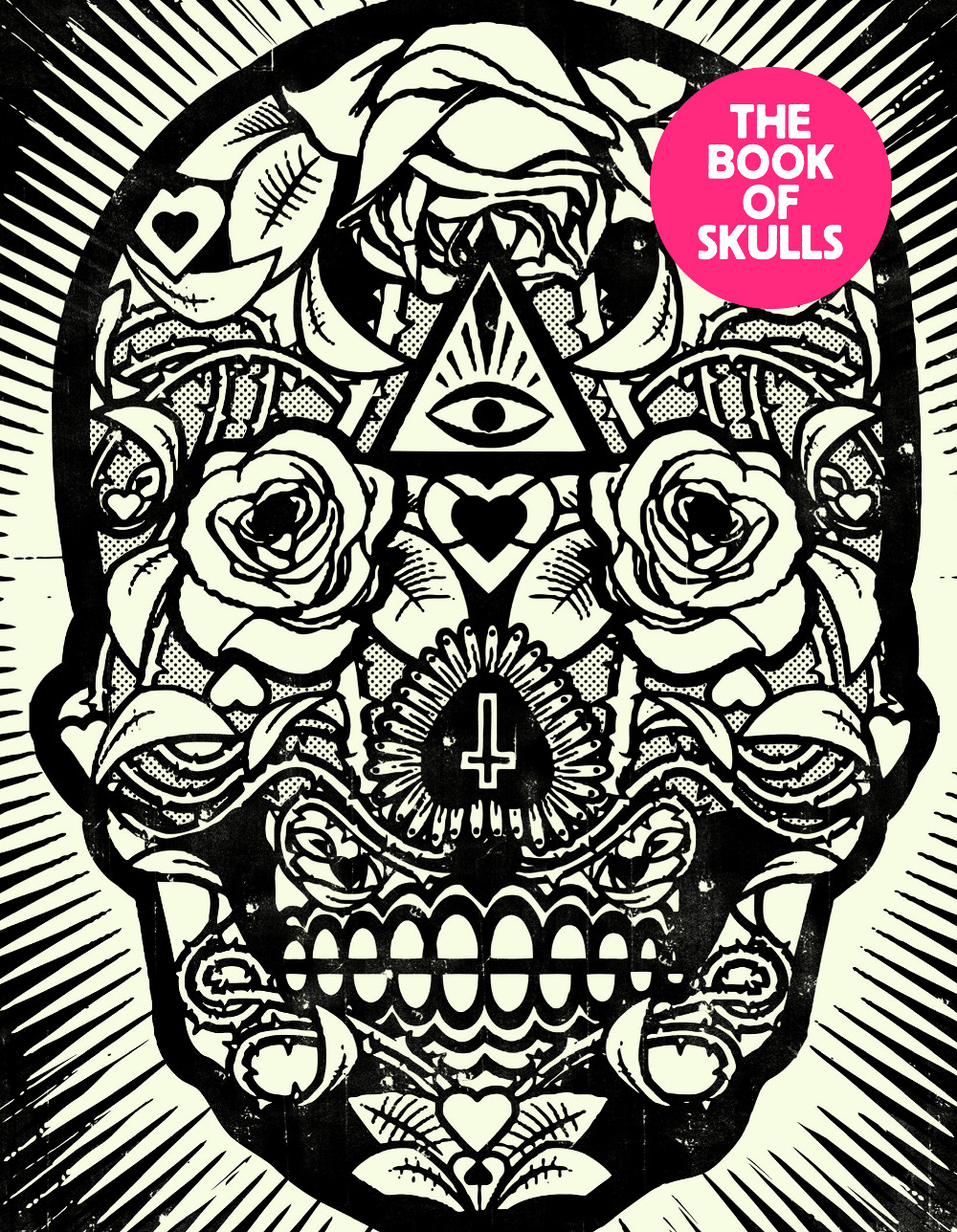
The threat of death… A warning… A memento mori…
A comprehensive visual history of the human skull is surely an entire Steven Heller book in the making (I guess we’ll just have to make do with a Wikipedia page for now). But as Faye Dowling’s contemporary compendium The Book of Skulls1 makes plain, what was once taboo — terrifying even — has become a pop culture phenomenon. Images of skulls now appear in art, design, fashion, and illustration. Apparently we like to be reminded we are all going to die. Even book covers are not immune. Here are a few recent examples that caught my eye:
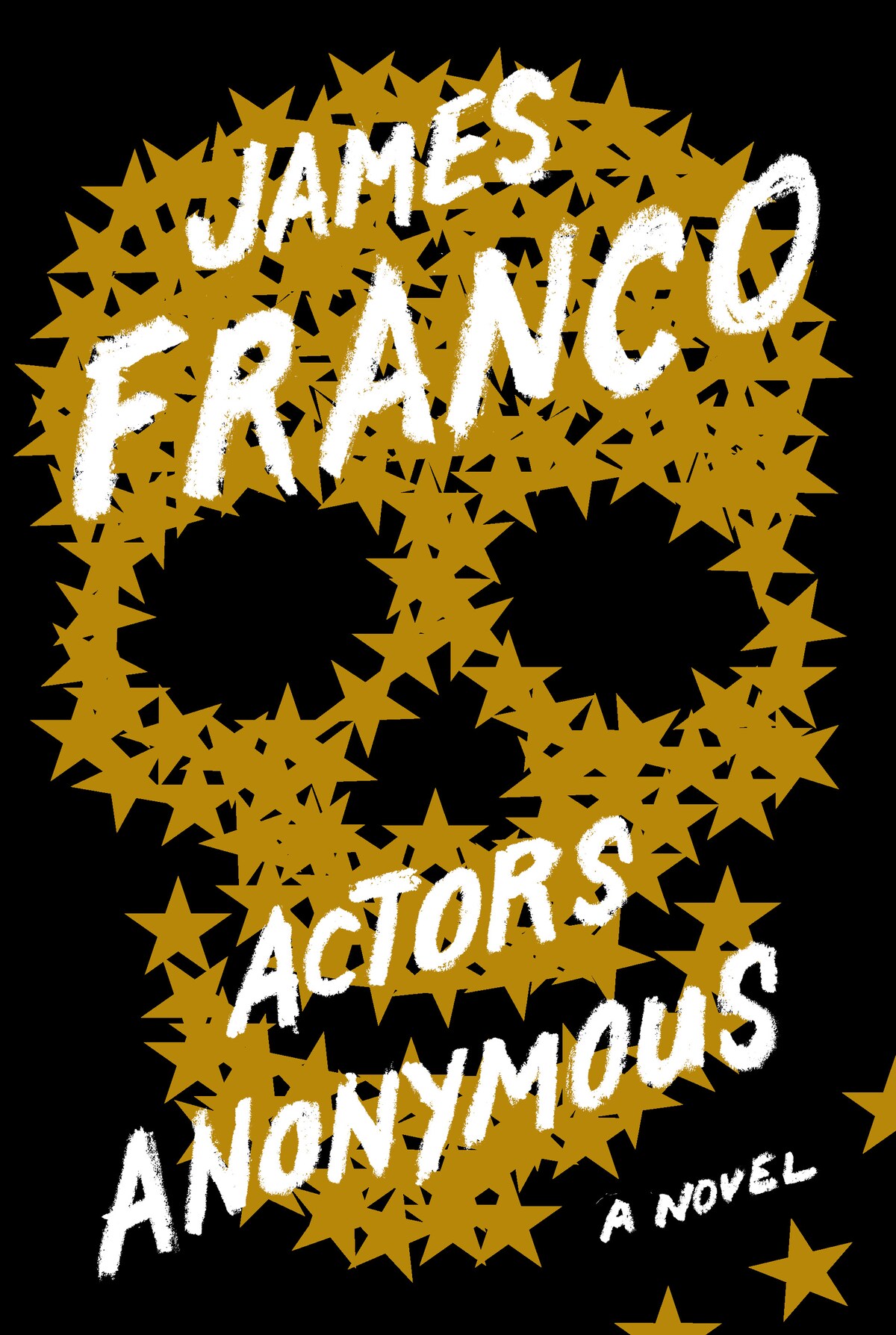
Actors Anonymous by James Franco; design by Lynn Buckley (New Harvest October 2013)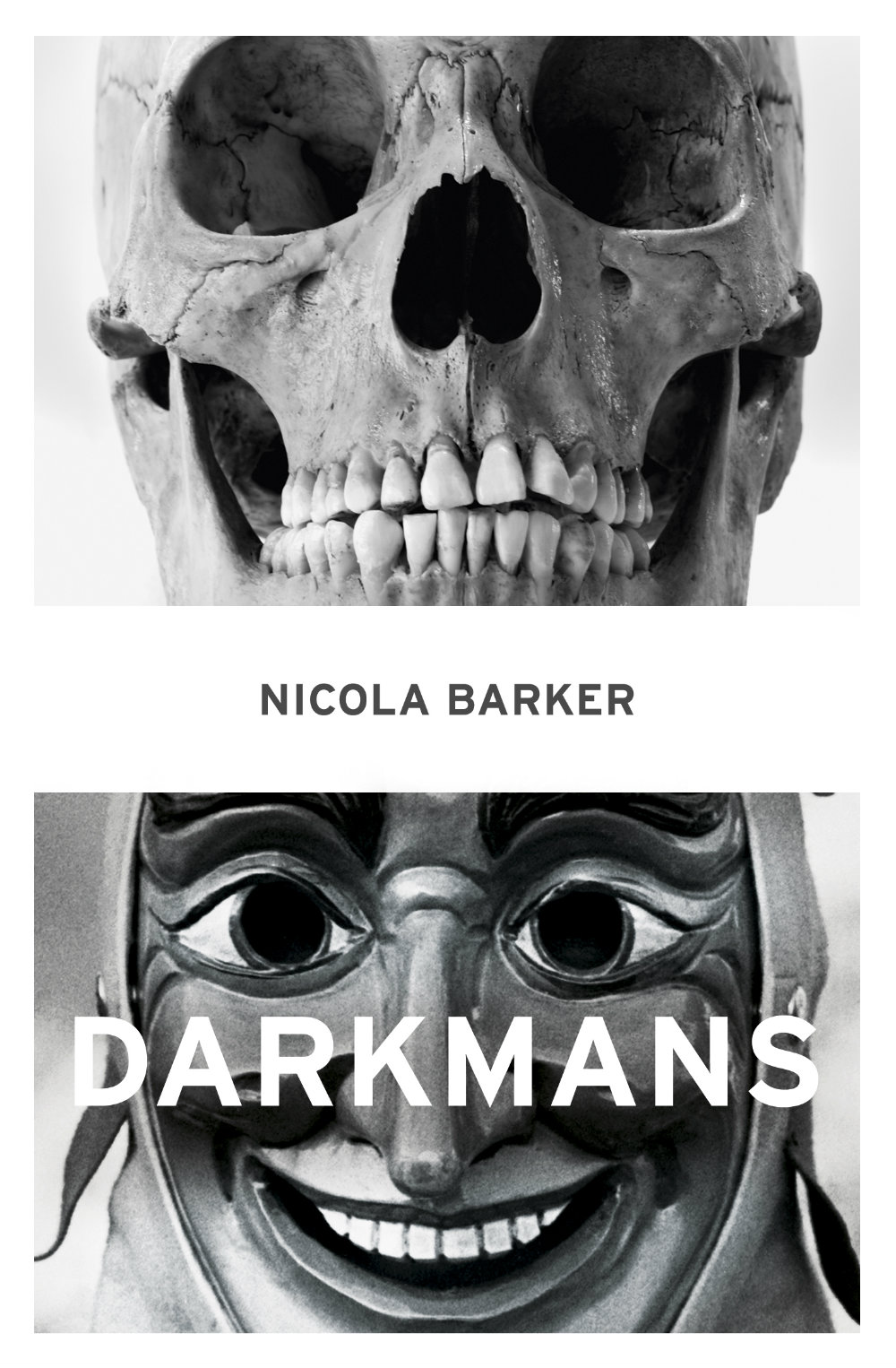
Darkmans by Nicola Barker; design by Leo Nickolls (Fourth Estate March 2008)

A Dark Stranger by Julien Gracq; design by David Pearson (Pushkin Press December 2013)
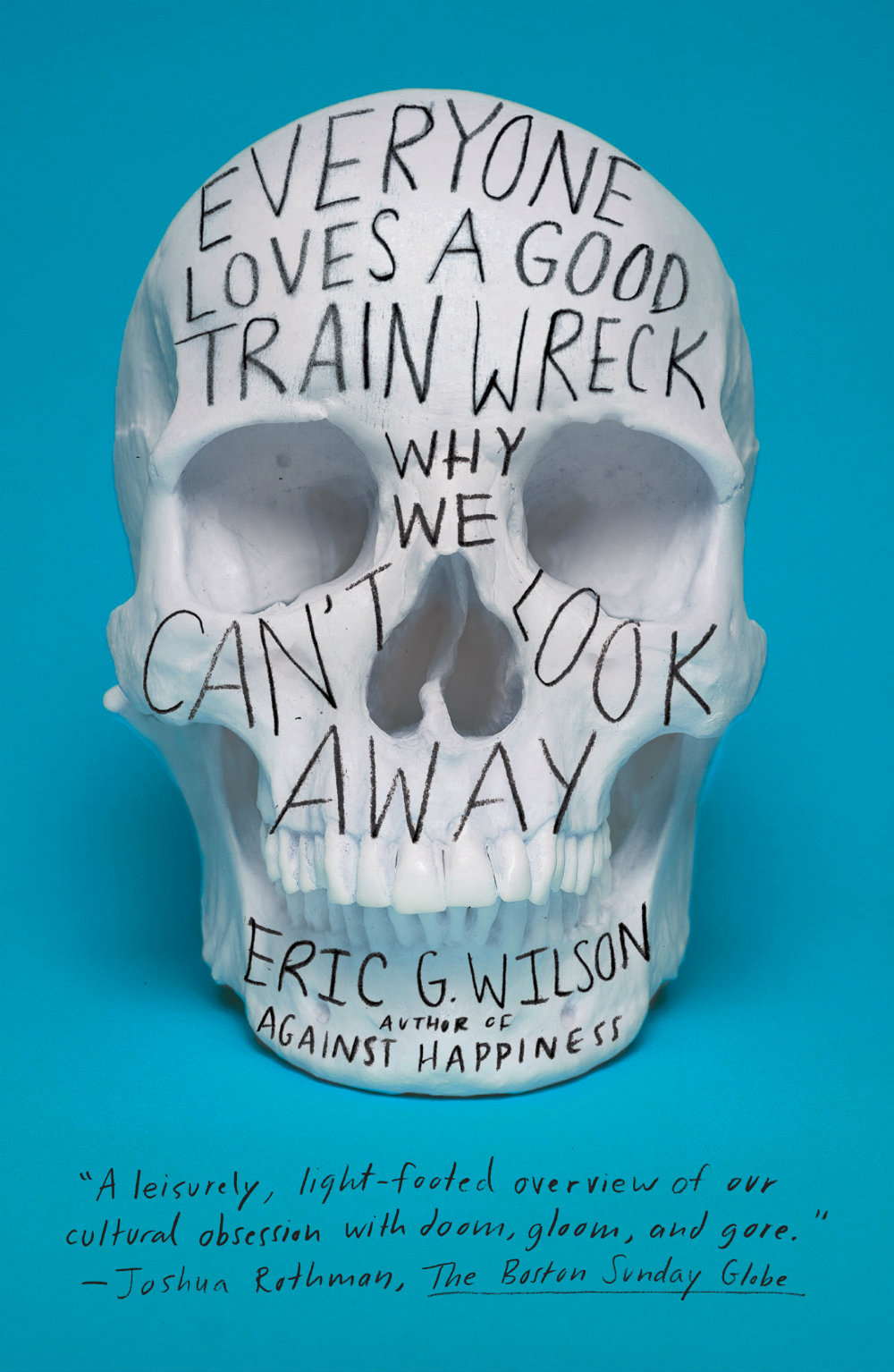
Everyone Loves a Good Train Wreck by Eric G. Wilson; design by Rodrigo Corrall, hand-lettering by Jennifer Carrow, photograph by Simon Lee (FSG March 2012)
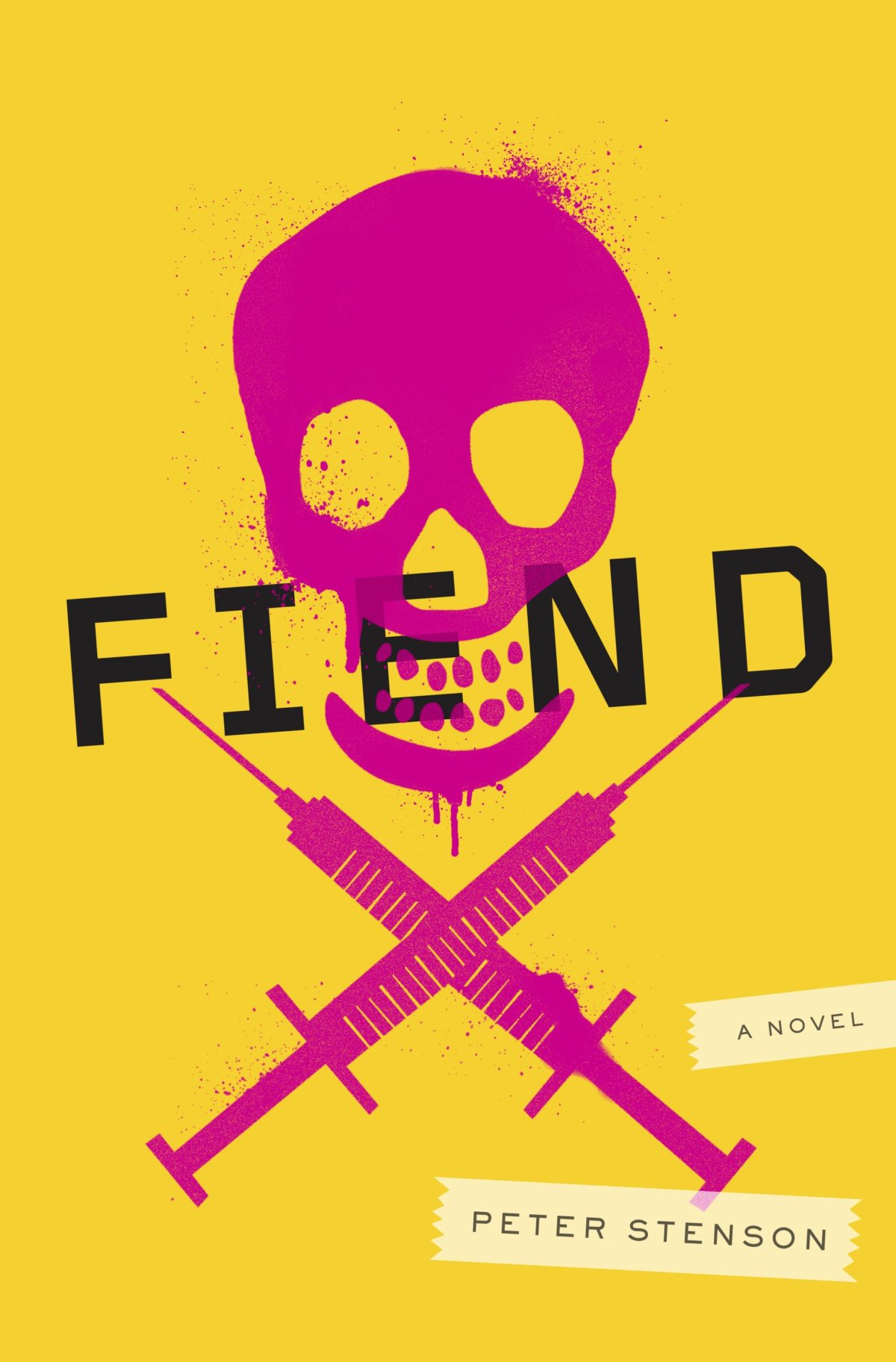
Fiend by Peter Stenson; design by Christopher Brand (Crown July 2013)
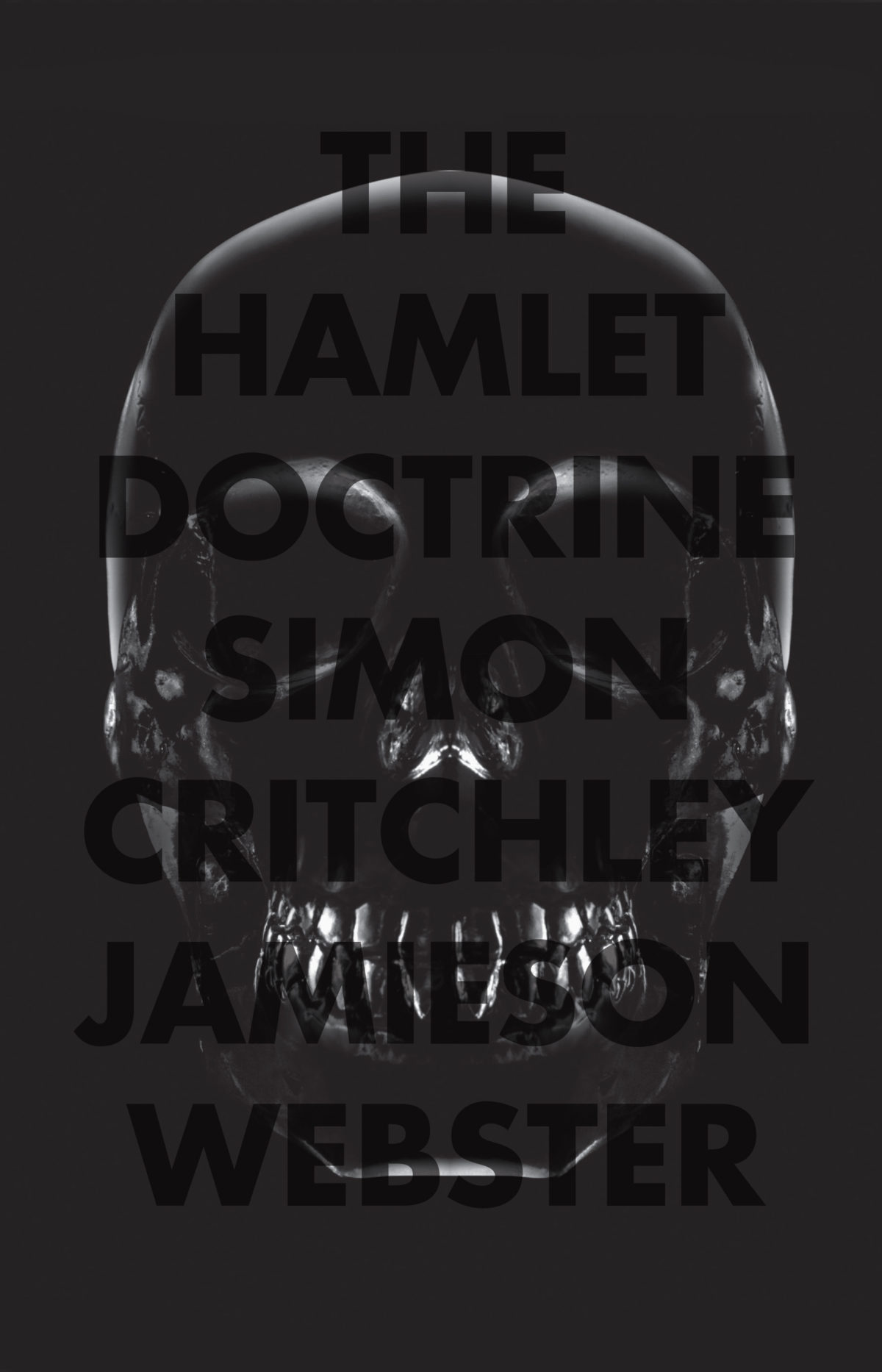
The Hamlet Doctrine by Simon Critchley & Jamieson Webster; design by David A. Gee (Verso September 2013)
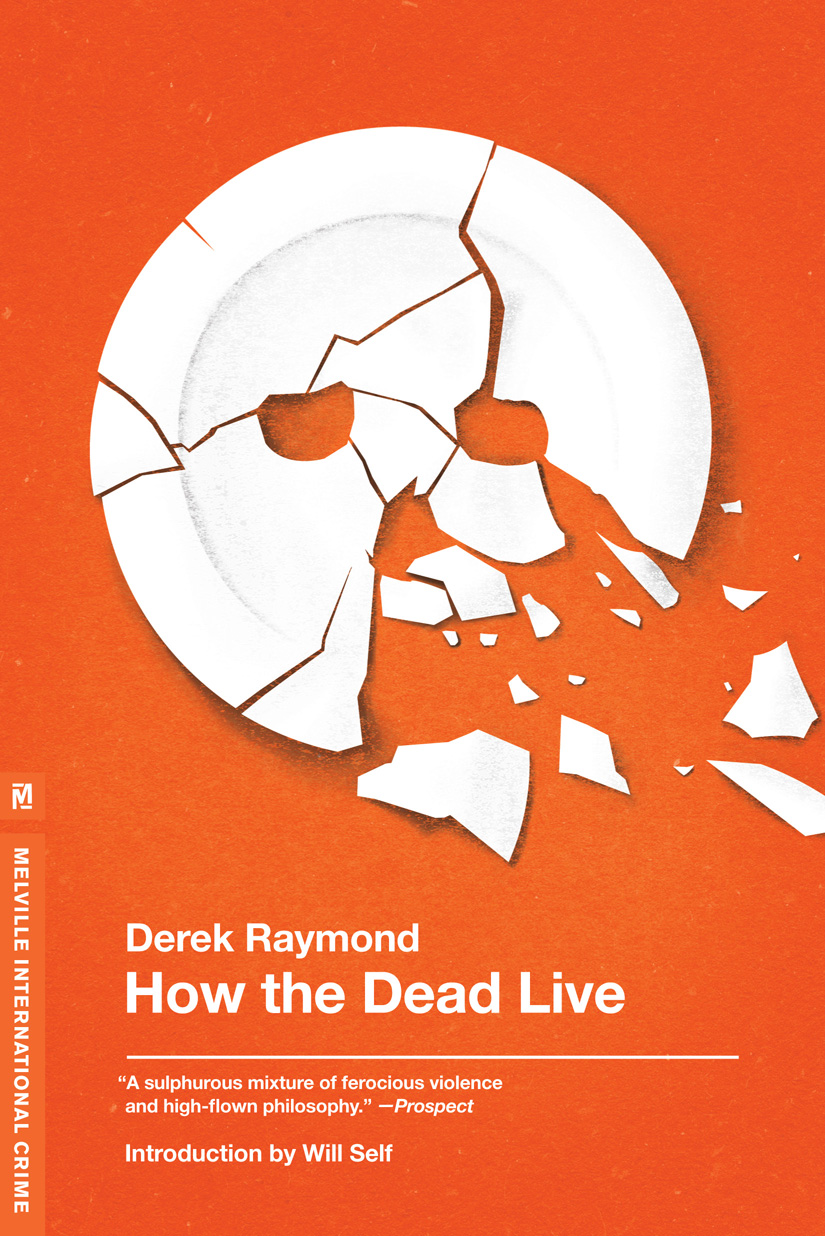
How the Dead Live by Derek Raymond; design by Christopher King (Melville House October 2011)
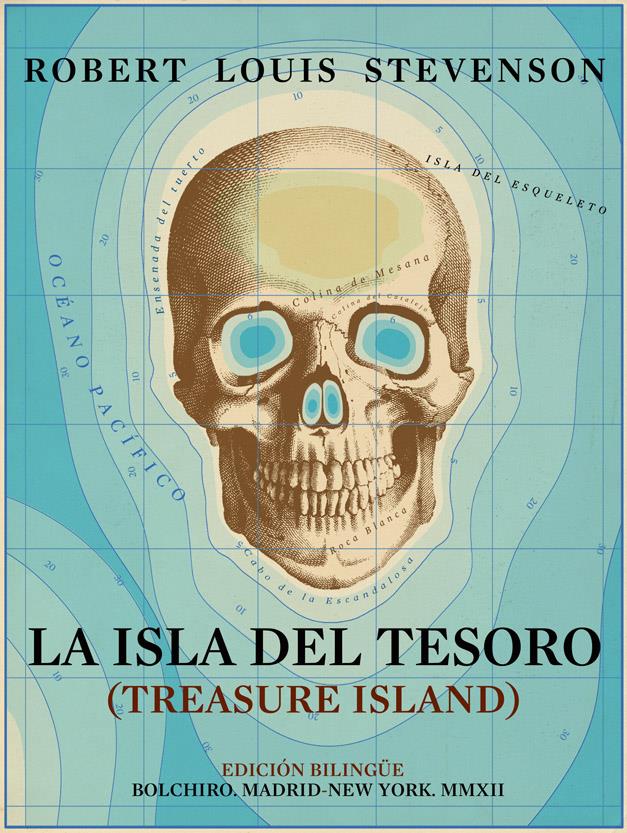
La Isla del Tesoro (Treasure Island) by Robert Louis Stevenson; design by Raúl Arias (Bolchiro February 2013)
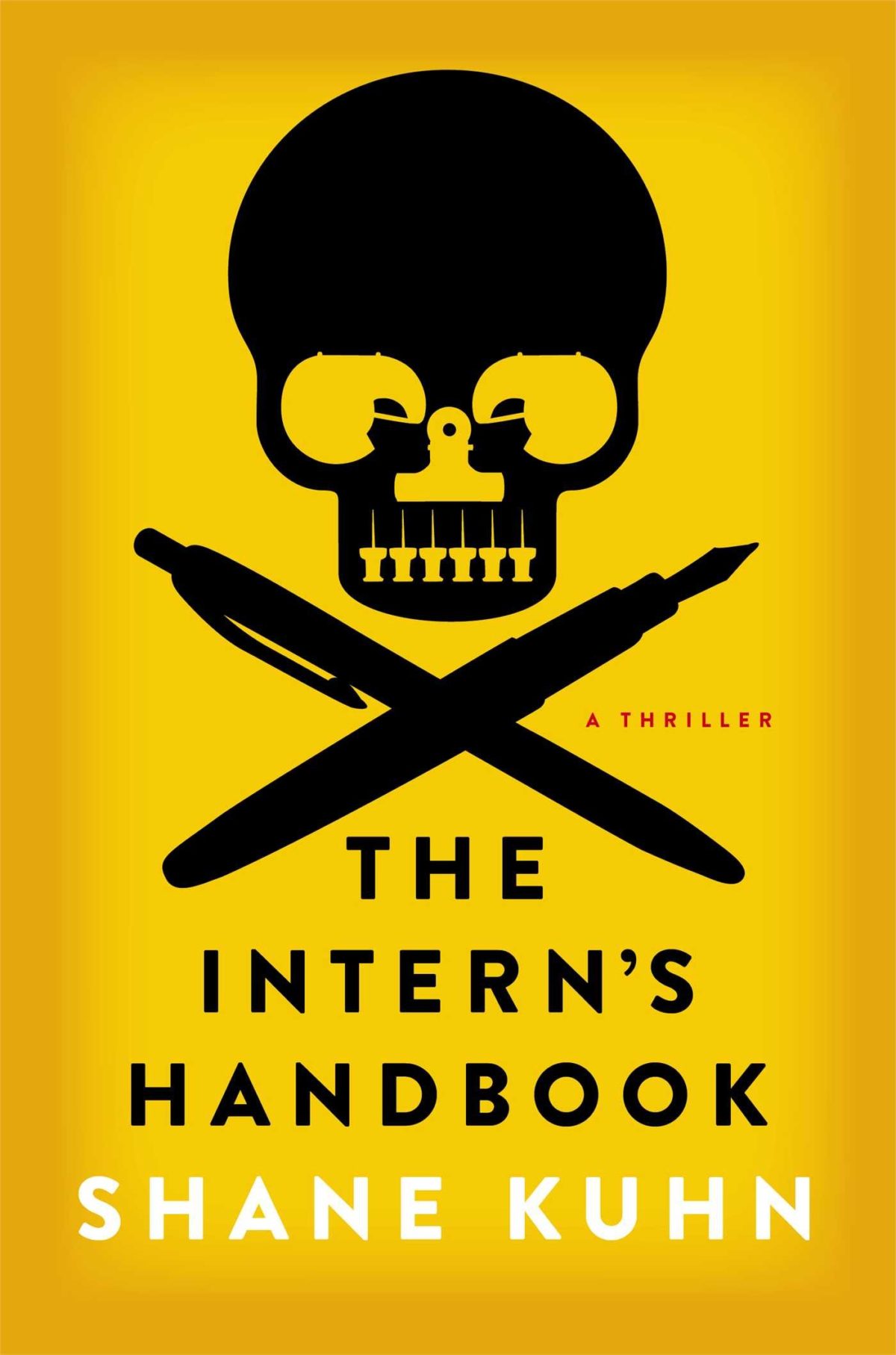
The Intern’s Handbook by Shane Kuhn; design by Roberto de Vicq de Cumptich (Simon & Schuster April 2014)
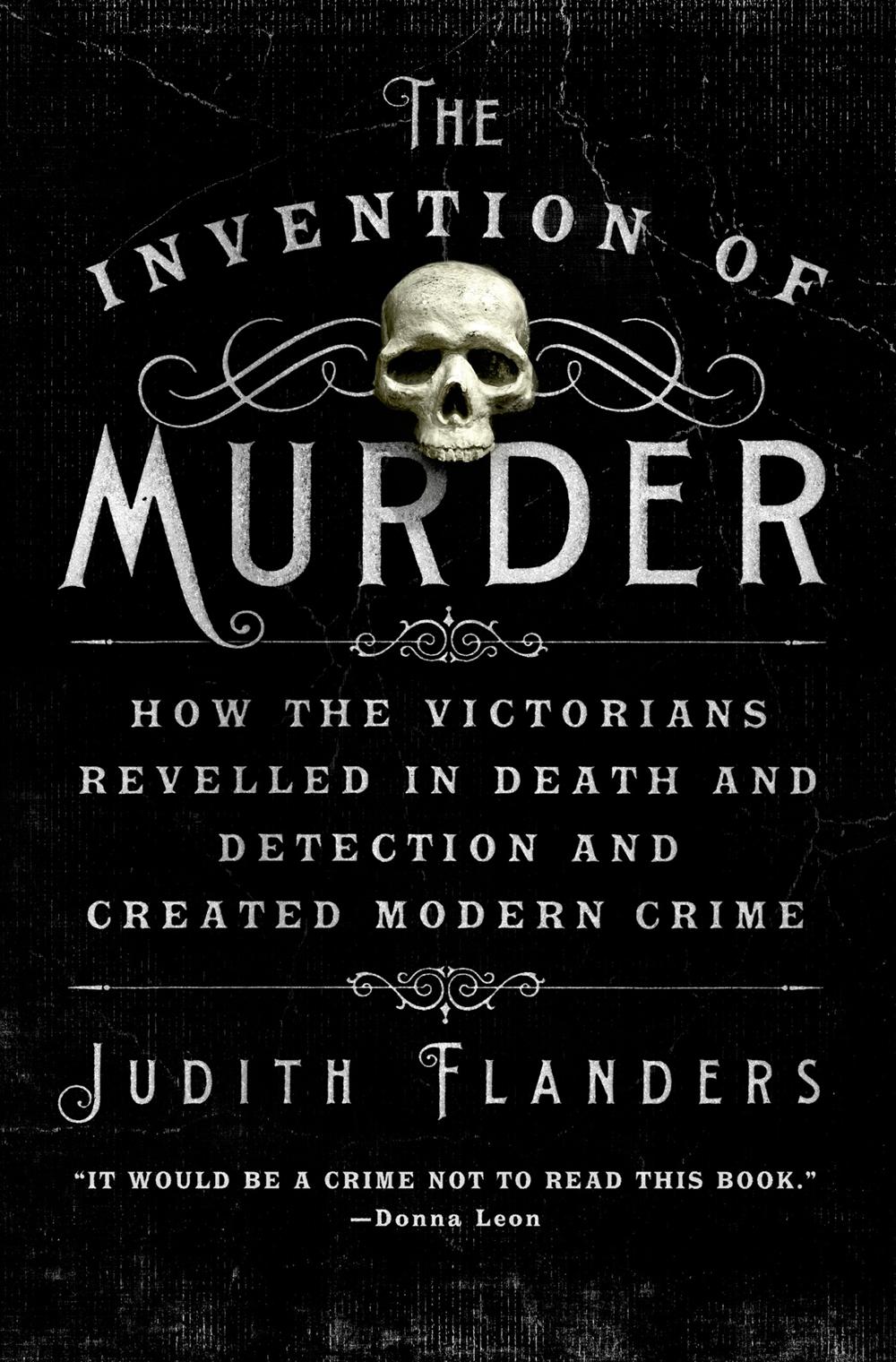
The Invention of Murder by Judith Flanders; design by Ervin Serrano (Thomas Dunne July 2013)
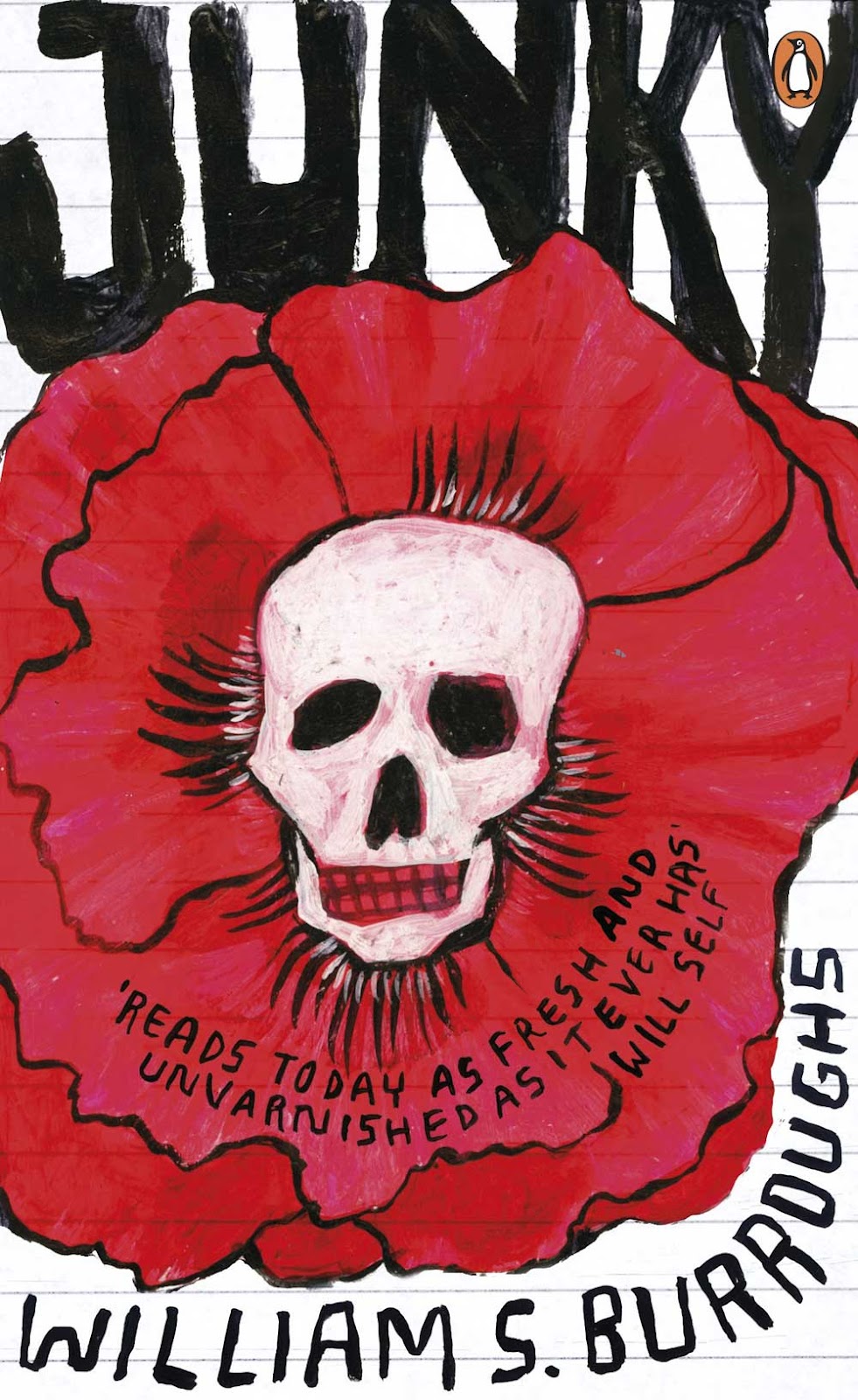
Junky by William Burroughs; artwork by Martha Rich (Penguin April 2012)
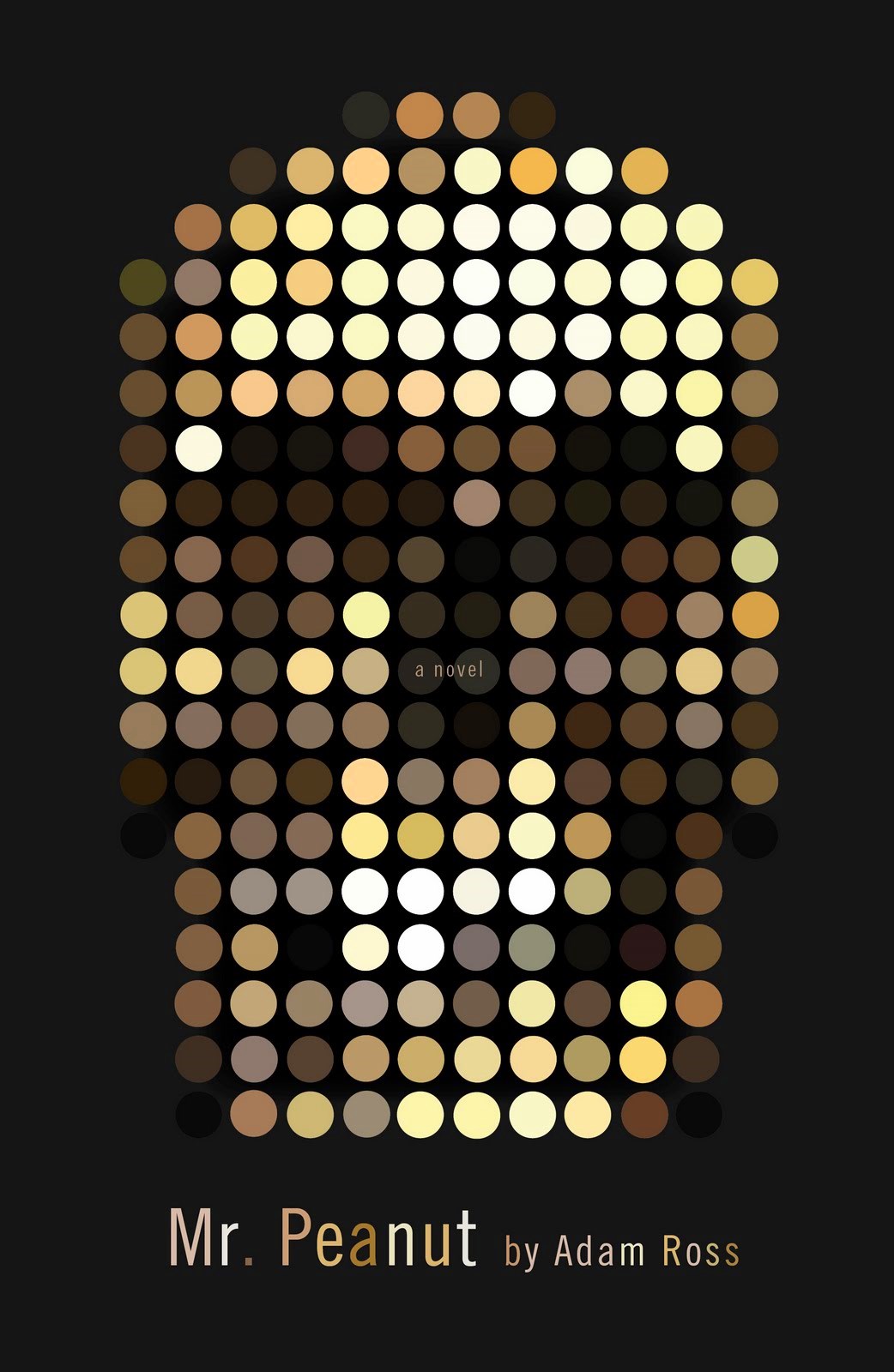
Mr. Peanut by Adam Ross; design by Peter Mendelsund (Knopf June 2010)

Piratas de lo público by Antón Losada; design by Javier Jaén (Deusto November 2013)
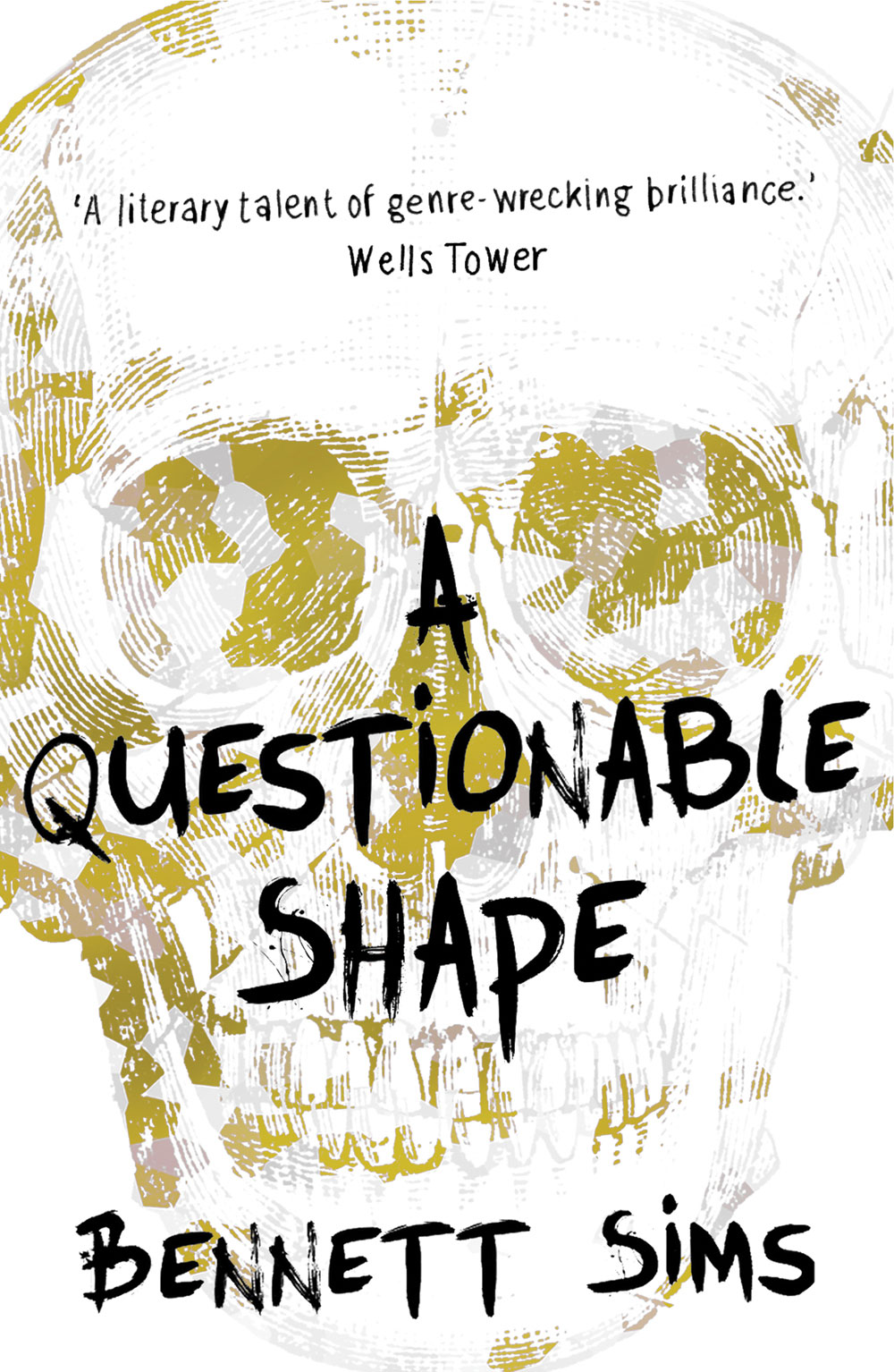
A Questionable Shape by Bennett Sims; design by Holly MacDonald (Oneworld June 2014)
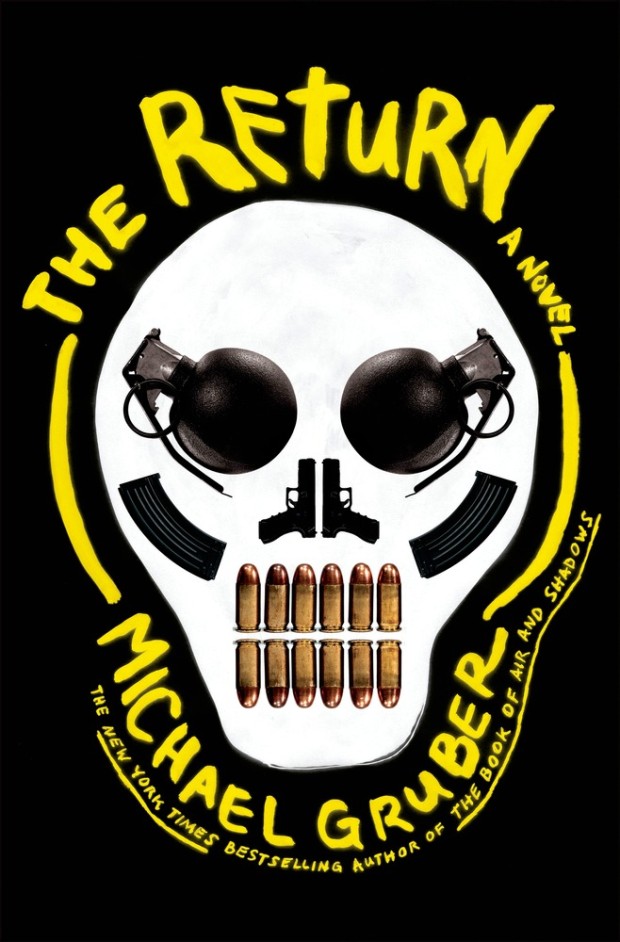
The Return by Michael Gruber; design by Chris Sergio (Henry Holt & Co. September 2013)
 Royauté by Alexie Morin design by Catherine D’Amours (Le Quartanier October 2013)
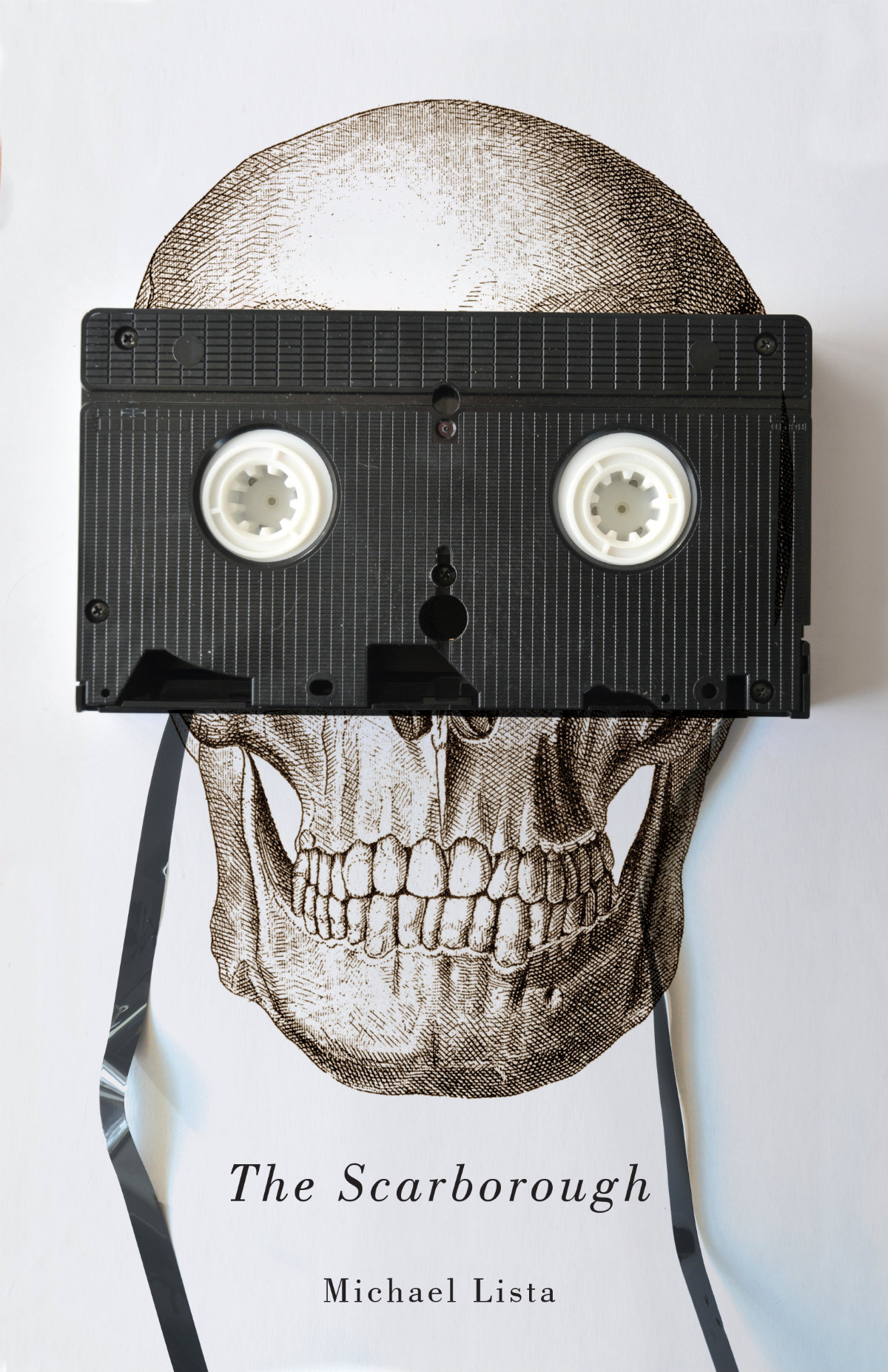
The Scarborough by Michael Lista; design by David Drummond (Véhicule Press September 2014)
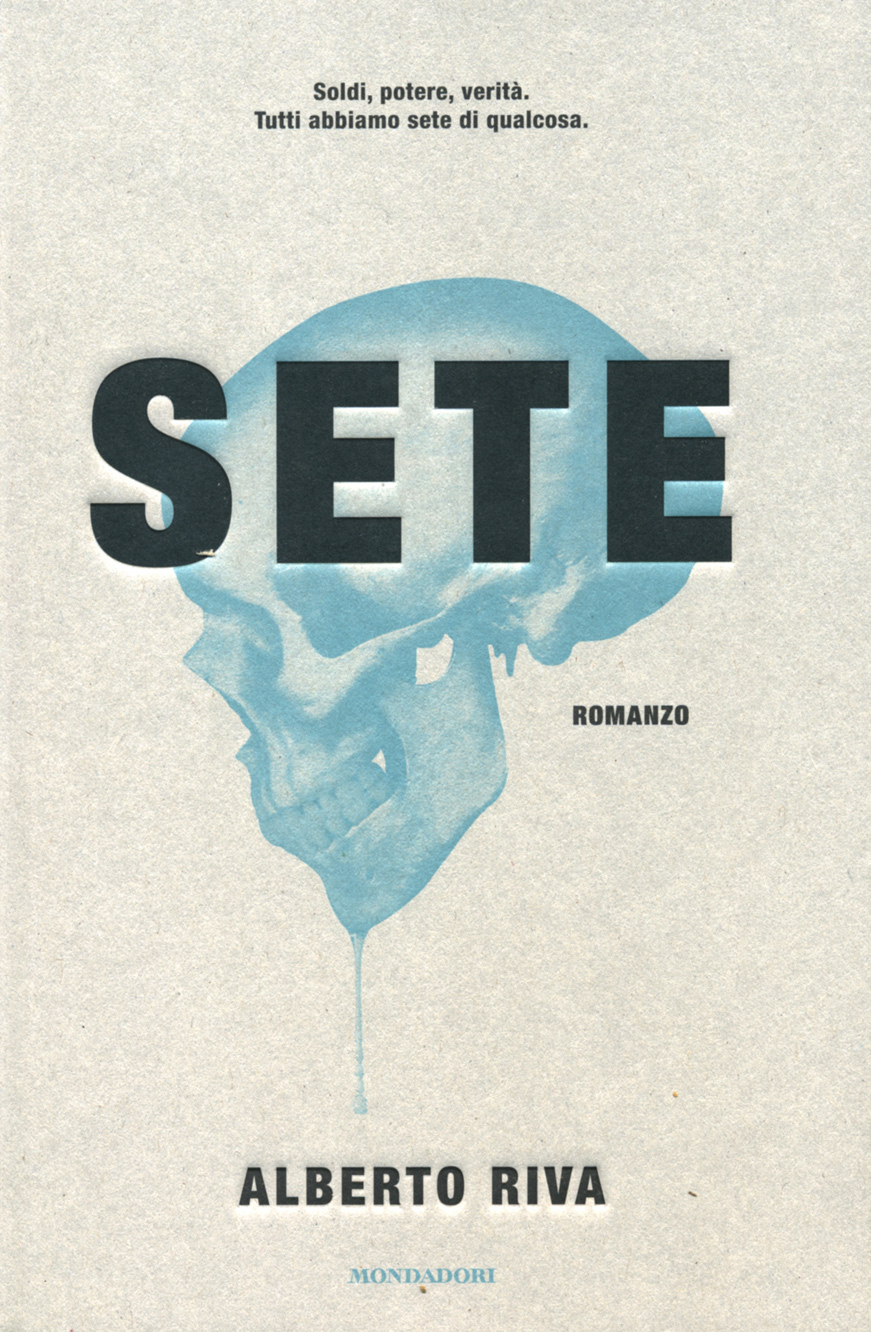
Sete by Albero Riva; design by Manuele Scalia (Mondadori May 2011)
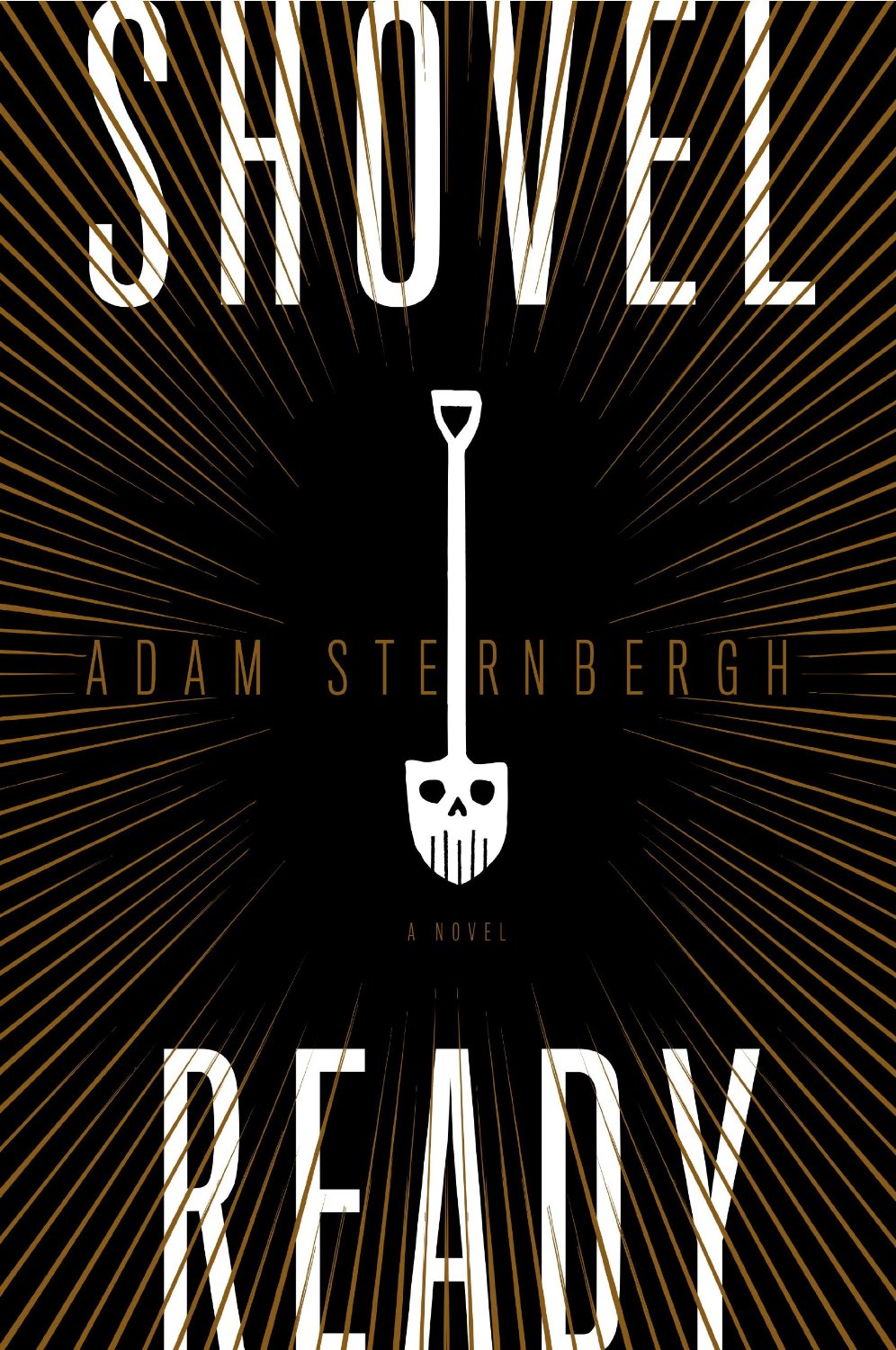
Shovel Ready by Adam Sternbergh; design by Will Staehle (Random House February 2014)
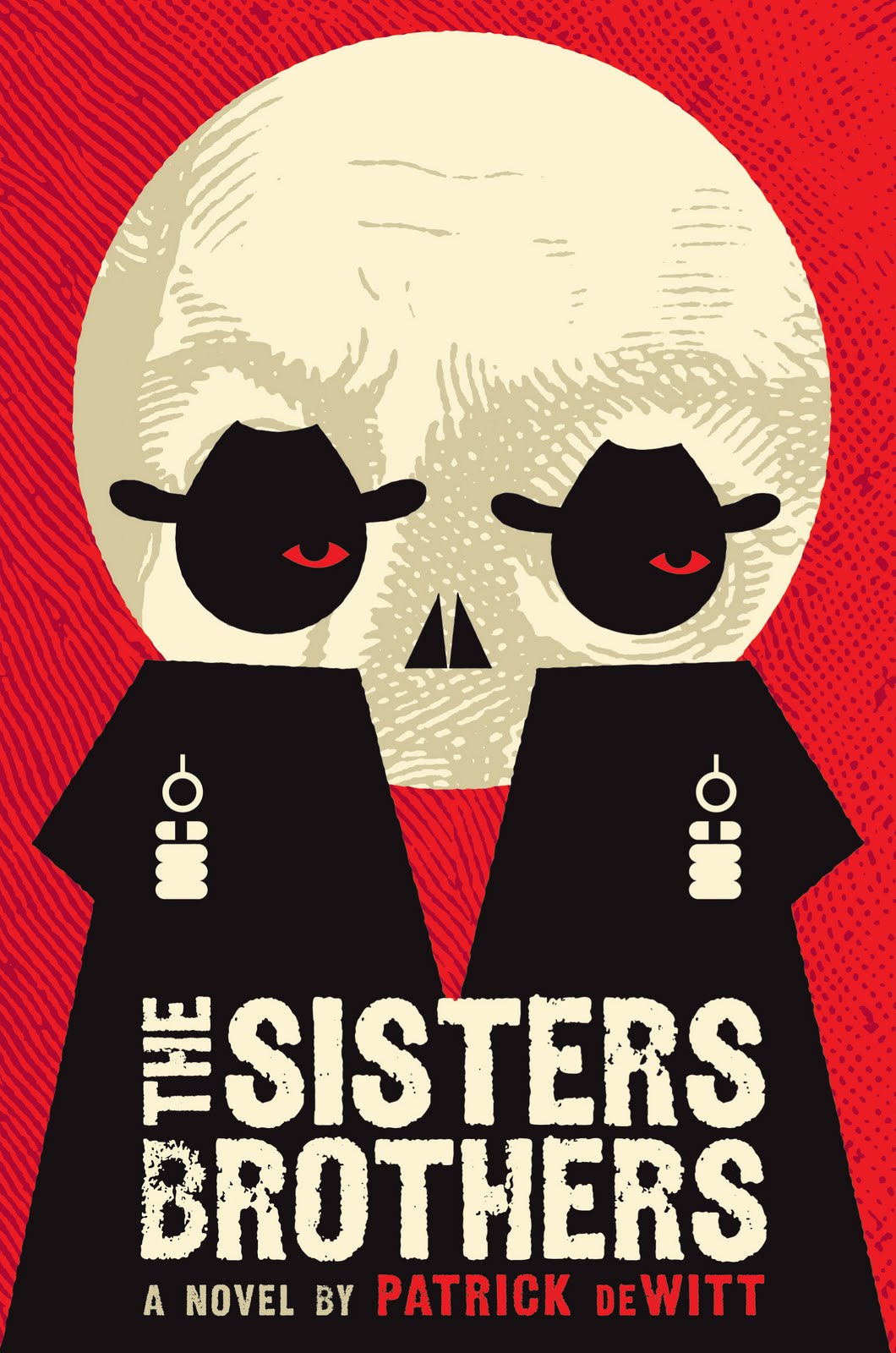 The Sisters Brothers by Patrick Dewitt, design by Dan Stiles (Ecco May 2011)
Slaughterhouse Five by Kurt Vonnegut; design by Lynn Buckley; illustrations and hand-lettering by Kurt Vonnegut (Dial Press 2009)
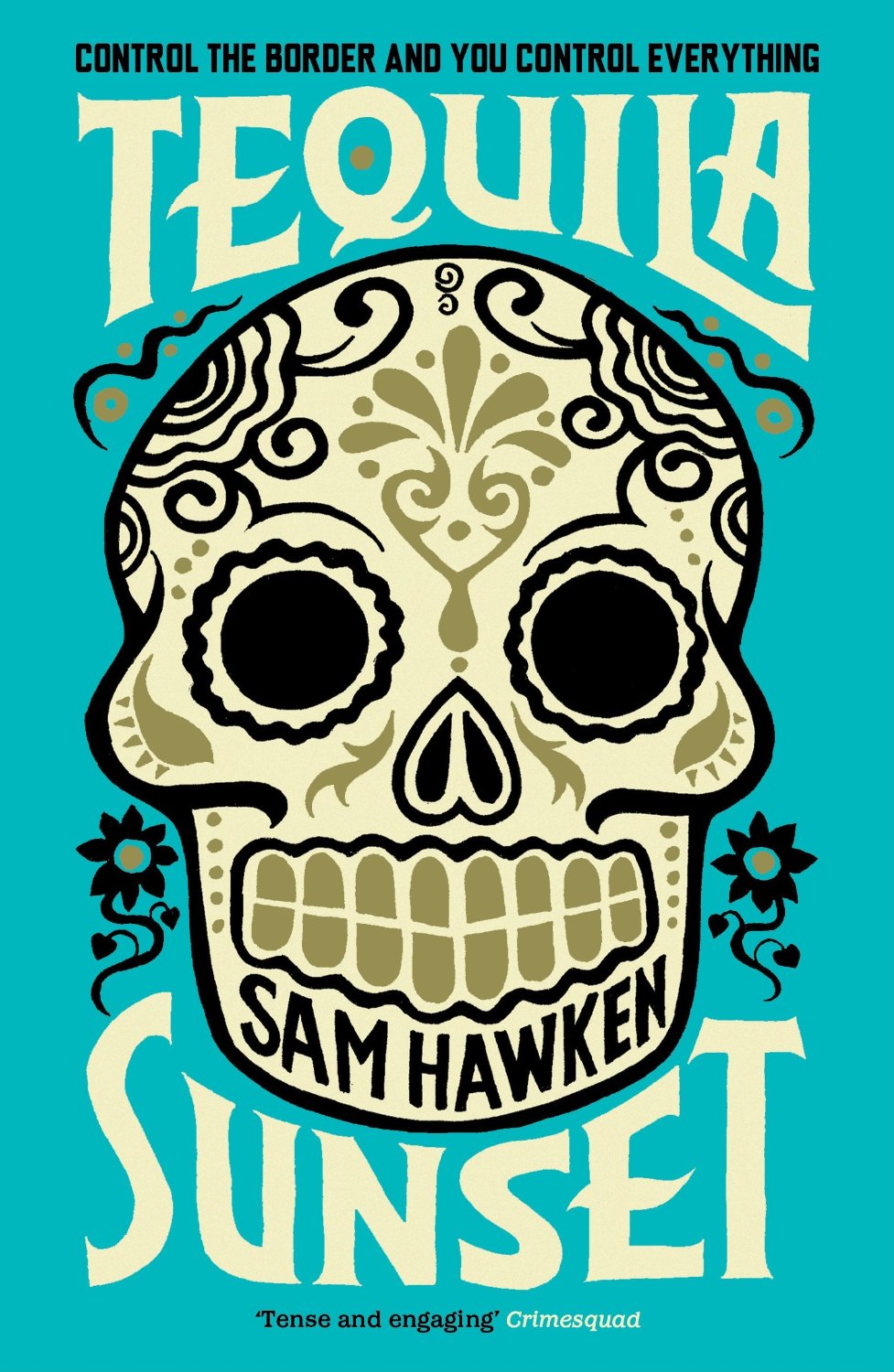
Tequila Sunset by Sam Hawken; design by Tony Lyons at Estuary English (Serpent’s Tail December 2013)
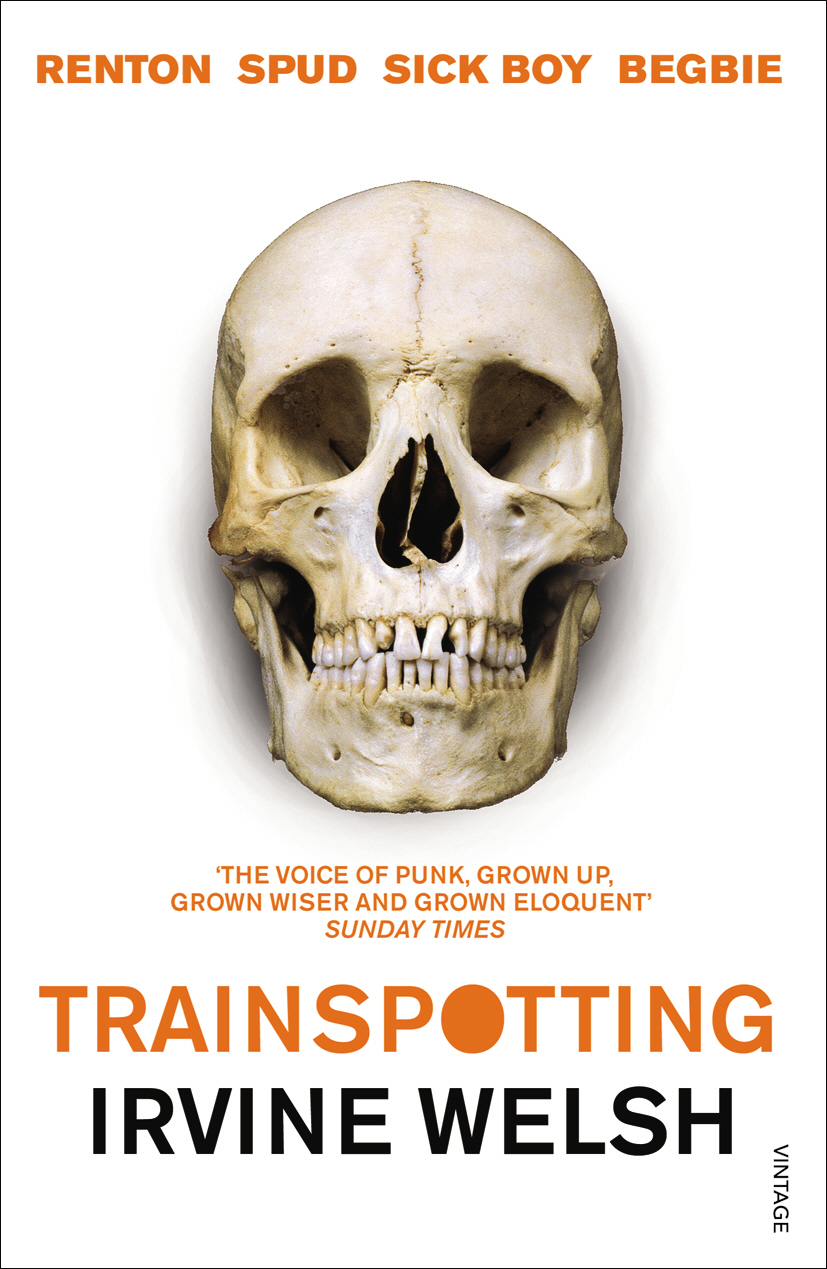
Trainspotting by Irvine Welsh; design by Sarah-Jane Smith (Vintage March 2013)
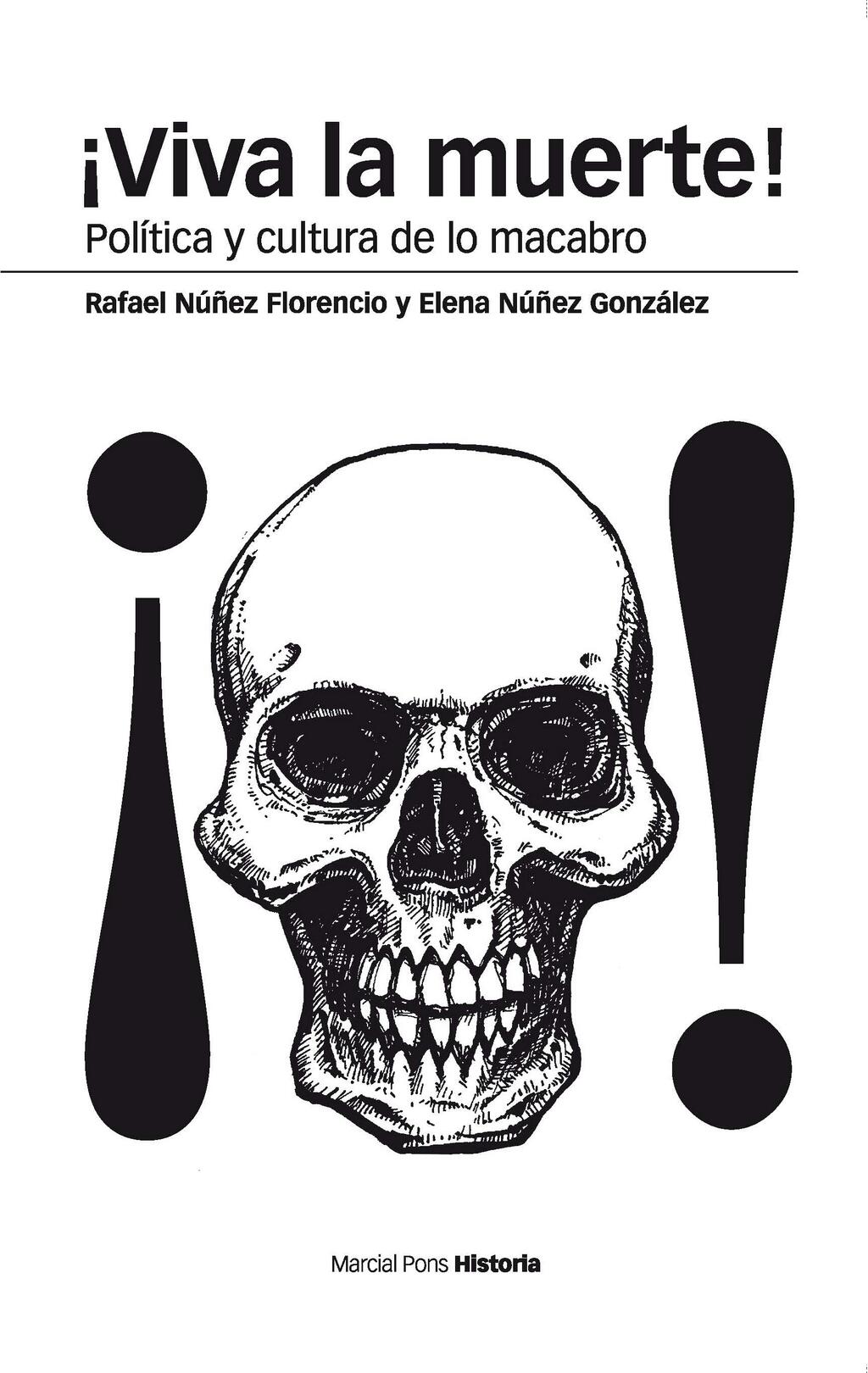
¡Viva La Muerte! by Rafael Núñez and Elena Núñez González ; design by Manuel Estrada (Marcial Pons Historia March 2014).
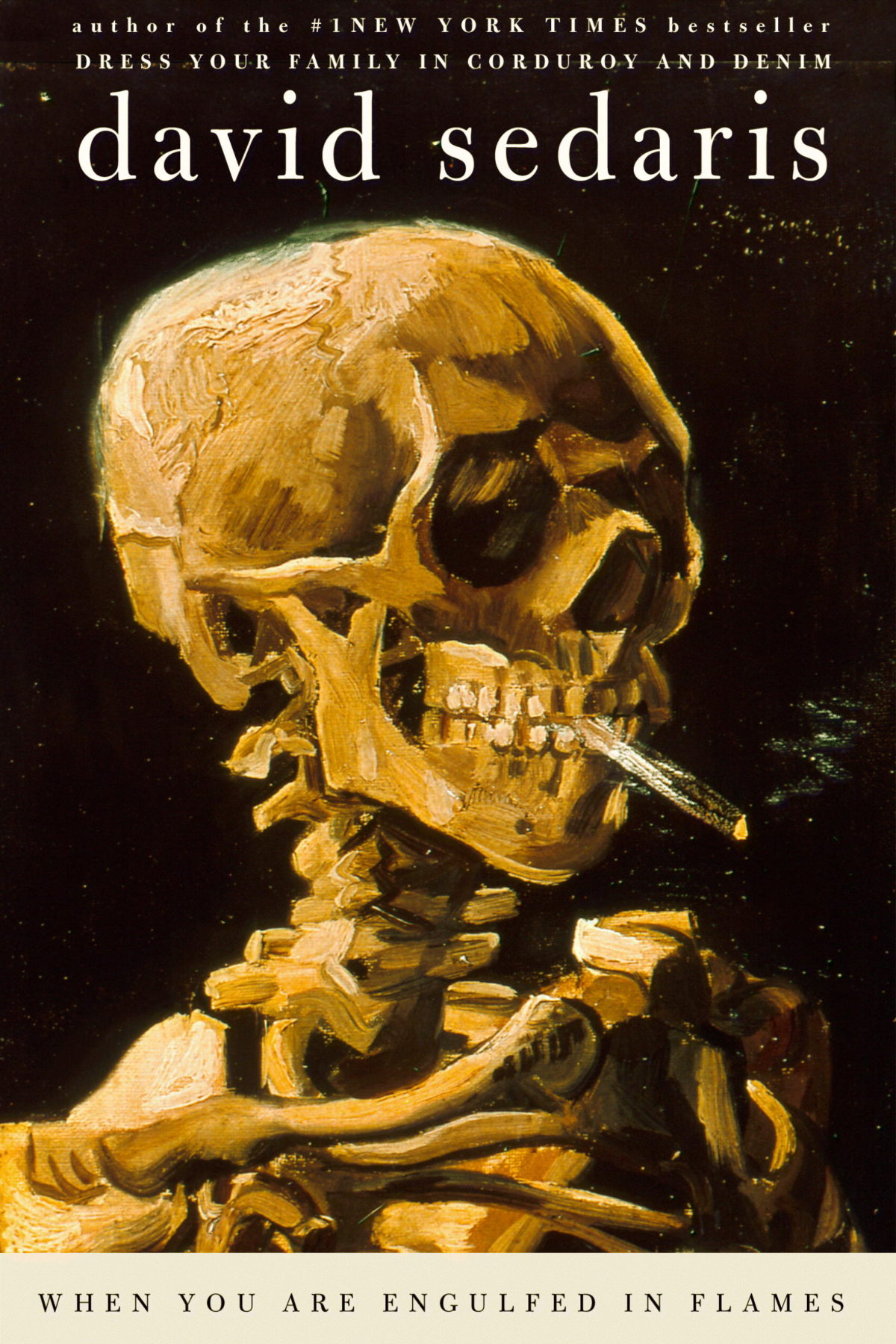
When You Are Engulfed in Flames by David Sedaris; design by Chip Kidd (Little Brown & Co. July 2008)

 Chisel Away