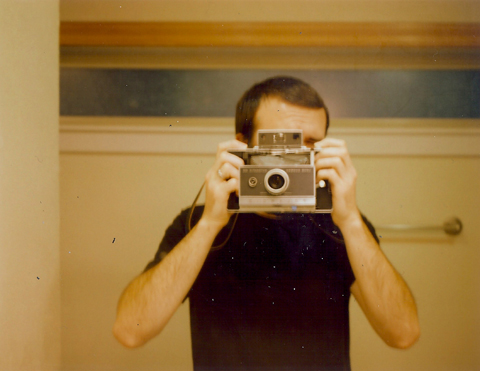
 Sometimes it can take me a little while to feature a designer on The Casual Optimist. Such is the case with Oregon-based book designer Jason Gabbert.
I was impressed with Jason’s work with Charles Brock and — at that time — Nate Salciccioli (interviewed here) back when Faceout Studio was still known as the DesignWorks Group. But neither the time or the topics ever seemed to be completely right. Then, earlier this year, Jason announced he was branching out on his own and going freelance. What better excuse could there be for an Q & A?
Jason and I corresponded by email. I think it was worth the wait…

How did you get into book design?
I was first introduced to book design my senior year of high-school. My family has been involved with publishing since I can remember and that led to me receiving an internship with a publisher in town. From that internship I was brought on as an intern to the brilliant Faceout Studio, which specializes in book cover design. The internship ended up turning into a full time design position. And now I’m doing my own thing.
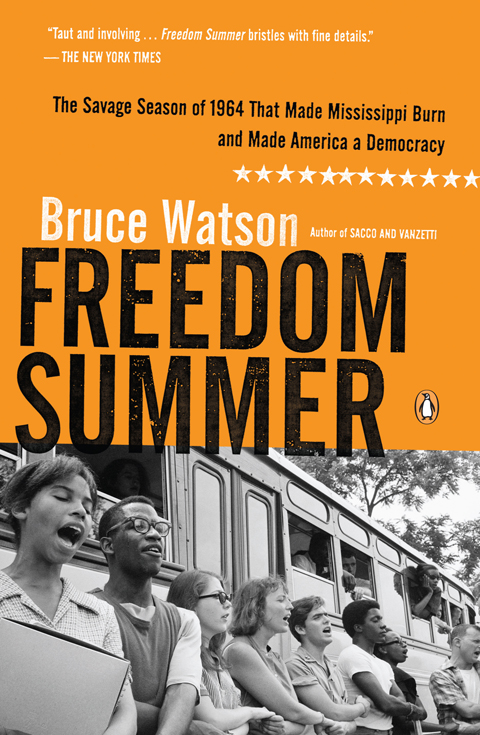
Why did you decide to go freelance?
After working at Faceout Studio several years I began to realize that my passions were driving me to going freelance for myself. Different people work well in different environments and I wanted to try a new one out.
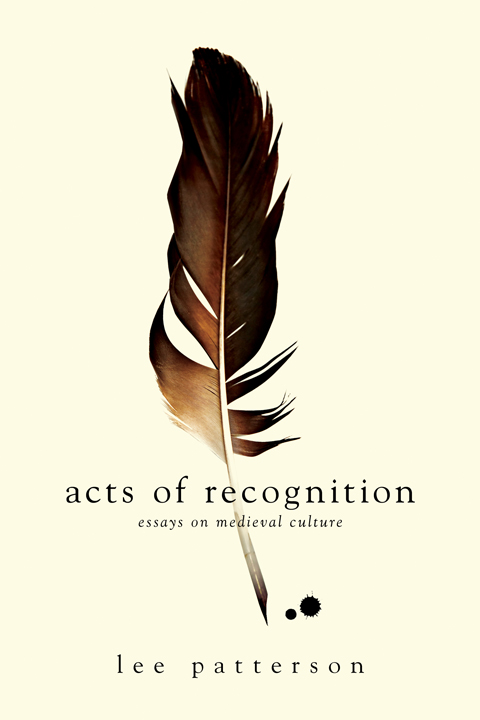
Was it a difficult decision?
The decision was a difficult one to make. A good beer and Jedi Knights helped with that though! The economy was screaming at me to stay where I was at, while my passions were screaming the opposite. In the end, my family and I (through stressful nights, prayer, and the counsel of those we trust) decided that this would be the best decision for me to establish my own personal creative integrity.
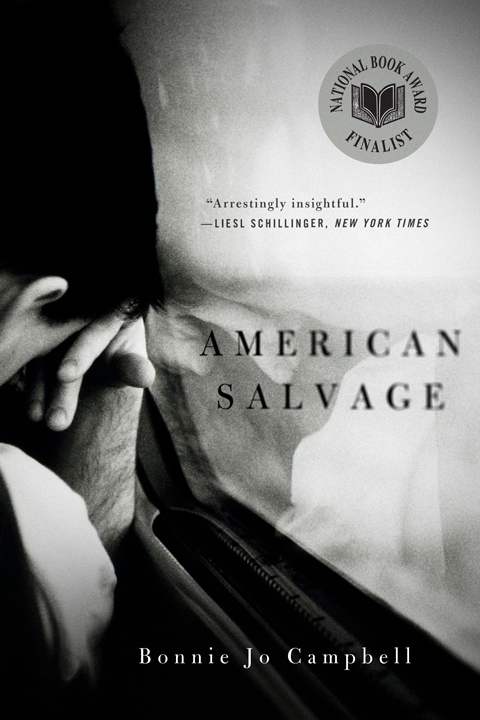
Could you describe your design process?
I think my process is more like a choose your own adventure book than a guide. But, broadly speaking, I like to gather as much information as possible on what I am designing, then I try and think of the simplest and most striking way to communicate the content’s key idea or ideas. After that I start doing random things (image searching, font searching, looking at different inspirations, etc…) hoping I’ll find a good way to showcase that key idea.
What are your favourite books to work on?
That’s a hard one. Off the top of my head, my favorite books are probably the more academic. Books with deep content that is just begging to be simplified to a cover.
What are the most challenging?
The most challenging books for me are often those that have been written a hundred different ways by a hundred different authors (though I am sure authors have their reasons for reintroducing these ideas). It is very difficult to keep coming up with new solutions for old ideas… but in the end, we are problem solvers… and avoiding cliché is one of the greatest challenges of all.

Do you have any recent favourites?
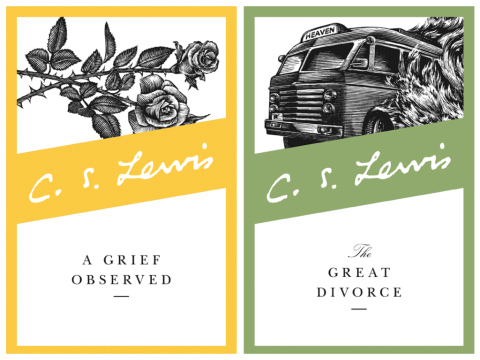
Of my own? That’s tough. I think one of my most recent favorites was the C.S. Lewis series I was able to work on. That was a dream project, and I was happy to be involved. In the end I wasn’t able to direct the illustrations themselves, but simply being able to come out with an effective format to communicate Lewis’s academic side was a privilege. I also have several academic books I’ve enjoyed working on.

Do you discern any current trends in American book cover design?
I’m sure there are trends flying by all the time. The beautiful thing about book cover design is that there are so many designers out there with so many different ways to solve a problem. I also think that trends that exist are changing faster all the time (though you would have to talk to a cover design veteran to know for sure). The cover design industry is growing its online presence, we see new things and change our approaches all the time.
Do you think that the Pacific Northwest has different design sensibility from New York and the East coast?
I’m sure it does, though I can’t recall any differences off the top of my head. I think I pull my inspiration from many similar sources as the East coast does. I don’t get as many inspirations in person, but I see many of the same things. I don’t go putting mountains, trees, and fish on every design I make… or do I…?
Where do you look for inspiration, and who are some of your design heroes?
I live on the internet. Blogs and online portfolios are my friend. My design heroes vary and are many. During this freelance transition I have had great encouragement from Henry Sene Yee and Peter Mendelsund… designers I have great respect for. The list is much longer than those two though.
Who else do you think is doing interesting work right now?
So many! I’ve been impressed with how many designers are creating fresh and intelligent works. Specifically, I’d probably want to tip my hat to the University of Chicago Press, they have been doing a ton of brilliant work.
What does the future hold for book cover design?
Change. Who knows what changes… but things will always change. We should always be seeing how we ourselves can also change to meet new challenges. I believe people will always read and books will always need to be identified by some graphic element.

Thanks Jason!
5 Comments
