Skip to content

Tag: industrial design

Modernism, Inc.

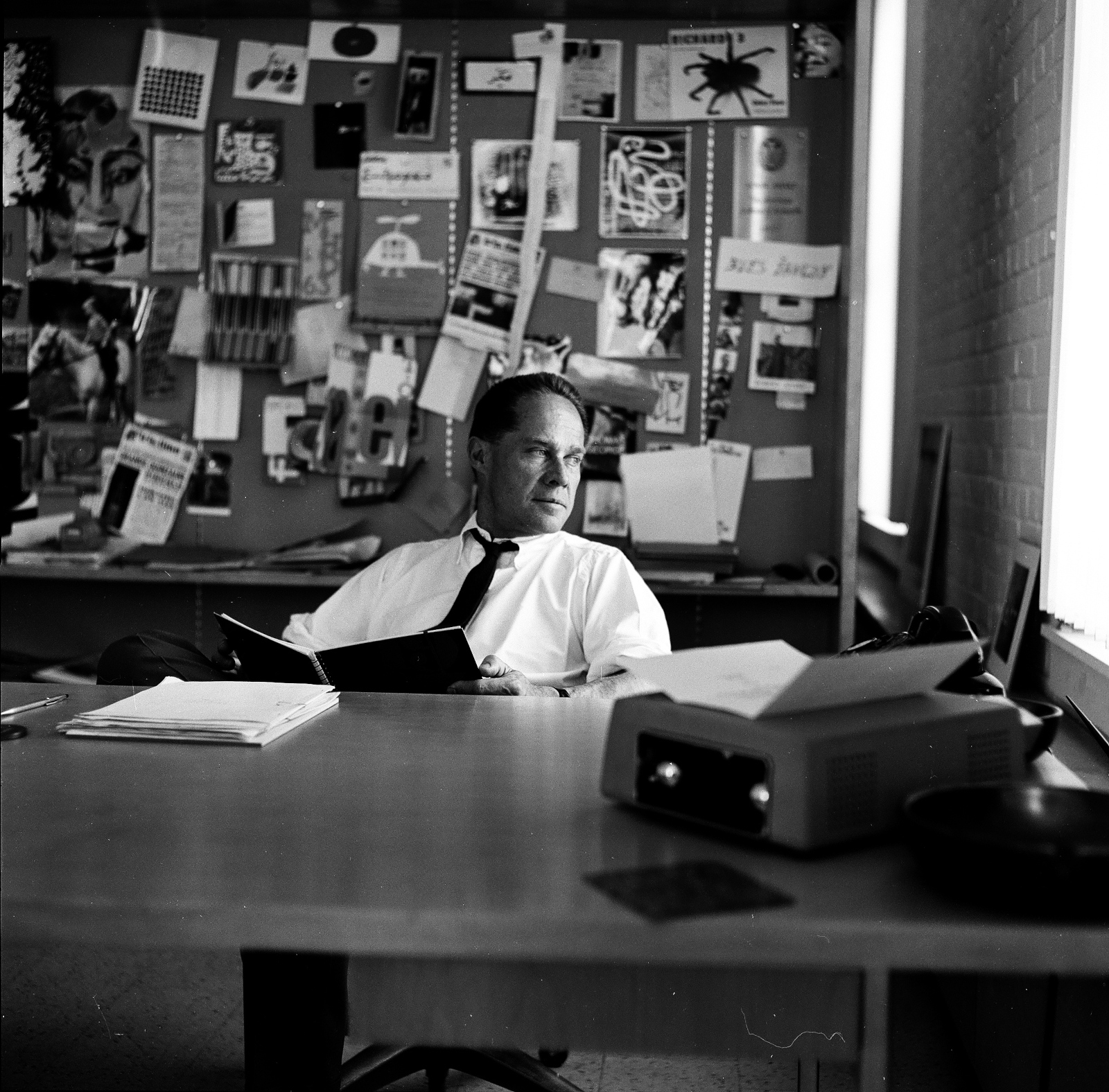
Opening in New York this week at IFC Center, Modernism, Inc. is a new documentary about architect Eliot Noyes, a pioneer of modern corporate design during America’s post-war economic boom.

Director Jason Cohn (also co-director of Eames: The Architect and the Painter) recently discussed Noyes and his legacy with Steven Heller for PRINT:

Eliot Noyes started out as a disciple of Walter Gropius and the Bauhaus, which was a specific flavor of Modernism that developed in Europe between the wars. There was a kind of idealism—a social reform aspect—to it. Modern design promised to improve people’s lives in tangible ways by making high-quality goods and housing affordable for everyone. Once Modernism became installed in America after WWII, however, it lost a lot of that idealism. It was adopted by multinational corporations like IBM and it became the preferred architectural style of the super-rich. I don’t think Eliot Noyes was consciously trying to make this happen, but he was probably as central to this evolution as anyone. I try to let viewers make up their own minds about whether Eliot Noyes made the world better or worse as a result of the work he did in corporate design, but I hope they at least think about what might have happened if Modernism maintained the more independent spirit that it had before if became “Modernism, Inc.”

Comments closed

Richard Sapper’s Vision of the Future

richard-sapper-jonathan-olivares-book-cover

At Curbed, Alexandra Lange discusses the work of German-born industrial designer Richard Sapper, and a new book about his work published by Phaidon:

When Los Angeles-based designer Jonathan Olivares first met Richard Sapper in 2008 in Milan, Sapper’s adopted home, he put it more bluntly: Why black?

“I expected him to come back with a hardcore minimalist modernist objective,” says Olivares who, like Sapper, has designed for Knoll. But Sapper said something different. “Black looks good in all kinds of interiors: old interiors, messy interiors, a clean modern interior. It ages really well. It doesn’t look dirty. You don’t see the seams. He told me, Next time, look at a white car and look at a black car. On a white car you see all the joints.” Sapper told two different stories about the shape of the ThinkPad. One is that he was inspired by the cigar box, the other by the bento box. In either case, a deceptively dark, plain exterior opens to a world of flavor. The red nub is either a beautiful cigar wrapper or a nice piece of tuna. It’s such a practical explanation it takes a moment to sink in. It’s as if this product designer knew your life…

…Sapper lived with multitudes and made multitudes, and his idea of the future didn’t involve getting rid of everything past, whether personal or visual. Technology, in his world, could co-exist with sentiment and age. To the end, he was still trying to invent a lamp for people who couldn’t hardwire to the ceiling above their tables. It was based on a fishing rod. That was the kind of “perching” that was of interest to him.


Save

Save

Comments closed

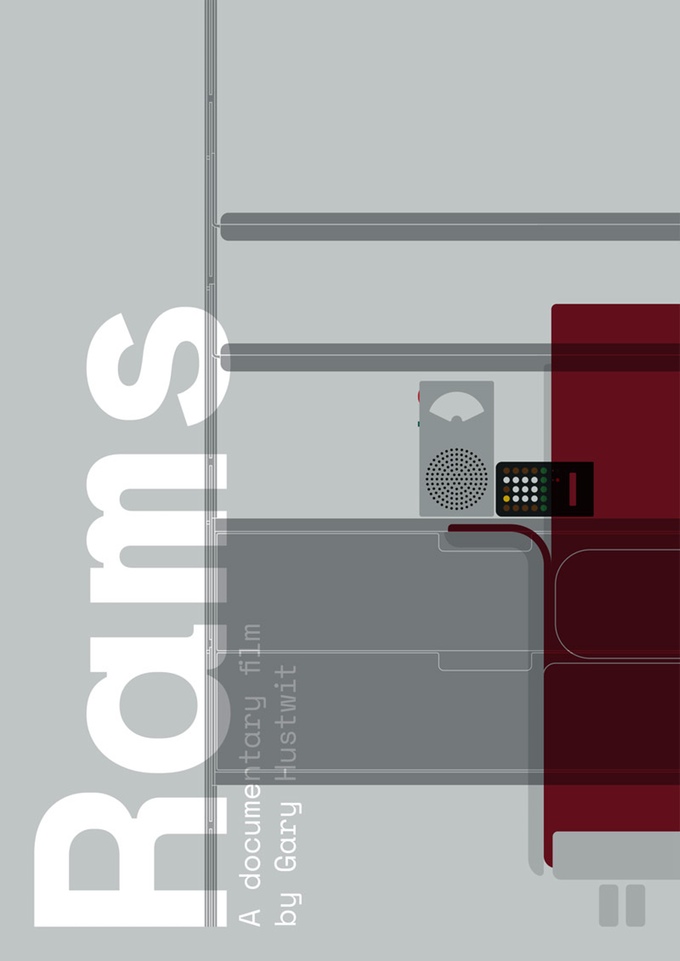
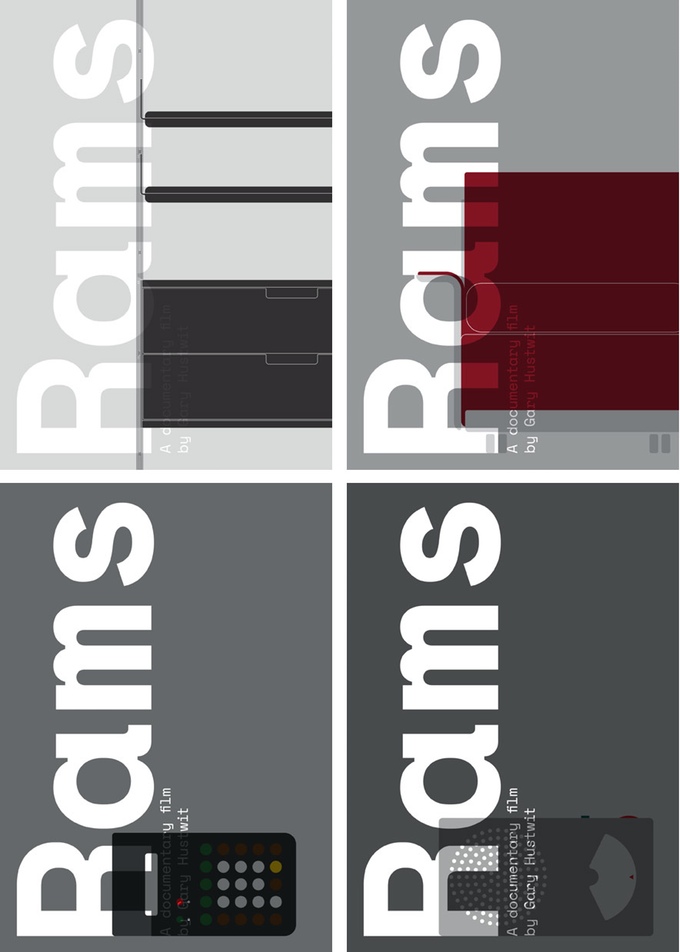
RAMS: The First Feature Documentary About Dieter Rams

RAMS 2
Gary Hustwit, the director of the documentaries Helvetica, Objectified, and Urbanized, is making a feature-length documentary about the life and work of designer Dieter Rams:

You can support the production on Kickstarter.

RAMS

Comments closed

Bill Moggridge: The Design of Service and Education

Bill Moggridge, founder of design company IDEO and current director of the Smithonian Cooper-Hewitt National Design Museum in New York, discusses design and the Cooper-Hewitt’s collection:

Comments closed

Design Matters with Linda Tischler

In the latest Design Matters interview, Debbie Millman talks to Fast Company’s design editor Linda Tischler about the current state of American design and how services like Kickstarter are changing the way designers work:

DESIGN MATTERS: Linda Tischler, Fast Company mp3

Comments closed

Kenneth Grange | Crane.tv

82-year old British industrial designer Kenneth Grange has designed some of the most iconic products and appliances of modern British life — Kodak cameras, the Intercity 125 train, Kenwood food mixers, Parker pens, and the 1997 London black cab.

Crane.tv spoke with Grange at the opening of Making Britain Modern, a retrospective exhibition of his work at the Design Museum in London:

Making Britain Modern runs until October 30th 2011:

Comments closed

A Taxonomy of Office Chairs

A Taxonomy of Office Chairs by Jonathan Olivares and published by Phaidon is a visual overview of the evolution of the modern office chair and detailing the most innovative chairs designed and built from the 1840s to the present.

In this video, Olivares talks about the book and the importance of the office chair in design history:

(via Daily Icon)

Comments closed

Designing for Joy


CBC Radio’s Nora Young
interviews Ingrid Fetell, a designer, researcher, and writer, based in New York who focuses on the “aesthetics of joy” and the emotional relationships between people and things:

CBC RADIO SPARK: Ingrid Fetell, Designing for Joy

Comments closed

The Desk

The Desk is a fascinating mini-documentary about our complex relationships with our workspace. It features commentary from experts Alice Twemlow, Eric Abrahamson, Massimo Vignelli, David Miller, Kurt Andersen, Søren Kjær, Alfred Stadler, Jennifer Lai, and Ben Bajorek:

Created by Imaginary Forces for L Studio, The Desk first episode in a series called ‘Lines’  that looks at the design of everyday objects and they affect us. Other episodes include The High Heel, The Lens, The Elevator,  and The Parking Structure.

(via Brandon Schaefer)

Comments closed

Dieter Rams: Less and More

“The un-spectacular things are the important things — especially in the future”

A fascinating Gestalten.tv interview with legendary Braun designer Dieter Rams:

The book Less and More: The Design Ethos of Dieter Rams is published by Gestalten this month to accompany an exhibition of the same name at the Design Museum in London (18 November – 07 March 2010).

(NB: Post updated with the Vimeo version of the video)

1 Comment