Skip to content

Tag: gray318

Triangles, Quadrangles, Shards, and Fragments

This is my last post on book covers and triangles — for the time being at least. I hope you’ve enjoyed this three-sided, three-post design diversion (you can see the previous posts here and here):

Adjacent
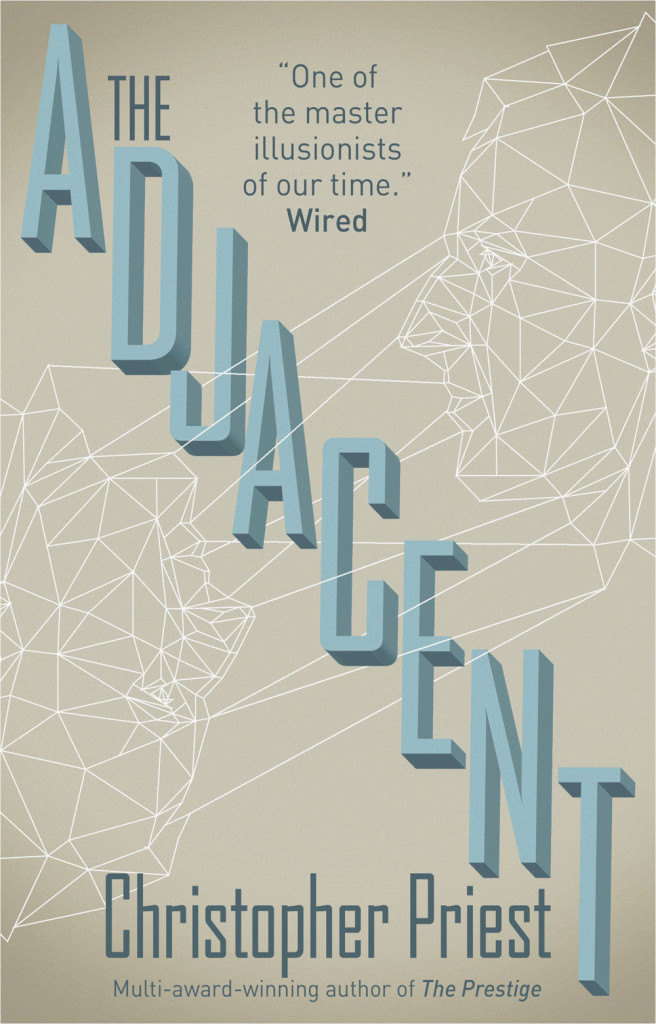
The Adjacent by Christopher Priest; design by Martin Stiff, Amazing15 (Titan Books April 2014) 1

book-of-heaven
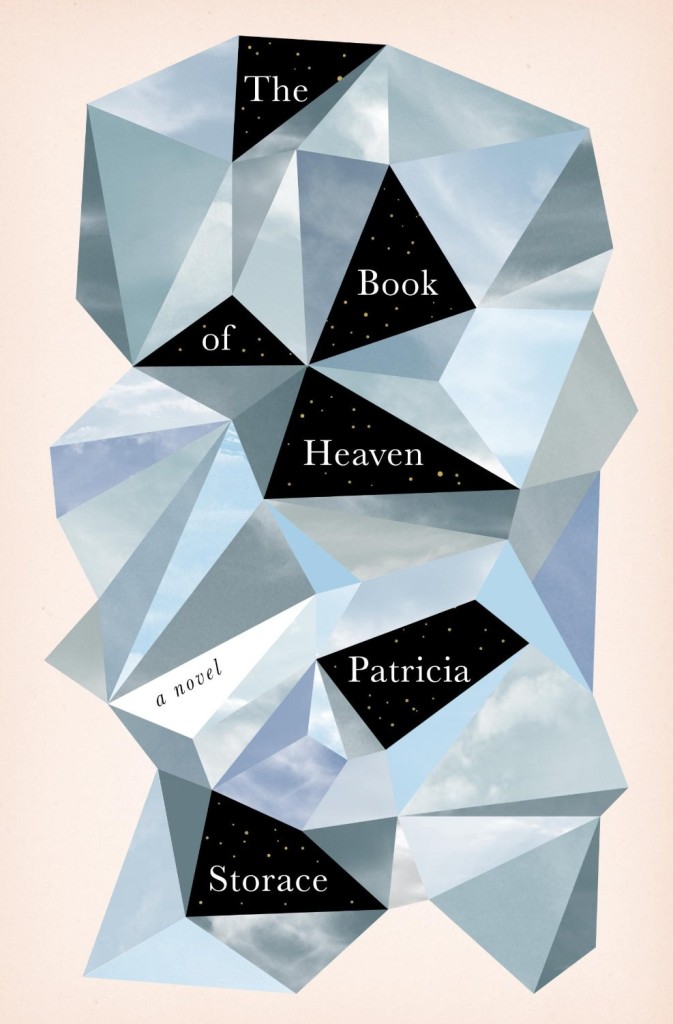
The Book of Heaven by Patricia Storace; design by Linda Huang (Pantheon February 2014)

book-of-my-lives
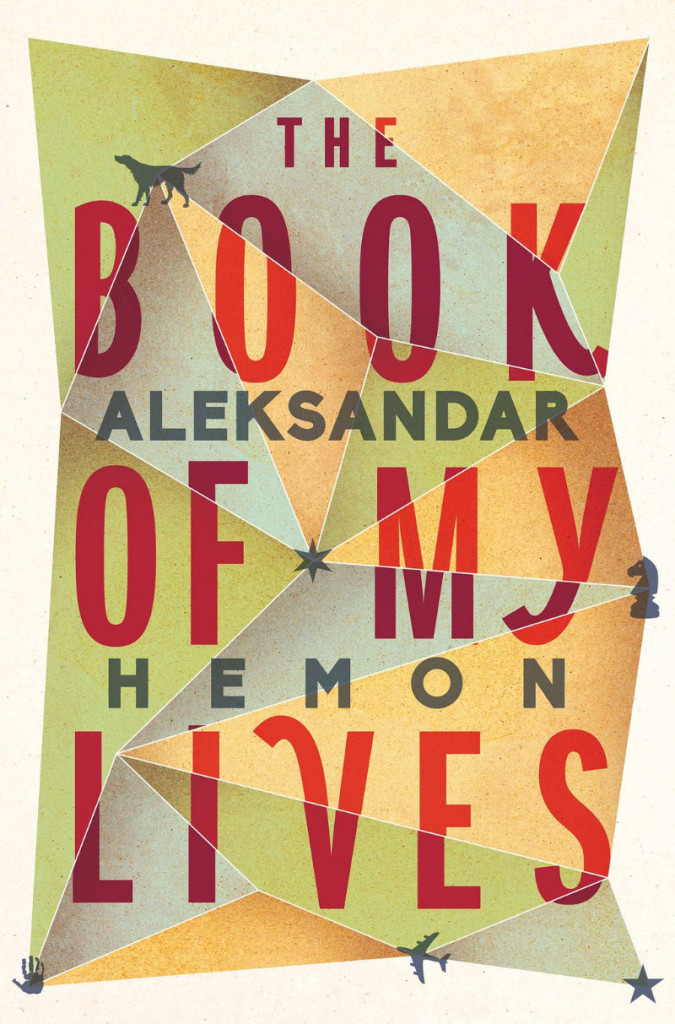
The Books of My Lives by Aleksandar Hemon; design by Jonathan Pelham (Picador February 2014)

box-of-birds
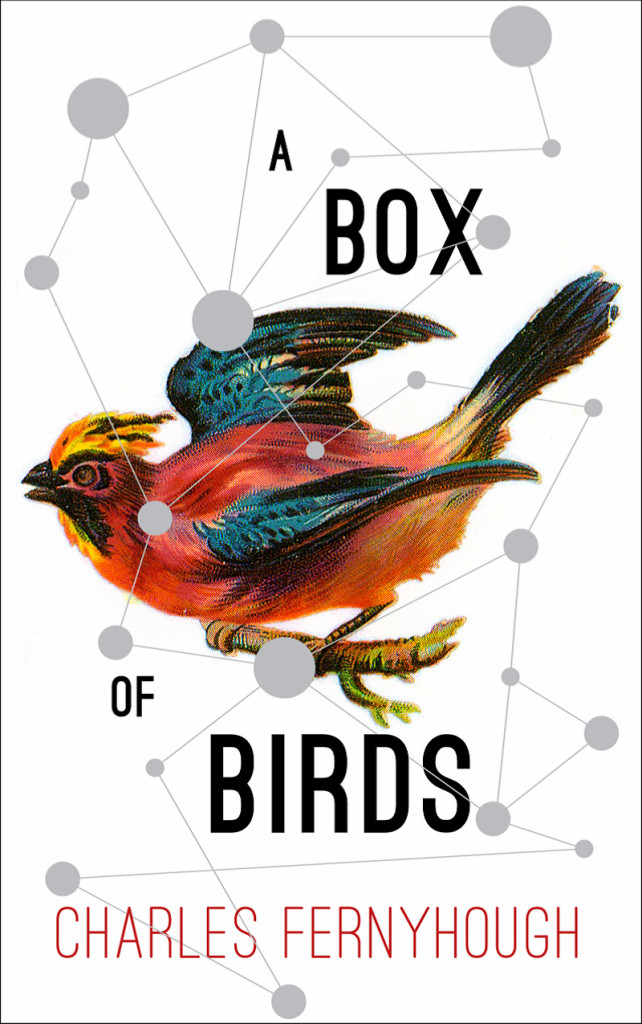
A Box of Birds by Charles Fernyhough; design by Dan Mogford (Unbound May 2013)

close-to-the-machine
Close to the Machine by Ellen Ullman; design by Clare Skeats (Pushkin Press March 2013)

9780241951873
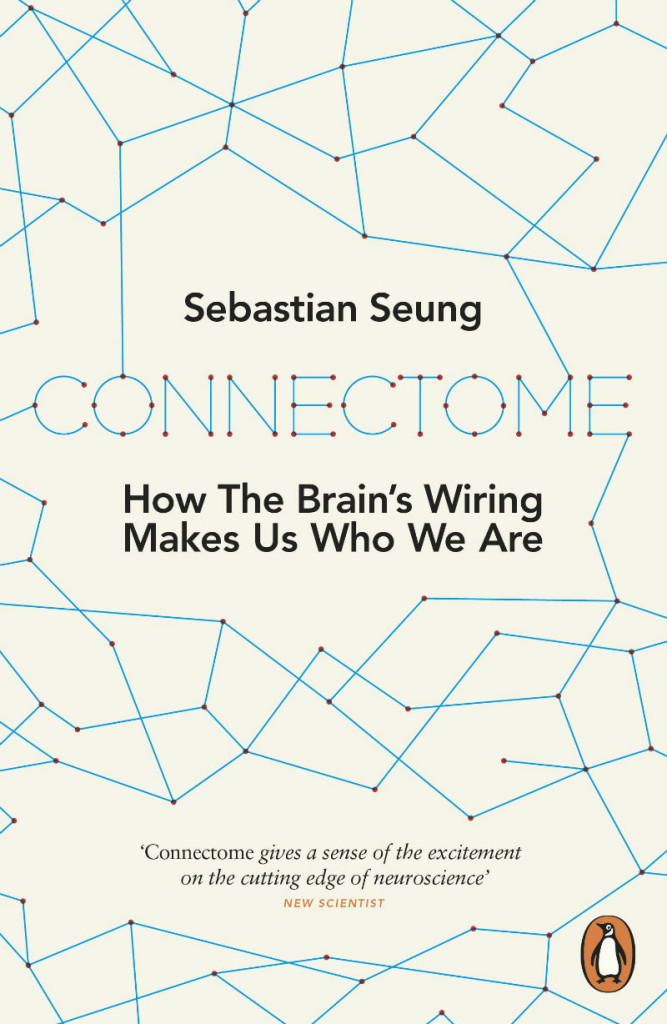
Connectome by Sebastian Seung; design by Matthew Young (Penguin June 2013)

9780226652924
Contradance by John Peck; design by Natalie F. Smith (University of Chicago Press October 2011)

Dostoevsky_Demons
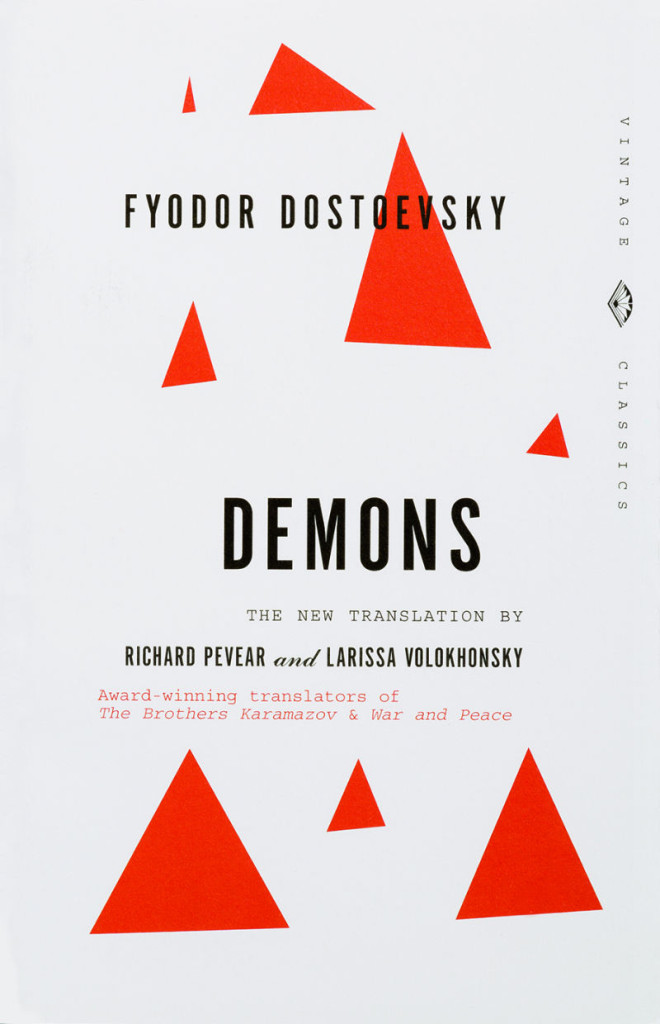
Demons by Fyodor Dostoevsky; design by Peter Mendelsund (Vintage August 2004)

9780393062946_GunDealersDaughter_JKT.indd

Gun Dealers’ Daughter by Gina Apostol; design by Jaya Miceli (W. W. Norton August 2012)

9780374534707

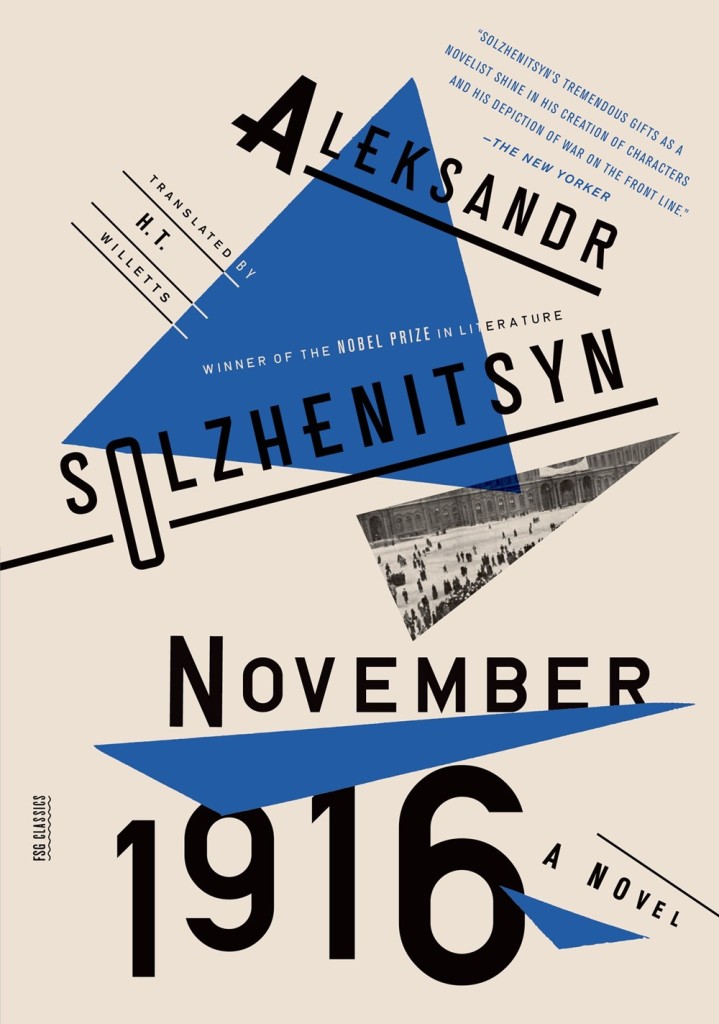
November 1916 by Aleksandr Solzhenitsyn (Farrar, Straus & Giroux August 2014)

August 1914 by Aleksandr Solzhenitsyn (Farrar, Straus & Giroux August 2014)

Stories and Prose Poems by Aleksandr Solzhenitsyn (Farrar, Straus & Giroux November 2014)

Design by Oliver Munday

9780141393346
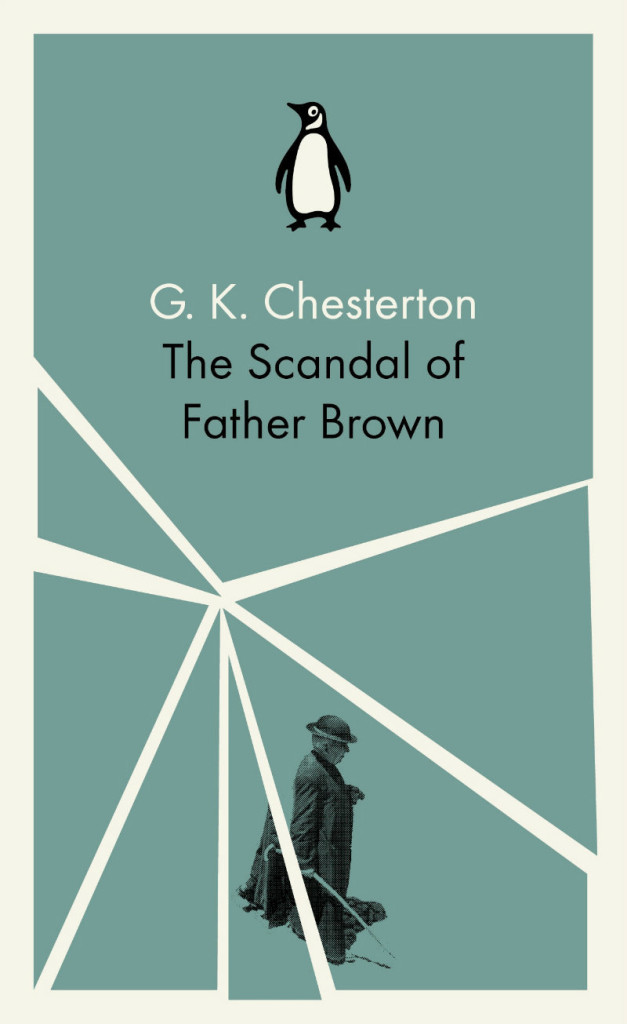
The Scandal of Father Brown by G. K. Chesterton; design by Matthew Young (Penguin

snowdrops
Snowdrops by A. D. Miller; design by Emily Mahon (Doubleday February 2011)

time-machine
The Time Machine by H. G. Wells; design by Coralie Bickford-Smith (Penguin May 2012)

we-the-animals-800
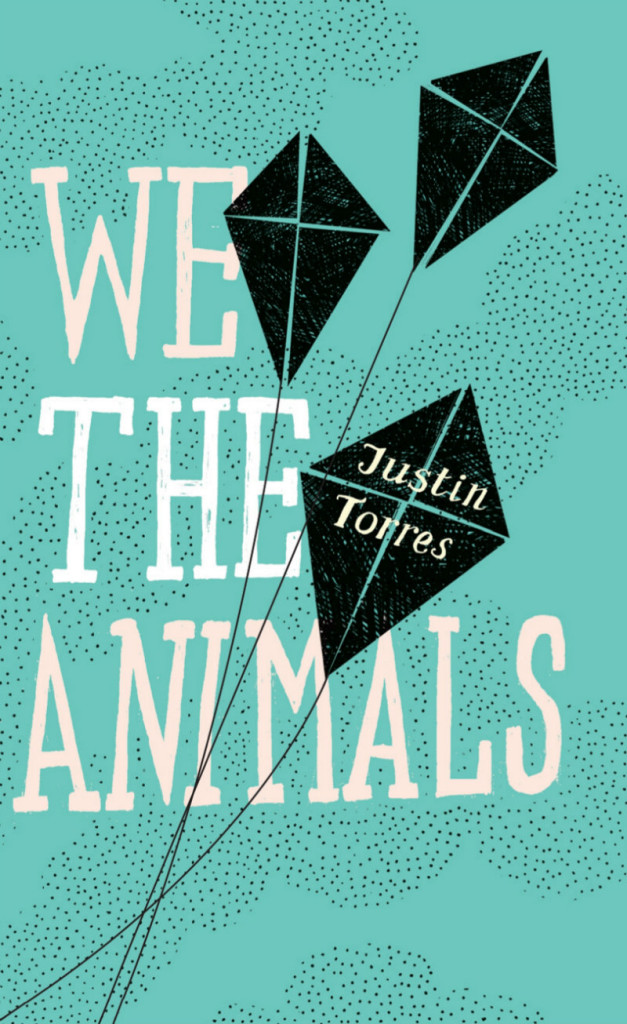
We Are Animals by Justin Torres; design by Gray318 (Granta March 2012)

your-face-mine
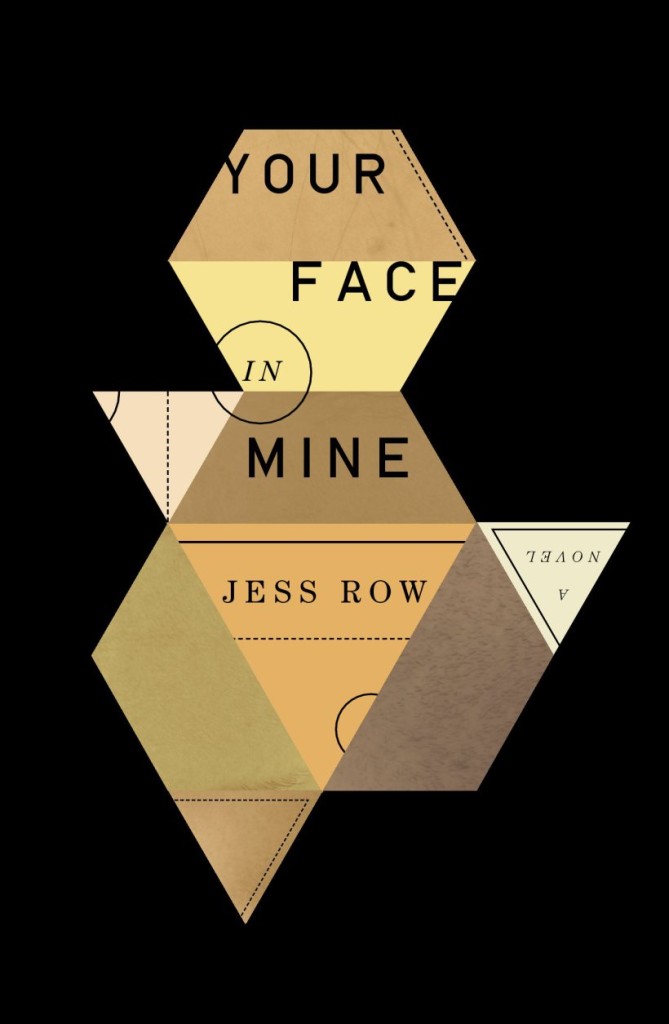
Your Face in Mine by Jess Row; design by Oliver Munday (Riverhead August 2014)

This slideshow requires JavaScript.


3 Comments

Penguin Books Wallpapers

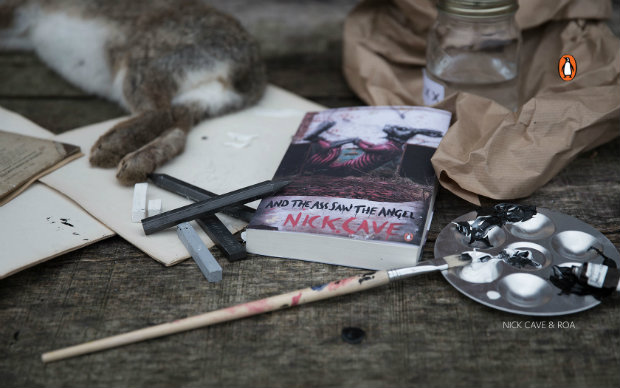
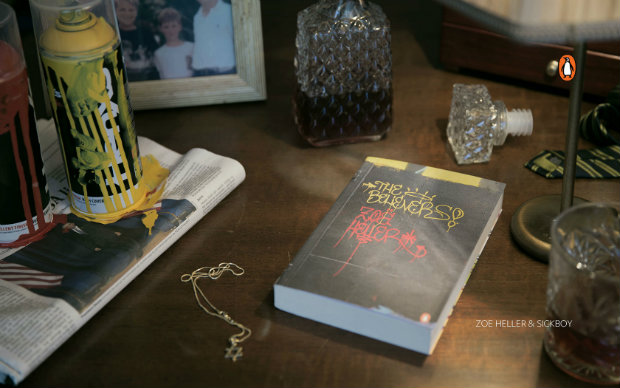
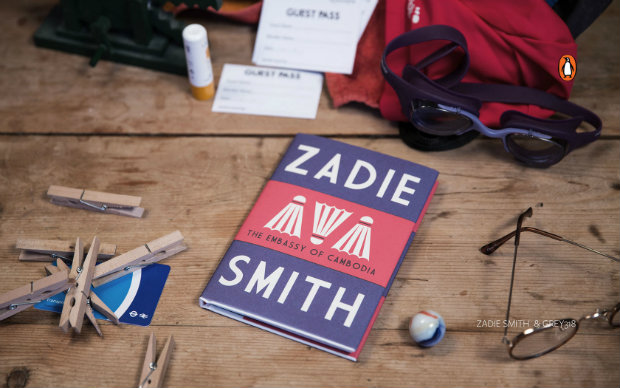
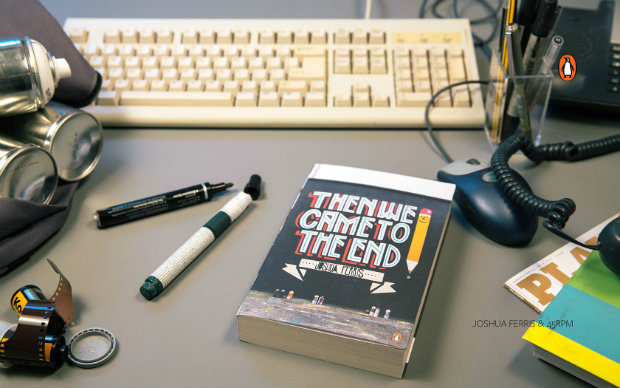
In a partnership with file-transfer service WeTransfer, Penguin Books (UK) has made a series of rather nice desktop wallpapers available. The photographs feature book covers from their Street Art series, as well as recent designs by Jon Gray and Nathan Burton. Click on the images for the hi-res versions:

iansinclair_co
Iain Sinclair, American Smoke (Cover: Nathan Burton)

nickcave_co
Nick Cave, And the Ass Saw the Angel (Cover: ROA)

zoeheller_co
Zoë Heller, The Believers (Cover: Sickboy)

zadiesmith_co
Zadie Smith, Embassy of Cambodia (Cover: gray318)

joshferris_co
Joshua Ferris, Then We Came to the End (Cover: 45RPM)

You can read more about Penguin’s collaboration with WeTransfer here.

1 Comment

Book Cover Design on Tumblr

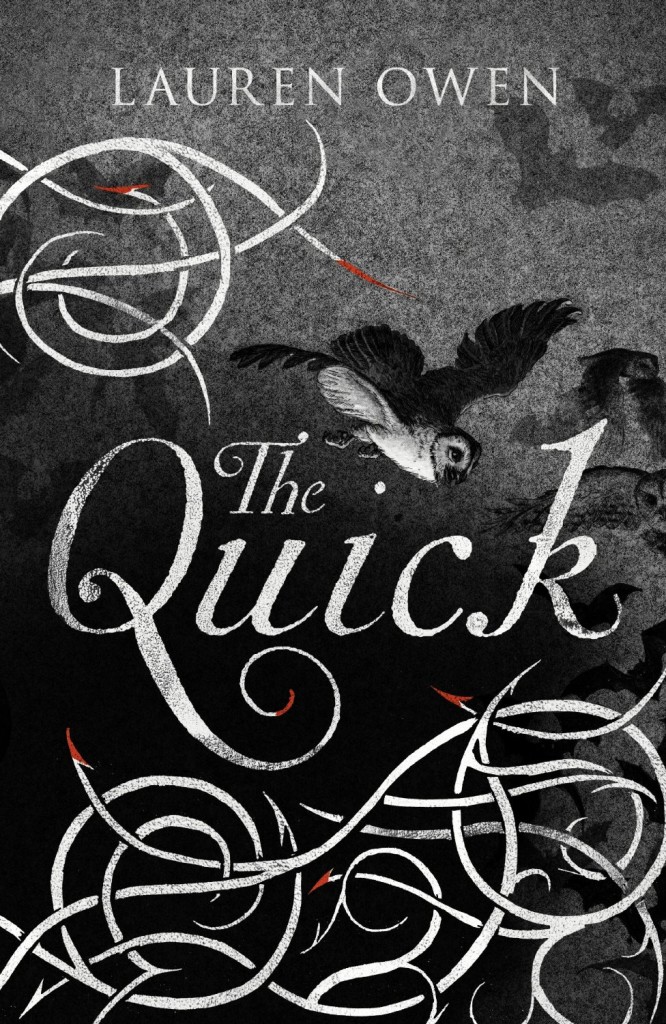
the-quick

There is a Casual Optimist Tumblr as you know, but I don’t post a lot of new book covers there. Fortunately there are other Tumblrs that do focus on book cover design if that’s your thing. Here are a few that I follow:


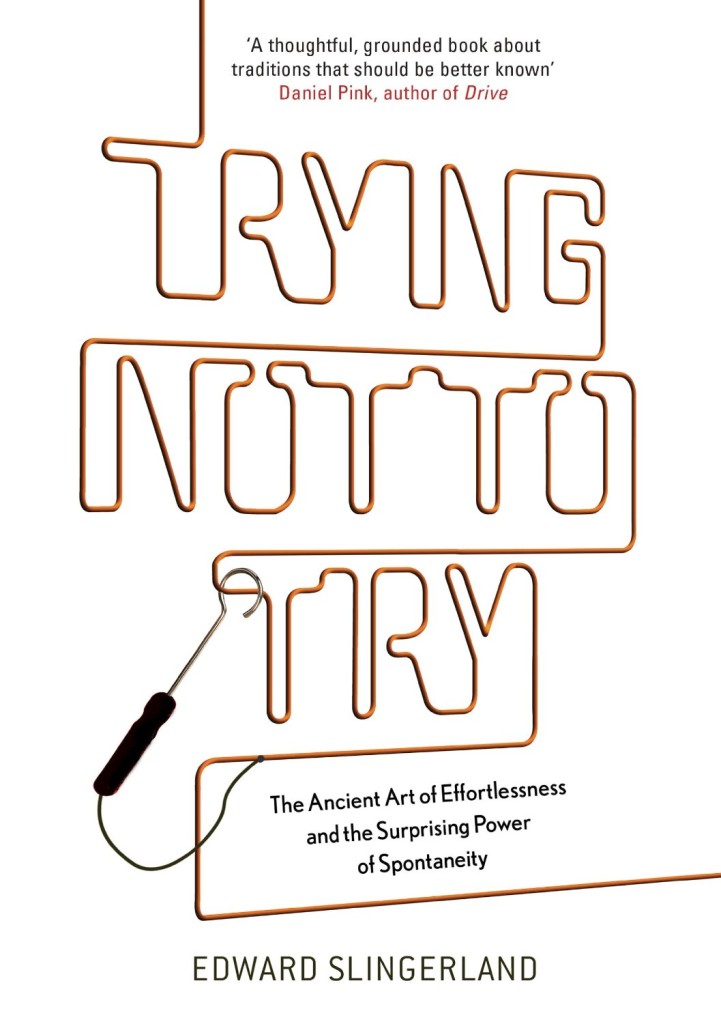
trying-not-to-try

Book Covrs (pictured above: Trying Not To Try by Edward Slingerland; design by Gray318)

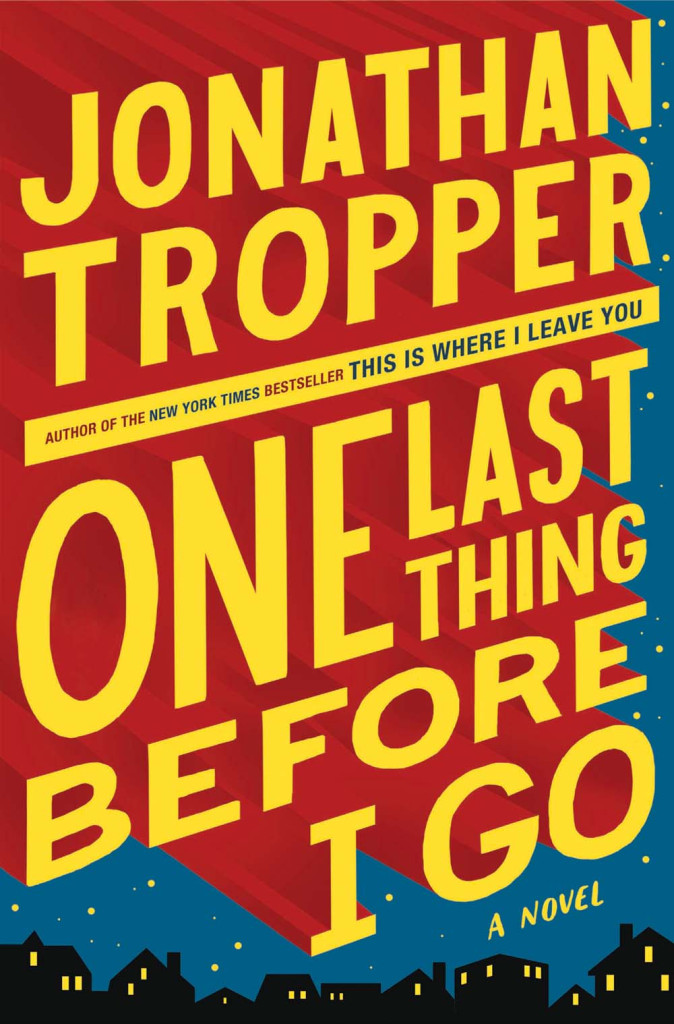
one-last-thing-before-i-go-book

Booketing (pictured above: One Last Thing Before I Go by Jonathan Tropper; design by Jim Tierney)

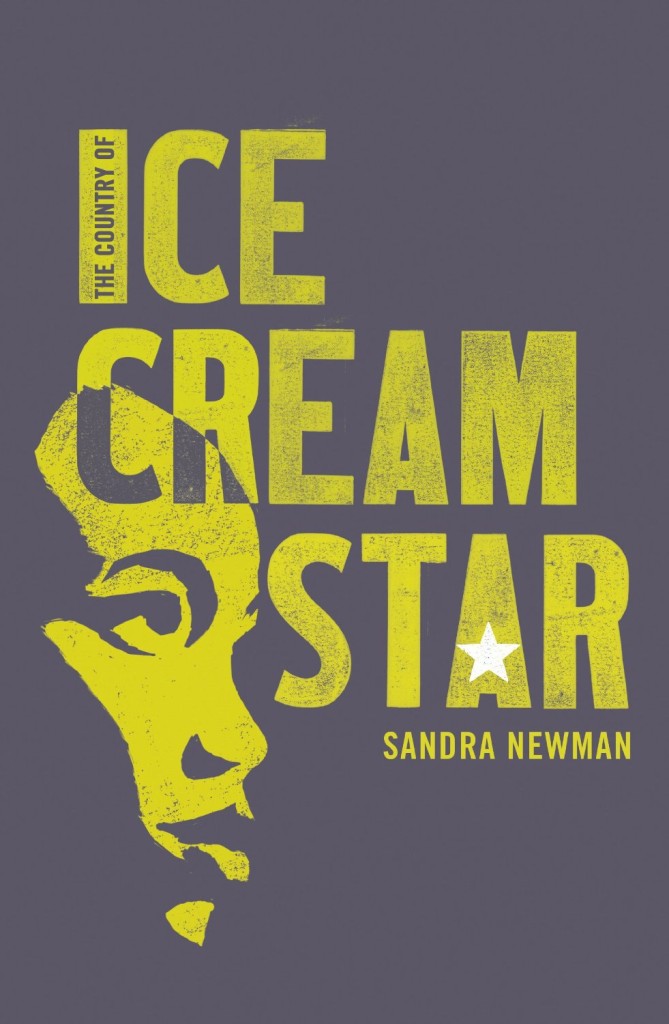
ice-cream-star

CMYK  / Vintage Books (pictured above: The Country of Ice Cream Star by Sandra Newman; design by Julia Connolly)

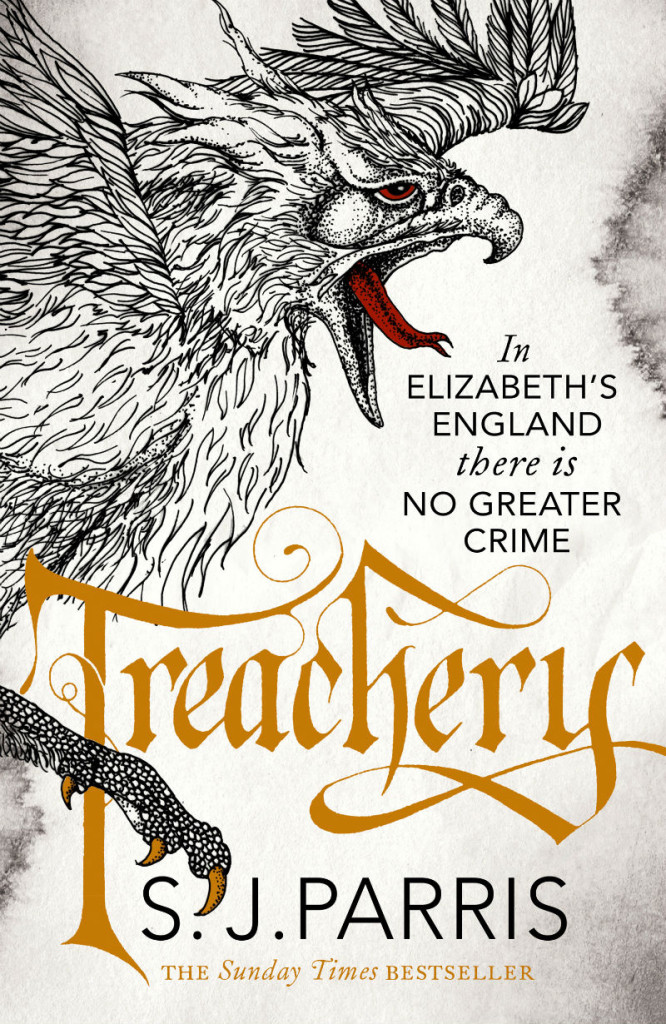
treachery

HarperCollins Design (pictured above: Treachery by S. J. Parris; design by Alexandra Allden, illustration by Daren Newman)

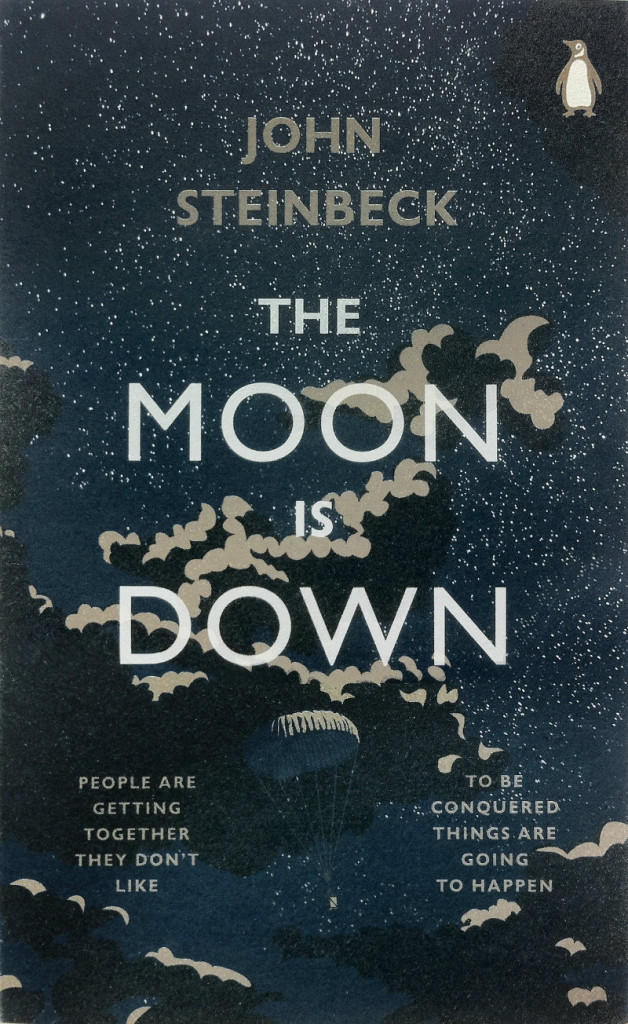
Moon-Is-Down

Penguin Design (Pictured above: The Moon is Down by John Steinbeck; design by Jim Stoddart)

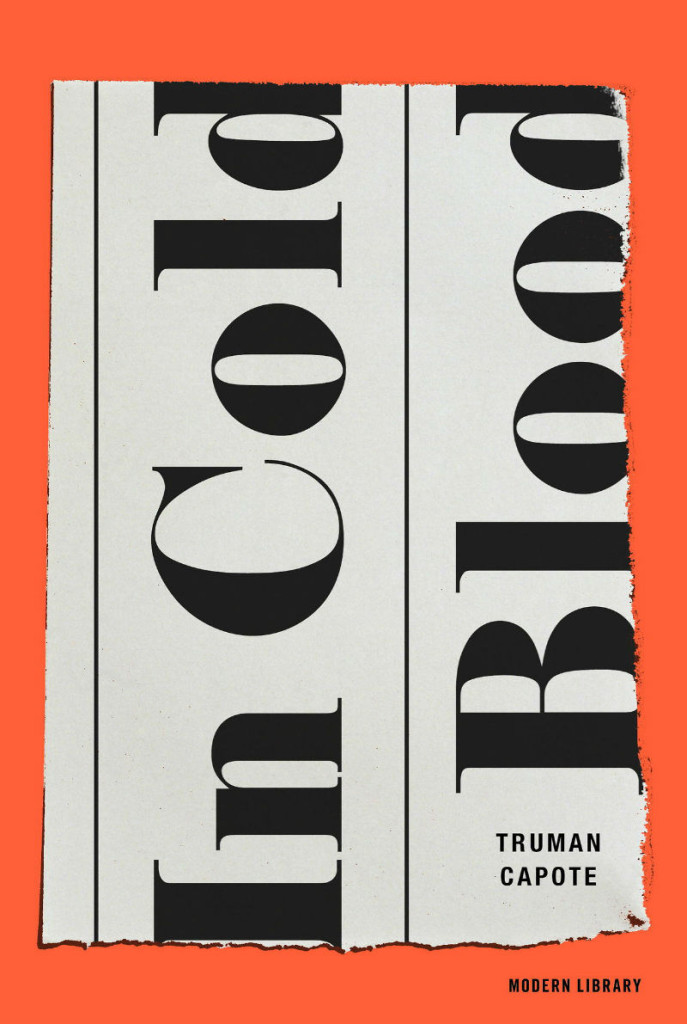
in-cold-blood

Random House Art Department (pictured above: In Cold Blood by Truman Capote; design by Eric White)

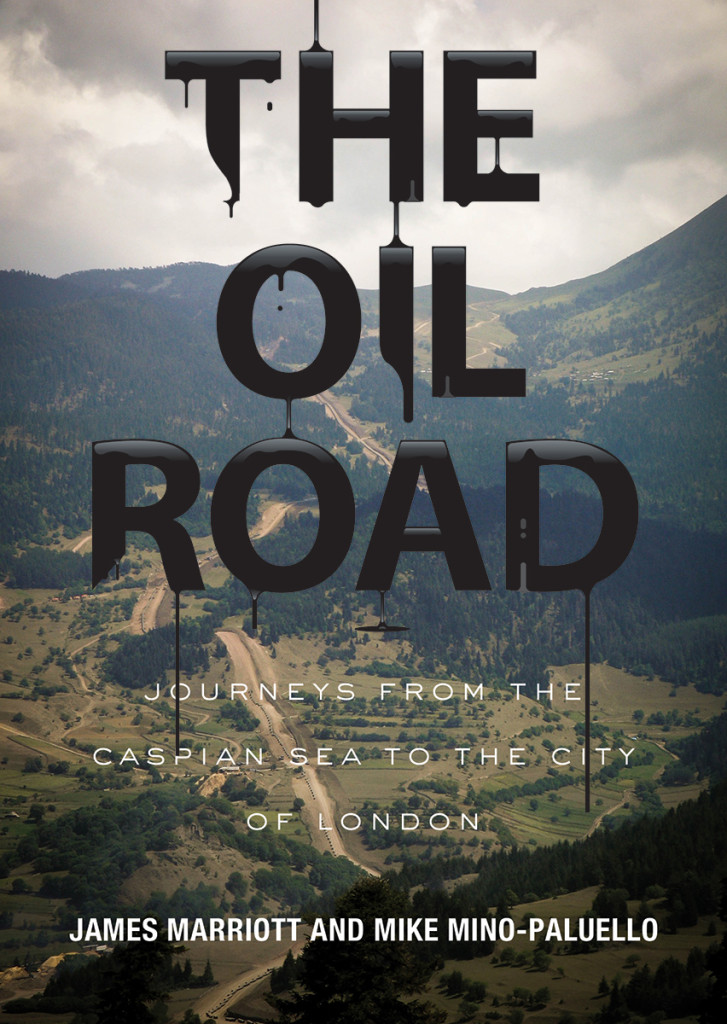
oil-road

Verso Covers (pictured above: The Oil Road by James Marriott and Mike Mino-Paluello; design by Alex Merto)

the-tin-horse

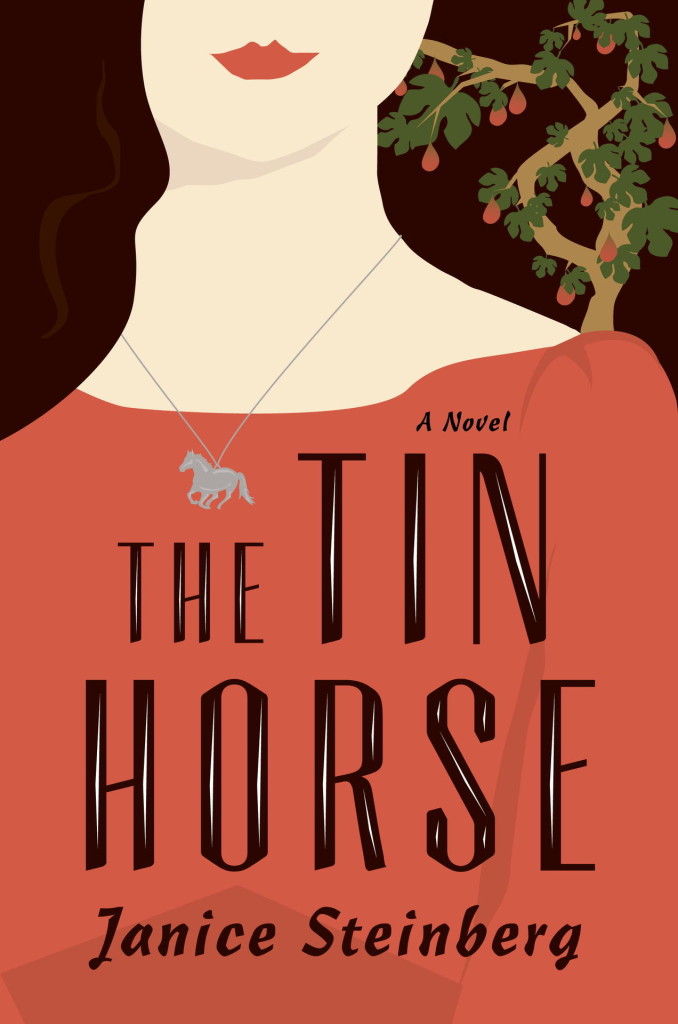
There are also several book designers who are on Tumblr in their own right. Here are some that use it showcase their work: Robin Bilardello, David Gee, Kimberly Glyder, Greg Heinimann, James Paul Jones, Oliver Munday, and Stephanie Ross. (Pictured above: The Tin Horse by Janice Steinberg; design by Kimberly Glyder)

Who am I missing? Let me know what book design Tumblrs you follow!

(Pictured top: The Quick by Lauren Owen, illustration by Jim Kay, taken from Vintage UK’s CMYK Tumblr)

Update:

Two I missed…

wolf-in-white-van
Hey, Good Bookin’ (pictured above: Wolf in White Van by John Darnielle; design by Timothy Goodman)

evening-is-the-whole-day
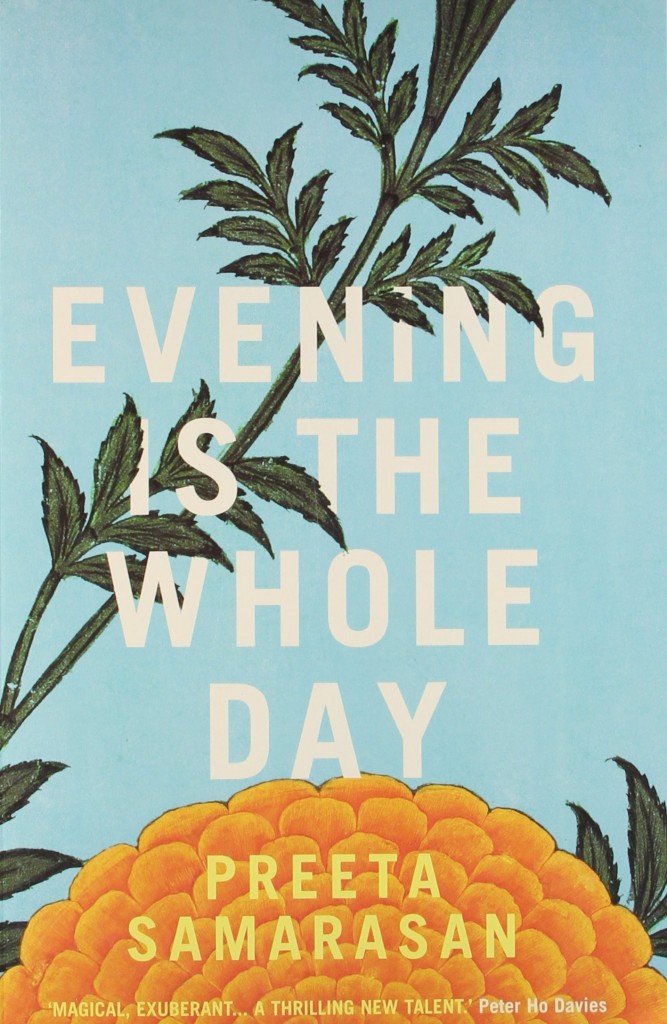
Lovely Bookcovers (pictured above: Evening is the Whole Day by Preeta Samarasan; design by Leo Nickolls)

Comments closed

Recent Book Covers of Note April 2014

accidental-universe
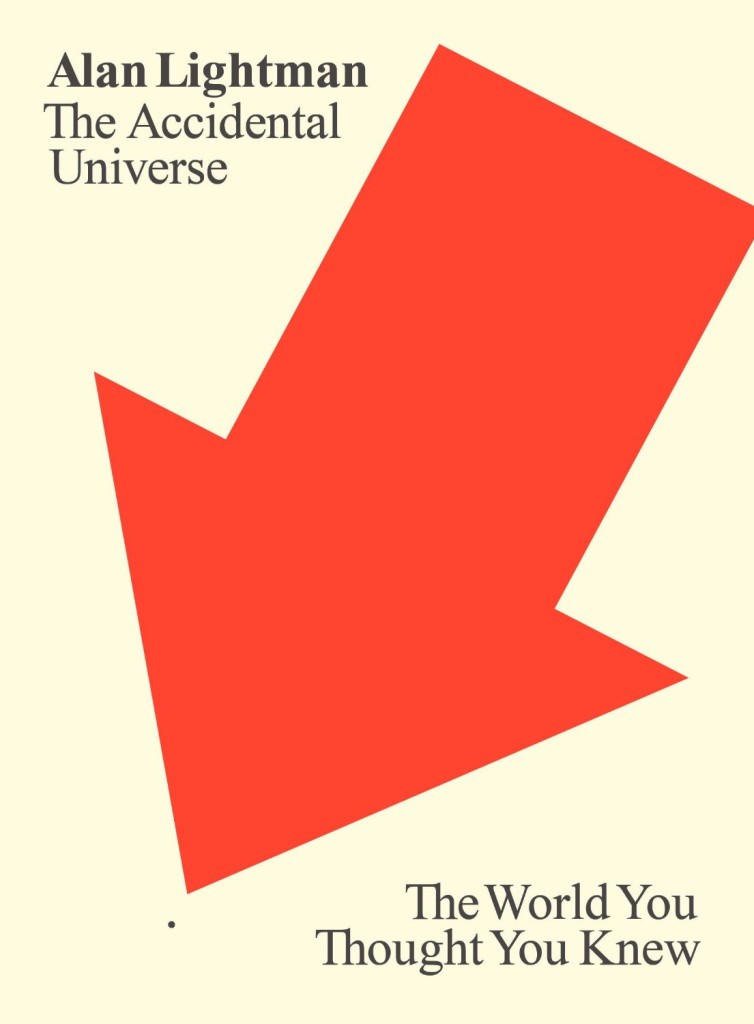
The Accidental Universe by Alan Lightman; design by Pablo Delcán (Pantheon January 2014)

9781447254225
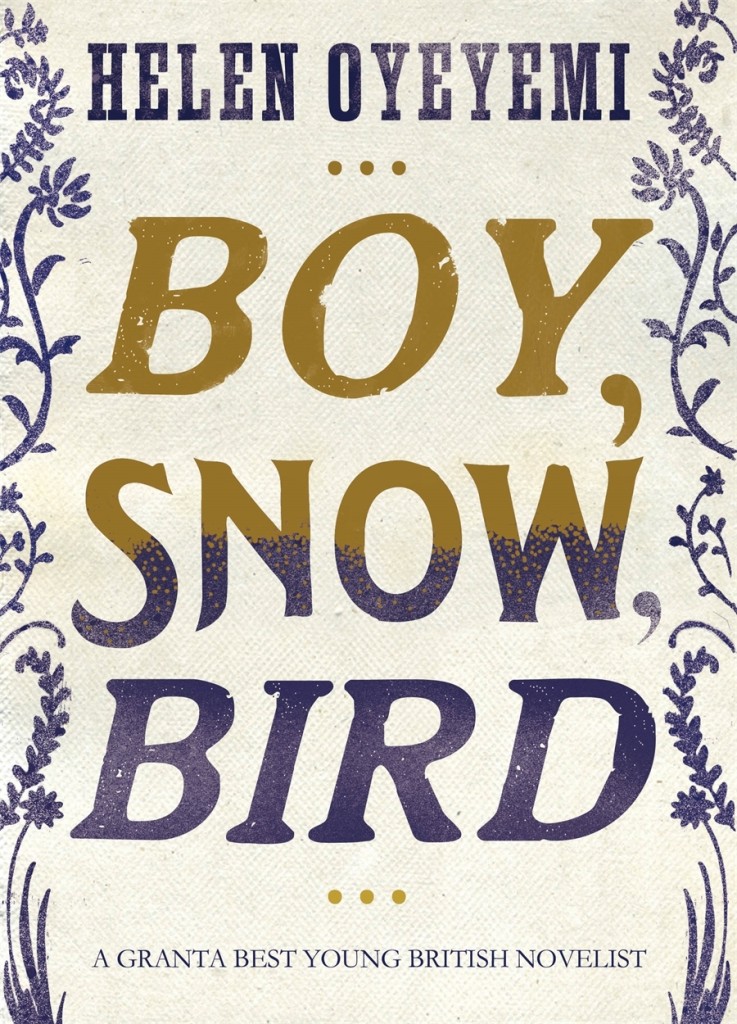
Boy, Snow, Bird by Helen Oyeyemi; design by Jo Thomson (Picador March 2014)

9781594631399B
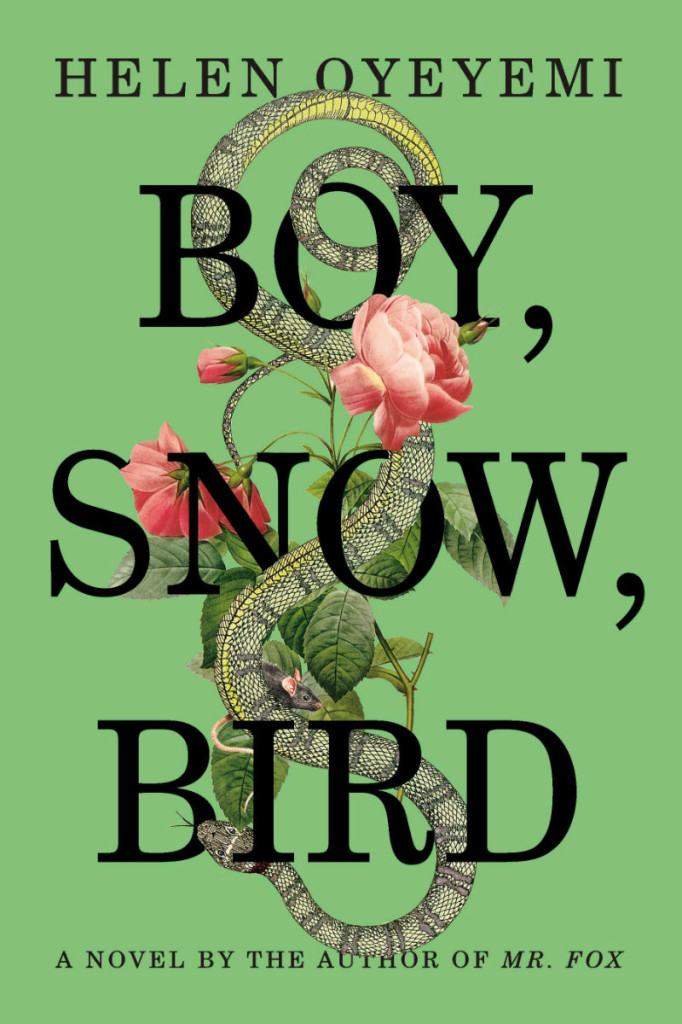
Boy, Snow, Bird by Helen Oyeyemi; design by Helen Yentus (Riverhead March 2014)

9781594205798

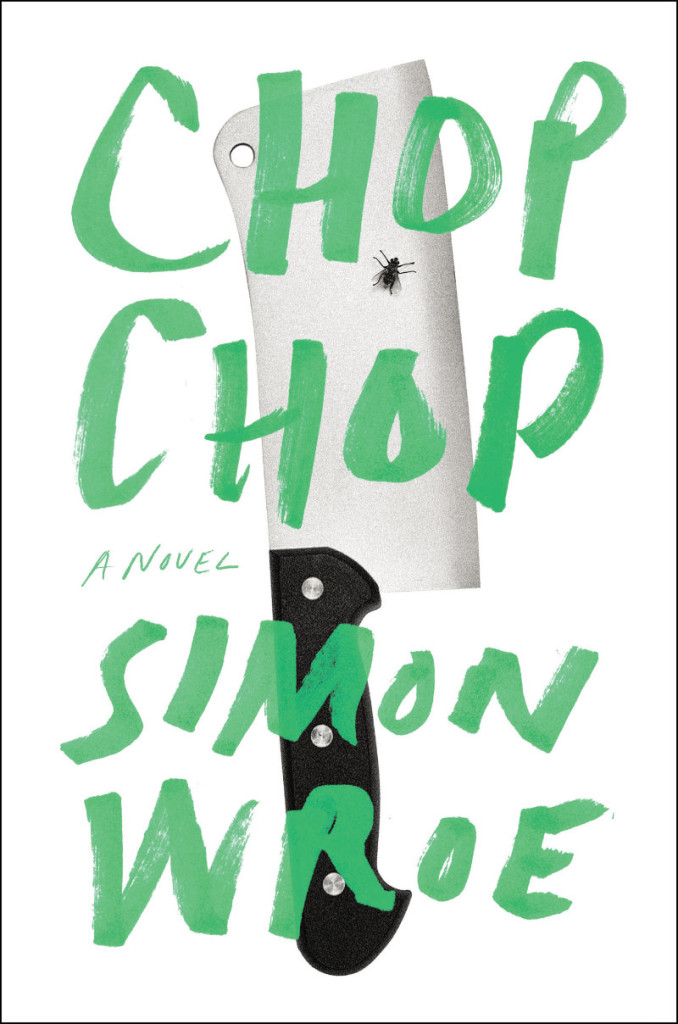
Chop Chop by Simon Wroe; design by Ben Wiseman (Penguin April 2014)

danish-dynamite-steve-leard
Danish Dynamite: The Story of Football’s Greatest Cult Team by Rob Smyth, Lars Eriksen & Mike Gibbons; design by Steve Leard (Bloomsbury April 2014)

dept-of-speculation-gray-318
Dept. of Speculation by Jenny Offill; design by Gray318 (Granta March 2014)

9781555976712
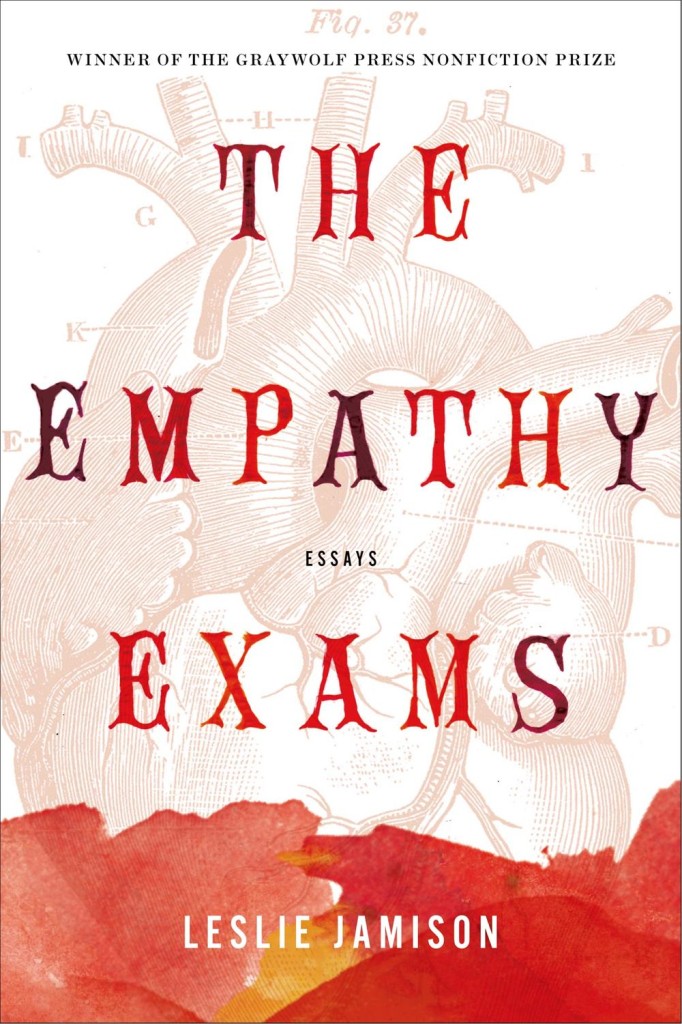
The Empathy Exams: Essays by Leslie Jamison; design by Kimberly Glyder (Graywolf April 2014)

exception

L’Exception by Auður Ava Ólafsdóttir; design by David Pearson (Éditions Zulma April 2014)

David’s cover design for Rosa Candida by Auður Ava Ólafsdóttir (Éditions Zulma March 2011) is also stunning.

mistakes-i-made-at-work
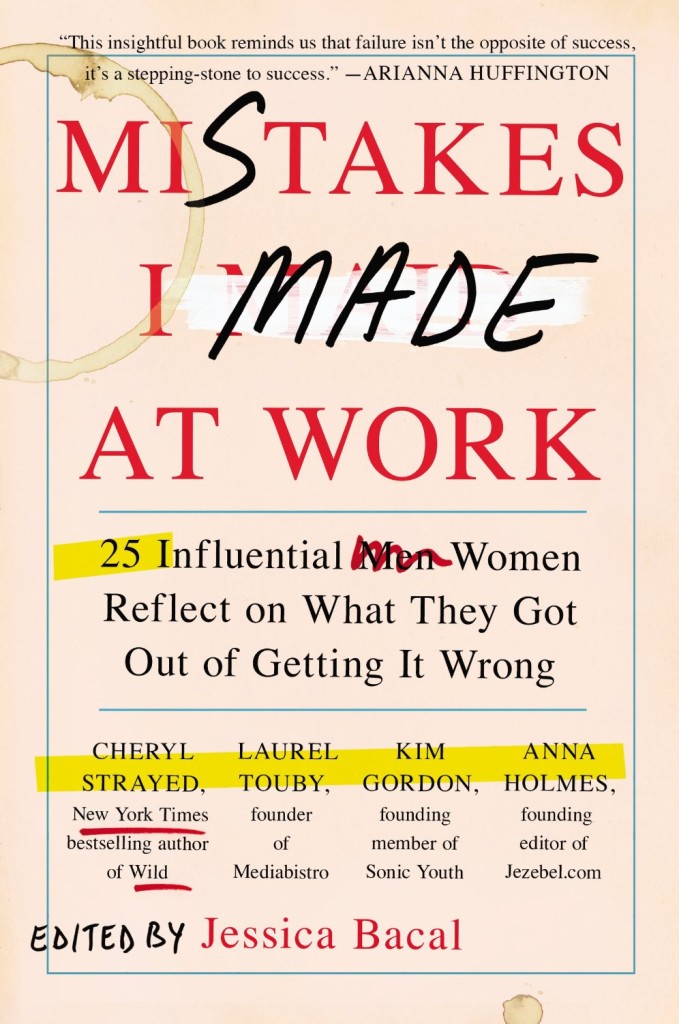
Mistakes I Made at Work edited by Jessica Bacal; design by Jaya Miceli (Plume April 2014)

quand-pépin
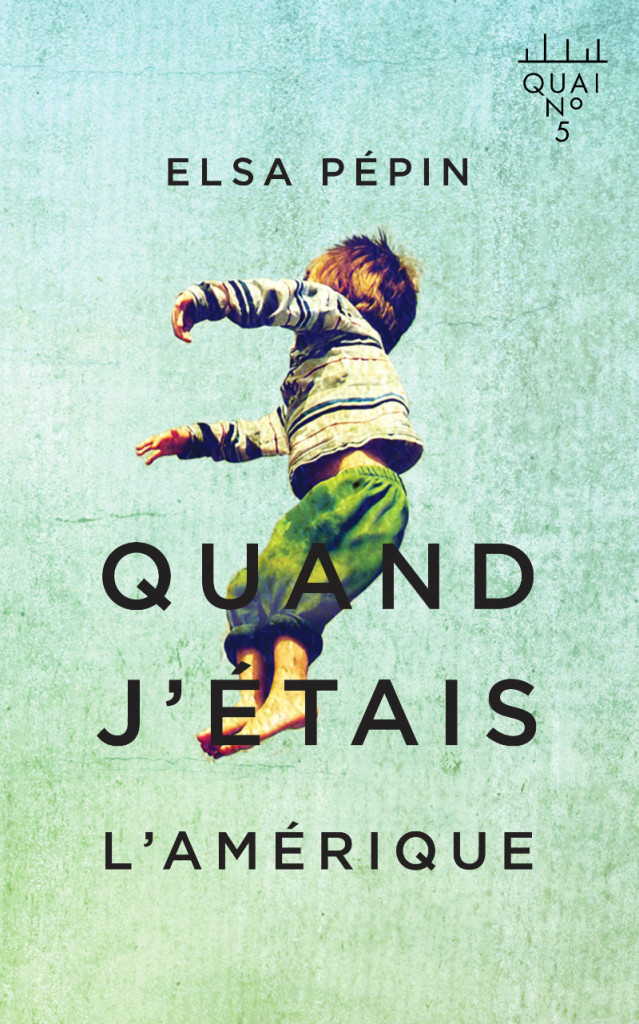
Quand j’étais l’Amérique by Elsa Pépin; design by David Drummond (Les Éditions XYZ April 2014)

Resurrection
Resurrection by Wolf Haas; design by Christopher Brian King (Melville House January 2014)

The cover for next book in the series, Come, Sweet Death! (Melville House July 2014), is great too.

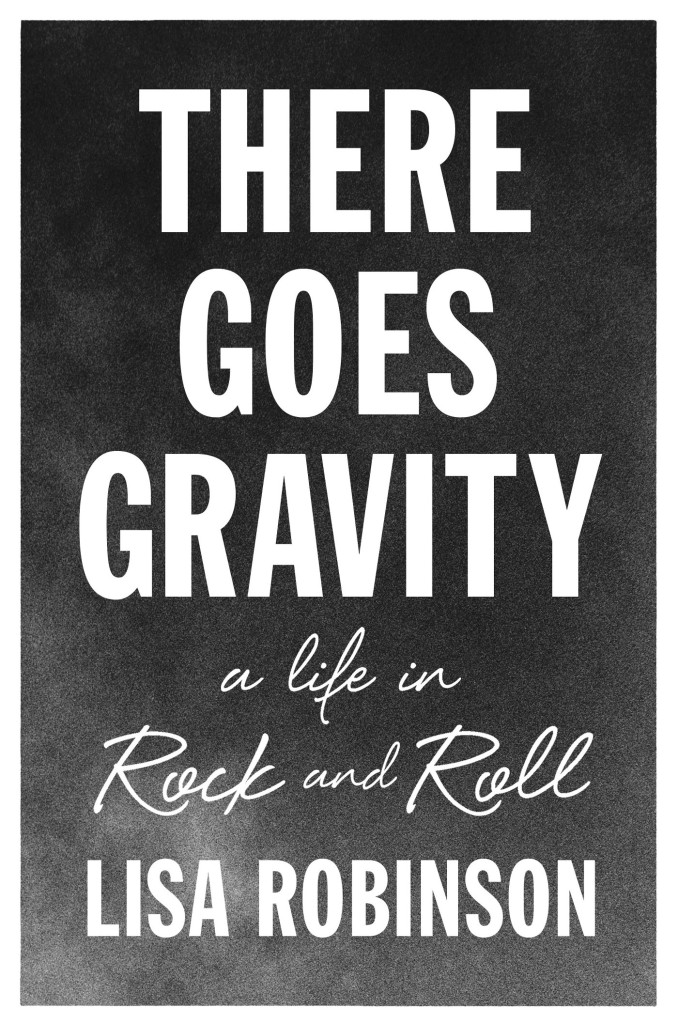
there-goes-gravity-alex-merto
There Goes Gravity: A Life in Rock and Roll by Lisa Robinson; design by Alex Merto (Riverhead April 2014)

This slideshow requires JavaScript.

Comments closed

The Academy of British Cover Design Winners

The Academy of British Cover Design held its inaugural awards ceremony last night. The competition was open to any cover produced for a book published between January 1 and December 31 2013 by a designers based in the UK. Here are the winning cover designs in each of the 10 categories:

Children’s

charm-and-strange
Charm and Strange by Stephanie Kuehn; design by Sharon King-Chai

Young Adult

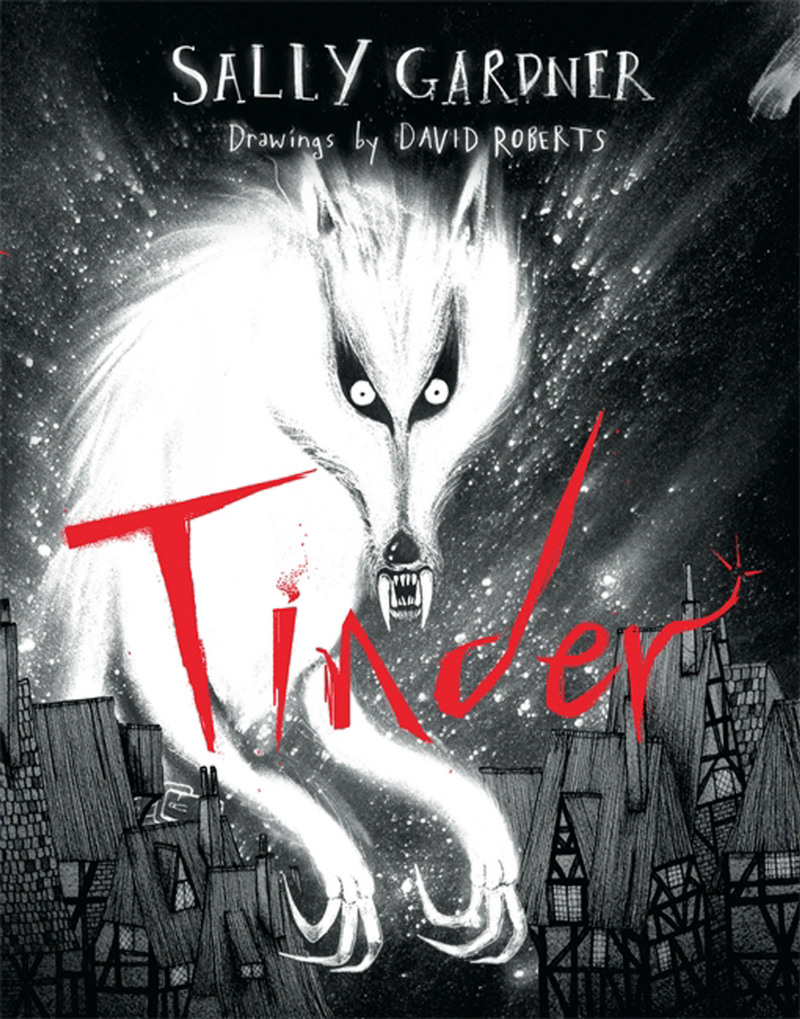
Tinder
Tinder by Sally Gardner; design by Laura Brett

Sci-Fi / Fantasy

i-robot
I, Robot by Isaac Asimov; design by Clare Skeats

Mass Market

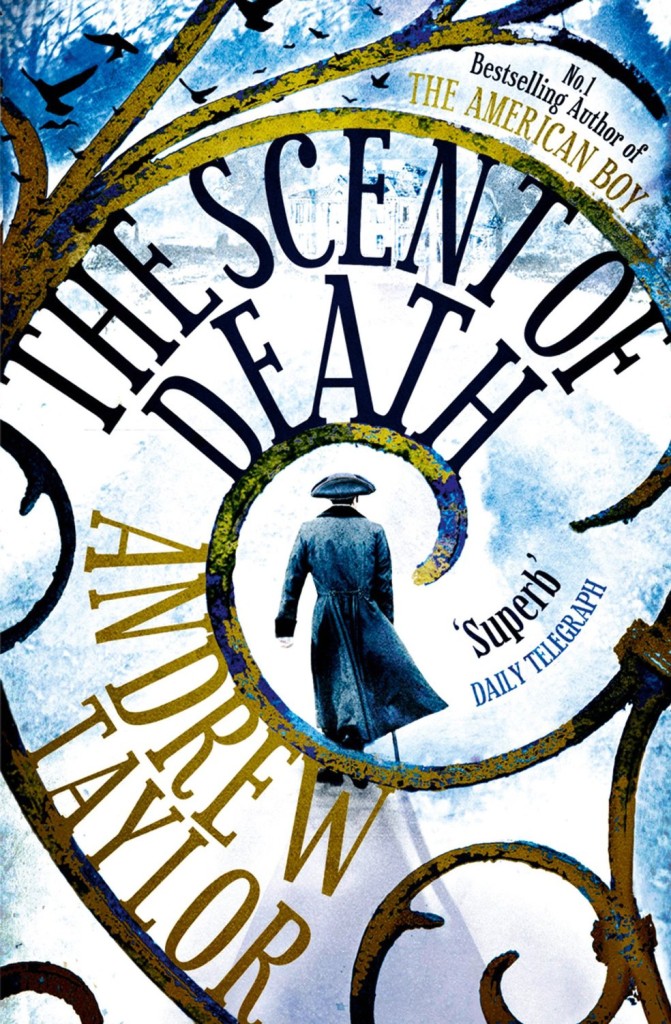
scent-of-death
The Scent of Death by Andrew Taylor; design by Emma Rogers

Literary Fiction


Tampa by Alissa Nutting; design by Gray318

Crime / Thriller

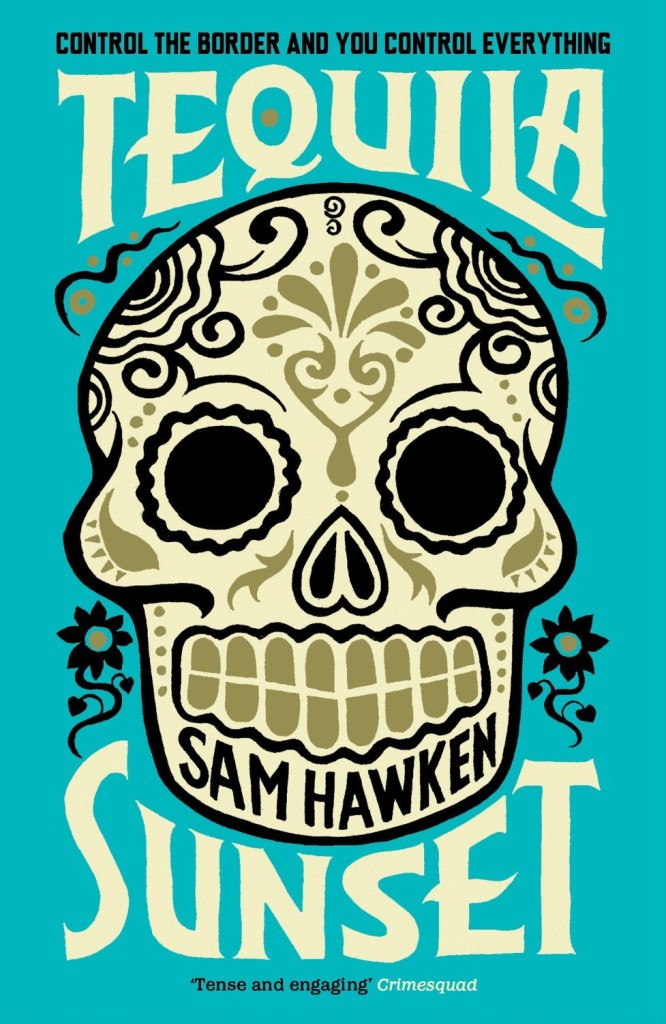
81V5+2E42cL._SL1500_
Tequila Sunset by Sam Hawken; design by Tony Lyons at Estuary English

Non-fiction

football-type
Football Type; design by Rick Banks at Face37

Series Design

tender-is-the-night
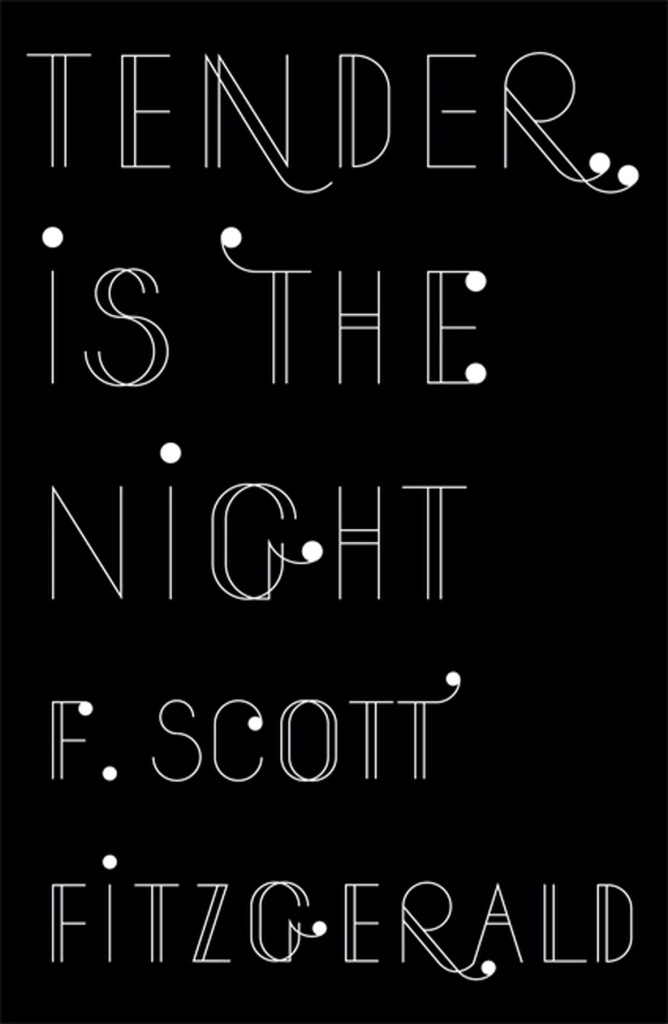
 F. Scott Fitzgerald paperbacks; design by Sinem Erkas (pictured: Tender is the Night)

Classics / Reissue


1984 by George Orwell; design by David Pearson

Women’s Fiction

instructions-for-a-heatwave
Instructions for a Heatwave by Maggie O’Farrell; design by Yeti McCaldin

2 Comments

50 Covers for 2013

I decided to go in a slightly different direction with my covers list this year (see my lists for 2012, 2011, and 2010). It’s just a straight up list of the fifty covers designs with a few annotations and links a long the way. I’m sorry for woeful under-representation of Australian and NZ designers, and for completely ignoring the entire non-English-speaking world. I will try and do better in 2014. But until then, here, in alphabetical order, are my fifty covers of 2013:

33 Comments

Stories from the Fold


If you are going to be in London on September 25th, Stories from the Fold, a mini-conference about book design at the St. Bride Library looks terribly interesting. Curated by designer Becky Chilcott, speakers include Jon Gray (AKA Gray318), Clare Skeats, and host of others.

Sounds like a great way to spend an evening to me.

Tickets are £25.00 (£20.00 for students).

Comments closed

Something for the Weekend

Down the River — An interview with Sean Howe, author of Marvel Comics: The Untold Story, at The Phoenix:

Marvel is this narrative tapestry that all of these people have worked on and passed on. It’s sort of like television soap operas, but there’s something about that creative ownership that somebody has that’s not lasting, and the proprietary feeling that they have when something that they are a collaborator on doesn’t belong to them at all. It’s due to the way that Marvel ’s storytelling worked — Marvel Comics was this river that rushed by all these people, and they would throw their ideas into this river, and the river would just keep going on without them, it was bigger than any of them. And I think that Marvel is just an extreme example of that kind of thing which exists in the comic book industry.

See also: Sean Howe interviewed at Publishers Weekly; a review of the book at the A.V. Club; and for the (even) nerdier among you, a more critical review at The Hooded Utilitarian.

And on a semi-related note… Chris Ware interviewed by Tavi Gevinson for Rookie Magazine. It’s a little different from all the other interviews I’ve read with Ware recently:

Our memories are all we have, and even those we think of as “real” are made up. Art can condense experience into something greater than reality, and it can also give us permission to do or think certain things that otherwise we’ve avoided or felt ashamed of. The imagination is where reality lives; it’s the instant lie of backwash from the prow of that boat that we think of as cutting the present moment, everything following it becoming less and less “factual” but no less real than what we think of as having actually occurred.

Dead Comrades — D. J. Taylor on the writer Julian Mclaren-Ross, for The Guardian:

In strict category terms, the author of Bitten by the Tarantula (Maclaren-Ross’s titles nearly always leap up at you from the library catalogue) is a classic English literary bohemian in a tradition that goes back at least as far as Marlowe: one of those people who really do live their lives out of suitcases, whose books are ground out in a procession of rented rooms with the landlord’s boots resounding on the carpetless stair and whose best work appears in a brief window of opportunity before the milieu in which they operate rises up and drowns them. Certainly the form of Maclaren-Ross’s fiction seems intimately connected to the circumstances in which it was composed: written at night, Benzedrine tablets (“My pills”) to hand, in seedy west London hotels after a day spent bar-propping in the Soho drinking dens.

And finally…

Little SunJon Gray on his cover design for The Yellow World by Albert Espinosa, at Design Week:

The brief was: ‘read this amazing book and please give it an interesting cover’. I’m really lucky in that Jim Stoddart, the art director, gave me pretty much free-reign.
.. I thought that there was something appealing in the big yellow ball. Rather like Olafur Eliasson’s giant sun at Tate Modern a few years back. It’s warming and comforting on the eye. I also thought it would stand out against other books and without type would make you want to pick it up and find out more.

(via Theo Inglis)

Comments closed

Midweek Miscellany

Designer Jon Gray (AKA Gray318) has launched a new website.

Jon has also been interviewed by We Love This Book:

A book cover only becomes iconic because the book that it covers becomes iconic. The cover is just a face for the content. I have been lucky to work on some really great books and have benefitted from their success. People often assume that by copying the cover of a successful book it will help their book sell, and are always surprised when it doesn’t work. It always has to start with the content.

The Browser — Author Anthony Daniels on the digital challenges faced by books, at The New Criterion:

An intellectual might be defined as someone who elaborates justifications for his own tastes and preferences, as metaphysics was once defined as the finding of bad reasons for what we all believe on instinct. And so the reader of books soon finds reasons for the supposed superiority of the printed page over the screen of the electronic device: for nothing stimulates the brain quite like the need for rationalization. The dullest of minds, I have found, works at the speed of light when a rationalization is needed…

Whether the book survives or not, I am firmly of the opinion that it ought to survive, and nothing will convince me otherwise. The heart has its beliefs that evidence knows not of. For me, to browse in a bookshop, especially a second-hand one, will forever be superior to browsing on the internet precisely because chance plays a much larger part in it. There are few greater delights than entirely by chance to come across something not only fascinating in itself, but that establishes a quite unexpected connection with something else. The imagination is stimulated in a way that the more logical connections of the Internet cannot match; the Internet will make people literal-minded.

And finally…

As am I, as am I — Edward Docx on the Sherlock Holmes ‘pilgrims’ and a re-enactment of The Final Problem organised by The Sherlock Holmes Society of London:

I have come to like the pilgrims a good deal. They’re warm-hearted, engaging and amusing people, which is more than can be said for the moped brethren. There are many from the legal profession—Moriarty is a practising barrister; Cardinal Tosca and Queen Victoria (who are married) are retired from the bar. Sherlock Holmes, I learn, is an ex-head teacher—and is (disconcertingly) married to Mrs Hudson. Watson works for Lloyd’s of London. The strangest and most impressive folk are those who have come the furthest—not least the two ladies from the aforementioned Japan Sherlock Holmes Club (founded in 1977; about 1000 members), who do not, I think, speak English and who are posing as “Baritsu Assistants”—this being some kind of martial art that Holmes knew and that saved  him in his struggle with Moriarty on the falls. There are also policemen, toxicologists, bookmakers, engineers, historians, and many who—nobly—refuse to admit to any other existence save that of their character. If these people have anything in common, beyond the obvious, it is that they are all comfortable with a very elastic sense of reality… As am I, as am I.

Comments closed

Something for the Weekend

A rather brilliant cover for The Yellow World by Albert Espinosa, reminiscent of a Matisse cut-out or a Paul Rand illustration, designed by Jon Gray.

The Sickly Glow — John Banville, author most recently of Ancient Light, reviews The Big Screen by David Thomson, for The Guardian:

Thomson worries that something happened to the cinema around the time of Jaws, something cynical, sinister and perhaps even fatal. Part of the fun of Jaws and the other mindless thrills-and-spills imitations that it spawned, he says, “is that the commotion meant nothing. The sensation eclipsed sensibility”. This is the contentious heart of The Big Screen. The deadening process that, according to Thomson, set in the 1970s has now spread across the billions of tiny screens that infest the world, the combined sickly glow of which must be visible from outer space. Watching has become mere gaping, open-mouthed and slow-breathing. “Facebook already takes our earnest admissions about ourselves and trades them for advertising.”

You can read a short interview with Thomson about the book at The Arts Desk:

I went through a stage, particularly when I was teaching, of saying, “Well, these are the great filmmakers, let us explore them as if they were Charles Dickens or Van Gogh or someone like that.” The auteur theory. And now I’ve got to a stage where I sort of feel that every film is more like other films than anything else. Films are all alike, because the technology is more important. The director is fading away – you don’t think to ask who directs television, and yet television today in America is at a very good stage. So I’ve become increasingly interested in the technology, and what that has done to shape the format.

And on a somewhat glummer note… David Denby, movie critic at The New Yorker and author of Do the Movies Have a Future?, on the economics of Hollywood, at The New Republic:

Most of the great directors of the past—Griffith, Chaplin, Murnau, Renoir, Lang, Ford, Hawks, Hitchcock, Welles, Rossellini, De Sica, Mizoguchi, Kurosawa, Bergman, the young Coppola, Scorsese, and Altman, and many others—did not imagine that they were making films for a tiny audience, and they did not imagine they were making “art” movies, even though they worked with a high degree of conscious artistry. (The truculent John Ford would have glared at you with his unpatched eye if you used the word “art” in his presence.) They thought that they were making films for everyone, or at least everyone with spirit, which is a lot of people. But over the past twenty-five years, if you step back and look at the American movie scene, you see the mass-culture juggernauts, increasingly triumphs of heavy-duty digital craft, tempered by self-mockery and filling up every available corner of public space; and the tiny, morally inquiring “relationship” movies, making their modest way to a limited audience. The ironic cinema, and the earnest cinema; the mall cinema, and the art house cinema.

Viva Hate — Keith Gessen, founding editor of n+1, on Kingsley Amis and Philip Larkin, at The New Statesman:

They had been brought together by their mutual hatred of the universe, which for a while did a fine job of confirming their feelings about it by rejecting and ignoring them. As they began to find their way in the world it became a little harder to hate it, at least with the same intensity. And so their letters to each other dwindled: What was there to say?

They were rescued by the 1960s. Amis and Larkin managed to greet the transformations, disturbances and new thinking with shared hostility. It brought them a whole gamut of things to hate.

And finally…

Lunch with painter Frank Auerbach, at the Financial Times:

It’s funny, this business of a vocation. One starts from a motive one hardly comprehends. In the school holidays I was an office boy – I found the idea of going into an office horrifying. As a painter, I thought there would be bohemianism, freedom, and there was, but gradually the practice of art took over. As Auden says, in any crisis, the break-up of a relationship, the response is to flee to the arms of the muse. At art school you know at least as many talented students as those who became painters, but they get off the train at some point. I met Stephen Spender once, I expected a poet with a vocation but I found a civilised man, gregarious, leading a varied, entertaining, virtuous life – for whom poetry was only one of the facets. He said one of his dreams was to be a poet, the other to have a lovely life, go to France, know lots of people.
Comments closed

50 Memorable Covers From the Last Four Years

The Casual Optimist turned 4 years old at the end of last week. While not exactly a historic achievement, the blog has lasted the length of a presidency and exactly 3 years, 11 months longer than I thought it would. In order to celebrate this minor triumph, I thought I would post some memorable book covers from the last 4 years. It was going to be 10 covers, then it was 20… It quickly became 25, then it was 30… by 30 I figured I might as well do 40… I missed 40 and had to cap it at 50. It was just for fun and not meant to be a definitive survey — it’s just 50 covers that have stuck in my mind. Let me know what you would’ve included in the comments. Leave a comment or send me an email if I am missing details or have incorrectly attributed something.

The keen-eyed among you will also notice that there are no covers from 2012. I’m keeping my powder dry. You can expect a post of my favourite covers of the year in the not too distant future. You can let me know your picks for 2012 in the comments as well. In the meantime, I’m going on vacation so this will be my last post for a while.
So here you go — 50 great covers with some occasional notes. Enjoy…

13 Comments

Something for the Weekend

Saw this in person for the first time at a bookstore  last night… Gray318’s cover really is outstanding.

Natives on the Boat — Teju Cole, author of Open City, on his stay in the Roi des Belges in London, and an encounter with V.S. Naipaul:

This boat of which I am temporary captain is named the Roi des Belges. In 1890, Joseph Conrad piloted a steamship down the Congo on a boat with the same name. That journey became his inspiration for “Heart of Darkness,” a puzzling novella with nested narrators who unfolded a shadowed, strangled, brutal tale. He wrote it in the last year of the nineteenth century and published it at the beginning of the twentieth. So, this perch on which I sit above the Thames—the sky is blue now, the hundred-and-eighty-degree view of it full of long stratus clouds—this perch in which the city is exposed to me but I am not to it, is an homage to Conrad’s bitter vision. What might it mean when the native pilots the ship? What happens when the ones on the shore, numerous, unindividuated, are white?


See also: Teju Cole’s diary in the Financial Times and an interview with Cole at 3:AM Magazine. (Thanks Peter)

SciFi Now picks 10 of the best Judge Dredd story arcs.

Wood For Our Coffins — Adam Kirsch on the modern rival of fairy tales for Prospect magazine:

fairy tales have a double relationship to poverty. They are poor themselves—in motivation, imagery, description, ambiguity, complexity, everything that makes for literary interest—and they are the products of poverty. This is clear enough from their social and economic premises: they are frequently  tales of hunger and neglect and child abuse. What we remember about Hansel and Gretel is the gingerbread house and the witch in the oven, but it starts out as a portrait of starvation and infanticide: “If we don’t get rid of them, all four of us will starve,” the children’s mother says to their father. “You may as well start planing the wood for our coffins.”

And finally…

Imprint reviews The Lustigs: A Cover Story, 1933-1961, an exhibition of covers designed and illustrated by Alvin and Elaine Lustig opening at the CVA in Saint Paul, Minnesota, next week.

You can see more of the Lustig’s astonishing body of work at the Alvin and Elaine Lustig Flickr Pool

Comments closed