Skip to content

Tag: graphic design

Design Matters with Steven Heller

In a fascinating and wide-ranging conversation, design historian Steven Heller talks about design and his recent book 100 Ideas That Changed Graphic Design with Debbie Millman on Design Matters:

Design Matters: Steven Heller mp3

Heller really is an astonishingly prolific author.

(Full disclosure: 100 Ideas That Changed Graphic Design is published by Laurence King and is distributed in Canada by my employer Raincoast Books)

Comments closed

Burton Kramer Film Trailer

A trailer for a short film by Greg Durrell about Canadian graphic designer and painter Burton Kramer to be released in Spring 2012:

Durrell has also published a book about Kramer’s design work called Burton Kramer Identities.

(via Swiss Legacy)

Comments closed

Novum 11/11: The Making Of Cover

Yes, yet another “making of” video, but before you roll your eyes and click away, take a moment to watch this one. It shows the cover design for the latest issue of German graphic design magazine Novum. Designed by Paperlux, the tactile cover bends and folds in small triangles. I don’t know how it would work with a book cover (and I’m not sure I want to), but it’s pretty neat all the same:

(via Graphic Exchange)

Comments closed

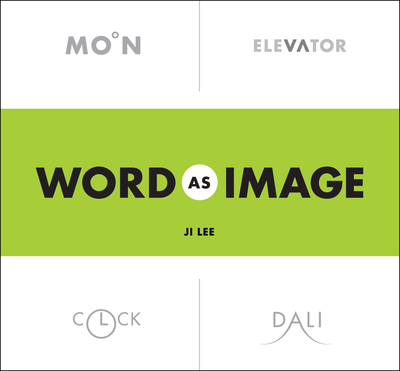
Word as Image by Ji Lee

Ji Lee, former Creative Director at Google Creative Labs, has created this wonderful animated short to promote his new book Word as Image:

The book collects together almost 100 of Lee’s illustrations. Each image is created out of a word, using only the letters in the word itself. Only the graphic components of the letters are used without adding outside elements.

(via Swissmiss)

4 Comments

AGDA: Conversations with Designers

“I just say that everything that is around you has either been designed or it’s an accident. I mean if you’re walking upstairs and you see a bit of bird shit on the staircase, I mean the bird shit is an accident but the staircase has been designed…”

Max Robinson

I recently came across the Australian Graphic Design Association video series Conversations with Designers. I can’t claim to know very much about Australian design history — I know next to nothing in fact — but it’s always interesting to hear designers talk about the discipline of design and their work in the field.

The latest video in the series features designer Max Robinson, who worked extensively in London in the 1960’s and would later design the Australian $10 note:

A PDF transcript of the full interview is available, and you can watch the other videos in the series on Vimeo.

I should also mention that I discovered the interviews thanks to the wonderful blog Re:collection, an online archive of Australian graphic design from 1960-1980. Definitely worth a look.

2 Comments

Something for the Weekend

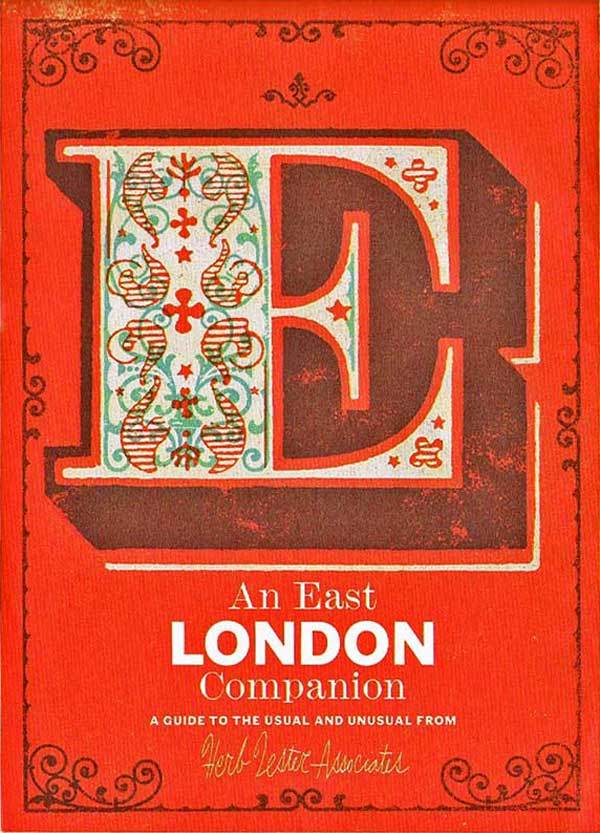
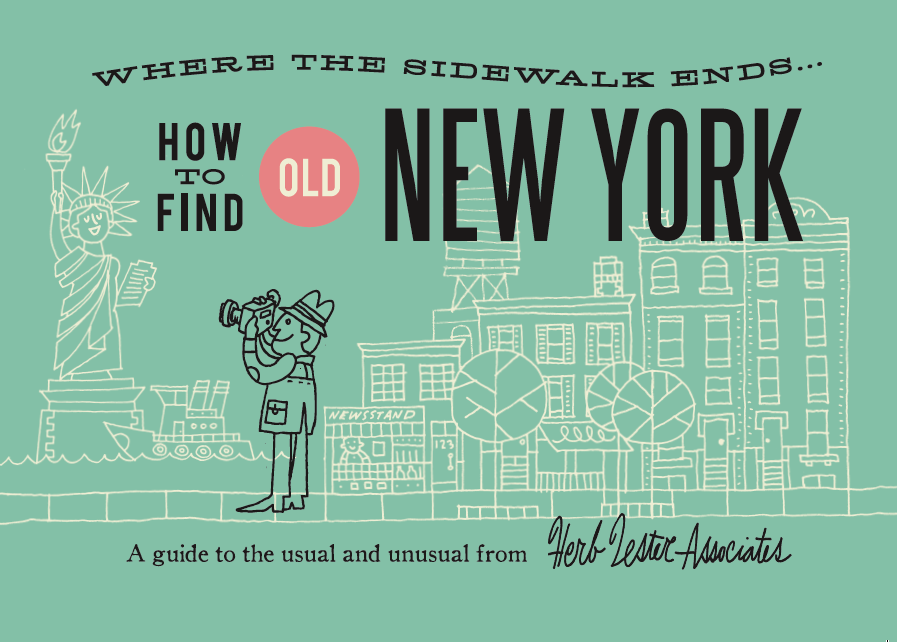
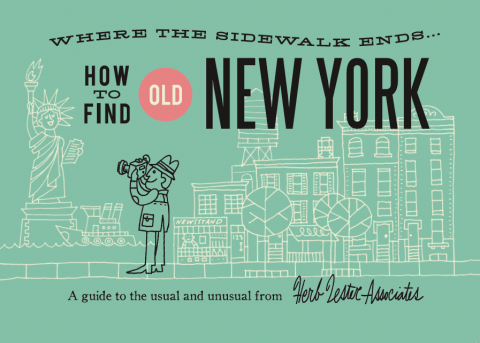
Old Fashioned, Foldy, Inky Things — Daniel Gray (fellow member of the fictional League of Daniels) interviews Ben Olins and Jane Smillie about creating the wonderful Herb Lester city maps:

Old fashioned, foldy, inky things have personality, something which Google maps and web guides lack. But the limitations of the format also force you to be selective, to only recommend things you genuinely believe to be good. It’s a fallacy that comprehensive listings are useful, when really they’re just confusing – it’s so much easier when someone makes a decision for you.

Collecting / Organizing / Cataloging — Steven Heller interviews Greg D’Onofrio and Patricia Belen of Kind Company about DISPLAY, their wonderful a collection of mid-century modern graphic design books and journals:

For us, one of the primary responsibilities of owning a collection is conducting research about the objects we acquire and finding out how they can far exceed their role as inspirational “eye candy”. The combination of collecting / organizing / cataloging has helped us see new, unique perspectives and discover a greater understanding of many of the principles, ideas and theories we so often admire.

See also: Steven Heller (who is apparently waging a one man occupation of the internet) on graphic designers and hoarding:

Design stuff finds refuge in drawers, on shelves, in boxes; we store it in offices, apartments, dens, living rooms, garages and attics (basements are too easily flooded). Along with lint balls, design stuff is often hiding under the bed. Design stuff is mostly paper, but can also be packaging or points-of-purchase displays—it may be small, medium or large. We hang it on walls and pay considerable amounts to have it framed. Uncontrollably, we hunger and devour it in stores, markets, shows and eBay (damn you, eBay!!). Ravenously, we hunger for and devour bargains, but when they don’t materialize, we pay sizable sums to own the more rare and costly stuff (sometimes realizing we owned it when we were children). In fact, knowing that years ago Mom might have thrown out some potential treasure, we are even more conditioned to hoard anything that could be construed as potentially valuable in the future.

Dead End — Cartoonist Joe Sacco on his most recent book, Footnotes in Gaza, in The Believer:

I think, for me, the book ends up being—this is going to sound strange—a dead end. Because I don’t know where to go from here, except to delve into human psychology. I think I understand how history works. I understand why one people are battling another people. I understand that they both want land. But ultimately there’s a level that I haven’t really got to yet. I’m touching on motive in places, like what makes someone pull a trigger? What makes one person beat another one to death? I know we can dehumanize people. Obviously, that’s the main thing. And I know we can fear them enough that we’d kill them before we think they’re going to kill us. There’s all that going on. But I think I need to go in another direction after this book. What am I going to do after this? Keep detailing massacres? For me, personally, I think I’m not going to get anything out of it anymore. I’ve come to the end of that.

And finally…

Simon Reynolds on his new book Retromania: Pop Culture’s Addiction to its Own Past in The Guardian:

The deeper you venture into the underground, the more music involves pilfering from the past. This is one of the central mysteries that propelled me through the writing of Retromania: how come the very kind of people who would have once been in the vanguard of creating new music (bohemian early adopter types) have switched roles to become antiquarians and curators? In the underground, creativity has become recreativity. The techniques involved are salvage and citation; the sensibility mixes hyper-referential irony with reverent nostalgia.

2 Comments

Milton Glaser: Embrace the Failure

To promote their graduation exhibition in May, students from Berghs School of Communication in Stockholm asked prominent creative figures to discuss their ‘fear of failure.’ In this video veteran designer Milton Glaser offers his insights into creative failure (which apply as much to writing as much as design, I would think):

(via Creative Review)

4 Comments

Wim Crouwel | Dutch Profiles

Designer Wim Crouwel talks about his career, his use of the grid and the creation of the New Alphabet in this interesting 10-minute documentary for Dutch Profiles:

Dutch Profiles is a series of short documentaries about architects, graphic, product and fashion designers working in the Netherlands. The series is new to me, but past films that caught my eye include profiles of architect Rem Koolhaas, graphic designer Irma Boom, and cartoonist Joost Swarte.

(via iloveboeken)

Comments closed

Kurt Weidemann 1922-2011 | GestaltenTV

GestaltenTV have posted an 16-minute interview with influential German typographer and graphic designer Kurt Weidemann who died at the age of 88 on March 31st, 2011:

Weidemann helped form the graphic identities companies such as Mercedes-Benz and Porsche, as well as designing books for the Büchergilde Gutenberg and the publishing houses Ullstein, Propyläen, Ernst Klett and Thieme.

Jürgen Siebert has written an obituary of Weidemann for FontFeed:

Weidemann was a disputatious designer. He disseminated his knowledge in numerous specialized books and countless presentations and talks. Legendary are his 10 Thesen zur Typografie, published in 1994 in the book Wo der Buchstabe das Wort führt. Ansichten über Schrift und Typografie. This resulted in his appeal: “God protect us from the vagrant creativity of the typomaniacs.” Weidemann never could reconcile with the immense variety of different typefaces. During a discussion at Swiss Mediaforum in 2010 he literally said: “There are ten, maybe fifteen very good typefaces, which I can agree with at least. There are 30,000 on the market, of which 29,990 can be sunk in the Pacific Ocean without causing any cultural damage.”

Comments closed

Wim Crouwel: A Graphic Odyssey

Phaidon Books has posted a short profile of the original “Gridnik”, graphic designer Wim Crouwel:

Crouwel, who appeared in Gary Hustwit’s documentary Helvetica, is famous for his innovative approach to typography and his 1967 ‘New Alphabet’. The New Alphabet font was adapted by designer Peter Saville for the cover of Joy Division’s album Substance, released by Factory Records in 1988.

An exhibition of celebrating Crouwel’s work, Wim Crouwel: A Graphic Odyssey, is at The Design Museum in London from March 30th – July 3rd.

UPDATE: Wim Crouwel: A Graphic Odyssey – Catalogue is published by Unit Editions with three different cover photographs to choose from.

4 Comments

What is Graphic Design?

To explain what graphic design is, the UK’s Design Council talked to well known British graphic designers, including Neville Brody, about their work for a series of short videos:

The other films in the series can be found here.

(via FormFiftyFive)

Comments closed

A [EYE] GA

I’ve had some really encouraging feedback about my post on Peter Mendelsund’s Kafka redesigns, and this morning I received a surprise email from AIGA in New York about it that included the cover for the AIGA Annual Graphic Design USA: 3 designed by Paul Rand. It’s too good not to share:

Thanks all.

1 Comment