Skip to content

Tag: darren haggar

Book Covers of Note, February 2025

Hey, I hope you’re safe and well. This month’s post is a big one so I’m pretty much going to let you get on with it, but before I do, I just wanted to mention that I’ve included a gallery of all this month’s covers as the bottom of the post so you can click through them all. This is in response to a reader email about the size of the covers on screen. I think the gallery looks nice, but I am worried that it’s going to play absolute havoc with the RSS / email so apologies in advance if that’s case. Anyway, enjoy this month’s covers, and let me know what you think.

Alligator Tears by Edgar Gomez; design by Arsh Raziuddin (Crown / February 2025)

Atrocity by Bruce Robbins; design by David Drummond (Stanford University Press / February 2025)

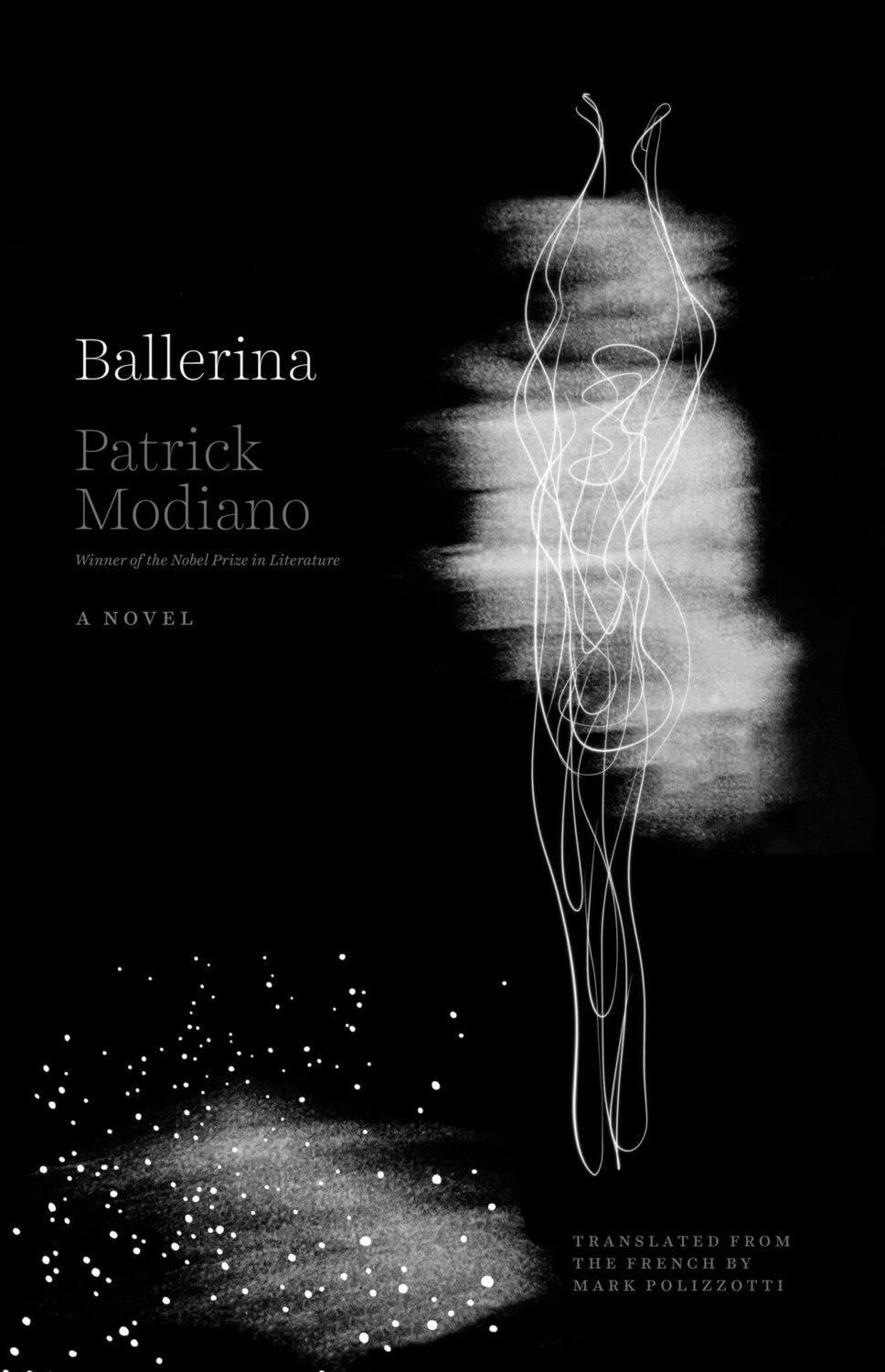
Ballerina by Patrick Modiano; design by Monograph (Yale University Press / January 2025)

Beta Vulgaris by Margie Sarsfield; design by Joanne O’Neill (W. W. Norton / February 2025)

Boyhood of Cain by Michael Amherst; design by Jack Smyth; photograph by Kirsten McKee (Faber & Faber / February 2025)

Creep by Emma van Straaten; design by Joanne O’Neill (Harper Perennial / February 2025)

Deep Cuts by Holly Brickley; design by Chris Allen (Crown / February 2025)

Dengue Boy by Michel Nieva; design by Rodrigo Corral; illustration by Sophy Hollington (Astra House / February 2025)

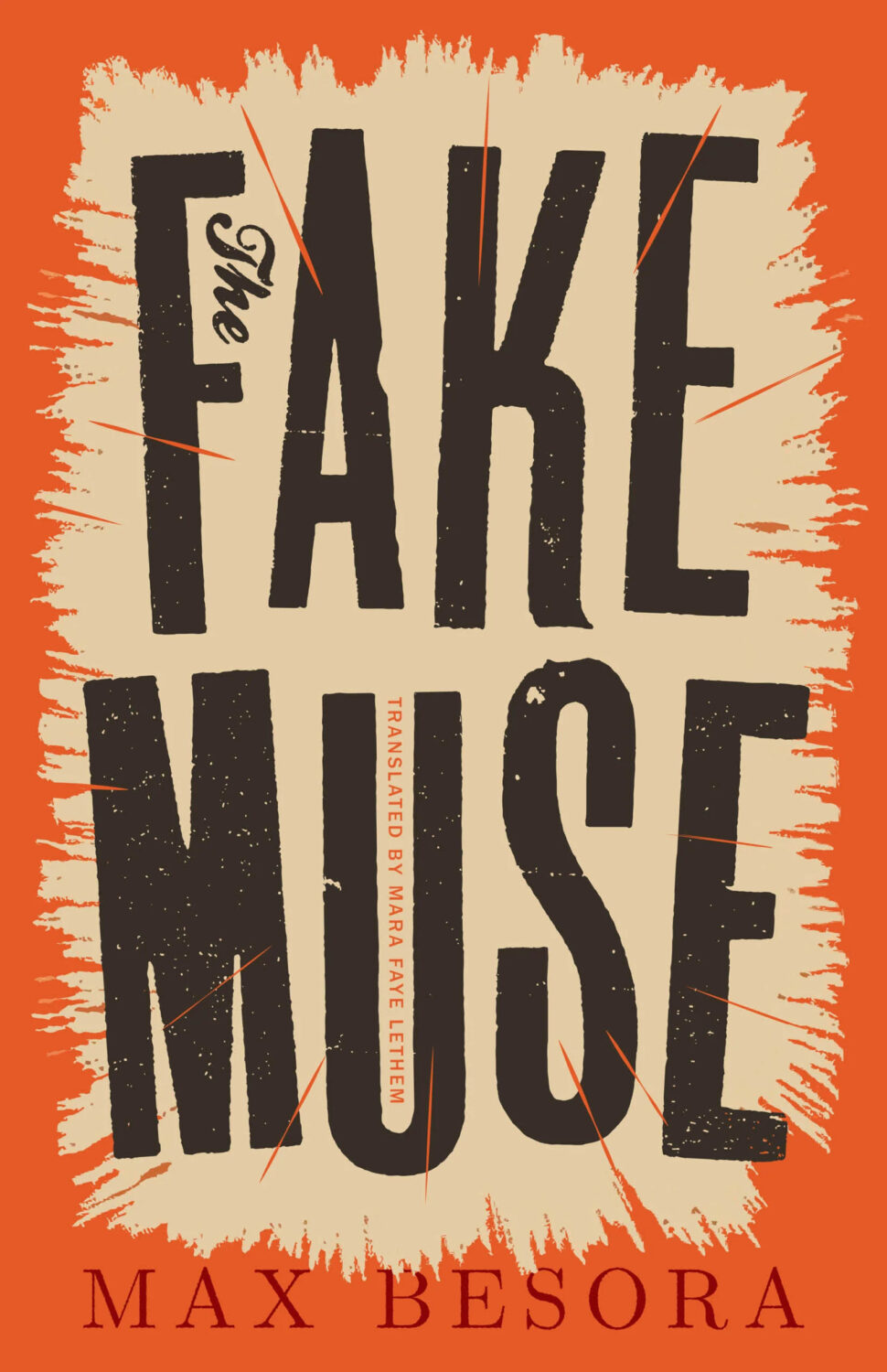
Fake Muse by Max Besora; design by Alban Fischer (Open Letter / February 2025)

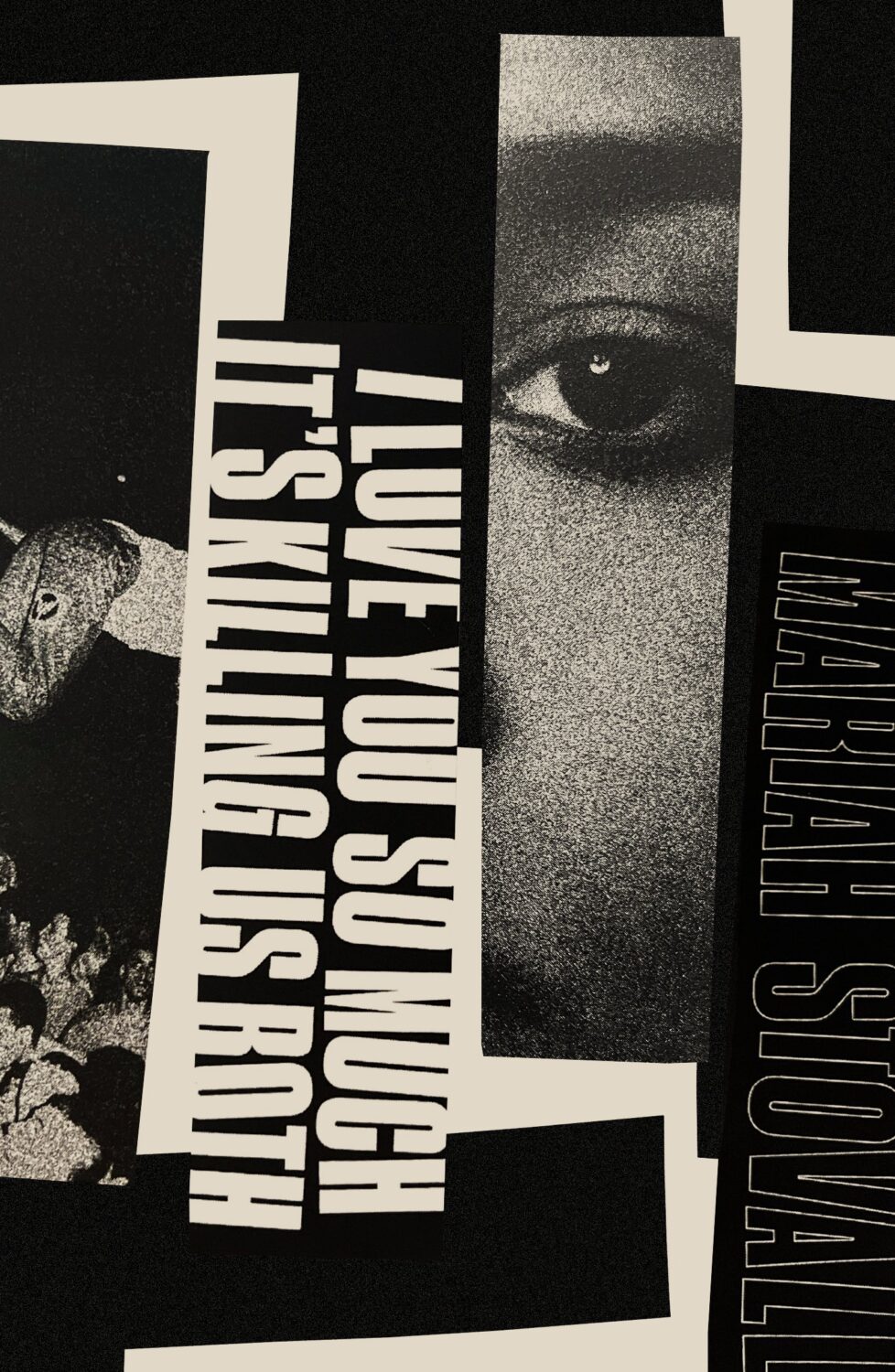
I Love You So Much It’s Killing Us Both by Mariah Stovall; design by Luke Bird (Influx Press / February 2025)

This is the UK paperback cover. The cover of the US hardcover published by Soft Skull in February last year and designed by Jack Smyth was in March 2024’s round-up.

Immemorial by Lauren Markham; design by Anna Morrison (Transit / February 2025)

In Defence of Barbarism by Louisa Yousfi; design by Chantal Jahchan (Verso / January 2025)

Mazeltov by Eli Zuzovsky; design by Emily Mahar; art by Daniel El Dibujo (Henry Holt / February 2025)

Money To Burn by Asta Olivia Nordenhof; design by Matt Broughton; art Katrien de Blauwer (Vintage / February 2025)

The type is apparently the Lubalin-inspired Herbus designed by Eliott Grunewald.

Reading the Waves by Lidia Yuknavitch; design Lauren Peters-Collaer (Riverhead / February 2025)

Saint of the Narrow Street by William Boyle; design by Luke Bird (Soho Crime / February 2025)

Smother by Rachel Richardson; design by Hana Nakamura (W. W. Norton / February 2025)

The Stain by Rikki Ducornet; design by Daniel Benneworth-Gray (Dalkey Archive Press / February 2025)

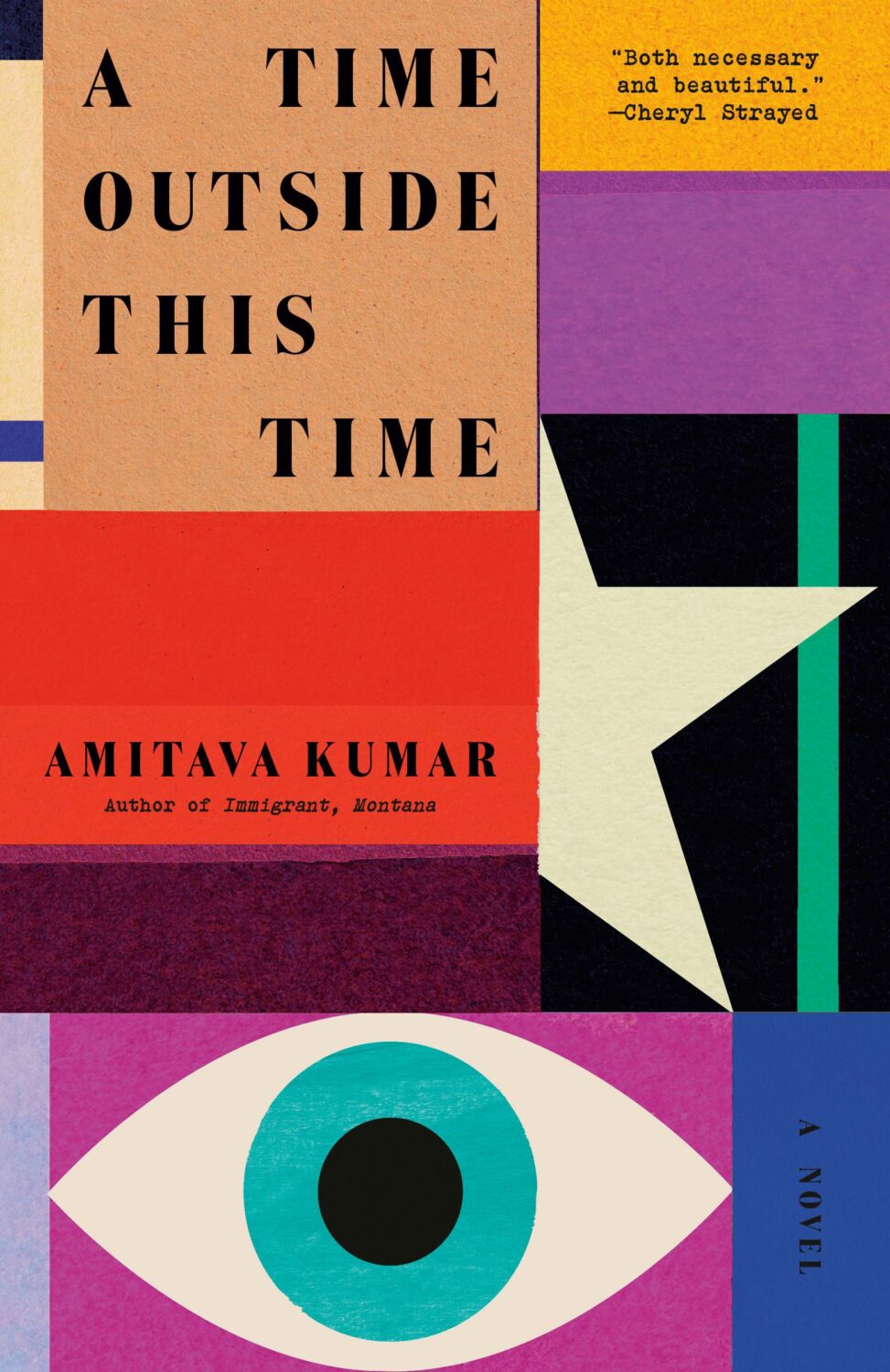
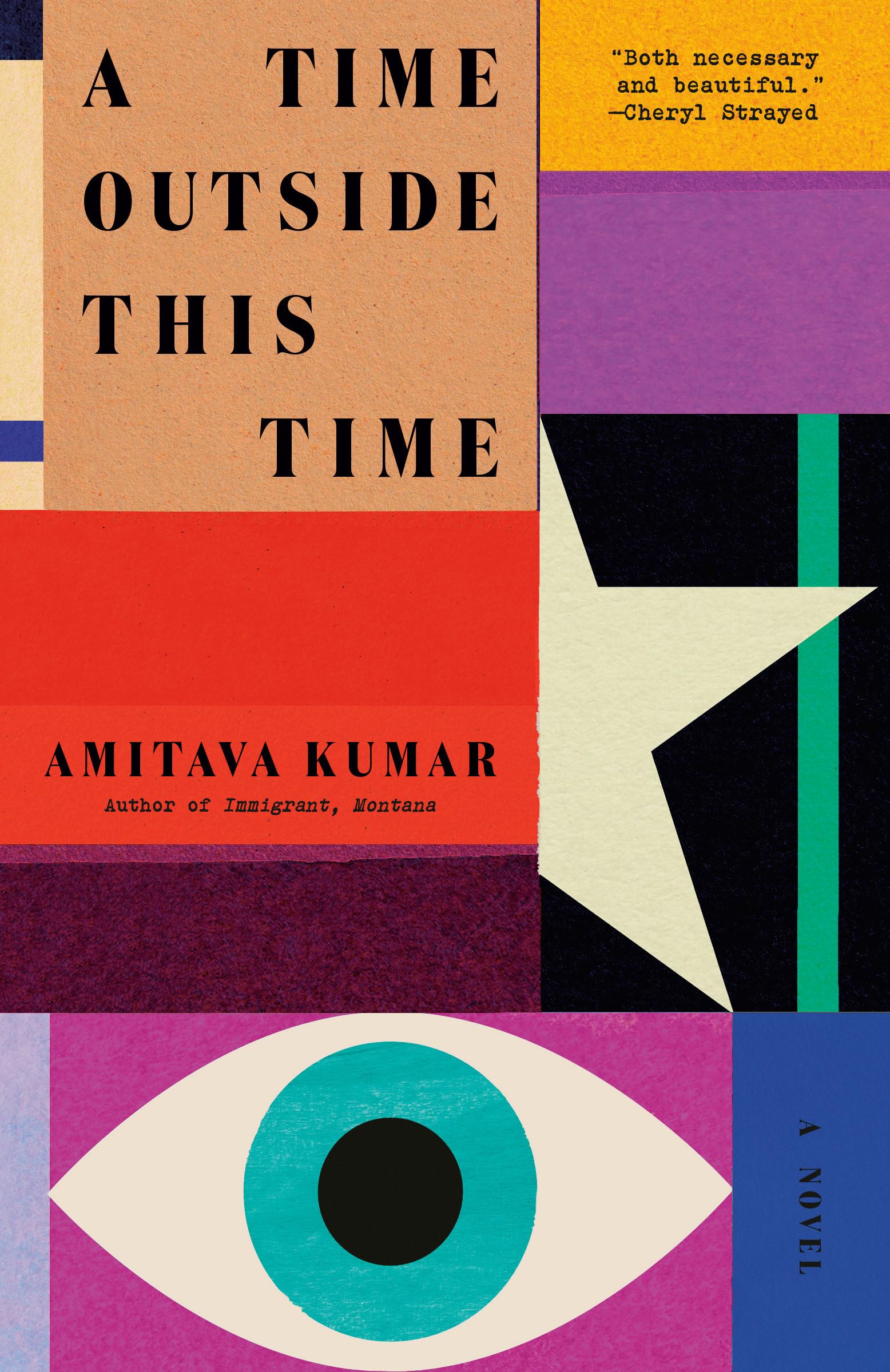
A Time Outside This Time by Amitava Kumar; design by Tom Etherington (Vintage / February 2025)

This accompanies the paperback of My Beloved Life, published at the end of last month.

The cover of the hardcover of My Beloved Life was designed by Oliver Munday.

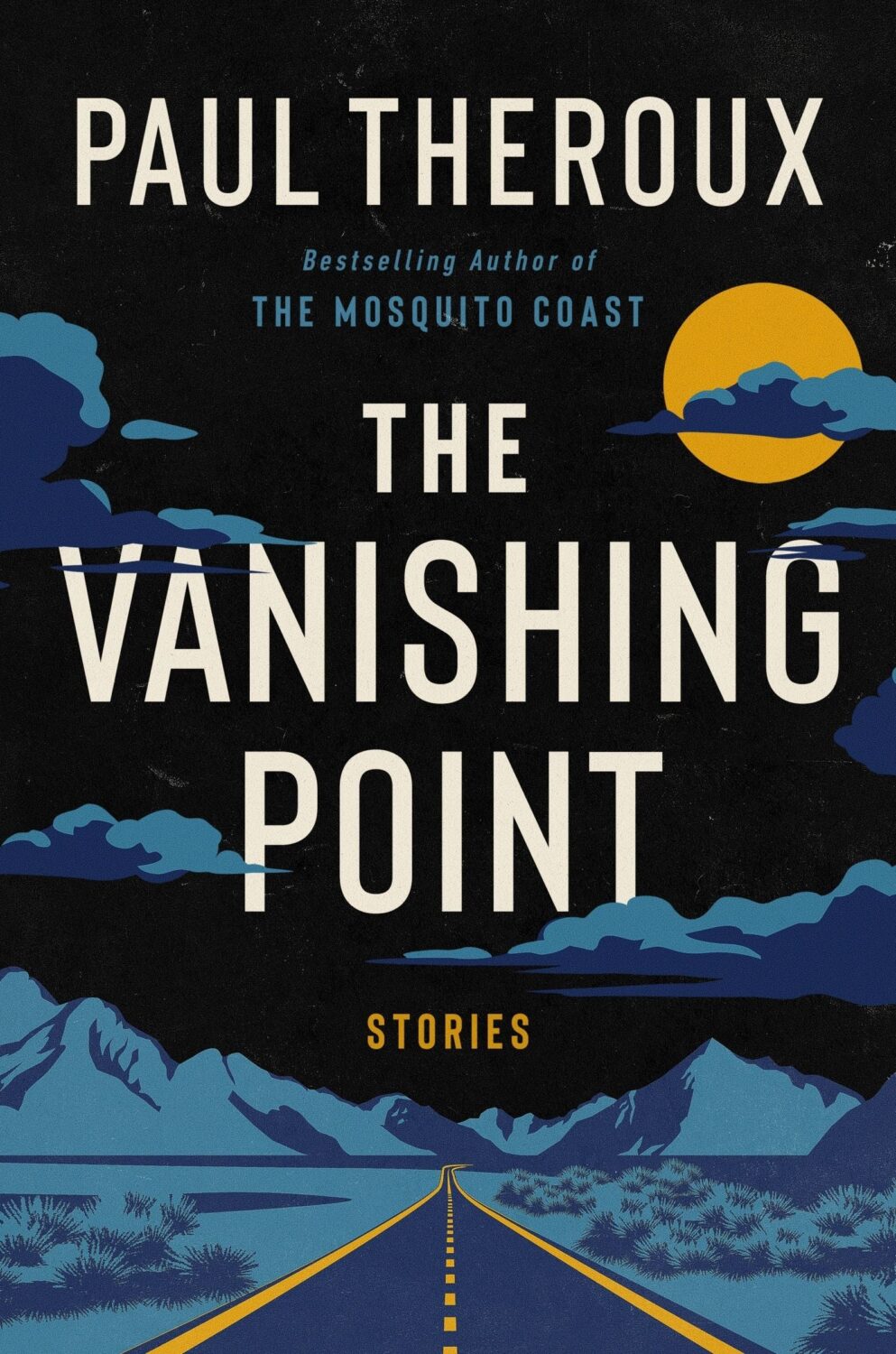
The Vanishing Point by Paul Theroux; design by Chris Bentham (Penguin / February 2025)

The cover of the US edition designed by Pete Garceau was on last month’s list.

The World After Gaza by Pankaj Mishra; design by Darren Haggar (Penguin Press / February 2025)

Comments closed

Book Covers of Note, August 2024

Hey, I hope you’re keeping safe and well. I feel like I just finished July’s post and now it’s the end of August. There are a few more covers from earlier in the year in this month’s post. I’m still catching up. But there’s some Canadian content, a few covers from the UK, some indie presses, and a university press, which is always nice. Enjoy the last few weeks of summer!

1974 by Francine Prose; design by High Tide (Harper / June 2024)

Thanks to Robin Bilardello and AD Milan Bozic at Harper for their help on the credit for this one! :-)

Anyone’s Ghost by August Thompson; design by Keith Hayes (Penguin Press / July 2024)

This was published last month, but I had it in my August folder. If I had to guess it was because of the author’s name. I am easily confused.

The Buddha of Suburbia by Hanif Kureishi; design by Kishan Rajani (Faber / July? 2024)

I think this came out in July too, but it looks like Faber used the ISBN of the existing 2017 edition even though there is a new cover so I don’t know for sure when it was updated (publishers: don’t do this).

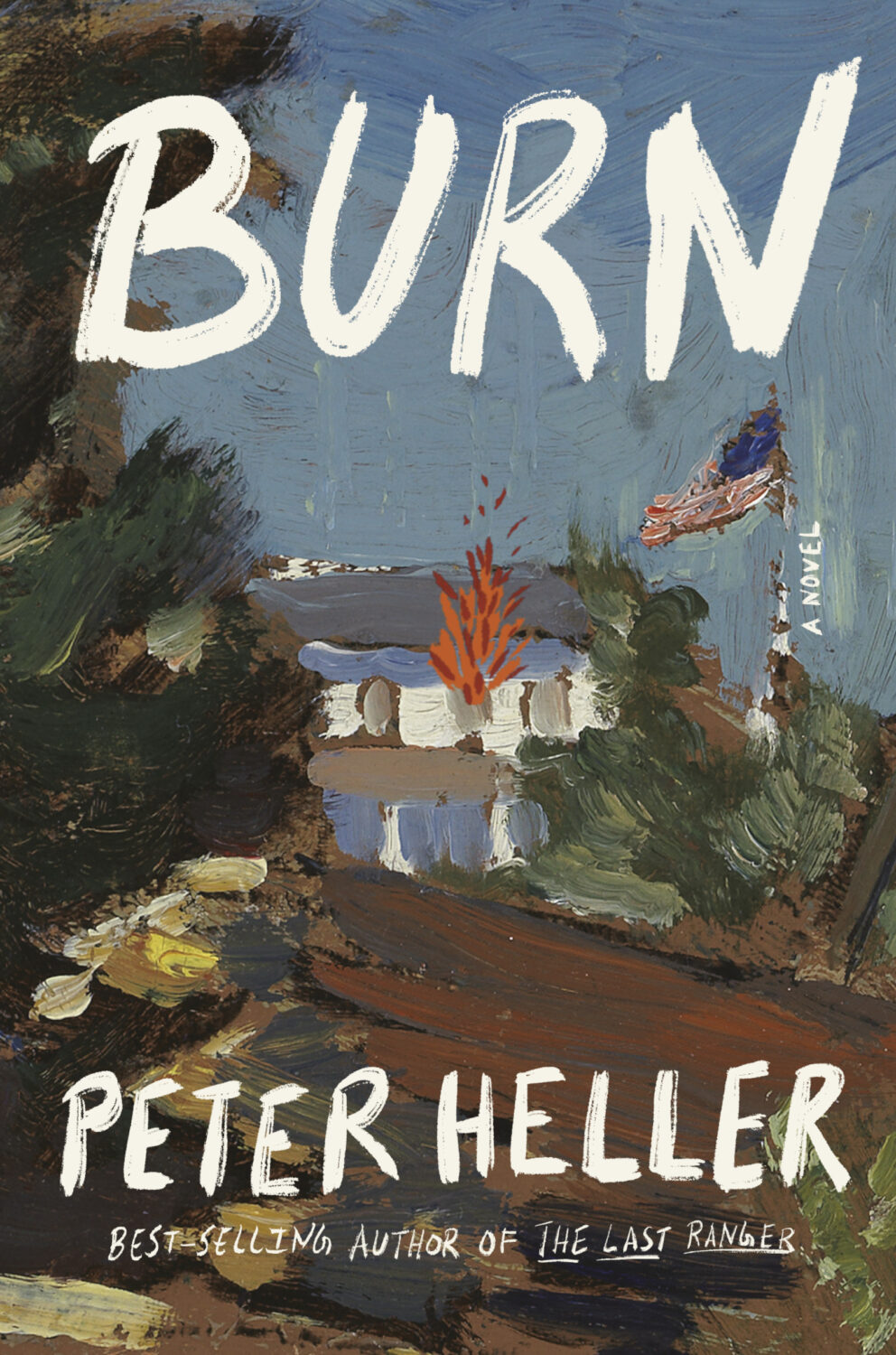
Burn by Peter Heller; design Kelly Blair; painting ‘Boat Building in Maine’ (detail) by Paul Dougherty (Knopf / August 2024)

Coexistence by Billy Ray Belcourt; design by Kelly Hill; photography by Steven Beckly (Hamish Hamilton Canada / May 2024)

Dogs and Monsters by Mark Haddon; design by Suzanne Dean; illustration by Neue Gestaltung (Vintage / August 2024)

Because I am of certain age (old and mouldering like an ancient vampire hiding from the sun of contemporary pop culture) this reminded me of the cabinet art for the original Space Invaders arcade game. Hilariously, if not surprisingly, there is a Fonts in Use post about the typography of the original promo materials and cabinet art of Space Invaders. If anyone knows of a good article about the artwork itself I would love to read it.

Everything and Nothing At All by Jenny Heijun Wills; design by Terri Nimmo (Knopf Canada / August 2024)

Feeding the Monster by Anna Bogutskaya; design by Henry Petrides (Faber / August 2025)

Speaking of all things retro, Henry has posted some photos of his Letraset experiments for this cover on Instagram.

Hair for Men by Michelle Williams; design by Greg Tabor (House of Anansi / August 2025)

There is something ‘early 2000s Canlit’ about this cover. If you’d told me this was designed for Anansi by Bill Douglas in like 2004 I would’ve believed you, and I mean that in the best way. (I appreciate that only the grizzled Canadian publishing folks like me will get this reference but hey…)

Layman’s Report by Eugene Marten; design by Kate Sinclair (McClelland & Stewart / August 2024)

Mammoth by Eva Baltasar; design by Anna Morrison (And Other Stories / August 2025)

Anna also designed the covers for two previous novels by Eva Baltasar published by AOS, including a pink special edition of Permafrost (which is possibly my favourite).

Mina’s Matchbox by Yoko Ogawa; design by Suzanne Dean; illustration by Gérard DuBois (Harvill Secker / August 2024)

The cover of the US edition published Pantheon this month by was designed by Tyler Comrie.

The Murmuration by Carlos Labbé; design by Anna Jordan (Open Letter / July 2024)

Mystery Lights by Lena Valencia; design by Beth Steidle (Tin House / August 2024)

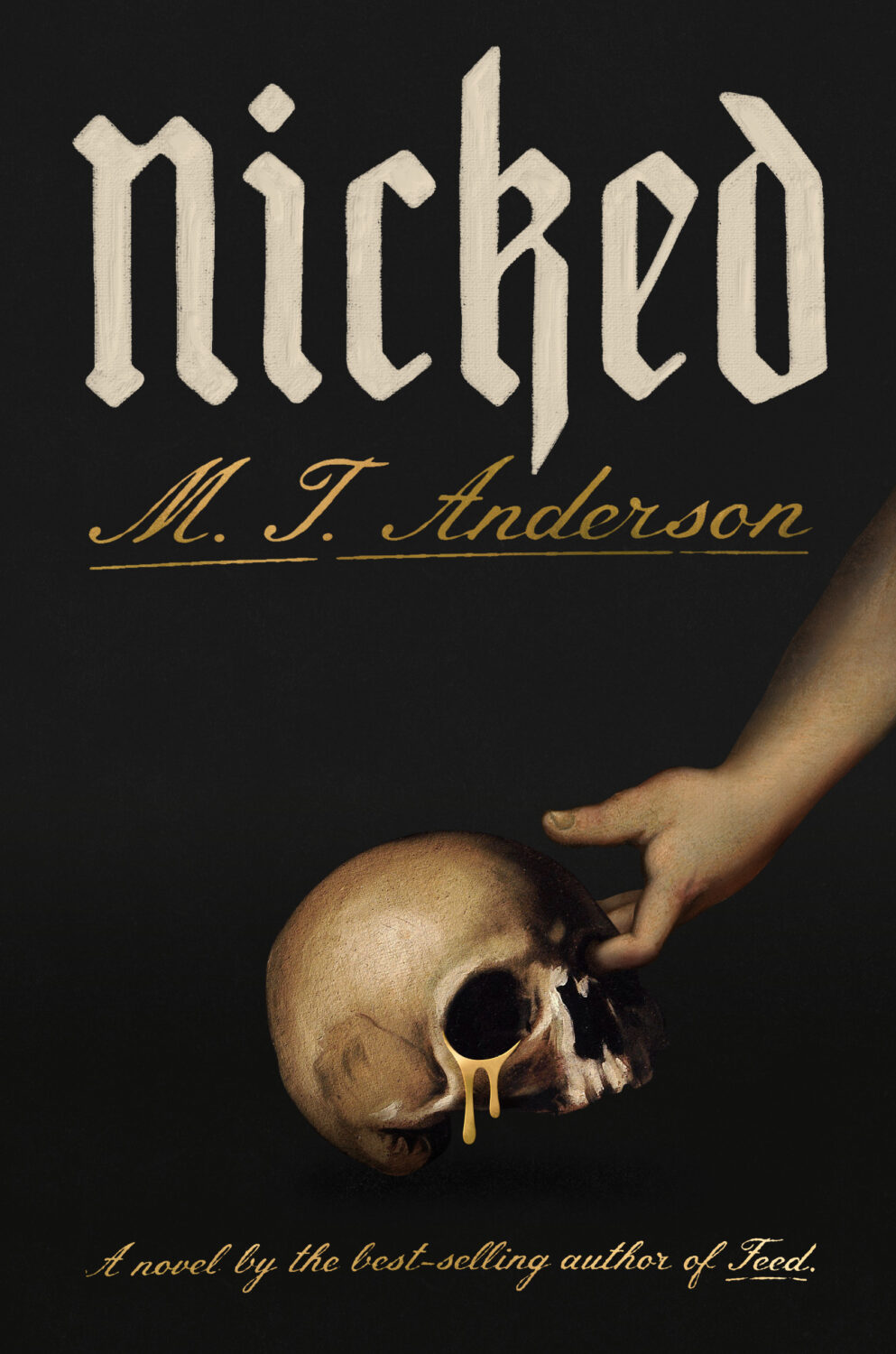
Nicked by M. T. Anderson; design by Zak Tebbal (Pantheon / July 2024)

It might be time to update the now very old (10 years!) skulls post.

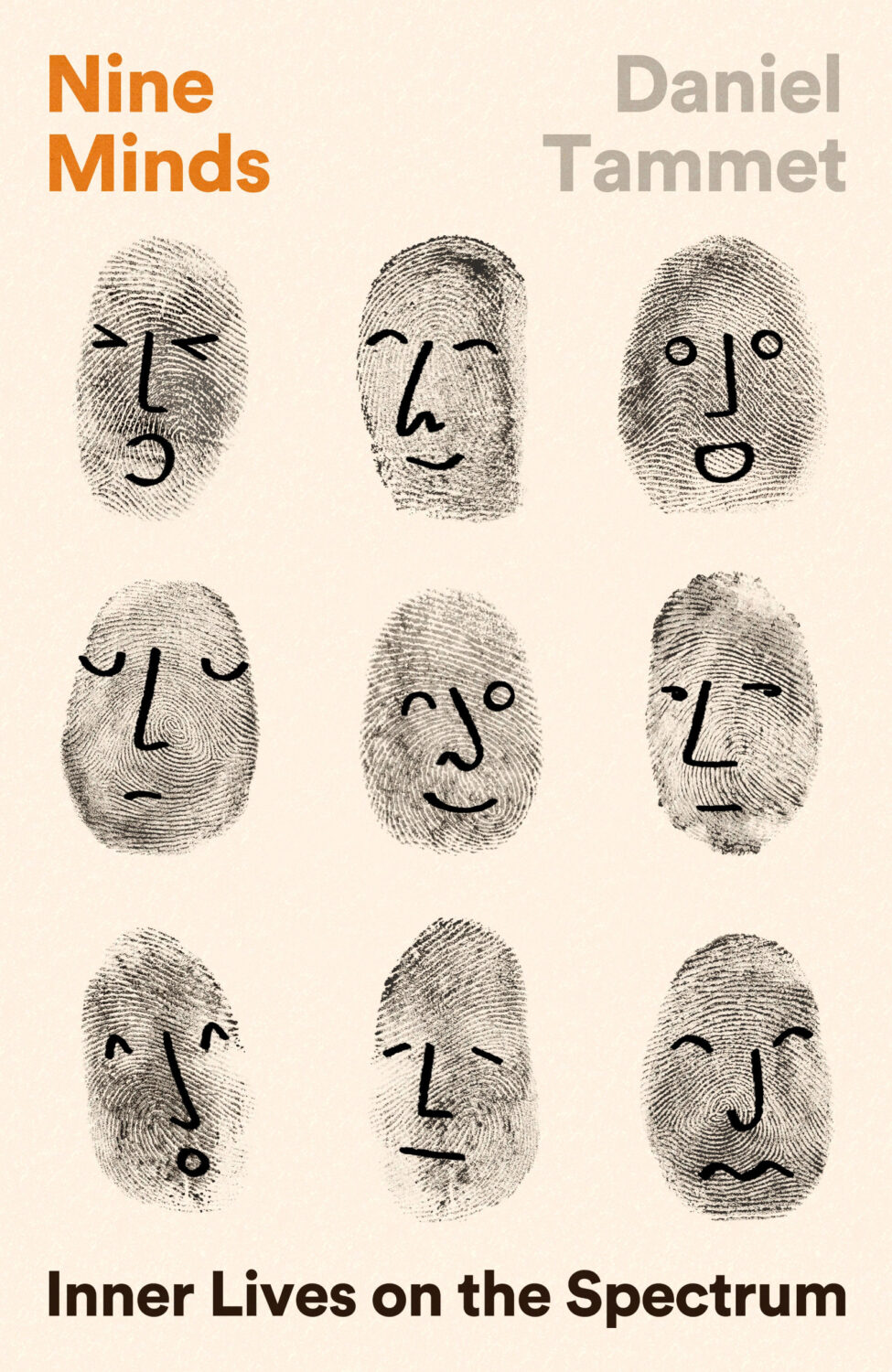
Nine Minds by Daniel Tammet; design by Louis Gabaldoni (Profile Books / July 2024)

I was trying to think what this reminded me of and I think it’s either Ed Emberley’s Great Thumbprint Drawing Book or possibly the current cover of Design as Art by Bruno Munari, which (IIRC) uses drawings of faces from inside the book (but no thumbprints!).

And, also designed by Louis…

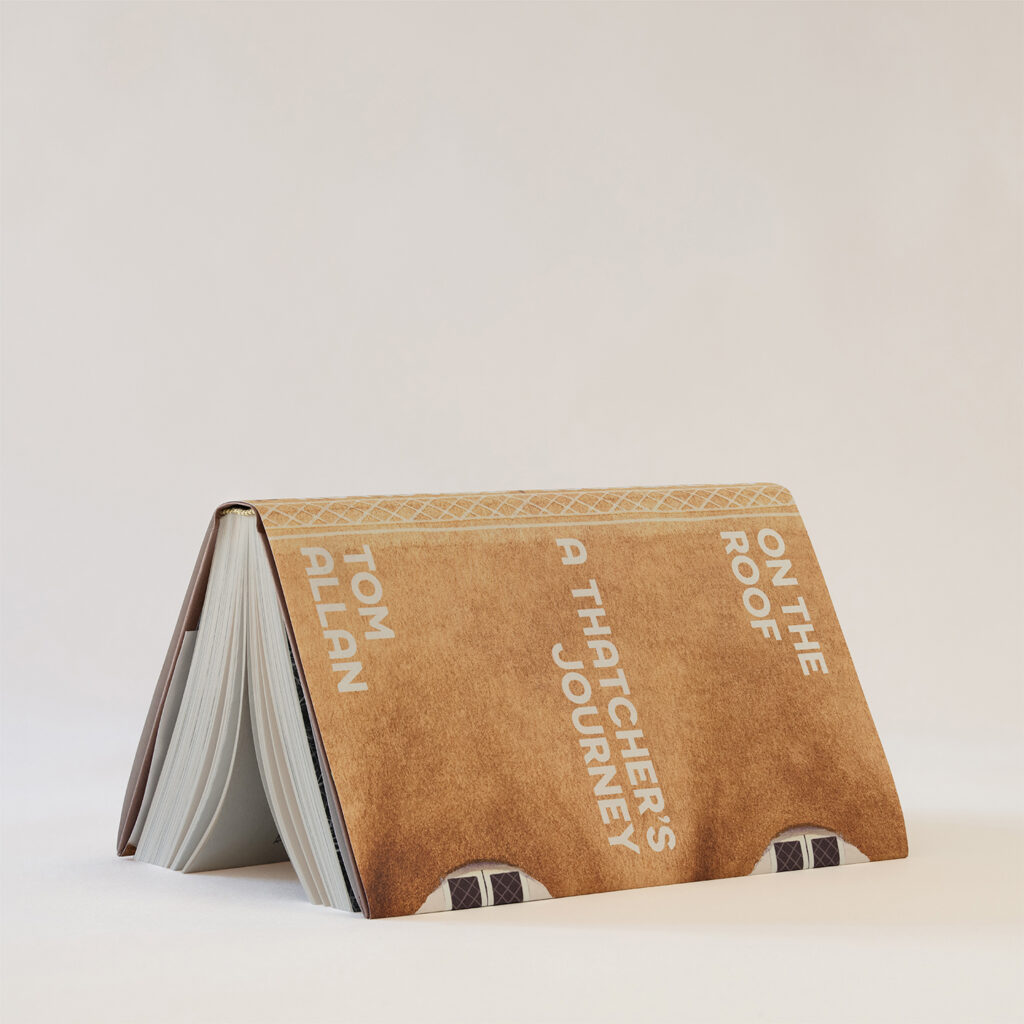
On the Roof by Tom Allan; design by Louis Gabaldoni (Profile Books / August 2024)

This is really lovely…

Plastic by Scott Guild; design by Tyler Comrie (Pantheon / February 2024)

Oof. I’m very late to this one.

Plaything by Bea Setton; design by Beci Kelly (Transworld / June 2024)

I don’t know how you would describe this particular shade — salmon pink? Financial Times pink? (Are those variations of the same thing, actually?) — but it feels like a pink covers are still a bit of thing. (Did I mention pink covers already a couple of months ago? I think I did…? Sigh. I am repeating myself. It might be time to give this up)

Some White Folks by Jennifer Chudy; design by Elisha Zepeda / Faceout Studio (University of Chicago Press / July 2024)

I like this cover a lot, but is the disembodied hug also becoming a thing? I think I mentioned this a while back too! (Pictured: the cover The Nursery by by Szilvia Molnar designed by Hayley Warnham from May last year, and a poster by Vasilis Marmatakis for the 2015 movie The Lobster)

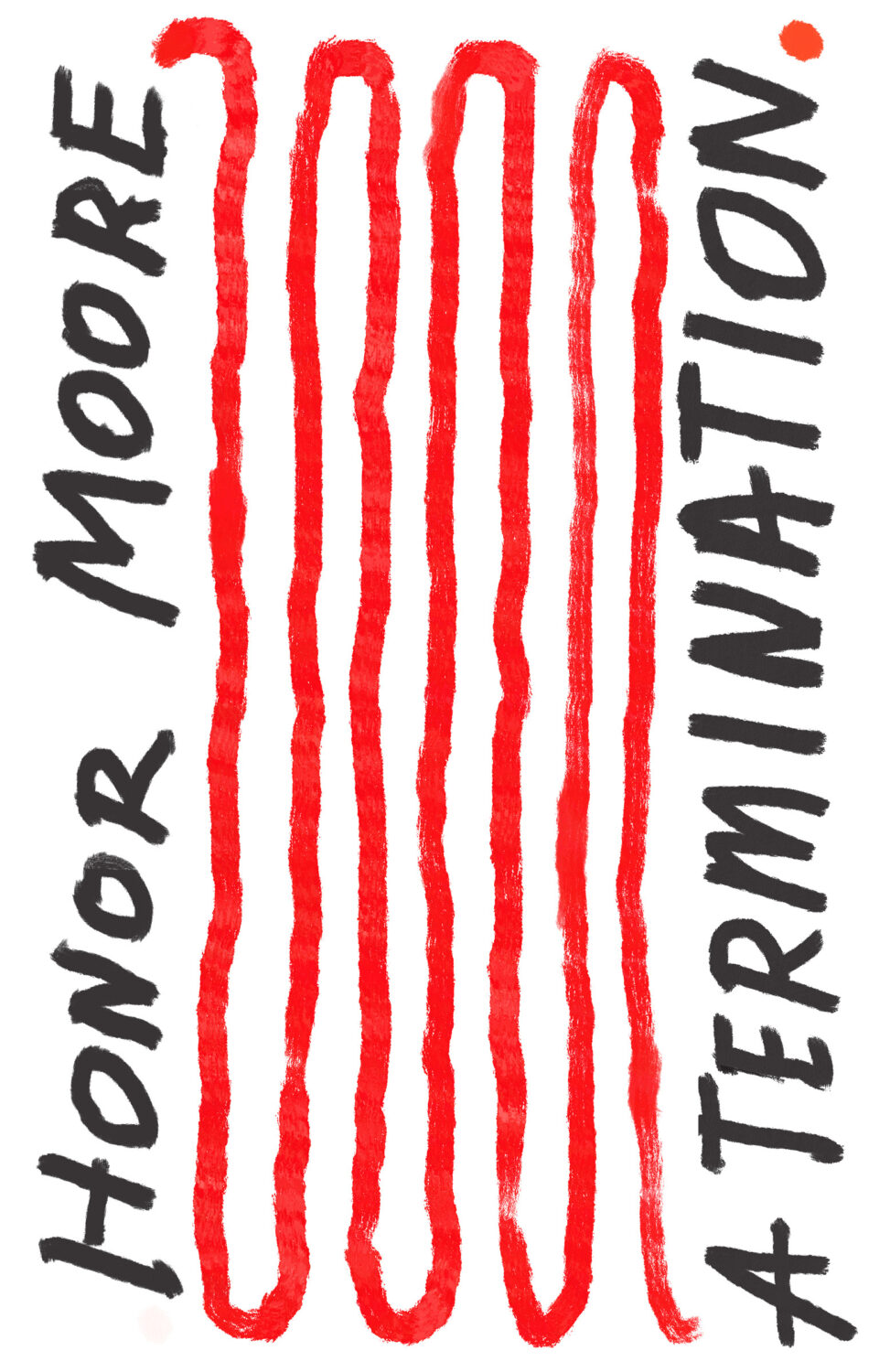
A Termination by Honor Moore; design by Janet Hansen (Public Space / August 2024)

Obviously the details of the designs and the approaches are quite different, but the cover of A Termination reminded me of the cover of Anxiety by Samir Chopra designed by Karl Spurzem for Princeton University Press from March this year. I think it’s an interesting compare and contrast?

The Wisdom of Sheep by Rosamund Young; design by Darren Haggar (Penguin Press / August 2024)

Comments closed

Book Covers of Note, June 2024

Hey everyone. I hope you keeping well. It’s another big post this month. There are lots of new covers, but also quite a few that I missed (or didn’t have the design credit for!) from earlier this year too. I expect that’ll keep happening over the next couple of posts as I try to catch up over the summer, so feel free to send me stuff I might have overlooked. Now is the time!

The Abyss by Fernando Vallejo; design by Janet Hansen (New Directions / June 2024)

Ask Me Again by Clare Sestanovich; design by Janet Hansen (Knopf / June 2024)

A Janet Hansen one-two to open proceedings…

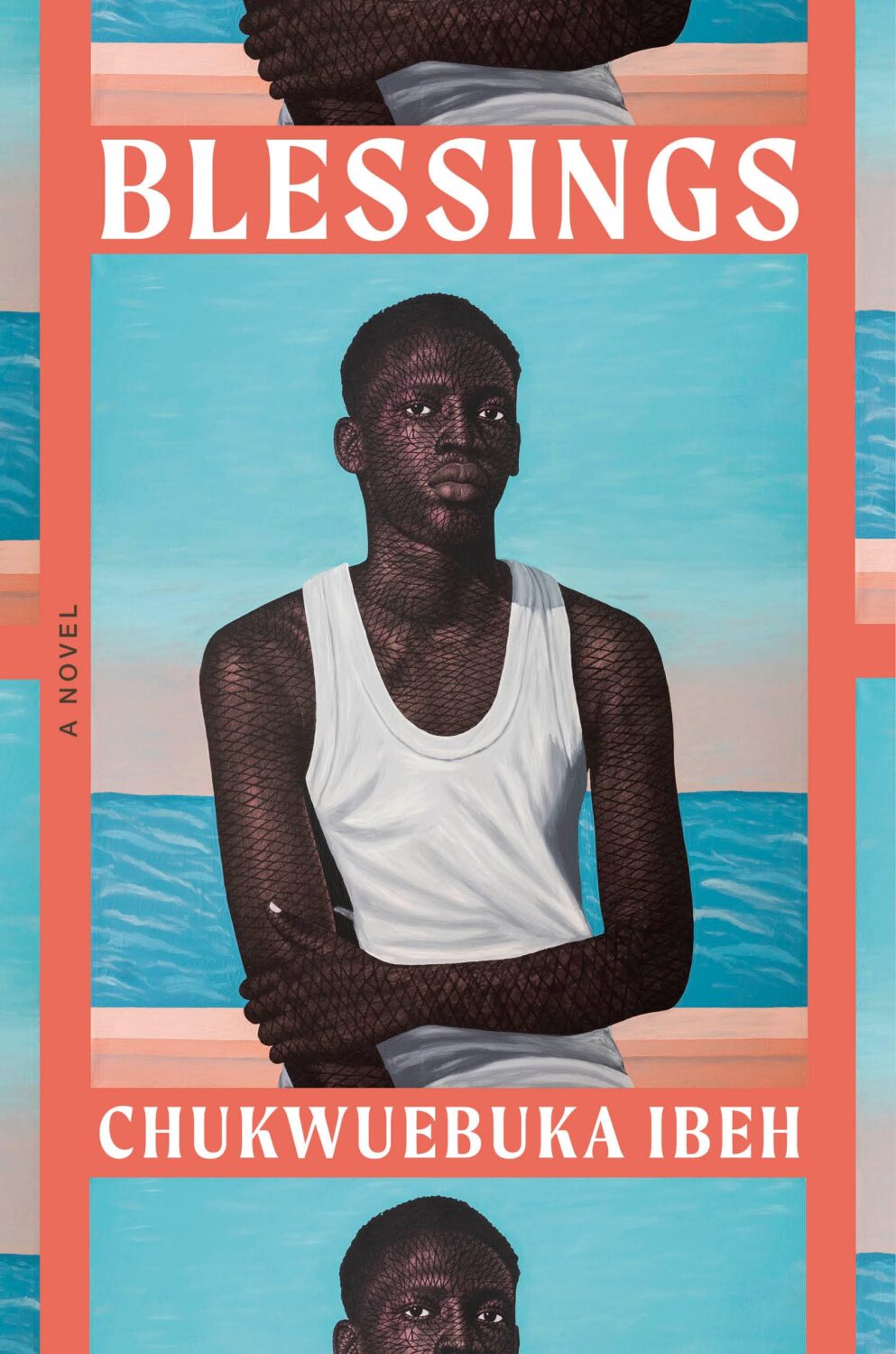
Blessings by Chukwuebuka Ibeh; design by John Fontana; painting by Tosin Olusegun Kalejaye (Doubleday / June 2024)

The cover of the UK edition published by Penguin earlier this year, designed by Richard Bravery (I think?), uses the same painting by Tosin Kalejaye but it’s interesting to see the differences in the approach side by side.

The Borrowed Hills by Scott Preston; design by Jaya Miceli (Scribner / June 2024)

Another example of the US and the UK cover sharing the same image but with differing approaches. I like the type and the retro poster vibe of the UK cover a lot. I don’t have the design credit though so please drop me a note if you know whose work it is and I’ll add it in!

Brat by Gabriel Smith; design by Stephanie Ross (Penguin Press / June 2024)

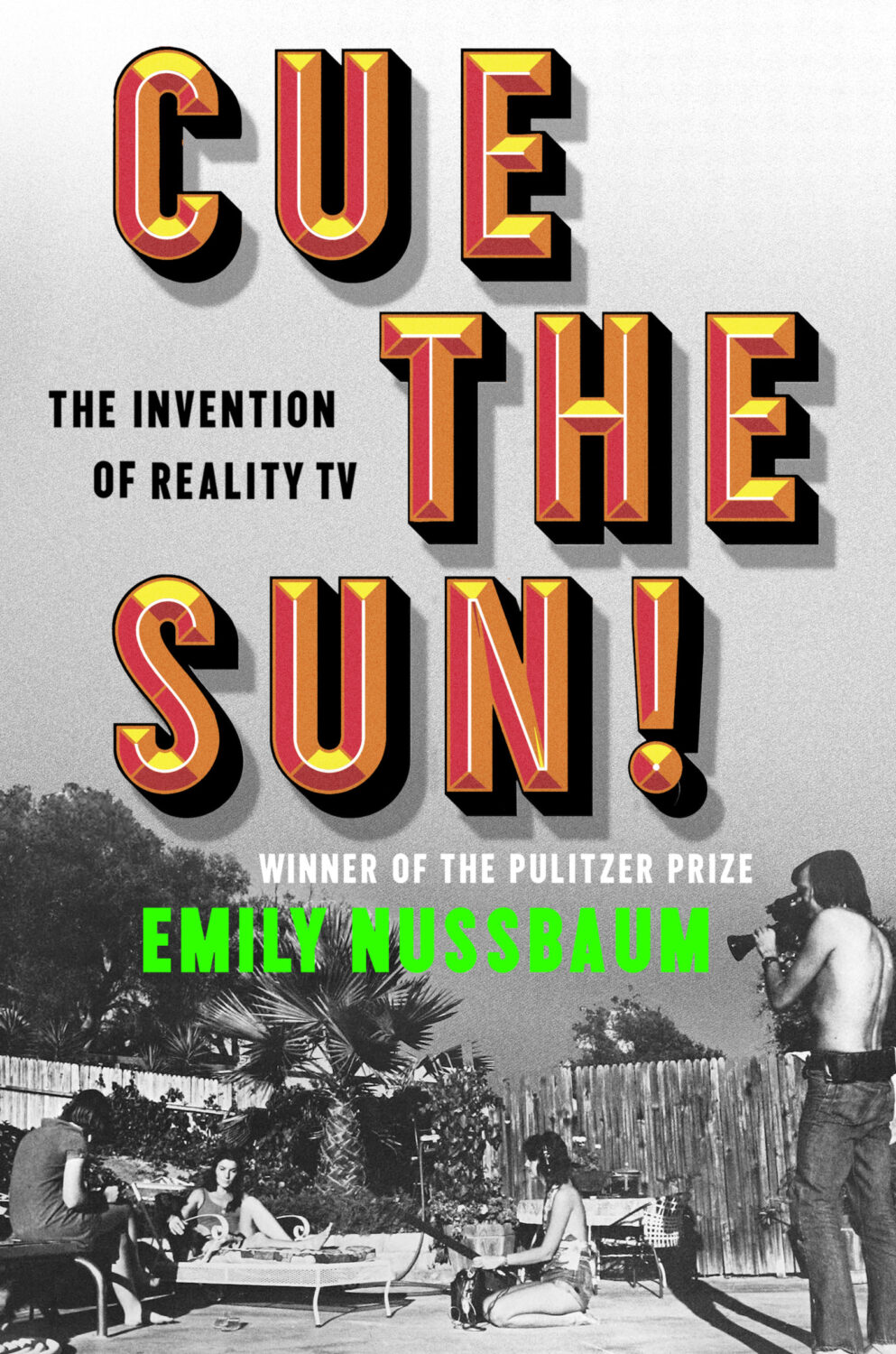
Cue the Sun by Emily Nussbaum; design by Michael Morris (Random House / June 2024)

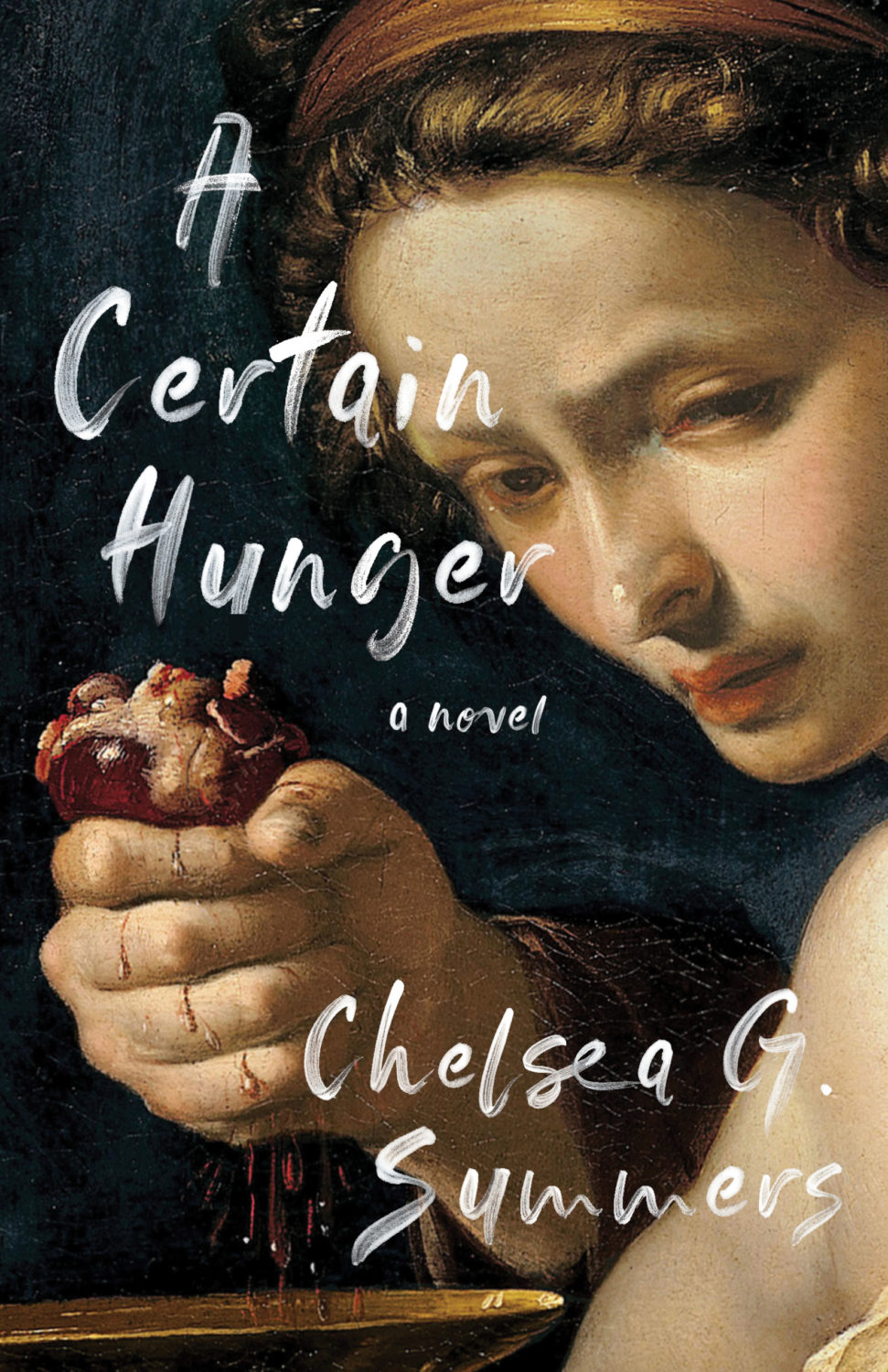
An Excellent Host by Chelsea G. Summers; design by Jaya Nicely (Unnamed Press / April 2024)

I’m a bit late to this. An Excellent Host, a short story by Chelsea G. Summers author of the cult hit A Certain Hunger, was originally printed exclusively for Independent Bookstore Day back in April. Signed copies are still currently available from the publisher. Jaya Nicely also designed the cover of A Certain Hunger of course…

Fire Exit by Morgan Talty; design by Beth Steidle (Tin House / June 2024)

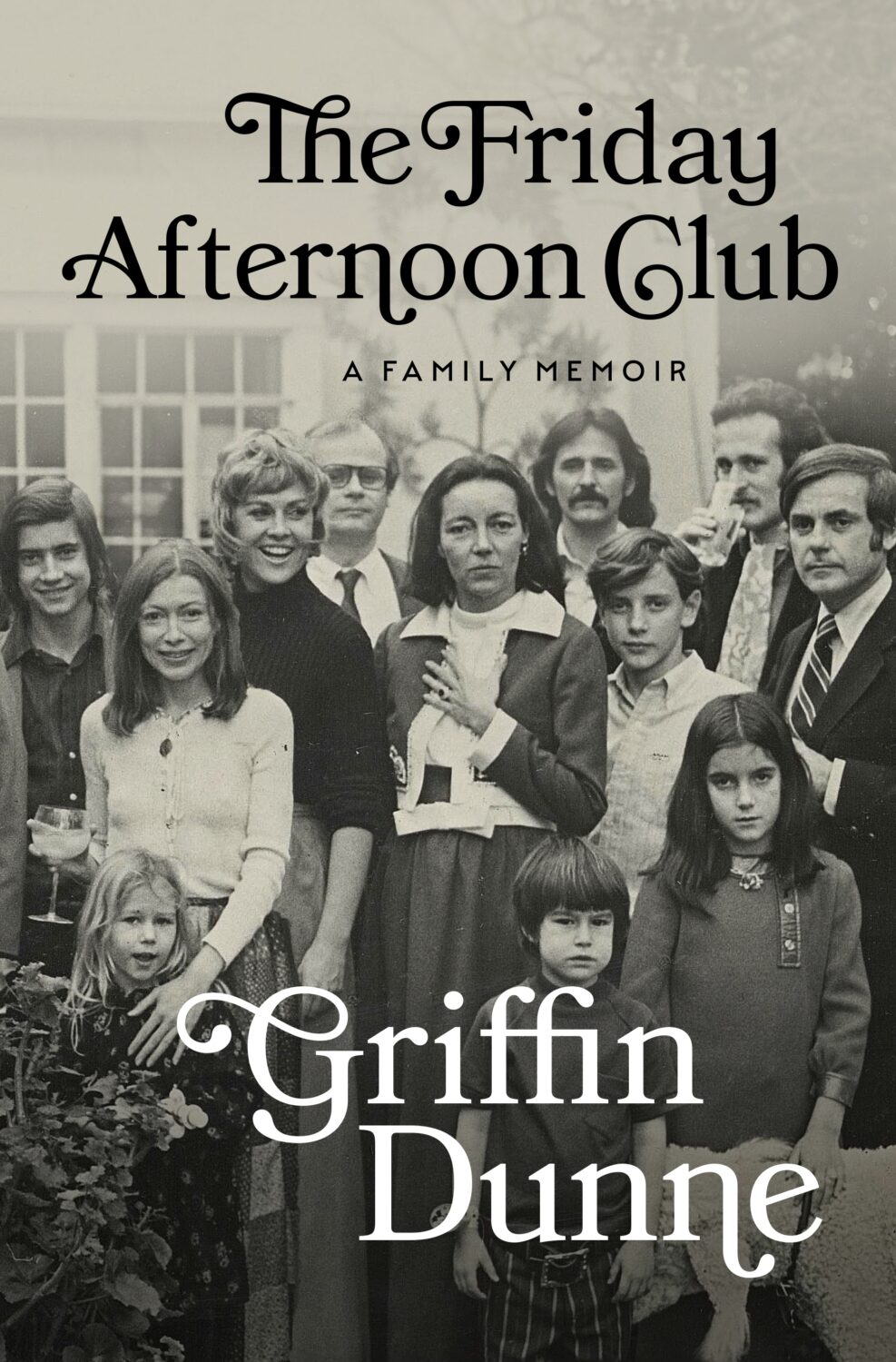
The Friday Afternoon Club by Griffin Dunne; design by Evan Gaffney; photograph by Camilla McGrath (Penguin Press / June 2024)

Nice swooshy type here, and that photo.

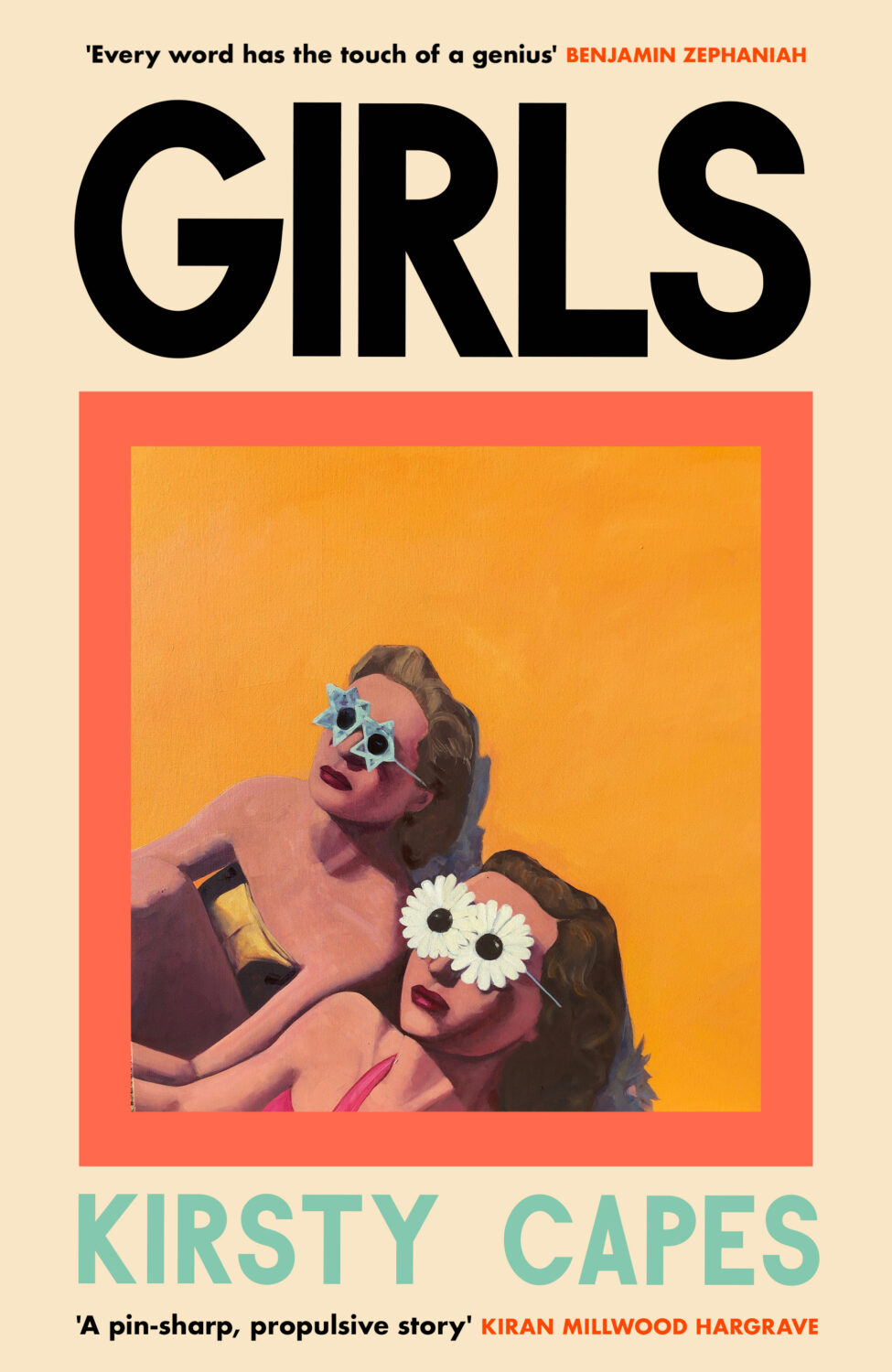
Girls by Kirsty Capes; design by Dan Jackson; art by Tracey Sylvester Harris (Orion / May 2024)

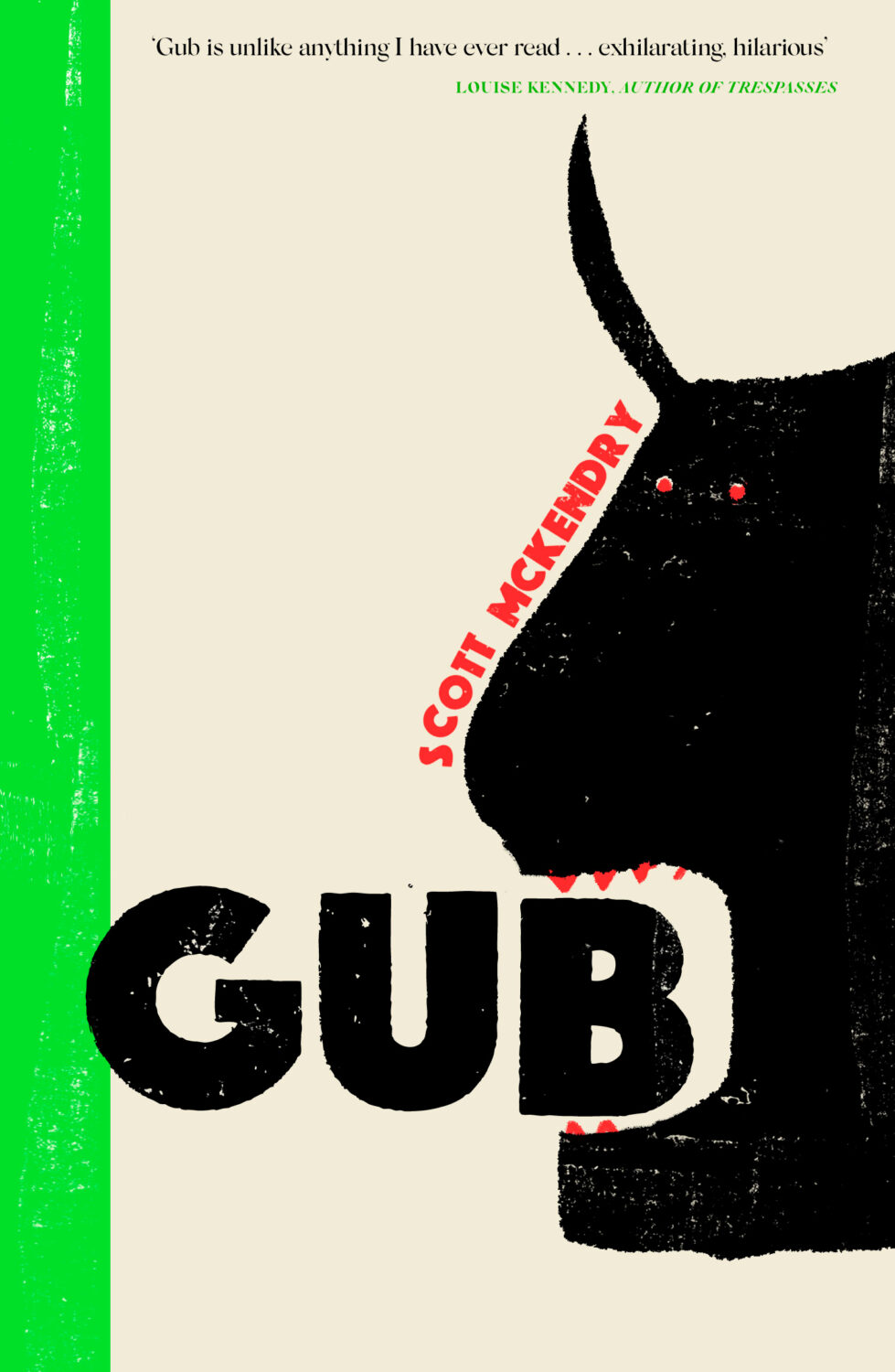
Gub by Scott McKendry; design by Anna Morrison (Little, Brown / February 2024)

In Tongues by Thomas Grattan; design by Alex Merto (MCD / May 2024)

The Mark by Fríða Ísberg; design by Robbie Porter (Faber & Faber / June 2024)

Ominous blobs are back!

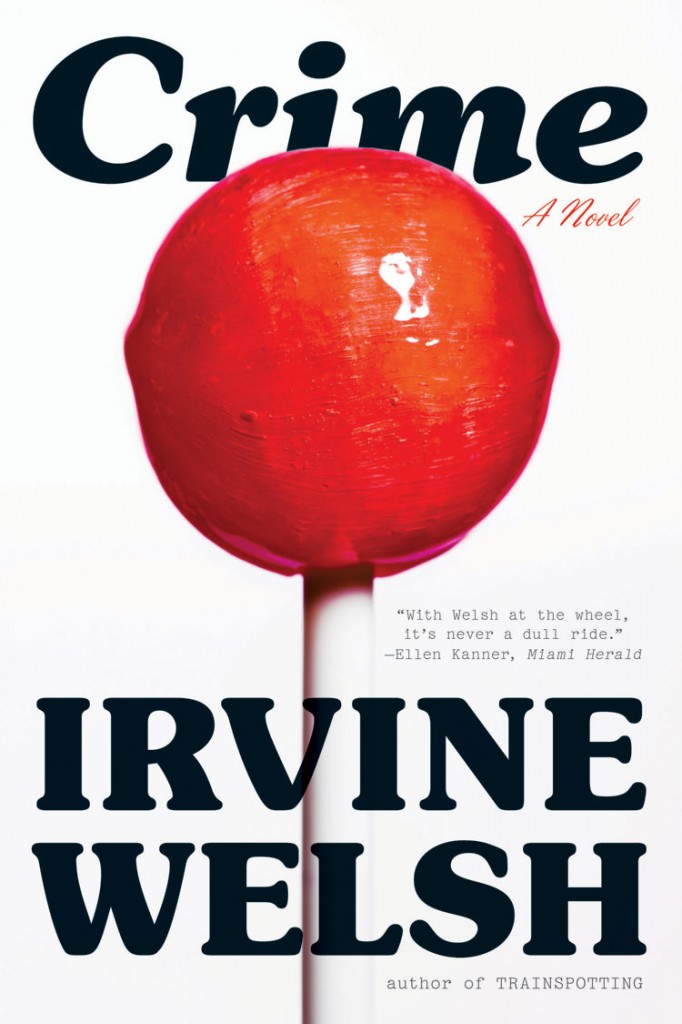
MILF by Paloma Faith; design by Jack Smyth (Ebury / June 2024)

This reminded me of Darren Haggar’s cover for the W.W. Norton edition of Crime by Irvine Welsh from the distant days of 2009.

Monstrilio by Gerardo Sámano Córdova; design by Tom Etherington (Cinder House / June 2024)

The cover of the US edition of Monstrilio, published by Zando in March last year, was designed by Alex Merto. I was a little late to it, but it was included in my September round-up.

Overstaying by Ariane Koch; design by Jonathan Pelham (Pushkin Press / April 2024)

A Perfect Day to Be Alone by Nanae Aoyama; design by Jack Smyth (Quercus / May 2024)

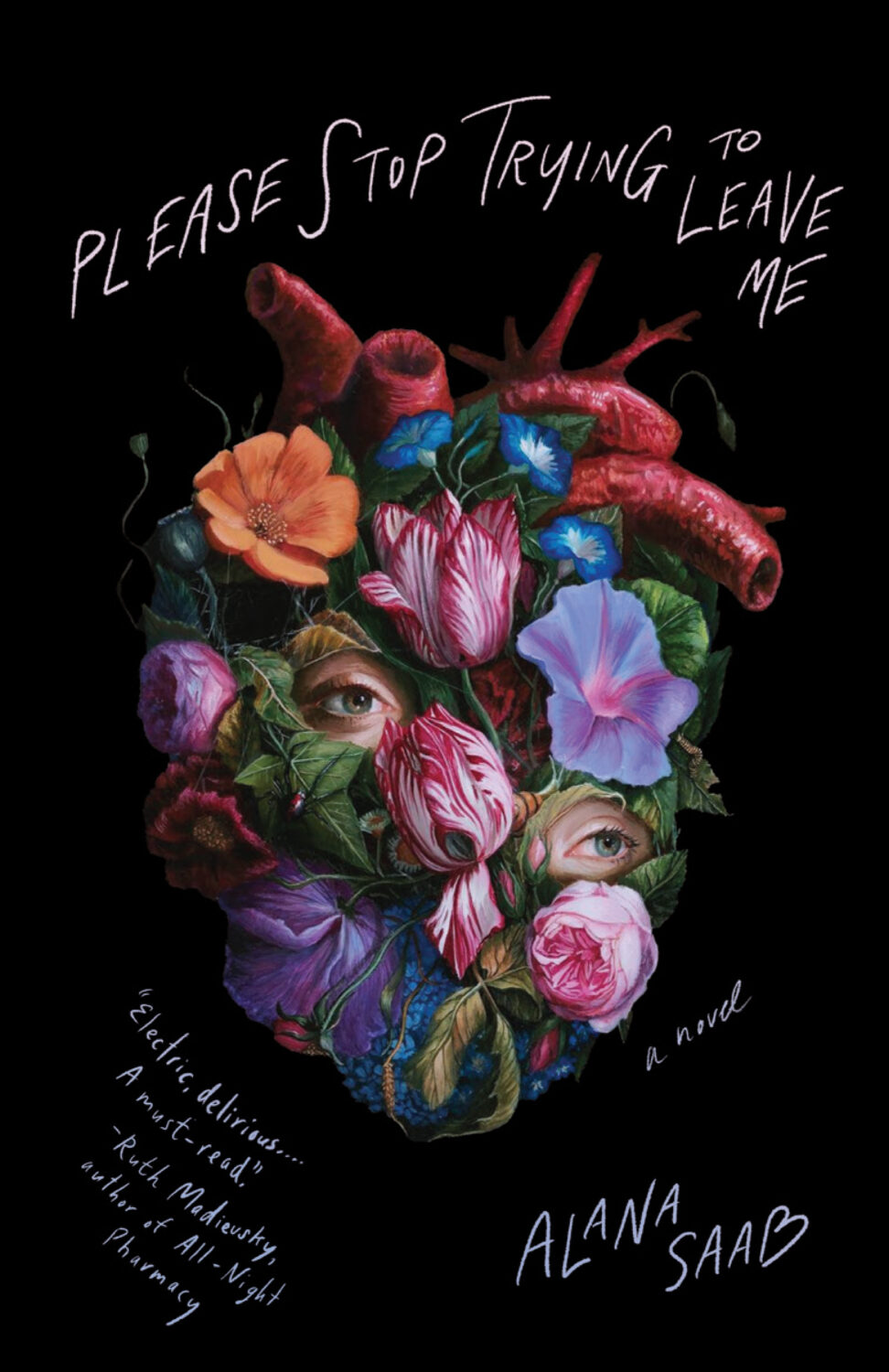
Please Stop Trying to Leave Me by Alana Saab; design by Mark Abrams; painting by Jennifer Allnut (Knopf / June 2024)

There are shades of Italian Renaissance painter Giuseppe Arcimboldo about this cover.

The Sons of El Rey by Alex Espinoza; design by David Litman (Simon & Schuster / June 2024)

Supplication by Nour Abi-Nakhoul; design by Luke Bird (Influx Press / June 2024)

I’m not much of a horror fan so my frame of reference is very dated, but this cover immediately made me thing of the 1998 Japanese movie Ringu (and the end of The Blair Witch Project).

The Canadian cover of Supplication designed by Emma Dolan for PRH Canada was featured in last month’s list.

(Thanks to Jack Smyth for the UK cover credit. Cheers Jack)

The Survivors of the Clotilda by Hannah Durkin; design by Mike McQuade (Amistad Press / January 2024)

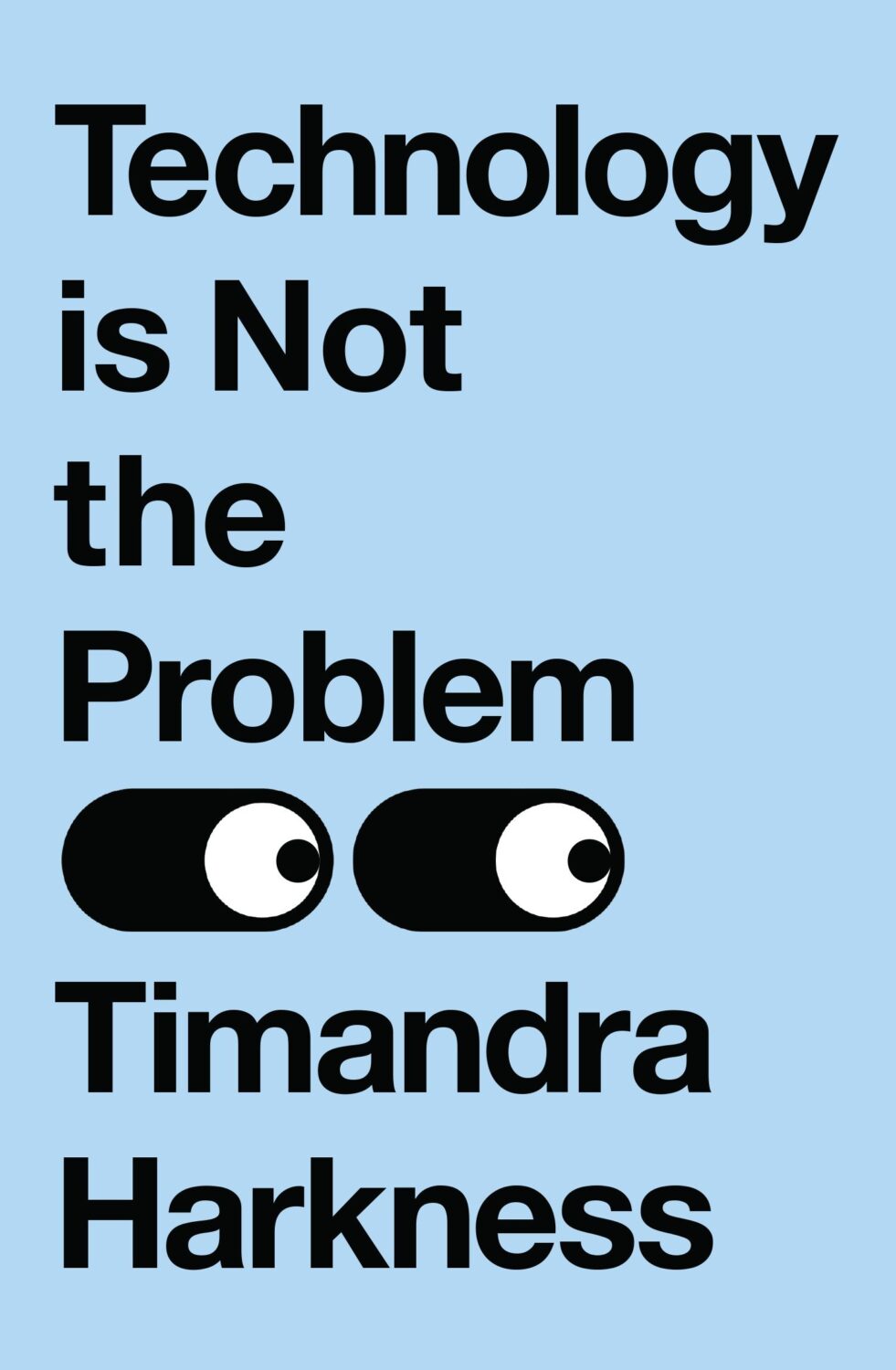
Technology is Not the Problem by Timandra Harkness; design by Steve Leard (HQ / May 2024)

Eye, eye…

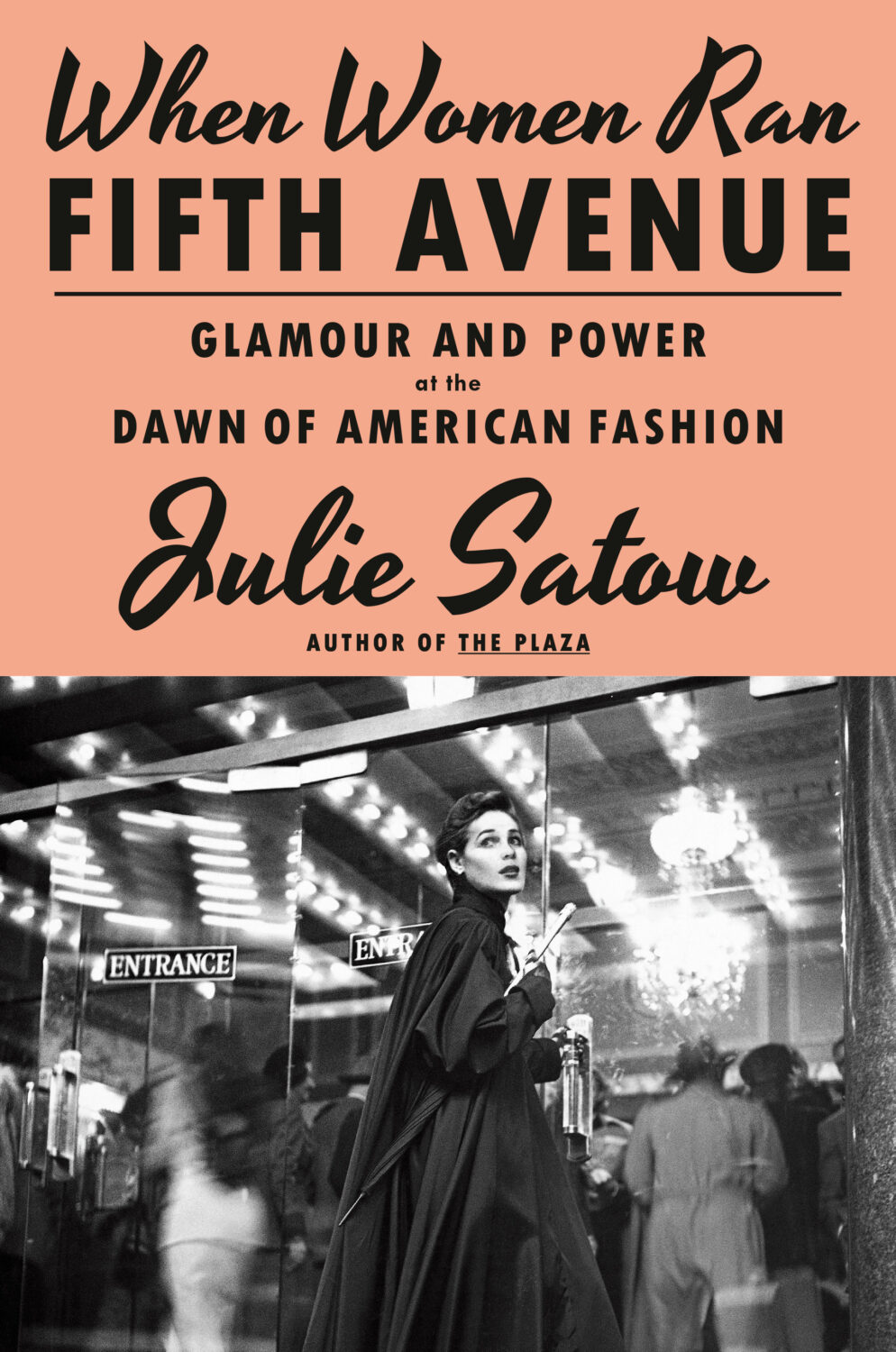
When Women Ran Fifth Avenue by Julie Satow; design by Emily Mahon (Doubleday / June 2024)

This makes a nice pair with the cover of The Upstairs Delicatessen by Dwight Garner designed by June Park and published by Farrar, Straus & Giroux in October last year.

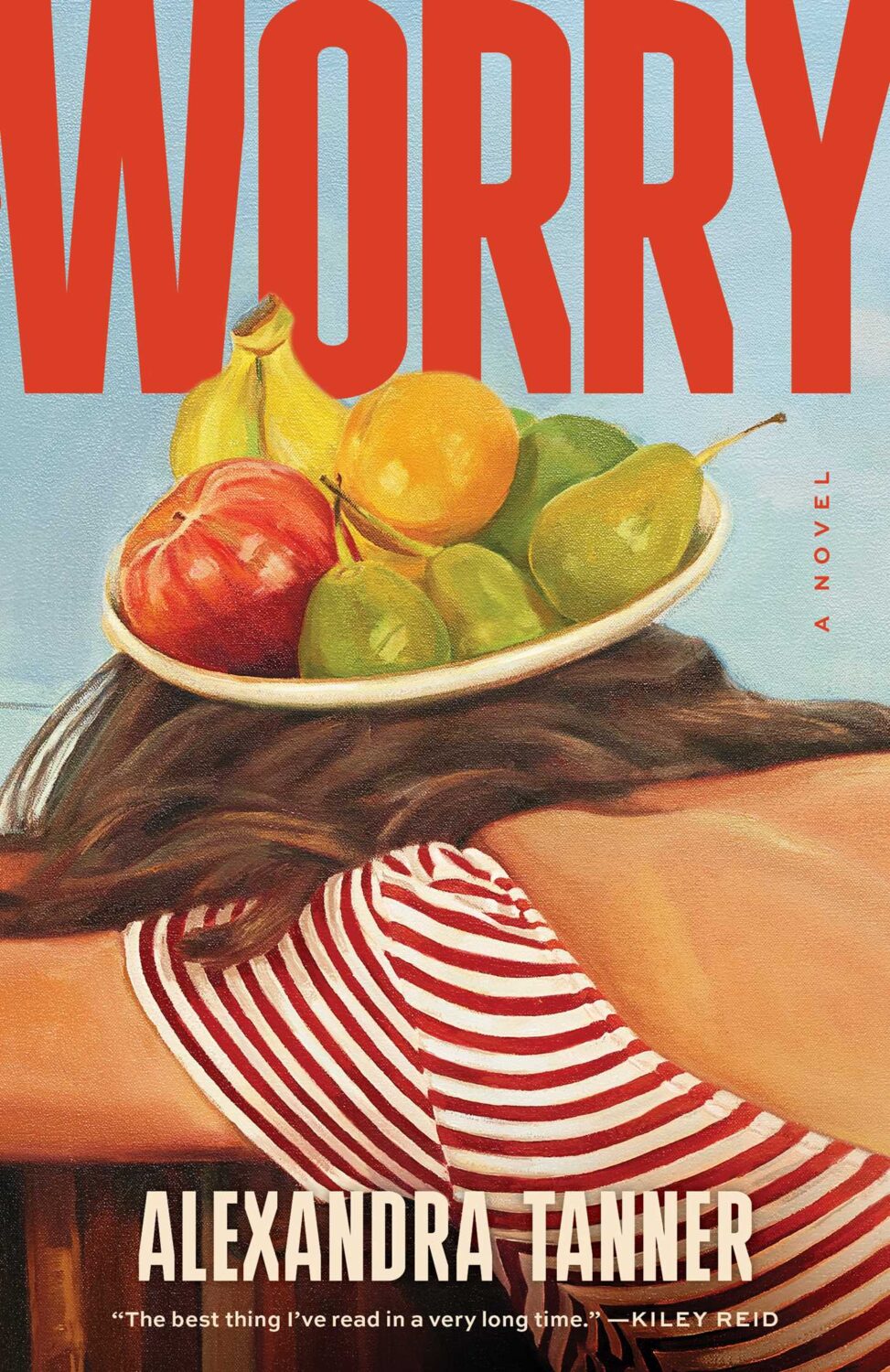
Worry by Alexandra Tanner; design by Alicia Tatone; painting by Shannon Cartier Lucy (Scribner / March 2024)

Comments closed

Book Covers of Note, June 2019

Apparently it is June already. I’m pretty sure it’s a terrible mistake. 

Here are your book covers of note.


Aug 9 —  Fog by Kathryn Scanlan; design by Na Kim (Farrar Straus & Giroux MCD / June 2019)


Cogito by Victor Dixen; design by Jim Tierney (Collection R / May 2019)

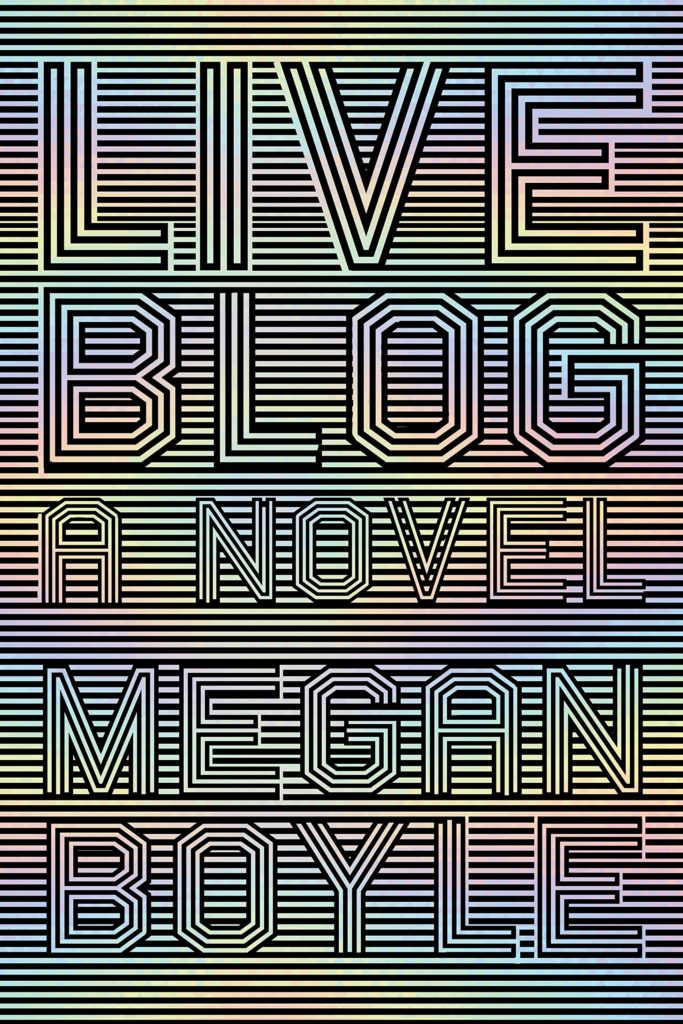
This reminded me of something. I’m not sure exactly what. The best I could up with was Nicole Caputo‘s stripey op-art cover for Liveblog by Megan Boyle, but that’s not it at all… 


The Girl at the Door by Veronica Raimo; design by Julian Humphries (Fourth Estate / June 2019)


The Grand Dark by Richard Kadrey; design by Will Staehle (Harper Voyager / June 2019)


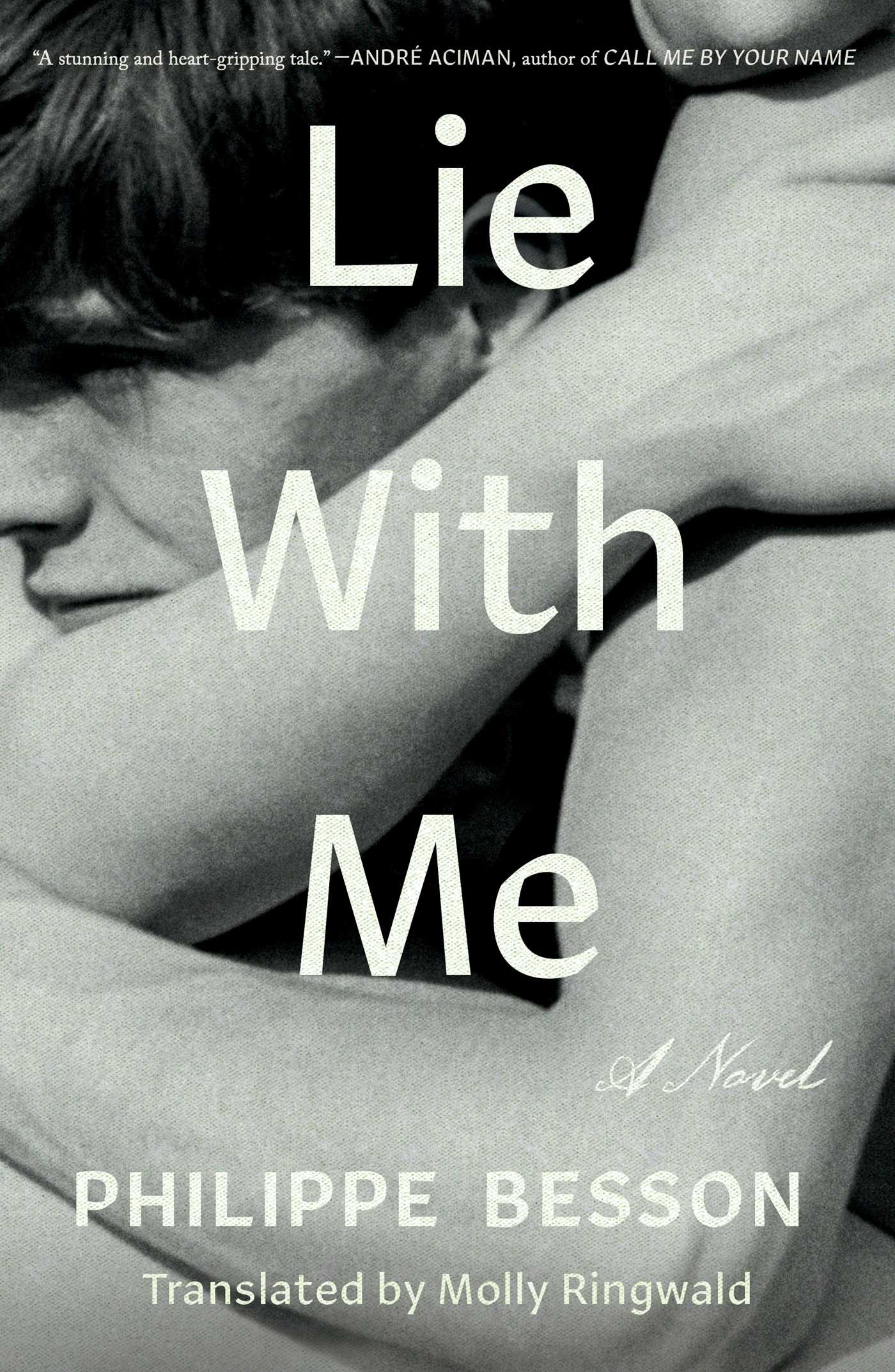
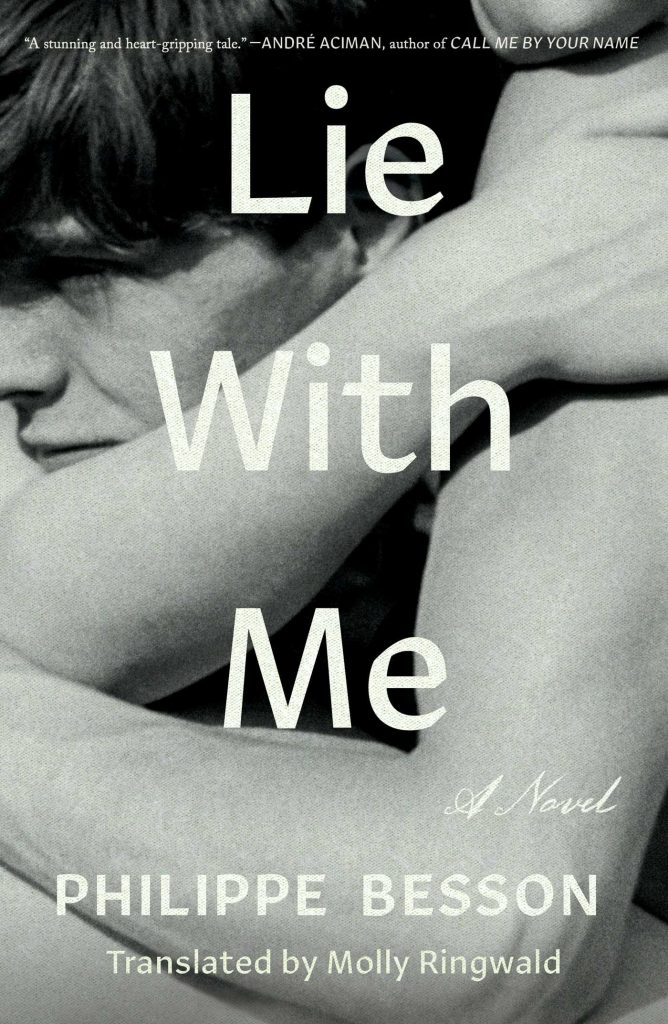
Lie With Me by Philippe Besson; design by Na Kim (Scribner / April 2019)


The Last Love Poem I Will Ever Write by Gregory Orr; design by Jared Oriel (W.W. Norton / June 2019)


Malina by Ingeborg Bachman; design by Peter Mendelsund (New Directions / June 2019)


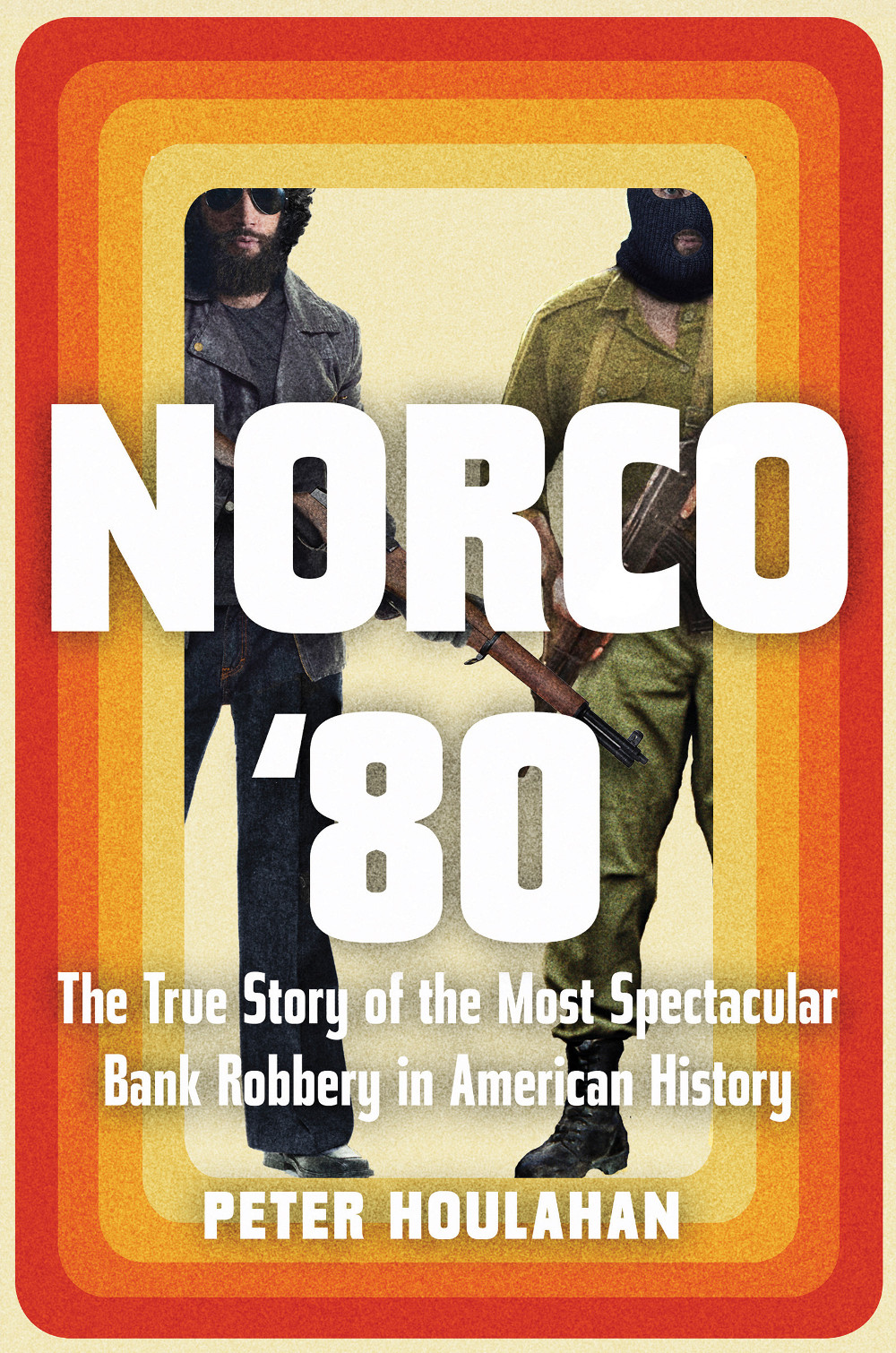
Norco ’80 by Peter Houlahan; design by Jaya Miceli (Counterpoint / June 2019)


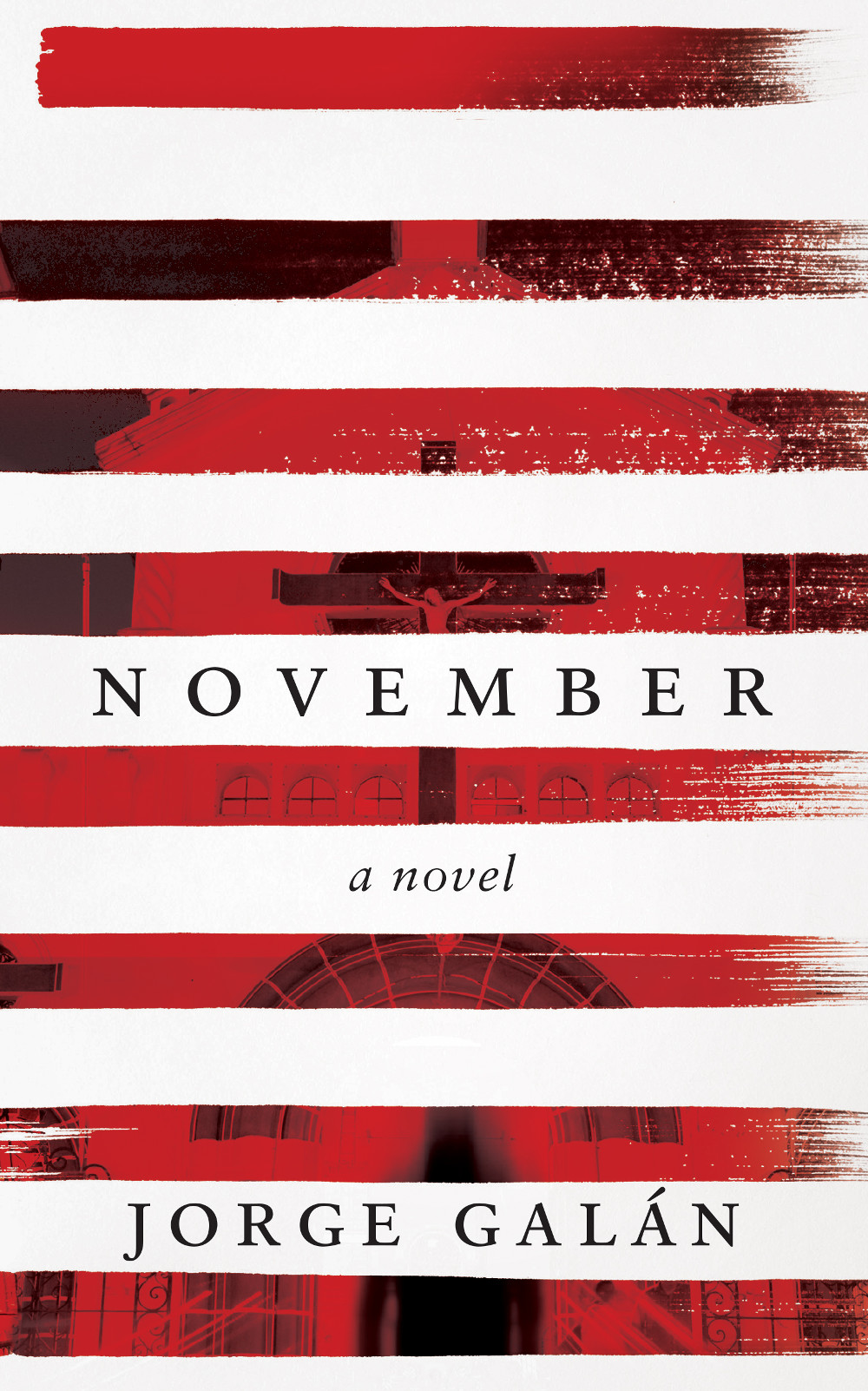
November by Jorge Galán; design by Steve Leard (Little, Brown / June 2019)

I’m starting to detect a colour scheme at work here, Steve… ;-) 


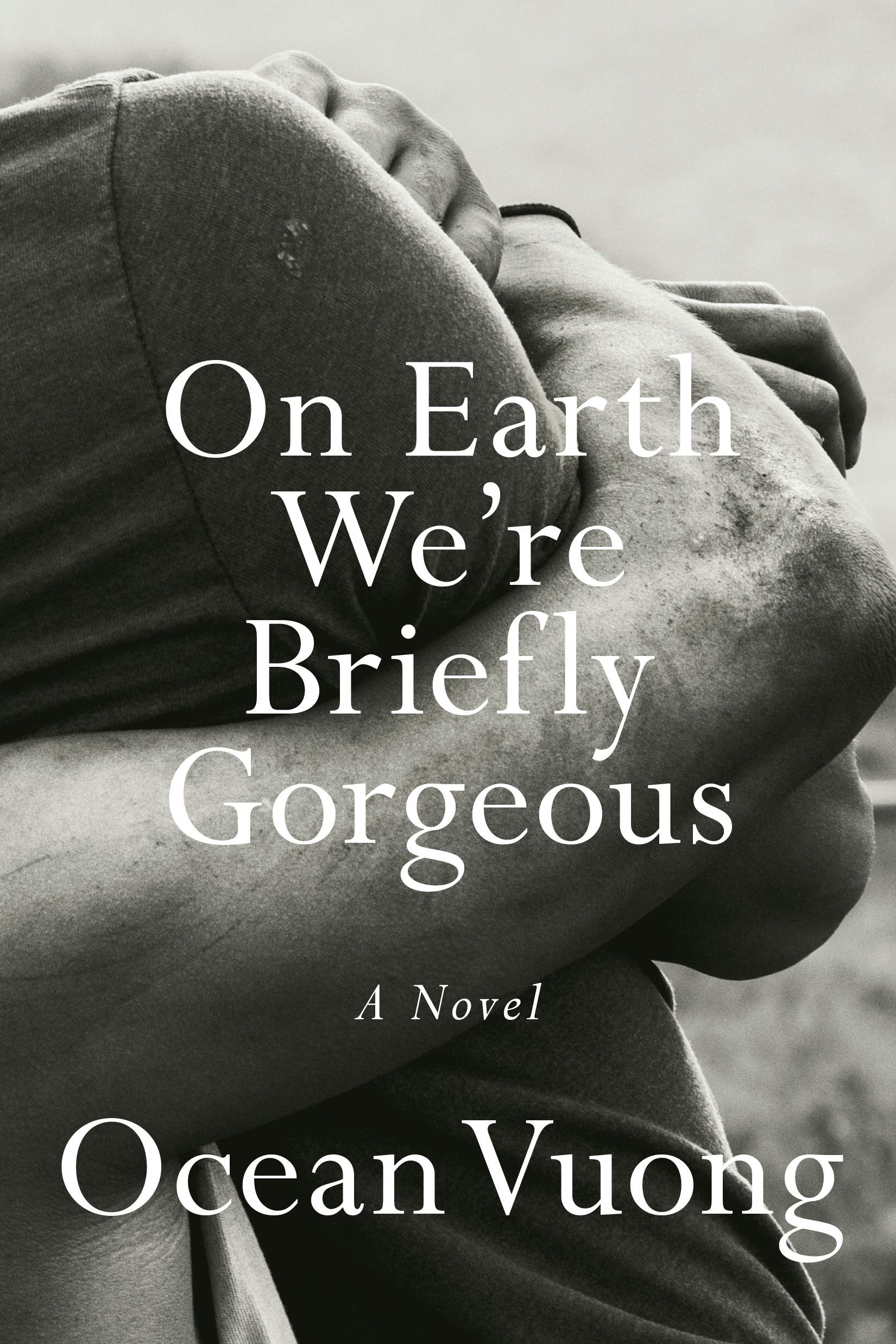
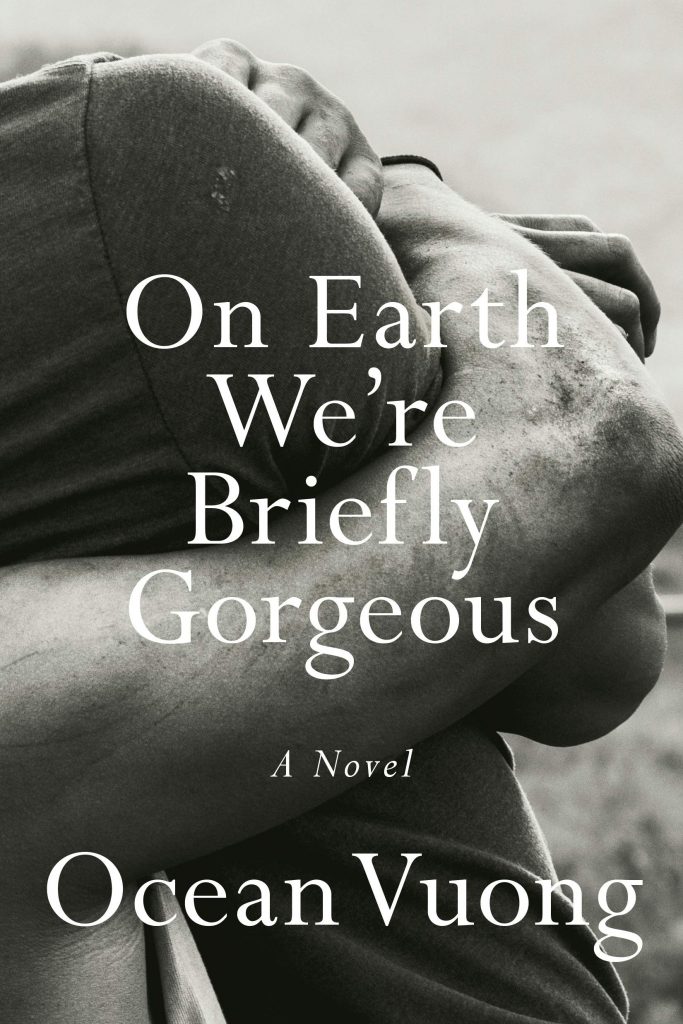
On Earth We’re Briefly Gorgeous by Ocean Vuong; design by Darren Haggar; photograph by Sam Contis (Penguin Press / June 2019)

Are we seeing a trend for close cropped photographs of… arms? (Don’t get me wrong, these are both beautiful photographs / covers.)

Also of note in a compare-and-contrast sort of way, the cover of the UK edition of On Earth We’re Briefly Gorgeous published by Jonathan Cape was designed by Suzanne Dean:


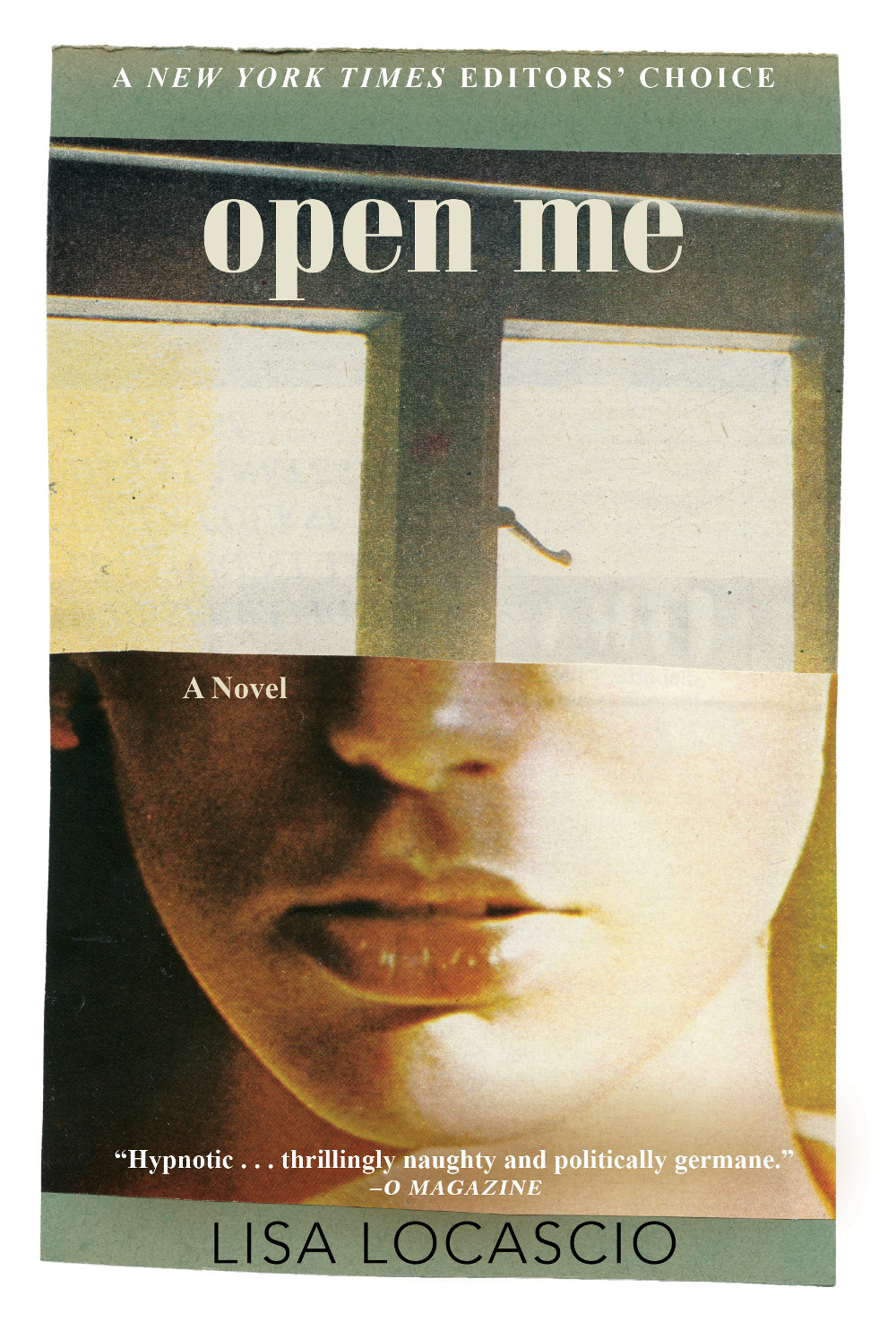
Open Me by Lisa Locascio; design by Kelly Winton; collage by Katrien de Blauwer (Grove / June 2019)


Patsy by Nicole Dennis-Benn; design by Steve Attardo; handlettering by Sarahmay Wilkinson (Liveright / June 2019)


Silver in the Wood by Emily Tesh; design by David Curtis (Tor / June 2019)


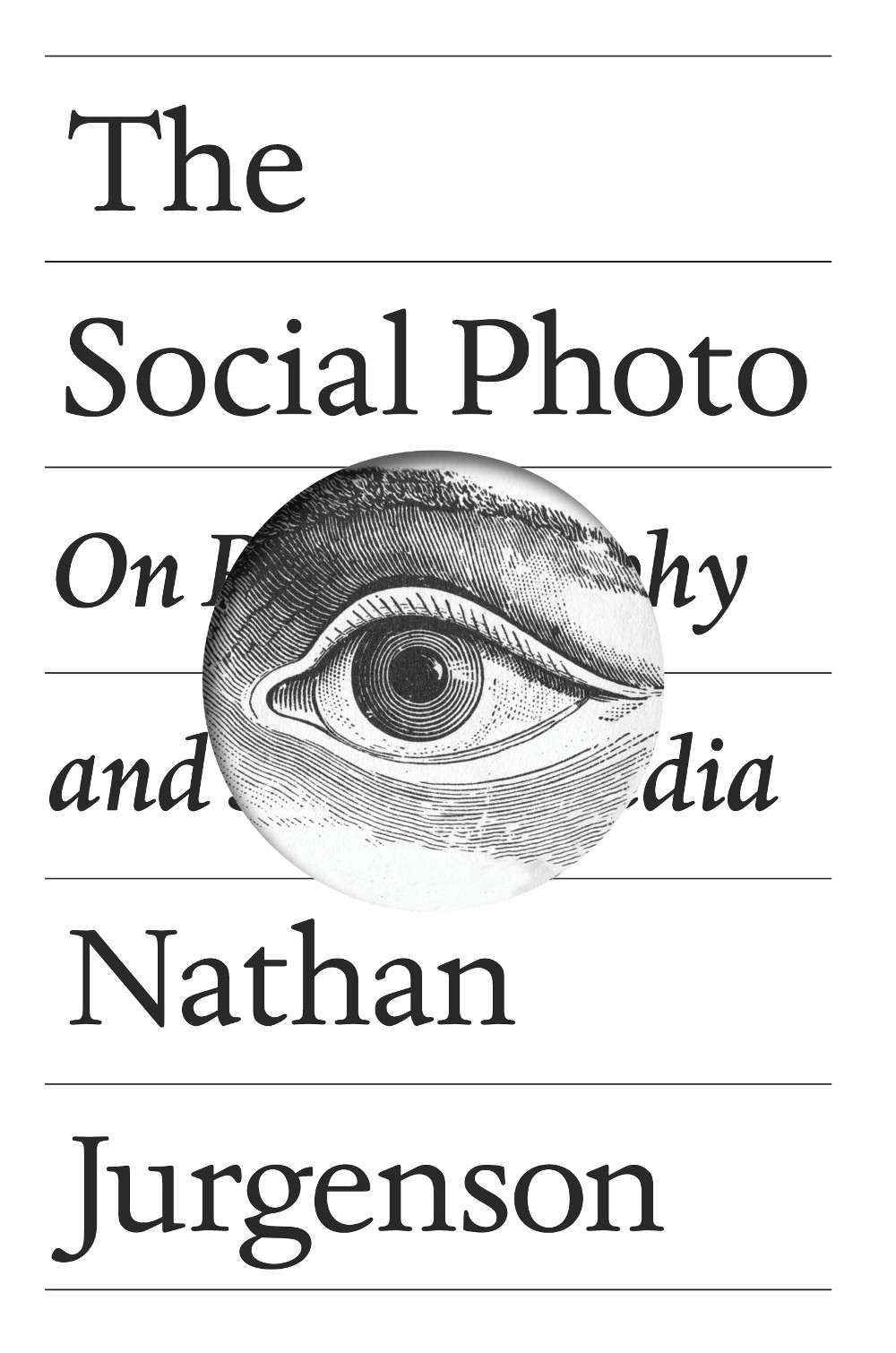
The Social Photo by Nathan Jurgenson; design by Pablo Delcan (Verso / May 2019)


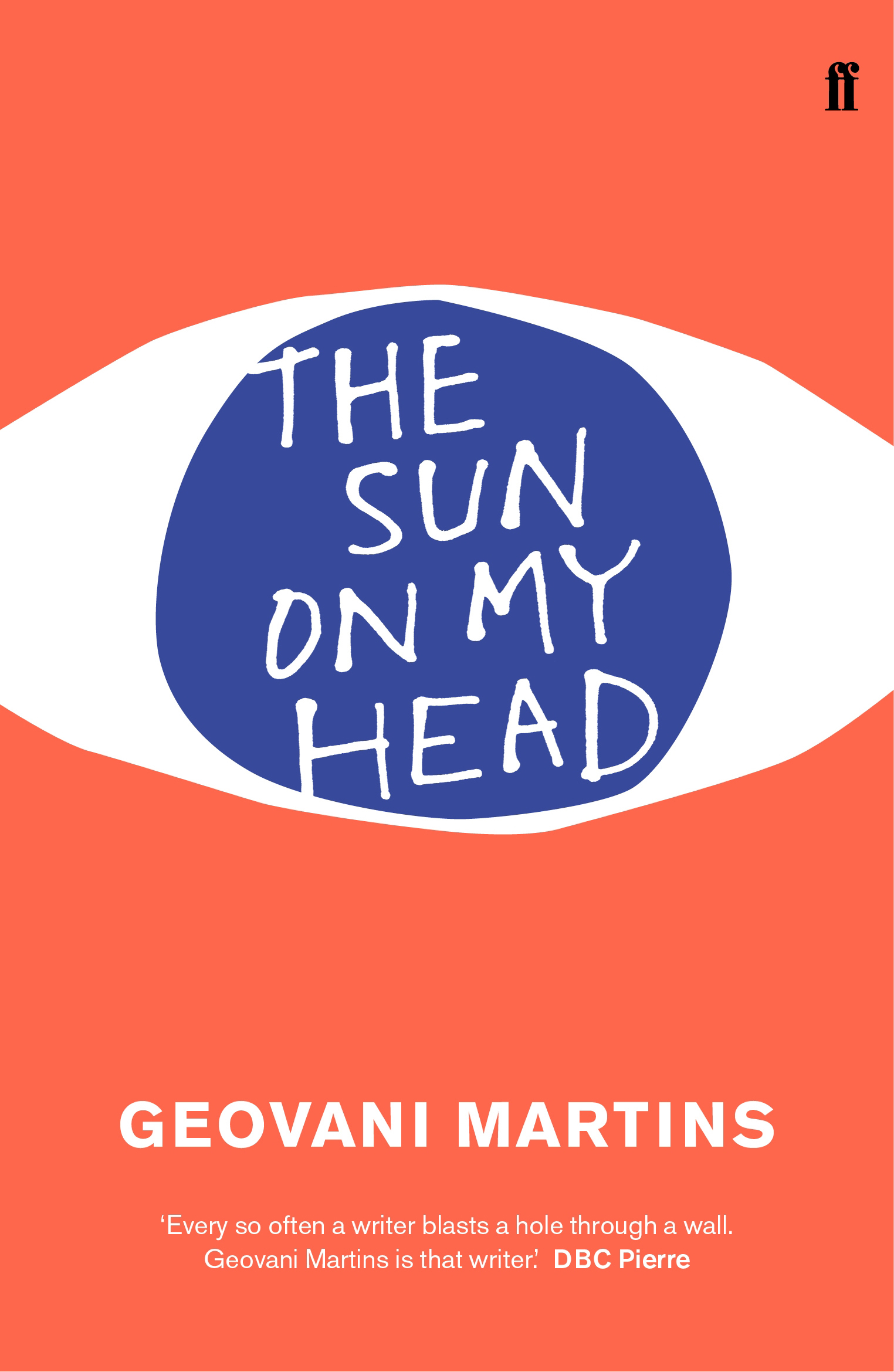
The Sun On My Head by Geovani Martins; design by Clare Skeats (Faber & Faber / June 2019)


The Ungrateful Refugee by Dina Nayeri; design by Christopher Gale (Canongate / May 2019)


The White Death by Gabriel Urza; design by Joan Wong (Nouvella / June 2019)

This reminds me (a little bit) of the Penguin English Library covers art directed by Coralie Bickford-Smith a few years ago:


William S. Burroughs and the Cult of Rock ‘n’ Roll by Casey Rae; design by Matt Avery (University of Texas Press / June 2019)

3 Comments

The Inner-Space of J. G. Ballard’s High-Rise

high-rise design Darren Haggar
design by Darren Haggar

With the release of the Ben Wheatley movie adaptation starring Tom Hiddleston imminent, Chris Hall looks at High-Rise and the ‘inner-space’ of J. G. Ballard’s science fiction for The Guardian:

High-Rise is the final part of a quartet of novels – the first three are The Atrocity Exhibition (1970), Crash (1973) and Concrete Island (1974) – with each book seeded in the previous one. Thematically High-Rise follows on from Concrete Island with its typically Ballardian hypothesis: “Can we overcome fear, hunger, isolation, and find the courage and cunning to defeat anything that the elements can throw at us?” What links all of them is the exploration of gated communities, physical and psychological, a theme that is suggestive of Ballard’s childhood experiences interned by the Japanese in a prisoner-of-war camp on the outskirts of Shanghai in the 1940s. It was, he always claimed, an experience he enjoyed.

The built environment is not a backdrop, rather it is integral and distinctive in its recurring imagery – from abandoned runways, to curvilinear flyovers and those endlessly mysterious drained swimming pools. Perhaps more than any other writer, he focused on his characters’ physical surroundings and the effects they had on their psyches. Ballard, who died in 2009, was also interested in the latent content of buildings, what they represented psychologically. Or, as he once obliquely put it, “does the angle between two walls have a happy ending?” – by which he meant that we project narrative on to external reality, that the imagination remakes the world. In Ballard’s fiction, nothing is taken at face value.

In High-Rise and Concrete Island especially, Ballard examines the flip side to what he called the “overlit realm ruled by advertising and pseudo-events, science and pornography” that The Atrocity Exhibition and Crash mapped out. Under-imagined or liminal spaces, such as multi-storey car parks and motorway flyovers, act as metaphors for the parts of ourselves that we ignore or are unaware of. His characters are often forced to assess the physical surroundings and, by extension, themselves rather than to take them for granted.

Comments closed

Book Covers of Note August 2015

The entire book industry isn’t on vacation. It only seems that way. 1 Here’s August’s book covers of note…

Aesthetics of Middlebrow Fiction design Palgrave
The Aesthetics of Middlebrow Fiction by Tom Perrin; design Palgrave Macmillan (Palgrave Macmillan / August 2016)

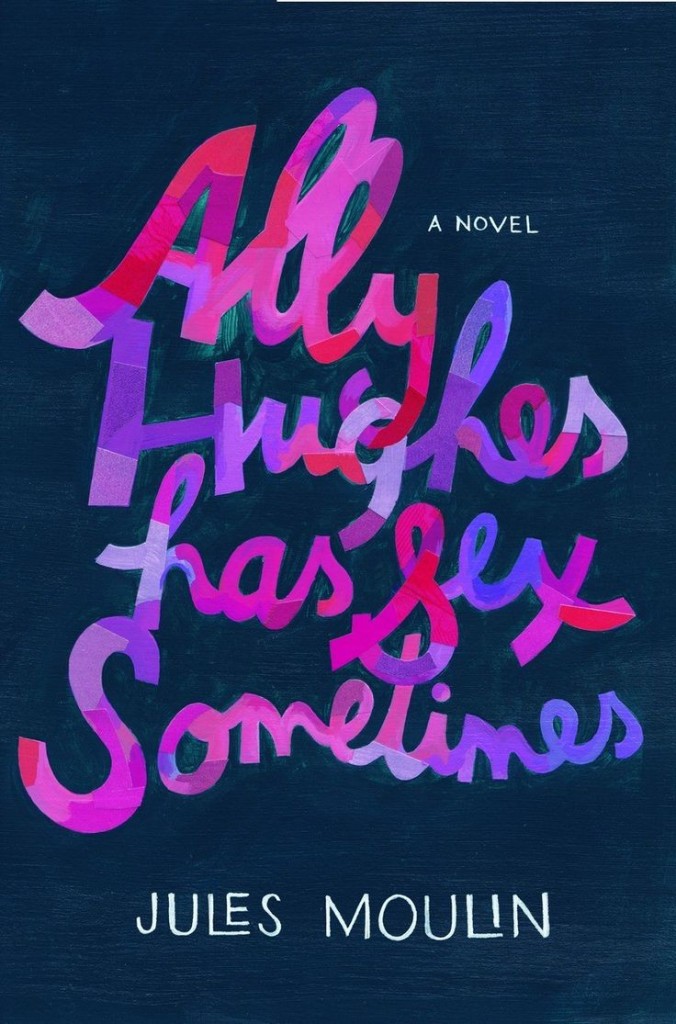
Ally Hughes design by Darren Booth
Ally Hughes Has Sex Sometimes by Jules Moulin; design by Darren Booth (Dutton / August 2015)

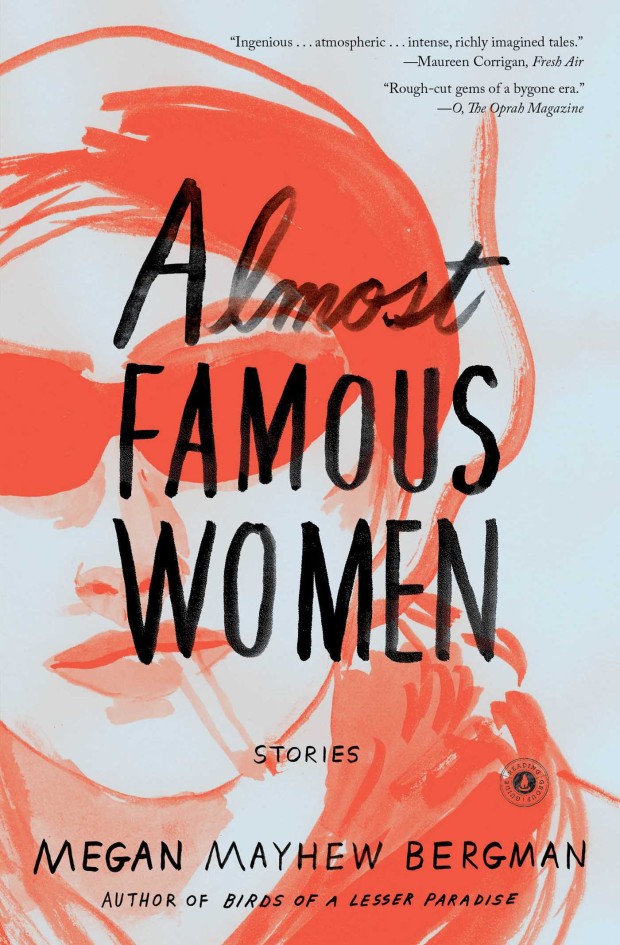
Almost Famous Women design by Na Kim
Almost Famous Women by Megan Mayhew Bergman; design by Na Kim (Scribner / July 2015)

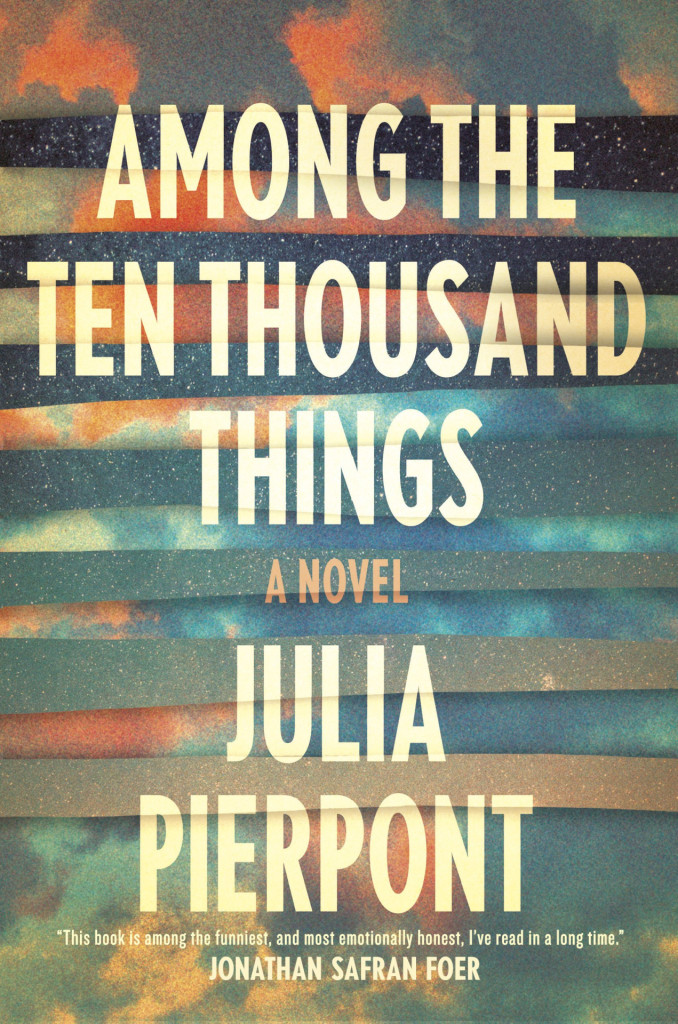
Among the Ten Thousand design Strick&Williams
Among the Ten Thousand Things by Julia Pierpoint; design by Strick&Williams (Random House / July 2015)

Barbara the Slut design by Rachel Willey
Barbara the Slut by Lauren Holmes; design by Rachel Willey (Riverhead / August 2015)

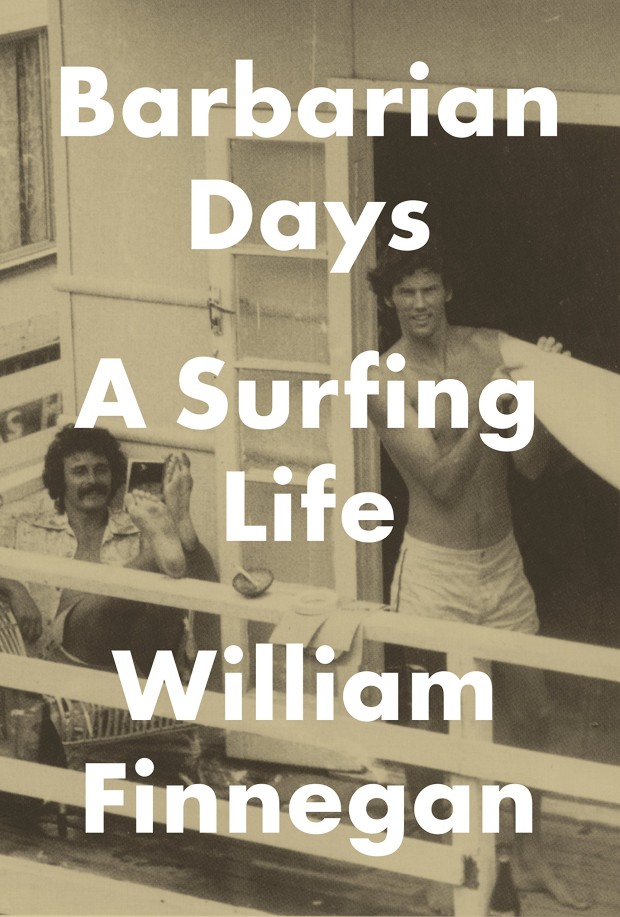
Barbarian Days design Darren Haggar
Barbarian Days by William Finnegan; design by Darren Haggar (Penguin / July 2015)

Black Hole design Matt Dorfman
Black Hole by Bucky Sinister; design by Matt Dorfman (Soft Skull / August 2015)

Capitalism in the Web design by Anne Jordan
Capitalism in the Web of Life by Jason W. Moore; design by Anne Jordan and Mitch Goldstein (Verso / August 2015)

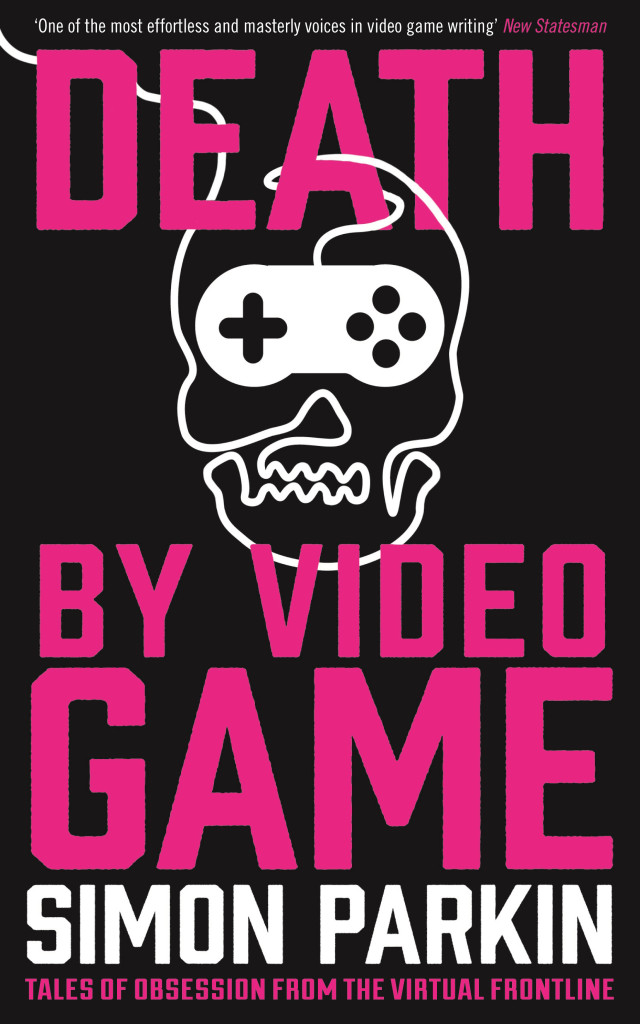
Death by Video Game design by Steve Panton
Death by Video Game by Simon Parkin; design by Steve Panton (Serpent’s Tail / August 2015)

Dust That Falls From Dreams design Oliver Munday
The Dust That Falls From Dreams by Louis de Bernières; design by Oliver Munday (Pantheon / August 2015)

Genghis Khan design James Paul Jones
Genghis Khan by Frank McLynn; design by James Paul Jones (Bodley Head / July 2015)

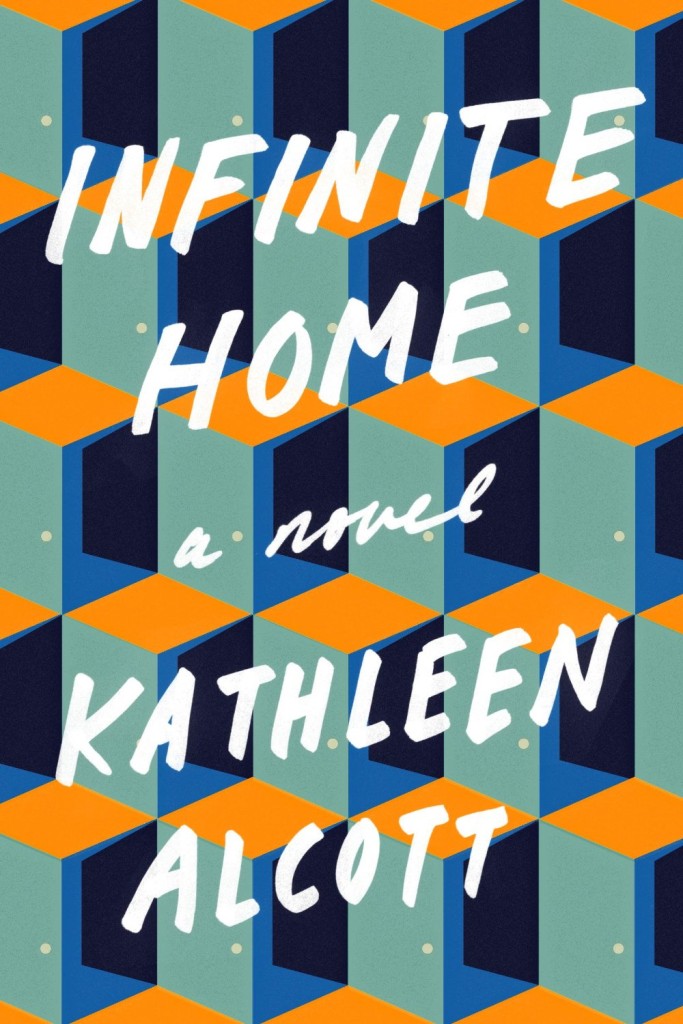
And because it’s always interesting to see US and UK covers side by side…

Infinite Home US
Infinite Home by Kathleen Alcott; design by Alex Merto (Riverhead / August 2015)

infinite home
Infinite Home by Kathleen Alcott; design by Stuart Bache (Borough Press / July 2015)

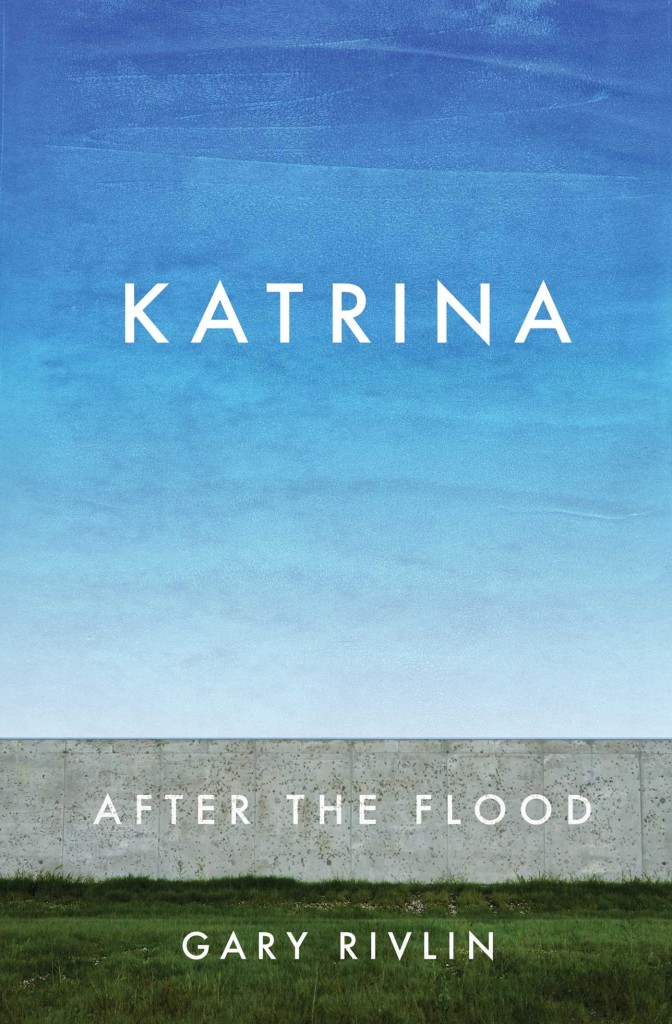
Katrina After the Flood design by Julius Reyes
Katrina by Gary Rivlin; design by Julius Reyes (Simon & Schuster / August 2015)

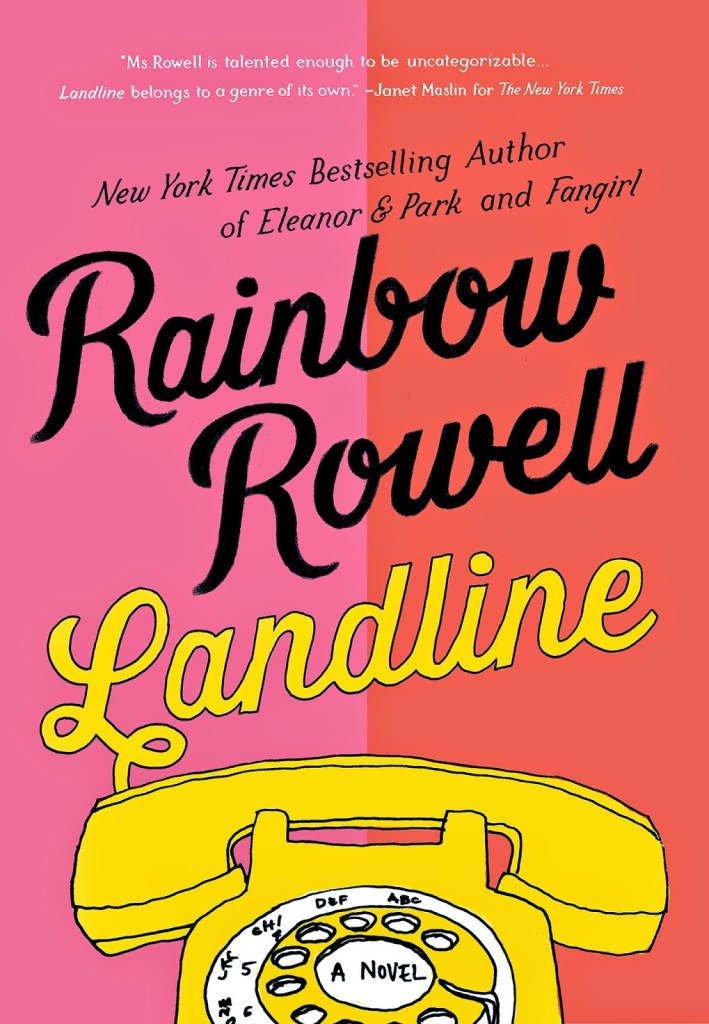
Landline design Olga Grlic handlettering Jim Tierney
Landline by Rainbow Rowell; design by Olga Grlic; hand-lettering by Jim Tierney (St. Martin’s Press / July 2015)

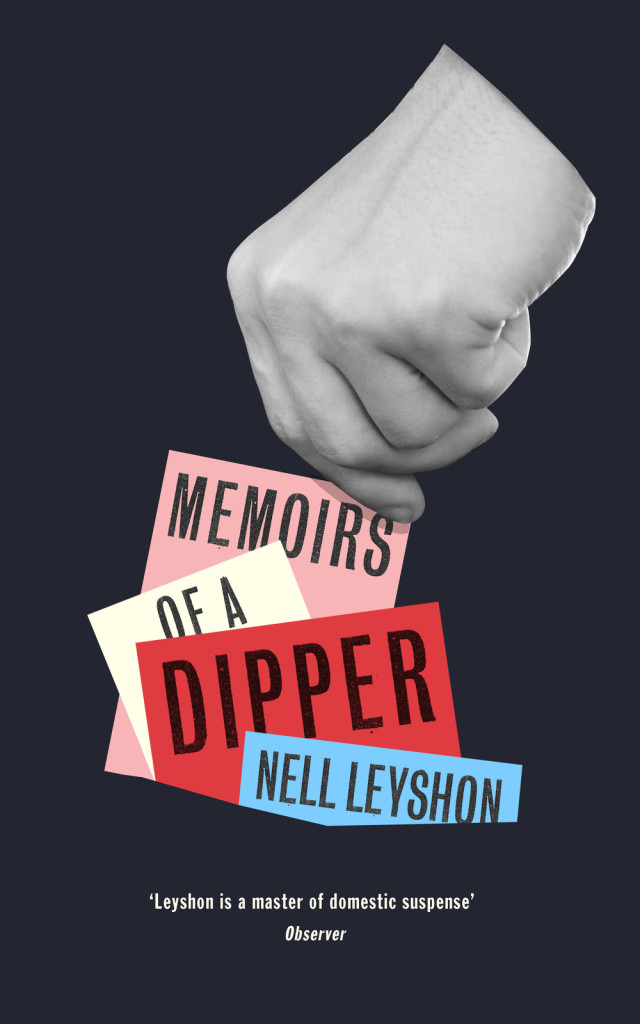
Memoirs of a Dipper design by Gray318
Memoirs of a Dipper by Nell Leyshon; design by Gray318 (Fig Tree / June 2015)

Narcisa design by Milan Bozic
Narcisa by Jonathan Shaw; design Milan Bozic (Harpercollins / March 2015)

New American Stories design by Peter Mendelsund.
New American Stories edited by Ben Marcus; design by Peter Mendelsund (Vintage / July 2015)

9780385538343
Street Poison by Justin Gifford; design by Michael J. Windsor (Doubleday / August 2015)

Vegetarian design Tom Darracott
The Vegetarian by Han Kang; design by Tom Darracott (Portobello / January 2015)

Terf_9780385679725_jkt_all_r3.indd
Wicked and Weird by Rich Terfry; design by Scott Richardson (Doubleday Canada / August 2015)

Comments closed

Recent Covers of Note March 2014

9781408857229
The Arsonist by Sue Miller; design by Greg Heinimann

barcelona-shadows
Barcelona Shadows by Marc Pastor; design by Clare Skeats

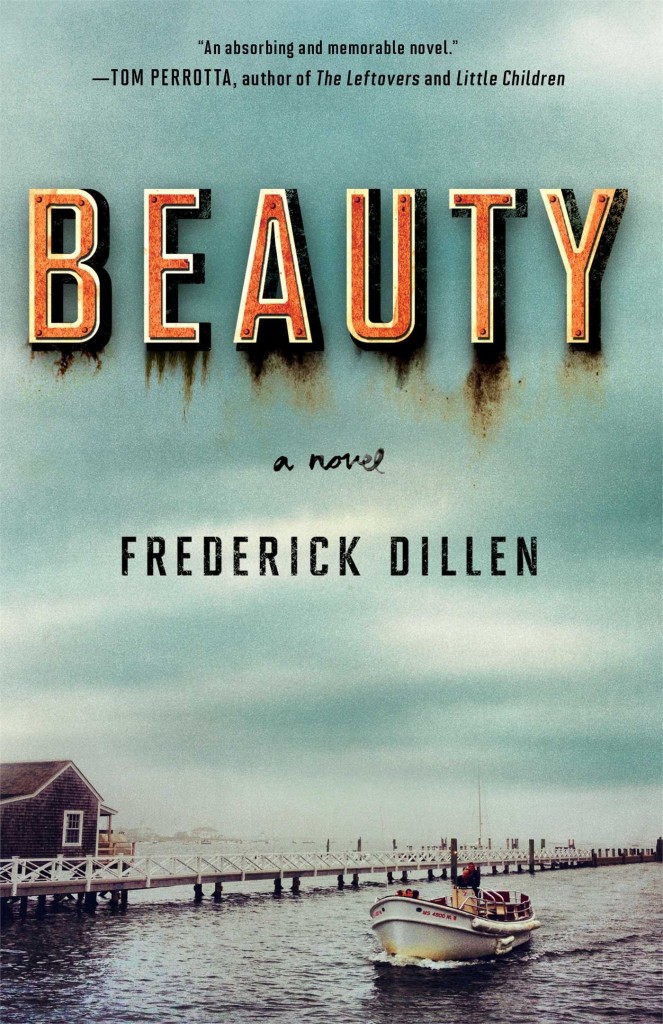
beauty
Beauty by Frederick Dillen; design by Christopher Lin

Mabey Dreams
Dreams of the Good Life by Richard Mabey; illustration by Millie Marotta; design Samantha Johnson / Coralie Bickford-Smith

fantomes_fument_c1
Les fantômes fument en cachette by Miléna Babin; design by David Drummond

frog music
Frog Music by Emma Donoghue; design by Katie Tooke; illustration Emma Farrarons

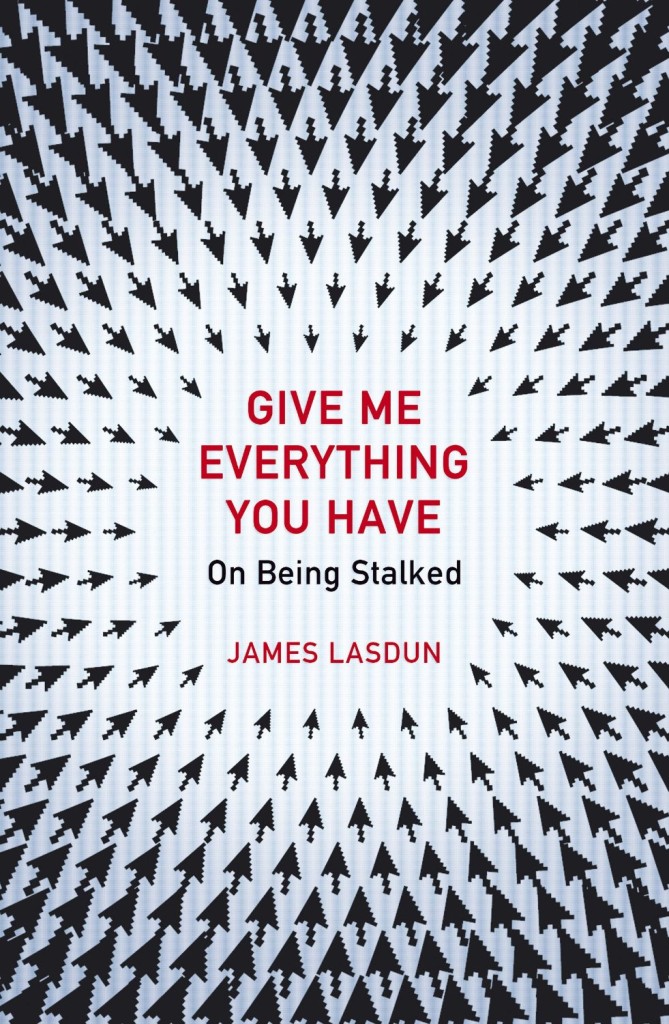
give-me-everything-you-have
Give Me Everything You Have by James Lasdun; design by Julia Connolly

9780374175344
The Improbability Principle by David J. Hand; design by Oliver Munday

metamorphosis
Metamorphosis by Franz Kafka; design by Jamie Keenan

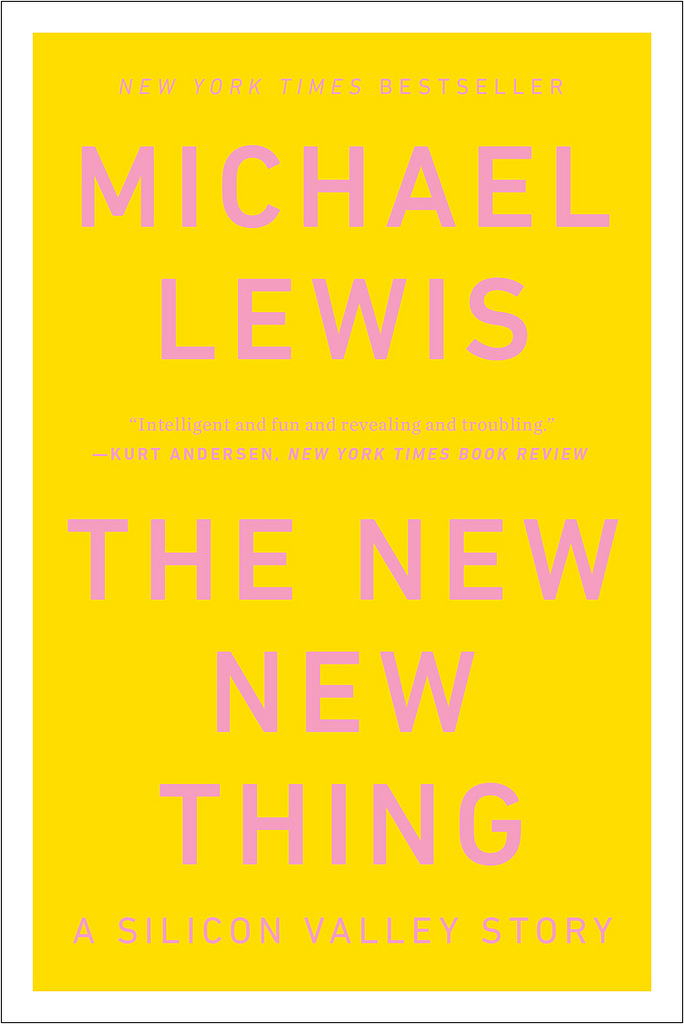
13068415704_287b75914a_b
The New New Thing by Michael Lewis; design by Darren Haggar

on-the-reproduction-of-capitalism
On the Reproduction of Capitalism by Louis Althusser; design by Neil Donnelly

9780374209148-gabriele-wilson
The Orchard of Lost Souls by Nadifa Mohamed; design by Gabriele Wilson

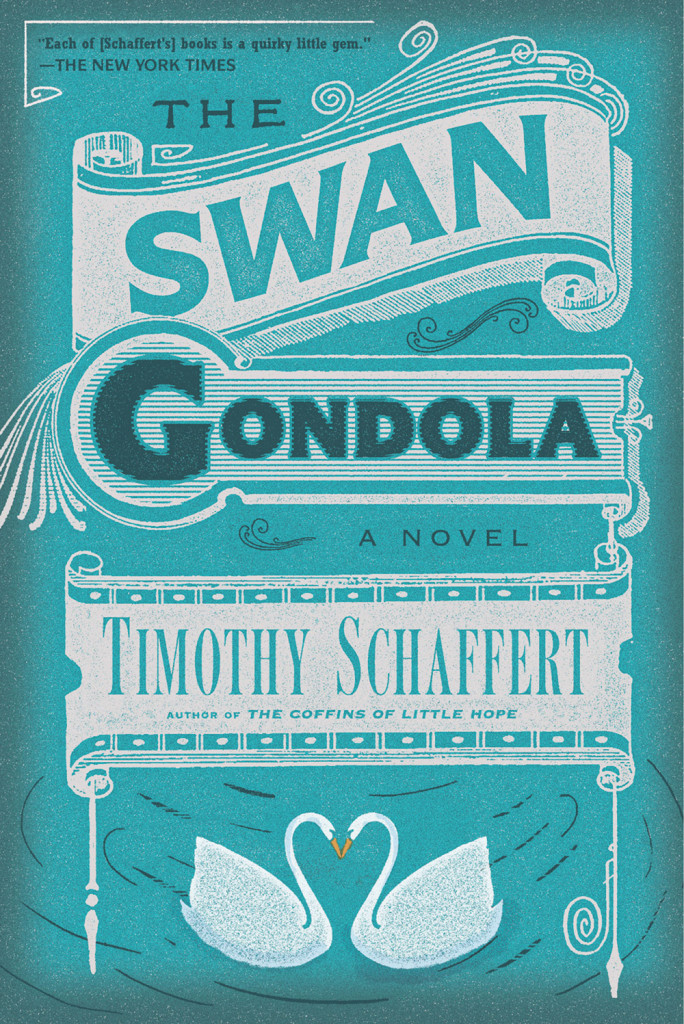
swan-gondola-9781780744902
The Swan Gondola by Timothy Schaffert; design by Alex Merto

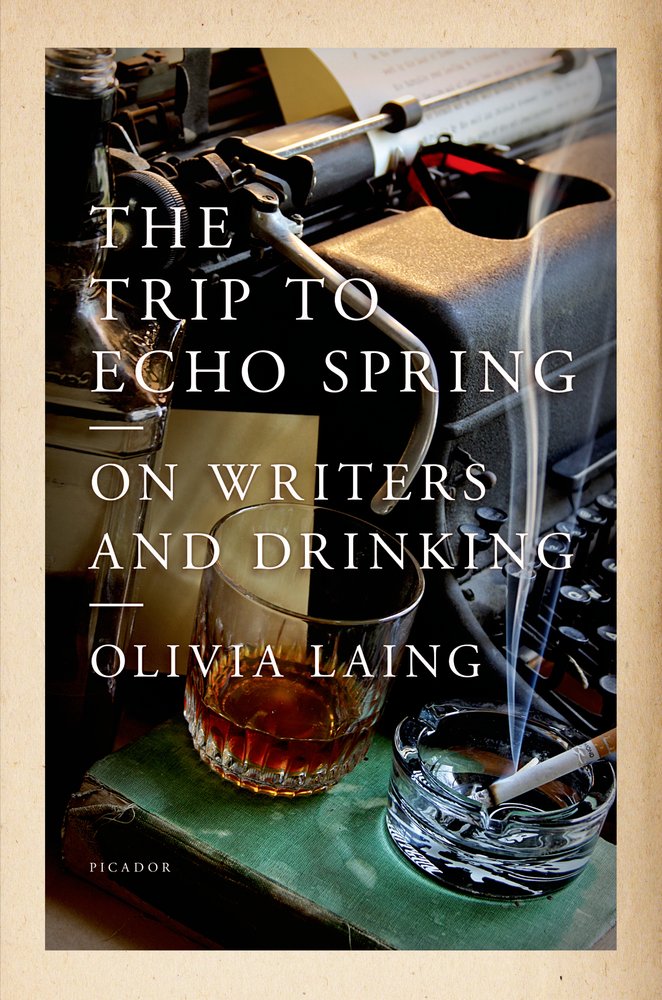
9781250039569
The Trip to Echo Spring by Oliva Laing; design by Henry Sene Yee

why-we-took-the-car-design-allison-colpoys
Why We Took the Car by Wolfgang Herrndorf; design by Allison Colpoys

This slideshow requires JavaScript.

3 Comments

My Favourite Covers of 2010

At the end of last year, Joseph Sullivan, curator of the late lamented The Book Design Review, asked me to write about my favourite covers of 2010. I’d always stayed away from such posts in the past because it was Joseph’s thing (his 2009 list is here). But since it was Joe who was doing the asking and The BDR was on “indefinite hiatus,” how could I not?

For various reasons, the list I compiled didn’t get used in the end, and it has sat in my drafts folder for about year now. I now have a list of my favourite covers of 2011, but before I post it I thought I would share that original list from 2010, if only for a bit of context.

I’ve made a few minor alterations to the list I sent to Joe — mostly to better accommodate the series designs and to fully utilise 12 months of regret and hindsight — but it is more or less intact, in spirit at least.

I’ve included the short introduction I wrote for the original piece to explain my process (or lack thereof…).

(Hindsight = 20/20: Apparently I like negative space. A LOT).

The Top 10 Book Covers of 2010

Selecting an annual top 10 of anything — film, music, books — is fraught with difficulty. Not only do you have to sift through all things you have seen, heard, and read over the course of a year (assuming you can remember them all), you must somehow take into account all the things you meant to get to and didn’t (where does one even start?). Worse, you are haunted by the awful, inevitable realization that there were any number of incredible things so outside your usual cultural range that they didn’t even register on your consciousness — the “unknown unknowns,” to borrow Donald Rumsfeld’s immortal phrase. Fate usually decides that you will discover at least one previously unknown work of brilliance exactly 24-hours after you publicly declare your favourites…

Then, having grappled with (ignored) all those thorny issues (and plunged on regardless), there is further problem of what actually constitutes good (let alone “great”) book cover design. Part science, part art (part pleasing interested parties), good book cover design is slippery and alchemical. How does one judge? Using what criteria? Ask 10 designers and you will surely get 10 differently nuanced answers.

I have not read all the books on this list, so I cannot claim authority on appropriateness of every cover to its subject (surely an significant consideration, and yet who would want to limit their list only to the books they had read?), so my criteria, such as they were, included the quality of the overall design — the composition, image selection and typography — as well as originality, swagger and the indefinable  je ne sais quoi essential in my opinion to really great covers.

And with that complete abdication from any claim to comprehensiveness or authority, I introduce my picks for the top 10 book covers of the last year with apologies to all the designers — particularly outside of North America and the UK — whose amazing work I have missed, forgotten, or otherwise neglected.

The covers are presented in alphabetically by title.

3 Comments

Penguin 75: Q & A with Paul Buckley and Christopher Brand

Launched with 10 titles by Allen Lane in 1935, Penguin Books turns 75 this year. To commemorate the anniversary, Executive VP Creative Director Paul Buckley has compiled Penguin 75, a collection of 75 book covers from the Penguin US archive.

Penguin 75 is an inside look at the Penguin design process with candid and irreverent commentary from authors, designers, editors and artists as well as Penguin Art Directors Darren Haggar and Roseanne Serra and Buckley himself. Filled with the kind of distinctive illustrative covers that are now associated with Penguin US, the book is wonderful slice of American book cover design. As Karen Horton recently noted in her interview with Buckley for design:related:

Penguin 75… is less about the history of the old orange-spined paperbacks and more about the relationships Creative Director Paul Buckley helped to facilitate in the last decade between publisher, editor, author, and designer.”

I was lucky enough to talk to Paul and the book’s designer Christopher Brand about Penguin 75 last week.

How did Penguin 75 come about?

PB: I’ve always had a mix of fascination, disdain, and understanding, for what my staff and I go through in trying to get our work approved, as well as what the editors and publishers are dealing with on their end. Of course all people whose work is subjective go through some sort of approval process — and it’s not easy for the folks on the other end of the situation either; the ones saying “this is just not right”. As it’s something we do not hear much about (other than at some industry function), I thought it would be interesting to put some of these stories together in book form.

And how did you get involved in the project, Chris?

CB: I was working on staff at Penguin at the time. I let Paul know that I would be interested in working on it when he first mentioned the project to everyone. I mostly work on covers but I’ve had the chance to work on a few interiors before this one.

What criteria did you use to choose the covers?

PB: There were different sets of criteria; the most obvious being that they had to be Penguin paperbacks, as we had decided to use this project in conjunction with our 75th Penguin imprint anniversary. Another criteria was that I wanted to show recent Penguin work, so nothing older than 10 years or so. Then it came down to a combination of which covers look great and also have an interesting story associated with them, as well as trying to get a mix of intriguing authors and designers in there — not just your obvious fiction darlings, but a true microcosm of the publishing world and art world.
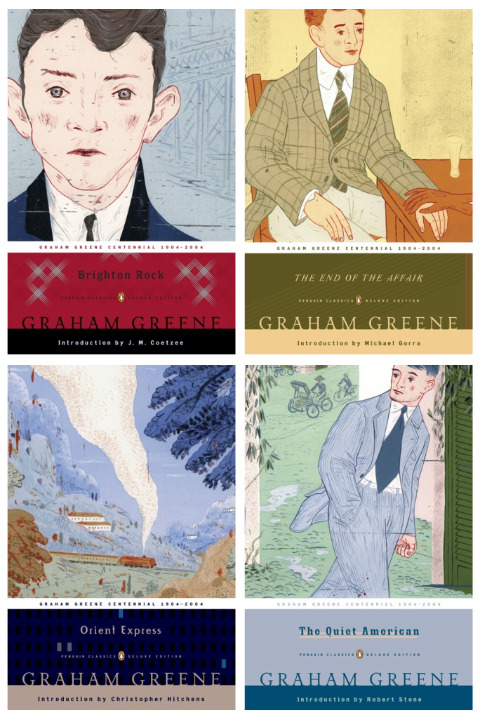
The covers are very different from the iconic Penguin paperback covers. Do you think the book shows a different side to Penguin’s design history?

PB: Of course. Penguin UK does a gorgeous job of tapping into the Penguin archive and history, and while I like to go there from time to time, I’m very interested in Penguin’s future in a different sort of way. The beautiful Penguin by Design is just not who I am, and if I tried to do a version of that, two things would happen — I’d fail as my heart would not be in it, and no one would buy it as it’s already out there in a few books. This is not to say that I’m not a huge fan of Penguin’s design history — I am, but I see it as a place to tap into occasionally, while still moving the brand forward — as nothing creative can remain as it was, nor should it if it wants to stat vital in it’s own day. But we do maintain Penguin’s age old love of illustrated and well crafted covers.

Do you have a sense that Penguin US has a design sensibility that is separate from the Penguin UK tradition?

PB: Whether you’re UK or US, it’s still Penguin tradition, so I don’t define it as you do. Both sides are very proud of Penguin, it’s history, it’s cache, it’s values — and both sides have built Penguin into what it is today, and what it stands for. So while we are separate entities that bring different things to the table, the overall strive to keep the quality bar set very high is paramount to either side.
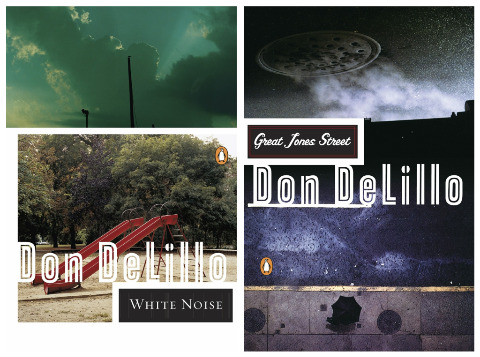
Was it hard to choose just 75 covers?

PB: Unbelievably hard. That ate up the first month or so, just getting it down to 75, who was left in, who was left out, who on staff has five covers in, while another has only one or two, is it a good mix visually and editorially of this and that, etc etc.

Chris, did you have a say in any of the selections?

CB: Paul did an initial edit and went through tons of the books. Once he narrowed it down I helped a little bit with figuring out what we should put in, but mostly I would come to Paul later on when were trying to lay out the book. If we couldn’t get enough content for one of the books then we would have to find another one to put in. Or, if Paul wanted to add more books toward the end then we had to figure out what to subtract. I was more involved when it affected the design.

Were there any covers or comps that you wanted to include but couldn’t?

PB: By the nature of only utilizing 75 covers / series, things have to be left out. So yes, but only for that reason.

Penguin 75 includes contributions from authors and editors as well as designers, but I notice you left out Sales & Marketing!

PB: I did not leave out sales and marketing any more than I left out elves and leprechauns… I simply did not have any real sales and marketing stories. The Penguin marketing director, John Fagan, is hands down the best marketing director in the universe — we all know the horror stereotype stories of the marketing director killing this and that just to hear their own voices in the room, but John is so much an integral part of our team and loves what we are doing with our packaging; so unless he really thinks we’re missing something, he’s incredibly supportive; and when he does have something to say, he still manages to do it in a kind and intelligent way. Our sales team also leaves that stereotype behind. Trust me, you see in the book that I’m not pulling any punches and I made sure no one else in the book did either — so if I had great Penguin sales and marketing stories, you’d be reading them.

As a designer, were you surprised by any of the  comments from authors and editors about the cover designs, Chris?

CB: The range of comments from the authors was pretty surprising. Some were very thoughtful and you could tell they appreciate and understand book cover design. Other authors weren’t very happy with their covers and they made that pretty clear.

Was it fun to design a book about book design?

CB: More than anything, it was just fun for me to be working on the interior of a book instead of just the cover. It was a nice change.

Were there any unique challenges?

CB: The biggest challenge was that Paul and I were working on this book, but at the same time we both had full time jobs at Penguin. Paul tried to clear my plate for me a bit, but we both still had a lot of other responsibilities to deal with. Another thing that was hard was that we were sort of doing this whole thing on the fly. We were responsible for not just designing the book but gathering all of the content and all of the things that we needed to design the book (the comments, the hi-res art, etc.). We had to get everything together as we went and this stuff trickled in throughout the process.

On a design level, there was a lot of information to organize. It was challenging to come up with a system for everything. We had comments from that authors and designers, then there were comments from the art directors that we created another system for, all of the credit information for each book, we were showing alternative designs for some covers. There was a lot to think about.

Did you try to take account of Penguin’s design history while working on your design?

CB: I did take Penguin’s history into account at the beginning when we were figuring out what the layout should look like. I used Gill Sans throughout the book, but it’s pretty small and doesn’t feel overwhelmingly “Penguin”. I tried some things that were more in the style of older Penguin covers, but in the end we went with something more modern.

Was it strange to design a book that includes some of your own work?

CB: It was a little strange at first, but many of the covers in the book were designed by my co-workers so a lot of the work was very familiar to me.

So, did the book make you reconsider any of your own designs, or your design process?

PB: I’d love to sound thoughtful and say “yes” and expound on some brilliant new design wisdom — but the answer is “no”. All of the entries in this book are well known to me, and most have been for years. Putting them all down in one place just made me feel proud of what my department does — but I’ve always been incredibly proud of my team. If anything, it made me reconsider what it takes to put a book together, and see editors and authors in a more favorable light.

And, Chris, I have to ask… How does it feel to be immortalized on the cover of The Shadow of the Wind by Carlos Ruiz Zafón?

CB: It was an amazing opportunity. I think this only the beginning of my modeling career.

Thanks Paul and Chris!

Images:

  1. Penguin 75 cover, design by Paul Buckley
  2. Penguin “Graphic Classics”:
    The Dharma Bums | Art Director: Paul Buckley |  Illustrator/Designer: Jason
    The Portable Dorothy Parker | Art Director: Paul Buckley | Illustrator/Designer: Seth
  3. Graham Greene Backlist | Designer/Art Director: Paul Buckley | Illustrator Brian Cronin
  4. Don Delillo Backlist:
    Americana
    | Designer/Art Director: Paul Buckley | Photos: Jeff Brouws
    White Noise | Designer/Art Director: Paul Buckley | Photos: Jason Fulford
    Great Jones Street | Designer/Art Director: Paul Buckley | Photos: Hugues Colson (top), Tom Zimberzoff (bottom)
  5. Emporium and unused image | Designer/Art Director: Paul Buckley | Illustrator: Viktor Koen
  6. Special Topics in Calamity Physics | Designer/Art Director: Paul Buckley
  7. Pages 220 – 223  Penguin 75 | Designer: Christopher Brand
  8. Pages 244 – 247 Penguin 75 | Designer: Christopher Brand
  9. There Once Lived a Woman Who Tried To Kill Her Neighbor’s Baby | Designer: Christopher Brand | Illustrator: Sam Weber | Art Director: Roseanne Serra
  10. The Jewish Messiah | Designer: Christopher Brand art Rodrigo Corral Design | Art Director: Darren Haggar
  11. The Shadow of the Wind | Designer: Tal Goretsky | Art Directors: Darren Haggar and Paul Buckley
4 Comments