Skip to content

Tag: charlotte strick

More New and Recent Book Covers of Note

So is this a thing now? I don’t know. You folks seem to like these posts, so maybe… (but probably not because a lot of designers I really like just don’t updated their portfolios that often—you know who you are… cold, hard, stare)…

Here are half-a-dozen covers that have caught my eye recently:

Carnival by Rawi Hage; design by Richard Bravery

I’ll Seize the Day Tomorrow by Jonathan Goldstein; design by Michel Vrana (I think this is actually from last year, but I saw it recently and I really like it. If I’d been paying better attention, it might well have made my 2012 list—maybe next to this!).

The Towers of Trebizond by Rose Macaulay; design by Charlotte Strick (also not that recent, but charlotte talks about her design process here).

Idiopathy by Sam Byers; design by Joanna Neborksy (Jonathan Gibbs wrote about this cover in his regular book design column for The Independent a couple of months ago, and funnily enough I believe the aforementioned Charlotte Strick was the AD on this)

Bleeding Edge by Thomas Pynchon; design by Evan Gaffney (this on the other hand is not out until September!)

 The Hamlet Doctrine by Simon Critchley; design by David A. Gee (also out in September)

Have a great weekend!

4 Comments

Some Recent Book Covers of Note

I haven’t posted a lot of book covers recently, so to amend the situation here’s a completely unscientific selection of a few designs that have caught my eye recently:

Middle C by William Gass; Design by Gabriele Wilson

Sorry Please Thank You by Charles Yu; Design by Cardon Webb

On the Map by Simon Garfied; Design by Roberto de Vicq

Me and the Devil by Nick Tosches; Design by Keith Hayes

Lionel Asbo by Martin Amis; Design by Jamie Keenan

The Flamethrowers by Rachel Kushner; Design by Charlotte Strick

London Underground by Design by Mark Ovenden; design by Matthew Young

The Silence of Animals by John Gray; designer unknown (image: Animalia N.1 by Carnovsky)


NB: You can find more book cover designs at The Accidental Optimist and my Pinterest.

Comments closed

Favourite Covers of 2012

For the past couple of years now (since Joseph Sullivan put the Book Design Review on ice in fact), I’ve been posting a short list of my favourite covers for books for the year. Now that thing for the New York Times is out of the way, I’m free to post my list for 2012.

To make a couple of very general observations about book design this year, the cover that probably made the greatest impact was Fifty Shades of Gray. It was a design that made it OK to read erotica in public, something which surely contributed to the book’s breakout success — a point not lost on other publishers who rushed to re-package their own erotica titles in a similar fashion. The results inevitably lacked the finesse of the original, but imitation is the sincerest form of flattery, as they say…

But while the cover of Fifty Shades of Gray smartly defied the conventions of its genre, it wasn’t an exciting cover and some publishers seemed to be more conservative in their design choices, playing it safe or relying on formulas. The jacket for The Casual Vacancy could hardly have been more forgettable, and it was not alone. A bland sameness crept in. Perhaps that could be said every year. I suspect, however, that smaller budgets, tighter deadlines, and readers browsing thumbnails rather than shelves had an effect.

Nevertheless, some publishers were willing to trust their art directors and designers, and publish interesting and challenging covers. If I was to identify a common theme to my choices this year, it would be hand-drawn lettering and illustrated designs. With the ubiquity of stock photos and uninspired type-choices, that seems to be where the interesting things are happening, at least to my mind. Perhaps photographs will make a come back next year?

After Freud Left edited by John Burnham; designed by Isaac Tobin
University of Chicago Press

All Men Are Liars by Alberto Manguel; design by Jason Booher
Riverhead

El asenino hipocondríaco by Juan Jacinto Muñoz Rengel; design by Ferran López, illustration Santiago Caruso
Plaza & Janés

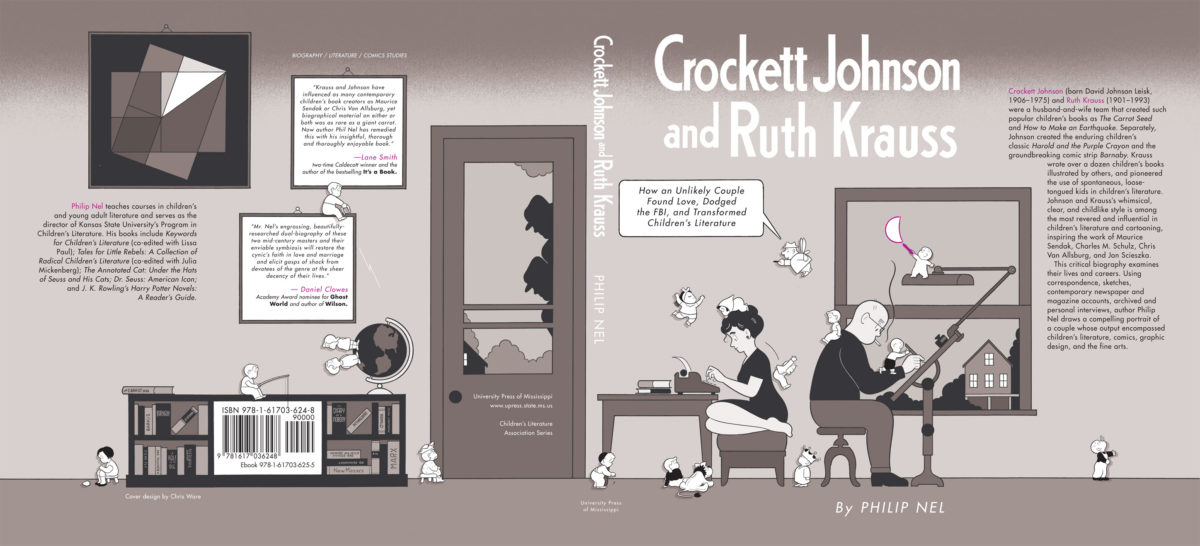
Crockett Johnson and Ruth Krauss by Philip Nel; design by Chris Ware
University Press of Mississippi

Cruel Britannia by Ian Cobain; design by FUEL
Portobello Books
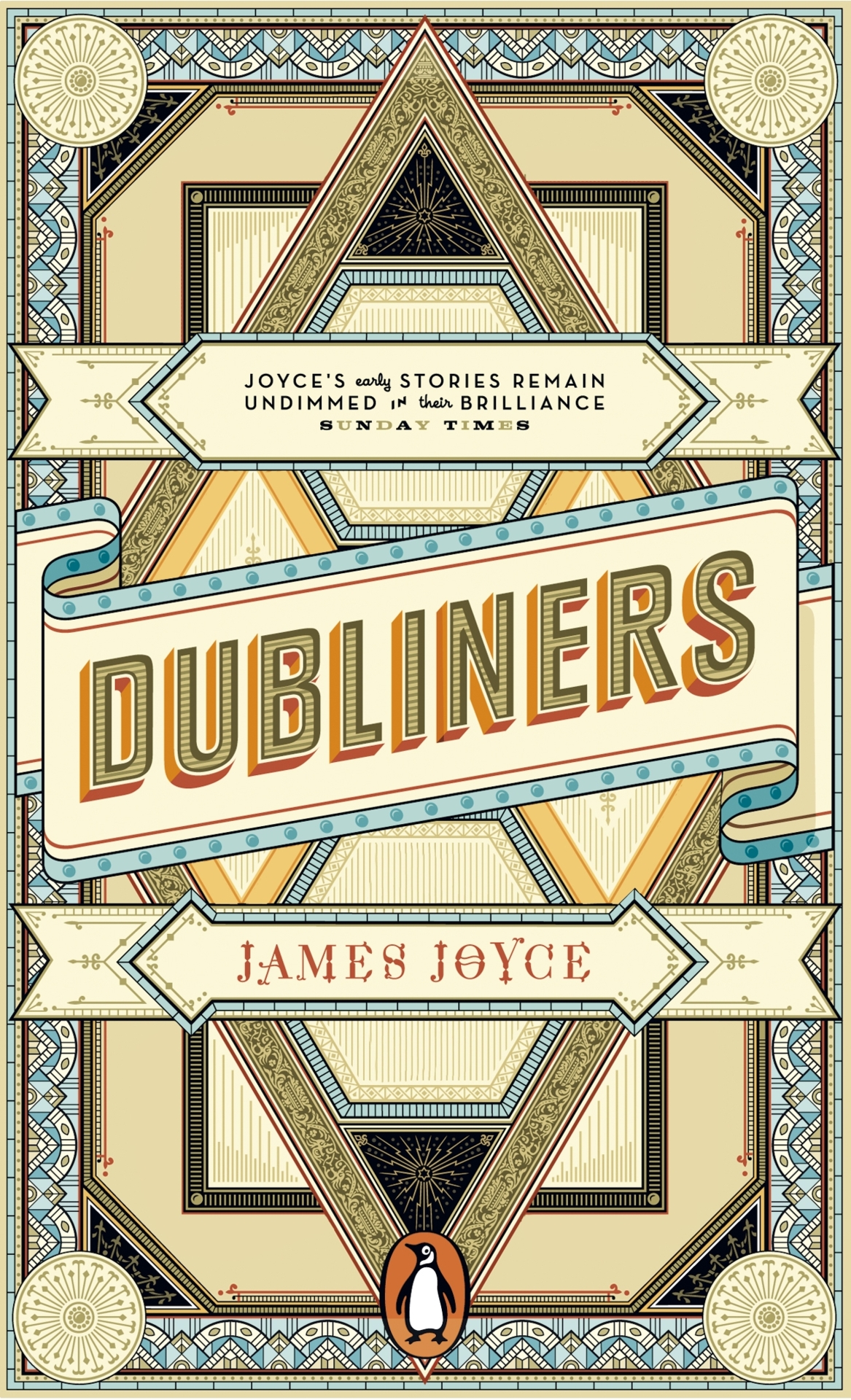
The Dubliners by James Joyce; design by Apfel Zet / Richard Bravery
Penguin Essentials, Penguin (UK)
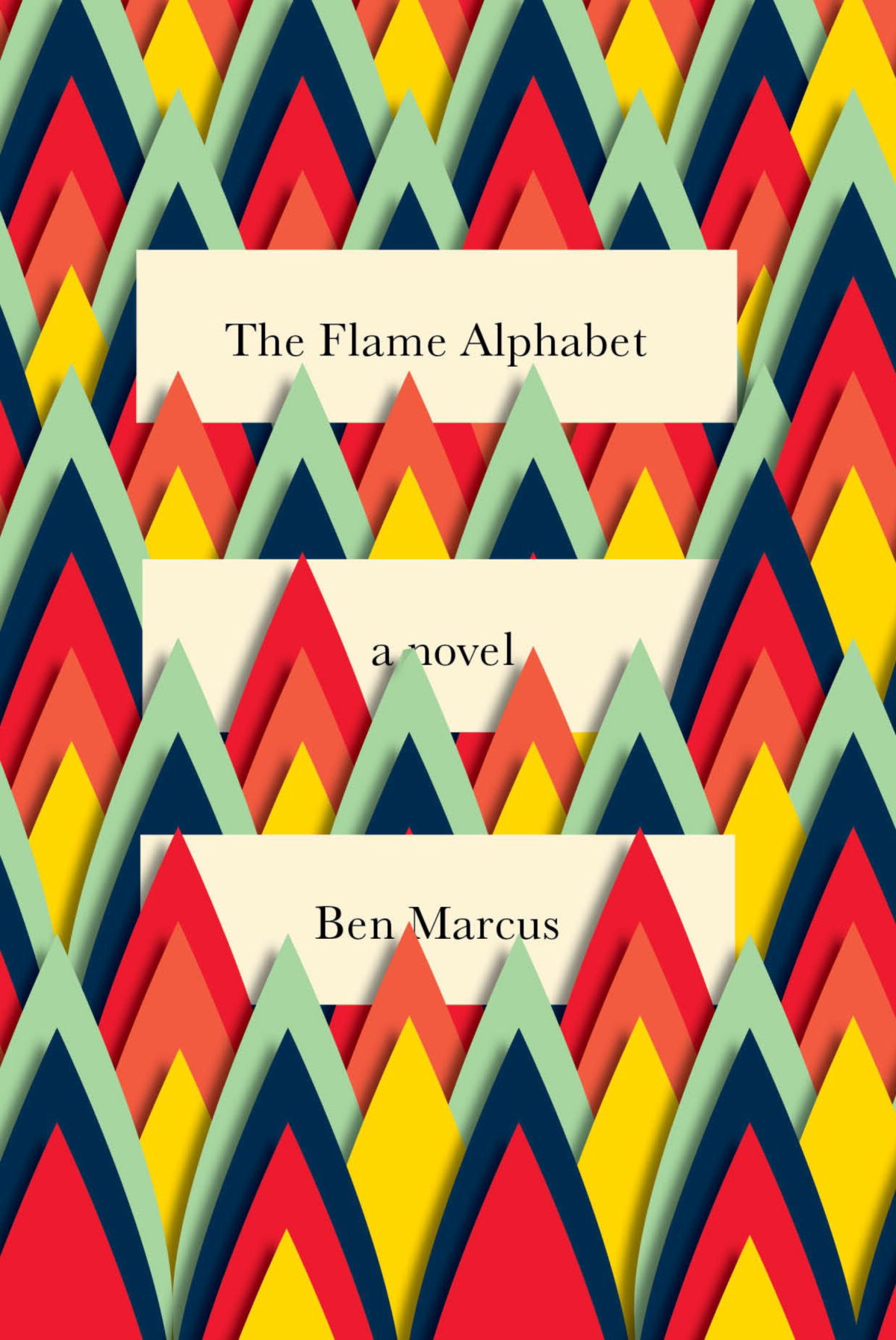
The Flame Alphabet by Ben Marcus; design by Peter Mendelsund
Knopf
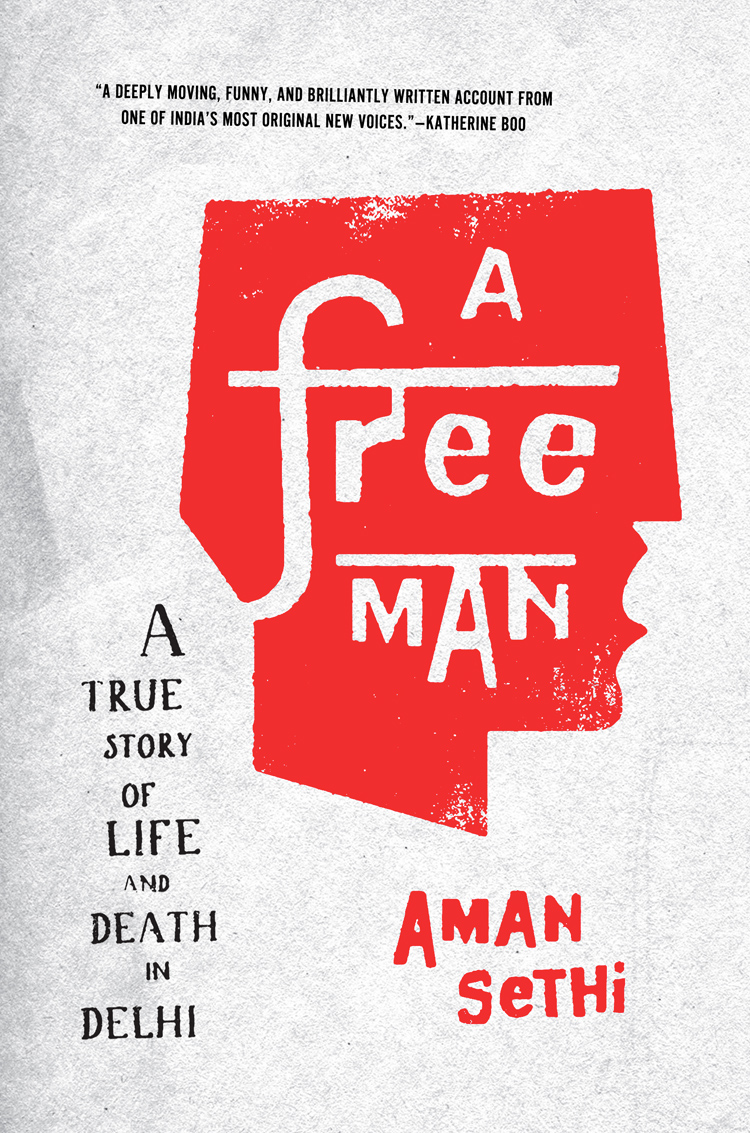
A Free Man by Aman Sethi; design by Ben Wiseman
W.W. Norton

Goodbye to Berlin by Christopher Isherwood; illustration by Vania Zouravliov

Vintage Isherwood, Vintage (UK)
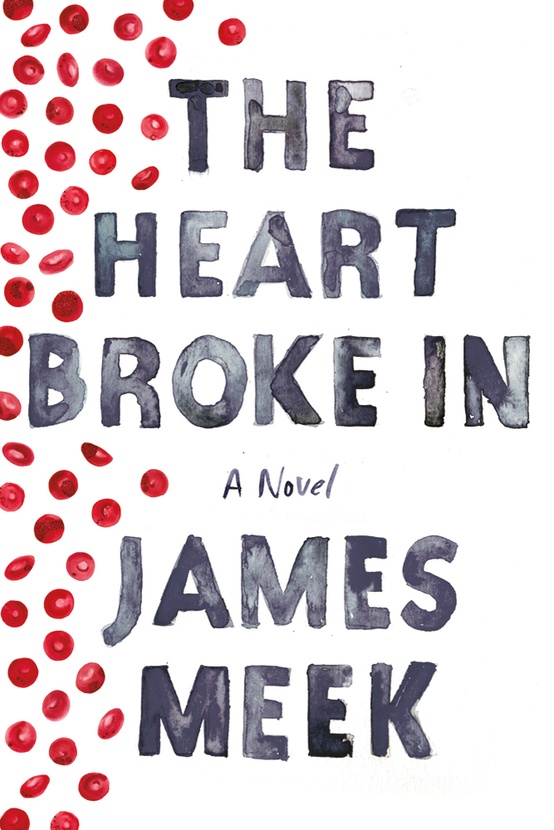
The Heart Broke In by James Meek; design by Jennifer Carrow; illustration by Michele Banks
Farrar, Straus & Giroux

Hope: A Tragedy: A Novel by Shalom Auslander; design by John Gall
Riverhead
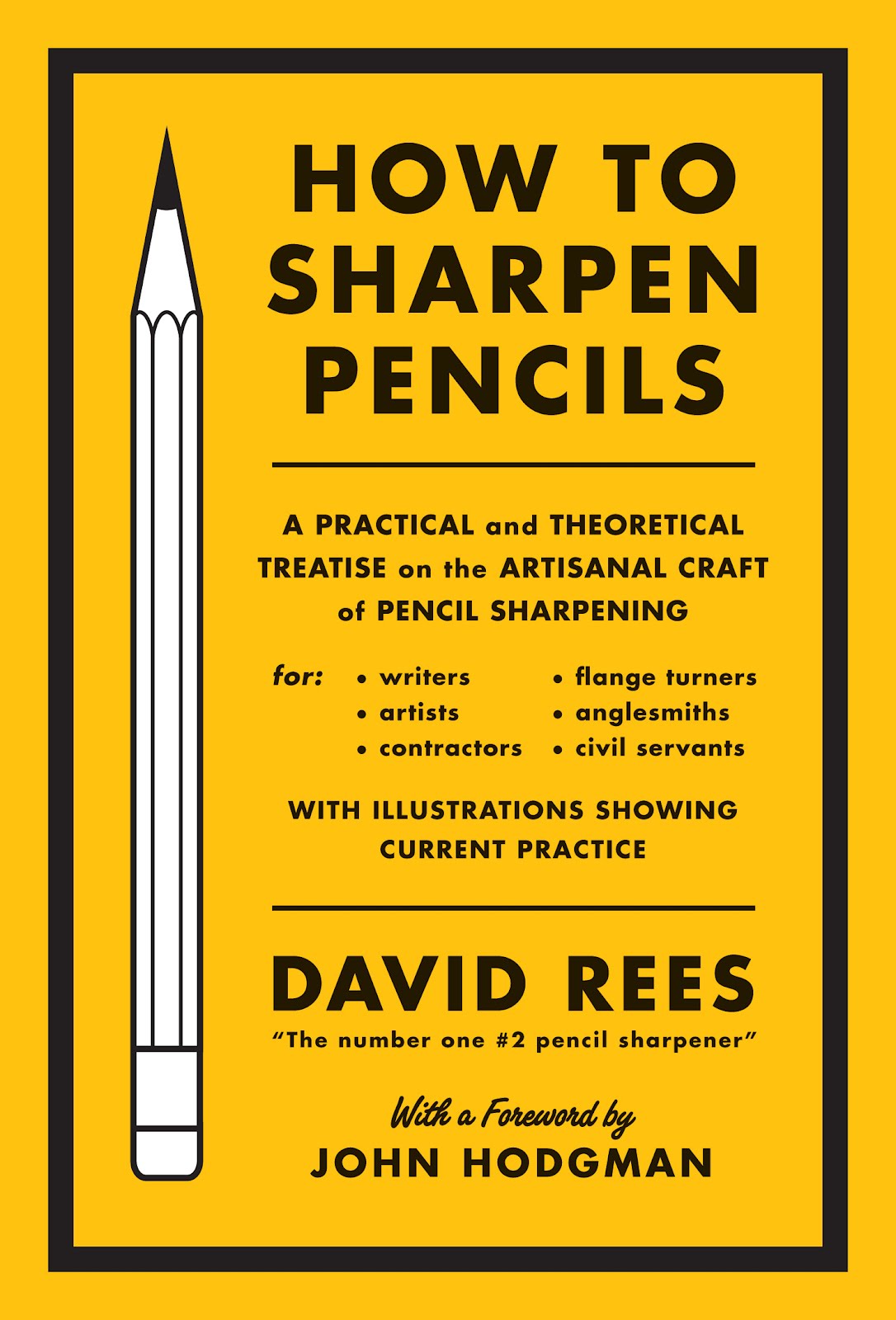
How to Sharpen Pencils by David Rees; design by Christopher Brian King
Melville House
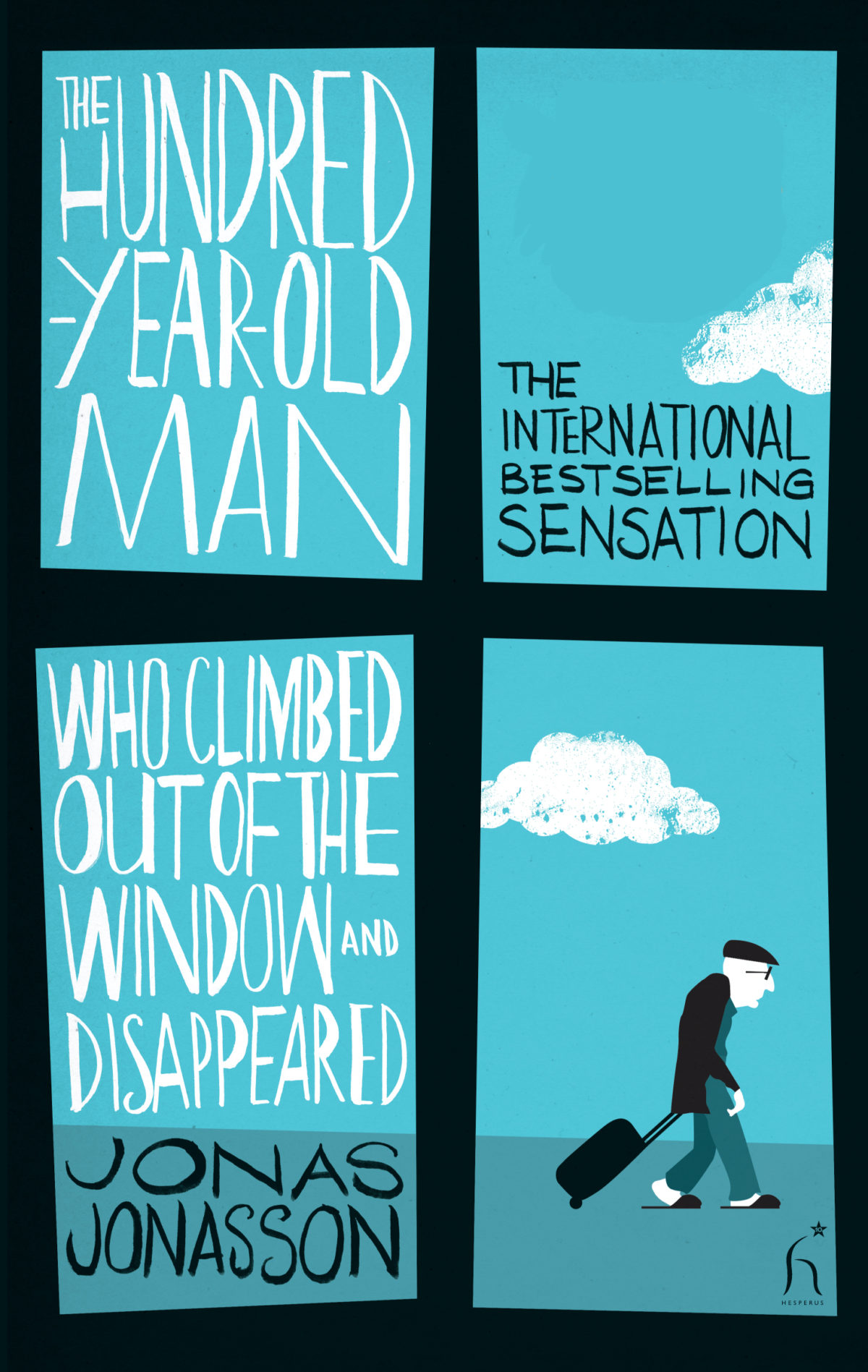
The Hundred-Year-Old Man Who Climbed Out of the Window and Disappeared by Jonas Jonasson; design by Jonny Pelham
Hesperus Press

Husk: A Novel by Corey Redekop; design by David A. Gee
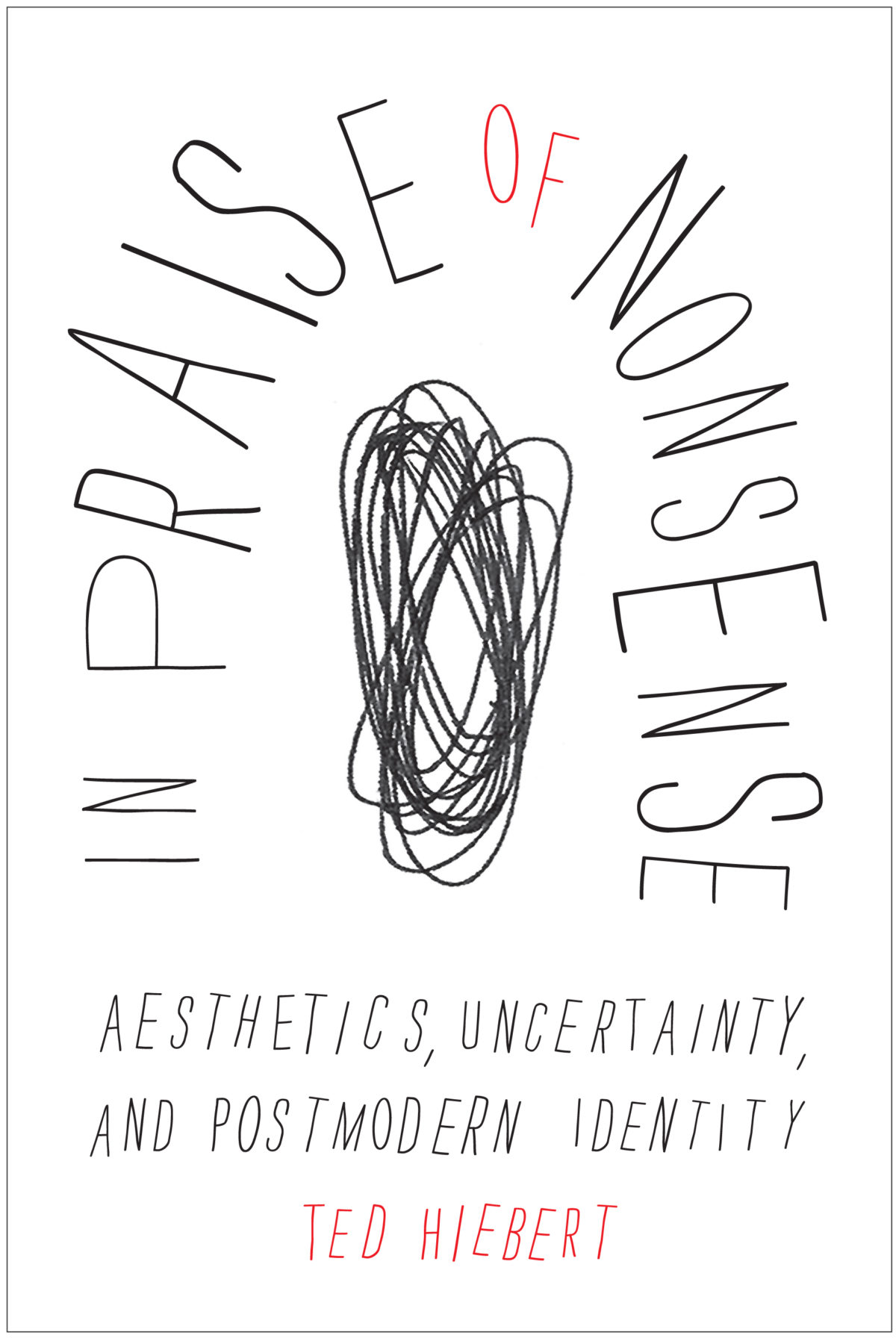
In Praise of Nonsense by Ted Hiebert; design by David Drummond
McGill-Queens University Press
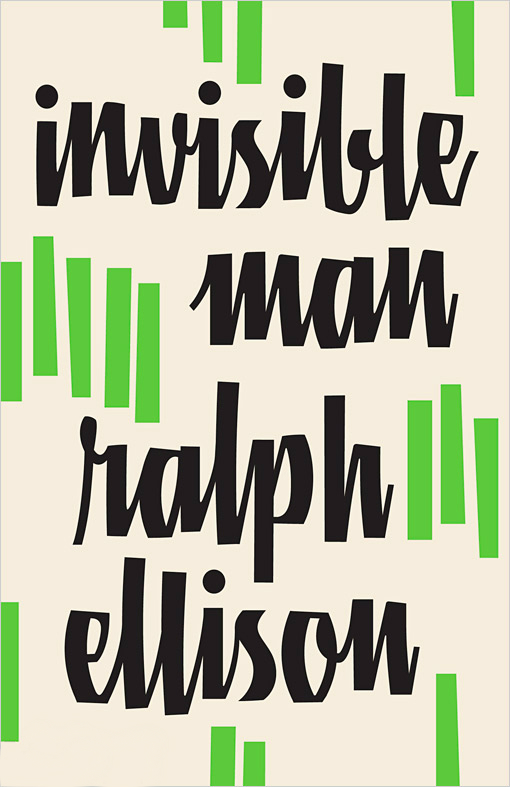
Invisible Man by Ralph Ellison; design by Cardon Webb

Vintage (US)
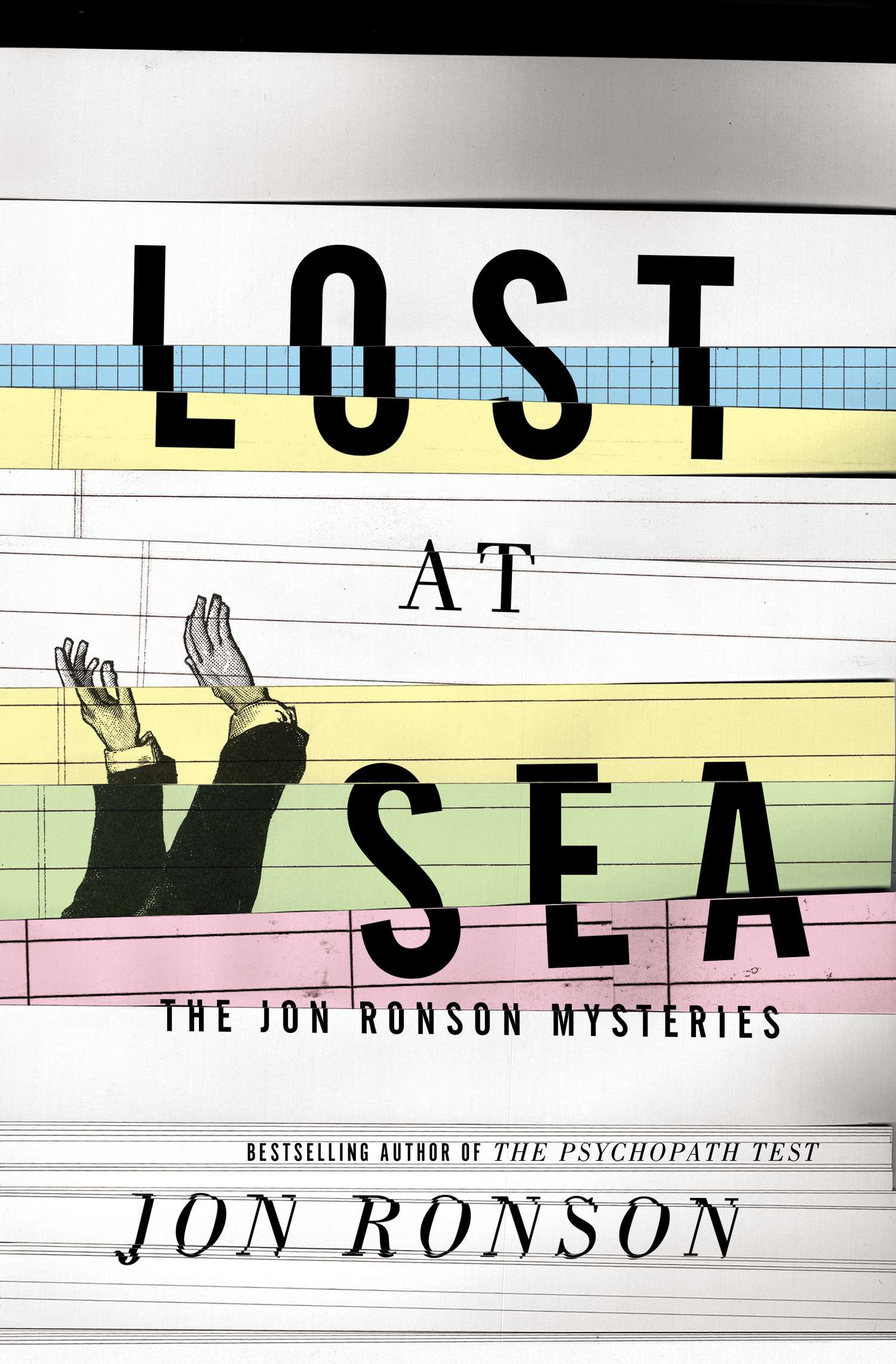
Lost at Sea by Jon Ronson; design by Matt Dorfman
Riverhead
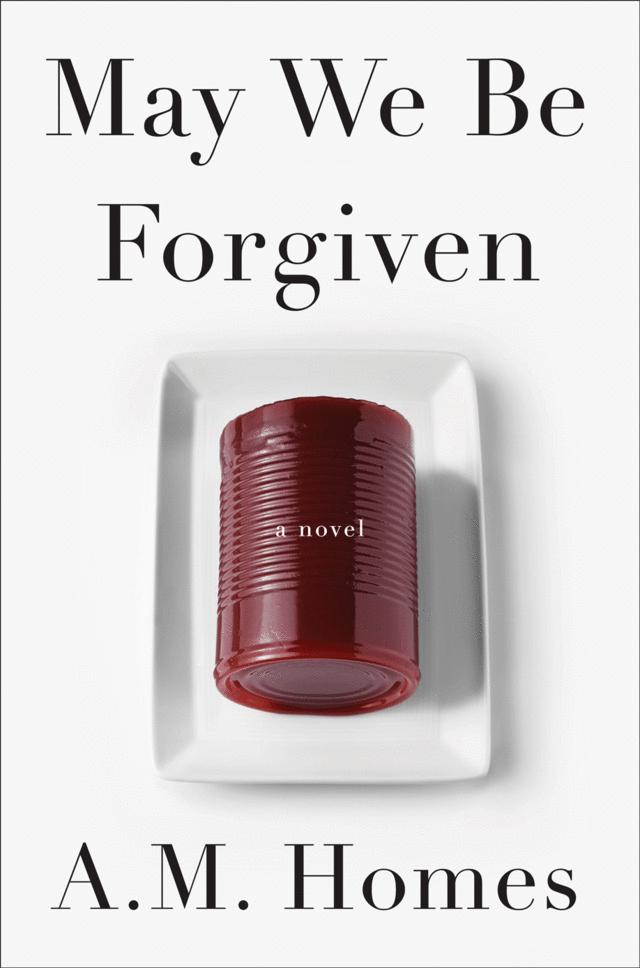
May We Be Forgiven by A. M. Homes; designed by Alison Forner
Viking

Men in Space by Tom McCarthy; design by John Gall
Vintage (US)
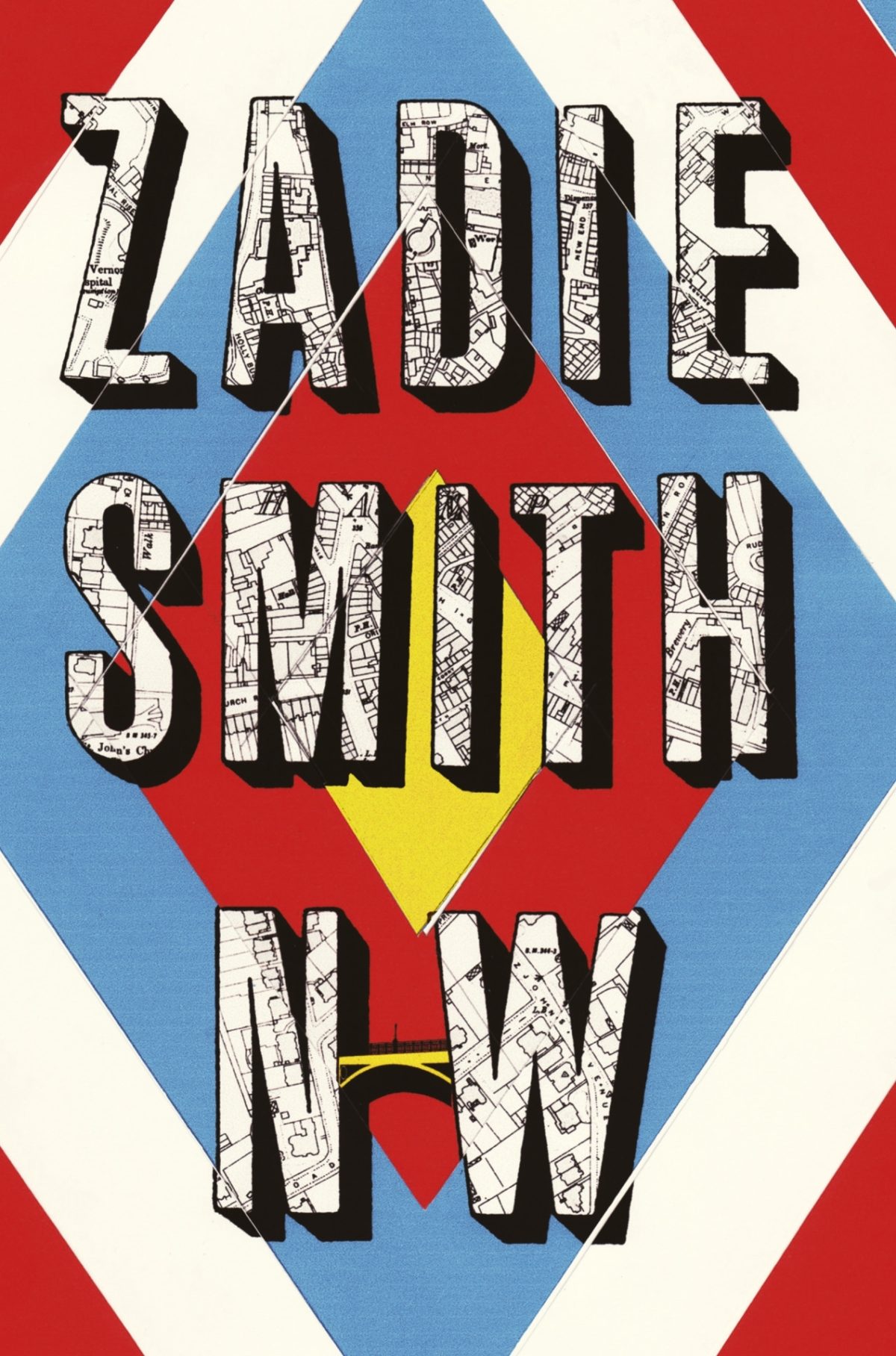
NW by Zadie Smith; designed by Gray318
Hamish Hamilton

Office Girl by Joe Meno; design by Cody Hudson, photograph by Todd Baxter
Akashic
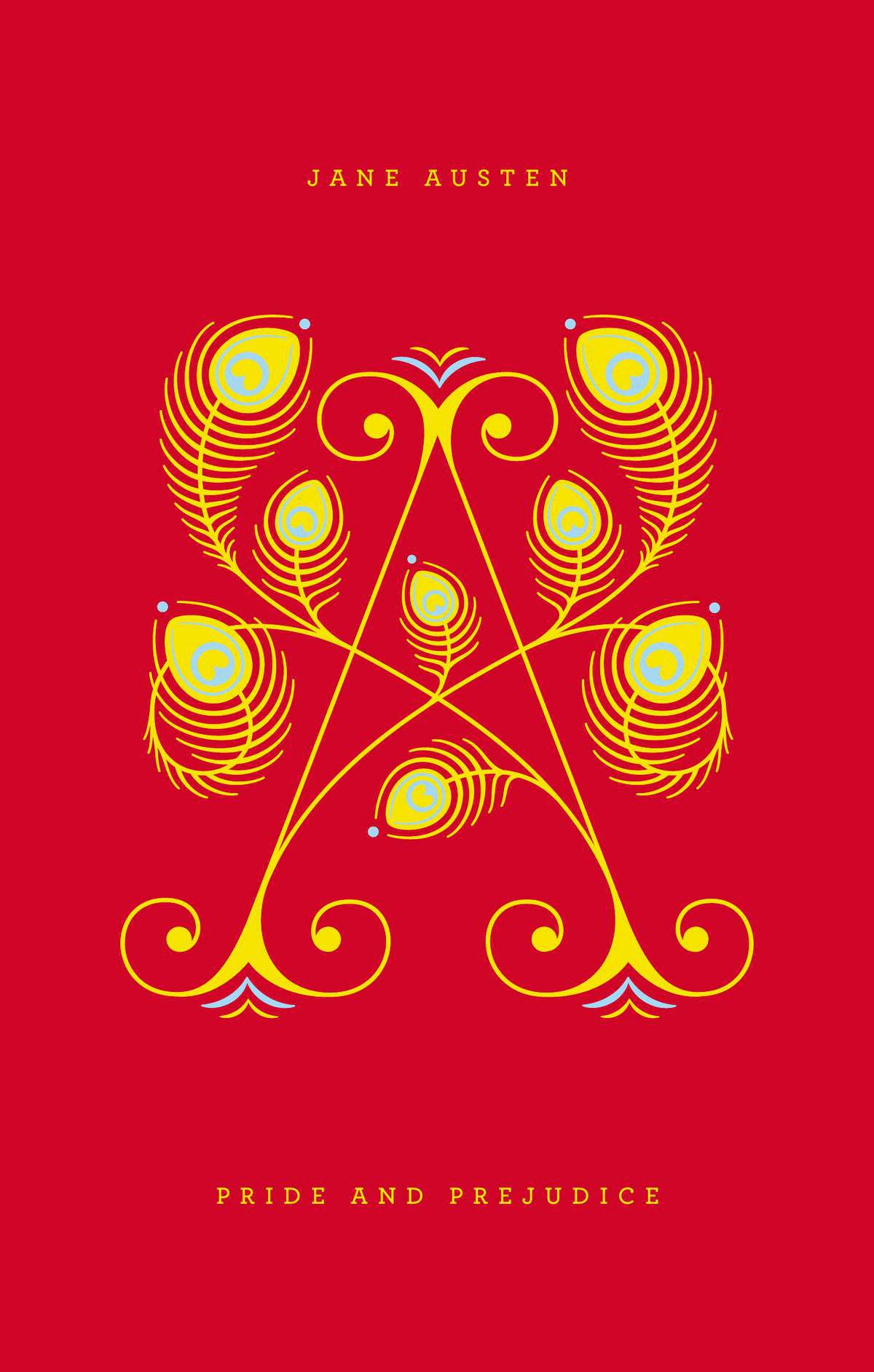
Pride and Prejudice by Jane Austen; design by Jessica Hische / Paul Buckley

Penguin Drop Cap, Penguin (US)

Swimming Studies by Leanne Shapton; design Leanne Shapton / Matthew Young
Particular Books
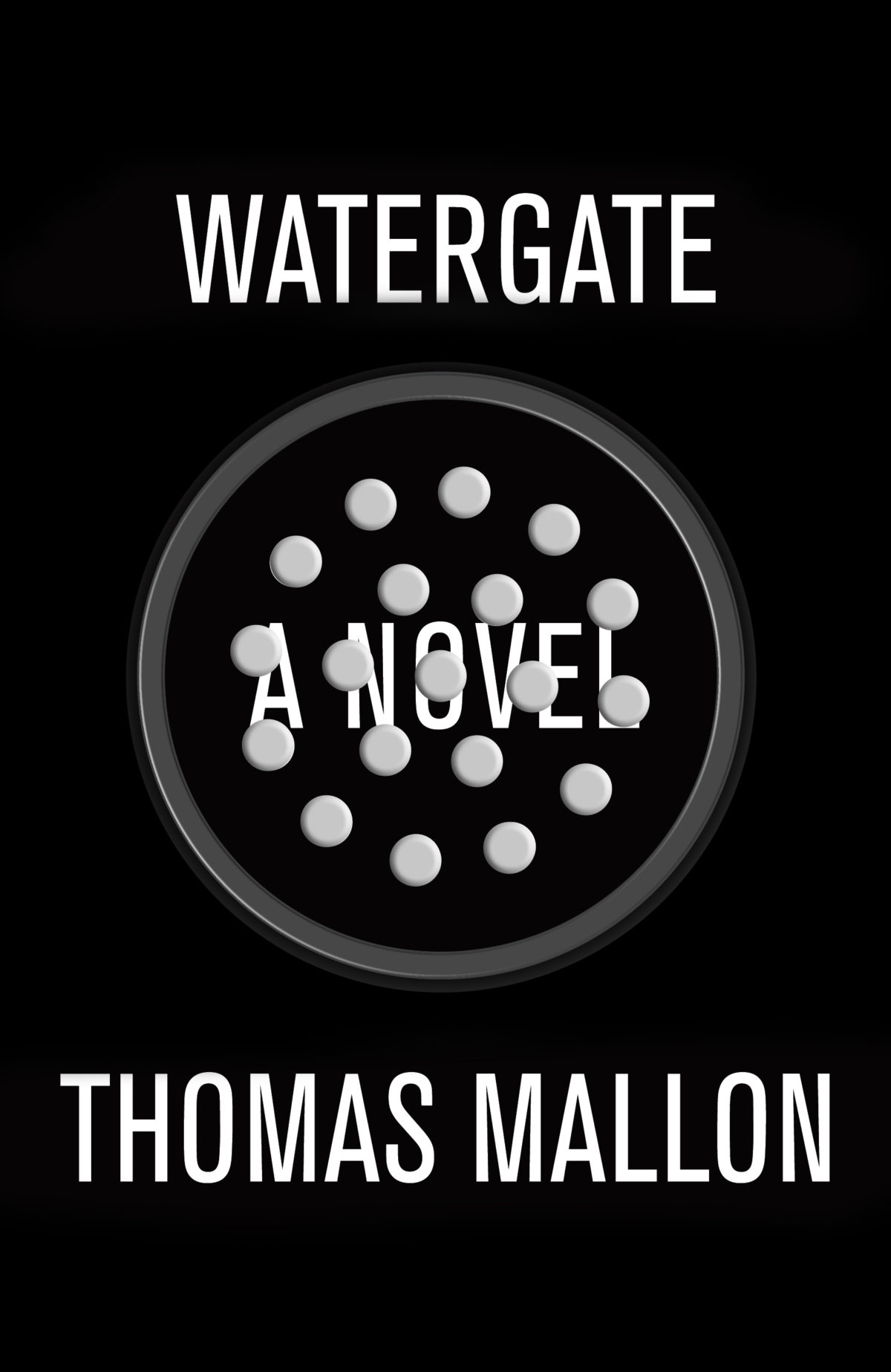
Watergate: A Novel by Thomas Mallon; design by Paul Sahre
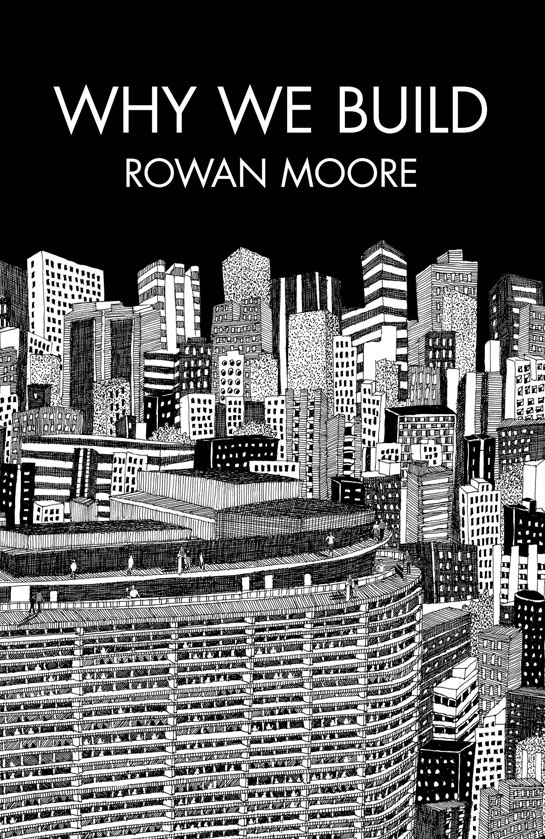
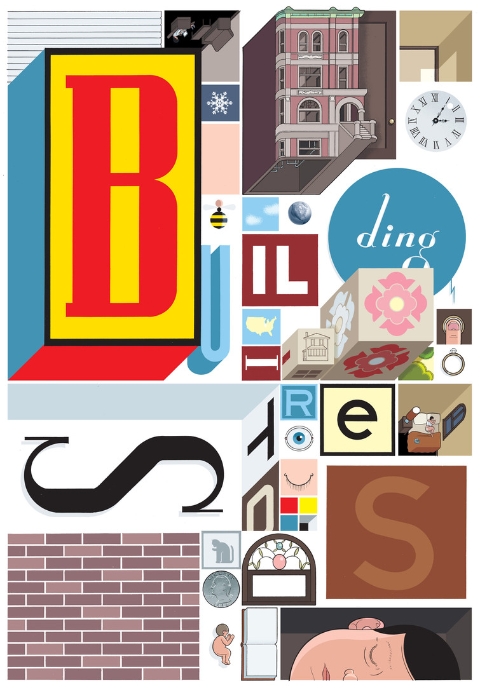
Why We Build by Rowan Moore; illustration by Diane Berg
Picador (UK)

Honourable Mentions:

;

You can find my lists for 2010 and 2011 here and here, and if you haven’t seen my 50 covers post from earlier this year, you can find that here. Happy Holidays!

16 Comments

Midweek Miscellany

Juggling — The multi-tasking Charlotte Strick,  art editor of The Paris Review, art director at Faber & Faber and Farrar, Straus & Giroux, and book designer,  interviewed at From The Desk Of…

Genre — China Miéville, on his new book Embassytown and genre fiction in The Guardian:

“I love genres; I think they are fascinating. My issue with litfic is not that it is a genre but that (a) it doesn’t think it is and (b) it thinks it’s ipso facto better than all the ones that are genres. Literary fiction of that ilk – insular, socially and psychologically hermetic, neurotically backslapping and self-congratulatory about a certain milieu, disaggregated from any estrangement or rubbing of aesthetics against the grain – is in poor shape.”

Invasion by the Virtual — Iain Sinclair discusses London and five novels that capture the spirit and history of city:

When the railways were first put in, there was devastation, because there were so many competing companies who just ripped up houses right, left, and centre. In the name of catching the spirit of the age and indulging in this technological process (and the idea of progress through science), London was savagely remade. It took a long time to absorb, recover and discover itself through that. At the moment, we’re in this sort of management age — an age of the virtual — in which you can change reality by looking at digitised, computer-generated images and projecting a fantastic city of the future, like a science fiction. People have come to believe that this is reality, even though they are contradicted by observation, which shows you devastated fields, radioactive materials buried in the ground that have been ripped up fast, and absolute destruction… So it is a devastating moment for the city, which I don’t think has ever been under such a prolonged form of invasion by the virtual.

Franzen’s Ugly Americans — Tim Parks on reading Jonathan Franzen’s Freedom in Europe (and, incidentally, the work Swiss novelist Peter Stamm, author of Seven Years, which sounds great) (via Bookslut):

Freedom’s failings are interesting in so far as they deepen the mystery of the book’s international success. It’s one thing for the Americans to hype and canonize one of their favorite authors, but why do the Europeans buy into it? Ever anxious that they need to understand America, fascinated by its glamor and power, Europeans are perhaps attracted to those American novels that explain everything: Roth’s American Pastoral, DeLillo’s Underworld. More than a novel by an American they want The Great American Novel. But of course Europeans also resent American world hegemony and feel (still and no doubt wrongly) superior culturally.

And finally…

20 Books Every Graphic Designer Should Read and an interview with Rick Poynor, founding editor of Eye and a co-founder of Design Observer, who compiled the list, at Designers and Books:

Books always point to other books. A bookshop, like a library, is a fantastic, spatially organized, easily navigable source of vast quantities of interconnected information about what exists for you to discover and know. If someone devised an online virtual space that allowed you to do this kind of rapid, effortless, multifocal, visual, and spatial browsing—perhaps someone has, though it certainly isn’t Amazon or the iPad App Store—we’d applaud them for a brilliant new concept. But these marvelous spaces already exist, at least for the time being, right there in your local shopping street.

art editor of The Paris Review and an award-winning designer known for creating the jackets for books by Roberto Bolaño, Lydia Davis, and Jonathan Franzen, among many others. She is also art director of Faber & Faber, Inc. and of the paperback line at Farrar, Straus and Giroux.art editor of The Paris Review, art director of Faber & Faber and at Farrar, Straus & Giroux,
Comments closed

Midweek Miscellany

The Analytical Eye — Rick Poyner’s second essay for Design Observer on the visual interpretation of J.G. Ballard examines the work of French artist Peter Klasen:

What both Ballard and Klasen share… is a cold, appraising, analytical eye. It’s impossible to tell how they feel about what they show, or to know what they want us to feel, if anything at all. Their findings are disturbing and perhaps even repellent from a humanist perspective, yet the new aesthetic forms they use to embody them are, even today, exciting, provocative and tantalizingly difficult to resolve.

Any Colour — So Long As It Is Black — The WSJ profiles Massimo Vignelli:

“The greatest design has to provide a little pleasure,” he explained, producing the straightforward black bag he carries; Mr. Vignelli wears nothing but black. Proudly reporting that he’d bought the bag from a local street vendor, he pulled out a black Leica camera…, a pair of black Ray Bans and a tape measure—alas, bright yellow, not black.

“This is my dictionary,” Mr. Vignelli said of the tape measure. He explained that even as a child he had such fascination with the dimensions of things that he would challenge his friends to guess their size. He believes that subtleties of shape conjure emotion. “Is that three centimeters or four centimeters?”

All Forest, No Trees — David L. Ulin reviews The Information by James Gleick for The LA Times:

Over the course of human culture, there have been a number of significant transformations, beginning with the alphabet, which Gleick calls “a founding technology of information. The telephone, the fax machine, the calculator, and, ultimately, the computer are only the latest innovations devised for saving, manipulating, and communicating knowledge.” It is his idea that all these technologies exist as part of a continuum, with each developing from the last.

The key to such an argument is perspective, which is often in short supply when it comes to the information culture, with its tendency to inspire either paeans or jeremiads. Gleick, however, is too smart for that; he’s all about the forest, not the trees.

And finally…

Breaking Machines — Richard Conniff, author of The Species Seekers, on what the Luddites really fought against:

Despite their modern reputation, the original Luddites were neither opposed to technology nor inept at using it. Many were highly skilled machine operators in the textile industry. Nor was the technology they attacked particularly new. Moreover, the idea of smashing machines as a form of industrial protest did not begin or end with them. In truth, the secret of their enduring reputation depends less on what they did than on the name under which they did it. You could say they were good at branding.

Comments closed

Charlotte Strick | The Atlantic


Charlotte Strick, art director at Faber & Faber, Farrar, Straus and Giroux and The Paris Review, writes about the book design process for The Atlantic:

Even though I frequently have designs for titles from the previous season still on my plate, and just when I think I can’t possibly come up with another original idea for a cover, the creative sparks begin to fly. At the launch meetings, editors take turns presenting recent acquisitions… As the books are introduced, each of us begins to wonder: Will I solve the problem with illustration or photography? If the title is brilliant and descriptive, maybe an all-type treatment that’s bold and clever is the best solution. (These are always my favorites.) Is there even any budget for art after the copy-editing fees, production costs, and author’s advances have been tallied? No? Never mind! We’ll get out our paintbrushes and dust off our cameras and get to work.

She is also interviewed by The Atlantic’s Daniel Fromson:

Everyone has an opinion on whether or not the book publishing world as we know it is doomed. Just as the design of websites was becoming more interesting and thoughtful by the late ’90s, it’s clear that the look and feel of e-books will transform over the next decade. As a designer who makes her living creating covers for actual books, I hope to take part in this. I don’t want our work to be reproduced exclusively in black and white or viewed only at postage stamp size.

(Pictured above: sketches by Chris Silas Neal for the cover of Poser: My Life in Twenty-Three Yoga Poses, by Claire Dederer, published by FSG)

Comments closed

Midweek Miscellany

Caustic Soda — James Morrison AKA Caustic Cover Critic talks about five great covers (and a few terrible ones) at Flavorwire. The great ones include Charlotte Strick‘s design for 2666 by Roberto Bolaño. Charlotte talked about this cover and boxed set with FaceOut Books a while back.

The Case of Abundance — The formidable Clay Shirky interviewed at Publishing Perspectives:

We are already in a world where most books are incomprehensible to most people –- whether that be content comprehension or the question “why would anyone publish that?” — but we don’t notice that anymore.

What has happened with the web is that there is so much content that we have broken all the old filters. And for now, we are experiencing it as the completely overburdened and chaotic environment that it is. But that doesn’t mean people should stop publishing online. It just means that we need better filters. Because in fact, the over-publishing of content has been a normal problem since the invention of the printing press. It’s just that we had ways of ignoring things we didn’t care about. The problem isn’t getting people to shut up, the problem is creating filters to help people find their way to things they want.

And finally…

I’m probably the last person on the interwebs to discover Erik Heywood’s blog on books, bookshelves, bookstores, and libraries (etc.), but it really is quite lovely (via The Silver Lining).

Comments closed