Skip to content

Tag: canongate

Book Covers of Note June 2016

Something of a bumper post this month, with lots of black and white covers for some reason. Perhaps it’s a thing…?
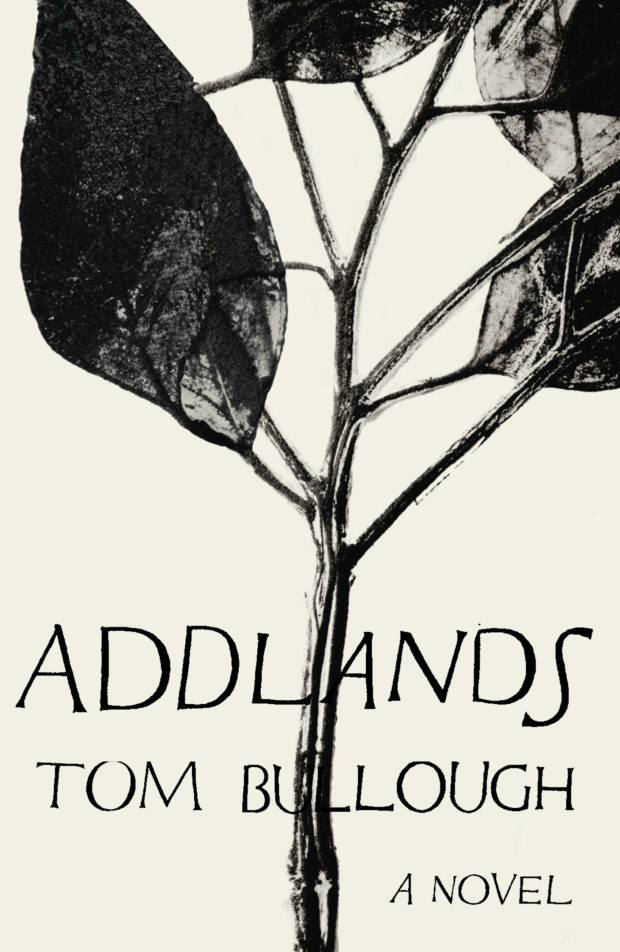
Addlands design Jenny Grigg
Addlands by Tom Bullough; design by Jenny Grigg (Granta / June 2016)
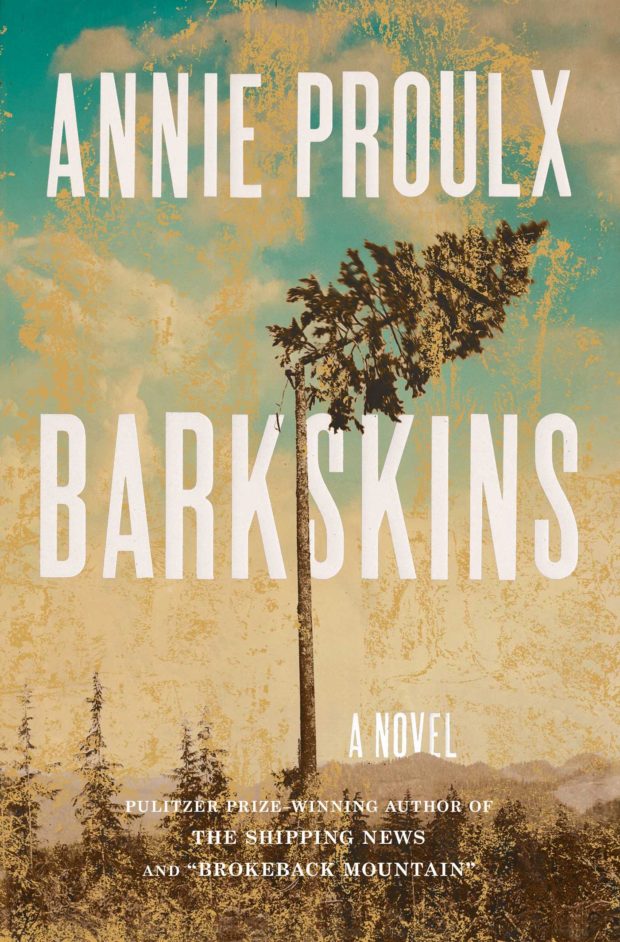
barkskins-design Jaya Miceli
Barkskins by Annie Proulx; design Jaya Miceli (Scribner / June 2016)

The cover of the UK edition (Fourth Estate / June 2016), designed by Anna Morrison, is an interesting contrast:
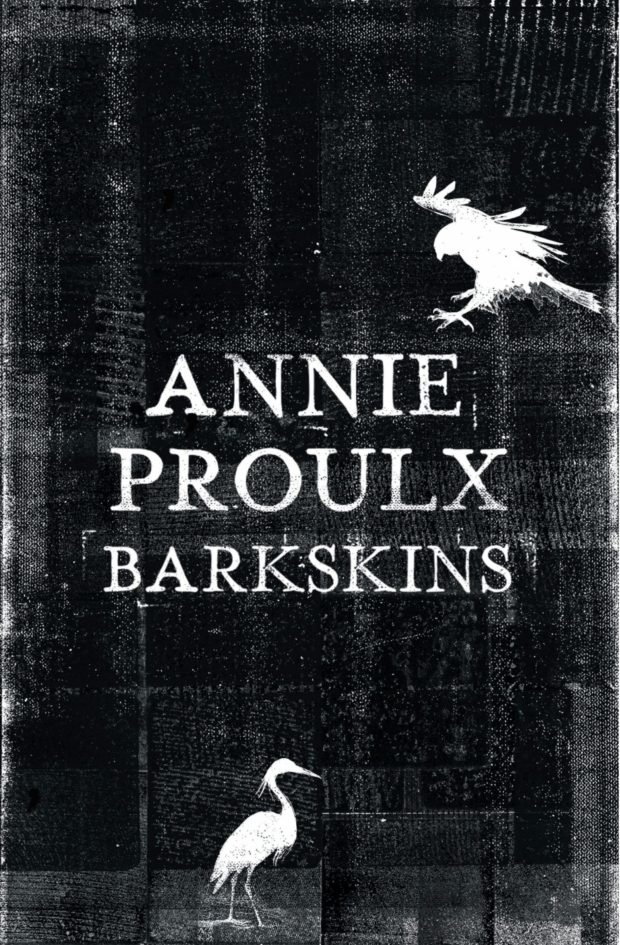
Barkskins design by Anna Morrison

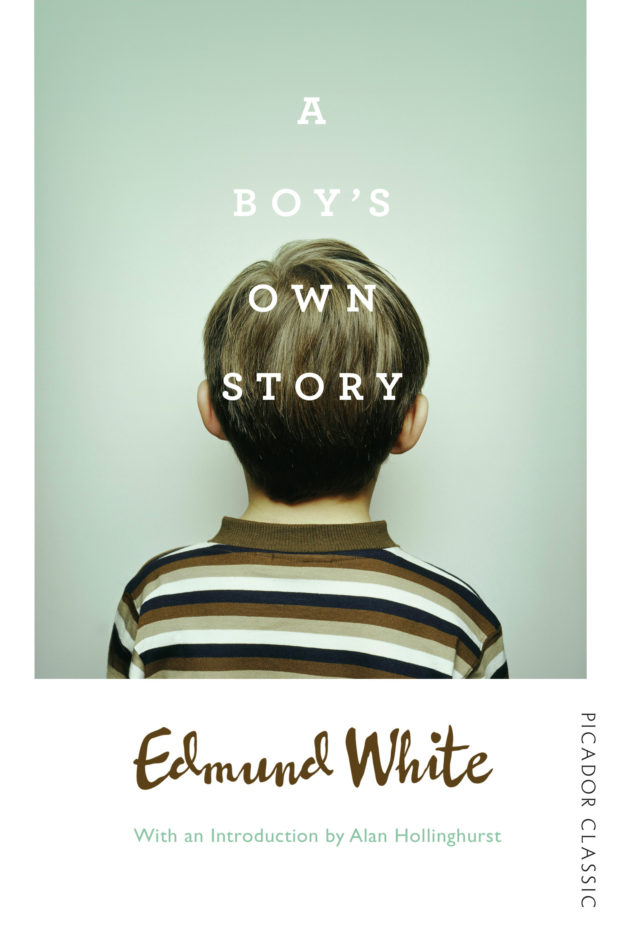
Boy-s Own Story design Ami Smithson
A Boys Own Story by Edmund White; design by Ami Smithson (Picador / June 2016)
9780399184123
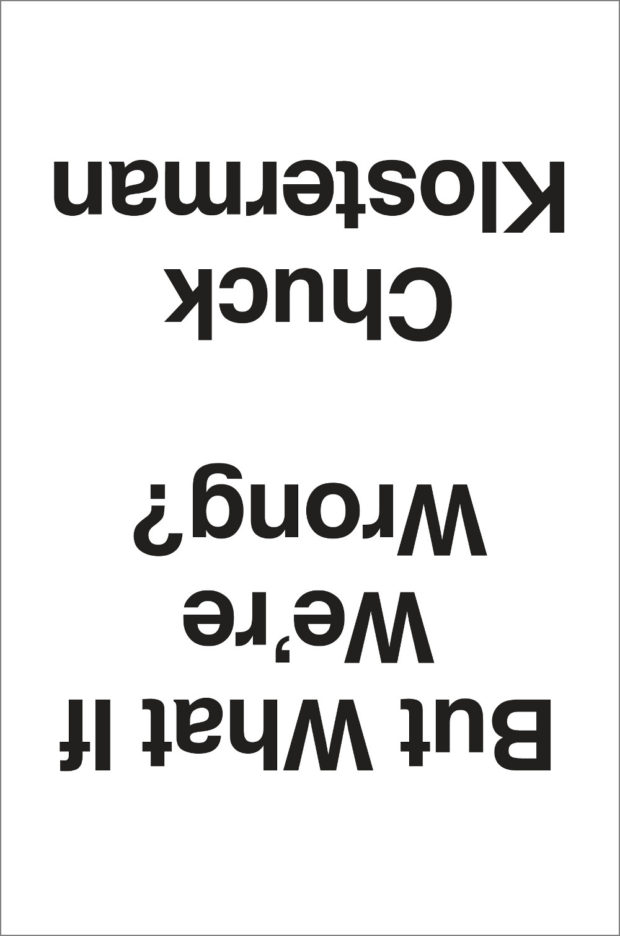
But What If We’re Wrong? by Chuck Klosterman; design by Paul Sahre (Blue Rider Press / June 2016)
TheChaplinMachine
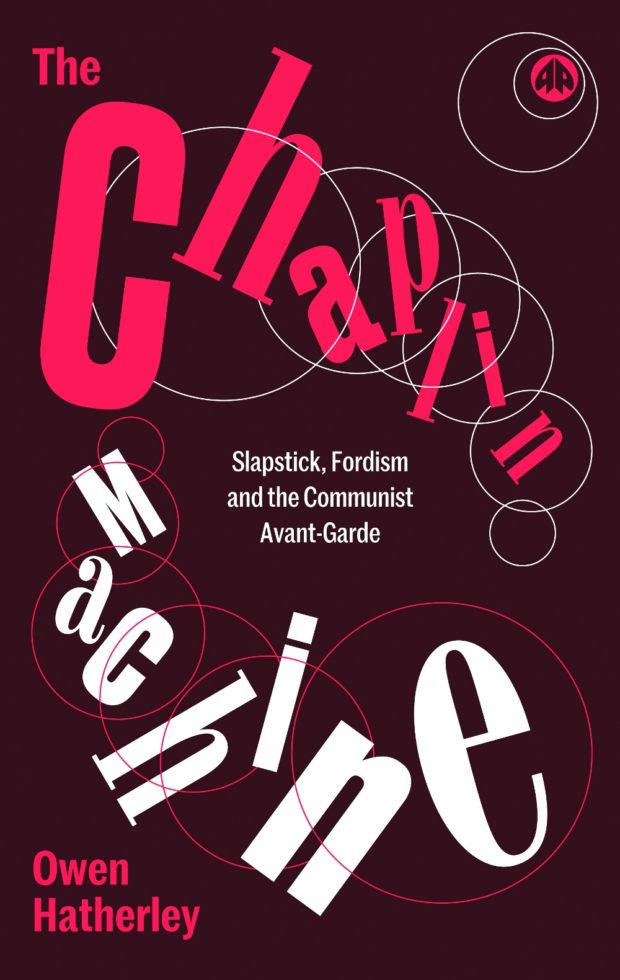
The Chaplin Machine by Owen Hatherley; design by David Pearson (Pluto Press / June 2016)

Crow-Girl design Mendelsund and Munday
The Crow Girl by Erik Axl Sund; design by Peter Mendelsund & Oliver Munday (Knopf / June 2016)
death confetti design Jacob Covey
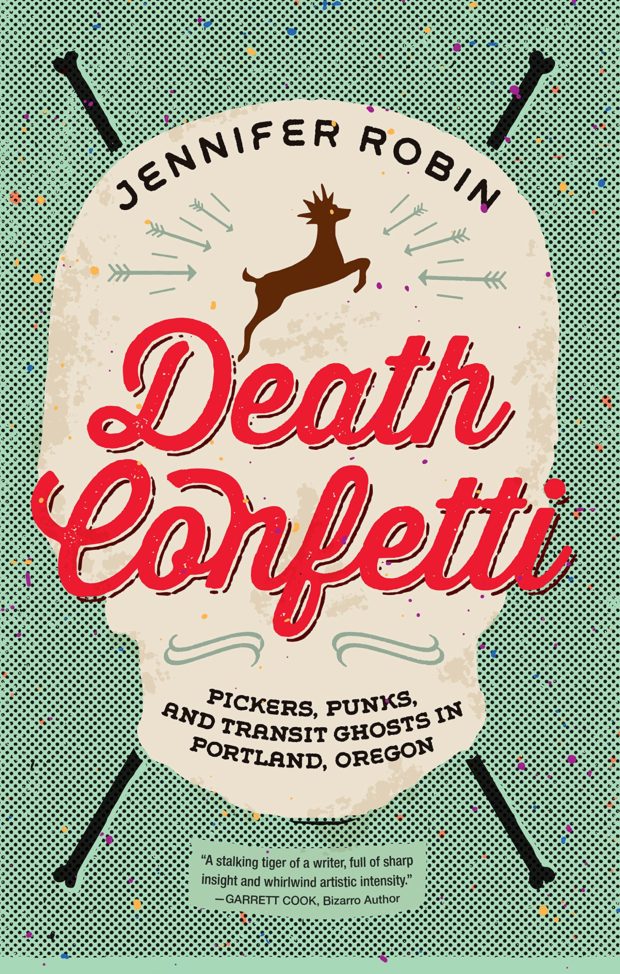
Death Confetti by Jennifer Robin; design by Jacob Covey (Feral House / June 2016)
Essex Serpent design Peter Dyer
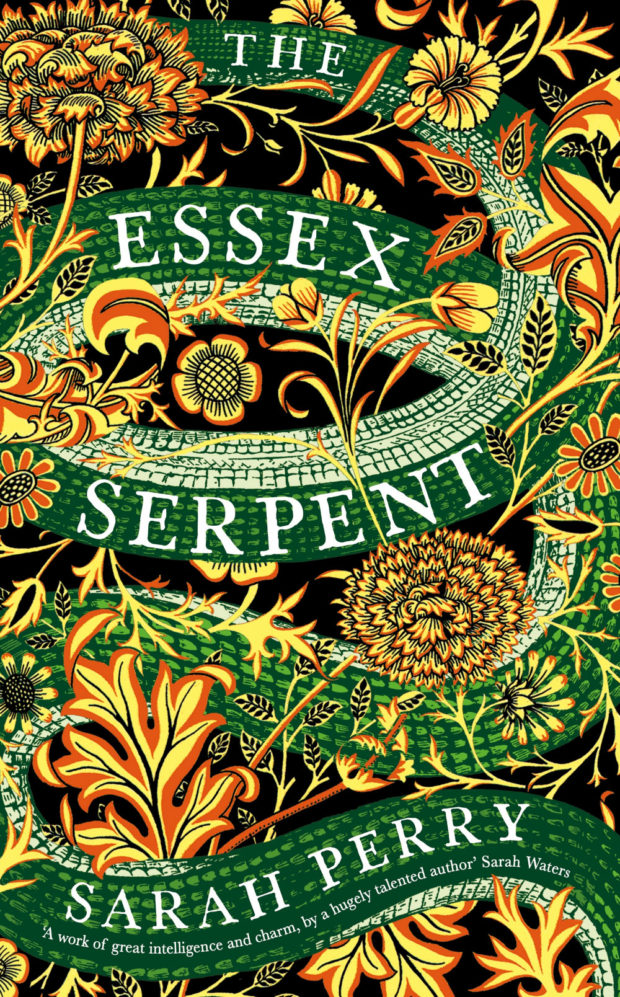
The Essex Serpent by Sarah Perry; design Peter Dyer (Serpent’s Tail / June 2016)
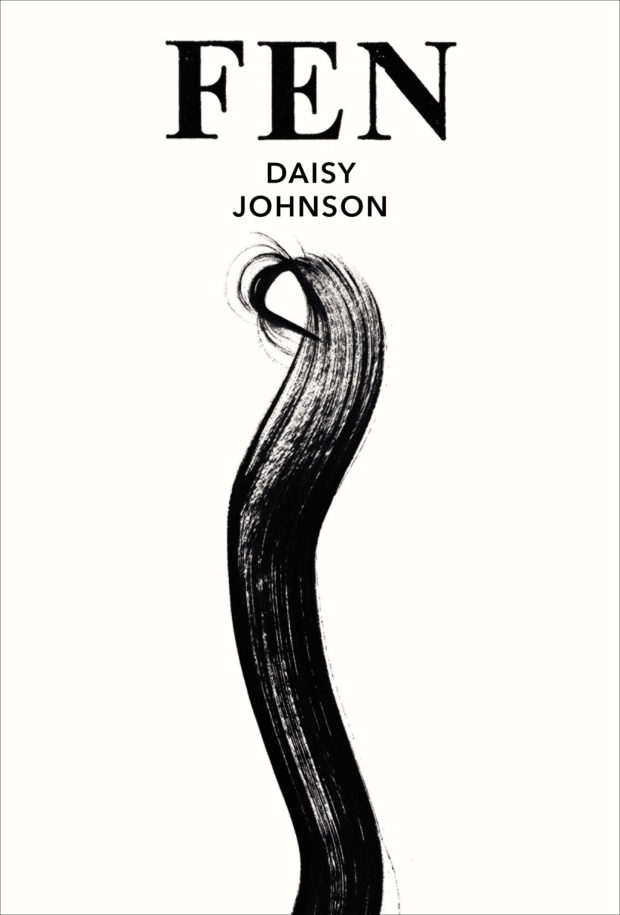
Fen design by Suzanne Dean
Fen by Daisy Johnson; design Suzanne Dean (Vintage / June 2016)
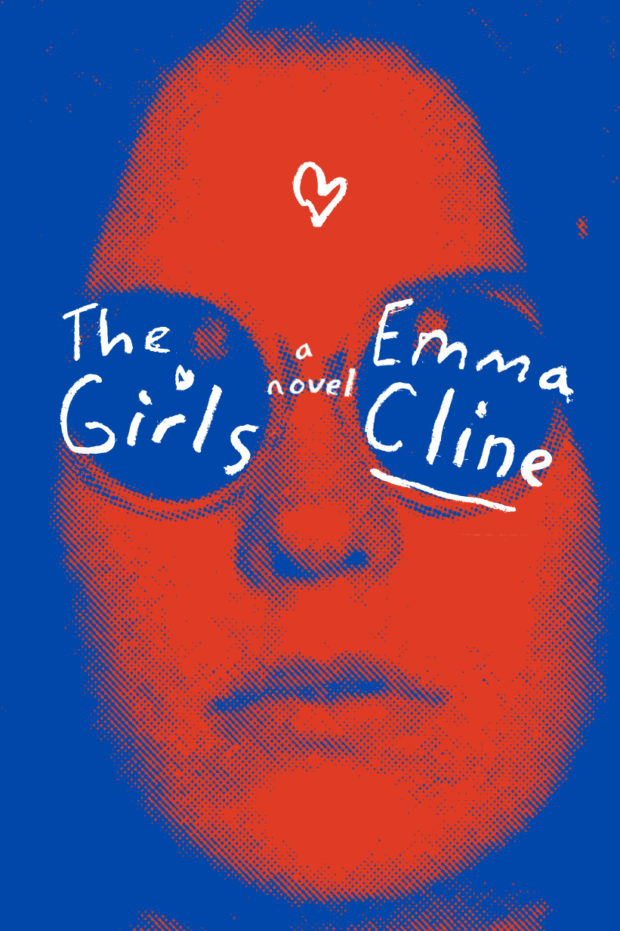

The Girls by Emma Cline; design Peter Mendelsund; lettering by Jenny Pouech (Random House / June 2016)

The cover of the UK edition (Chatto & Windus / June 2016), which makes intriguing use of ITC Avant Garde Gothic,1 was designed by Suzanne Dean:
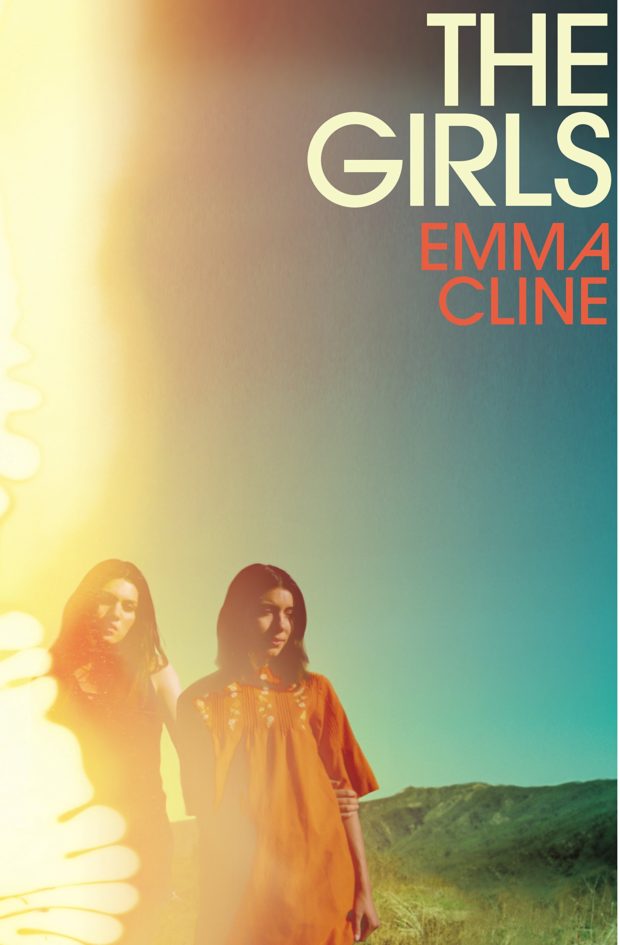
girls UK

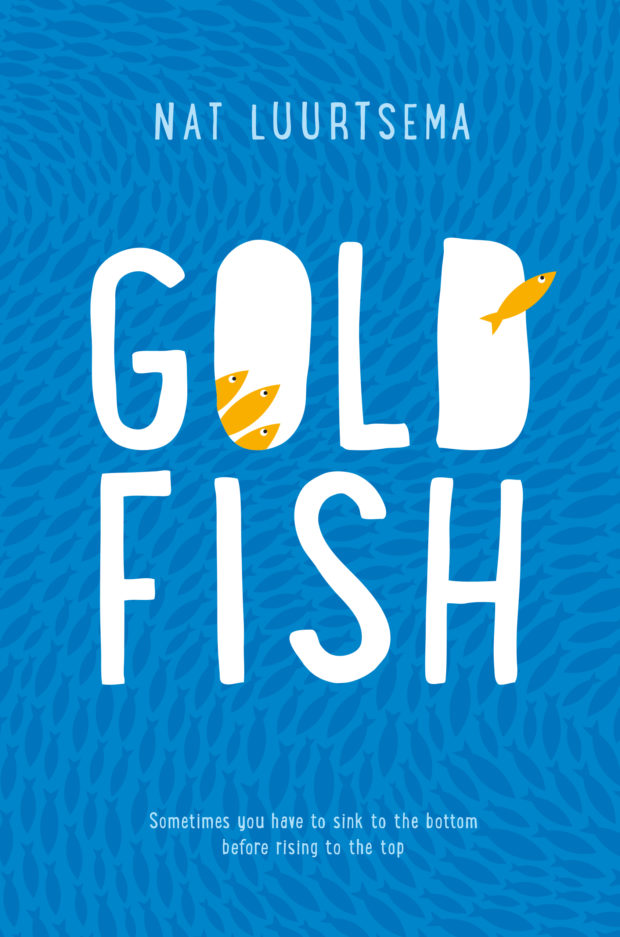
Goldfish_fc
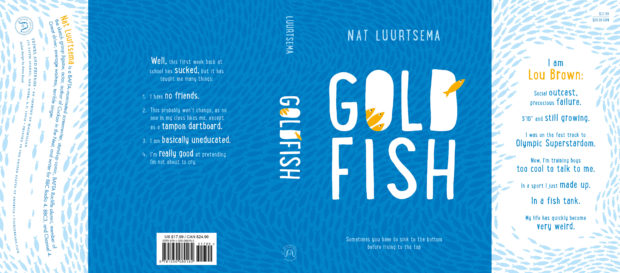
Goldfish JKT_final

Goldfish by Nat Luurtsema; design by Anna Booth (Feiwel & Friends / June 2016)

(This has a fancy spot gloss that makes the school of fish appear to shimmer)
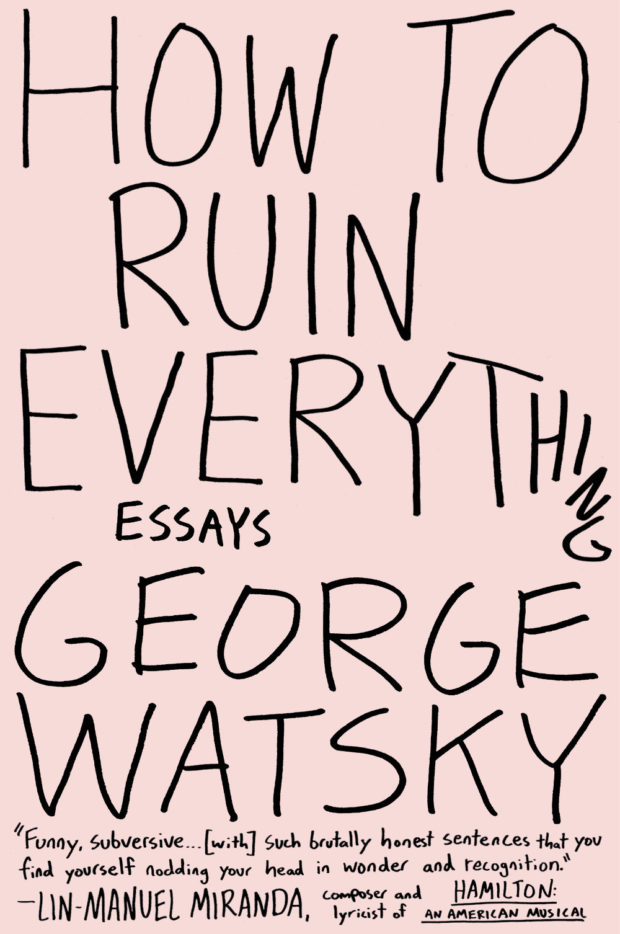
How to Ruin Everything design Ben Denzer
How to Ruin Everything by George Watsky; design by Ben Denzer (Penguin / June 2016)
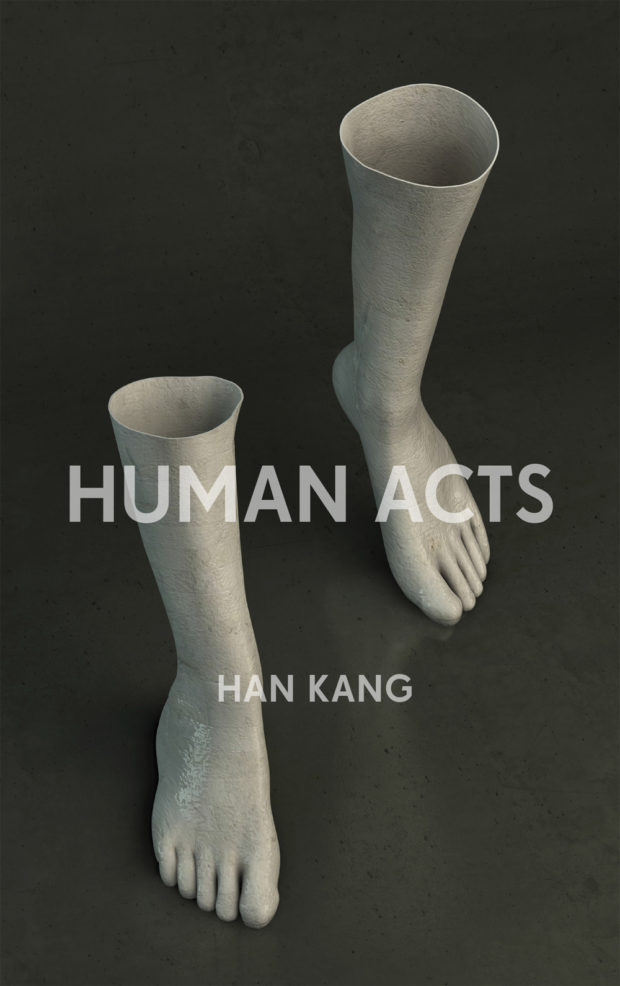
Human Acts design Tom Darracott
Human Acts by Han Kang; design by Tom Darracott (Portobello Books / January 2016)
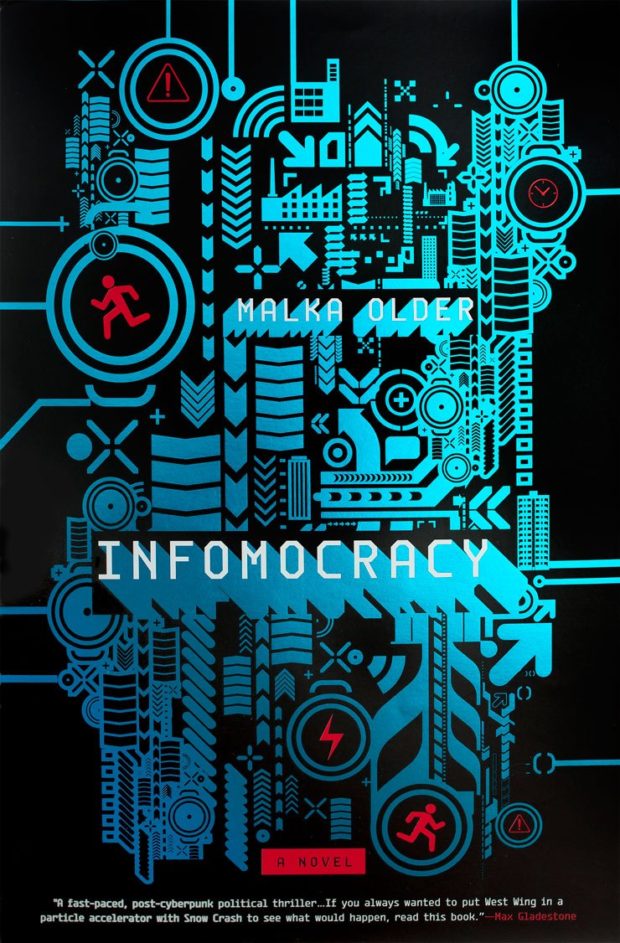
Infomocracy design Will Staehle
Infomocracy by Malka Older; design by Will Staehle (Tor Books / June 2016)
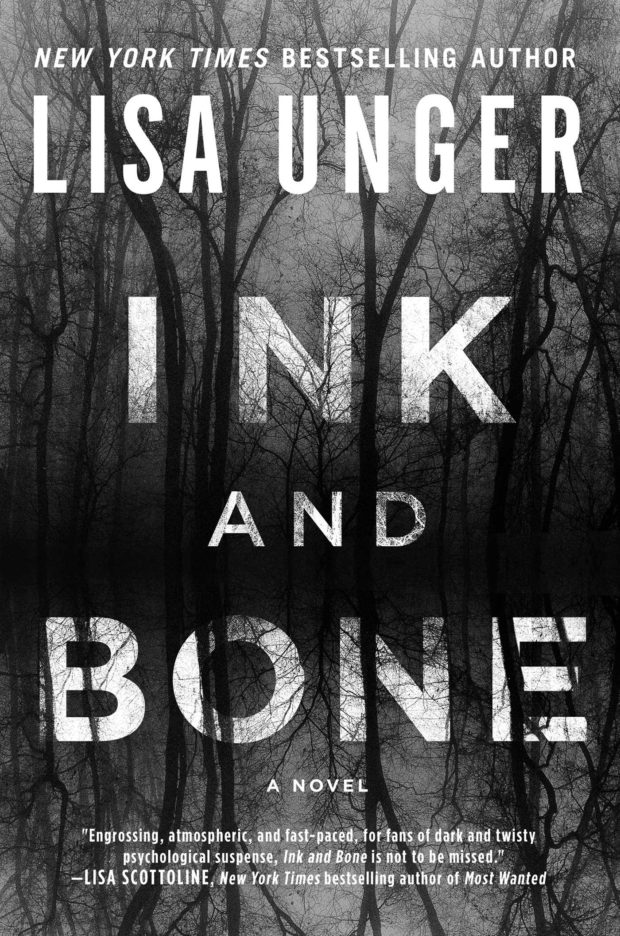
ink and bone design Ervin Serrano
Ink and Bone by Lisa Unger; design by Ervin Serrano (Touchstone / June 2016)
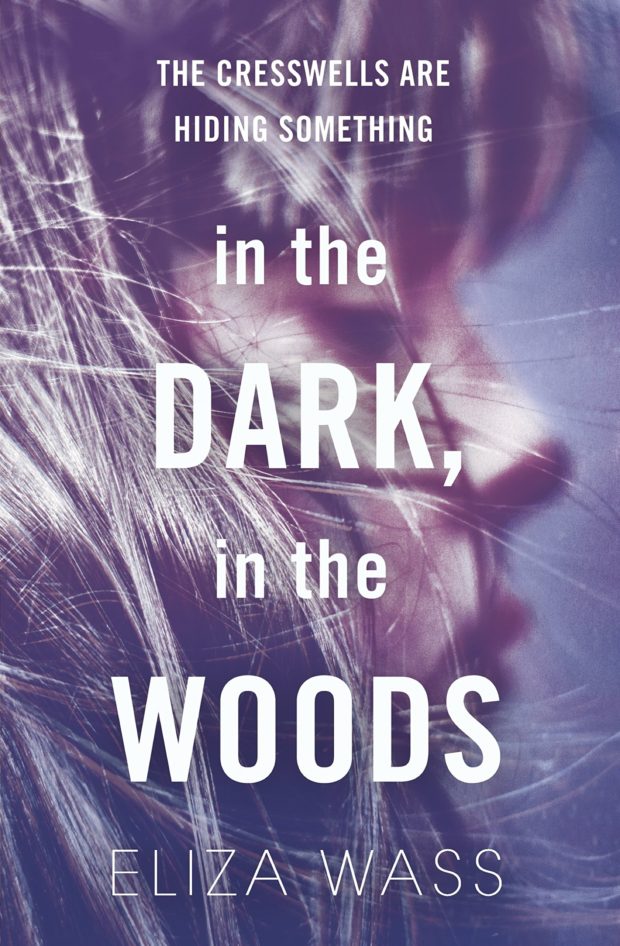
In the Dark in the Woods design Kate Gaughran
In the Dark in the Woods by Eliza Wass; design by Kate Gaughran (Quercus / April 2016)

Is That Kafka design Erik Carter
Is That Kafka? 99 Finds by Reiner Stach; design by Erik Carter (New Directions / April 2016)
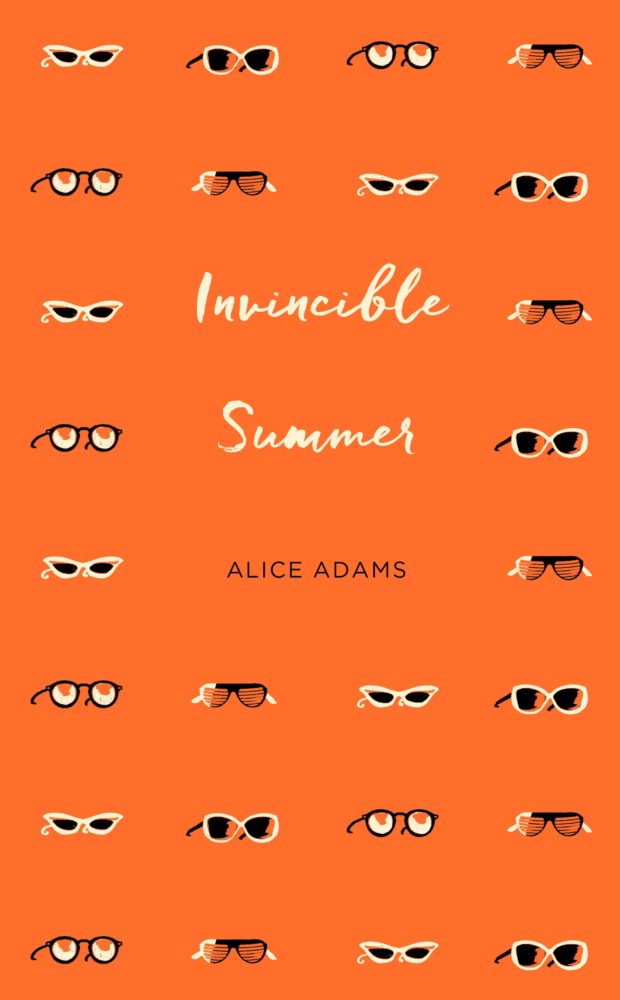
Invincible Summer design Justine Anweiler
Invincible Summer by Alice Adams; design by Justine Anweiler (Picador / June 2016)
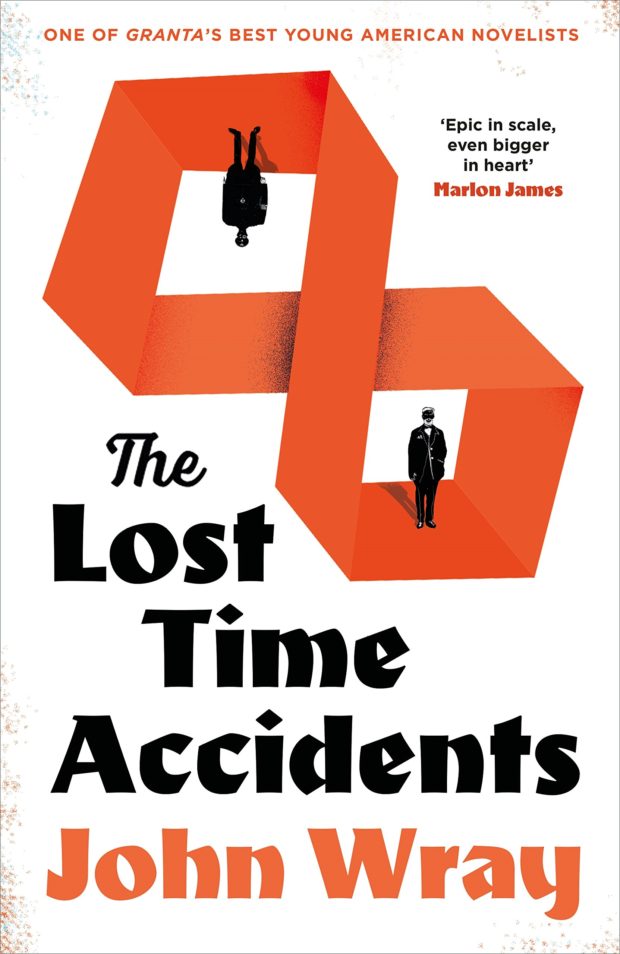
Lost Time Accidents design Pete Adlington
The Lost Time Accidents by John Wray; design by Peter Adlington (Canongate / June 2016)

The cover of the US edition (Farrar, Straus & Giroux / February 2016), designed by Janet Hansen, is another fascinating contrast:
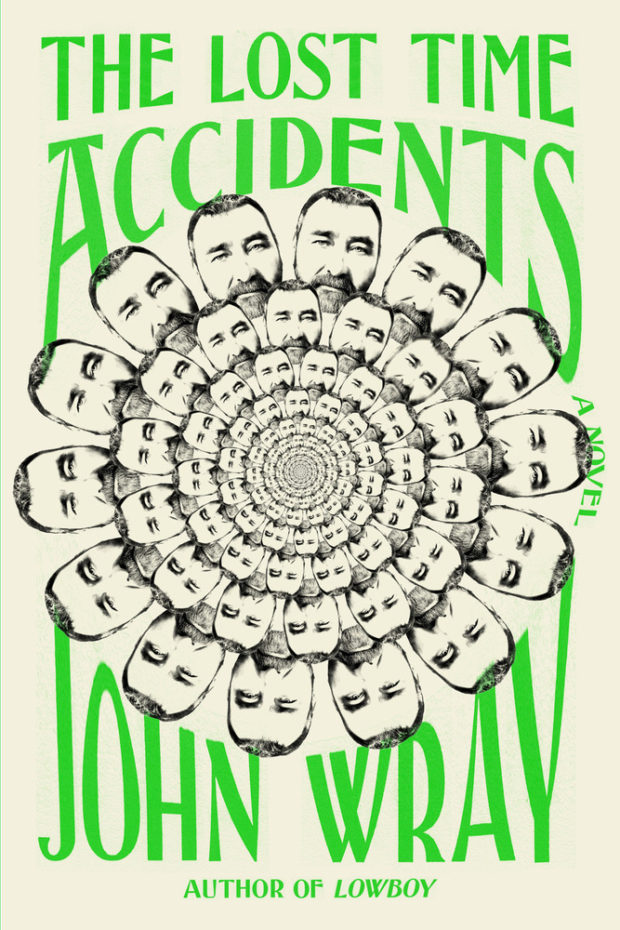
Lost Time Accidents design Janet Hansen

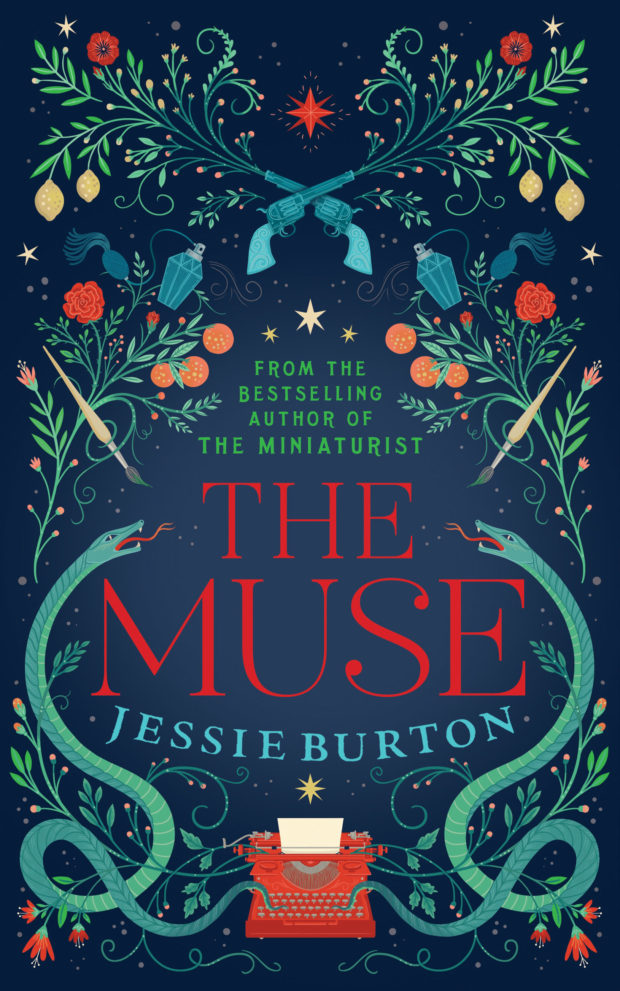
The Muse cover art Lisa Perrin
The Muse by Jessie Burton; design by Ami Smithson, cover art by Lisa Perrin (Picador / June 2016)
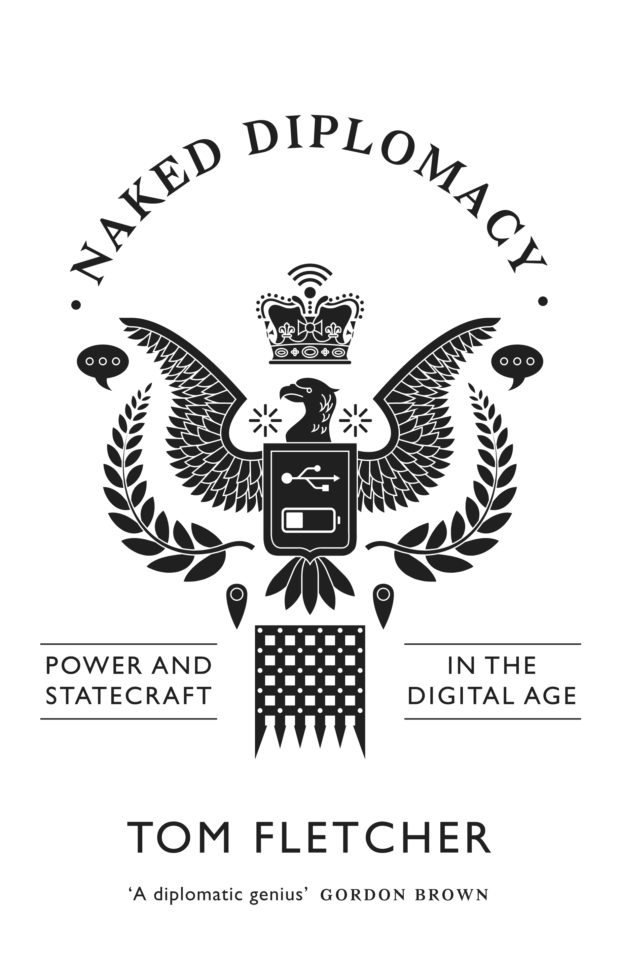
Print
Naked Diplomacy by Tom Fletcher; cover design by Jonathan Pelham (William Collins / June 2016)
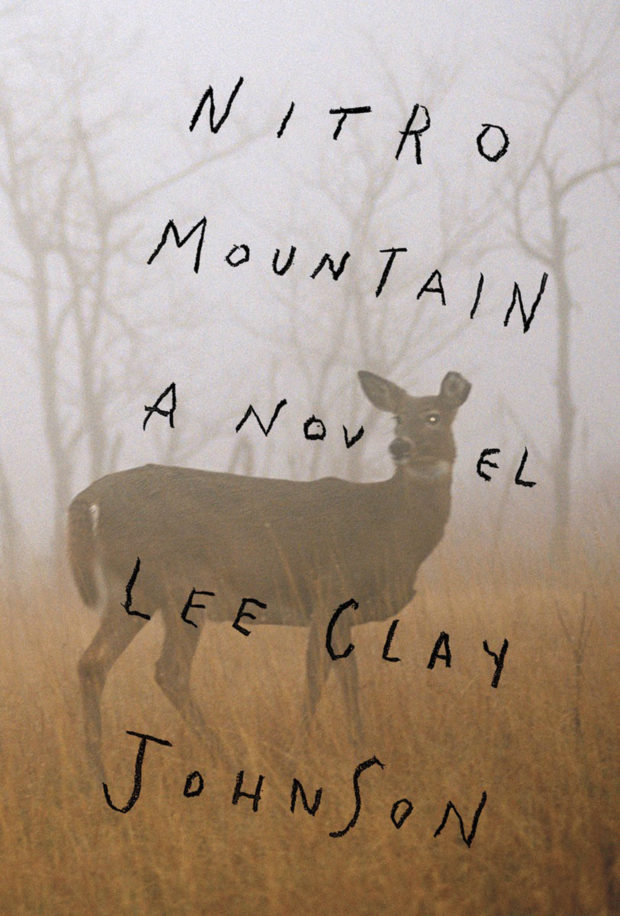
Nitro Mountain design Oliver Munday
Nitro Mountain by Lee Clay Johnson; design by Oliver Munday (Knopf / May 2016)
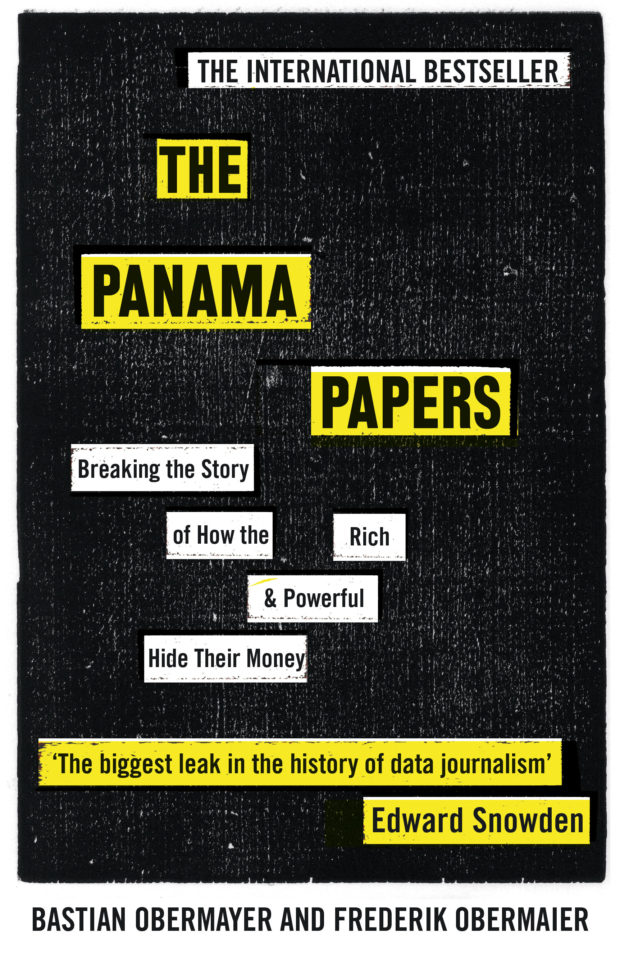
The Panama Papers_9781786070470
The Panama Papers by Bastian Obermayer and Frederik Obermaier; design by James Paul Jones (Oneworld / June 2016)
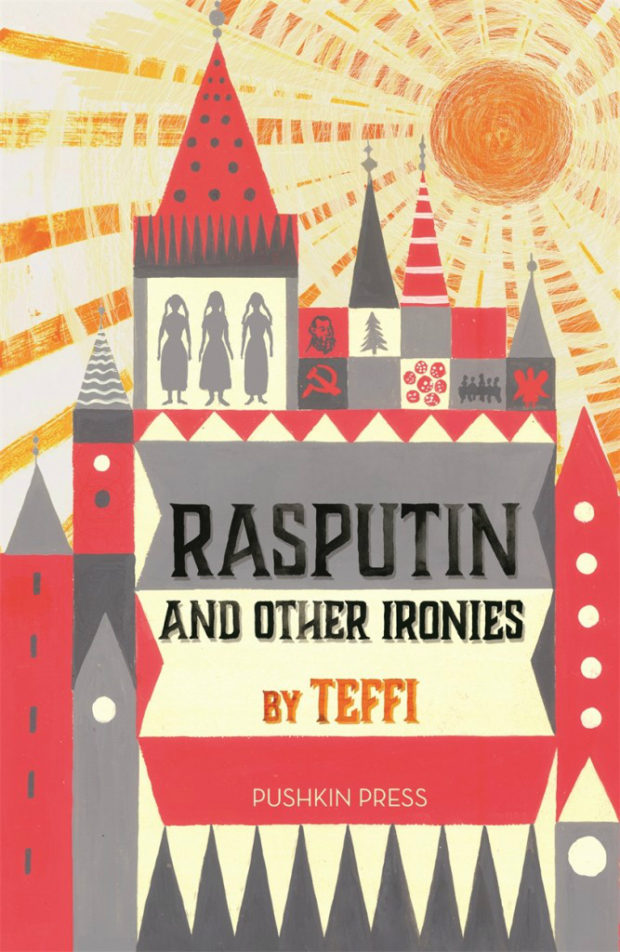
Rasputin design Ed Kluz
Rasputin and Other Ironies by Teffi; design by Eleanor Crow; cover art by Ed Kluz (Pushkin Press / May 2016)
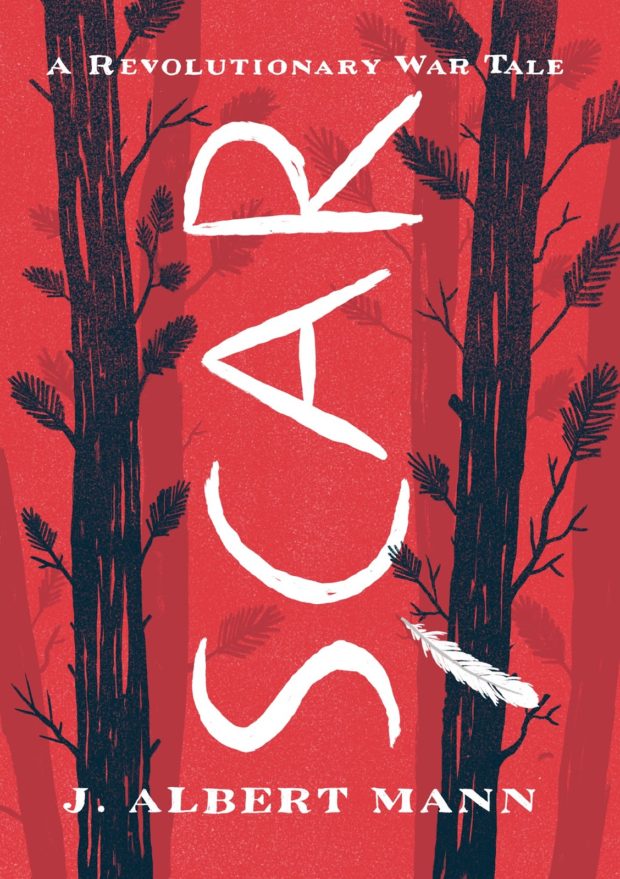
Scar design CS Neal
Scar by J. Albert Mann; design by Christopher Silas Neal (Calkins Creek / April 2016)
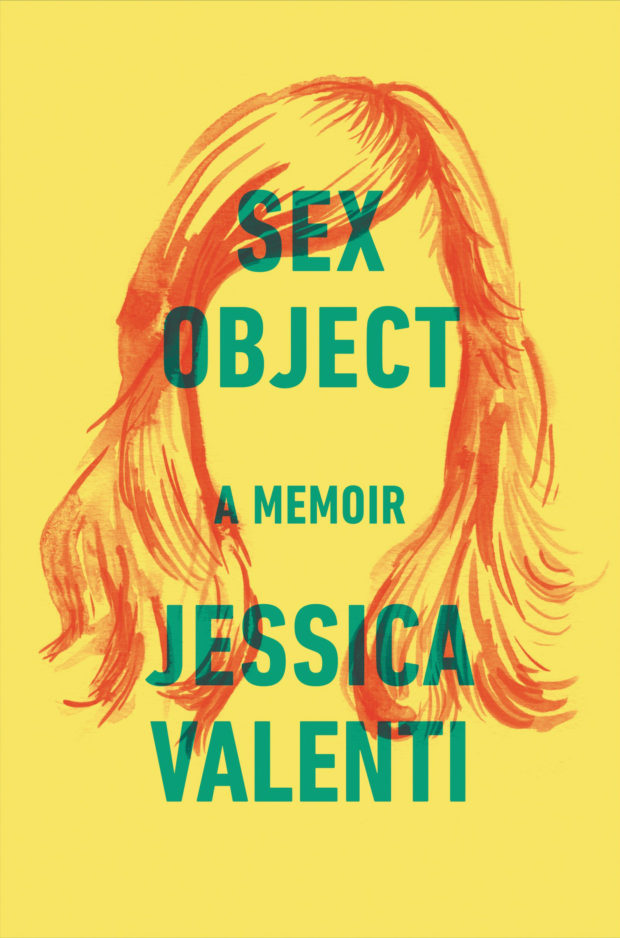
sex object design by Lynn Buckley
Sex Object by Jessica Valenti; design by Lynn Buckley (Dey Street / June 2016)
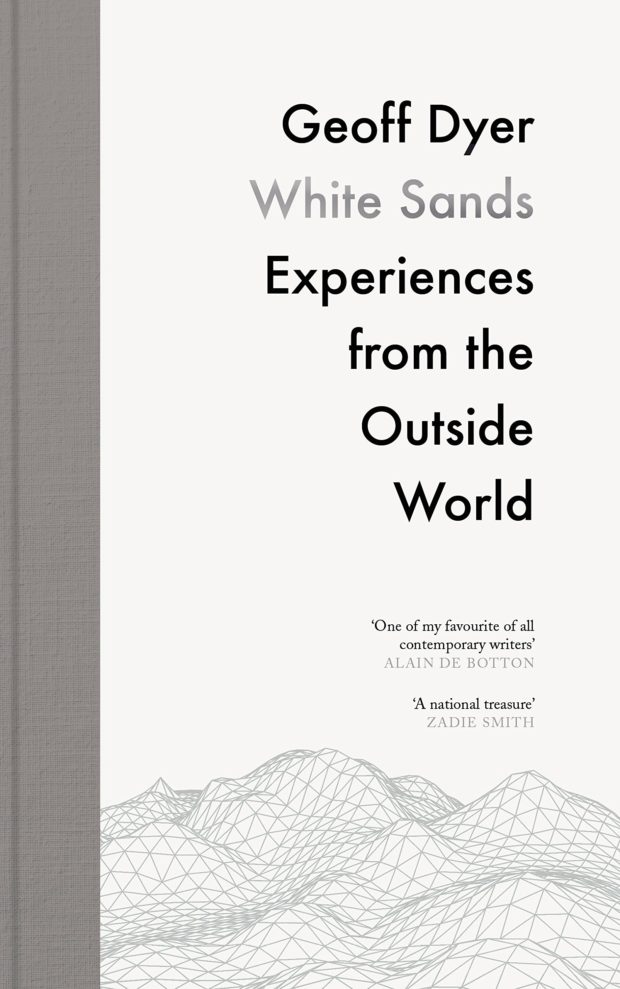
White Sands design Pete Adlington
White Sands by Geoff Dyer; design by Peter Adlington (Canongate / June 2016)


6 Comments

Olivia Laing on the Future of Loneliness

Gail-Albert-Halaban

Olivia Laing whose new book The Lonely City is out in 2016, has a personal essay on loneliness and technology in The Guardian that, like her books To the River and The Trip to Echo Spring, weaves a lot of surprisingly disparate threads together into fascinating meditation on art, literature and place:

At the end of last winter, a gigantic billboard advertising Android, Google’s operating system, appeared over Times Square in New York. In a lower-case sans serif font – corporate code for friendly – it declared: “be together. not the same.” This erratically punctuated mantra sums up the web’s most magical proposition – its existence as a space in which no one need ever suffer the pang of loneliness, in which friendship, sex and love are never more than a click away, and difference is a source of glamour, not of shame.

As with the city itself, the promise of the internet is contact. It seems to offer an antidote to loneliness, trumping even the most utopian urban environment by enabling strangers to develop relationships along shared lines of interest, no matter how shy or isolated they might be in their own physical lives.

But proximity, as city dwellers know, does not necessarily mean intimacy. Access to other people is not by itself enough to dispel the gloom of internal isolation. Loneliness can be most acute in a crowd.

Coincidentally, Laing’s piece is illustrated with photographs from Gail Albert Halaban‘s series Out My Window — one of which was used on the cover of My Salinger Year by Joanna Rackoff, designed by Peter Mendelsund and Oliver Munday.

Comments closed

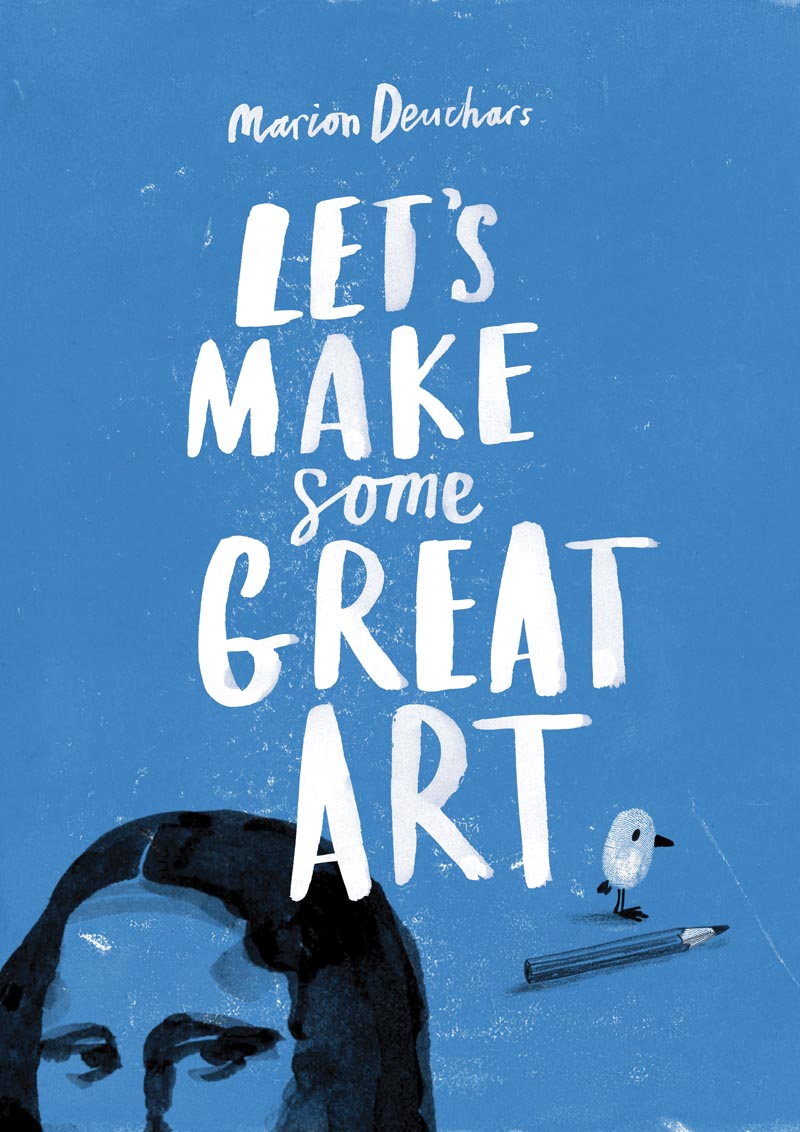
Marion Deuchars, who has created books for Laurence King as well as book covers for the likes of Canongate, Orion and Penguin, talks about working in illustration in this short film by Chris Thomas:

Comments closed

The Helmet of Horror | Angus Hyland

As a follow up to yesterday’s Design Matters post, I just wanted to share Angus Hyland’s extraordinary design for The Helmet of Horror by Victor  Pelevin, published as part Canongate’s Myths series a few years ago:

The illustration is by Sara Fanelli.

2 Comments

Design Matters with Angus Hyland

Pentagram partner Angus Hyland has designed book covers for CanongatePenguin and others. On the latest Design Matters podcast, Hyland discusses childhood brand recognition, Tintin, music, dyslexia, book design and his new book Symbol, co-authored with Steven Bateman, with host Debbie Millman:

DESIGN MATTERS: Angus Hyland

Disclosure: Symbol is published by Laurence King and distributed in Canada by my employer Raincoast Books. 

Comments closed

Incognito

I love this cover for the Canongate edition of Incognito by David Eagleman. It looks like something from the brilliant Fontana Modern Masters series by way of Bridget Riley and Wallpaper* magazine. Stunning.

Can anyone tell me who the designer is?

Thanks

(via This Isn’t Happiness)

Comments closed

Midweek Miscellany

Tom Gauld‘s cover illustration for Death at Intervals by José Saramago, who died last week, aged 87. From The New York Times obituary:

[T]he critic James Wood wrote: “José Saramago was both an avant-gardist and a traditionalist. His long blocks of unbroken prose, lacking conventional markers like paragraph breaks and quotation marks, could look forbidding and modernist; but his frequent habit of handing over the narration in his novels to a kind of ‘village chorus’ and what seem like peasant simplicities allowed Saramago great flexibility.”

On the one hand, Mr. Wood wrote, it allowed the writer to “revel in sheer storytelling,” and on the other to “undermine, ironically, the very ‘truths’ and simplicities his apparently unsophisticated narrators traded in.”

Also: Maya Jaggi on Saramago in The Guardian.

On the Record — Jamie Byng has signed a deal to create a “living archive” of Canongate Book’s records at Dundee University:

For Byng, the attraction of the project is that it will be rooted in the present as much as the past. While Canongate promises to respect the privacy of those with whom it is in contact, the overall dream is to create an archive “that will show the company as a living, organic thing. I hope it won’t just give people insights into one publishing house but publishing in general. Or even how – because I want to give access to all the financial stuff – how an independent business can grow. This business is constantly evolving, never sitting still: every day there’s a huge amount going on not just within Canongate but with all the writers we’re dealing with.”

Alphabet Soup — Author Susan Orlean‘s editorial A to Z  in The New Yorker:

I could go on, about how I left Publishing House X for Publishing House Y because I was still scared of Editor F, and how at Publishing House Y I managed to get three books written there working with Editor G—who assured me that he would never leave, and this was almost true, except for a brief period when he did, in fact, leave, but then he came back—and then the head of Publisher Y got fired, and eventually I left and then Editor F left, and then I was working with Publisher Z, and then the head of Publisher Z left, and then I left Publisher Z to go back to Publisher W, because the person now running it was an old friend from the magazine world, who I knew would never leave, but you might think I was exaggerating. But I’m not.

[Mimes being on the Internet] — James Murphy of LCD Soundsystem interviewed at Pitchfork. This gives me hope (via The Awl):

I just think it takes a couple decades to kind of clear your brain now. So it makes more sense to me that I could find my footing when I was 30 instead of when I was 19. It seems a little more clear. You know, novelists are older now. Things are happening later in people’s lives. They’re kind of living lives and then creating things about the lives they’ve lived. Rather than being an artiste at an early age and coming out with a ball of fire. That energy has been co-opted because you haven’t immunized yourself yet against media. It’s easier to get swept up things then take a couple of years to get over your, like, indie rock hangover.
And finally (because I can)…
http://www.guardian.co.uk/books/booksblog/2010/jun/21/jose-saramago
Comments closed

Gil Scott-Heron Redesigns by Stuart Bache

Born in Chicago, April 1, 1949, poet and musician Gil Scott-Heron is perhaps best known for the politically infused bluesy soul and proto-hip-hop he created with Brian Jackson in the early 1970’s.

Although recently troubled by drug addiction and in and out of prison for drug possession, an apparently resurgent Scott-Heron released his first studio album in 16 years, I’m New Here (XL Recordings), in February, and two of his novels — The Vulture (1970) and The Nigger Factory (1972) — were reissued (for a second time) by Canongate Books with new cover designs by talented UK designer Stuart Bache.

I recently talked to Stuart about Gil Scott-Heron and the redesign…

How did you get into book design?

I fell upon book cover design by shear luck. In late 2005, after a stint of travelling, I decided it was time to think about my career. I found, applied and was surprised (and ecstatic) to be given the job of Junior at Hodder & Stoughton and moved to London.

When did you discover the work of Gil Scott-Heron?

I first discovered Gil Scott-Heron way back in school. We had been reading and discussing To Kill a Mocking Bird in English Class and I remember taking a real interest in the subject, which my teacher at the time picked up on and loaned me both The Vulture and The Nigger Factory.

How did you come to design the covers of his books?

It was a great pleasure to be asked to design the covers for the reissues. I had already been doing some work for Canongate and so when the Art Director asked if I had time to come up with ideas for the reissues I jumped at the chance. It was a fairly short deadline, but I believe those to be the best kind, great for creativity (and a few extra grey hairs).

Could you describe your design process for the covers?

The brief asked for them to be fresh, streetwise, graphic and contemporary. I designed a few covers for each title, with different images and branding styles, which were then passed on to Canongate for their prefered direction.

The final The Vulture cover centred around John Lee (the young lad who is murdered) and the title cried out to be used in some sort of graphic function. The Nigger Factory relied heavily on an image that both showed and did justice to that moment in US history. It also needed a graphic so I added the stripes to represent the flag, but the use of red paint strokes shows the heat and anger involved too.

What is the typeface?

The typeface I used is Futura, probably light. I have a thing about Futura, Century Gothic and the like. It’s the perfect circles of the ‘O’ and ‘C’.

Are they a departure from your usual design work?

These covers stand out for me, especially compared to my usual style. I take a lot of pride in my work but I’m never usually proud of it — I always see something I could have done better. But the Gil Scott-Heron’s showed I could do something completely different…and in a short timescale too.

What are you working on currently?

At the moment I’m working on another title for Canongate called Super Cooperators and Aline Templeton’s new thriller Cradle to Grave for Hodder & Stoughton. This time of year tends to be quiet, too quiet really, but these are nice titles to be getting along with. Cradle to Grave gives me the opportunity to play with my homemade textures and brushes in Photoshop, and Super Cooperators is, once again, going to be something very different from the rest of portfolio.

Where do look for inspiration and who are some of your design heroes?

Ever since I’ve been freelance I have had a renewed enthusiasm for design, I notice everything and I’m hardly out of bookshops — I see books all the time that I think ‘I wish I’d designed that’. It really keeps you on your toes and gives you the incentive and the push to do better.

I owe a lot to Hodder & Stoughton, their Art Department has some of the best designers in the industry and I learned an awful lot during my time there — and if they had never given me the chance I wouldn’t be writing this now.

Thanks Stuart!

Comments closed

Midweek Miscellany

A true miscellany here: letterpress to Gil Scott-Heron with a lot of meat sandwiched in between… This is quite possibly why I blog…

Ditoria — An amazing video about showing the letterpress printing process by Roberto Bolado.

The Cost of Creating — Harvard Law Professor Lawrence Lessig, author of Free Culture (and others), discussing the Google Book Settlement on NPR’s On The Media last month (via INDEX//mb):

[W]e need to once again think about what the balance should be between free access to culture and metered access to culture, because both extremes are mistakes, either the extreme that says everything is free because then lots of people won’t create because they can’t cover their cost of creating, or the regime that says everything needs to be licensed, because in that world there’s a whole range of creativity… that can’t begin to happen because the cost of negotiating and clearing those rights is just so extreme.

Stopping Saying “Innovation”Scott Berkun, author of The Myths of Innovation, in The Economist (via Frank Chimero):

Worry more about being good because you probably aren’t. If your organization struggles to make half-decent products, has the morale of a prison, and nothing ever changes much less improves, why are you obsessing about innovation? You need to learn the basics of how to make something good, that solves real problems, works reliably, is affordable, and is built by a happy, passionate well rewarded staff that believes good ideas have a chance. If you can make the changes necessary for these basic but all too rare attributes to be true, then innovation, in all its forms, will be much easier to achieve, and it might just happen all on its own.

New Type York — A (beautifully designed) photoblog by graphic designer James Patrick Gibson recording the typographic artifacts of New York City.

And thinking of New York… The NY Times is planning to spin off its Book Review as a separate e-reader product.

The Vulture Gil Scott-Heron

A Wry Return — Sean O’Hagan profiles musician Gil Scott-Heron in The Observer, revealing an somewhat unexpected connection to Jamie Byng, director of Canongate Books. I say “somewhat” unexpected because having lived in Edinburgh just before Byng wrapped up his funk and soul club Chocolate City, it seems entirely reasonable to me now I stop and think about it:

The story of how Gil Scott-Heron’s new album came to be made is a long and convoluted one. It is, among other things, a testament to the abiding power of great music outside the mainstream to spread like a virus across cultures, across decades. It begins back in 1987 in a rented house in Edinburgh when a young student is mesmerised by his friend’s collection of soul and funk music from the halcyon days of the early 70s… “I was just taken aback by the voice, the words, the poetry,” remembers Jamie Byng who, 22 years on, is the director of Canongate Books and still a fervent soul fan… “Discovering those songs was an epiphanic moment for me…” So taken was Byng by those songs that, having bought and rebranded Canongate, he tracked down his hero and, in 1996, republished his two long-out-of-print novels, The Vulture and The Nigger Factory.

And here’s Gil Scott-Heron’s painfully appropriate cover version of Robert Johnson’s Me and the Devil:

Gil Scott-Heron’s books The Vulture and The Nigger Factory were recently reissued by Canongate.

3 Comments