Skip to content

Tag: Canada

New Stamps Celebrate Canadian Graphic Novelists

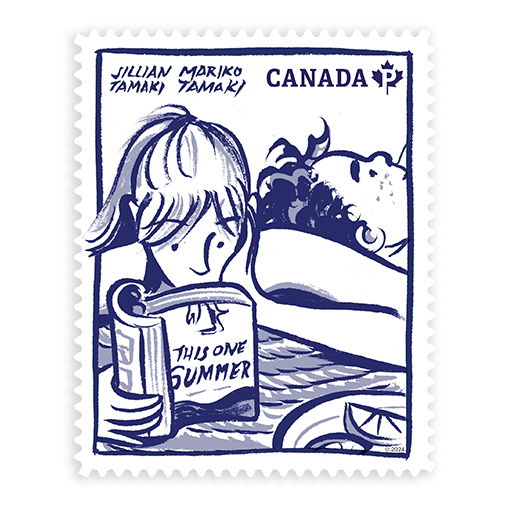
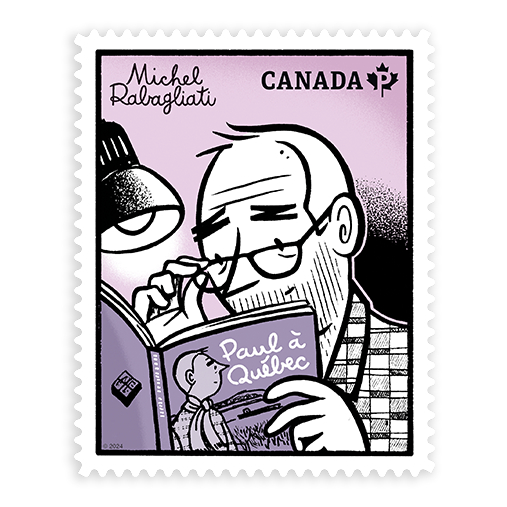
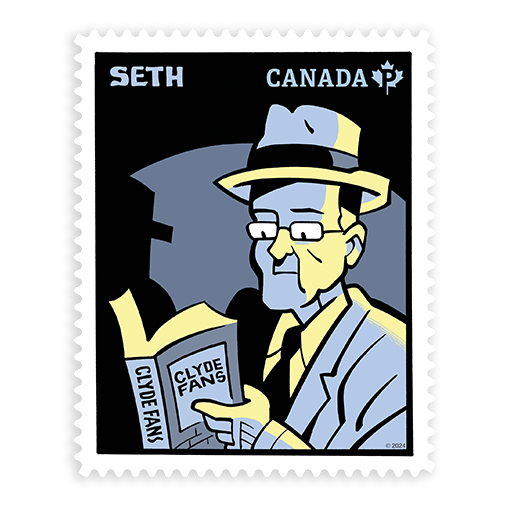
Canada Post is celebrating Canadian graphic novels with a set of stamps created by Chester Brown, Michel Rabagliati, Seth, and Jillian Tamaki and Mariko Tamaki.

While Canada Post has previously issued stamps featuring superheroes, it hasn’t specifically showcased the work of contemporary Canadian cartoonists before. These new stamps feature original drawings by each of the artists depicting their best known characters reading the books they’re in.

As a side note, I don’t know how well known Michel Rabagliati is outside of Canada (I’m actually not sure how well known he is in Anglo-Canada either come to that!), but his gentle semi-autobiographical graphic novels are all lovely. They’re beautiful drawn. Paul Moves Out, the first one I read, is a charming look at studying illustration and graphic design in Montreal the 1970s. It was published in English by Drawn & Quarterly back in the day, but it looks like it might be out of print, which would be a shame. Anyway, worth trying to find a copy if you can.

Comments closed

Design Canada

Design Canada, is a new documentary celebrating the ‘golden era’ of Canadian graphic design: 

The film is screening in Canada in the summer 2018, and releasing digitally in the fall. 

(via Coudal)

Comments closed

One Book, Two Titles

Writing for the Globe and Mail, Claire Cameron, author of The Last Neanderthal, takes a look why at Elisabeth de Mariaffi’s new novel is being packaged differently in Britain and Canada

A novel is like a question – what happens when…? [UK publisher] Titan Books is focusing on what happen when a child goes missing. “There is nothing more terrifying than the loss of a child!” publisher Miranda Jewess says. Meanwhile, HarperCollins Canada publisher Iris Tupholme says, “Our focus in positioning the book is less on the missing child, though that is a key part of the story, and more on the tension and mystery for [the mother] Heike.”

The book was originally titled ‘I Remember You’ when it was sold to the publishers. But when de Mariaffi brought forward ‘Hysteria’ as an alternative, Tupholme loved it because it “suggests the book’s complexity … the story’s focus on women.” Jewess also considered the new title, but thought ‘Hysteria’ “sounded like a more gritty action thriller.”

Both covers do tap into deep-seated fear. But the different focus of those fears may speak more to a transatlantic literary divide, says Kate Pullinger, a Canadian novelist in Britain and professor of creative writing and digital media at Bath Spa University. She sees the two covers as responding to each market for fiction.

“In Canada, the popular writer can remain literary,” but in Britain, though there are exceptions, Pullinger says “literary fiction is increasingly devalued and invisible in the marketplace.” In her view, the British cover is trying to connect to the commercial market; it ties into the tabloid newspaper culture that screams for attention. “Scary Sad Crime Happened Here!”

I seem to spend a lot of time in my professional life trying to explain why titles and covers for Canada (and the US) sometimes need to be different from their counterparts in the UK. I even put together some examples for recent trip to London. So I don’t know that this is a ‘rare’ as Cameron supposes. But, in any case, enough people have expressed interest in this that I am trying to expand that original deck into a more coherent presentation for a few other clients. If I ever get it finished I will share a version of it here. 

Comments closed

ABDA Awards Interview

I talked to the Australian Book Design Association about book cover design and judging this year’s ABDA Awards:

I think we’re seeing a more global approach to covers as a result of publishers deciding to hold on to the international rights for their books, and designers and publishers (not to mention authors and readers!) being more exposed to covers from other markets through the internet and international travel. But it is still surprising how different covers from different countries can be. The contrast between British and American covers can still be quite striking.

In Canada, where I live, we are geographically very close to the US, and we get books from both the US and the UK, so domestic covers tend to be a bit of a hybrid, with a handful of designers and publishers trying to do something unique. I get the sense that the situation in Australia is similar, although there may be more willingness to experiment with covers than in Canadian publishing, which can be quite conservative when it comes to book design.

Comments closed

The Prophet of Dystopia

art direction by Christopher Moisan; illustration by Patrik Svensson

I am terribly late to this, but Rachel Mead, author of My Life in Middlemarch, profiled Margaret Atwood for The New Yorker earlier this month. Atwood’s dystopian novel The Handmaid’s Tale has just been released as a TV series starring Elizabeth Moss:  

Despite the novel’s current air of timeliness, the contours of the dystopian future that Atwood imagined in the eighties do not map closely onto the present moment—although recent news images of asylum seekers fleeing across the U.S. border into Canada have a chilling resonance with the opening moments of the television series, which shows Moss, not yet enlisted as a Handmaid, attempting to escape from the U.S. to its northern neighbor, where democracy prevails. Still, the U.S. in 2017 does not show immediate signs of becoming Gilead, Atwood’s imagined theocratic American republic. President Trump is not an adherent of traditional family values; he is a serial divorcer. He is not known to be a man of religious faith; his Sundays are spent on the golf course.

What does feel familiar in “The Handmaid’s Tale” is the blunt misogyny of the society that Atwood portrays, and which Trump’s vocal repudiation of “political correctness” has loosed into common parlance today. Trump’s vilification of Hillary Clinton, Atwood believes, is more explicable when seen through the lens of the Puritan witch-hunts. “You can find Web sites that say Hillary was actually a Satanist with demonic powers,” she said. “It is so seventeenth-century that you can hardly believe it. It’s right out of the subconscious—just lying there, waiting to be applied to people.” The legacy of witch-hunting, and the sense of shame that it engendered, Atwood suggests, is an enduring American blight. “Only one of the judges ever apologized for the witch trials, and only one of the accusers ever apologized,” she said. Whenever tyranny is exercised, Atwood warns, it is wise to ask, “Cui bono?” Who profits by it? Even when those who survived the accusations levelled against them were later exonerated, only meagre reparations were made. “One of the keys to America is that your neighbor may be a Communist, a serial killer, or in league with satanic forces,” Atwood said. “You really don’t trust your fellow-citizens very much.”


Comments closed

Design Canada Documentary

Greg Durrell of Canadian design firm Hulse&Durrell, and Jessica Edwards and Gary Hustwit of Film First are putting together a documentary about Canadian graphic design:

The project is currently on Kickstarter. There are a couple of weeks to go and they are still a few thousand dollars shy of their goal. Please help out if you can. 

Comments closed

Darwyn Cooke 1962 — 2016

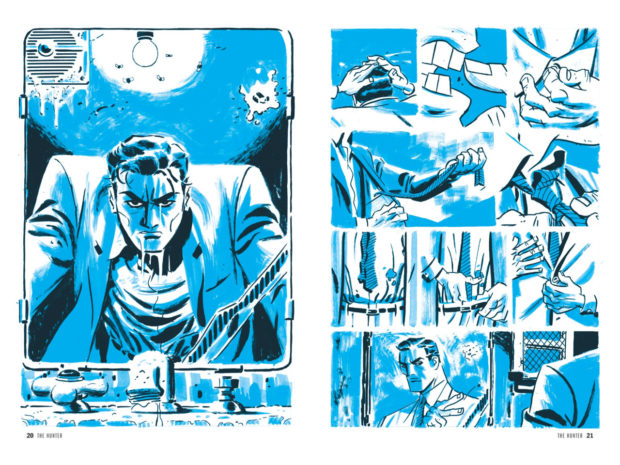
parker darwyn cooke
parker darwyn cooke 2

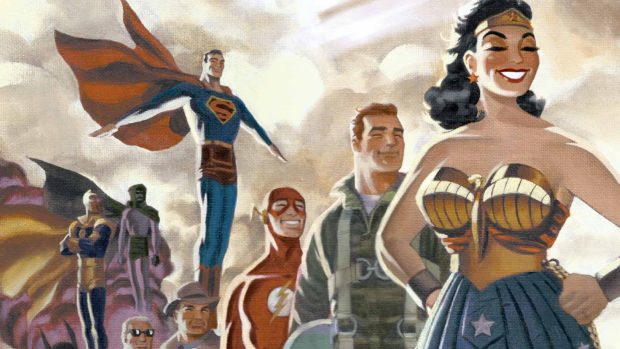
I was sadden to hear that Canadian cartoonist Darwyn Cooke had died earlier this month from lung cancer, age 53. I never had the opportunity to meet Cooke in person, but I liked his adaptations of Donald Westlake’s Parker novels very much, and thought that The New Frontier, his elegant tribute to Silver Age comics, could reinvigorate a superhero genre mired in cynicism. His work — reminiscent of Will Eisner, whose The Spirit he also drew — was full of charm and joy. Cooke’s friend Nathalie Atkinson wrote his obituary for the Globe & Mail:

Although he was a proud Canadian, it was John F. Kennedy’s Camelot – with its Cold War tensions, social upheaval and cool aesthetics – that held an enduring fascination for him. His masterwork ‘DC: The New Frontier’ (2004) sets the origins of the Justice League and the characters of the DC Silver Age into a powerful narrative set in the America of that era. The six-issue comic book series, named for the JFK’s 1960 Democratic nomination acceptance speech, would win Mr. Cooke the first of his 13 Eisner Awards, the industry’s most prestigious accolade, and he won many of its others – Reubens, Harveys and several Shusters, the Canadian comics awards named for the Canadian co-creator of Superman… His dynamic illustration, panel design and thoughtful approach to writing transcended mere nostalgia, whether he was telling hard-boiled stories of anti-heroes or exploring heroism through superheroes. Although whenever it was suggested to Mr. Cooke that he was an auteur he’d reply, “I’m more like John McTiernan,” the director of Die Hard, one of his favourite movies. “That’s the kind of creator he thought he was,” his friend Michael Cho says. “An entertainer.”

new frontier darwyn cooke

Comments closed

Jacket Everyday

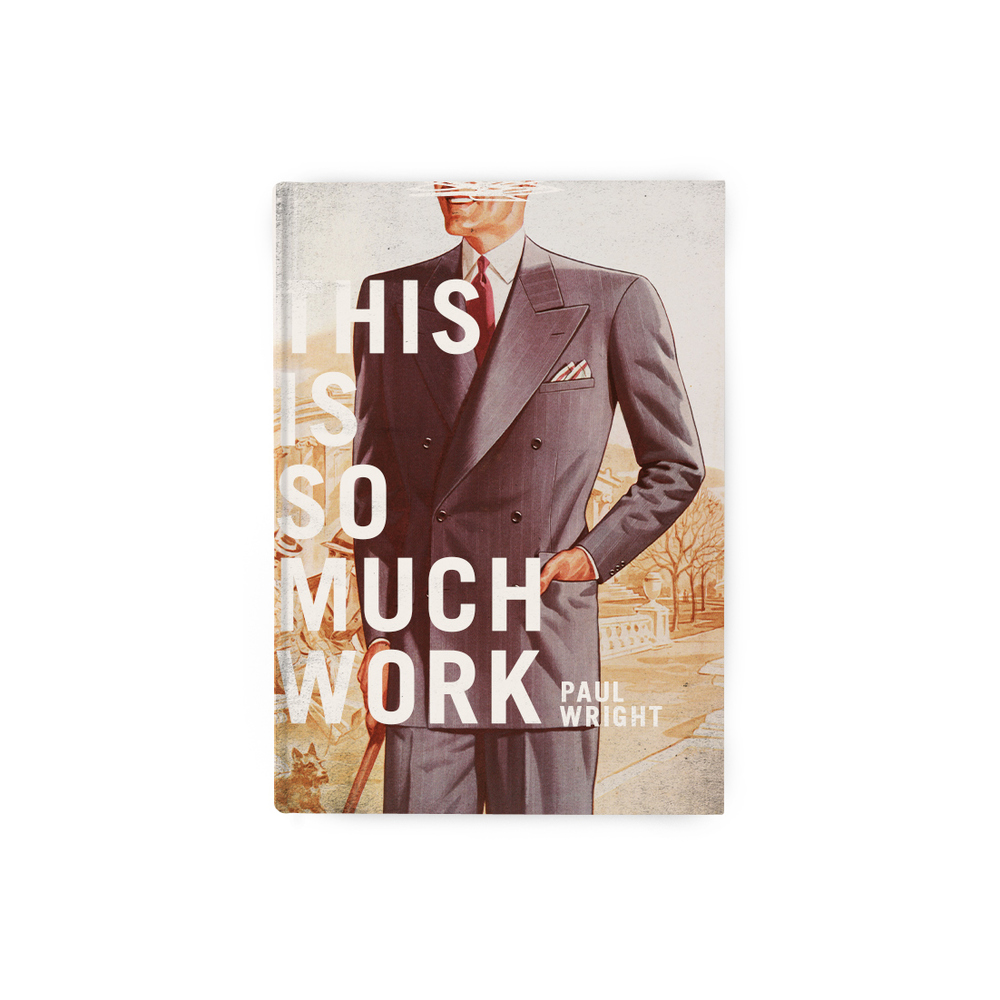
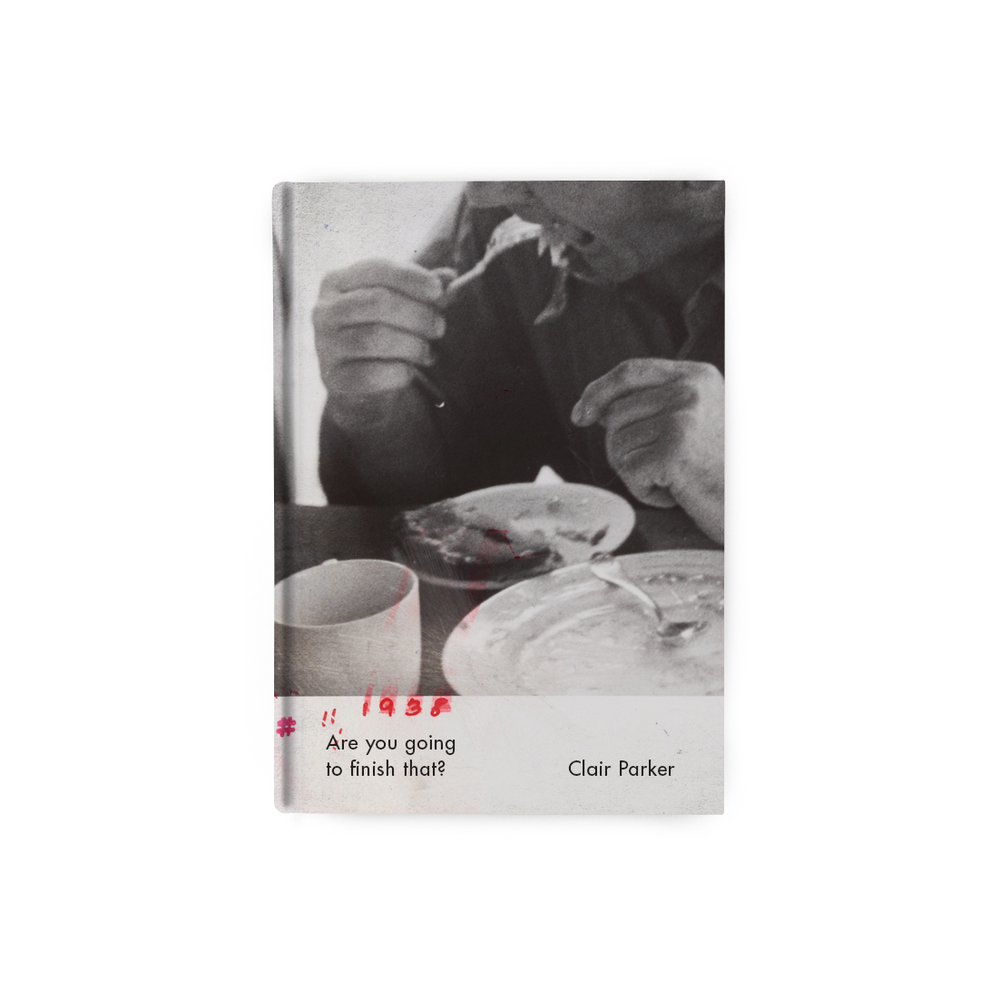
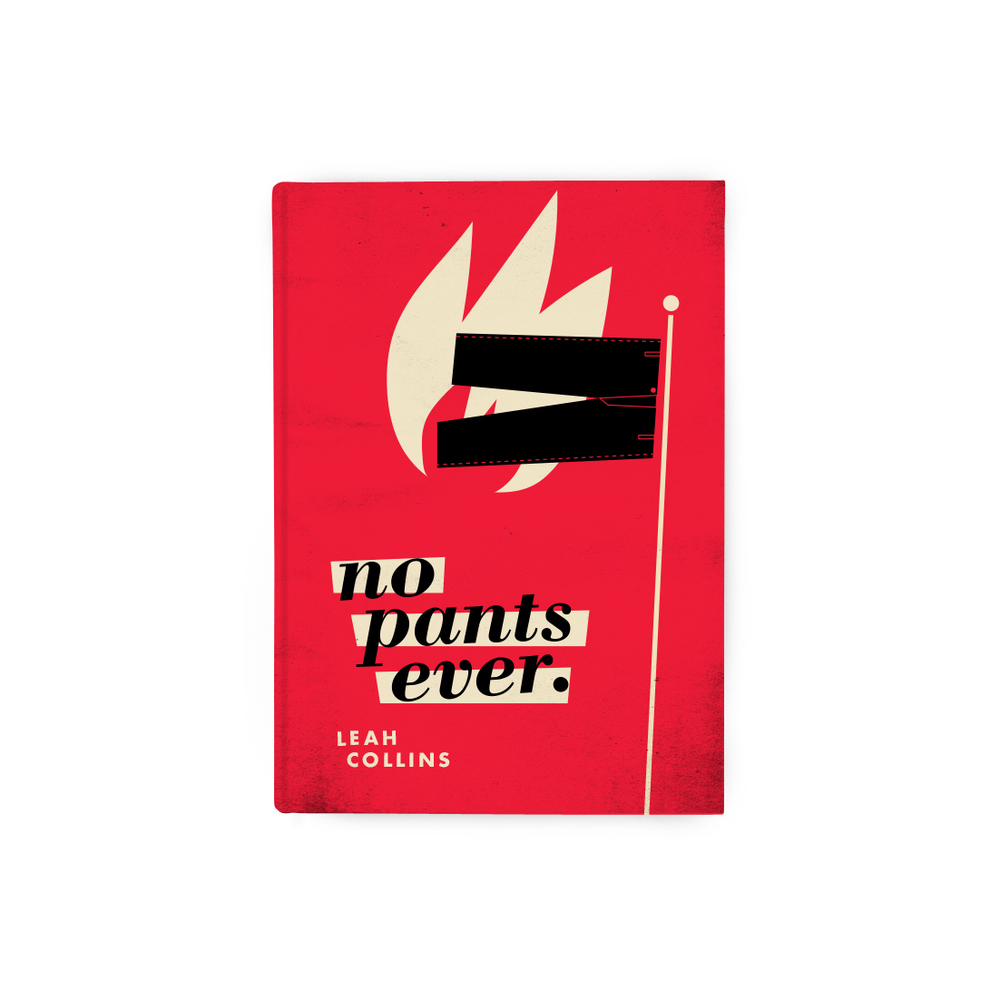
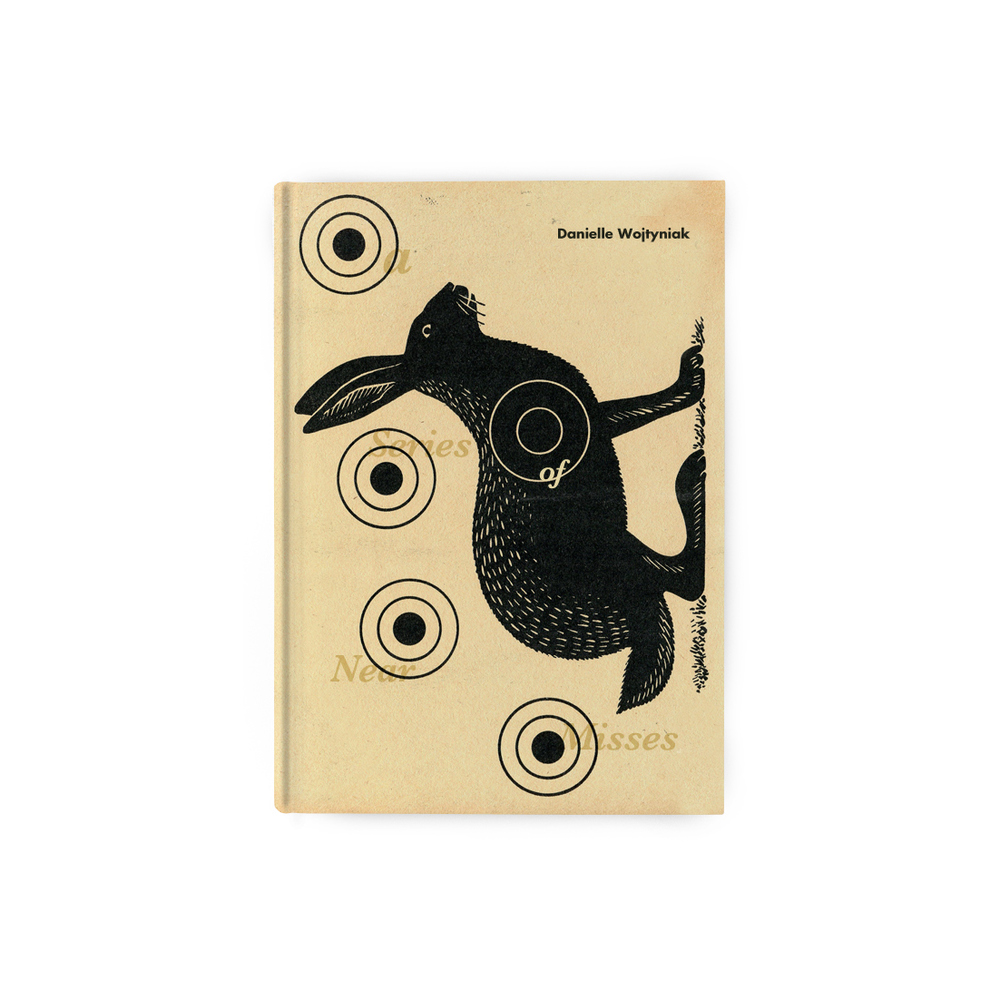
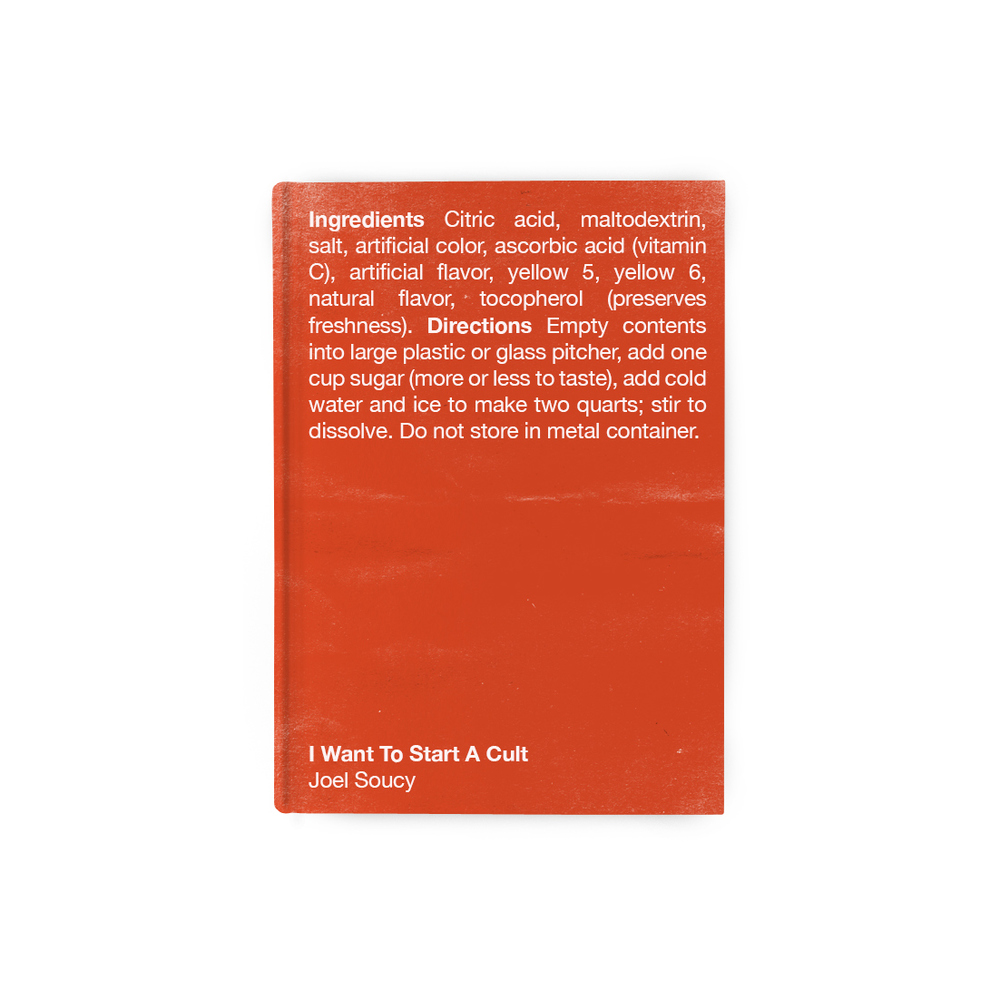
Last month, Canadian designer Steve St. Pierre started asking people what the title of their life story would be and creating book jackets for the replies. The results are both brilliant and weird.

Leah Collins recently talked to Steve about his project for CBC Arts:

“I love book cover design,” St. Pierre says, and the thing that makes it special, he says, is that a successful cover is “kind of like a blind date.”

“You’re trying to essentially put charm into a book cover,” he says. But unlike drinks with some random from Tinder, the relationship you have with a novel is likely going to be longer. Probably way more meaningful, too.

“It’s that negotiation, trying to be charming and trying to get someone to just think twice about what’s in front of them,” says St. Pierre. “That, to me, is my favourite part of designing these things.”

For the record, Steve just asked me to contribute a title. I’m thinking about it.

Comments closed

Where Pilgrims Arrive in Bewilderment

let us compare

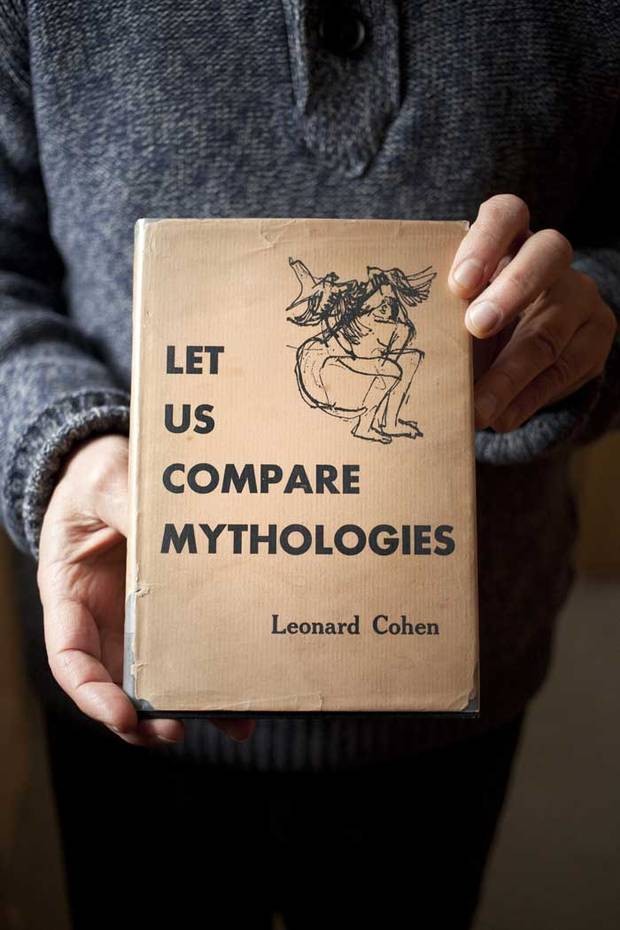
In a long profile for the Globe and Mail, book review editor Mark Medley visits Nicky Drumbolis owner of the singular Letters Bookshop in Thunder Bay:

Walking through the store is an overwhelming experience. Everywhere I look I spot something I’ve never seen before and will probably never see again. I could have picked a single shelf of a single bookcase and spent my entire visit studying its contents. Not that Mr. Drumbolis would have let me do that. As we amble up and down the aisles, he is constantly narrating, constantly picking out items at random and telling their story – how he acquired it, or who published it, or whatever happened to its author – which often leads into another, entirely different story, and another book, and so on, until I can’t remember which book started the conversation in the first place.

He throws around words like “shit kicker” or “heavyweight” to describe books he particularly loves, his voice growing progressively louder and more animated, the longer he talks. He pulls out a first edition of Leonard Cohen’s 1956 debut Let Us Compare Mythologies, part of what is probably the most extensive sampling in existence of Montreal’s legendary Contact Press, which helped to launch Margaret Atwood, Irving Layton, Raymond Souster and others. Now here’s his Franz Kafka collection, and over here Ezra Pound, and Charles Bukowski, and a few remaining titles from his collection of William S. Burroughs, most of which he sold years ago to David Cronenberg around the time the director was adapting the Burroughs novel, Naked Lunch.

“Henry James,” he says, tapping a shelf filled with first editions of the American master. “The guy I wanted to read cover to cover before I died. I don’t think I’ll get to it now.”

Comments closed

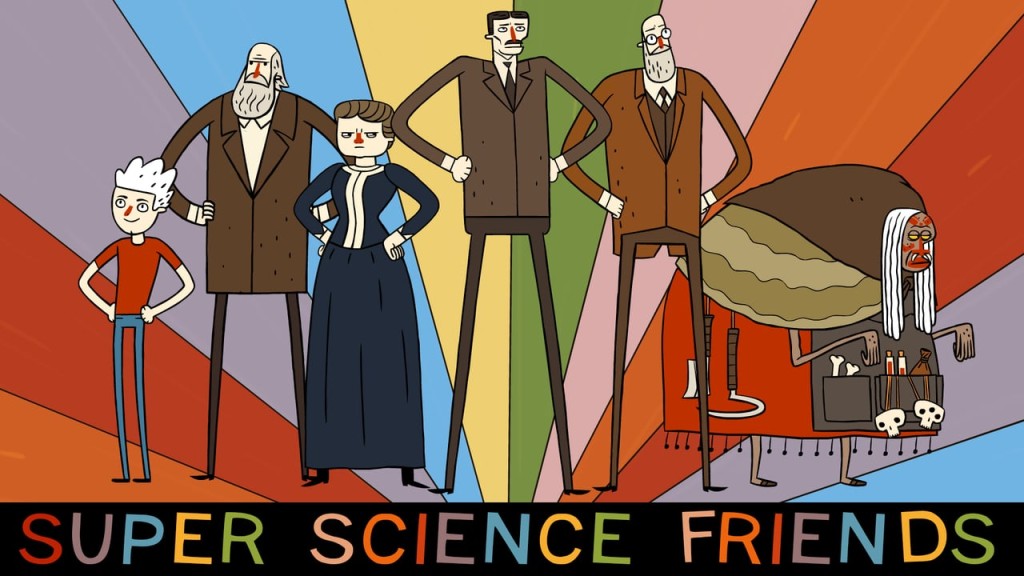
Super Science Friends

543935538_1280x720

It has been an undeniably grim few days, but if you’re looking for a moment of light-relief, take 15 minutes and watch the brilliant (and joyously silly) ‘Super Science Friends’pilot episode. Successfully kickstarted November 2014, ‘Super Science Friends’ was created by Brett Jubinville, and animated by Toronto-based  Tinman Creative. It features a team of time-travelling super scientists led by Winston Churchill who travel through time to fight Nazis, Soviet zombie cosmonauts, and all manner of evil science villains:

Comments closed

25 Years of Drawn and Quarterly

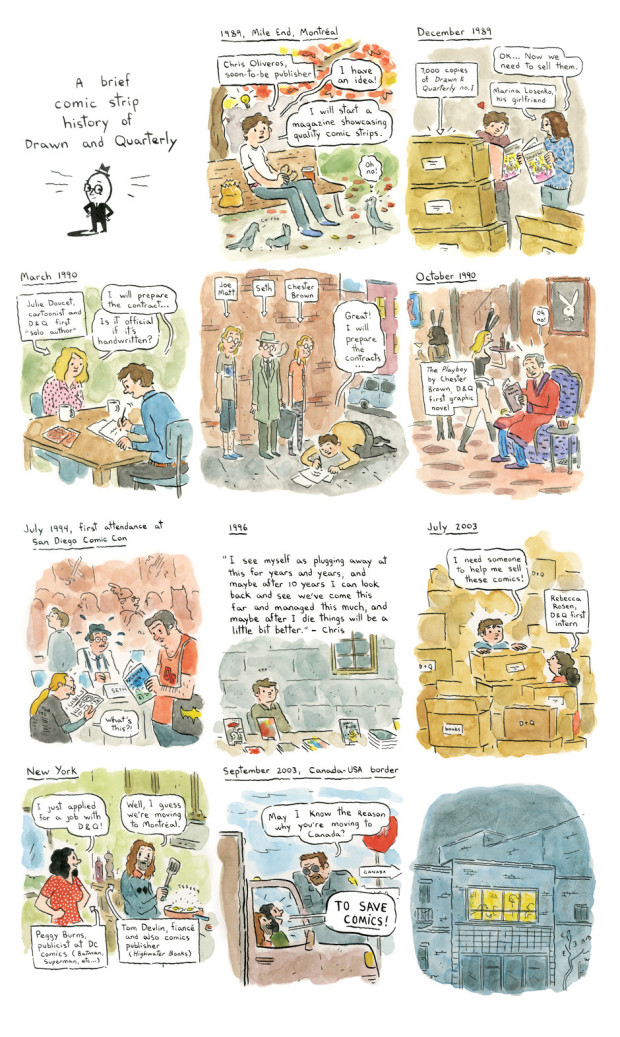
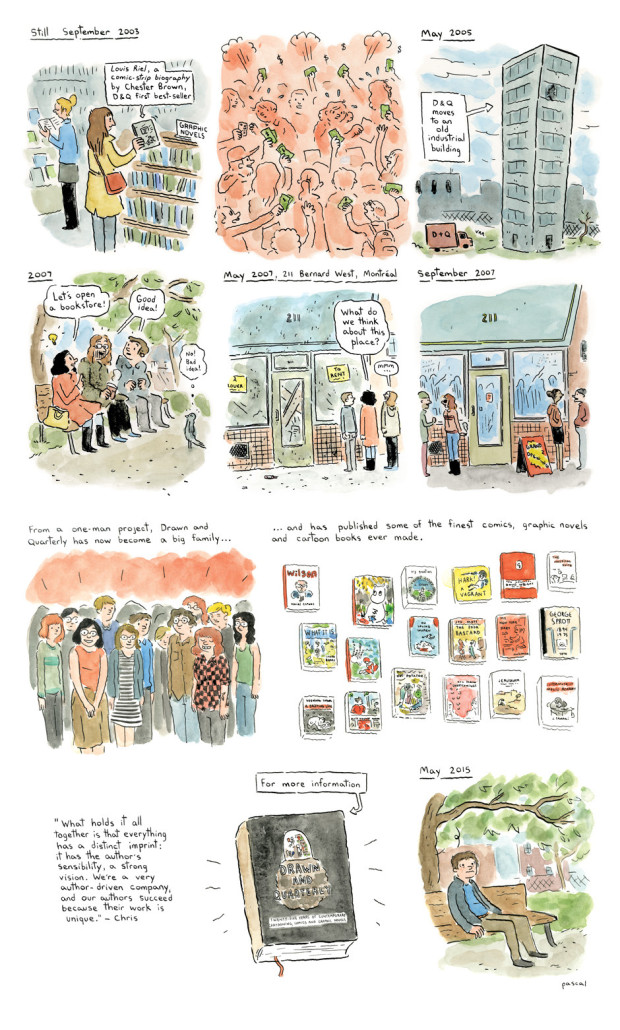
This past weekend at the Toronto Comic Arts Festival, Montreal publisher Drawn and Quarterly celebrated their 25th anniversary. D+Q cartoonist Pascal Girard (Petty Theft, Reunion, Bigfoot) drew a history of the publisher for the National Post:
tcaf_comichistory1

tcaf_comichistory2

While in a lengthy profile of the publisher by Mark Medley, the Globe and Mail revealed that founder Chris Oliveros is handing the company over to long-time collaborators Tom Devlin and Peggy Burns:

If Drawn and Quarterly is “like a big family,” as Chester Brown described the company to me earlier this week, then, in a sense, the family is losing its father.

A little more than a year ago, Oliveros pulled aside Burns and Devlin, his longest-serving co-workers, and told them he was thinking of stepping down, and that he wanted them to take over the company.

“It was a complete surprise,” says Devlin. “We kind of assumed he’d just do it forever.”

Burns says she burst into tears upon hearing the news.

“I’ve personally taken it as far as I can take it,” says Oliveros. “It would have been fine if I continued. It’s not like they were telling me to go or anything. I could have been around for the 30th anniversary, for the 35th, and the 40th, if I’m still alive, but I just feel, you know what, I don’t think I can accomplish – me, personally – I don’t think I can accomplish more.”

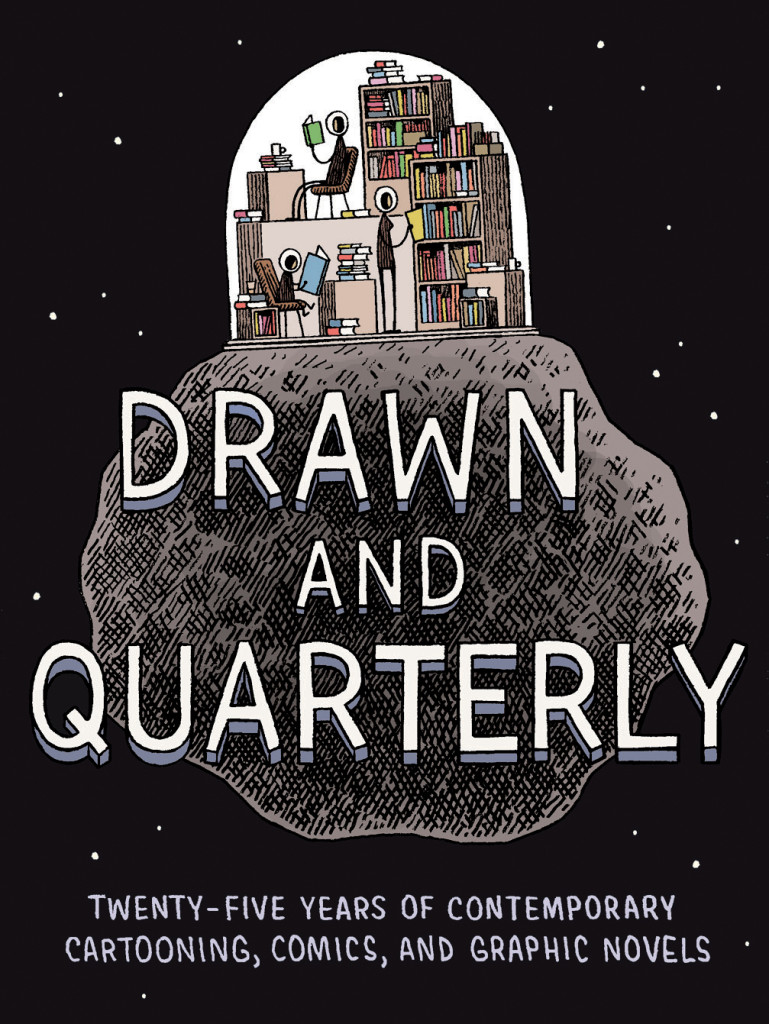
A new book celebrating the publisher, Drawn and Quarterly: Twenty-Five Years of Contemporary Cartooning, Comics, and Graphic Novelswill be published later this month.

DQ25_tomgauld

Comments closed

Lettres Libres

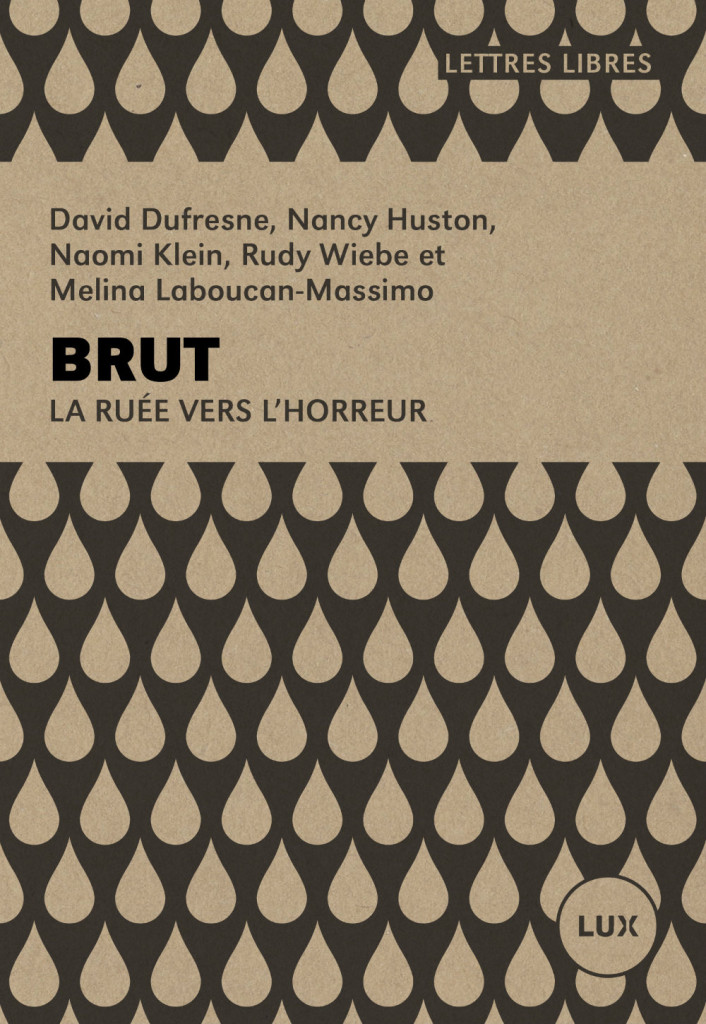
Brut_LL

Canadian designer Catherine D’Amours kindly let me know about her work at Nouvelle Administration to redesign the ‘Lettres Libres’ series published by Montreal-based publisher Lux Éditeur, with the help of Jolin Masson, a freelancer for the team. Printed on craft paper, each cover has its own pattern based on the subject of the book.

I am also a big fan of Catherine’s work for Le Quartanier, another Montreal-based publisher. You can read more about her NOVA series here.

1 Comment